A Royal Magician
John Dee gained a notorious reputation following his fascinating life as an occultist, astronomer, and alchemist. But his insatiably curious mind later had a rebrand, and he is now seen by many as responsible for propagating genuine areas of scientific discovery, such as mathematics, as well as more harmfully dominant ideas like colonial empire. Regardless of one’s views on his overall impact, Dee’s rise and fall is captivating.
 Unidentified painter, Wikimedia Commons
1. He Was Born In The Imperial Core
John Dee was born on July 13, 1527, in the Tower Ward area of London. His parents were Rowland Dee and Johanna. Though his life would take him far and wide, John always retained a connection to the locality of his birth. But his name signaled the path he would take.
2. He Had A Dark Name
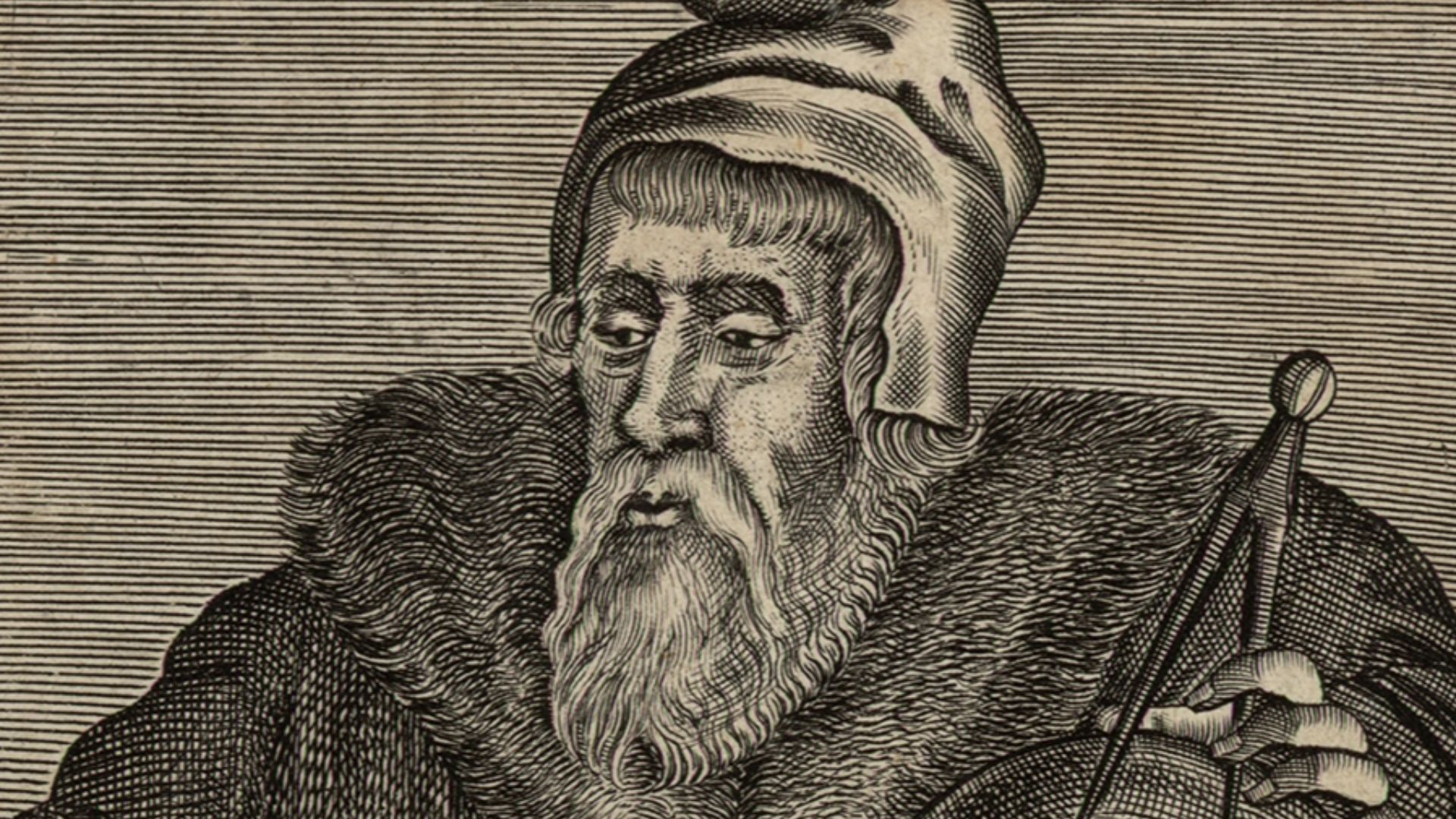
John was of Welsh descent. In fact, his surname, “Dee”, was an Anglicization of the Welsh word du, which meant black. It was a fitting name for a man who would later come to be associated with contacting spirits, occultism, and “black” magic in general. What separated John from his fellow practitioners, however, was his royal connections.
 Thomas Pennant, Wikimedia Commons
3. His Father Served Royalty
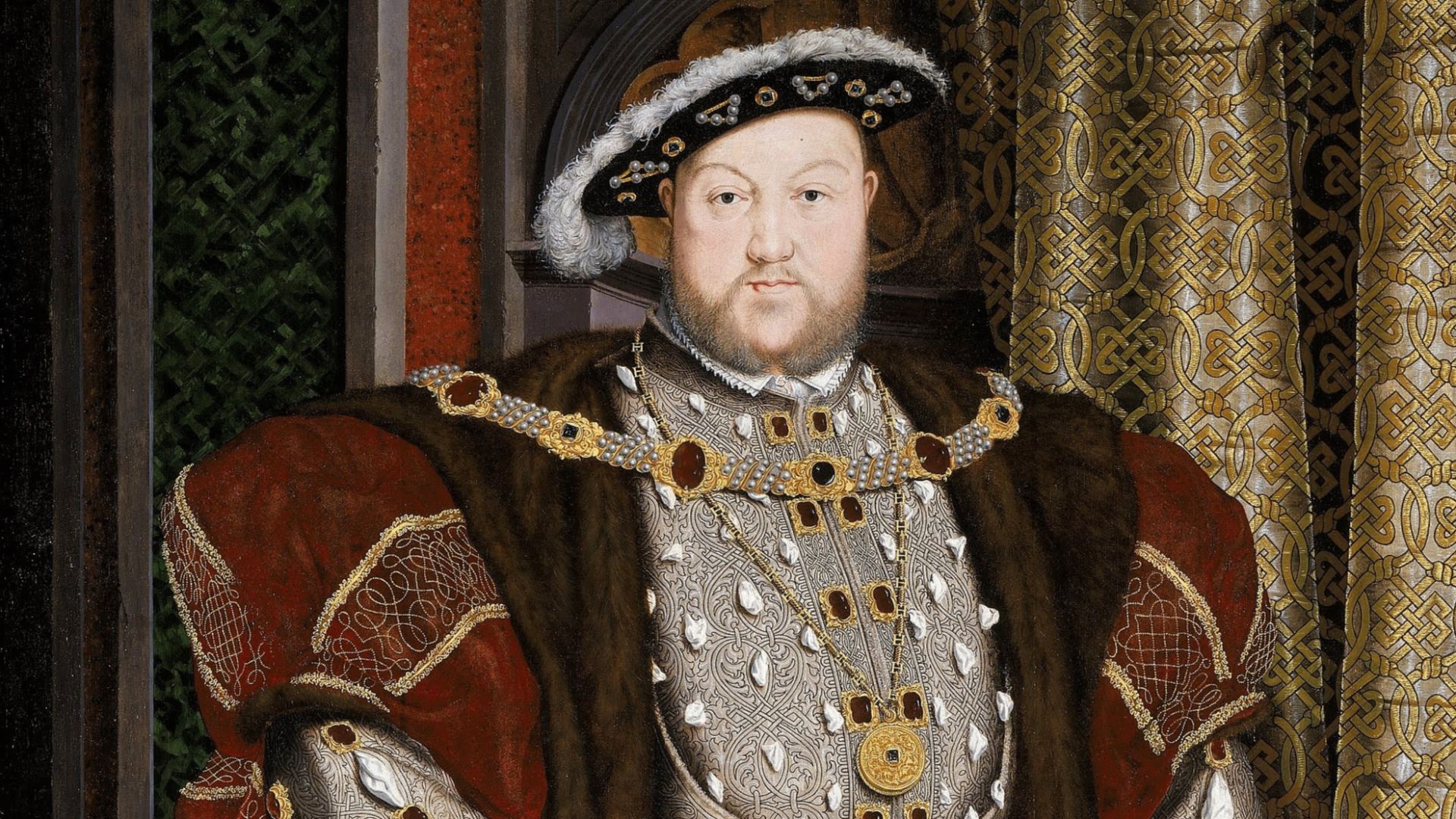
Dee’s father, Rowland, worked as a mercer, one who imports and trades in textile goods. He was no mere street salesman, however; the elder Dee served at the pleasure of King Henry VIII, as a personal mercer and gentleman courtier. Indeed, the Dees could claim royalty themselves in their blood…if John was to be believed.
 After Hans Holbein the Younger, Wikimedia Commons

History's most fascinating stories and darkest secrets, delivered to your inbox daily.
4. He Descended From Kings
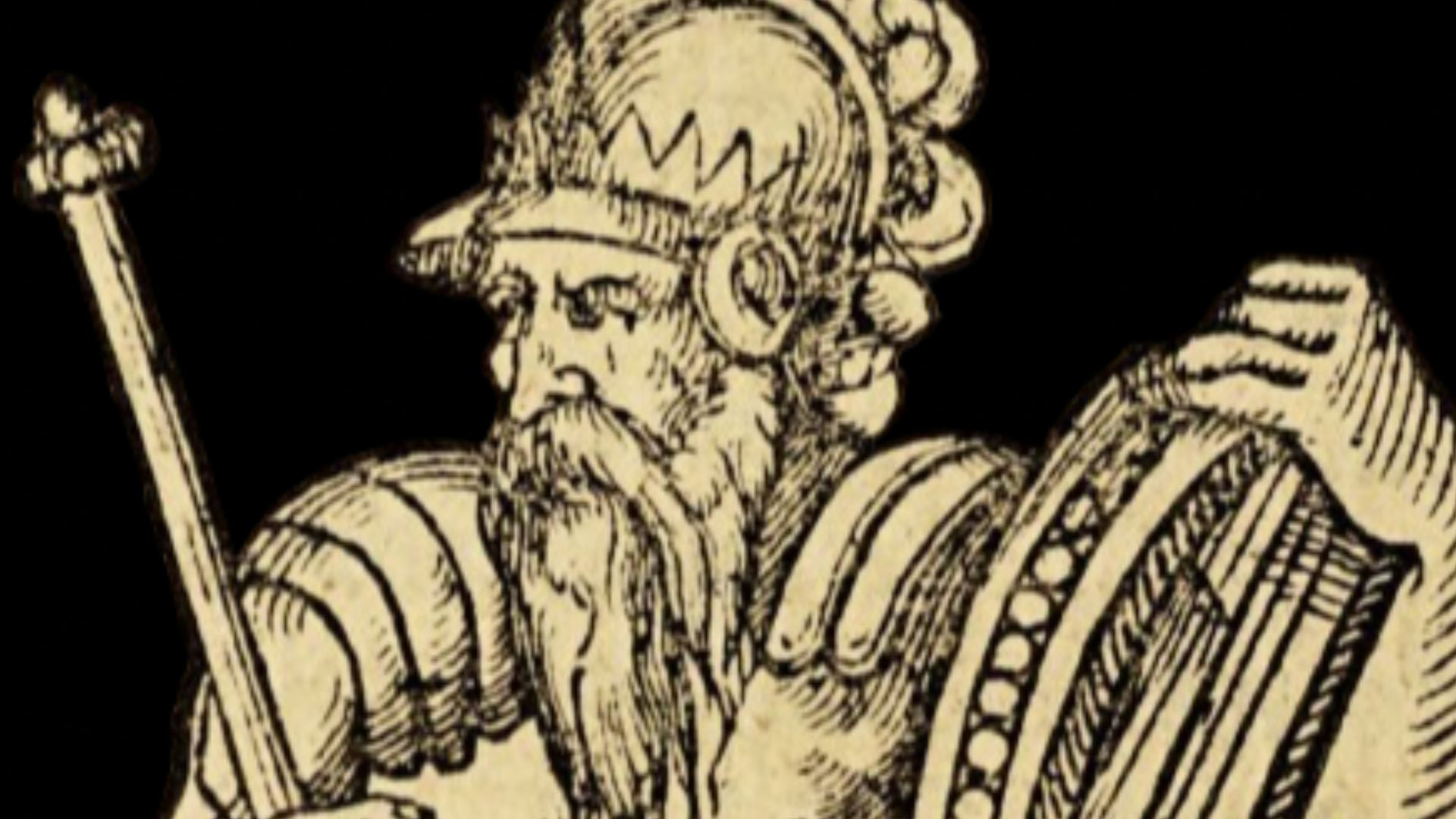
During his life, John Dee claimed to be descended from Rhodri the Great, a ninth century Welsh monarch from the Kingdom of Gwynedd. We only have John’s word to go on, however; there is no surviving evidence that this ancestral claim was true, though that did not stop Dee from constructing the pedigree and bending to his influence. Perhaps it was this that gave him an early leg up.
 David Powell, Wikimedia Commons
5. He Was A Young Prodigy
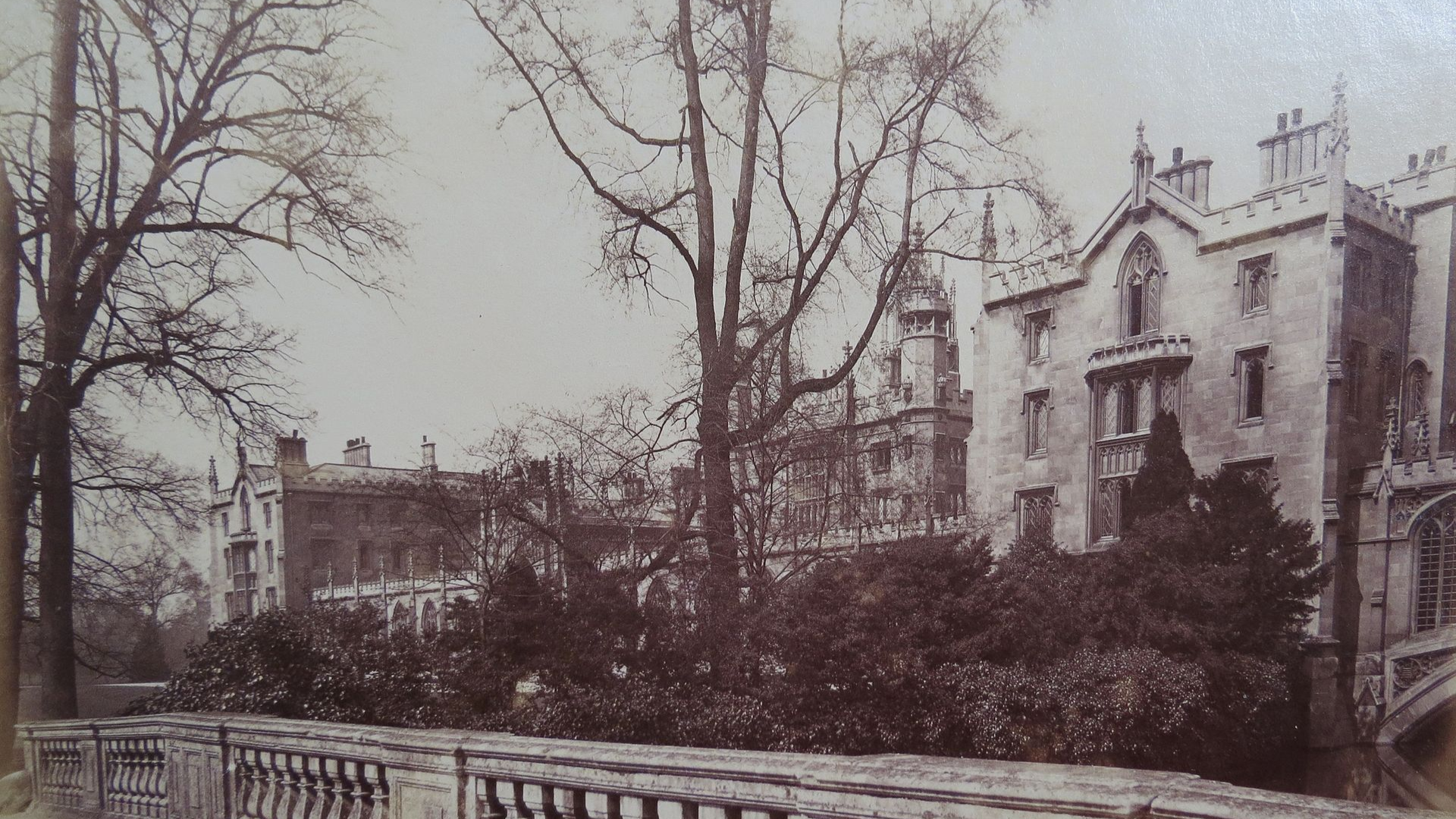
Dee showed great intelligence, capability, and curiosity from a young age, and his family’s stature allowed him the finest educational opportunities. After excelling in grammar school, Dee entered St John’s College in Cambridge in November 1542 at the age of just 15. His ambition and accomplishments did not go unrecognized.
 Photos taken for William Winfield; uploaded by Kimberlyblaker, Wikimedia Commons
6. He Got A Royal Appointment
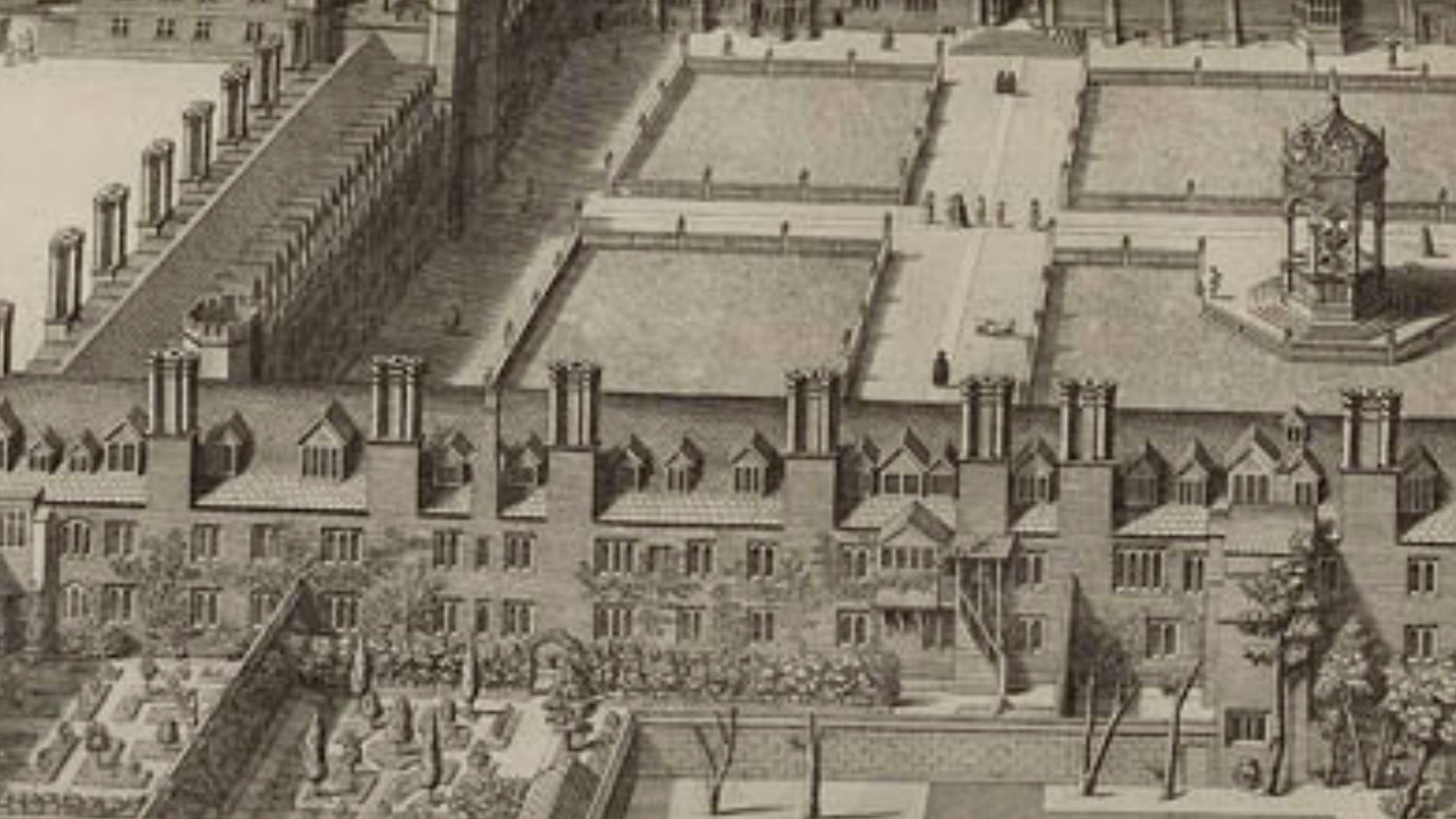
John Dee graduated with a BA three or four years later, and shortly after, in 1546, Henry VIII founded Trinity College, Cambridge. Dee’s abilities were apparent to all, and the King personally appointed him a fellow of the new College, a wildly impressive accomplishment for a 19-year-old. But Dee did not limit his activities to academics.
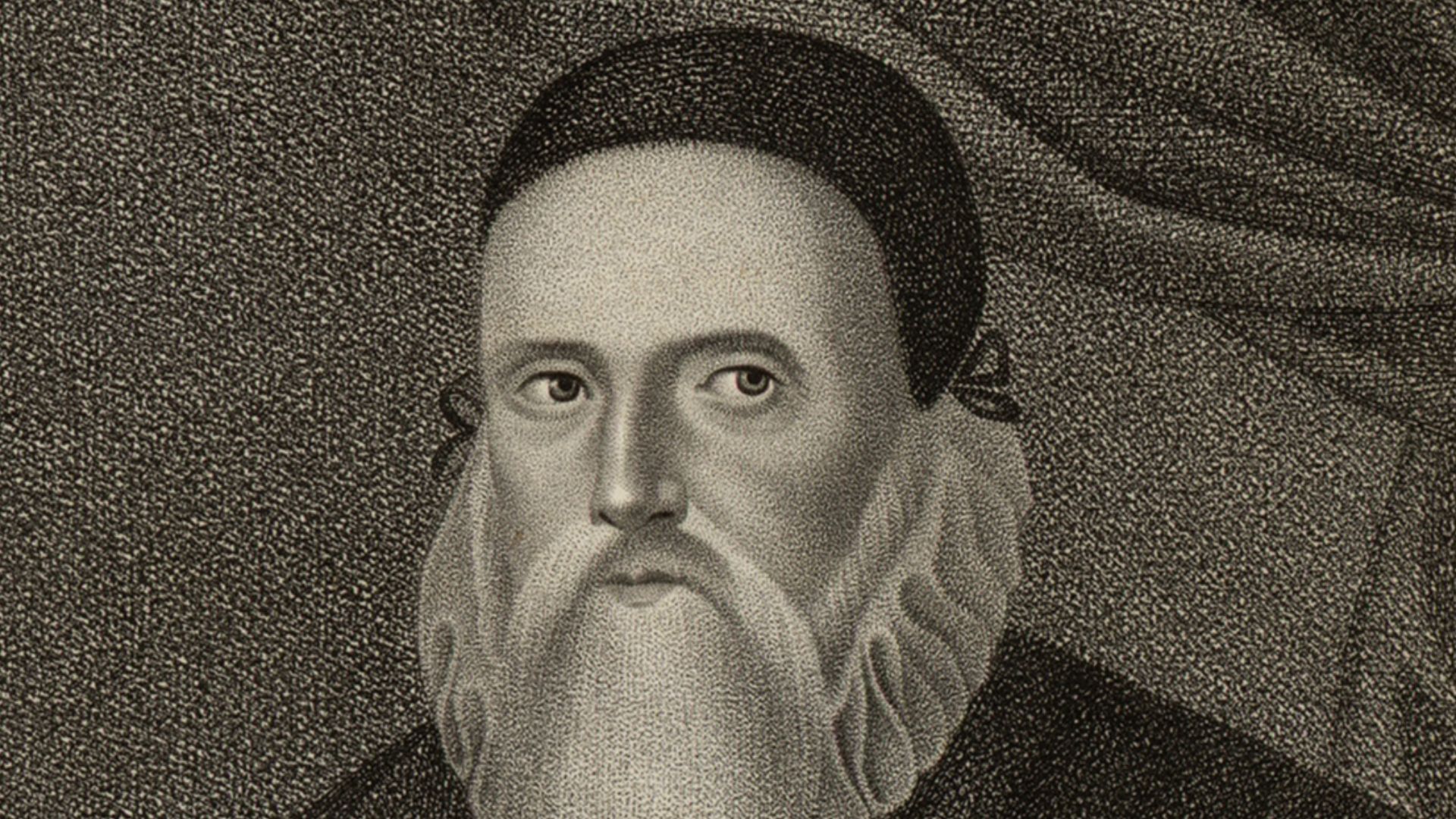 Thomas Pennant, Wikimedia Commons
7. He Got Creative
Trinity College had a vibrant drama society, and the possibilities captivated Dee. For a production of Aristophanes’ Peace, the young fellow volunteered to assist. Using his mechanical mind, Dee designed stage effects for the play. With his help, the production quite literally soared.
 David Loggan, Wikimedia Commons
8. He Created Flight
Dee’s crowning achievement of the production was the creation of a mechanical contrivance that used pulleys and mirrors to simulate the illusion of flight for the actor playing Scarabaeus during a scene in which the character flies up to Jupiter’s palace. Possibly deriving his technique from rediscovered classical methods, Dee later claimed that this accomplishment was the source of his reputation as a magician. The young man soon took flight in another sense.
 UniversalImagesGroup, Getty Images
9. He Travelled The Continent
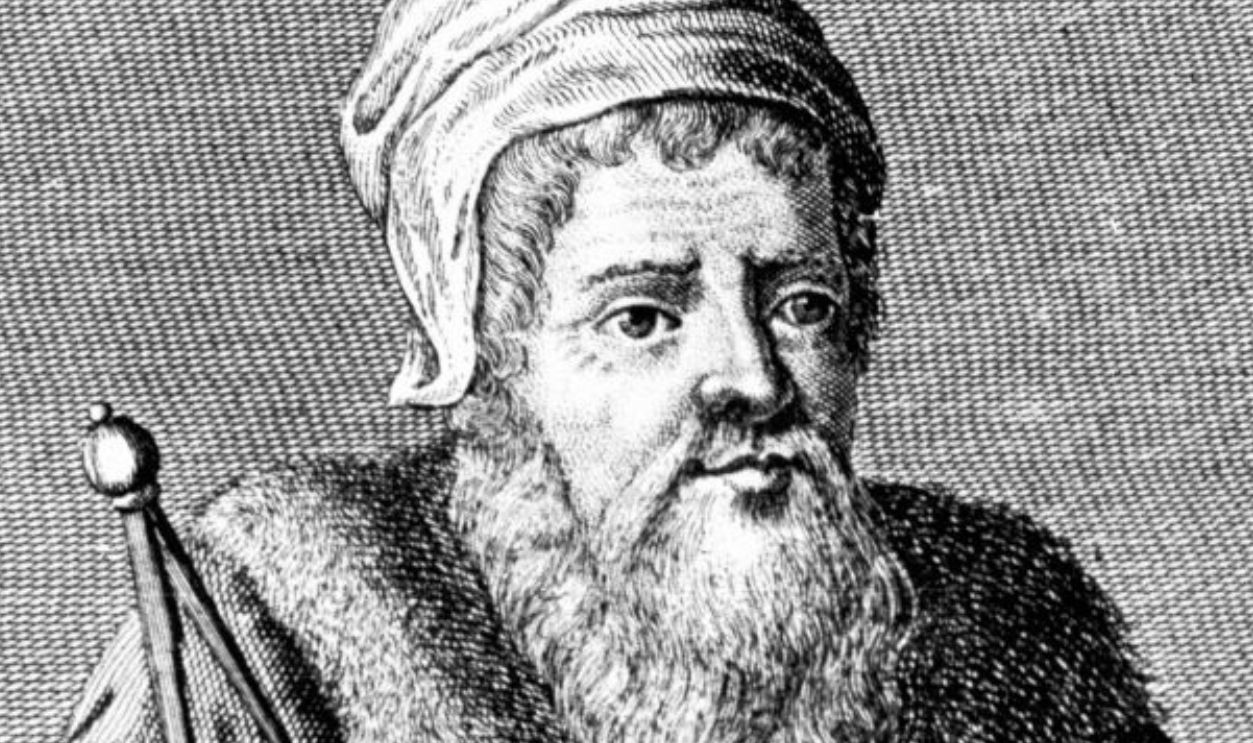
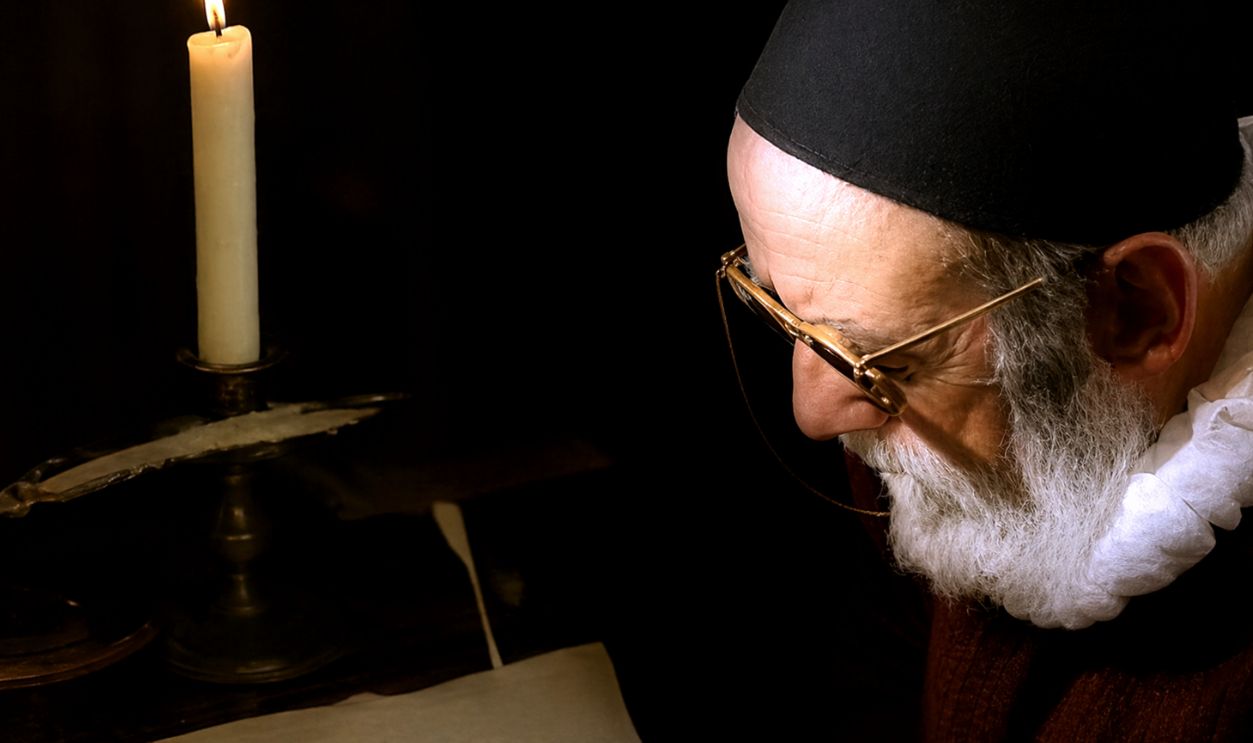
All the while, Dee’s intellectual horizons constantly expanded, and Cambridge became more of a limitation than a playground for exploration. By the late 1540s, the young prodigy set off around Europe, studying at various continental universities and giving lectures on Euclidian mathematics and logic. Over the course of his travels, Dee accumulated a wealth of knowledge—and some trinkets too.
 Screenshot from Masters of Darkness: Queen Elizabeth's Magician, Diverse Productions(2002)
History's most fascinating stories and darkest secrets, delivered to your inbox daily.
10. He Returned Packing
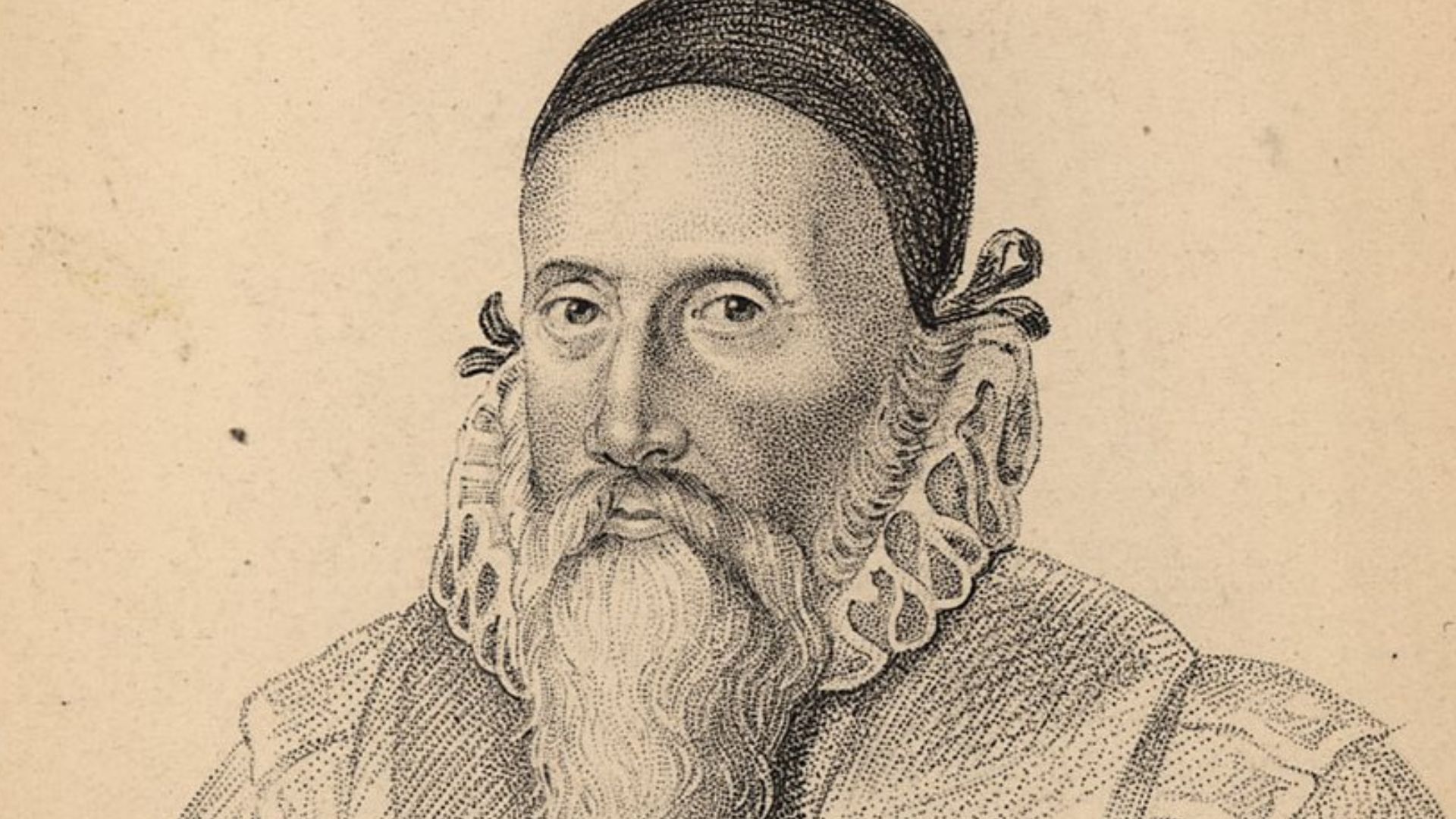
On the continent, John Dee studied under many notable mathematicians, befriended various cartographers, and cultivated a deep interest in astronomy. Upon his return to England, he brought with him a variety of instruments for use in mathematical and astronomical experiments and set up a lab to put them to use. The young man was clearly forging his own path.
 File Upload Bot (Magnus Manske), Wikimedia Commons
11. He Held Firm In His Convictions
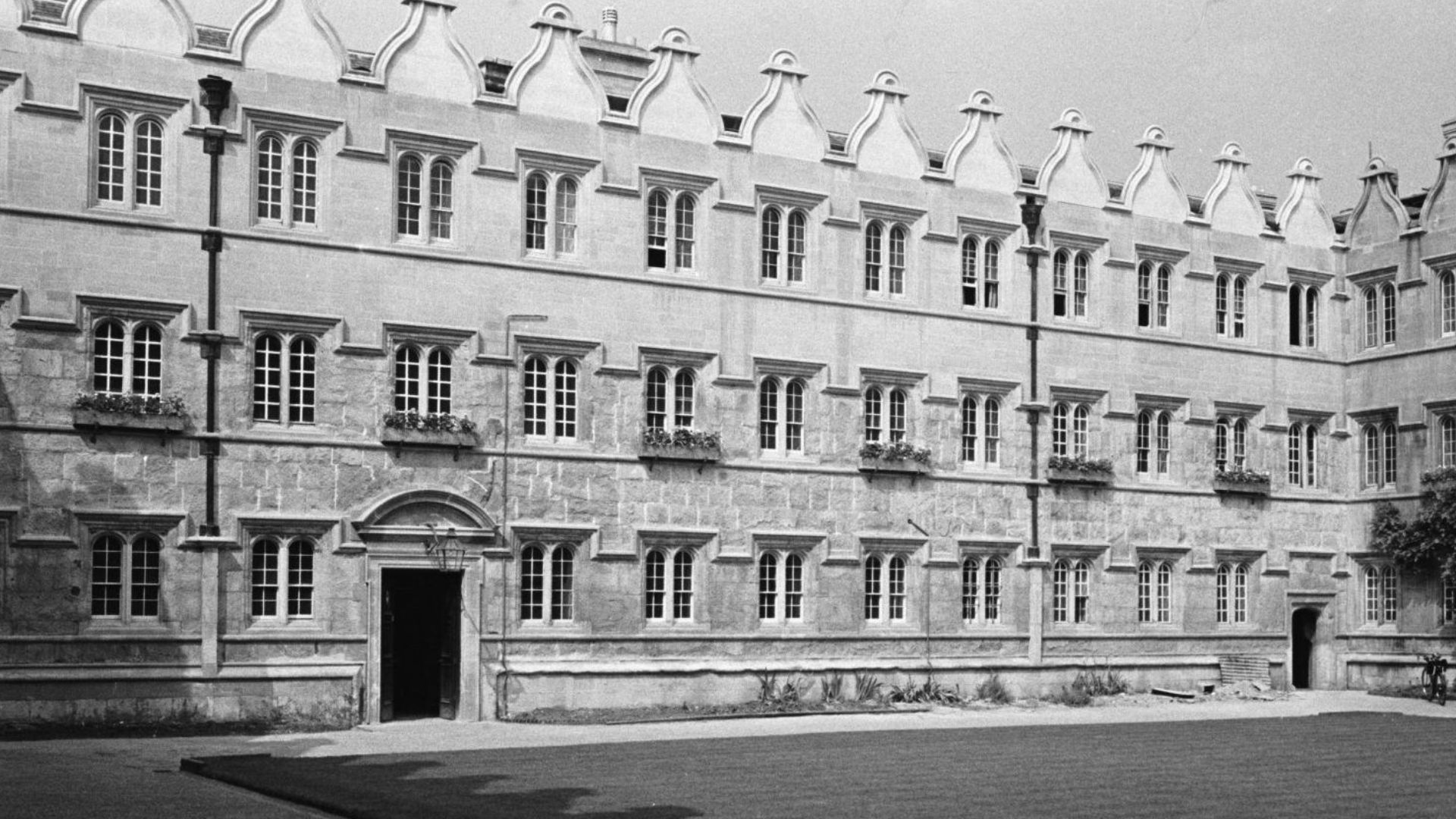
In 1554, while serving as a rector in a small riverside village, Dee received an offer for a readership in mathematics at Oxford University. It was a wonderful opportunity…which he promptly declined. His reasons for refusal were pedagogic and pedantic: he objected to English universities’ focus on rhetoric and grammar over philosophy and science, topics he was gaining increasing interest in. Indeed, Dee was aiming higher.
 Geoff Charles, Wikimedia Commons
12. He Had Lofty Ambitions
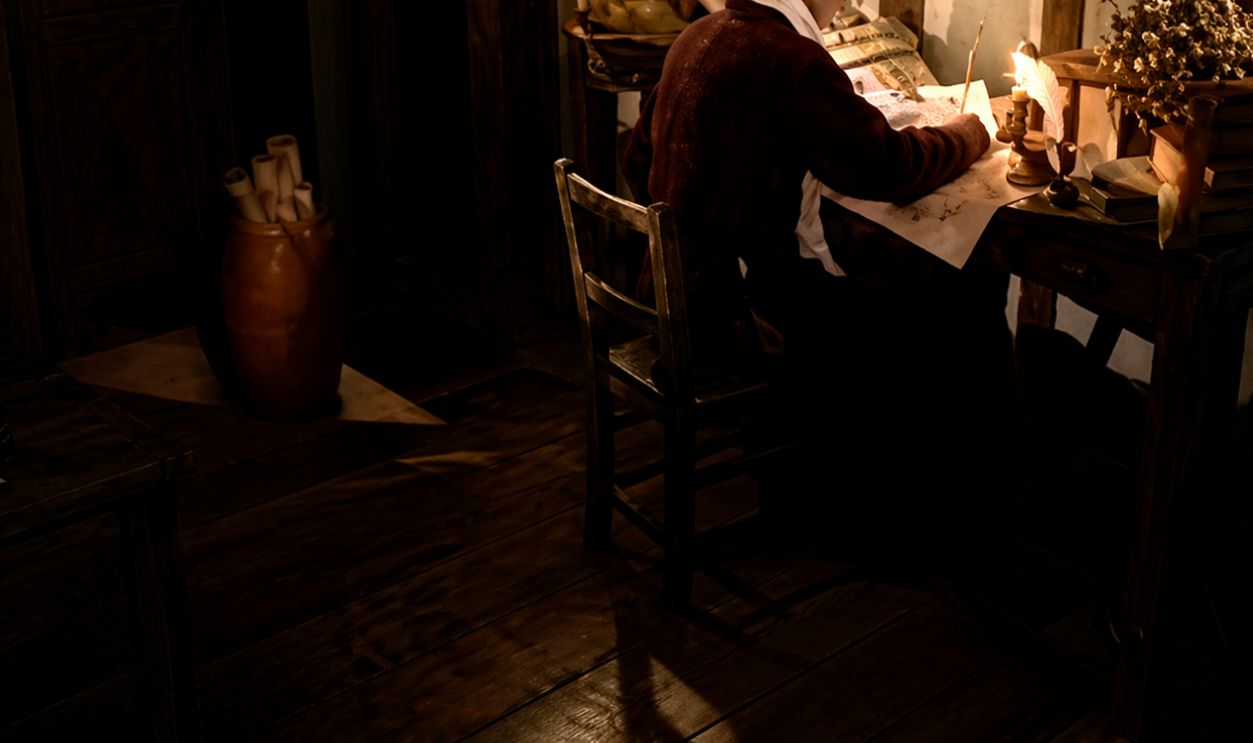
During this time, John Dee nearly constantly busied himself with writing, leading with his curiosity, performing experiments, and philosophizing to his heart’s content. His sights were probably set on his ultimate goal: the young intellect was eyeing a position at the royal court. He was shoring up his clerical bona fides in preparation.
 Screenshot from Masters of Darkness: Queen Elizabeth's Magician, Diverse Productions(2002)
13. He Fast-Tracked Clergy
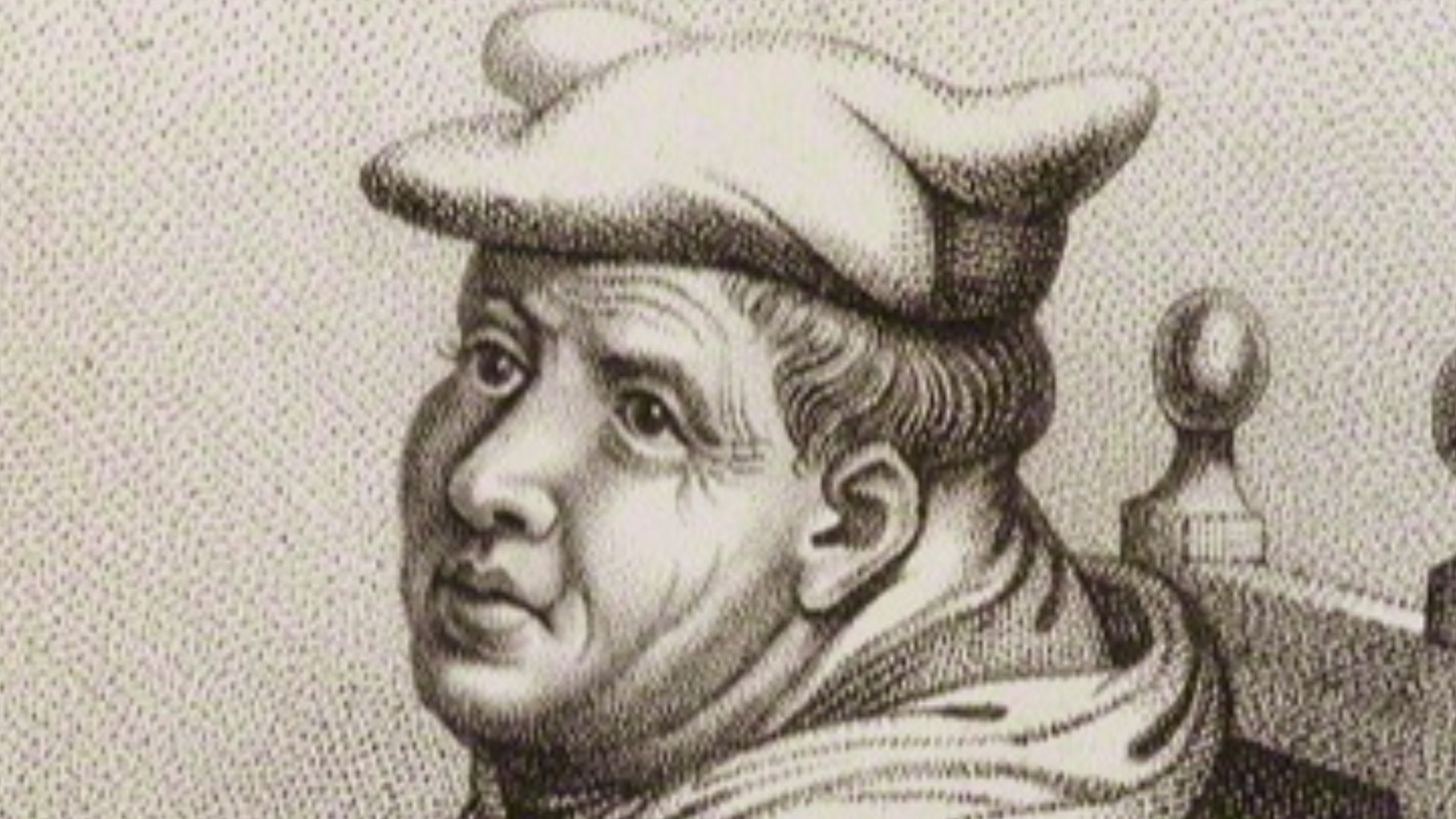
Dee was also developing a deepening interest in religion. On February 17, 1554, at a time of significant Protestant reformation in England, Dee took Catholic orders to become a priest. Bishop Edmund Bonner, likely a friend of Dee’s by then, gave special permission for the ambitious cleric to receive all holy orders from first tonsure to priesthood in a single day. There were few areas of spirituality where Dee didn’t dabble.
 Engraving after 16th-century portrait, Wikimedia Commons
14. He Looked To The Stars
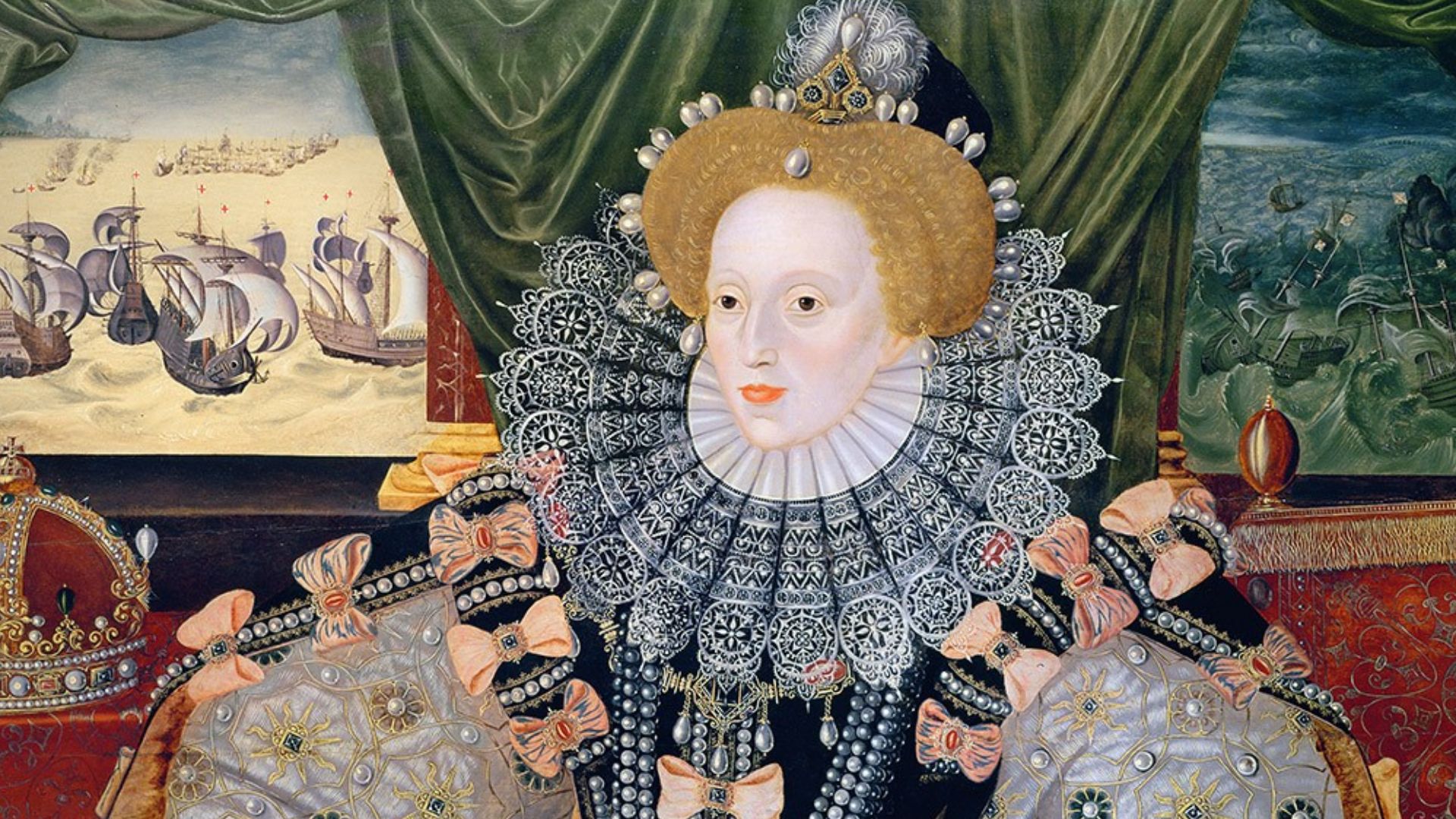
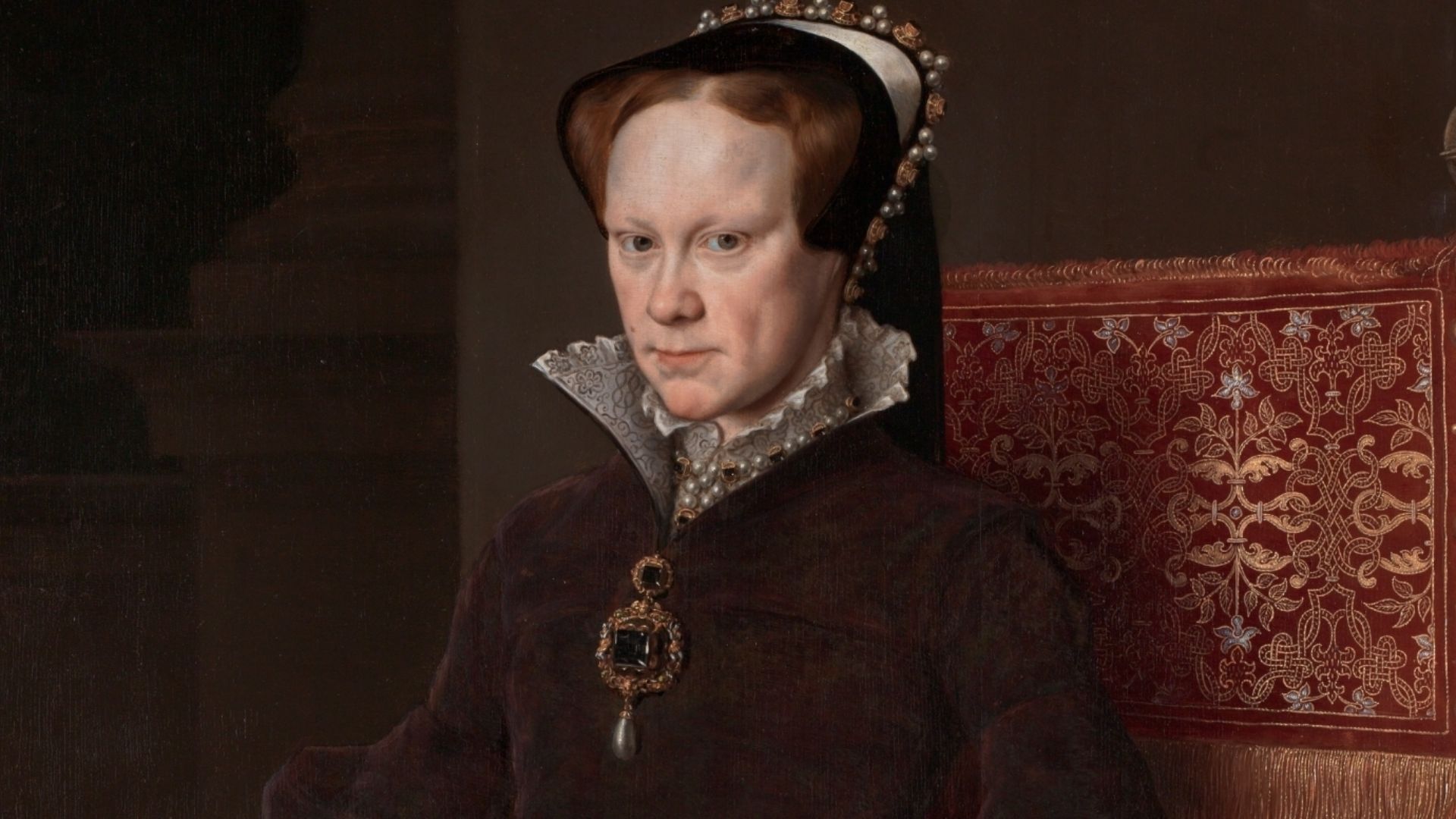
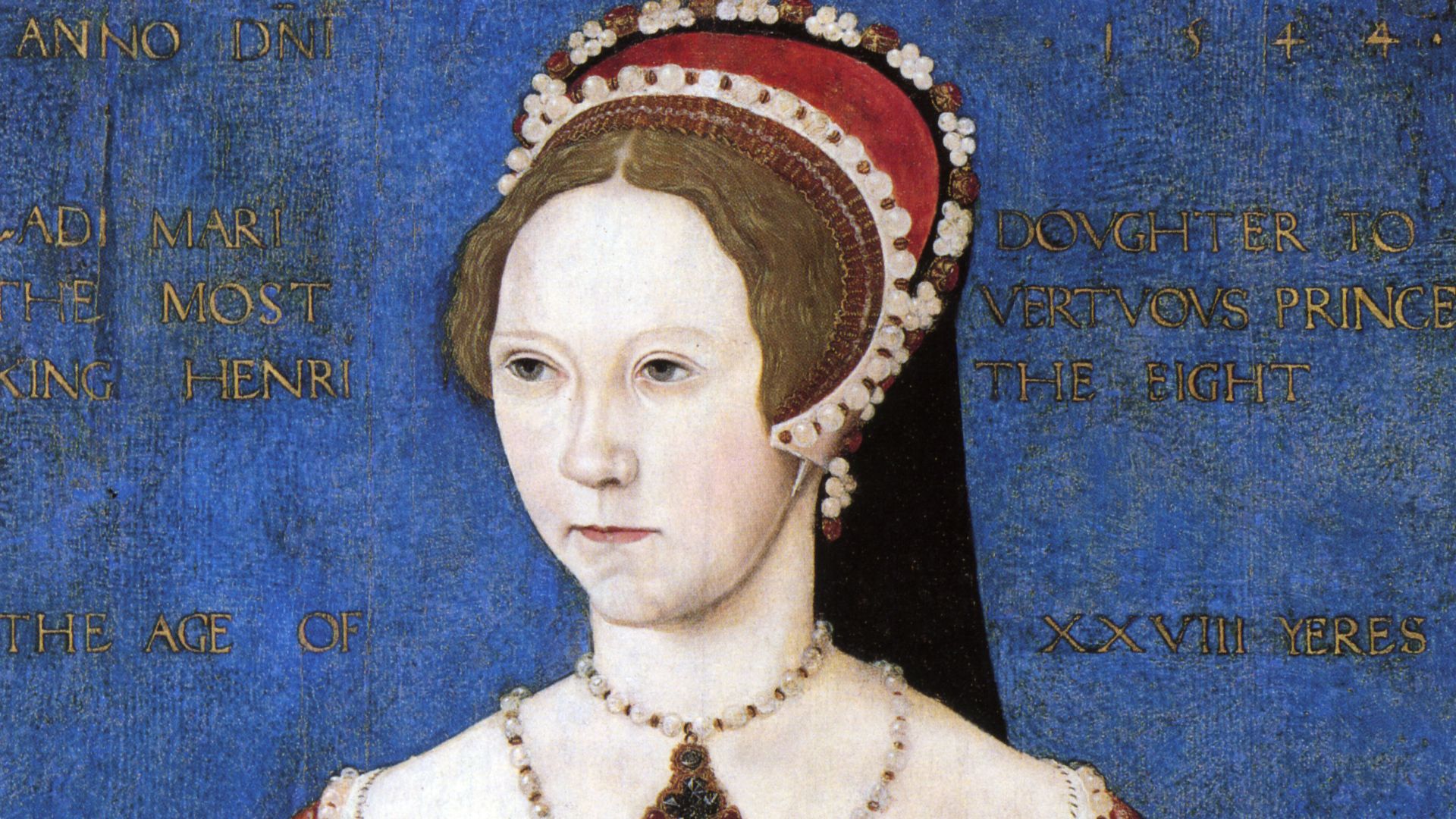
By 1555, Dee had expanded the horizons of his intellectual curiosity to include astrology. He would cast public horoscopes for crowds of onlookers, and this eventually got him into hot water. The eccentric man got arrested and charged with “lewd and vain practices of calculating and conjuring” for casting horoscopes for the reigning Queen Mary I and her younger half-sister, Princess Elizabeth. Dee’s situation would get worse before it got better.
 Formerly attributed to George Gower, Wikimedia Commons
15. He Got A Hefty Charge
Dee’s ambitions for a court appointment looked in complete peril and, during Mary I’s reign, he fell completely out of favor with the royal family. Reflecting this, authorities upped his charges to treason. It looked like the end for the disgraced mathematician, but he managed to wriggle his way out of trouble.
 Antonis Mor, Wikimedia Commons
History's most fascinating stories and darkest secrets, delivered to your inbox daily.
16. He Got A Slap On The Wrist
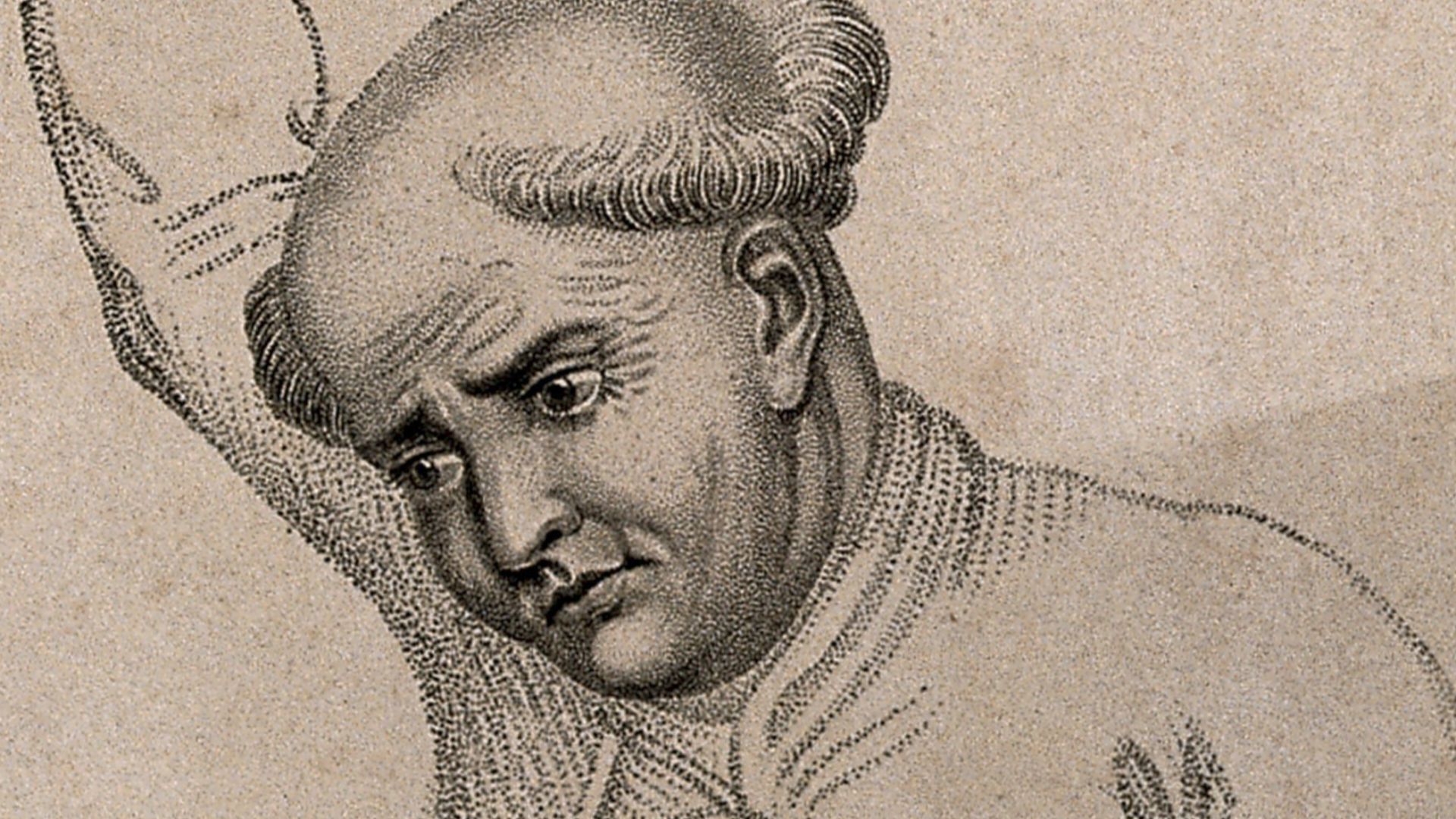
John Dee faced his charges in the Star Chamber and, amazingly, got exonerated. There was a catch, however: he was to undergo a religious examination. Fortunately for the young rebel, however, he found himself placed into the custody of his friend, Bishop Bonner. He had gotten lucky this time, but Dee would get used to going on the defense.
17. He Faced A Barrage
Though this particular run-in with the royal family was the worst controversy he found himself mired in, Dee weathered, throughout his entire life, countless public attacks and slanders. He did not help his case with his tendency for secrecy, painting him as a scheming figure worthy of mistrust in the eyes of many. Still, the peculiar intellectual seemed happy in his own world.
 Screenshot from Masters of Darkness: Queen Elizabeth's Magician, Diverse Productions(2002)
18. He Had A Thirst For Knowledge
Dee had an insatiable urge for information, and a deep passion for collecting and preserving reading materials. In 1556, he pitched to Queen Mary a national and ambitious project to preserve old books, manuscripts, and records in a newly found national library, but the government did not adopt the idea.
Dee opted instead to undertake the project himself, expanding his personal library at Mortlake to one of the largest in England, attracting scholars from across Europe. They came for the books but stayed for the collector’s charismatic presence.
 Master John (floruit 1544-1545), Wikimedia Commons
19. He Was A Looker
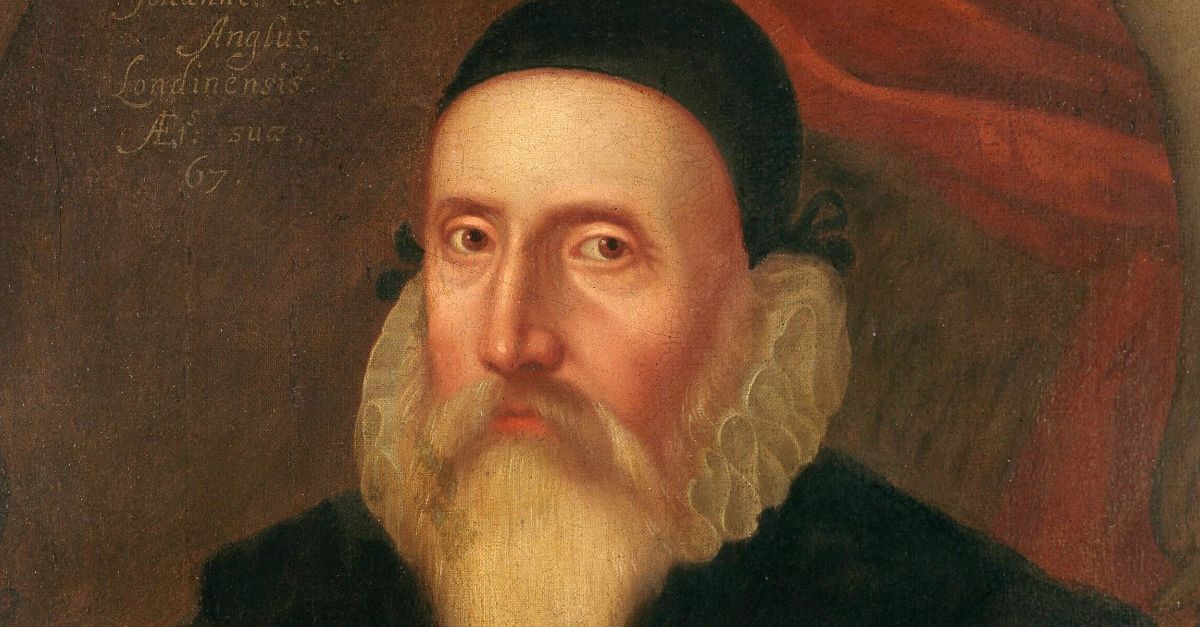
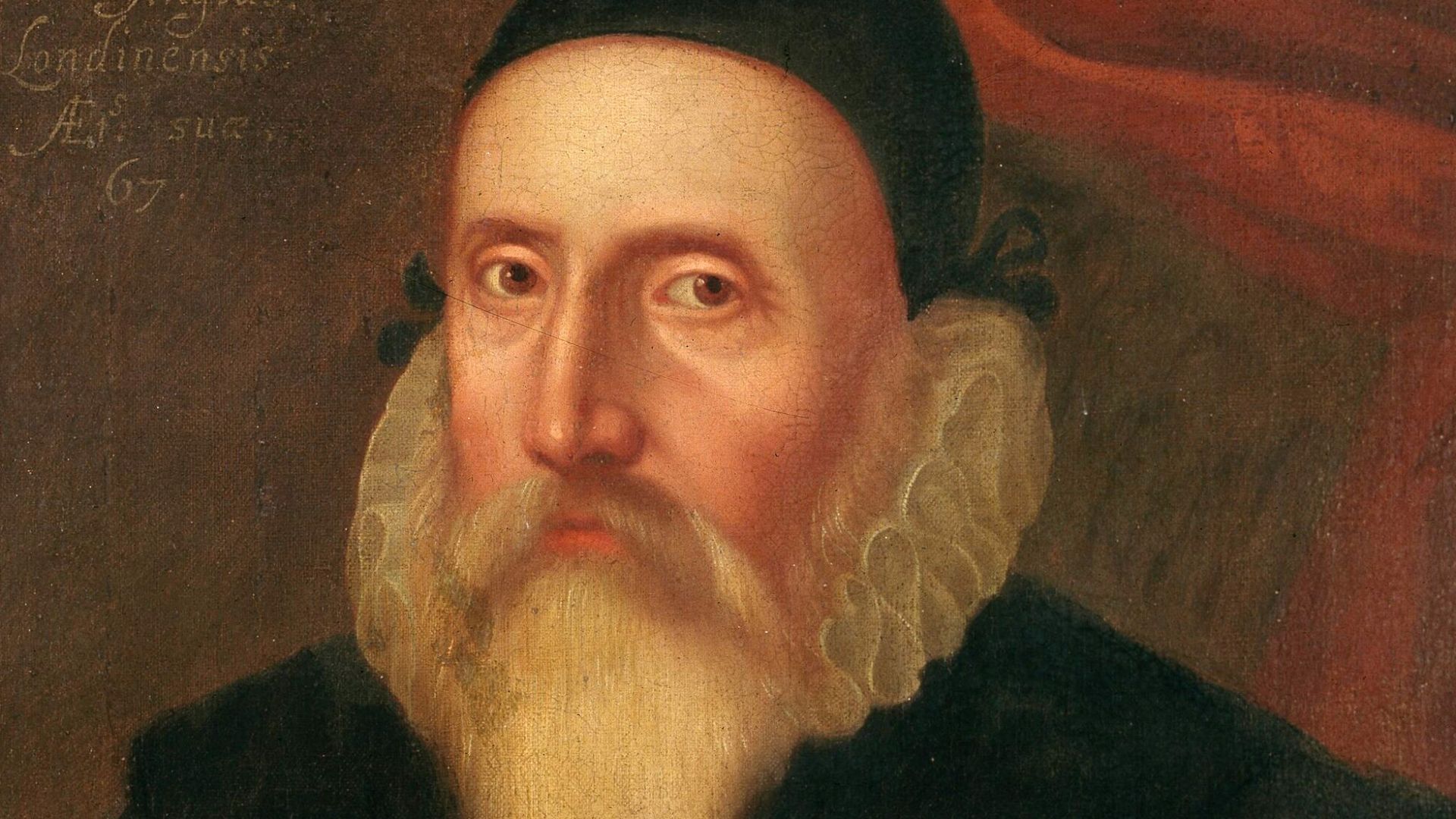
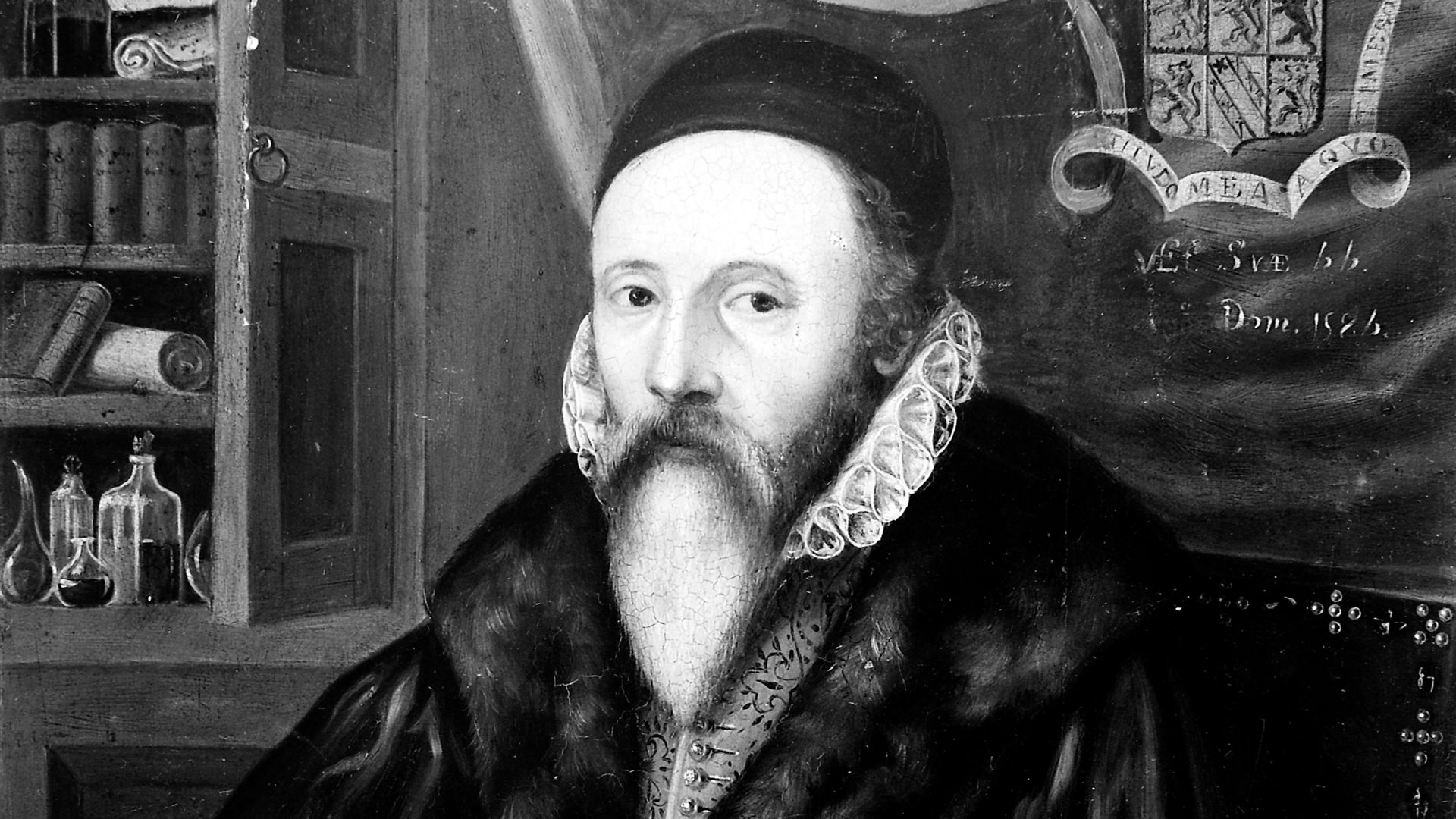
Contemporary portraits of the man, along with antiquarian reports from shortly after Dee’s time, have given us a good idea of his appearance. They describe him as having been tall, slender, and very handsome. Dee generally wore an artist’s gown with hanging sleeves (giving him a wizardly appearance), had a sanguine complexion, and constantly wore a long beard that turned milk white as he aged. The ladies lined up.
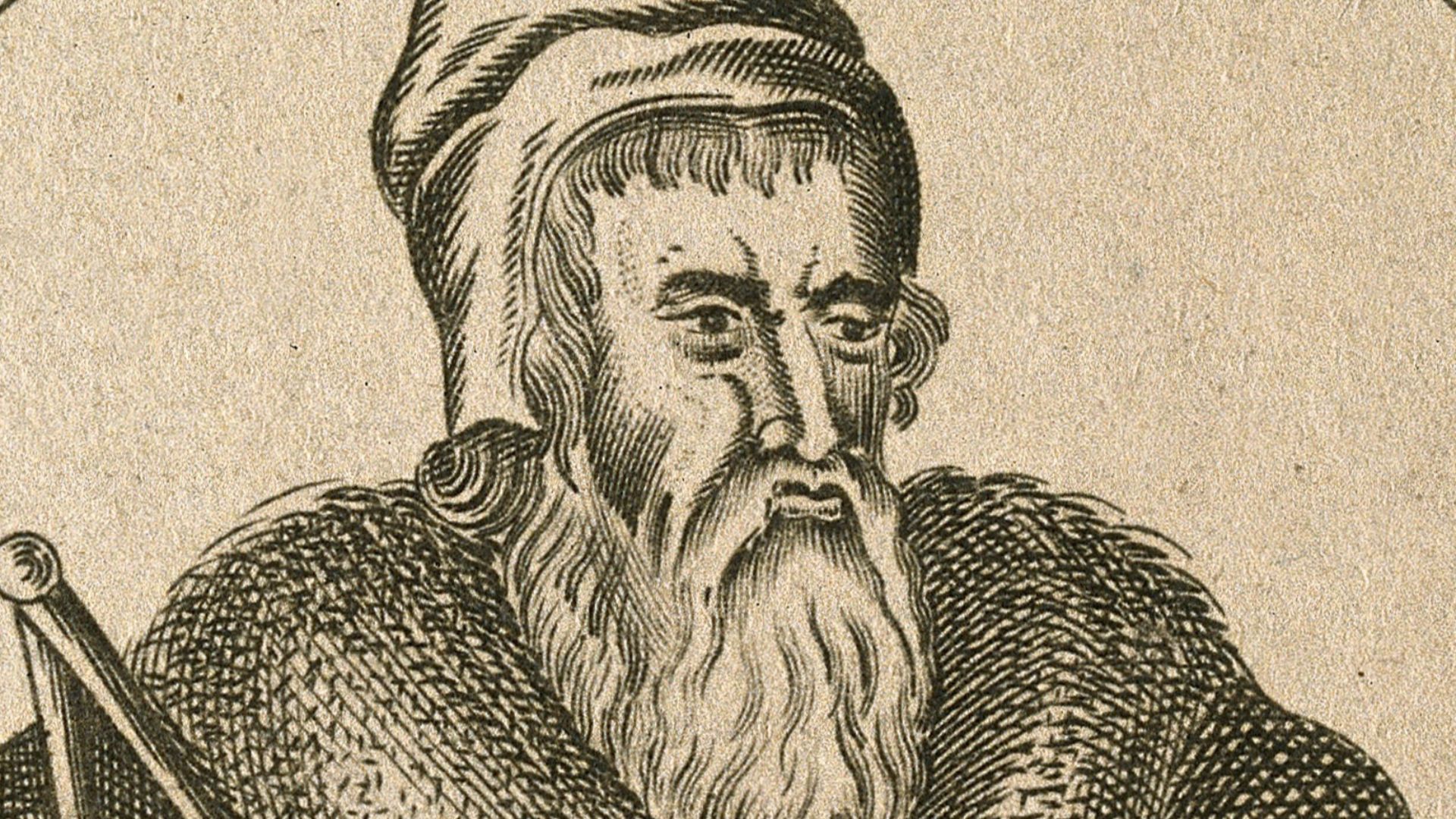
20. He Made Several Marriage Attempts
Over the course of his life, John Dee was married no fewer than three times. His first wife was Katherine Constable, whom he married in 1565 and stayed with until her passing in 1574. His second wife is unknown, though that marriage was short-lived as she perished after only a year. Dee had no children from either of his first two marriages. Perhaps that was why he sought a younger bride for round three.
 Screenshot from Masters of Darkness: Queen Elizabeth's Magician, Diverse Productions(2002)
21. He Had An Age Gap Relationship
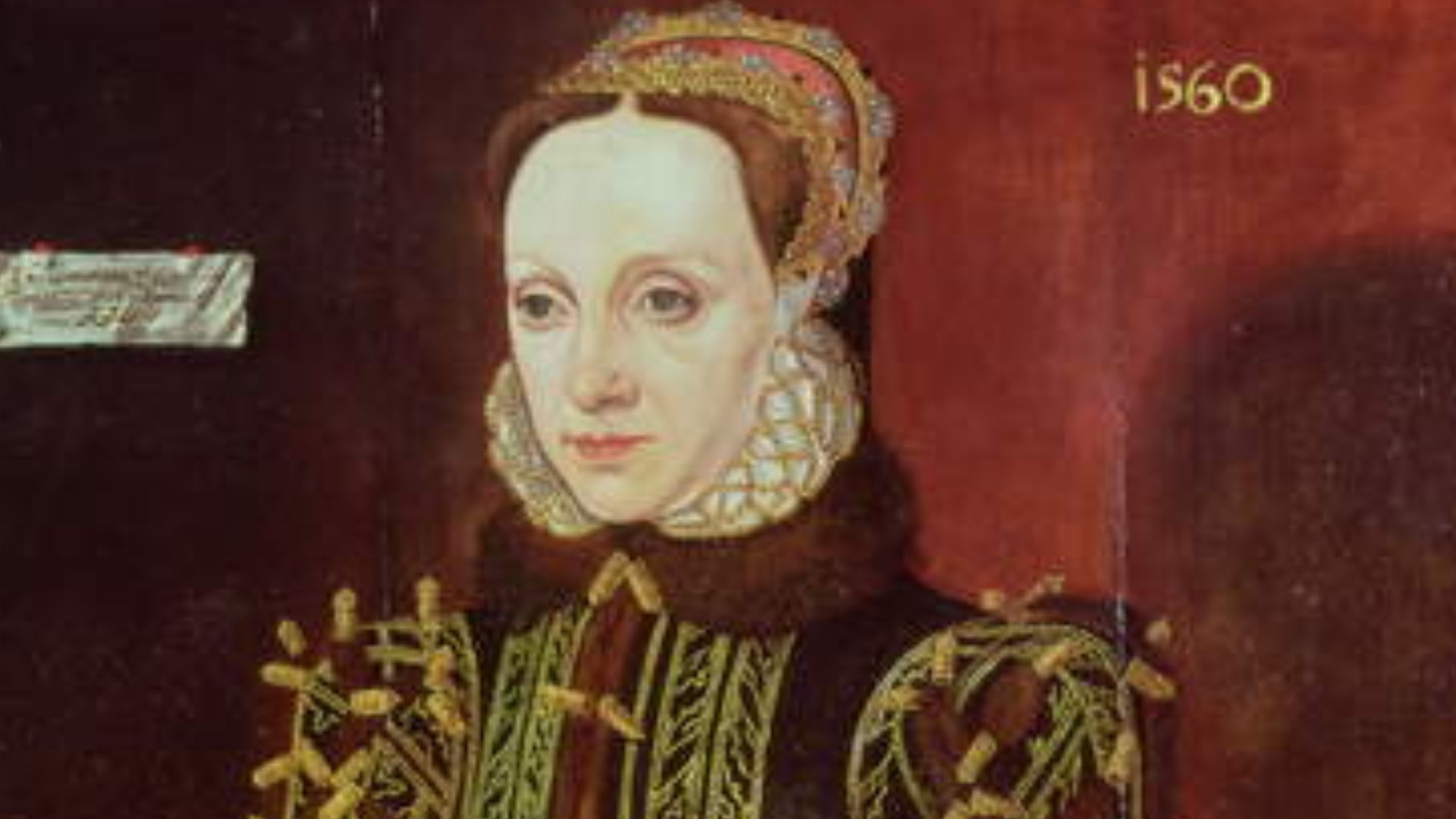
John Dee married his third wife, Jane Fromond, in 1578. By then, he was 51 years old…and his bride was only 23. The two met at court, where, until her marriage to Dee, Fromond served as a lady-in-waiting to the Countess of Lincoln. The newlyweds promptly got busy and stayed busy for a while.
 Attributed to Steven van der Meulen, Wikimedia Commons
History's most fascinating stories and darkest secrets, delivered to your inbox daily.
22. He Had A Litter
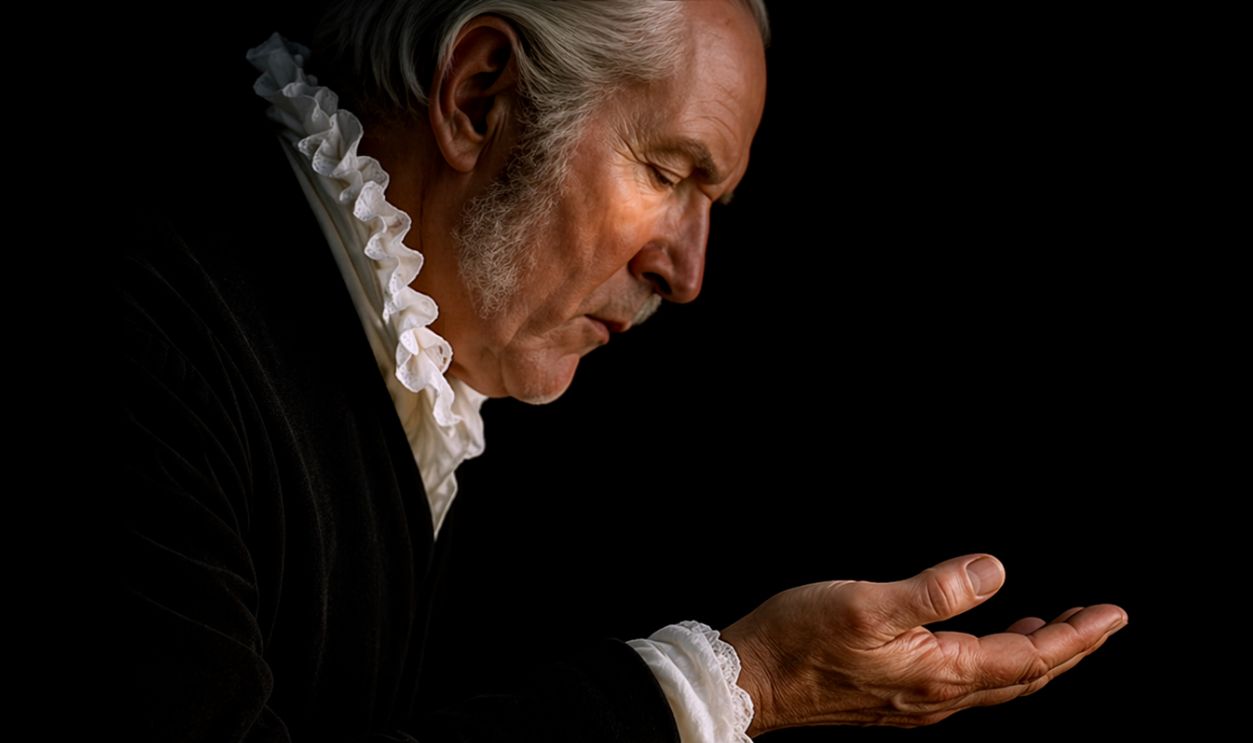
After remaining childless during his first two marriages, Dee made up for lost time. Over the course of the next 10 years after their marriage, John and Jane had a whopping seven or eight children (the eighth child is of disputed parentage…more on that later). The eldest of these was Arthur Dee, who would go on to become a prominent physician and alchemist in his own right. But before becoming a family man, John realized another ambition.
 Screenshot from Masters of Darkness: Queen Elizabeth's Magician, Diverse Productions(2002)
23. He Got His Dream Job
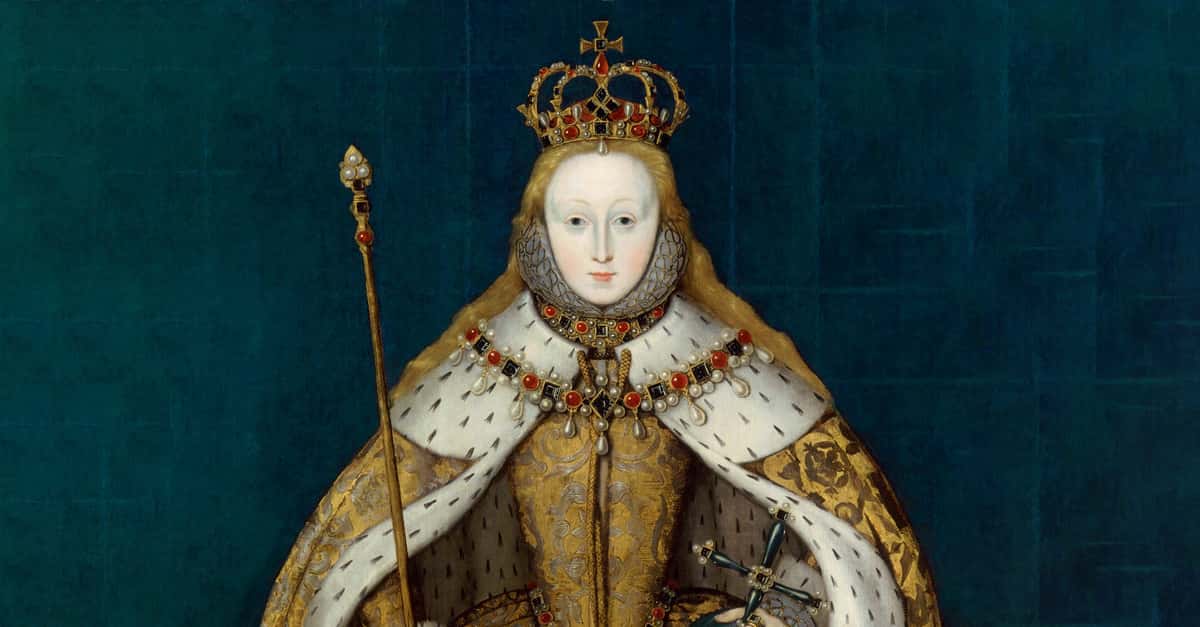
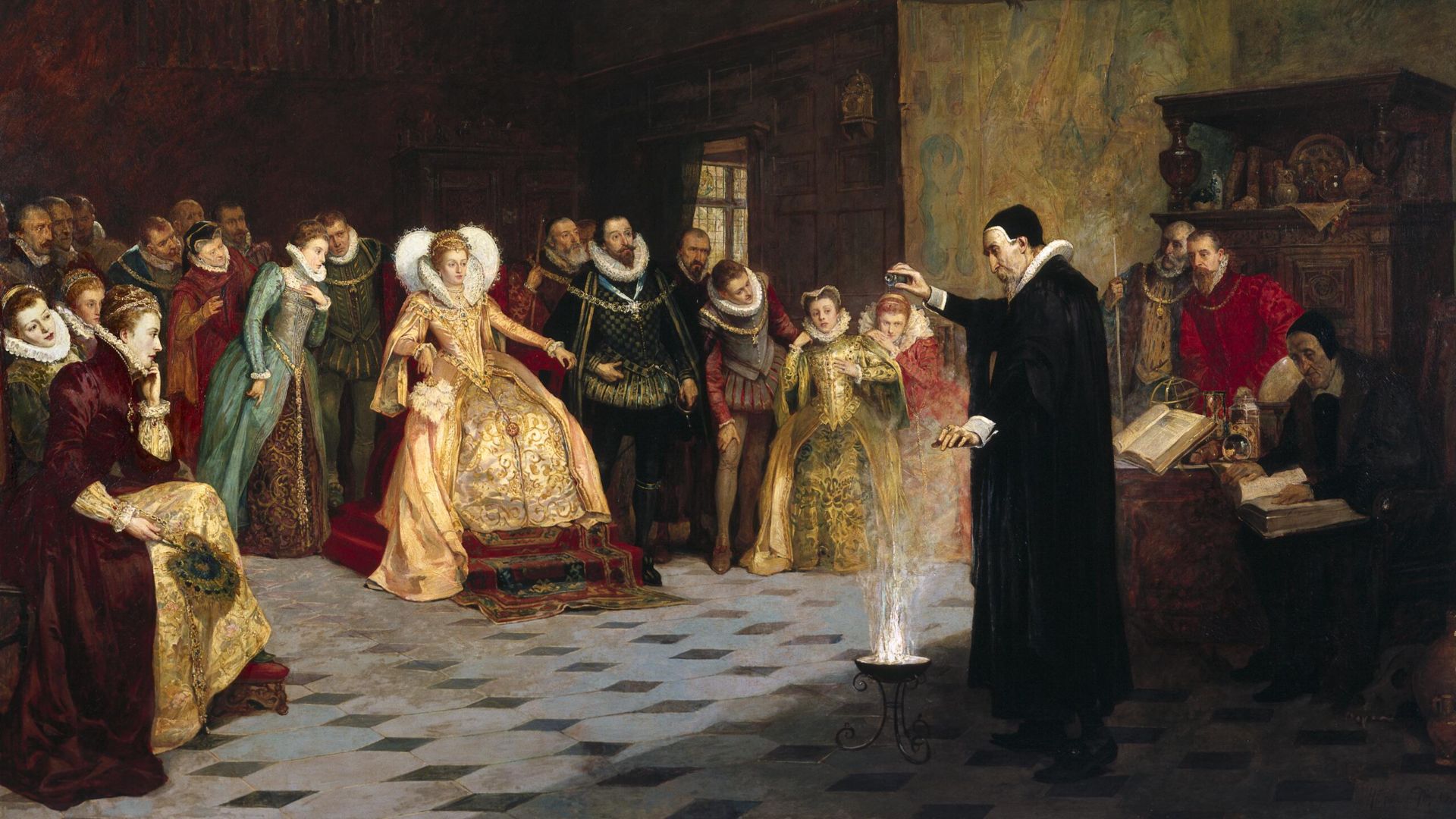
Despite her sister’s reservations, Princess Elizabeth was quietly fond of Dee and fascinated by his quest for knowledge, particularly in the stars. Upon her ascension to the throne in 1558, the newly crowned Queen Elizabeth I took Dee into her employ as the court astronomer. His influence would only grow.
 Henry Gillard Glindoni, Wikimedia Commons
24. He Ingratiated Himself
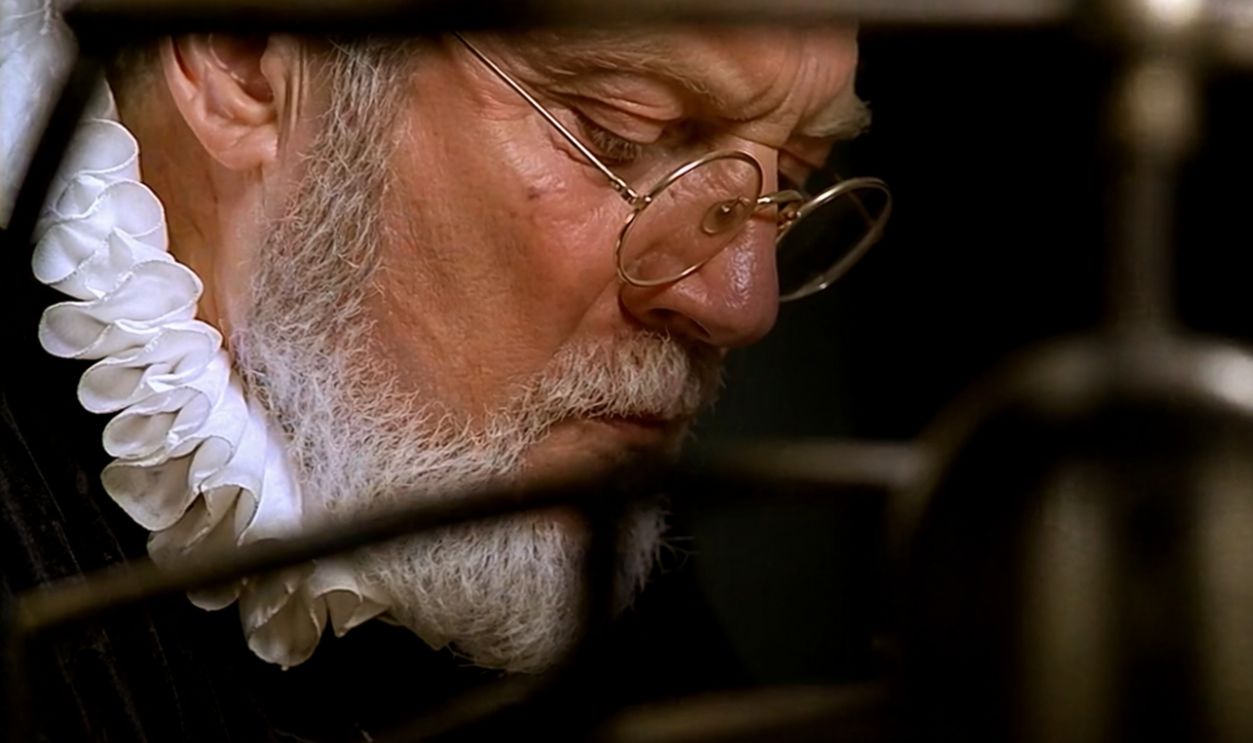
Over the course of her tenure, John Dee became a close advisor to the Queen, in matters of science especially, but also in politics. Indeed, he would grow to become one of her closest confidants. It was a two-way street, too: in line with the royal family, Dee opted to convert to Protestantism. Having the Queen’s ear would end up casting Dee as one of the most consequential figures in world history.
 Screenshot from Masters of Darkness: Queen Elizabeth's Magician, Diverse Productions(2002)
25. He Met The Moment
By the 1570s, the world, as everyone knew it, had changed forever with the discovery of the New World. Dee saw an opportunity for the English crown: he strongly advocated for the establishment of colonies in the newly discovered lands as a means of strengthening England’s political and economic strength globally. He even coined the term that would inspire so much terror over the next few centuries.
 Screenshot from Elizabeth: The Golden Age, Universal Pictures (2007)
26. He Ordained Empire
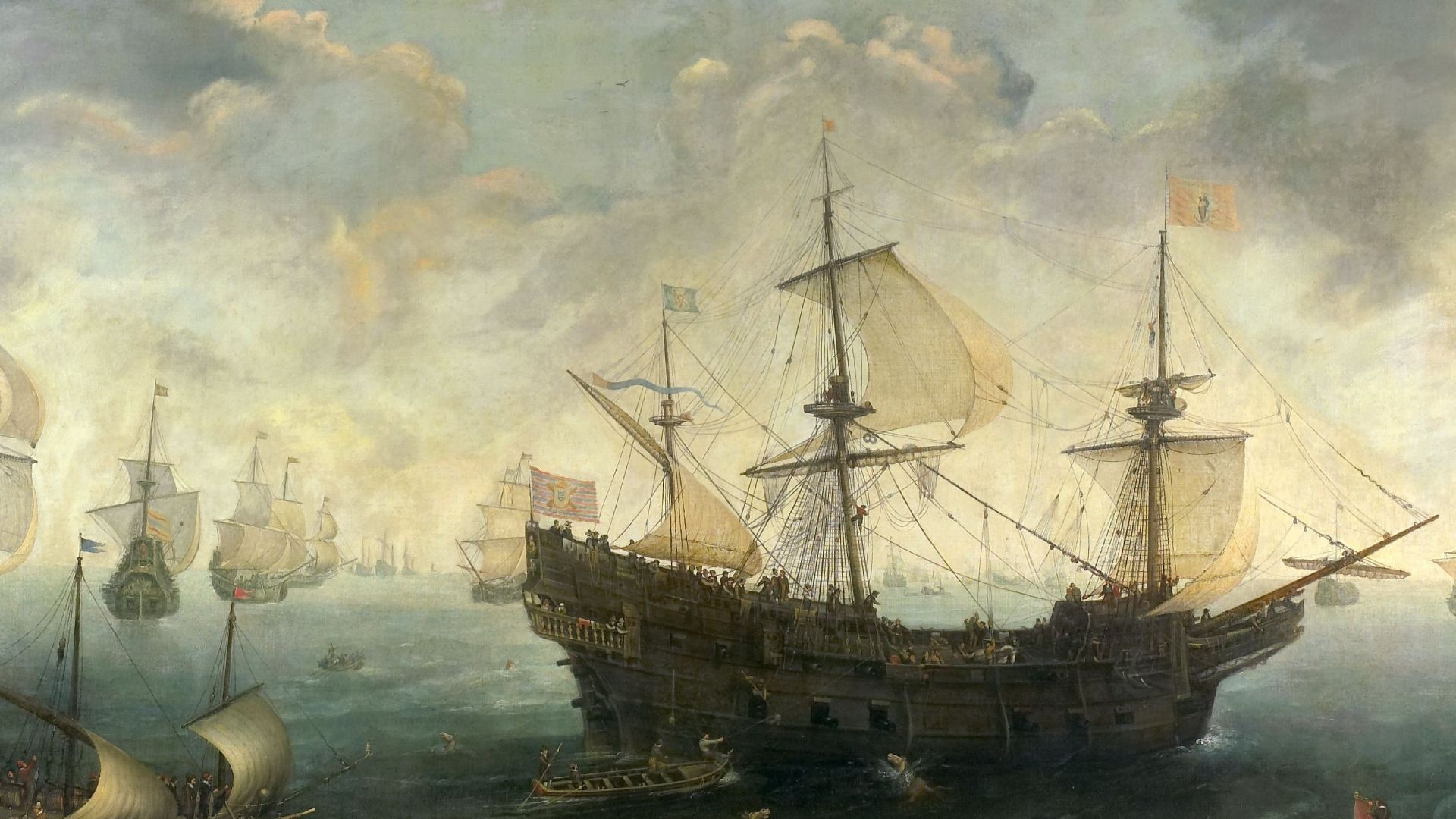
At Dee’s persuasion, England launched voyages of discovery across the globe, logistically supported by the man himself, who provided technical assistance in navigation and political support. The goal was to establish a “British Empire”, a term that some credit Dee with coining. The astrologer’s ambitions were political, but also spiritual.
 Cornelis Claesz van Wieringen, Wikimedia Commons
27. He Wanted To Run Religion Back
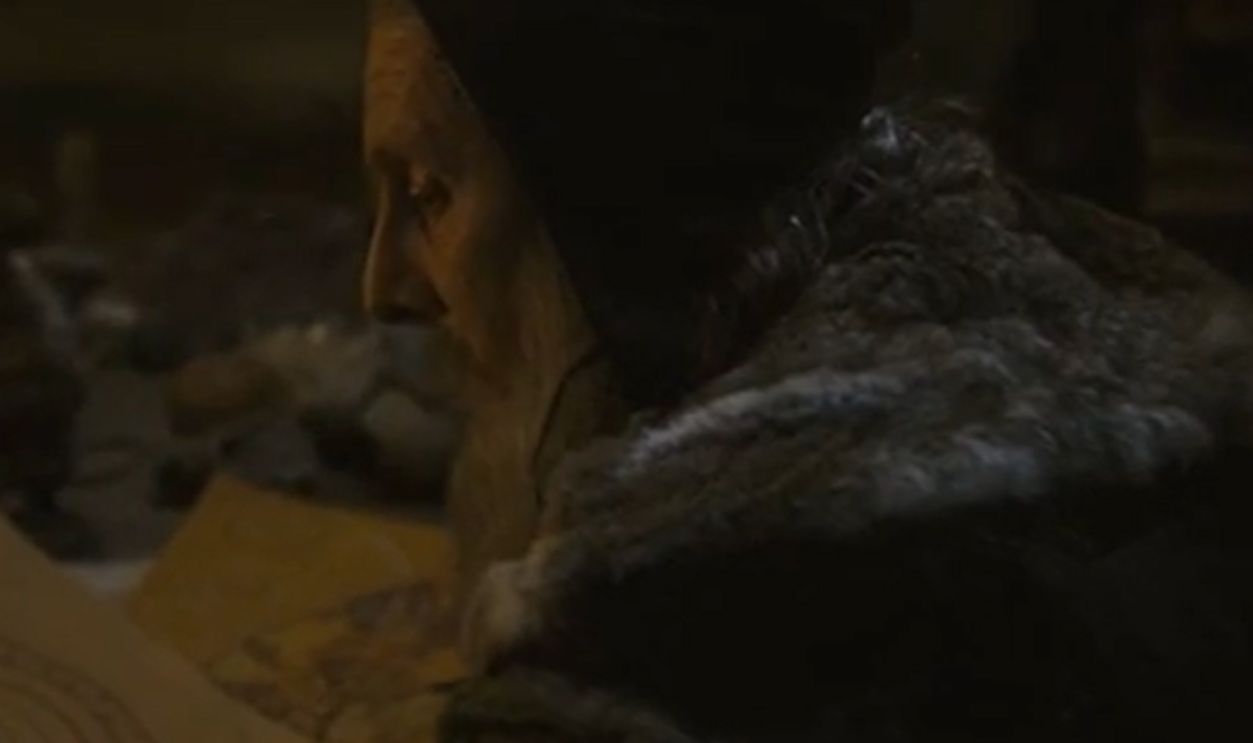
Dee’s goals did not stop at global domination; he dreamed of spiritual unification too. Chief among his desires was a wish to bring forth a unified world religion, namely Christianity, which he hoped to achieve by healing the rupture between the Roman Catholic and Protestant churches. Dee greatly romanticized what he saw as the “pure” theology of the ancients, but his ambitions failed to materialize. Still, he had plenty else to keep him busy.
 Screenshot from Masters of Darkness: Queen Elizabeth's Magician, Diverse Productions(2002)
History's most fascinating stories and darkest secrets, delivered to your inbox daily.
28. He Sampled Hobbies
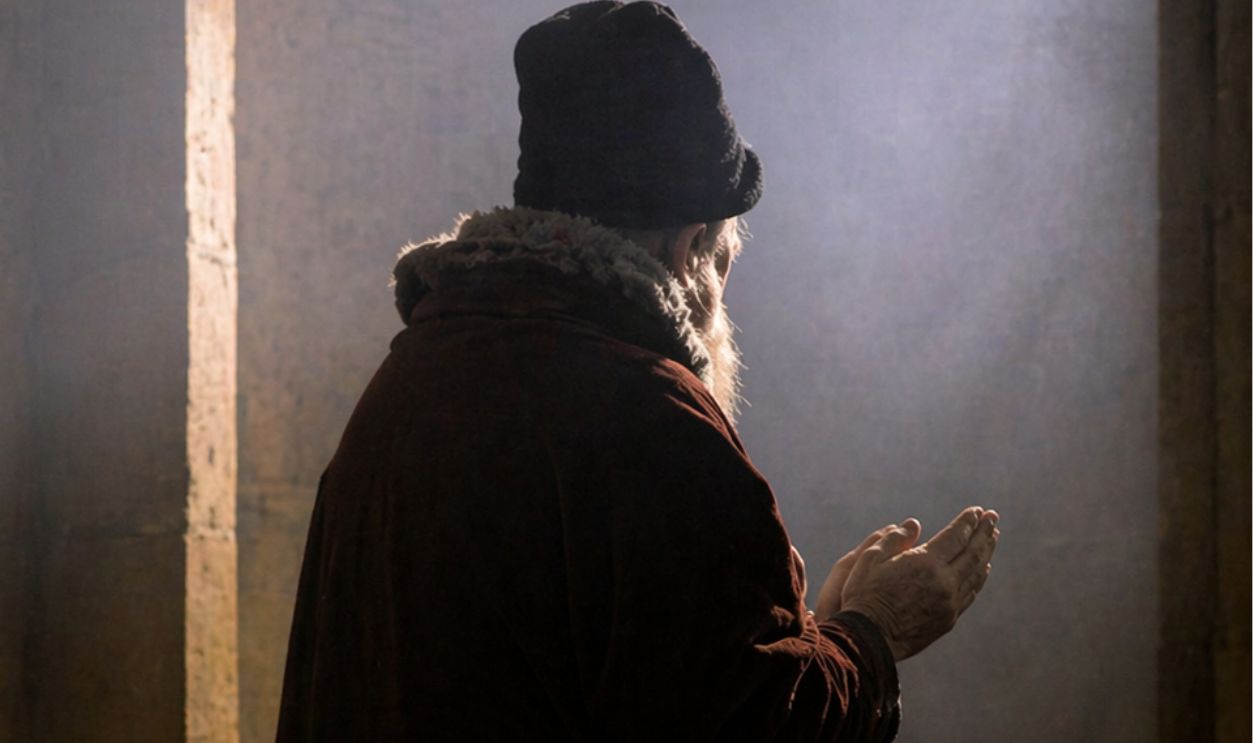
During his tenure working under Elizabeth I, John Dee further expanded his already broad horizons. Using the resources afforded to him by the Crown, he spent a significant amount of time studying and experimenting with alchemy, divination, and Hermetic philosophy. This latter topic, in particular, proved an area of deep exploration for the polymath.
 Screenshot from Masters of Darkness: Queen Elizabeth's Magician, Diverse Productions(2002)
29. He Published A Tome
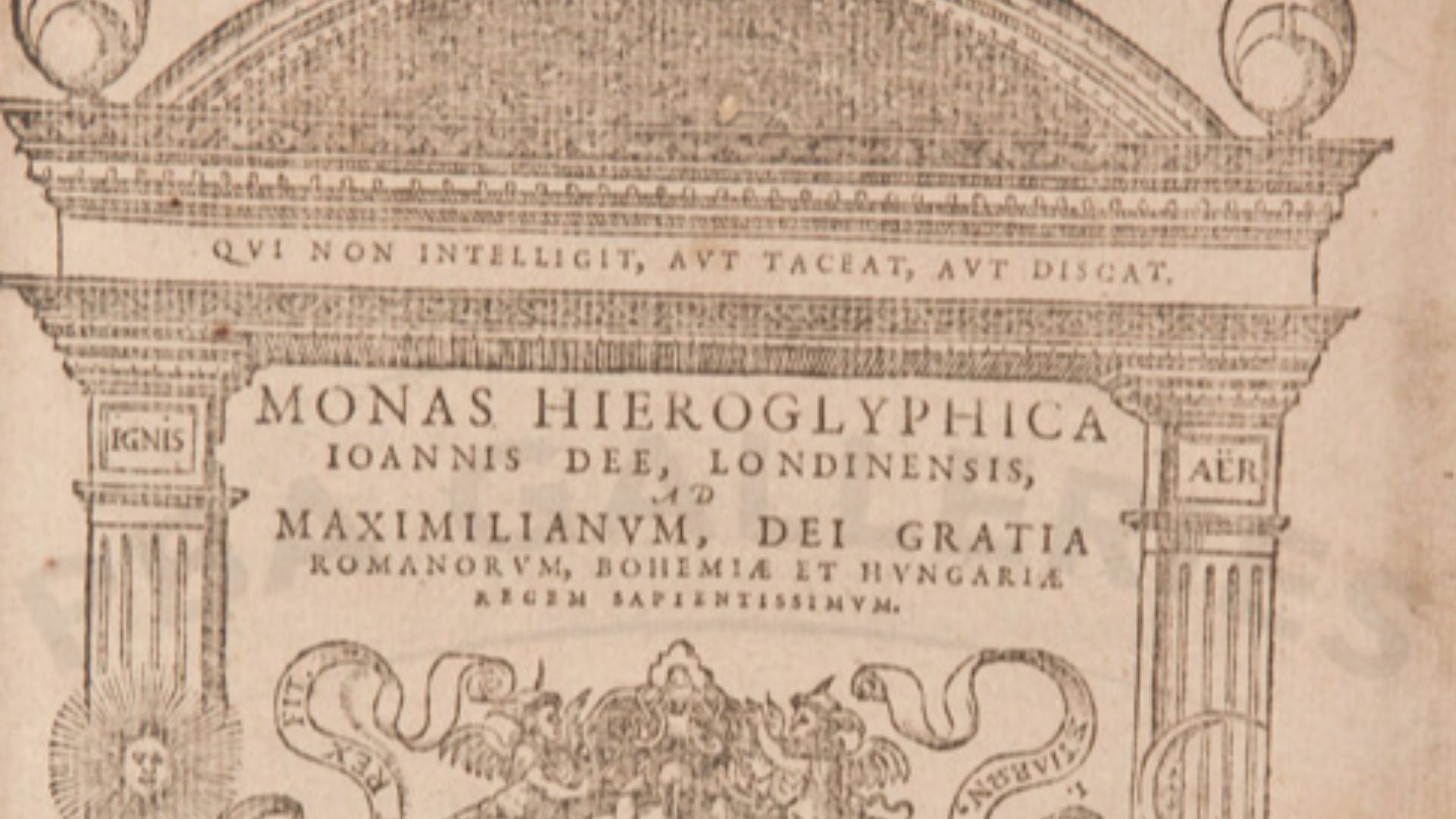
Dee was a prolific writer too, and he wrote his most then-renowned work in 1564. Titled Monas Hieroglyphica, the Hermetic text was a cryptographical interpretation that expressed the unity of all creation. We cannot understand the work today, however; as the secret oral tradition of the era, crucial for deciphering Dee’s meaning, is list to time. And though his work received admiration, respect for Dee waned over time.
30. He Fell From Favor
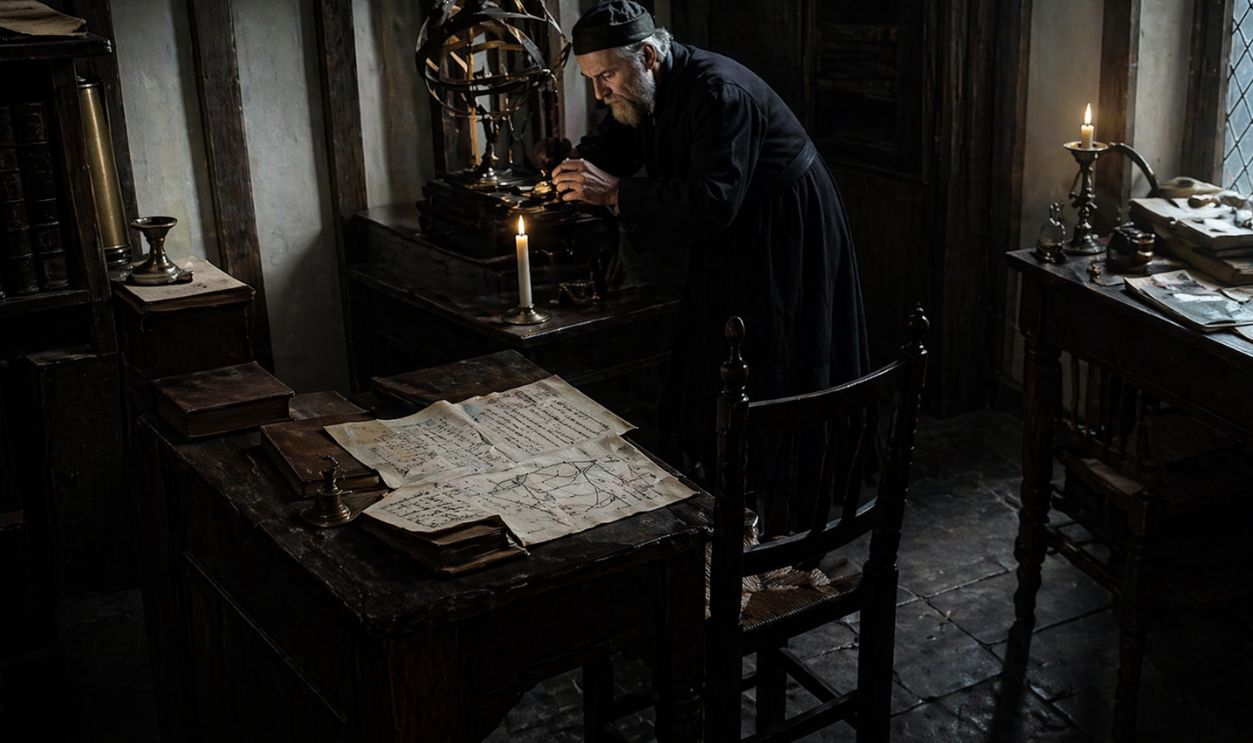
By the dawn of the 1580s, Dee’s influence and recognition in court circles began to diminish. They shot many of his ideas down, and the results of the initial voyages to the New World had been underwhelming, shaking trust in his political savvy. Dee was also increasingly interested in matters of supernaturalism, which alienated him from more rationally minded powers at court. It was at this time, however, that he met something of a kindred spirit.
 Screenshot from Masters of Darkness: Queen Elizabeth's Magician, Diverse Productions(2002)
31. He Made A New Friend
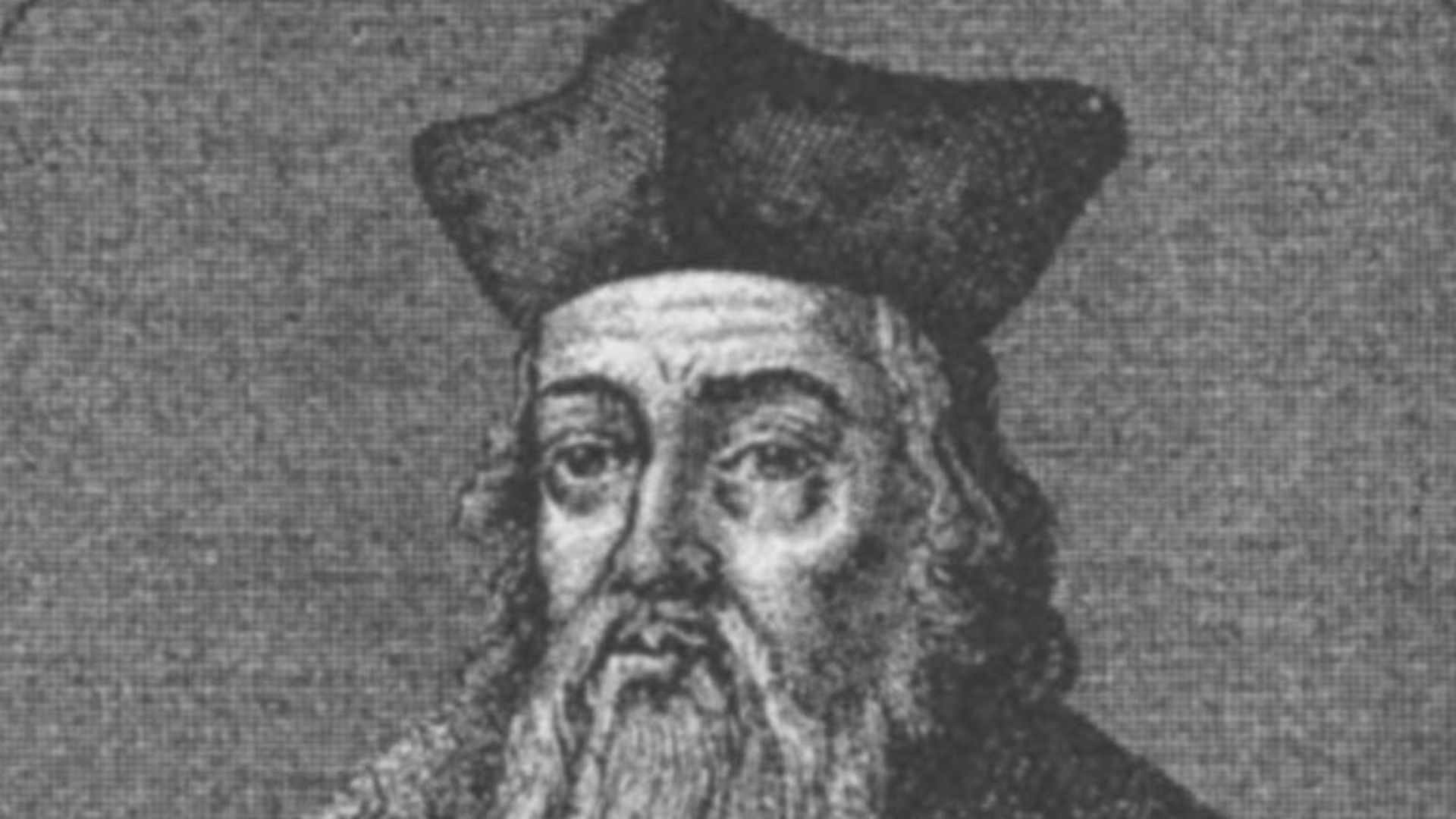
In 1582, as he was plunging deeper into an exploration of fringe subjects, Dee met Edward Kelley, an occultist and scryer. Kelley’s abilities greatly impressed the royal astronomer, and Dee promptly employed him. Modern historians now consider Kelley to have been a cynical conman at best and a self-deceptive, deluded actor at worst. But either way, Dee remained convinced.
 H. Stanley Redgrove, Wikimedia Commons
32. He Spoke To Angels
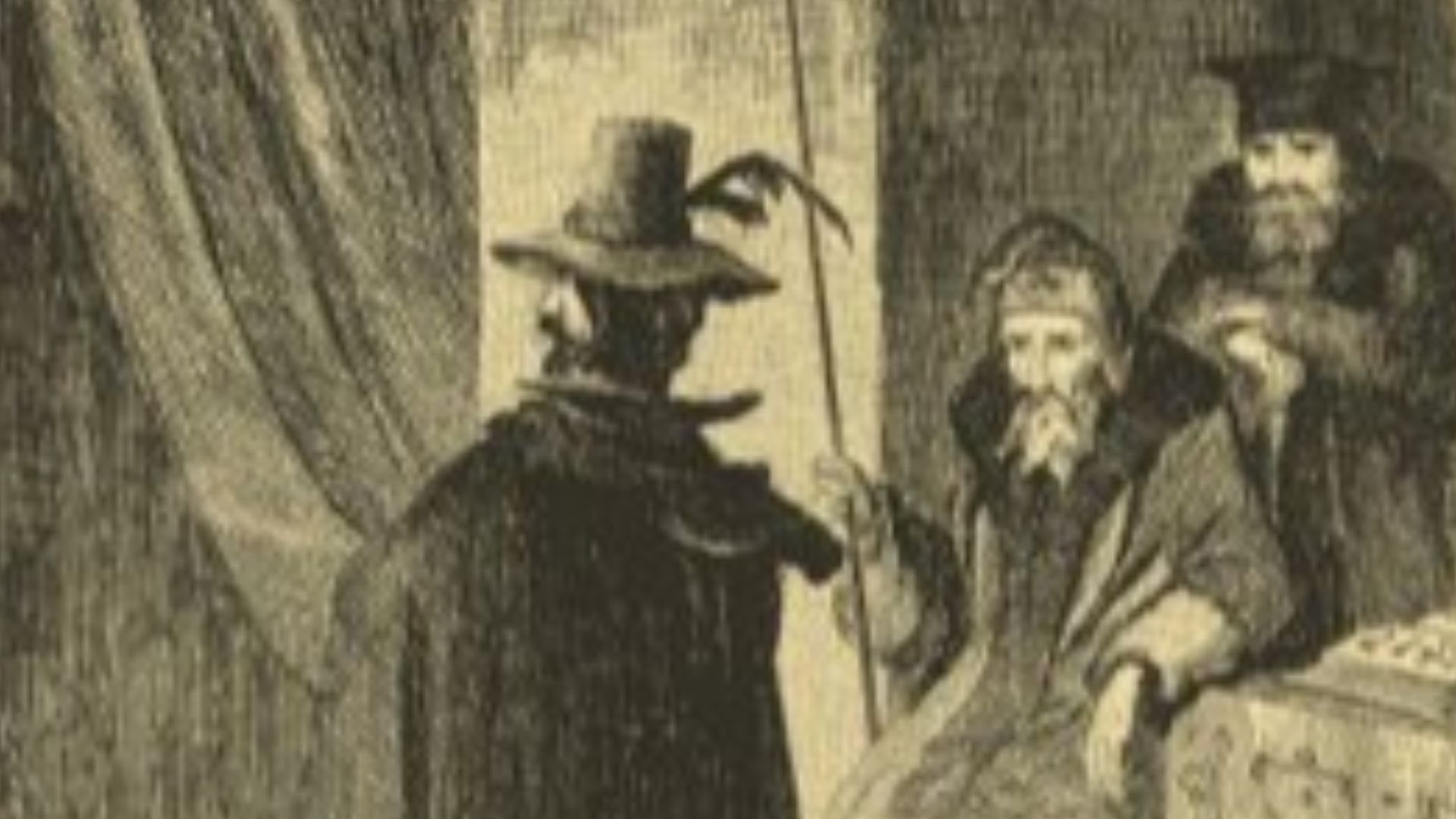
After employing Kelley, Dee devoted all his energies to supernatural pursuits, at the expense of everything else. As mentioned, Kelley was a scryer, one who attempted to contact angels, and he and Dee began pursuing such “spiritual conferences” regularly. Intense periods of fasting, prayer, and purification preceded these communes. Believing he was doing great work for humankind, Dee soon felt the limitations of his court position.
 George Cruikshank, Wikimedia Commons
33. He Left His Dream Job
A year after meeting Kelley, Dee made yet another new friend in the form of Albert Łaski, an impoverished Polish nobleman and alchemist. Albert quickly outstayed his welcome at court, and invited Dee to come back to Poland with him. Feeling his position at court waning, and with some “prompting” by the angels, Dee left Elizabeth I’s service to travel Europe on a quest for knowledge.
 Screenshot from Masters of Darkness: Queen Elizabeth's Magician, Diverse Productions(2002)
History's most fascinating stories and darkest secrets, delivered to your inbox daily.
34. He Became A Nomad
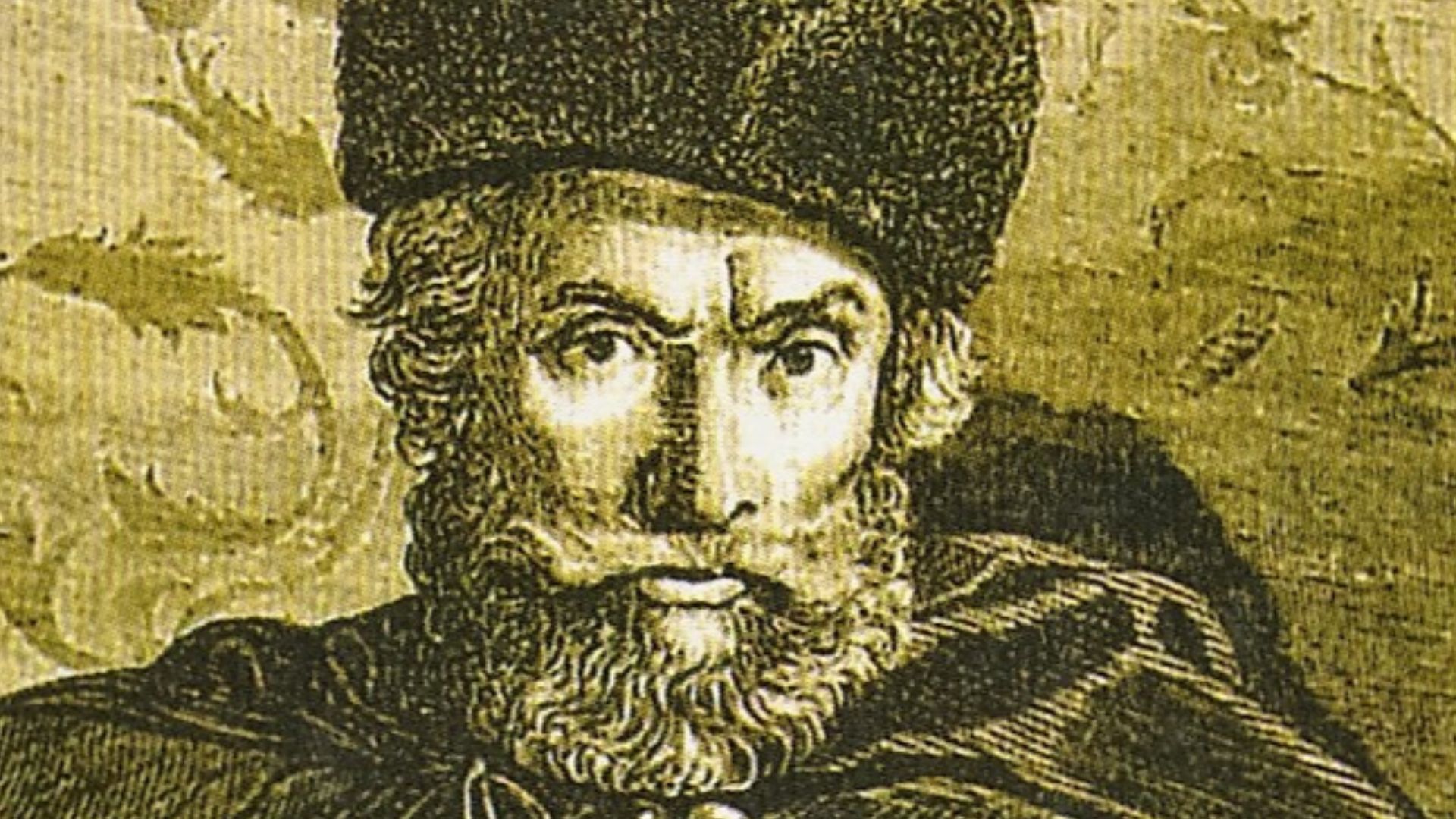
Dee, Kelly, and Łaski, along with their families, set off across Europe to visit the alchemist’s homeland. When they reached Poland, however, they found Albert was out of favor in his country and the posse was turned away. Thus began the crew’s nomadic life of travelling across Europe, seeking occultic and supernatural proof, and attempting to convince nobles of the importance of angelic communication. He didn’t know it, but Dee was in bad company.
 neznámy, unknown, Wikimedia Commons
35. He Aligned With Charlatans
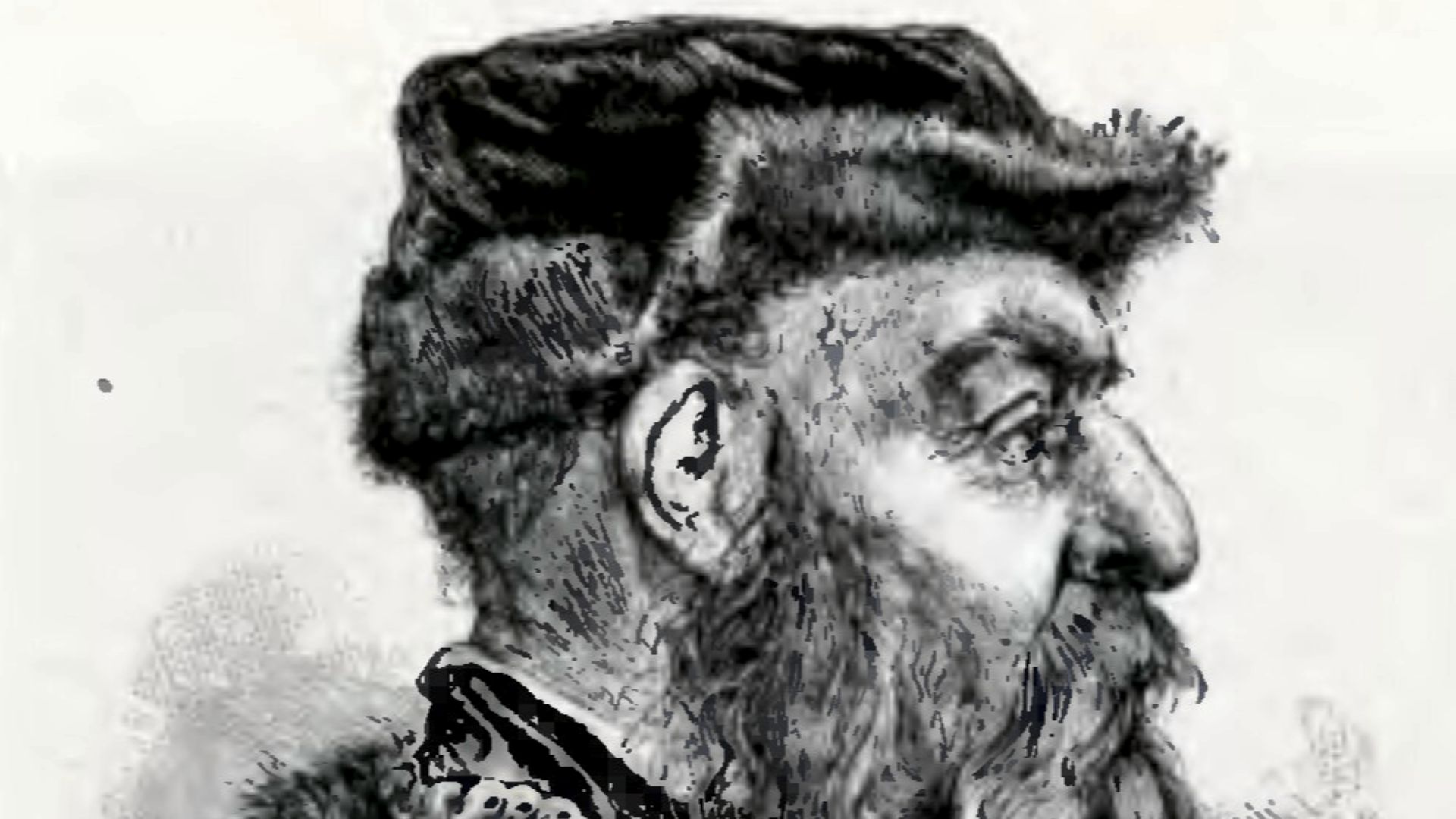
It seems clear now that Dee’s companions were using him for his wealth, resources, and position. As mentioned, Kelley may have been conning his older employer, and Łaski was completely bankrupt in Poland, hence his banishment. Not only was Dee bankrolling the trip, but the others pressured the aging astrologist into all manner of uncomfortable situations.
 Jan Matejko, Wikimedia Commons
36. He Shared His Love
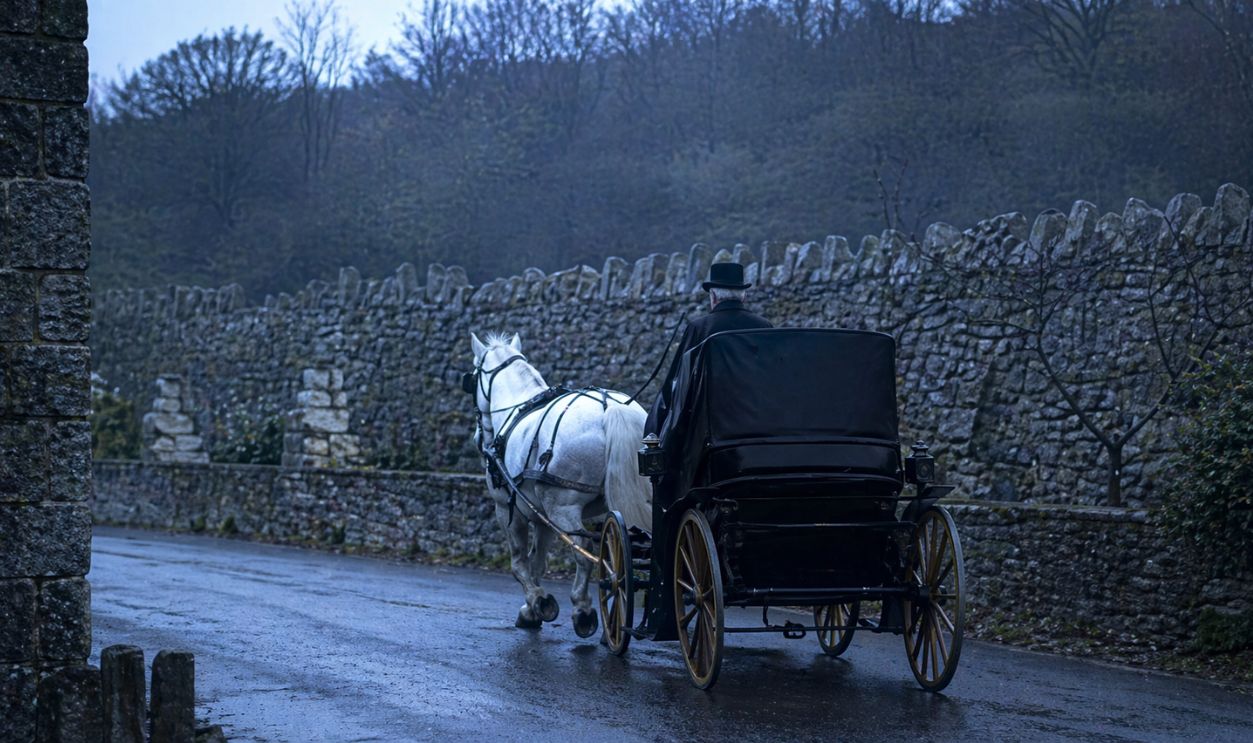
Adding fuel to the fire that he was, indeed, a charlatan, Kelly delivered a troubling message to John Dee in 1587. While at a spiritual conference in the Kingdom of Bohemia, Kelley claimed that the angel Uriel had ordered their merry band to share all possessions…including their wives. This completely anguished Dee, but he did not doubt that the order was genuine, and the men swapped romantic companions. This may have had a significant consequence.
 Screenshot from Masters of Darkness: Queen Elizabeth's Magician, Diverse Productions(2002)
37. He May Have Had A Stepson
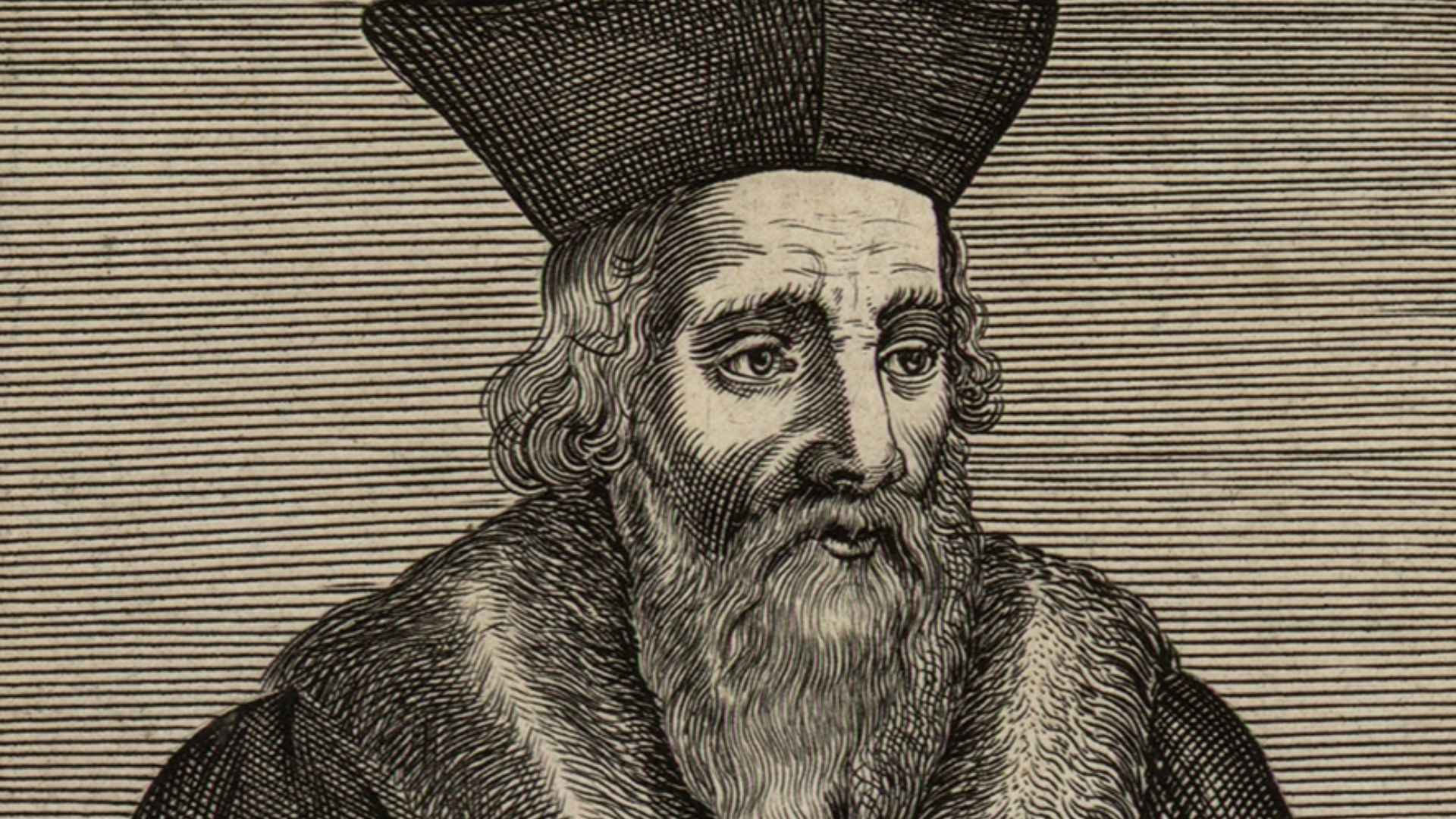
In 1588, Dee’s wife gave birth to their eighth child, Theodore. Theodore’s entry into the world happened—you guessed it—about nine months after Kelley’s “message” from on high, meaning that there is a chance that Kelley fathered Dee’s youngest child. Nevertheless, Dee raised Theodore as his own. He had more pressing concerns in Europe anyway.
 Thomas Pennant, Wikimedia Commons
38. He Lost Trust
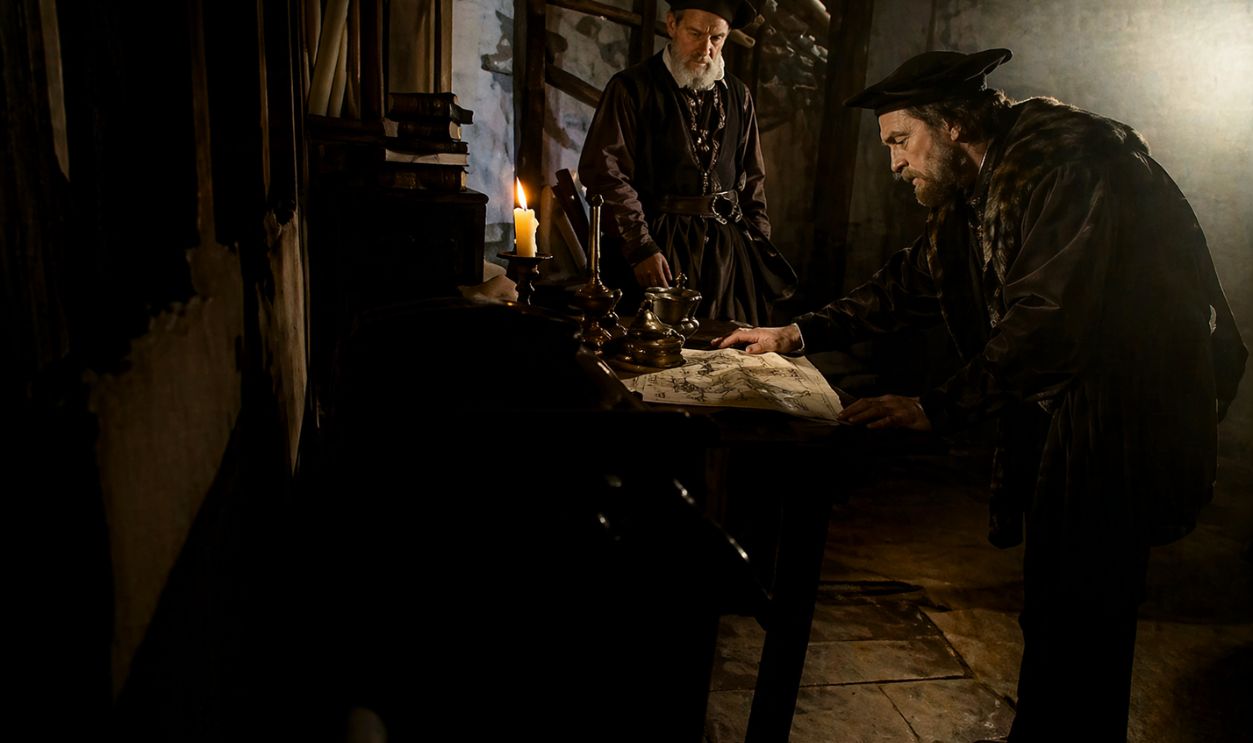
Dee’s journey across the continent was not easy, and it wasn’t just because of the wife-swapping. Given his associations with Queen Elizabeth, people often accused Dee of being a spy for the English monarchy. Meetings with Catholic European royalty were especially strained, given the tension between Catholics and Protestants at the time. Demoralized, Dee finally decided to head home. He did not receive a warm welcome.
 Screenshot from Masters of Darkness: Queen Elizabeth's Magician, Diverse Productions(2002)
39. He Lost His Life’s Work
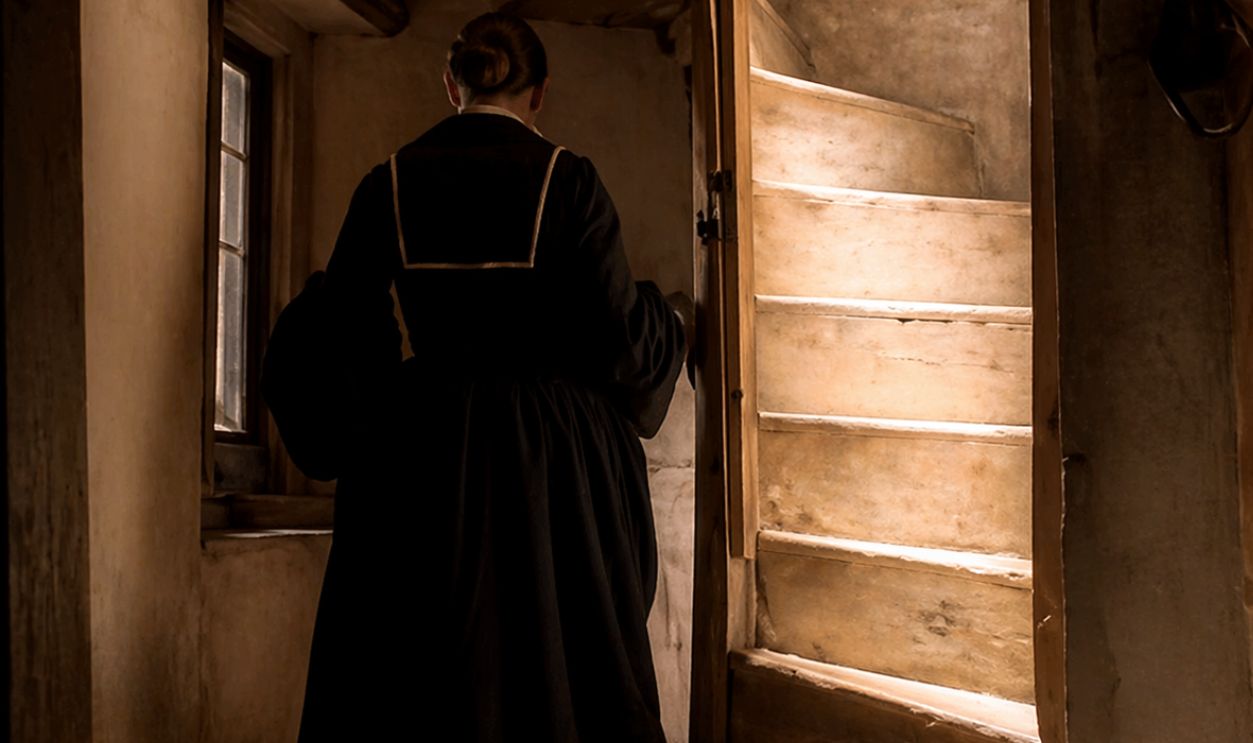
After six tough years, John Dee finally returned to his home in Mortlake in 1599. A horrific sight greeted him: his cherished library had been completely vandalized, with his home destroyed and many of his most prized books and instruments stolen. Dee was at his wit's end and things would only continue downhill from there…
 Screenshot from Masters of Darkness: Queen Elizabeth's Magician, Diverse Productions(2002)
History's most fascinating stories and darkest secrets, delivered to your inbox daily.
40. He Was No Longer Cool
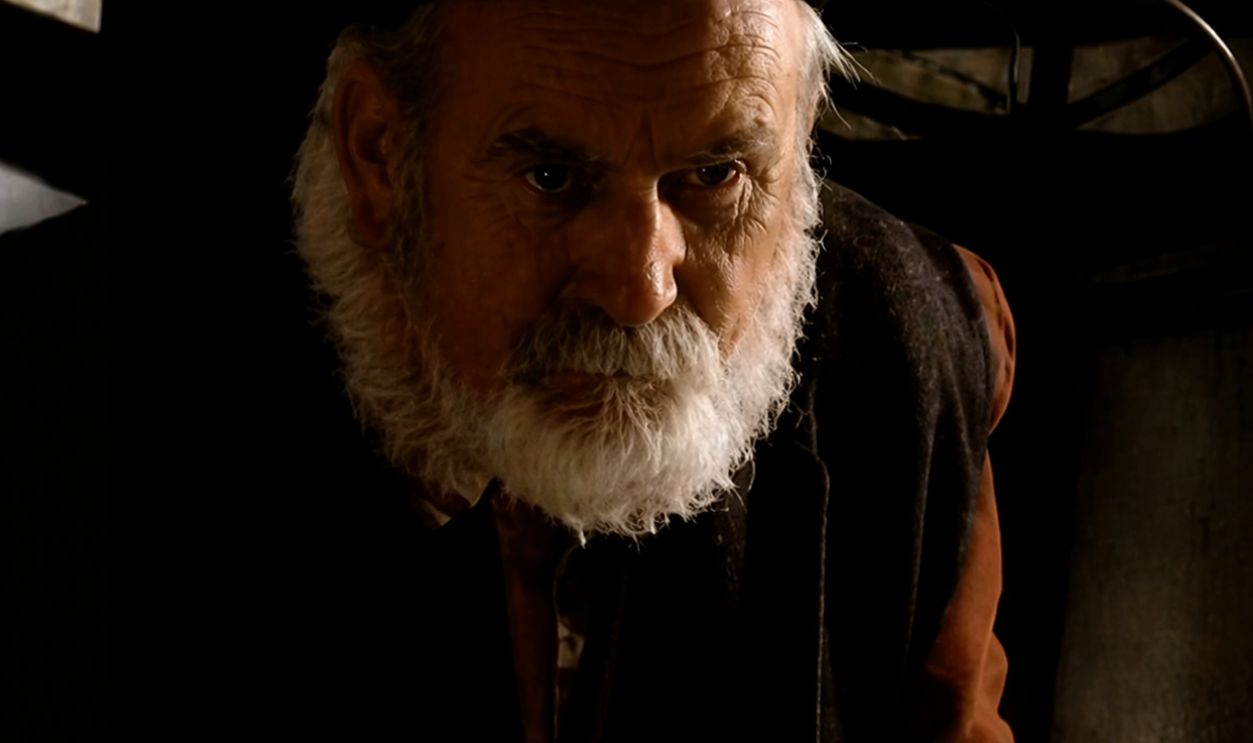
During Dee’s absence, there had been something of a vibe shift in England too. Occult practices had become the subject of much derision, criticism, and mistrust, and for someone like Dee, who dabbled in magical practices and natural philosophy, the environment of his homeland was suddenly much more inhospitable. And so, he went crawling back to his old employer.
 Screenshot from Masters of Darkness: Queen Elizabeth's Magician, Diverse Productions(2002)
41. He Sought Forgiveness
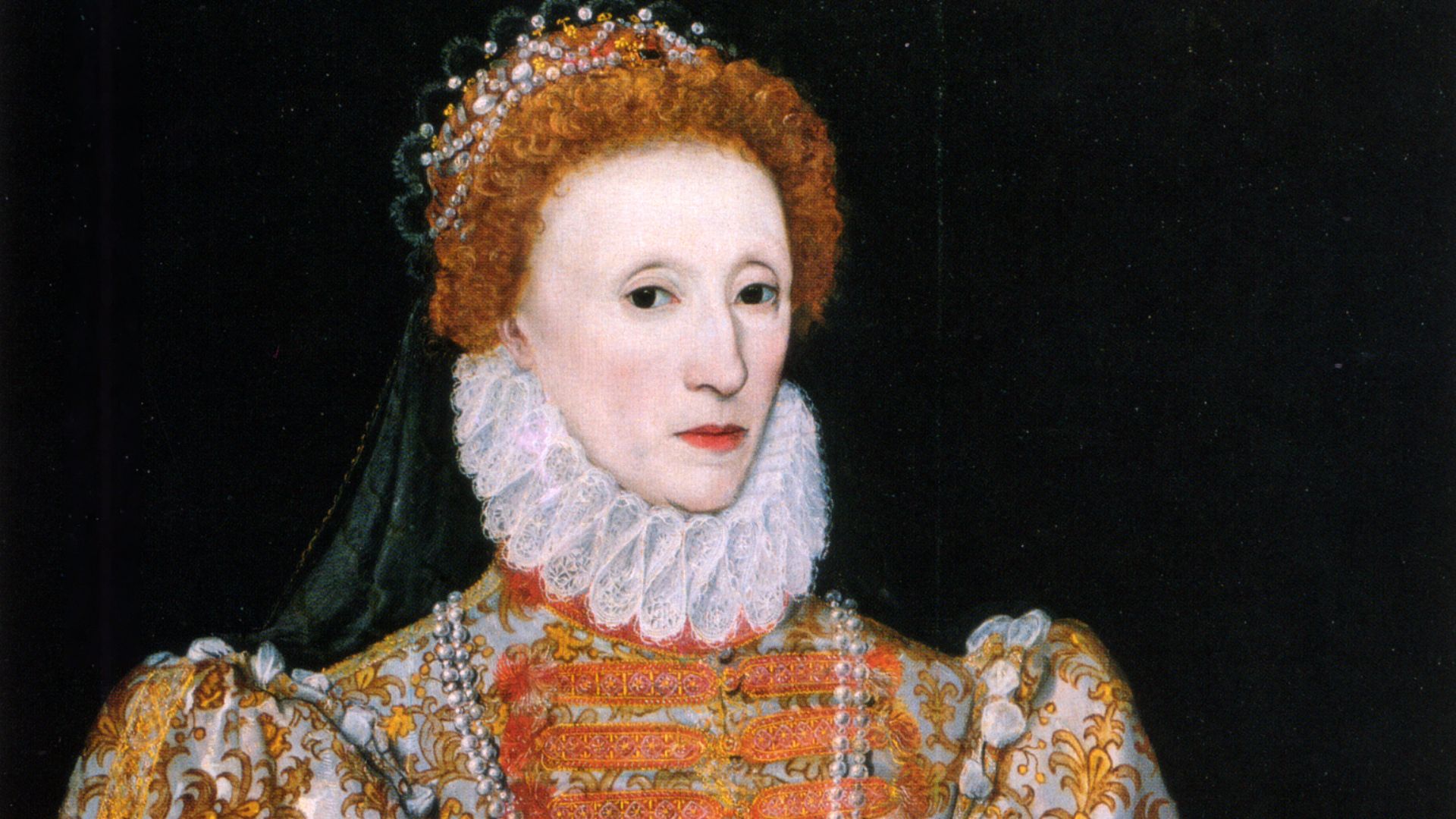
While John Dee had taken Kelley under his wing, over the course of their travels through Europe, the standing of the two men shifted. Kelley gained more popularity and renown as an alchemist, and when Dee returned to England, Kelley took a position as court alchemist for Emperor Rudolf II.
This was at the top of Queen Elizabeth’s mind when Dee approached her to ask for his old job back. England was in the midst of a deepening economic crisis, and the Queen hoped Dee could convince Kelley to return to the country to ease the Crown’s burdens through alchemy. When this failed to materialize, however, the Queen found another use for the ageing astronomer.
 Unknown authorUnknown author, Wikimedia Commons
42. He Got A New Job
Elizabeth instead opted to appoint John Dee as warden of Christ’s College in Manchester, and he moved there in 1595. It would not be such a pleasant experience for the new warden, however. The fellows of the College despised Dee and would cheat him at any opportunity.
For his part, Dee seemed checked out too: when consulted on a case of demonic possession concerning seven children, the warden took little interest and merely directed those involved to consult his library. Life continued downhill for poor John.
 Screenshot from Masters of Darkness: Queen Elizabeth's Magician, Diverse Productions(2002)
43. He Lost His Wife
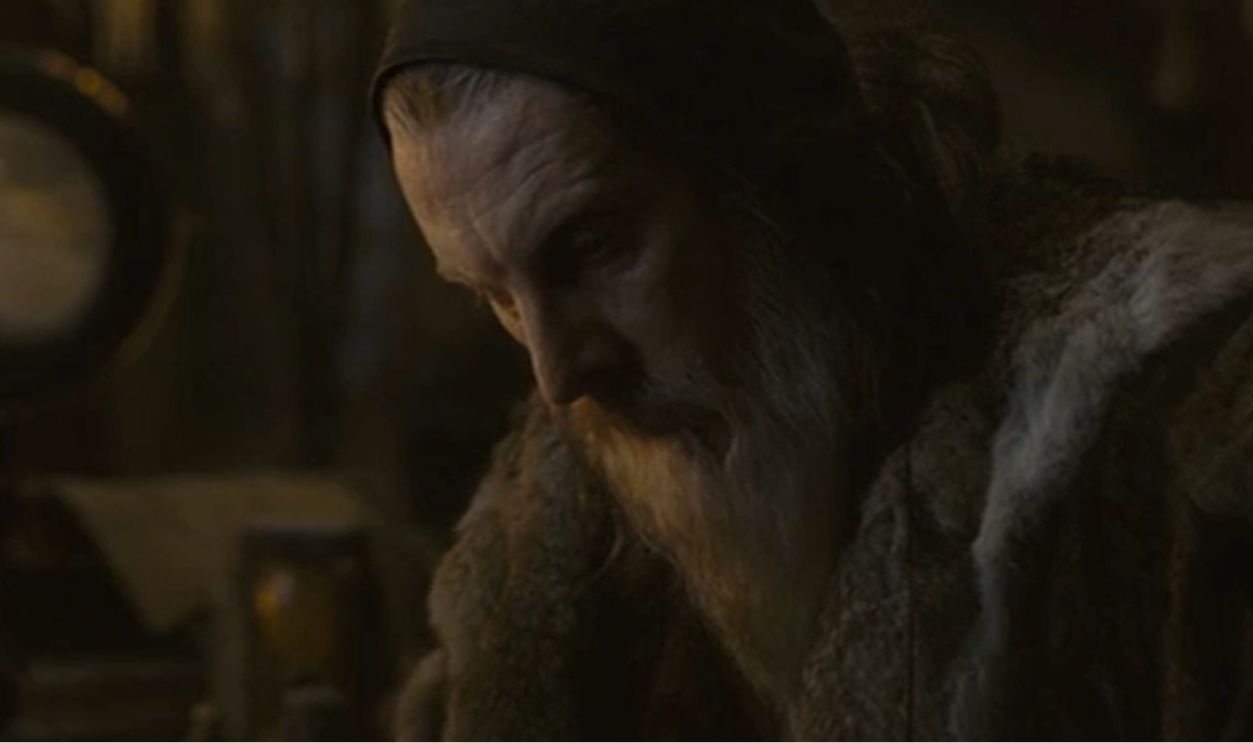
By the early 1600s, bubonic plague began to ravish Europe, and Dee’s family was not spared from the ensuing chaos. The illness came to Manchester, and in March 1604, Dee’s wife Jane perished from a deadly bout with it. Tragically, his family would only shrink further.
 Screenshot from Elizabeth: The Golden Age, Universal Pictures (2007)
44. He Buried His Children
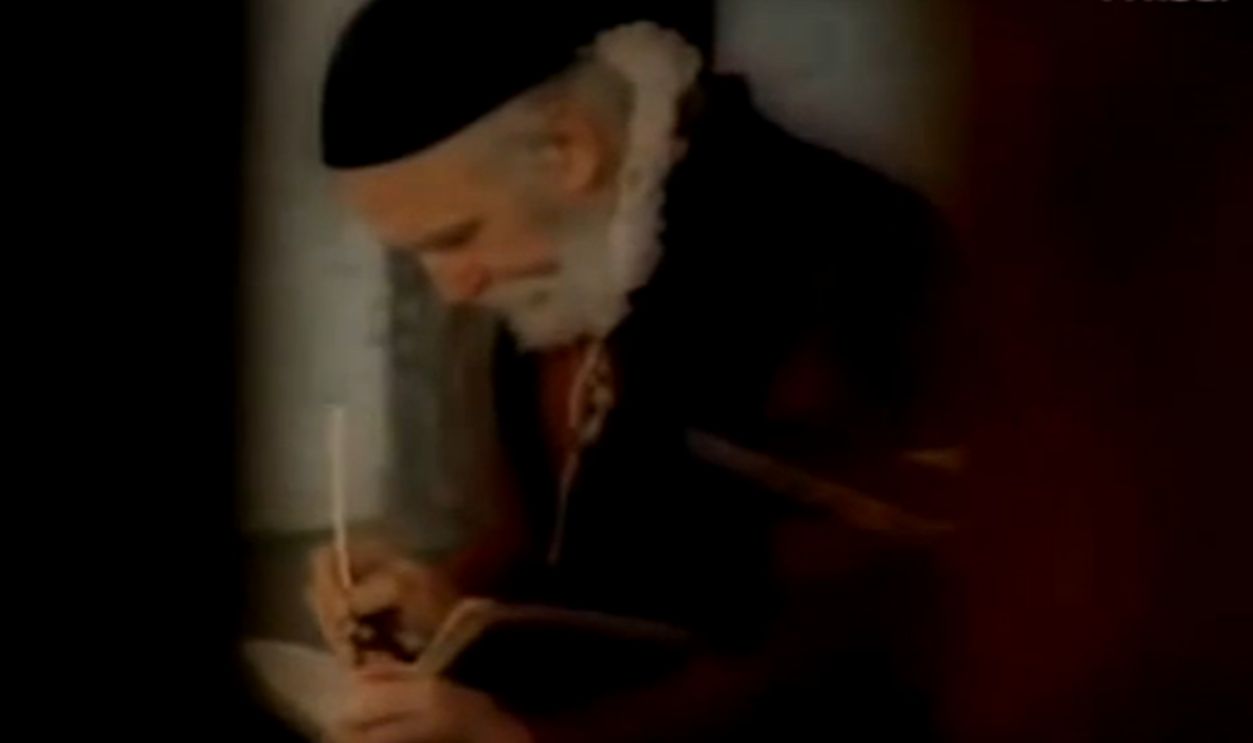
Over the years, John Dee faced tragedy after tragedy as he outlived several of his children. Michael Dee perished on his father’s birthday in 1594; Theodore, his youngest (of disputed parentage), left this world in Manchester three years before his mother.
Records concerning Dee’s youngest daughters, Madinia, Frances, and Margaret, cease to exist after 1604, and thus they are widely assumed to have perished in the same plague that took their mother. Despite such relentless and repeating grief, Dee still found little sympathy where it would have helped most.
 Screenshot from Masters of Darkness: Queen Elizabeth's Magician, Diverse Productions(2002)
45. He Was Turned Away
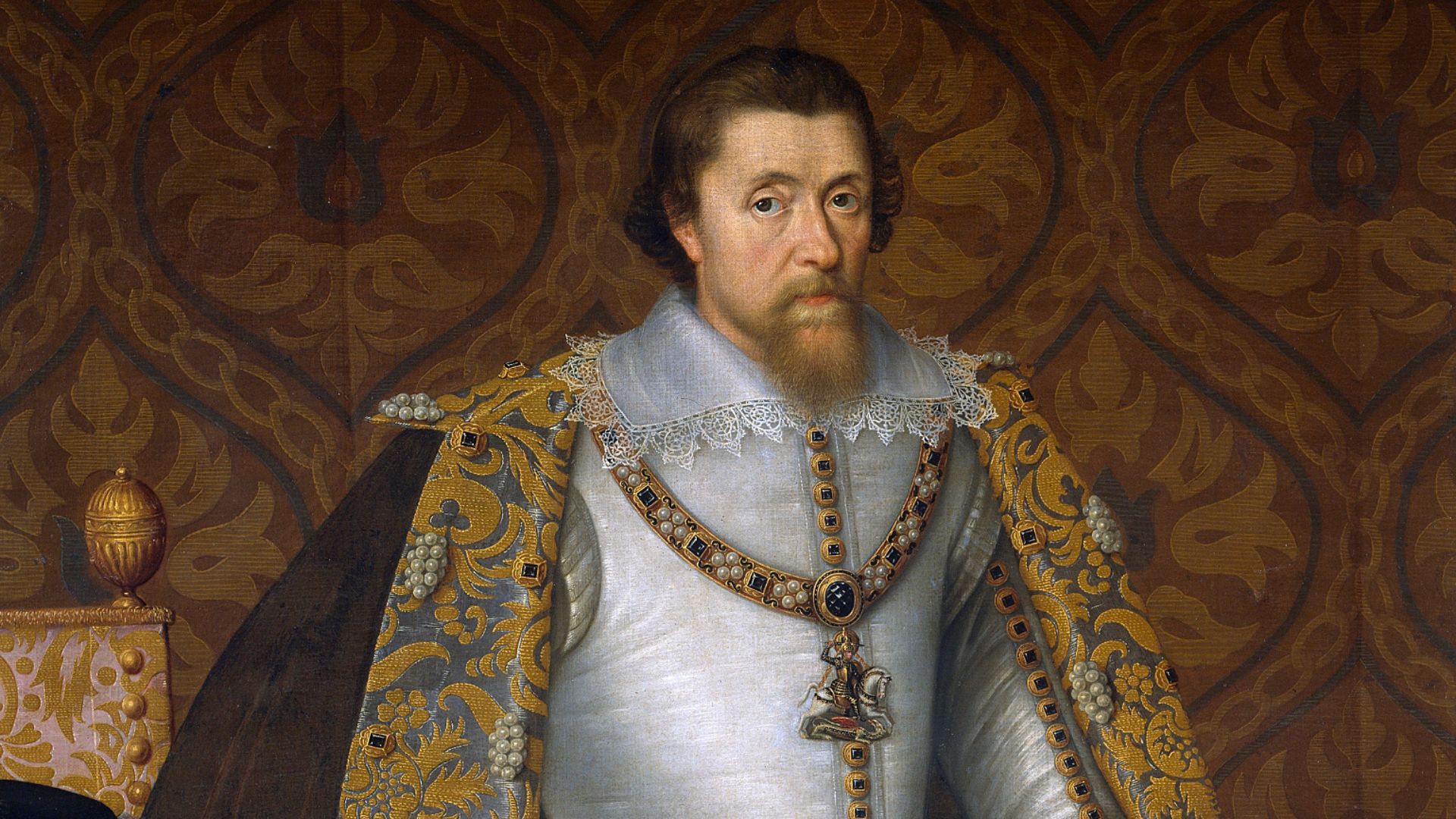
Though he remained warden of the College for the rest of his life, Dee grew tired of Manchester, a place he associated almost solely with misery. He returned to London in 1605, by which time Queen Elizabeth had passed, giving way to her successor, King James I. James had no sentimentality for the washed-up astronomer, however, and refused to support Dee further. There was only one place left for him to turn.
 Attributed to John de Critz, Wikimedia Commons
History's most fascinating stories and darkest secrets, delivered to your inbox daily.
46. He Leaned On His Kids
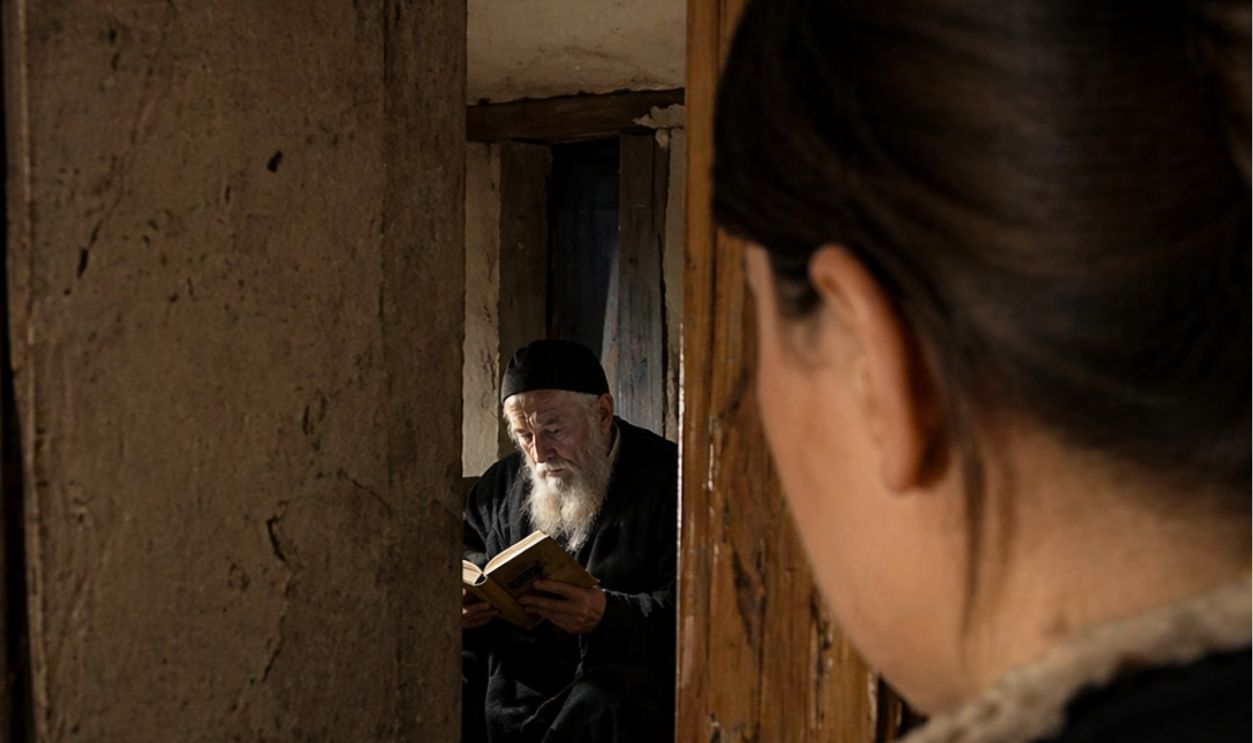
Dee returned to Mortlake, supporting himself by selling his various possessions. He was getting on in years now, and enlisted the help of his daughter Katherine, who would care for him for the remainder of his days. Those days would not be very pleasant.
 Screenshot from Masters of Darkness: Queen Elizabeth's Magician, Diverse Productions(2002)
47. He Was Past His Prime
John Dee lived his final years in abject poverty, and he and Katherine barely made ends meet. He drew his last breath at his home in Mortlake sometime in 1608 or 1609. It was a devastating end for a man who once had the support of the highest powers in the land. To his credit, though, Dee certainly smoked it to the filter.
 Screenshot from Masters of Darkness: Queen Elizabeth's Magician, Diverse Productions(2002)
48. He Lived A Long Life
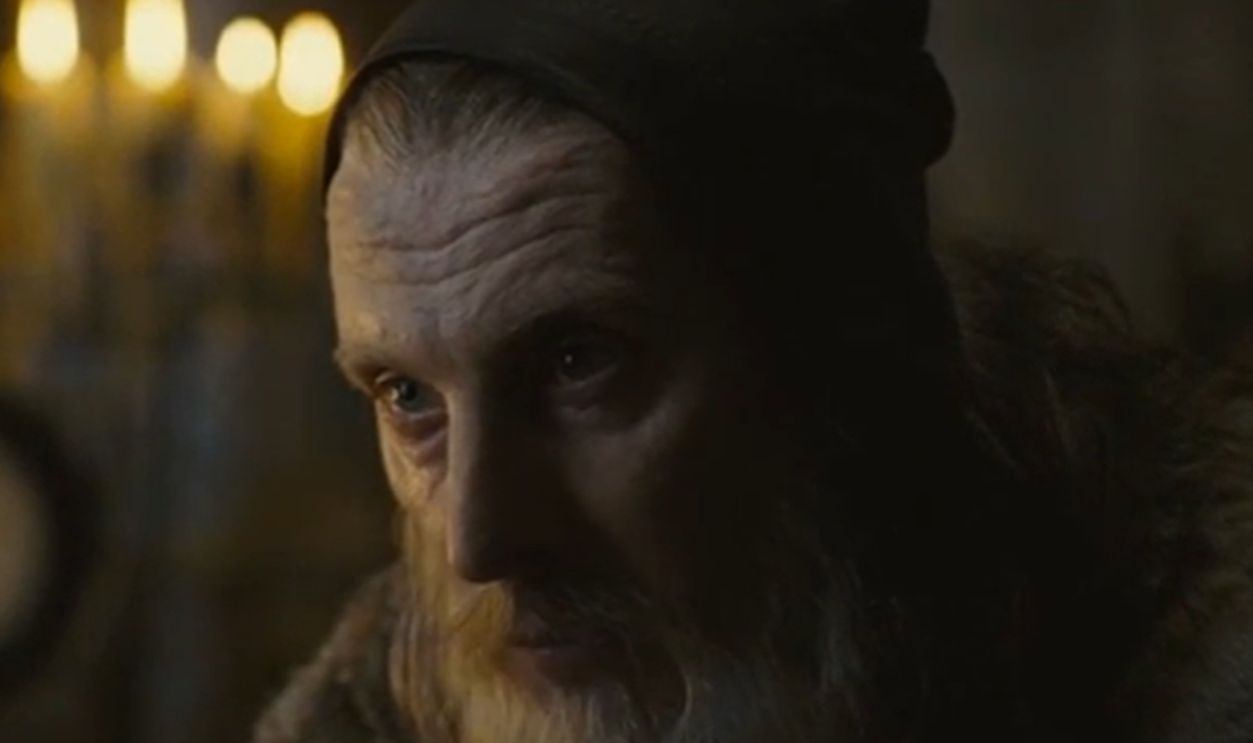
At the end of his life, Dee had lived a whopping 81 years, far exceeding the life expectancy of the time. He could look back with pride at a life of intellectual curiosity, daring exploration, and great contribution to the fields of science and mathematics. His memory faded for a time, however.
 Screenshot from Elizabeth: The Golden Age, Universal Pictures (2007)
49. His Resting Site Disappeared
As is apparent above, the exact date of Dee’s passing is unknown. Sometime after his life ended, the parish registry record of his demise disappeared, as did his gravestone, meaning we also have no idea where his body lay. Perhaps he would have faded into obscurity if not for a modern re-evaluation.
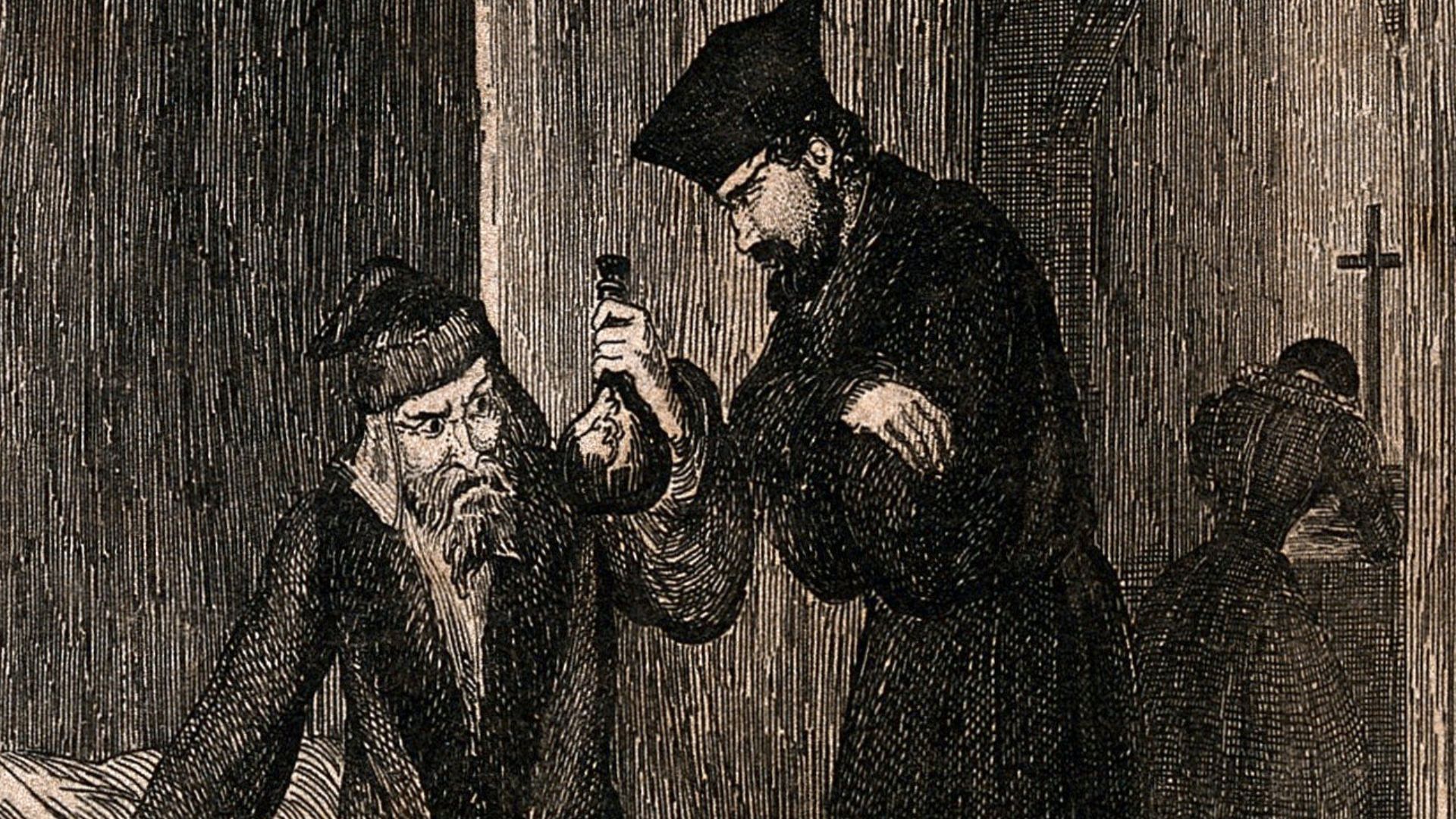
50. He Got His Dues
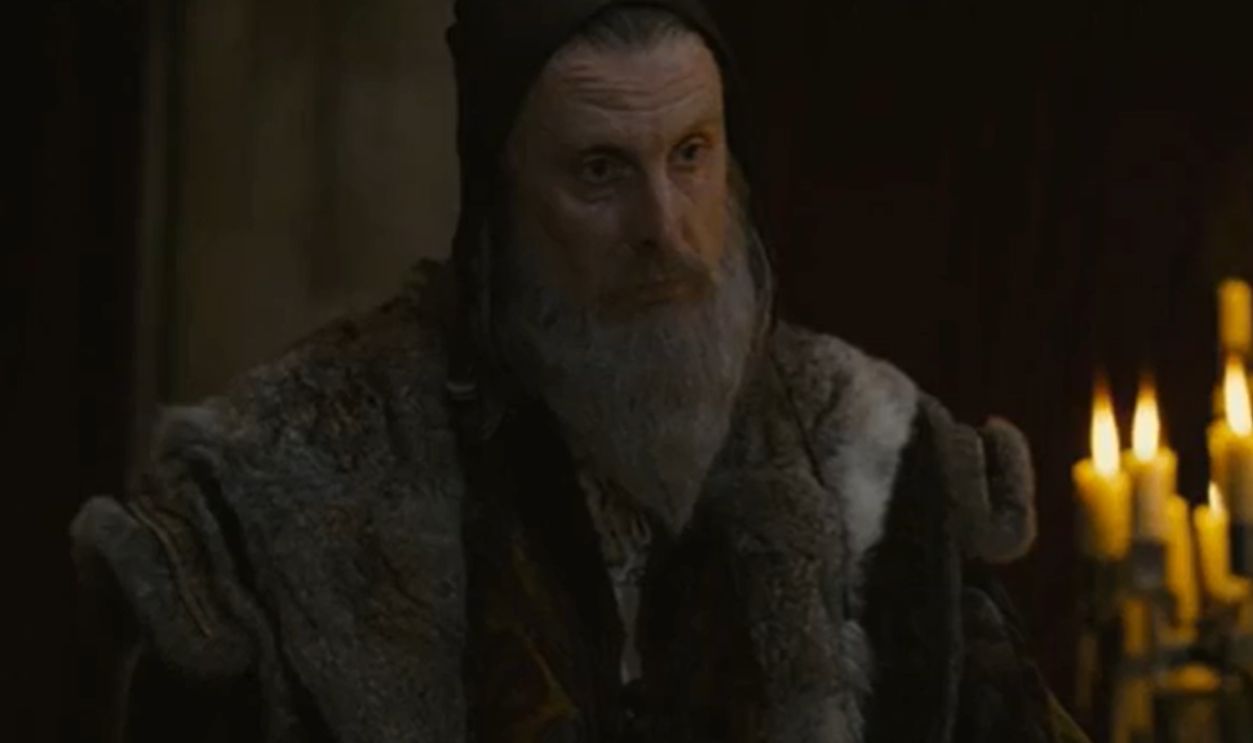
Historians of the 20th century unearthed Dee’s work, and soon his contributions received new consideration. Though he dabbled in “magical” disciplines, these practices, during the Elizabethan Renaissance, often overlapped with actual science.
Dee’s reputation was recast as one of a serious scholar and respected book collector, a man with an insatiable thirst for knowledge who pushed the pursuit of truth forward—even if he took a few cookie detours along the way.
 Screenshot from Elizabeth: The Golden Age, Universal Pictures (2007)
You May Also Like:
Cunning Facts About Robert Dudley, The Dark Favorite
Cunning Facts About Bess of Hardwick, The Tudor Secret-Keeper
Cutthroat Facts About Edward De Vere, The Tempestuous Courtier