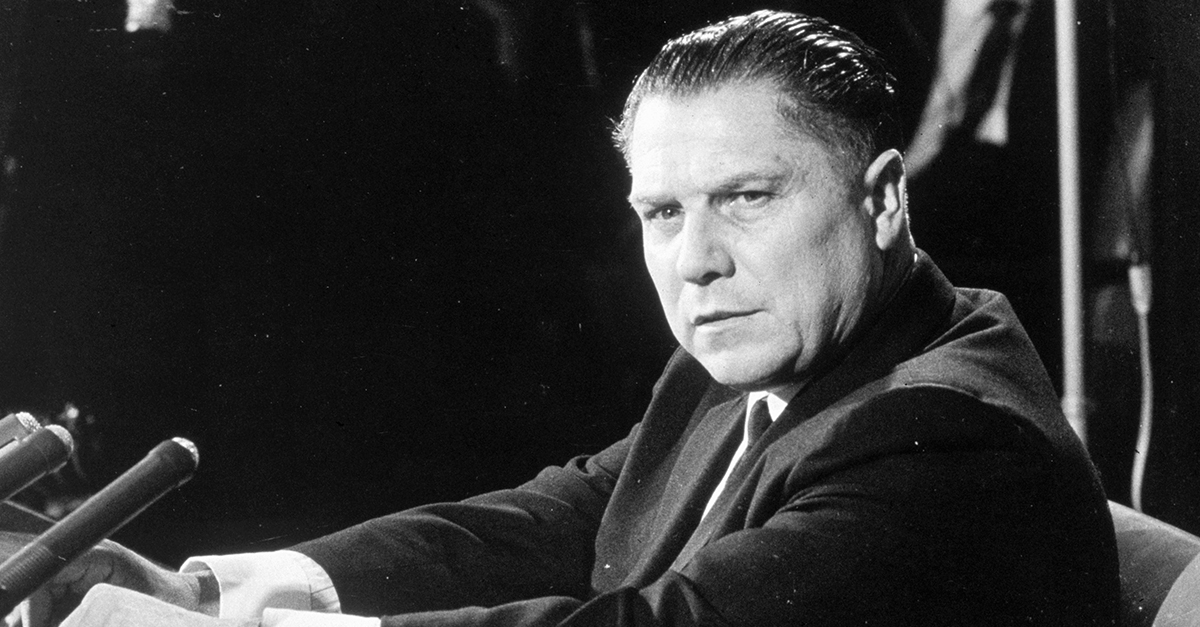
Jimmy Hoffa: From Infamy To Mystery
Jimmy Hoffa was a man of deep contradictions even before he became America’s greatest mystery. A union leader devoted to the well-being of his truckers, he nonetheless had a reputation for ice-cold snubs, red-hot power grabs, and a willingness to go even lower than his enemies. But in the end, those enemies brought about a legendary downfall.
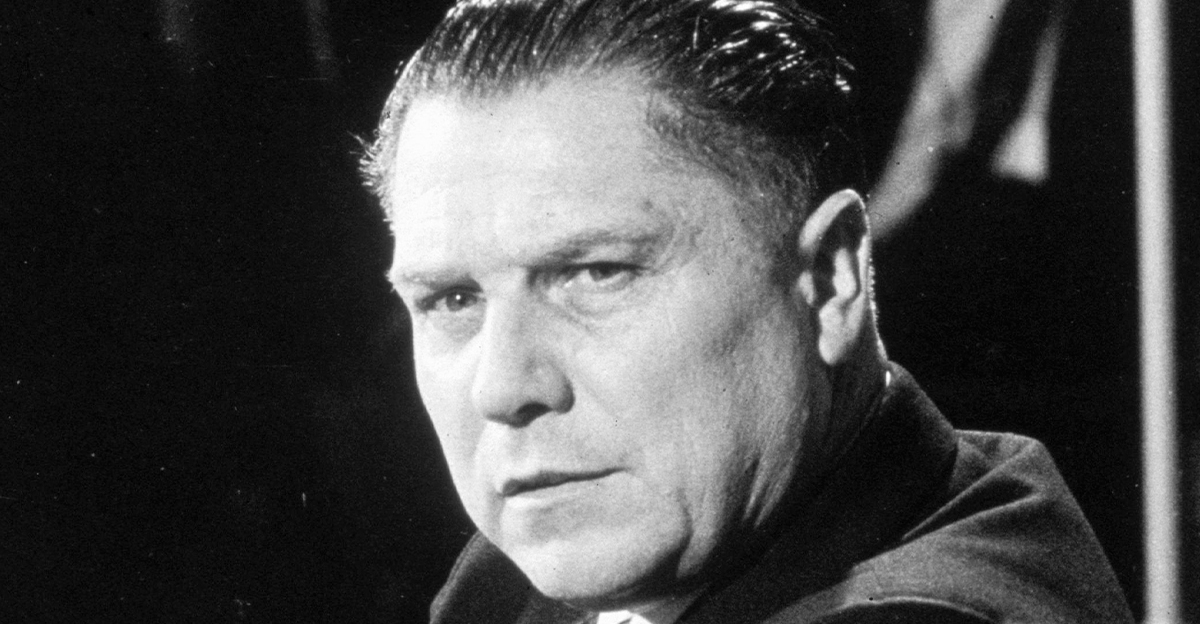
1. He Was A “Tumor”
Born in Indiana in 1913, Jimma Hoffa’s life was darkly bizarre from the beginning. When his mother was pregnant with Jimmy, the doctor at first thought the baby was a growth in her stomach, giving him the nickname “The Tumor” in utero.
It was an ominous pet name for a boy who would quickly jump into an infamous life.
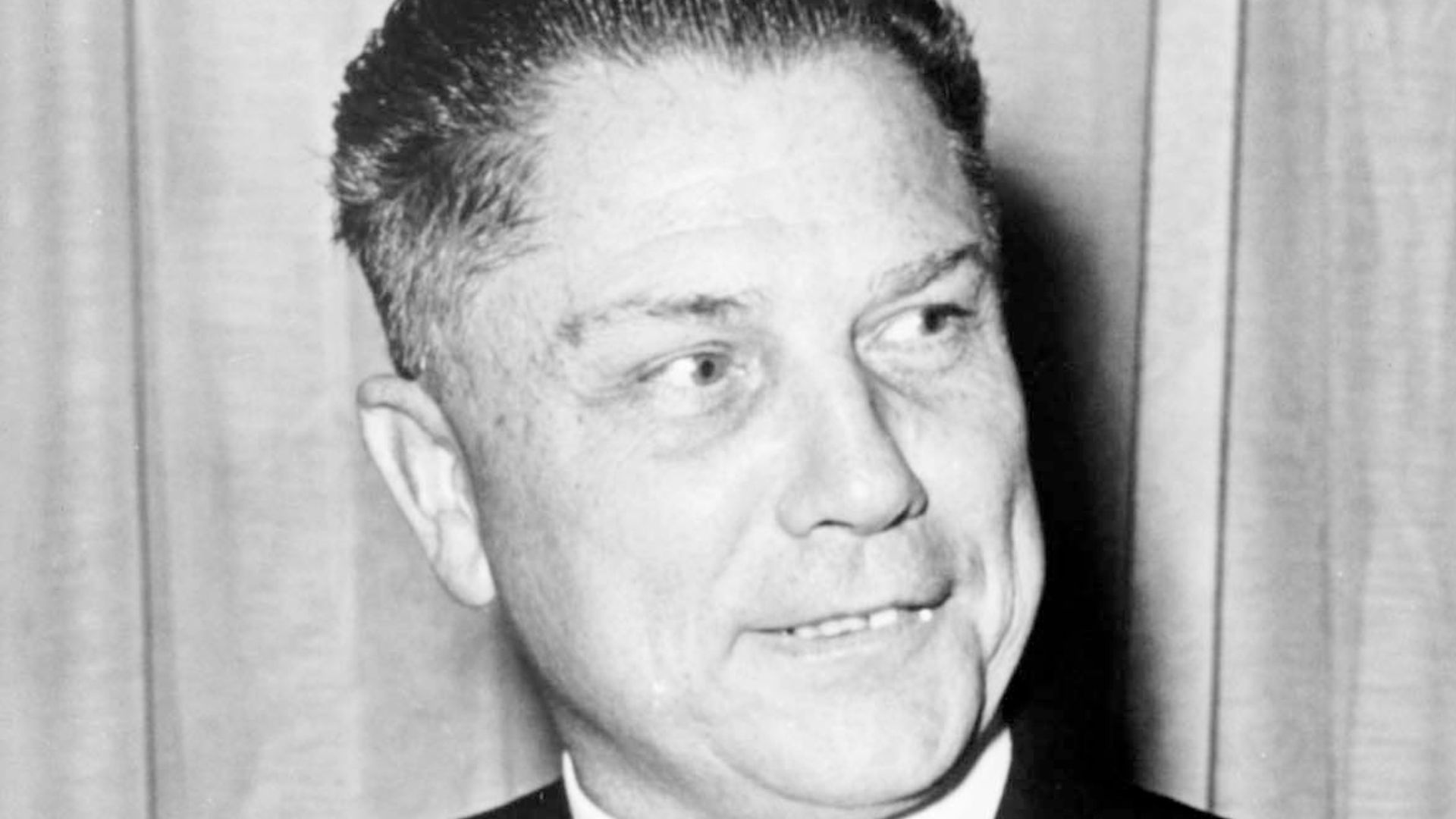
2. He Lost Nearly Everything
Jimmy Hoffa had to learn to survive from a tender age. His father passed from lung disease in 1920, when Hoffa was only seven years old, and his mother moved them to the mean streets of Detroit four years later. By 14, Hoffa had dropped out of school and was working full-time in manual labor to help scrape up a better life for his family.
From there, he grew up fast.
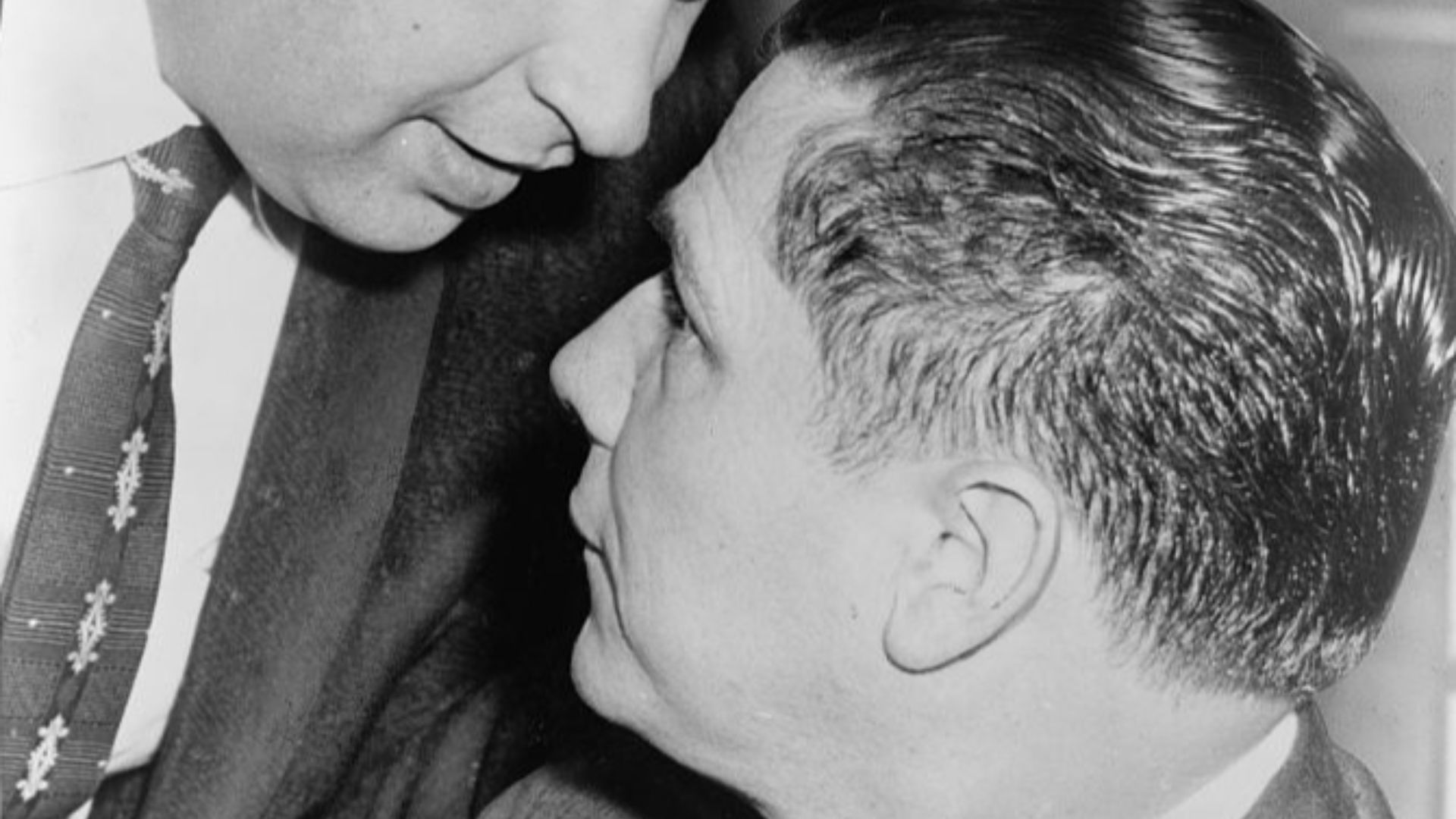 New York World-Telegram and the Sun Newspaper staff photographer: Roger Higgins, Wikimedia Commons
3. People Rallied Around Him
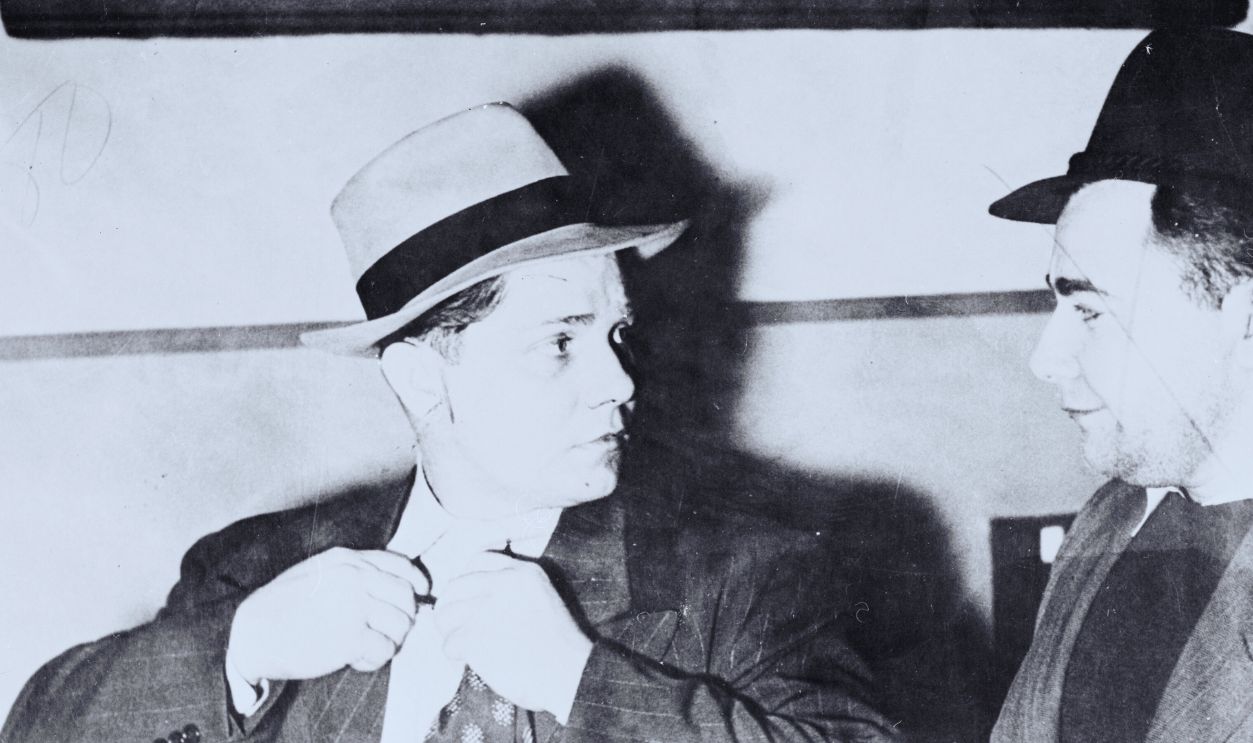
Hoffa may have had a hard-scrabble life, but he knew his worth even in the often “menial” jobs he was working. As a teenager, he began to support unions and perform grassroots work while at a grocery chain that underpaid its employees. The young Hoffa was so fundamentally charismatic, his colleagues eventually made him leader of the union.
It was a glimpse of things to come—but so was the comedown.

History's most fascinating stories and darkest secrets, delivered to your inbox daily.
4. He Rebelled
Hoffa seemed to attract drama and infighting, and this was especially true of his first brush with unions at the grocery store. One day, he came in to work and decided enough was enough, refusing to do a shift under a foreman he knew to be cruel and inappropriate.
Showing a rebellious nature that would get him into trouble as an adult, he then walked out of the job completely…and into his destiny.
5. He Got A Step Up
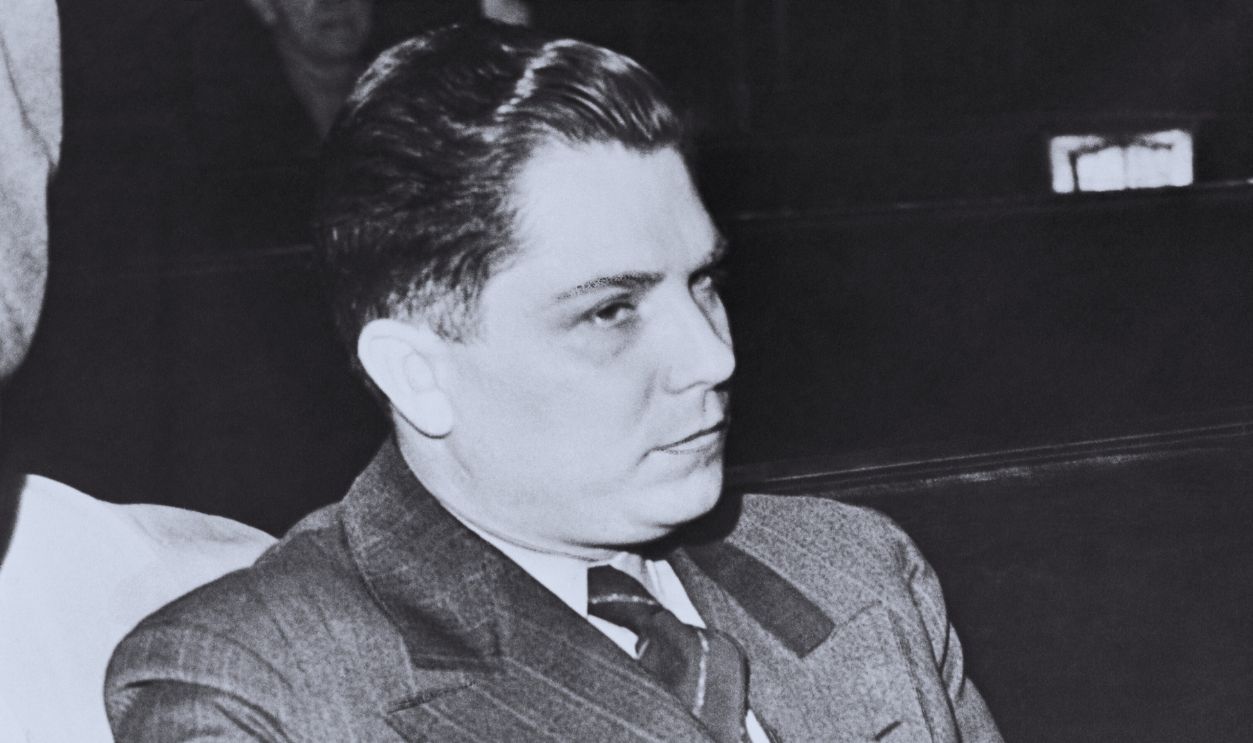
Jimmy Hoffa might not have had his grocery job anymore, but he did have the attention of the Teamsters from Local 299 in Detroit. Aware of his firebrand activities, they invited Hoffa to become an organizer with them to help build up their support base. For two years between 1933 and 1935, Hoffa devoted himself to the cause. In fact, he devoted himself too much.
6. He Stopped At Nothing
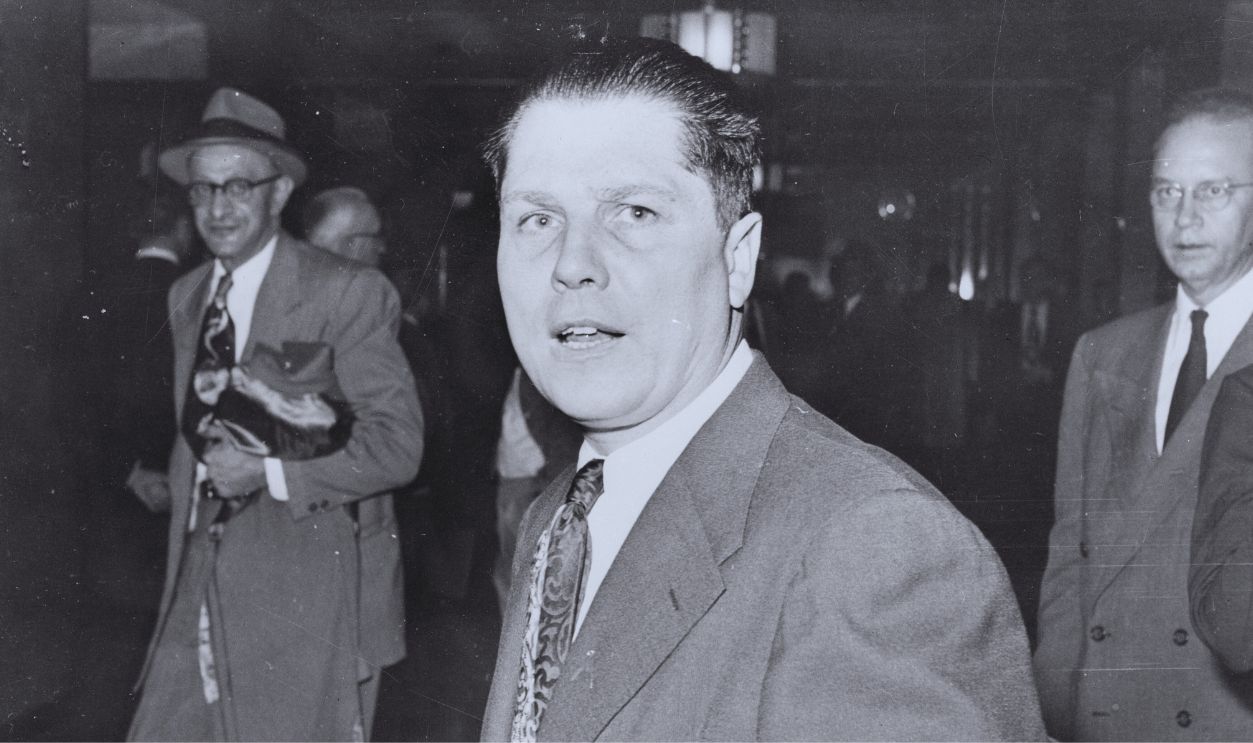
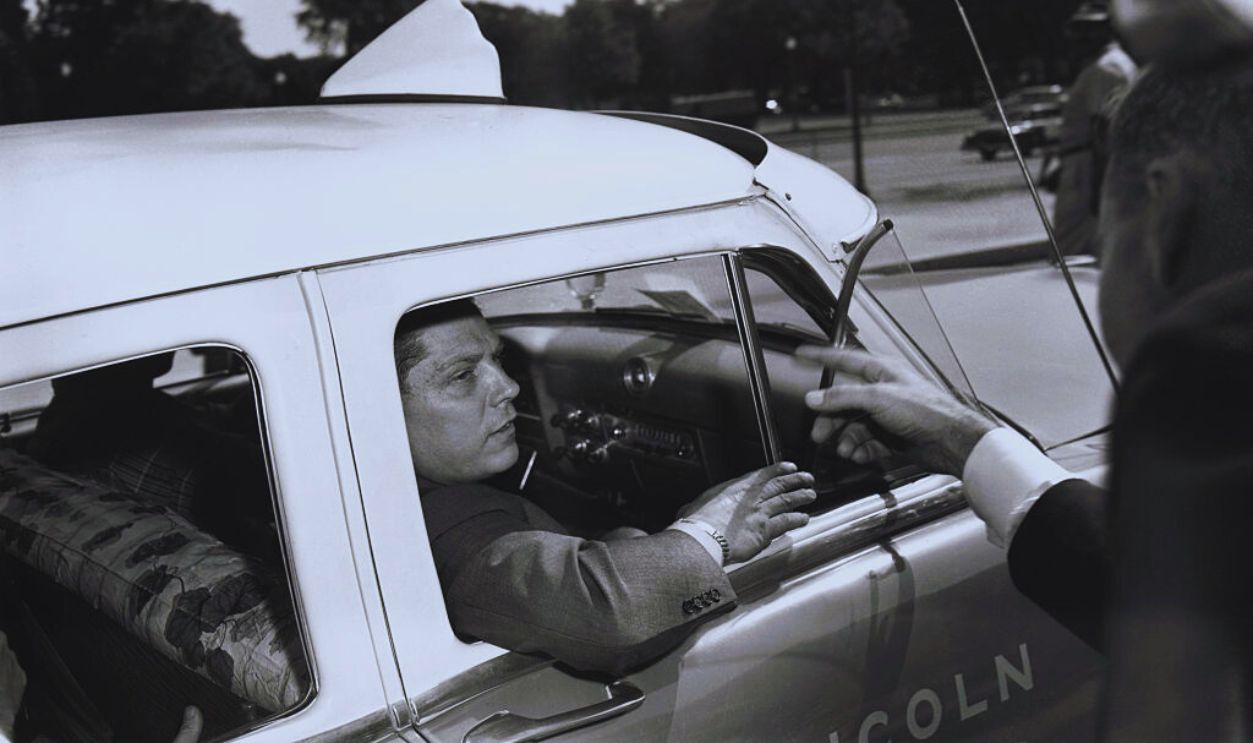
Jimmy Hoffa’s bombastic flair continued as a Teamster organizer. In order to get new recruits on their side, Hoffa had an almost patented approach: He would drive roads looking for trucks pulled to the side, with truckers sleeping within. He’d then wake them up and, as they wiped sleep from their eyes, give his confident sales pitch. And it worked.
7. He Grew It From The Ground Up
Thanks in large part to Hoffa’s tireless efforts, the Teamsters’ ranks ballooned during these years. By 1936, they had grown to 170,000 members—and still, Hoffa wasn’t done. He eventually turned local union trucker groups into regional sections, and then into an entire, powerful national body.
Yet throughout this heady professional time, Hoffa managed to have quite the personal life too.
8. He Met The Love Of His Life
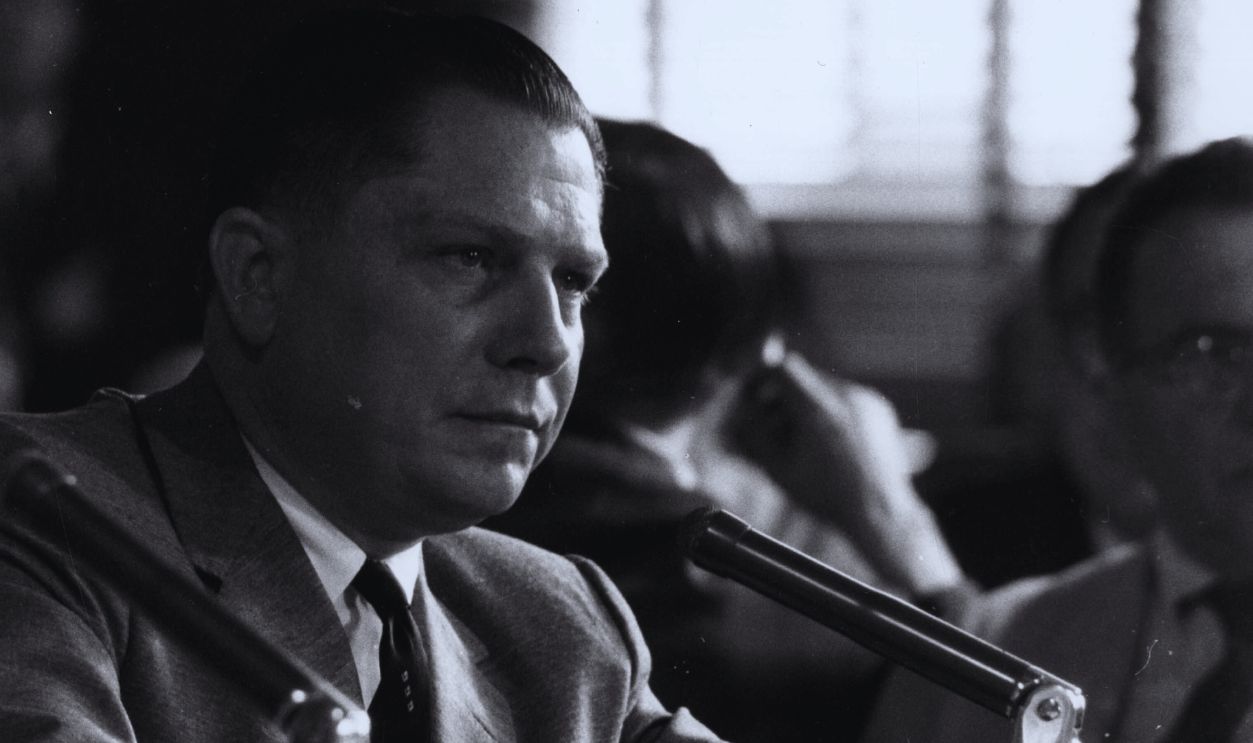
In 1936, as part of his Teamster duties and interests, Jimmy Hoffa attended a non-unionized laundry workers’ strike action. It turned into a date with destiny: While there, the 20-something laid eyes on the teenaged laundry worker Josephine Poszywak, and Hoffa described it as being “hit on the chest with a blackjack”.
Six months later, they were married, and soon had two children, Barbara and James. It was a lot all at once, but Hoffa kept on climbing.
9. He Avoided Military Service
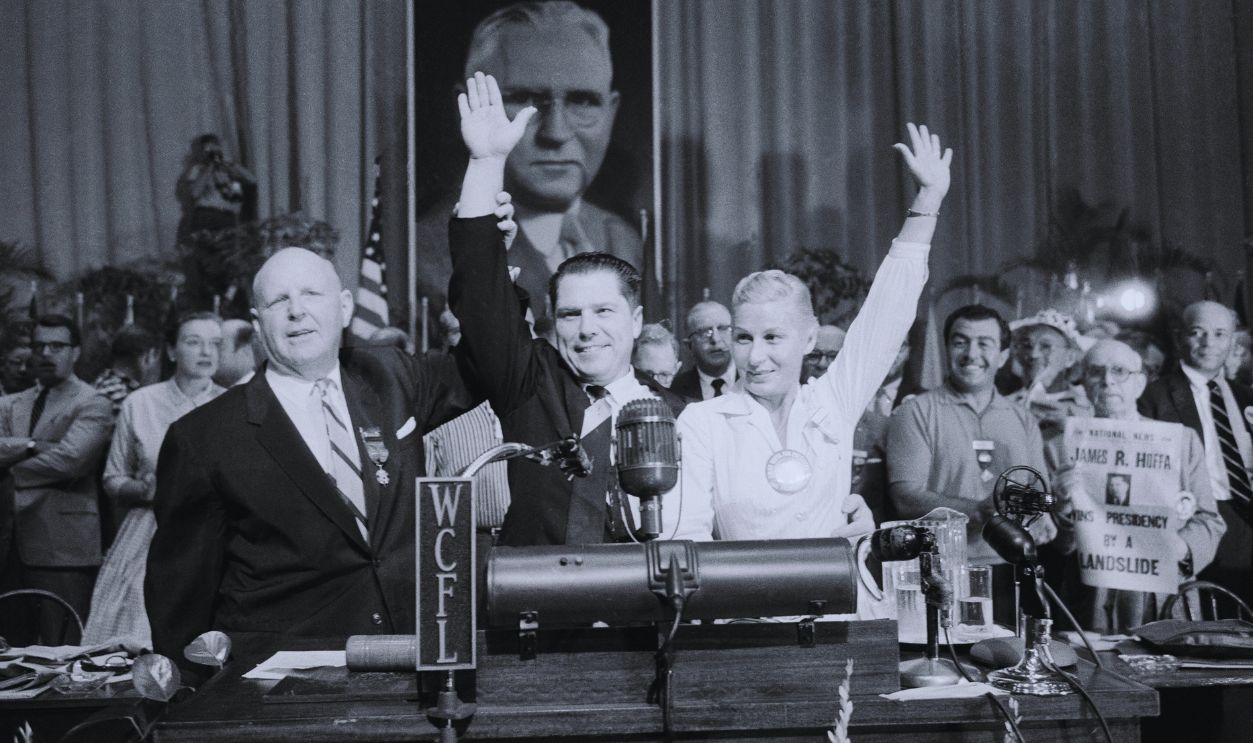
By the time Hoffa became a husband, his Teamsters were one of the most powerful unions in the United States, and could leverage their strength to fight against some of the biggest companies in North America. When WWII came around, Hoffa was so big he even managed to defer service, convincing the government his skills were more important at home to keep freights running.
Except there was a dark side to all this power.
History's most fascinating stories and darkest secrets, delivered to your inbox daily.
10. He Relied On Criminals
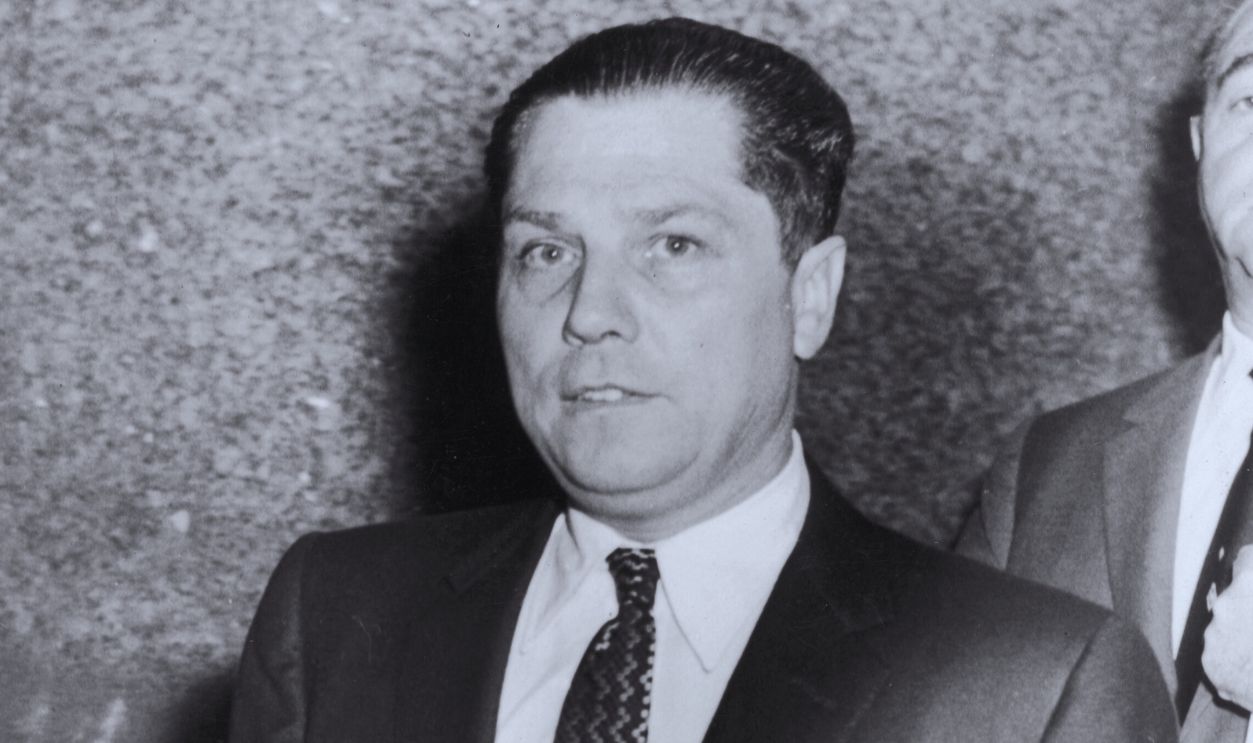
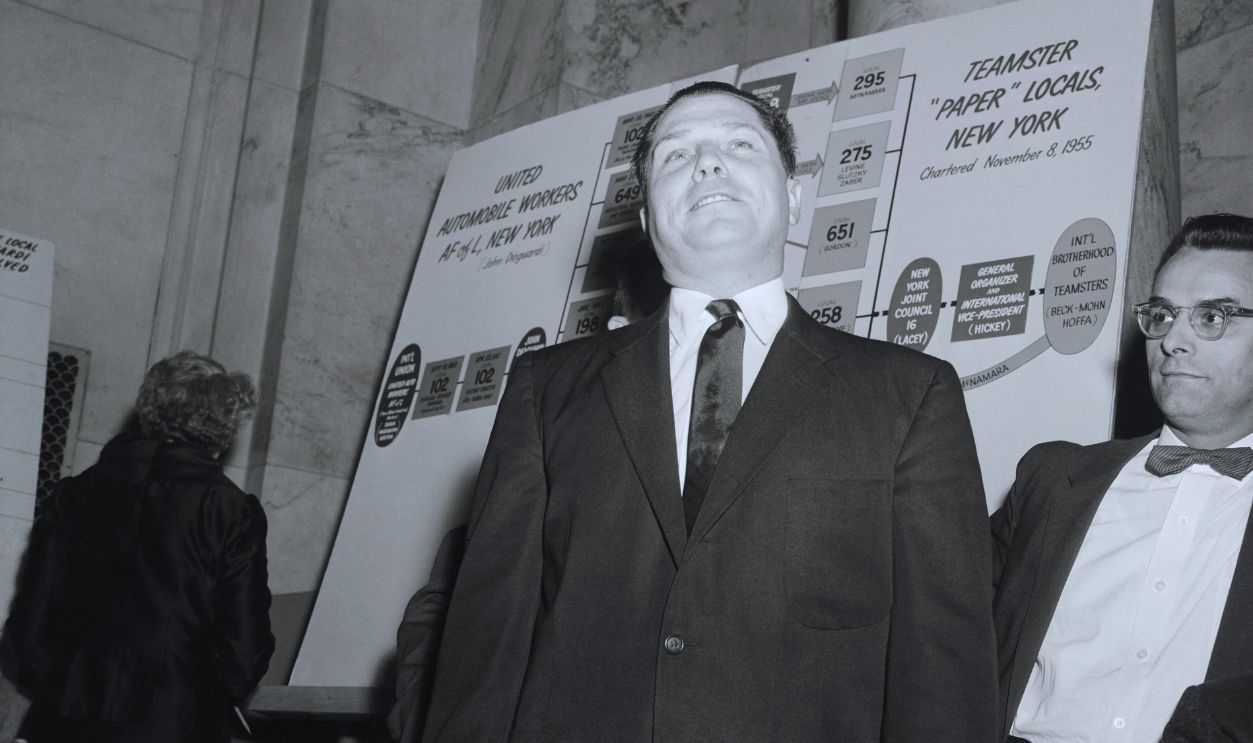
Hoffa’s rise to influence was meteoric, but he did have some help along the way—from some infamously shady figures. Trucking union efforts at that time were generally controlled by organized crime, with mob bosses protecting workers while getting a piece of any profits available. Hoffa had no problem playing their game.
11. He Knew Infamous Men
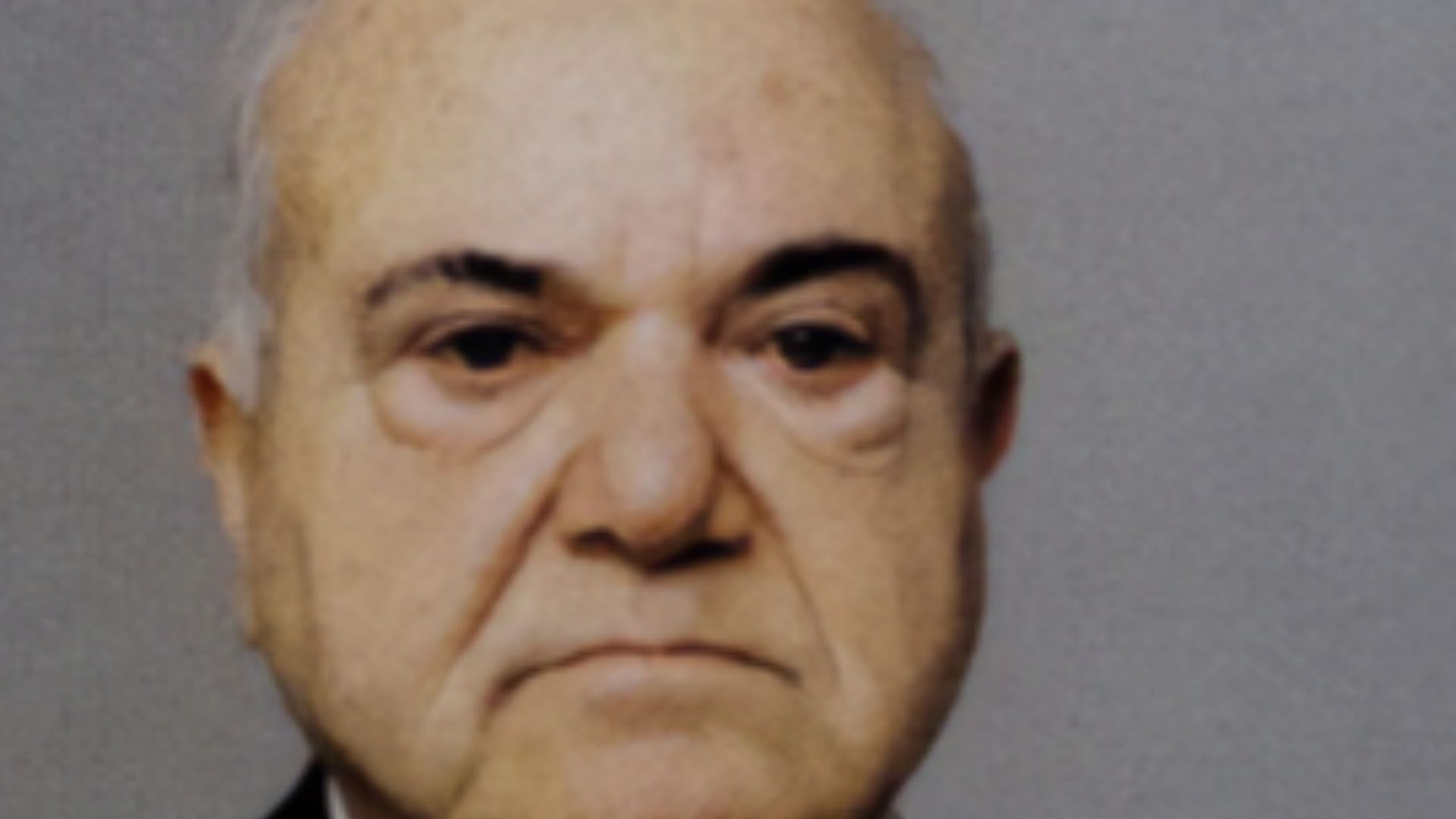
For Jimmy Hoffa, you had to go after what you wanted by any means necessary, and in the 1930s and beyond he was cozy with many of the day’s most illustrious mob members, including future mob boss Anthony “Fat Tony” Salerno. In order to grow the Teamster base, Hoffa worked with gangsters for mutual kickbacks and influence, but his duties didn’t end there.
12. He Defended The Mob
In exchange for mob influence and protection, Jimmy Hoffa also protected his own gangsters from other rival clans, particularly those who were behind other powerful unions. Hoffa defended his men from mob-led union raids, especially from the Teamsters’ rival, the Congress of Industrial Organizations.
Soon, his loyalty began to pay off even more.
13. He Got A Promotion
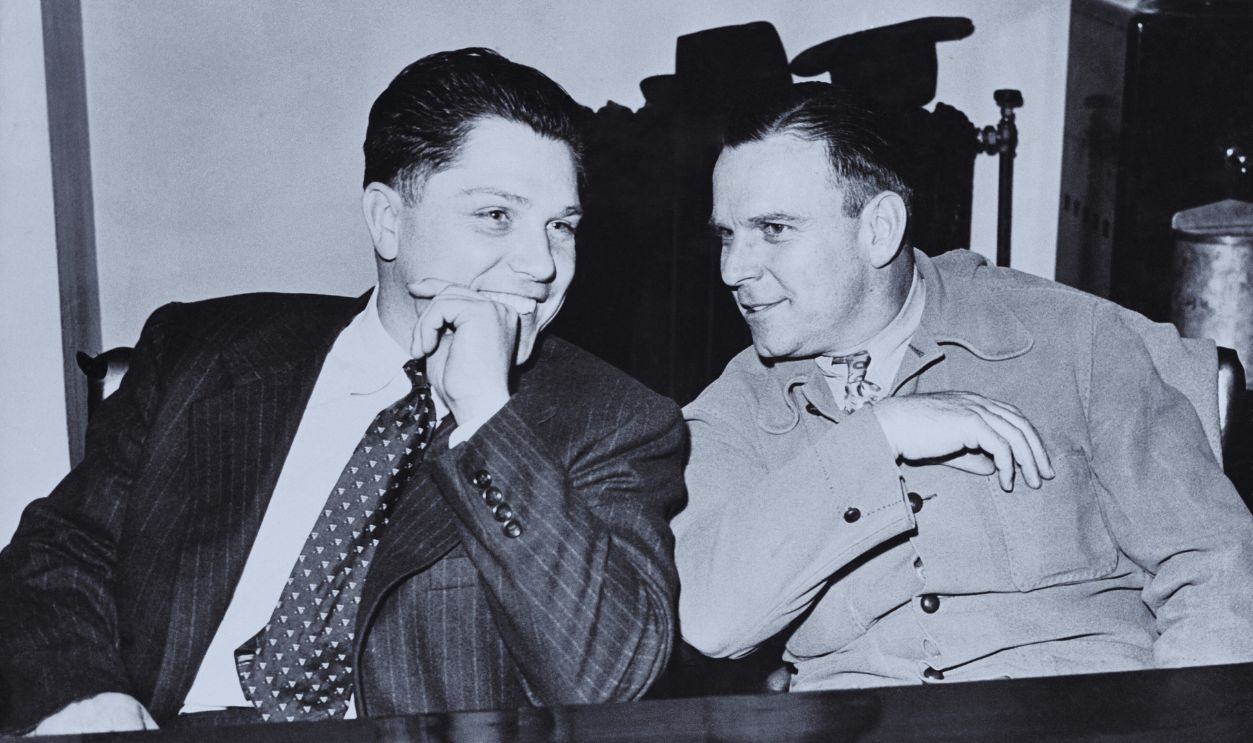
Despite never having worked as a trucker, Hoffa became president of Local 299 Teamsters in 1946, only a little more than a decade after first working for them as a foot soldier. But Hoffa was used to power now, and he liked it: It wasn’t long before he became the head of all Michigan Teamsters groups and then, in 1952, the vice president.
But once more, it wasn’t all on merit.
14. He Knew How To Manipulate People
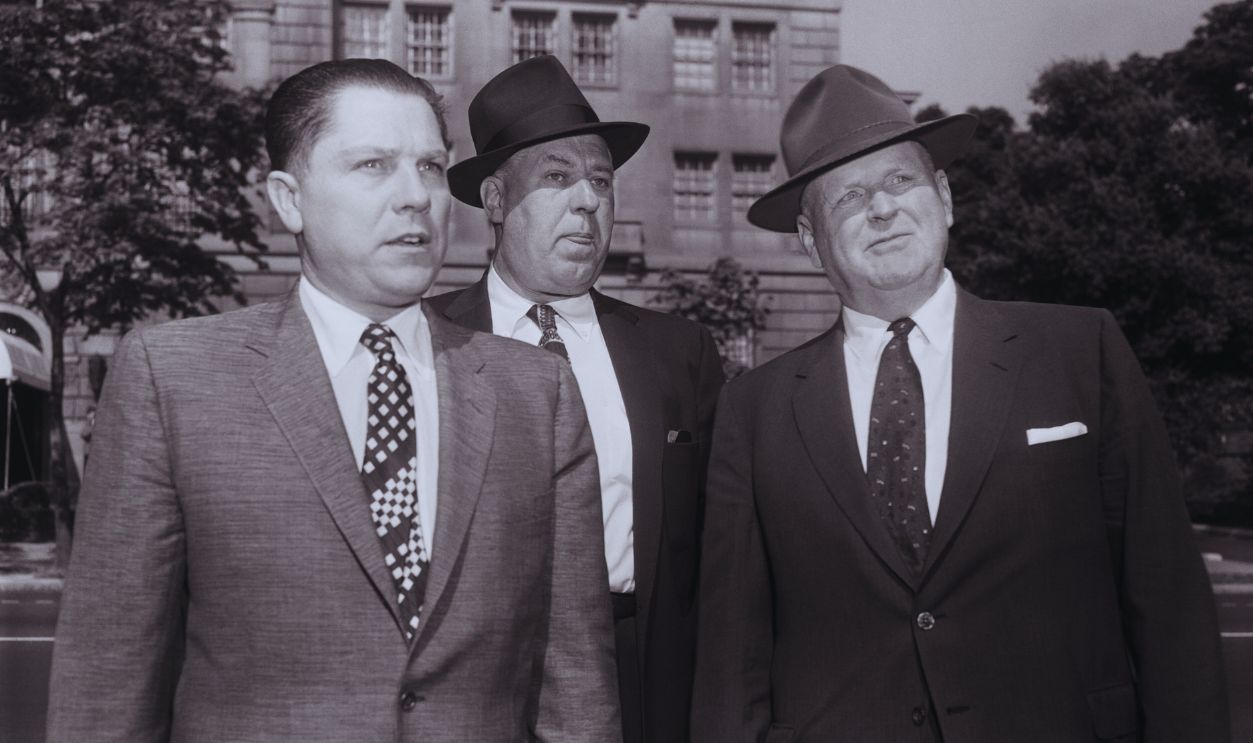
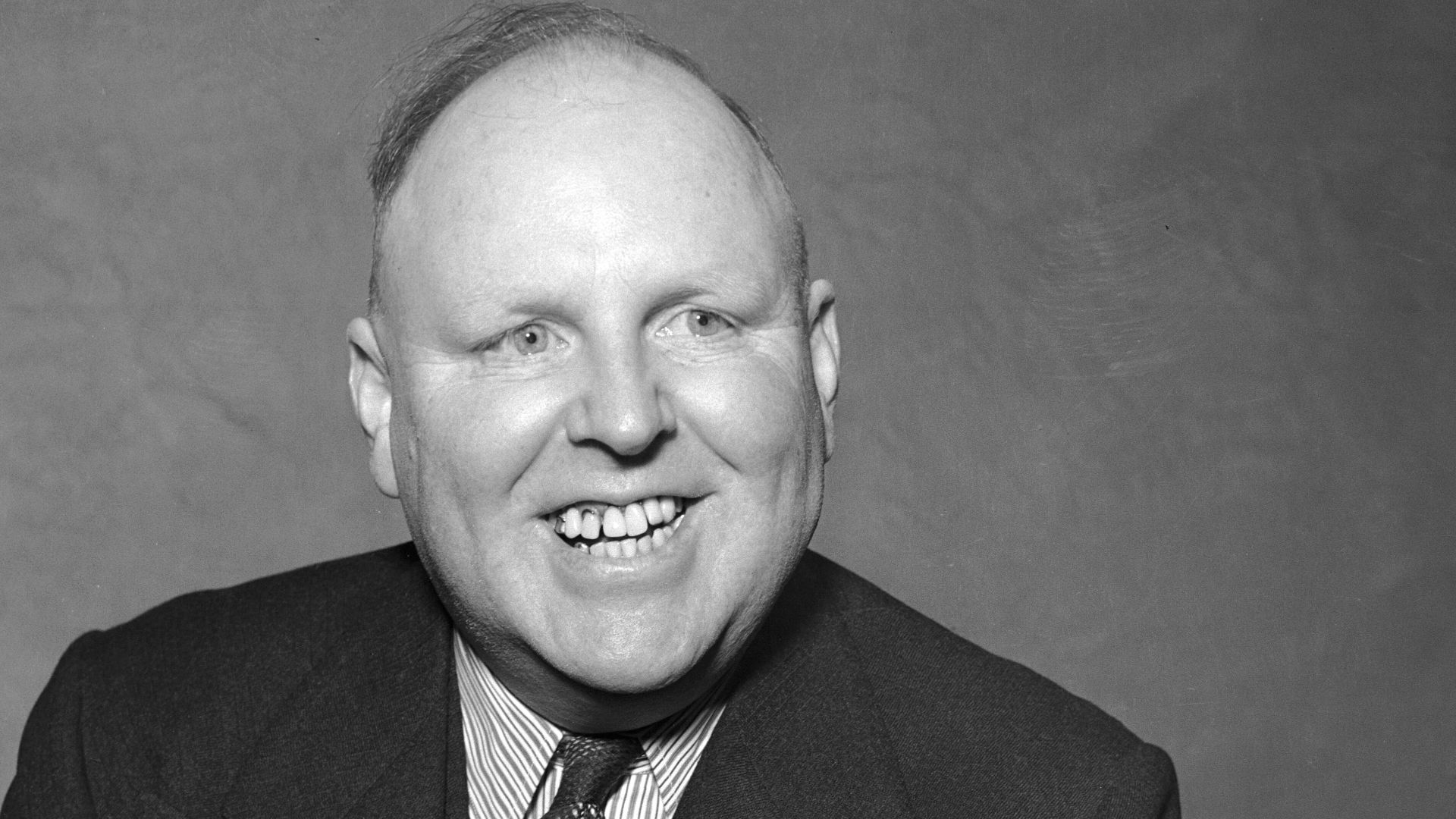
Jimmy Hoffa was an energetic figure who drew people around him, but he was also a master politician. His nomination as vice president actually came because he helped the incoming president, Dave Beck, tamp down a mutiny by rallying more regional support to Beck’s side. In return, Beck gave Hoffa the VP spot.
It was the usual “I’ll scratch your back, you scratch mine,” but it came with new perks.
 Los Angeles Daily News, Wikimedia Commons
15. He Got His Own Driver
The higher up Hoffa got in the Teamsters, the more he relied on the mob—and the more he got used to the mob lifestyle. In 1952, shortly after Hoffa finagled his way into becoming the vice president of the Teamsters, Anthony “Fat Tony” Salerno appointed petty criminal Marvin Elkind to be Hoffa’s own personal chauffeur, both to elevate his status and protect him from enemies.
This lifestyle wrought disturbing changes on the family man.
History's most fascinating stories and darkest secrets, delivered to your inbox daily.
16. He Was Scary
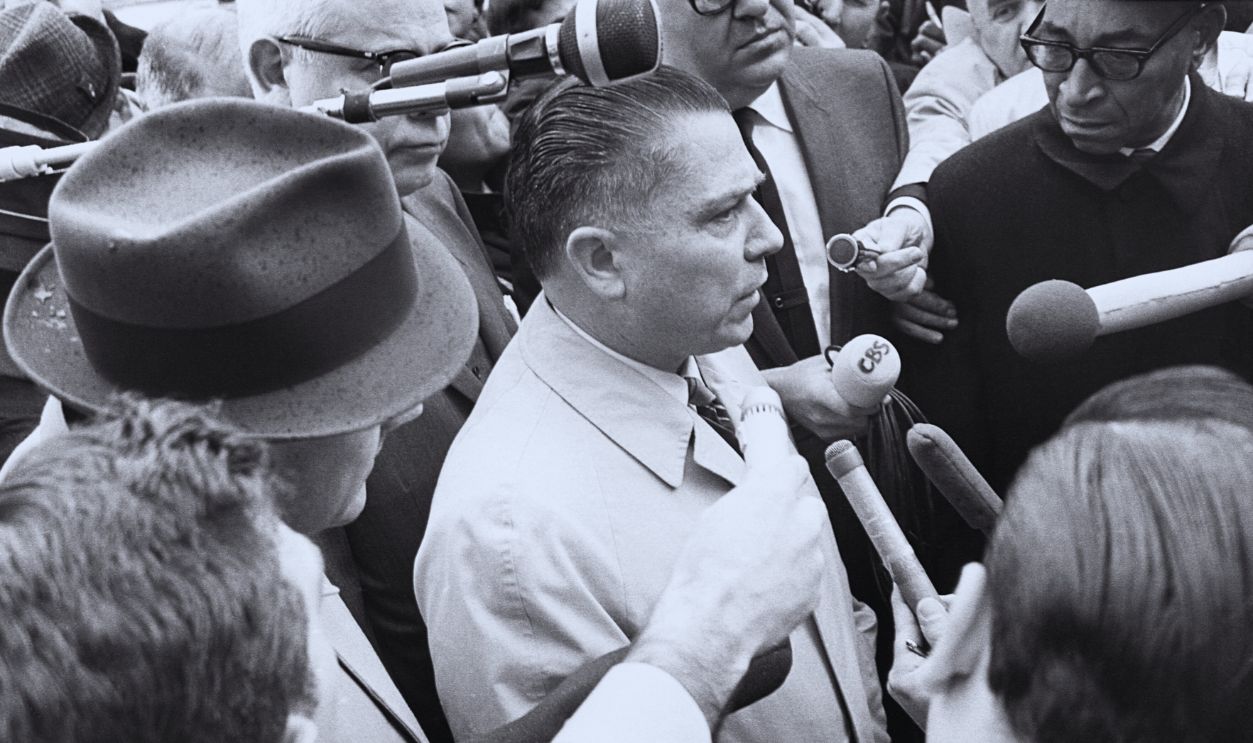
In 2008, Elkind spilled on the four years he spent as Hoffa’s chauffeur, and the picture he painted of the union boss was chilling. As Elkin said, “Mr Hoffa was a tremendously intimidating man. This man had no fear at all, of nothing”. Where once Hoffa had been young and bright-eyed, he now seemed to have turned steely. That wasn’t all.
17. He Didn’t Care
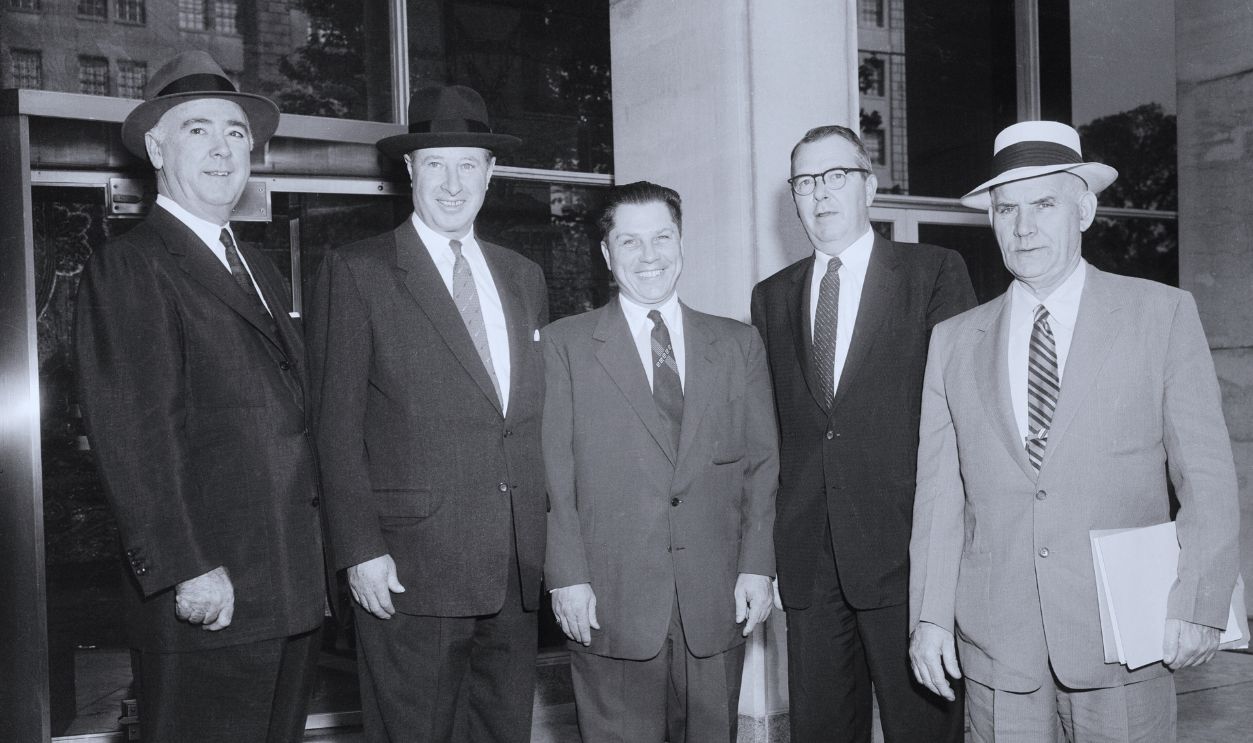
Elkind also described how Jimmy Hoffa, though he was “dedicated to the people that belonged to his union,” also “showed very little emotion” and “had completely no sense of humor”. It was a sociopathic portrait made all the more unnerving because of how little Hoffa seemed to care about Elkin himself: As the chauffeur admitted, “When you drive these people you learn a lot and I'll tell you why. They don't know you're there. You become a piece of the car, just like an extra gear shift or a brake, and they talk”.
But if there was one thing Hoffa did care about besides his truckers, it was getting even more power.
18. The Government Closed In
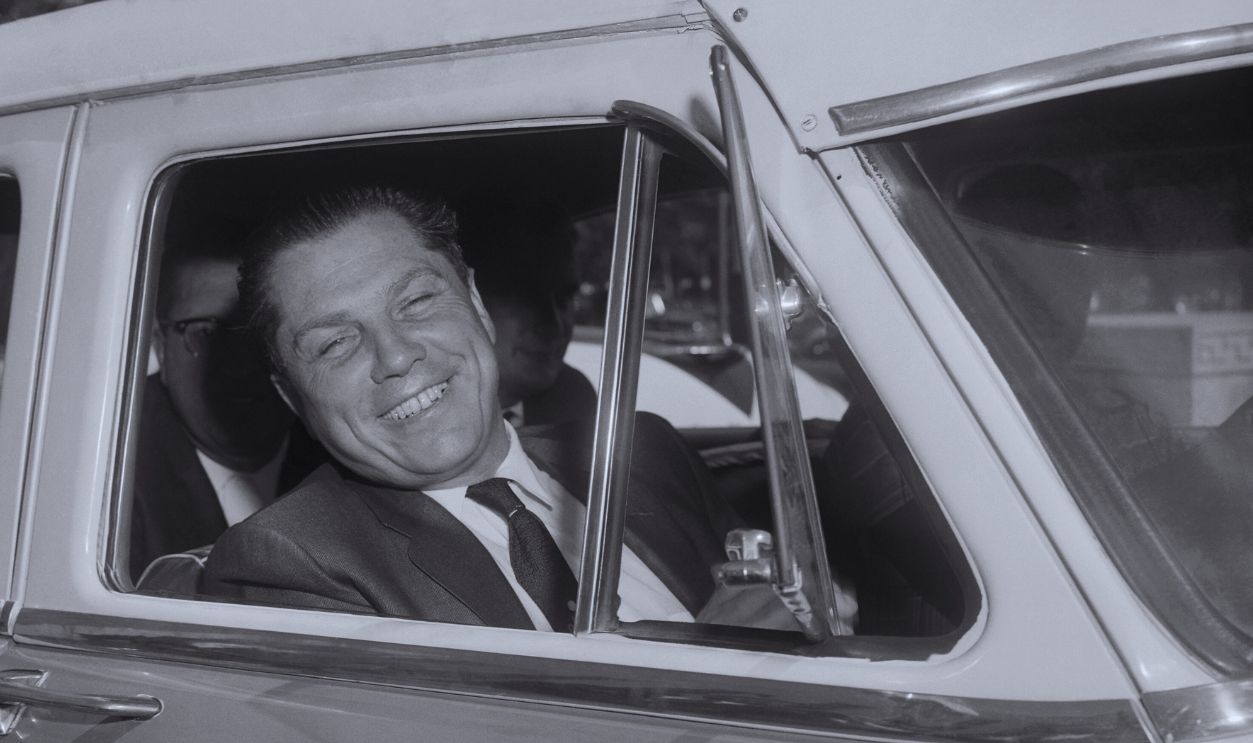
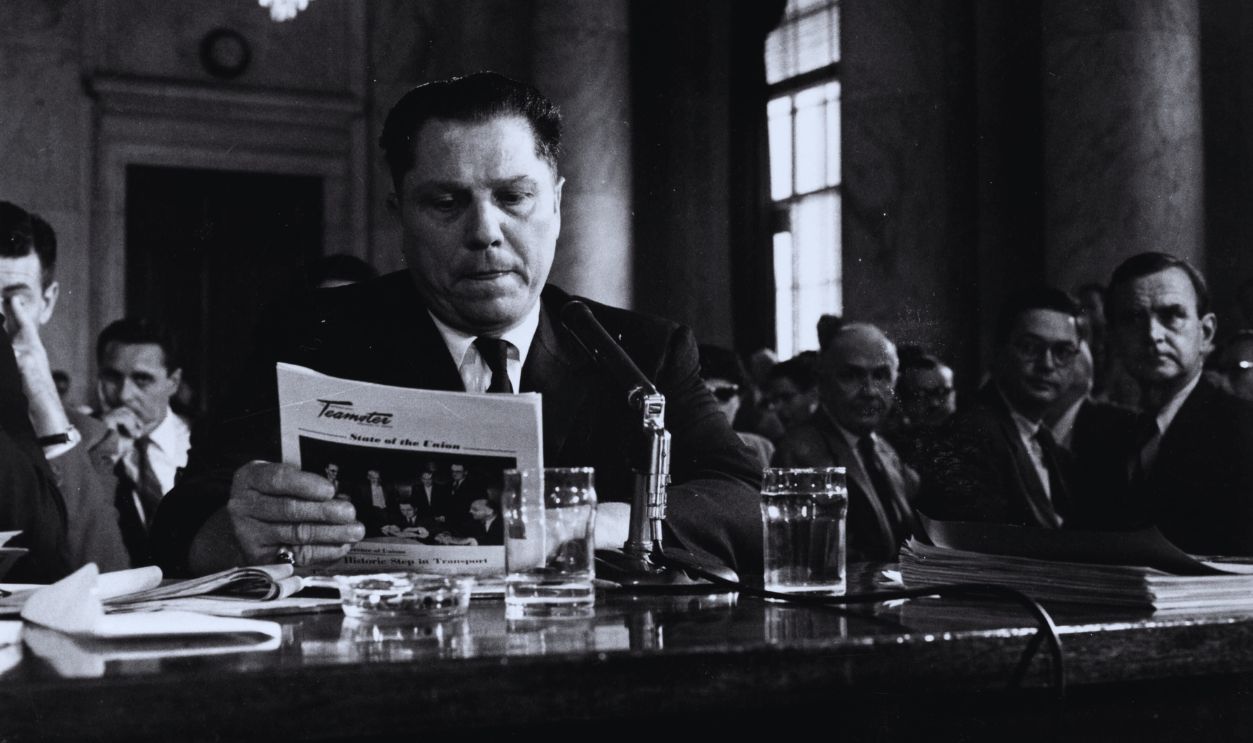
By the 1950s, Hoffa’s Teamsters outfit (and Mafia friends) had set up headquarters in Washington, DC. They were now ascendant in America—and the government was taking notice. In March of 1957, the US Senate Select Committee on Improper Activities dragged in Hoffa’s boss, President Dave Beck, and grilled him, forcing Beck to plead the Fifth an incredible 140 times before putting him behind bars to await a fraud trial.
For some, this was a travesty. For Hoffa, it was an opportunity.
19. His Friend’s Loss Was His Gain
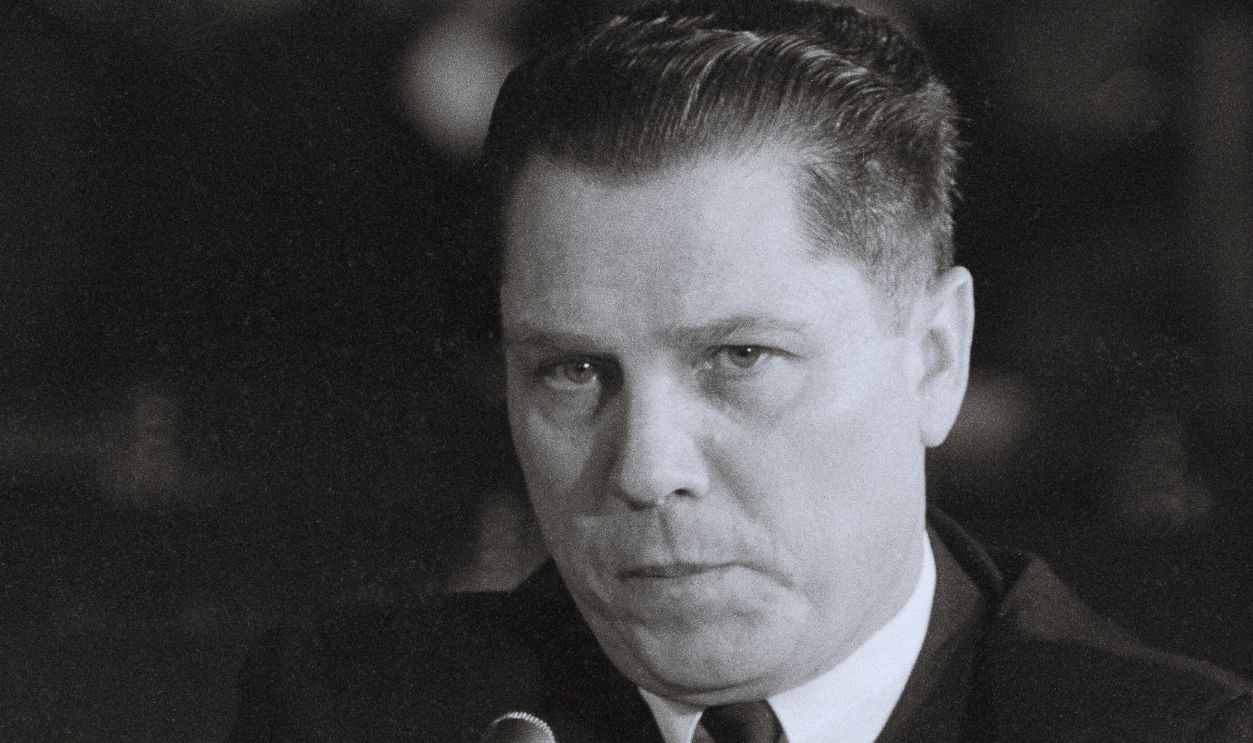
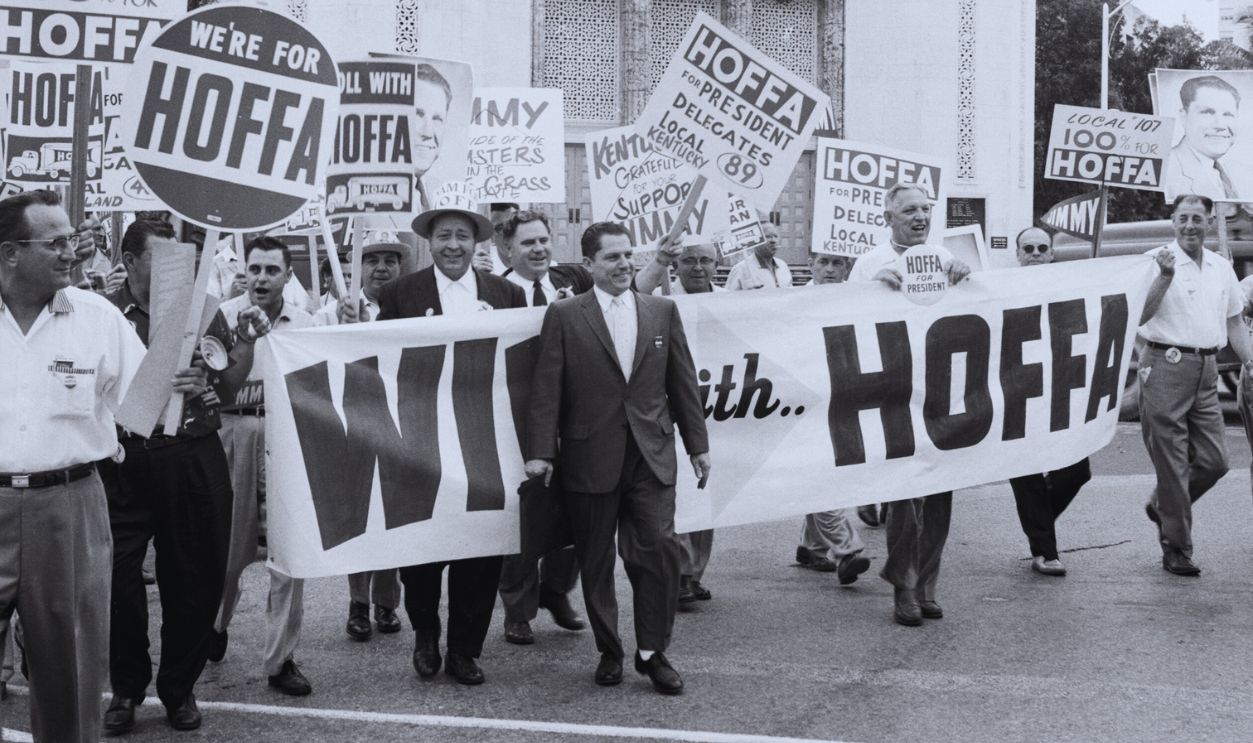
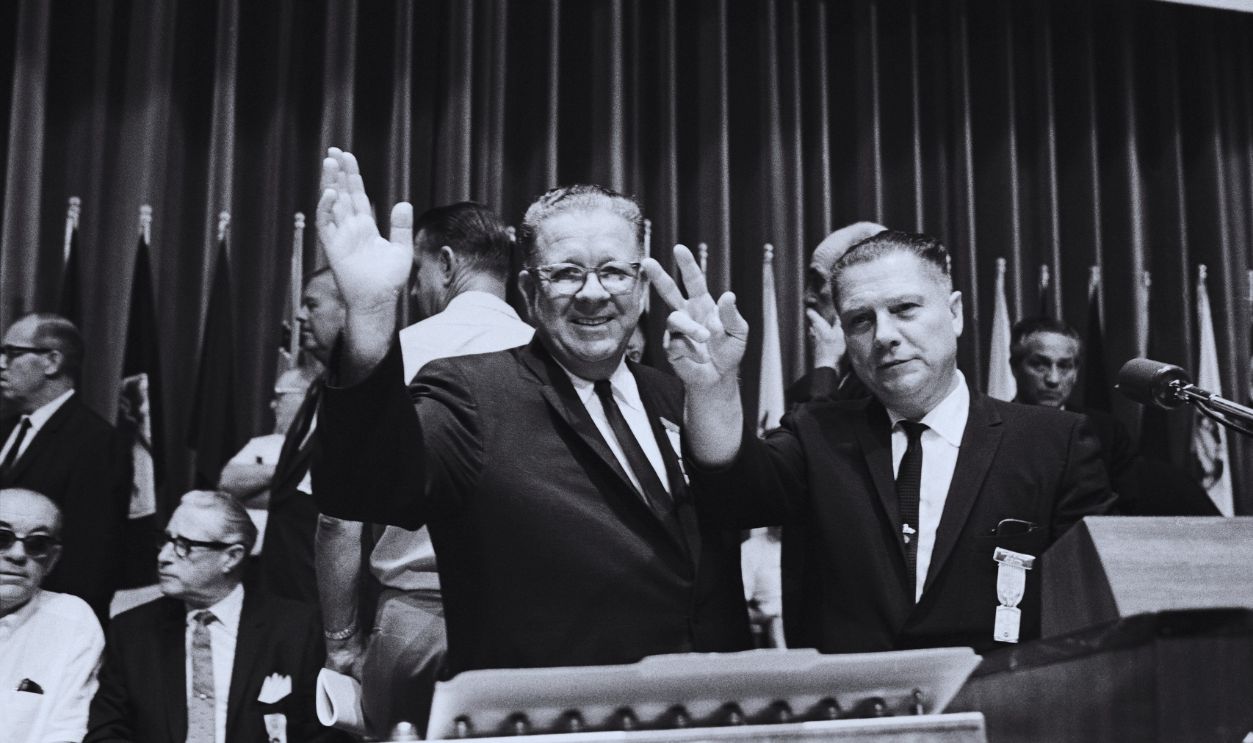
The very same year Beck was incapacitated, Jimmy Hoffa went to the Teamsters convention in Miami Beach, Florida and took over the top spot as president. After all, Beck was going to be tied up with the law for a bit, and Hoffa was his natural successor. Why shouldn’t he grab power?
It was the culmination of all of Hoffa’s ambitions—but it also put an even bigger target on his back.
20. His Allies Dropped Away
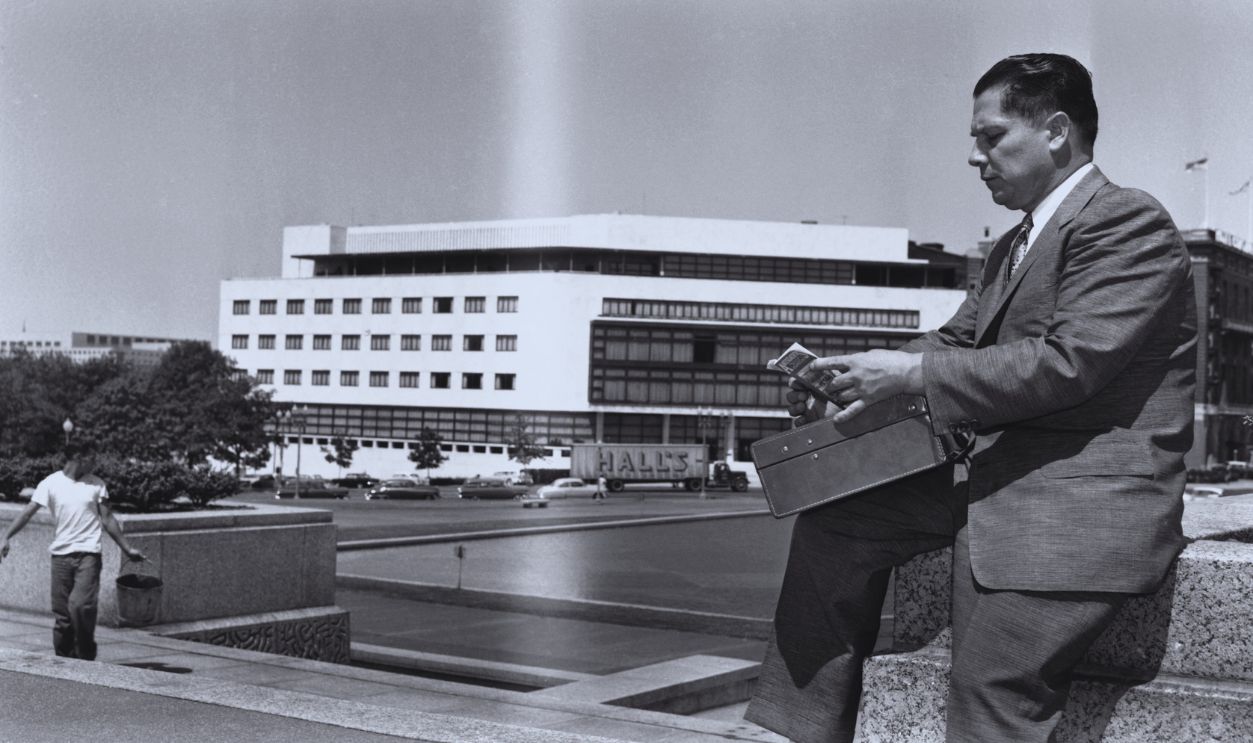
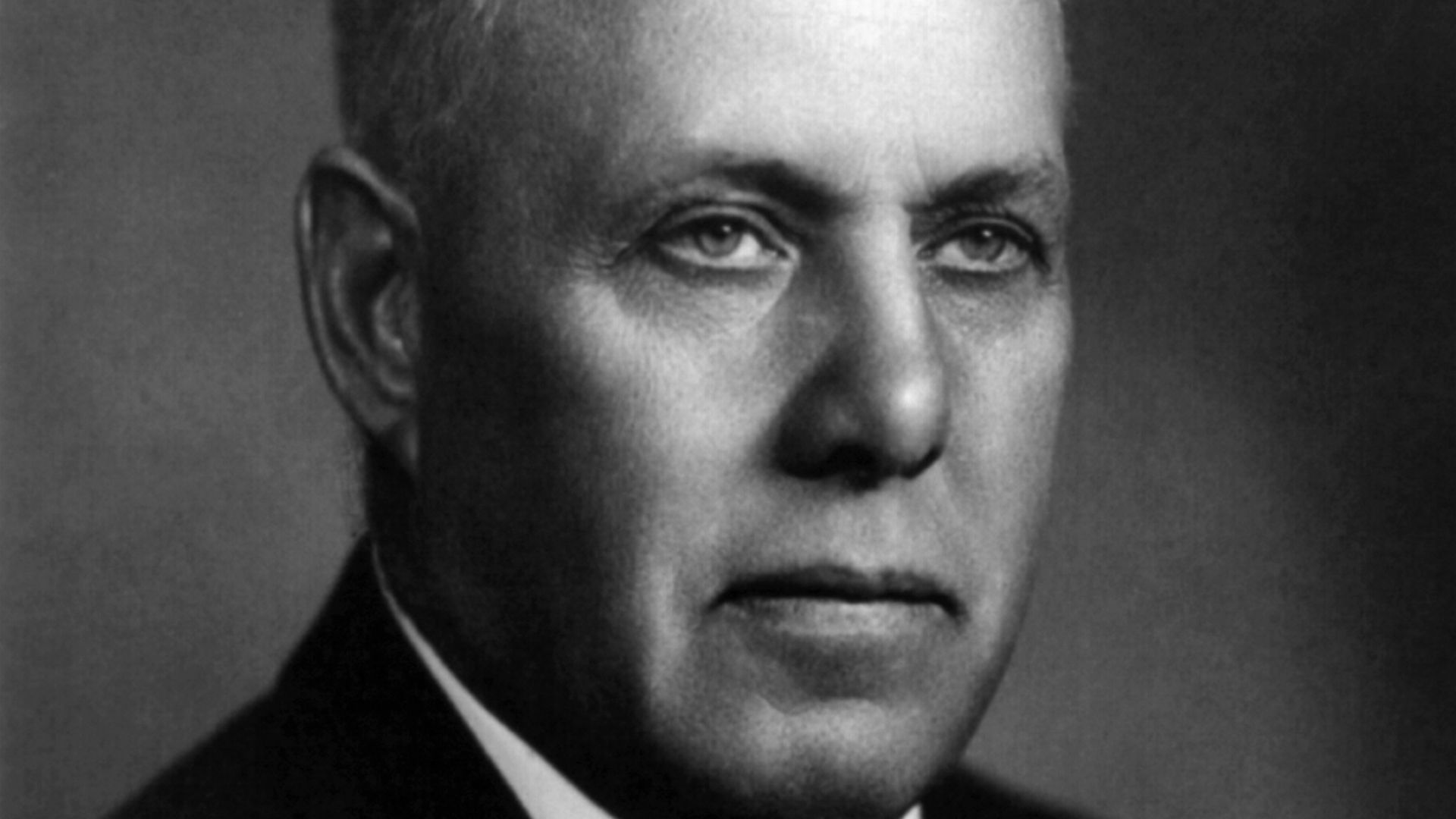
While Hoffa had many friends in low, dark places, not everyone in the union game was happy with the announcement of his presidency. George Meany, President of the umbrella AFL-CIO union group, made a speech demanding that the Teamsters be removed from their organization, with no further contact considered until they removed the shady Hoffa as president. Hoffa’s response was telling.
 Albert R. Miller, Wikimedia Commons
21. He Mouthed Off In The Press
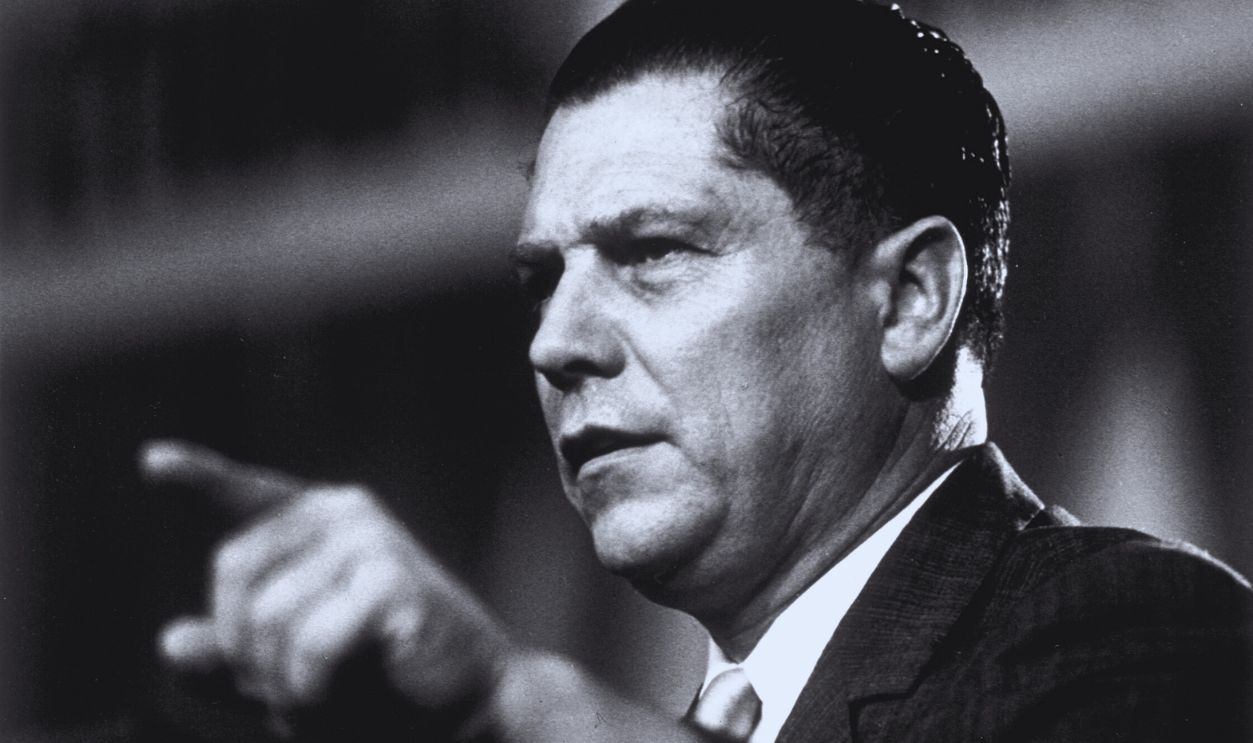
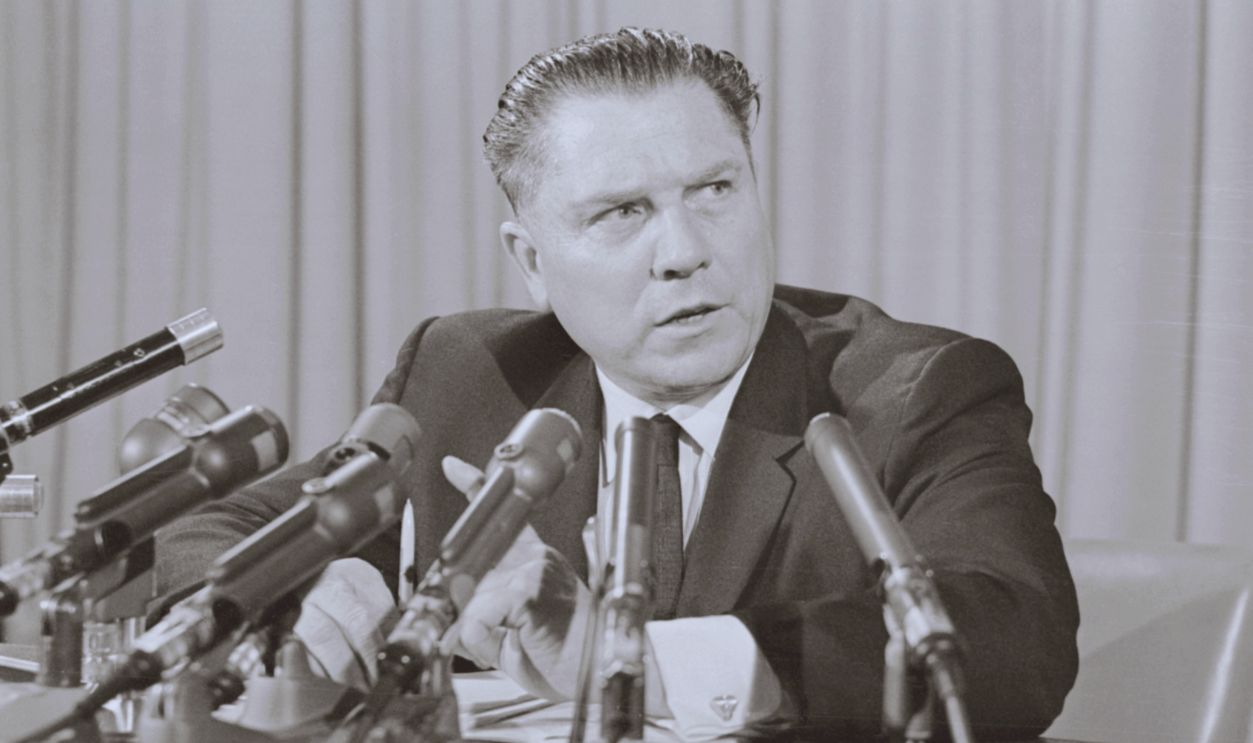
Hoffa’s inability to give up power would be his downfall, and he certainly wasn’t ready to do so after just securing the presidency. Besides, Hoffa knew very well that the Teamsters were bringing in nearly a million dollars yearly to the AFL-CIO. So when Meany demanded a response from him, Hoffa spoke to the press to give his cool, two-word response: “We’ll see”.
But stepping down was nowhere in his plan.
History's most fascinating stories and darkest secrets, delivered to your inbox daily.
22. He Was Power Hungry
Jimmy Hoffa didn’t just refuse to back down from the Teamster presidency; he pushed himself toward no fewer than three terms, earning re-election in 1961 and running unopposed in 1966 to another five-year stint in power. It was during this time that he also brought nearly all North American truck drivers under a single Freight Agreement, likely the crown jewel of his career.
But these highs came with devastating lows.
23. The Feds Went After Him
In truth, from the beginning of his presidential tenure, Hoffa was in just as much trouble with the law as his predecessor Dave Beck. When Beck went to face the Senate Committee in March of 1957, Hoffa allegedly tried to bribe an aide to sway the proceedings—a supposed act for which he was arrested but never convicted. But though Hoffa managed to slip out of the government’s grasp on that one, he was now very much on their radar.
24. They Didn’t Stop Chasing Him
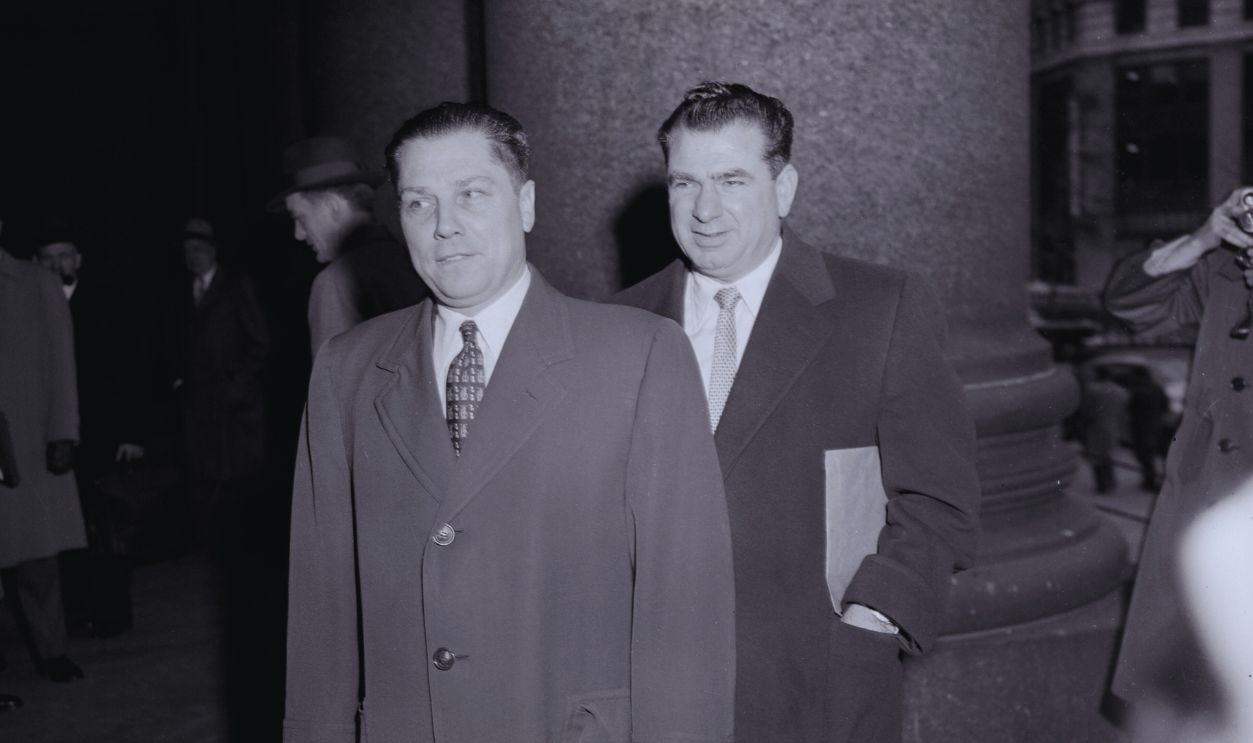
In the weeks after March 1957, the government began digging into everything they could get on Jimmy Hoffa. Unfortunately for the union boss, no matter how careful he’d been, he left traces of his decades-long shady activities with the Teamsters, and the Feds soon hit him with a flurry of indictments and arrests for various fraudulent activities. But the worst was yet to come.
25. He Had Violent Associates
In the summer of 1958, one of Hoffa’s known associates, Frank Kierdorf, got into a horrific—and very suspicious—accident. He accidentally set himself on fire while in the middle of razing a cleaning and dyeing building. When government lawyers got to the dying Kierdorf’s hospital bed, they tried to pump him for information…with interesting results.
26. They Wouldn’t Snitch On Him
Sure, Kierdorf might have been just some random arsonist who happened to be friends with Jimmy Hoffa, except his fire-starting looked for all the world like a mob warning gone wrong. The prosecutor pressed Kierdorf for any last confessions, likely hoping to ensnare Hoffa in the process, but all Kierdorf did was swear at the man before passing.
Hoffa had gotten off again, but this only made the government more rabid.
27. There Was A “Get Hoffa’ Squad
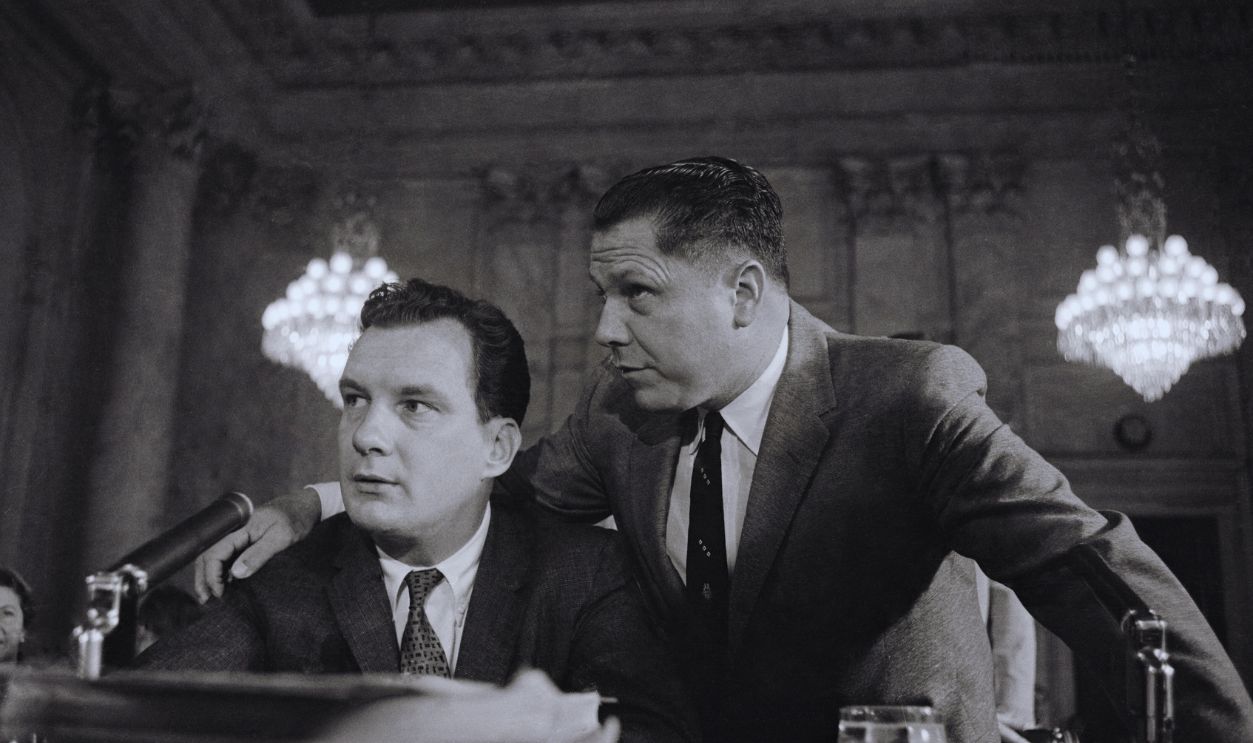
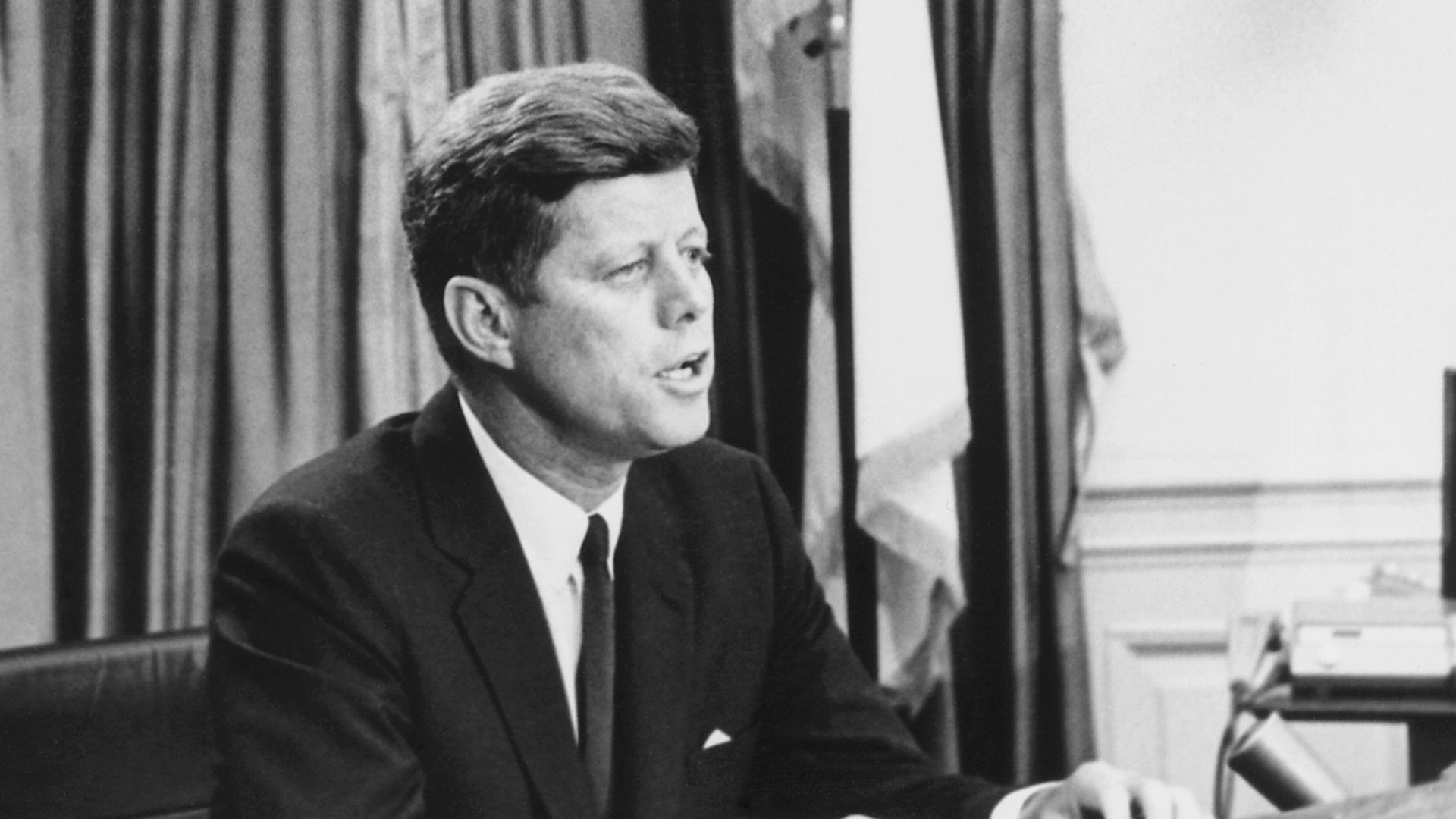
In 1960, President John F Kennedy appointed his brother Robert as Attorney General, who made it his personal mission to finally pin Hoffa down on something that would stick. Robert was so obsessed, the nickname for his anti-organized crime unit was the “Get Hoffa” squad.
Before Robert could actually get Hoffa, though, someone else nearly did.
History's most fascinating stories and darkest secrets, delivered to your inbox daily.
28. A Man Attacked Him
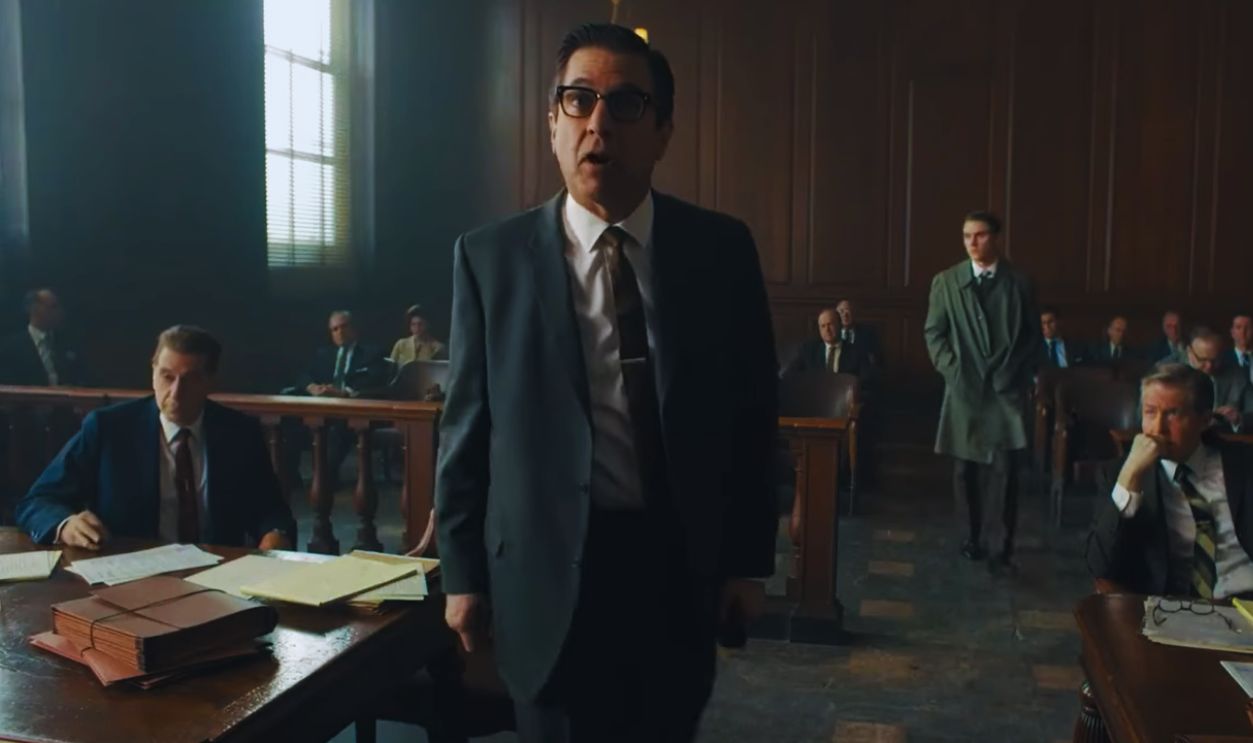
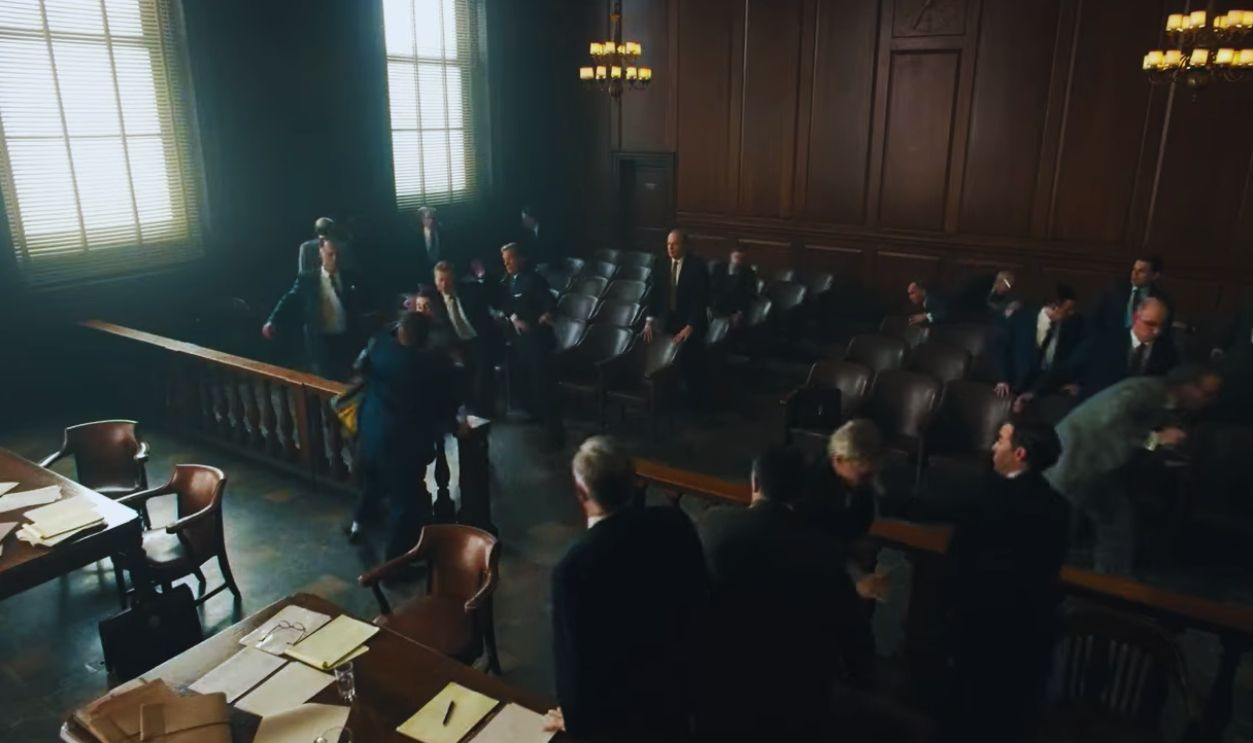
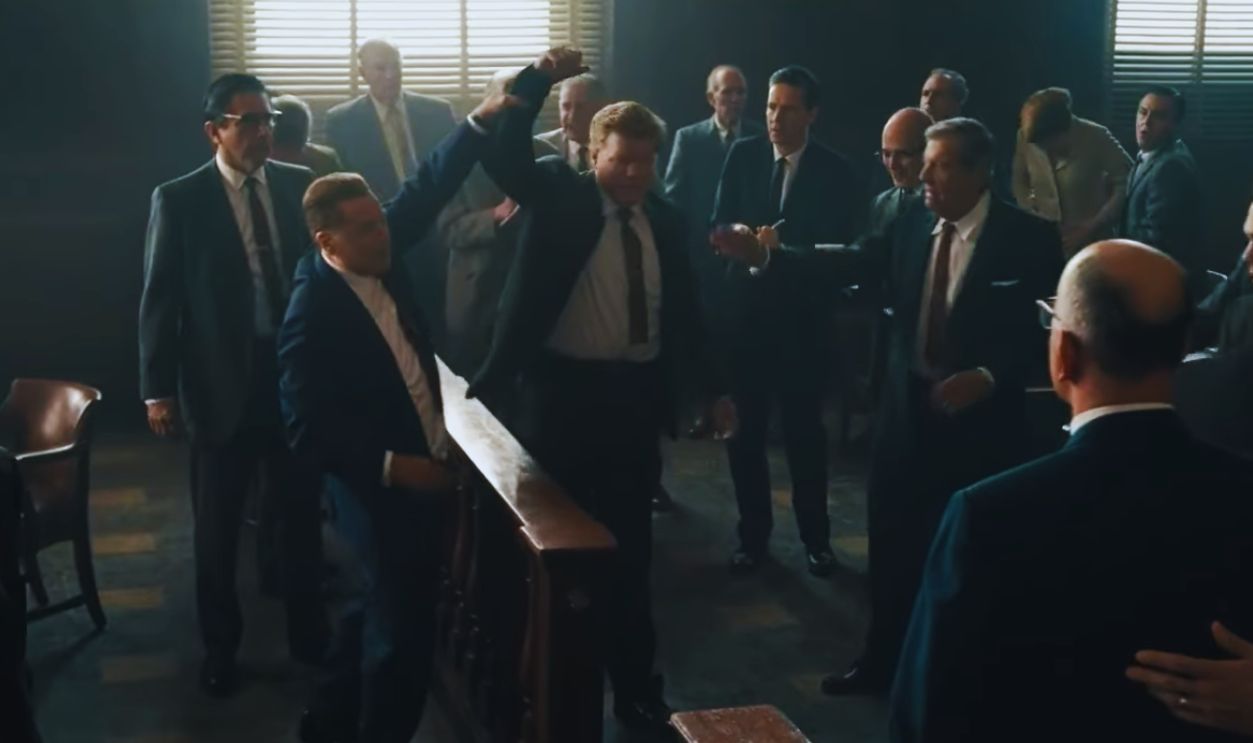
In 1962, Jimmy Hoffa was onto his second term as Teamster president and facing yet another irksome court hearing in a long line of irksome court hearings. While there, a different kind of disaster struck. Former mental patient Warren Swanson fired a volley of BB pellets at Hoffa, momentarily throwing the court into chaos—but it was Hoffa’s reaction that stunned everyone.
 Screenshot from The Irishman, Netflix (2019)
29. He Jumped His Assailant
Though unhurt from the shots, Hoffa was nonetheless enraged, and he managed to launch at Swanson, punch him, and knock him to the floor. In the fray beside him was his relatively new associate Charles “Chuckie” O’Brien, a foster son of Hoffa’s, who quickly piled on to the assailant as well.
As Hoffa later told the press unapologetically, “You always run away from a man with a knife, and toward a man with a gun”. That bravado would soon fade.
 Screenshot from The Irishman, Netflix (2019)
30. They Nabbed Him At Last
Hoffa had survived so far as both the Teamster president and a free man, but one of those privileges was about to snap shut. In March 1964, after years of trying to nab Hoffa, the government finally succeeded in convicting him. Ironically, Hoffa went down for jury tampering and bribing in one of his previous court cases, receiving an eight-year sentence and a $10,000 fine. But the hits kept coming.
 Screenshot from The Irishman, Netflix (2019)
31. He Got A Double Whammy
The government could smell blood, and they kept attacking: While on bail from his first charge, Hoffa was again convicted in another trial, this time for conspiracy and, perhaps most alarmingly for the truckers who trusted him most, mail and wire fraud after improperly using the Teamsters’ pension fund. For this, Hoffa got five years…not that he was ready to admit it.
32. He Fought To The Bitter End
Hoffa didn’t go down without a fight, and he relentlessly appealed any convictions that went through for the next three years, continuing also to bail himself out. It was even during this time that he ran for his third term as president—though he stipulated that his vice president Frank Fitzsimmons would take over “if Hoffa [had] to serve” a term behind bars.
A year later, it all came tumbling down.
33. He Finally Went Down
Hoffa had spent the 1960s in and out of courtrooms and cells while clinging to his Teamster presidency, but in March 1967, the jig was finally up. Having run out of appeals and run out of road, Hoffa began serving his 13-year cumulative sentence for his two trials at the Lewisburg Federal Penitentiary in Pennsylvania. Yet even then, he couldn’t relinquish power.
History's most fascinating stories and darkest secrets, delivered to your inbox daily.
34. He Lost His In
Hoffa had chosen Frank Fitzsimmons as his vice president, and now acting president, for one reason only: Fitzsimmons was a loyalist who owed much of his career to Hoffa, and Hoffa believed he could still control the union through him. Except he was wrong.
Within months, Fitzsimmons had distanced himself from Hoffa, forcing Hoffa to officially resign as president in 1971. Only, Jimmy Hoffa always had something up his sleeve.
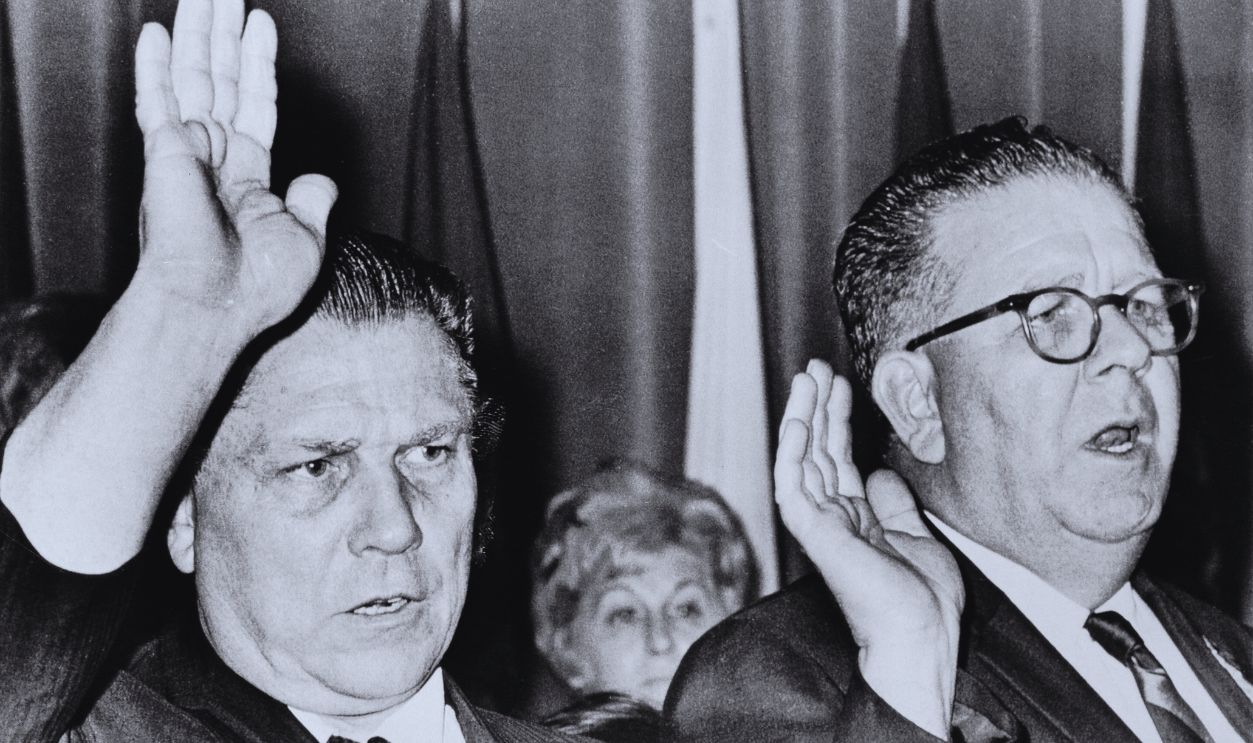
35. He Got Free
Hoffa was furious at Fitzsimmons' betrayal, but he also may have had a sense of what was coming down the pipeline. Just months after resigning the union presidency, in December 1971 President Richard Nixon commuted Hoffa’s 13-year sentence to time served, meaning Hoffa spent only five years behind bars. And if this sounds suspicious, it’s because it was.
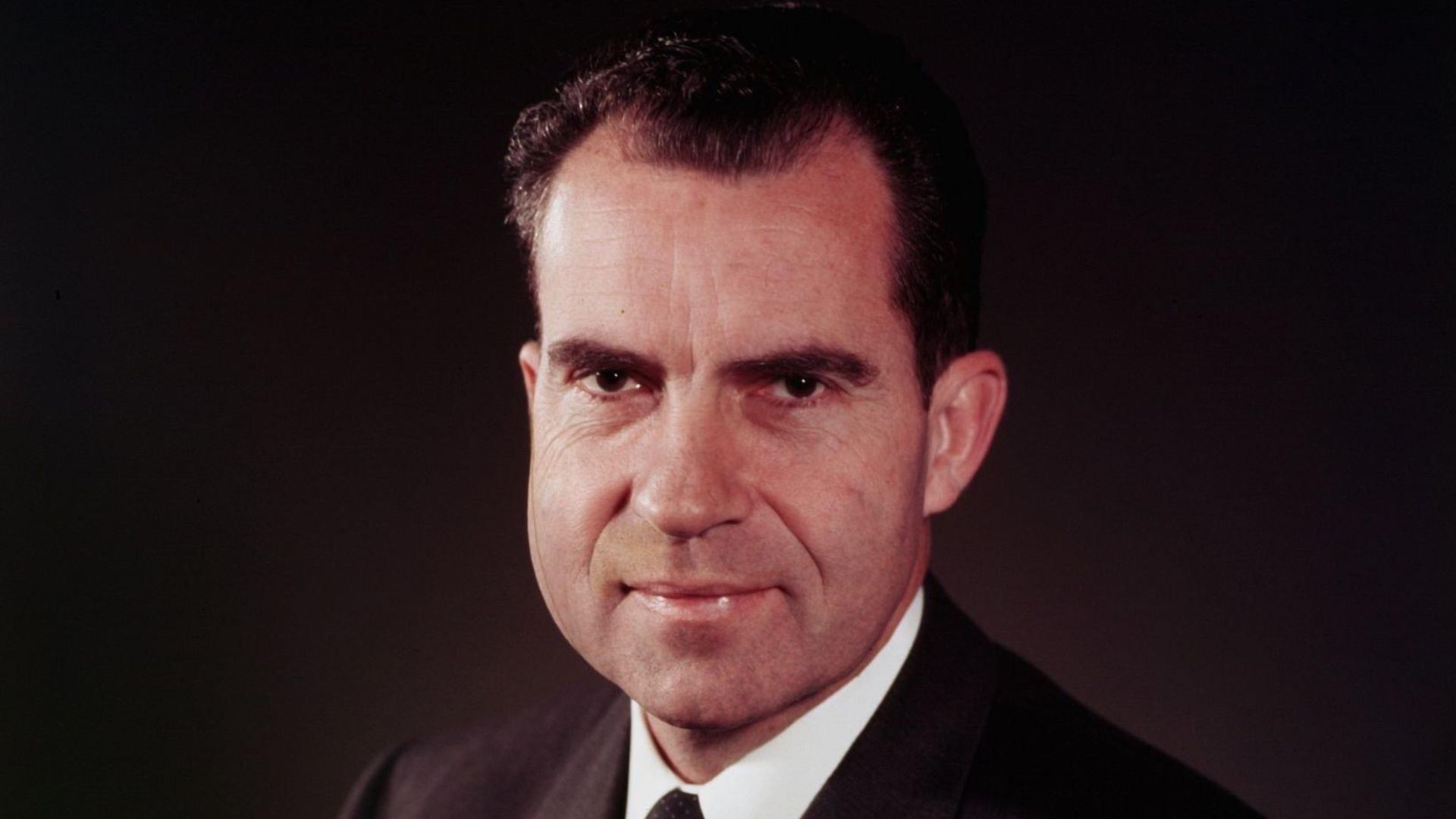 Louis Fabian Bachrach, Jr., Wikimedia Commons
36. He Did The President A Favor
Hoffa knew his way around quid pro quo, and Nixon—not, as time would show, an upstanding citizen himself—got a kick-back from Hoffa in the form of a Teamster endorsement in his upcoming presidential campaign. In fact, the Teamsters and Nixon went way back: Although historically Democrat-leaning, they had switched to endorse the Republican Nixon in 1960.
But when Hoffman got outside, he immediately made a chilling discovery.
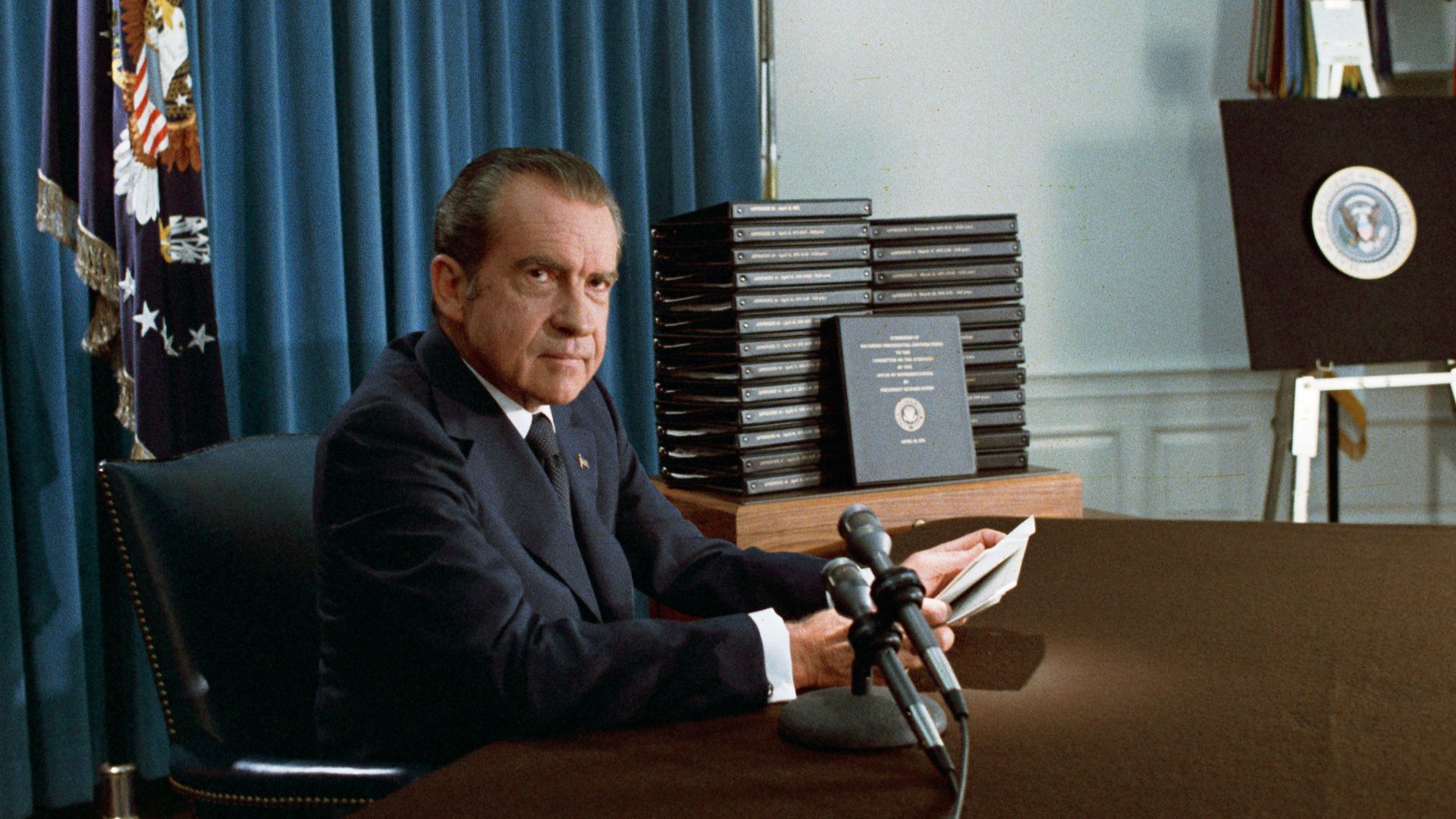 The Nixon library, Wikimedia Commons
37. He Hit A Big Snag
By 1973, the ever-ambitious Hoffa was already planning to seize back the Teamsters presidency—only to hit a massive roadblock. Much to his displeasure, Nixon had put in a clause in his release that stated he couldn’t manage any labor organizations until 1980, and no matter how much Hoffa fought the clause, it stuck.
Down but never out, Hoffa went back to his old stomping grounds of Local 299 in Detroit, determined to work his way back up the old fashioned way. But this time, more than just the government was against him.
 James Anthony Wills, Wikimedia Commons
38. The Mob Turned Against Him
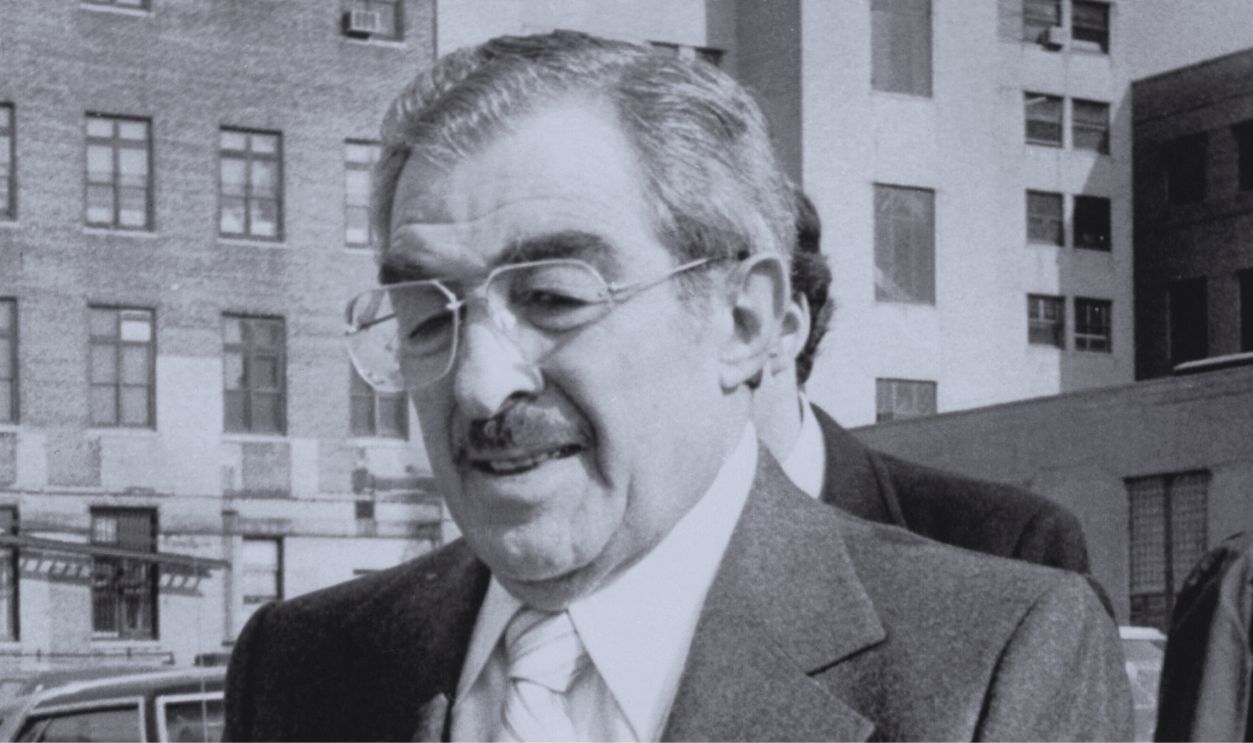
Several members of the Mafia weren’t so keen on the idea of Hoffa becoming president of the union again, either. In particular, Anthony Provenzano, who had worked as Hoffa’s vice president during his second term and was a member of the influential Genovese crime family, was set against it. More than that, Provenzano’s rage against Hoffa went deep.
39. He Got A Vicious Threat
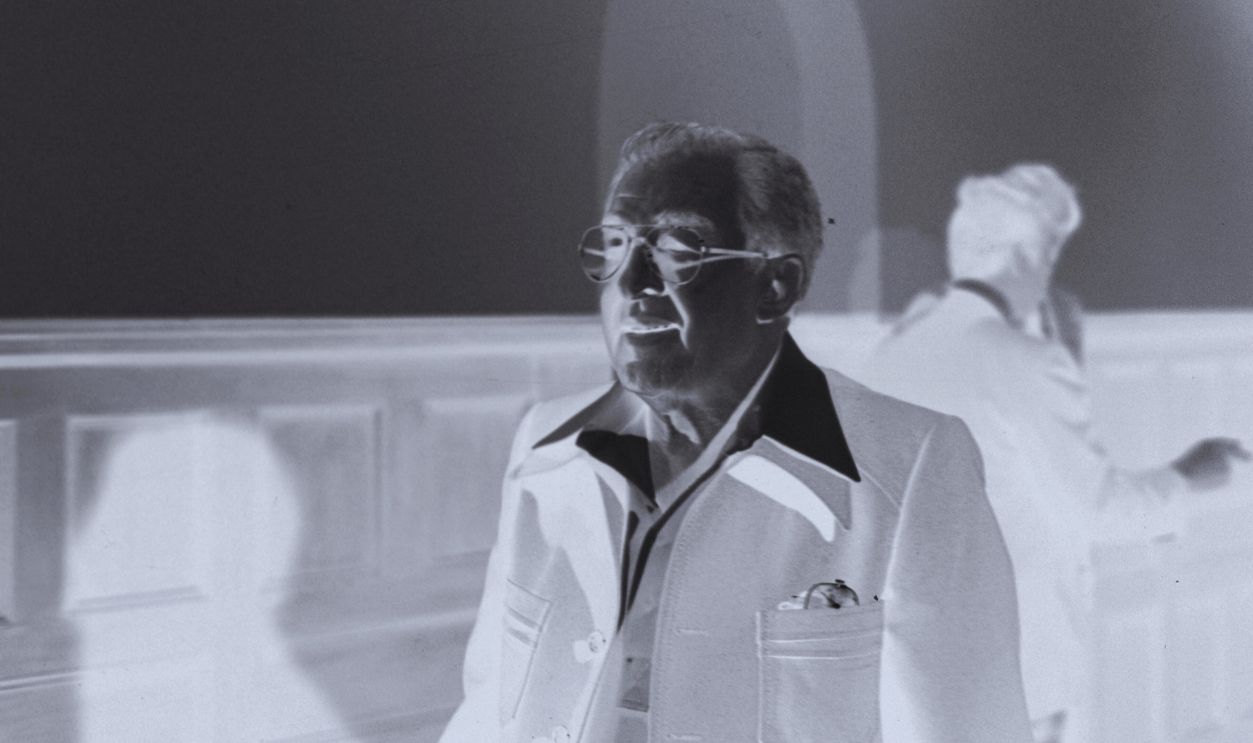
Although Provenzano had once been Hoffa’s ally, they’d turned to enemies once Provenzano did his own time behind bars, staying in the same federal institution in Pennsylvania as Hoffa. The close quarters reportedly transformed their friendship into a feud—one so bitter that when Hoffa asked Provenzano to support him as he regained his position, a curt refusal wasn’t enough for the mobster.
History's most fascinating stories and darkest secrets, delivered to your inbox daily.
40. He Made A Dangerous Enemy
Making it crystal clear that their friendship was done, Provenzano used this moment to also threaten to pull Hoffa’s guts out or kidnap his grandchildren. Even worse, Provenzano appeared to have good follow-through: At least two people who’d opposed Provenzano at the union had been murdered, and scores of others assaulted.
Soon, Provenzano began working on Hoffa in much the same way.
 Screenshot from The Irishman, Netflix (2019)
41. He Got A Disturbing Visit
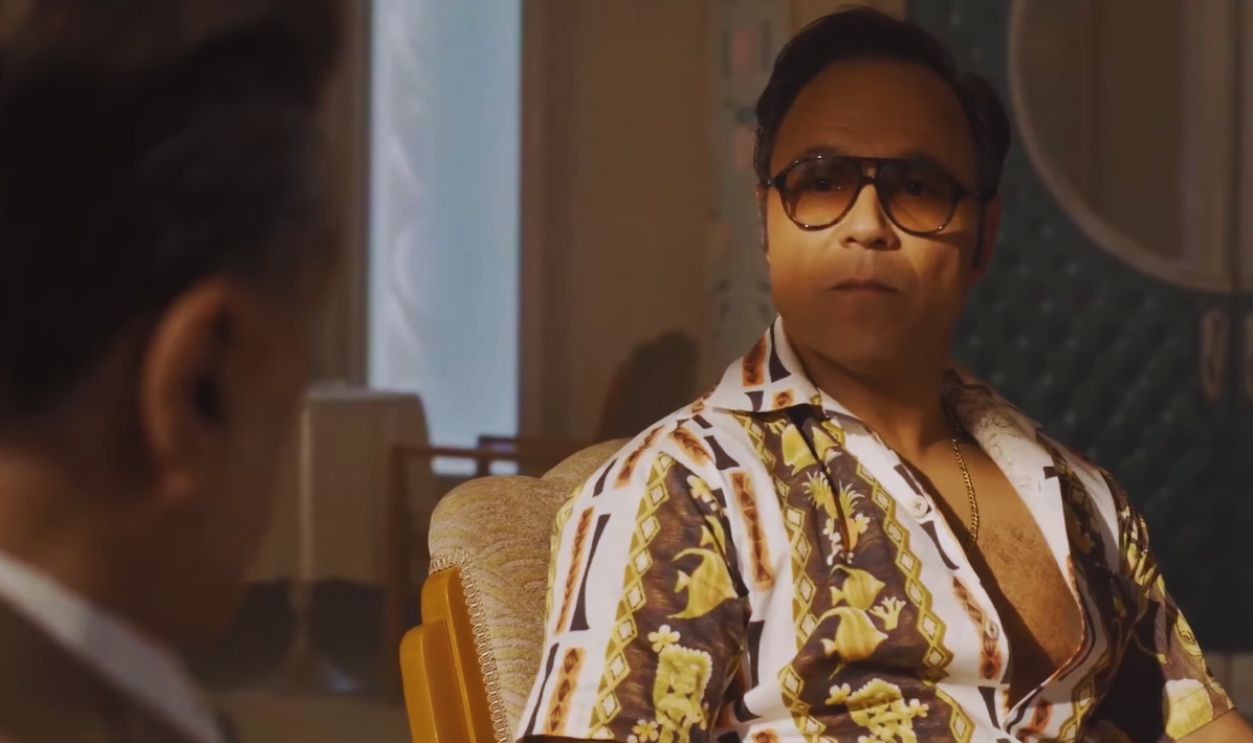
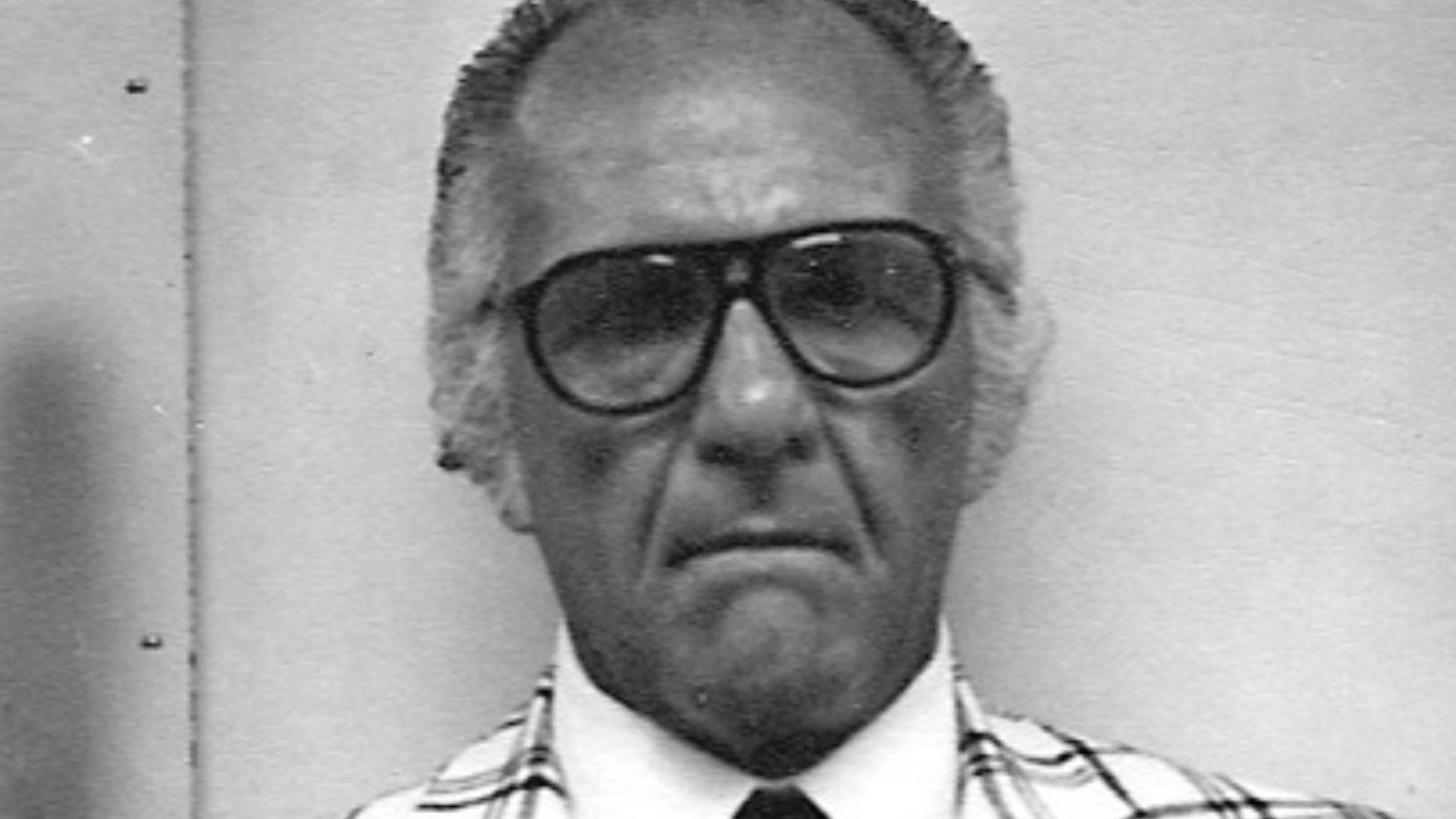
As the months went on and Hoffa kept, as his son James later put it, “pushing so hard to get back into office,” some shady men began showing up at his door. These were Anthony Giacalone, a rumored Detroit Kingpin, and his brother Vito. Though they positioned themselves as go-betweens for Provenzano and Hoffa, they seemed to be pressing Hoffa to give up, and he was increasingly uneasy each time they visited.
But Jimmy Hoffa wasn’t the giving up kind of man, and it led right to his end.
 Federal Bureau of Investigation, Wikimedia Commons
42. He Wouldn’t Give Up
Hoffa’s family, in particular his son James, watched on with horror each time Hoffa rebuffed the men visiting him, refusing to back down or give them what they wanted. As James said, he was very “afraid the mob would do something about it”. Just what they would “do” was hard to say—until on Wednesday, July 30, 1975, the Hoffas found out.
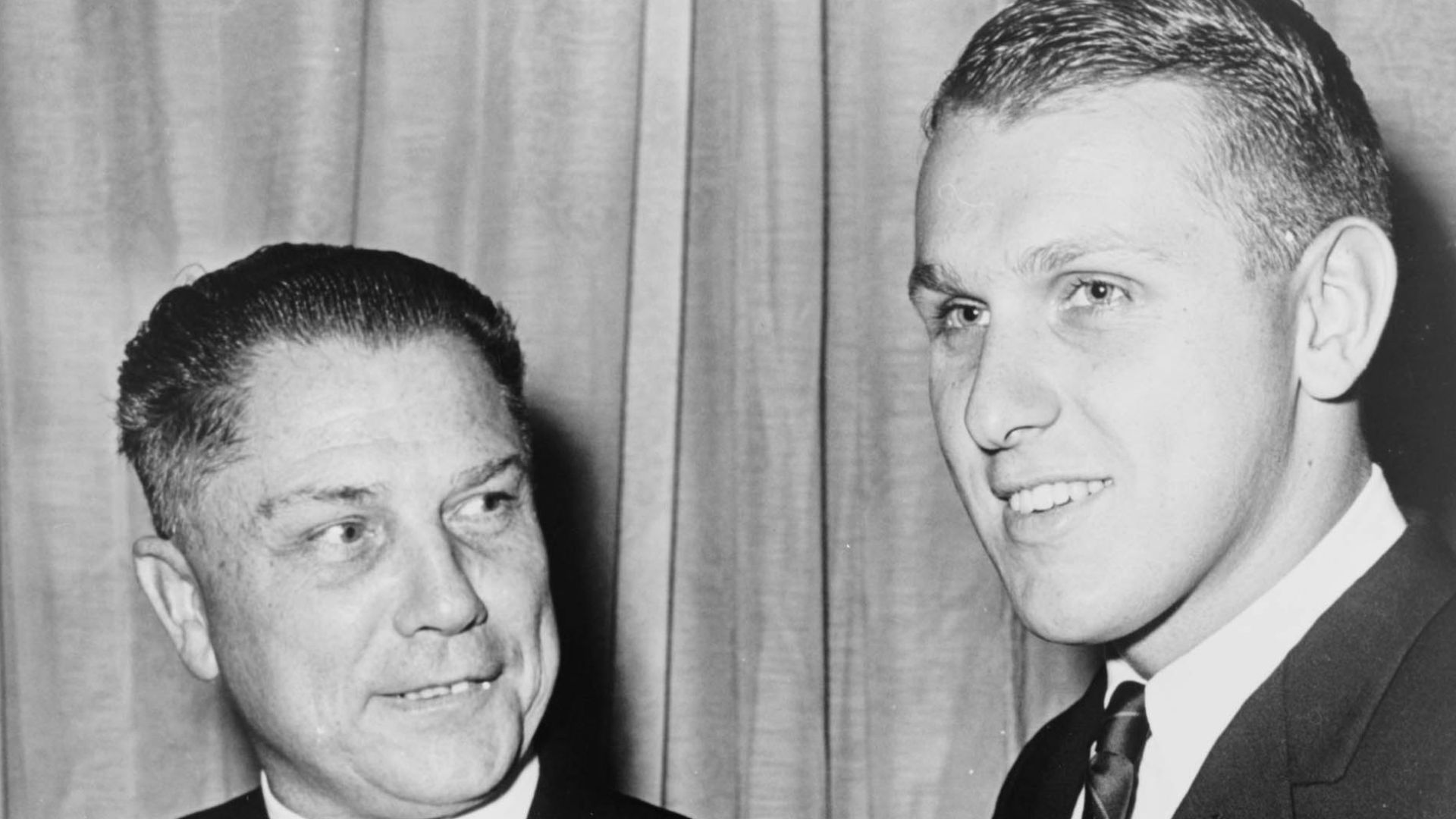
43. They Stood Him Up
That Wednesday, Hoffa left for a meeting between his enemy Provenzano and his supposed mediator Giacalone, which was due to take place at the Machus Red Fox restaurant at 2:00 pm. When Hoffa arrived there, however, he was irritated to find the men nowhere in sight, and called his wife around 2:30 pm to complain about being stood up, before informing her he’d be home by 4:00 to grill dinner. He never did make it back.
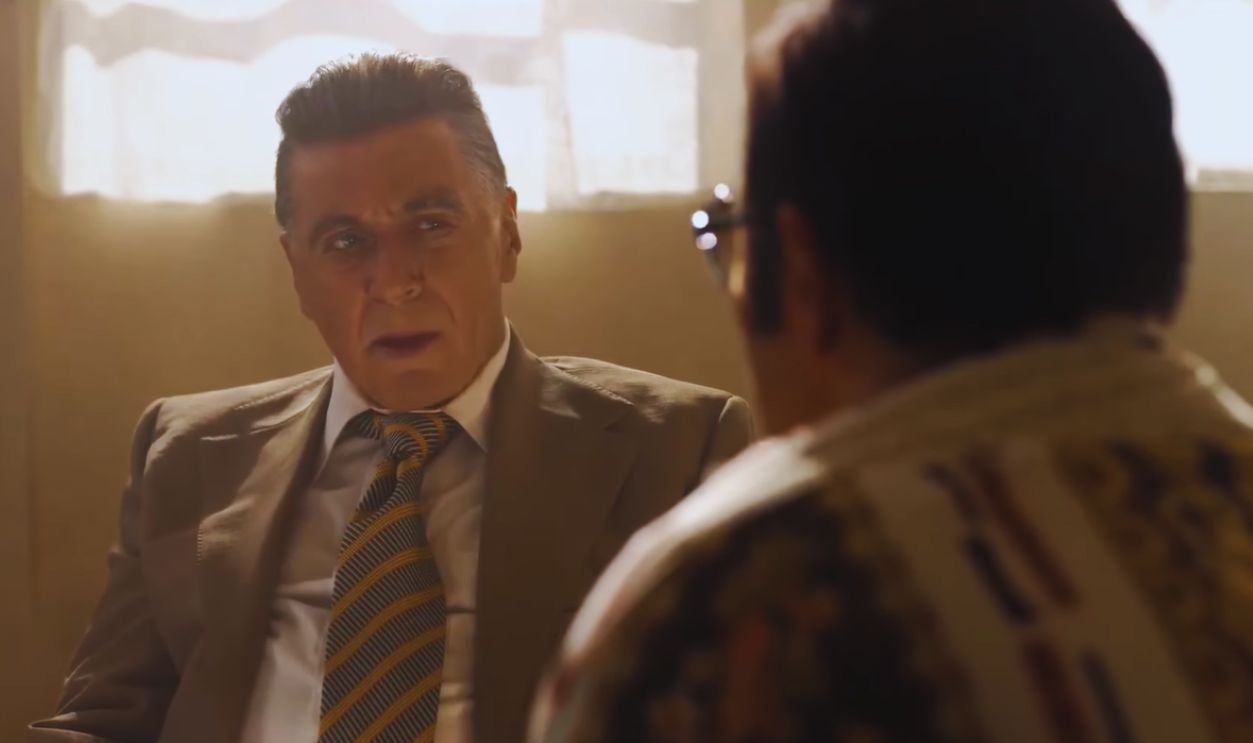 Screenshot from The Irishman, Netflix (2019)
44. He Disappeared
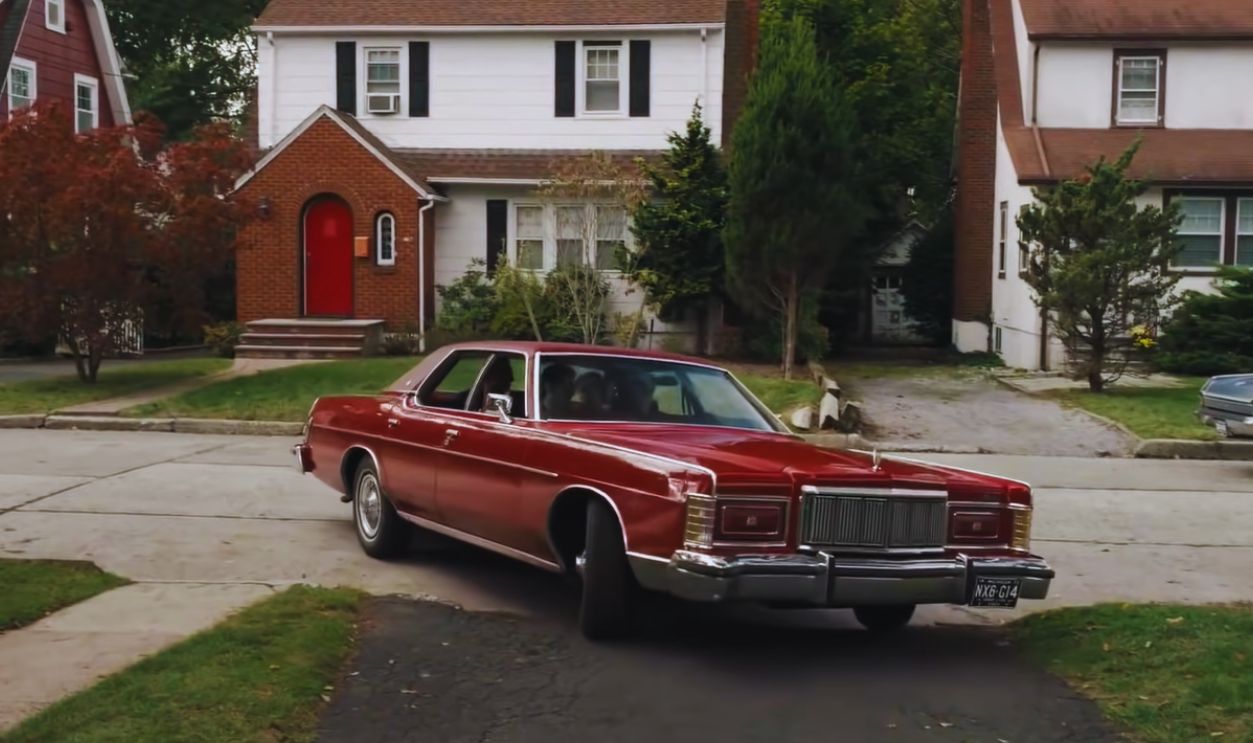
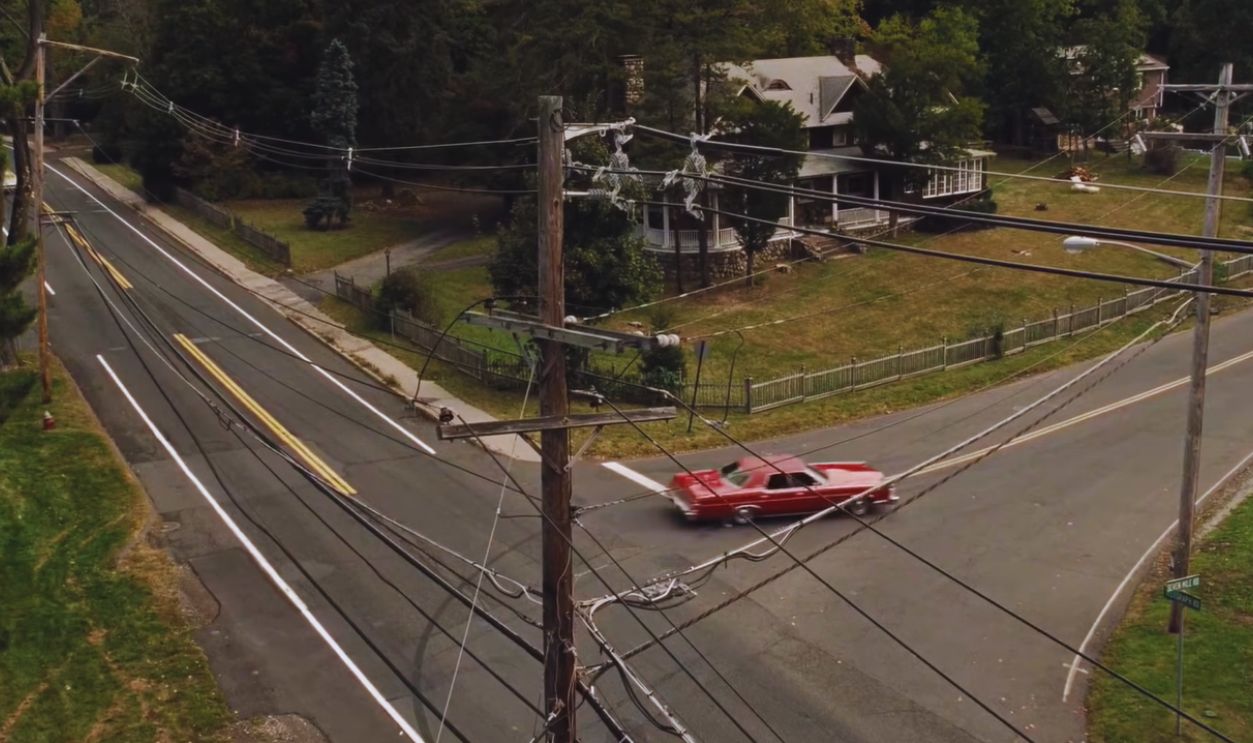
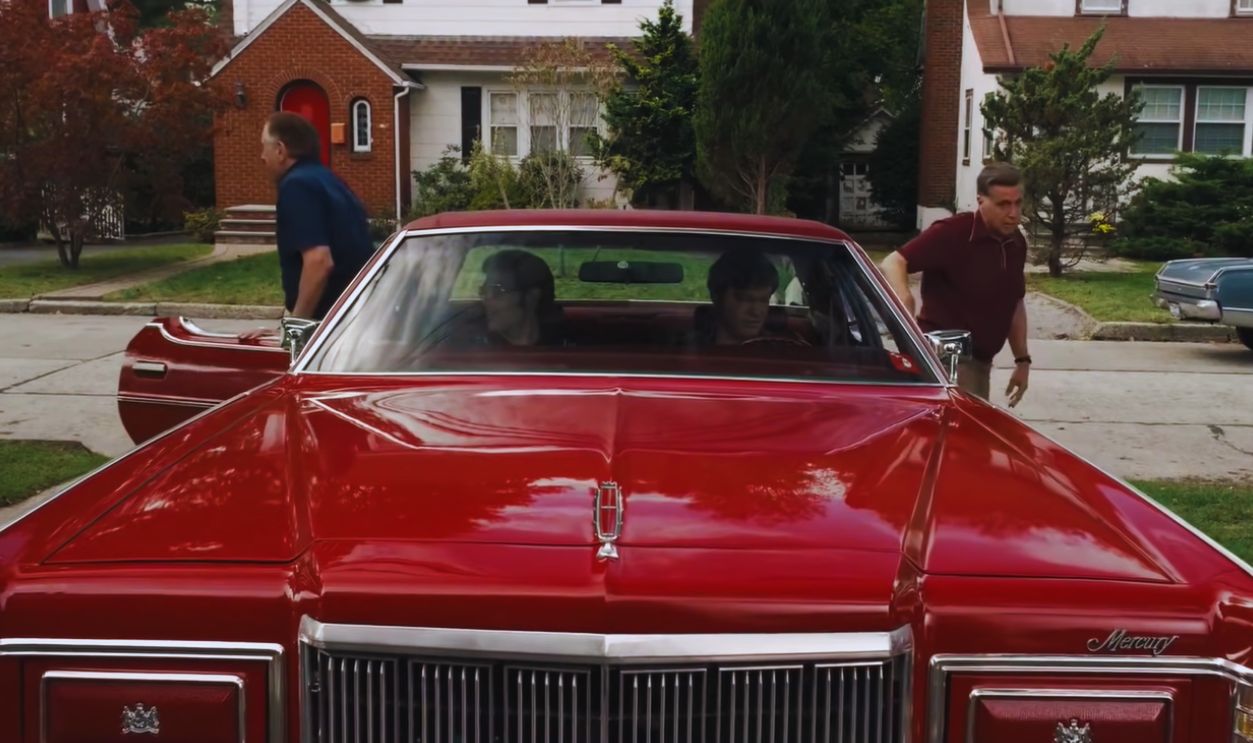
The next minutes of Hoffa’s life are as infamous as they are mysterious, and can only be reconstructed through eye witness and other accounts. Hoffa appeared to leave the restaurant, without any signs of struggle, just before 3:00 pm, apparently riding in the back of a maroon “Lincoln or Mercury” car with three other people inside.
From there, he disappeared into the night. The clues he left are chilling.
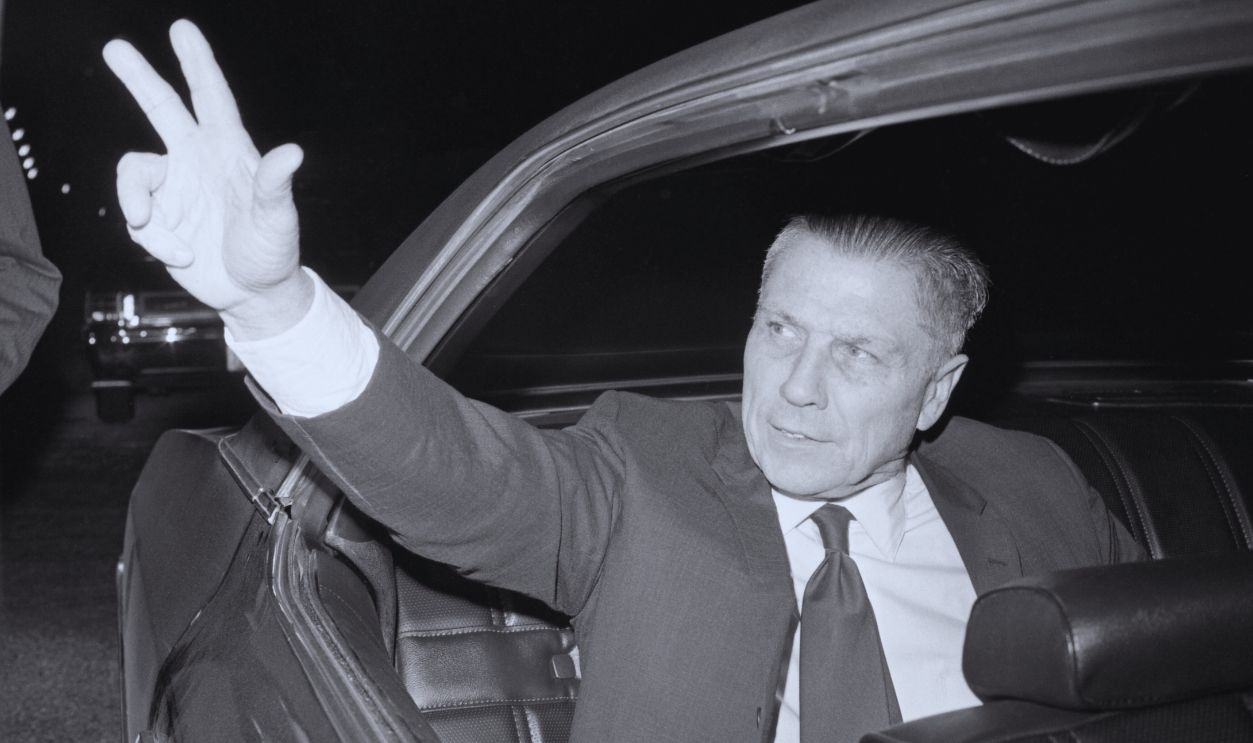
45. He Was A Missing Person
The next morning, after Hoffa failed to come home for dinner, his wife called her son and daughter and told him their father hadn’t come home. It triggered an FBI investigation, with the Feds quickly tracking down the maroon car witnesses had seen. What they discovered sent a shiver down their spines.
 Screenshot from The Irishman, Netflix (2019)
History's most fascinating stories and darkest secrets, delivered to your inbox daily.
46. They Found Physical Evidence
The maroon car turned out to be a Mercury Marquis Brougham…owned by none other than kingpin Anthony Giacolone’s son. Even more disturbingly, police dogs soon identified Hoffa’s smell in the car, and later recovered a strand of his hair from the vehicle as well.
But if investigators thought this was going to be a slam dunk, they were sorely mistaken.
 Screenshot from The Irishman, Netflix (2019)
47. Investigators Couldn’t Make Sense Of It
Although Giacalone and Provenzano were now prime suspects, the pair denied scheduling a meeting with Hoffa, and police confirmed they weren’t in the restaurant that day. Provenzano was even seen in New Jersey at the time of Hoffa’s disappearance.
Other interviews with mob associates went equally nowhere: No one seemed to want to talk about what had really happened to Jimmy Hoffa. But with a little squeezing, they eventually gave up names.
 Screenshot from The Irishman, Netflix (2019)
48. They Named Names
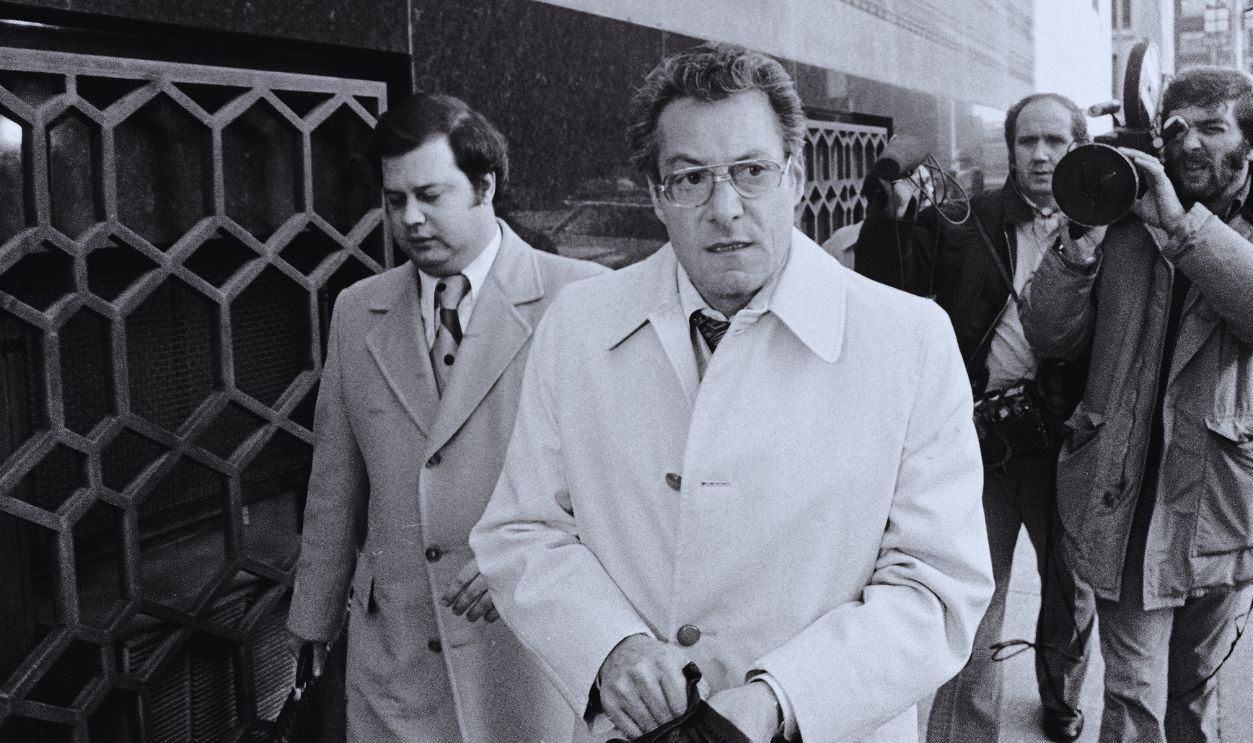
It took time, but later witnesses finally managed to speak on who might have picked up Hoffa that day. They identified a trio of Anthony Giacalone’s heavies—Thomas Andretta, Salvator Brigulio, and Gabriel Briguglio—as the men responsible, making it a cut and dry hit. Some, however, think the betrayal was much more intimate.
49. His Family May Have Betrayed Him
One of the biggest names to come up in the investigation was Hoffa’s foster son Charles “Chuckie” O’Brien, who had helped Hoffa against the man who’d shot him with pellets in court. As it happened, O’Brien had borrowed the maroon Mercury earlier that day—and he and Hoffa had suffered a recent falling out.
Some argue that, given these “coincidences,” the assailants might have brought O’Brien along with them that day as a kind of bait, so Hoffa would be disarmed enough to get in the car. But the theories don’t end there.
50. There Are More Questions Than Answers
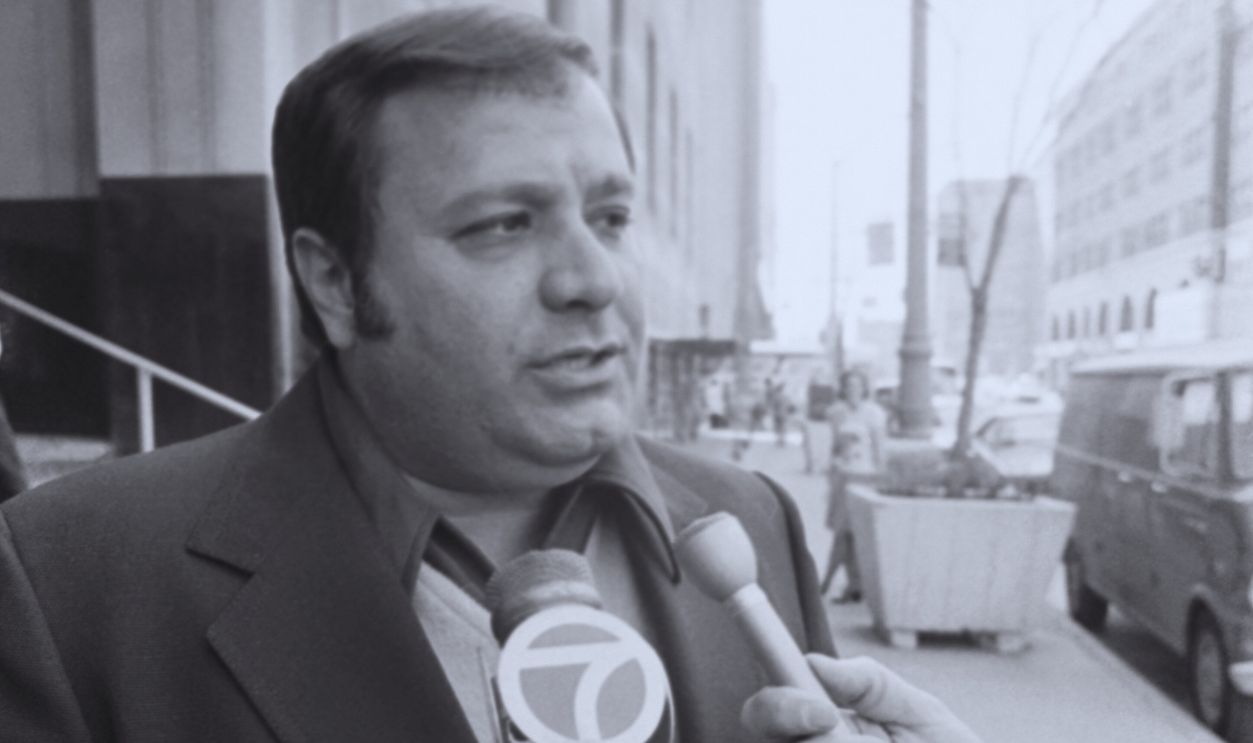
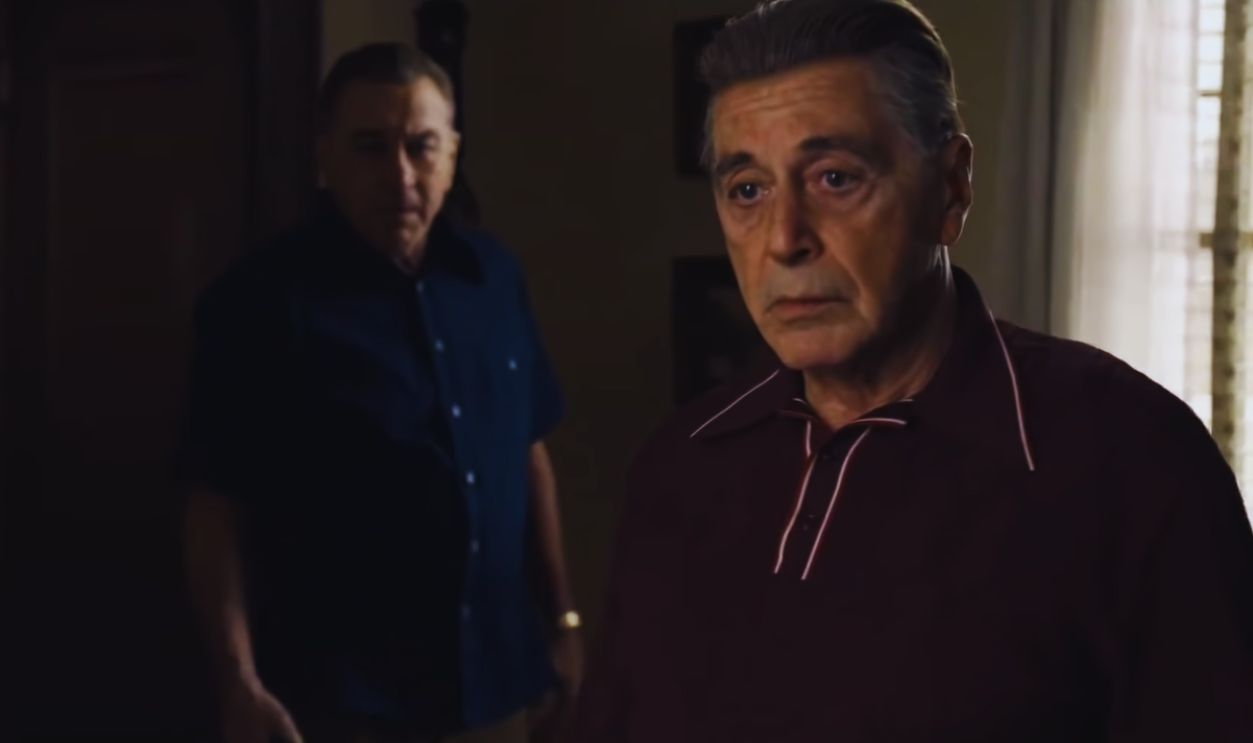
Though the expert consensus, particularly in the FBI “Hoffex Memo,” released to the public in 2006, is that the mob got Hoffa, the true heart of his mystery is who exactly did it, and how—and none of these questions have ever come close to being sniffed out. Some argue Provenzano wasn’t even high up enough to order a hit, and that it must have come from someone else who was equally disgruntled at Hoffa for similar reasons.
The “where” of Hoffa’s end is equally murky.
 Screenshot from The Irishman, Netflix (2019)
51. They’re Still Searching For His Body
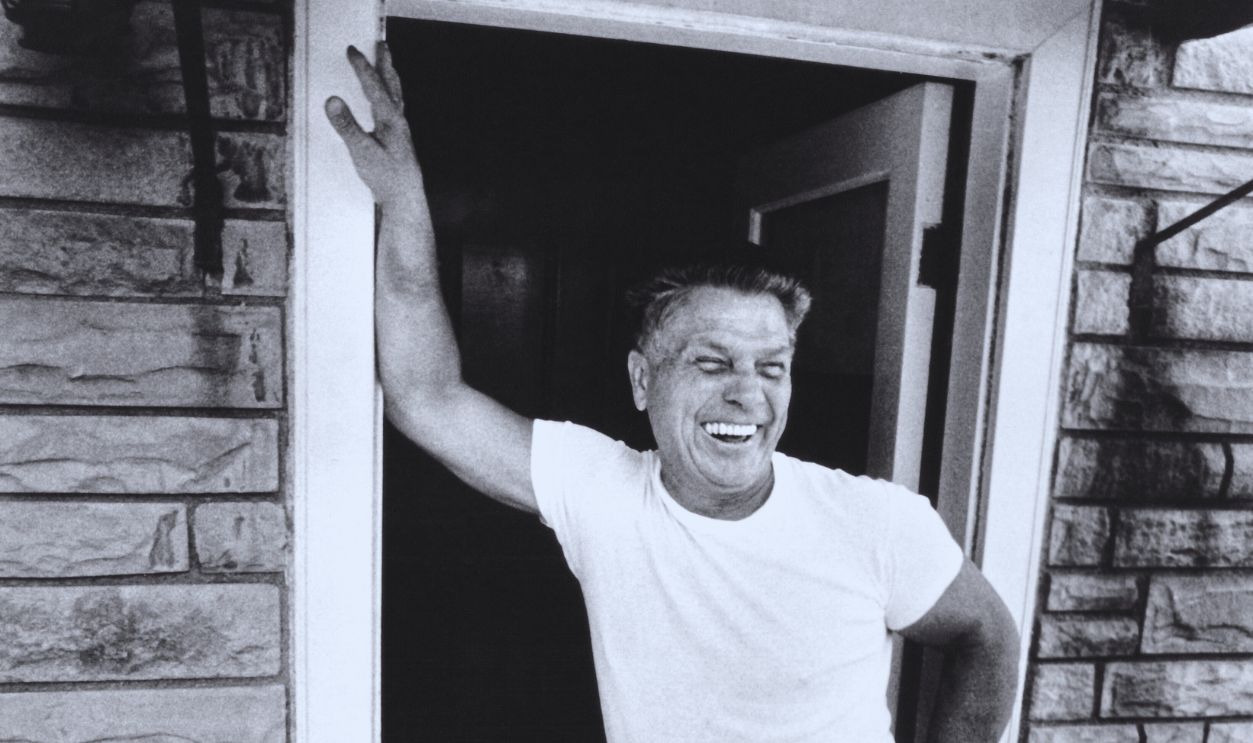
The government immediately began looking for Hoffa’s remains, and as the years wore on without a body, they followed a trail of “tips” across the US, all fruitless. At one point, some even believed he was buried underneath the Giants Stadium, though this was eventually debunked. Indeed, the most common theory is that Hoffa’s assailants cremated him.
In December 1982, still without a body, the government declared Hoffa legally dead.
 Underwood Archives, Getty Images
History's most fascinating stories and darkest secrets, delivered to your inbox daily.
52. Someone Knows Who Did It
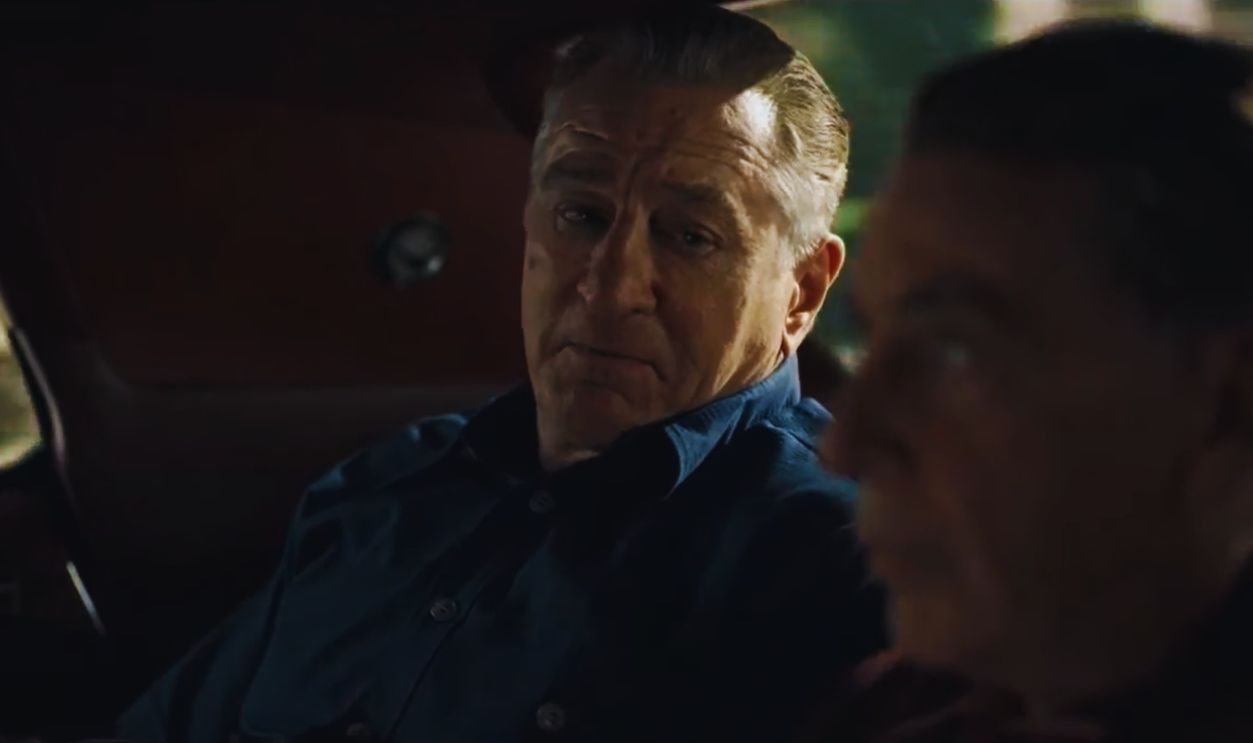
For years, many high- and low-profile criminals have tried to take credit for Hoffa’s end: Charles Brandt’s book I Heard You Paint Houses claims that Frank “Irishman” Sheeran confessed to the hit, but there is little evidence he spoke the truth. The “Iceman” killer Richard Kuklinski also made a similarly doubtful confession, while wise-guy Michael Franzese claimed he knew the location of Hoffa’s body (somewhere “wet”) and the identity of his shooter.
Perhaps the most reliable—and frustrating—source is FBI agent Kenneth Walton, who told The Detroit News in 1989: “I’m comfortable I know who did it, but it’s never going to be prosecuted because we would have to divulge informants”. And thus, Hoffa’s mystery continues.
 Screenshot from The Irishman, Netflix (2019)
You May Also Like:
The Man Who Built The Vanderbilts