Carving His Own Path
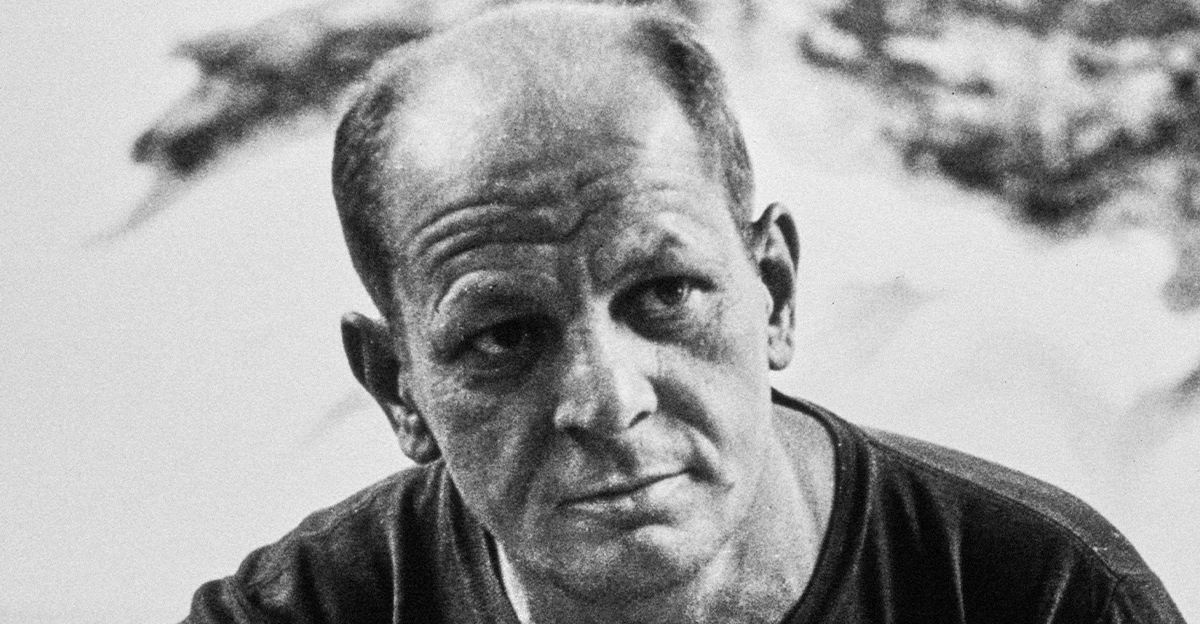
Jackson Pollock is one of those artists who is a household name, even in households that aren’t art-centric. However, few people truly understand the complicated and often difficult story of Pollock’s life. Born into a home of modest means, Pollock struggled to process life the only way he knew how—but even his meteoric launch to fame couldn’t erase the demons that chased him.
1. He Had Modest Beginnings
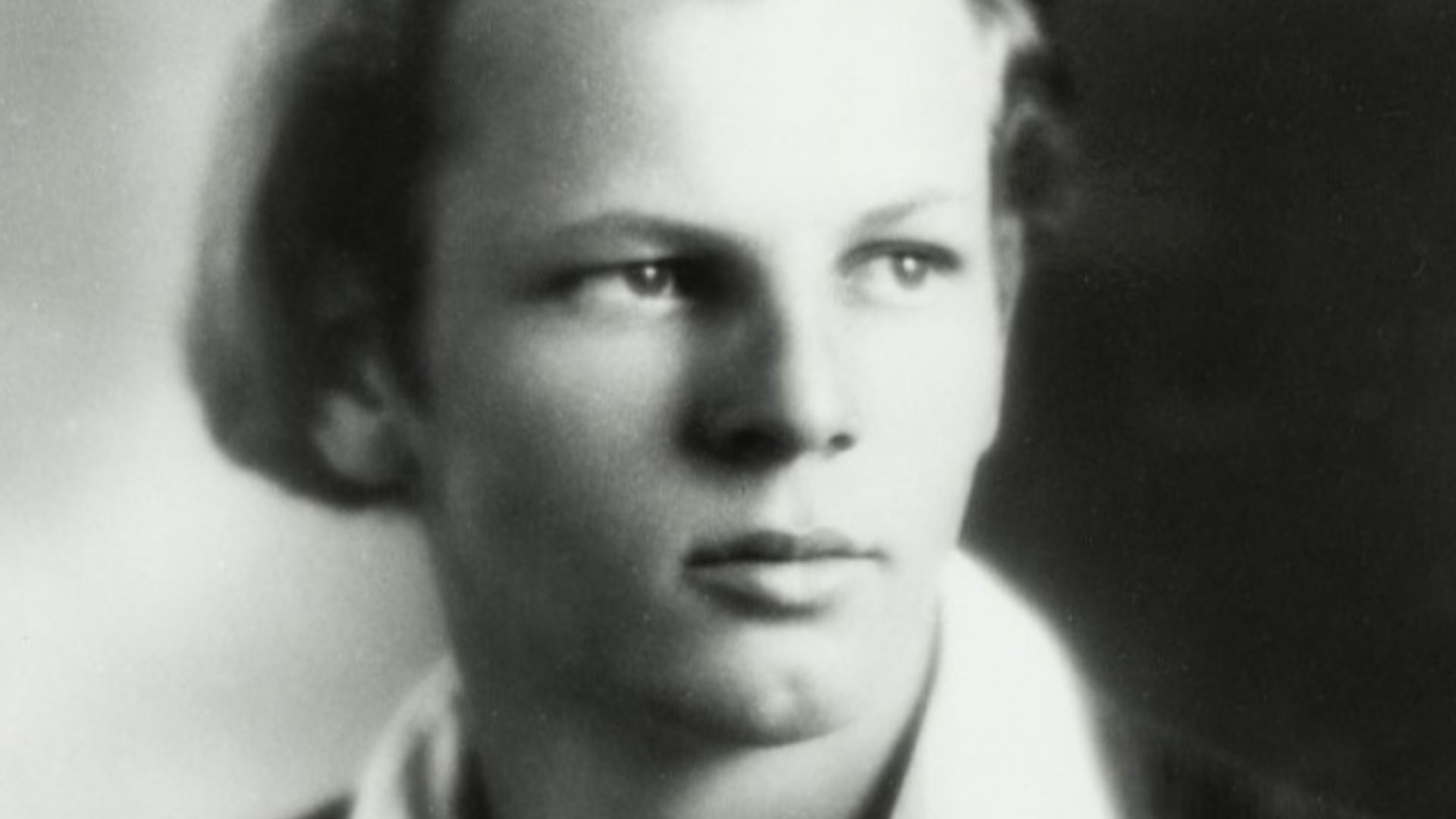
Born in Cody, Wyoming, Paul Jackson Pollock was the youngest of five boys. He was far from rich. His father, LeRoy Pollock, worked as a land surveyor, often travelling for work and leaving his wife, Stella May, alone to raise their five children. This led to a childhood that became broken up in pieces, fractured by traveling and marked by disappointments.
 Unknown authorUnknown author, Wikimedia Commons
2. His Childhood Was Disrupted
Although Pollock was born in Wyoming, he never called it home. Stella packed up her boys and moved the family to San Diego in November 1912, when Pollock was only 10 months old. Instead, Pollock grew up moving between Arizona and California. It is unclear how often the Pollocks moved or how often Pollock’s father left, but this suggested instability may have created something dark inside of the young boy.
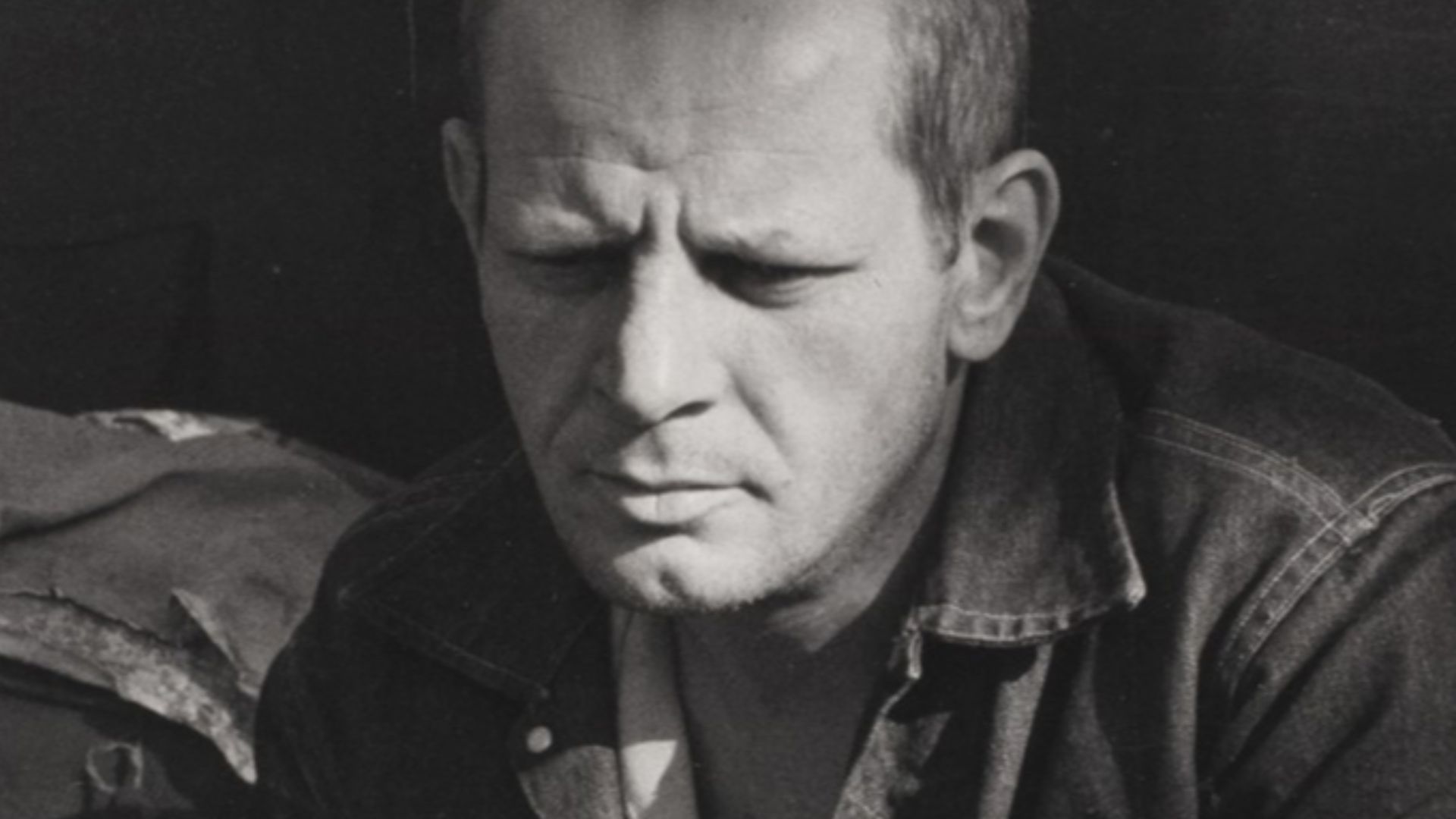 Hans Namuth, Wikimedia Commons
3. He Struggled As A Child
Pollock appeared to be a difficult child. He had strong opinions and never feared expressing them. During high school, he became involved in a protest against the football team. Sources are unclear as to what Pollock protested about, however, they state that the protests got out of hand, enough so that the faculty at his high school felt that they needed to do something about it.
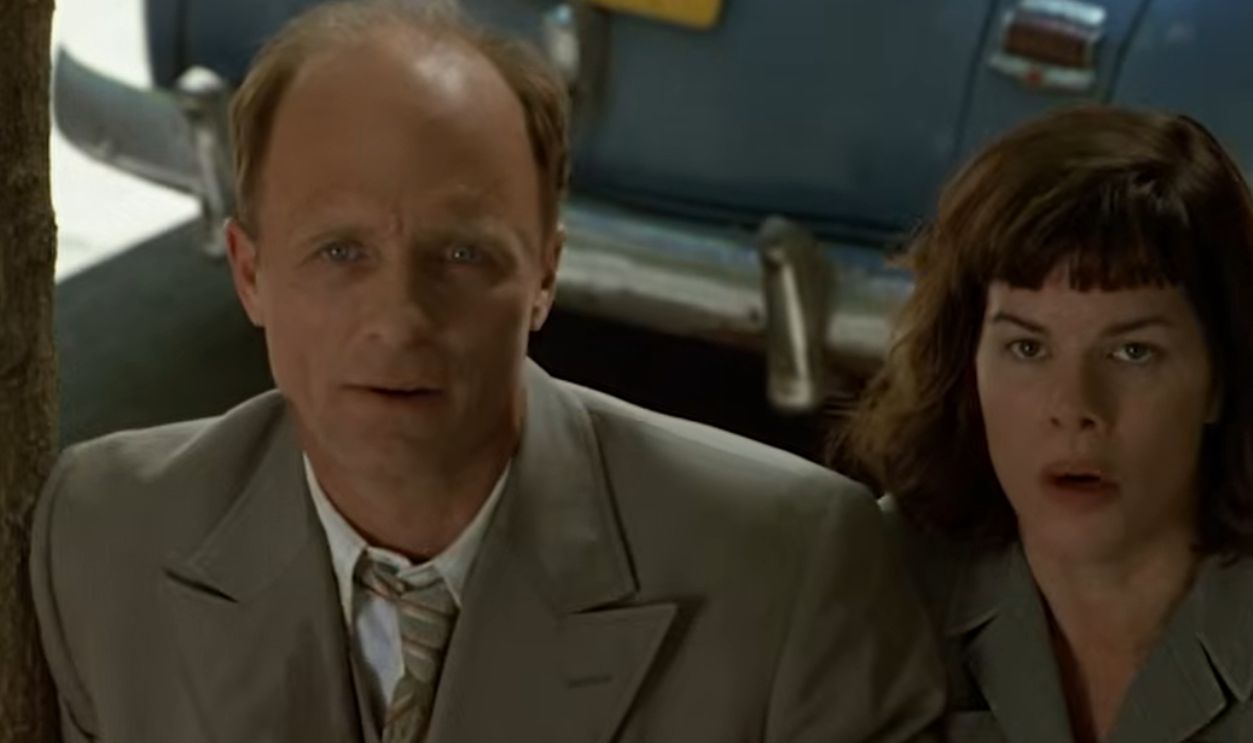 Screenshot from Pollock, Sony Pictures Entertainment (2000)
4. He Got Out Of Control
As a result of his involvement with the protest against the football team, Pollock’s high school expelled him. Kicked out of school, Pollock needed to find another institution to attend. Fortunately, the search did not take long. The same year, he enrolled in Manual Arts High School in Los Angeles, a standard high school with a specialized art department. This school may have started Pollock down the path of fame and fortune, but it couldn’t change who he was.
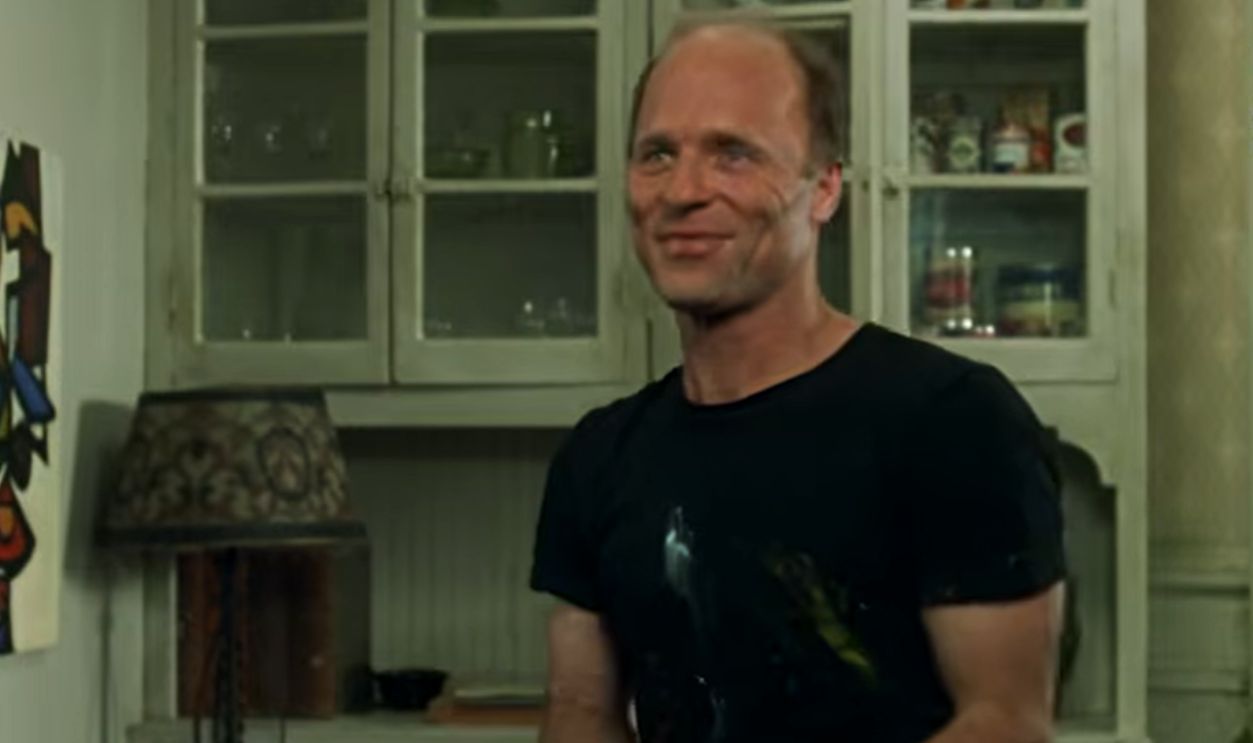 Screenshot from Pollock, Sony Pictures Entertainment (2000)
5. He Landed On His Feet—For A Bit
It’s unclear if Pollock’s interest in the arts developed at Manual Arts High School or if he came to the school with the interest already. However, regardless of where Pollock’s passions may have lain, his demons continued to follow him. Pollock still couldn’t keep his passions to himself, and they continued to cause trouble for him. Eventually, even Manual Arts High School couldn’t protect him.
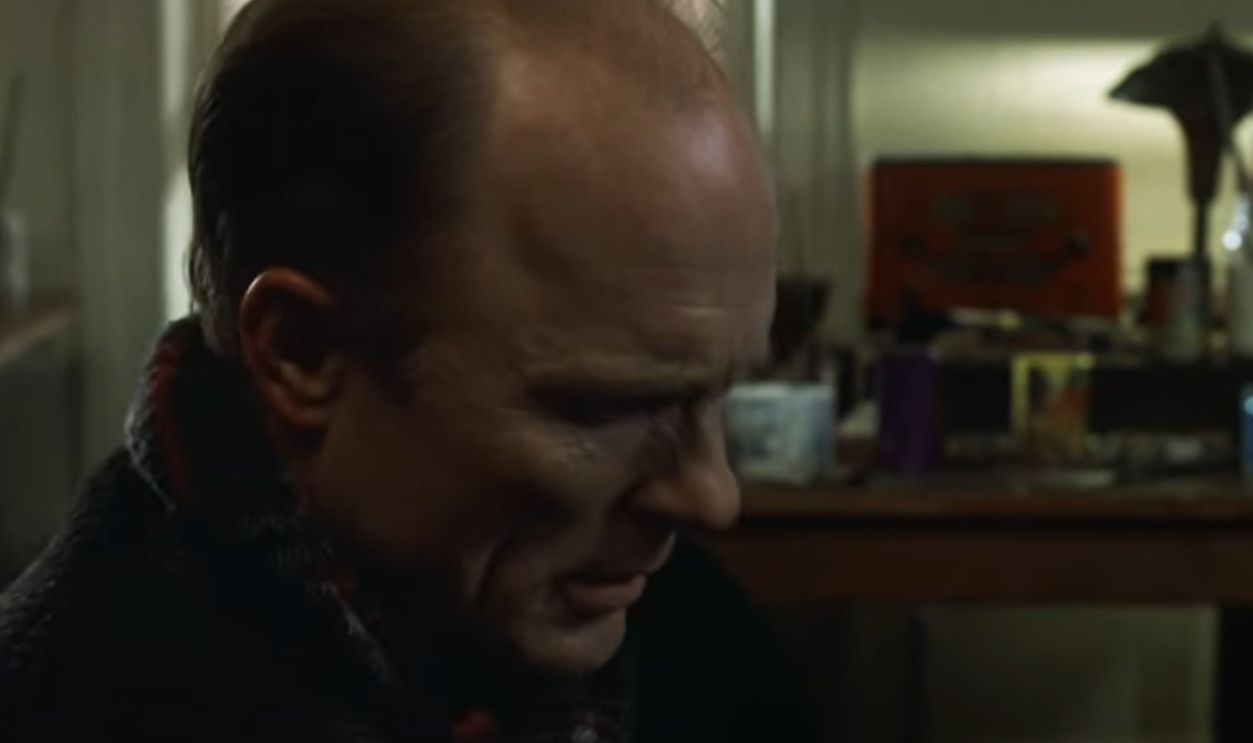 Screenshot from Pollock, Sony Pictures Entertainment (2000)
6. He Couldn’t Keep Out Of Trouble
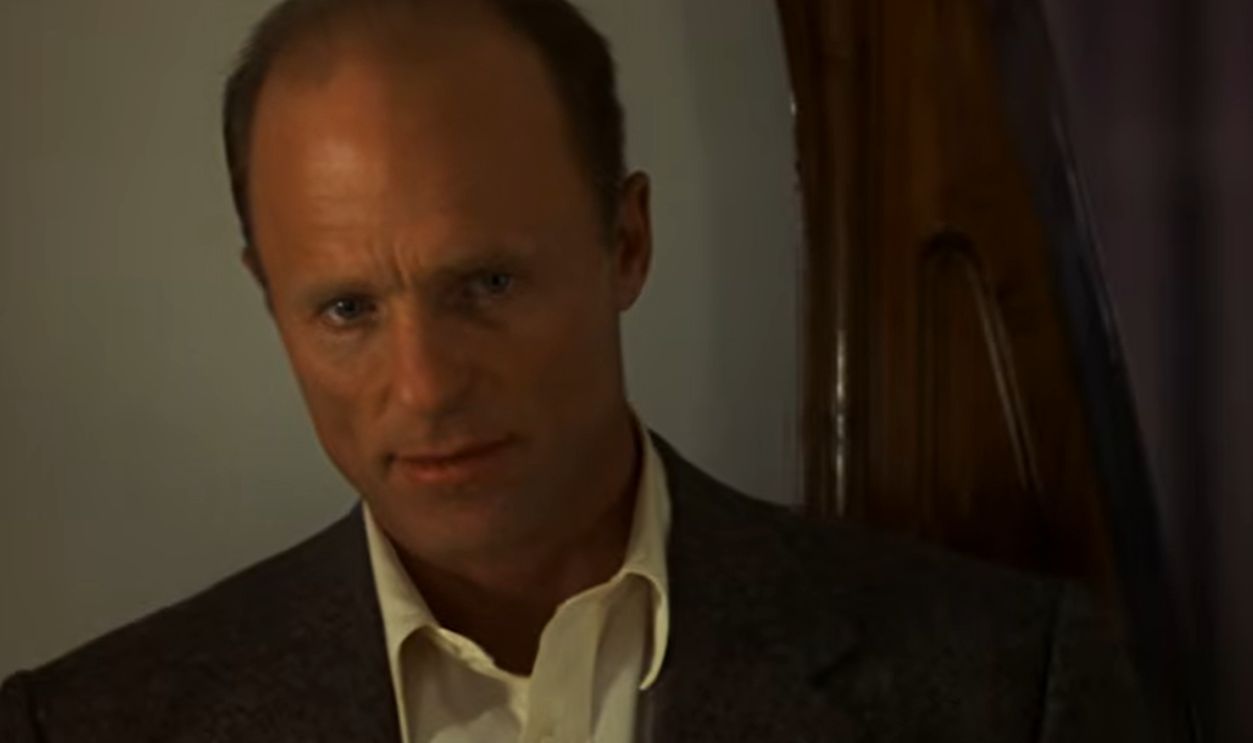
Jackson Pollock couldn’t have been at Manual Arts High School for more than a year or two at most before trouble found him again. This time, in the form of published attacks against the faculty. Again, sources are unclear as to what, exactly, Pollock said or did in these attacks, but the results were final. Yet again, Pollock found himself expelled, and yet again, he needed to chart a new course in his life.
 Screenshot from Pollock, Sony Pictures Entertainment (2000)
7. His Father Helped Inspire Him
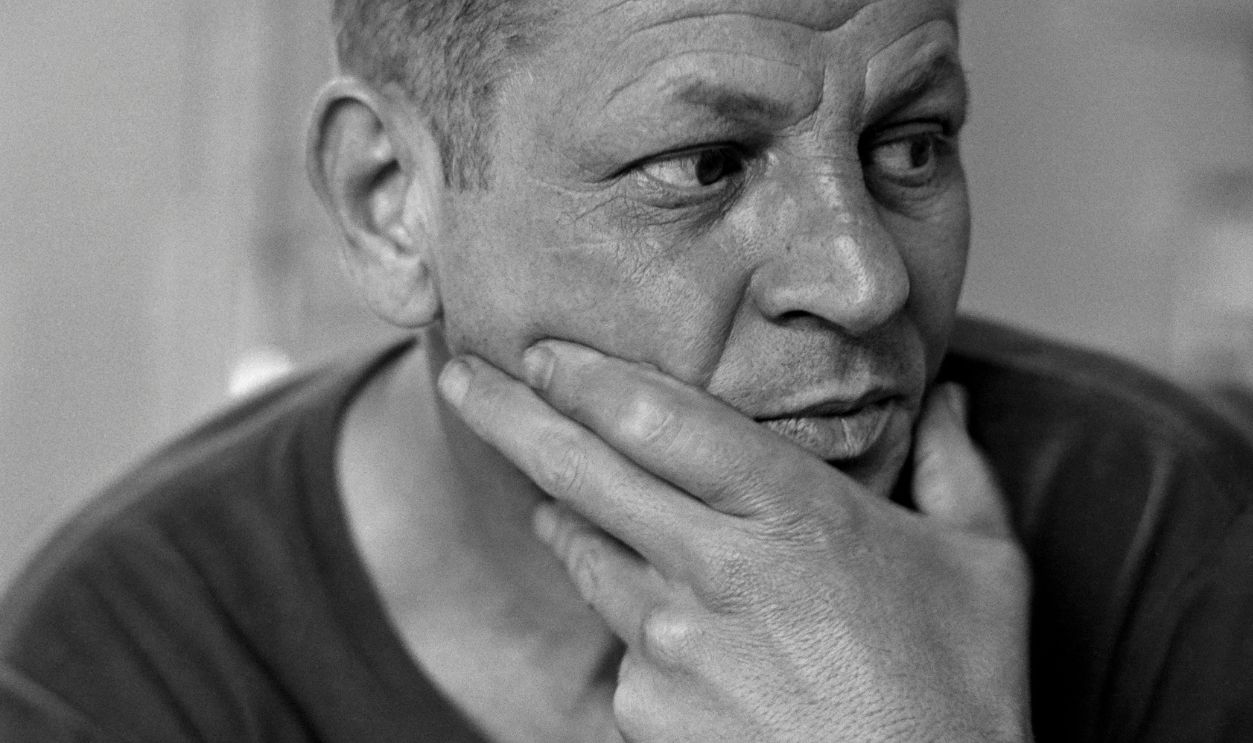
Fortunately, this period of Pollock’s life wasn’t all struggles. He spent time traveling with his father during LeRoy’s trips as a land surveyor. This introduced him to a world beyond his own, particularly Native American culture. As Pollock grew and began developing his own style and techniques, he drew on the early experiences that his father gave him. However, his father couldn’t help him during his expulsions. Pollock needed to find a path forward on his own.
8. He Followed His Brother
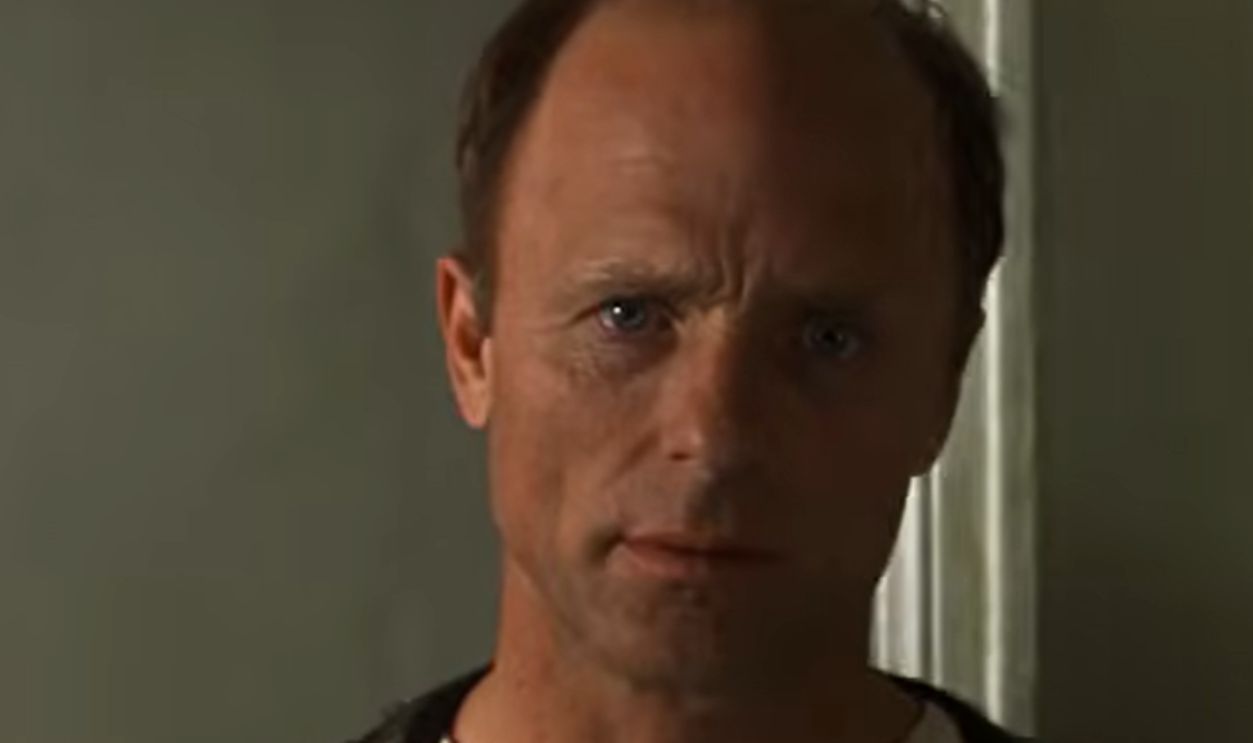
In the end, Pollock settled on following one of his elder brothers, Charles, to New York. He arrived in 1930 and joined Charles in studying at the Art Students League under painter, muralist, and printmaker Thomas Hart Benton. Over the course of Pollock’s career, it became clear that Benton’s preferred subject matter (rural America) had little to no influence on Pollock. However, Benton still had something to offer.
 Screenshot from Pollock, Sony Pictures Entertainment (2000)

History's most fascinating stories and darkest secrets, delivered to your inbox daily.
9. He Found A Mentor
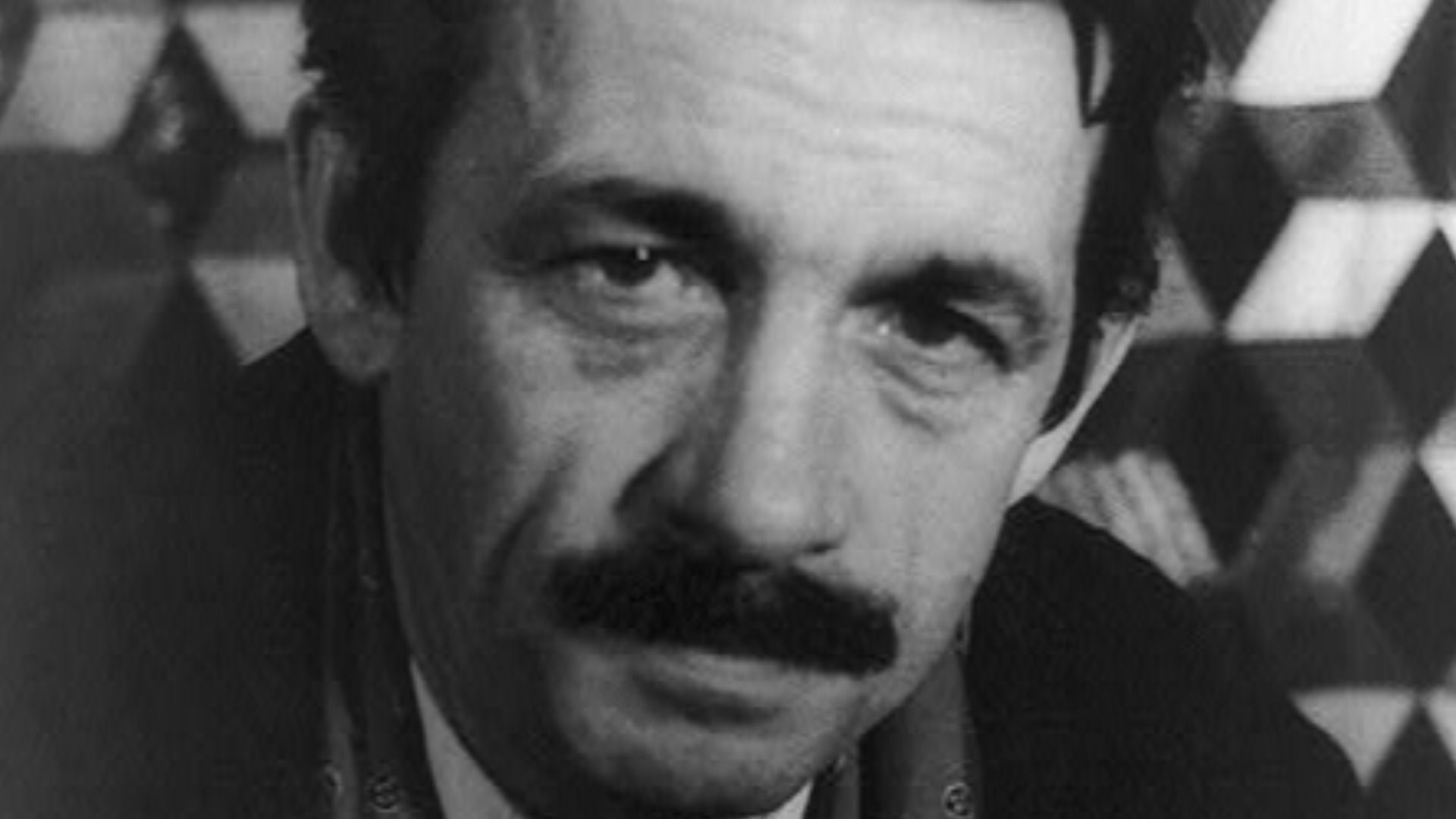
Pollock appeared to spend quite some time studying with Benton. This tutorship even extended beyond the classroom. One summer in the early 1930s, Pollock joined Benton and another student, Glen Rounds, touring the Western United States together, presumably exploring both the lifestyle and the art that this area had to offer. Pollock never took to lifestyle painting, but Benton still had a few lessons that stuck with Pollock throughout his life.
 Carl Van Vechten, Wikimedia Commons
10. He Learned Two Things From Benton
From Benton, Pollock appeared to carry two lessons with him throughout the rest of his career, the first being Benton’s rhythmic use of painting. While Benton used this method in a highly traditional sense, creating fluid and often pastoral figure drawings that captured both American life and classic mythology, Pollock used Benton’s teaching as a springboard, something to rebel against to drive him to create something truly unique.
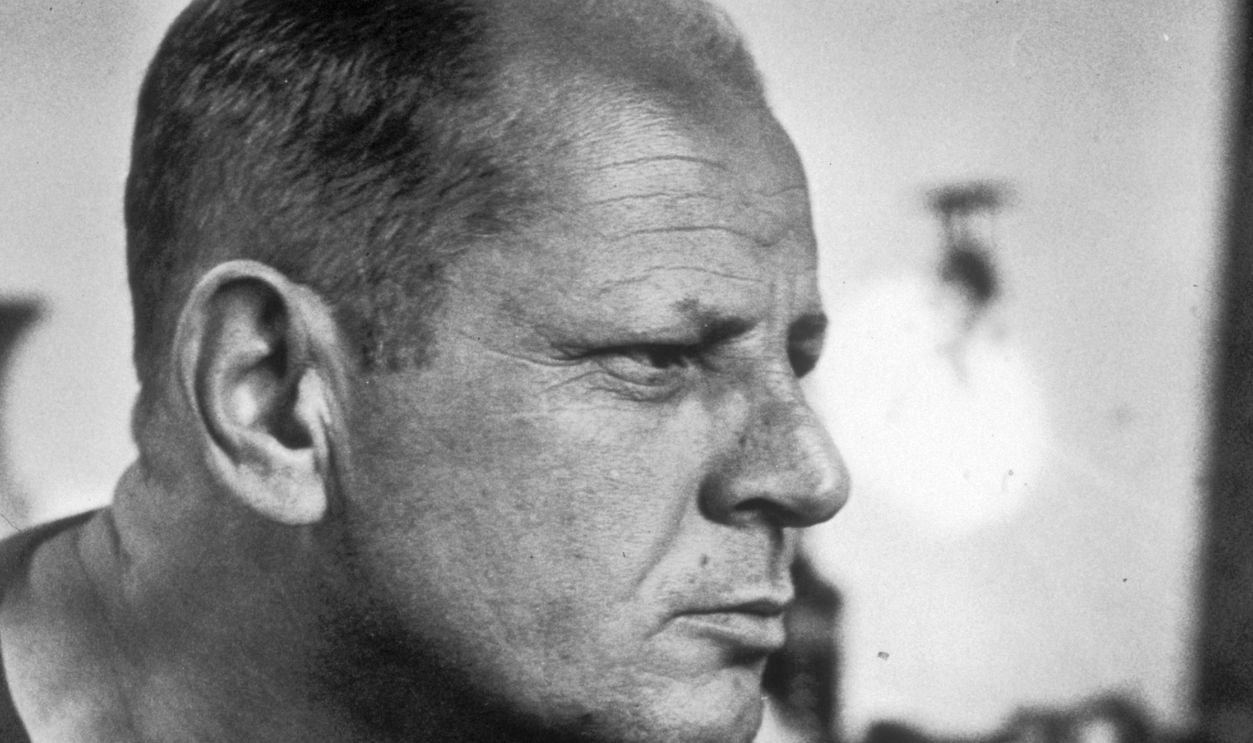
11. He Knew What He Didn’t Want
Jackson Pollock often remarked that Benton’s traditional teachings gave him a starting point from which to deviate. He rebelled against the traditional workings of the art world, which led to the second lesson that Benton gave Pollock: his fierce sense of independence. Only once Pollock understood the foundations of traditional art could he break the mold and create something no one had seen before.
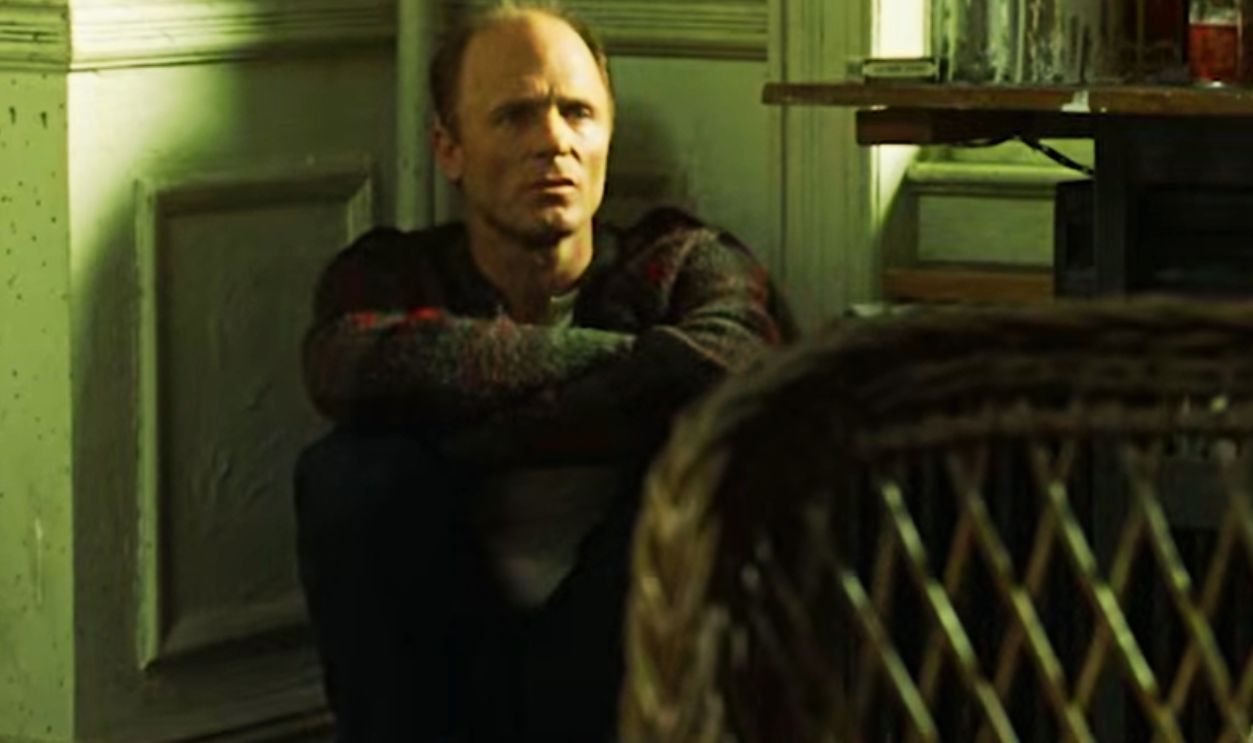 Screenshot from Pollock, Sony Pictures Entertainment (2000)
12. He Began To Figure Things Out
Pollock’s artwork truly began to grow, taking on a life and spark unique to him in 1936. It started when Pollock took a workshop in a then-experimental style hosted by David Alfaro Siqueiros, a Mexican muralist. Siqueiros and this workshop introduced Pollock to liquid paints, and seemed to spark a specific interest in Pollock, a need to dive deeper into the art form that he’d discovered.
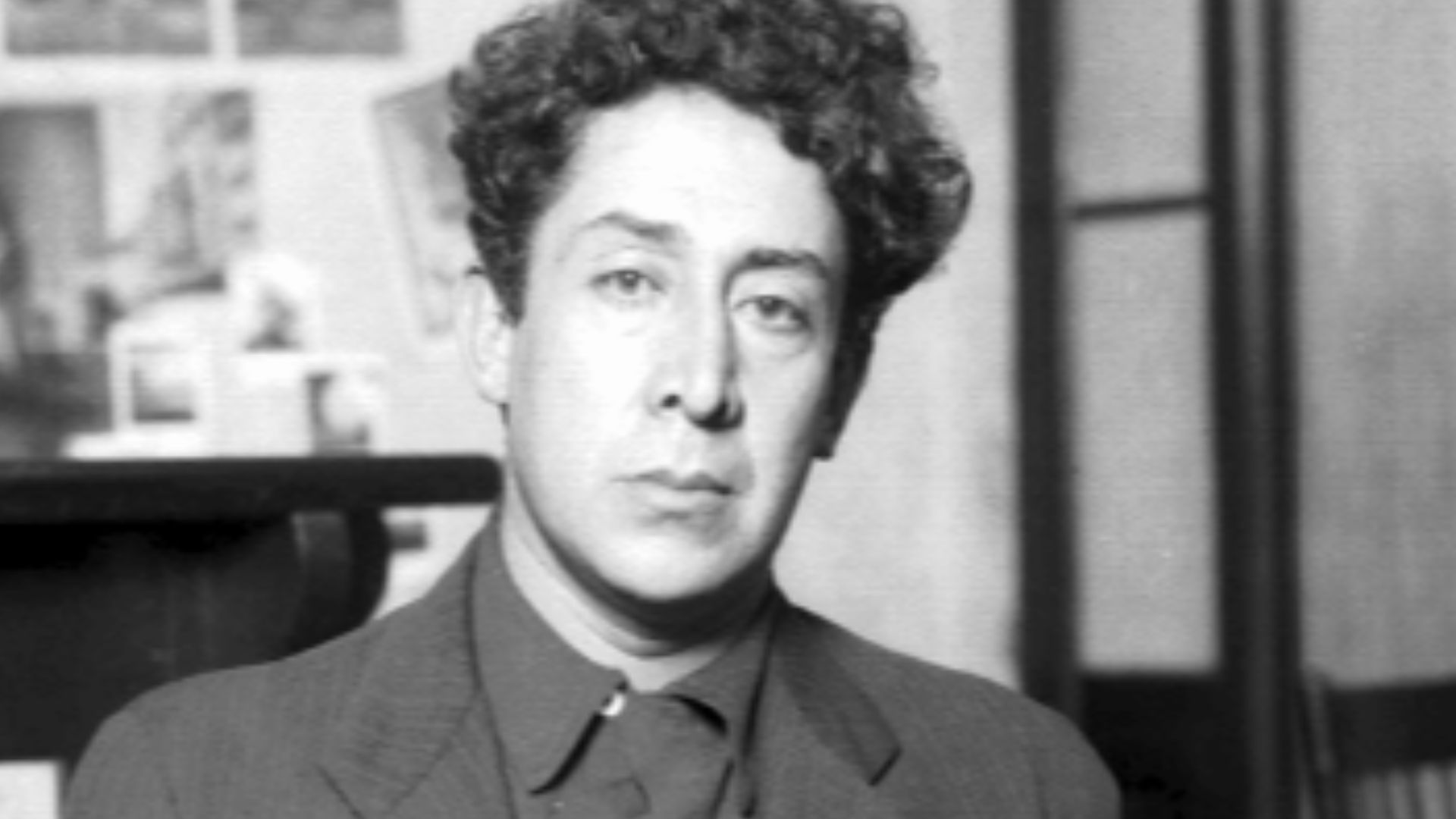 Casasola Archive, Wikimedia Commons
13. He Needed To See It
Following Siqueiros’s workshop, Pollock gained access to Dartmouth College to study a specific work. The Epic of American Civilization is a 3,200 square foot mural painted by José Clemente Orozco. This massive mural consists of 24 fresco panels and now lives in the basement reading room of Memorial Library at Dartmouth. Now almost 100 years old, the mural was something new and compelling when it captured Pollock’s imagination.
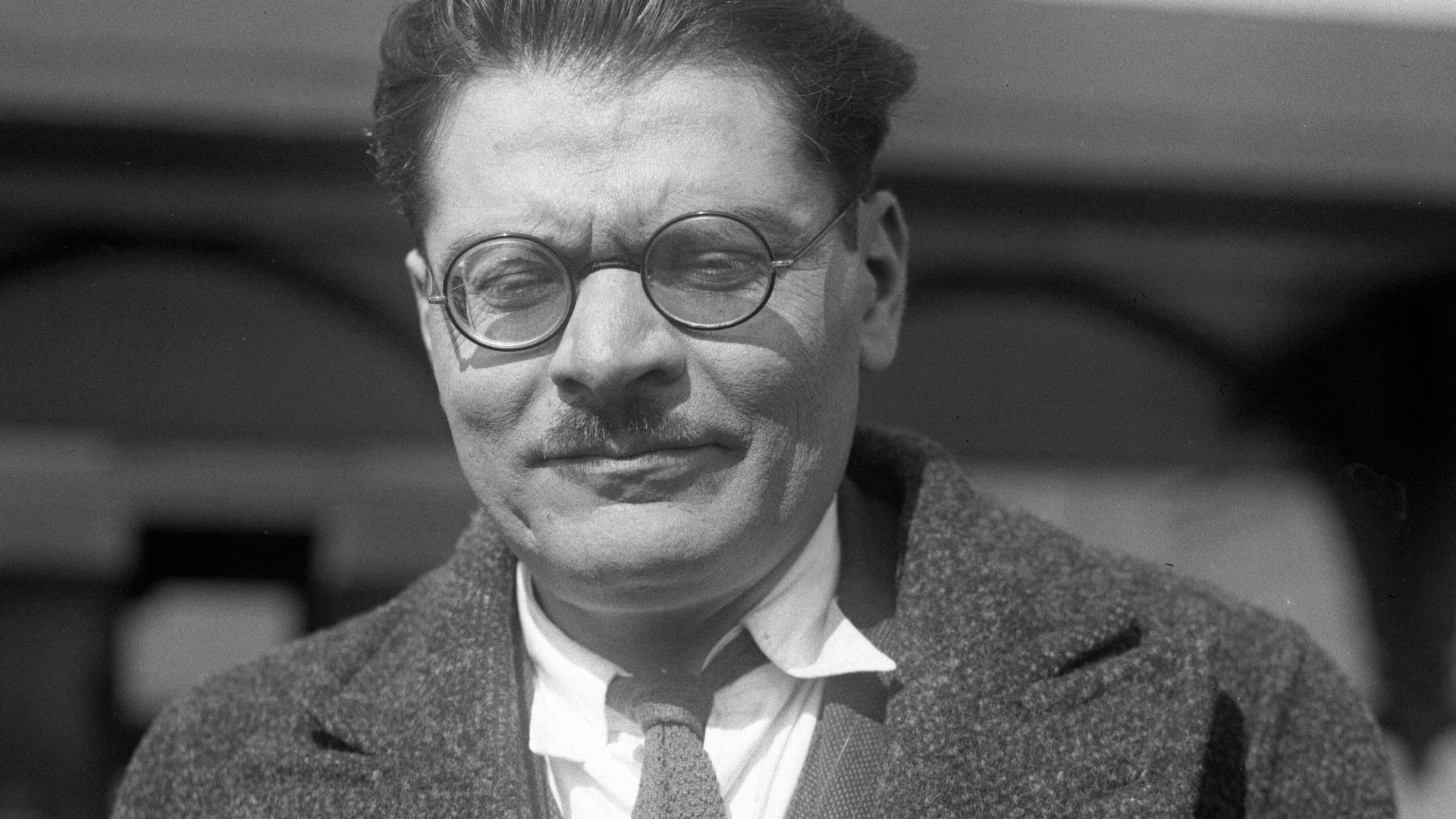 Los Angeles Times, Wikimedia Commons
14. His Timing Was Horrible
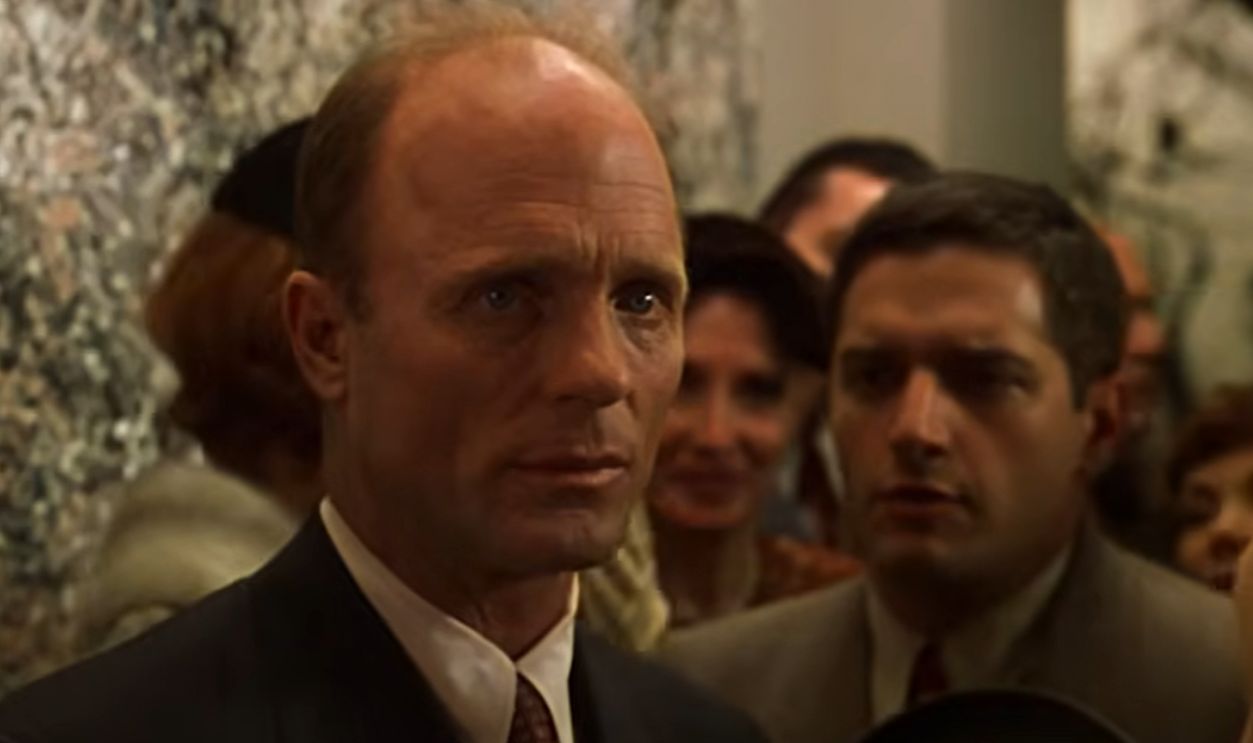
Being an artist comes with a certain amount of risk. Artists depend on their ability to sell their work, and even today, “struggling artist” is a common archetype. Not only did Pollock have to struggle against the natural difficulties of creating art, but during the 1930s, when he began working, the Great Depression left many men struggling without work. Pollock’s career may have looked very different if a powerful ally hadn’t stepped in.
 Screenshot from Pollock, Sony Pictures Entertainment (2000)
15. He Got A Helping Hand
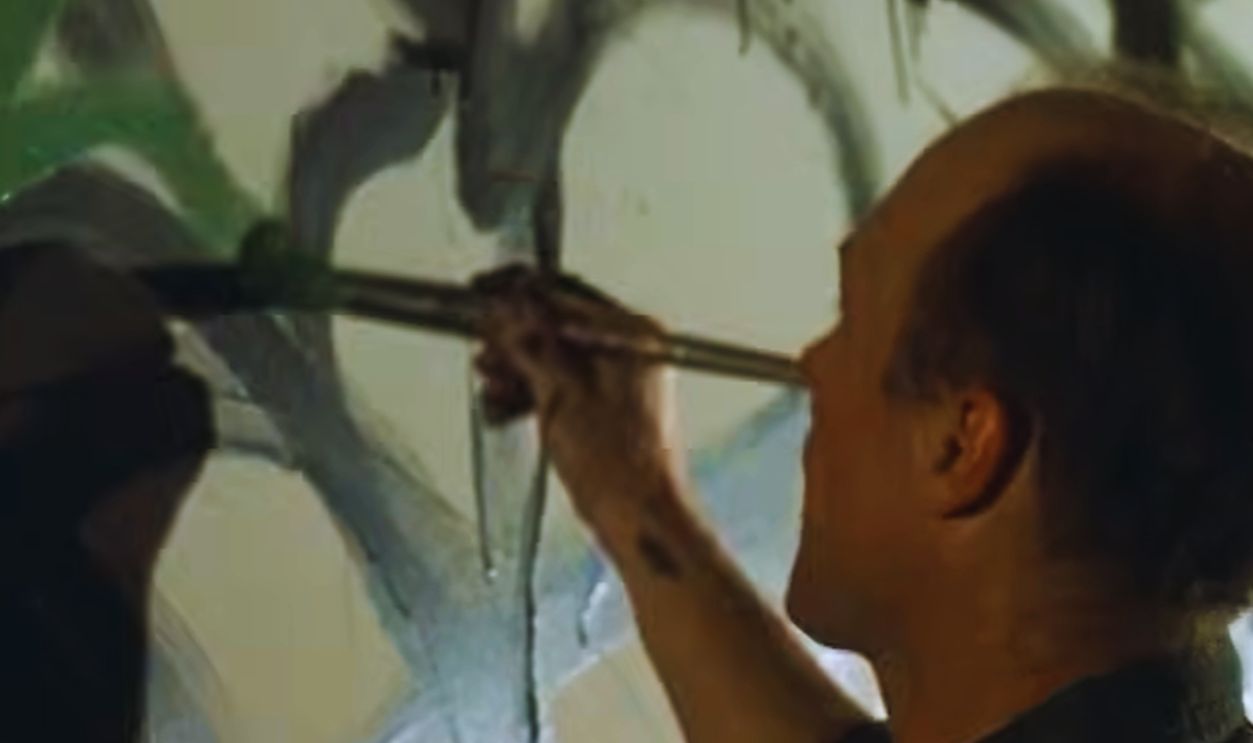
By 1938, ,Pollock had support in his craft through the federal government. In an attempt to provide jobs for artists across the country, as well as preserve art in a time of struggle, the government created the Federal Art Project, which supported thousands of artists throughout the 1930s, including Jackson Pollock. However, the government couldn’t save Pollock from himself.
 Screenshot from Pollock, Sony Pictures Entertainment (2000)
16. He Succumbed To Vices
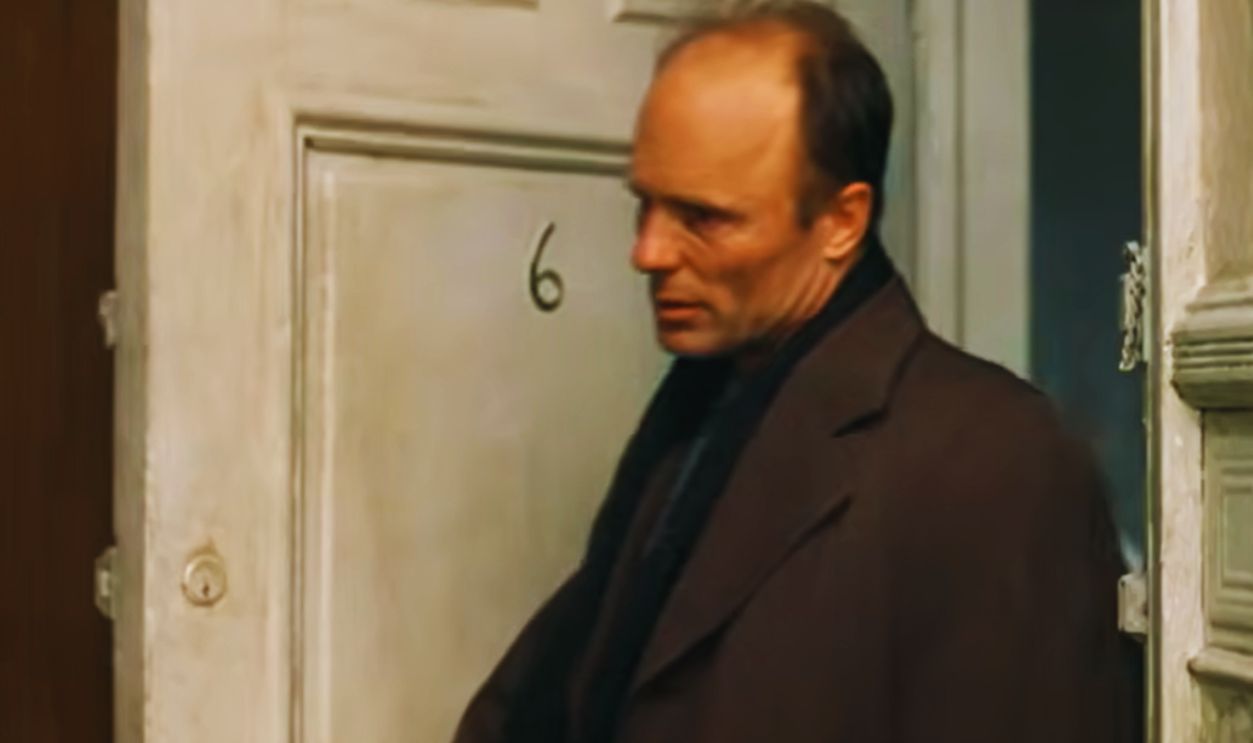
From a young age, Pollock appeared to struggle with keeping himself under control. As a youth, this seemed to manifest through outbursts and loud protests that often got him in trouble with authority figures. However, as he got older, the world offered him access to even more vices, and given his background, he found it difficult to say no. Unfortunately, these vices got in the way of his work.
 Screenshot from Pollock, Sony Pictures Entertainment (2000)
17. He Knew He Needed Help
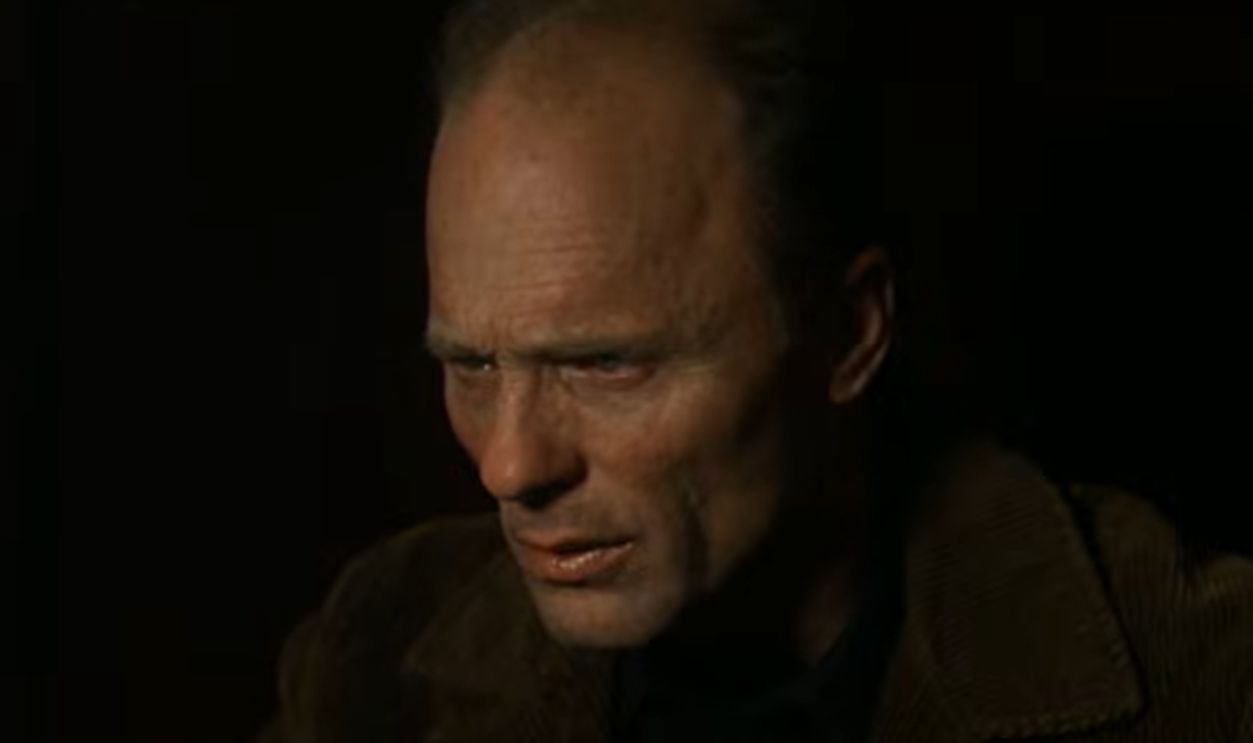
Although only 26 in 1938, Pollock already recognized that he had a problem that he needed to deal with. He struggled with alcoholism, and it likely affected his ability to approach his work as he hoped. At the very least, something motivated Pollock to seek help for his struggles in the late 1930s. Though Pollock likely never realized just how deeply his difficulties may have run.
 Screenshot from Pollock, Sony Pictures Entertainment (2000)
18. He Didn’t Believe In Freud
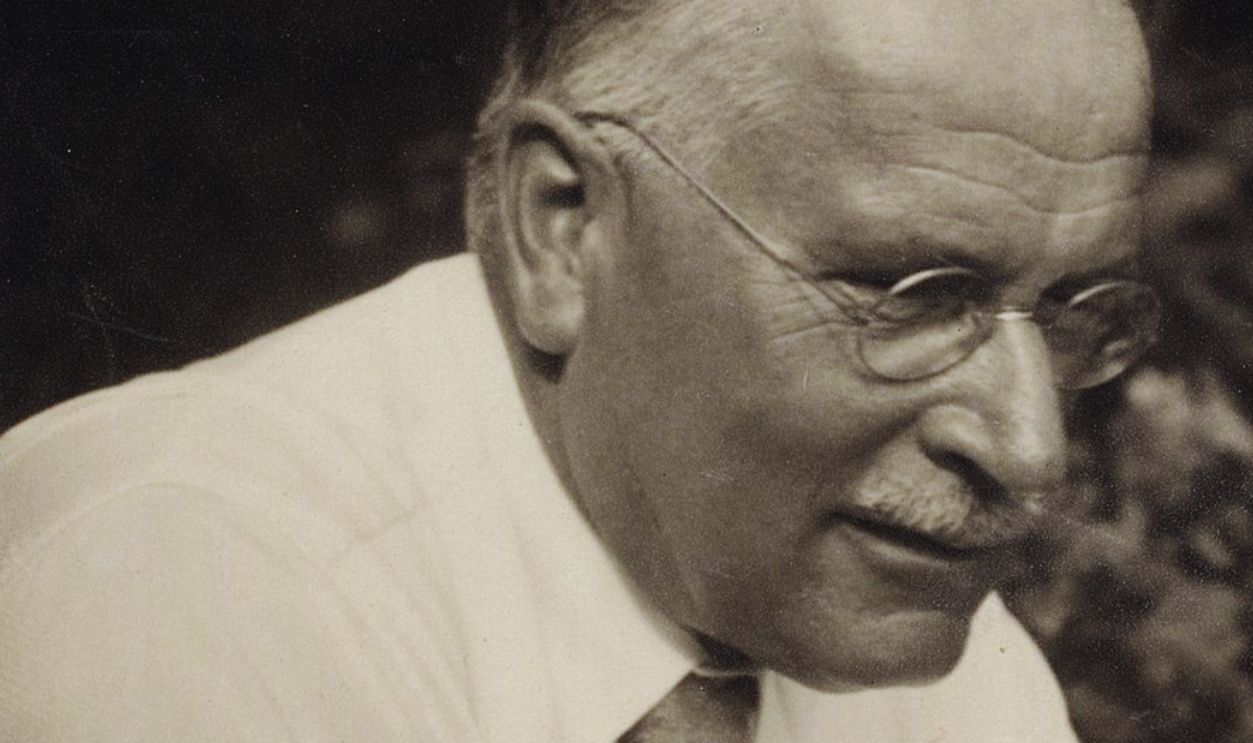
From 1938 to 1942, Pollock worked with at least two different psychologists who approached their work backed by the theories of Carl Jung, otherwise known as analytical psychologists (in opposition to those who followed Freud’s school of psychology). However, despite his best efforts, it seemed that these treatments refused to have the desired effect.
 ETH Library, Wikimedia Commons
19. His Troubles May Have Gone Deeper
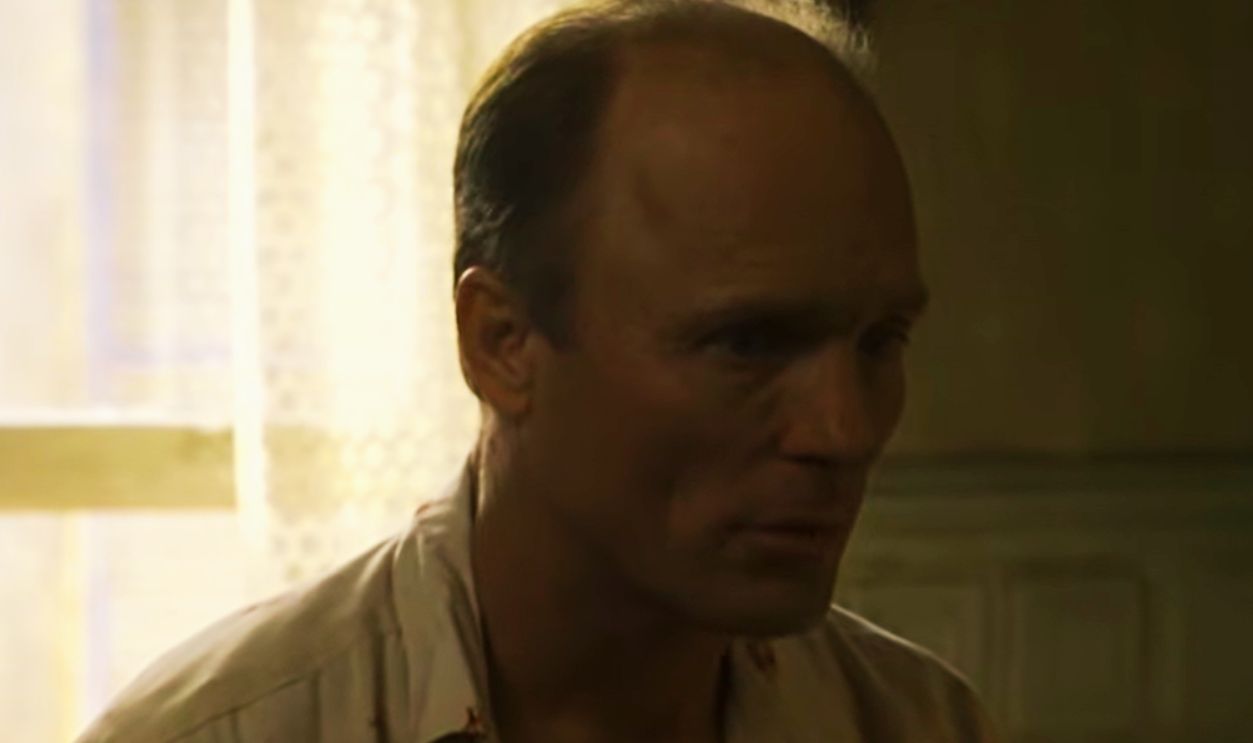
While Pollock may have immediate conquered his troubles, they didn’t disappear, as this particular demon followed Pollock around for the remainder of his life. Several modern psychologists have looked at the evidence and theorized that Pollock may have suffered from bipolar disorder. However, no one can prove now, and even if someone could prove the diagnosis, it would be much too late for Pollock.
 Screenshot from Pollock, Sony Pictures Entertainment (2000)
20. He Began To See Promise
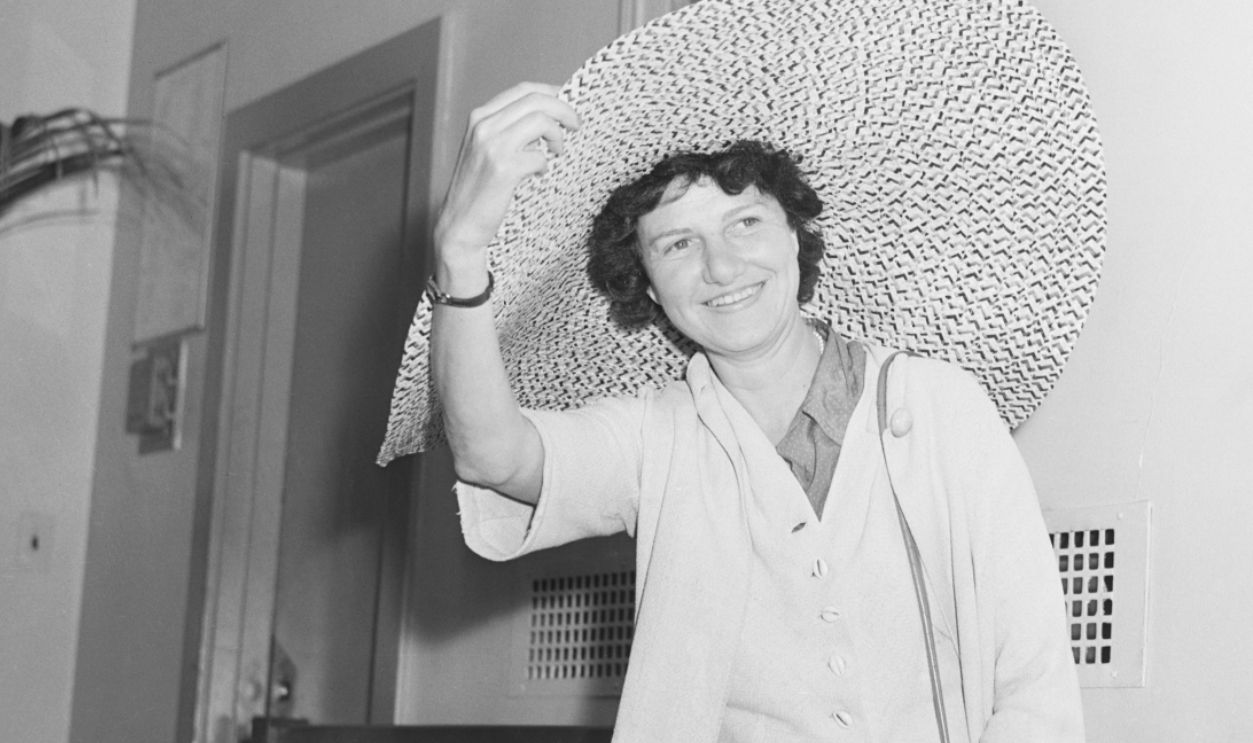
Perhaps Pollock’s treatments and sessions with the psychologists had some small effects in the immediate period after he took them, for shortly after that period of his life ended, Pollock’s life began to change for the better. He signed a contract with Peggy Guggenheim, leading to not just his early showings but what might’ve been his first truly big break.
21. He Found The Right Person
For many artists, all they need is the right person to notice them and their talent to change everything. For Jackson Pollock, Peggy Guggenheim was one of the first people to do that. Not only did she sign him to his gallery, but she also commissioned him to create a unique piece for the entryway of her new townhome. At the suggestion of fellow artist Marcel Duchamp, Pollock painted this piece on canvas rather than directly on the townhome’s walls, ensuring that the piece could be portable, and this changed everything.
22. He Made Something Unique
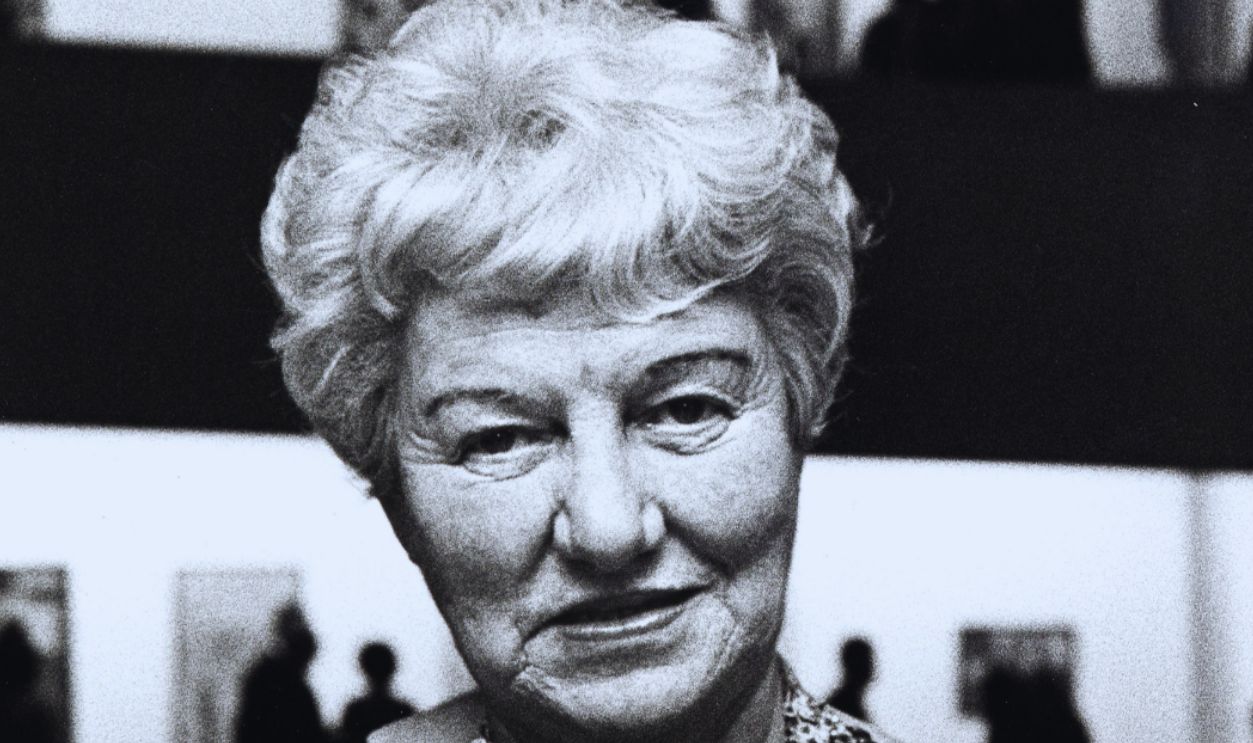
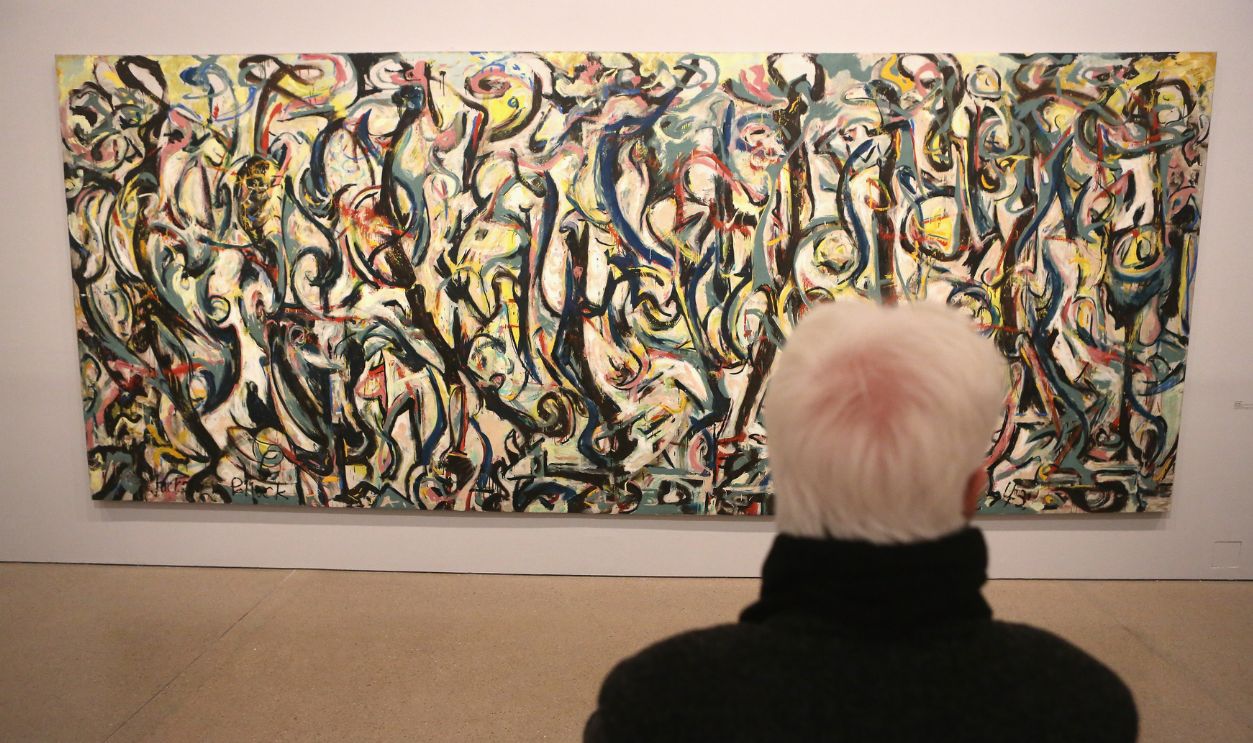
In the end, Peggy Guggenheim’s private commission became an 8-by-20-foot abstract painting that’s known simply as Mural. This piece finally gave Pollock what all artists crave: genuine recognition from the world of critics. Mural blew art critic Clement Greenberg away. In response to seeing it, Greenberg wrote, “I took one look at it and thought, ‘Now that’s great art’”. However, Greenberg’s praises didn’t end there.
23. He Stunned Critics
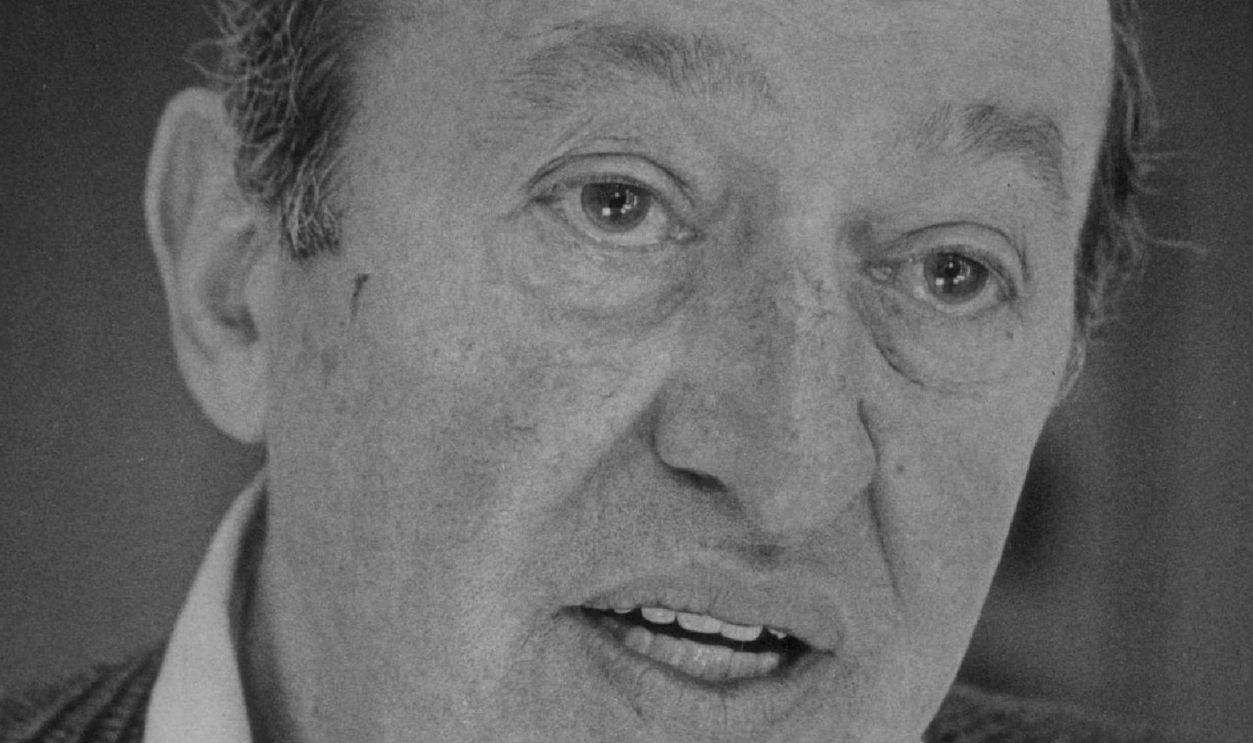
As if reaffirming an art critic’s belief in what is and isn’t great art isn’t enough, Greenberg went on to give Pollock even higher praise. He added that, upon seeing Mural, “I knew Jackson was the greatest painter this country had produced”. Greenberg wasn’t the only one impressed with Pollock and the potential that his work had. Pollock had a mysterious something that people seemed to gravitate towards.
24. He Couldn’t Be Defined
His first show included a catalogue which introduced Pollock and his talent as “volcanic. It is unpredictable. It is undisciplined”. People didn’t quite know what to make of Pollock and the energy that his work possessed. However, they knew that it had something that they couldn’t resist. This sort of energy drew people in, even other artists. One artist in particular felt so compelled to meet Pollock that she defied all rules of decorum to do so.
 Screenshot from Pollock, Sony Pictures Entertainment (2000)
25. He Was In The Right Place
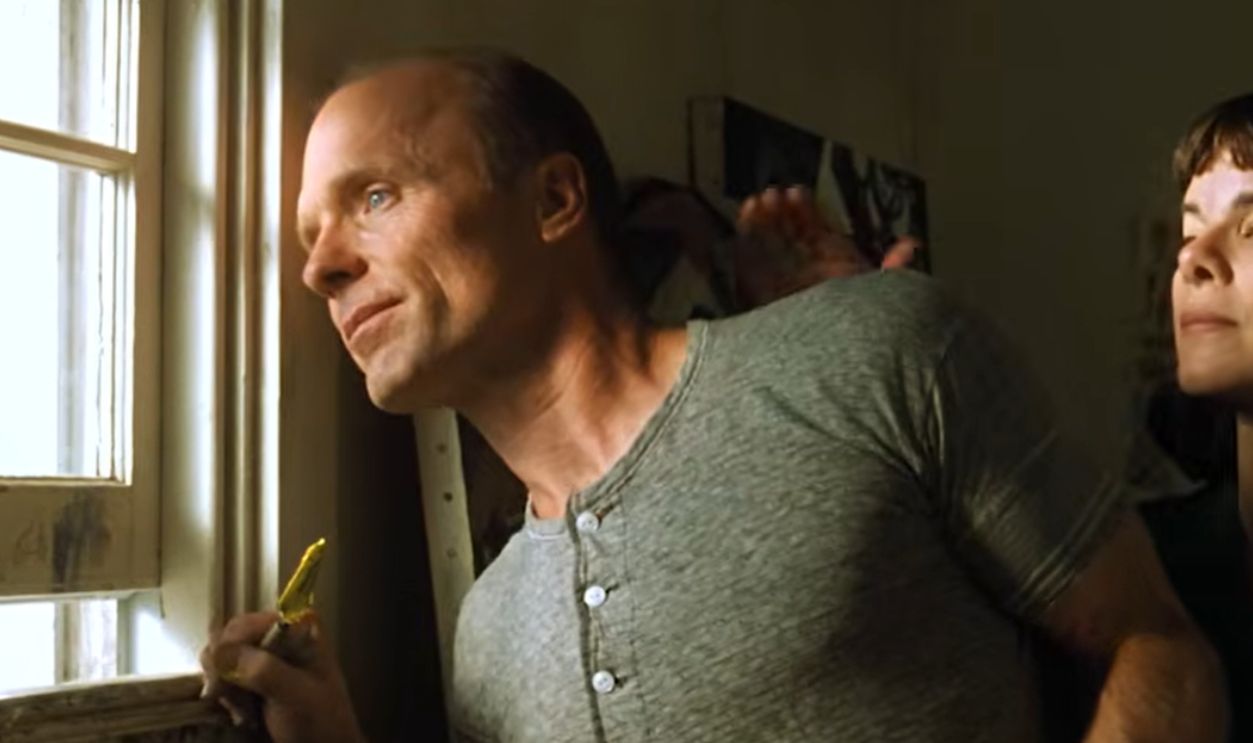
In 1942, Lee Krasner was 34 and struggling with her own art. She possessed a critical nature, and this often led to dissatisfaction with her own work. However, this did not stop her from producing enough art for the McMillen Gallery to feature her alongside another up-and-coming artist with great promise: Jackson Pollock. At a crossroads in her own creative process, Pollock’s work struck Krasner with a force that may have surprised even her.
![Title: Lee Krasner, artist
Creator(s): Gotfryd, Bernard, photographer
Date Created/Published: [1983]
Medium: 1 photograph : color transparency ; 35mm (slide format)
Reproduction Number: LC-DIG-gtfy-01933 (digital file from original)
Rights Advisory: No kn](https://www.factinate.com/storage/app/media/factinate/2026/7/21/17846195515d3f93a1ecc5b0bd2ef195145787c558131b07fe.jpg) Gotfryd, Bernard, photographer, Wikimedia Commons
Gotfryd, Bernard, photographer, Wikimedia Commons
26. He Almost Missed Out
Krasner had never heard of Pollock before the McMillen Gallery exhibited them together, but his work spoke to her. The promise that it showed intrigued her, and she needed to meet the artist who had created these works. She wanted to know and possibly pick the brain of the artist. However, she never got the opportunity to meet Pollock during their time at the gallery. Some may have left it at that, but not Krasner.
 Screenshot from Pollock, Sony Pictures Entertainment (2000)
27. He Found A Surprise At His Door
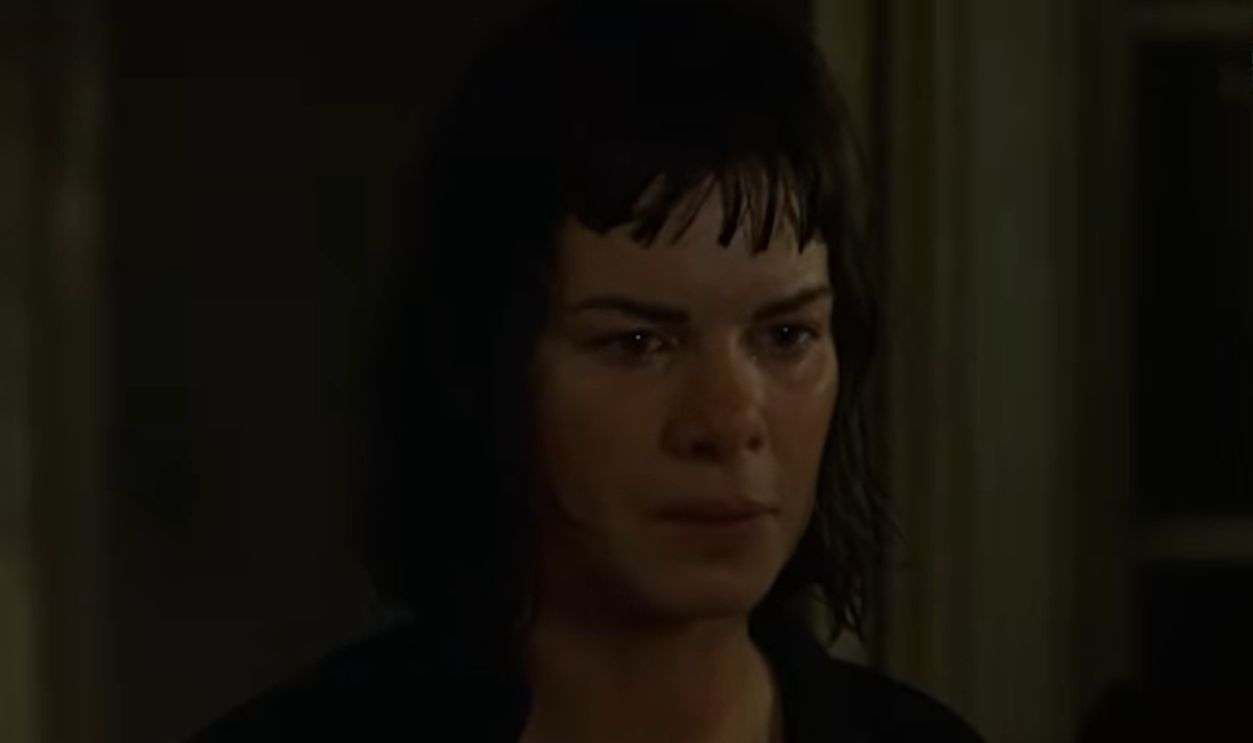
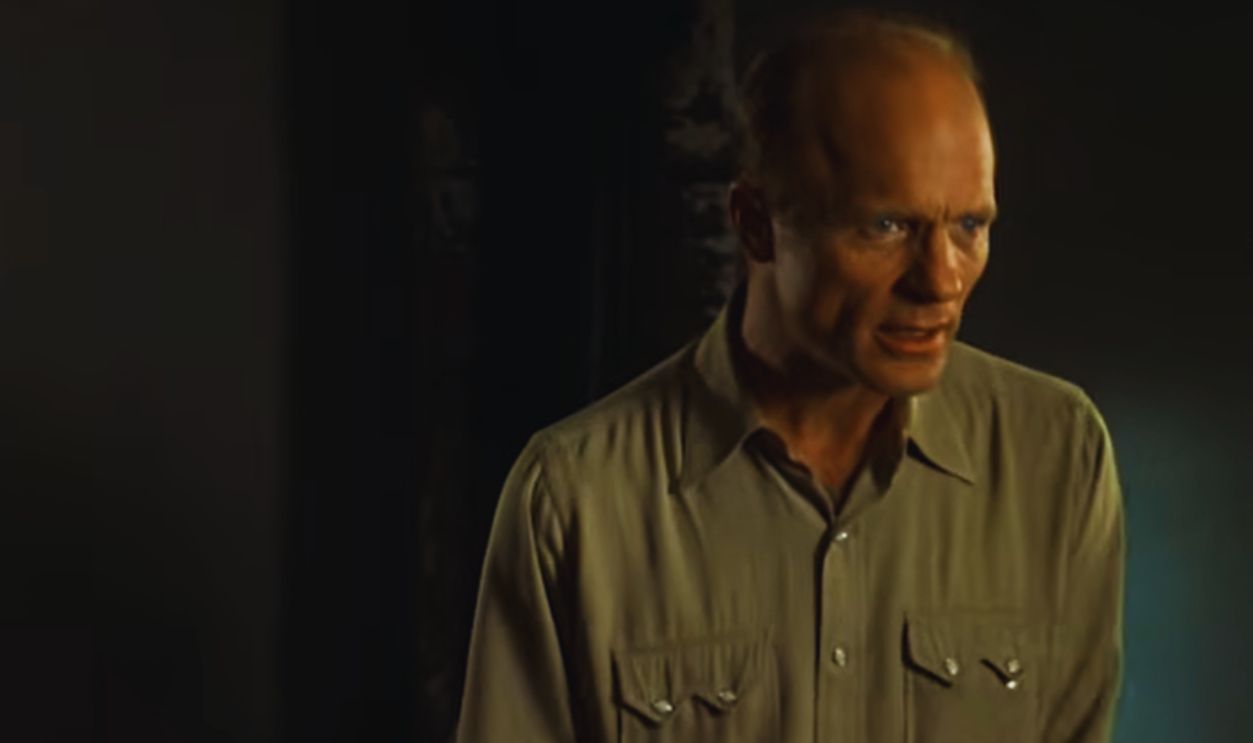
The world of art could’ve been very different if Lee Krasner possessed a less assertive personality. Some people would have just accepted their fate for what it was when Krasner and Pollock both departed from the McMillen Gallery without meeting. Some people might’ve done that, but not Krasner. Instead, Krasner appeared at Pollock’s apartment unannounced and introduced herself. That also could’ve gone one of two ways.
 Screenshot from Pollock, Sony Pictures Entertainment (2000)
28. He Had A Choice To Make Too
Who knows what exactly ran through Jackson Pollock’s mind when he opened his door one day and found Lee Krasner standing upon his stoop. Artists all have reputations for being particular sorts, but even they must have their limits of what they can and can’t accept. Pollock easily could’ve turned Krasner away, telling her that he didn’t have time for her and encouraged her to find her inspiration somewhere else. Pollock could’ve done that, but he didn’t.
 Screenshot from Pollock, Sony Pictures Entertainment (2000)
29. He Didn’t Turn Her Away
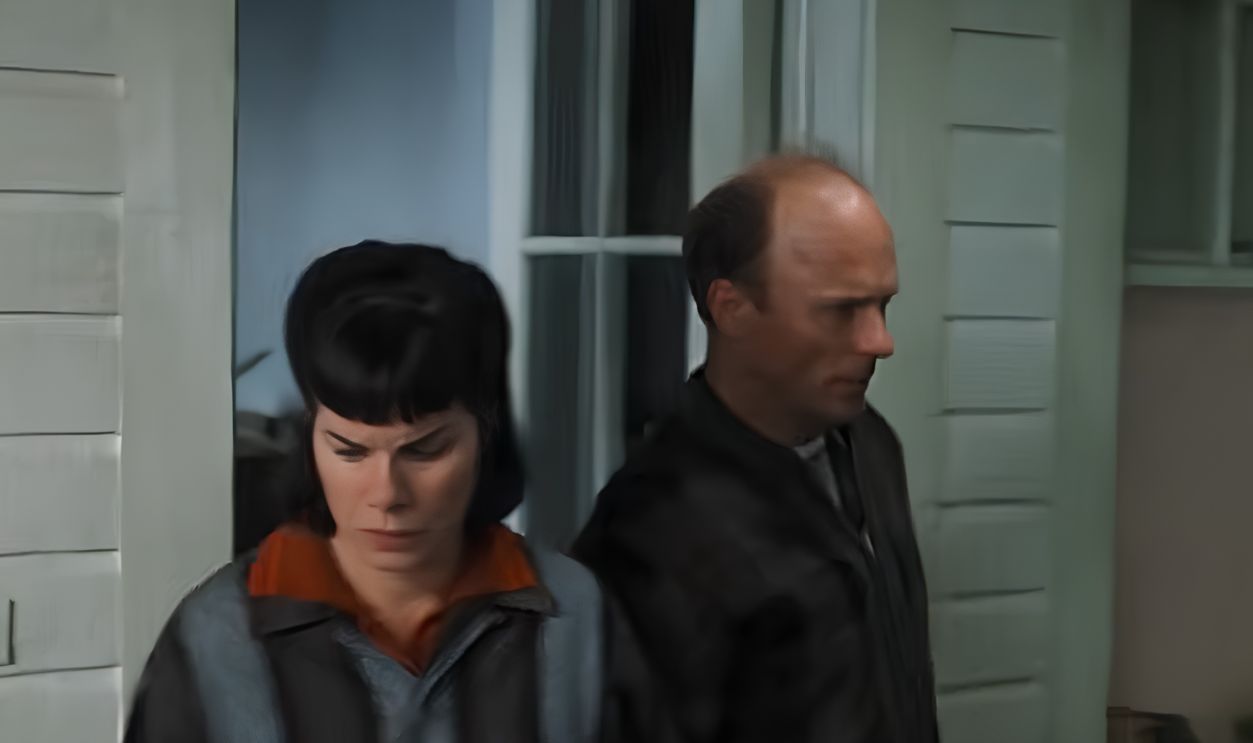
Presumably, instead of turning Krasner away, Pollock invited her in. What, exactly, they spoke about appears to be a secret that only the two of them knew, but not much time passed before the world could see that something began to bloom between the two young artists. Pollock married Krasner three years later in a small ceremony; they only had two witnesses present. From there, their lives truly began.
 Screenshot from Pollock, Sony Pictures Entertainment (2000)
30. He Left The City
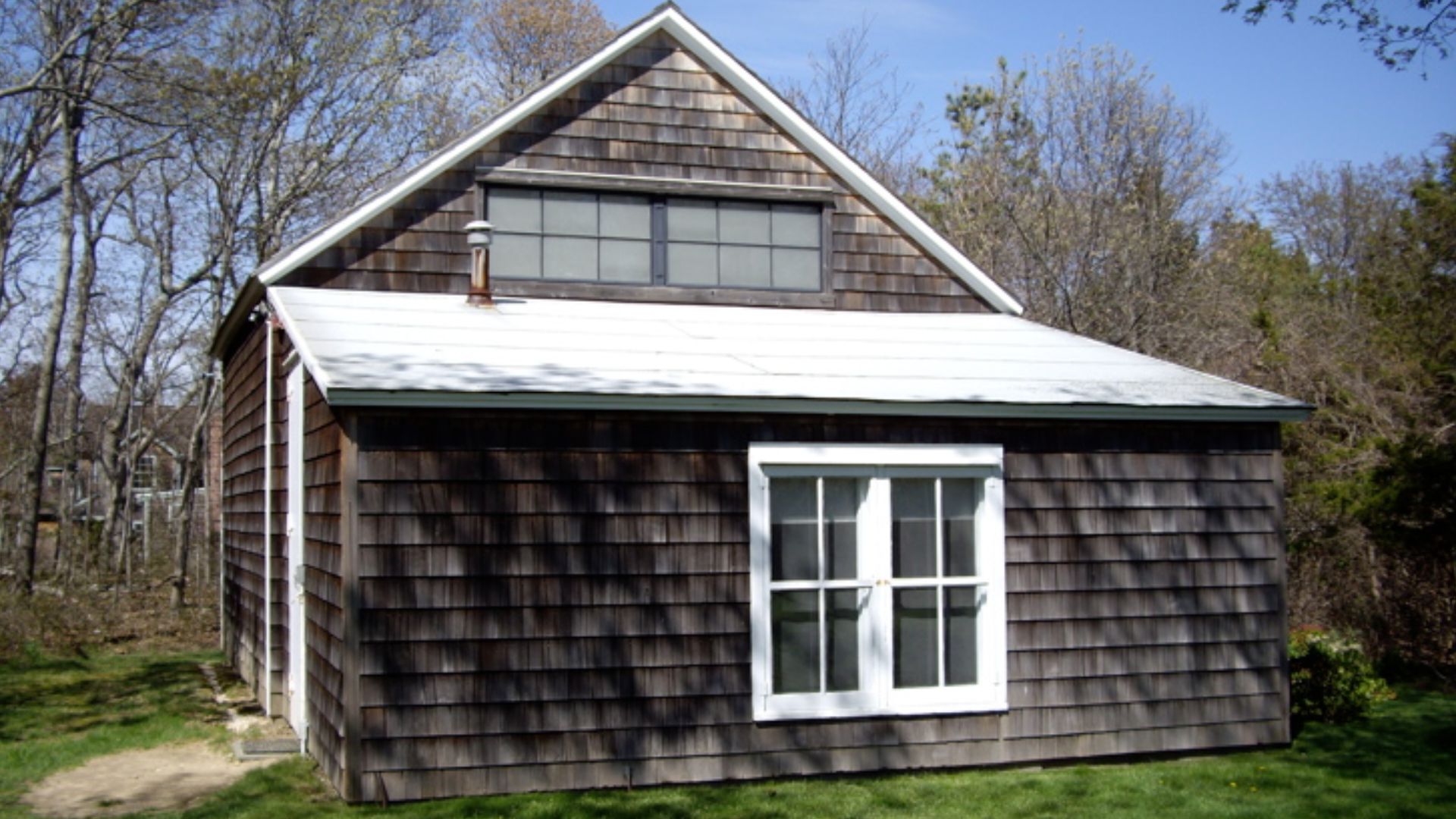
Shortly after marrying, Pollock and Krasner moved out of the city. They relocated to a small plot of land on the south shore of Long Island in an area known as East Hampton. The property contained a small house and a barn, which Pollock turned into a studio. From the outside, the barn looked unassuming, no different than the hundreds of other old barns that scatter the country. However, inside, this barn became a part of history.
31. He Found His Stride
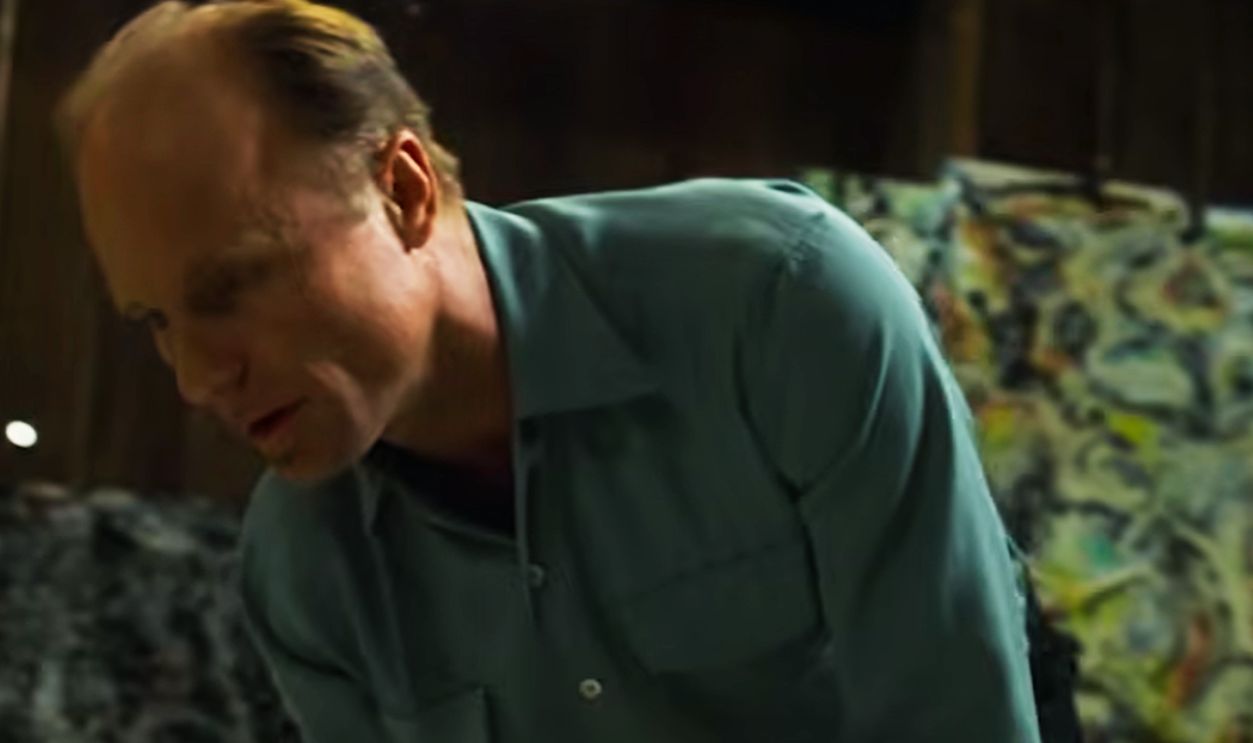
Most artists go through many different phases as they work to develop their own identity. Jackson Pollock was no different than the rest. However, fame often pushes those phases into the shadows. No one remembers what came before. They only remember what caught their attention, the technique that truly made them shine. For Pollock, this happened in his barn on Long Island.
 Screenshot from Pollock, Sony Pictures Entertainment (2000)
32. He Created Something Special
Unless you are an avid history buff, if you’re familiar with Jackson Pollock, you are familiar with one style in particular: his loud, vibrant drip paintings. Throughout the late 1940s into the 1950s, Pollock created painting after painting through the process of pouring liquid paint onto a large canvas he laid upon the floor of his studio. The art world had its eye on Pollock before he found this technique; yet, only after he discovered it did his star truly start to shine.
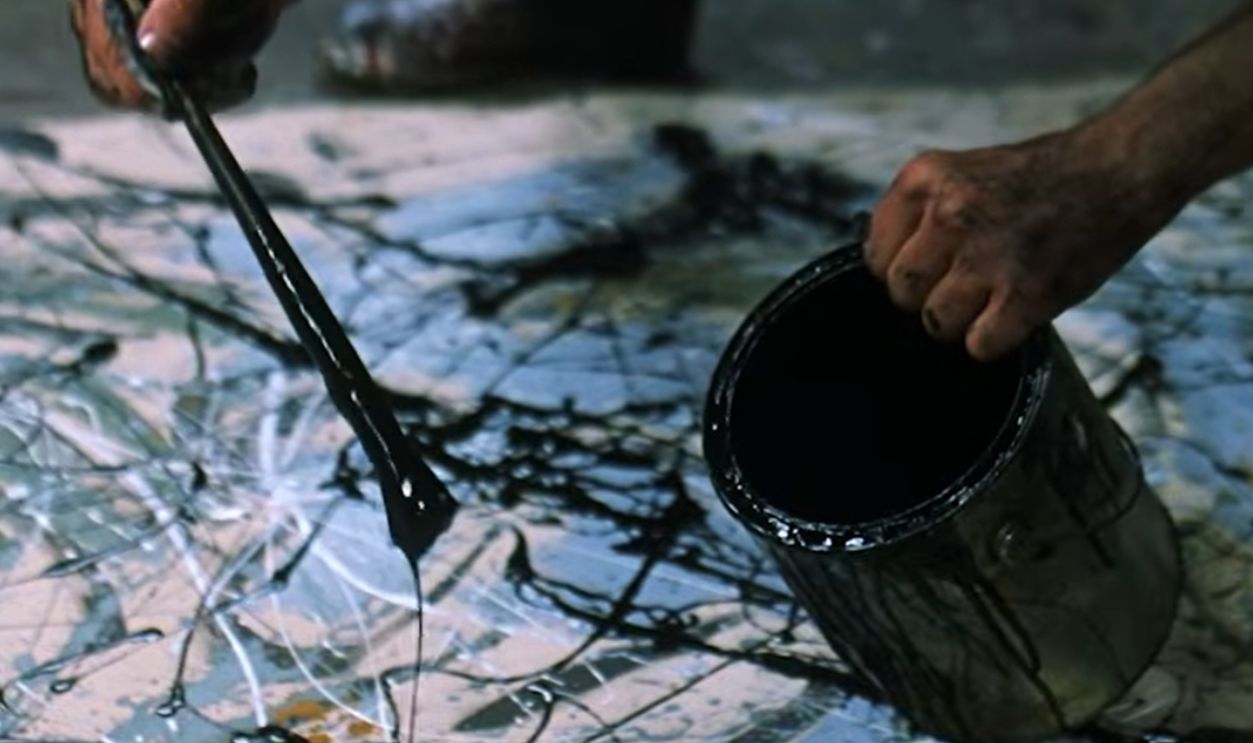 Screenshot from Pollock, Sony Pictures Entertainment (2000)
33. He Inspired Stories
Pollock truly made a name for himself through his drip paintings. If he had never discovered this style, it is possible that time would’ve eventually forgotten his name, his work fading into the background as so many other artists had experienced before and after him. In 1949, right in the middle of his drip period, LIFE magazine featured Pollock and his work, posing a simple question in its title that many still ask today.
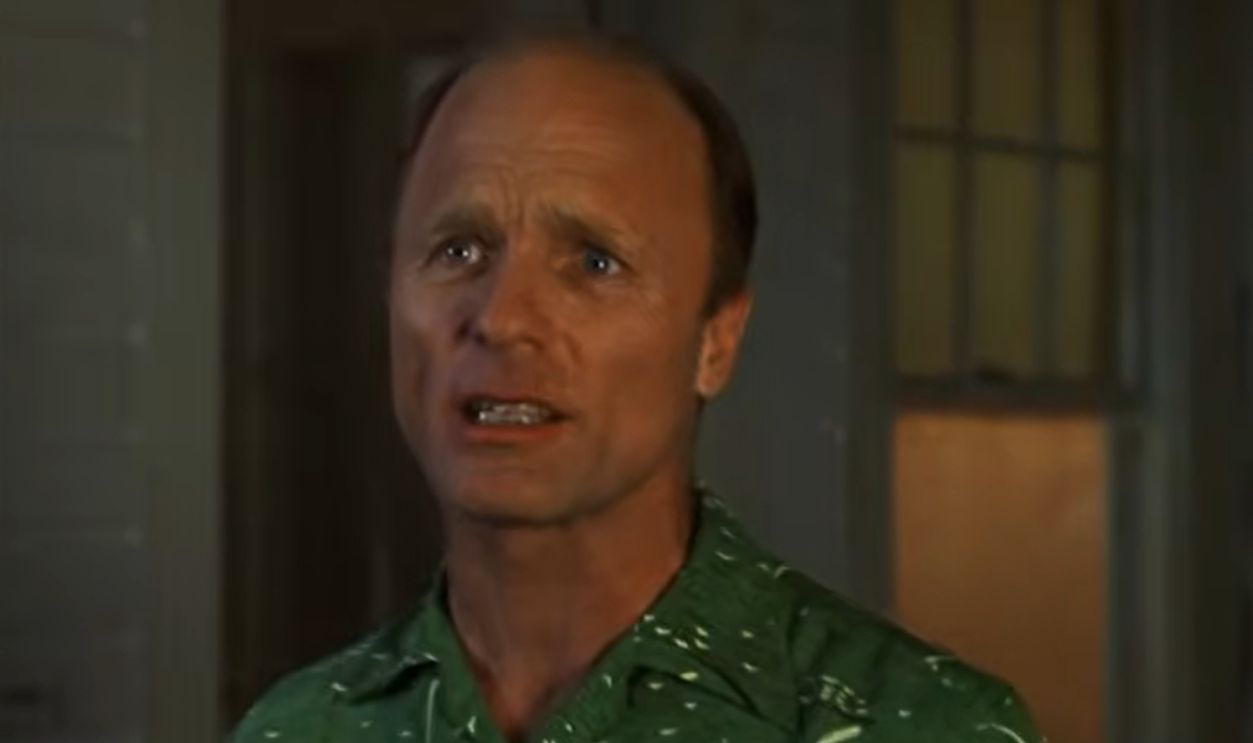 Screenshot from Pollock, Sony Pictures Entertainment (2000)
34. He May Have Been The Greatest Ever
LIFE ran their article under the title “Jackson Pollock: Is he the greatest living painter in the United States?” It certainly seemed like he had the potential to become so during this period. However, people seemed just as interested in attempting to figure out how Pollock’s work came to be. Throughout his career, he engaged with a wide variety of artists, absorbing their work and style into his own. So much so that perhaps Pollock even forgot what pieces he borrowed from which artists.
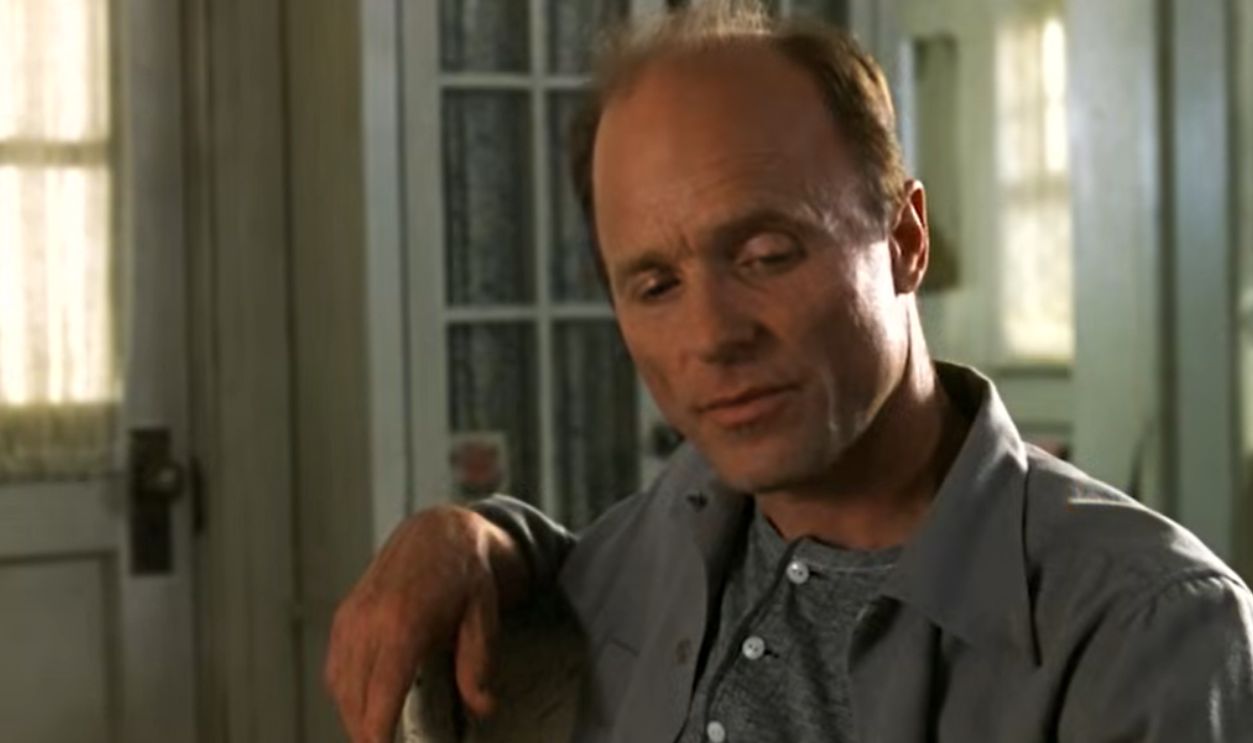 Screenshot from Pollock, Sony Pictures Entertainment (2000)
35. He Contradicted Himself
Pollock spent a significant amount of time working and studying in a workshop with David Alfaro Siqueiros. Many art historians point to this era as the first spark that eventually led to Pollock’s definitive drip period. However, Pollock himself rarely mentioned this period of study, and when he did, he made a point of scorning his connection with Siqueiros, insisting that it did not influence his current work. However, even in this, Pollock contradicted himself.
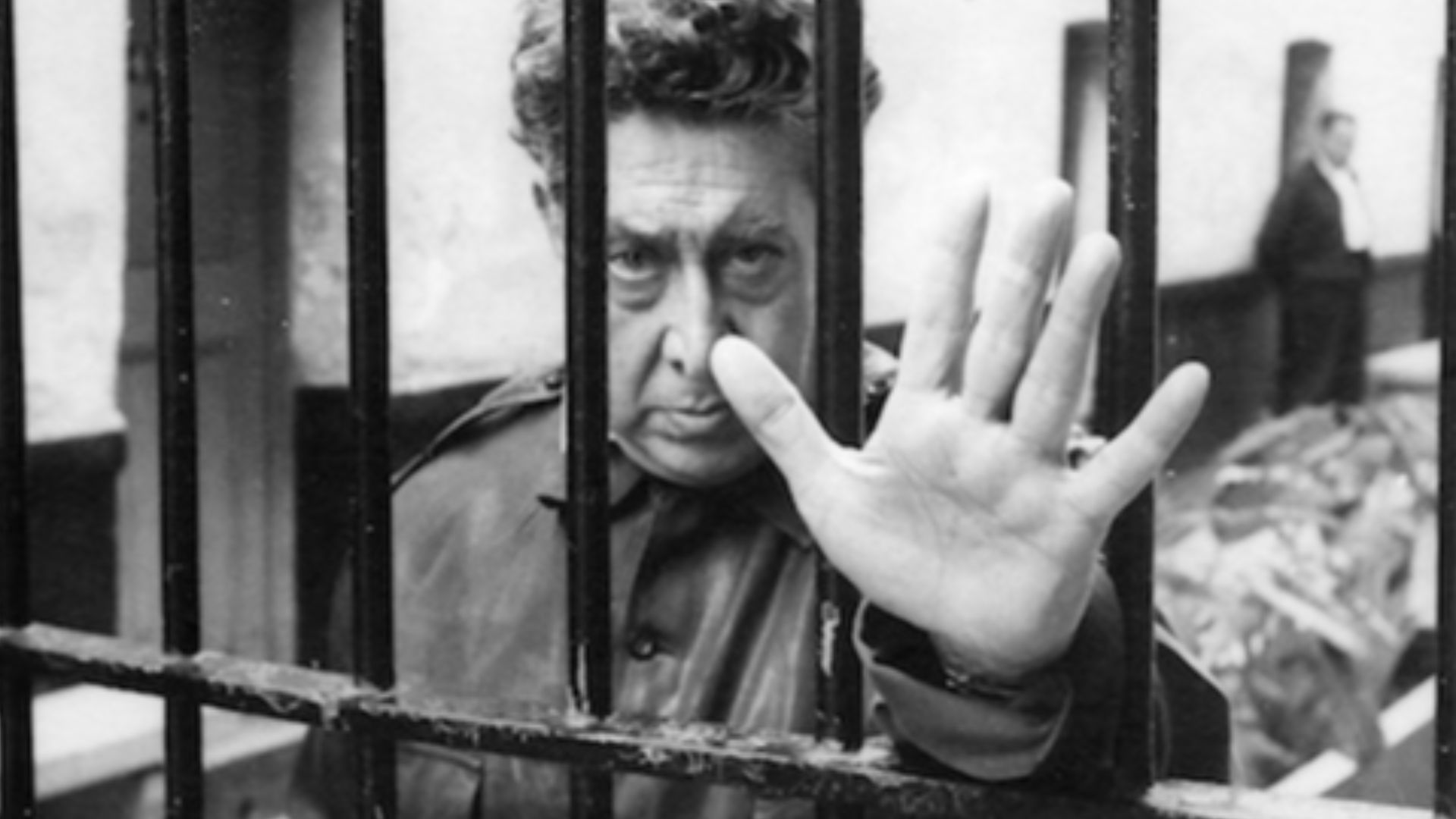 Galeria Fundacion Hector Garcia, Wikimedia Commons
36. He Couldn’t Stick With One Answer
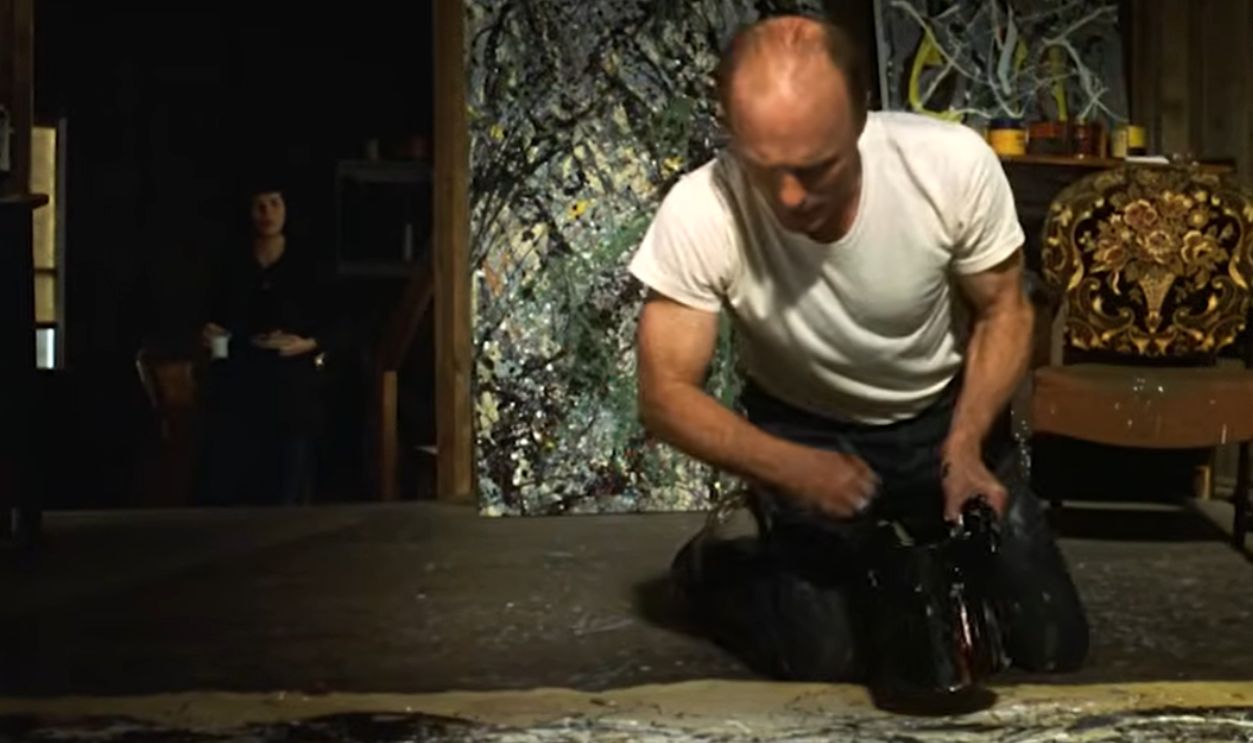
In 1947, Pollock claimed to paint with his canvas on the floor rather than on an easel (as most artists do) because he’d seen a Navajo Sand artist do so at the Natural History Museum in 1941. However, records exist that Pollock witnessed Siqueiros do so five years before that, in 1936. He then made the claim of doing so because “the Orientals did it” only a short time after that. Another layer that complicates Pollock’s inspiration is Janet Sobel.
 Screenshot from Pollock, Sony Pictures Entertainment (2000)
37. He May Have Ignored An Inspiration
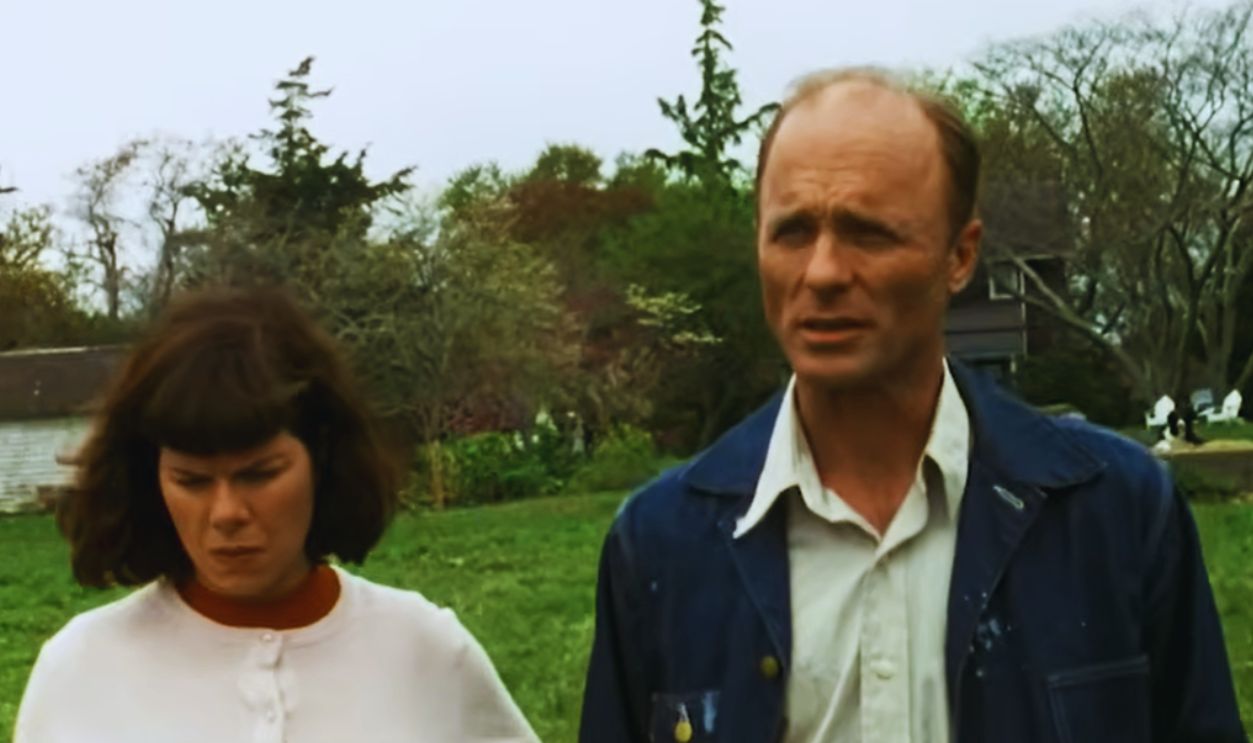
Born in the Russian Empire (now part of Ukraine), Janet Sobel moved to America in 1908. However, she didn’t begin to paint until 1937, when she was already a grandmother. Sobel’s paintings were abstract and often had an unearthly quality to them. She is also credited with developing the drip painting technique that Pollock is famous for. So, did she influence Pollock’s work?
 Screenshot from Pollock, Sony Pictures Entertainment (2000)
38. He Didn’t Do It First
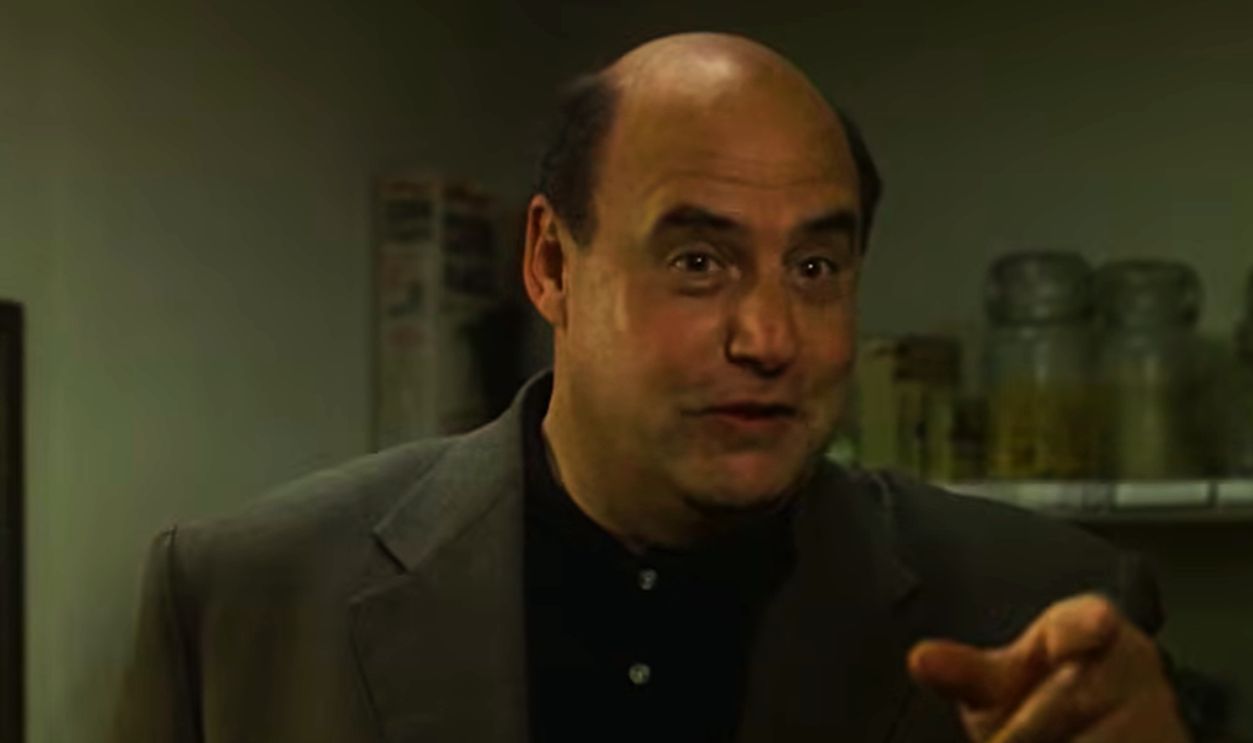
One of Sobel’s most popular works is Milky Way, a piece that is now owned by MoMA. Sobel created this piece in 1945, around the time that Jackson Pollock and Lee Krasner were married, and two years before Pollock began experimenting with drip painting. Art critic Clement Greenberg (who’d been so impressed with Pollock years before), often spoke of Sobel and Pollock in the same breath, comparing their works—and crediting Sobel, not Pollock, with first producing the method they both seemed to work in.
 Screenshot from Pollock, Sony Pictures Entertainment (2000)
39. He Admitted To Knowing Her Work, Barely
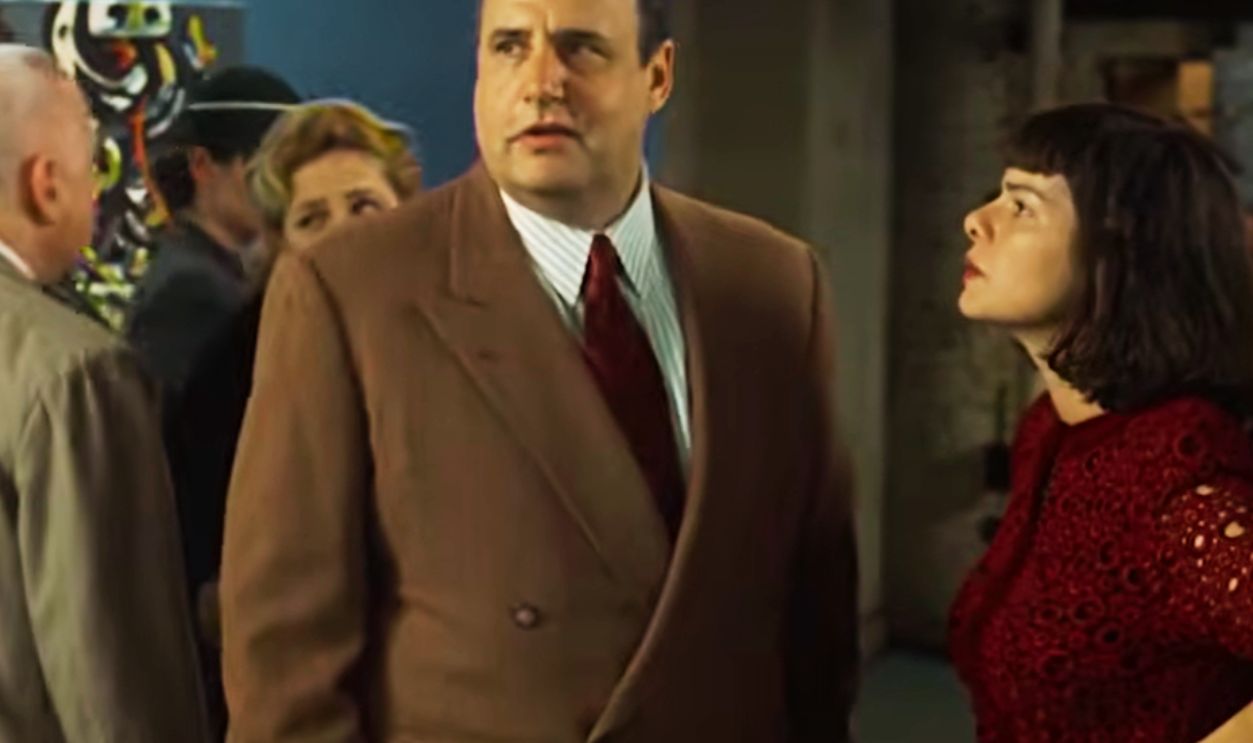
Eventually, Greenberg claimed that Pollock informed him that Sobel’s work “had made an impression on him”. However, if Sobel had a larger role in inspiring Pollock, he never mentioned it. This, perhaps, is unsurprising, as sources seem to indicate that he didn’t even credit his own wife for the significant influence that she had over the trajectory of his career.
 Screenshot from Pollock, Sony Pictures Entertainment (2000)
40. His Wife Remained In the Background
When Krasner first met Pollock, he had potential. However, he had yet to fully realize it. Critics were looking at him, but he hadn’t quite figured out how to turn that potential into something that fully held people’s attention. Only after meeting Krasner, who had an extensive background in modern art, did Pollock begin to shift his work into something that truly captured the imagination. Of course, it took years before anyone realized it.
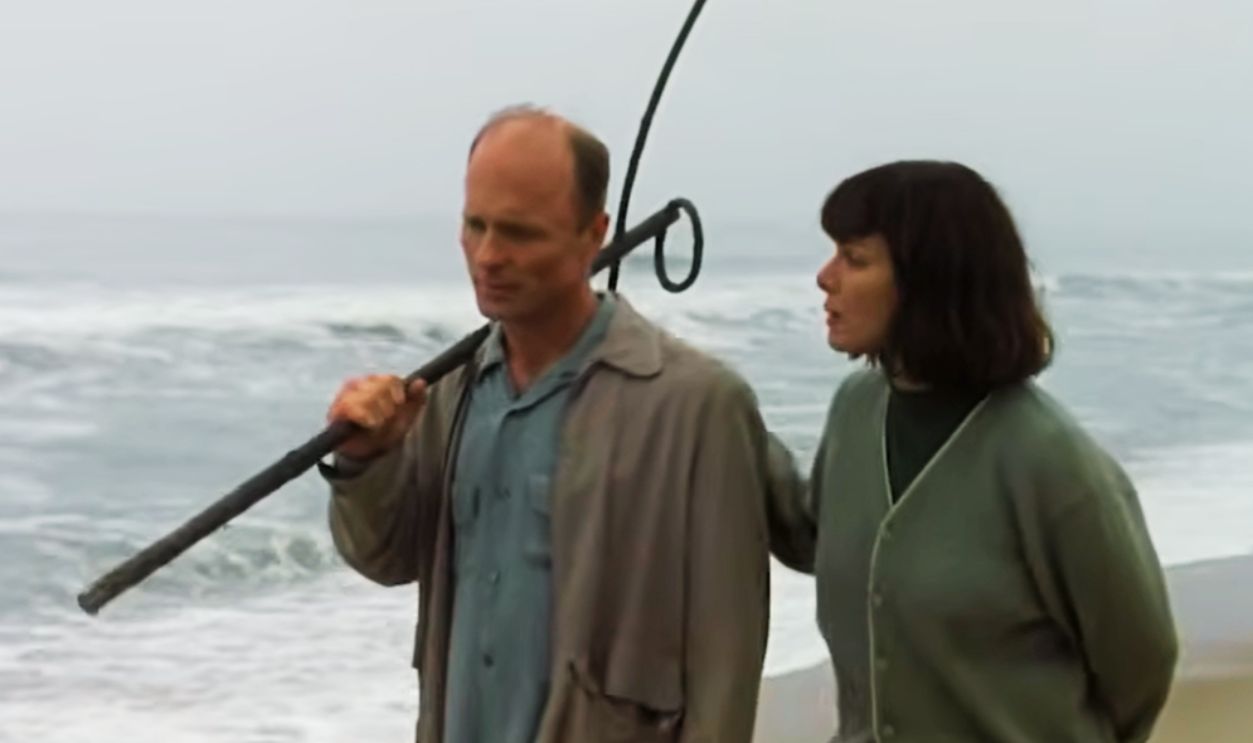 Screenshot from Pollock, Sony Pictures Entertainment (2000)
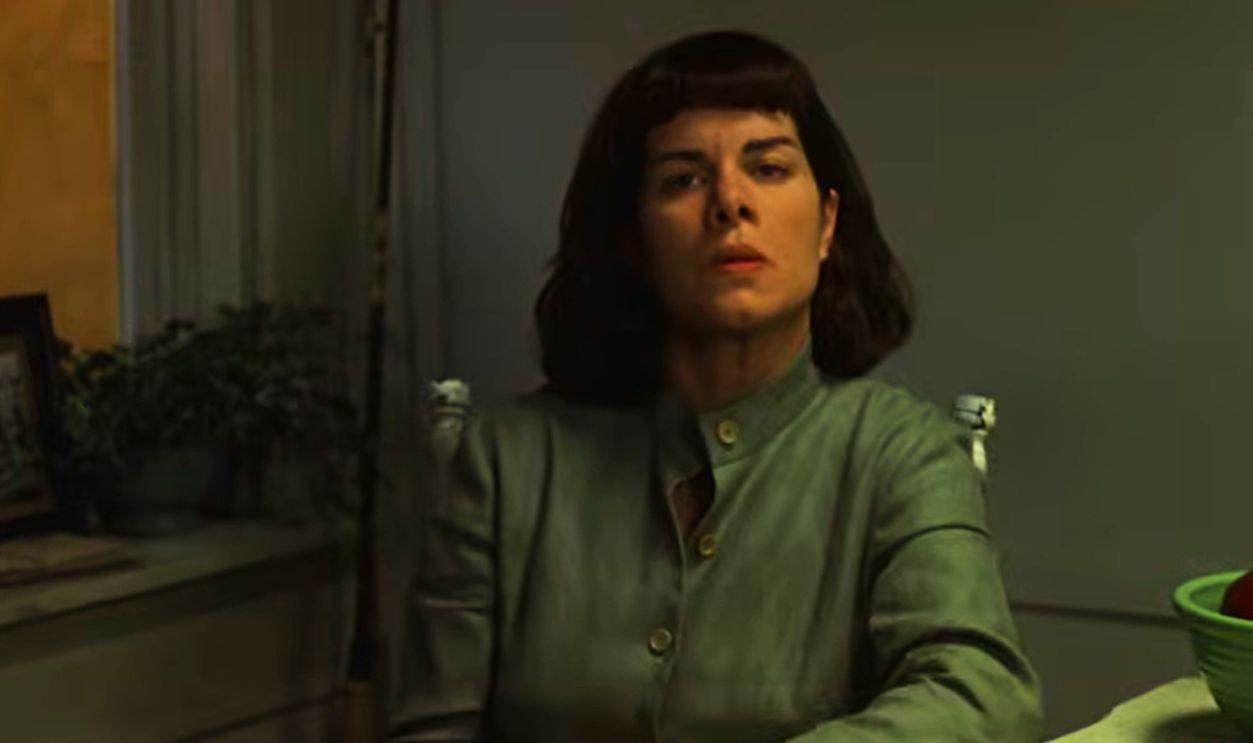
41. His Wife Pulled The Strings
During the height of Pollock’s fame, no one looked at Krasner. However, as time went on and society caught up with where feminism should’ve been the entire time, people began looking at Lee Krasner in her own right. Fritz Bultman, a fellow painter, referred to Pollock as Krasner’s “creation, her Frankenstein,” and art dealer John Bernard Myers went as far as to claim “there would never have been a Jackson Pollock without a Lee Pollock”. Unfortunately, haunted by his demons as he was, Jackson Pollock failed to see what he had right in front of him.
 Screenshot from Pollock, Sony Pictures Entertainment (2000)
42. He Couldn’t Handle The Pressure
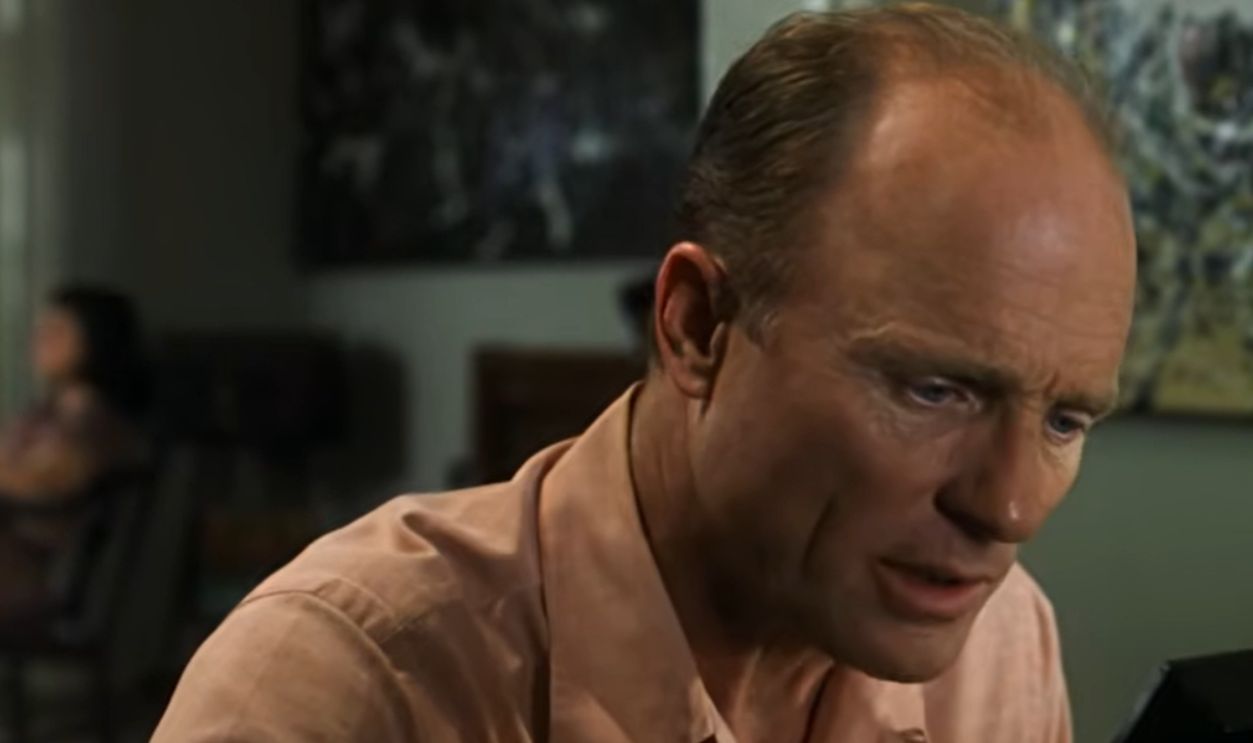
As Pollock’s fame increased, he began to feel the pressure more keenly. This made it even more difficult for him to keep his vices under control. Feeling frustrated and trapped by the pressure to continue to create, Pollock returned to his old habits. He began to drink again. This put a strain not just on his art but also on his relationship.
 Screenshot from Pollock, Sony Pictures Entertainment (2000)
43. He Returned To Old Habits
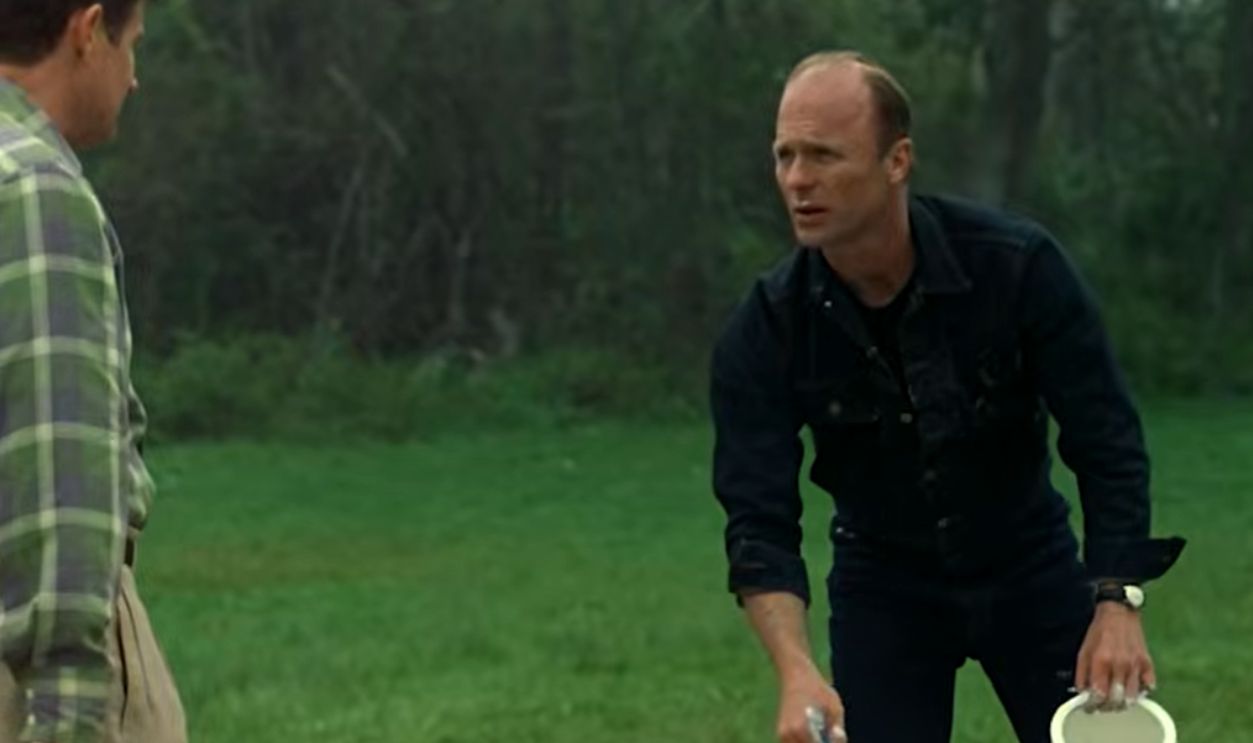
It appears as if Krasner and Pollock’s relationship had been born out of a mutual respect for art. However, as Pollock began to drink more heavily, Krasner found it more difficult to turn a blind eye to the life that they lived. If it had stayed with just drinking, perhaps Krasner might have overcome her frustrations with her husband, but something other than drink also caught Pollock’s eye.
 Screenshot from Pollock, Sony Pictures Entertainment (2000)
44. He Met Another Woman
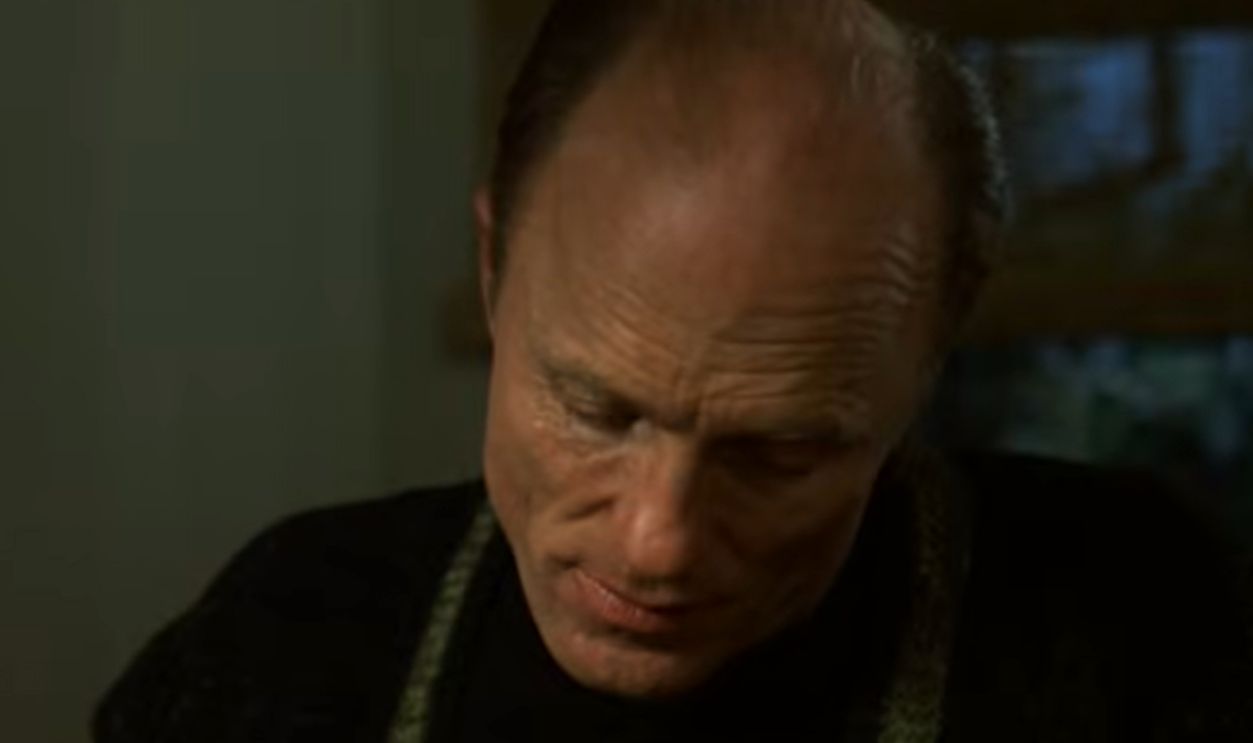
Jackson Pollock met Ruth Kligman at a gallery in 1956. At the time, Pollock was 44, and Kligman was 26. However, that didn’t stop Kligman from catching Pollock’s eye, and the memory of Krasner at home didn’t stop an affair from blooming. Krasner may have been able to overlook her husband’s drinking habits, but how could anyone ever expect her to ignore his complete disregard for her and the life that they built together?
 Screenshot from Pollock, Sony Pictures Entertainment (2000)
45. His Wife Left Him
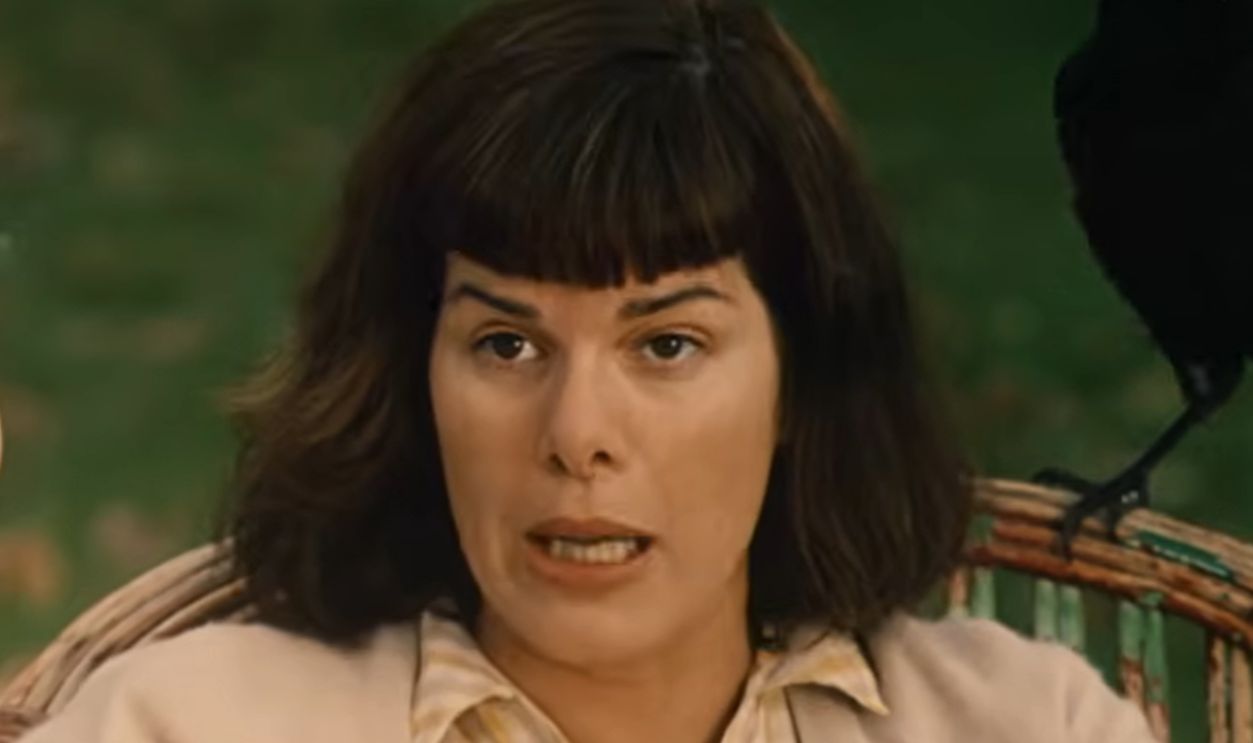
In August of 1956, with their relationship in trouble, Krasner left to visit friends in Europe. Perhaps she thought that a small break and time apart would help both of them decide what they truly wanted from their lives and each other, and they could discuss their relationship when they returned. However, Krasner couldn’t have realized when she left her home that she’d never see Pollock again.
 Screenshot from Pollock, Sony Pictures Entertainment (2000)
46. He Had No Control Over Himself
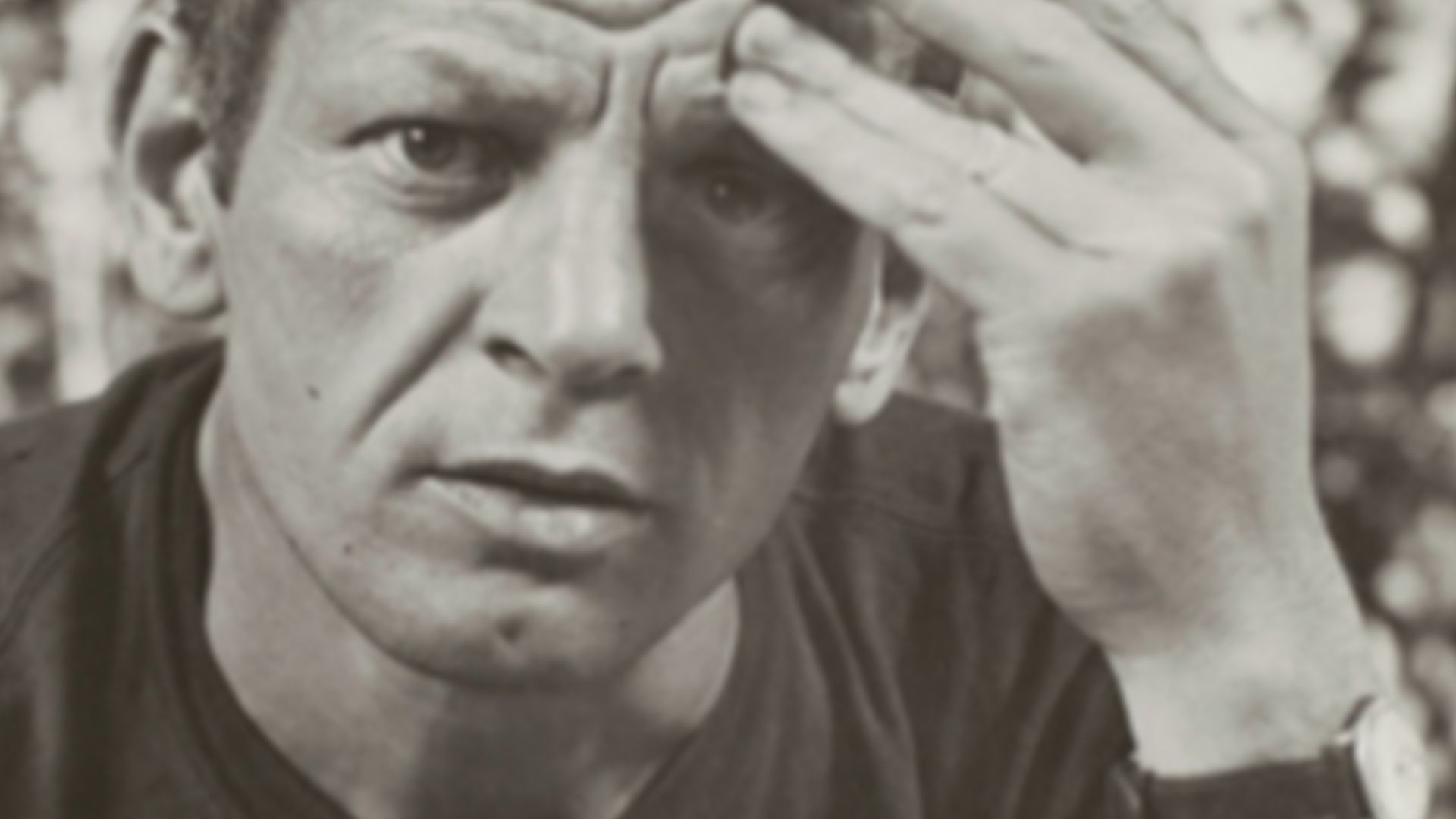
It’s possible that if Krasner had not left, she might have been able to control Pollock slightly, appeal to his better nature rather than his demons. Then again, Pollock was a grown man who made his own choices. Either way, he continued to sink deeper and deeper into drink. When a man cannot stop themselves from drinking, as Pollock couldn’t, it is only luck that stops disaster from happening—and Pollock’s luck finally ran out.
 GraceBrown2498, Wikimedia Commons
47. He Got Behind The Wheel
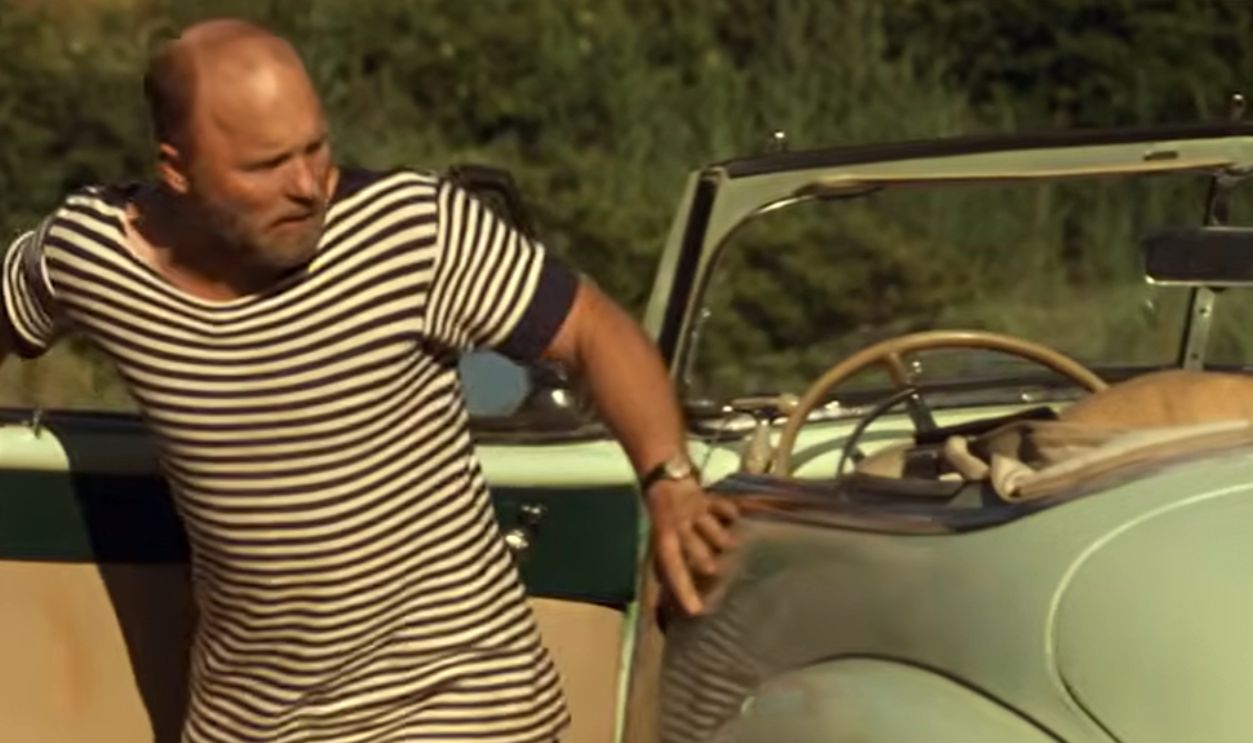
After a day of drinking, Jackson Pollock got into his car, an Oldsmobile convertible, with Ruth Kligman and another passenger, Edith Metzger. Decades before drinking and driving campaigns began to sweep the nation, the two passengers likely never even realized they were risking their lives when they let Pollock get behind the wheel, but tragically, that’s exactly what they did.
 Screenshot from Pollock, Sony Pictures Entertainment (2000)
48. He Lost His Temper
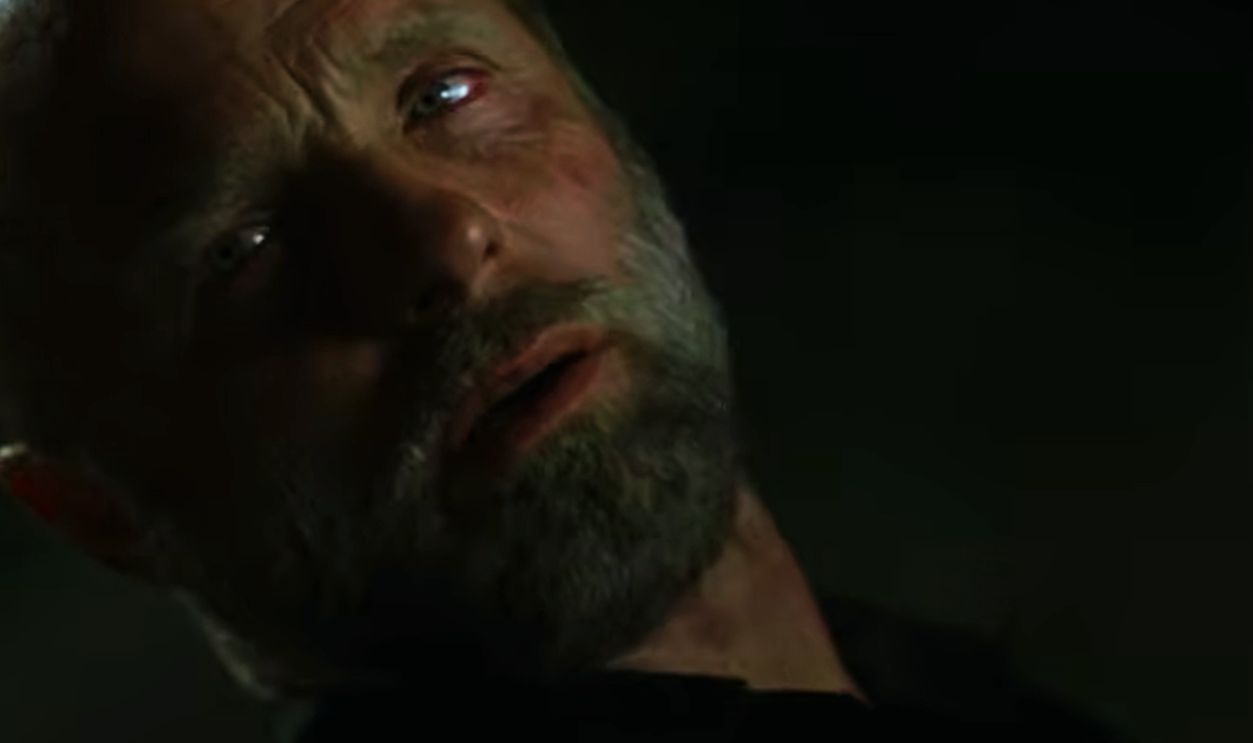
The plan had been for the three to go to a local concert. However, Pollock was volatile after drinking, and little time passed before his temper caught up with him. Having flown into a rage, he turned the car around, intent on returning home. Metzger screamed for Pollock to stop and let her out, but fueled with booze and rage, Pollock only drove faster. They were speeding towards a dark destiny, and nothing stood in their way.
 Screenshot from Pollock, Sony Pictures Entertainment (2000)
49. He Lost Control
Pollock approached a corner roughly a mile from his house with too much speed and too much drink. He lost control, sending the car spinning through the air. Metzger finally got her wish to get out of the car; the force threw her out of the vehicle, where it eventually rolled over her. Also thrown out of the car, Kligman became the sole survivor of the crash.
 Screenshot from Pollock, Sony Pictures Entertainment (2000)
50. His Wife Carried His Legacy For Him
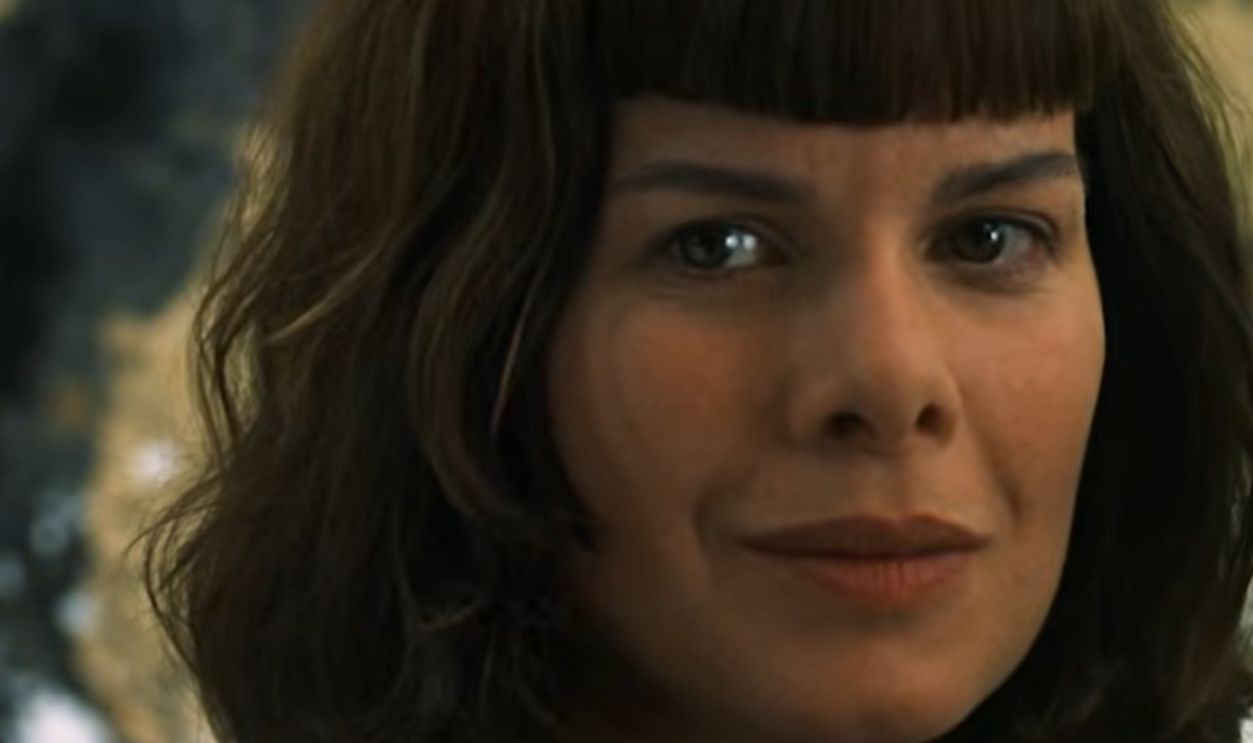
As soon as she heard about the accident, Lee Krasner returned home to bury her husband. In the face of such a tragic loss, Krasner put the pains that Jackson Pollock caused her aside. Instead, she chose to remember the man he’d been before his demons consumed him and dedicated her life to protecting his legacy. Nearly three decades later, she would join Pollock in eternal sleep at New York’s Green River Cemetery.
 Screenshot from Pollock, Sony Pictures Entertainment (2000)
You May Also Like:
Unfinished Facts About Leonardo da Vinci, The Distracted Artist
Spiteful Facts About Pablo Picasso, The Artist Who Was Never Satisfied
Rebellious Facts About Jean-Michel Basquiat, The Radiant Child