
Poor Little Rich Girl
Hortense Mancini’s story, of a child bride trapped by a monster, would’ve been a footnote in history books. Until she fought back and ran away. Hortense spent the rest of her life running from her insane husband, having royal affairs, and causing scandals. She proved that well-behaved women rarely make history.
1. She Was Privileged
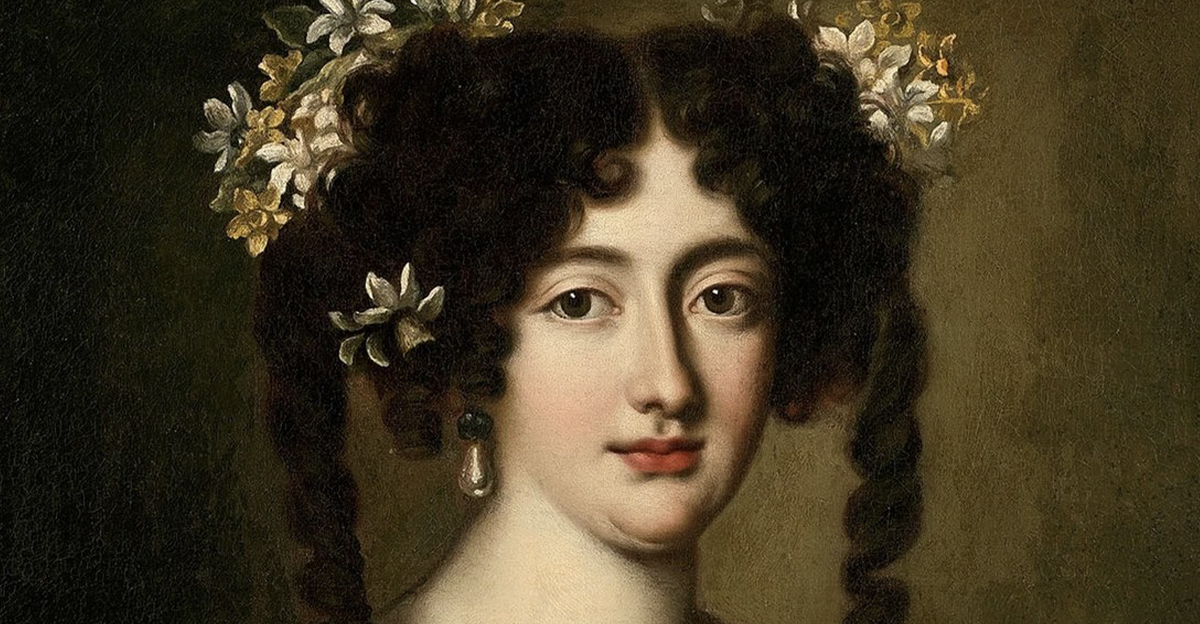
Hortense was born into the House of Mancini in 1646. Her parents, Baron Lorenzo Mancini and Girolama Mazzarini, had five daughters and three sons. The big happy family had everything—but soon lost it all. Tragedy struck and Lorenzo passed. This changed four-year-old Hortense’s life forever. Girolama had to make a huge decision.
 Jacob Ferdinand Voet, Wikimedia Commons
2. She Was Uprooted
Girolama then uprooted the rest of the family from Rome to Paris. But it wasn’t a change in scenery she was after. Cardinal Mazarin was King Louis XIV’s chief minister—and her brother. His influence, money, and connections would be catnip to suitors for her girls. Mazarin already had his work cut out for him, but his mission got even more complicated.
 Pierre Mignard I, Wikimedia Commons
3. She Went Husband Hunting
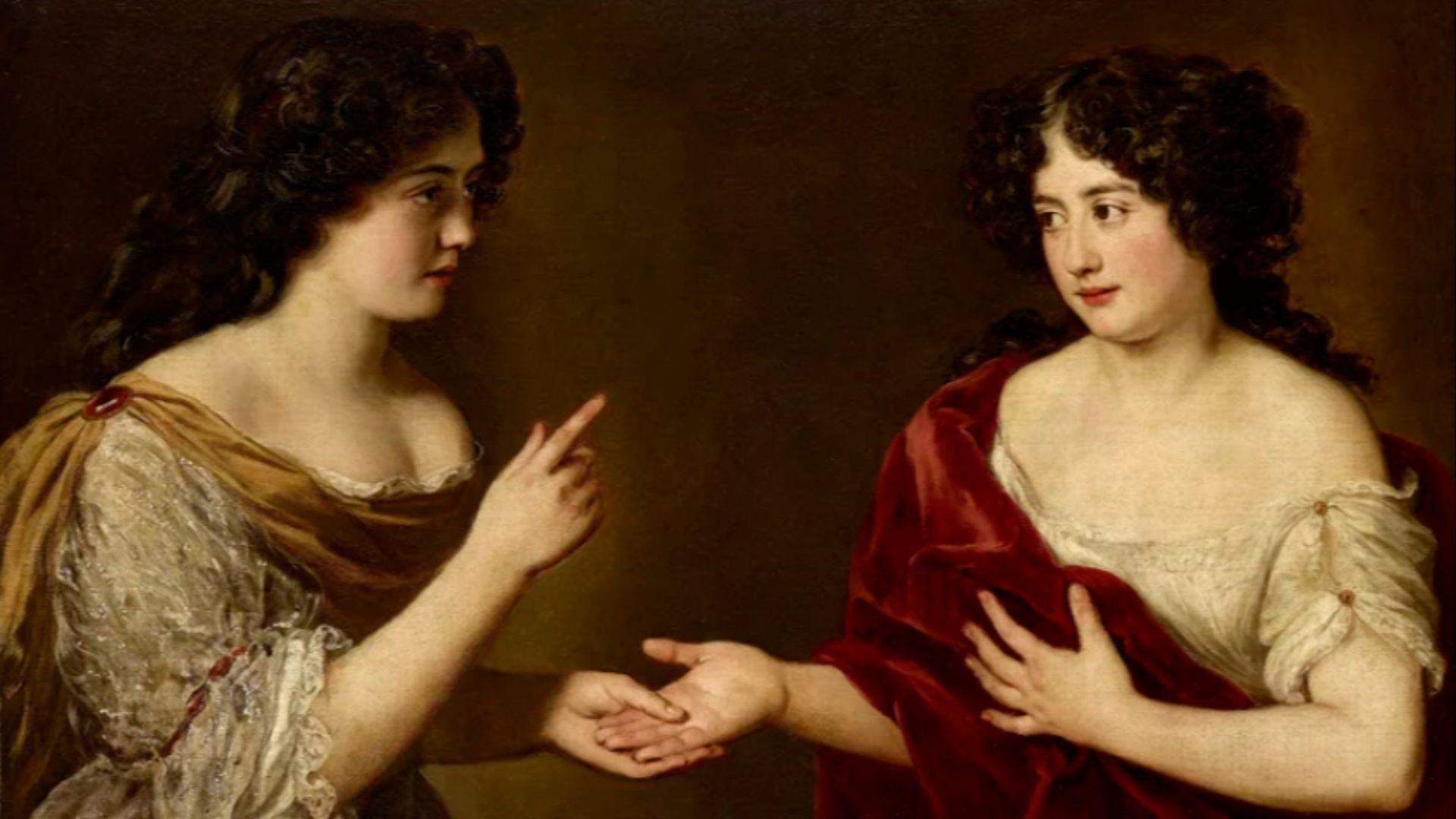
Two is a party, three is a crowd, and seven is a circus. Two Martinozzi cousins soon joined the five Mancini sisters. Everyone moved to Paris with the same marriage-minded intentions. Seven girls, one matchmaking uncle. But they were hardly taking advantage of him. Mazarin had a master plan, and his nieces were the pawns.
 Jacob Ferdinand Voet, Wikimedia Commons
4. She Was A Pawn
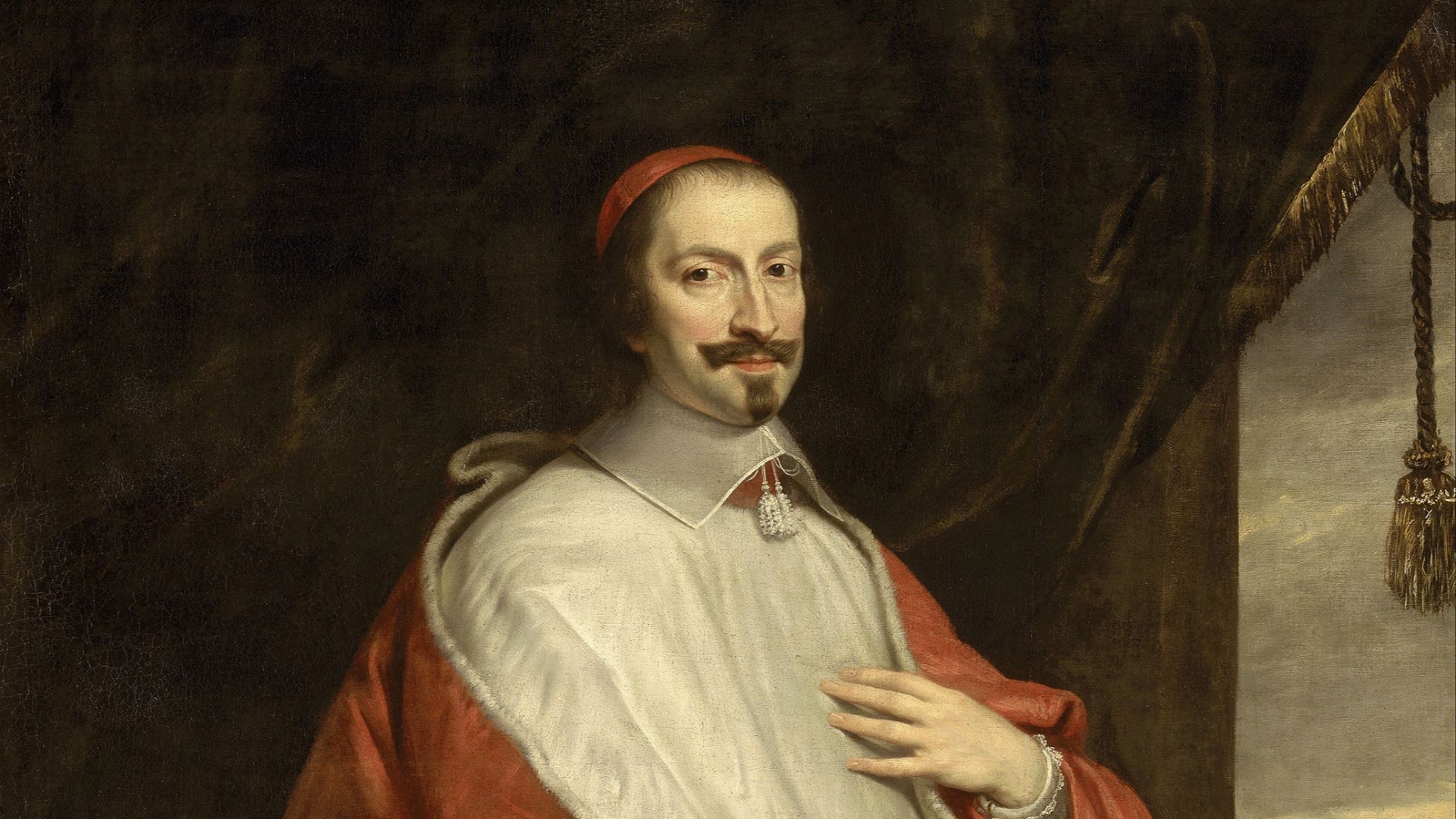
Mazarin was strong, but not invincible—he had too many controversies, enemies, and foreignness for that. So Mazarin schemed to establish himself in France through marriages into its greatest families. But he was part of the clergy, and couldn’t have his own kids. So Mazarin encouraged his extended family to join him in the lion’s den. Sorry, I meant the French royal court.
 herman Beaubrun, Wikimedia Commons
5. She Became The Talk Of The Town
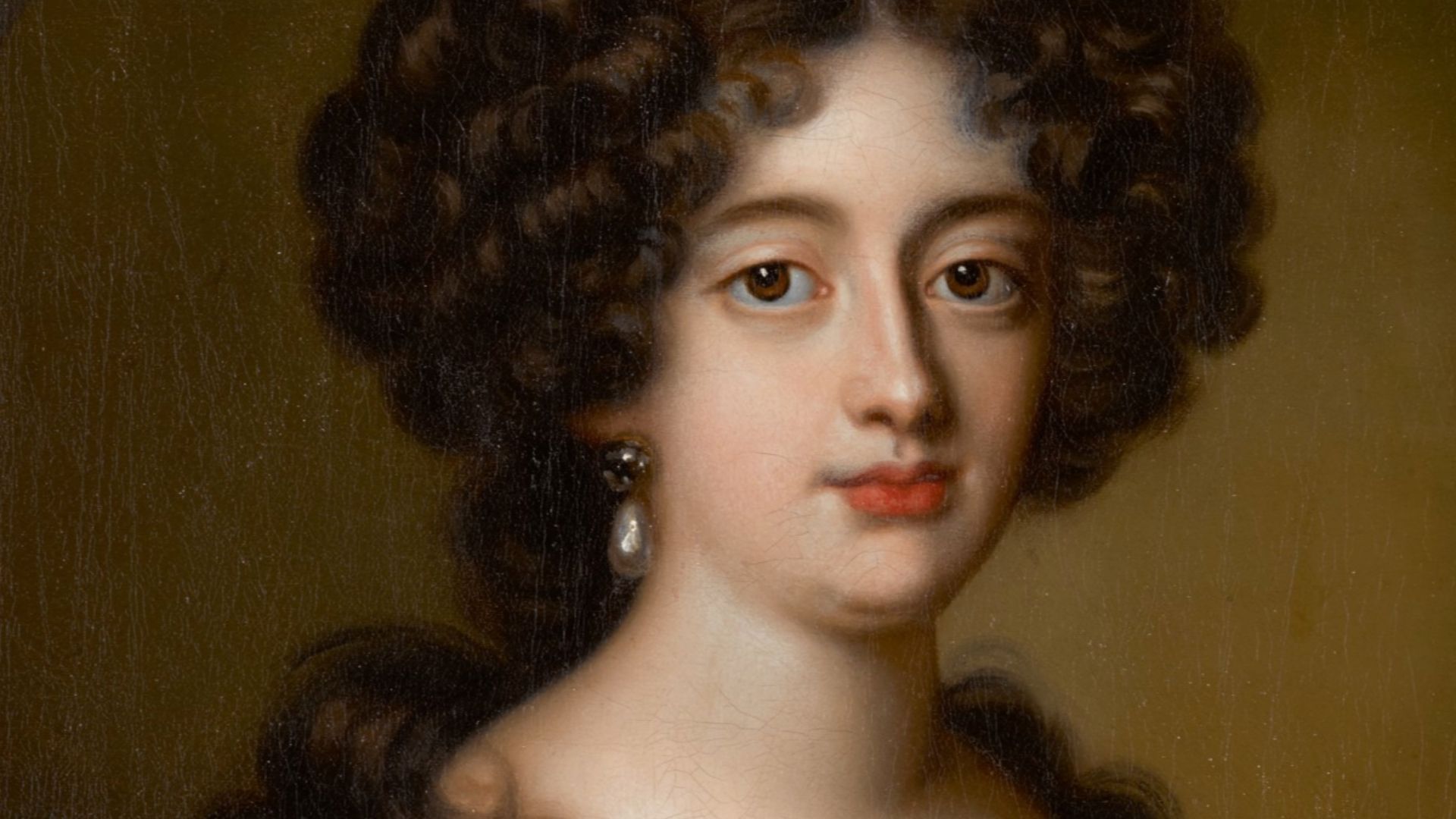
Before the Kardashians, we had Mazarin’s nieces. The girls even got the nickname “the Mazarinettes”. Gossipers loved keeping up with the Mazarinettes. Cattiness was nothing new when it came to young girls in high society, but this family had it even worse. They were outsiders—and the French could tell just by looking at them.
 Follower of Jacob Ferdinand Voet, Wikimedia Commons
6. She Was Unique Looking
The Mazarinettes couldn’t blend in even if they wanted to. The beauty ideal in France was pale skin and full figures. The Mazarinettes, with their darker complexions and thinner frames, were far from it. Many found their differences beautiful. But others didn’t, and didn’t hold back. This includes comparing their features to everything from owls, cabbages, and chimneys. It gets worse.
 Jacob Ferdinand Voet, Wikimedia Commons
7. She Was Hated
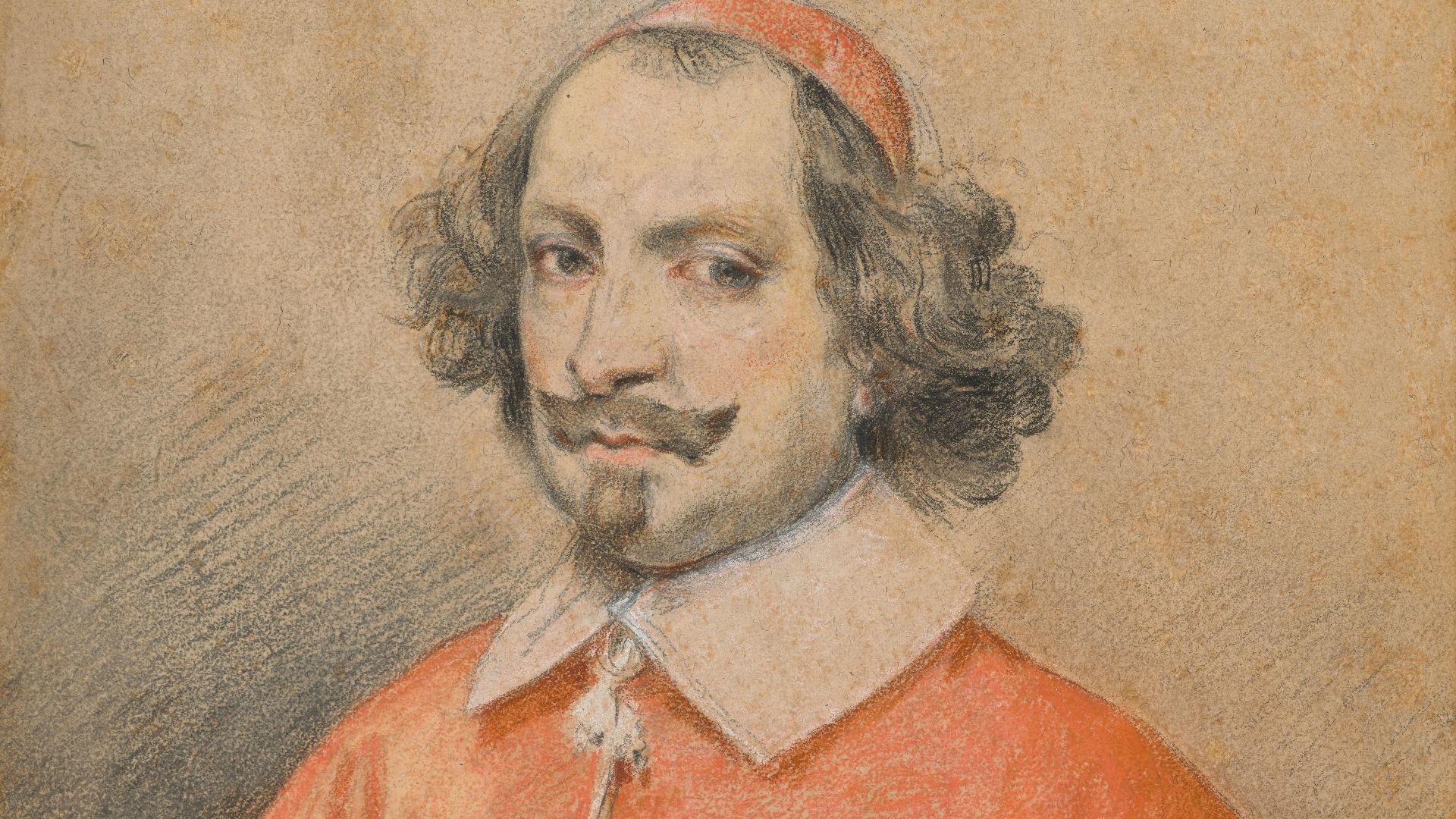
Being related to—and depending on—Cardinal Mazarin was a blessing and a curse. The Mazarinettes reaped the benefits when he was doing well. But they paid the price when he wasn’t. His haters often mentioned his nieces when criticizing him. It got even worse when the Fronde, a series of civil wars, broke out in 1648. The opposition went after King Louis XIV and his right-hand man Mazarin. Uh oh.
 Simon Vouet, Wikimedia Commons
8. She Was Exiled
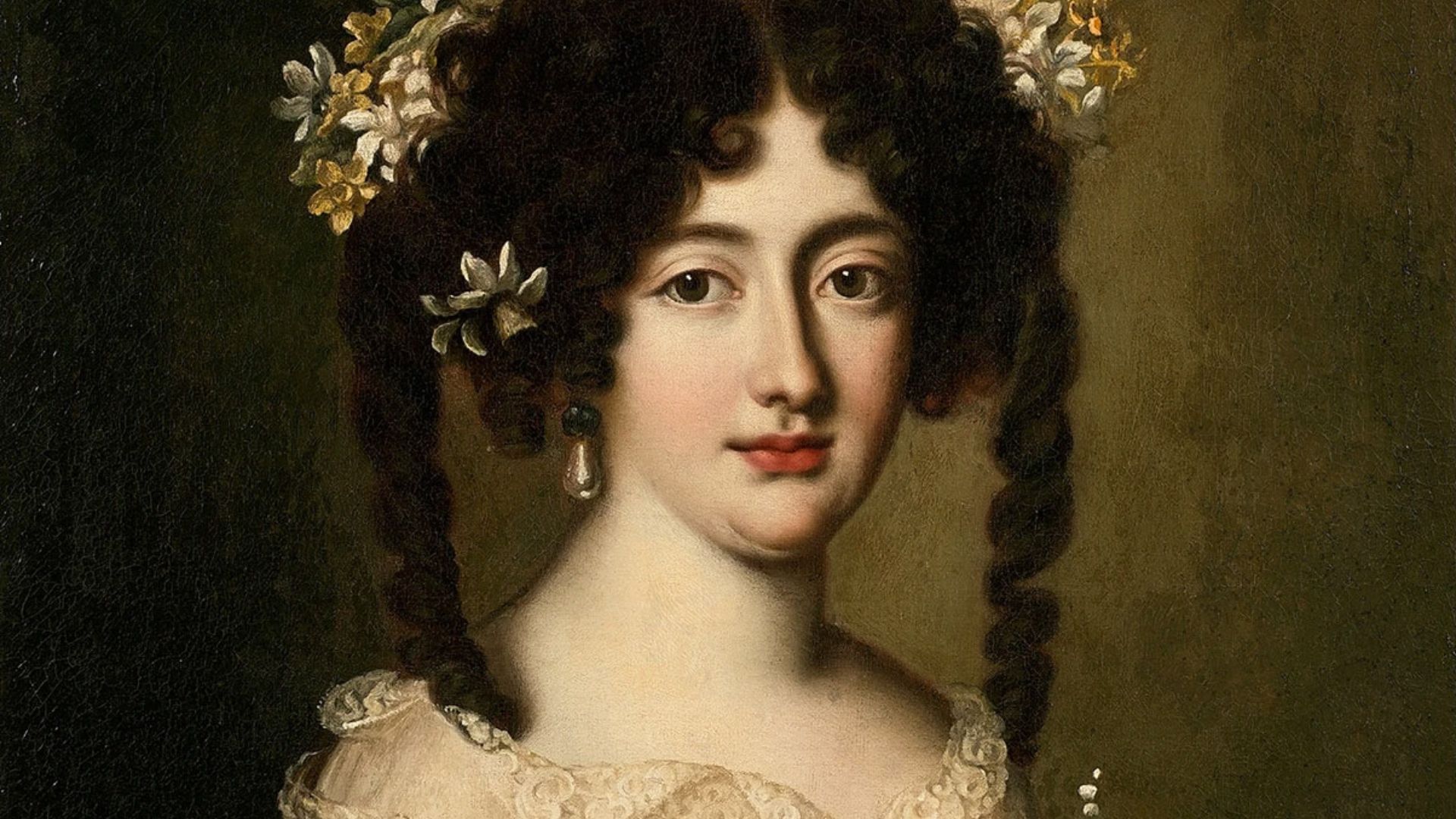
Mazarin had to flee Paris and go into exile. Twice. In 1654, they crushed the revolts and restored Mazarin to power. Mazarin knew what he had to do. One by one, he married his nieces off to men from important French and Italian families. A minor Italian noble scooping up all those eligible men scandalized many. Hortense was one of the last unmarried Mazarinettes—but she was special to Mazarin.
 Jacob Ferdinand Voet, Wikimedia Commons

History's most fascinating stories and darkest secrets, delivered to your inbox daily.
9. She Was Rebellious
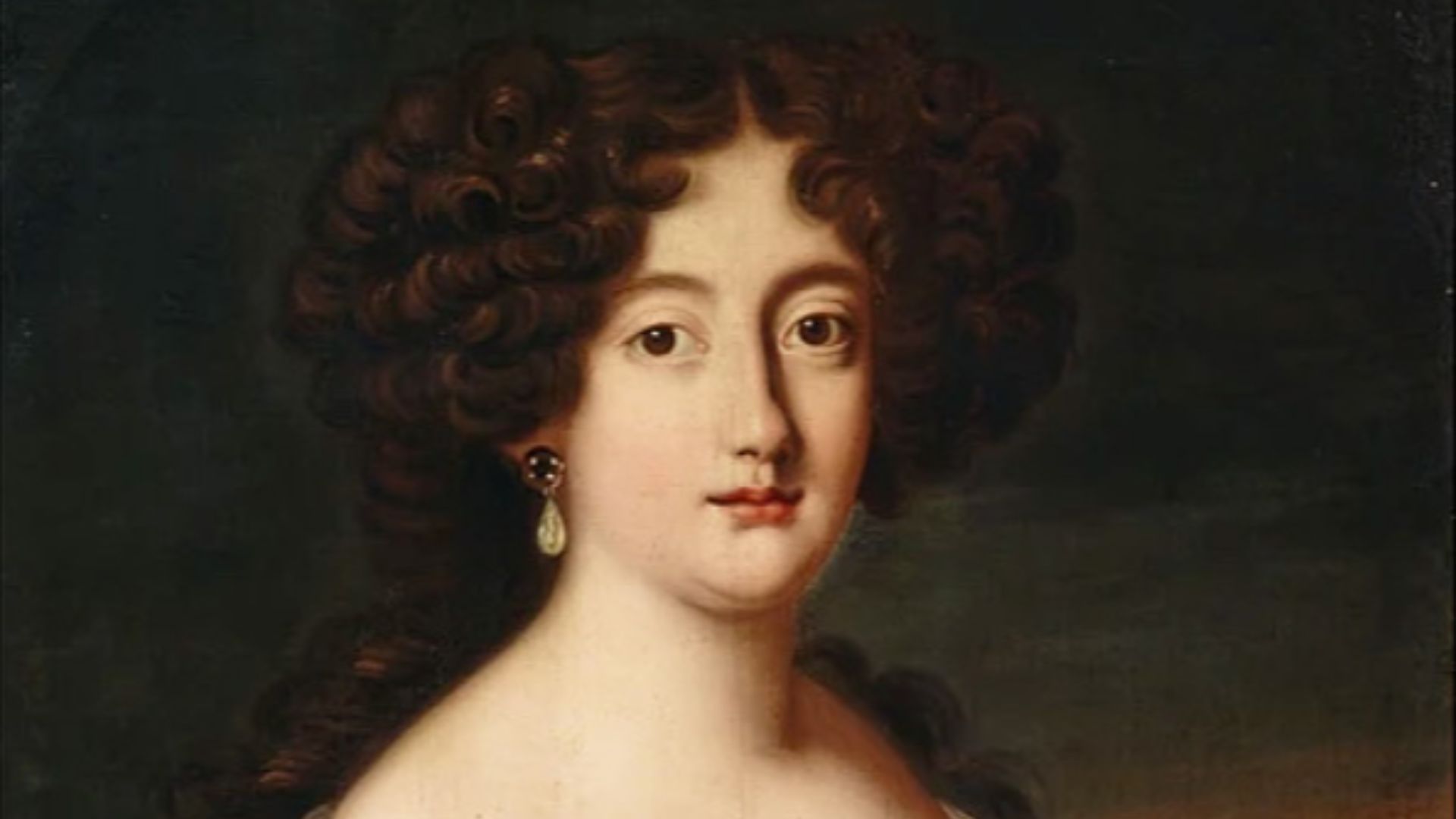
Hortense was Mazarin’s favorite—and he showed it. She was the most beautiful Mazarinette…and the most badly behaved. Hortense was so spoiled that she even threw Mazarin’s gold coins out of his palace windows for fun. He wanted good matches for all of his nieces, but the best for Hortense. Ironically, this led to the worst outcome for her.
 Workshop of Jacob Ferdinand Voet, Wikimedia Commons
10. She Was Proposed To
Charles II of England, King Louis XIV’s first cousin, proposed to Hortense in 1659. She was a 13-year-old girl. He was a 29-year-old exiled king. Charles knew that her and Mazarin’s resources could help him out. Charles promised to make Hortense the Queen of England if his exile ended. But that was a huge if. Mazarin, figuring his favorite niece could do better, turned him down. It was the biggest mistake.
 Godfrey Kneller, Wikimedia Commons
11. She Was Rejected
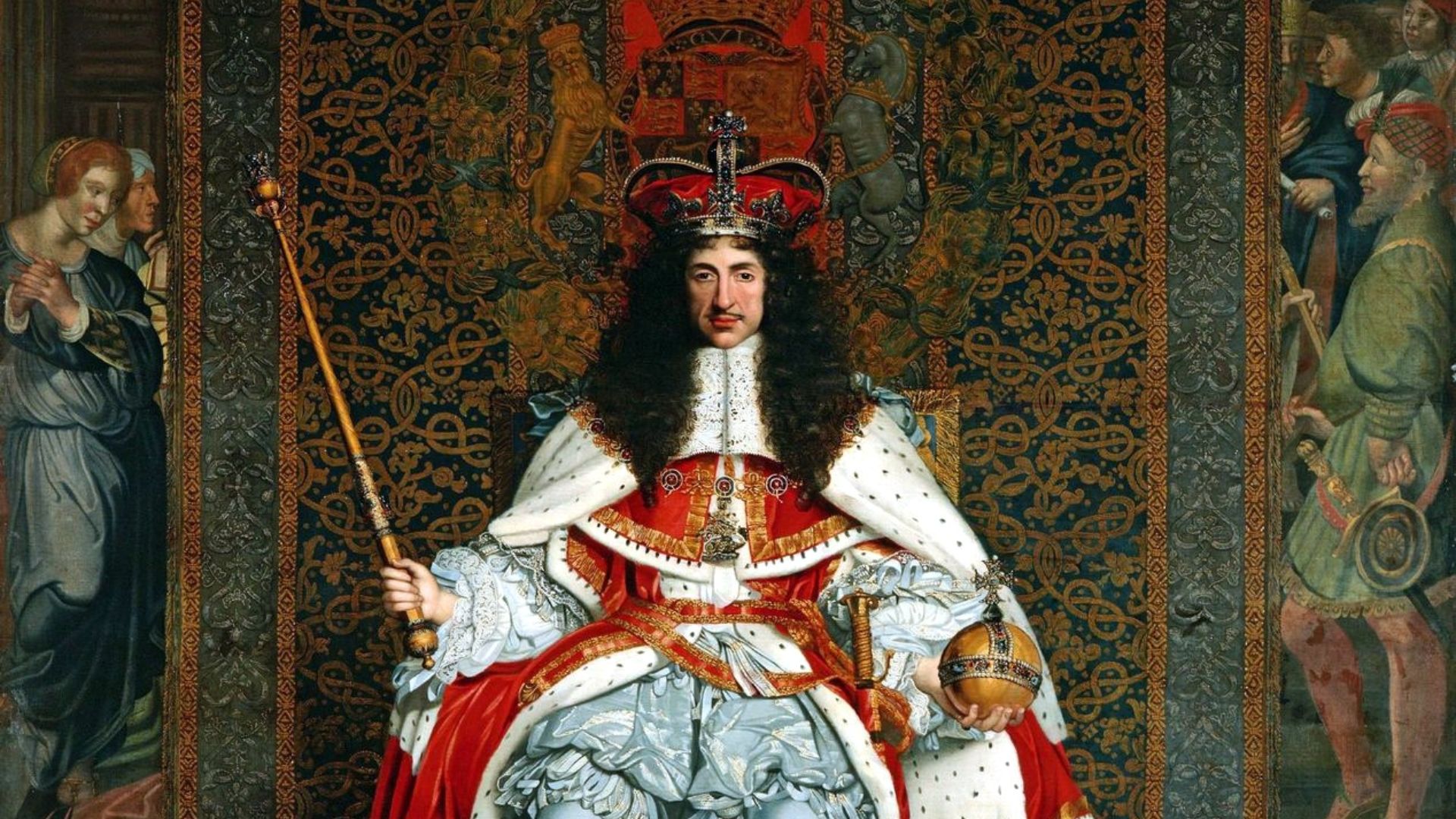
Months later, Charles was restored as King of England. Mazarin rushed to do damage control. This time, the Mancinis were proposing to Charles. Mazarin even included an insane 5 million-livre dowry. But it was too little too late: Charles now had a wounded ego, and his pick of wives. The King of England may have been Hortense’s most prestigious suitor, but he wasn’t the last.
 John Michael Wright, Wikimedia Commons
12. She Had More Suitors
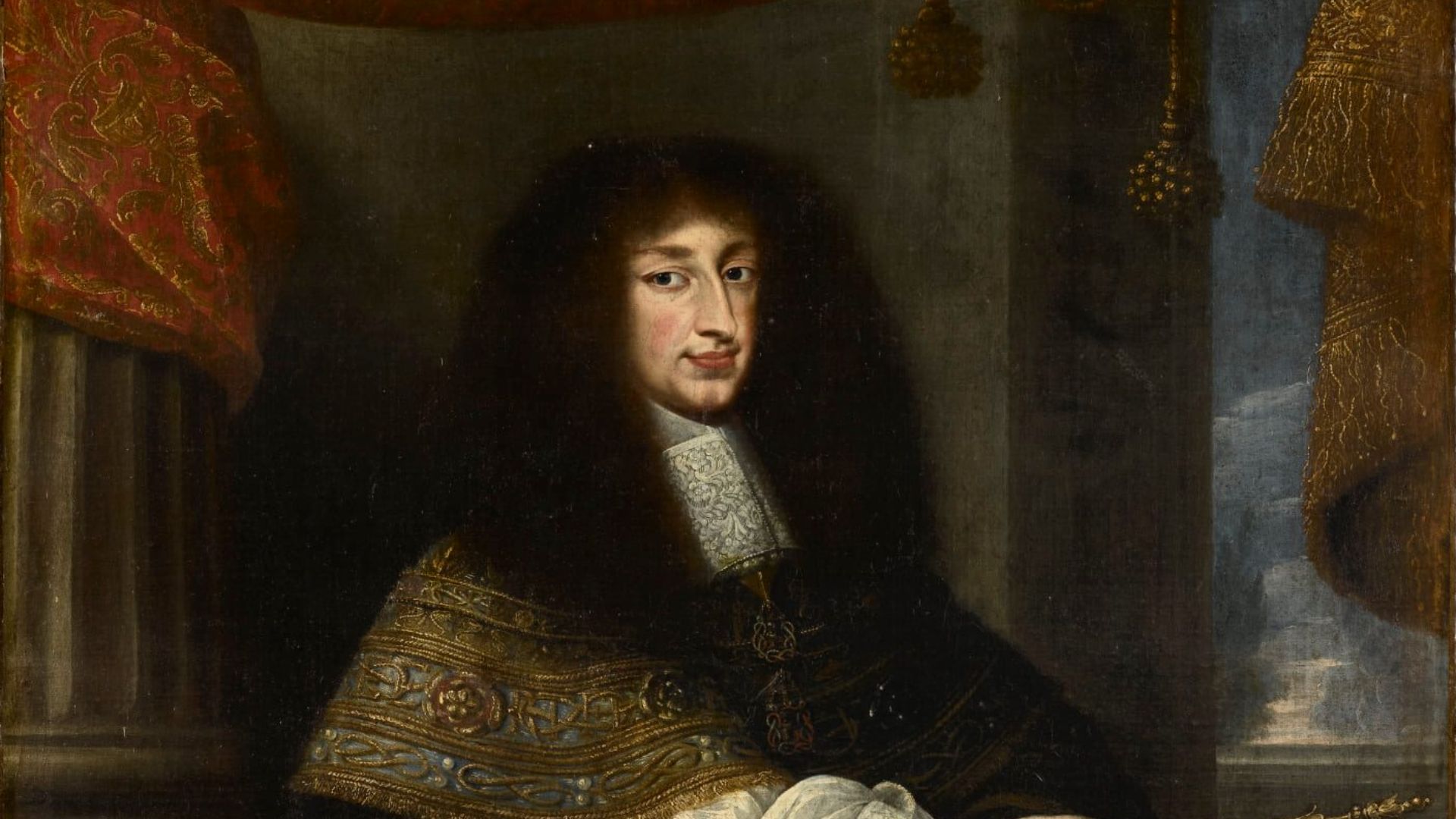
Charles Emannuel II also proposed to Hortense. He was another one of Louis’ first cousins, the Duke of Savoy, and 15 years her senior. Charles Emanunuel wasn’t a king, but he’d do. The negotiations began. But they ended when he demanded a special castle as part of Hortense’s dowry. Mazarin refused to include it, so that was another suitor down. Their time was running out.
 Charles Dauphin, Wikimedia Commons
13. She Still Couldn’t Find A Husband
The Duke of Lorraine also proposed, but negotiations also fell apart over her dowry. Hortense had plenty of suitors, but no actual fiance. Then Cardinal Mazarin got sick. And sicker. He didn’t have much time left. But Mazarin, even on his deathbed, was determined to give Hortense the best life and the best husband. Mazarin decided to give Hortense, and by extension her future husband, most of his fortune. Jackpot.
 Workshop of François Clouet, Wikimedia Commons
14. She Got Engaged
In 1661, a dying Mazarin finally secured Hortense a match. Turns out, Armand Charles de la Porte de La Meilleraye, had been there all along. He'd wanted to marry Hortense for years. But Mazarin, figuring that Hortense could do better, kept rejecting him. Now Mazarin knew he didn’t have much time left, and had a change of heart.
 Jean Petitot, Wikimedia Commons
15. She Married The Wrong Guy
Armand’s own father had a bad feeling about his obsession, and sounded the alarm. Mazarin didn’t listen, and he didn’t see the red flags. Instead, Mazarin saw a responsible 29-year-old who would be responsible about his 15-year-old wife and his inheritance. Mazarin had no idea that he’d cursed Hortense to an unhappily ever after.
 Philippe de Champaigne, Wikimedia Commons
16. She Had A Crazy Husband
Armand was as crazy as he was rich. He claimed God’s messenger spoke to him in dreams. Armand forced everyone to live as miserably as him. This included having the front teeth of his female servants’ teeth knocked out to make them less attractive, and firing servants who seemed to be too well-liked by his wife. The things he did to Hortense were even worse.

17. She Was Controlled
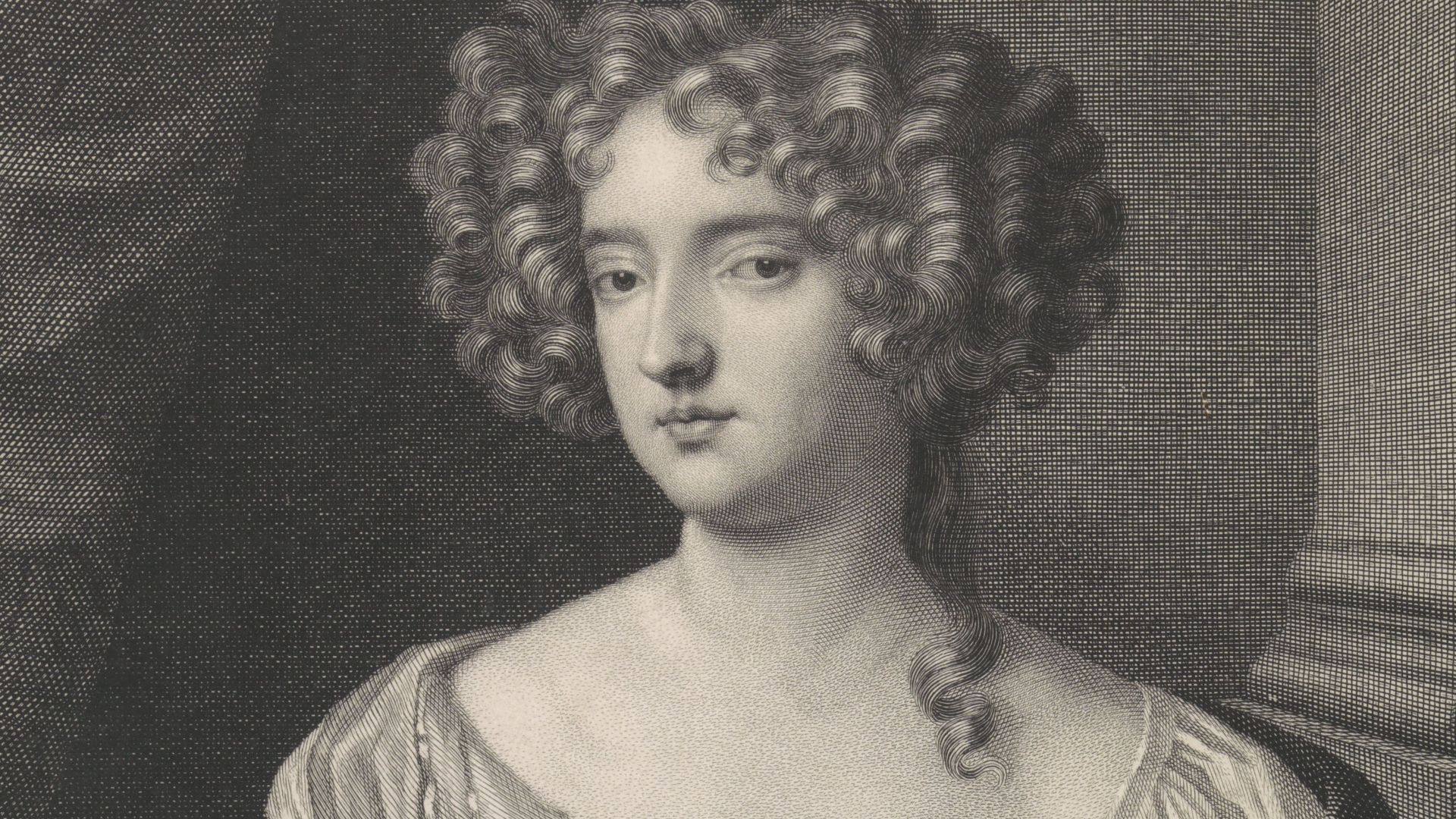
Armand felt like he owned Hortense, and acted like it. He isolated her from everyone. He forced her to spend a quarter of her day praying. He sold off her valuables. He barged into her room in the middle of the night to search for lovers. But Armand was so focused on Hortense cheating on him with men that he left a loophole.
 Rijksmuseum, Wikimedia Commons
18. She Had A Lover
This led to Hortense taking Sidonie de Courcelles as a lover. They had a lot in common: age, gender, and marital status. They enjoyed their affair until Armand and Sidonie’s husband found out. The men didn’t take it well. They forced their child brides into the same convent as punishment. They thought this was the perfect punishment—but it backfired.
 Workshop of Jacob Ferdinand Voet, Wikimedia Commons
19. She Was Locked Up
The punishment turned out to be a win-win situation. The girls got to escape their husbands and spend more time together. Hortense and Sidonie turned the convent into their playground. They spiked the Holy Water with ink, flooded the nuns’ beds, and even tried escaping through the chimney. The poor nuns had enough. Hortense, against her wishes, had to return to Armand.

20. She Tried Escaping
Years passed as Armand mistreated her, and blew through Cardinal Mazarin’s fortune. Hortense tried escaping a few times, but she ended up locked up and in a worse situation. Her friends and family encouraged her to leave. They knew Armand’s depravity was only going to get worse. Hortense tried to get a separation legally, but got bad news.
 Jacob Ferdinand Voet, Wikimedia Commons
21. She Was Trapped
Hortense had no way out—at least legally. Her marriage contract turned out to be too complicated (thanks, Mazarin) and King Louis didn’t want to get involved. But after seven years and four kids, Hortense snapped. Then she plotted. On June 13, 1668, Hortense, disguised as a man, fled in the middle of the night. She left her kids behind. But freedom turned out to be messy.

22. She Struggled
Hortense went from riches to rags. She could only sneak out things like jewels. But Armand, suspecting she’d do this, already sold many of them. What one of Europe’s wealthiest women turned into shocked her friends. Hortense was on the run, and unable to pay for necessities. They compared her to “heroines in a novel”. And her journey still wasn’t over.

23. She Went On The Run
Hortense ended up in Rome, where her sister Marie lived. But her refuge didn’t last long. Turns out, Marie was also in a miserable marriage that she’d end up running from. Hortense had always been rebellious, but now everyone knew it and was talking about it. Hortense and Marie’s names even became generic terms for women fleeing their husbands. With Armand hunting her down, Hortense was in danger.

24. She Was Protected
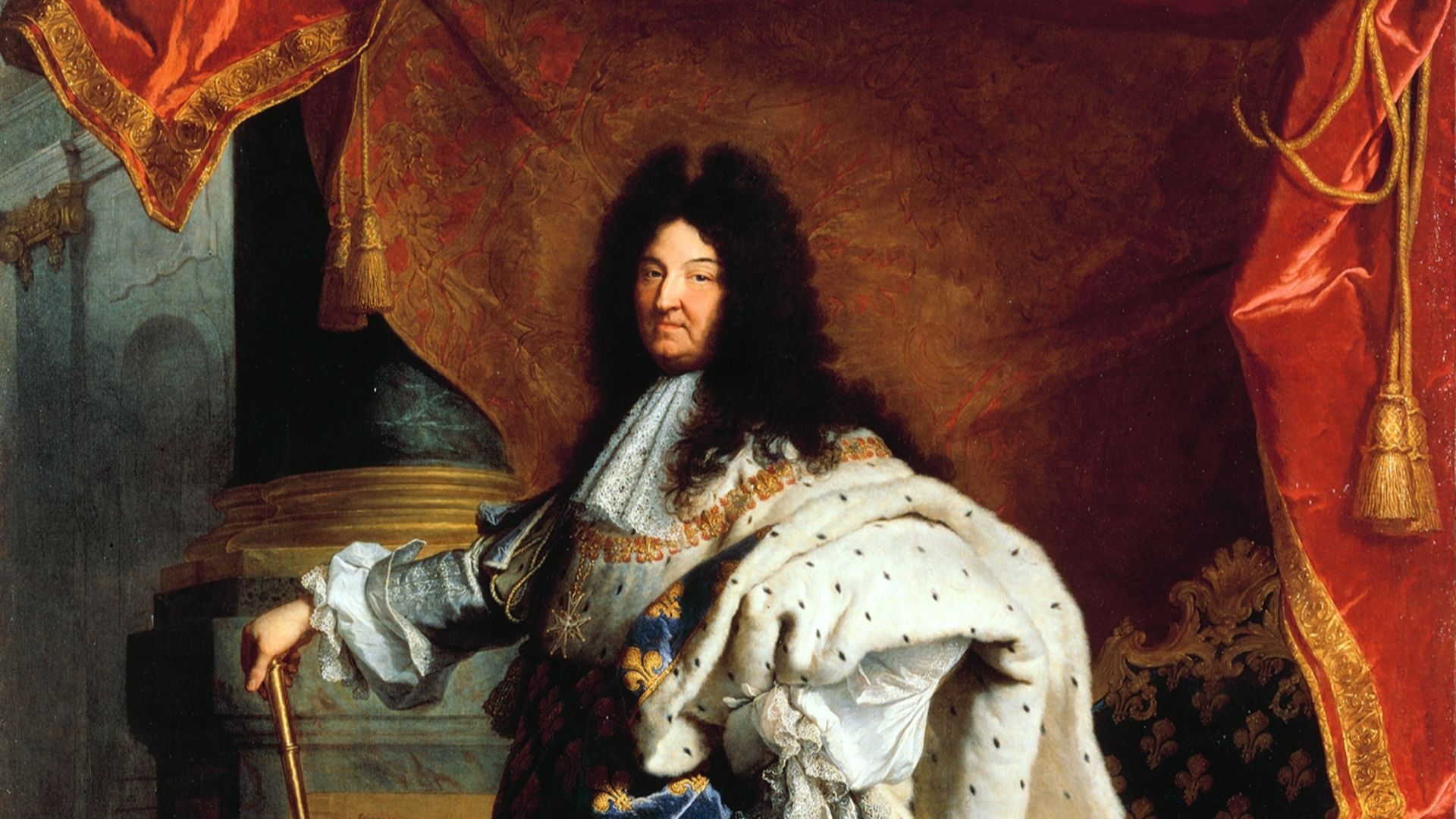
If Armand dragged Hortense back, she might never be heard from again. Louis’ change of heart came in time. The King declared himself her protector, and gave her a pension. But Louis also encouraged her to return to Armand. Hortense knew she couldn’t depend on him alone. Louis protected her, but he wasn’t her protector. Then one of her former suitors jumped in.
 Hyacinthe Rigaud, Wikimedia Commons
25. She Had Protectors
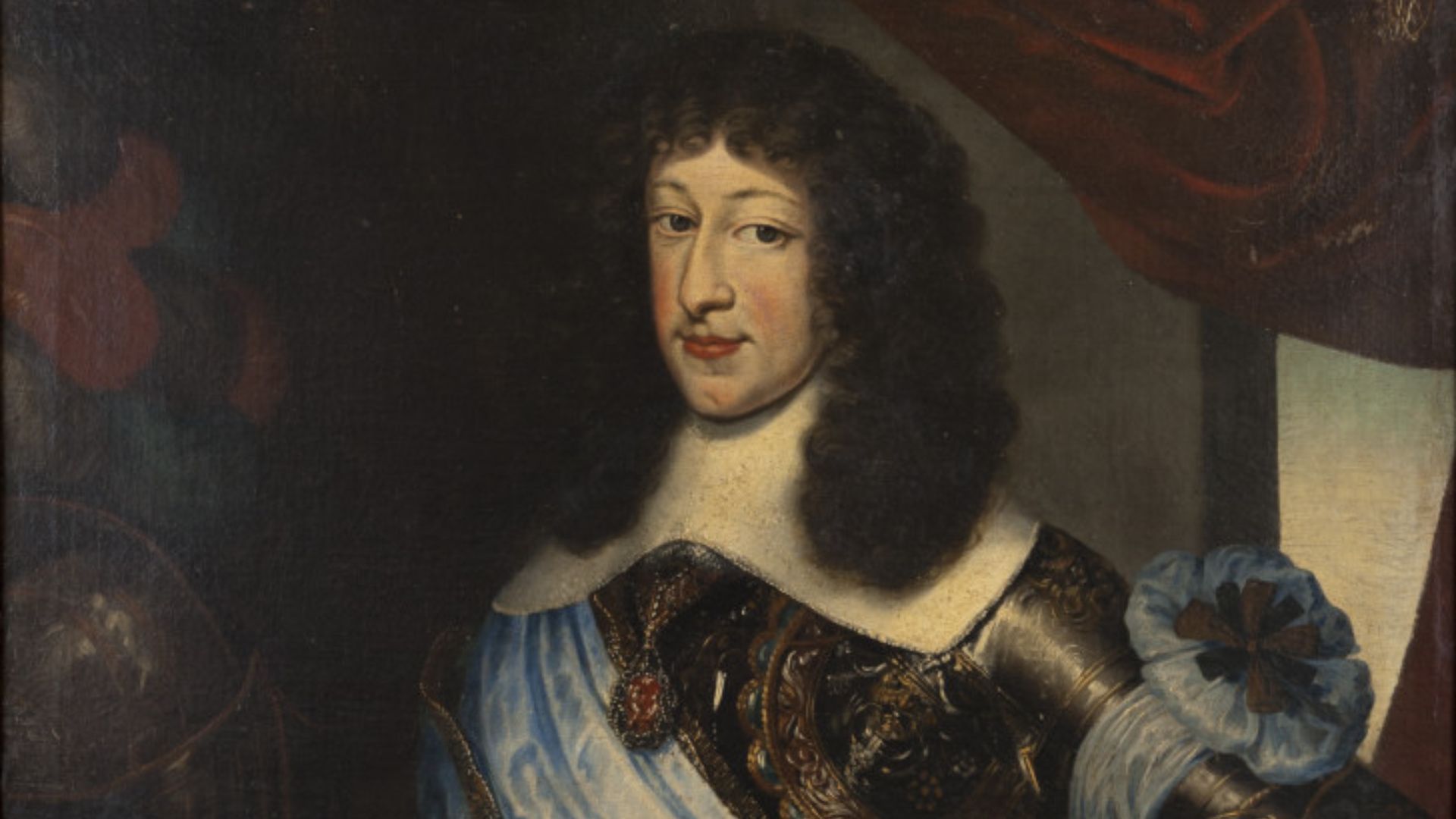
Charles Emmanuel II, Duke of Savoy joined the fray. Years before, he was Hortense’s suitor and almost husband. Now, he was her protector. Hortense moved into one of his chateaus after four years on the run. The 26-year-old felt like she could finally relax. Now it was time to tackle an issue that had loomed over Hortense the entire time: her reputation.
 unknow person, Wikimedia Commons
26. She Told Her Truth
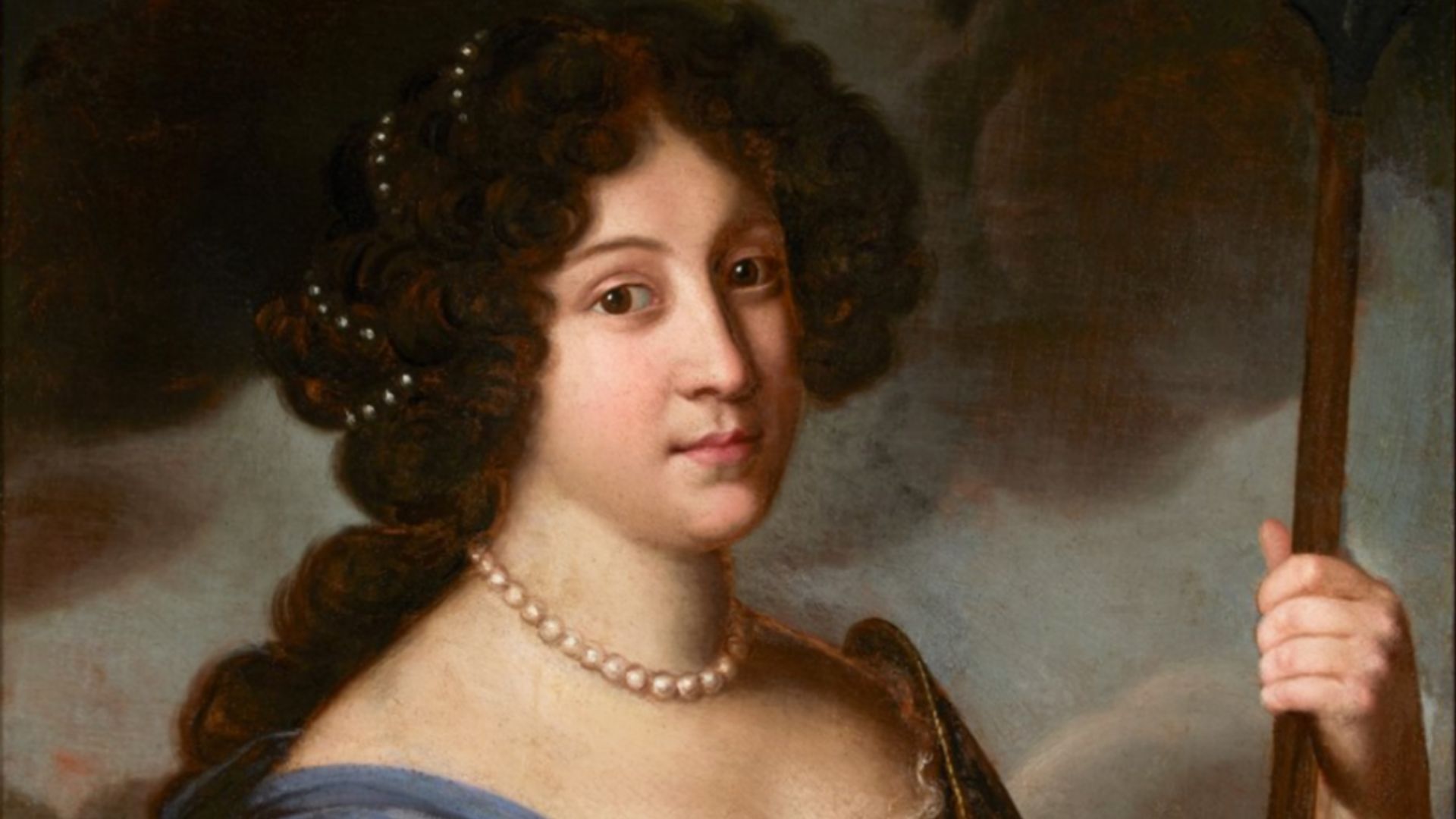
Much had been said about Hortense—but little came from her. So she got to writing. Her memoir was the first time a French woman, who wasn’t a royal, had published her life story under her own name. And the first time one exposed her husband. Hortense ended her book with a happy ending: “I have finally found the peace I had been seeking fruitlessly for so long”. But she spoke too soon.
 Workshop of Jacob Ferdinand Voet, Wikimedia Commons
27. She Was Unwanted
Hortense thought her peace would last forever under Charles-Emmanuel’s protection. The Duke wasn’t around much, but resentment always was—especially from his wife Jeanne-Baptiste. Hortense and her crew clashed with everyone. Her servants even got into a brawl with the servants of the local elite at a carnival. Charles-Emmanuel demanded they apologize to Hortense. That made it worse.
 Jacob Ferdinand Voet, Wikimedia Commons
28. She Was Kicked Out
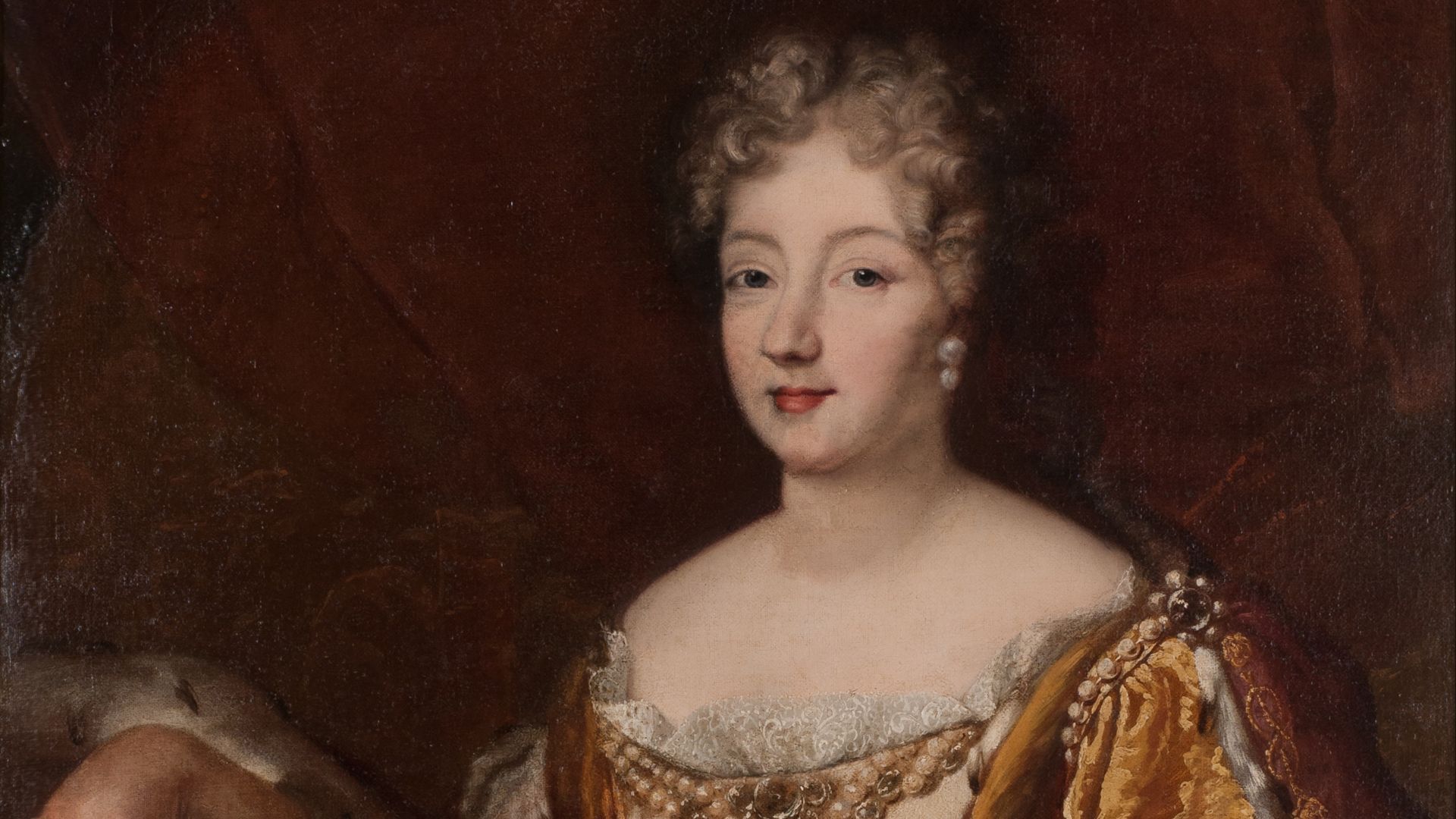
The drama made Hortense realize this couldn’t be her forever home. But the end came sooner than anyone expected when Charles-Emmanuel perished from a suspected poisoning. Jeanne-Baptiste wasted no time and kicked Hortense out. To make matters worse, Armand managed to freeze all her income, including her pension. Hortense became desperate.
 Unidentified painter, Wikimedia Commons
29. She Was Recruited
Others sensed the now-29-year-old’s desperation and pounced. Ralph Montagu, the English ambassador to France, wanted to get closer to King Charles II. He figured the best way to do it was through the King’s heart (or pants)—and with the woman Charles II once proposed to. He instructed Hortense to work her way in, and replace his current mistress. She decided to give it a shot.
 William Nelson Gardiner, Wikimedia Commons
30. She Was Devious
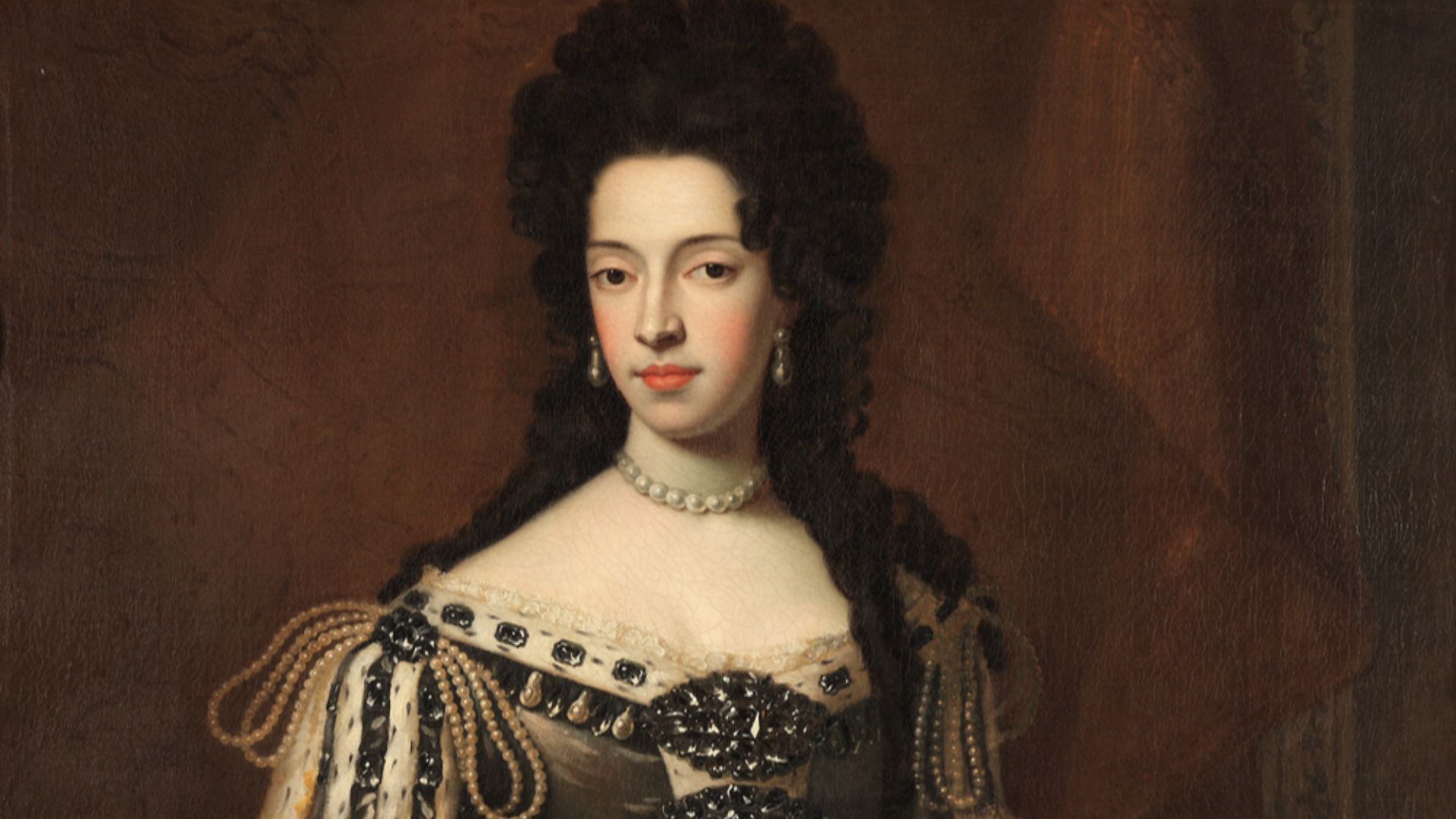
In 1675, she travelled to London under false pretenses. Hortense told everyone that she was just visiting her niece Mary of Modena, who’d just married the King’s brother James II. But she had a secret mission, and a trick to be unforgettable. Hortense liked cross-dressing, and made sure she wore men’s clothing when she and Charles II reunited. Hook, line, and sinker.
 Godfrey Kneller and workshop, Wikimedia Commons
31. She Was A Plant
It was mission accomplished by mid-1676. Charles II’s main mistress was Louise de Kerouaille, a French woman with a good girl reputation. But even kings can’t resist the bad girl. Hortense took over the court and Charles II’s affections, just as Louise herself had done. The King broke Louise’s heart and replaced her—but the ex-mistress got the last laugh.
32. She Was A Weird Mistress
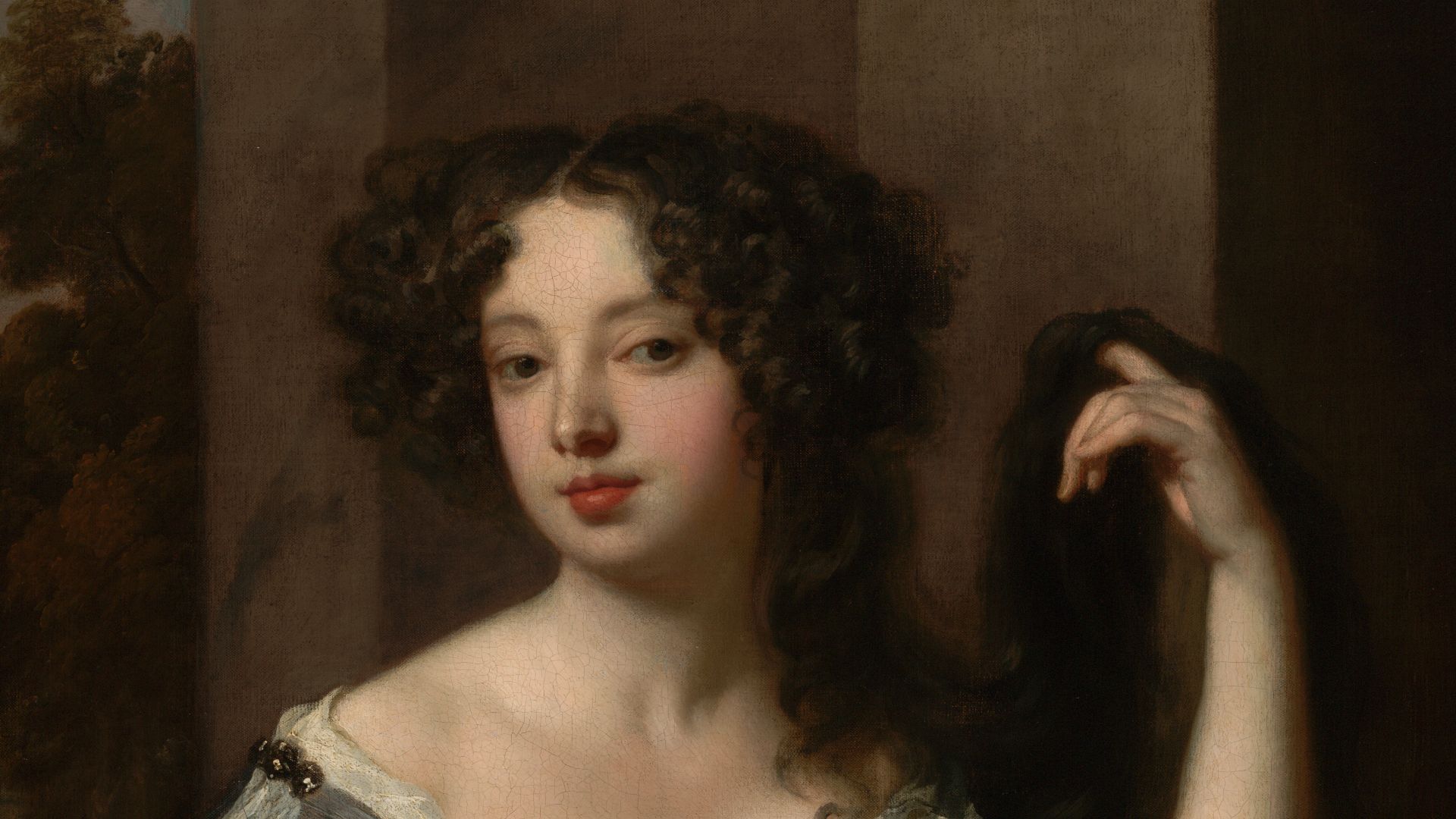
Hortense wasn’t like most royal mistresses. She refused to address the King as “majesty”, but he didn’t mind. And he didn’t just not mind her crossdressing—he loved it, just as they both loved drinking, partying, horse riding, and fencing. Charles gave Hortense a generous pension that set her up for life. He was surprisingly tolerant with Hortense. But when he gave her an inch, she took a mile.
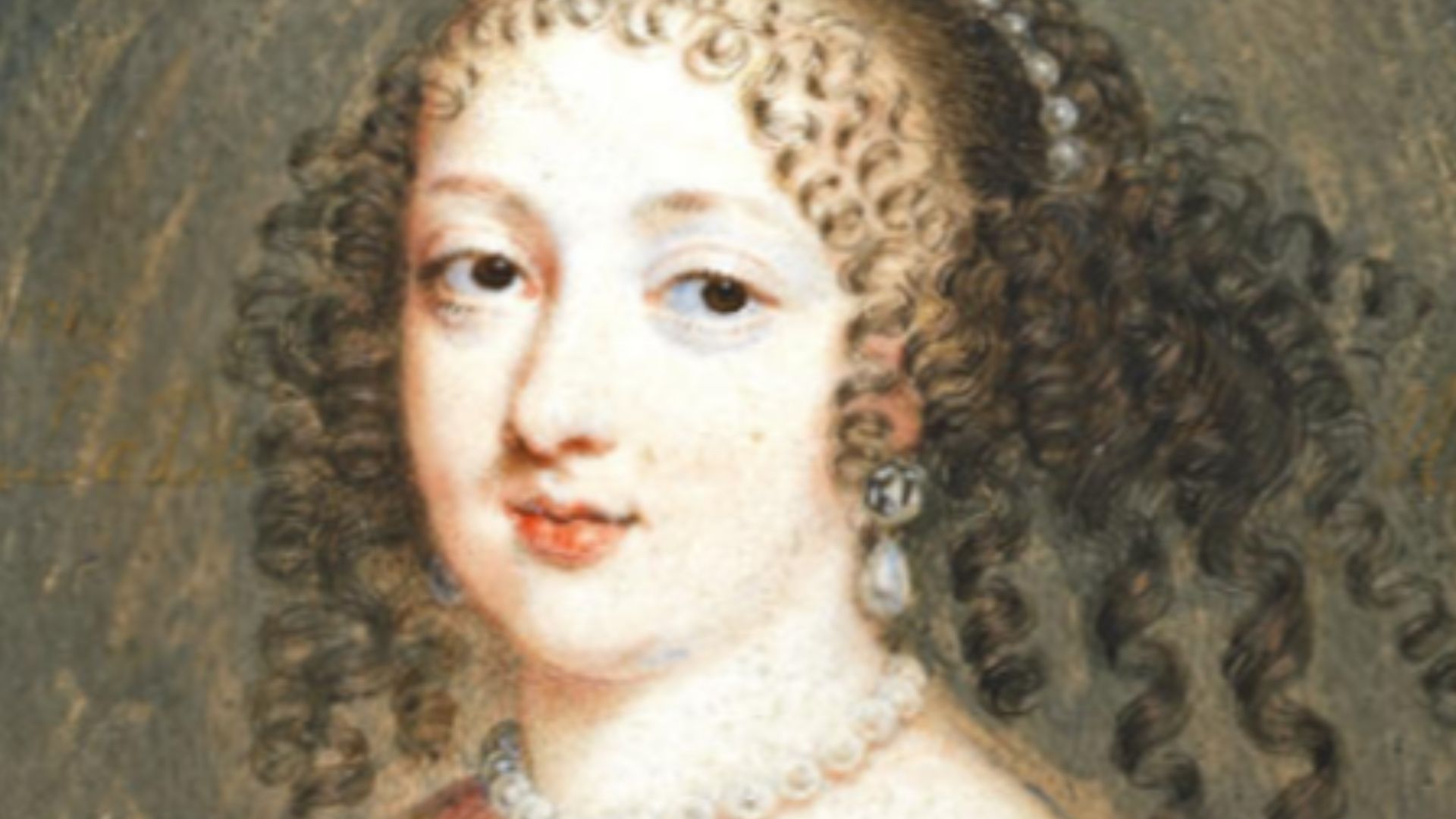 Unidentified painter, Wikimedia Commons
33. She Had A Bad Reputation
Hortense, unsatisfied with only Charles as a lover, found more. She became known for her promiscuity, and got some nasty nicknames. But the King didn't care that she was independent and free-spirited. Well, he didn't until Hortense had an affair with Anne, Countess of Sussex. It wasn't because Anne was a girl. Or because she was 14. Turns out, he had a secret connection with Anne.
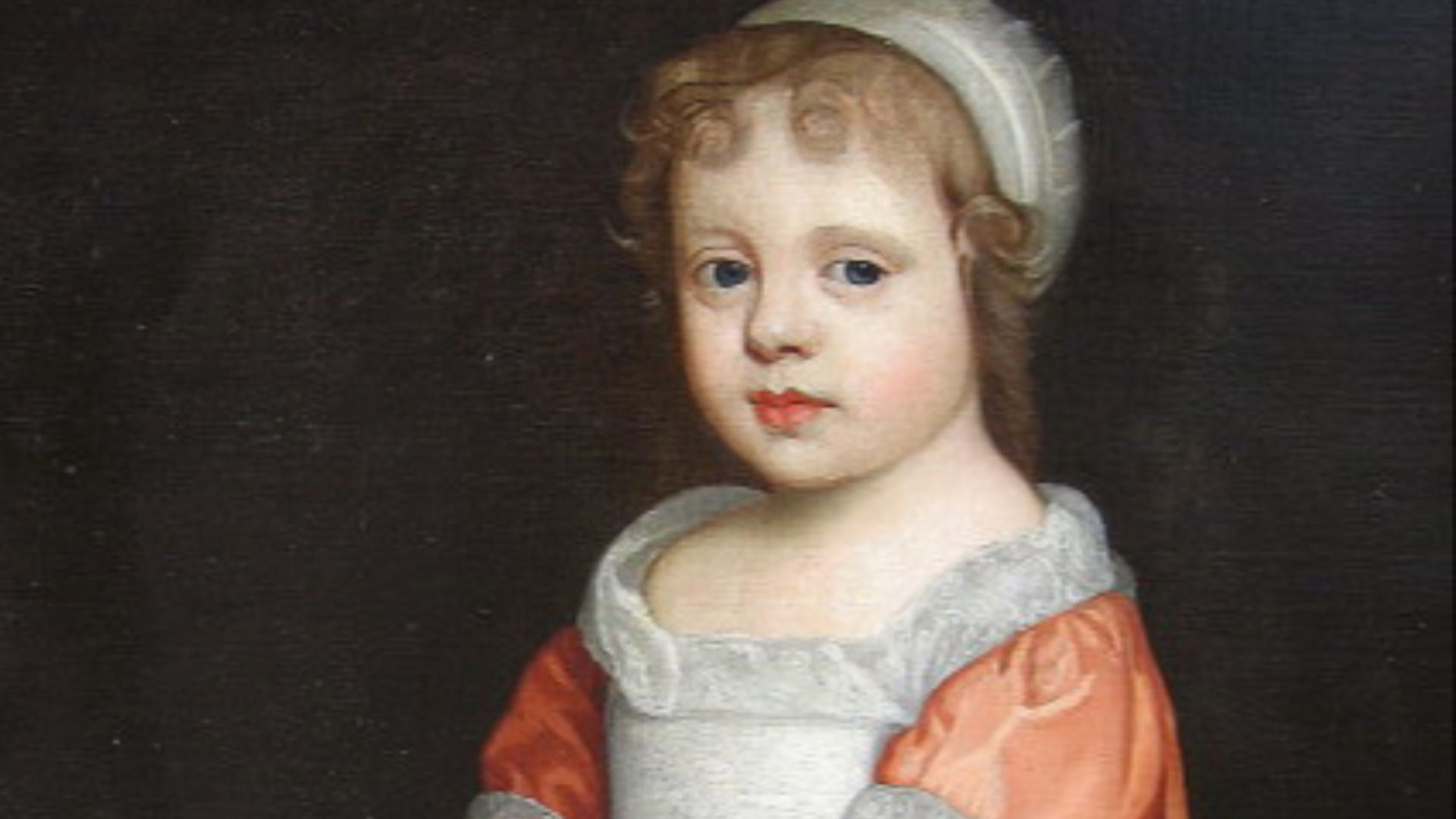
34. She Had A Mistress
Yes, the mistress had a mistress—who happened to be the King’s illegitimate daughter, and the wife of an Earl. Hortense and Anne’s romance led to them having a playful fencing match in St James Park. In their nightgowns. In full view of everyone. Anne refused to return to her husband, so he had to drag her away from London. She lost her mind trapped in the countryside.

35. She Was Separated
Anne’s husband dragged her away from London to a country estate. Anne was so heartbroken that she didn’t do anything but lay in bed and kiss a mini portrait of her ex-lover. Hortense coped by taking on Louis I de Grimaldi, the Prince of Monaco, as her lover. Charles figured it wasn’t serious…until she began flaunting Louis.
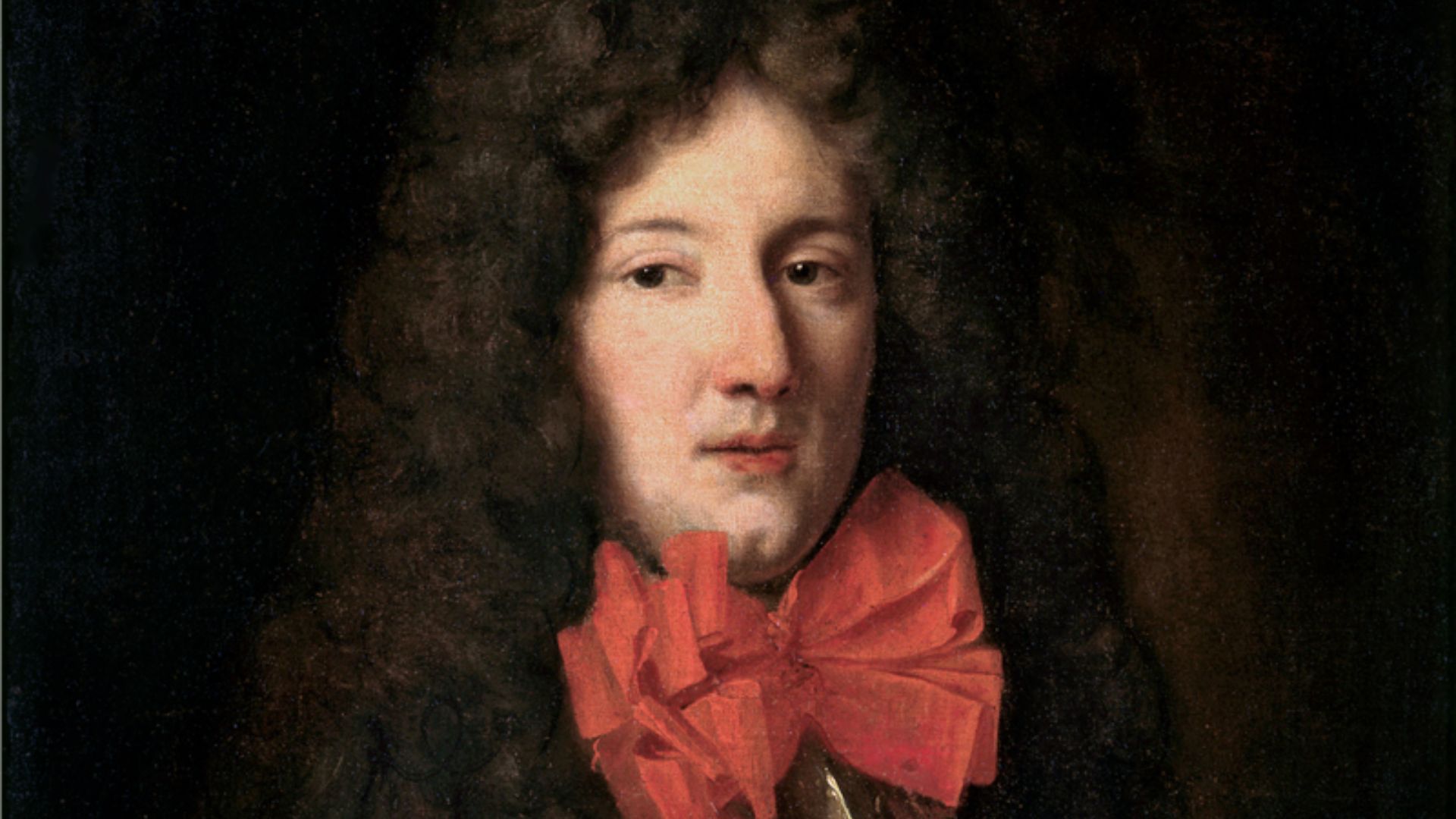 François de Troy, Wikimedia Commons
36. She Was Estranged
Charles hit Hortense where it hurt the most: her wallet. He refused to pay her pension. Everyone thought she’d have to go back to France and Armand. The King gave in after a few days, but the damage was already done. Charles and Hortense would always be friends, but she’d never be his favorite mistress ever again. The King poured more salt on the wound, and brought Louise de Kerouaille back. And Hortense’s situation was about to get even more uncertain.
 Studio of John Riley (died 1691), Wikimedia Commons
37. She Was Blindsided
In 1685, Charles unexpectedly passed. Lucky for Hortense, James and Mary were his successors. They took over, and continued taking care of Hortense. But this didn’t last. Three years later, they got deposed, fled England, and were exiled in France. When William III and Mary II took over, Hortense found herself at their mercy.
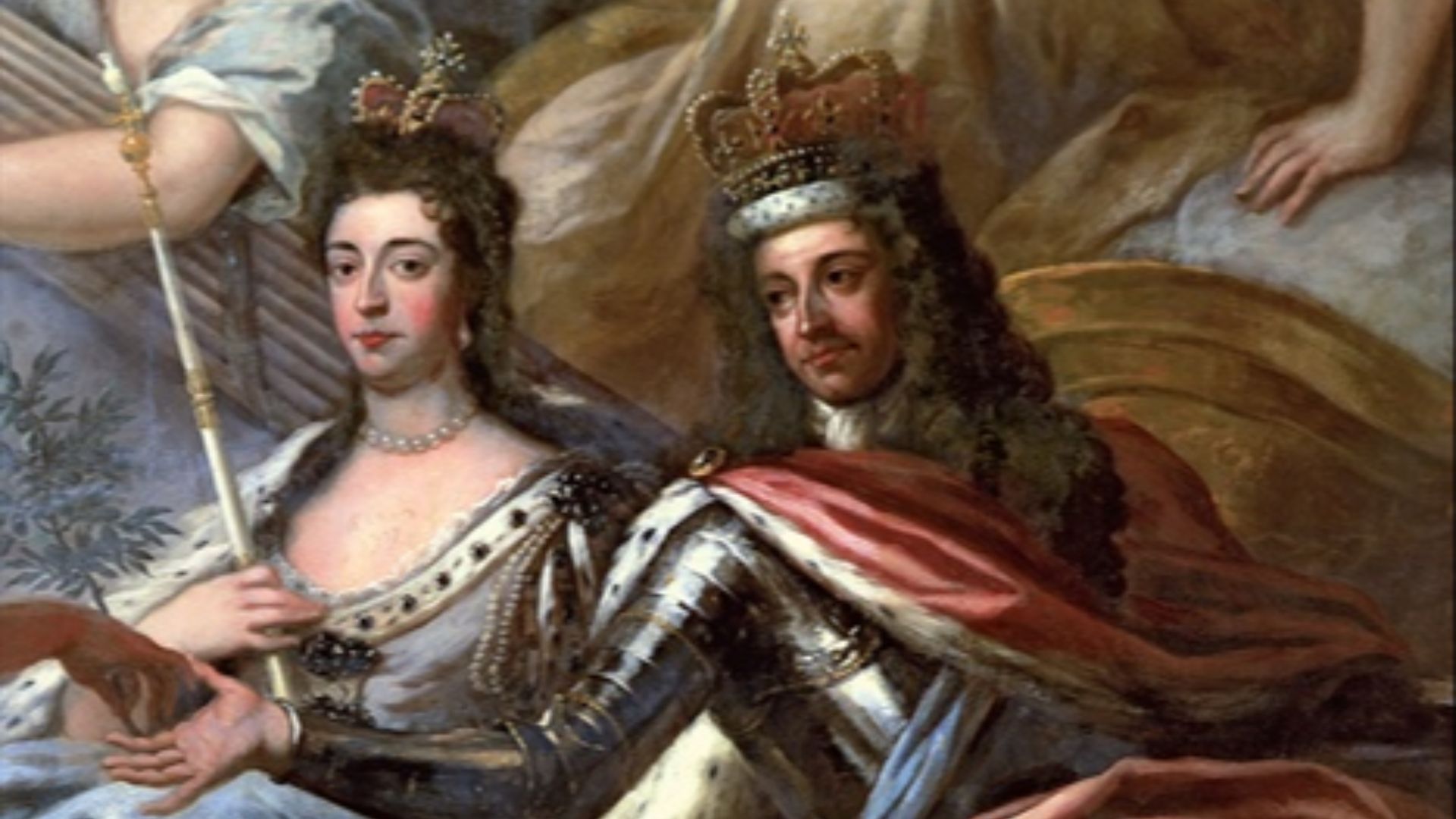 Painting: Sir James Thornhill; Photo: James Brittain, Wikimedia Commons
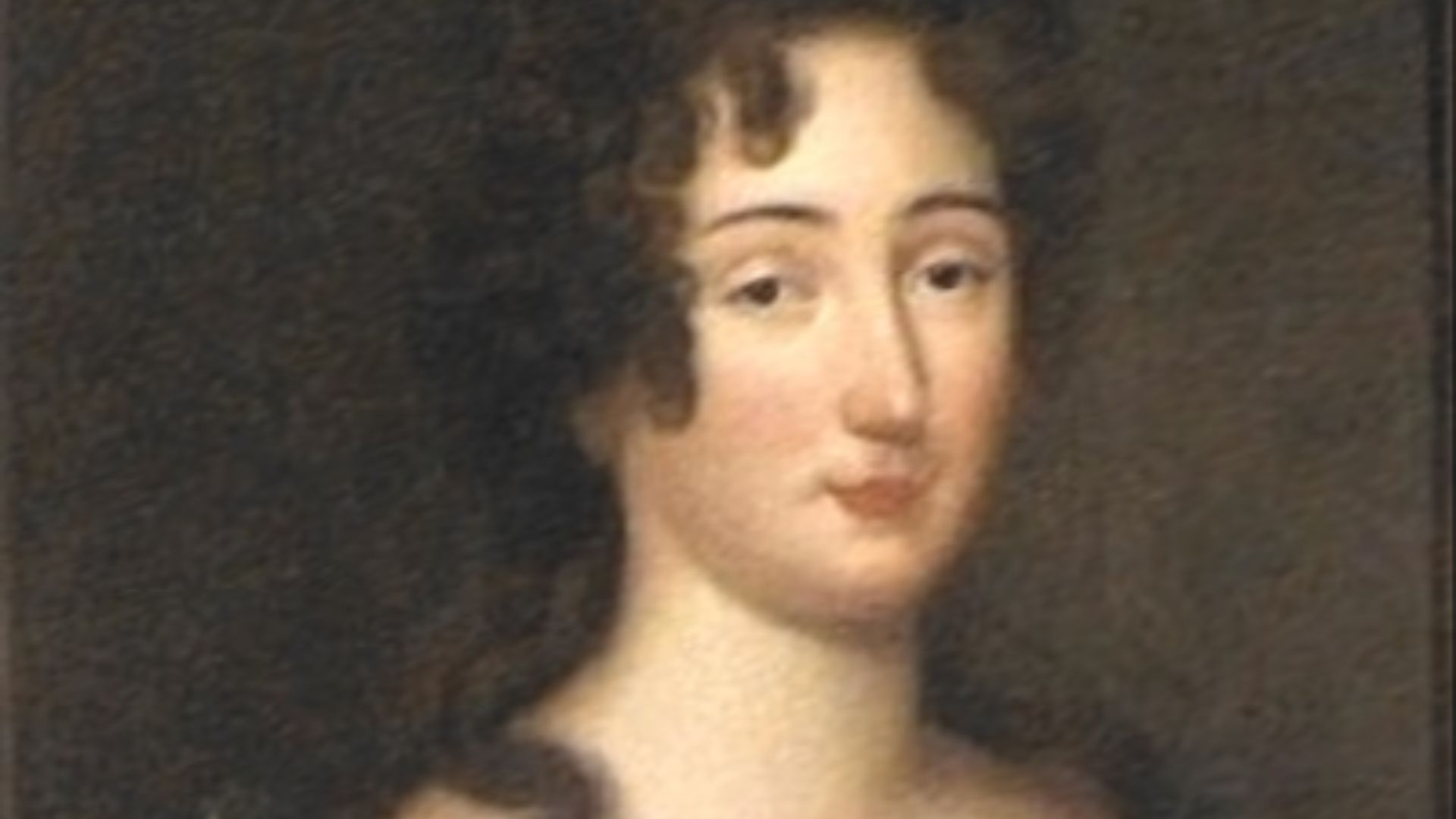
38. She Was Weakened
The new rulers weren’t so generous with an ex-mistress from two kings ago. Hortense got to stay, but with a greatly reduced pension. And with both her protectors six feet under, Hortense was socially and financially weakened. Of course that’s when Armand came out of the woodwork again. He was like a shark smelling blood in the water, and now was the time to bite.
 Unidentified painter, Wikimedia Commons
39. She Was Ambushed
Hortense’s husband took her to court in 1689. He demanded she return to France with him. The judge ruled in his favor and ordered Hortense to go back. This was her worst case scenario, so she refused to give up. Her team argued that Hortense legally couldn’t travel until she paid off her English debts. And she had a lot of them. Armand fought back.

40. She Fought Back
Armand refused to accept not only Hortense’s defence, but her debts. His team argued that these debts were invalid because he never gave her permission to take them. Armand was still her husband, at least on paper, after all. Hortense and Armand reached a stalemate. But Hortense won in the most important way: she never ended up going back to him. And she made the most of it.
 Internet Archive Book Images, Wikimedia Commons
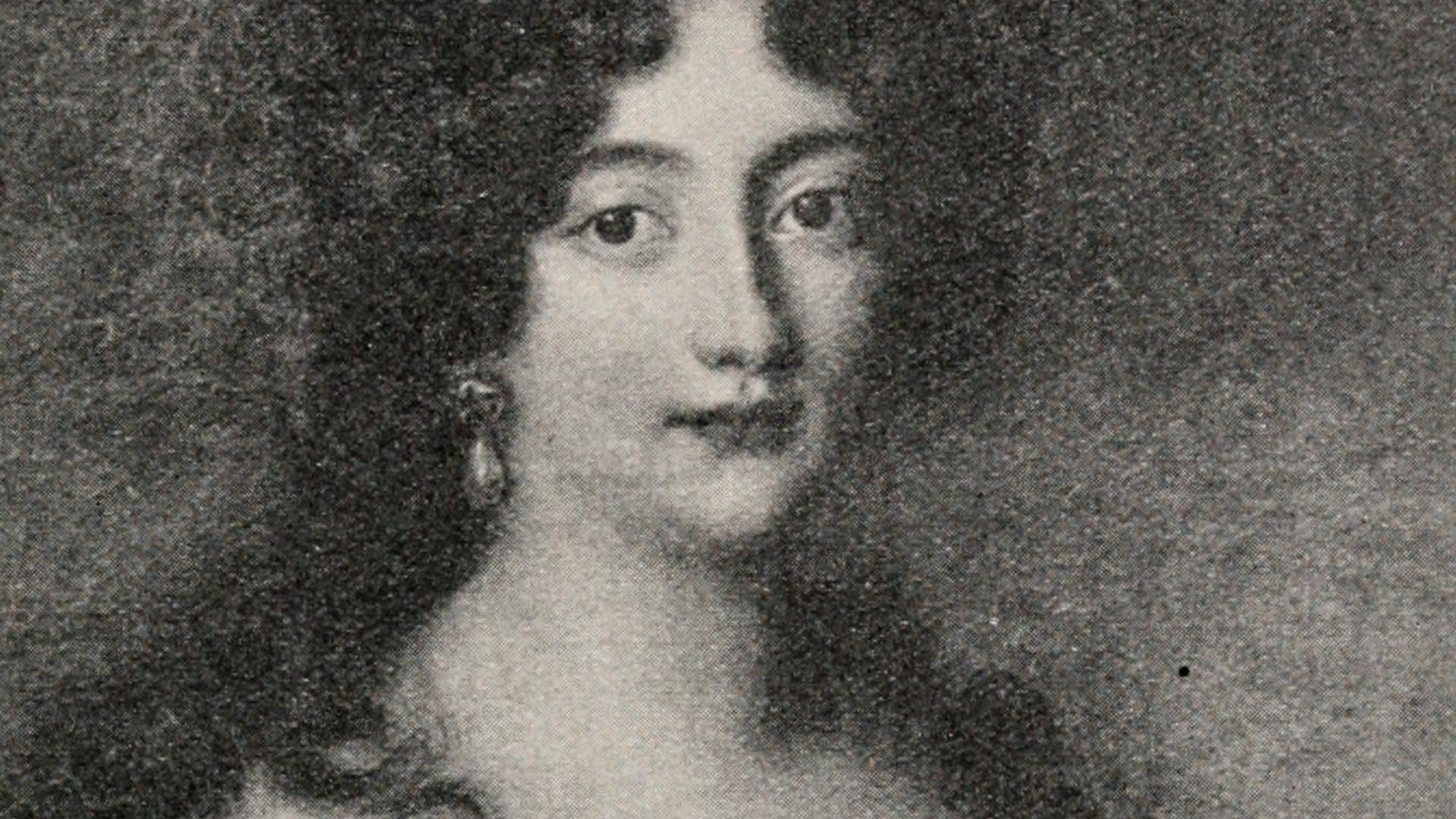
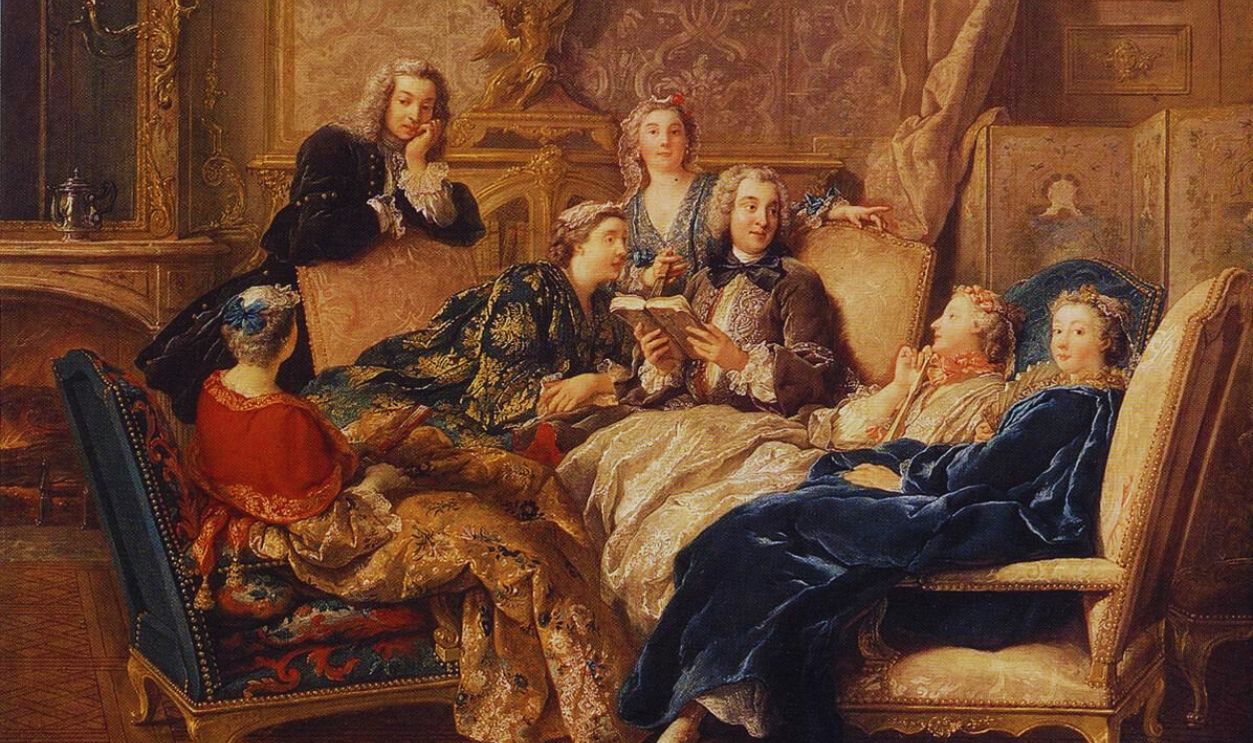
41. She Was Groundbreaking
Hortense hosted one of the most illustrious salons in 17th century Europe. She became one of the original influencers. When people at her salon read, drank, ate, or wore something, others followed suit. From gambling to academic debates, her salon had it all. It was one of the few places where women enjoyed the economic and intellectual freedoms as men. But it wasn’t immune to scandal.
 Jean-François de Troy, Wikimedia Commons
42. She Had Crazy Admirers
Everything went wrong when Hortense’s nephew visited her in the winter of 1684-1685. Philippe de Soissons became infatuated with his 39-year-old aunt. He challenged one of her admirers, a Swedish baron, to a duel. Philippe won the duel—at the cost of the man’s life. He fled the country. He left behind a mourning aunt, and an even more strained family. Then Hortense made things so much worse.
 Godefroy Durand, Wikimedia Commons
43. She Had A Boy Toy
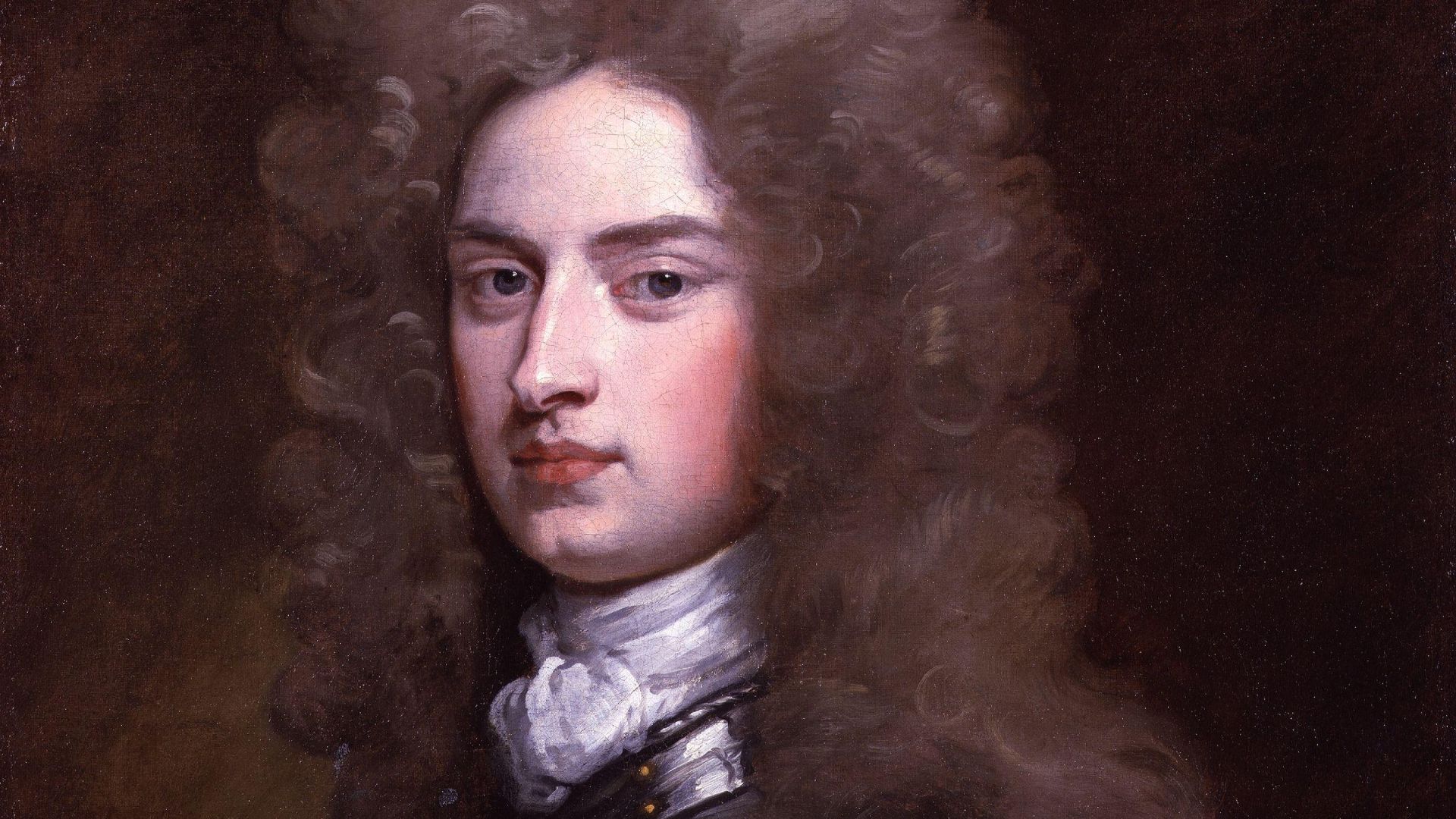
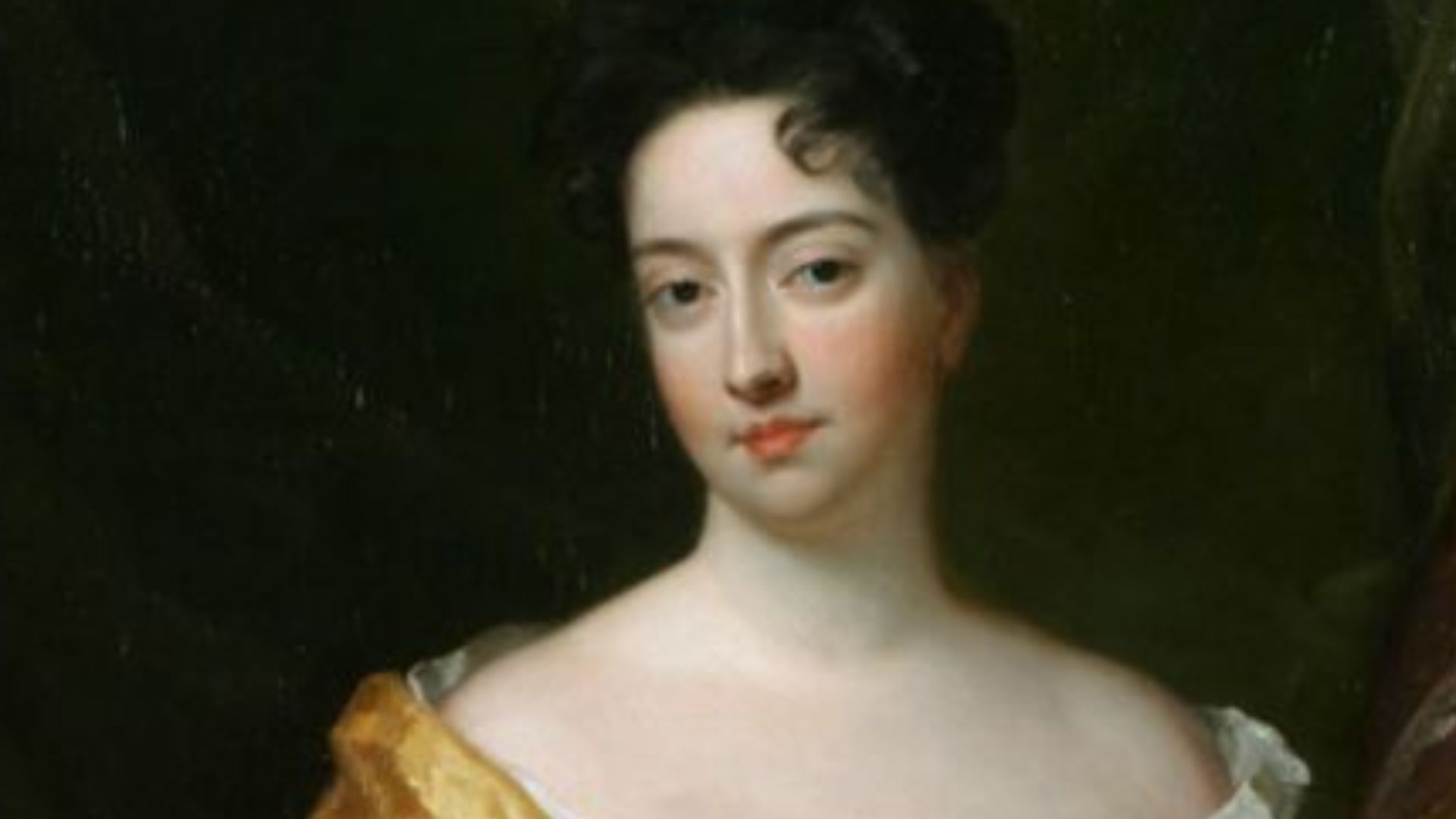
Hortense got a taste of her own medicine. She took on Arnold Joost van Keppel, Earl of Albemarle, a man 20 years younger, as a lover. But they weren’t exclusive—at least on Arnold’s end. He was also the rumored lover of King William III. Hortense seemed fine with these things. Until Arnold allegedly began an affair with Marie-Charlotte, Marquise de Richelie—and Hortense’s daughter. Oh dear.
 Godfrey Kneller, Wikimedia Commons
44. She Was A Bad Mom
Like mother, like daughter. Marie-Anne’s husband and dad banished her to a convent. She jumped its walls to chase the same freedom her mom had pursued and abandoned her for—only for Hortense to betray her over a boy toy. She didn’t care that Marie-Anne was her daughter. Hortense responded in the worst possible way: with jealousy, fury, and vengeance.
 Godfrey Kneller, Wikimedia Commons
45. She Had Vices
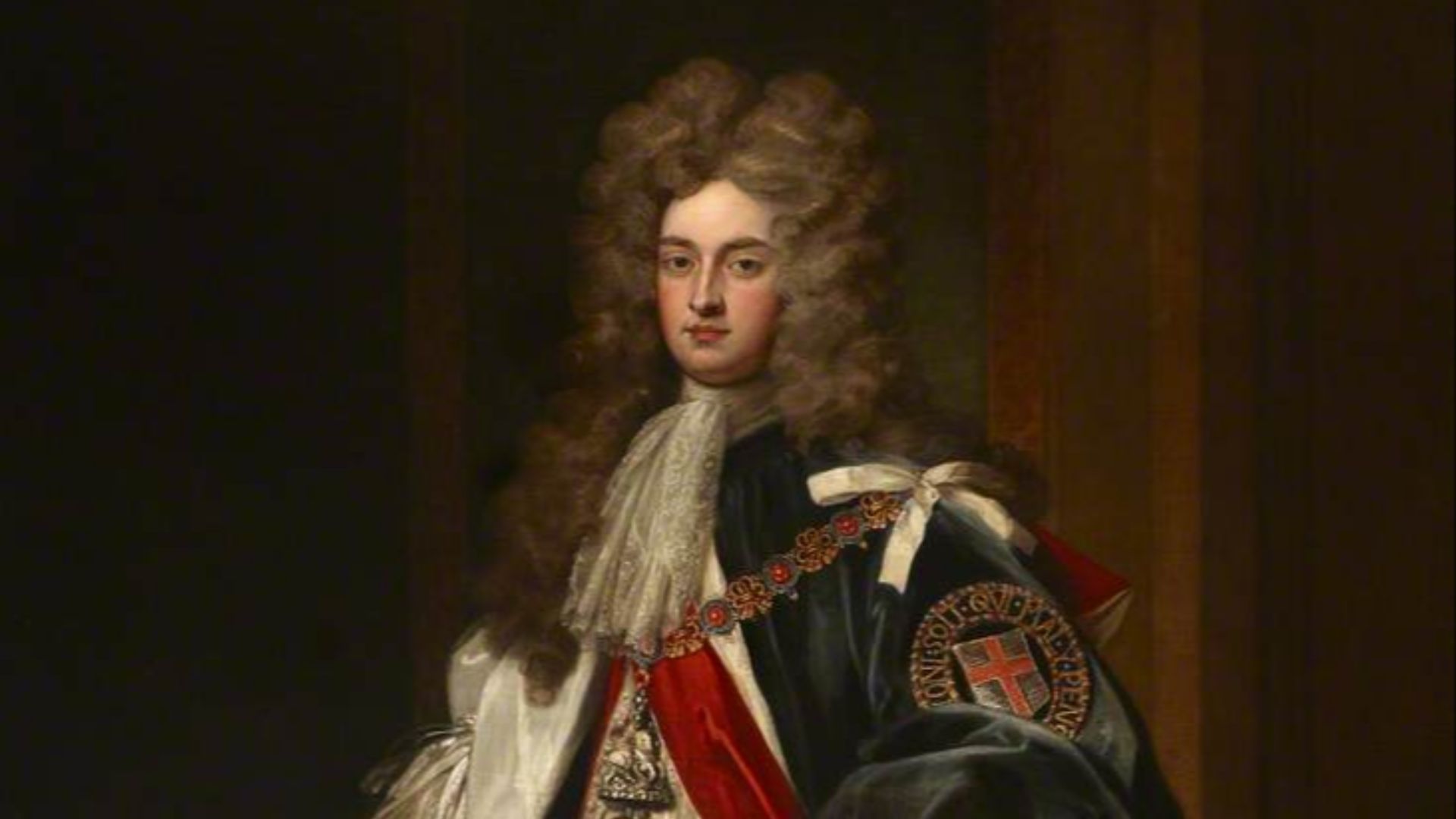
Hortense pulled strings with the King to send Marie-Anne out of the country. She didn’t want to compete with or share Arnold with her daughter. But karma came quick when Arnold chased after Marie-Anne instead. This heartbreak and drama contributed to Hortense’s heavy drinking. Hortense, now past the point of no return, only had tragedy waiting for her.
 Godfrey Kneller, Wikimedia Commons
46. She Passed
In 1699, Hortense passed. She was 53. Many believe this wasn’t an accident or natural end. Hortense allegedly drank a concoction of substances that were well known to end one’s life. It was the end of a drama-filled life… well, it should've been. Except Armand outlived Hortense and was still deranged. Turns out, he’d gotten even crazier.
 Attributed to Jacob Ferdinand Voet, Wikimedia Commons
47. She Was Sold
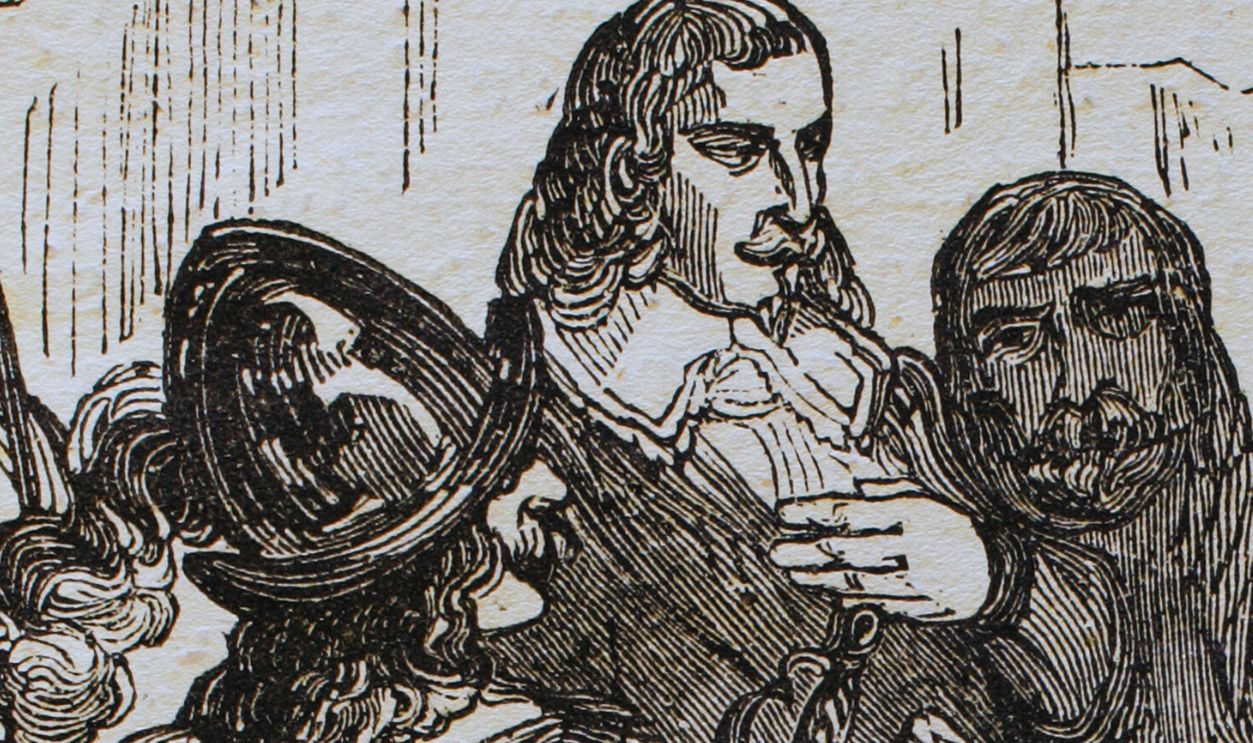
One of Hortense’s creditors refused to write off her debts, and claimed her body as collateral. Armand, jumping at the opportunity to claim Hortense in every way, bought her body. Armand had already done countless awful things to her while she was alive. But the things he did to Hortense after her death took the cake.
48. She Was Disrespected
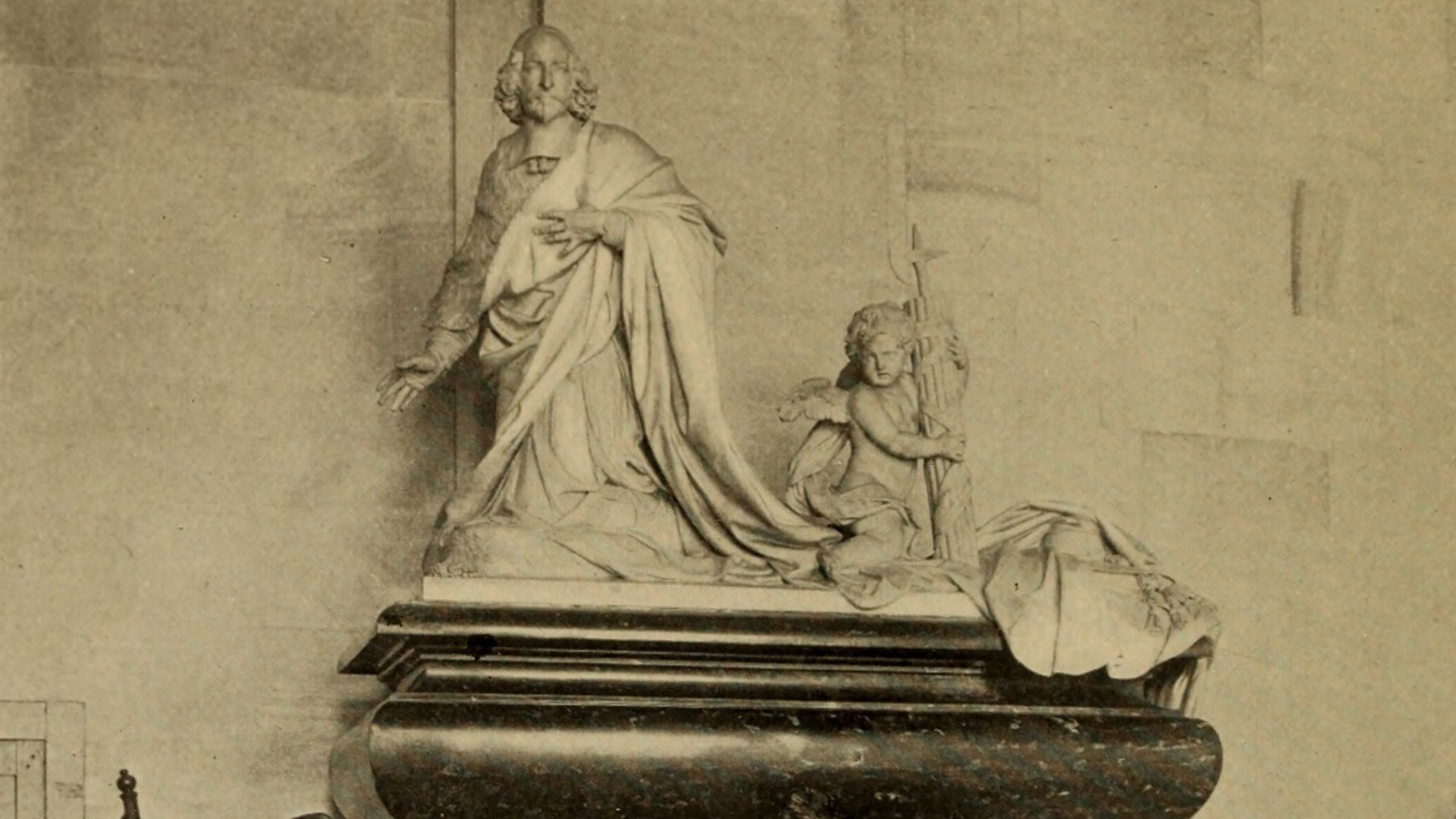
She wasn’t even alive, but still couldn’t catch a break. Armand dragged Hortense back to France where he unlocked new peaks of insanity. He travelled back and forth between his various properties…with her body. For almost a year. Armand finally laid Hortense to rest next to Cardinal Mazarin—but he wasn’t done with her yet. Poor Hortense.
 Sturgis, Russell, Wikimedia Commons
49. She’s Not At Peace
Armand refused to leave Hortense alone—and not even the end of his life could stop him. When Armand passed in 1713, he was laid next to Hortense. It looked like she was stuck with him forever. Then the French Revolution broke out. Revolutionaries ended up throwing their bones into the Seine River. Instead of resting in peace, Hortense is now resting in pieces.
 Jacob Ferdinand Voet, Wikimedia Commons
50. She Lived A Crazy Life
Hortense wrote in her memoir: “If the events that I have to recount to you seem like something out of a novel, blame it on my unhappy fate rather than my inclination”. She knew her life was crazy, but that it wasn’t her fault. Well…mostly. If Hortense accepted her fate, she might’ve just been remembered as the Mazarinette who married some rich guy, moved to a country house, and disappeared. Instead, Hortense made noise—and history.
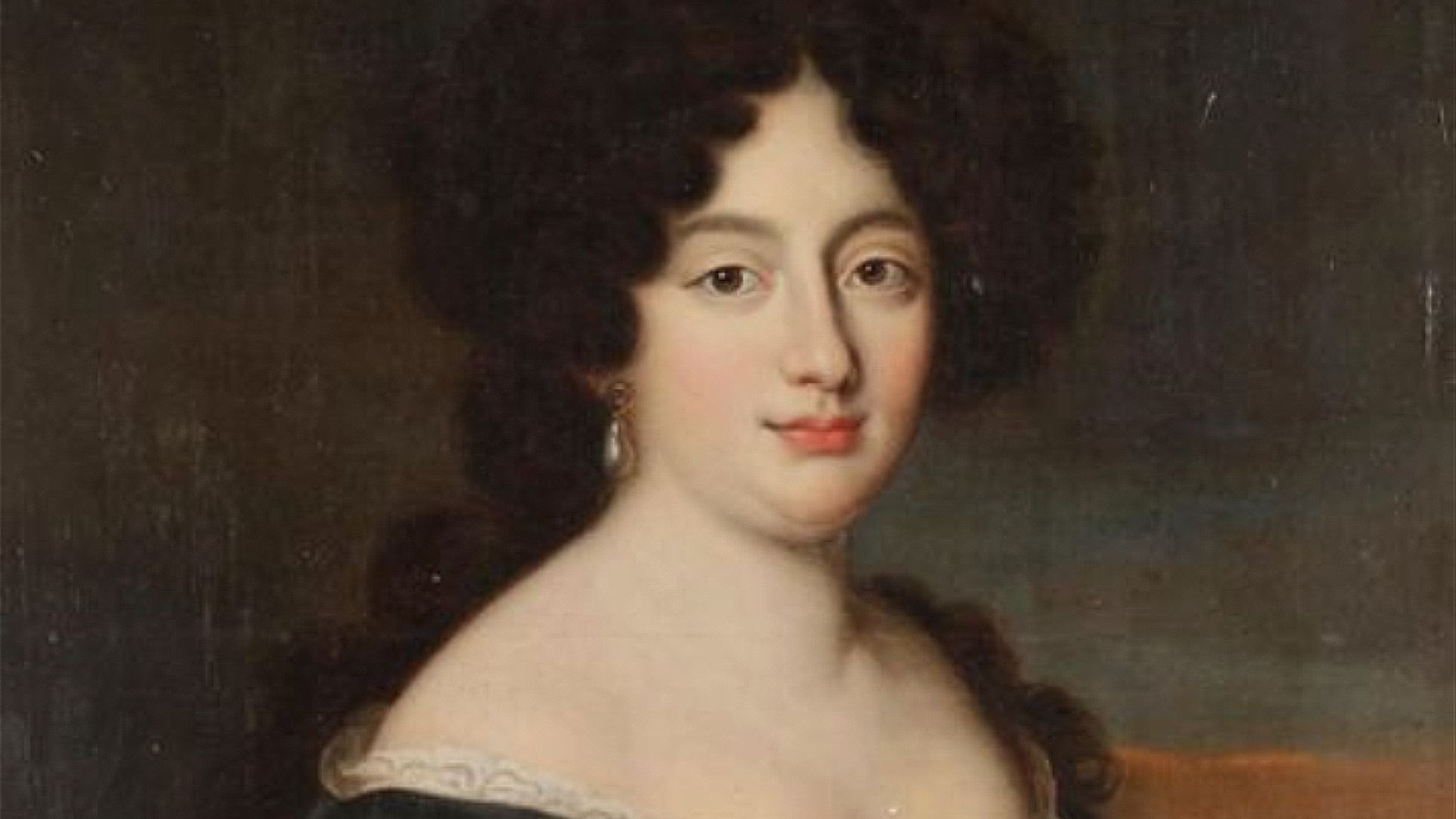 Attributed to Carlo Maratta, Wikimedia Commons
You May Also Like:
King Charles II's Ridiculous Reign
Louis XIV Was France’s Most Debaucherous King
Louise De Kerouaille Was King Charles II’s Most Hated Mistress
Sources: 1, 2, 3, 4, 5, 6, 7, 8, 9, 10, 11, 12, 13, 14, 15, 16, 17, 18, 19, 20, 21, 22