

Fanny Burney's Life Should Be Made Into A Movie
Emily Brontë and Jane Austen are household names. However, before them came one woman who lived a life full of enough heartbreak, scandal, and adversity to rival her own heroines—and her name was Fanny Burney.

1. She Had Artistry In Her Blood
Born in 1752, Frances “Fanny” Burney had artistry running through her veins. Her father Charles Burney was not only a musican and composer, but also had a reputation for being incredibly charming. This undoubtedly benefited his family after he moved them to London, where they could better their prospects and social standing.
Fanny was just eight years old at the time, and her father's presence in the city quickly attracted a lively artist social circle. Sadly, though, there was tragedy on the horizon.
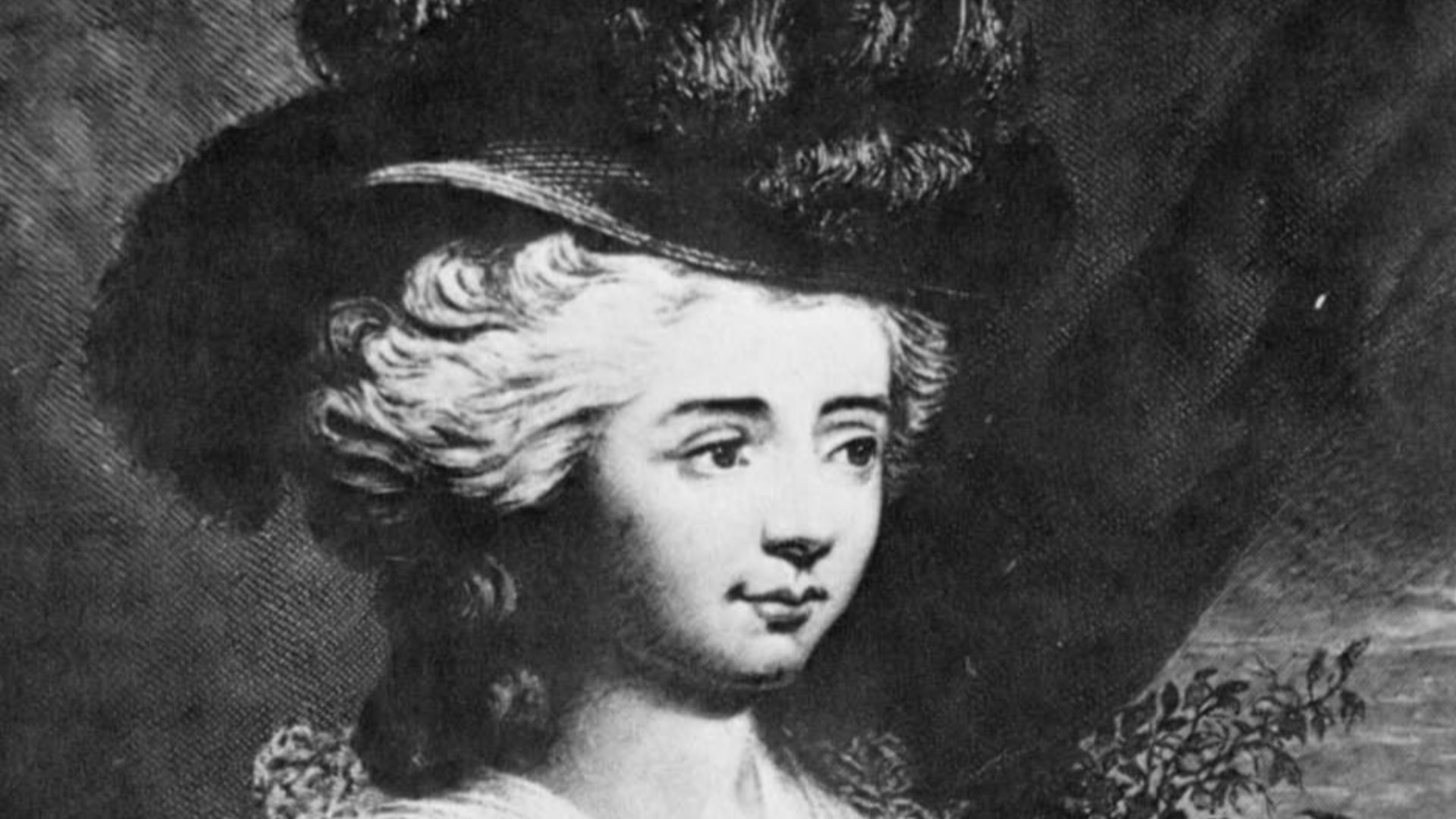 Edward Francis Burney, Wikimedia Commons
2. She Lost Her Mother At A Young Age
Like her father, Fanny's mother Esther also had a glowing reputation, known for her "warmth" and "intelligence". But sadly, when Fanny was only 10 years old, Esther passed. For a short time, it was only Fanny, her five siblings, and her father against the world—and then fate threw them yet another curveball.

3. She Got A New Family
Five years after the loss of Esther, Fanny's father decided to remarry. Her new stepmother was a rich widow named Elizabeth Allen, who came along with her own brood of three children. This new chapter should have been an exciting and hopeful time, but it was actually more like a nightmare.


History's most fascinating stories and darkest secrets, delivered to your inbox daily.
4. She Didn't Like Her New Mother
Fanny Burney and her siblings were not impressed with their new stepmother and took to making fun of her in secret. In their eyes, Elizabeth had a short temper and was incredibly domineering. However, Fanny's diary entries revealed an even more devastating insight into her new stepmother's influence.

5. She Didn't Want To Anger Her
You see, Fanny Burney had begun journaling in earnest in 1768, recounting her daily life. But when her stepmother entered the picture during her teen years, the entries expressed a worrying sentiment. She worried that her writing would "vex" her stepmother, and that her writing pursuits were "unladylike". Fanny even considered giving up writing altogether—and this drove her to a shocking act.
 Afonso Azevedo Neves, Unsplash
6. She Burned Her Writing
Fearing the wrath of her stepmother, Fanny decided to sacrifice her very first manuscript, burning it. But luckily, this harrowing incident wasn't a total loss. She later used it as inspiration for her first novel, Evelina, published in 1778. But before breaking into the literary world, Fanny had other milestones to conquer, especially when it came to matters of the heart...
 Vyacheslav Argenberg, Wikimedia Commons
7. She Was A Heartbreaker
In 1775, 23-year-old Fanny Burney managed to steal the heart of a young man named Thomas Barlow—but there was just one problem. She did not return his ardent affections. Thankfully for us, though, she put the entire romantic saga down on paper—and it all began when she visited some family friends for tea...

8. She Made Quite An Impression
When Fanny agreed to have tea with her grandmother's acquaintances, the O'Connors, she also met their boarder, Thomas Barlow. Though she found him handsome, she felt little attraction to him, going so far as to say that he had "no elegance of manners". However, she also took notice of something else: his attention to her throughout the night.
Four days later, the unthinkable happened.

9. She Won His Heart
A letter arrived for Fanny Burney, who was completely surprised to discover that the sender was Barlow. But that wasn't the most shocking part. No. It was the contents of the letter that she couldn't quite believe. Barlow eagerly professed his love for her, hoping that they could meet again. To those closest to Fanny, this was an incredible marriage prospect. But she did not agree.

History's most fascinating stories and darkest secrets, delivered to your inbox daily.
10. Her Friend Tried To Persuade Her
When Fanny's friend Samuel Crisp heard about Barlow's outpouring of devotion to her, he tried in vain to give her a wake-up call. He told her, “You may live to the age of your grandmother and not meet with so valuable an offer". Crisp believed that it was in her best interests to chase this opportunity all the way to the altar. But Fanny would do no such thing.

11. Her Suitor Pursued Her With A Fierce Passion
When Barlow didn't receive an immediate response from Fanny Burney, he sent her another letter. But his persistence didn't end there. He ultimately showed up at her front door to make his intentions known. It was then that Fanny put her foot down. She told him that she had no plans of marrying of him at all.

12. She Completely Rejected Him
According to Fanny's journal, a painfully awkward conversation followed in which Barlow forced Fanny to repeat several times that he had no hope of winning her heart. Though he fought her on the matter for a while, refusing to accept her rejection, she ultimately told Barlow, “I must beg you, Sir, to send me no more letters".
In the end, Barlow left, crushed, and Fanny remained free—a decision she may’ve lived to regret.

13. She Was Anonymous
Fanny Burney had bigger and better things ahead of her. She published her first novel, Evelina or the History of a Young Lady’s Entrance into the World, in 1778. It was an act of rebellion in its own right, as it went against her father's wishes—and so she used a pen name. However, she had no reason to worry.
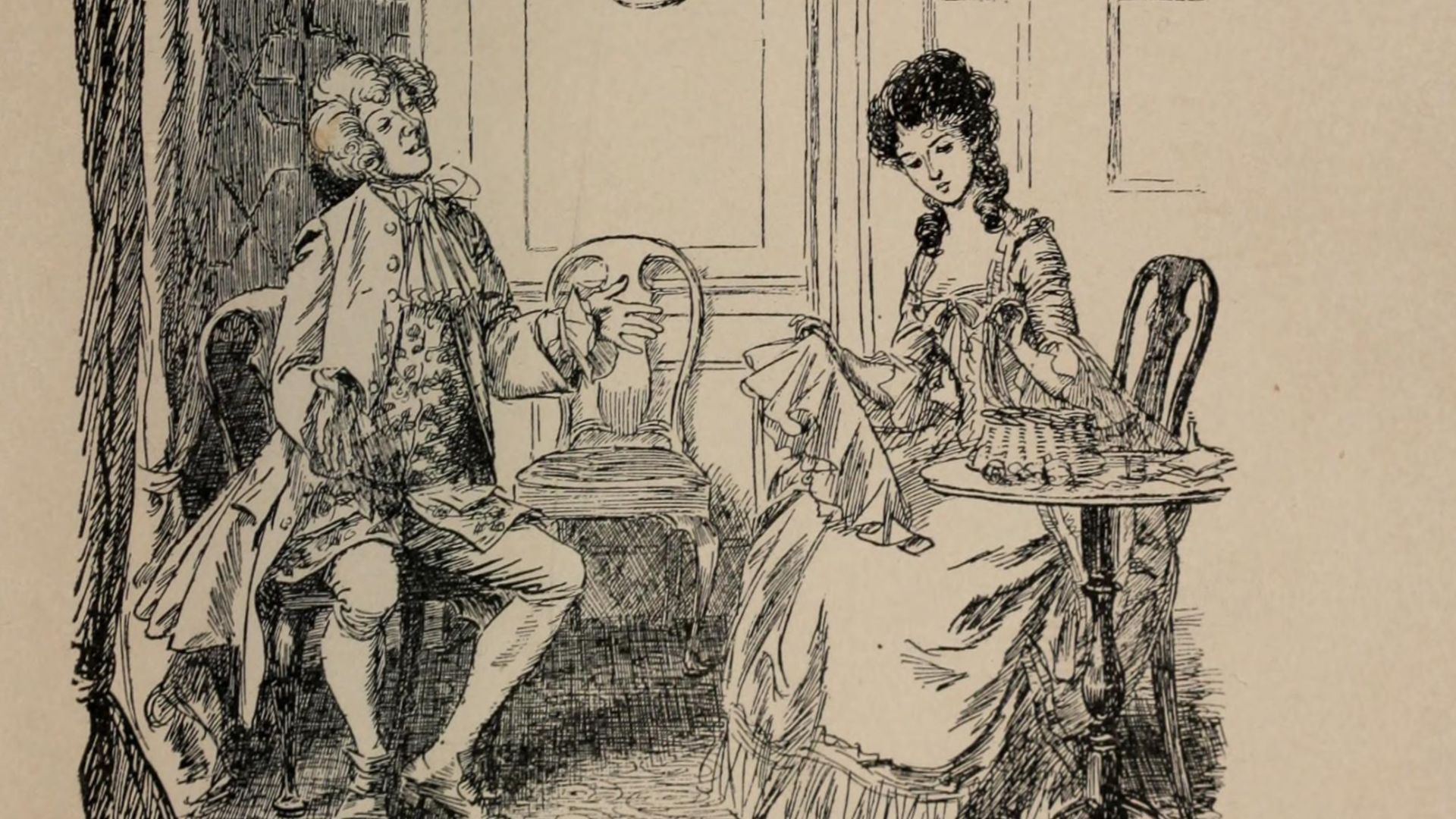 Burney, Fanny, 1752-1840, Wikimedia Commons
14. She Had A Surprising Supporter
Evelina became a success, winning Fanny's father's pride when he finally discovered the truth. And though she'd gone behind his back, he surprisingly supported her. With Evelina, Fanny entered a world of “artists," earning not just money but prestige. Yet, she soon learned that success doesn’t always bring you happiness.
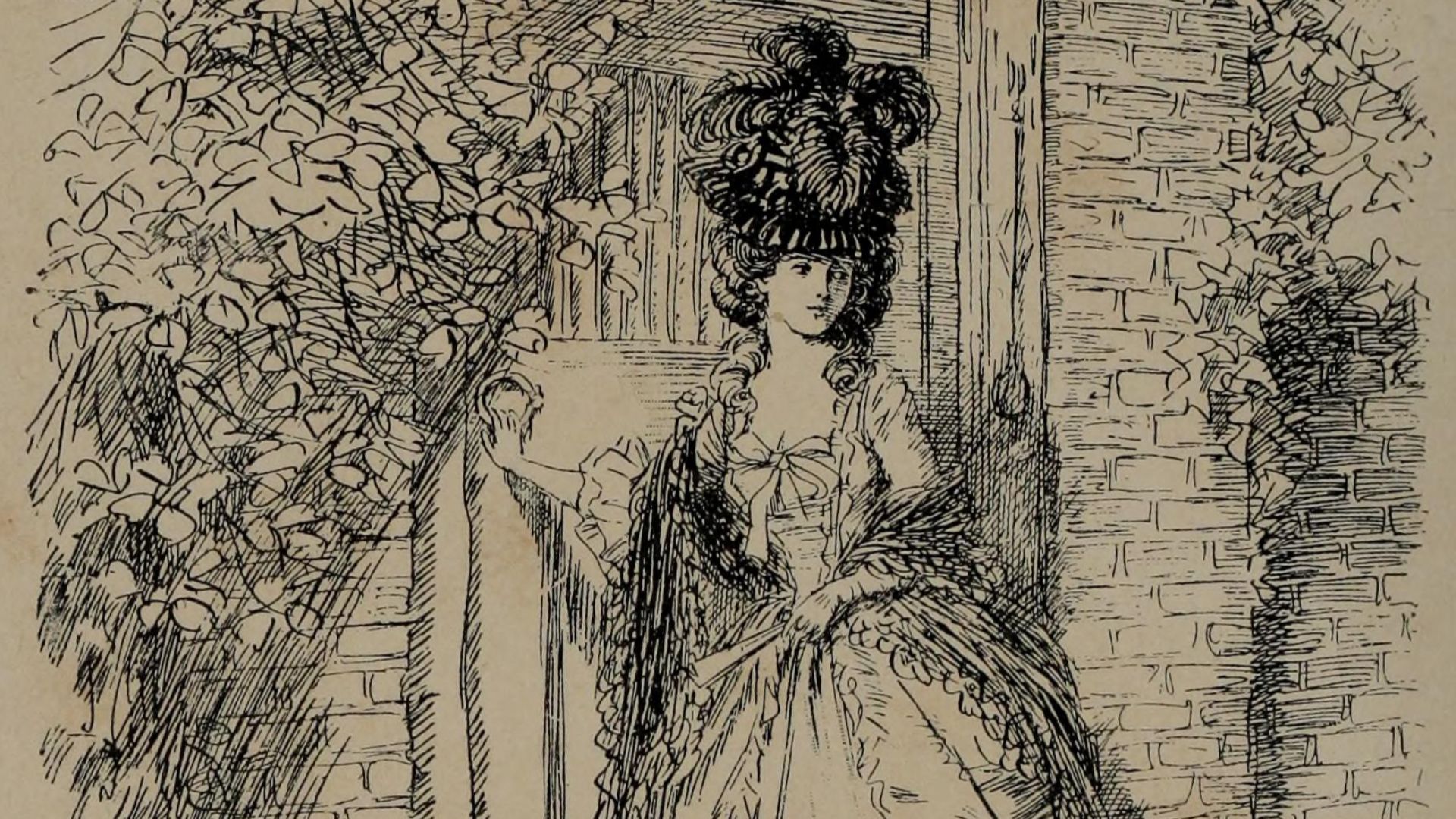 Burney, Fanny, 1752-1840, Wikimedia Commons
15. She Now Had Farther To Fall
Clichés are clichés for a reason. The higher that you rise, the farther that you have to fall—and this was a dark lesson that Fanny Burney learned in 1784, when everything that she'd built began to tarnish and crumble before her. Her long friendship with Hester Thrale, a wealthy woman of note, proved to be the first domino to fall, and Fanny only had herself to blame.
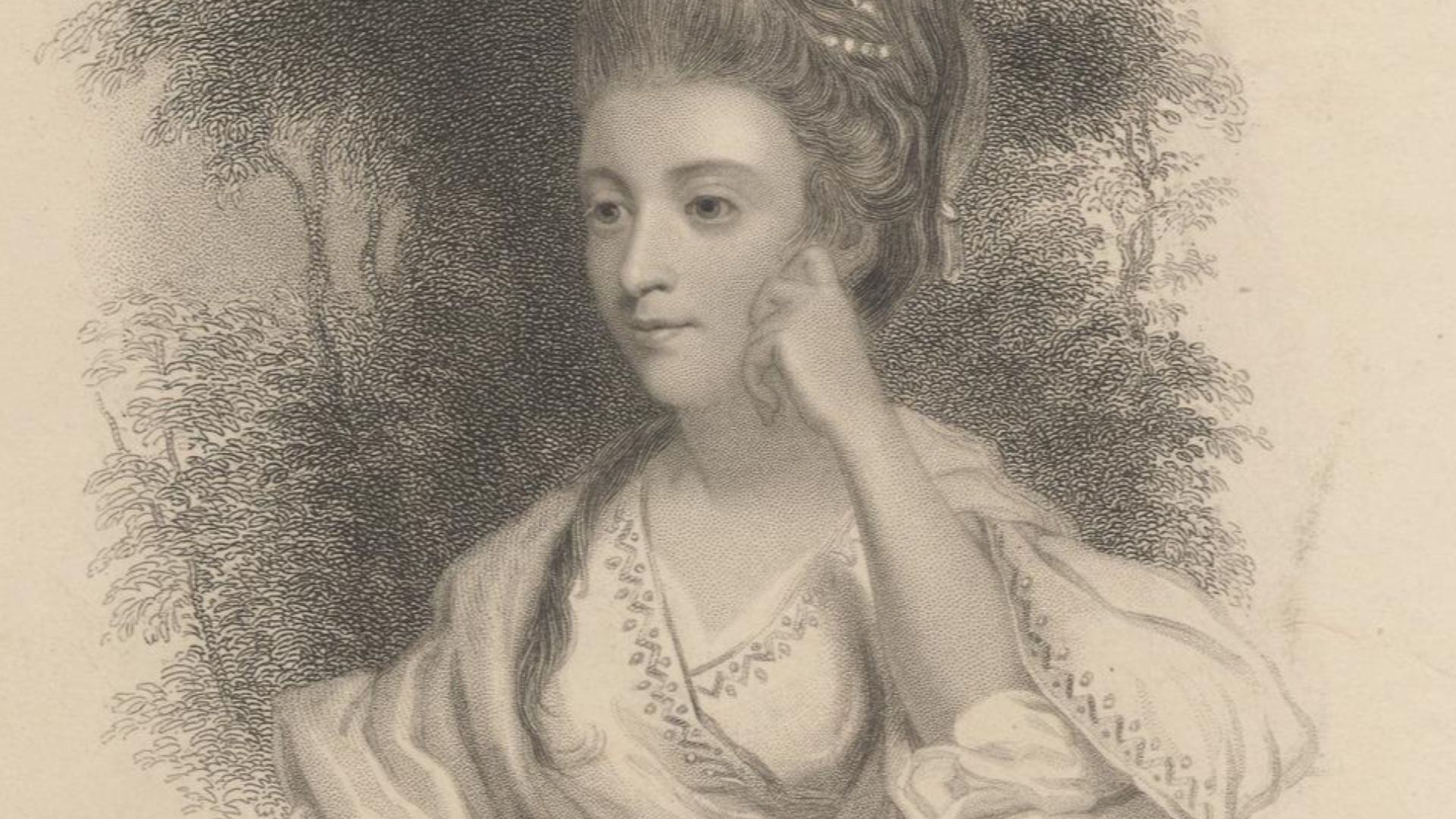 Edward Francis Finden, Wikimedia Commons
History's most fascinating stories and darkest secrets, delivered to your inbox daily.
16. Her Passions Came Back To Haunt Her
Fanny’s problems with Thrale began in the most innocent and ironic of ways. In the end, Fanny, the author of stories of love and adventure, became thwarted by love. Thrale had been widowed three years earlier, freeing her from a strained marriage. Perhaps Fanny thought her dear friend had sworn off love forever. Which may be why Thrale’s second romance proved to be such a blow to Fanny.
 Thomas Holloway, Wikimedia Commons
17. She Got In Her Own Way
In 1784, Hester Thrale fell in love again, this time with Gabriel Piozzi, a music teacher whom Thrale had hired for one of her daughters. Piozzi whisked Thrale away to Bath, a locale Fanny lacked the means to visit at this point in her life. Sadly, their precious friendship fizzled out after Thrale and Piozzi married. Thrale stopped corresponding with Fanny altogether, leaving her utterly devastated.
But Fanny Burney had her own romantic life to attend to as well.
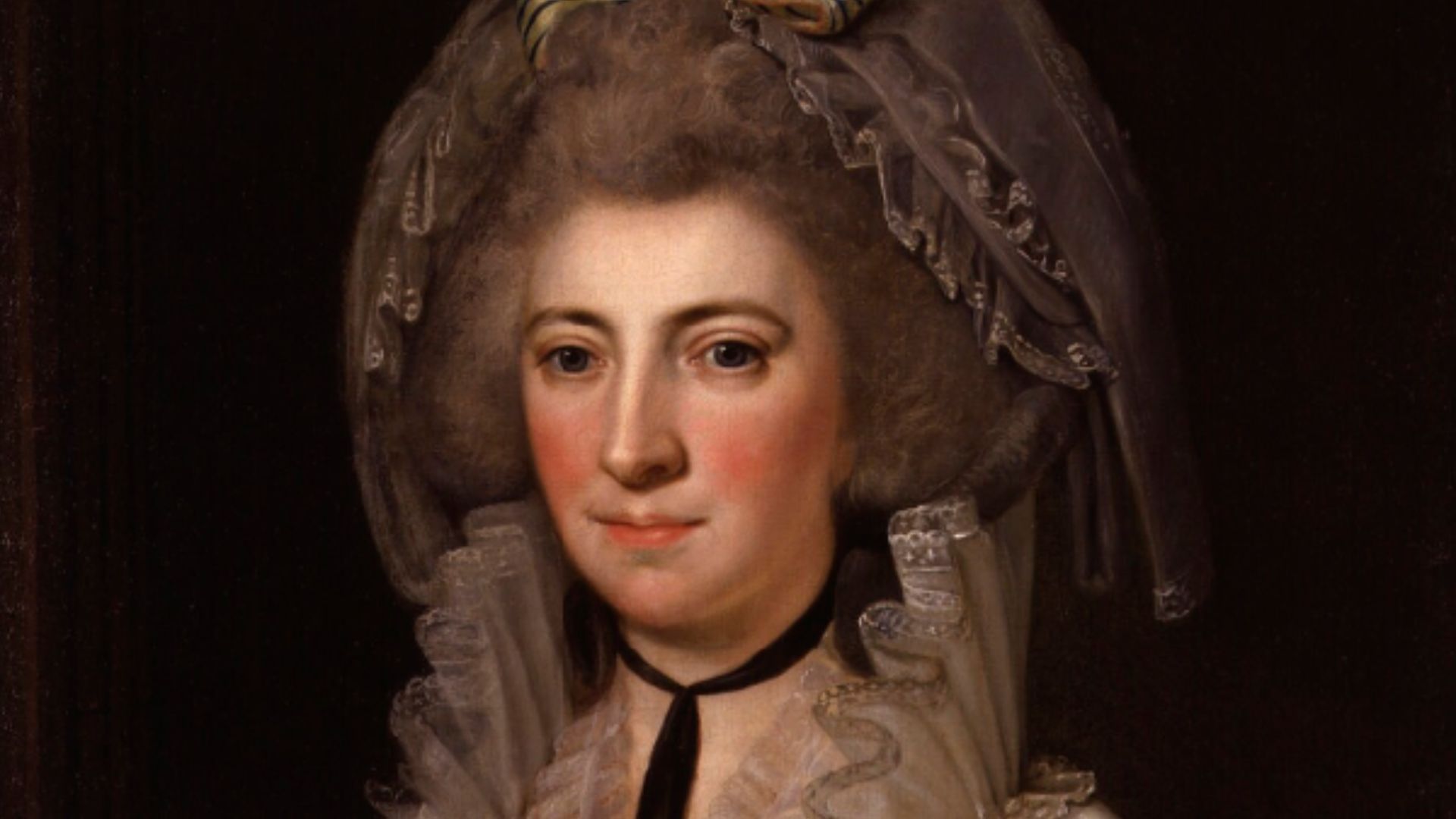 Unidentified painter, Wikimedia Commons
18. She Thought Her Future Was Set
Fanny first met George Owen Cambridge in 1782. A handsome and charismatic clergyman, Fanny found herself drawn to him immediately. With Cambridge, Fanny felt that she’d met an intellectual equal. The pair often spent time sharing witty remarks, and Cambridge’s family quickly embraced Fanny as one of their own.
She felt certain that an important question surely had to follow.

19. Her Dreams Turned Into Nightmares
Yet never did. Fanny spent two years waiting for Cambridge to ask her for her hand, yet no question ever came. Instead, Cambridge behaved erratically, sometimes seeking her out, crashing parties he’d not been invited to supposedly to see her, and then other times he’d ignore her entirely. Her happy dreams dissolved into a chaotic nightmare. She needed out.

20. She Finally Understood Her Elders’ Warnings
Now in her 30s, Fanny Burney may have finally begun to see the true hazards of love. Realizing Cambridge caused her more distress than hope, Fanny removed herself from his society. Embracing other connections, Fanny found herself in the circle of Mary Granville Delany, and through Delany, Fanny had the chance to change her life entirely.
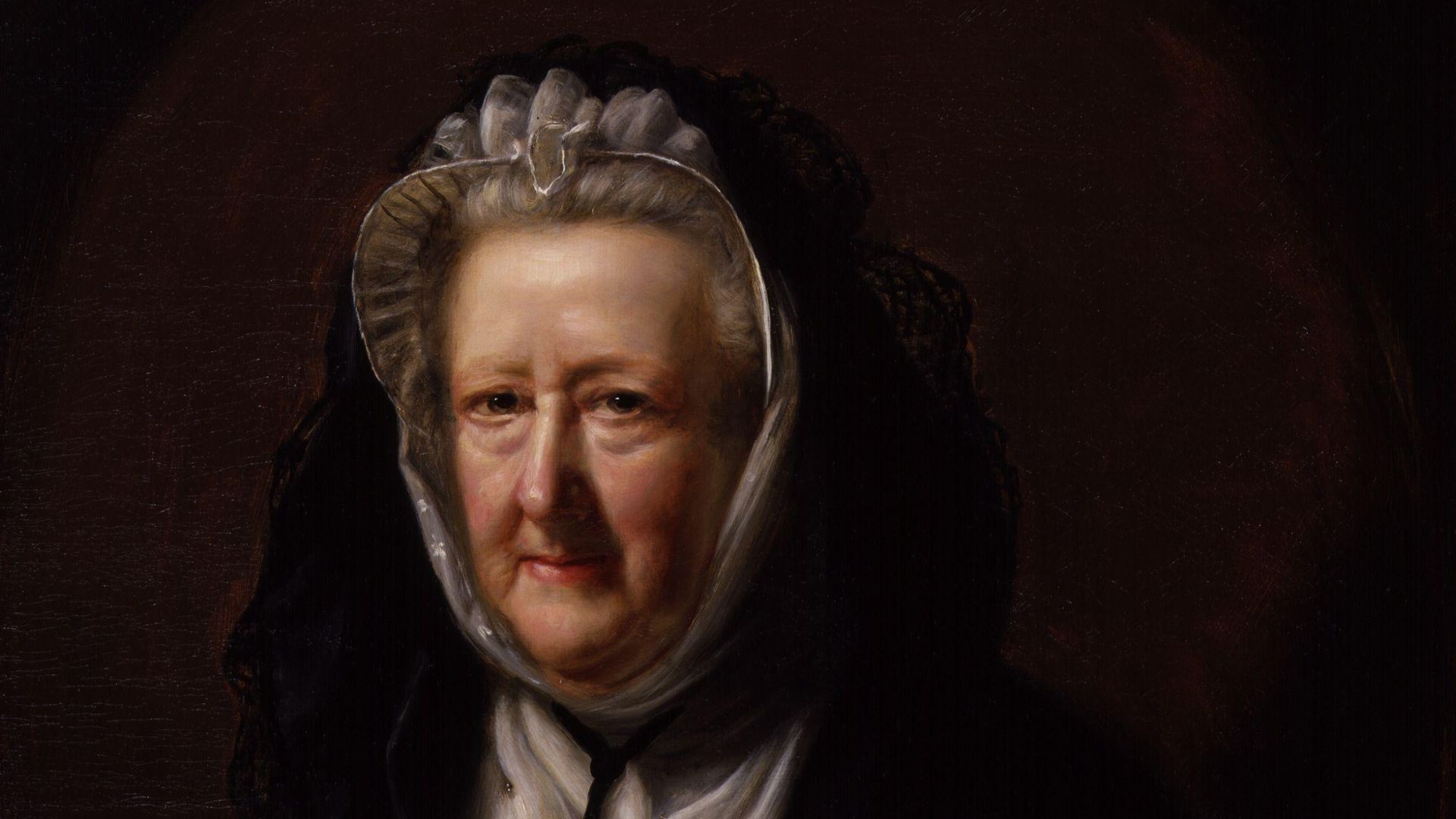 John Opie (died 1807), Wikimedia Commons
21. She Got An Offer She Couldn’t Refuse
Through Delany, Fanny Burney received an invitation to the court of King George III and Queen Charlotte. Upon arriving at court, Fanny must have made a favourable impression on the royal couple, as she quickly received an offer that most would dream of. Yet, Fanny hesitated. The offer came with a cost; one Fanny didn’t know if she wanted to pay.
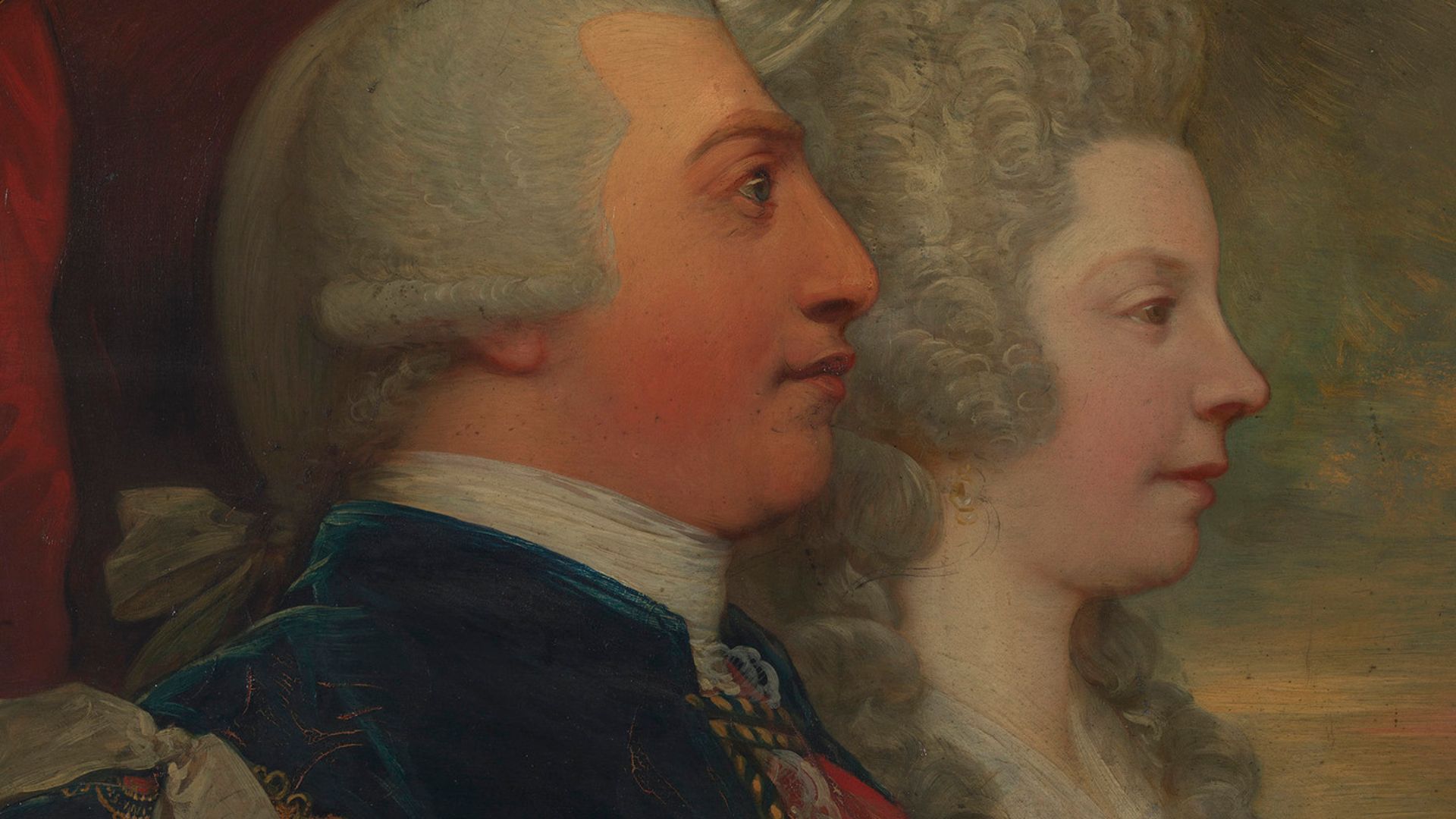 Benjamin West, Wikimedia Commons
History's most fascinating stories and darkest secrets, delivered to your inbox daily.
22. She Feared Losing Her Freedom
Queen Charlotte offered Fanny a coveted position within her court: Mistress of the Robes. Accepting this position would make Fanny the senior-most lady-in-waiting for the queen, in charge of the Queen’s social matters. However, Fanny also feared that it would limit her ability to do what mattered most to her: write. Yet, Queen Charlotte found Fanny at a vulnerable time.
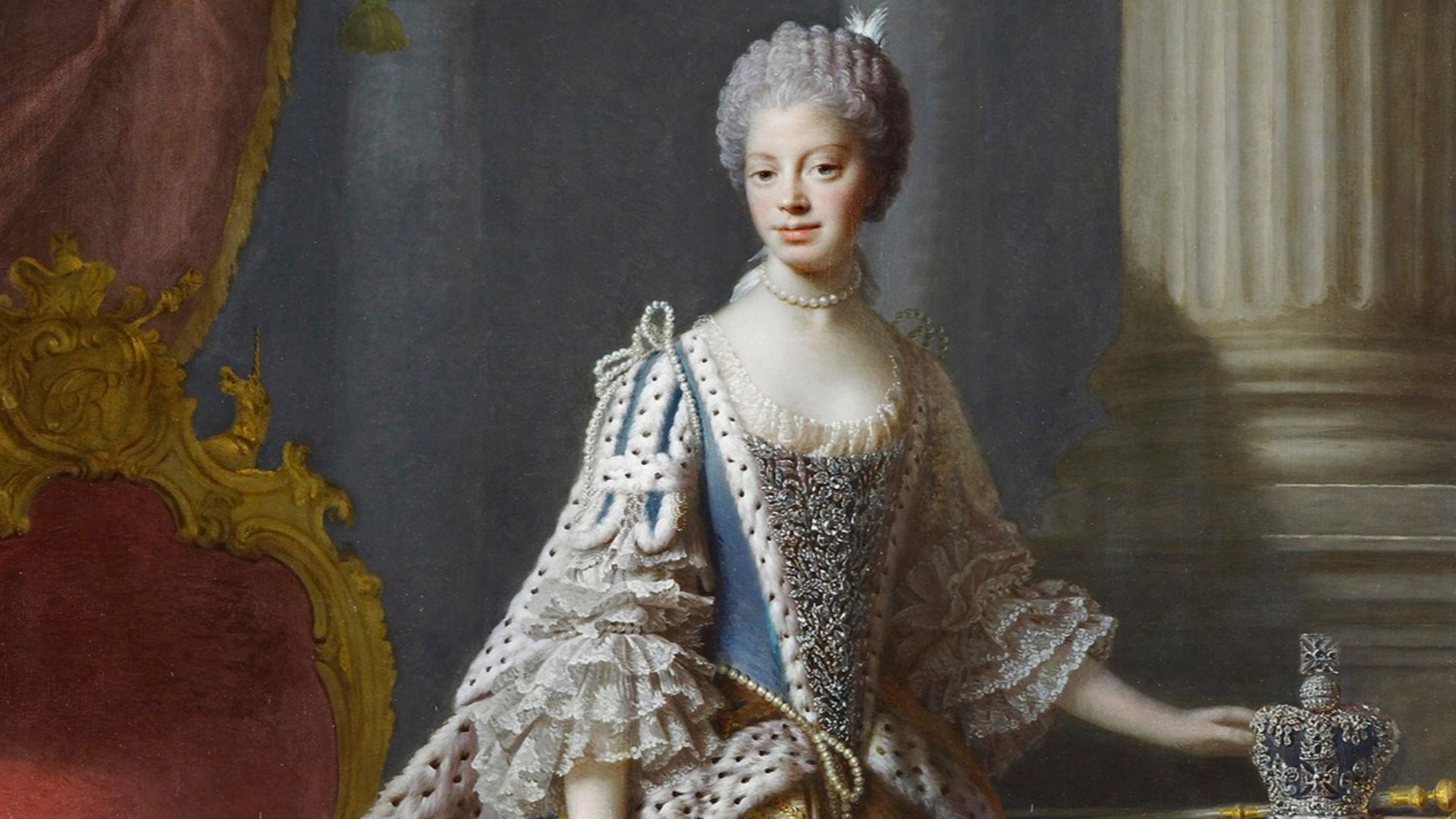 Allan Ramsay, Wikimedia Commons
23. Her Peers Made Her Life Difficult
Fanny accepted the position—and came to regret it. With the royal family, Fanny formed a life-long connection. Yet her other ladies-in-waiting caused her distress, particularly her co-mistress of the robes, who seemed to take particular joy in belittling Fanny and making her life particularly difficult. Fanny may have tried to escape if it hadn’t been for one person who made all the rest worth it.

24. She Found A Man Of Worth
Fanny met Colonel Stephen Digby in January 1787 when he attended one of the teas that she organized and hosted through her role as Mistress of the Robes. Fanny felt instantly drawn to Digby. He cut a dashing figure in his uniform, and more importantly, she found a companion who could match her in conversation. Fanny fell hard and fast. Digby was another matter entirely.

25. She Formed An Unfortunate Friendship
Digby continued to pay Fanny close attention, seemingly depending on their friendship in a similar way that Fanny did. However, Digby had one tiny complication that squashed any dreams that Fanny, now in her mid-30s and an established spinster, had of their relationship being anything more. Digby already had a wife, as well as children. Yet, Fanny still had a chance.

26. Her Hopes Hinged On A Tragic Loss
Digby’s wife was ill—tragically so, by all accounts. Digby, by Fanny’s account, was nothing but kind and attentive to his ailing wife, an attribute that made him all the more admirable in any woman’s eyes. However, she was also not long for this world. It seemed that if Fanny truly dreamed of matrimony, all she had to do was wait.

27. She Grew Closer To Him
Fanny did not have to wait long. Within a year of meeting, Digby’s wife passed. Returning to court haggard by grief, Digby needed a companion, someone to depend on. Enter: Fanny. Their acquaintance grew, with a genuine friendship blooming, or so Fanny thought. However, she was edging upon 40 with only a modest income to her name—not to mention the distraction of other younger and wealthier women at court.
 The HK Photo Company, Unsplash
History's most fascinating stories and darkest secrets, delivered to your inbox daily.
28. Her Love Betrayed Her
In 1789, two years after the passing of his wife, Colonel Stephen Digby did remarry, but not to Fanny. Digby married another courtier, Charlotte Gunning, a woman at least a decade younger than her and set to inherit far more money than Fanny ever could provide as a dowry. Fanny took this betrayal hard, filling her journal with scorn for Charlotte and Digby both. Broken yet again, Fanny realized she couldn’t keep doing this anymore.

29. She Reached A Breaking Point
Fanny’s health began to spiral in a concerning way. This heartache had worn her down, as had the high demands of serving the royal family. Fanny missed her own family. She missed writing. She wanted out of her position at court. However, it is difficult to tell a monarch that you no longer enjoy serving them. Fanny couldn’t just tell the Queen that she quit. She needed help, or she’d be stuck forever.

30. She Depended Upon Her Father
Fanny successfully petitioned her father to get her freed from her position at court. With her father’s support, Fanny left the court and returned home. Now nearing 40, Fanny had published several novels and spent several years at court. Yet, it seemed as if true happiness continued to elude her. It’s only when you’re at your lowest that you discover what you’d always been looking for.

31. Her World Began To Fracture
While Fanny struggled in the English court with failed romance and social difficulties, France faced an entirely different struggle. The dawn of the French Revolution sent France into complete upheaval, and in the wake of King Louis losing his control over the people, many revolutionists who supported the idea of a constitutional monarchy rather than a complete removal of the king found themselves forced to flee their own country.
Some of them found themselves a handful of miles from Fanny and her sister in Surrey.
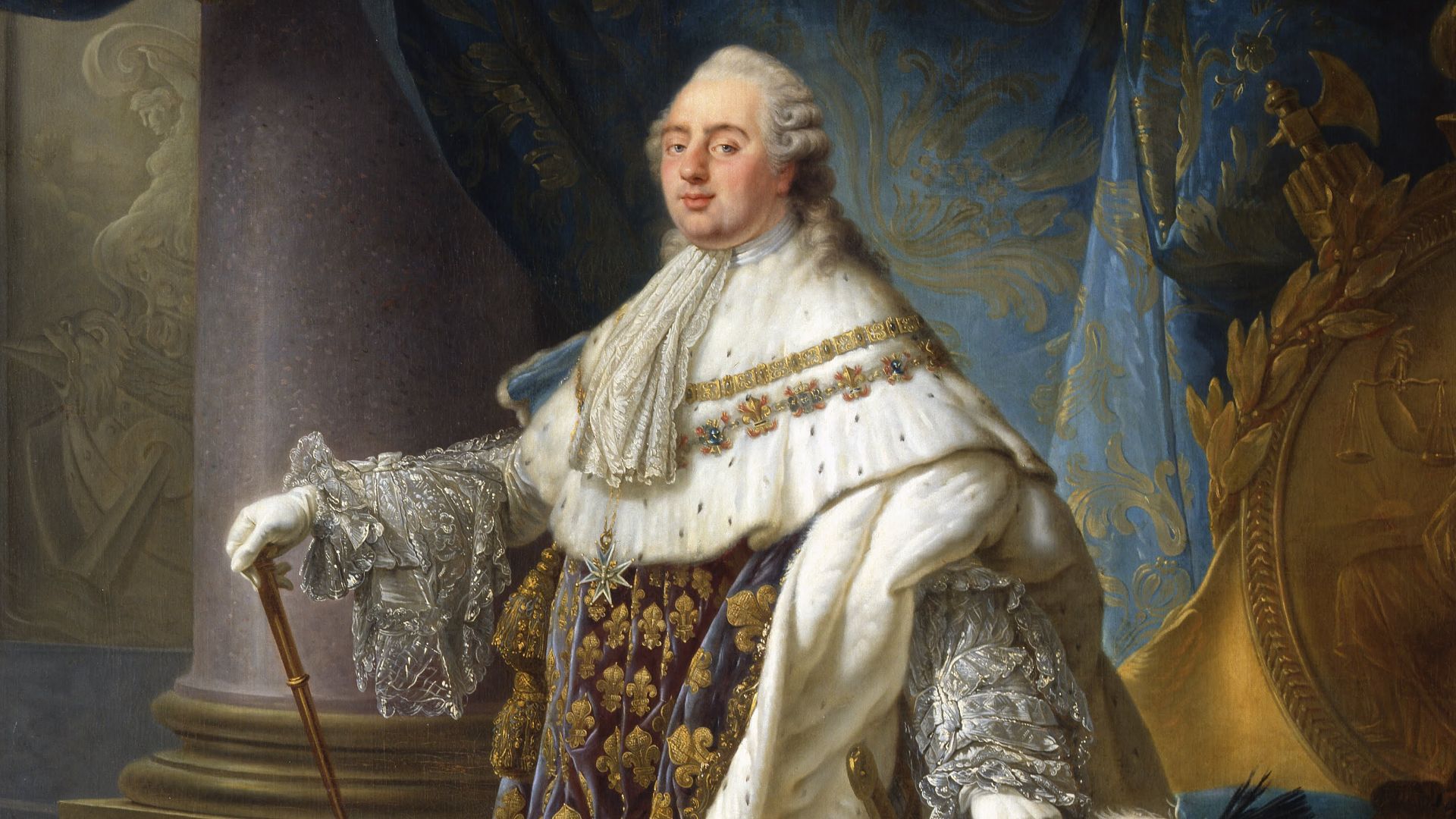 Antoine-François Callet, Wikimedia Commons
32. She Finally Met Her Equal
Perhaps because of her own mother’s connections to France, Fanny felt sympathetic to the struggles of these French expats. This group, whom Fanny befriended, included General Alexandre d’Arblay, a former adjutant-general to Lafayette who’d fled to England.
In D’Arblay, Fanny found an intellectual equal, someone who’d spend hours speaking with her. However, Fanny had been here before, twice. She knew better than to equate friendship with a future.
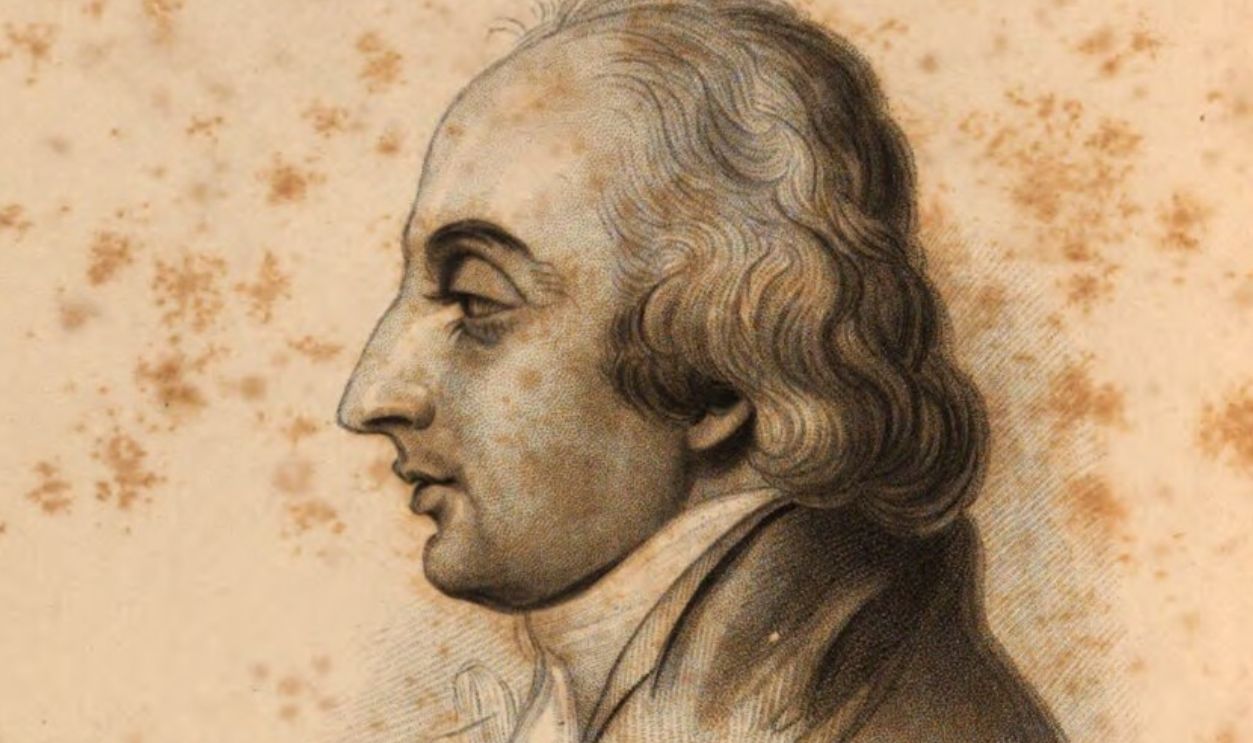 Unknown author, Wikimedia Commons
33. Her Newest Suitor Changed The Narrative
D’Arblay, however, proved to be a different sort of man entirely. Unlike Cambridge and Digby, he didn’t mince words or play games. His affection was genuine. Within only a few months of beginning their acquaintance, Fanny finally spoke of the word she’d dreamt of so long—marriage. However, now that Fanny finally found a man who wanted to marry her, he wasn’t the right man.

History's most fascinating stories and darkest secrets, delivered to your inbox daily.
34. Her Beau Had A Scandalous Reputation
Alexandre d’Arblay was a catholic French refugee who had next to no money to his name. If he so much as returned to France, the regime would execute him. This was no gentleman. Fanny’s peers disapproved of him, though none more so than her father, a man whose opinion had dictated many of her early decisions.
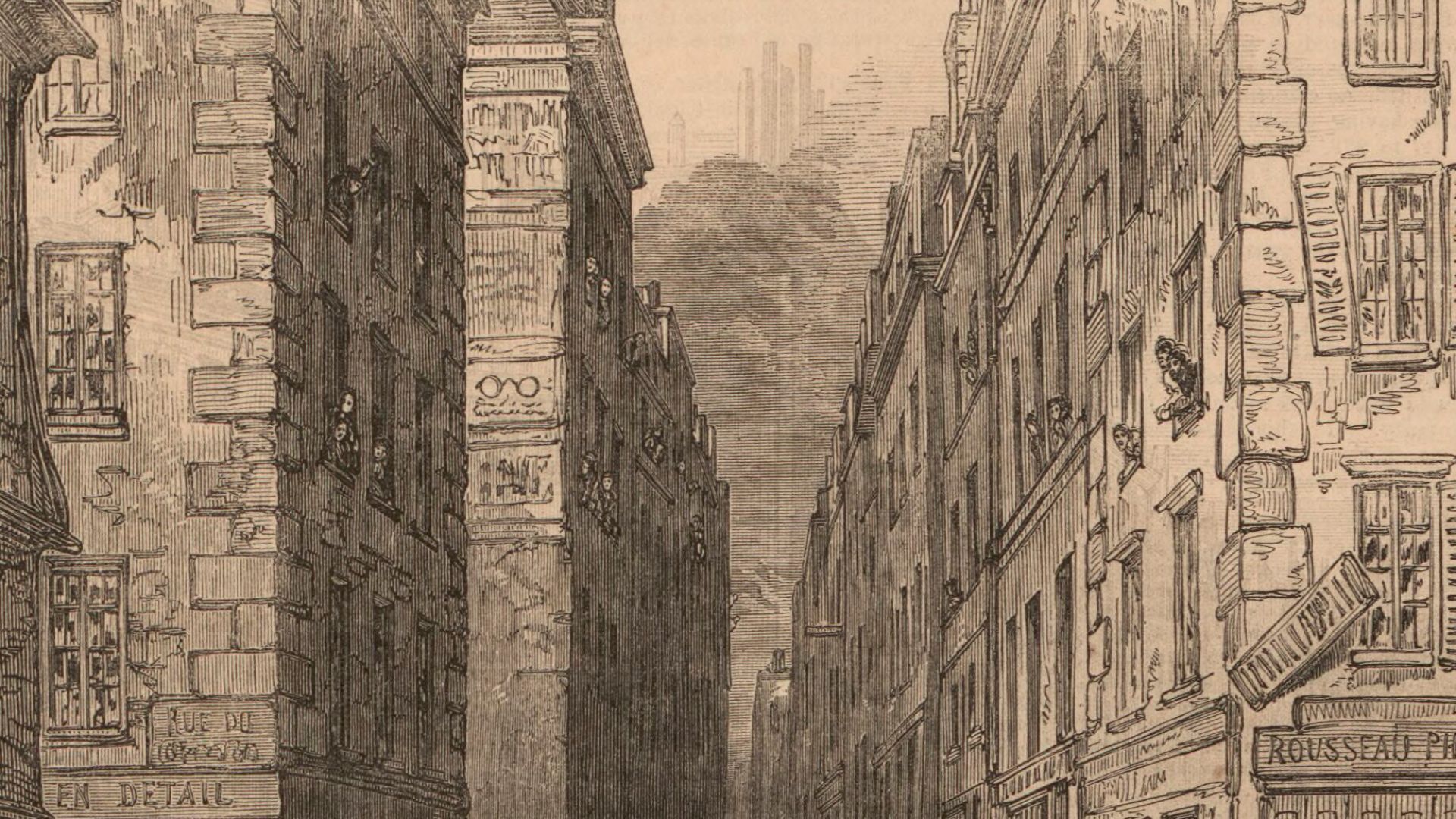
35. Her Father Disapproved
Fanny’s father disapproved of D’Arblay as a choice for his daughter. However, Fanny was no longer a 20-year-old girl who feared the wrath of her father. She was nearing 40 and had experienced the heartbreak of rejection twice by respectable men who had no intention of proposing to her.
D’Arblay loved her and stood by his claims of doing so. He wanted to marry her, and she wanted to marry him. So, who cared what her father said?

36. She Finally Followed Her Heart
Fanny married Alexandre d’Arblay in the summer of 1793, only a few short months after having met. As the following year came to a close, the couple welcomed their son. Emotionally, their lives appeared content. However, love didn’t change the hard truths of life—money remained necessary, and d’Arblay had none.

37. She Had No Money
As a French exile, D’Arblay had little to no ability to contribute to their family. Neither France nor England provided a viable source of income. This meant that the fate of her entire family rested solely on Fanny’s shoulders. Sure, she’d been a successful author, but it’d been over a decade since she’d published anything successful. Suddenly, being an author never mattered more.

38. Her Family’s Fortunes Depended Entirely On Her
Fanny proved far more determined than people gave her credit for. For a while, she'd sustained herself on royalties from her work. But this and her court pension didn't do much. They needed something major to turn the trajectory of their lives around. Freed from the strain of court, Fanny finally found the ability to do something that she hadn’t done in a very long time.

39. She Took A Chance
Camilla, or a Picture of Youth, was published in 1796, and it proved to be the very thing that Fanny’s family needed. Her first edition, which generated 1,000 pounds, sold out, enabling her to sell the copyright for another 1,000 pounds. In a short span of time, the D’Arblays went from wondering who’d provide them their next pay cheque to building a comfortable cottage in Surrey.
However, D’Arblay still felt the weight of his failures.
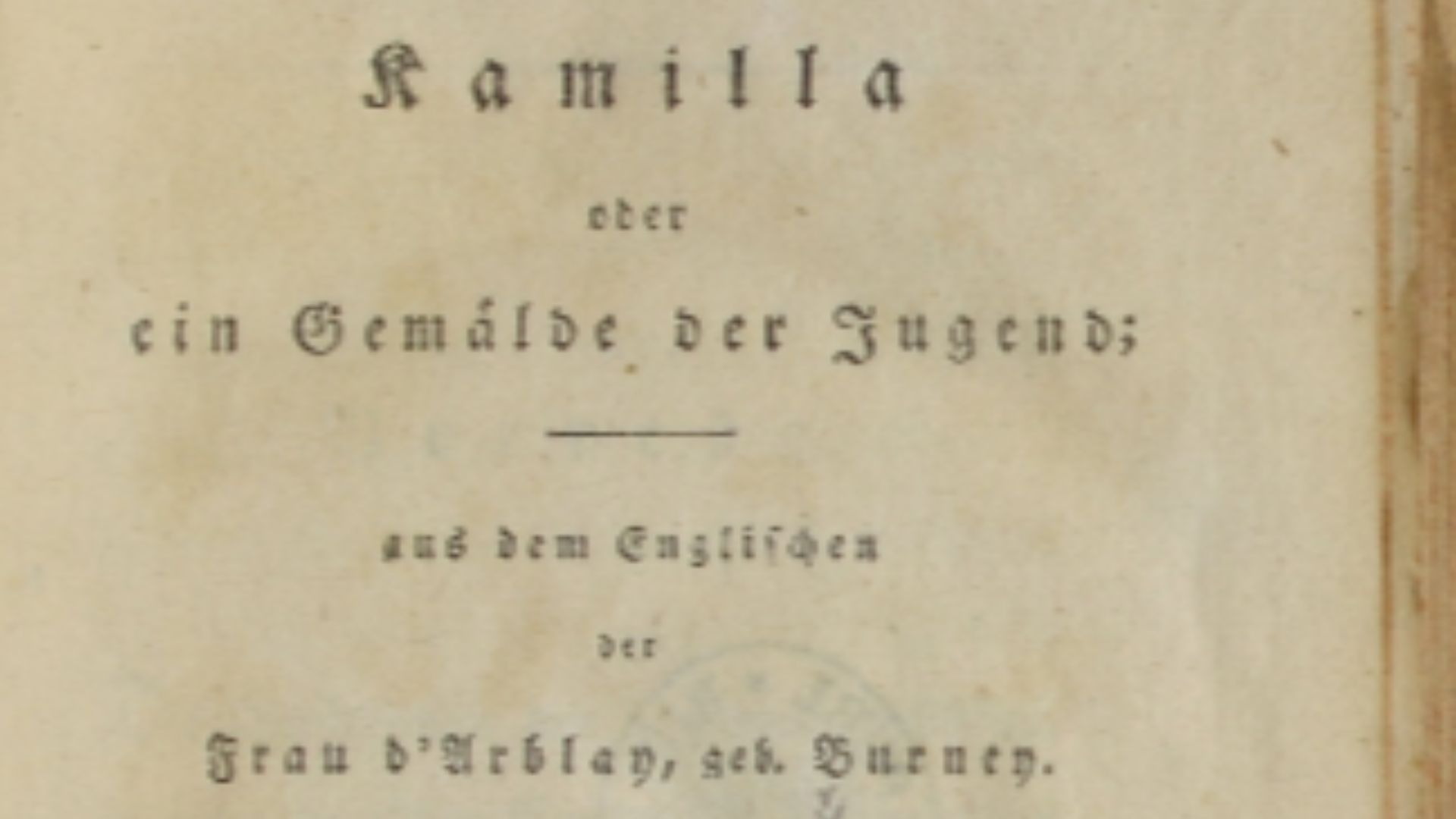 Unknown authorUnknown author, Wikimedia Commons
History's most fascinating stories and darkest secrets, delivered to your inbox daily.
40. Her Husband Longed For His Home
D’Arblay longed for his home, his true home—and the pension he should’ve got as a loyal servant to King Louis. Unfortunately, France remained in turmoil, unable to secure a stable leadership. Just when D’Arblay surely began to lose hope that he’d ever see his homeland again, a man arose who offered D’Arblay the salvation he so desperately needed.

41. Her Future Depended On A Foreign Leader
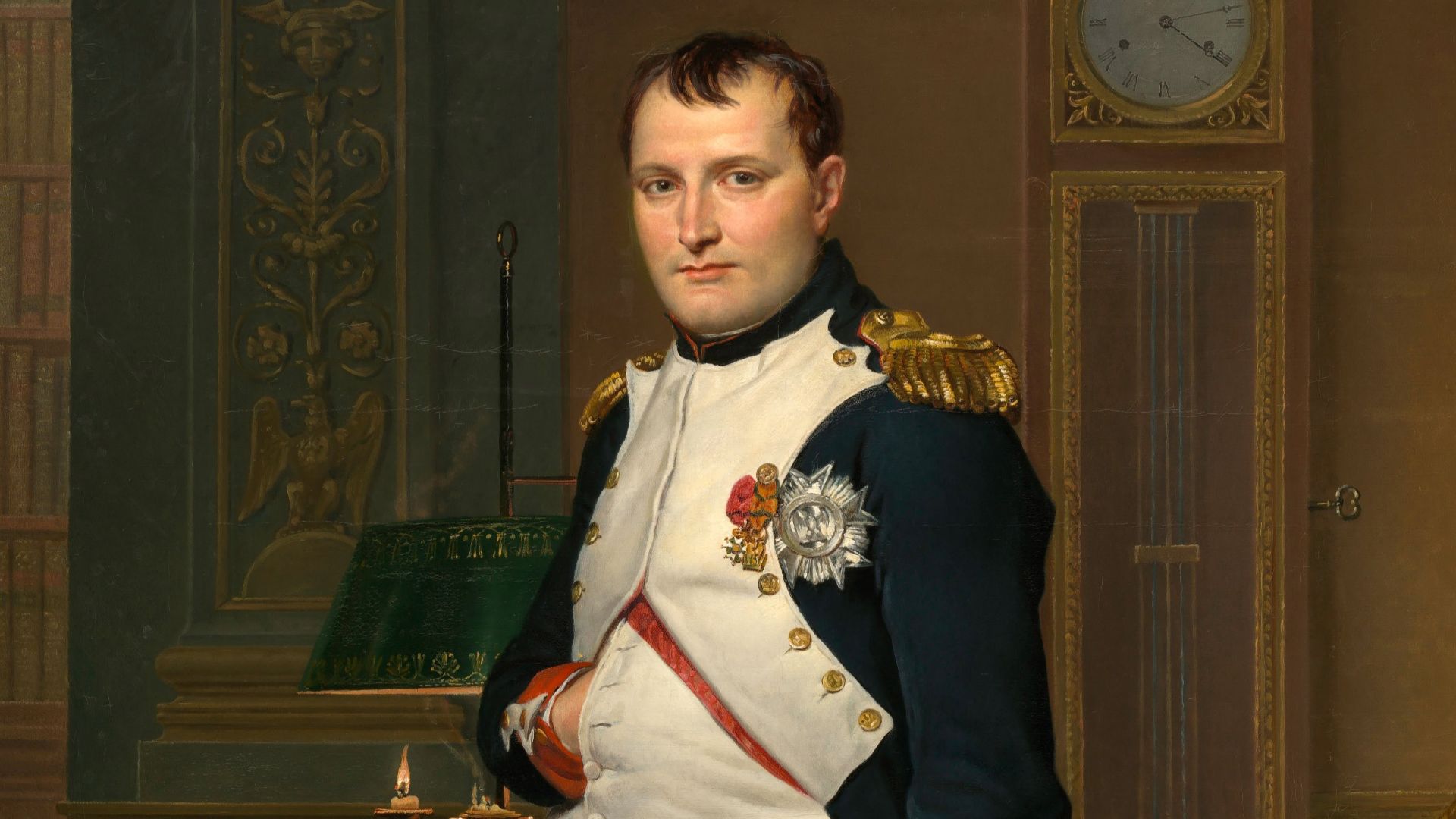
Napoleon Bonaparte changed the shape of France forever; he also provided those who fled the country at the dawn of the revolution with their first glimmer of hope. Napoleon gave the first opportunity for exiles to have their “traitor” status removed, allowing them to return to the country without fear of execution. By the end of 1800, D’Arblay counted himself among the many free to return to his homeland. However, he still had an obstacle to his happiness—his wife.
 Unknown authorUnknown author, Wikimedia Commons
42. She Held Her Husband Back
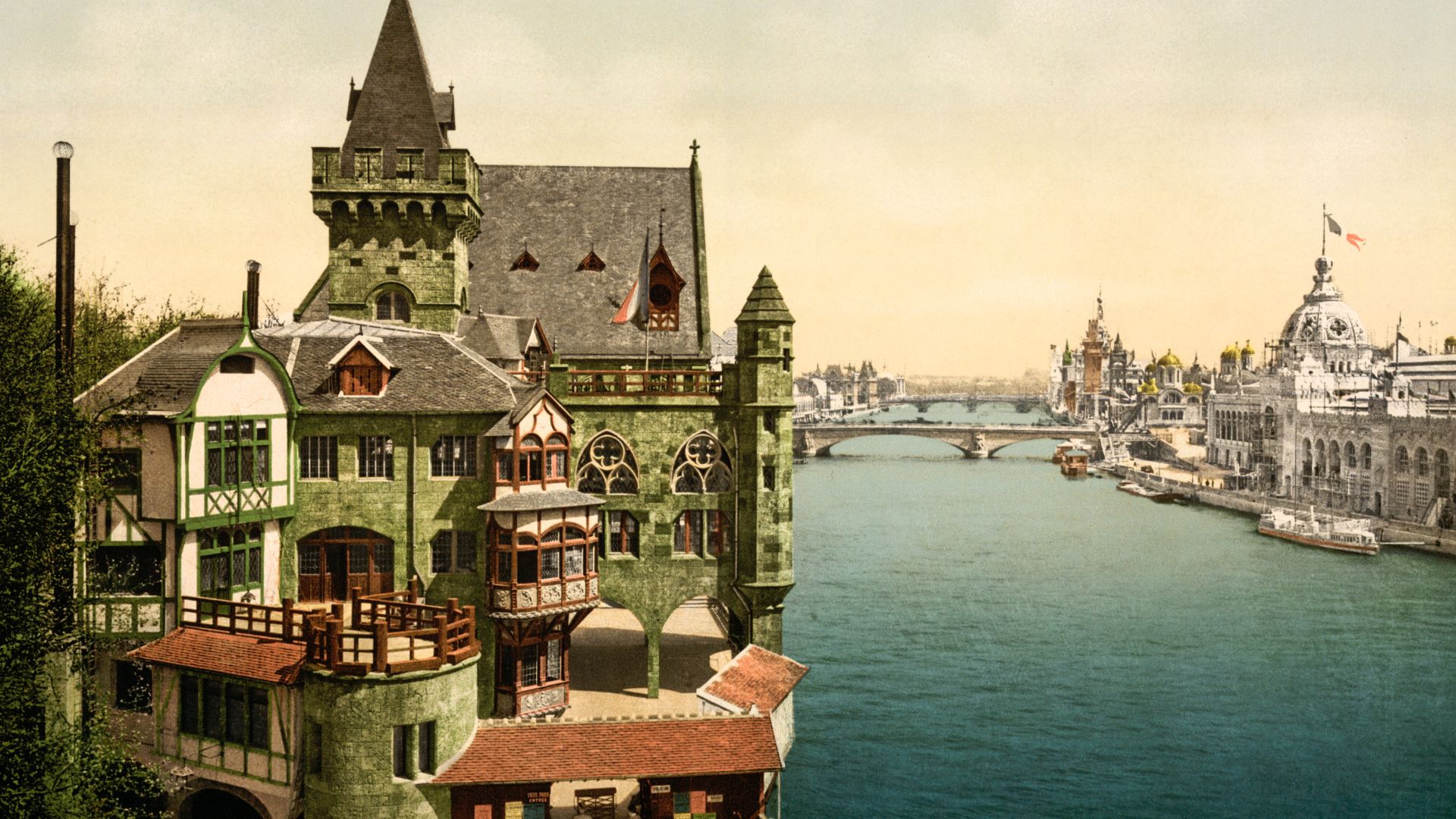
Unfortunately, Britain remained in conflict with France, stopping any hope of D’Arblay traveling between the two. D’Arblay and Fanny waited another whole year before their two countries found peace. D’Arblay quickly traveled home, leaving his wife and son behind, eager to settle the matter of his financial situation and finally provide for his family. Yet, all D’Arblay found disappointment on French shores.
 Detroit Publishing Co., under license from Photoglob Zürich, Wikimedia Commons
43. Her Husband Fell Short
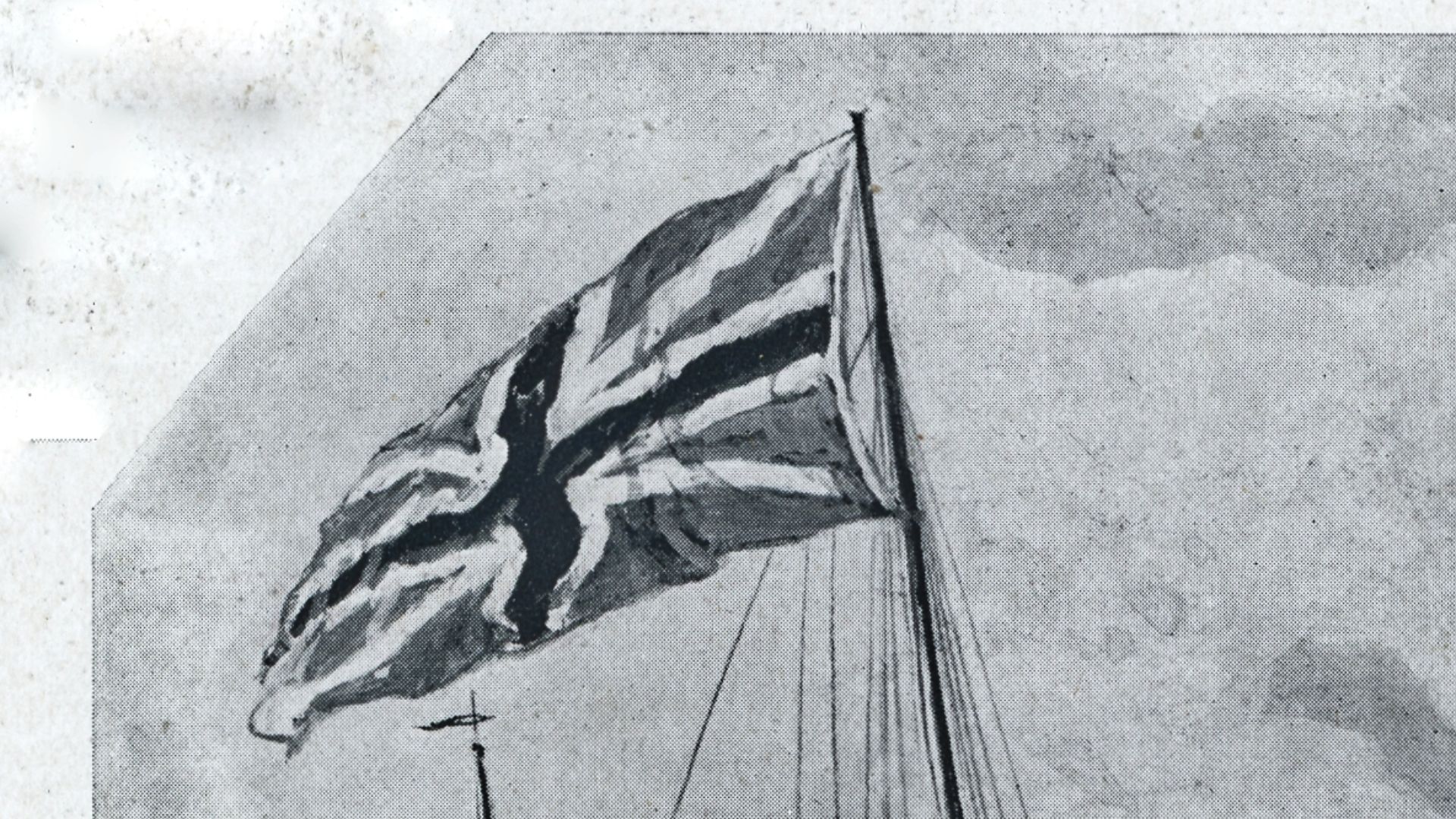
According to records, D’Arblay remained one year shy of the mandatory years of service to the monarchy to earn his pension. D’Arblay, now in his 40s, must return to battle. Yet, D’Arblay was not the man he’d been before. He now had two loyalties, and the two countries he loved held no love for each other. In the end, D’Arblay’s ties to England saved him from active battle but doomed him and his family to a fate much worse.
 Charles Joseph Staniland, Wikimedia Commons
44. Her Husband Upset Her Plans
D’Arblay arrived in Paris in 1802 to discover that the government had canceled his active duty. However, he’d acquired a year-long passport. He couldn’t return to England for another year. Not willing to be apart for that long, Fanny traveled with their son to meet D’Arblay in France. The plan was to stay only for the necessary year, and then return to England. However, things change quickly in a country in turmoil, as France continued to be.

45. She Lost Everything
Only a few months after her arrival, England and France were at war. Fanny and her family were trapped, cut off from everything that mattered: her book royalties, her friends and family, even basic information. Fanny struggled to even send and receive letters between France and England. Completely isolated with only her family for comfort, Fanny likely imagined her place in the world couldn’t fall any farther—yet it did.

History's most fascinating stories and darkest secrets, delivered to your inbox daily.
46. Her Body Began To Fail Her
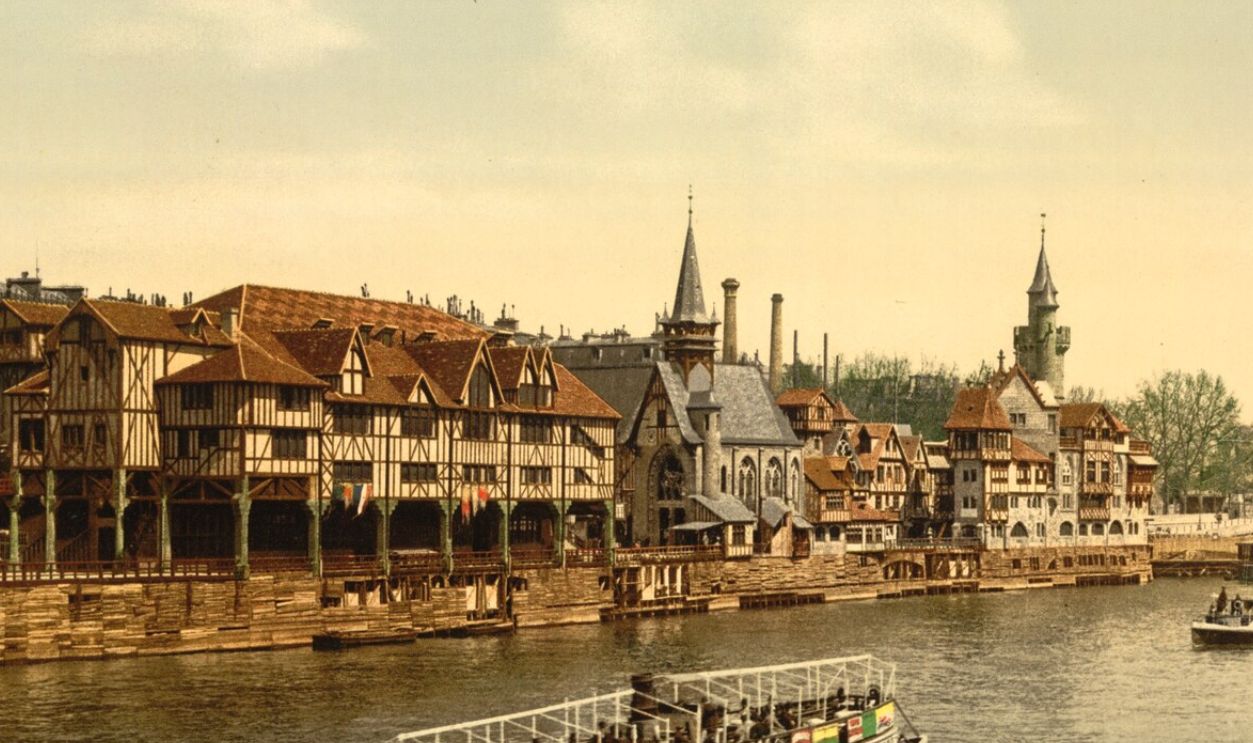
In August 1810, eight years after she arrived for a "one-year stay," Fanny was still in France when she began to experience pains in her breasts. Fearing that the pains indicated she’d developed breast cancer, Fanny underwent a mastectomy. The operation may or may not have saved Fanny’s life. However, despite being done by supposedly the best doctors of the time, Fanny may have been better off without the operation at all.
 Photochrom Print Collection, Wikimedia Commons
47. She Underwent A Horror
In 1810, anaesthetics did not exist. Strapped to a table, Fanny remained entirely conscious the entire time as the doctors severed her flesh from her body. Although Fanny survived the operation, the trauma left a lasting impression on her, and she later described the pain as "so excruciating". But that wasn't the worst part.

48. She May Not Have Had Cancer
There's no way to really know if Fanny truly had cancer or not, and there is a chance that the agonizing surgery was pointless. Despite the horrors of this chapter, she survived. But there were still struggles for her to overcome. When her father fell ill two years later, she’d finally had enough of her exile. She’d given France not just years of her life, but parts of her body. The time had come to leave.
 Mike van Schoonderwalt, Pexels
49. She Needed To Flee
In 1812, an American ship offered Fanny the salvation she needed. D’Arblay, unfortunately, could not leave the country, but Fanny and their son, now old enough that the threat of conscription to the French army caused Fanny fear, smuggled away on the ship, which illicitly dropped the two off on British shores. While at home, Fanny cared for her father in his final years of life and published one last novel. However, her heart remained in France, and Fanny always followed her heart.

50. She Couldn’t Leave Her Love Behind
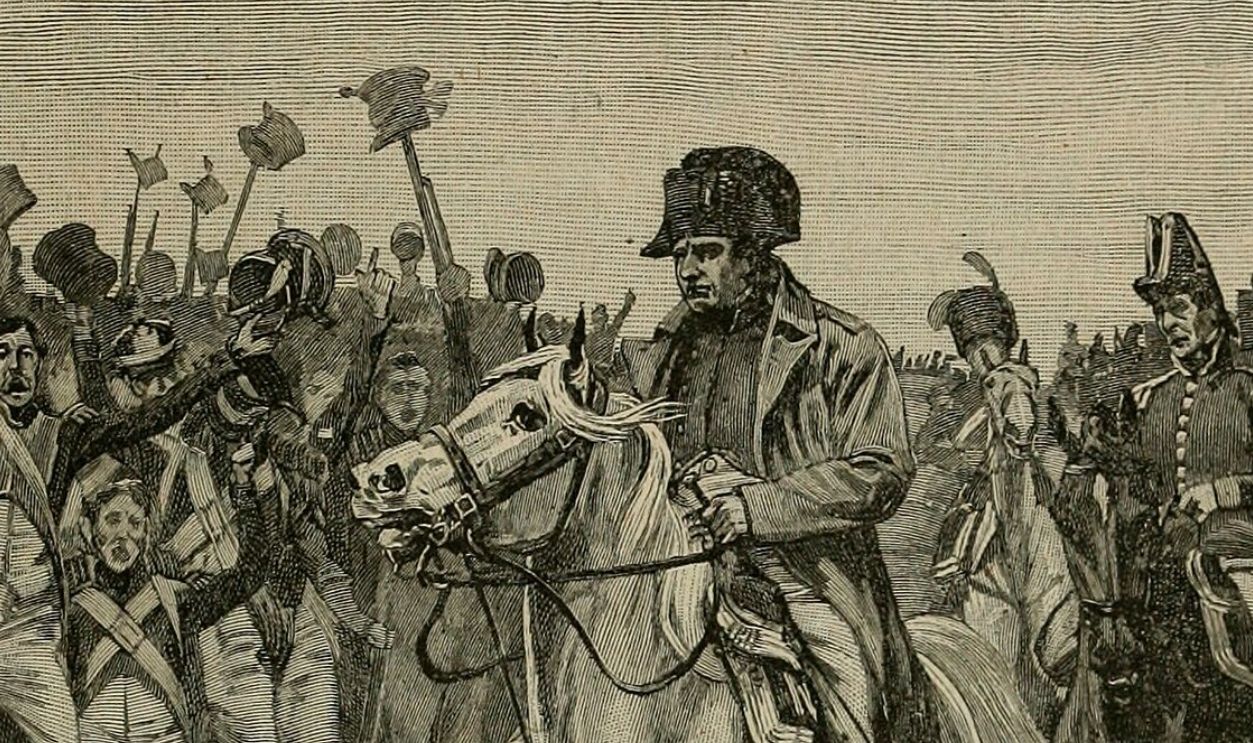
Leaving her son safely at Cambridge, Fanny returned to France and D’Arblay in 1814, for a short time at least. Napoleon’s attempted return to France forced Fanny to flee; she spent a brief time in Brussels while D’Arblay remained behind. The Battle of Waterloo finally ended Fanny’s years of running. However, it also nearly ended something far more important to Fanny.
 Internet Archive Book Images, Wikimedia Commons
51. She Refused To Admit Defeat
Following the Battle of Waterloo, Fanny learned of her husband’s fate. During the fighting, he’d been injured and now lay in a German hospital. Fanny considered this unacceptable. Her years of struggle only fortified Fanny. She swooped in to save her husband, taking him from the hospital and bringing him home where he belonged. Now blessed with honors, D’Arblay retired to Bath, where he and Fanny enjoyed peace, for a time at least.

History's most fascinating stories and darkest secrets, delivered to your inbox daily.
52. Her Legacy Faded From Memory
D’Arblay passed in 1818, only a few years after returning to Bath and his beloved wife. Fanny spent her later years entertaining the children of her siblings with her various tales. In 1837, Fanny’s only child joined his father, succumbing to influenza. Yet, stronger than so many gave her credit for, Fanny endured her grief for another two to three years before finally joining her family in a Bath cemetery.
In the years that followed, Fanny’s legacy has been diminished and forgotten, belittled to nothing more than a “woman with a journal”. Yet, Fanny Burney remains so much more.
You May Also Like:
The Wild Story Of Queen Elizabeth I’s Forgotten Governess
Edwardian England’s Most Scandalous Woman










_(14783491413).jpg)