It Came Back To Haunt Him
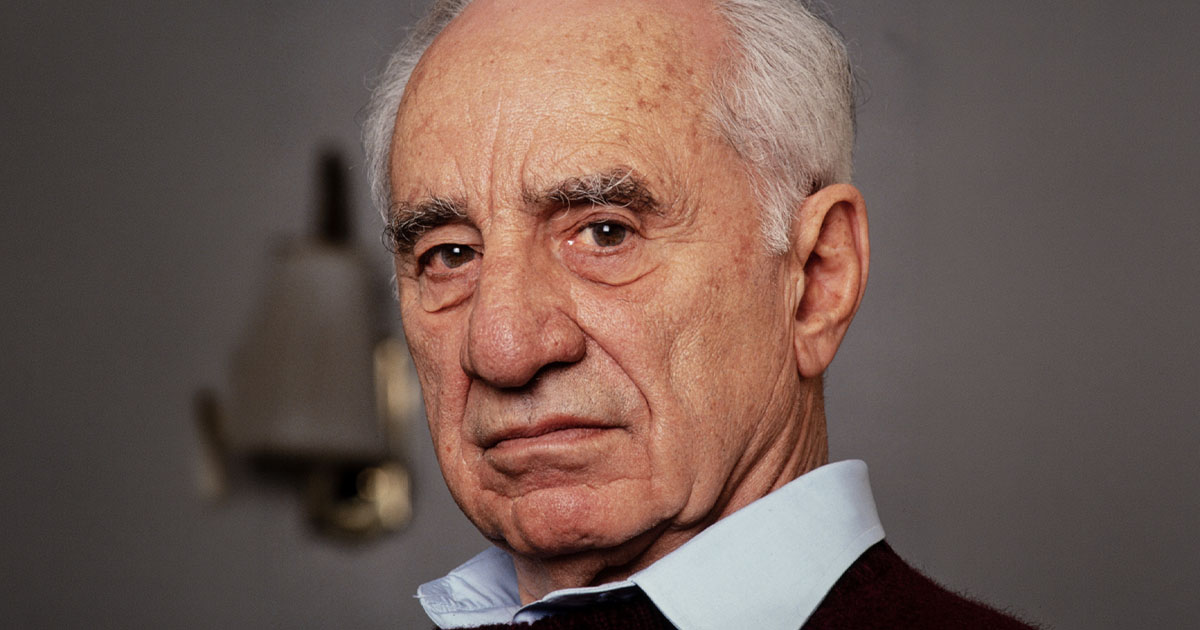
Elia Kazan was one of Hollywood's most influential directors—and one of its most contentious. He was instrumental in launching the careers of Marlon Brando and James Dean, but his personal life was just as dramatic as his movies. He had a secret affair with Marilyn Monroe, blabbed the names of eight former colleagues before HUAC, and then spent the next decades living with the consequences. When Hollywood eventually bestowed on him an honorary Oscar in 1999, it was one of the most uncomfortable nights in the history of the Academy.
1. He Got A Nickname
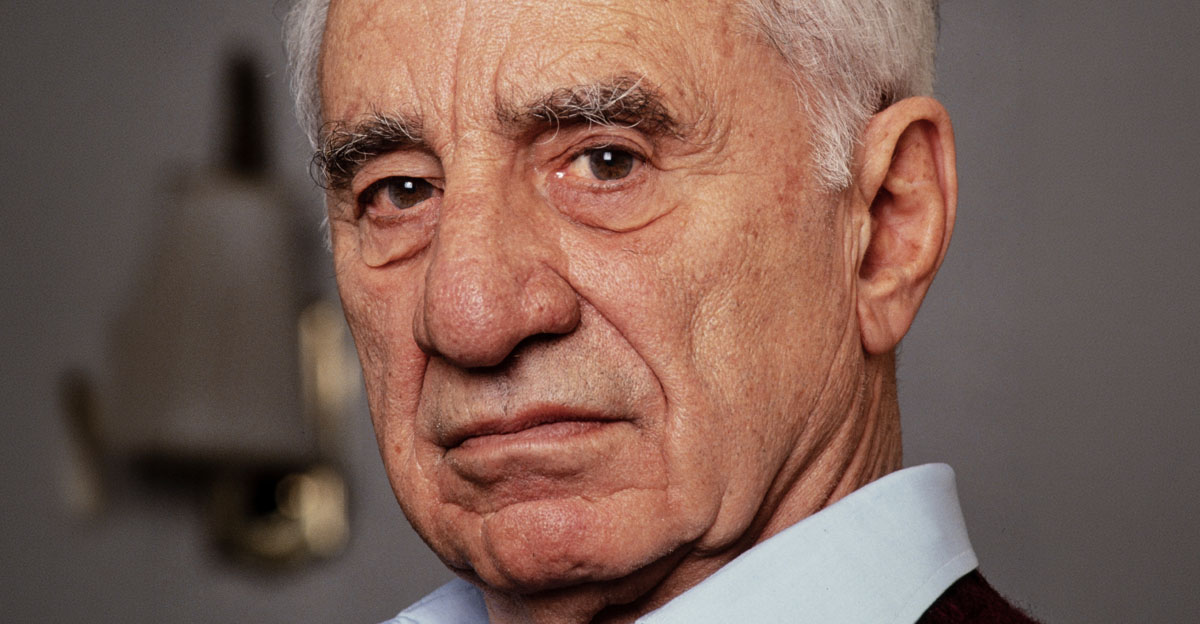
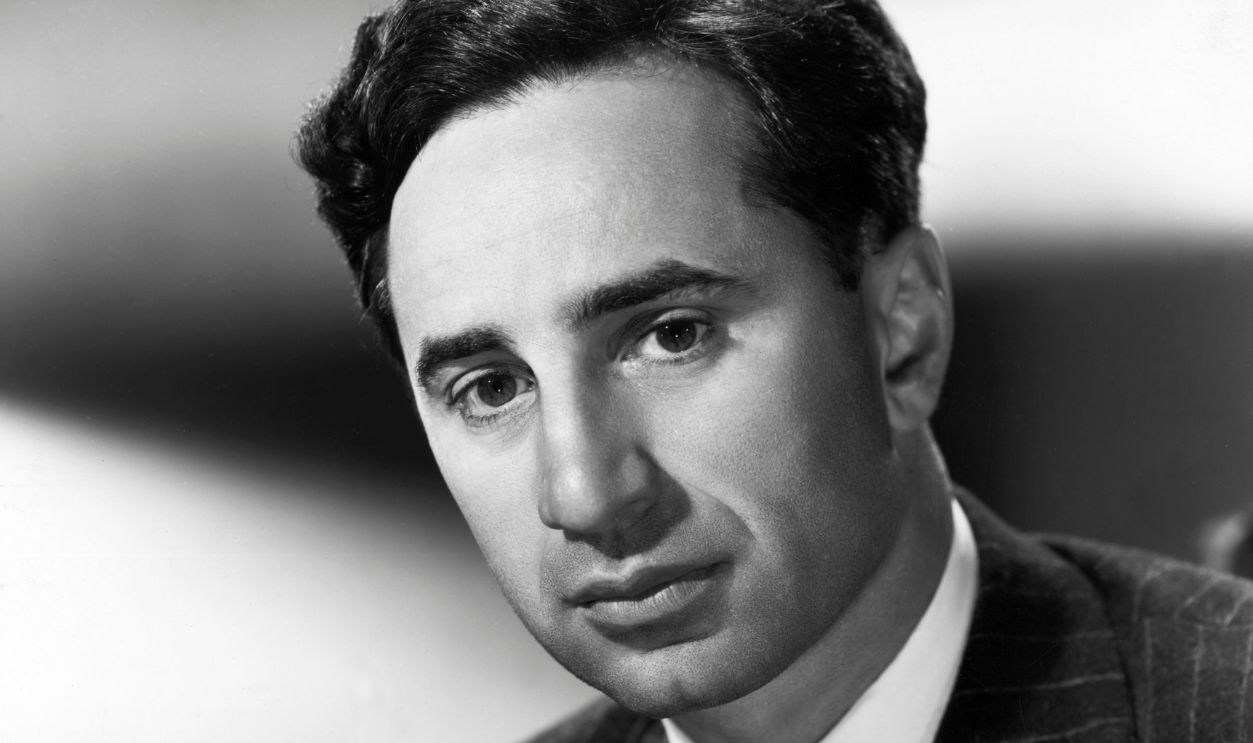
Elias Kazantzoglou was born on September 7, 1909, in what is now Istanbul, Turkey. He arrived in America in 1913, and his parents' plan was to sell rugs. They raised their son in New Rochelle, New York, and Kazan eventually made his way to studying theater at Williams College. He was a little guy and very handy backstage, so they called him “Gadg”, which was short for gadget.
But there was also a dark side to his time at College.
2. He Was A Loner
Elia Kazan eventually ended up at the Yale University School of Drama, where he was a loner. Adding to his misery were the attractive “WASP” women at his school. All he wanted to do was date one of them, but they weren’t showing any interest at all. To find a girlfriend, Kazan took a route that many would consider heartless.
3. He Split Them Up
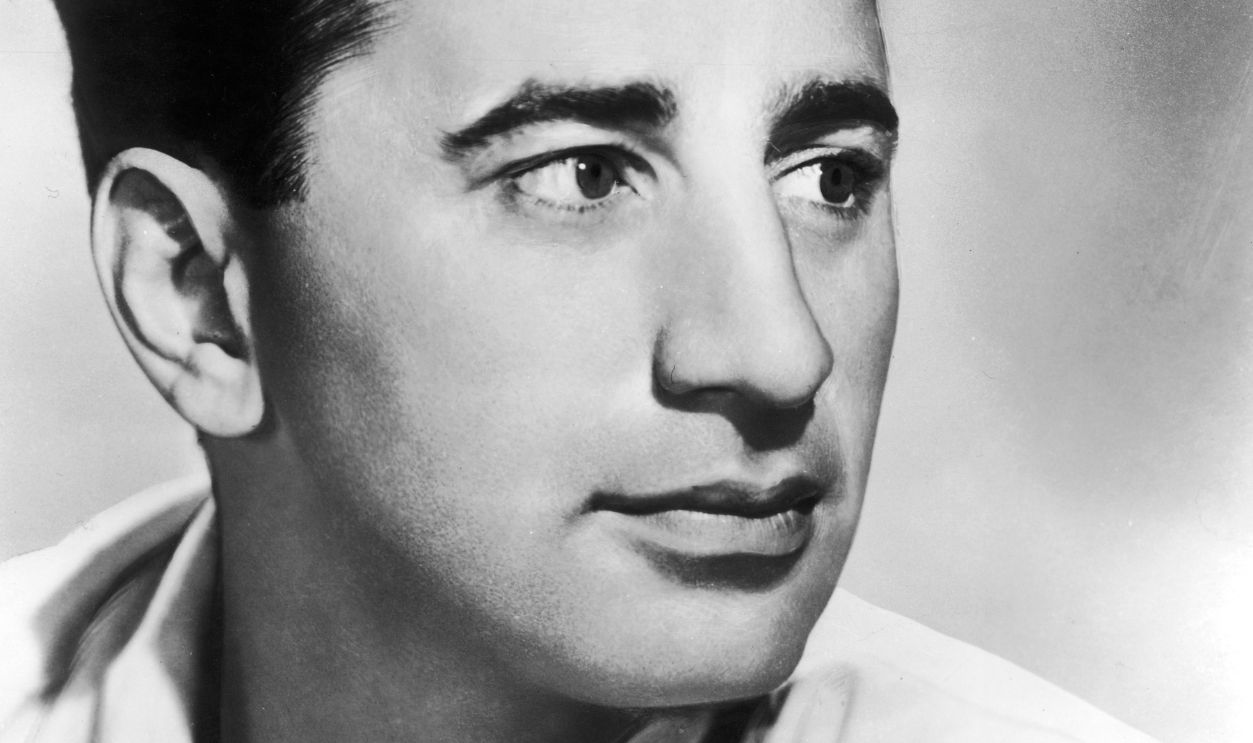
Just as Kazan was becoming convinced he’d never get a girlfriend, he met Molly Day Thacher. The problem was that she was already dating his roommate, Alan Baxter. Kazan somehow maneuvered his way into breaking up Thacher and Baxter, and dating Thacher himself. It somehow worked out, and they got married in 1932.
With a woman at his side, Kazan was ready to make some waves.
4. He Joined A Party
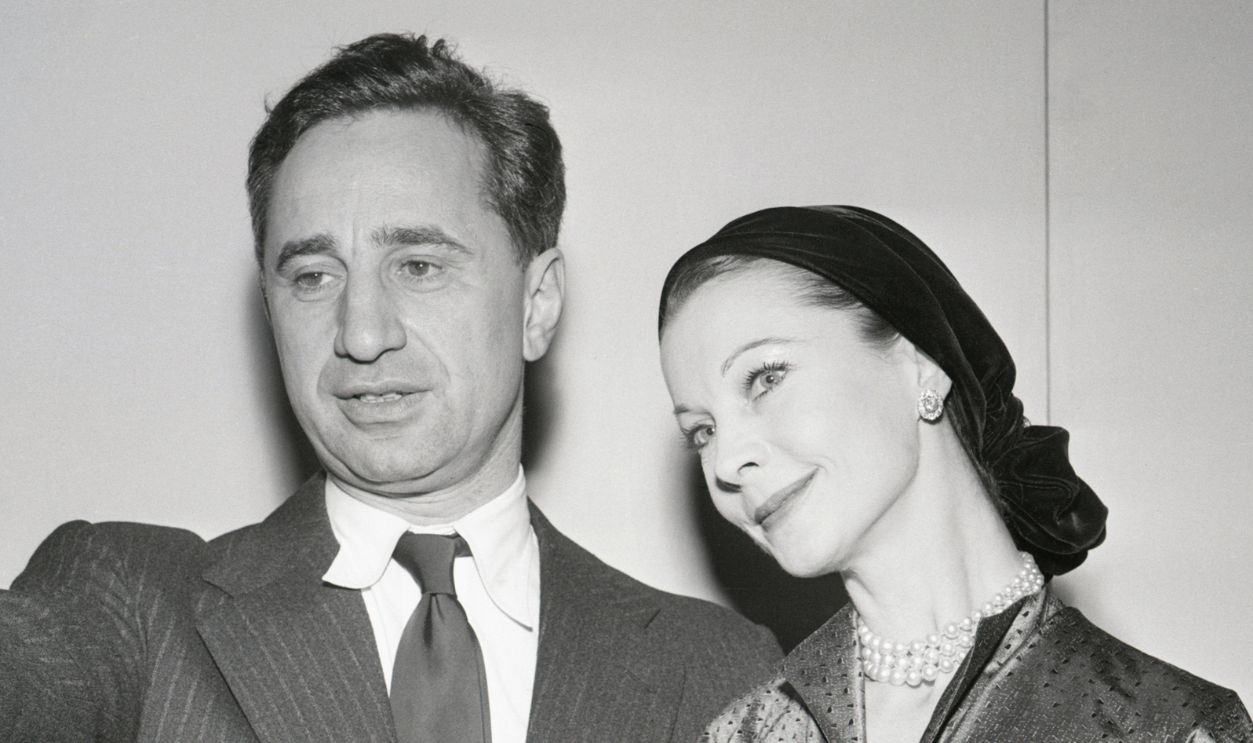
After Yale, Elia Kazan attended Juilliard School, and then he and his wife joined a company called Group Theater. This was a group of actors who put their focus on “social commentary” plays. Considering the plays’ subject matter, it seemed like a natural progression for Kazan to join the Communist Party. His wife signed up too.
But Kazan was not exactly an upstanding member.
5. They Voted Him Out
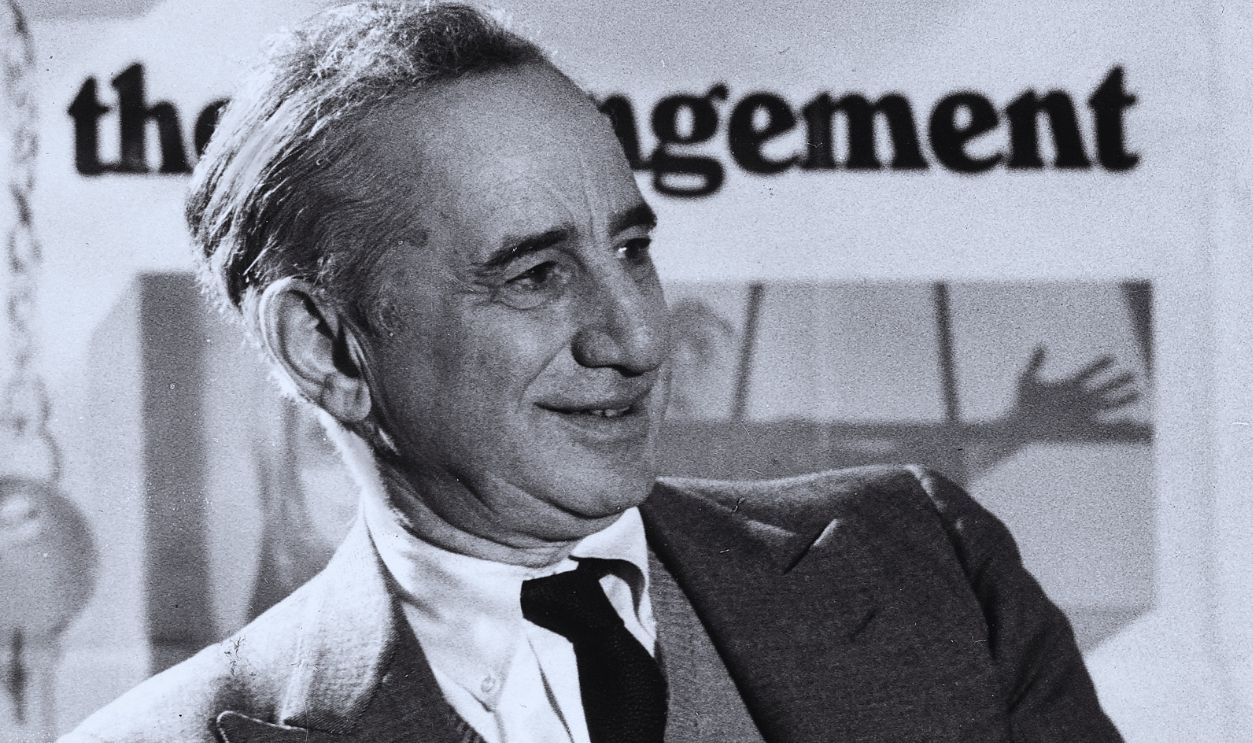
There were some expectations of members of the Communist Party, and Kazan wasn’t exactly meeting them. His future in the party eventually came to a vote. As they tallied up the ballots, there was just one in favor of keeping him in the party, and that was his own. Kazan was out of the party.
Years later, Kazan would reap his revenge on the communists that rejected him.
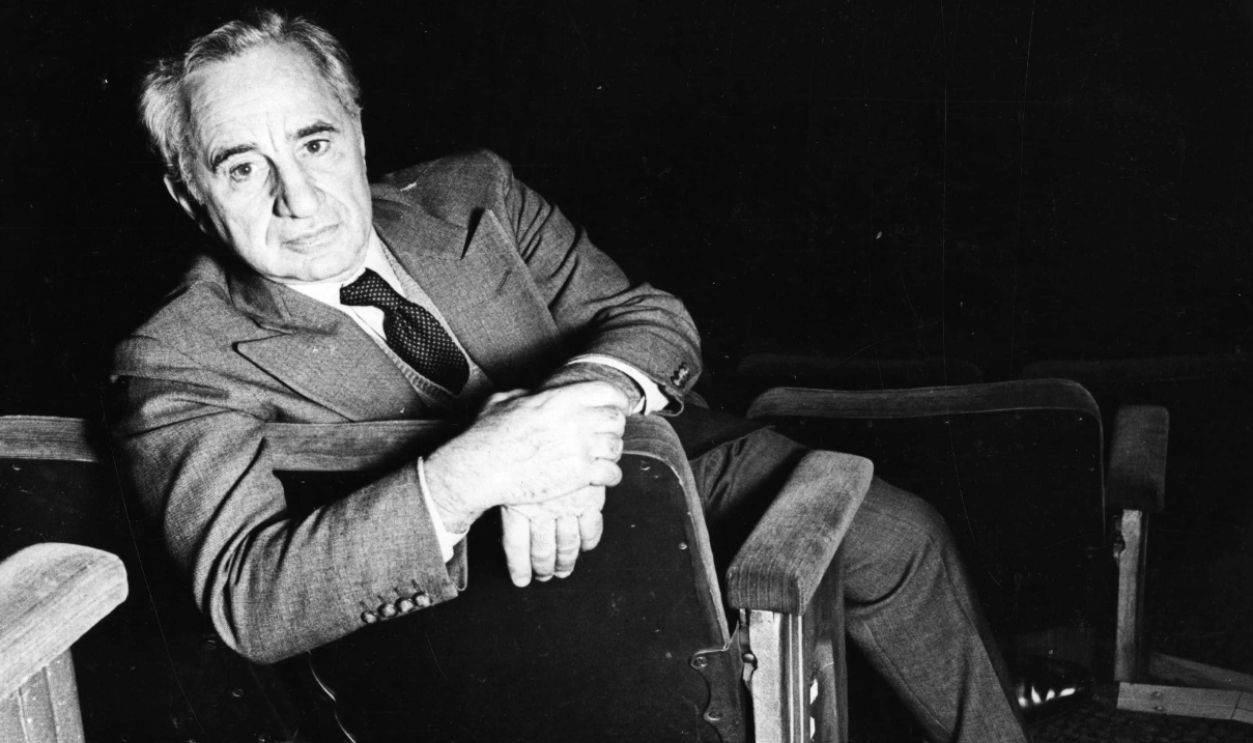
6. He Got A Brutal Acting Review
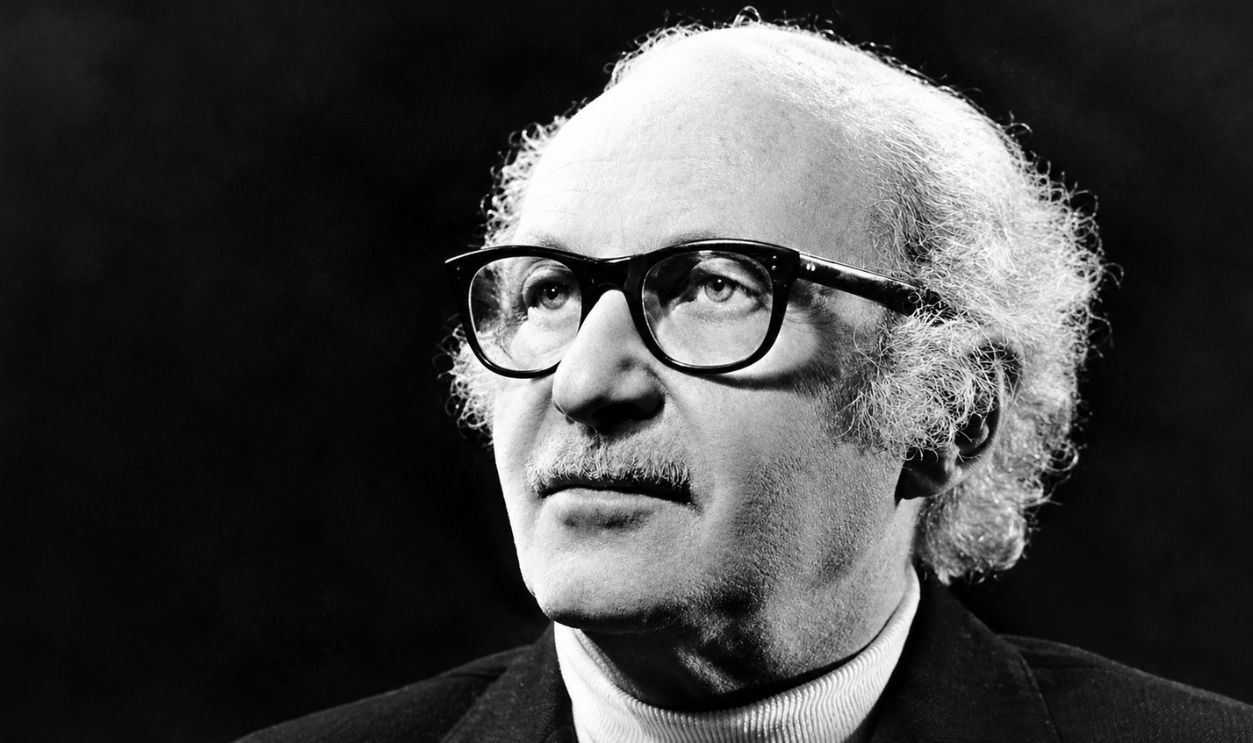
Elia Kazan stayed with the Group Theater, and through it met famed acting coach Lee Strasberg, who would go on to be a method acting guru. Strasberg took one look at Kazan’s acting ability and had good and bad news. The good news was that Strasberg believed he had talent. The bad news was that it just wasn't for acting.
Kazan had to find another way to continue in show business.
 ebay.com, Wikimedia Commons, Modified
7. He Finally Found His Calling
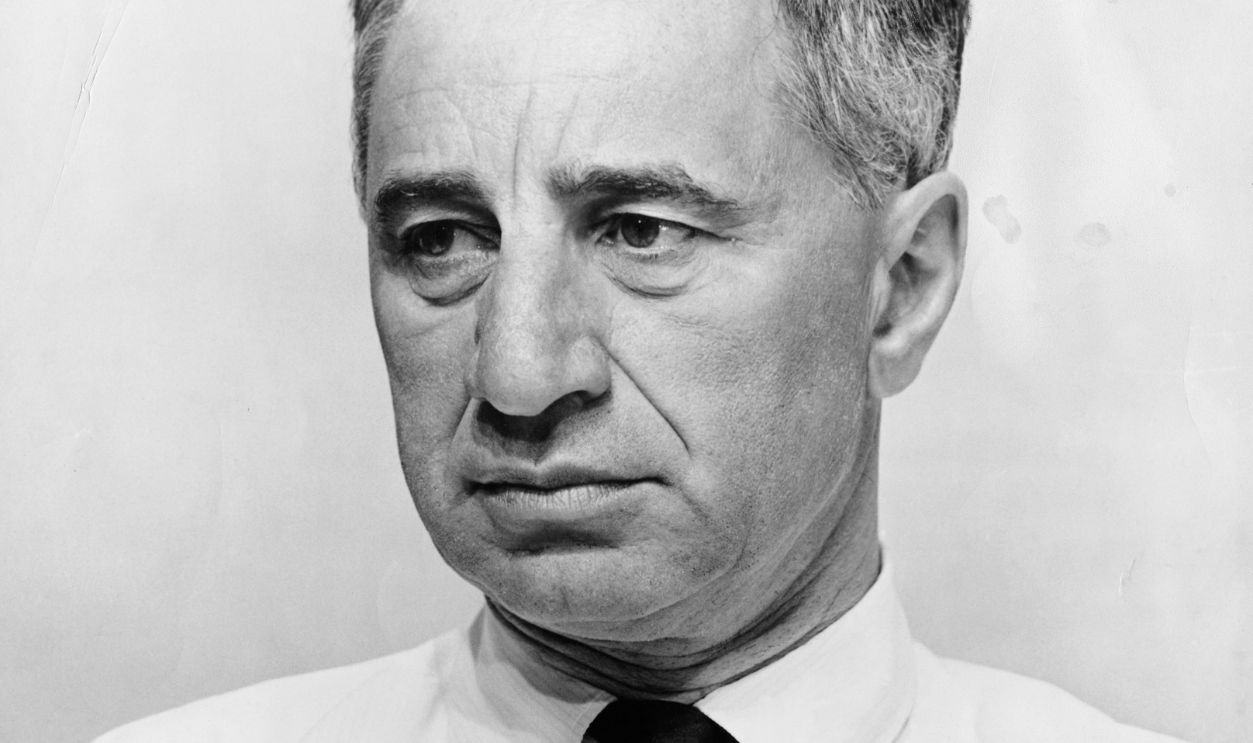
Based on Strasberg’s advice, a 26-year-old Kazan turned his focus from acting to directing. When he mounted Thornton Wilder’s The Skin of Our Teeth, he received his first real taste of success. This wildly successful and controversial play starred Tallulah Bankhead and earned Wilder a Pulitzer Prize.
Kazan was ready for an iconic moment.
 John Springer Collection, Getty Images
8. He Discovered A Star
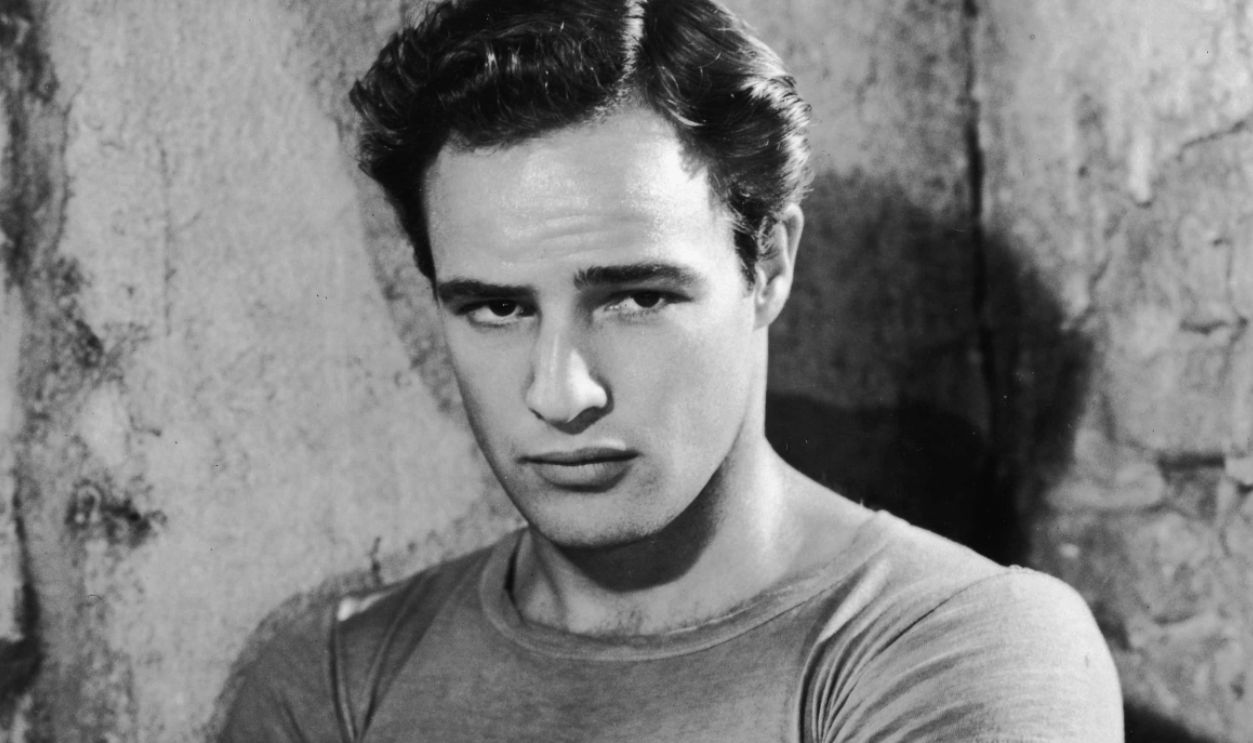
In 1947, Elia Kazan started the Actors Studio as a not-for-profit workshop for actors. Soon he was directing one of the students there in Tennessee Williams’ classic play A Streetcar Named Desire. The actor was Marlon Brando, and he and Kazan would soon be pioneering a new future in film.
But Kazan’s first taste of Hollywood was bitter.

History's most fascinating stories and darkest secrets, delivered to your inbox daily.
9. He Was Not A Fan Of Hollywood
Kazan left the Actors Studio in Strasberg’s capable hands and headed west to Hollywood. His reaction to it was absolutely toxic. He sent a letter to his wife calling Hollywood a “grave” whose residents were in “various stages of decomposition”. Yikes, those are strong words for a place right at the center of La La Land.
But if Kazan wanted to make movies, he’d have to learn to love Hollywood.
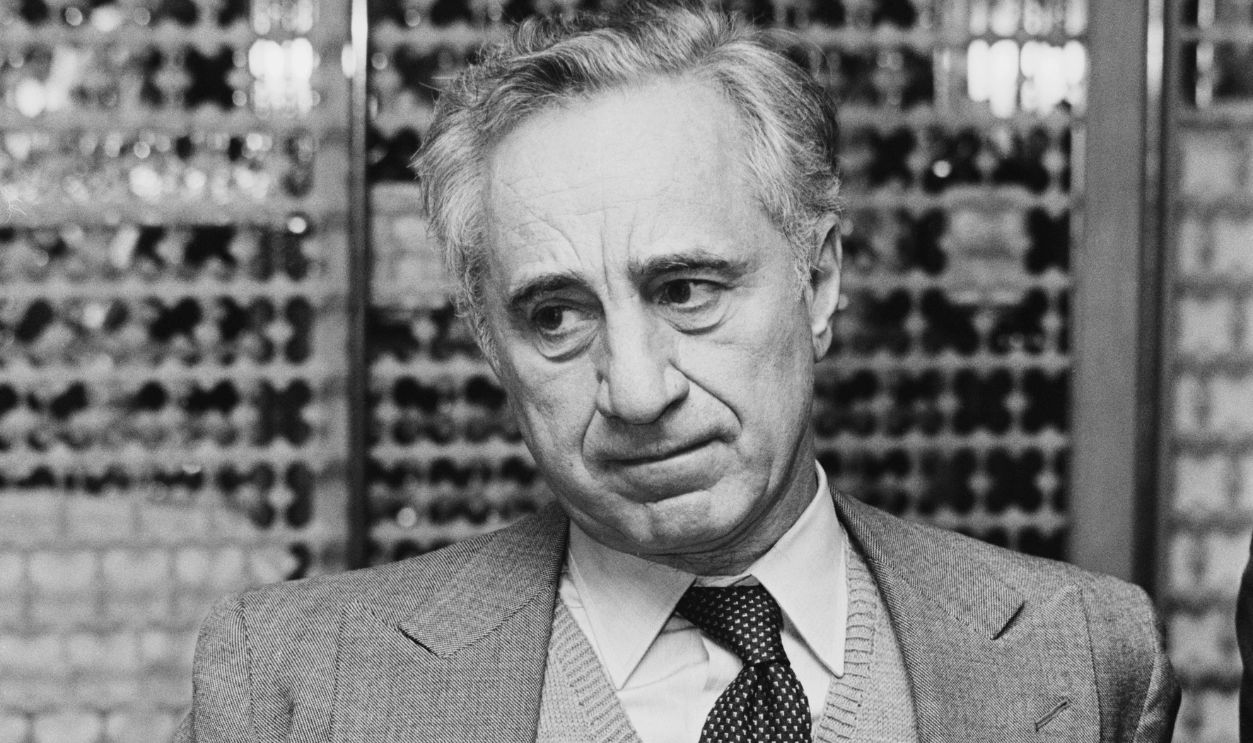
10. Hollywood Couldn’t Ignore Him
Elia Kazan may not have been a fan of Hollywood, but his films found success there anyway. A Tree Grows in Brooklyn, A Gentlemen’s Agreement, and Boomerang! were all successful films that stayed true to Kazan’s passion, which was telling socially relevant and controversial stories.
When he made 1949’s Pinky, he went a little too far.
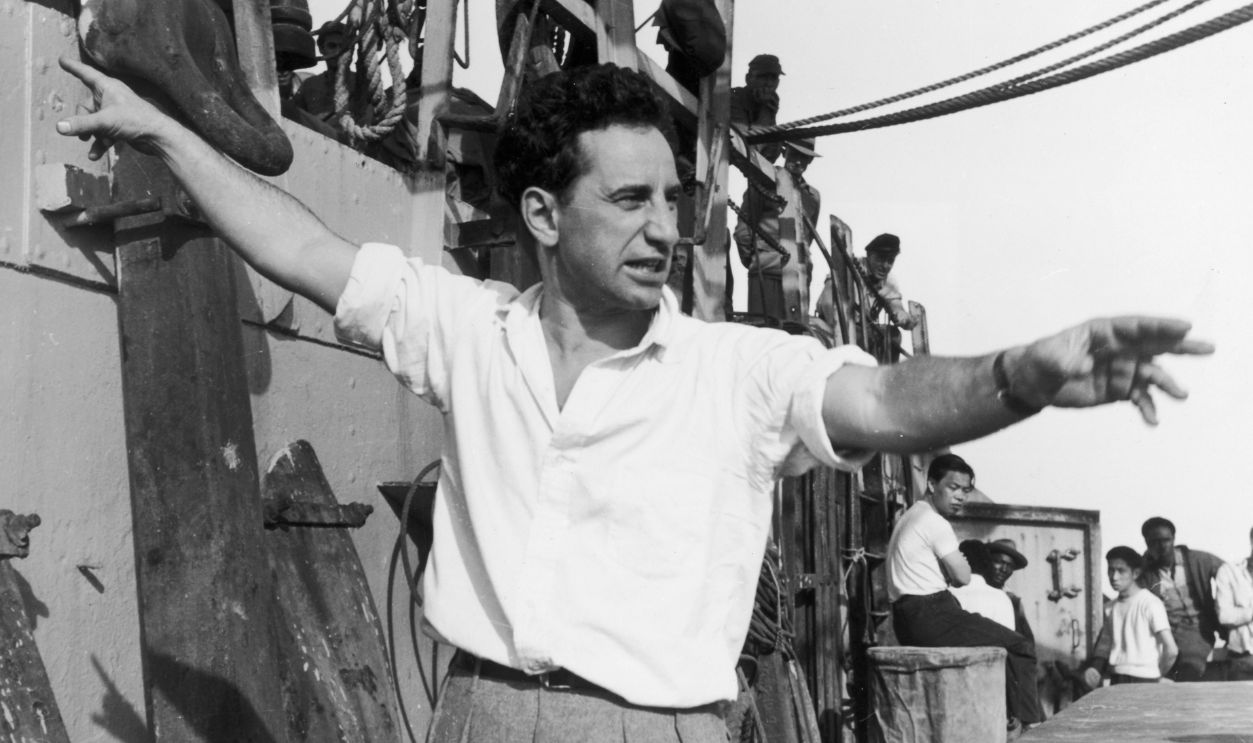
11. He Walked Into Controversy
Kazan’s Pinky tells the story of a Black woman who passes as white. People in Marshall, Texas, didn’t like the part of the story where a white man stays with his woman even after finding out she is actually Black. And they really didn’t like the scene where a white man kisses a Black woman. The controversial court case that followed was instrumental in getting movies covered by the First Amendment.
Kazan’s next film would have even more controversy.
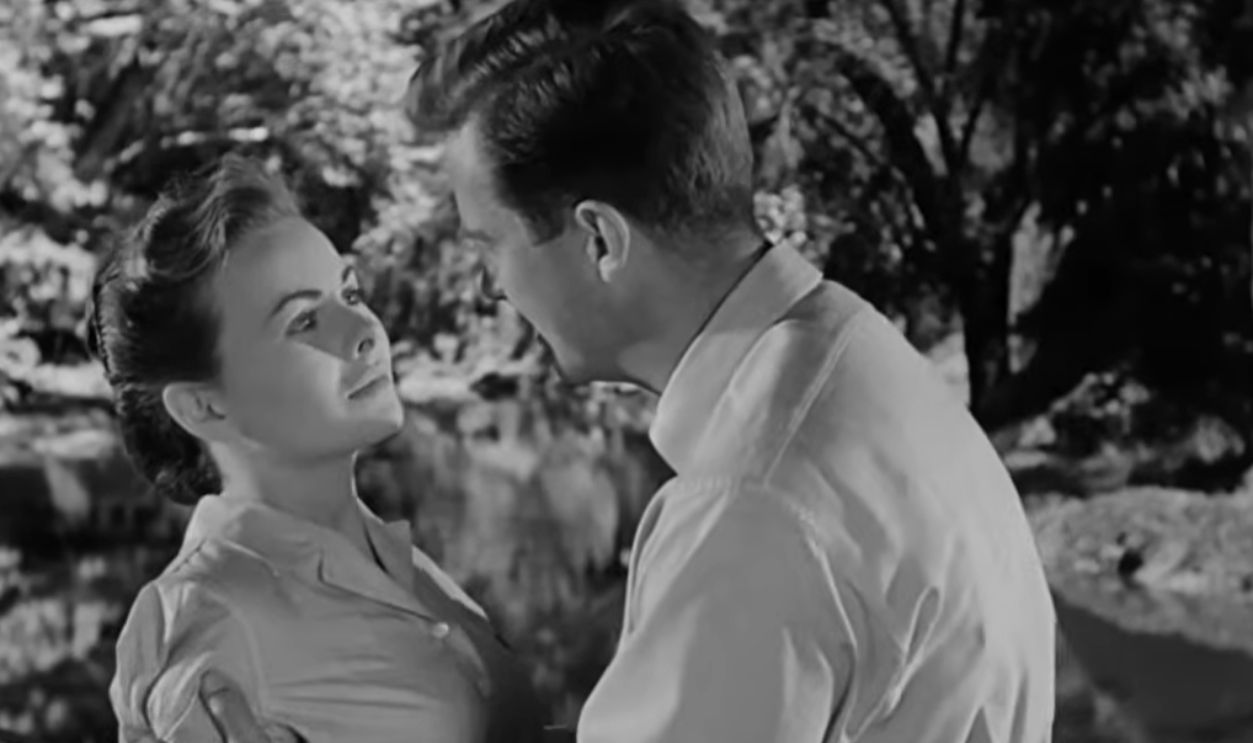 Screenshot from Pinky, The Walt Disney Company (1949)
12. He Came To The Rescue
In 1950, Elia Kazan made a brave choice. MGM Studios had put Fiddler on the Roof actor Zero Mostel on an unofficial blacklist. This was because Mostel was a known critic of the right wing, and because he had protested one of MGM’s films. Once MGM had more or less canceled Mostel, Kazan swooped in for the rescue.
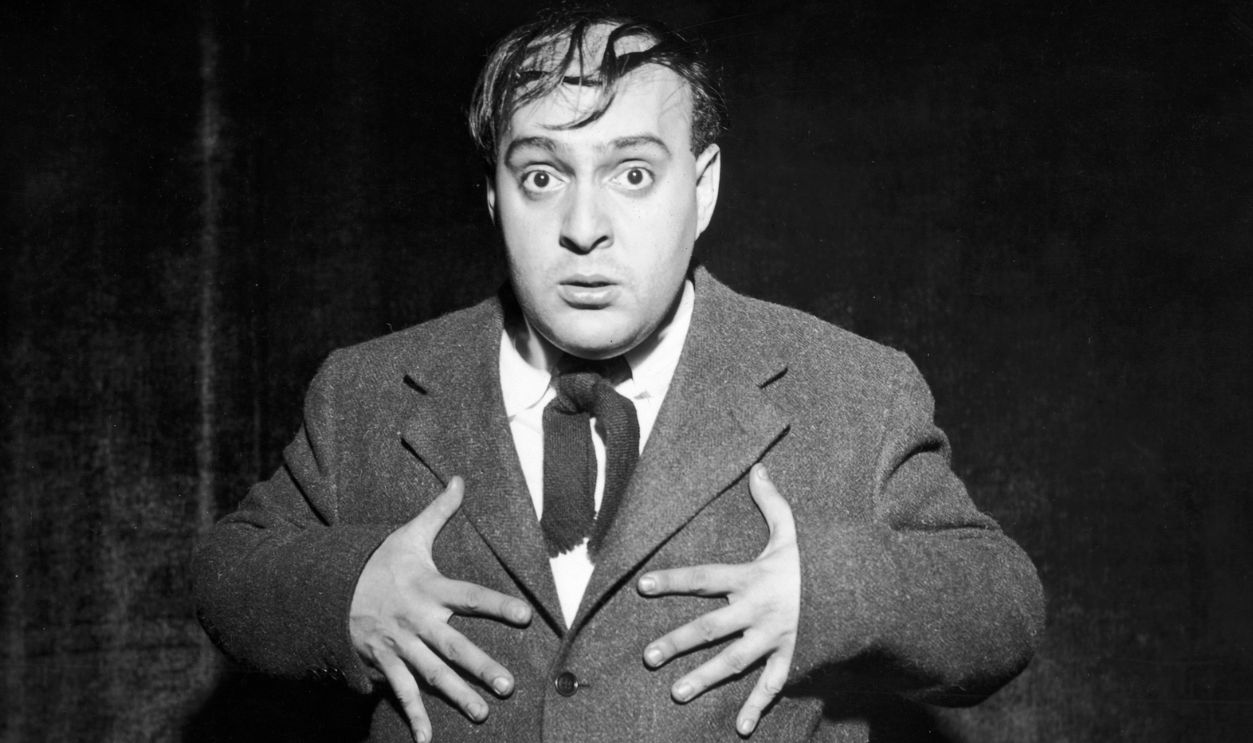
13. He Threw Him A Lifeline
No one was hiring Mostel to appear in movies, but Kazan didn't care. He wanted him for Panic in the Streets, which he was making for 20th Century-Fox. Kazan risked the fury of MGM bosses and bravely hired Mostel, which was a virtual lifeline for the cash-strapped actor.
But the obstacles just kept coming.
14. There Were Problems With The Script
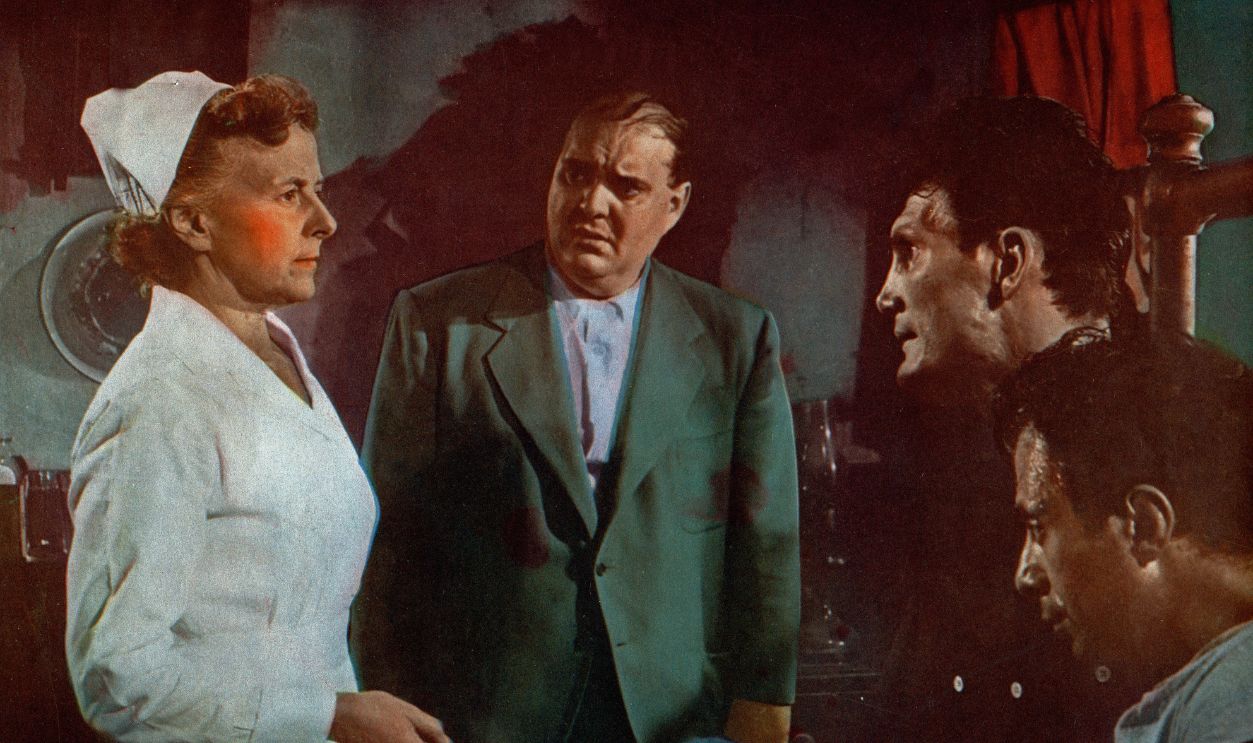
At this time, the Hays Code had come into effect, and this meant that censors had their say about movie content. Elia Kazan submitted the script for Panic in the Streets and waited to see if it passed. It didn’t. The complaints were that it was gruesomely violent, had officers losing their lives, and a female character who appeared to be a lady of the evening.
The censor sent the script back for revisions.
 Screenshot from Panic in the Streets, The Walt Disney Company (1950)
15. He Started Taking Home Trophies
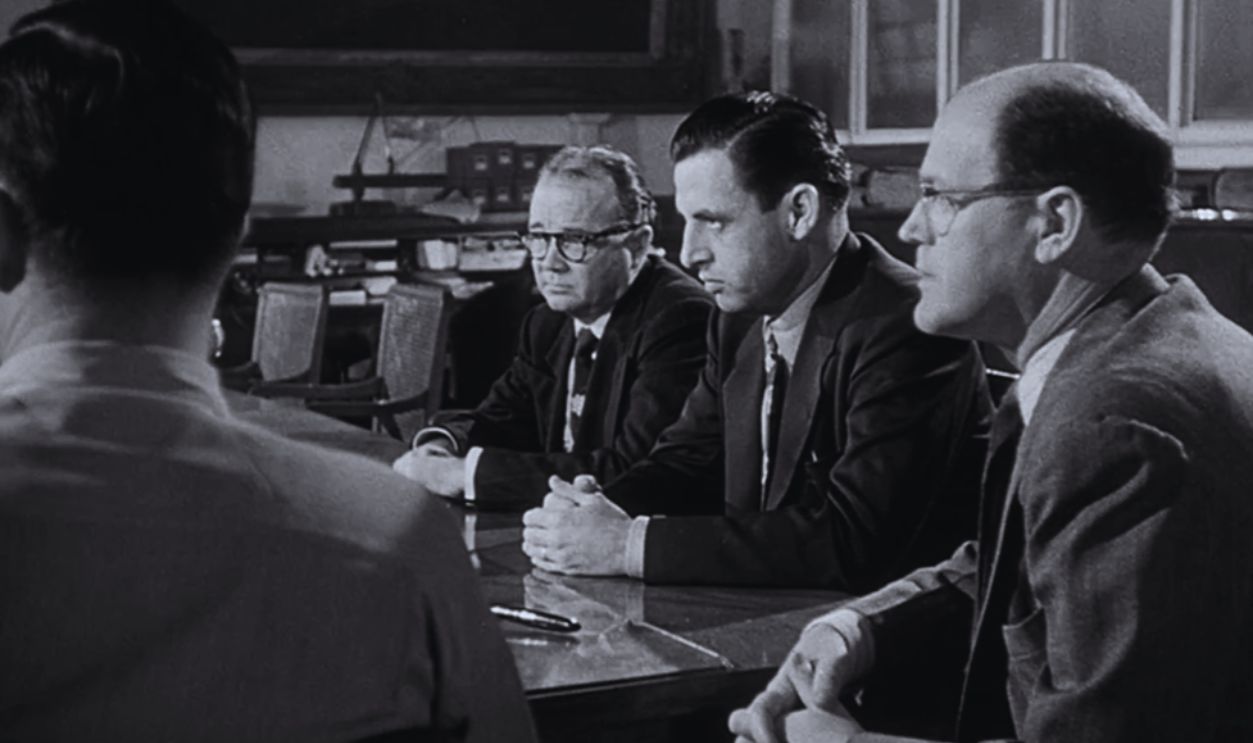
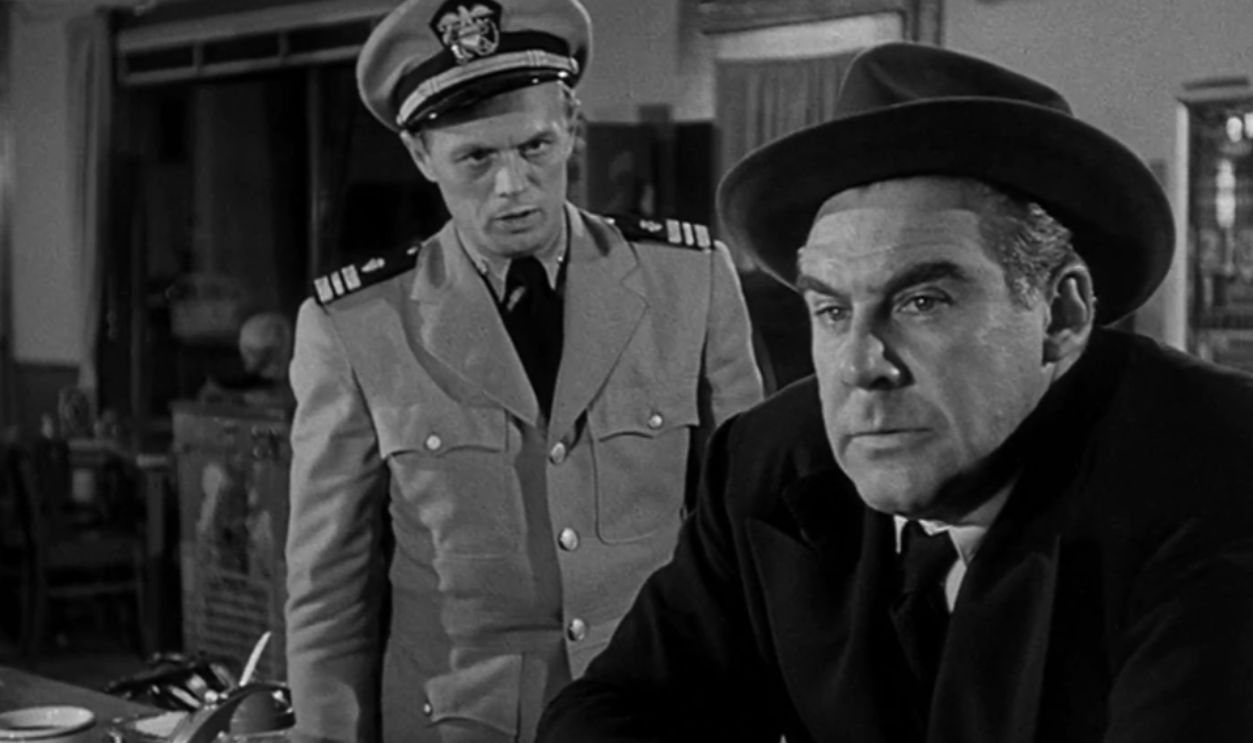
Kazan bowed to the censors and made Panic in the Streets. Critics were raving about Kazan's documentary style filmmaking. Sadly, the film lost the studio money, but it did pick up an Academy Award. Despite the changes Kazan had to make, Panic in the Streets took home the Best Writing Oscar that year, and Kazan himself got a Venice Film Festival International Award.
Kazan was making waves in Hollywood. But there was a tsunami coming his way.
 Screenshot from Panic in the Streets, The Walt Disney Company (1950)
16. He Had A Starlet On His Arm
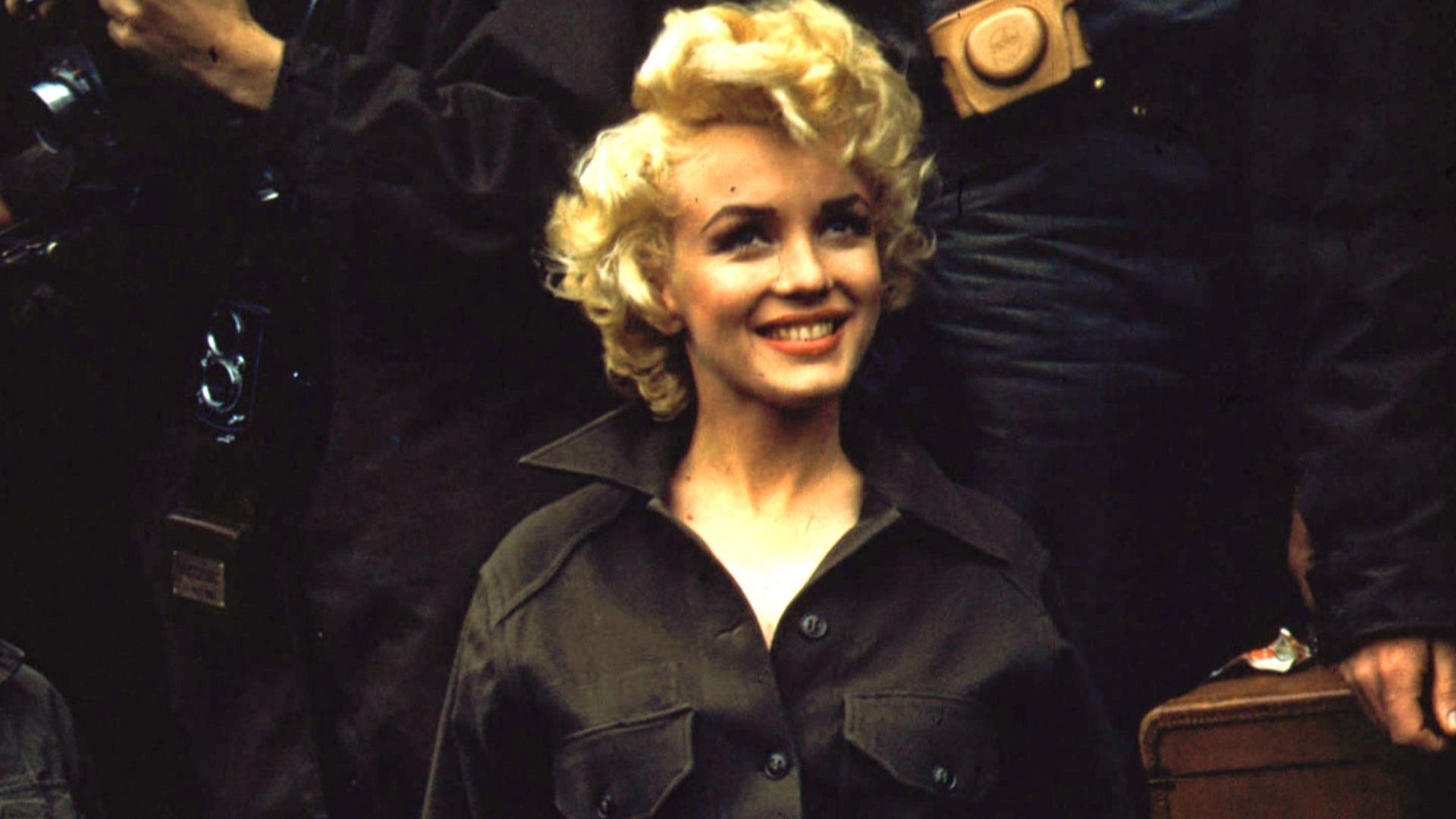
In 1951, Elia Kazan was enjoying the success of his film version of A Streetcar Named Desire. At a preview in Santa Barbara, it wasn't his wife who was on his arm. No, it was a relatively unknown actress. Well, unknown at this time. Kazan’s date for the evening was Marilyn Monroe. This was just the beginning of a relationship that would cause Kazan heaps of trouble.
 USMC Archives, Wikimedia Commons
17. He Found Her Crying
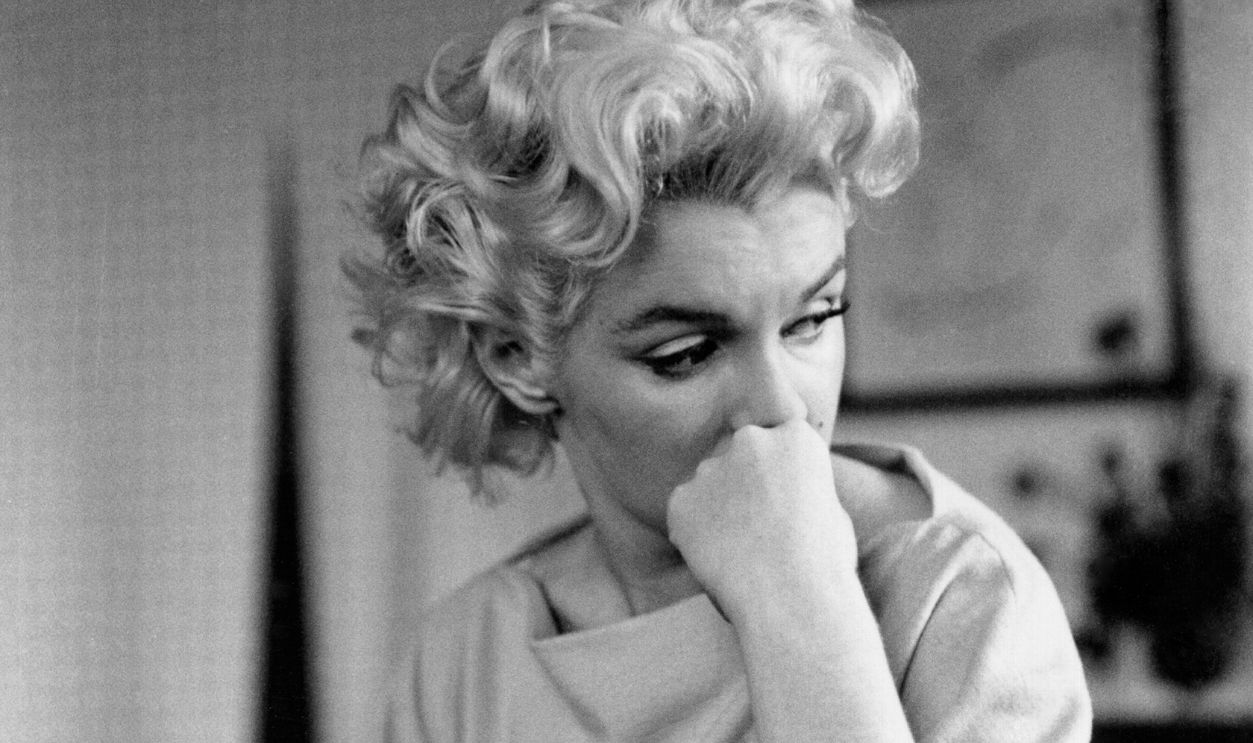
Elia Kazan happened to visit the set of As Young As You Feel, where he came across Monroe in tears. The director was treating her badly. Out of the goodness of his heart, Kazan took Monroe out to dinner, where Monroe’s tears continued. Kazan originally thought she was “pathetic”, but this soon changed. Even though he was married, the two became an item.
But Kazan was about to face a much larger challenge.
 Michael Ochs Archives, Getty Images
18. They Wanted Him To Name Names
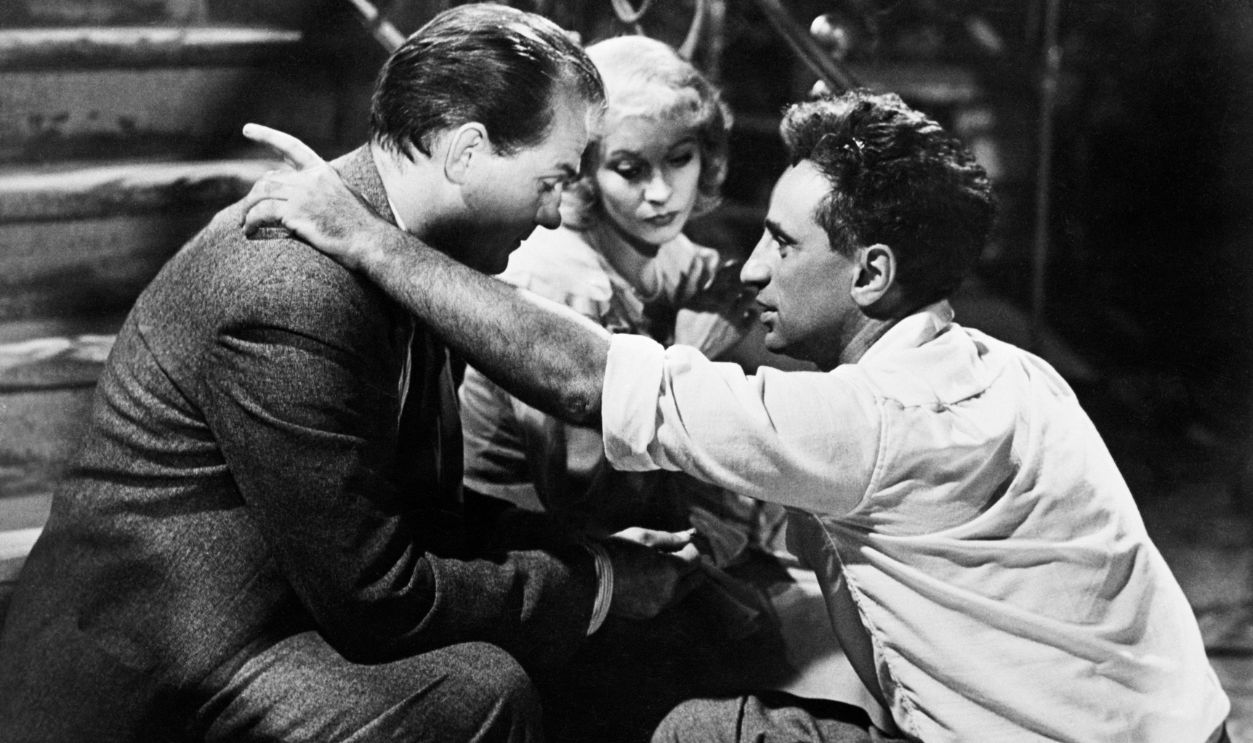
Back in 1947, the House Un-American Activities Committee cited 10 Hollywood directors and writers for contempt because they would not answer questions about their political beliefs. The committee believed that they had been members of the Communist Party. Because of these 10, some Hollywood studios created a blacklist.
In 1952, the committee came to Kazan.
19. He Was Between A Rock And A Hard Place
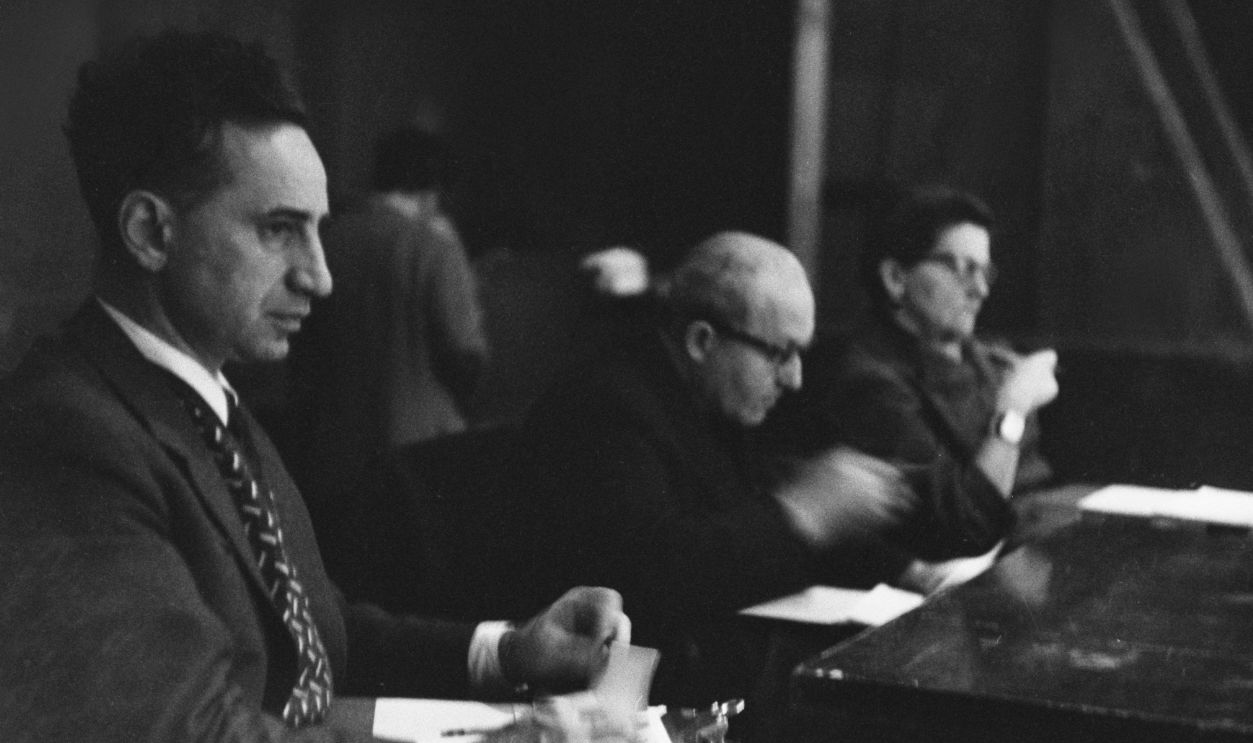
In 1952, the House Un-American Activities Committee was on the witch hunt once again. They were looking for members of the Communist Party who were also working on Hollywood movies. When they called on Kazan, he realized he had a difficult decision to make. He could clam up and join the others on the blacklist, or he could name names. He put it this way, “Either way you lose”.
Kazan’s decision made him a lot of enemies.
 Michael Ochs Archives, Getty Images
20. He Blabbed
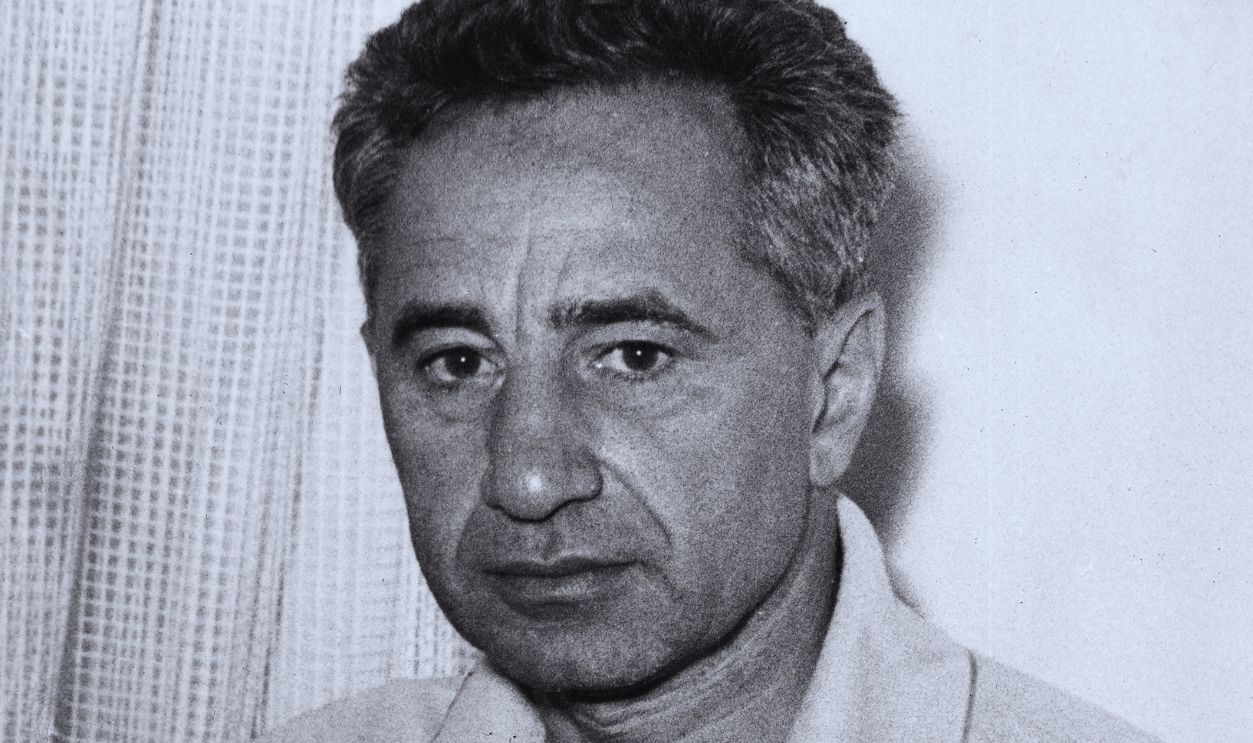
In the end, Elia Kazan named eight people to the committee. He had what he considered a good reason for doing this. He thought that being transparent about who had joined the Communist Party would “break open the secrecy”. Instead, what happened was that a lot of the people he named could not work in the film business anymore.
But there was something else behind Kazan’s reasoning.
 ullstein bild Dtl., Getty Images
21. He Had His Reasons
Remember, Kazan once had a moment with the Communist Party, where they threw him out. Now he was saying that he “hated communists” and had no interest in giving up his career for a group that he felt no need to defend. He also said that the committee already had the names that he gave them. He was simply confirming what they already knew.
But there was another theory out there. One that was much more damaging.
22. He Did It For The Money
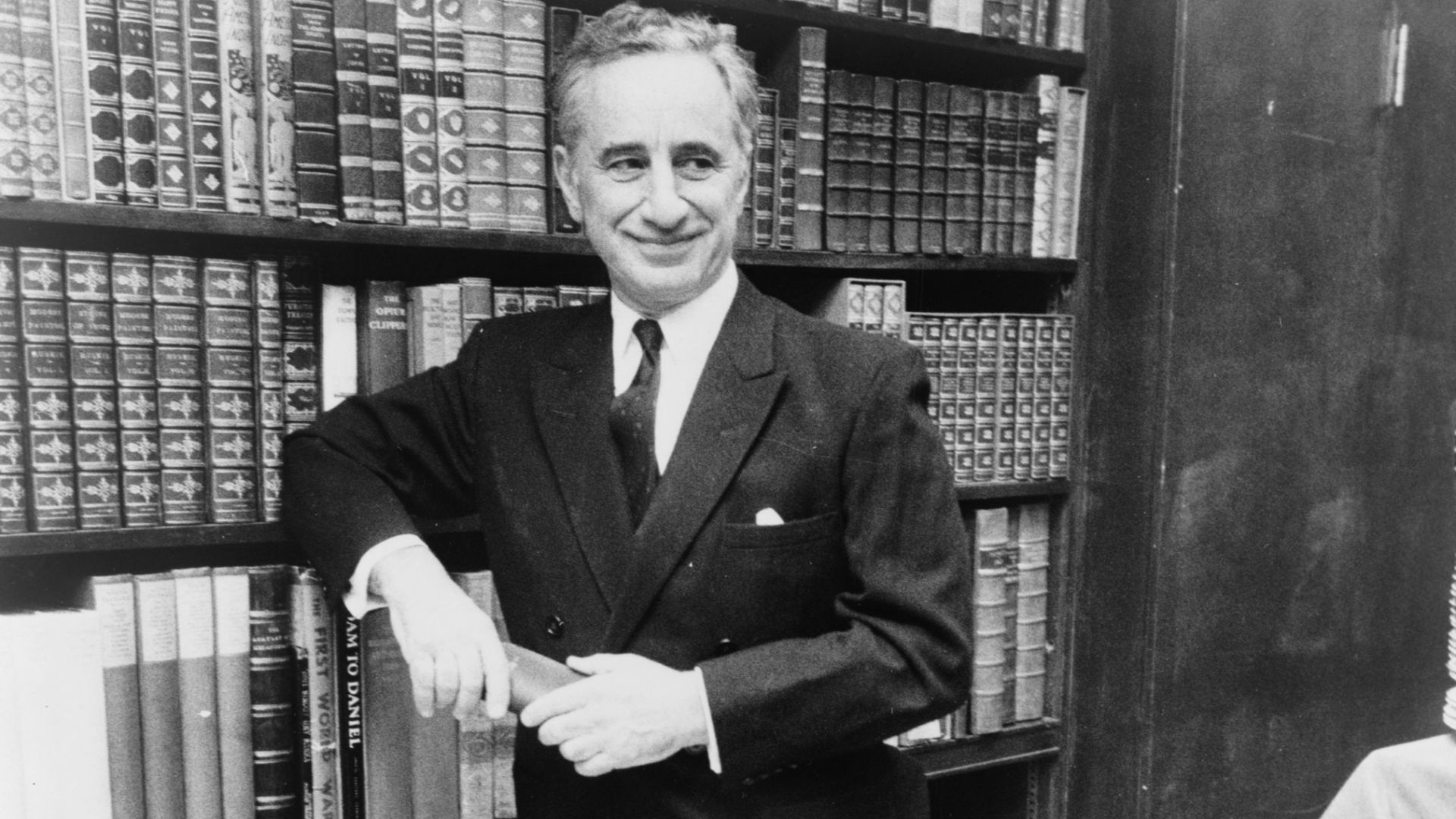
One of the criticisms against Kazan was that he would have survived the blacklist. They figured that if Kazan hadn’t turned people in and received a spot on the blacklist, he could still have returned to a career directing Broadway plays, which did not have a blacklist. So, to them, he only named names so he could stay with his more lucrative career making movies.
Kazan would soon pay for his misdeed.
23. He Landed On Hollywood’s Other List
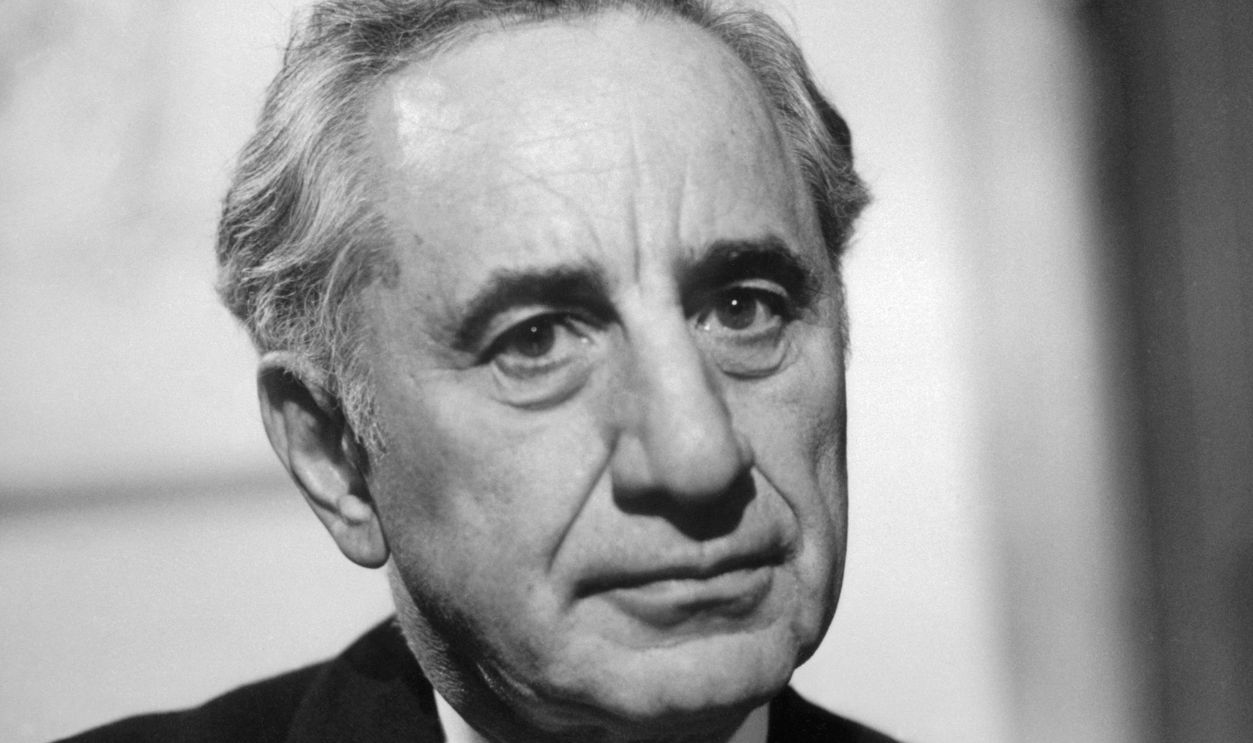
Elia Kazan had avoided getting on the Hollywood black list, but he didn’t get off scot-free. There was another list of those who had squealed to the HUAC. People on this list became shunned in Hollywood. As Kazan’s career was sinking, something happened that made it sink lower.
24. His Wife Helped Make Things Worse
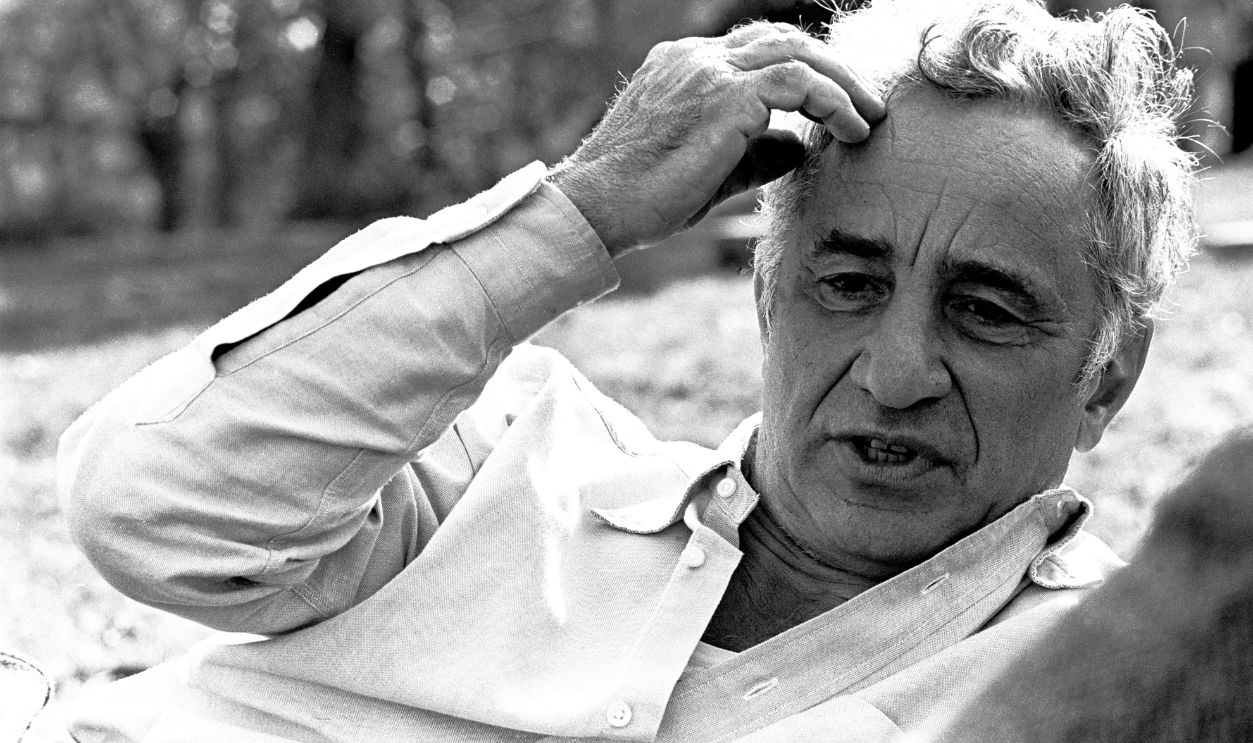
On April 12, 1952, Kazan published a paid advertisement in The New York Times defending his decision to name former colleagues before HUAC. Instead of winning people over, the statement made his reputation even worse. But there was a surprising detail behind it. According to several accounts, his own wife, Molly Day Thacher, had written much of the advertisement.
Kazan had defended his decision publicly, but Hollywood wasn't about to let him forget it.
25. He Felt No Remorse
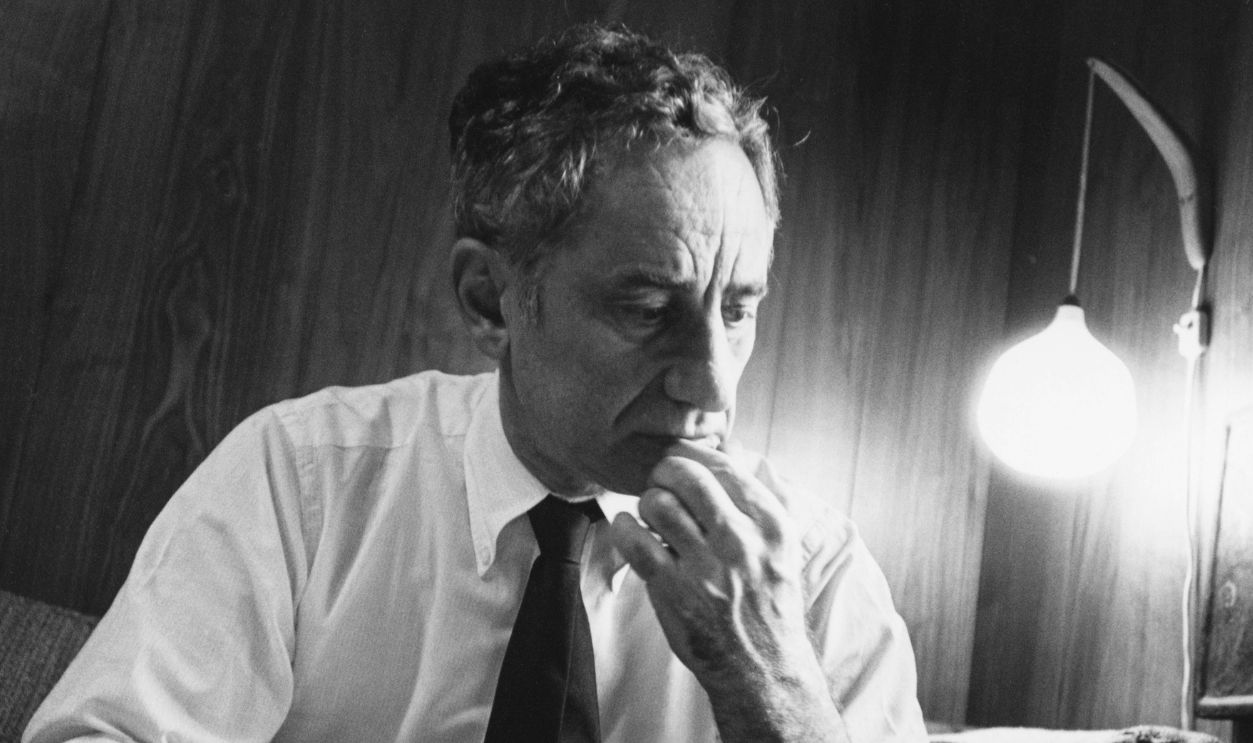
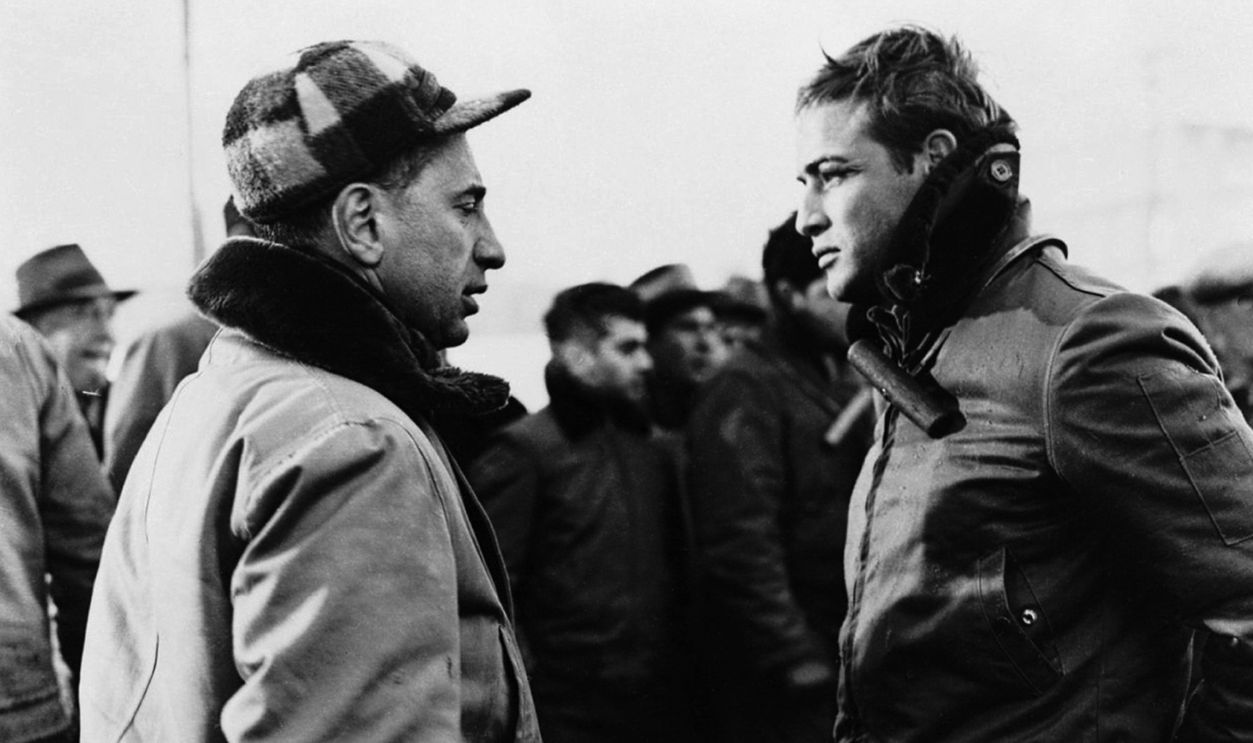
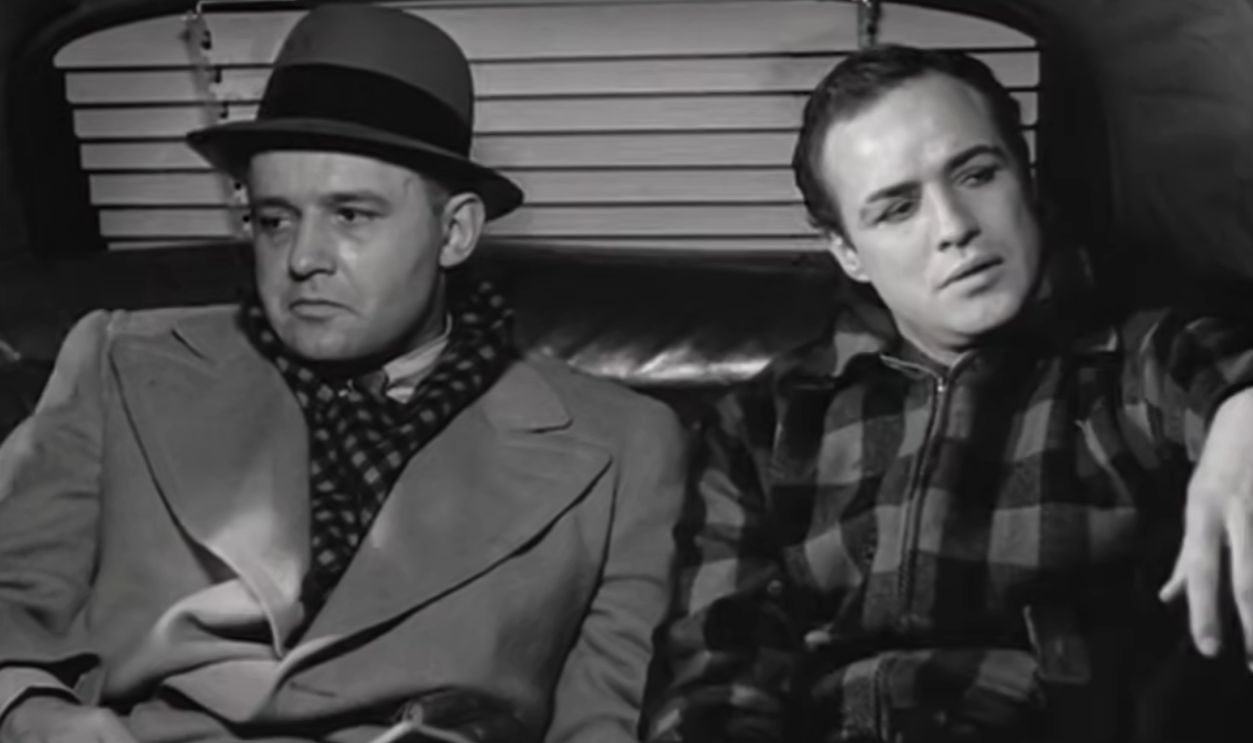
Elia Kazan and writer Budd Schulberg, who had also named names, worked together on the film On the Waterfront. Marlon Brando's character goes through a similar situation to Kazan’s experience with the HUAC. In one heart-wrenching scene, he yells, “I’m glad what I’ve done”. Many thought this was a bitter insult to the people who Kazan had turned in.
Getting Brando on board for the film took some inspired trickery.
 Donaldson Collection, Getty Images
26. They Had To Trick Brando
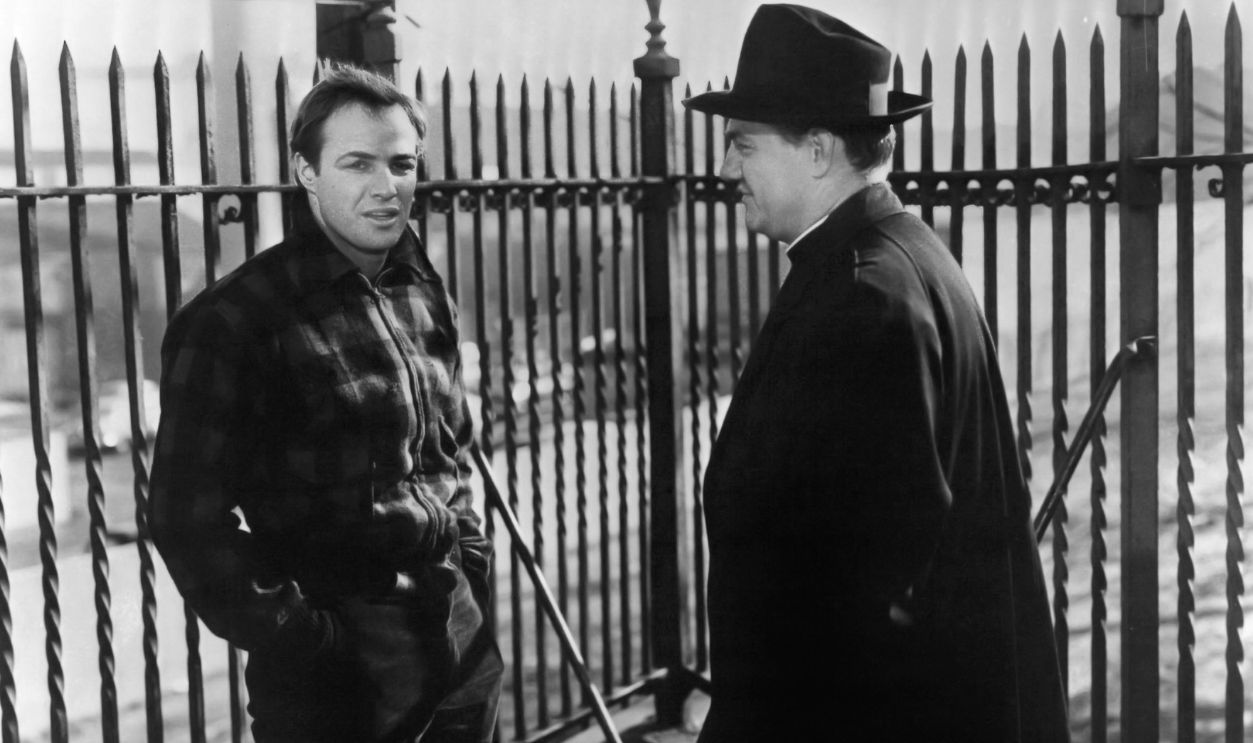
Because of Kazan’s reputation, Brando was not initially eager to make On the Waterfront. Kazan and Karl Malden came up with an elaborate stunt to lure Brando in. Malden filmed some scenes of the movie with another actor in an effort to make Brando feel like he would be missing out on a lucrative role. The fake scenes actually featured up-and-coming superstar Paul Newman.
Kazan had made a lot of enemies in Hollywood. Now he had to wait and see how they would respond to On the Waterfront.
 Silver Screen Collection, Getty Images
27. He Was A Winner
Elia Kazan may have been out of favor with some Hollywood notables, but when it came to the Academy Awards, no one seemed to care. On the Waterfront received an astounding 10 nominations and took home eight trophies. Kazan received the honor of Best Director, and Brando nabbed Best Actor.
Kazan had paved the way for Brando’s success. Next, he would turn to another rising star.
 Screenshot from On the Waterfront, Sony Pictures Entertainment (1954)
28. He Unearthed A Future Star
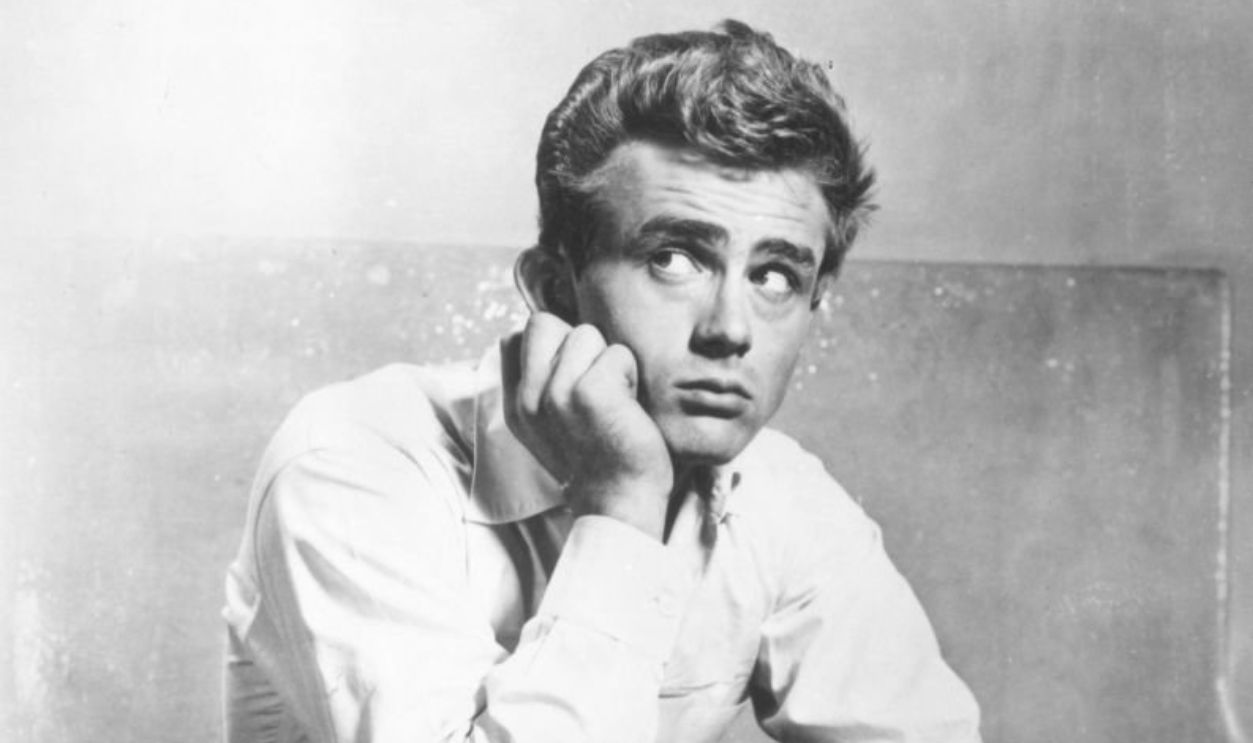
Kazan’s next film was East of Eden, and he wanted an unknown actor for the lead. He’d seen James Dean on stage and hired him for the part. After hiring Dean in New York, the two flew back to LA together. Kazan couldn’t help but notice that Dean had his clothes in a paper bag. As it turned out, Dean had never been on a plane before.
East of Eden was a huge success, but Kazan was soon moving on to a new heartthrob up-and-comer.
29. He Mentored A Heartthrob
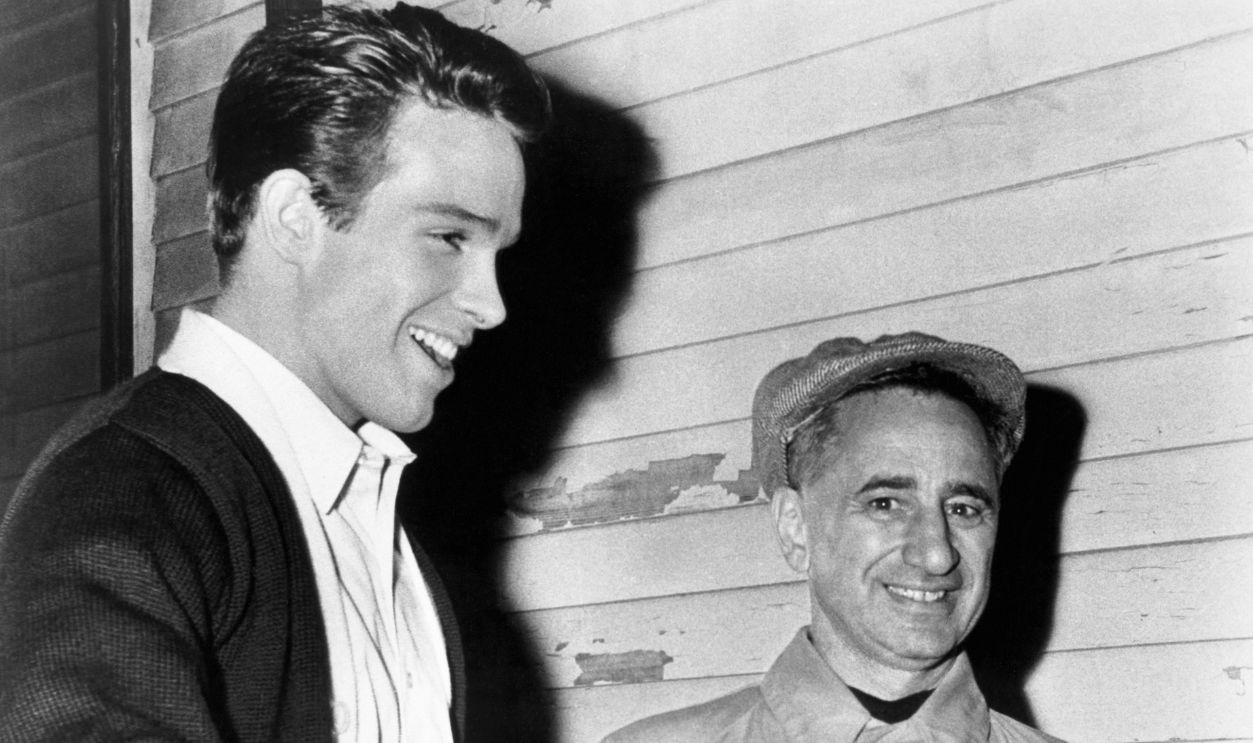
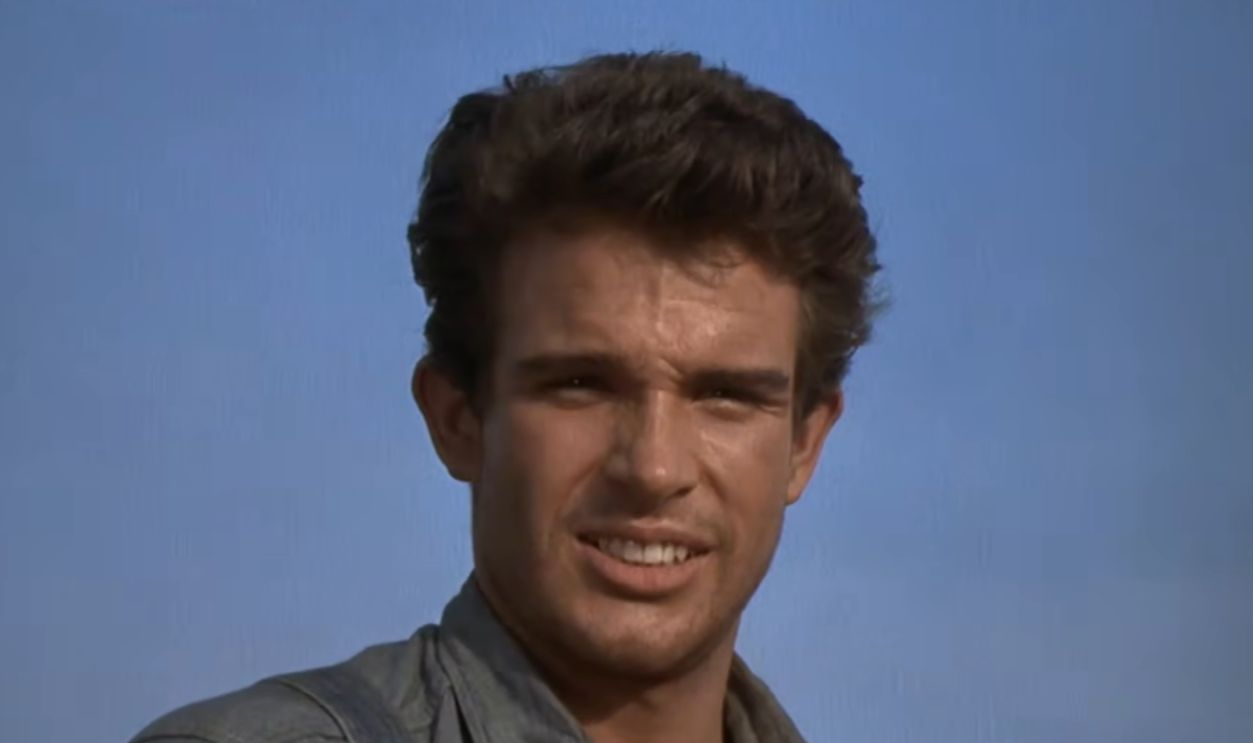
Another star that Elia Kazan helped launch was Warren Beatty, who had personally sought out Kazan as a mentor. They made Splendor in the Grass together, Beatty's first starring role and an Oscar winner...but at one point, Beatty forgot all about his admiration for Kazan. When the two argued on set, Beatty knew where to kick Kazan where it would hurt.
30. They Got Heated
During the first week of filming of Splendor in the Grass, an angry Beatty caustically asked Kazan, “Why did you name all those names?” This enraged Kazan, and he took Beatty to a dressing room and spent the next couple hours carefully explaining his reasons. Next, Kazan would have to do some more explaining.
This time to his wife.
 Screenshot from Splendor in the Grass, Warner Bros. (1961)
31. He Had A Strange Confession
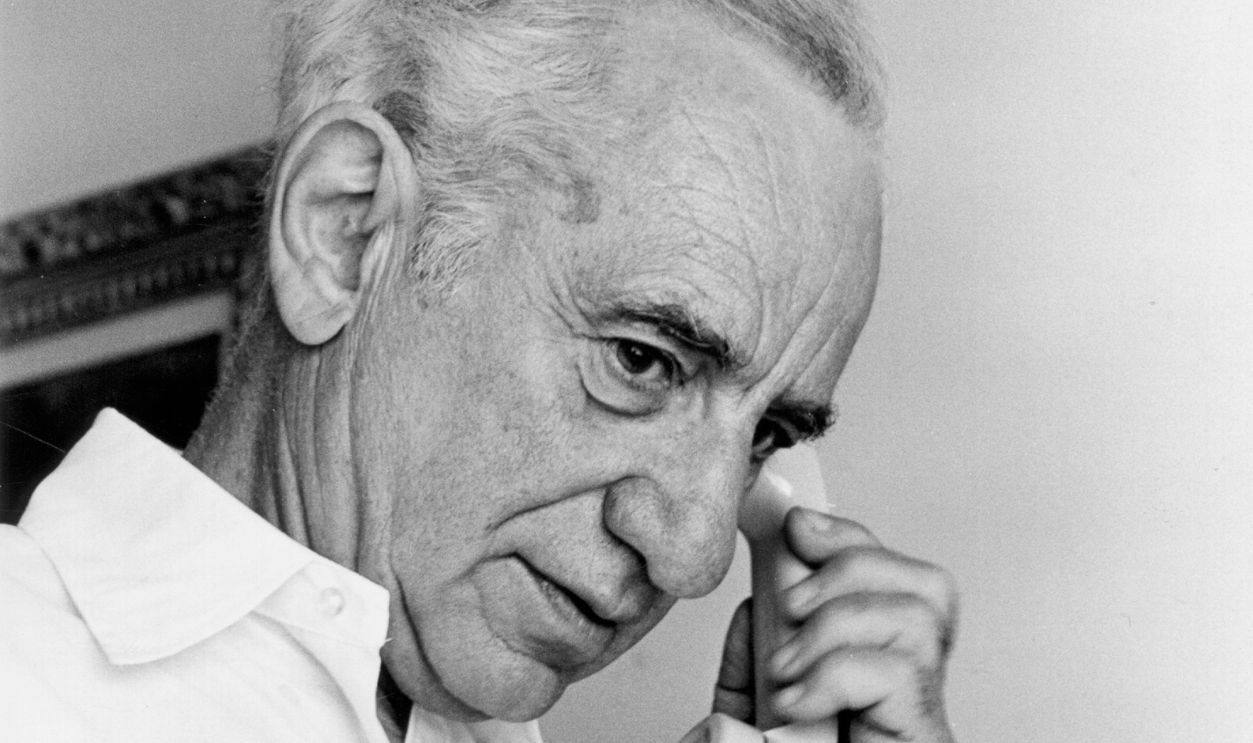
In 1955, Kazan had a confession to make to his wife, Molly. He told her of his affair with Marilyn Monroe. But this was not your usual garden variety tearful confession. He told her he was “not sorry about it” and that it “might happen again”. This was not something a wife wants to hear from her husband.
But then it just got worse.
 Michael Ochs Archives, Getty Images
32. He Wanted To Stay Married
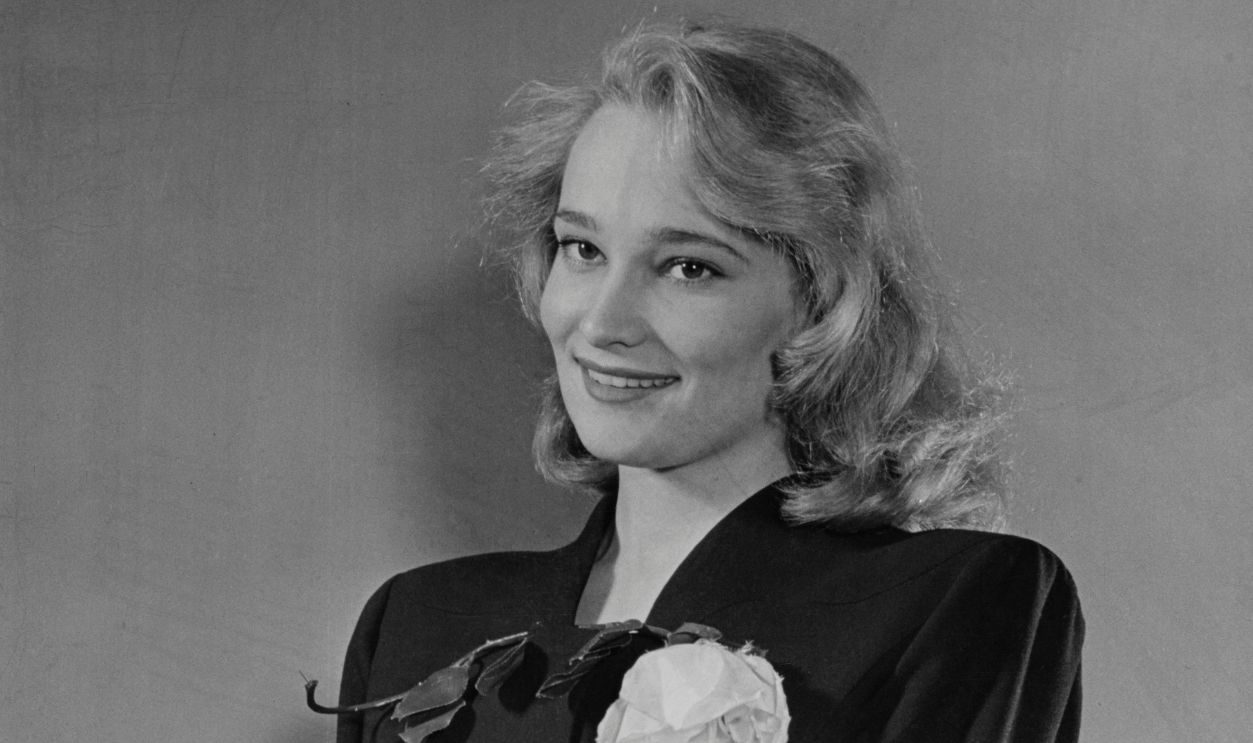
As it turned out, Kazan also had an affair with actress Constance Dowling, and this one was “long-term”. Assuming that his wife would want to leave him because of the affairs, Kazan had a threat ready. He said he would remarry if she left. Somehow this worked, and the two stayed together, despite his infidelities.
But this marriage would end for a more tragic reason.
 Michael Ochs Archives, Getty Images
33. He Married Again
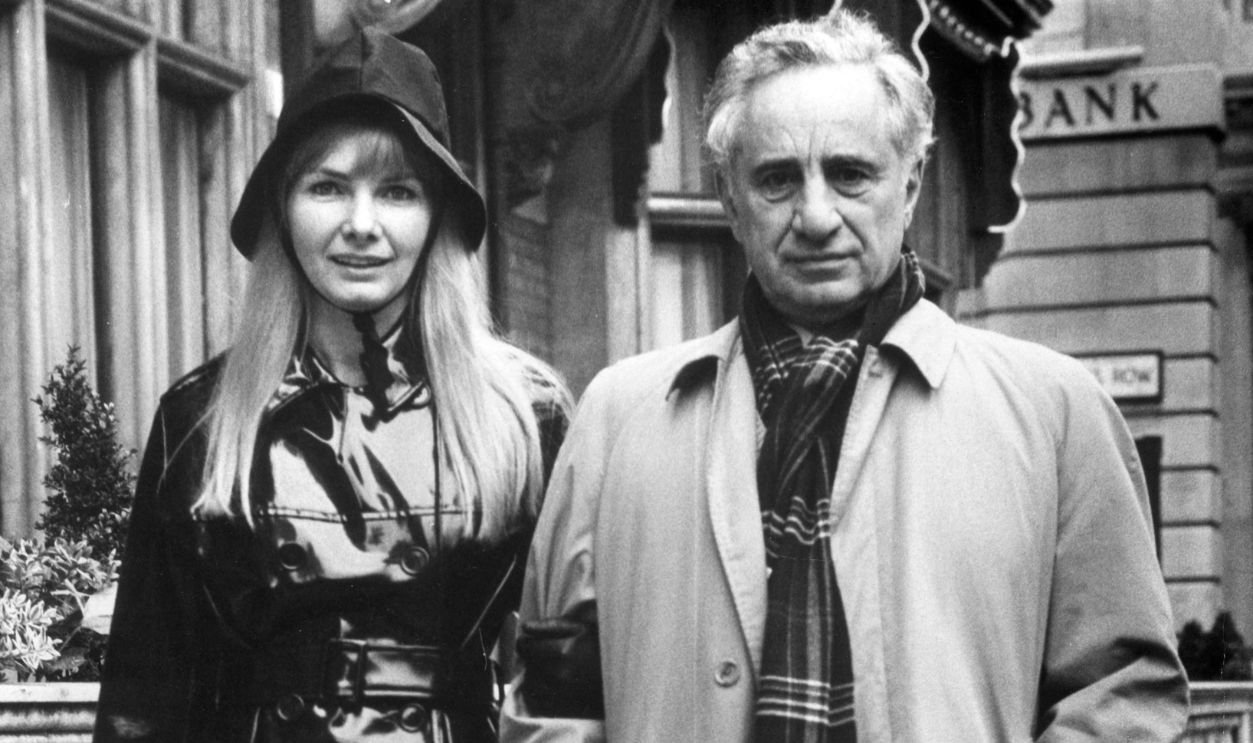
In 1963, Kazan’s wife, Molly, had a cerebral hemorrhage and passed. By 1967, Kazan had a new wife. This was actress Barbara Loden, who he’d worked with back in the early 1960s in both Wild River and Splendor in the Grass. There was a strange and disturbing coincidence concerning Loden.
 William H. Alden, Getty Images
34. They Turned Her Life Into A Play
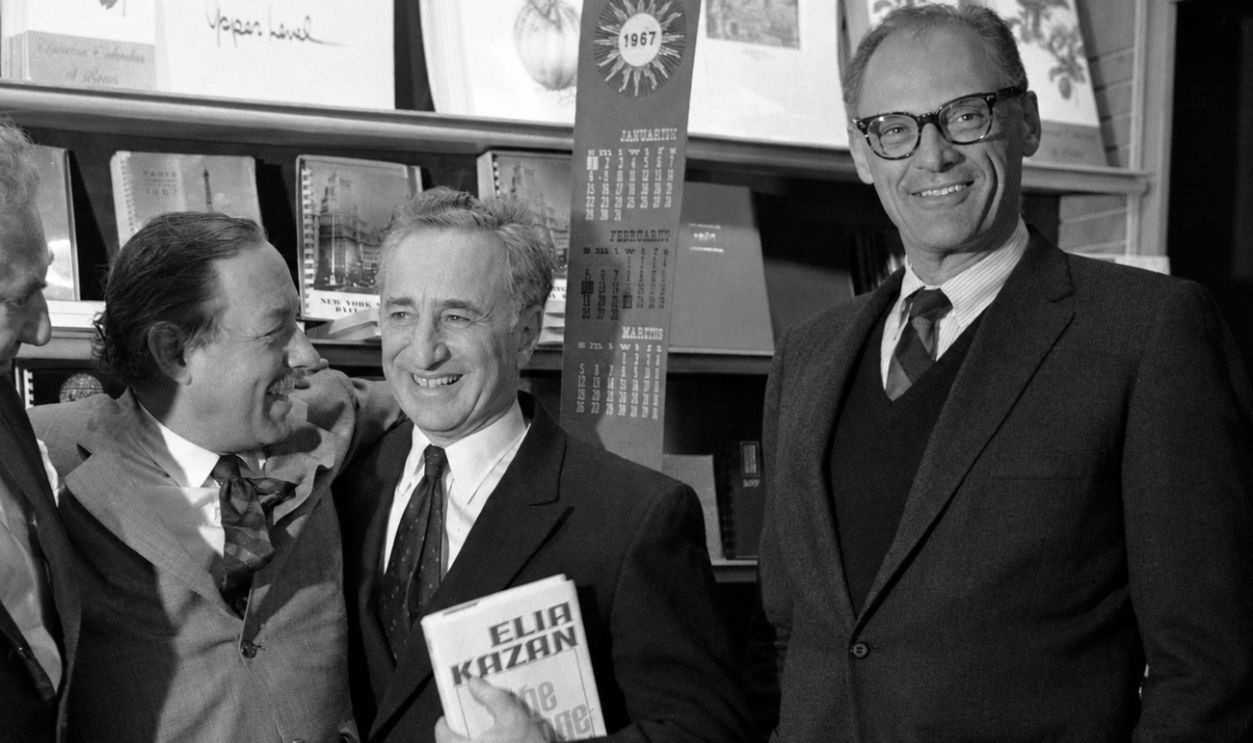
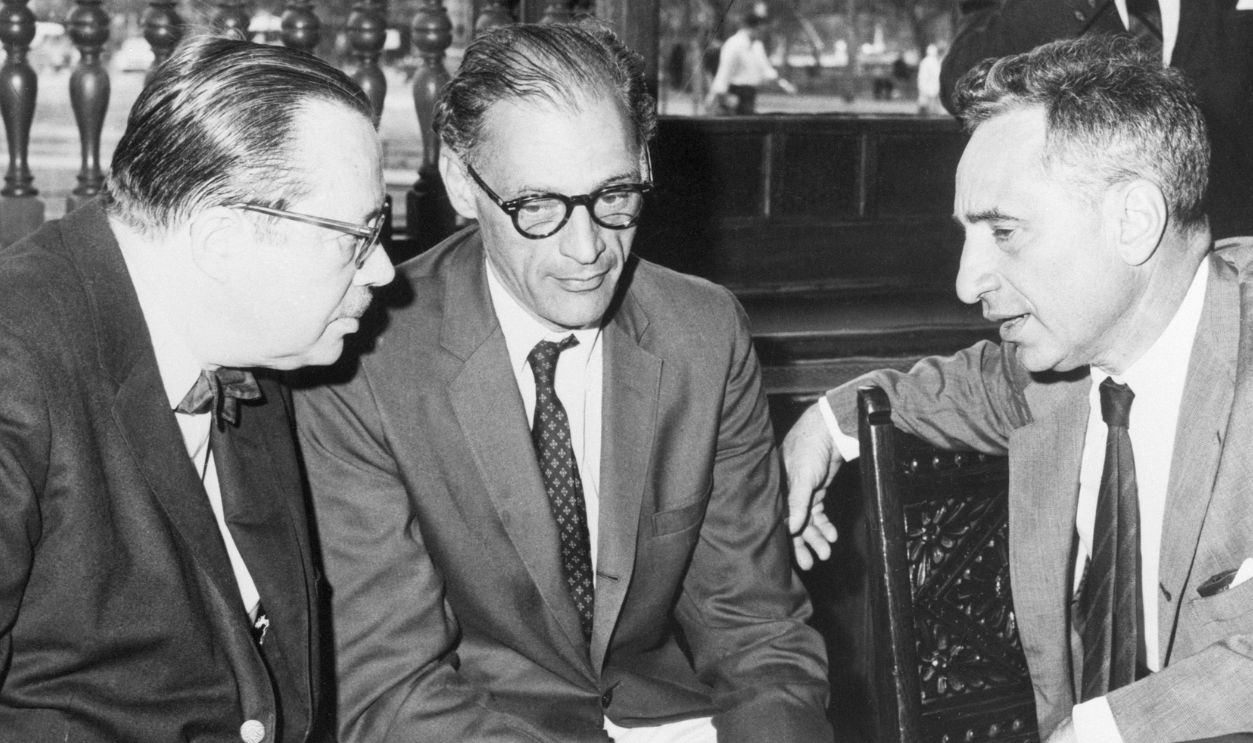
In 1954, Kazan teamed up with playwright Arthur Miller to create After the Fall, a play that appeared to draw on Miller’s marriage to Marilyn Monroe. Kazan had had an affair with Monroe, and Miller had been her husband. Stranger still, when it came to casting the actress to portray the Monroe-like character, they chose Kazan’s future wife, Loden.
But there was something even worse about this project.
 Vittoriano Rastelli, Getty Images, Modified
35. They Painted A Sad Picture
It was already weird that two exes of Monroe’s, Kazan and Miller, were mounting a play that seemed to echo the life of the tragically fallen actress. Worse still, Kazan and Miller painted the worst possible portrait of Monroe. They portrayed her character as a self-destructive tramp.
In real life, Kazan was having trouble at home.
36. He Lost Another
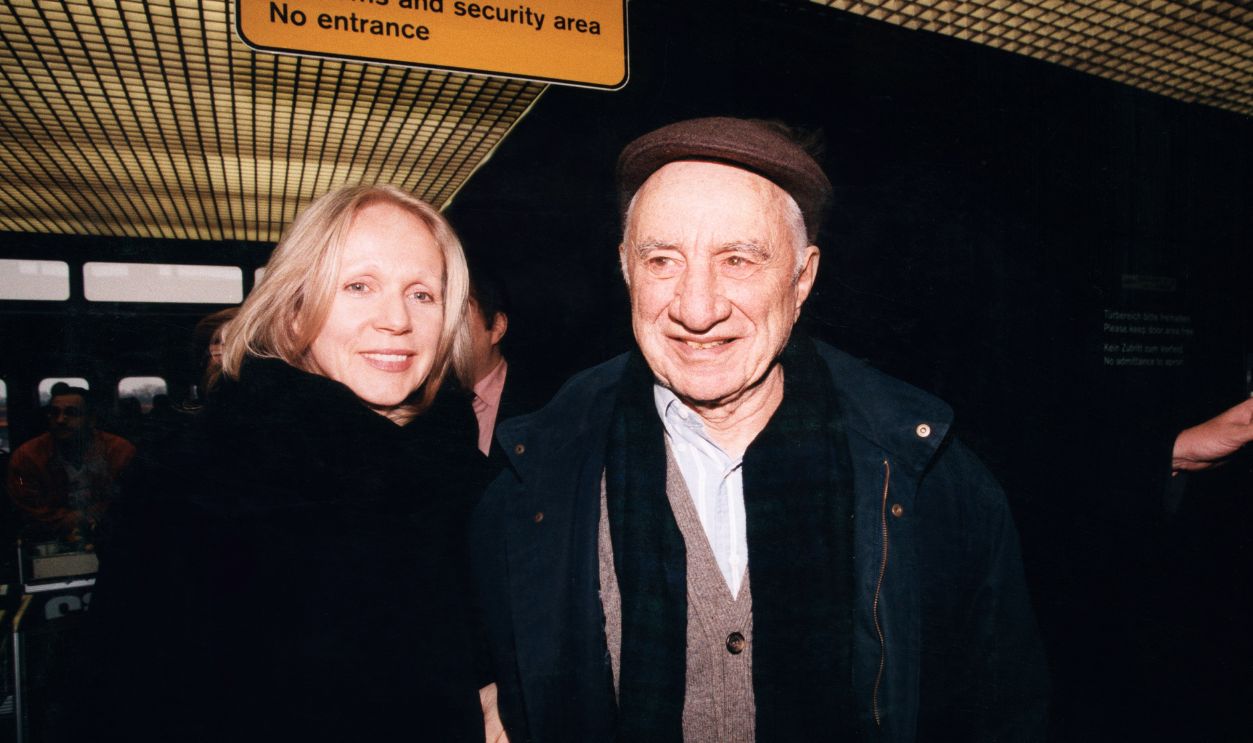
In 1980, Kazan and his second wife were moving toward a separation. Before they had a chance to do it, Loden passed due to cancer. Two years later, Kazan had already found a new bride. This was writer Frances Rudge, who had previously been married to the manager of the Rolling Stones. Kazan and Rudge stayed together for the remainder of Kazan’s life.
Kazan was happy with his new wife, but some people in Hollywood were still not so happy with him.
37. He Got Rejected
In the mid 1990s, the American Film Institute refused to give Kazan a lifetime achievement award because of the blacklist scandal. This sent actor Dustin Hoffman into a real tizzy. He said that Kazan’s direction of Marlon Brando in On the Waterfront made him want to be an actor.
Clearly, Hollywood had not yet forgiven Kazan for the political stance he took nearly 50 years prior. Or had they?
38. He Received Unanimous Approval
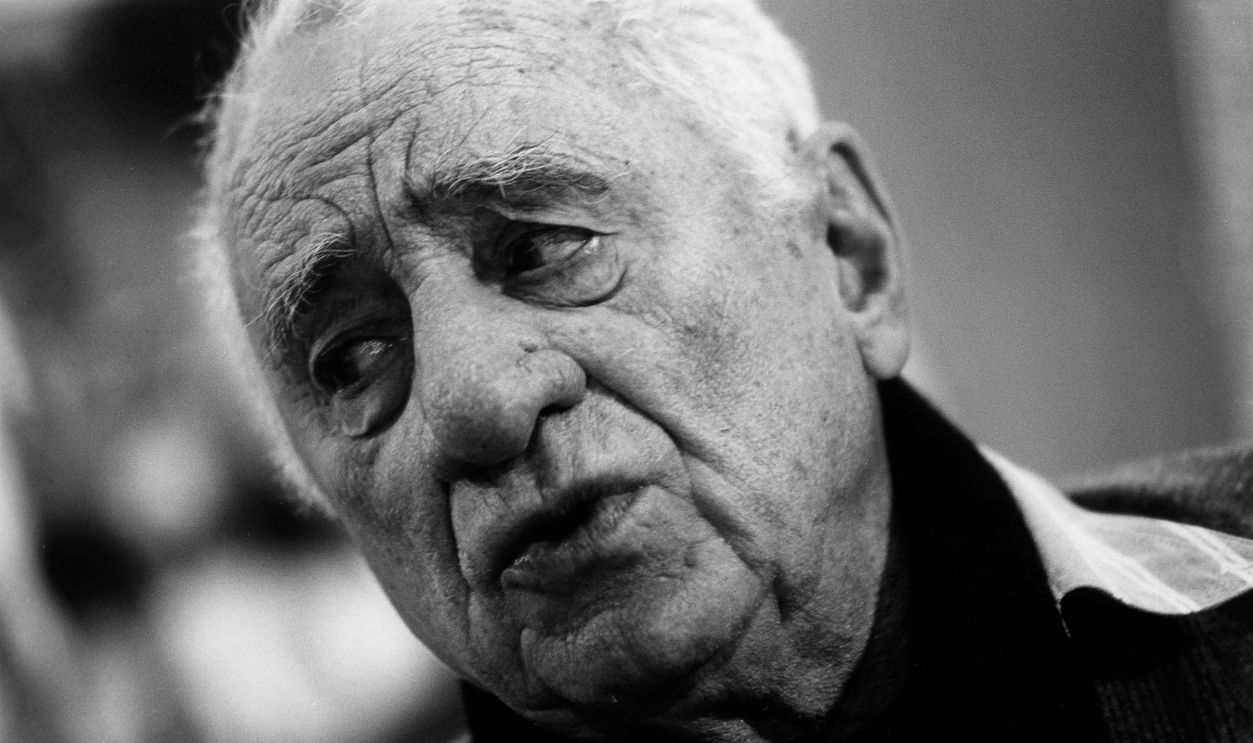
A few years after the AFI had rejected Kazan for a lifetime achievement award, Karl Malden, who had appeared in A Streetcar Named Desire, went to the Academy with a plea. He thought they should give Kazan the Lifetime Achievement Award. The board consisted of 39 members, and they voted unanimously to give Kazan the award.
Things in Hollywood were about to get hot.
39. They Wanted To Silence The Audience
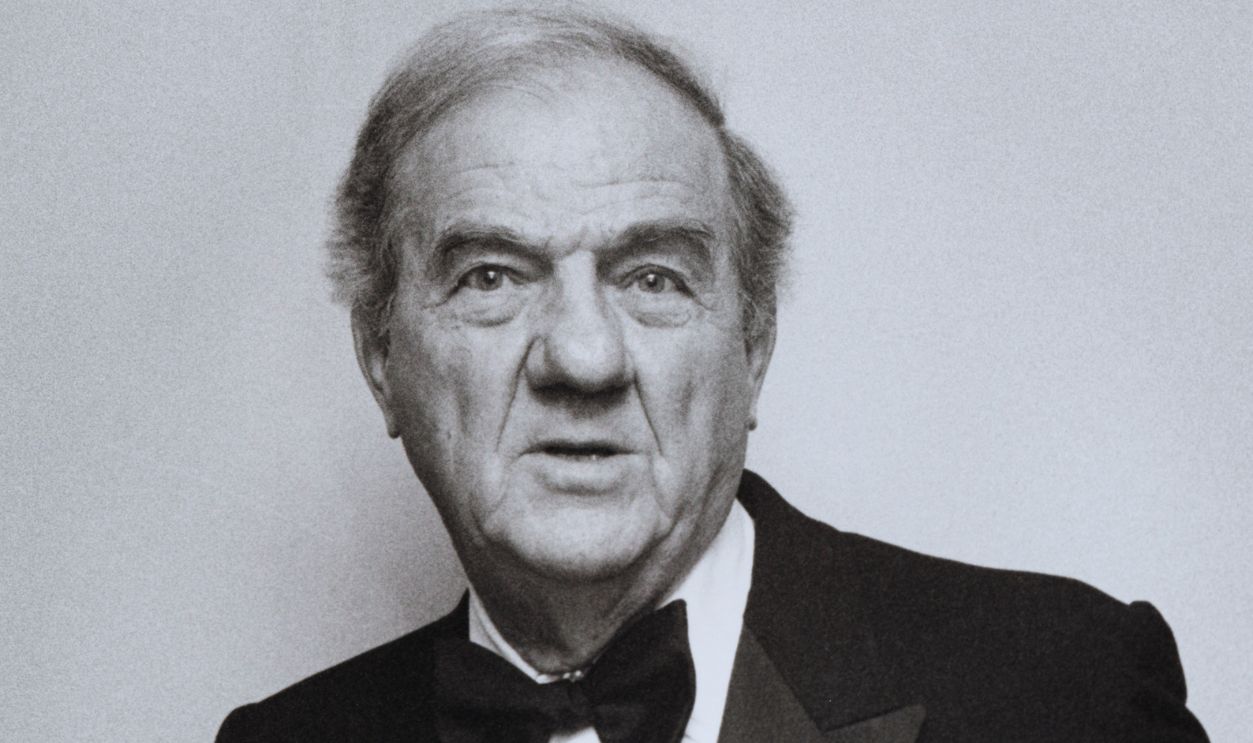
On the announcement of the Lifetime Achievement Award for Kazan, blacklisted writer Bernard Gordon formed a group in protest. They ran ads suggesting that if you go to the Oscars that year, refrain from clapping for Kazan. Even though he was hoping for a silent theater for Kazan, Gordon called the group the "Committee Against Silence."
Even more confusing was Rod Steiger's response.
 Ronald Siemoneit, Getty Images
40. He Got His Dates Wrong
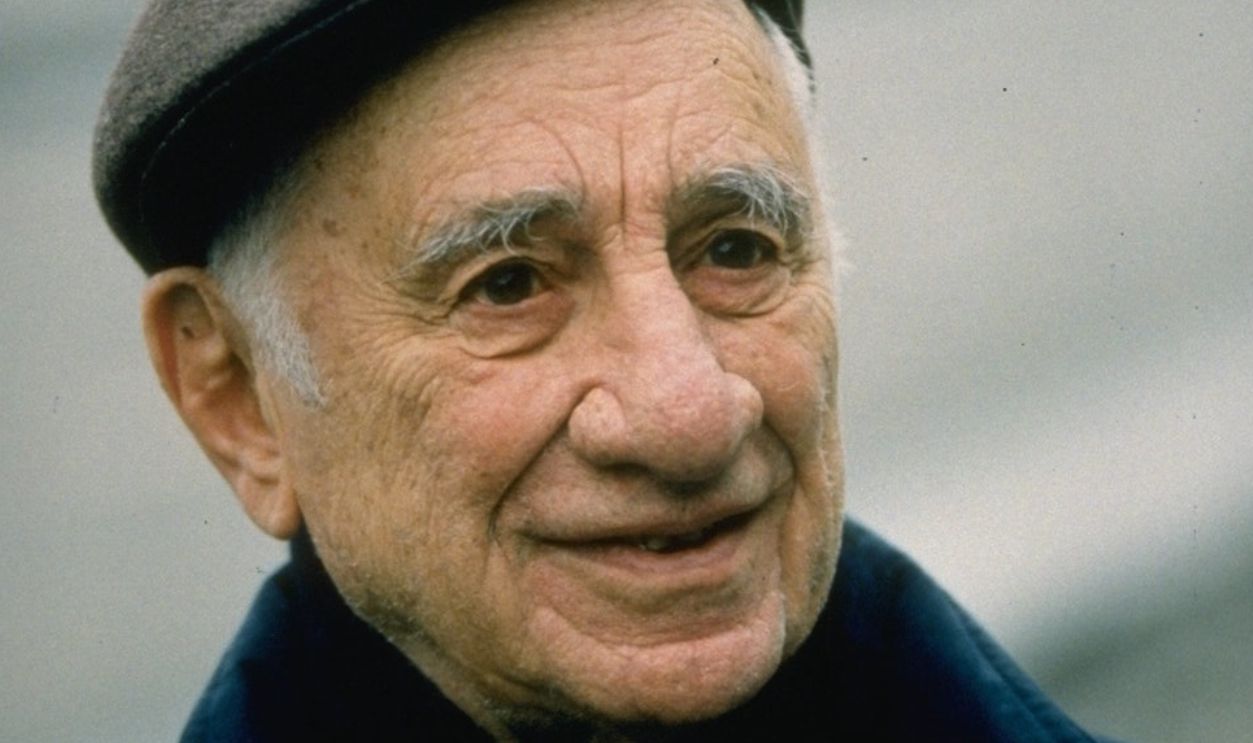
Rod Steiger, who appeared in Kazan’s On the Waterfront, announced that he would have quit working on the film if he’d known that Kazan would name names. Malden quickly pointed out Steiger’s inconsistency. You see, Kazan had already named names before they started filming On the Waterfront.
Things were getting downright silly. And then they got scary.
41. It Turned Violent
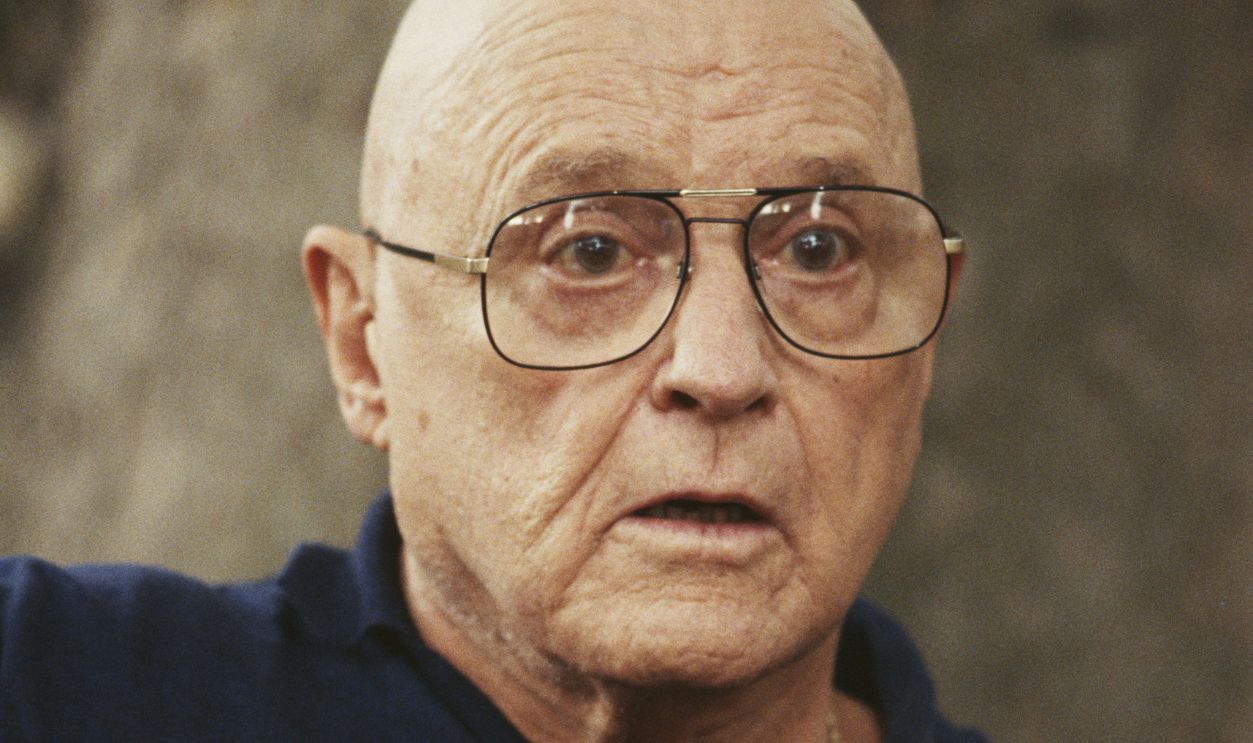
Abe Polonsky, another screenwriter who’d found himself on the blacklist, made a violent suggestion. He hoped someone would shoot Kazan at the awards. He said, "It would no doubt be a thrill in an otherwise dull evening". At this point it became very clear that this ceremony would be anything but dull.
Kazan was soon on the alert.
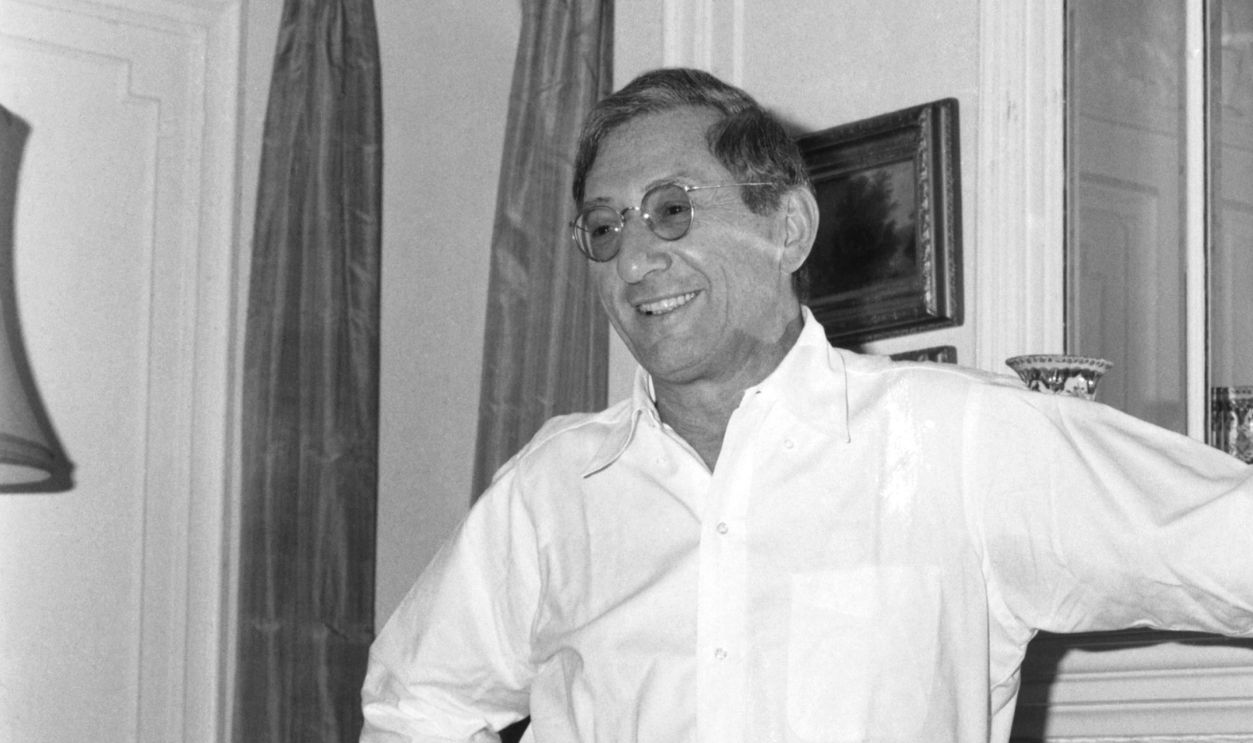
42. He Had To Be Careful
When Kazan and his wife Francis arrived in LA for the ceremony, they were under tight security. They checked in at their hotel under a false name and travelled around the city in a limousine with a bodyguard sitting close by. Kazan felt the tension and canceled a celebratory lunch in his honor.
When the night of the ceremony arrived, things were intense.
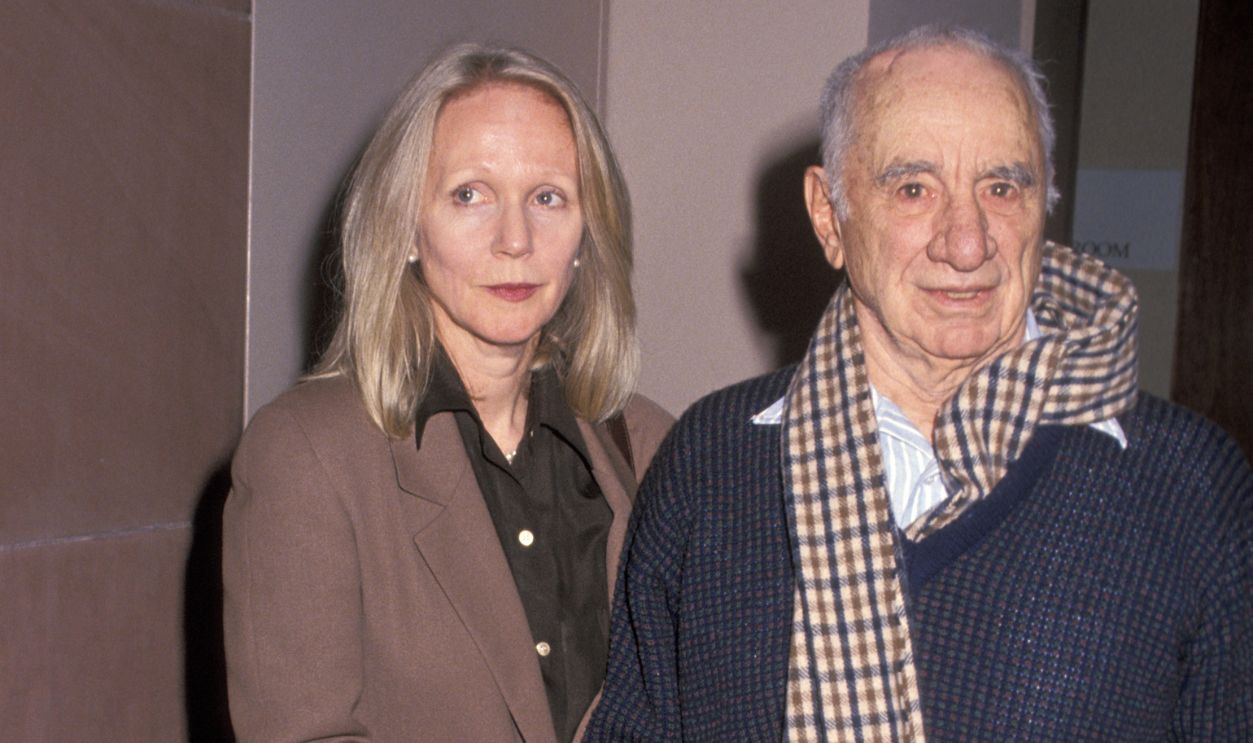
43. His Oscar Ceremony Got Ugly
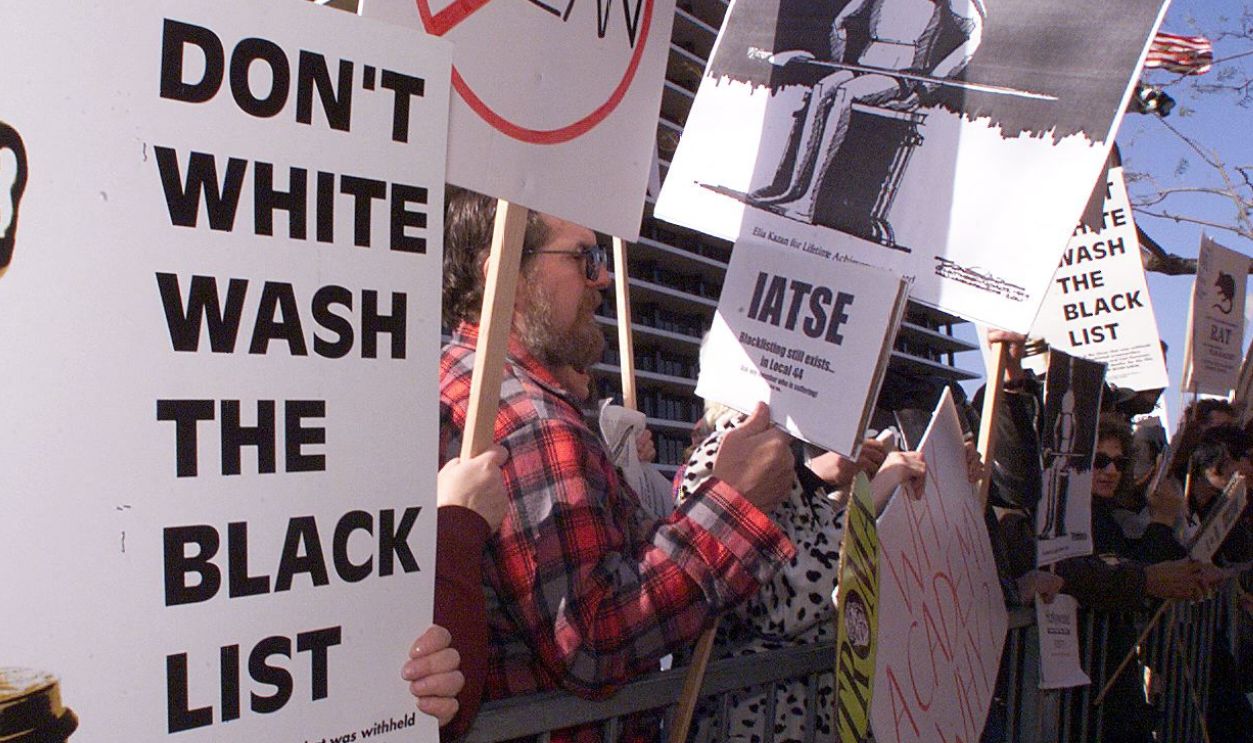
On the night of the ceremony, March 21, 1999, there was a group of protesters waiting for Kazan at the Dorothy Chandler Pavilion. They didn't think that the man who had named names deserved any honor whatsoever. They held up signs showing their displeasure. One of them read, “Don’t Whitewash the Blacklist”.
But there was another group singing a different song.
44. There Were Two Teams
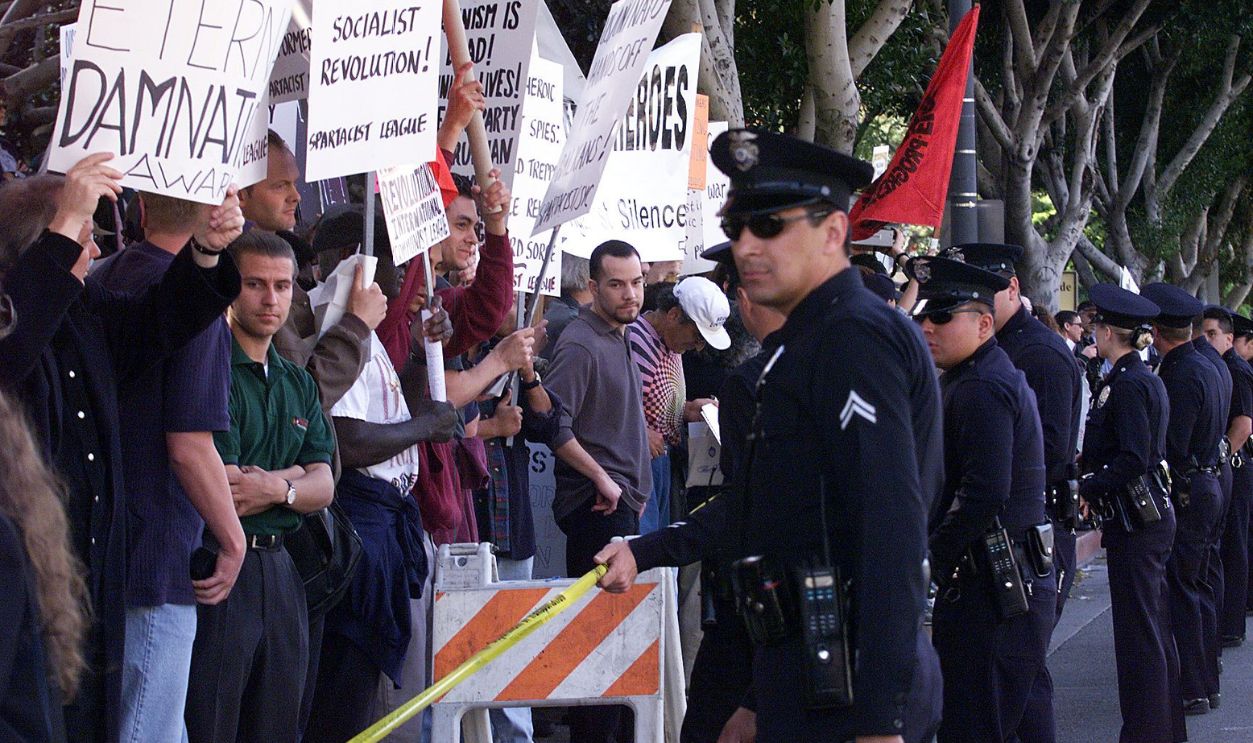
Not everyone outside the Dorothy Chandler Pavilion was a hater. A group supporting Kazan had shown up as well. They faced off against the anti-Kazan group holding signs like “Kazan: Defender of Freedom in America”. Outside the Oscar ceremony, things were getting tense.
You can imagine the feeling inside the theater.
45. He Held A Grudge
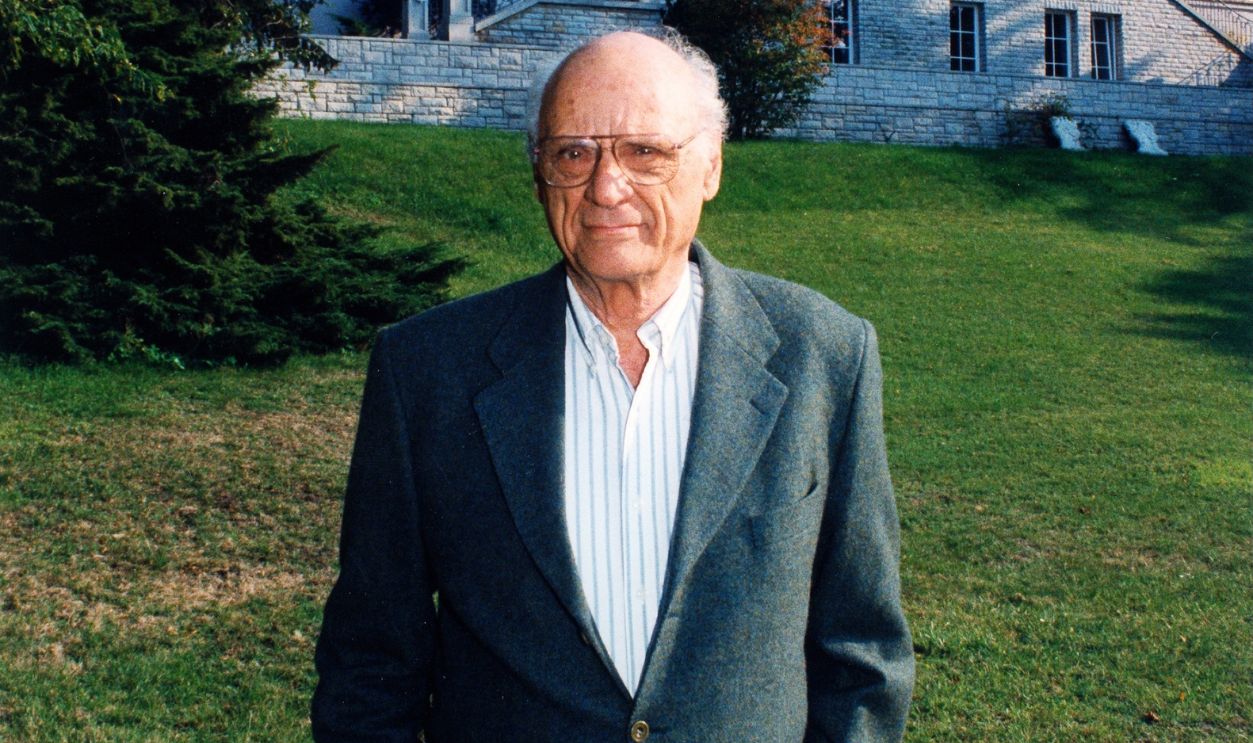
One man who had a reason to hold a grudge against Kazan was Arthur Miller. Miller had decided not to name names, and he paid a hefty fine and even spent time behind bars. The friendship between Kazan and Miller didn’t survive the witch hunt, but Miller was adamant. He said that Kazan had earned the award through his outstanding work in film and theater.
It was time to find out how this complicated evening would go.
46. He Got A Mixed Response
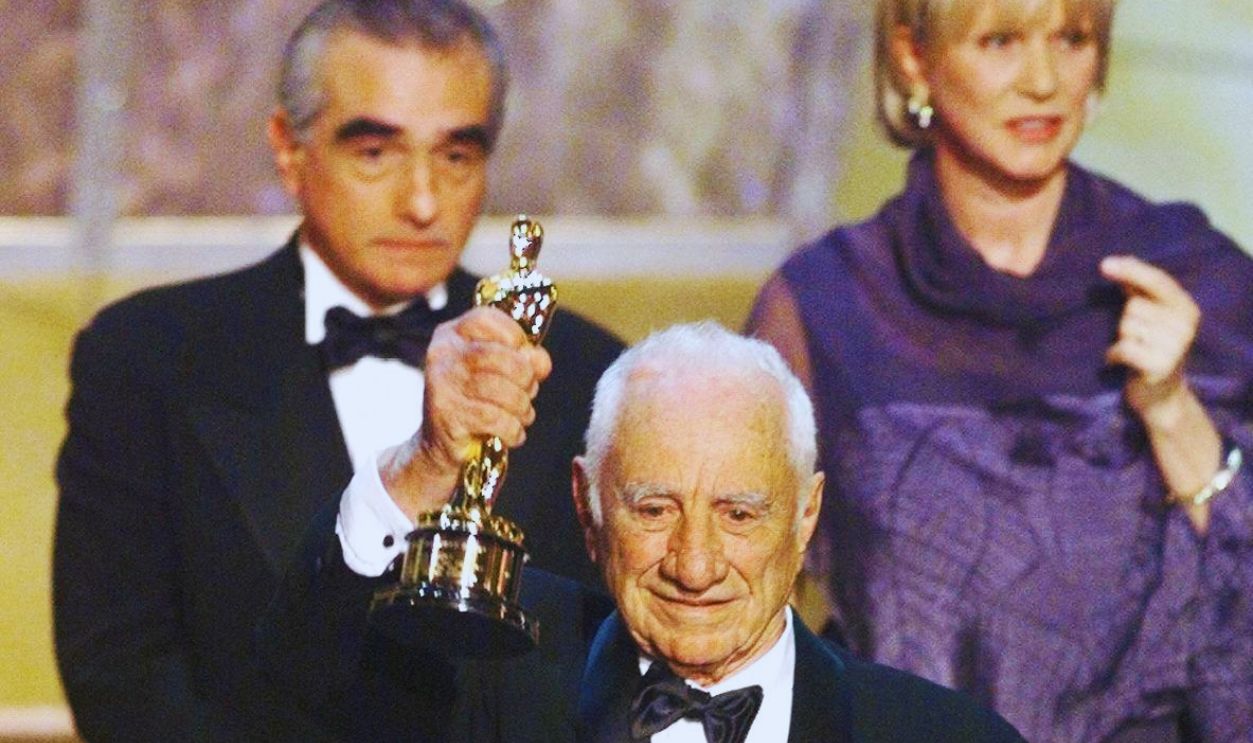
When Kazan was finally brought up on stage for his award, the reaction was very mixed. There certainly was applause. Cameras caught Meryl Streep, Helen Hunt and Warren Beatty standing and applauding. Steven Spielberg chose to sit and applaud. Nick Nolte and Ed Harris took the other road and sat “glowering in their seats”. Kazan focused on the applause and simply said, “I like hearing that”.
Getting this award was a swan song for Kazan. But the controversies were not over yet.
 TIMOTHY A. CLARY, Getty Images
47. He Got Accused
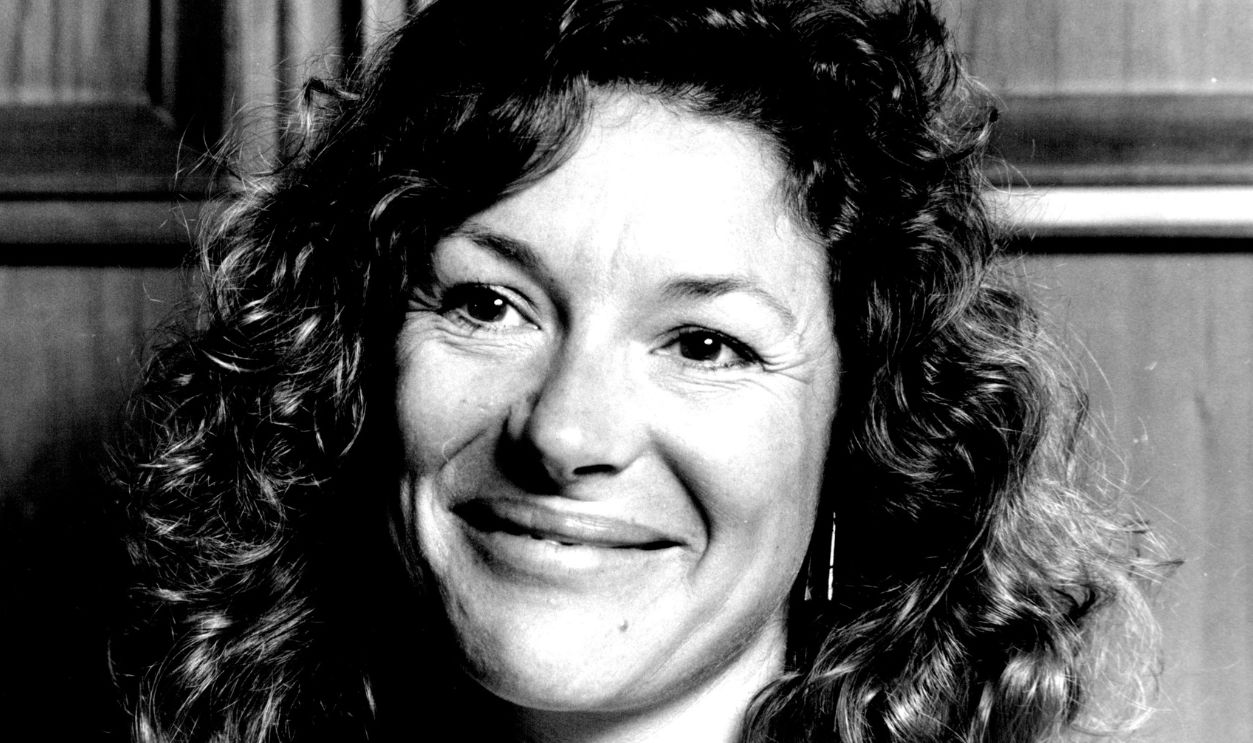
On September 28, 2003, Kazan passed from natural causes at the age of 94. But this controversial figure came to the attention of the media in 2017. Author Carol Drinkwater published her fictional book The Lost Girl about Marguerite, who encounters deeply inappropriate behavior while auditioning for a role. Drinkwater eventually came out with a stunning accusation. She had based the events in the book on her own experience.
She said it happened to her, and the culprit was Kazan.

48. He Was Her Hero
While Drinkwater is a writer, she also acts. She had a small role in A Clockwork Orange and received an invitation to audition for Kazan’s film The Lost Tycoon. Drinkwater was well aware of who Kazan was. In fact, he was one of her heroes. At a meeting with Kazan, Drinkwater alleges that he pushed her up against the wall, held her there, and kissed her hard as she tried to wiggle away.
But this didn’t end here.
 Fairfax Media Archives, Getty Images
49. He Cut Her Career
Drinkwater said that she continued to show up for meetings with Kazan, thinking that his rough treatment of her was some kind of Method acting exercise. But she didn’t get the role and believes the experience effectively ended her chances of a Hollywood career. Eventually, she found success in the British series All Creatures Great and Small.
Kazan left a legacy, but it is hardly free of controversy.
50. He Left A Complicated Legacy
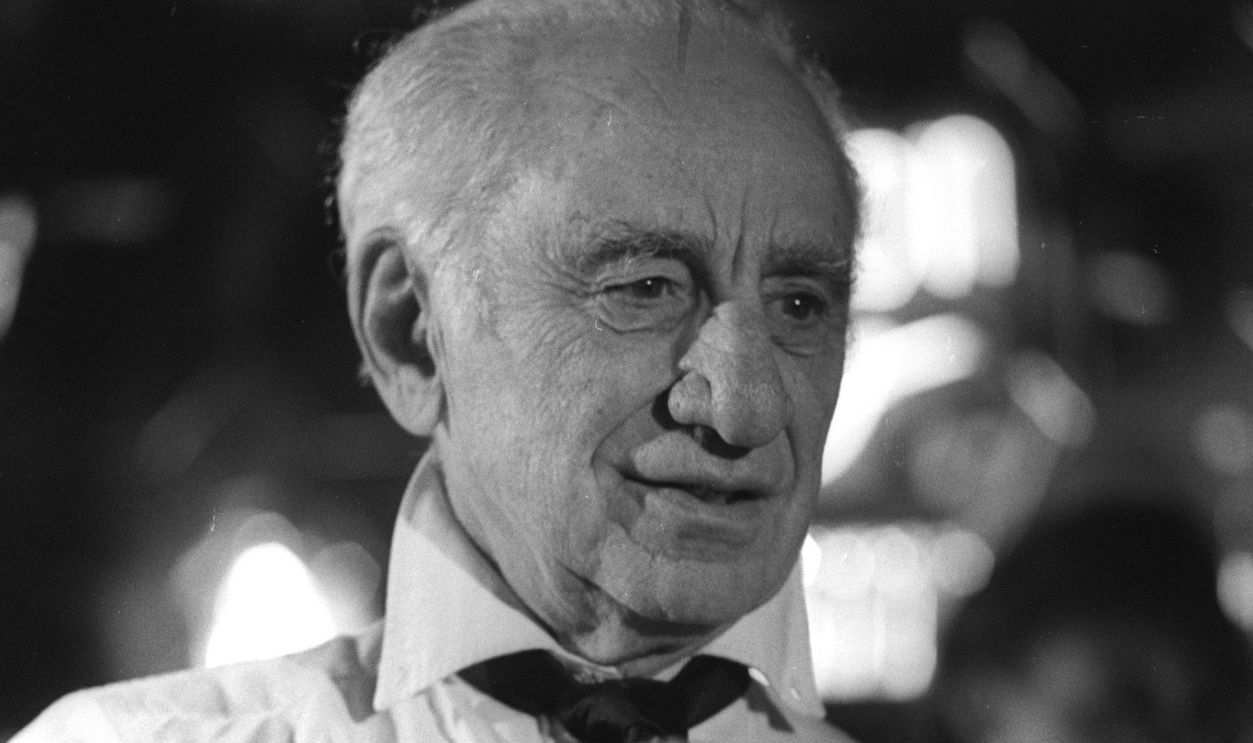
Kazan had certainly had a rocky time in Hollywood. He was a director who changed the face of American cinema. Without him, we may not know actors like Marlon Brando, James Dean, or Warren Beatty. Of course, his treatment of his wife, his involvement with the blacklist, and Drinkwater’s stunning accusation will forever leave a stain on that legacy.
You May Also Like:
Adventurous Facts About Frances Marion, Hollywood’s Pioneer Writer
Jaw-Dropping Facts About John Huston, Hollywood's Wildest Director
Sources: 1, 2, 3, 4, 5, 6, 7, 8, 9, 10, 11, 12, 13, 14, 15, 16 17, 18, 19, 20, 21, 22