She Lived A Wonderful Life
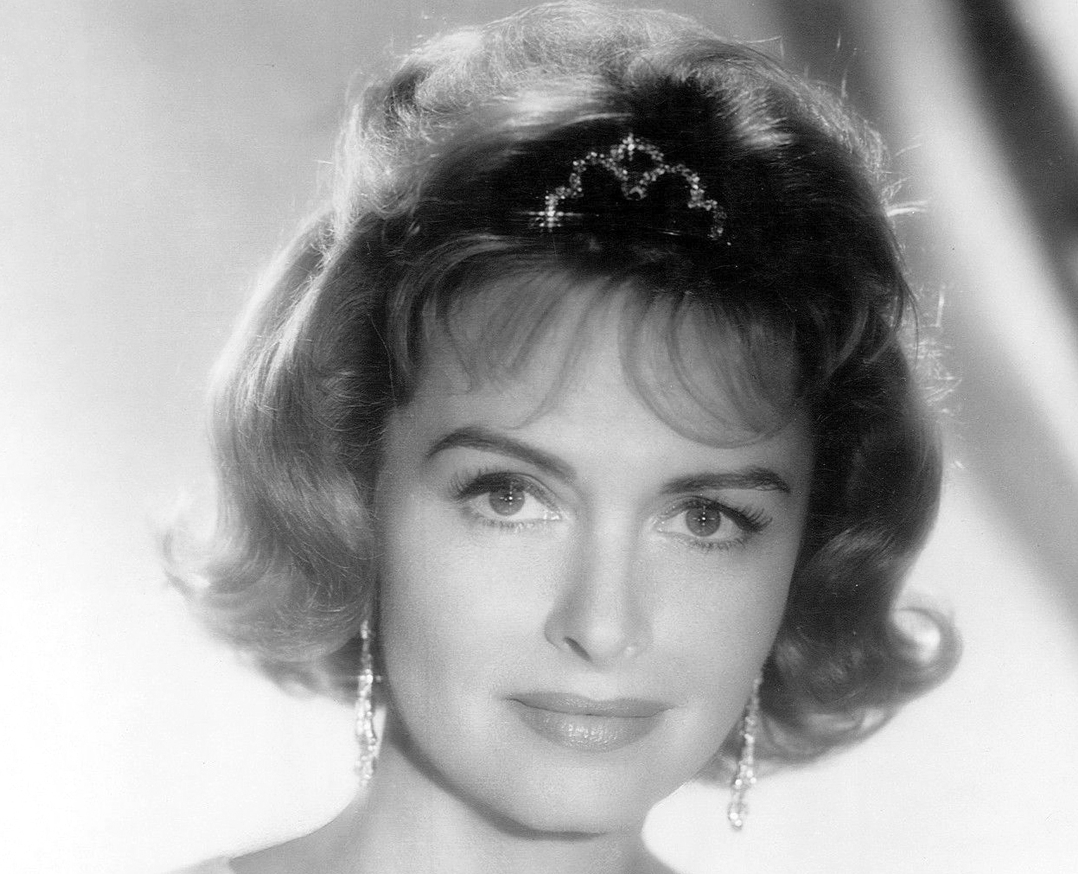
Donna Reed rose to fame as the loving and devoted wife, Mary Hatch Bailey, in 1946’s Christmas classic It’s a Wonderful Life. Following that up with The Donna Reed Show, she became film and TV’s favorite housewife. Her real life, however, was anything but homely. These are the wonderful and woeful facts about Donna Reed.
1. She Was Born On A Farm
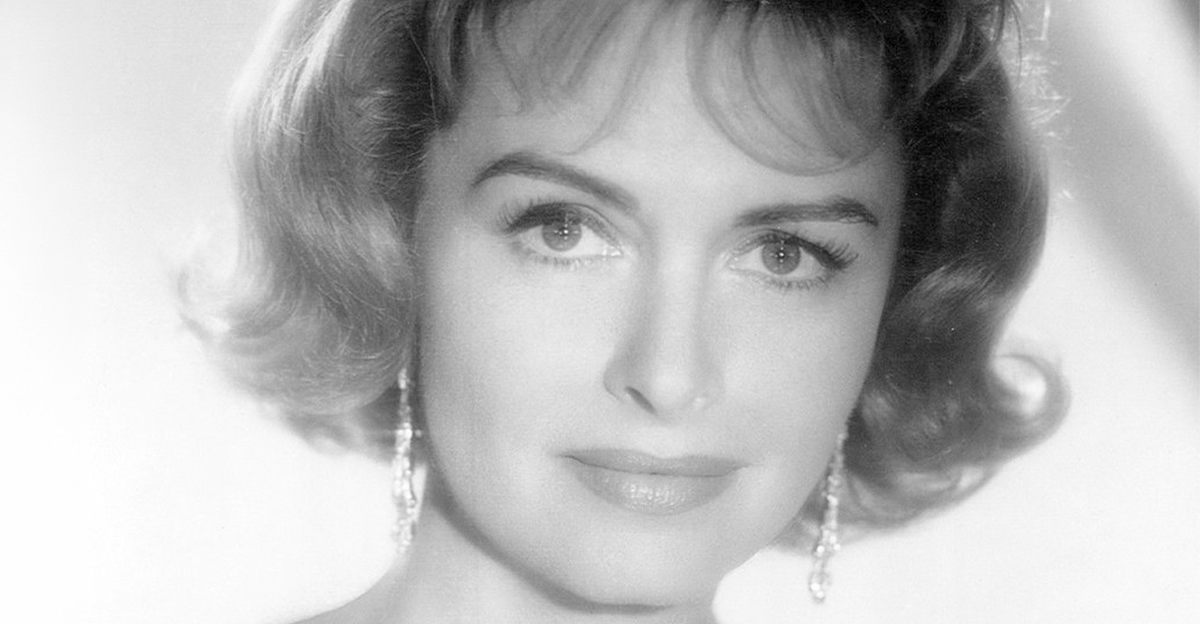
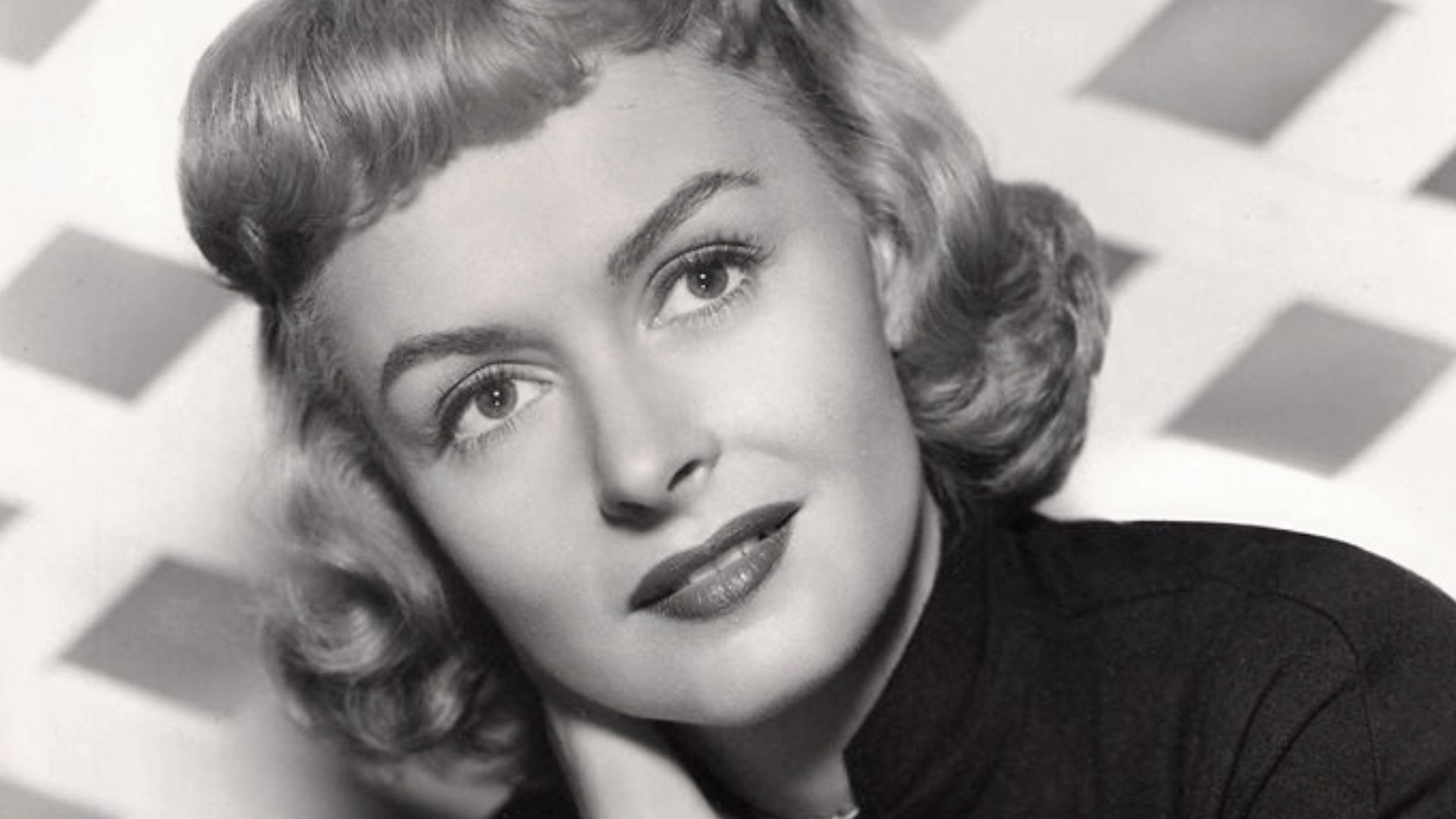
Born on January 27, 1921, on a working farm near Denison, Iowa, Donna Reed (née Donna Belle Mullenger) didn’t seem destined for fame. As the eldest of five children, she grew up in the loving care of Hazel Jane Shives and William Richard Mullenger—hardworking parents who expected grit before glamour. Her upbringing shaped everything that followed.
 Studio Publicity, Wikimedia Commons
2. She Had “Good Training”
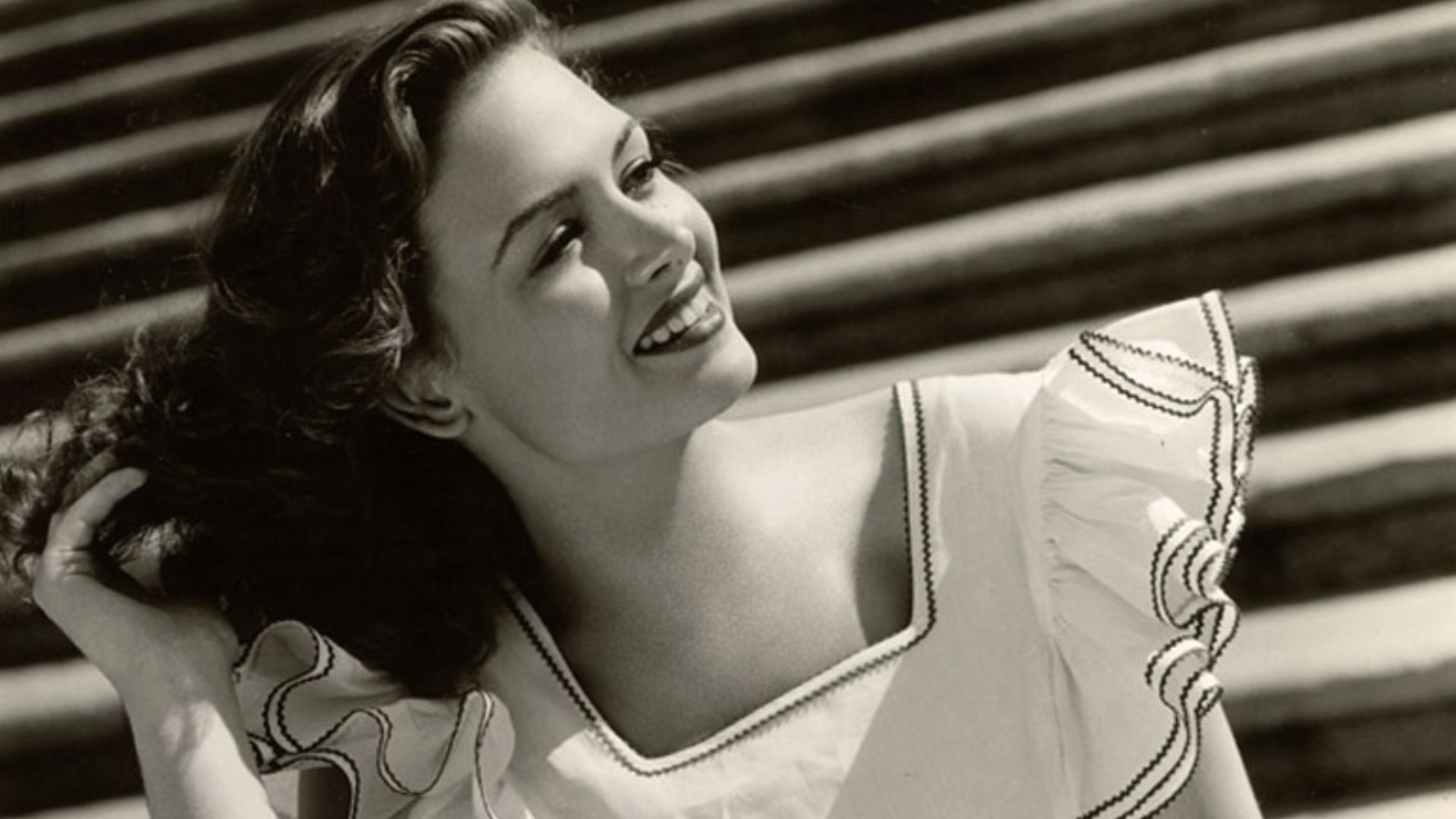
Raised as a Methodist on a 129-acre farm, Reed spent her days milking cows, gathering eggs, and pitching hay. She later called it “good training for life,” while also admitting her family endured “rough times” during droughts and the devastating economy of the Great Depression. It wasn’t exactly a Hollywood childhood.
 László Josef Willinger, Wikimedia Commons
3. Her Education Was Humble
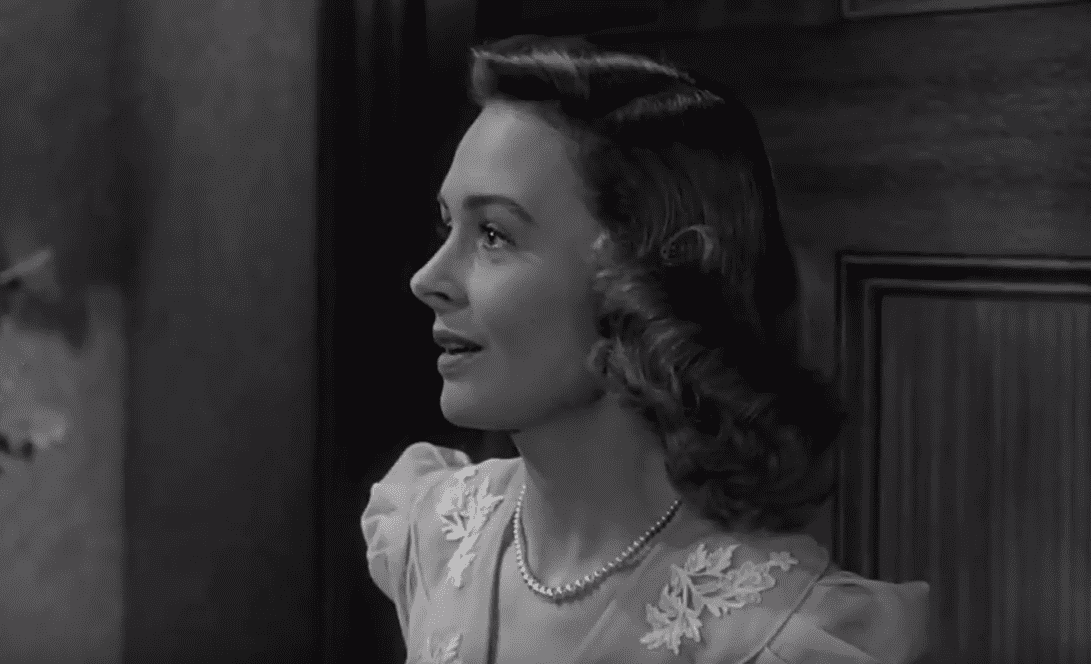
Reed’s early education was as humble as her home life. She attended a “one-room schoolhouse” in which she sat in a classroom with kids of all ages. Thankfully, when it came time for high school, she went to live with her grandmother so she could continue her studies. But it would be her extracurricular reading that changed her life.

History's most fascinating stories and darkest secrets, delivered to your inbox daily.
4. She Won Friends And Influenced People
As a high school sophomore in 1936, Reed’s chemistry teacher handed her a little advice—or, rather, a book of advice. The teacher gave Reed How to Win Friends and Influence People—and then she did. After reading it, Reed landed the lead in the school play, won Campus Queen, and graduated in the top 10 of her class.
She was eager to instill that kind of success in others.
5. She Wanted To Teach
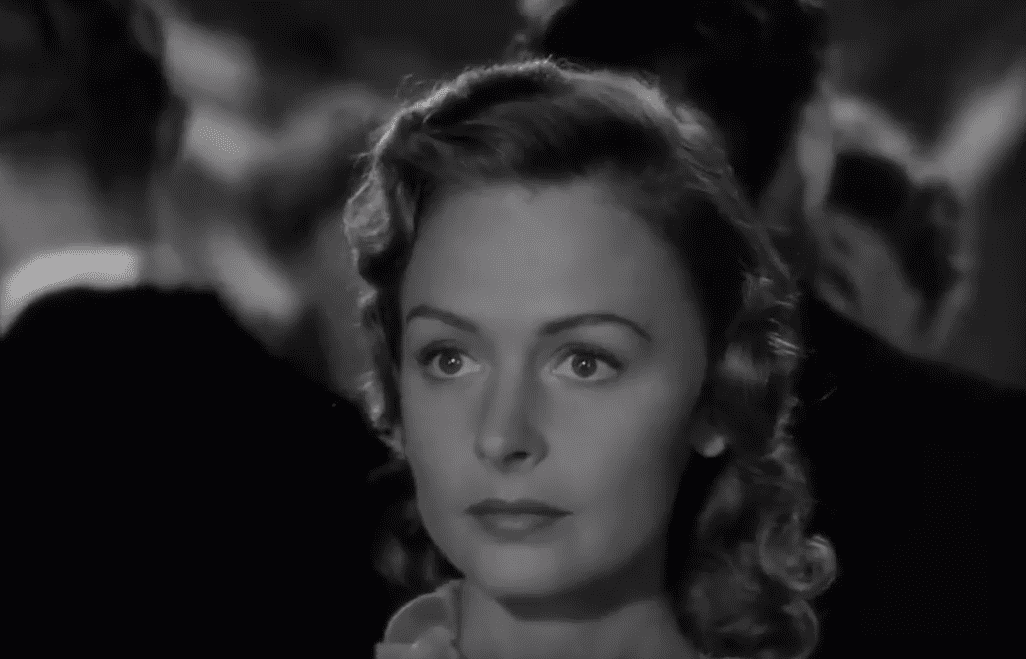
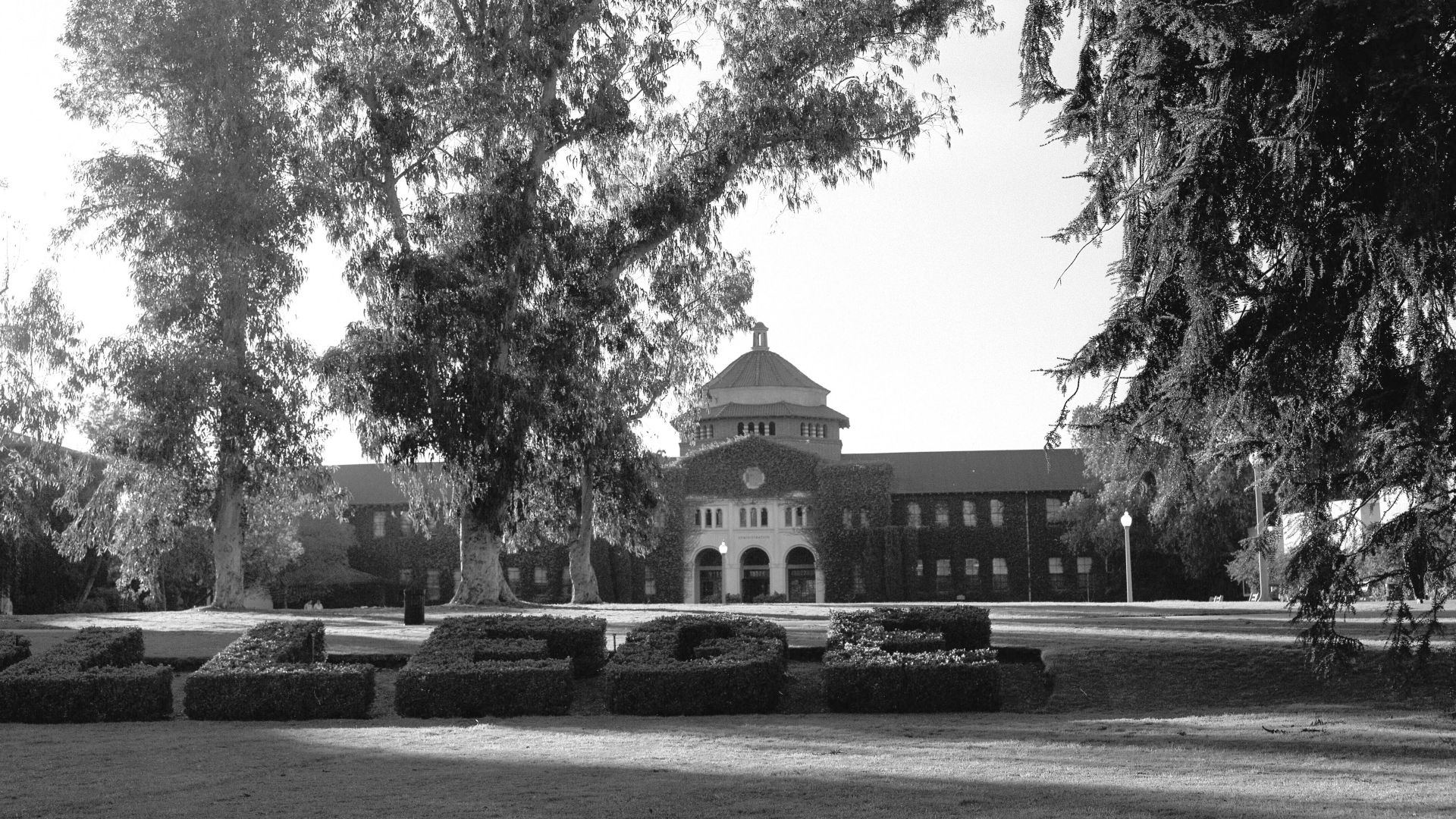
Despite her high school acting career and popularity, Reed didn’t dream of becoming a movie star at first. After graduating in 1938, she planned to become a teacher. She just didn’t have the cash. Unable to afford college, she moved to Los Angeles to live with an aunt and enrolled at Los Angeles City College instead.
That detour changed her life forever.
 Los Angeles Times, Wikimedia Commons
6. She Was Crowned Again
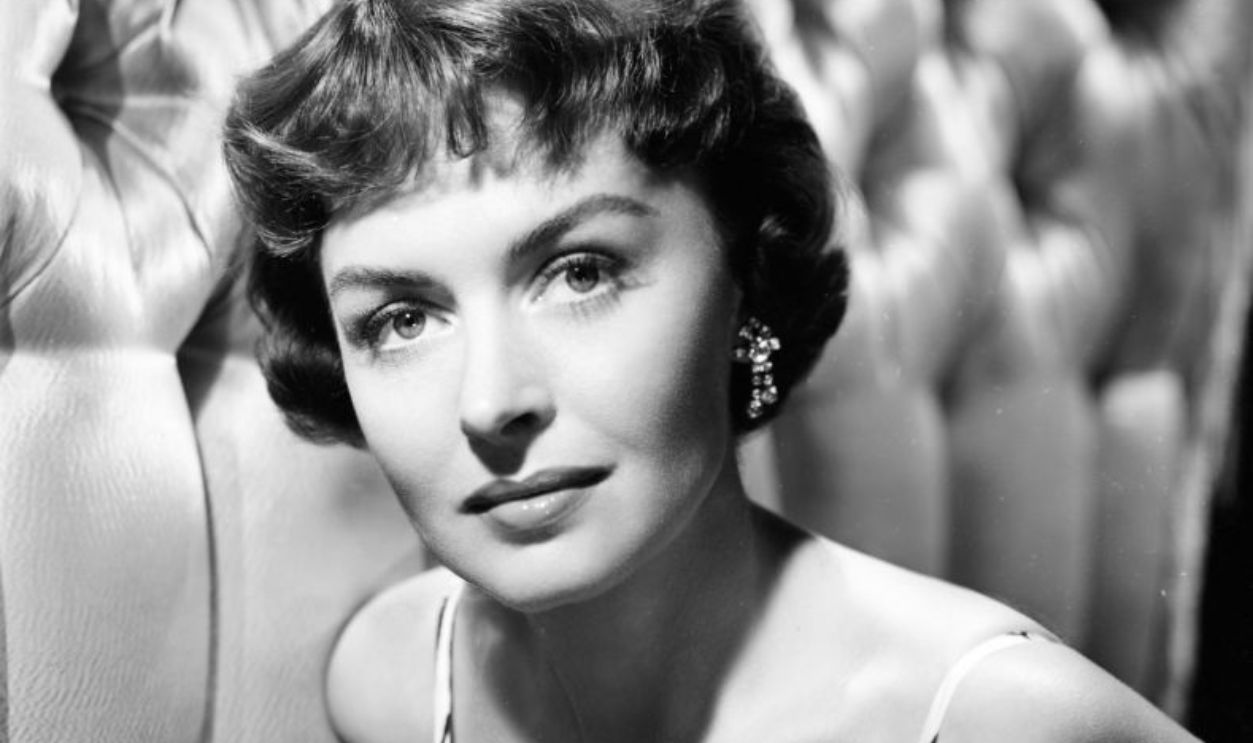
Reed studied stenography and office efficiency in college, but her natural charms shone through once again. In December 1940, Los Angeles City College named her “Campus Queen”. This time, however, the title did more than boost her confidence—it caught the attention of talent scouts who saw star potential written all over her.
7. She Put Academics First
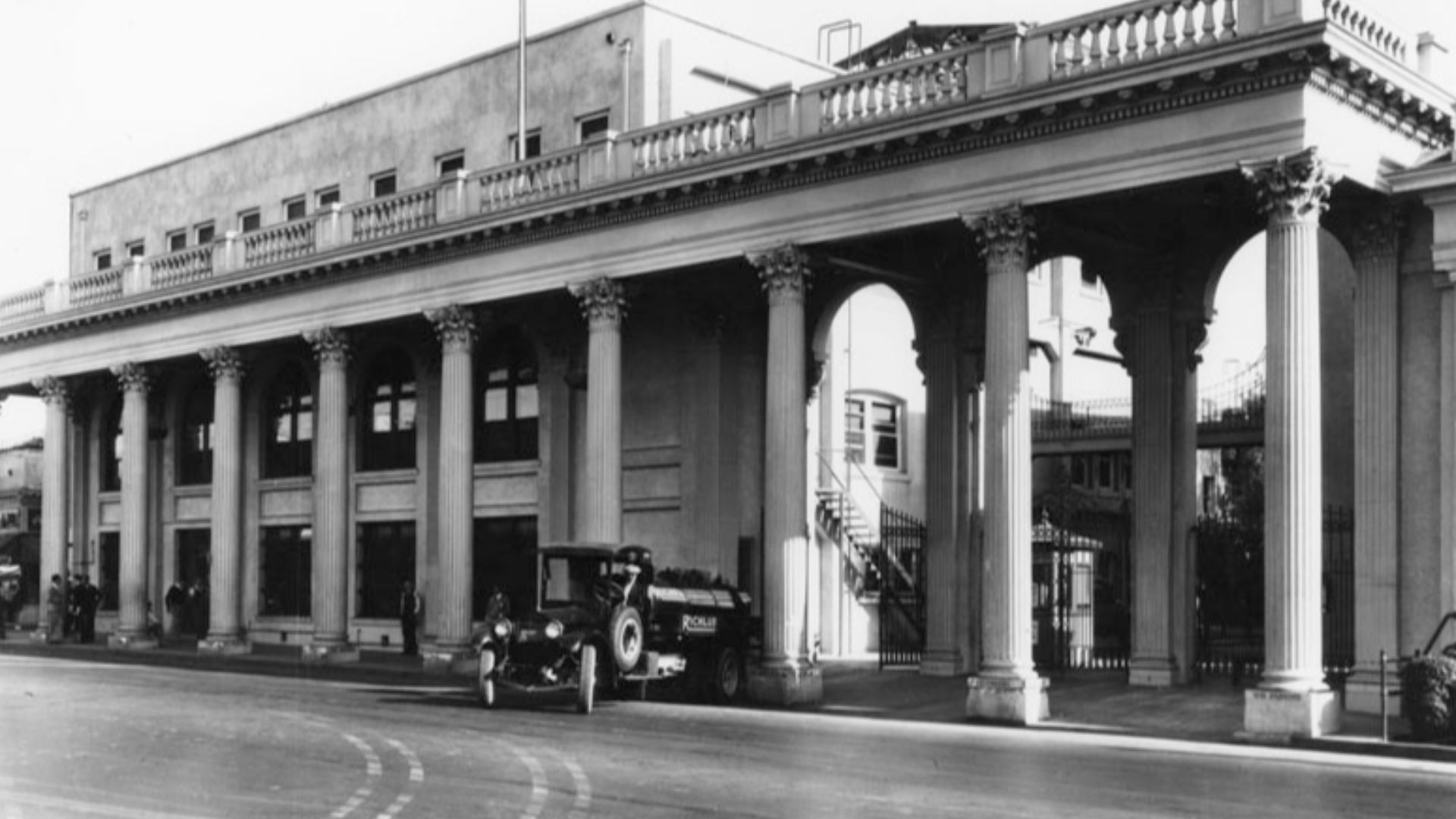
Reed’s “Campus Queen” title came with screen test offers from every major film studio. However, Reed didn’t chase fame. She insisted on completing her associate degree before dipping her toes into the Hollywood waters. When she finally graduated, she signed on with Metro-Goldwyn-Mayer, earning $75 a week.
Her first film was a controversial one.
 Unknown authorUnknown author, Wikimedia Commons
8. She Had A Name Change
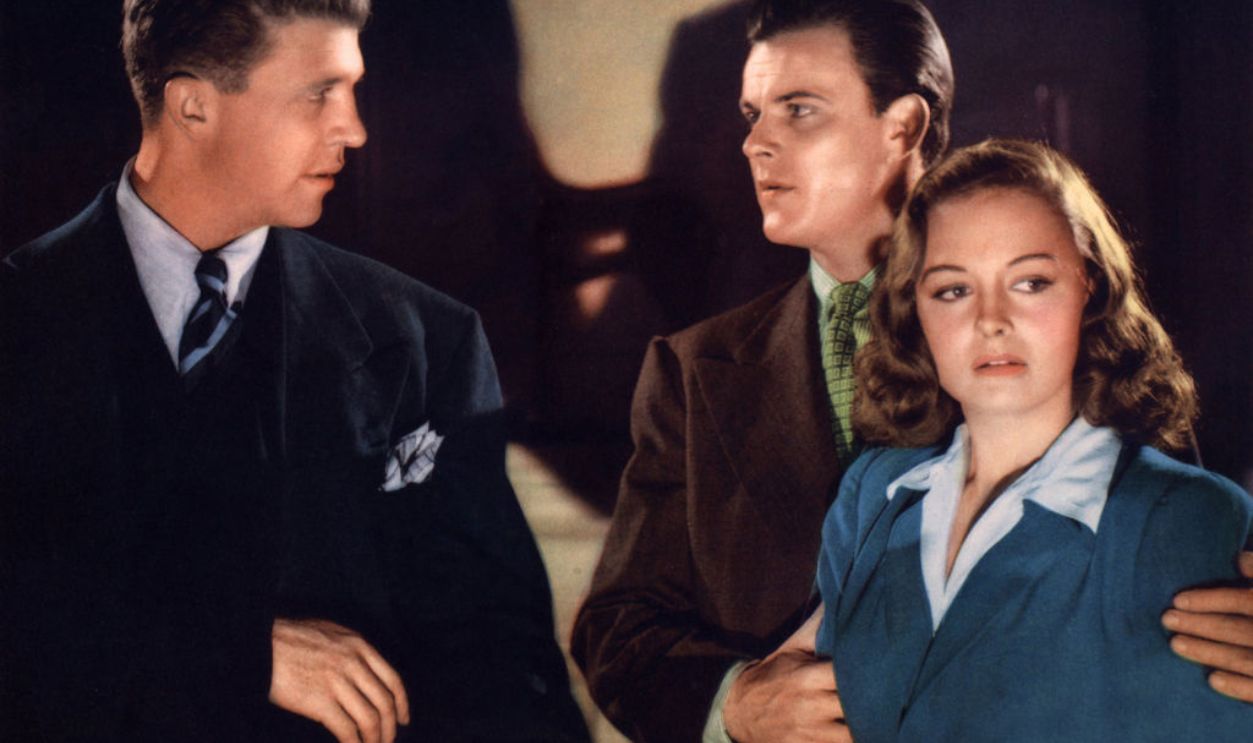
Reed made her film debut shortly after signing with MGM in 1941’s The Get-Away. Starring opposite Robert Sterling, she was billed as Donna Adams. However, the studio was less than impressed with this moniker and quickly changed it to Donna Reed. Hollywood was already changing her in ways she didn't like.
9. She Hated Her Own Name
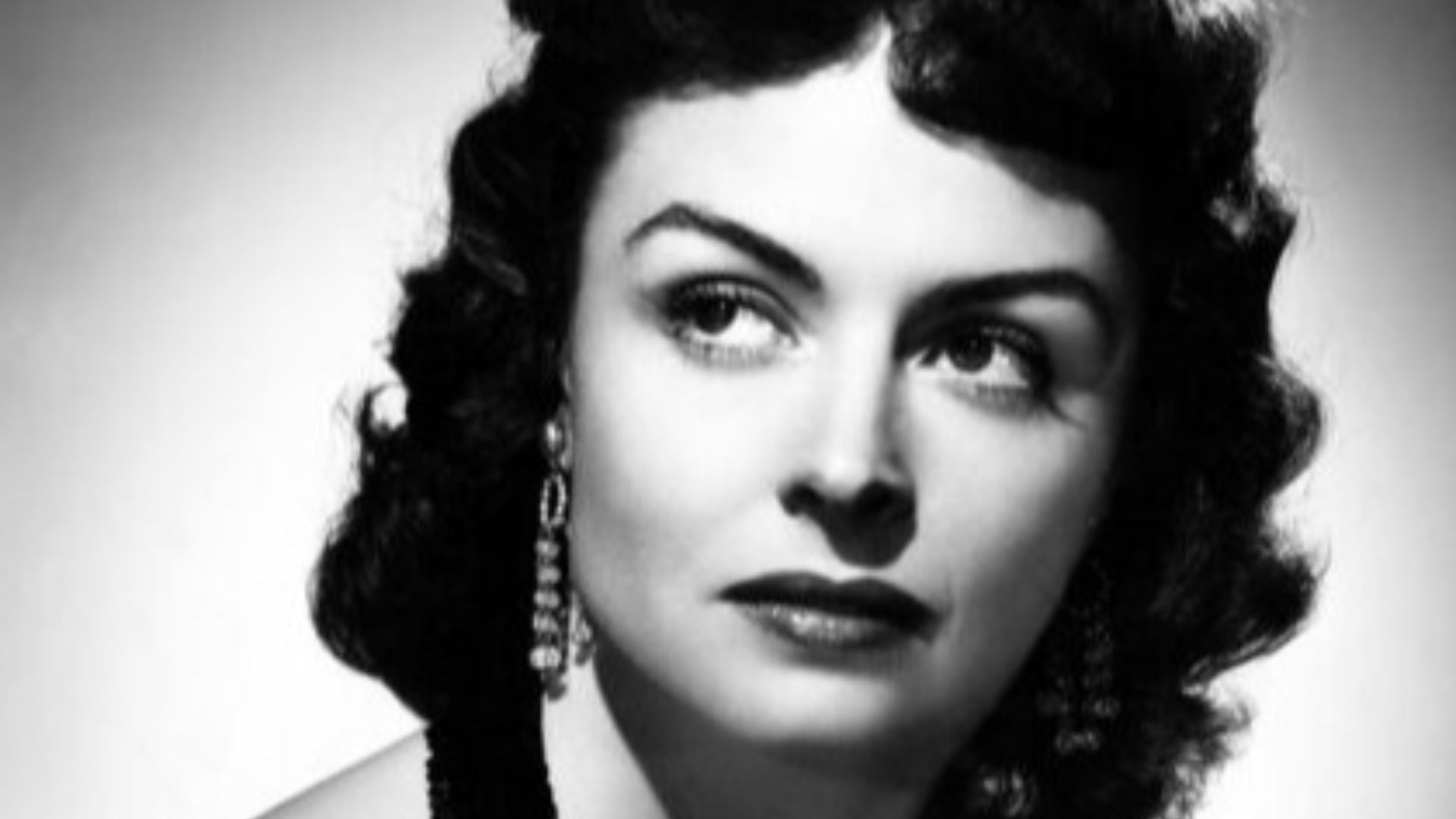
Despite the sonorous ring to it, Reed never warmed to her stage name. In fact, she pretty much hated it. “I hear ‘Donna Reed’ and I think of a tall, chic, austere blonde that isn’t me,” she admitted. “‘Donna Reed’—it has a cold, forbidding sound”. But whether she went by “Reed” or “Adams” or “Mullenger”, one thing was clear: she was a star.
 Studio Publicity, Wikimedia Commons
History's most fascinating stories and darkest secrets, delivered to your inbox daily.
10. She Was The “Star Of Tomorrow”
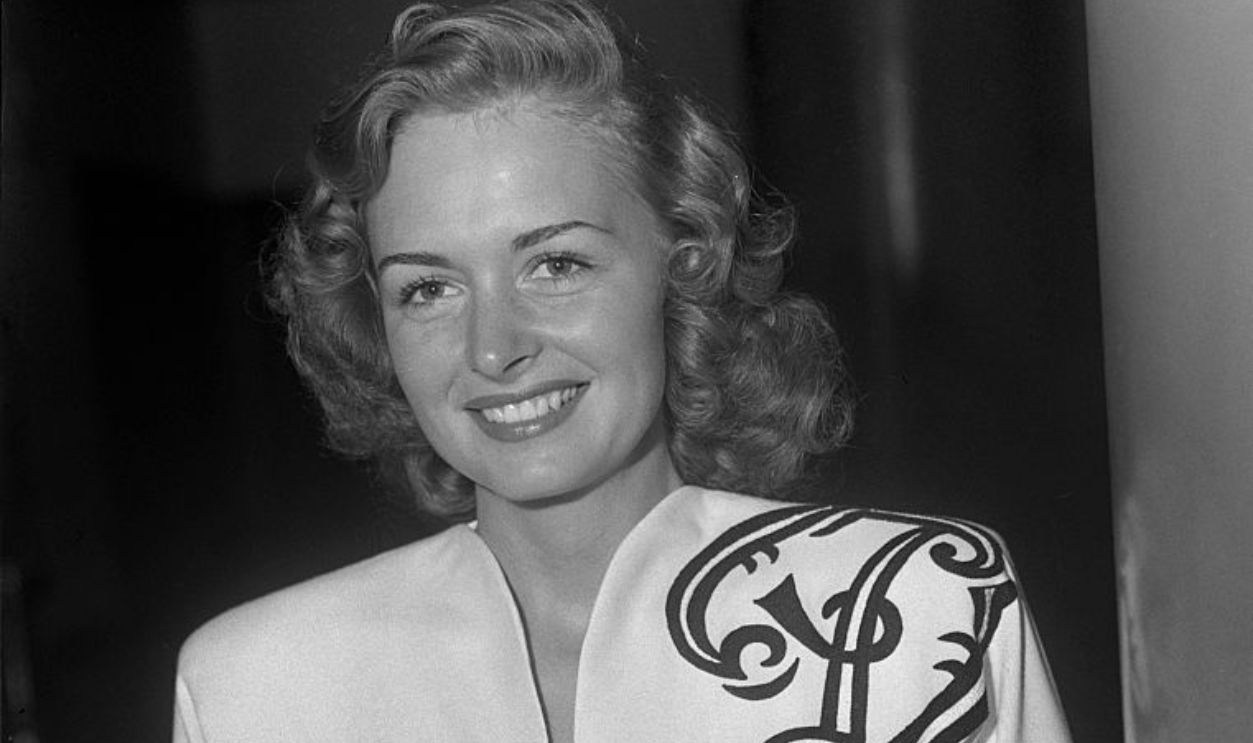
Film studios and audiences weren’t the only ones impressed by Reed’s first year on screen. Theater owners took notice too, voting her “Star of Tomorrow” after strong reactions to her debut performances. For a farm girl who dreamed of becoming a teacher, it was an astonishing pivot—and only the beginning of a remarkable ascent.
 Michael Ochs Archives, Getty Images
11. She Had A Hollywood Marriage
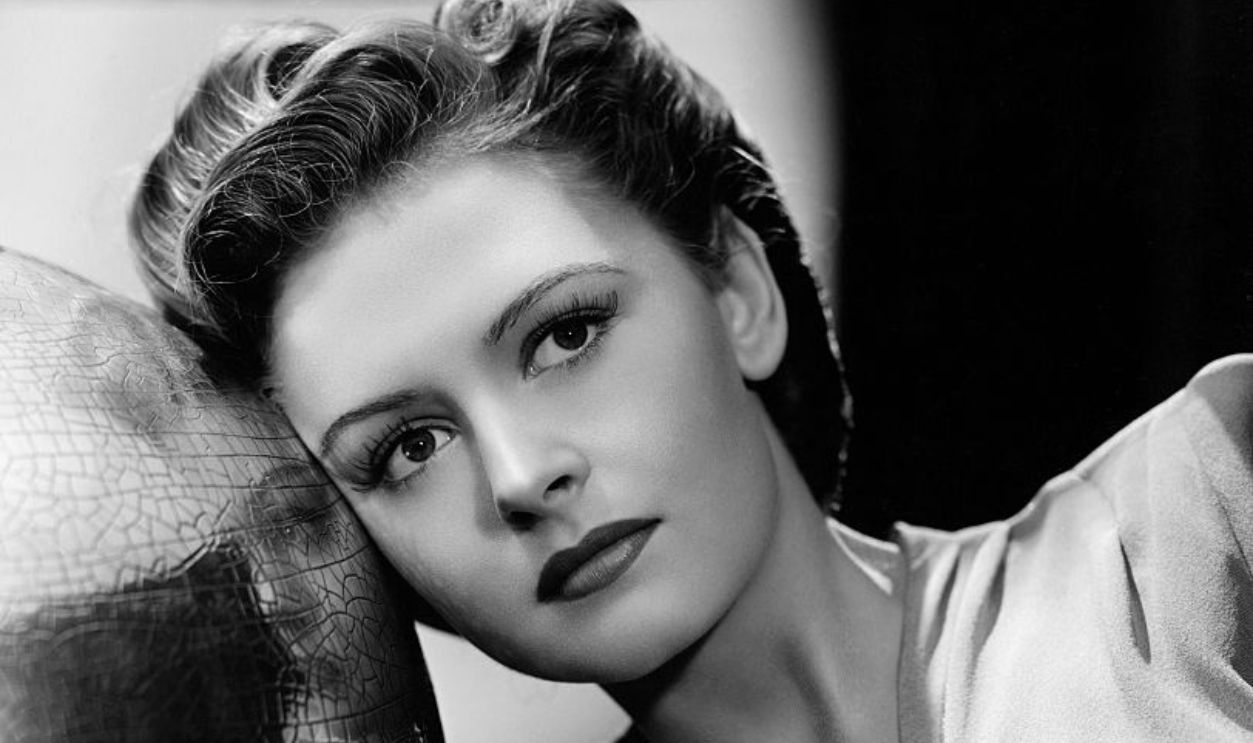
Just as Reed’s film career was taking off, so was her personal life. In January of 1943, Reed married the makeup artist William J Tuttle. There aren’t many public details about Reed’s marriage to Tuttle except that it didn't last. Just two years later, the marriage ended, just as quietly as it had begun. Perhaps the demands of her rising stardom had gotten in the way.
 John Springer Collection, Getty Images
12. She Became MGM’s Favorite
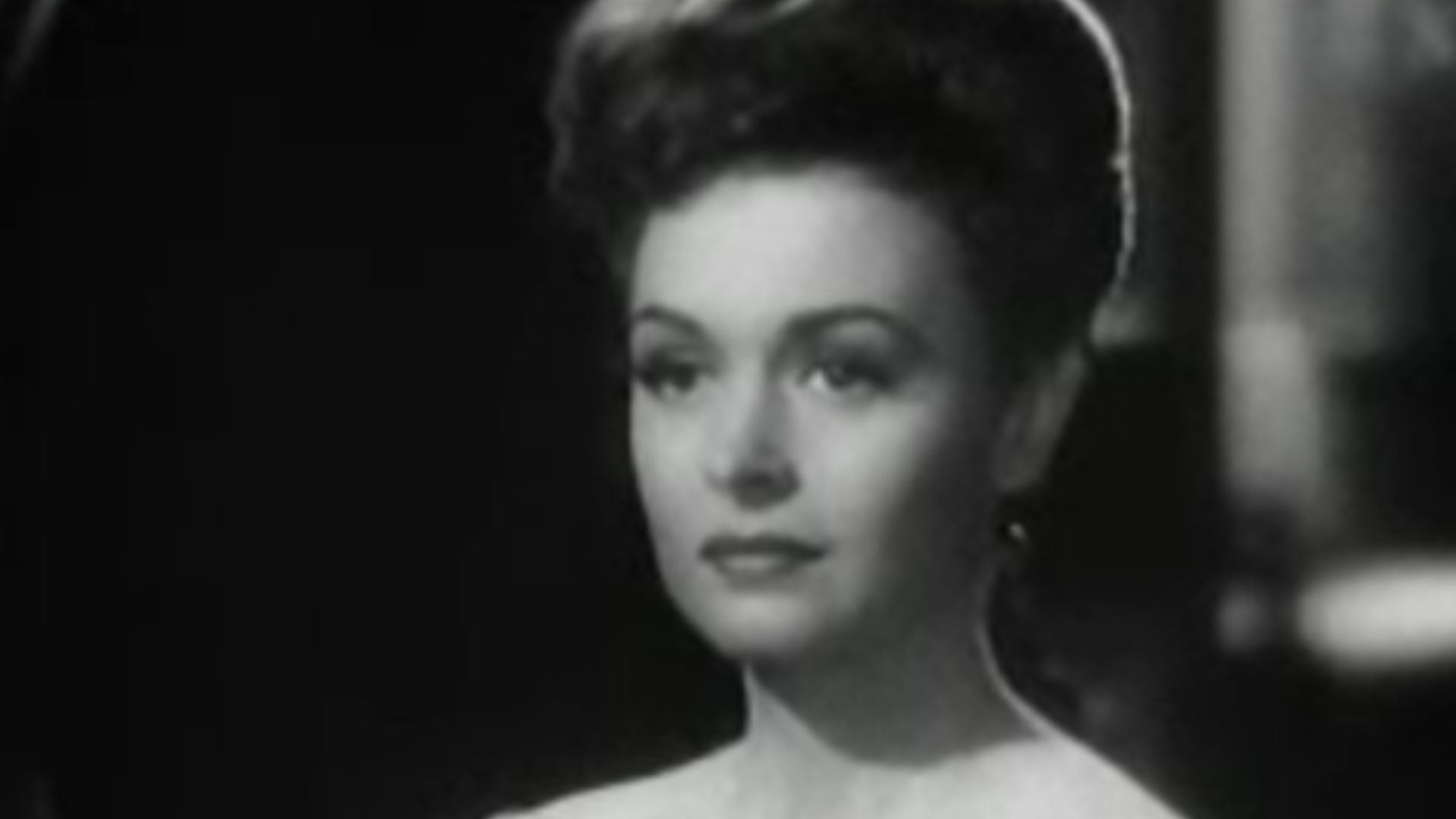
Even as her marriage collapsed, Reed steadily climbed MGM’s ranks as a reliable contract player. She took supporting roles in popular series films like Shadow of the Thin Man, Andy Hardy, and Dr Gillespie. By 1945, she was starring alongside the likes of John Wayne in John Ford-directed films and taking big roles in movies like The Picture of Dorian Gray.
Still, her personal life was her priority.
 Trailer screenshot, Wikimedia Commons
13. She Built A Family
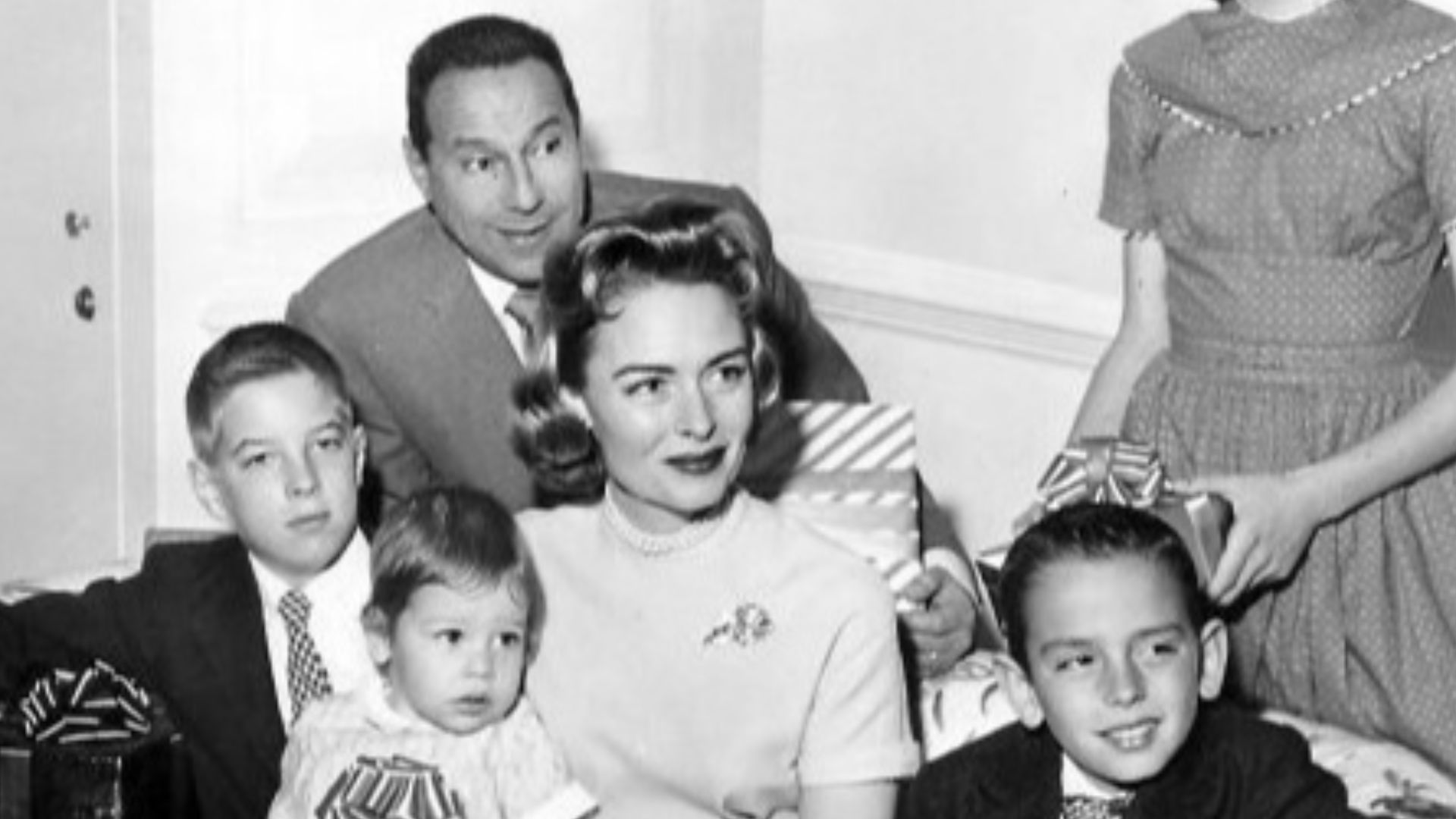
On June 15, 1945, Reed married producer Tony Owen, beginning a partnership that lasted 26 years. Together, they raised four children—two adopted and two biological—while balancing family life with Hollywood demands. However, it would be their business partnership as the co-founders of Todon Productions that really shaped Reed’s life.
 ABC Television, Wikimedia Commons
14. She Landed A Wonderful Role
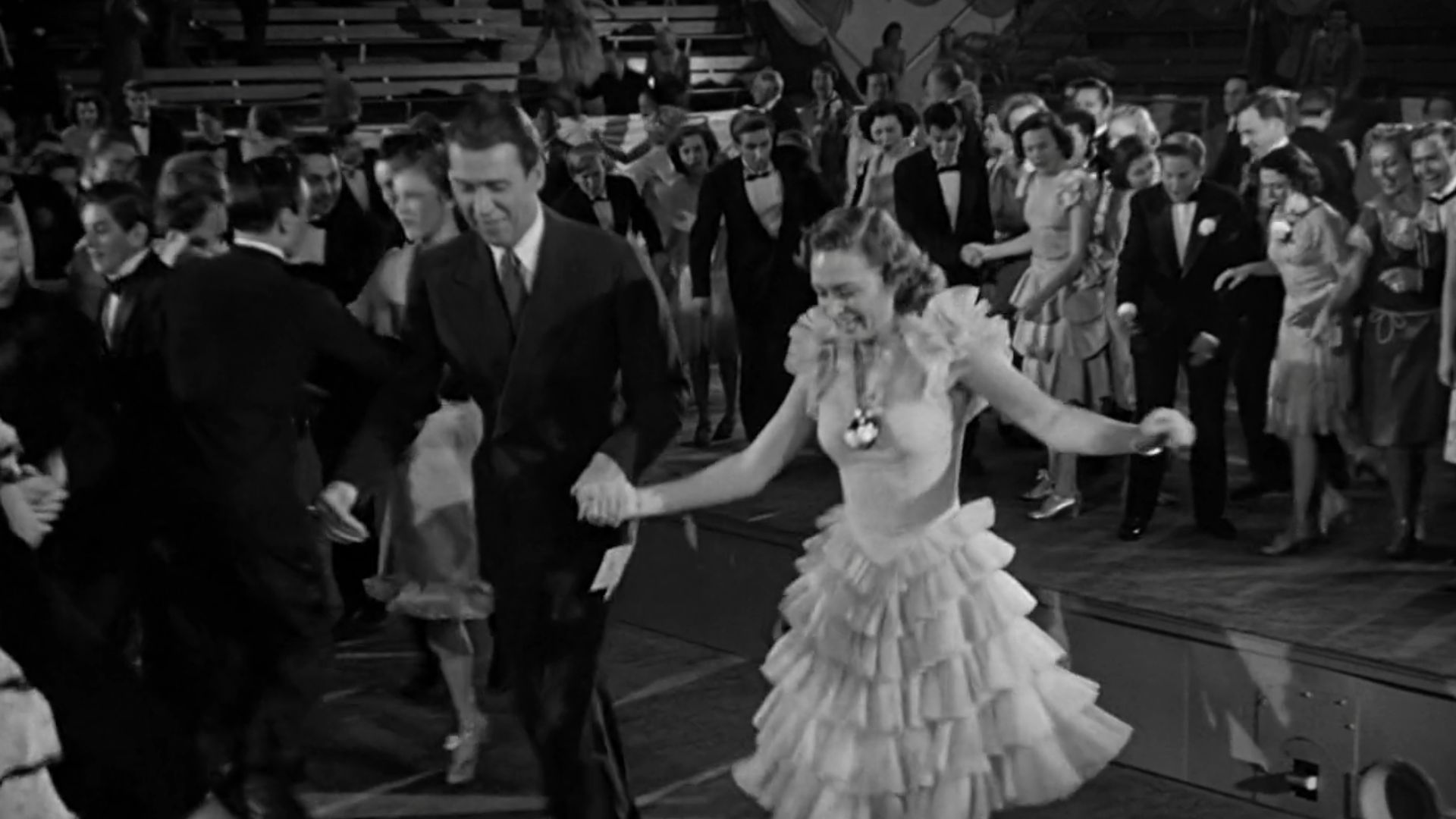
In 1946, MGM loaned Reed to RKO for a modest holiday film called It’s a Wonderful Life. But Reed almost never got her most iconic film role. RKO had originally offered the role of Mary Hatch Bailey to Ginger Rogers who passed on the opportunity, calling the script “too bland”. The role would immortalize Reed forever—but it cost her dearly.
 Frank Capra, Wikimedia Commons
15. She Aged On Screen
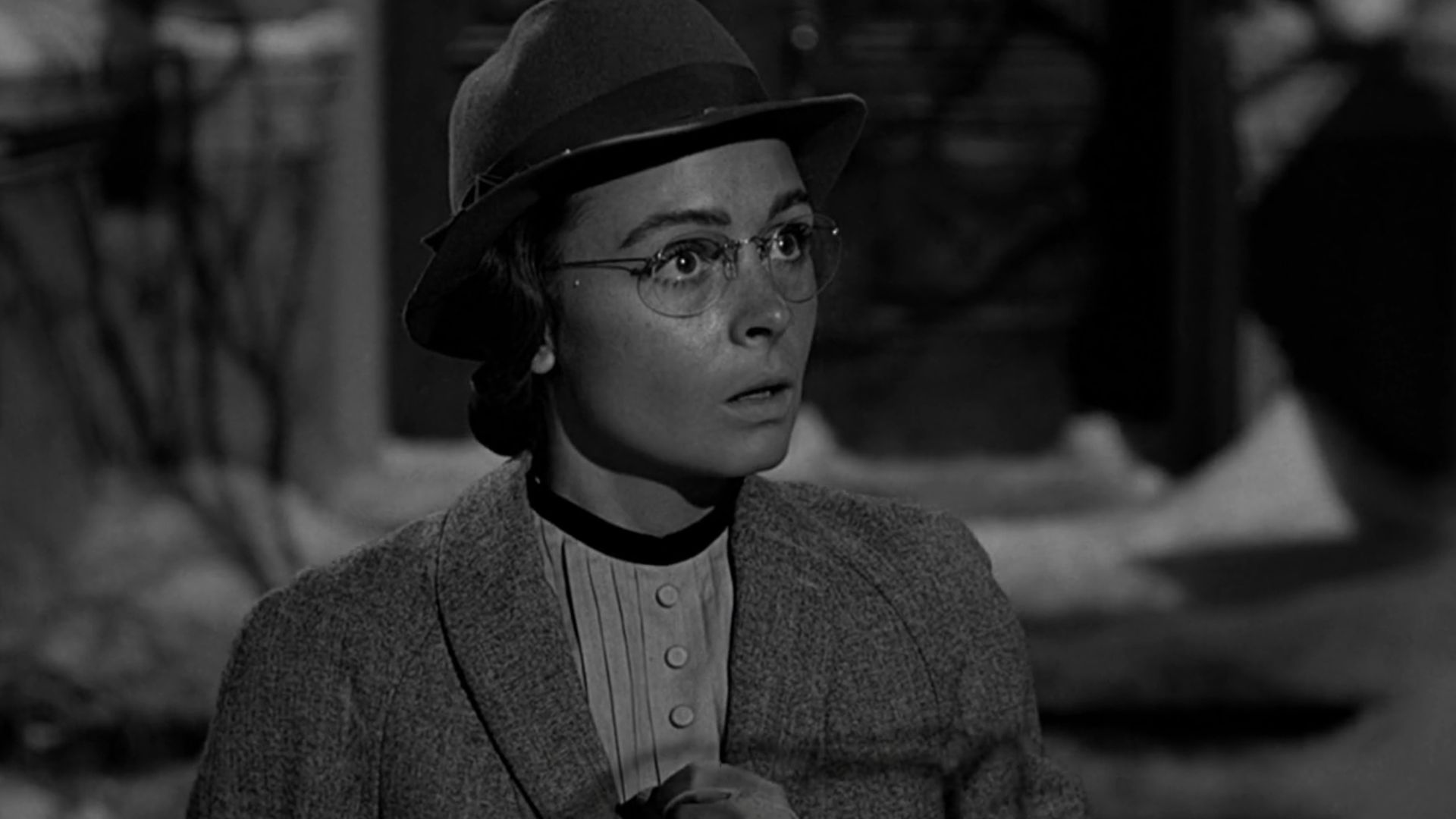
When Reed accepted the role of Mary Hatch Bailey in It’s a Wonderful Life, she was just 25 years old. However, the script required her to portray the character across nearly two decades of life, from 18 to 35. The emotional and technical demands pushed her to the limit. She later called it “the most difficult film I ever did,” citing the director’s relentless expectations.
The strain showed—on screen and off.
 Frank Capra, Wikimedia Commons
History's most fascinating stories and darkest secrets, delivered to your inbox daily.
16. She Took The Blame
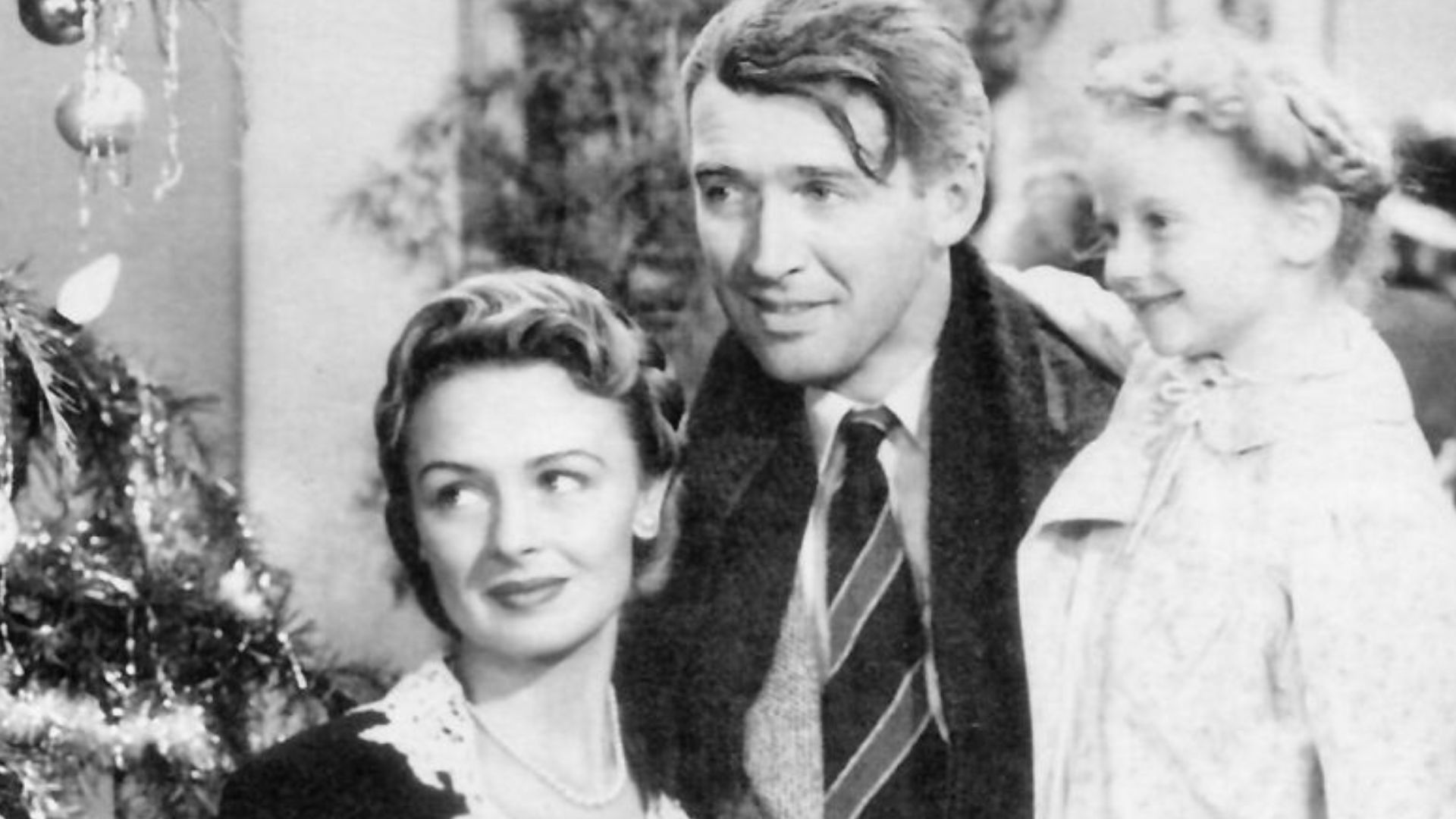
Although It’s a Wonderful Life would later become a cherished Christmas-movie list must-watch, it was initially kind of a flop. The theatrical release underperformed at the box office—and everyone thought they knew who to blame. Reed internalized the outcome, believing she shared responsibility for the lackluster reception. Perhaps acting wasn’t her thing after all.
 RKO Radio Pictures, Wikimedia Commons
17. She Walked Away From MGM
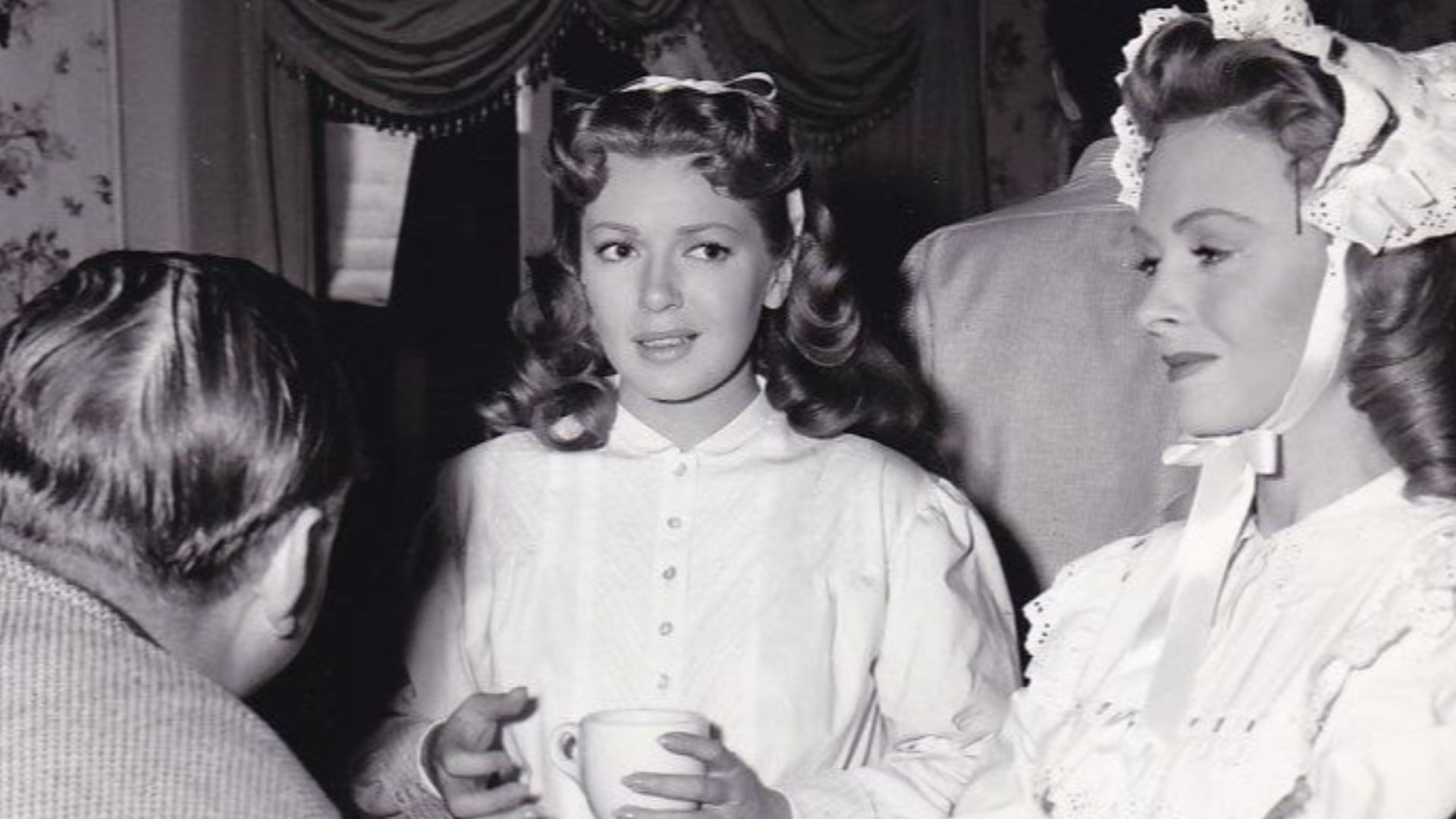
After rebounding with the successful Green Dolphin Street in 1947, Reed reassessed her future. Despite the fact that she had just landed one of MGM’s biggest box office successes, she wanted more substantial roles. So, in June of 1950, she left MGM and signed with Columbia Pictures, risking it all to pursue roles that she believed truly mattered.
18. She Shocked Everyone
In 1953, Reed got the kind of role that she had been after—but only barely. Famed director Fred Zinnemann was looking for someone to play the role of Alma “Lorene” Burke in From Here to Eternity. Reed, with her wholesome image, had to audition for the role of the “working girl” three times before she convinced Zinnemann that she was his Burke.
It was the best decision Zinnemann ever made.
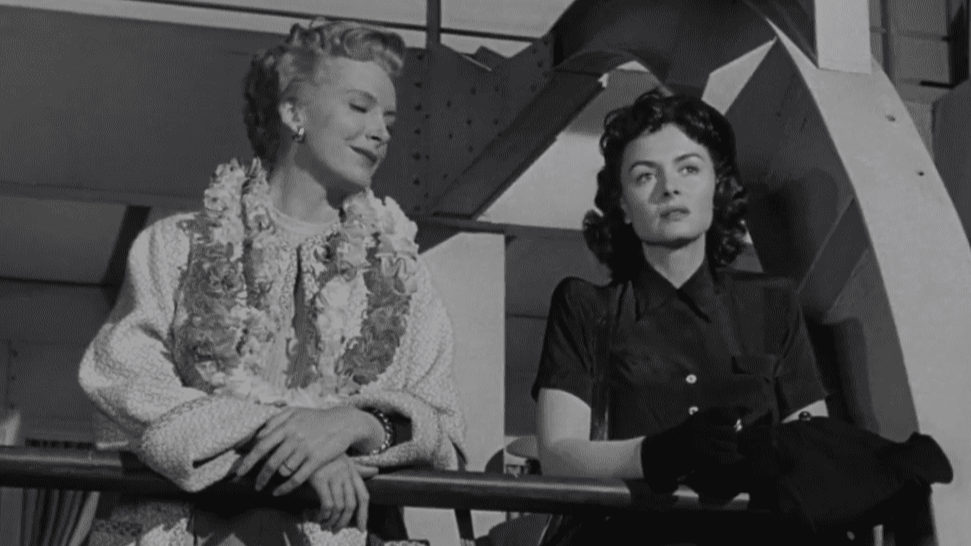 Screenshot from From Here to Eternity, Columbia Pictures (1953)
19. She Won Hollywood’s Biggest Prize
Zinnemann’s gamble on casting Reed as a courtesan paid off. On March 25, 1954, Reed snagged Hollywood’s biggest prize: a shiny, golden Academy Award. For her shocking transformation in From Here to Eternity, Reed won the Oscar for Best Supporting Actress. However, far from propelling her career forward, it almost ended it.
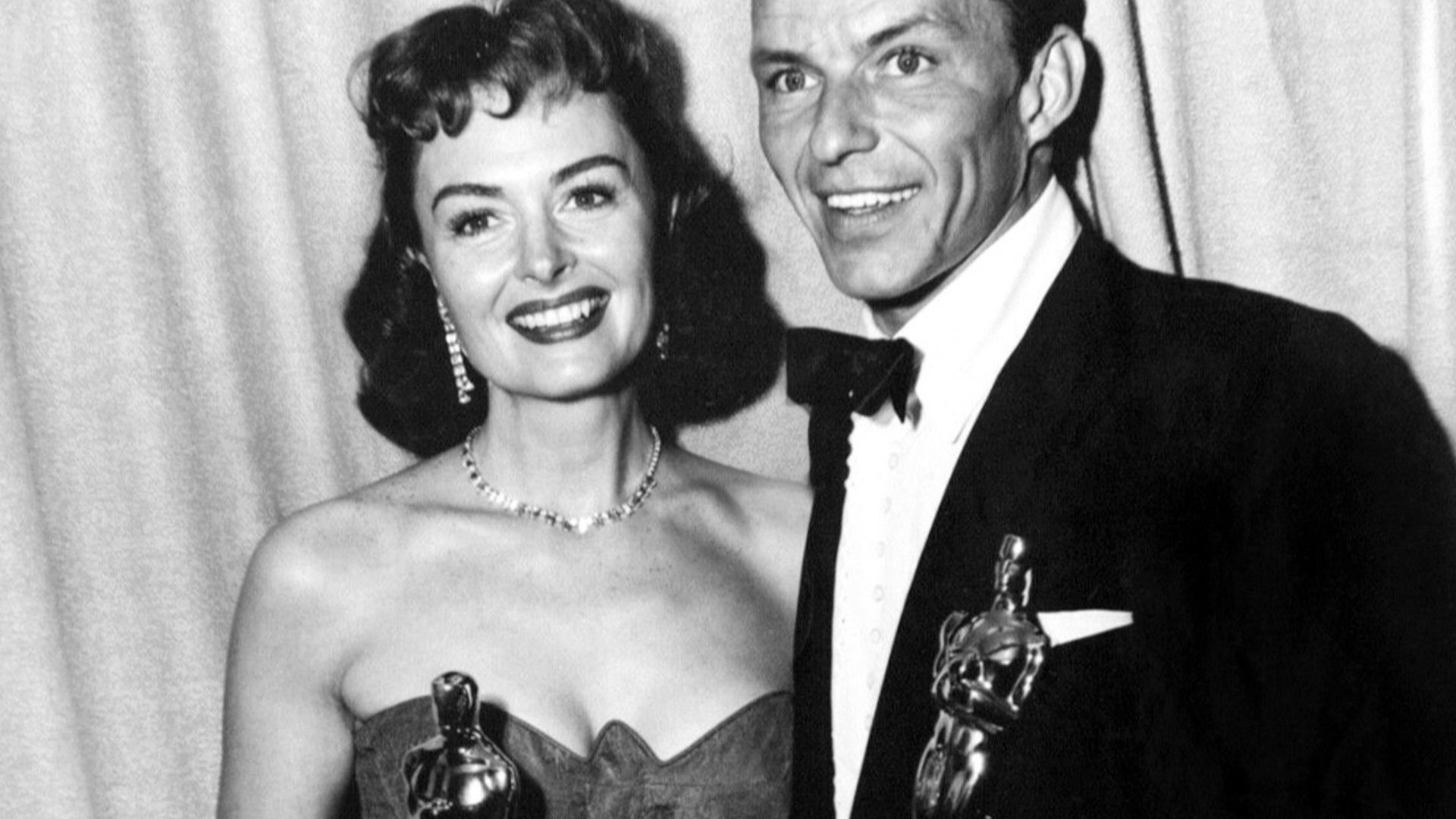 Per a stamp on the reverse side:
20. She Didn’t Reap Rewards
In a cruel twist, Reed’s Oscar didn’t transform her career overnight. The roles that followed her Academy Award-winning performance failed to match her heightened pedigree, leading her into lighter fare like The Caddy and The Last Time I Saw Paris. Reed was learning quickly that once you reach the top, the only place left to go is down.
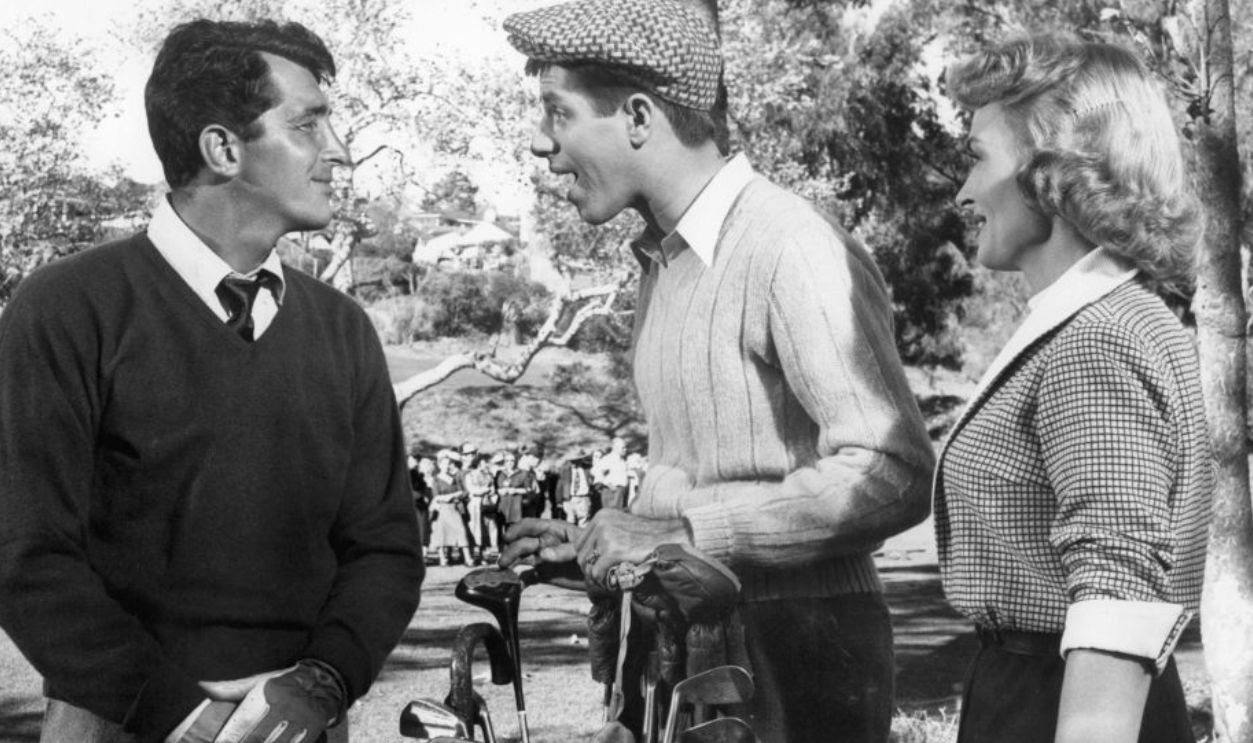 Michael Ochs Archives, Getty Images
21. She Was Hurt On Location
While filming Beyond Mombasa in 1956, Reed traveled to Kenya to shoot on location with Cornel Wilde. The production, though not as emotionally grueling as It’s a Wonderful Life, proved to be even more physically demanding, and Reed suffered an on-set injury during the shoot.
Between the decline in the quality of her roles and unsafe sets, Reed took matters into her own hands.
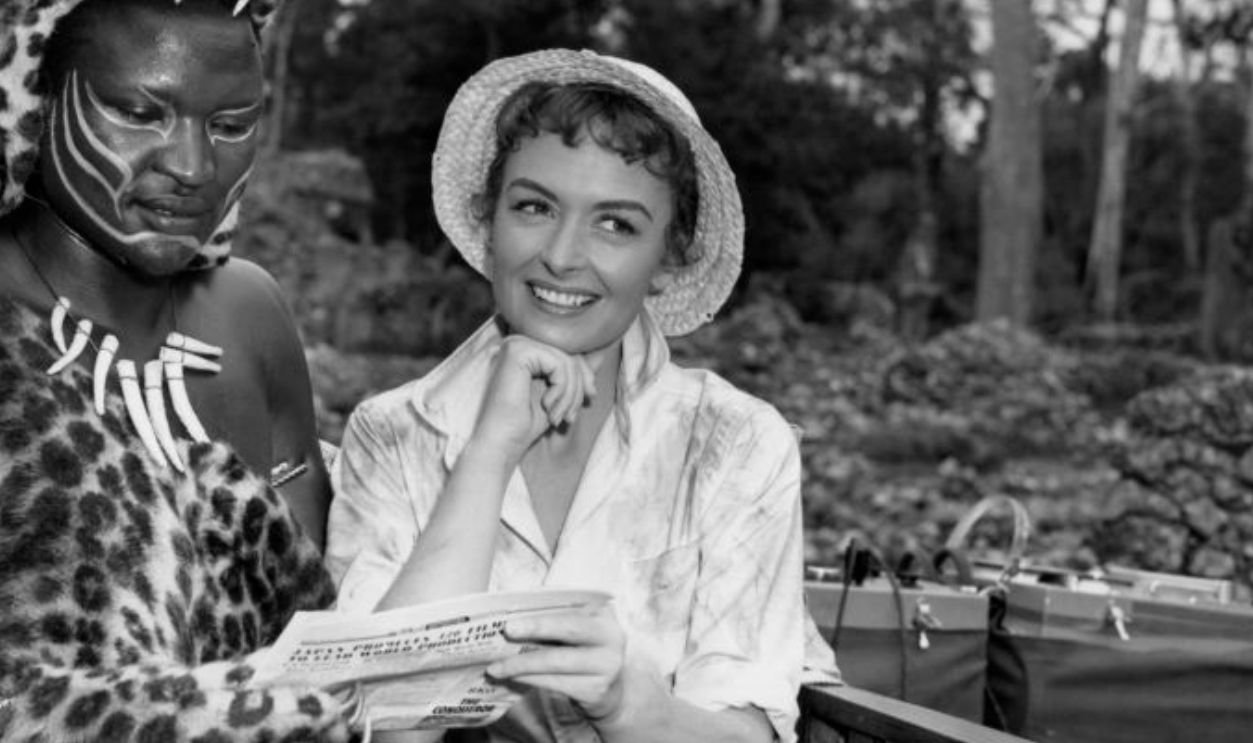 De Carvalho Collection, Getty Images
History's most fascinating stories and darkest secrets, delivered to your inbox daily.
22. She Took Control Behind The Scenes
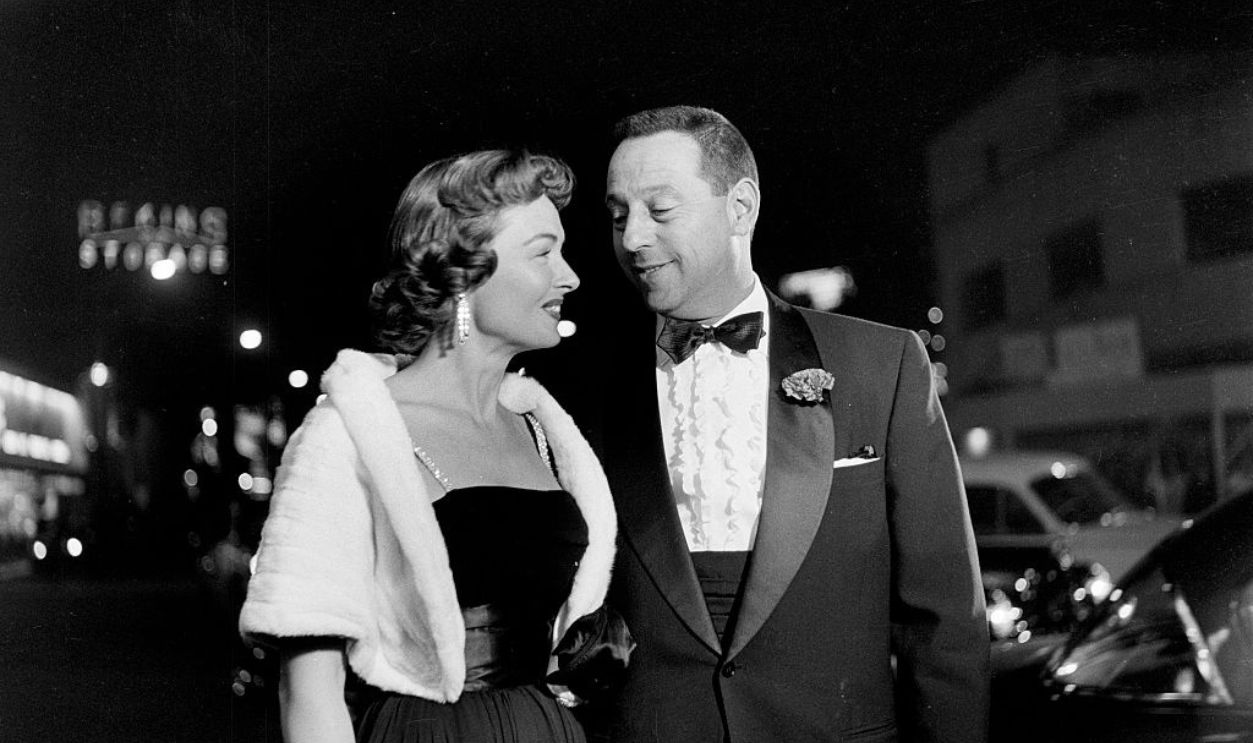
Rather than relying solely on studios to give her the roles she wanted, Reed took matters into her own hands. Together with her husband, Tony Owens, she formed Todon Productions—a rare move for actors at the time. The company gave Reed creative leverage—and soon became the engine behind her most famous television success.
 Michael Ochs Archives, Getty Images
23. She Became TV’s Ideal Mother
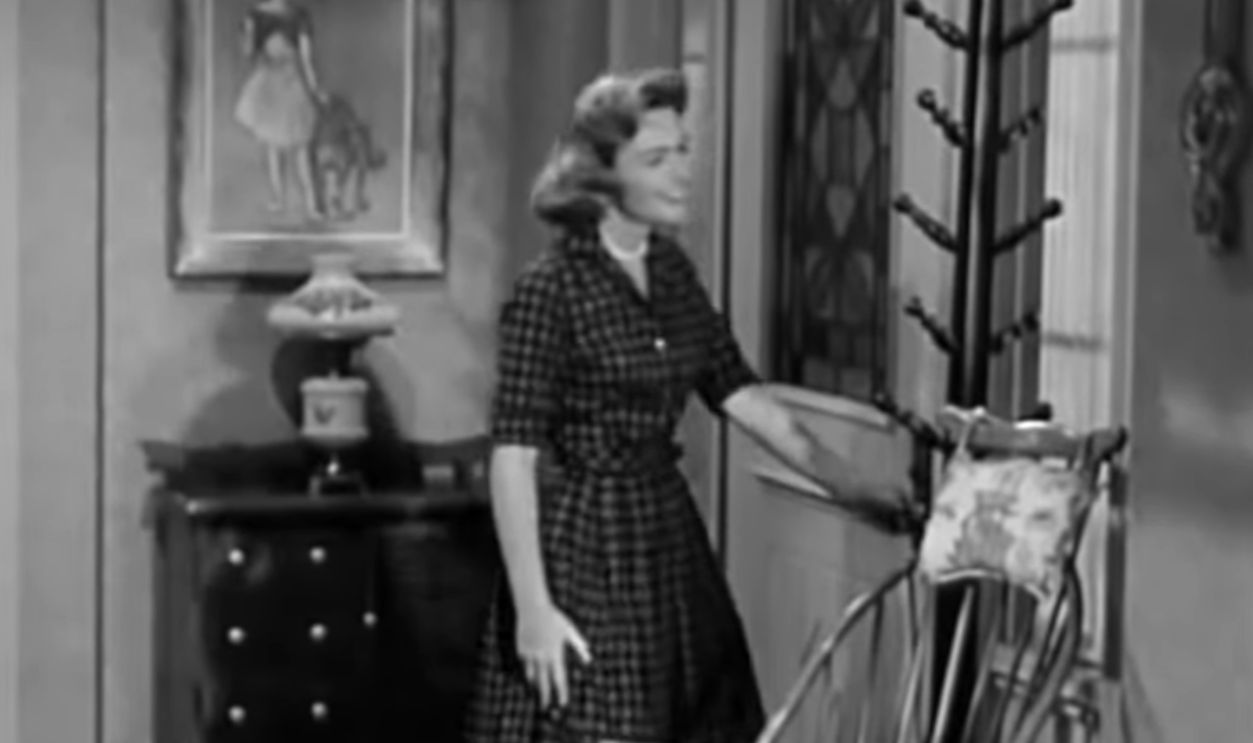
In 1958, Reed conquered the small screen when The Donna Reed Show premiered on ABC. In the series, Reed was cast as Donna Stone, a poised, middle-class wife and mother. The innovative series struck a chord with audiences and ran for eight long seasons, cementing Reed as television’s gold standard for domestic grace
Ironically, her real life was far busier than her scripted one.
 Screenshot from The Donna Reed Show, ABC (1958-1966)
24. She Lived A Double Life
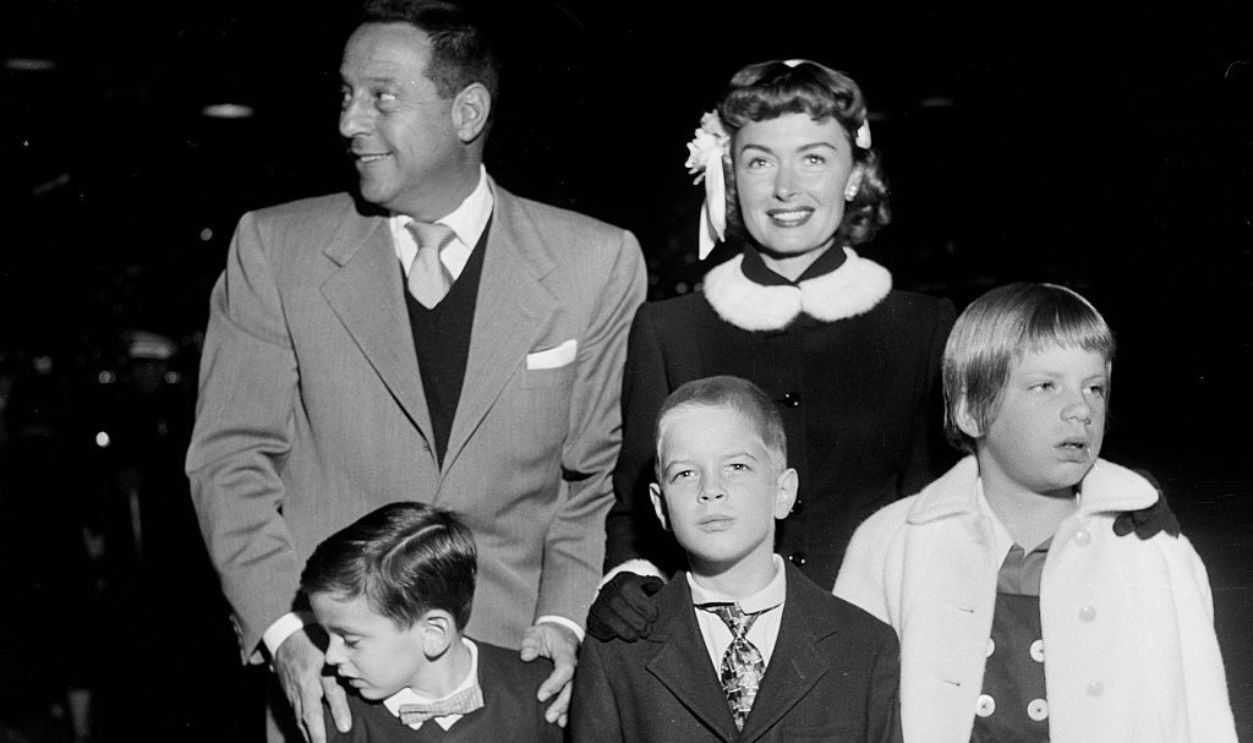
Reed didn’t just play a devoted mother on TV—she was one in real life. Just one year before production on The Donna Reed Show began, Reed had given birth to her last child, Mary. That meant that as Reed was portraying a mother on television, she was actually living through the ups and downs of parenthood in real life. The industry took notice of her hard work.
 Michael Ochs Archives, Getty Images
25. She Had All The Accolades
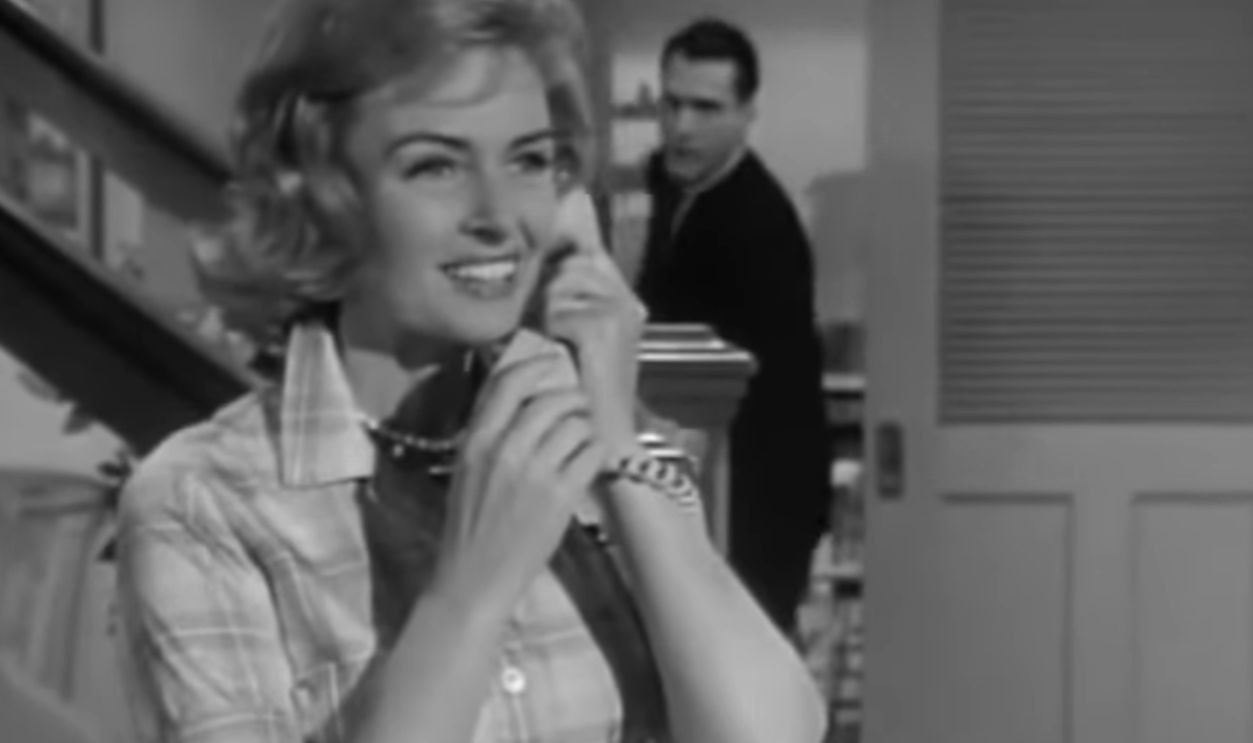
Audiences tuned in to watch The Donna Reed Show religiously—and the critics also ate it up. Her performance on the hit series earned her four consecutive Emmy nominations between 1959 and 1962. Then, in 1963, she took home a Golden Globe for Best TV Star. For all of the praise the show earned her, it also earned her a lot of haters.
 Screenshot from The Donna Reed Show, ABC (1958-1966)
26. She Was “Offensive” To Some People
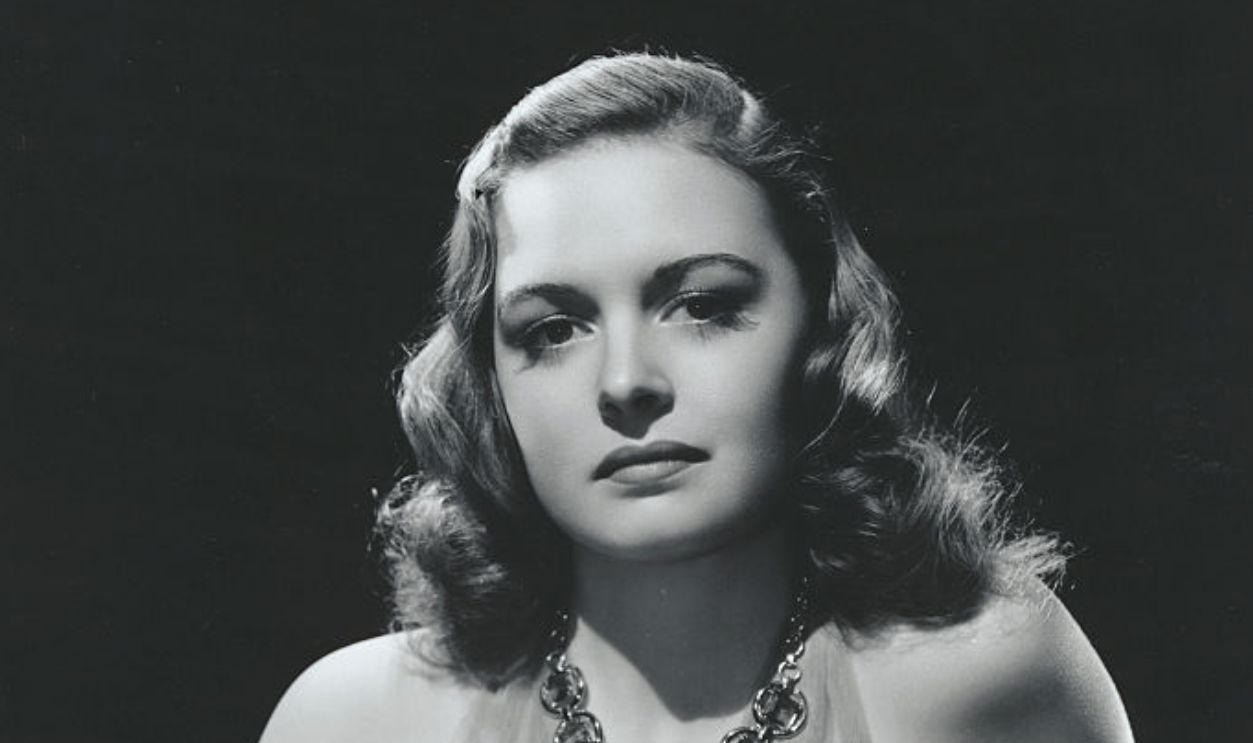
Feminist critics retrospectively dismissed Reed’s television persona as regressive. But Reed wasn’t having any of it. In her usual graceful and respectful way she shot down her critics, saying, “I played a strong woman who could manage her family. That was offensive to a lot of people”. In Reed’s defense, she was just too “sweet” to criticize.
 John Springer Collection, Getty Images
27. She Sold Beautiful Bundt Cakes
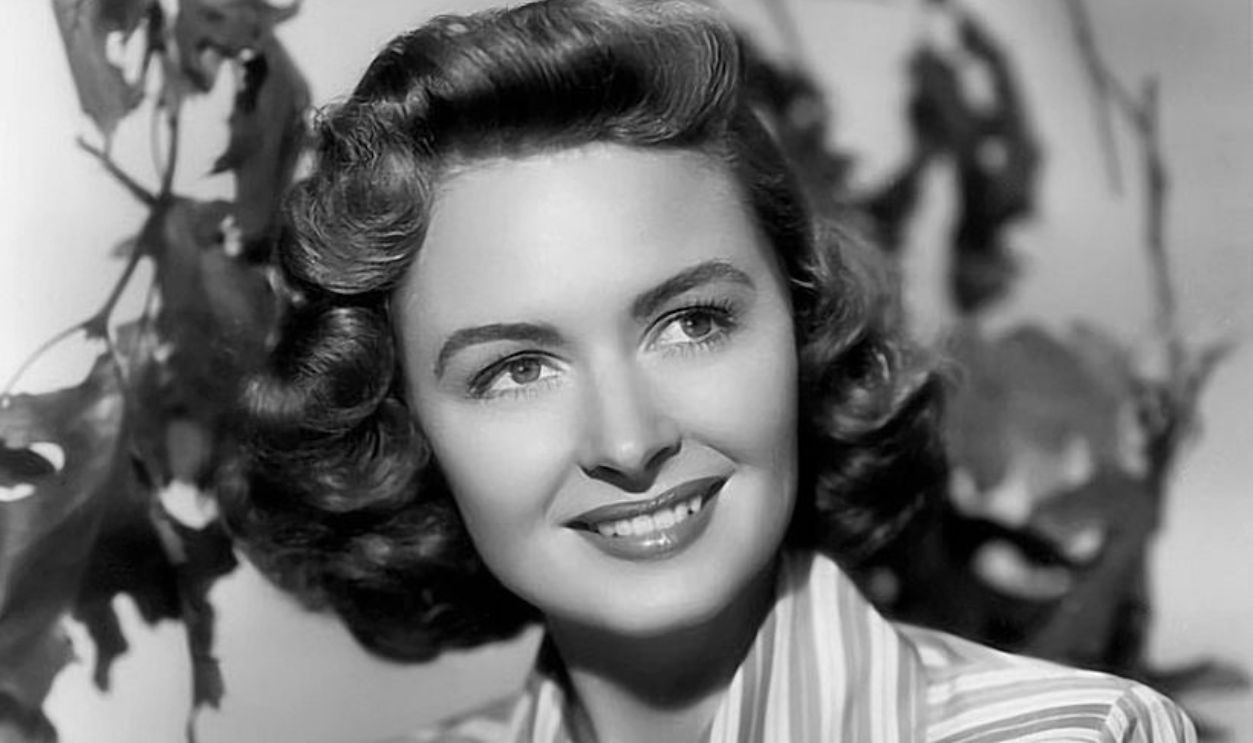
At the height of her television fame, Reed’s image was everywhere—even in the kitchen. One publicity stunt was particularly sweet. To promote The Donna Reed Show, a recipe for “Bundt cake à la Donna Reed” circulated in newspapers across North America. Blurring the line between fact and fiction—or kitchen and camera—the ad was a testament to Reed’s growing fame.
Fame that she rejected.
 Silver Screen Collection, Getty Images
History's most fascinating stories and darkest secrets, delivered to your inbox daily.
28. She Stepped Away From Fame
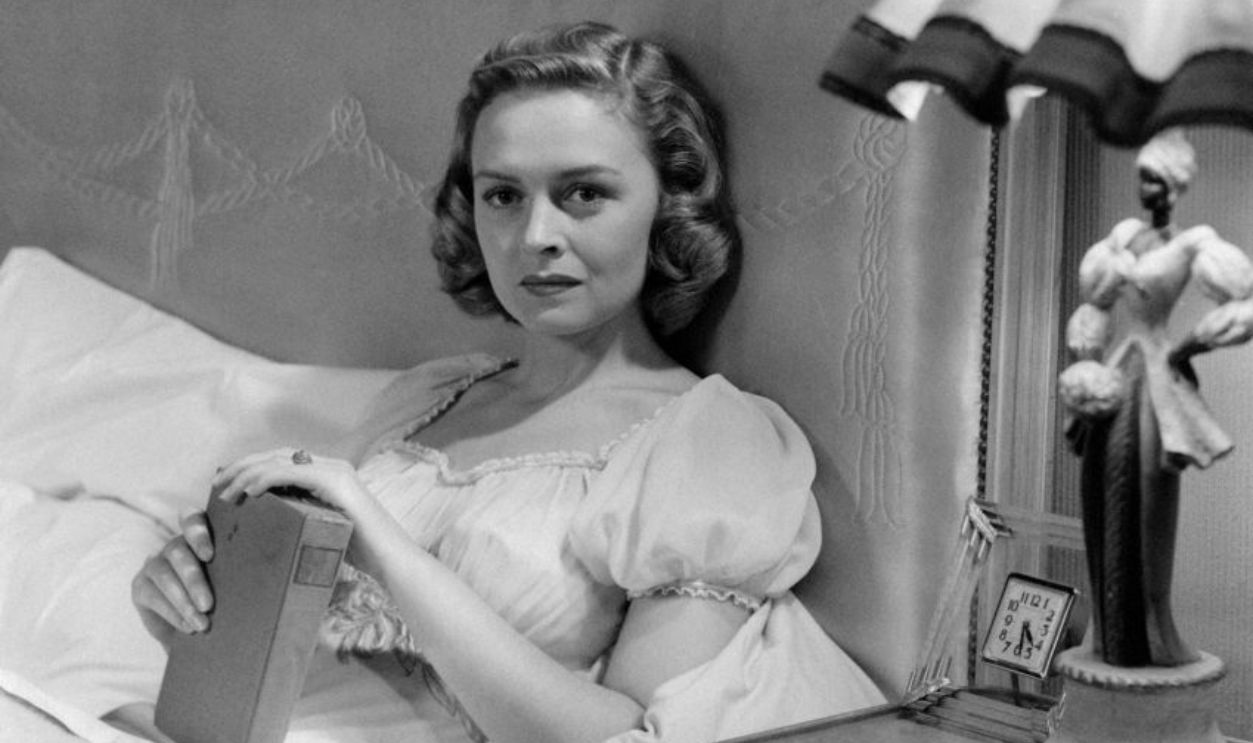
When The Donna Reed Show ended in 1966, Reed didn’t rush into another spotlight role. In fact, she didn’t rush into any other role at all. Instead, at the height of her fame, she simply stepped back from acting altogether. True to her wholesome nature, Reed decided to focus on raising her children and pursuing causes that mattered deeply to her.
 Mondadori Portfolio, Getty Images
29. She Broke Party Lines
Throughout her life and career, Reed was a faithful member of the Republican Party—except for when it betrayed her ideals. During the turbulent late 1960s, she emerged as a vocal critic of American involvement overseas in Vietnam. Her strident anti-war activism saw her split with her lifelong Republican affiliates, but fit her wholesome, All-American brand.
30. She Just Wanted Peace
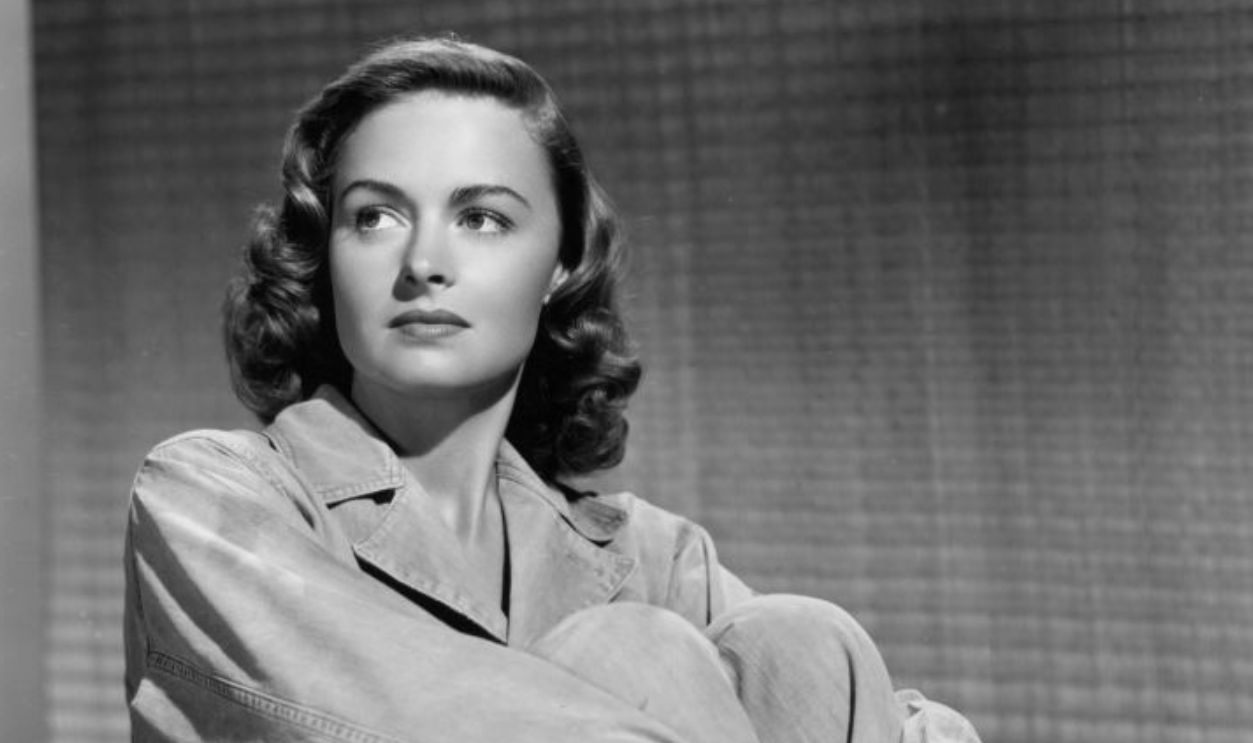
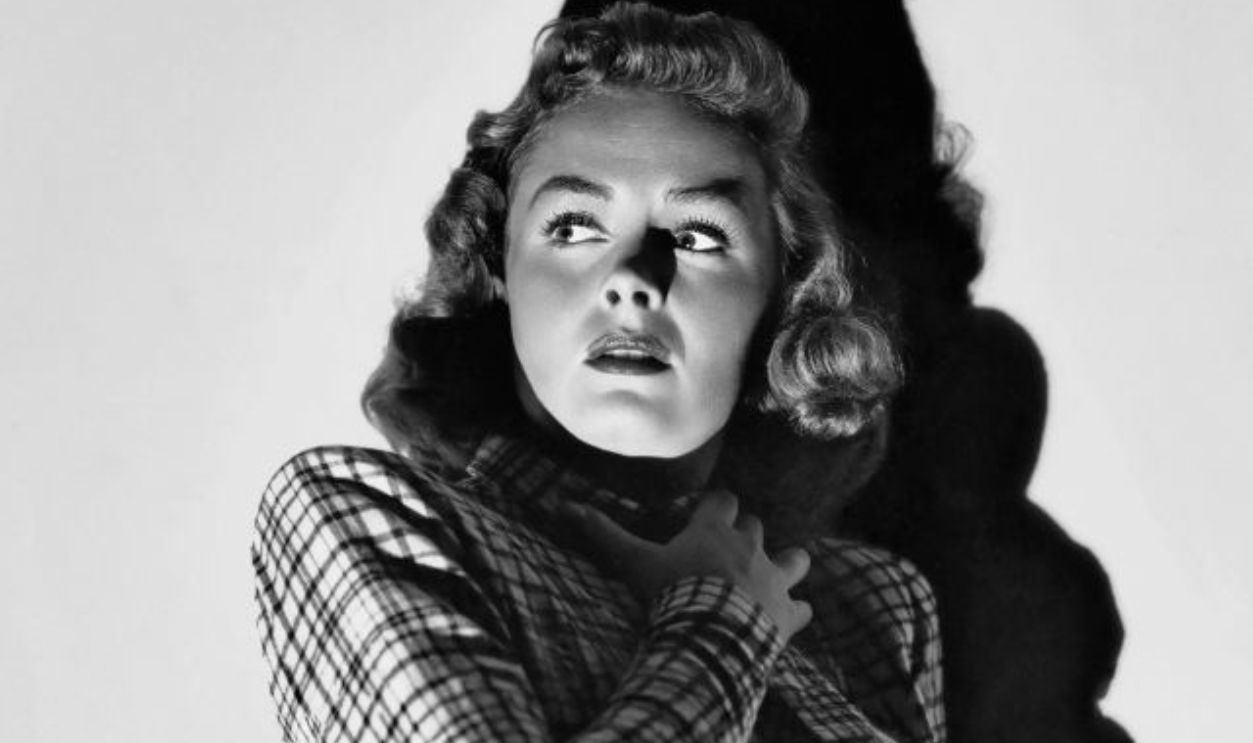
In 1967, Reed proved that she was every bit the fierce mother in real-life that she had portrayed on screen. As part of her advocacy against conflict in Vietnam, she co-chaired Another Mother for Peace, an advocacy group founded by women opposing overseas conflict. Lending her celebrity status, she helped fill rallies, make statements, and give interviews.
For Reed, her activism was personal.
 John Kisch Archive, Getty Images
31. She Feared For Her Sons
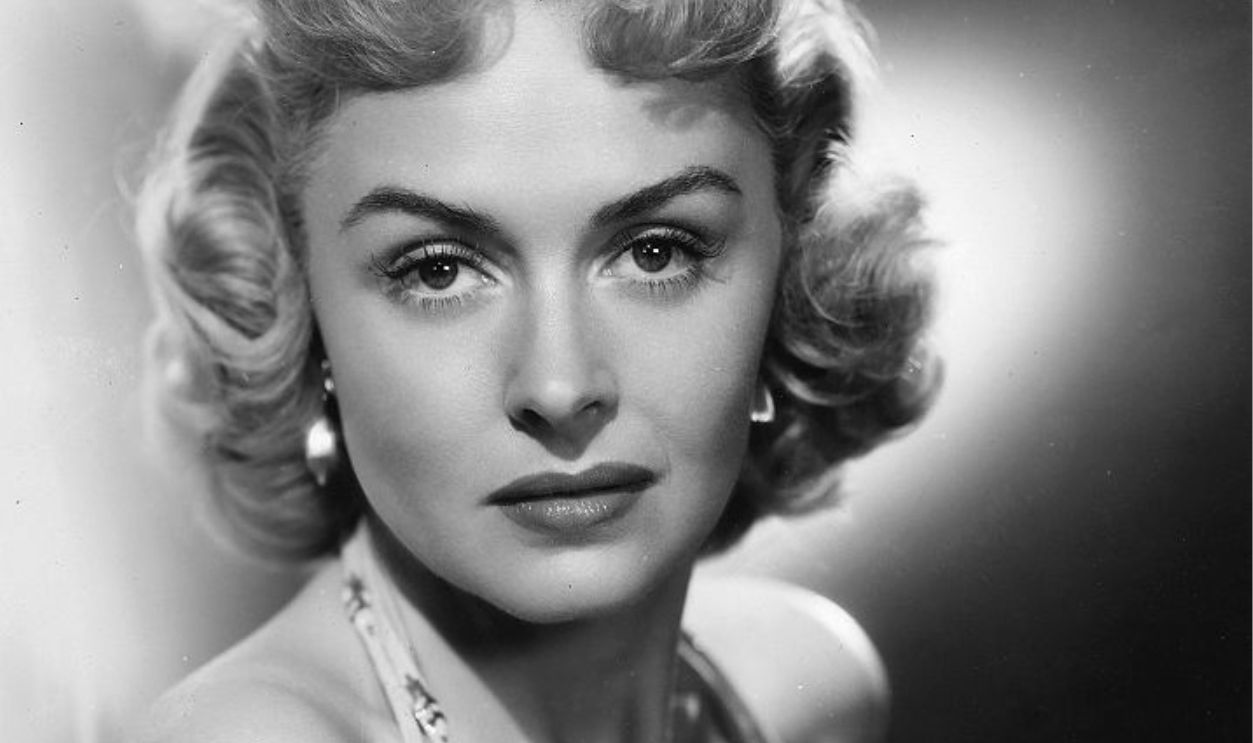
Reed didn’t shy away from speaking publicly about the emotional drive behind her desire for peace. With two sons of hers nearing eligibility for compulsory service, she admitted that, for her, advocacy was personal: “I'd been overwhelmed by hopeless despair over the war, having two sons who might have to go to Vietnam to fight in a war I don't believe in”.
Perhaps the strain was too much, even for her.
 ullstein bild Dtl., Getty Images
32. She Ended A Long Marriage
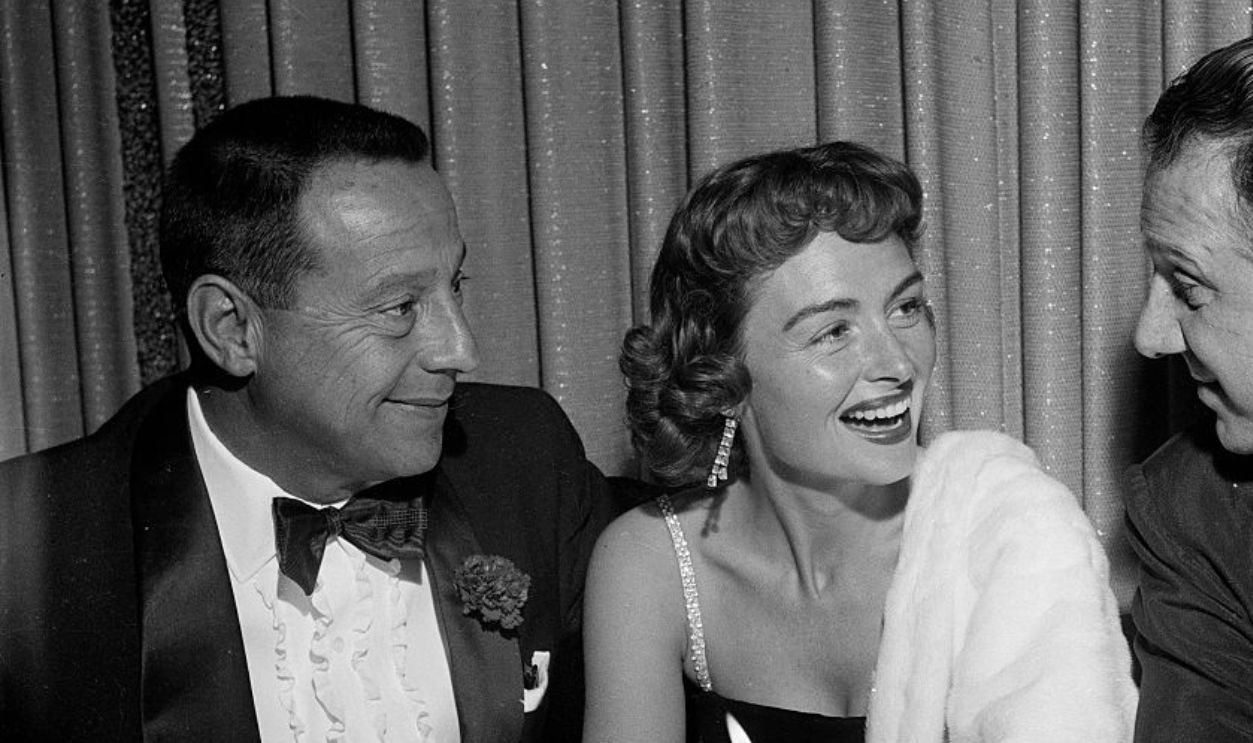
After more than two decades together, Reed and Tony Owen stunned Hollywood when they went their separate ways in 1971. Reed never divulged the details, but attributed the split to “different temperaments”. The main reason they lasted so long was because Reed couldn’t bear the thought of her kids living without their father.
She hadn’t given up on real love yet, though.
 Michael Ochs Archives, Getty Images
33. She Married Into The Army
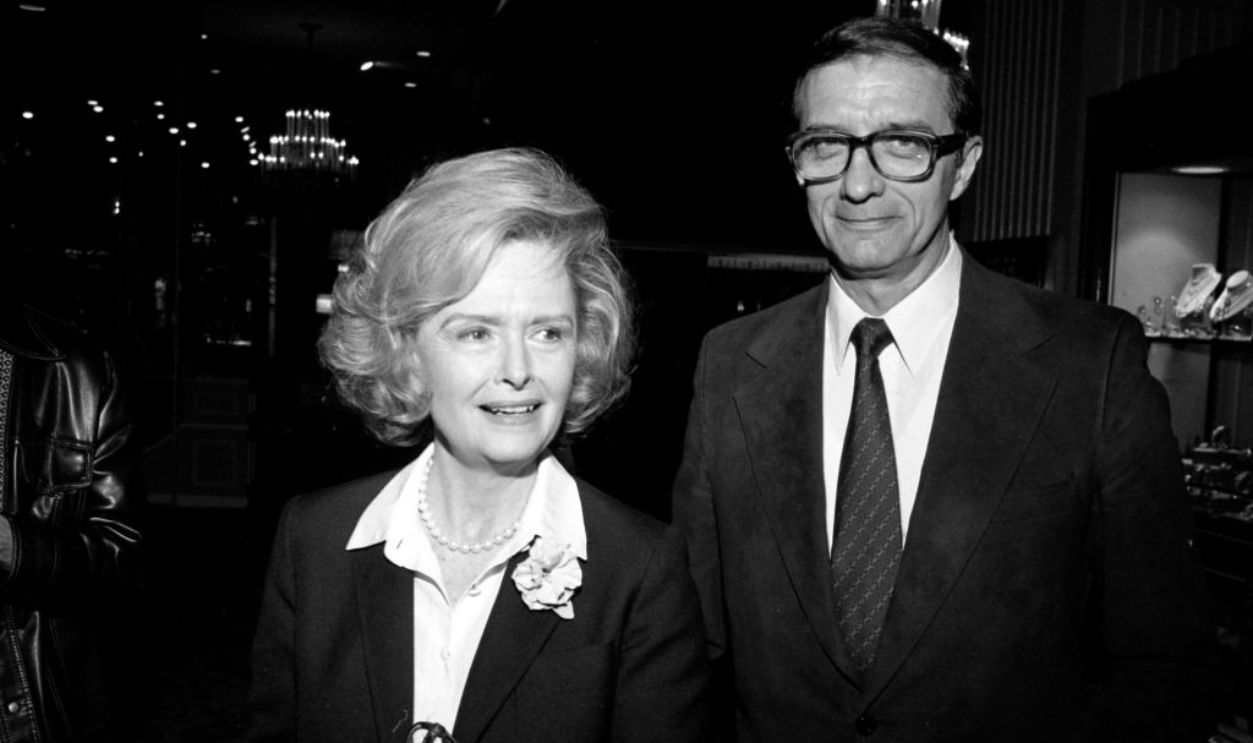
Given her strong stance against intervention in Vietnam, Reed’s next choice of husband was puzzling to many. In 1974, she tied the knot with Grover W Asmus, a retired US Army colonel with a distinguished career and close ties to General Omar Bradley. As puzzling as the union was, it clearly worked as the two would remain married until Reed’s final breath.
History's most fascinating stories and darkest secrets, delivered to your inbox daily.
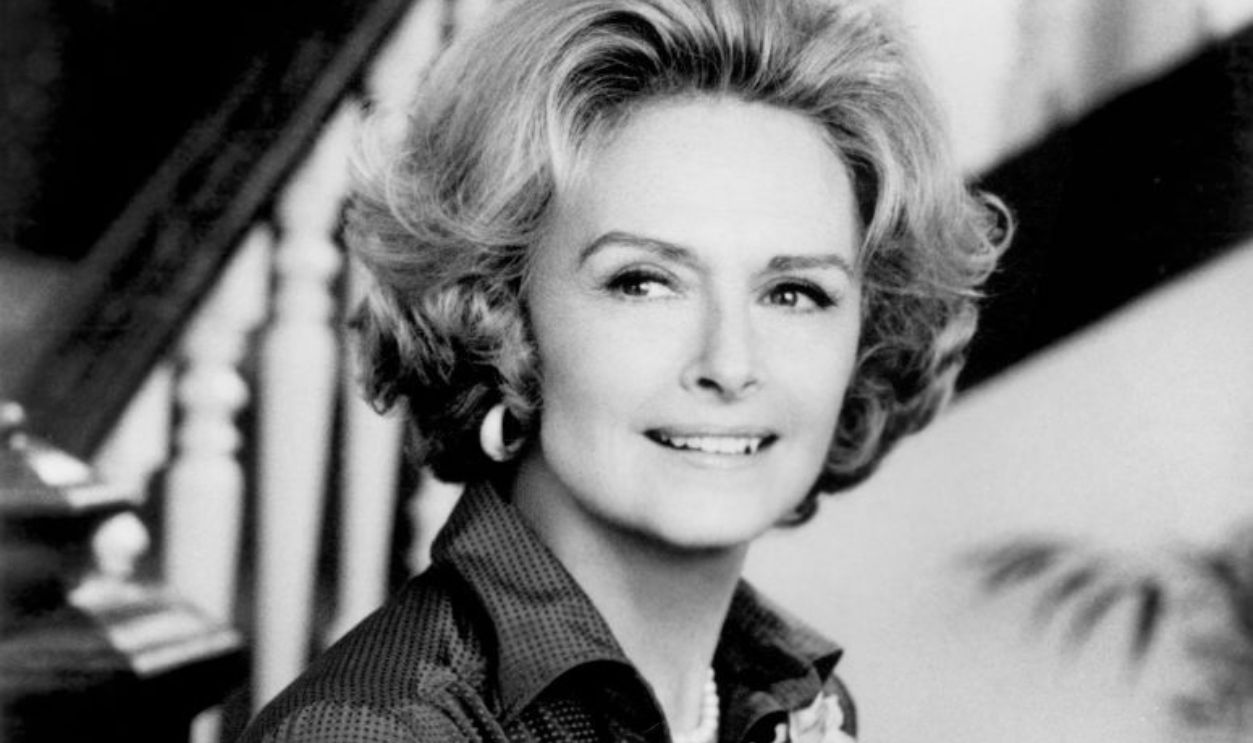
34. She Returned To The Screen
After years away from the screen, Reed eased back into acting in the late 1970s. She appeared in television movies like The Best Place to Be and Deadly Lessons, choosing projects more selectively than she had at the height of her fame. However, as usual, fame pursued Reed whether she wanted it or not.
 Universal History Archive, Getty Images
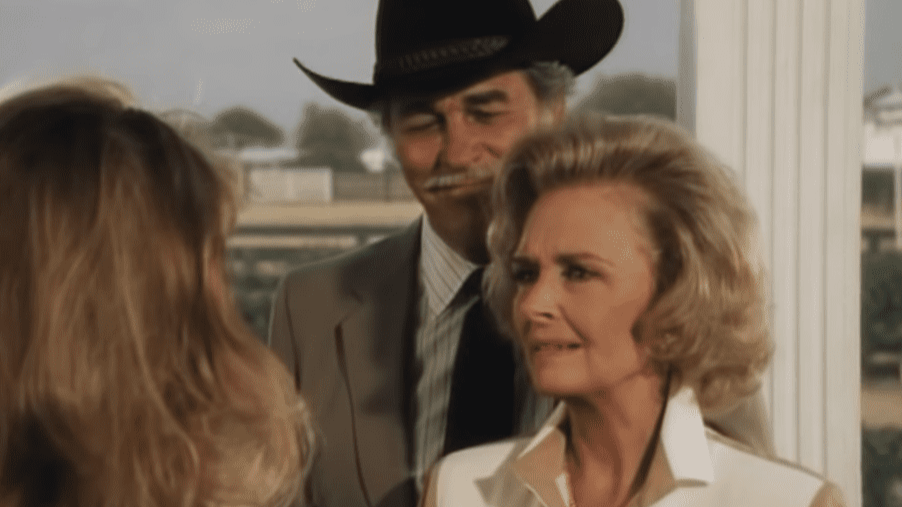
35. She Joined A Prime-Time Giant
In 1984, Reed stepped into the role of Miss Ellie Ewing on the ratings juggernaut Dallas. Her three-year contract saw her fill the role of Ewing as the original actress, Barbara Bel Geddes, had to step aside as she underwent heart surgery. For Reed, the role was only meant to be temporary, but she grew deeply (and dangerously) attached to it.
 Screenshot from Dallas, CBS (1978-1991)
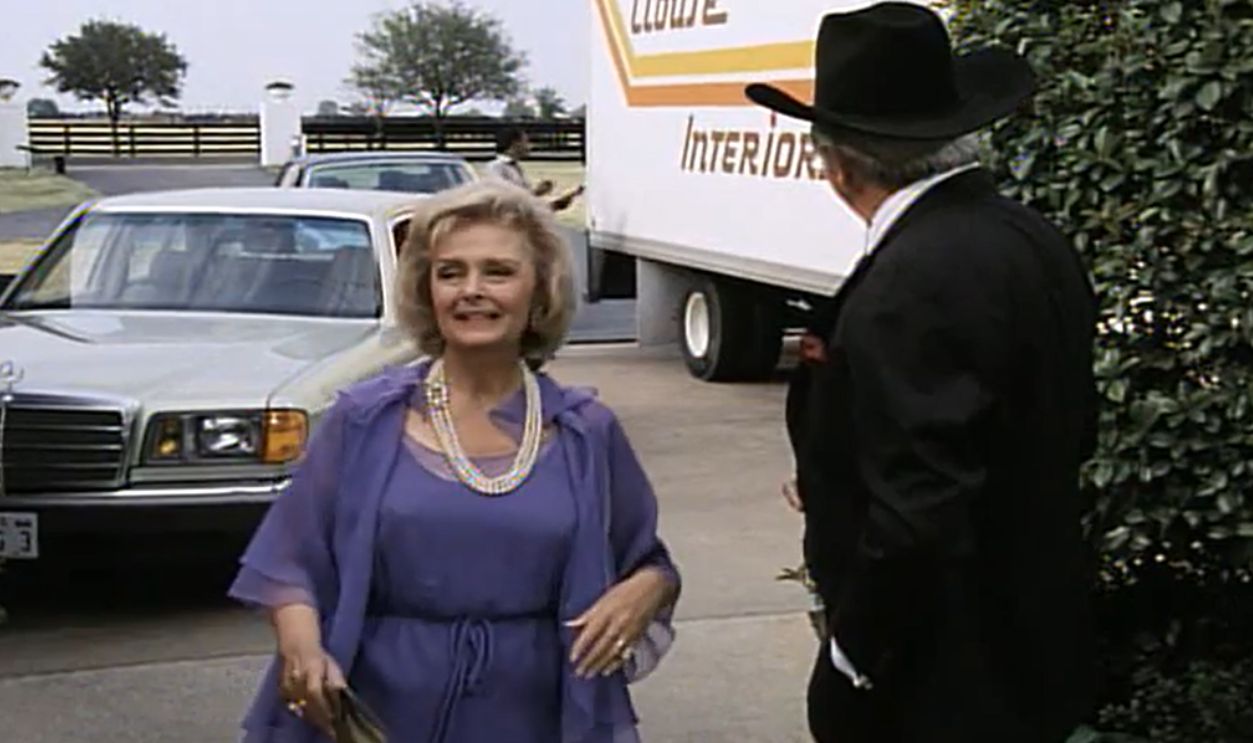
36. She Lasted For A Season
Reed’s return to primetime didn’t last nearly as long as she had hoped. Bel Geddes recovered from her operation in record time and chose to return to Dallas the following season. Eager to get their original cast back together, the show’s producers abruptly canned Reed. Feeling betrayed, Reed filed a lawsuit against Lorimar Productions.
The fallout was messy.
 Screenshot from Dallas, CBS (1978-1991)
37. She Tried To Shut It Down
Reed didn’t want Dallas to air without her. In an uncharacteristically feisty move, Reed filed an injunction to halt production of the series as she tried to settle matters with the producers. Unfortunately for Reed, a judge denied her request, allowing filming to continue without her. But Reed kept fighting.
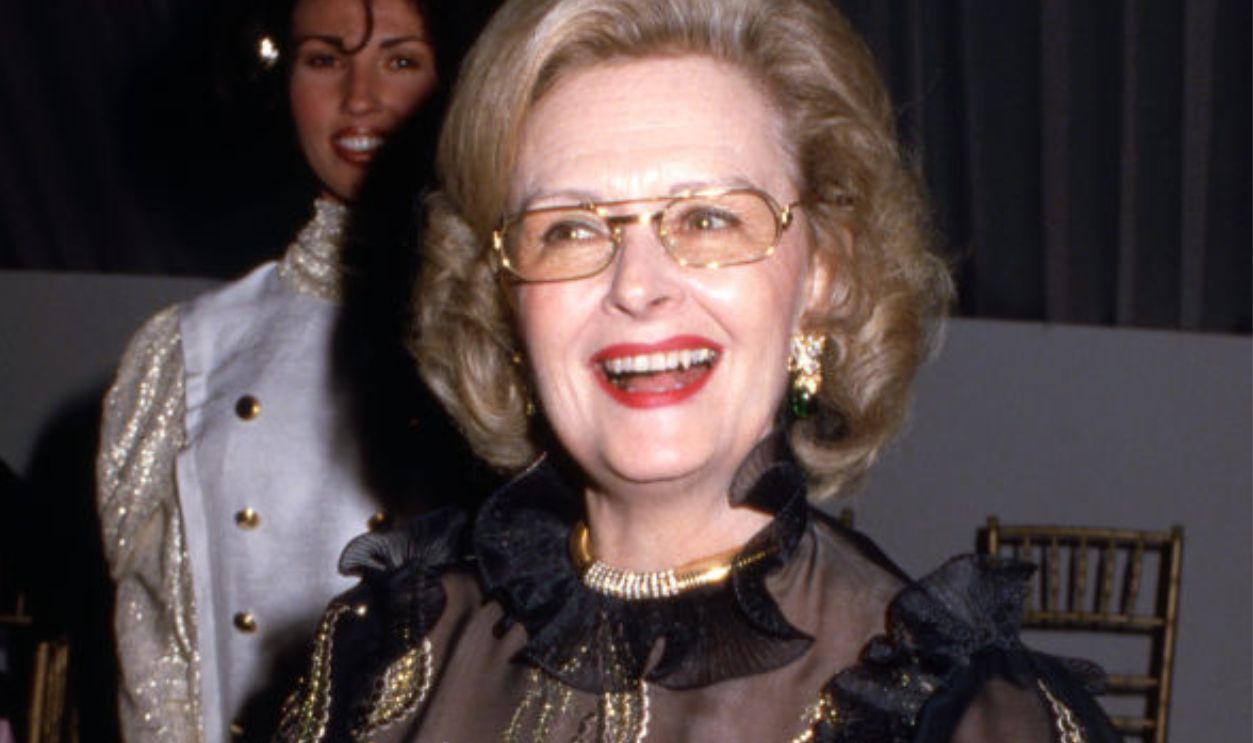
38. She Wanted The Role
Lorimar Productions agreed that they had breached the contract, and were willing to pay Reed the remainder of the money they owed her. But, for Reed, it wasn’t about the cash. Reed’s attorney explained that she was “mad as hell” at the studio and would settle for nothing less than the role she was offered to begin with.
39. She Took A Settlement
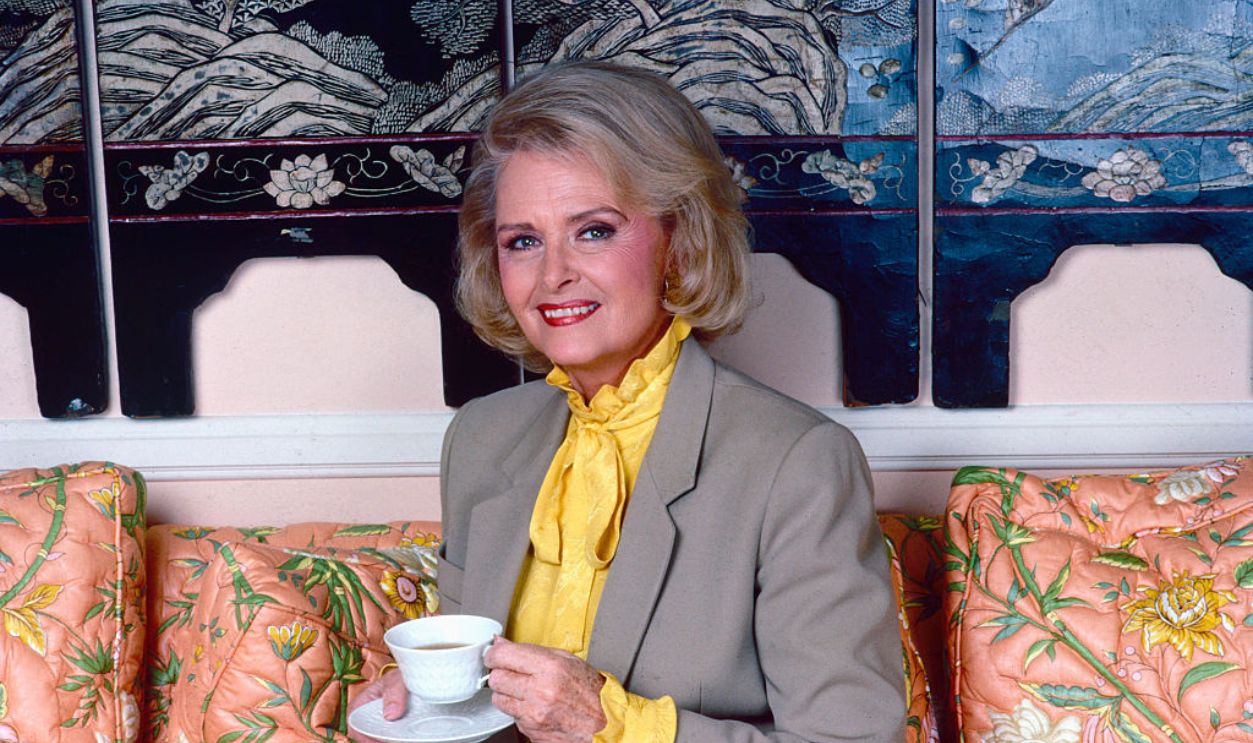
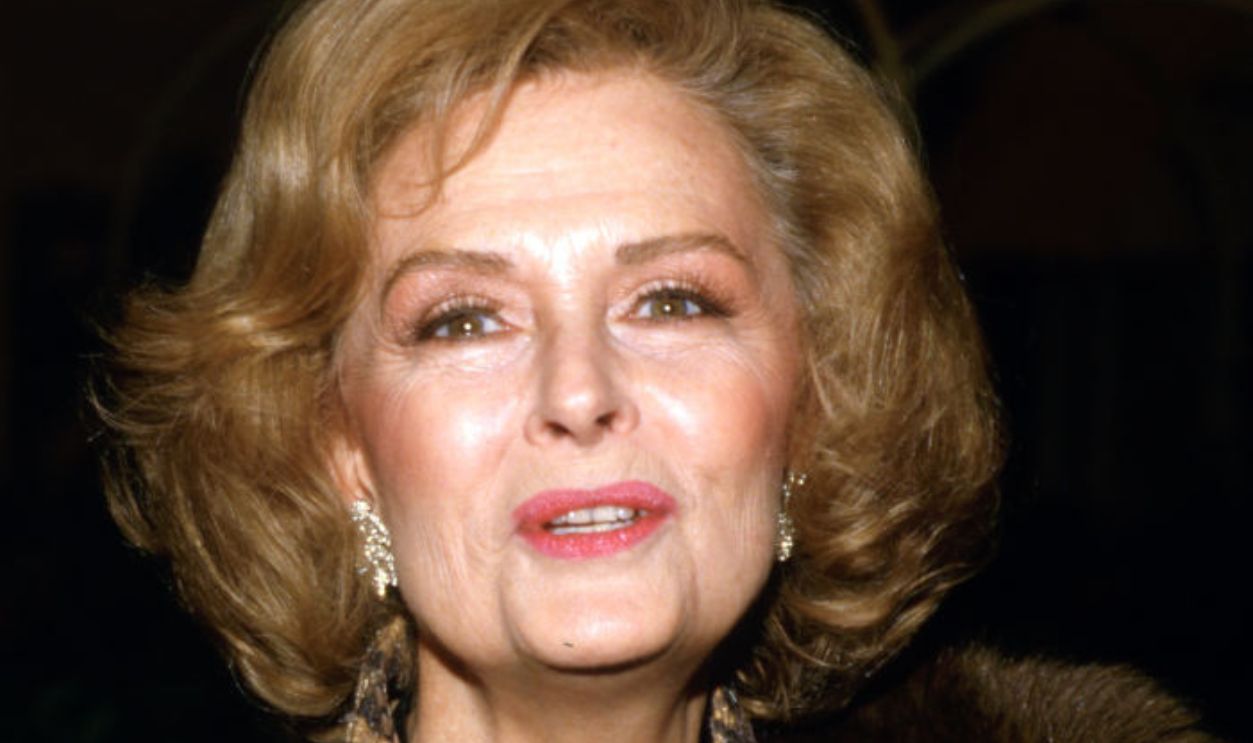
Regardless how mad Reed was, Lorimar Productions couldn’t offer her the role they had given back to the original actress. So, finally, in August 1985, Reed agreed to a settlement. A really big one. To resolve the matter, Lorimar Productions paid Reed a staggering sum, totaling more than $1 million. The agreement ended the public battle, but it also closed the final chapter of her acting career.
Her real fight had only just begun.
History's most fascinating stories and darkest secrets, delivered to your inbox daily.
40. She Faced A Health Crisis
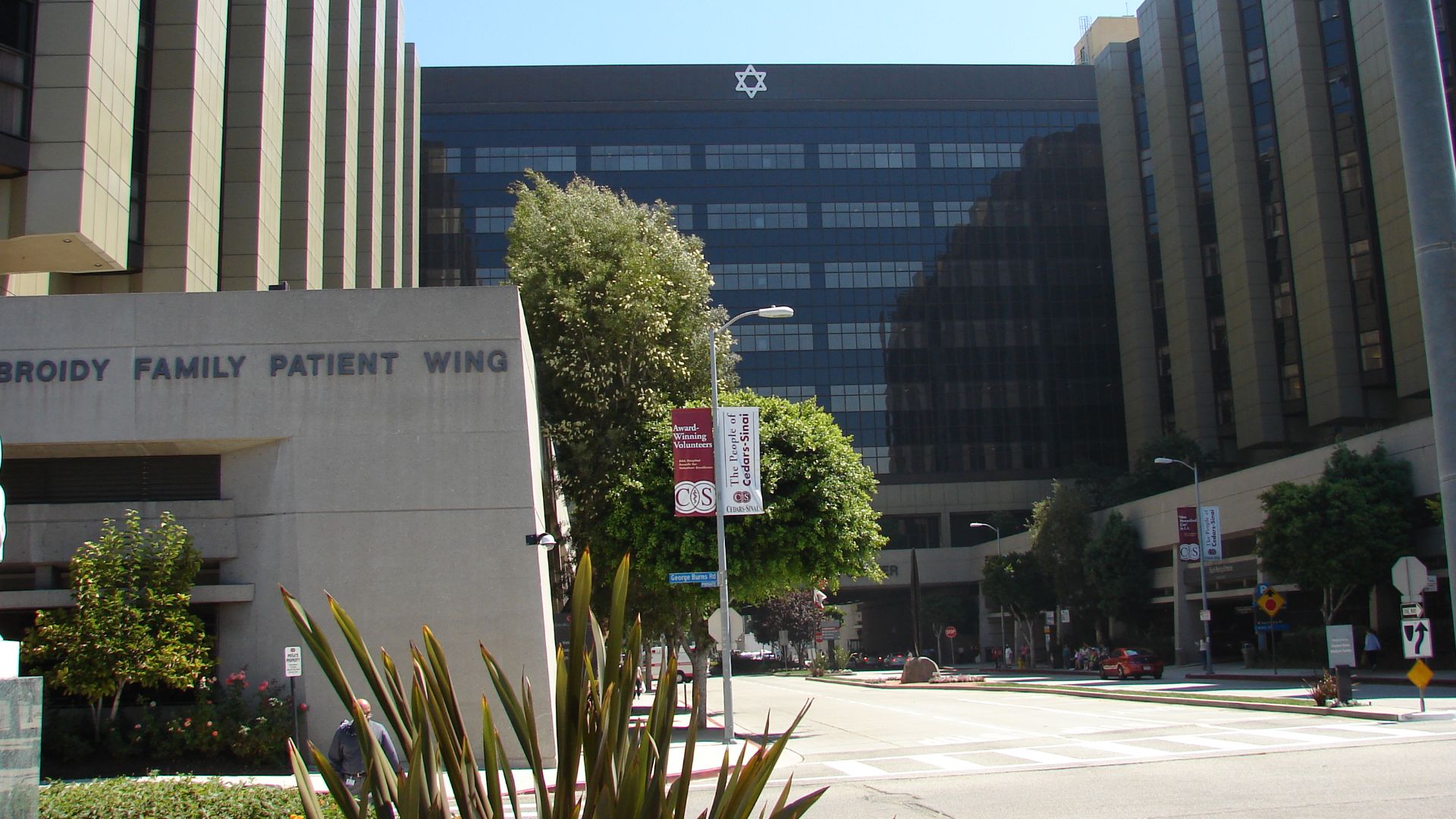
Just months after the settlement, Reed entered Cedars-Sinai Medical Center. The cause for her visit was as disgusting as it was disturbing. When doctors saw Reed at the hospital, they treated her for “bleeding ulcers”. Troubling as the ulcers were, what they revealed was even more troubling. Fame, it would seem, had cost Reed dearly.
 Jorobeq at English Wikipedia, Wikimedia Commons
41. She Received Devastating News
Reed’s trip to the hospital turned out to be more serious than even she knew. During exploratory surgery, her physicians uncovered a far more serious underlying condition than ulcers alone. The findings revealed an advanced case of pancreatic cancer. Tragically, the doctors told Reed that her case was terminal.
42. She Went Home For Christmas
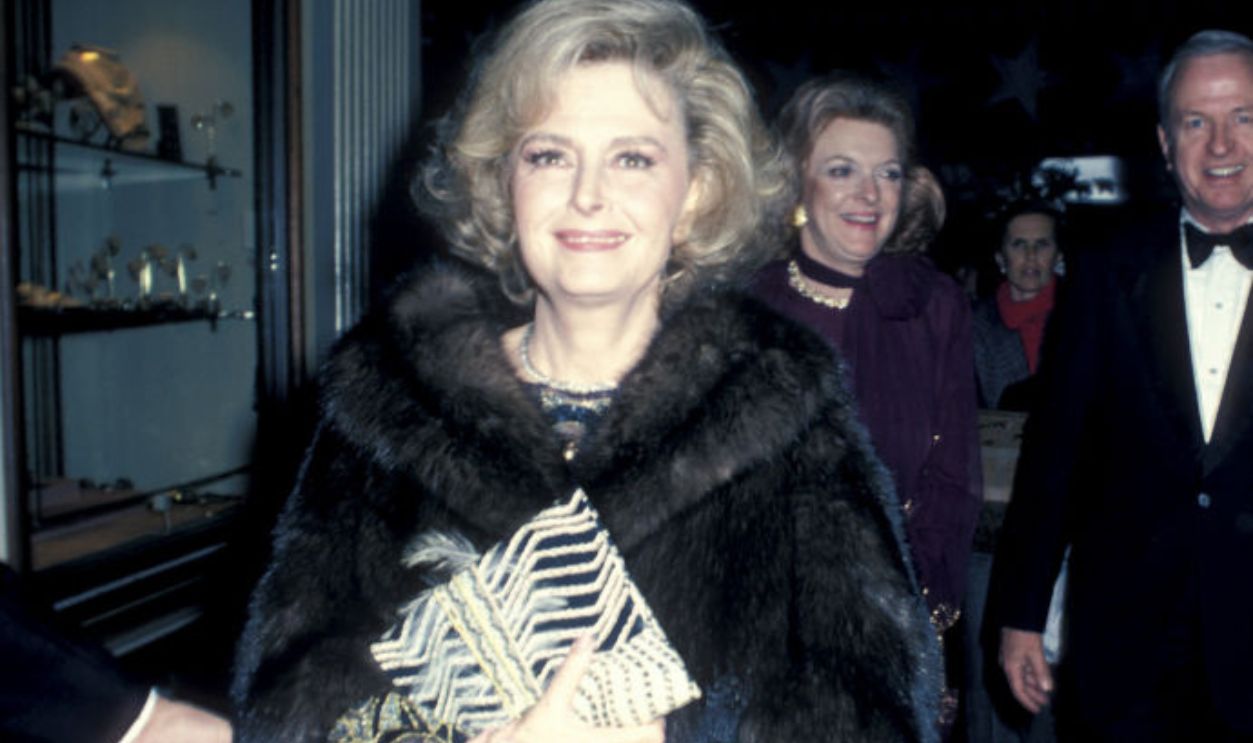
Reed practically lived the real-life version of It’s a Wonderful Life. After her terminal diagnosis, on Christmas Eve in 1985, doctors sent Reed home to spend her last Yuletide with her family. Reed’s doctors had originally given her months to live—but in reality, she would have far less time than that. Her star was finally fading.
43. She Left Too Soon
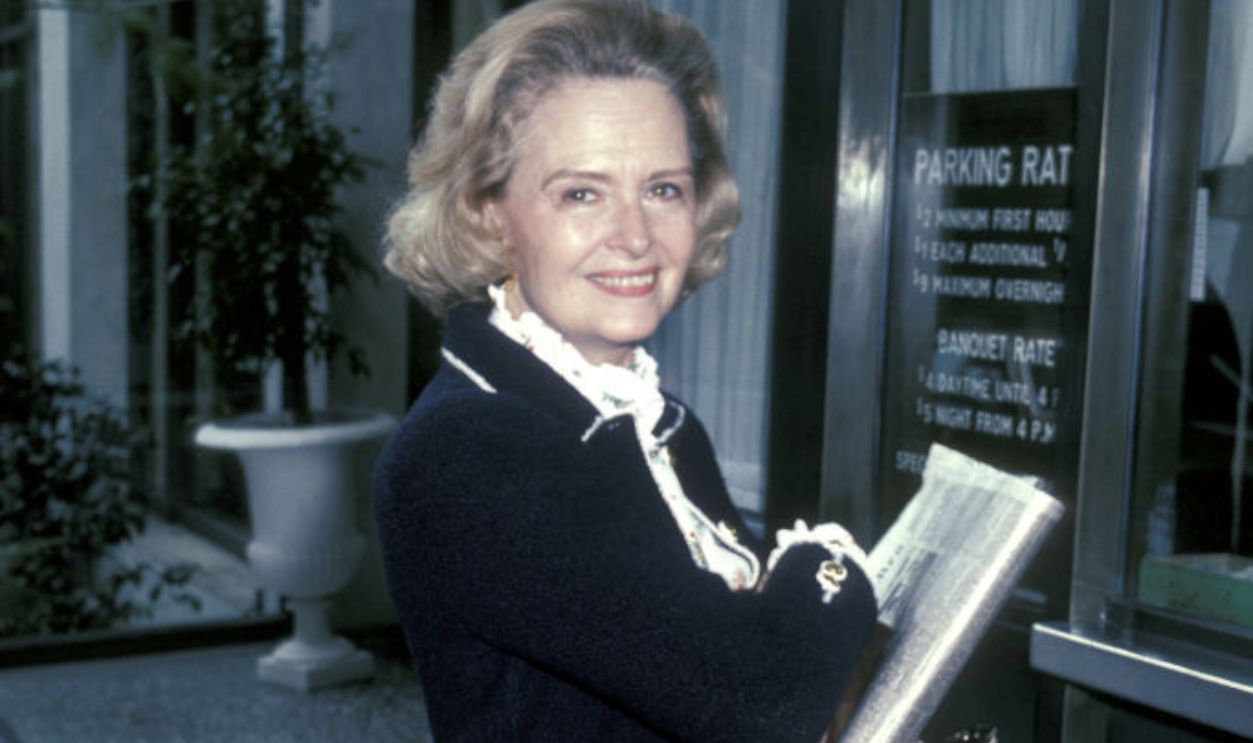
On January 14, 1986, Reed’s wonderful life came to an end at her Beverly Hills home. At the time of her passing, she was 64 years old and just 13 days shy of her 65th birthday. For fans who had grown up watching her embody motherly stability and strength, the news of her demise felt sudden and deeply personal.
44. She Was Not Alone
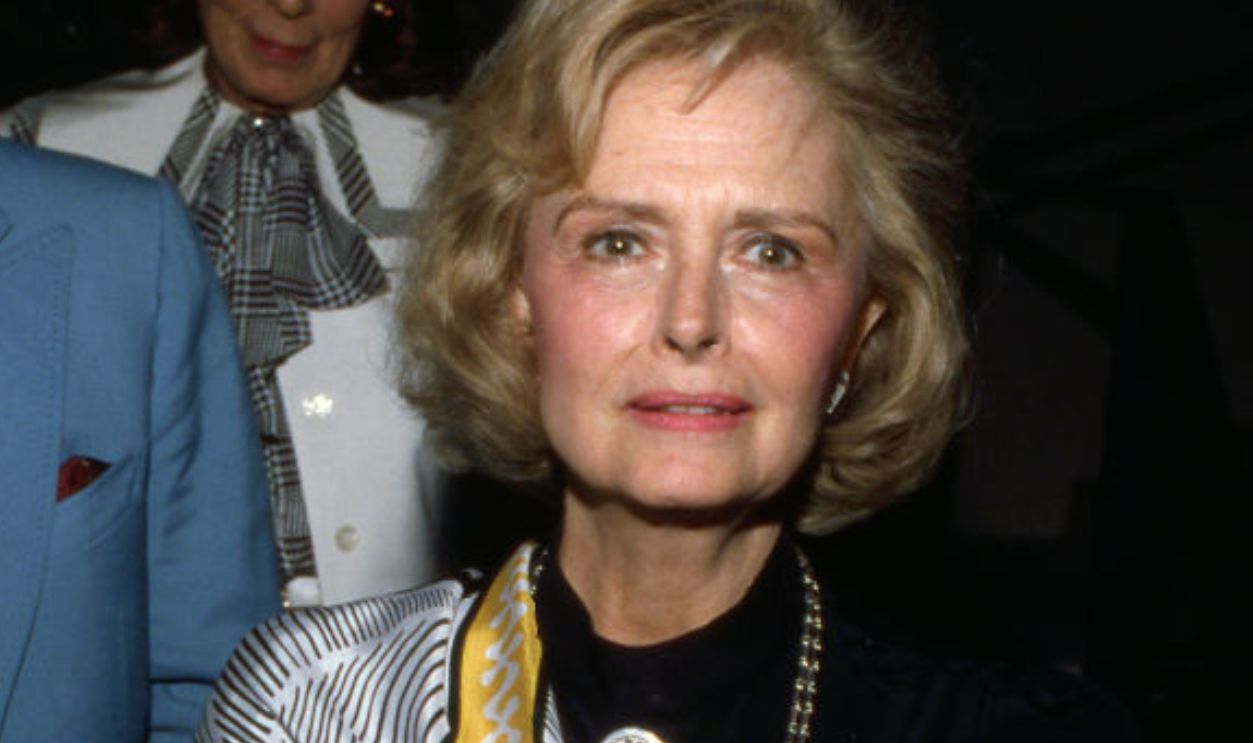
The only comfort in the story of Reed’s tragic demise was that she was not alone as she drew her final breath. In her last hours, Reed was accompanied by her third husband, Grover Asmus. He remained at her side as she slipped away, a quiet presence during an intensely private moment. After decades in the public eye, Reed’s last chapter unfolded not on a screen—but in the company of love.
And love would be her enduring legacy.
45. She Inspired A Foundation
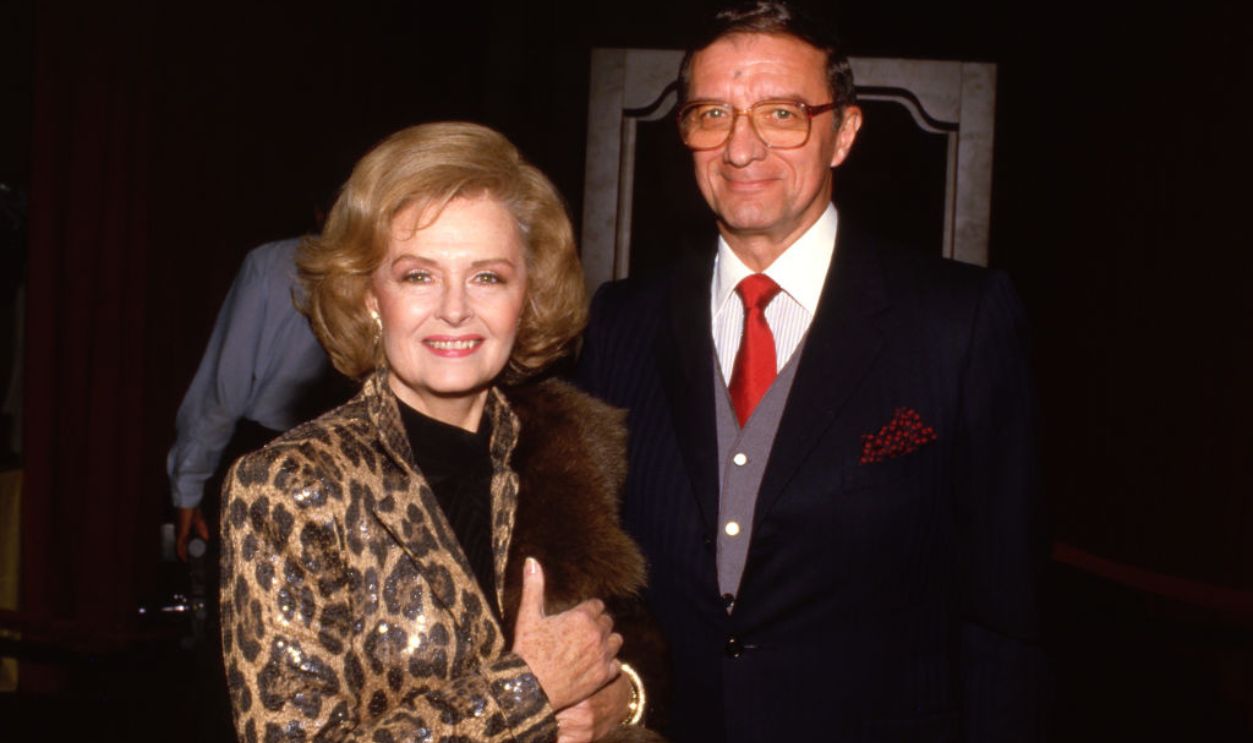
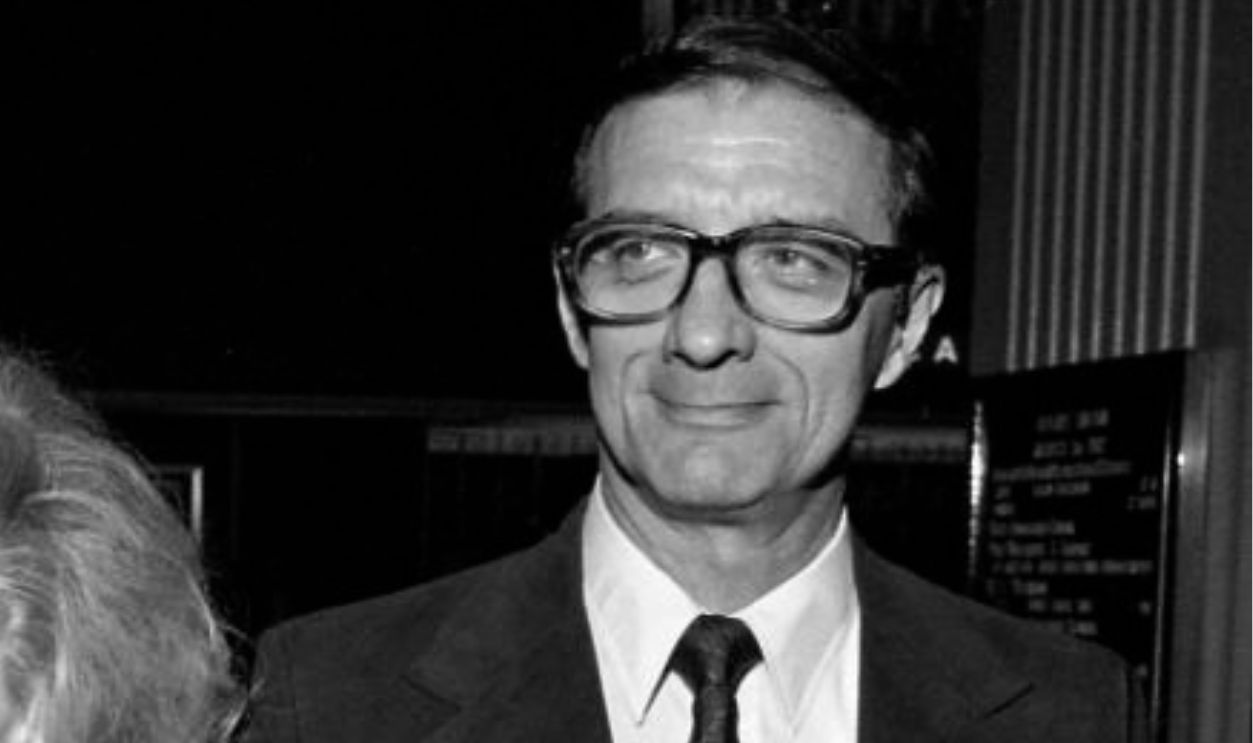
In the wake of her passing, Asmus sought a way to honor Reed’s lifelong devotion to the performing arts. He established the Donna Reed Foundation for the Performing Arts, ensuring her passion would continue to open doors for future generations of artists who shared her discipline and heart.
History's most fascinating stories and darkest secrets, delivered to your inbox daily.
46. She Returned To Iowa
The Donna Reed Foundation wasn’t just a passive organization, handing out checks. Every year, the foundation holds a festival in Reed’s hometown of Denison, Iowa. The annual event celebrates her work and legacy, bringing her story full circle—from a small farm to Hollywood, and back home again. Reed’s influence went beyond what anyone truly knew.
 Billwhittaker (talk), Wikimedia Commons
47. She Had A Lifelong Friend
Despite the fame and fortune that Reed had amassed in her life, she never forgot her roots—or the people who had helped shape her. Since the age of 13, Reed had carried on a pen pal friendship with another girl named Violet Lindsey. Their remote friendship lasted for an astonishing 48 years, right up until Reed’s final days.
48. She Left A Family Behind
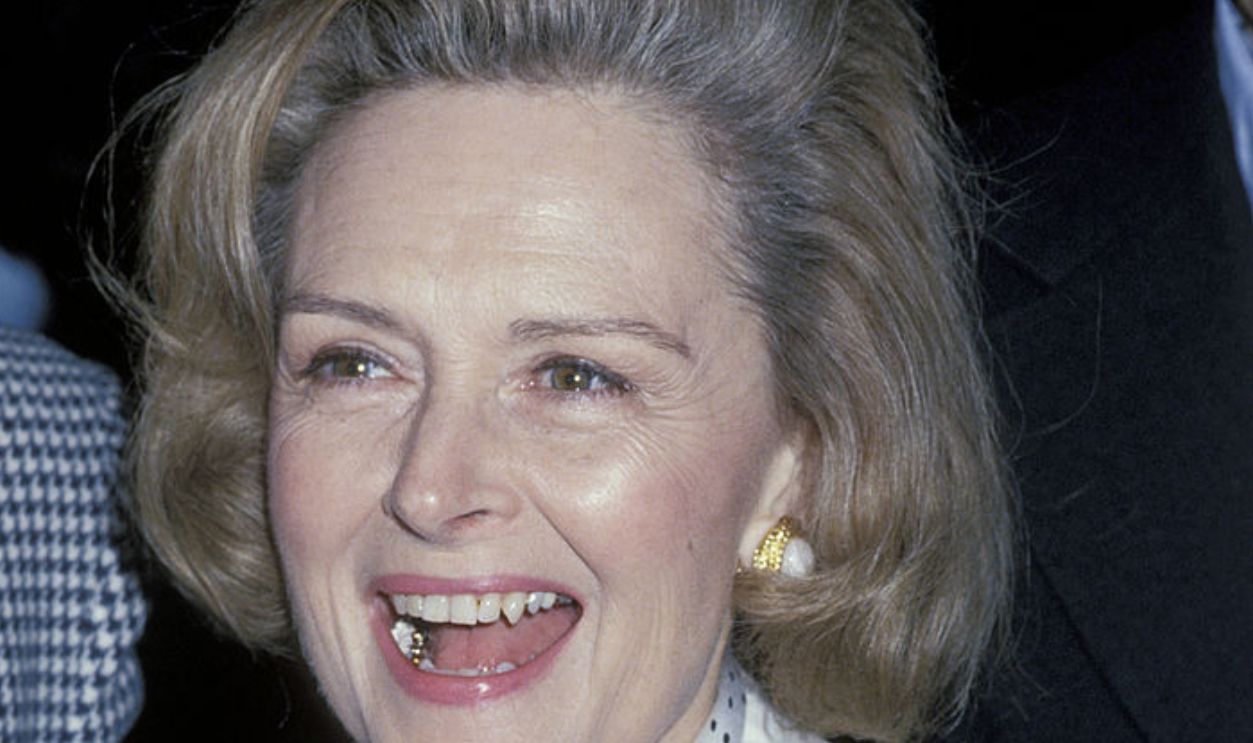
Film and television fans see Reed’s legacy every time they watch It’s a Wonderful Life or the The Donna Reed Show. However, her true legacy extended far beyond the screen. At the time of her passing, she was survived by her husband, Grover Asmus, and her four children—Penny, Tony, Timothy, and Mary.
Long after the cameras stopped rolling, she was still America’s favorite housewife.
49. She Lived By One Rule
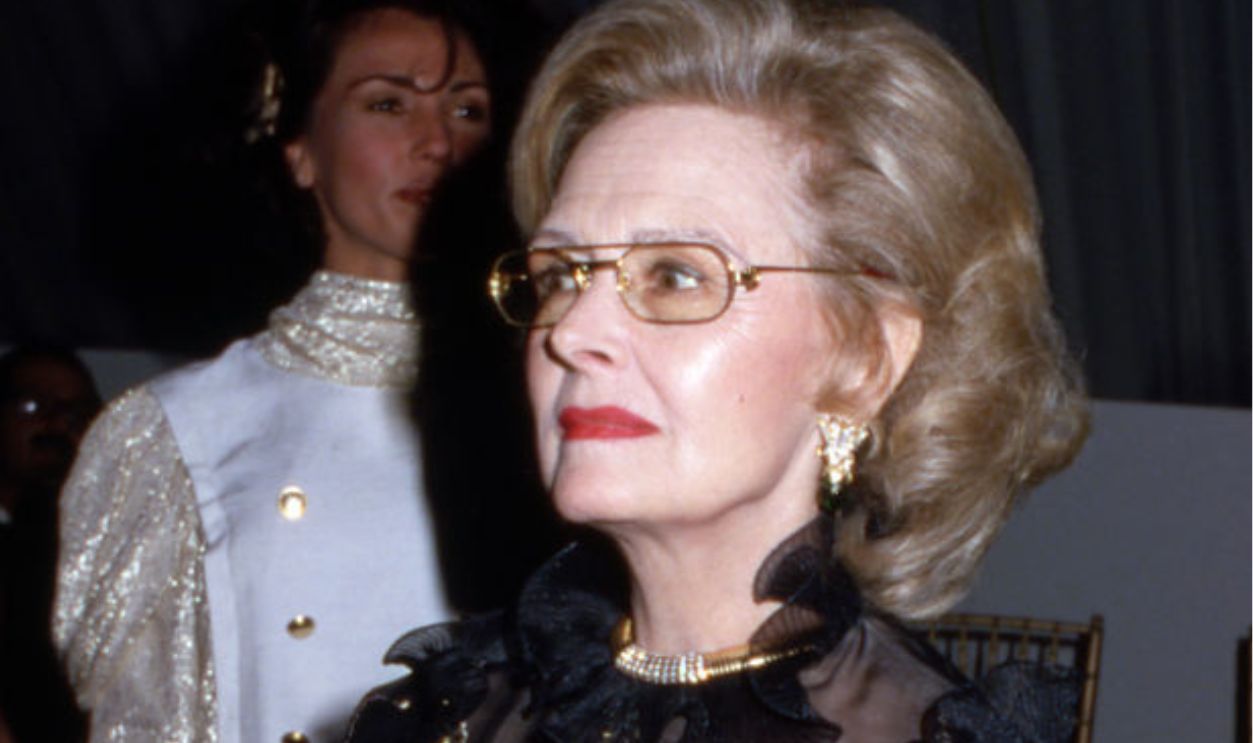
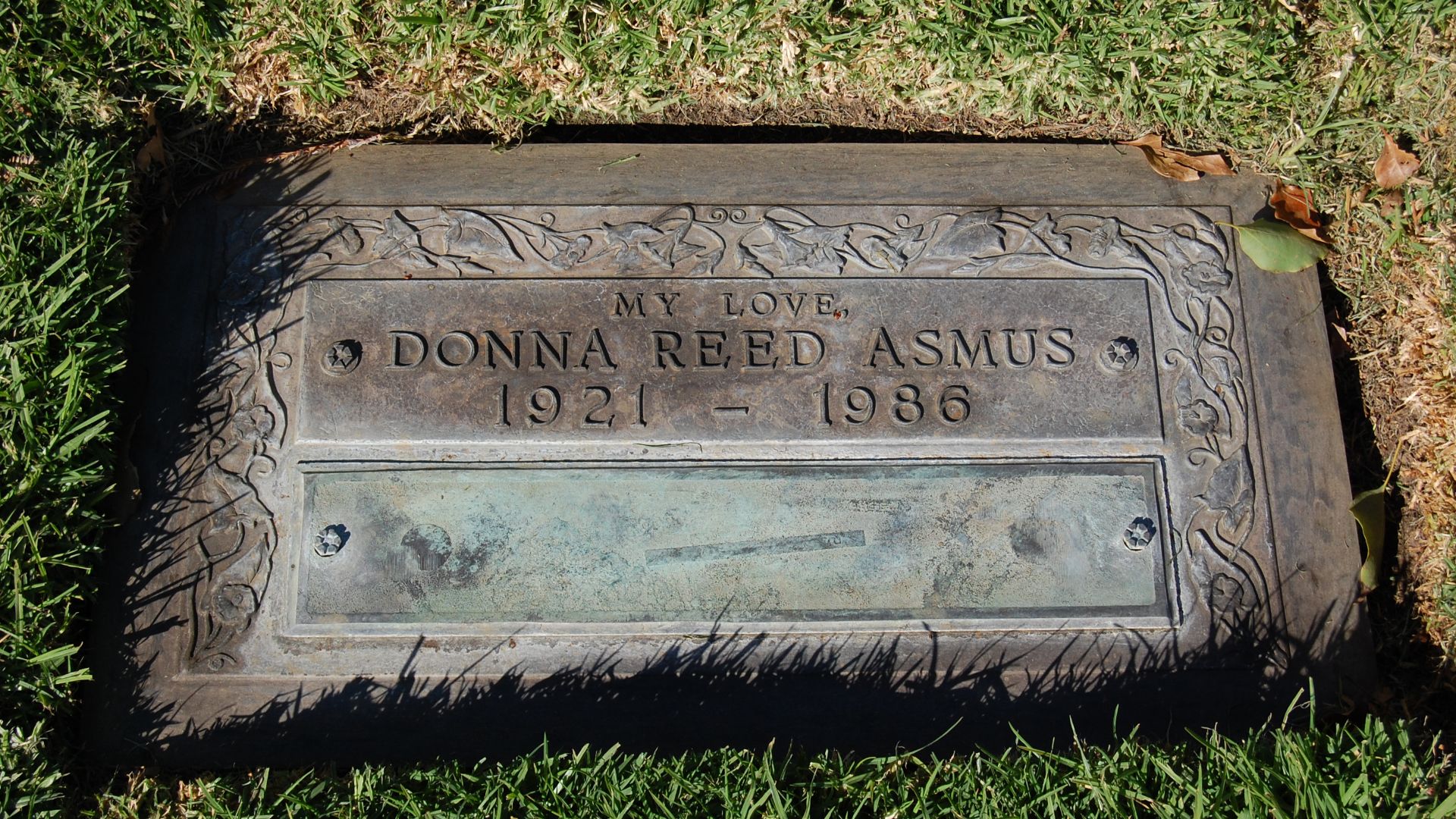
Today, Reed rests at Westwood Village Memorial Park Cemetery in Los Angeles, but her words live on. The philosophy that guided her life and catapulted her to the heights of Hollywood was a simple one. “When you handle yourself, use your head,” she said. “When you handle others, use your heart”.
You May Also Like:
Blotto Facts About Lee Marvin, The Man Who Drank Himself To Stardom
Terrifying Facts About Frédéric Bourdin, The King Of Imposters
Lucrative Facts About The Rothschilds, Europe’s Blazing Bankers
Sources: 1, 2, 3, 4, 5, 6, 7, 8, 9, 10, 11, 12, 13, 14, 15, 16, 17