
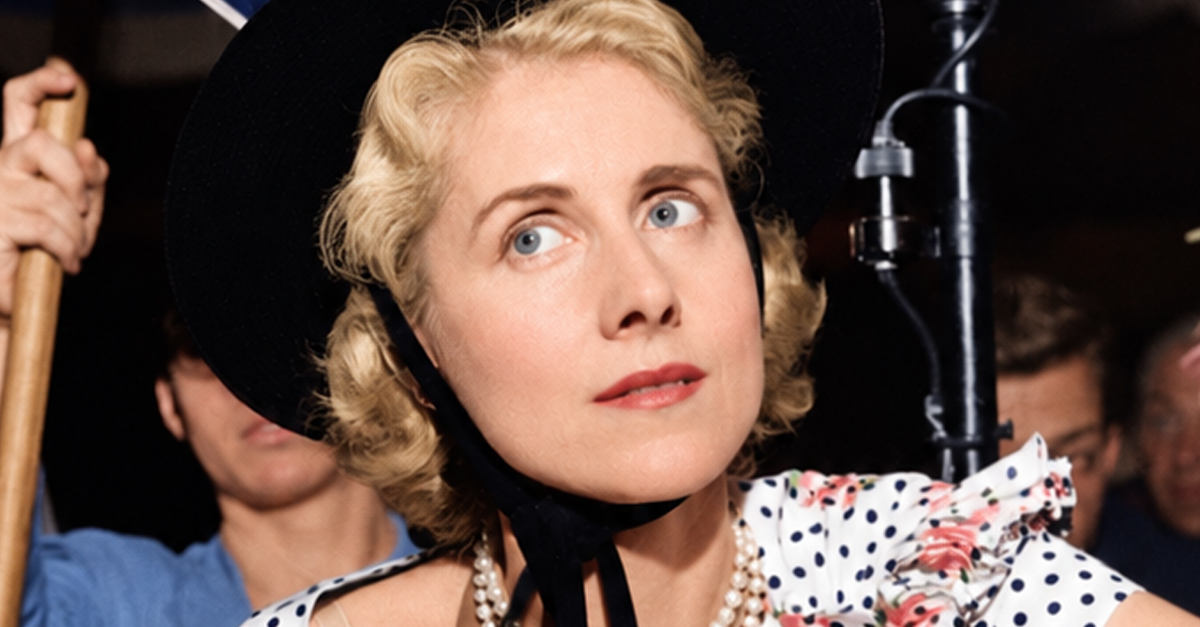
She Witted Her Way To The Top
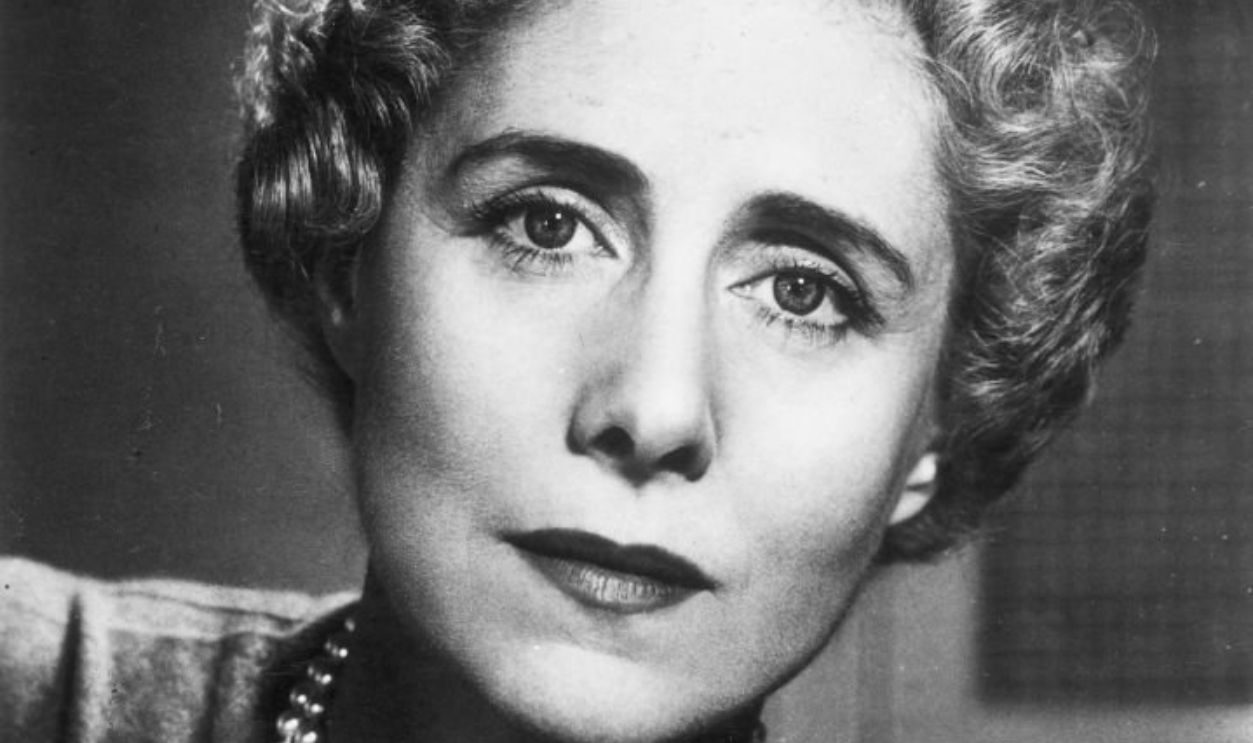
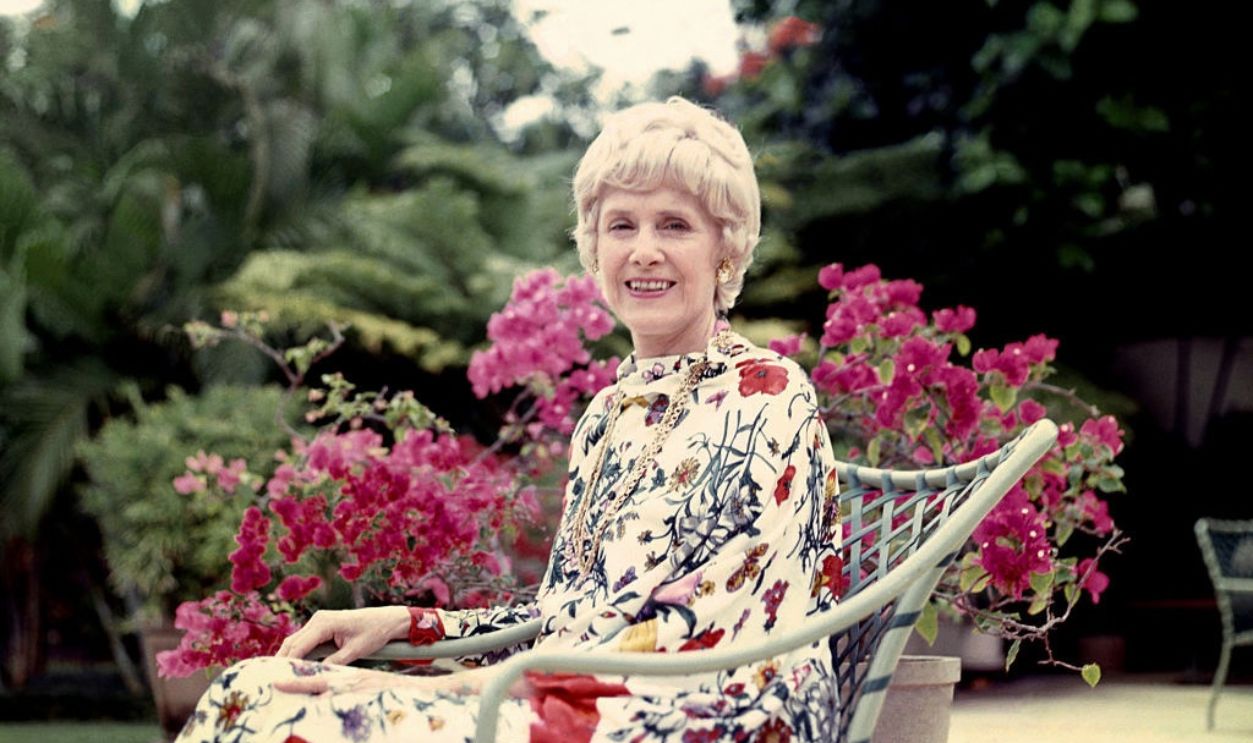
Clare Boothe Luce rose from obscurity to become a writer and editor for magazines such as Life, Time, and Vanity Fair. She even parlayed her prose into a web of geopolitical affairs and intrigue. Some credited her rise to her marriage to publisher Henry Luce. Others knew: her razor-edged tongue could shatter any glass ceiling.
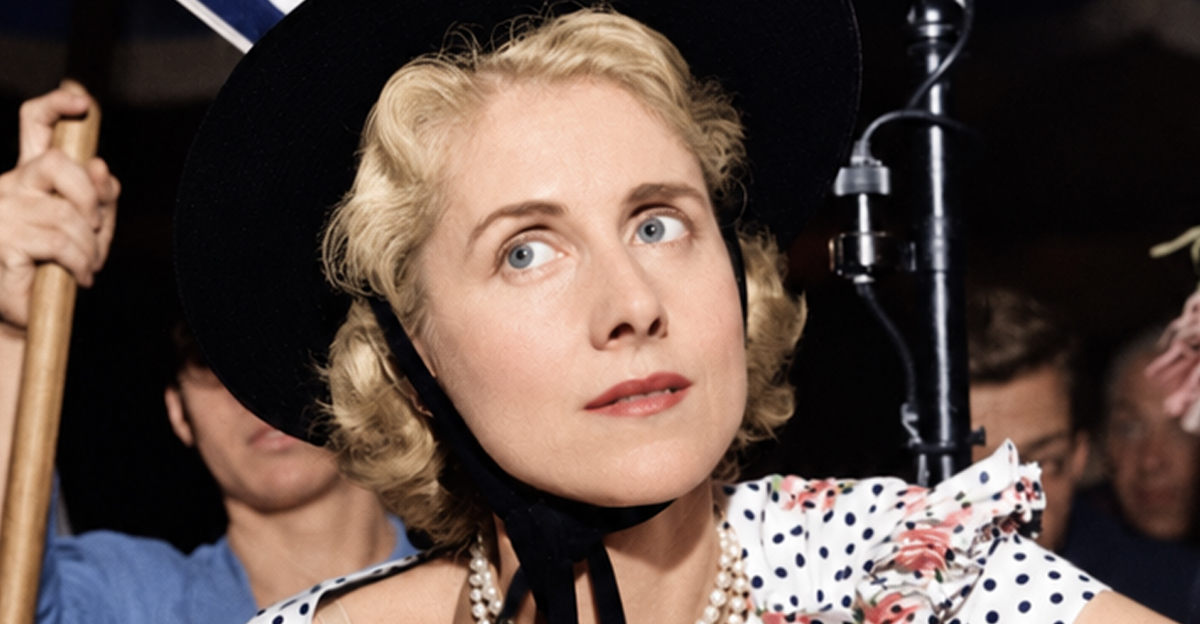 Irving Haberman/IH Images/Getty Images
1. She Wanted An Easter Birthday
Ann Clare Boothe started the first chapter of her life on March 10, 1903, in New York City. However, she would go through life saying, “Mother always said I was born at Easter,” for the allegedly more auspicious astrological implications. Regardless, her childhood would be turbulent, growing up between her native New York, Chicago, Memphis, and even Nashville.
It only got more tumultuous from there.
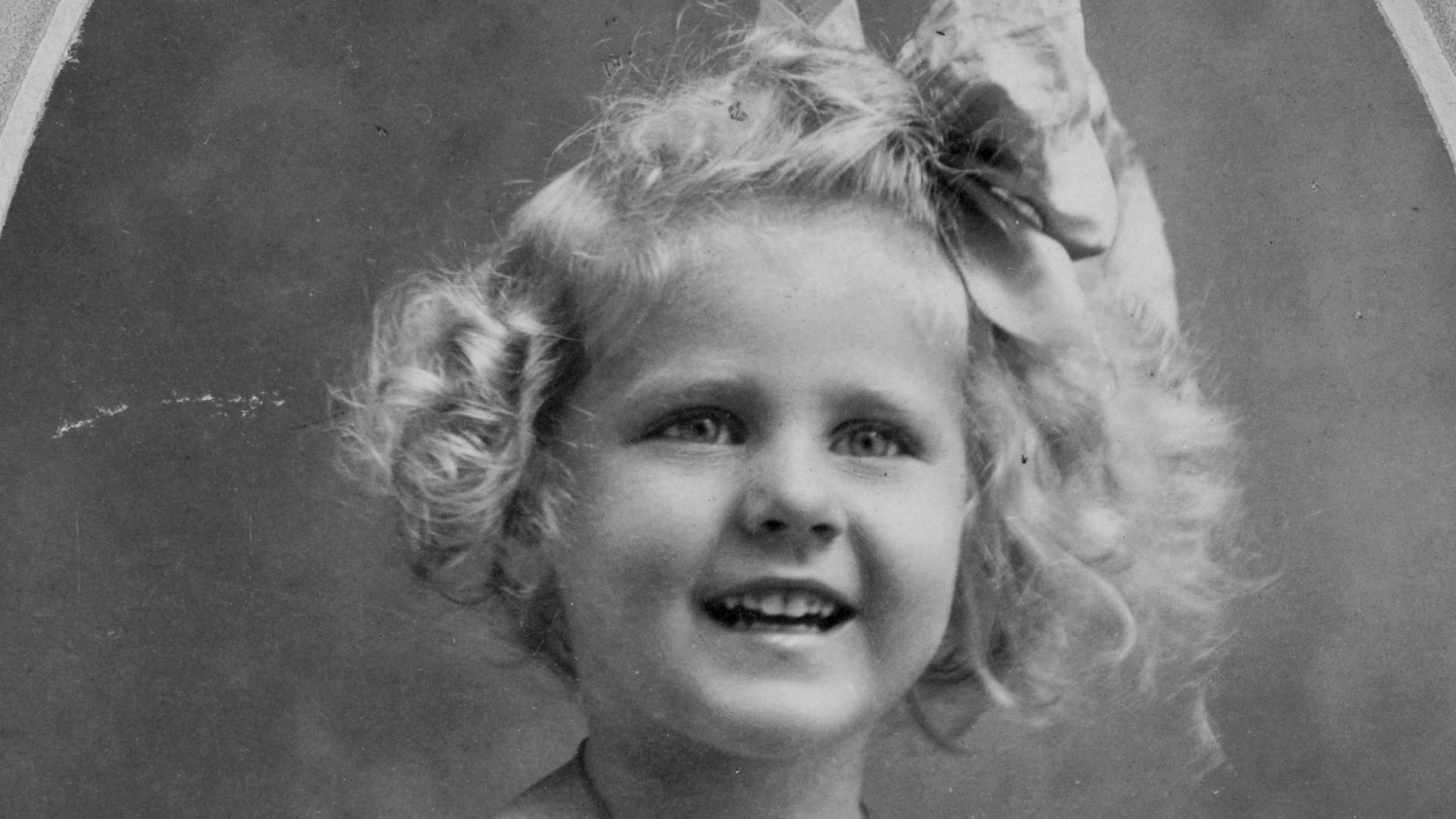 Miscellaneous Items in High Demand, PPOC, Library of Congress, Wikimedia Commons
2. Her Father Abandoned Her
Boothe’s parents didn’t exactly provide her with a stable environment. For starters, her parents were never actually married. And then, depending on the source, her father was either a Coca-Cola bottler, salesman, violinist, or fiddler. Whatever he was, he eventually abandoned the family altogether, allegedly for the opera singer Mary Garden.
Boothe claimed to have seen her father in a subway car later, but it wouldn’t matter—her life would never be the same.
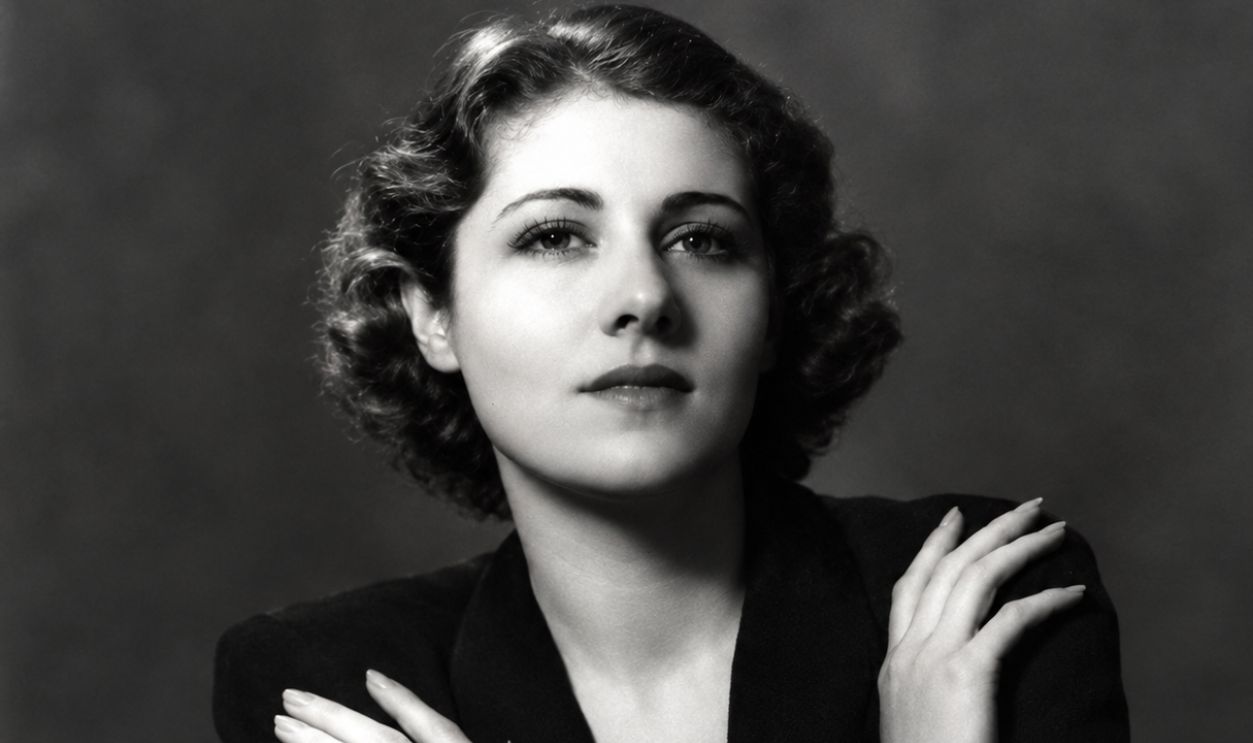 Arnold Genthe, Wikimedia Commons, Enhanced
3. She Ate Radiator Eggs
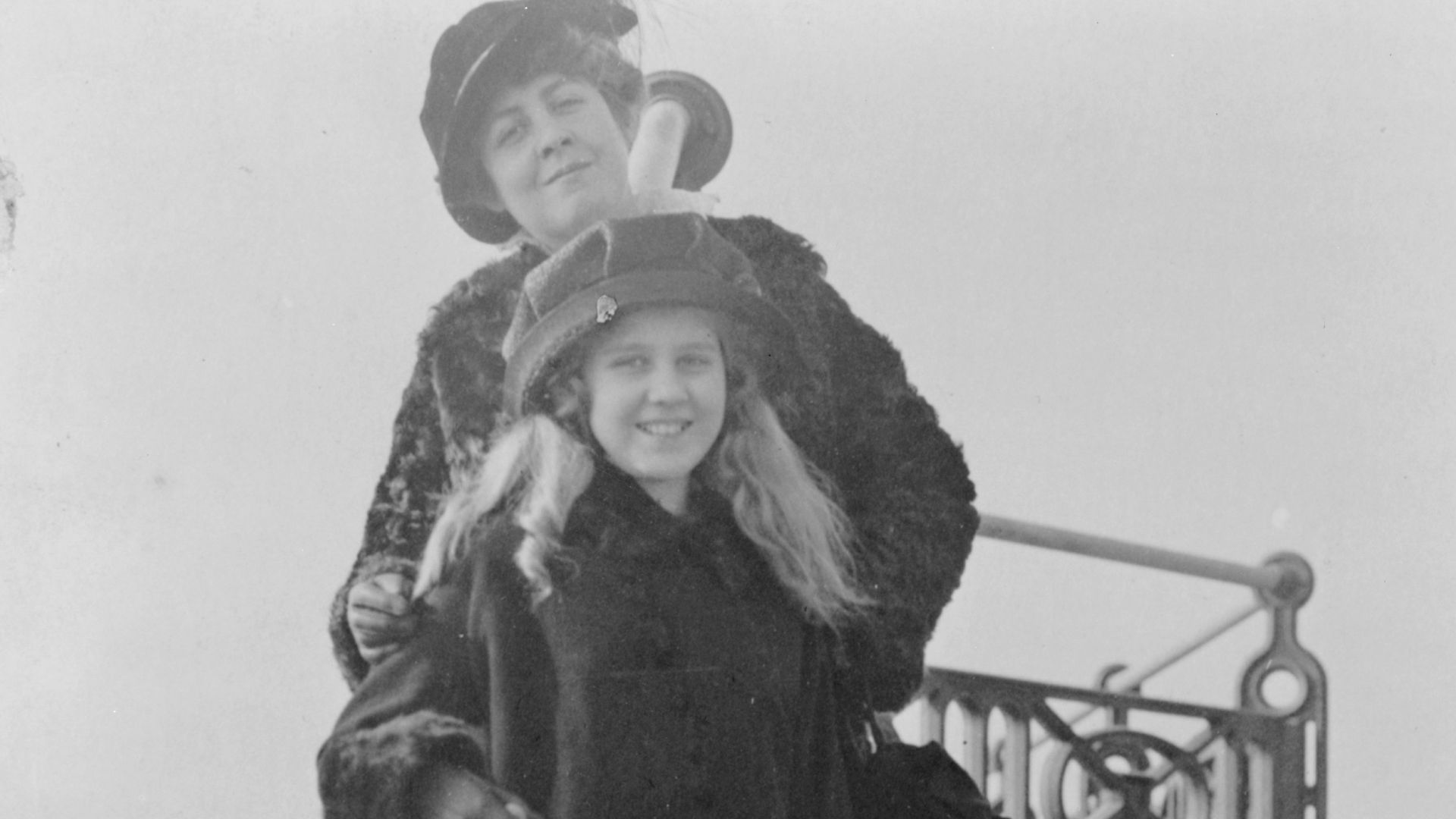
When her father left, Boothe had to move into a boardinghouse with her mother and brother, David. Suffice to say, it wasn’t the Ritz. “Mother always cooked fried eggs,” Boothe later recalled, explaining that her mother used the gas jet of a radiator. She added that they would have to leave a window open so the landlord couldn’t smell what they were doing.
That was, believe it or not, the most glamorous part of her childhood.
 Miscellaneous Items in High Demand, PPOC, Library of Congress, Wikimedia Commons

History's most fascinating stories and darkest secrets, delivered to your inbox daily.
4. She Served Up Lettuce
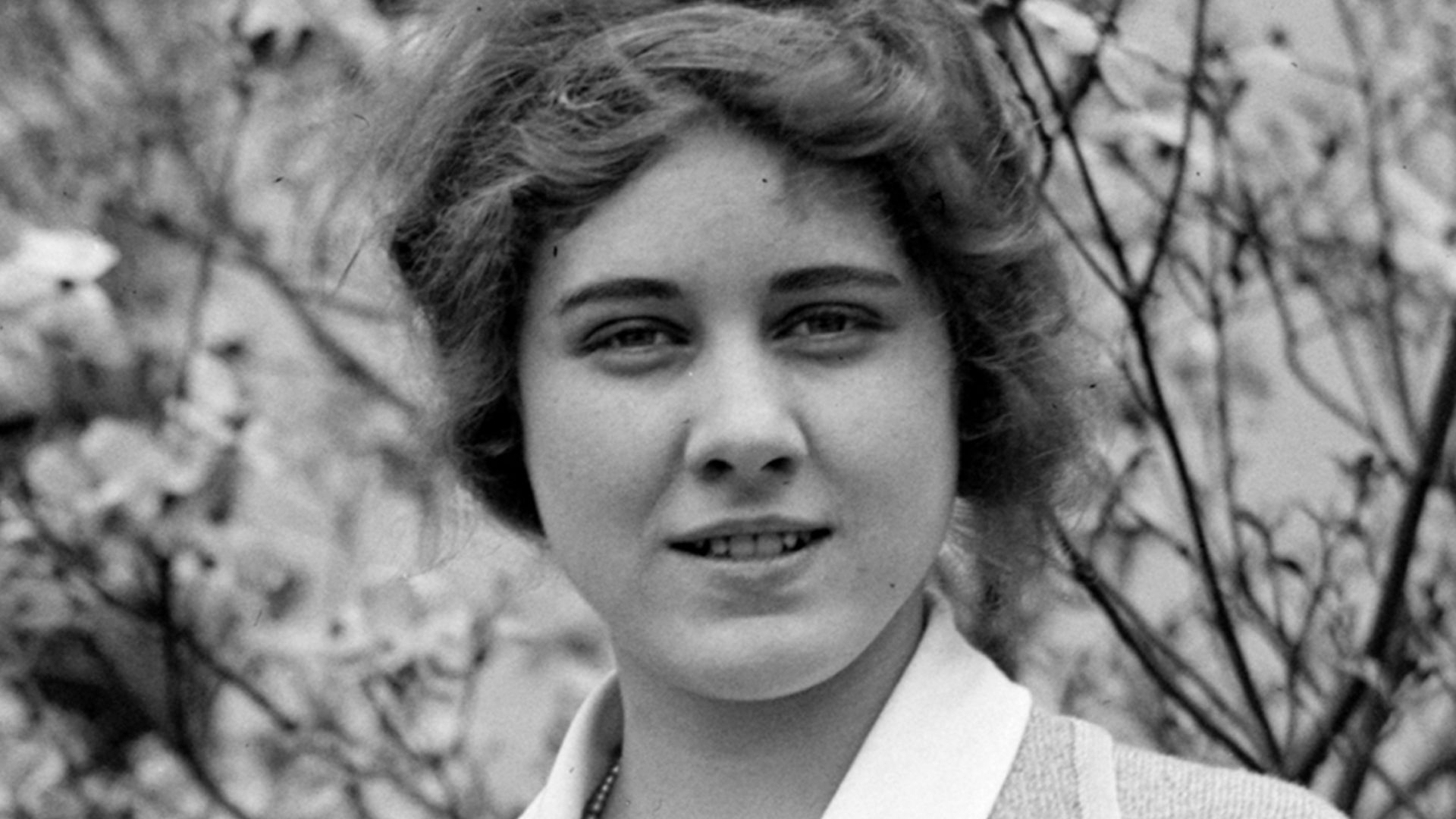
“When I was a child, I was so lonely I became a compulsive eater.” That’s what Clare Boothe Luce later said led to a lifelong struggle with healthy eating. Her mother frequently brought home baked goods, leading to Boothe gaining weight. As an adult, she lost that weight, but remained hypervigilant, even going so far as to serve plain lettuce and apple slices to houseguests.
There may have been another reason for her odd eating habits.
 Bain News Service, Wikimedia Commons
5. She Could Have Been “The New Mary Pickford”
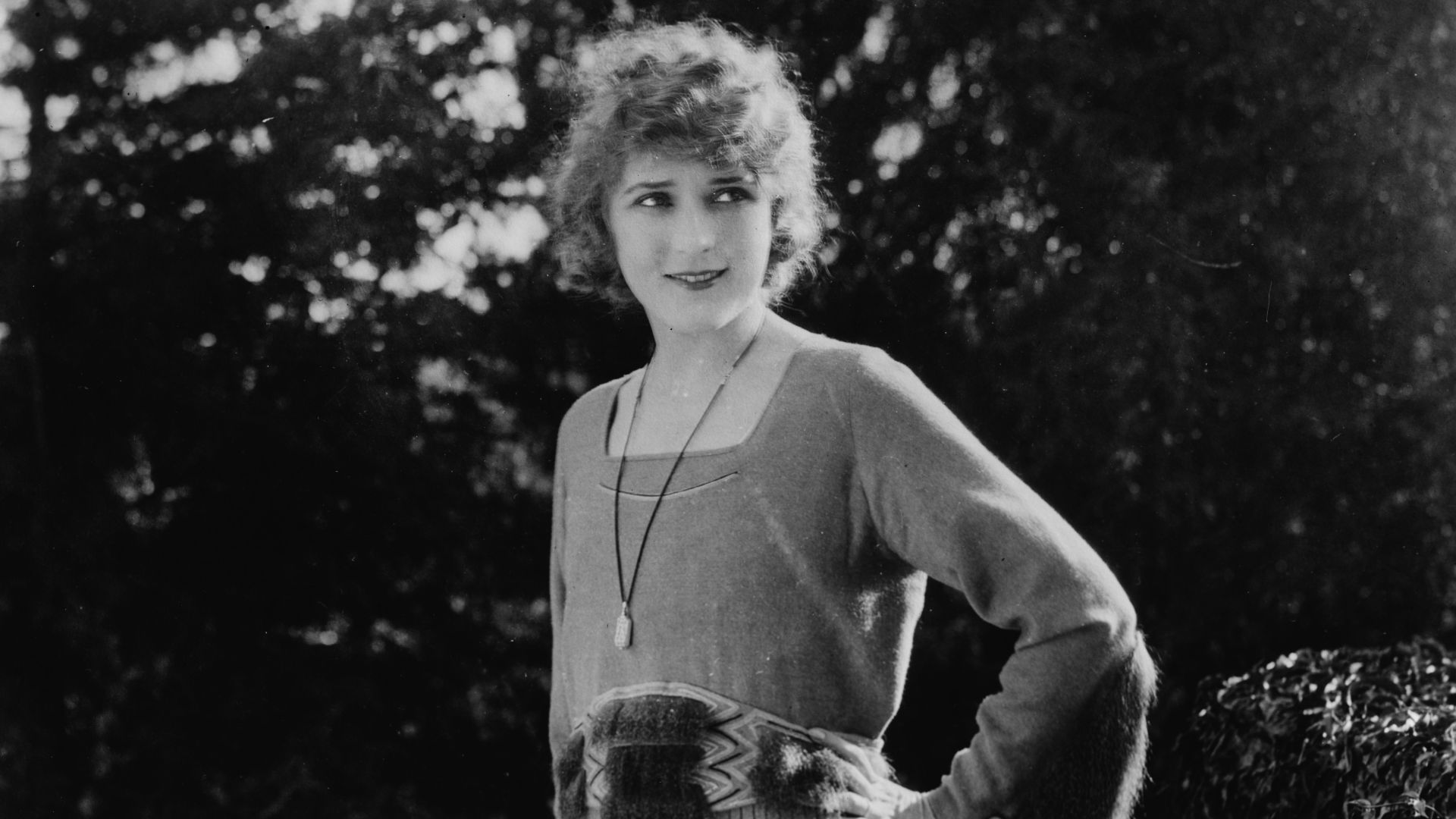
Boothe’s mother had grand plans to make her “curly-haired” daughter into “the new Mary Pickford”. She even took Boothe to the Biograph studio. The plan almost worked when Boothe became Pickford’s understudy at the age of 10. Ultimately, however, after a Broadway debut in 1914 and an appearance in 1915’s The Heart of a Waif, Boothe would find a different calling.
 Bain News Service, publisher, Wikimedia Commons
6. She Got A Little Culture
Despite her tumultuous childhood, by all accounts, Boothe was an exemplary student. She graduated first in her class at the same time that her mother came into a little money. With the extra cash, Boothe traveled to Paris with her mother, staying in upscale hotels where she “perfected her French” and learned “European cultural polish”.
And just in time.
7. She Met A Suffragist Socialite
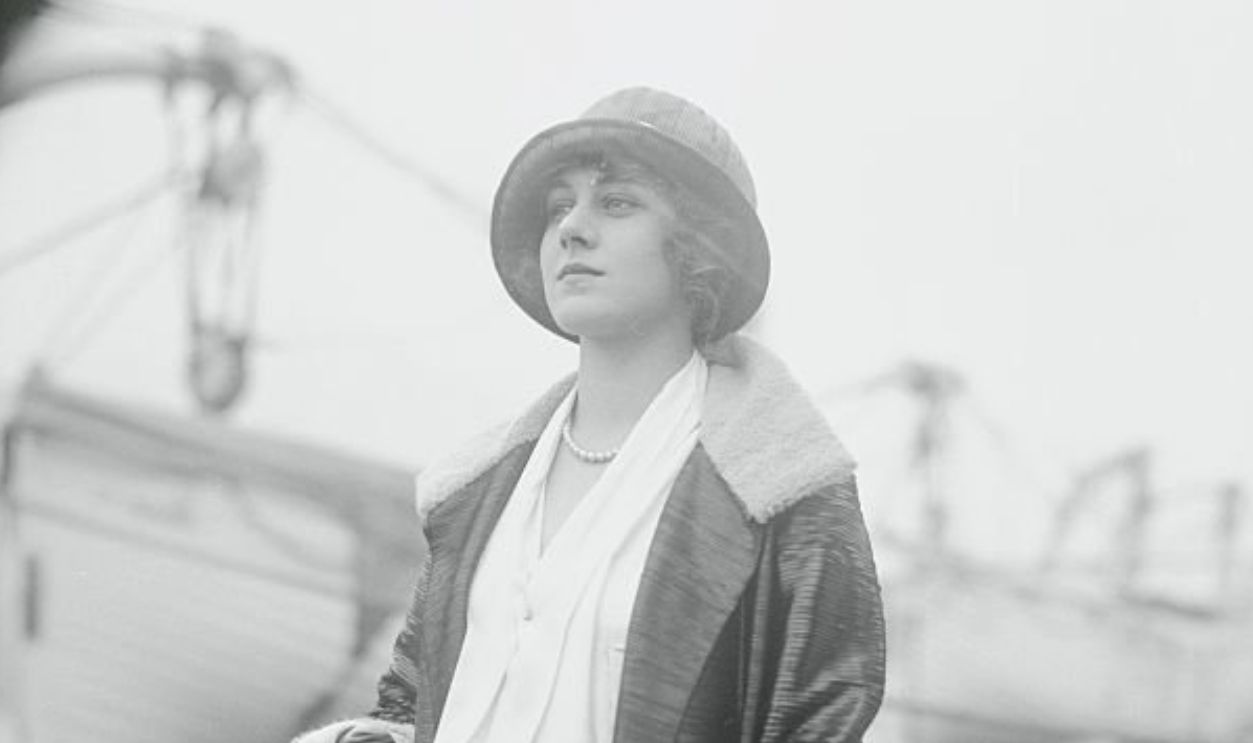
Returning to the US from Europe, Boothe had a chance encounter that would change her life. Boothe caught the attention of socialite and suffragist Alva Belmont, who remarked that she had both “beauty and brains”. Belmont called Boothe “a poor 17-year-old” but took her under her wing. “I’m going to give her a push in the right direction,” Belmont stated.
That direction was down the marriage aisle.
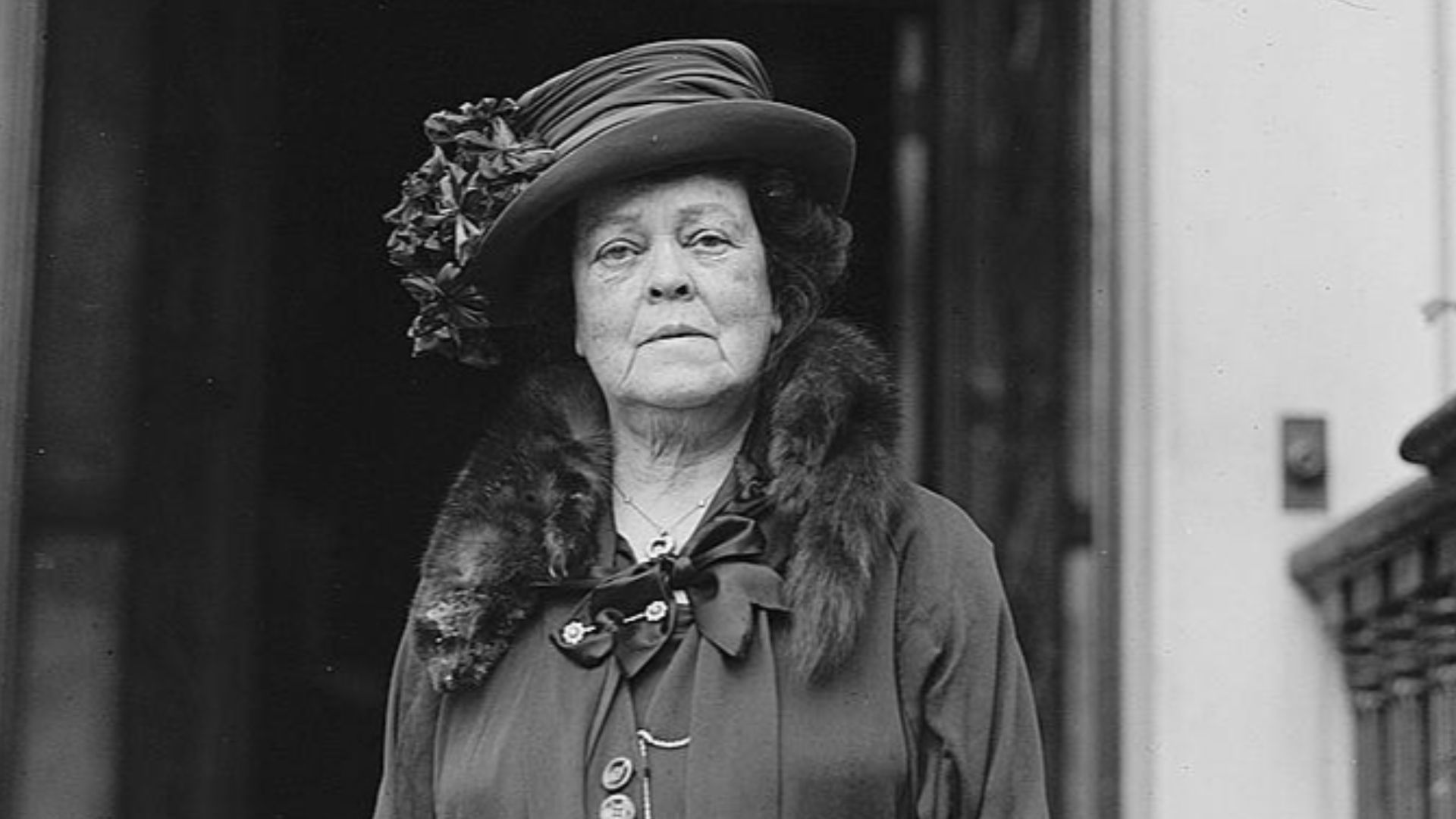 National Photo Company Collection, Wikimedia Commons
8. She Married Into High Society
Through Belmont, Boothe became acquainted with George Tuttle Brokaw, a middle-aged heir to a fashion fortune and “fixture of Newport society”. By August of 1923, the pair were married. But Boothe’s newfound wealth came with woes. Newport society shunned her as a money-grubbing outsider while her new husband struggled with an addiction to the bottle.
She would try to make it work.
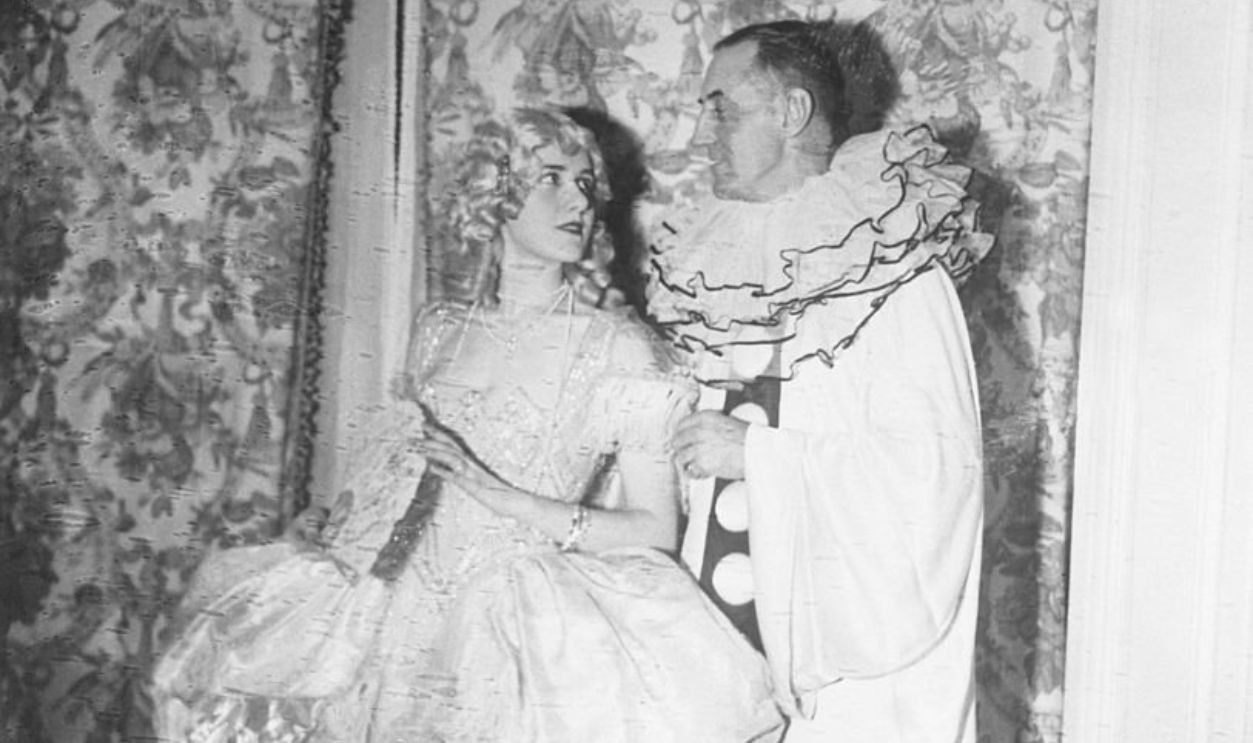
9. She Barely Saw Her Daughter
Boothe’s marriage to Brokaw was not a happy or easy one, but it did result in one child: Ann Clare Brokaw, born in 1924. However, Boothe never felt that she was close to her daughter. “Rich women are not too put upon by their children,” she said, explaining the distance provided by French governesses and boarding schools.
There wasn’t enough distance between herself and her husband.
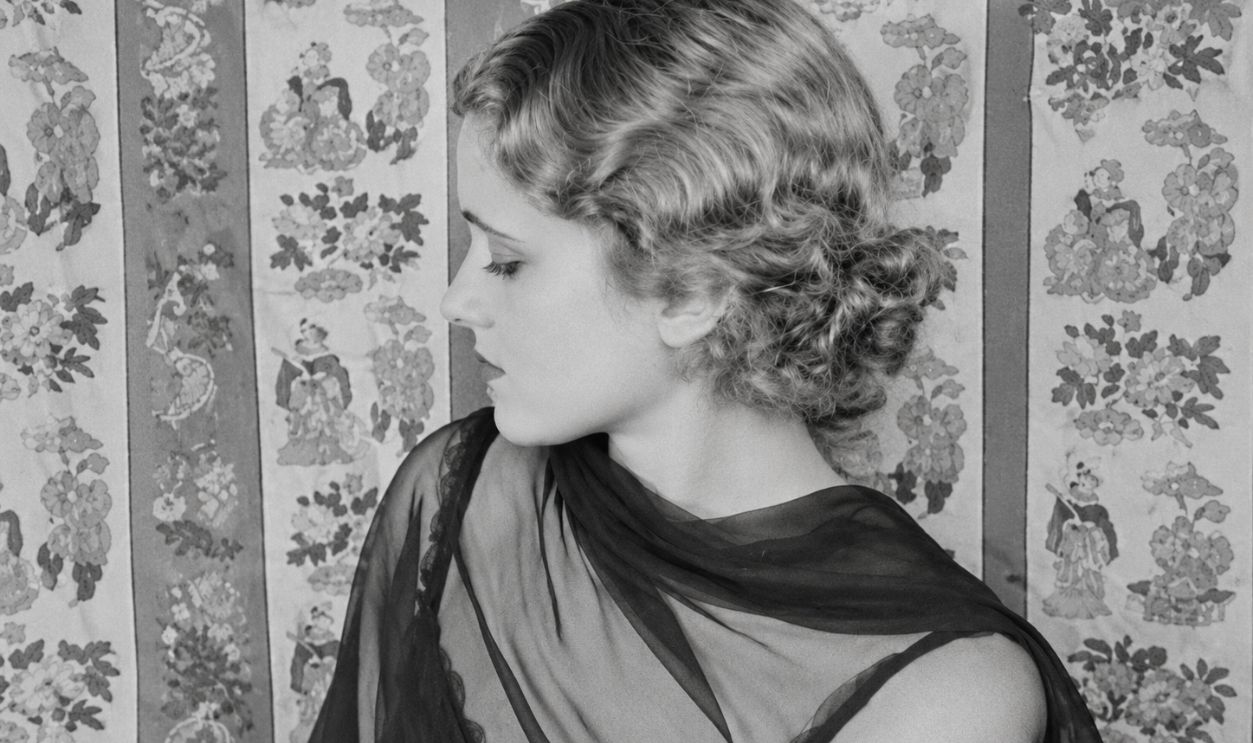 Carl Van Vechten, Wikimedia Commons, Enhanced
History's most fascinating stories and darkest secrets, delivered to your inbox daily.
10. She Had Mariticidal Thoughts
Unfortunately, drinking came with other problems. Boothe later revealed that when her husband hit the bottle, he’d get abusive—and she often thought of finding a way out. Calling his addiction “hopeless”, she recalled a time after Brokaw struck her as they ascended the marble staircase in their Fifth Avenue mansion: one good push down the flight and he would never lay hands on her again.
However, instead of mariticide, she opted for divorce.
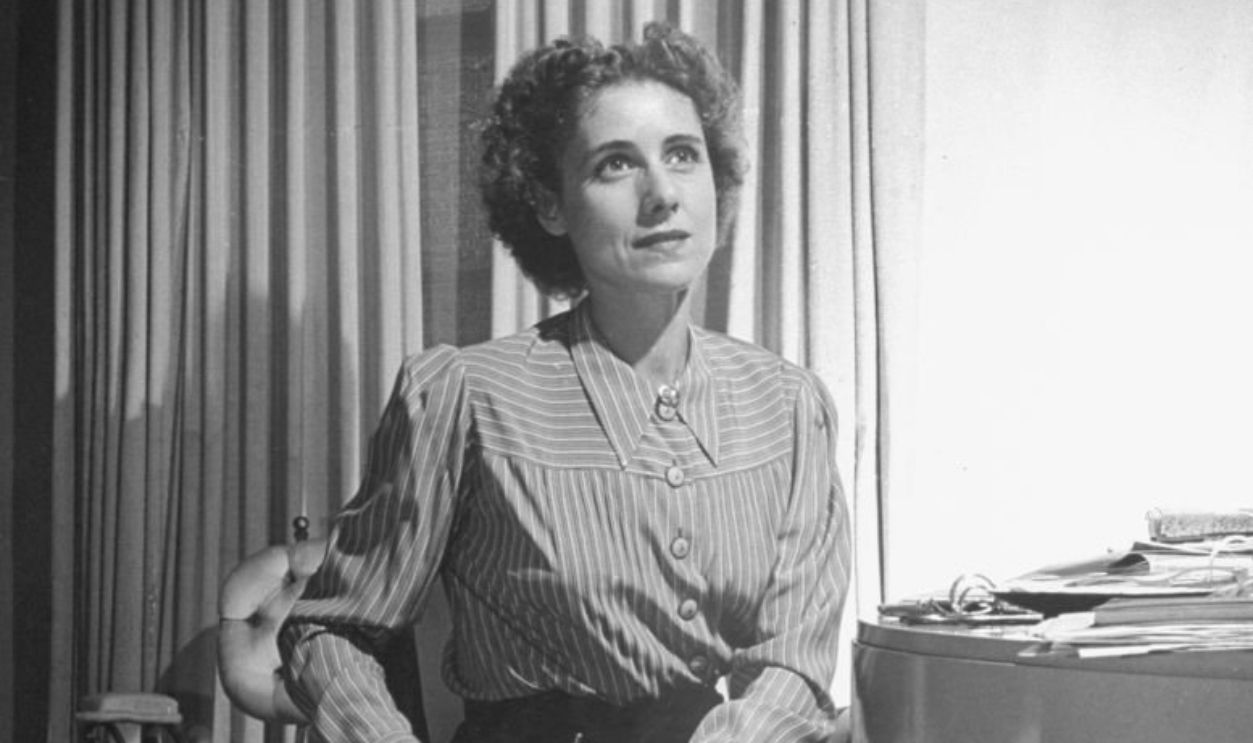
11. She Paid A Price For Her Freedom
After seeking permission from Brokaw’s mother, Boothe secured her divorce on May 20, 1929. And she had something to cushion the blow. Boothe walked away with $425,000 up front, plus another $30,000 every year to keep her in style. The fight over their daughter, however, turned vicious. Ann would have to spend half the year with her father.
Now single, Boothe got to work on a whole new image.
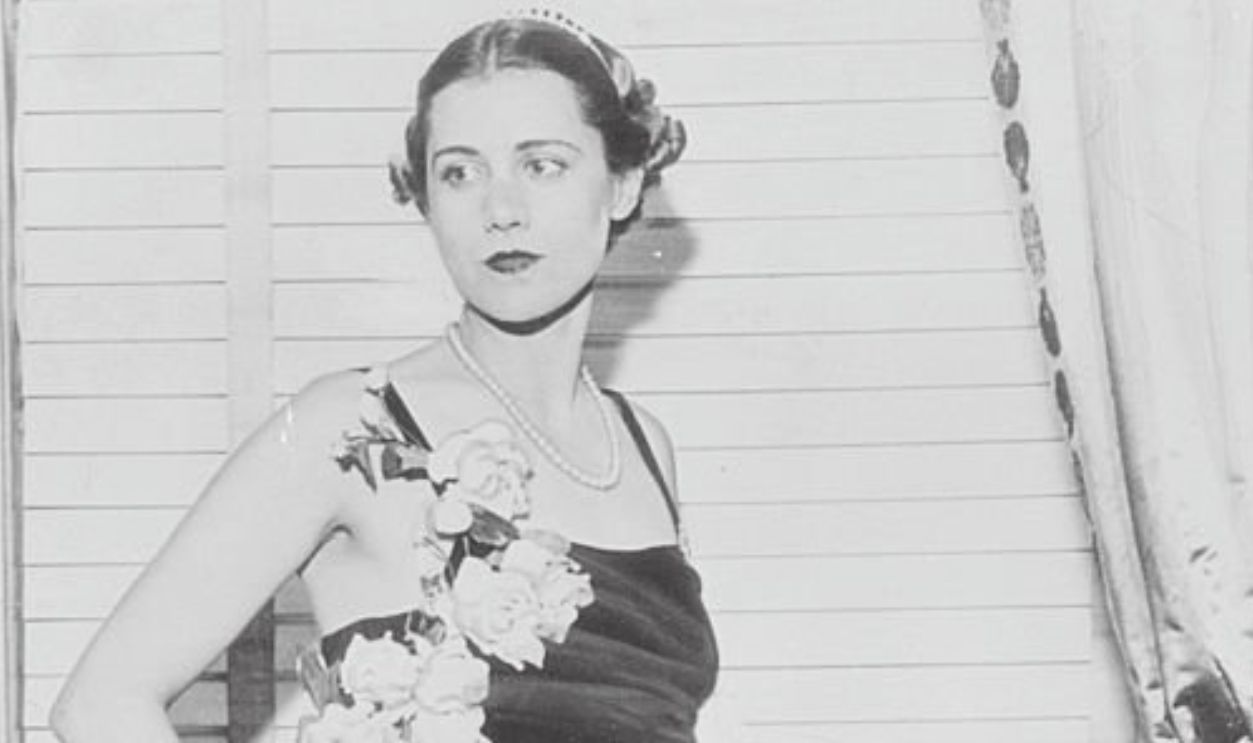
12. She Gave Herself A Makeover
At just 26, Clare Boothe was divorced but far from done. She lightened her hair, had a surgeon rework her nose, and took a big apartment on East 52nd Street. For years, she claimed that the British photographer Cecil Beaton called her new look “drenchingly lovely”. Fellow writer, Helen Lawrenson, however, insisted Beaton had been talking about some other woman.
Looks, though, were never the whole package.
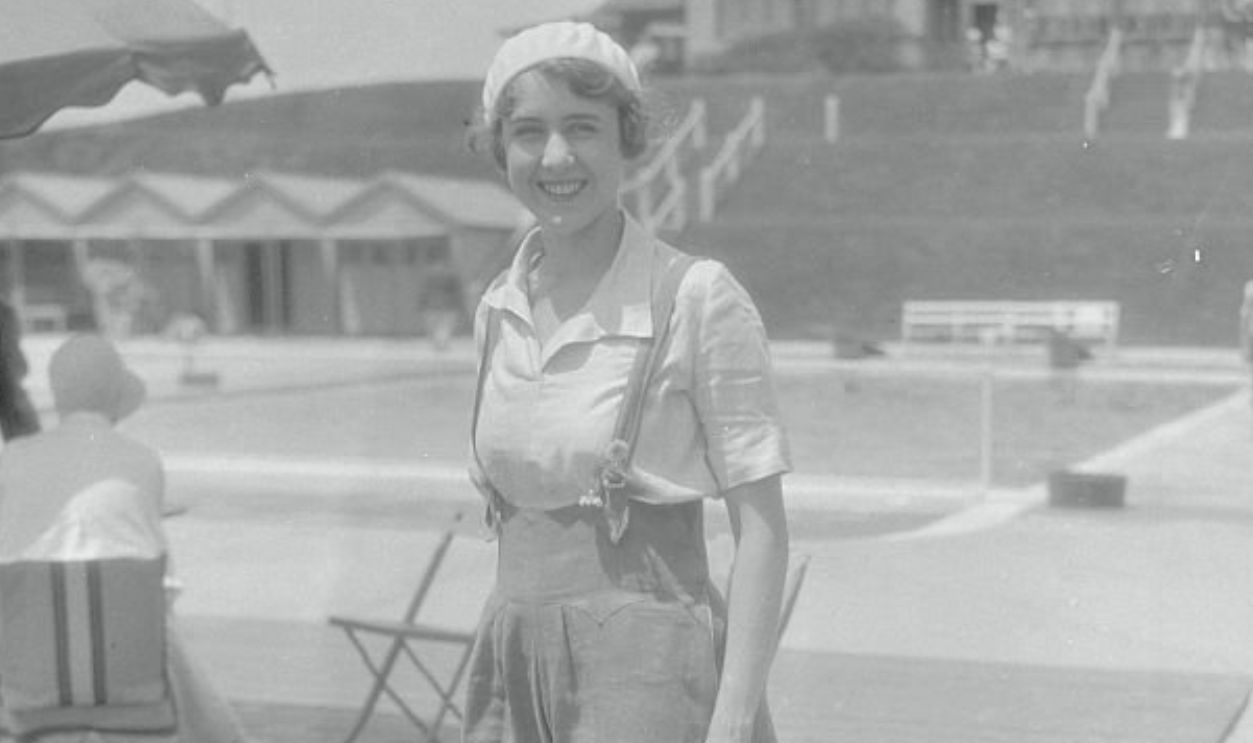
13. She Hired Herself
Single and rich, Boothe focused on her career. She cornered Condé Nast at a party and asked him for a job. When he said no, she took that as an invitation. Boothe showed up at Vogue, plunked herself behind an empty desk, and churned out captions until Nast reconsidered. It wasn’t long before she found a job at the brainier Vanity Fair, penning pieces like “Life Among the Snobs”.
One of those snobs would change her life forever.
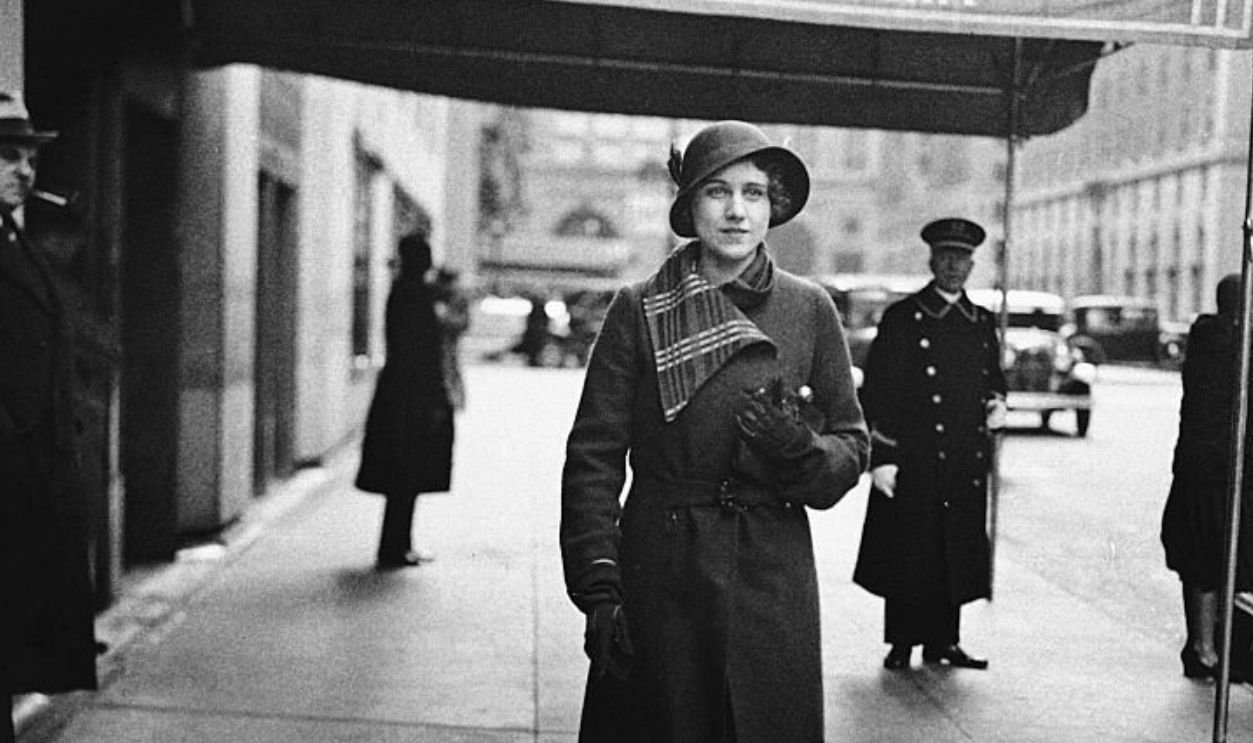
14. She Disliked Her Would-Be Husband
First impressions can be misleading—remarkably so. From the time that Clare Boothe first met Henry R Luce, founder of Time, Life, and Fortune magazines, amongst others, she loathed him. She loathed him so much that one of her early Vanity Fair captions took aim at him directly: “He claims that he has no other interest outside of his work”.
She had no idea she was describing her next husband.
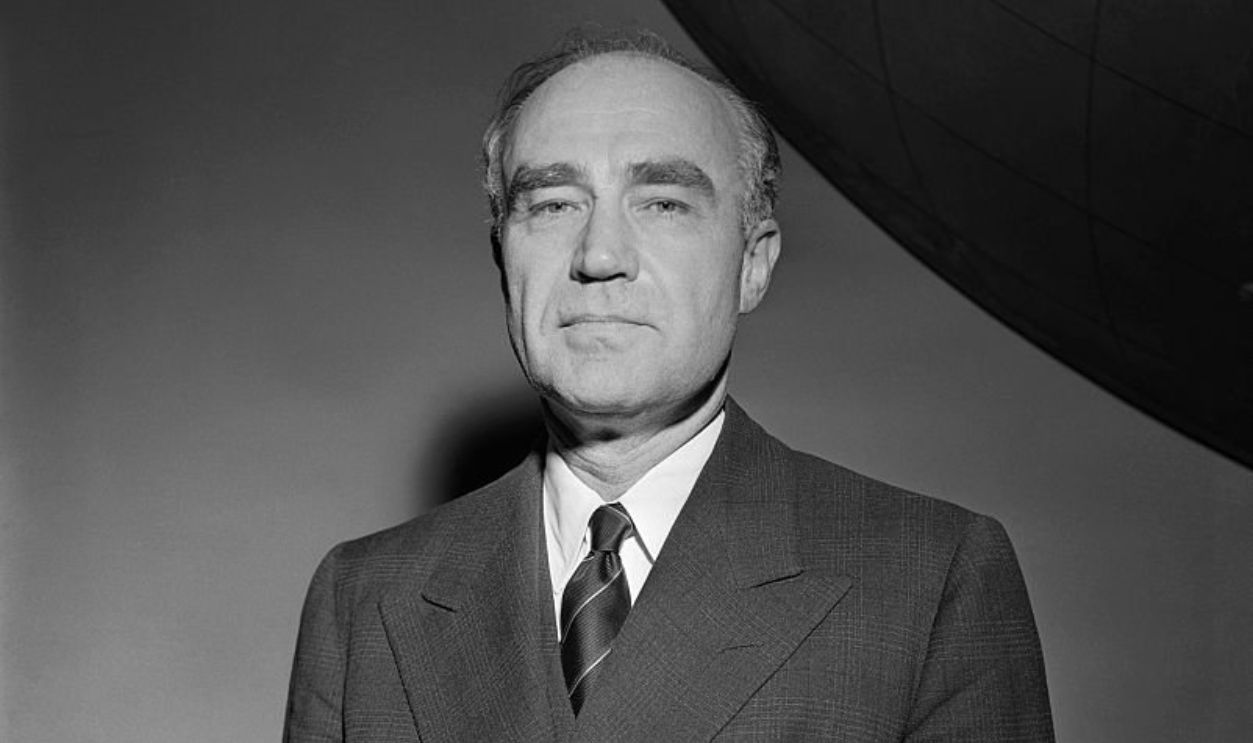
15. She Bit The Hand That Fed Her
Boothe had become part of Newport society through marriage, but they never accepted her. Then in 1931, she got even. Her book Stuffed Shirts strung together linked stories skewering the very blue bloods she’d once called in-laws. The New York Times sniffed at its lack of depth, but even they had to praise her “lovely festoons of epigrams” and “beguiling stylishness”.
She was about to climb much higher.
History's most fascinating stories and darkest secrets, delivered to your inbox daily.
16. She Took The Top Job
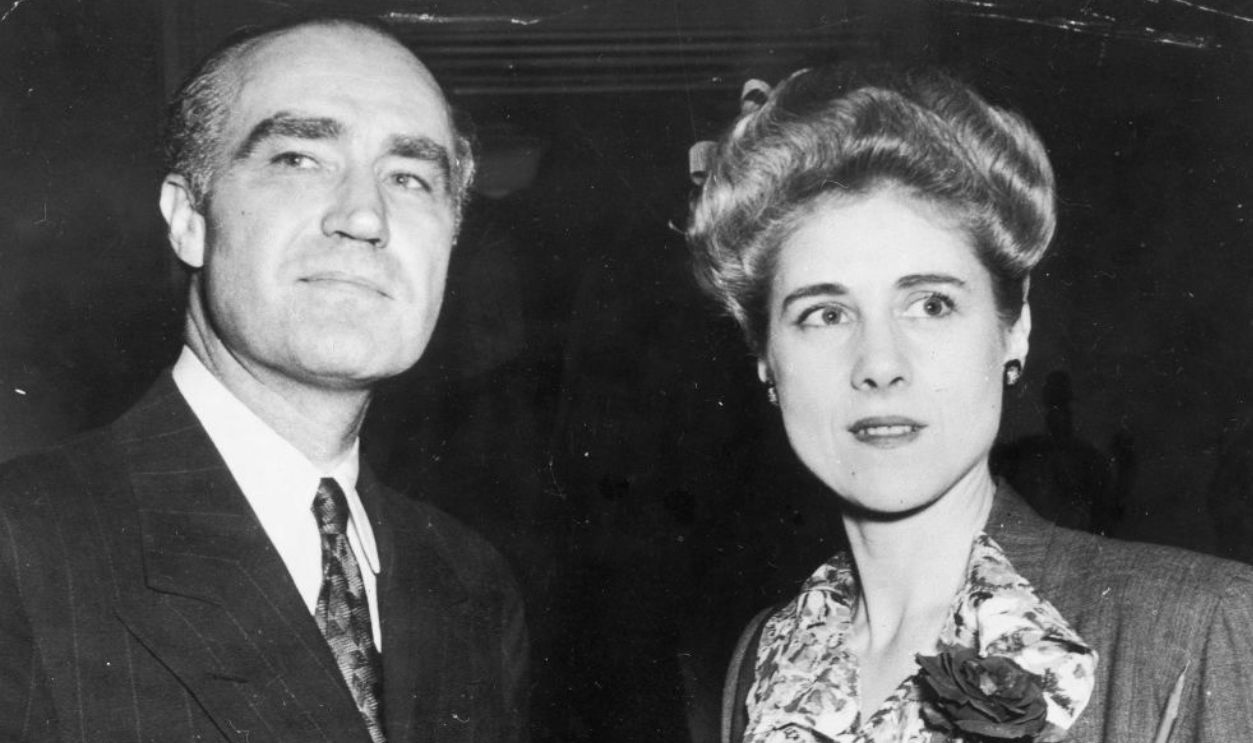
Clare Boothe’s big break came wrapped in tragedy. When the managing editor of Vanity Fair lost his life in a 1932 car crash, the spot opened up and Boothe got the job. All of a sudden, she decided who made the “Hall of Fame” and who deserved the ignominious “We Nominate for Oblivion”. Boothe, however, remained committed to her humble roots.
“I don’t see anything even remotely funny about people being hungry,” Boothe reportedly told Nast when he proposed a mean joke about the Depression.
17. She Found A Powerful Mentor
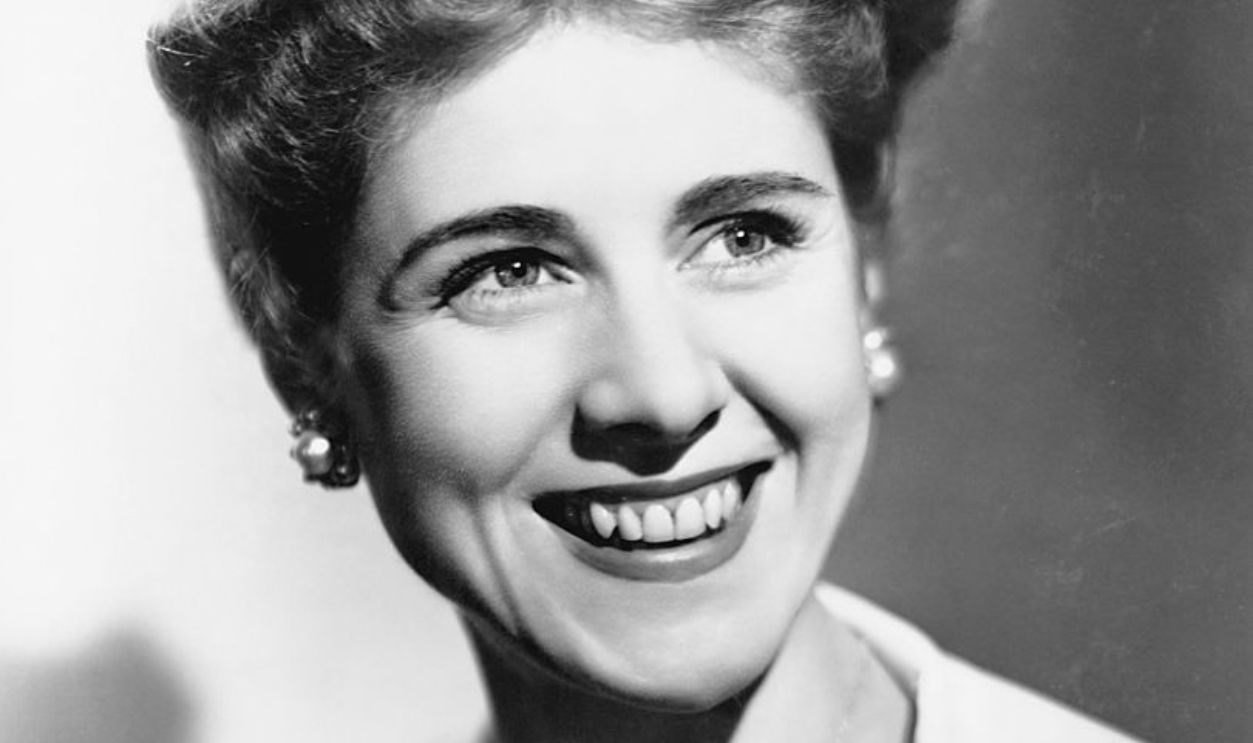
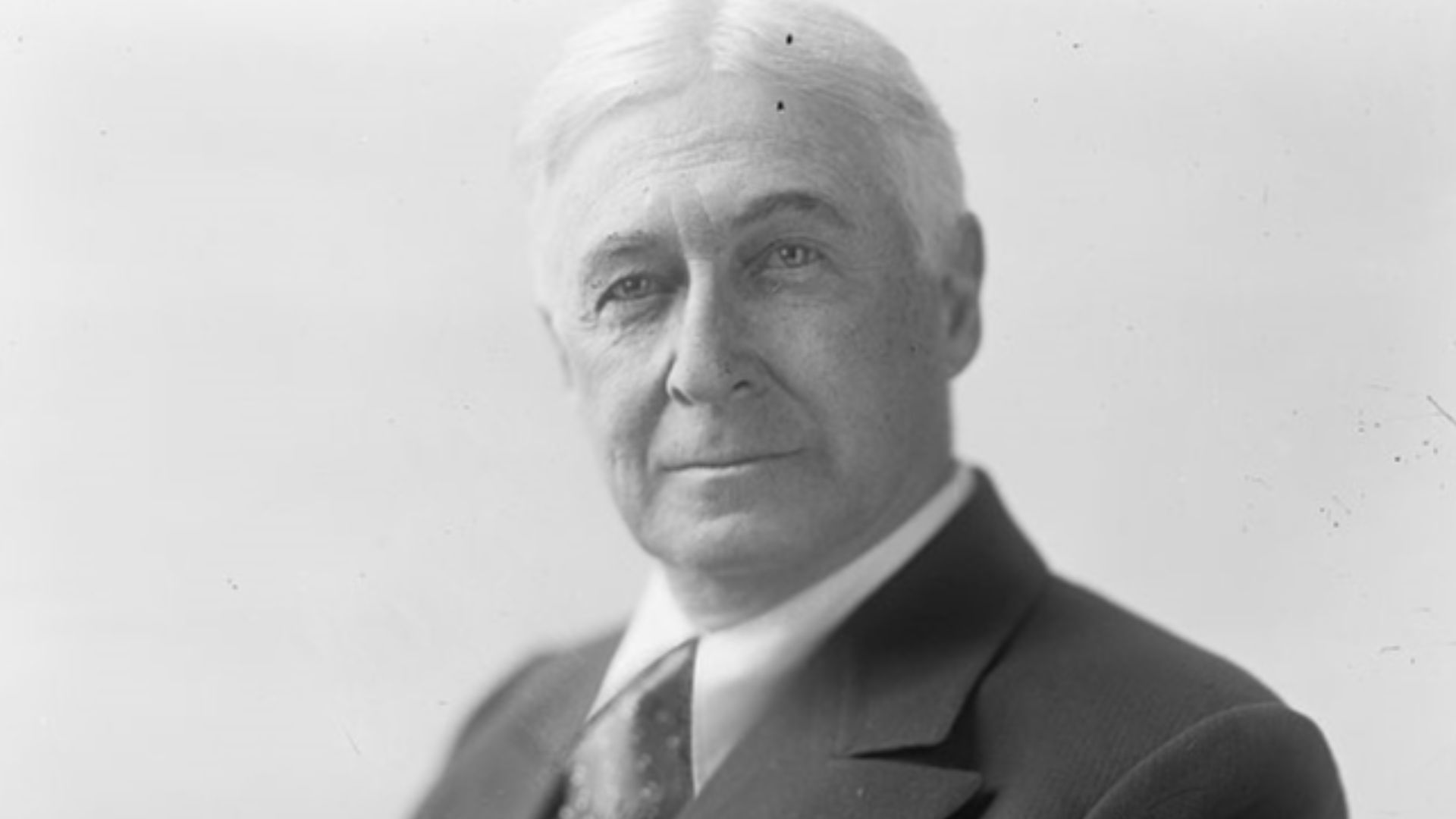
“Mr Baruch, I would like you to teach me all about business policy”. That’s how Clare Boothe introduced herself to Bernard Baruch. The lessons went well beyond business—even into the boudoir, if the rumors are true. Baruch took her under his wing, brought her to the 1932 Democratic National Convention, and started calling her “that poor little kid”.
But it was all a clever ruse.
 Harris & Ewing, photographer, Wikimedia Commons
18. She Was “Sans Merci”
Boothe’s “poor girl” image worked to her benefit. In the 1930s, for a woman from her background to run a magazine was an accomplishment only she could claim. But she wasn’t looking for praise: “I’m following a perfectly natural urge to do what I like,” the then 30-year-old shrugged. By that time, Boothe’s scathing wit had earned her the title “La Belle Dame Sans Merci”.
However, Boothe remained humble, saying that she couldn’t compete with the likes of the Algonquin Round Table. She wasn’t wrong.
19. She Wrote A Flop
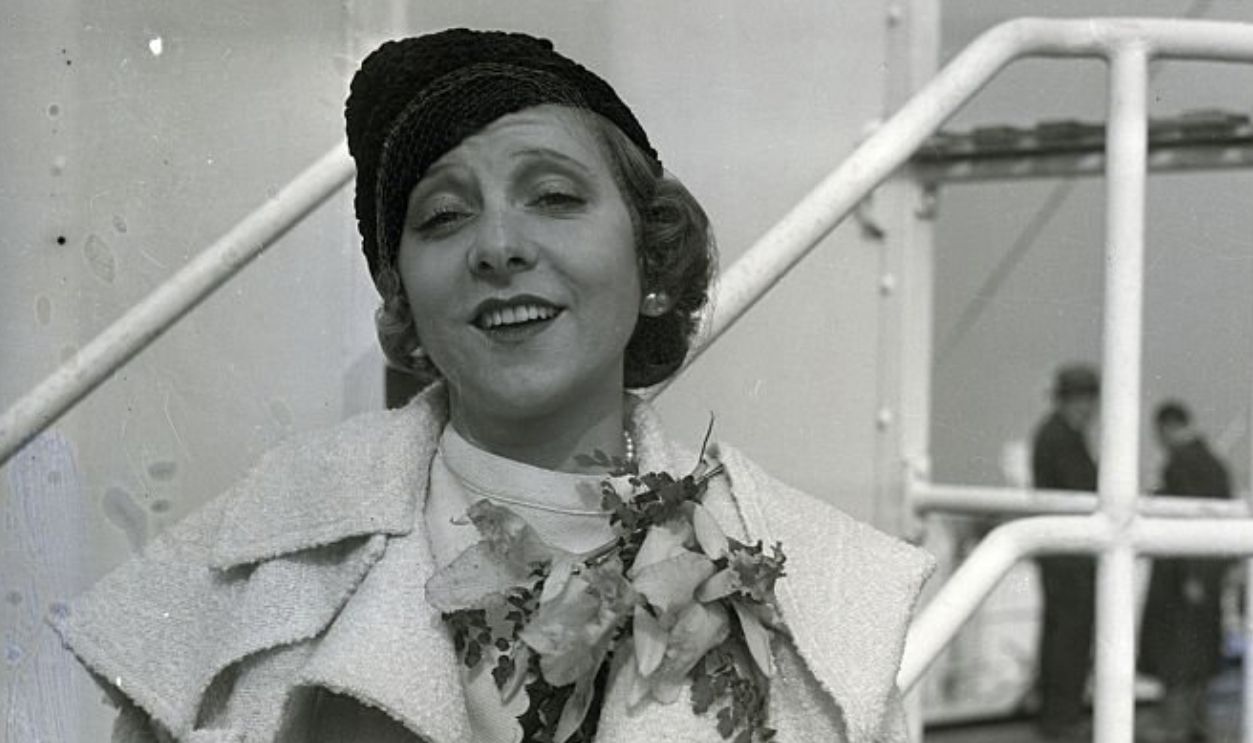
Boothe’s career as a magazine writer had been meteoric. But her career as a playwright? Not so much. Her first effort, Abide with Me, was a melodrama about a troubled marriage, a subject she knew all too well. Despite the support of friends Dorothy Hale and Rosamond Pinchot, the reviews were brutal enough to shutter a summer production almost as soon as it opened.
Worse was to come.
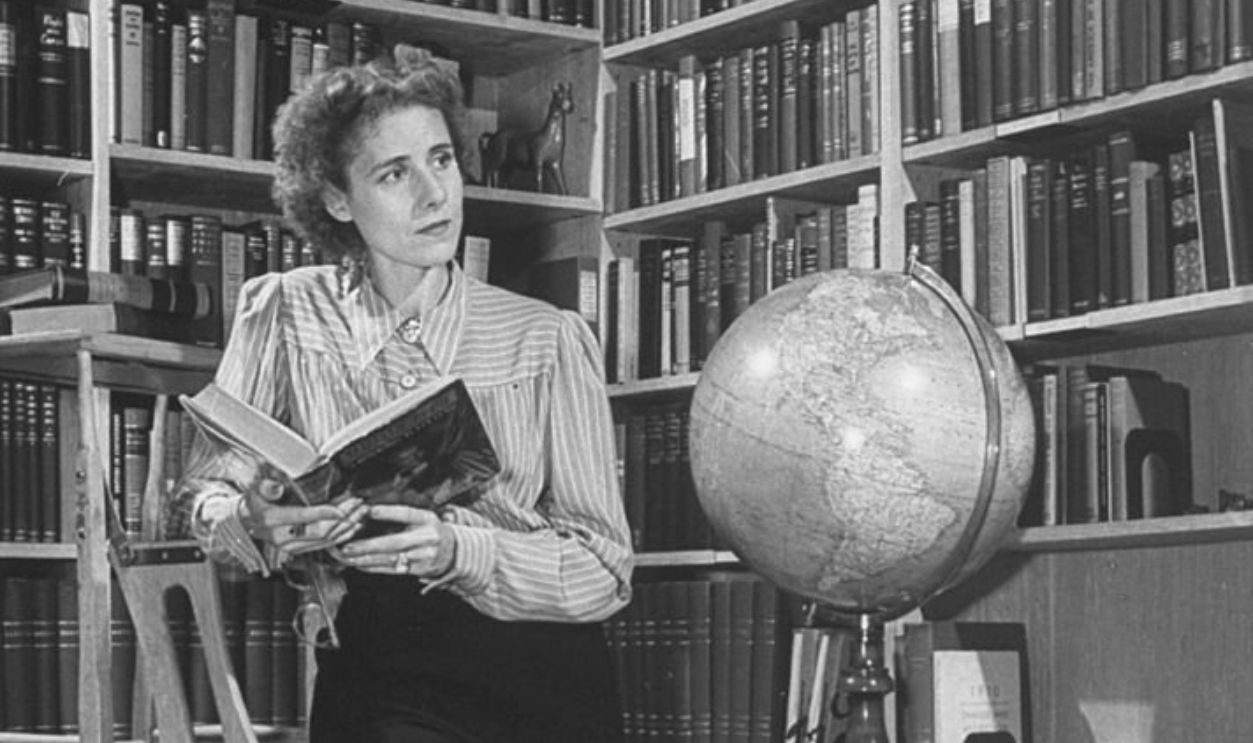
20. She Caught A Married Man’s Eye
Clare Boothe may have disliked Henry Luce at first, but Luce certainly didn’t dislike her. Despite what she may have written about him in magazines, it took Luce only a few meetings to make up his mind: she would be the next Mrs Luce…once he surgically removed the current Mrs Luce. Boothe agreed to wait for him to finalize his divorce.
Their marriage would be an interesting one.
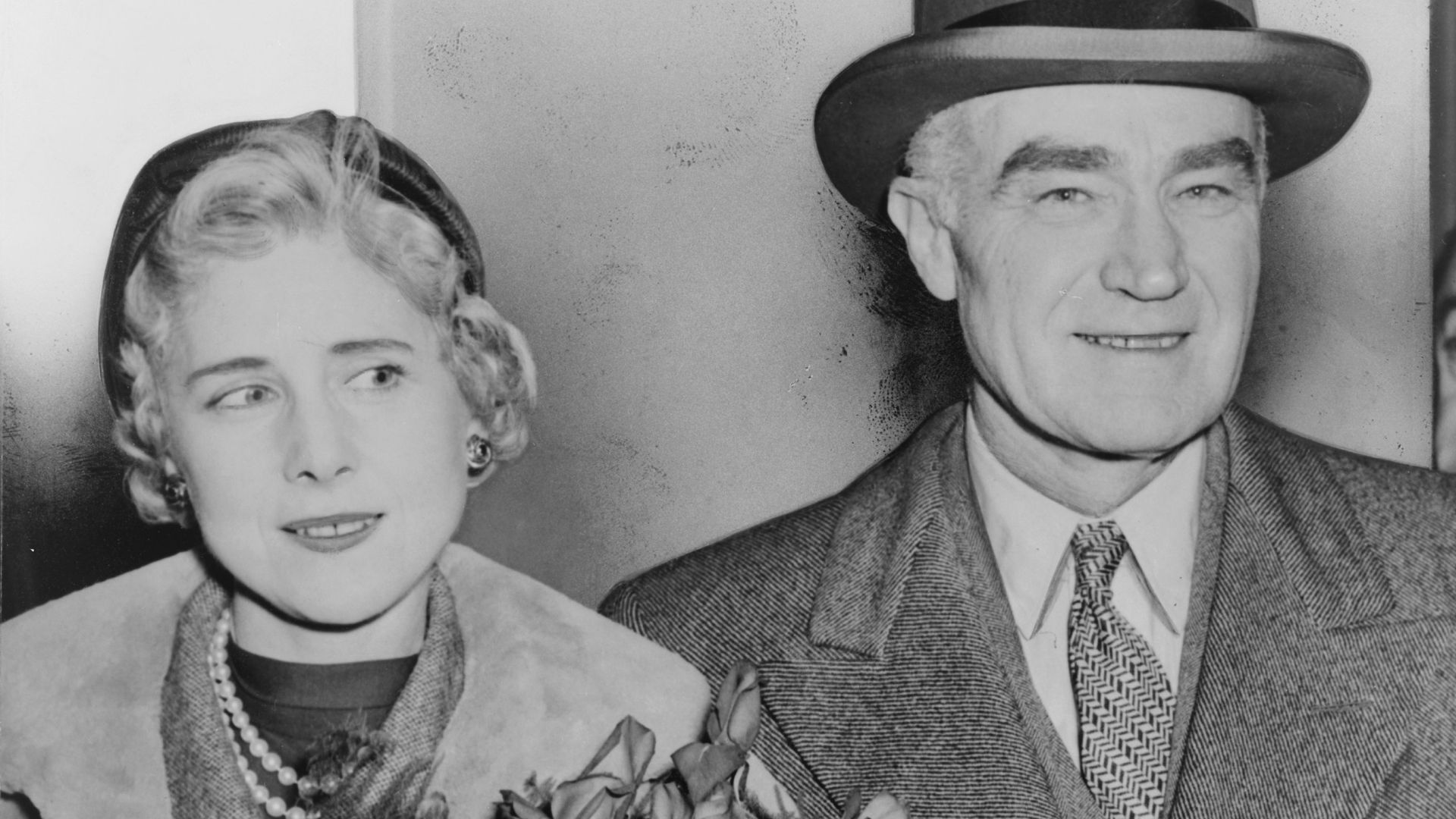
21. She Kept The Byline
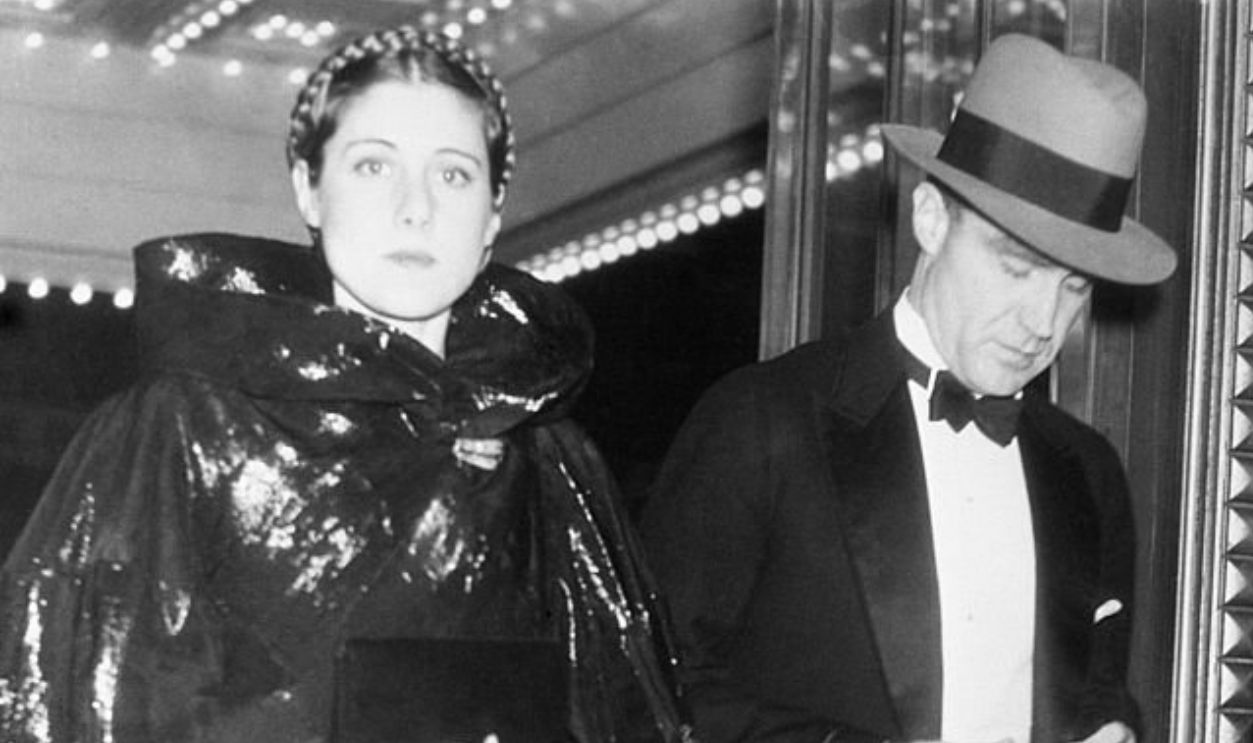
Boothe and Henry Luce finally tied the knot on November 23, 1935, creating the biggest power couple in publishing. However, Boothe wanted to keep her name. “Claire Luce” was already an actress, so she ensured that her byline remained: Clare Boothe. Everywhere else, she was Clare Boothe Luce. And their marital home was unlike any other.
History's most fascinating stories and darkest secrets, delivered to your inbox daily.
22. She Always Had A Comeback
The Luces were a match made in heaven—if heaven was a debate hall. Staying up late into the night, they would discuss world affairs and play complicated word games. Henry even gave Boothe a private pet name: “Mike”. But their banter had teeth. When Henry once claimed he could never want someone smarter than him, Boothe retorted: “What about Einstein and John Kieran?”
Henry, it turned out, wasn’t the only man she wanted.
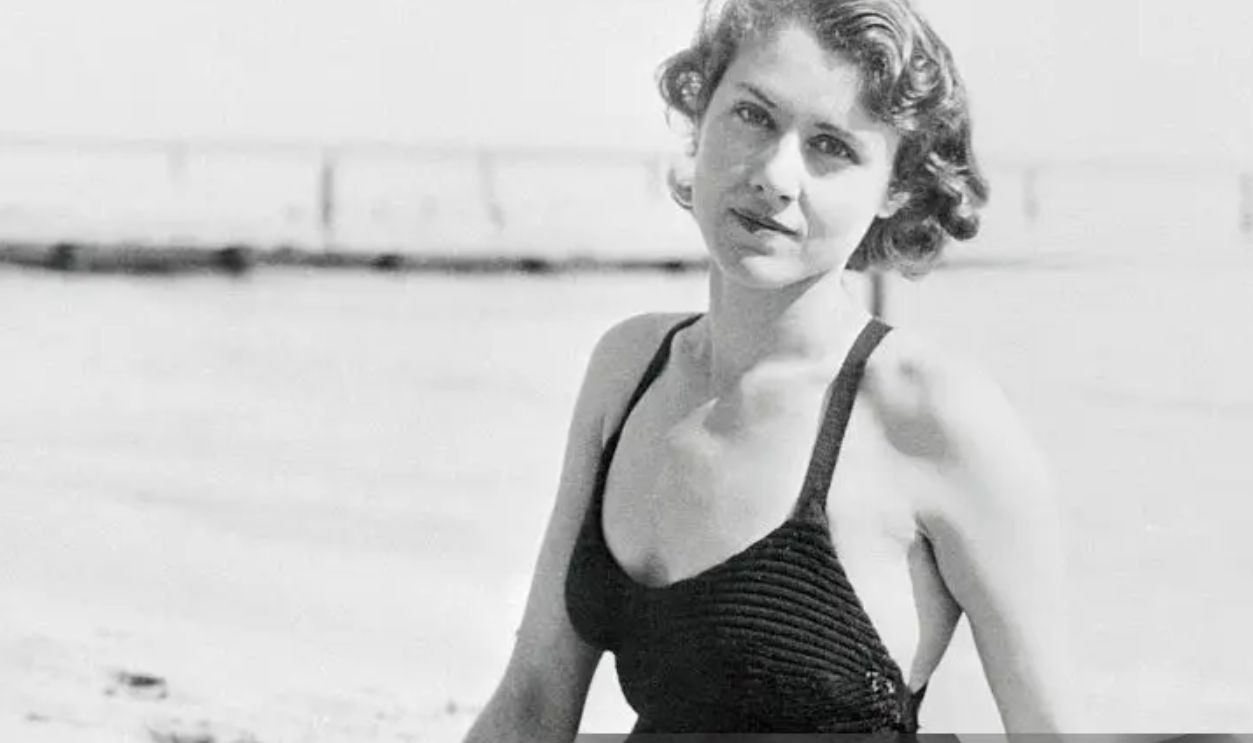
23. She Kept Her Options Open
If the rumors are true, the Luces didn’t exactly practice monogamy. Even after their marriage, Boothe’s alleged conquests read like a who’s who of the era: Joseph P Kennedy, Allen Dulles, Randolph Churchill, a pair of generals, and even a future children’s author. When Henry asked her about a $7,000 lingerie bill, Boothe was unapologetic: “Well, Harry, are we wealthy or aren’t we?”
One of those affairs turned out to be a matter of national security.
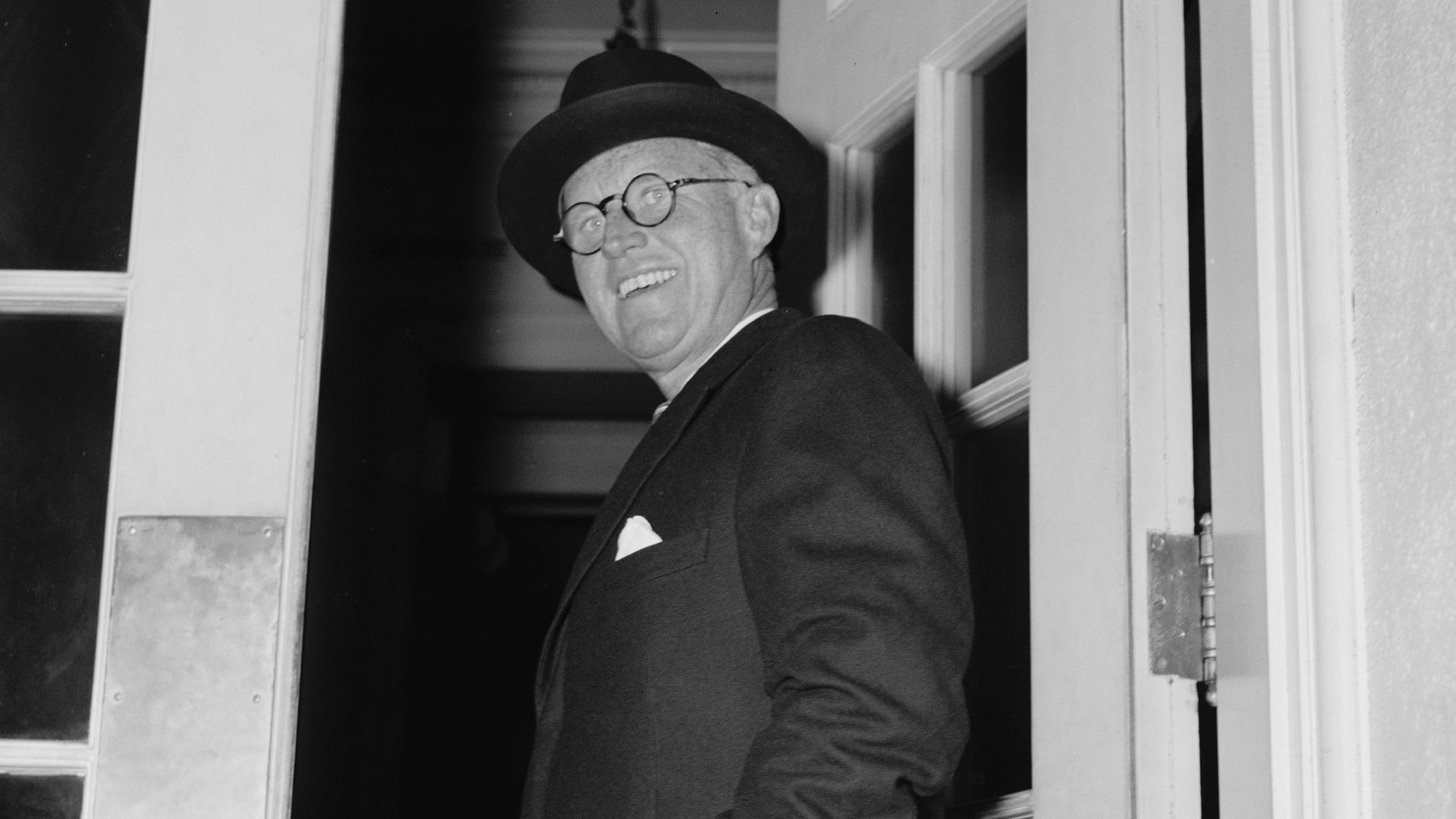 Harris & Ewing, photographer, Wikimedia Commons
24. She Was A Spy’s Target
In WWII, the British were desperate to drag America into the fighting. So desperate, in fact, they dragged Clare Boothe Luce into bed. Their top spy in the US, Sir William Stephenson (aka “Intrepid”), allegedly had a plan: send Roald Dahl to woo Boothe. The idea was to get American thought and culture leaders to soften their isolationist stance.
The Brits would soften before Boothe would.
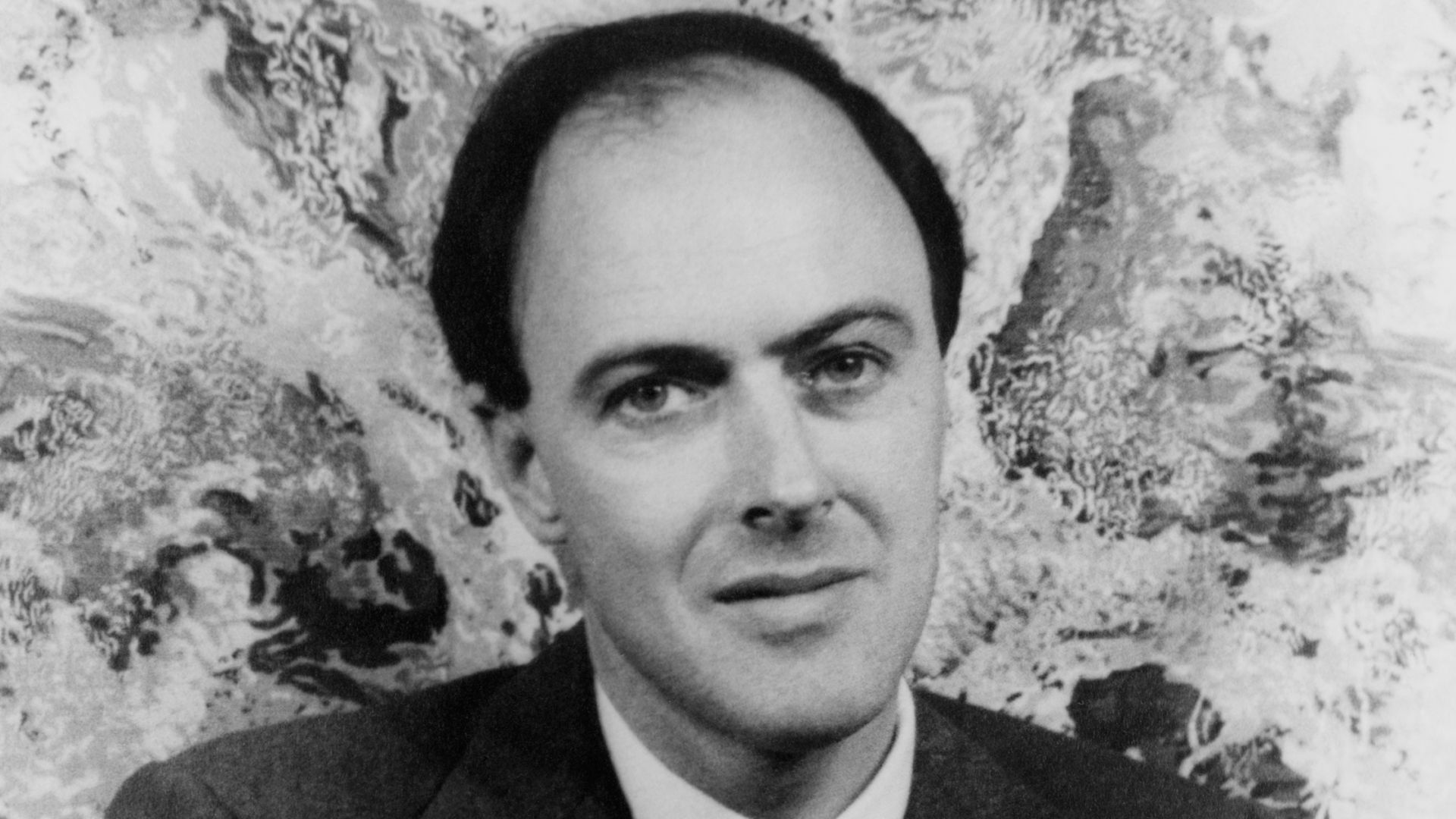 Carl Van Vechten, Wikimedia Commons
25. She Was Too Much For Dahl
At the time of the assignment, Roald Dahl hadn’t yet become a famous author of literature. He was, at the time, a young, tall, and dashing RAF pilot posted in Washington—and not up to the task of satisfying Boothe. Allegedly, Dahl begged the British ambassador to let him off the hook because he found his affair with Boothe to be too “physically demanding”.
Henry, meanwhile, had his own shortcomings.
26. She Aired Her Grievances
Boothe and Luce’s marital arrangement did not sit well with all members of the family. Henry’s son, Hank, summed it up tidily: the couple were “circles that intersected but did not overlap”. Clare Boothe Luce herself put it less delicately. In private, she grumbled that Henry was “serially impotent”, incapable of juggling a mistress and a wife at the same time.
Boothe poured her frustrations into her work.
27. She Wrote A Hit From Bed
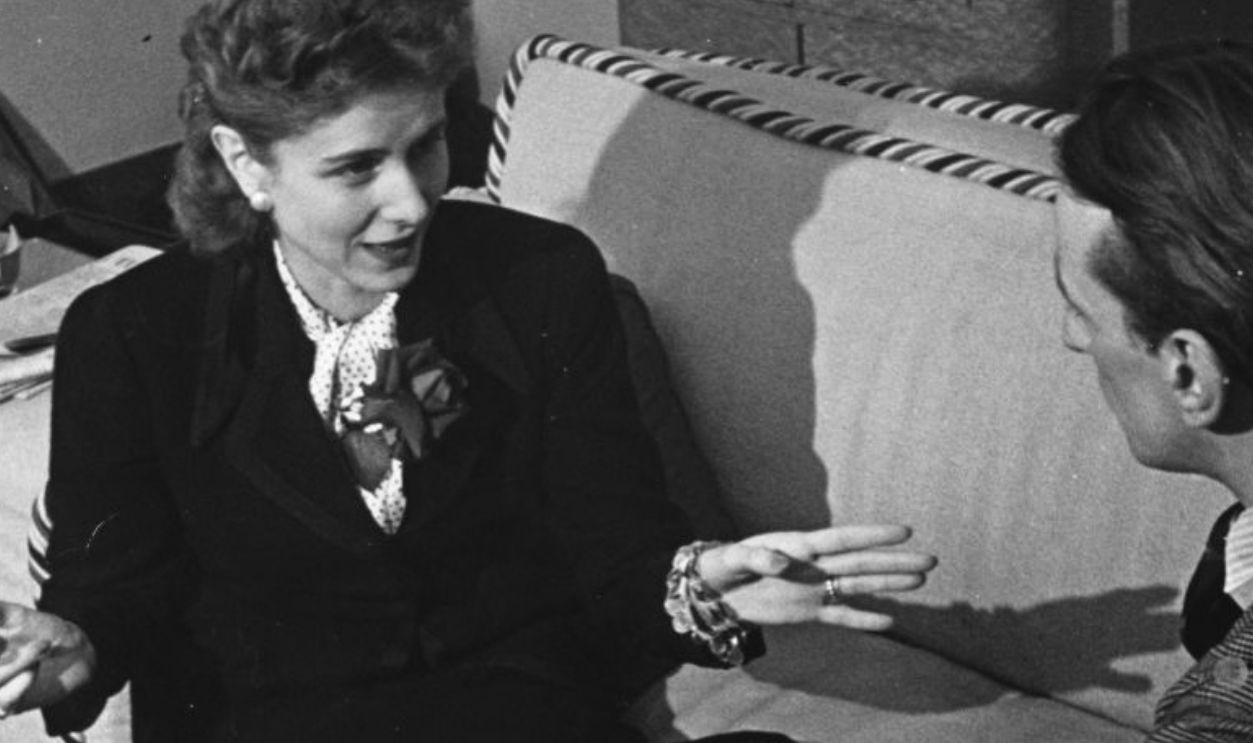
With a blue bow in her hair and four maids at her side, Boothe knocked out the first draft of The Women in a mere three days—all from bed. Her feverish effort went on to become an all-female, 600-run Broadway spectacular that netted her a staggering $200,000. By 1941, The Women had become an international success with shows in 25 countries and 10 languages.
Now, Boothe could afford a little luxury.
History's most fascinating stories and darkest secrets, delivered to your inbox daily.
28. She Went South
When her old contact (and lover) Baruch mentioned that a sprawling, 7,000-acre South Carolina estate named Mepkin was up for grabs, Clare Boothe Luce lunged at the opportunity. “This is the most beautiful property I have ever seen in my life,” she gushed. Even so, Boothe eschewed a grand antebellum-style mansion, saying, “After all, I was a newcomer”.
Plus, she had other properties to attend to.
29. She Hosted The Powerful
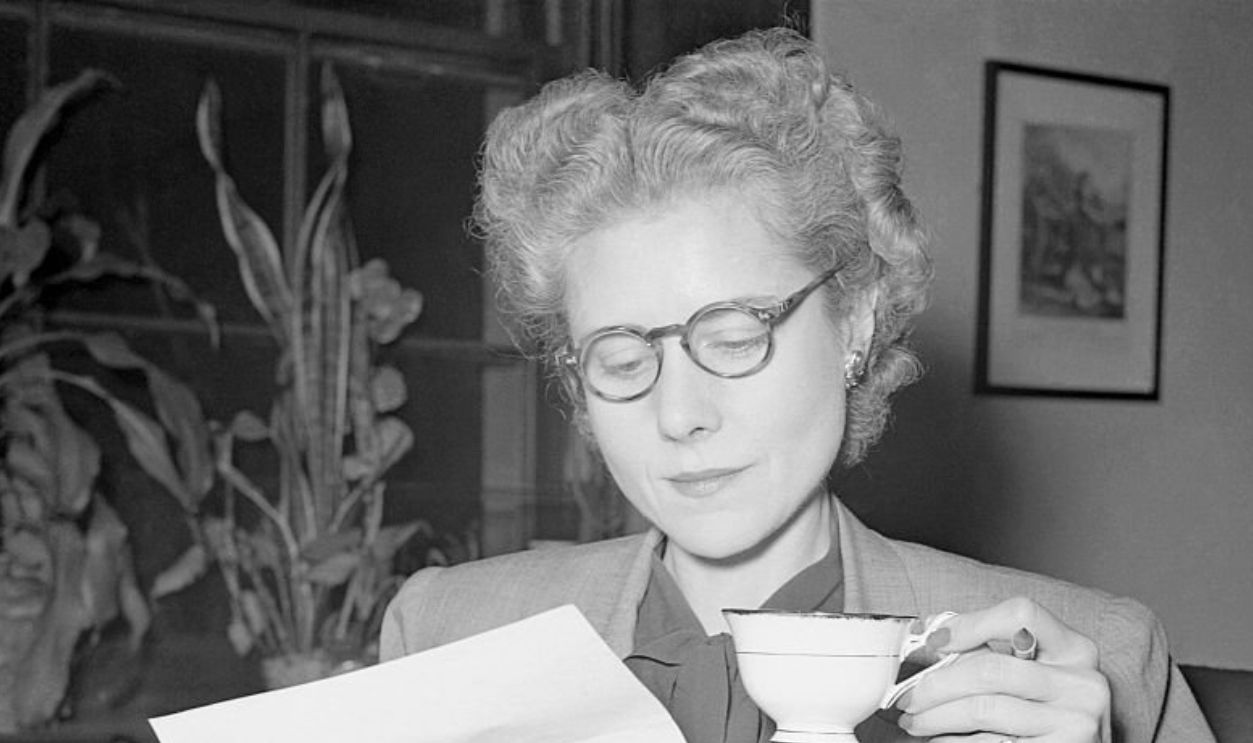
Gone were the days of boardinghouses and radiator eggs. Besides Mepkin, the Luces had a penthouse perch in Manhattan and 21 rooms to roam in Ridgefield. At Mepkin alone, around 30 servants waited on the family. Whenever Boothe was in residence, servants assured that freshly cut azaleas would drift down the river.
Her dinner guests included prime ministers, cabinet members, top brass, and movie stars—all hoping to win favorable mentions in Luce’s magazines, penned by Boothe.
30. She Mastered Everything
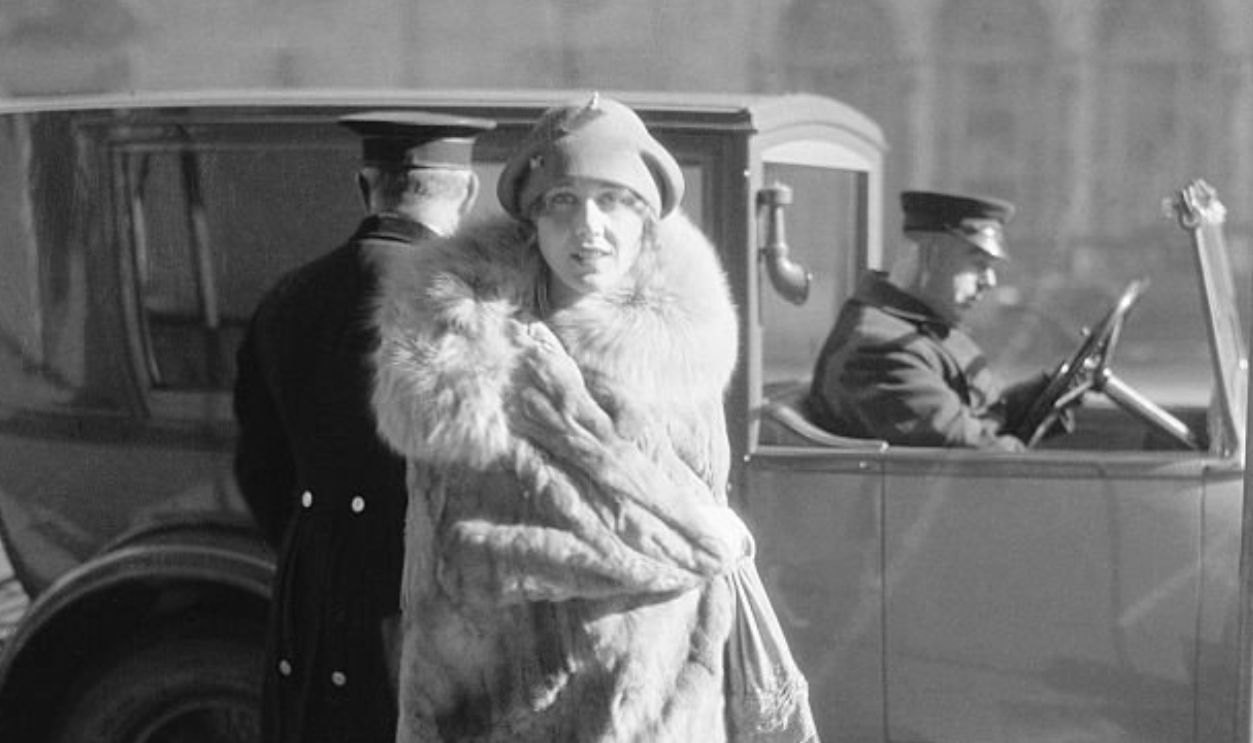
Boothe’s famous wit saw her turn out iconic phrases such as “No good deed goes unpunished,” and “Widowhood is a fringe benefit of marriage”. But writing wasn’t her only talent. Horse riding, marksmanship, needlepoint, and jigsaws. She even used to impress houseguests by pulling off a daring swan dive…at the age of 70!
There was one thing she couldn’t do, however.
31. She Commissioned A Memorial
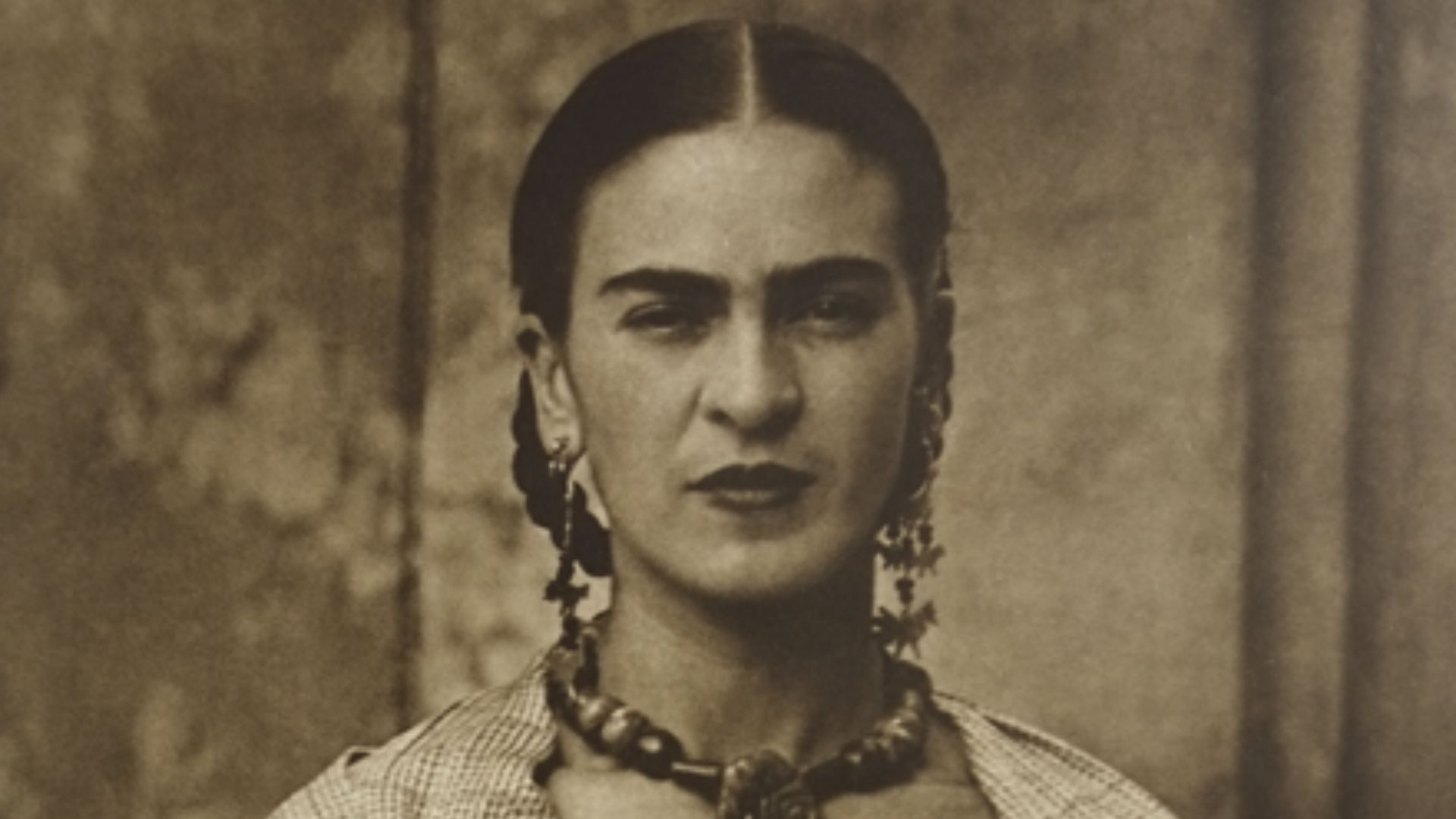
When Boothe’s friend, Dorothy Hale, took her own life on October 21, 1938, by leaping from Manhattan’s Hampshire House, she was devastated. Hoping to console Hale’s grieving mother, Boothe paid the Mexican artist Frida Kahlo $400 for a commemorative painting. However, what Kahlo painted was a little too commemorative for Boothe’s liking.
 Guillermo Kahlo, Wikimedia Commons
32. She Nearly Fainted From Shock
Clare Boothe Luce had been expecting a touching portrait of her dearly departed friend. But Frida Kahlo delivered something else entirely: the whole terrible sequence. Hale on the balcony, Hale mid-plunge, Hale bloodied on the pavement. Boothe was so horrified that she nearly fainted. After contemplating destroying it, she eventually donated the painting.
Her own artwork, her writing, continued apace.
33. She Took Aim At The Third Reich
Boothe wasn’t one to rest on her laurels. After The Women, she churned out two more hits: Kiss the Boys Goodbye and Margin for Error, a whodunit that took aim at the Third Reich. Hollywood turned both into films, and her barbs were as sharp as ever. In one scene, a “radical columnist” sneers that a swimming pool is full of scum. “Nawsuh, comrade,” the maid replies, “you ain’t been in yet”.
Boothe’s writing took a much more dramatic turn.
 Weegee(Arthur Fellig)/International Center of Photography, Getty Images
History's most fascinating stories and darkest secrets, delivered to your inbox daily.
34. She Became A Foreign Correspondent
In 1939, Clare Boothe Luce traded Broadway for the battlefield. On assignment for Life, she crisscrossed Britain, Belgium, the Netherlands, Italy, and France for four months to check out what was going on. Intense as the assignment was, Boothe didn’t consider herself to be a full-time journalist, seeing it as a break from her playwriting.
Others agreed. Writing rival Dorothy Parker took aim at the favoritism shown to Luce’s wife, calling Boothe’s dispatches “All Clare on the Western Front”.
35. She Had Impeccable Timing
Whether it was a steamship back to America or a desk at Vogue, Boothe had a knack for being in the right place at the right time. In 1941, it happened again. Along with her husband, Boothe traveled to China to cover its ongoing fight with Japan. Her subsequent profile of General Douglas MacArthur landed on Life’s cover on December 8, 1941—just one day after Pearl Harbor.
Now America was in the fight, and so was Boothe.
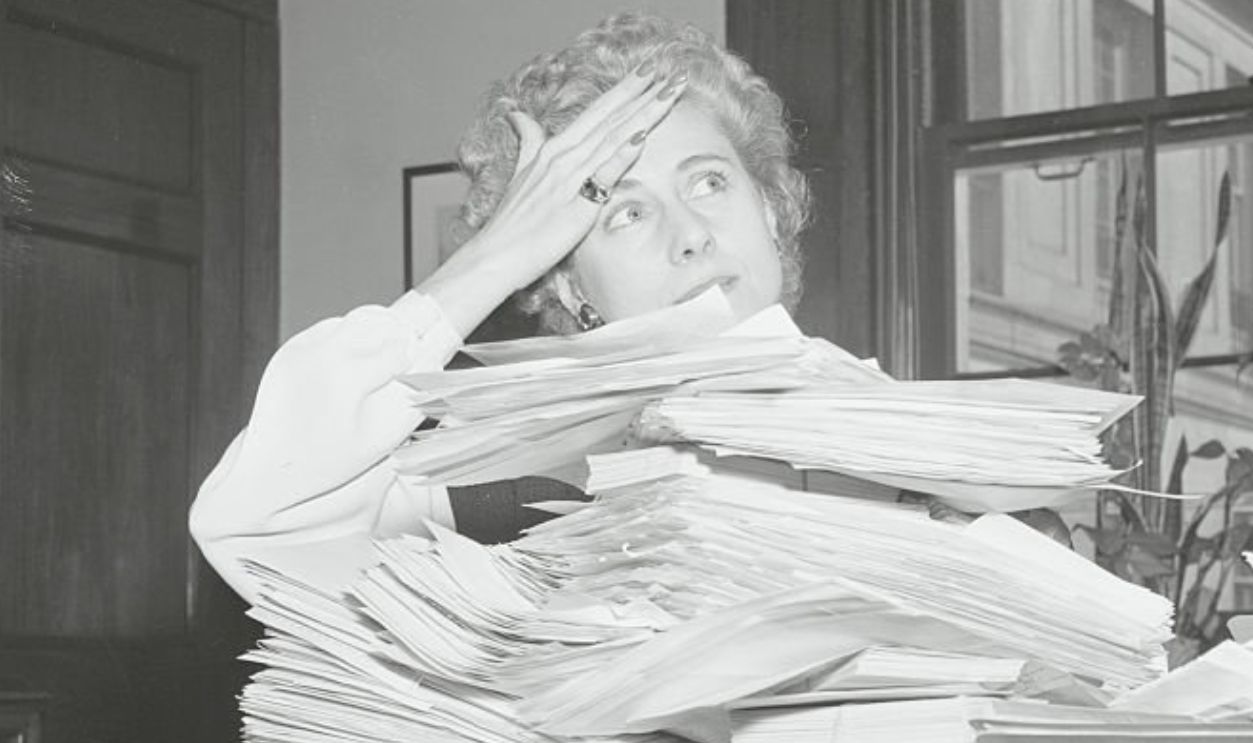
36. She Braved The Front
Clare Boothe Luce didn’t cover the conflict from behind a writer’s desk. Between dodging air raids and jumping into Burmese trenches, she interviewed the likes of Chiang Kai-shek, Jawaharlal Nehru, and General Joseph Stilwell, among others. She wrote glowingly about General Alexander, but not every commanding officer got such praise.
 Mondadori Portfolio, Getty Images
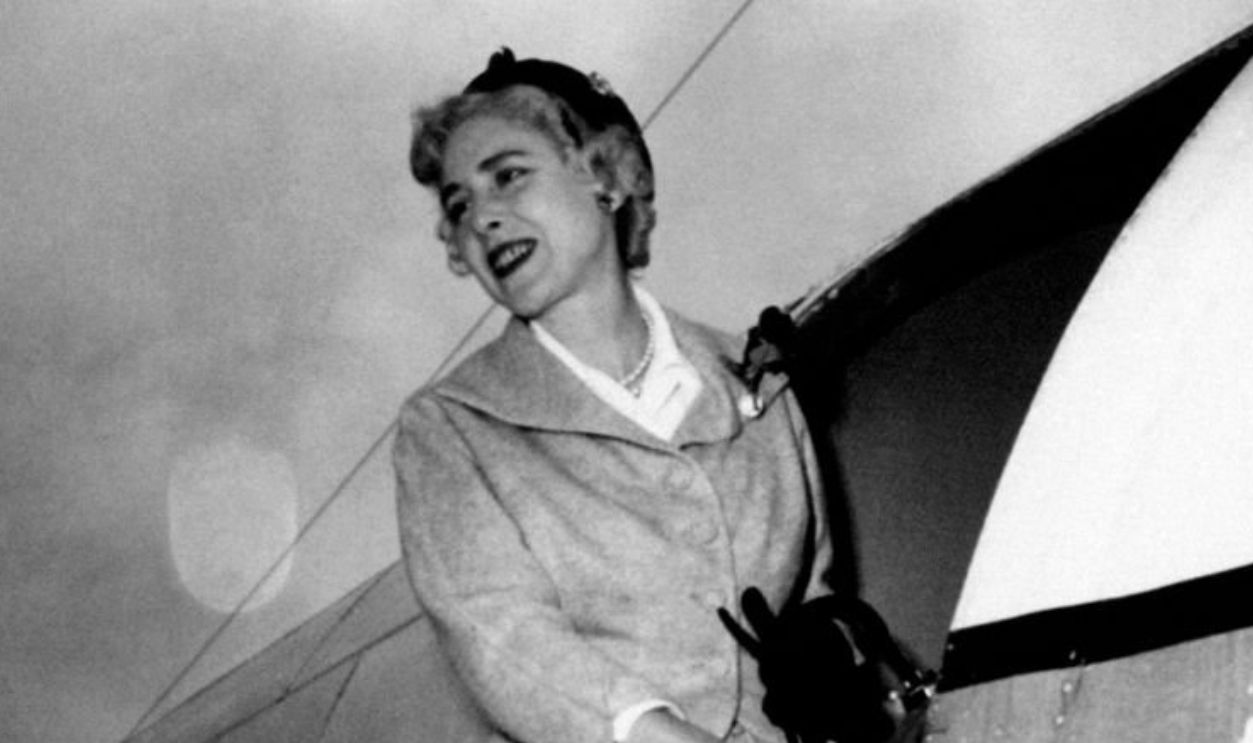
37. She Caused An International Incident
Boothe’s pen nearly landed her in serious trouble. In April 1942, British Customs officers in Trinidad went through her luggage and found a draft Life article. In it, Boothe slammed General Claude Auchinleck for commanding from a comfortable distance in Libya, and called RAF pilots “flying fairies”. The Allies were so rattled that she was briefly confined to her quarters.
Curiously, however, months later, Auchinleck was out. Boothe, it turned out, could effect real change.
 Mondadori Portfolio, Getty Images
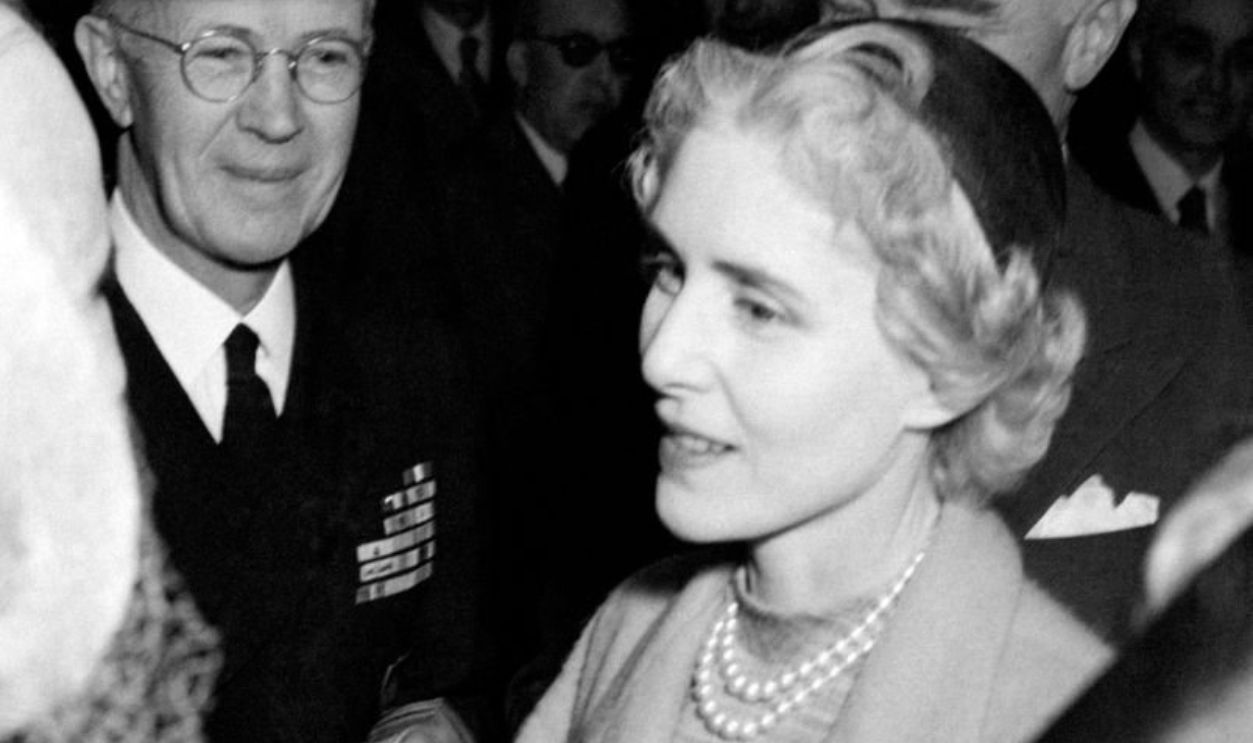
38. She Went To Washington
In 1942, Clare Boothe Luce put her pen aside when Connecticut’s Fairfield County sent her to Congress as its Republican representative. She joked that her husband was thrilled to have her “out of the house”, but her platform was all business. Simply put, she was determined that America should win the fight, fight it well, and secure peace.
She made an impression right away.
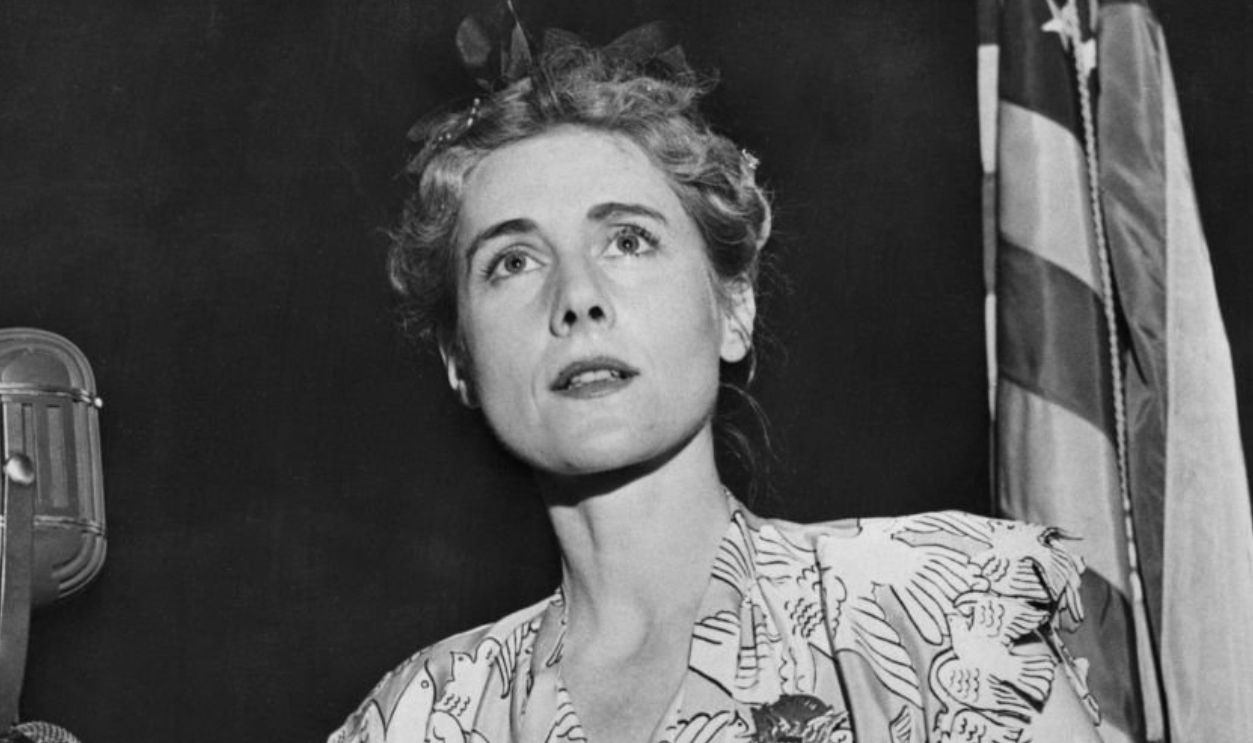
39. She Took On The President
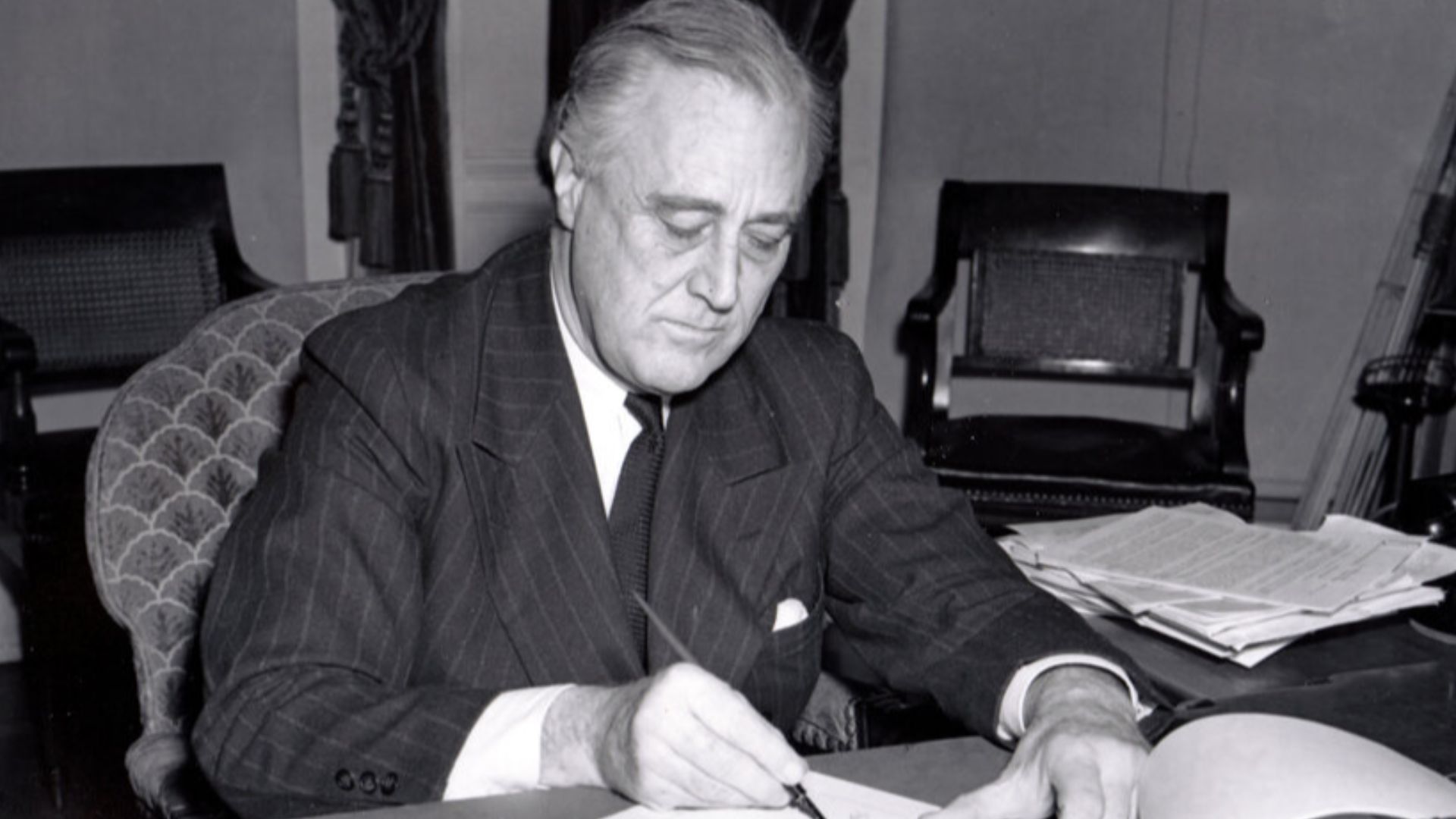
Boothe started picking fights the minute she got into the House. Her first opponent? The president and vice president. She called Vice President Henry Wallace’s plan to open American airports to international airlines “globaloney” and irritated President Franklin Roosevelt so much that he called her a “sharp-tongued glamor girl of forty” and tried to get an aide to remove her.
Boothe hit harder, calling Roosevelt “the only American president who ever lied us into a [fight]”.
 Caddyshack01, Wikimedia Commons
History's most fascinating stories and darkest secrets, delivered to your inbox daily.
40. Her Daughter Had A Premonition
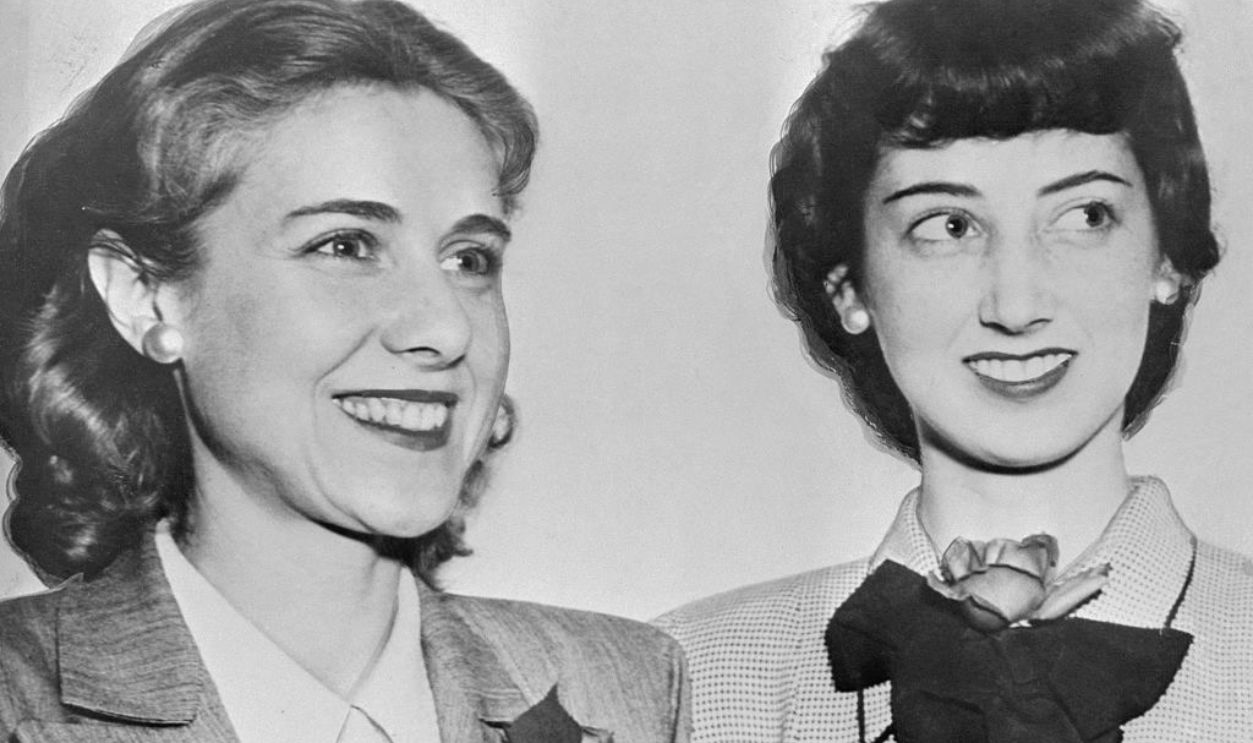
In January 1944, Clare Boothe Luce was on a train with her daughter Ann when Ann had an eerie premonition. “I know all of a sudden that I will never be married,” Ann said to her mother from the upper berth. Boothe tried to reassure Ann that she was beautiful and would have no trouble finding a husband, but Ann was calmly—and eerily—resolute. “Of course. But I never will be,” Ann replied.
She was right.
41. She Lost Her Daughter
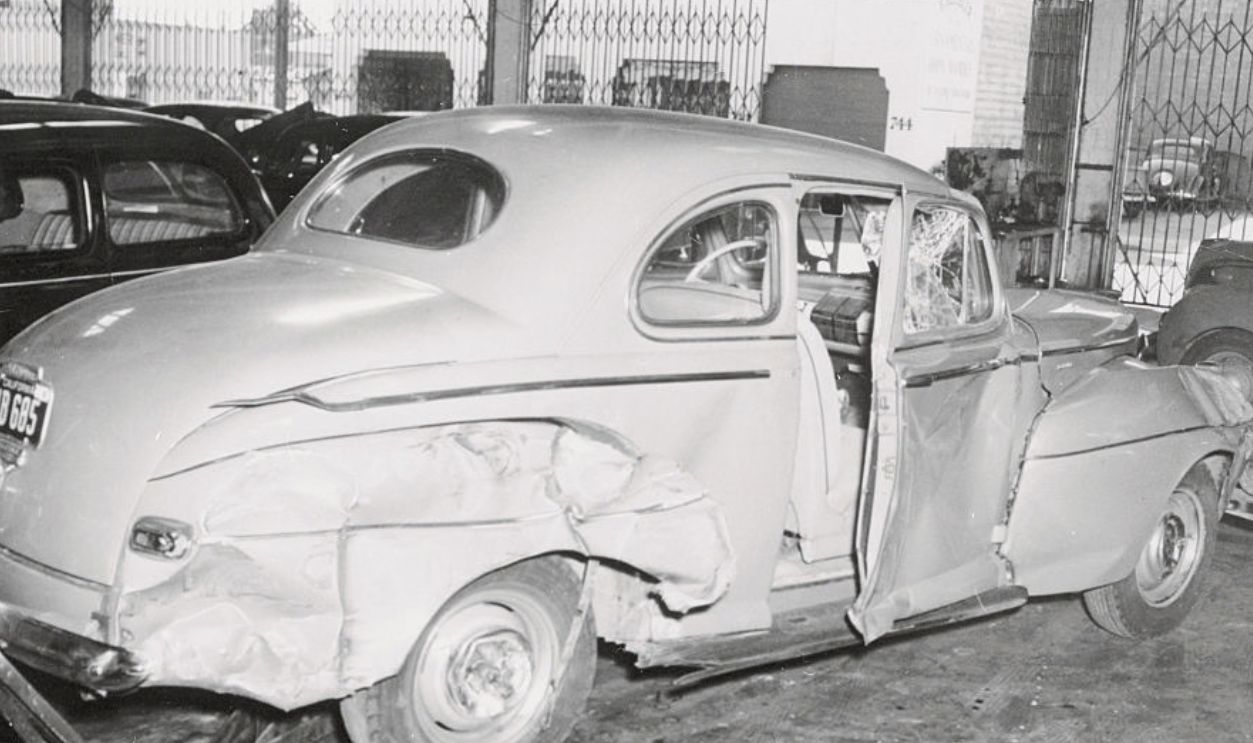
Later on that same trip, a friend volunteered to drive Ann to Stanford—but she would never make it. An errant vehicle blew through a red light, smashing into the convertible Ann was riding in. The impact was so severe that she was launched from the car into a tree, breaking her neck. When Boothe got the news of what had transpired, her world went upside down.
42. She Was Too Stunned To Cry
On the night of January 11, 1944, Clare Boothe Luce woke to her secretary screaming: “Your daughter’s been [in an accident]. Ann is [gone]!” Boothe could barely muster the courage to call her husband with the devastating news. Over the phone, Luce could only manage, “Not that beautiful girl”. That night, Boothe walked the streets of San Francisco with an old friend from Burma, too stunned to cry.
43. She Blamed Herself
The Luces brought Ann home to South Carolina, where, as Boothe put it, “we had all had such marvelous times together”. Boothe, looking back on all of the time she had spent working, away from her daughter, became consumed by guilt. Sinking into a deep depression, she confronted a priest: “What kind of God would take my child?”
She would find her answer in an unlikely place.
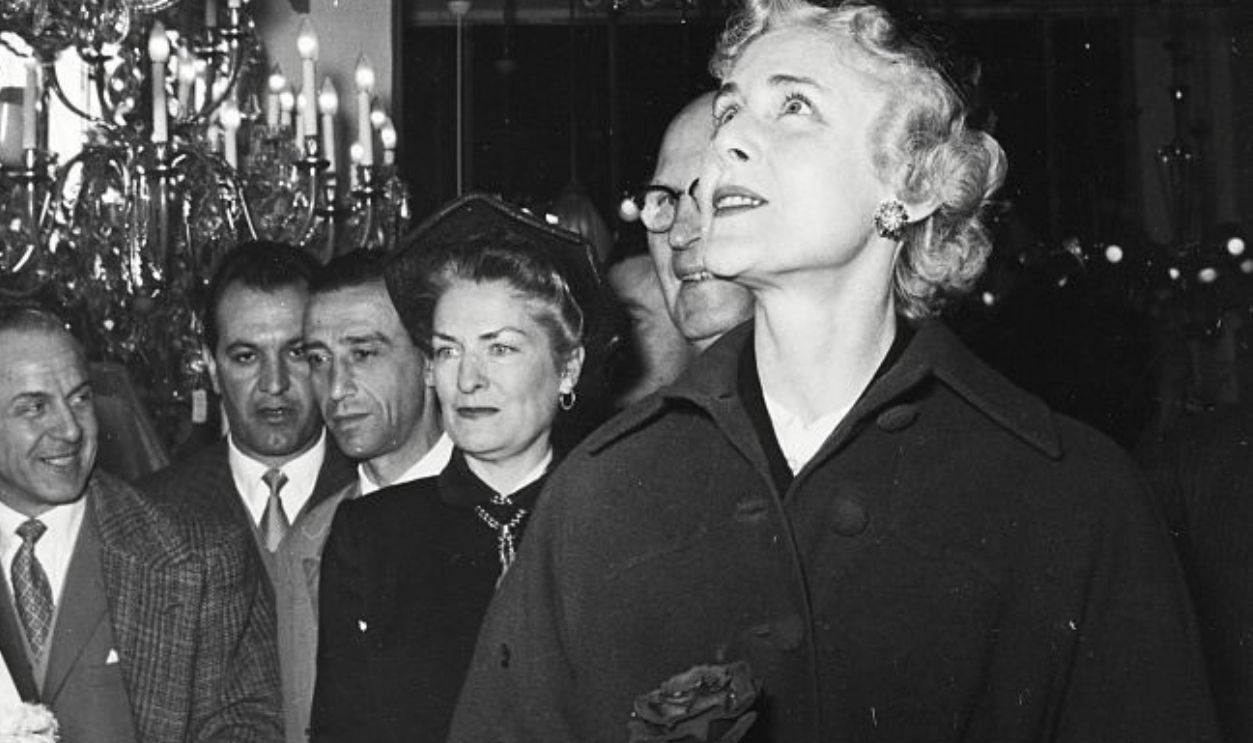 Mondadori Portfolio, Getty Images
44. She Found Her Answer
Boothe’s answer came from the pulpit. In 1946, she officially joined the Roman Catholic Church after a year-long journey that started amid the wreckage of Europe. Touring Buchenwald after its liberation, Boothe saw bodies stacked “like firewood”, no doubt rekindling her own memories of her daughter. Her faith would cost her something, though.
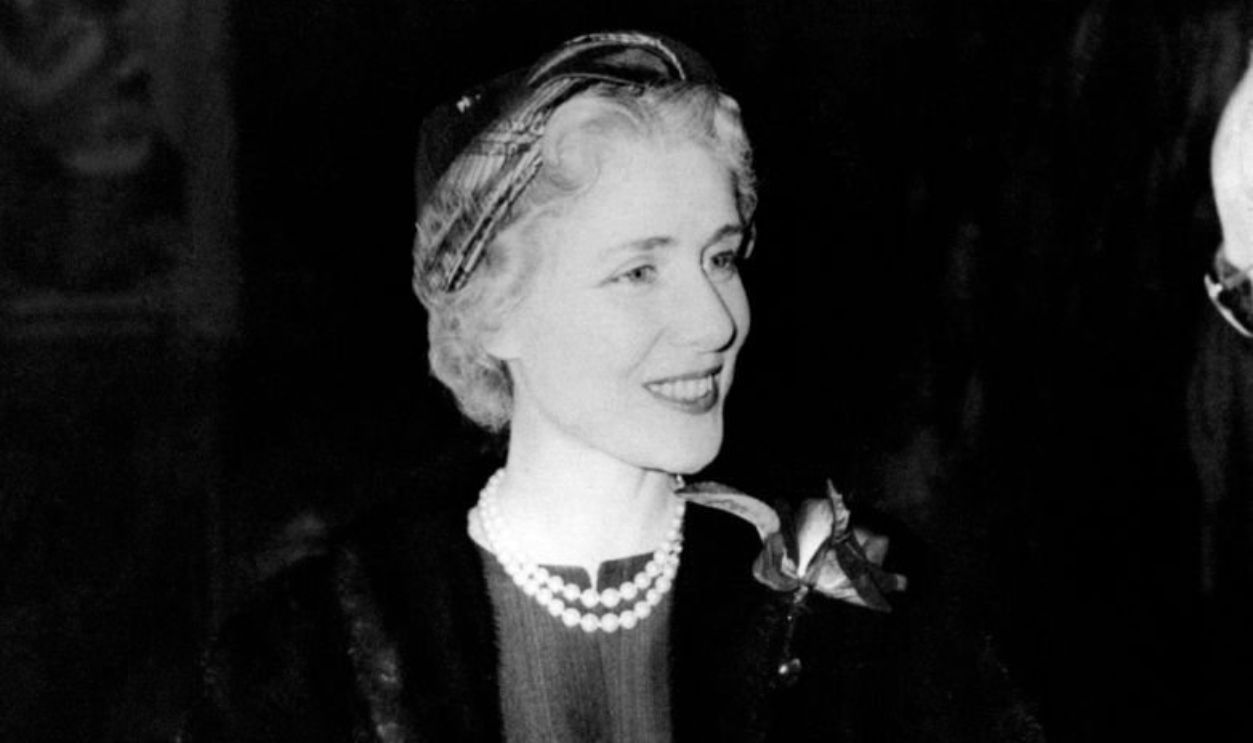 Mondadori Portfolio, Getty Images
45. She Put Her Marriage On Ice
Conversion put a serious damper on Boothe’s marriage. The Church refused to recognize a second marriage after a divorce, so as far as Boothe was concerned, she and Luce were now more or less just siblings. Luce stayed Presbyterian but admired Boothe’s sincere Catholic conversion enough to attend Mass with her. For Boothe, it was worth it.
She had converted to “rid myself of my burden of sin” in the hope of seeing Ann again. But there was more tragedy in store.
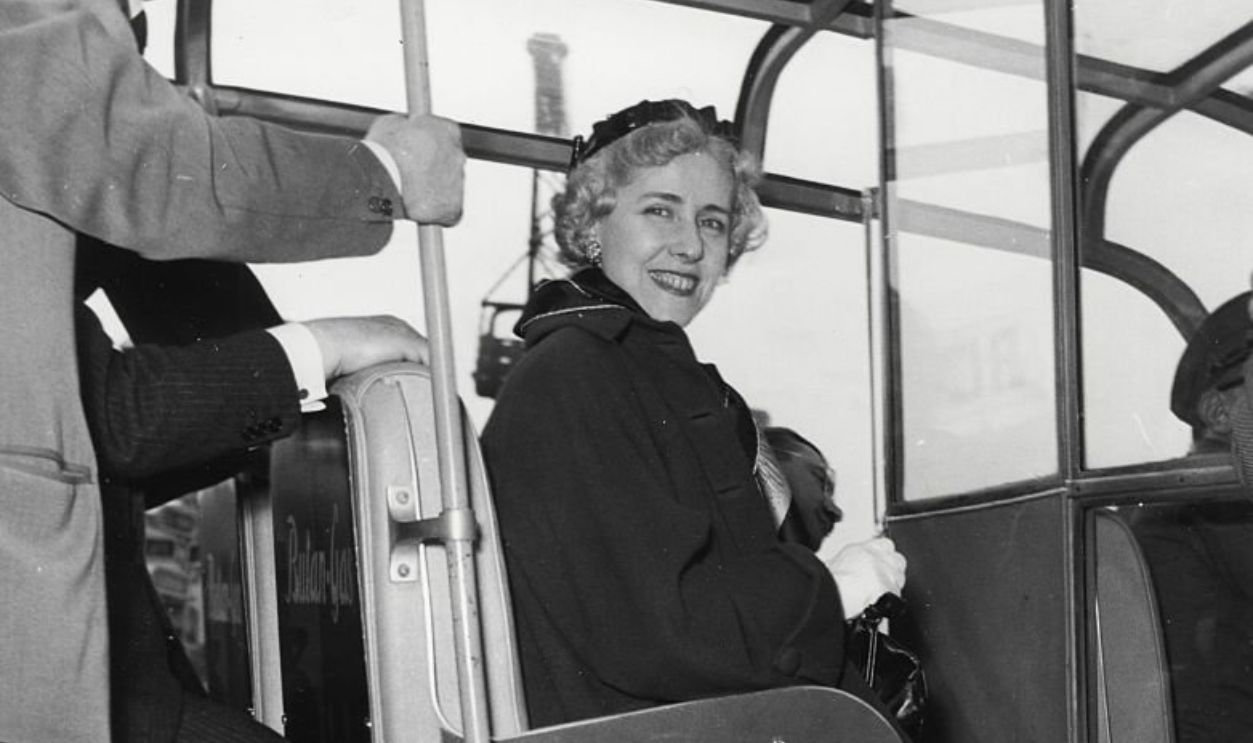 Mondadori Portfolio, Getty Images
History's most fascinating stories and darkest secrets, delivered to your inbox daily.
46. She Kept Swinging
In 1948, Clare Boothe Luce experienced another huge tragedy and lost yet another family member. Her older brother David was the victim of a plane crash. His private craft went down in the waters near Santa Monica. He was just 46 years old. Boothe did have her religion to fall back on—and, as usual, she busied herself with work.
Her next job would take her far from Washington.
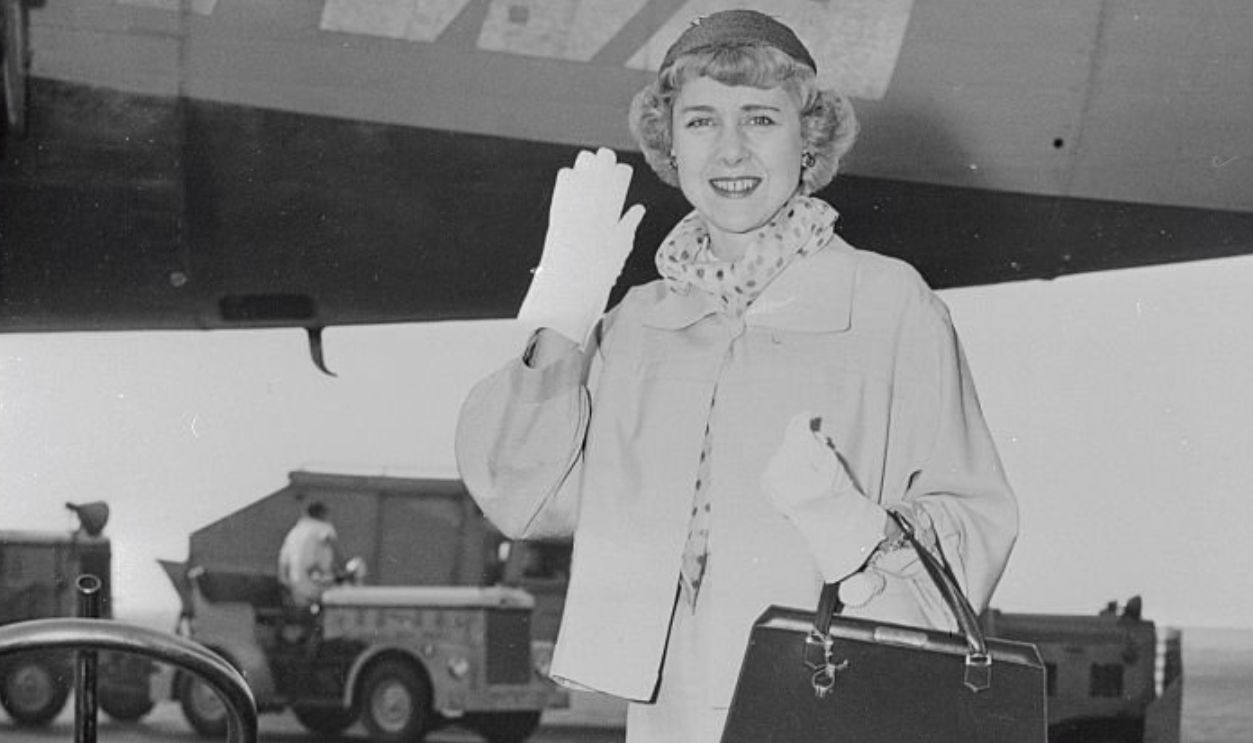
47. She Won Over Italy
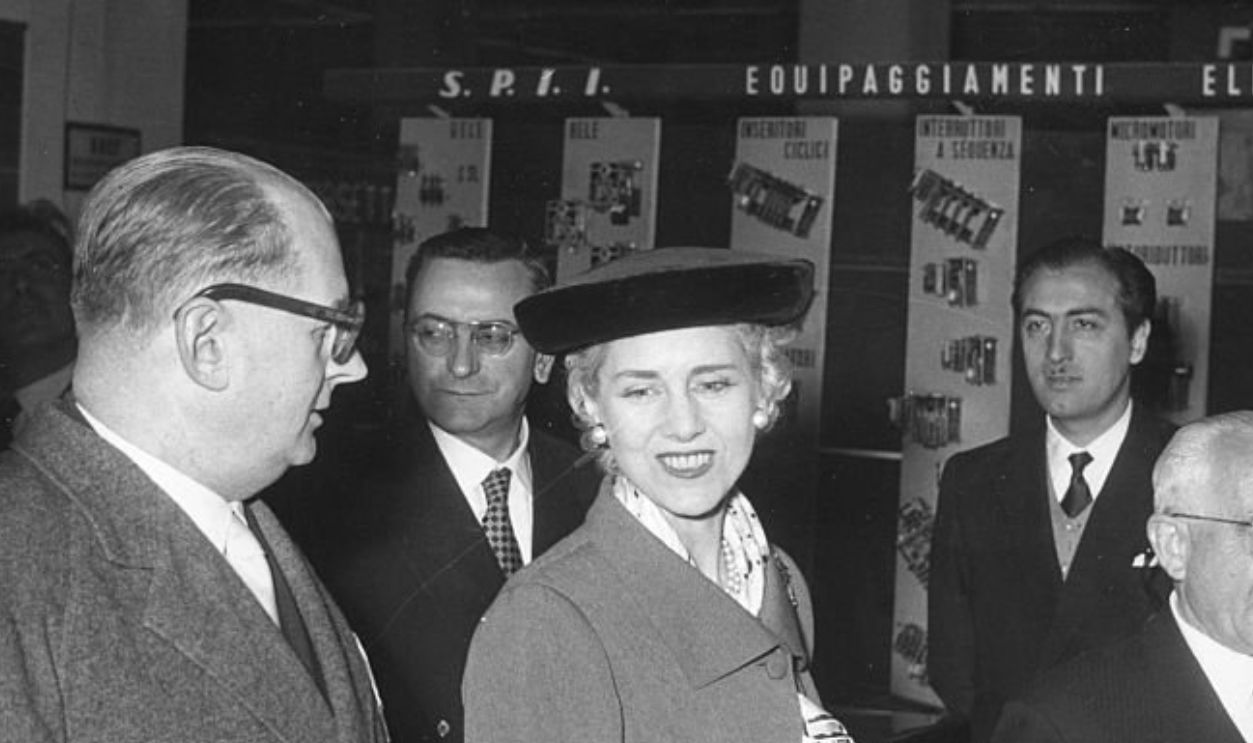
When President Eisenhower named Clare Boothe Luce as America’s ambassador to Italy, most Italians were instantly skeptical. No woman had ever overseen the office of 1,150 staff, eight consulates, and nine information hubs. However, by 1953, Italy had fallen in love with Boothe, adoringly referring to her as “la Signora”. Suffice to say, she ran the place in style.
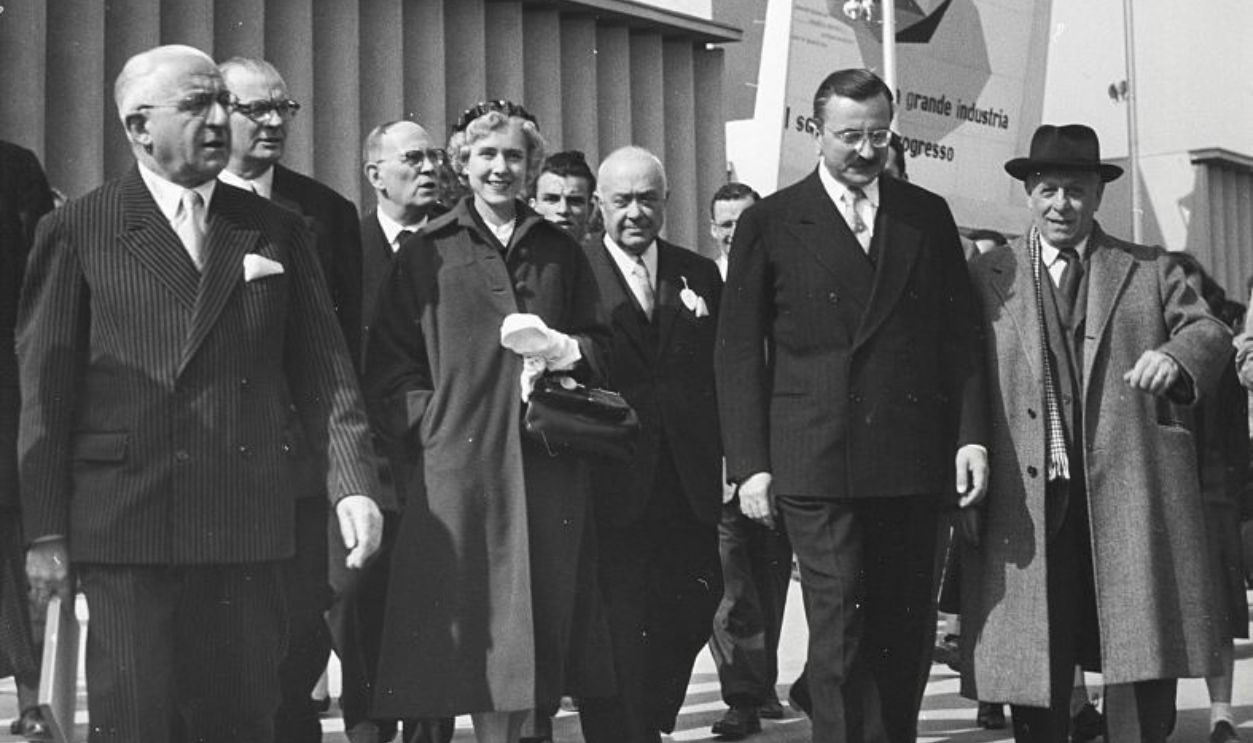 Mondadori Portfolio, Getty Images
48. She Lectured The Pope
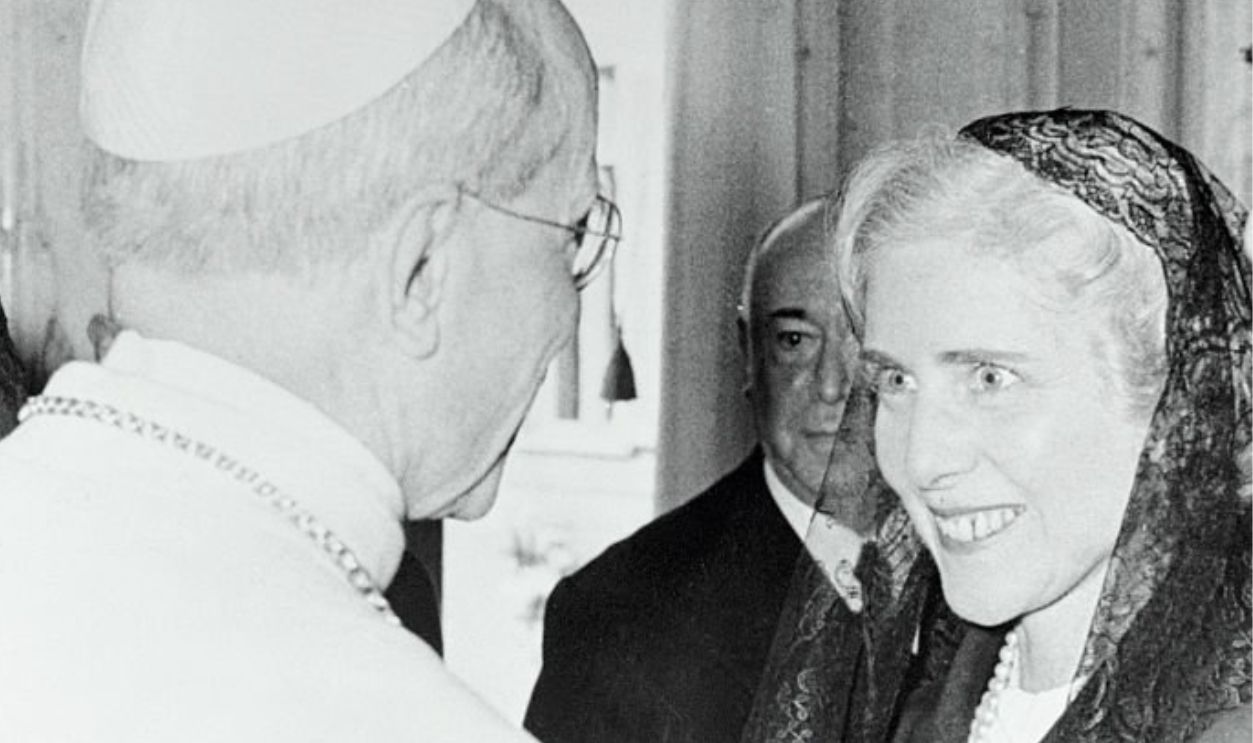
Boothe enjoyed her time in Italy, patronizing fashion houses like Gattinoni, Schuberth, and Sorelle Fontana, and befriending Pope Pius XII. But one evening, as the story goes, she lectured Pope Pius XII at length about the dangers of communism. His Holiness finally cut in: “You know, Mrs Ambassador, I am a Catholic too”.
Not everyone in Italy was a fan.
49. She Fell Mysteriously Ill
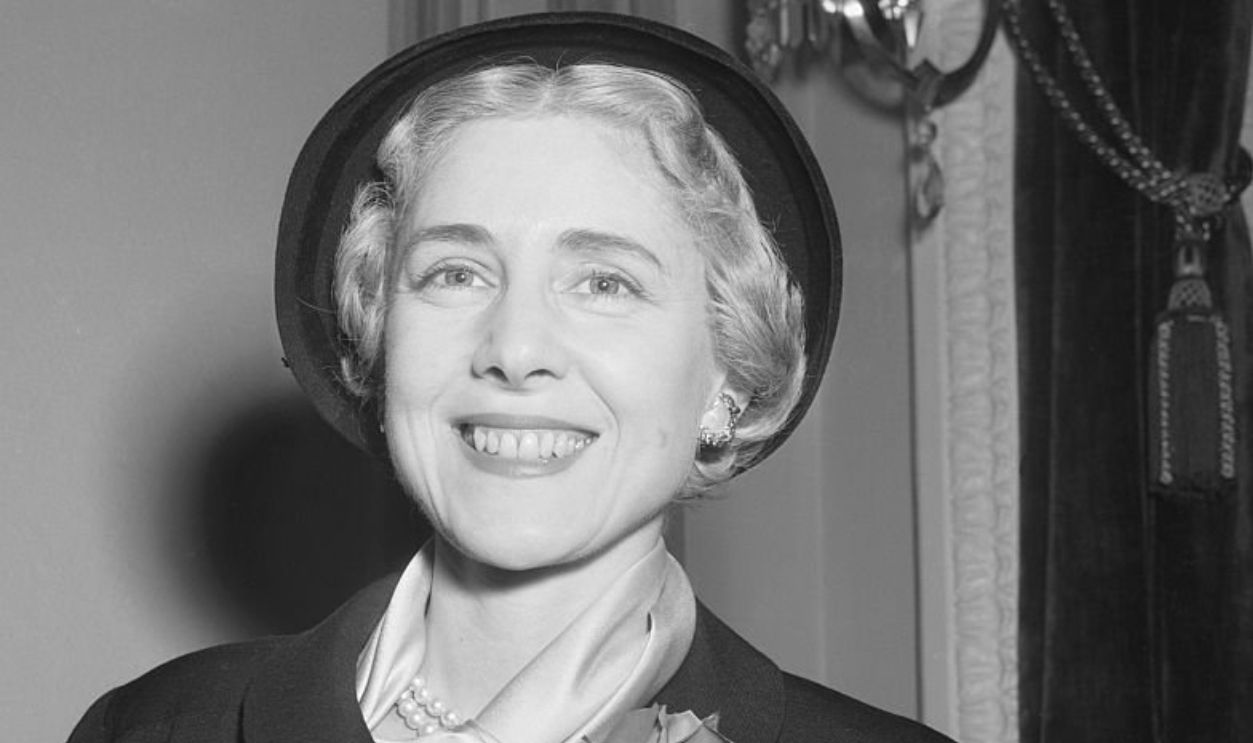
In 1955, Boothe staunchly opposed the film Blackboard Jungle, which she said made American kids look like hoodlums. She was even prepared to boycott the Venice Film Festival. Then, mysteriously, she fell gravely ill. The cause? Arsenic. Rumors immediately flew around diplomatic channels that the Soviets had tried to take her down.
The truth was even more troubling.
50. Her Bedroom Was Almost Her Tomb
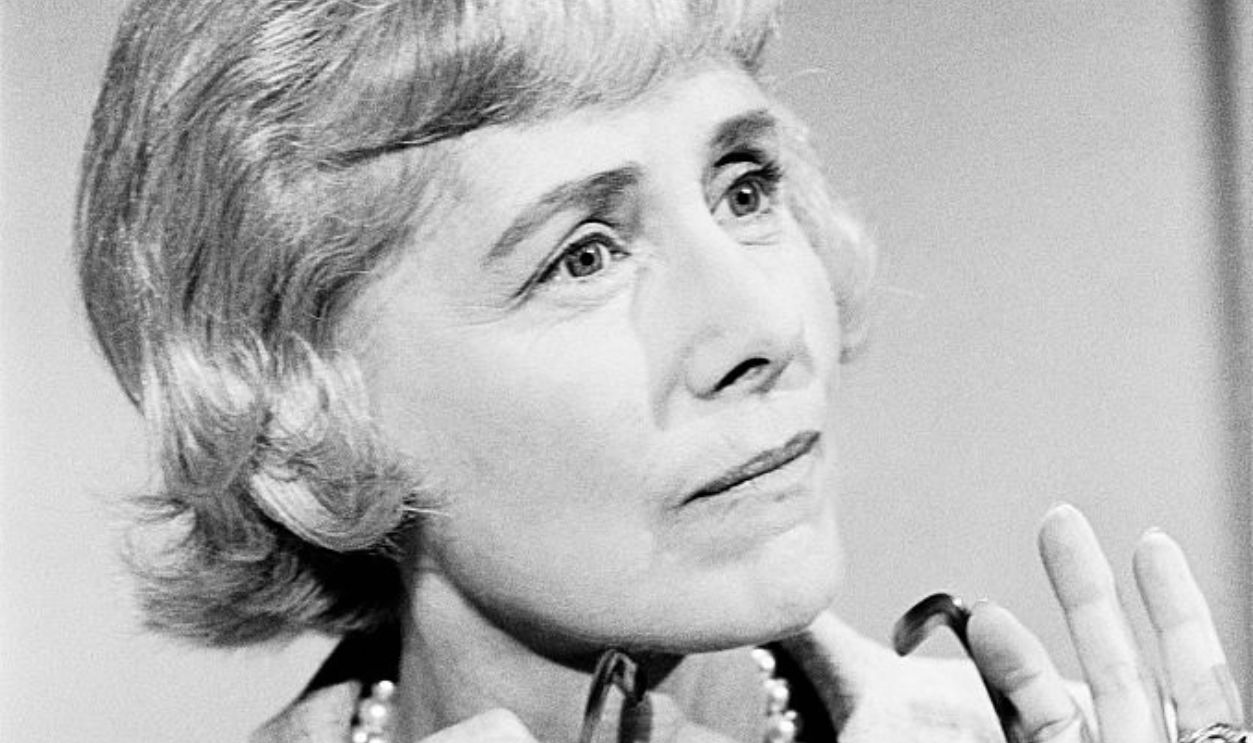
Turns out, the Soviets had nothing to do with Boothe’s illness. The danger, it would seem, had been hanging right over her head. Literally. Flakes of paint laced with lead arsenate had been drifting down from her bedroom’s stucco ceiling. By December 1956, Clare Boothe Luce had had enough. Her body was drained, and so was her spirit, so she resigned with fond farewells from Italy.
Then it was off to her next assignment. Or was it?
51. She Quit Before She Started
Given her spectacular performance in Italy, Boothe was an obvious choice to become America’s ambassador to Brazil in 1959. Eisenhower nominated her, and the Senate even confirmed her with a staggering 79-11 vote. She was already brushing up on her Portuguese when, ultimately, she decided to back out of the job to avoid controversy with an angry senator.
She was better off at home, anyway.
 Mondadori Portfolio, Getty Images
History's most fascinating stories and darkest secrets, delivered to your inbox daily.
52. She Became A Widow
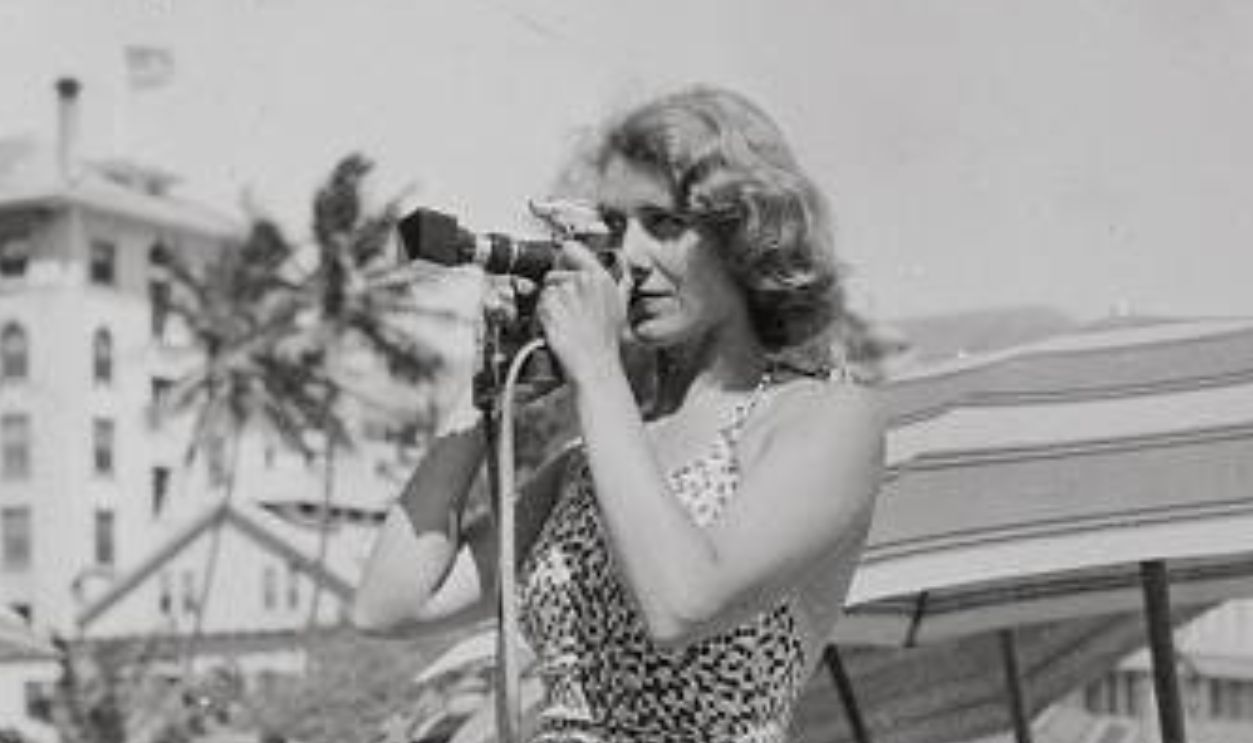
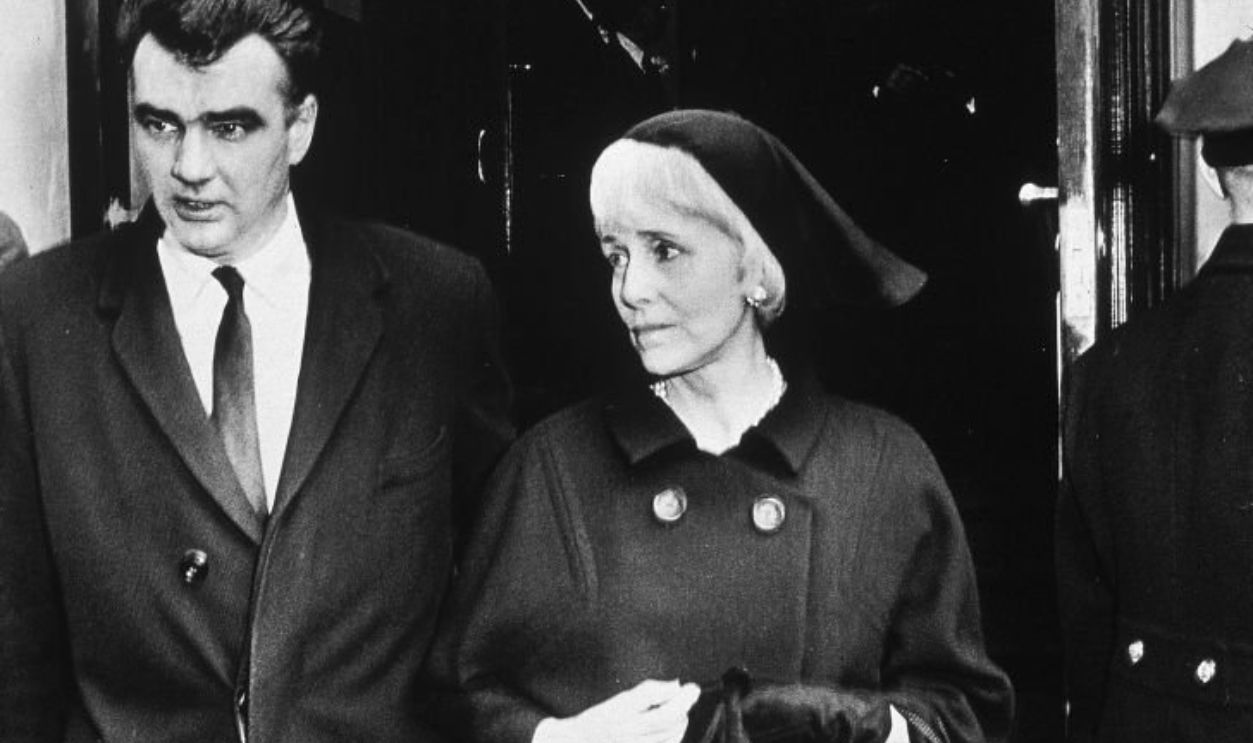
Clare Boothe Luce once joked that widowhood was a fringe benefit of marriage. In 1967, she found out for herself. The couple had planned to retire together in Hawaii, but a heart attack claimed Luce’s life first. Alone, Boothe went ahead with the dream anyway: a lavish Honolulu beach house and an endless whirl of island parties. Eventually, though, she called it what it was—a “fur-lined rut”.
Washington was calling her back.
53. She Earned The Nation’s Highest Honor
“Novelist, playwright, politician, diplomat, and advisor to Presidents”. That was how Ronald Reagan summed up Boothe, and he wasn’t exaggerating. In 1983, Boothe left Hawaii behind and settled in Washington for good. Before the year was out, Reagan presented her with the Presidential Medal of Freedom—an honor no former congresswoman had yet received.
Her final chapter, however, was a hard one.
 President (1981-1989 : Reagan). White House Photographic Office. 1981-1989, Wikimedia Commons
54. Her Health Was Fading Fast
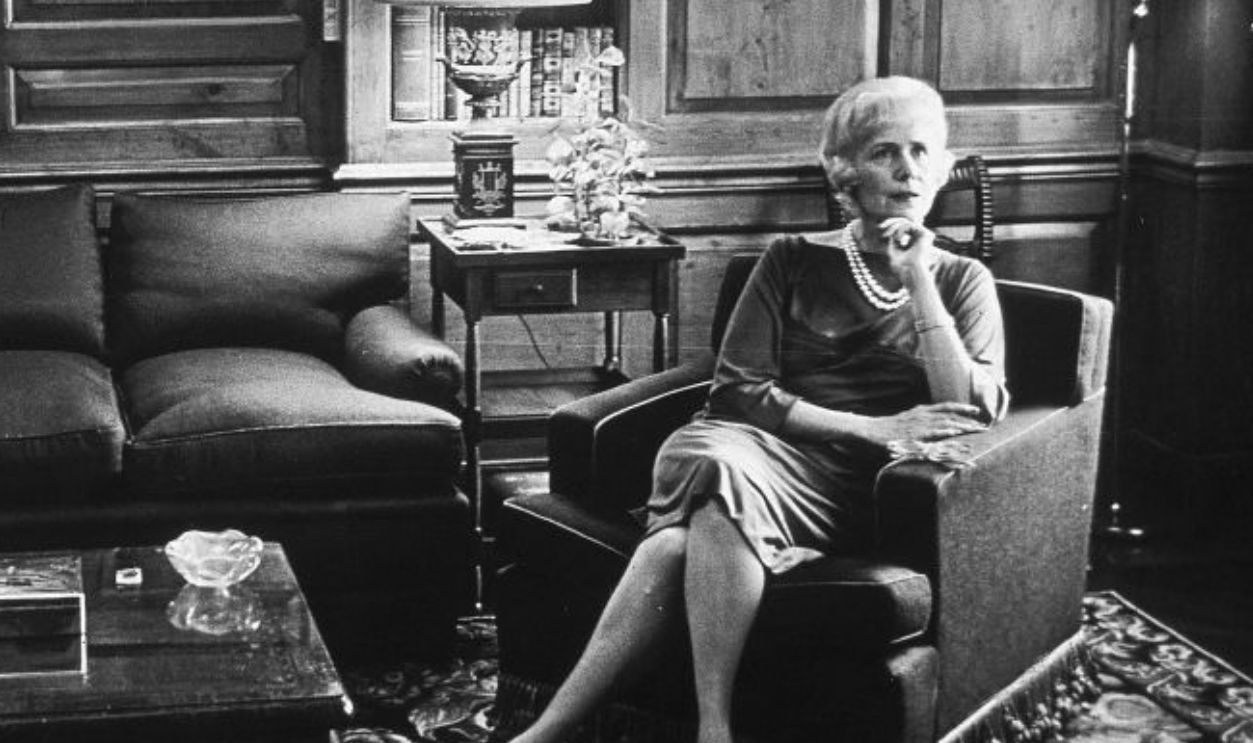
Boothe’s health deteriorated rapidly near the end of her life. She was nearly blind and terminally ill with cancer. Even so, she continued hosting dinner parties (probably still serving up plain lettuce and apple slices) during which she would regale her guests with stories from her past about Douglas MacArthur, Franklin Roosevelt, Chiang Kai-shek, and Burmese trenches.
Then came her final chapter.
55. She Was Reunited With Her Family
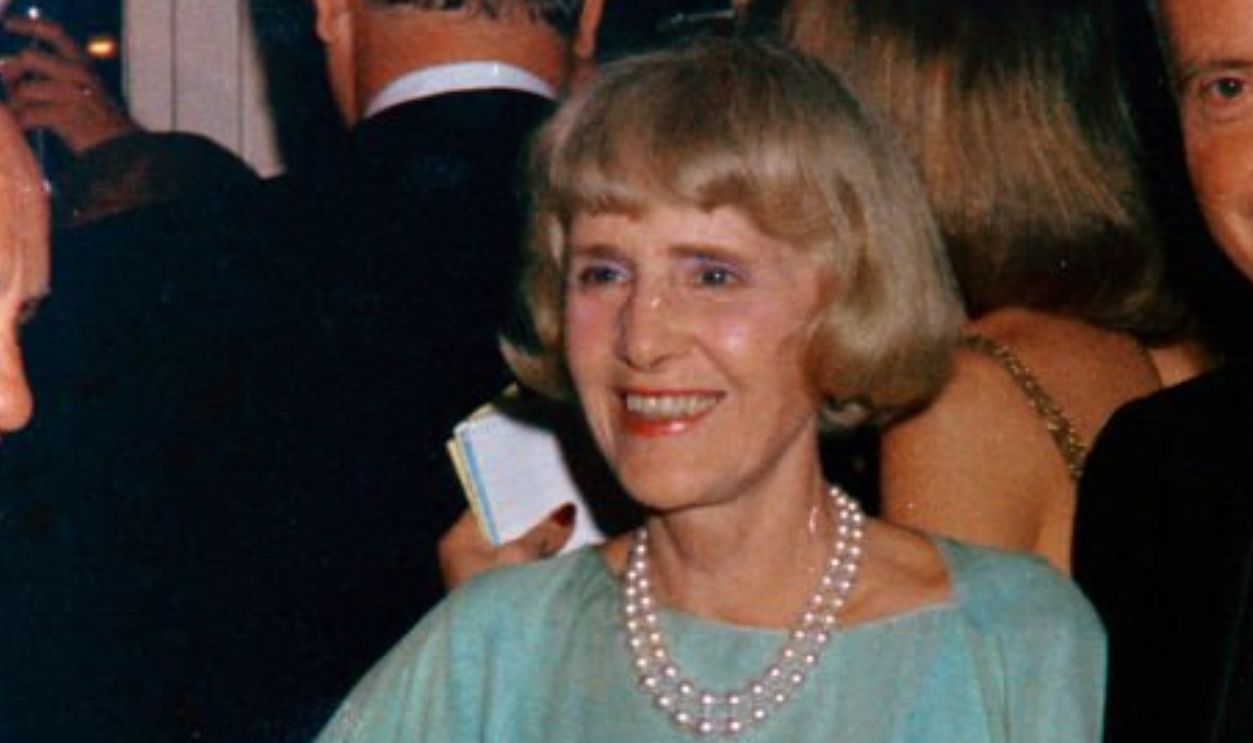
On October 9, 1987, at the age of 84, Clare Boothe Luce wrote her closing lines. She succumbed to brain cancer, ultimately going to her final resting place at Mepkin Abbey next to her dearly departed mother, daughter, and husband. Without any surviving children, she bequeathed the majority of her substantial fortune to the Clare Boothe Luce Program.
Women have since received funding and assistance in “science, mathematics, and engineering”. Her legacy, however, cost her more than she knew.
56. She Thought Her Life Had Been Terrible
From drafty boardinghouses in New York to hotels in Paris and plantations in South Carolina, it seemed like Boothe had earned it all. But, in her final days, she viewed her life more as a tragedy than a triumph. Speaking with Marvin Liebman, she said, “I have had a terrible life,” reflecting on her two loveless marriages, the loss of her daughter, and even the tragic end her brother had faced.
“Has my life been a life for anyone to envy?” she asked.
You May Also Like:
Astonishing Facts About Fanny Burney, The Forgotten Mother Of Literature
Bitter Facts About Patricia Highsmith, The Ripley Writer
Incredible Facts About Zora Neale Hurston, The Genius Of The South









_LCCN2004663222.jpg)