Live From New York…
When Saturday Night Live debuted in 1975 with a cast of relative unknowns, few could have predicted just what a phenomenon it would become—or the dizzying highs and tragic lows that its cast members would face in the years that followed. While the show has been a source of countless laughs, it’s also provided mixed blessings to its stars…to the point where many have speculated that it’s just straight up cursed.
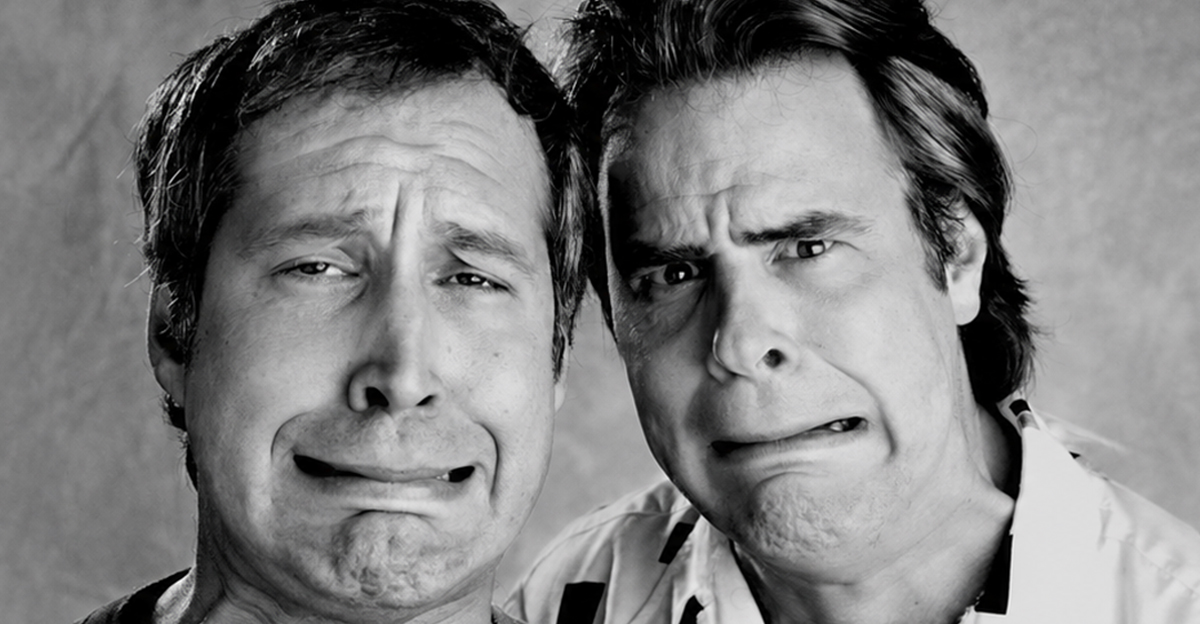 Bonnie Schiffman Photography, Getty Images
1. The OG Cast Became Icons
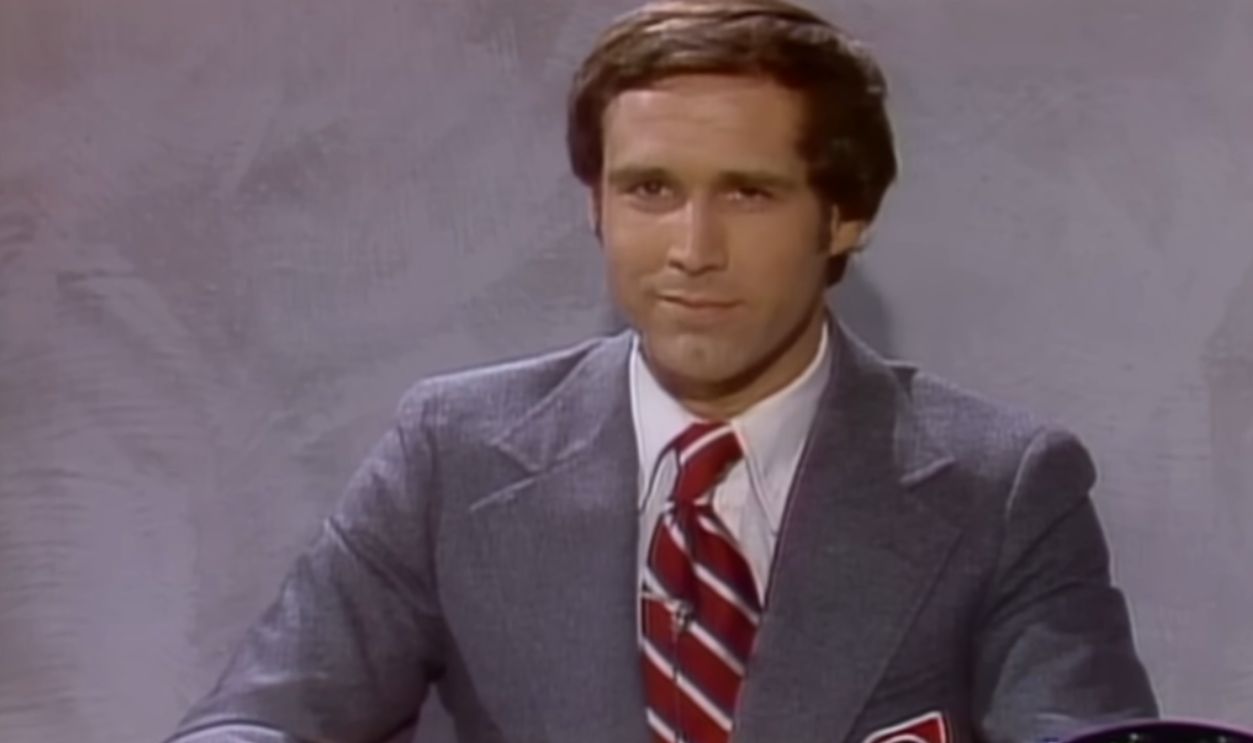
On October 11, 1975, after a short opening sketch, Chevy Chase uttered the line “Live from New York, it’s Saturday night!” for the very first time—and TV was never the same. That season, viewers were introduced to the first SNL cast: Chase, Dan Aykroyd, John Belushi, Jane Curtin, Garrett Morris, Laraine Newman, Michael O’Donoghue, Gilda Radner, and George Coe—but strife was already built into the formula.
Coe was only listed as a cast member for that first episode, and after a handful of appearances throughout the first season, took his leave. It seemed to be on good terms—but as we’ll see, not every departure that came afterward would be so friendly.
 Screenshot from Saturday Night Live, NBCUniversal (1975-)
2. They Didn’t Know What They Were In For
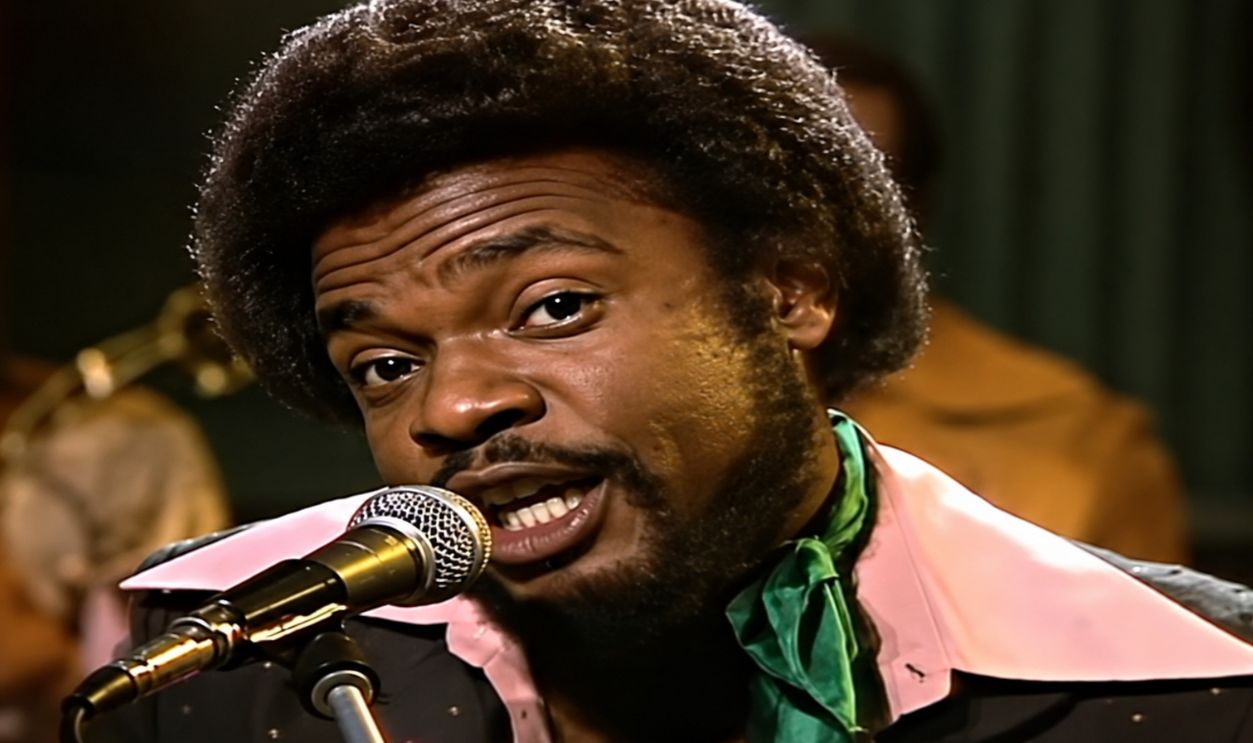
Understandably, the inaugural season of SNL was a season of firsts. First host (George Carlin). First musical guests (Billy Preston and Janis Ian). First recurring sketch (the Bees). And the first Weekend Update, hosted by Chase, Curtin, and Aykroyd. And then, after they pulled it all off, they did it all over again the next week—for show creator Lorne Michaels and the cast, that might’ve been the biggest surprise of all.
However, it wouldn’t be long before they hit their first big snafu.
 Screenshot from Saturday Night Live, NBCUniversal (1975-), enhanced
3. They Feared The Worst
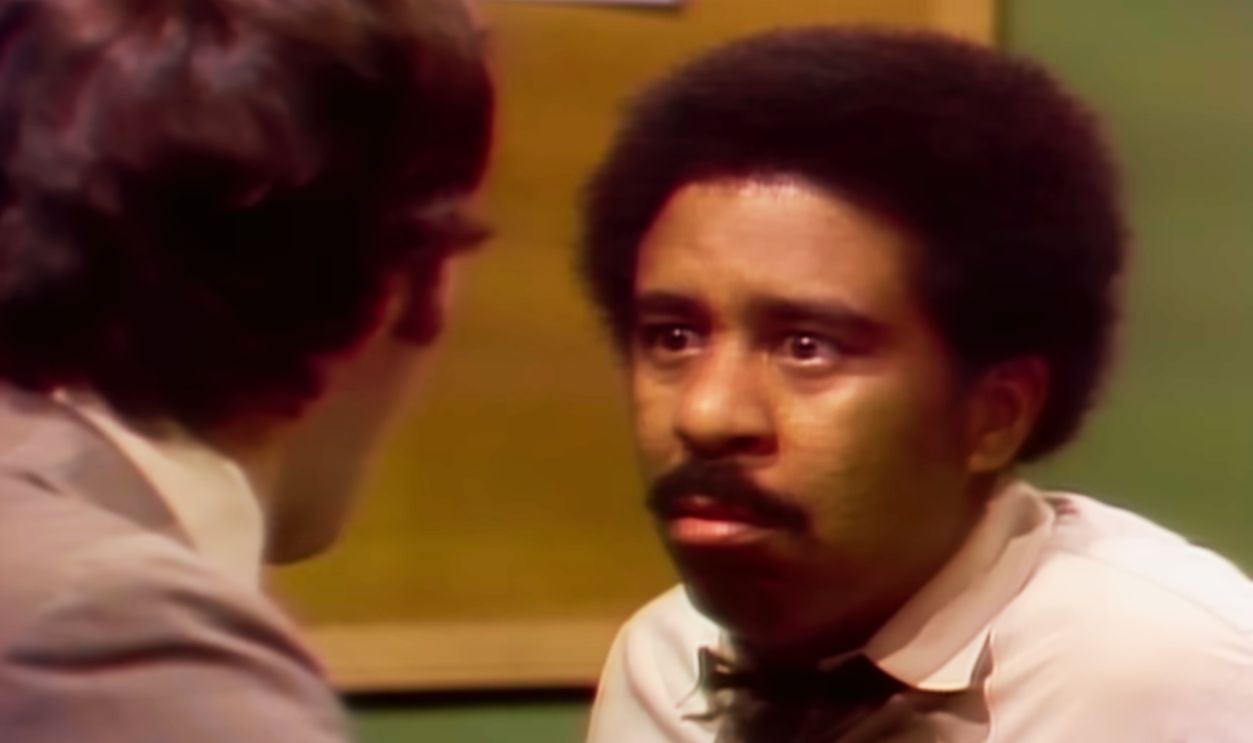
For their seventh episode, the cast and crew of SNL were thrilled to welcome legendary comedian Richard Pryor as host—but there was one caveat. NBC knew they had little hope of controlling what the famously foul-mouthed comedian said. So, they insisted on airing Saturday Night Live ever-so-slightly less live, to the tune of a five second delay, so they could censor any profanity. Pryor only found out after the episode, but he was thoroughly insulted.
He was the first Black host of the show, and no other comedian had received the same treatment. However, sometimes it was the writers’ treatment of their subjects that created a problem.
 Screenshot from Saturday Night Live, NBCUniversal (1975-)

History's most fascinating stories and darkest secrets, delivered to your inbox daily.
4. They Let Her Have It
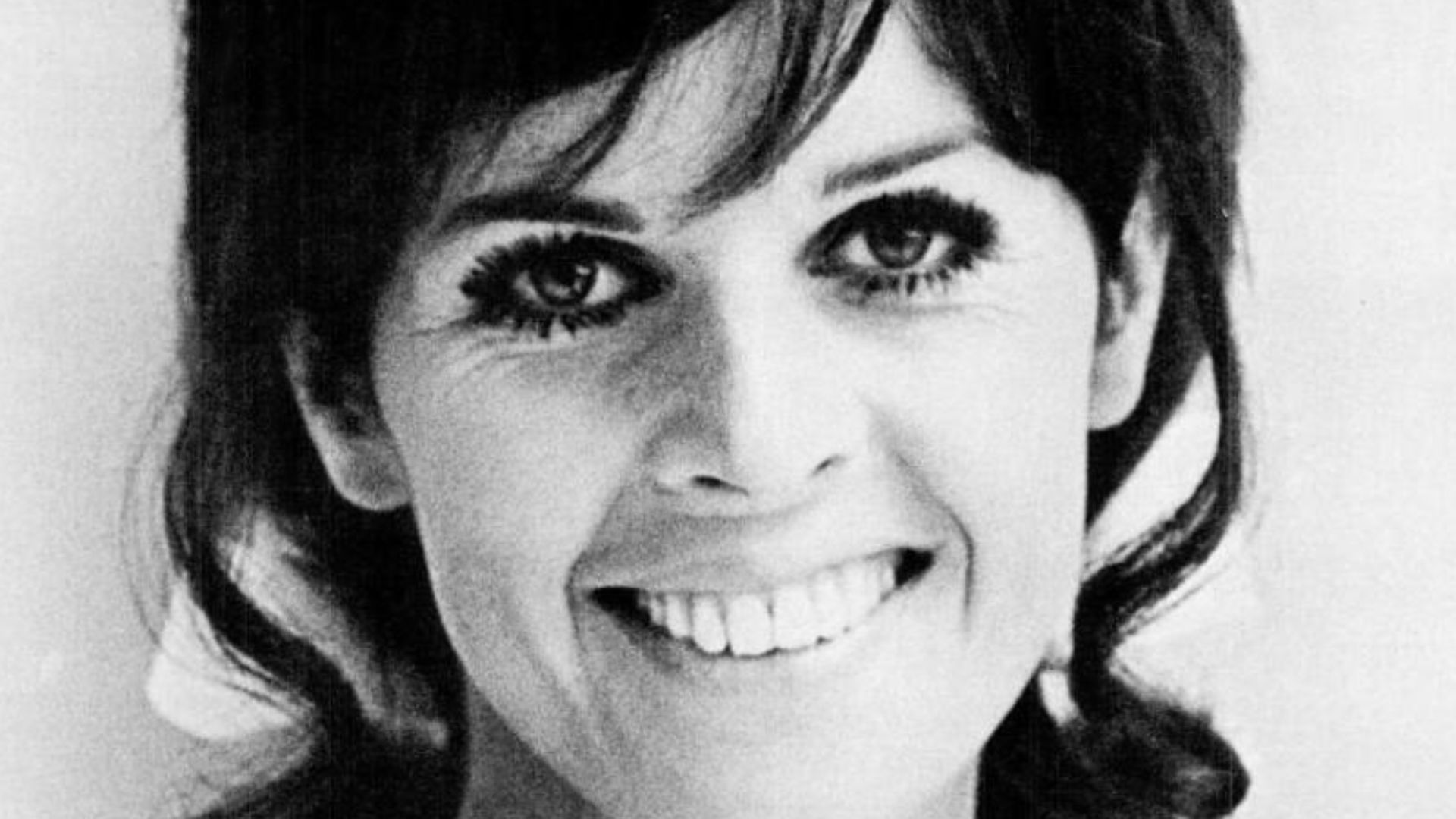
One of 1976’s biggest news stories was the shooting of skier Spider Sabich by his girlfriend, actress Claudine Longet—one she claimed was accidental. Less than a month after it happened, SNL got in on the action with a skit called “The Claudine Longet Invitational Ski Championship,” where a succession of skiers were accidentally shot by an actor playing Longet as they made their way down the slopes.
It was topical—and also controversial.
 A&M Records, Wikimedia Commons
5. They Said Sorry
Though Longet was in the middle of a legal battle over Sabich’s passing, her lawyers still found time to pen a quick cease & desist to SNL creator Lorne Michaels, leading to the show’s first on-air apology, which aired a week after the initial sketch.
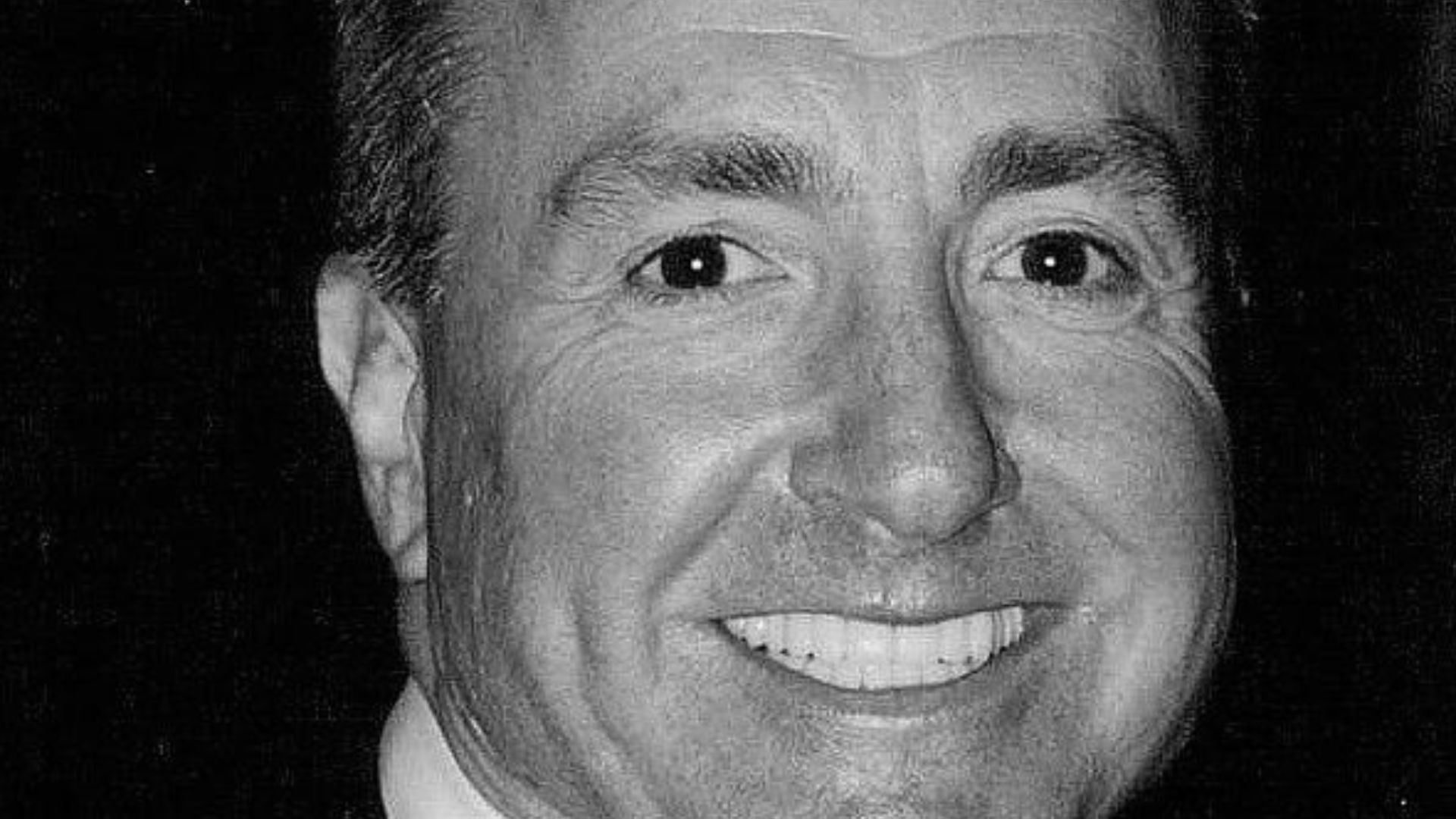
Michaels may have capitulated this time—but it didn’t mean that he had no backbone, as future guests would learn. But before all that, they’d all have to make it through the second season.
 John Mathew Smith & www.celebrity-photos.com from Laurel Maryland, USA, Wikimedia Commons
6. There Were Growing Pains
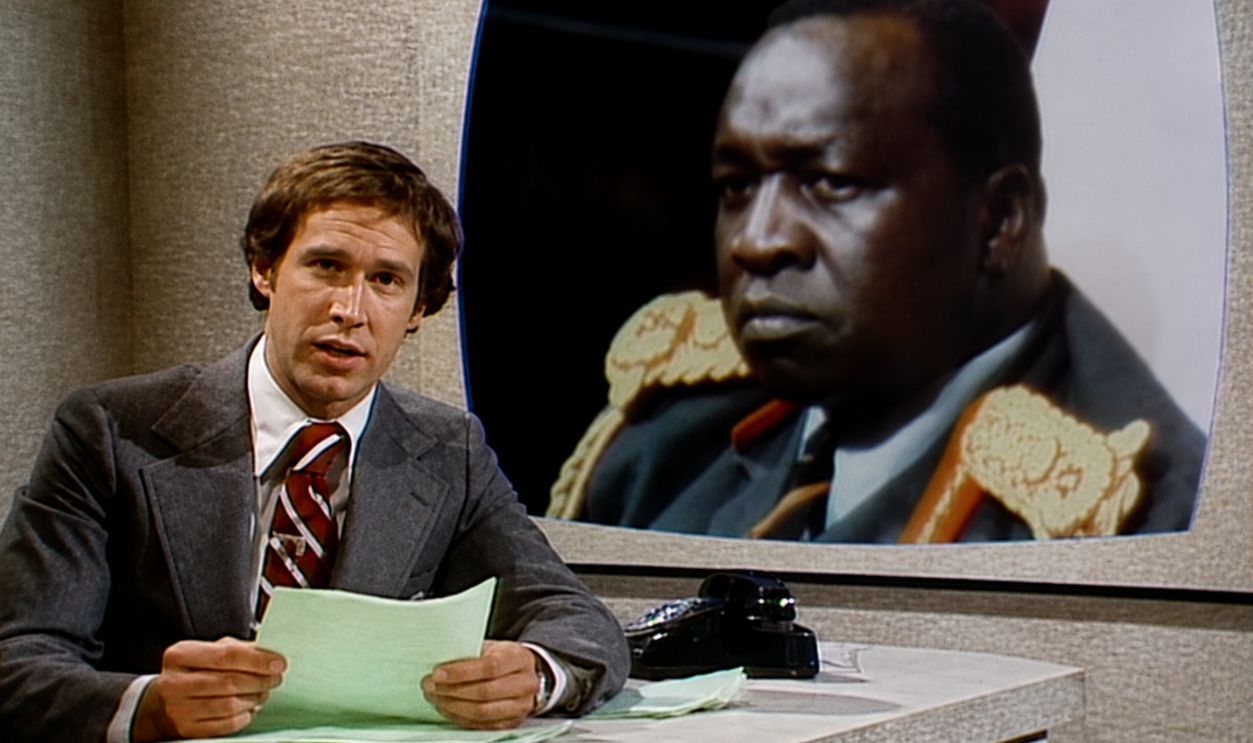
Season 2 presented its fair share of problems for the Not-Ready-For-Prime-Time Players. Chevy Chase had been the breakout star of season 1, winning awards and being called “The funniest man in America” on a magazine cover. So, somewhat unsurprisingly, he struck out on his own, leaving the show partway through season 2.
Luckily, there was still a whole lot of funny on the cast to make up for his absence—and it wouldn’t be long before he came back for more.
 Screenshot from Saturday Night Live, NBCUniversal (1975-), enhanced
7. He Told Him What They Though
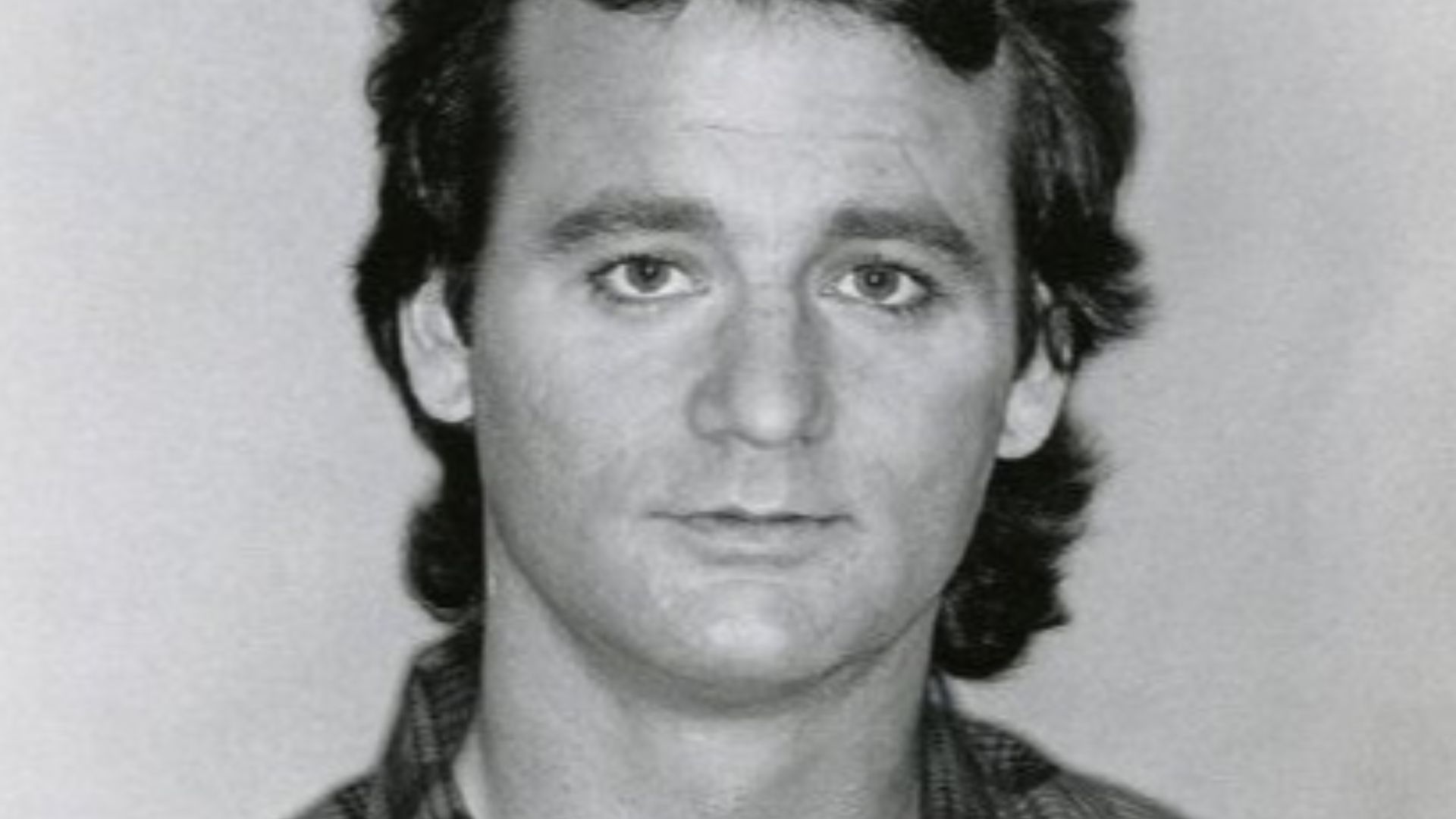
Partway through season 2, Bill Murray came on as a replacement for Chase, and though it took a while, he found his place among the cast—but when Chase came back to host in 1978, things took a turn for the ugly. A whole lot of resentment had built up since his departure, and before long, Murray was mouthing off to Chase about how much his former castmates hated him, starting a loud argument in the writers’ room.
But he didn’t stop there.
8. They Each Went For Low Blows
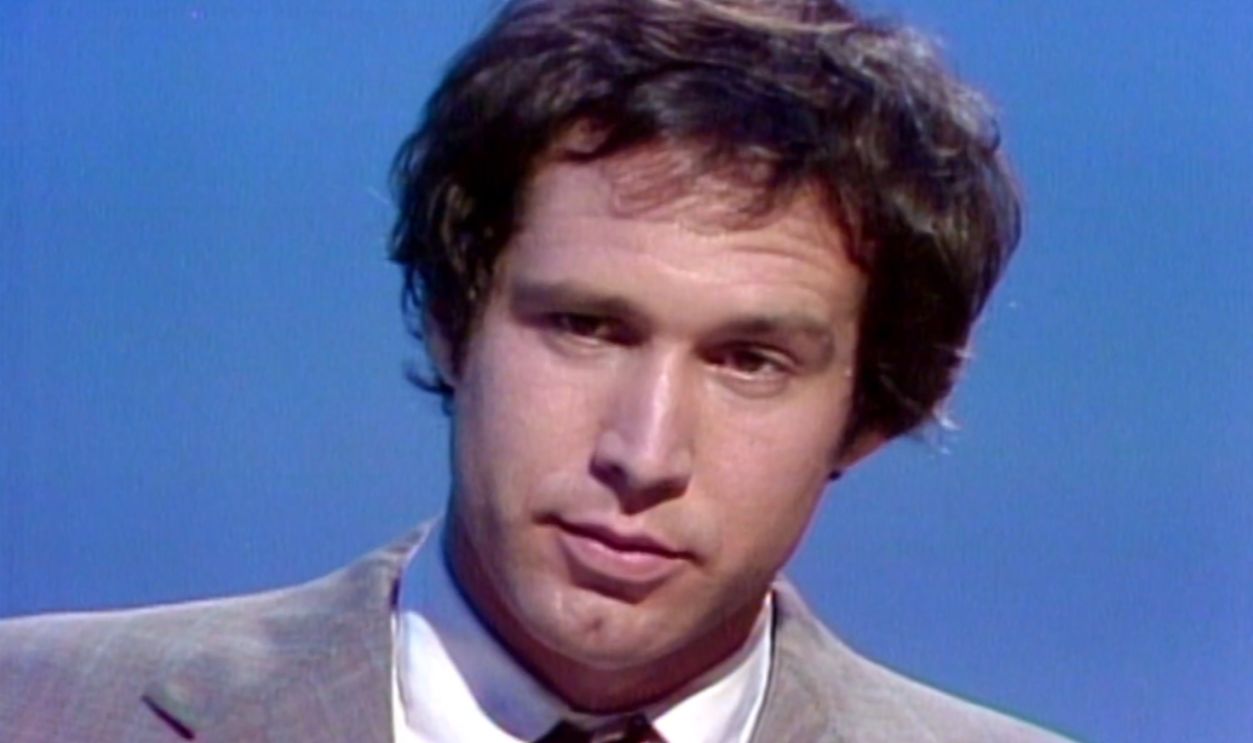
When initially leaving SNL, Chase had claimed that it was because his future wife Jacqueline Carlin didn’t want to live in New York—but since then, rumors had flown that his relationship was in trouble, so Murray took advantage by telling Chase “go [sleep with] your wife, she needs it”. Chase shot back that Murray’s acne marks made him look like the surface of the moon.
That’s when things came to blows. In the years that followed, Chase’s successive SNL appearances also proved problematic, but this time, he got away with it. The same can’t be said for everyone.
 Screenshot from Saturday Night Live, NBCUniversal (1975-)
9. They Let A Viewer Host
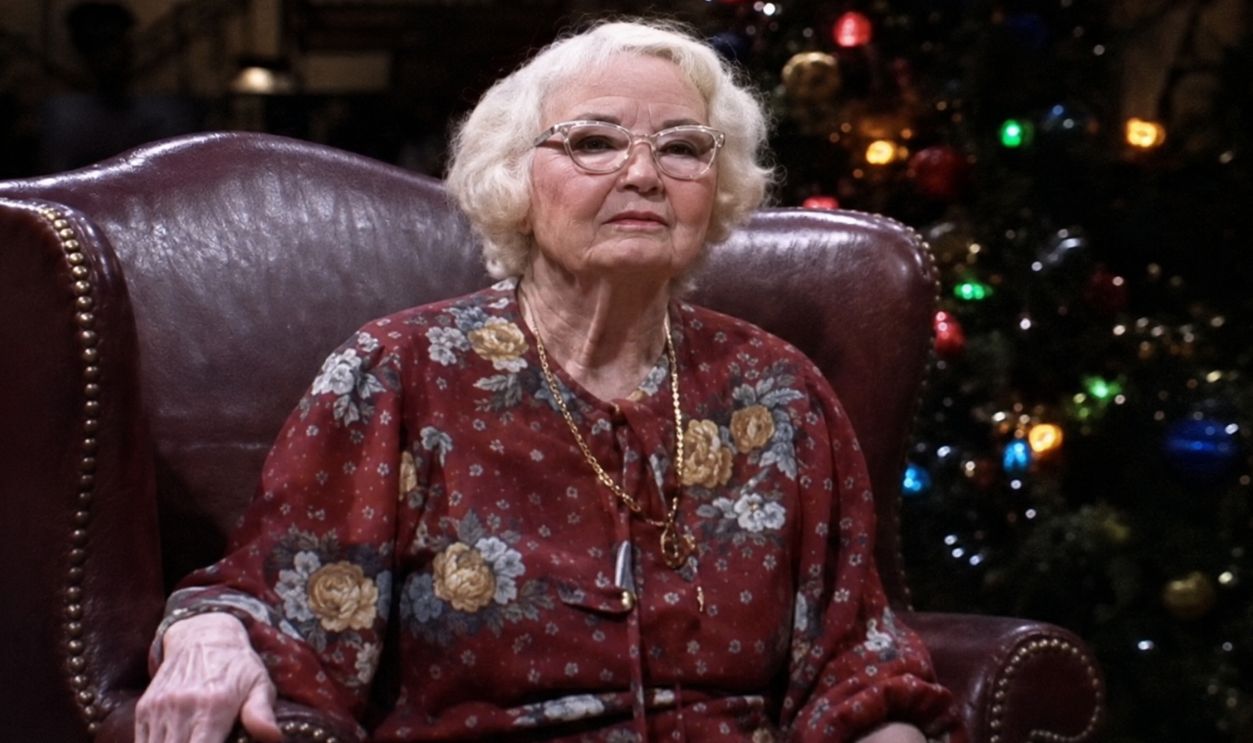
For the final episode in 1977, SNL tried something new. After running an “Anyone Can Host” contest, 80-year-old German grandmother Miskel Spillman came on to host as the winner. Lorne Michaels took another risk when he attempted to book the infamous British act the Sex Pistols—but before they could ever take the stage, their visas were denied.
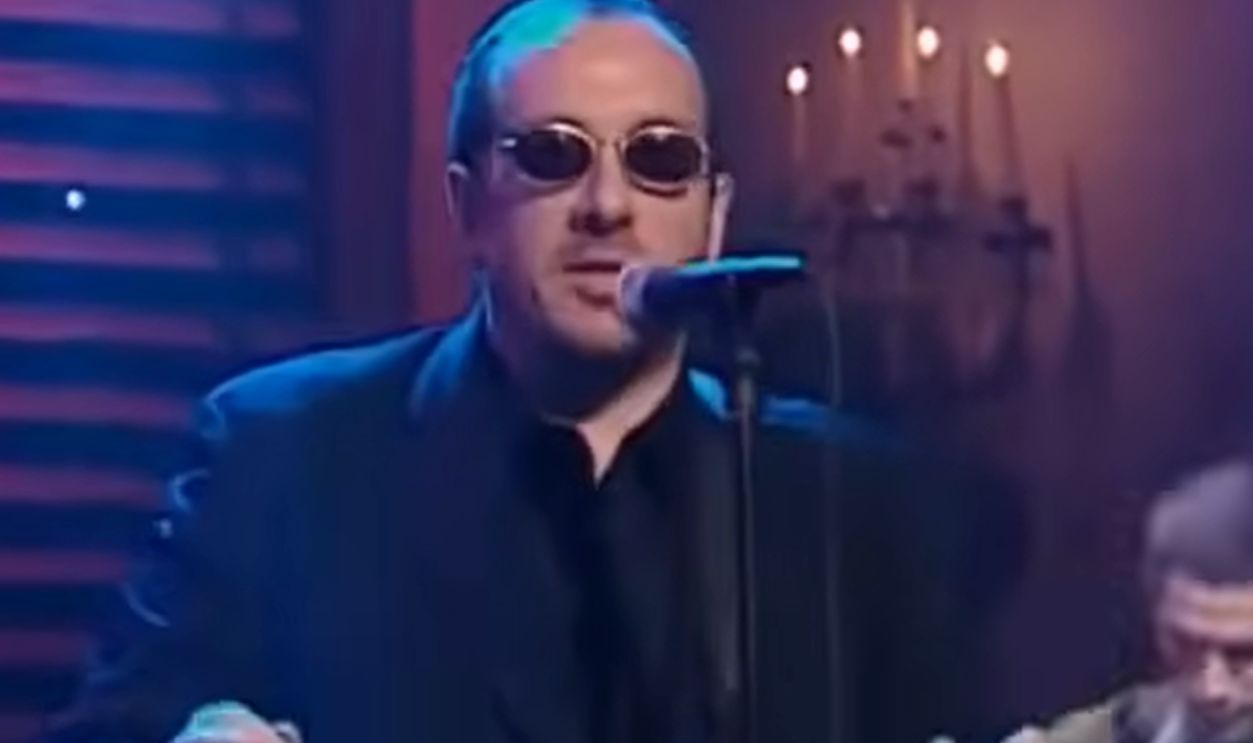
Scrambling for a replacement, musician Elvis Costello was invited on as musical guest—but surprisingly, turned out to be way more trouble than any punk band.
 Screenshot from Saturday Night Live, NBCUniversal (1975-), enhanced
History's most fascinating stories and darkest secrets, delivered to your inbox daily.
10. He Got Banned
Costello and his band took the stage to play “Less Than Zero,” the song his record label wanted to promote—only to stop partway through and play “Radio Radio” instead. It seems like a minor infraction, but a live show runs on meticulous planning, and the sudden switch-up infuriated Michaels, who spent the entirety of the song with his middle finger pointed at Costello. He later banned Costello from the show.
But if Michaels thought Costello was bad, he wasn’t prepared for notorious musical weirdo Frank Zappa.
 Screenshot from Saturday Night Live, NBCUniversal (1975-)
11. He Acted Up
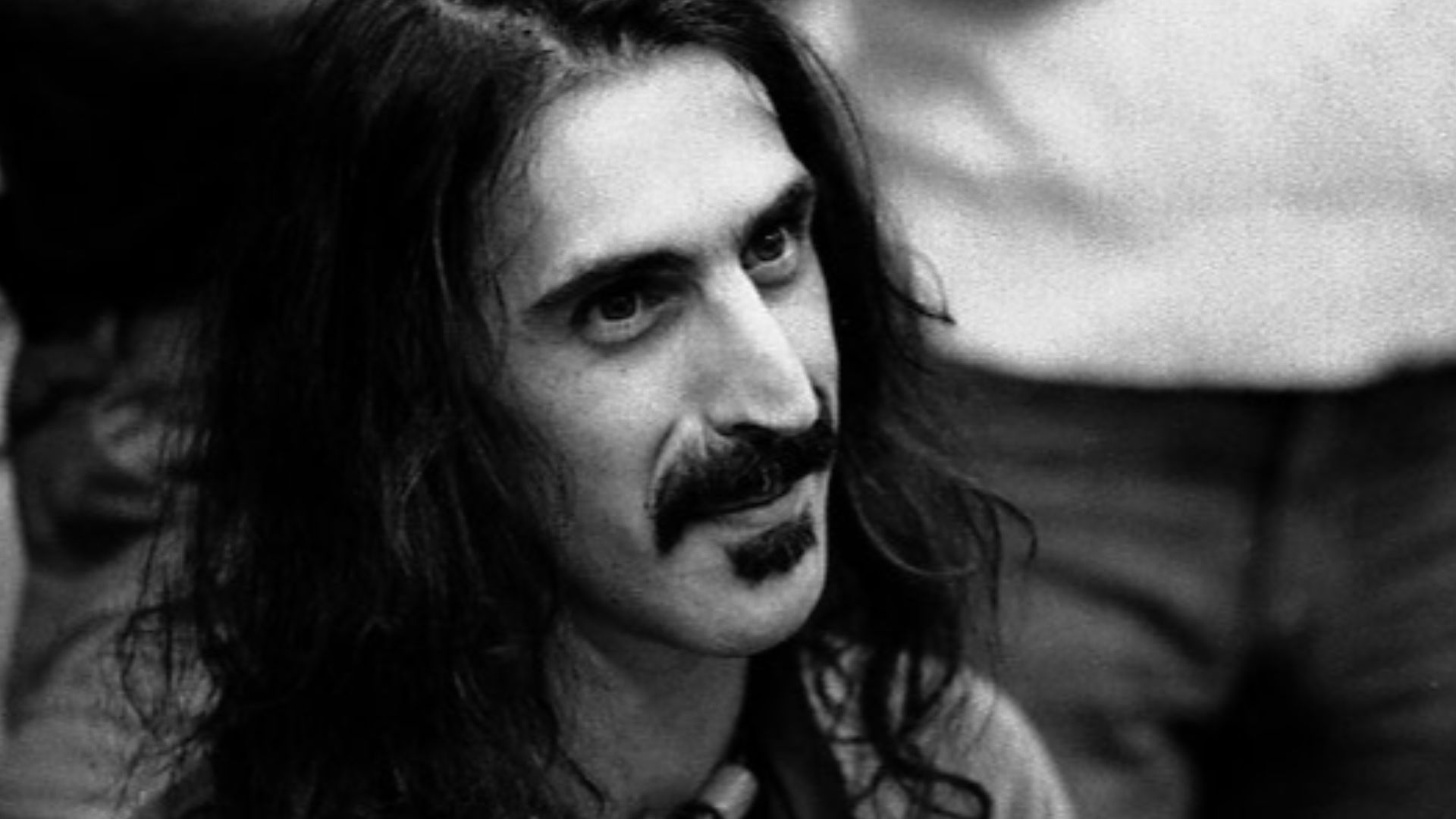
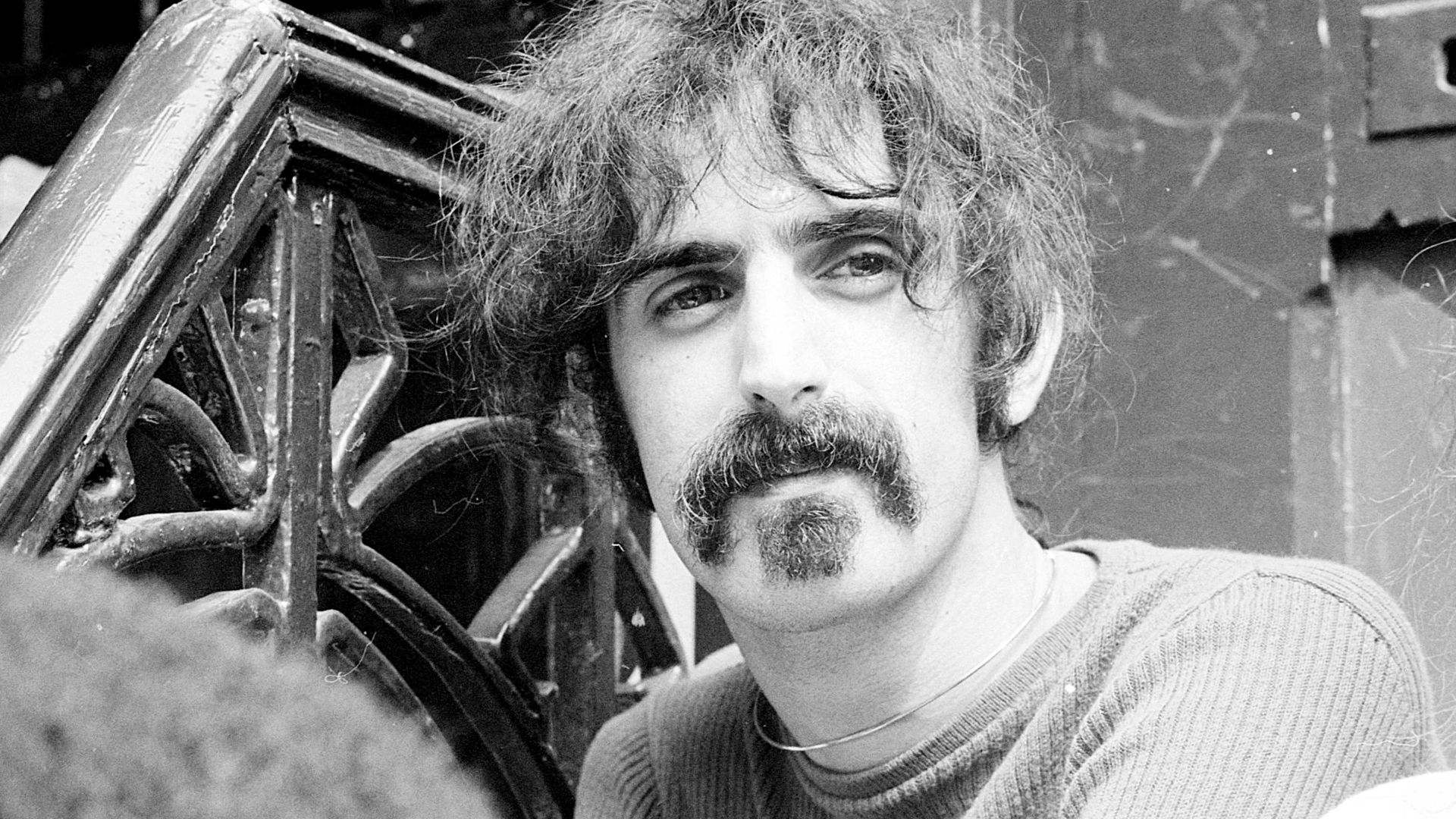
When Frank Zappa co-hosted Saturday Night Live with John Belushi in 1978, he let his rebellious side shine—and what he did on-air was so outrageous, he was permanently banned from the show. Zappa clashed with the cast, read cue cards with zero enthusiasm, and openly mocked the show’s format on-air. But there may have been more to the story than meets the eye.
12. It Was A Wild Place
To those who know the comedy world, it likely comes as no surprise to learn that the atmosphere at SNL was fueled by booze and illicit substances. Reportedly, this was the source of the conflict with Zappa, who was fiercely against substance misuse. But either way, his behavior had teed off the wrong man.
Lorne Michaels took a stand and prohibited him from ever appearing on the show again. And if there was one thing Michaels came to easily, it was making enemies.
 Fotopersbureau De Boer, Wikimedia Commons
13. It Was Time To Go
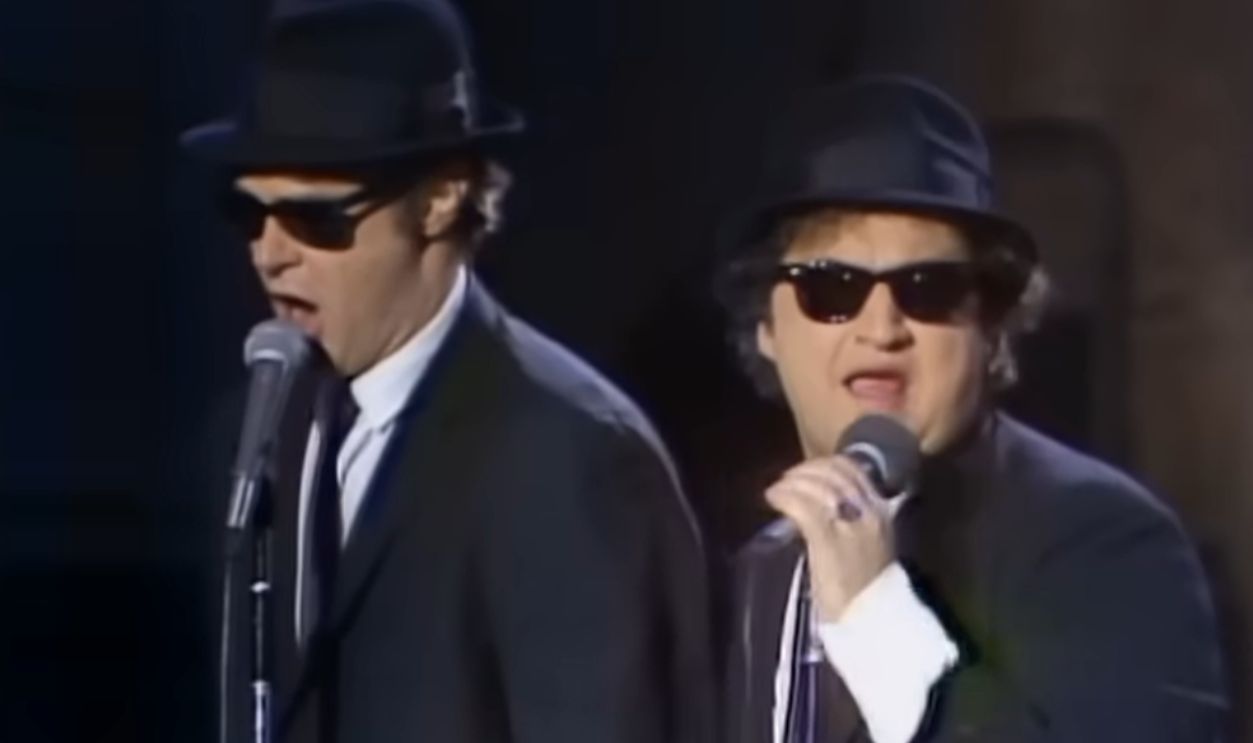
Other than season 4’s Zappa incident, things were going quite smoothly for the cast of SNL, but as the season drew to a close, it was clear that the core members couldn’t just keep going on with the show forever. Dan Aykroyd and John Belushi’s Blues Brothers characters had been a big hit. In particular, Belushi was becoming something of a breakout star with his role in Animal House.
It was time for him to say goodbye—but he wasn’t the only one.
 Screenshot from Saturday Night Live, NBCUniversal (1975-)
14. It Was A Last Minute Change
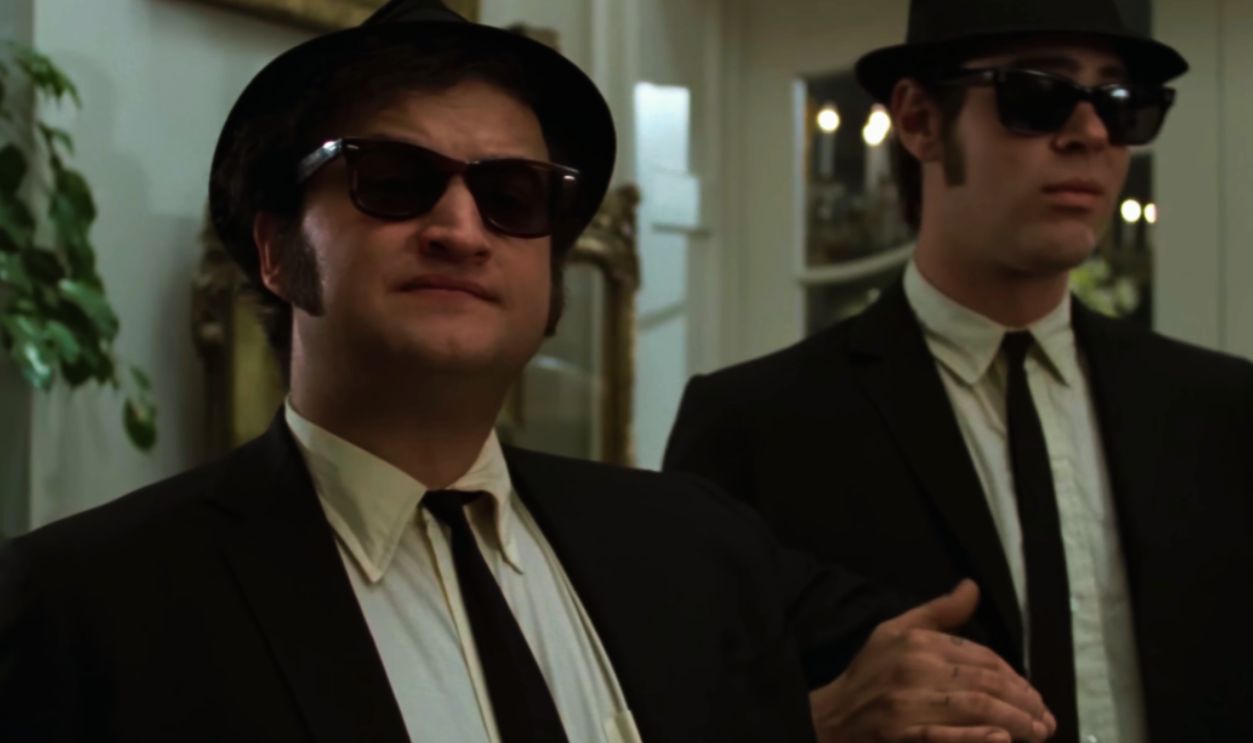
John Belushi became the first of that core early cast to strike out on his own in hopes of making a movie career, and one of the projects on his docket was The Blues Brothers movie. Aykroyd was part of it, but still planned to come back to SNL season 5—but then, just weeks before they were going to start the show again, he made a shocking decision.
Aykroyd told Michaels he couldn’t come back, due to his obligations on The Blues Brothers set. Michaels hit the roof.
 Screenshot from The Blues Brothers, NBCUniversal (1980)
15. They Left A Huge Hole
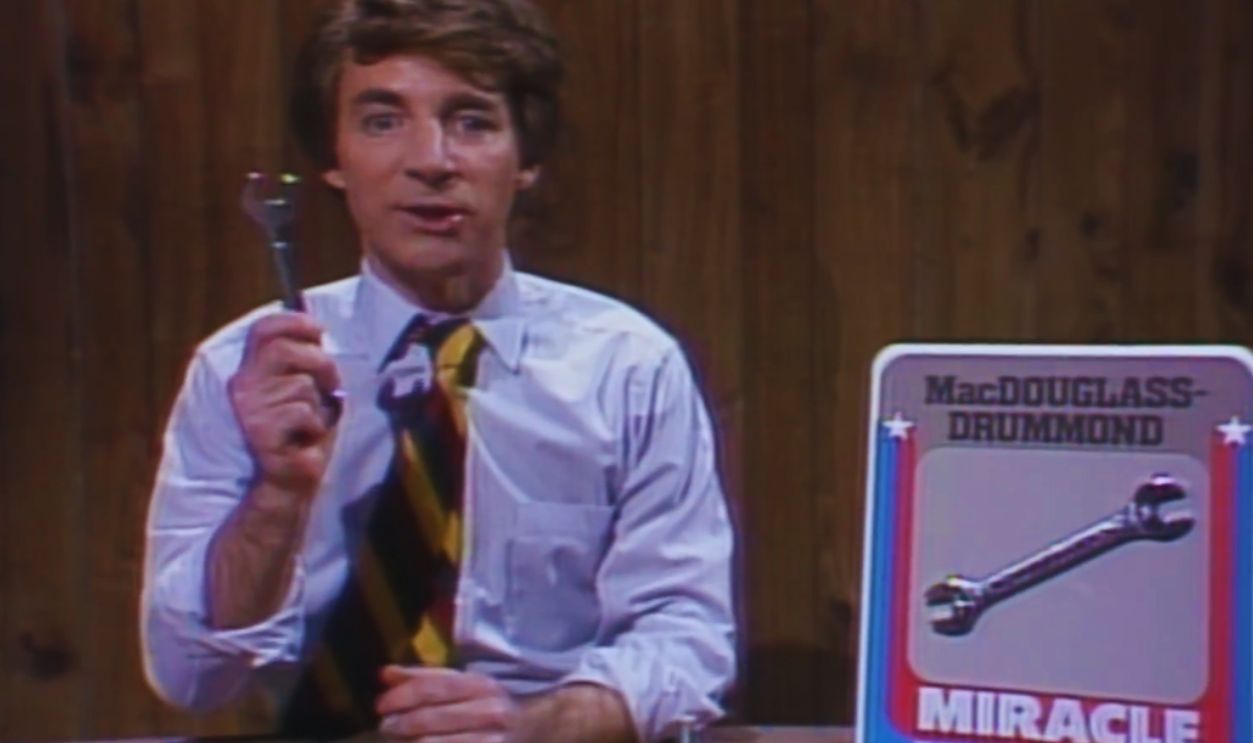
Thanks to the late-breaking exit, Michaels was so mad that he didn’t speak to Aykroyd for years. And it wasn’t just feelings that were hurt. Aykroyd and Belushi were two key players on the show, and many thought their departure was the beginning of the end for SNL. Michaels quickly got Harry Shearer on the cast and upgraded a number of writers to featured players.
They did their best to save the season—but if fans thought that was a shake-up, they were in for an even bigger surprise.
 Screenshot from The Blues Brothers, NBCUniversal (1980)
History's most fascinating stories and darkest secrets, delivered to your inbox daily.
16. They All Walked Out
Lorne Michaels and remaining cast members Jane Curtin, Garrett Morris, Bill Murray, Laraine Newman, and Gilda Radner had been through the wringer making the show, and in particular, with NBC. And so, Michaels went on a sort of “hiatus” at the end of season 5 in order to pursue other opportunities…and the whole cast and nearly every writer went with him.
Scrambling, they put former associate producer Jean Doumanian in charge. But did the show really need the breath of fresh air?
17. She Tried Her Best
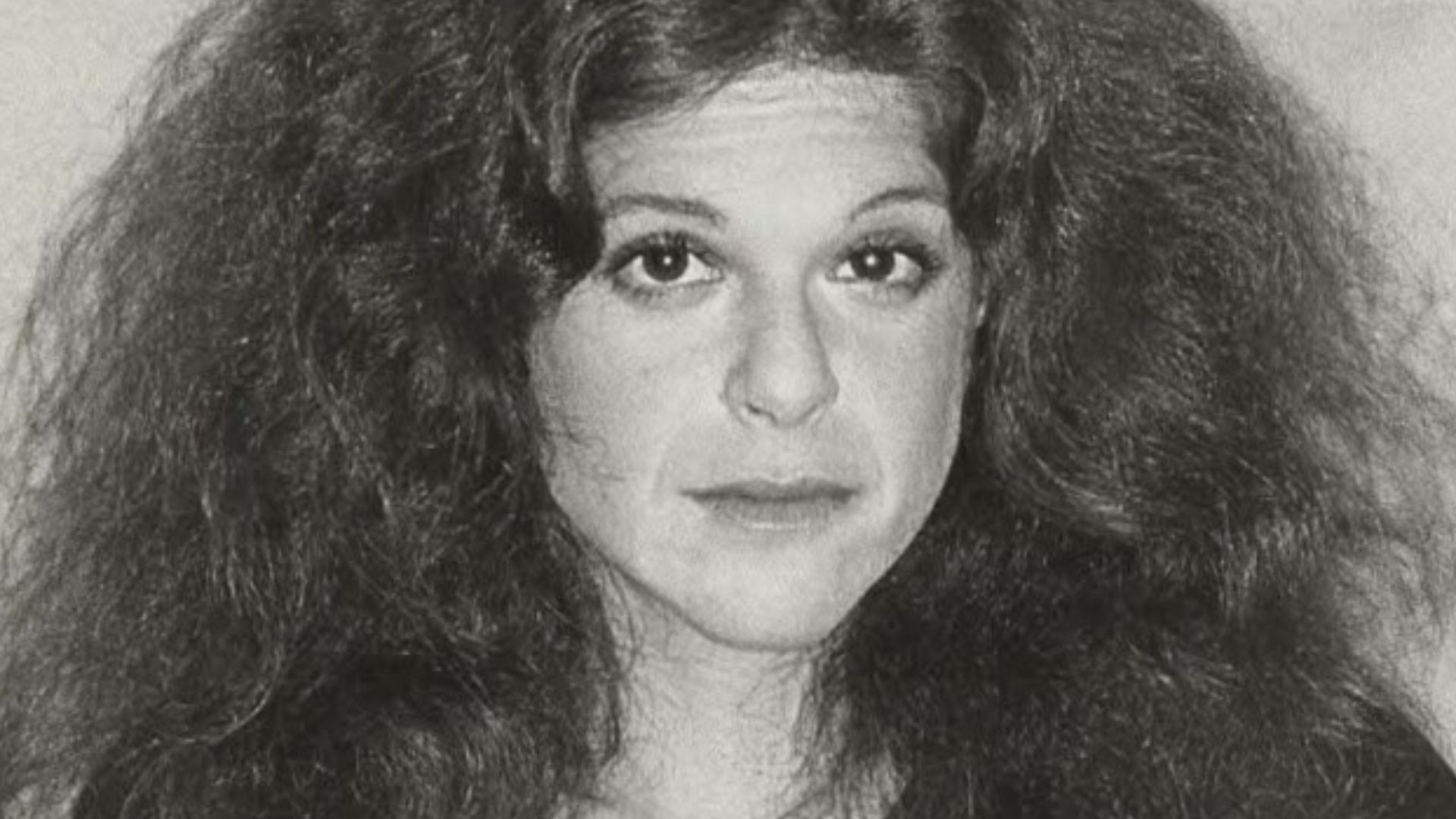
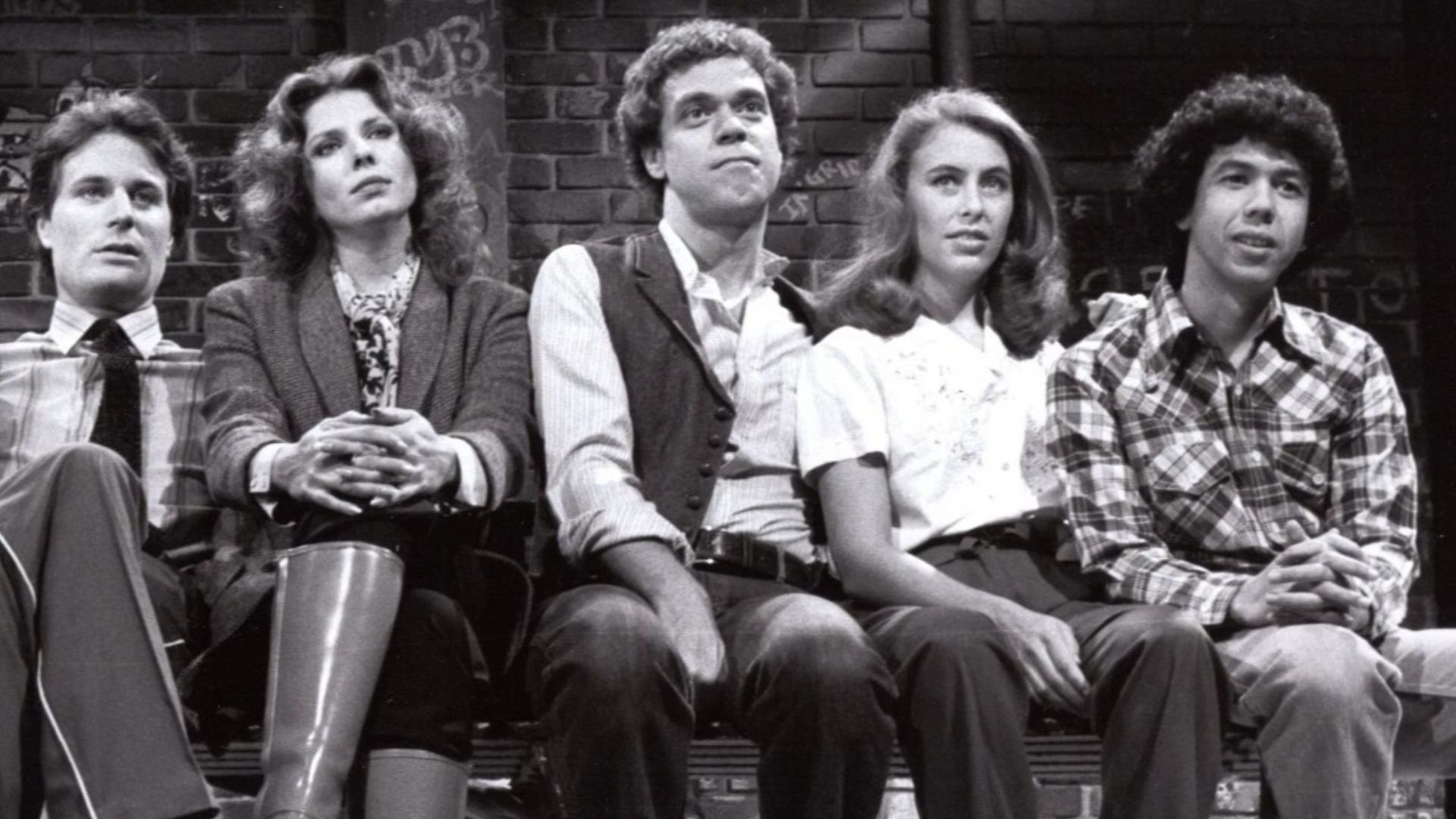
Doumanian’s new cast included then-up-and-comers like Gilbert Gottfried and Joe Piscopo—but the list of comedians she turned down also speaks for itself: Jim Carrey, John Goodman, Sandra Bernard. The season began on November 15, 1980, but something was still missing.
18. She Found A Star
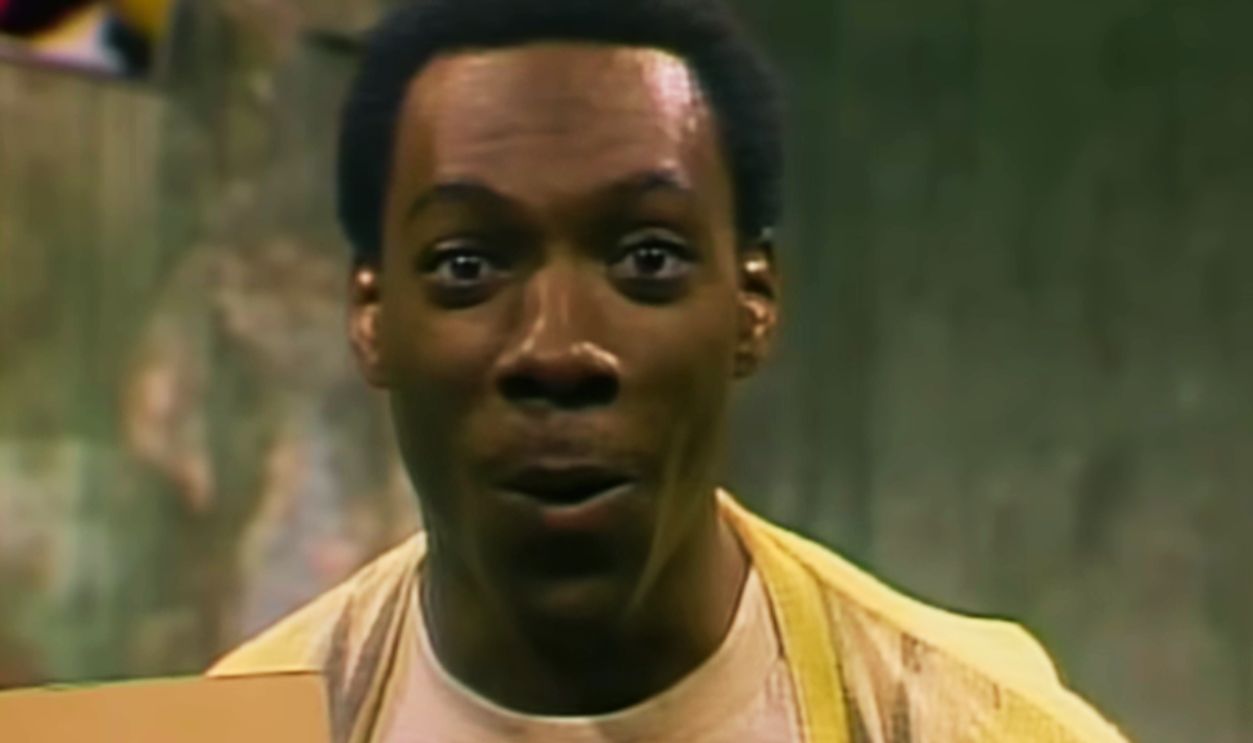
Doumanian had wanted to hire a Black comedian to fill Garrett Morris’s shoes. She had someone in mind, but just two months before the show was supposed to premiere, she got a call from a young comedian begging for a chance. His name was Eddie Murphy, and he began the season as a featured player.
According to many, his presence in the seasons that followed saved the show—but it very nearly got axed before he even got much screen time.
 Screenshot from Saturday Night Live, NBCUniversal (1975-)
19. They Were Barely Hanging On
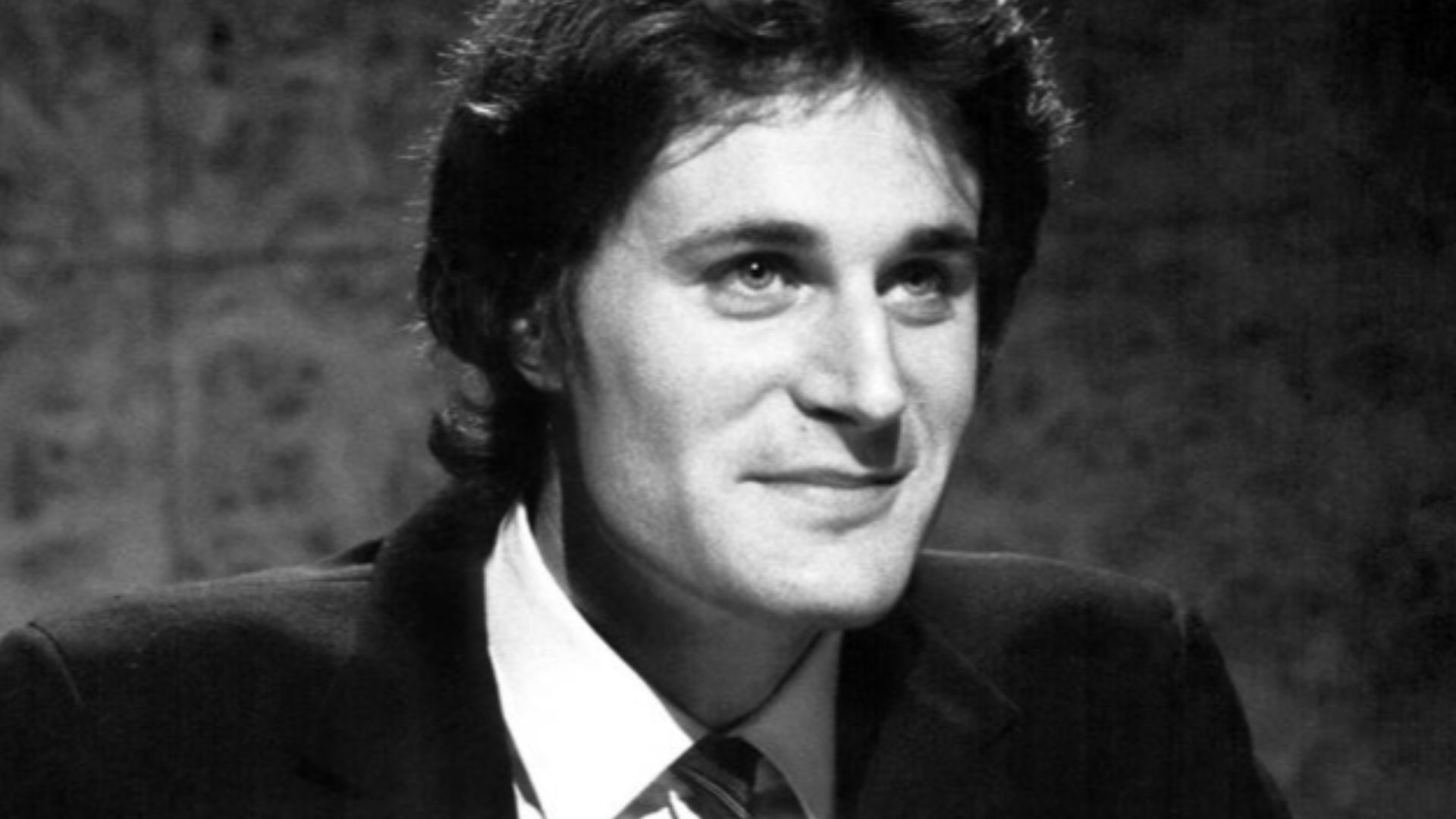
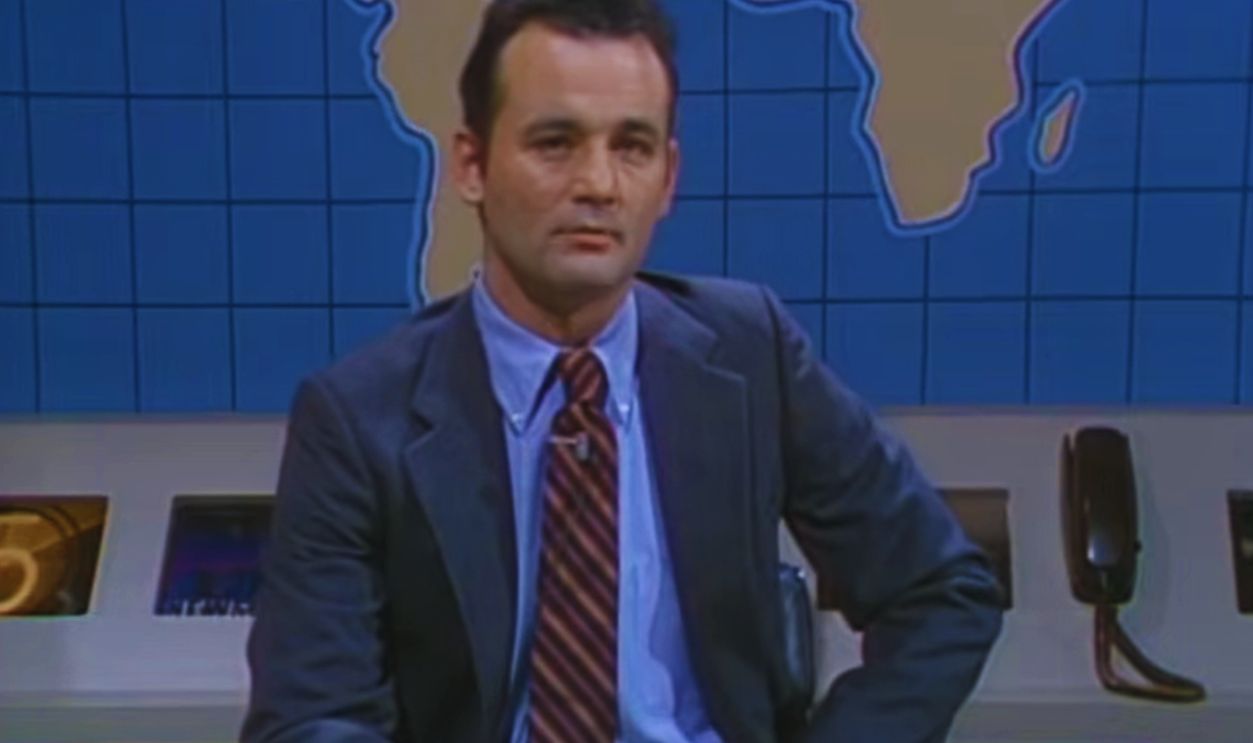
In February of 1981, cast member Charles Rocket accidentally swore during a skit (Hint: It starts with F). Tensions with the network were already high and the writers were struggling. One producer thought they’d be canceled immediately. Doumanian was holding on for dear life, so she reached out to an old friend for a lifeline: Bill Murray.
It seemed like a little callback to the golden days would be the thing to save the show—but did they want to be saved?
20. He Kept Them Going
Some writers on SNL thought having Murray on the show would bring in more viewers—which is exactly what they didn’t want. They wanted to be fired and move on with their lives. Instead, Murray agreeing to host ended up saving Doumanian. However, it was only a temporary reprieve.
 Screenshot from Saturday Night Live, NBCUniversal (1975-)
21. They Never Got A Chance
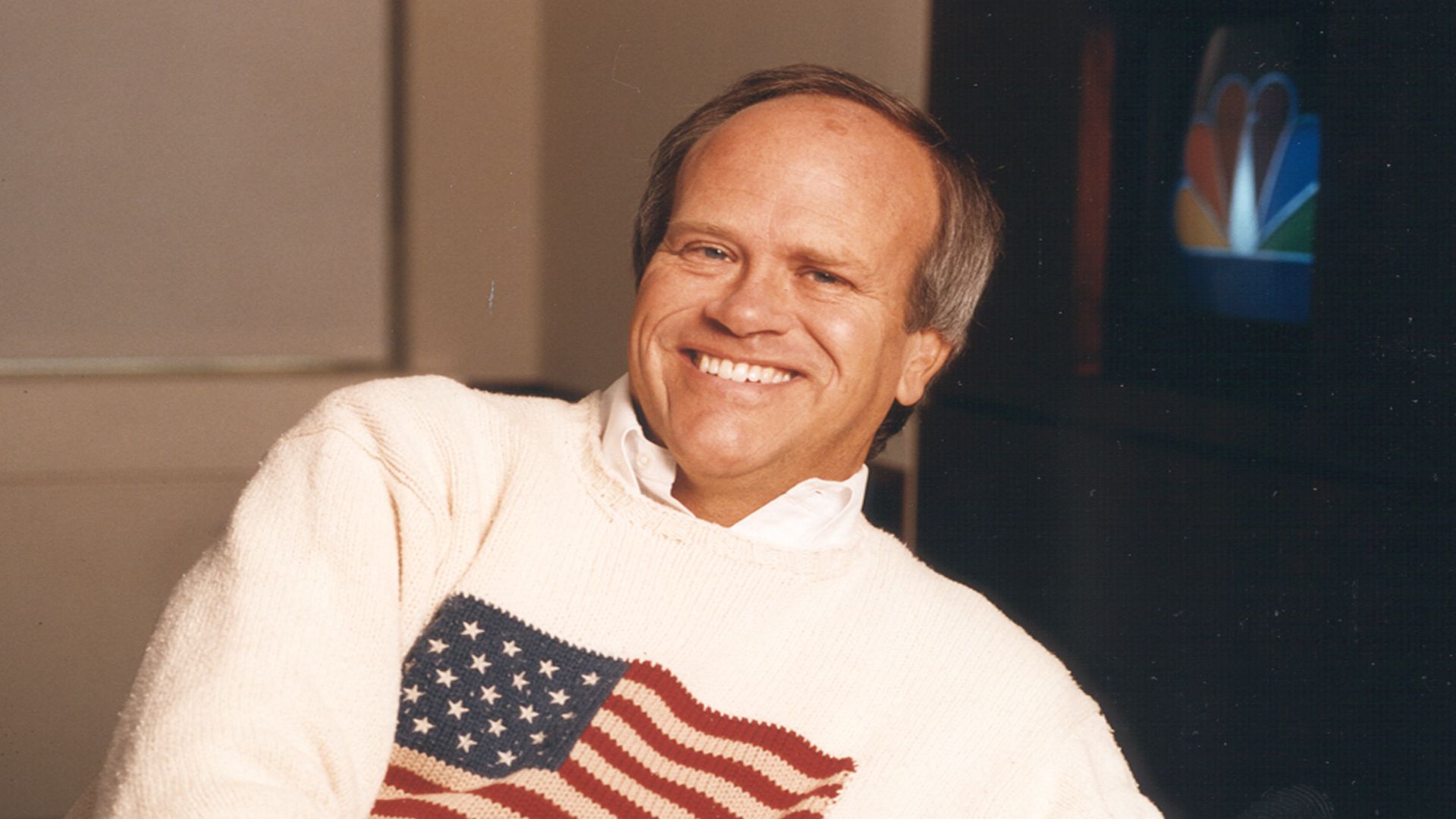
Years later, Murray said that the network gave Doumanian and the cast and writers that year a raw deal. By the end of Murray’s episode, Doumanian had been fired and replaced with Dick Ebersol. Gottfried and Rocket (the swear-er in question) were also canned right away, with the rest of the cast, minus Murphy and Piscopo, joining them at the end of the season.
It went down as one of the worst seasons in SNL history—but the ones that followed had difficulties of their own.
 Uspecified NBC employee - work for hire, Wikimedia Commons
History's most fascinating stories and darkest secrets, delivered to your inbox daily.
22. It Was A Whole Different Show
Ebersol’s SNL was a lot different—less wacky, more straightforward comedy, and short skits. New cast members barely stood a chance against breakout star Eddie Murphy. Ebersol also had no qualms about firing people, canning Tony Rosato and Christine Ebersole partway through the season.
But the problems onscreen were no match for what the people who’d built SNL were facing.
23. He Was In Trouble
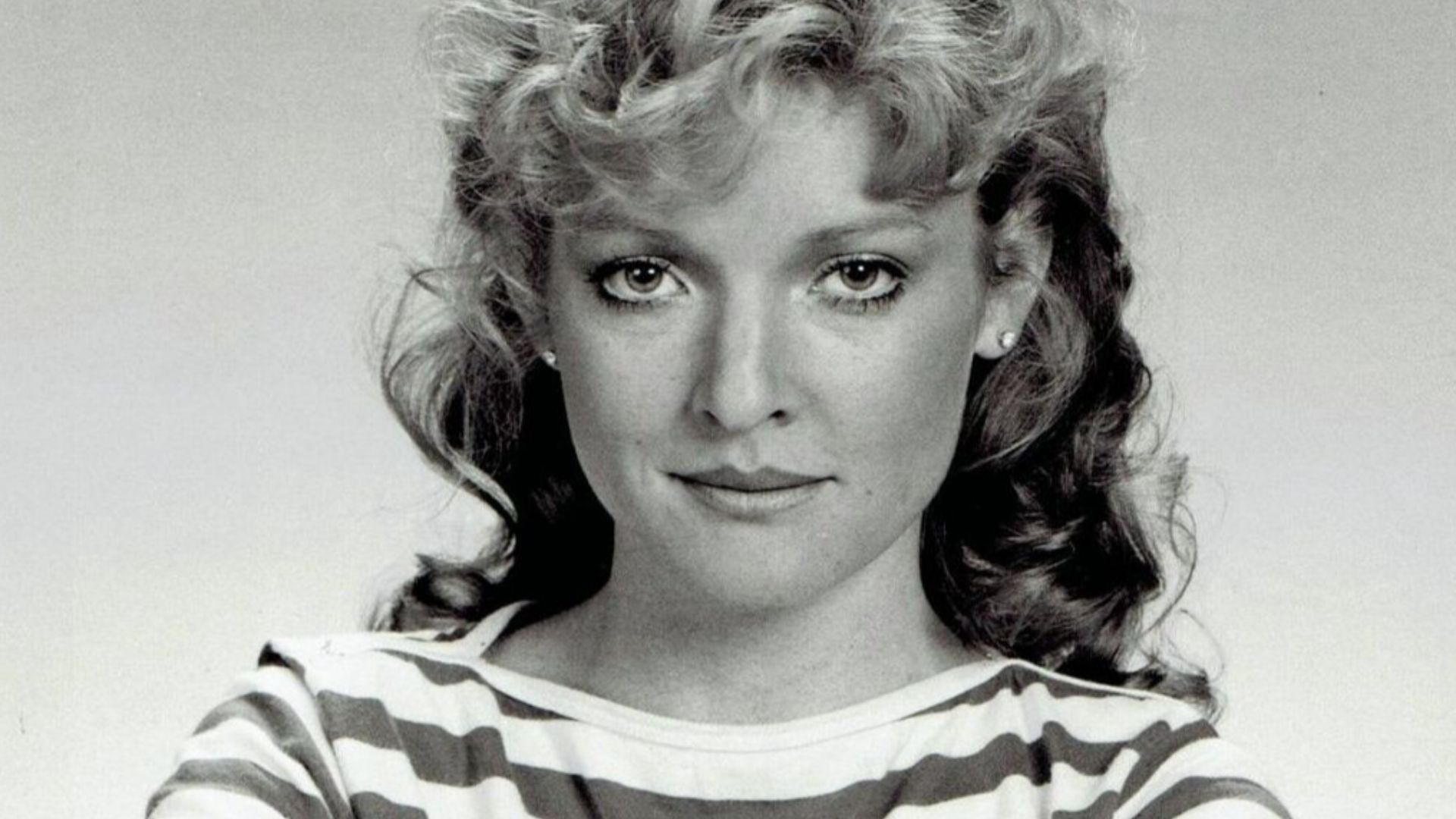
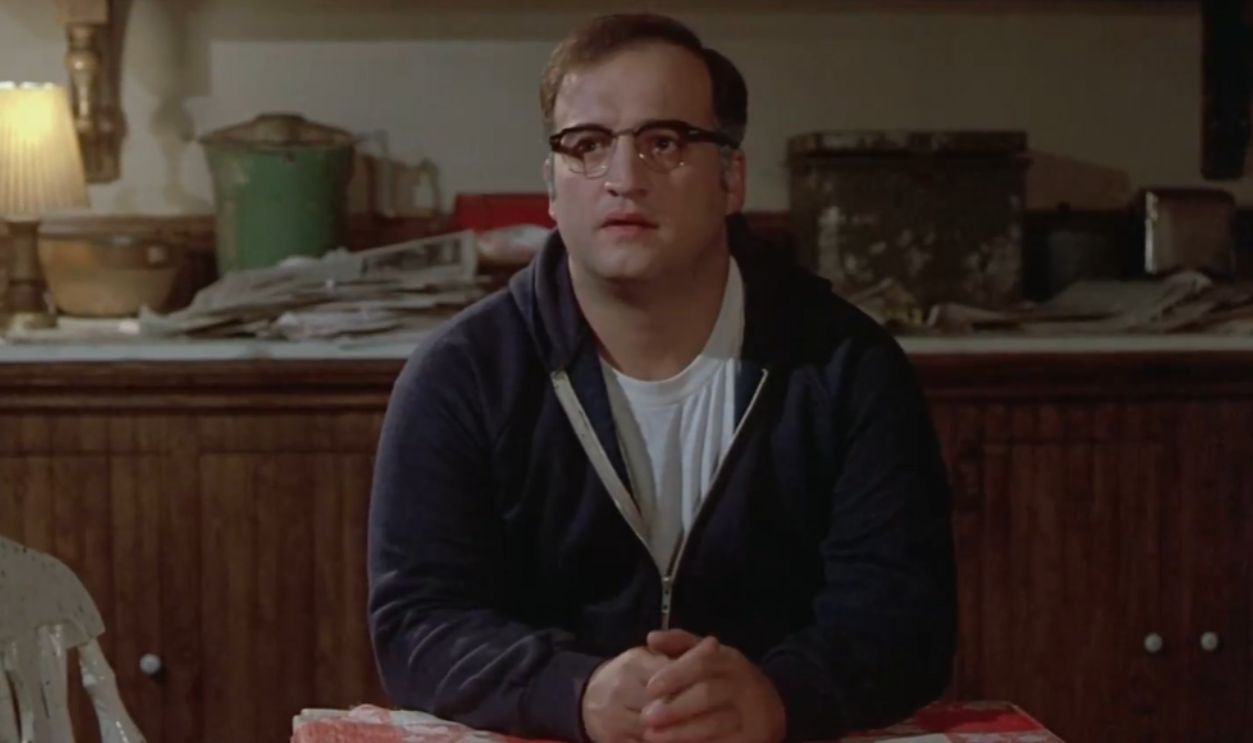
While The Blues Brothers movie and John Belushi’s career as a whole had been a success since his SNL departure, he still faced the same old problems—namely, addiction. It created huge problems on The Blues Brothers set and he quit temporarily during the making of his next film, only for him to relapse making Neighbors. And from there, he just kept going.
 Screenshot from Neighbors, Sony Pictures Entertainment (1981)
24. He Had A Sad End
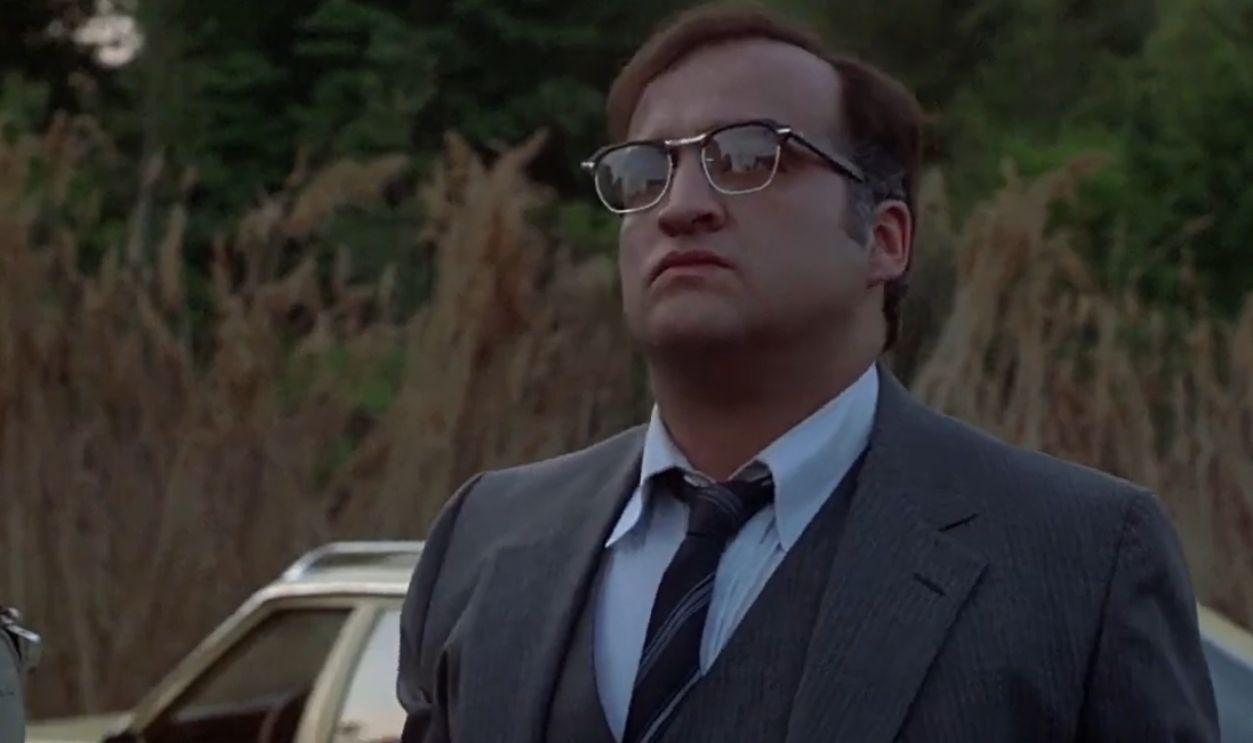
After finishing Neighbors, Belushi went out to LA to party and take meetings, and set up house in a bungalow at the Chateau Marmont. While many know that the Chateau is where Belushi met his dark end that night after an overdose, fewer know that three famous actors visited him that night—and fewer still know about the woman who killed him.
 Screenshot from Neighbors, Sony Pictures Entertainment (1981)
25. She Scared Them
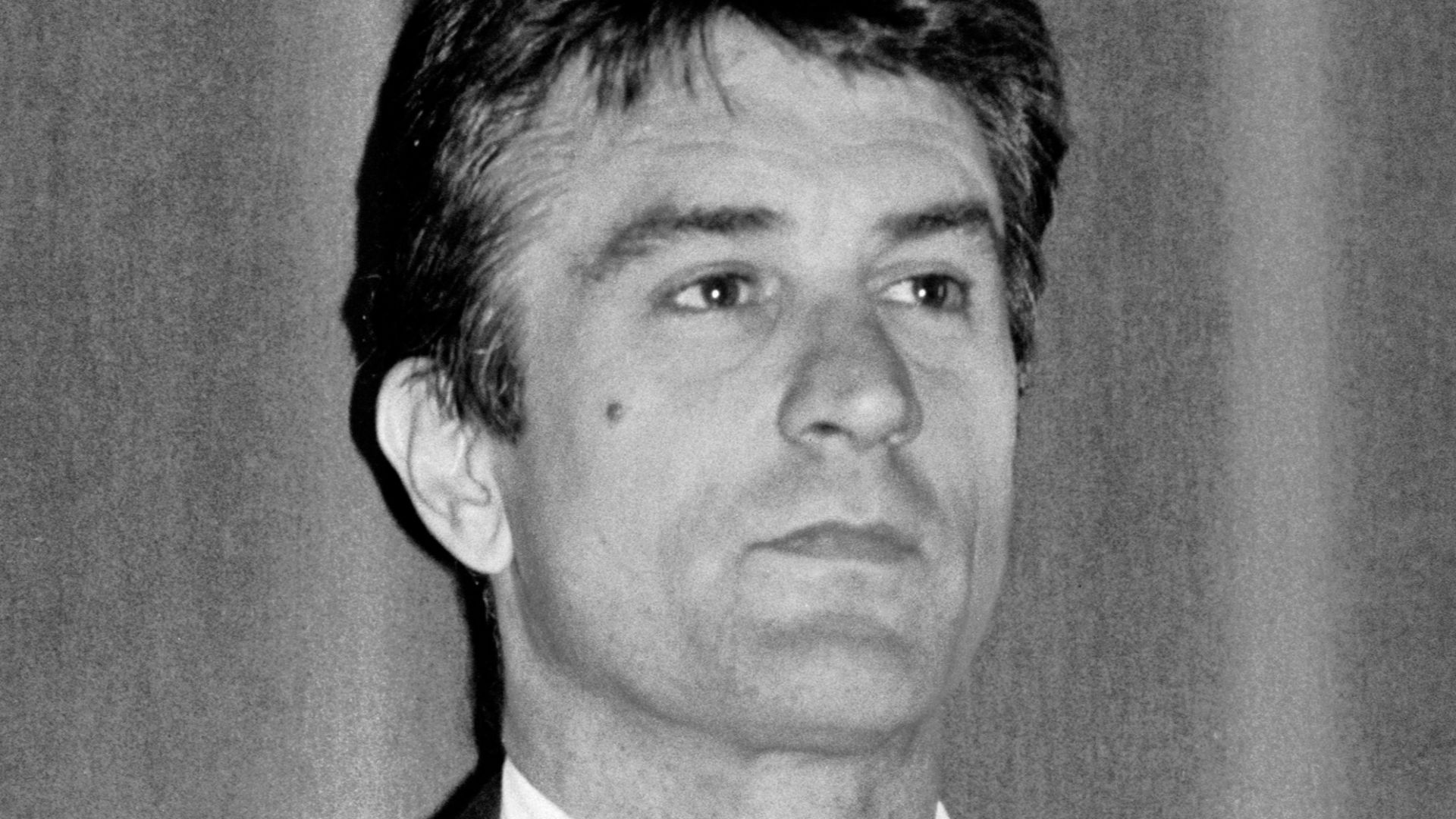
Stars Robert De Niro, Harry Dean Stanton, and Robin Williams visited Belushi on his final full day alive—but all three ended up feeling weirded out by Belushi’s friend and dealer Cathy Smith. And not only was Smith his dealer, she was the one administering the illicit substances to him via injection. She was the last one to see him alive around 10am on March 5, when she left the Chateau.
Hours later, his trainer found his lifeless body—and the loss sent shockwaves through the community that had sprung up during those early SNL seasons.
 Roland Godefroy Modifie par: Arad (Dust removed), Wikimedia Commons
26. He Has A Complicated Legacy
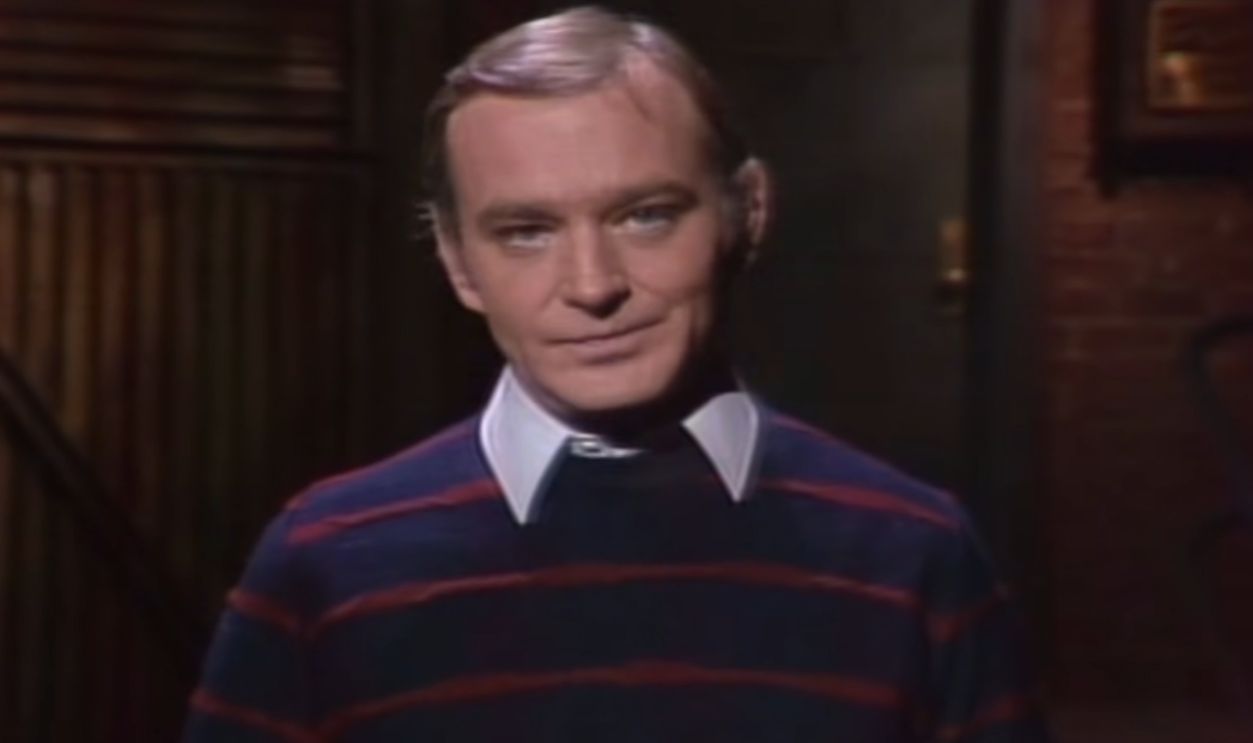
Belushi’s friends Bill Murray and Dan Aykroyd were in attendance at his funeral and Murray’s brother Brian Doyle-Murray read out a tribute to him on SNL—but not every former castmate had kind words for the fallen star. Decades after his passing, Jane Curtin confessed that he’d been impossible to work with behind the scenes, saying: "If a woman writer had written a piece for John, he would not read it in his full voice. He felt as though it was his duty to sabotage pieces written by women”. His wife later refuted Curtin’s claims.
 Screenshot from Saturday Night Live, NBCUniversal (1975-)
27. They Only Had One Star
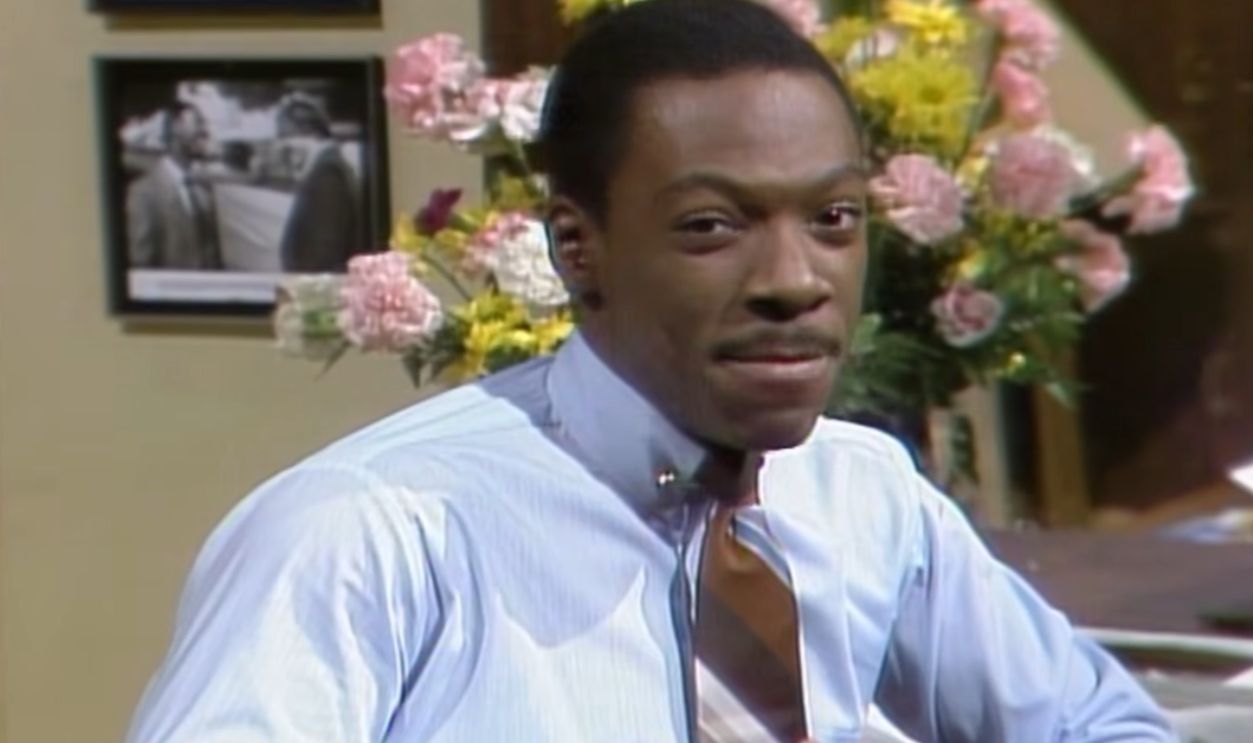
Between what was happening on and off stage, it seemed like SNL might never survive the 80s. Eddie Murphy’s breakout star status was good for viewership, but terrible for tensions behind the scenes…especially because he got the star treatment. Thanks to the slew of movies he had coming out during season 9, he was allowed to pre-tape sketches to air during the “live” show.
Eventually, in February of 1984, he left—and with their one big name gone, producers were left scrambling.
 Screenshot from Saturday Night Live, NBCUniversal (1975-)
History's most fascinating stories and darkest secrets, delivered to your inbox daily.
28. It Was A Short-Lived Attempt
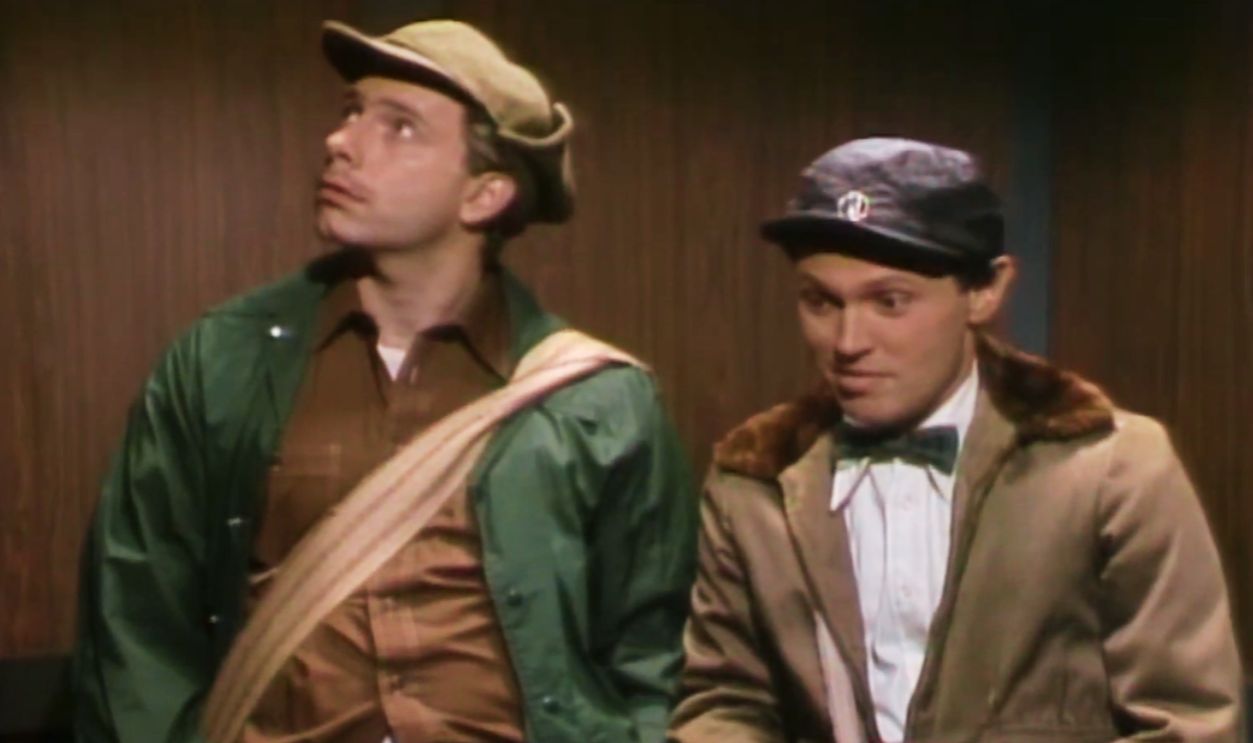
Ebersol and his colleagues decided to rip it all up and start again by eschewing the usual casting process of looking for up-and-coming comedians. Instead they hired established stars Billy Crystal, Martin Short, and Christopher Guest. But by the end of the season, the show was in shambles. Short and Guest wanted out. Ebersol wanted a “hiatus” like Lorne Michaels.
So, the network said they’d call it quits—but not before one last Hail Mary pass.
 Screenshot from Saturday Night Live, NBCUniversal (1975-)
29. The Creator Made His Return
In season 11, Lorne Michaels came back to SNL as executive producer, a position he’s held ever since. However, this return came with an immediate misstep. Like Ebersol, he tried to hire stars, among them Randy Quaid, Anthony Michael Hall, Robert Downey Jr, and Joan Cusack. However, there was just one problem: While they were fine performers, they weren’t comedians.
Michaels’ first season back was a dud. He needed to go back to an old formula.
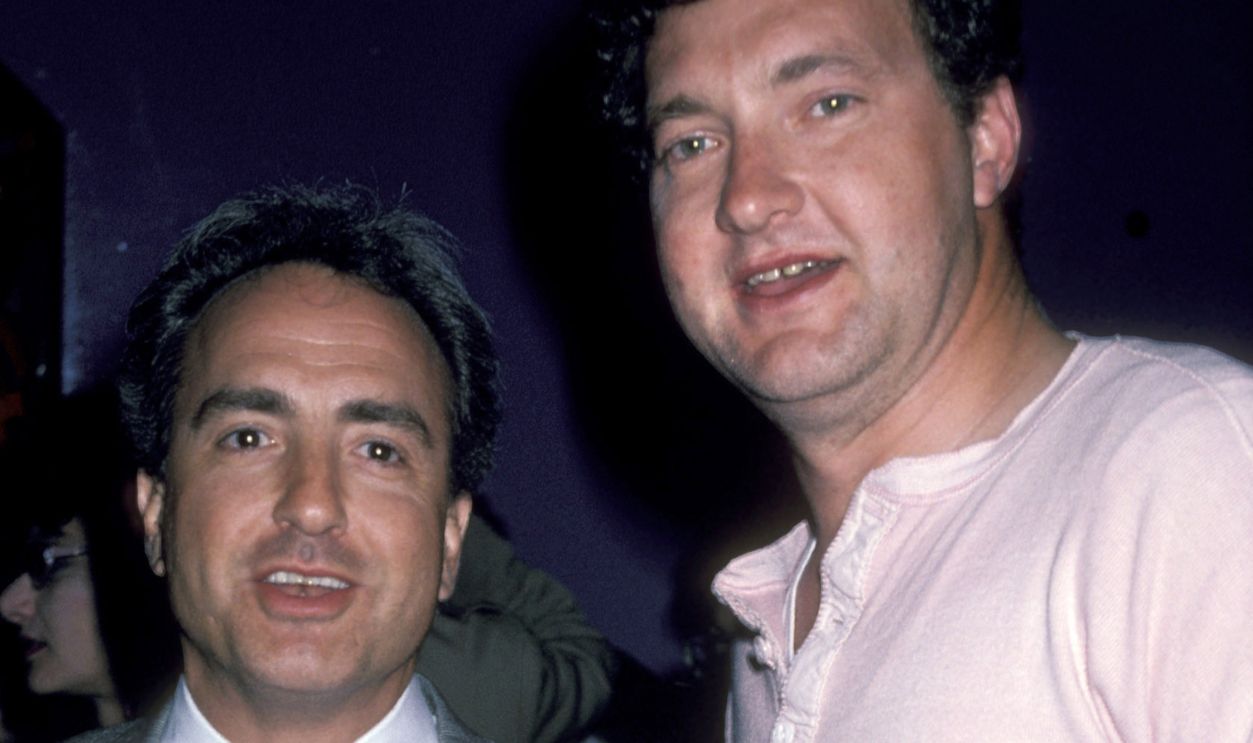
30. Everything Was Right Again
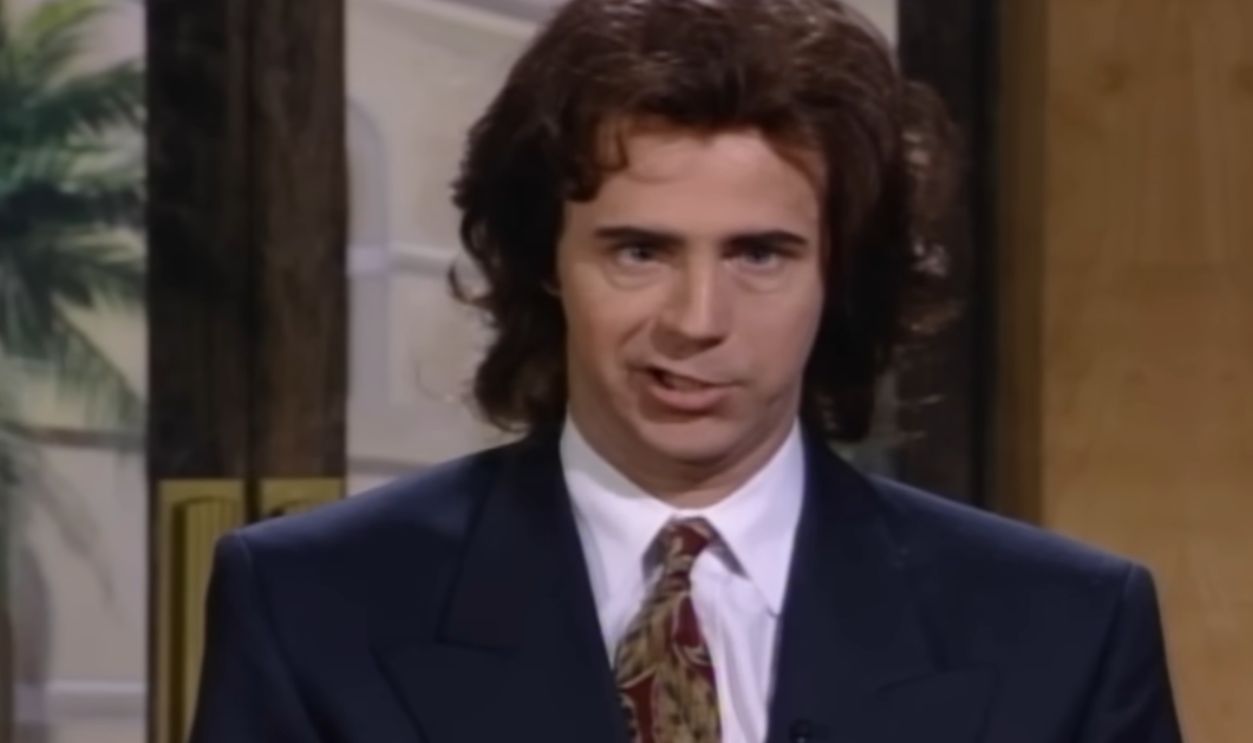
The next season, Michaels went back to hiring up-and-coming comedians instead of established stars—and his new crop included talents who would go on to revitalize the show, like Dana Carvey, Jan Hooks, and Phil Hartman. They blended in well with the cast members who stuck around and brought in successful new characters. Finally, things were back on track.
 Screenshot from Saturday Night Live, NBCUniversal (1975-)
31. Everyone Was A Star
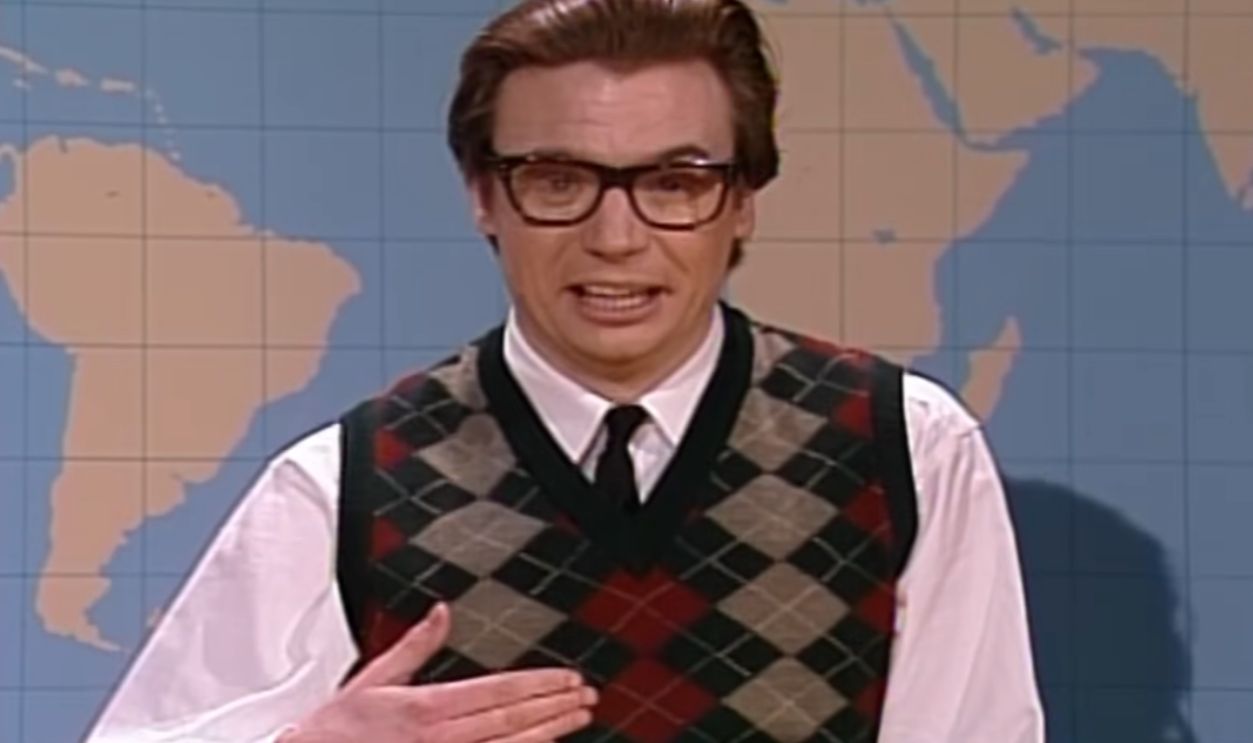
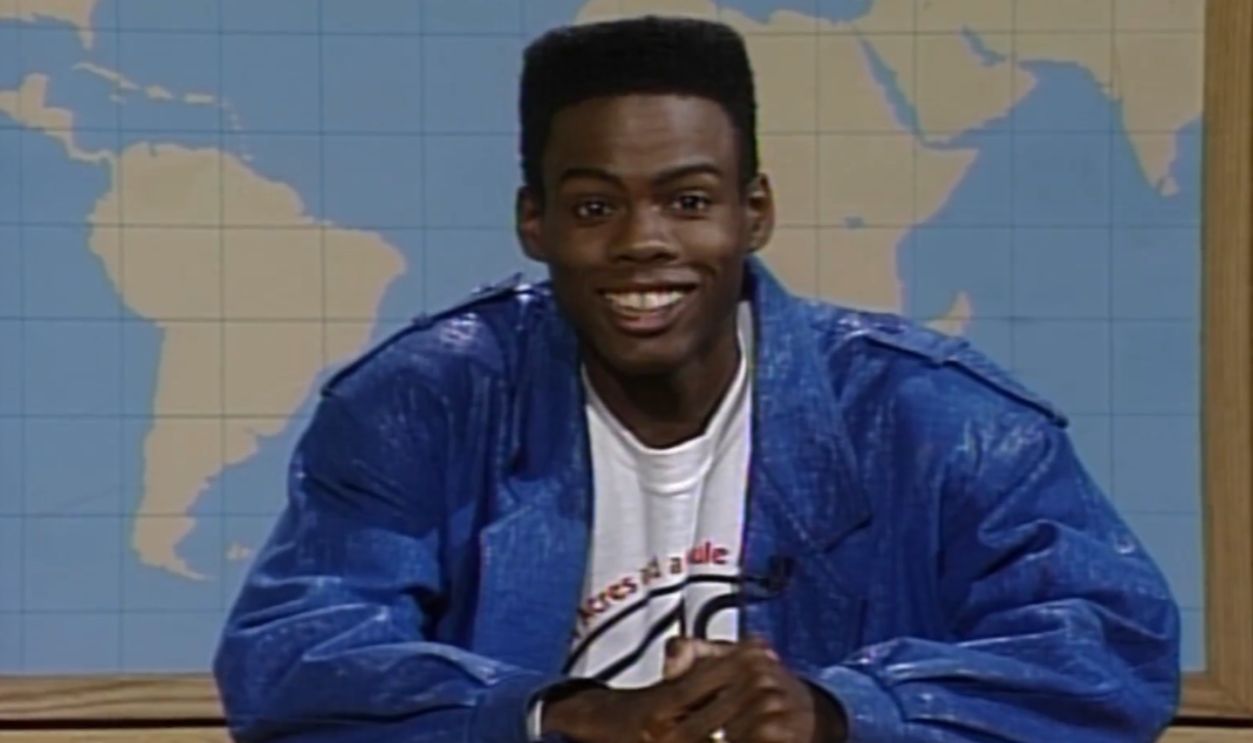
As the 80s turned into the 90s, Lorne Michaels hired a host of other new talent—from Mike Myers to Chris Rock to Adam Sandler to Chris Farley—who brought new life to the old show. They’d go on to create characters and sketches that didn’t just become SNL mainstays, but also sparked enough fervor to get made into movies.
But as the show entered a renaissance era, one of the original cast members was quietly fading away.
 Screenshot from Saturday Night Live, NBCUniversal (1975-)
32. She Was Seriously Ill
Gilda Radner left SNL in 1980, along with the rest of the original cast. Since then, she’d appeared in a number of films, and married Gene Wilder. Radner began experiencing unexplained pain and fatigue in 1985, but by the time doctors took her complaints seriously and diagnosed her with ovarian cancer, it was at stage IV, the most serious extent.
Doctors rushed her into surgery to remove a large tumor, and also gave her a hysterectomy, followed by chemotherapy and radiation. It was extremely rough—but Radner held out hope for the future.
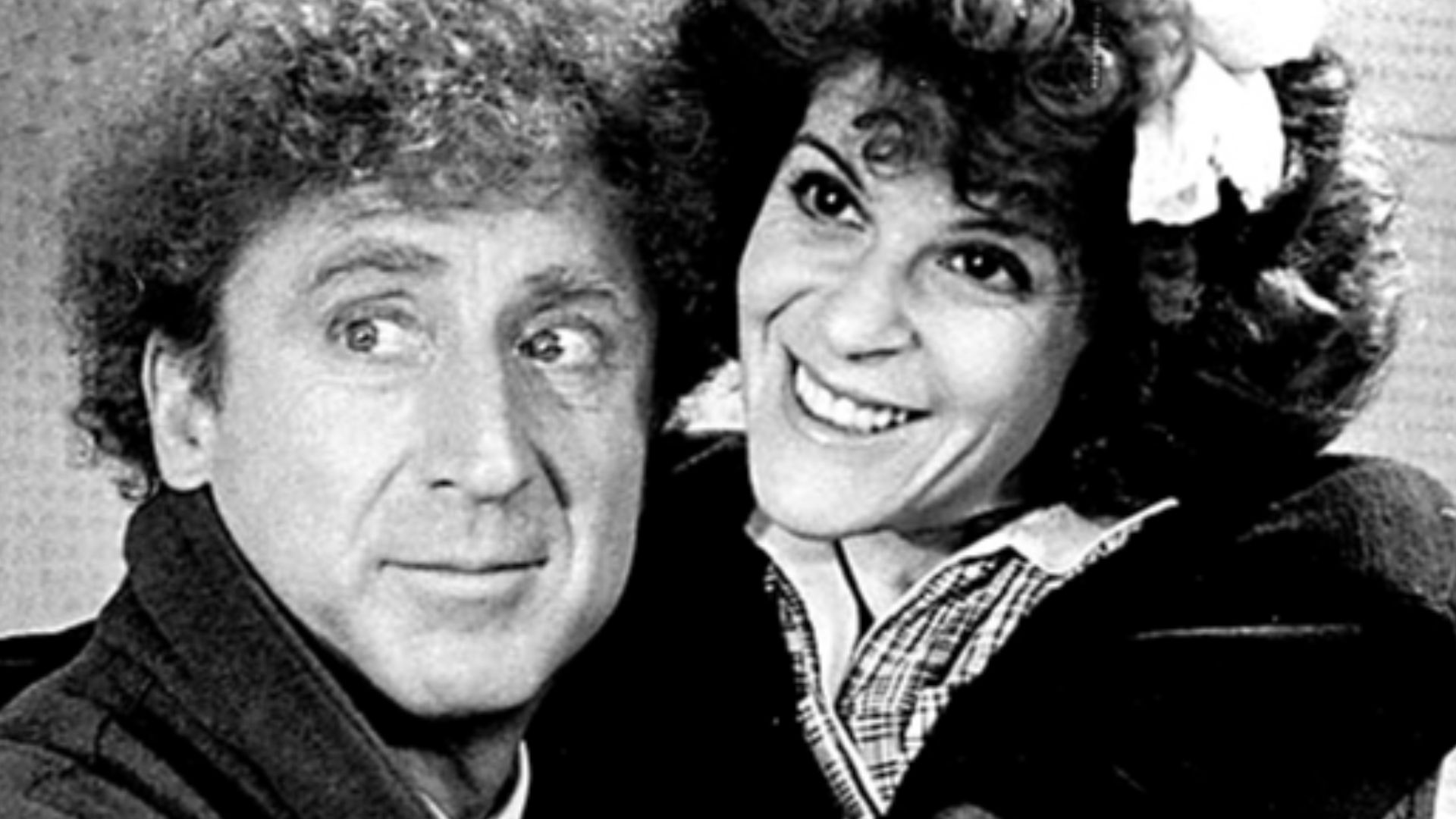
33. There Was A Ray Of Hope
After going into remission, Radner gathered her strength and began to conquer the screen again, as well as the page—acting as guest host on It’s Garry Shandling’s Show and writing a book. She was even invited back to host SNL. Unfortunately, that was the year she received devastating news. Her cancer was back.
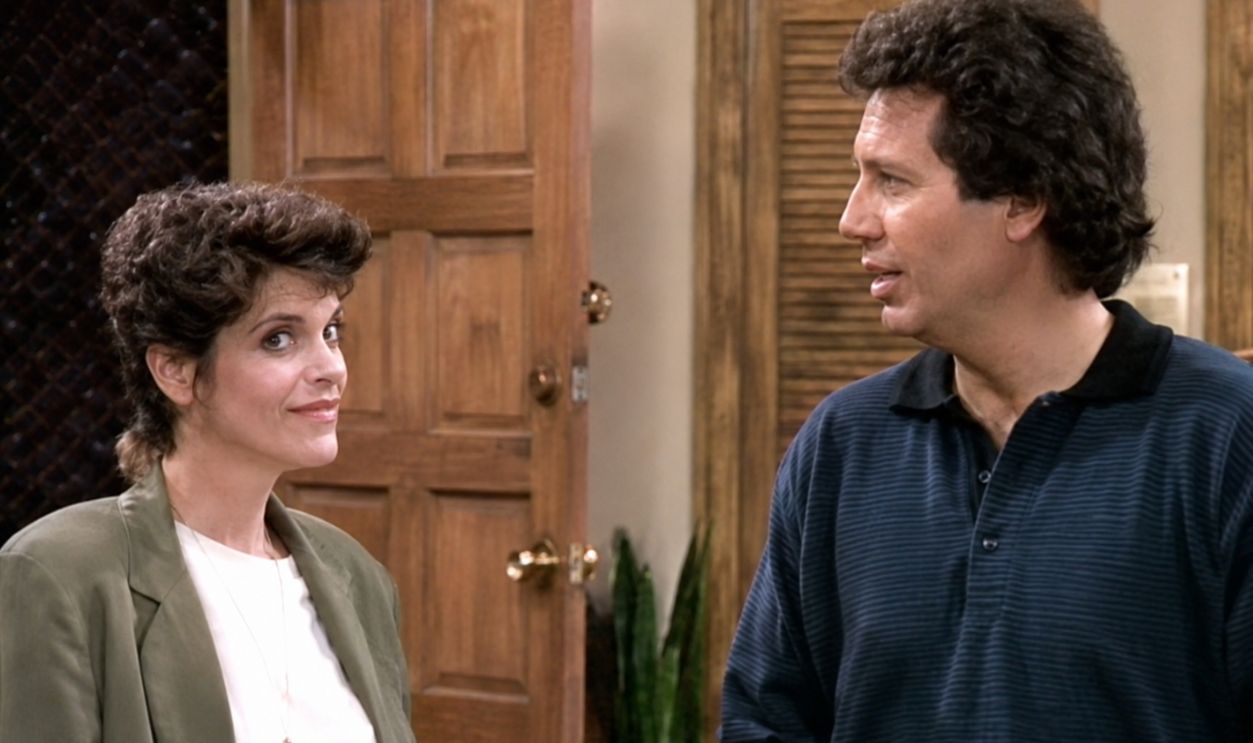 Screenshot from It’s Garry Shandling’s Show, Paramount Global (1986-1990), enhanced
History's most fascinating stories and darkest secrets, delivered to your inbox daily.
34. They Lost A True Original
Gilda Radner died on May 20, 1989, with her husband by her side. The final time she’d seen her former castmates had been at a party a few years earlier, before she went into remission, where her exes Murray and Aykroyd paraded her around so she could say goodbye to her friends and former colleagues. The night she died was a Saturday, so guest host Steve Martin paid tribute to her by replaying a sketch they’d done together back in 1978.
Michaels and Martin hadn’t known she was sick again. Sadly, as the years wore for SNL, the tragedies would just keep coming.
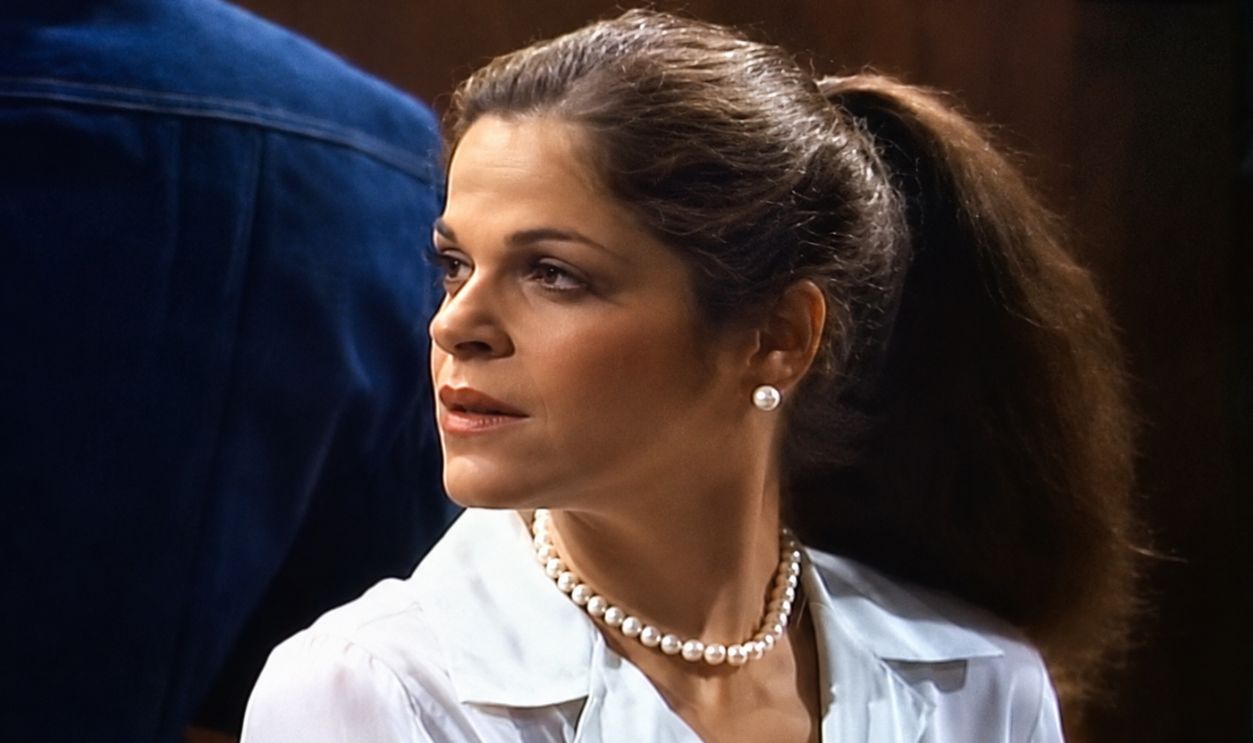 Screenshot from Saturday Night Live, NBCUniversal (1975-), enhanced
35. The New Generation Made A Splash
Some of Michaels’ new cast in the 90s, like Sandler, Farley, Rock, David Spade, and Rob Schneider would come to be known as the “Bad Boys of SNL,” mostly for their “outrageous comedy style”—but there was more to the nickname than just what was put on screen. The temptations of fame called to them all in different degrees, and the fact that nearly all of them became breakout stars didn’t help.
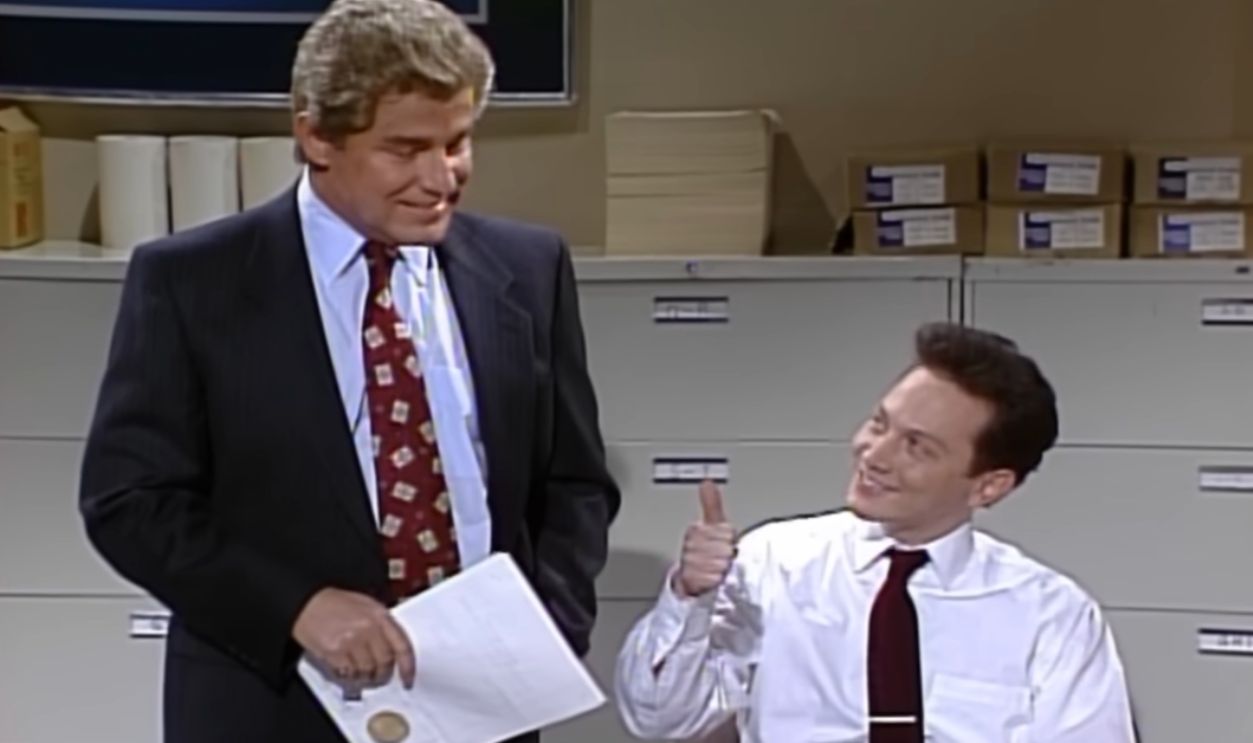 Screenshot from Saturday Night Live, NBCUniversal (1975-)
36. They Lost Two More
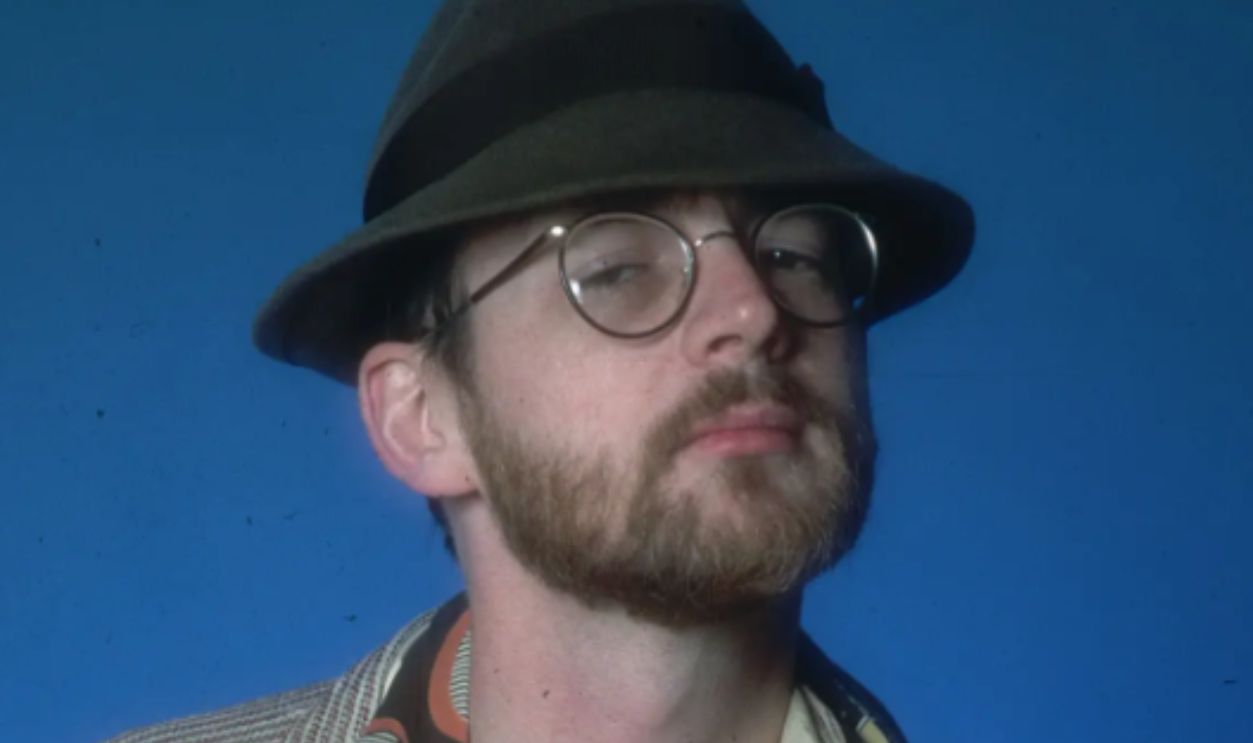
In the middle of this “boom” on SNL, the show lost two more former cast members, both of whom passed before their time. Danitra Vance, a cast member from Michaels’ comeback season, died at the age of 40 in 1994 after a long battle with breast cancer. And that same year, Michael O’Donoghue, the show’s original head writer, passed on at 54 of a cerebral hemorrhage after many migraines.
37. They Bled Talent
Lorne Michaels had truly stacked the cast in the early 90s—and for good reason. He feared that the lure of a film career would rob him of his talent, and he wasn’t exactly wrong. Rock left in 93, Hartman in 94, and Myers, Sandler, and Farley followed in 95. It seemed like it spelled trouble for the show, and that they all had promising futures ahead of them.
Unfortunately, that wasn’t exactly how things played out.
 Screenshot from Saturday Night Live, NBCUniversal (1975-)
38. He Was An Incredible Talent
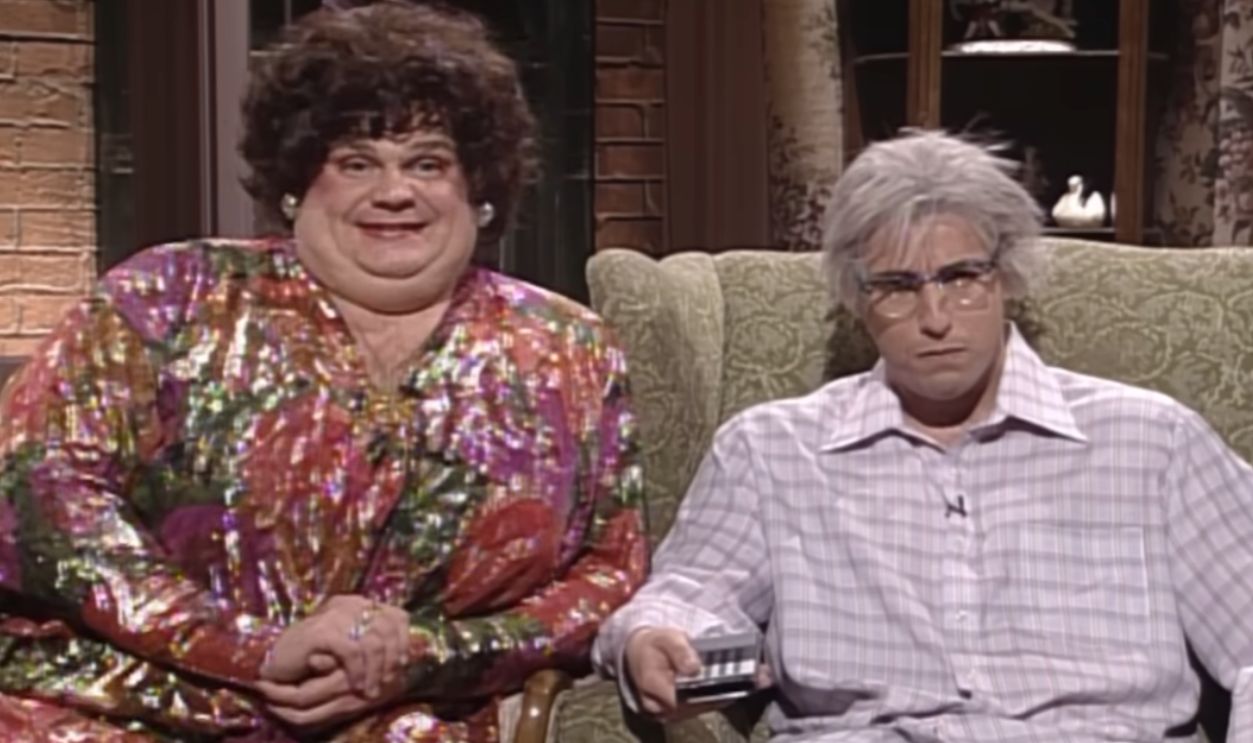
Chris Farley had made a huge splash on SNL, but behind the scenes of the show, he was battling addiction issues to drinking and illicit substances that resulted in a suspension. Michaels—and many others—saw the clear parallels between Farley and his hero, John Belushi. Before and after he left SNL, he was in and out of rehab.
But when Farley had not just one but two films, Tommy Boy and Black Sheep, become big hits after his SNL departure, he seemed to be on the right track.
 Screenshot from Saturday Night Live, NBCUniversal (1975-)
39. He Had It All Planned Out
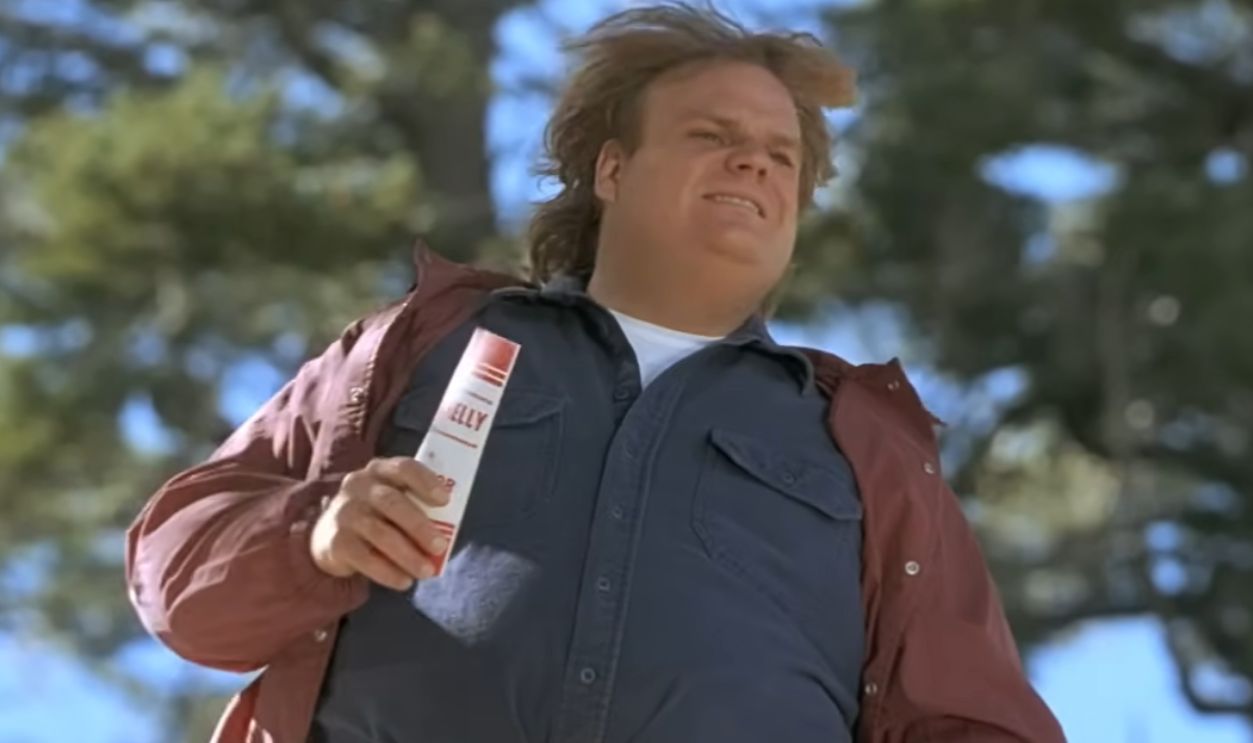
Despite its success, Farley wasn’t exactly thrilled with how Black Sheep turned out, and he ended up relapsing after its premiere, landing him back in rehab. Still, Farley was such a star that he was either cast in, or in talks for, upwards of a dozen upcoming projects. Sadly, none of them would come to fruition.
 Screenshot from Black Sheep, Paramount Global (1996)
History's most fascinating stories and darkest secrets, delivered to your inbox daily.
40. He Was A Generational Talent
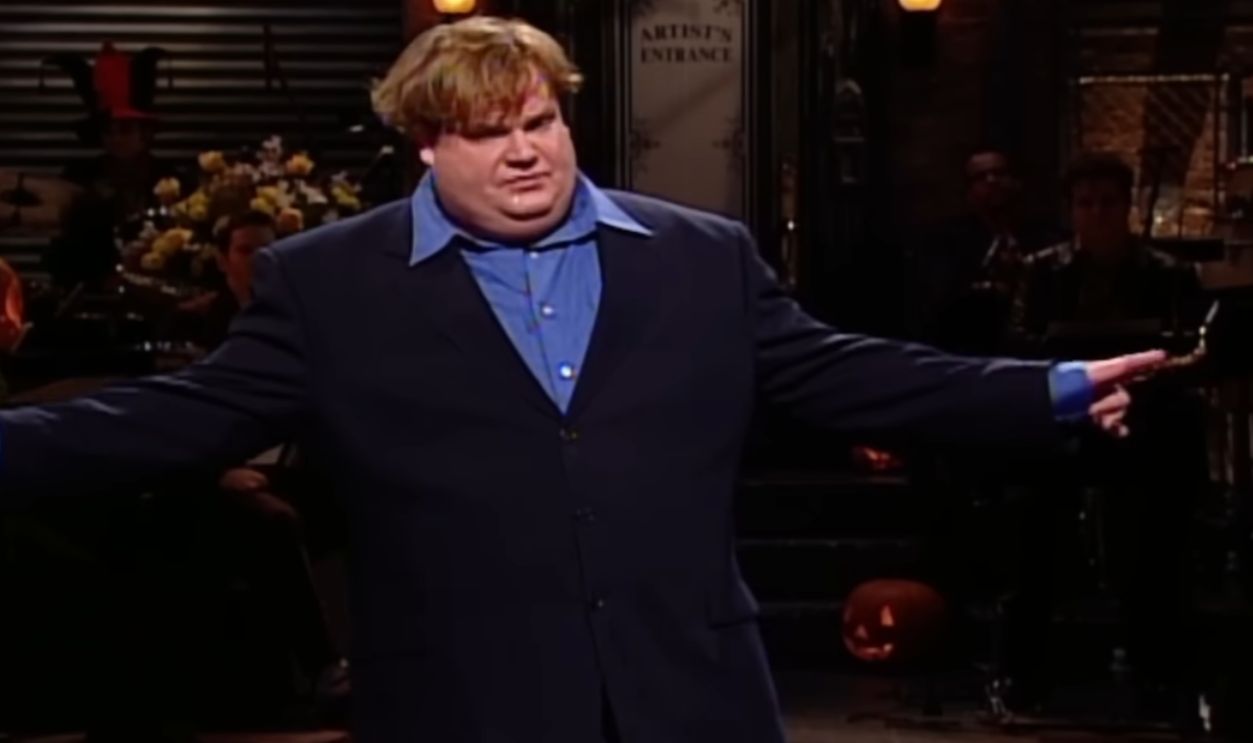
Farley hosted SNL on October 25, 1997, and his addiction issues were the subject of a number of jokes in the cold open. Farley, always a good sport, went along with it—but behind the scenes, he still struggled. Less than two months later, he was found dead in his Chicago apartment of an overdose. And few knew just how disturbing his final moments were.
 Screenshot from Saturday Night Live, NBCUniversal (1975-)
41. She Took Advantage Of Him
Farley had gone out partying that December night in the Windy City, and along the way, he’d picked up a working girl. Back at his apartment, as Farley grew more and more inebriated and struggled to breathe, the woman stole his watch, took pictures of him, and then ignored him as he begged her not to go.
There were sad echoes of the final hours of his idol, John Belushi, who had partied with Cathy Smith.
42. It Was A Star-Studded Event
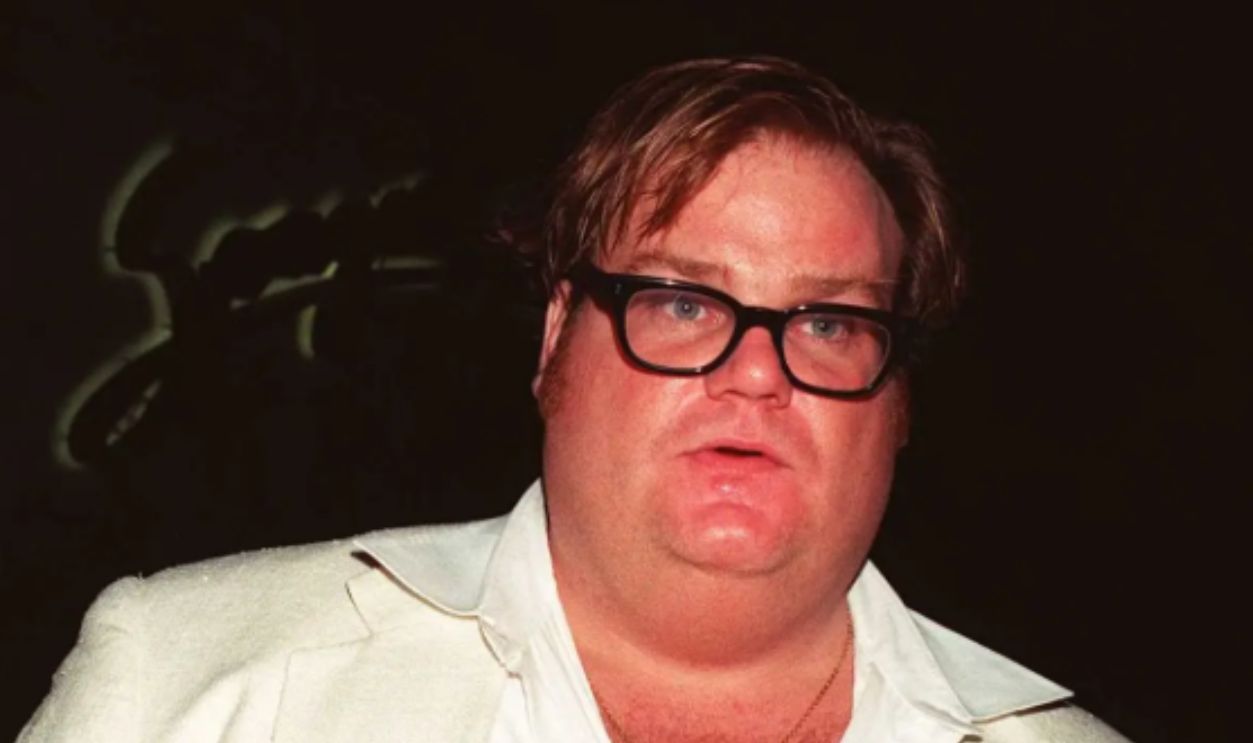
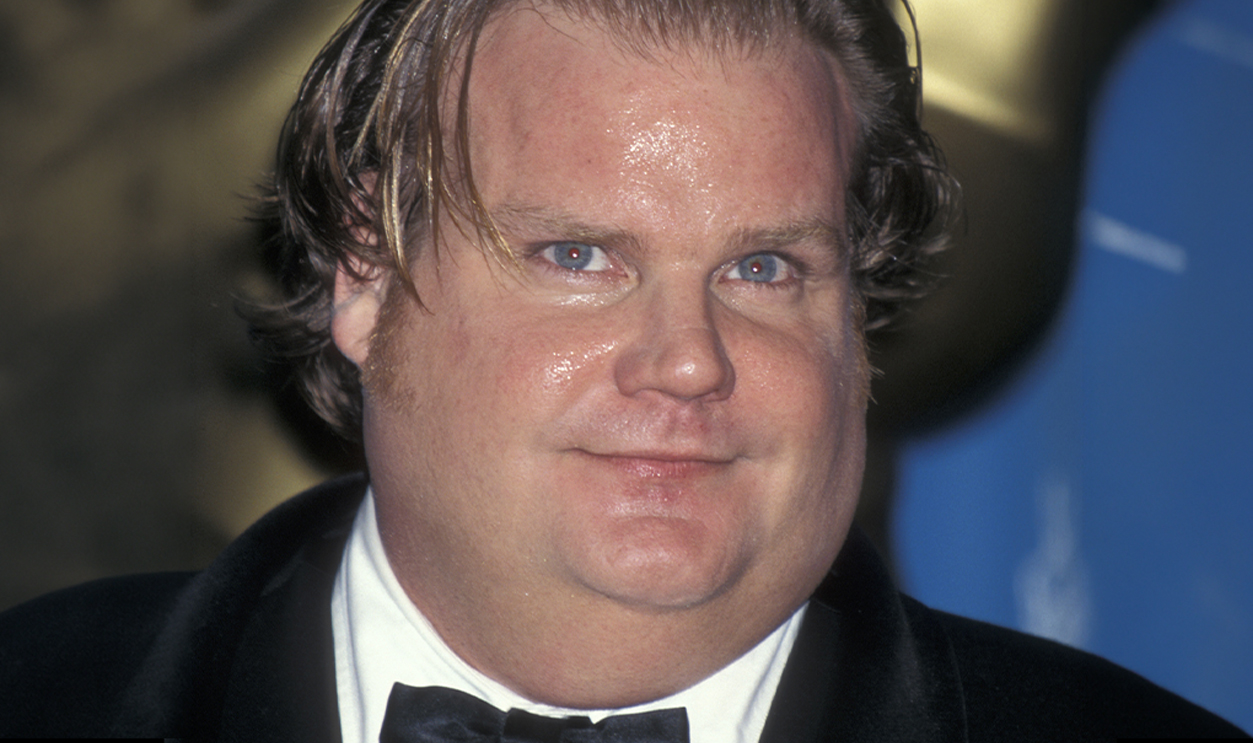
At Farley’s funeral, past and present SNL talent including Dan Aykroyd, Adam Sandler, Lorne Michaels, Chris Rock, Norm Macdonald, and Phil Hartman paid their respects. But there was one colleague and friend who was notably absent: David Spade.
Years later, Spade confessed that he couldn’t bring himself to attend because he believed it would be too overwhelming. Sadly, the SNL family would hardly catch its breath before another heartbreaking loss.
 Ron Galella, Ltd., Getty Images
43. He Was A Comedy Icon
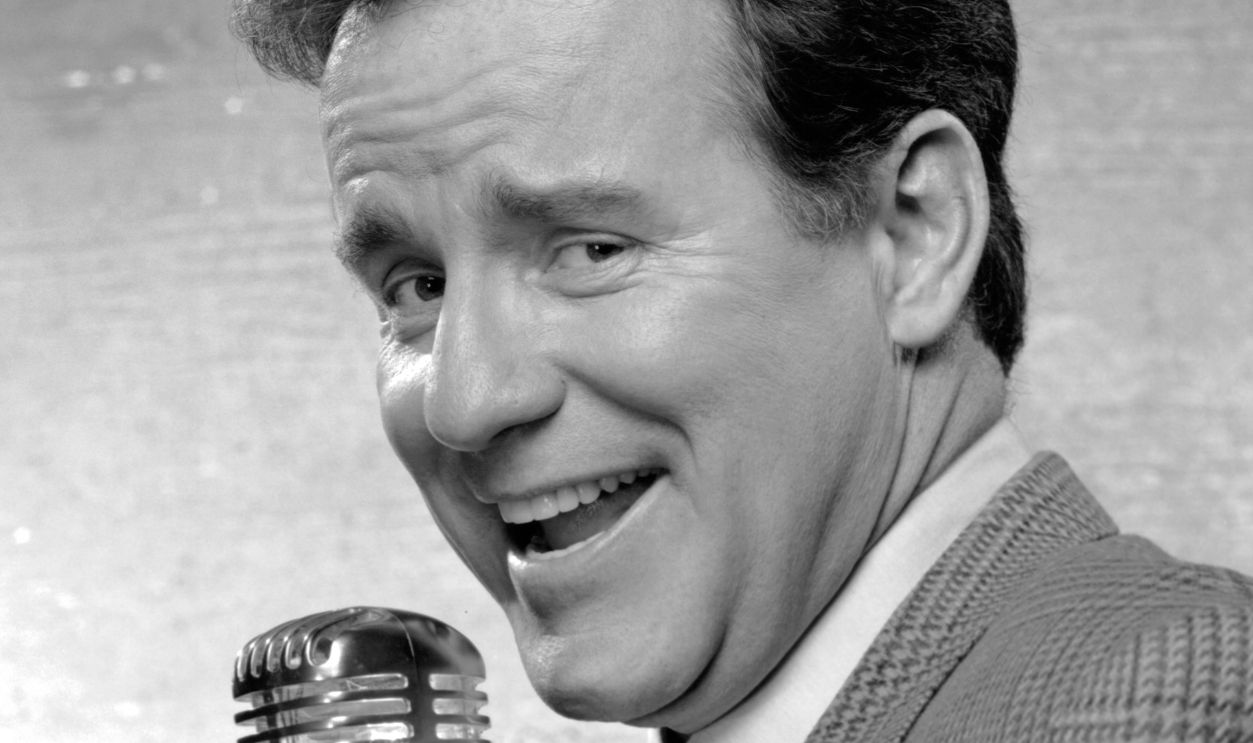
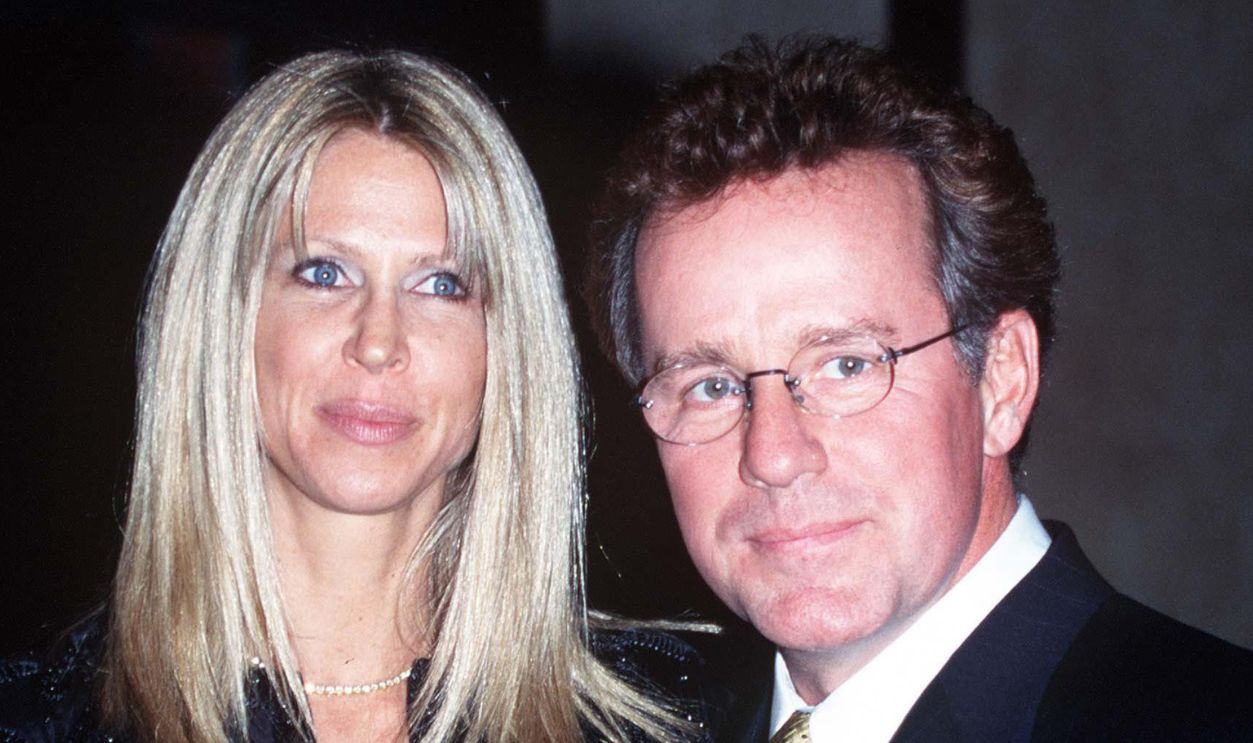
Phil Hartman may not have been a household name, but he was an established figure in comedy even before joining the SNL cast, helping create The Pee-wee Herman Show. He also provided his voice to multiple characters on The Simpsons, and after SNL, joined the cast of Newsradio. He’d been married to his third wife, Brynn Omdahl, since 1987—but the marriage had its fair share of problems. Allegedly, Omdahl, a former model and wannabe actress, was jealous of her husband’s success.
And as their struggles as a couple intensified, things took an ugly turn.
 Michael Ochs Archives, Getty Images
44. It Was A Toxic Marriage
Omdahl struggled with a dependence on drinking and illicit substances, and also was prone to violent outbursts. Occasionally, Hartman had to bring their two kids to stay elsewhere when she acted out. However, though friends thought the marriage was a lost cause, Hartman refused to divorce Omdahl. Unfortunately, this would be a fatal mistake.
45. She Did Something That Could Never Be Undone
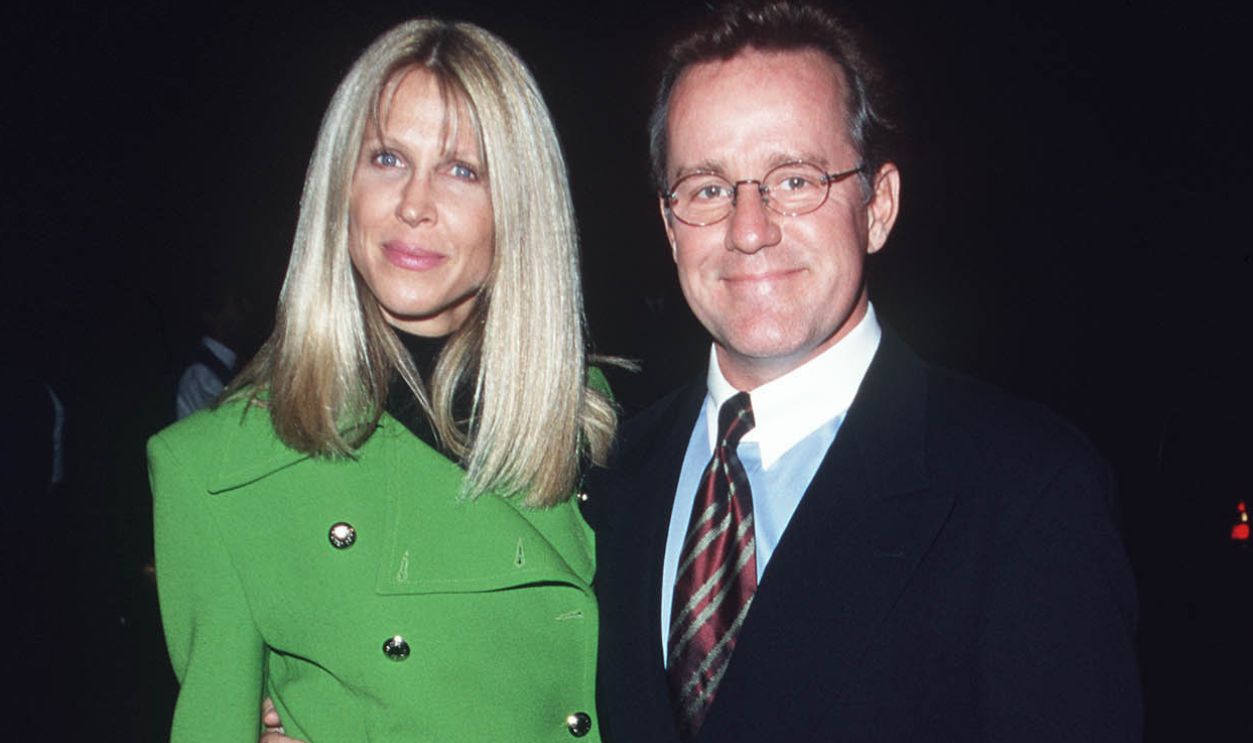
After a night out with a friend in May of 1988, Brynn Omdahl came home and argued with Phil Hartman. He went to bed, but shortly afterward, Omdahl entered the room and shot him three times. She then went and told a friend what happened, and he followed her to the house and called 9-1-1. Sadly, the nightmare didn’t stop there.
History's most fascinating stories and darkest secrets, delivered to your inbox daily.
46. She Couldn’t Handle What She’d Done
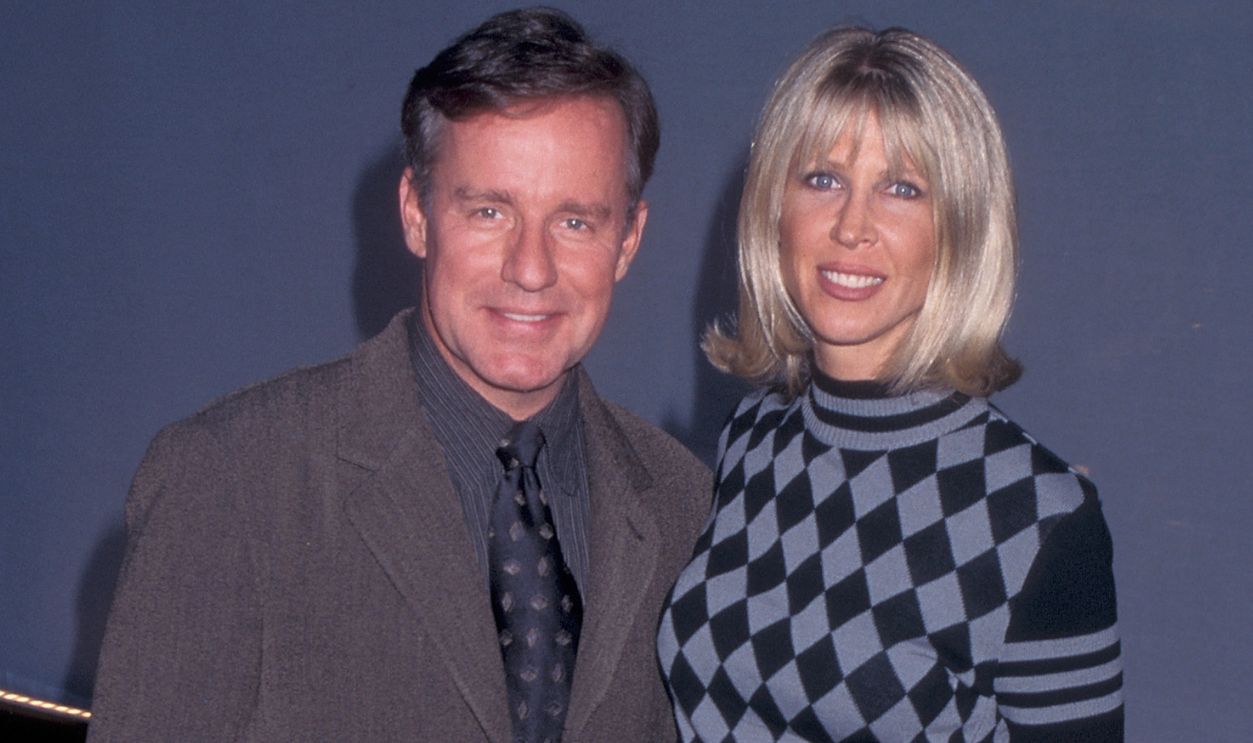
When they arrived, the authorities were able to safely remove the children from the home. Sadly, before they could confront Omdahl, she locked herself in a bathroom and took her own life, leaving their two kids without either of their parents.
It was a horrific and shocking end to the life of one of SNL’s greatest talents.
47. He Knew Who Was Responsible
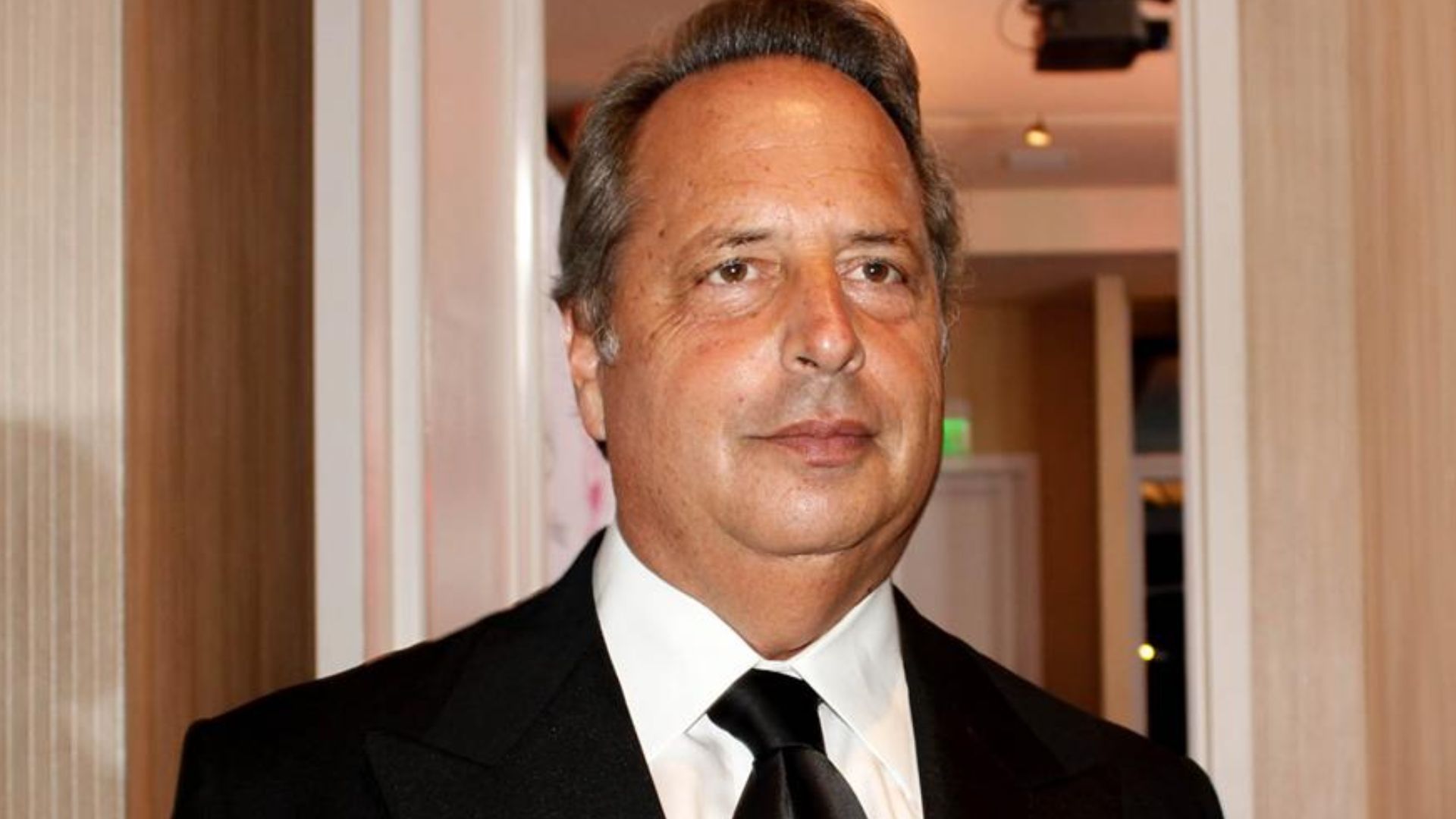
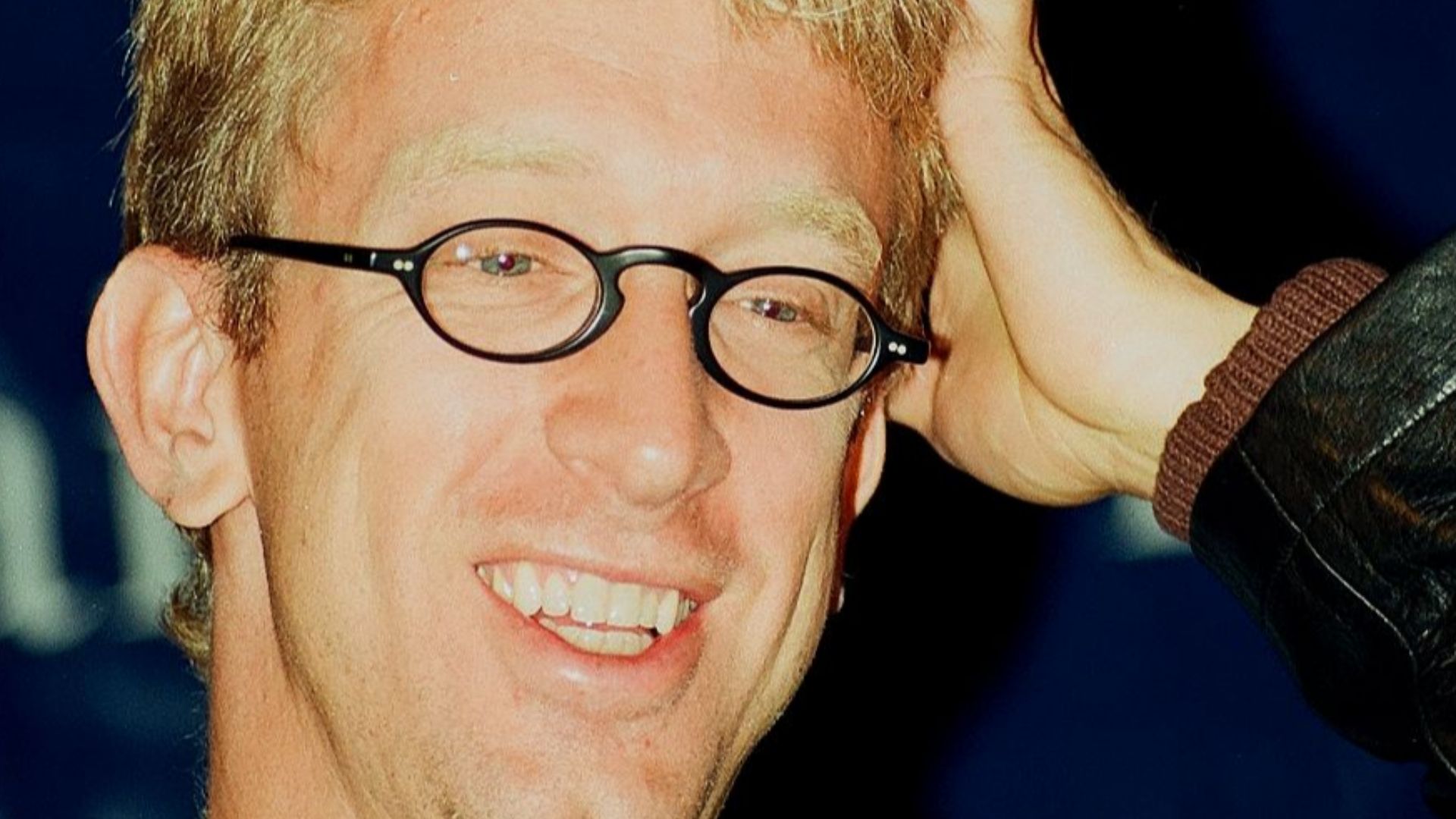
As they came out one by one, the details of Hartman’s death stunned fans. But his friends knew the truth—and the identity of the celebrity they really blamed sent shockwaves through Hollywood. Former SNL co-star and friend Jon Lovitz claimed that comedian Andy Dick had been the one to offer illicit substances to Brynn, causing her to relapse and sending her on a downward spiral.
But Lovitz didn’t stop by just speaking out against Dick.
48. He Got His Revenge The Best He Could
Surprisingly, Dick didn’t exactly deny the accusation. He said that yes, he had partied with Brynn—but no, he didn’t know that she had prior issues with illicit substances. It wasn’t enough for Lovitz, who continued to hold his grudge for years. Nearly a decade later, Dick reportedly told Lovitz "I put the Phil Hartman hex on you. You're the next one to die,” and, in another run-in, Lovitz allegedly slammed Dick’s head against a bar.
Gee, tell us how you really feel, Jon.
 John Mathew Smith & www.celebrity-photos.com from Laurel Maryland, USA, Wikimedia Commons
49. He Was Going To Be The Next Chevy Chase
While some cast members suffered publicly, like Farley, or privately, like Hartman, others never quite had the post-SNL career that kept them in the public eye. Charles Rocket joined the infamous 1980-1981 season where Michaels and the original cast left, with the intention that he’d be the next breakout star. And while he was one of the only parts of that season that was well-received, he was also part of a notorious slip-up.
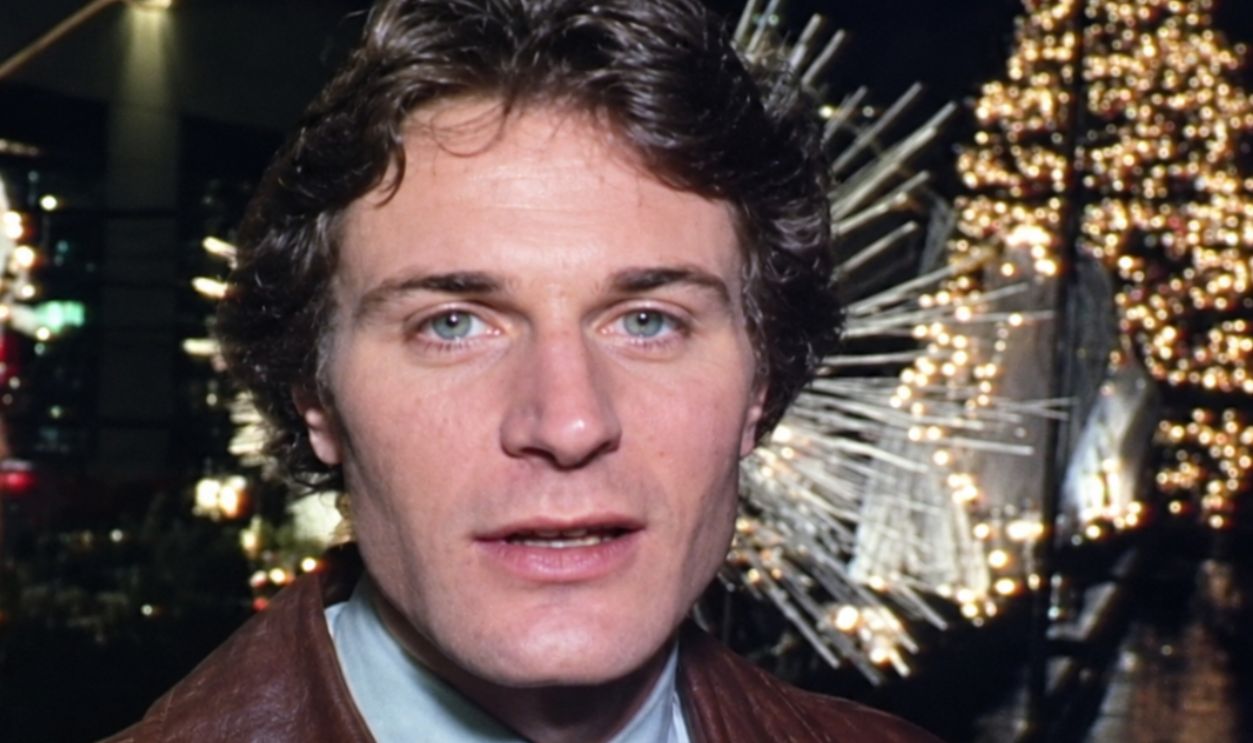 Screenshot from Saturday Night Live, NBCUniversal (1975-), enhanced
50. He Only Lasted One Season
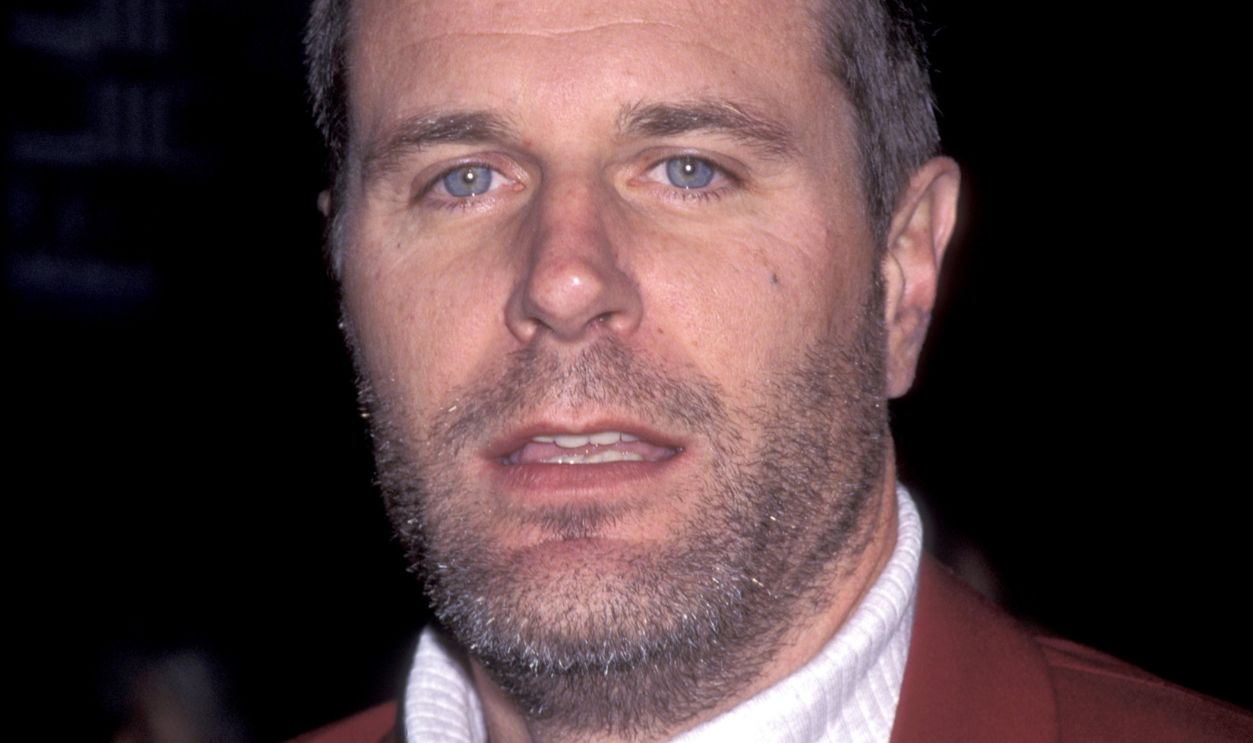
As mentioned earlier, Rocket was the cast member responsible for the profanity-laced blunder that basically resulted in the firing of the new executive producer and most of the cast—including Rocket himself. Though Rocket continued to get steady work in film and TV, the roles tapered off as the years went by. In 2005, Rocket’s body was found in a field behind his house. He had taken his own life.
51. People Think There’s A Curse
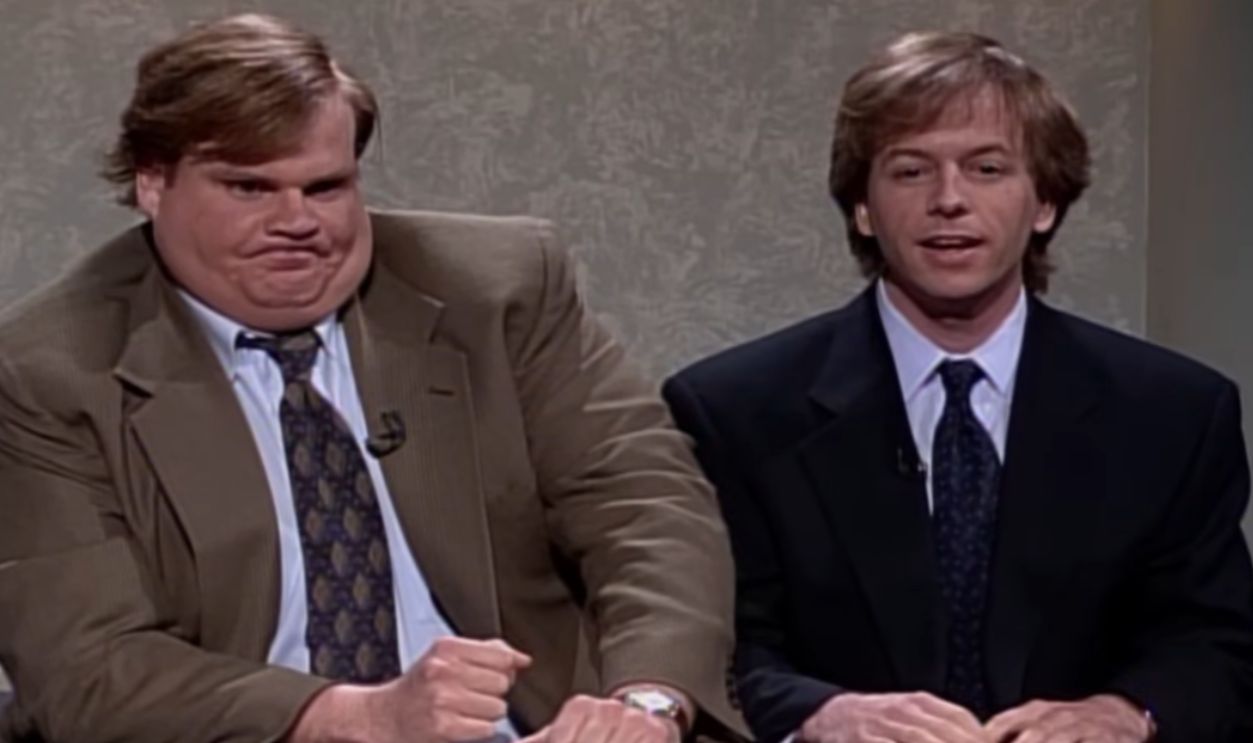
Even before Rocket’s passing, the hard-hitting and seemingly ceaseless tragedies that plagued the SNL cast raised a disturbing question. Was there an SNL curse? Well, for one thing, the cast members who passed on did so after their time on the show was over. They also only account for a small proportion of the 172 cast members who have been part of the show in its 50+ year history.
Regardless, the hole that incredible talents like Belushi, Radner, Farley, and Hartman, among others, left in the world of comedy speaks for itself.
 Screenshot from Saturday Night Live, NBCUniversal (1975-)
You May Also Like:
Live From New York, It's 42 Facts About Saturday Night Live!
In-Your-Face Facts About Andy Kaufman, The Anti-Comedian
Screaming Facts About Sam Kinison, Comedy’s “Wild Thing”
Sources: 1, 2, 3, 4, 5, 6, 7, 8, 9, 10, 11, 12, 13, 14, 15, 16, 17, 18, 19, 20, 21, 22, 23, 24, 25, 26, 27, 28