
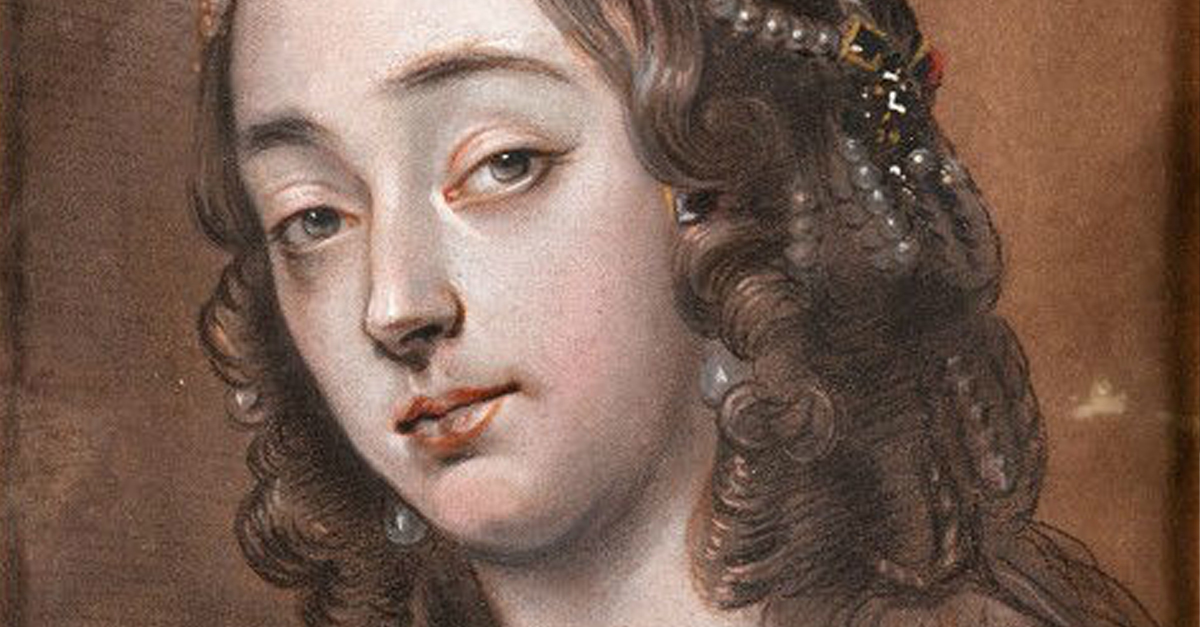
This "Uncrowned Queen” Had A Penchant For Scandal
Barbara Palmer, 1st Duchess of Cleveland, Countess of Castlemaine, was the meddlesome mistress of King Charles II of England. She held so much sway over Charles II that her critics called her "The Uncrowned Queen”. From making real queens faint to tearing down historic palaces, these are the scandalous facts about Barbara Palmer that few know.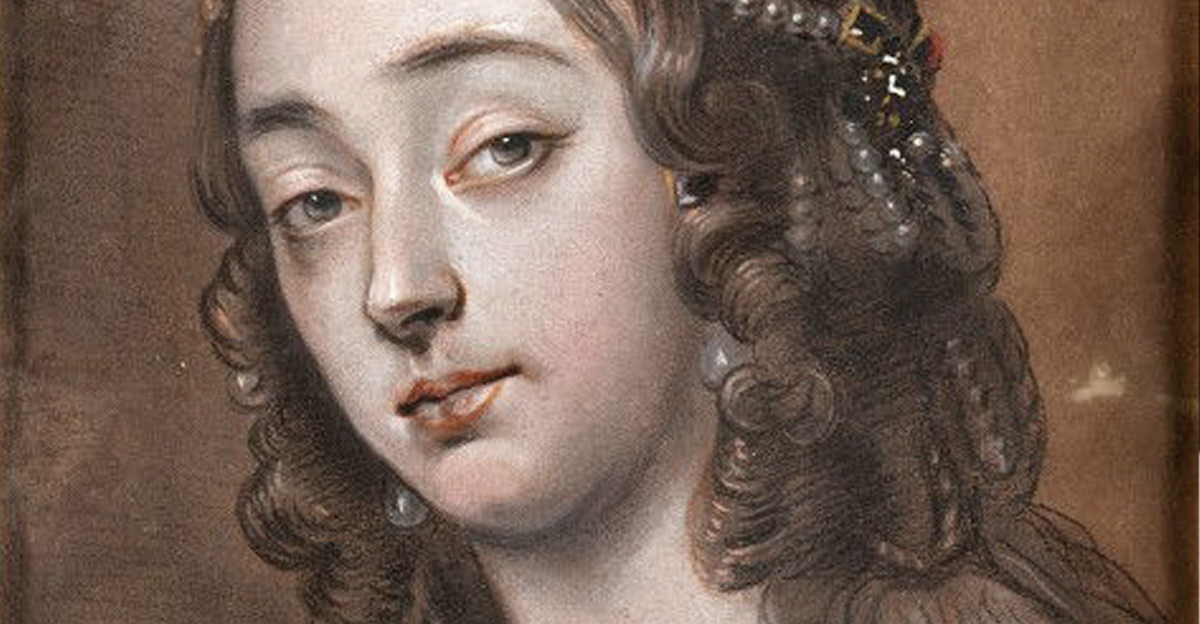 Attributed to John Greenhill, Wikimedia Commons
1. She Came From A Famous Family
Before she was scandalizing the English court, Barbara Palmer was born in November of 1640 to the prominent Villiers family. As Barbara Villiers, she was the only child of her father, William Villiers, 2nd Viscount Grandison, and the heiress Mary Bayning. She was also a descendant of George Villiers, 1st Duke of Buckingham, who had been the favorite of King James I of England.
All of that family history, however, couldn’t shield her from early traumas.
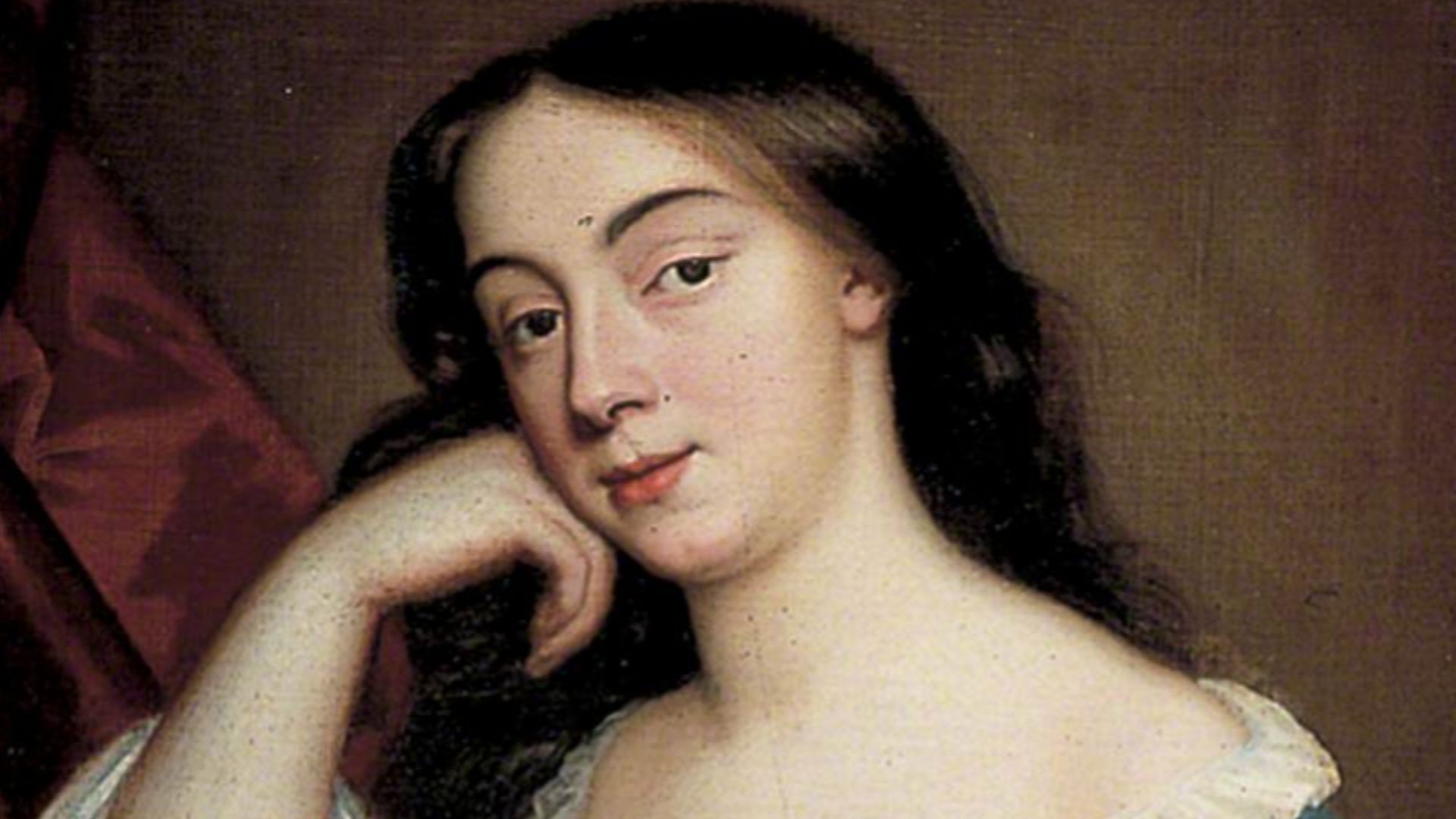
2. Her Father Fell In Battle
Palmer’s father didn’t rest on his family’s laurels. He proved his worth by taking an active role in the conflict between England and Wales. But his bravery would cost Palmer dearly. In late July of 1643, her father suffered a fatal injury during the storming of Bristol. A few months later, in late September, his wounds got the better of him.
The tragedy left Palmer without a father. And, more importantly, without his fortune.
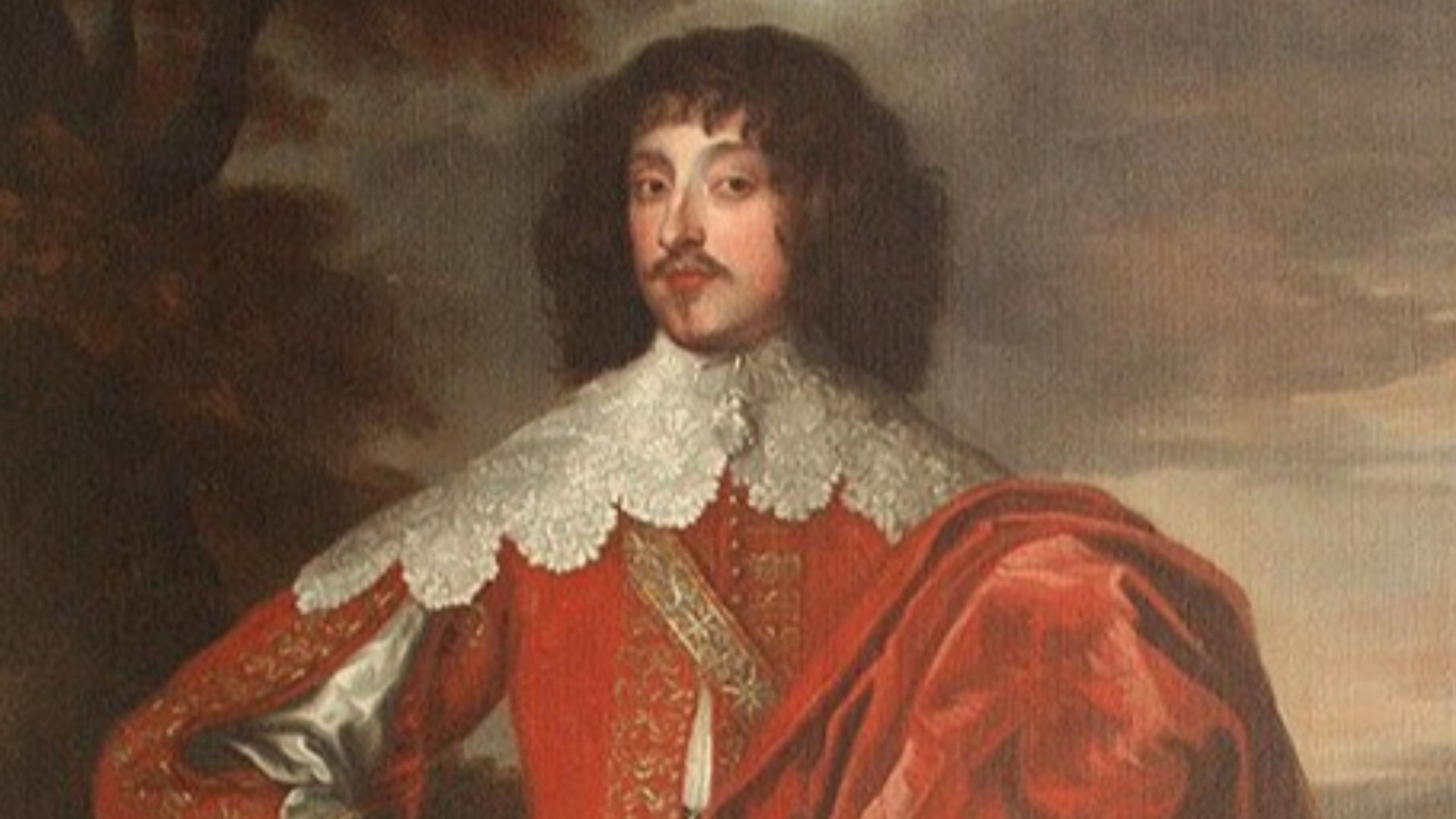 School of Anthony van Dyck, Wikimedia Commons
3. She Grew Up Flat Broke
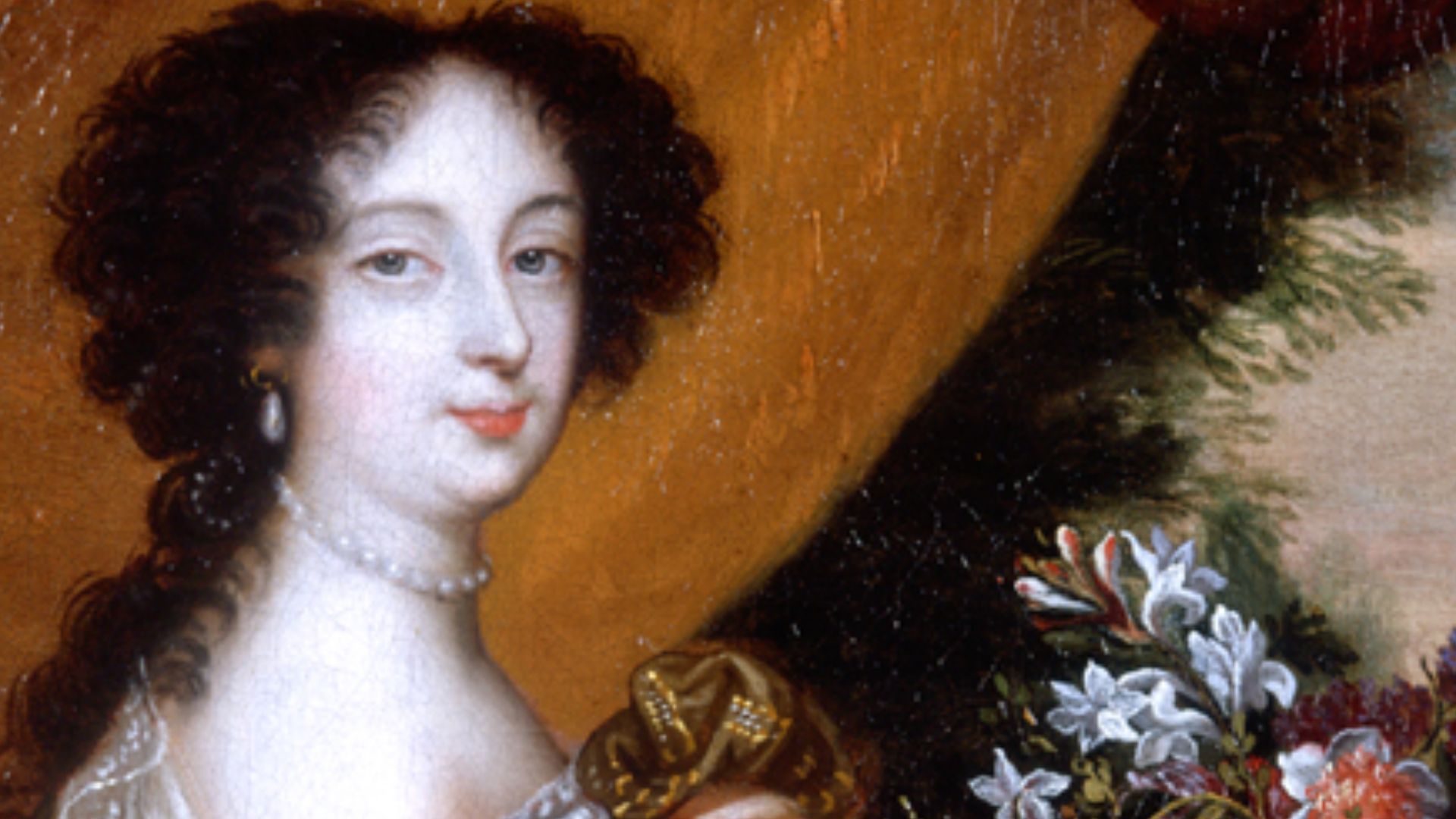
In her heyday, Barbara Palmer was notorious for her extravagant spending habits. But, she may just have been trying to make up for lost time. Palmer’s father had nearly bankrupted the family, spending a shocking amount on supplies and munitions for the fight against Wales. So, when he passed on, he left Palmer with nothing but memories.
Palmer was just three years old at the time, but she quickly learned that money came from men.
 Henri Gascar, Wikimedia Commons

History's most fascinating stories and darkest secrets, delivered to your inbox daily.
4. Her Mother Remarried Within The Family
Palmer didn’t stay fatherless for long. About five years after her father’s passing, her mother remarried. And she didn’t go far outside the family. To get back on her feet, Palmer’s mother tied the knot with Charles Villiers, 2nd Earl of Anglesey. He just so happened to be Palmer’s father’s cousin. Still, the family hadn’t escaped turmoil and hardship.
5. She Was Secretly Loyal To The Royals
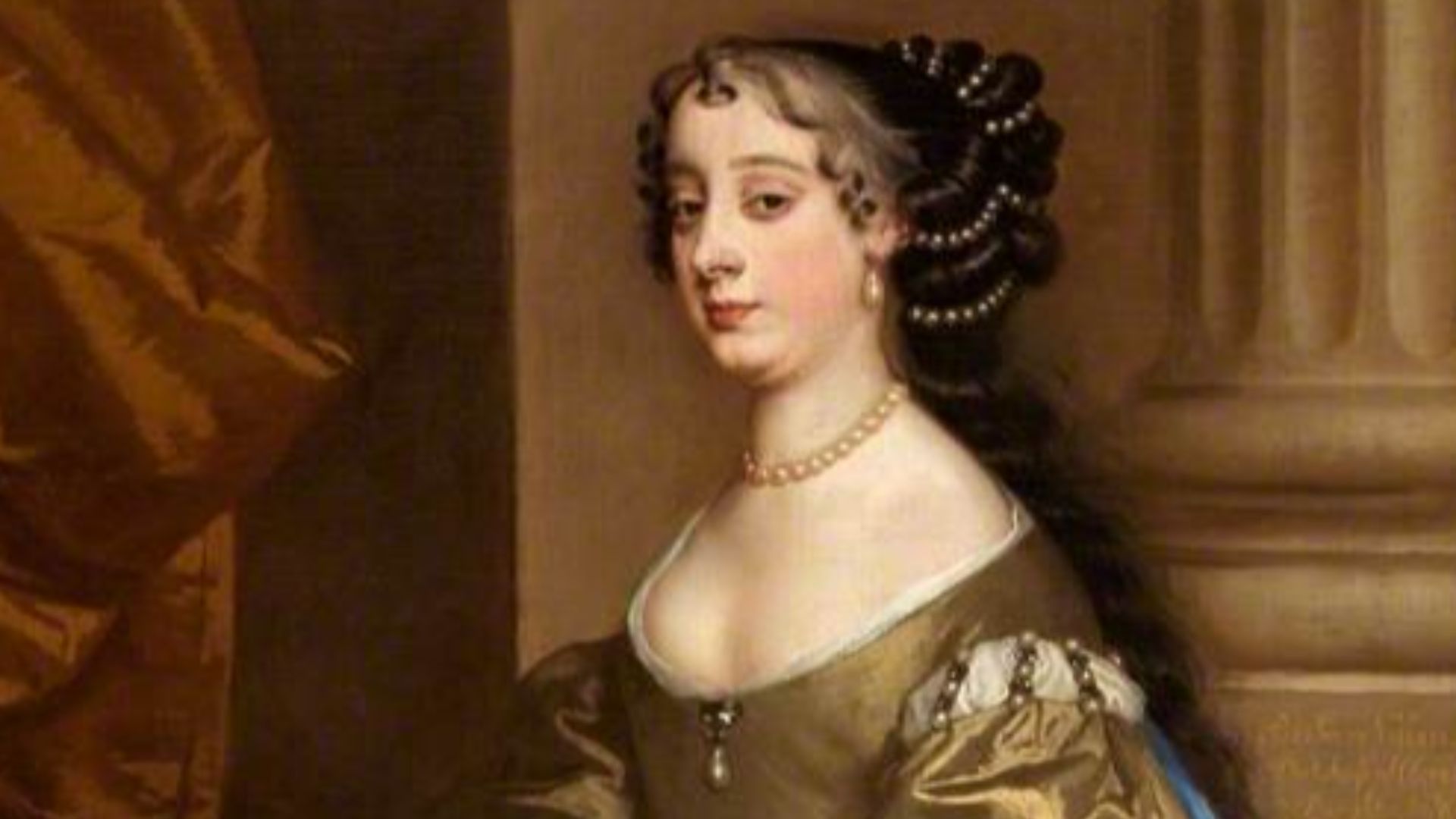
Even when things didn’t look good for the English crown, Barbara Palmer and her family remained loyal royalists. When republican forces triumphed (and lopped off Charles I’s head), Palmer continued pledging her loyalty to her future bedmate, Charles II. Every year on Charles II’s birthday, even before he restored the monarchy, Palmer and her family snuck down to their basement and drank to his health in secret.
However, at the time, her heart belonged to someone else.
6. She Fell In Love With Chesterfield
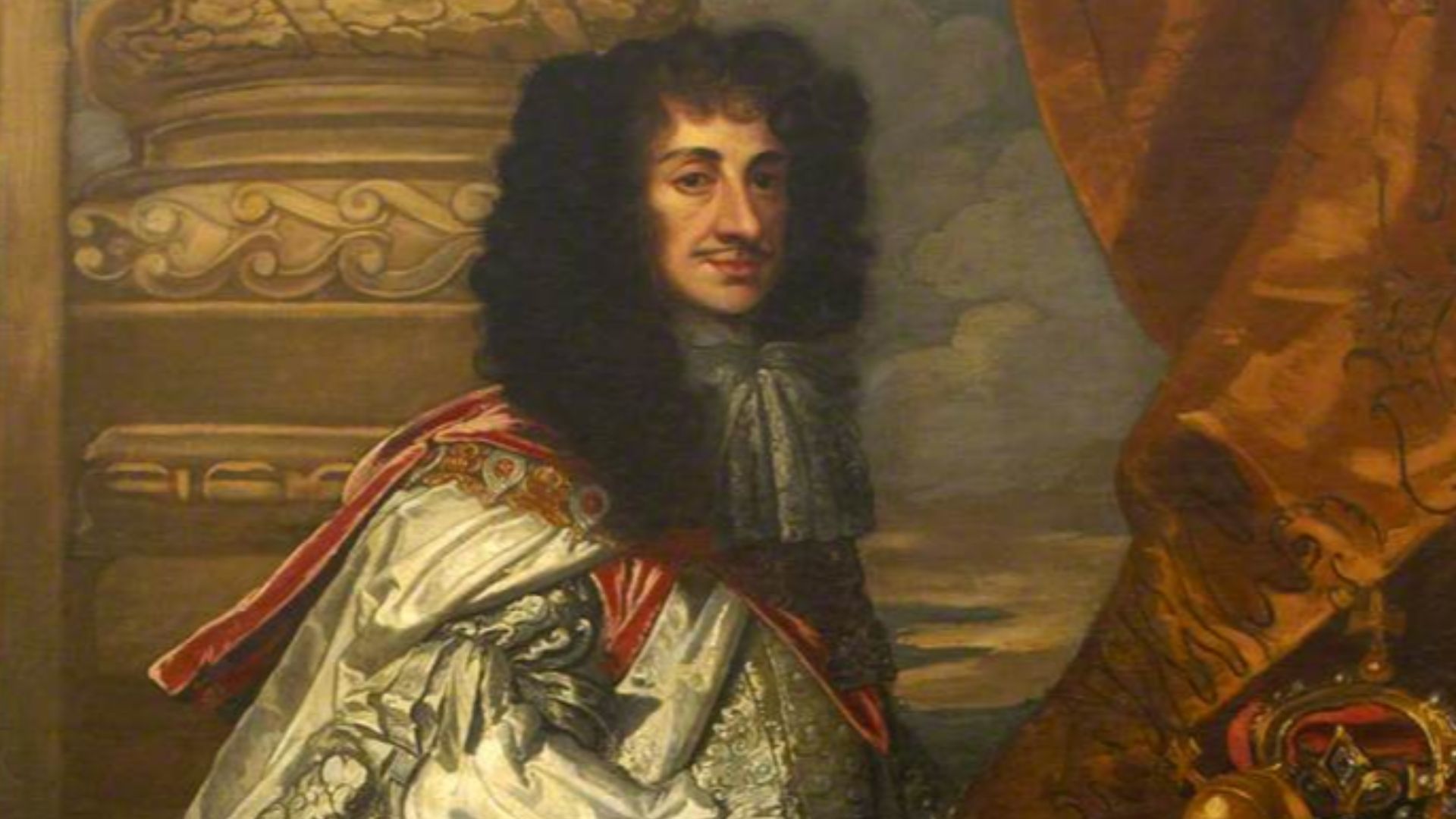
Palmer’s long and scandalous affair with Charles II was the affair that made her rich and famous. But her heart may never have been in it. Before she ever shared a bed with Charles II, in her teenage years, Palmer was head over heels in love with Philip Stanhope, 2nd Earl of Chesterfield. They reportedly carried on a steamy love affair.
So…what happened to their romance?
7. She Was Too Poor To Marry
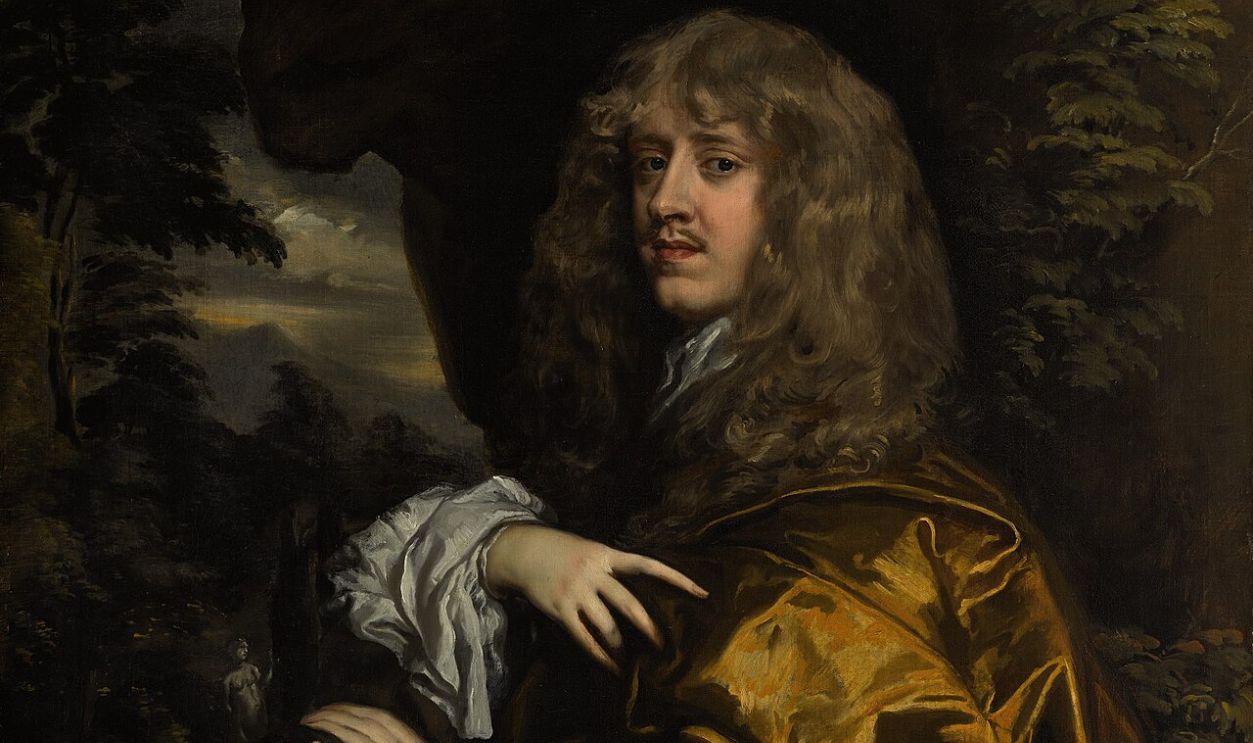
By all accounts, Barbara Palmer and Chesterfield were the perfect match. Not only did they have undeniable chemistry, but they were of a similar rank and close in age. The only way in which they were not compatible, however, was that Palmer was flat broke and Chesterfield needed a rich wife.
However, heartbreak wasn't the only trial she faced.
8. She Survived Smallpox
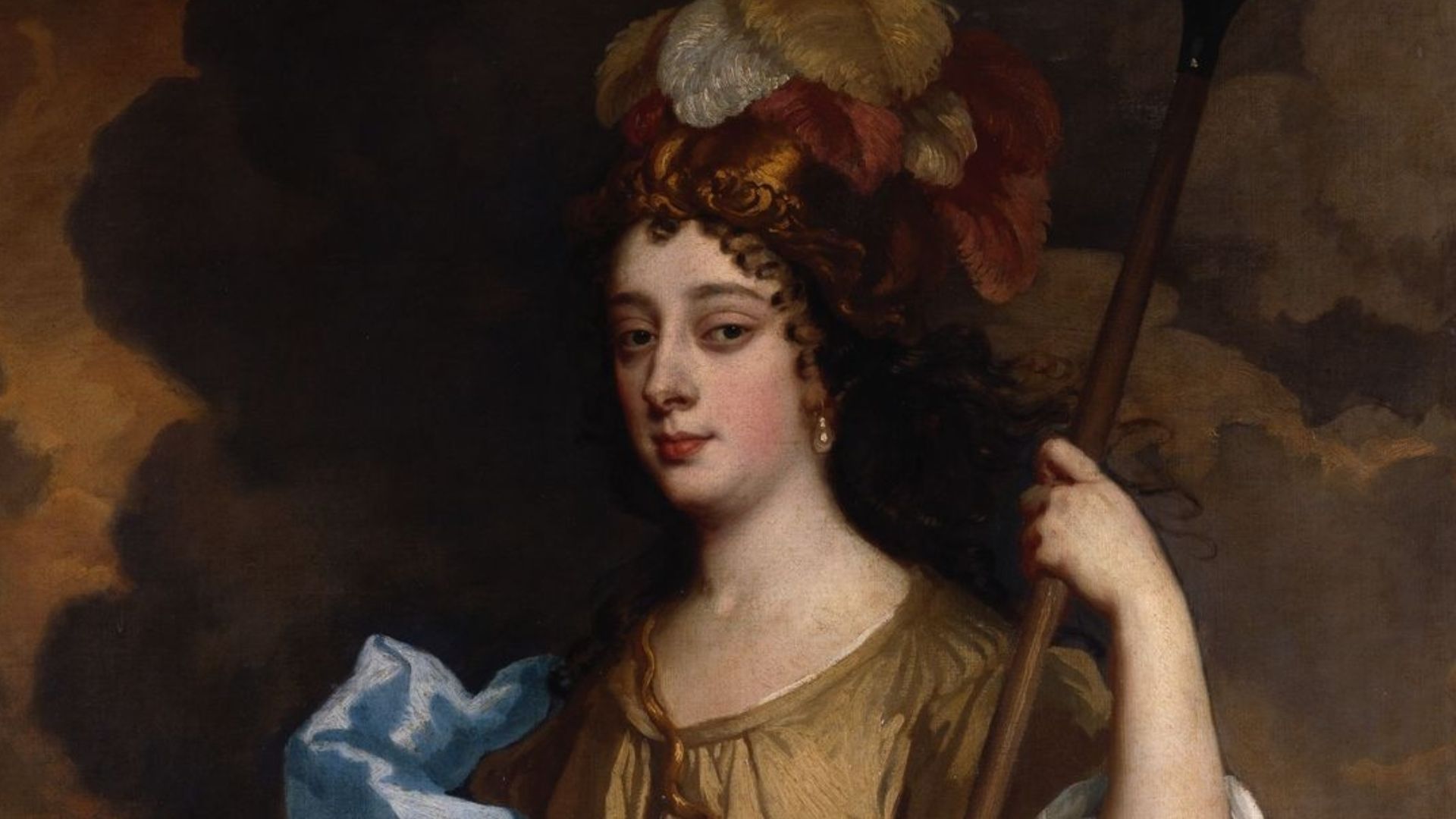
Palmer's late teenage years weren't kind to her at all. With her entire life stretching out before her, fate threw her a curveball. She contracted a terrible disease: smallpox. Even if she survived the aggressive illness, there was a good chance that it would leave her horribly disfigured. Miraculously, however, Palmer recovered without so much as a scratch on her. And lucky she did. Her looks would be her ticket to wealth.
 Caspar Netscher, Wikimedia Commons
9. Her Beauty Was Legendary
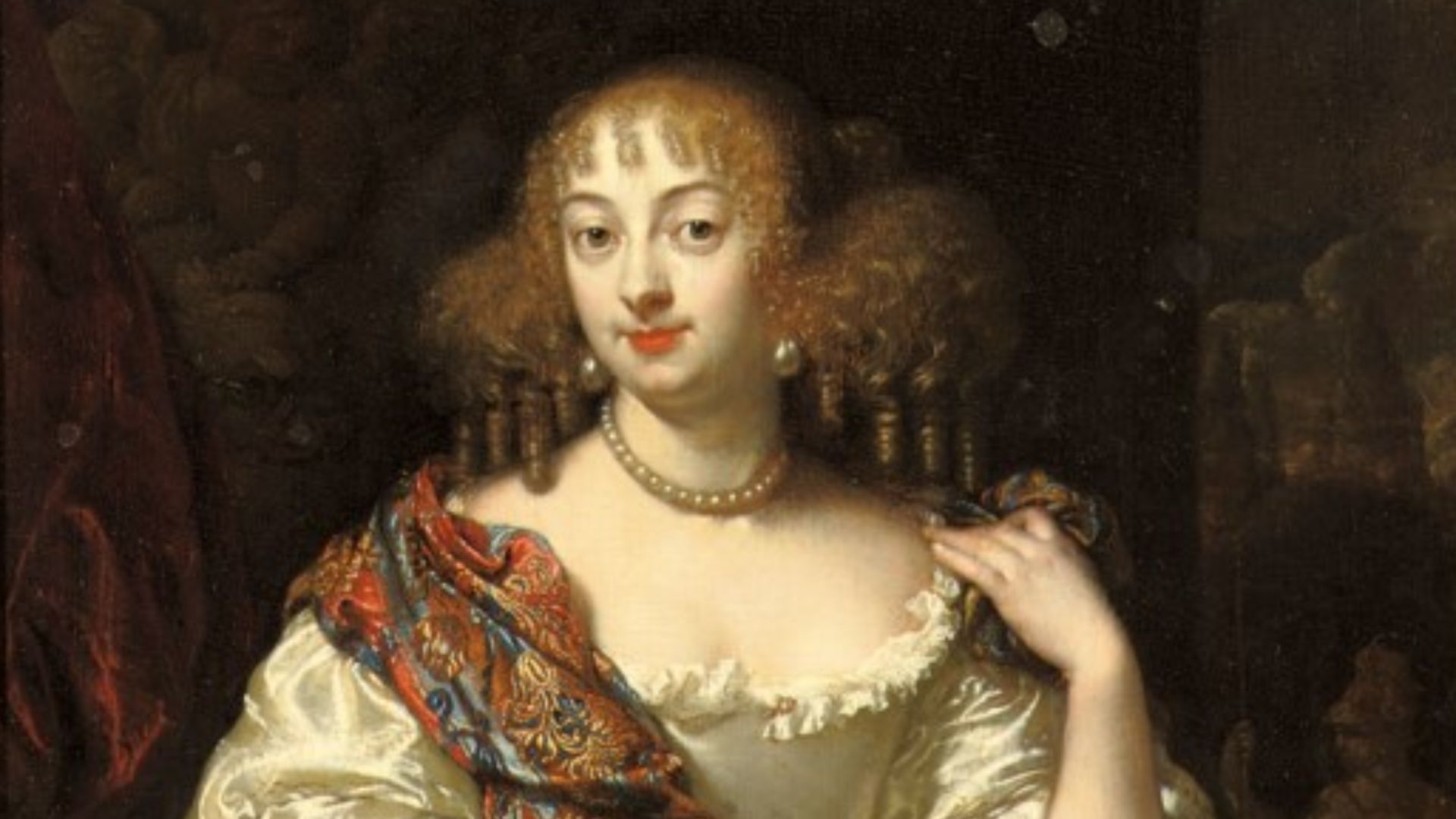
If the historical accounts of her appearance are anything to go by, it’s no wonder that Barbara Palmer had kings fawning over her and queens fainting because of her. Contemporary accounts describe Palmer’s unique beauty, claiming that she was “tall, voluptuous, with masses of brunette hair, slanting, heavy-lidded violet eyes, alabaster skin, and a sensuous, sulky mouth”.
It was an honor just to look upon her.
 Workshop of Peter Lely, Wikimedia Commons
History's most fascinating stories and darkest secrets, delivered to your inbox daily.
10. She Was The Ultimate Muse
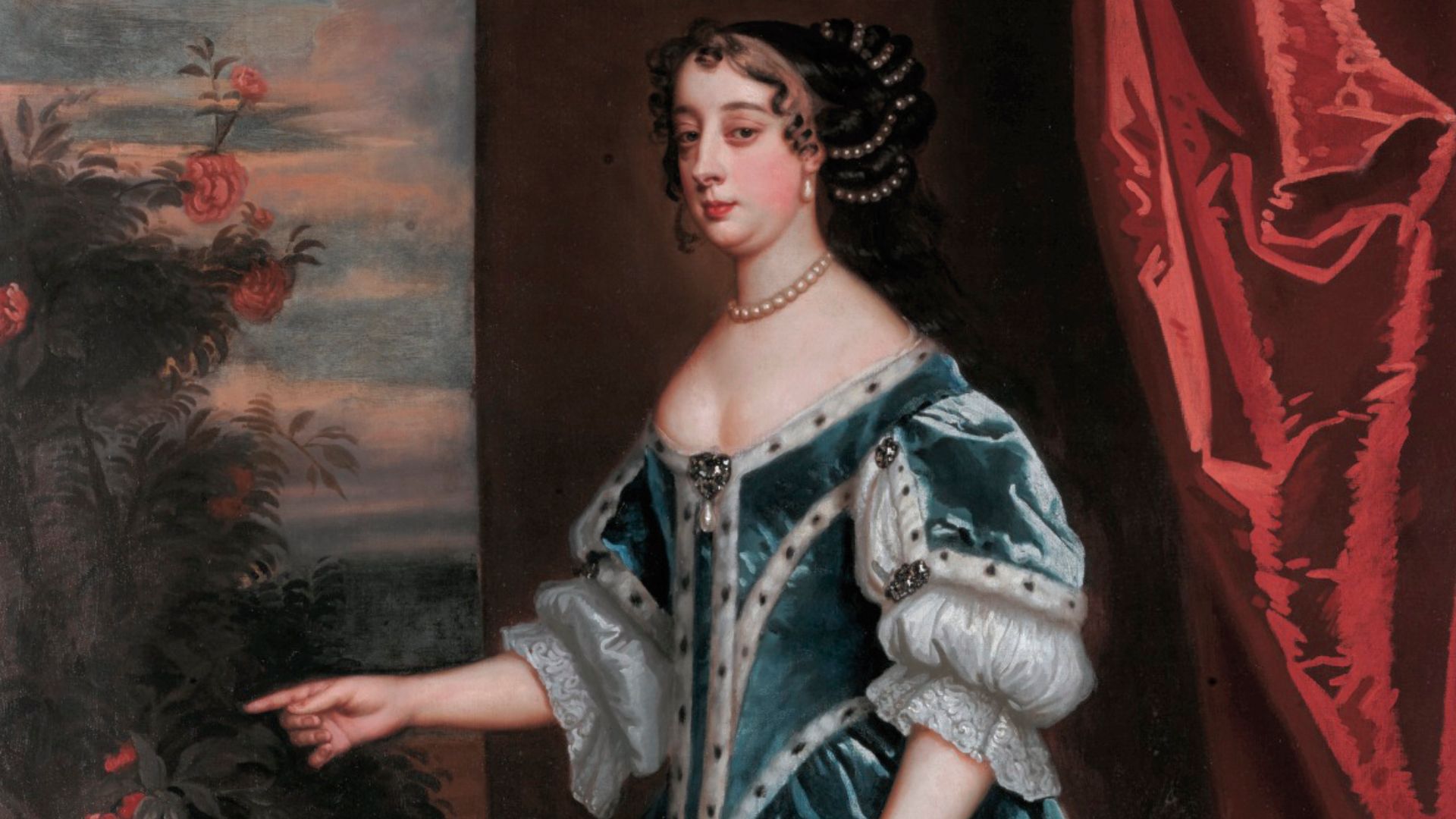
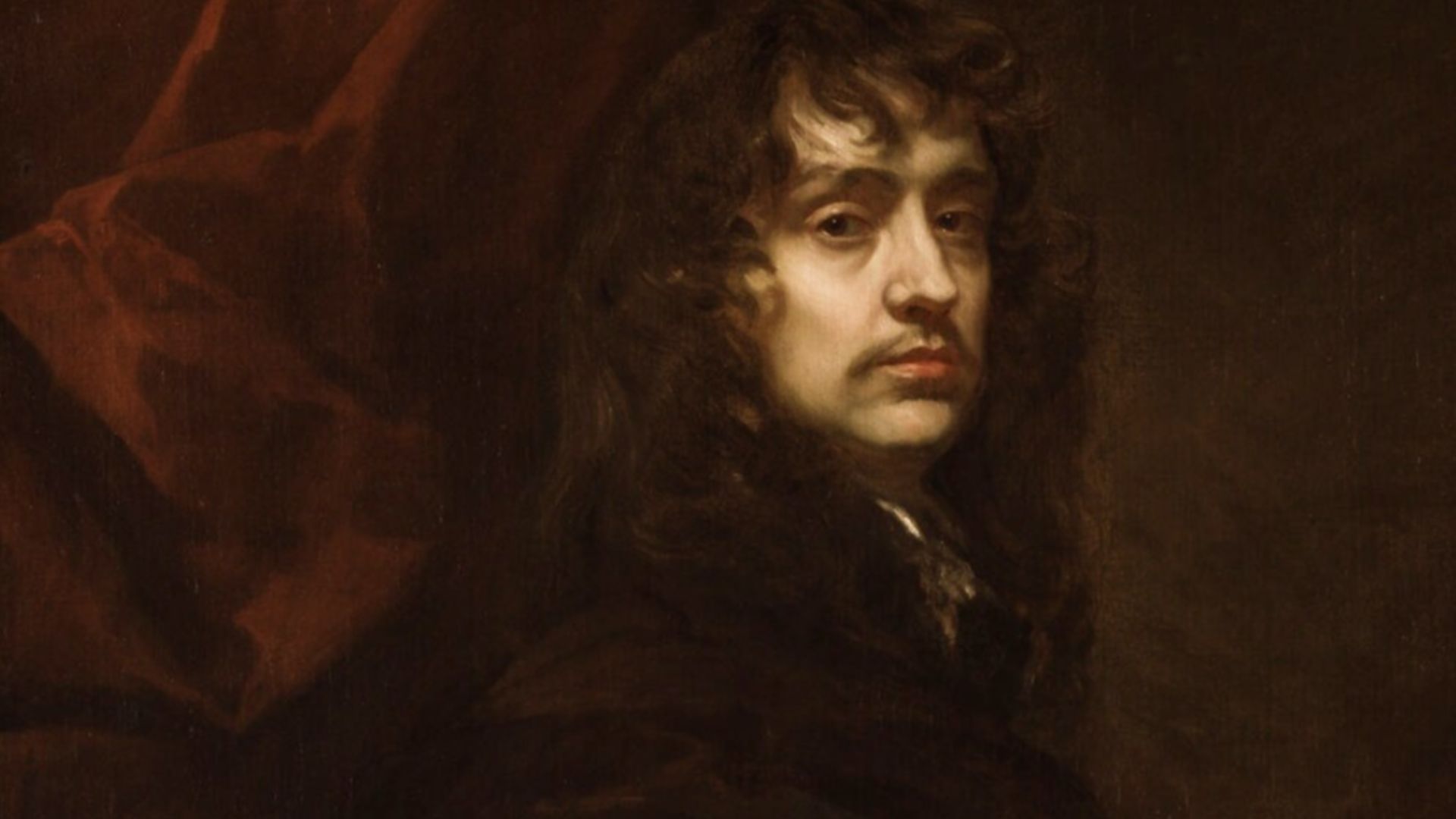
Once she arrived at the English court, Palmer used her looks to devastating effect. She developed a strategic relationship with Charles II’s official painter, Peter Lely. Lely provided Palmer with endless portraits that thrust her into the public eye, highlighting her sensational good looks and rank. In return, Palmer used her influence over the king and his court to shine a spotlight on Lely’s artwork.
Paintings truly couldn’t do her justice.
11. She Was Too Pretty To Paint
Lely may have painted Palmer more times than he could count, but he could never quite capture the beauty that he saw. Allegedly, Lely once commented, “that it was beyond the compass of art to give this lady her due, as to her sweetness and exquisite beauty”. With that kind of beauty, finding a husband was easy work, with or without money.
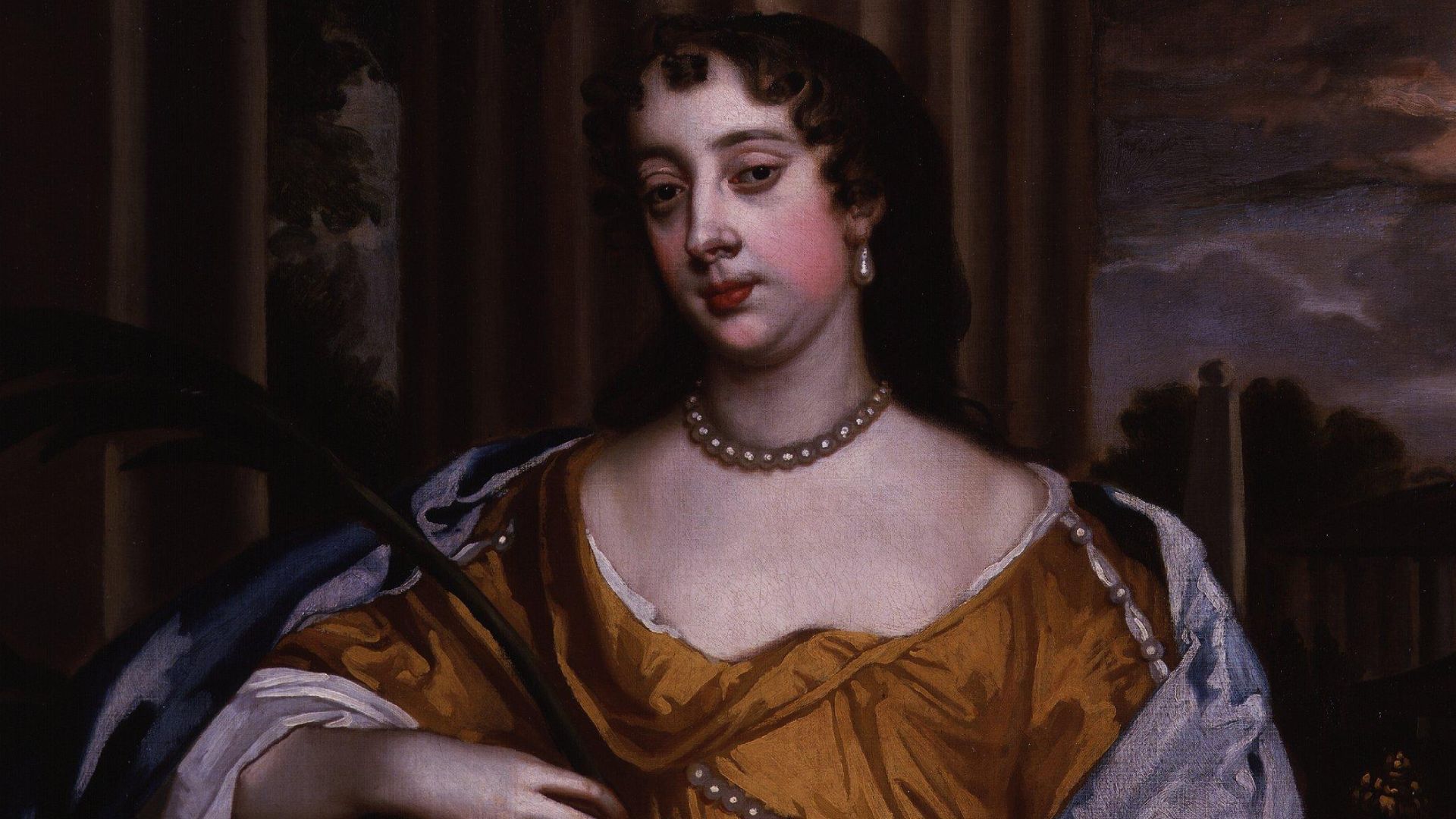 After Peter Lely, Wikimedia Commons
12. She Made A Man Miserable
When she turned 18, Barbara officially took herself off the dating market, marrying Roger Palmer, 1st Earl of Castlemaine. There was just one problem: Roger Palmer was a Roman Catholic, and she wasn’t. Roger Palmer’s family objected to the match, vowing that Barbara would only make him incredibly unhappy. That turned out to be true.
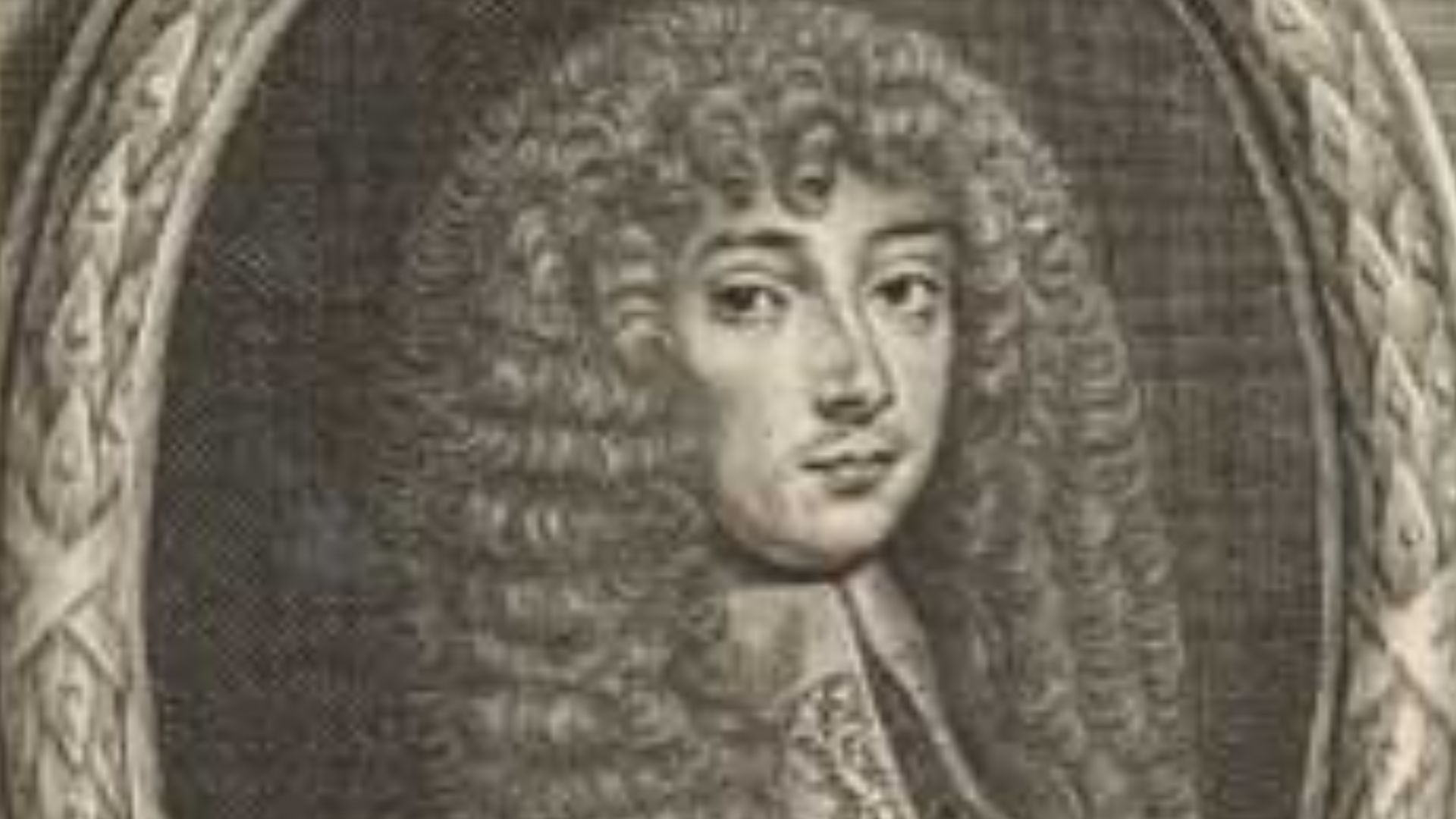 The original uploader was Chelseaboy at English Wikipedia., Wikimedia Commons
13. She Backed A King-in-Waiting
The one thing that both Barbara Palmer and her new husband had in common was a deep devotion to restoring the British monarchy. So, in 1659, the couple set sail for Brussels with a group of royalists to meet with the future King Charles II and give him their support. However, Charles II ultimately took something far more valuable from Roger Palmer.
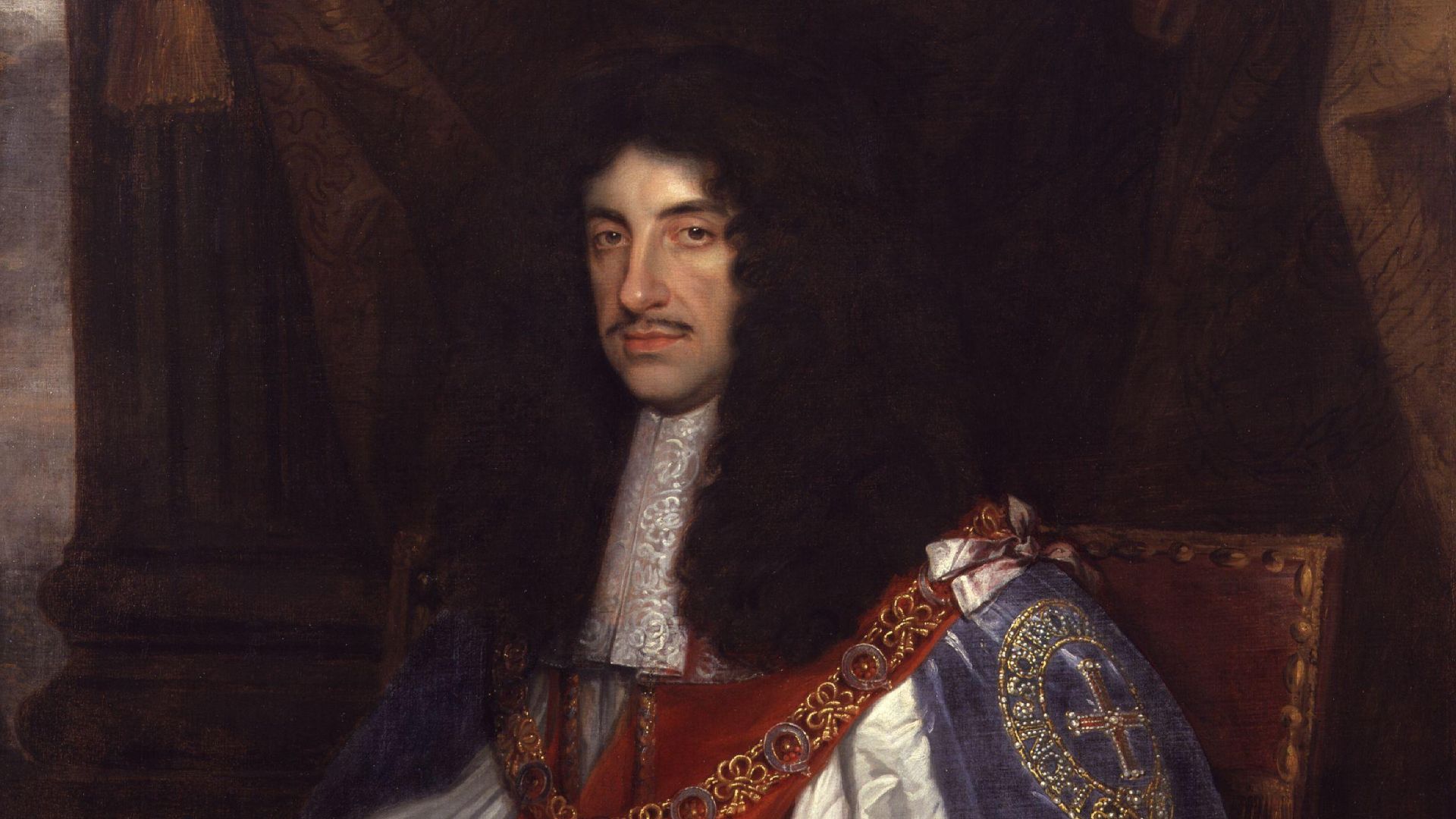 John Michael Wright, Wikimedia Commons
14. She Became The King’s Favorite
In 1660, shortly before—or just after—the Restoration, Charles II repaid Palmer for her loyalty. With love. It was precisely around this time that most historians agree that Palmer and Charles II began their affair. There was no question from the first moment, however, that she was the king’s favorite courtier—and lover. Despite being married, Palmer didn’t object.
Being a mistress paid well.
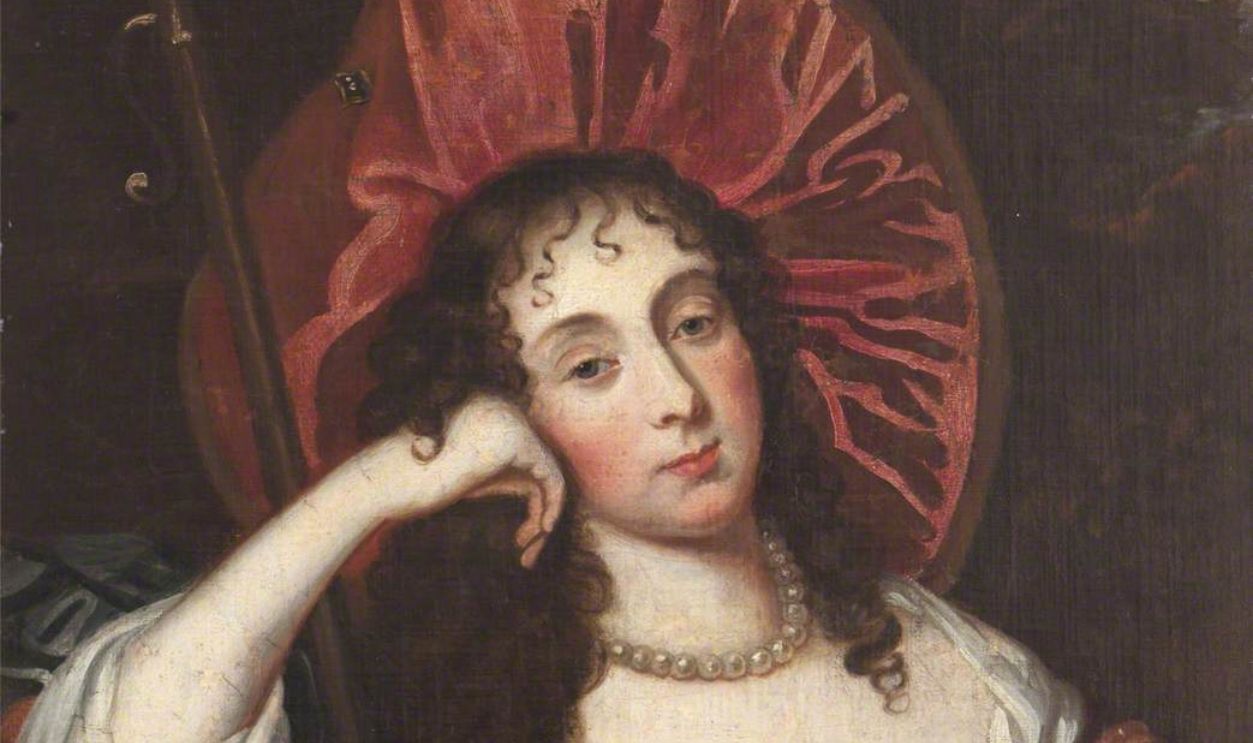 National Trust, Wikimedia Commons
15. She Collected Royal Rewards
To thank her for her “services”, King Charles II lavished gifts on Barbara Palmer and her husband. In a true sign of his devotion, Charles II gave Palmer “two pennies seigniorage on every Troy pound of silver”. Then, the following year, he elevated her husband to Baron Limerick and Earl of Castlemaine. However, not all of the king’s gifts went over well.
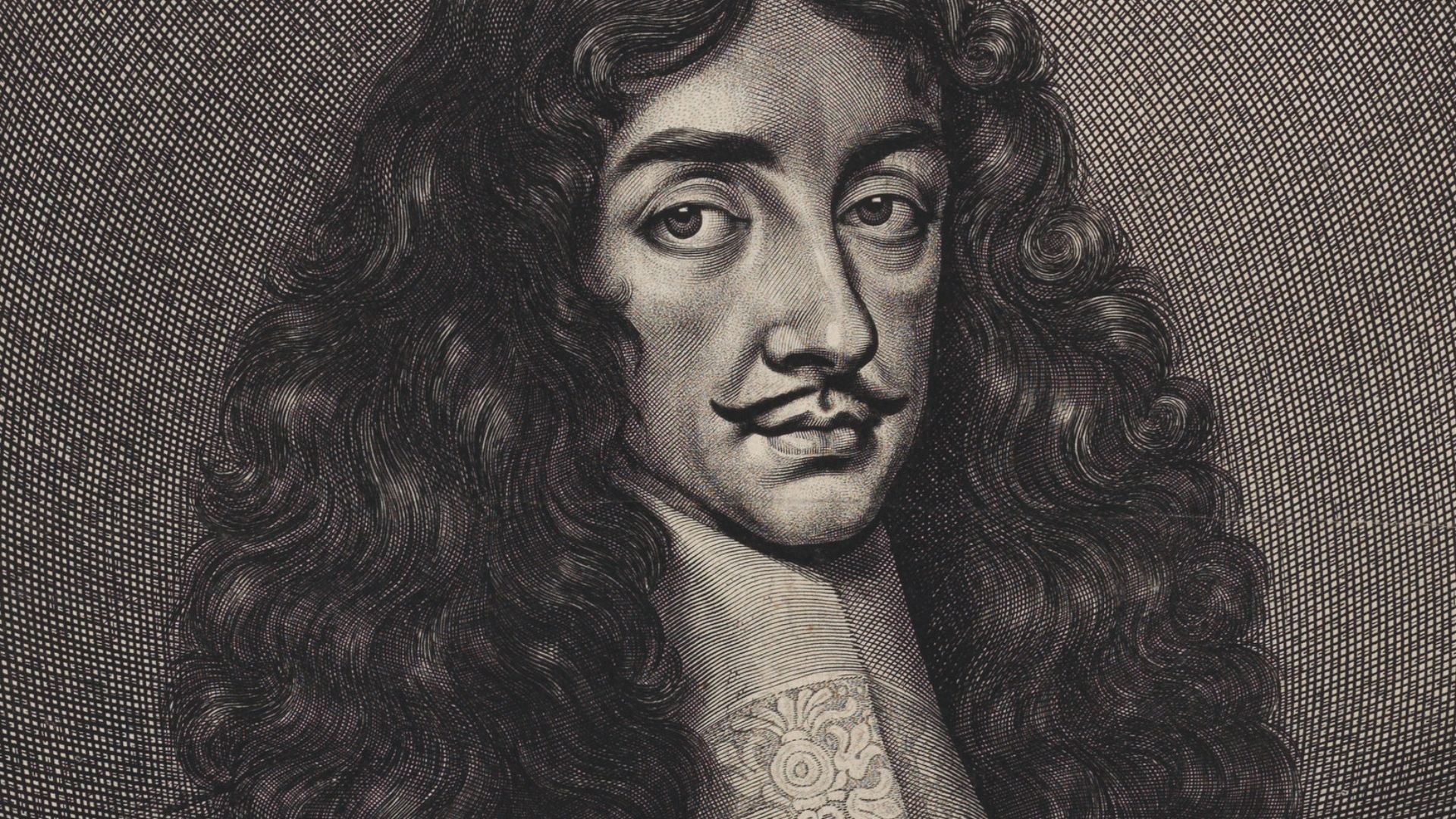 William Faithorne, Wikimedia Commons
History's most fascinating stories and darkest secrets, delivered to your inbox daily.
16. She Made The Court Blush
Even as King Charles II gave money, titles, and prestige to Palmer, no one doubted why. All of the titles that Charles II conferred upon Palmer’s husband could only be passed down to Palmer’s children. In other words, the message was clear: the money and titles were payment for Palmer’s powers of seduction, not for her husband’s acts of fealty.
The jealousy was palpable.
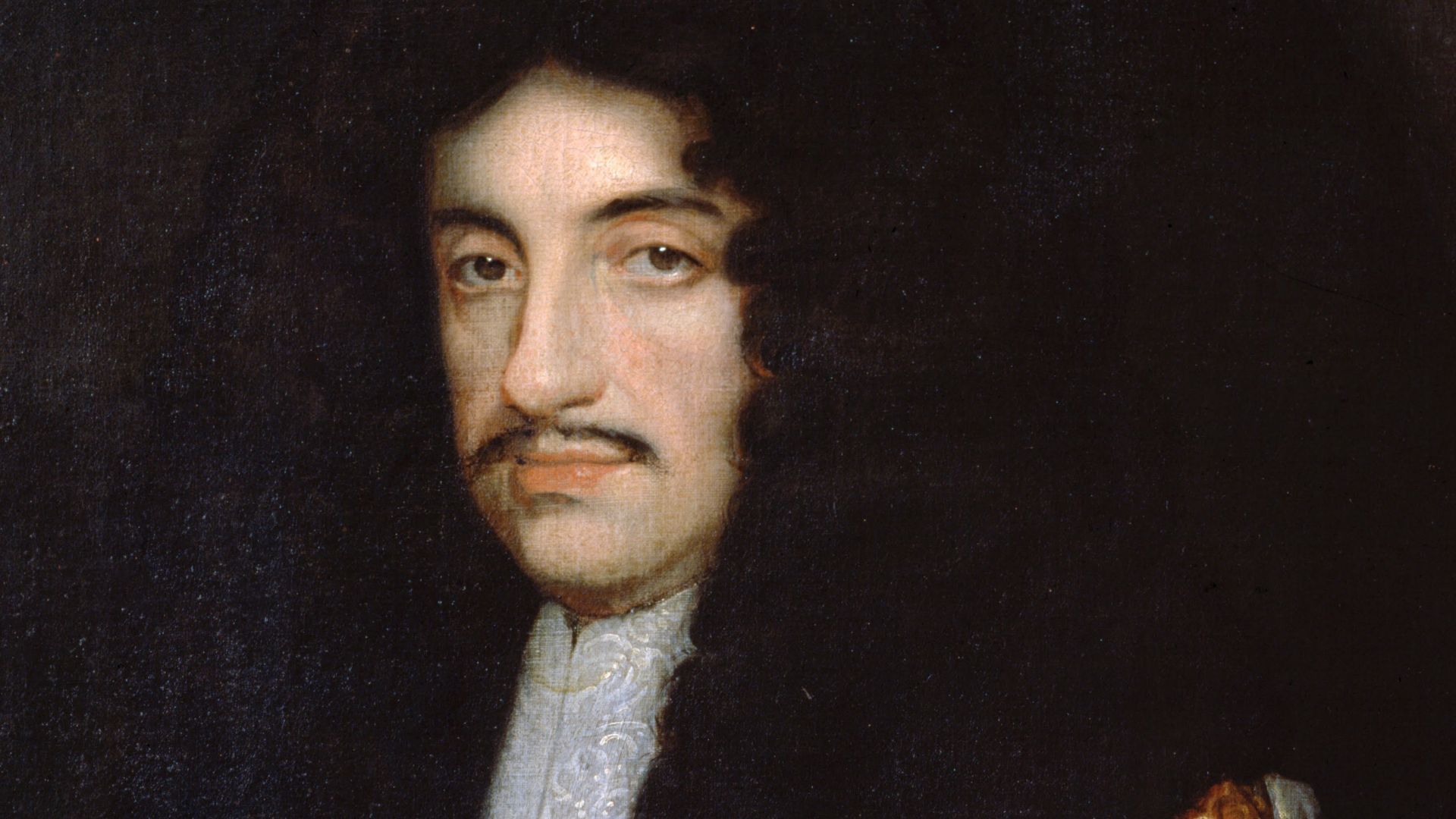 Wright, John Michael ([1617] - 1700) – After Details on Google Art Project, Wikimedia Commons
17. Her Husband Refused Honors
While his wife might not have minded the arrangement, Roger Palmer fumed that the king was bedding his wife. He correctly viewed the peerage as humiliation rather than triumph, and resented it so much that he never took his seat in the Irish House of Lords. However, even within his own household, Roger Palmer had a constant reminder of his wife’s infidelity.
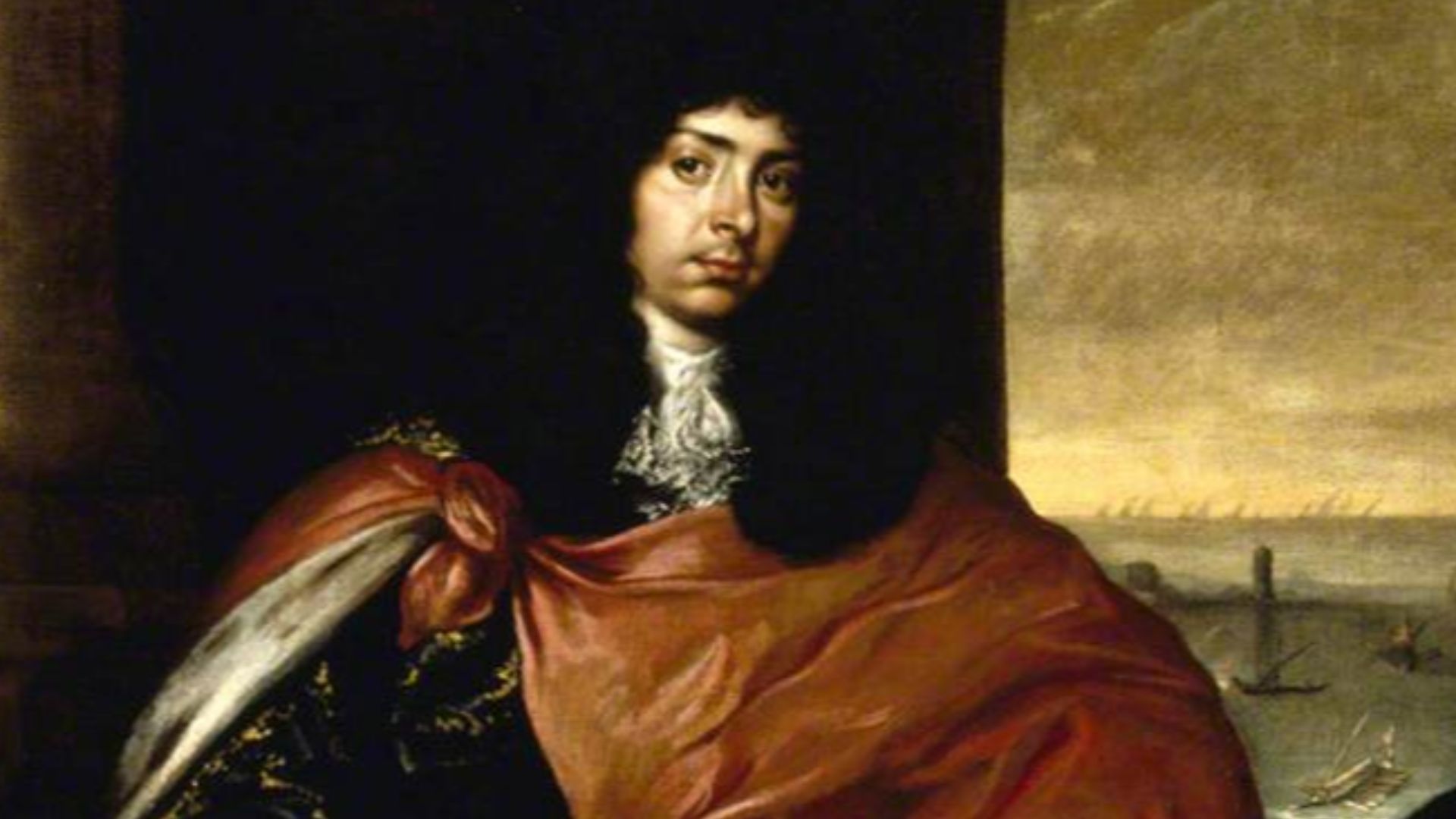
18. She Welcomed Her First Child—And Controversy
When Barbara Palmer gave birth to her first child, Lady Anne Palmer (later FitzRoy), in 1661, the only certain thing was that the child was not the daughter of Palmer’s husband. Many believed that Charles II was the father, especially after he legitimized her. However, even more scandalously, others speculated that Palmer’s firstborn was the product of her late romance with Chesterfield.
Either way, she nearly ended a royal marriage.
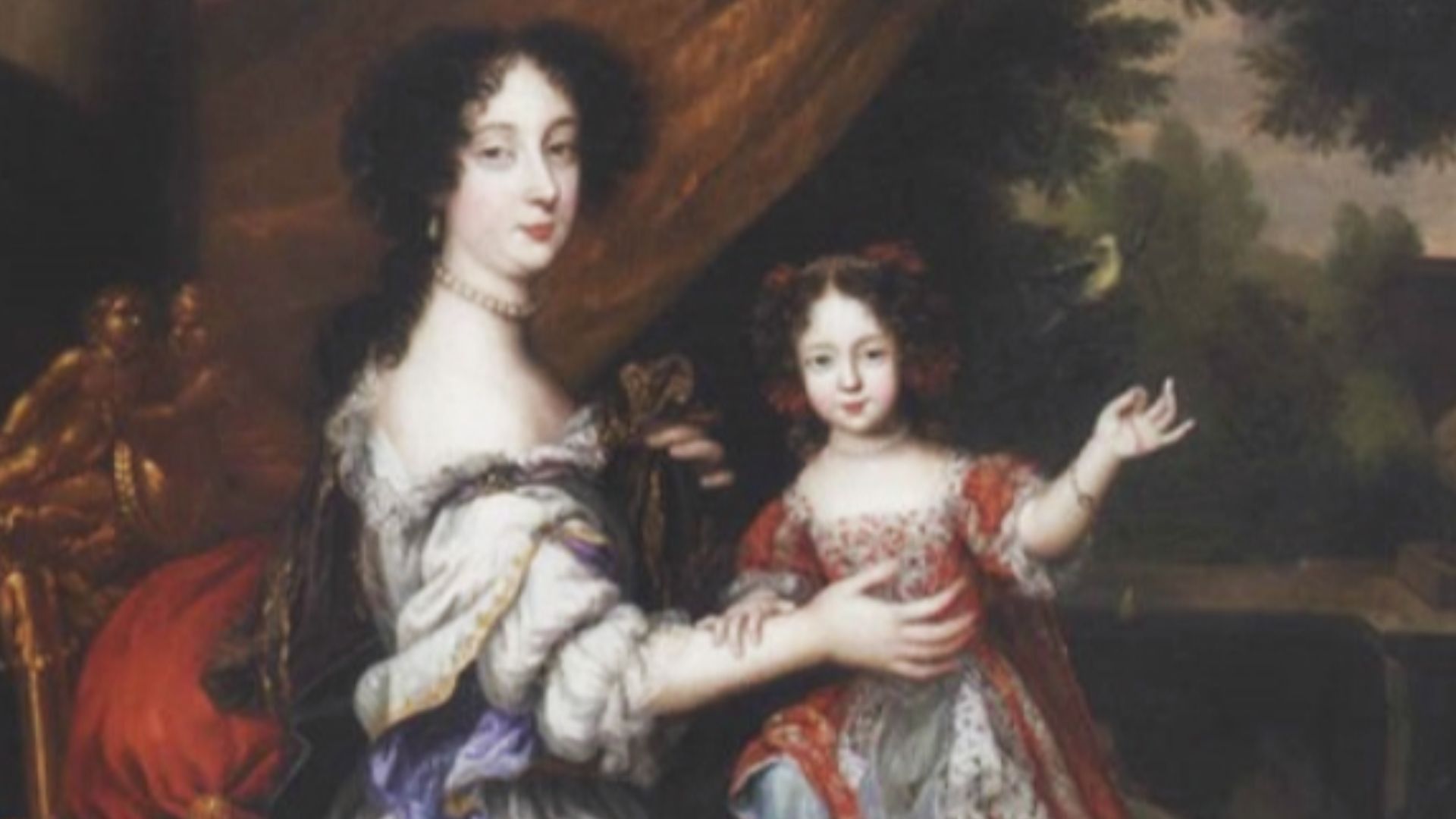 Henri Gascar, Wikimedia Commons
19. She Made A Queen Faint
Controversial as her first child had been, Palmer’s second child nearly split the palace in half. In 1662, Palmer welcomed Charles Palmer (later FitzRoy) into the world. Needless to say, Charles II was the father and so overjoyed at having a son that he appointed Palmer as Queen Catherine’s Lady of the Bedchamber. The queen was so scandalized by the appointment that she fainted.
But Palmer could get away with anything.
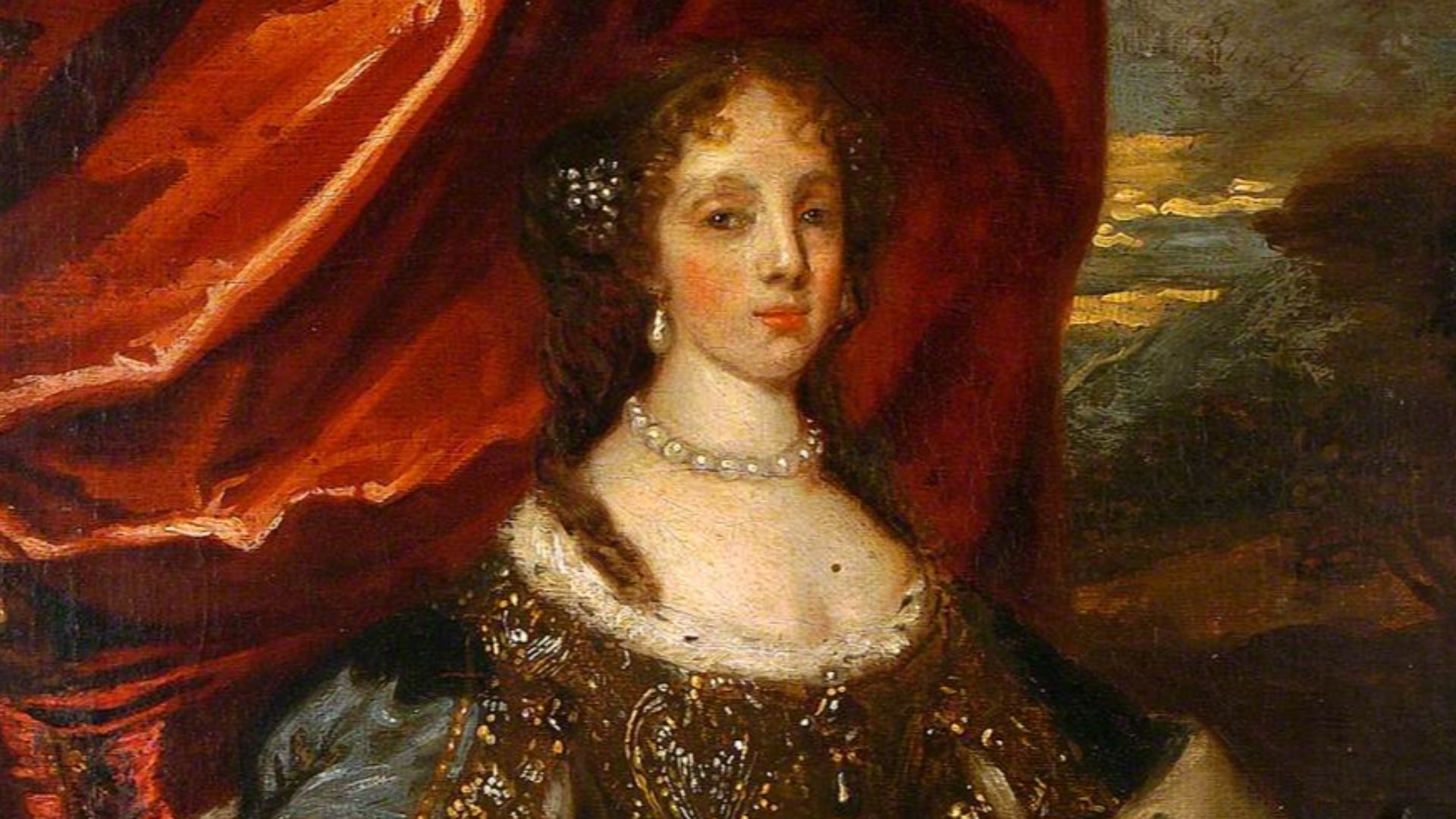 Caspar Netscher, Wikimedia Commons
20. She Had The King On Her Side
Charles II listened to his wife’s objections to having Barbara Palmer serve as her Lady of the Bedchamber—and then promptly ignored them. “...I am resolved to go through with this matter, let what you will come of it,” King Charles II boldly stated. “...whosoever I find to be my Lady Castlemaine’s enemy in this matter,” he added, “I do promise upon my word to be his enemy as long as I live”.
You might say that Palmer was the new queen.
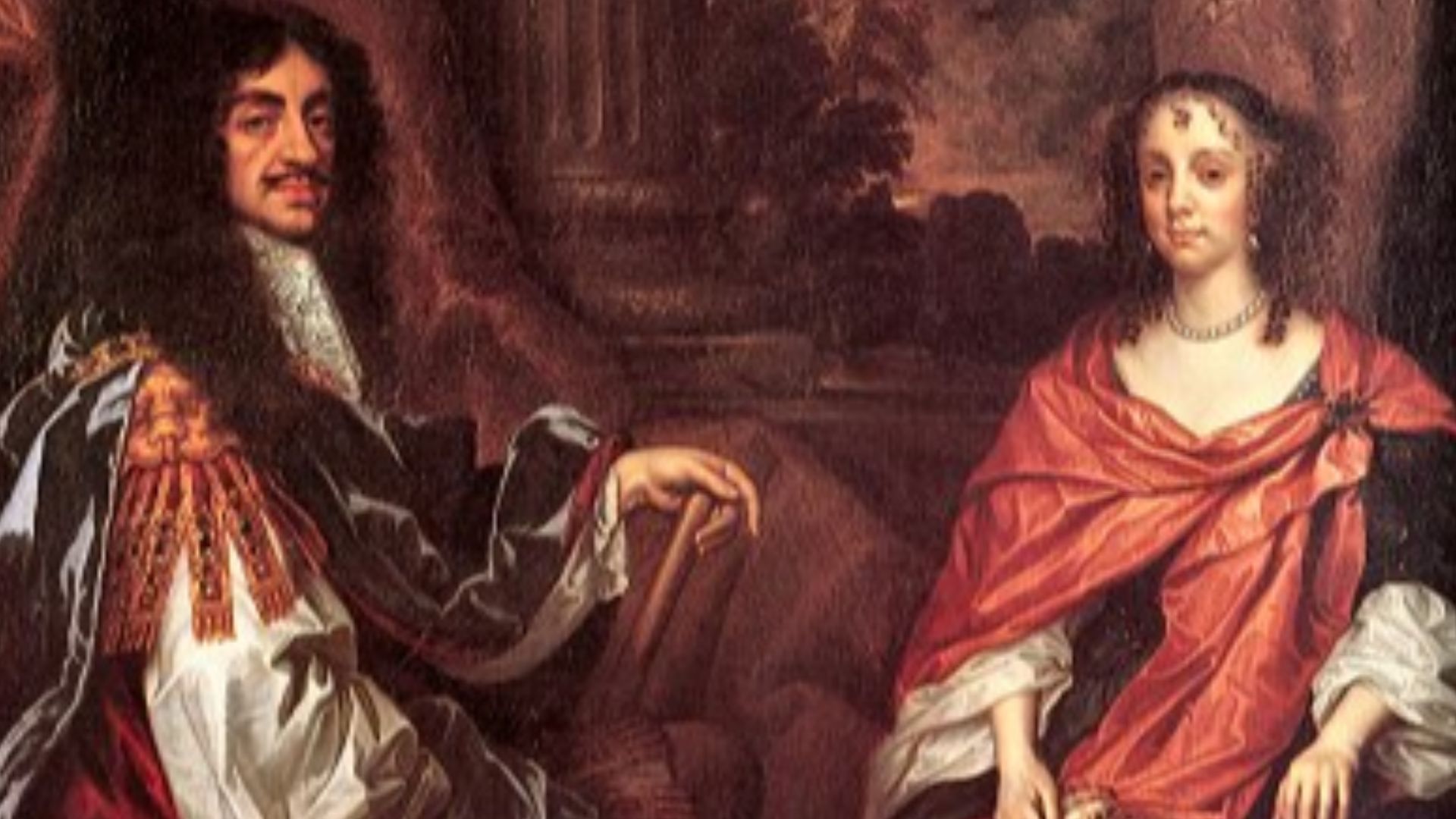
21. She Was “The Uncrowned Queen”
At the height of her influence within the English court, Palmer was even more influential than Queen Catherine. In fact, her ability to sway King Charles II’s opinion was so powerful that courtiers began calling her “The Uncrowned Queen”. From the sounds of it, however, she wasn’t exactly giving the English king unbiased advice.
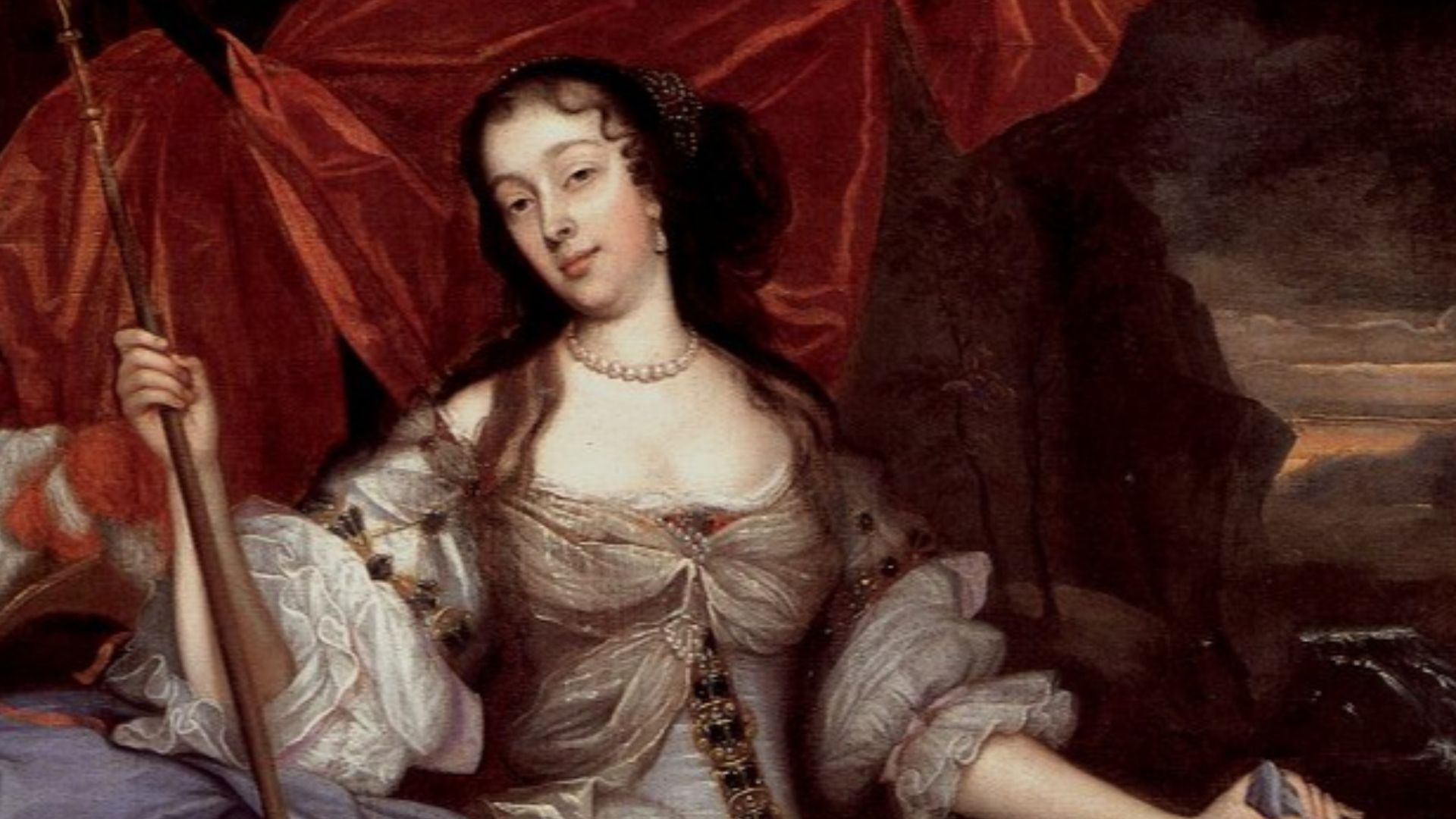 John Michael Wright, Wikimedia Commons
History's most fascinating stories and darkest secrets, delivered to your inbox daily.
22. She Took Bribes
Apparently, all of the gifts that Charles II bestowed upon Palmer weren’t enough to satisfy her. In addition to the generous allowance that Charles II gave her as his favorite mistress, Palmer had notoriously greedy fingers, regularly dipping her hand into the Privy Purse and squandering public funds. Moreover, records show that she also accepted bribes from the Spanish and French courts.
But she could barely keep her own house in order.
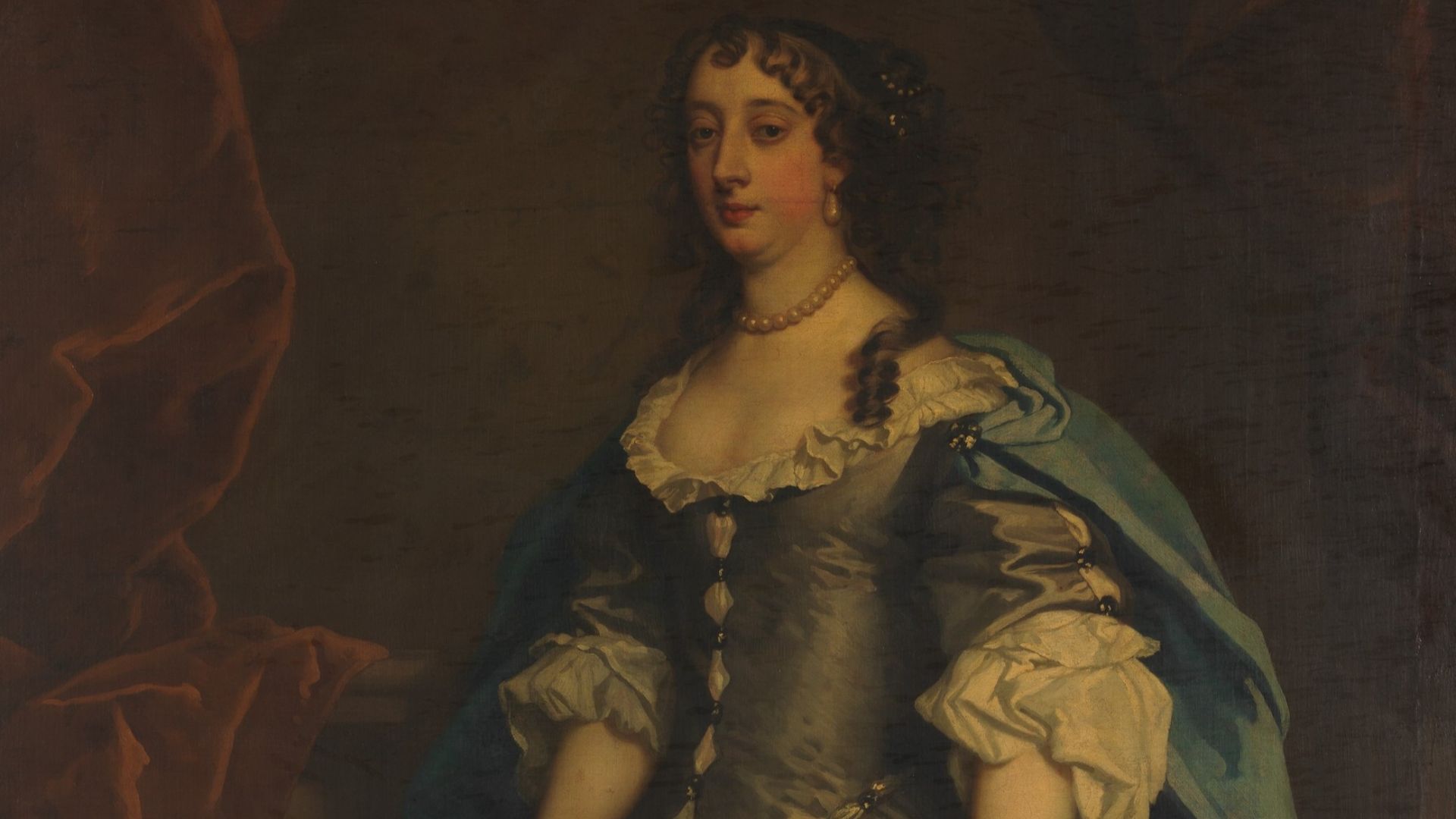 Workshop of Peter Lely, Wikimedia Commons
23. Her Husband Claimed Her Child
Palmer’s husband, Roger, didn’t just sit by as his wife embarrassed him. In a shocking move, Roger had Palmer’s second child, Charles, baptized into the Roman Catholic faith and declared him to be his true son and heir. Of course, King Charles II retaliated with a vengeance—and re-baptized into the Anglican faith. That appears to have been the final straw in Palmer’s marriage.
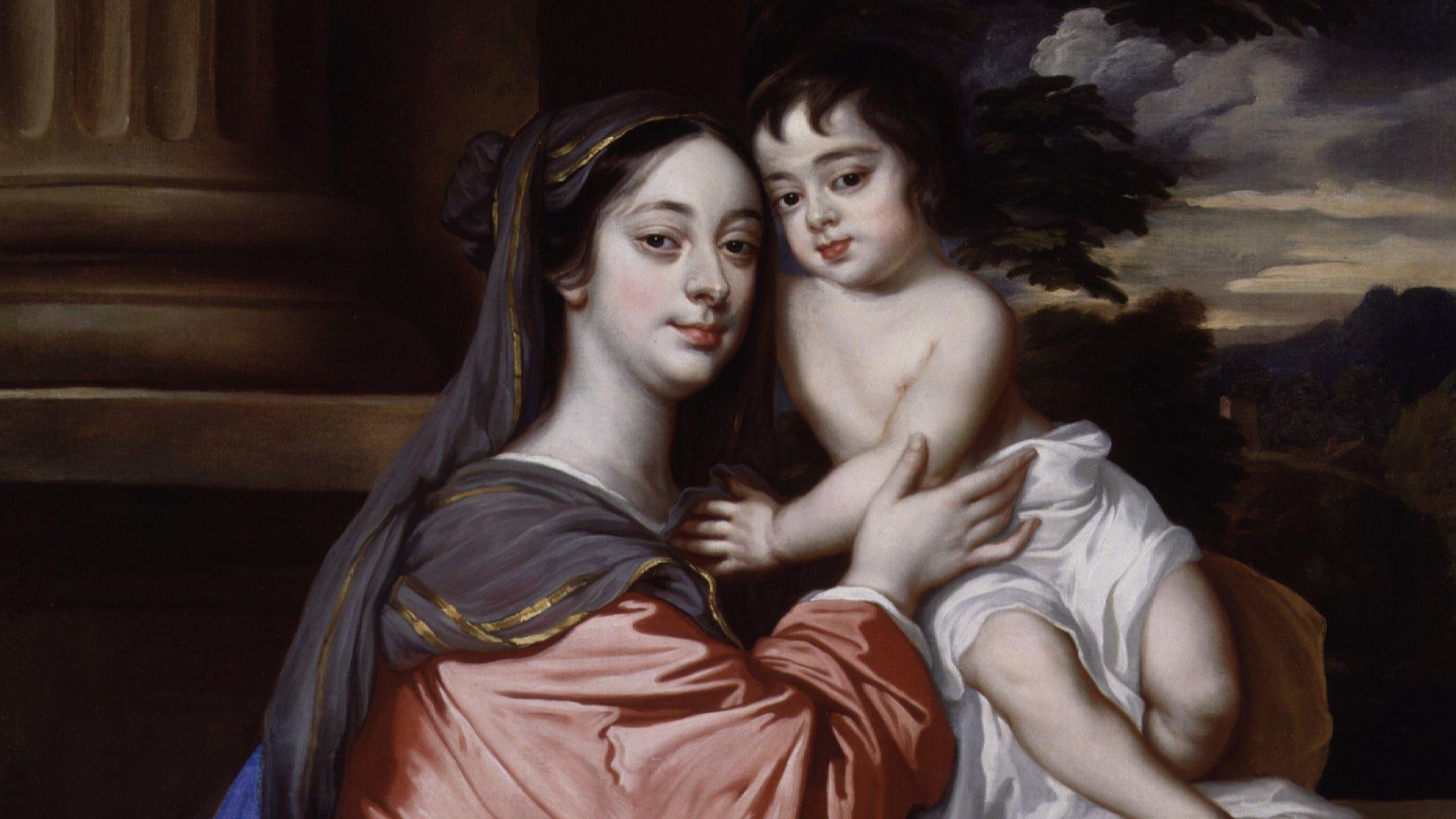 After Peter Lely, Wikimedia Commons
24. Her Marriage Fell Apart
To his credit, Roger Palmer had tolerated his wife’s scandalous affair with King Charles II for as long as a good husband could. However, once Barbara Palmer sided with Charles II over the baptism and paternity of her first son, everything changed. By the end of 1662, the Palmers had agreed to put their marriage on ice and separate for good.
But Palmer kept the scandals coming.
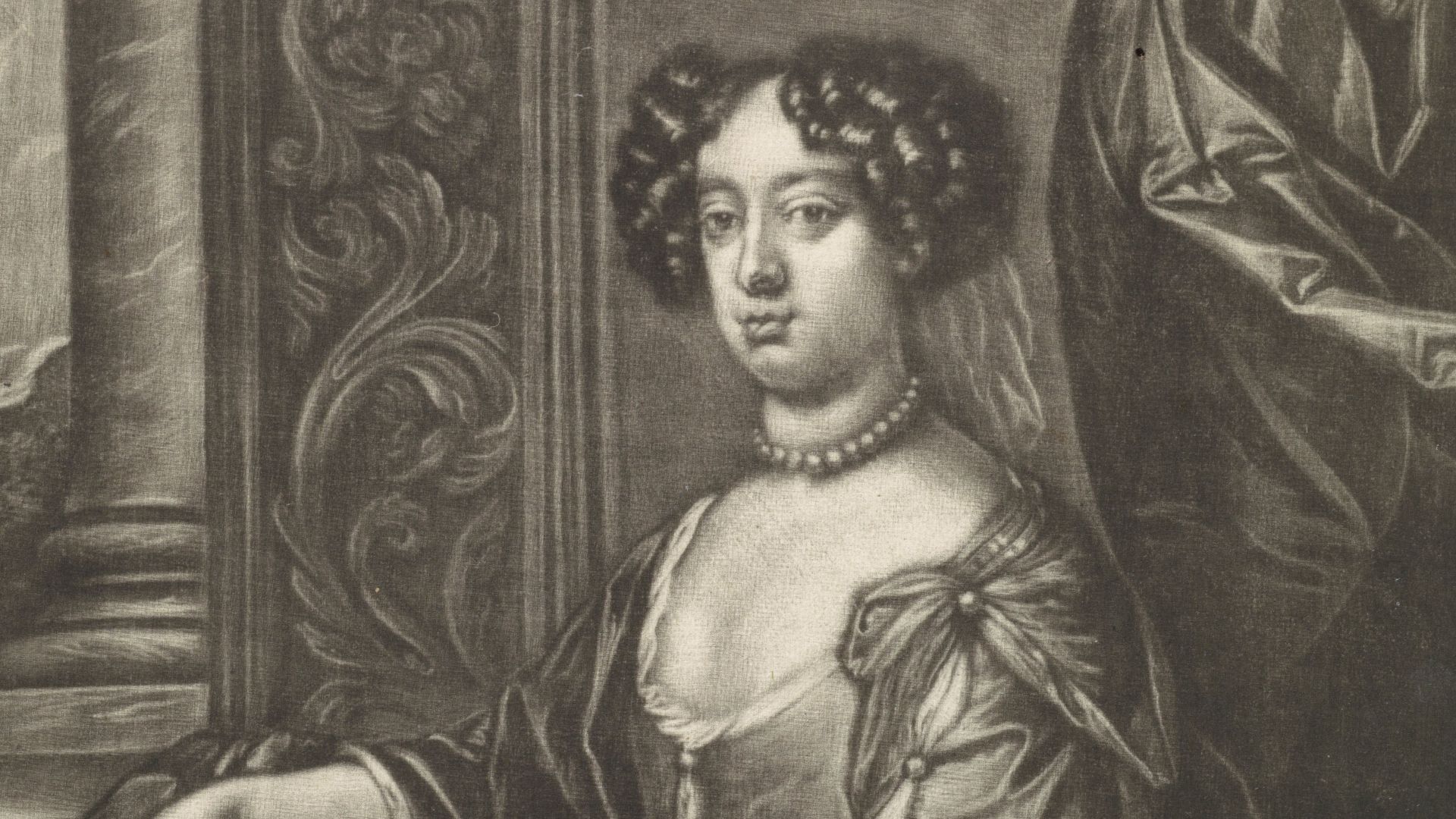 Rijksmuseum, Wikimedia Commons
25. She Gave A Frosty Welcome
As King Charles II’s favorite mistress, Palmer had the unusual task of serving as Queen Catherine’s Lady of the Bedchamber. But Palmer didn’t seem to take the job seriously. Such as when the Queen paid Palmer a visit in Portsmouth. Usually, Palmer kept a bonfire going outside her house. However, when Queen Catherine arrived, the bonfire wasn’t lit.
It was a cold welcome. Then she added insult to injury.
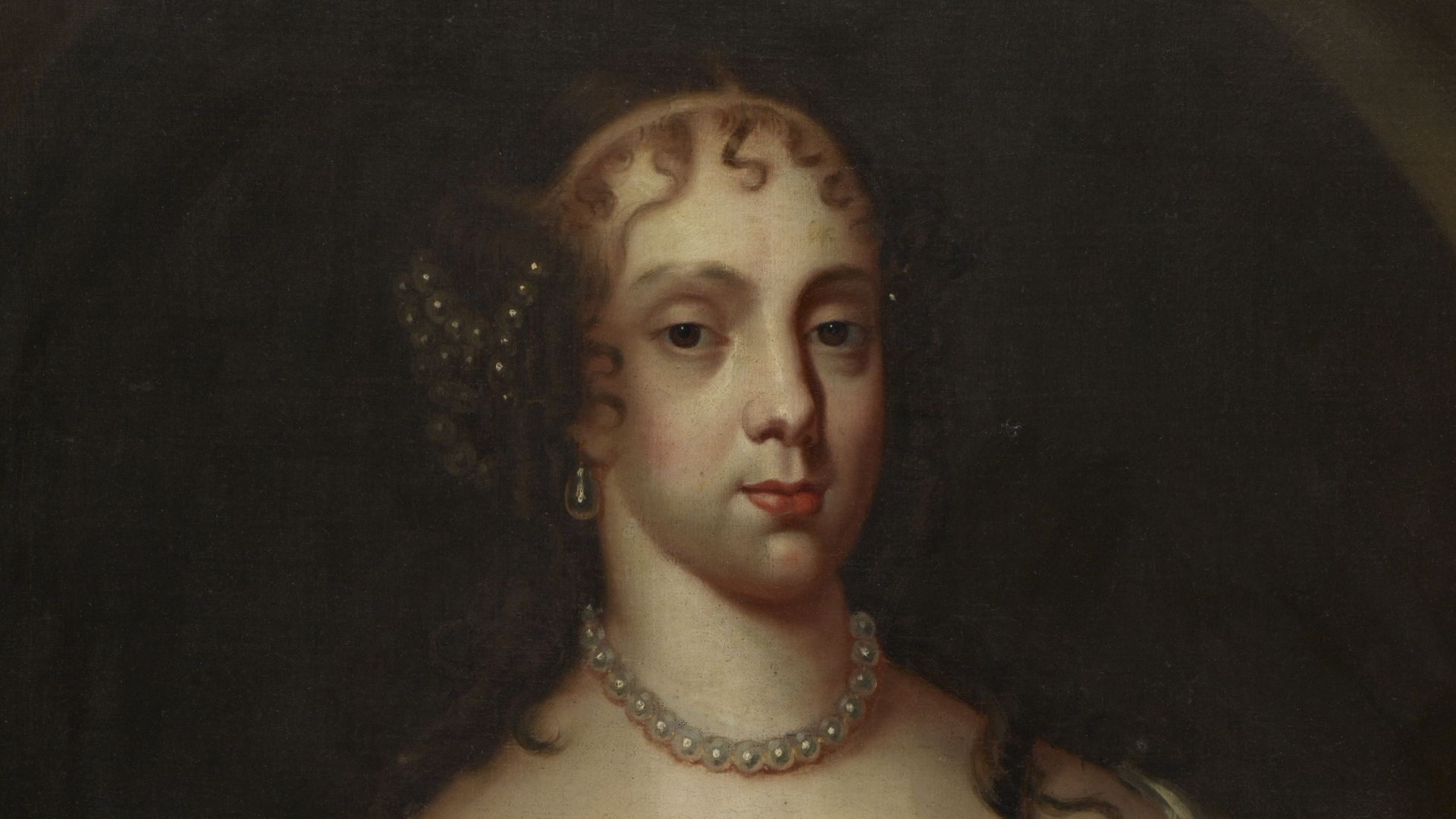
26. She Had A Honeymoon Plan
Barbara Palmer found other ways to insult Queen Catherine beyond frosty receptions. For example, when the Queen and King Charles II embarked on their honeymoon, Palmer made herself at home in their Hampton Court Palace. While the couple was away, Palmer went into nesting mode, planning for the birth of yet another one of her children from Charles II.
After that, she did seem to have a change of heart.
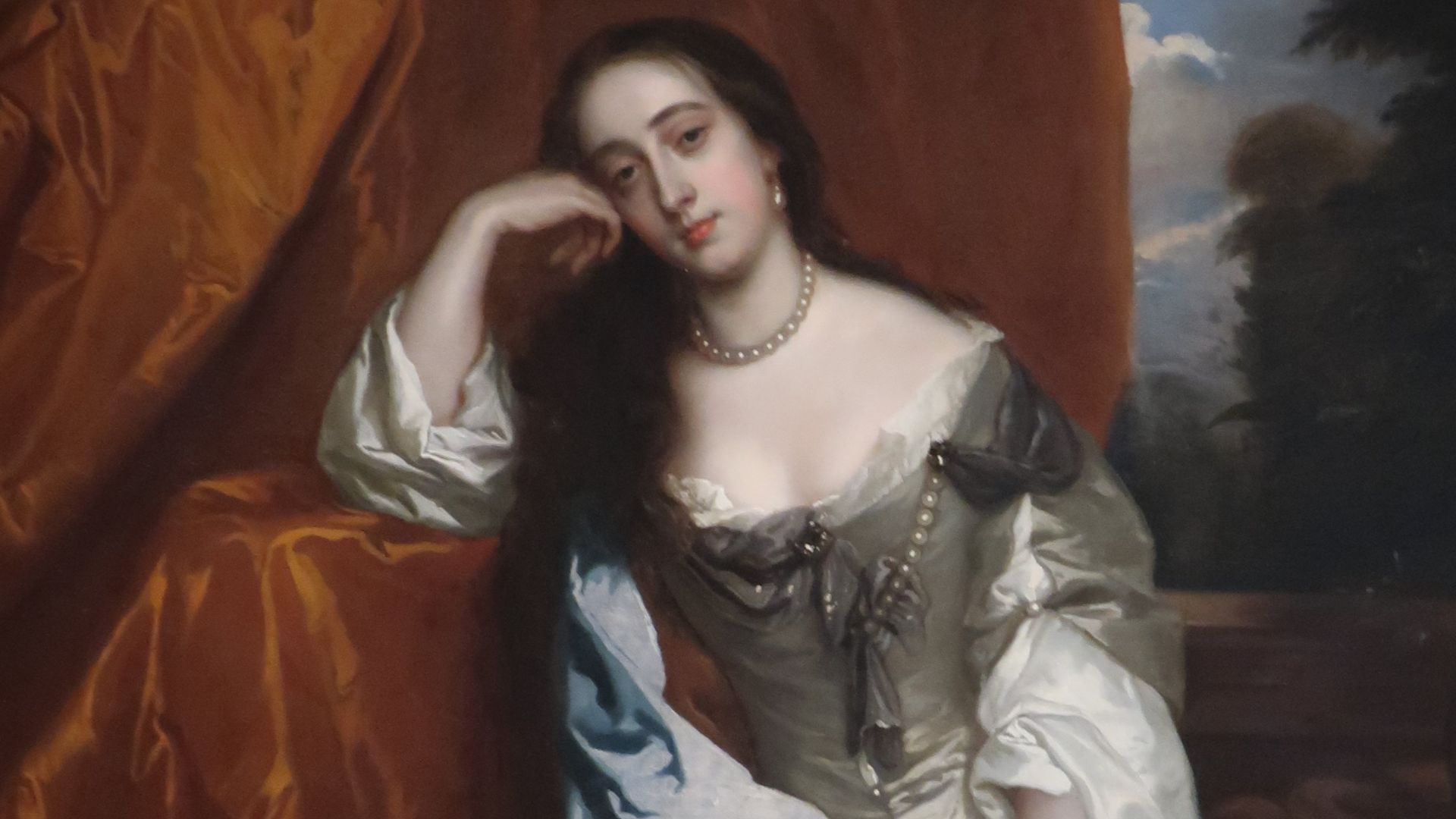
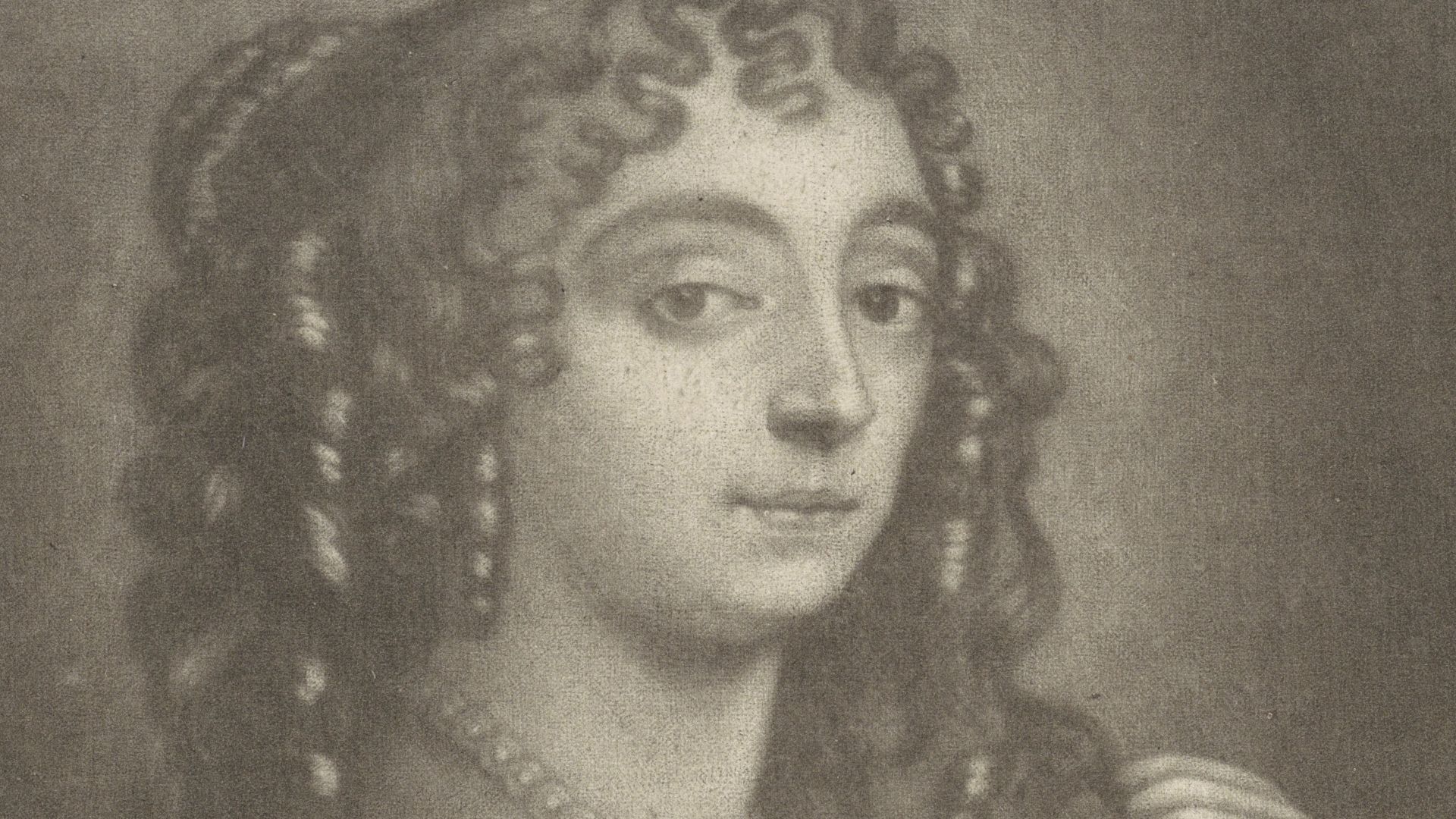
27. Her Body Was All That Mattered
Palmer continued raising eyebrows even when she wasn’t popping out another of Charles II’s children. In late 1663, she announced that she was leaving the Anglican Church and converting to Roman Catholicism. Even though the move went against the predominantly Anglican court, Charles II shrugged it off, confessing that he cared only about her body…not her soul.
She was quickly amassing enemies at court, though.
 Rijksmuseum, Wikimedia Commons
History's most fascinating stories and darkest secrets, delivered to your inbox daily.
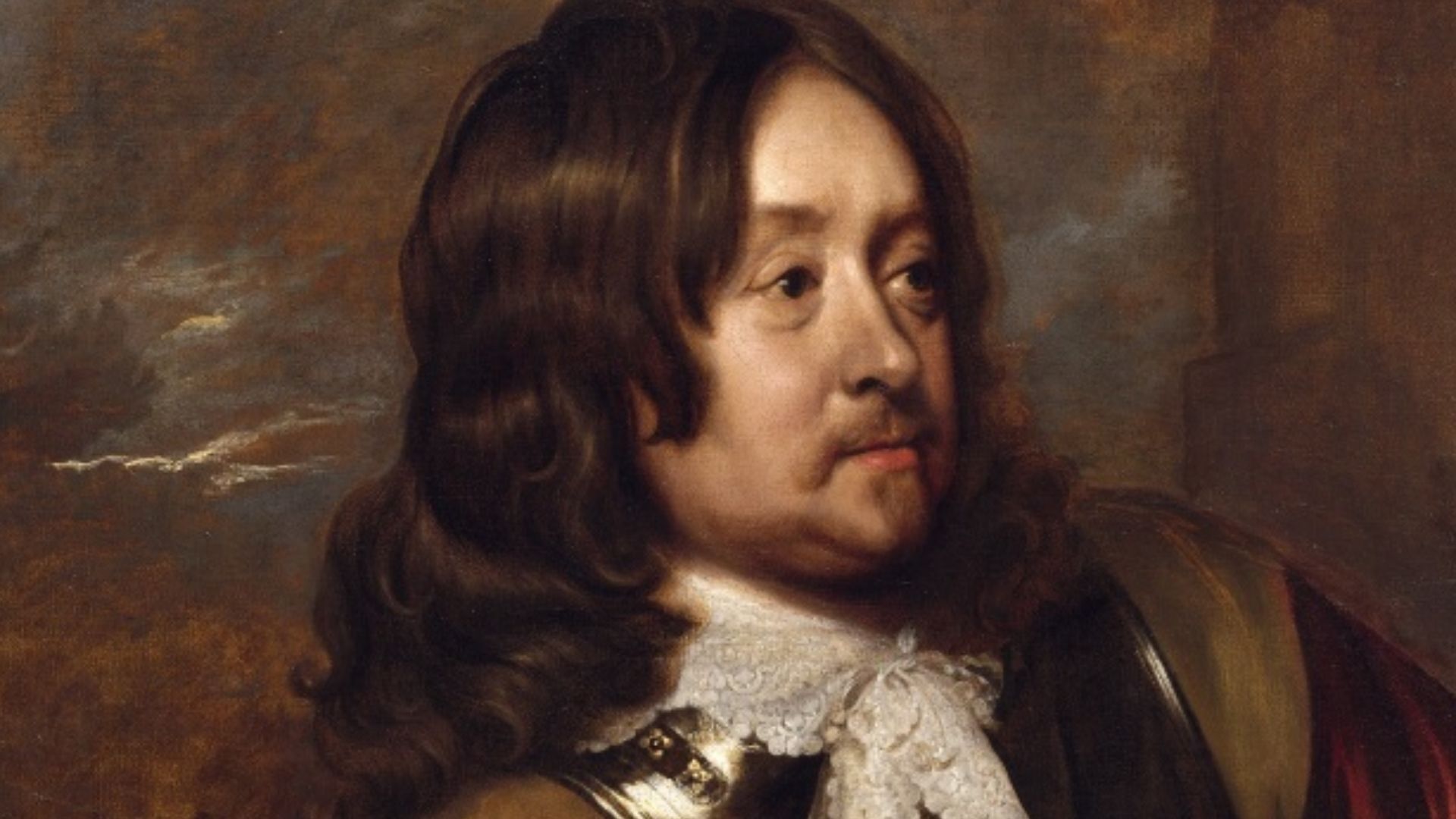
28. She Made Powerful Enemies
As King Charles II’s favorite mistress, Barbara Palmer naturally attracted both friends and enemies. Her number one critic? Edward Hyde, Earl of Clarendon—the Lord Chancellor. Palmer was allegedly overjoyed when the Lord Chancellor ultimately had to step aside. Her true enemies, however, lurked in the shadows.
 William Dobson, Wikimedia Commons
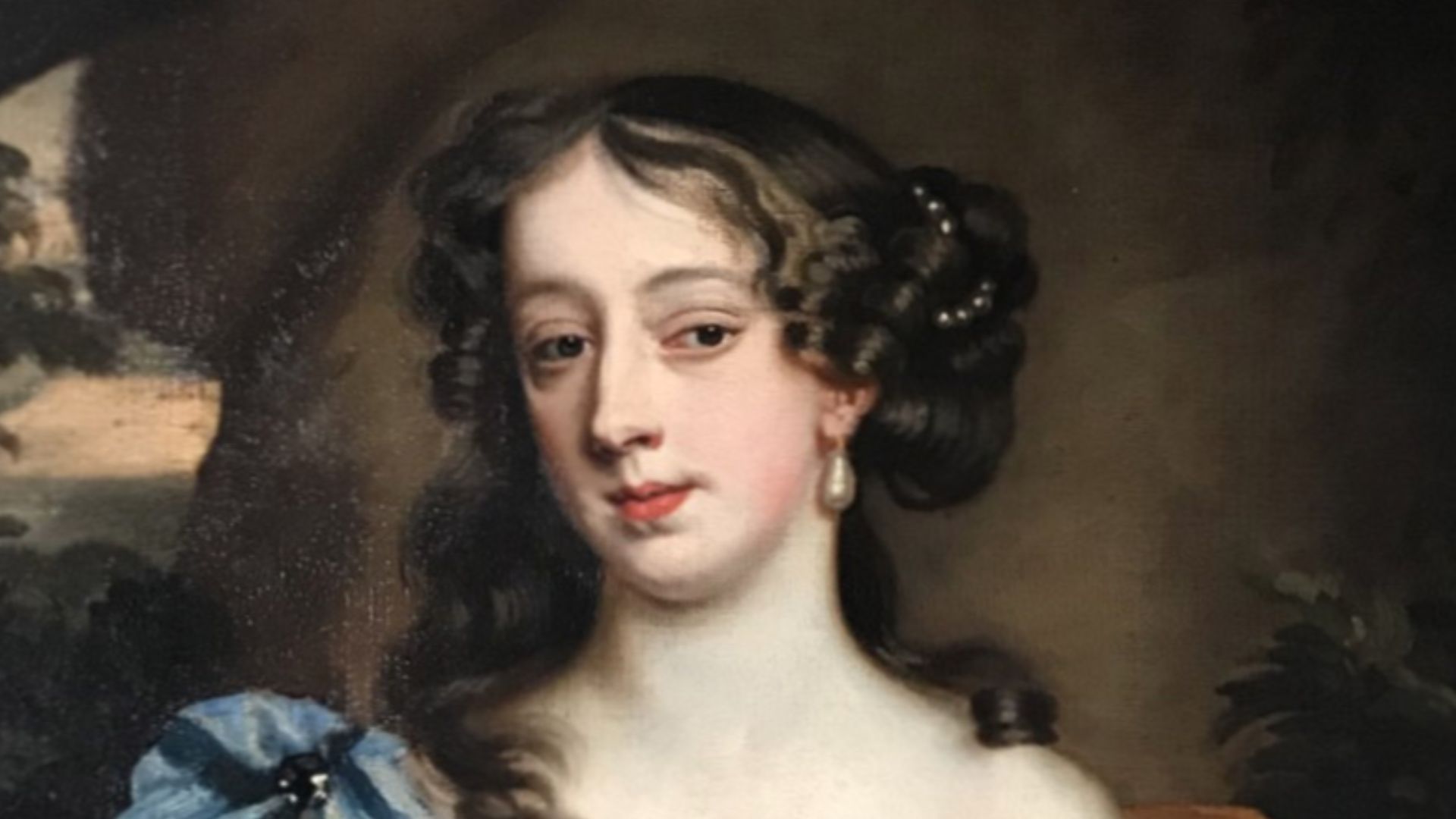
29. She Narrowly Escaped With Her Life
Given some of her family’s history, Palmer was always on the lookout for potential threats. And they were closer than she knew. One evening, while passing through St James’ Park in her sedan chair, three masked assailants appeared. The men spat horrifying obscenities and insults at her, mocking her status as a glorified courtesan and warning that she would meet a grisly end.
She escaped the ordeal unharmed, but rattled. Thankfully, she had a place to seek safety.
 Studio of Peter Lely / Circle of Peter Lely, Wikimedia Commons
30. She Got A Palace…In Ruins
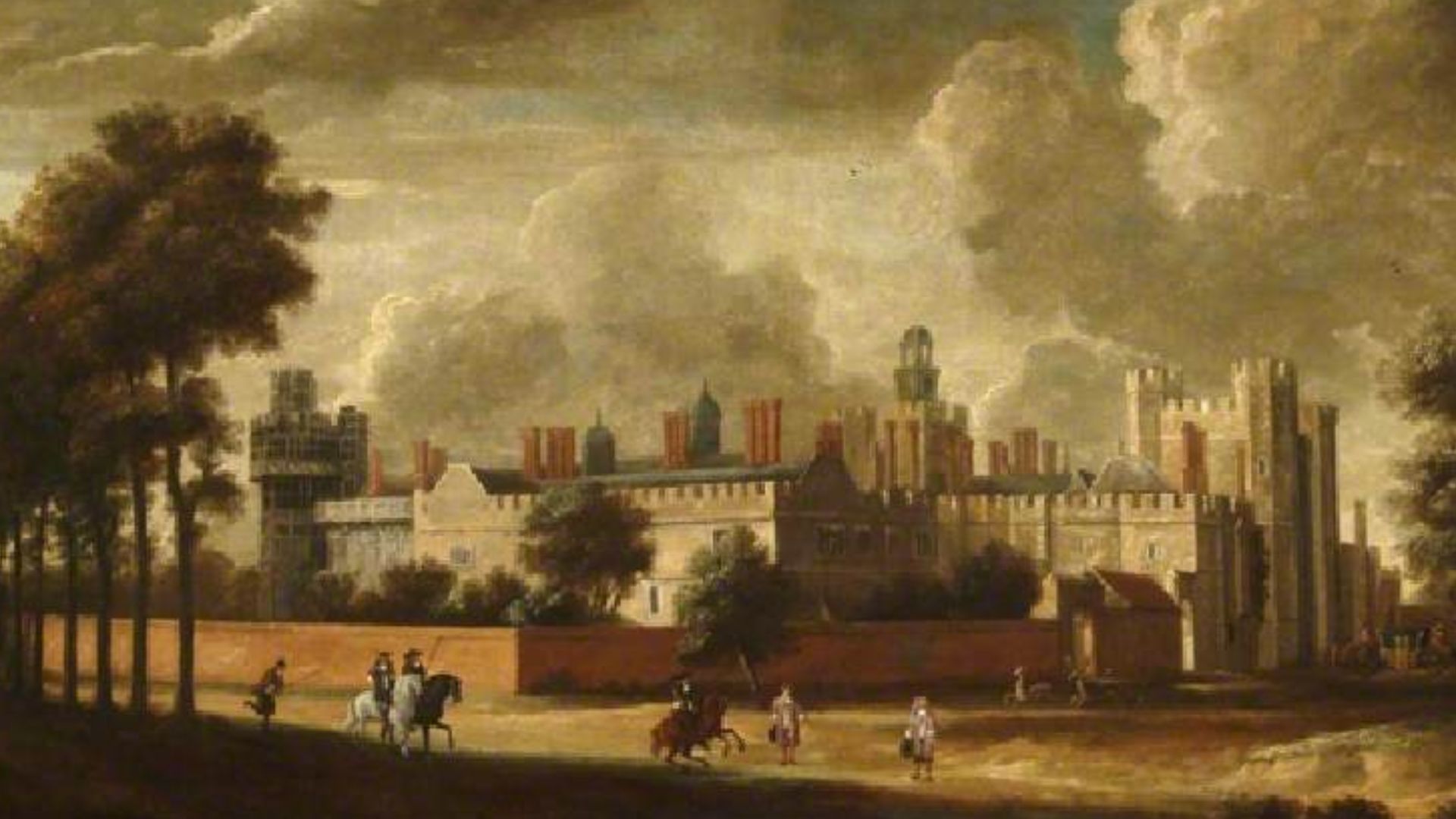
Perhaps the most extravagant gift that Charles II gave to Palmer was something that he couldn’t wrap neatly with a bow. As a gesture of his devotion to her, in 1670, Charles II gifted Palmer with Nonsuch Palace and named her Baroness Nonsuch, Countess of Southampton, and Duchess of Cleveland. But maybe it was a nonsense joke. The 100-year-old palace was in poor shape.
Thankfully, she had other gifts.
 Hendrick Danckerts, Wikimedia Commons
31. She Almost Had A Park
Money, palaces, titles, and power. As if that wasn’t enough already, Palmer had King Charles II wrapped so tightly around her little fingers that she got even more out of him. This time, Charles II gifted her Phoenix Park in Dublin. But she only had it for a brief time. She was beginning to fall out of the king’s favor anyway.

32. She May Have Had Her Cousin’s Child
In all, Palmer had six children over the course of her life. However, much like her first child, many (including the King) doubted the paternity of her sixth and last child. Scandalous rumors swirled around the English court that Palmer’s last child, Benedicta FitzRoy, was the child of her lover and cousin, John Churchill, Duke of Marlborough.
Even Charles II denied that the child was his. And he was running out of excuses for Palmer.
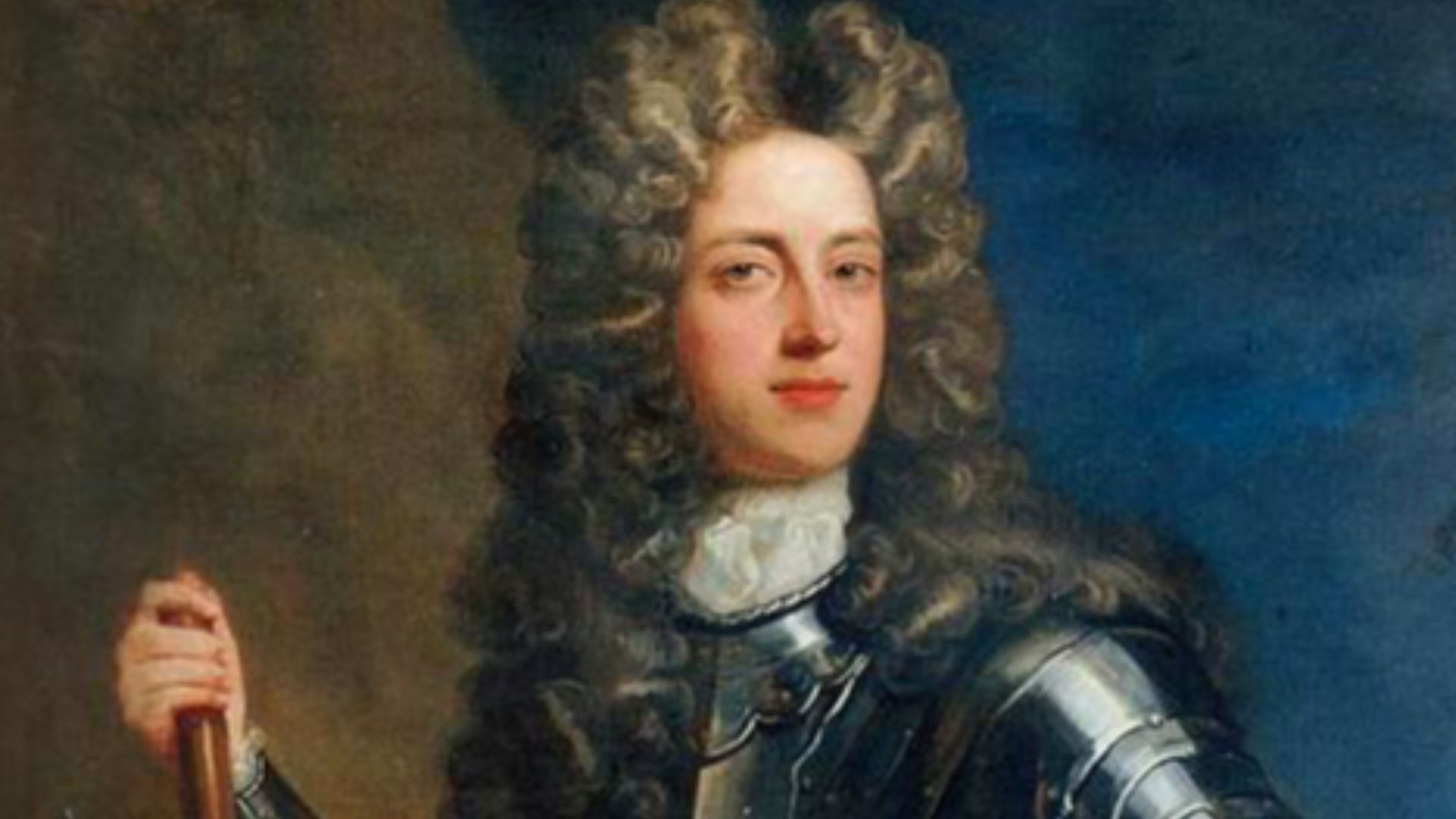
33. She Lost Her Job
Palmer’s conversion to Catholicism had barely registered with the English court. However, when the Test Act was passed in 1673, it effectively banned Catholics from any court position. As a result, Palmer had to give up her job as Lady of the Bedchamber. Doubtlessly, Queen Catherine was happy to be rid of her. And, unfortunately for Palmer, so too was Charles II, it seemed.
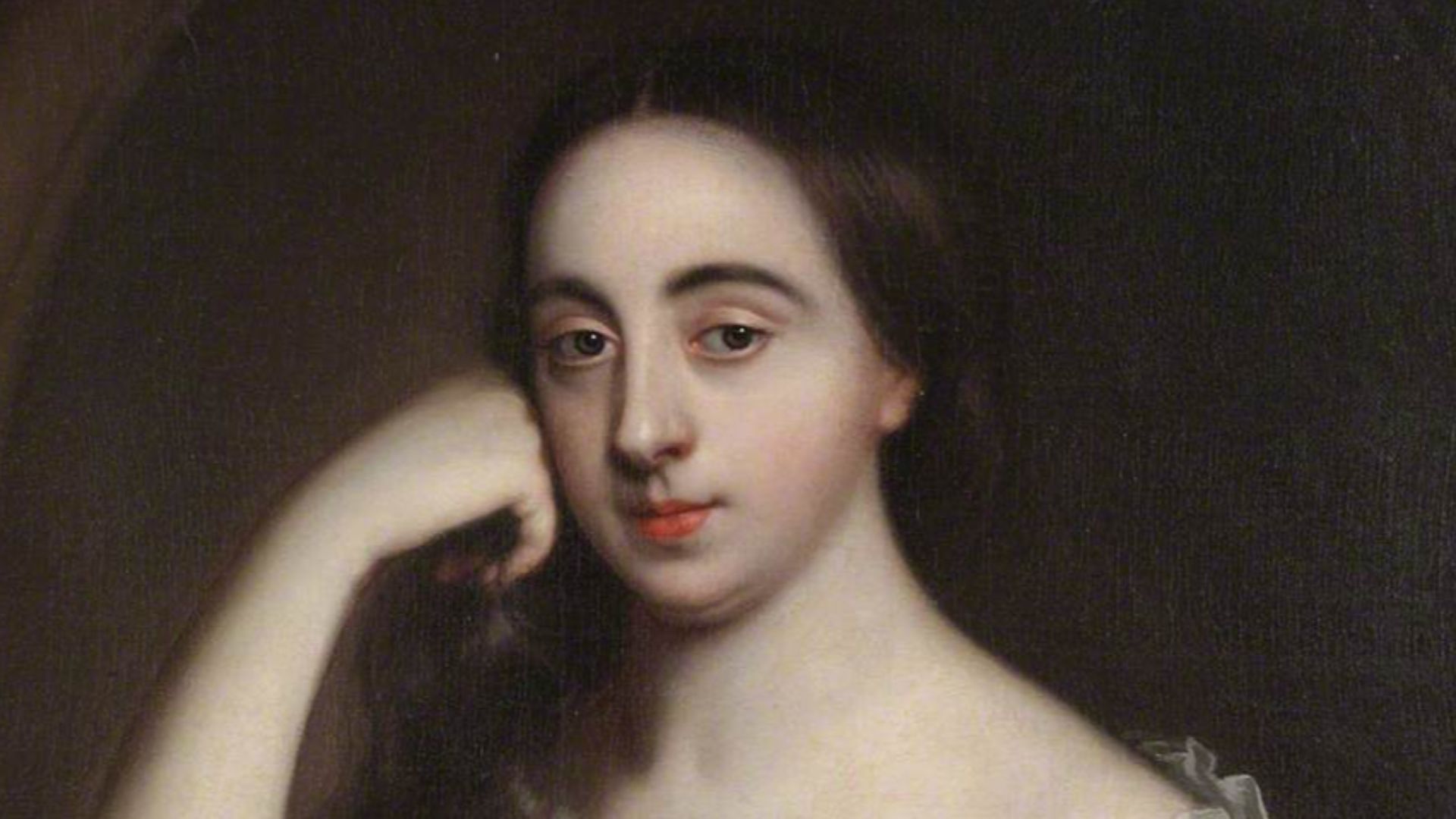 After Peter Lely, Wikimedia Commons
History's most fascinating stories and darkest secrets, delivered to your inbox daily.
34. She Was No Longer The Favorite
1673 turned out to be the tipping point for Palmer. Not only had she lost her position as Lady of the Bedchamber, but she was about to lose her position as “Lady of the King’s Bed” as well. With her age slowly creeping up, Charles II dealt Palmer a chilling betrayal, replacing her with his new favorite mistress—Louise de Kérouaille. It was a big demotion that left Palmer out of the king’s inner circle.
But if she cared, she didn’t show it.
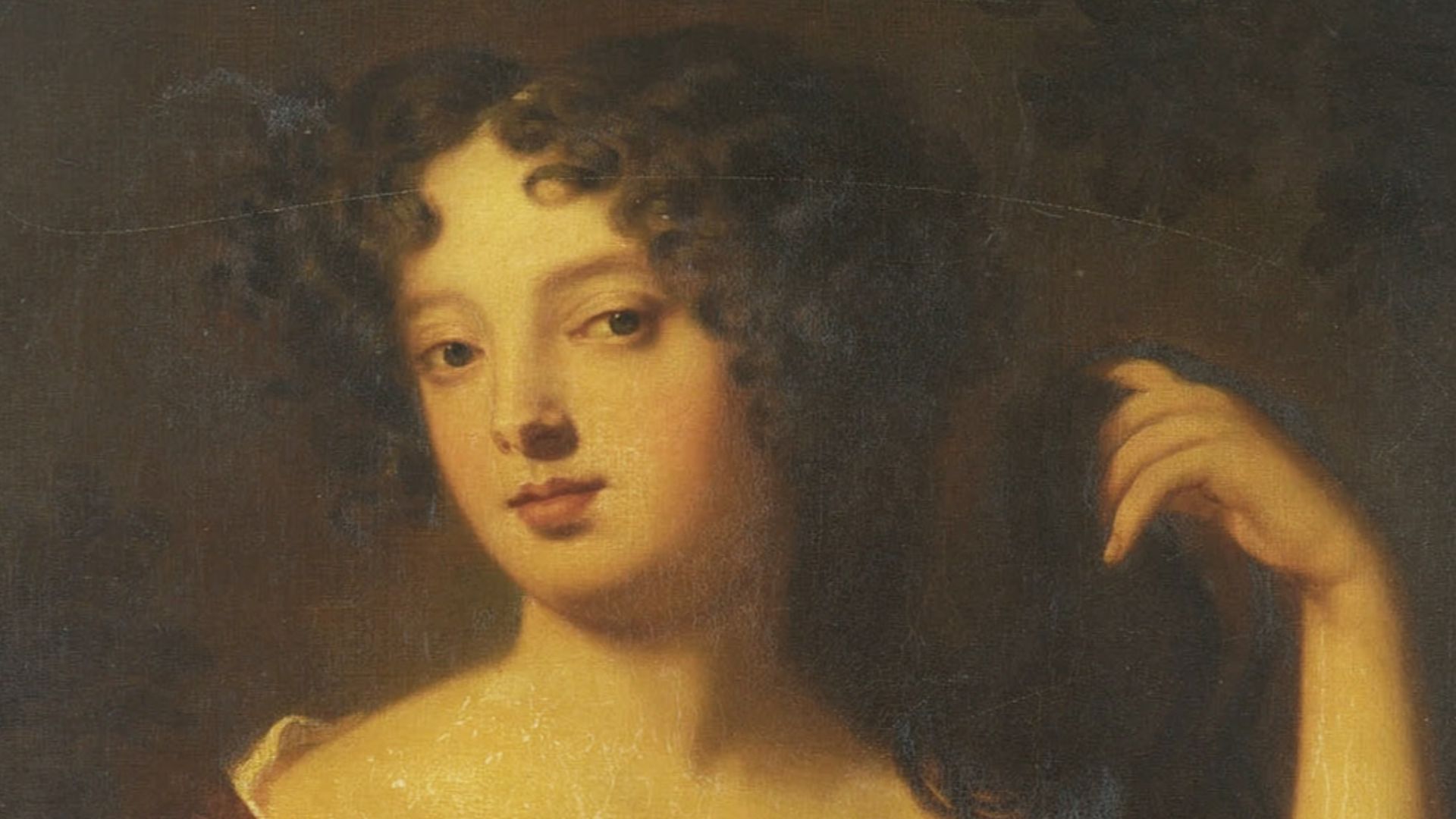 Follower of Peter Lely, Wikimedia Commons
35. Her Ex-Lover Let Her Go
Whatever feelings Palmer and King Charles II had for each other, their affair appears to have been purely transactional. Once Charles II had replaced her with Kérouaille, he made his true feelings ruthlessly clear. The King told Palmer that he “cared not whom she loved” as long as she retired into a quiet life and shed her scandalous reputation.
Not that she wanted to.
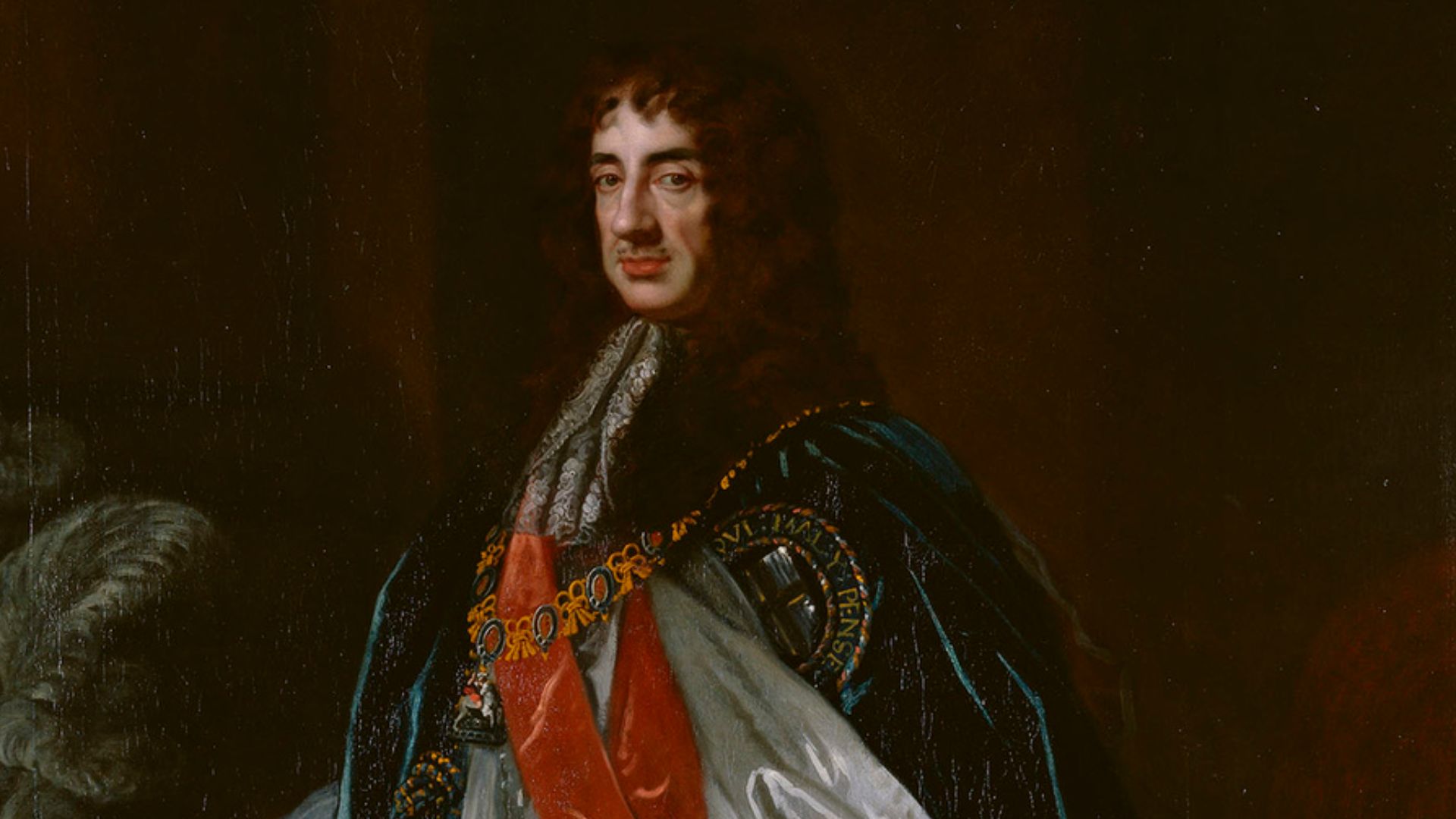
36. She Had A Paris Trip
If Palmer felt heartbroken or disappointed at her replacement in the king’s bed, she did not show it. In fact, she seems to have done well for herself. Starting in 1676, Palmer left England with four of her children and settled in Paris for four years. It’s not clear at all what she did while there, but it’s safe to say that she had a great time.
Perhaps too great a time
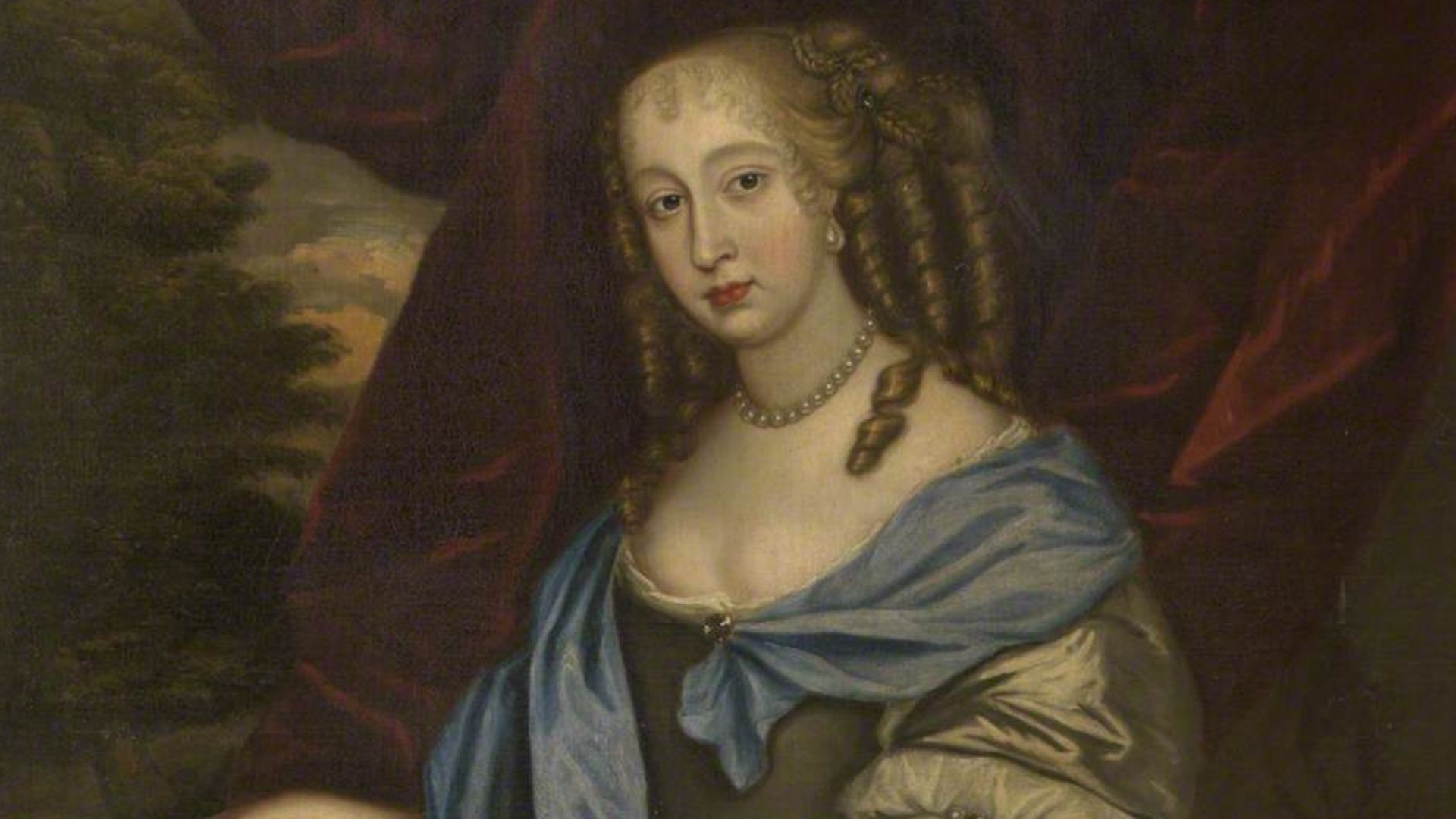 Manner of Peter Lely, Wikimedia Commons
37. She Tore Down A Palace
Palmer returned to England sometime in 1680 or 1681 and, without a king to pick up her tab, she quickly ran out of money. Palmer had already developed a reputation as a big spender, but her gambling debts were what really ruined her financially. To pay off her creditors, Palmer broke down Nonsuch Palace and sold it for scraps.
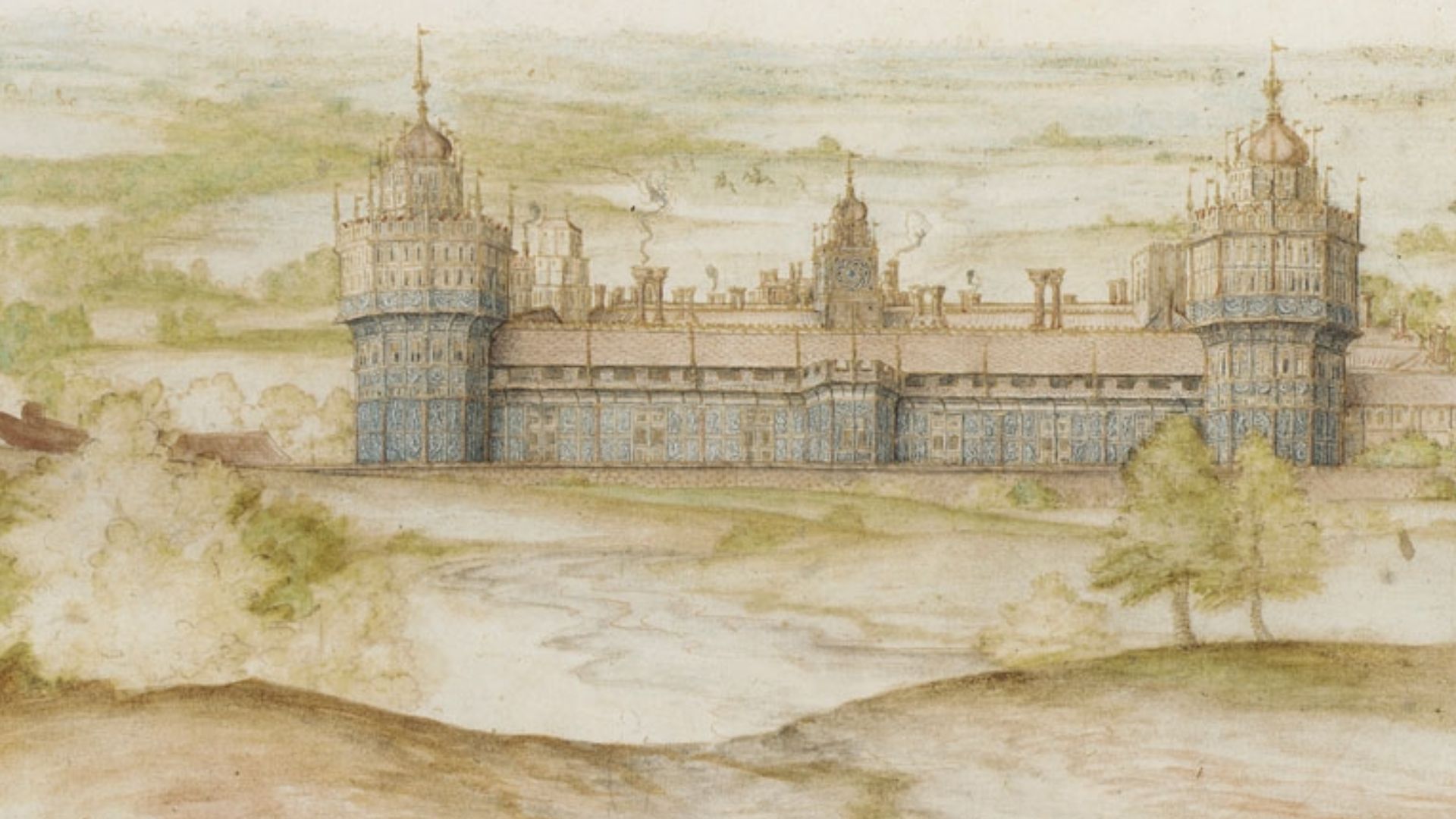 Hoefnagel, Joris, Wikimedia Commons
38. She Had One Last Evening With The King
Palmer returned to England shortly before King Charles II’s health began to deteriorate. By early 1685, it was clear that the King was nearing the end of his reign—and his life. Just weeks before Charles II drew his last breath, Palmer made nice with him and the former lovers shared an evening together. By that time, Palmer was ready to find love again.
Or, at least, something approximating it.
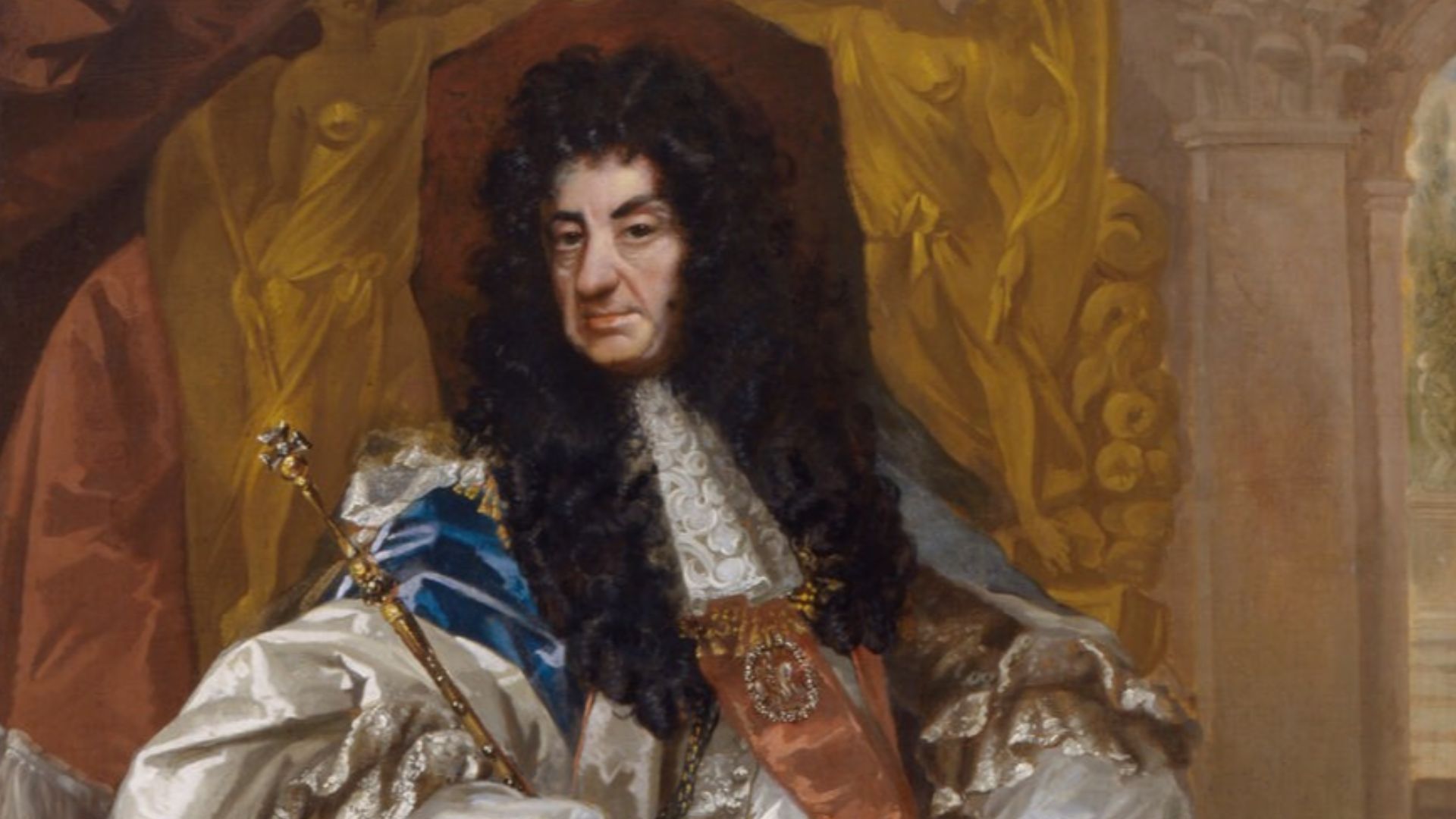 Attributed to Thomas Hawker, Wikimedia Commons
39. She Got Pregnant In Her 40s
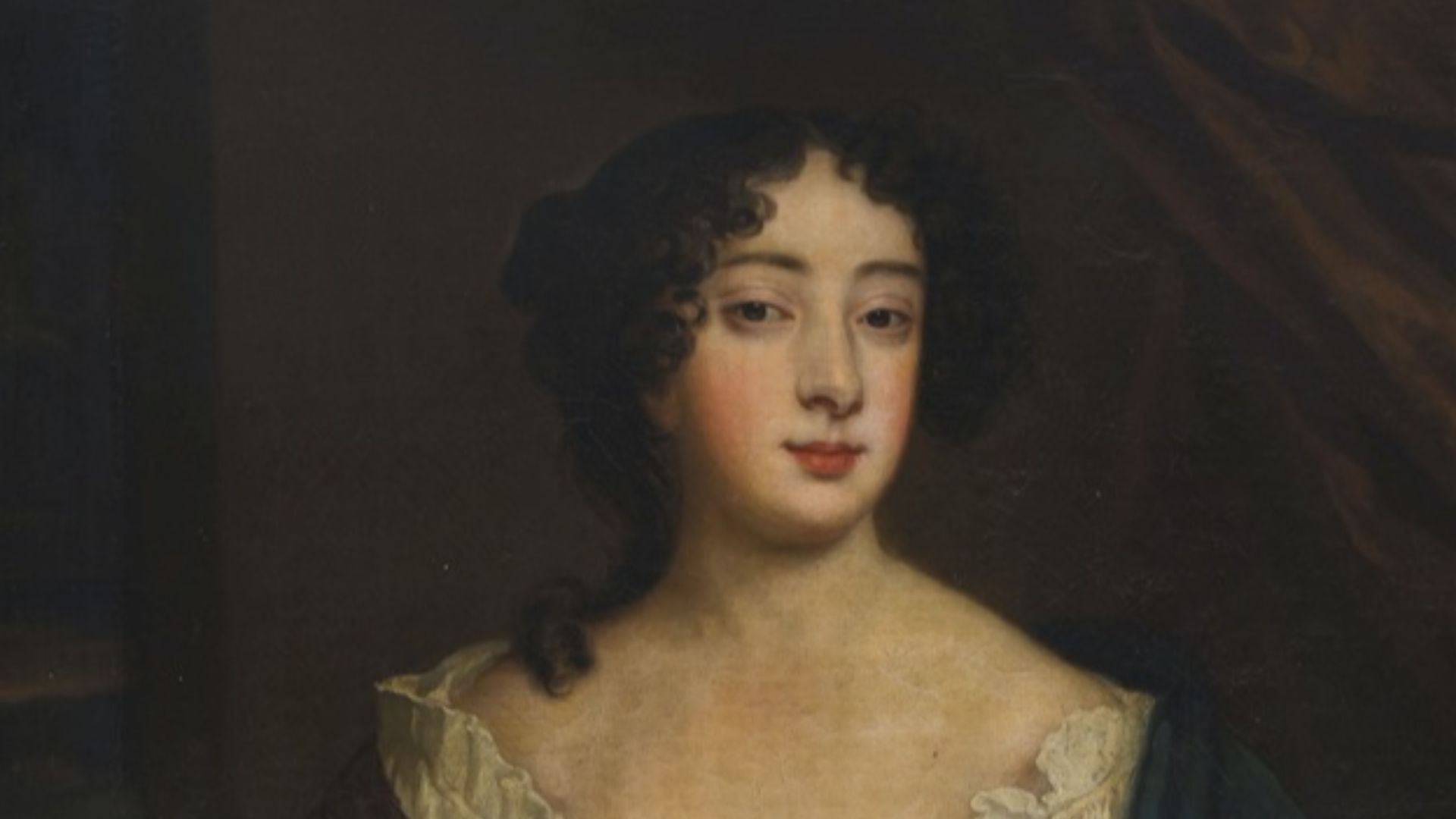
At the time of King Charles II’s passing, Palmer was well into her 40s. However, that did not slow her down. Not long after her former lover was put into the ground, Palmer struck up an affair with the bad-boy actor, Cardonell Goodman. Despite her age (and his reputation), their affair actually resulted in a child in March of 1686.
It was even more scandalous given that Palmer was technically still married.
History's most fascinating stories and darkest secrets, delivered to your inbox daily.
40. She Married Again
By 1705, Palmer and her husband, Roger Palmer, Lord Castlemaine, had been separated for years. It’s not even clear if the two kept up correspondence. However, Palmer was immediately aware when her estranged husband passed on. Free from her superficial marriage at last, Palmer quickly married again, this time tying the knot with Major-General Robert Fielding.
She had no idea what she was in for.
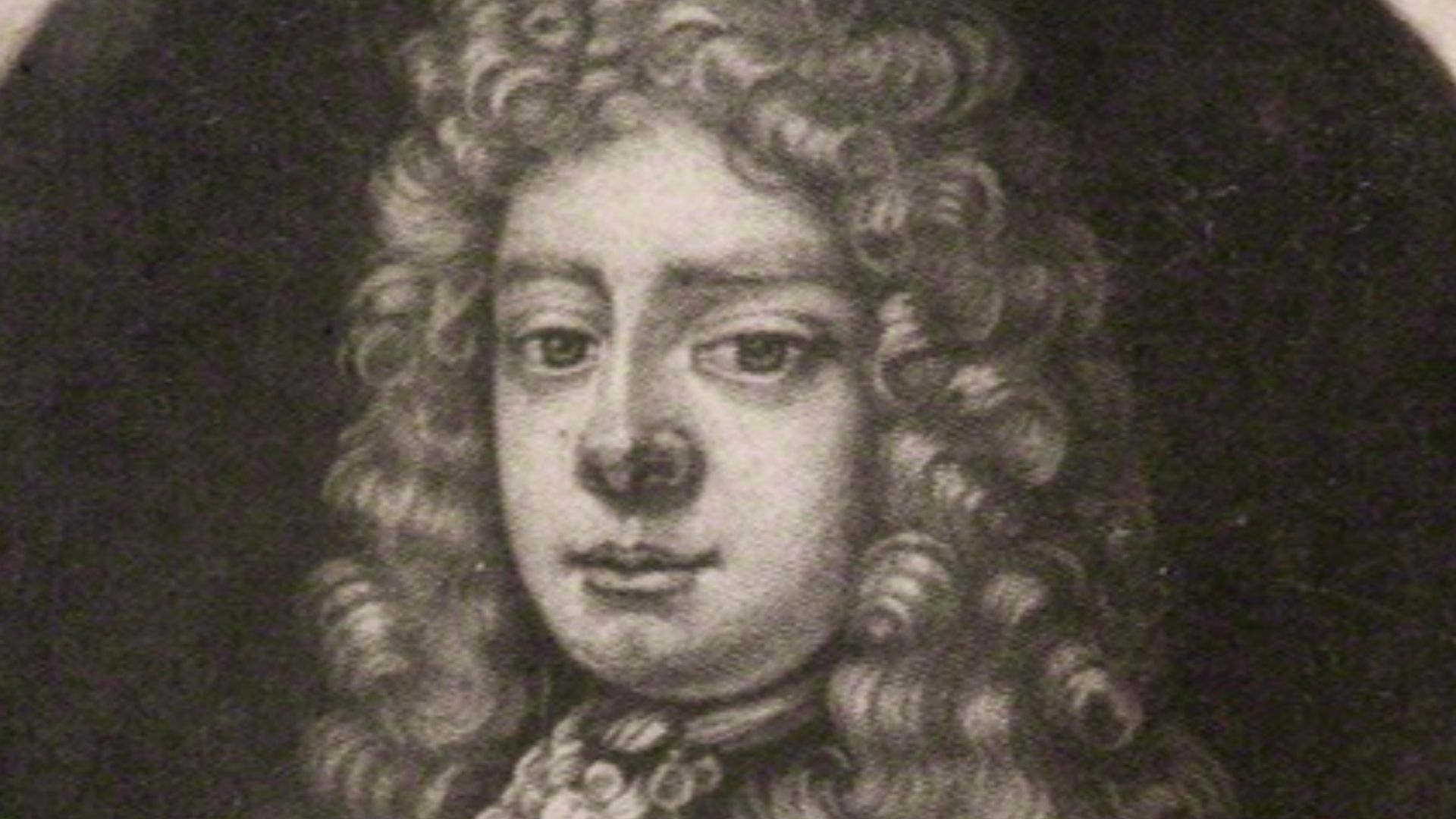 John Savage, Wikimedia Commons
41. She Married A Married Man
Palmer’s second marriage unraveled fast—and even more furiously than her first. After learning that her new husband, Robert Fielding, had wed Mary Wadsworth—believing her to be a rich heiress—just a fortnight before their nuptials, she struck back hard. Palmer prosecuted him for bigamy, turning a private betrayal into a very public reckoning.
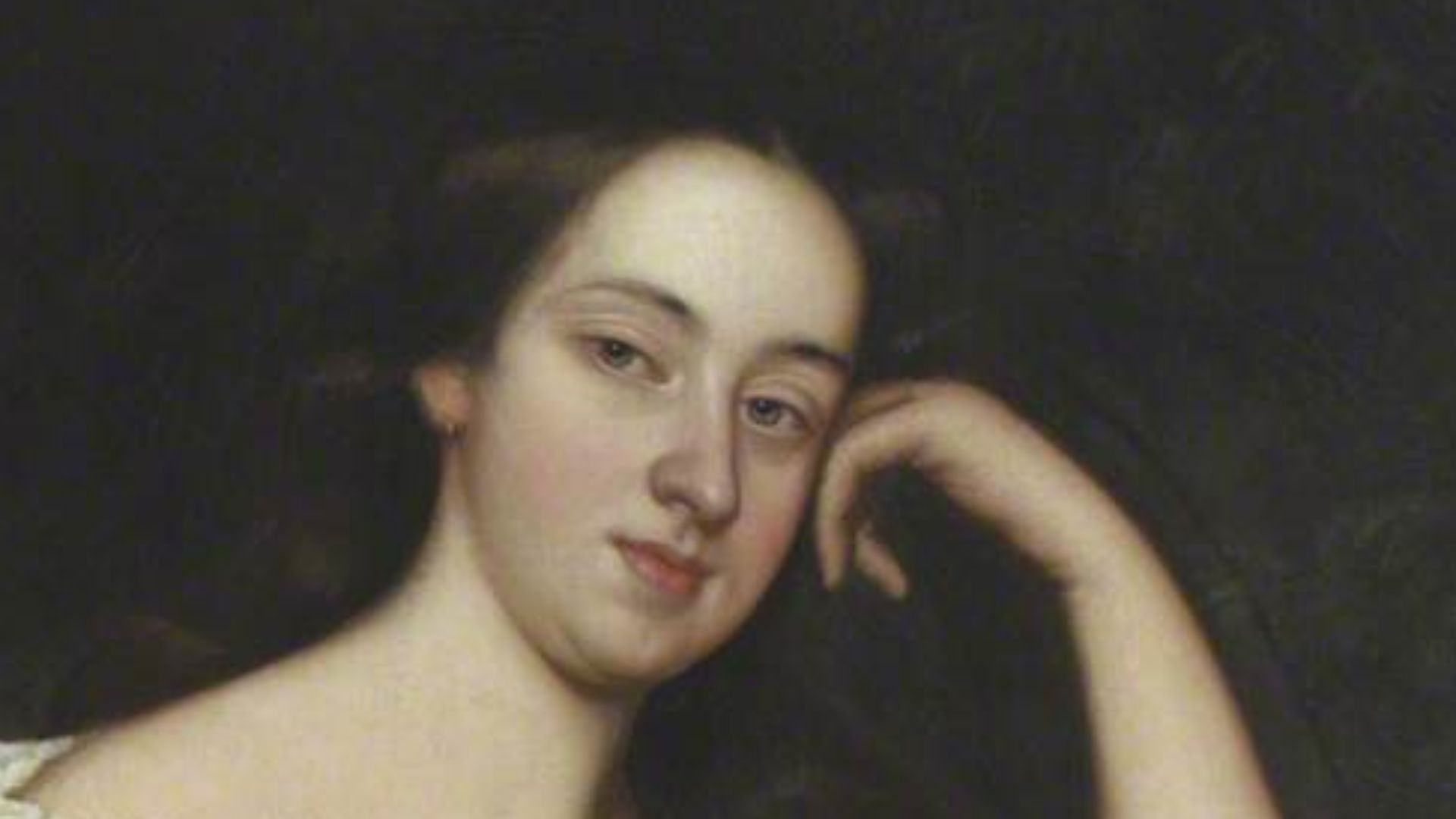 Manner of Peter Lely, Wikimedia Commons
42. She Had To Seek Protection
When it became apparent to Palmer that Fielding had only married her for her money, she cut him off. And it wasn’t just her being petty, either. Palmer later accused Fielding of “barbarous ill-treatment” and claimed that she felt unsafe. Eventually, Palmer had to seek protection, summoning the magistrates to guard her against Fielding.
But she wasn’t the only one who needed protection from him.
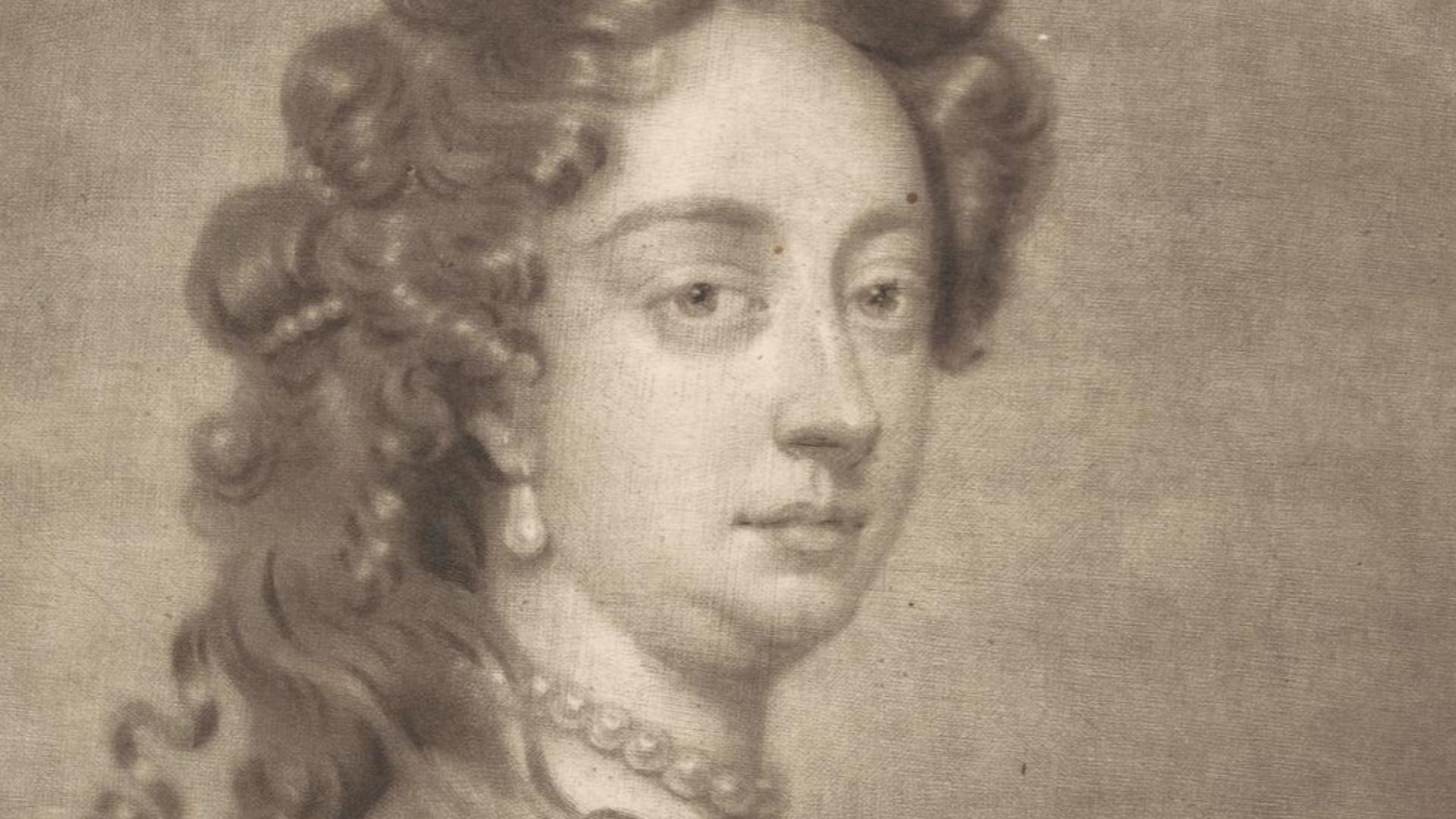 Godfrey Kneller, Wikimedia Commons
43. Her Husband Crossed A Red Line
Fielding’s misconduct went even further than Palmer had initially charged. In 1706, her fortune-hunting husband reportedly carried on an intimate relationship with Palmer’s own granddaughter, Charlotte Calvert. Worse yet, rumors soon followed that he fathered a child with Calvert, born in 1707. Palmer wouldn’t have to endure the scandal much longer.
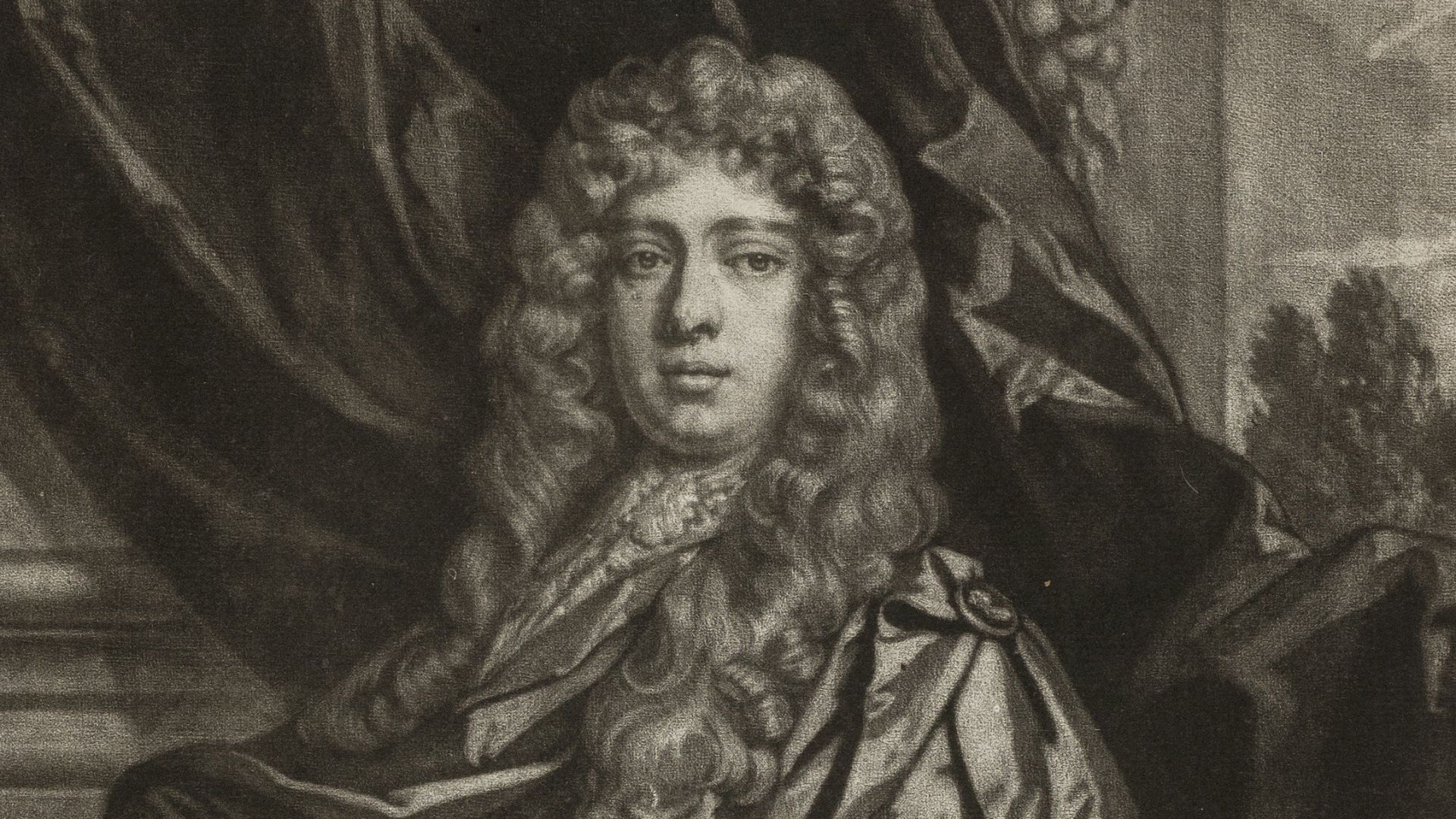 Vaart, Jan van der (1647/1653-1721/1727), Lely, Peter (1618-1680), Wikimedia Commons
44. She Won Her Freedom Back
Justice finally caught up with Fielding—and Palmer saw to it. On December 4, 1706, the disgraced social climber stood trial and had a jury of his peers find him guilty of bigamy. While the judge allowed Fielding to keep his life, his marriage to Palmer was annulled. After decades of scandalous unions, she was free once more—older, wiser, and thoroughly disillusioned.
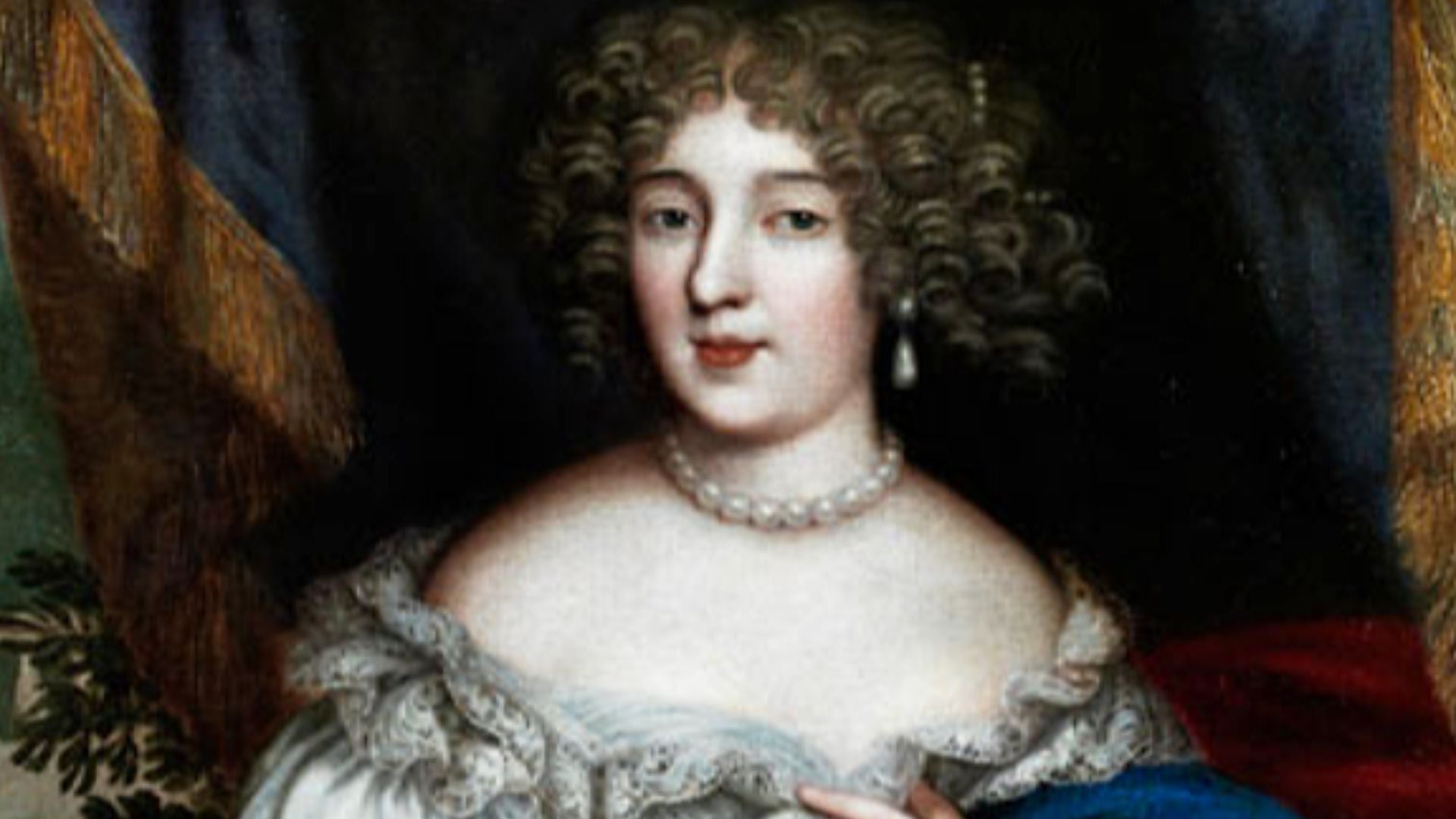 Attributed to Henri Gascar / Attributed to Pierre Mignard I, Wikimedia Commons
45. She Earned A Brutal Verdict
Age appears to have been kind to Palmer—but not to her reputation. The sharp-tongued diarist John Evelyn leveled his criticisms at Palmer and the influence that she had wielded at court. Not sparing any feelings, Evelyn infamously called Palmer “the curse of the nation".
The criticism wasn’t unwarranted.
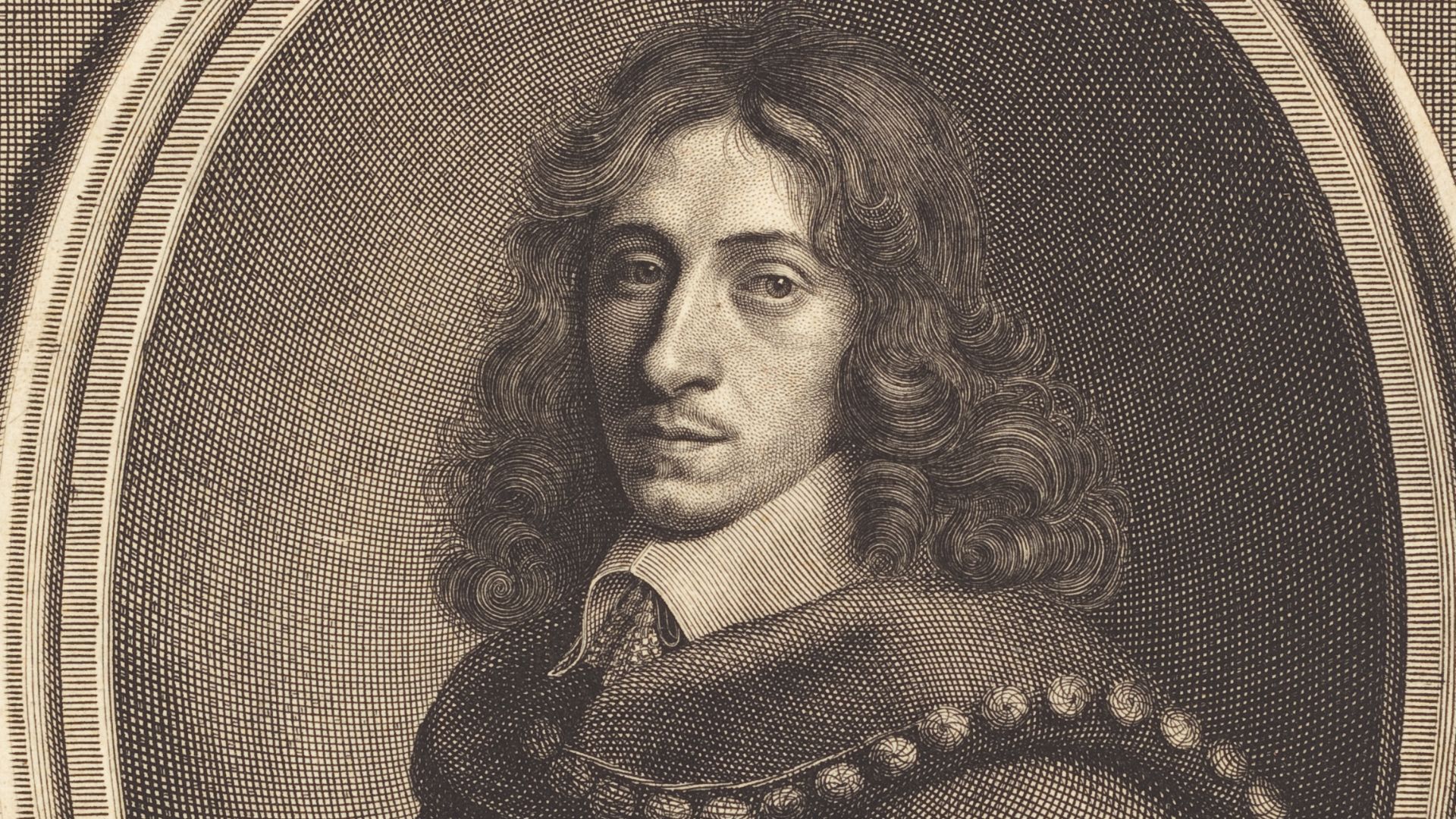 Robert Nanteuil, Wikimedia Commons
History's most fascinating stories and darkest secrets, delivered to your inbox daily.
46. She Had A Famous Temper
Depending on who you asked, Palmer was either a saint or the worst kind of sinner. Perhaps the only thing more famous than her body and proclivity for lavish spending was her legendary temper. When displeased, she had even turned that fury on King Charles II himself and had regular fights with Queen Catherine. But she also had a sweet side.
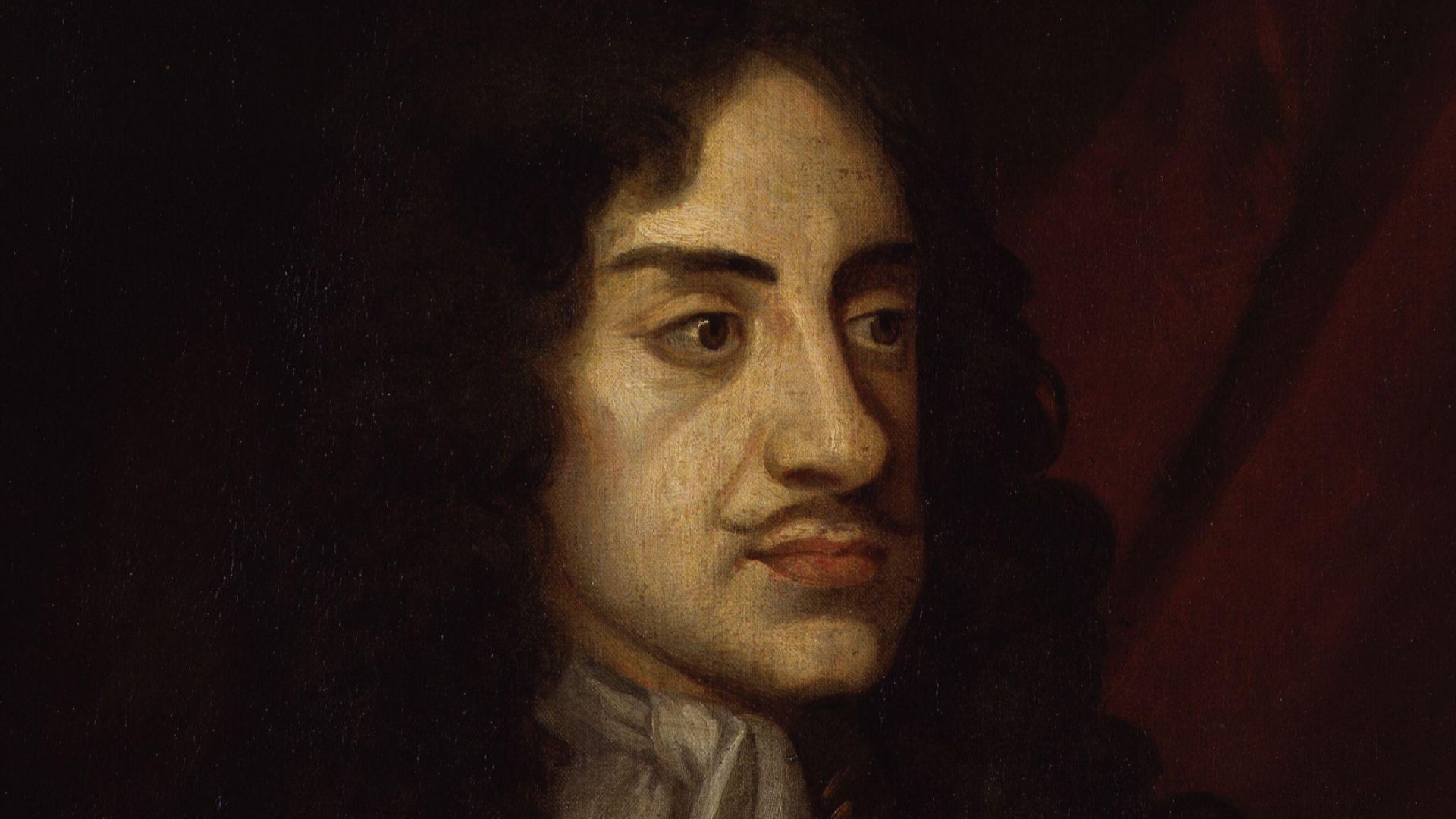
47. She Had Many More Lovers
Even beyond Charles II, Palmer attracted a dazzling roster of lovers. Among them were the acrobat Jacob Hall, the courtier Henry Jermyn, her cousin John Churchill, and the playwright William Wycherley. Her beauty had transcended monogamy and marriage and even defied time. Eventually, however, even a beauty like hers had to fade.
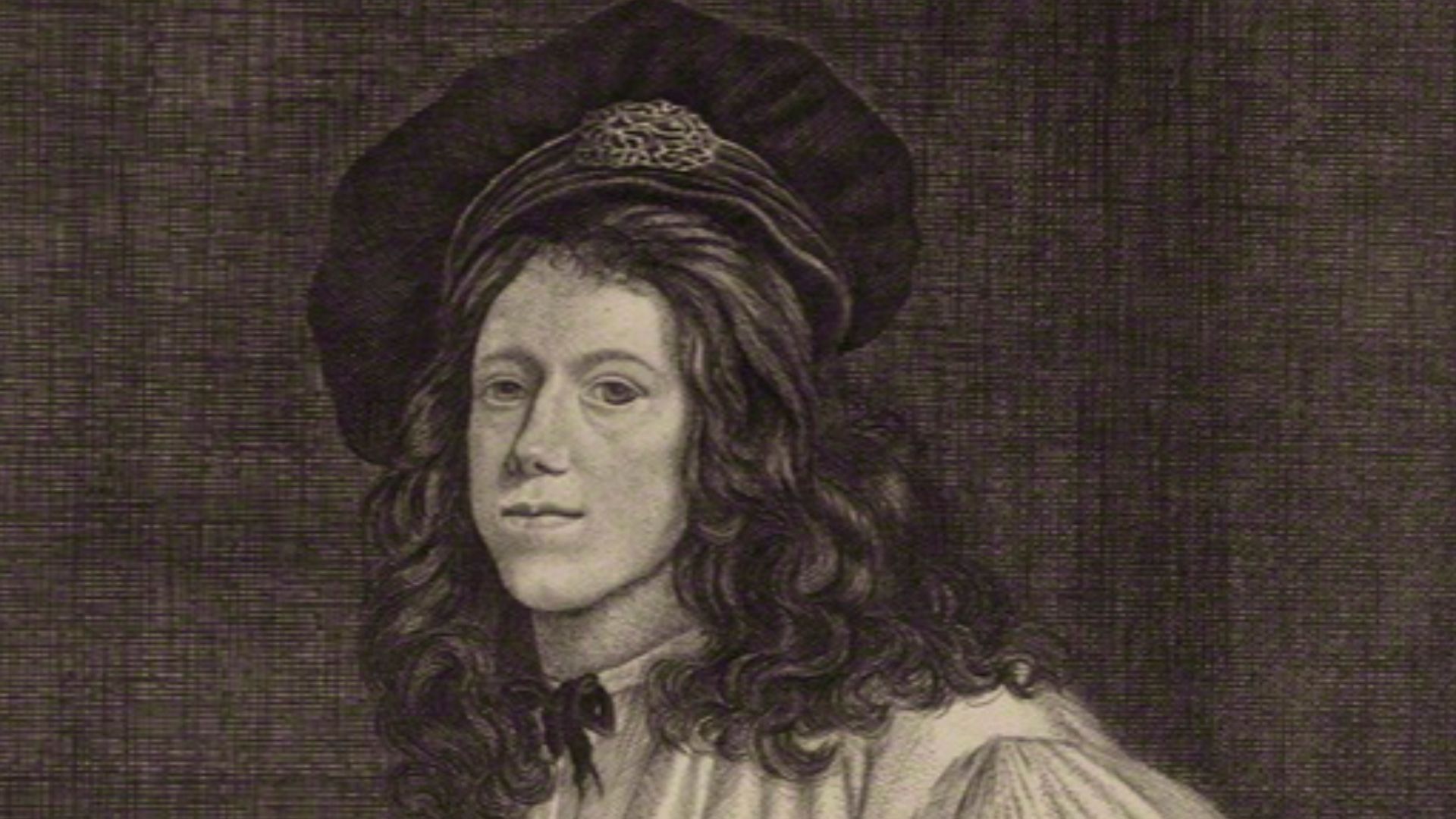 After Jacob van Oost the Younger, Wikimedia Commons
48. She Reached Her Final Days
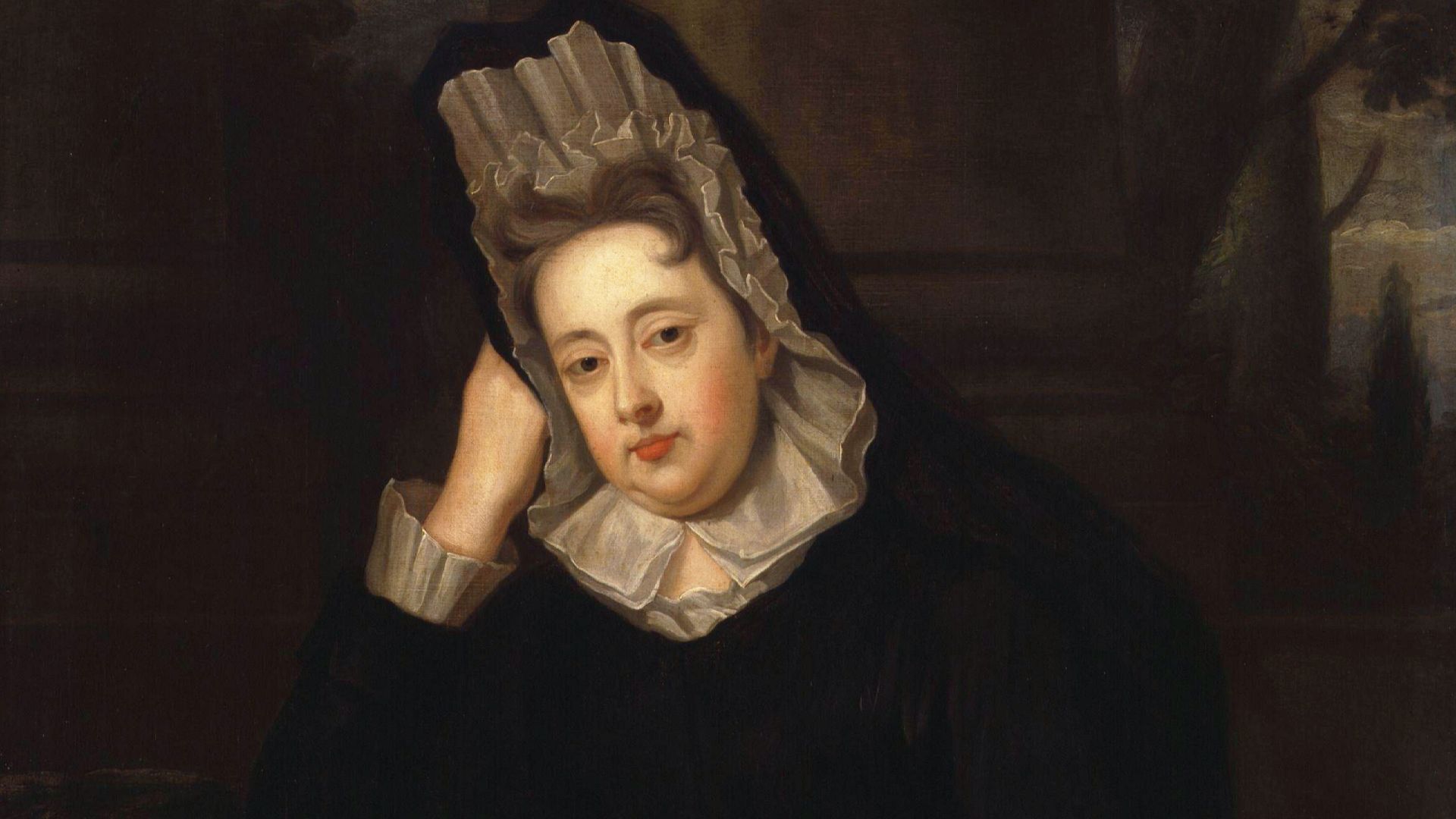
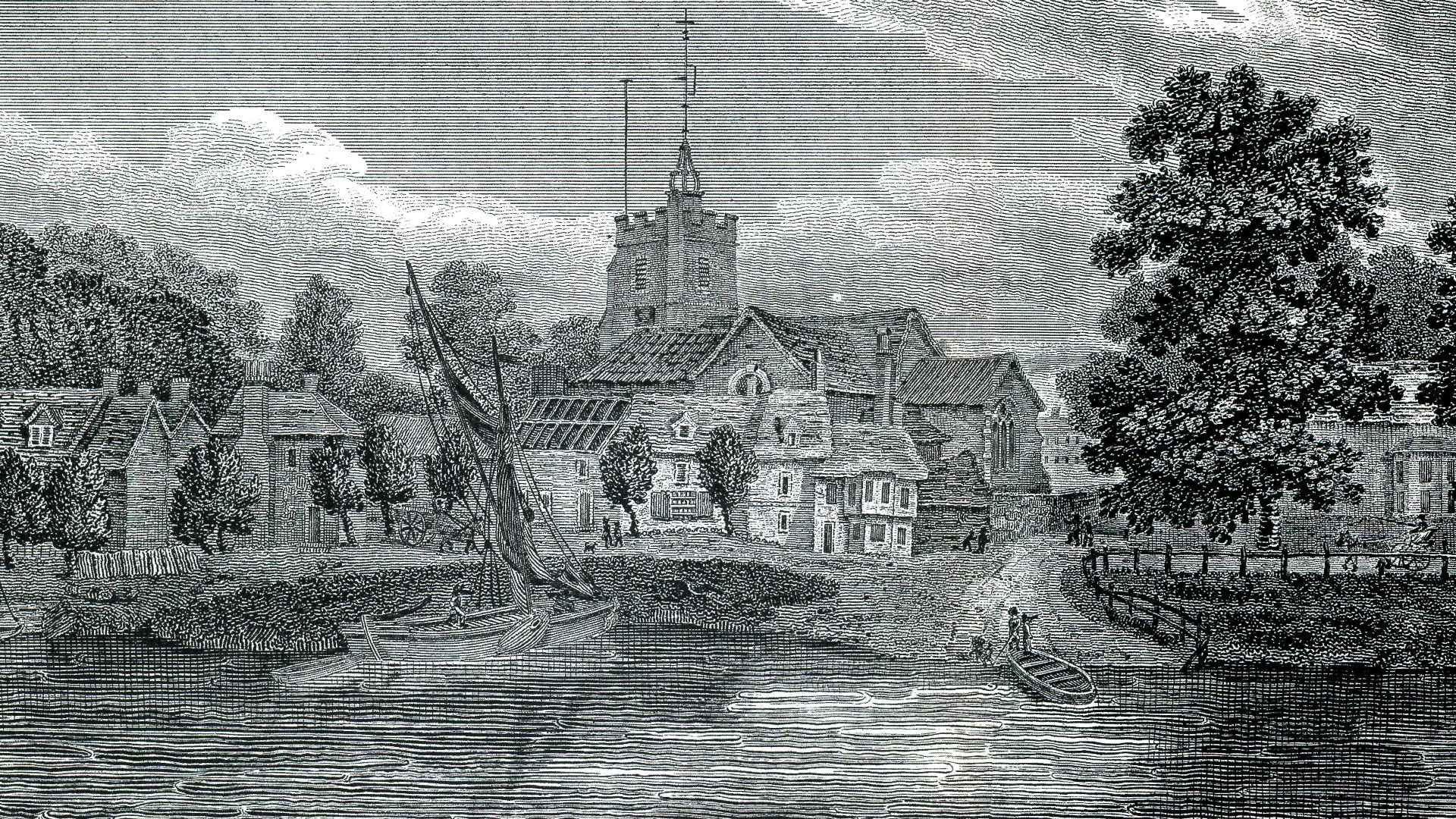
In October 1709, Palmer’s long, turbulent life drew to a close at Walpole House on Chiswick Mall. At the time of her passing, she was 68 years old and had suffered from dropsy. Ultimately, the condition caused her legs to swell and her heart to fail. It was an unglamorous end for a former mistress of a king.
But at least she went out in style.
 After Godfrey Kneller, Wikimedia Commons
49. She Departed With Pomp
Even in the afterlife, Palmer commanded attention and earned herself a lavish send-off. In 1710, two dukes and four peers served as her pallbearers, carrying her casket from Walpole House to St Nicholas Church in Chiswick. The ceremony reflected the nobility of her station and rank—even if she had earned it all between the sheets.
She certainly left her mark.
 Jacob Schnebbelie, Wikimedia Commons
50. She Ran In Royal Bloodlines
Palmer’s story didn’t end with just her. Her family carried on in her tradition. Her first cousin, Elizabeth Villiers, also became a royal favorite—serving as the presumed mistress of King William III of Orange. It seems that beguiling kings had simply been Palmer’s family’s business.
![Title[print] Portret van Elizabeth Villiers, hertogin van Richmond en Lennox / Ant. van Dyck Eques pinxit; W. Hollar fecit [Wenceslaus Hollar; naar een schilderij van Antoon Van Dyck].Description1 prent : ets (diepdruk) ; afbeelding h 236 x b 183 mm ; bladrand h 257 x b 190mm.DescriptionPapierSeriesPortretten naar Anthony van Dyck.Publisher[Antwerpen] : [Meyssens], [ca. 1646].ProvenanceBIB.GRA.000534 Verzameling prenten Adolf Pieter Sunaert.Object IDarchive.ugent.be:ED5467AA-A5BF-11EA-A14F-3834AA36FAF6Barcode910000211892CallnrBIB.GRA.000534](https://www.factinate.com/storage/app/media/factinate/2026/4/17/177641396362a8e6367004274c6e04fed8f5956429f20f54c1._1646_barcode_910000211892)
You May Also Like:
This Queen’s Shy Reputation Hid Her Ruthless Hunger For Power
Queen Maria Anna Of Neuberg Was Too Smart For Her Own Good









.jpg)
_(after)_-_Barbara_Villiers_(1640%E2%80%931709),_Countess_of_Castlemaine_and_Duchess_of_Cleveland,_as_a_Shepherdess_-_355542_-_National_Trust.jpg)