
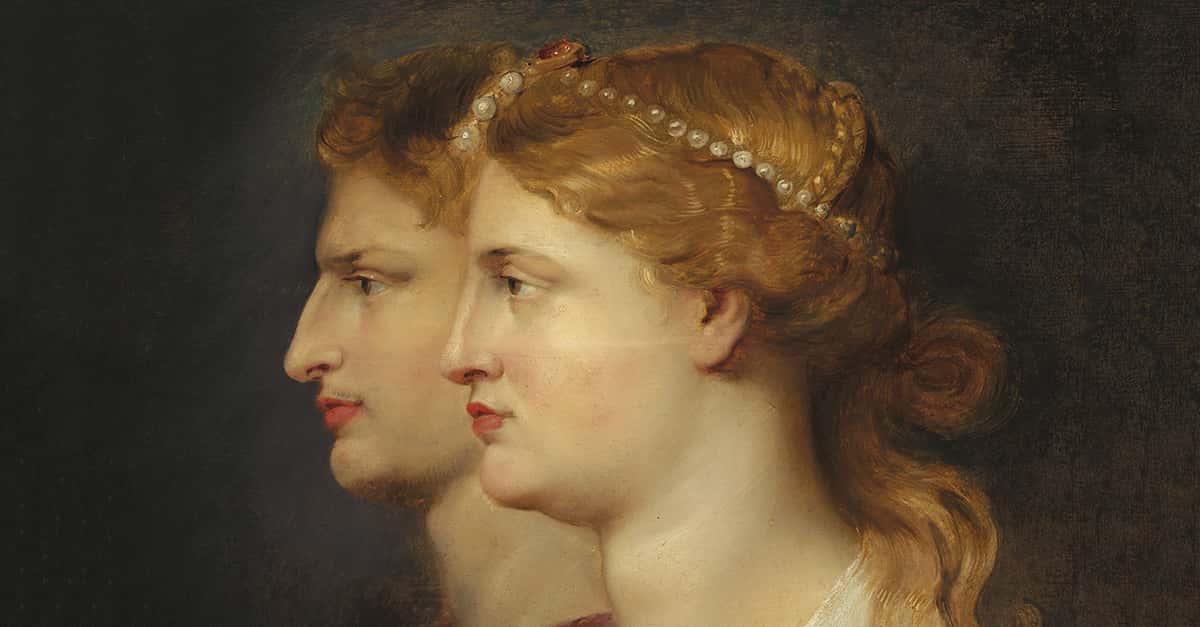
Agrippina: Eternal Empress
Caligula might have been one of the most fearsome Roman emperors, but he had nothing on his sister Agrippina. Notorious even during her own time, Agrippina climbed the ranks from sibling, to spouse, to mother of emperors, and she stopped at nothing to get what she wanted. In the end, though, it all caught up with her.

1. She Was Twice Royal
Agrippina’s young life was cushy. She was the eldest daughter and fourth child of Agrippina the Elder and Germanicus, a Roman general who came from two illustrious Roman lines. More than that, Germanicus was the favorite of the first Emperor of Rome, Augustus, yet another powerful relative of Agrippina. Still, all this grandeur came with great expectations.
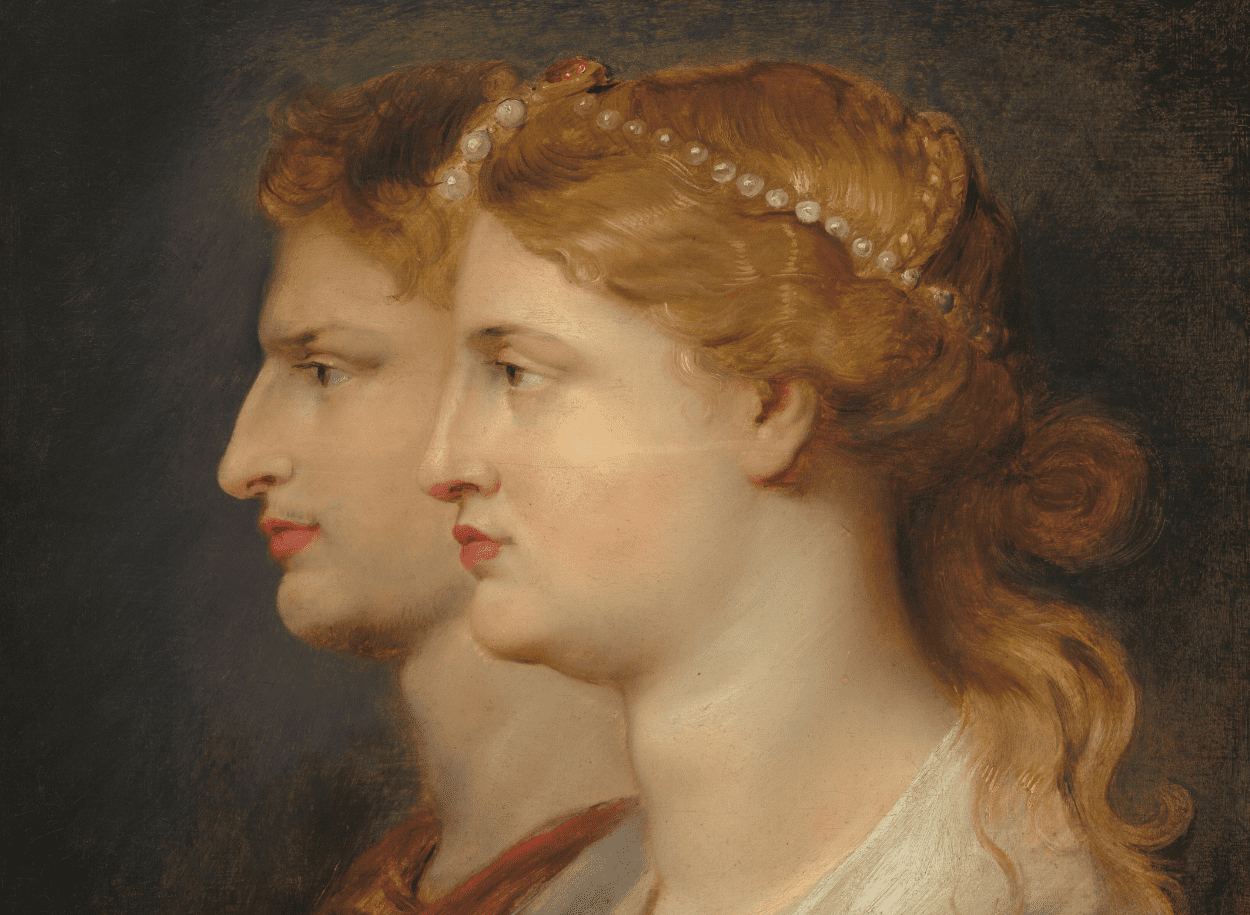
2. Her Family Wanted Big Things
Agrippina had three brothers, including Caligula, and two sisters, Julia Drusilla and Julia Livilla—and her mother was determined to make a political success out of her well-placed family. She pushed her children to grab for power, raising Agrippina under the strict guidance of her grandmother and great-grandmother.
Even so, Agrippina didn’t stay under their wings for long.
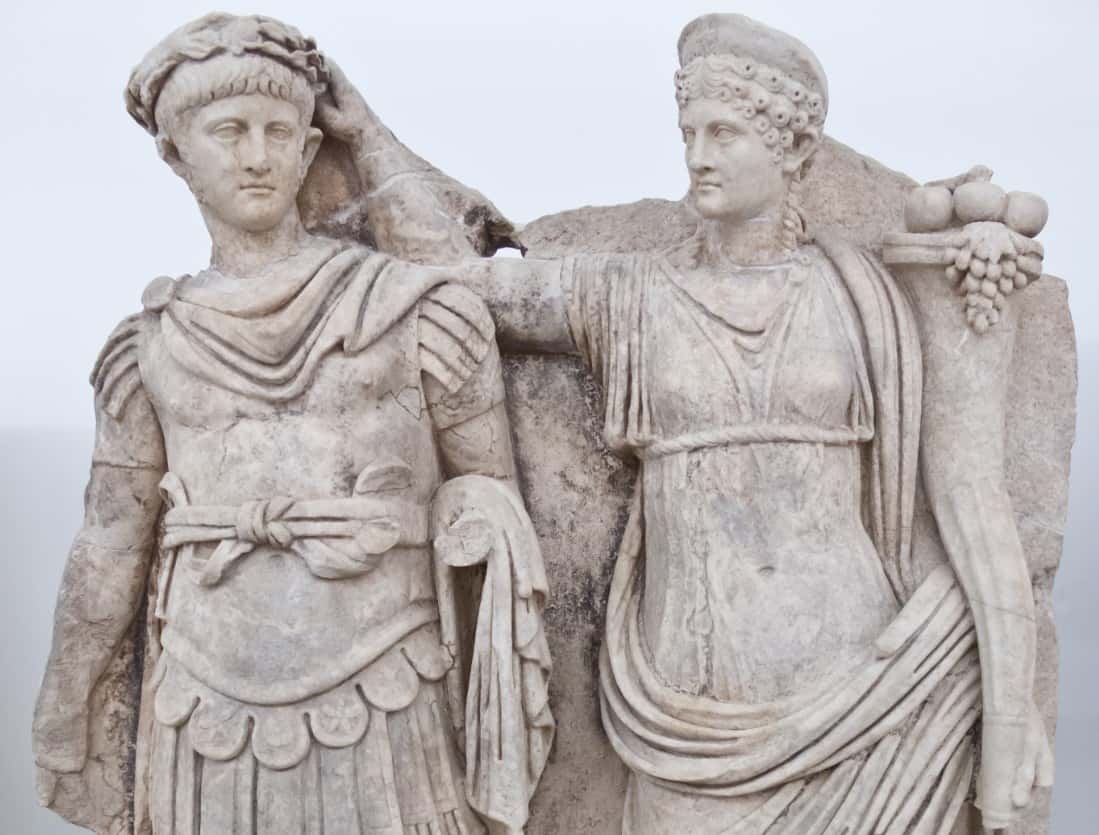 Wikimedia Commons, Carlos Delgado
3. She Married As A Teenager
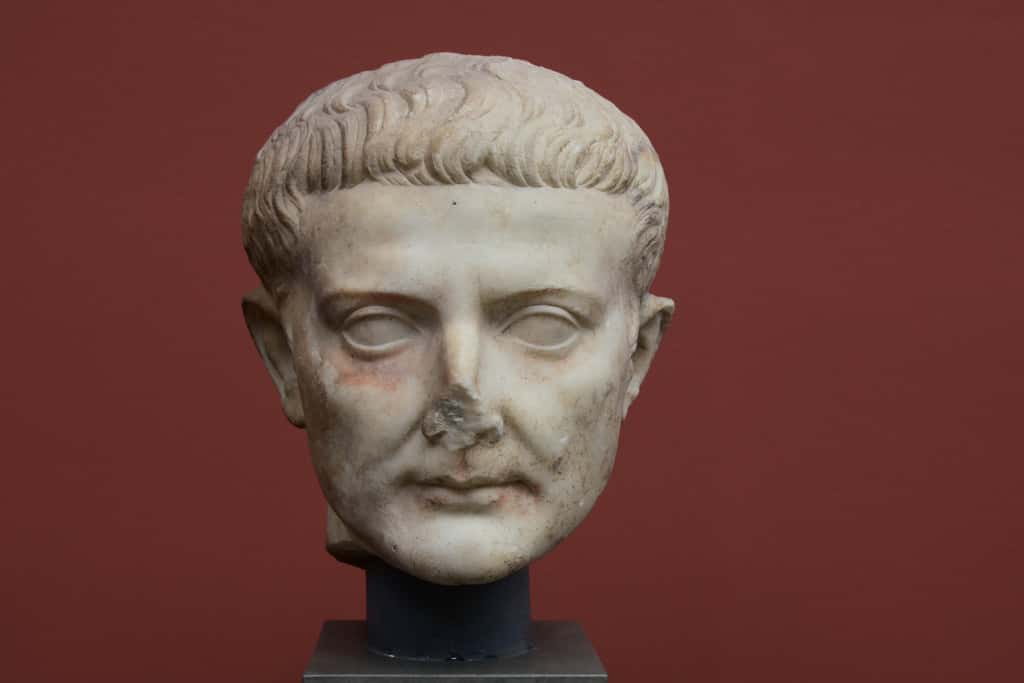
As a young girl in Ancient Rome, Agrippina was good for one thing only: making an advantageous marriage. So, at the tender age of 13, the new Emperor Tiberius arranged for her to wed his own relative, Gnaeus Domitius. Actually, it was a family affair all around: Gnaeus was also Agrippina’s first cousin once removed.
Not that any of this helped Agrippina like her new husband any better.

History's most fascinating stories and darkest secrets, delivered to your inbox daily.
4. Her Husband Was “Detestable”
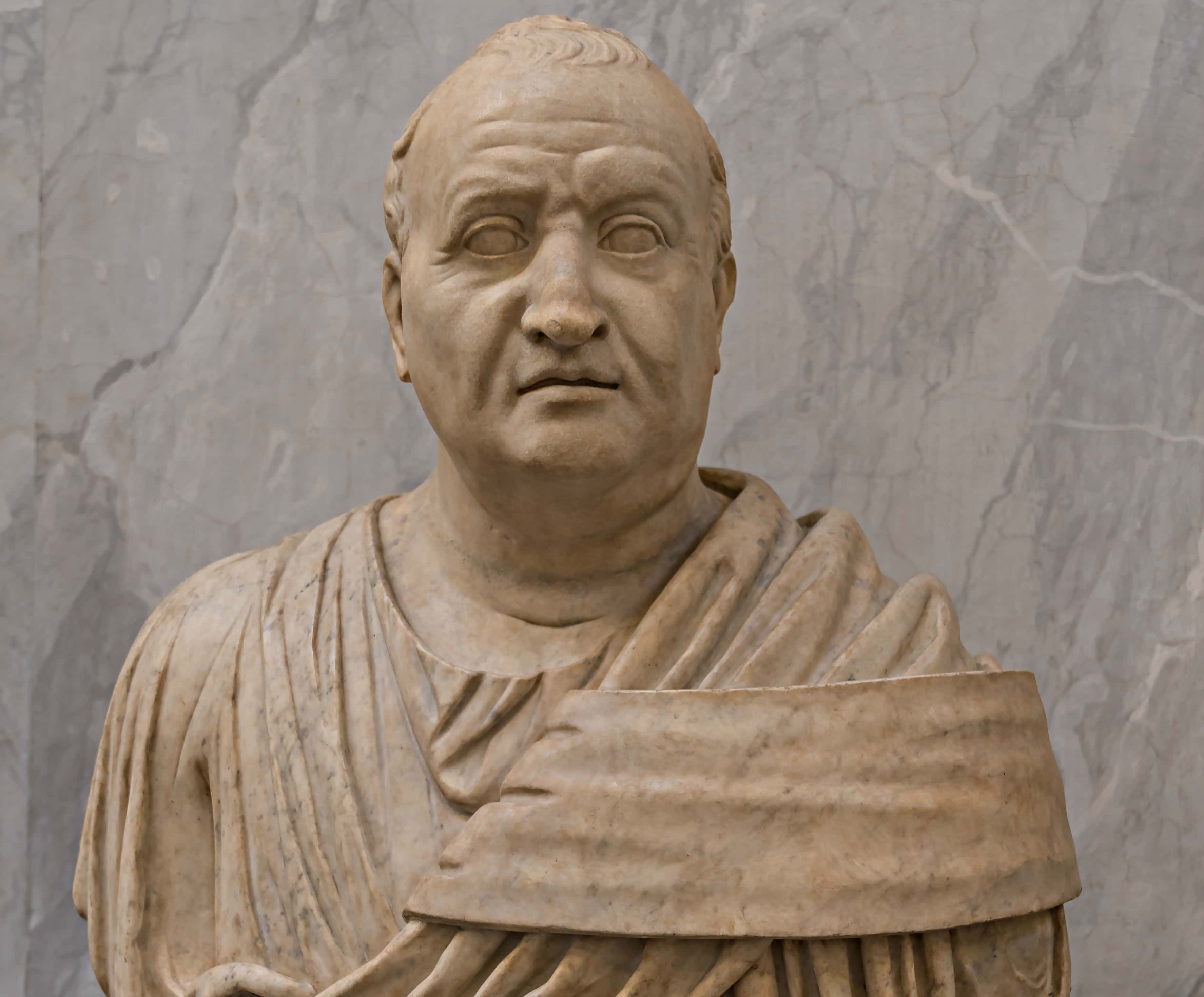
Gnaeus Domitius might have come from his own golden pedigree, but he didn’t have the personality to match. While little is known about Agrippina’s marriage to him, what we do know about Domitius himself spells disaster. According to Suetonius, he was “in every aspect of his left detestable”.
When Agrippina fell pregnant, it somehow got worse.
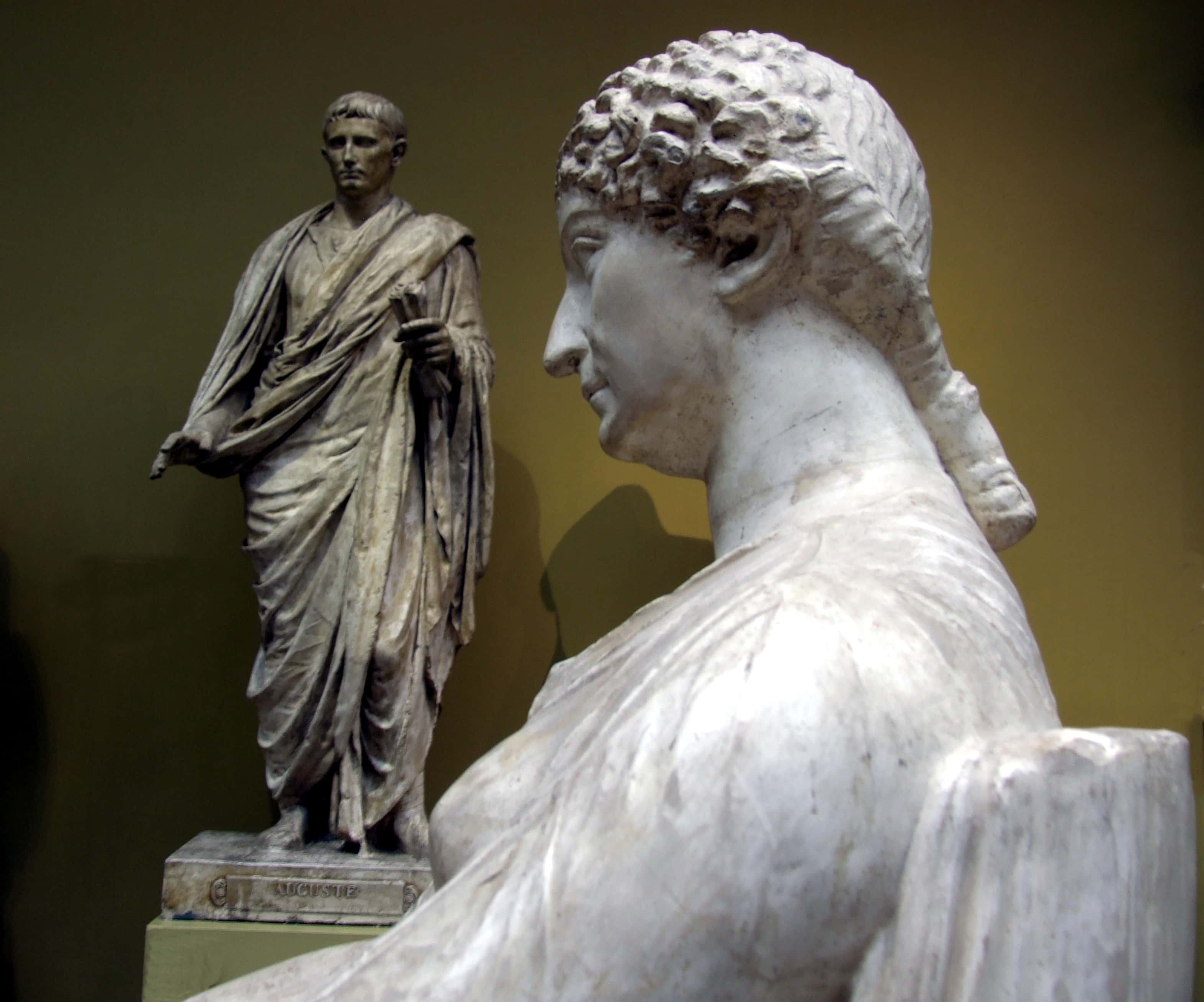
5. She Became A Mother
In 37 AD, Agrippina gave birth to a son, Nero. While for many high-class Roman families, this would be a happy outcome, that’s not how Agrippina’s husband reacted. Reportedly, when Domitius’s friends congratulated him, he replied, “I don’t think anything produced by me and Agrippina could possibly be good for the state of the people”.
As it happened, he was right—but more change was coming.
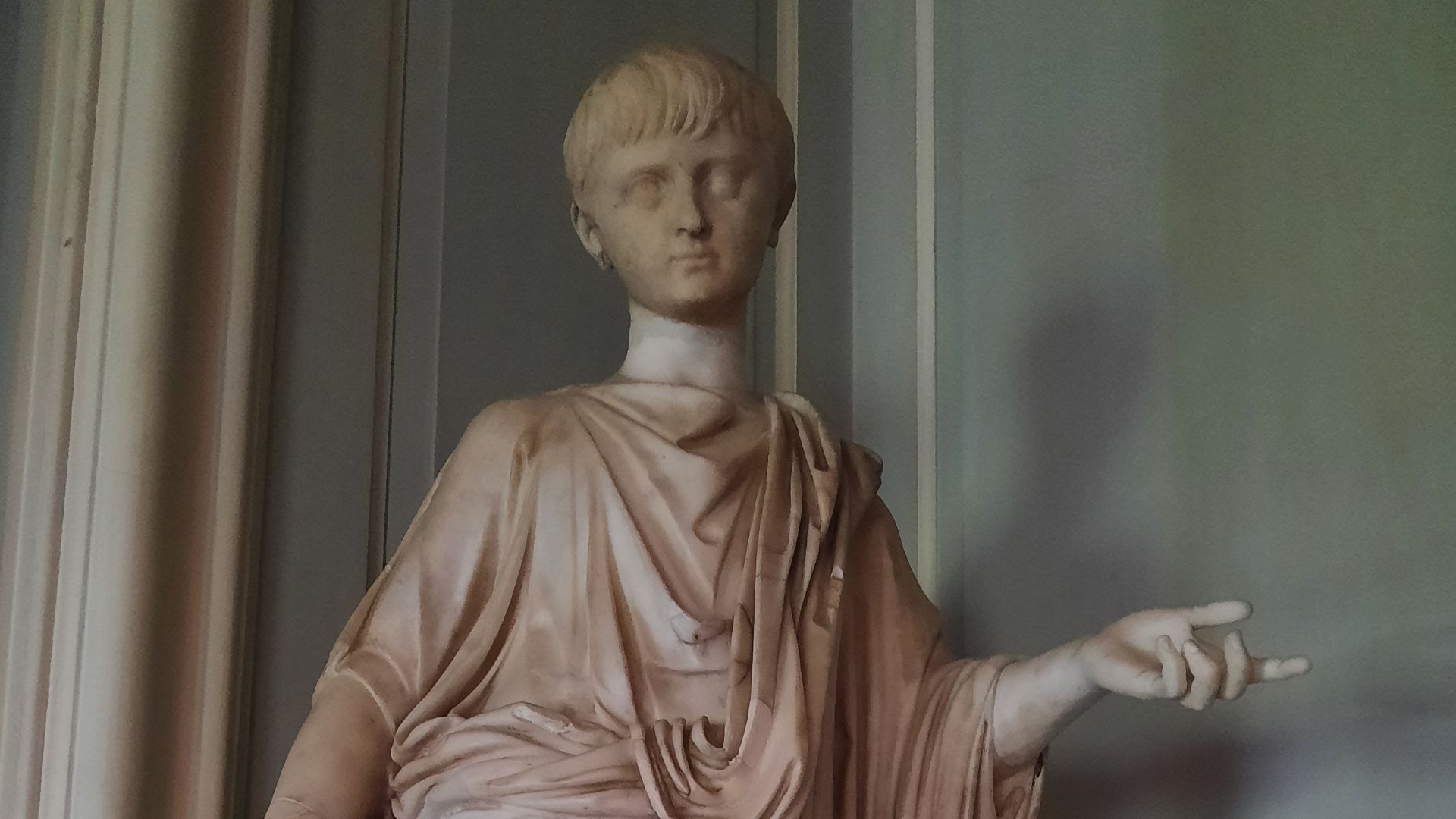 MumblerJamie, Wikimedia Commons
6. Her Brother Became Emperor
The same year that Agrippina gave birth to a son and heir, her family moved up in a big way. The current emperor Tiberius died, and—in a political maneuver their mother had been planning from the beginning—her older brother Caligula became Emperor of Rome in his place. Agrippina suddenly had influence as the sister of an emperor. She made good use of it.
7. She Possessed Rare Power
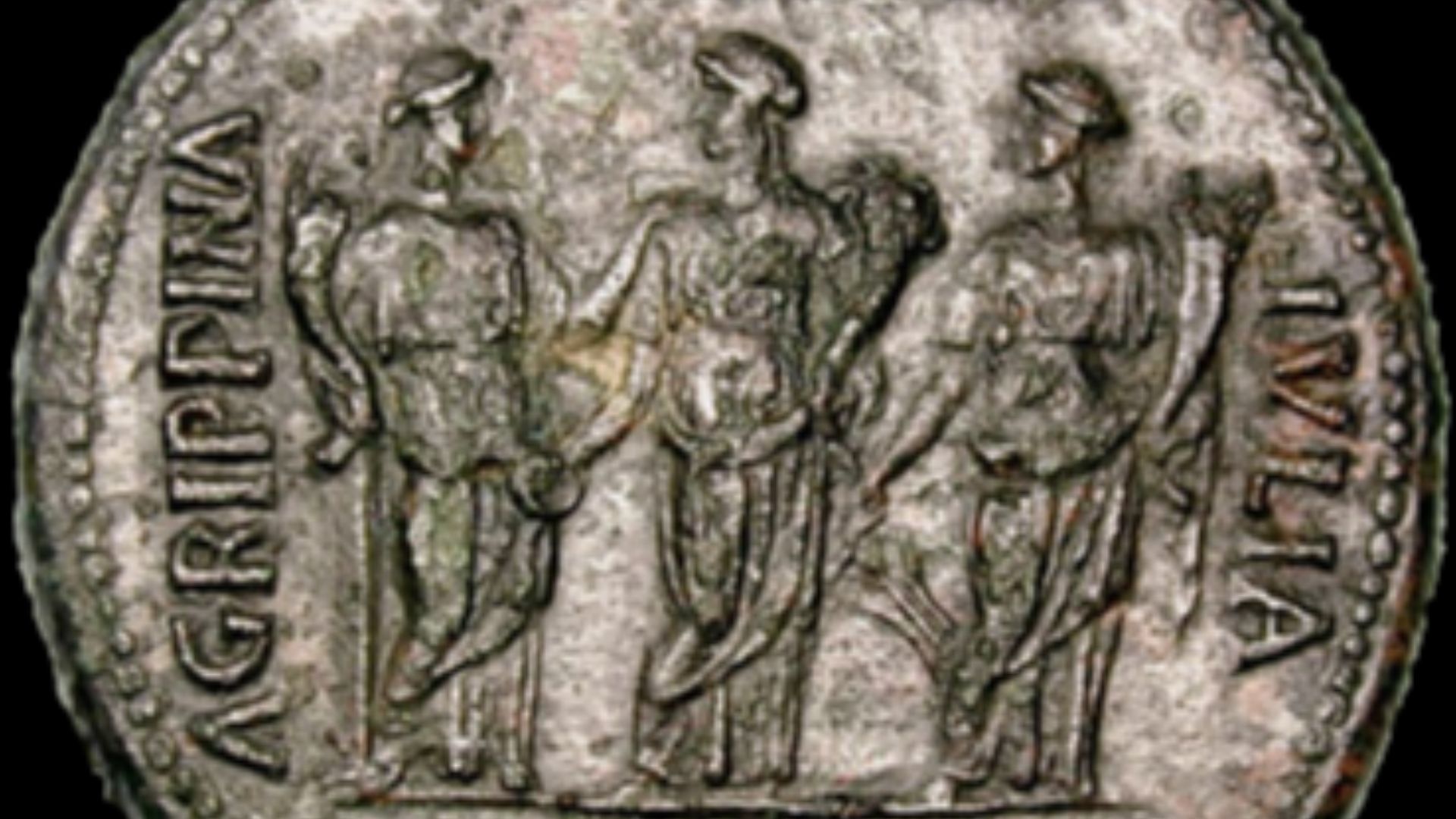
Caligula put his three sisters front and center in his reign, and Agrippina, Julia Drusilla, and Julia Livilla enjoyed perks like receiving the rights of the Vestal Virgins, giving them freedom of movement and the ability to view public games in the upper seats of the stadium. They also had their faces on Caligula’s coins, and their names were woven into imperial oaths.
But the bigger they are, the harder they fall.
8. She Lost Her Sister
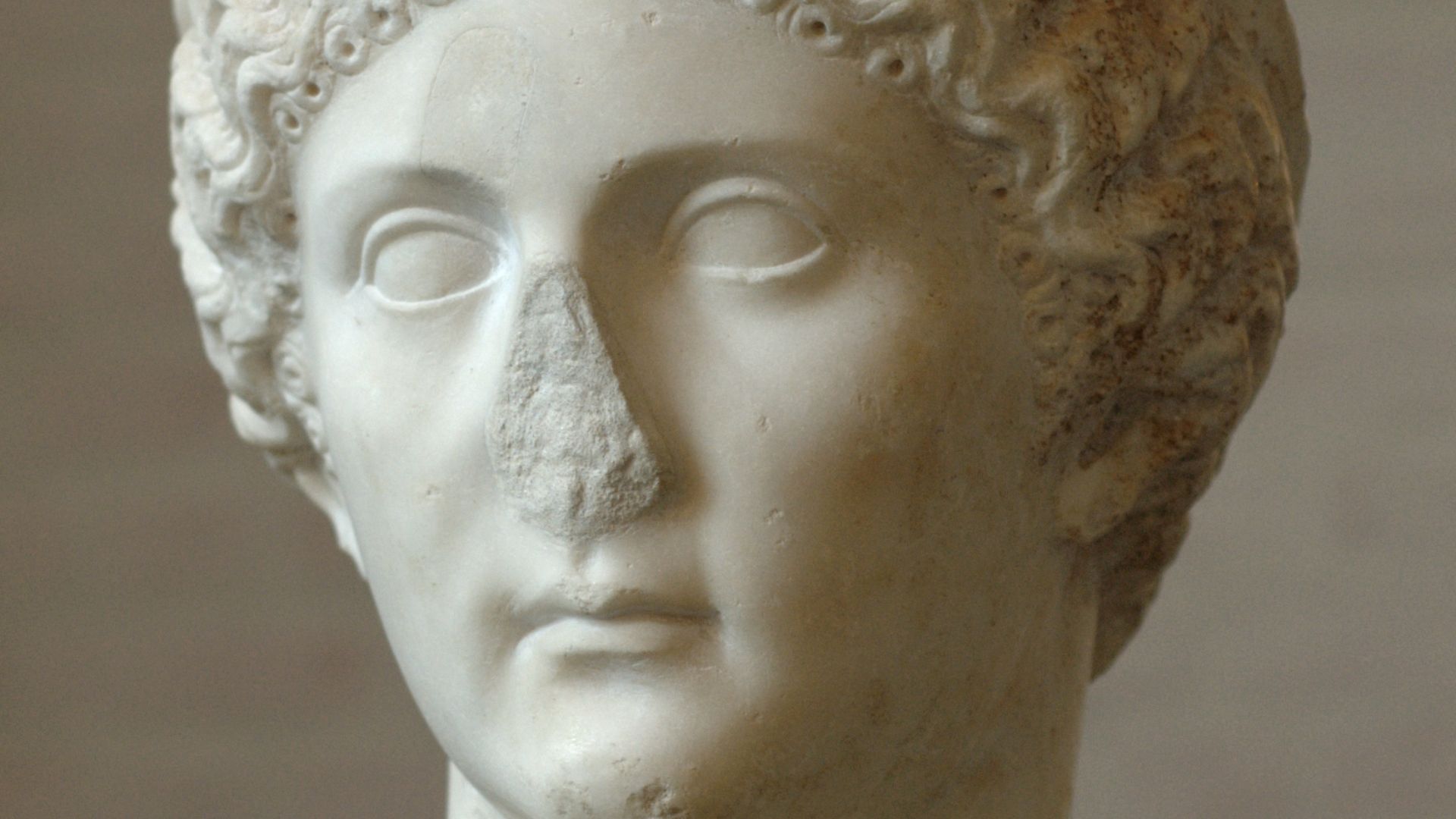
A year into Caligula’s reign, Agrippina’s family experienced a brutal blow. In the summer of 38 AD, her sister Julia Drusilla perished, possibly from a fever. Caligula, who had doted on Drusilla and even married her to his heir Marcus Aemilius Lepidus just months before her passing, was so bereft he declared a period of forced and universal mourning.
While Agrippina surely tried to support her brother, it went downhill fast.
 Unknown artistUnknown artist, Wikimedia Commons
9. Her Brother Went Mad
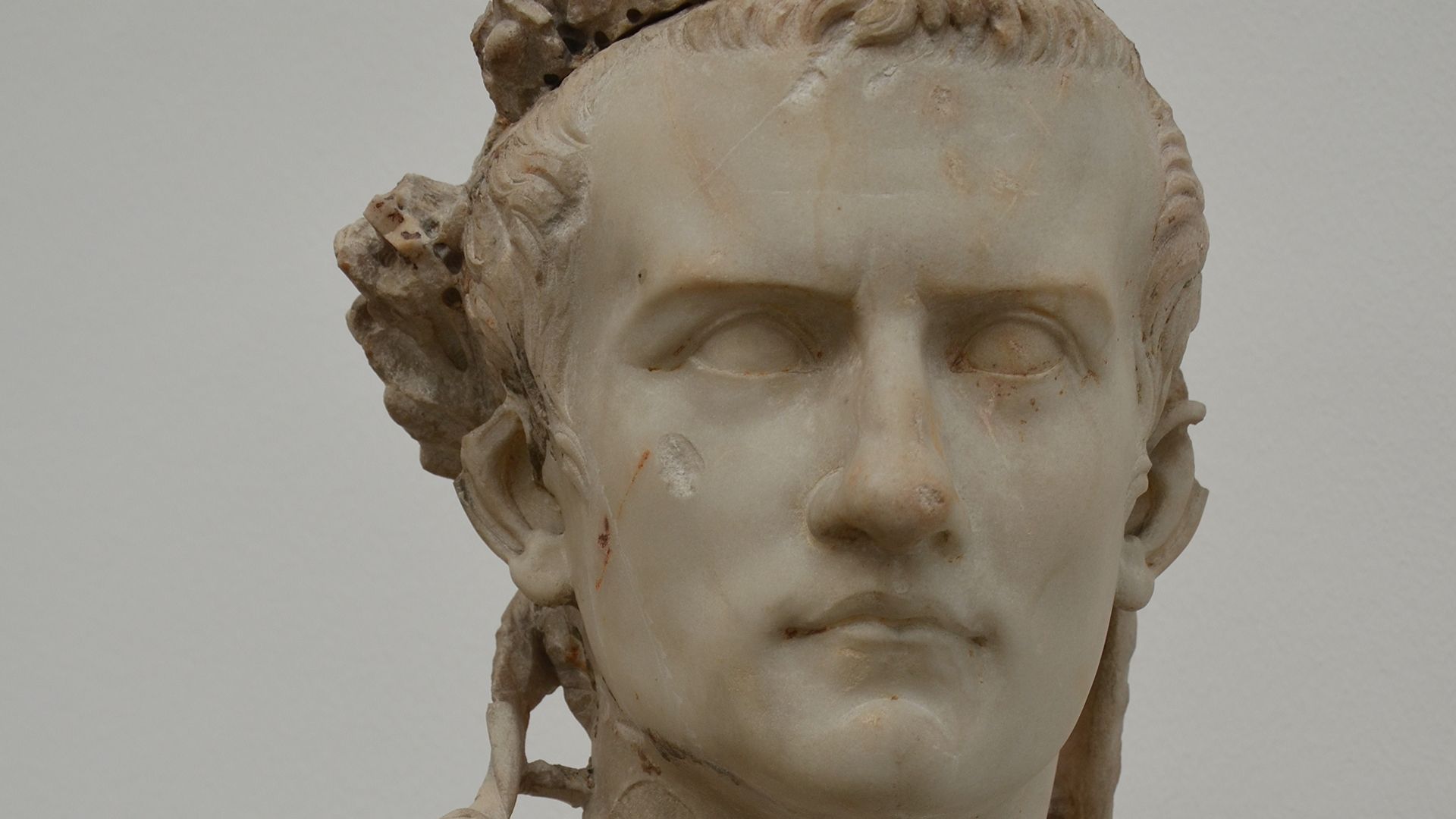
The same year Caligula became emperor, his mental health started to suffer: he exhibited mood swings, self-indulgence, and seeming periods of mania. When he lost his favorite sister, these issues got even more pronounced, with many historians—and Ancient Romans—believing he eventually fell into full insanity.
As Agrippina witnessed her brother losing his grip on reality, she could feel her own grip on power slipping away too. It drove her to an infamous act.
 Carole Raddato from FRANKFURT, Germany, Wikimedia Commons
History's most fascinating stories and darkest secrets, delivered to your inbox daily.
10. She Was A Conspirator
As Caligula’s reign fell into shambles, Agrippina teamed up with her surviving sister Livilla and her late sister’s widower Marcus Lepidus to deal with her wayward brother. Their solution was nothing short of treason: In the so-called “Plot of the Three Daggers,” the trio conspired to slay Caligula and place Lepidus on the throne.
It turned into Agrippina’s first taste of failure.
 Carlos N. Cuatzo Meza, Unsplash
11. She Got Caught
By now, Caligula was as paranoid as they come, but this time his paranoia paid off. He and his allies nabbed Agrippina, her sister, and her former brother-in-law before they could even get their conspiracy off the ground. Nonetheless, they gathered enough evidence to spur a trial—and when it began, dirty secrets spilled out.

12. She Went On Trial
Although it’s impossible to tell how reliable it was, Caligula produced some extremely scandalous evidence at Lepidus’s trial, including letters from his sisters discussing the plot. Even more salaciously, the Emperor accused the co-conspirators of being in a menage-a-trois, turning Agrippina into an adulteress.
Whatever the truth, a harsh reality was coming.
13. Her Brother Exiled Her
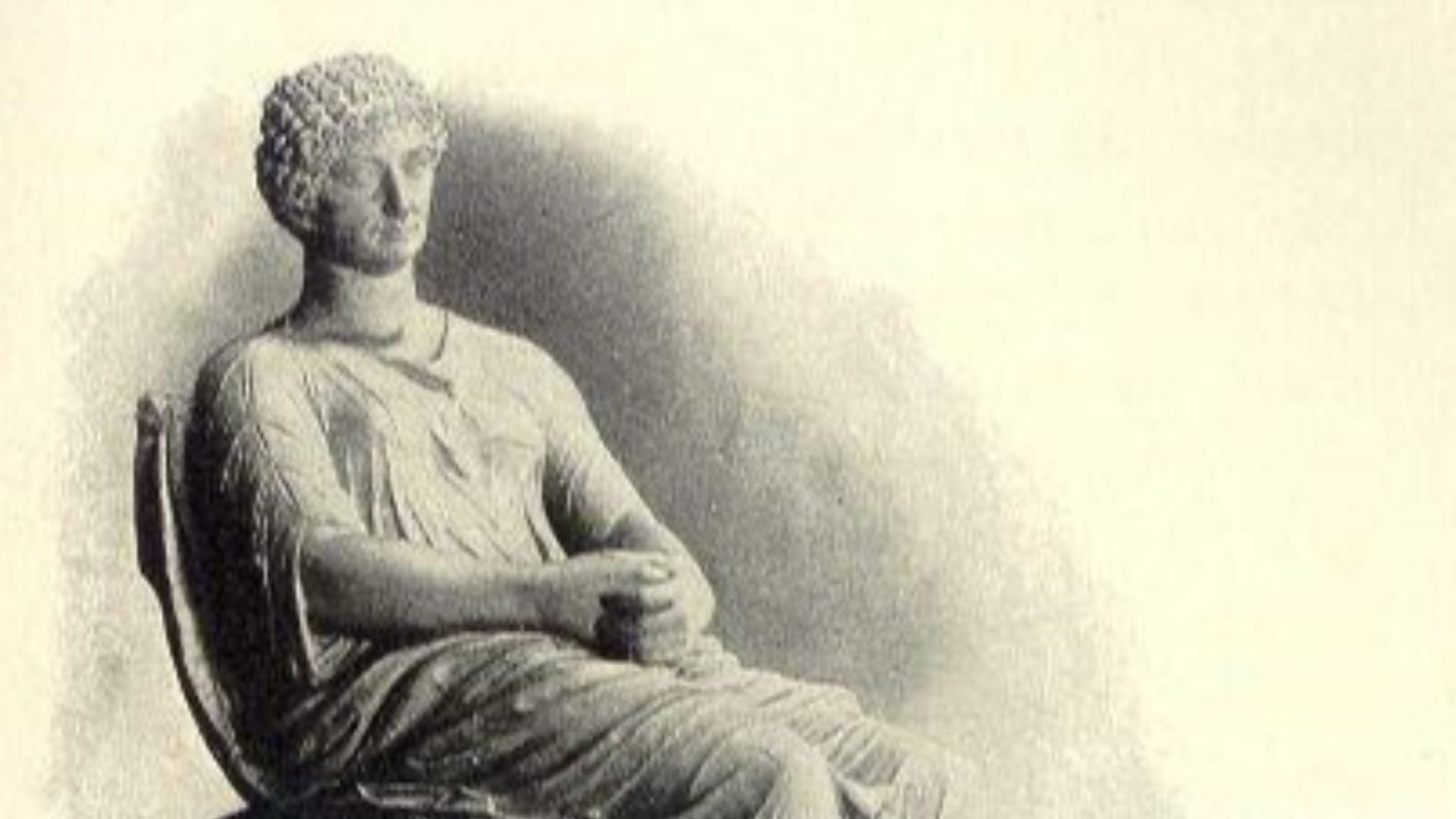
In the end, Agrippina and her sister were lucky to escape with their lives. In an act of “mercy” after deeming his sisters accessories to the crime, Caligula exiled them to Ponza in the Pontine Islands, a chain of small volcanic islands 70 miles from Rome. But Caligula wasn’t quite done punishing his treasonous siblings.

14. She Got A Bitter Punishment
While Agrippina faced exile, her co-conspirator Lepidus faced execution. This violent “justice” took place soon after the trial wrapped up—and it gave Caligula one more way to humiliate his sister. According to one inscription, the emperor forced Agrippina to carry Lepidus’s ashes back to Rome. And still, he wasn’t done.

15. Her Brother Erased Her Memory
For the next few years, Caligula systematically erased all traces of Agrippina from his court, selling off her jewelry, furniture, and household staff. In an even more personal move, he also separated her from her son Nero, sending the boy to live with an aunt and stripping him of his inheritance.
But not all of Agrippina’s losses during this time were bad ones.
 Giovanni Battista de'Cavalieri, Wikimedia Commons
History's most fascinating stories and darkest secrets, delivered to your inbox daily.
16. She Became A Young Widow
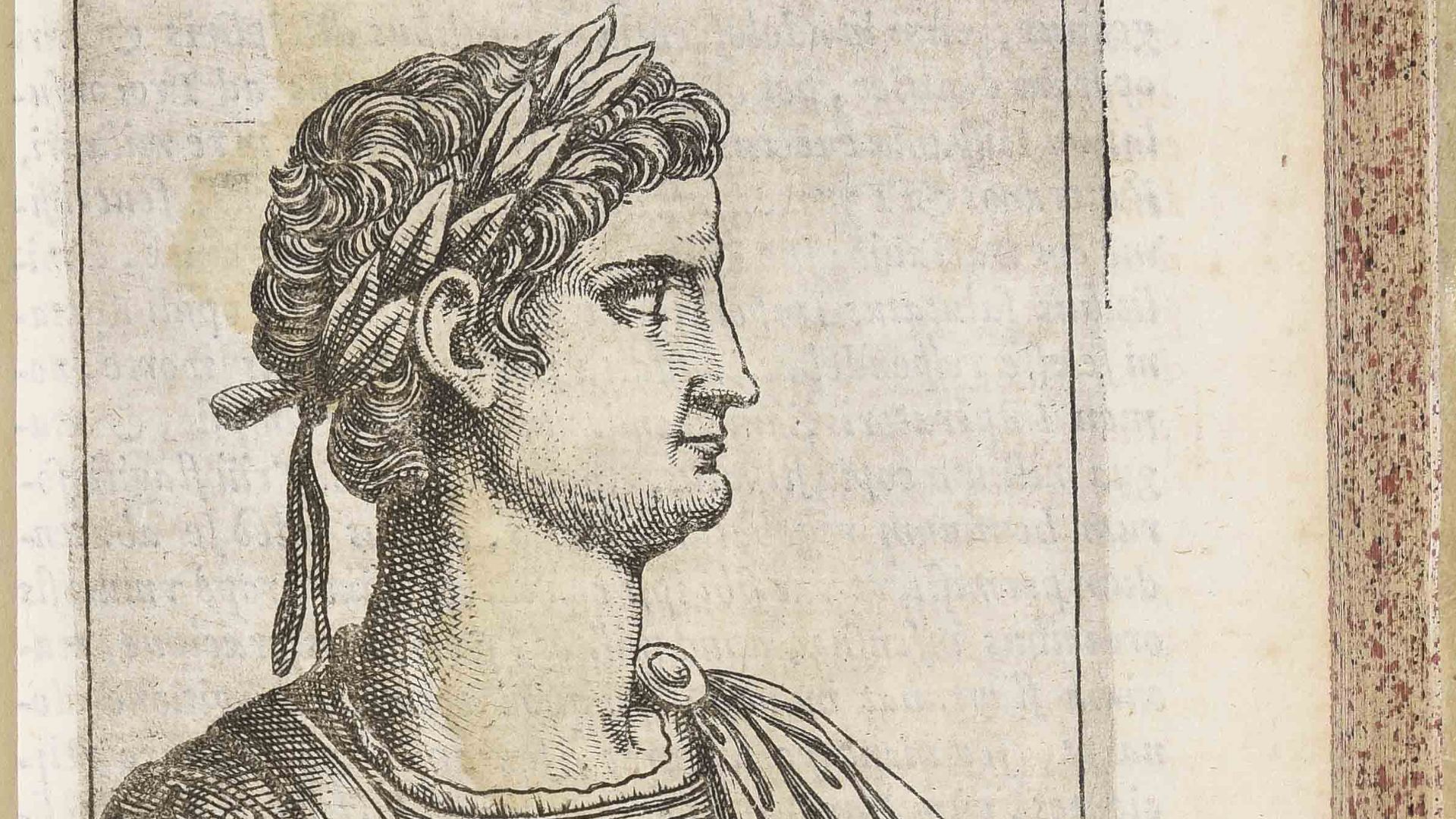
In 40 AD, Agrippina ended another chapter of her life when her not-so-beloved husband Domitius passed from edema. She was now a free woman, at least in marital status. Yet, still exiled, without her son and heir, and chastened from her trial, she could only lie in wait for an opportunity. It came soon enough.

17. Her Country Fell To Chaos
As Agrippina languished in exile, Caligula’s mind became more unhinged and his rule became more unpopular. Finally, in January 41 AD, it came to a bloody end. After another conspiracy—this time by his Praetorian guard, senators, and courtiers—Caligula, his wife, and their daughter were slain.
Now, Agrippina could truly have her moment in the sun.
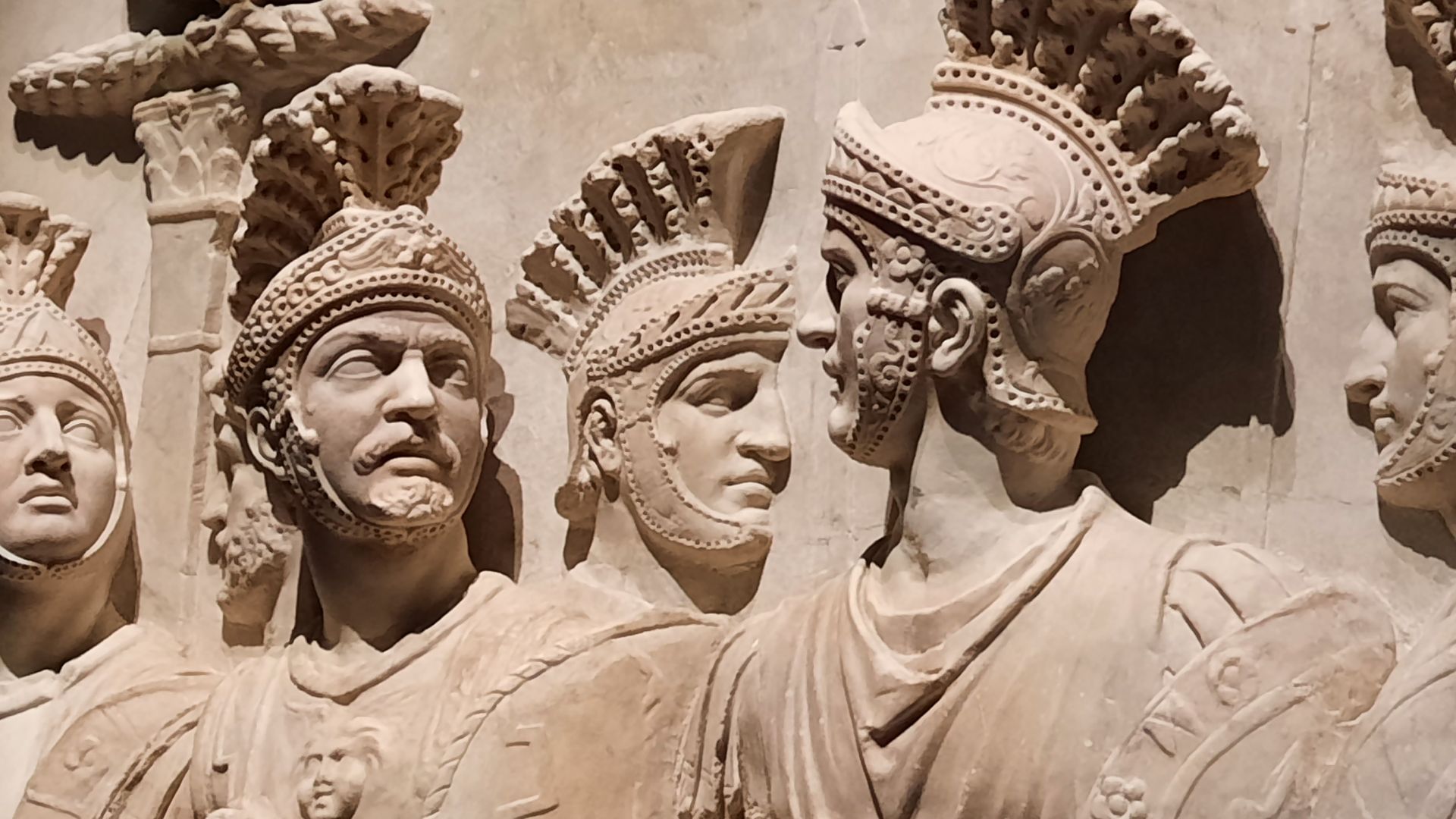 Jamie Heath, Wikimedia Commons
18. Her Uncle Took The Throne
While some of Caligula’s assailants wanted to return the empire to a Republic after dealing with his antics, in the end Rome chose none other than Agrippina’s uncle Claudius as the new ruler, keeping power once more within her family.
One of Emperor Cladius’s first acts was to bring Agrippina right back into play.
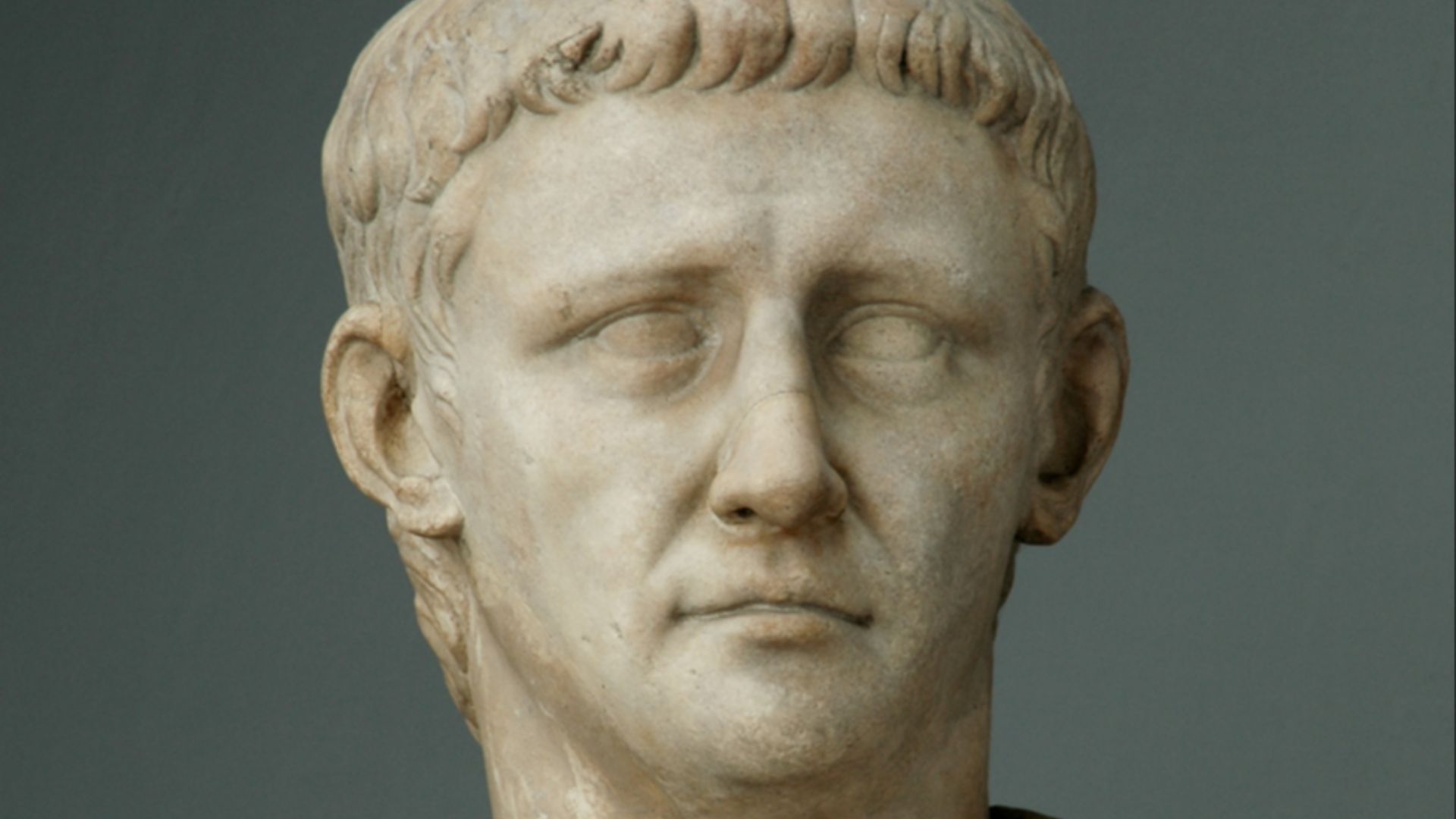 Sergey Sosnovskiy, Wikimedia Commons
19. She Went Back Into The Fold
Claudius apparently agreed with Agrippina’s sentiments in the “Plot of Three Daggers,” because he almost immediately released her and her sister from their exile. While her sister Livilla returned to her husband, Agrippina was more than happy to be going solo, though she did reunite with her estranged boy Nero.
In fact, she made her single status very known.
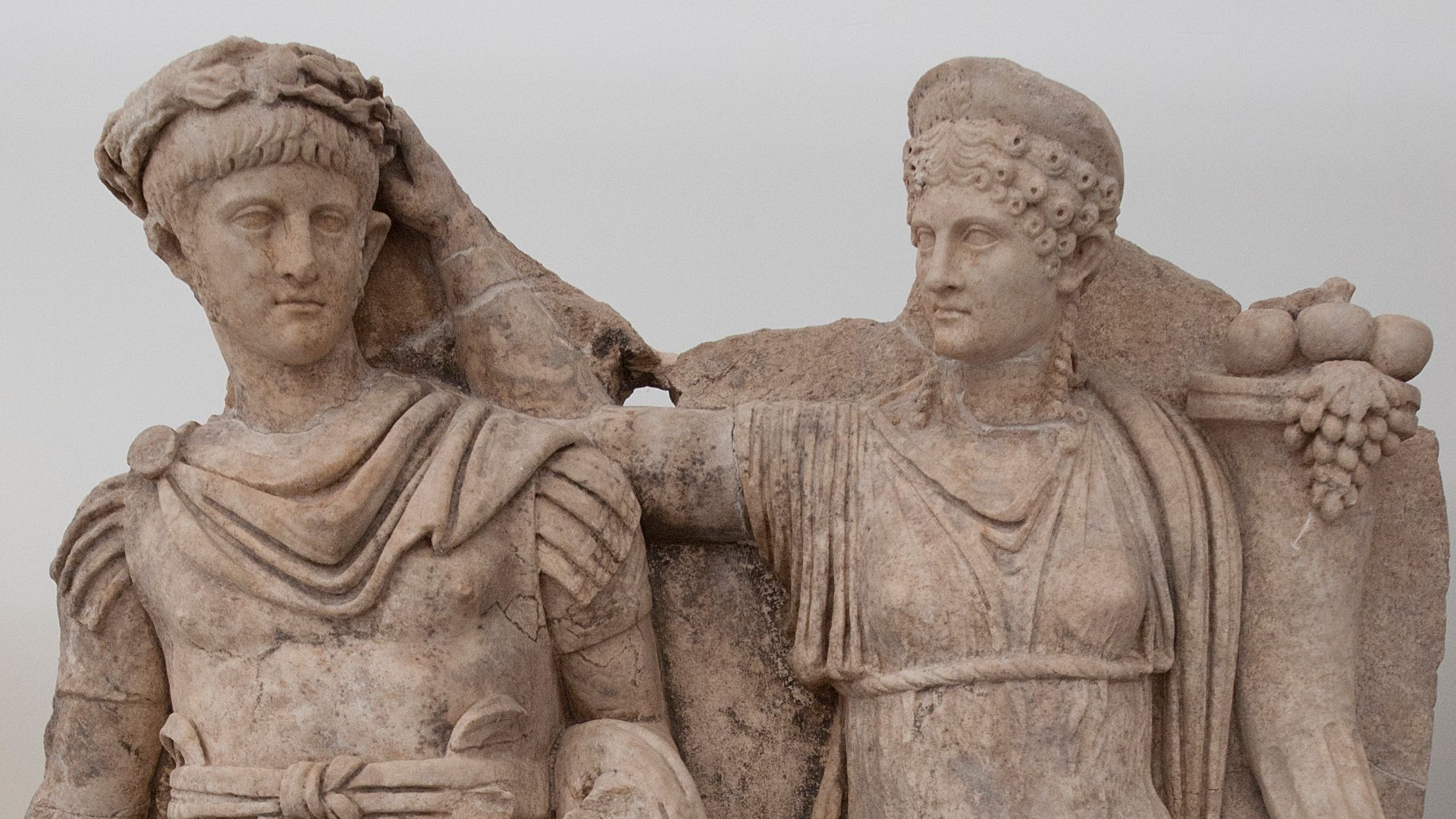
20. She Tried To Seduce A Powerful Man
Agrippina was itching to insert herself back into political life and reap all the power that came with it. This meant finding another influential man to marry, and she chose her target carefully: According to reports, she approached the statesman Galbus, making overt advances.
As Galbus would eventually become emperor, Agrippina had chosen well. But there was one big problem.
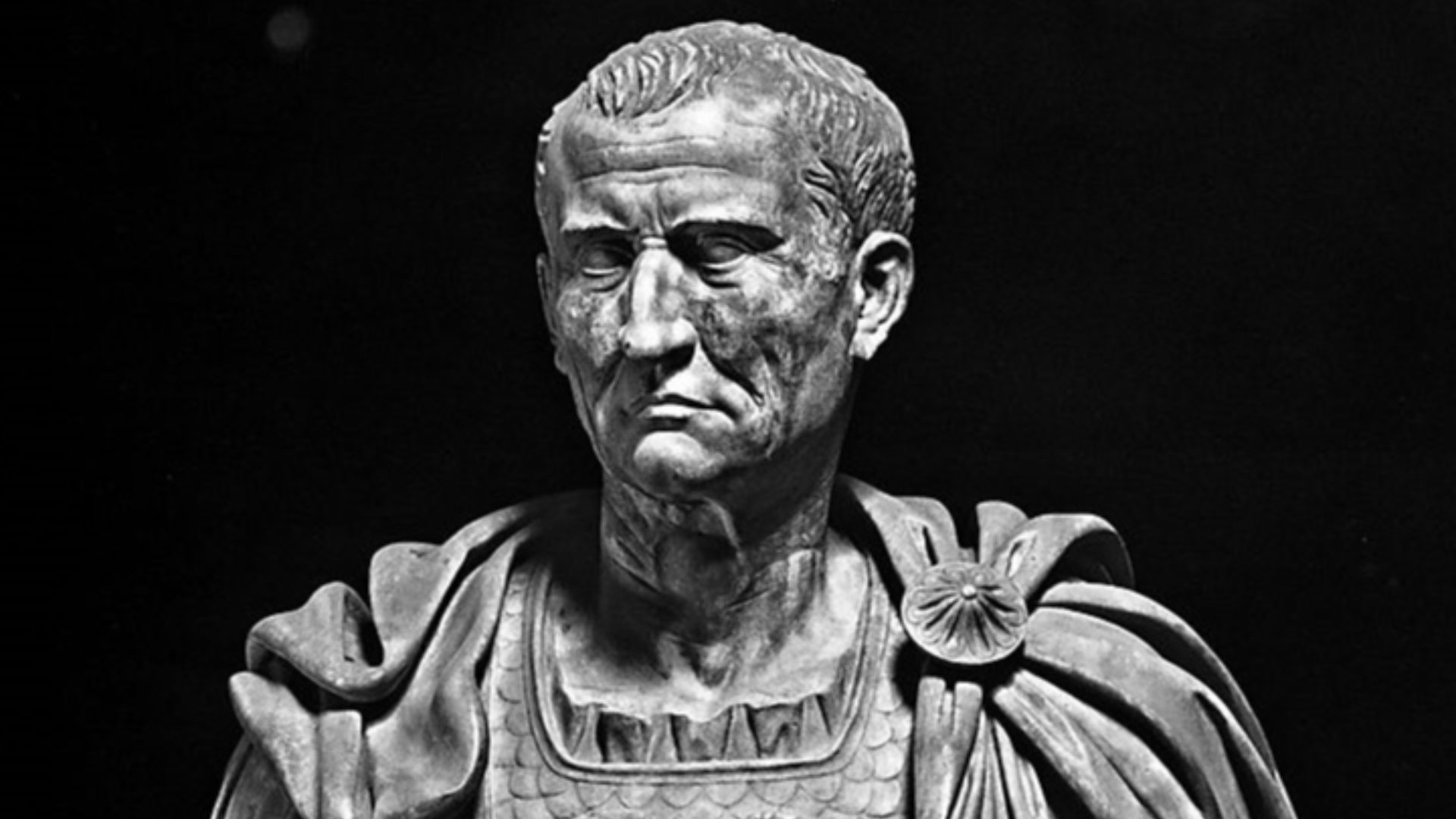
21. She Received A Public Humiliation
At the time, Galbus was already happily married and utterly uninterested in Agrippina. However, this didn’t stop her. She was so relentless in her pursuit that Galba’s mother-in-law once slapped Agrippina in public in front of a group of married women, giving her an undeniable warning to back off.
Agrippina accordingly regrouped, and re-upped.

History's most fascinating stories and darkest secrets, delivered to your inbox daily.
22. She Had A Short Marriage
Eventually, Agrippina’s connections to the Emperor of Rome helped her marry her second husband, the wealthy and influential consul Crispus. But the marriage was even more advantageous for how it ended: Crispus passed soon after the wedding, leaving his immense estate to Agrippina’s son Nero. Only, this sent tongues wagging.
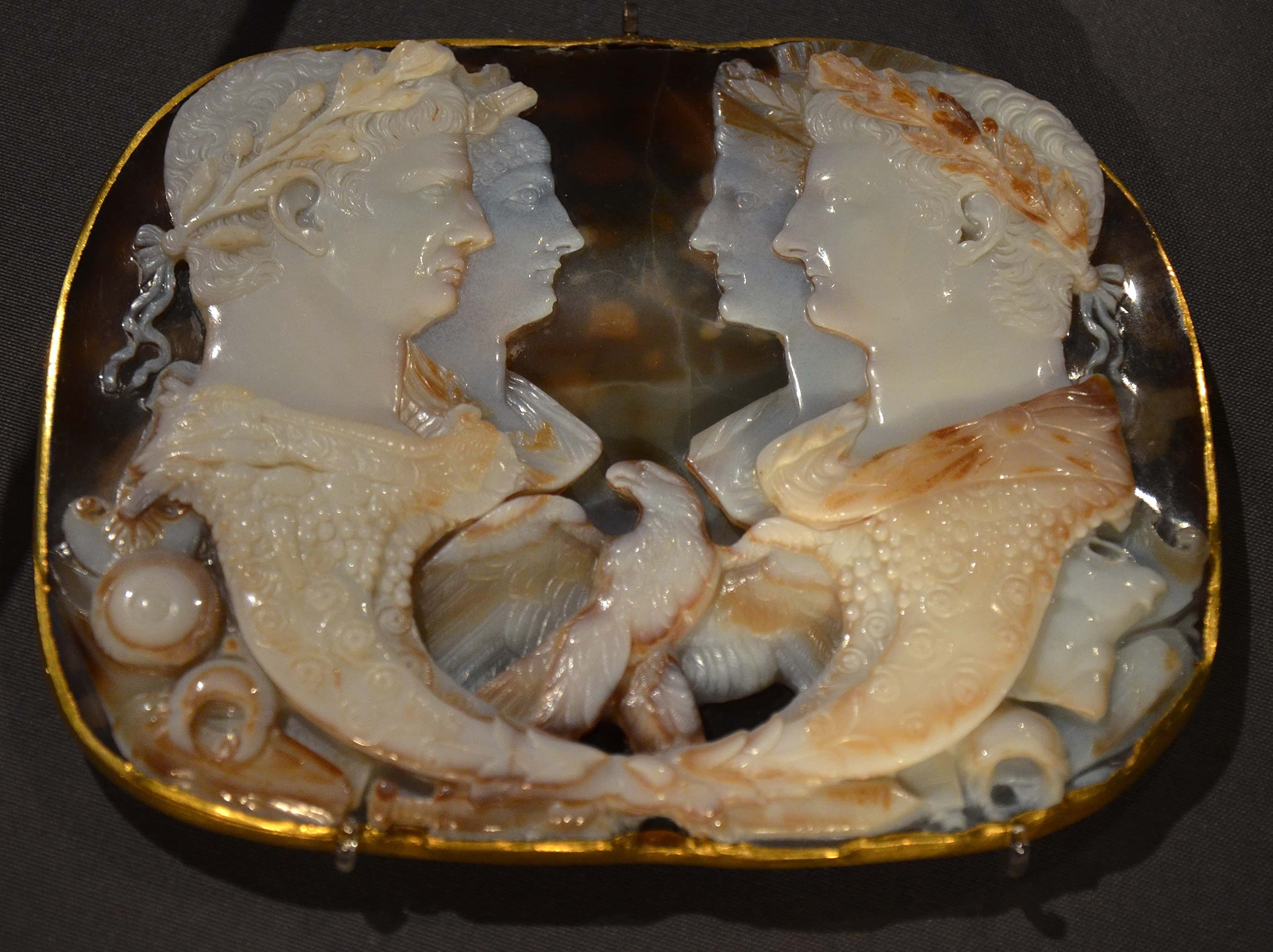
23. She Was A Suspect
By the time Crispus passed, Agrippina’s fame in Rome was nearing infamy. At his funeral, whispers went around that she had poisoned her short-lived husband precisely to gain access to his wealth. After all, it wasn’t just her son Nero that got Crispus’s money—Agrippina was now also a very rich woman. These enemies got even louder.

24. She Had A Rival A Court
Claudius’s Empress at the time was Valeria Messalina—and though she was a second cousin to Agrippina, she was also one of Rome’s most infamous women in her own right, particularly for her penchant for fomenting intrigue. Messalina also had no love lost for Agrippina’s side of the family, and had even helped charge Agrippina’s surviving sister with adultery.
Messalina then turned her gaze to Agrippina.
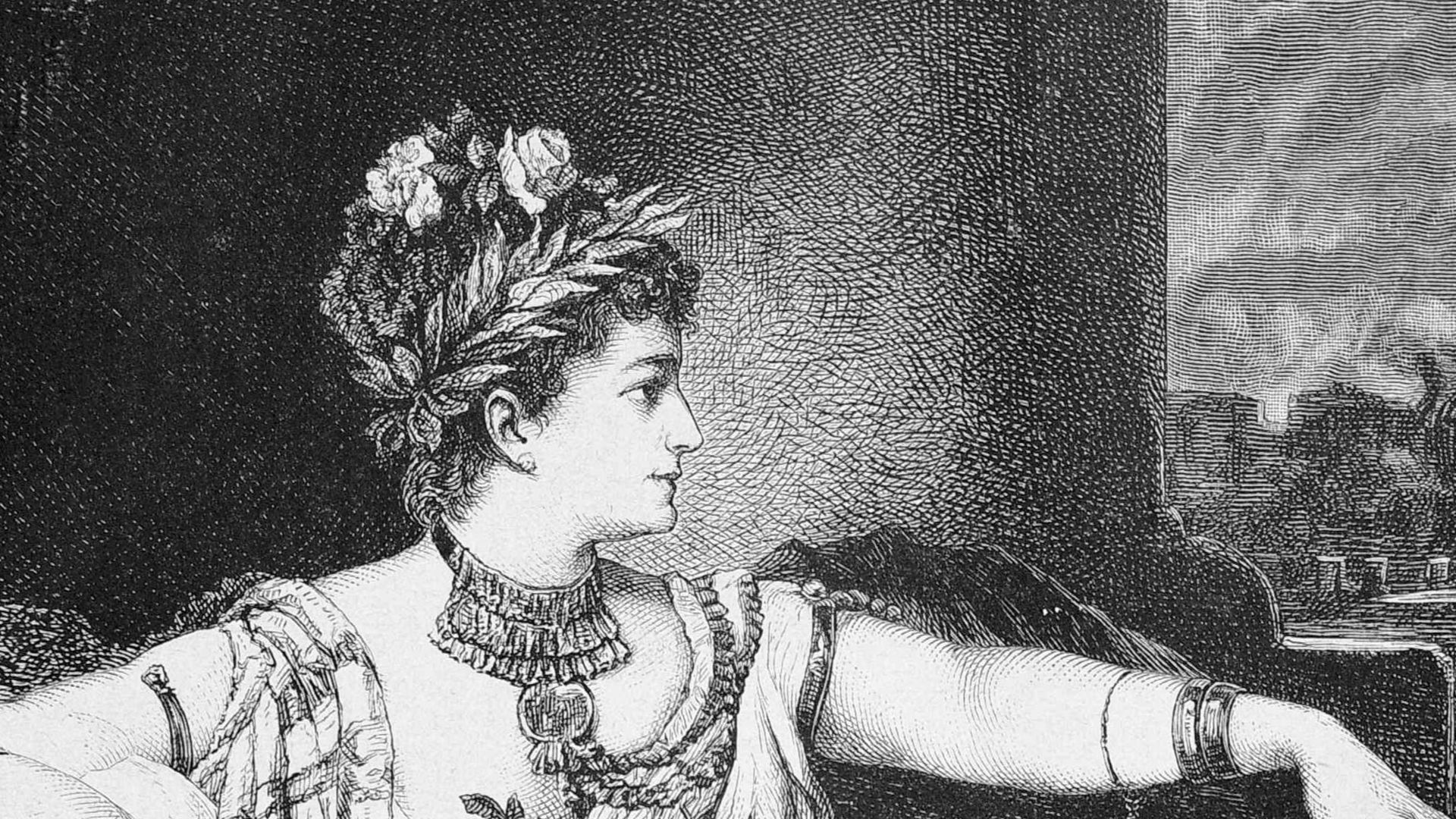 Hans Makart, Wikimedia Commons
25. Her Son Was A Threat
Although Agrippina mostly kept out of palace life while Messalina was around, the Empress was more than aware of the danger Agrippina represented. In particular, Messalina wanted her son with Claudius, Britannicus, to ascend to the throne, and saw Agrippina’s son Nero as a direct threat to these dreams. Before long, Messalina struck.
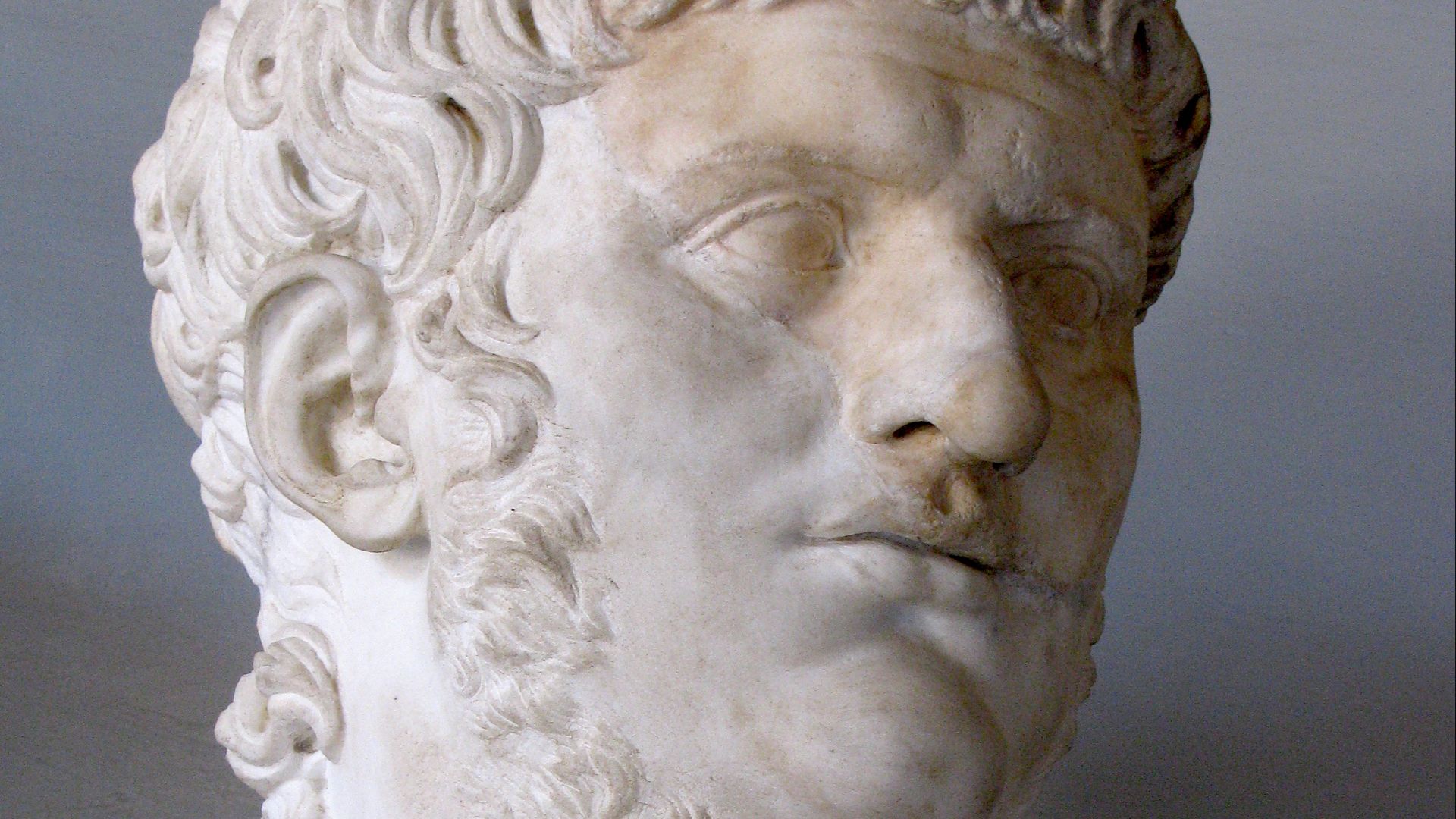
26. She Nearly Lost Her Heir
One day, Messalina sent men over to strangle Nero in his sleep—and only a god-like omen saved him. Reportedly, the assailants ran out of the room when they saw a snake under the boy’s pillow. Even though it was only a shedded snake skin, Agrippina wasn’t one to let symbols go to waste, and she had it incorporated into a bracelet for her son.
Agrippina was also about to have some victories out in the open.
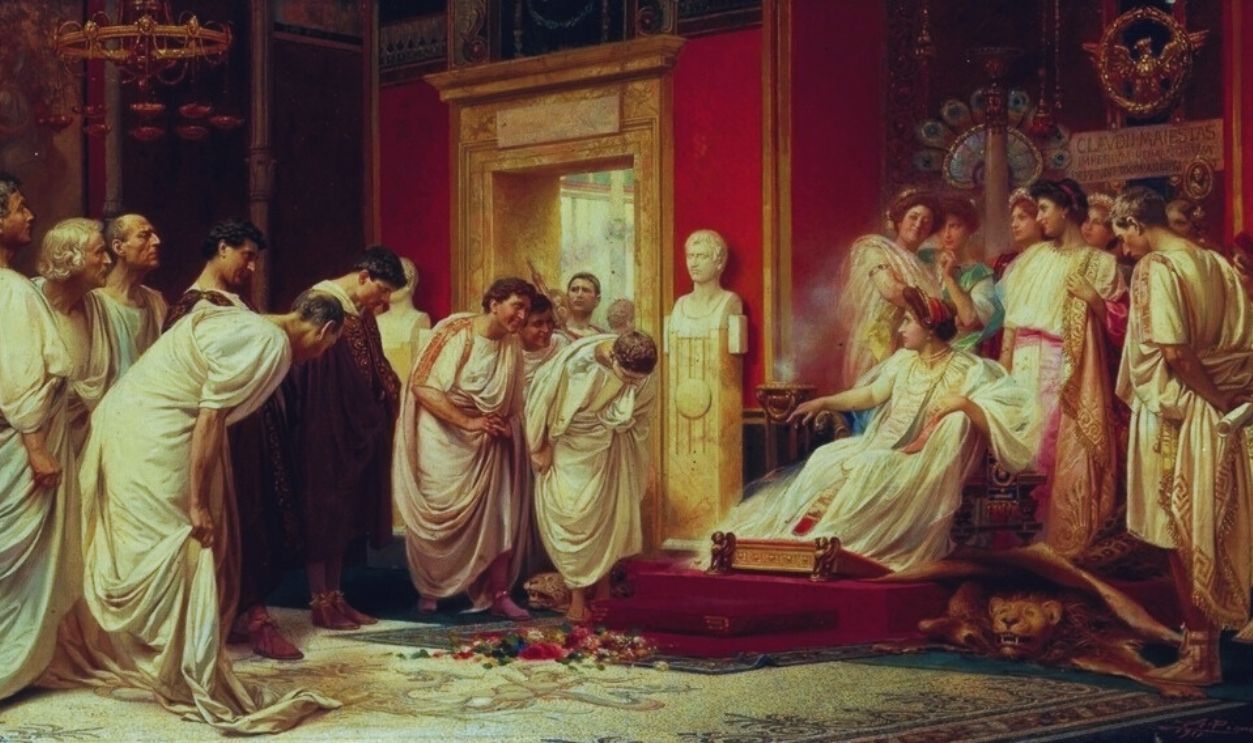
27. The People Loved Her
The same year of Crispus’s funeral, Messalina and her son Britannicus attended a pageant along with Agrippina and Nero. When each pair was announced to the audience, Agrippina and her progeny earned far more applause than the Empress of Rome and Rome’s heir apparent, no doubt incensing Messalina and delighting Agrippina.
Still, Agrippina was wise enough now to bide her time, and made no move against Messalina. Her patience was rewarded tenfold.

History's most fascinating stories and darkest secrets, delivered to your inbox daily.
28. She Watched Her Enemy’s Downfall
Agrippina read which way the wind was blowing and simply waited for Messalina to burn herself out. She didn’t have to wait long: In 48 AD, Messalina engaged in one too many intrigues, this time conspiring to overthrow her husband with senator Gaius Silius. In response, Emperor Claudius—exhibiting less mercy than his unhinged predecessor—had his wife executed.
In one way, it was Nero’s path to power. But actually, it was Agrippina’s.

29. She Was The Perfect Candidate
Now that Emperor Claudius was conspicuously without a wife, he began looking around for a new Empress—and his eye landed on Agrippina. After all, she had that sterling lineage, and her son Nero did make a good heir. Indeed, the Senate was behind her as a pick, since it would unite the previously feuding Julian and Claudian dynasties.
It’s just that everyone was also choosing to overlook one scandalous detail.
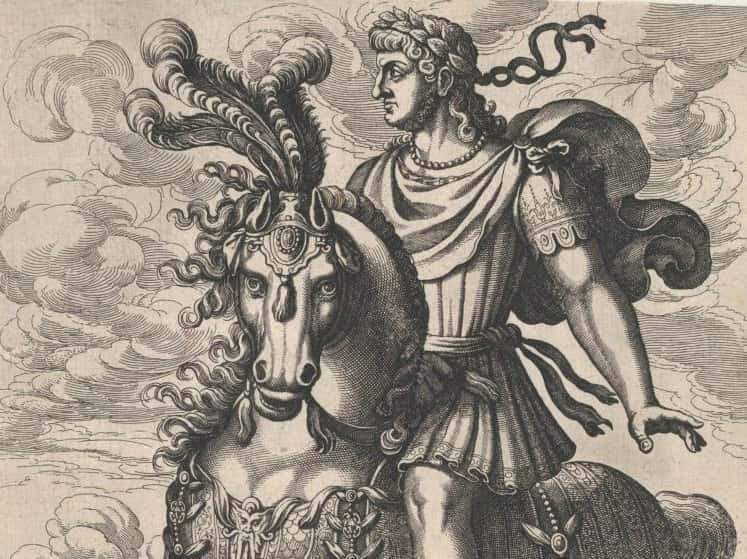
30. She Had One Flaw
Ancient Rome might have had different cultural norms from the modern era, but they did have a taboo against uncles (Claudius) marrying their nieces (Agrippina). It didn’t help that around this time, Claudius referred to Agrippina as “my daughter and foster child, born and bred, in my lap, so to speak,” not shying away from the familial ties.
Nonetheless, Claudius managed to convince his advisors that the marriage was in the public interest. Agrippina, however, had darker motives.
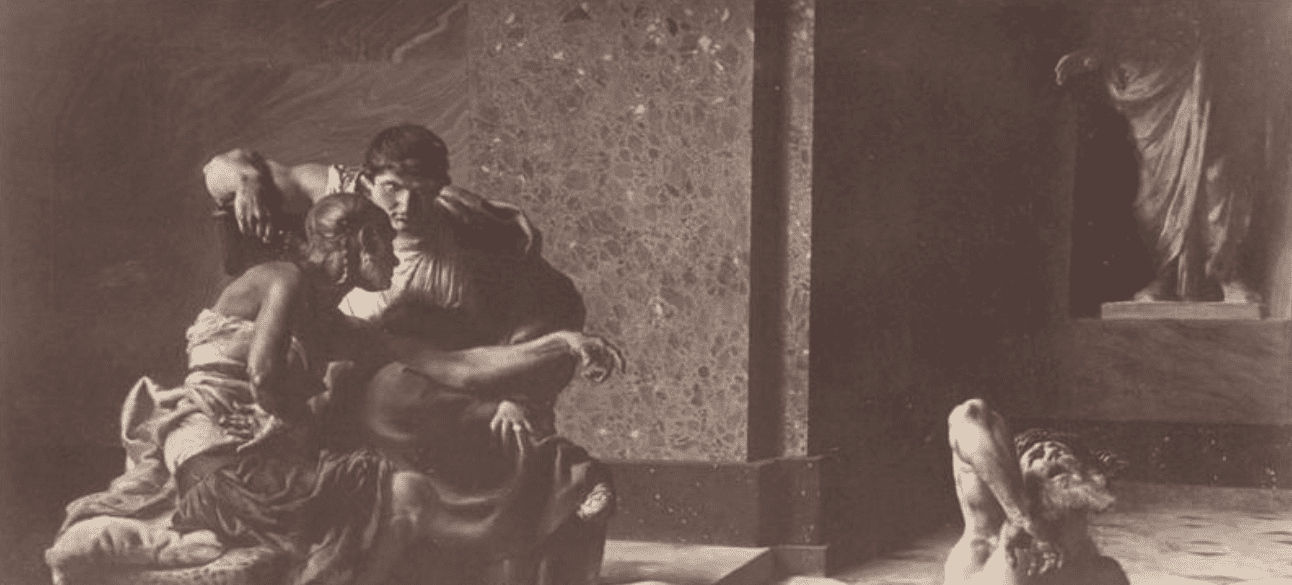
31. She Was In It For Herself
Where Agrippina had tread carefully with Messalina on the throne, she didn’t hold her ambitions back now. Though she had no real affection for Claudius, she almost openly sought to assure her son’s position as future Emperor of Rome. Moreover, Claudius had a reputation for being somewhat submissive and easily led, a reputation Agrippina was poised to exploit.

32. She Crushed Her Rivals
Agrippina officially became Claudius’s empress on New Year’s Day, 49 AD, much to the horror of the Roman people who did disapprove of an uncle marrying his niece. All the same, she wasted no time cementing her power: In the months just before and after her wedding, Agrippina eliminated rivals left, right, and center, even accusing one woman of black magic before forcing her into taking her own life.
When it came to her son’s upward mobility, Agrippina was even more ruthless.

33. She Was A Controlling Mother
Nero was the only child Agrippina would ever have, and she insisted on the world for him—no matter what.. In the lead-up to becoming Empress, Agrippina decided she wanted Claudius’s daughter Claudia Octavia as Nero’s bride, despite the fact that the girl was already betrothed to another man.
Refusing to let reality get in the way of her ambitions, Agrippina fabricated misconduct from the fiance, breaking off the engagement and securing Octavia for her still-young son. But this wasn’t her only mode.

History's most fascinating stories and darkest secrets, delivered to your inbox daily.
34. She Knew How To Make Friends
For all the enemies Agrippina made, she also made sure to build friendships in all the right places. She had a canny “web of political alliances,” including with the head of the Praetorian Guard, Afranius Burrus—an ace in the whole, since the imperial bodyguard unit were some of the most influential men in Rome.
Above all, however, Agrippina exerted control on her husband.

35. She Was Unstoppable
Agrippina quickly rose to the center of Claudius’s world, with the emperor even giving his wife the honorific imperial title of “Augusta”. Agrippina made sure to use every inch of her power, rewarding her allies with offices and often sitting next to Claudius as he decided public matters or watched mock combats, at one point even while wearing a golden cloak.
Eventually, Agrippina began bragging that she was a “partner in the empire”. But she was still in it for herself.

36. She Performed Unspeakable Acts
Throughout her meteoric rise in influence, Agrippina kept her eye on the prize: Turning her still-teenage son Nero into the Emperor of Rome. To this end, she kept pushing Britannicus further out of the inner circle, and eventually convinced Claudius to adopt Nero as his heir over his biological son. To complete her victory, when Brittancus’s tutor confronted her about this, Agrippina simply had the man executed.
Still, not everything Agrippina wanted would come so easily.
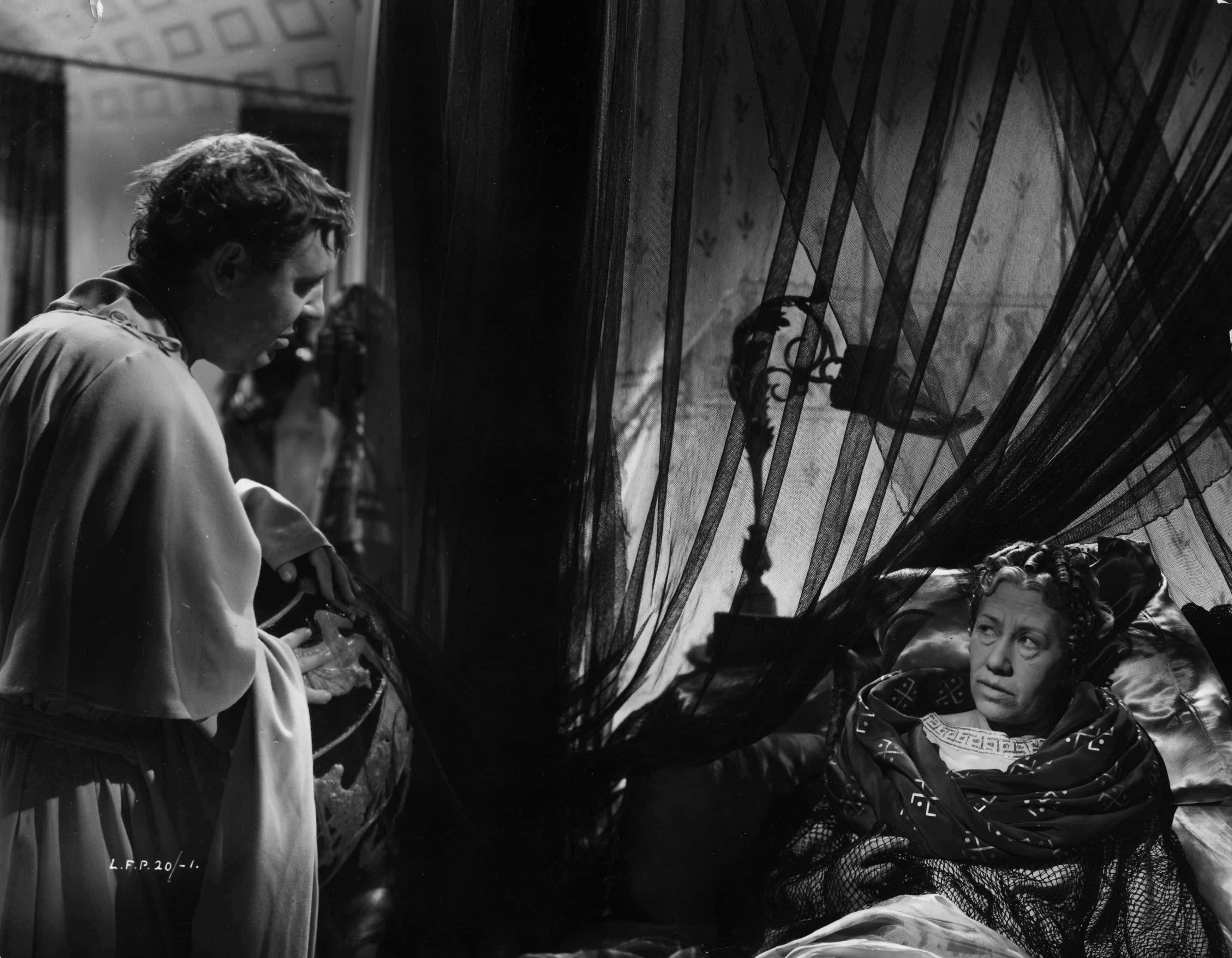
37. Her Husband Had Second Thoughts
Although Nero and Claudius’s daughter Octavia finally married in 53 AD, this was the last true concession Agrippina ever got from her husband. In the coming months, Claudius began to regret how much he had capitulated to his wife, particularly in his decision to place Nero above Britannicus. Which made the next event extremely suspicious.

38. She Witnessed A Convenient End
In October of 54 AD, the 63-year-old Claudius dropped dead—and, despite his advanced Roman age, many couldn’t help whispering that Agrippina had once again poisoned her husband the moment he stopped being useful to her.
She certainly leapt into action afterward: In the coming hours, Agrippina kept Claudius’s end a secret while she introduced Nero to Roman soldiers as the new emperor, ensuring a smooth transfer of power. But then, Nero wasn’t the only one getting that power.
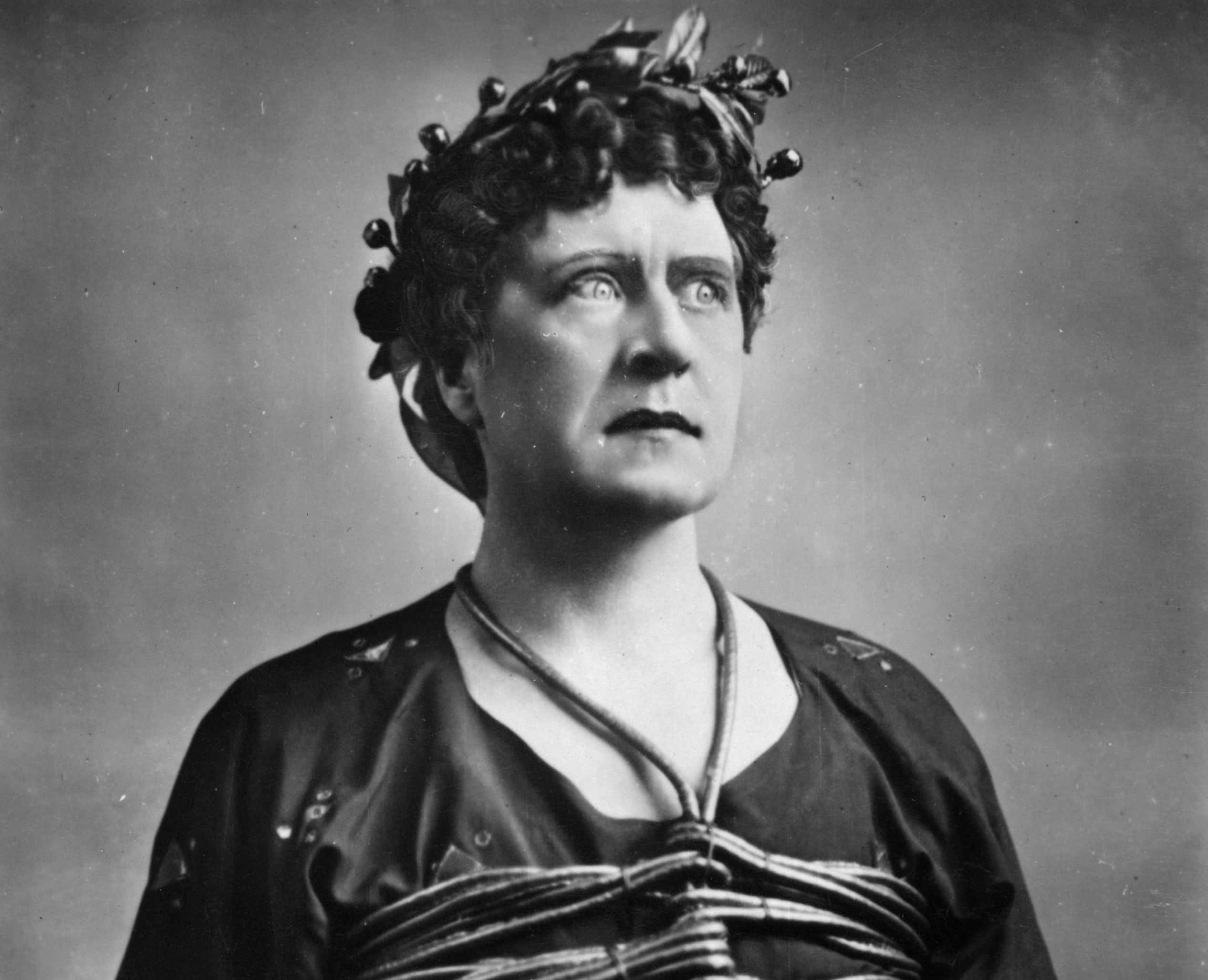
39. She Wanted To Rule Them All
Agrippina’s motives were never truly hidden, and everyone knew she wanted to rule Rome through her impressionable teenage son. Agrippina sat in on official meetings—as she had with Claudius—and also appeared on coinage alongside Nero. She even insisted the Praetorian Guard pledge loyalty to her as well as to the emperor.
For Agrippina, after all she’d done for her son, this was just as it should be. But she was about to have a rude awakening.
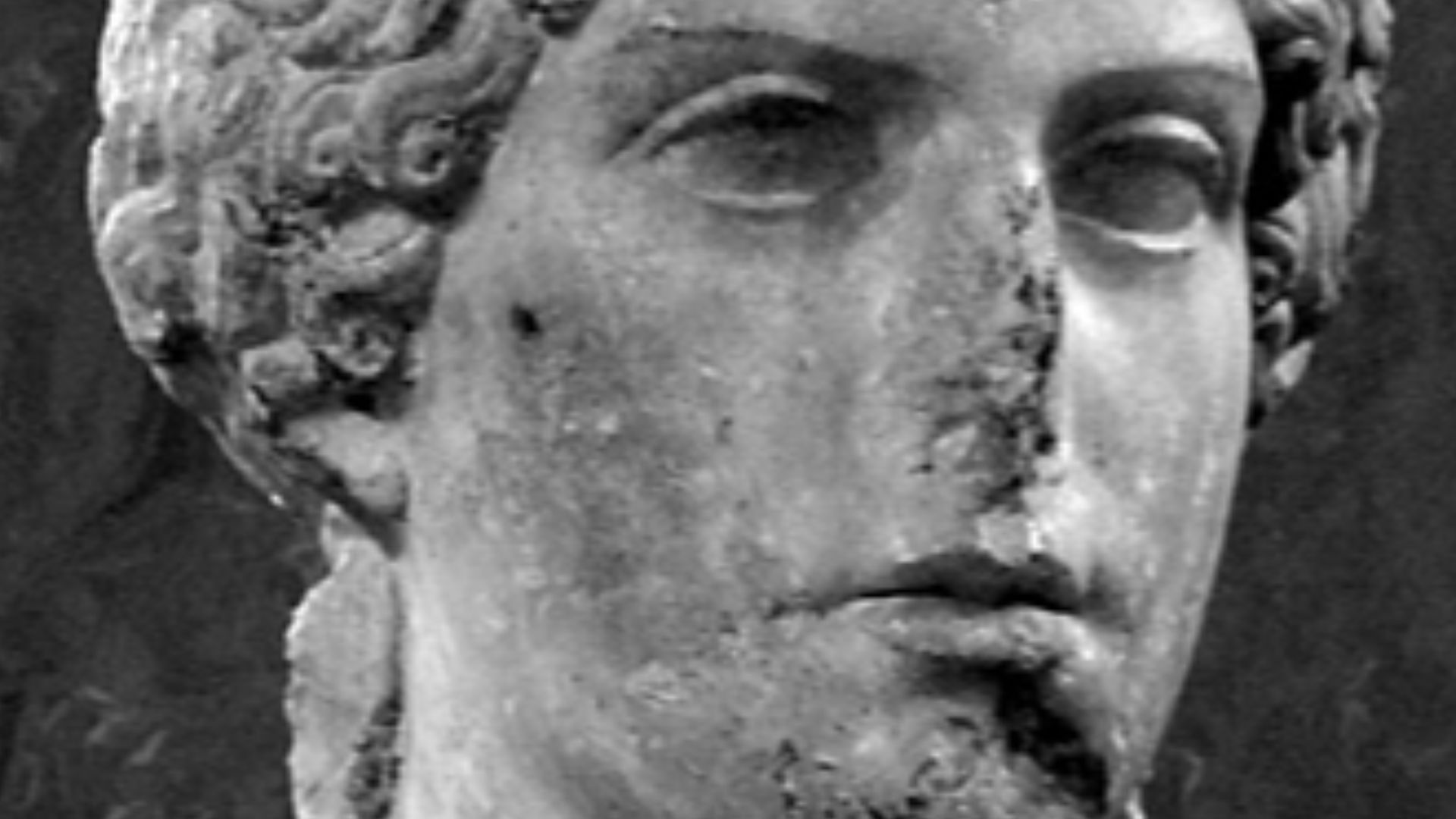 Unknown artistUnknown artist, Wikimedia Commons
History's most fascinating stories and darkest secrets, delivered to your inbox daily.
40. She Got A New Rival
Just a year into Nero’s reign, he turned from a mommy’s boy into a hot-blooded man after starting an affair with the freed woman Claudia Acte. Sensing that her son’s new mistress was significantly lessening her own influence, Agrippina berated Nero for spending time with Claudia. If she thought it would curb his lust, it was to no avail.
So Agrippina made the move that would seal her fate.

41. She Turned Traitor
Desperate for control, Agrippina began supporting Nero’s step-brother Britannicus as a rival ruler, likely hoping a frightened Nero would come scurrying back under her wing. Unfortunately for her, it backfired: After briefly considering taking out his own mother, Nero instead followed in her footsteps and fatally poisoned Britannicus in 55 AD.
Agrippina’s gamble hadn’t paid off, and the consequences kept growing.
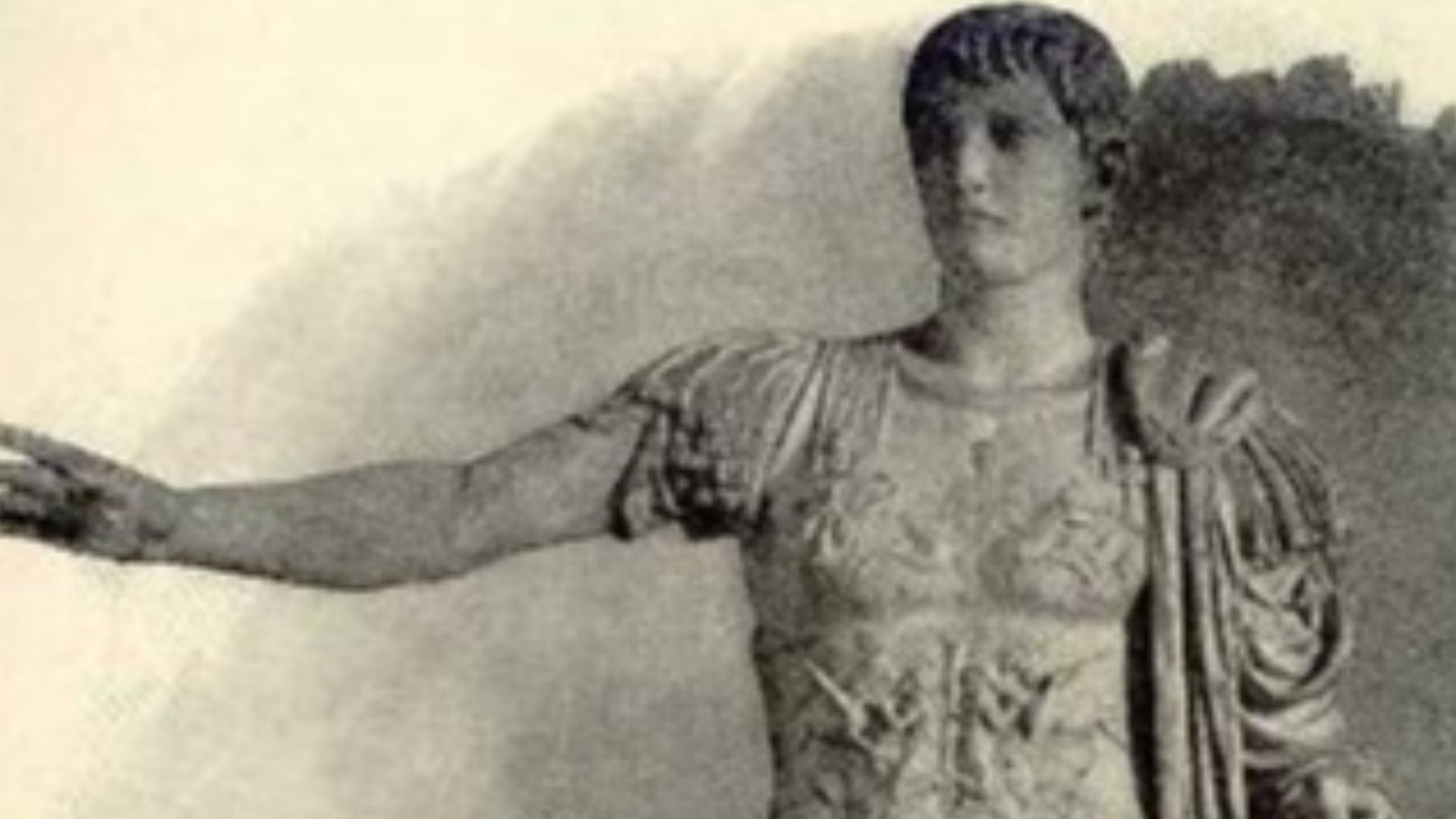
42. Her Relationship With Her Son Faltered
The years after Britannicus’s poisoning were full of rising tension between Agrippina and Nero as they both wrestled to keep hold of power. Agrippina began to criticize her son even more sharply, and in 56 AD he forced her out of the palace to live in her own residence. Though she was still a trusted advisor for a time, it wasn’t long before Nero methodically took away all his mother’s honorifics, power, and allies at court.
Still, no one can get to you like your mother.
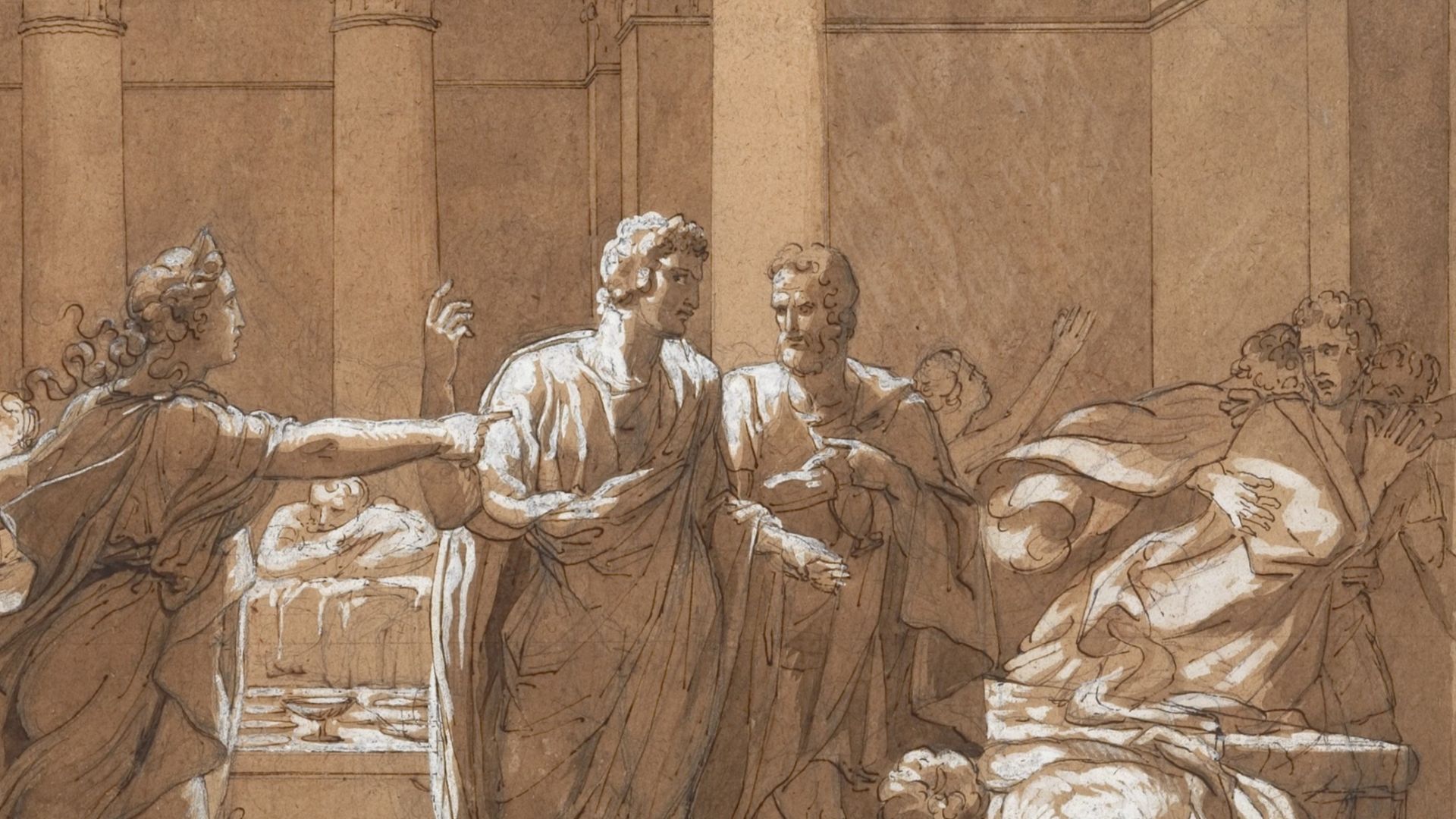 Abel de Pujol, Wikimedia Commons
43. He Couldn’t Forget Her
Although Nero strove to make it on his own without Agrippina—he even once threatened to abdicate and live in exile rather than deal with her—he never could quite let her go. Even when Agrippina lived outside of the palace, Nero nonetheless continually sent over his minions to annoy her, laid lawsuits on her, and had people jeer at her.
Until even this became too much for him.
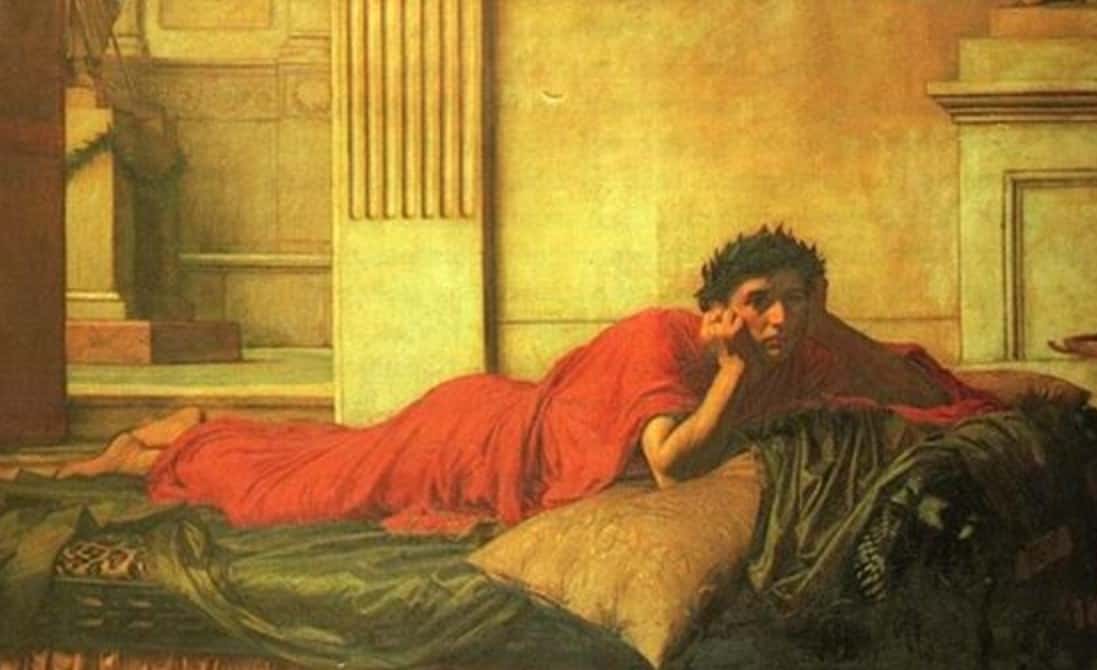
44. He Plotted To End Her
In 59 AD, things between Nero and Agrippina reached a boiling point, and Nero finally decided his mother had to die. According to Tacitus, Nero considered poison or stabbing, but thought these routes were both too obvious and too difficult to pull off. Suetonius, meanwhile, says Nero did try to poison Agrippina multiple times, only for her to get wise to the plots and take antidotes.
Either way, he eventually went with something much more…imaginative.
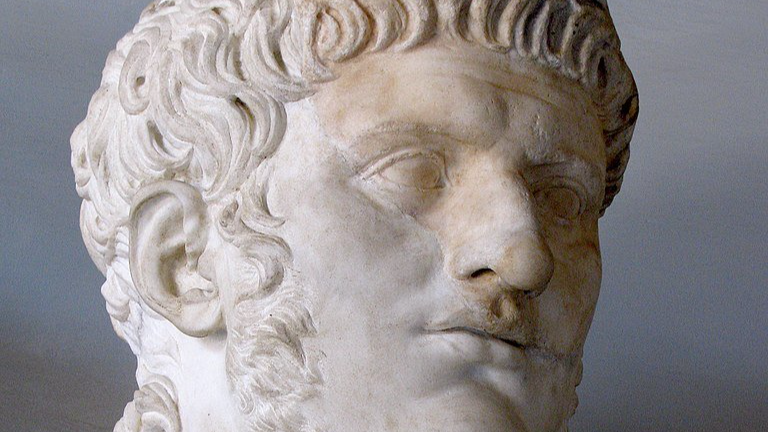 cjh1452000, CC BY-SA 3.0, Wikimedia Commons
45. She Had A Bizarre Survival Story
After crossing traditional methods off his list, Nero decided to build a self-collapsing boat, then lured Agrippina on before sinking it. Once more, though, the steel-spined Agrippina somehow managed to survive, swimming to shore and—according to one account—even sending her son a cheery, taunting letter confirming she’d made it out alive.
With few options left to him and a burning desire to see his mother gone, Nero got truly violent.
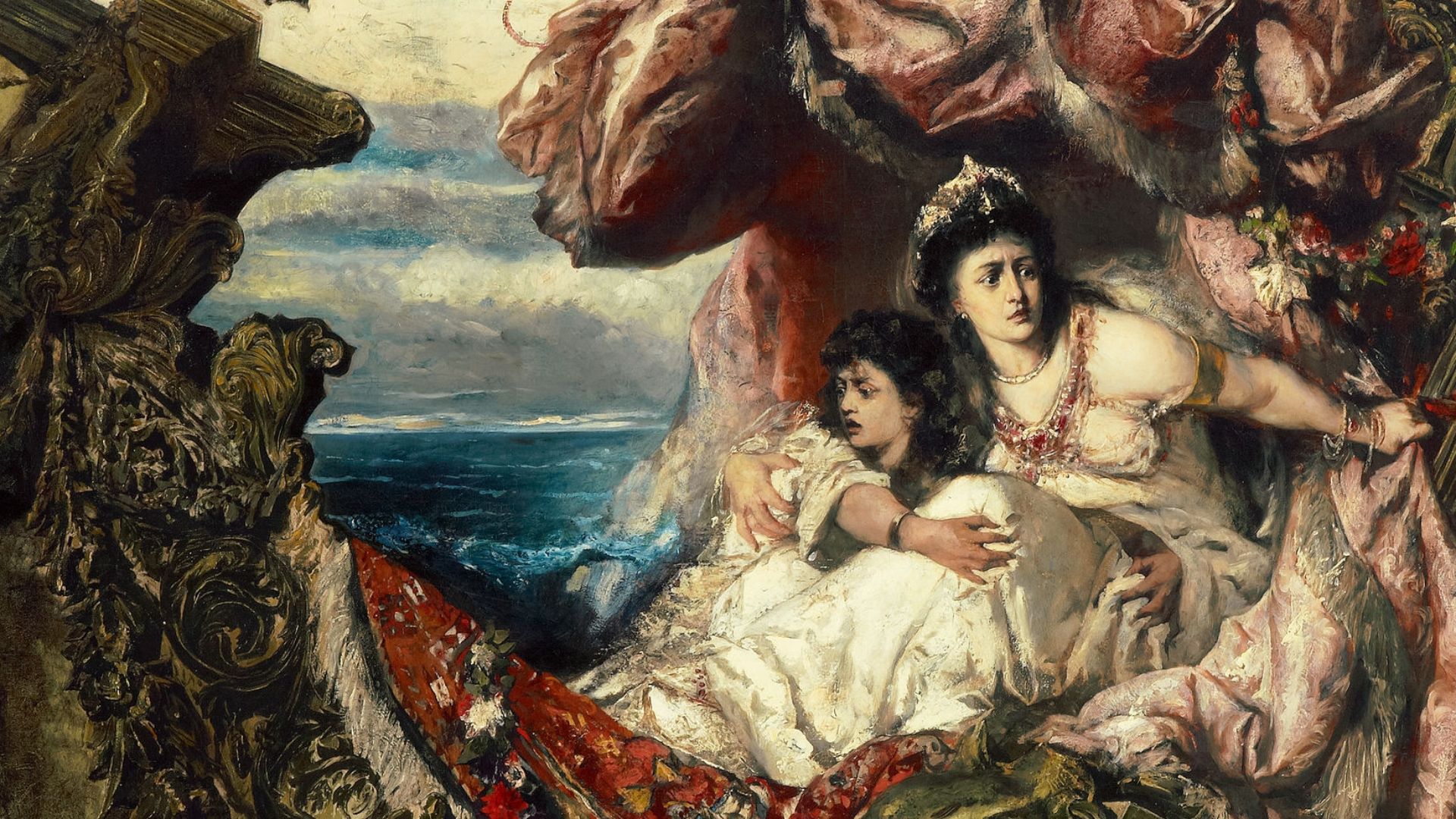 Gustav Wertheimer, Wikimedia Commons
History's most fascinating stories and darkest secrets, delivered to your inbox daily.
46. She Met A Bloody End
At this point, it seemed that Agrippina was nearly immortal, so Nero enlisted no less than his Praetorian Guard to kill her. This time, he succeeded—but Agrippina, never intimidated, still got the last word. As the men surrounded her in her bed, Agrippina reportedly goaded them to stab her womb, “for this bore Nero”.
And if Nero thought he was finally rid of his mother, he was very wrong.
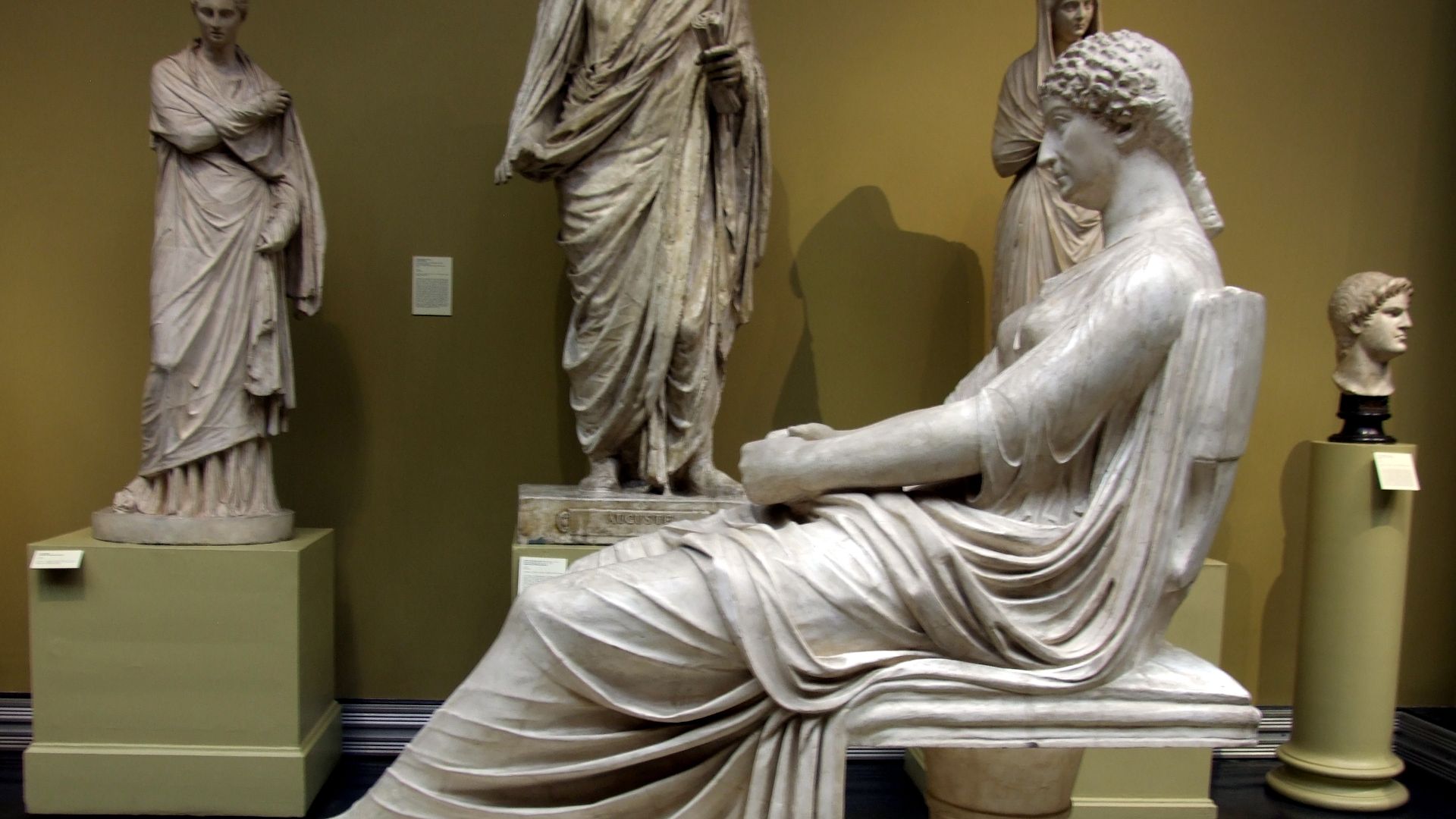
47. She Haunted Her Son
Slaying Agrippina hadn’t freed Nero of her; it had only shackled her to his memory. Reportedly—and creepily—Nero went to see his mother’s body and couldn’t help noting how beautiful she still was. Likewise, he was speechless and terrified at her funeral, and suffered afterward from nightmares that her ghost had come back to haunt him.
It wasn’t the only way Agrippina won out.
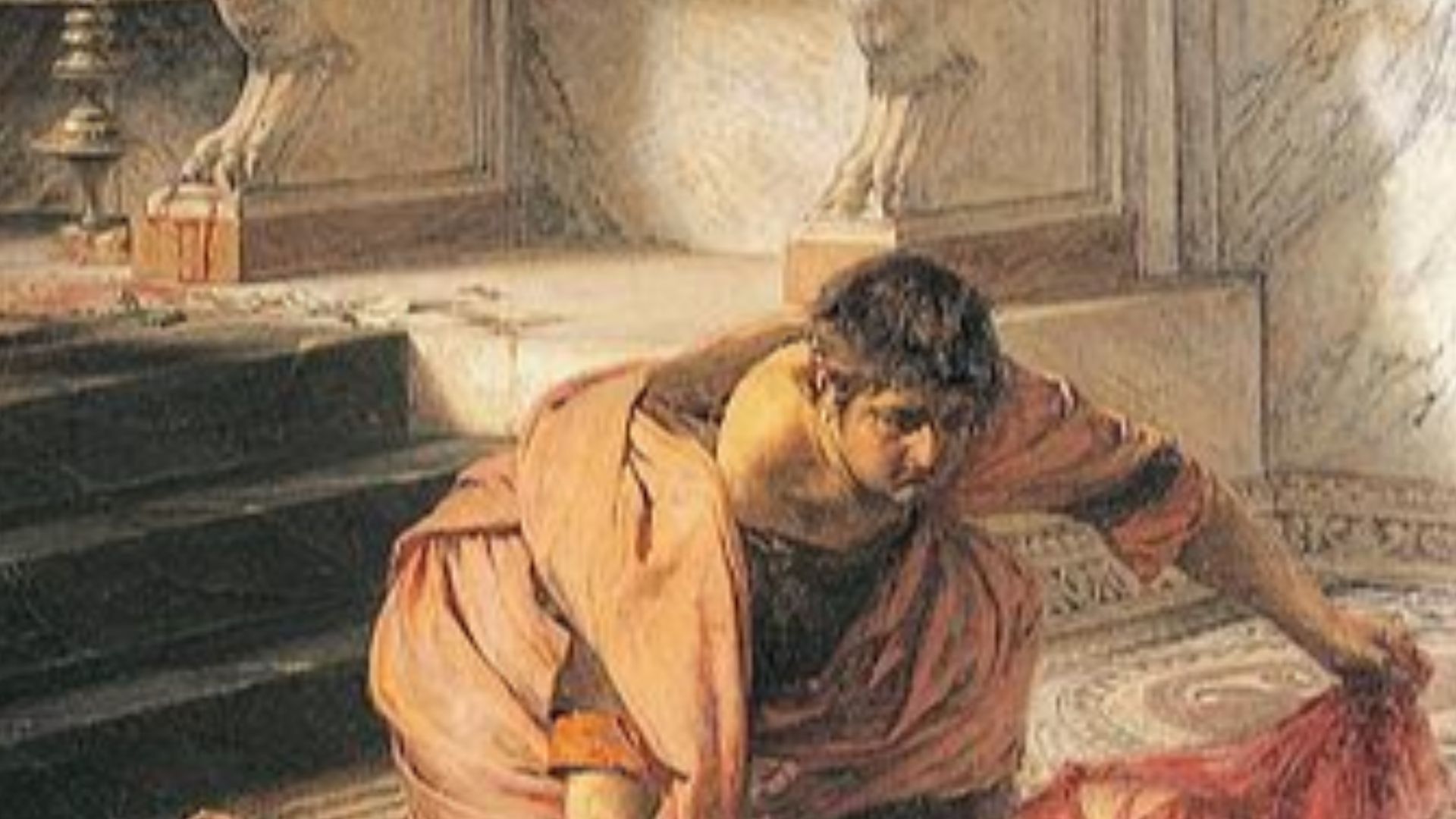 Antonio Rizzi (1869-1940), Wikimedia Commons
48. She Was Essential To His Rule
Most historians now note that Nero’s reign took a nosedive after Agrippina’s violent end, indicating that her counsel had been crucial to her son. Certainly, Nero himself devolved into tyranny and cruelty just as his uncle Caligula had, treating a series of spouses and allies with violence and disdain, and eventually finding himself declared a public enemy. In 68 AD, after fleeing Rome, he eventually took his own life.
Still, Agrippina kept her own dark secrets.
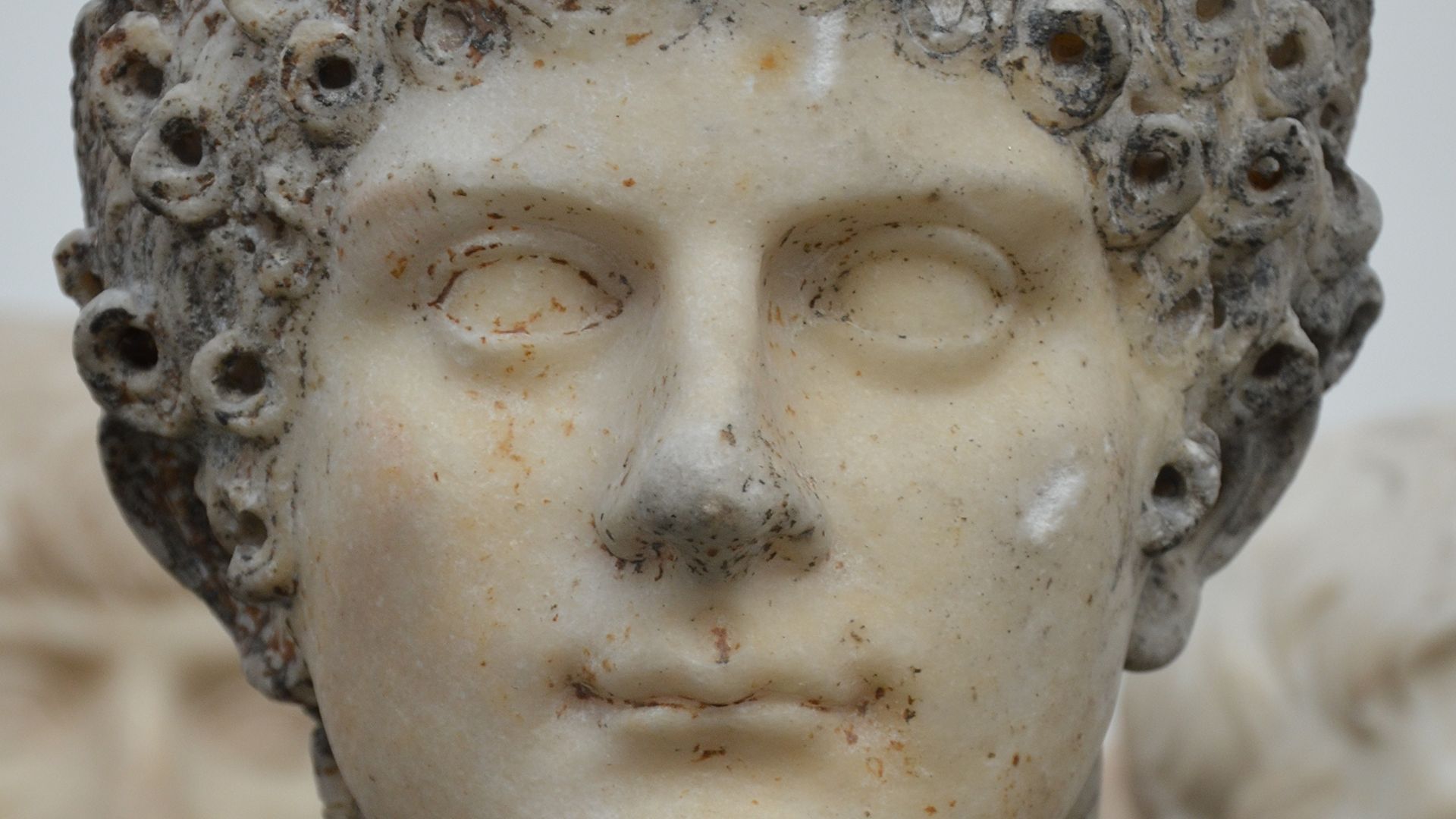 Carole Raddato from FRANKFURT, Germany, Wikimedia Commons
50. She May Have Had Relations With Her Brother
Agrippina’s life was full of infamous power-grabs and even more notorious scandals, but perhaps none are as disturbing as the whispers about her early life. When Caligula was still emperor, many whispered that he and his sisters were all involved with each other romantically. And after all, Caligula did claim he wanted to treat his favorite sister, Julia Drusilla, as his “wife”.
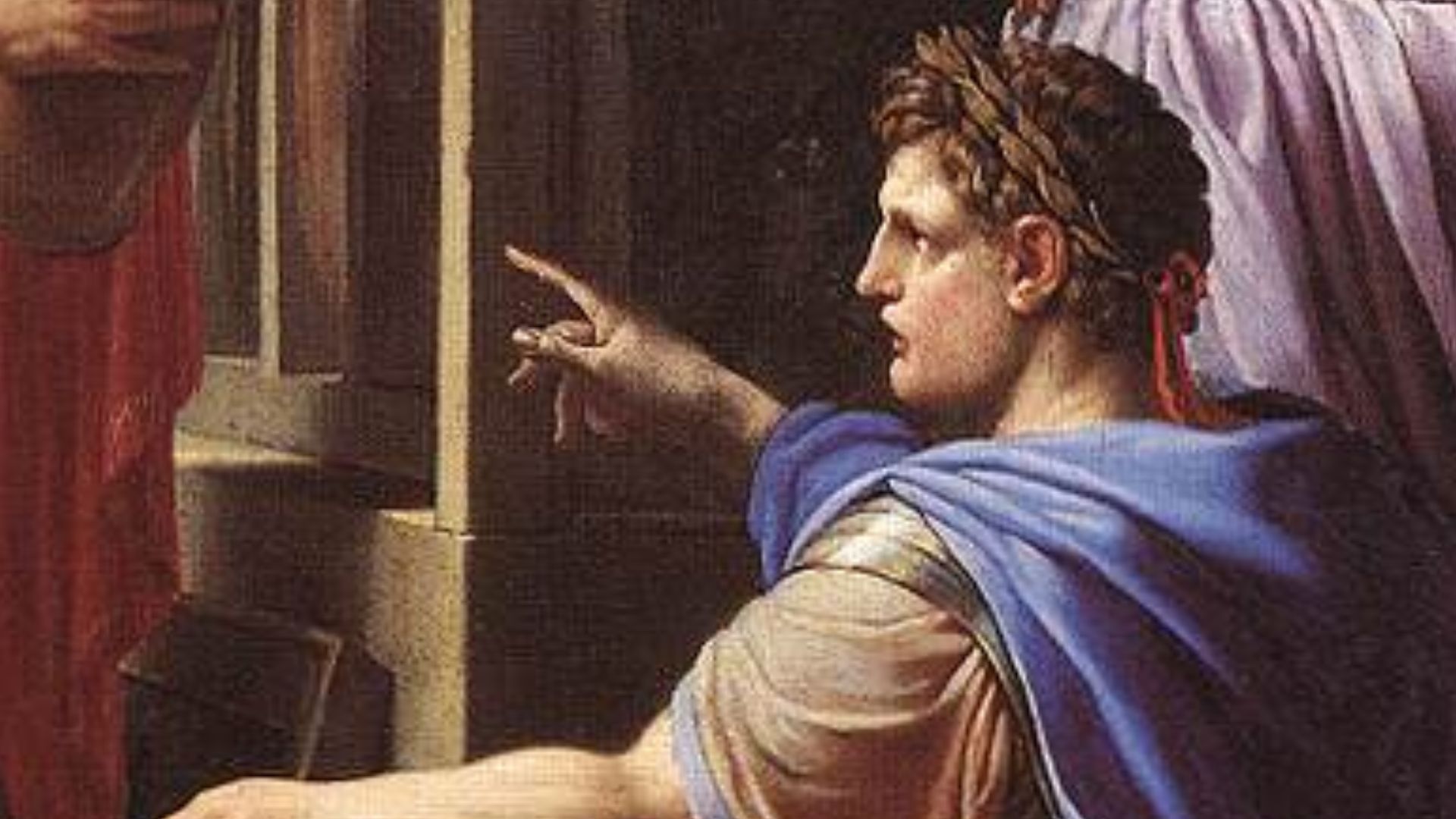 Eustache Le Sueur, Wikimedia Commons
51. She Got What She Wanted
For a brief, heady period, Agrippina was the most powerful person in Rome, but there was a heavy price for her ambition. Nonetheless, it was a price she was willing to pay: Reportedly, when Nero was still young, she asked astrologers about her son’s future, only for them to reply that while he would become emperor, he would also slay her.
Agrippina’s response? “Let him kill me, provided he becomes emperor”.
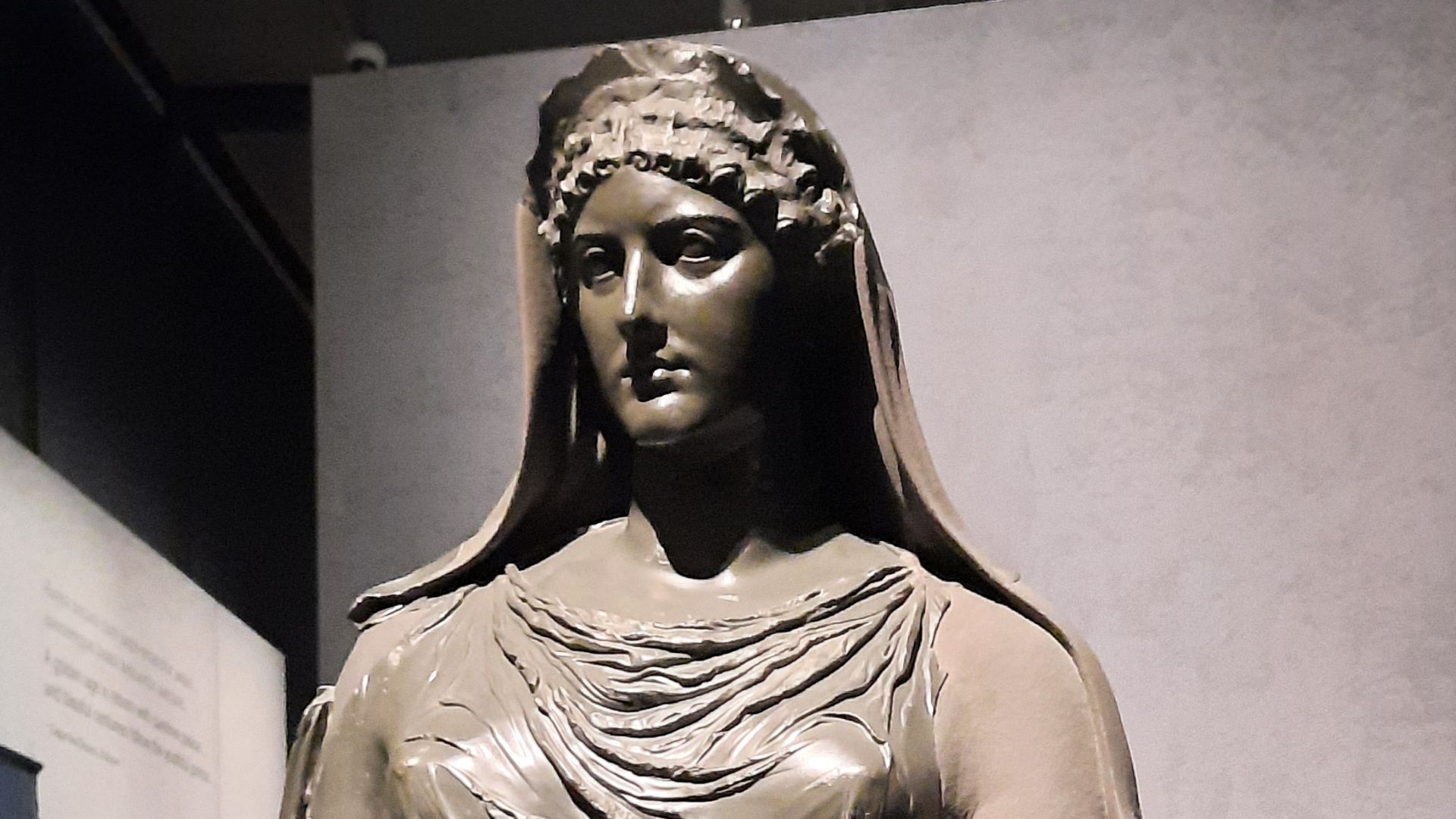 Jamie Heath, Wikimedia Commons
You May Also Like:
45 Unhinged Facts About Maria Eleonora, The Mad Queen Mother
Desperate Facts About Princess Sophia, The Royal Secret-Keeper
Tyrannical Facts About Tsar Alexander I, Russia’s Worst Monarch









.jpg)


.jpg)
,_Germanicus_and_Agrippina_the_Elder_(right),_Vienna_Kunsthistorisches_Museum,_Austria_(21885155418).jpg)

.jpg)

