Maria Eleonora’s Gruesome Tale
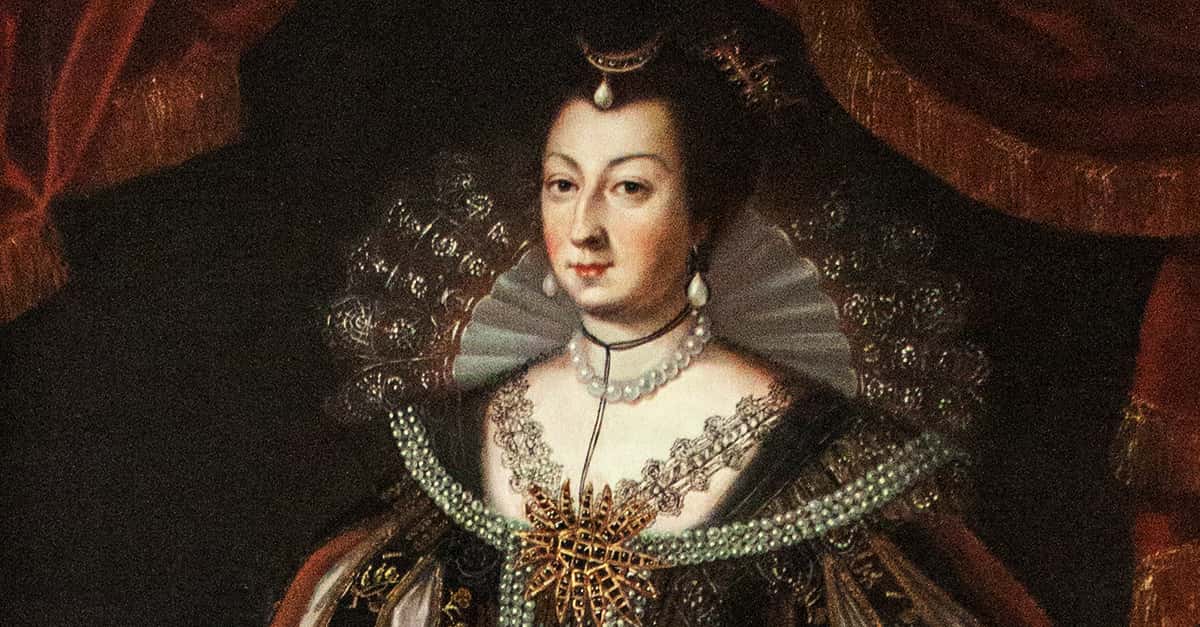
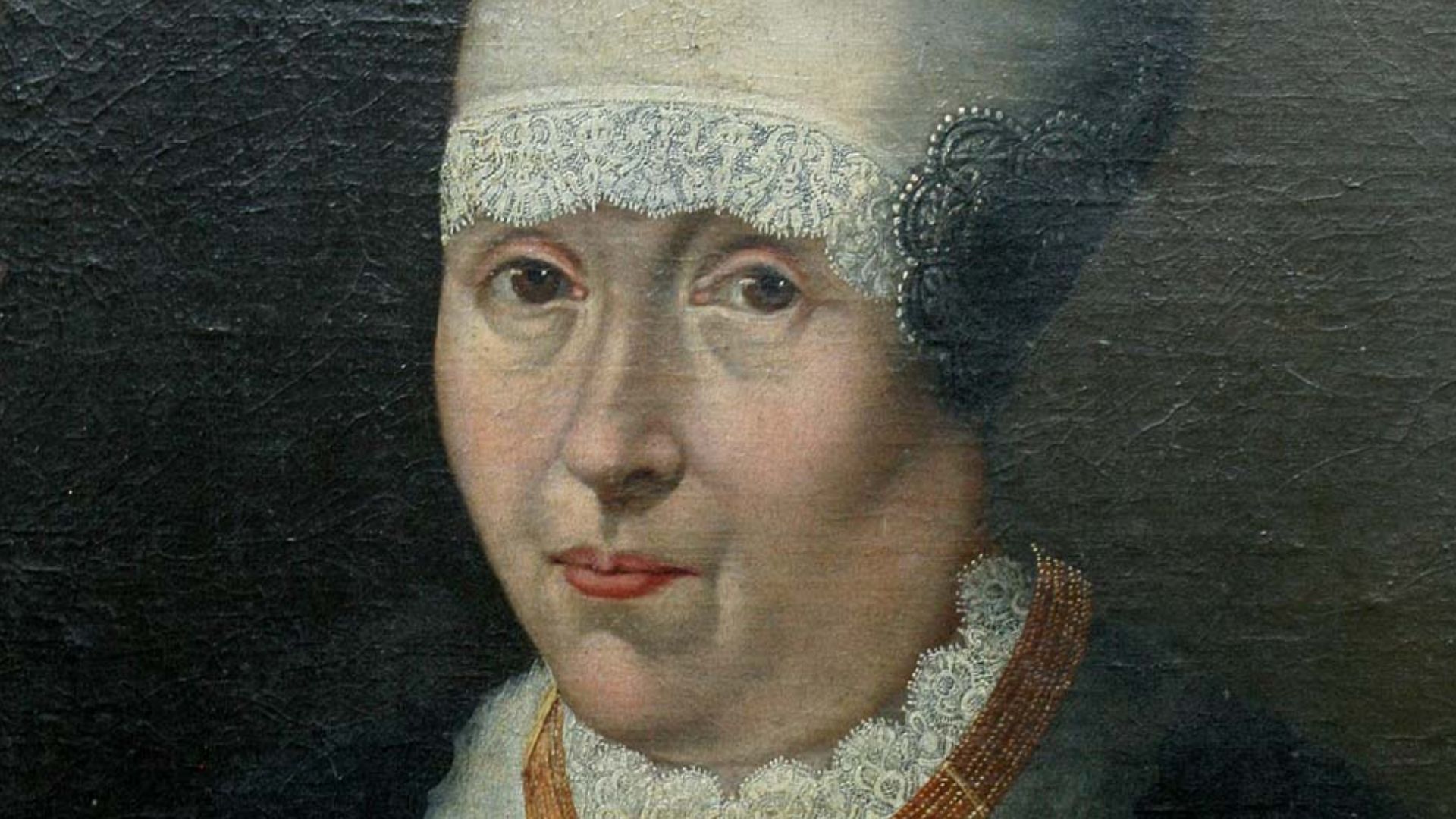
Queen Maria Eleonora birthed one of the most fascinating rulers of Europe, Christina of Sweden, but few know about her own story…and that may be because so much of it is disturbing. While she began as one of the most eligible royal brides, this Queen Mother had a downfall like no other.
1. Her Parents Were Violent
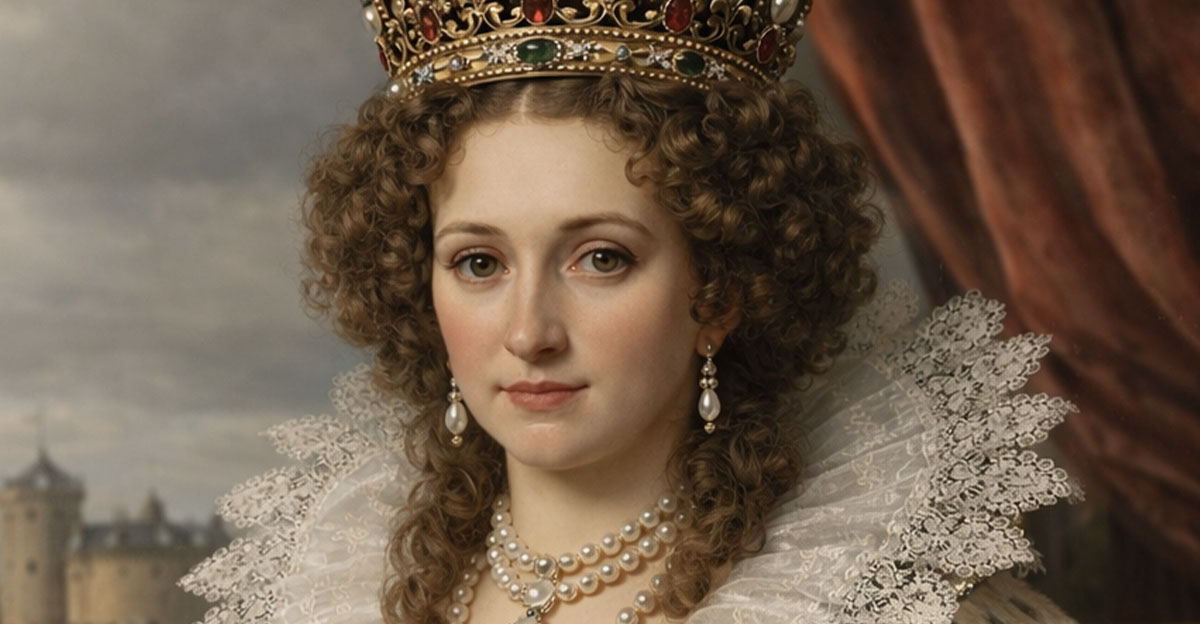
In 1599, Maria Eleonora was born into wealth, but not into happiness. Her father John was the Elector of Brandenburg, and her mother Anna was the Duchess of Prussia—but they were not a match made in heaven. Her mother, opinionated and strong-willed, often clashed with her father, and Maria Eleonora grew up watching her parents get into violent fights.
Yet for all this, Maria Eleonora had one thing going for her.

2. She Had Brains And Beauty
By the time Maria Eleonora was a teenager, word had gotten around Europe that she was incredibly beautiful, and intelligent on top of that. Before long, she had suitors as wide-ranging as William of Orange and even the future King Charles I of England searching for her hand in marriage. But there was only one man she wanted.

3. She Had A Determined Suitor
Around 1616, the 22-year-old King Gustavus Adolphus of Sweden decided he wanted a bride, and landed on Maria Eleonora thanks to all the reports of her beauty and brains. She, too, shared his interest in the match—he was, after all, the King of Sweden—and her own father was positively inclined toward it.
Still, this wasn’t the fairy tale it looked like on the outside.
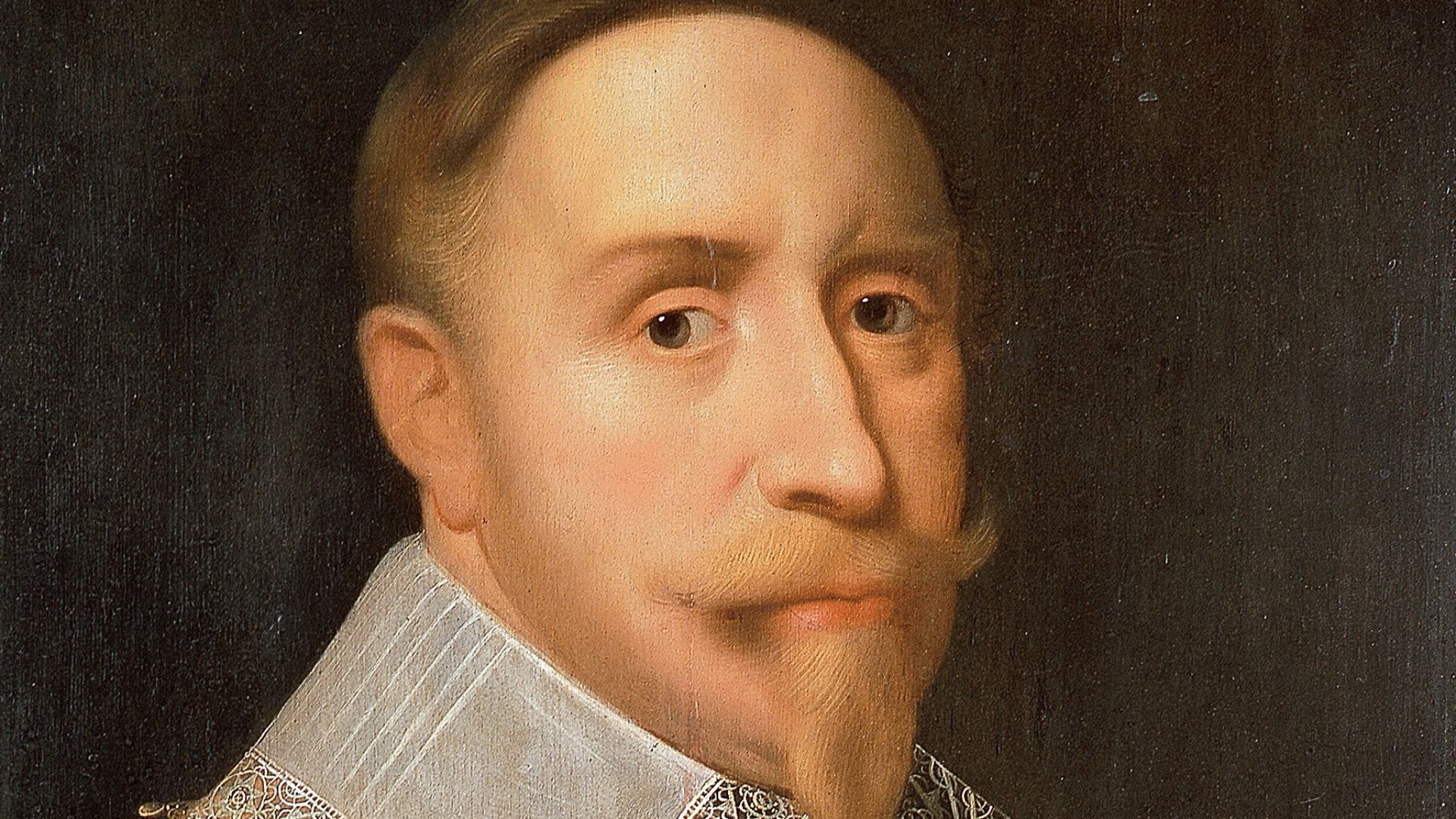 Presumably Jacob Hoefnagel, Wikimedia Commons
4. Her Romance Was No Fairy Tale
Gustavus Adolphus came with a certain amount of baggage. At the time of his suit to Maria Eleonora, he’d actually been trying for three years to get his mother’s permission to marry the noblewoman Ebba Brahe, and had only just given up and decided to go for Maria Eleonora instead. That was hardly all.
 Unknown authorUnknown author, Wikimedia Commons
5. She Was His Second Choice
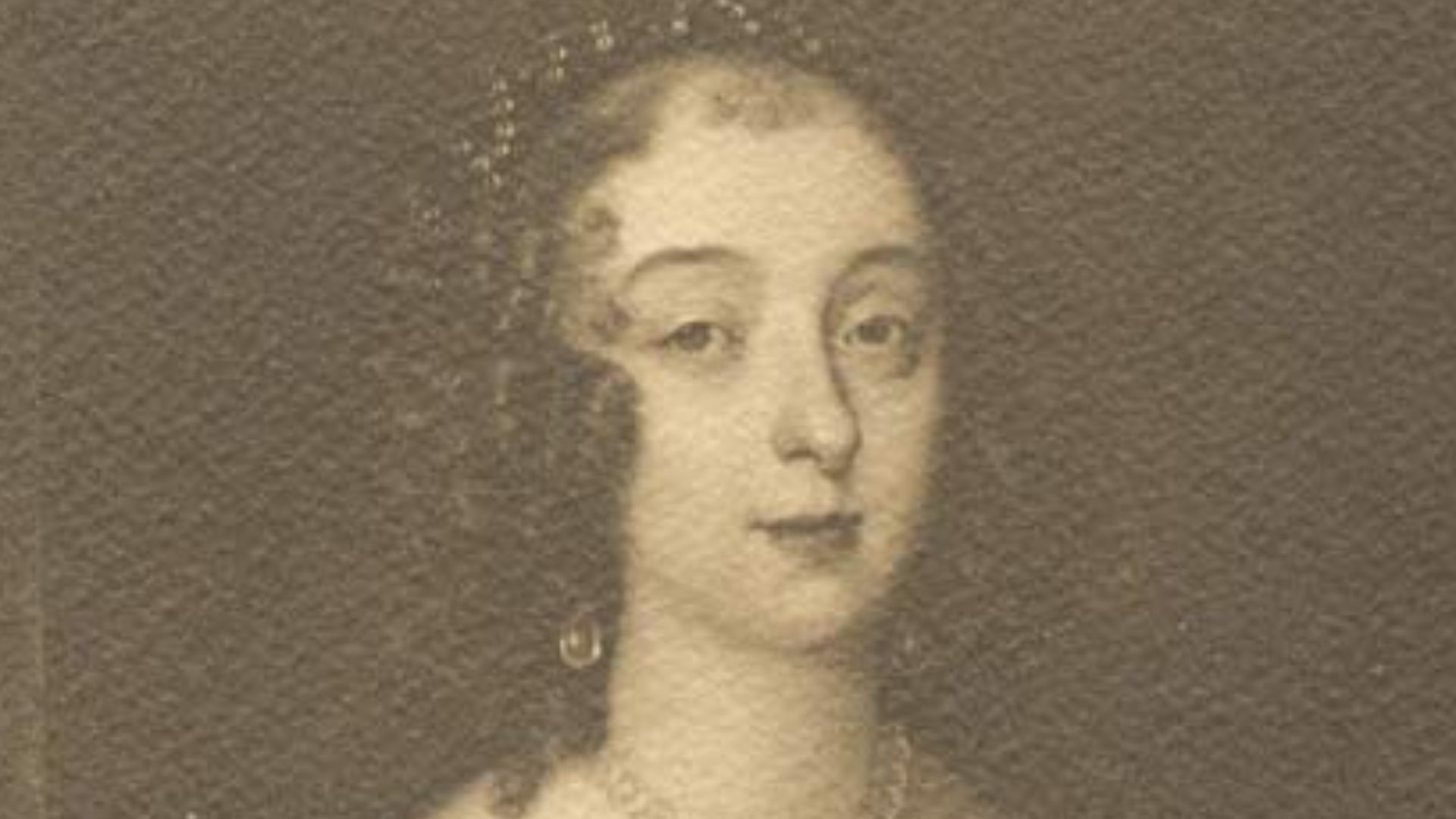
Gustavaus Adolphus might have been ready to become a married man, but he was still very much in love with Ebba Brahe when he began knocking on Maria Eleonora’s door. More than that, he was attracted to Maria Eleonara more as a point of pride—since she was one of Europe’s most eligible bachelorettes—than as any romantic object.
Still, Maria Eleonora was on board. Yet once more, her family drama got in the way.
 Unidentified painter, Wikimedia Commons
6. Her Father Fell Suddenly Ill
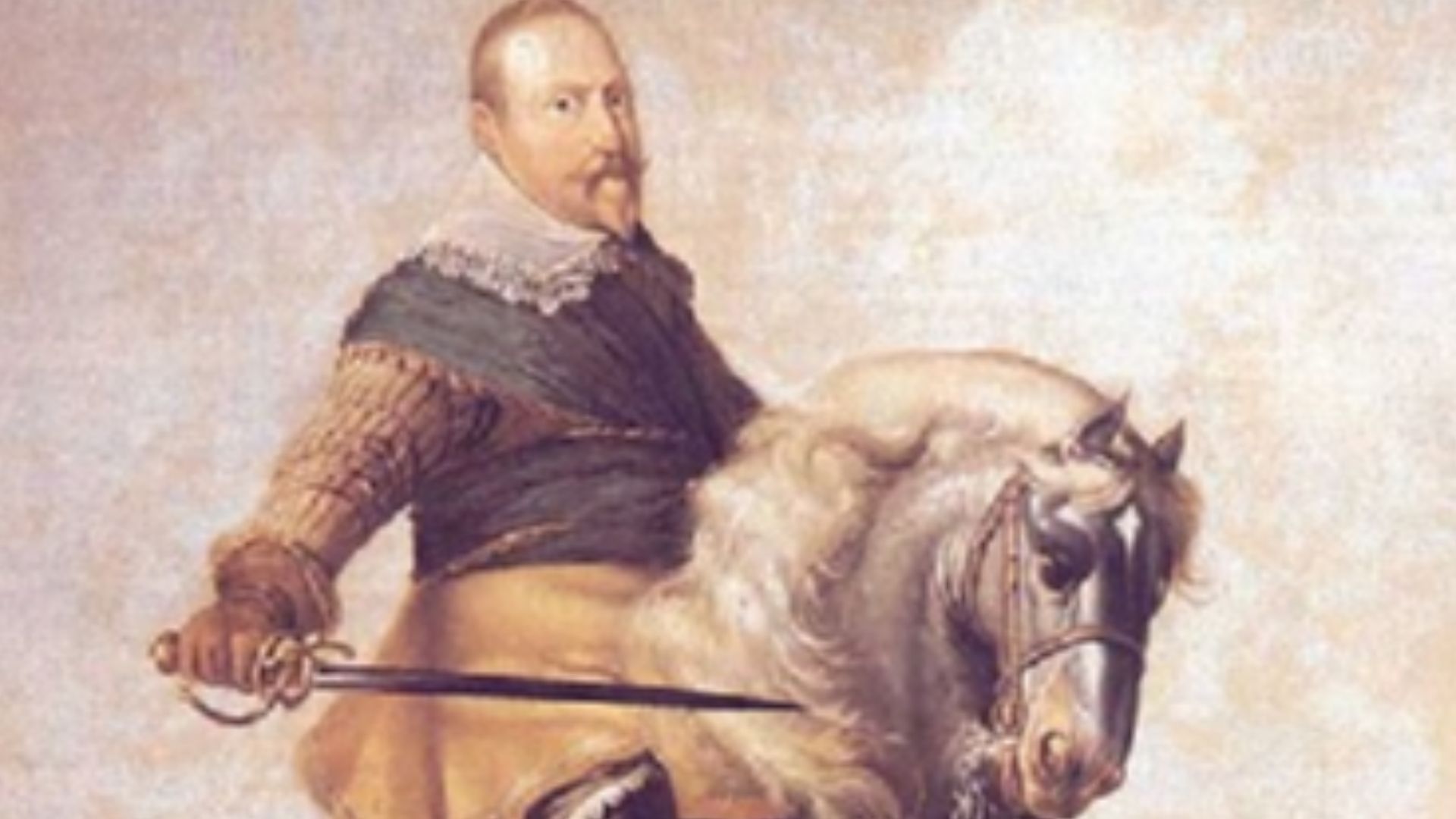
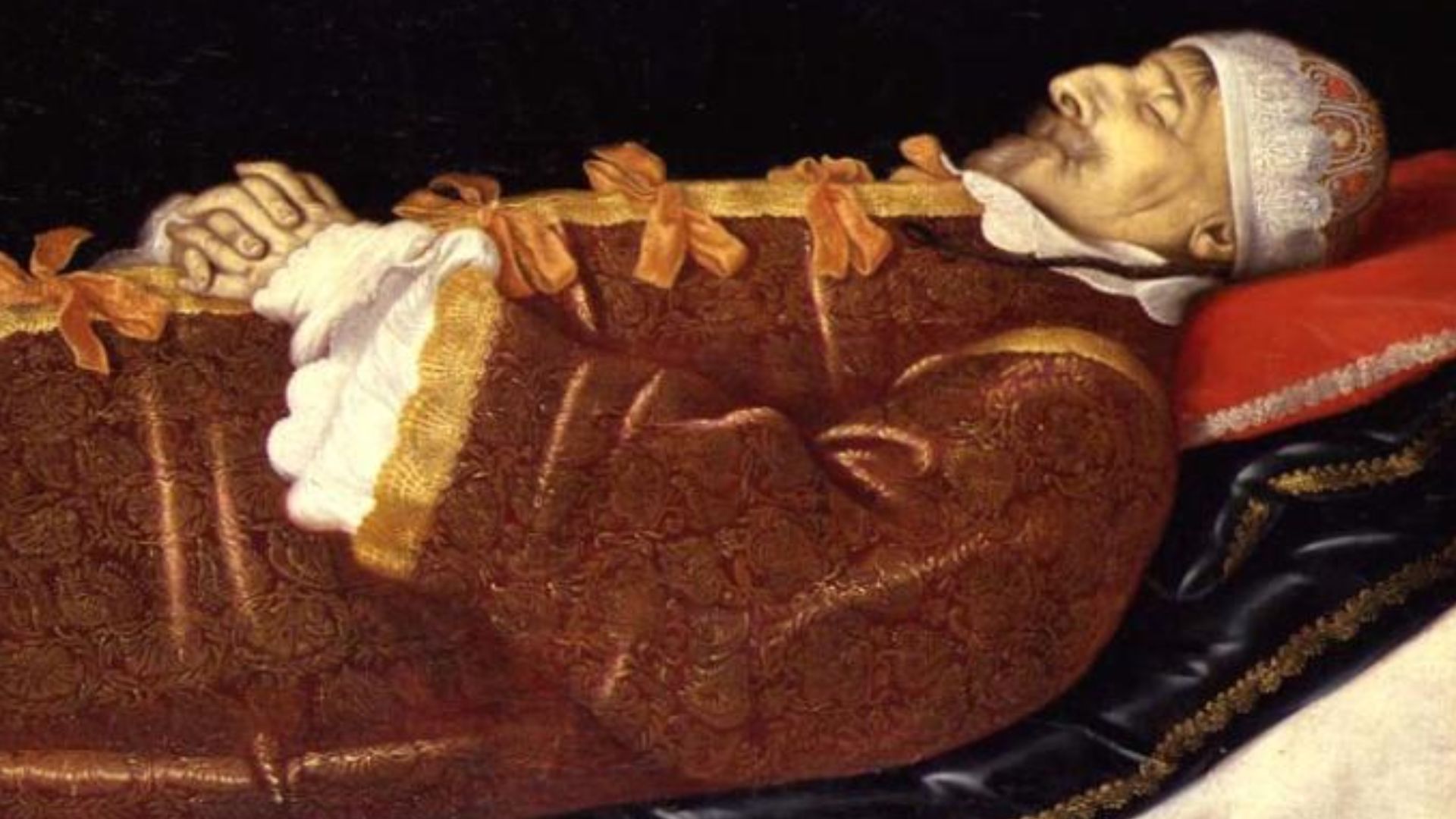
Just as Maria Eleonora reached marrying age, a new feud grew in her home. Her father John suffered an apoplectic stroke in 1617, just as her marriage negotiations with Gustavus Adolphus were heating up, and although he survived he was severely incapacitated and ill. Unfortunately for Maria, not everyone was as supportive of her suitor as her ailing father.
 Berent Hilwaertz, Wikimedia Commons
7. Her Mother Hated Her Choice
Maria Eleonora’s mother Anna of Prussia, never one to sit quietly and watch things happen, was viciously against the match, particularly since Sweden was an enemy of Prussia’s ally Poland. With her husband infirm, Anna let it be known all around the household that she despised the idea of Gustavus Adolphus as a son-in-law…and she didn’t stop there.
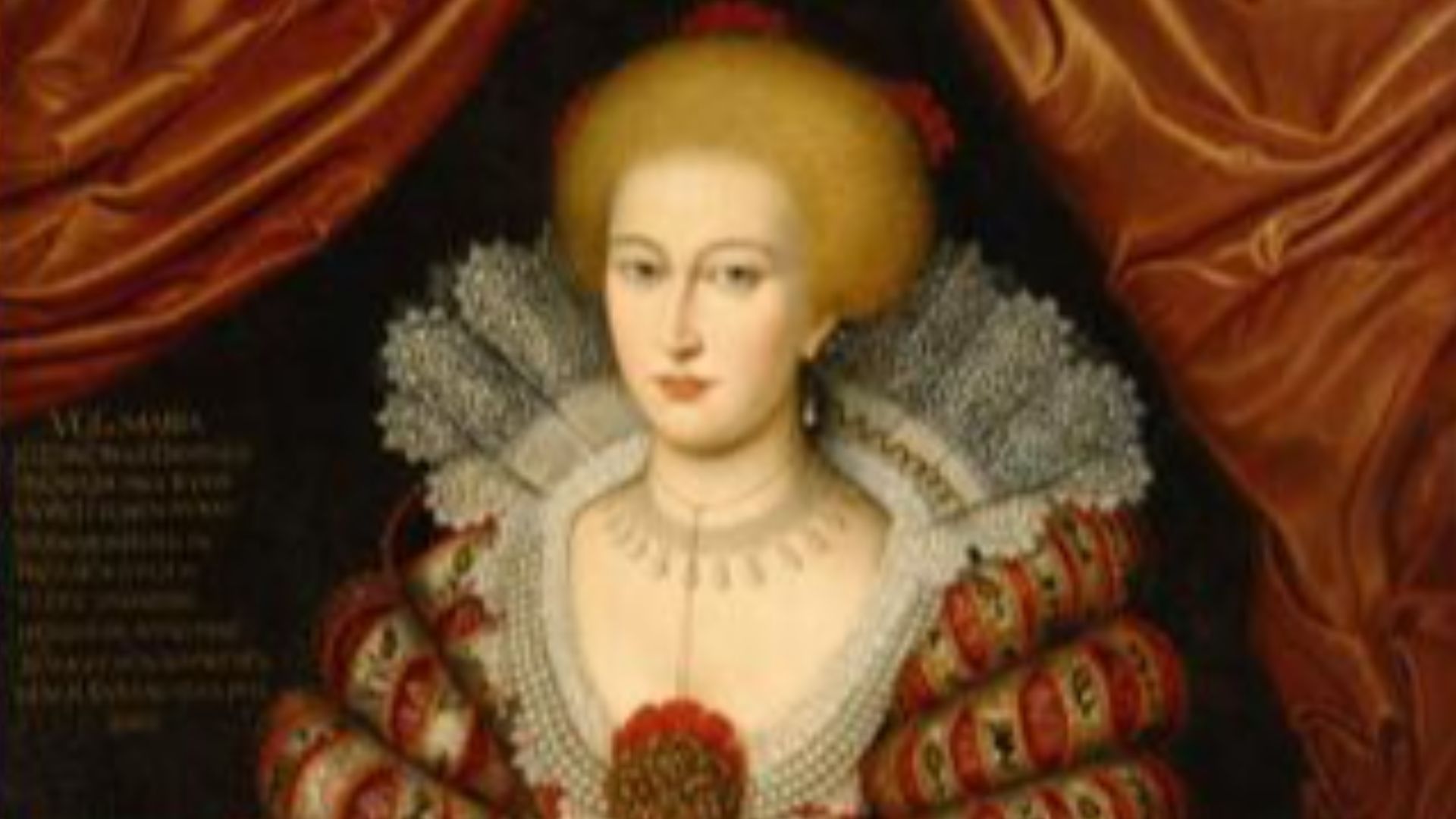 After Michiel Jansz. van Mierevelt, Wikimedia Commons
8. Her Suitor Didn’t Give Up
Over in Sweden, Gustavus Adolphus was largely and blissfully ignorant of the hatred emanating from his prospective mother-in-law. In fact, he had just finished entirely redecorating the rooms of his castle in Stockholm in anticipation of bringing his new bride there, and was also making plans to leave for Berlin, where Maria Eleonora lived, so he could meet her in person and seal the deal.
Just before he set off, though, a letter arrived that threatened to destroy everything.
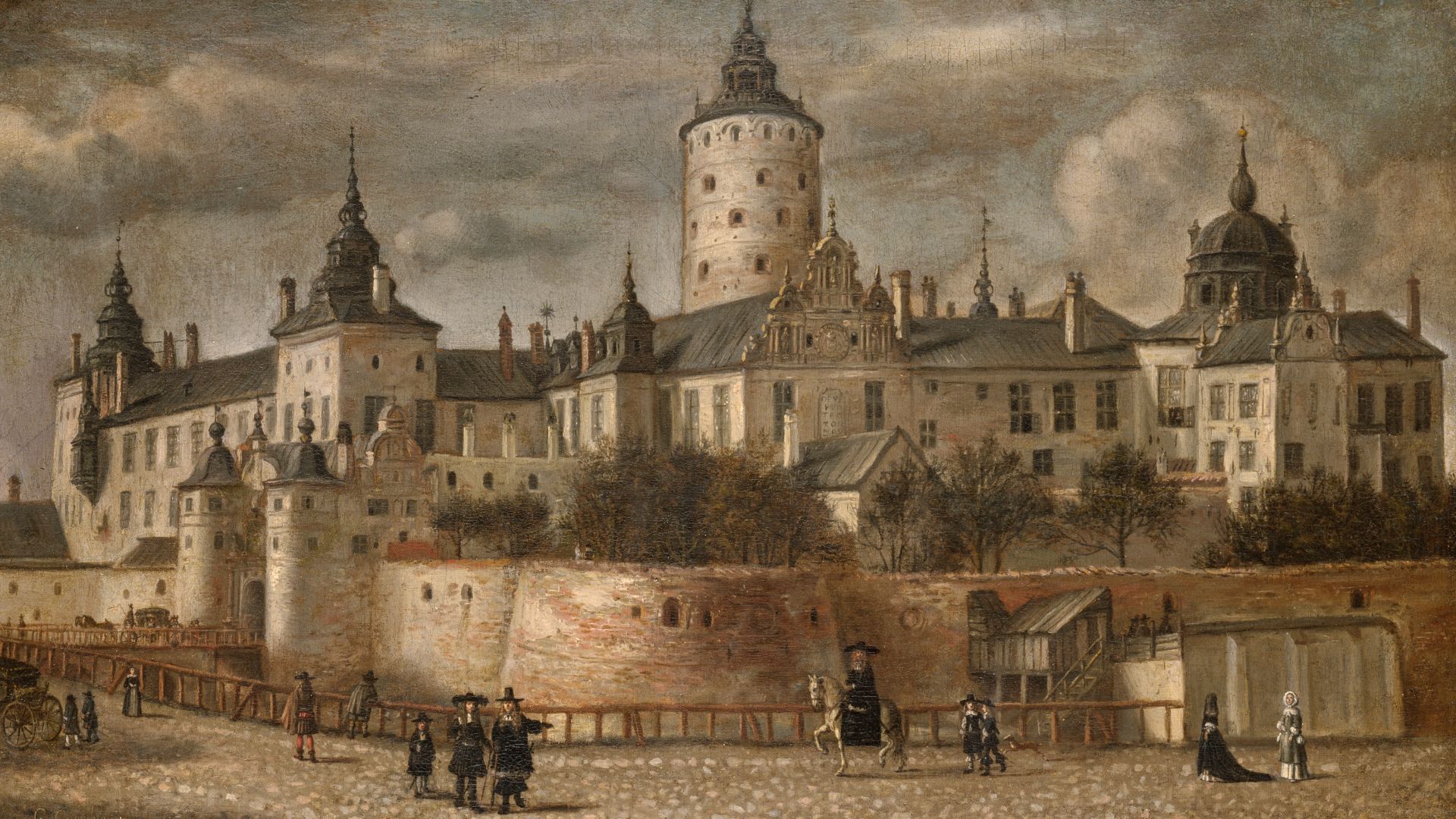 Govert Dircksz Camphuysen, Wikimedia Commons

History's most fascinating stories and darkest secrets, delivered to your inbox daily.
9. Her Mother Sent An Inflammatory Letter
In the midst of these preparations, a letter from Anna of Prussia arrived addressed to Gustavus Adolphus’s own mother. Its contents were nearly a declaration of war. In the message, Maria Eleonora’s mother insisted that the Swedish matron control her son and prevent him from going to Berlin, lest the enmity between Poland and Sweden grow worse. Then she truly crossed the line.
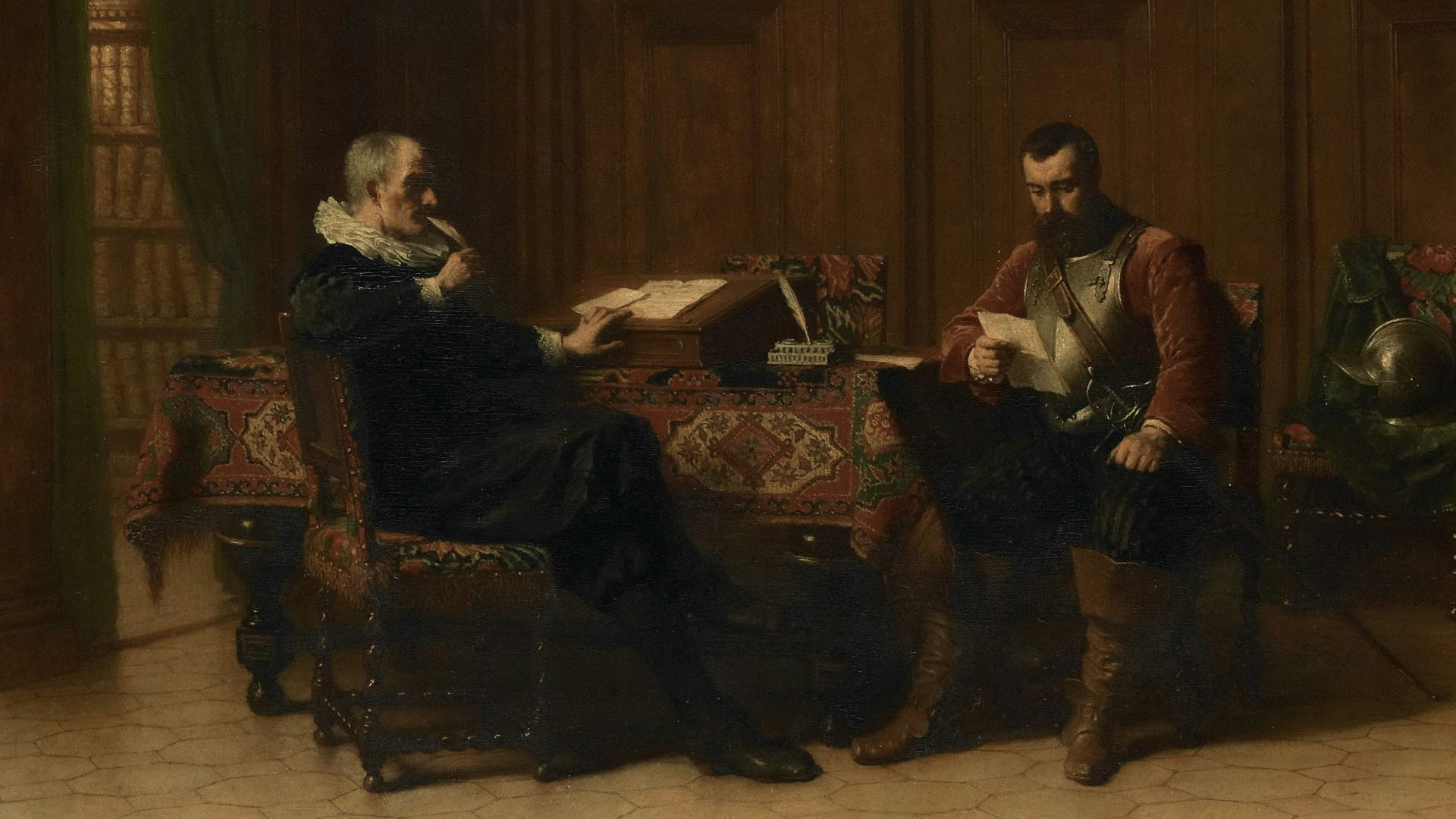
10. Her Family Was Torn
In sending this letter at all, not to mention using such aggressive language, Maria Eleonora’s mother was verging on a grave insult to the Swedish Crown. She even outright insulted her own sick husband in the message, saying the Elector was, "so enfeebled in will by illness that he could be persuaded to agree to anything, even if it tended to the destruction of the country”.
Then the next blow came.
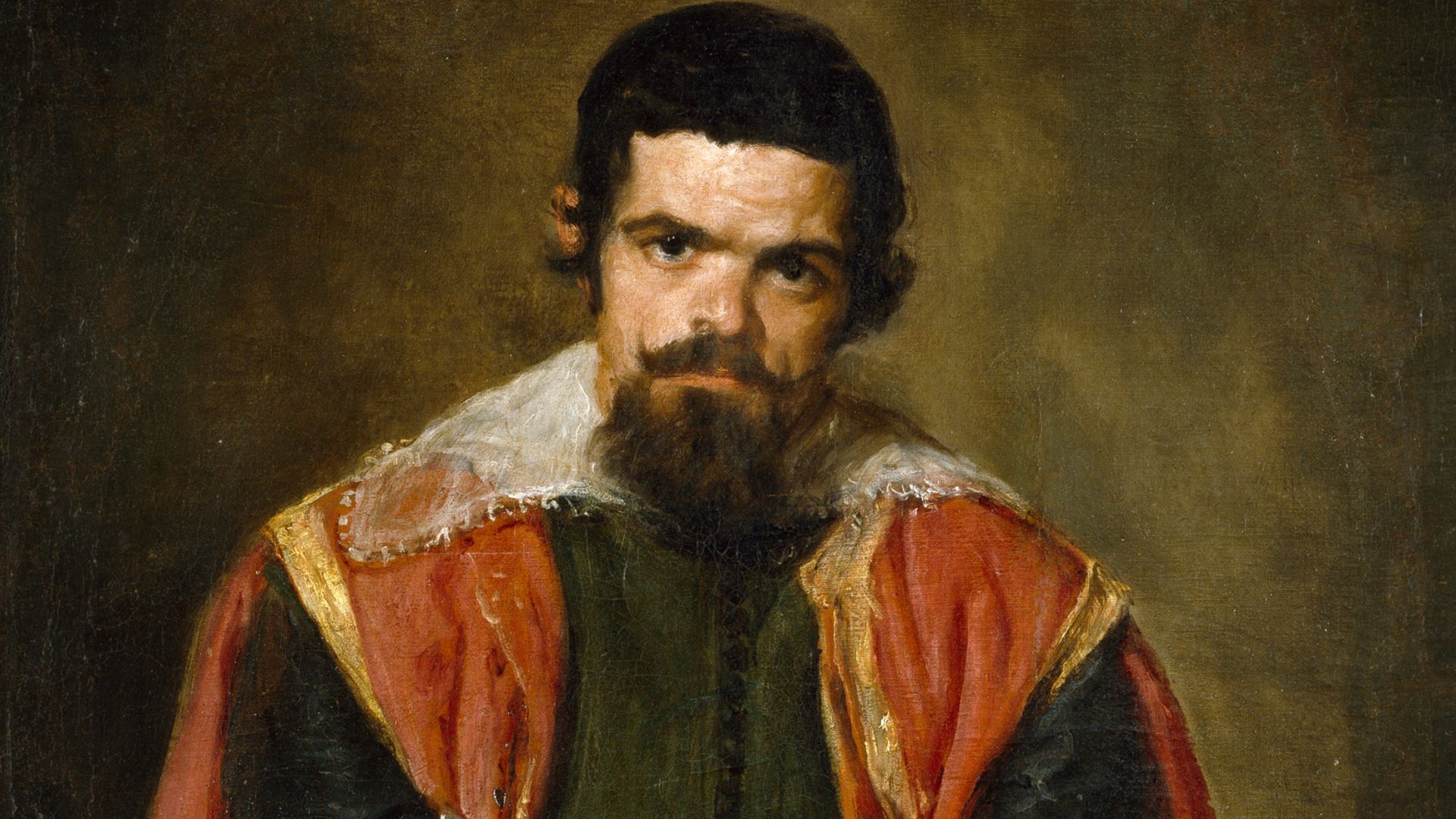 Diego Velázquez, Wikimedia Commons
11. She Lost Her Father At A Crucial Point
In December of 1619, Maria Eleonora’s father finally perished after his long illness, turning her brother George William into the new Elector of Brandenburg. With the passing of her only champion for Gustavus Adolphus, that should have been the end of that for Maria Eleonora’s dreams of becoming Queen of Sweden. But history can have a twisted sense of humor.
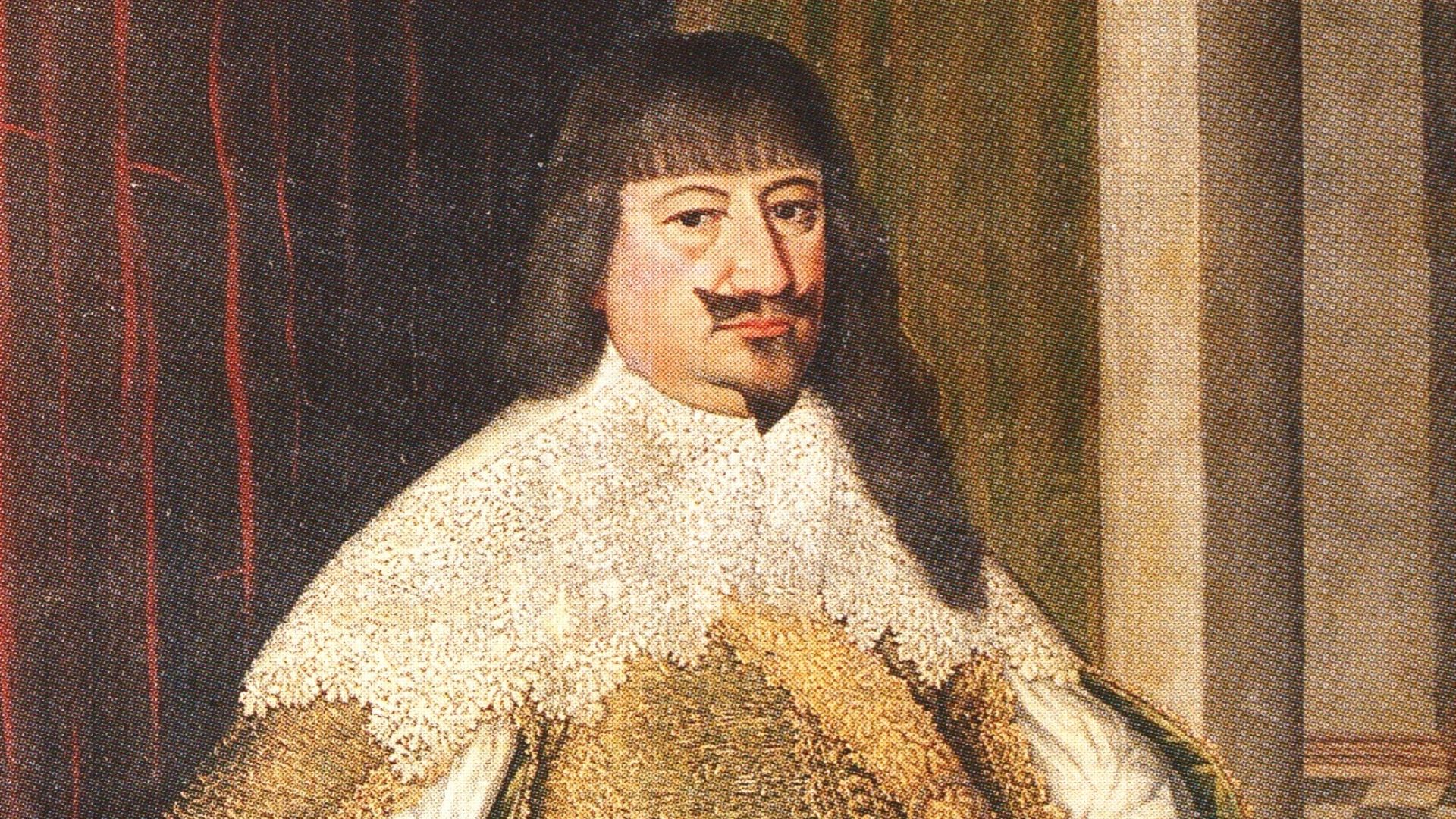 Mathias Czwiczek, Wikimedia Commons
12. Her Suitor Was Stubborn
In the spring of 1620, a surprise arrived at Maria Eleonora’s door: Gustavus Adolphus showed up in Berlin. The King of Sweden had never given up on his suit, and indeed each obstacle in his way only made him more stubborn to get the rare prize that was Maria Eleonora. But when he tried to see her in private, his unstoppable force hit an immoveable obstacle.
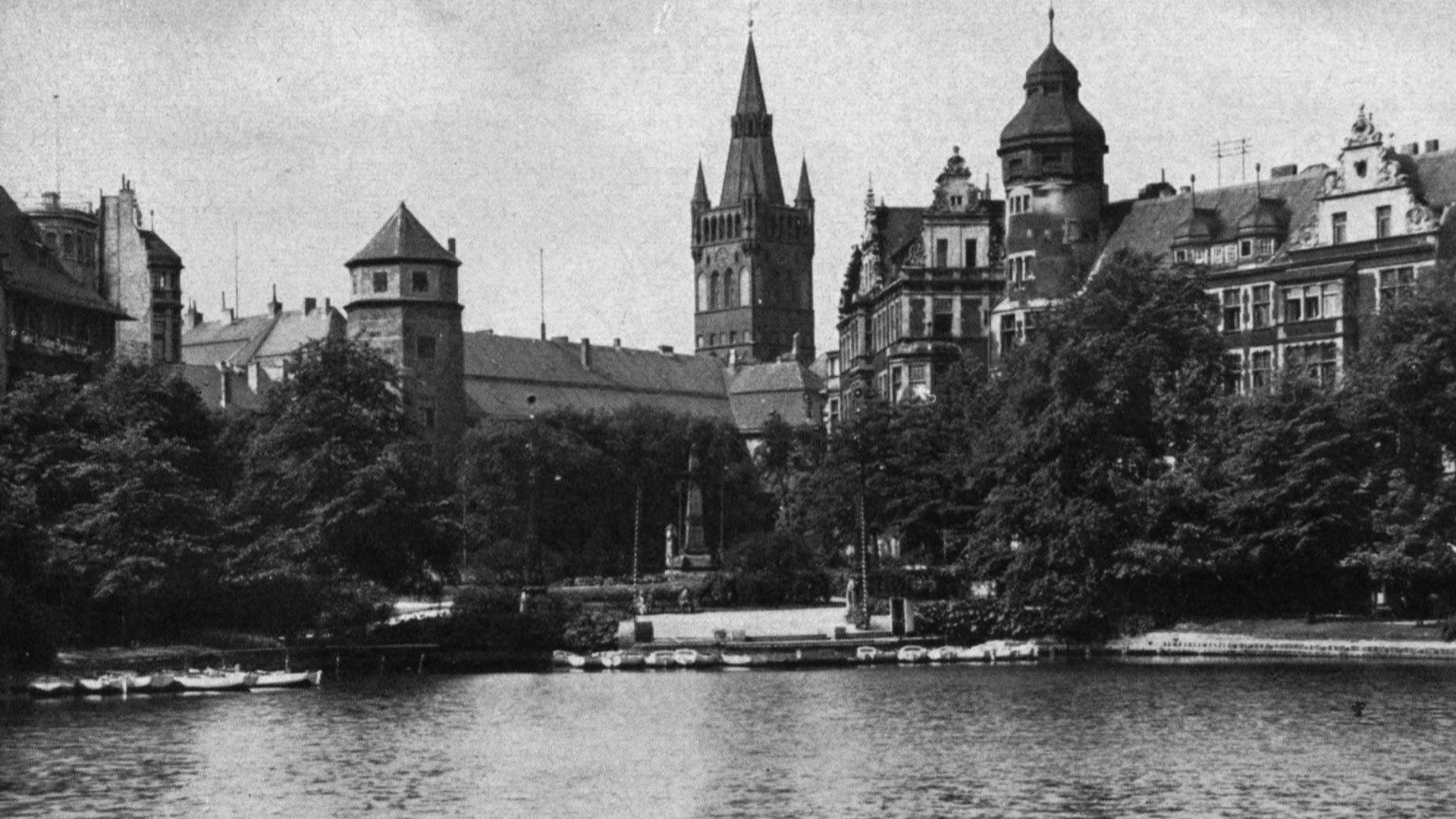 Unknown authorUnknown author, Wikimedia Commons
13. She Had A Crush
Anna of Prussia was still dead-set against the marriage, and she wouldn’t let Gustavus Adolphus anywhere near her daughter alone, refusing to give him a personal meeting with her. And yet, it was enough that Maria Eleonora saw him at all; everyone present at these gatherings saw how interested she was in the young King.
Then Gustavus Adolphus got very, very lucky.
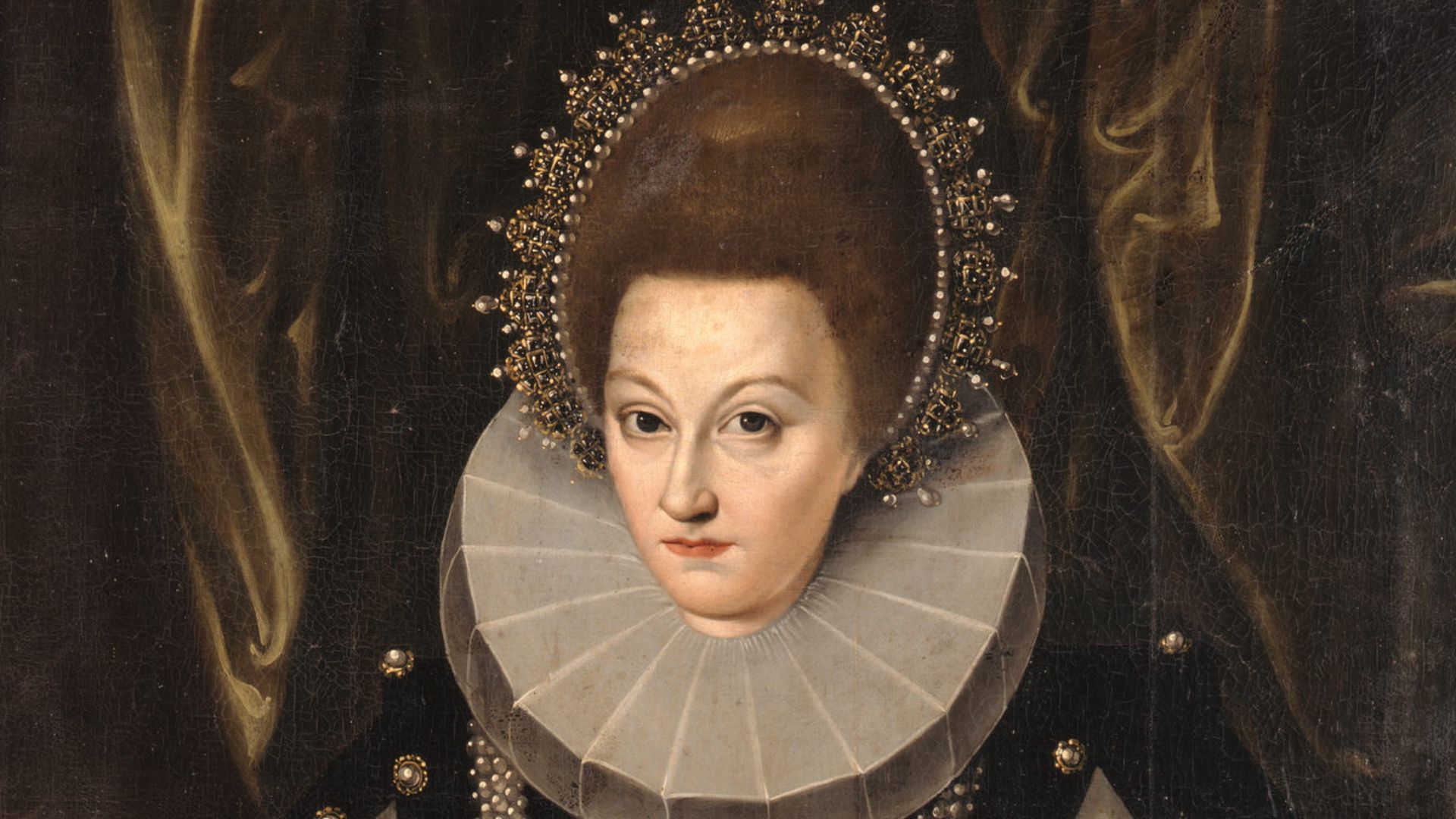 Daniel Rose, Wikimedia Commons
14. Her Mother Changed Her Mind
As part of his courtship performance, Gustavus Adolphus went around Germany, apparently looking for places where he could marry Maria Eleonora. For one reason or another, when he returned to Berlin, Anna of Prussia had done a 180 and was suddenly one of the union’s biggest supporters.
She now hurled them into matrimony…and drama.
15. Her Wedding Plans Rushed Ahead
Anna of Prussia never did anything by halves, and she gave Gustavus Adolphus her intense and immediate blessing. So intense, actually, that, assured of his success, he rushed back to Sweden to plan out the arrival of his bride. With her suitor of many years in her grasp, Maria Eleonora was also over the moon. There was just one problem.

16. Her Brother Objected
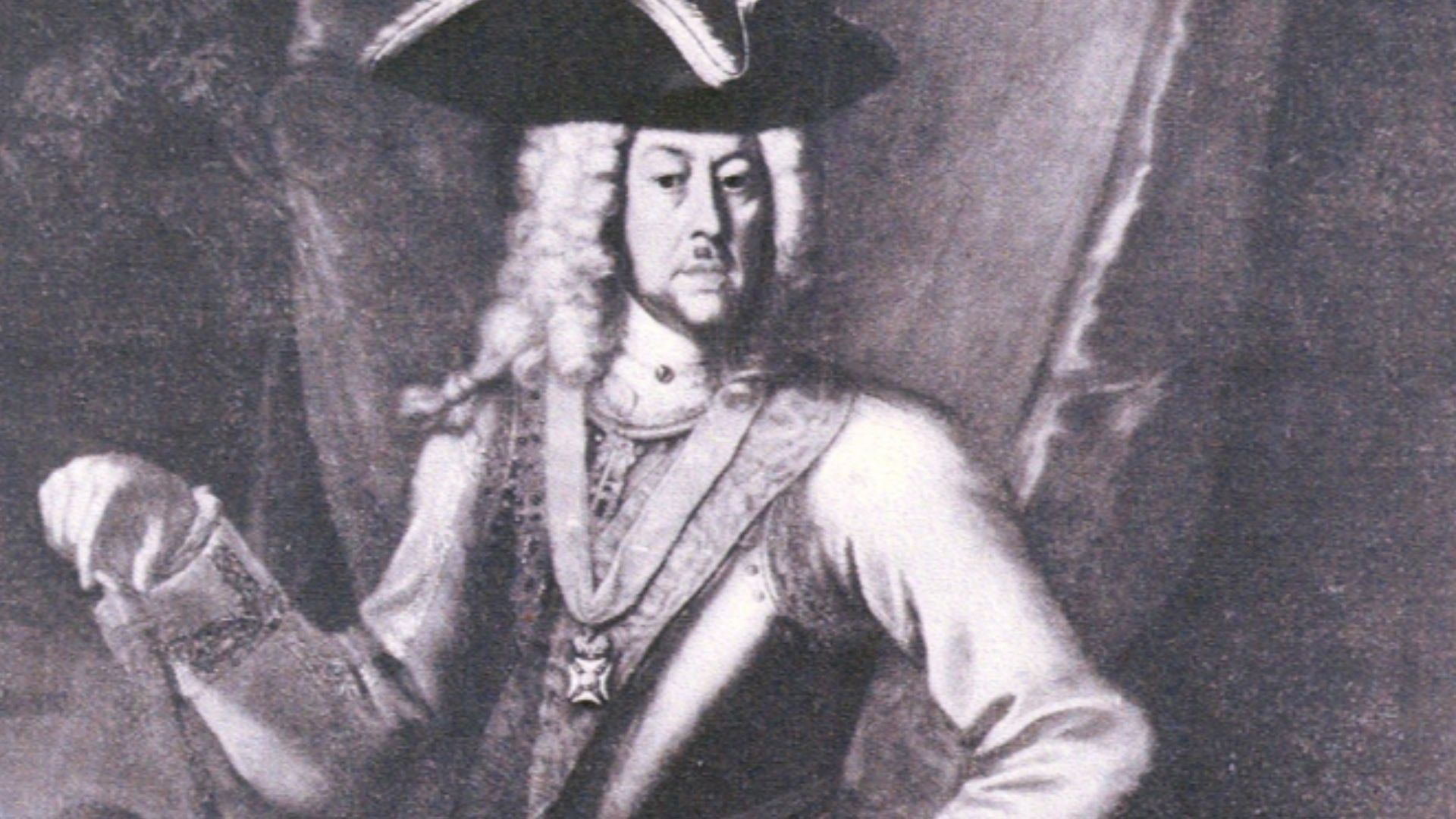
Maria Eleonora and her mother might have been conjuring up all kinds of plans for wedding…but her brother George William, the current Elector of Brandenburg, was furious when heard of his mother’s independent blessing of the union—which was still, after all, against the interests of their Polish allies.
Completing the years of whiplash, George William wrote to Sweden and again denied the marriage should ever take place. But Maria Eleonora and her mother had an ace up their sleeves.
 Unidentified painter, Wikimedia Commons
17. Her Mother Put Her Foot Down
You might think that, as the eldest boy and the Elector, George William had the final say in Maria Eleonora’s fate. Well, he didn’t. According to family custom, it was Anna of Prussia who got to decide where her daughter went as a bride, and the headstrong matron had now totally decided in Gustavus’s favor, and she wasn’t going to change her mind.
Accordingly, she just carted Maria Eleonora off to lands where her brother couldn’t reach her, and then talked through the marriage negotiations on her own. In the end, no one would thank her for it.
18. She Got Married At Last
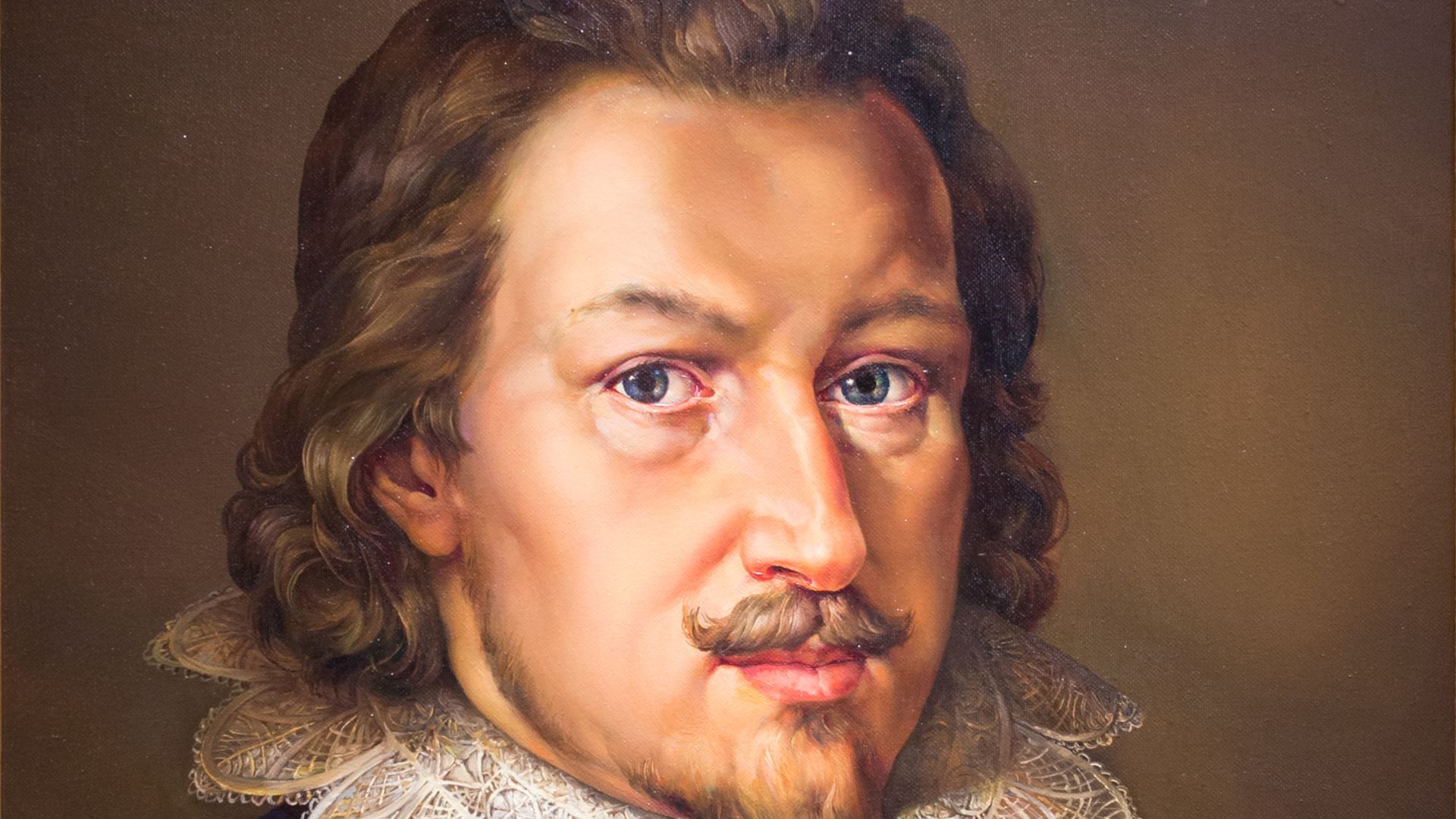
In the fall of 1620, Maria Eleonora and her family traveled over to Sweden, and the girl’s long-awaited wedding to King Gustavus Adolphus of Sweden took place on the 25th of November. The groom was reportedly impatient before the ceremony and deeply satisfied after, boasting how he finally “had a Brandenburg lady in his marriage bed”. At first, nothing even seemed amiss.

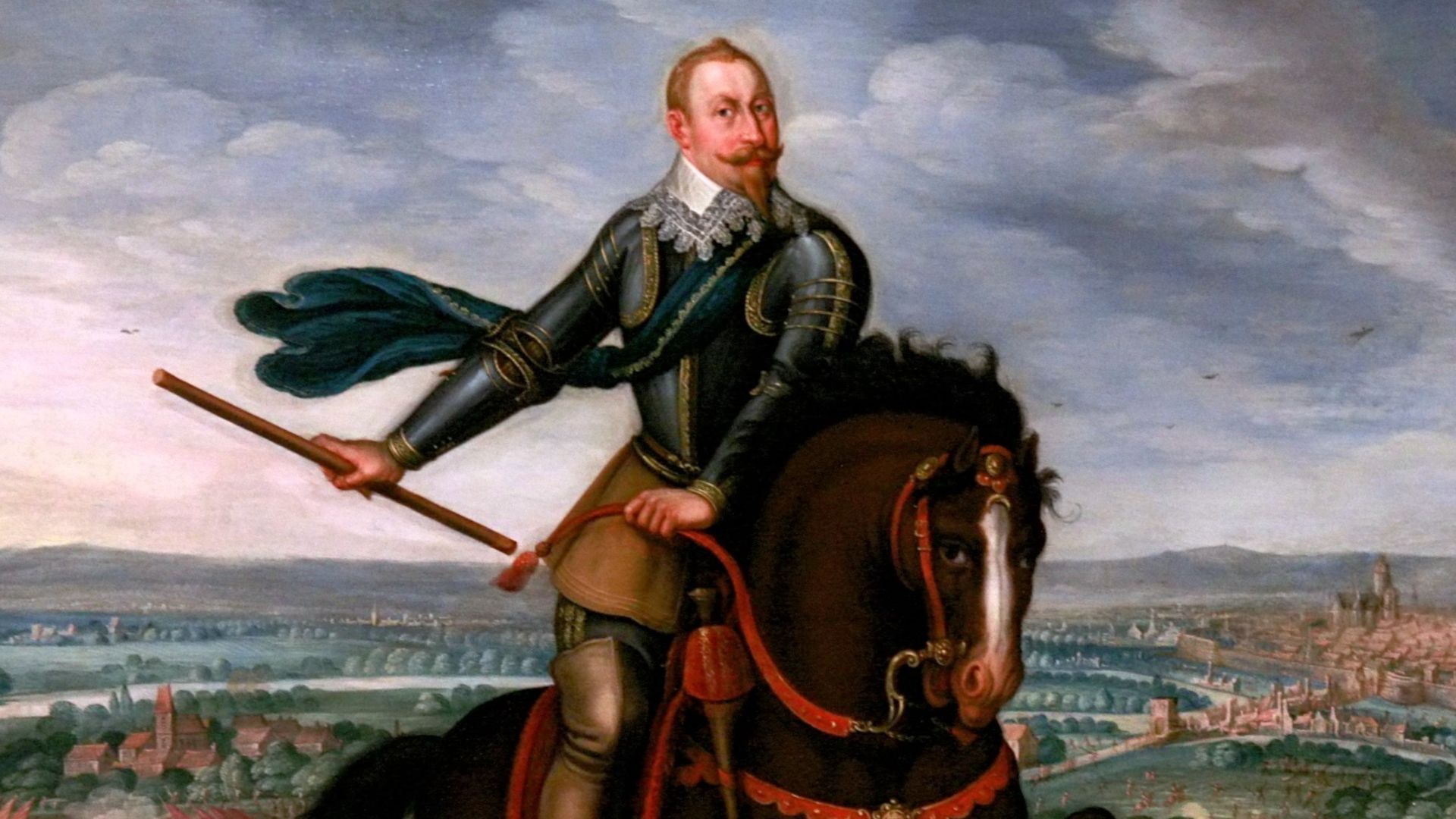
19. Her Husband Was A Hero
Gustavus Adolphus was first and foremost a military king, the so-called “Lion of the North,” and almost constantly off fighting or about to fight a battle. Initially, Maria Eleonora seemed to adore this about him, believing him to be a kind of hero. It was ripe ground for a successful marriage, and the newlyweds even shared many tastes in common, including a love of architecture and music.
 Johann Jakob Walter, Wikimedia Commons
20. She Dazzled The Court
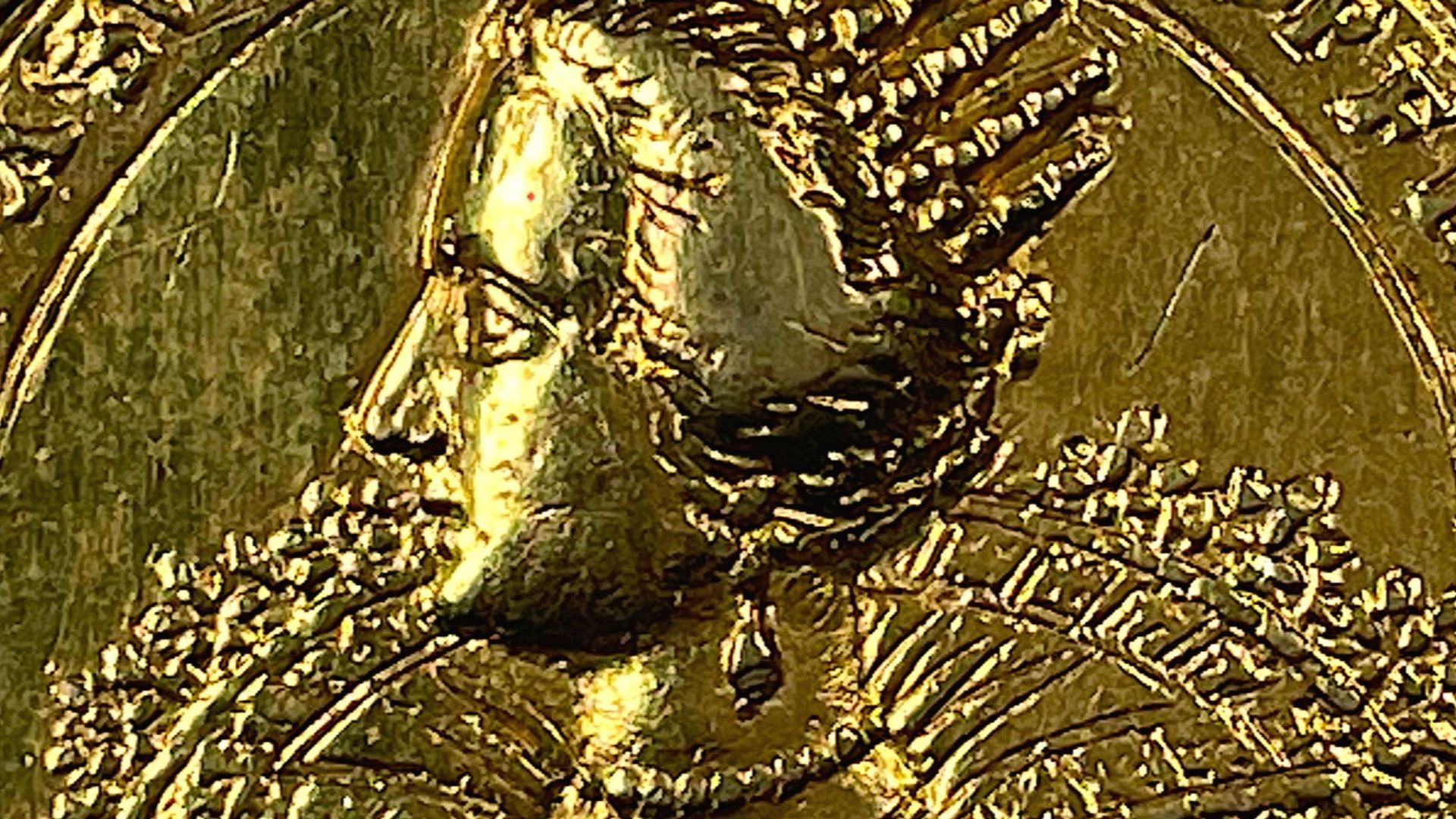
The rumors about Maria Eleonora hadn’t exaggerated her beauty or her charms, and when the 20-something woman entered the Swedish court, she dazzled many of the foreign ambassadors with her grace and her good looks. It was everything a happily ever after was made of…but it didn’t take long for the cracks to show.
 Unknown authorUnknown author, Wikimedia Commons
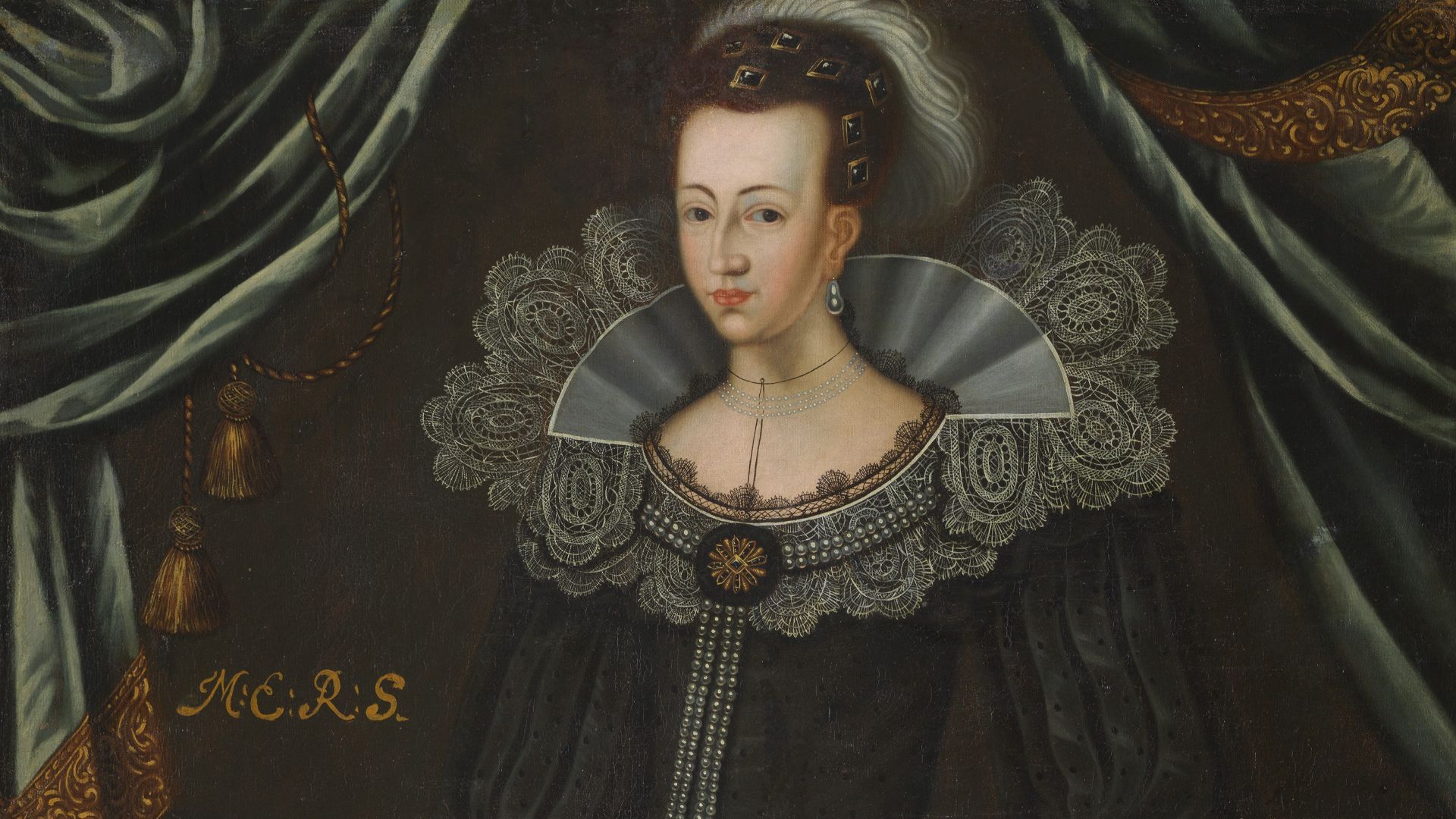
21. She Had A Dark Side
Some time into her tenure as the Queen of Sweden, Maria Eleonora began to exhibit unsettling signs. Now away from the overarching influence of her mother, many of her tastes turned from the gracious to the extravagant. She had a ravenous sweet tooth, delighted over all kinds of entertainment, and was especially fond of the current “fad” for keeping court dwarfs.
Still, many must have reasoned, she was young, and she could learn. Or so they thought.
 Unknown artistUnknown artist, Wikimedia Commons
22. She Was A Bad Student
As the years went on, it became clear that Maria Eleonora had very little interest in restraint, and whatever her maturity brought, good sense didn’t come with it. Although she spoke French, the language of the court, she reportedly never even bothered to learn to write German—this from a woman who lived in Berlin—or Swedish.
Yet in the end, Maria Eleonora’s undoing likely wasn’t her flights of fancy. It was her unrelenting tragedies.
23. She Pined For Her Husband
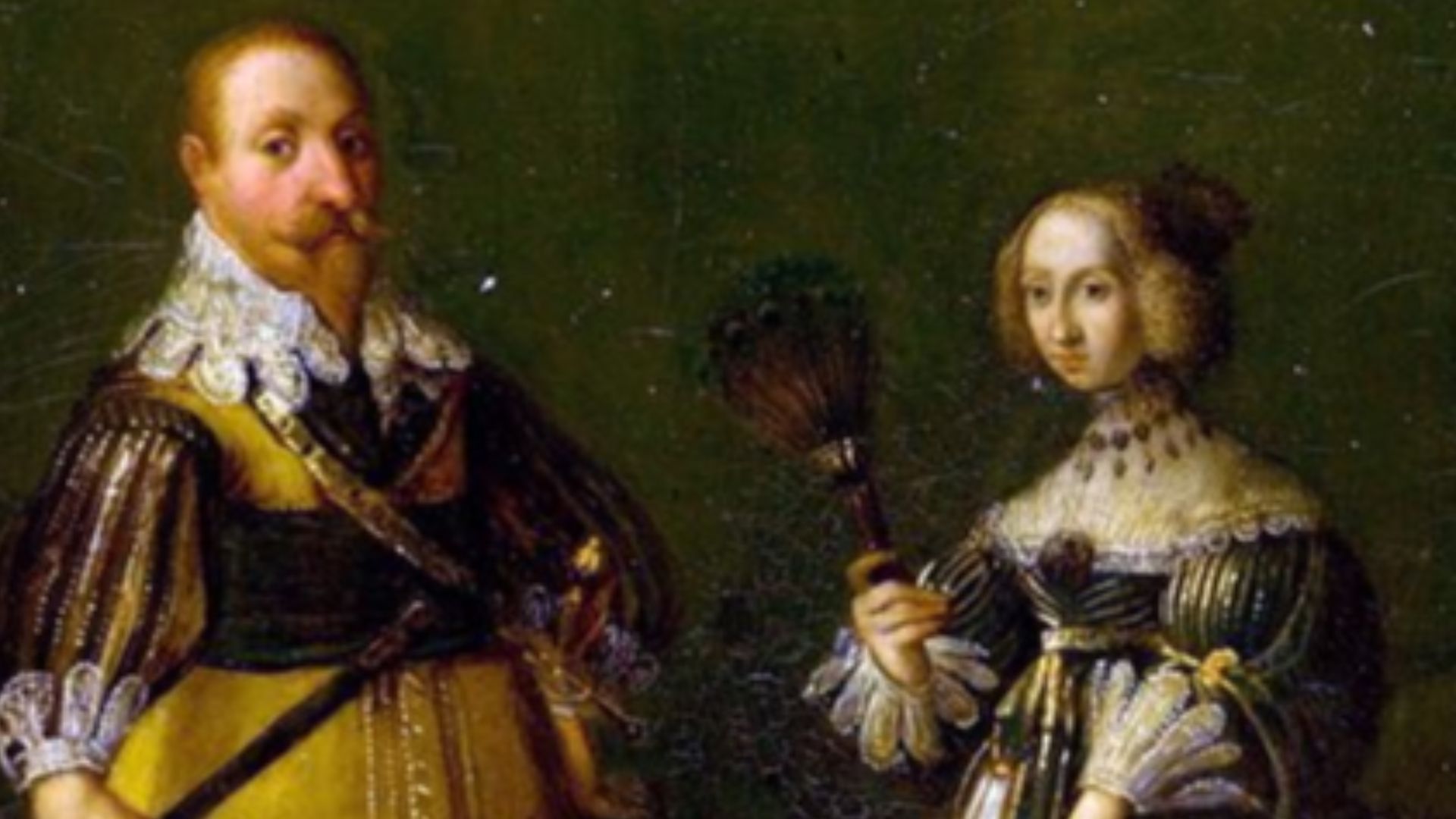
Just six months into their marriage, Gustavus Adolphus had to leave Maria Eleonora to command a siege in Riga. She missed her husband intensely, but it wasn’t her only issue. At the time, she was in a particularly delicate state: She had gotten pregnant soon after their nuptials, and was no doubt worried about the growing heir (hopefully male) inside of her. She did not adapt well.
 Unidentified painter, Wikimedia Commons
24. She Never Fit In
If this first absence of Gustavus Adolphus was a test of Maria Eleonora’s fortitude and ability to cope without him, she failed. In truth, she never warmed to Sweden, which she found dour, dirty, and difficult to travel through, and she spent most of this time in the company of her German ladies-in-waiting rather than making friends in the Swedish court.
But then the true disaster struck.
 Franz Xaver Winterhalter, Wikimedia Commons
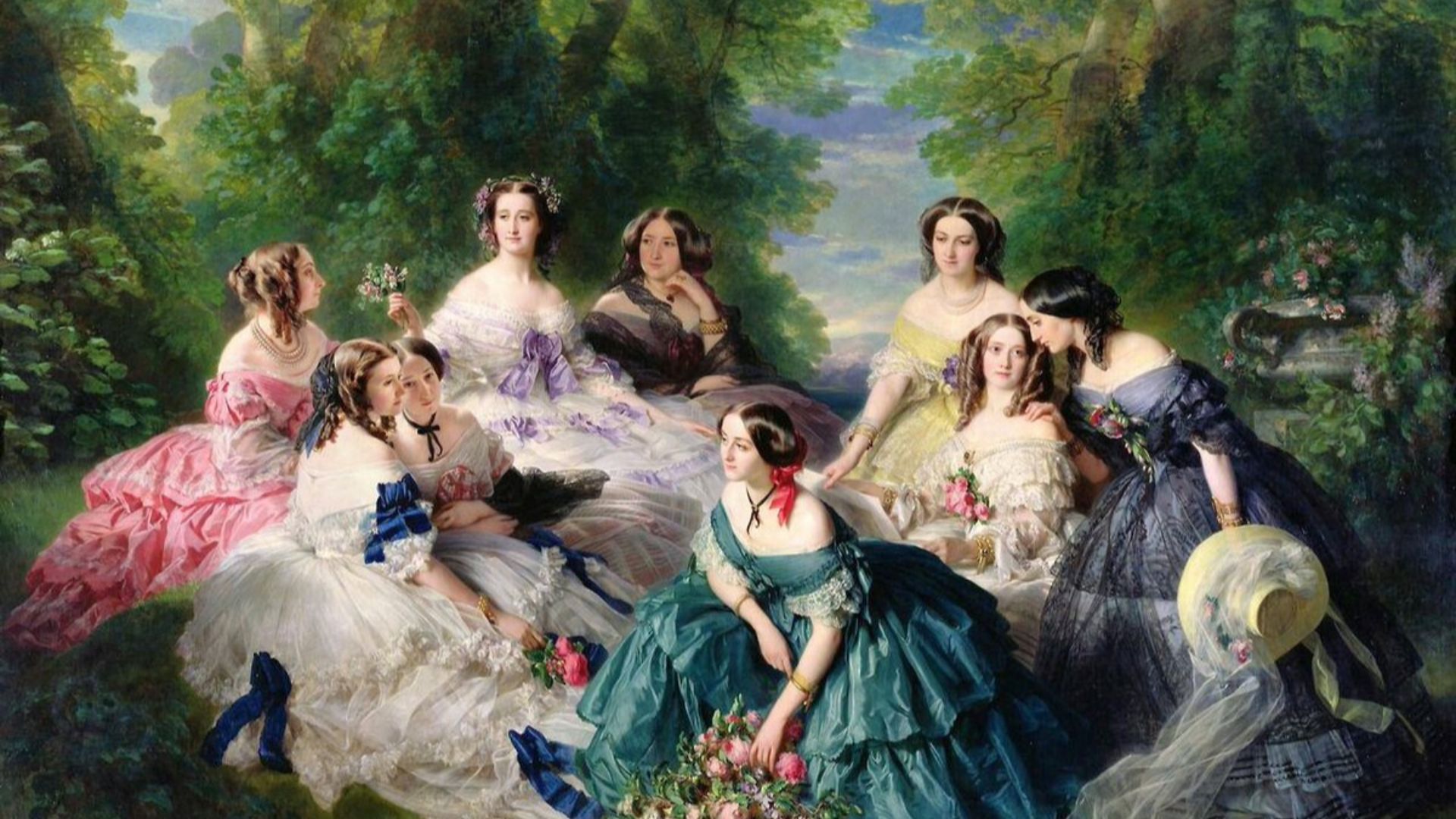
25. She Nearly Perished
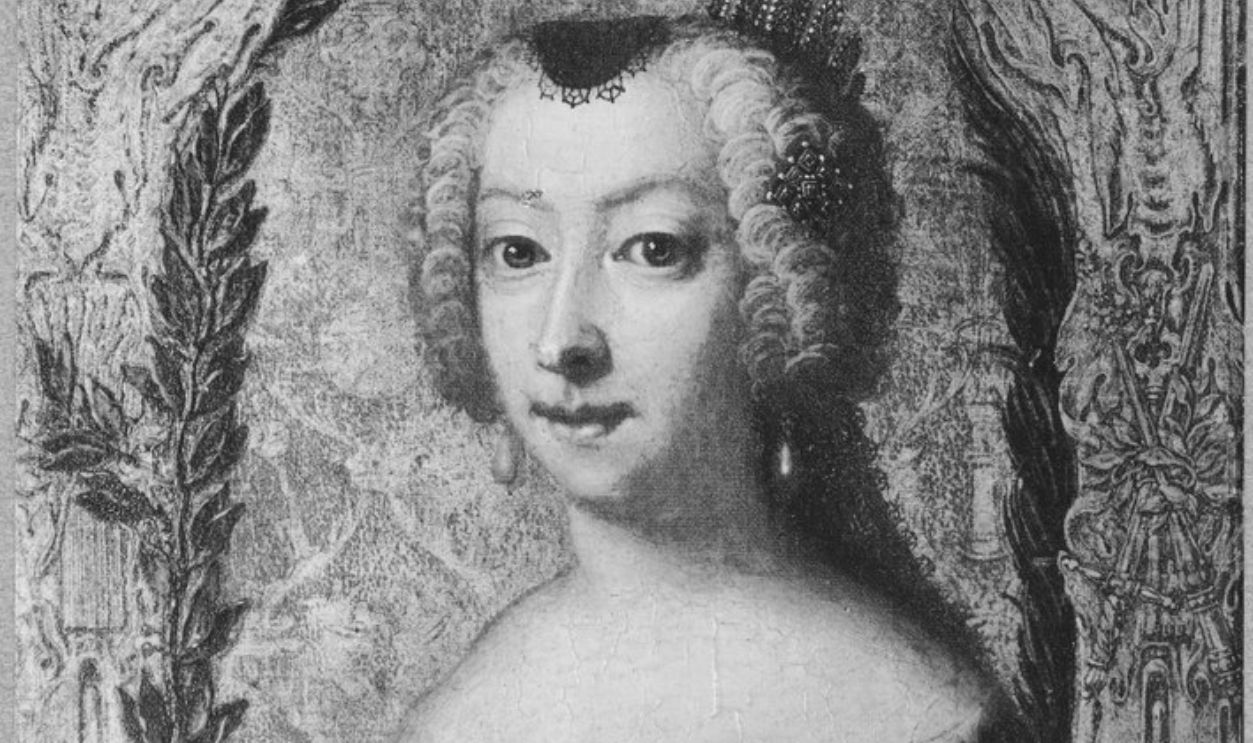
In the middle of her first pregnancy, Maria Eleonora experienced a mother’s worst nightmare. She suffered a miscarriage and lost the baby—a little girl—on July 24, 1621. Except it didn’t end there. After the miscarriage, Maria Eleonora fell severely ill, and she never seemed to fully recover. And not just in her body, but in her mind.
 Ulrika Pasch, Wikimedia Commons
26. She Changed For The Worse
Reports now came out about Maria Eleonora’s neuroses, her uncontrolled temper, and her violent mood swings. Whether Maria Eleonora always had these traits and they were exacerbated by her illness, or whether the illness produced them, hardly seemed to matter to the courtiers she terrorized. Indeed, she even turned on her own husband.
 Attributed to Mathias Czwiczek, Wikimedia Commons
27. She Insulted Her Husband
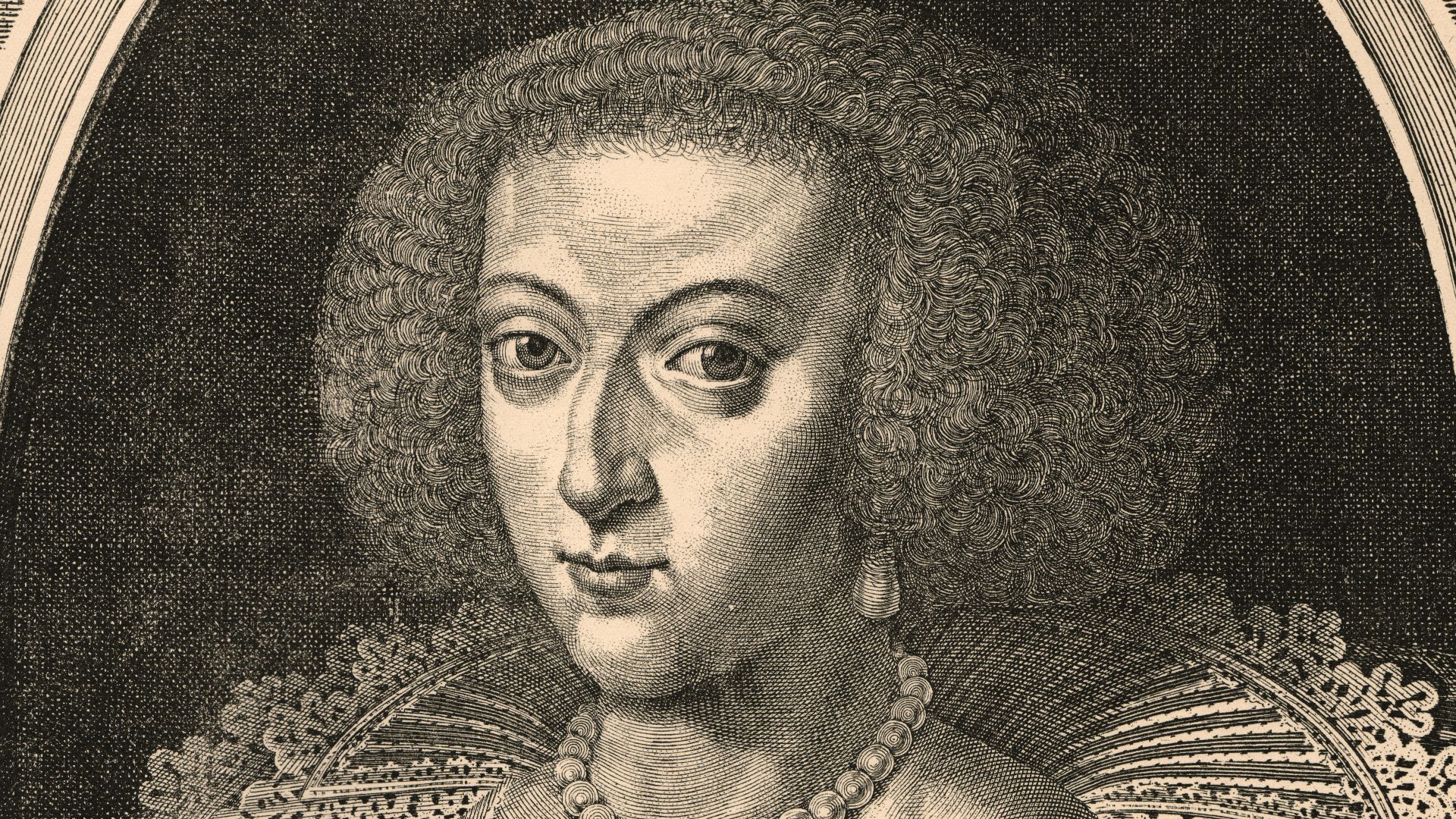
Although Maria Eleonora idolized Gustavus Adolphus, she could also be incredibly cruel to him, not to mention jealous of his time if it was spent elsewhere than in their home—which, given his role as a military commander, it often was. She complained that his men saw more of him than she did, and would berate him with harsh language in public. It began to take a toll.
 By unknown contemporary artists., Wikimedia Commons
28. Her Marriage Failed
By the mid 1620s, everyone in the Swedish court knew that King Gustavus was deeply regretting the marriage he had fought so hard to broker, and that Maria Eleonora was a source of constant anxiety and grief for him. He now reportedly had her semi-chaperoned for most of her activities, as she was liable to be thrown emotionally off-balance at the smallest things.
But still, the king and queen had to do their duty and provide an heir, no matter the cost. It’s just that the cost was higher than Maria Eleonora could pay.

29. She Lost Another Baby
In 1623, Maria Eleonora finally had a healthy child, even though it was a little daughter and not the little son she longed for. Devastation came for her anyway. The girl perished the very next year, and with Gustavus Adolphus still often away fighting battles, everyone at court was terrified Sweden would have no stable succession.
This pressure mounted even as Maria Eleonora swam in her private grief, but still she kept trying.

30. She Made A Triumphant Public Appearance
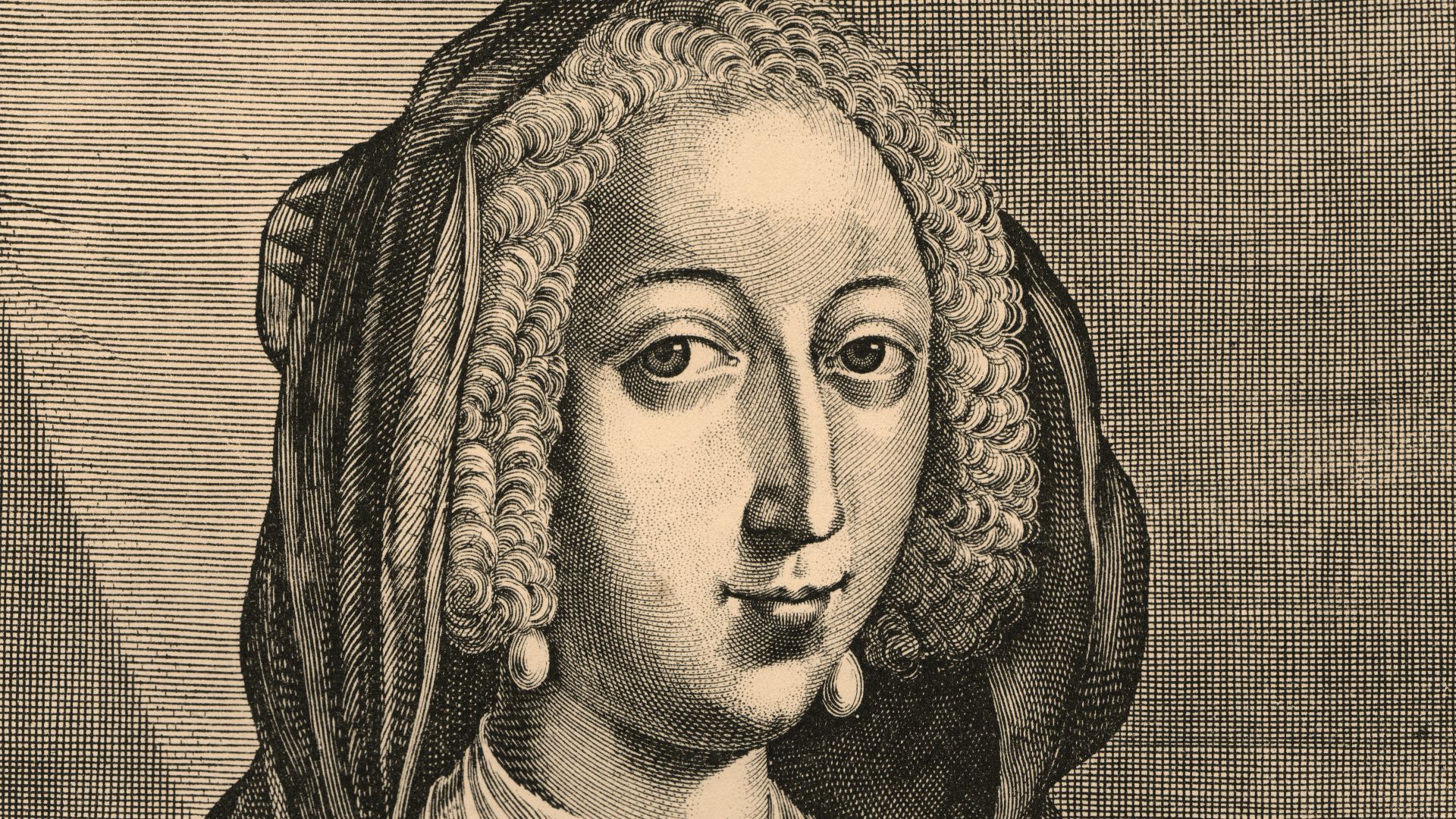
By May 1625, Maria Eleonora was pregnant again, and this time she was sure it would be a boy and that her child was sure to live into adulthood. In a rare good mood, she even went with her husband on the royal yacht one day to inspect the new Swedish fleets he would be bringing into his ever-present battles.
It was only a short jaunt away, no more than the other side of their castle, but it ended in horror.
 By unknown contemporary artists., Wikimedia Commons
31. She Was Caught By A Storm
As Maria Eleonora sat on the royal yacht, a freak storm hit the waters and seized the ship, nearly capsizing it. When the gales passed, the consequences were unimaginable. Attendants rushed the spooked Maria Eleonora back to the castle, only for her to stop and suddenly scream, “Jesus, I cannot feel my child!” The news was grim.

32. She Lost Everything Again
Shortly after the fright on the waters, Maria Eleonora birthed a stillborn child—the son she had always longed for and now mourned before she heard him take a breath. Whatever else came after, there is no doubt that Maria Eleonora never deserved the trials she was given during these pregnancies. It was almost too much for her to bear.

33. She Was In Tatters
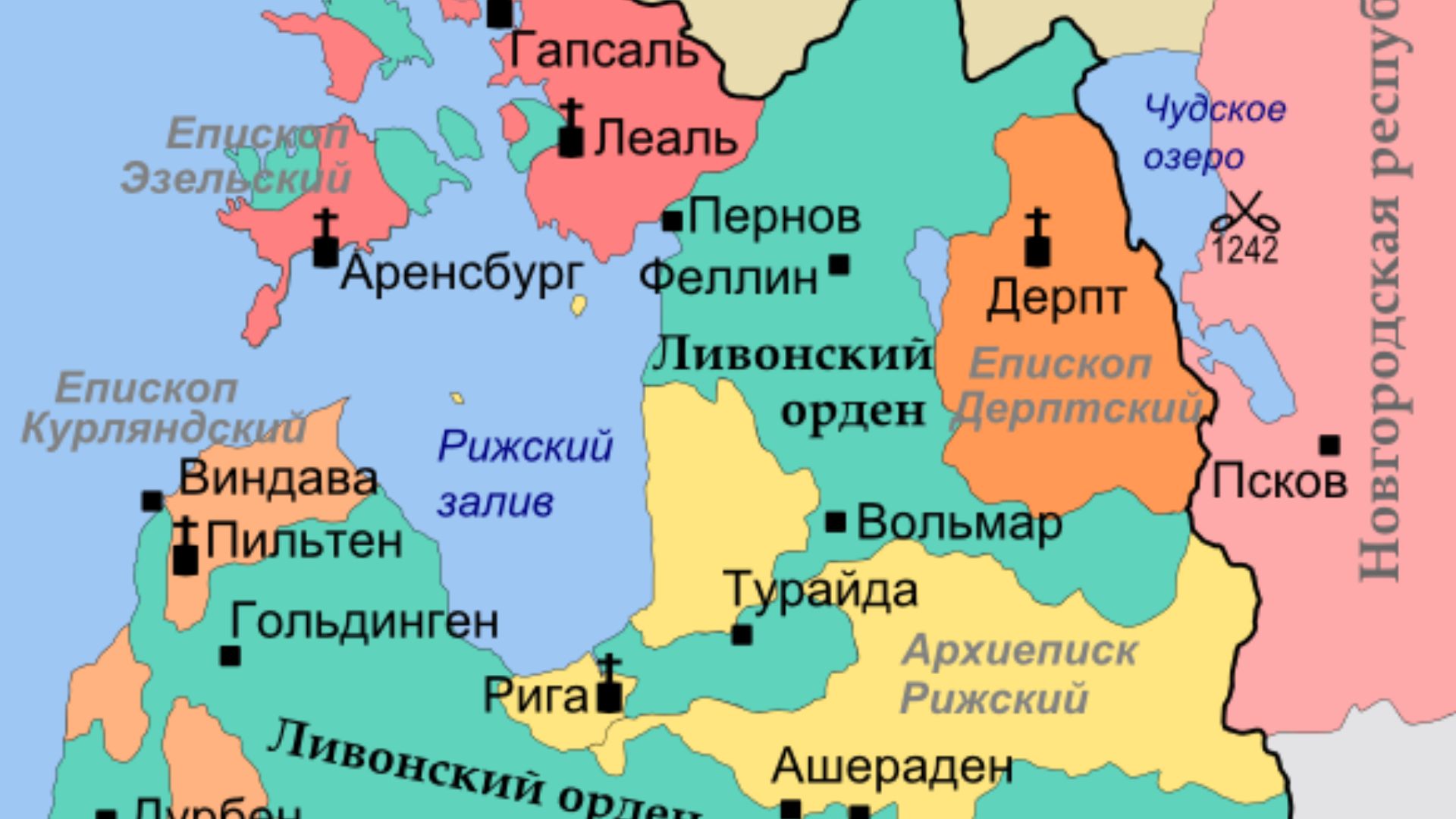
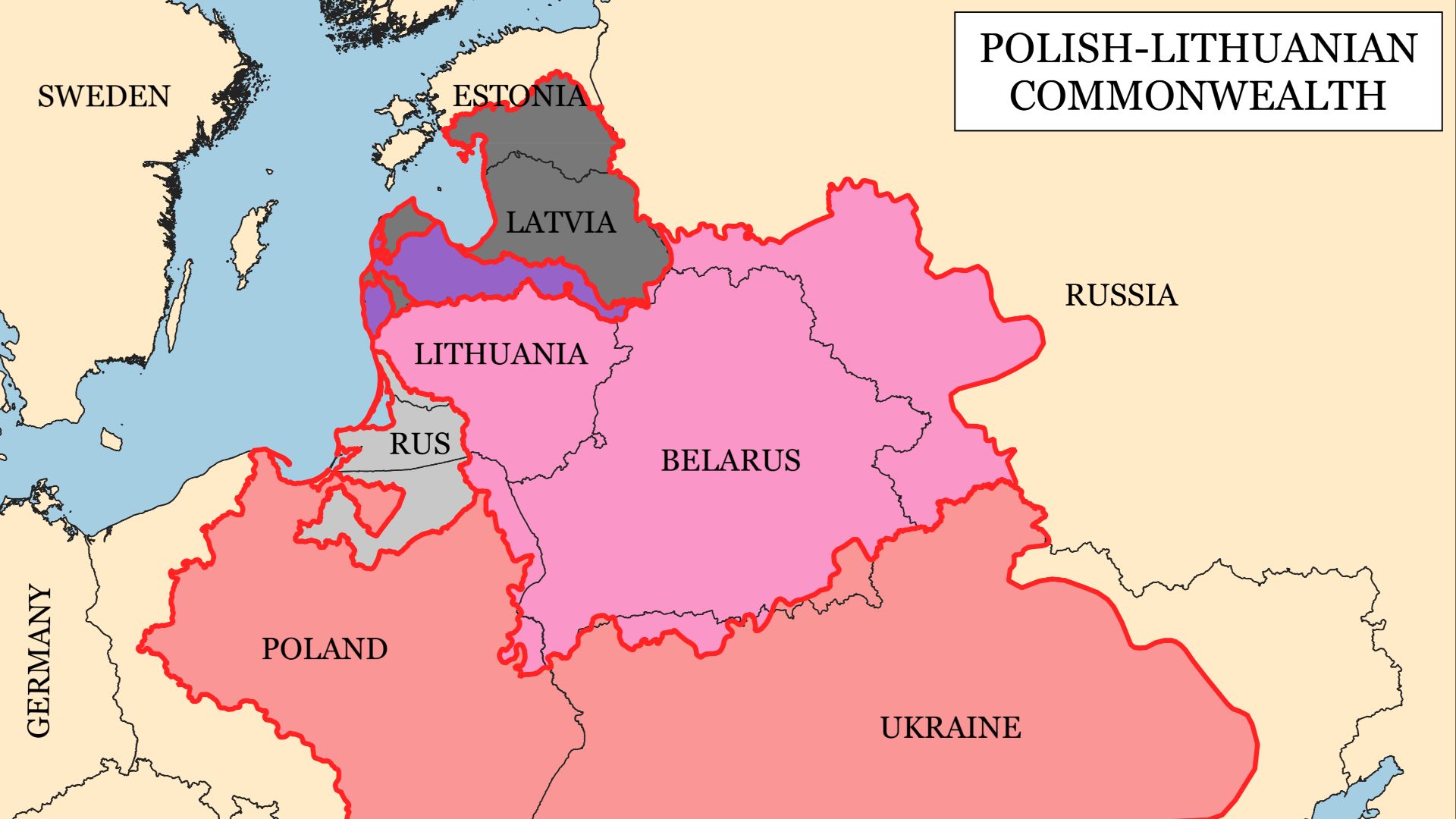
For the next months, Maria Eleonora’s mental health was in such a fragile state that even when Gustavus Adolphus began another conflict with Poland, leaving her for a time to go on the battlefield, he allowed her to join him in Livonia in January 1626 almost as soon as the Poles were defeated. There was, it seemed, no question of Maria Eleonora being able to be on her own.
Yet it was here that the next phase of her life began.
34. She Got Pregnant Again
While in Livonia, Maria Eleonora seems to have fallen pregnant for the fourth time, and by April she confirmed she was carrying a baby. It ignited all the same ragged hopes as before, with court astrologers predicting the birth of a son for Sweden at last. Maria Eleonora clung on to these predictions with everything she had left. So hard, she couldn’t let go.
35. She Had An Unusual Birth
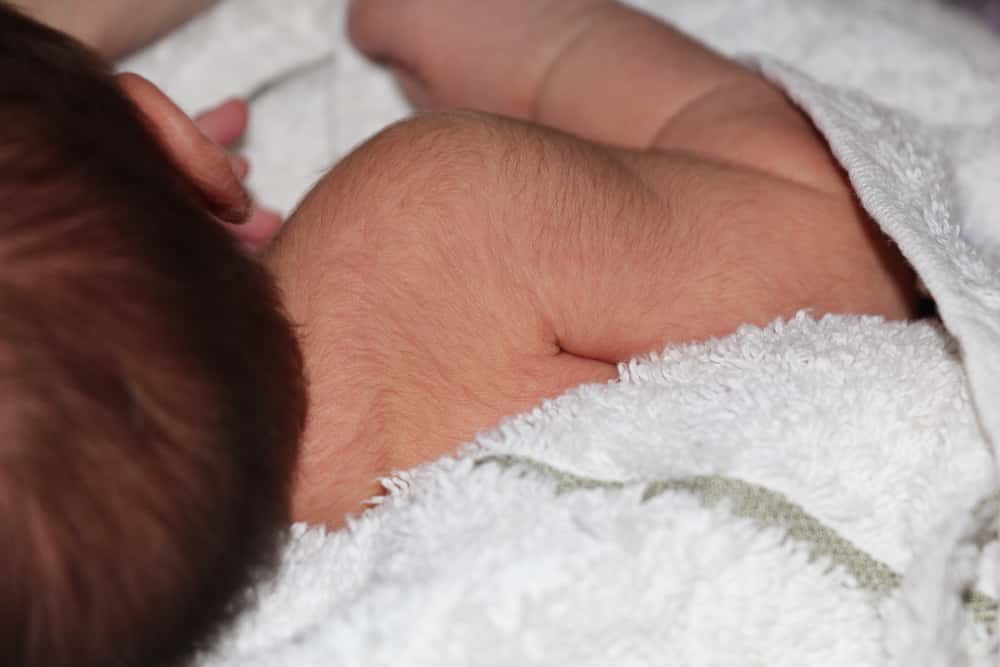
That December, Maria Eleonora went into labor, with Gustavus Adolphus making sure he was away from the fighting and at her bedside. It was like nothing anyone had experienced before. It was a particularly difficult birth, and when the baby came out, attendants saw it had a fleece—a lanugo—covering it from its head to its knees. But this was just the beginning.
36. They Got It Wrong
Because of all the hair covering the baby’s body, and because the baby also had a large nose, the attendants told Gustavus Adolphus that he finally had a healthy baby boy. Except—he didn’t. Some time after announcing the son, the courtiers realized the boy was, in fact, a girl.
But the king’s reaction to this was not what you might expect.

37. She Had A Clever Girl
Rather than tell him the disappointing news, Gustavus Adolphus’s half-sister actually just brought him his daughter and had him see for himself—at which point the King of Sweden, exhibiting a dry sense of humor, announced, “She is going to be clever, for she has taken us all in”. Indeed, whatever frustration the king had quickly dissipated, and he dubbed the girl Christina after his mother.
Maria Eleonora was not so sanguine.
38. She Had A Breakdown
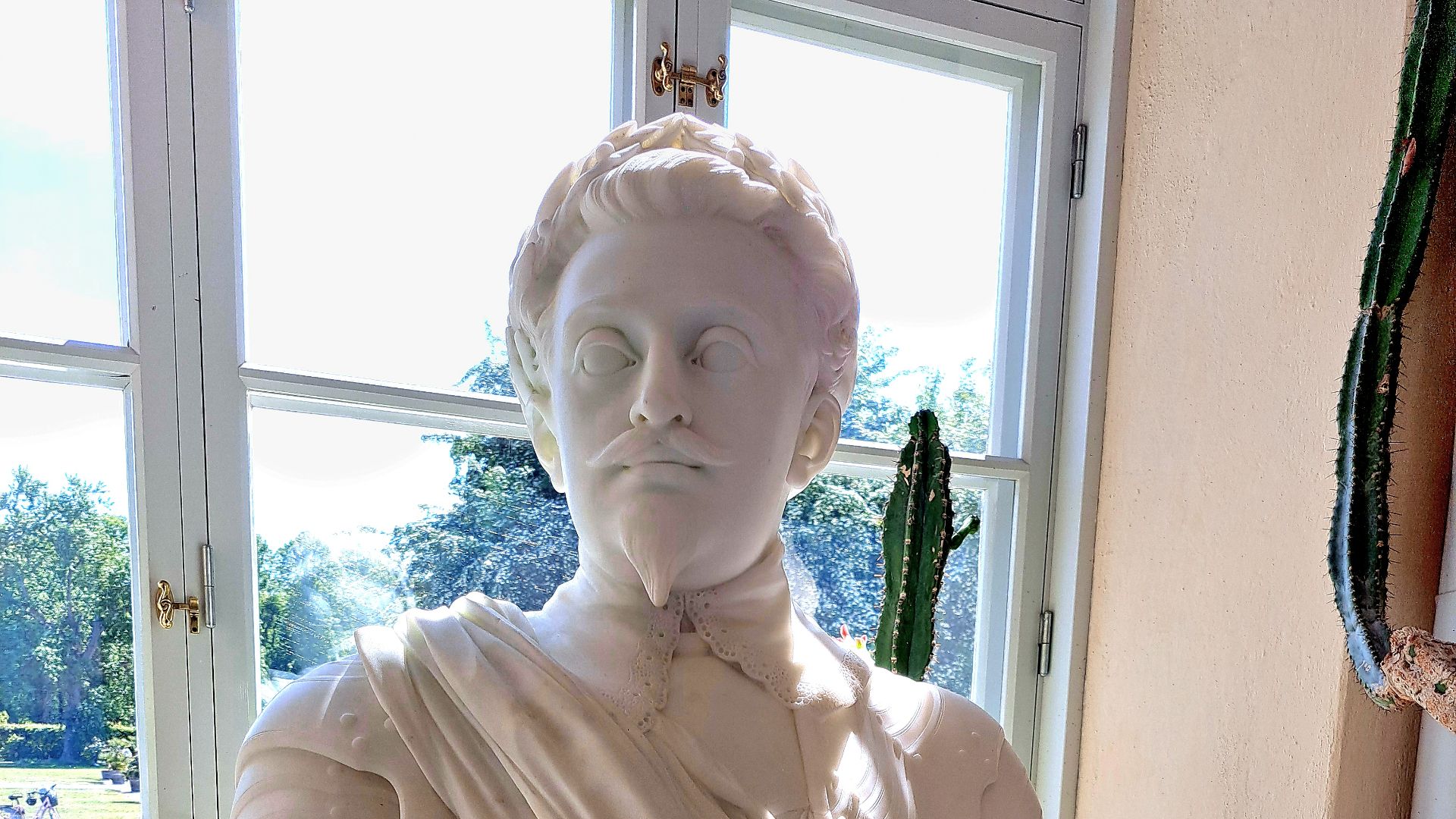
Fearing Maria Eleonora’s reaction, Gustavus Adolphus and the rest of his court kept the baby’s true nature secret from the queen for days. When they finally told her, all their fears were confirmed. She reportedly screamed in anguish, "Instead of a son, I am given a daughter, dark and ugly, with a great nose and black eyes. Take her from me, I will not have such a monster!"
Of course, we now know some of what was really going on.
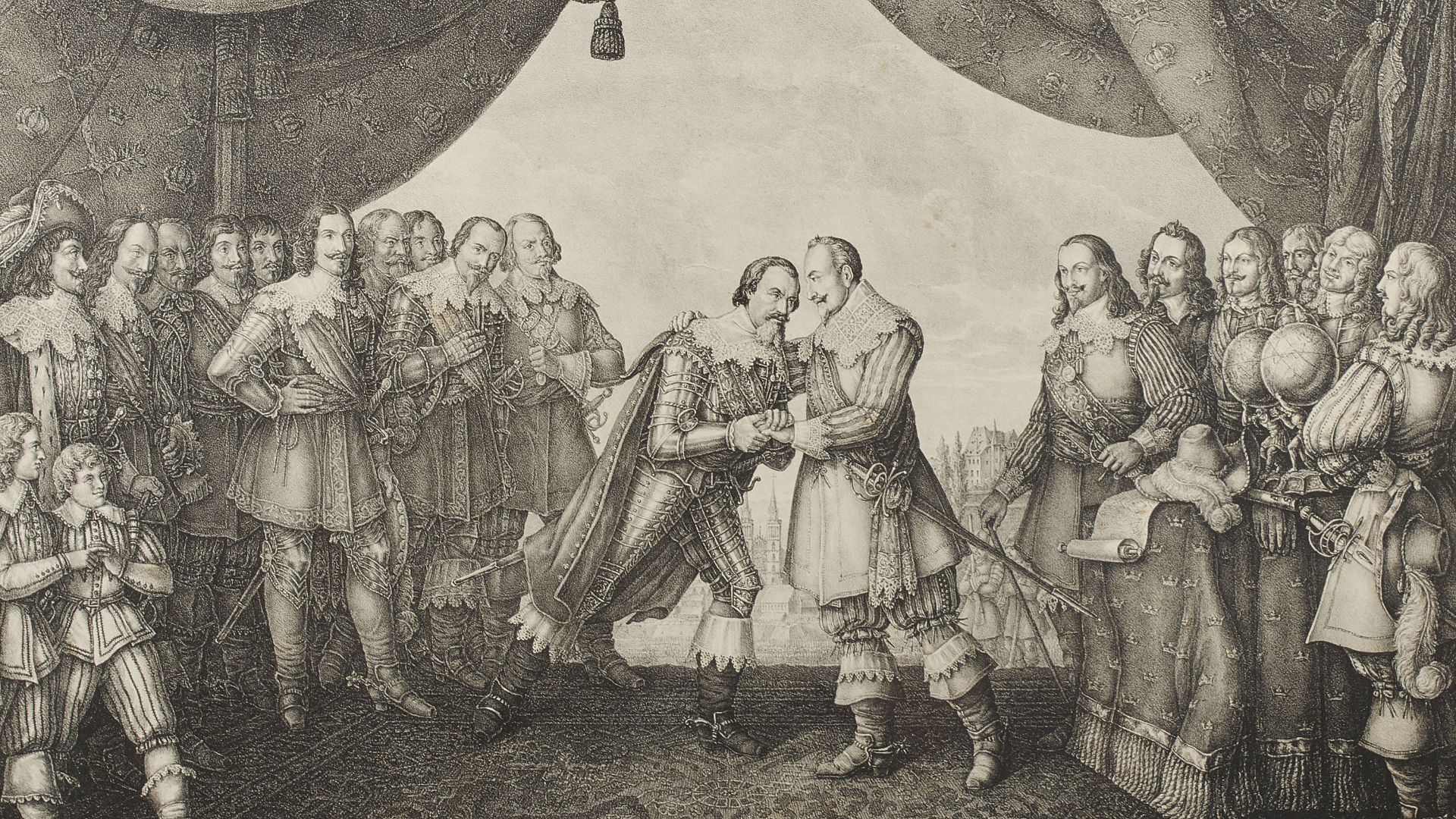 Unknown authorUnknown author, Wikimedia Commons
39. She Suffered From Depression
Gustavus Adolphus dealt with the arrival of a girl with jovial denial: He treated little Christina more like a son, announcing her birth with all the pomp and circumstance of a male heir, securing her right to the throne after him, and teaching her to like “male” activities as she grew up. Maria Eleonora, however, simply couldn’t reconcile herself, and sunk deeper into a mental illness that some historians now recognize as post-natal depression.
But there was no crawling out.
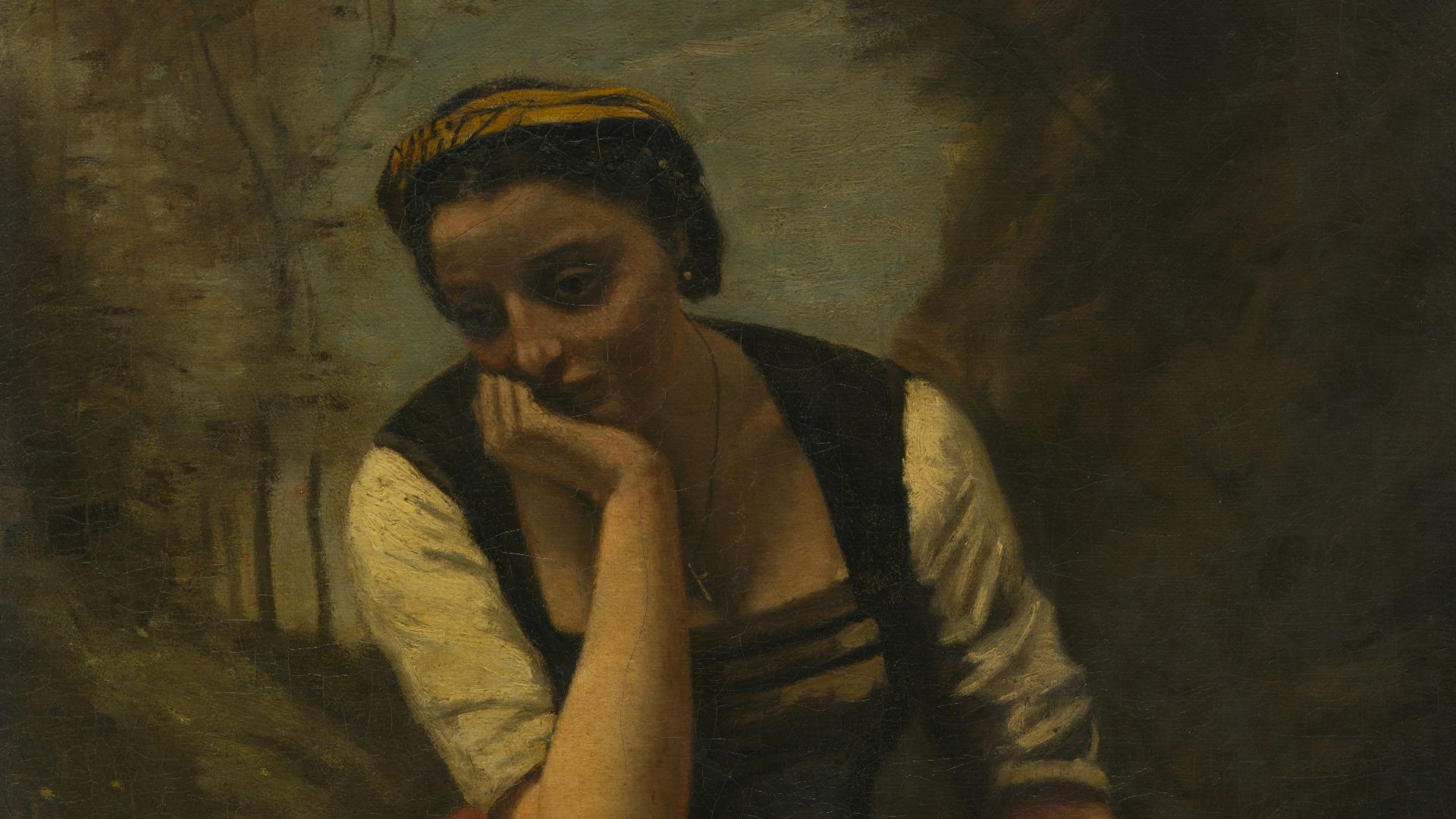 The Cleveland Museum of Art, Unsplash
40. She Tried To Hurt Her Daughter
As Maria Eleonora’s daughter grew healthier day by day, Maria Eleonora grew sicker and sicker. It led to a harrowing reality. Soon, the Queen of Sweden began actively trying to injure her infant daughter, and frequent “accidents,” including a beam falling on her cradle and a fall down a flight of stairs, occurred. At one point, a nursemaid dropped the girl on the stone floor, forever misaligning one of her shoulders.
But neither Maria Eleonora nor her husband predicted what was to come.
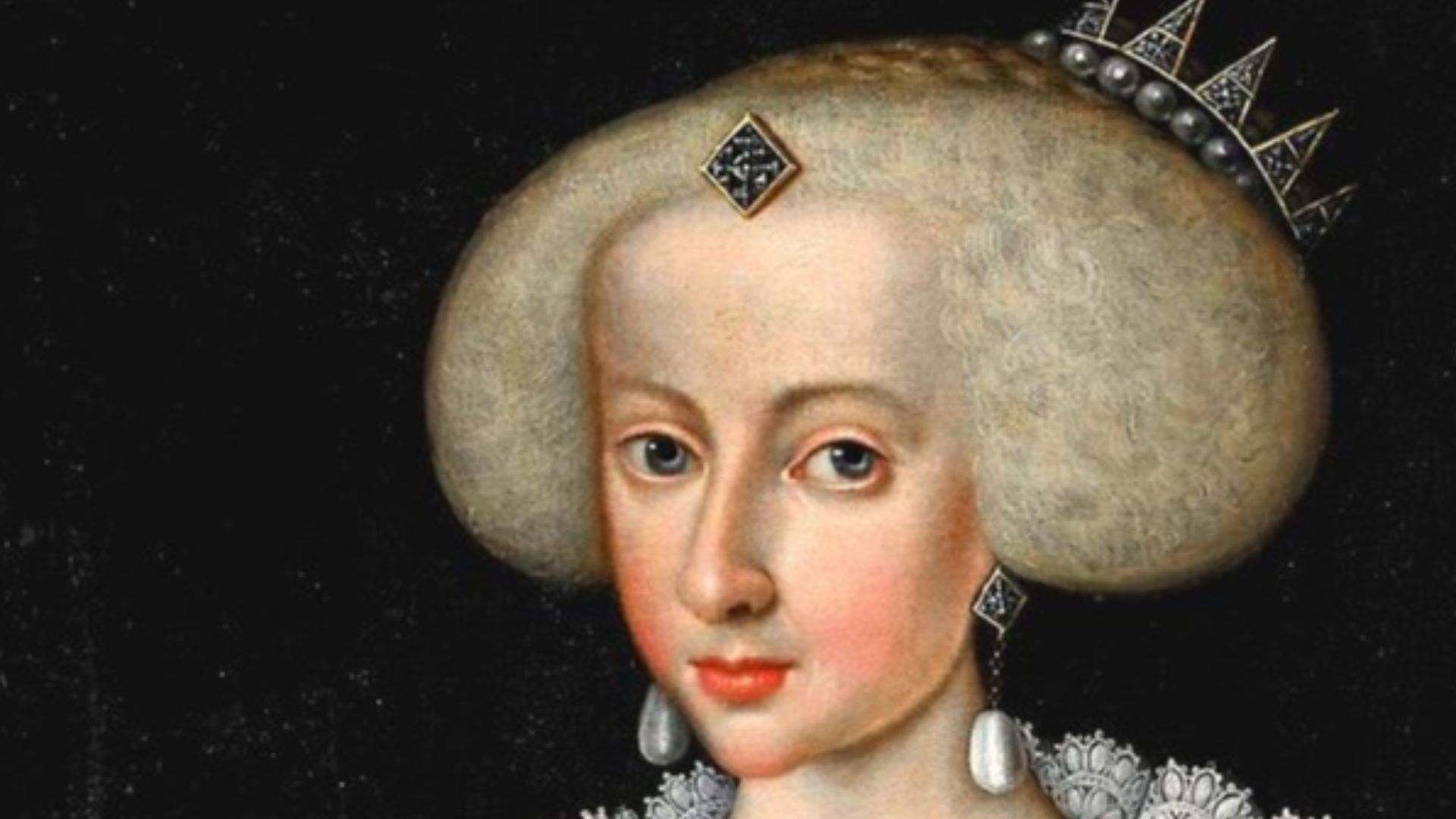 royal court painter Jacob Henry Elbfas (1600-1664), Wikimedia Commons
41. She Was A “Sick Woman”
As Gustavus Adolphus continued risking his life on the battlefield—much to Maria Eleonora’s dismay—his court began to worry about how to deal with his erratic wife if something happened to him. But, for all that he described her as a “very sick woman,” he couldn’t bring himself to exclude Maria Eleonora from any proposed regency.
"If anything happens to me,” he admitted to his chancellor, “my family will merit your pity…the mother lacking in common sense, the daughter a minor—hopeless, if they rule, and dangerous, if others come to rule over them." In the end, pity was the least of it.

42. She Thought She Was Worthless
By the 1630s, Gustavus Adolphus’s constant battle-readiness had utterly worn down Maria Eleonora, and she would write letters if he was late coming home from a campaign saying she wanted to die. Eventually, she grew so agitated that in October 1632, she joined him nearer to the current battlefield in Erfurt. Still, it wasn’t enough: when Gustavus Adolphus left her this time, she wrote to a confidant, “without [his] presence, I am worth nothing, not even my life”.
Just days later, the worst happened.

43. Her Worst Nightmare Became Reality
In November of 1632, fate finally caught up to Maria Eleanora’s warrior husband: At 37 years old, Gustavus Adolphus was shot in the back on the battlefield, dragged by his terrified horse, and then shot again, this time fatally in the head.
Attendants would find his body face down in the mud and bare of all his belongings but his shirt. They would find Maria Eleonora completely untethered from reality.
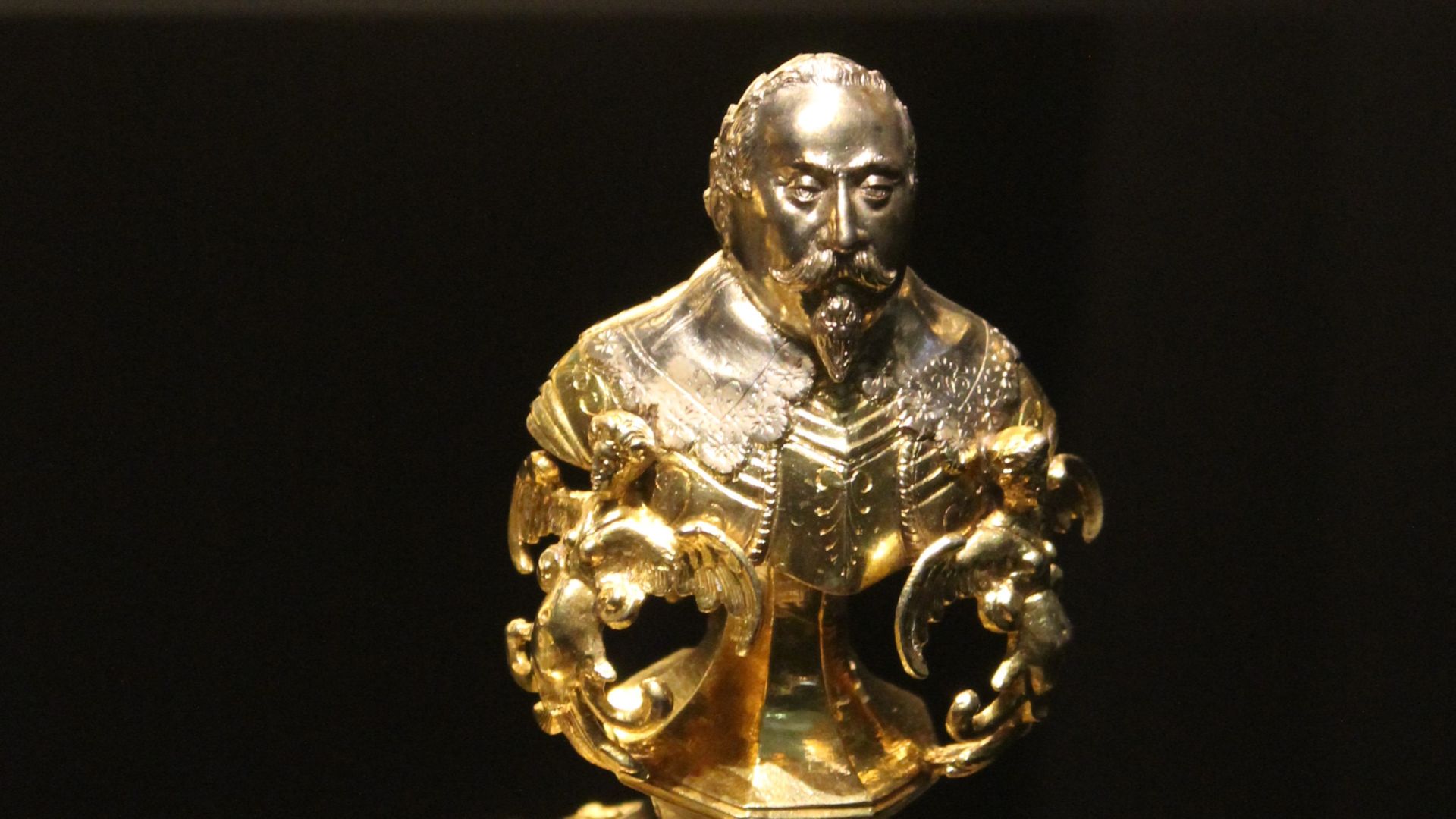 Jonathan Cardy, Wikimedia Commons
44. She Refused To Bury Her Husband
In the wake of her beloved husband’s death, Maria Eleonora became more deranged than ever. When she returned to Sweden with her husband’s body, she kept insisting that they delay burying him, and would spend entire days with the corpse and its open coffin, often patting it and ignoring the obvious decay. It very much got worse.
 Mrblackmanelakash, Wikimedia Commons
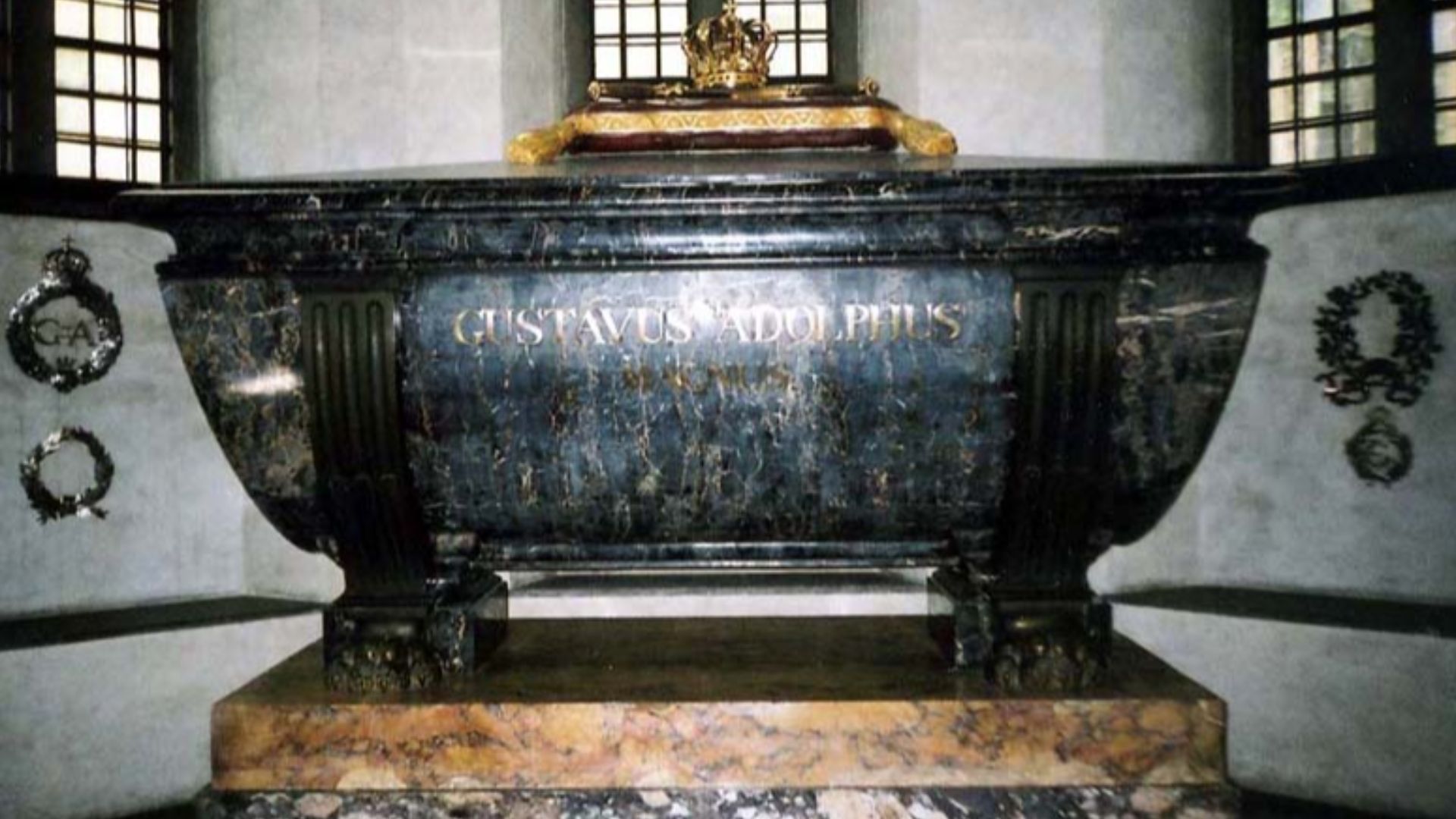
45. She Tried To Dig Up His Body
Eventually, after 18 long months, one of Gustavus Adolphus’s most trusted chancellors finally managed to get his body interred in June of 1634—only to have Maria Eleonora try to dig it up. Indeed, she was only permanently deterred after the court posted a full complement of guards outside the burial site to keep watch for their unhinged queen.
Nonetheless, Maria Eleonora was no danger to Gustavus Adolphus’s body. The same wasn’t true of her daughter.
 Jacob Truedson Demitz for Ristesson, Wikimedia Commons
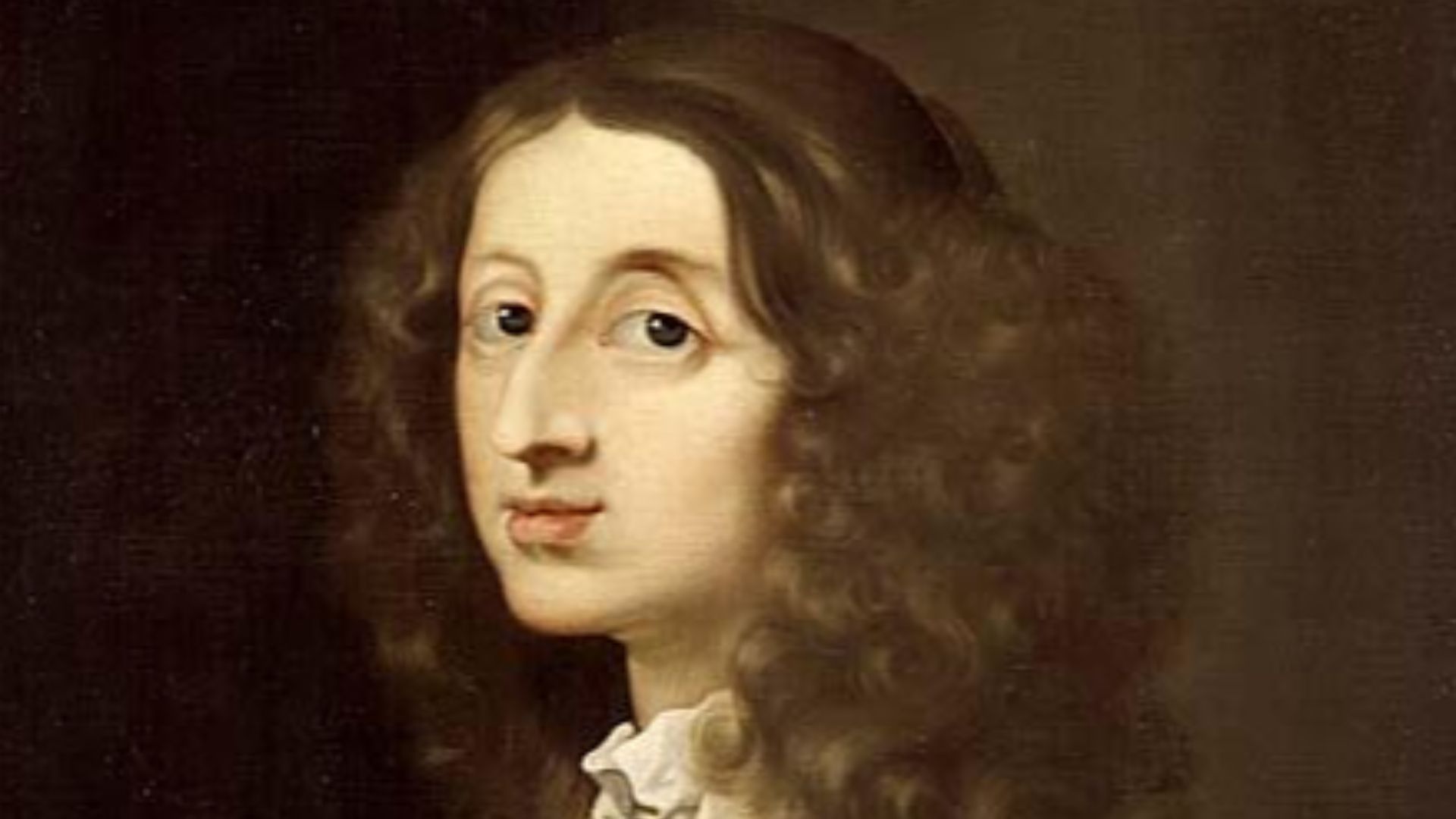
46. She Smothered Her Daughter
Where before Maria Eleonora had been distant from her daughter Christina, she now clung to her like a life raft. When Christina met her mother during her father’s funeral procession, she described how Maria Eleonora “drowned me with her tears and practically smothered me in her arms”. Indeed, Maria Eleonora was now constantly weeping, for hours and sometimes days on end.
Her requests, too, grew morbid.
 Sébastien Bourdon, Wikimedia Commons
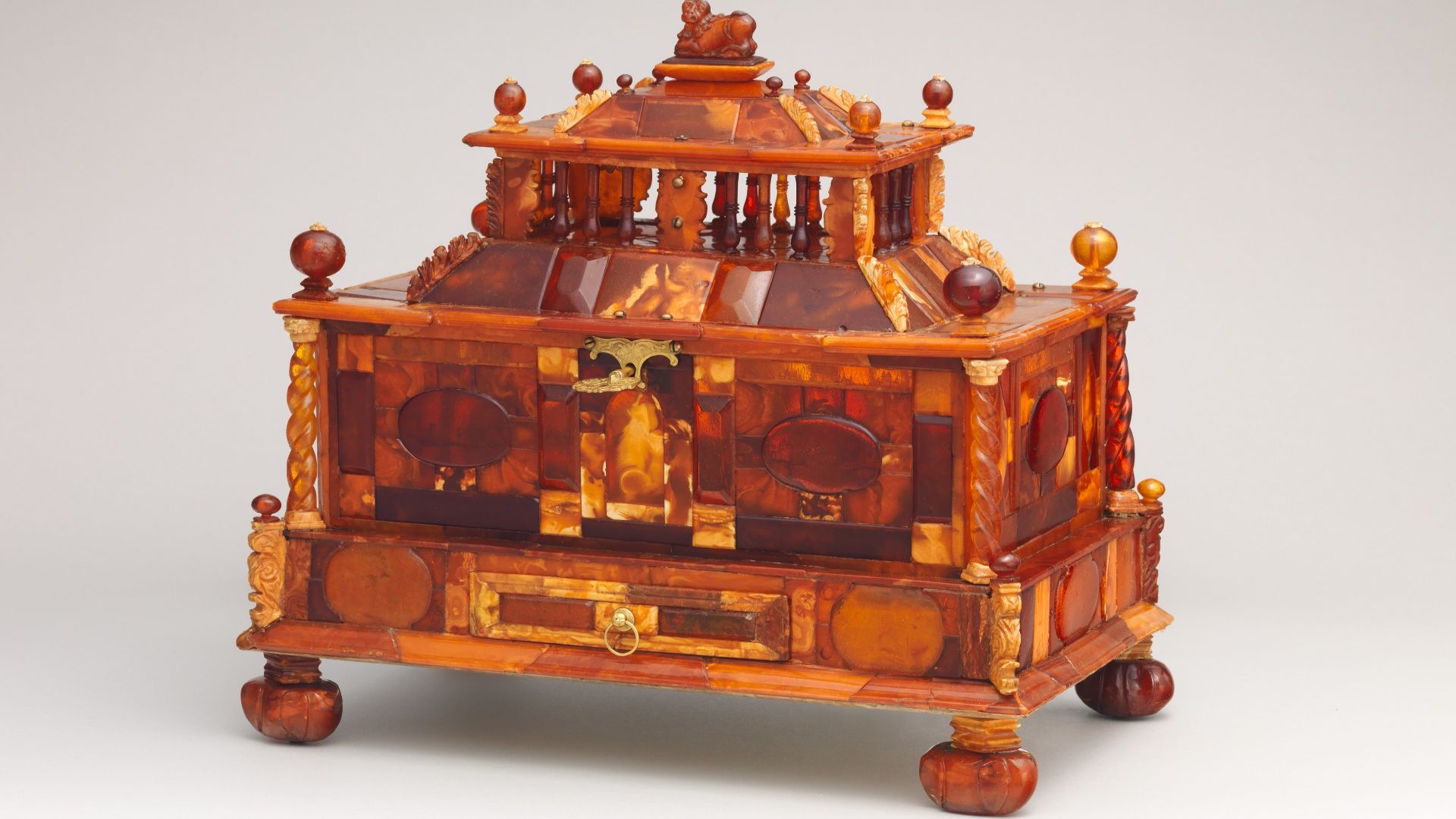
47. She Kept Her Husband’s Heart For A Gross Purpose
During this time, Maria Eleonora had embalmed Gustavus Adolphus’s heart, and she now hung it in a golden casket above her daughter’s bed, forcing Christina to sleep under it. To add to this penance, for more than a year she kept Christina in windowless black-draped rooms as a symbol of the family’s mourning, and would protest and weep whenever someone tried to take her daughter away from her.
It was clear, then, that something needed to be done.
 Creator:Michel Redlin, Wikimedia Commons
48. She Lost Her Maternal Rights
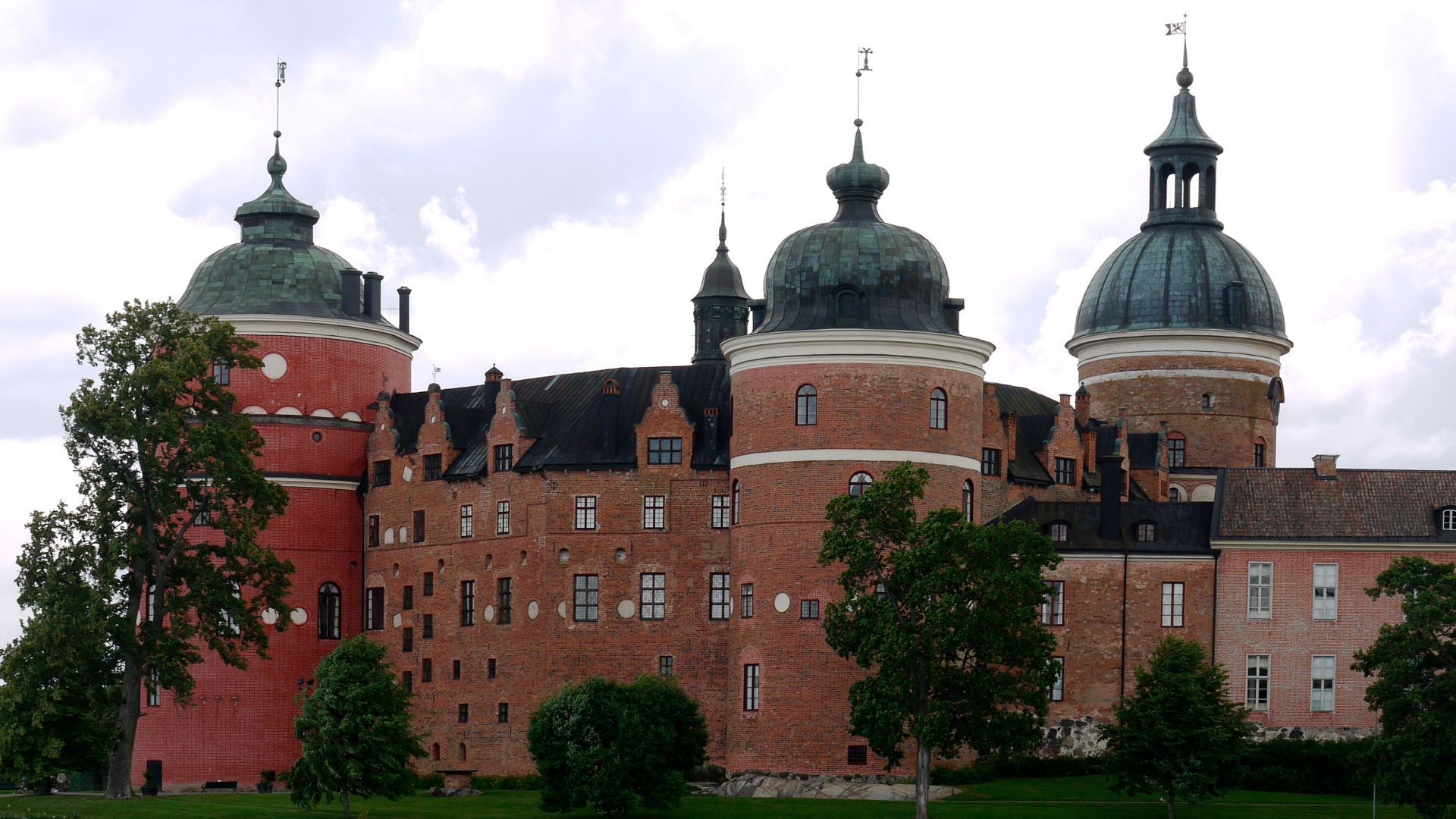
Although there had been some finagling about Maria Eleonora’s role in Christina’s regency, given that Gustavus Adolphus had never explicitly excluded her, eventually her mental illness grew so pronounced that no one could countenance the idea of her even being in Christina’s life: In 1636, she lost parental rights over her daughter and was exiled to Gripsholm Castle.
Yet even exile couldn’t hold her.
 Xauxa Håkan Svensson, Wikimedia Commons
49. She Plotted With The Enemy
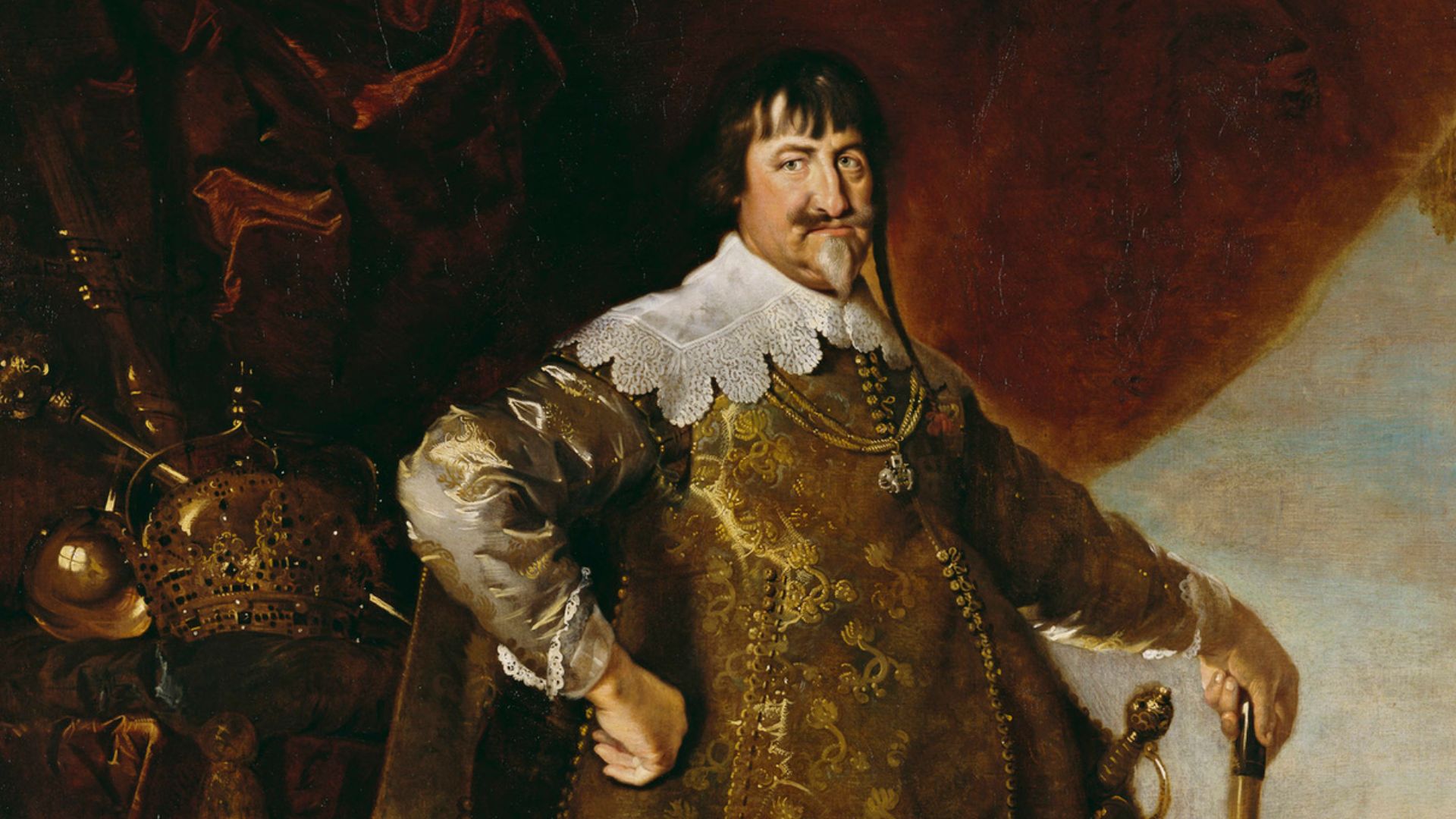
In order to escape her seclusion, Maria Eleonora corresponded secretly with King Christian IV of Denmark, an enemy of Sweden, and attempted to convince him to help her escape. It brought tears. Her messages were intercepted, and she had to go in front of her 13-year-old daughter and beg, weeping, for forgiveness. But she didn’t change her plans.
 Karel van Mander III, Wikimedia Commons
50. She Escaped Exile
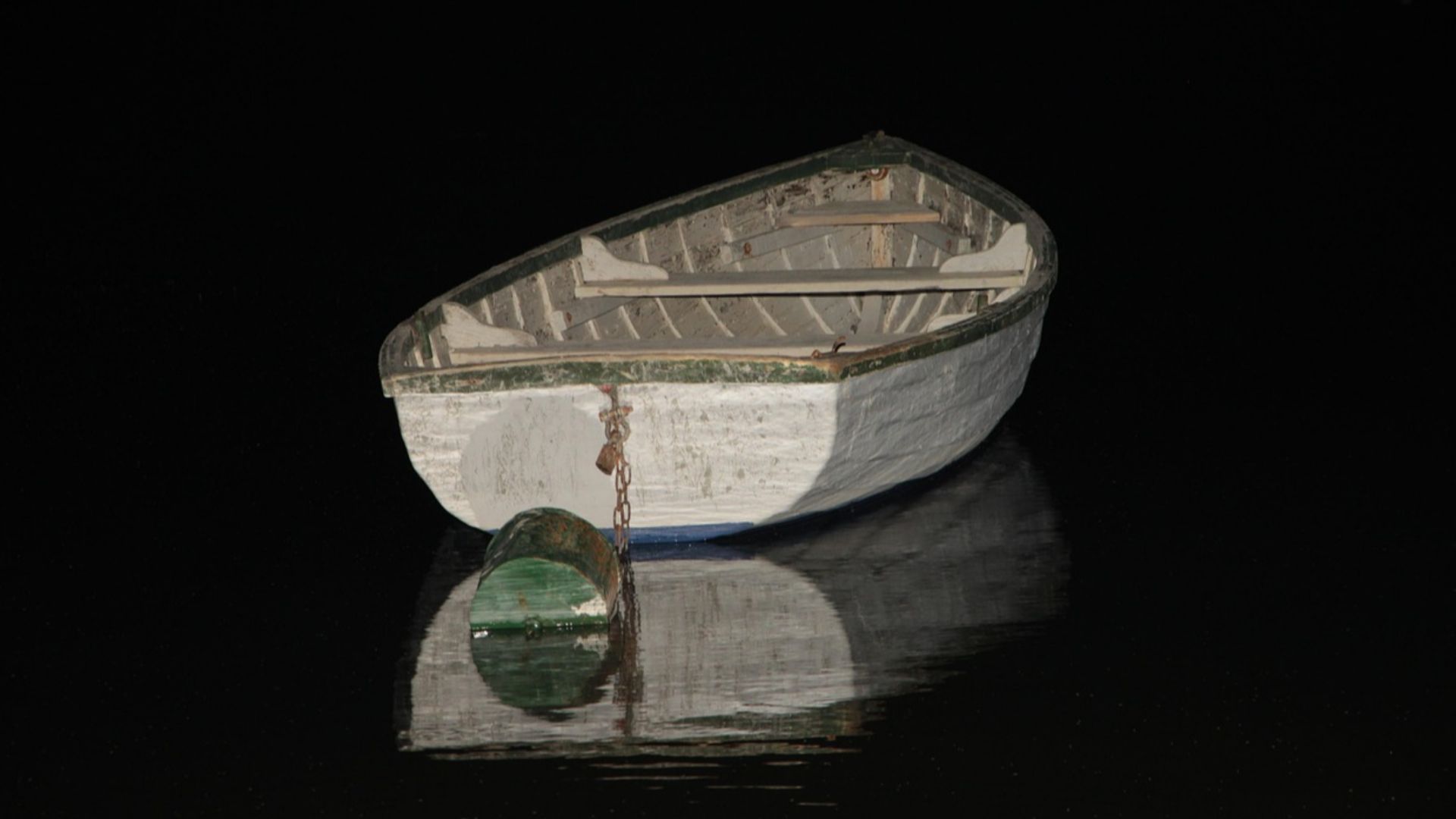
Maria Eleonora was nothing if not single-minded, and even the well-being of her young daughter’s country couldn’t dissuade her from getting away from the moldering Gripsholm Castle. In the summer of 1640, after four years of exile, the 40-year-old Queen Dowager and her lady-in-waiting snuck out a window of the castle, lowered themselves into a boat below, and made their way over enemy lines into Denmark.
Somehow, this time it worked.
51. They Gave Up On Her
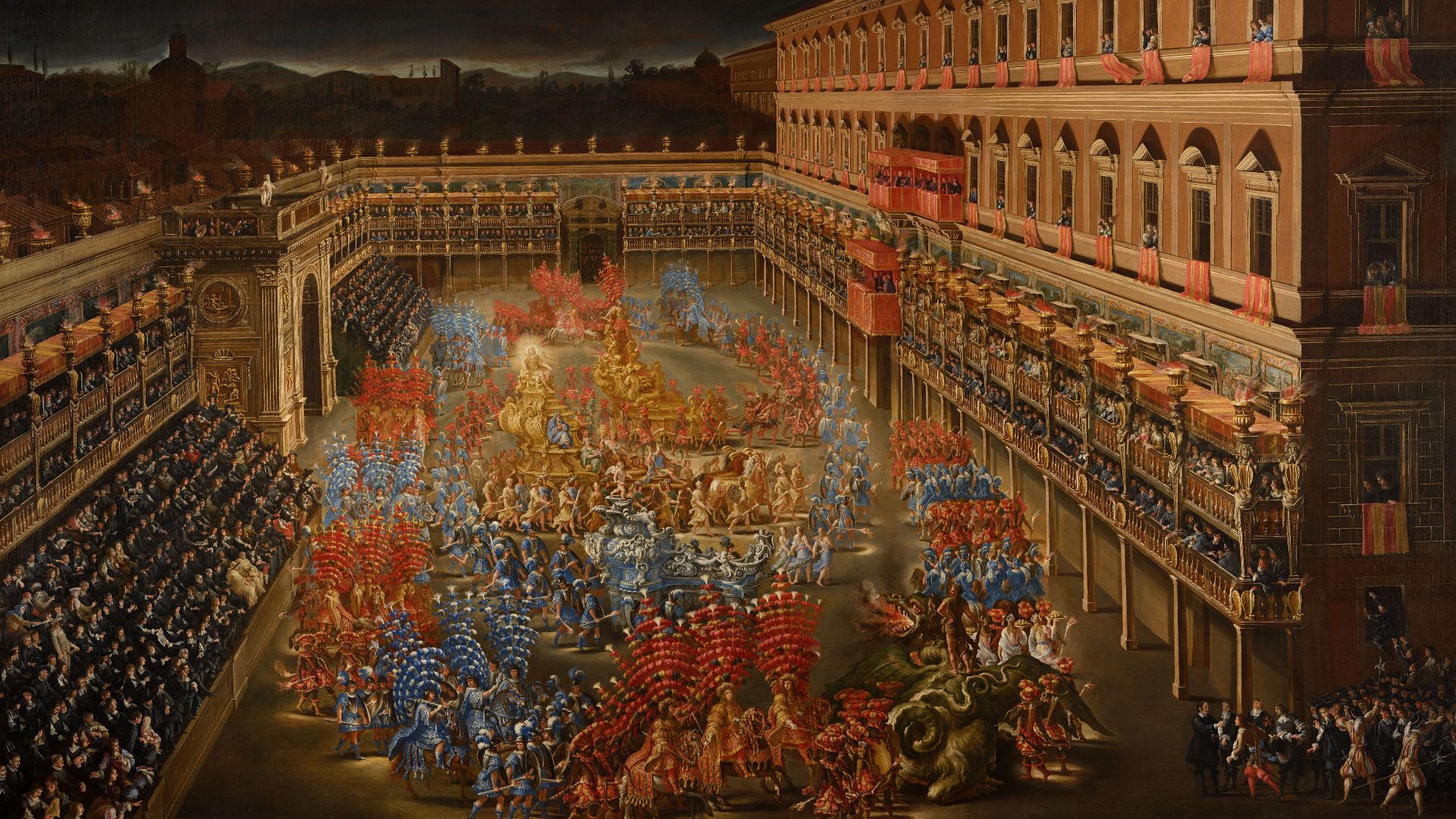
After years of being ungovernable, this last escape finally seemed to convince people to stop trying to control Maria Eleonora. From then on, she was largely allowed to flit back and forth between Denmark, Brandenburg, and Sweden at her (often erratic) whim. The Swedish court even begrudgingly accepted her presence at her daughter’s delayed coronation in 1650.
Against all odds, it looked like Maria Eleonora would ease into old age peacefully. It almost even happened—almost.
 Filippo Gagliardi / Filippo Lauri, Wikimedia Commons
52. Her Daughter Abdicated
Maria Eleonora’s daughter Christina hadn’t appeared to inherit her mental illness, but she certainly inherited her defiance. In 1654, she shocked everyone. Bookish, intelligent, and despairing particularly of the idea that she had to marry, Christina of Sweden abdicated the throne to her cousin just four years after her coronation.
To say this killed Maria Eleonora is…not quite an overstatement.
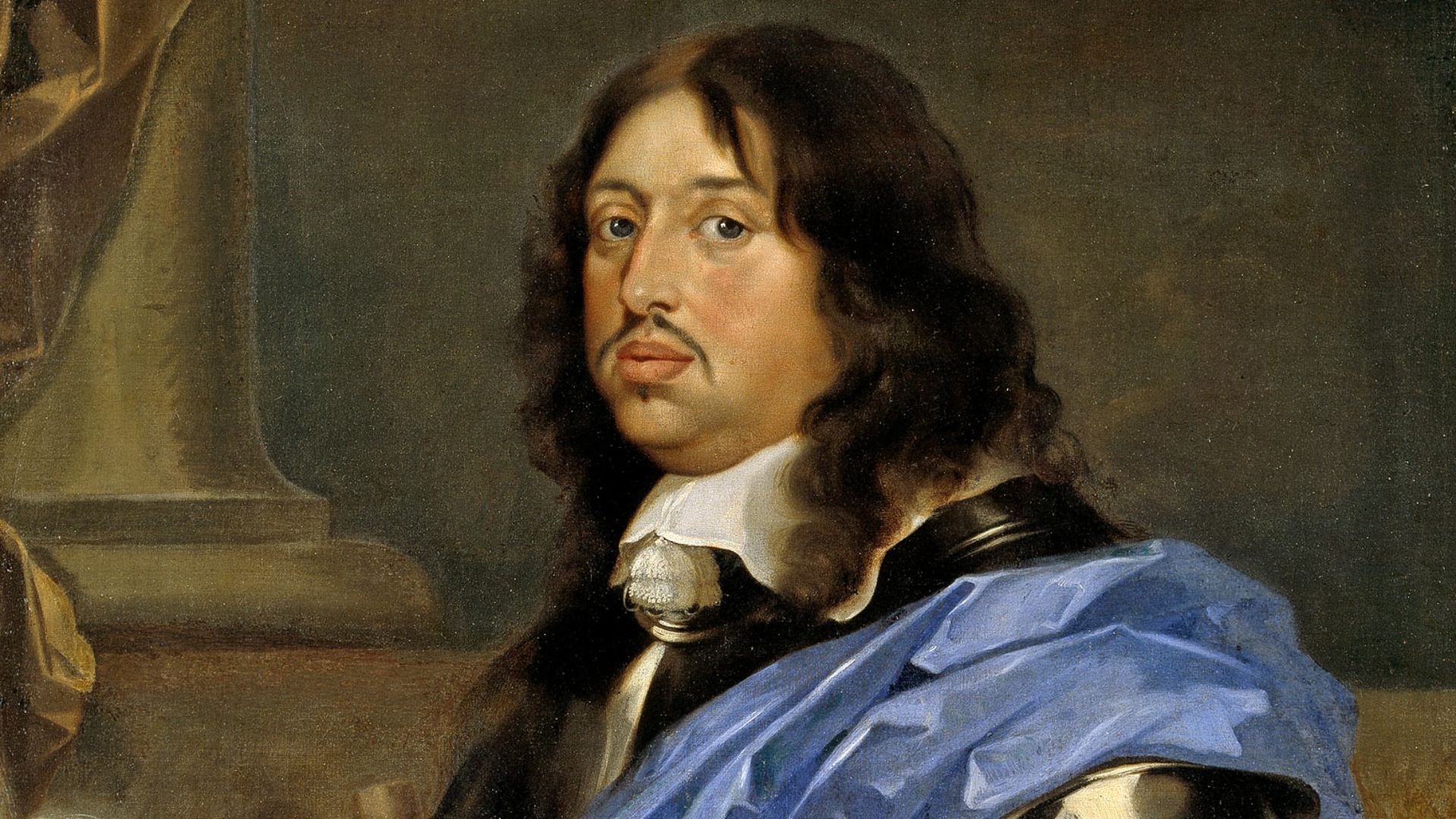 Sébastien Bourdon, Wikimedia Commons
53. Her Life Ended In Infamy
By the time Christina abdicated, Maria Eleonora was in her 50s, and desperately anxious about what this would mean for her own finances and stability, despite her daughter’s promises that she would be provided for. In the end, it didn’t matter: Maria Eleanora died a bare nine months after her daughter’s abdication, having lived to see the end of her short-lived dynasty. With her, a lifetime of anguish was finally laid to rest.
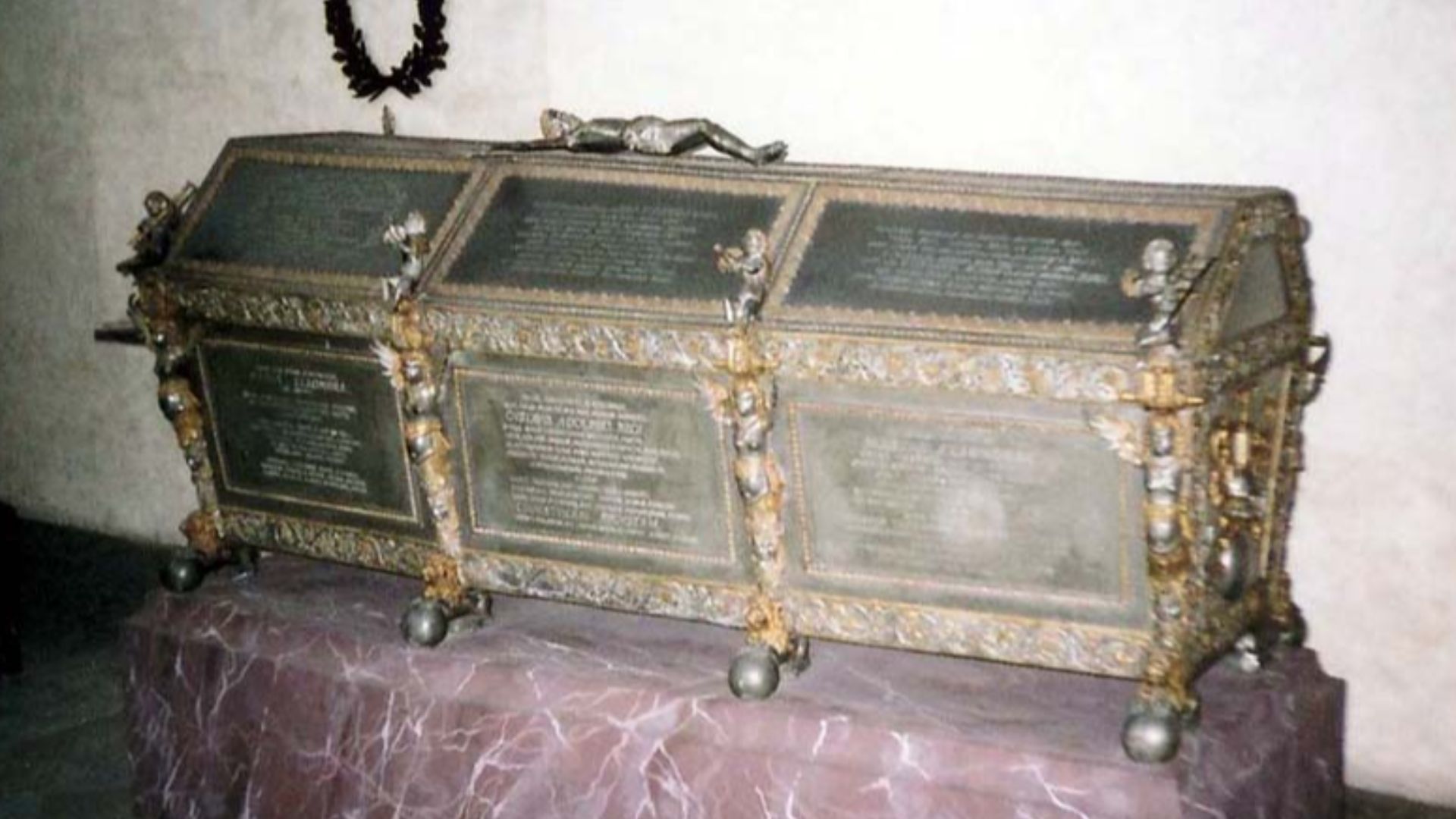 Jacob Truedson Demitz for Ristesson, Wikimedia Commons
You May Also Like:
Christina Of Sweden, The Troublemaker Queen
Astrid Of Sweden, The Snow Princess
Sweden’s Cursed Countess