
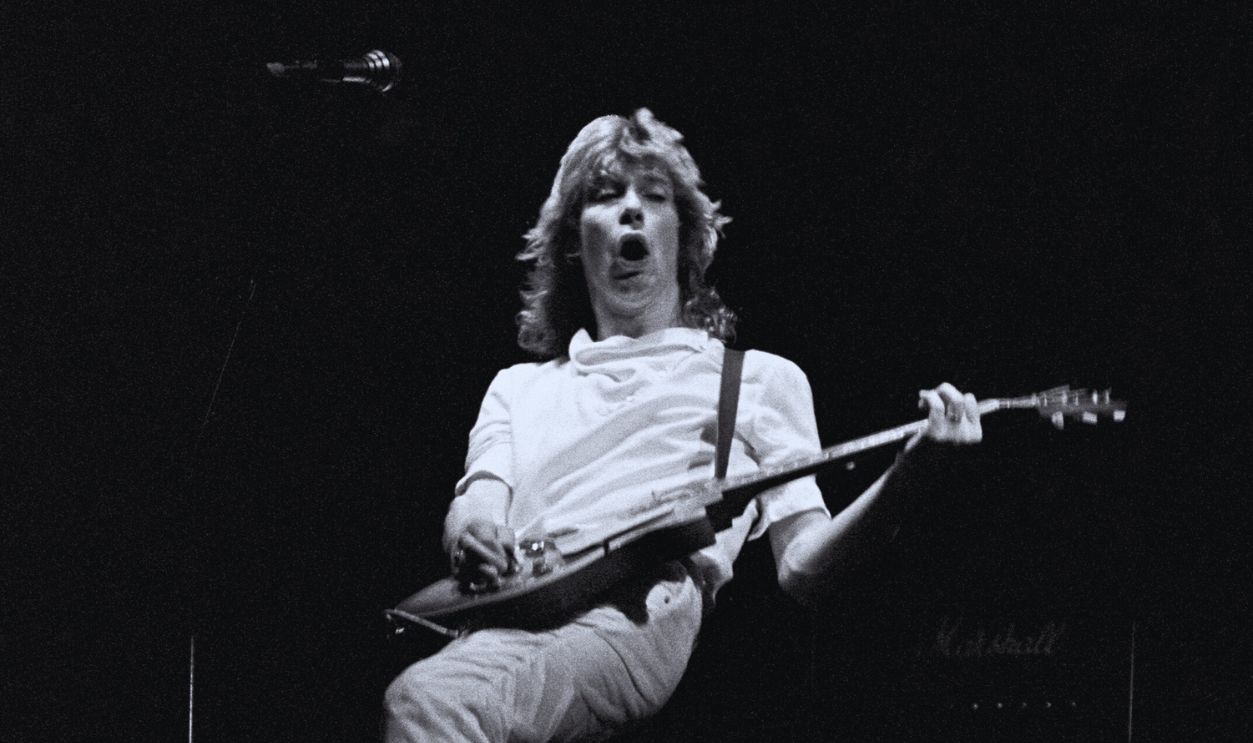
He Shredded (Himself Mostly)
Steve Clark was the guitarist and songwriter who shredded for Def Leppard. But the only thing he shredded harder than a guitar riff was his liver. His struggles with alcoholism ultimately led to his demise at the tender age of 30. But not before he left his mark.
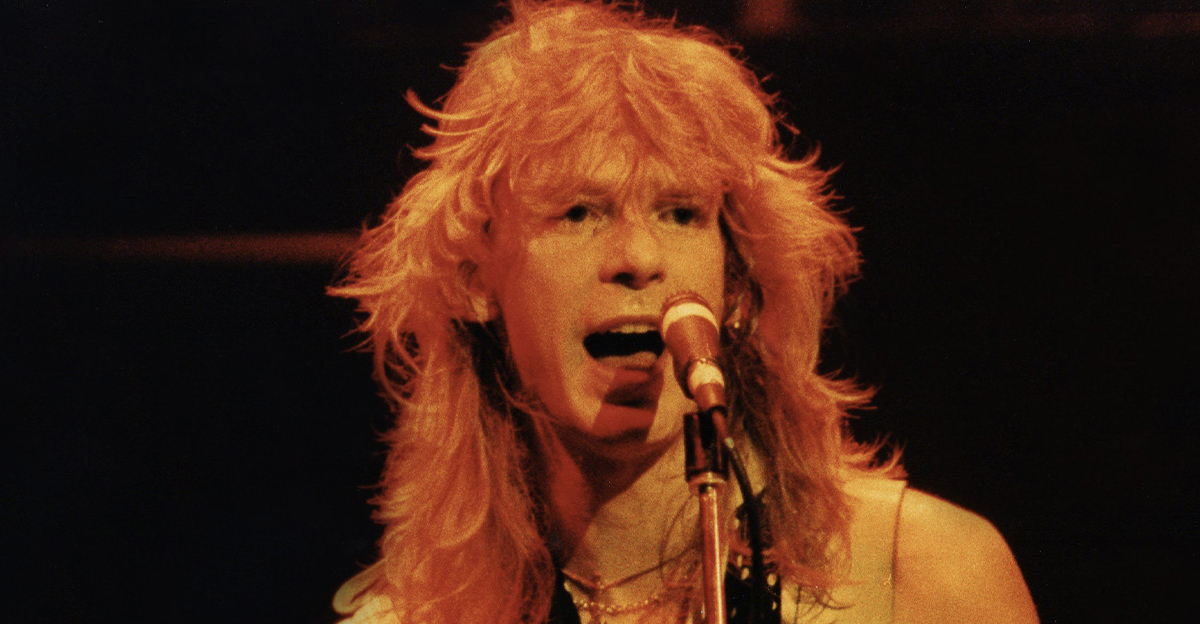
1. He Was From Merry England
Steve Clark had an inauspicious beginning. Born to Barrie and Beryl Clark on April 23, 1960 in Sheffield, England, his quiet infancy couldn’t have been further from his hard rock future. Clark’s father was but a humble taxi driver, meaning that music would have to be something that Clark discovered all on his own.
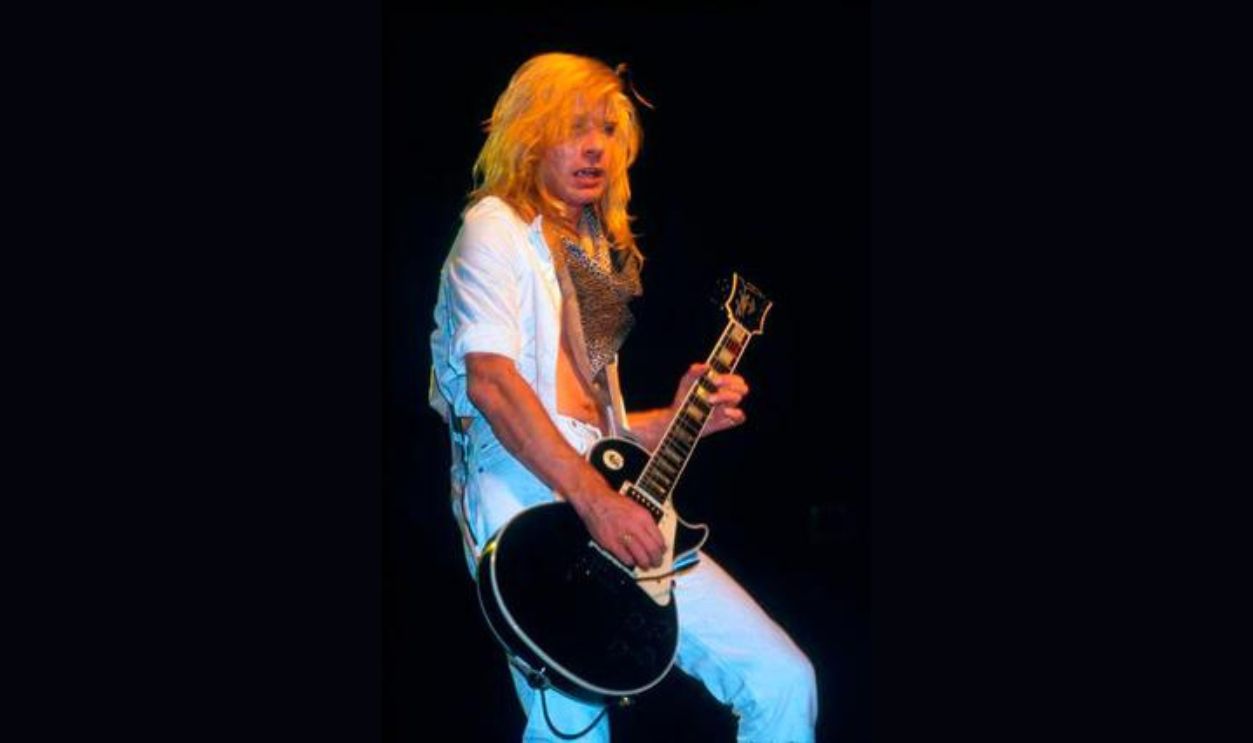
2. He Attended His First Concert
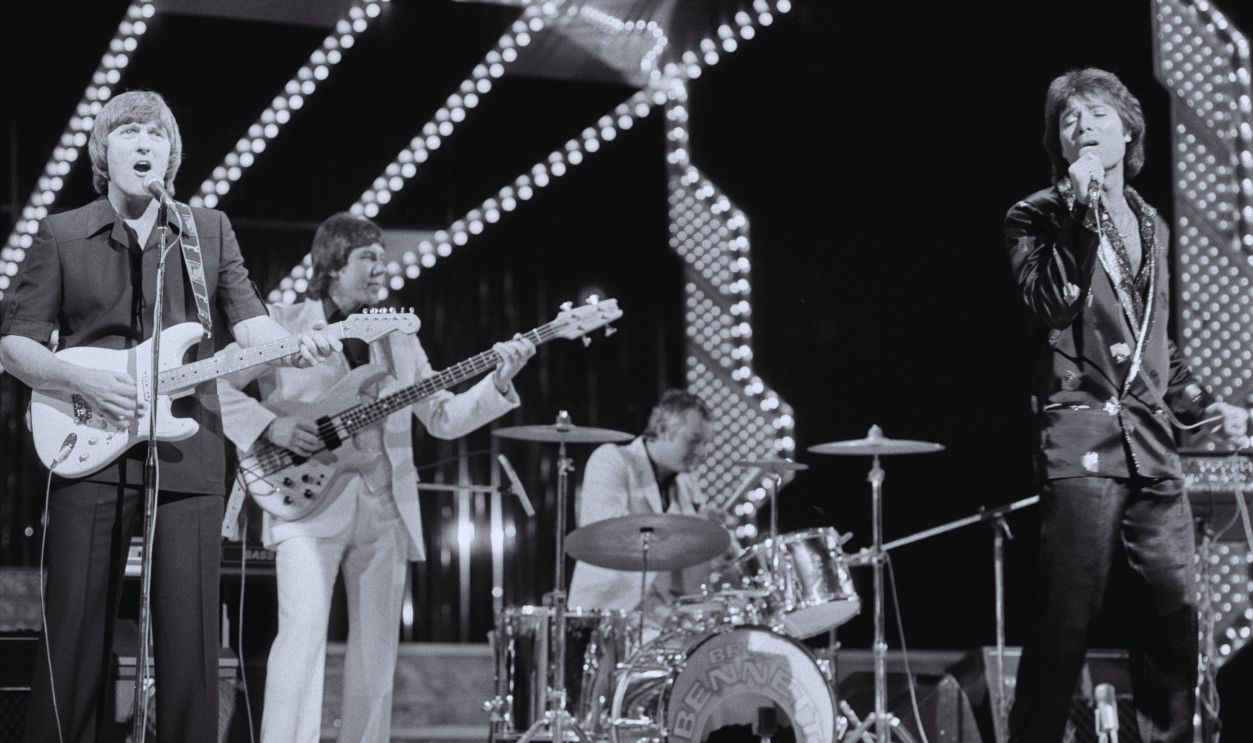
It didn’t take Steve Clark very long to find his true calling in life. When he was just six years old, he attended a Cliff Richard and the Shadows concert. It was his first time hearing live music—and the experience left quite the impression. At that moment, he knew that he wanted to pursue music. He just needed a little support.
3. He Got His First Guitar (With Strings)
Clark’s interest in music continued to grow as he grew older. But it wasn’t until he was 11 that he finally got his first real chance to explore his talents. His hardworking father saved up money and bought the aspiring musician his very first instrument: a shiny new guitar. It’s fair to say that it came with “strings” attached.

4. He Had To Learn “Properly”
Steve Clark was lucky enough that he had his parents’ full support in his musical pursuits. In fact, Clark might never have become a legendary guitarist had it not been for his father. You see, Clark’s father had only given him the new guitar on one condition: he had to learn to play it “properly”.
Suffice to say, he wasn’t shredding from the beginning.
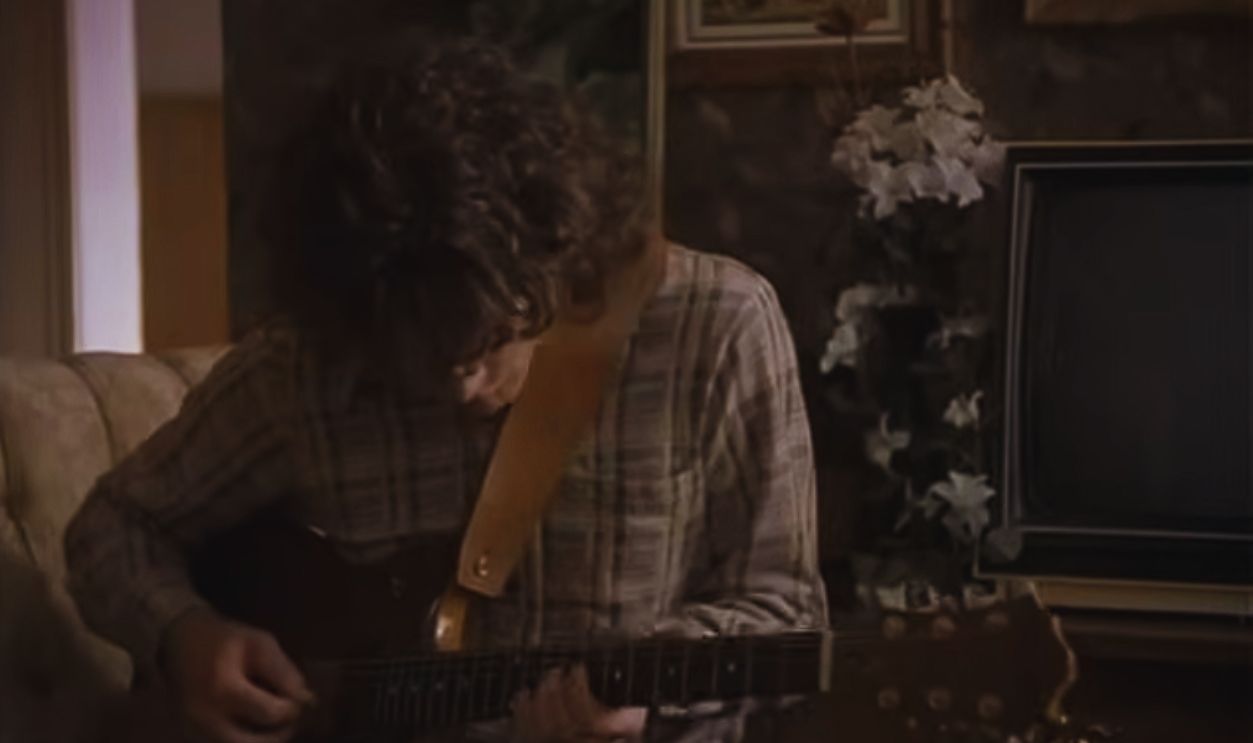 Screenshot from Hysteria: The Def Leppard Story, VH1 (2001)
5. He Was Classically Trained
When he first learned to play the guitar, Clark wasn’t exactly a rock and roll prodigy. In fact, he was basically the opposite. To learn the guitar as his father had instructed and to really understand music, Clark studied classical guitar. He was riffing some Rachmaninoff and shredding Chopin for a year before fate intervened.
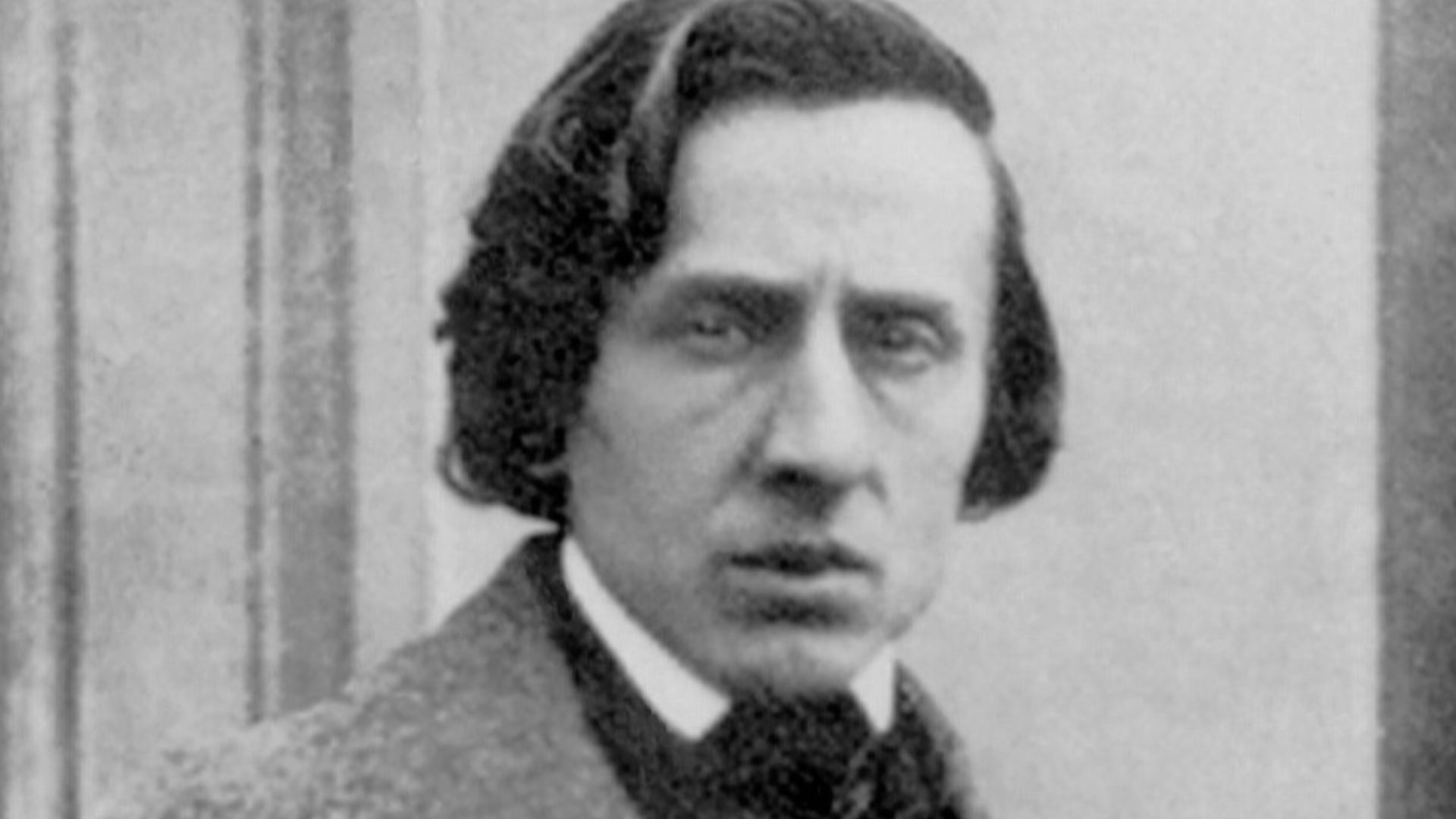 Louis-Auguste Bisson, Wikimedia Commons
6. He Defenestrated His Guitar
It was at a friend’s house that Clark’s musical world shifted from sleep-inducing concertos to head-banging rock and roll. After listening to Led Zeppelin’s “How Many More Times”, Clark allegedly chucked his classical guitar through a window and declared, “That’s what I’m going to do”. It would be…eventually.
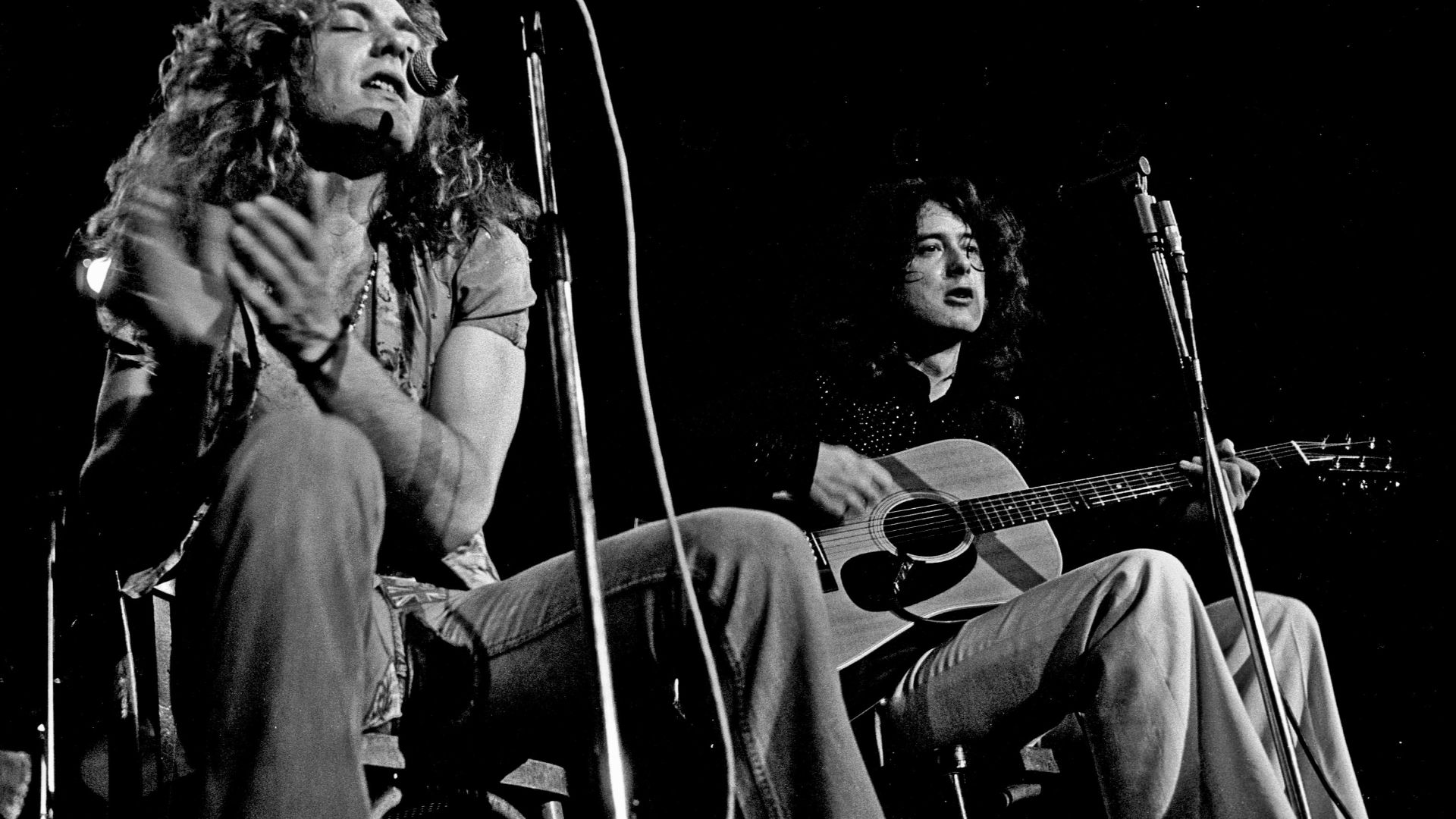 Heinrich Klaffs, Wikimedia Commons
7. He Worked A Blue-Collar Job
Once he left school, Steve Clark didn’t leap into music as he had hoped. Instead, he punched a clock. Before he was recording with Def Leppard, Clark worked as a lathe operator. The humble, honest job offered him stability and income. Of course, Clark was craving something a little more rock and roll than a factory job.
He would spend his evenings and weekends “chickening” out.
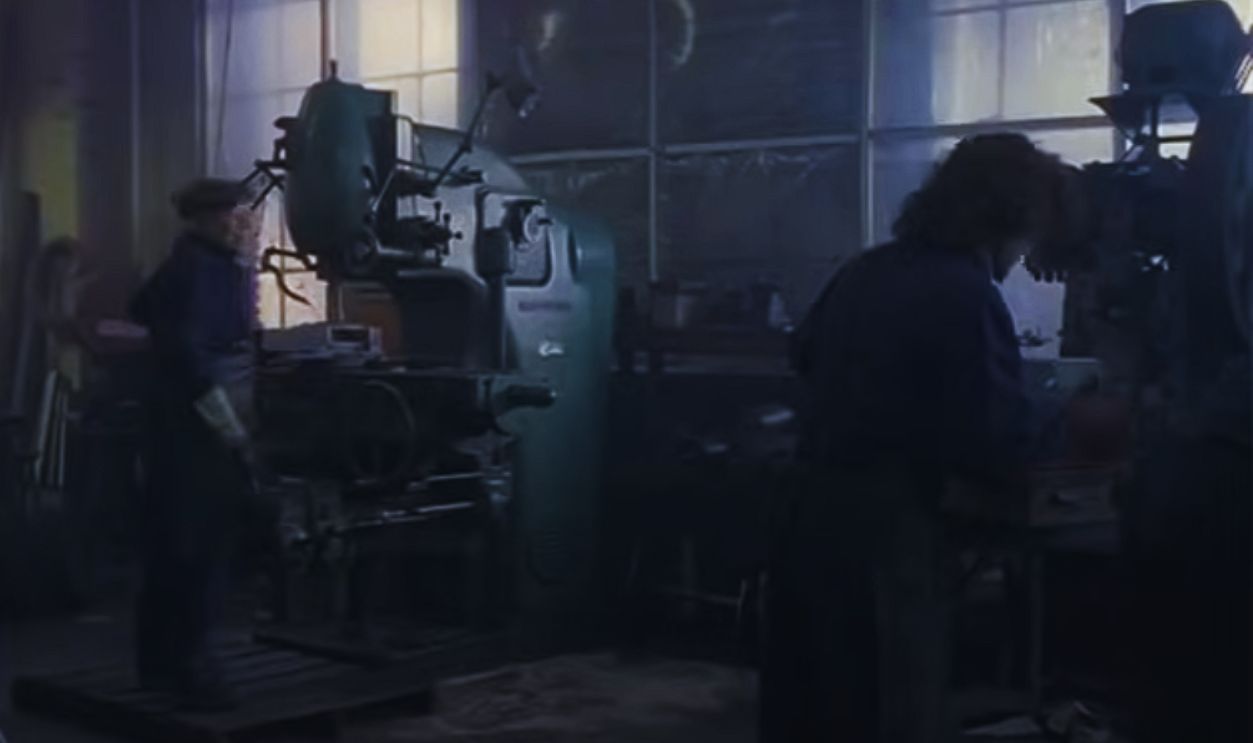 Screenshot from Hysteria: The Def Leppard Story, VH1 (2001)
8. He Was An “Electric Chicken”
Clark would eventually become famous with Def Leppard—but they weren’t his original band. As he worked his factory job, he moonlighted with a Sheffield cover band with the unforgettable (if regrettable) name Electric Chicken. Before long, however, a chance encounter would introduce Clark to his true bandmates.

History's most fascinating stories and darkest secrets, delivered to your inbox daily.
9. He Read Music
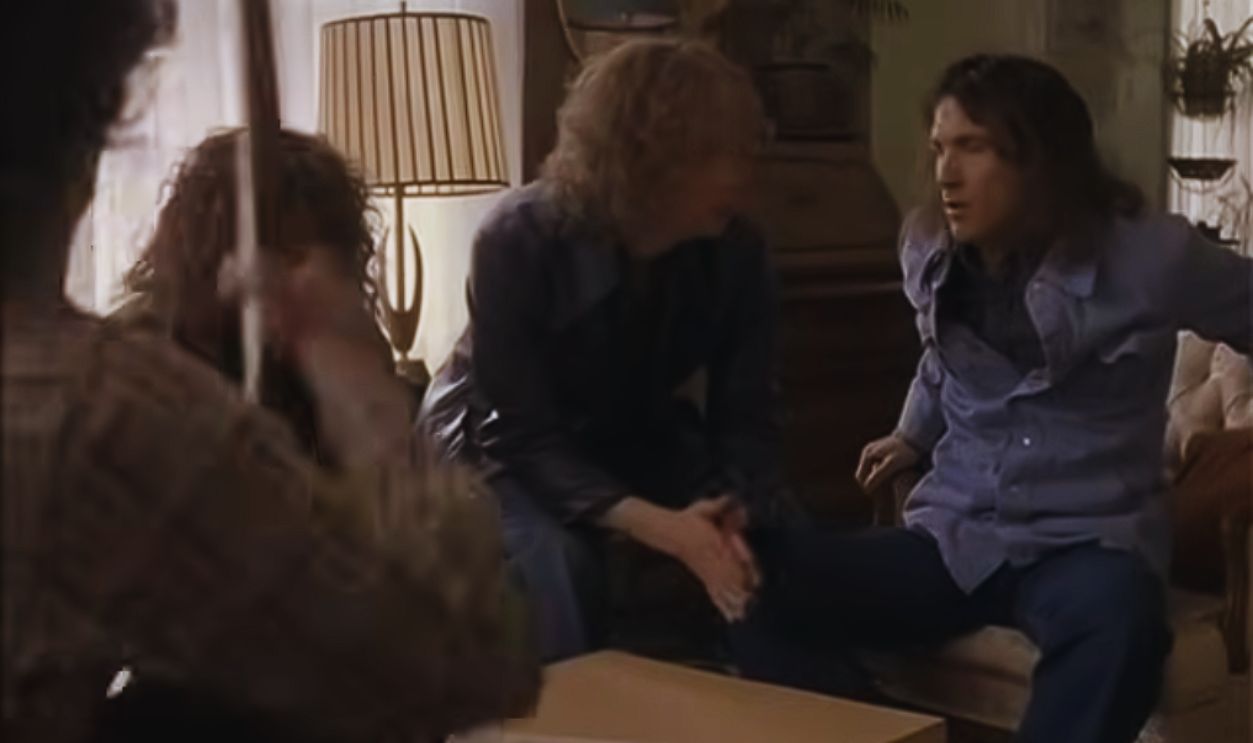
Steve Clark met his future co-guitarist and Def Leppard founder Pete Willis in the least rock and roll way imaginable. It wasn’t in a rowdy bar or a raucous concert venue. Not even in a trashed hotel room. Willis spotted Clark at a technical college, flipping through a guitar book. Noticing Clark’s reading material, Willis had to introduce himself.
 Screenshot from Hysteria: The Def Leppard Story, VH1 (2001)
10. He Missed His First Audition
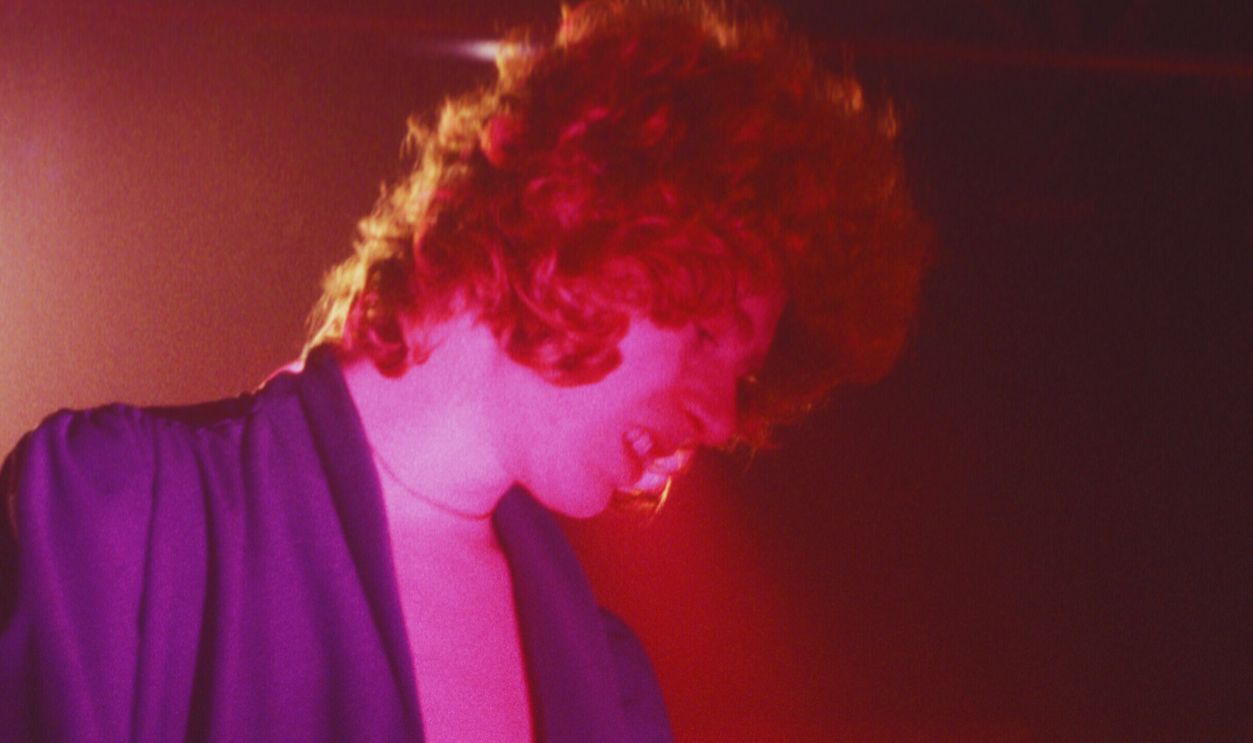
After confirming that Clark was, indeed, a guitarist, Willis invited him to audition for his band. At the time, no one had ever heard of Def Leppard—and Clark seemed strangely loyal to his chicken-themed cover band. So, when the time came for Clark’s audition, he didn’t show up and Willis wrote him off.
But fate had other plans.
 Watal Asanuma/Shinko Music, Getty Images
11. He Got A Second Chance
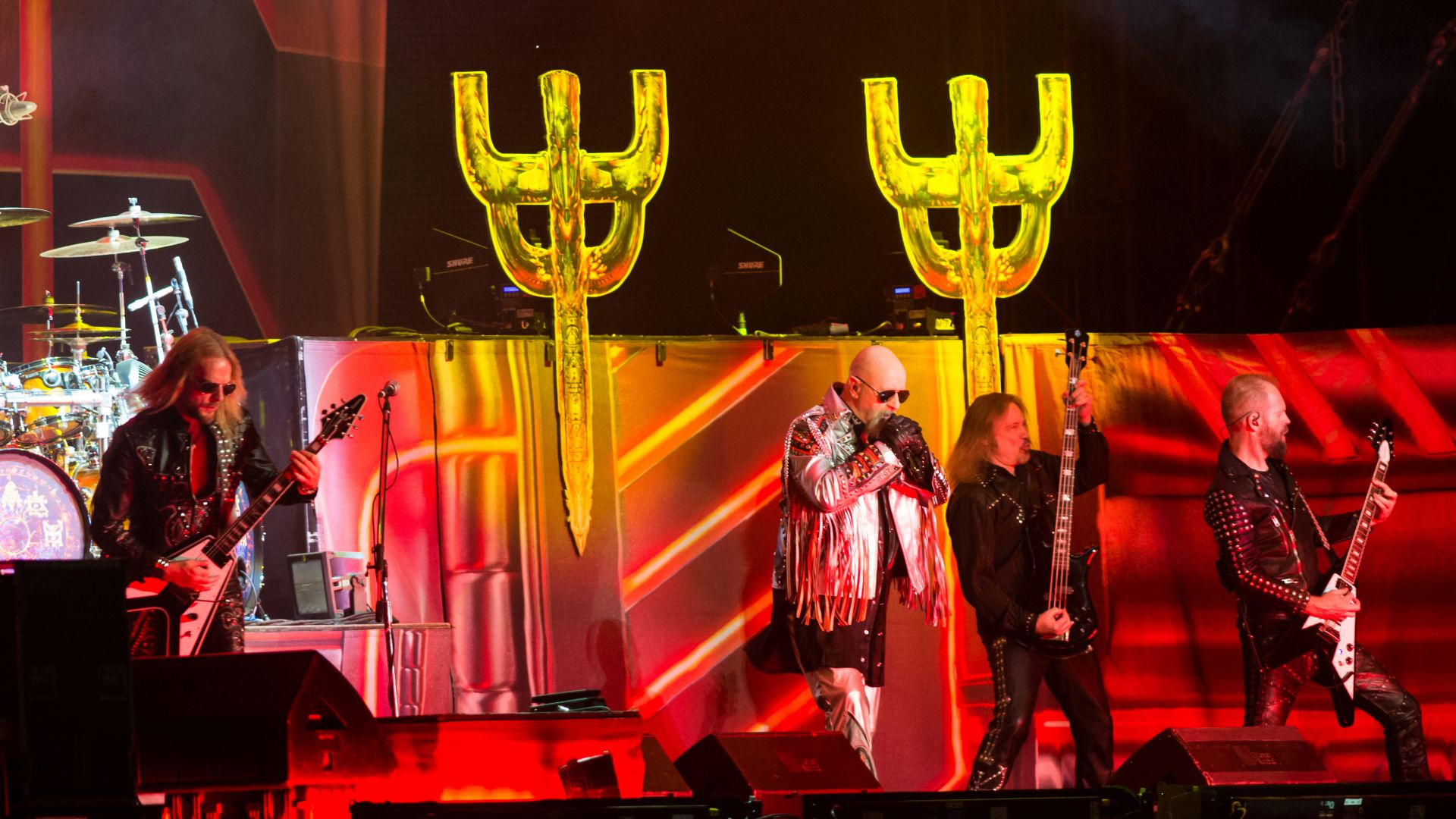
Steve Clark might have skipped out on his first Def Leppard audition, but it was destiny that he be in the band. So, when Willis ran into Clark yet again at a Judas Priest concert, he knew what he had to do: give Clark another chance. Willis once again extended an invitation to Clark to audition for the band.
This time, Clark delivered.
 Frank Schwichtenberg, Wikimedia Commons
12. He Played The Perfect Solo
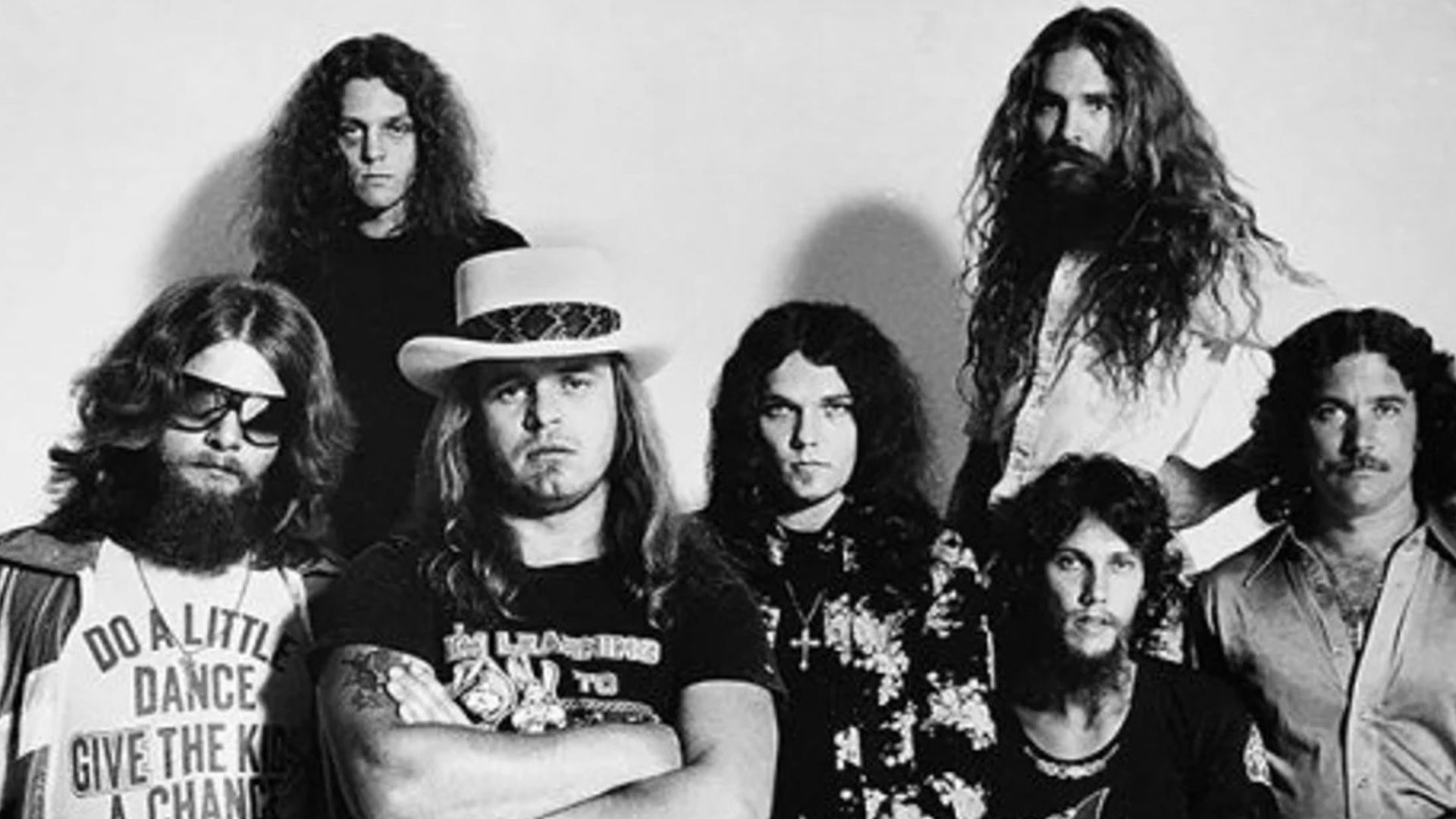
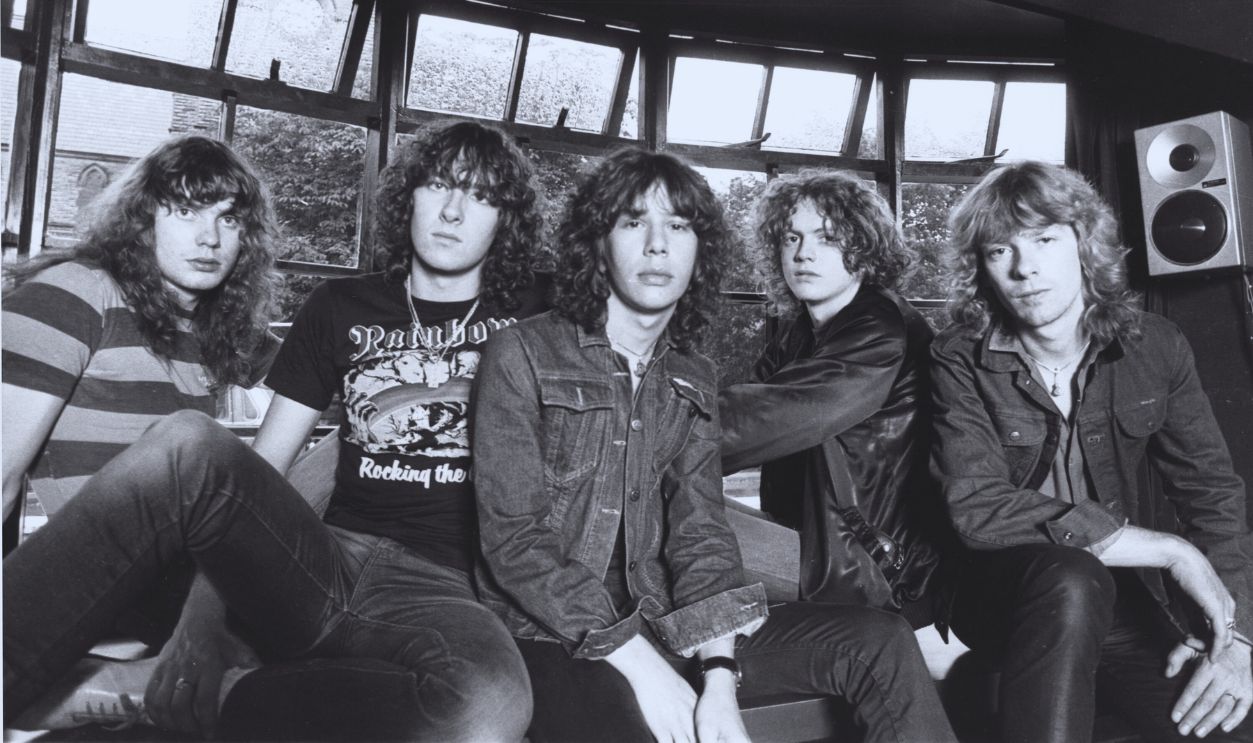
When Clark finally auditioned for Def Leppard in 1978, he picked the perfect song to show off what he could do. The aspiring guitarist tackled Lynyrd Skynyrd’s “Free Bird” start to finish—alone. No backing band, no safety net, just pure technical stamina. Clearly, his effortless strumming of the guitar strummed something up in his would-be bandmates.
 MCA Records, Wikimedia Commons
13. He Joined On The Spot
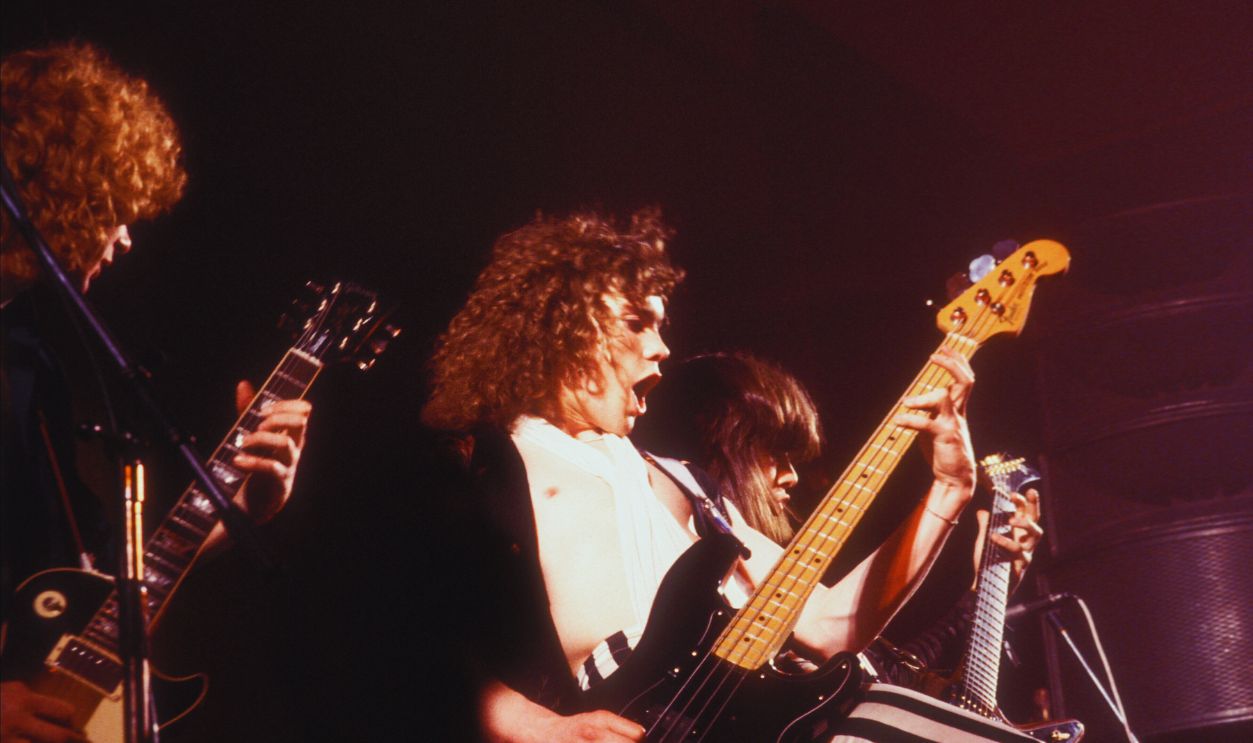
Steve Clark had gone into his audition as an electric chicken—but he walked out of it as a deaf leopard. The Def Leppard bandmates were so impressed with Clark’s “Free Bird” solo that they accepted him immediately, pairing him with Willis as the group’s two-guitar engine. The new lineup would soon power their meteoric rise to fame.
 Watal Asanuma/Shinko Music, Getty Images
14. He Was “The Riffmaster”
It didn’t take any time for Clark to find his place in the band. Impressed with his “catchy and complex guitar riffs”, Clark’s bandmates dubbed him “The Riffmaster”. His distinctive guitar playing immediately gave Def Leppard their signature sound: towering, melodic, irresistible. In fact, Clark remade Def Leppard in his own image.
15. He Wrote Def Leppard’s Hits
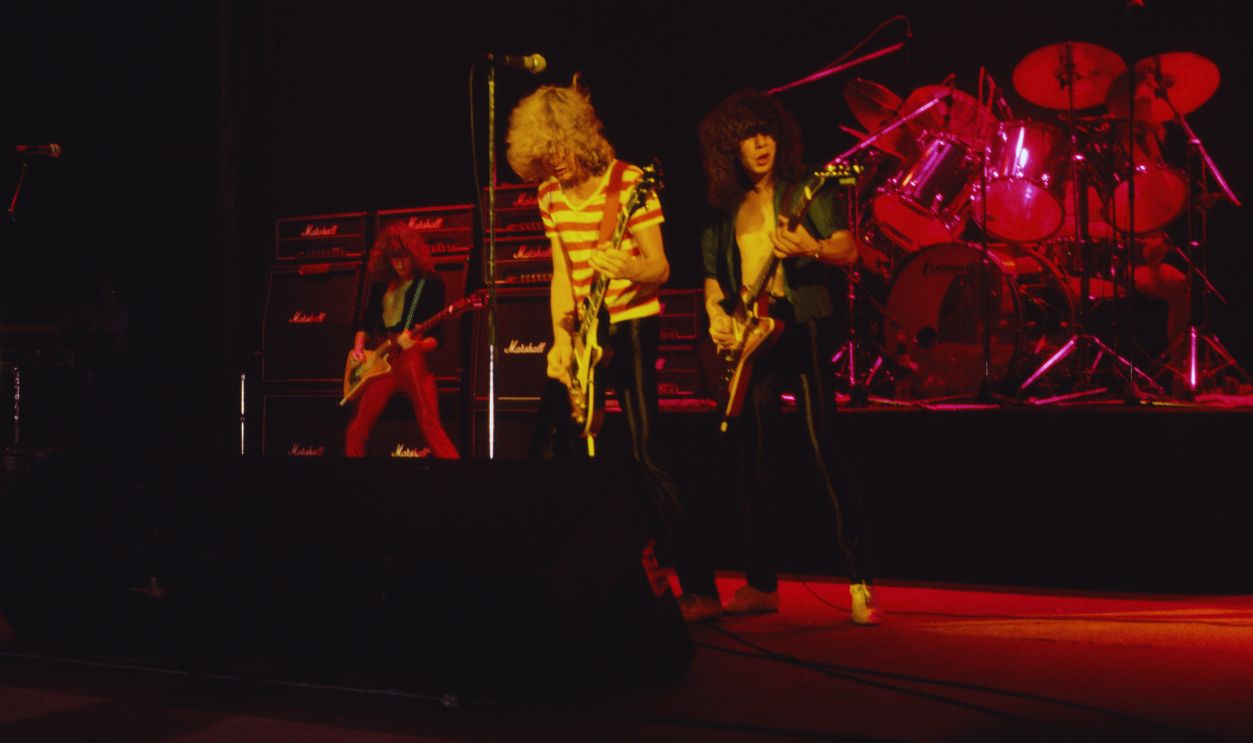
Steve Clark wasn’t just shredding guitar for Def Leppard—he co-wrote nearly every major Def Leppard track during his time with the band. It was Clark’s songwriting that made Def Leppard’s early albums, Pyromania and Hysteria, the global successes that they were. However, there wasn’t enough room for two guitarists.
 Screenshot from Def Leppard – “Hysteria”, Universal Music Group (1987)
16. He Found A New Guitar Partner
When Pete Willis flamed out of Def Leppard in 1982, Clark felt like he had lost his guitar buddy. But, when Phil Collen stepped in to fill Willis’ spot, he gained more than a fellow guitarist. The two rock guitarists immediately meshed, becoming guitar soulmates. But, while they brought out the best in each other’s music, they brought out the worst in other ways.
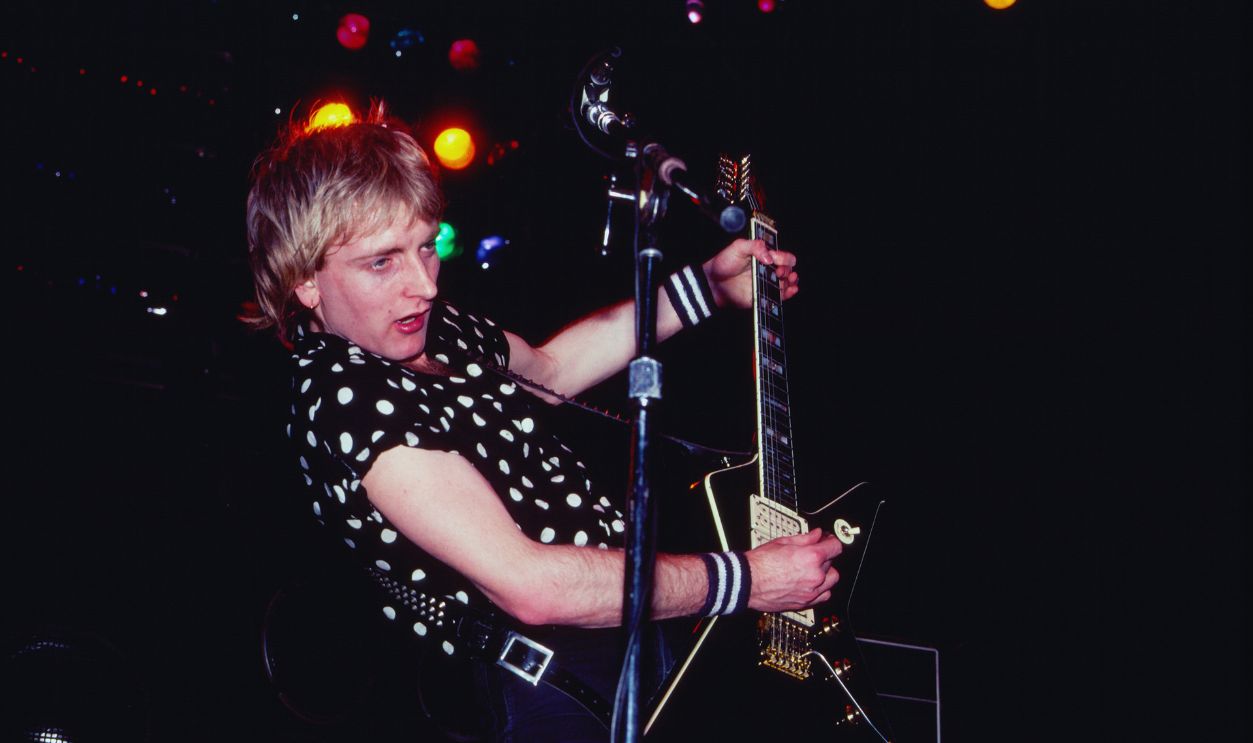
17. He Became A “Terror Twin”
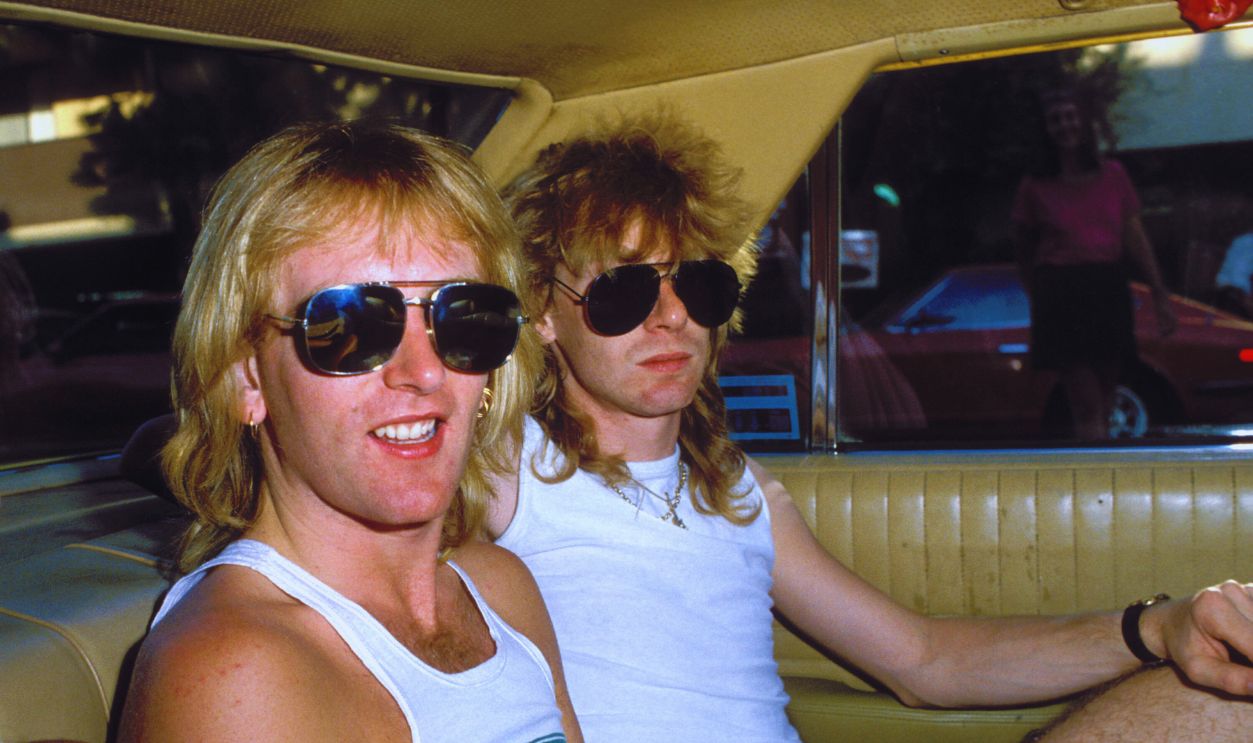
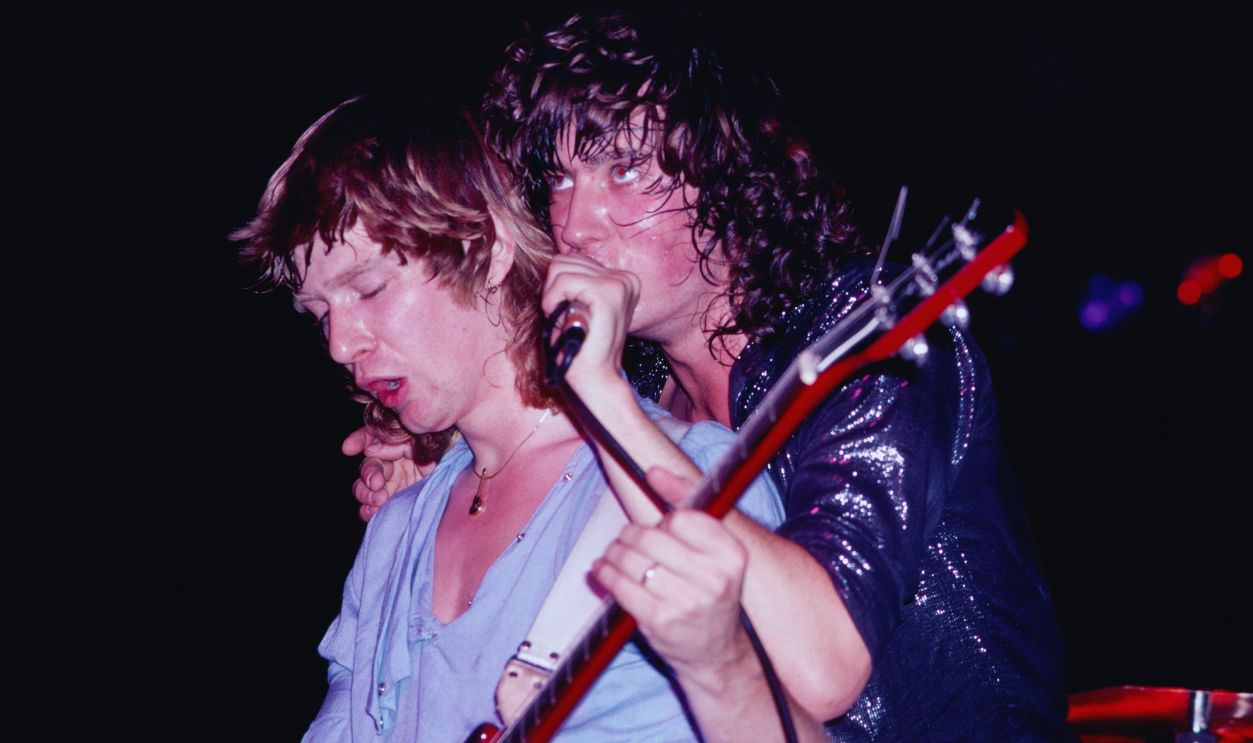
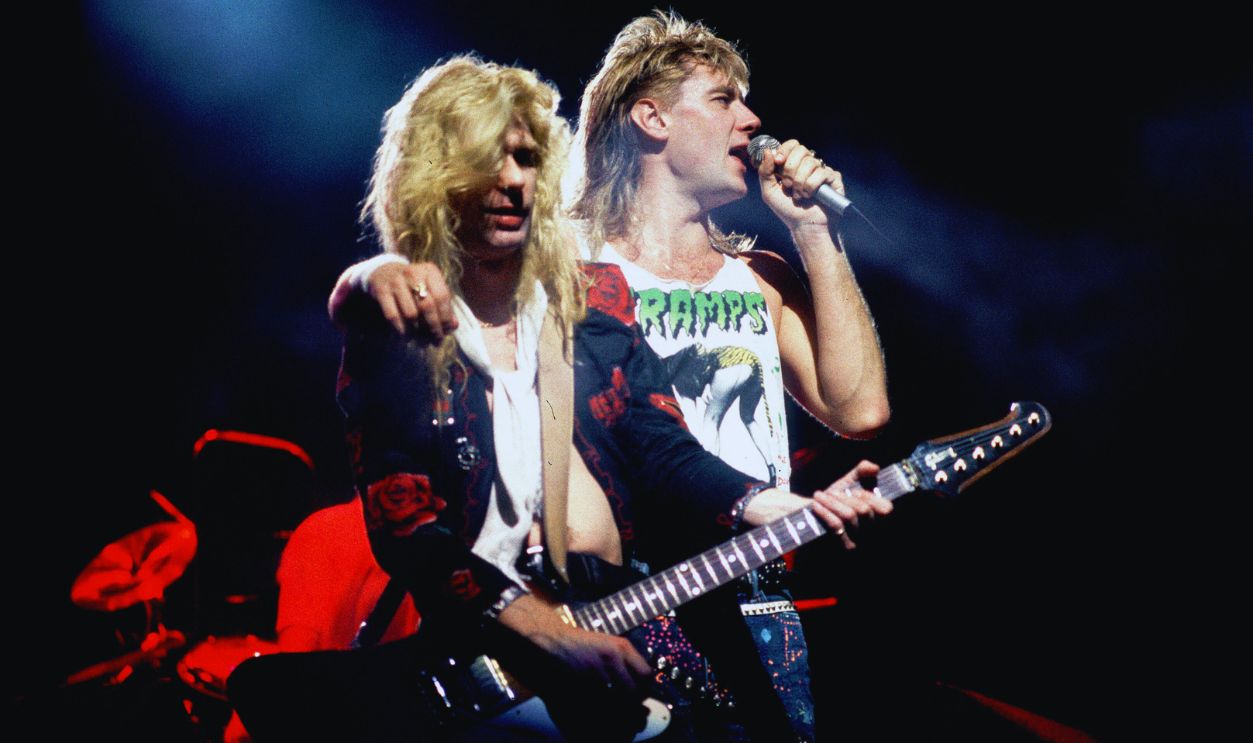
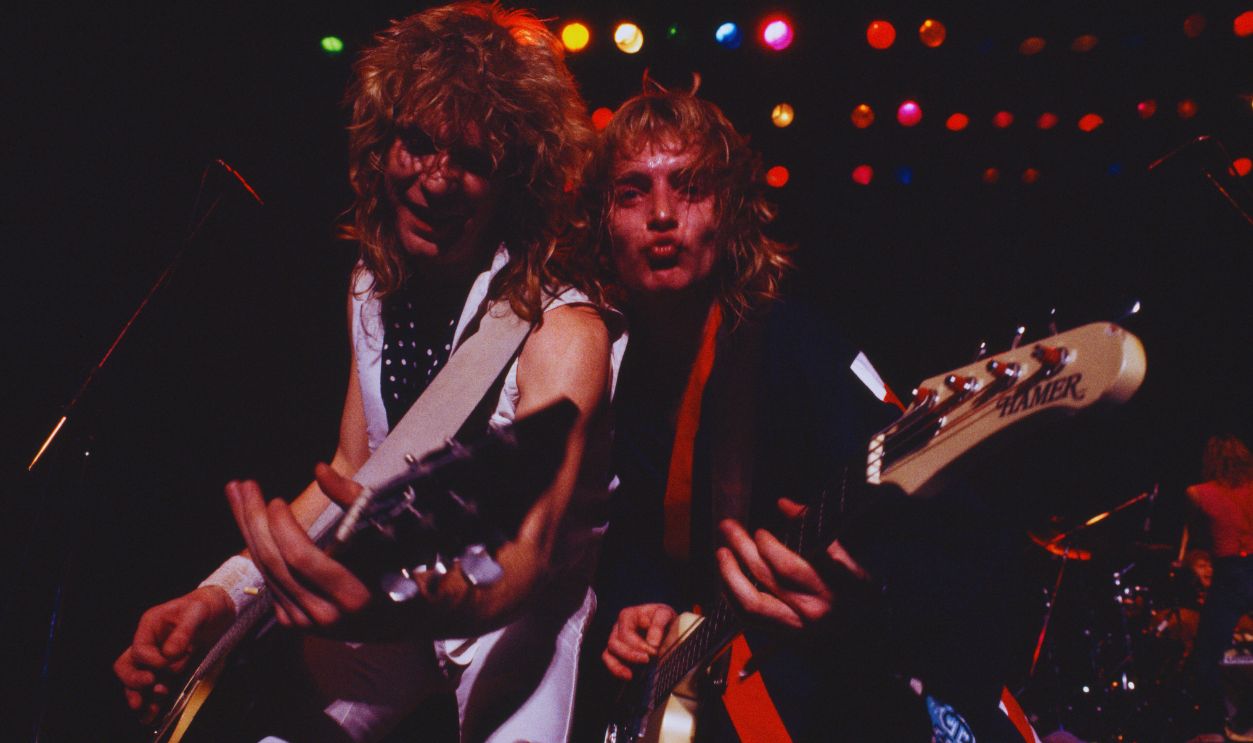
Steve Clark and Collen were more than bandmates; they were twins. Together, they pushed the limits of rock and roll. Their onstage antics were only overshadowed by their booze-fueled off-stage escapades, earning the pair the nickname “Terror Twins”. In reality, however, there was only one twin that you couldn’t separate from Clark.
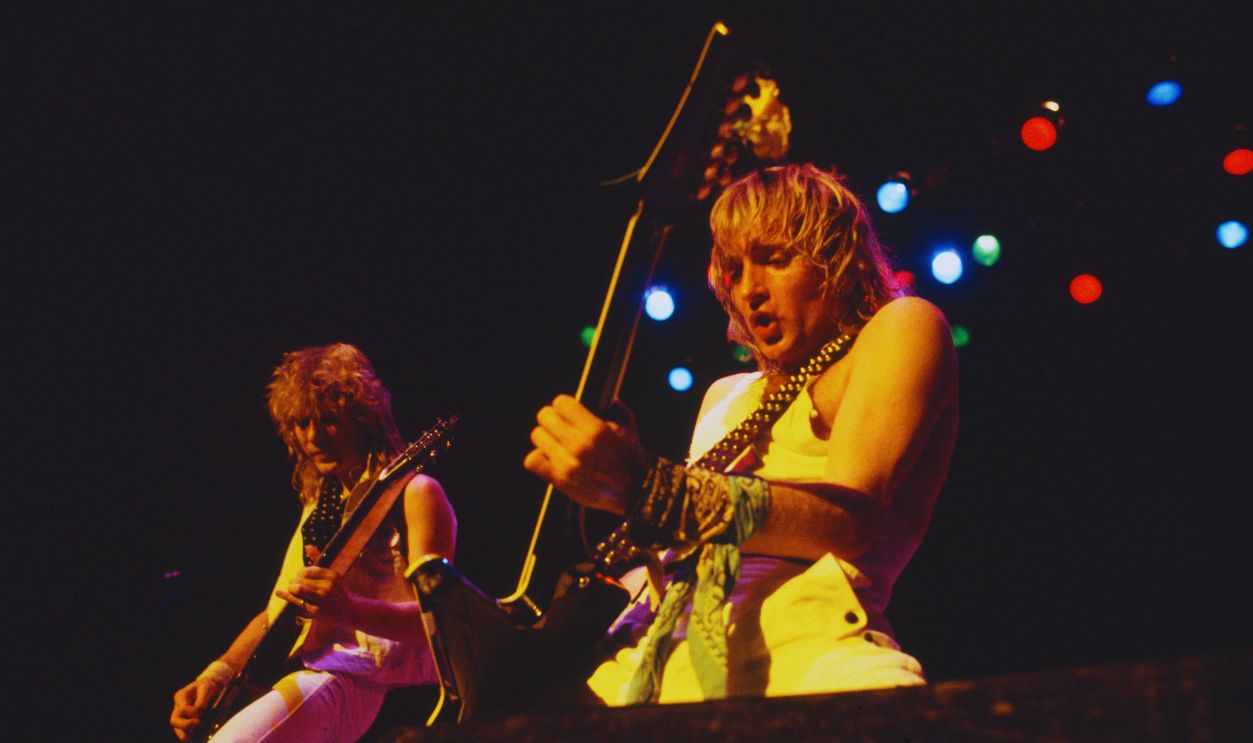 Koh Hasebe/Shinko Music, Getty Images
18. He Was A Gibson Guitarist
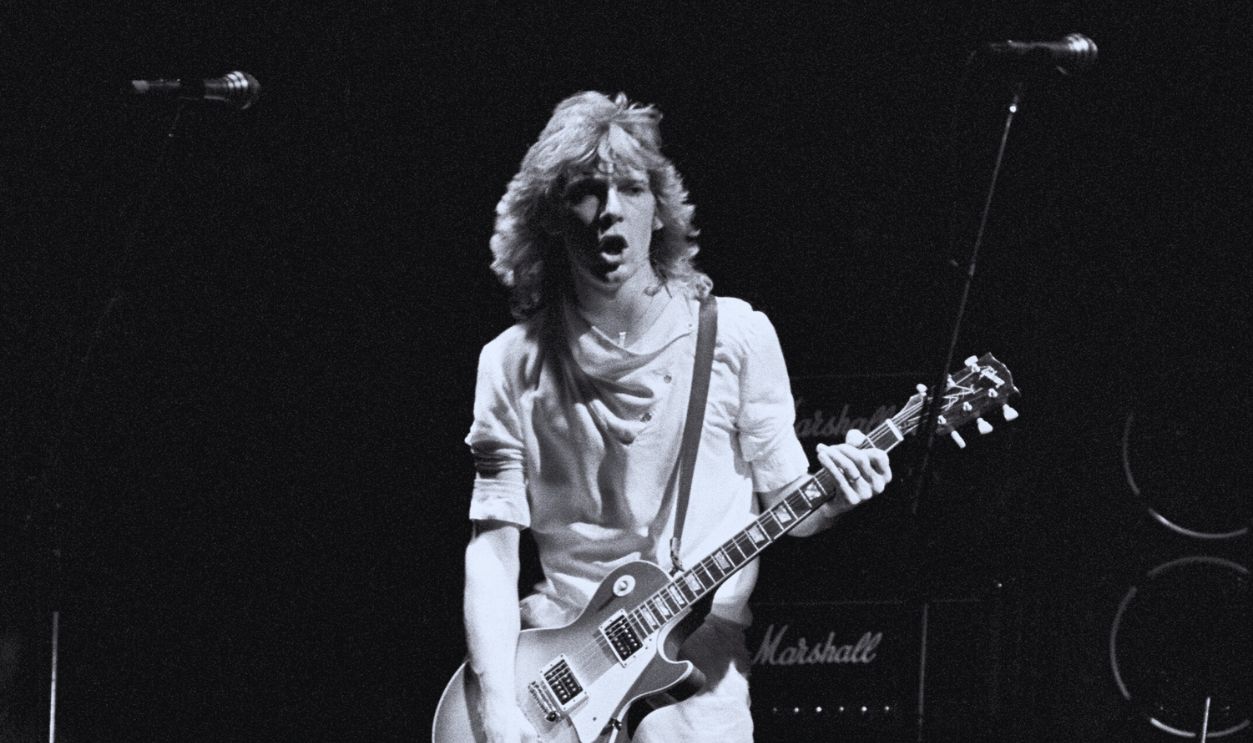
Clark’s musical ax of choice was almost always a Gibson. He slung heavy Les Pauls low on his frame and occasionally hauled out a twin-neck EDS-1275 for extra drama. By 1987, Clark made his love of Gibson guitars official, endorsing only that one brand. It’s too bad the guitars didn’t give him nerves of steel.
Turns out, he really needed them.
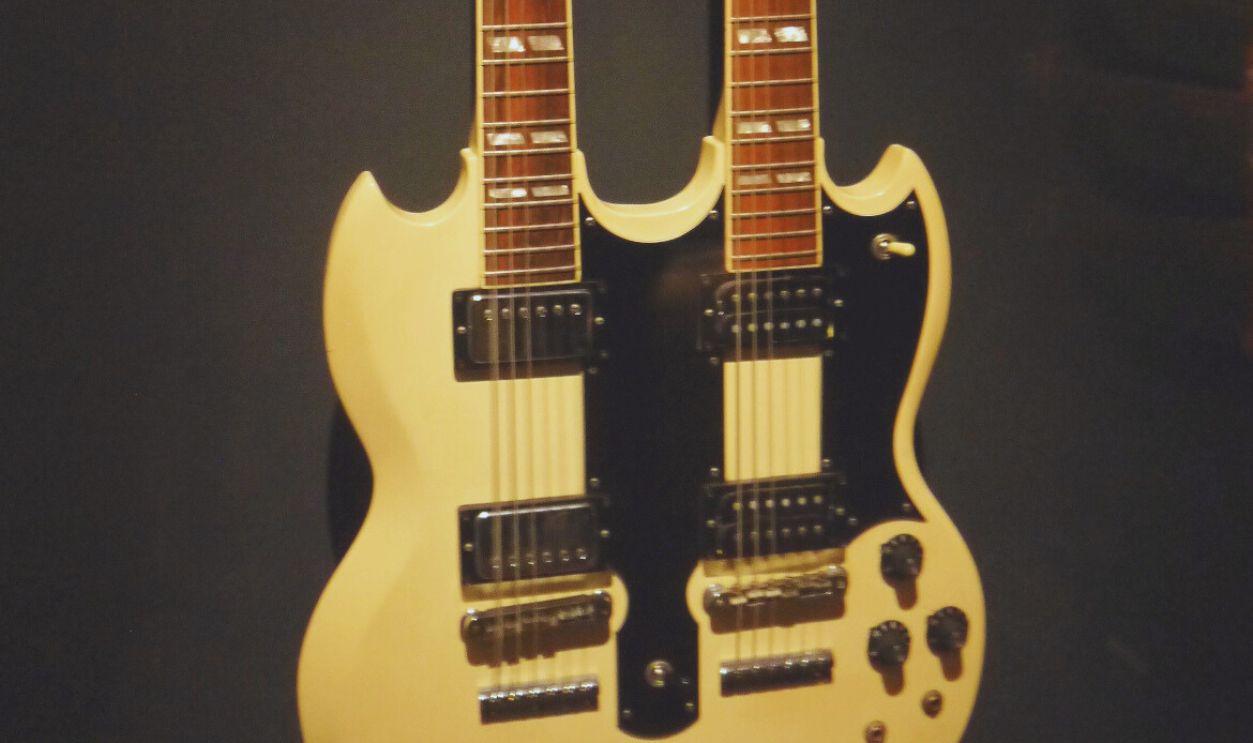 Eden, Janine and Jim from New York City, Wikimedia Commons
19. He Had Performance Anxiety
When on stage, Clark was a hard rock legend, full of energy and antics and always playing to the crowd. But all of that bravado masked a deep insecurity: he had crippling performance anxiety. Def Leppard’s big shows and even bigger crowds didn’t excite him; they terrified him. And, as one bandmate would later reveal, he went to extreme lengths to avoid the spotlight.
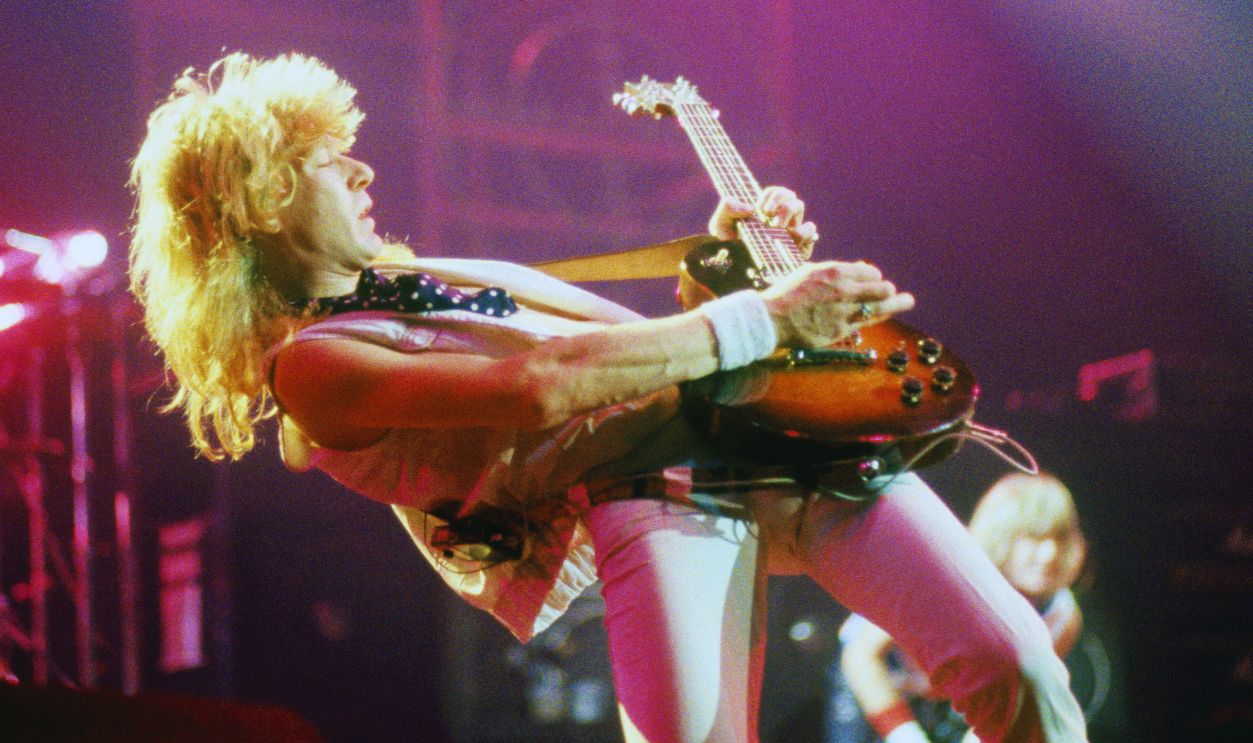 picture alliance, Getty Images
20. He Found His Courage
Even if he was terrified to perform, Steve Clark did it anyway. After meltdowns backstage (the details of which we'll get into later), he mustered up the courage to get out there and do what he did best: shred. Still, after the show, his confident rock and roll swagger vanished and he went back to being “subdued and insular”. There was, perhaps, one more person who could bring him out of his shell.
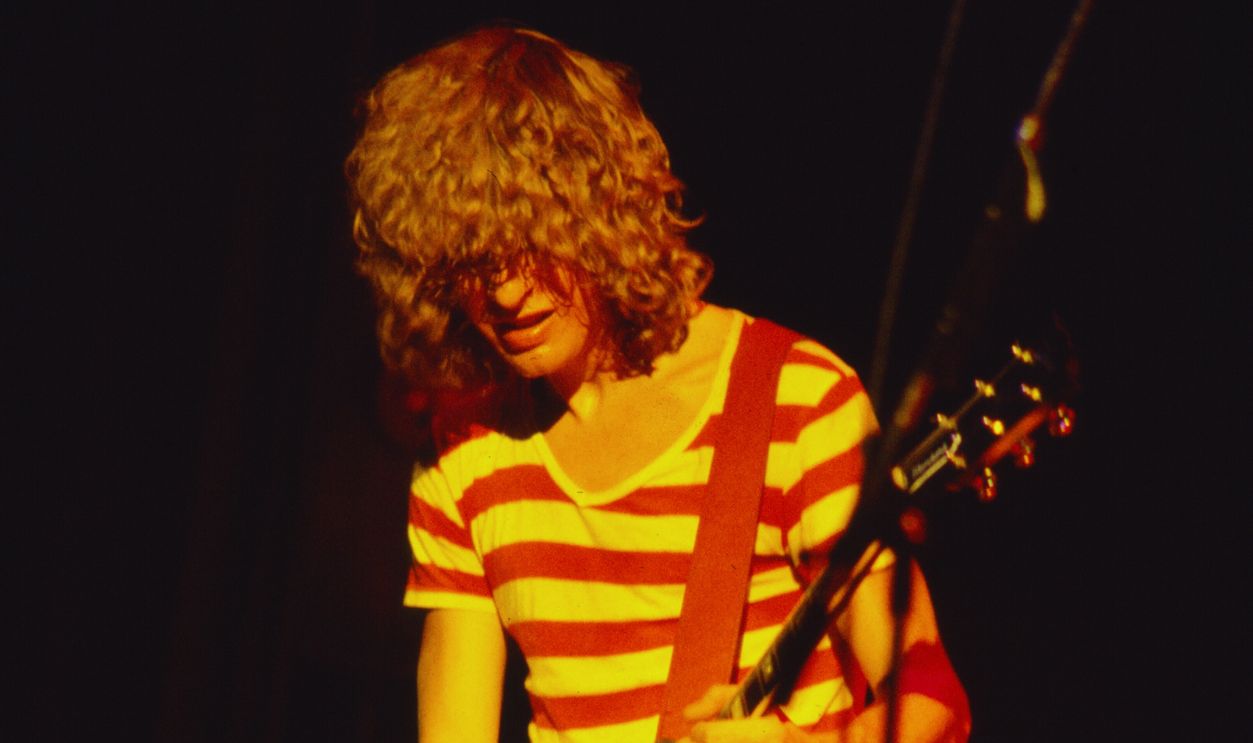
21. He Fell For A Runway Rebel
As Def Leppard shot to fame, powered by Clark’s riffs, he could have had any woman. But, for seven long years, he only wanted one: the American model, Lorelei Shellist. Together, the Def Leppard guitarist and the runway rebel endured the ups and down of fame. However, Shellist later revealed just how low those lows really were.
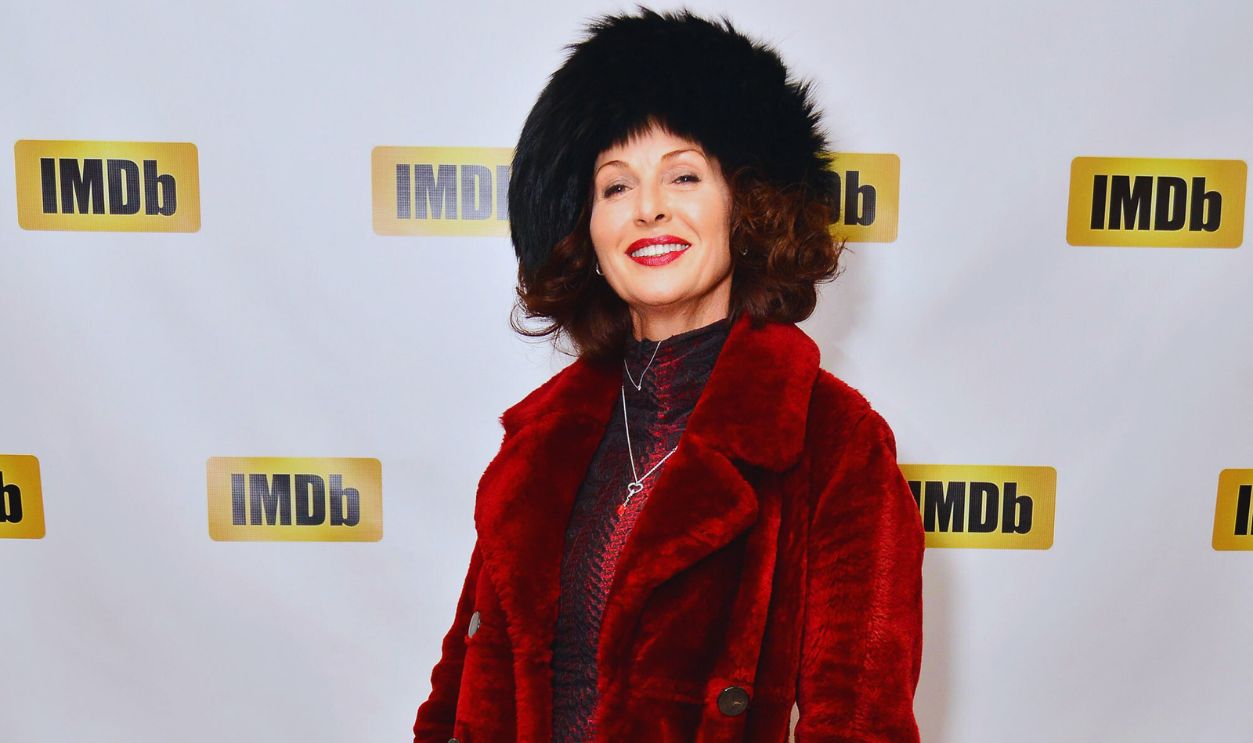
22. His Addiction Ended His Relationship
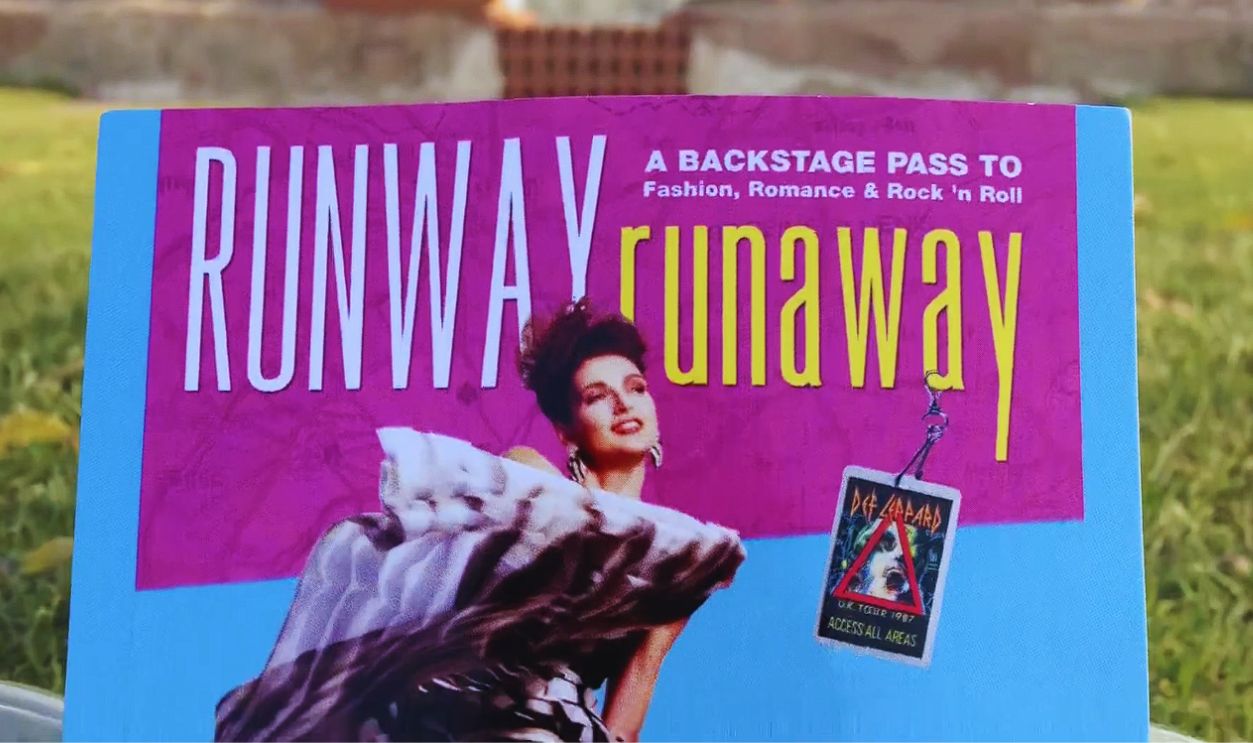
In her memoir Runway Runaway, Shellist revealed the heartbreaking truth about why her seven-year-long relationship with Steve Clark ended. She described how his alcoholism seeped into every corner of their life together, turning tenderness into tension and caresses into chaos.
Sadly, it was even worse than she revealed.
 Screenshot from Runway RunAway (TV Pilot), Lifetime Television (2013)
23. His Hands Shook Every Morning
In the span of a few short years, Clark’s drinking habit had gone from rock ’n’ roll cliché to daily ritual. From as early as the 1980s, Clark’s friends recalled that he would wake up every morning, shaking from withdrawal. The only cure? Another bottle of whatever he hadn’t finished the night before. Clearly, it was time for a change.
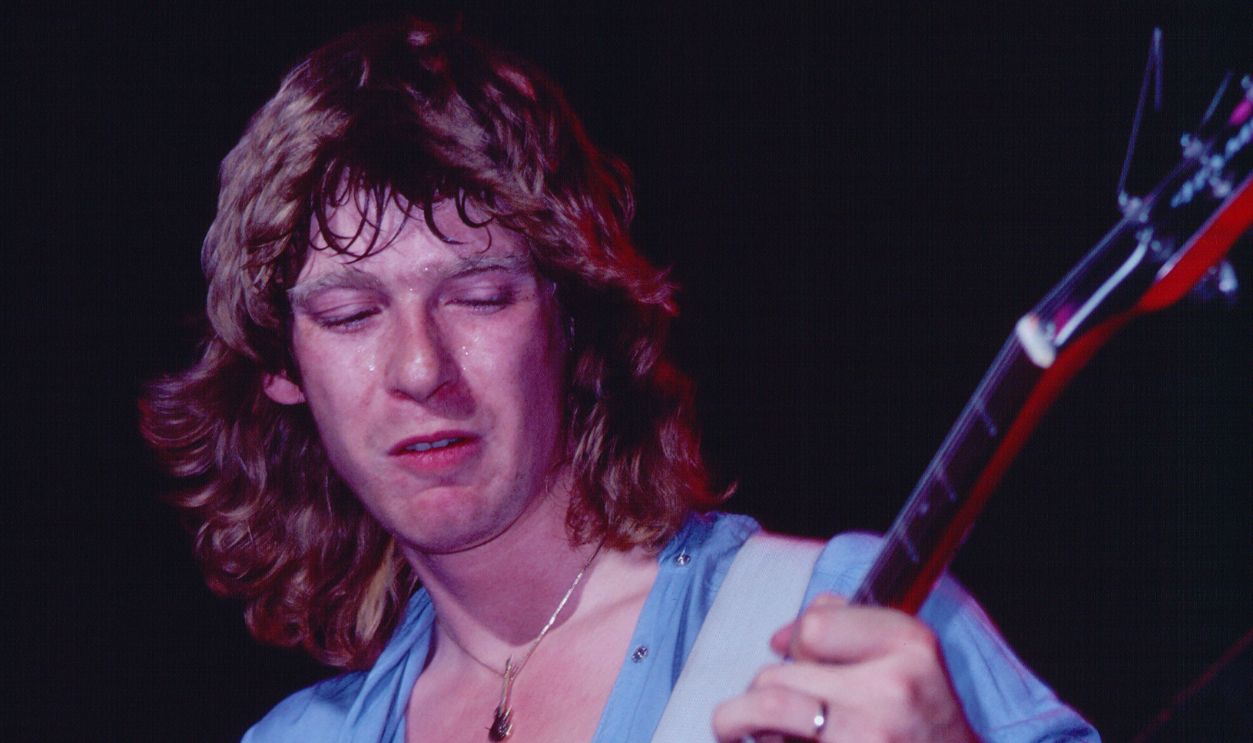
24. He Woke Up In Rehab
In the winter of 1989, Clark’s lifestyle finally caught up with him in Minneapolis. When good samaritans found him unconscious in a local bar, they rushed him to the Hazelden Addiction Treatment Center. When he opened his eyes, he was in rehab. And what the doctors told him changed the course of his life.
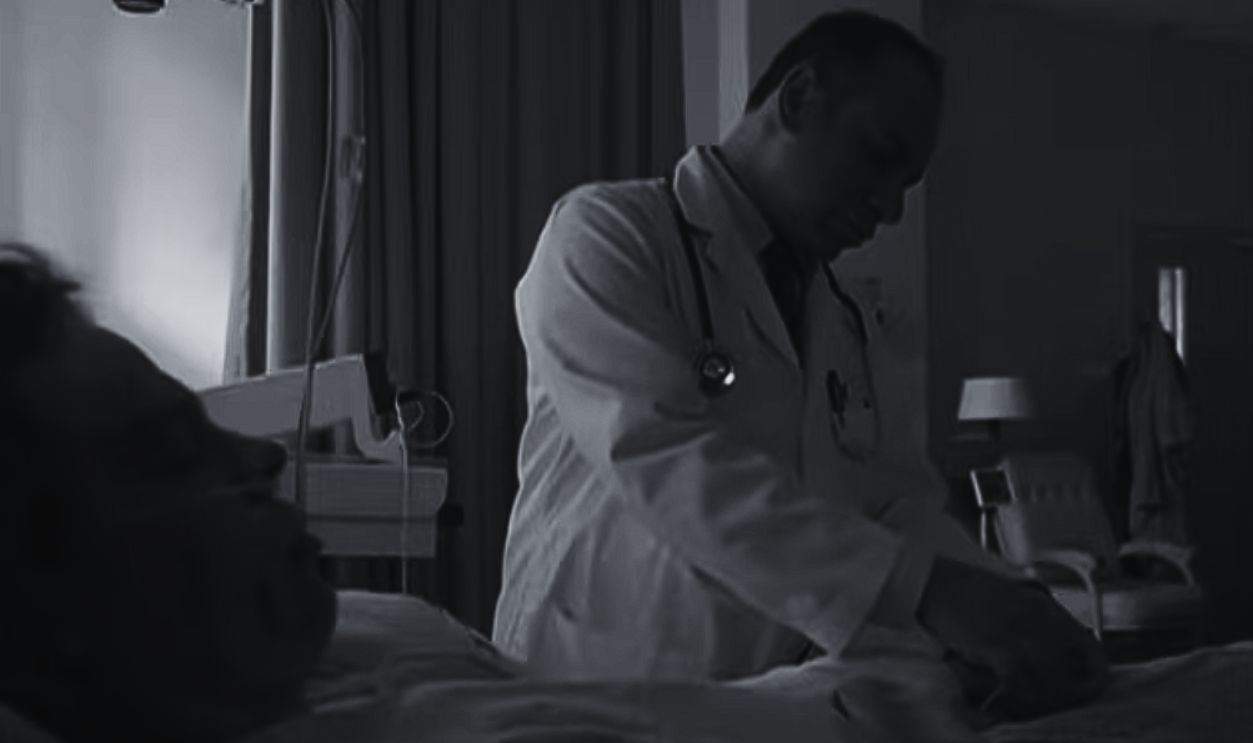 Screenshot from Hysteria: The Def Leppard Story, VH1 (2001)
25. He Hit A Terrifying Number
When doctors examined Steve Clark after his Minneapolis collapse, they found something horrifying: his BAC was a staggering 0.59. A stunned physician told the band that John Bonham, Led Zeppelin’s drummer, had passed with just a 0.41 BAC. Clark had blown past a legendary danger zone—and somehow survived.
But his bandmates couldn’t take any chances.
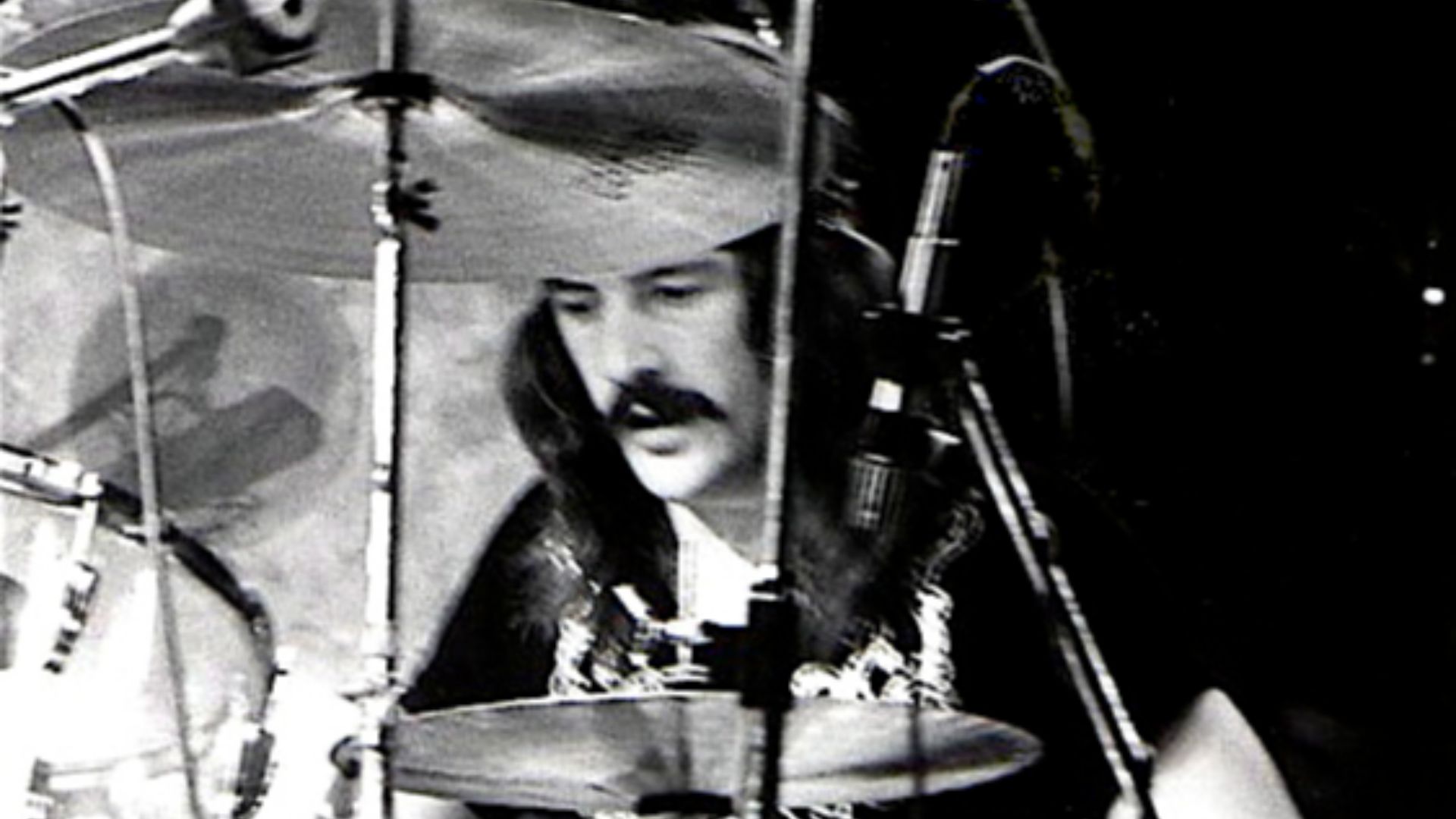 Dina Regine, Wikimedia Commons
26. He Faced An Intervention
When Def Leppard’s manager, Peter Mensch, heard about Clark’s condition, he rushed to Hazelden for an emergency intervention. He had each of Clark’s bandmates read him a letter, detailing how his alcoholism was impacting them. Phill Collen said it best: “Steve,” the musician pleaded, “you’re scaring the [daylights] out of us”.
The intervention seemed to work.
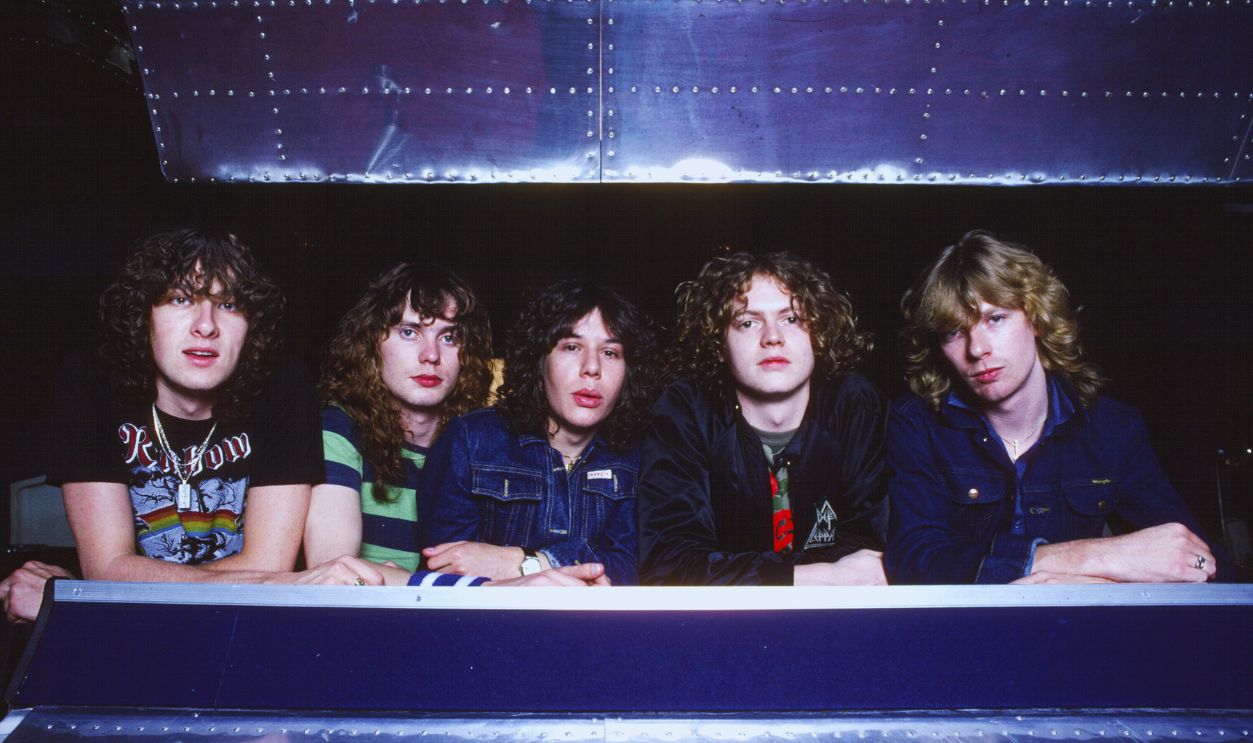
27. He Took A Six-Month Hiatus
After his bandmates’ tearful intervention, Steve Clark finally agreed to enter a rehab facility. But only one condition: his spot with Def Leppard had to be there when he got out of rehab. To help their bandmate, Def Leppard agreed to give Clark a six-month leave of absence as he sobered up. Rehab, however, was where he really fell off the rails.
 Kevin Nixon, Wikimedia Commons
28. He Found Love—And Trouble
While in rehab, Clark met the second love of his life, Janie Dean. Dean was, herself, a recovering addict. Although her poison of choice was smack, she and Clark hit it off immediately. Within weeks, they were engaged and left rehab together. Unfortunately, what was meant to be a fresh start for both of them was only a relapse into old habits.
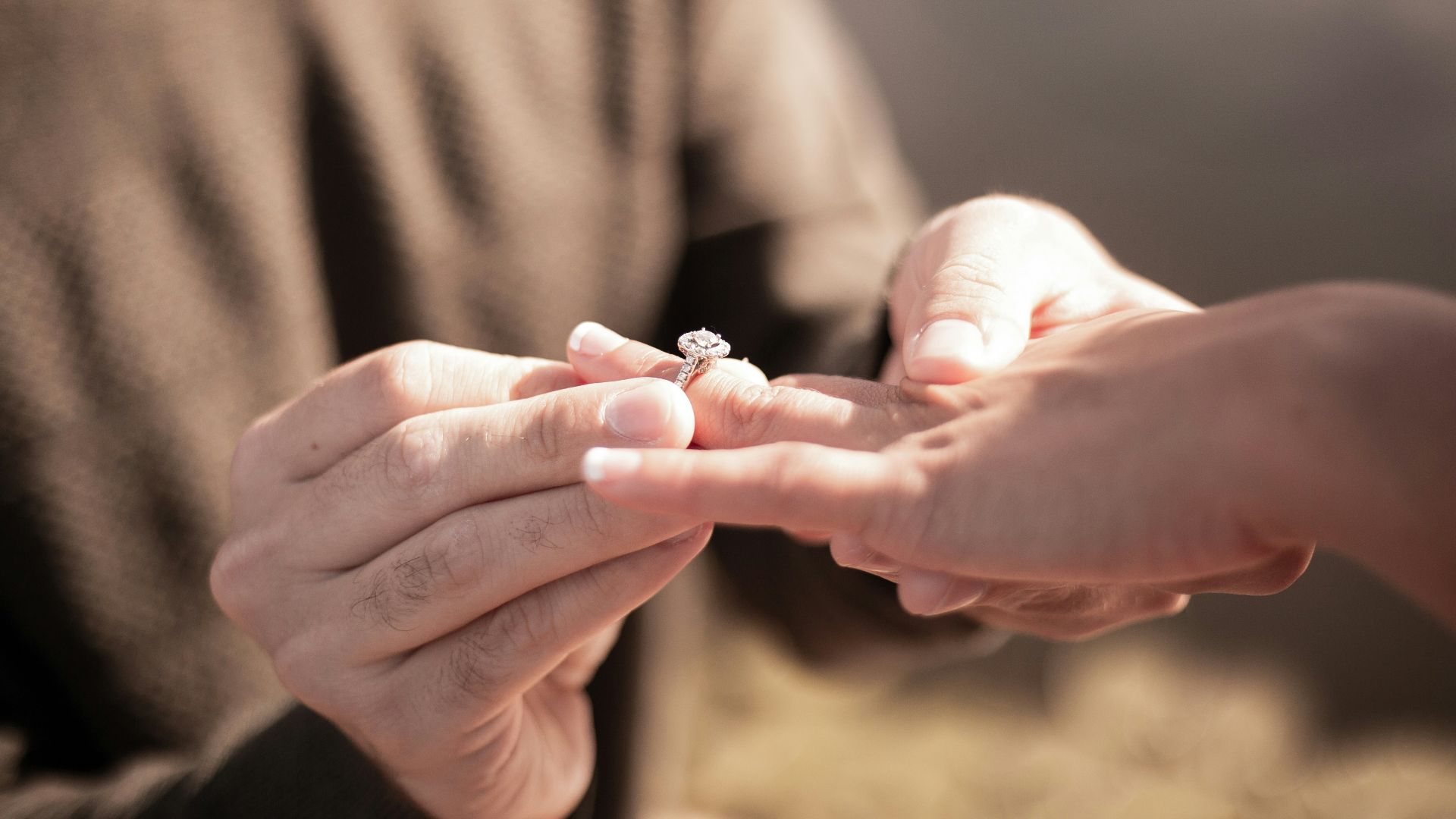
29. He Fell Back Into Old Habits
Clark and Dean didn’t keep each other sober—they enabled each other’s addictions. In fact, together, they were even worse than when they were apart. Clark’s bandmates complained that Dean was such a bad influence on him that they couldn’t even keep track of his movements. It seemed there was no one who could stop his runaway train of self-destruction.
30. He Ignored A Doctor’s Warning
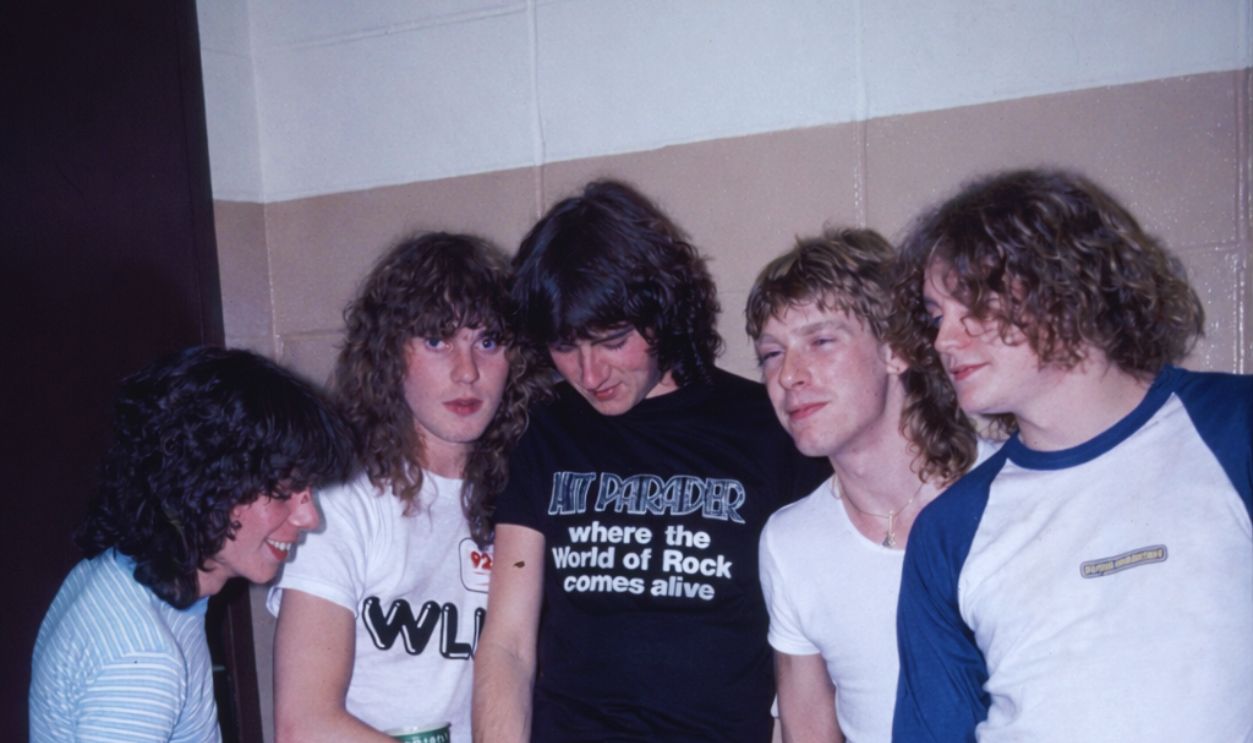
Sometime between the end of 1990 and the beginning of 1991, Clark cracked a rib. When he went to the doctor, the doctor gave him pain medication—and a stern warning. While his doctor understood Clark’s pain, he warned him not to mix the pain medication with booze. Clark nodded—but he knew he couldn’t stay away from the bottle.
31. He Had One Last Night Out
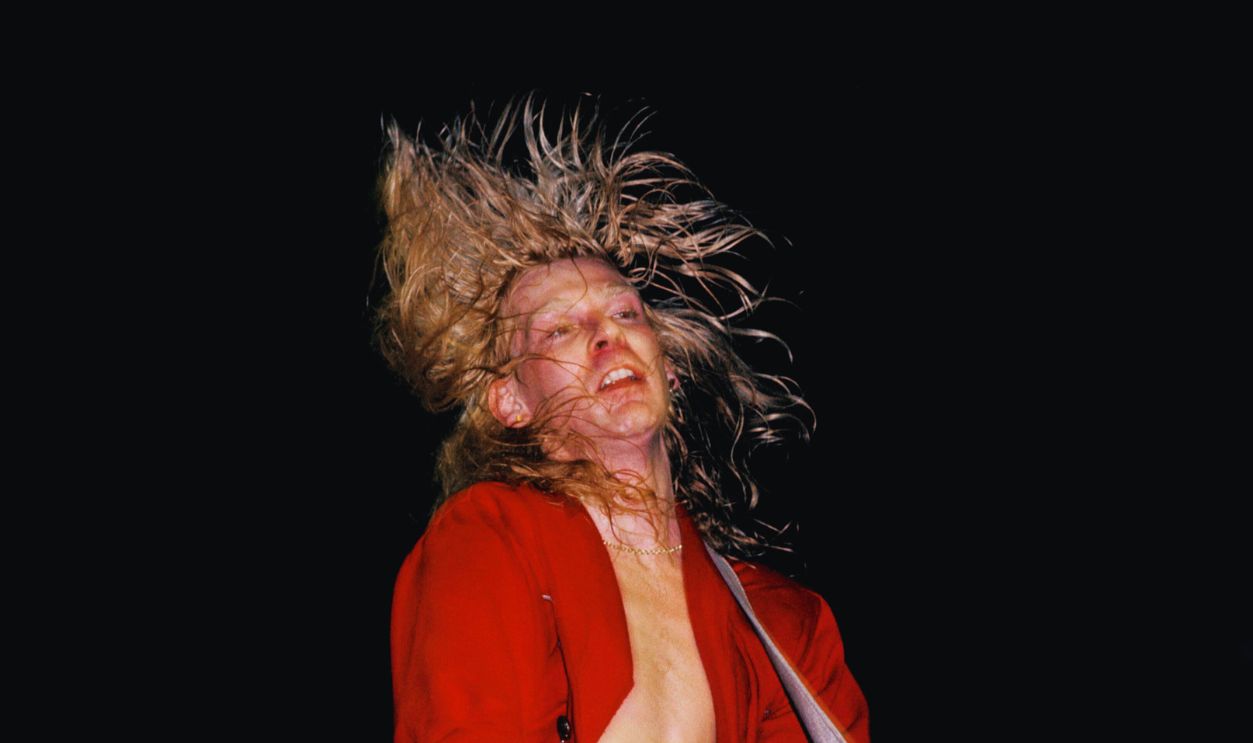
In early January of 1991, Clark went to a London pub with his friend Daniel Van Alphen. There, they shared jokes, laughs, stories, and (of course) drinks. Then, around midnight, Clark headed home with the stated plan to watch a video. The tragedy is that the video would be watching him instead.
32. He Passed Quietly At 30
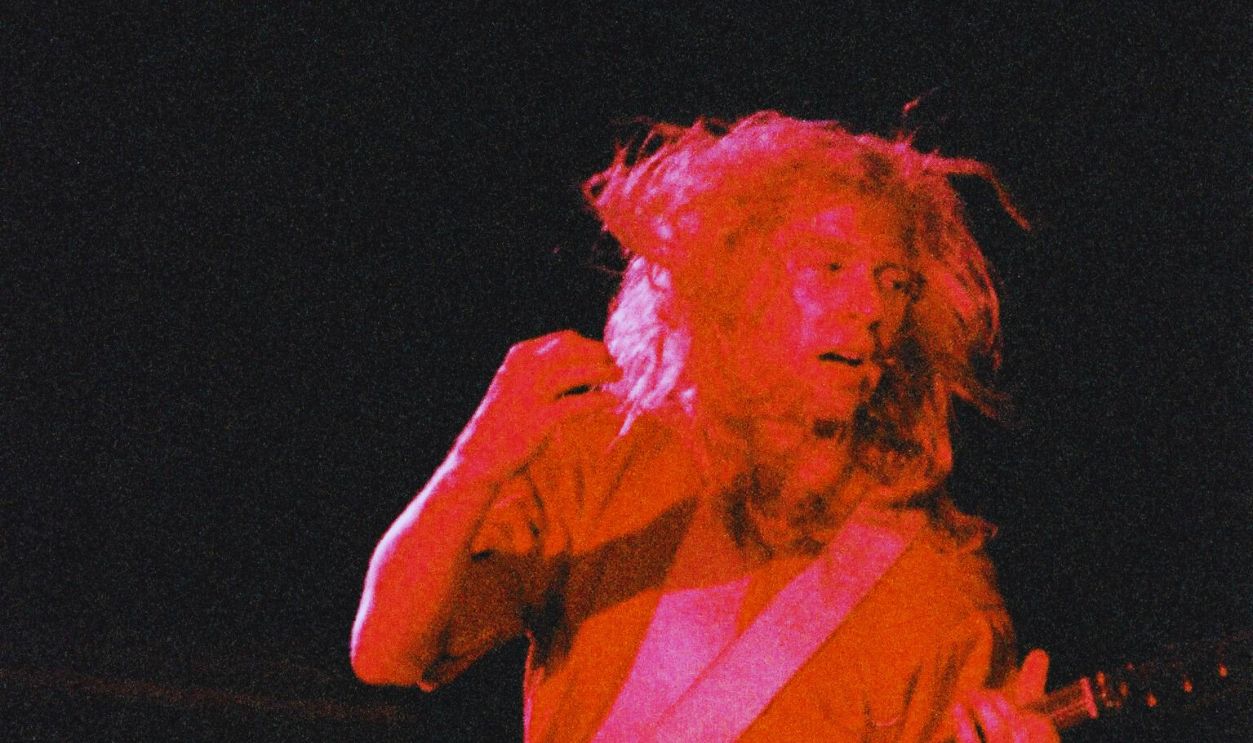
The next morning—January 8, 1991—Clark never woke up. At just 30, the brilliant, tortured guitarist slipped away quietly in his sleep in the solitude of his home, leaving behind a haunting legacy of triumph, tragedy, and unrealized potential. What happened next, however, is a matter of some dispute—except that it was a pure tragedy.
33. His Fiancée Found Him…First?
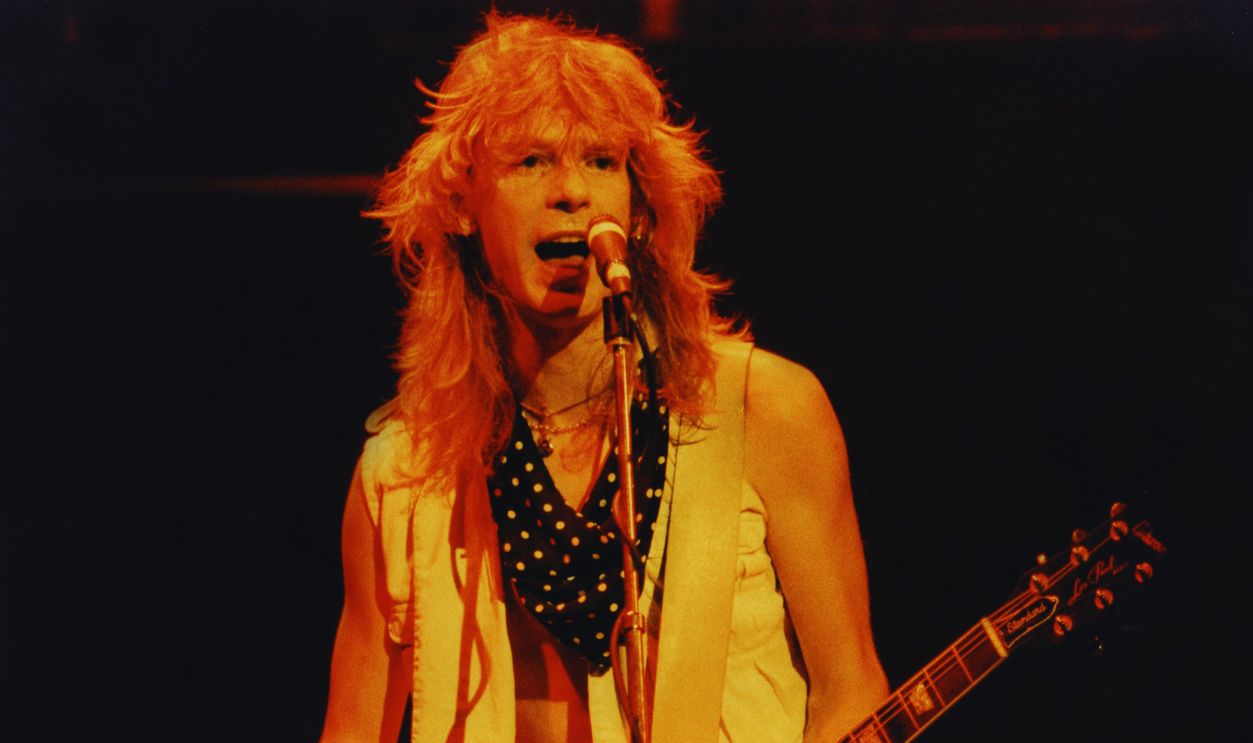
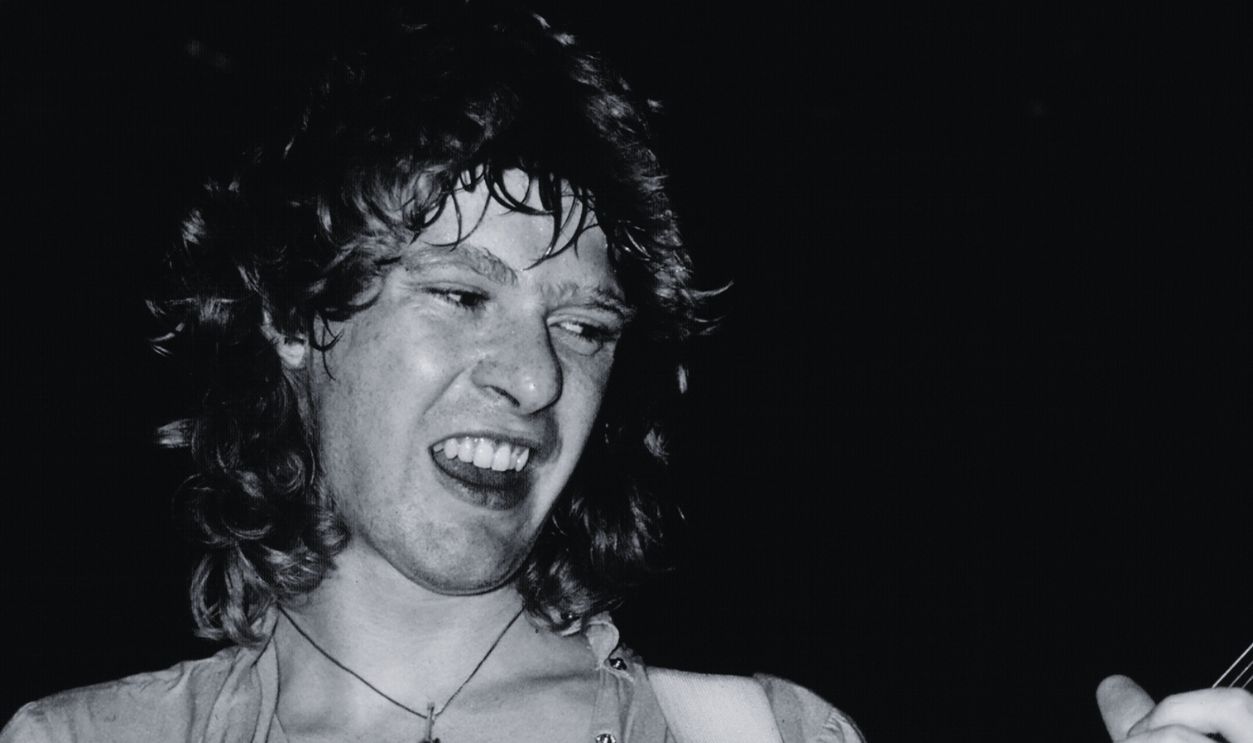
Various sources give different accounts of who, exactly, discovered Clark’s lifeless body. Most sources state that it was (appropriately) Janie Dean who found Clark. She was, after all, his fiancée and the reason that he had relapsed. The other versions of the story, however, tell of a somewhat more heartbreaking and wholesome discovery.
34. His Ex-Girlfriend Found Him…Second?
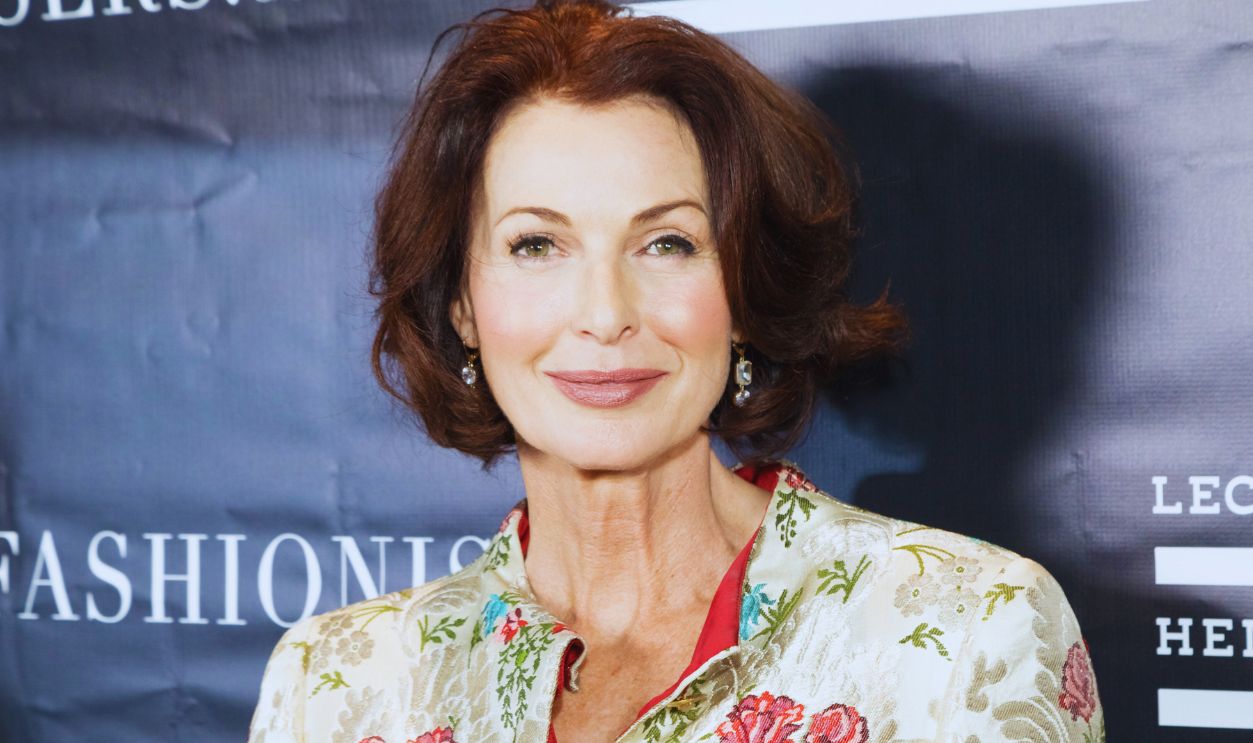
Another source provides a different account of the person who discovered Clark that dreadful morning. According to this other account, the one who walked in to find Clark’s lifeless body on the morning of January 8, 1991 was Clark’s ex-girlfriend, Lorelei Shellist. She had left him because of his addiction, and he had left the world because of it.
She might have known something that no one else did.
35. He Was Trying To End It All
Despite the fact that they were broken up, Shellist still kept tabs on Clark. And she seemed to know how much danger he was in. “He was mixing alcohol, Prozac, Valiums, coke,” she later recalled. Then she lamented, “his little heart was beating so hard to try and stay alive, but really he was slowly trying to [end] himself”.
The autopsy backed up her insights.
36. His Brain Was Compressed
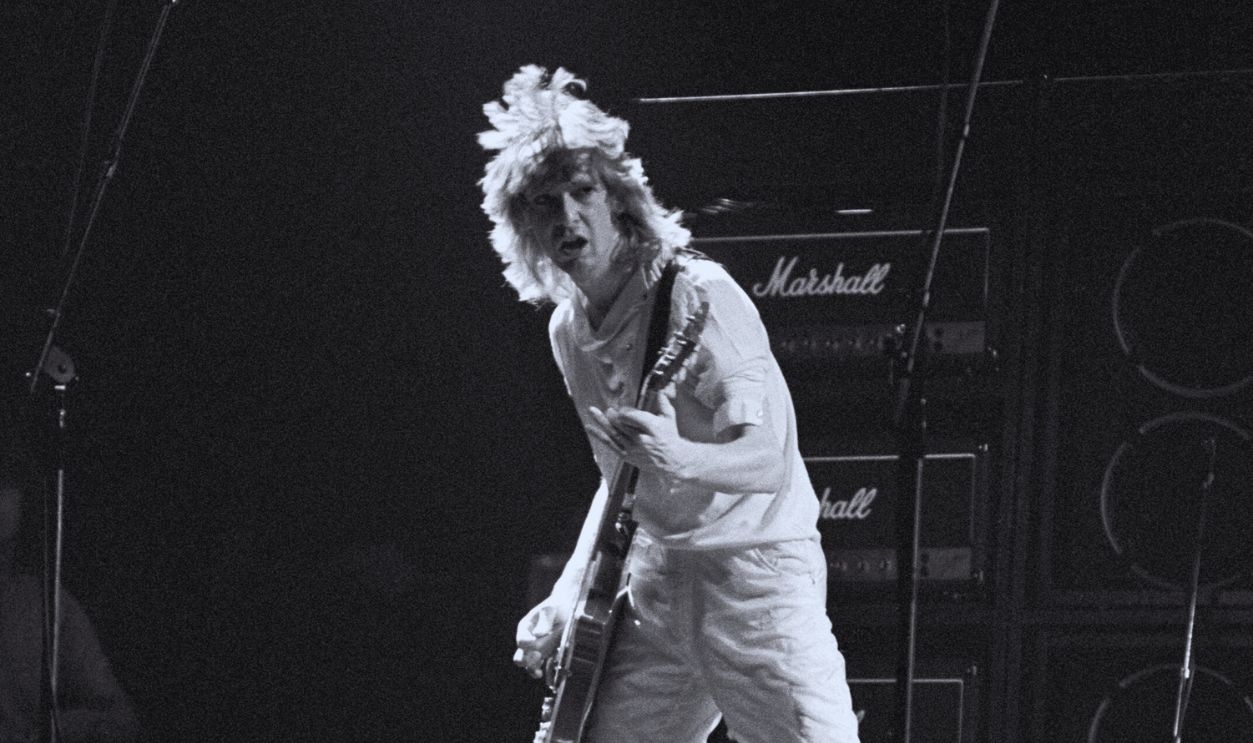
When the coroner examined Clark’s body, his findings painted a grim picture. The coroner revealed that what ultimately ended Clark’s life was “respiratory failure brought on by a compression of the brain stem”. In other words, Clark had a dangerous mixture of booze, Valium, and codeine in his system.
And that wasn’t all.
37. He Had More Than Hooch In His Veins
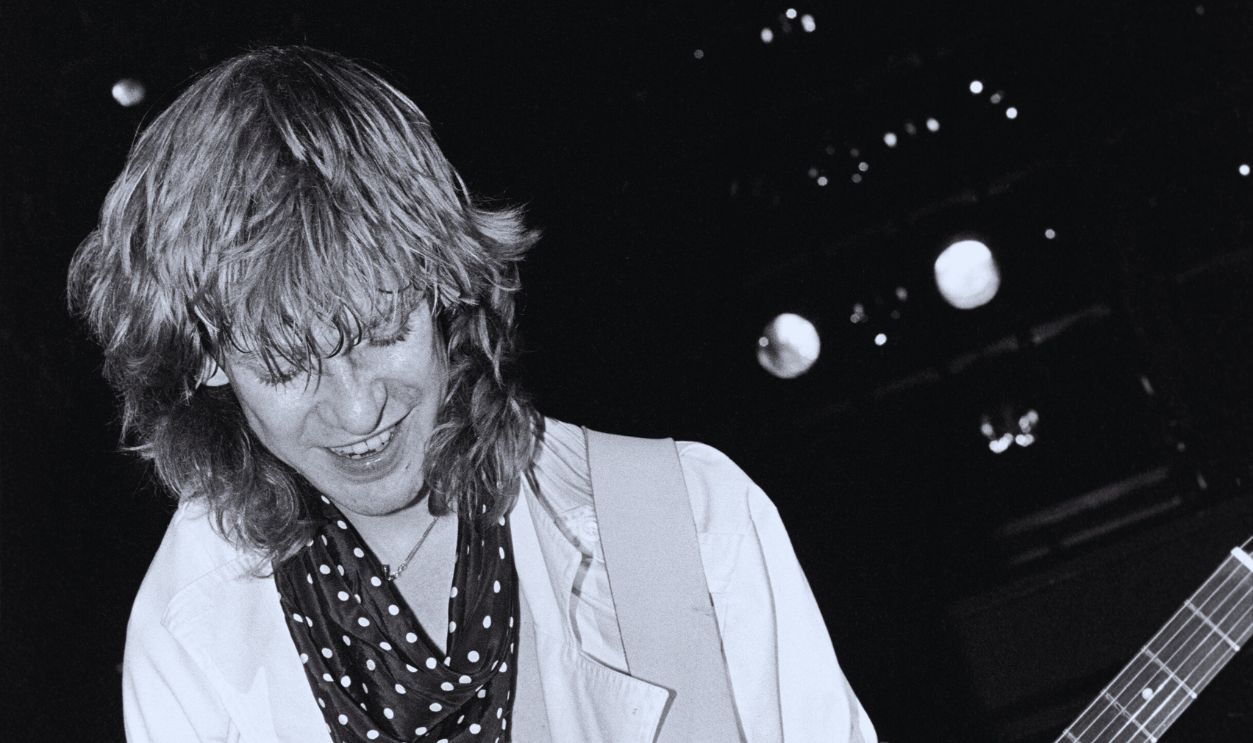
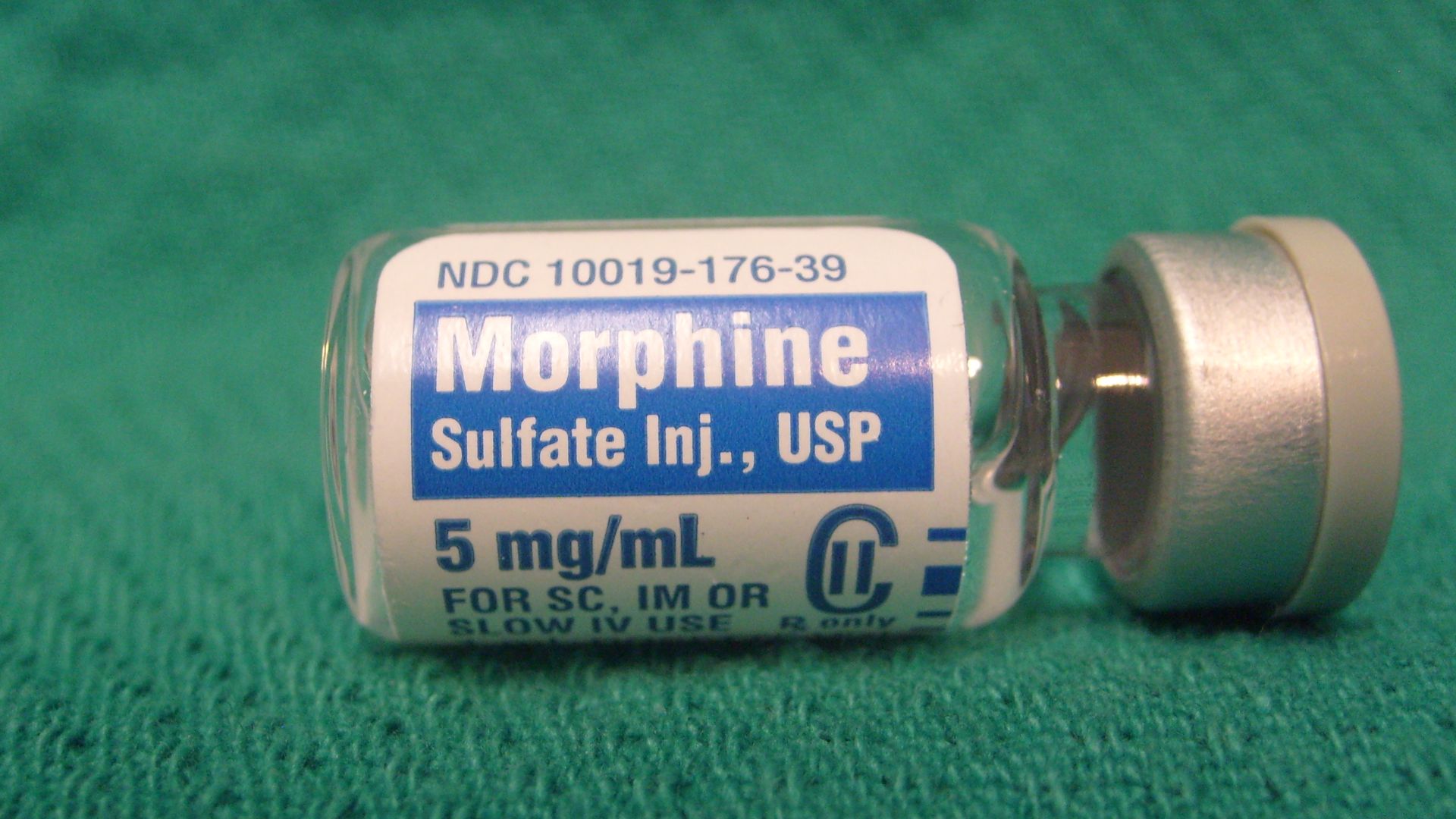
The coroner’s findings confirmed that Clark had disregarded his doctor’s warning not to mix booze with his pain medication. In fact, he had thrown that advice totally out the window. At the time of his passing, Clark’s BAC was a jaw-dropping 0.30 and his blood work contained “traces of morphine”. The grief was more than his band could stand.
38. His Band Broke Up
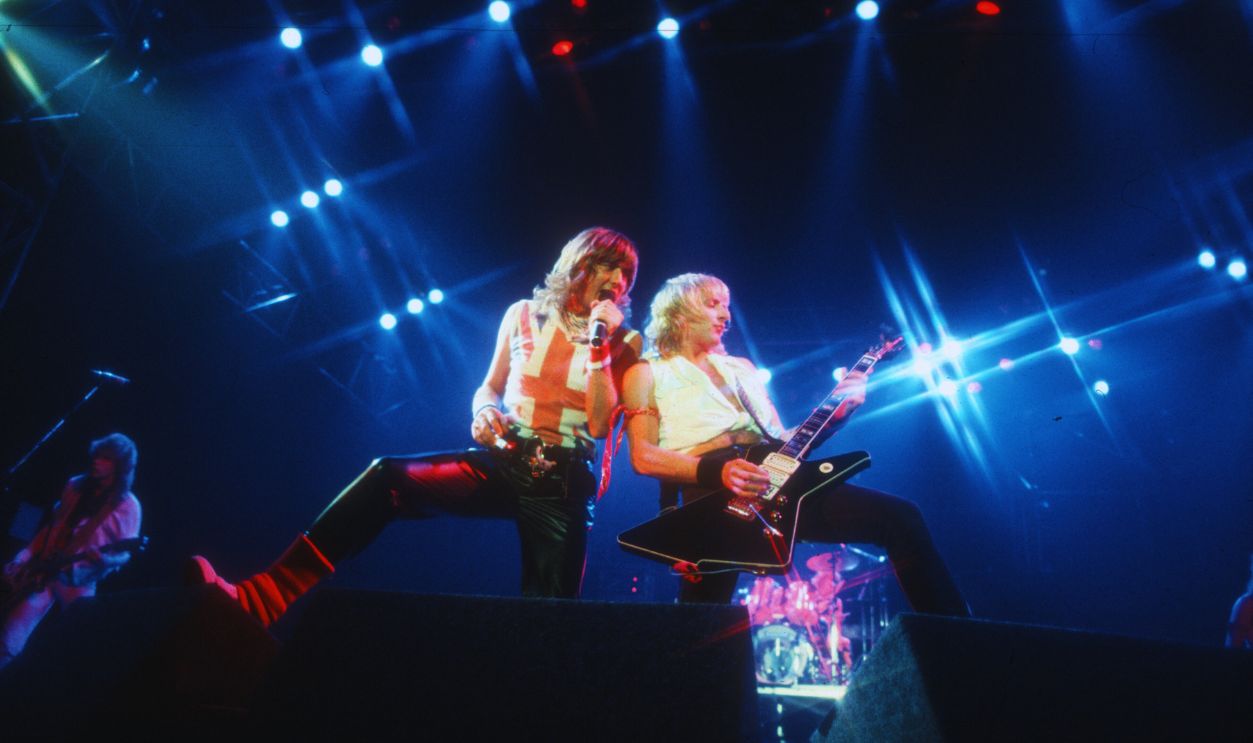
Clark’s passing didn’t just leave Def Leppard down one guitarist—they were out two. Once the dust settled, Phil Collen made the painful decision to step down from Def Leppard, believing that it was “wrong to continue” without his guitar soulmate. It wasn’t until Joe Elliott spoke to him that he convinced Collen to return to finish the album they had been working on.
But Collen’s protest continued.
 Michael Ochs Archives, Getty Images
39. His Bestie Skipped His Funeral
Collen might have agreed to rejoin Def Leppard to finish the album—but that didn’t mean he had to like it. Despite his close friendship with Clark, Collen “refused” to go to his funeral. His reasoning was simple. He was irate at all of the glommers-on, the “sycophants”, who showed their love and respect only after Clark’s demise.
40. He Went Right Back Home
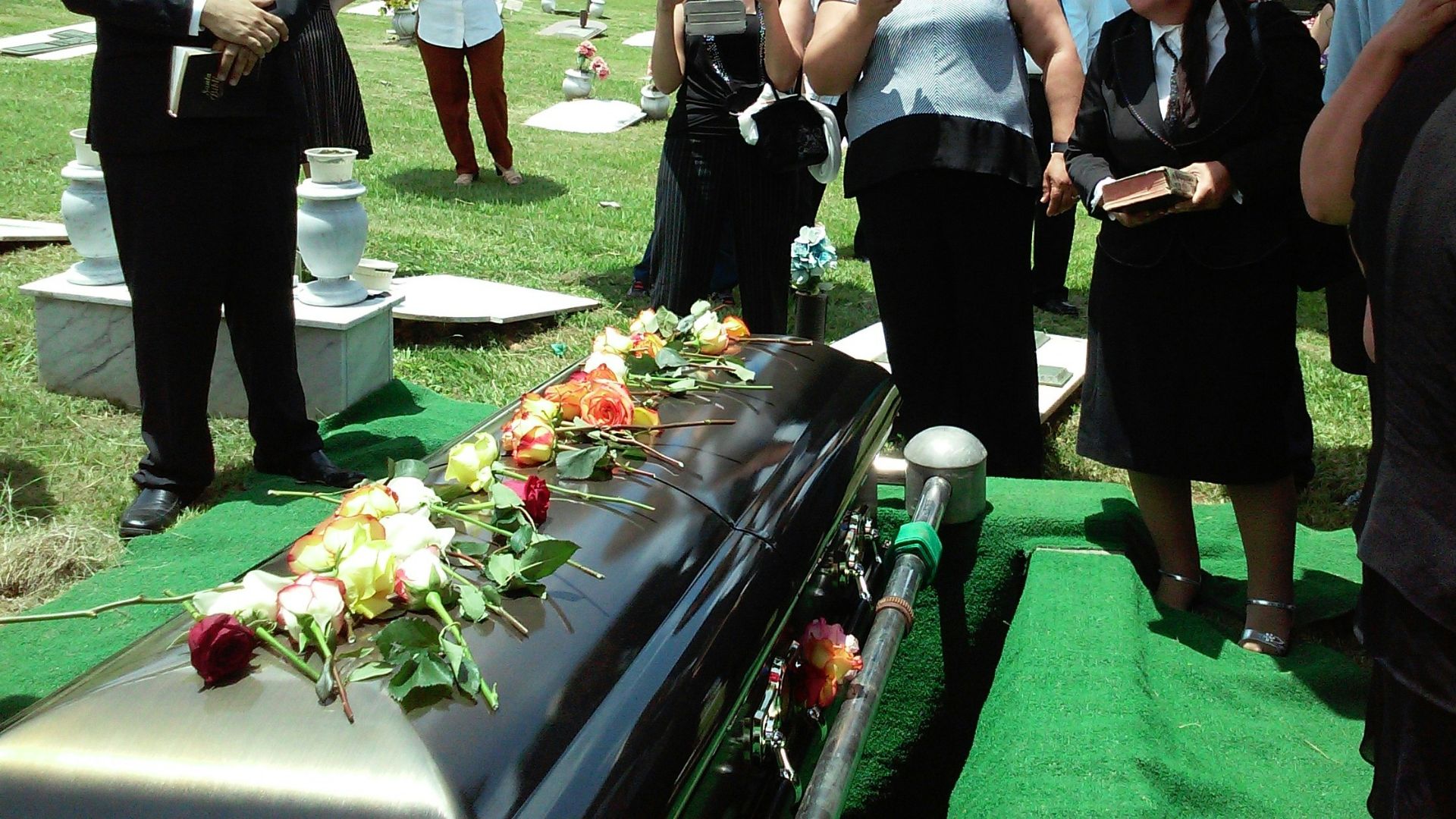
Amidst the controversy over who had found his body and his band splitting up and getting back together, Clark was finally laid to rest. His remains were buried in the Wisewood Cemetery in Sheffield. After his guitar shredding had taken him all over the world, he ended up right back at home.
But this was exactly what his father had been afraid of.
41. He Wasn’t Bothered
At the family gathering for Christmas in 1990, Clark’s father pleaded with his son to stop drinking. He worried that if Clark didn’t stop, he would land himself in an early grave. Clark’s response was the most chilling thing a father could hear: “Oh well,” Clark shrugged, “I’m not bothered anyway”. It was the clearest sign yet that he’d lost the fight inside.
But even from the grave, he had some riffs to share.
42. He Rocked From The Great Beyond
Sadly, Clark didn’t live long enough to see the completion of Def Leppard’s 1992 album Adrenalize. Even so, that didn’t mean he wasn’t still rocking out from the great beyond. A fair amount of Clark’s “songwriting demos” and unmistakable guitar riffs found their way onto the final pressing of the album.
In many ways, the album was all about him.
43. His Bandmates Wrote Him A Song
It wasn’t enough just to use what Clark had left behind on the album Adrenalize. To help themselves and their fans process the tremendous loss, Def Leppard recorded a song just for their fallen bandmate. “White Lightning” (the term being a slang for booze) was the band’s addiction-themed tribute to “The Riffmaster”.
It seemed the whole music world mourned alongside them.
 Screenshot from Def Leppard – “White Lightning”, Universal Music Group (2015)
44. He Inspired “Song & Emotion”
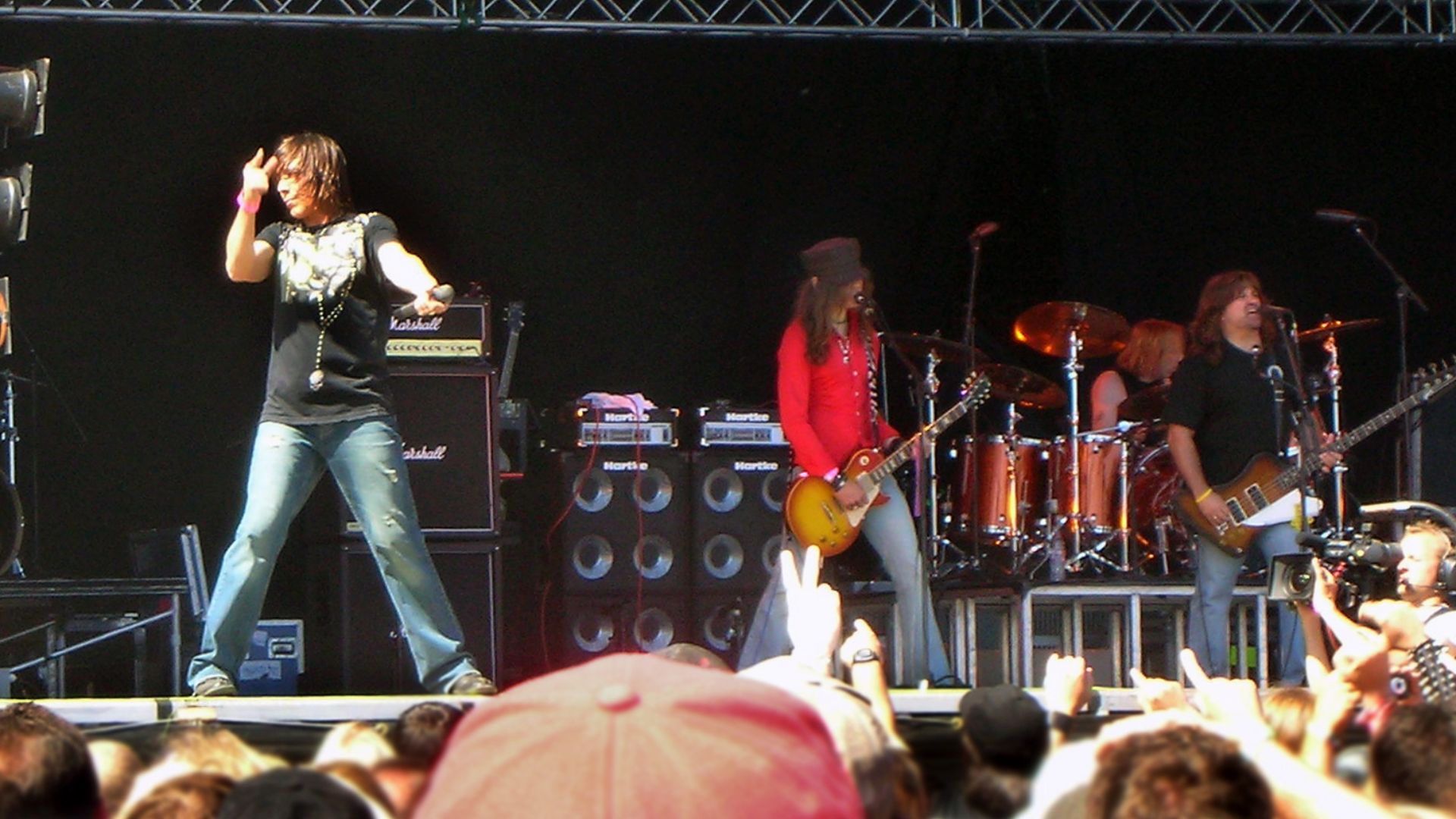
Def Leppard wasn’t the only band to write a tribute song to Clark. Tesla—a band that had previously toured with Def Leppard—prepared and recorded a touching tribute themselves. They dedicated their song “Song & Emotion” to Clark’s memory, including the track on their album Psychotic Supper.
The best tribute was, perhaps, Clark’s own songs.
45. He Had One Last Solo
Clark’s guitar solos and original riffs had made him and Def Leppard famous. So, it was only fitting that he left the world with one last ear-splitting shred. Just days before he took his final bow, Clark had finished recording a demo of “When Love & Hate Collide”. The rock ballad contained The Riffmaster’s last guitar solo.
No one could fill those shoes—but someone had to try.
46. His Replacement Finally Stepped In
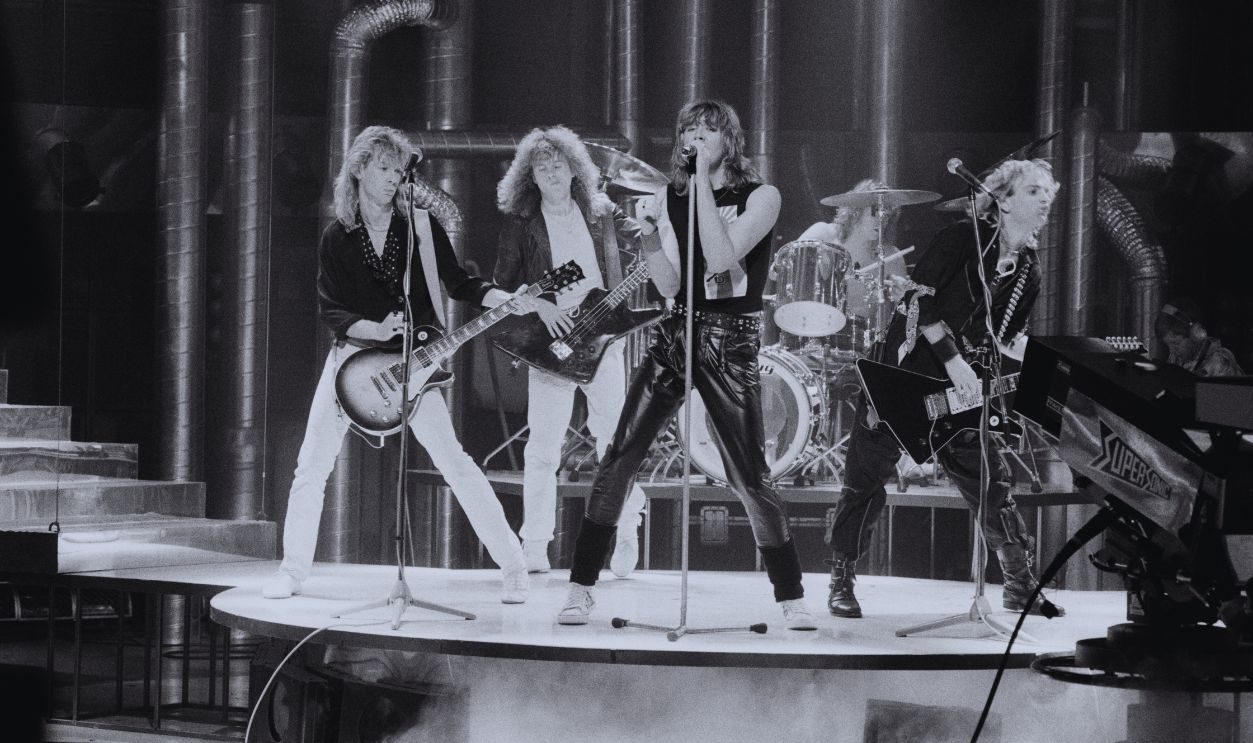
For Def Leppard fans—and for Def Leppard’s band members—there was just no replacing Clark. Still, without that second guitar, the band just wasn’t the same and the missing sound was only a reminder of what they had lost. So, in 1992, Vivian Campbell, formerly of the band Dio, picked up Clark’s ax and shred in his honor as Def Leppard’s latest guitarist.
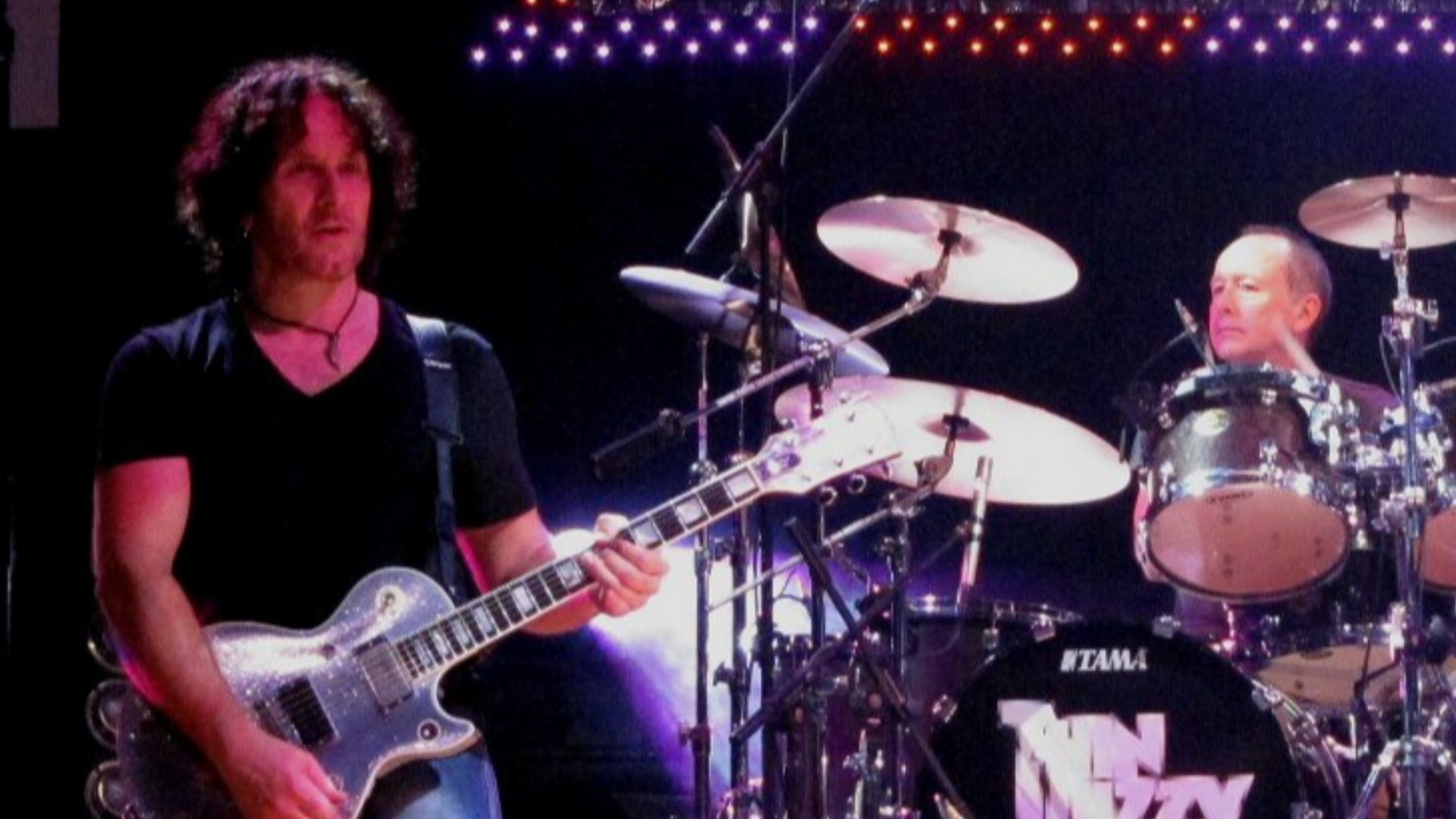 Alec MacKellaig, Wikimedia Commons
47. He Is A “Guitar Hero”
Almost two decades after his untimely demise, Clark cemented his place in rock and roll history. When Classic Rock Magazine released their list of the “100 Wildest Guitar Heroes” in 2007, there was no question that Clark would be on the list. But, when he claimed his #11 spot, it was official: he was a rock legend—even if there was once a time he'd do anything to avoid such a bright spotlight.
48. He Smashed His Own Knuckles
Remember how we mentioned Clark's crippling stage fright? Well, Joe Elliott, Def Leppard’s lead singer, recalled an incident involving Clark that sent shivers down his spine. Just before going on a tour, Elliott had walked in on Clark as he smashed his own knuckles against a sink to avoid having to perform. Clark revealed to Elliott that he was “scared to [his grave]” of going on stage.
But he went anyway, and made history in the process.
49. He Rocked Into The Hall Of Fame
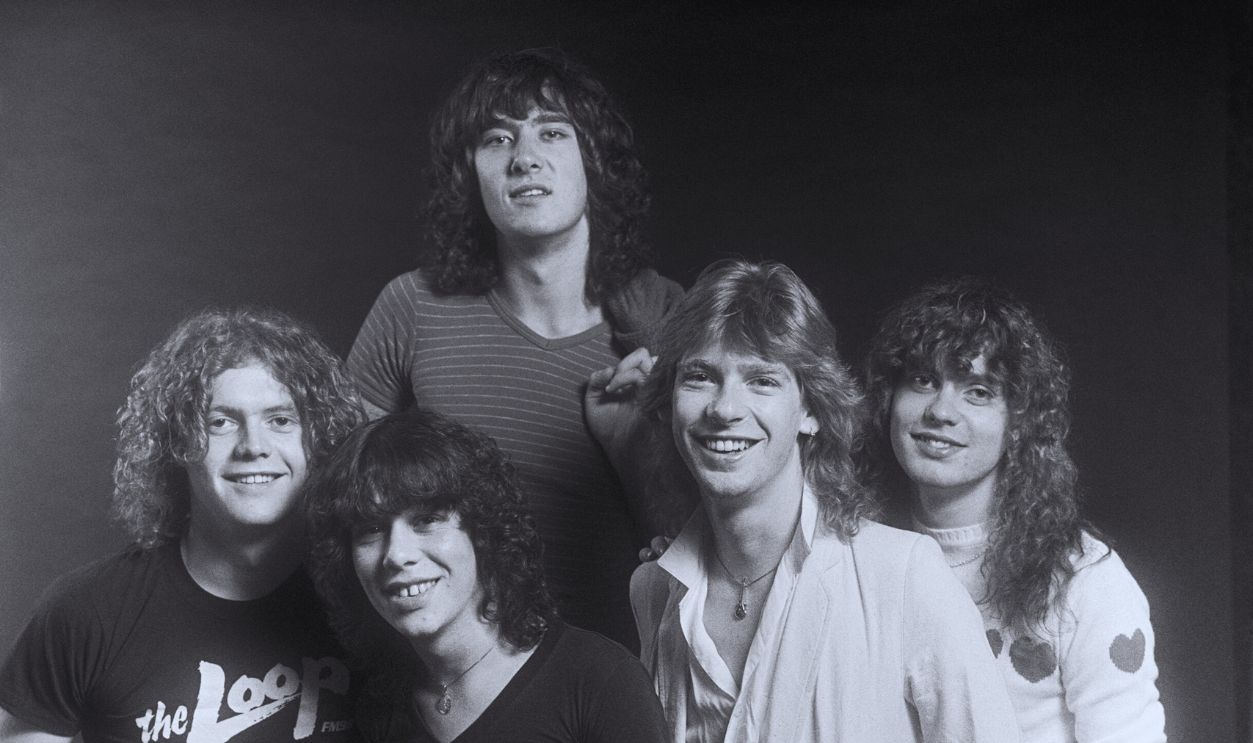
Clark’s posthumous honors kept rocking and rolling in. In 2019, however, he received an honor that everyone wished he would have lived long enough to enjoy. Long overdue, he was inducted into the Rock and Roll Hall of Fame as a member of Def Leppard. For all of his posthumous accolades, however, his truest legacy lives in the hearts of his bandmates.
50. He Still Visits Friends In Their Dreams
Collen never truly recovered from Clark’s untimely and tragic demise. And, in a way, Clark still lives on through him. Collen later revealed that he “continues to have dreams” in which he has conversations with his old fellow guitarist. “It feels totally natural,” Collen confessed, “and that’s fine with me”.
 Koh Hasebe/Shinko Music, Getty Images
You May Also Like:
Bleak Facts About Cliff Burton, Metallica’s Bedeviled Bassist
Dazed Facts About Jimmy Page, The Godfather Of Heavy Metal
Good Guy Facts About Randy Rhoads, The Rocker Who Crashed And Burned










%27s_Gibson_EDS-1275_Double_neck_(1977)_-_Play_It_Loud._MET_(2019-05-13_19.33.18_by_Eden,_Janine_and_Jim).jpg%20)