Performing Through The Pain
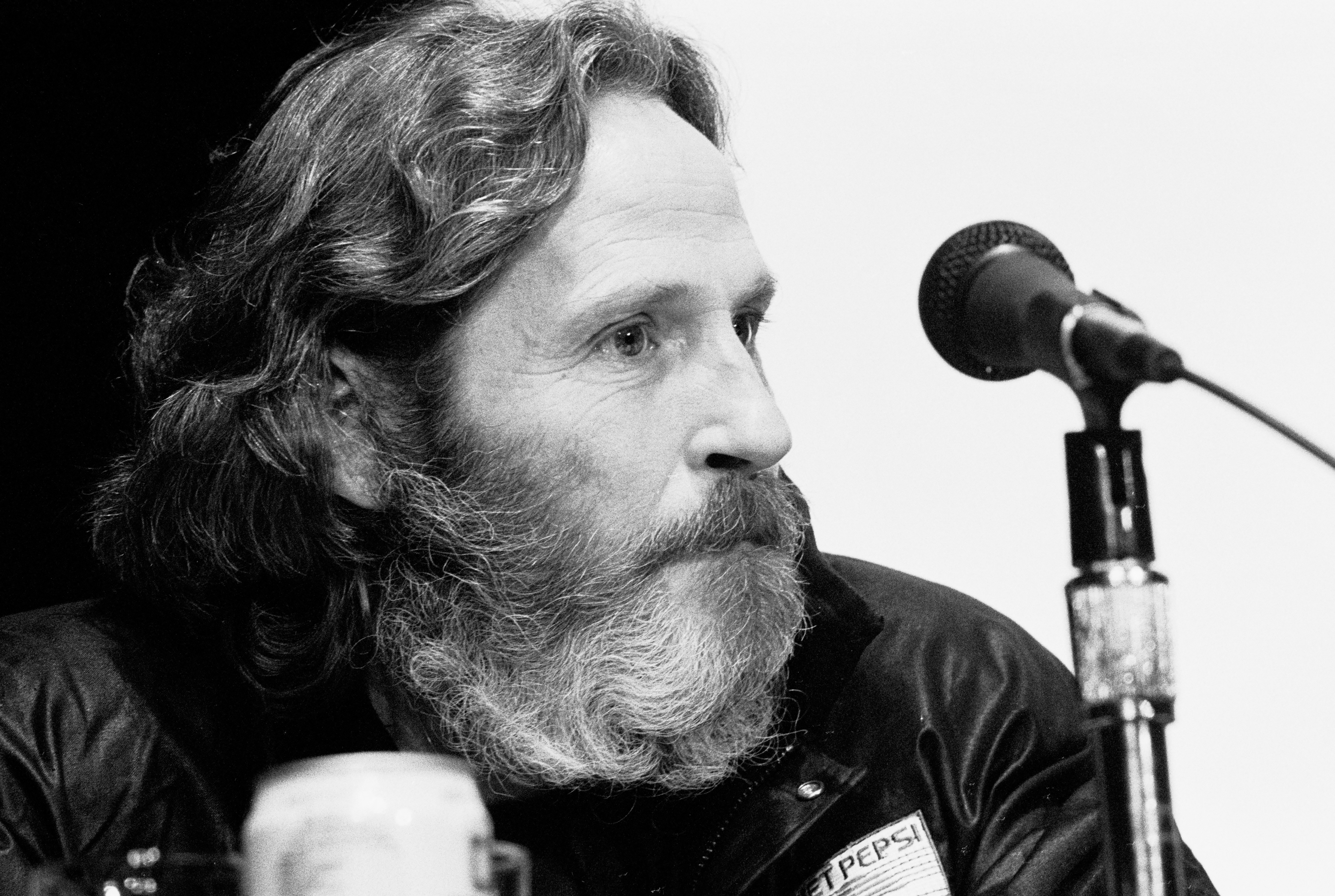
Chasing his dreams of a drumming career in the 1960s, Levon Helm didn’t limit himself to that path, as he proved to be a talented singer as well. However, in a cruel twist of fate, he would eventually develop an illness that would threaten to take his voice away. Even so, he refused to let anything stand in the way of his art, and he miraculously persevered through all the pain of his treatment and recovery—but it still wasn’t a happy ending.
1. They Shared A Passion
Born in 1940, Levon Helm grew up a country boy in Turkey Scratch, Arkansas, taking strongly after his parents, who both worked as cotton farmers to provide for him and his three siblings. However, not everything was all business in the Helm household, as both his mother and father, Emma and Jasper Helm, were deep lovers of music.
This went way beyond just a fleeting hobby, though.
2. He Began Early
While it was easy for Helm to fall in love with music from a young age, his parents had an even bigger impact on him as they pushed him to both sing and learn an instrument. Furthermore, he was lucky enough to see such talented musicians as Bill Monroe when he was only six years old, which inspired him to learn the drums and guitar within the next couple of years.
Still, it wasn’t like he grew up within the bubble of just one musical genre.
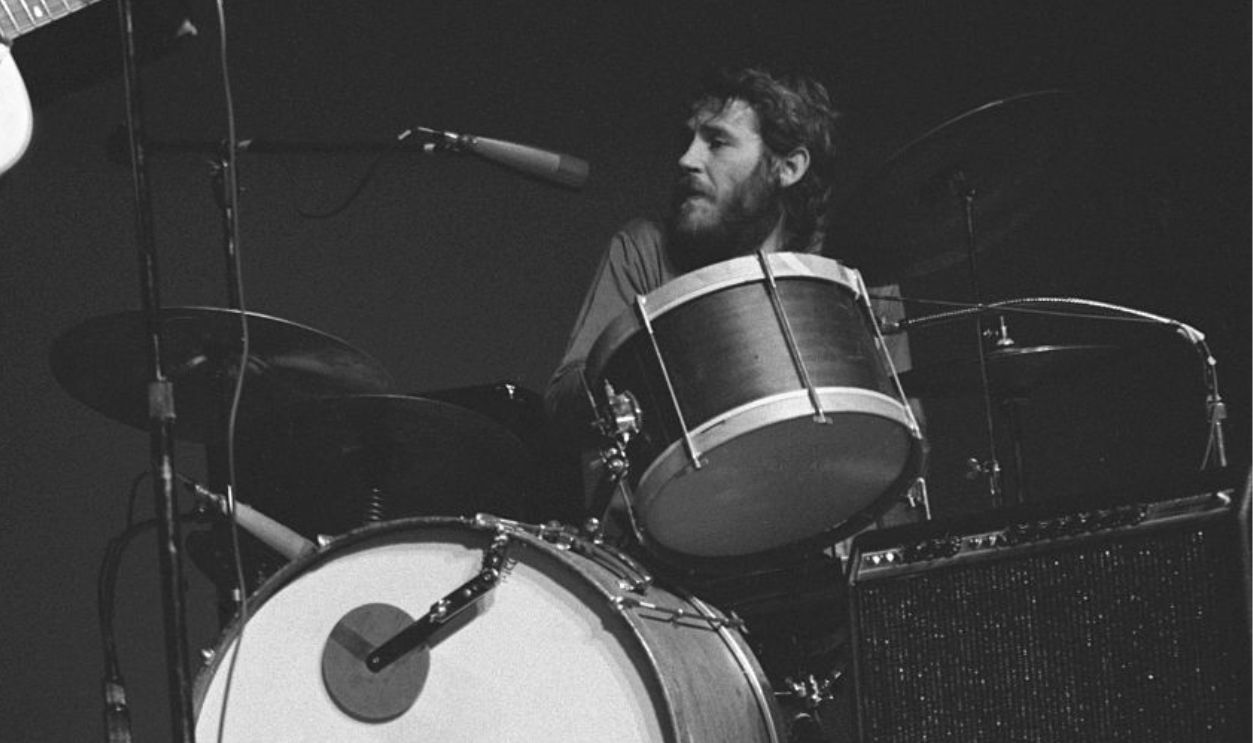
3. He Found His Inspiration
Growing up in Arkansas, Helm was certainly no stranger to country music, but that was just one aspect of the music scene growing around him. Expanding his palette to numerous different styles, whether it was the age-old Delta blues or the burgeoning R&B, he absorbed each like a sponge as he found his own identity.
Not to mention, he had no shortage of role models to look up to—but he wasn’t just a fan.
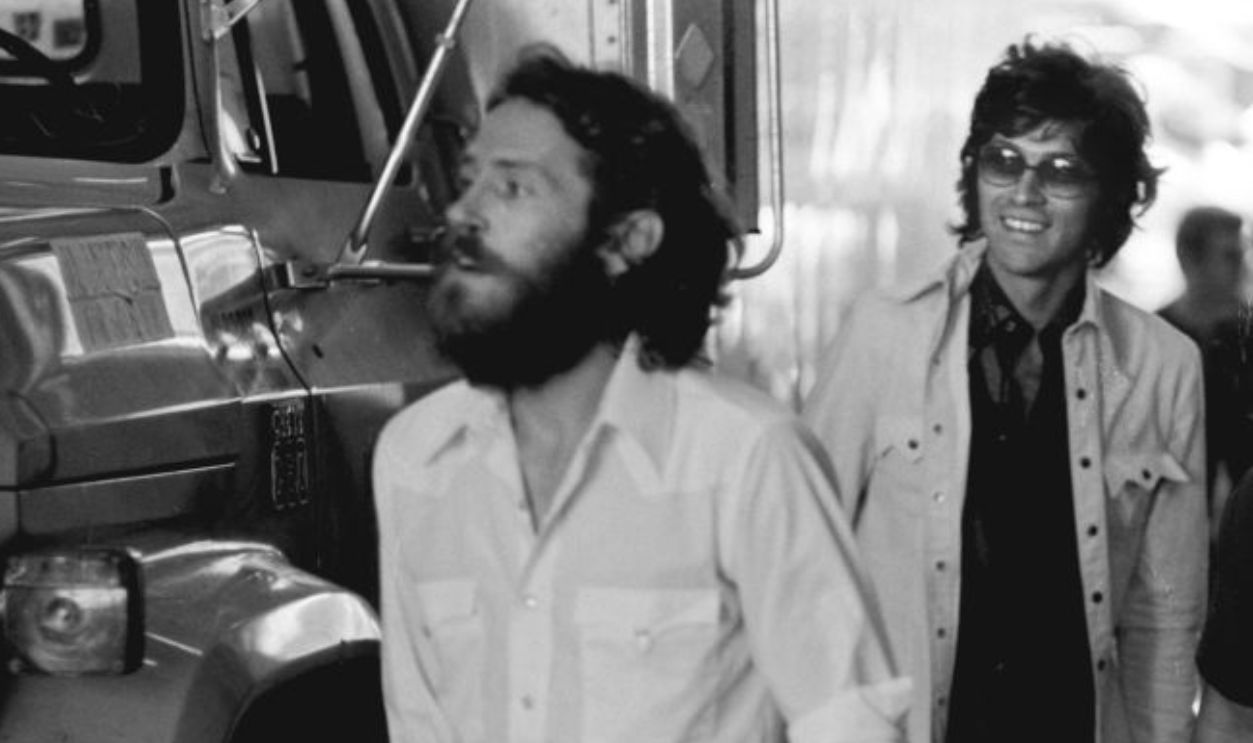 Gijsbert Hanekroot, Getty Images

History's most fascinating stories and darkest secrets, delivered to your inbox daily.
4. He Watched Him Closely
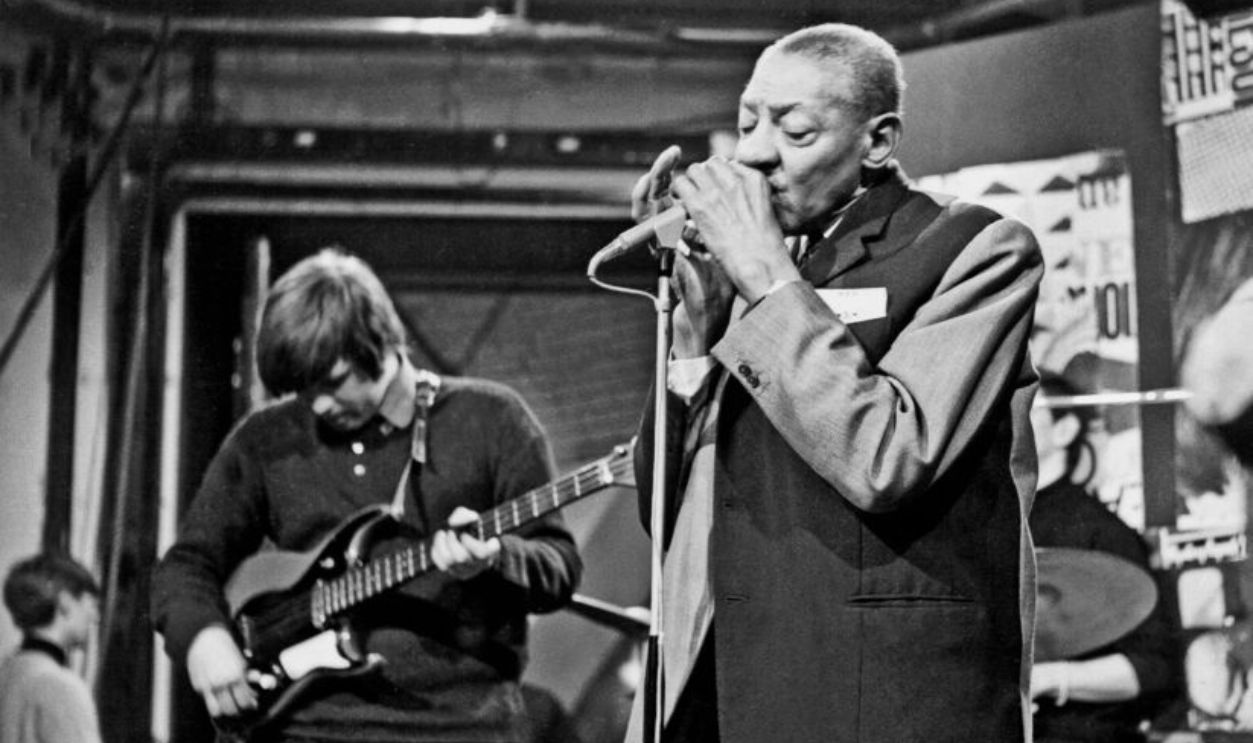
Among the artists Helm enjoyed at an early age was Sonny Boy Williamson II, and while the blues musician was another huge inspiration for him, Levon wasn’t just watching the singer. Being a drummer, Helm was naturally drawn to the drummer in Williamson's band, studying him intently so that he could imitate his style.
Of course, these were far from the only great musicians he would have the privilege of seeing.
 Michael Ochs Archives, Getty Images
5. He Witnessed A Few Legends
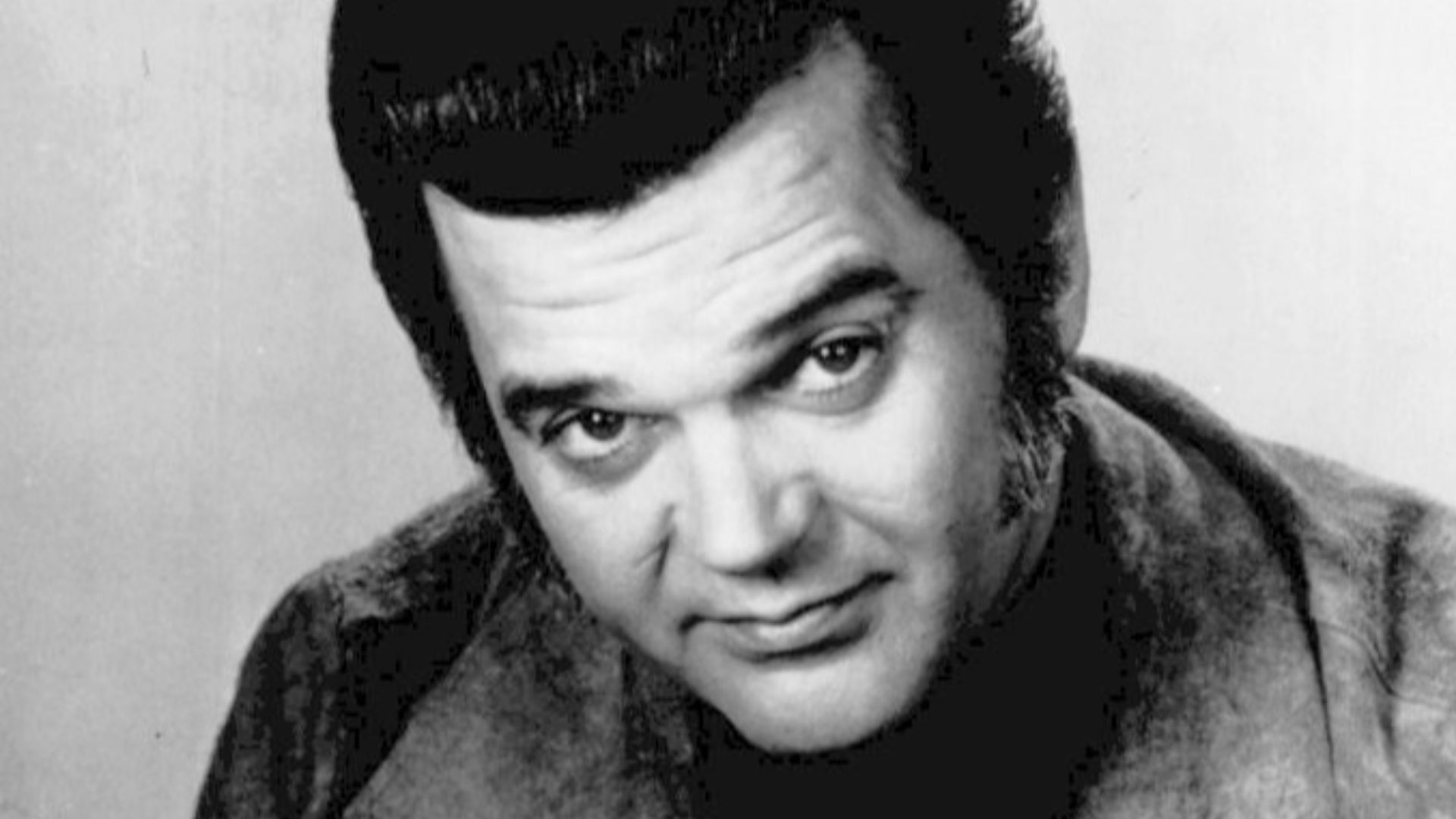
As he spent his formative years on the cusp of one of the most iconic eras of rock and roll, Helm had the honor of seeing some of the greatest musicians in history get their start. Long before he ever made a name for himself as an artist, he was lucky enough to see people like Conway Twitty, Bo Diddley, and even Elvis Presley while they were still relatively unknown.
Fortunately, it wasn’t long before he had the chance to start his own career.
 United Talent Inc. (management)/MCA Records, Wikimedia Commons
6. They Asked Him To Join
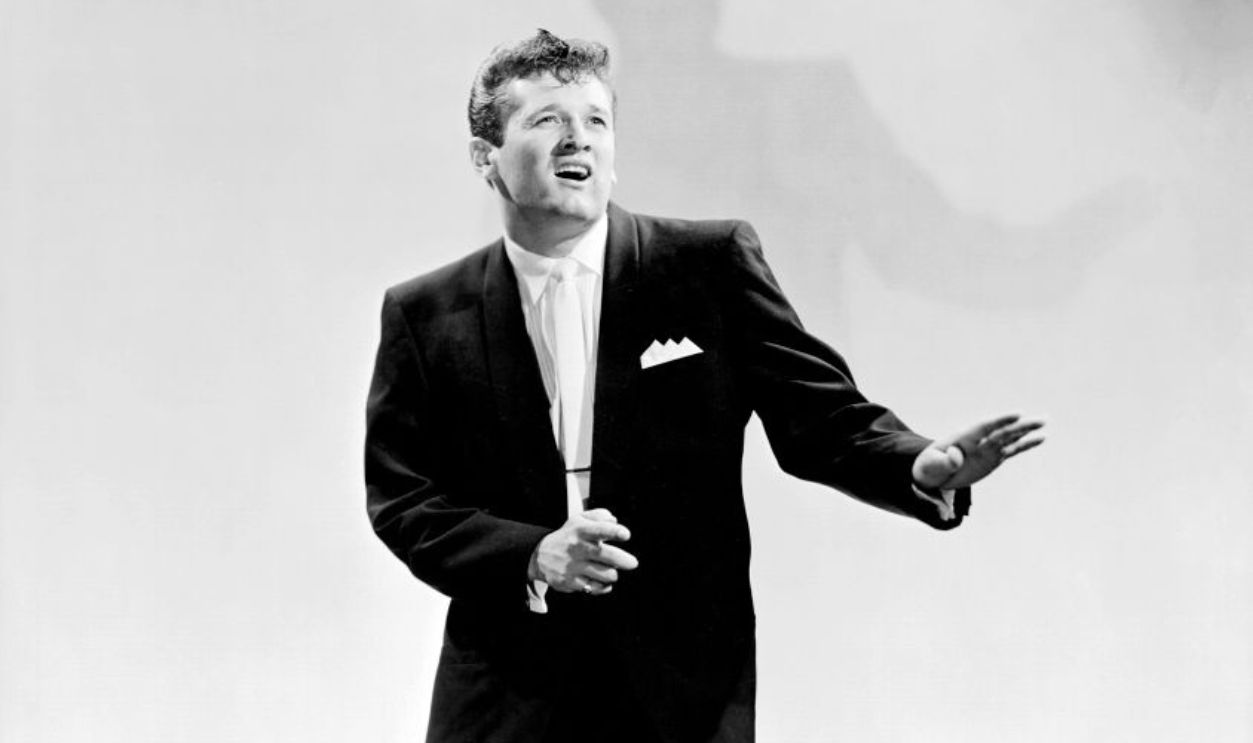
Although Helm was largely honing his craft as a musician on his own, he likely would have given anything to be part of a bigger project—something that was just around the corner. While still a high school student, he received an invitation to join a musical group called the Hawks, led by singer Ronnie Hawkins.
Even then, his parents remained supportive—but they were also practical.
 Michael Ochs Archives, Getty Images
7. She Told Him To Wait
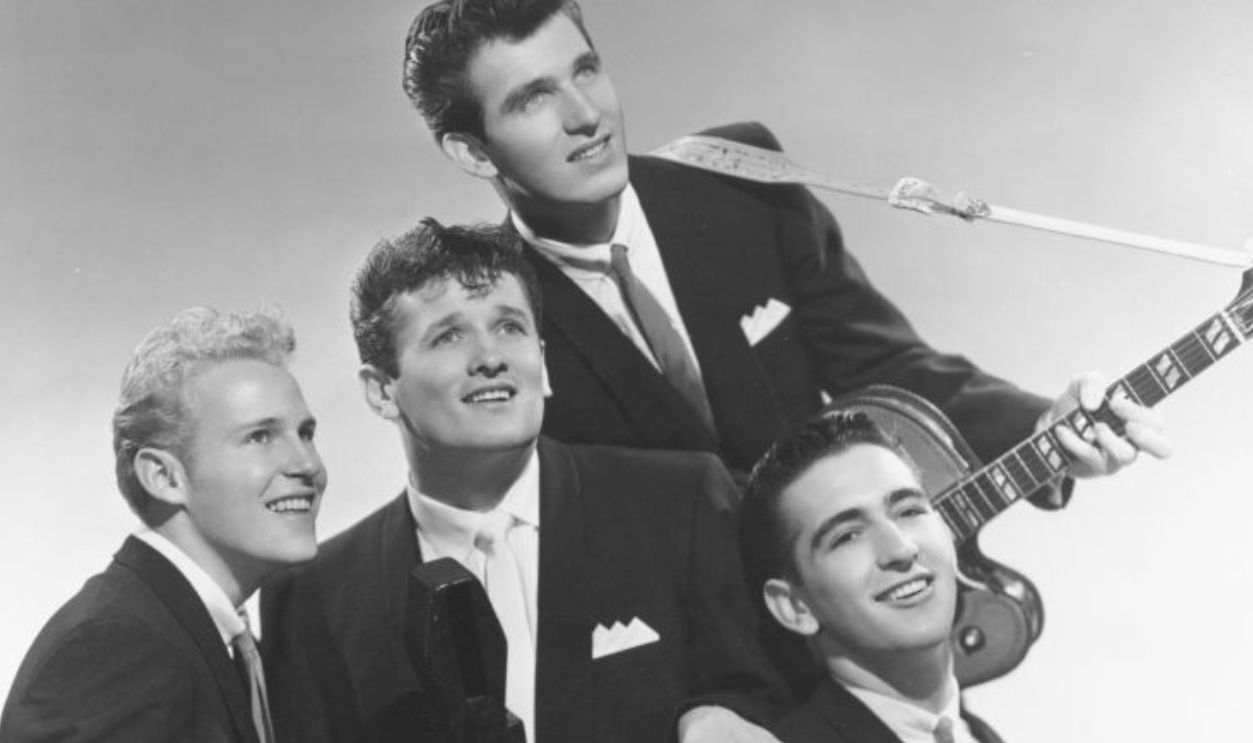
Knowing that the Hawks had already gained some traction in the South, Levon Helm wanted nothing more than to join them on tour, but there was just one issue: he was still only 17. His mother may have been a music fan, but she also wanted the best life possible for her son, so she made him finish high school first. Finally, after graduating in 1958, he was able to join the Hawks as its newest member with his mother’s blessing.
With that, he not only got a new lease on life but also a new identity.
 Michael Ochs Archives, Getty Images
8. They Couldn’t Say It Right
In truth, Levon Helm’s birth name was “Mark Lavon Helm”, and the only reason he ended up changing his name was because of a mistake—or more like several. After joining the Hawks, he got a reminder of how unique his name was, since his bandmates could never quite pronounce “Lavon”. As they found “Levon” much more manageable, the name stuck, and he became Levon Helm.
Soon enough, they were on the road to greater success, though not in America.
9. They Signed A Deal
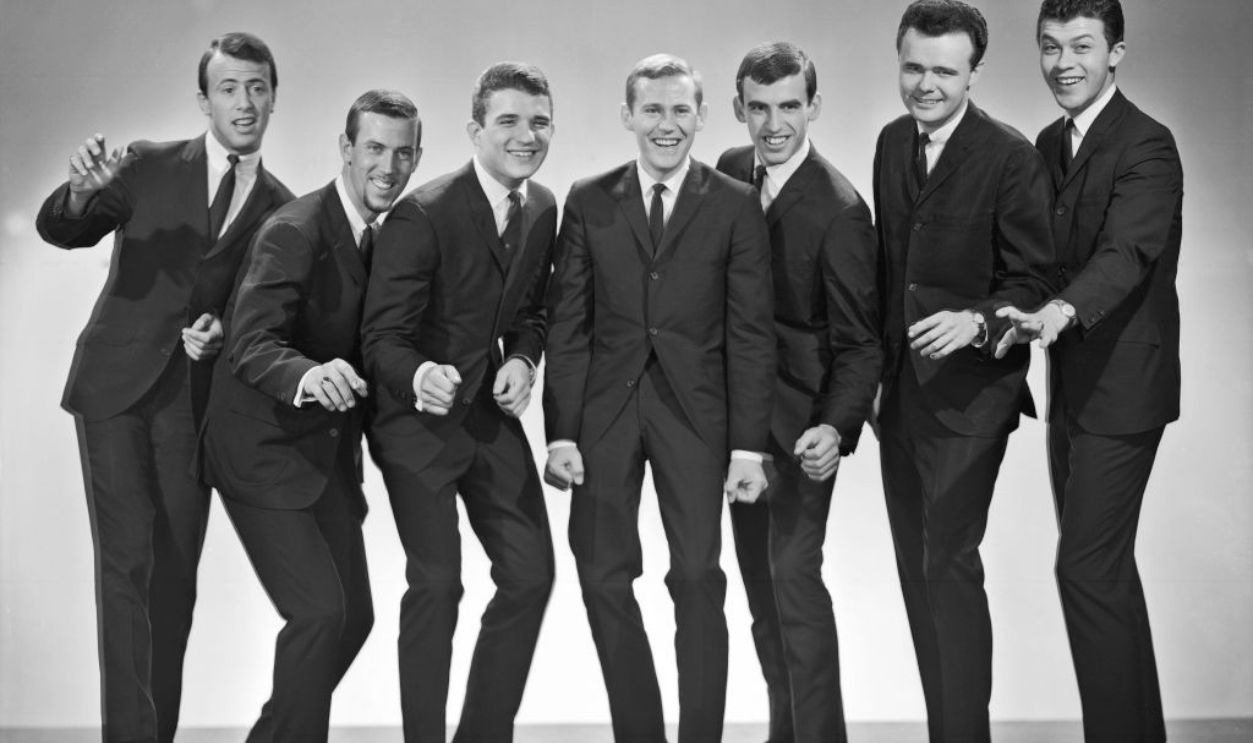
As it happened, the Hawks hadn’t only found success in the American South, but also around the bar and club circuit up in Canada, which was where they were off to next. Negotiating a contract with Roulette Records, the group relocated to Toronto, Ontario in the late 1950s and immediately began pumping out hits.
For such an ambitious future, though, they would need a few more members.
 Michael Ochs Archives, Getty Images
History's most fascinating stories and darkest secrets, delivered to your inbox daily.
10. They Brought In Some Help
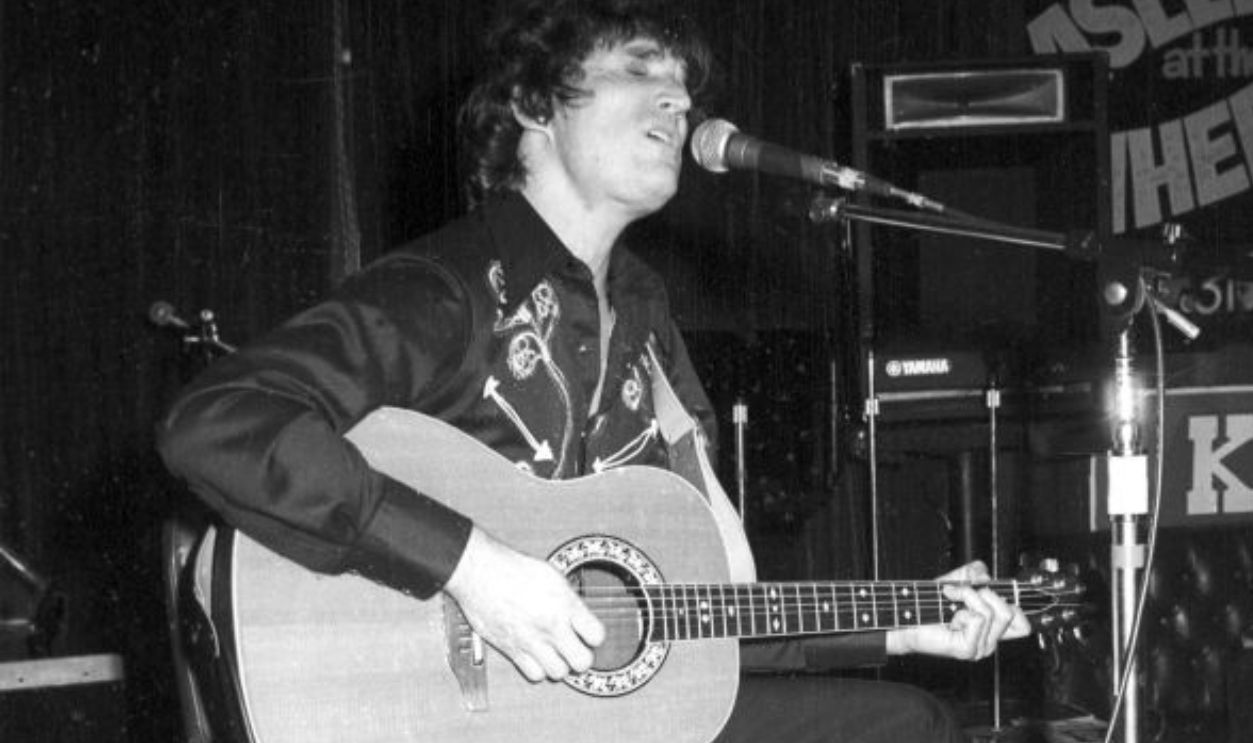
Moving to Canada, both Levon Helm and Ronnie Hawkins thought it would be best to embrace the culture around them, especially some of the more talented musicians they met. Revamping the lineup of the Hawks, they brought in several prominent Canadian instrumentalists, including Rick Danko and Robbie Robertson.
Canada allowed Helm to find so many opportunities—including to avoid some of the horrors to come.
 Michael Ochs Archives, Getty Images
11. He Tried To Get Out Of It
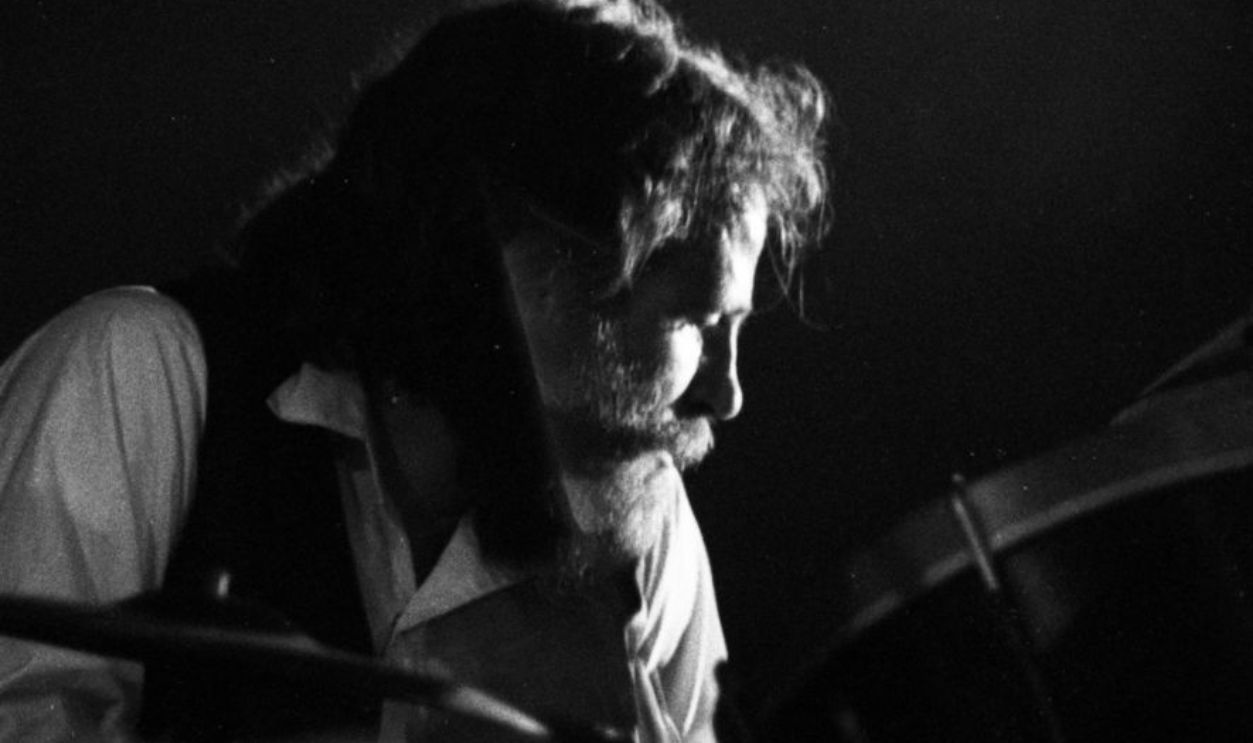
Despite working mostly in Canada, Helm was still an American citizen, which meant the draft would come for him sooner or later. That is, unless he figured out a way to escape it. Luckily for him, he met a woman named Connie Orr, and while they never became more than friends, she was happy to help him out. With them tying the knot in 1962, Helm gained his Canadian citizenship and successfully avoided the draft.
Meanwhile, he was in for another major shift, and this time it meant saying goodbye.
 Gijsbert Hanekroot, Getty Images
12. They Made Some Changes
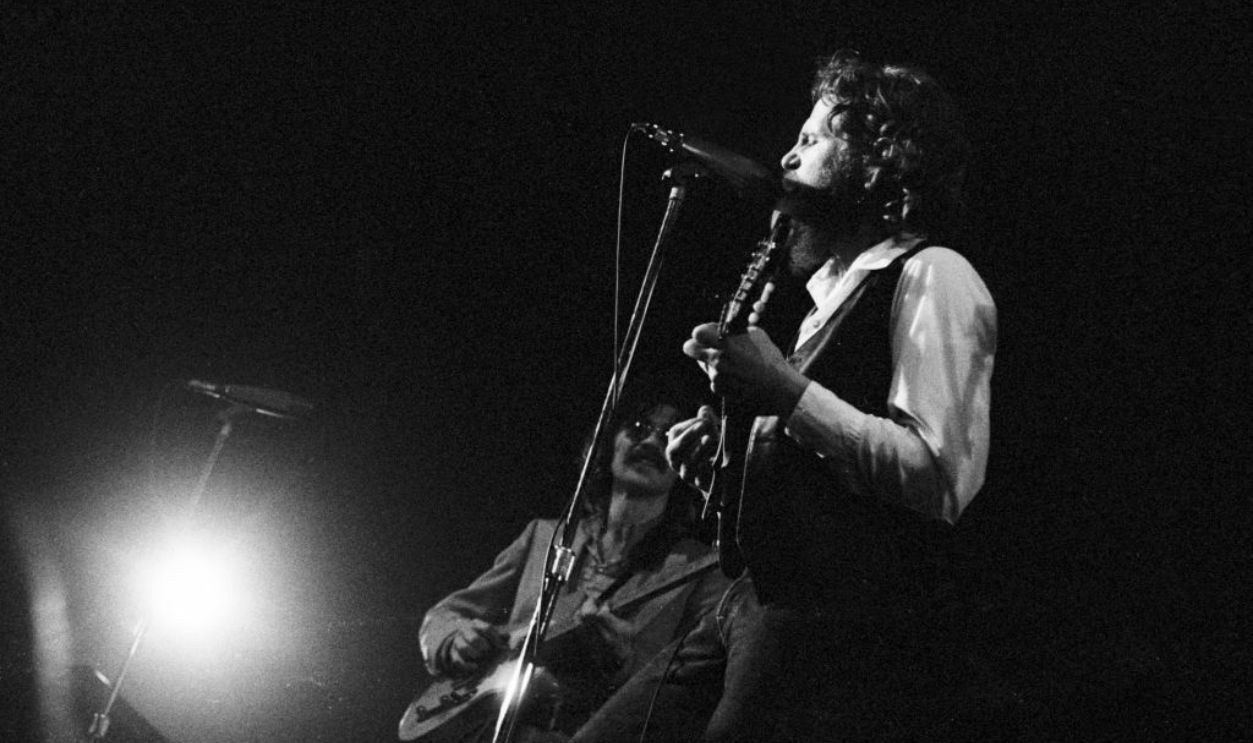
As Helm and the rest of his bandmates continued working with Hawkins, they found that he became increasingly tyrannical as a leader, to the point of stunting their creativity. It was a difficult decision, but in 1963, they all left him to create a new band, rebranding themselves a couple of times before settling once again on the name “the Hawks”.
Helm had already brushed shoulders with some legendary musicians—but he was about to do much more than that.
 Gijsbert Hanekroot, Getty Images
13. He Asked Them To Help
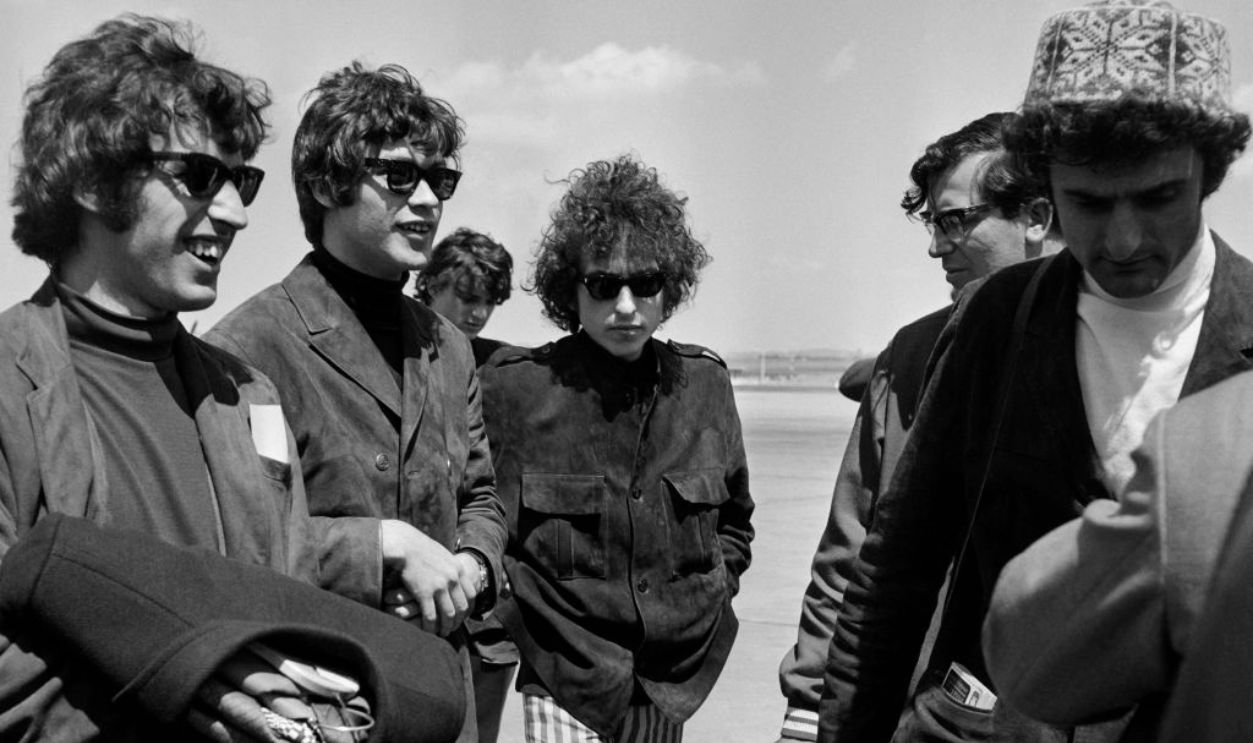
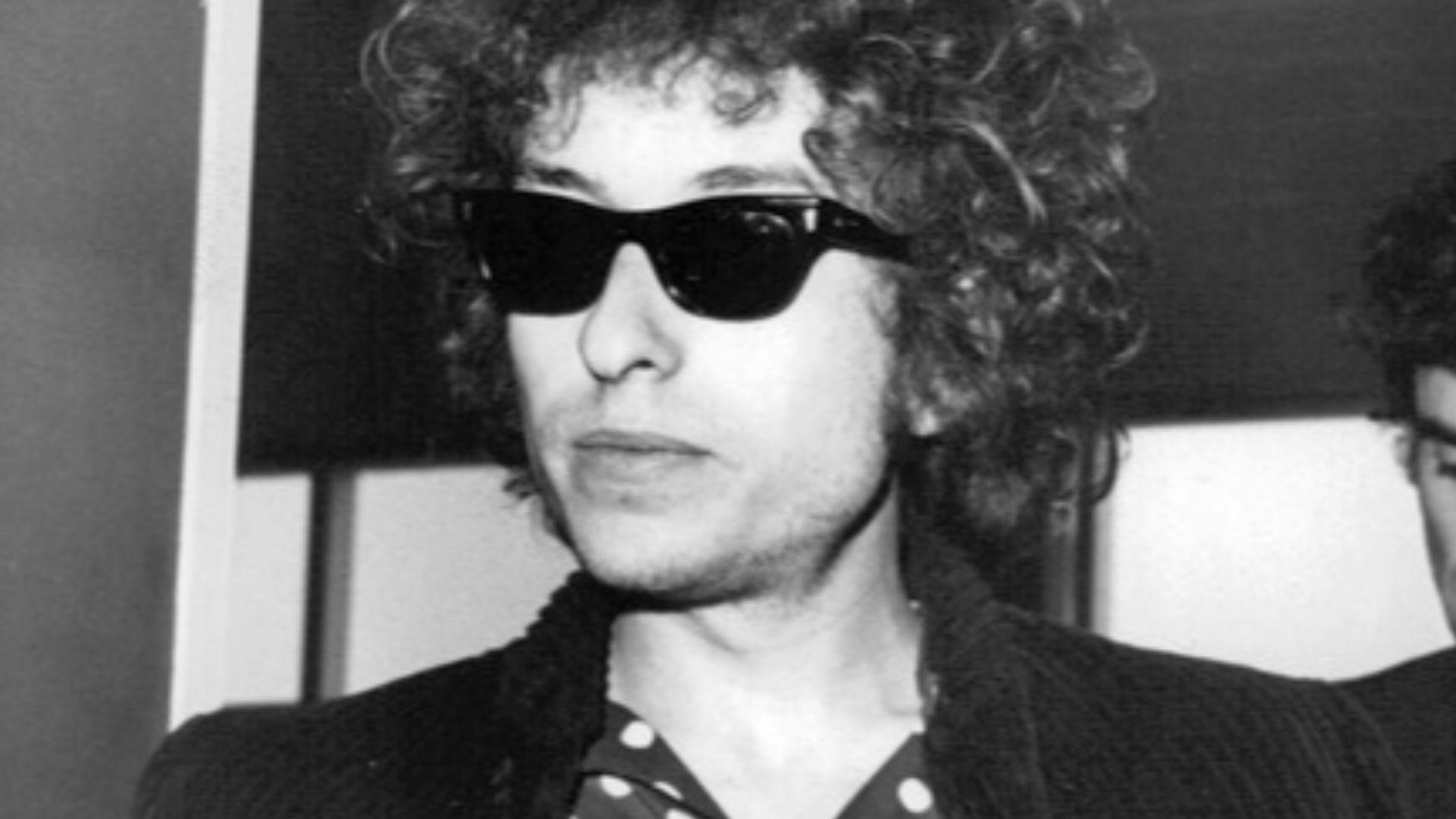
As successful as Levon Helm and his bandmates had become under Ronnie Hawkins’ leadership, they ended up being correct, as a huge opportunity came their way after splitting from him. In the mid-1960s, Bob Dylan reached out and asked them to accompany him as his backing band, since he was considering branching out into electric rock.
Unfortunately, this didn’t go as they hoped and one member became fed up.
 Unknown photographer, Wikimedia Commons
14. He Wasn’t Happy
While Bob Dylan may have thought it was a good idea to transition to electric rock, not everyone shared his enthusiasm, specifically, a large portion of his fans. As he and the Hawks toured, they faced criticism and jeering from those who believed Dylan should have stuck to his folk roots. It got so bad that Helm no longer wanted to perform with them, choosing to part ways with the Hawks in 1965.
Now on his own, Helm had the freedom to try out anything he wanted—even outside the music world.
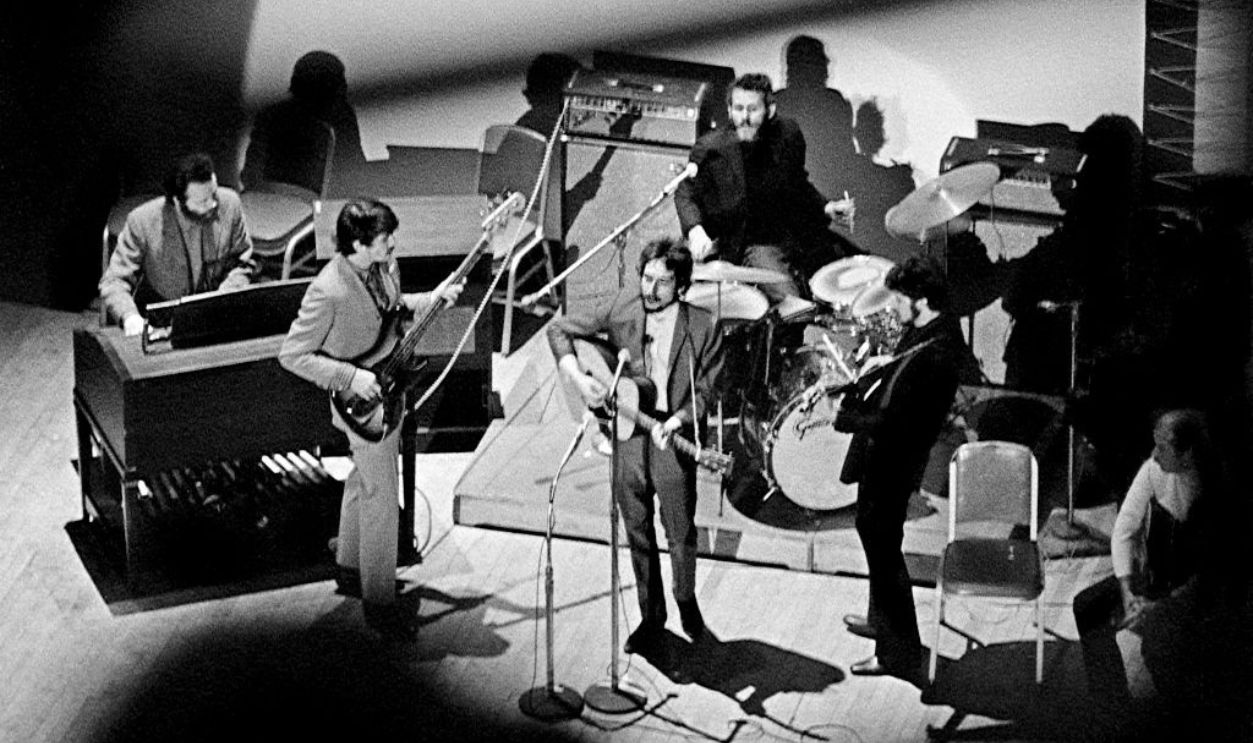
15. He Branched Out
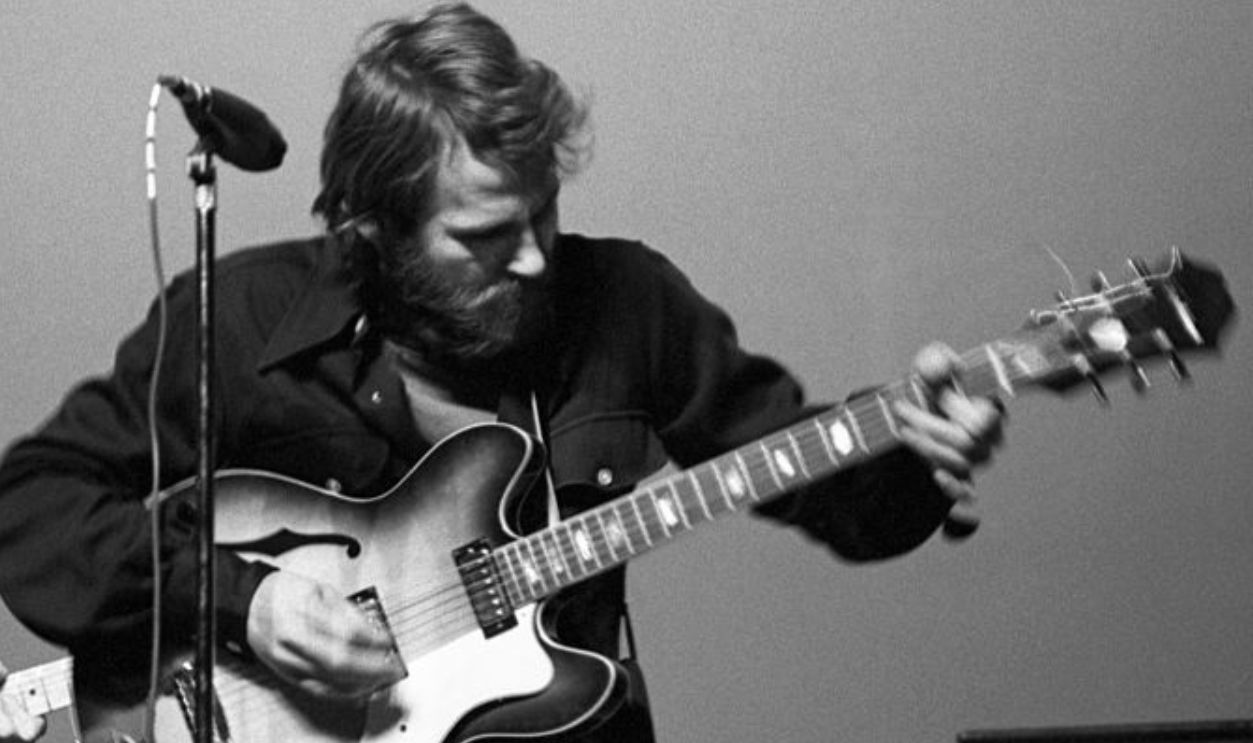
Having left the Hawks, Levon Helm realized the world was his oyster, and he wasn’t about to let any opportunities pass him by. After returning to Arkansas to see his family, he embarked on a journey across America, performing in venues from Los Angeles to New Orleans—but he wasn’t only focusing on music. He also dedicated this time to gaining many other experiences, such as working on an oil rig and even experimenting with illicit substances.
As time would tell, though, he couldn’t stay away forever.
History's most fascinating stories and darkest secrets, delivered to your inbox daily.
16. He Came Back
While Helm likely found a lot of valuable experiences during the two years after he left the Hawks, he eventually realized that he hadn’t finished performing with them. Picking right back up where he left off with the group, he returned to his place in the band in 1967, unfortunately already having missed the cultural phenomenon that was the Summer of Love.
However, he was just in time for them to become who they were meant to be.
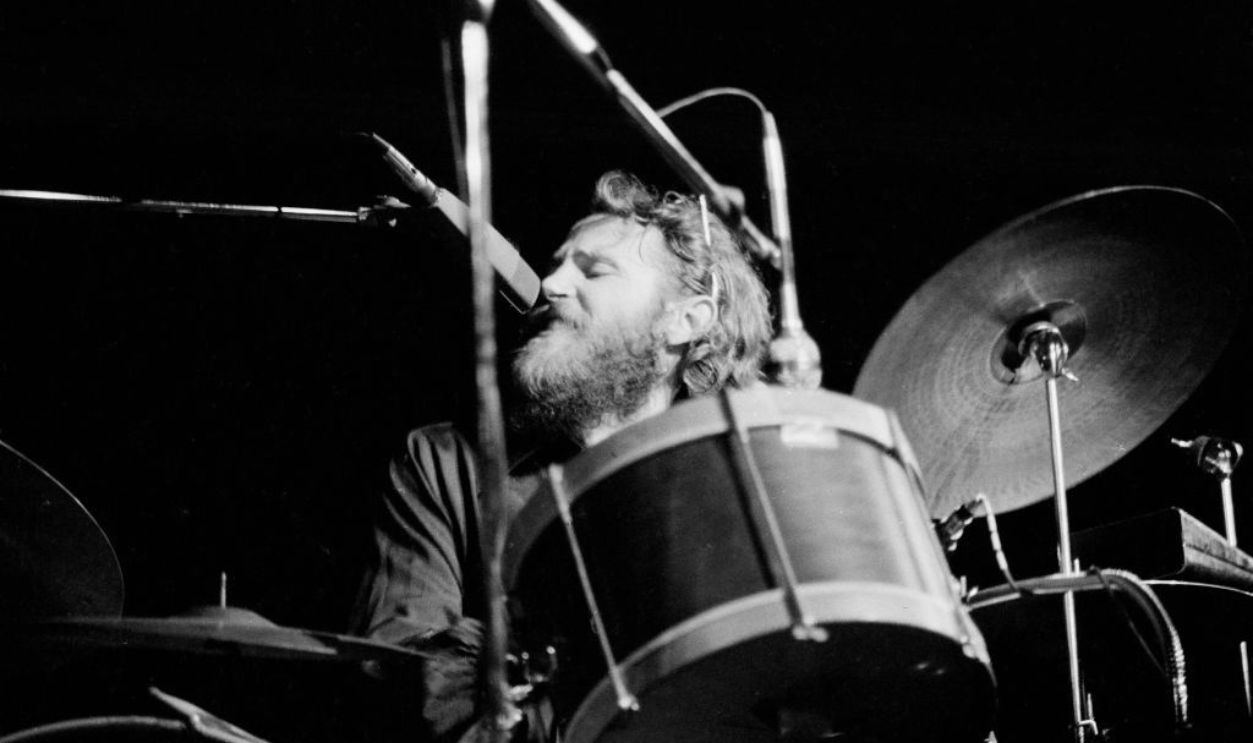
17. They Found Their Identity
By this point, Helm and his bandmates had gone through a few name changes, but even “the Hawks” wouldn’t be the one to make them famous. During their time playing with Bob Dylan, many other musicians started to call them simply “The Band,” and they liked the name so much that they kept it.
All they needed was one hit to put them on the map. They wouldn’t have to wait long.
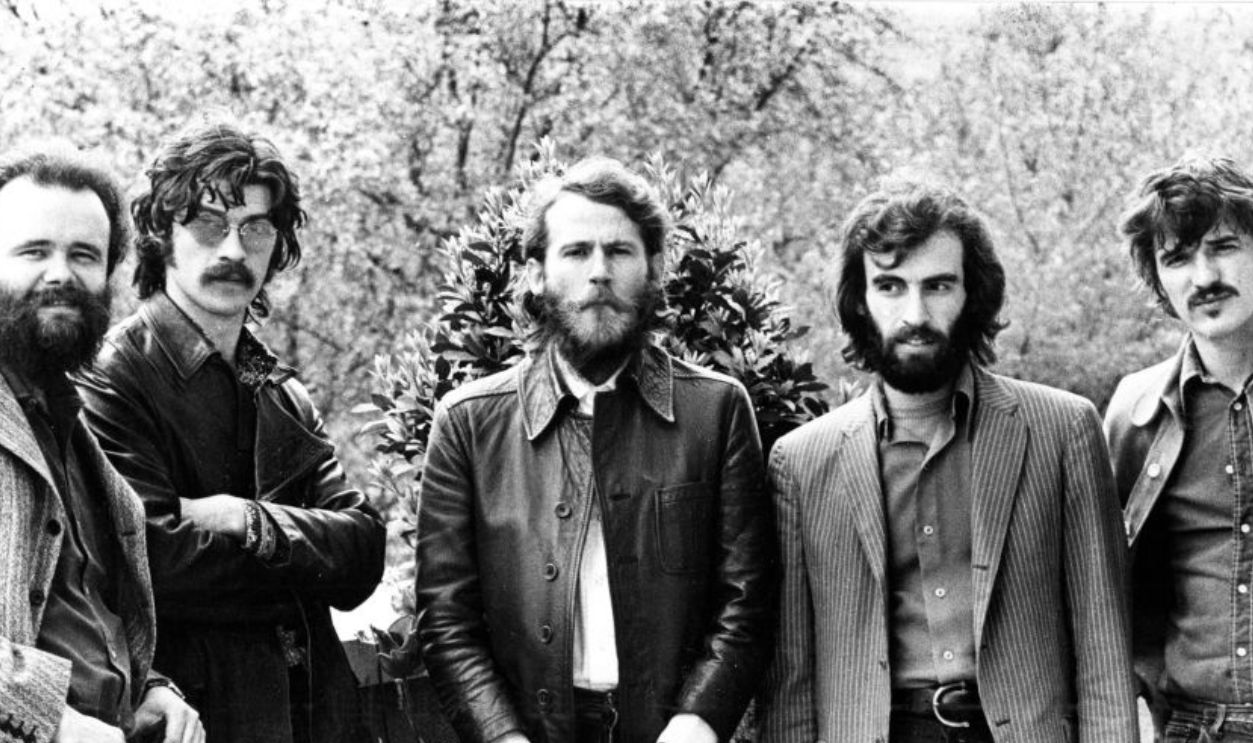 Gijsbert Hanekroot, Getty Images
18. They Had Their Big Break
The Band had achieved some moderate success in the bar and club circuit and developed a bit of a reputation playing with Bob Dylan, but they still needed to forge their own path to stardom. Fortunately, in 1968, they released their debut album, Music from Big Pink, and the public absolutely adored it.
Now that Helm had returned from his break, he was sure to pull his weight.
19. He Sang With Them
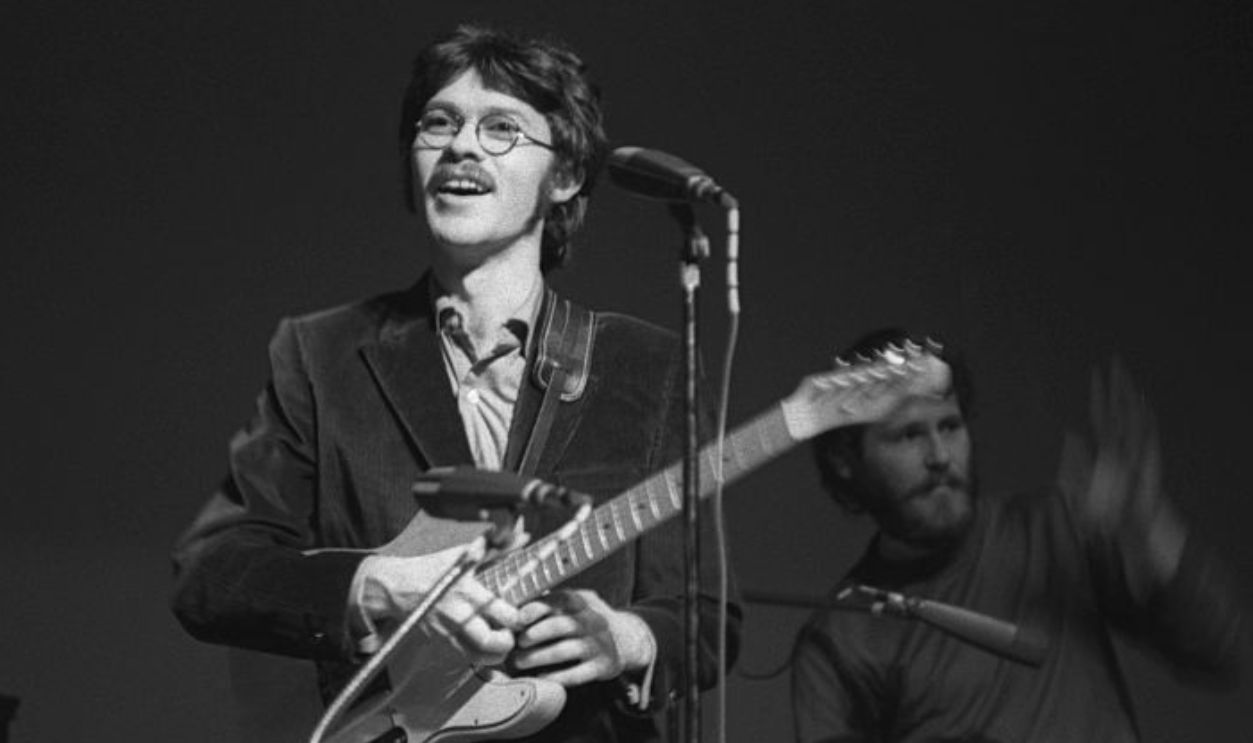
Levon Helm had consistently demonstrated his talents as a drummer, but even going back to his childhood, he hadn’t ever been just one thing. While bandmate Richard Manuel served as the primary vocalist on Music from Big Pink, Helm was happy to sing both harmony and backup on most of the songs.
He would only contribute more and more over time—though it was a bittersweet change.
 Heinrich Klaffs, Wikimedia Commons
20. He Took More Responsibility
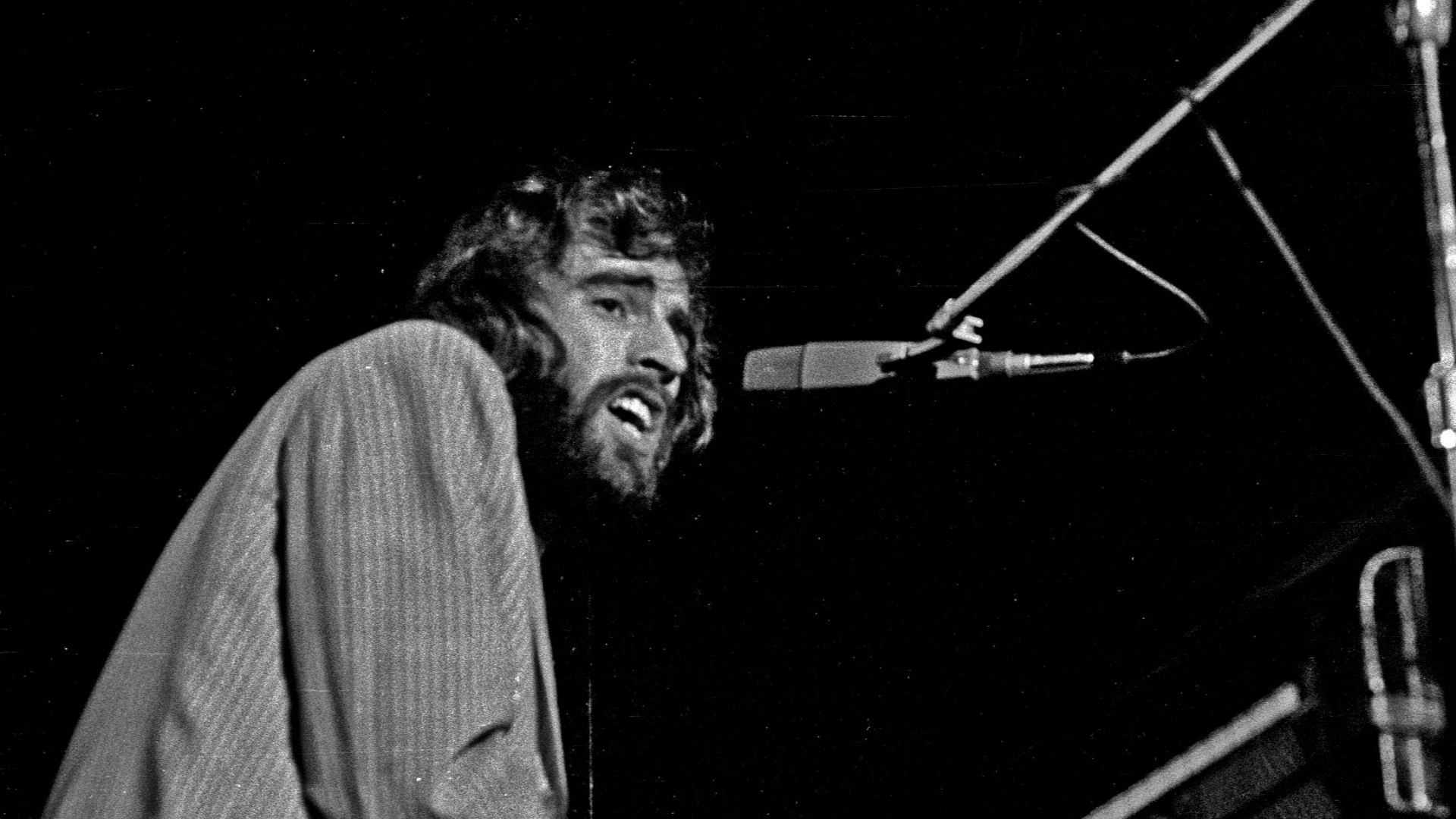
Although Richard Manuel had taken the brunt of the singing responsibilities, his continued substance usage became more and more of an issue, forcing others to make up for him. Having already proven he had what it took to sing lead, Helm took over a lot of the main vocals for their material going forward.
Even then, however, their roles weren’t exactly so clear-cut.
21. He Played Many Parts
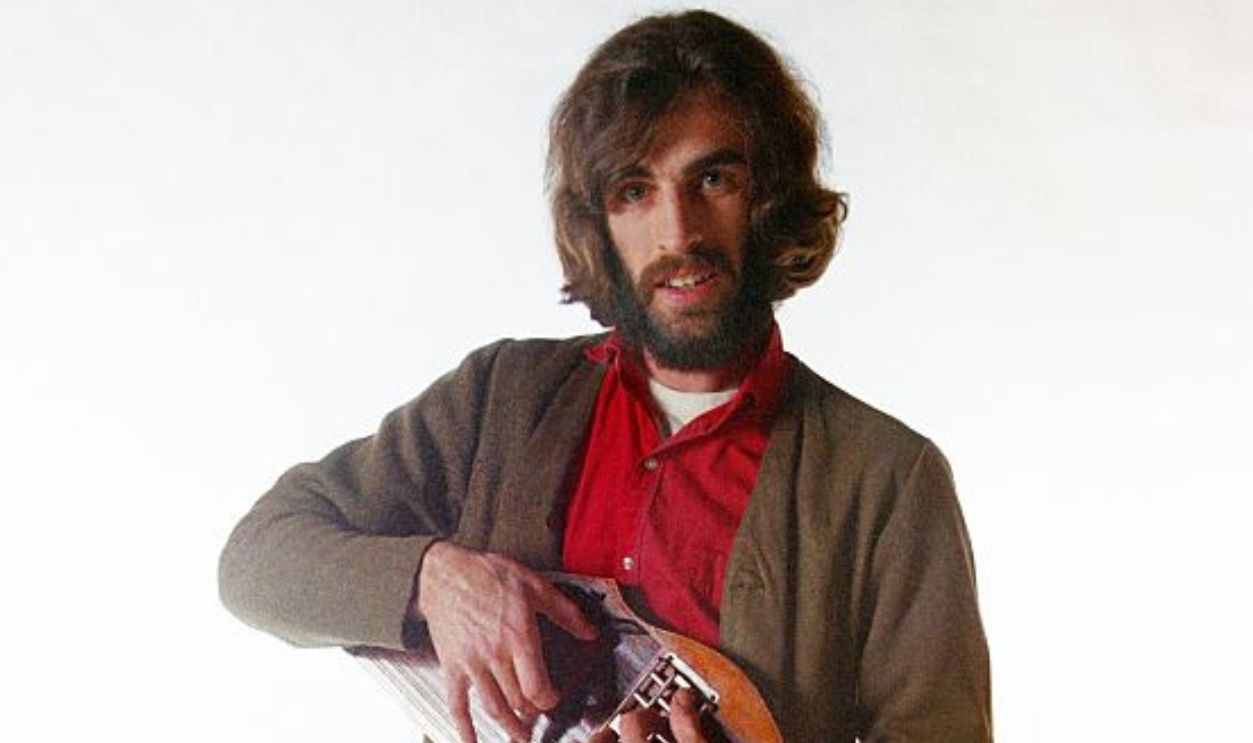
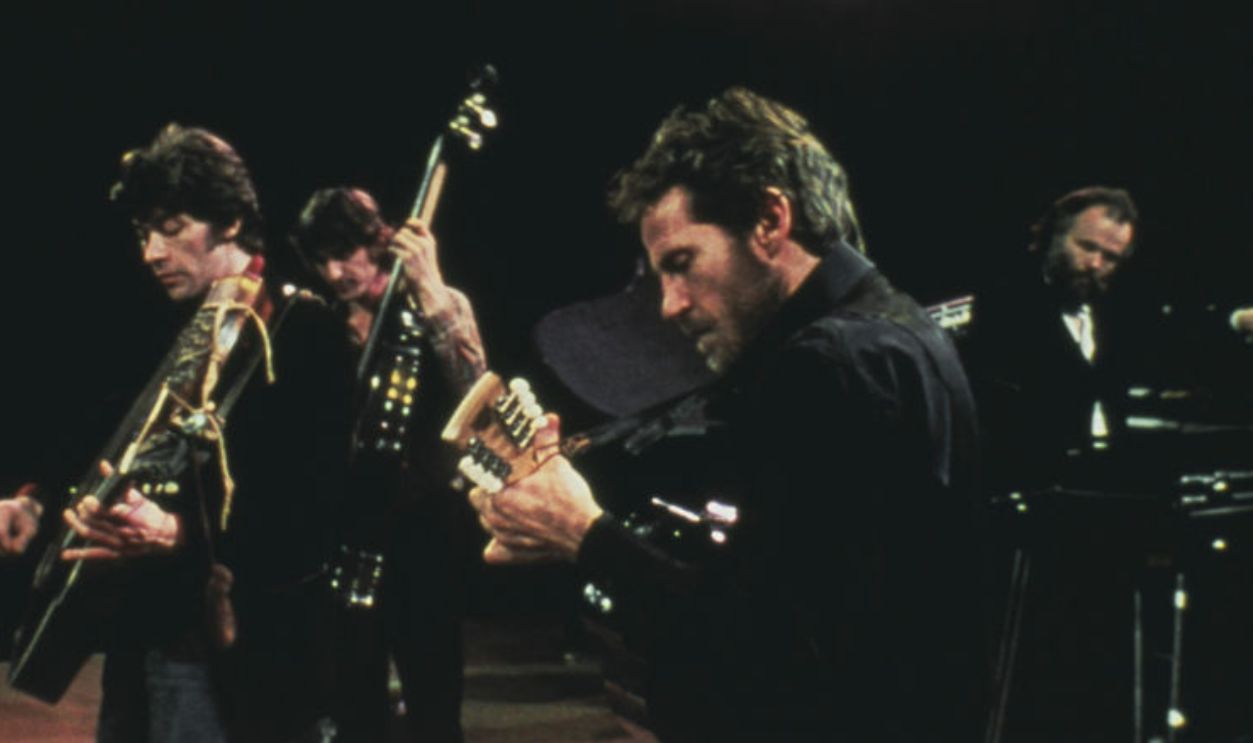
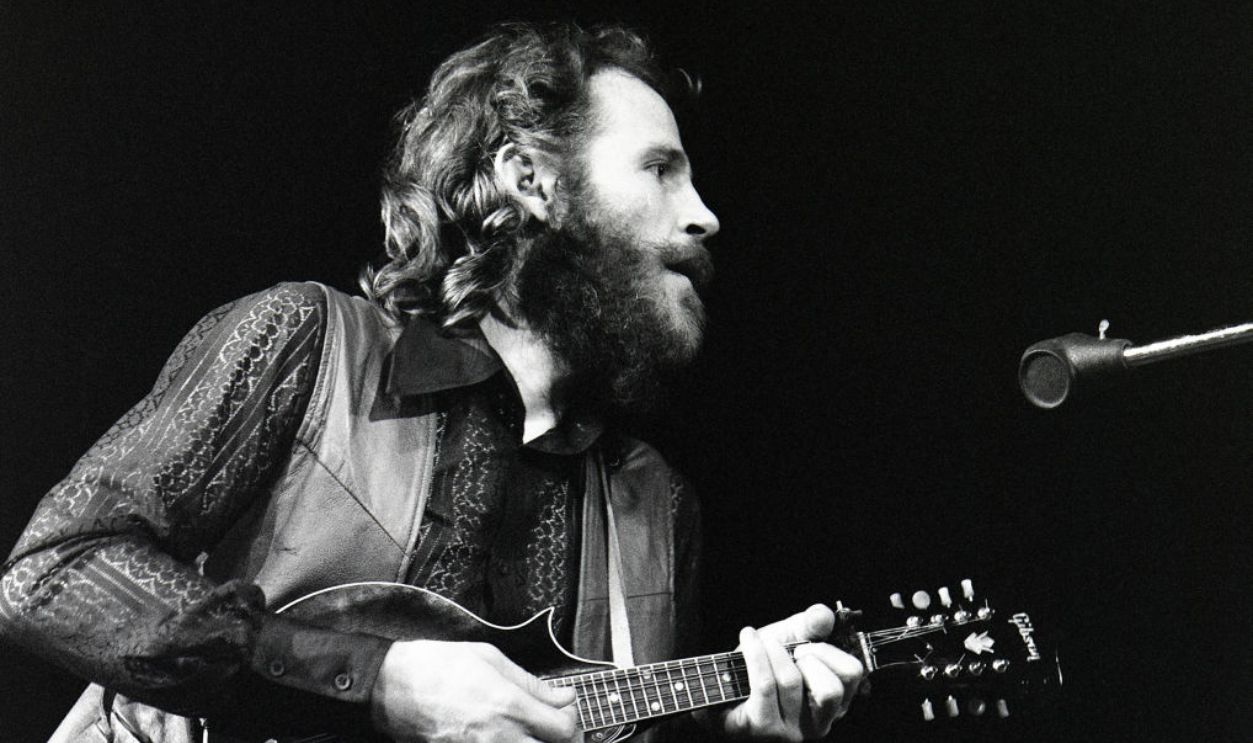
Helm became known as a drummer and singer for The Band, but like most of his bandmates, who were multi-instrumentalists, these were far from his only skills. When he wasn’t singing, Manuel would sometimes hop on the drums in place of Helm, who would instead take up the guitar, bass, or even the mandolin.
Meanwhile, his professional life wasn’t the only thing looking up.
History's most fascinating stories and darkest secrets, delivered to your inbox daily.
22. She Was Taken
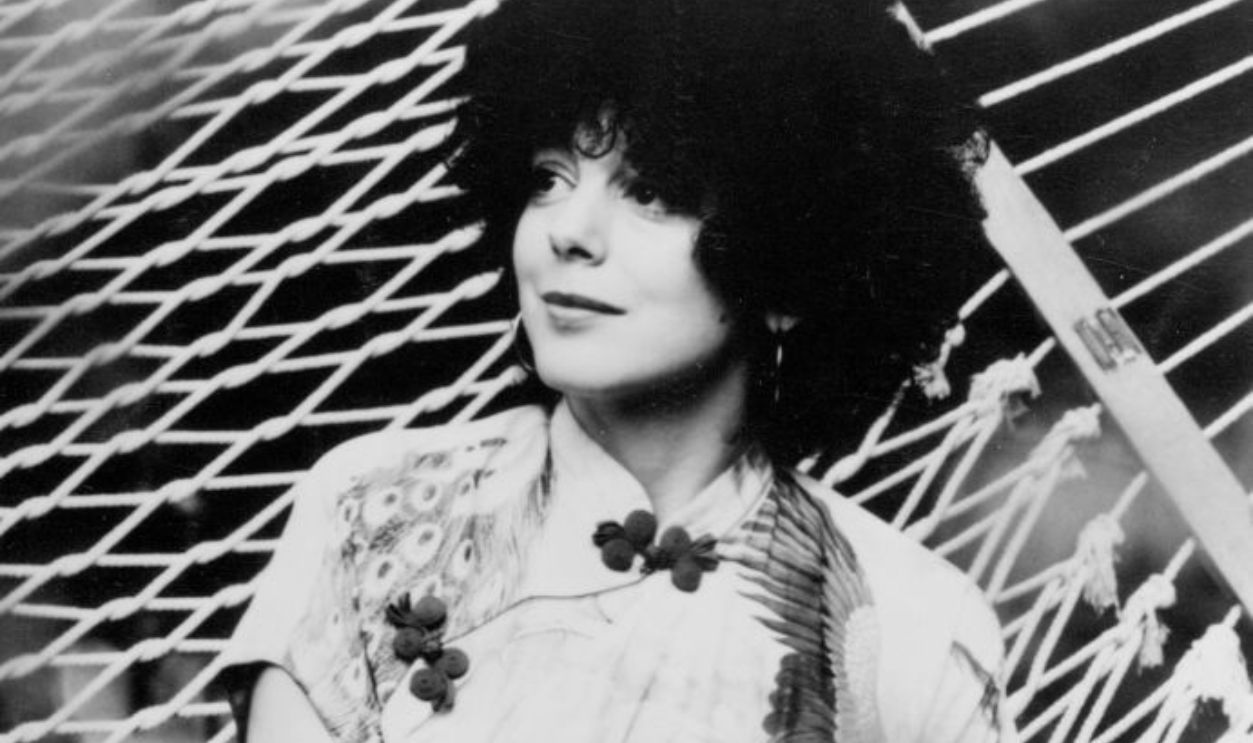
Helm was doing well for himself as a musician, but that didn’t mean his personal life was taking a back seat, especially after he met singer-songwriter Libby Titus—though there was one problem. She was already married, but as Helm soon discovered, the relationship was already on its last legs. Only months after he met Titus, she divorced her husband, and the two began dating.
Unfortunately, this was hardly his “happily ever after” moment.
 Michael Ochs Archives, Getty Images
23. They Wouldn’t Last
Getting together in 1968, shortly after Libby Titus and her husband divorced, she and Helm seemed relatively serious about their relationship—especially since they welcomed their daughter, Amy, in 1970. However, there came a point when neither could see a future together, so after six years, they split up.
Still, it didn’t take him long to move on. In fact, it was no time at all.
24. He Met Someone Else
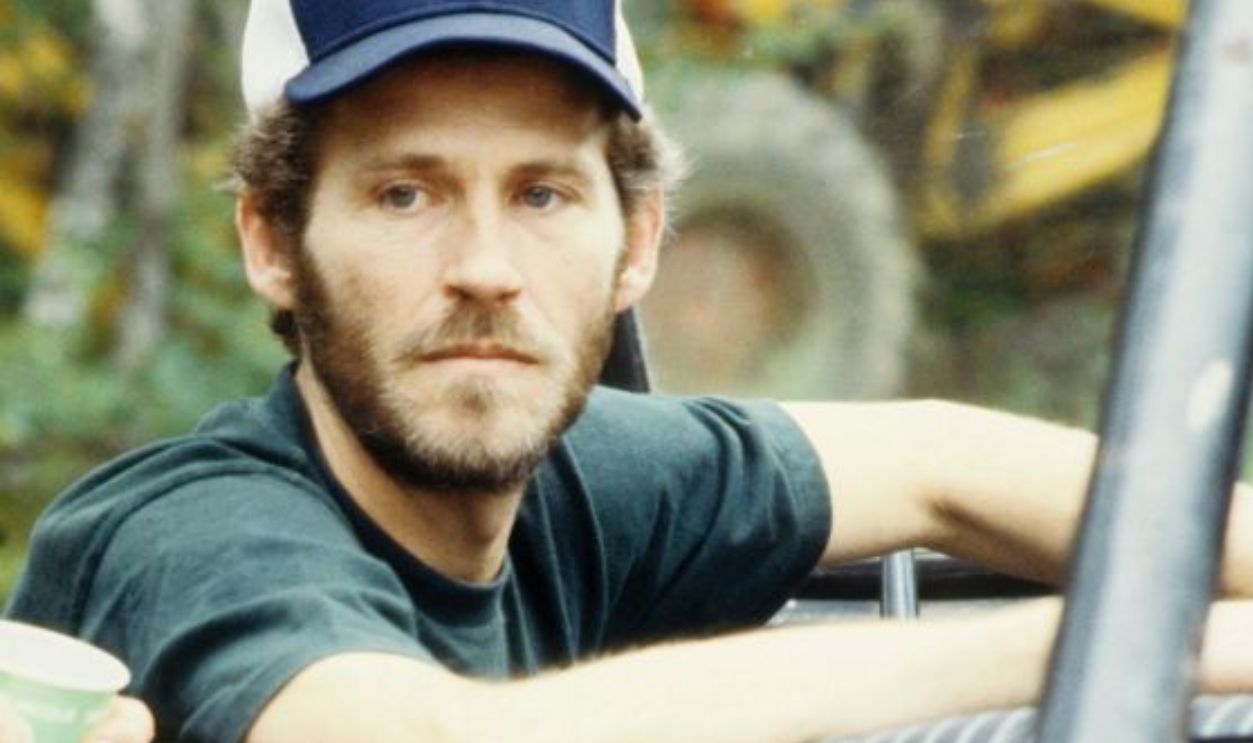
Taking a page out of Titus’ book, it seems that while their relationship was declining, Helm was already on to his next one—or at least thinking about it. Meeting Sandra Dodd in the mid-1970s, Helm was immediately taken with her, and the feeling was mutual. While they didn’t move as quickly as some might have expected, they eventually decided to commit to each other and marry in 1981.
While this was a brand-new chapter in his life, he had already said goodbye to another.
 Richard E. Aaron, Getty Images
25. They Called It Quits
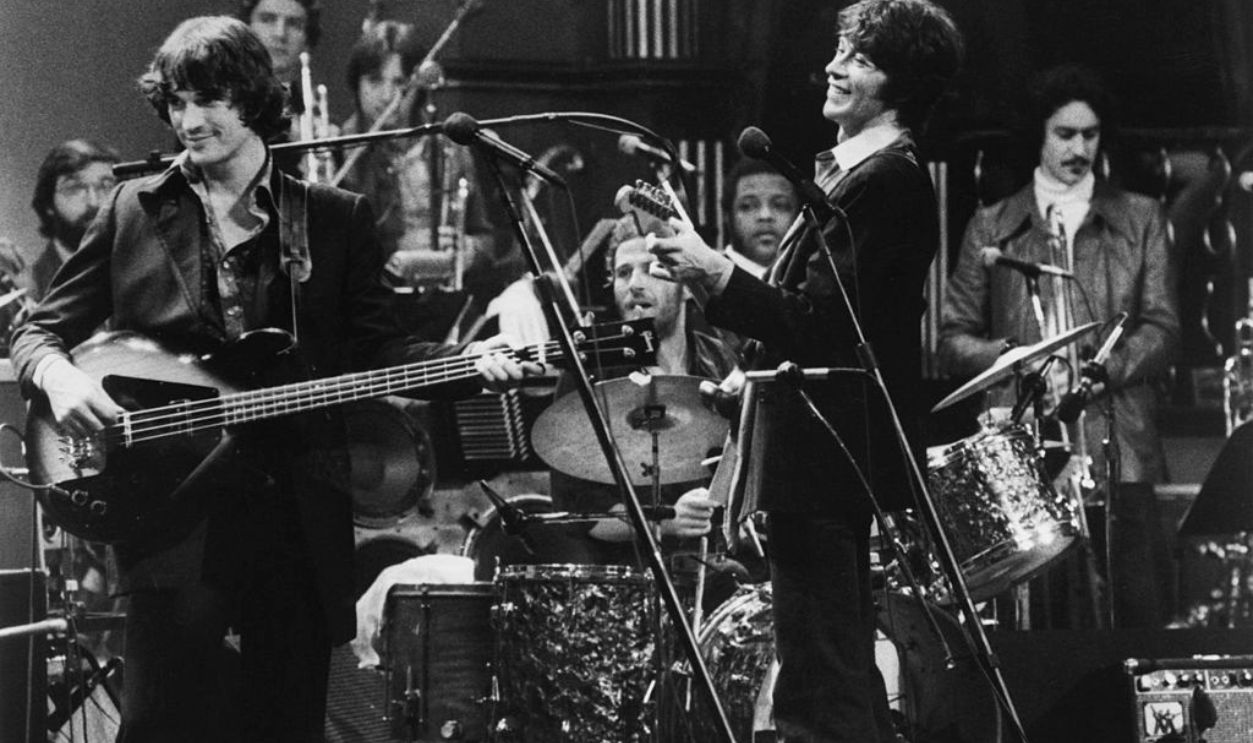
Despite having his own issues with The Band’s direction early on, Levon Helm remained dedicated to the group right up until they decided it was time to stop. With the other members dealing with their own problems, like fatigue and health issues, they knew they couldn’t keep performing anymore. After their final concert on November 25, 1976, Helm’s time with The Band was up.
Luckily, he wasn’t a stranger to chasing his dreams by himself.
26. He Struck Out On His Own
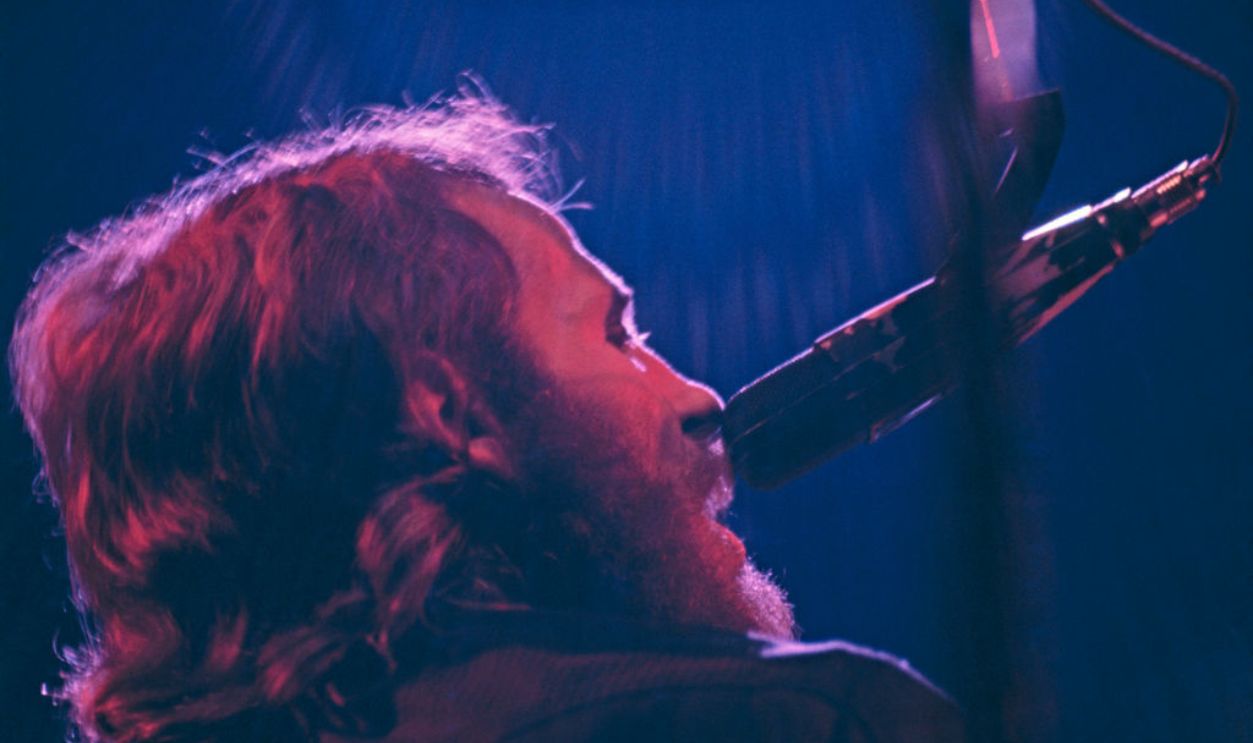
Bidding farewell to the group that put him on the map, Helm once again went in search of work outside of The Band, but there were no oil rigs this time. Starting his solo career, he came out with his first album, Levon Helm & the RCO All-Stars, in 1977, and would go on to release seven studio albums before he was done.
Not to mention, he got the idea to break into a completely different medium.
27. He Went Full Circle
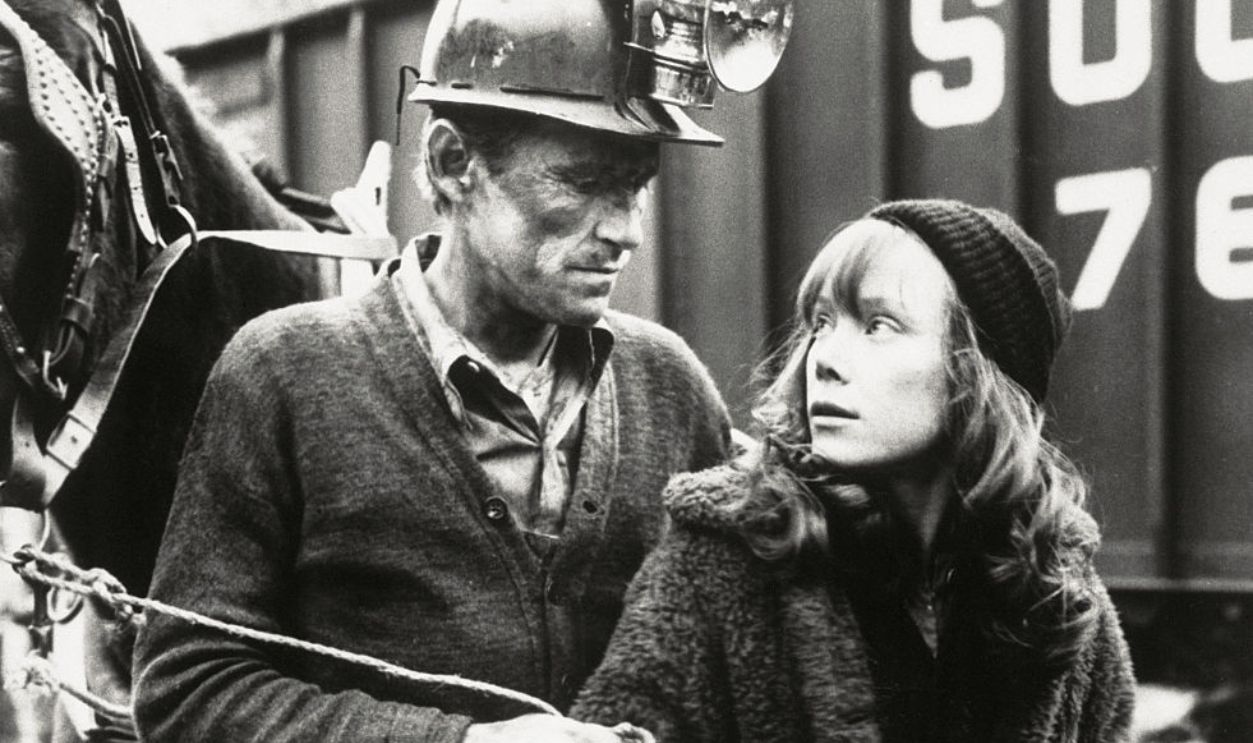
Helm was already deeply embedded in the music world, but now that he was free to pursue his own goals, he felt like trying out a different industry. Taking his first acting gig in the 1980 film Coal Miner’s Daughter, he would continue working in cinema until 2009, when he appeared in In the Electric Mist, both of which starred Tommy Lee Jones.
In that time, he was lucky enough to be part of film history forever.
History's most fascinating stories and darkest secrets, delivered to your inbox daily.
28. He Made His Mark
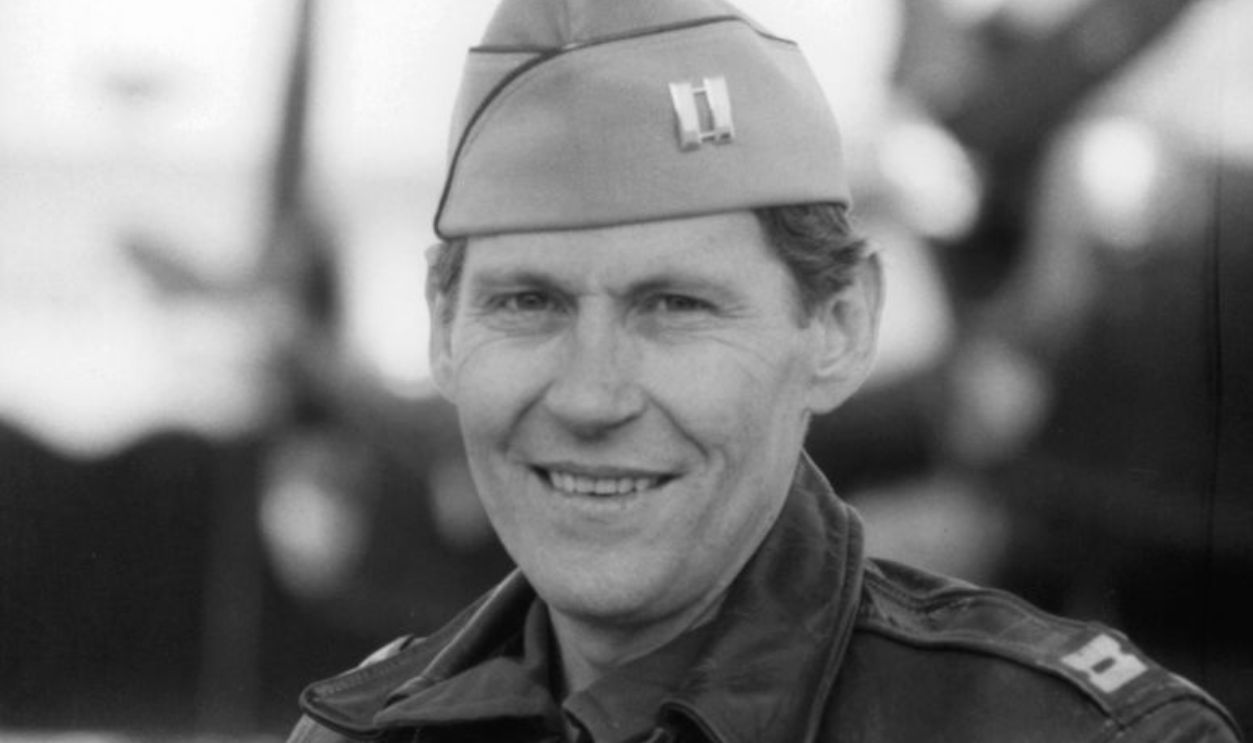
Over the course of his acting career, Levon Helm would participate in 15 films, but only three would turn into something greater. Along with his debut performance, he had already appeared as himself in Martin Scorsese’s The Last Waltz and acted in 1983’s The Right Stuff. While his on-screen work in these films was in different capacities, all three stood out in his career, as they were all selected for the National Film Registry.
Eventually, though, it was clear that The Band’s farewell wasn’t really the end.
29. They Got Back Together
One of the issues that Helm faced as his time with The Band went on was his deteriorating relationship with lead guitarist Robbie Robertson, whom he saw as greedy and tyrannical. Therefore, when he and the other members of The Band decided to reunite in 1983 and resume their performances, they chose not to invite Robertson.
Sadly, although they had come back together, they were in for a tragic twist.
30. They Lost Someone
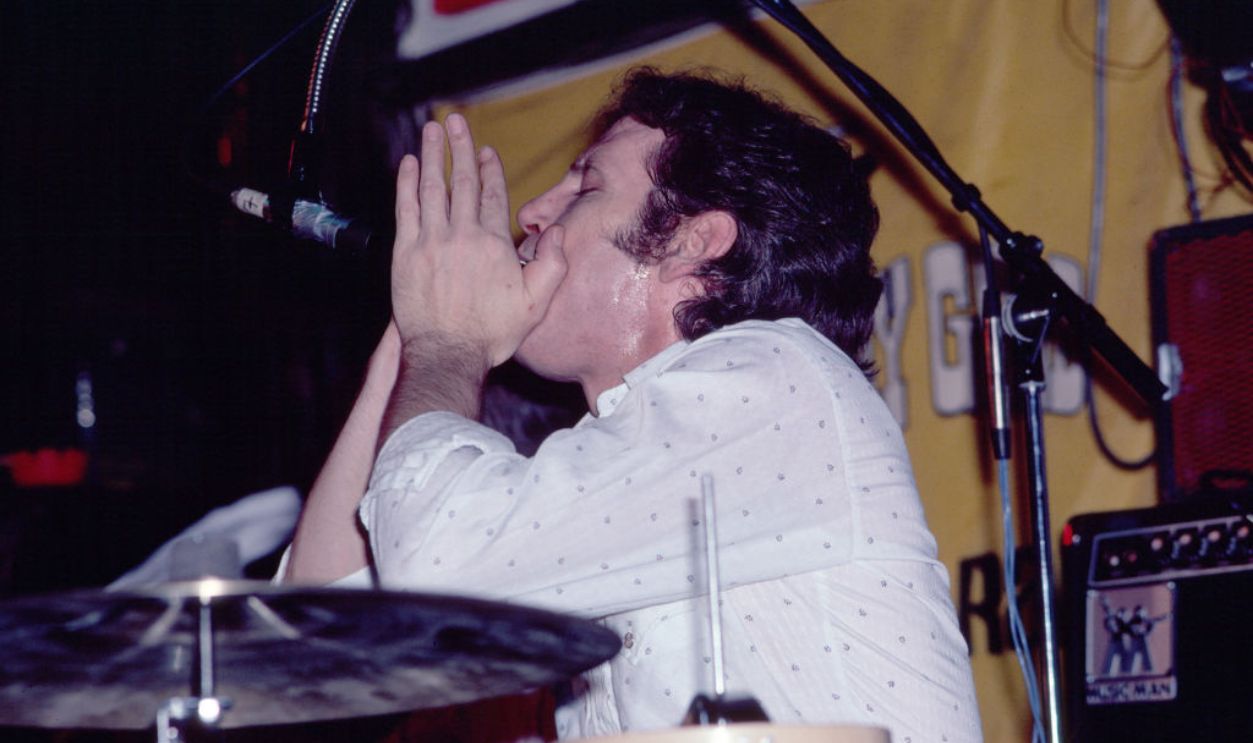
With their reunited group, The Band continued to tour throughout the 1980s, but something horrific was about to rock their entire world. Richard Manuel had been dealing with substance issues for years now, and while he had tried to go sober before, he sadly couldn’t stay clean. This took both a physical and mental toll on him, and while they were touring in 1986, he tragically took his own life.
Now a famous name himself, Levon Helm got the chance to work with another music icon—but this time from across the pond.
31. He Worked With A Legend
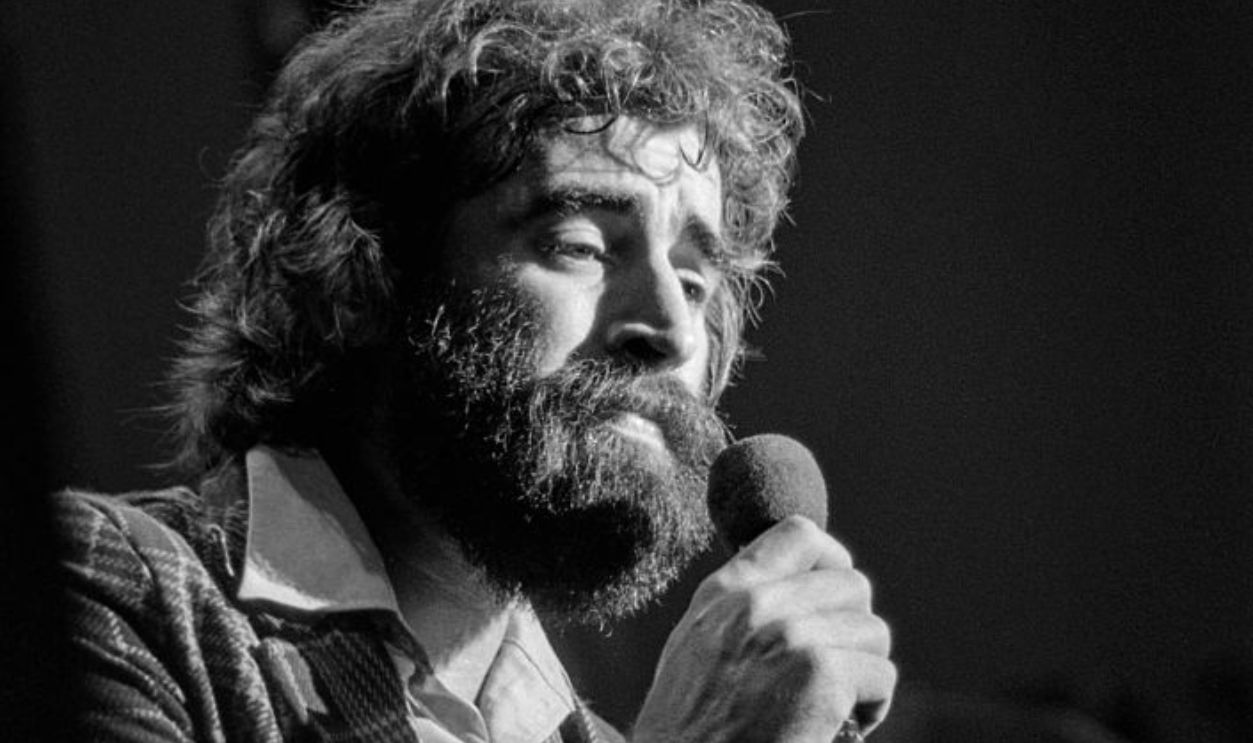
While The Band had reformed and were performing mostly in smaller venues like clubs and theaters, Levon Helm still wasn’t completely tied to the group, and he soon had an unprecedented opportunity. Along with bandmate Rick Danko, he joined a new supergroup called the All-Starr Band, led by none other than former Beatle Ringo Starr.
Before long, Helm received a once-in-a-lifetime honor—if only he had been there.
32. He Couldn’t Make It
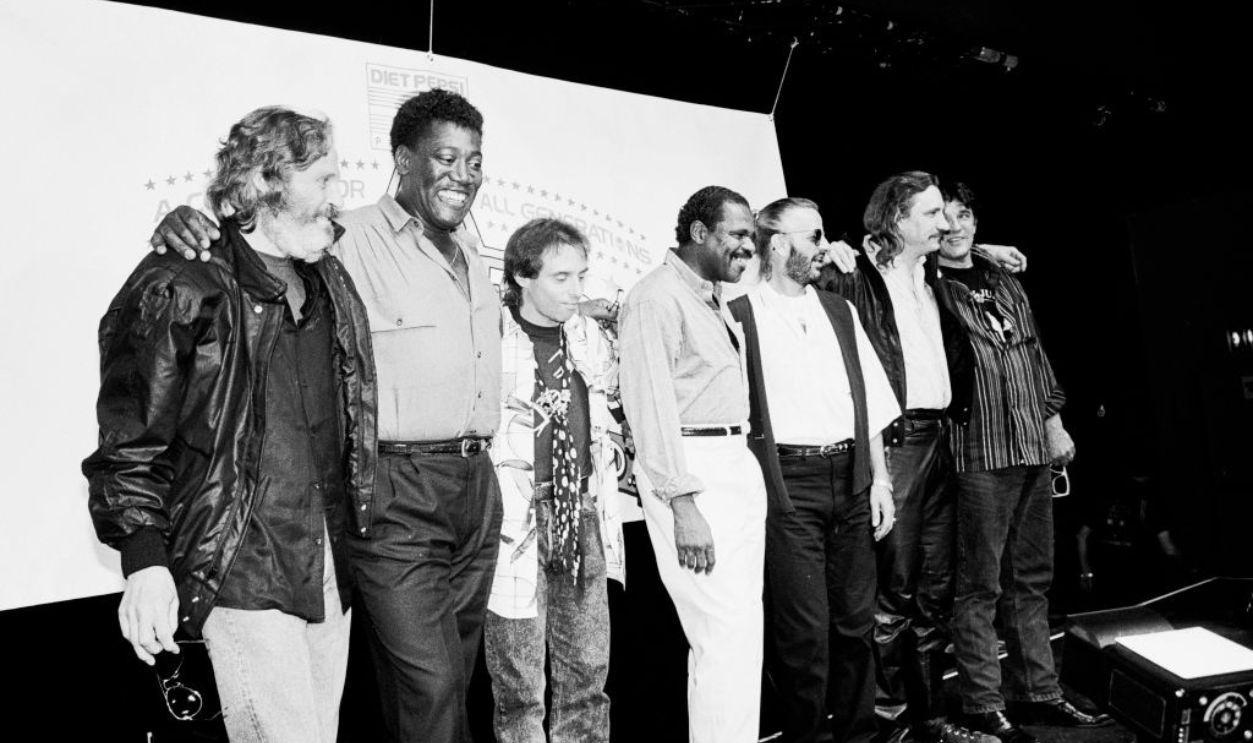
Although The Band had returned to the music world eager to get back into the swing of things, they quickly realized that they didn’t have nearly the same popularity as before. Still, it helped that, in 1989, the Juno Awards inducted the group into their Hall of Fame—though not everyone was there to see it. Unable to attend the ceremony, Helm instead sent in a video of himself, in which he expressed his gratitude to the Junos.
Still, he hadn’t finished making history, or playing with legendary British musicians.
33. He Joined Another Icon
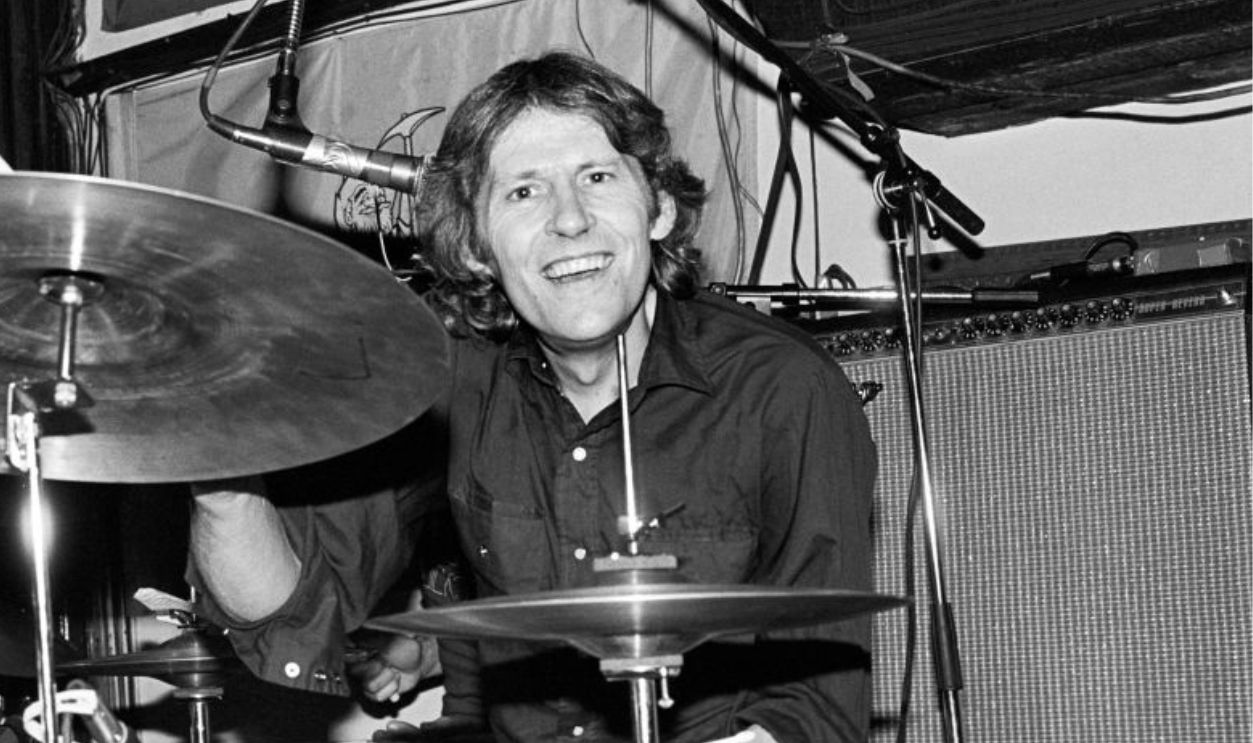
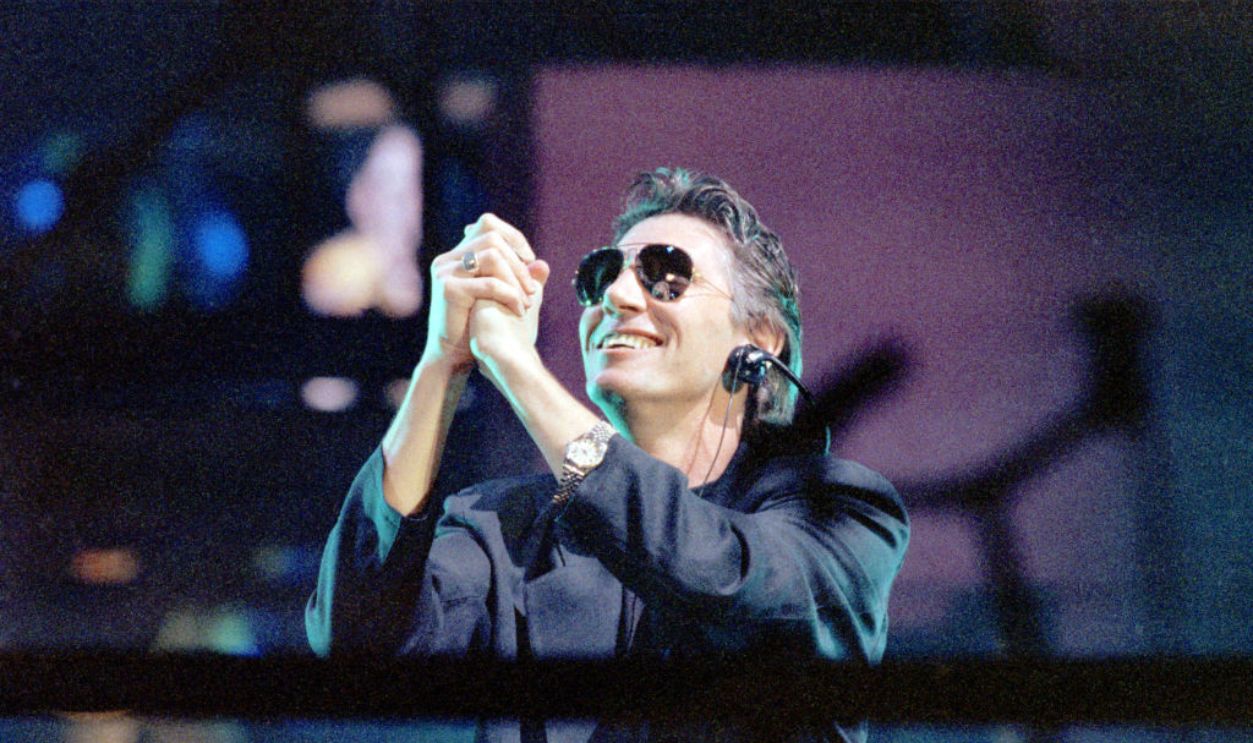
Moving into the 1990s, Helm and his bandmates continued to work on projects with other musicians, one of which turned out to be one of the most monumental performances of their careers. Taking Rick Danko with him again, he agreed to perform alongside Pink Floyd co-founder Roger Waters in front of around half a million people for the massive The Wall – Live in Berlin Concert.
Unfortunately, this was when everything started to go downhill.
 picture alliance, Getty Images
History's most fascinating stories and darkest secrets, delivered to your inbox daily.
34. He Received Horrible News
Levon Helm may have experimented with illicit substances when he was younger, but as the years went by, it turns out Richard Manuel wasn’t the only one who continued to suffer. In addition to a consistent struggle with substance use, Helm was also an avid smoker, all of which resulted in one of the worst outcomes he could imagine. Visiting the doctor in 1998, he discovered that, due to his unhealthy lifestyle, he had developed throat cancer.
While recovery was certainly possible, he would have to pay a steep price.
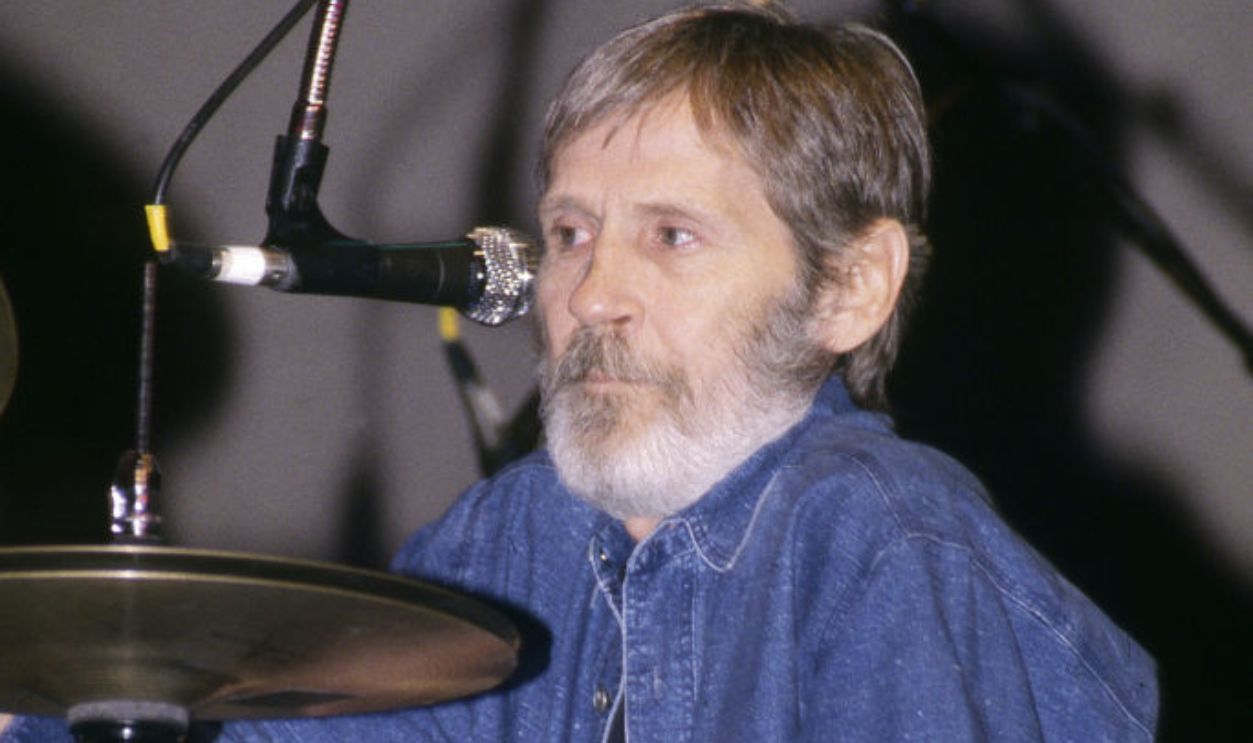
35. He Lost His Voice
Helm’s diagnosis wouldn’t be easy to fight, but it wasn’t impossible—though it would mean risking one of his most precious qualities. While his doctors agreed that his best bet would be a laryngectomy, he didn’t like the idea of losing his voice permanently and went with a different path. After 27 radiation treatments, he was finally able to have his tumor removed, but his vocal cords were so damaged that he could hardly speak, let alone sing.
Nonetheless, he wouldn’t let this stop him from doing what he loved, even if he had to take charge himself.
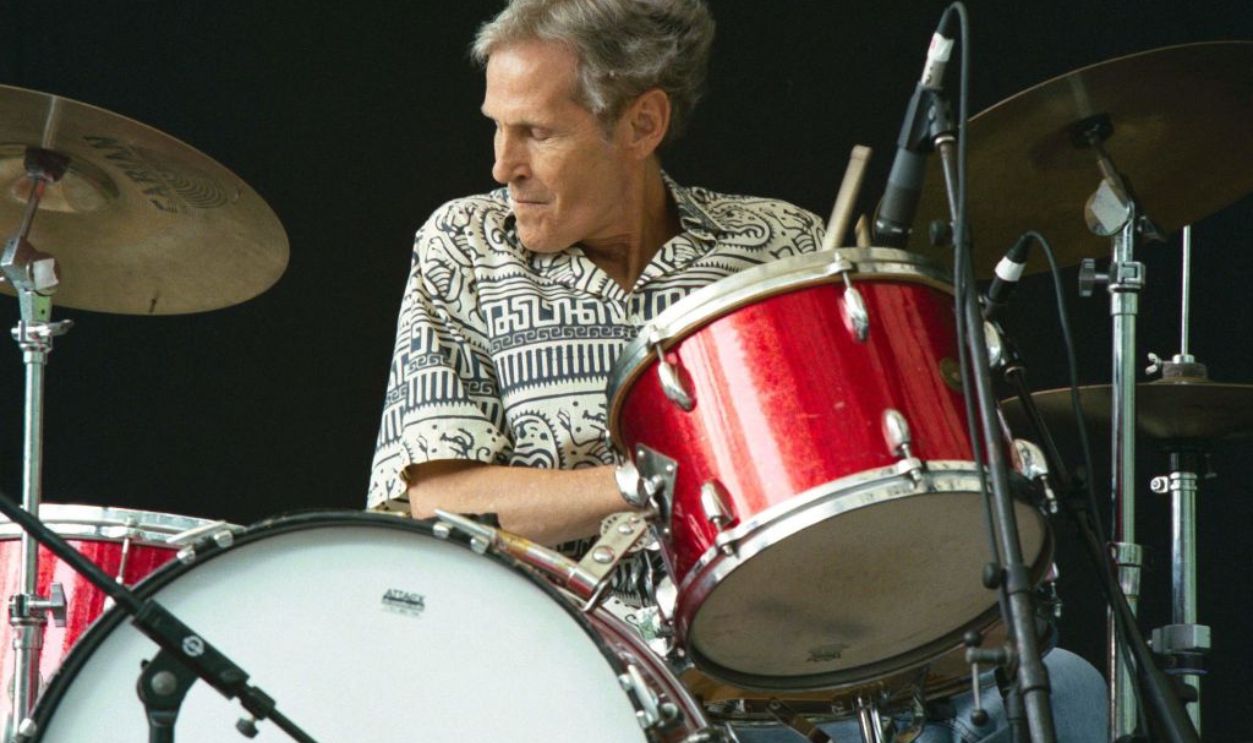
36. He Hosted His Own Event
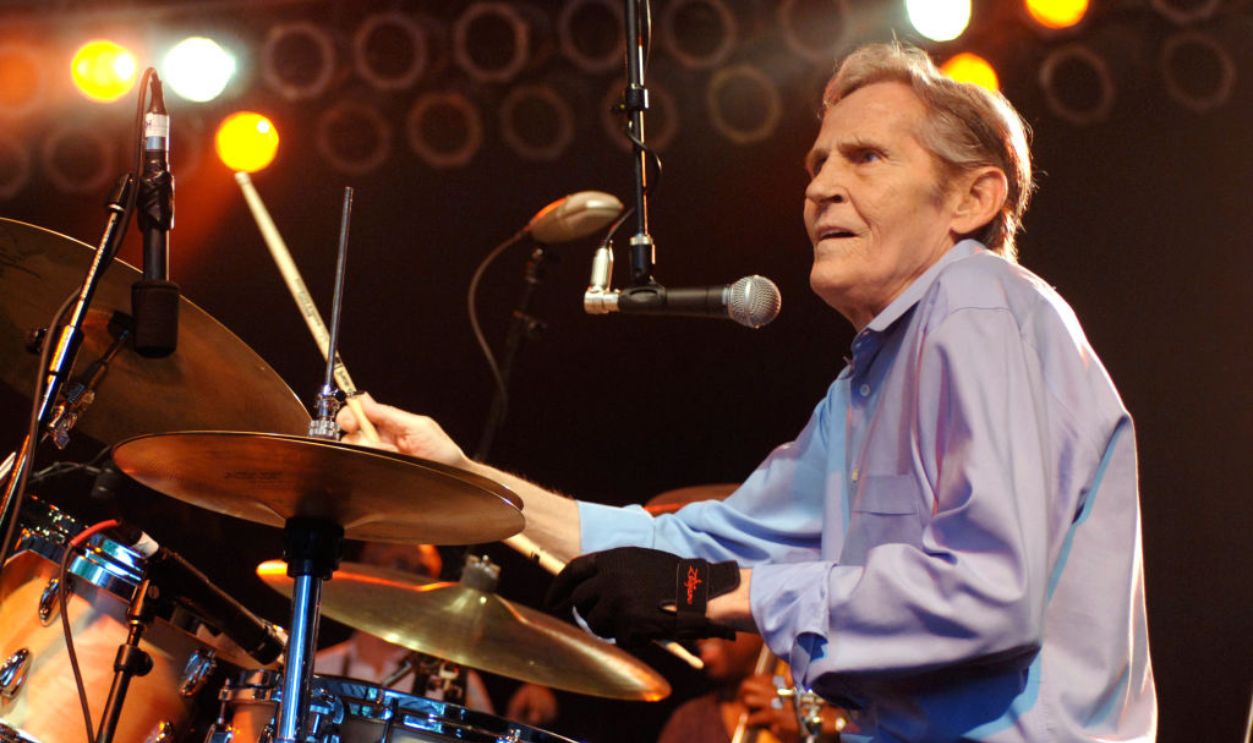
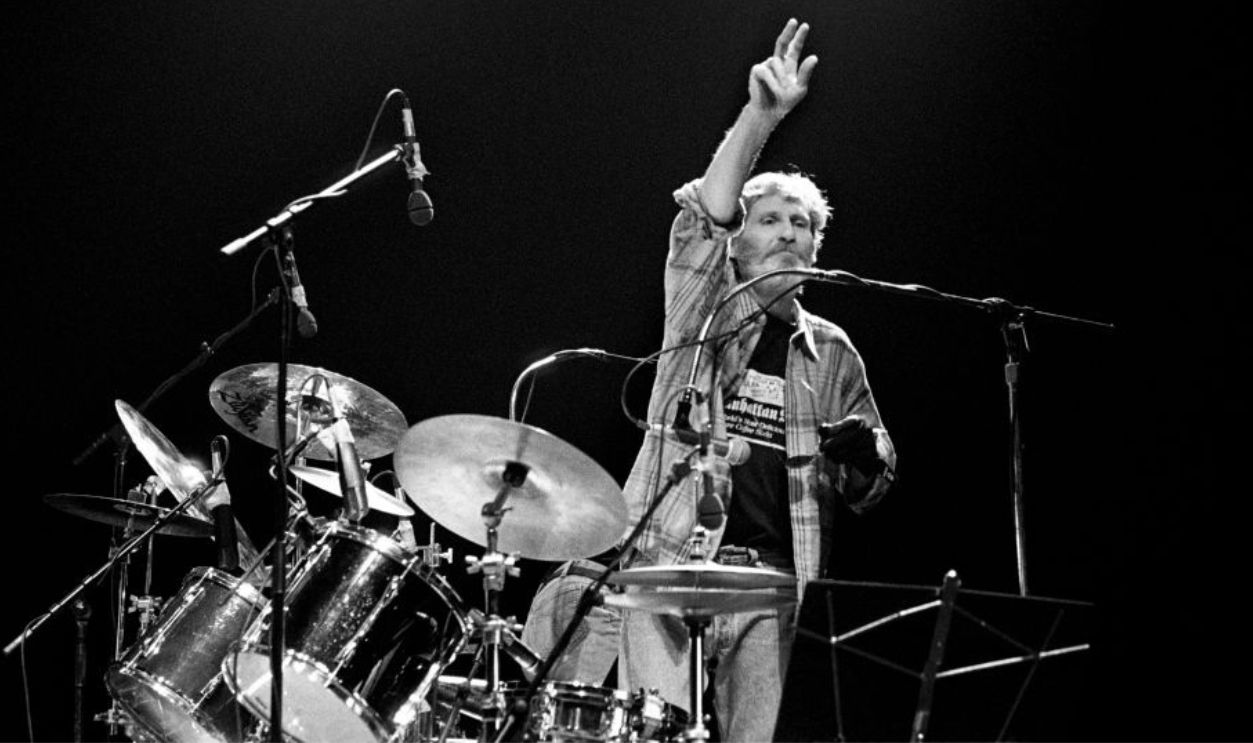
Although he couldn’t sing anymore, Helm still had many other talents to rely on and hadn’t lost his drive to perform. Now, he just did it on his own terms. In the new millennium, he began hosting concerts at his home, inviting other musicians to participate in what he called “The Midnight Ramble”.
Of course, he didn’t come up with this idea all by himself.
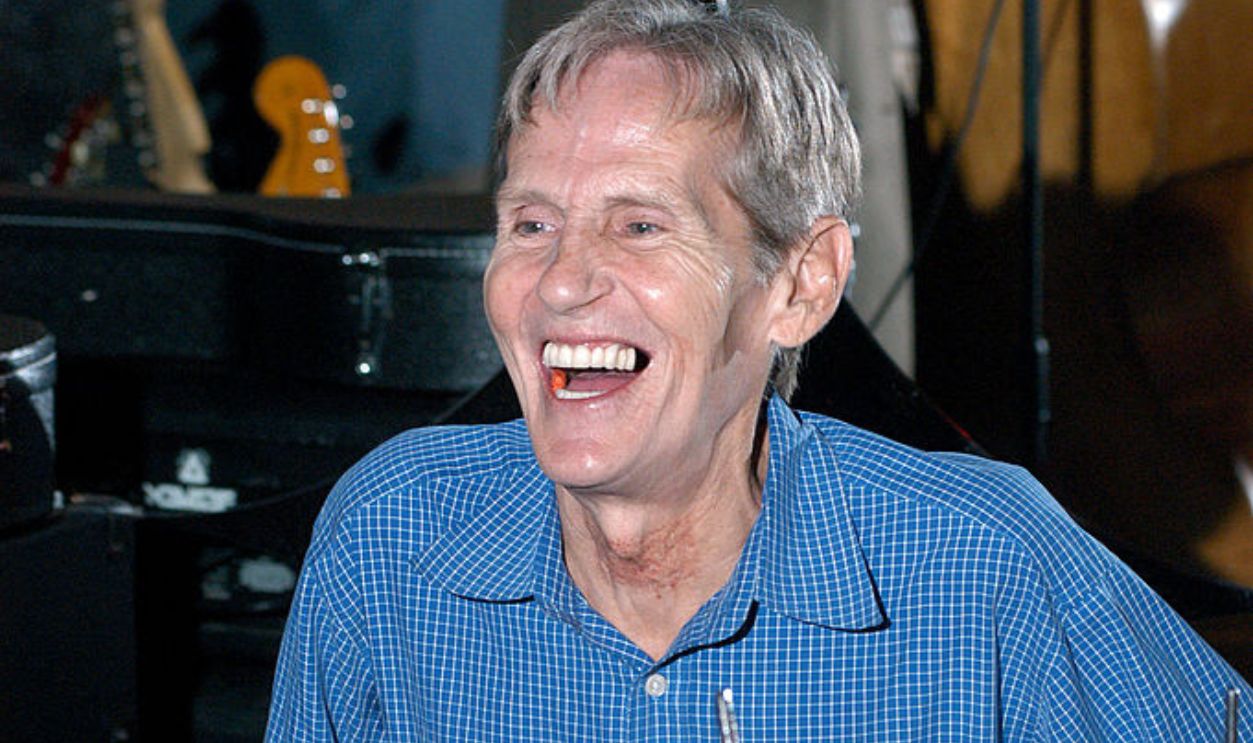
37. He Was Inspired
While Levon began hosting his Midnight Rambles later in his life, the concept behind them stretched back decades. As he would later explain, he had derived the idea from the traveling music and medicine shows he saw growing up, and how, after they were done for the day, they would put on “midnight rambles” to cap everything off.
He even had the chance to expand on this inspiration—when he spoke with another industry titan.
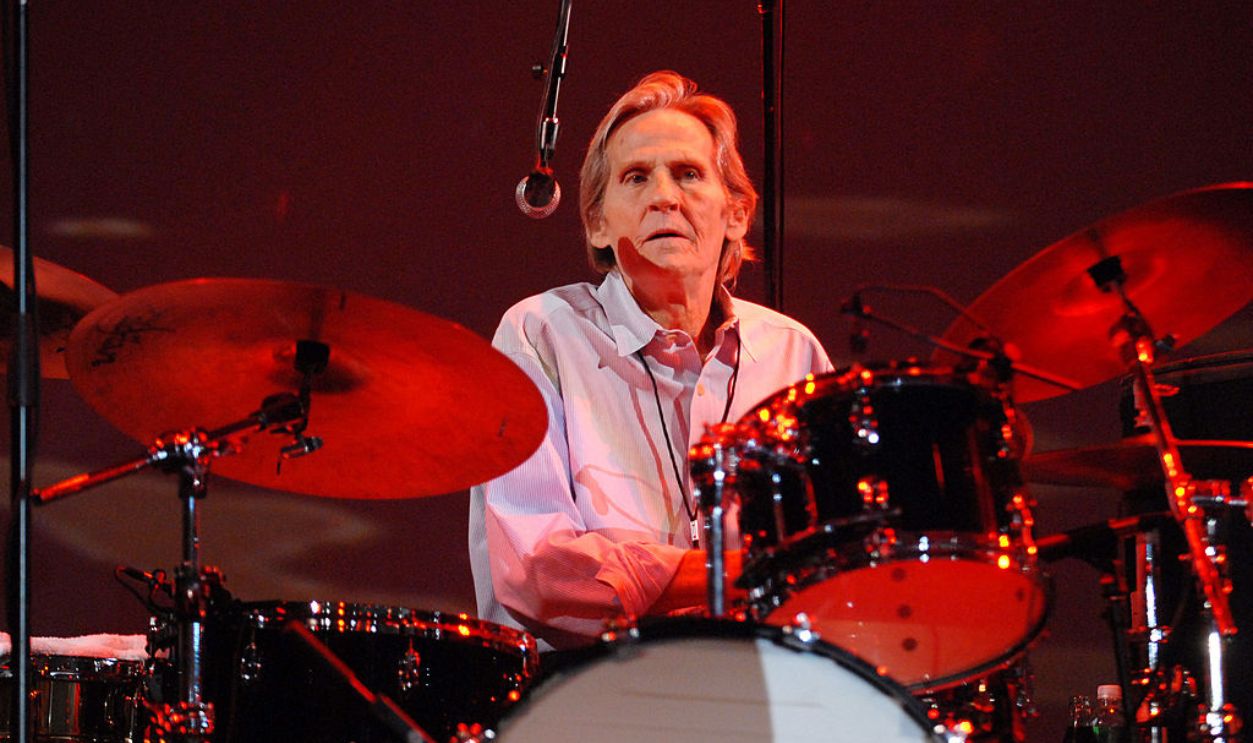
38. He Spoke About It
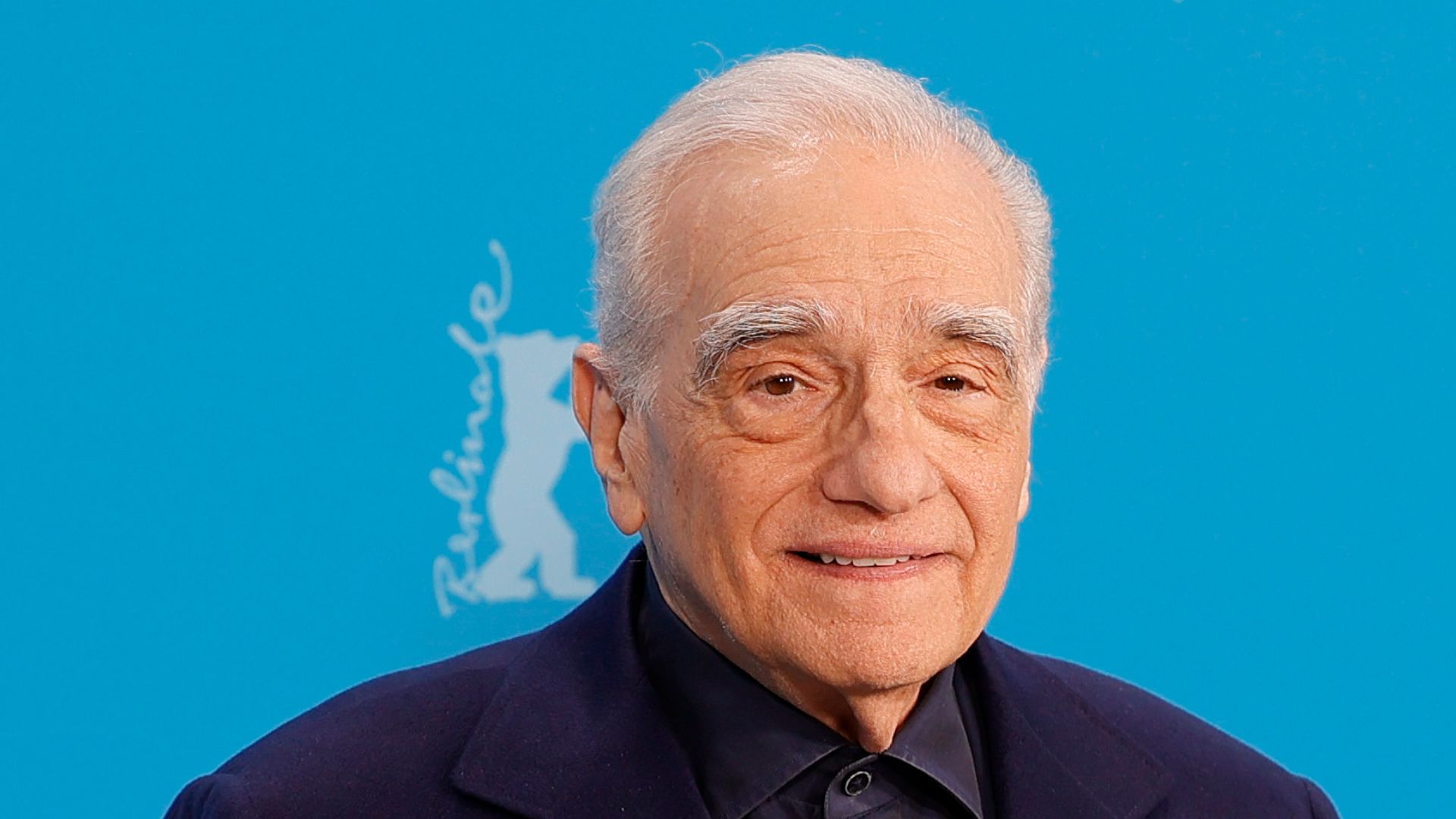
Having created The Last Waltz documenting The Band’s final concert, Martin Scorsese had a unique connection to each of the members, and managed to learn more about Helm’s Midnight Rambles because of it. As Helm would tell the director, the original midnight rambles allowed the traveling shows to be a little more outside of the norm, and he tried to emulate that kind of energy in his own shows.
While he had other instruments he could play, a part of him always missed singing—but he wouldn’t suffer this forever.
 Elena Ternovaja, Wikimedia Commons
39. He Was Recovering
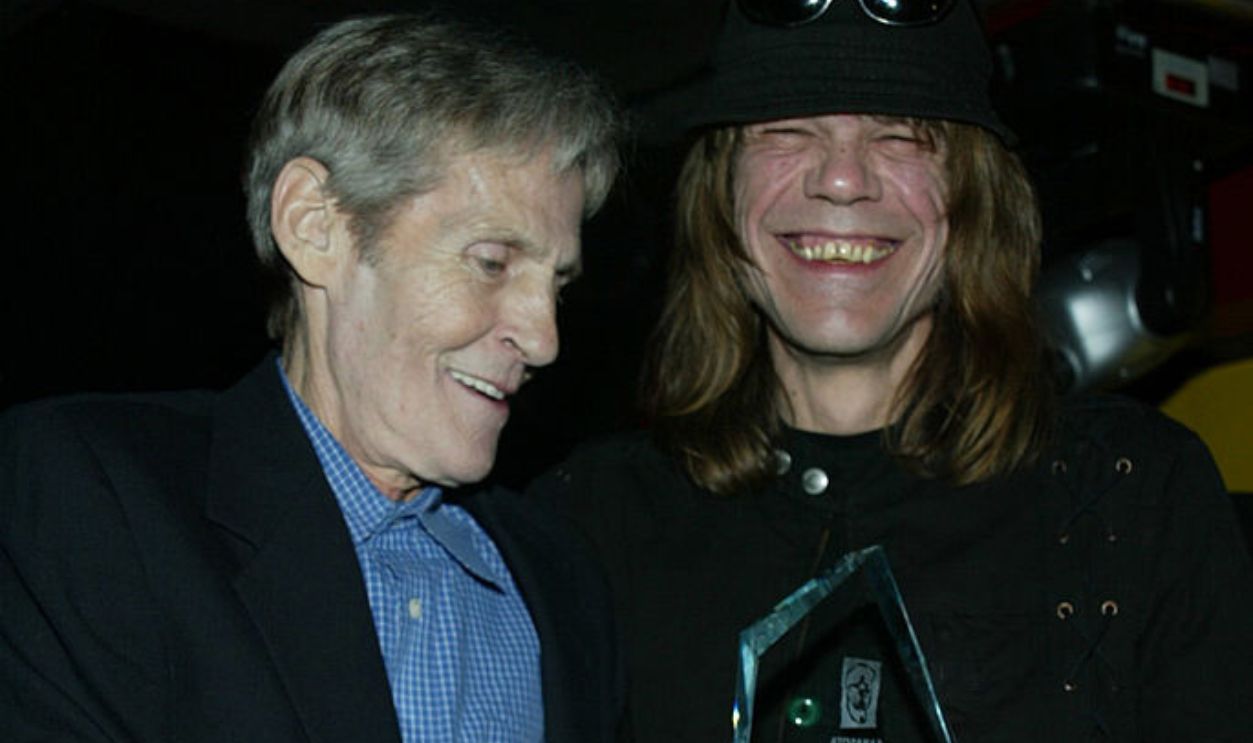
As he could no longer carry a tune with the same strength he had before, Helm mostly played drums alongside guest singers, but this was only a temporary setback. Taking care of his voice, he allowed it to heal slowly over time, and he was practically fully recovered by the late 2000s.
Even though he was getting older and technically still healing, there was no way he was slowing down.
History's most fascinating stories and darkest secrets, delivered to your inbox daily.
40. He Traveled All Over
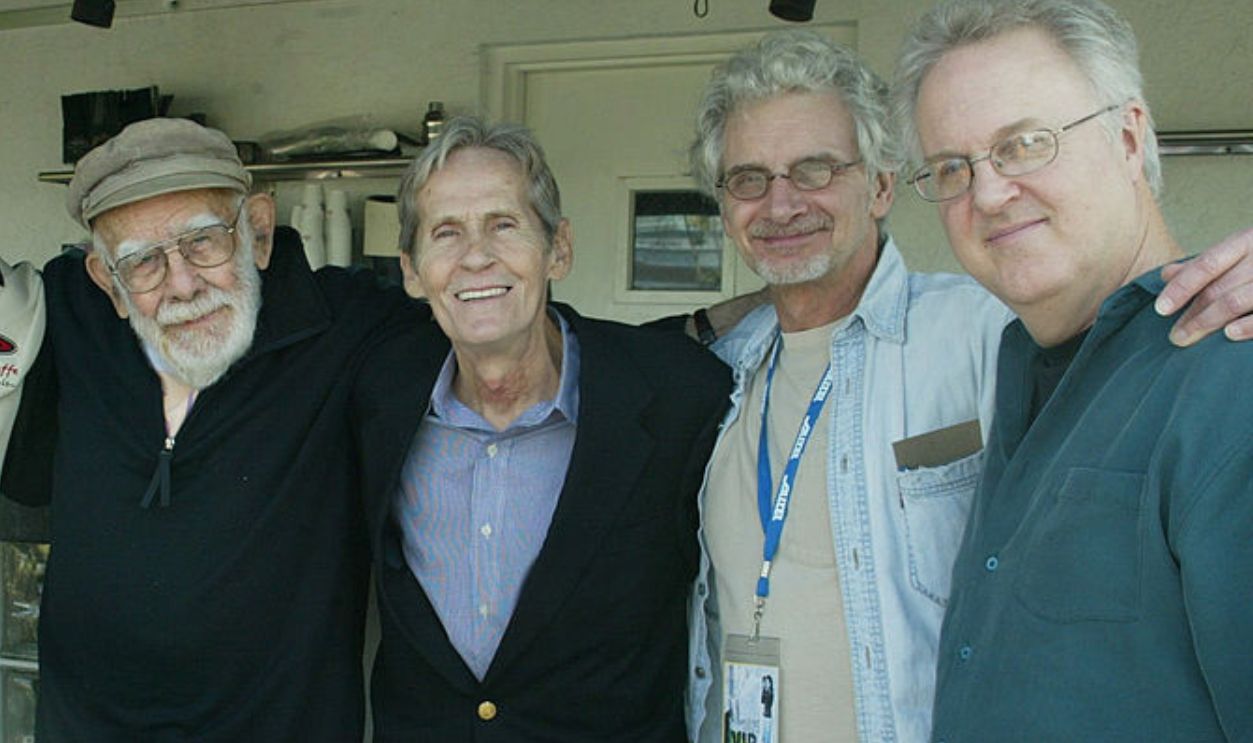
If Levon Helm proved anything in the 2000s, it was that whether he was in a band or going solo, and whether in sickness or in health, he was going to keep showing up for his fans. Throughout the decade, he continued to perform his Midnight Rambles and tour, appearing at venues all over the eastern United States and Canada.
He wasn’t only performing live, however, and he had a few loved ones willing to help him along the way.
41. He Worked With Family
While Helm loved performing, he wasn’t content with doing only that for the rest of his life, and he wanted to release new material for the first time in a long time. Coming out with Dirt Farmer in 2007, he not only worked with his daughter Amy to produce the album but also included a dedication to his parents for everything they did for him.
He also earned himself another prestigious honor, but he had somewhere else to be.

42. He Had Other Priorities
Being the first solo studio album since his recovery, Dirt Farmer received nothing but praise from the music community, and Helm even won a Grammy Award for it—but he would have to miss this ceremony too. Hosting another concert himself instead, this one was extra special, considering it was in honor of his daughter welcoming her first child.
Sadly, while Helm fought admirably against his disease, he hadn’t seen the last of it.
 The Washington Post, Getty Images
43. He Became Sick Again
By all accounts, Levon Helm had made a miraculous recovery from such a horrendous illness, and even bounced back enough to continue doing what he loved—but the story didn’t end there. Unfortunately, he couldn’t get rid of his cancer permanently, and by the early 2010s, it had come back in force, spreading aggressively to his spine.
While he wanted to maintain his privacy for as long as possible, his family couldn’t keep this a secret forever.
44. They Told Everyone
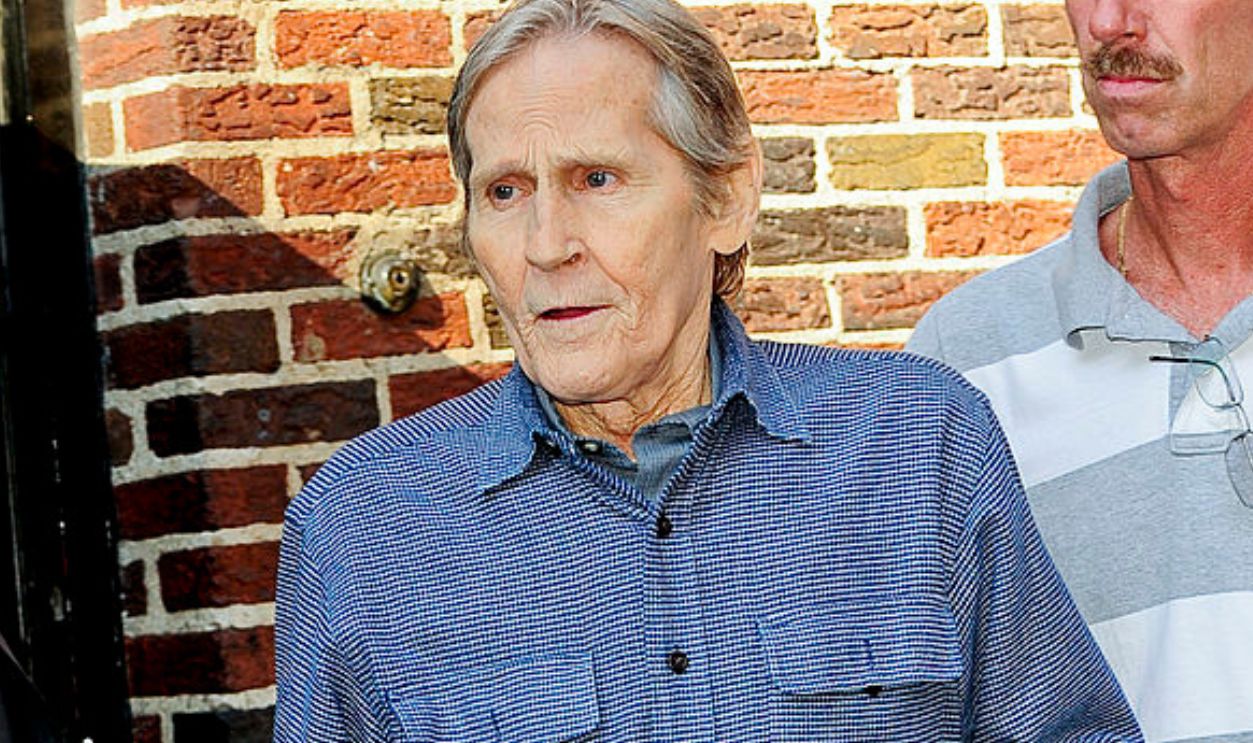
Throughout the 2000s and early 2010s, Helm had tried to face his health struggles behind the scenes, but fans quickly deduced that something was wrong. Eventually, in 2012, his family had little choice but to announce what everyone had been suspecting for a while: he was terminally ill with end-stage throat cancer.
They only had so much time with him left—and much less than they hoped for.

45. He Reached The End
Despite receiving some of the worst news he could get, Helm fought his illness tooth and nail, and even managed to regain the voice he lost—but he sadly couldn’t beat it forever. After a couple of years of steadily declining, he and his family had to face the inevitable when he succumbed to his illness and tragically passed on April 19, 2012.
Naturally, his loss rocked the music world to its core, especially for those who looked up to him.
History's most fascinating stories and darkest secrets, delivered to your inbox daily.
46. They Paid Him Tribute
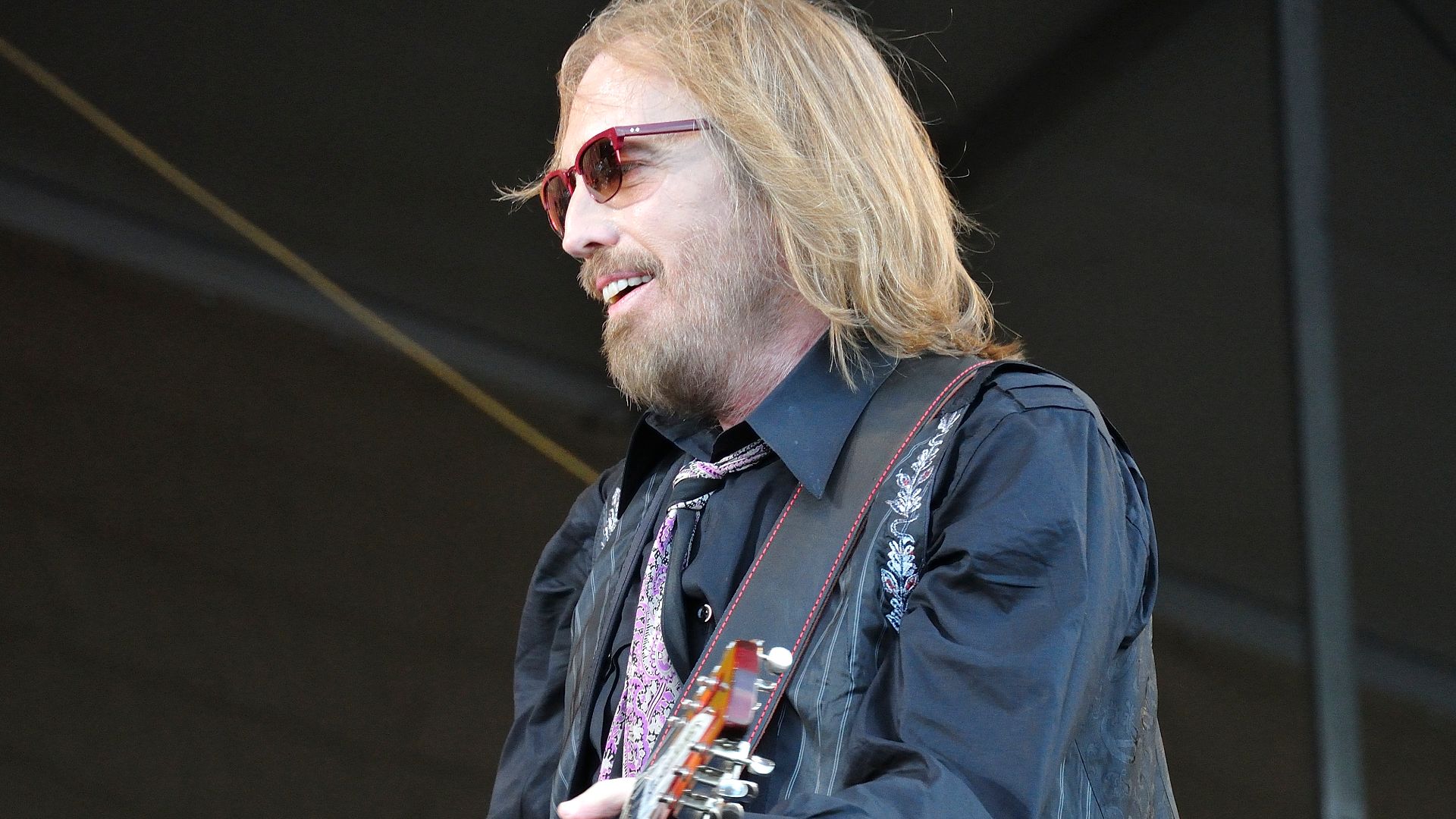
Having made so many friendships and connections throughout the industry, Levon Helm’s passing naturally caused countless people to offer their respects, whether they were famous or not. Not only did other musicians pay tribute, such as Tom Petty & the Heartbreakers dedicating a song to him in concert, but about 2,000 fans also attended a public wake at his studio, demonstrating the impact he left behind.
Fortunately, he was able to have one last reunion.
 Takahiro Kyono from Tokyo, Japan, Wikimedia Commons
47. They Were Back Together
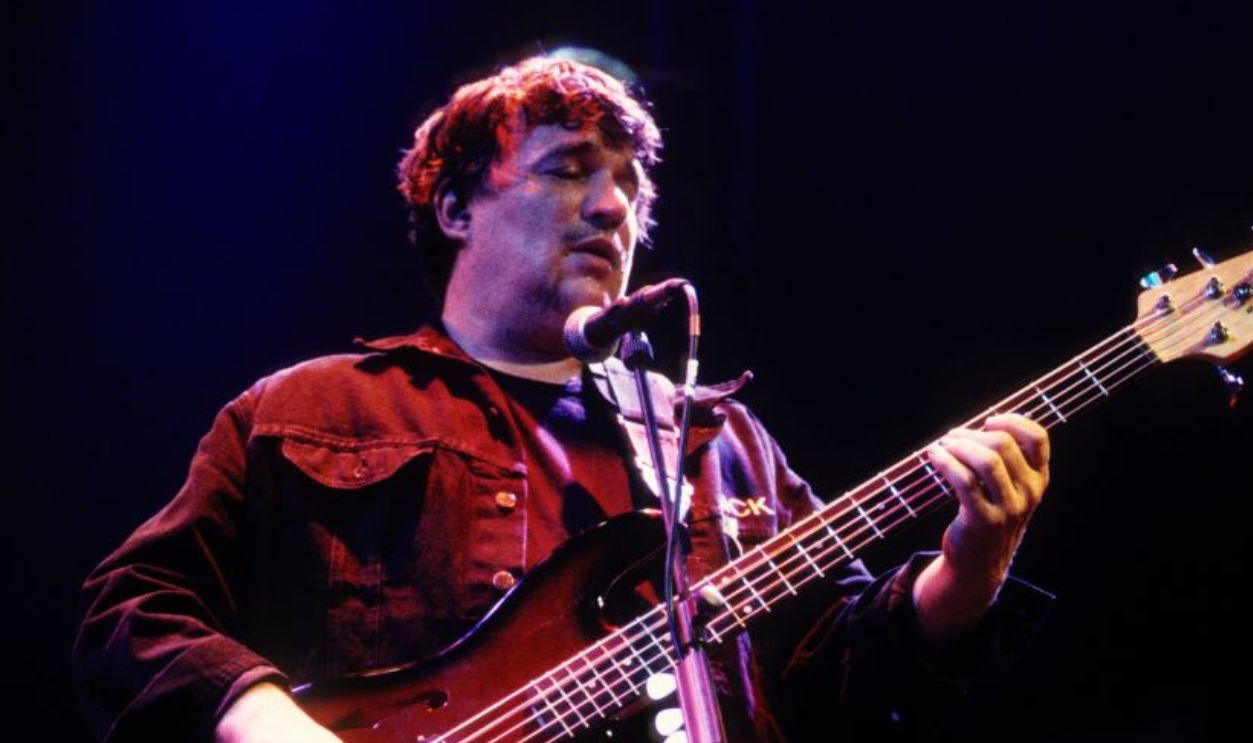
Although his fans would have their chance to pay their respects, the family first took time to say goodbye to Helm privately at his funeral, a day after his passing. Following this, he went to his final resting place in the Woodstock Cemetery, where he happened to have someone waiting for him. Buried just nearby was his longtime friend and bandmate, Rick Danko, who sadly passed in 1999.
When it comes to legacy, not only did Helm get to perform with other legends in his time, he also inspired a couple.
48. They Had Memories Of Him
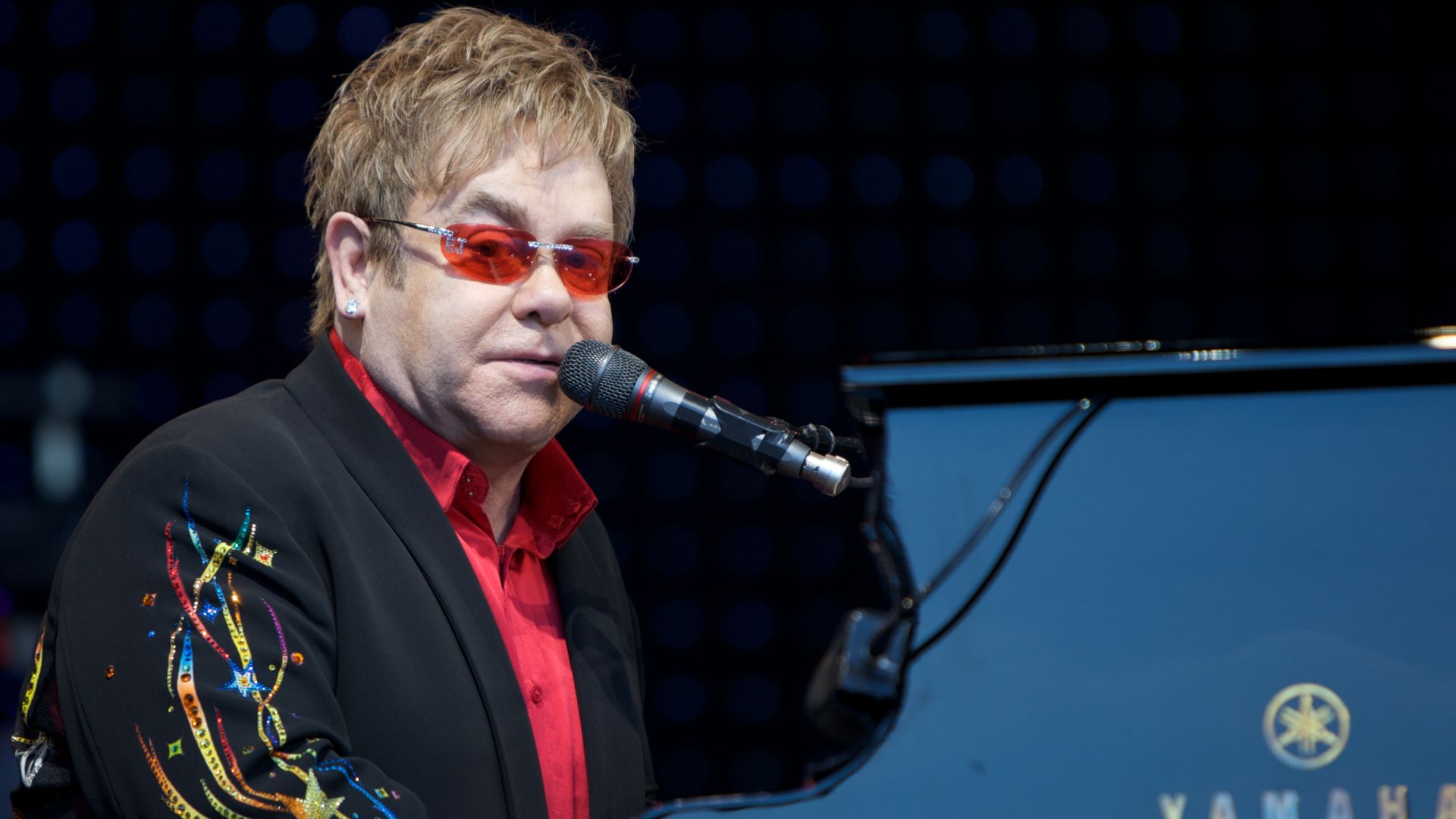
Growing up, Helm found his passion by watching many of the greatest musicians of his time, and, thankfully, he was able to pass that inspiration on before he was done. In fact, Elton John’s song, “Levon,” was directly inspired by the drummer, as both Elton and his lyricist, Bernie Taupin, had fond memories of buying The Band’s records at the record store.
Even then, they weren’t the only icons to speak so highly of him.
 Ernst Vikne, Wikimedia Commons
49. He Was One Of The Greats
If Levon Helm had doubted his impact at any point, all he would have had to do was look back to 1994, when The Band received its induction into the Rock and Roll Hall of Fame. However, many would praise his talents as more than just a member of a band, and even Bruce Springsteen would later state that Helm was “one of the greatest, greatest voices in country, rockabilly and rock 'n' roll”.
You May Also Like:
Twisted Facts About Jerry Lee Lewis, The Wildest Man In Rock
Heartbreaking Facts About Jeff Buckley, The Rock Genius Gone Too Soon