He Was An Ox
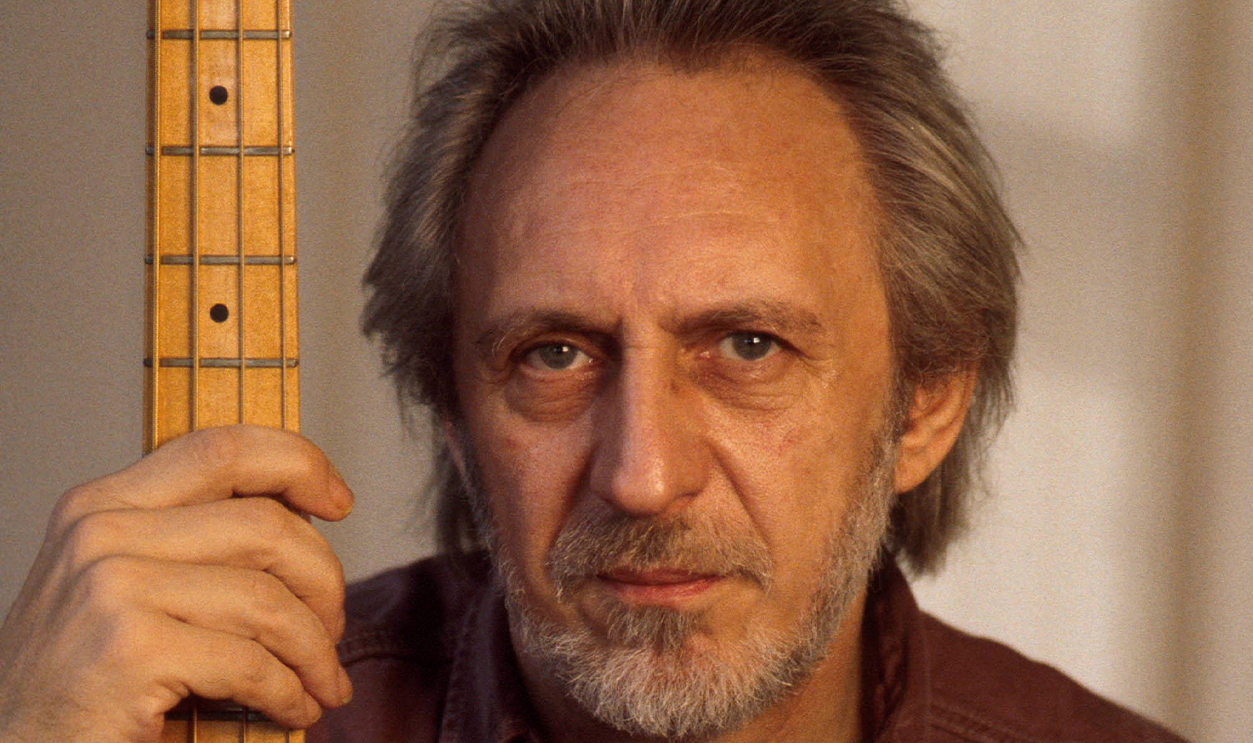
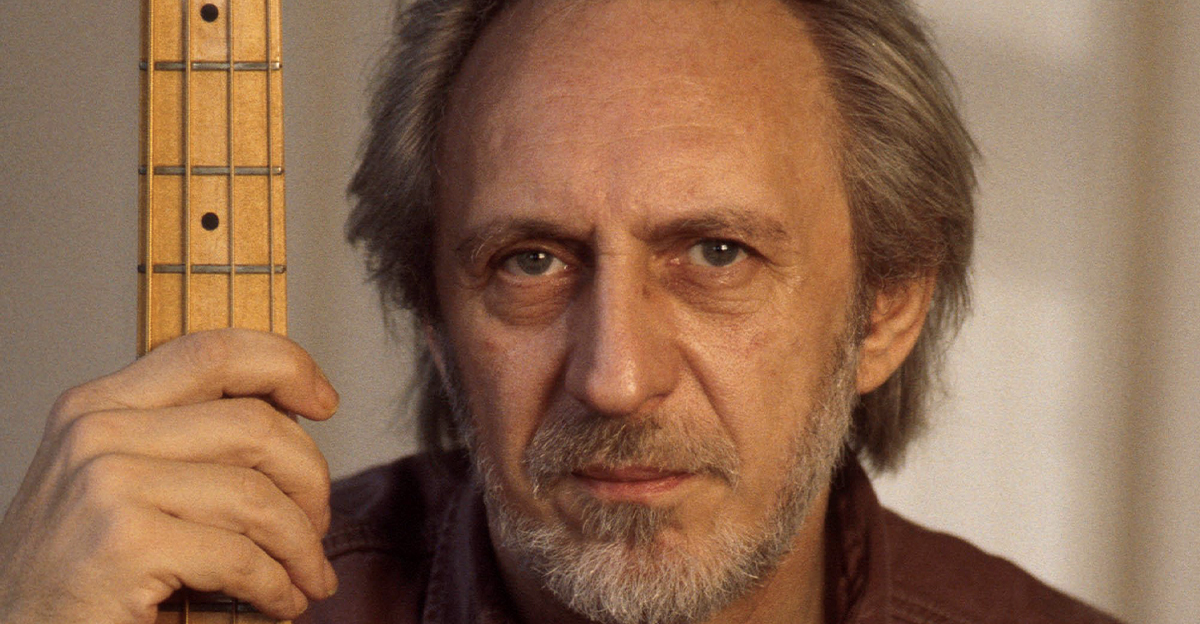
As the Who’s ear-splitting bassist, John Entwistle earned the nickname “Thunderfingers”. But his strong-headedness also earned him the nickname “The Ox”—and fueled a stubborn fixation with going it solo.
1. He Was Born With A Bang
John Alec Entwistle was making noise from the time he was born. According to a family legend, just as his mother was giving birth to him on October 9, 1944 in Hammersmith, a German explosive detonated only a few yards down the street. And it left a mark. Legend has it that Entwistle was born with a projectile-shaped birthmark on his leg.
Munitions and music would be his birthright.
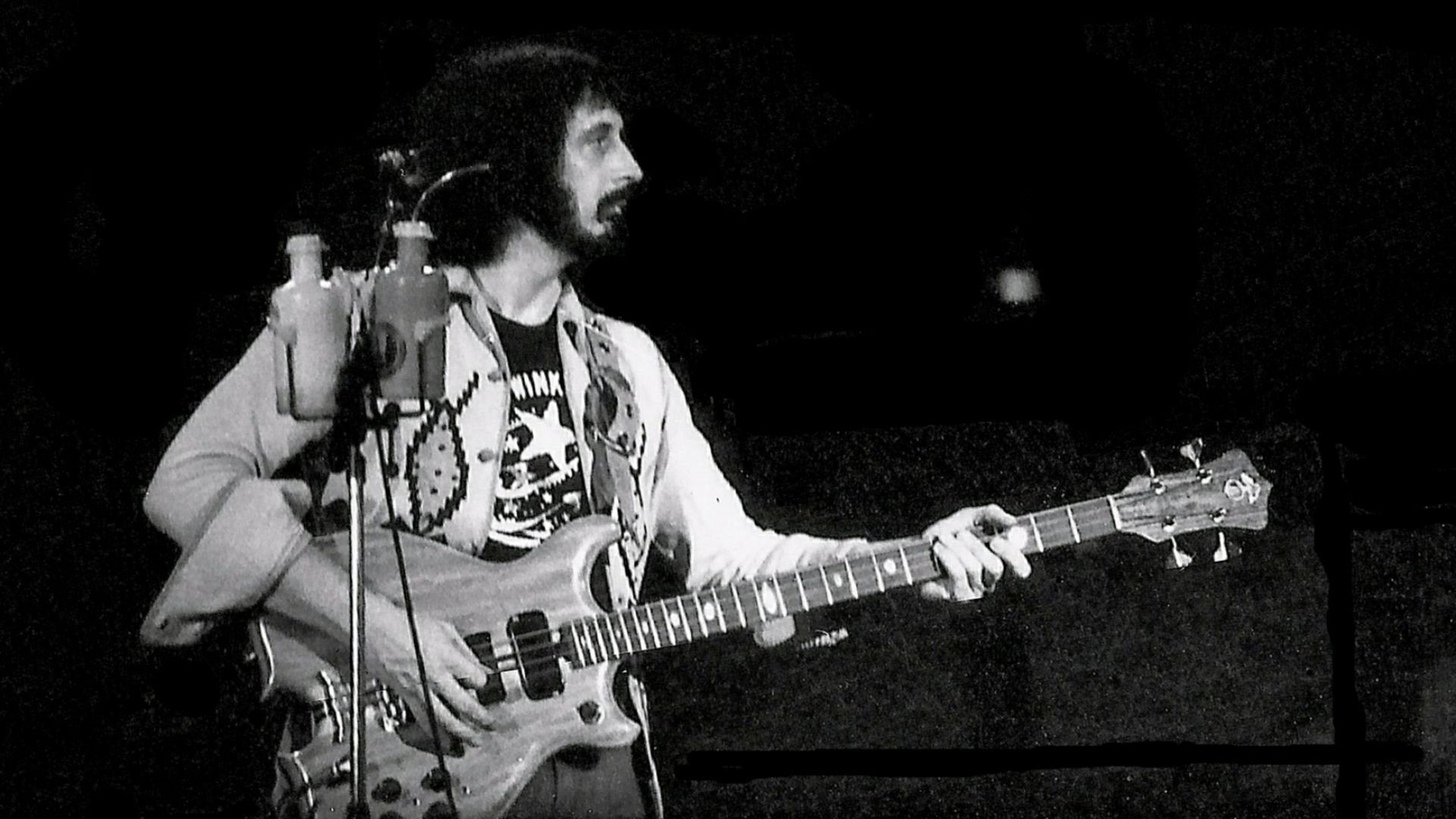 Bill Abbott, Wikimedia Commons
2. He Had Musical Parents
Thankfully for Entwistle, he had musical parents to drown out the sound of aerial bombardments. As the only child born to Herbert Entwistle, a trumpet player, and pianist Maud Lee, he was destined for musical greatness—and childhood disappointment. His parents’ marriage collapsed almost immediately after he was born, leaving him to grow up mostly in his maternal grandparents’ home.
Still, the band played on.
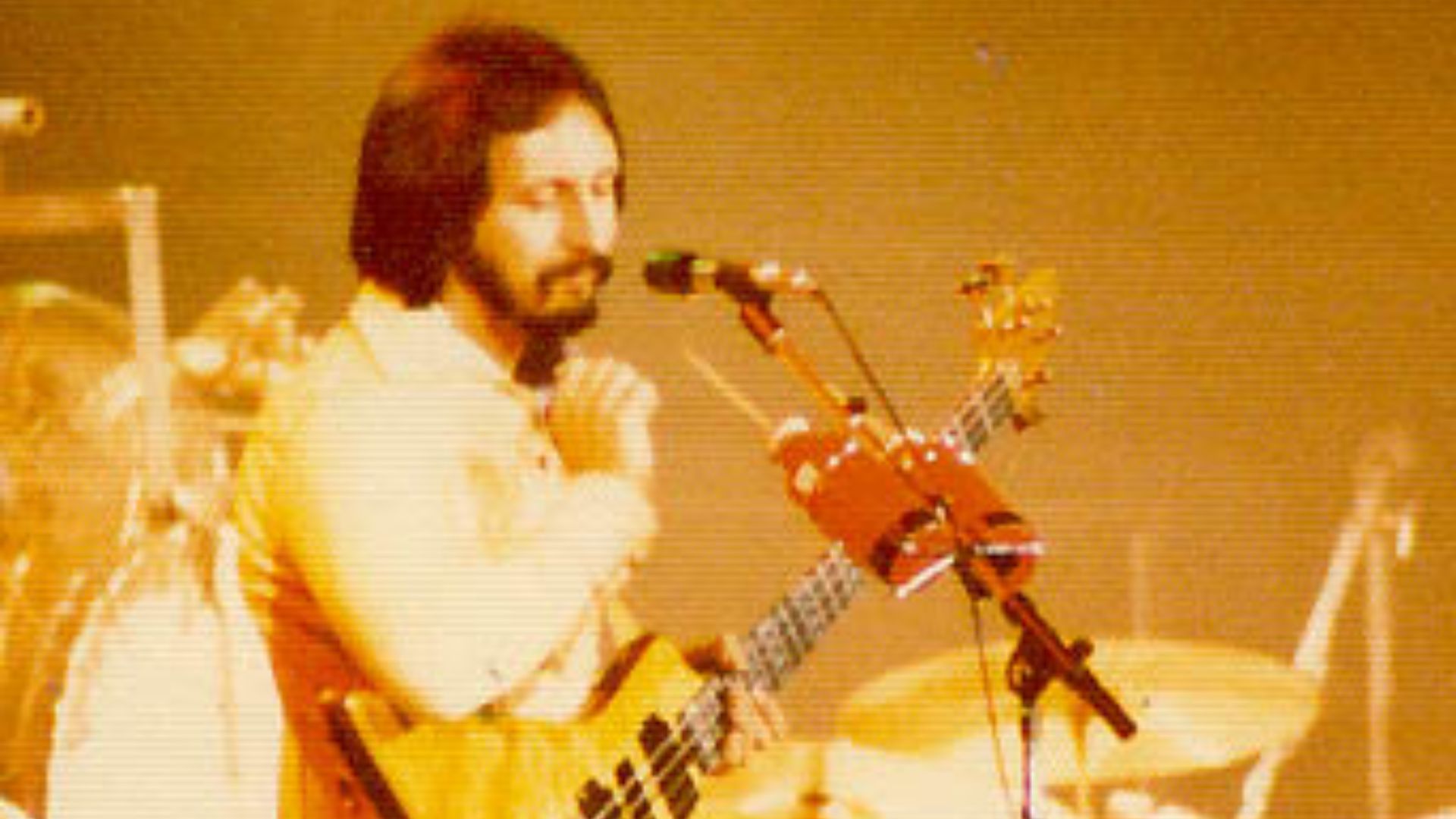 Center of the Universe, Wikimedia Commons
3. He Started Performing Before Age Seven
Entwistle’s parents’ divorce turned him into a reserved and “solitary” child. But the one thing that could bring him out of his shell was music. So, between the ages of five and six, Entwistle’s grandfather hauled him to a local club and encouraged the boy to sing. And sing he did—belting out old standards as his grandfather collected payment.
His musical career had only just begun.
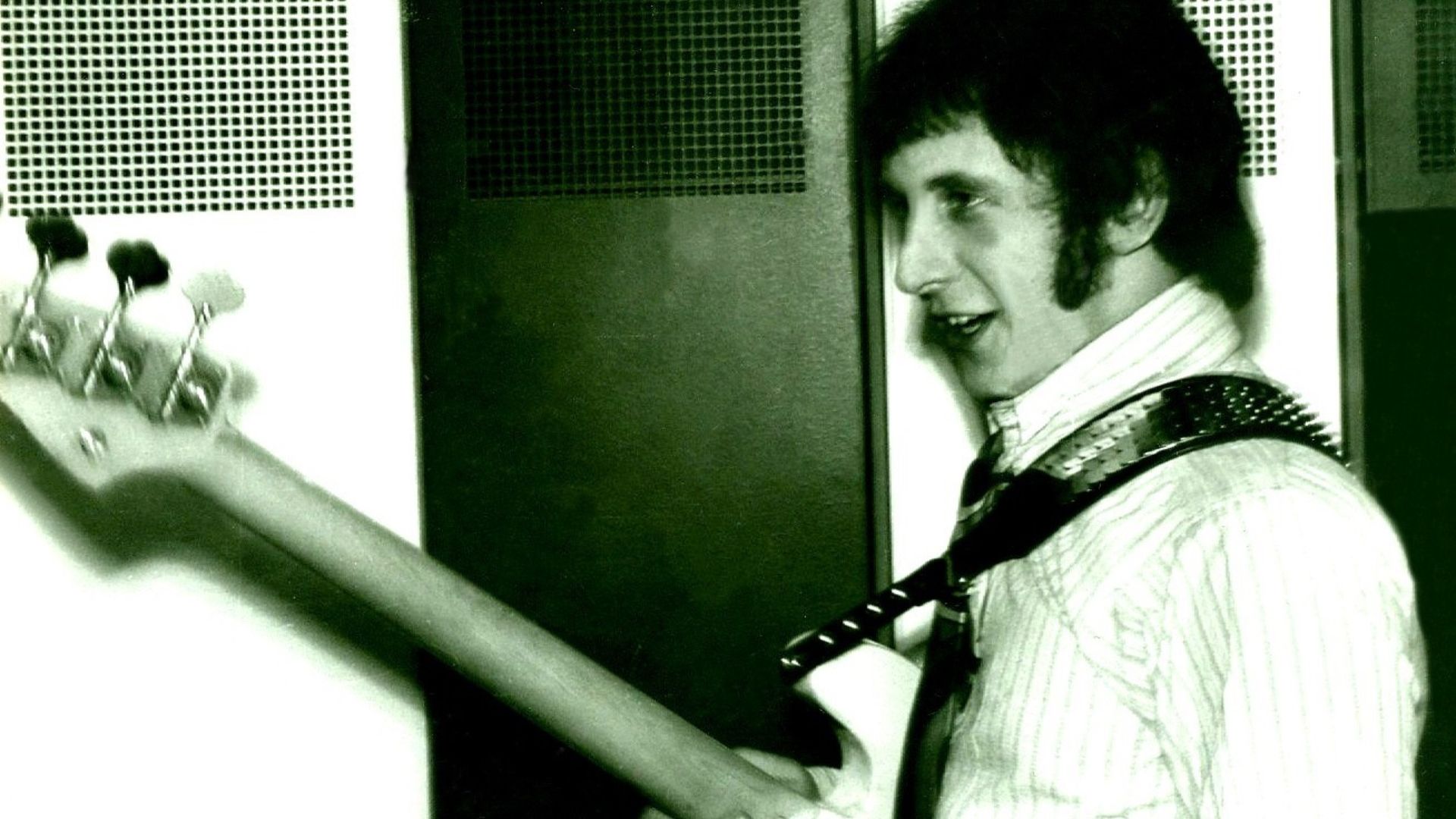 Klaus Hiltscher, Wikimedia Commons

History's most fascinating stories and darkest secrets, delivered to your inbox daily.
4. His Piano Teacher Was Strange
John Entwistle started learning to play the piano at the age of seven. Suffice to say, however, his early musical education might have been a little unorthodox. Entwistle would later describe his piano teacher as “really ancient”, adding that she “had a room full of cats, and fingers like spoons”. It’s little wonder then that four years later he switched to the trumpet.
But that wouldn’t hold him for long, either.
5. He Had To Switch Instruments Again
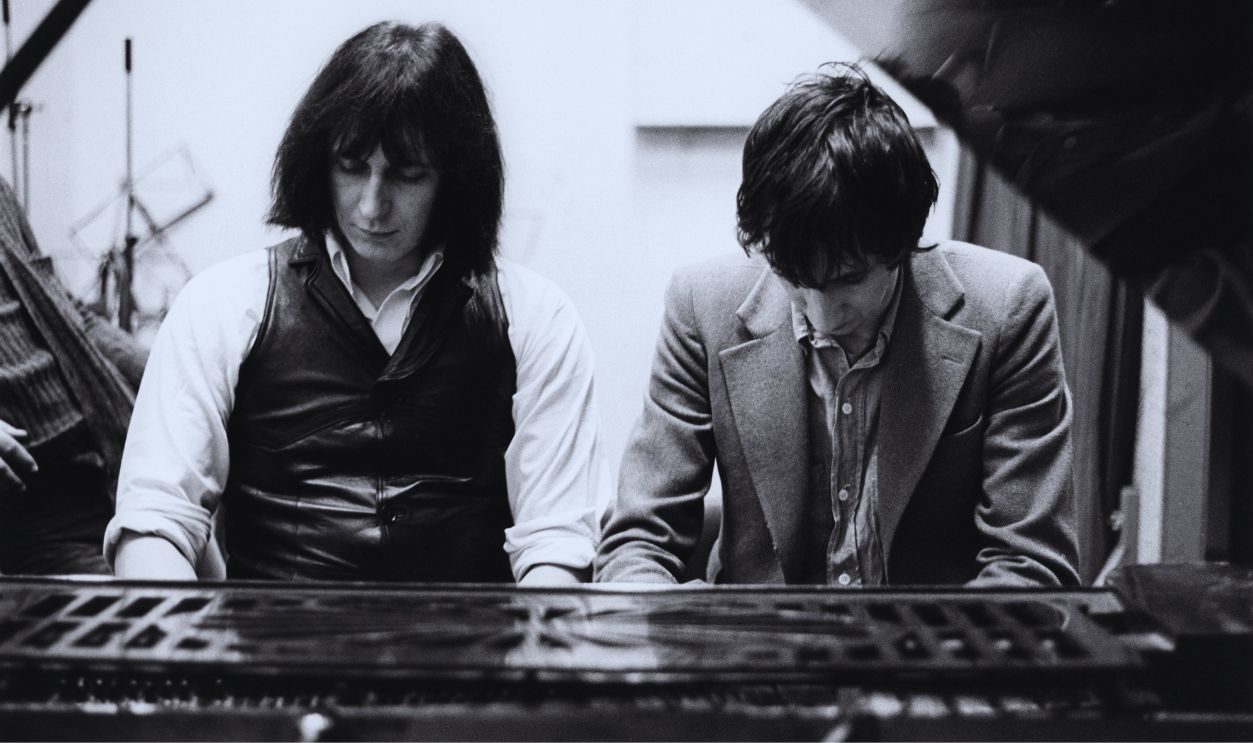
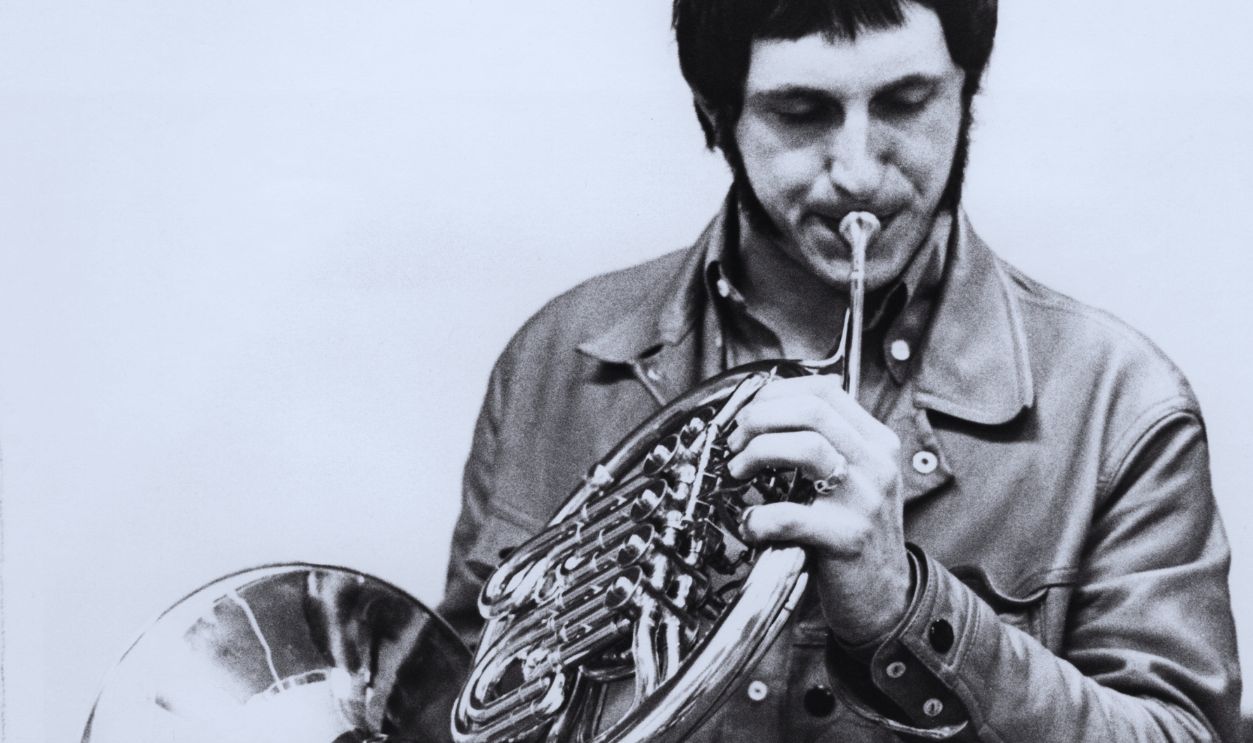
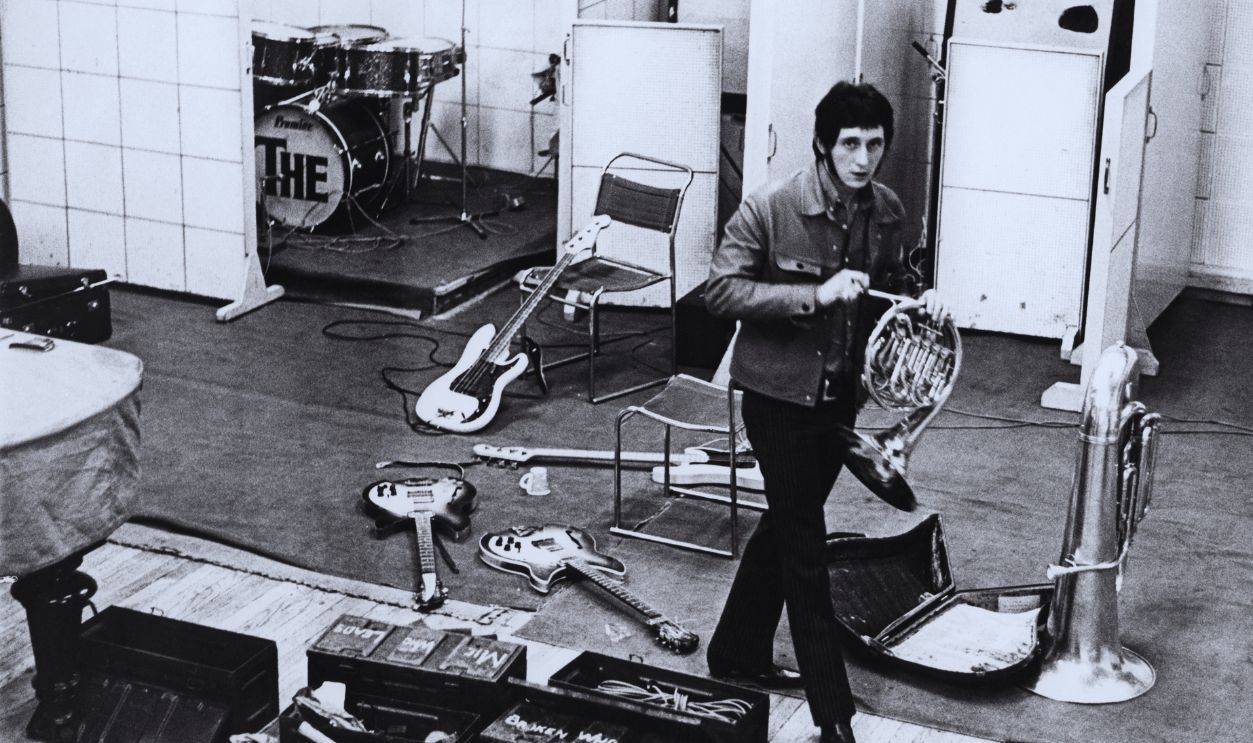
Once Entwistle turned 11, he was accepted into the Acton County Grammar. Of course, his passion for music only grew, and Entwistle auditioned for the Middlesex Schools Orchestra. But there was just one problem: too many trumpet players. Instead of being just another seat in the brass section, Entwistle switched instead to the French horn.
A new classmate would soon change his trajectory entirely.
6. His First Band Had One Gig
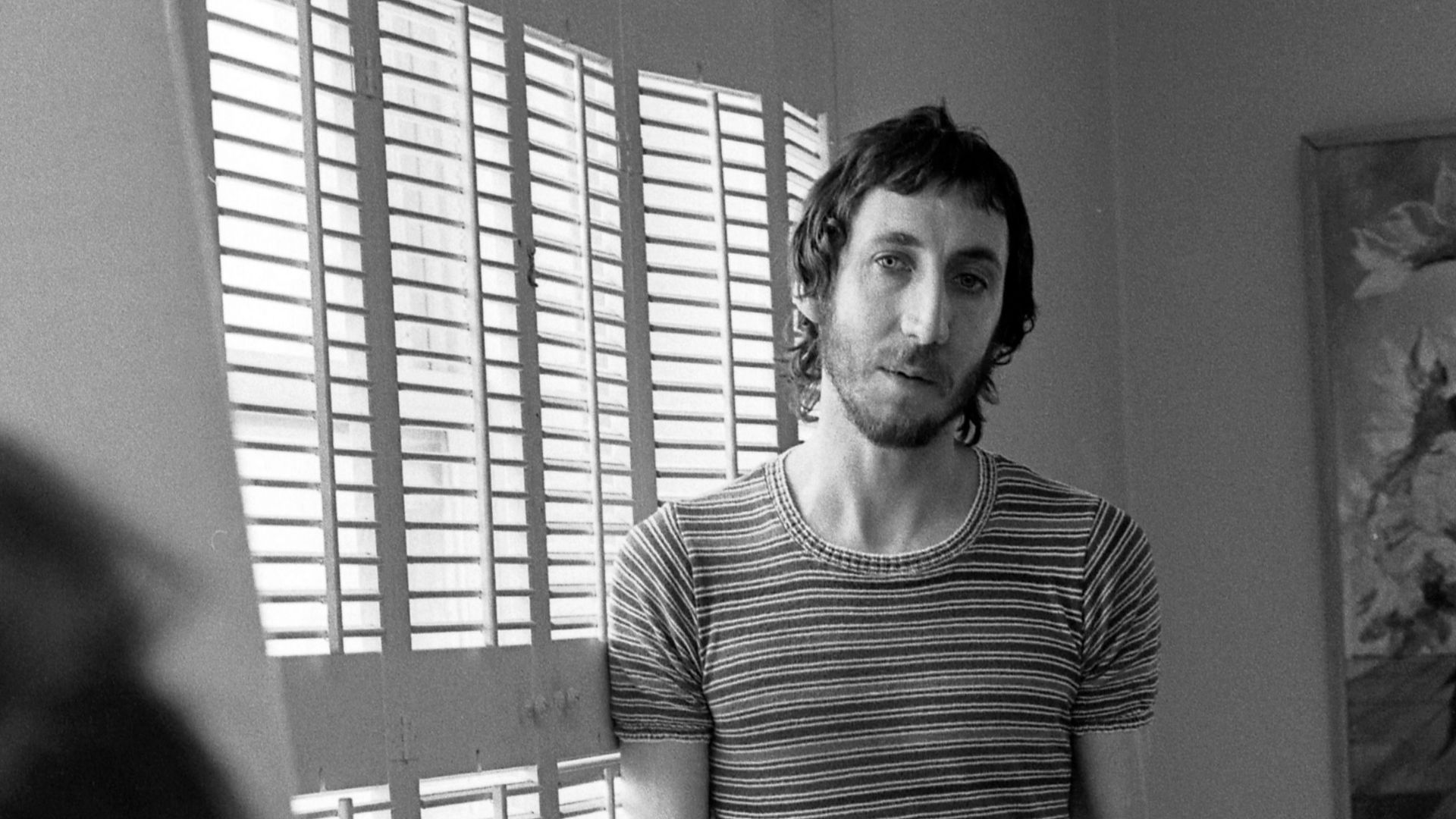
At Acton County, John Entwistle made a friend who would skyrocket to rock n’ roll stardom alongside him: Pete Townshend. It wasn’t long before the pair formed a trad jazz group called the Confederates. Never heard of them? Not surprising. The band’s entire existence spanned one gig: two instrumentals for 10 people at the local church.
Far bigger things lay ahead.
 Harry Chase, Los Angeles Times, Wikimedia Commons
7. His Hands Were Too Big
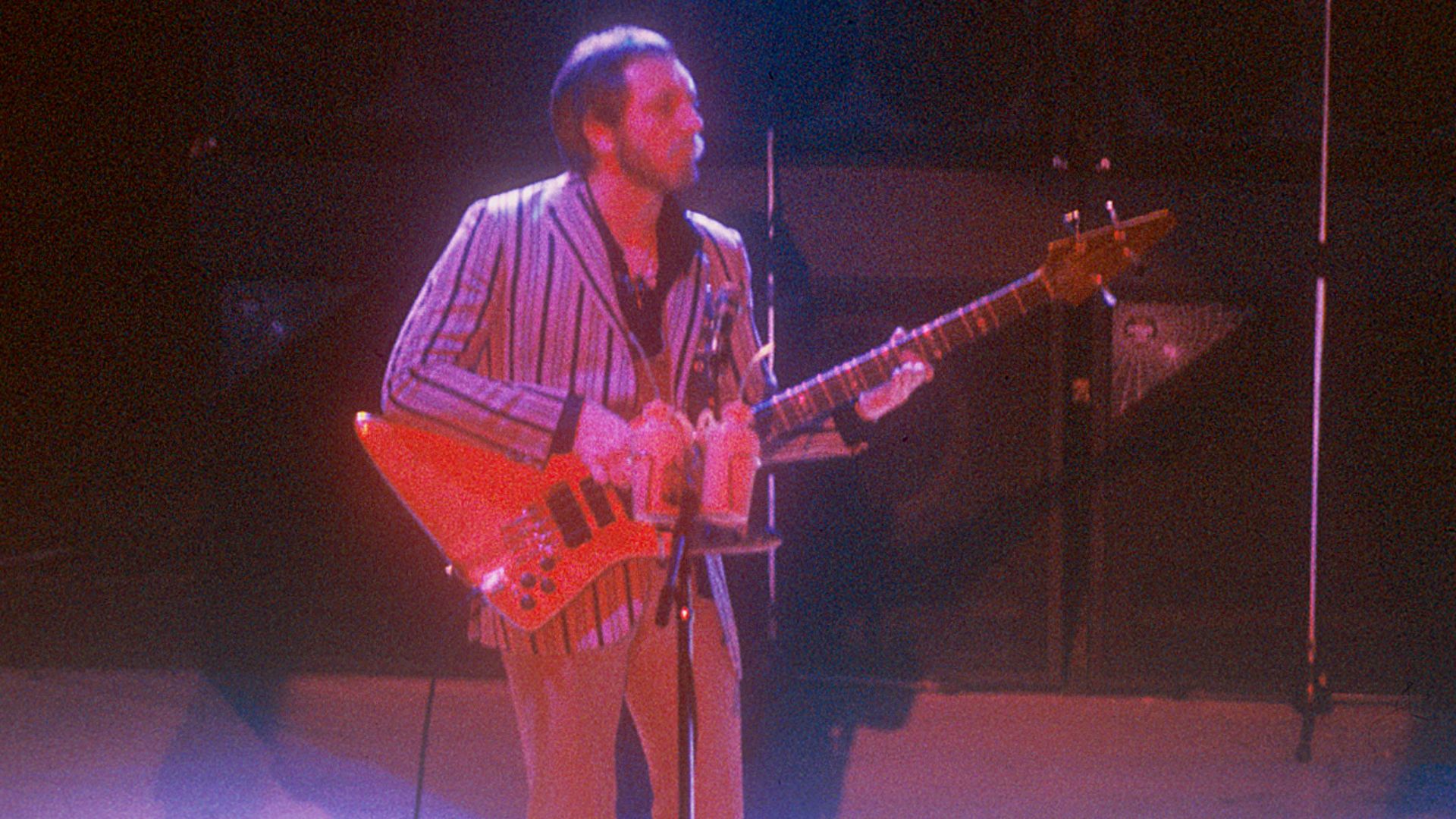
With Entwistle’s first band fizzling out, he was already looking for the next thing. And he found it: rock and roll. Eagerly, the budding musician dropped the French horn and picked up a guitar. However, his large fingers made it nearly impossible for him to play well. Then, inspired by the likes of Duane Eddy, Entwistle switched to the bass guitar.
But he was determined to do it his way.
 Harry Potts, Wikimedia Commons
8. He Built His Own Bass Guitar
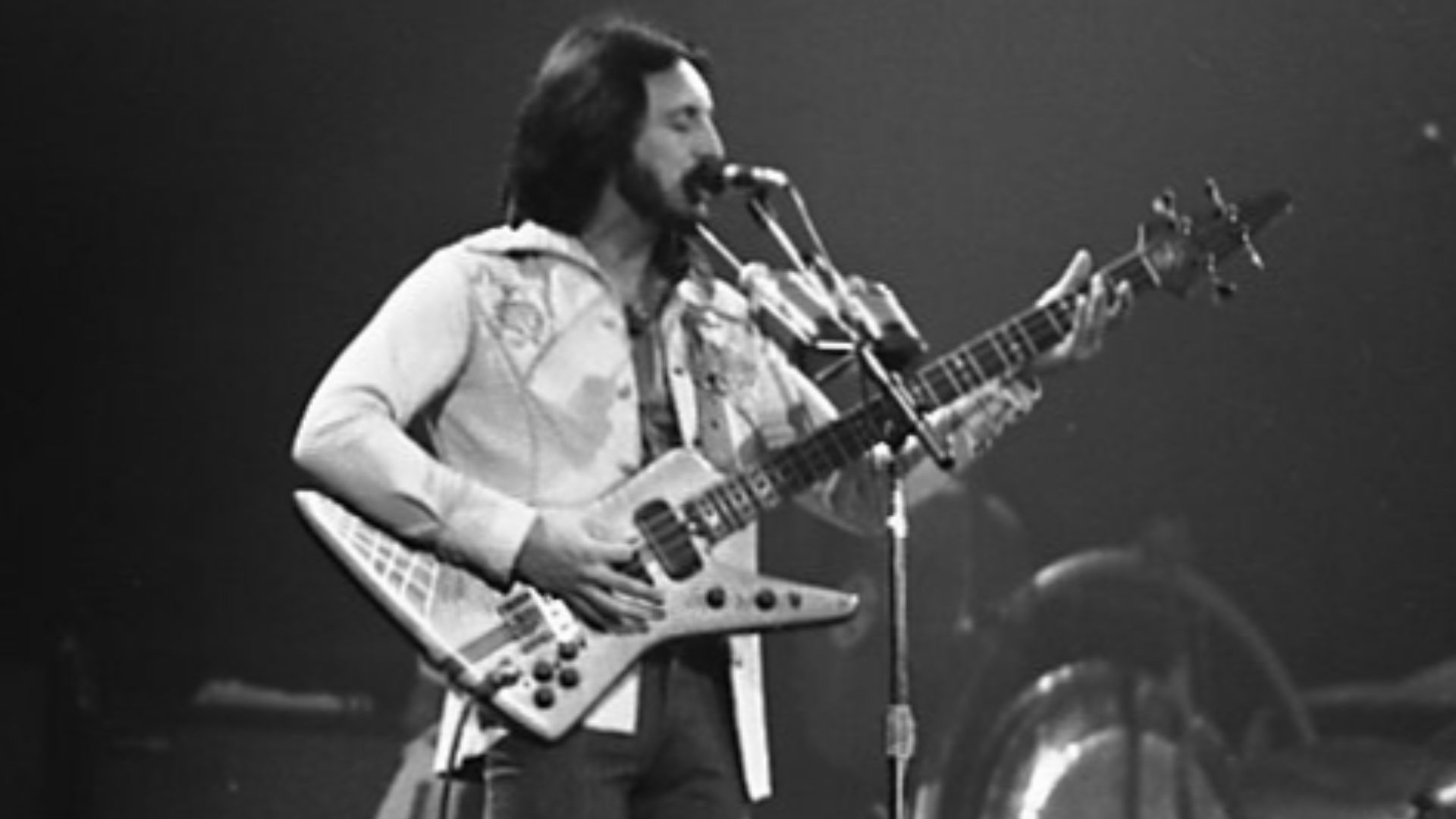
Entwistle’s switch to the bass guitar was a strategic one—but it was also an auspicious one that would let him rock out as loud as he wanted. Lacking the funds to buy a new bass guitar, Entwistle configured one all on his own, carving a mahogany block into a Fender Precision shape. He then wired the rig and prepared to shred the bass like no one before.
Someone couldn’t help but hear his racket.
9. His Blaring Bass Caught Roger Daltrey’s Eye
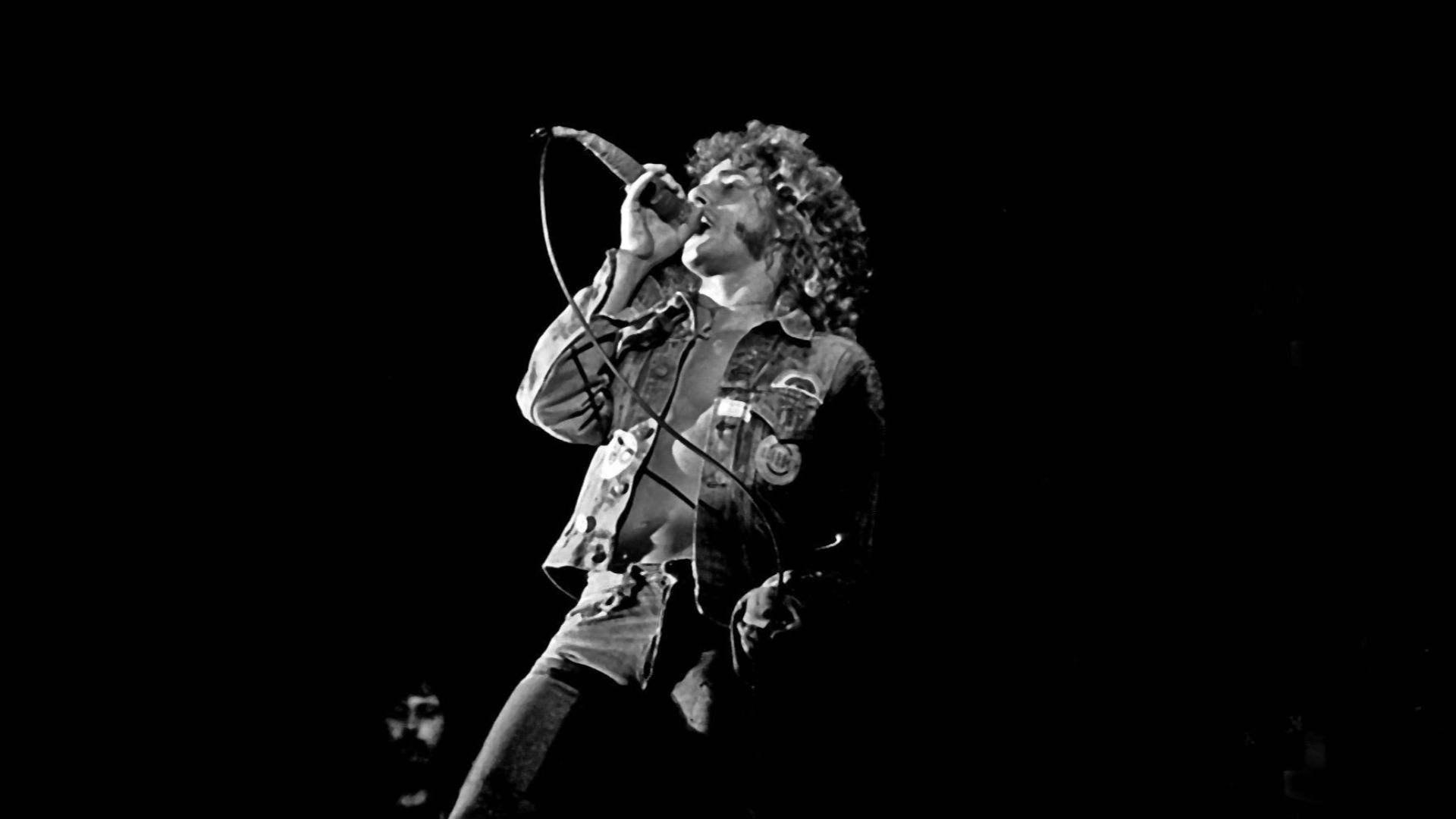
Entwistle’s homemade base caught the attention of Roger Daltrey—a former Acton County pupil whose reputation as the “resident hard nut and troublemaker” had gotten him expelled. Daltrey, having heard Entwistle before, invited him to join his band, the Detours. Entwistle agreed, but only on one condition: Daltrey had to kick out his current rhythm guitarist in favor of Pete Townshend.
Daltrey agreed—and the Who was born.
 Heinrich Klaffs, Wikimedia Commons
History's most fascinating stories and darkest secrets, delivered to your inbox daily.
10. His Ambitions Outgrew His Day Job
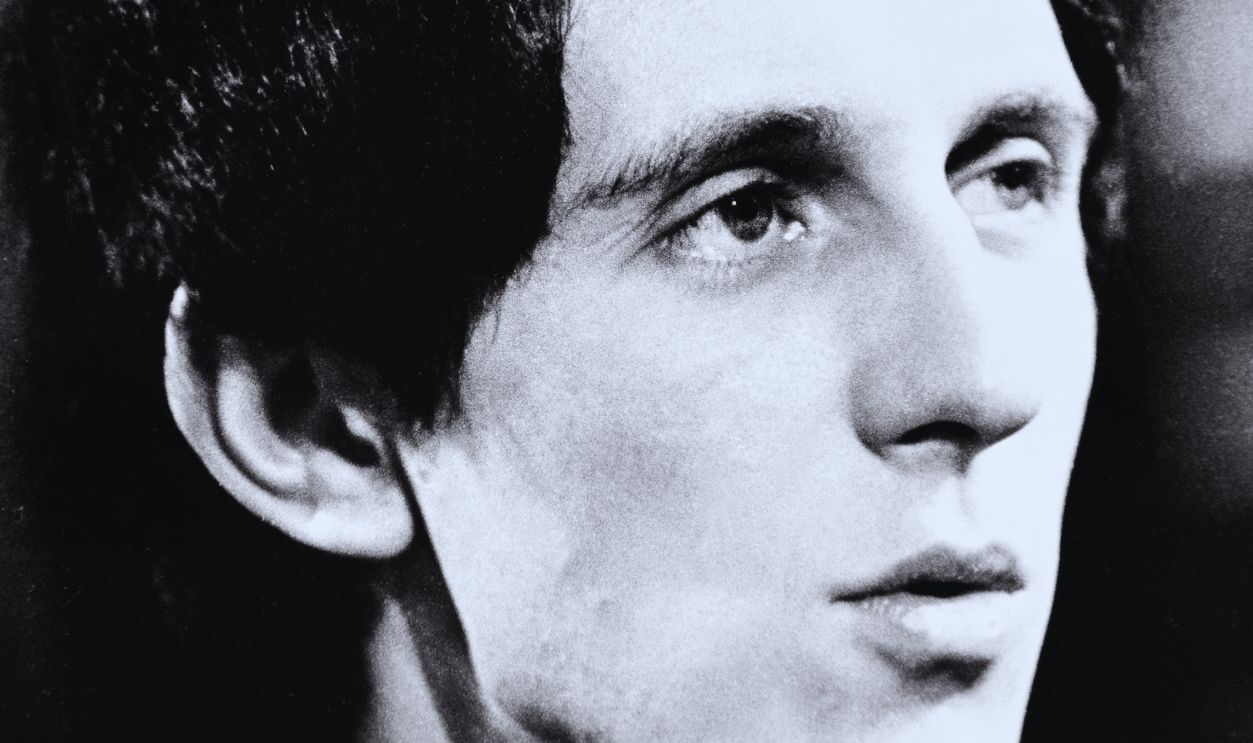
John Entwistle left school in the spring of 1961. With his innate talents and academic record, he could easily have gone on to “art college or music school”. Instead, tight family finances forced him to join his mother at the local tax office to help keep the family afloat. On the bright side, his band was beginning to take off, with their booking agent getting them as many as six shows around London each week.
And Entwistle wanted to make sure all of London could hear him.
 The Visualeyes Archive, Getty Images
11. He Amped Up His Sound
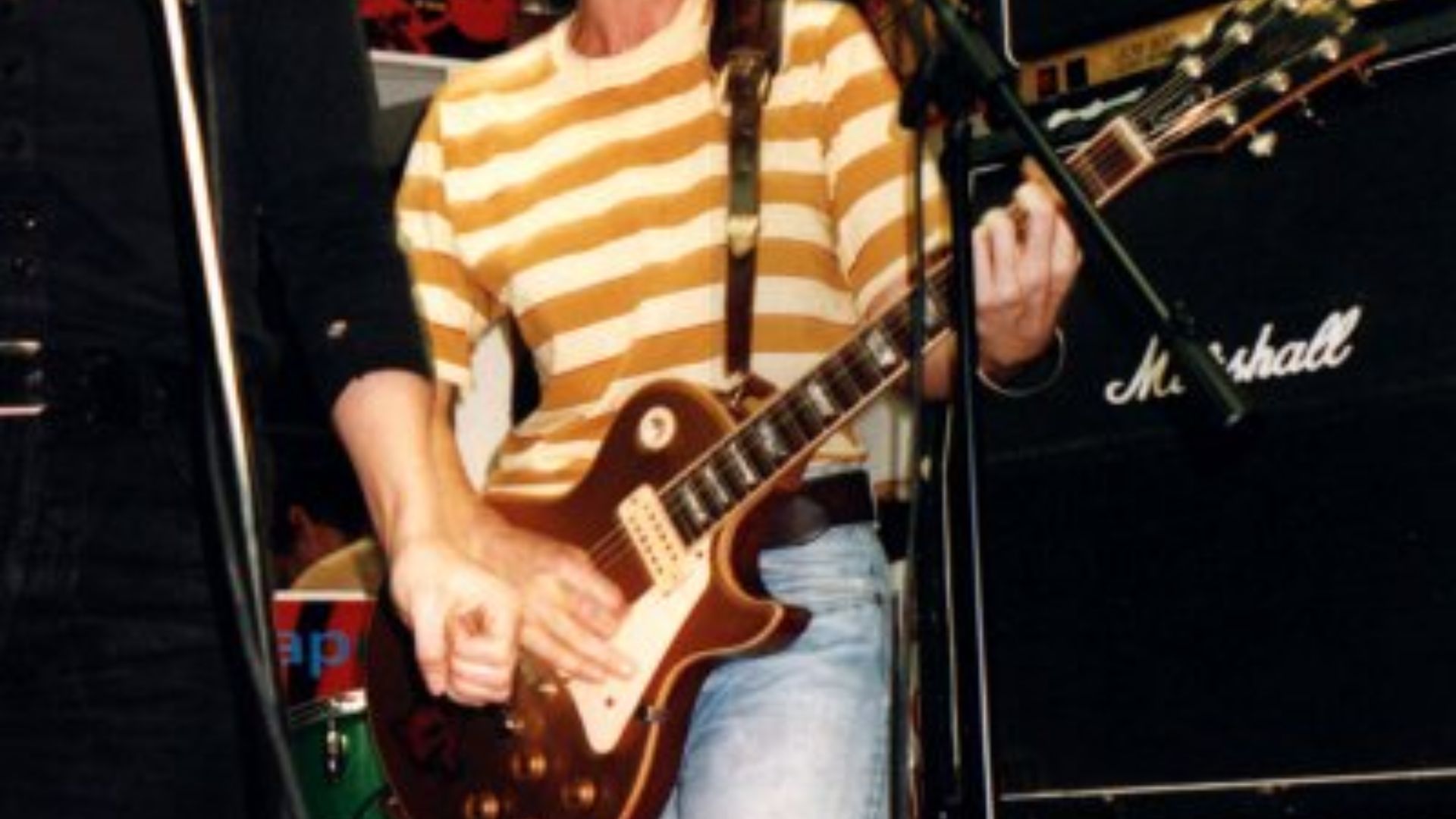
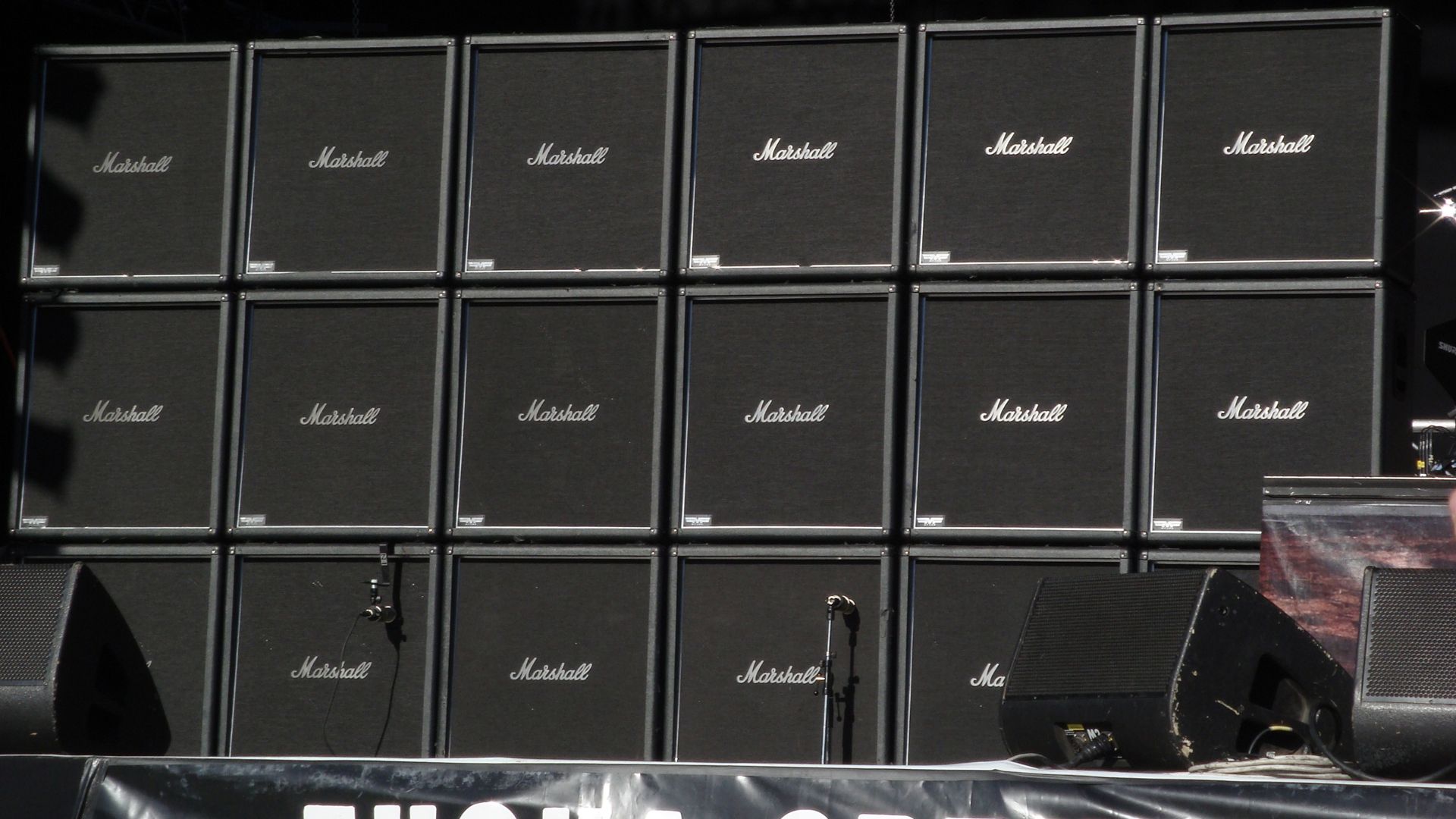
To bolster his already loud shredding, Entwistle sought out an amplifier like none that had ever been made before. And Townshend knew exactly where to take him. Townshend led his bandmate to Jim Marshall’s music shop in West Ealing, where the emerging music man was quietly developing the amplifier that would carry his name.
Entwistle seized his chance, snapping up a new cabinet and becoming one of Marshall Amplifiers’ very first customers. The volume was deafening.
12. His Volume Started An Arms Race
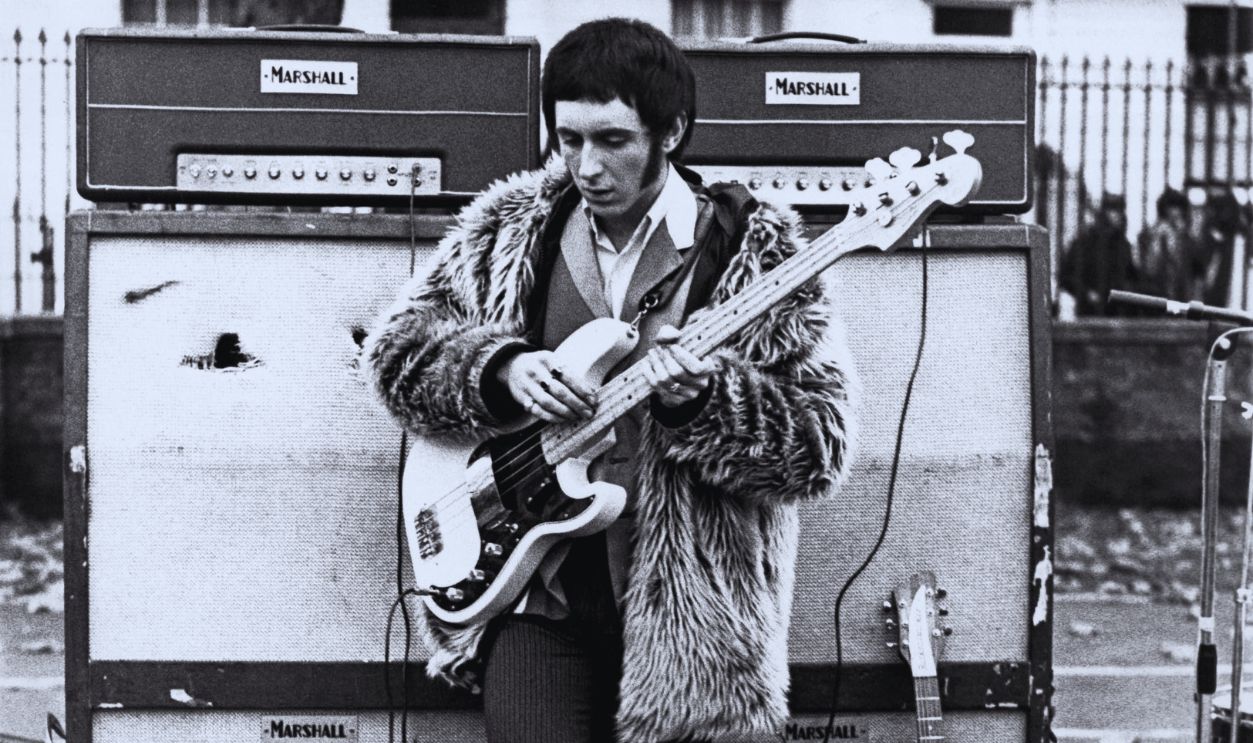
Townshend later recalled that Marshall’s amps made Entwistle loud. According to Townshend, Entwistle was “already very loud,” but with Marshall’s help, he was “now too loud”. Rather than turn down, however, all of the other band members responded by buying more speakers to out-blast the other. What followed was a full-blown amplification arms race that redefined rock and roll volume forever.
13. His Band Changed—And Then Changed It Back
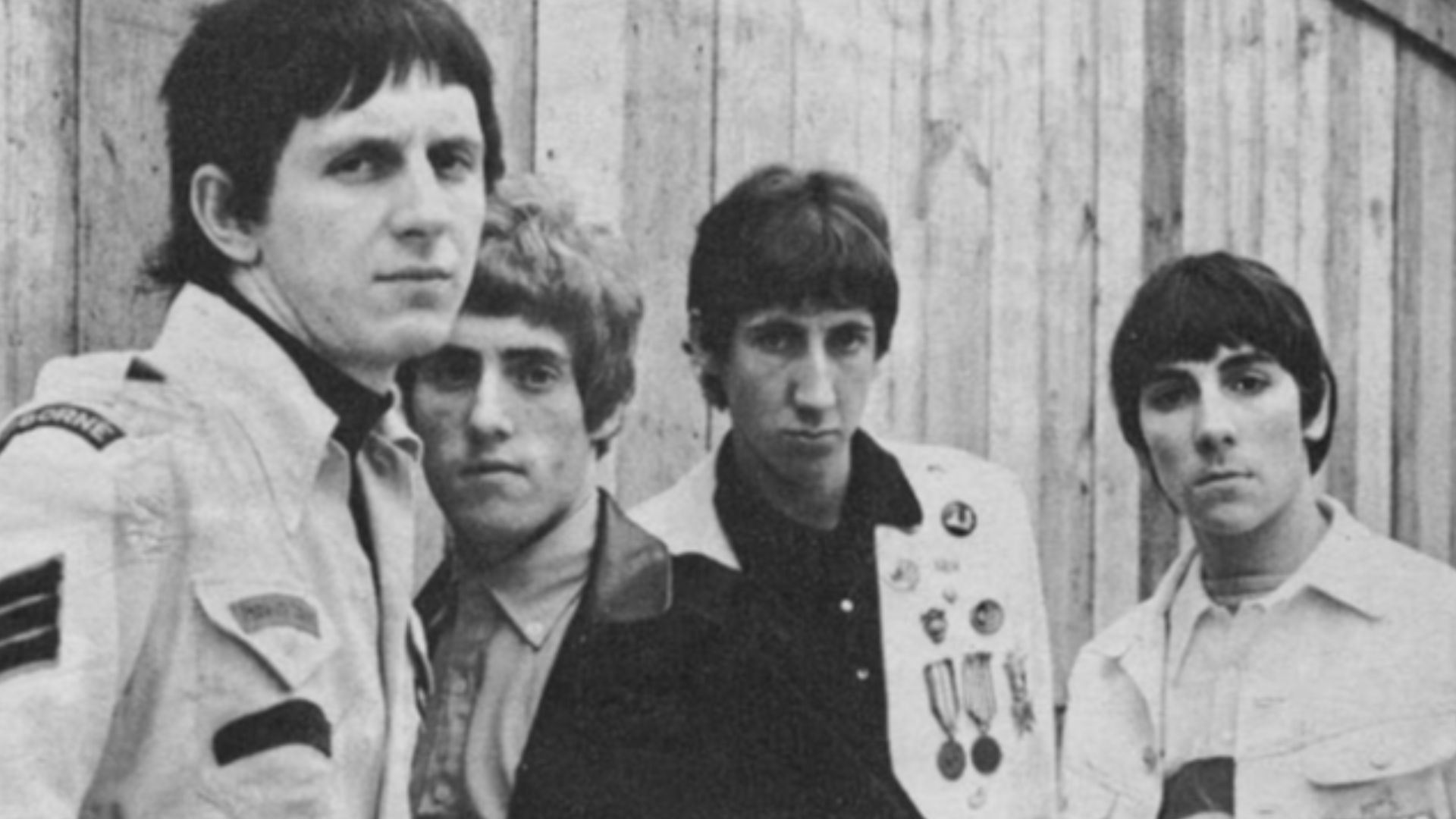
In February 1964, John Entwistle and his bandmates had an identity crisis. After spotting another group on television called the Detours, they decided to rebrand themselves as the Who. Then a slick publicist named Peter Meaden swept in, rechristening them the High Numbers and trying to shift their image. But when their sole single, “Zoot Suit,” flopped, Meaden’s grip slipped.
Entwistle and his bandmates reverted to the Who for good. And their new brand image would stick.
 KRLA Beat/Beat Publications, Inc., Wikimedia Commons
14. He Set The Band’s Brand
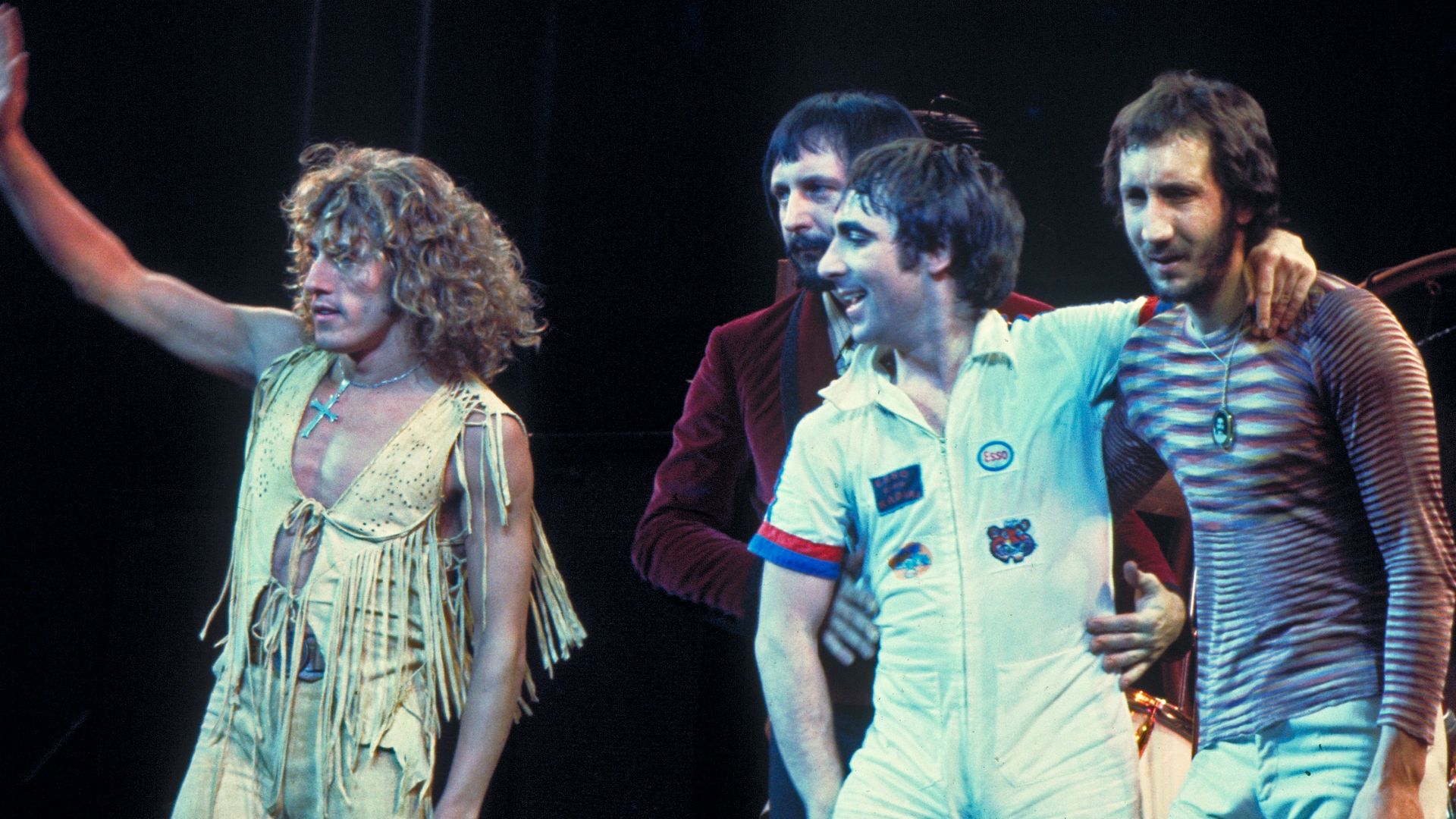
At the height of the Who’s fame, Townshend had developed an iconic look: a Union Jack waistcoat. The little-known fact, however, is that Townshend’s signature look had actually been Entwistle’s first. When the Who were trying to pass themselves off as pioneers of Mod culture, it was the booming bassist who stepped out in a Union Jack waistcoat for the first time.
Entwistle, however, had his own image to think about.
 Jim Summaria, Wikimedia Commons
15. He Was A Thunderfingered Ox
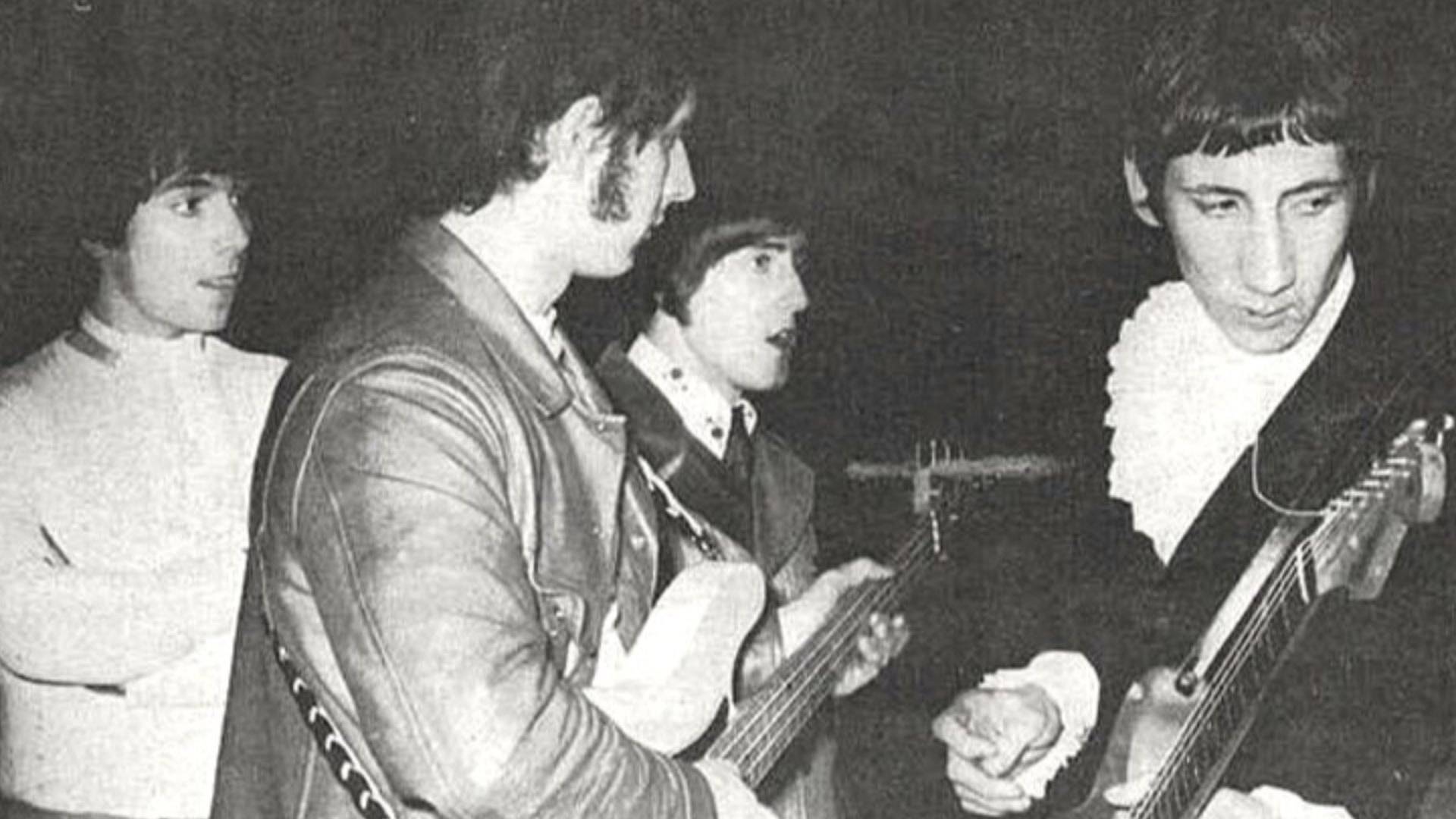
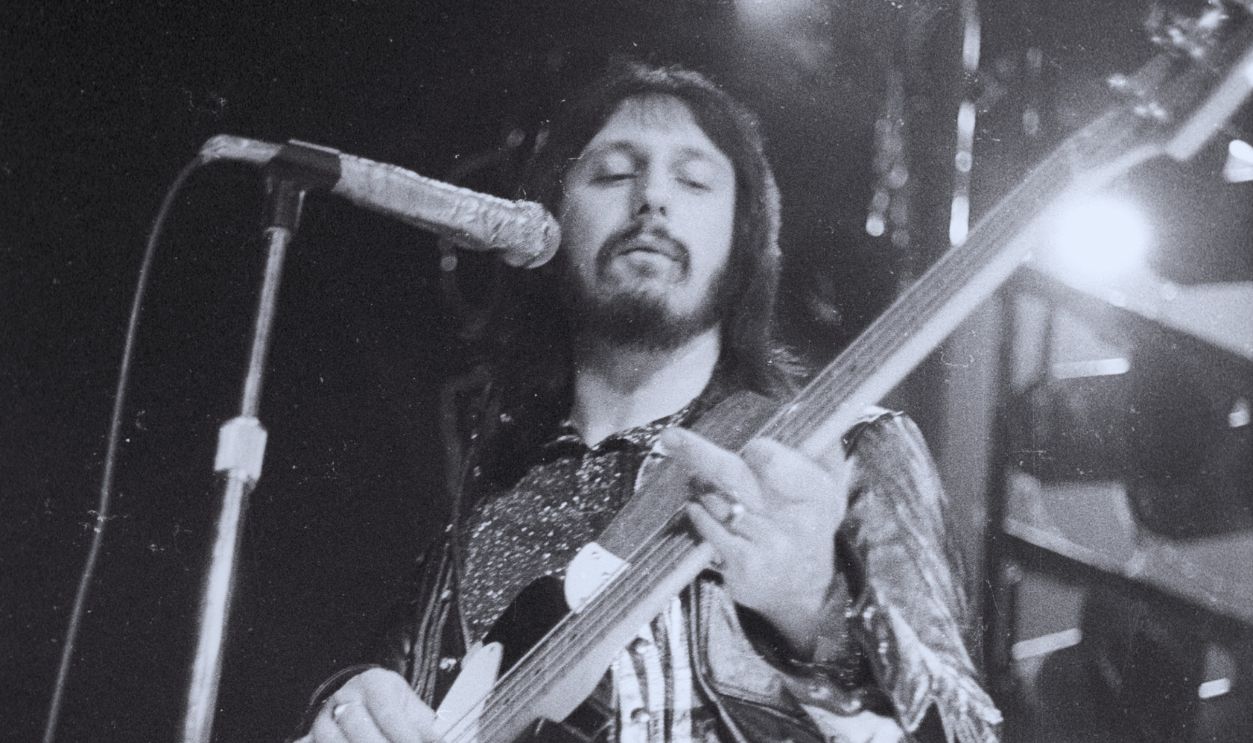
John Entwistle earned two enduring nicknames that captured two sides of personality. “The Ox” recognized his iron constitution and extraordinary capacity to outlast his bandmates in eating, drinking, and well, everything else. “Thunderfingers”, on the other hand, spoke to the sheer ferocity of his playing. Bill Wyman of the Rolling Stones put it best, calling him “the quietest man in private but the loudest man on stage”.
He was also, it turned out, the most educated musician in the room.
History's most fascinating stories and darkest secrets, delivered to your inbox daily.
16. He Was The Most Trained Who Member
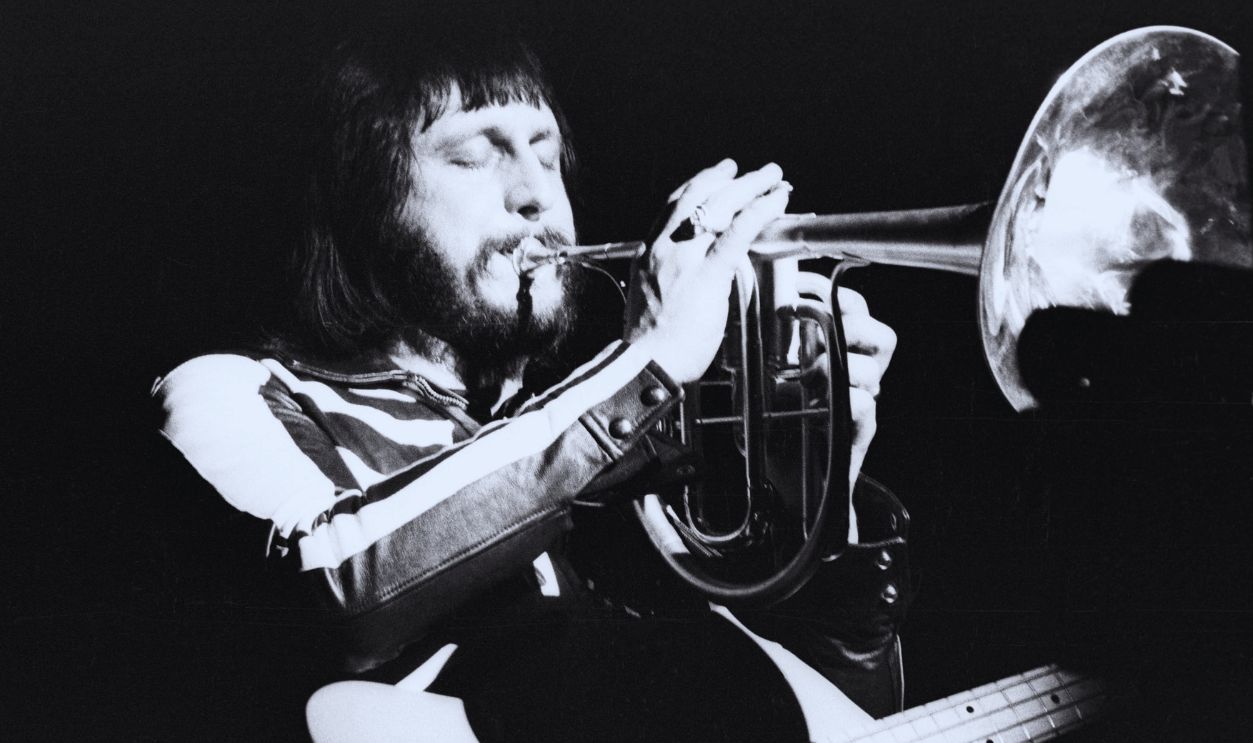
Entwistle stood alone as the only member of the Who with any formal musical training. Beyond the bass, his arsenal included the French horn, the trumpet, the piano, the bugle, and even the Jew’s harp. It was Entwistle who arranged the layered brass sections on tracks like “5:15”—stacking multiple horn parts himself to conjure an entire section from scratch.
His talents would soon be put to their most public test.
17. His Bass Solo Defined “My Generation”
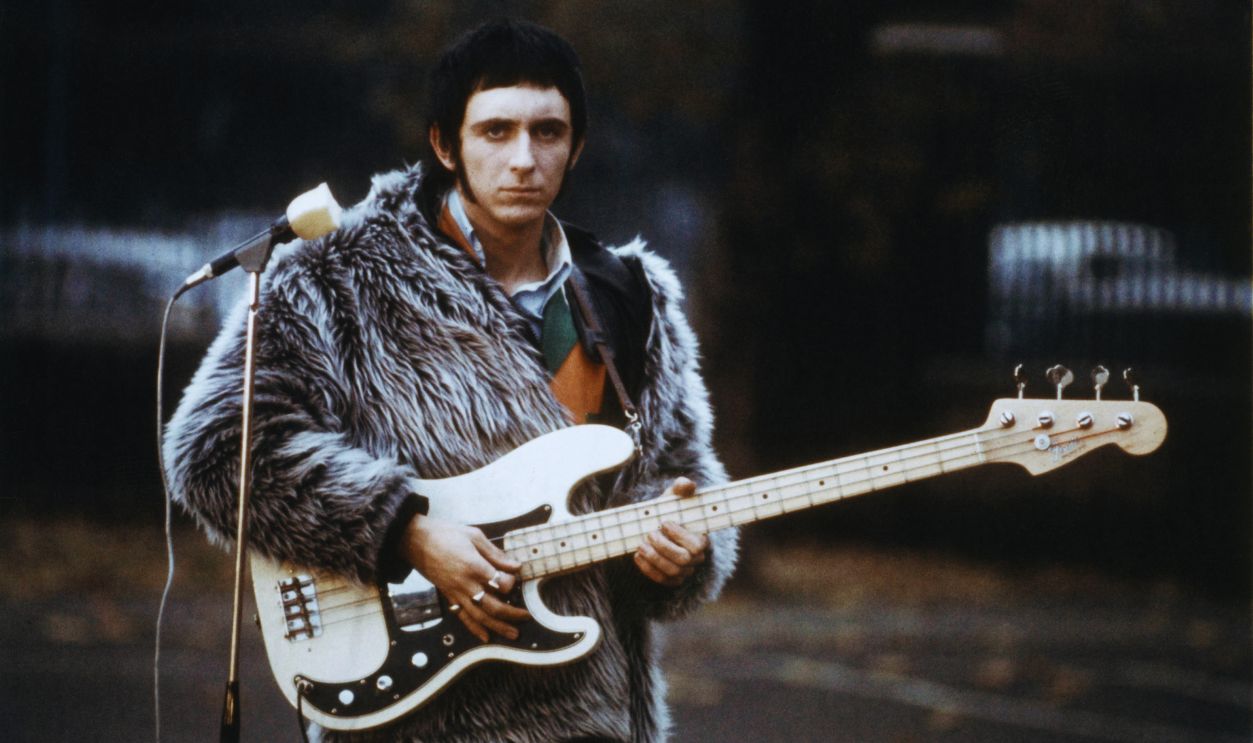
One of the Who’s most recognizable tracks, “My Generation”, was an John Entwistle original. The song climbed to the number two spot on the UK charts in no small part thanks to Entwistle’s ferocious 55-second bass solo. Getting there took some ingenuity: “To get the right effect,” he explained, “I had to buy a Danelectro bass, because it had little thin strings that produce a very twangy sound”.
That sound came at a cost.
18. He Was Hanging On By A String
The Danelectro’s thin strings, it turned out, couldn’t survive Entwistle’s “thunderfingers”. He snapped three full sets before finally nailing the solo on his fifth attempt—ultimately laying down the definitive take on a newly purchased Fender Jazz Bass strung with tapewound strings. His obsession with finding the perfect sound was only just getting started.
19. He Found His Strings
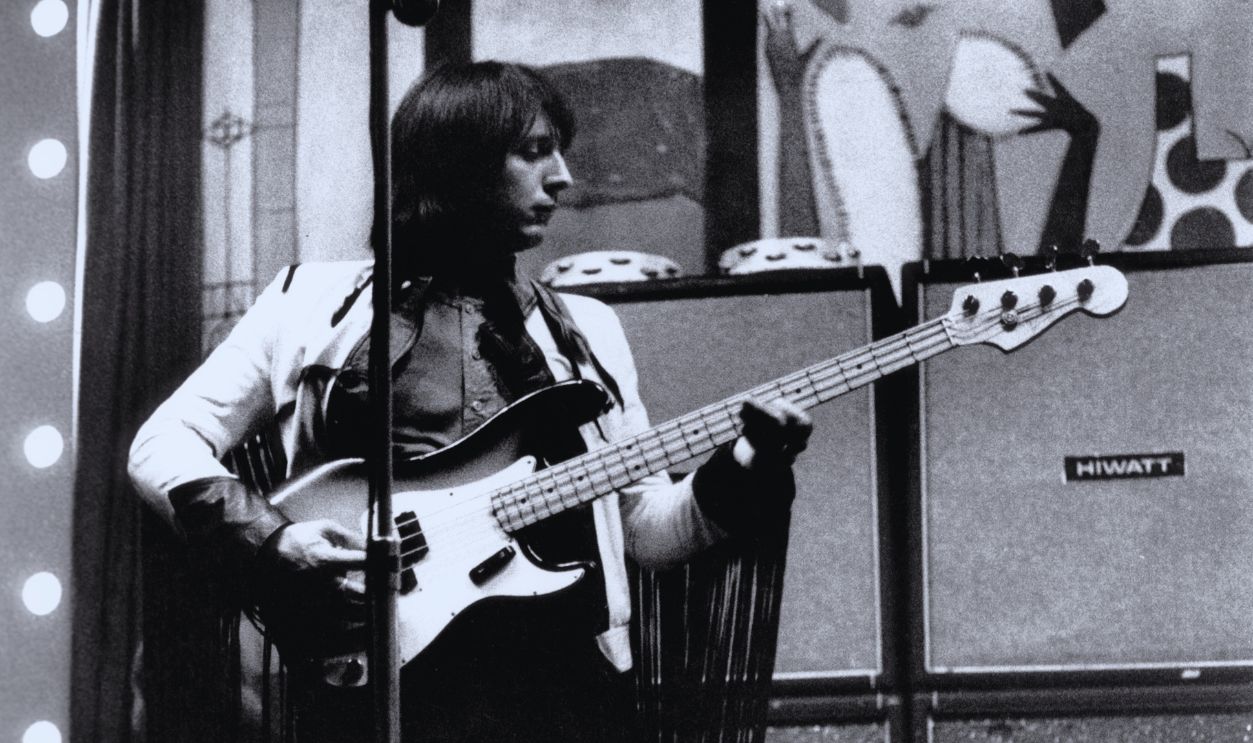
In 1966, still chasing that elusive Danelectro tone, John Entwistle teamed up with Rotosound’s James How. Together, they traced the problem not to the wire winding but to the string’s core. Together, they developed the RS66 Swing Bass roundwound sets. “Those strings,” Entwistle later said, “were the first that vibrated properly”.
The RS66 became an industry standard for rock bassists worldwide—thanks to Entwistle.
20. He Had An “Itsy Bitsy Spider” Song
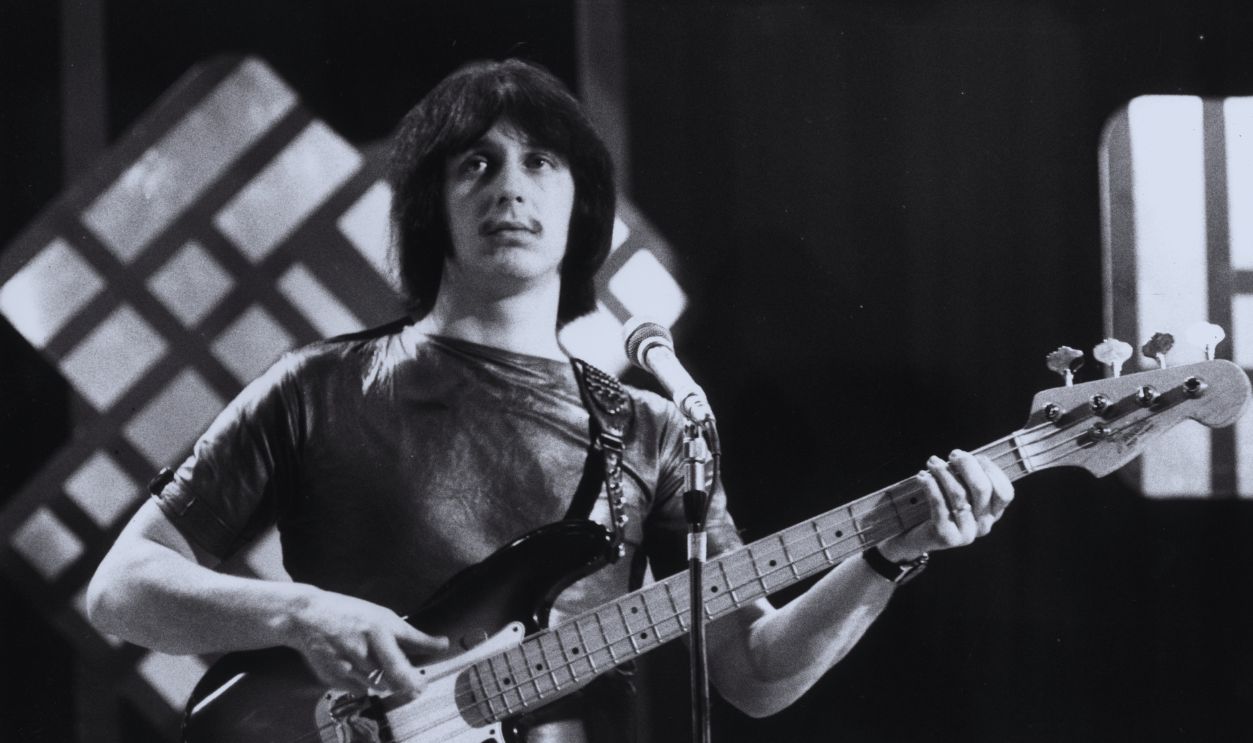
Entwistle’s contributions to the Who’s album tracks can’t be overstated. But they were totally random. His first, “Whiskey Man”, was a cautionary tale about overindulgence. His second emerged from a late night out with Bill Wyman: “We started talking about spiders and the way they frighten people, and that gave me the idea”. That second effort, “Boris the Spider”, became the most requested song the Who ever played.
Given the subject matter, that was surprising.
21. His Songs Had A Dark Sense Of Humor
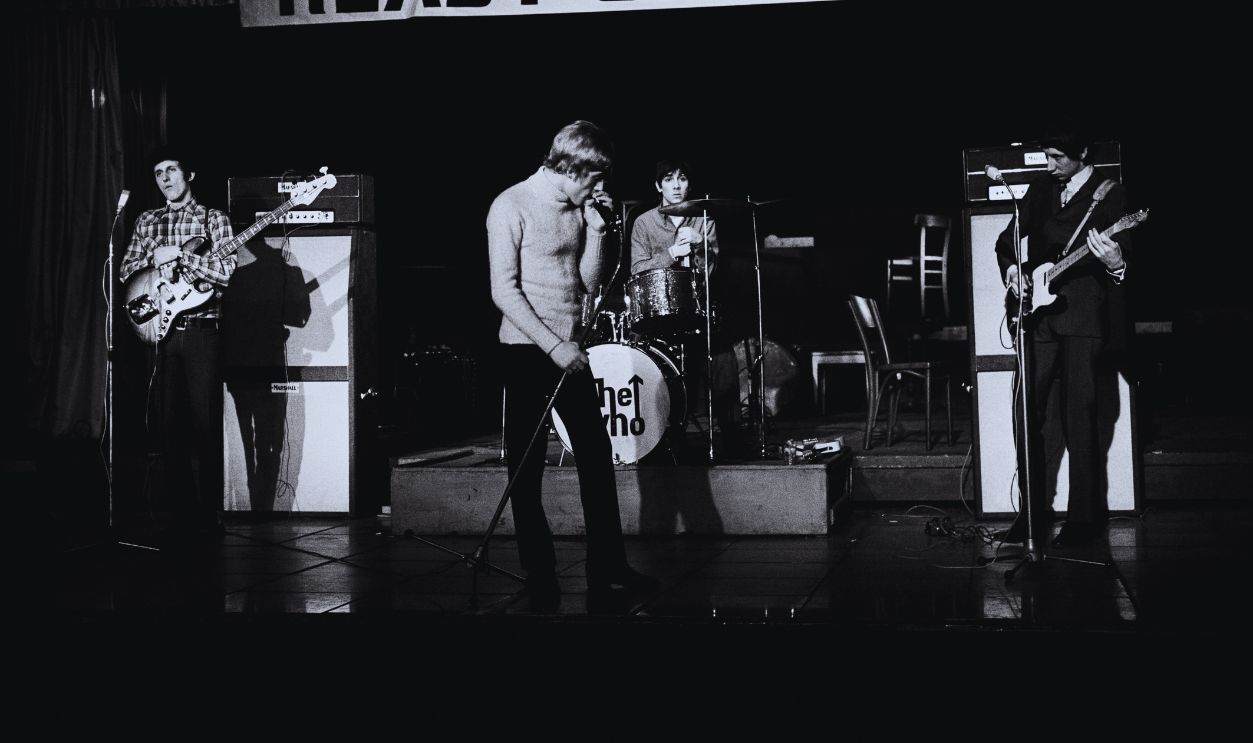
Entwistle’s compositions were like nothing else the band produced; “gruesome, “steeped in pitch-black humour”, and filled with what one writer described as “degenerates, depressives, [call girls] and, in one memorable instance, an arachnid named Boris”. Whatever the band was singing about, Entwistle played loudly enough to make sure they were heard all the way across the pond.
History's most fascinating stories and darkest secrets, delivered to your inbox daily.
22. He Ran Up A Hotel Bill Like None Other
The Who’s first American tour arrived in spring 1967. But it’s not clear if their 10-day run made them any money. Rooming together at the Drake Hotel, John Entwistle and the Who’s drummer, Keith Moon, marked the occasion by ordering their way through what could only be described as a feast fit for rock legends: vintage champagne, lobster, caviar, and plenty of brandy.
They should have been focused on their playing.
 Klaus Hiltscher, Wikimedia Commons
23. His Band Exploded Onto The American Music Scene
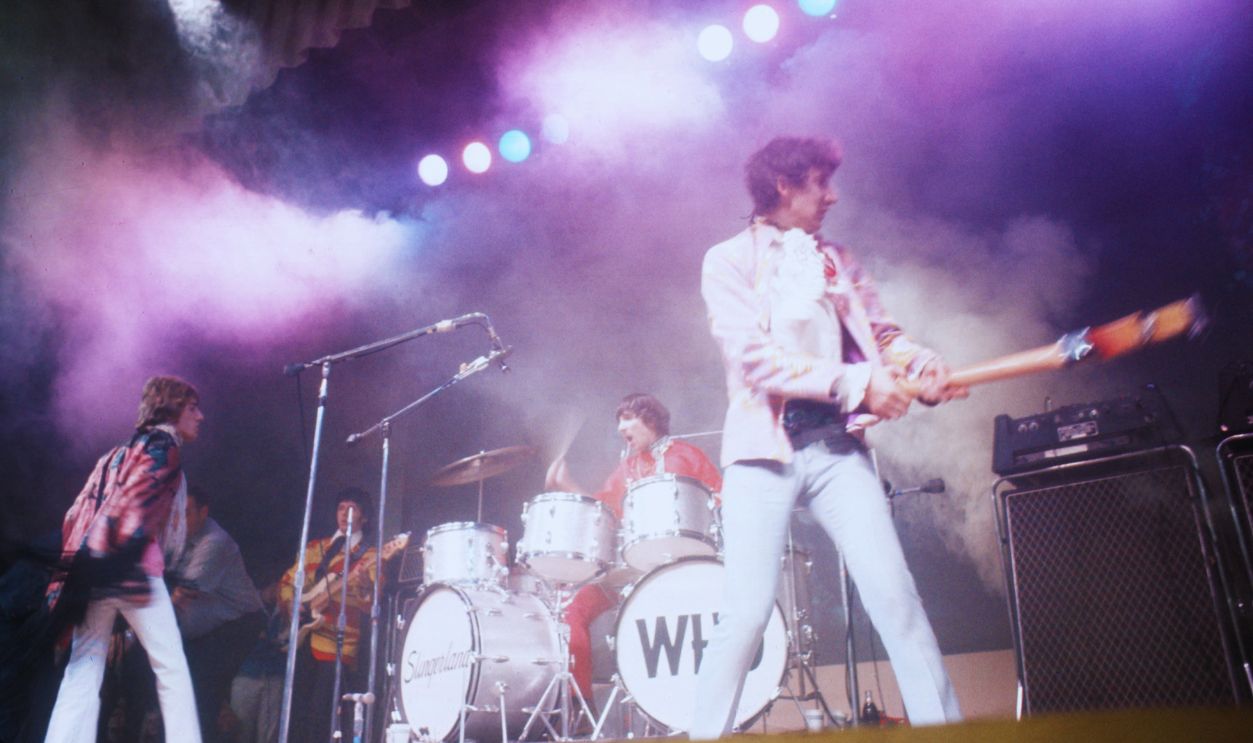
That June, the Who announced themselves to America at the Monterey Pop Festival alongside the likes of Jimi Hendrix and Janis Joplin. And the Brits proved that they did things differently. When Moon detonated his drum kit at the climax of “My Generation,” sending cymbal shrapnel slicing into his own arm, Entwistle stood amid the carnage…expressionless. Eyewitnesses described Entwistle as having “a stoic, maybe even bored expression on his face”.
There was, at least, one thing that could make him crack a smile.
24. He Married His Childhood Sweetheart
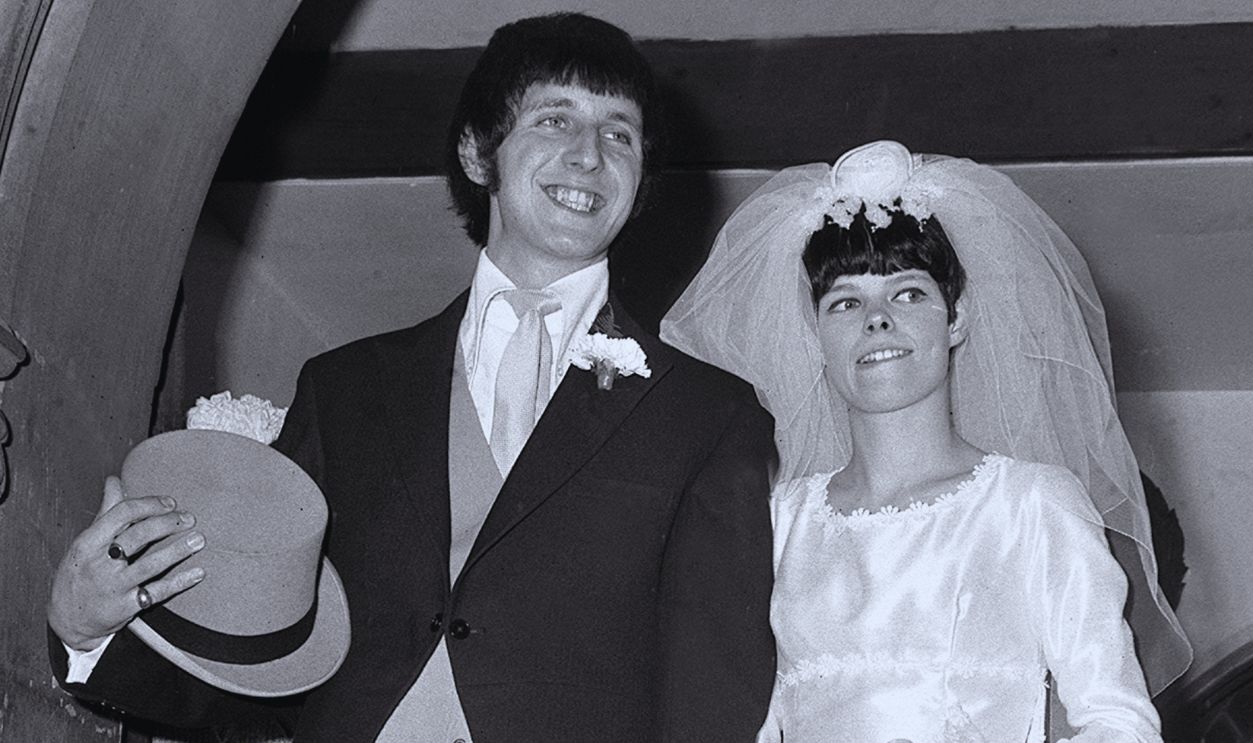
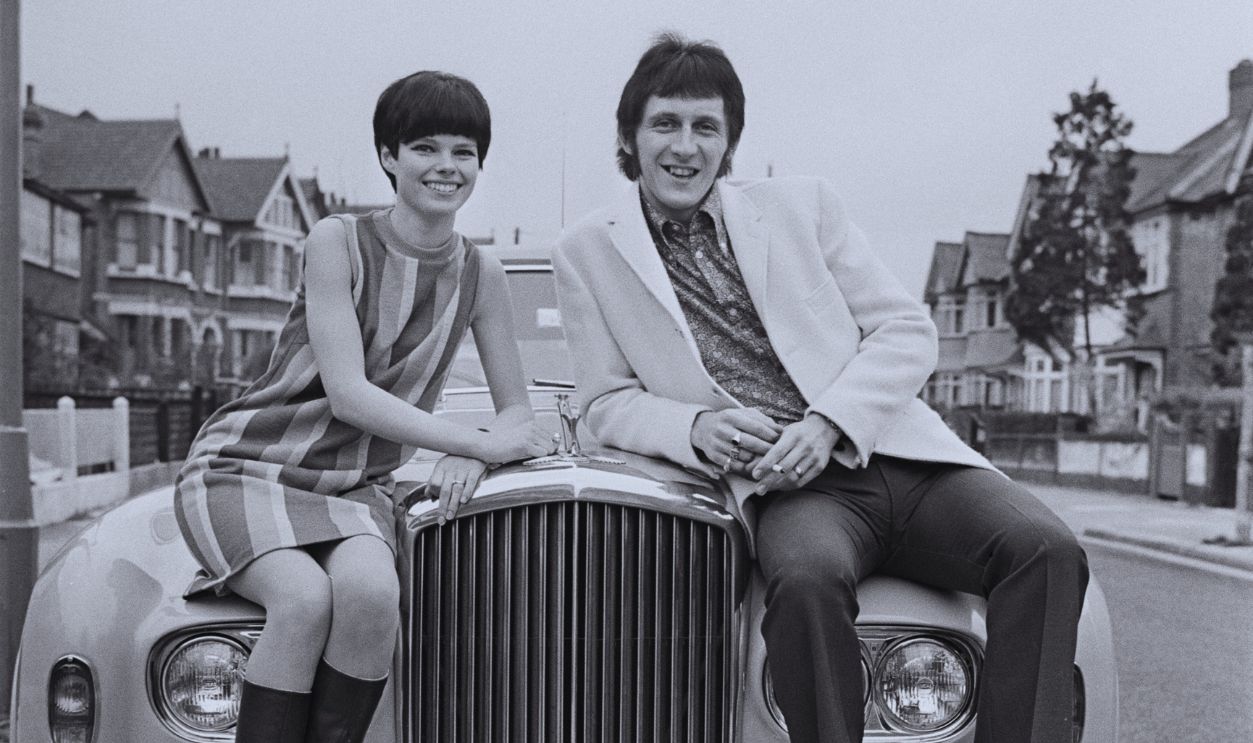
On his 21st birthday, John Entwistle proposed to his childhood sweetheart—a woman named Alison Wise. Finally, in the summer of 1967, he made it official with his father standing beside him as best man. The couple settled into a semi-detached house in Ealing, choosing a more modest life than most rockstars.
But that didn’t stop Entwistle from showing up at one of music’s biggest events: Woodstock.
25. His Woodstock Set Started With A Trip
When the Who took to the Woodstock stage in the pre-dawn hours of August 1969, it was a miracle they made it out at all. Just before their show, someone had spiked the backstage drinking water with a potent psychedelic. “I had an acid trip backstage,” Entwistle later confessed, “passed out and woke up a half-hour before we were supposed to go on”. Daltrey later called it the worst show they ever played.
Fortunately, their next live recording told a very different story.
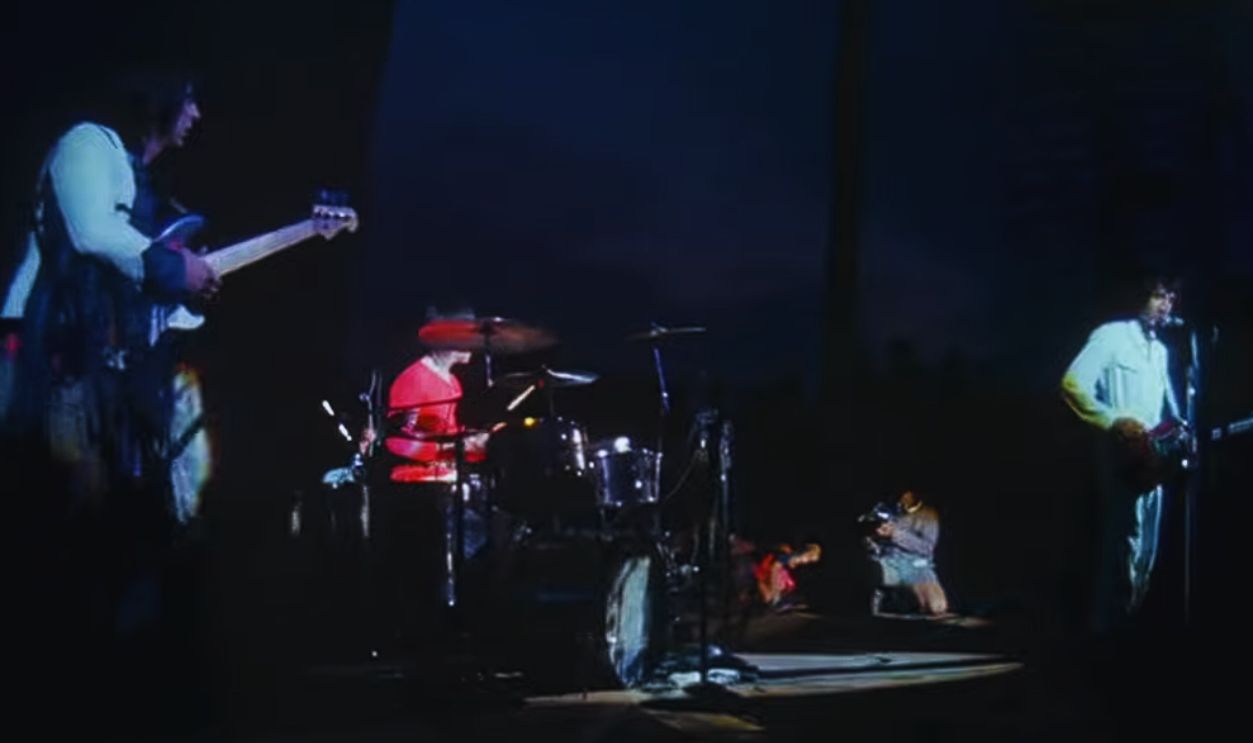 Screenshot from The Who: Woodstock, Warner Bros. / Polydor Records (1969)
26. His Made A Metal Comeback
Given their inadvertent acid trip, the Who’s Woodstock show wasn’t great. But that all changed when they showed up at Live at Leeds in May of 1970. The live recording captured the Who at their most ferocious—and Entwistle’s bass at its most imposing. Critics noted that his playing alone made the Who “sound heavy metal even before the term had begun to be widely used”.
The album stands as one of the greatest live records ever committed to tape. Still, the band wasn’t rocking hard enough for his liking.
27. His Bandmate Wouldn’t Let Him Sing
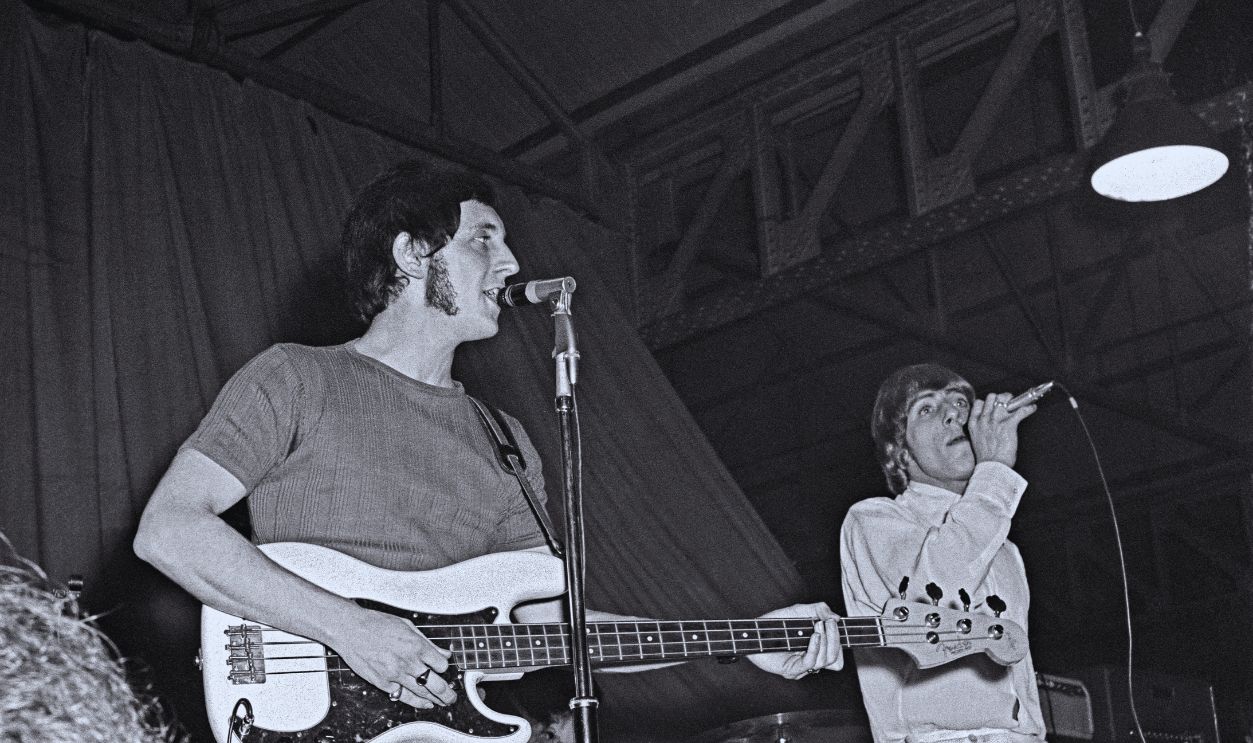
Entwistle’s frustration with his secondary role in the Who had been quietly building for years. He could get a song or two onto each album, but there was a recurring sticking point: Daltrey. “I got a couple on per album,” Entwistle explained, “but my problem was that I wanted to sing the songs and not let Roger sing them”. That frustration had only one outlet.
He decided to go it alone.
History's most fascinating stories and darkest secrets, delivered to your inbox daily.
28. He Shared A Piano With Freddie Mercury
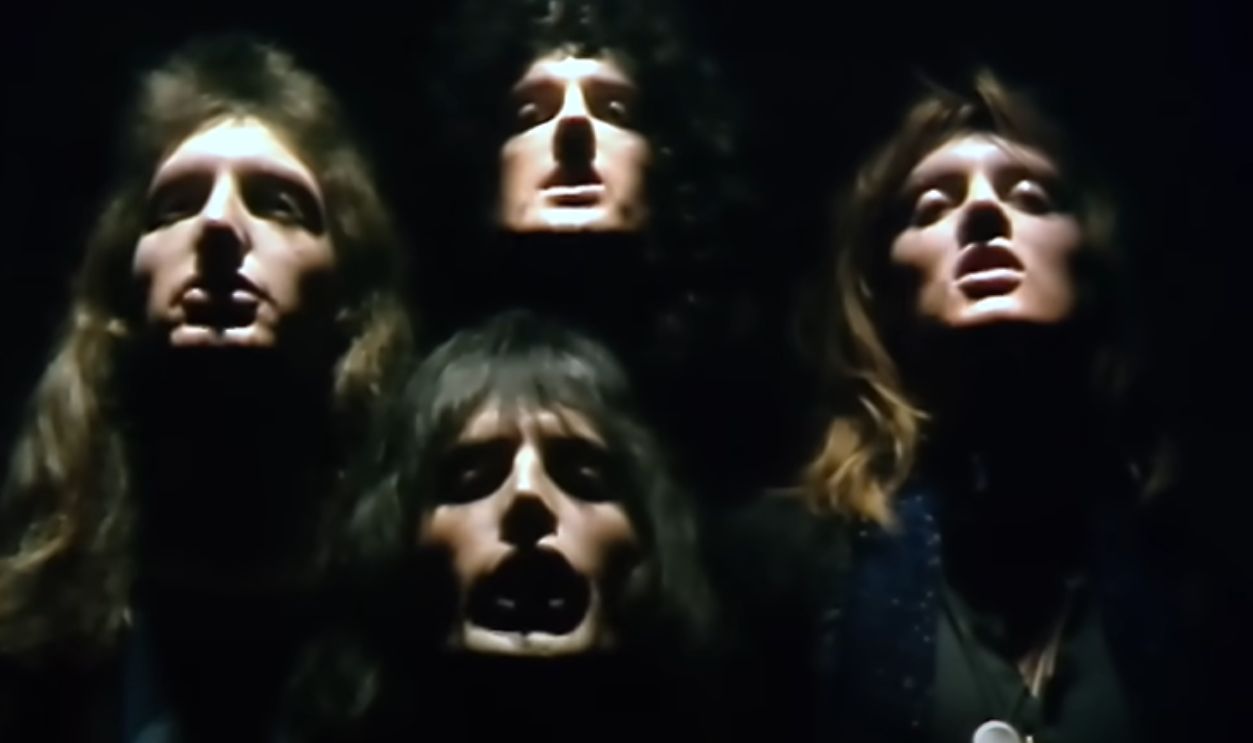
In May 1971, John Entwistle became the first member of the Who to release a solo album. That said, it wasn’t a solo effort. Smash Your Head Against the Wall featured fellow Who bandmate Keith Moon amongst others. Even Freddie Mercury contributed—kind of. Entwistle recorded the album with the same piano that Mercury would later use for “Bohemian Rhapsody”.
Even with all that help, the album didn’t crack the top 100 on the US Billboard charts and went totally unnoticed in Britain.
 Screenshot from Bohemian Rhapsody, EMI Records / Elektra Records (1975)
29. He Collected Cars—But Couldn’t Drive
Regardless of his solo album’s success or failure, Entwistle spent money like the rockstar he was. He accumulated a fleet of cars…even though he had no license to drive them. His wife Alison recalled: “He was absolutely reckless with money, would spend it like water. He wouldn’t go out and buy one pair of boots, but half a dozen at a time”.
His solo albums were proving equally extravagant undertakings.
30. His Third Solo Album Was Banned
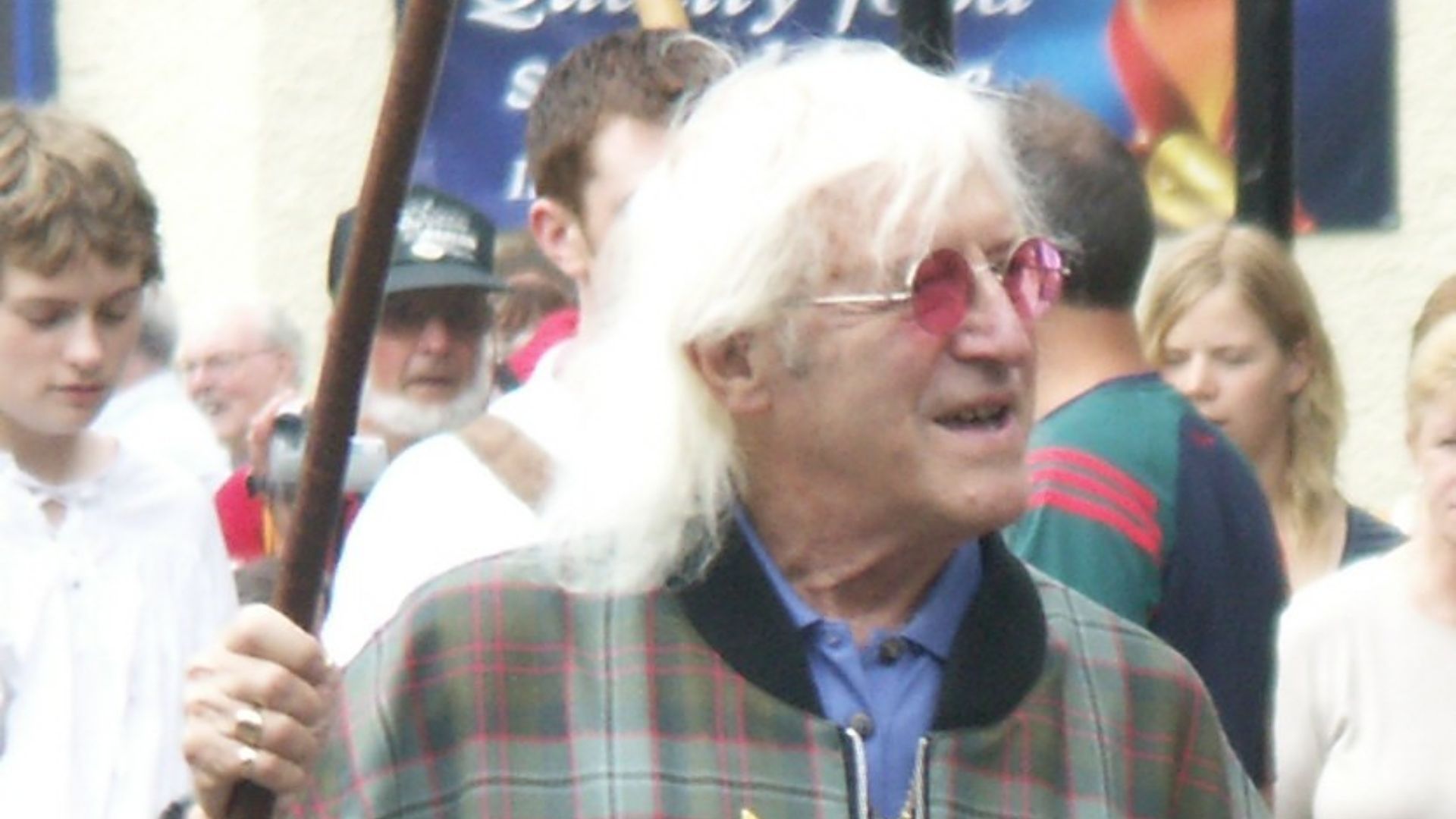
Entwistle’s third solo effort, Rigor Mortis Sets In, arrived in May 1973. Completed in under three weeks, he racked up quite the tab making it. Studio time: $10,000. Bar tab: $4,000. And for all that money? The BBC banned it anyway, partly at the urging of DJ Jimmy Savile, who had recently experienced a bereavement and took issue with the name.
Thankfully, he still had the Who.
 The original uploader was Jmb at English Wikipedia., Wikimedia Commons
31. He Arranged But Didn’t Write
John Entwistle threw himself into arranging the horn parts for the Who’s sprawling 1973 double album Quadrophenia. Yet, the issue that drove him to a solo career still remained. For all of its success, Quadrophenia stands as the only Who studio record to which he contributed no original songs. On the tour that followed, the band’s internal tensions boiled over entirely.
And Entwistle was running out of patience.
 Michael Ochs Archives, Getty Images
32. He Had No Time For Daltrey
During the Quadrophenia tour, Townshend and Daltrey came to blows. When Townshend’s punch failed to land, Daltrey returned fire with a fist of his own that flattened Townshend, knocking him out cold. Entwistle watched the chaos unfold with characteristic detachment. But, exasperated by Daltrey’s habit of narrating the album’s storyline between songs, Entwistle eventually snapped: “[Forget] it, let’s play”.
He needed time for his other hobbies.
33. His Album Cover Cost Only £30
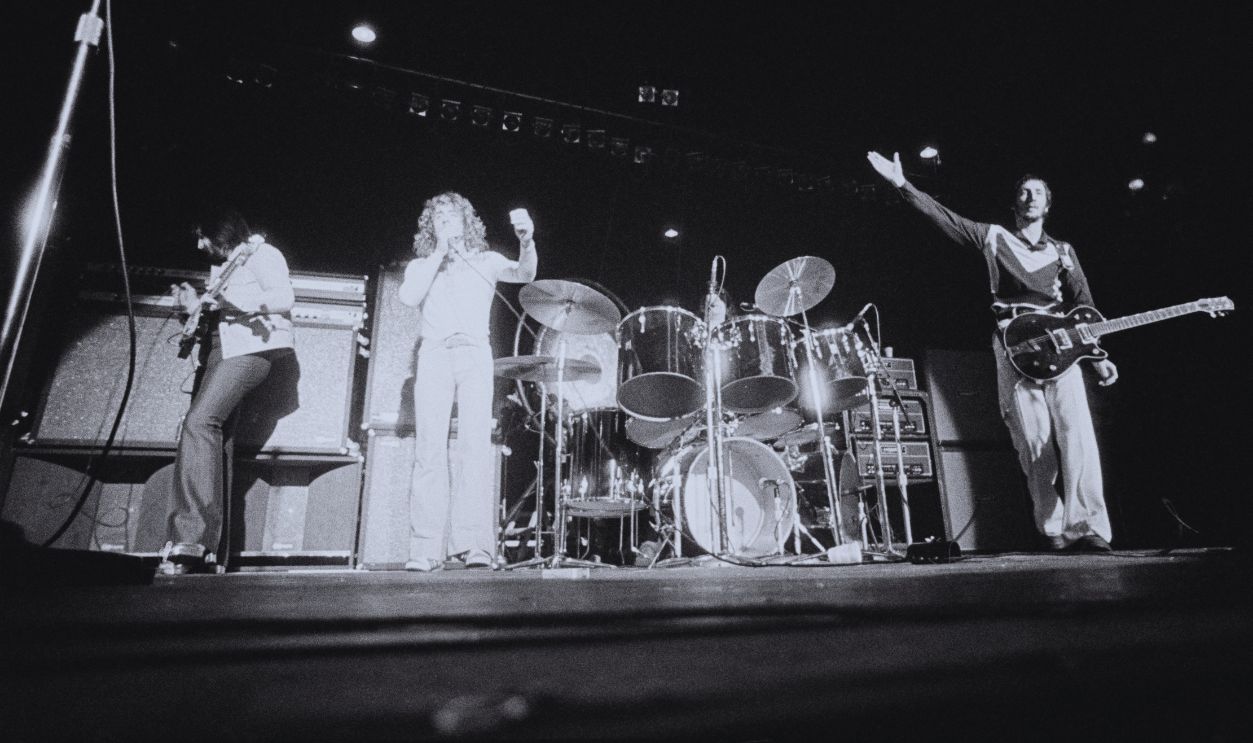
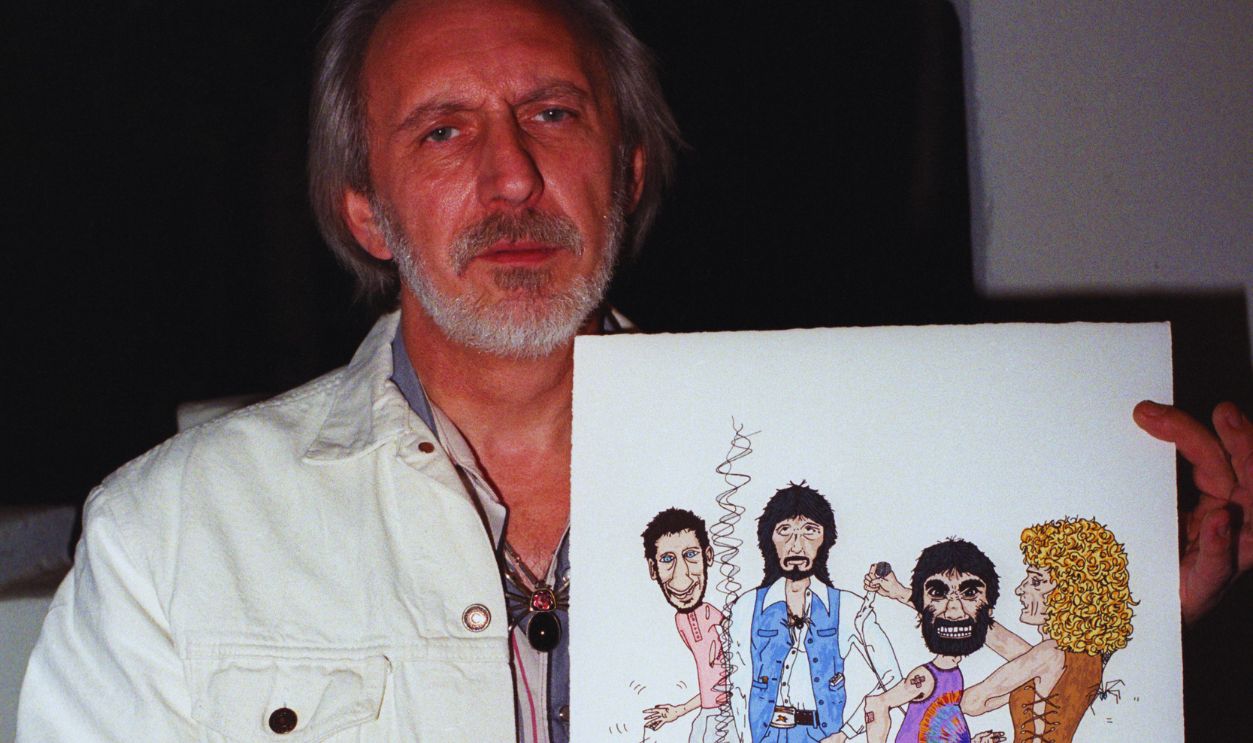
Ever the multitasker, John Entwistle compiled the Who’s 1974 rarities collection Odds & Sods and designed the cover for their 1975 album The Who by Numbers—caricaturing himself and his bandmates. He later bragged about the album cover, saying that it had only cost him £30. Meanwhile, the Quadrophenia cover Townshend had commissioned? A staggering £16,000.
The money he saved went directly into his on stage set up.
 Evening Standard, Getty Images
History's most fascinating stories and darkest secrets, delivered to your inbox daily.
34. He Had His Own City On Stage
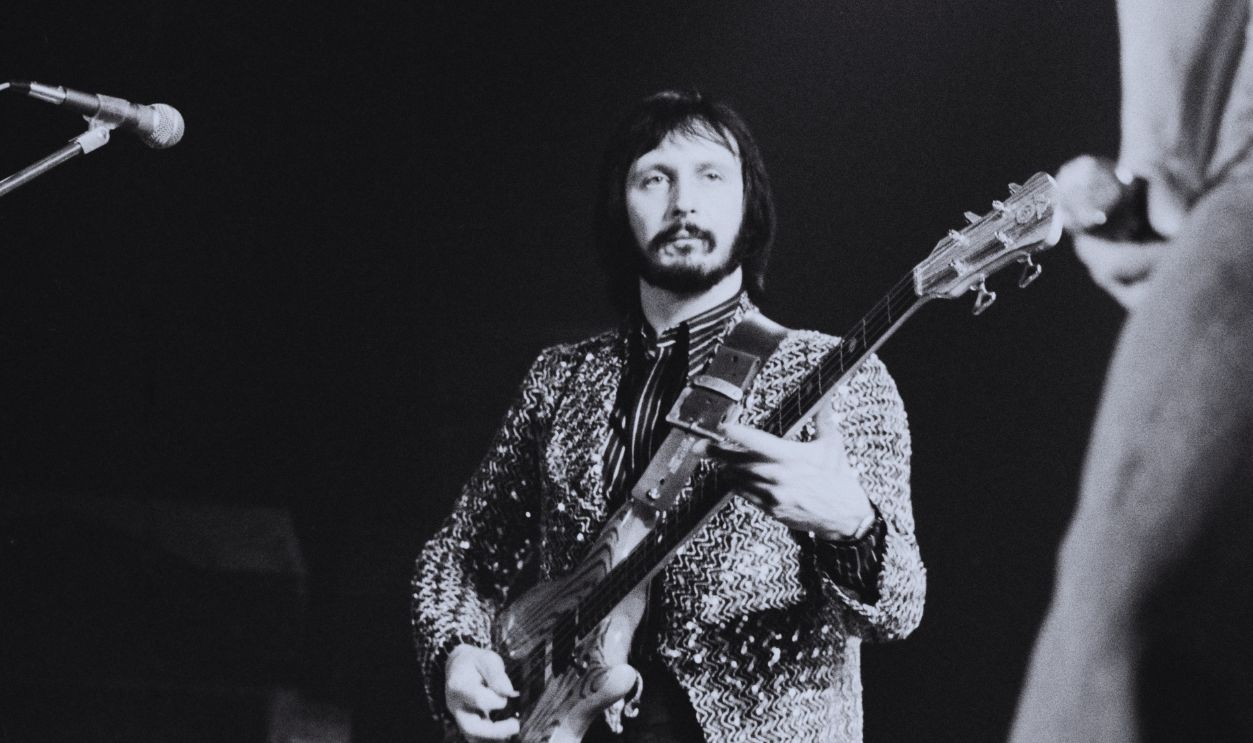
Entwistle’s bass rig grew into such a towering fortress of stacks, racks, and blinking lights that Who insiders christened it “Little Manhattan”. His reasoning for all the gear was simple: “I just wanted to be louder than anyone else. I really got irritated when people could turn up their guitar amps and play louder than me”. Daltrey begged him to turn it down. So, Entwistle turned it up.
 Michael Ochs Archives, Getty Images
35. His Band Set The Record For Loudest Concert
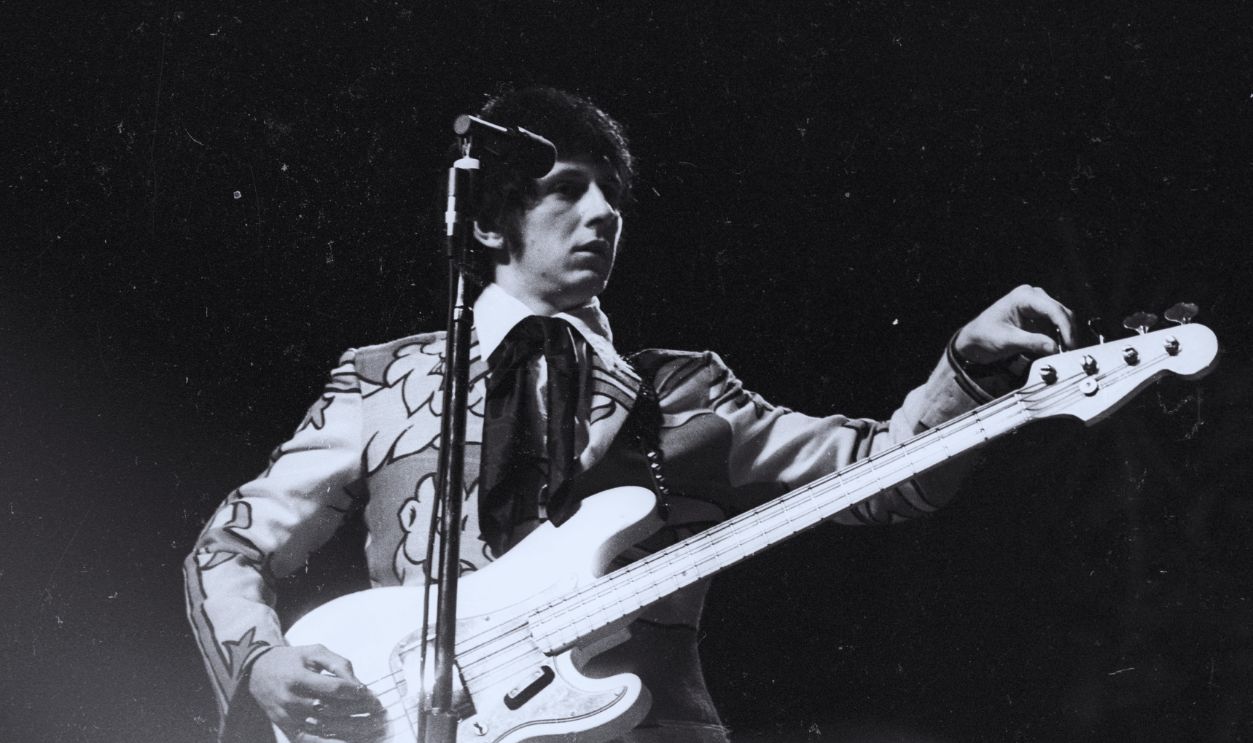
The battle over volume between the Who bandmates reached a climax at a 1976 London concert. Registering at an ear-splitting, head-crushing, nosebleed-inducing 126 decibels, the Who set the record for the loudest rock concert ever recorded, landing themselves in The Guinness Book of World Records. Thunderfingers had finally, and officially, out-blasted the entire planet.
His off-stage life was growing equally outsized.
 Gijsbert Hanekroot, Getty Images
36. His Home Was A Gothic Wonderland
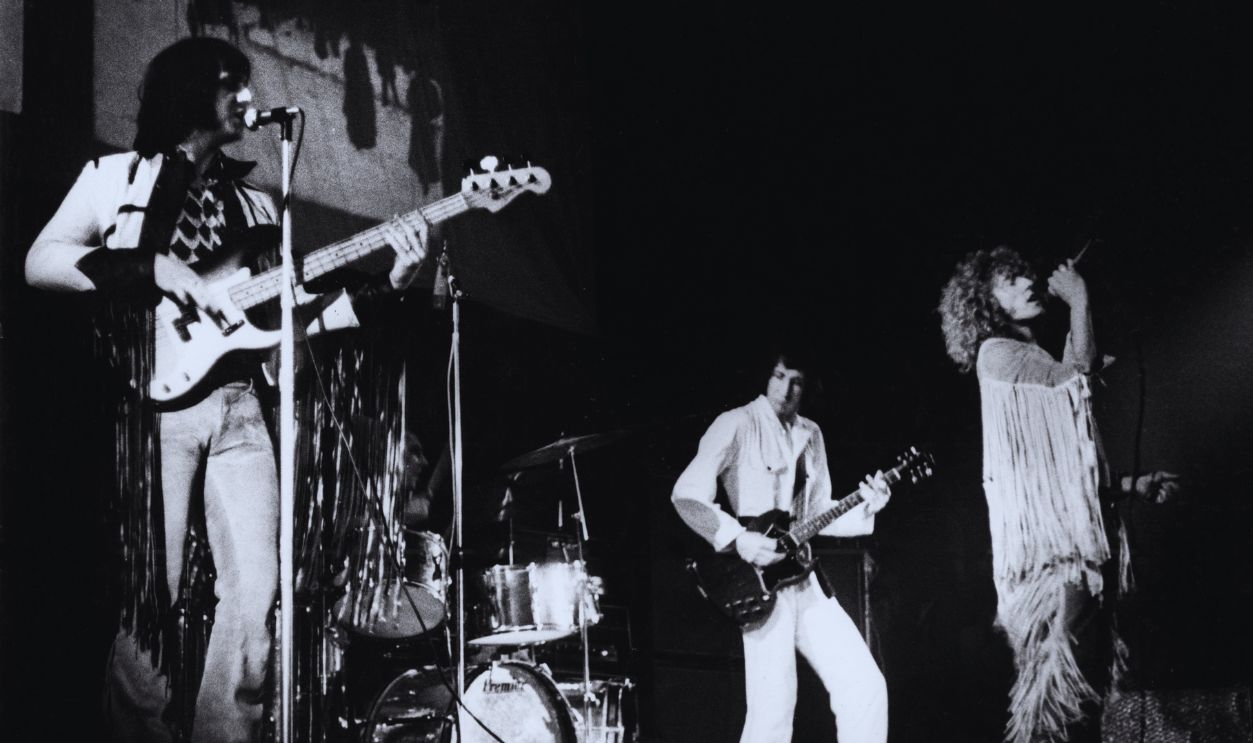
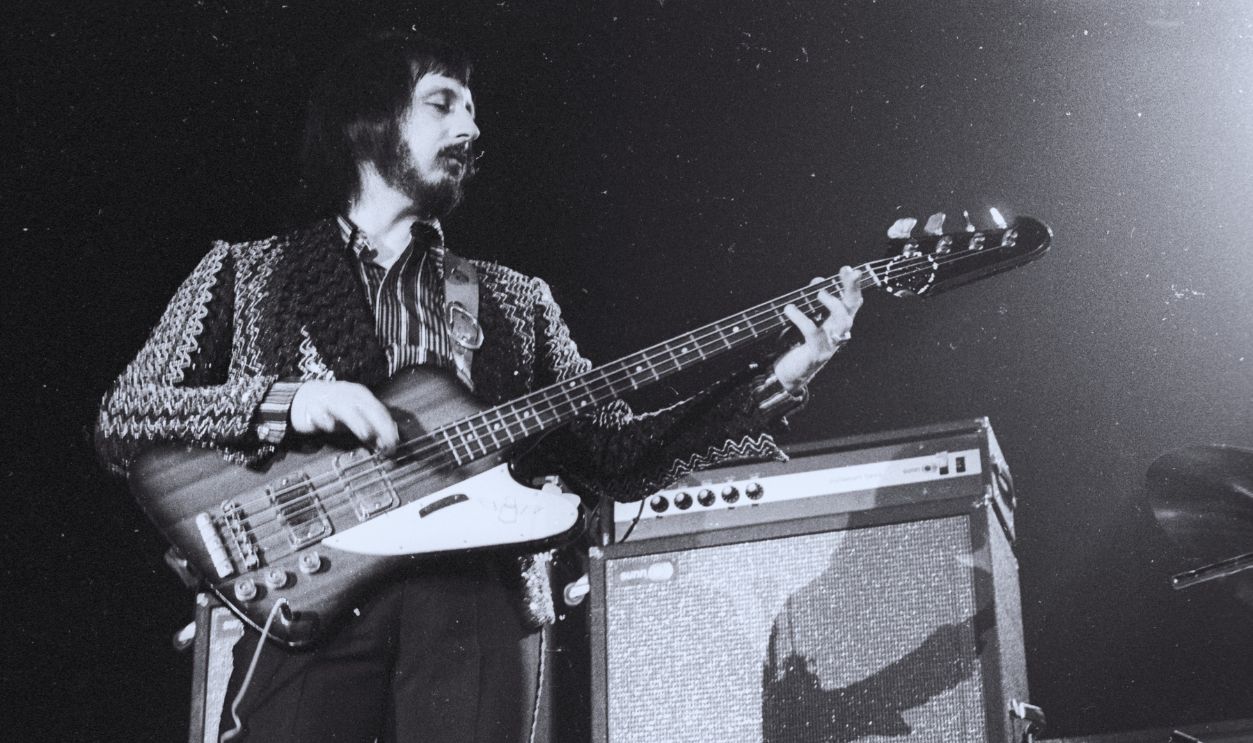
In 1978, flush with rock-and-roll earnings, John Entwistle purchased Quarwood, a 55-room Victorian hunting lodge on roughly 40 acres of Cotswolds countryside. He filled it with “suits of armour, a skeleton reclining on a Regency chair, three bird cages filled with parrots, an effigy of Quasimodo hanging from a bell rope”, and one of rock’s largest private guitar collections. Two recording studios and a bar completed the picture.
Then his personal life took a sharp turn.
 Michael Ochs Archives, Getty Images
37. His Marriage Ended In LA
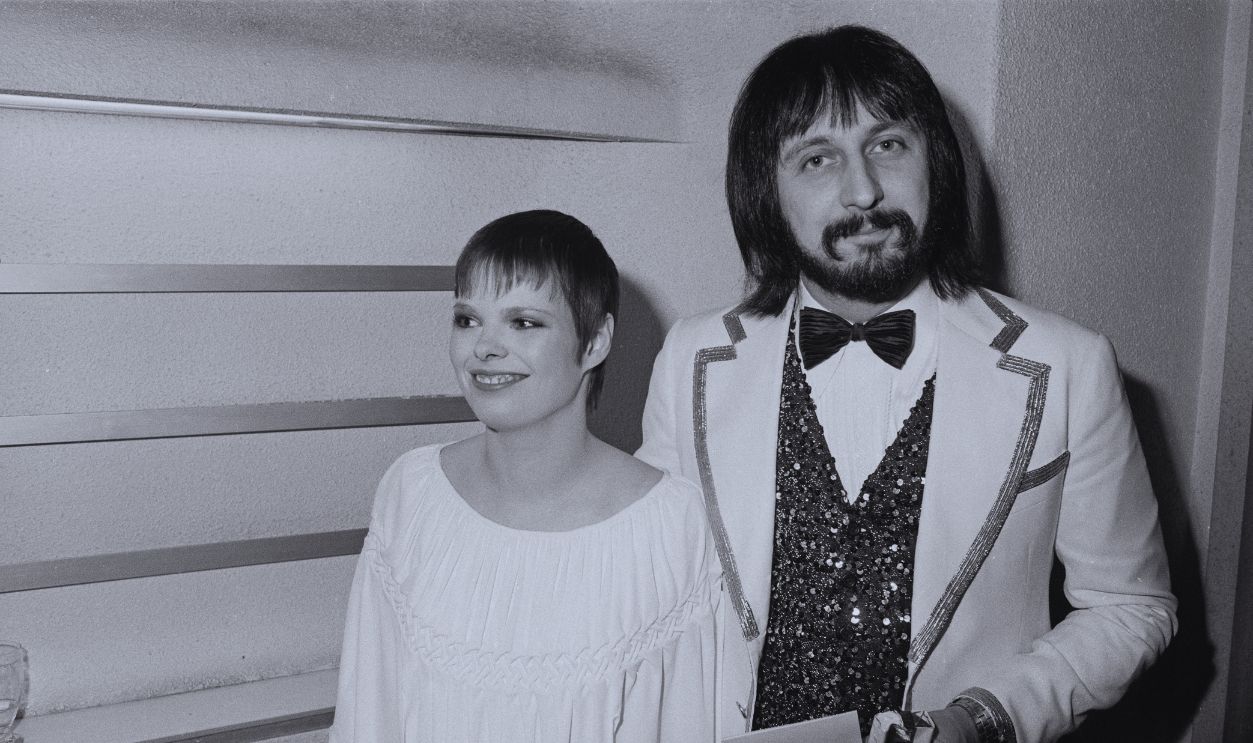
While working on a documentary in Los Angeles, Entwistle met Maxine Harlow, a 22-year-old waitress working at a popular dive on the Sunset Strip. His marriage to Alison, the girl he’d courted since church socials, crumbled. His explanation to her was breathtaking in its candor: “I’ve found someone else and I’m in love with both of you”.
The Who, too, were calling it quits.
38. His Band Went On Ice For 14 Years
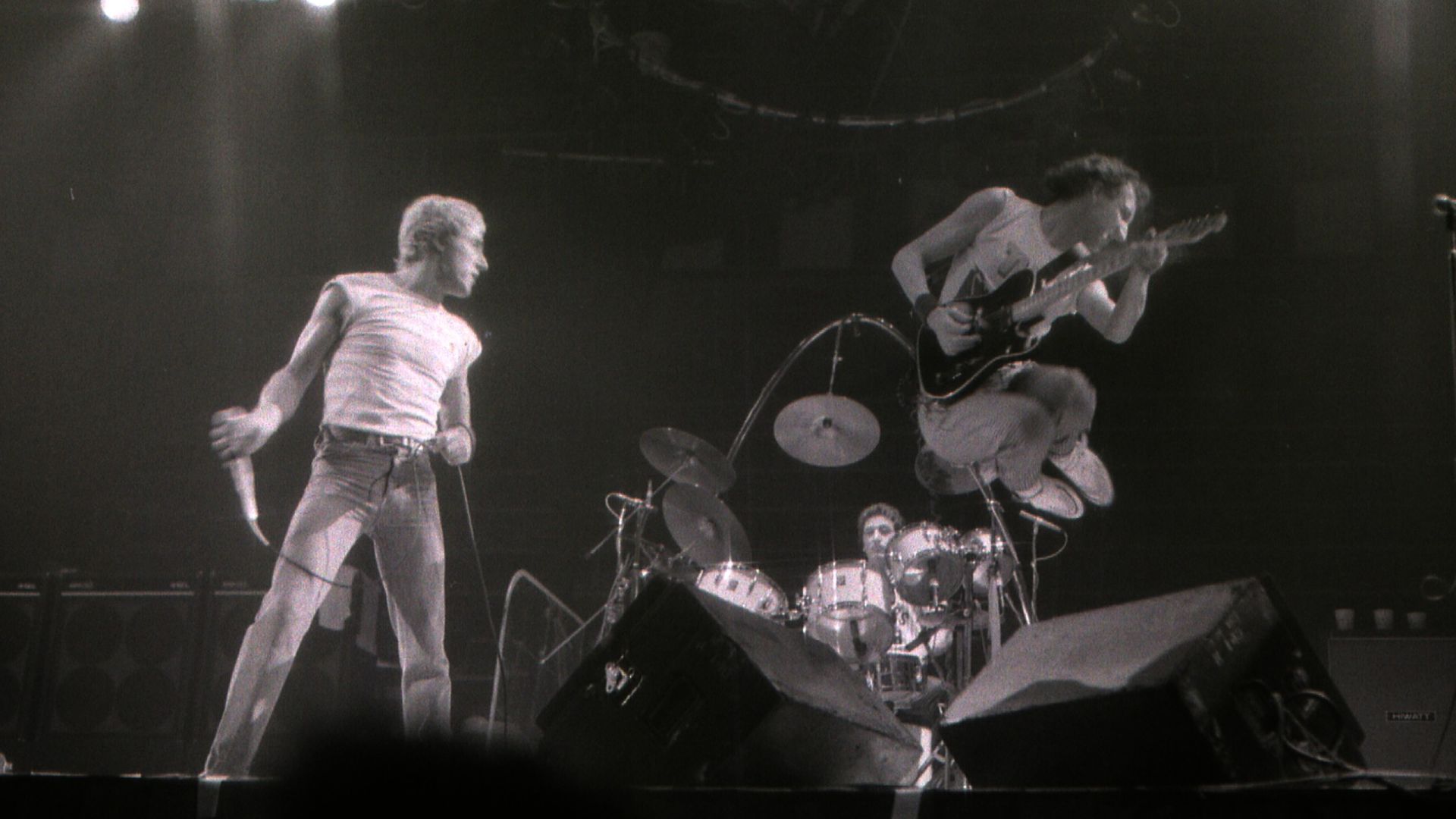
When the Who’s original drummer, Keith Moon, passed in late 1978, the band played on with Kenney Jones behind the kit. They even managed to release Face Dances and It’s Hard before Townshend announced his retirement from touring. Much like his marriage, Entwistle’s band was over. It wasn’t until 14 years later that they resurfaced only briefly for Live Aid at Wembley.
Entwistle needed something to fill the silence. He turned, as always, to the studio.
39. His Fifth Solo Album Soared…Like An Eagle
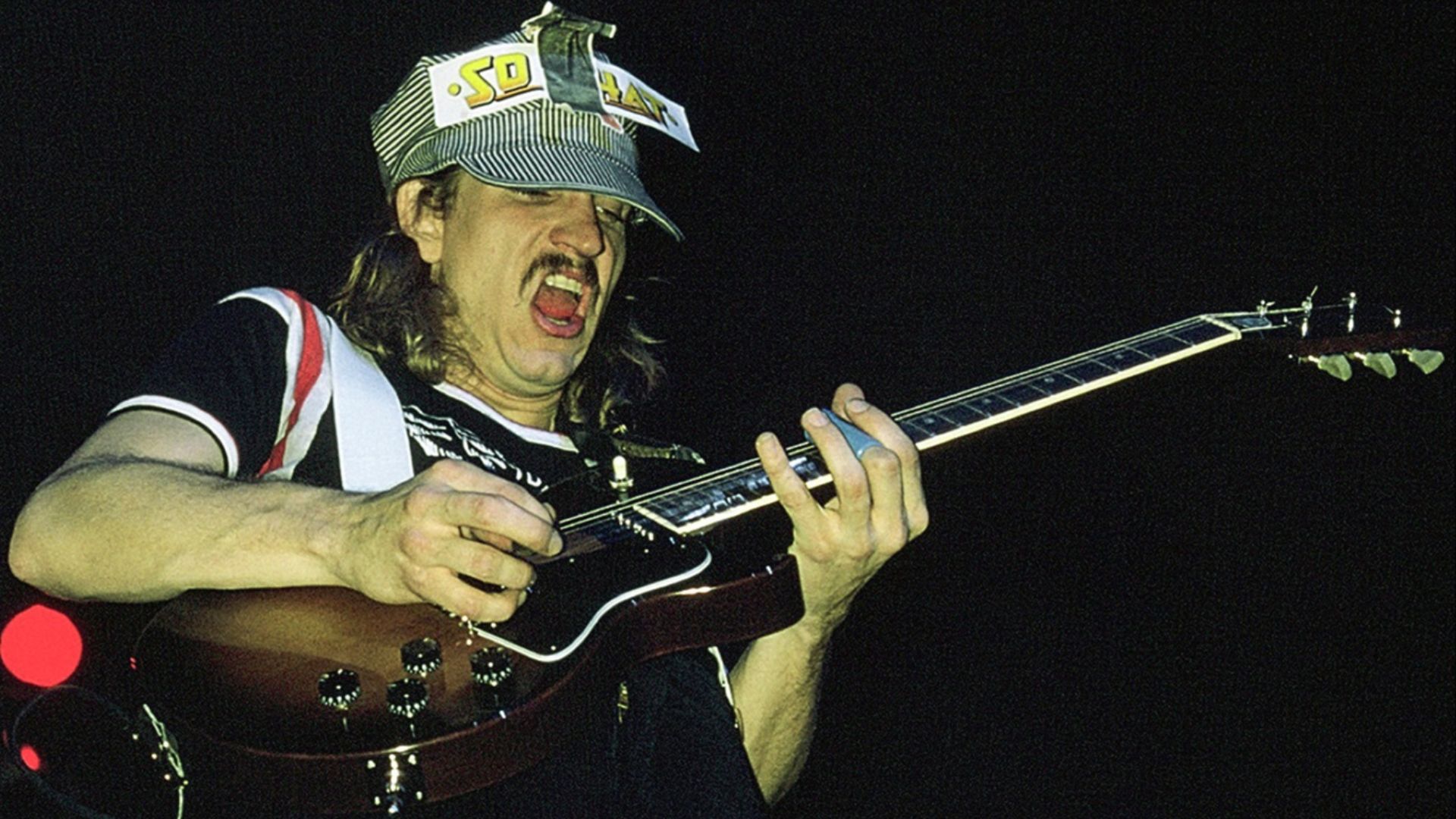
Entwistle’s fifth solo record, Too Late the Hero, arrived in November 1981 with Eagles guitarist Joe Walsh and drummer Joe Vitale on board. With the Eagles members behind him, the album soared, becoming the commercial high-water mark of his solo career when it peaked at No 71 on the US Billboard 200. The title-track single also broke into the top 100 in the UK–his only solo entry on the British charts.
A decade later, the entire Who received a very different kind of recognition.
 Jim Summaria, Wikimedia Commons
History's most fascinating stories and darkest secrets, delivered to your inbox daily.
40. He Had To Thank You Too—Or U2
On January 18, 1990, the Who entered the Rock and Roll Hall of Fame at a ceremony held at the Waldorf Astoria in New York. U2—already giants of their own generation—had the honors, presenting the induction to John Entwistle and the rest of the Who. For a band that had once played two instrumentals to 10 people at a church youth club, it was some journey.
But Entwistle’s story was far from finished.
41. He Got Married By An Elvis Impersonator
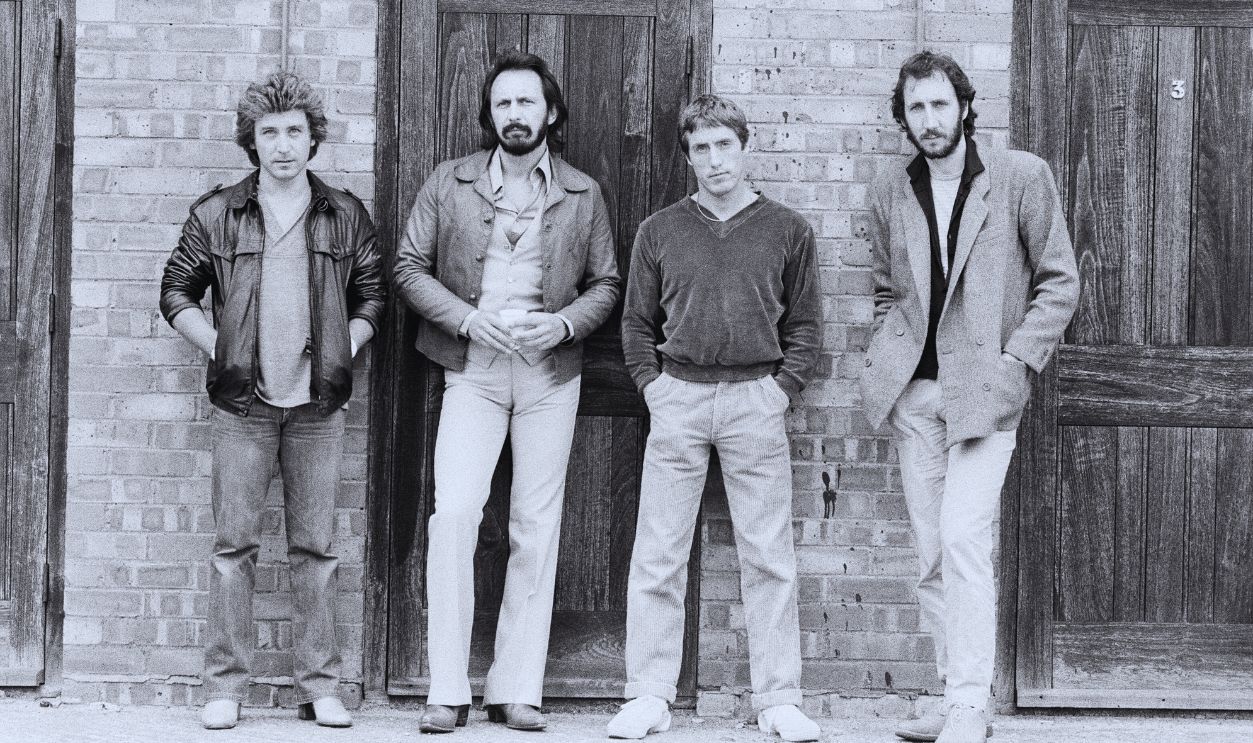
In 1991, Entwistle and Maxine Harlow made their relationship official. And the wedding ceremony was pretty rock and roll. The Who bassist said his second “I do” at a Las Vegas chapel…in front of an Elvis impersonator standing in as witness. It was peak Entwistle: theatrical, impulsive, and utterly his own. Of course, the marriage only lasted six years before crumbling in divorce in 1997.
His bank account, by then, was in similarly poor shape.
42. His Finances Brought The Band Back Together
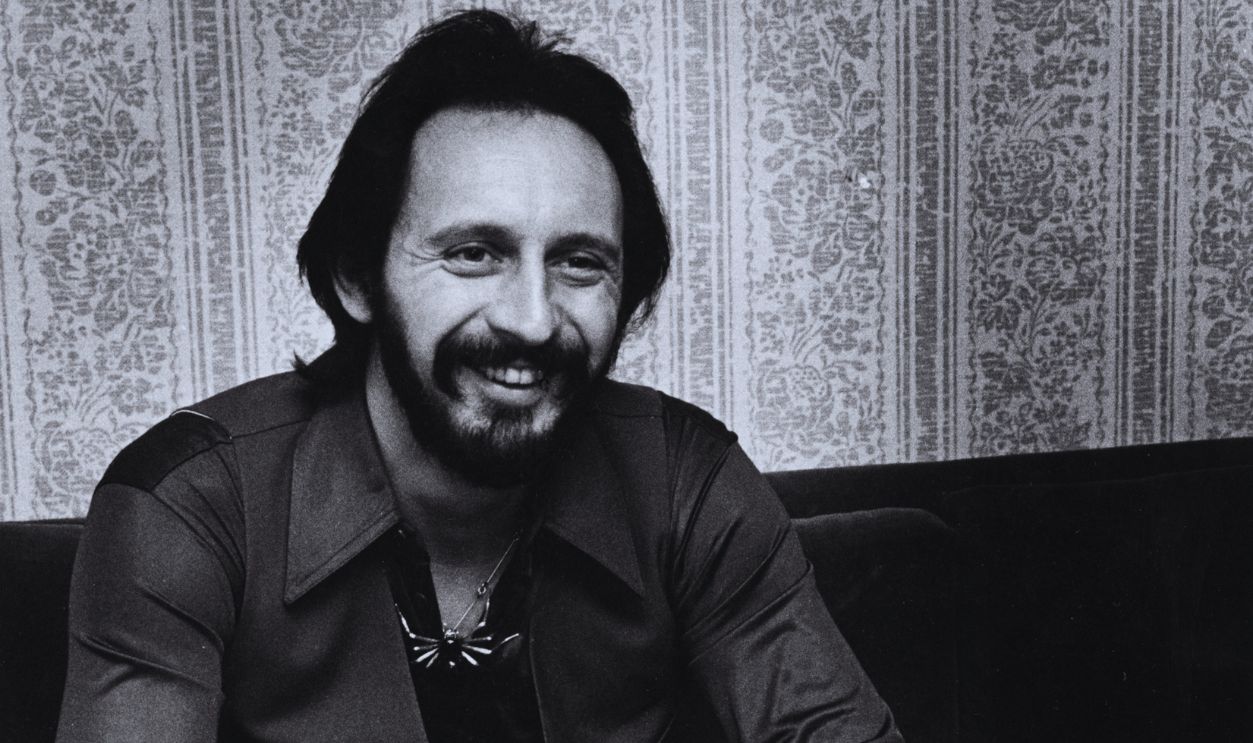
The Who’s 1996 reunion—a Quadrophenia performance at Hyde Park, followed by European and American tours—was a triumphant return. But Townshend later admitted in a candid Rolling Stone interview that the driving force was less nostalgia than necessity: “Roger came to see me and said: ‘Listen, I can’t see any other way that John can get himself out of the hole that he’s in.’”
Between tours, John Entwistle found a quieter outlet for his creativity.
43. He Was Also A Visual Artist
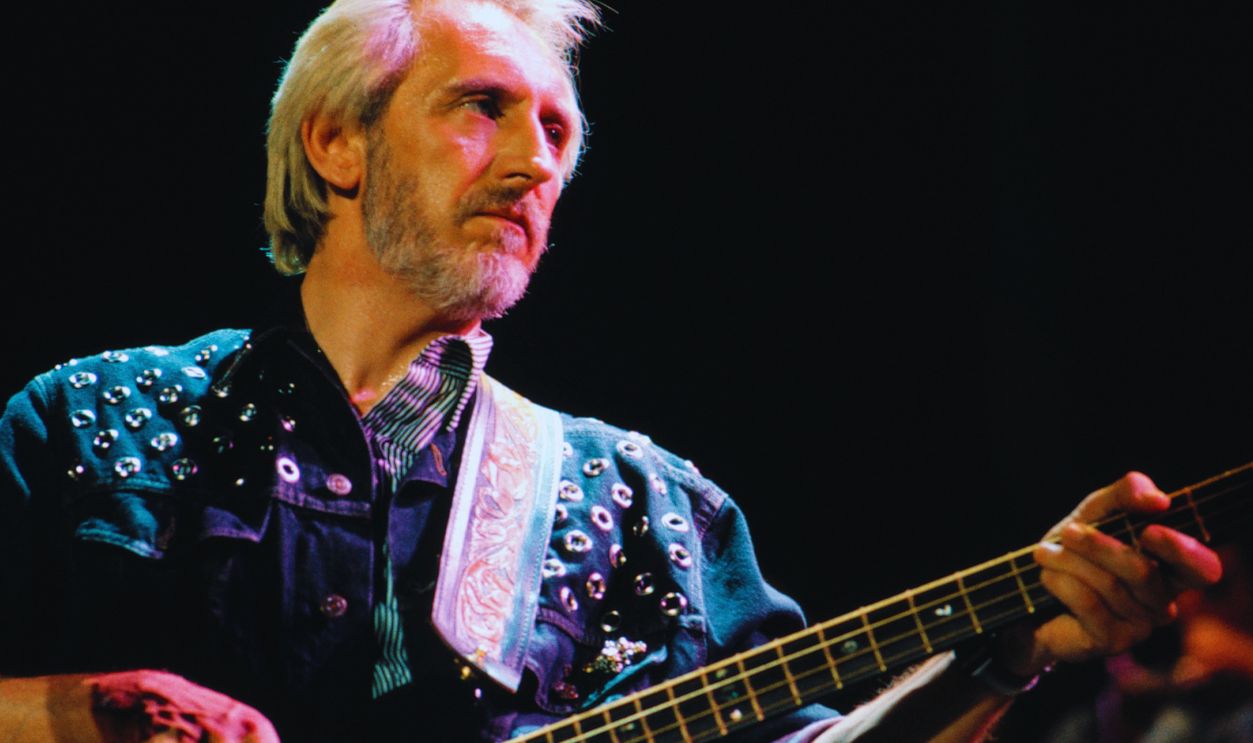
Between 1996 and 2002, Entwistle held regular painting exhibitions, chatting with each collector and personalizing their piece with a quote and a sketch of Boris the Spider. His final work, “Eyes Wide Shut”, depicted Hendrix, Townshend, Page, and Clapton together—a sign, admirers noted, of a talent still evolving. He once scrawled on one canvas: “Help support a starving Artist — BUY SOMETHING!”
His final night on stage, however, carried a more somber energy.
44. He Had His Last Show
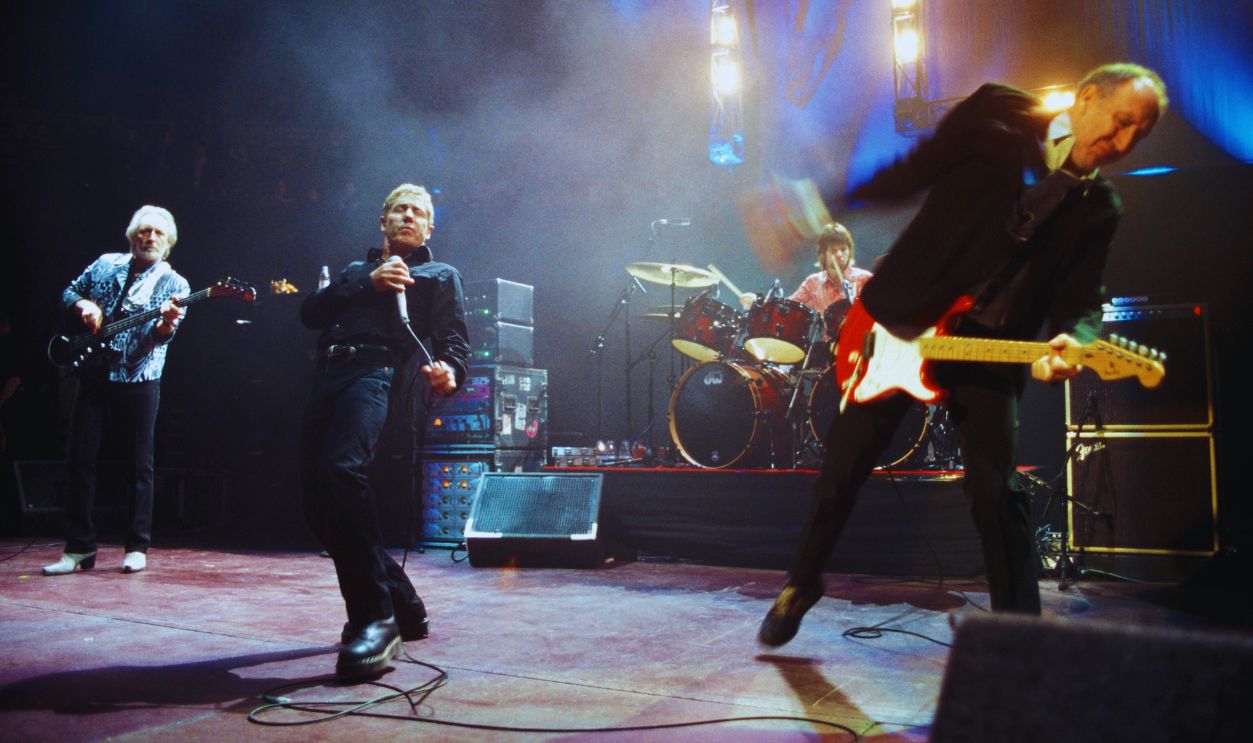
Entwistle’s final British concert with the Who came on February 8, 2002, at the Royal Albert Hall. Footage shows him standing stage right—described as “erect as a soldier on parade, rooted to the spot in his Cuban heels”. But it wasn’t that he had lost his desire to rock out. His health had simply deteriorated: high blood pressure medication and decades of ear-splitting volume had taken a serious toll.
Four months later, he would be silent as the grave.
45. He Didn’t Make The Start Of The Tour
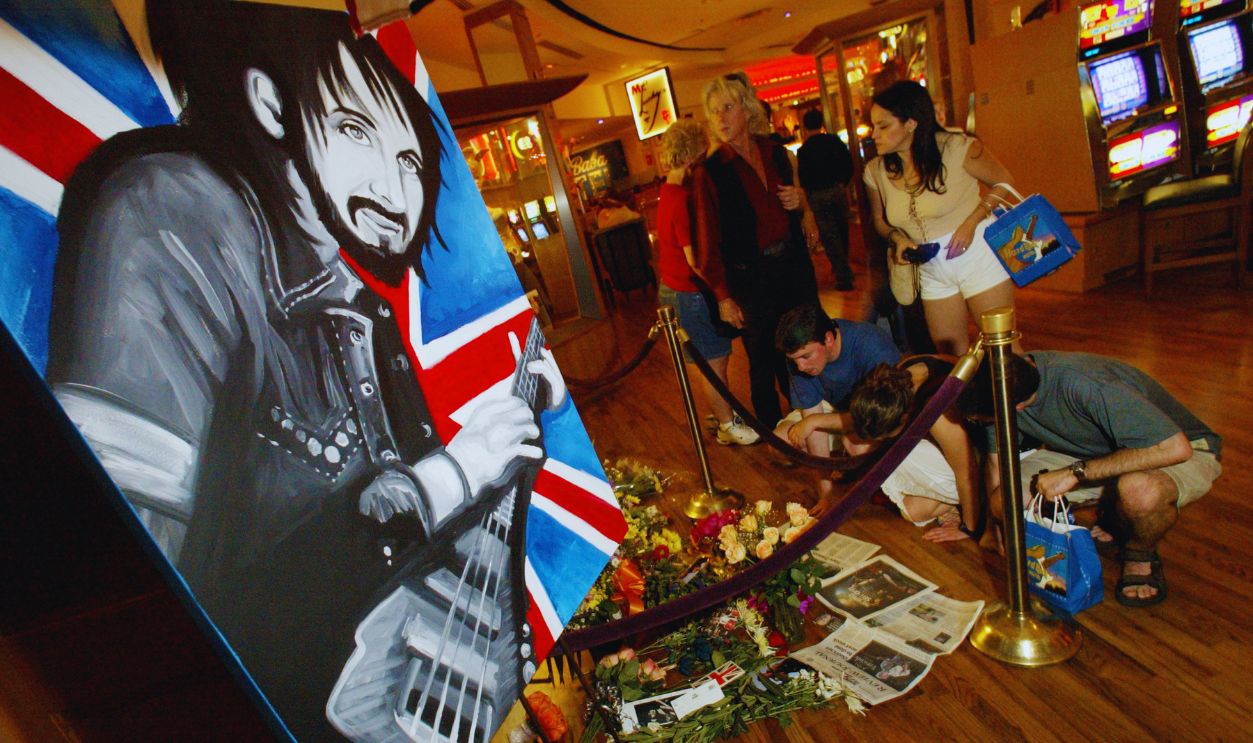
Just one day before the Who’s US tour was scheduled to open, on June 27, 2002, Entwistle had already taken his final bow. The woman with whom he had spent the previous night awoke to find him unresponsive in Room 658 of the Hard Rock Hotel and Casino in Paradise, Nevada. He was 57 years old. The cause of his passing, when it emerged, told a complicated story.
History's most fascinating stories and darkest secrets, delivered to your inbox daily.
46. His Heart Had Already Been Failing
The Clark County medical examiner ruled that "blow" had triggered the fatal heart attack—but Britain’s leading forensic toxicologist offered a crucial clarification at the subsequent inquest. “[Coke] would not have caused [his demise] on its own. This was not [coke] poisoning. This sort of level would not have [ended him] had it not been for the effects it had on his damaged heart”.
That heart, it turned out, had been a ticking clock for years.
47. His Arteries Were Almost Entirely Blocked
Entwistle’s son revealed the grim picture that emerged after the bassist’s demise: one artery was completely blocked, another 75% or so. “We were told they would only have been found out with an electrocardiogram,” Chris said, “which he never had because it hadn’t seemed necessary”. His biographer later suggested a thorough examination would have revealed three blocked arteries—and possibly saved his life.
The Who gathered one final time to say farewell.
48. He Was Making Music With Moon
On July 10, 2002, Pete Townshend, Roger Daltrey, and Kenney Jones gathered at St Edward’s Church in Stow-on-the-Wold for John Entwistle’s funeral. The presiding reverend offered a parting image: Entwistle, now “reunited with Keith up there making great music”. Well, great and loud. But there was one secret about Entwistle that no one had known.
49. His Closest Friends Didn’t Know His Secret
At the funeral, Townshend made a startling admission. The world’s loudest bassist had managed to remain quiet about one thing. “It wasn’t until the day of his funeral,” Townshend said, “that I discovered that he’d spent most of his life as a Freemason”. Nevertheless, Townshend and Daltrey paid their final respects with one touching tribute, declaring, “The Ox has left the building”.
But his style lived on.
 Ross from hamilton on, Canada, Wikimedia Commons
50. His Technique Was Unlike Anyone Else’s
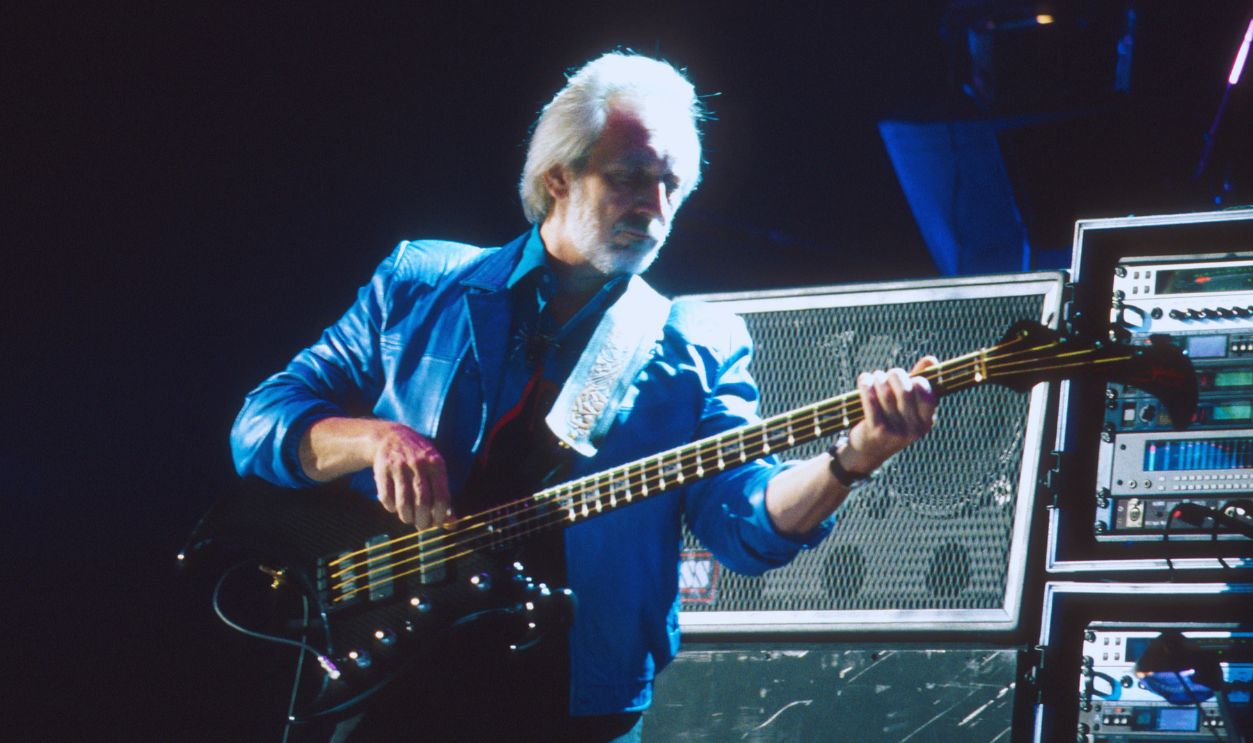
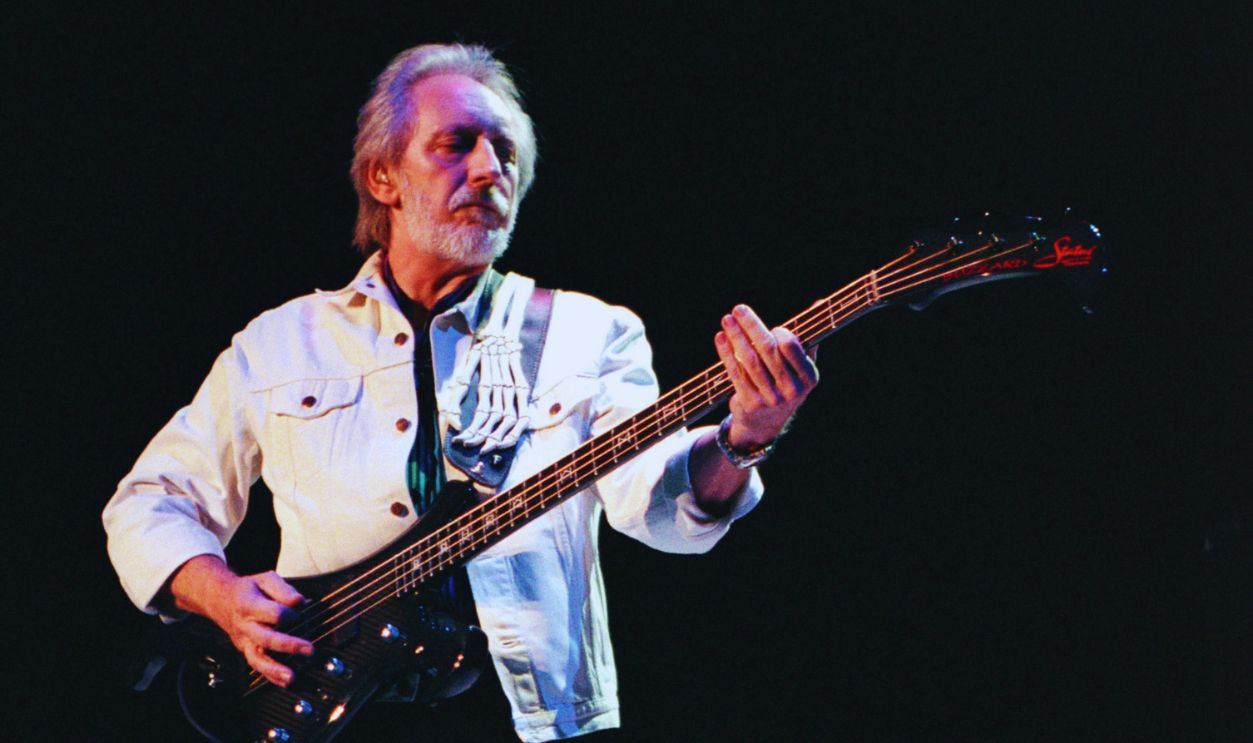
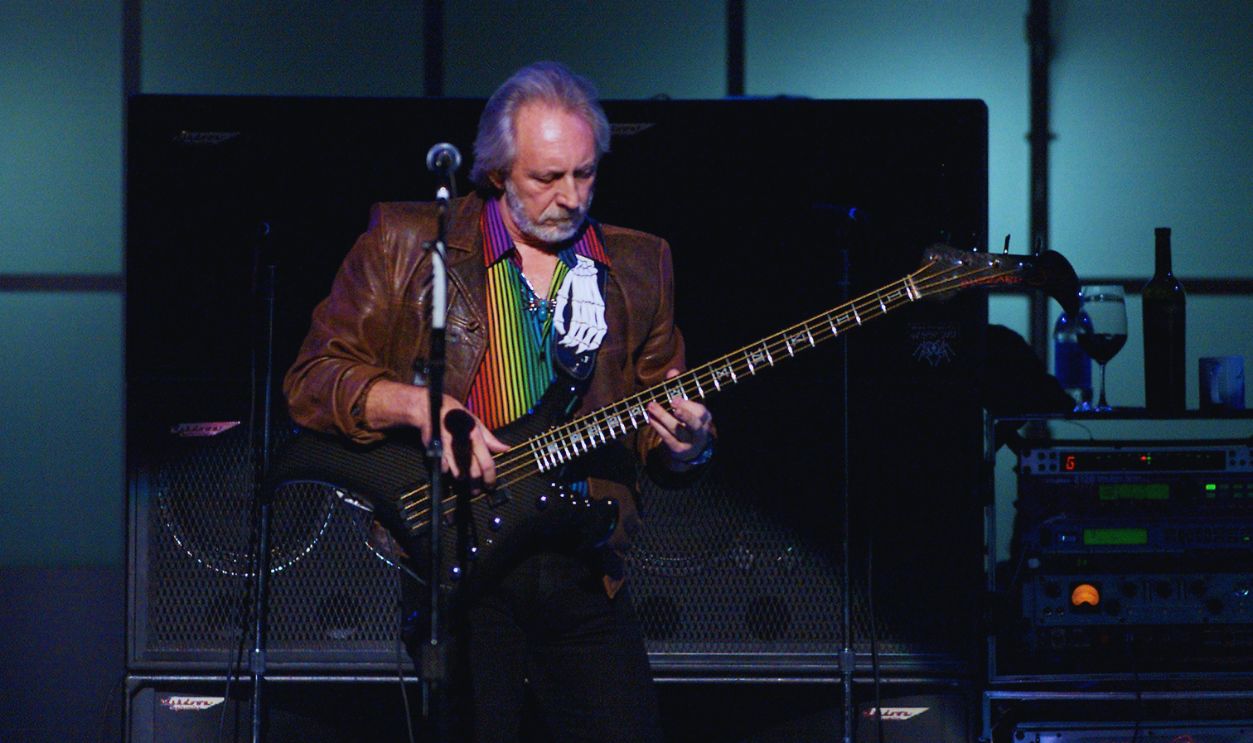
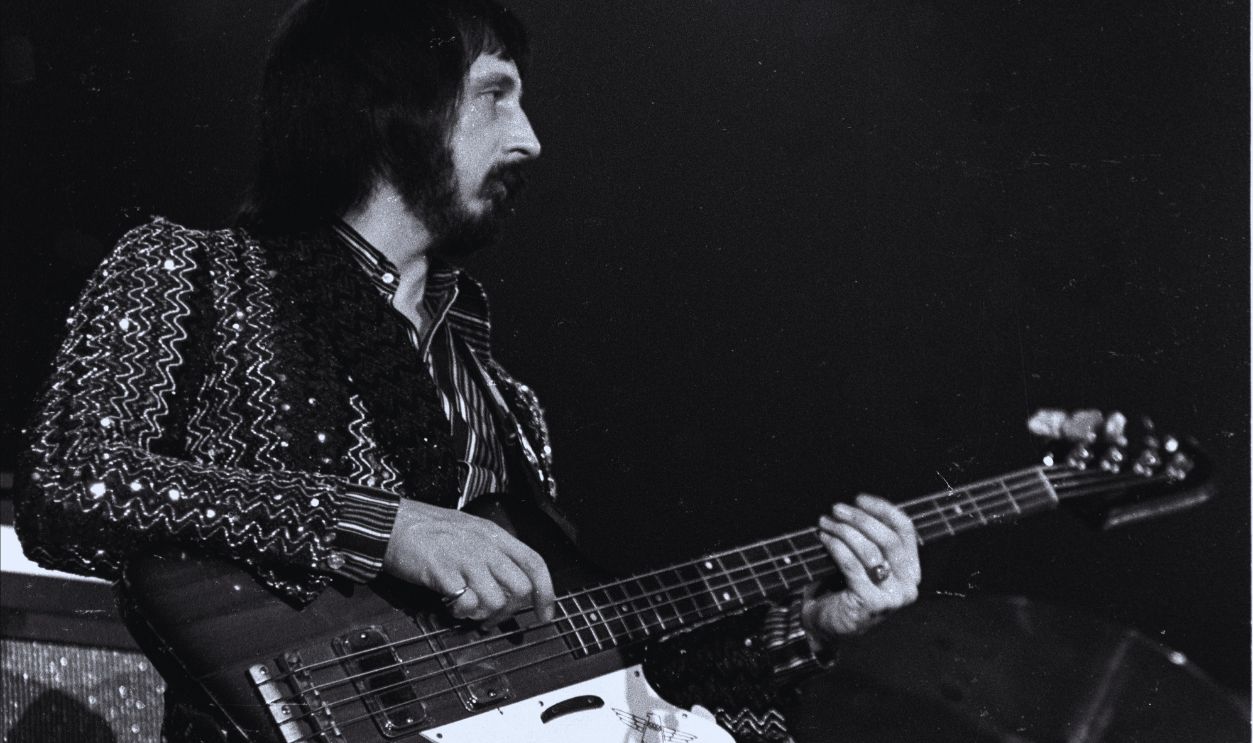
Entwistle’s signature approach to bass playing—pentatonic lead lines, an unusual treble-heavy tone described as “full treble, full volume”—rewrote what a bass guitar was capable of. However, the pioneering style had cost him dearly. Randy Bachman of BTO observed that Entwistle had lost so much hearing throughout his life that, towards the end, he mostly “played by feeling the rush of air from his giant amp stacks”.
That, it turns out, was the price of greatness.
51. He Is Considered The Greatest Bassist Of All Time
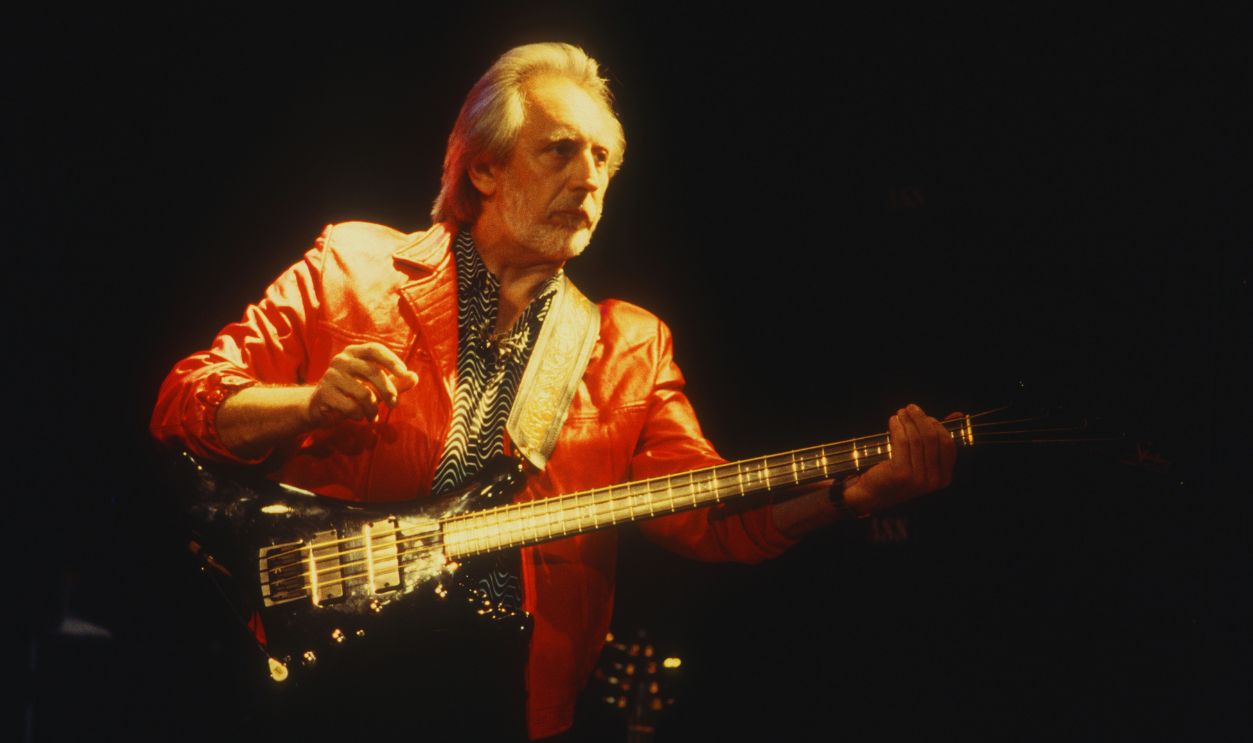
Rolling Stone readers voted Entwistle the greatest bass guitarist in history in 2011. Guitar magazine had already named him “Bassist of the Millennium” in 2000. Then, in 2020, Rolling Stone’s own editorial ranking placed him third among the 50 greatest bassists ever. The boy from Hammersmith who built his first instrument from a block of mahogany never turned the volume down.
But he turned rock and roll all the way up.
You May Also Like:
Tormented Facts About Eric Clapton, The Guitar God
Headstrong Facts About Linda Ronstadt, The Musical Survivor