The Textbook Version Was Cleaner
Science classes tend to turn complicated people into neat labels: Newton discovered gravity, Darwin explained evolution, Curie studied radioactivity. Their actual biographies were far less orderly. Behind those famous names were bitter grudges, unconventional relationships, family crises, political controversies, eccentric habits, and decisions that would follow some of them long after their greatest discoveries.
 Arthur Sasse - International News Service, Wikimedia Commons
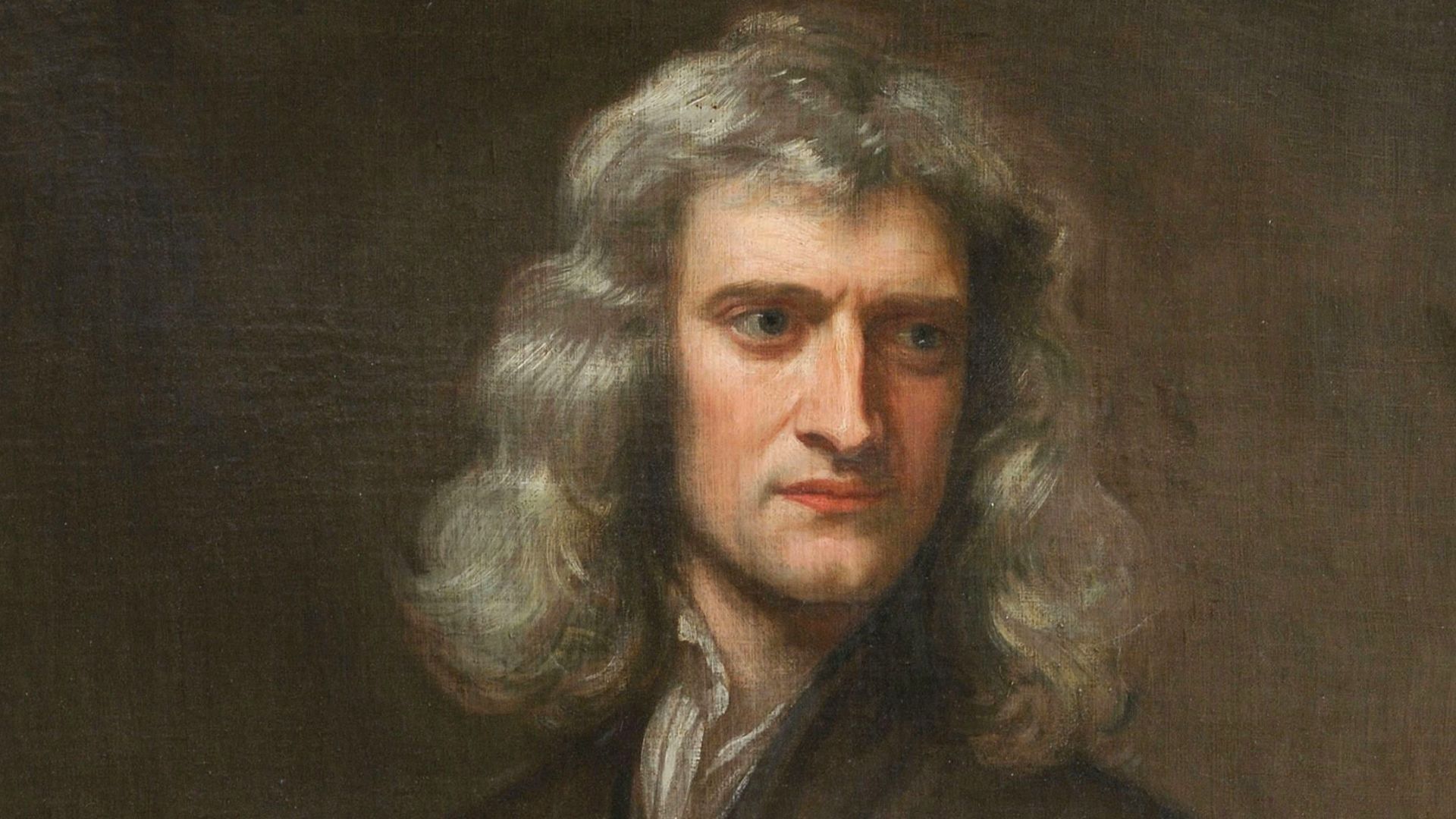
Isaac Newton: The Genius Who Never Let a Grudge Go
Newton's scientific brilliance came with a famously combative streak. Criticism from Robert Hooke helped trigger what Oxford's Newton Project describes as a vicious quarrel. Away from public science, Newton also devoted enormous energy to alchemy and private religious studies, eventually rejecting traditional Christian teachings about the Trinity.
 Godfrey Kneller, Wikimedia Commons
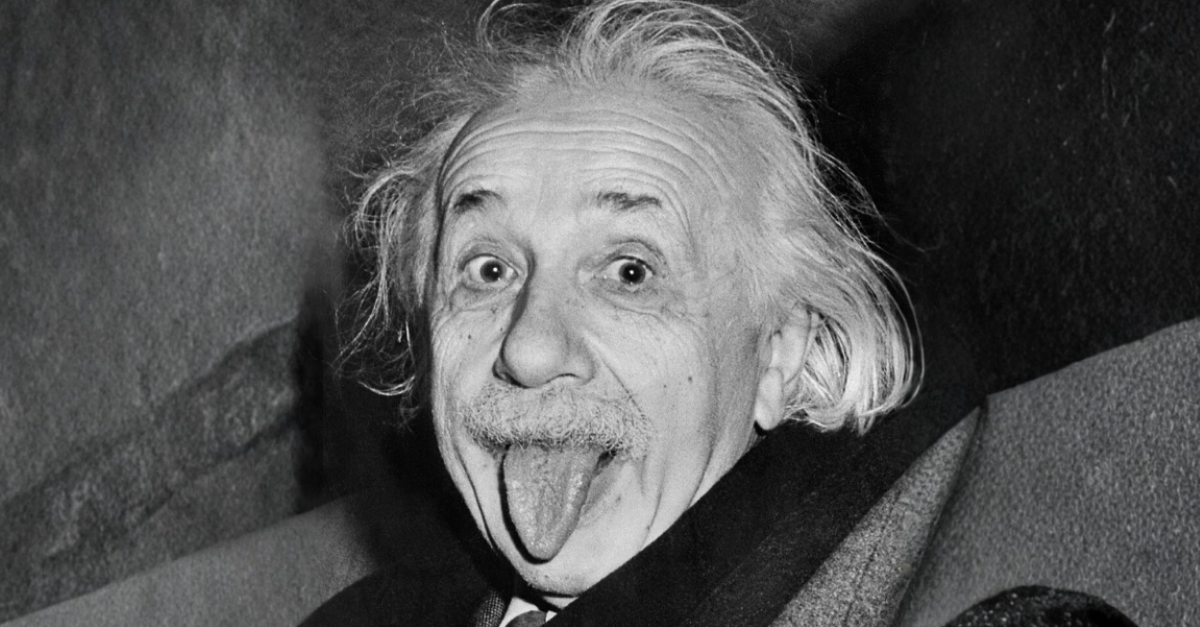
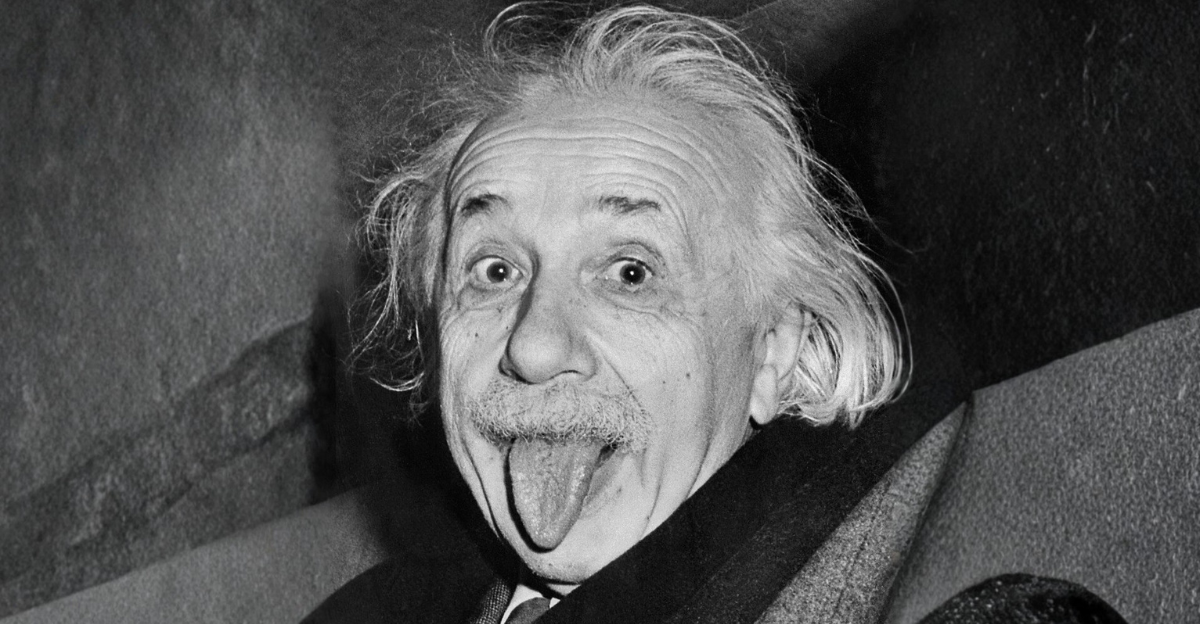
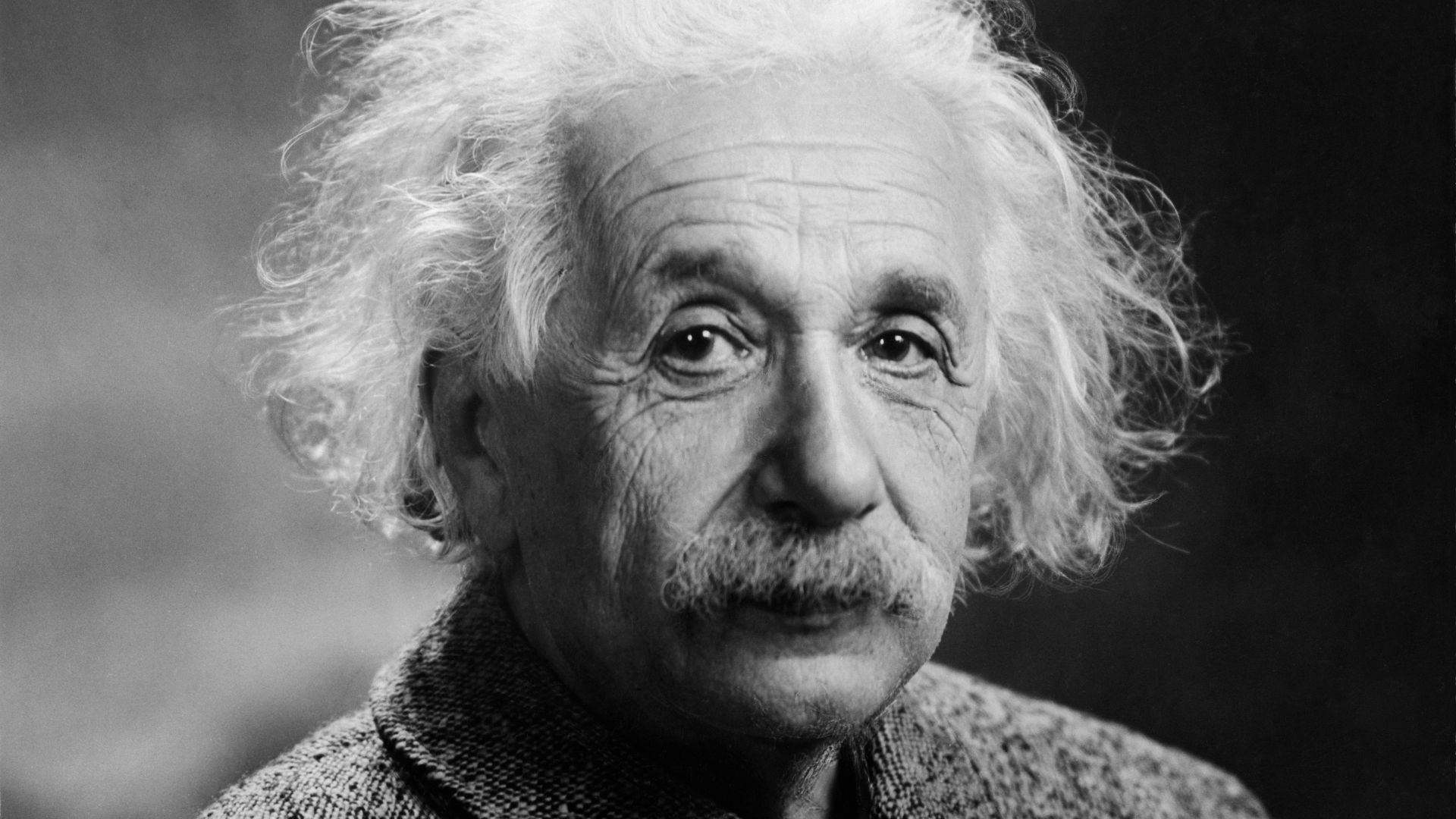
Albert Einstein: Relativity Was Simpler Than His Marriage
Einstein's first marriage to physicist Mileva Marić deteriorated badly, and surviving correspondence reveals harsh household conditions he demanded while they were separating. He had relationships with other women and eventually divorced Marić in 1919. Soon afterward, Einstein married Elsa Löwenthal, who was his cousin.
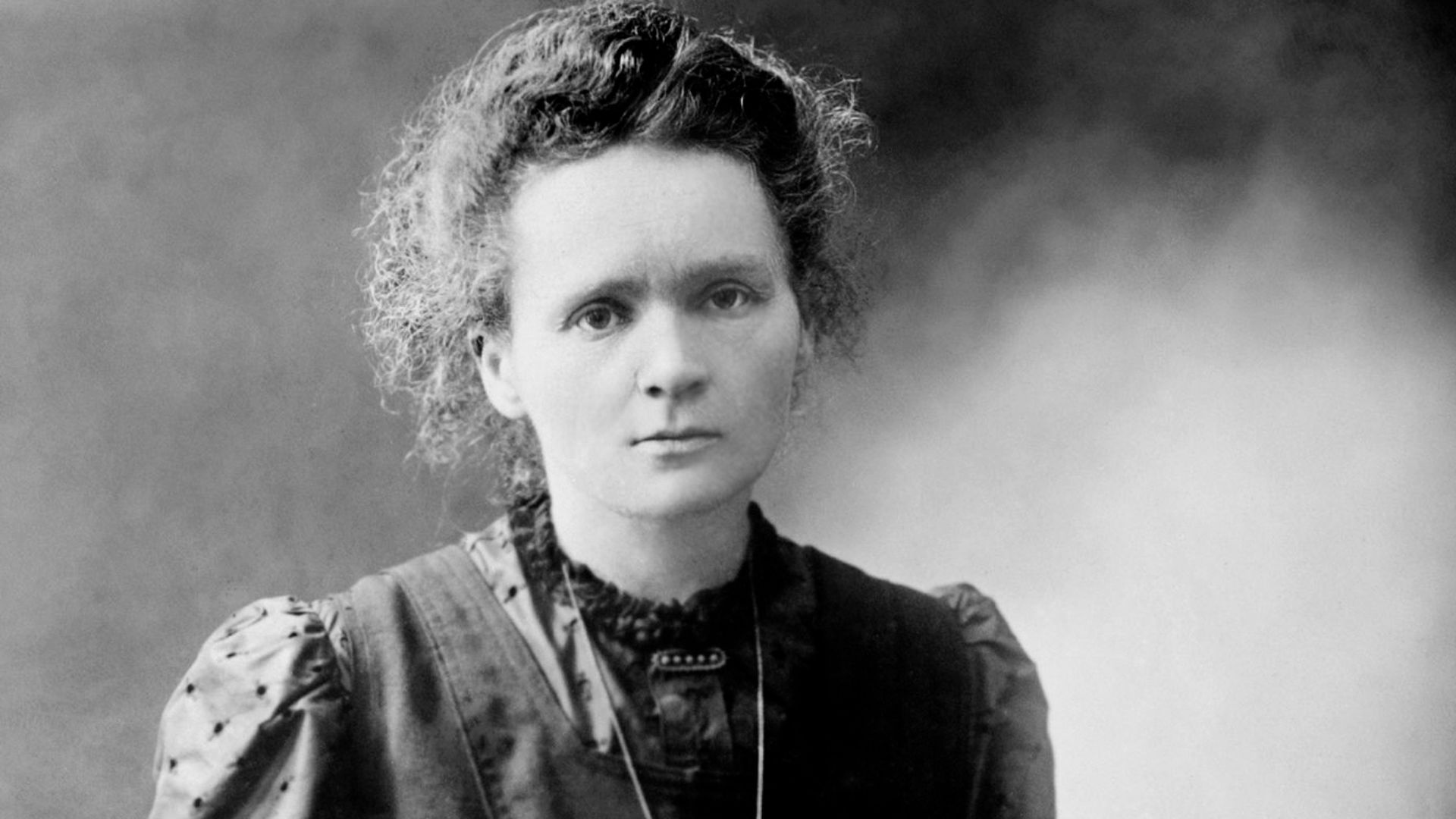
Marie Curie: A Nobel Prize and a Tabloid Firestorm
In 1911, Curie's relationship with physicist Paul Langevin, who was separated from his wife, exploded into a press scandal after private letters reached newspapers. The coverage became intensely personal, xenophobic, and hostile toward Curie. The uproar erupted just as she was preparing to receive her second Nobel Prize.
 Unknown authorUnknown author, Wikimedia Commons

History's most fascinating stories and darkest secrets, delivered to your inbox daily.
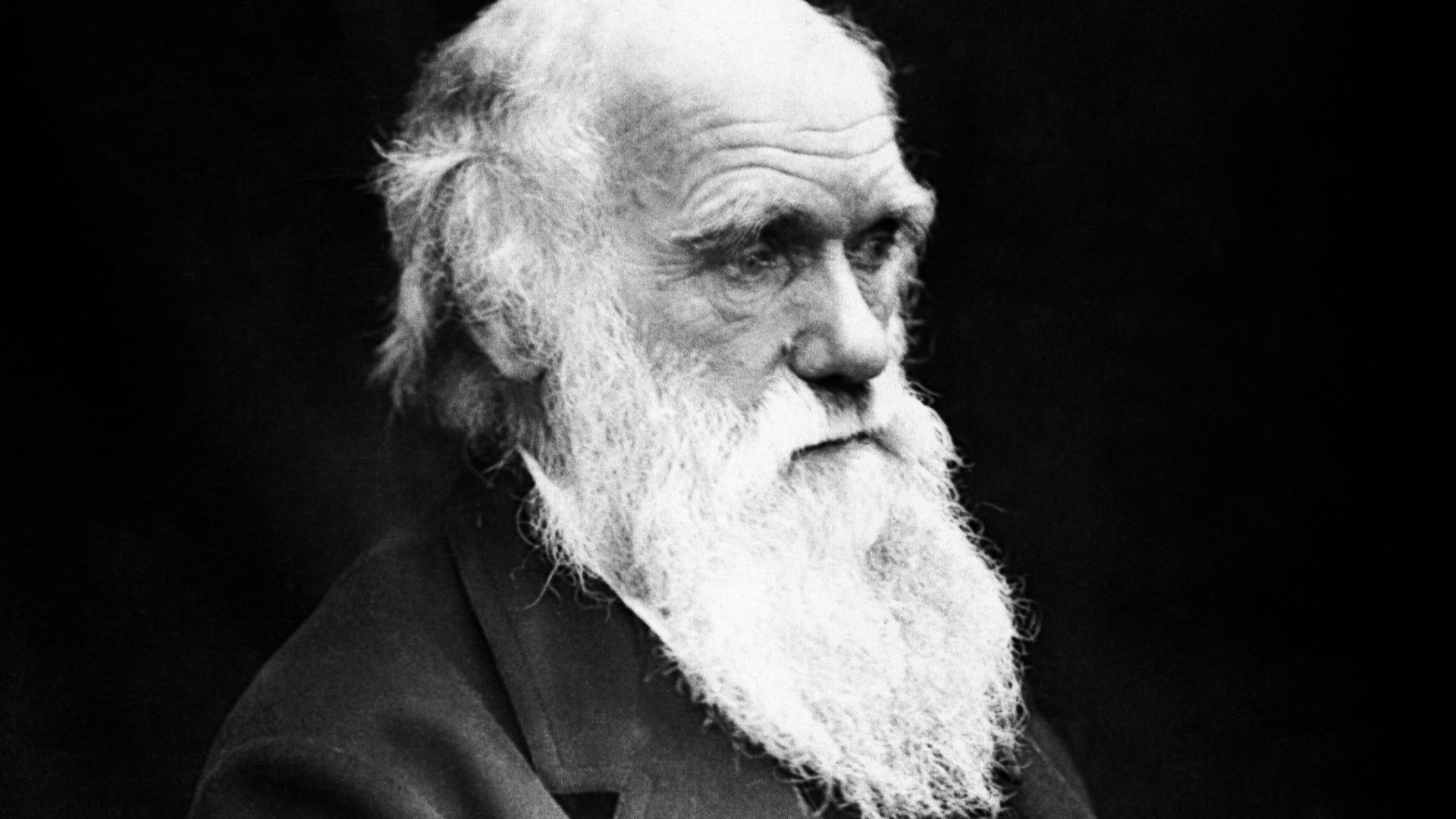
Charles Darwin: Evolution Came Home With Him
Darwin married his first cousin Emma Wedgwood, whose religious convictions increasingly differed from his own. Those differences mattered deeply inside their marriage, particularly as Darwin's faith faded. The 1851 death of their daughter Annie devastated both parents and further complicated Darwin's already troubled relationship with traditional Christianity.
 Julia Margaret Cameron, Wikimedia Commons
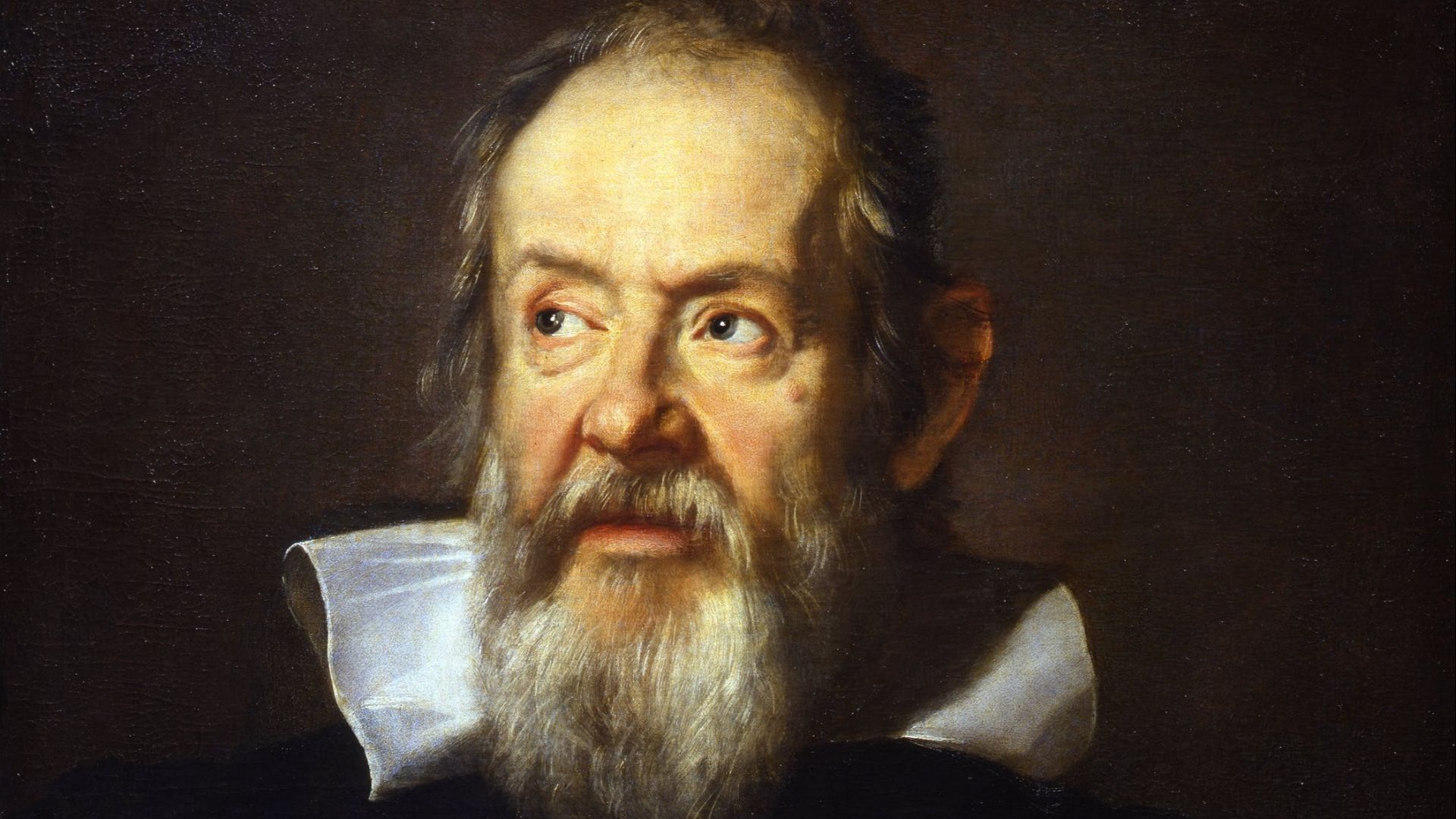
Galileo Galilei: His Family Life Was Complicated
Galileo never married Marina Gamba, with whom he had three children. Their daughters Virginia and Livia faced limited marriage prospects partly because they were considered illegitimate and would have required expensive dowries. Both entered a convent while young, where Virginia became the nun Maria Celeste.
 Justus Sustermans, Wikimedia Commons
Nikola Tesla: Brilliant, Celibate, and Deeply Eccentric
Tesla never married and argued that celibacy benefited his work. His habits grew increasingly unusual: he developed an intense concern with germs and hygiene and had a particular aversion to pearls. The polished image of the visionary electrical genius leaves out just how idiosyncratic his daily life could become.
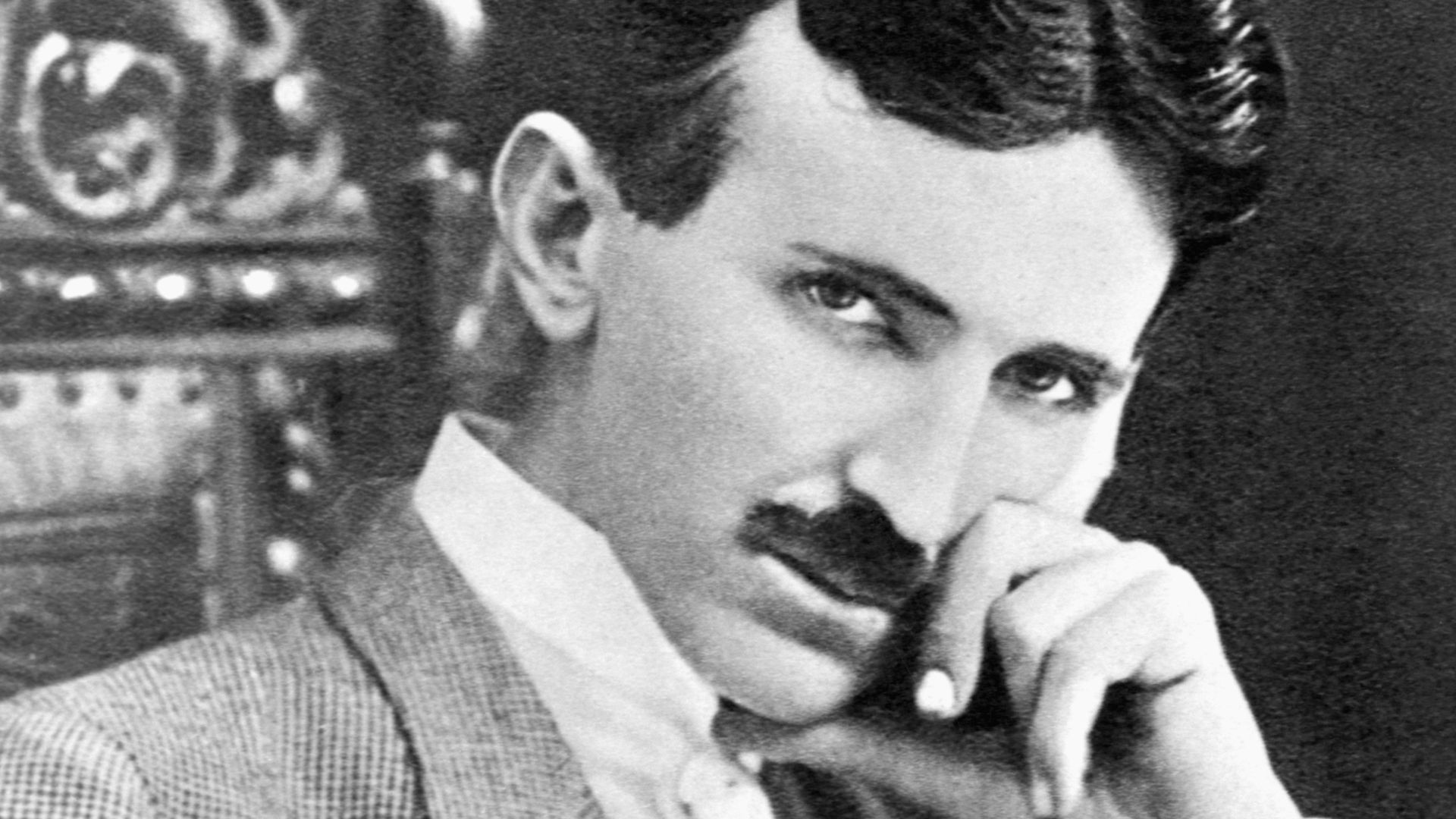 Unknown authorUnknown author, Wikimedia Commons
Thomas Edison: The Laboratory Never Really Closed
Edison's work schedule bordered on punishing. At Menlo Park, he and his assistants routinely stayed up through the night, and the National Park Service records one stretch when Edison worked three days with only short naps. Even his second proposal was work-themed: he asked Mina Miller using Morse code.
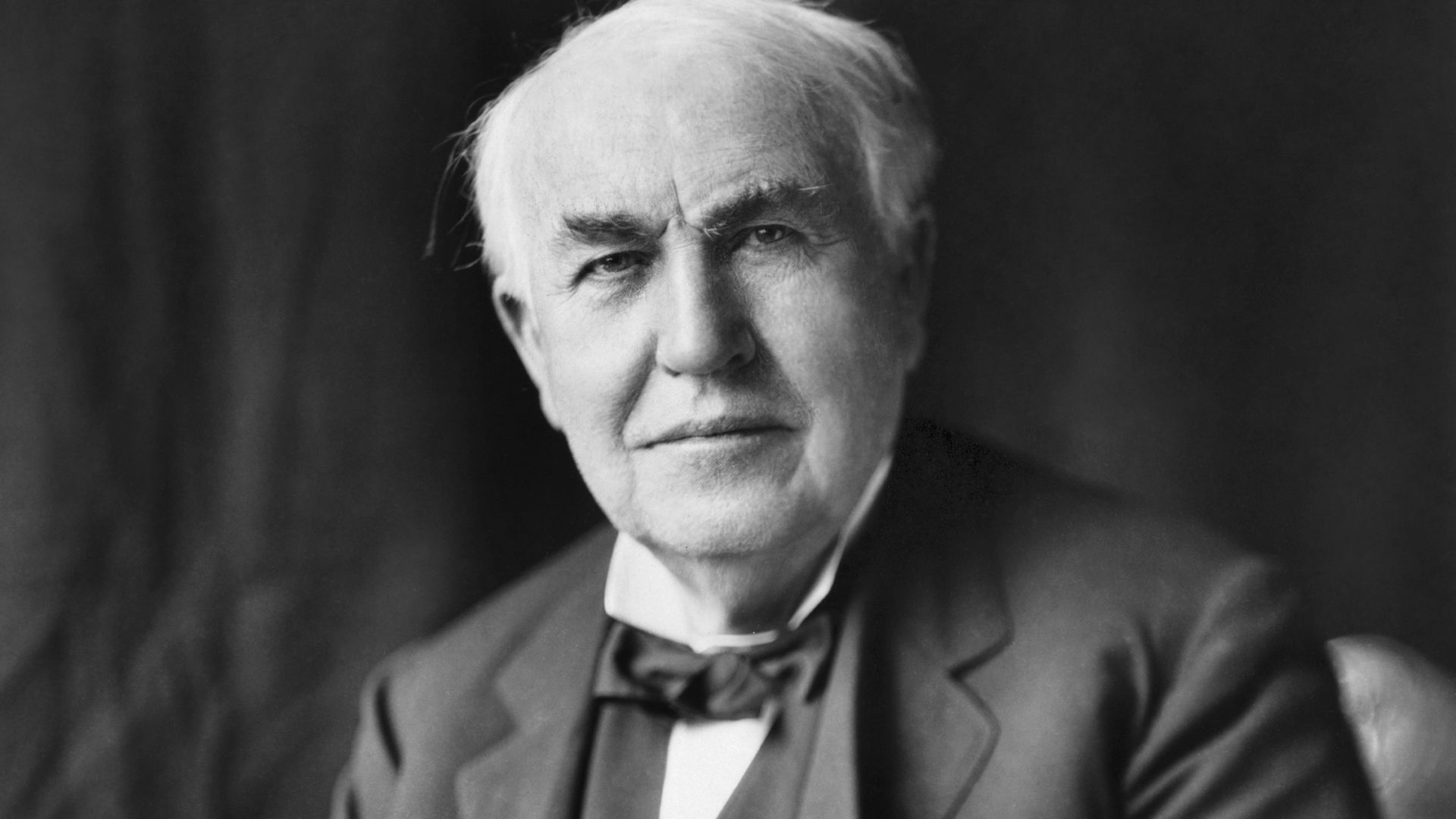 Louis Bachrach, Bachrach Studios, restored by Michel Vuijlsteke, Wikimedia Commons
Tycho Brahe: The Astronomer With the Prosthetic Nose
Few scientific biographies are stranger than Brahe's. The wealthy Danish astronomer lost part of his nose in a youthful duel and wore a prosthetic replacement. His household reportedly included a pet moose and a man named Jepp whom Brahe believed possessed clairvoyant abilities. He also spent considerable time practicing alchemy.
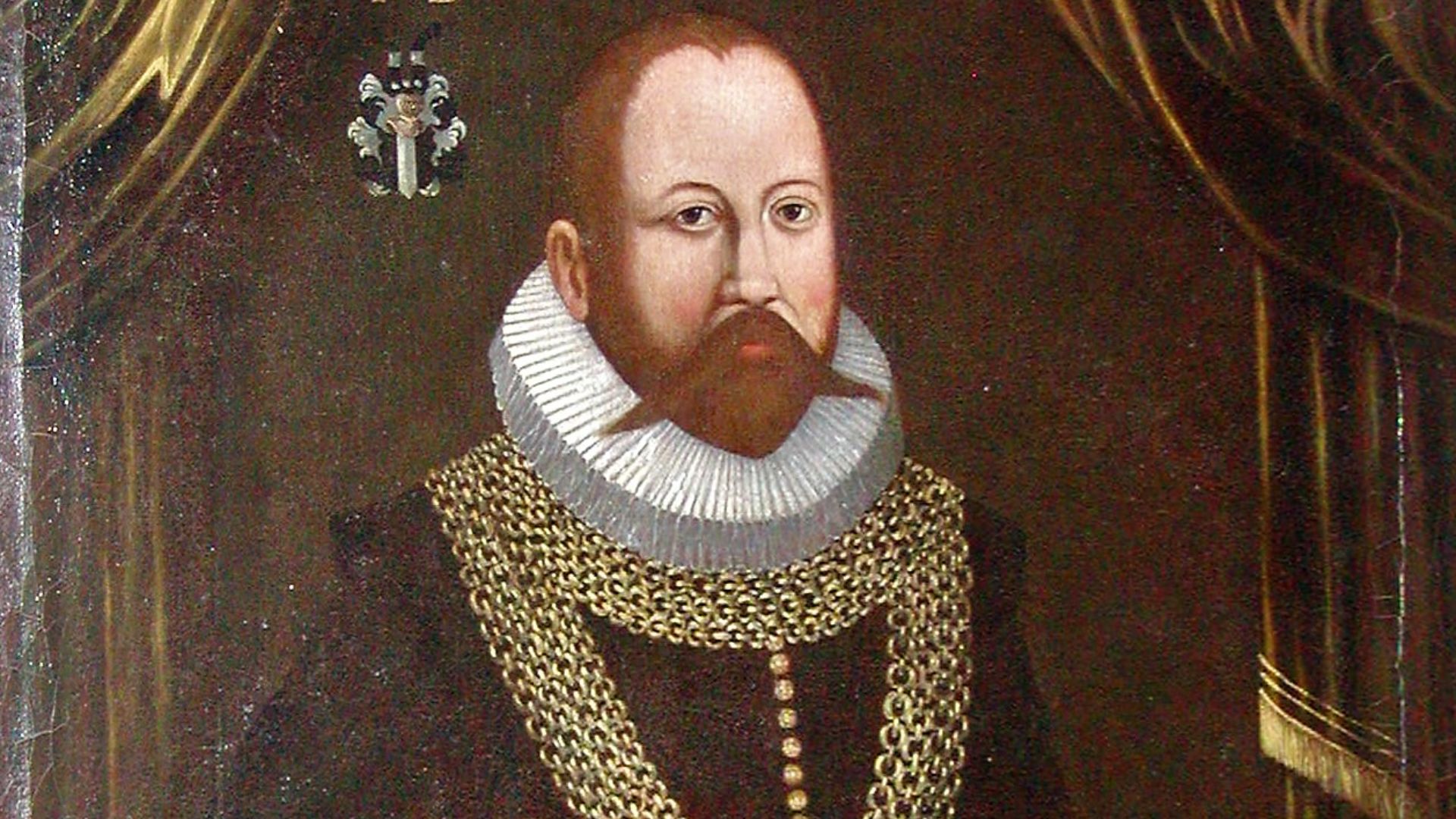 Unknown artistUnknown artist, Wikimedia Commons
Johannes Kepler: His Mother Went on Trial for Witchcraft
While Kepler was transforming astronomy, his mother Katharina became entangled in a six-year witchcraft prosecution. She was imprisoned and chained before her trial. Kepler interrupted his own work, relocated members of his family, and personally helped organize her defense. Katharina was ultimately acquitted after more than a year in custody.
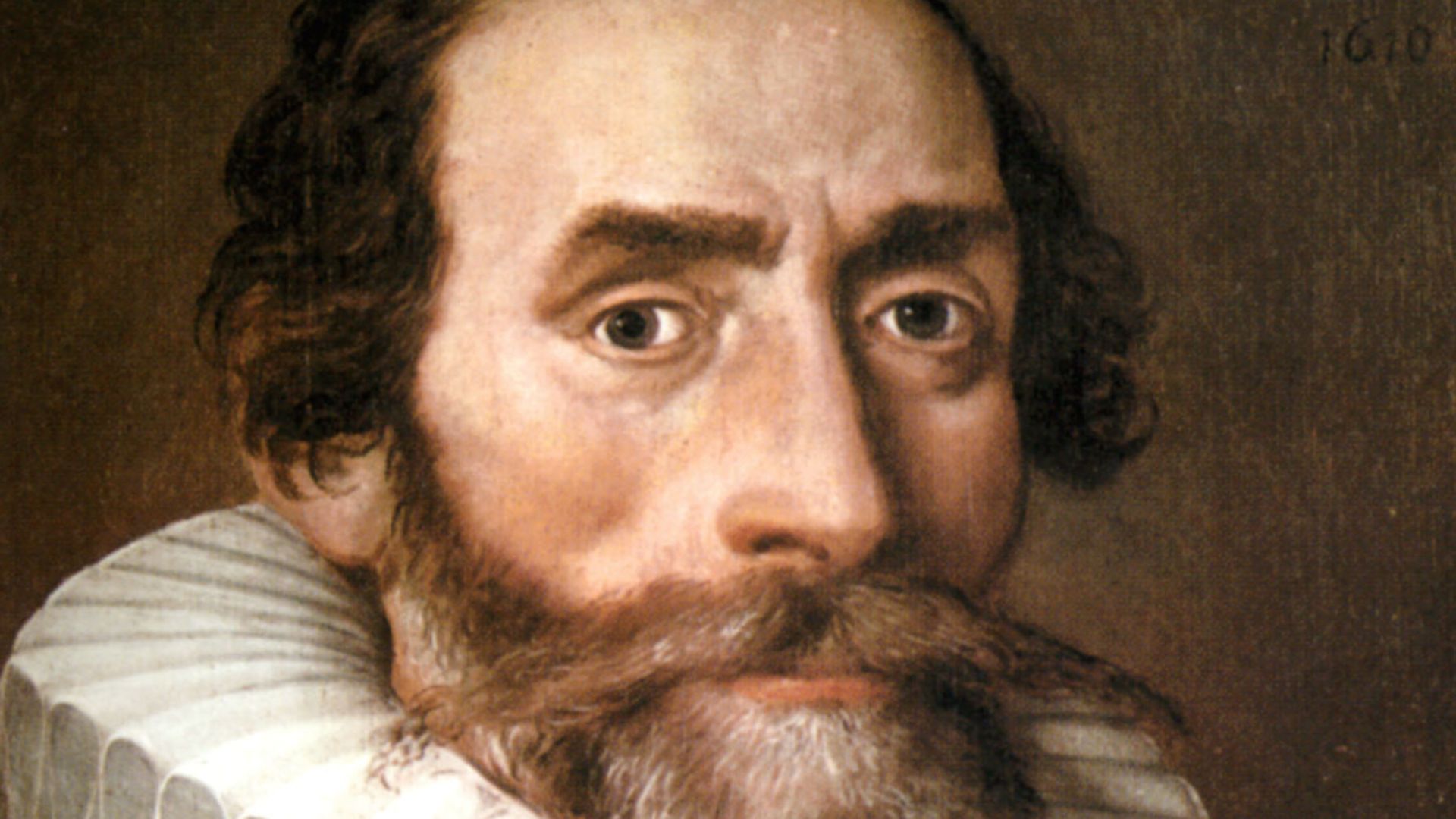 Unidentified painter, Wikimedia Commons
History's most fascinating stories and darkest secrets, delivered to your inbox daily.
Sigmund Freud: Before Psychoanalysis, There Was Substances
Long before Freud became synonymous with psychoanalysis, he enthusiastically experimented with substances. In 1884, he published an article praising it and recommended it to his friend Ernst von Fleischl-Marxow as a treatment for morphine dependence. The friend's condition instead developed into a devastating addiction.
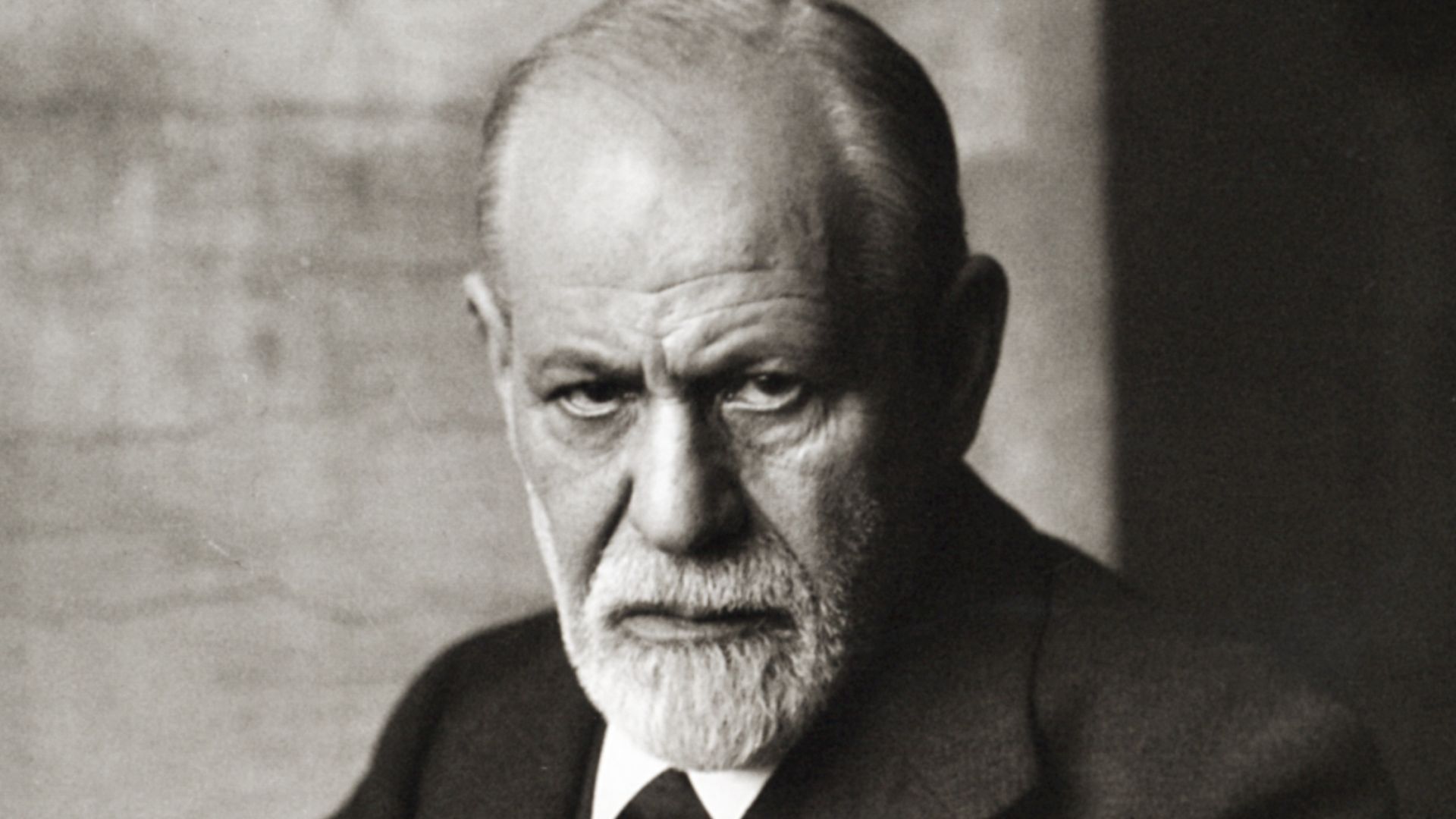 Ferdinand Schmutzer, Wikimedia Commons
J. Robert Oppenheimer: Romance, Politics, and a Security File
Oppenheimer's social circle included people connected to Communist politics, including his brother Frank and former romantic partner Jean Tatlock. Those associations later became central to government scrutiny of him. During his 1954 security hearing, his past relationships and political connections were examined alongside questions about his judgment and reliability.
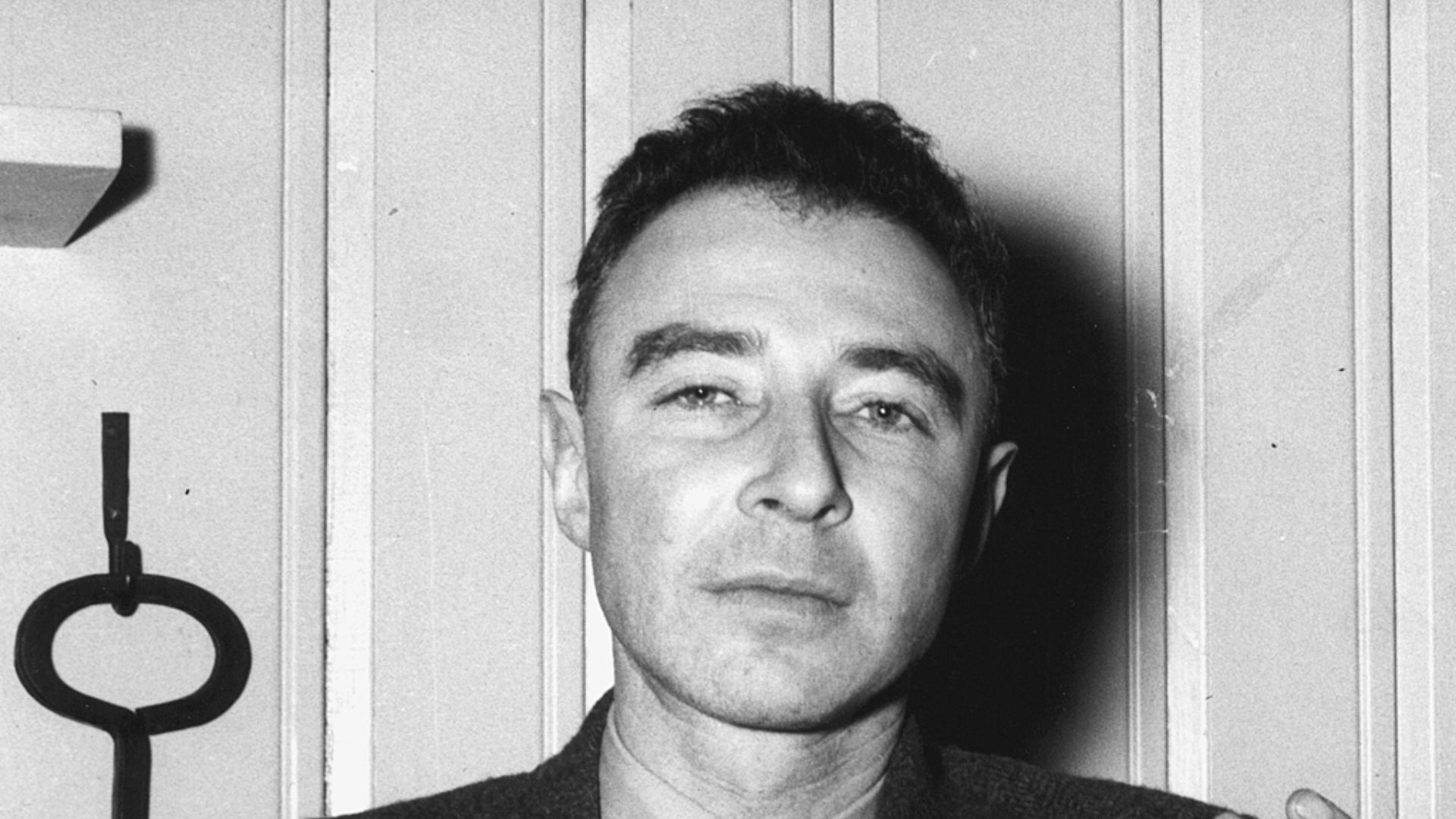 Ed Westcott (U.S. Government photographer), Wikimedia Commons
Fritz Haber: A Nobel Laureate With a Chemical-Warfare Legacy
Haber won a Nobel Prize for work that made large-scale fertilizer production possible, yet he also became a major architect of Germany's chemical-warfare program during World War I. In 1915, his wife and fellow chemist Clara Immerwahr took her own life.. Haber departed the following day for another military gas operation.
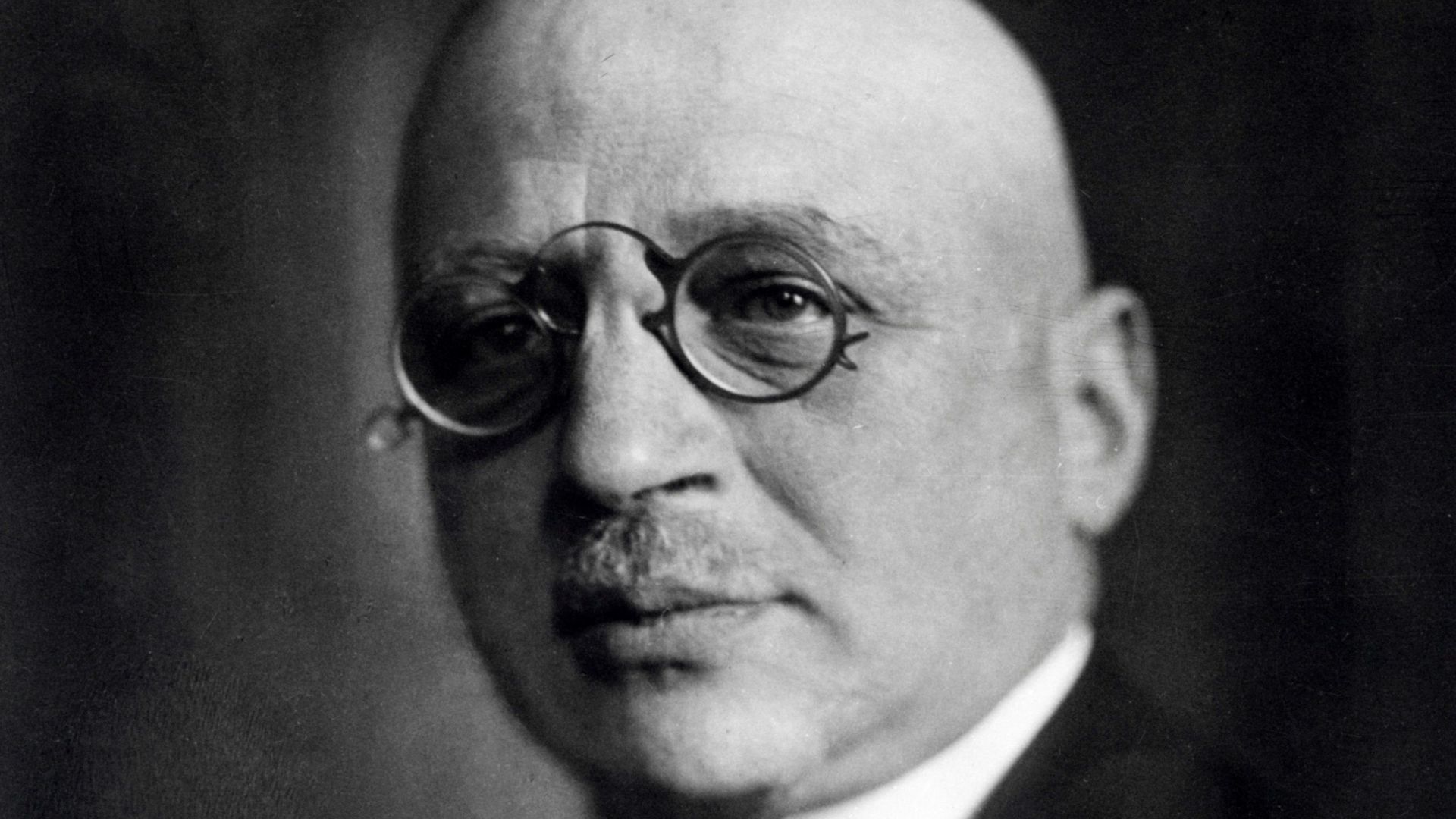 Unknown authorUnknown author, Wikimedia Commons
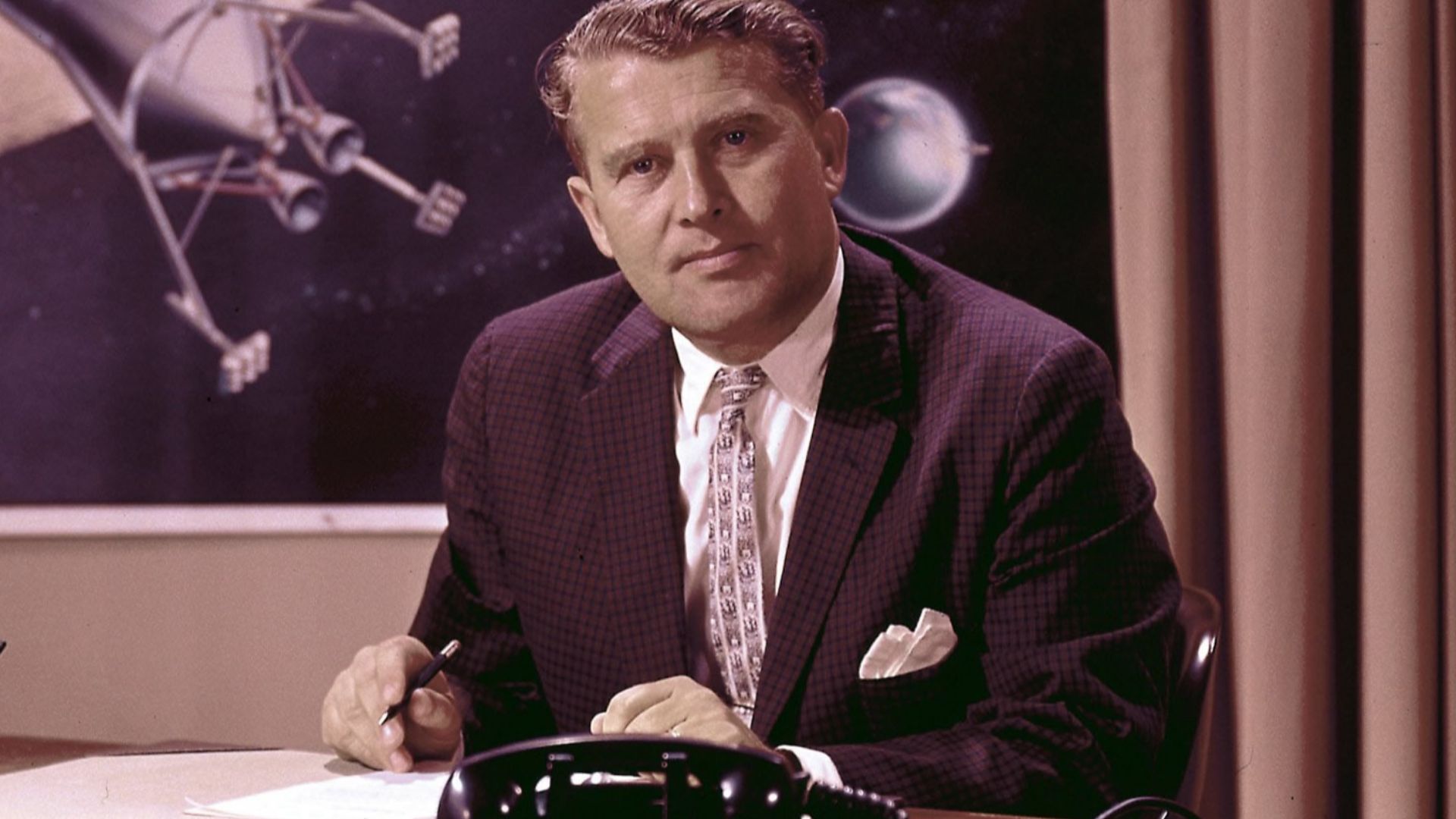
Wernher Von Braun: The Moon Program's Nazi Past
Von Braun later became one of America's most celebrated rocket engineers, but his earlier career was inseparable from Germany. He joined the Fuehrer Party and SS, and the V-2 rocket program used enslaved concentration-camp prisoners at Mittelwerk. NASA's biography acknowledges that von Braun knew about the site's brutal labor conditions.
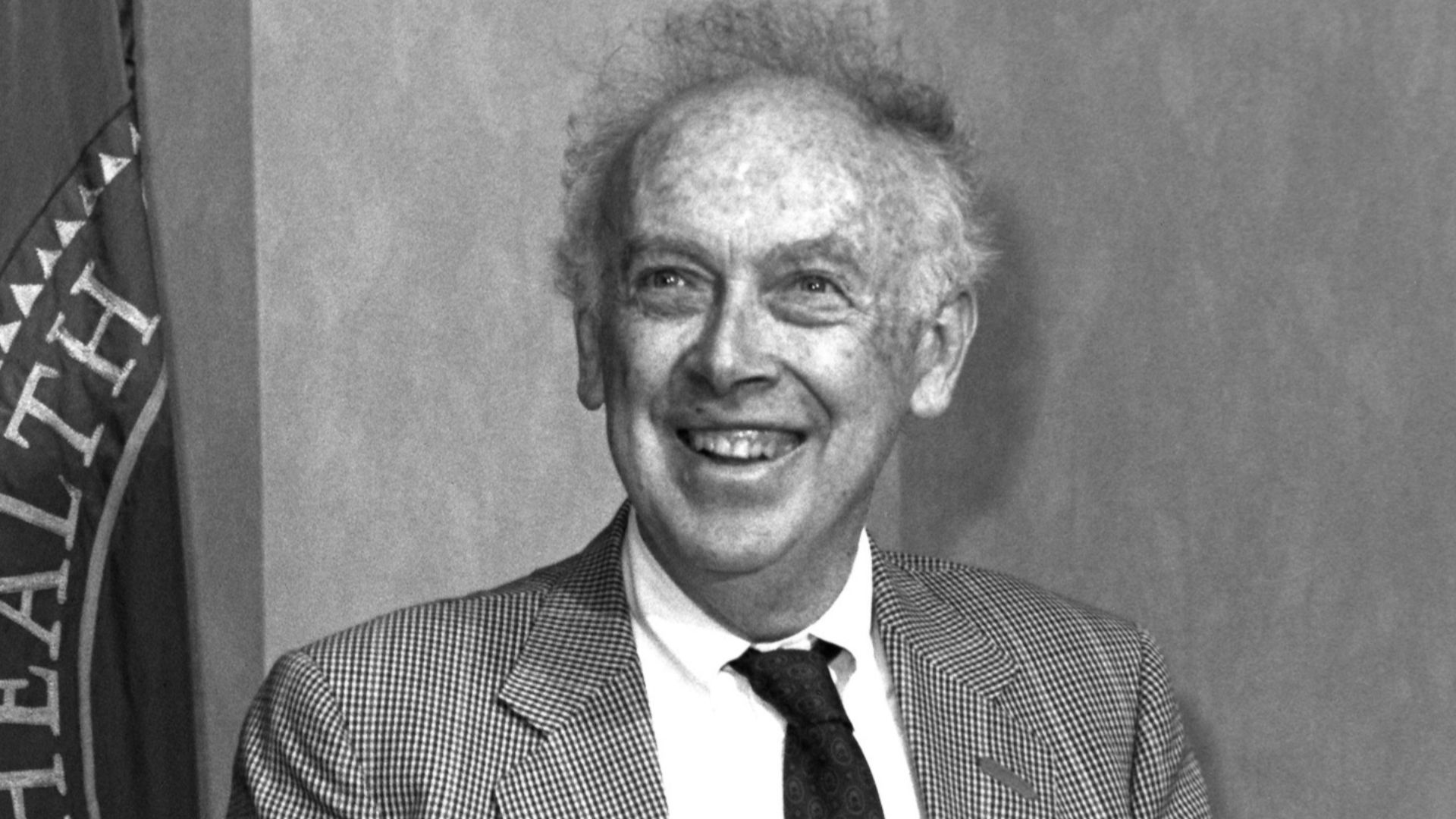
James Watson: The DNA Pioneer Whose Comments Cost Him His Honors
Watson shared a Nobel Prize for work on DNA's double-helix structure, but his later public statements severely damaged his reputation. After he again asserted a genetic connection between race and intelligence, Cold Spring Harbor Laboratory condemned his claims as unsupported by science and revoked the honorary titles it had granted him.
 National Cancer Institute (NCI), Wikimedia Commons
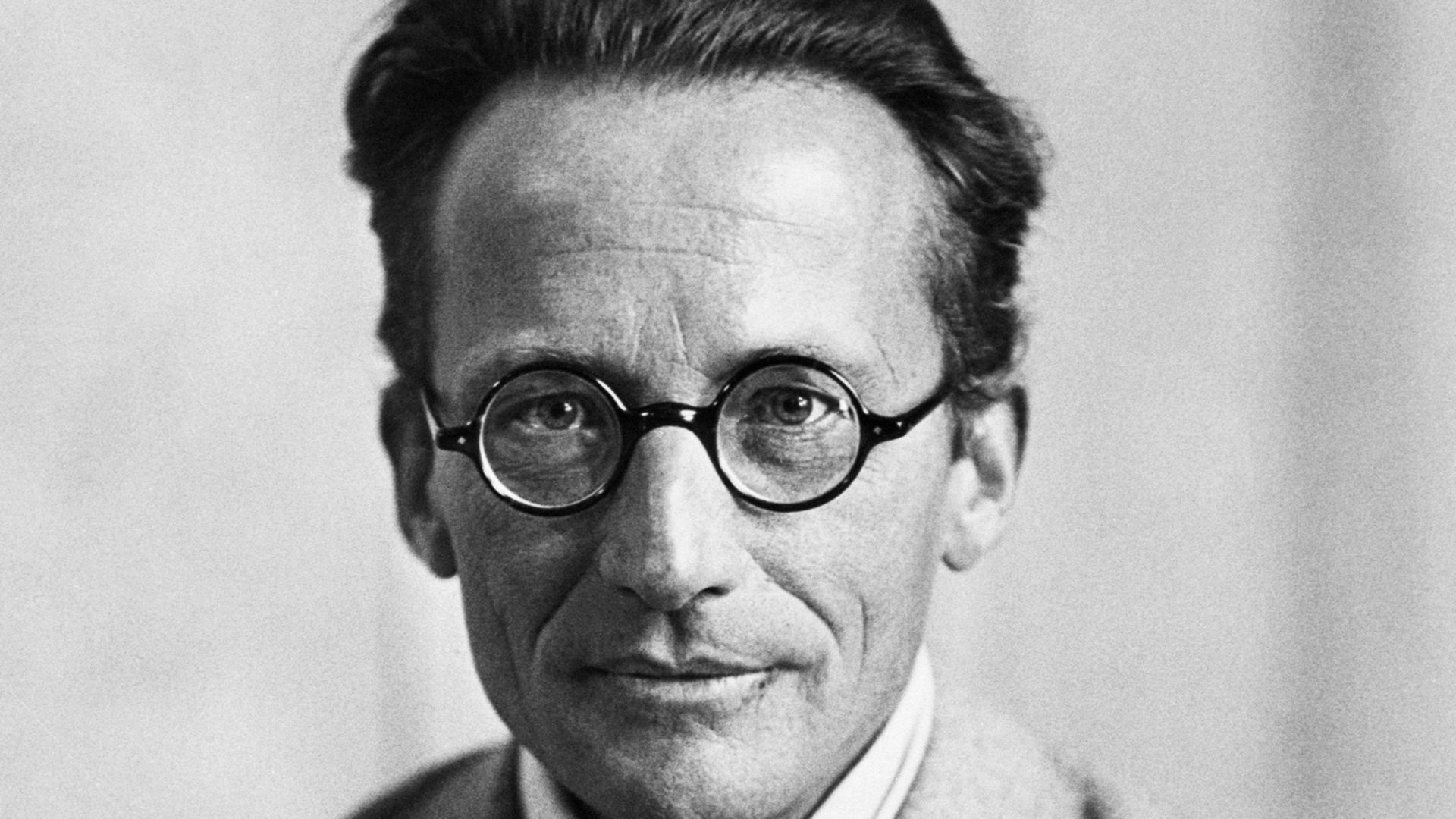
Erwin Schrödinger: His Home Life Defied Convention Too
Schrödinger's marriage to Anny Bertel was far from conventional. Biographical accounts describe both spouses having relationships outside the marriage. In 1933, Schrödinger moved to Oxford accompanied not only by Anny but also by Hilde March, the wife of a colleague, who was pregnant with Schrödinger's child at the time.
 Unknown authorUnknown author, Wikimedia Commons
History's most fascinating stories and darkest secrets, delivered to your inbox daily.
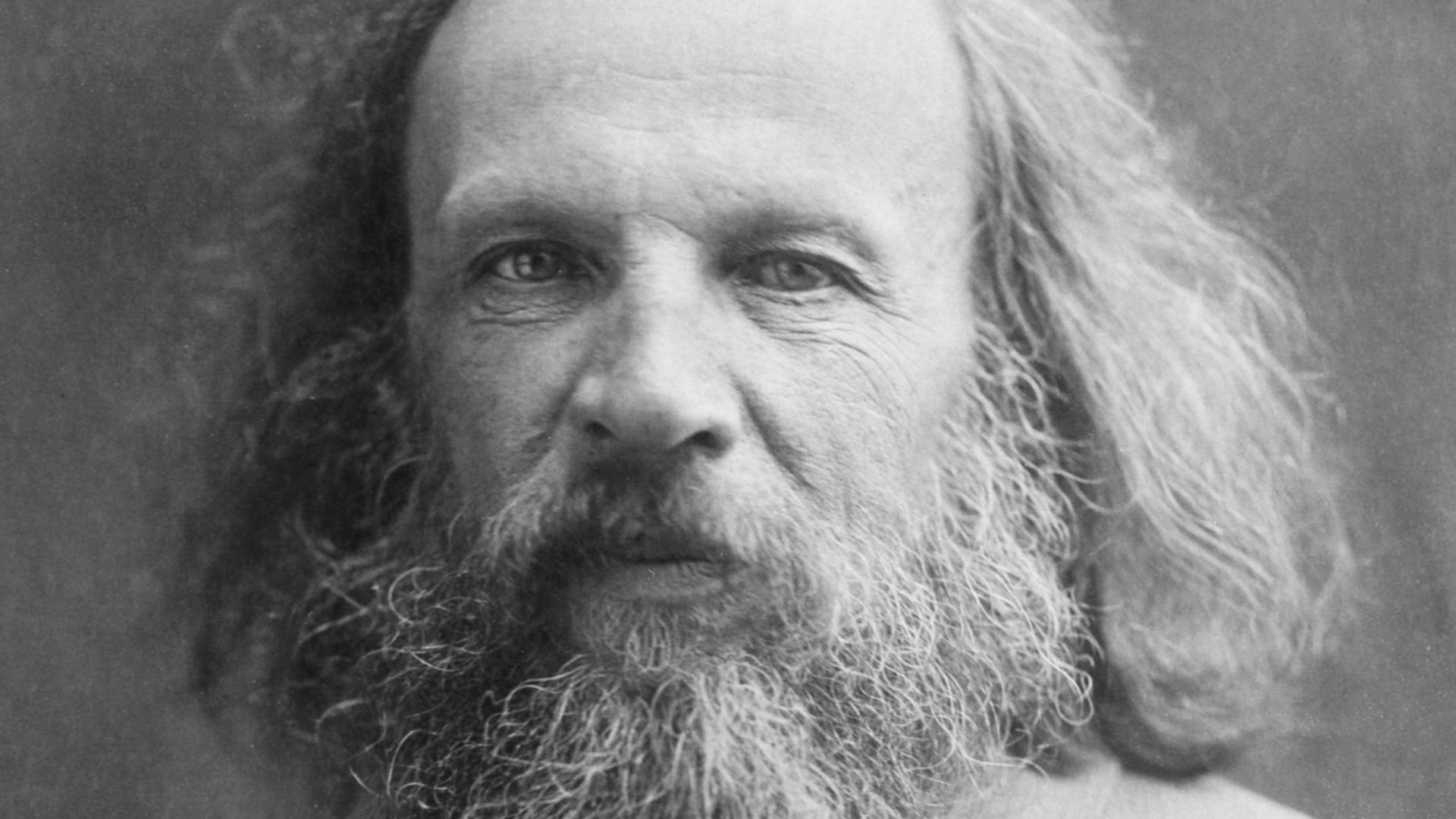
Dmitri Mendeleev: His Marriage Was Less Orderly Than His Table
Mendeleev's personal life generated a scandal in imperial Russia. While still married to his first wife, Feozva, he fell in love with Anna Popova. His divorce and remarriage occurred so close together that he violated Russian Orthodox rules requiring a seven-year waiting period, creating controversy that damaged his standing.
 Original: Unknown authorUnknown author Upload: Germansociety2014, Wikimedia Commons
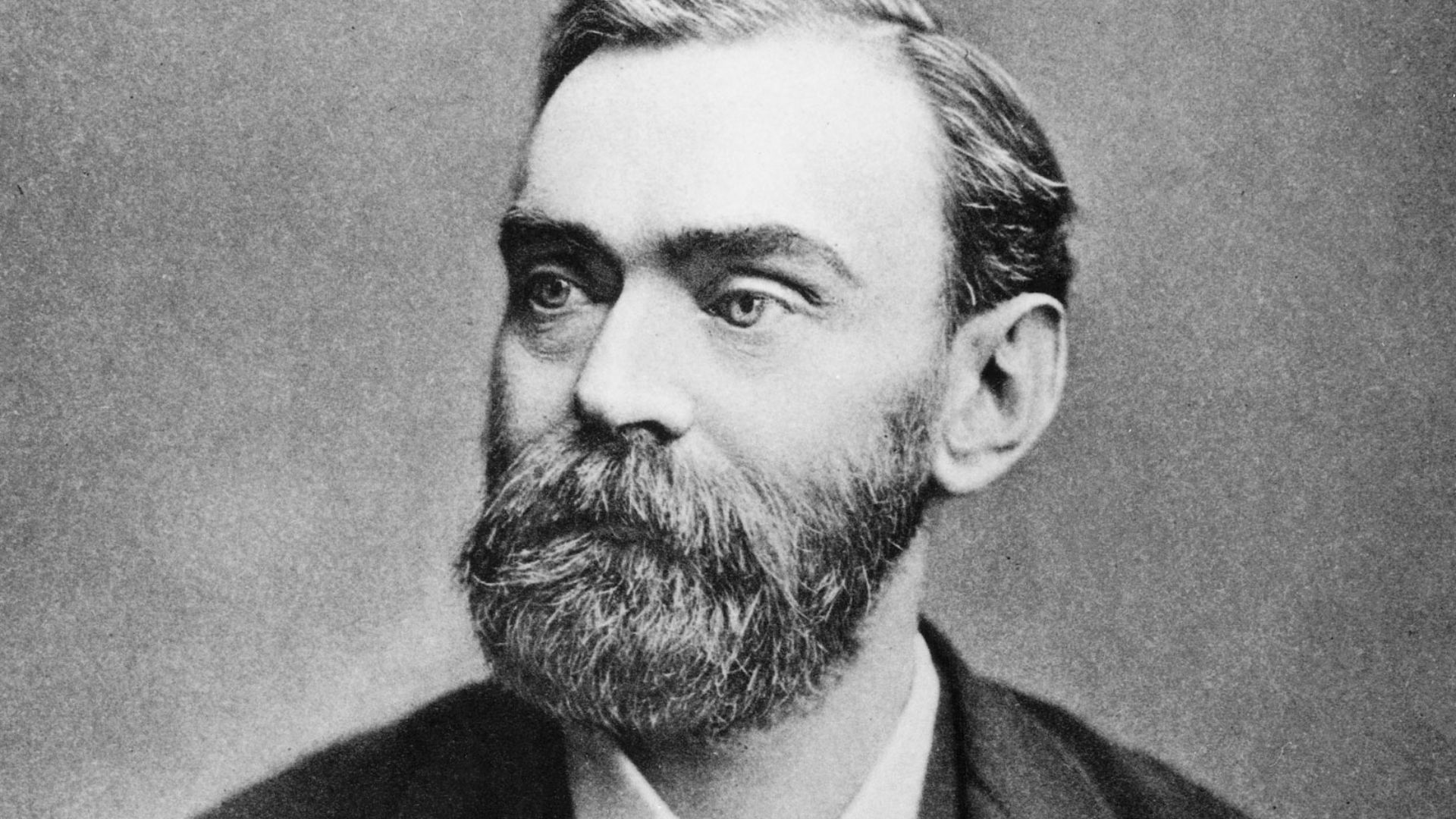
Alfred Nobel: His Will Started a Family Fight
Nobel's famous prizes did not appear without resistance. When his 1895 will directed most of his enormous fortune toward annual international prizes, some relatives were deeply disappointed and sought to have the document invalidated. Years of negotiations followed before the Nobel Foundation's statutes were finally approved in 1900.
 Unknown authorUnknown author, Wikimedia Commons
Antoine Lavoisier: Chemistry's Revolutionary Was Also a Tax Farmer
Lavoisier helped revolutionize chemistry while making a fortune through one of France's most hated institutions. He invested in the Ferme générale, the private organization responsible for collecting taxes for the monarchy, and became an active tax farmer. During the French Revolution, that connection proved catastrophic: Lavoisier was guillotined in 1794.
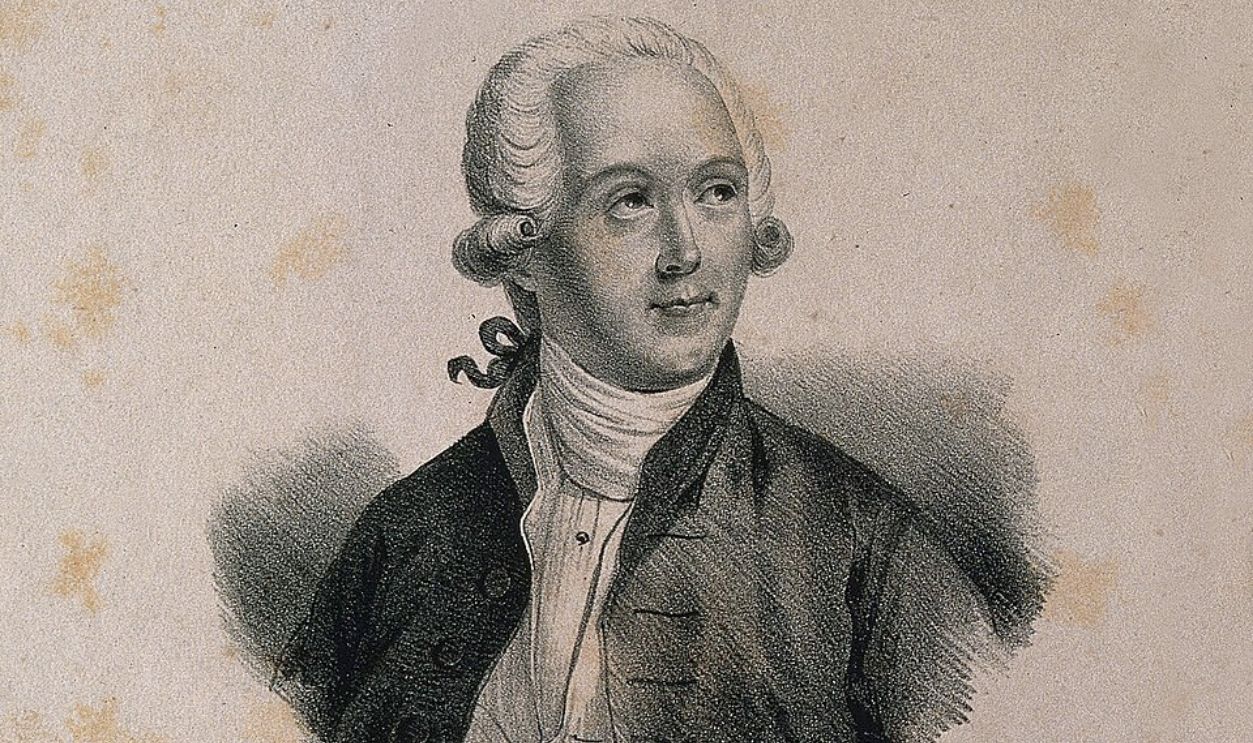 Hippolyte-Louis Garnier, Wikimedia Commons
Gregor Mendel: The Monk Who Spent His Final Years Fighting Taxes
Mendel's pea experiments eventually made him the father of genetics, but his later years contained remarkably little pea breeding. After becoming abbot of his monastery, administrative responsibilities consumed more of his time. He also became embroiled in a prolonged dispute with authorities over monastery taxation that remained unresolved when he passed.
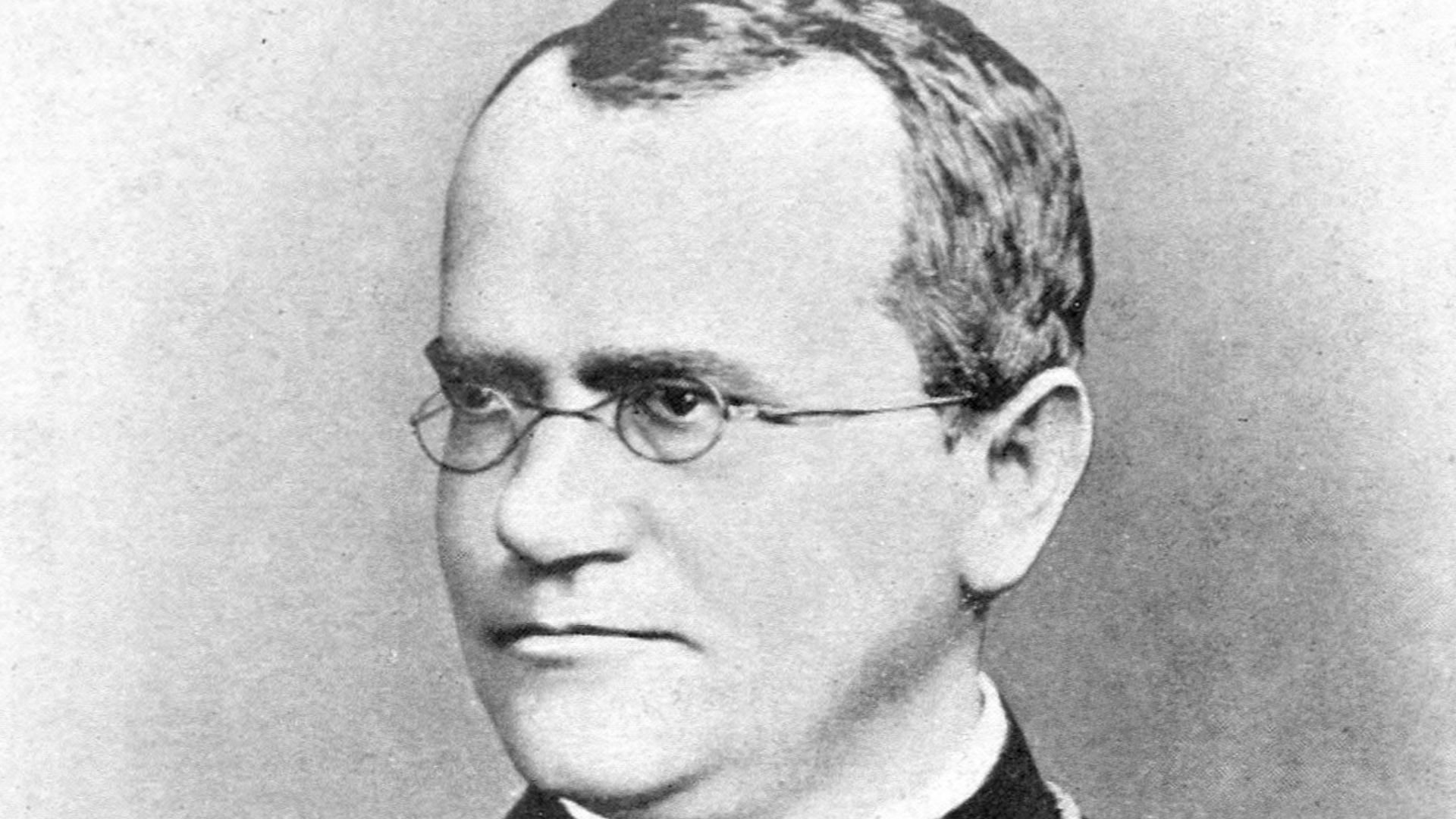 Bateson, William, Wikimedia Commons
Benjamin Franklin: The Inventor Who Was Barely Home
Franklin's marriage to Deborah Read became a long-distance arrangement on an extraordinary scale. During the final 17 years of Deborah's life, the couple spent only about two years together while Franklin remained abroad. She passed in Philadelphia in 1774 after suffering a stroke; Franklin returned several months later.
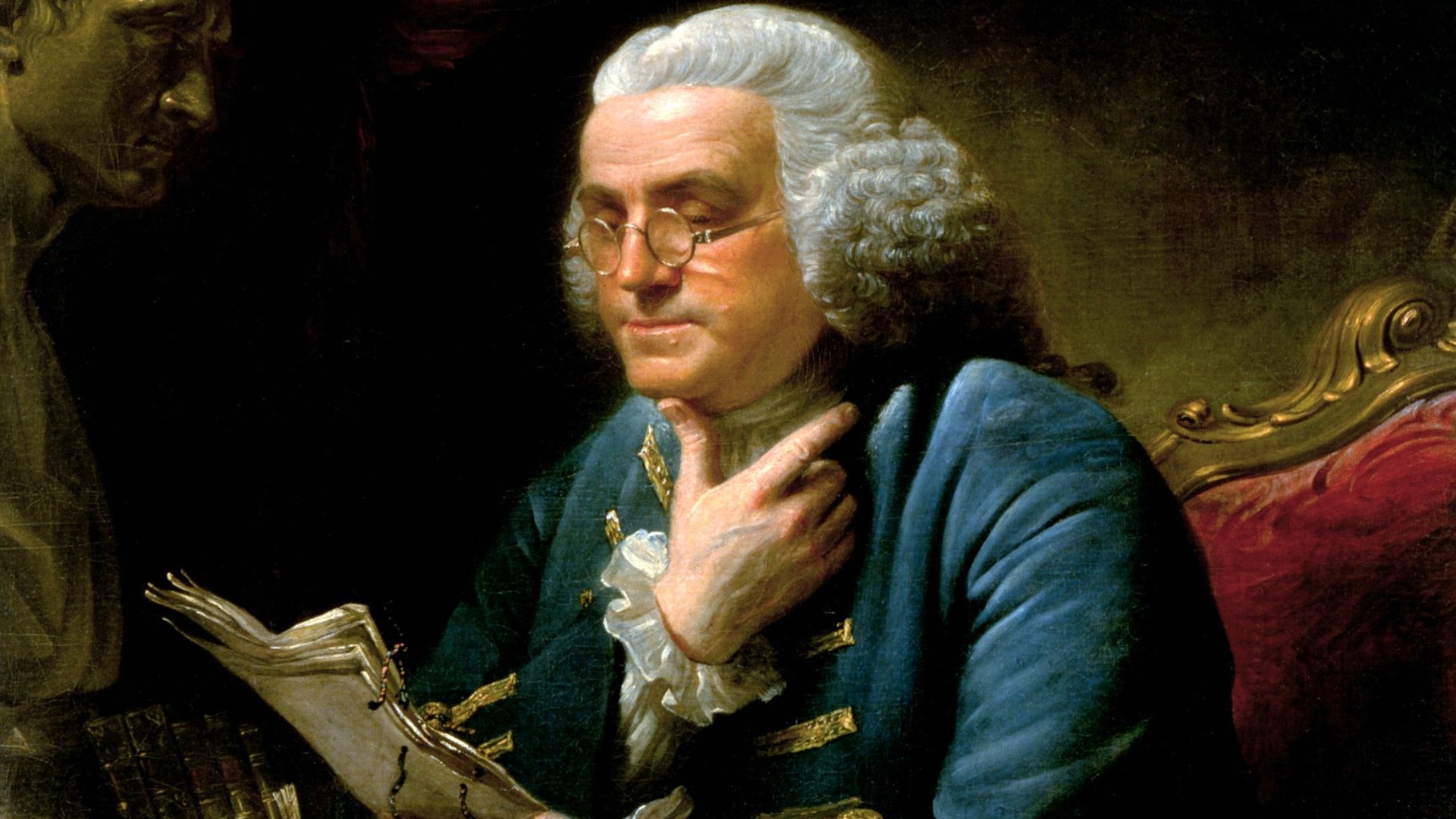 David Martin, Wikimedia Commons
Alexander Graham Bell: The Telephone Pioneer and Eugenics
Bell's mother and wife were deaf, yet his beliefs about deaf education became intensely controversial. He promoted oral education rather than sign language and studied hereditary deafness through the lens of eugenics. Bell warned that marriage among deaf people might produce what he called a separate "deaf race".
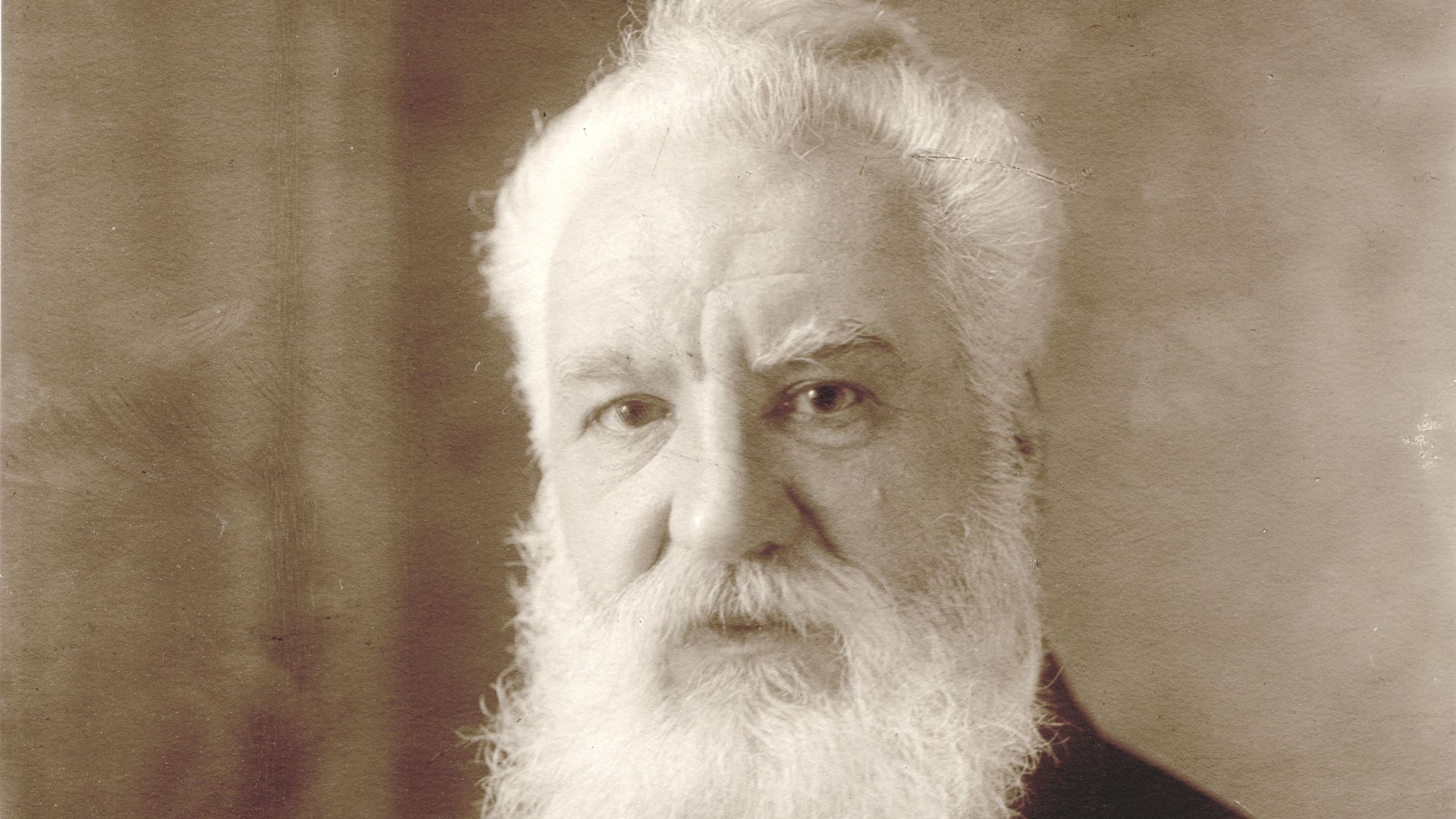 Harris & Ewing, Wikimedia Commons
History's most fascinating stories and darkest secrets, delivered to your inbox daily.
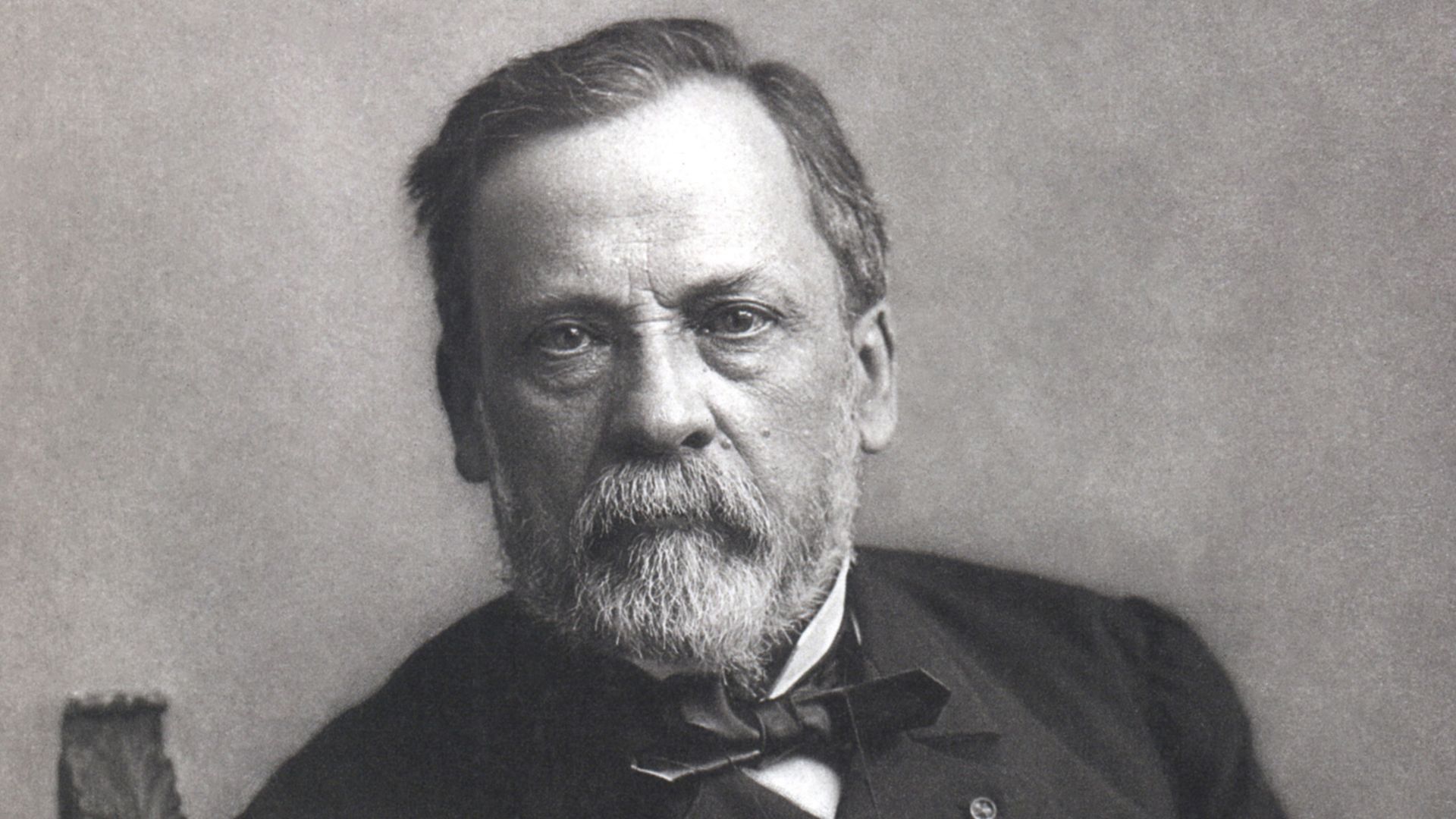
Louis Pasteur: The Famous Rabies Shot Was a High-Risk Gamble
Pasteur's celebrated 1885 treatment of Joseph Meister was far less routine than later retellings suggest. Pasteur was not a medical doctor, and the experimental rabies treatment had generated serious concern among his collaborators. The World Health Organization notes that he had unsuccessfully attempted to use the vaccine on humans twice before.
You May Also Like:
Voltaire, The Renegade Philosopher
Facts About People No One Believed—But Who Turned Out To Be Right