When Ads Became Traditions
Some American traditions feel so familiar that they seem ancient. But many of them did not begin around a family table, town square, or dusty old custom book. They began in ad agencies, department stores, food companies, and marketing meetings. Somehow, the sales pitch worked so well that it became part of everyday life.
The Macy’s Thanksgiving Day Parade
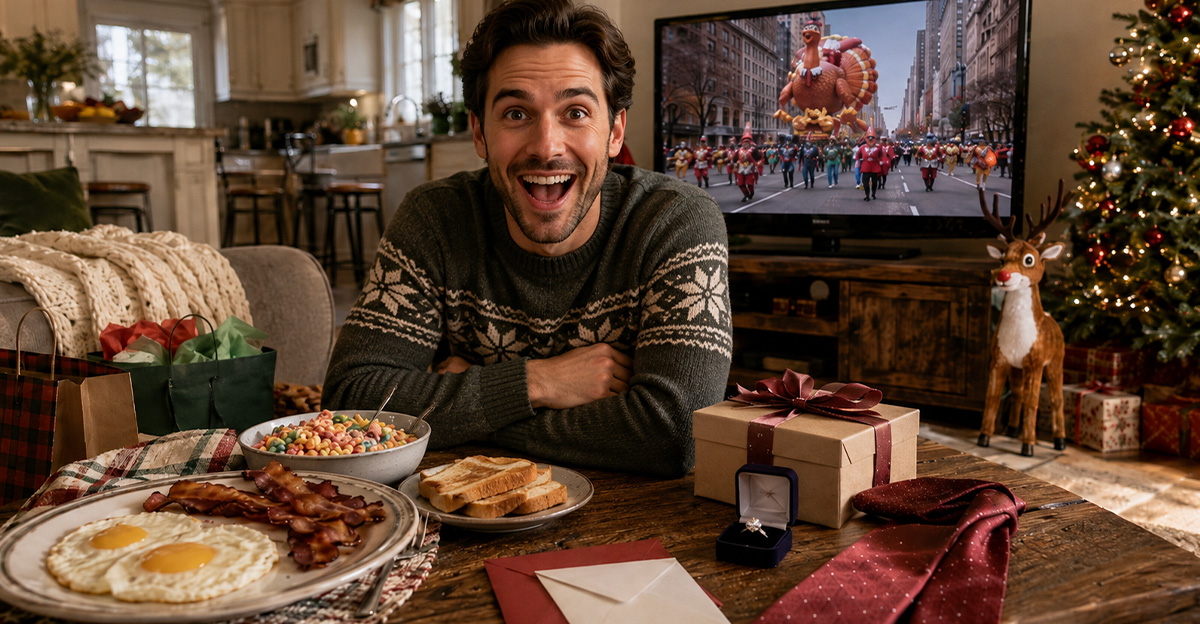
Today, millions of Americans treat the Macy’s Thanksgiving Day Parade as the official start of the holiday season. But it began in 1924 as a store promotion. Macy’s wanted crowds, excitement, and Christmas shoppers. Employees marched, animals appeared, and Santa arrived like the world’s most festive sales reminder.
Santa In Red And White
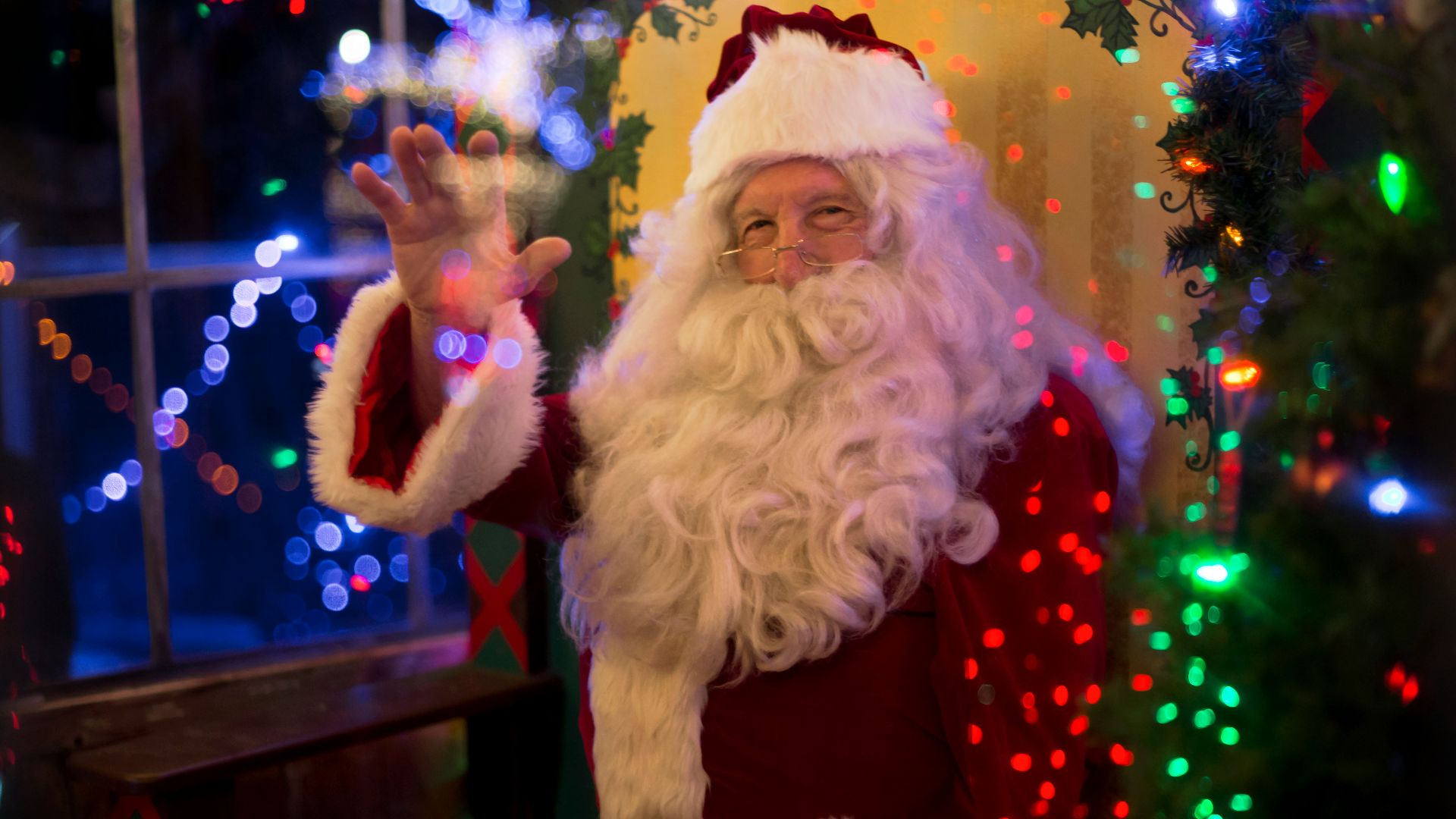
Coca-Cola did not invent Santa Claus, but its 1930s ads helped lock in the jolly, rosy-cheeked, red-suited version Americans picture today. Illustrator Haddon Sundblom made Santa warm, human, and instantly recognizable. The campaign sold soda, but it also helped shape Christmas itself.
Rudolph The Red-Nosed Reindeer
Rudolph was not pulled from old folklore. He was created in 1939 for Montgomery Ward, which wanted a Christmas giveaway for shoppers. Copywriter Robert L. May wrote the story, and the little reindeer became so beloved that he escaped the catalog and flew straight into American holiday tradition.
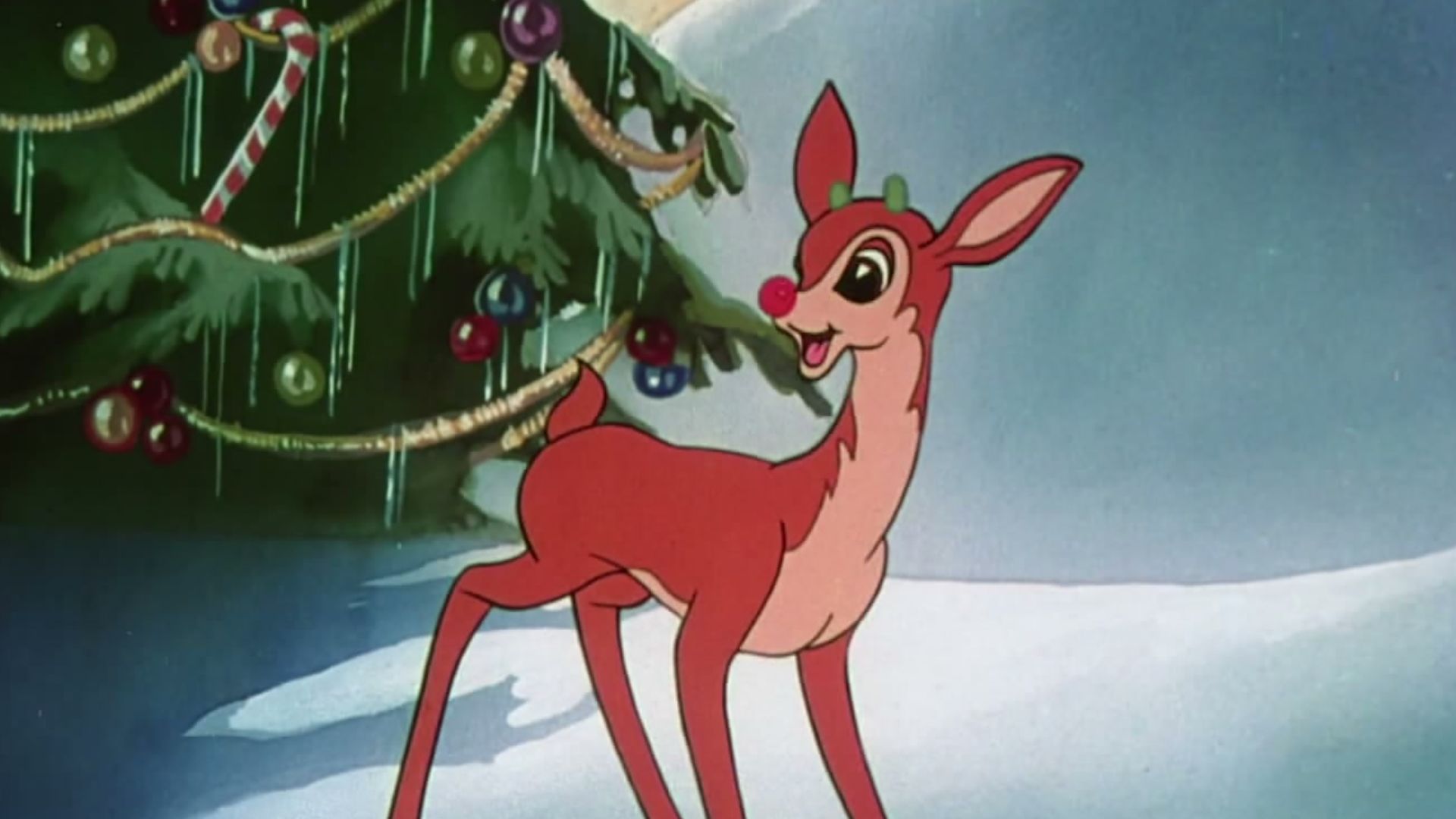 Max Fleischer, Wikimedia Commons

History's most fascinating stories and darkest secrets, delivered to your inbox daily.
Diamond Engagement Rings
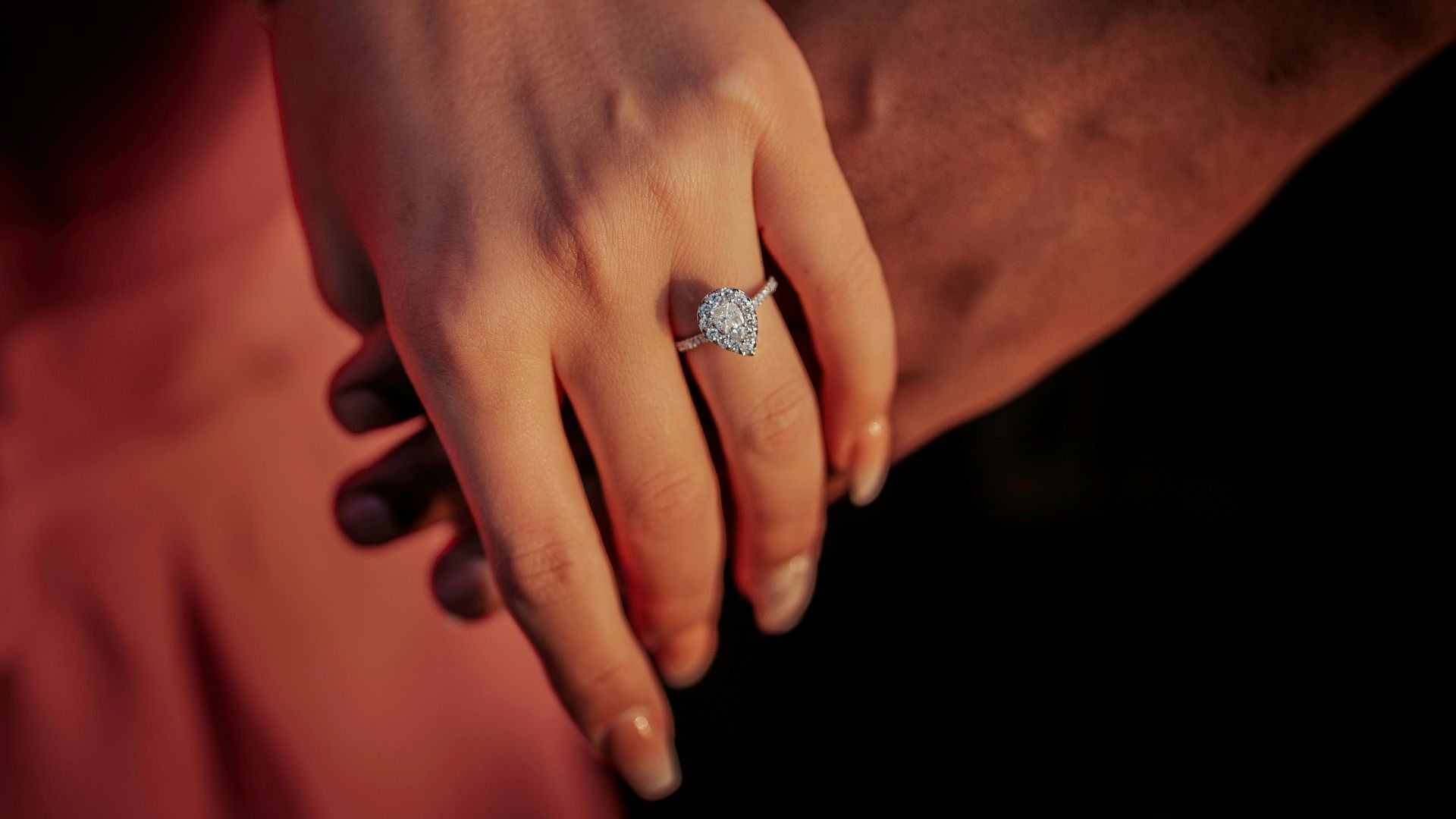
Diamond rings existed before De Beers, but the idea that a proper proposal needed a diamond became much stronger after the company’s famous “A Diamond Is Forever” campaign. It turned a gemstone into a love language. Suddenly, romance came with sparkle, pressure, and a very specific shopping trip.
The Two-Month Salary Rule
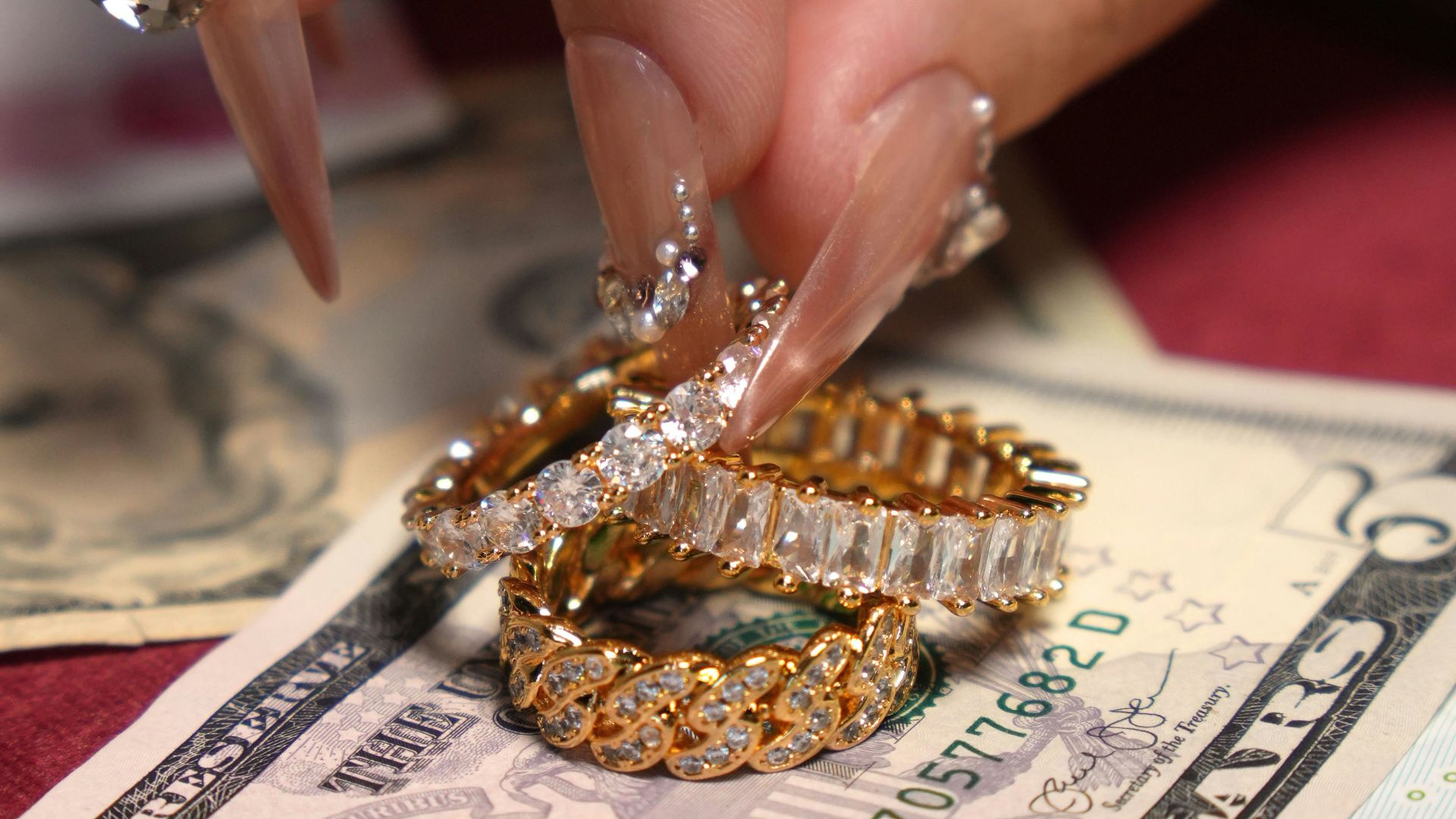
Once diamonds became the “right” engagement ring, marketers went further. Ads suggested men should spend a certain amount of salary on the ring. The exact number shifted over time, but the message stuck: love could be measured by sacrifice. Awkward? Yes. Effective? Absolutely.
Breakfast As The Most Important Meal
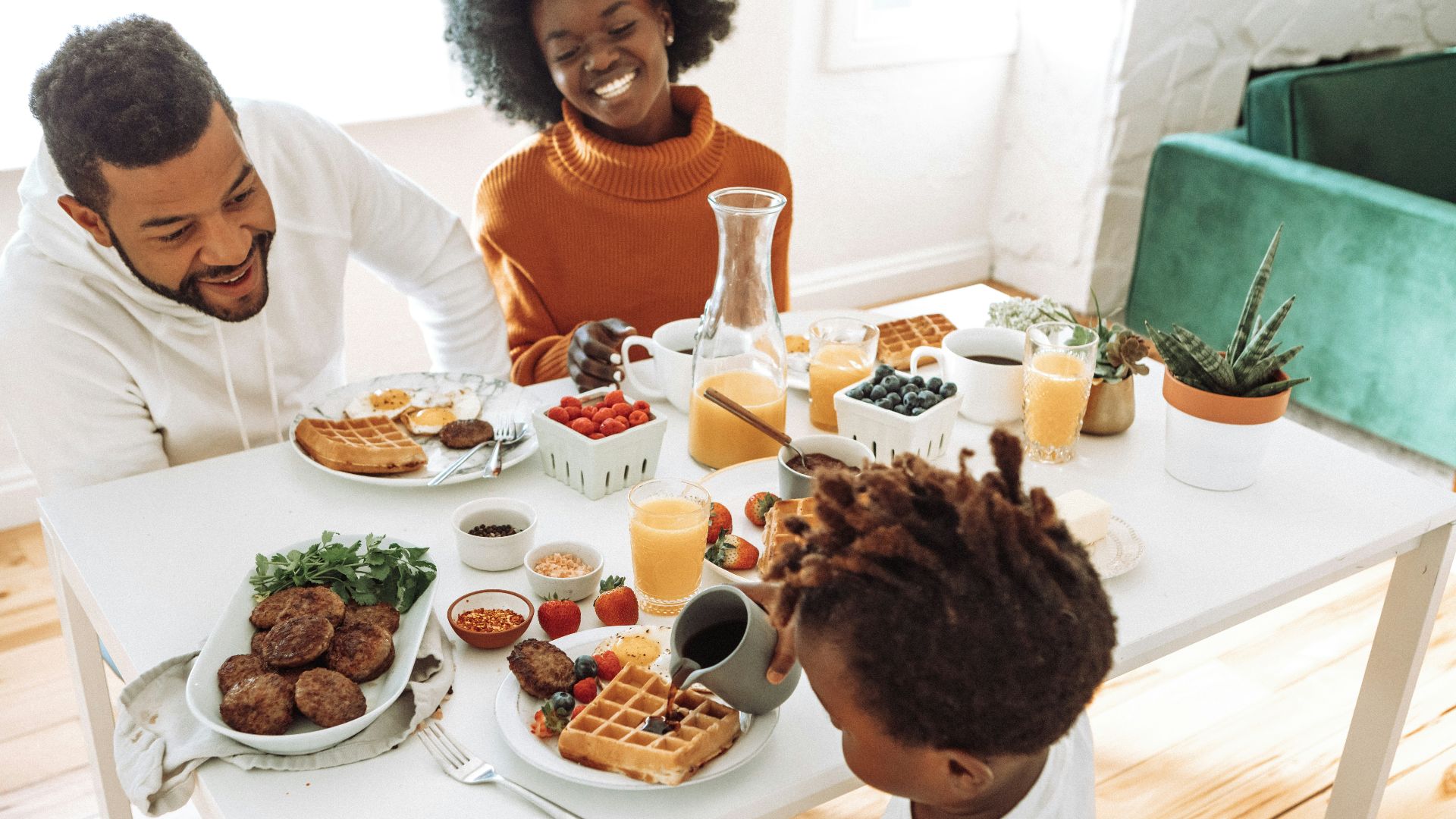
The phrase “breakfast is the most important meal of the day” sounds like grandmotherly wisdom, but breakfast food companies helped push it hard. Cereal makers, health claims, and morning routines all blended together. The result was a national belief that skipping breakfast was basically rebellion.
Bacon And Eggs
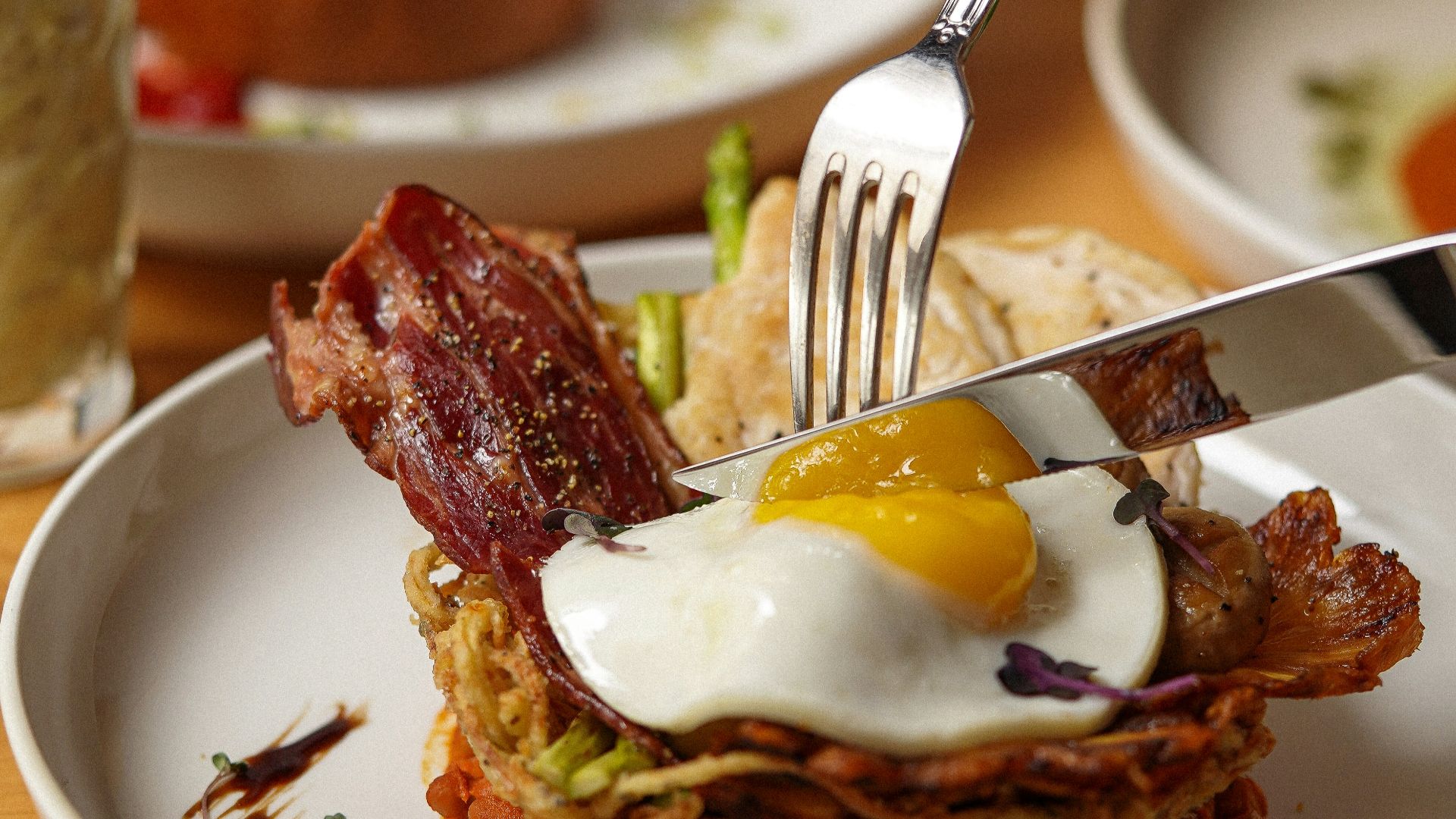
A plate of bacon and eggs feels classic, but its rise was helped by public relations genius Edward Bernays. Working with Beech-Nut, he promoted a heavier breakfast and used doctor endorsements to make it sound sensible. America listened, and bacon earned a permanent morning shift.
 Jhunelle Francis Sardido, Unsplash
Orange Juice At Breakfast
Orange juice did not simply wander onto breakfast tables by accident. Florida citrus growers and advertisers spent decades connecting orange juice with sunshine, health, and fresh starts. Before long, a glass of juice beside toast felt almost required, especially in commercials with bright kitchens and happy families.

Cereal Box Mornings
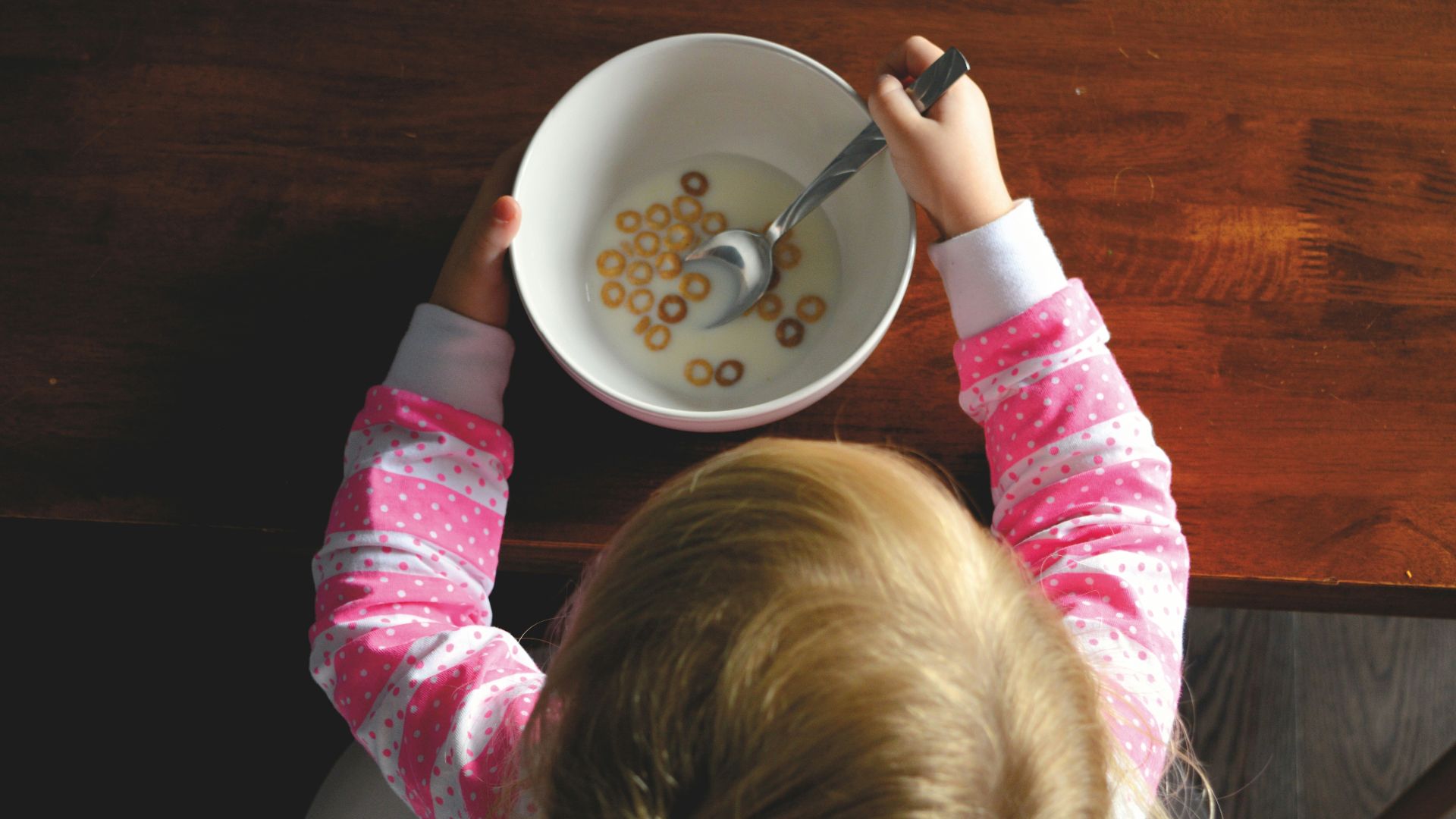
Breakfast cereal became more than food. It became a childhood ritual, complete with mascots, prizes, puzzles, and cartoons on the box. Companies sold convenience to parents and fun to kids. That colorful cardboard rectangle turned breakfast into entertainment before school even started.
History's most fascinating stories and darkest secrets, delivered to your inbox daily.
Valentine’s Day Cards
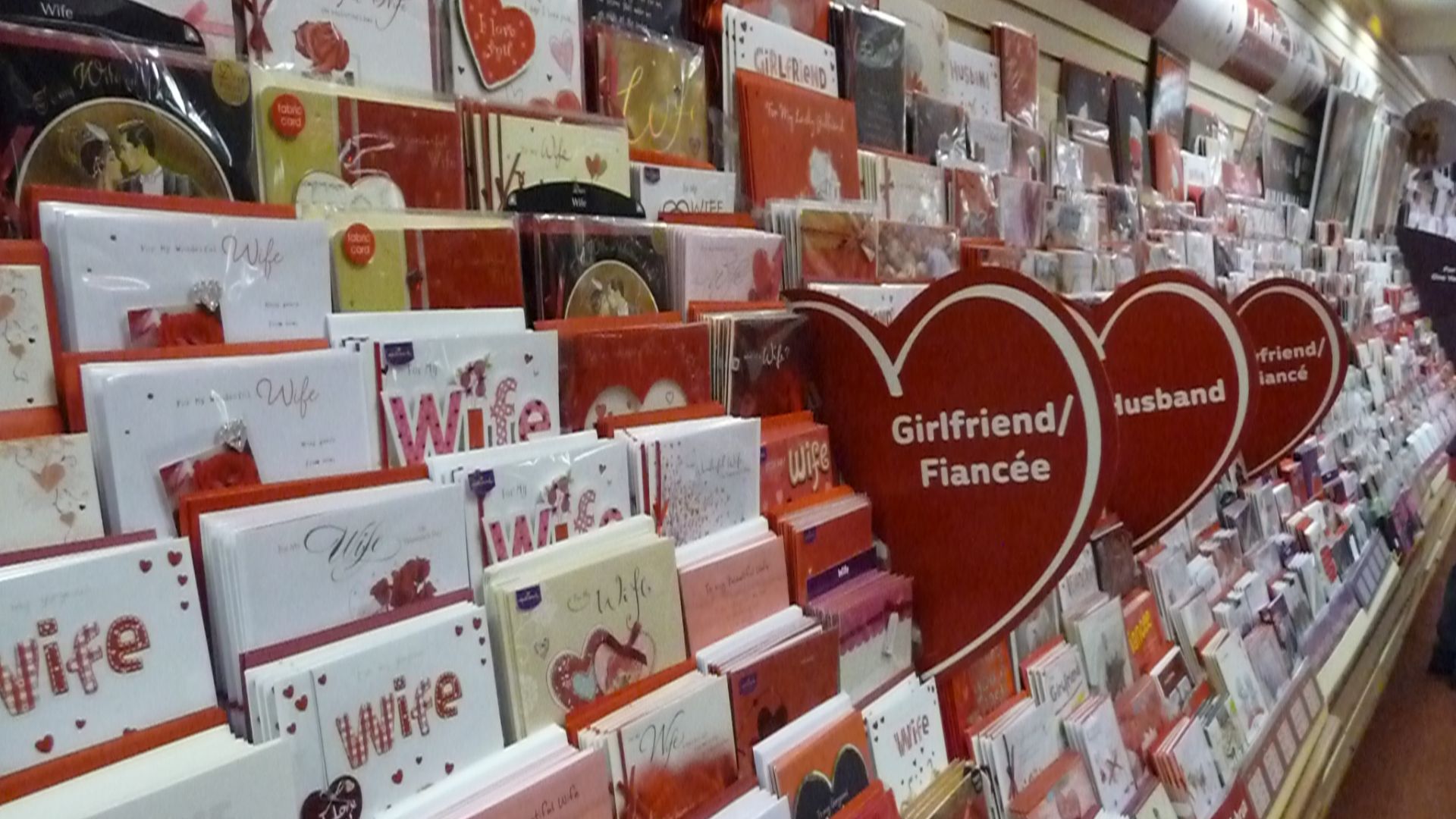
Valentine’s Day has older roots, but the American habit of buying cards, chocolates, and cute little declarations became heavily shaped by the greeting card industry. Marketers turned romance into a yearly retail event. Even people who “don’t care about Valentine’s Day” often still feel the pressure.
 Lewis Clarke , Wikimedia Commons
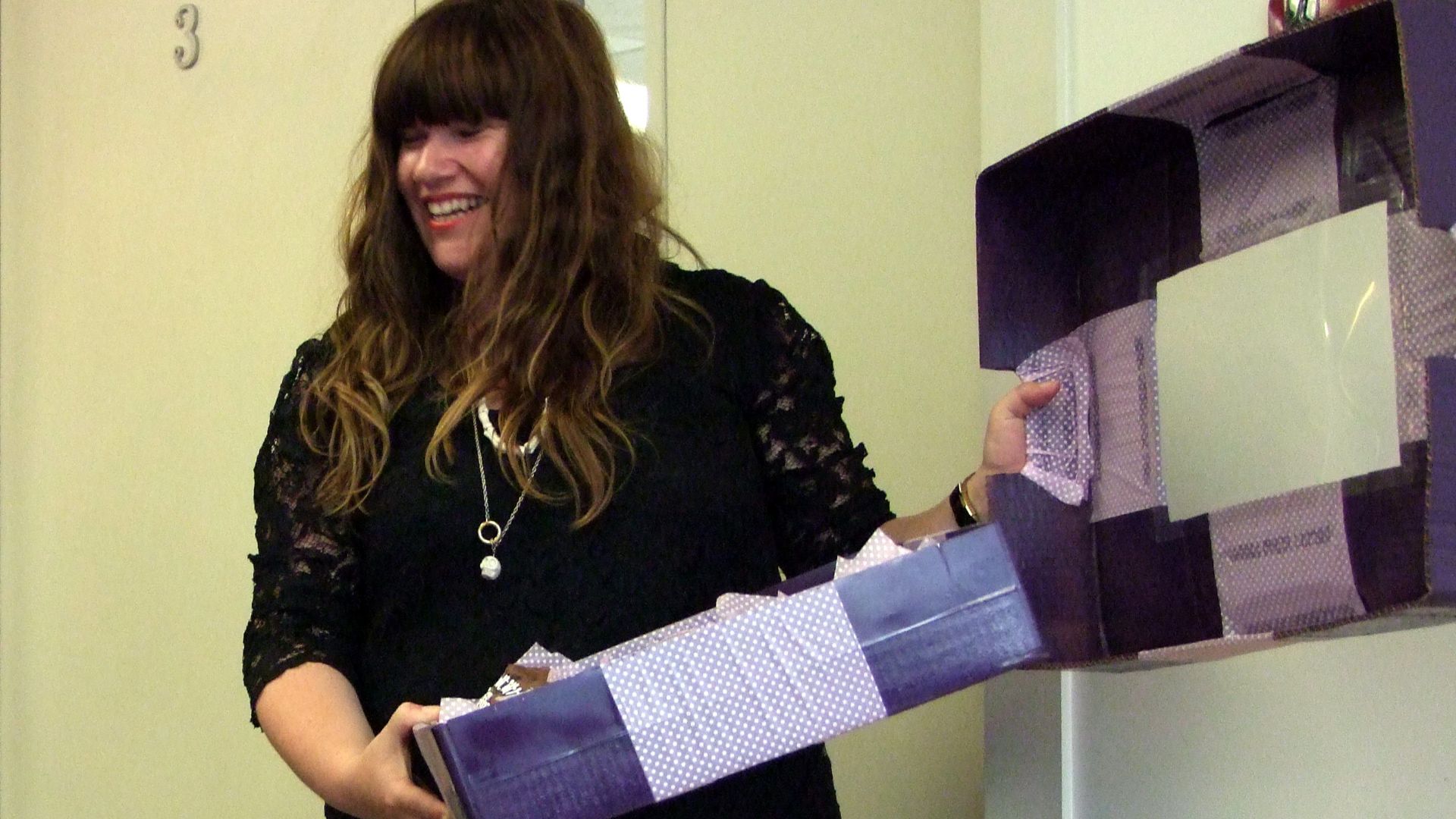
Mother’s Day Gifts
Mother’s Day began as a sincere campaign for honoring mothers, but companies quickly saw its commercial potential. Cards, flowers, candy, and brunch became the standard toolkit. The founder, Anna Jarvis, famously disliked the commercialization, which is painfully ironic because it became one of America’s biggest gift-giving days.
 New Zealand Tertiary Education Union from New Zealand, Wikimedia Commons
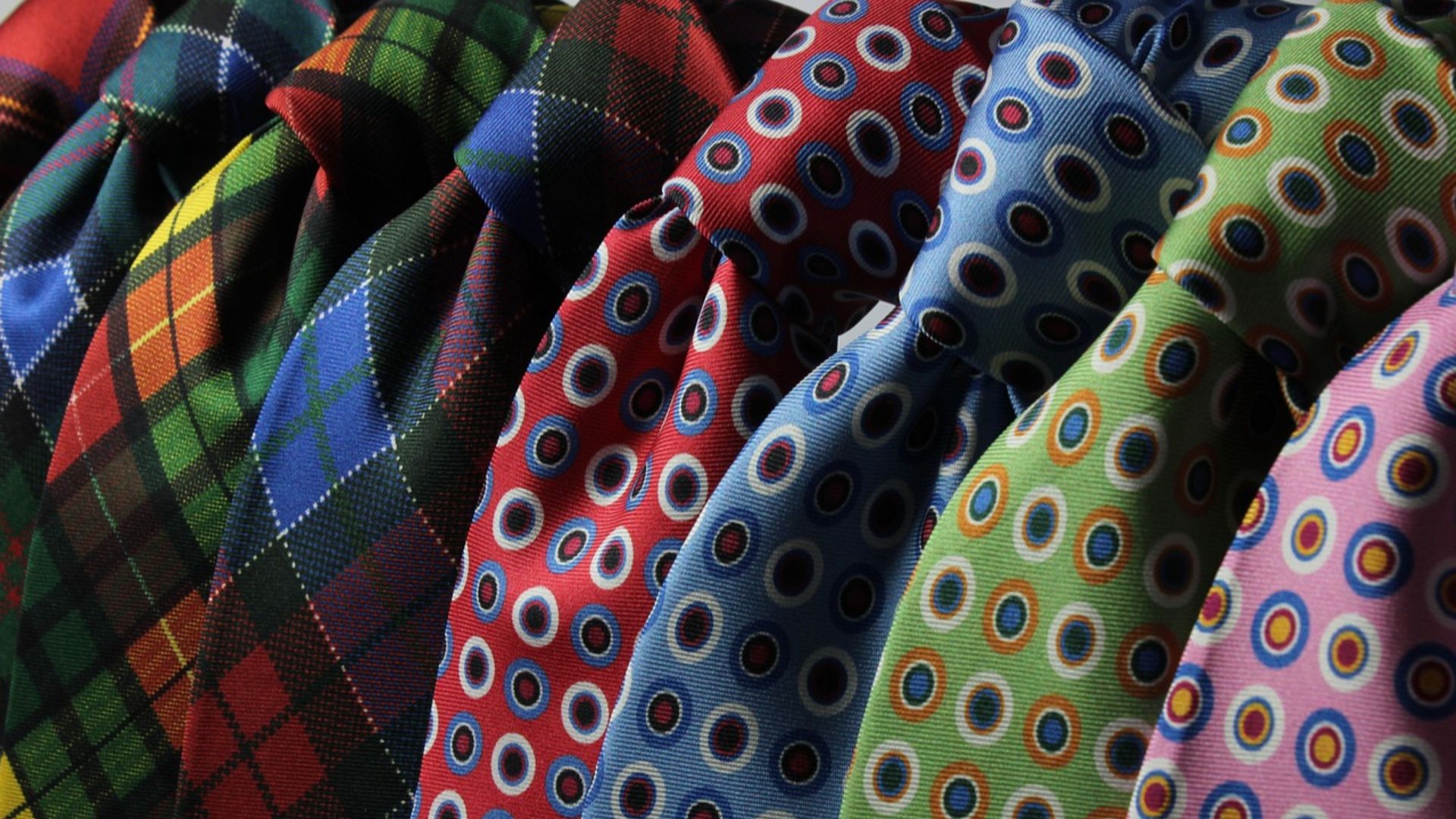
Father’s Day Ties
Father’s Day also grew into a retail holiday with help from card companies, department stores, and menswear sellers. The necktie became the classic symbol of “Dad gift,” even when Dad already owned fourteen of them. The holiday stuck, and so did the annual struggle to buy something useful.
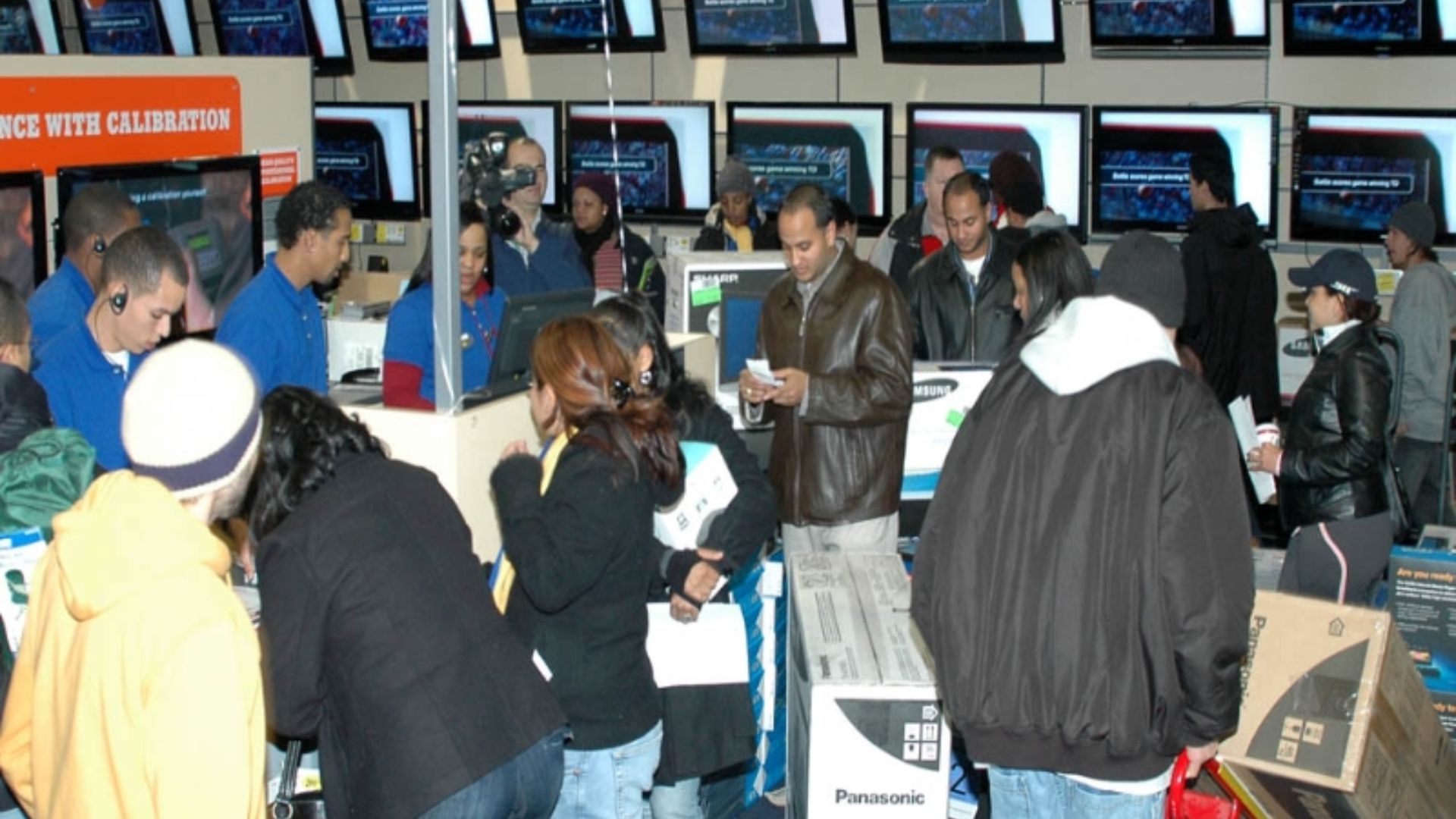
Black Friday Shopping
The day after Thanksgiving did not begin as a cozy family custom. Retailers turned it into a bargain-hunting spectacle. Doorbusters, early openings, and “limited time only” deals trained shoppers to treat Friday like a competitive sport. Somehow, standing in line before sunrise became a holiday tradition of its own.
 Gridprop (talk), Wikimedia Commons
Cyber Monday
Cyber Monday was basically invented for online shopping. The term was coined in the 2000s to encourage people to buy holiday deals after Thanksgiving weekend. It sounded official, shoppers accepted it, and now Americans expect a second wave of discounts before the leftovers are even gone.

Small Business Saturday
Small Business Saturday was created by American Express in 2010 to encourage people to shop locally after Black Friday. It was a marketing campaign, but a clever one with community appeal. Now many towns treat it like a feel-good holiday for supporting neighborhood stores.
History's most fascinating stories and darkest secrets, delivered to your inbox daily.
Pumpkin Spice Season
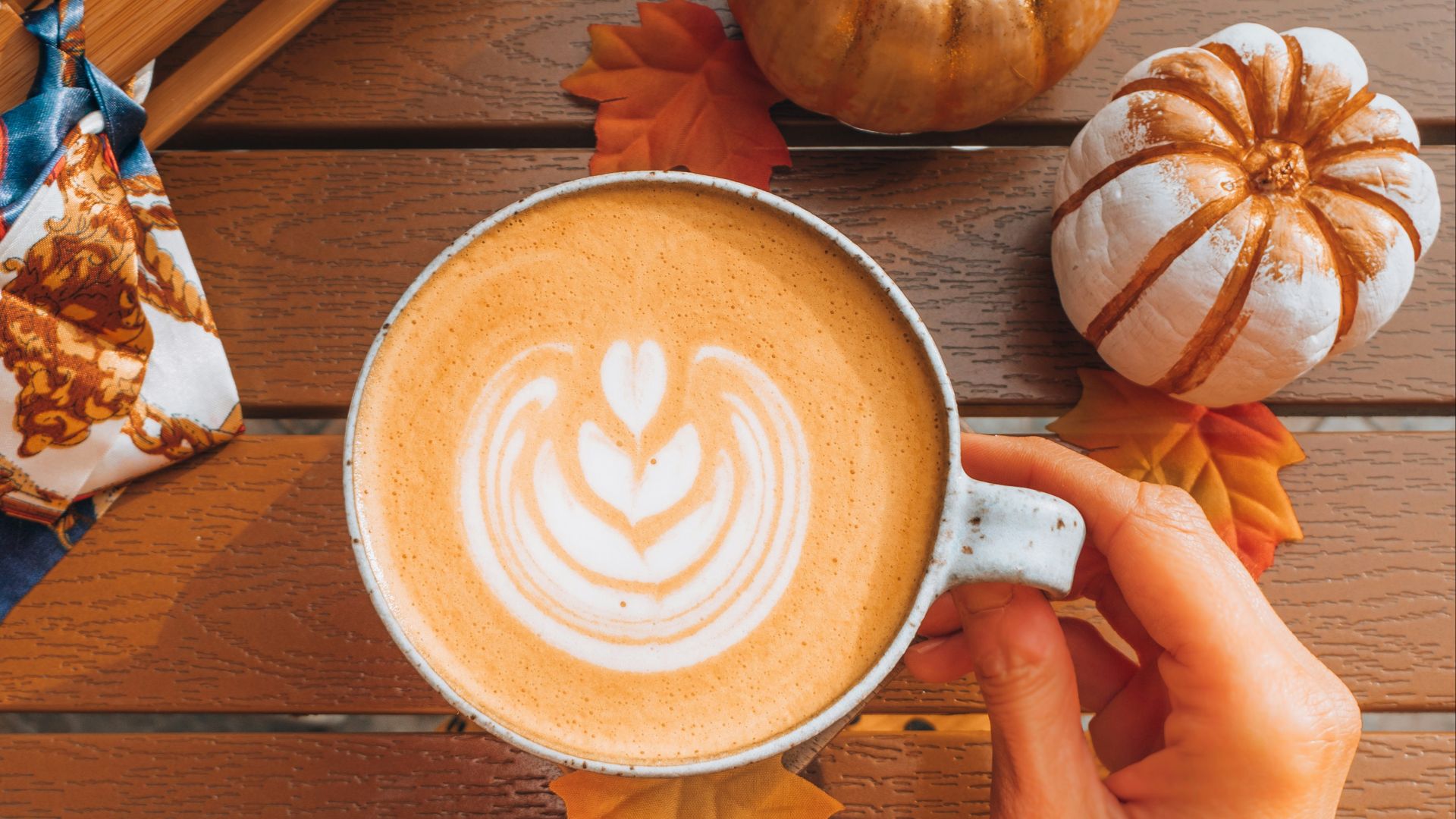
Pumpkin spice existed long before Starbucks, but the Pumpkin Spice Latte helped turn it into a national seasonal alarm clock. Once the drink arrived, fall seemed to begin whenever coffee shops said it did. Sweaters, candles, muffins, and cereal all joined the pumpkin parade.
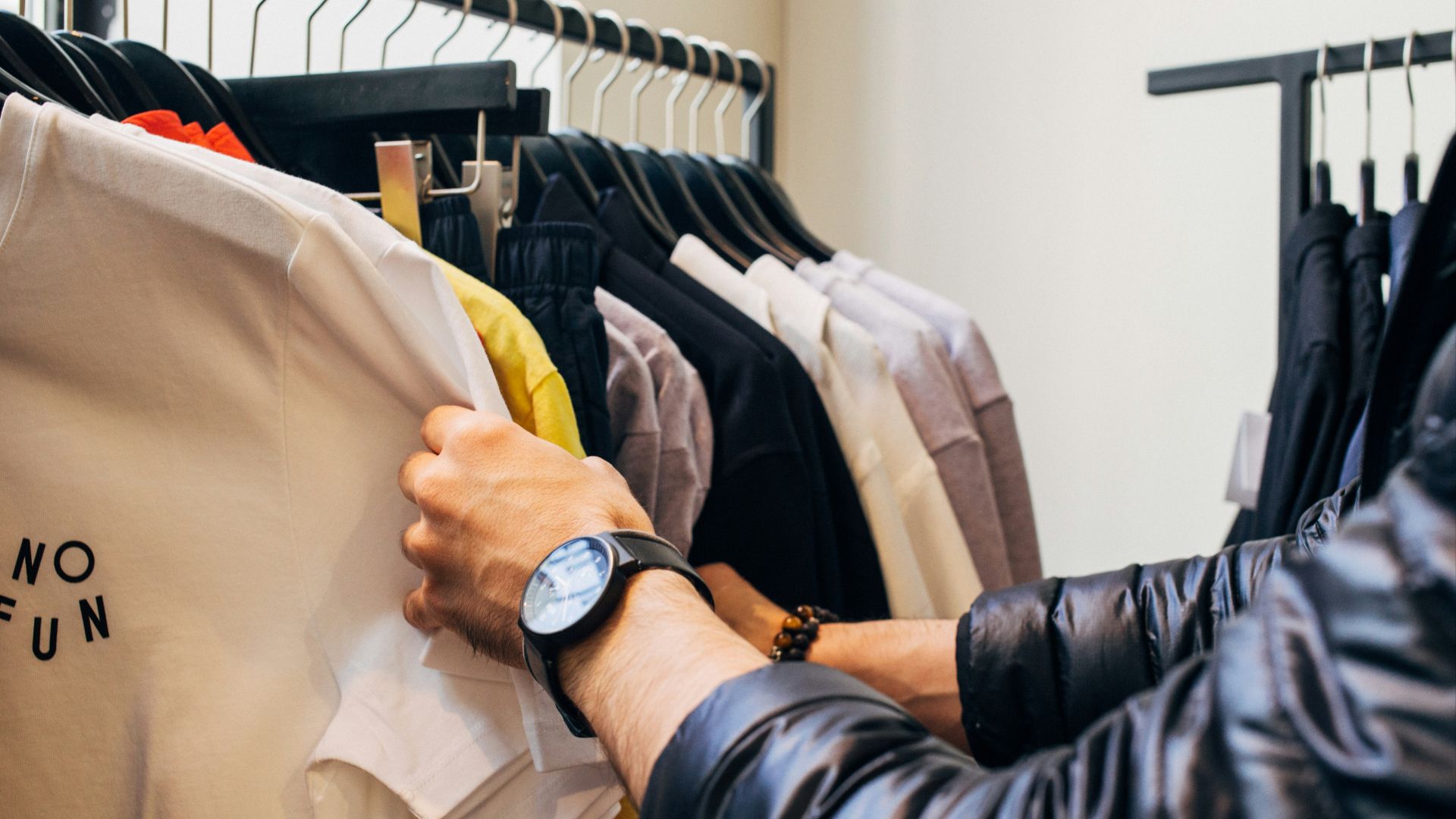
Casual Friday
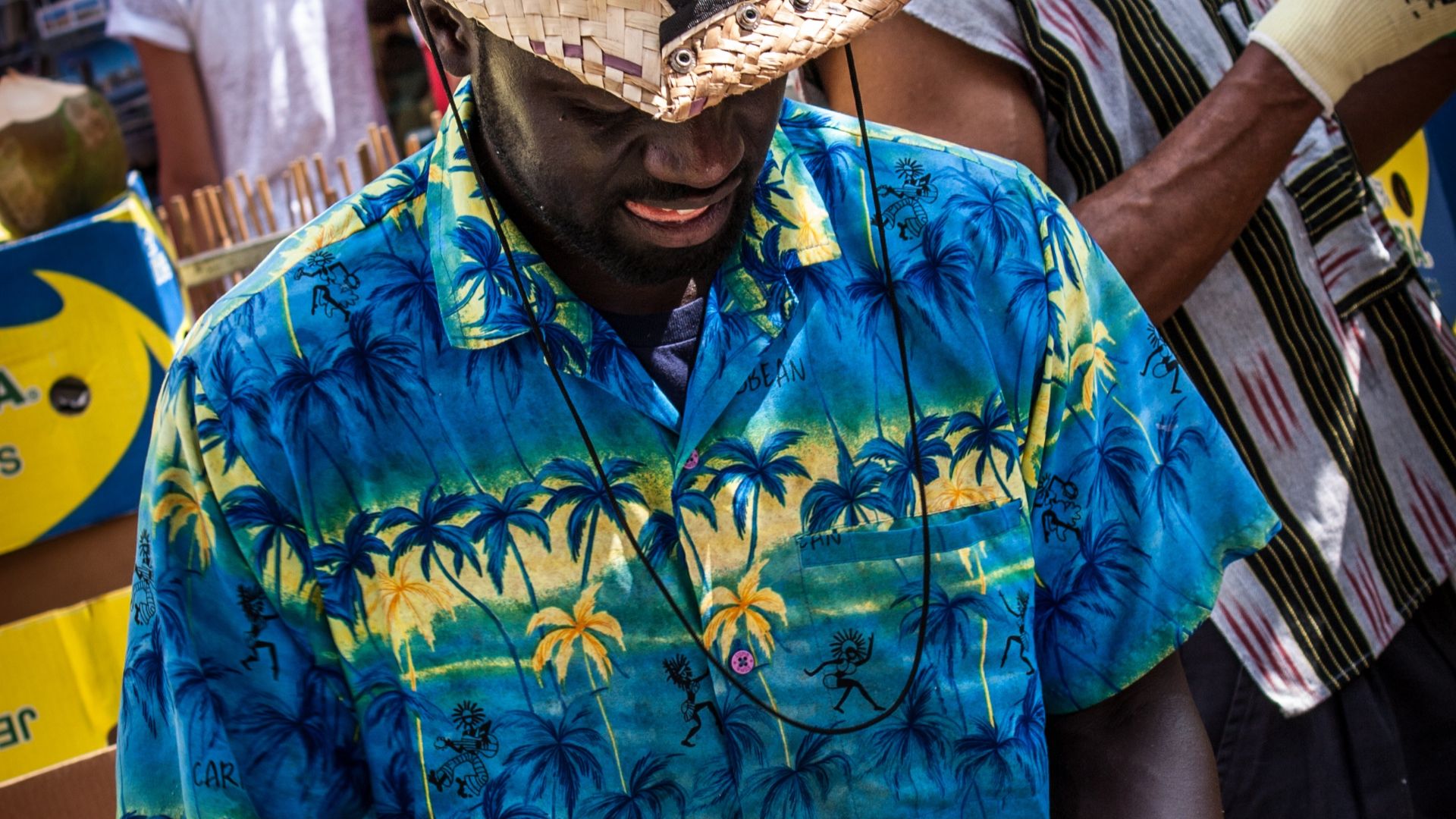
Dressing down at work feels normal now, but Casual Friday grew partly from clothing industry promotion. Hawaiian shirt makers helped push “Aloha Friday,” and Dockers later encouraged relaxed office wear on the mainland. The campaign sold khakis, but it also loosened America’s collars.
 Digital-Designs, Wikimedia Commons
Super Bowl Commercial Watching
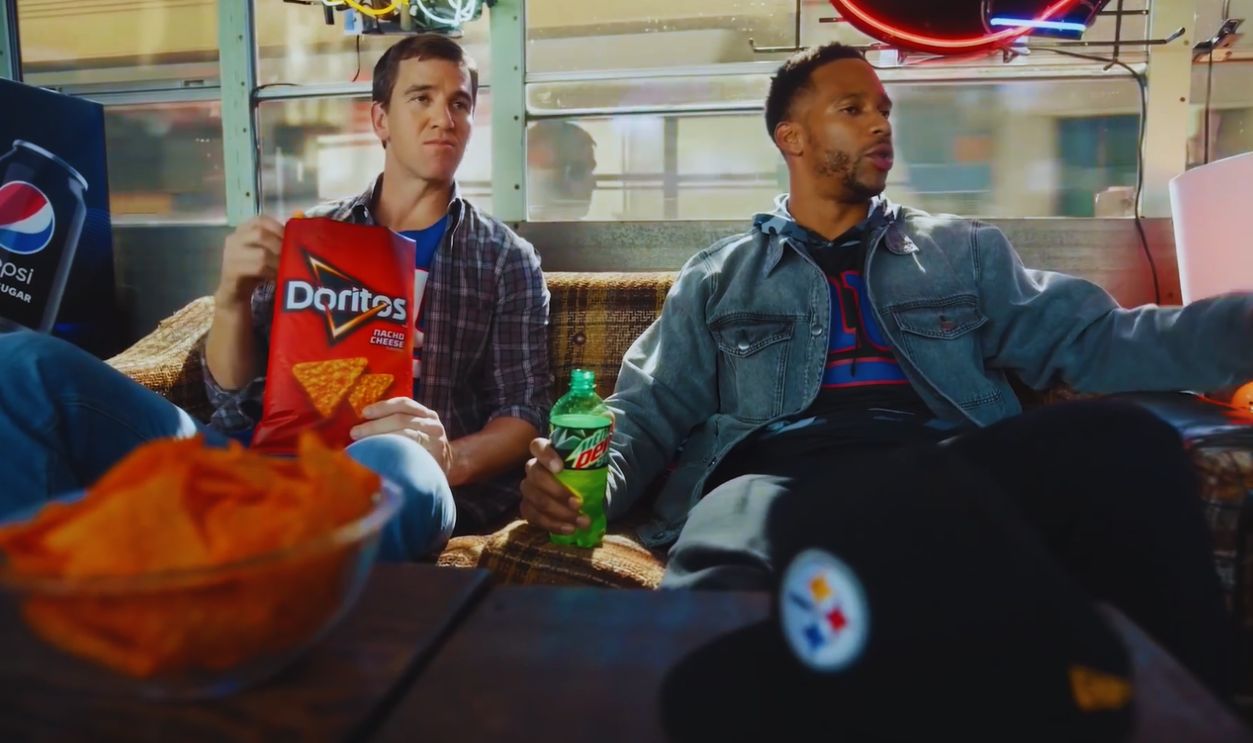
The Super Bowl was always about football, but advertising turned it into something else: a national commercial-watching party. Brands spent huge money to make ads people would actually discuss. Now even non-football fans show up for snacks, halftime, and the commercials everyone rates like mini-movies.
 Screenshot from PepsiCo's "Road to Super Bowl", VML / OMD Media (2022)
The Back-To-School Shopping Season
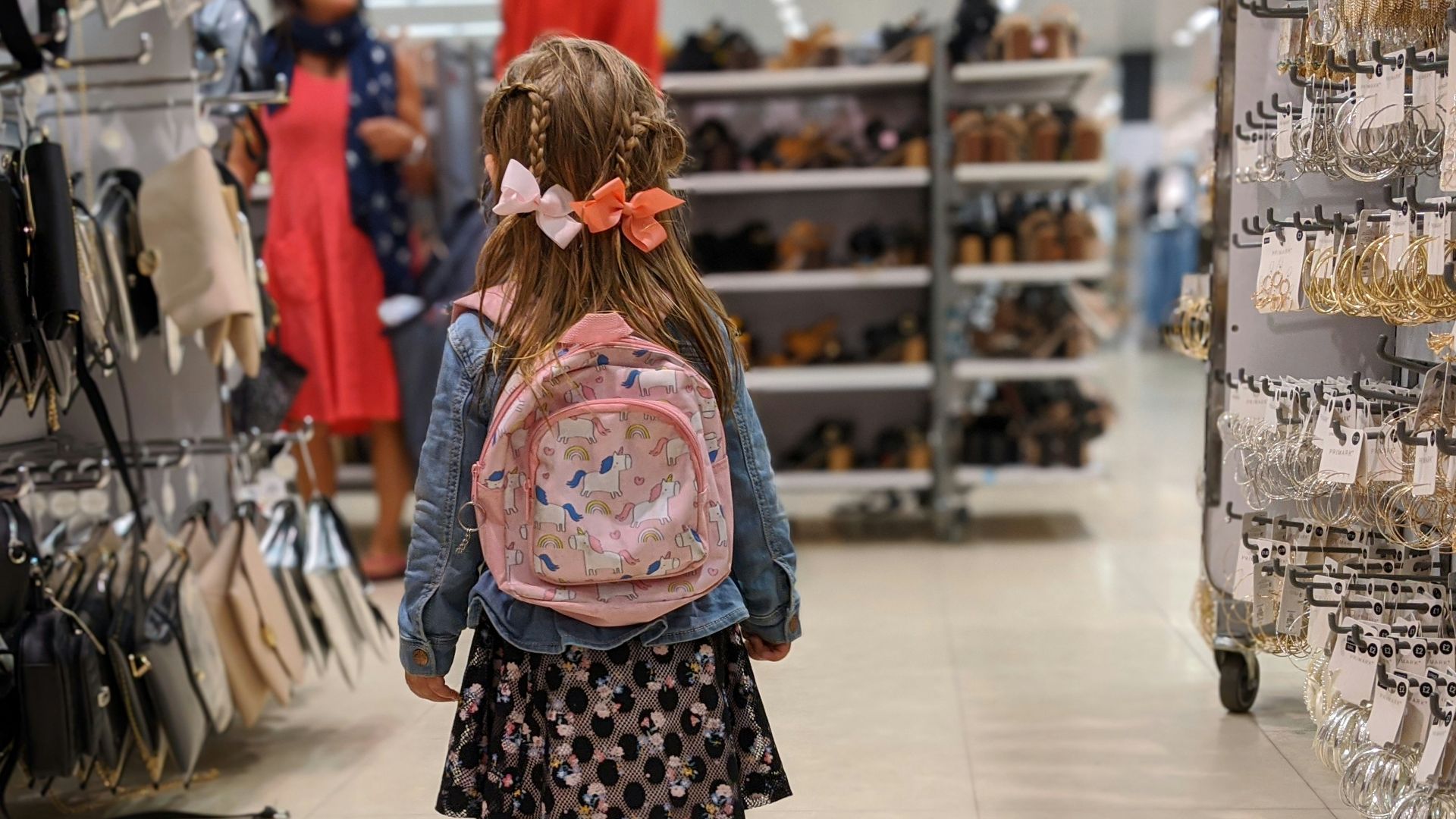
Children have always needed school supplies, but retailers turned late summer into a full shopping season. New backpacks, lunchboxes, sneakers, crayons, and first-day outfits became part of the ritual. The message was simple: a fresh school year required a fresh pile of purchases.
Graduation Gifts
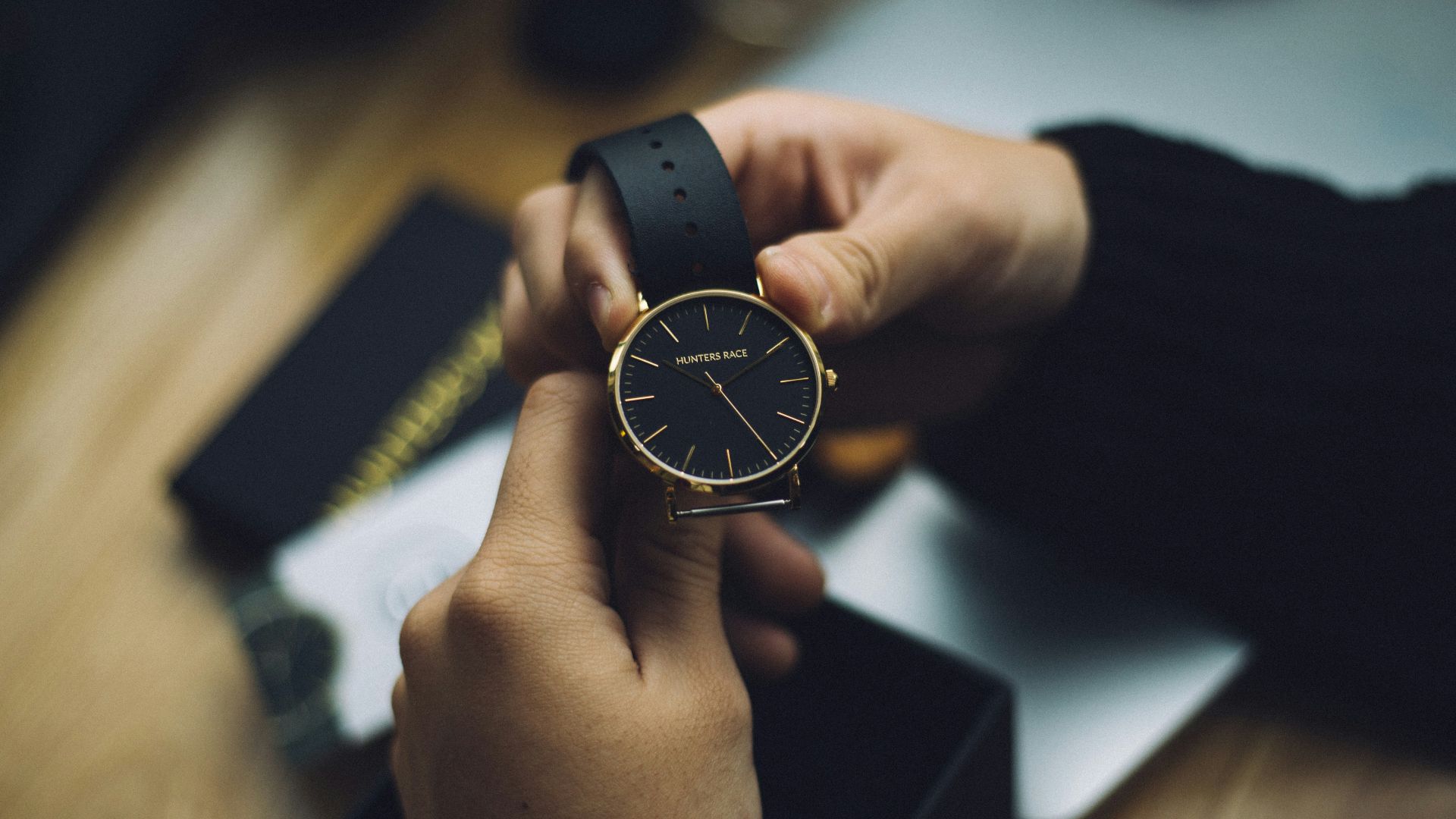
Graduation ceremonies are old, but the modern gift culture around them grew with retailers and card companies. Watches, cash, luggage, jewelry, and inspirational cards all became ways to say, “You did it.” Marketers turned achievement into a shopping occasion, and families happily played along.
White Wedding Dresses
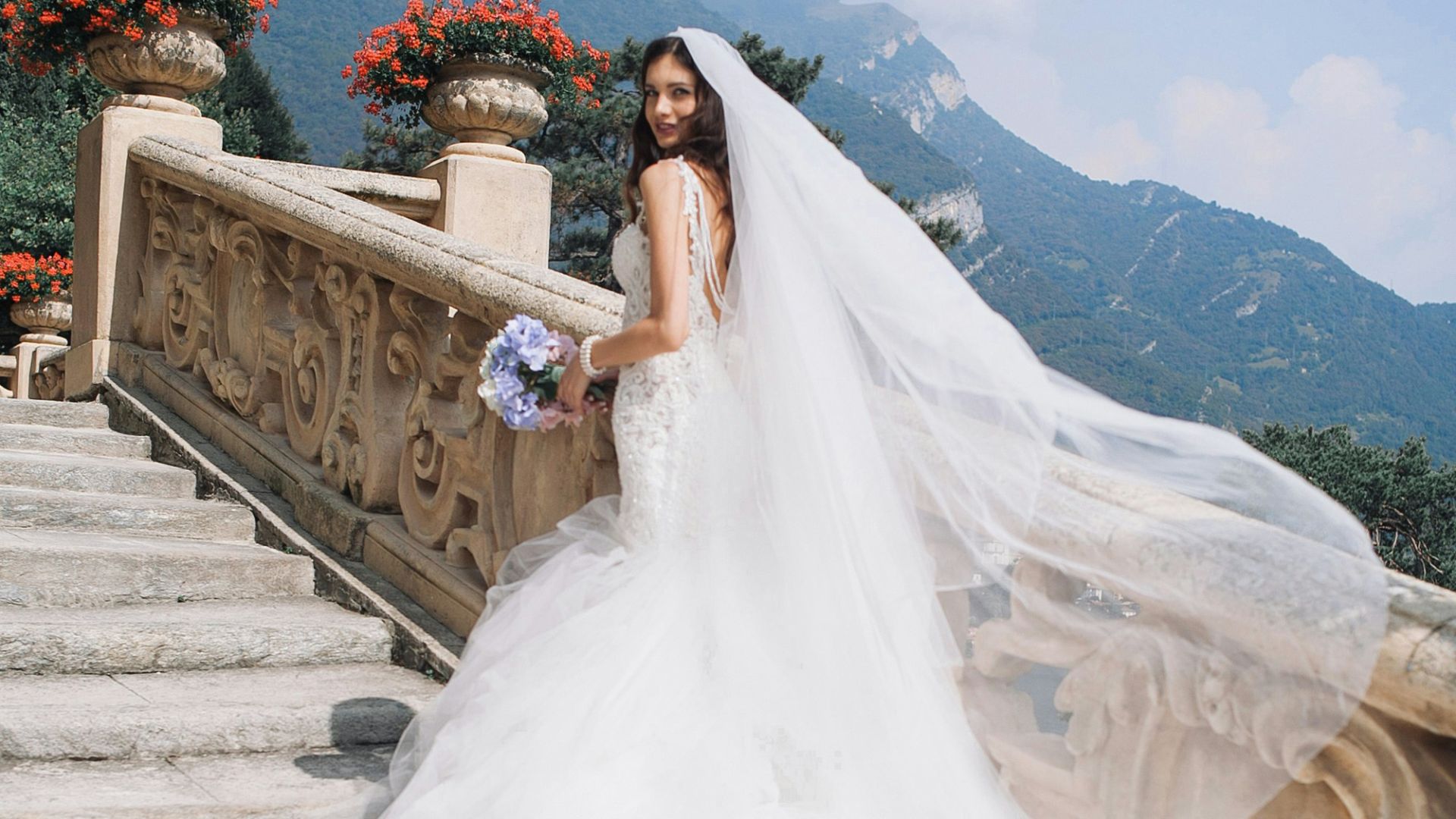
White wedding dresses became fashionable after Queen Victoria, but American bridal marketing helped make them feel mandatory. Bridal magazines, department stores, and gown sellers pushed the dream of the perfect white dress. What began as elite fashion became the expected costume for walking down the aisle.
History's most fascinating stories and darkest secrets, delivered to your inbox daily.
Wedding Registries
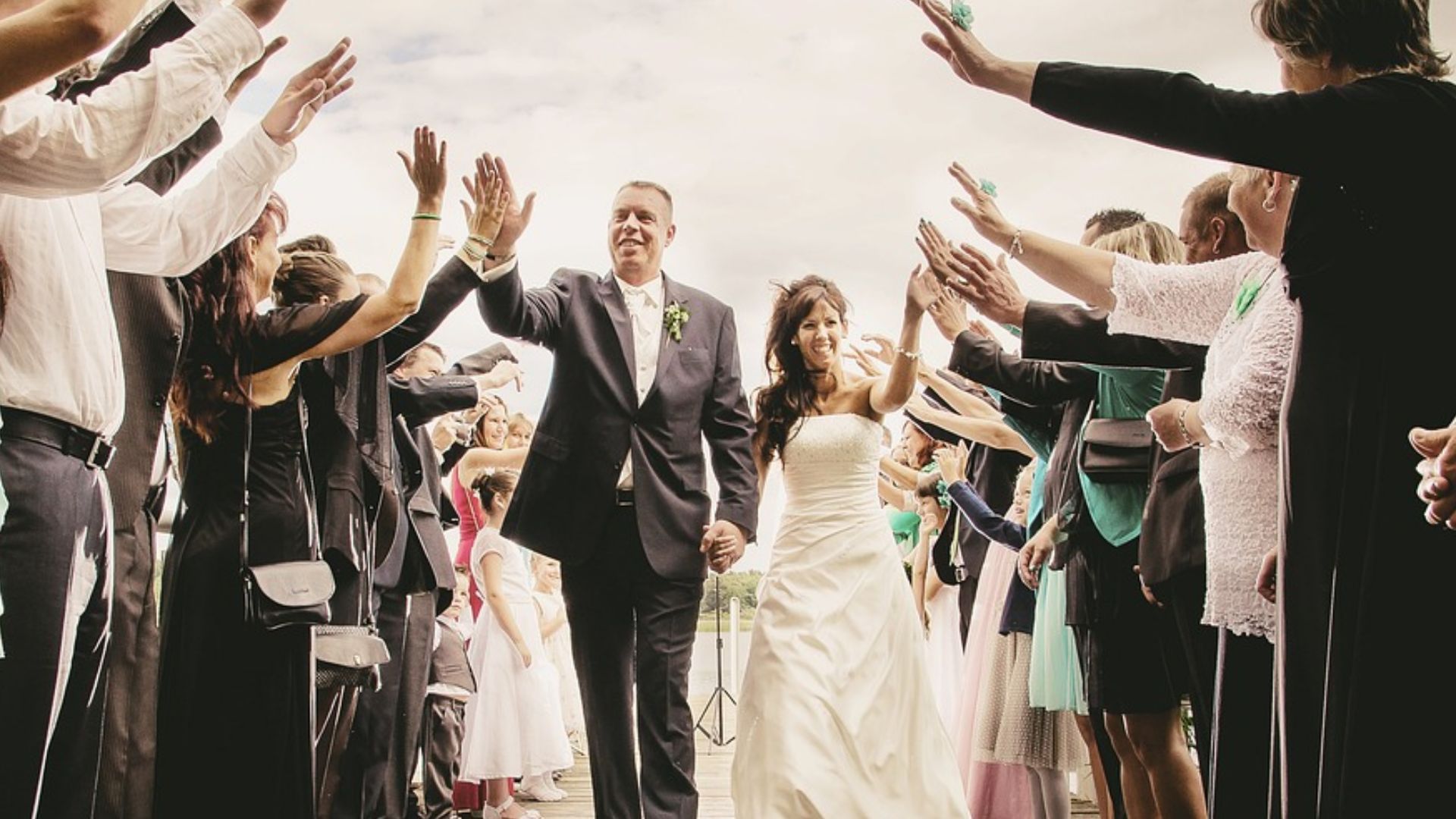
Wedding registries were a brilliant retail solution disguised as etiquette. Department stores helped couples list what they wanted, and guests avoided guessing. Everyone benefited, especially the store. Today, registries are so normal that many guests panic if a couple does not have one.
Baby Showers With Registries
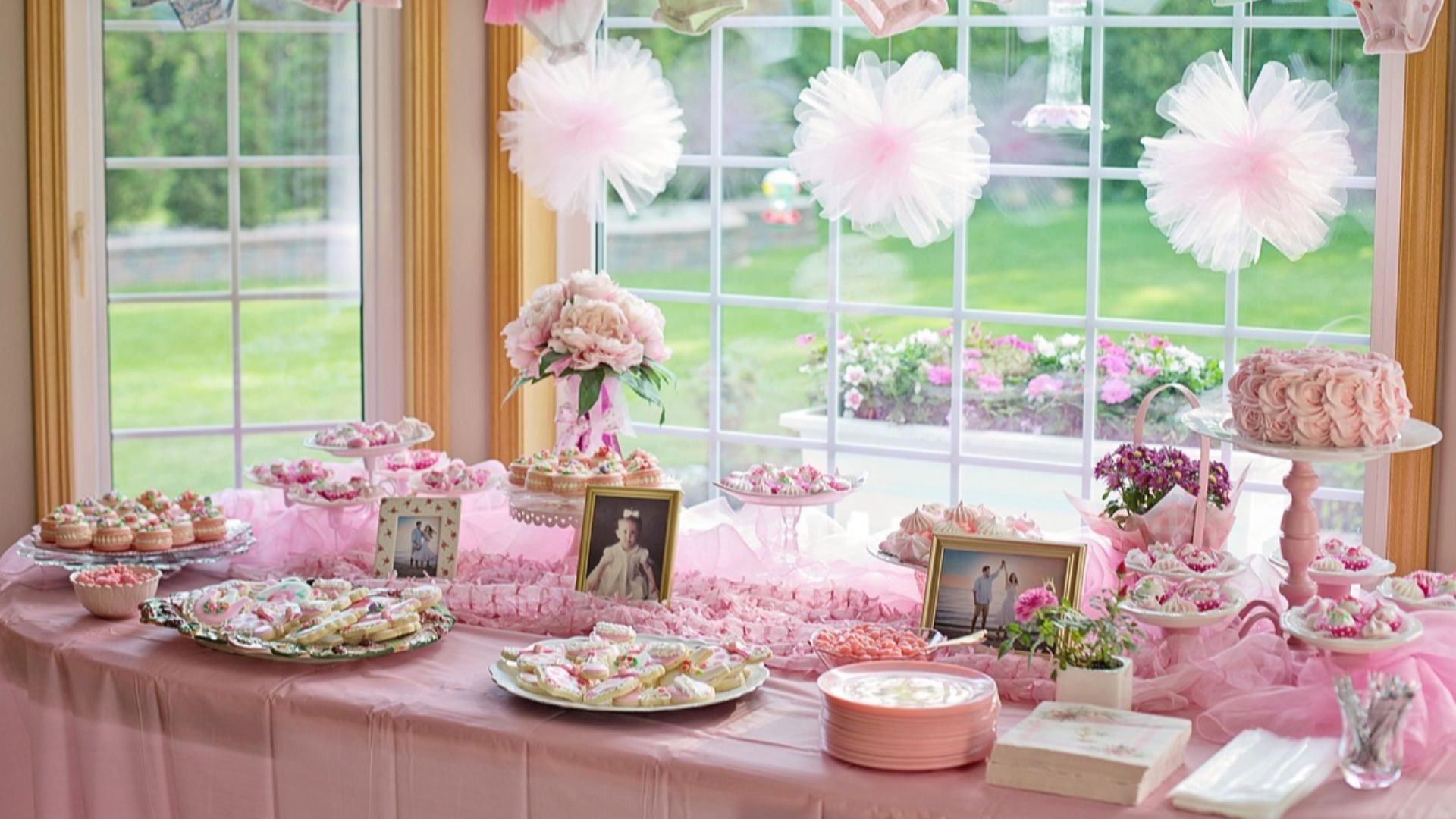
Baby showers were once simpler gatherings, but retailers helped turn them into organized gift events. Registries made it easy to buy strollers, bottles, tiny socks, and mysterious gadgets new parents swear they need. The tradition now blends celebration, preparation, and a lot of scanning barcodes.
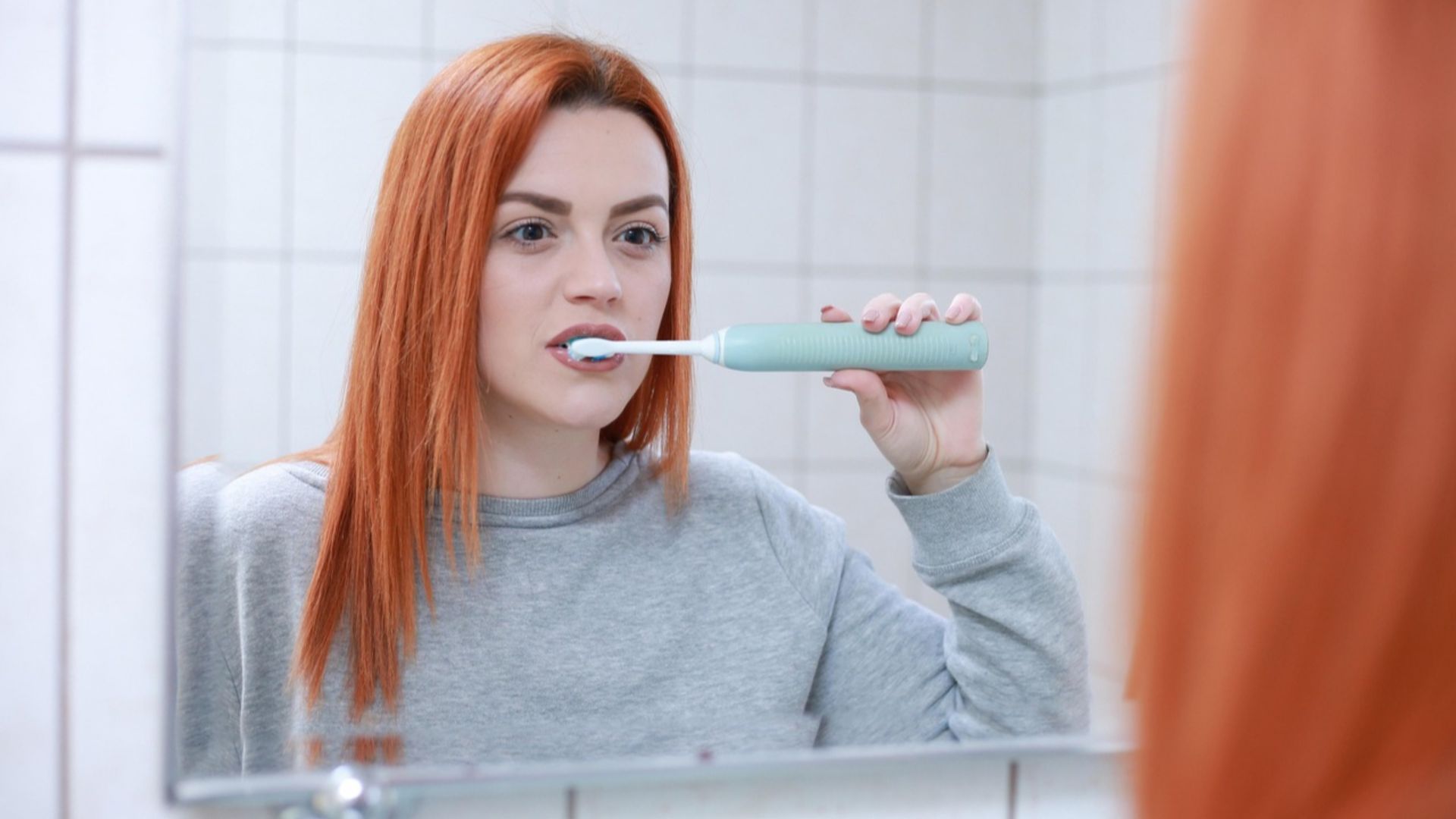
Toothpaste Twice A Day
Brushing teeth is good hygiene, but toothpaste companies helped turn the routine into a strict daily habit. Ads promised fresh breath, white smiles, romance, and social confidence. The bathroom sink became a tiny stage where Americans performed cleanliness twice a day, just as the commercials taught them.
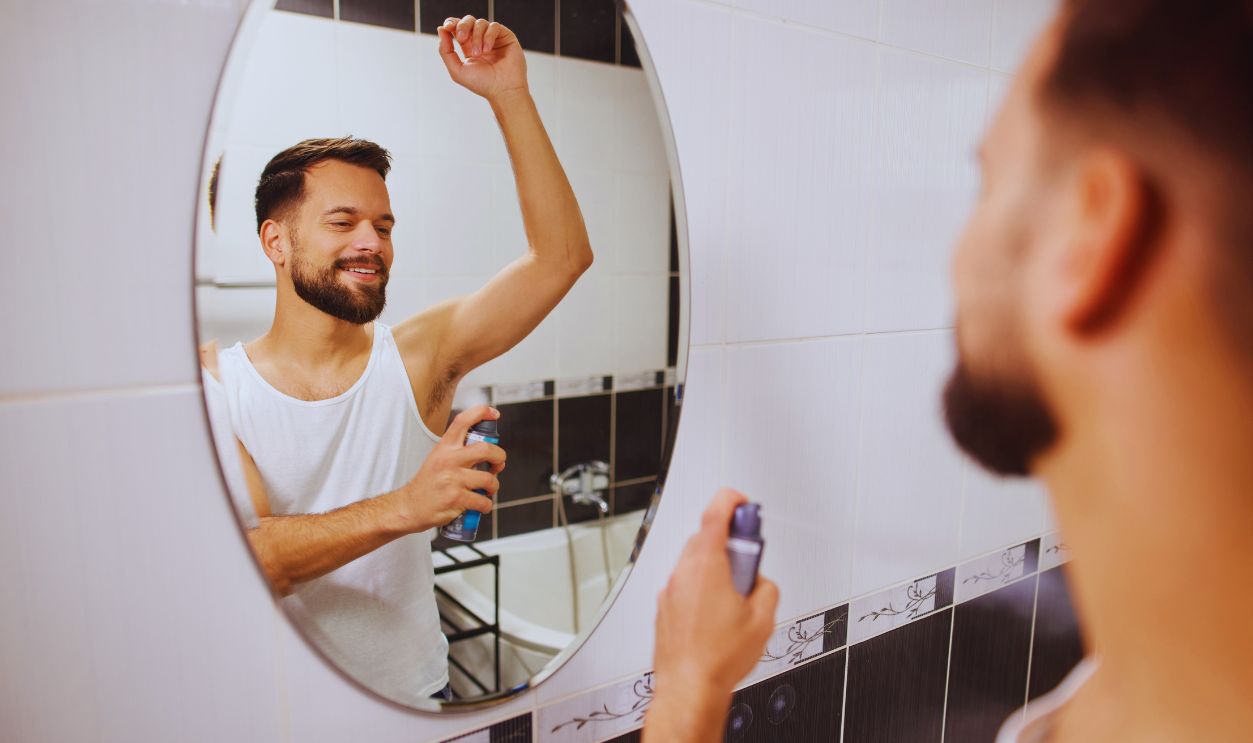
Deodorant As A Daily Necessity
Before modern advertising, not everyone treated underarm odor as a national emergency. Deodorant companies helped make body odor feel embarrassing and avoidable. The message was blunt: smell nice, or risk social disaster. It worked so well that daily deodorant became almost automatic.
 StockPhotoDirectors, Shutterstock
When Marketing Becomes Memory
The funny thing about these traditions is that many of them are still enjoyable. Parades are fun. Breakfast can be great. Gifts can be meaningful. But behind many “timeless” habits is someone trying to sell something. In America, the best marketing does not just move products. It becomes tradition.
You May Also Like:
The Outlaw Life And Death Of Clay Allison
Over-The-Top Facts About Nicolas Cage, The Hollywood Wildcard
Fiery Facts About Caroline Norton, The Angriest Wife In Britain