He Was In The Wrong Place
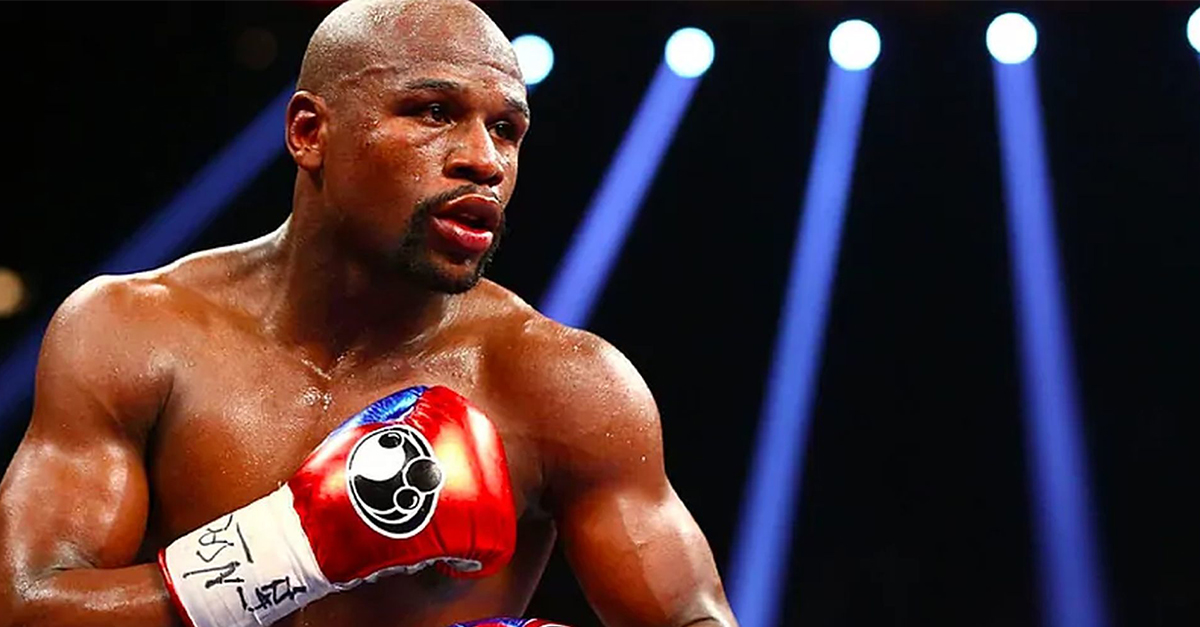
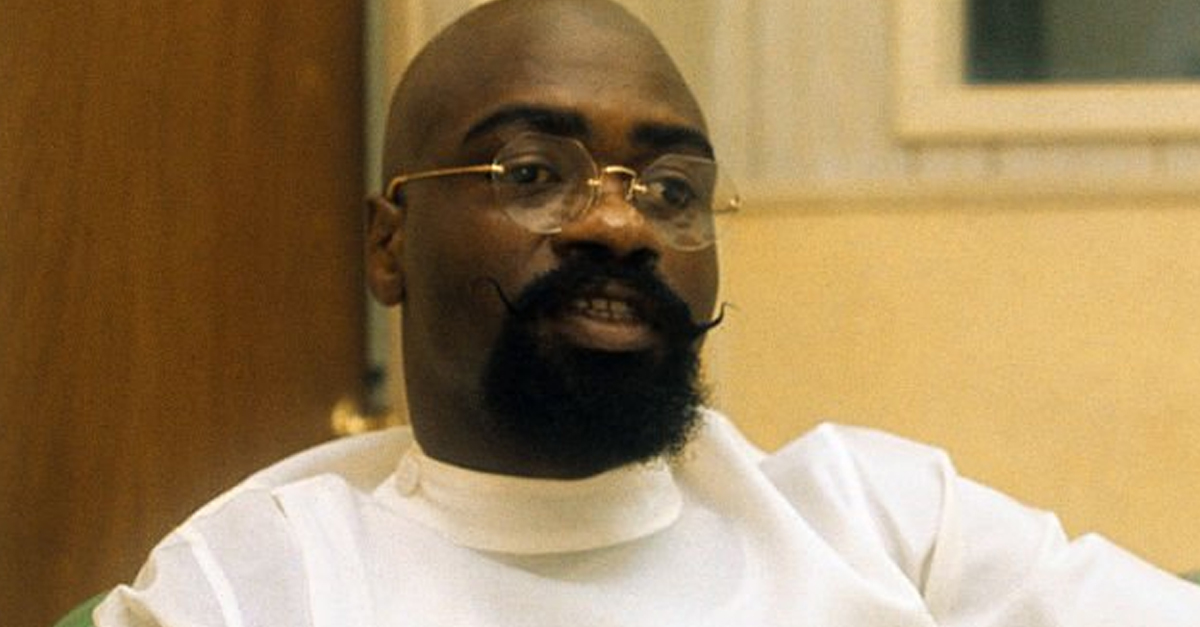
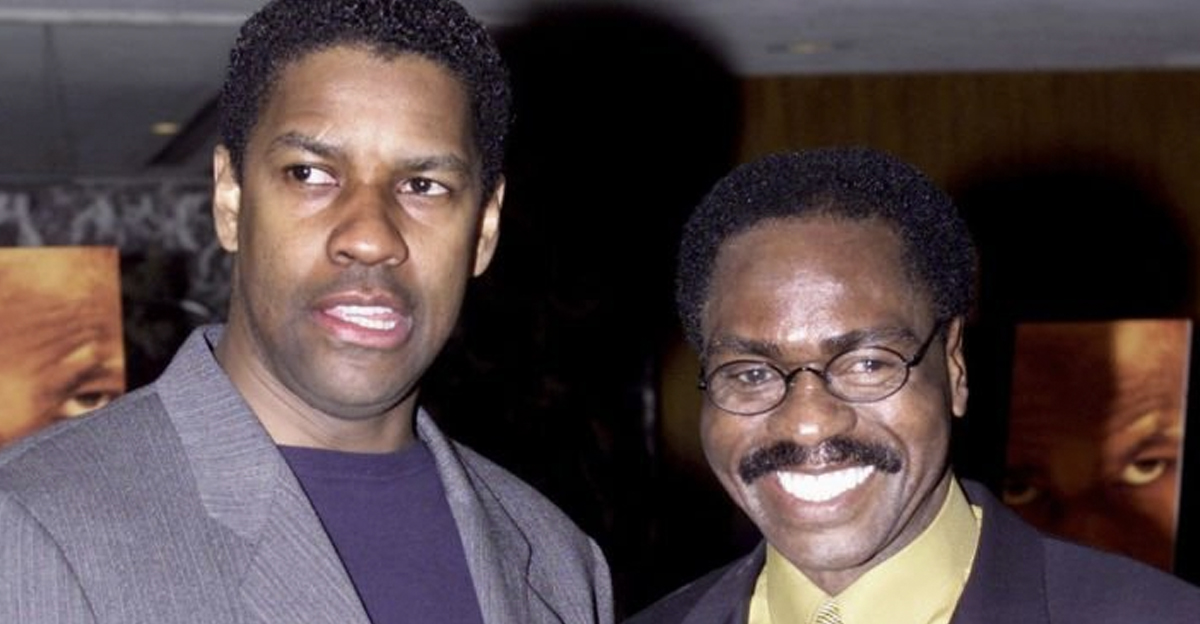
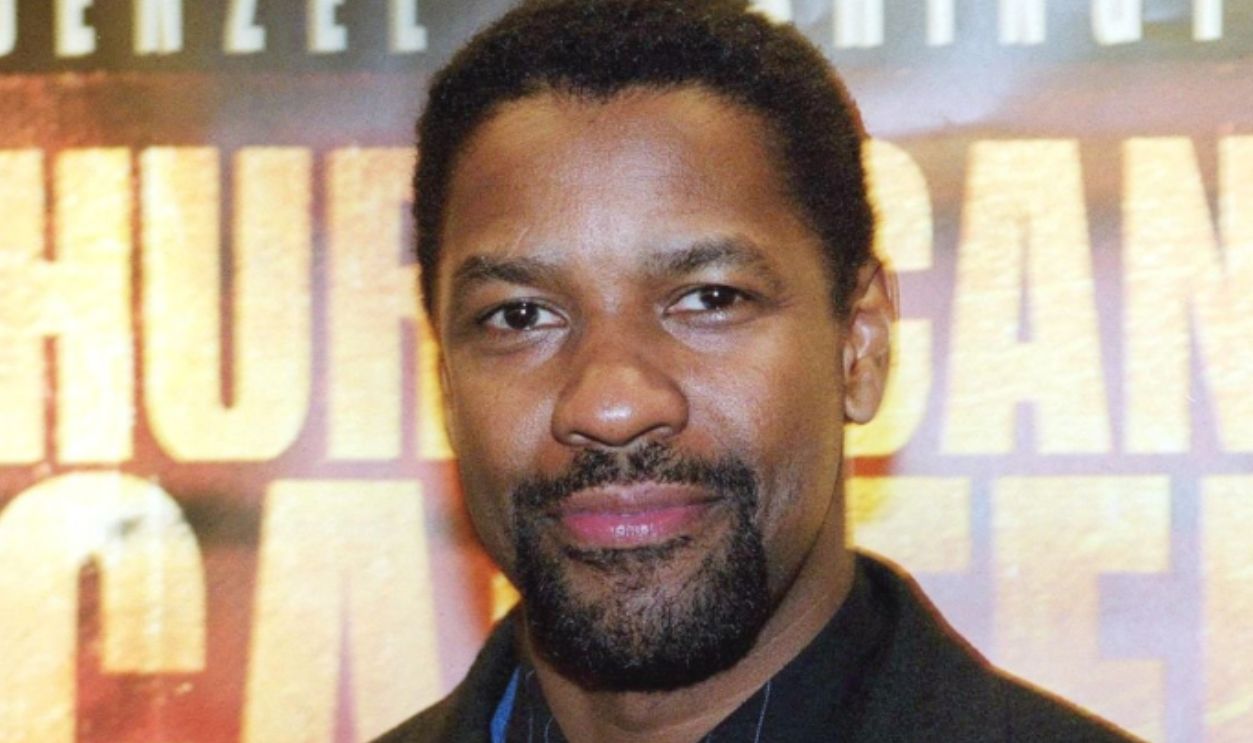
Denzel Washington brought the heartbreaking story of Rubin Carter to moviegoers in 1999. But before that could happen, Carter had to actually live through the horrendous ordeal portrayed in the film. Carter was a middleweight boxer who found himself in the wrong place at the wrong time. A flawed system put Carter behind bars for something he did not commit.
Carter, with his own steely determination and a cohort of unlikely guardian angels, faced the fight of his life to right this terrible injustice.
1. His Dad Was Strict
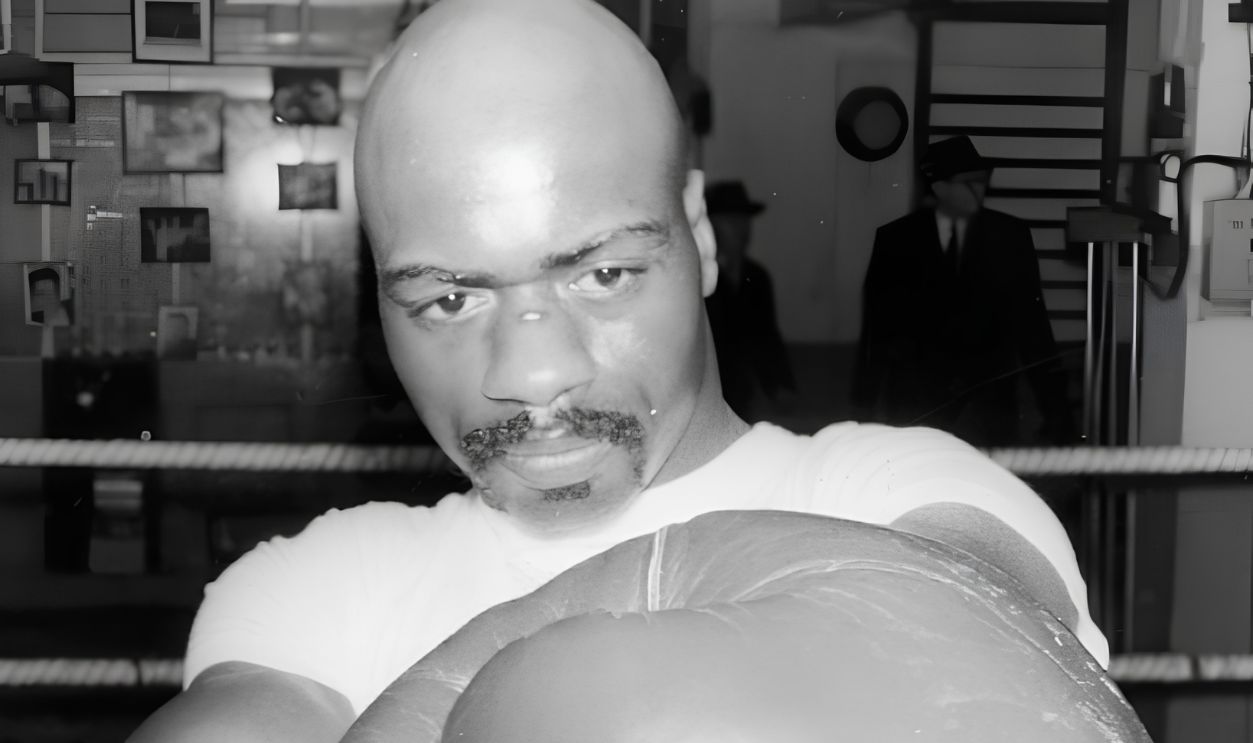
Rubin Carter’s birthplace was Clifton, New Jersey, on May 6, 1937. Carter was the fourth child in a household that had seven children. Carter’s dad had his hands full, and the result was that he was very strict with the kids, which included beatings.
This harsh treatment didn't stop Carter from getting into some very terrible trouble.
 Central Press, Getty Images, Enhanced
2. He Defended Himself
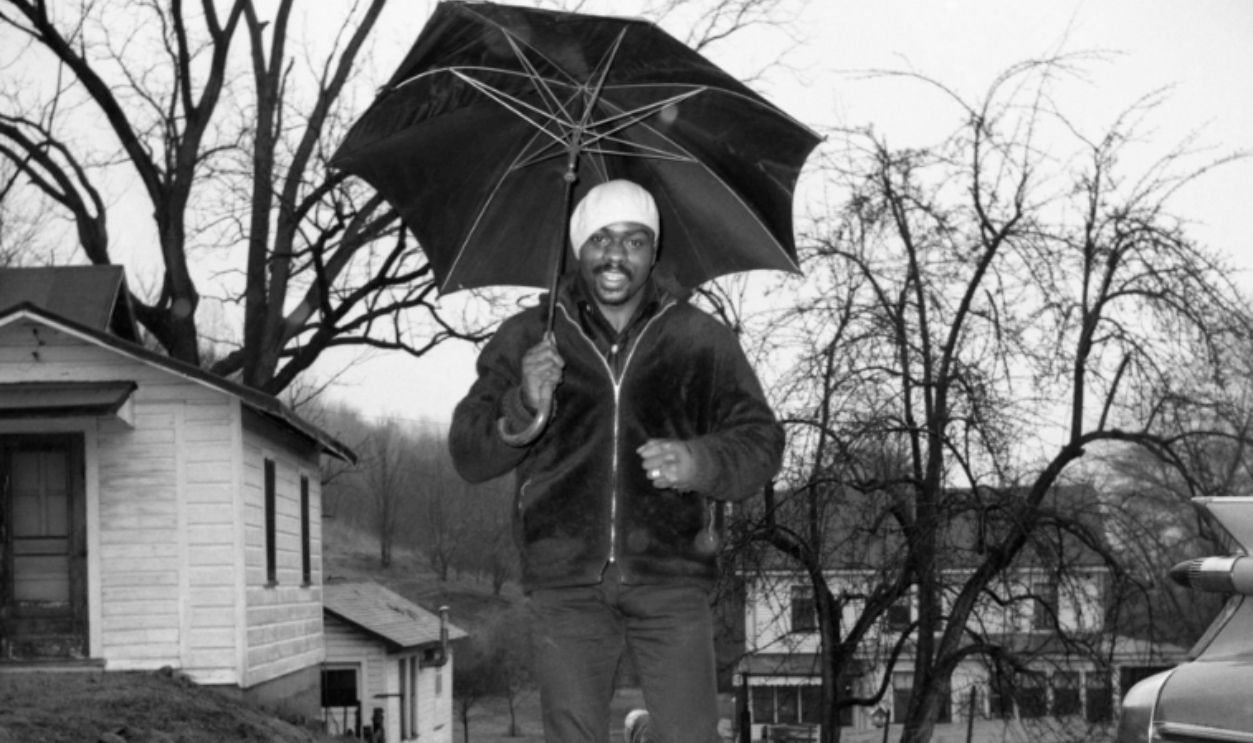
When he was just 11 years old, Rubin Carter found himself sentenced to a juvenile reformatory. Apparently, he’d gone after a man with a blade. But Carter had his reasons. He said the man was attempting to have his way with him. That didn’t seem to matter to the judge, and Carter received a long sentence. But Carter wasn’t about to stay behind bars.
3. He Wanted Out
Carter wasn’t about to wait around forever for judges to believe that he had acted in self-defense. After almost six years in the reformatory, he escaped and ran off to the US Army. He went through basic training and then got his marching orders. He was going to Europe. Sadly, even basic training couldn’t reel in Carter’s behavior.
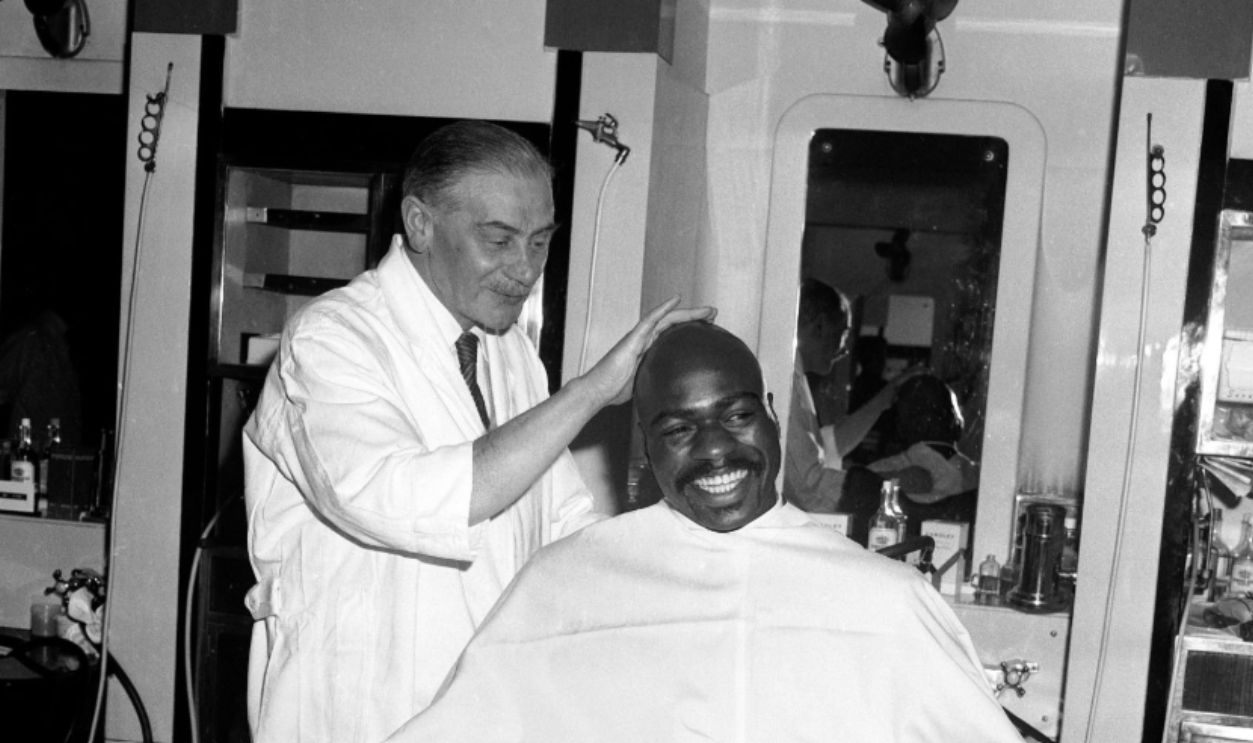 PA Images Archive, Getty Images
4. They Sent Him Home
Rubin Carter spent his time with the army in West Germany. Here, he took up boxing and exceled. Carter may have been a good boxer, but being a soldier was proving to be difficult. After four court-martials, they finally kicked him out. Carter was heading back to America—and back to more trouble.
5. He Was Back Behind Bars
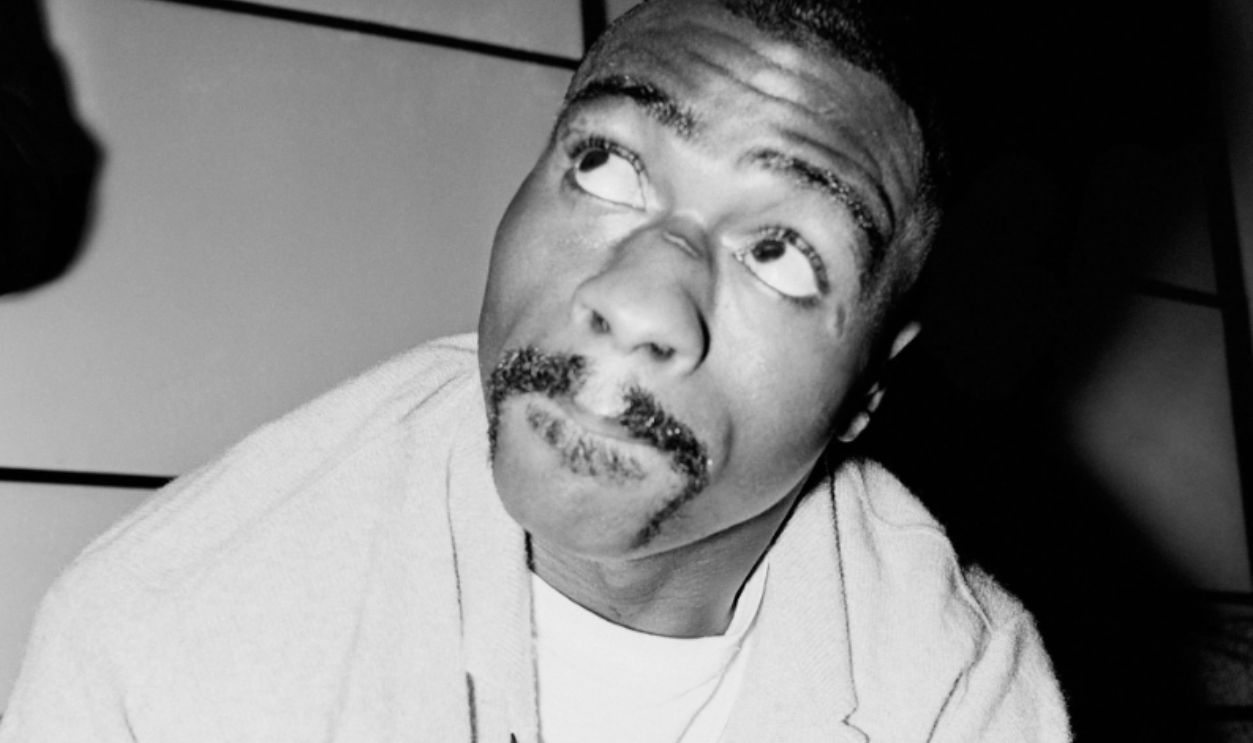
Once Carter was back in New Jersey, he got into trouble with the law again. He performed two muggings back to back, and the judge thought this warranted a sentence. After nearly five years behind bars, Carter emerged a better boxer than when he’d entered.
It seemed like boxing could be the thing to keep Carter out from behind bars—but unfortunately, it wouldn’t work out that way.
6. He Came Out Ready To Rumble
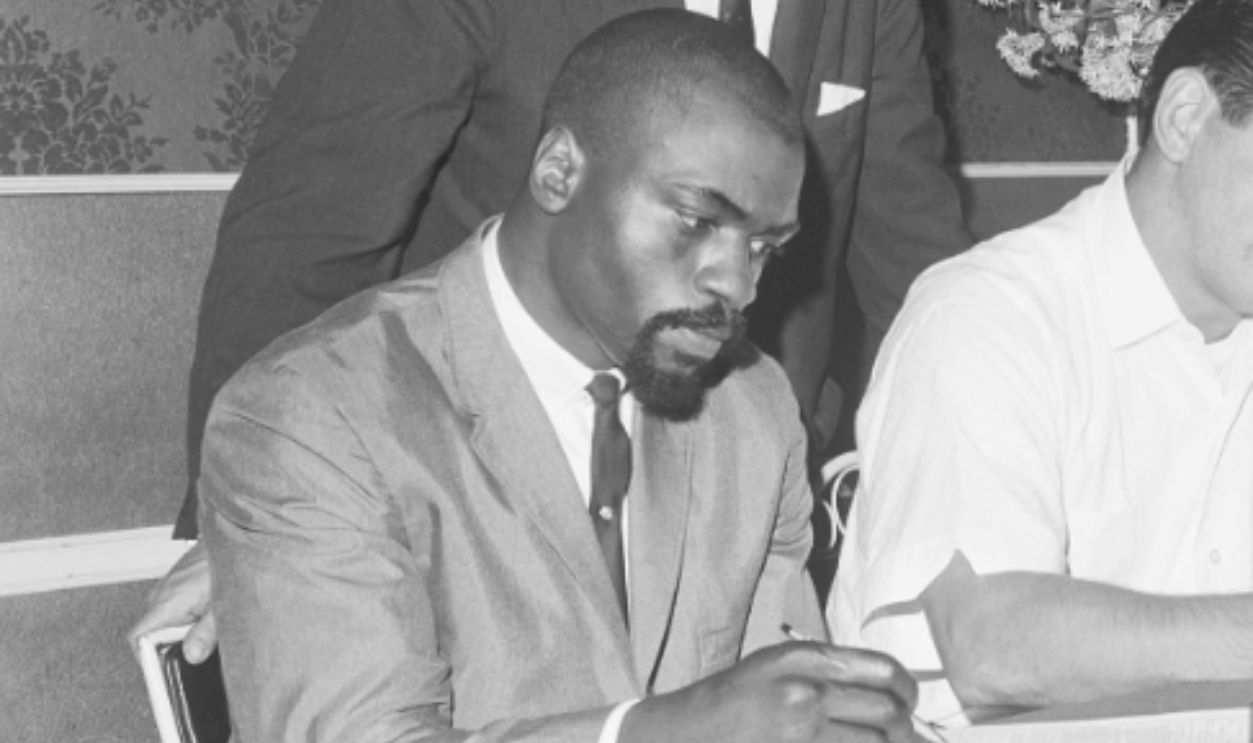
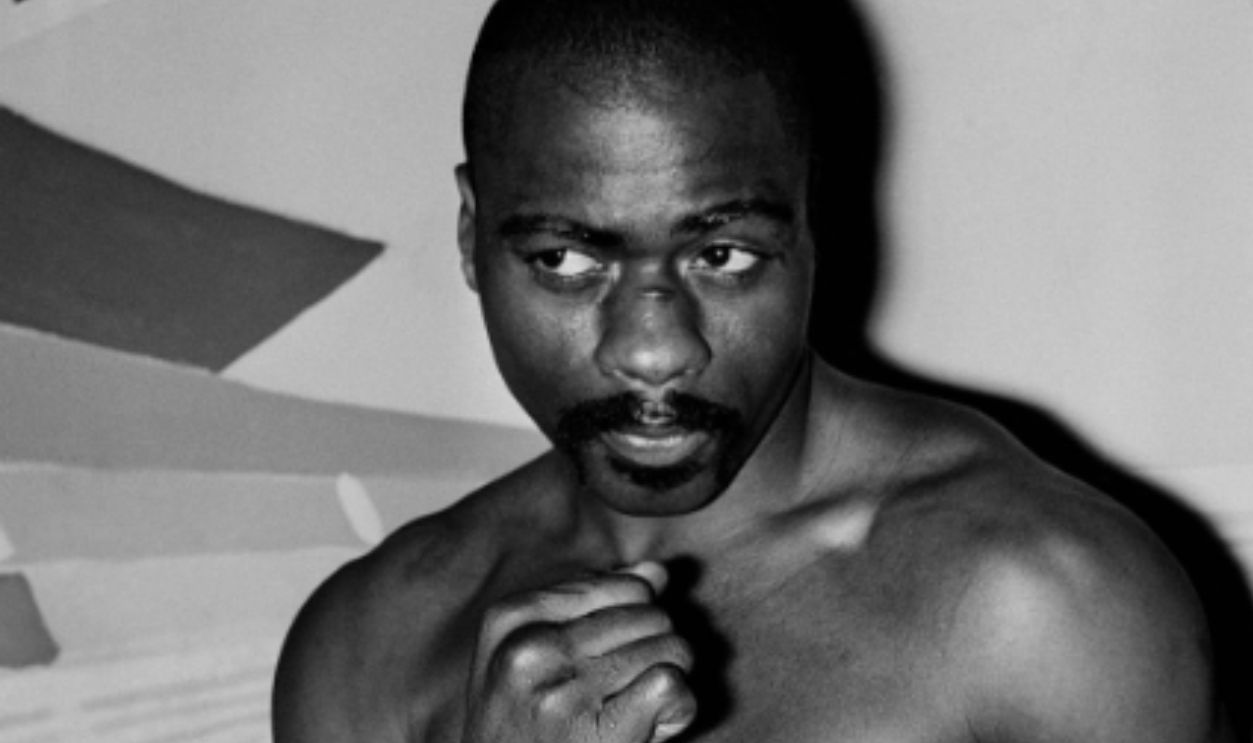
After his release, it didn’t take long for Rubin Carter to become a professional boxer. Fans started to notice him for his aggression and the power of his punches. Together, these two forces resulted in more than a few early-round knockouts. Soon, fans had a nickname for him. They called him the “Hurricane”.
The boxing world did not know what to expect from this “storm” of a fighter.
7. He Moved Up
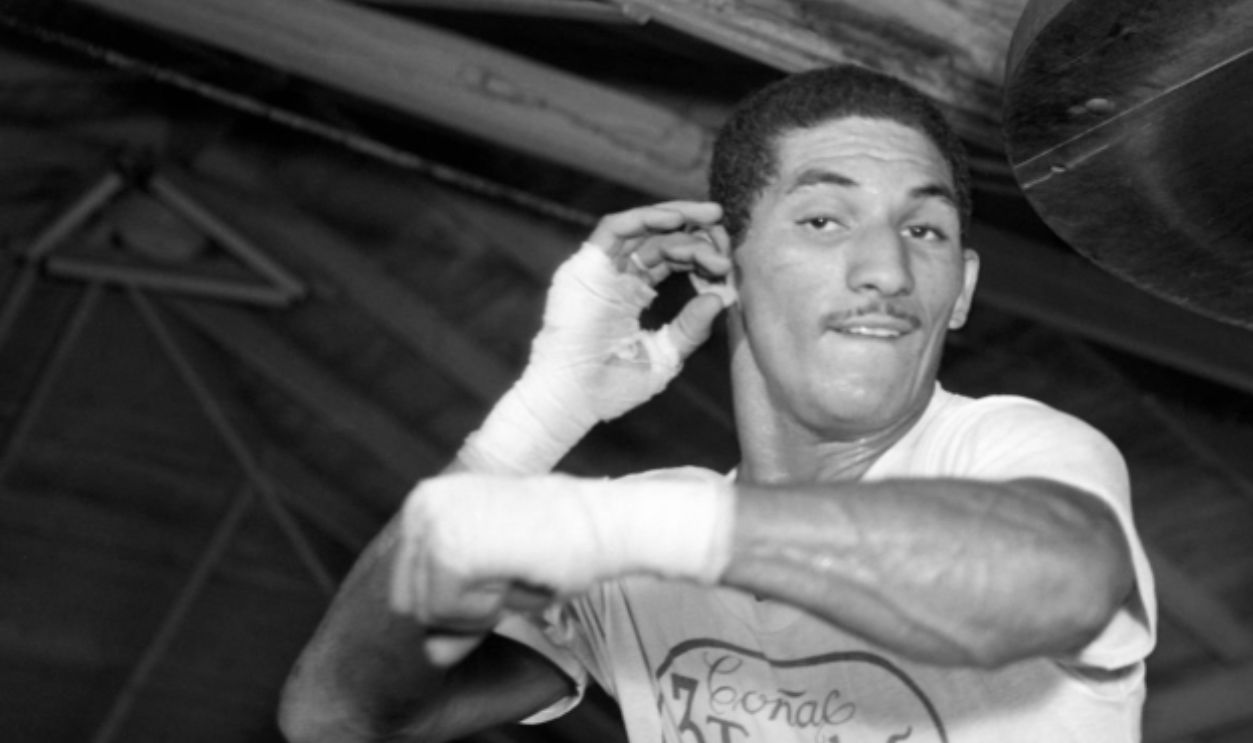
Carter quickly proved himself to the boxing world. He beat fighters like Florentino Fernandez, Holley Mims, Gomeo Brennan, and George Benton. In 1963, he was in the top ten of middleweights. He also got married that year, to Mae Thelma Basket. Two years later, he was number five. But just because he was shaping up, it didn’t mean he didn’t have a rebellious streak.
Carter was a trouble maker and took great delight in provoking his opponents.
 The Stanley Weston Archive, Getty Images
8. He Liked The Trash Talk
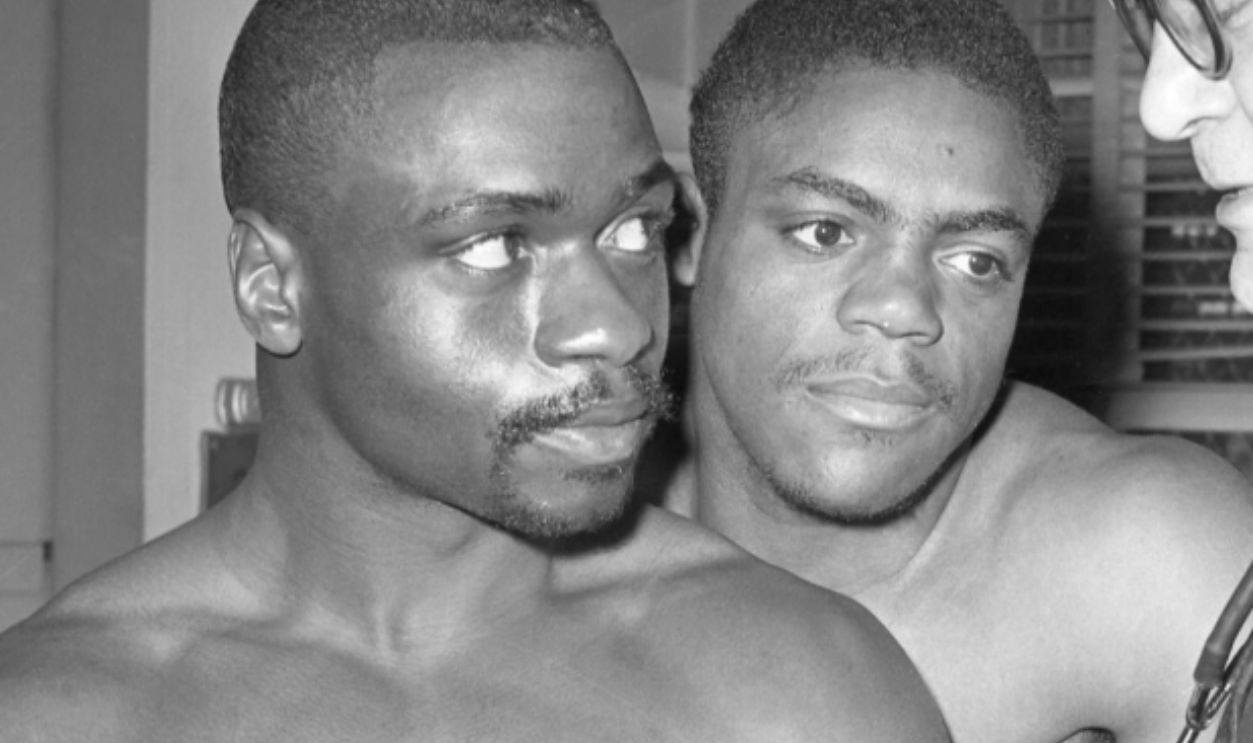
At one weigh-in, Rubin Carter tried to get his opponent riled up. His comment was, “You talk like a champ but you fight like a woman”. He also had his trademark soundbite: “You gotta pay the Hurricane". This kind of talk wouldn't go over well today, but it made Carter into a popular fighter.
Then he did something that would shock the boxing world.
 New York Daily News, Getty Images

History's most fascinating stories and darkest secrets, delivered to your inbox daily.
9. They Thought He Didn’t Have A Chance
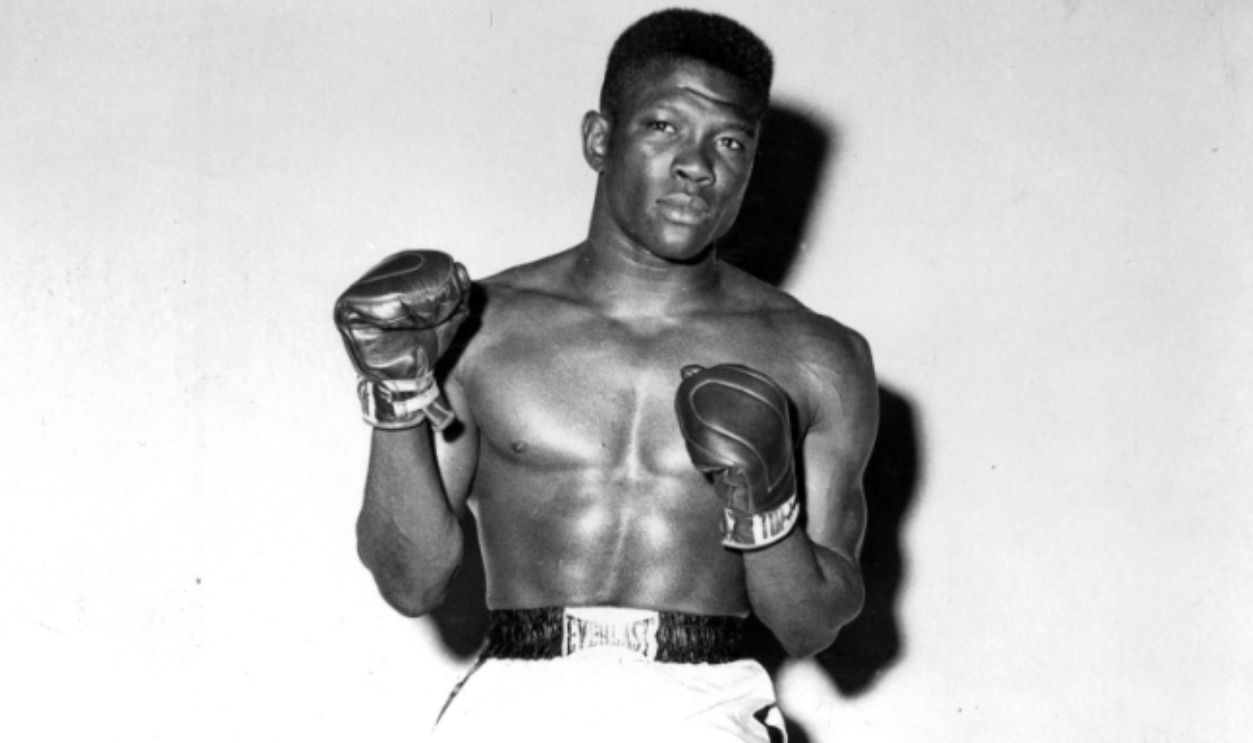
When Carter stepped into the ring with world champion Emile Griffith, likely most thought he didn't have a chance. He stunned the boxing world by sending Griffith down to the mat in the first two rounds. This resulted in a technical knockout. He was now the number three contender for a world middleweight title against Joey Giardello.
This was going to be the fight of his life.
 The Ring Magazine, Getty Images
10. He Came In Strong
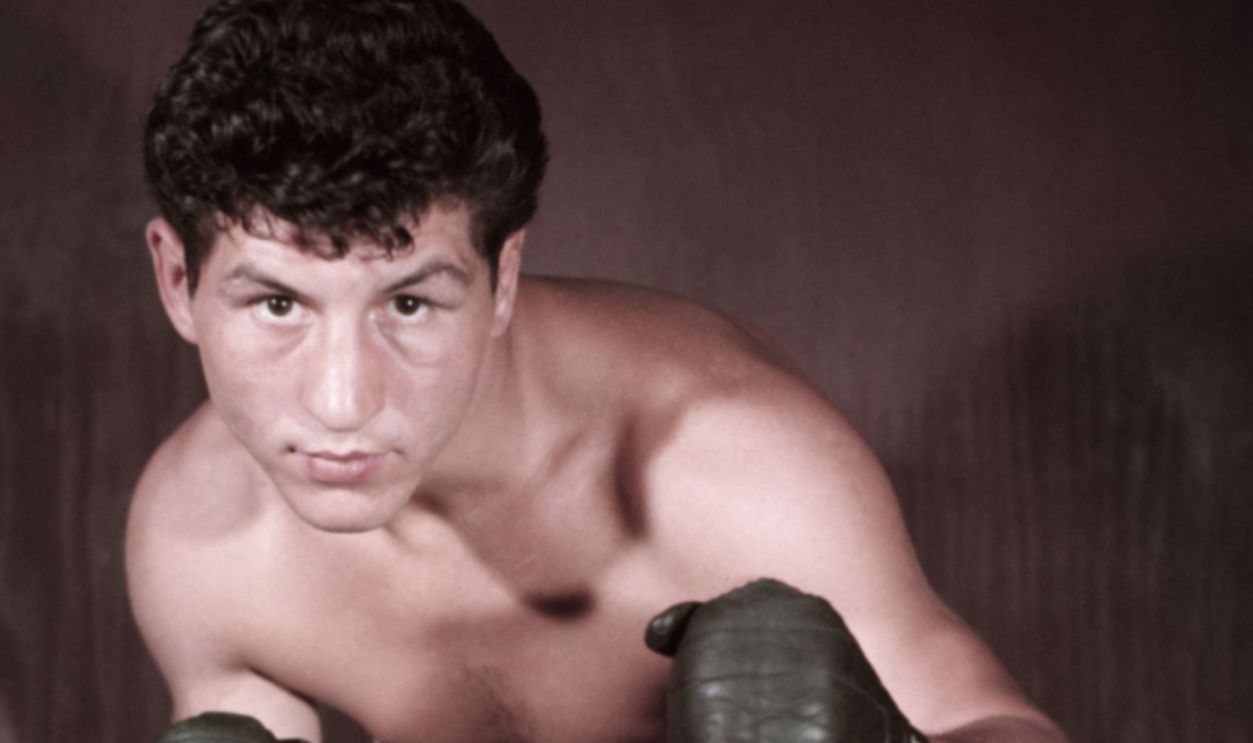
On December 14, 1964, Rubin Carter stepped into the ring to face Joey Giardello in a 15-round championship. In round four, Carter managed to make a solid hit on Giardello’s head with his right arm. Giardello staggered, and it looked like it might be another early-round knockout. But that wasn’t true. Giardello came back in the fifth and dominated the fight. In the end, the judges gave it to Giardello. Carter had lost.
His career had taken a hit, and he had to find a way to recover.
 The Stanley Weston Archive, Getty Images
11. He Experienced The Worst
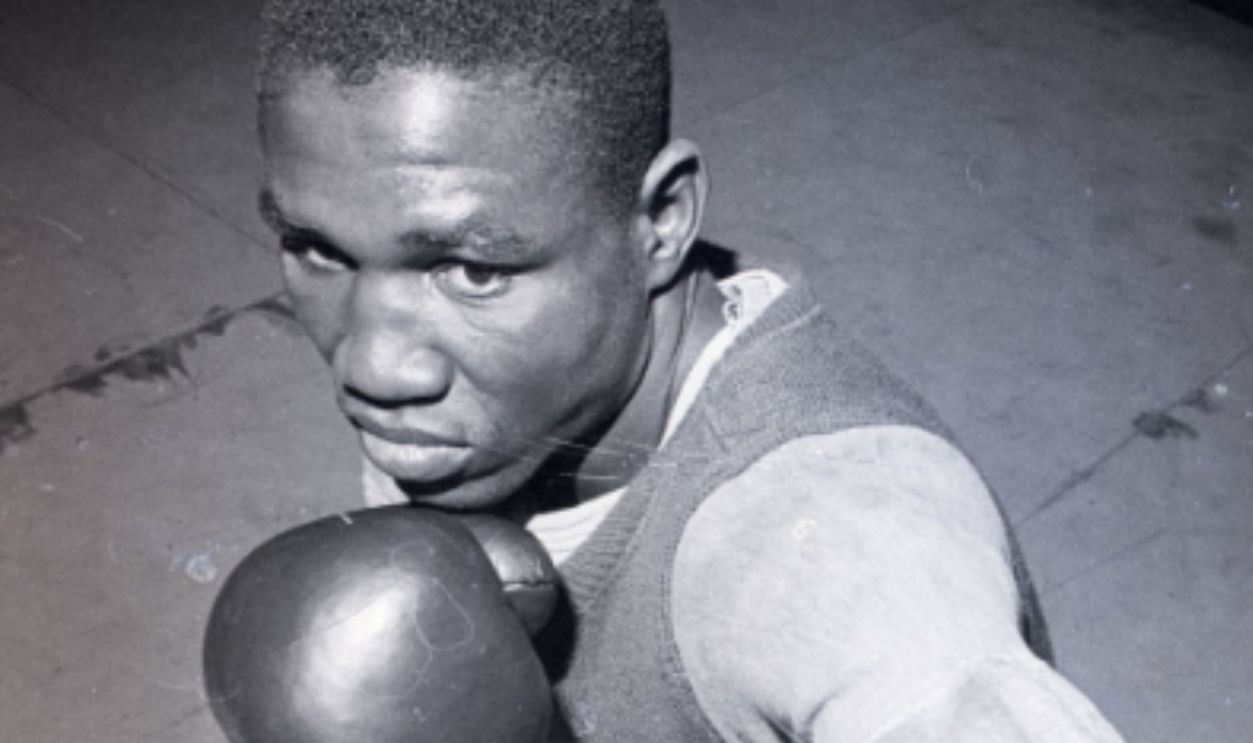
The loss to Giardello seemed to signify the beginning of a shift downward for Carter. Of his nine bouts in 1965, he only won five. His match against Dick Tiger was particularly brutal. Tiger sent Carter to the mat three times. Carter later said that it was "the worst beating that I took in my life".
He was also suffering outside the ring.
12. He Could Not Stay Out Of Trouble
While Rubin Carter was in London, England, to fight Tiger, there was an incident. The details are sketchy, but we do know that someone fired a pistol in Carter’s hotel room. Clearly, Carter was hanging around with the wrong kind of people. He needed to concentrate on boxing to stay away from behavior that would send him back behind bars.
But his boxing career could not last forever.
13. He Fought For The Last Time
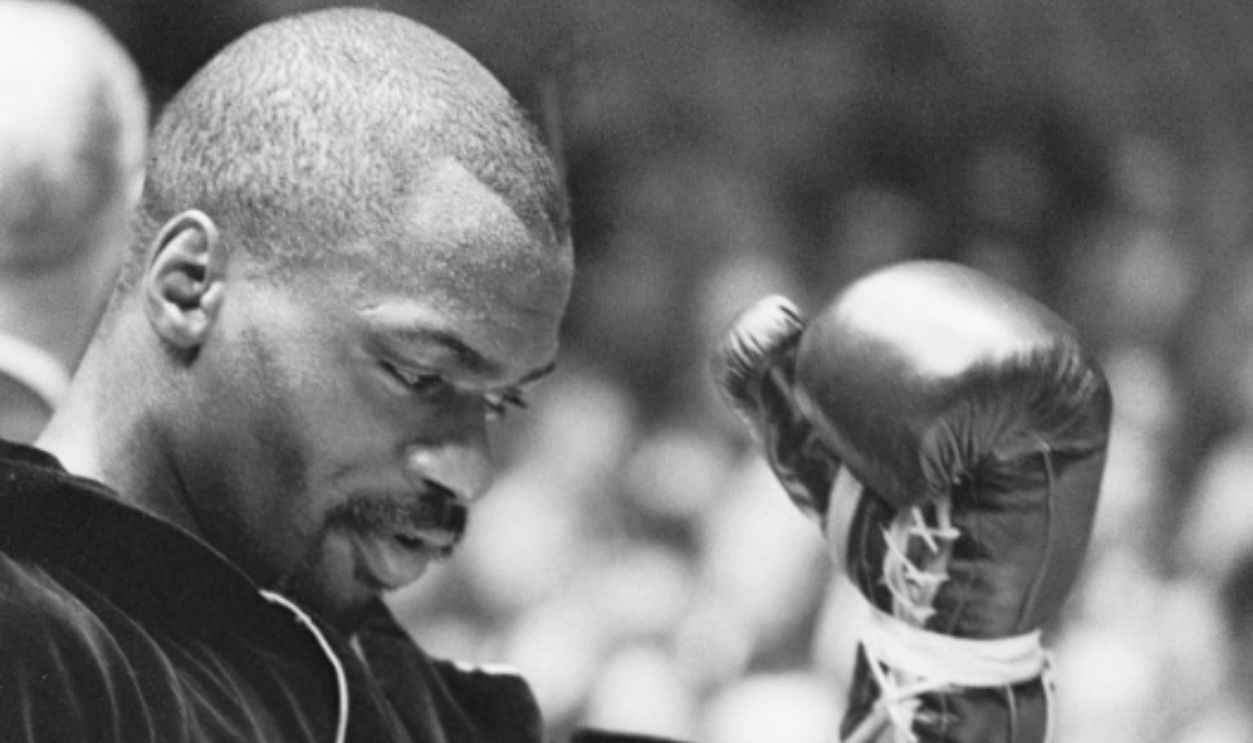
Sadly, August 5, 1966, marked the day of Carter’s last boxing match. He was up against Juan Carlos Rivero and lost by the judge’s decision. Looking back, his record was impressive. He’d fought 40 times, and he’d won 27 of them, with eight knockouts and 11 technical knockouts. He’d lost only 12 times and had one draw.
Without a career in boxing, Carter’s life began to unravel. And it all happened extremely quickly.
14. He Was Driving By
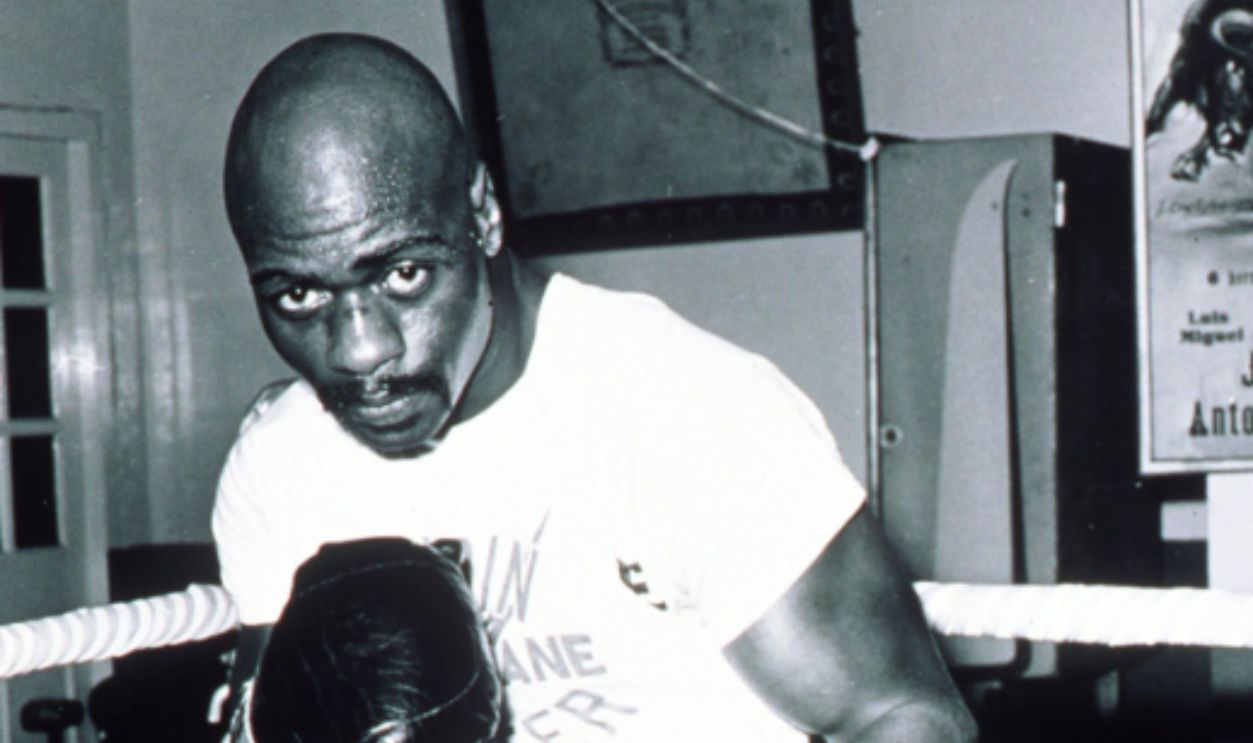
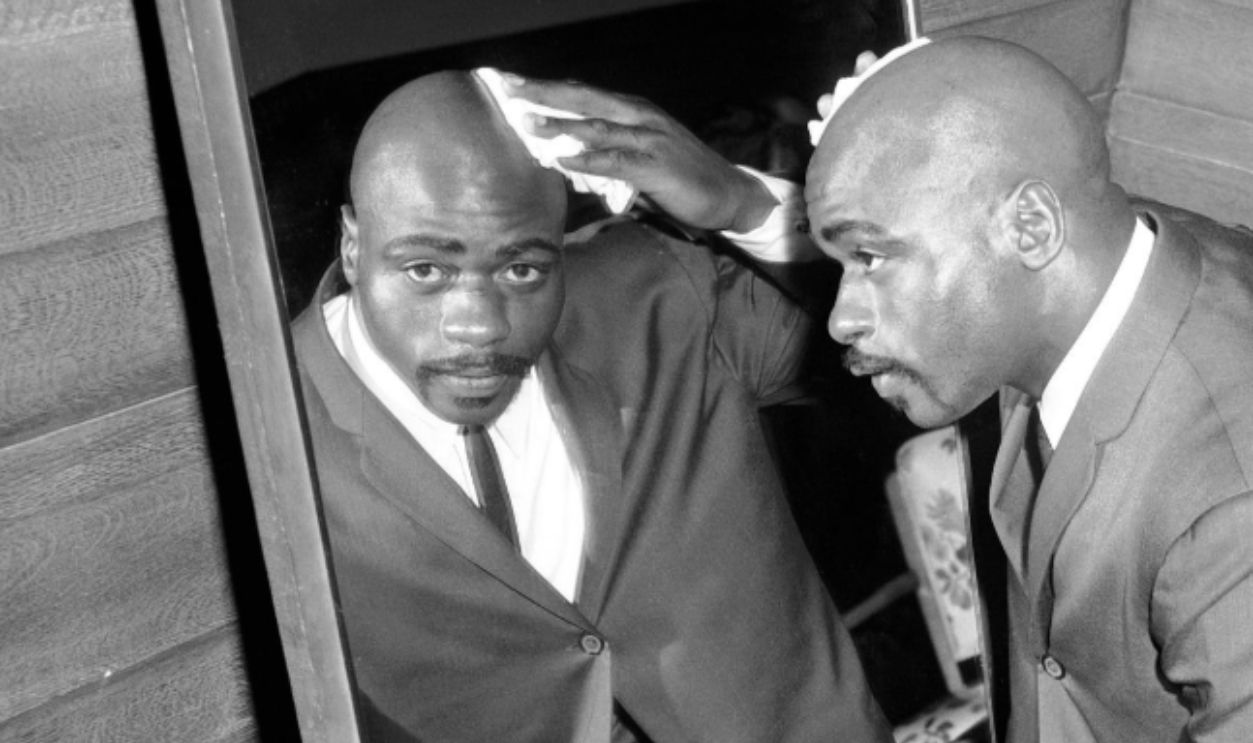
On June 17, 1966, Rubin Carter was in a rental car with his buddy John Artis and another man, John Royster. It was after 2:00 a.m., and they had been at a place called the Nite Spot. Officers pulled them over and wanted to talk to them. As it turned out, there’d been an altercation at a nearby restaurant. The officers recognized Carter—he had a reputation for trouble—but let the three men go.
But this fateful night wasn’t over yet.
 PA Images Archive, Getty Images
15. They Opened Fire
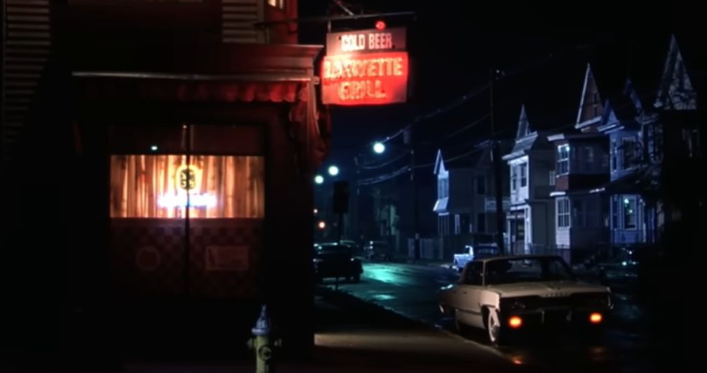
The altercation the officers were investigating was something very serious. Two men had entered the Lafayette Bar and Grill and opened fire. When the dust settled, a bartender and a customer had lost their lives. Two other customers, Hazel Tanis and Willie Marins, were on their way to the hospital. Only Marins would survive.
The same officers got a description of the getaway car used after the altercation. It matched the car Carter was in.
 Screenshot from The Hurricane, Universal Pictures (1999)
16. They Were Stopped Again
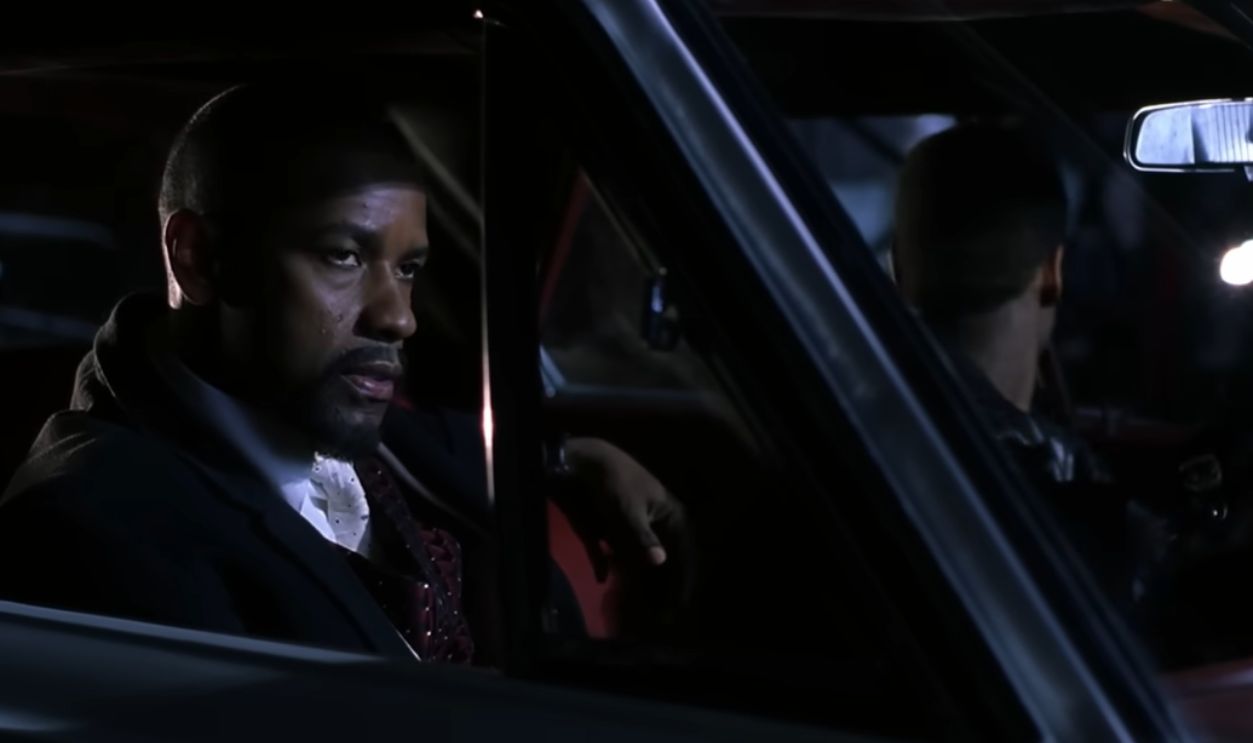
The officers raced through the city in search of Carter once again. By the time they caught up with him, he and Artis had already dropped Royster at home. The officers instructed Carter and Artis to follow them to the station. When they got there, officers detained both of them as suspects in the Lafayette Bar and Grill incident.
Carter had no idea how much trouble he was in.
 Screenshot from The Hurricane, Universal Pictures (1999)
17. There Were Witnesses
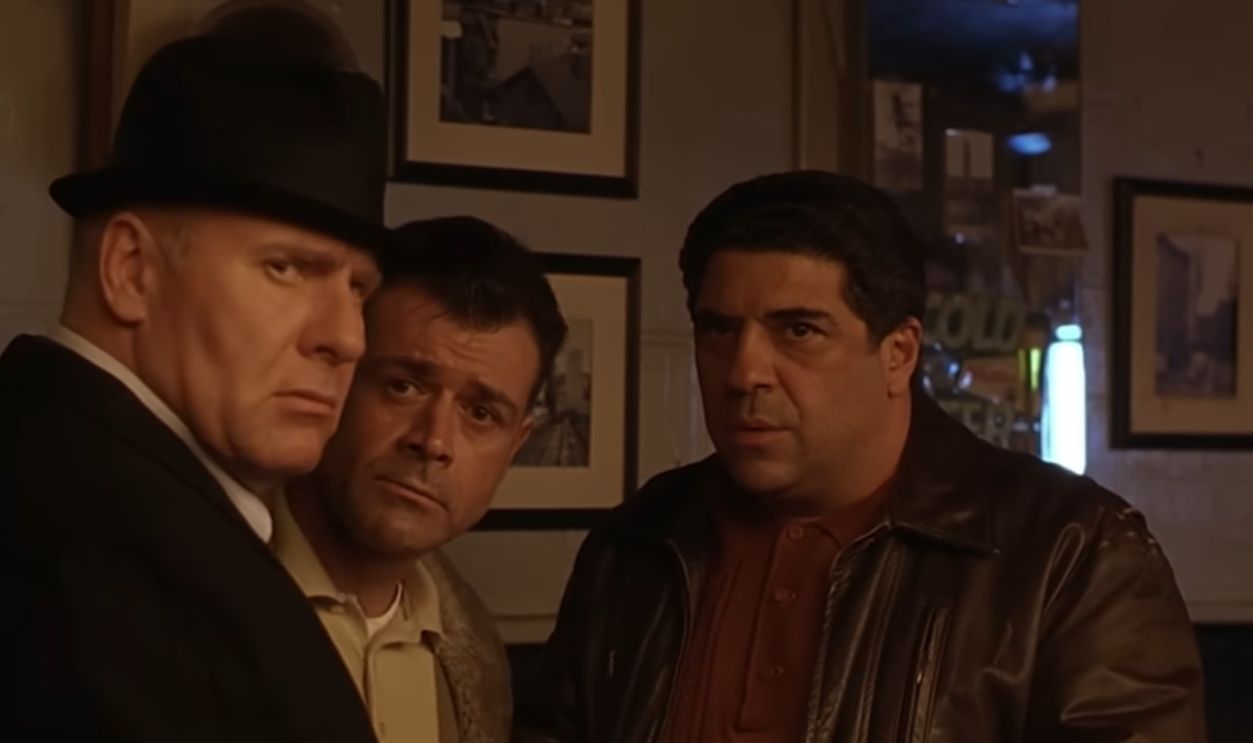
The description of the getaway car came from two individuals: Patricia Valentine and Alfred Bello. But Bello had a strange reason for being outside the Lafayette Bar and Grill. He was acting as a lookout while his buddy was robbing a warehouse. Bello wasn’t exactly the most reliable witness.
Especially when you consider what he said next.
 Screenshot from The Hurricane, Universal Pictures (1999)
18. He Didn’t Seem Reliable
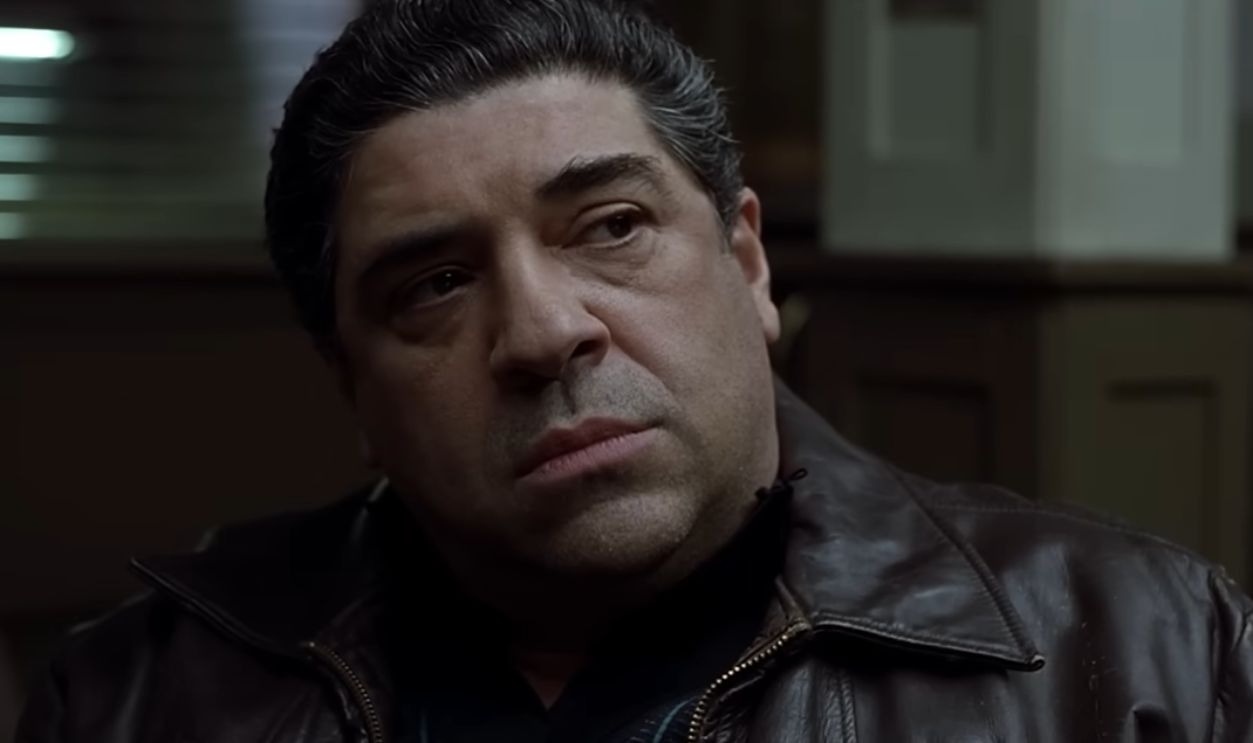
Bello said that he found the bodies in the Lafayette Bar and Grill when he went in to make a purchase. Instead of yelling for help, Bello took the money from the cash register. When he left the restaurant, two officers stopped him, and he told them he’d seen two armed Black men leave the bar. He said he ran away from them but managed to see them leave in a white car.
While Bello doesn't sound like the most reliable witness, there was also Valentine.
 Screenshot from The Hurricane, Universal Pictures (1999)
19. There Were More Witnesses
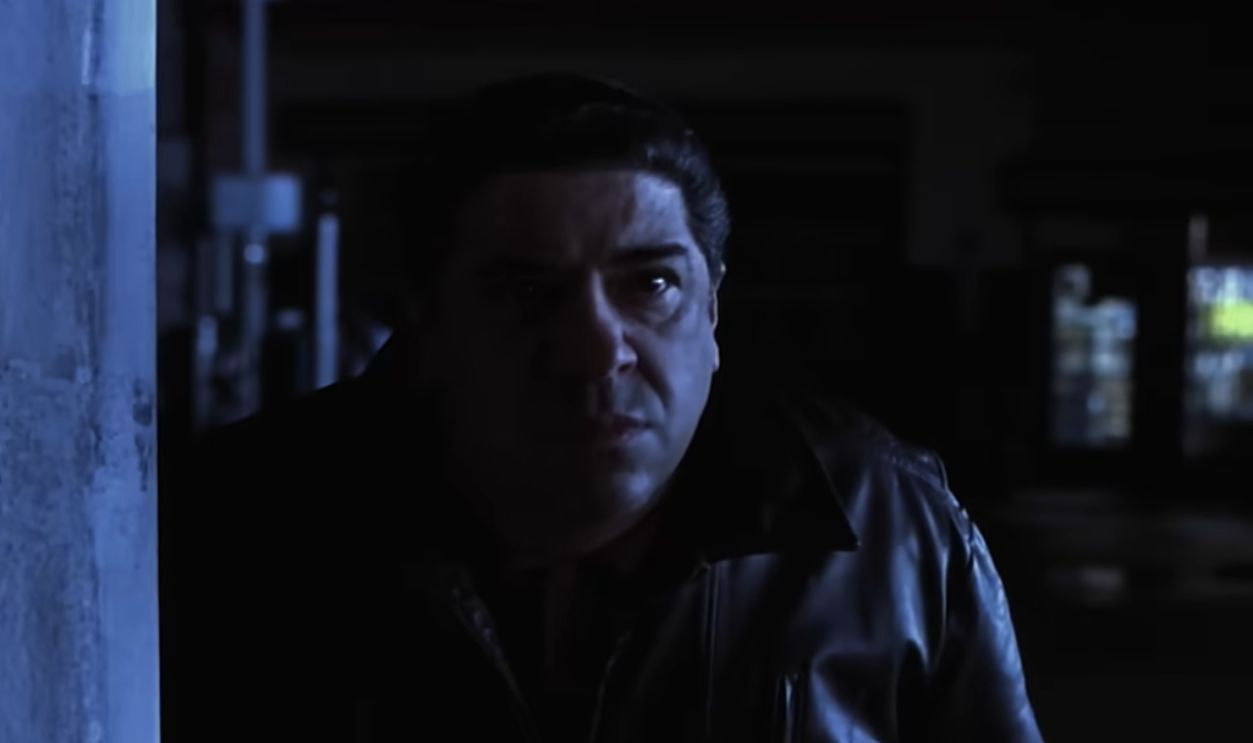
The other witness, Patricia Valentine, lived above the Lafayette Bar and Grill. She’d heard loud bangs and looked out her window. Like Bello, she described a white vehicle making a speedy getaway with two Black men in the front seats. Both Valentine and Bello said that the white car had “a sort of a butterfly-type design in the back". A third witness, Ronald Ruggiero, said he saw the same thing.
It didn’t look good for Carter.
 Screenshot from The Hurricane, Universal Pictures (1999)
20. They Blamed A Lack Of Time
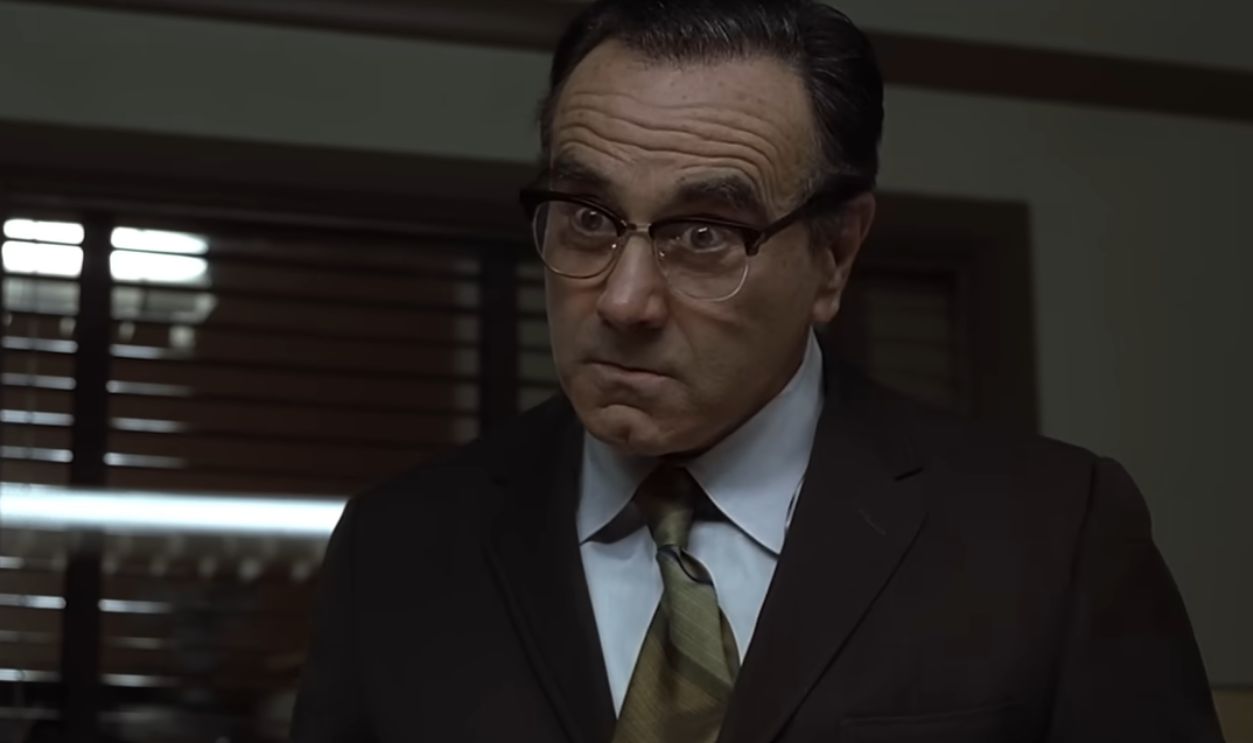
The authorities never located the arms used to wreak havoc that night, but they did figure out what kind they were. For some reason, the lead detective didn’t ask for residue tests on Carter and Artis to see if they had any involvement in what happened at the Lafayette Bar and Grill. He later blamed a lack of time.
Next, they searched Carter’s rental car.
 Screenshot from The Hurricane, Universal Pictures (1999)
21. They Searched It Thoroughly
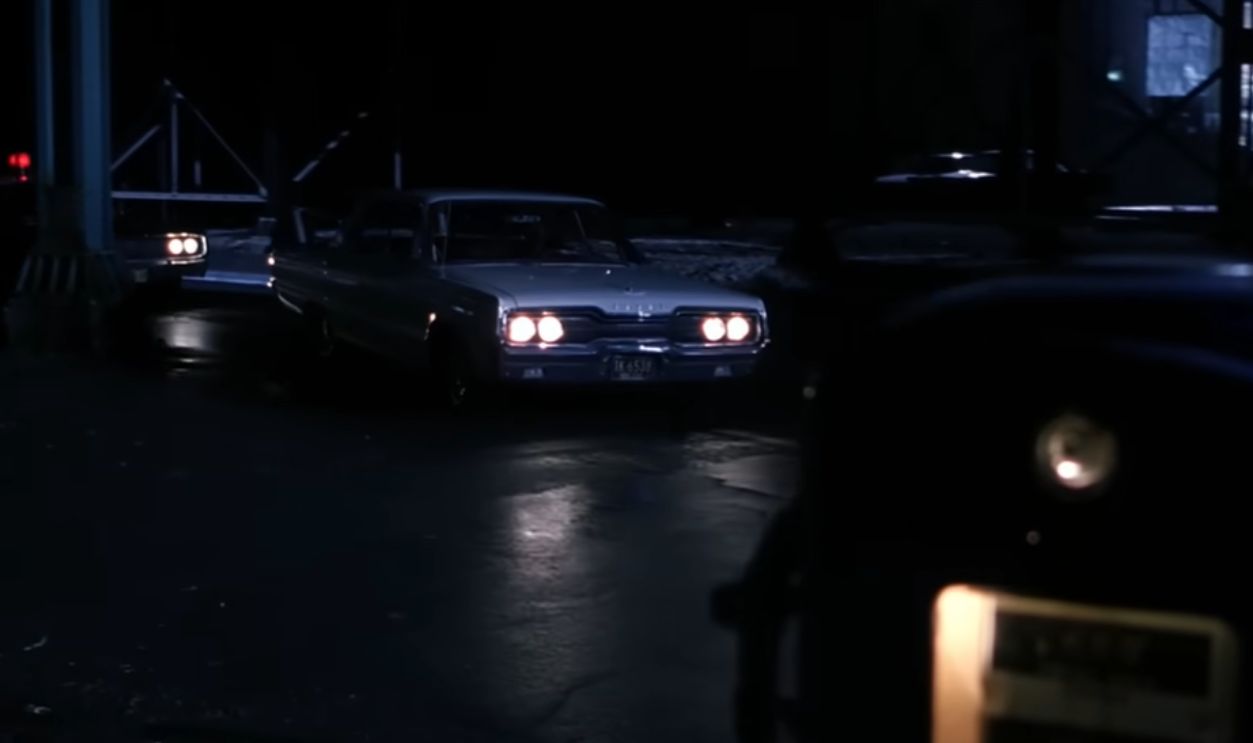
For some reason, it took five days to search Carter’s rental car. They then announced that they’d found arms similar to the ones used at the Lafayette Bar and Grill. It seemed weird that it took them five days to search a car. Also strange was the fact that neither weapon matched the one used that night.
The facts weren't exactly lining up. But prosecutors were just getting started.
 Screenshot from The Hurricane, Universal Pictures (1999)
22. He Was Identified
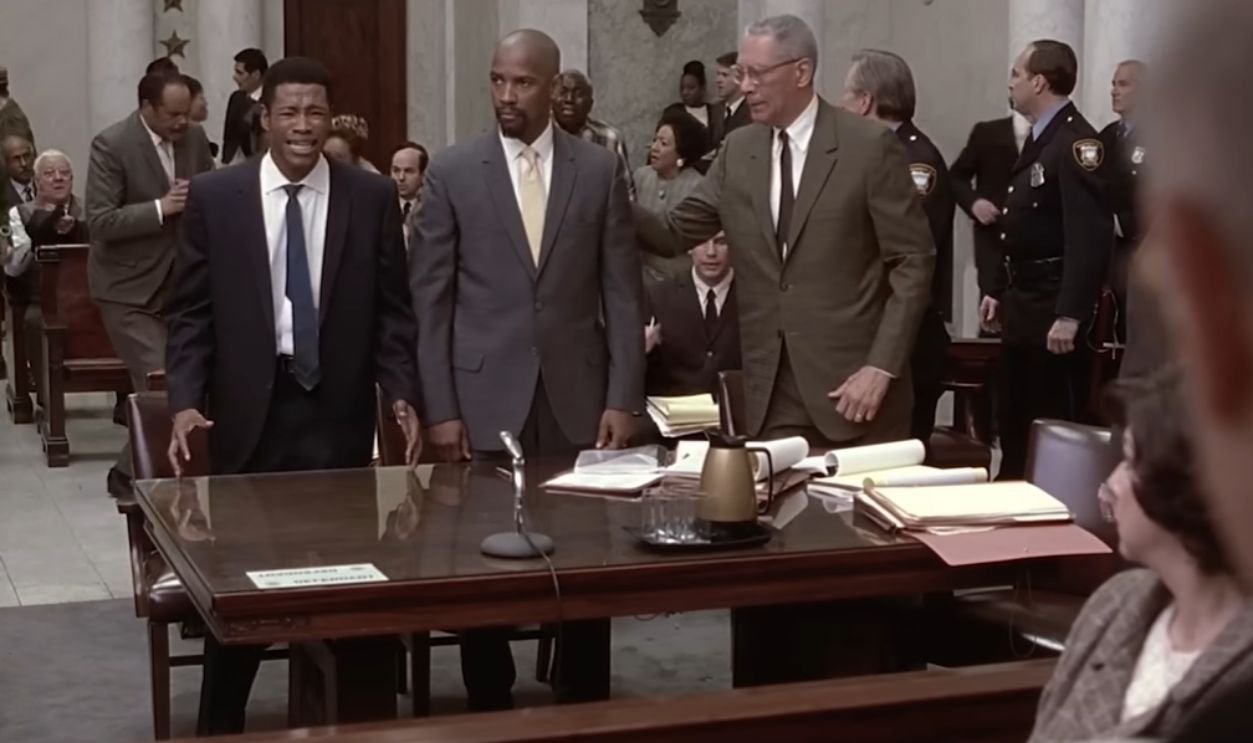
The witnesses had never fully described the men leaving the bar. Suddenly, Bello was saying that one of the men was definitely Artis. The other witness, Arthur Bradley, now said that the other man was Carter. Based on these new descriptions, authorities indicted both Carter and Artis.
Another witness, Patricia Valentina, also changed her story.
 Screenshot from The Hurricane, Universal Pictures (1999)
23. She Saw It Differently
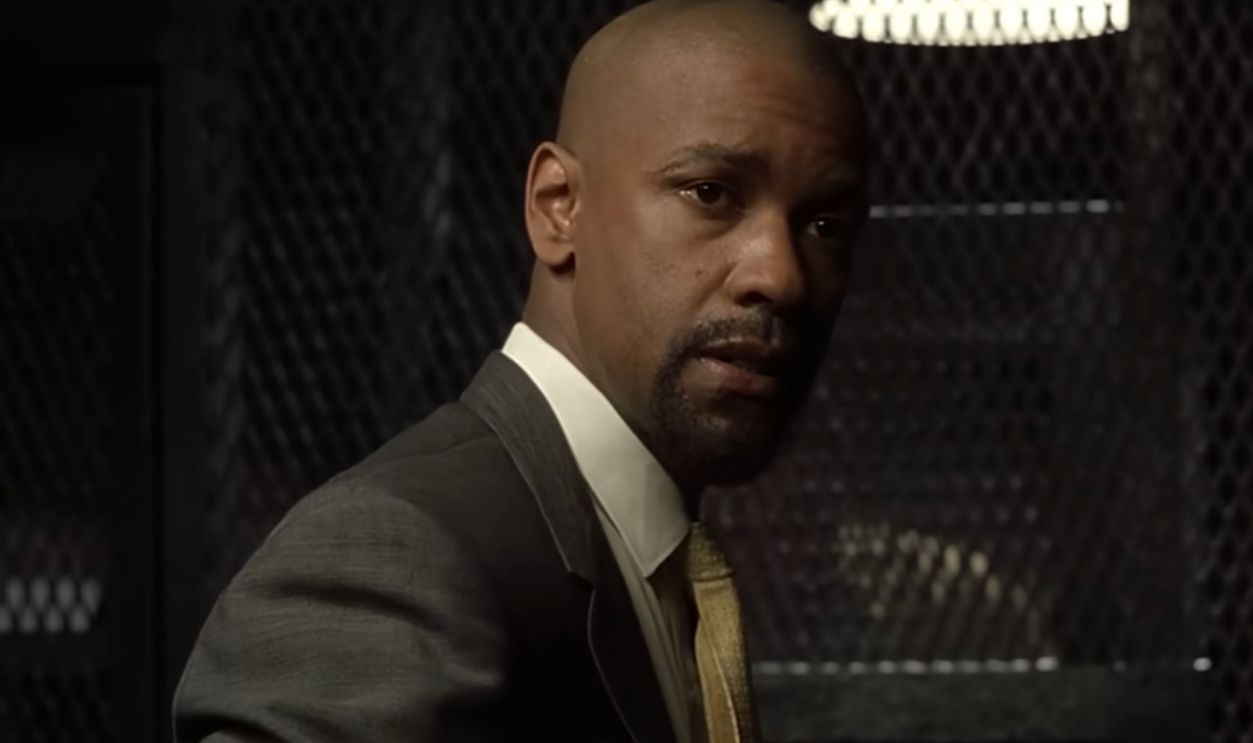
At the time of the incident, Patricia Valentina had said that the white car she saw fleeing the area had butterfly taillights. When she gave her testimony, she changed her story. She said that it wasn’t the taillights but an aluminum butterfly shape. This new description better matched Carter’s rental car. When asked about the change of testimony, the prosecution blamed it on a misreading of the court transcript.
Carter’s defense team had their work cut out for them.
 Screenshot from The Hurricane, Universal Pictures (1999)
24. He Had His Own Witnesses
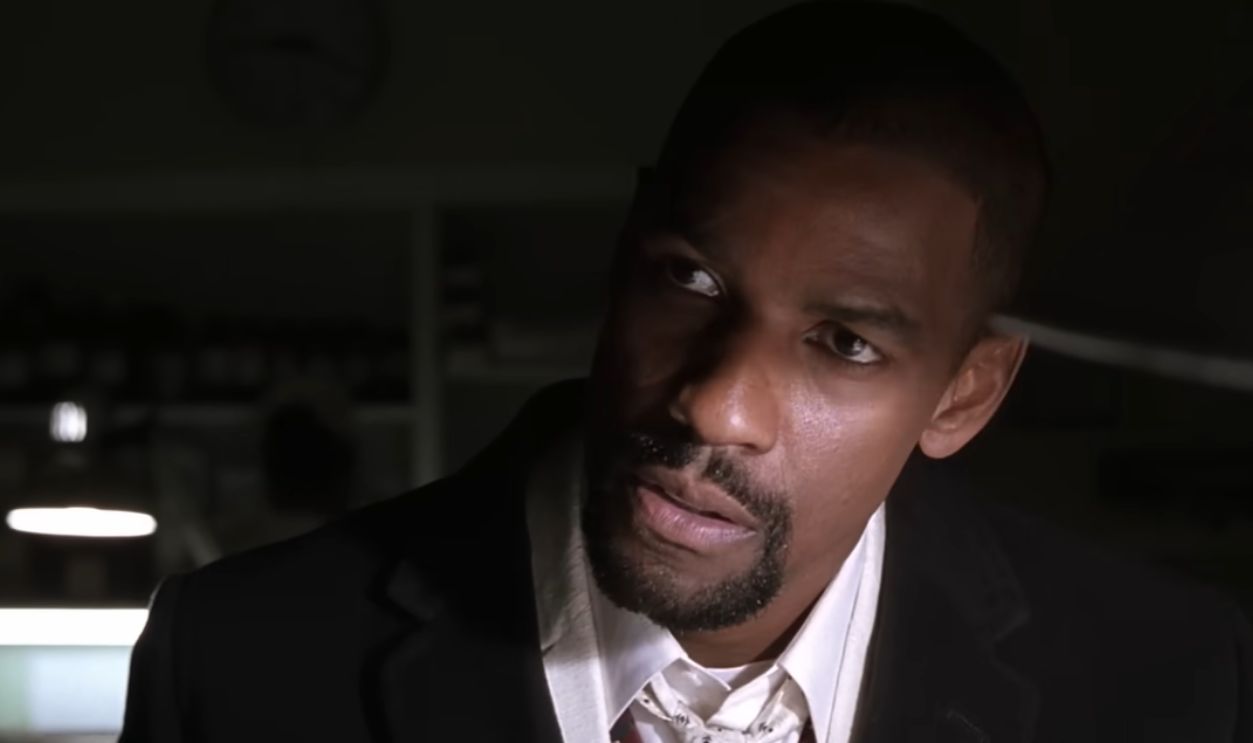
Carter’s defense team, with Raymond A Brown as the lead, drew the jury’s focus to the strange inconsistencies of the eye witnesses, and the fact that they seemed to change their stories. Brown also brought forward his own witnesses. They all swore that Carter and Artis were still at the bar the Nite Spot when the bloody incident took place.
It seemed that Rubin Carter would go free after all.
 Screenshot from The Hurricane, Universal Pictures (1999)
25. The Verdict Finally Arrived
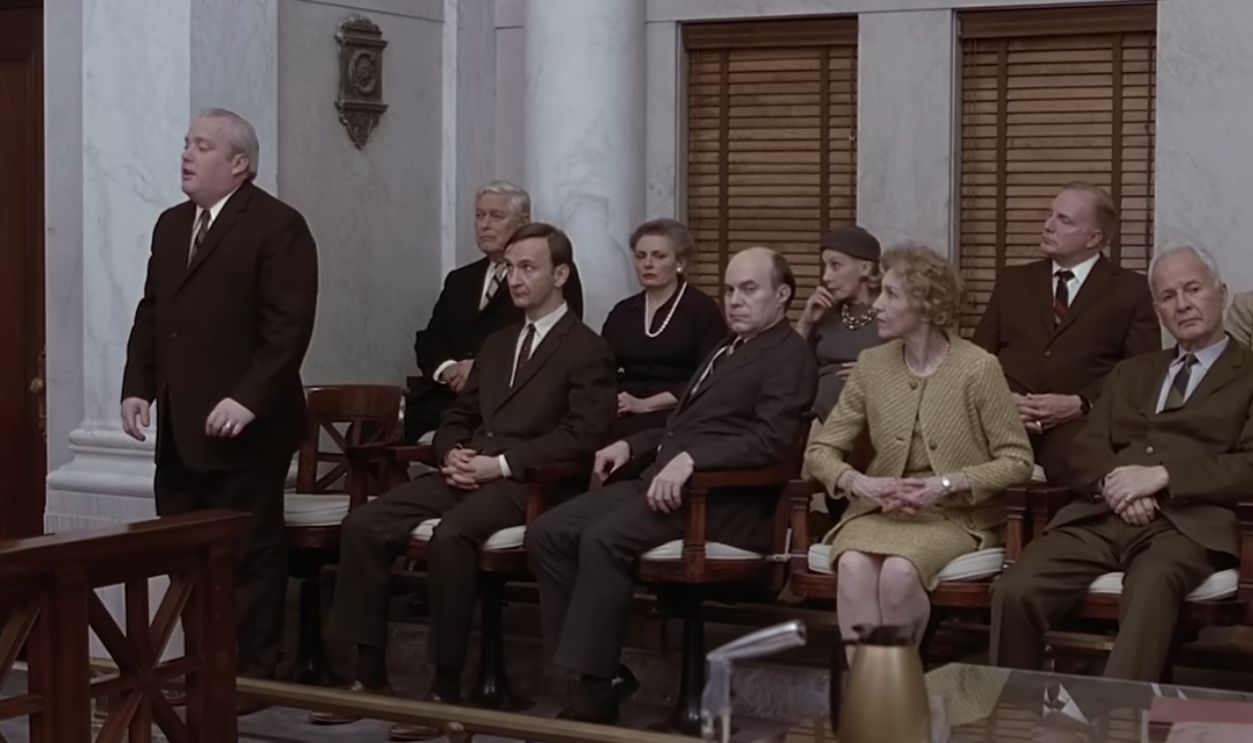
The jury consisted only of white people, and the verdict they delivered was not good for either Carter or Artis. They found them guilty, but recommended life behind bars instead of capital punishment. Carter got three life sentences, with the second and third being concurrent.
It looked like Carter’s life as a free man was over.
 Screenshot from The Hurricane, Universal Pictures (1999)
26. The Witnesses Changed Their Minds
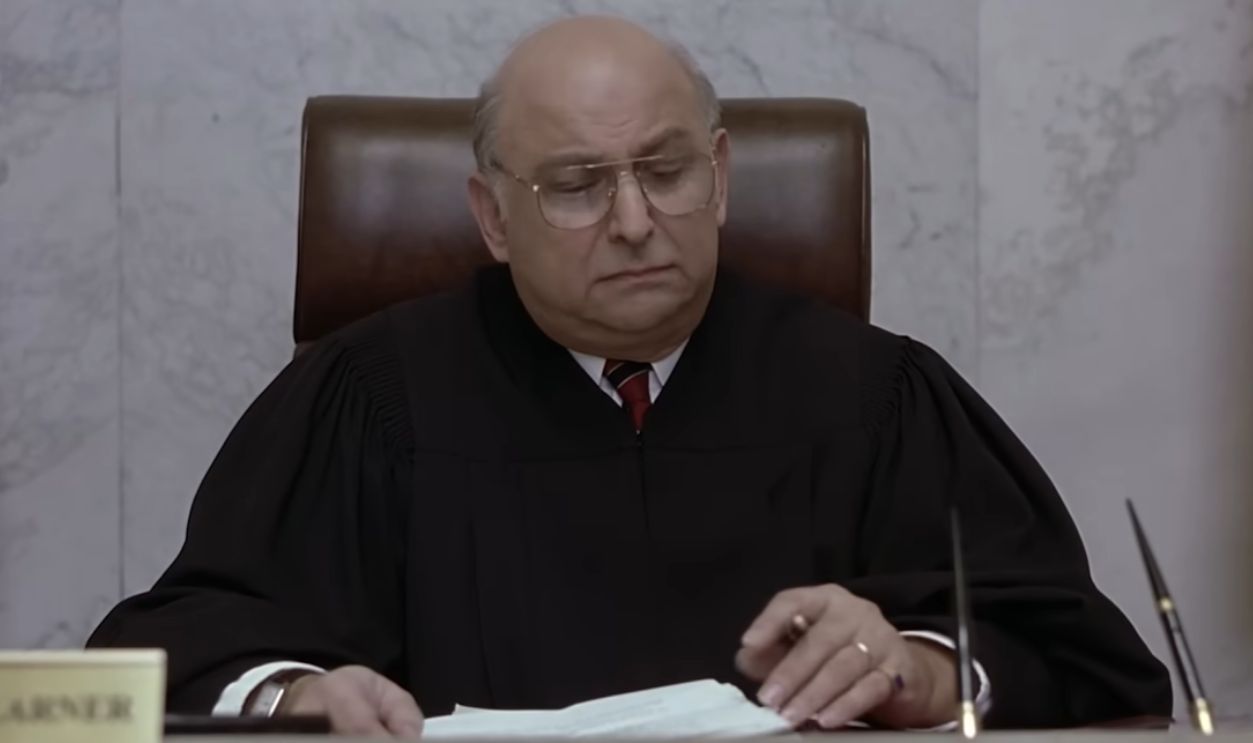
In 1974, eight years after the incident, both Bello and Bradley took back their positive identifications of Carter and Artis. Based on this, Carter's defense team asked for a new trial. The judge, Samuel Larner, declined the request, saying the eyewitnesses "lacked the ring of truth".
Sadly, Carter was still stuck behind bars.
 Screenshot from The Hurricane, Universal Pictures (1999)
27. He Told His Story
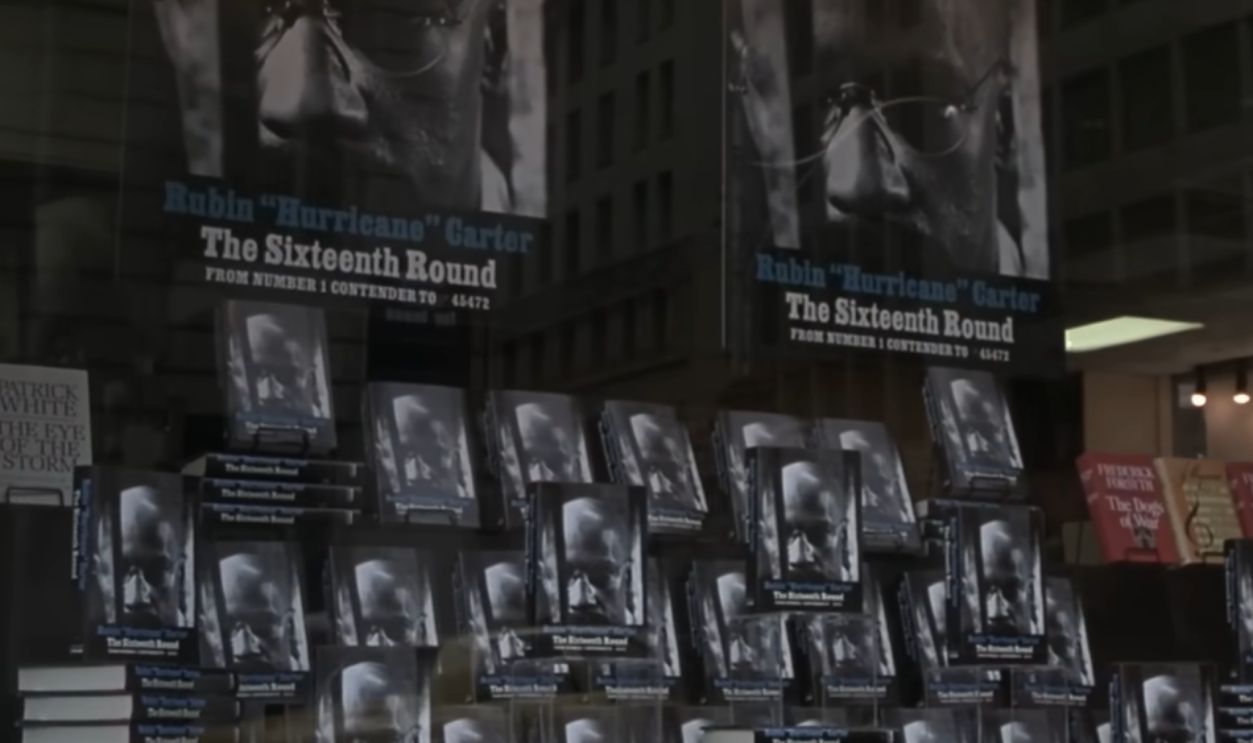
Since he knew he was staying in lockup, Rubin Carter decided to spend his time wisely. He started writing a book. When he finished it, he titled it The Sixteenth Round. In it, he tells the horrific story of his rocky road from middle weight boxer to life as a convict. In 1974, Viking Press published his book.
Carter didn’t know it, but this book was going to change his life.
 Screenshot from The Hurricane, Universal Pictures (1999)
28. He Had Some High-Profile Backers
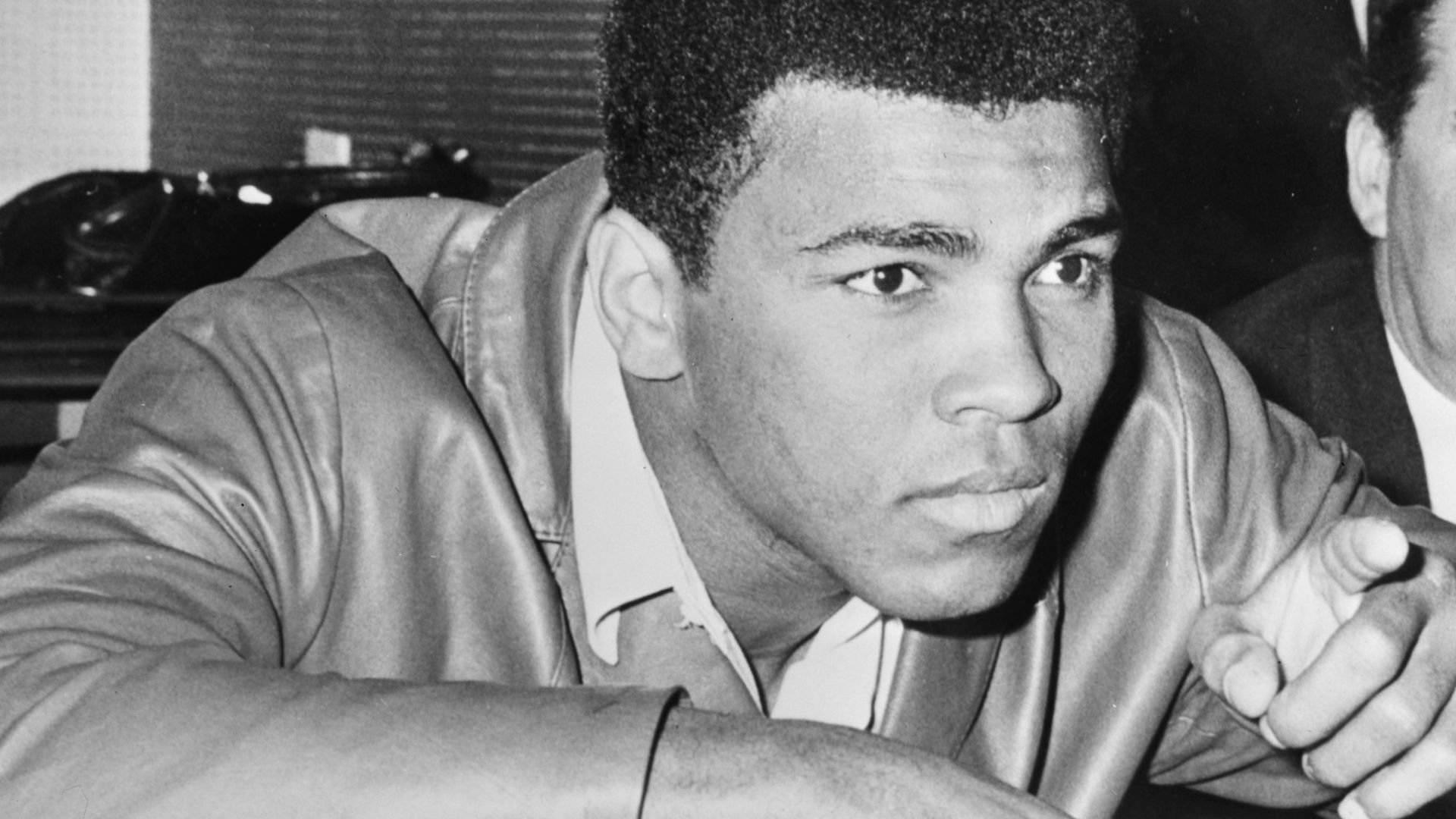
Carter’s book brought his story to the public. George Lois, an advertising executive, started a campaign for Carter’s release. Then boxer Muhammad Ali got behind Carter as well. When Ali was on The Tonight Show Starring Johnny Carson, he mentioned Carter by name. Carter’s tragic story was becoming something people knew about.
Then a high-ranking member of the music industry stepped in.
 Unknown authorUnknown author, Wikimedia Commons
29. He Had A Surprising Visitor
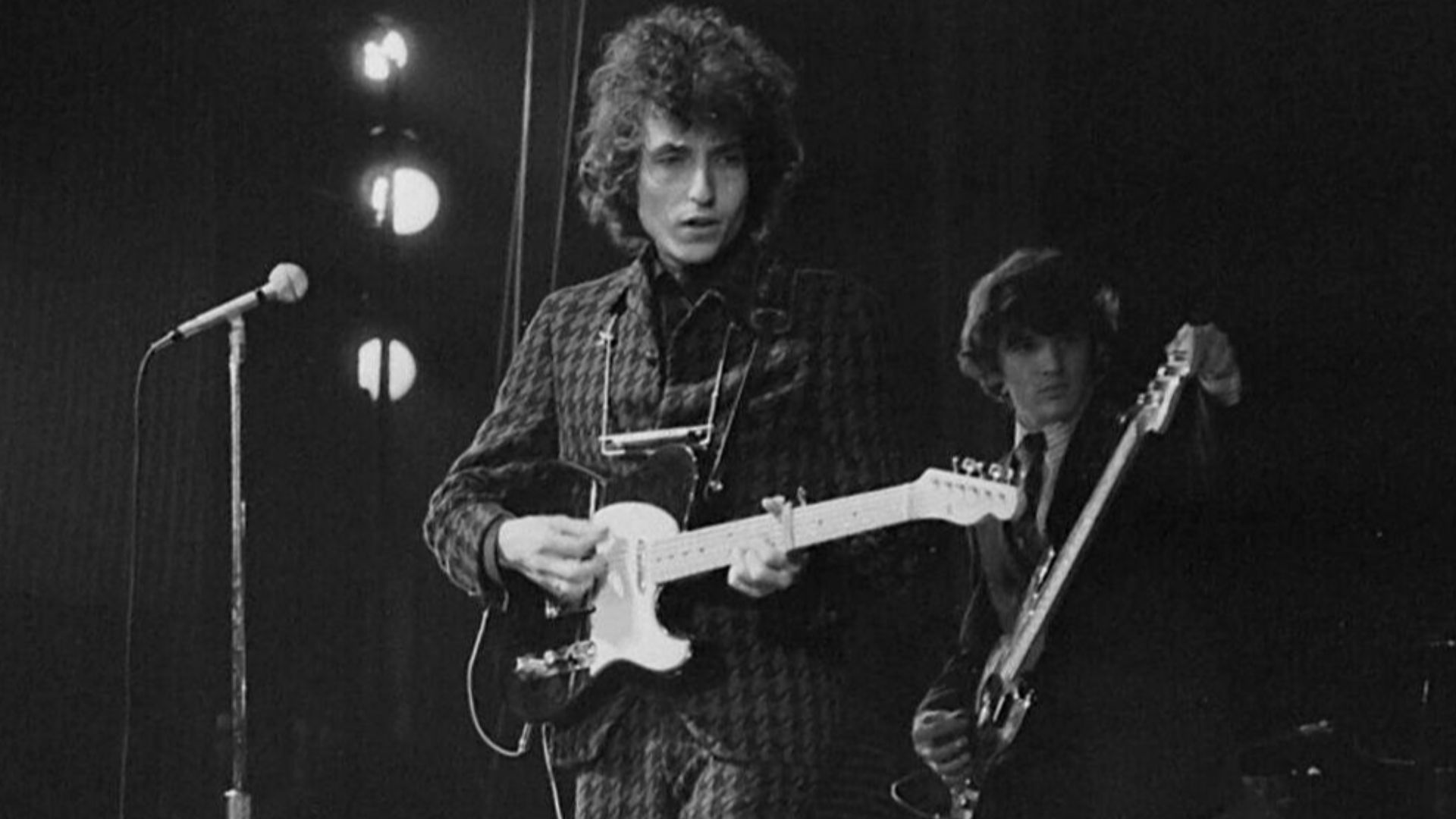
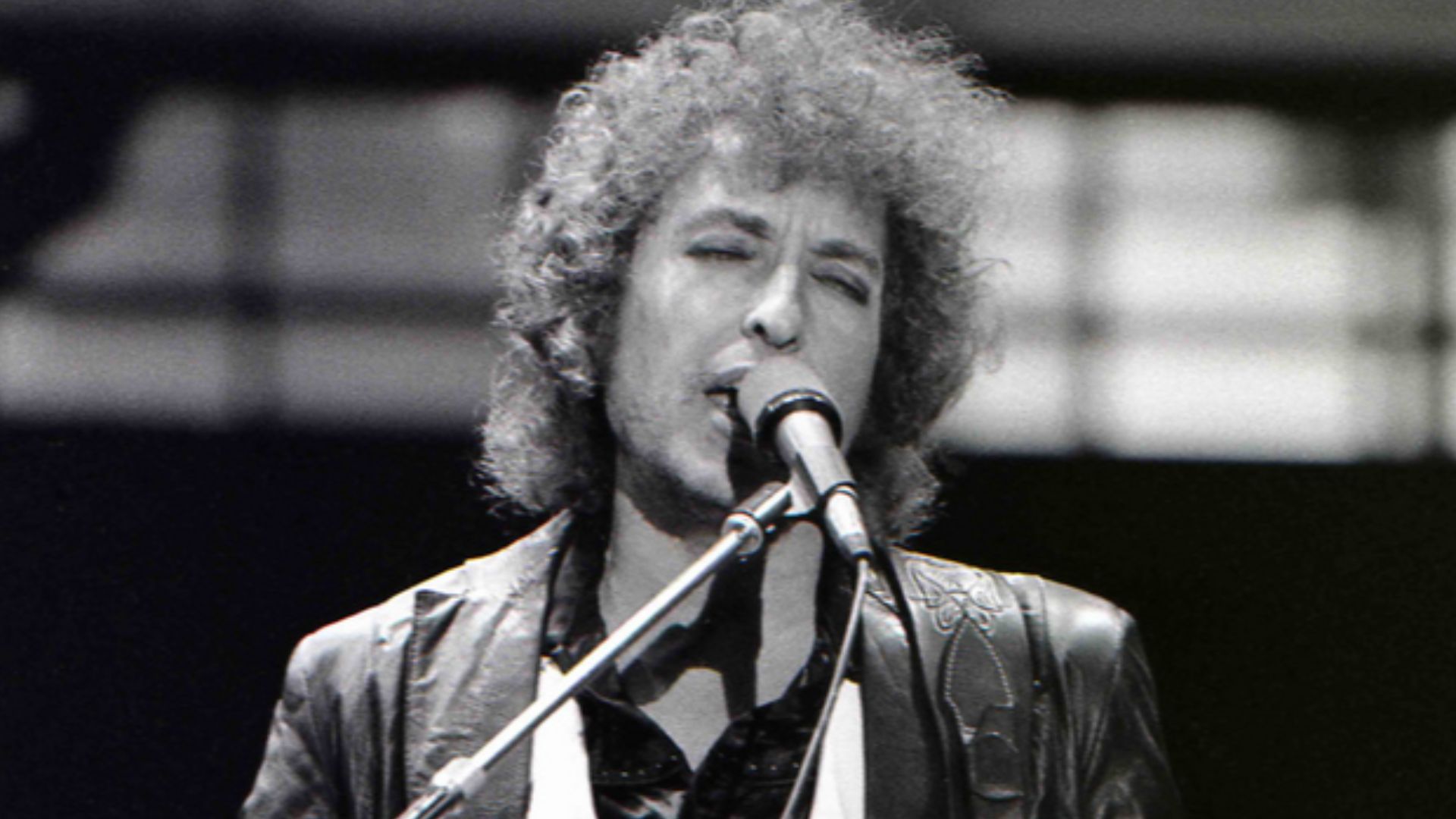
While still incarcerated, Carter had a surprising visitor. Folk singer Bob Dylan had read his book and wanted to meet Carter face-to-face. After the meeting, Dylan sat down and wrote a song that chronicled Carter’s story. He called it “Hurricane” and in 1976, Dylan released it to the world.
This would surpass Carter’s book in impact.
 Pic, Roger (1920-2001). Photographe, Wikimedia Commons
30. His Story Was Powerful
Dylan’s song about Rubin Carter made it to the 33rd spot on the Billboard Hot 100. The magazine said it was "probably the most powerful song Dylan has recorded in a decade”. It was also on Dylan’s list of most successful singles. In addition to being a boon for Dylan, the song also brought the public’s attention to Carter’s plight. In 1975, Dylan performed Hurricane at Trenton State, where Carter was temporarily incarcerated.
The real question was whether all this publicity could help Carter become a free man.
 Chris Hakkens, Wikimedia Commons
31. He Got A Second Chance
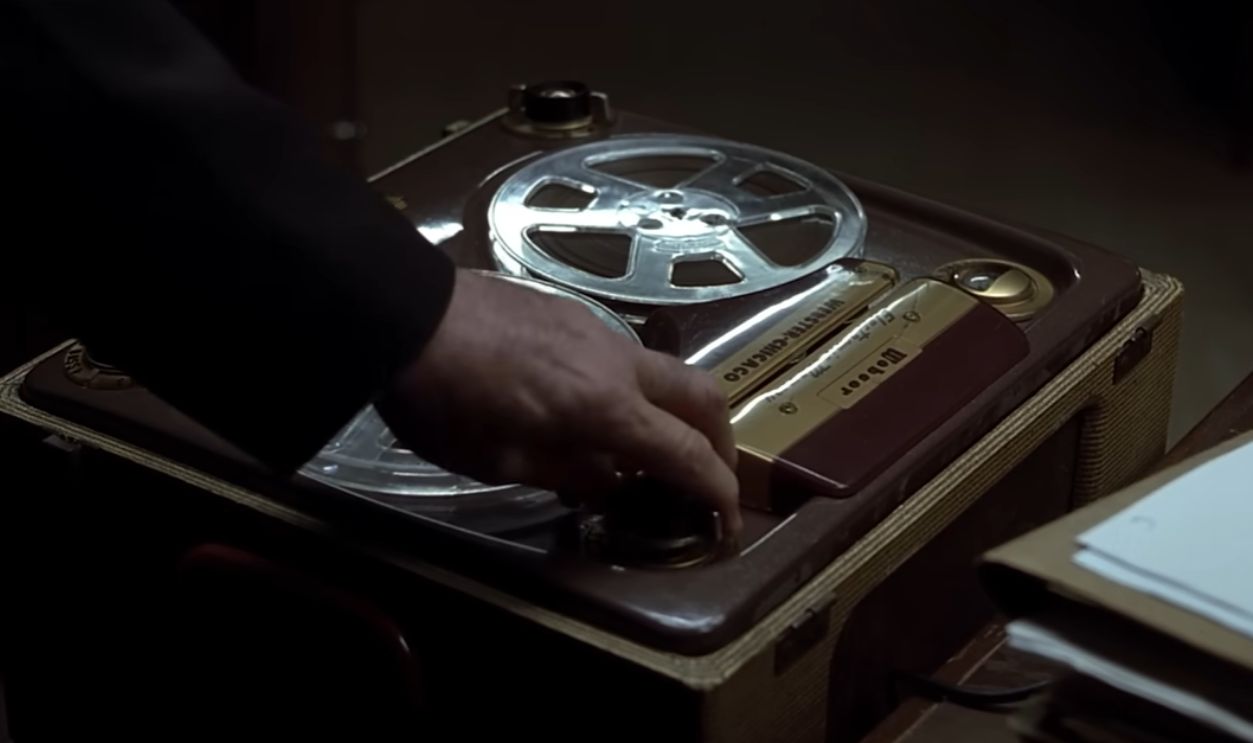
In 1976, the New Jersey Supreme Court agreed to give Rubin Carter and his co-accused John Artis a retrial. They now had a tape where the detectives were making Bello promises in exchange for testimony that would help their case. The prosecution should have told the jury about these deals, so they could determine the credibility of the eyewitness.
Carter had a glimmer of hope for his future.
 Screenshot from The Hurricane, Universal Pictures (1999)
32. He Passed A Test
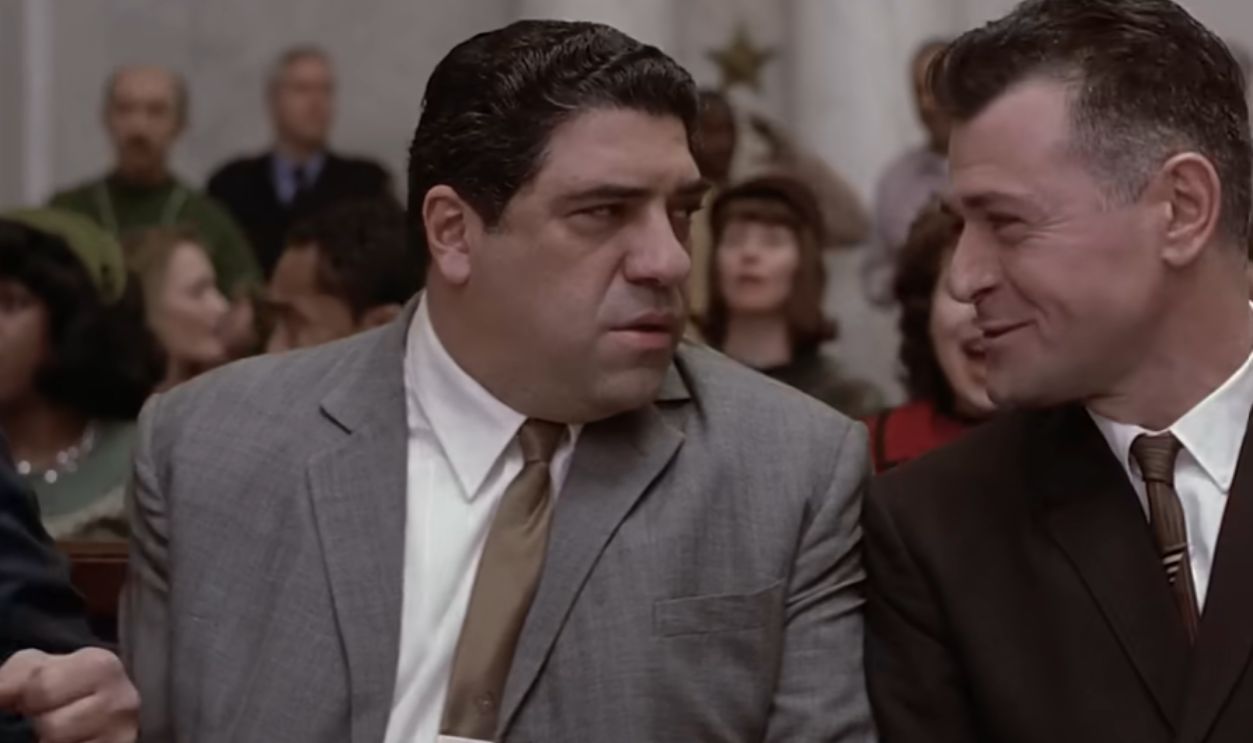
Before this retrial, Bello took a polygraph regarding his identification of Carter. To Carter’s surprise, Bello passed it. But there were still inconsistencies about Bello’s statement. This mattered even more when he described where he was standing when he saw Carter. Despite this, prosecutor Humphreys made the conclusion that the court could trust Bello’s word.
This didn’t look good for Carter. And then it just got worse.
 Screenshot from The Hurricane, Universal Pictures (1999)
33. He Had A Brief Taste Of Freedom
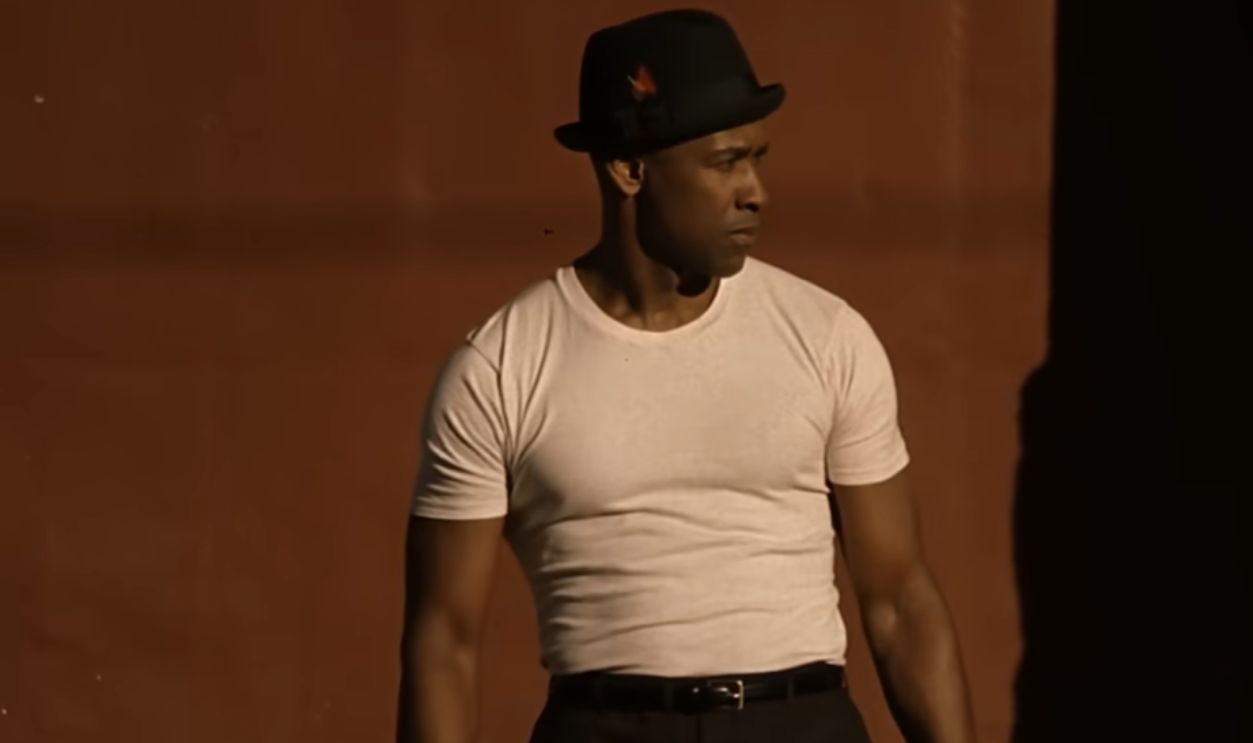
During the trial, Carolyn Kelley, a member of the group trying to free Carter, raised money to get Carter out on bail. Her efforts worked, and in March 1976, Carter got a taste of freedom. For the next while Carter and Kelley were often side by side. In fact, Kelley seemed to alienate the other members of the team. There was also a rumor that the two were romantically involved.
And then the worst thing happened.
 Screenshot from The Hurricane, Universal Pictures (1999)
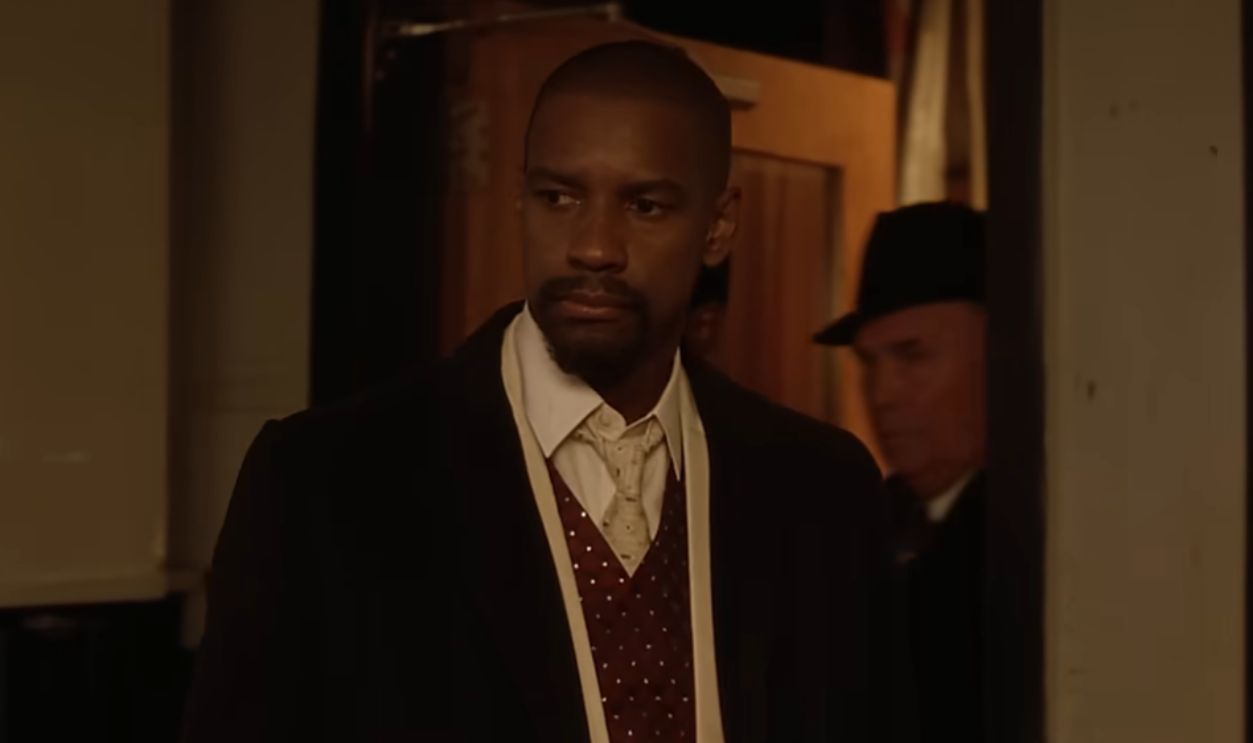
34. She Accused Him
It was around this time that a picture of Kelley appeared in a local paper. She was in the hospital, and someone had beaten her up. Unfortunately, the someone she accused was Rubin Carter. Kelley told the story that she and Carter had argued over a hotel bill in Maryland.
This story was bad enough. The fact that Carter was married to someone else made him look worse.
 Screenshot from The Hurricane, Universal Pictures (1999)
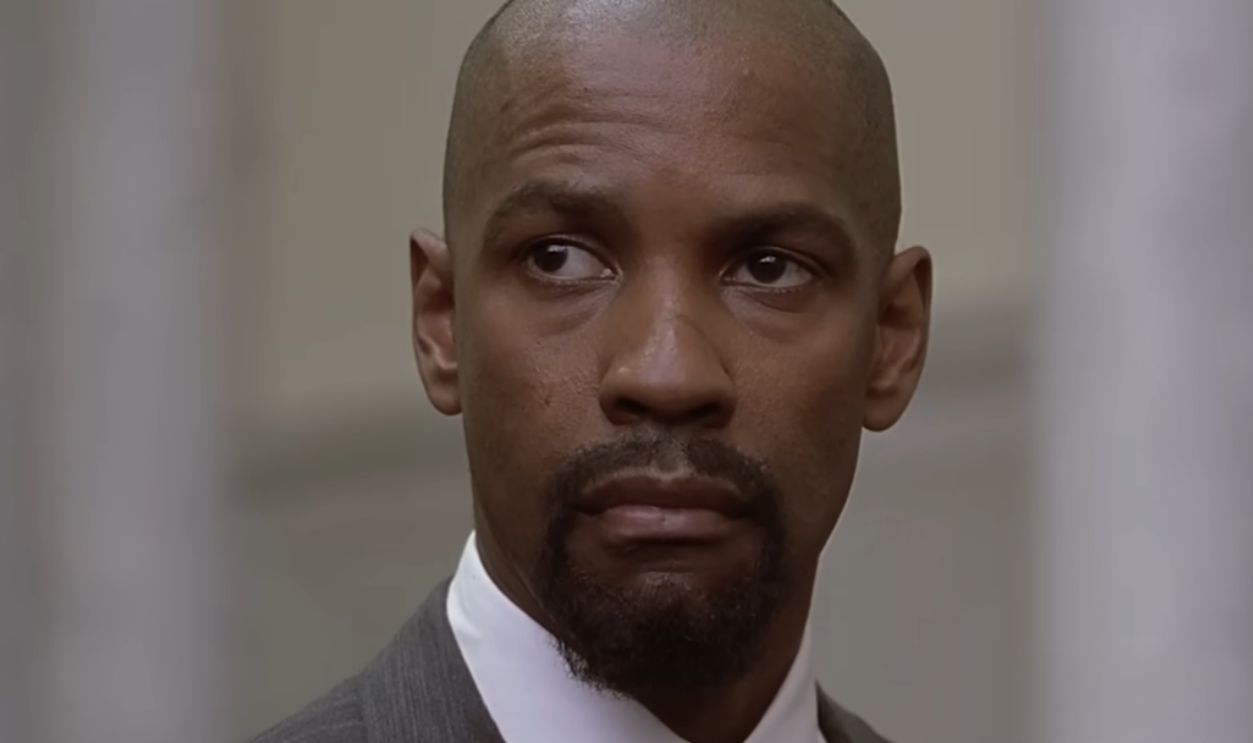
35. His Reputation Took A Hit
Rubin Carter denied hitting Kelley and said that she was just angry because he had rejected her romantically. Even though Kelley refused to press charges, her story had already damaged Carter’s reputation. Because of it, many of the celebrities who were helping him turned their backs on him.
And then it came time for the verdict.
 Screenshot from The Hurricane, Universal Pictures (1999)
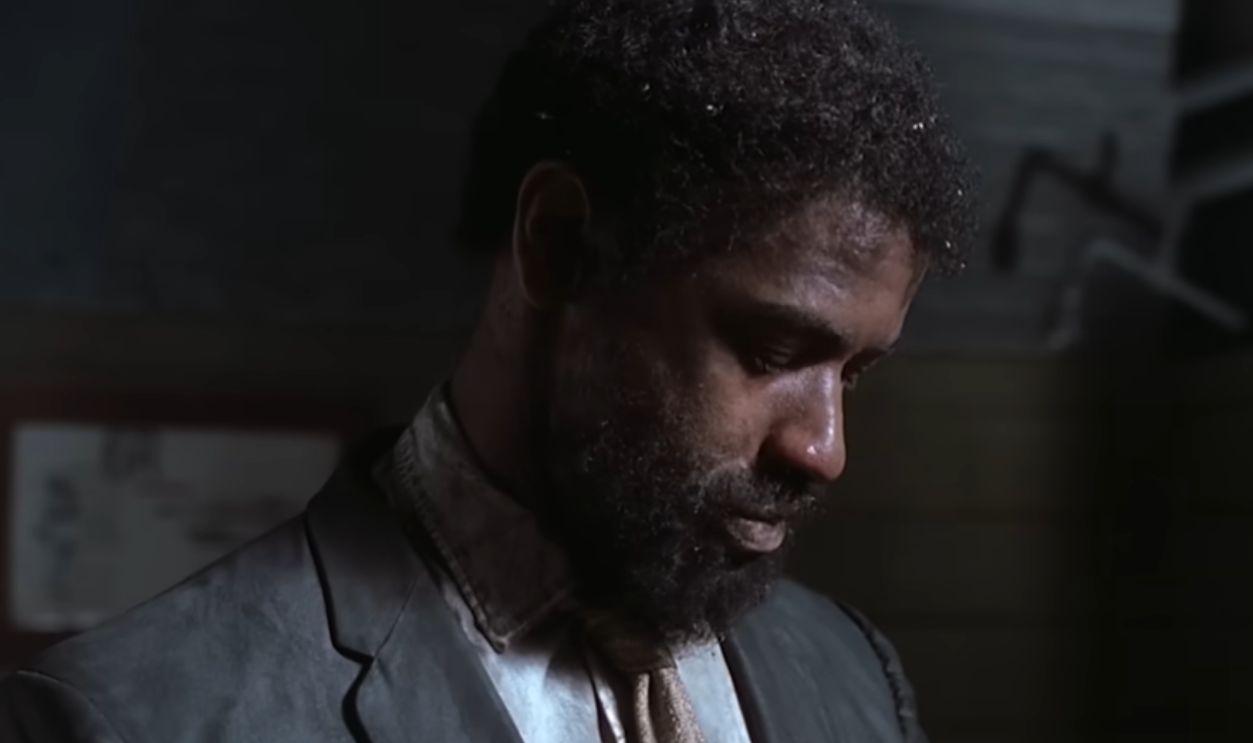
36. It Happened Again
Even with all the uncertainties about the eyewitnesses, the retrial did not go in Carter’s favor. The jury took nine hours and found both Carter and Artis guilty again. The new judge, Judge Leopizzi, gave Carter and Artis the same sentences they already had. Also, with what had occurred with Kelley, Carter lost his temporary freedom.
Carter was exactly where he’d been before the retrial.
 Screenshot from The Hurricane, Universal Pictures (1999)
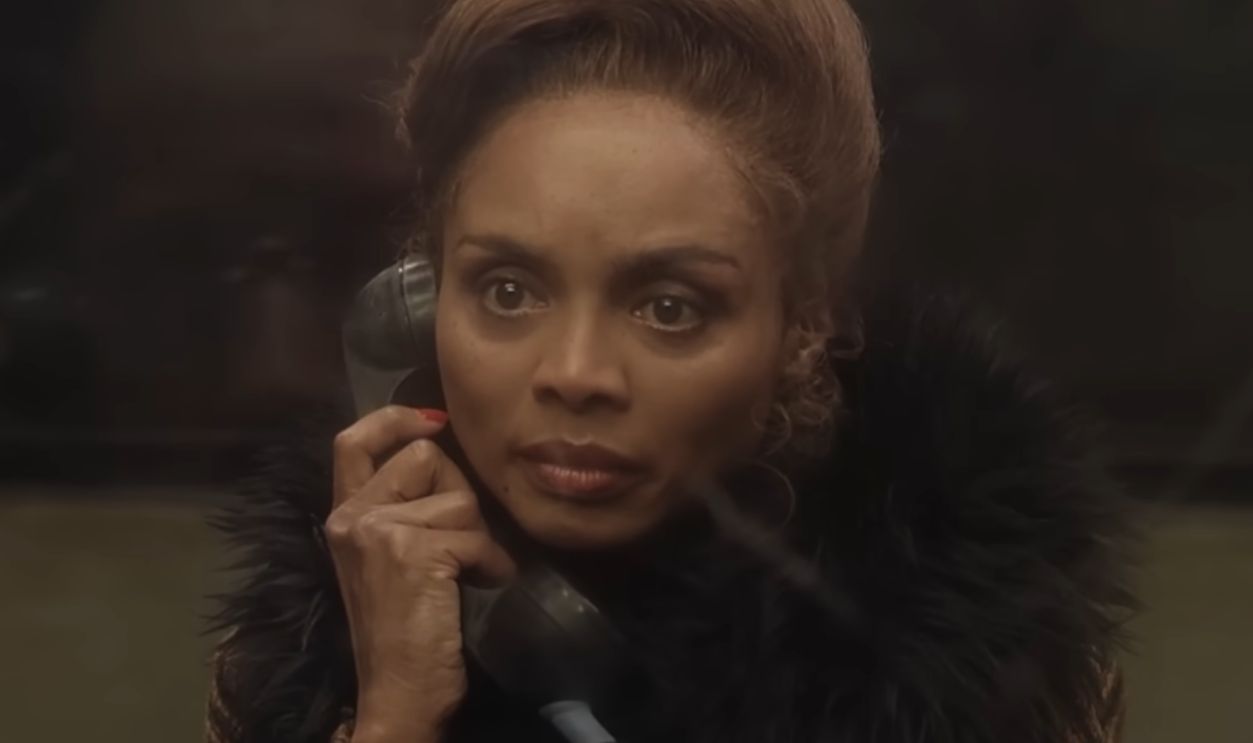
37. He Lost Her
Rubin Carter was likely feeling horrible about being incarcerated again. Well, then things got a little worse. His wife, Mae Thelma basket, had stood by him. But then she found out that Carter had been having affairs with some of his supporters—even while incarcerated. Sadly, Basket had just recently given birth to their second child, but she decided to divorce Carter.
Carter had hit a low—but then something amazing happened.
 Screenshot from The Hurricane, Universal Pictures (1999)
38. He Got Help From A Surprising Place
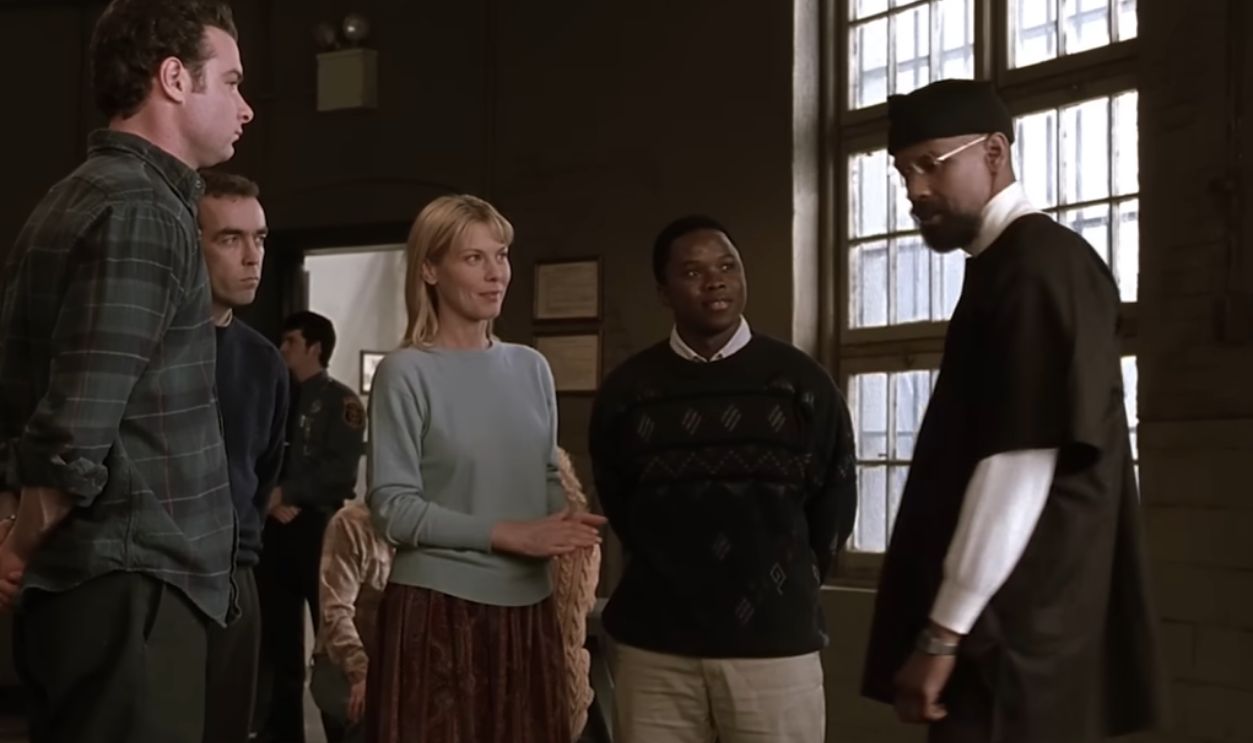
In 1980, a Canadian teenager named Lesra Martin came to visit Carter after reading his book. As it turned out, Martin lived with a group of people who worked on getting wrongly convicted people out from behind bars. Suddenly, Carter had a bunch of people working to get him free.
 Screenshot from The Hurricane, Universal Pictures (1999)
39. He Got A Break
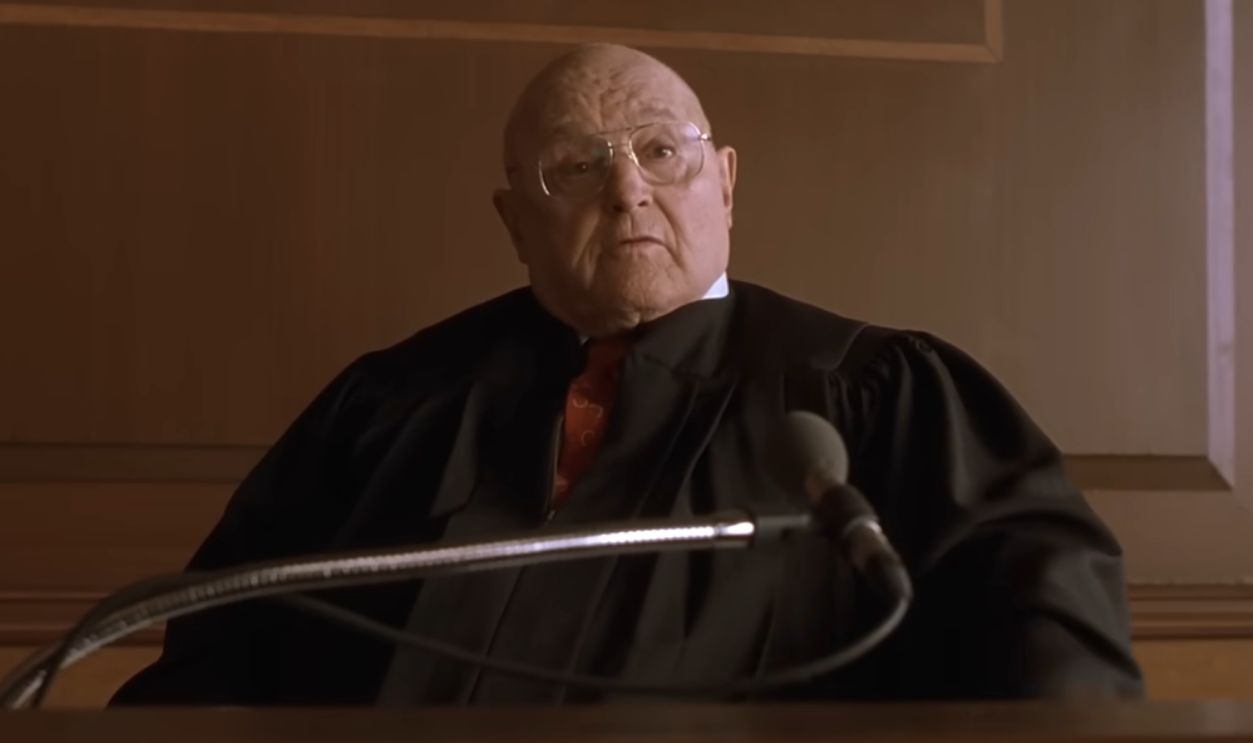
In 1985, Rubin Carter finally got a break. Prompted by Martin’s group, Judge H Lee Sarokin of the United States District Court for the District of New Jersey acknowledged that prejudice had been an influence during Carter’s trial and retrial. Carter, who was now 48 years old, walked out of detention a free man.
It was an incredible turn of events. Now, what would Carter do with his newfound freedom?
 Screenshot from The Hurricane, Universal Pictures (1999)
40. He Went Far Away
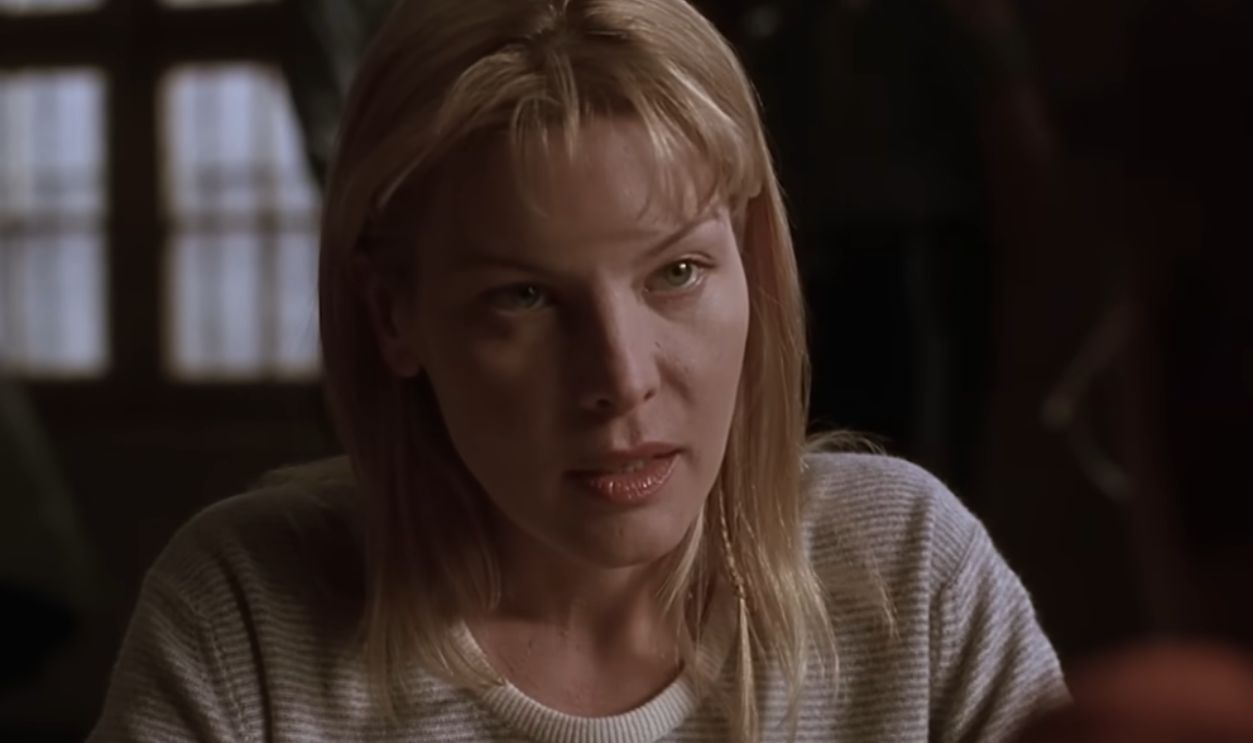
After almost two decades behind bars, Carter wanted to get as far away as he could. He ended up in Toronto, Canada, living in a commune with Martin and those who had advocated for him. He also decided to marry again—this time to Lisa Peters, who had also worked to get him free.
It seemed that Carter had everything he needed. But that wasn’t quite true.
 Screenshot from The Hurricane, Universal Pictures (1999)
41. It Wasn’t Perfect
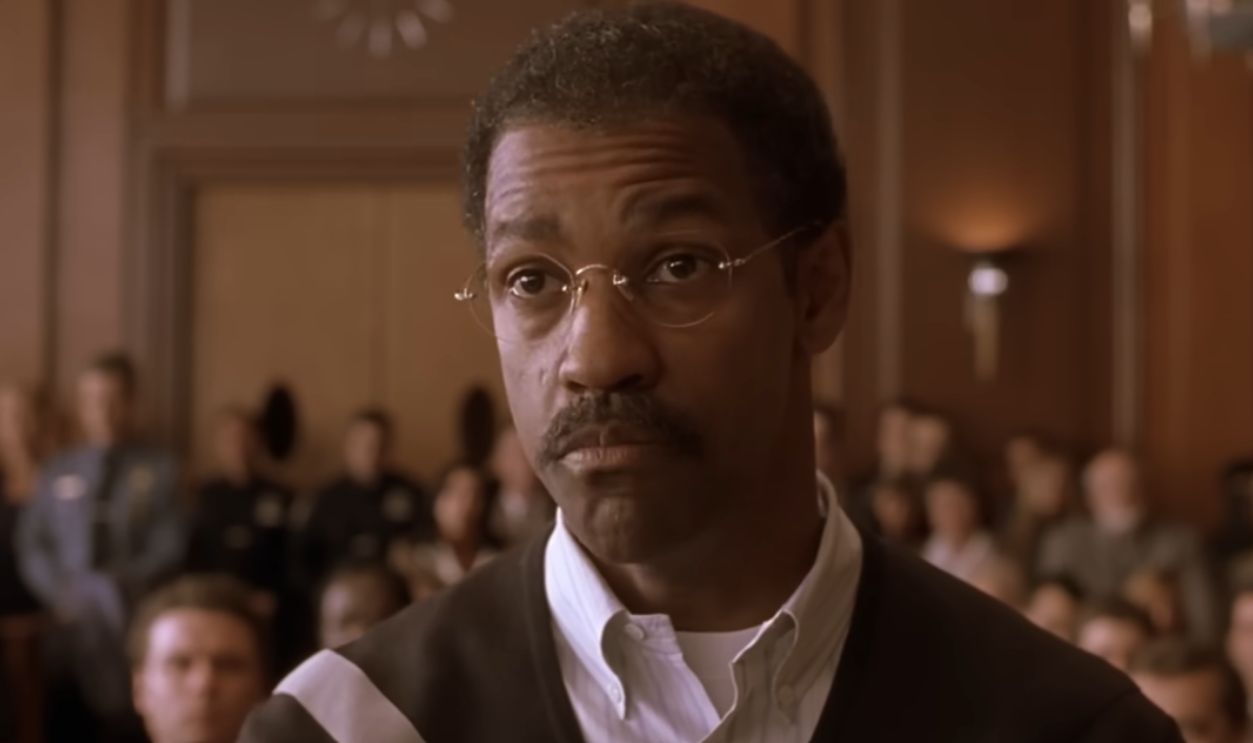
Rubin Carter later said that he loved his new wife…but he just didn’t like her very much. He also didn’t really like spending time with her. Making things worse, Carter said that the commune felt like he was incarcerated all over again. All he really wanted was his freedom.
He had to figure out a new way to live.
 Screenshot from The Hurricane, Universal Pictures (1999)
42. He Had To Get Out
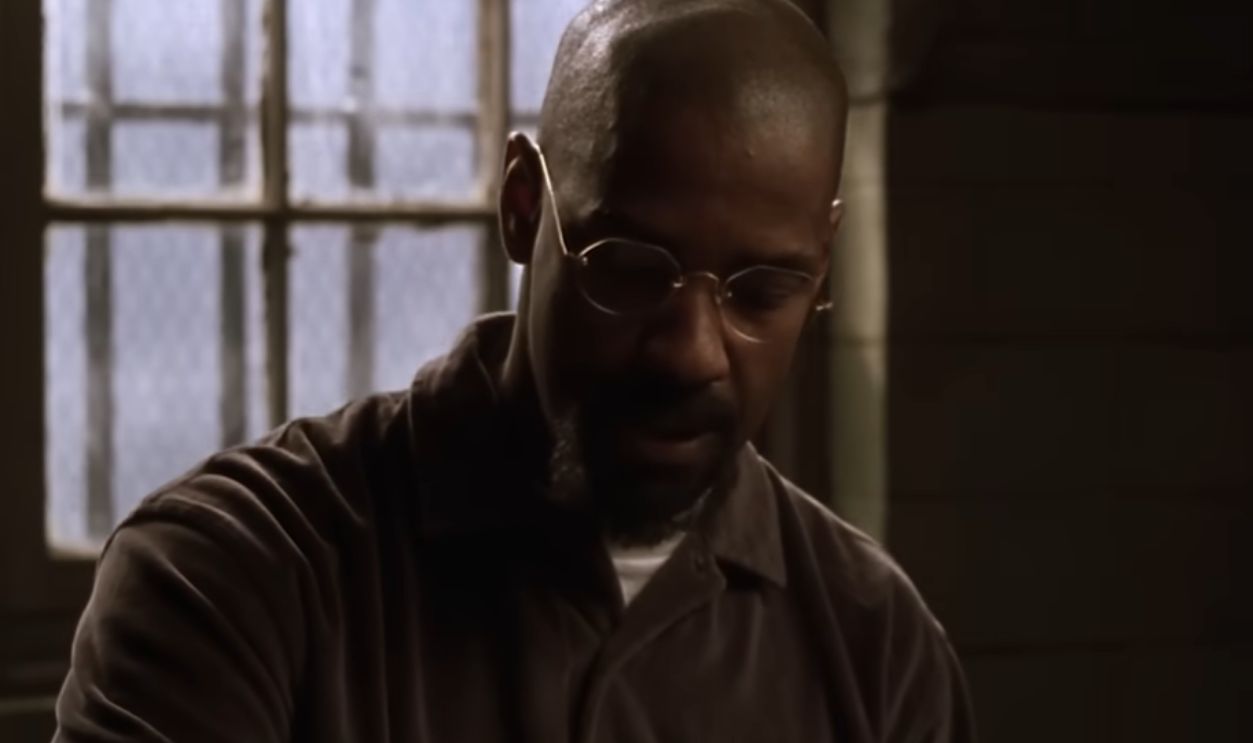
One Christmas Day, Carter loaded up his Jeep with everything he owned. He only had $125 to his name, but he decided to take a risk and left the commune. His life became nomadic at this time, as he had trouble settling in anywhere. This is not so surprising after spending so many years in a lonely cell.
Carter didn’t know where he wanted to live, but he did know what he wanted to do.
 Screenshot from The Hurricane, Universal Pictures (1999)
43. He Wanted To Help
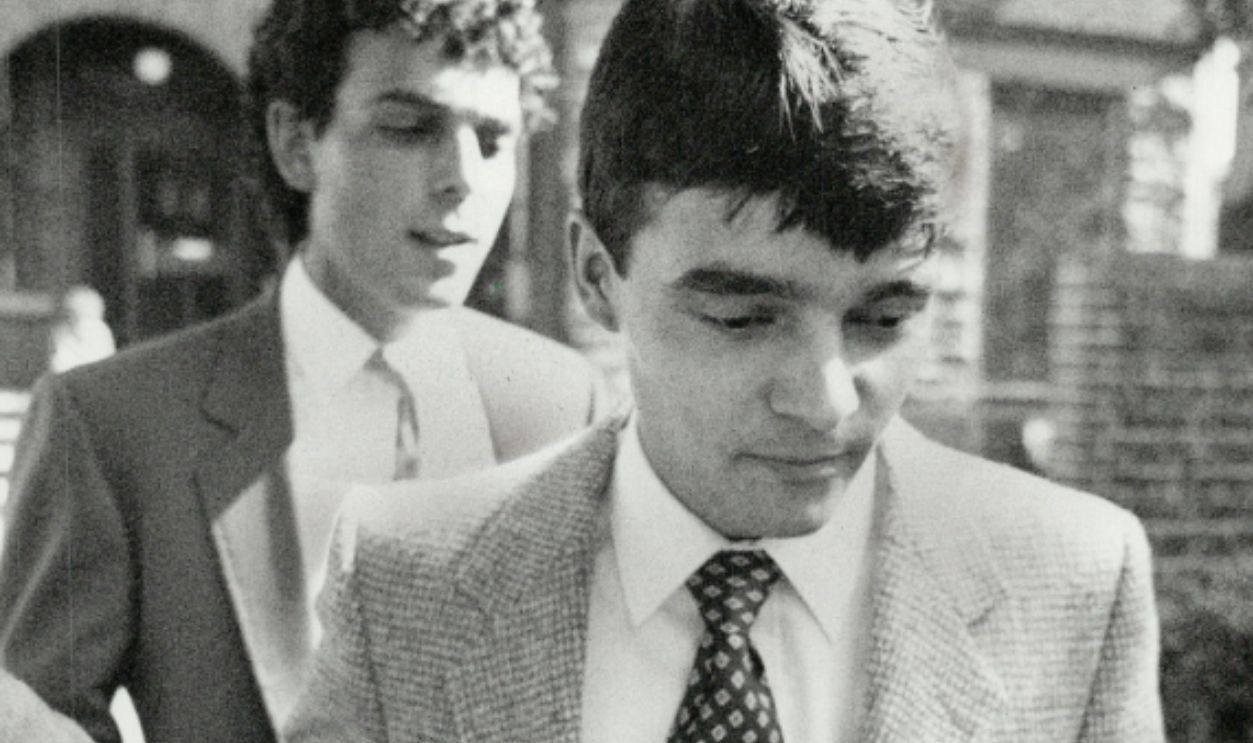
What Carter wanted to do was help other people who were in a similar situation to the one he had survived. He soon became the executive director of the Association in Defence of the Wrongly Convicted (AIDWYC). He was instrumental in getting Canadian convict Guy Paul Morin released.
The boxing world hadn’t forgotten about Carter.
44. He Received A High Honor
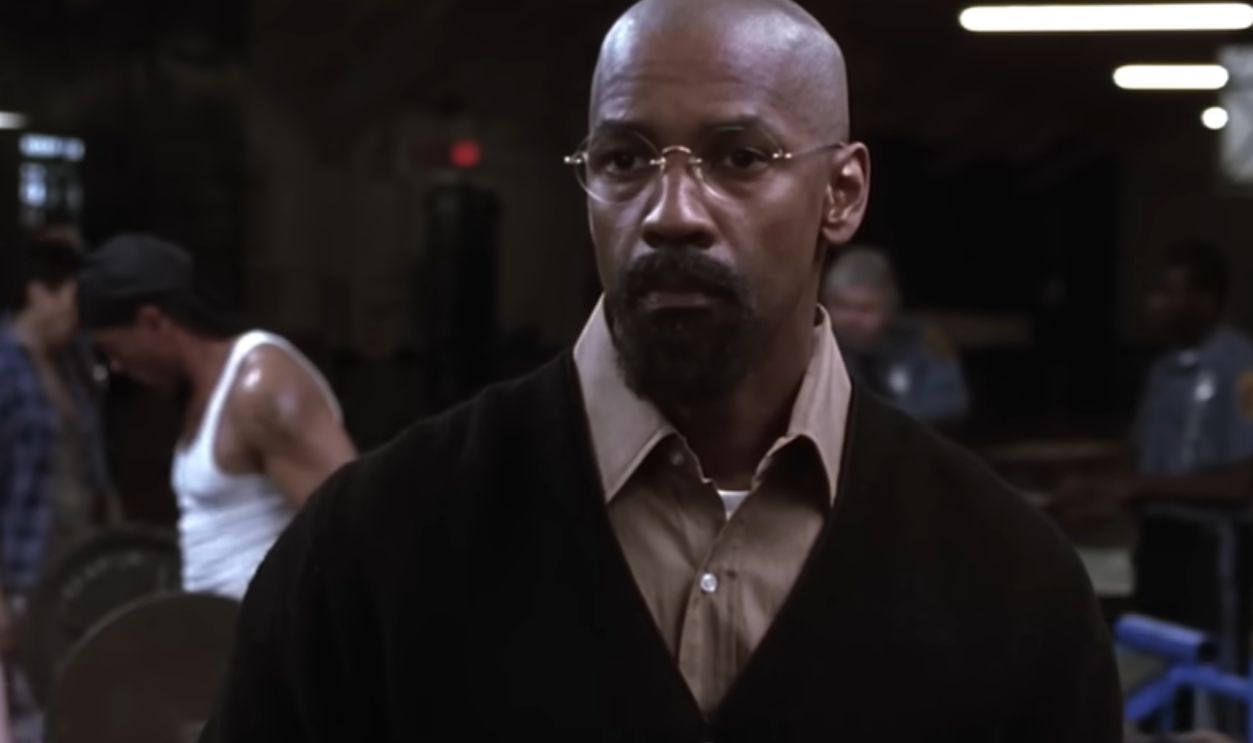
The boxing world still remembered Rubin Carter, and they wanted to acknowledge him. In 1993, they presented him with the World Boxing Council's honorary championship title belt. At the same ceremony, his old opponent Joey Giardello received the same honor. Years later, the New Jersey Boxing Hall of Fame added Carter to its membership.
Sadly, Carter still faced prejudice.
 Screenshot from The Hurricane, Universal Pictures (1999)
45. History Repeated Itself
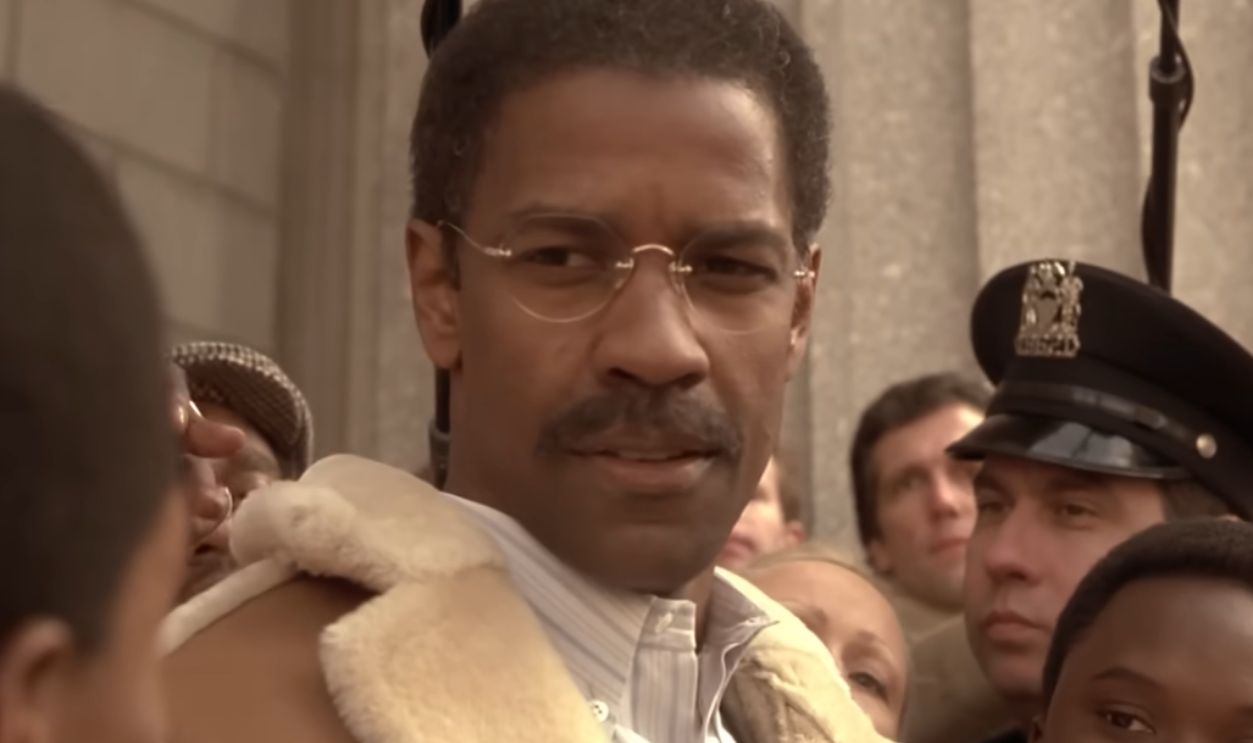
In 1996, officers pulled Carter over. It must have seemed just like that night in New Jersey so many years ago. The officers were sure that Carter was a man who had tried to make a drug sale to an undercover officer—but there was a caveat. The man they were looking for was 30 years old, and Carter was 59. The officers eventually realized their ridiculous mistake.
But not all of the attention Carter got was negative.
 Screenshot from The Hurricane, Universal Pictures (1999)
46. He Was A Graduate
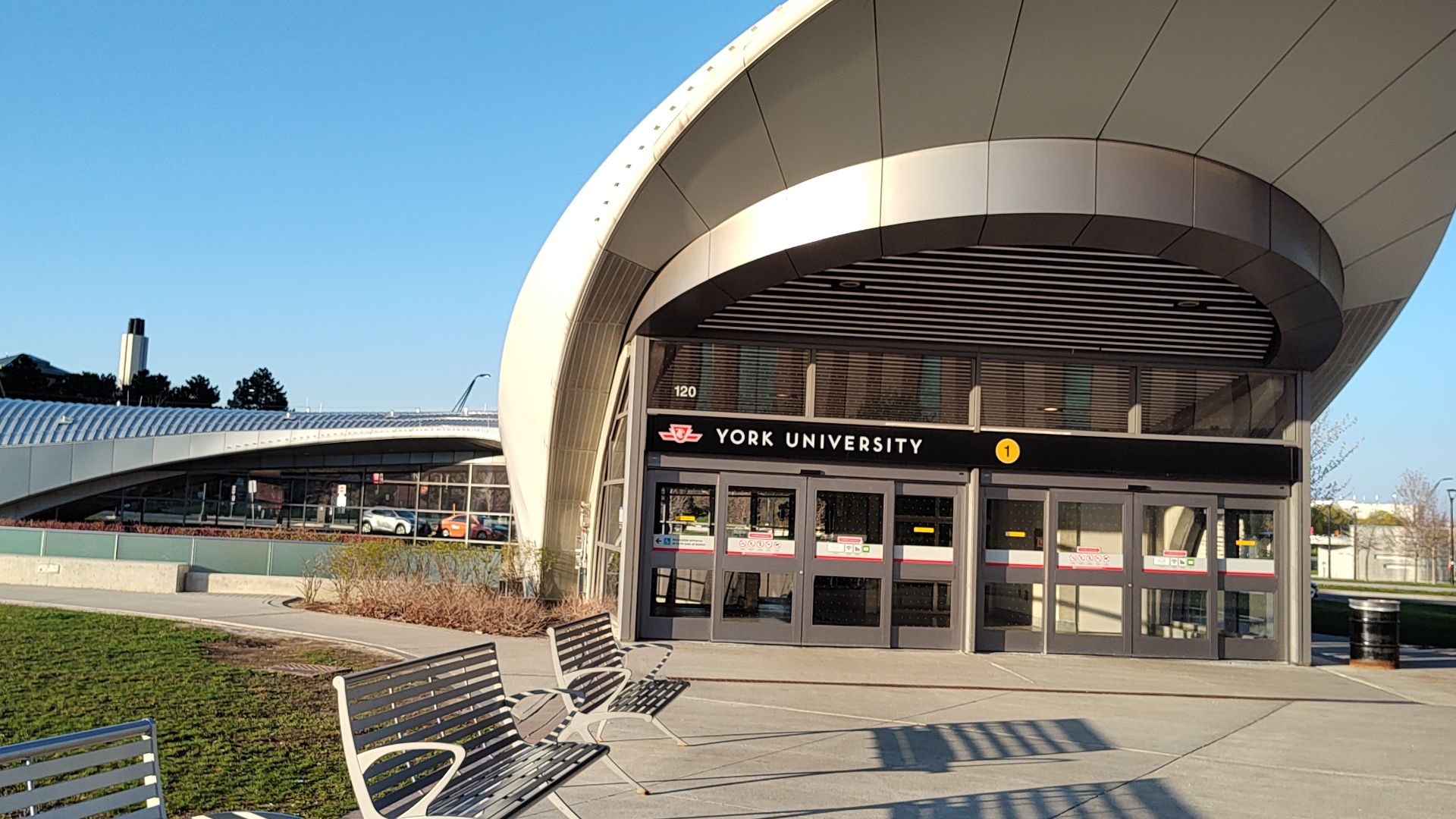
While Carter didn't have much time to attend to his education, he got degrees anyway. In October 2005, York University in Toronto gave him an honorary Doctorate of Law. Then Griffith University in Brisbane, Australia, did the same. These were both in recognition of Carter's work with AIDWYC and the Innocence Project.
When he was in Australia, Carter was keeping a heartbreaking secret.
 Luis Fernando Flores LAB, Wikimedia Commons
47. He Got Sick
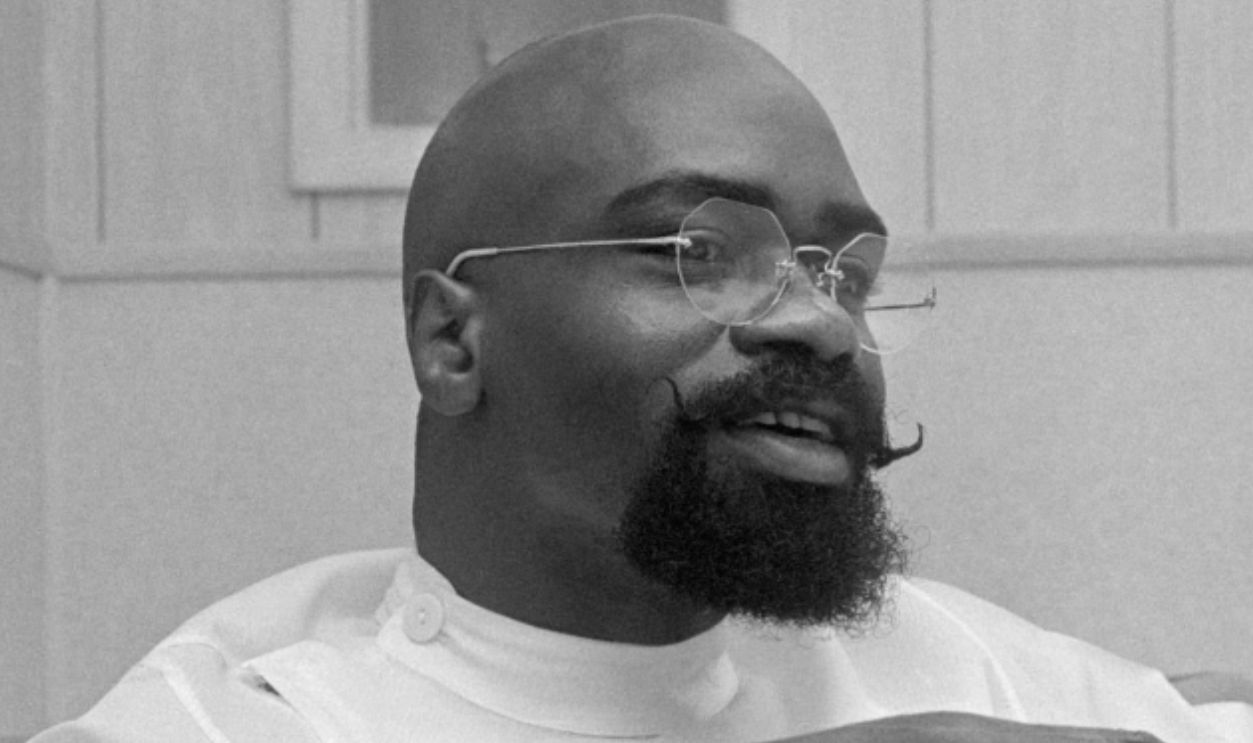
In 2012, Rubin Carter was in attendance at the International Justice Conference in Burswood, Western Australia when he took a moment to make a sad announcement. He had terminal prostate cancer. Sadly, his doctors had given him only three to six months to live. Carter had to think about the best way to use his final months.
48. He Kept Working Until The End
In the months before his passing, Carter didn’t waste time on a bucket list. He kept working on behalf of wrongly accused people. Just two months before his last days, Carter had an opinion piece in the New York Daily News on behalf of David McCallum—he called his release his “dying wish”. McCallum received an exoneration on October 15, 2014, and it wasn’t a moment too soon.
Carter’s health had hit a low point. Luckily, he had a friend he could count on.
 Angela George, Wikimedia Commons
49. He Had A Good Friend
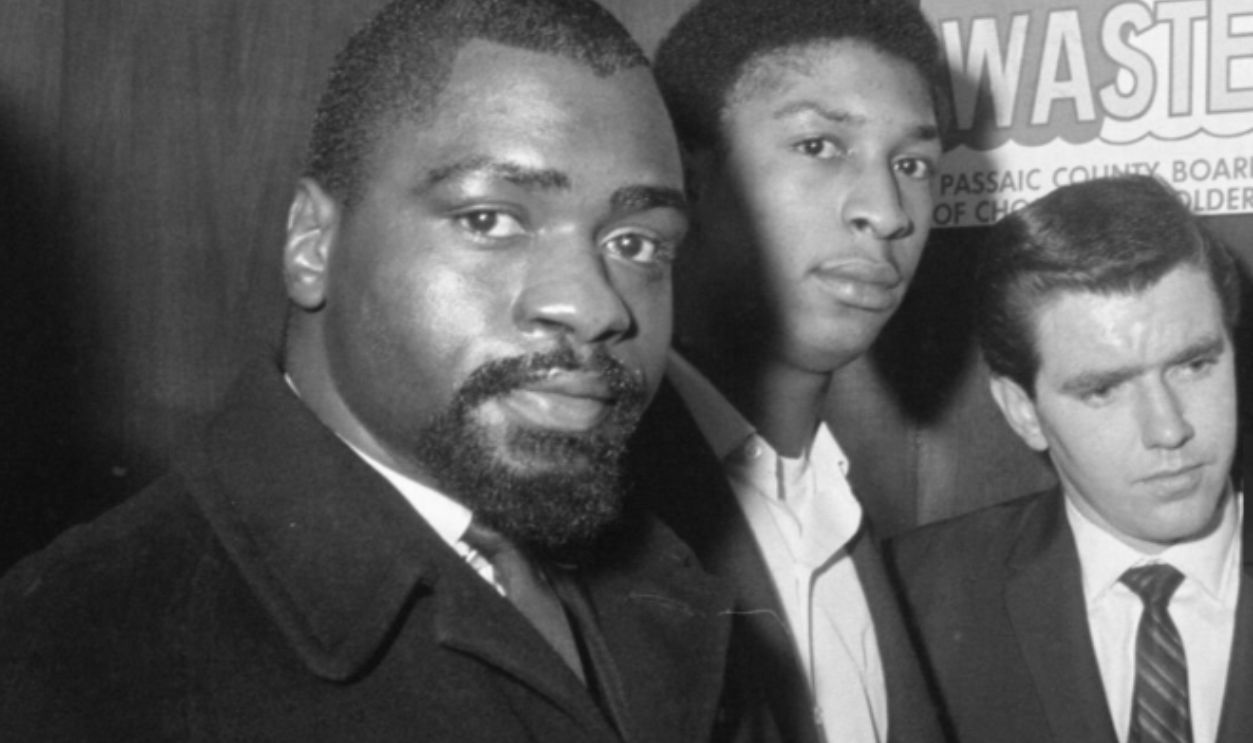
In 1981, authorities released Carter’s co-accused, John Artis, on parole. Later on, Artis stepped up and offered to live with Carter and take care of his friend. On April 20, 2014, it was Artis who made the heartwrenching announcement. Carter had passed at the age of 76. After cremation, they scattered half of his ashes over Cape Cod and the rest on a farm in Kentucky.
Carter was gone, but we would not forget him.
50. He Helped A Winner
In 1999, Norman Jewison released the film The Hurricane, which tells Carter’s tragic story. Carter got the chance to watch Wesley Snipes and Samuel L Jackson read for the role. But it was Denzel Washington’s portrayal that moved Carter the most. With direct help from Carter, Washington’s incredible performance received a nod from the Academy and a win at the Golden Globes.
You May Also Like:
Little-Known Black Historical Figures
Tokyo Rose: The Radio Voice Of Japan In WWII
Heavyweight Facts About George Foreman, The Boxer Who Turned It Around