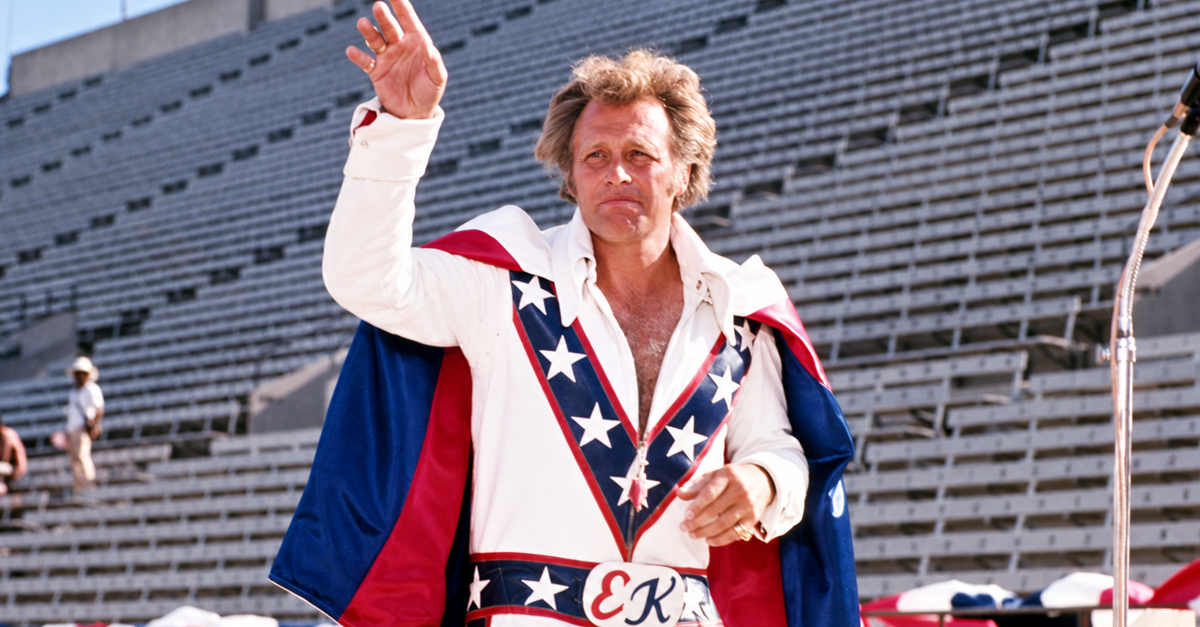
He Survived The Impossible
Evel Knievel flew over buses, crashed into concrete, and survived disasters that should have ended his life. He became a national hero and made a fortune along the way. But in 1977, he brutally attacked a former associate with a baseball bat, shattering the man's arm. The assault sent him to jail and helped destroy his multimillion-dollar empire.
How did America's most fearless daredevil lose everything without even getting on a motorcycle?
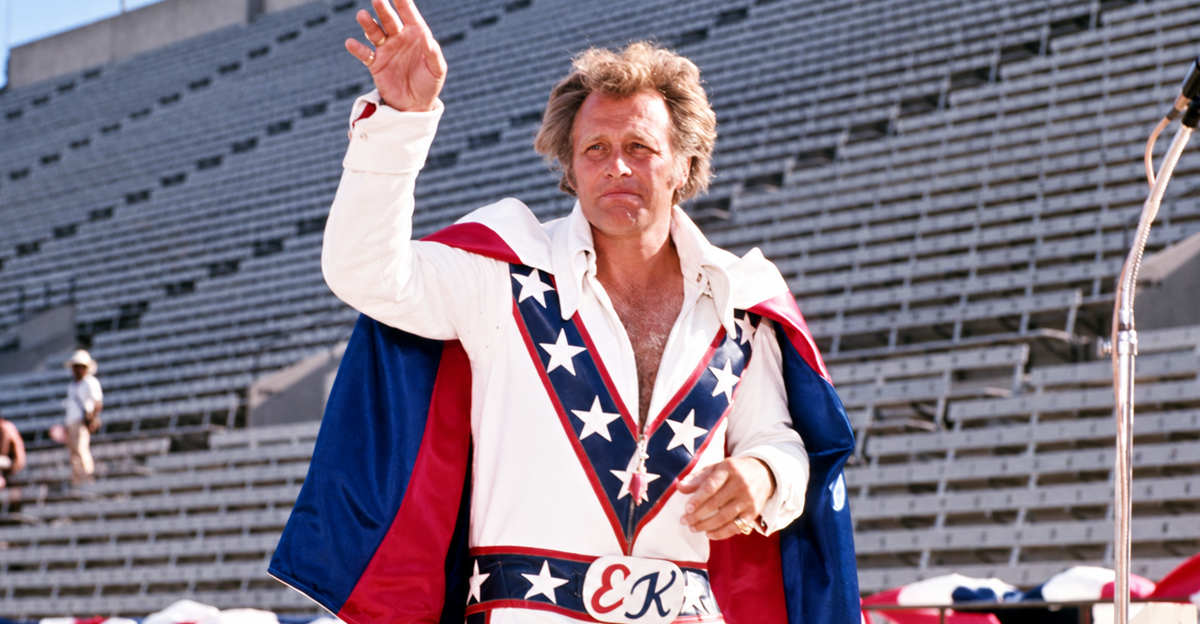 Michael Ochs Archives, Getty Images
He Was Born To Raise Hell
Robert Craig Knievel was born on October 17, 1938, in Butte, Montana, a tough copper-mining town. His parents separated when he was young, leaving his grandparents to raise him. He loved sports but had little patience for school or authority. By his teenage years, Knievel had already developed a reputation for reckless behavior.
 Unknown authorUnknown author, Wikimedia Commons
He Couldn't Stay Out Of Trouble
Knievel dropped out of high school and bounced between jobs, including working in Montana's copper mines. According to a widely repeated story, he once attempted a wheelie with heavy construction equipment and struck a power line, causing a blackout in Butte. He also developed a habit of getting into trouble with the police. One encounter with the law would give him something surprisingly valuable.
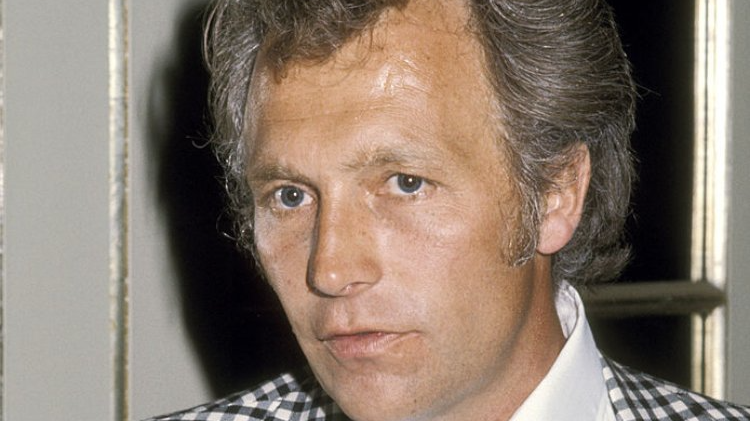
His Name Came From Jail
According to one popular account, a jailer nicknamed him "Evil Knievel" after an arrest. Another inmate named William Knofel was supposedly known as "Awful Knofel," making the pairing particularly memorable. Knievel eventually adopted the nickname but changed the spelling to "Evel." A name associated with his brushes with the law would become his greatest marketing asset.
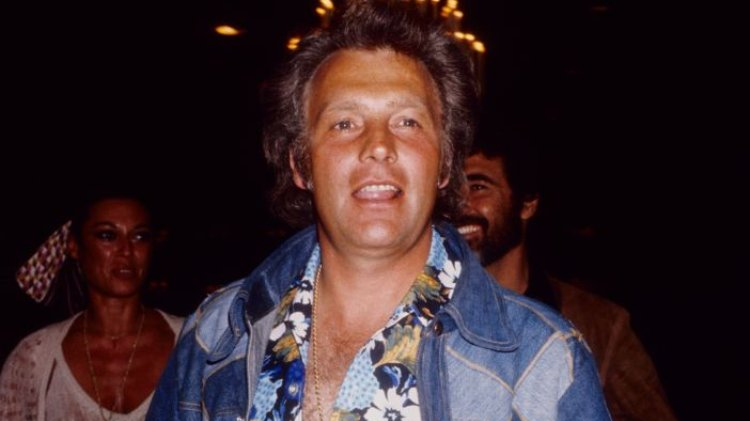 Michael Ochs Archives, Getty Images

History's most fascinating stories and darkest secrets, delivered to your inbox daily.
He Tried Almost Everything
Before finding fame, Knievel served in the US Army, played semi-professional hockey, and competed in motorcycle racing. He also tried various businesses, but nothing delivered the success he craved. What he did possess was an unusual appetite for danger and an instinct for attracting attention. Eventually, he realized those qualities might be worth more than ordinary motorcycle racing.
He Jumped Over Rattlesnakes
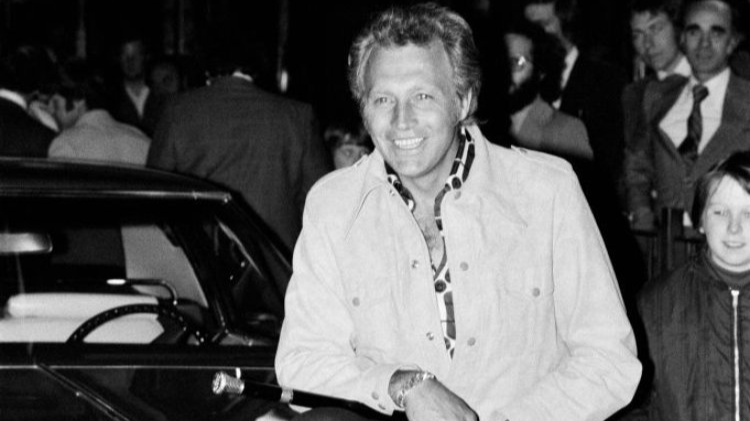
In 1965, Knievel staged a bizarre stunt in Moses Lake, Washington, involving parked vehicles, rattlesnakes, and a caged cougar. His motorcycle came up short, and its rear wheel struck the box containing the snakes. Despite the mishap, he managed to land safely. The performance convinced him that audiences would pay to watch a man flirt with disaster.
 Michael Ochs Archives, Getty Images
He Created His Own Daredevil Show
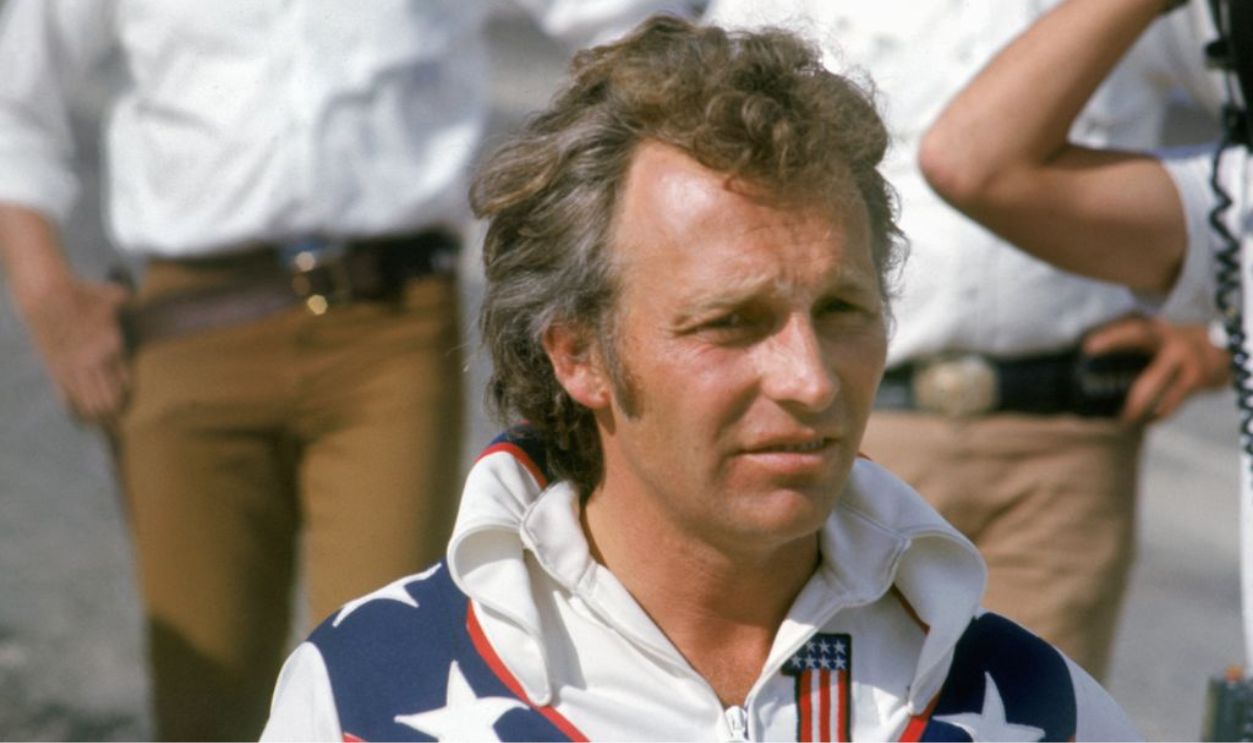
Knievel assembled a motorcycle stunt troupe and began performing at fairs and smaller venues. His shows featured jumps, wheelies, and increasingly dangerous obstacles. He also understood that colorful costumes and relentless self-promotion could make him stand out. Soon, the ambitious stuntman was searching for something spectacular enough to make him a household name.
He Set His Sights On Las Vegas
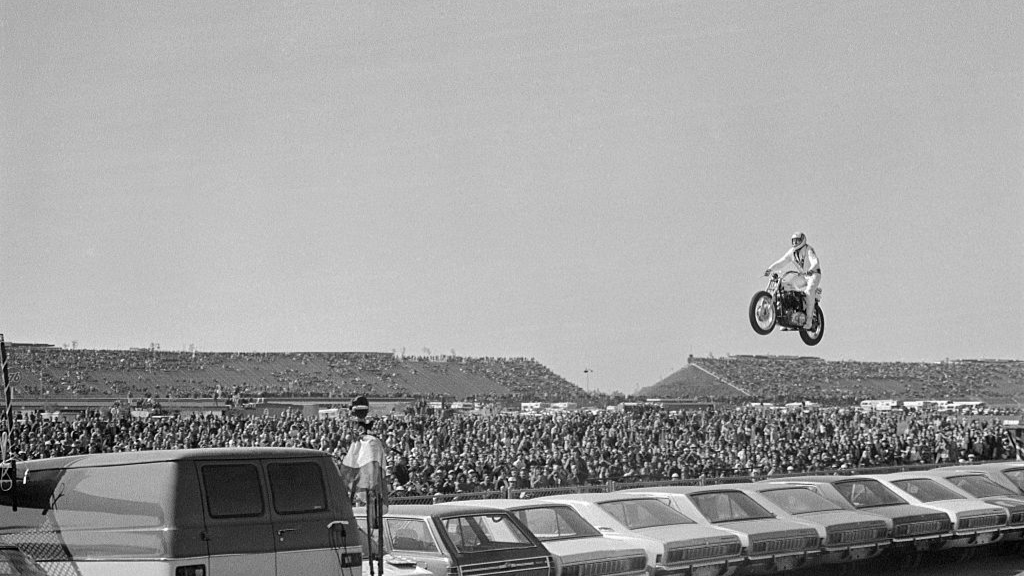
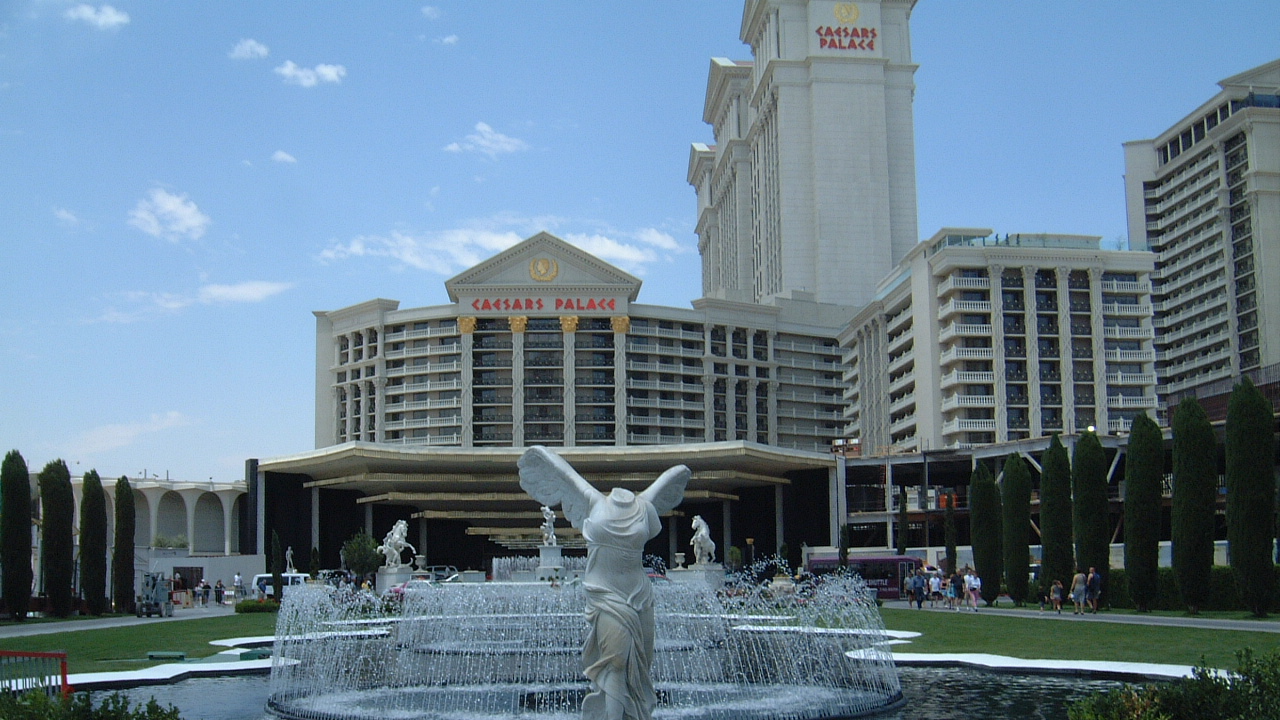
During a visit to Las Vegas, Knievel noticed the enormous fountains outside Caesars Palace. He decided that jumping over them would be his ticket to national fame. To attract attention, he reportedly called casino management while impersonating journalists interested in the stunt. Eventually, Caesars Palace agreed to let him attempt the seemingly impossible jump.
 Rob Young, CC BY 2.0, Wikimedia Commons
He Almost Pulled It Off
On December 31, 1967, Knievel accelerated toward the Caesars Palace fountains on a Triumph motorcycle. He cleared the water, but his rear wheel caught the edge of the landing ramp. The impact threw him over the handlebars, sending him tumbling across the pavement. Spectators watched in horror as the ambitious stunt became a catastrophic crash.
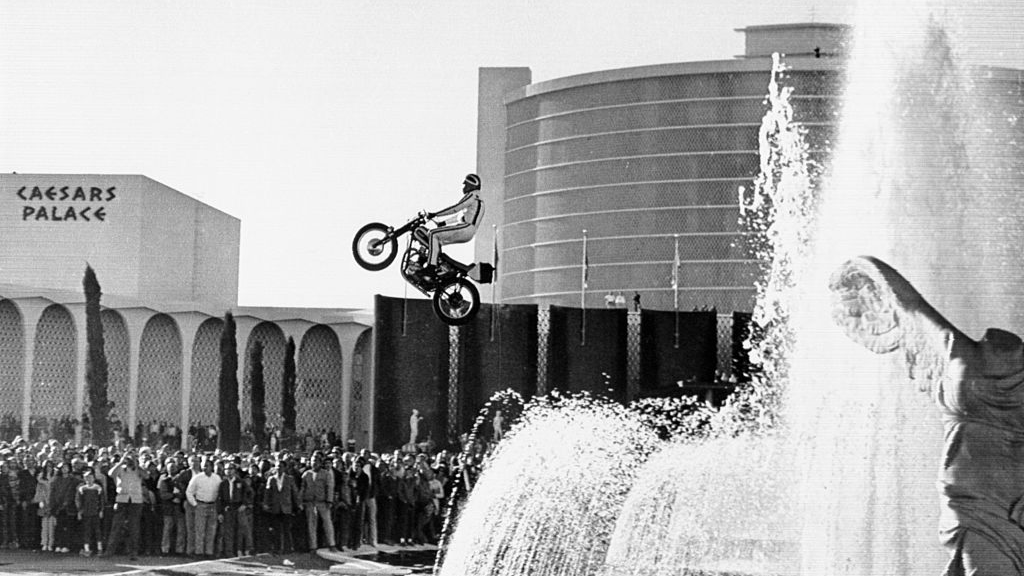
He Suffered Horrific Injuries
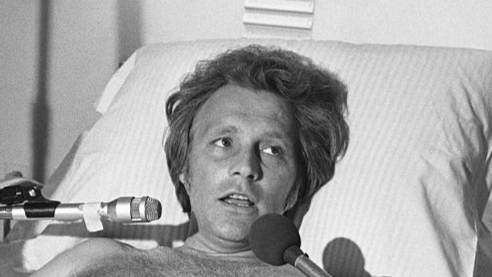
Knievel suffered a crushed pelvis, a fractured femur, broken wrists and ankles, and a serious concussion. The injuries required extensive medical treatment and a lengthy recovery. Later accounts claimed he spent nearly a month in a coma, although that detail remains disputed. What nobody questioned was how close the spectacular crash had brought him to disaster.
History's most fascinating stories and darkest secrets, delivered to your inbox daily.
A Hollywood Star Filmed His Disaster
Before the stunt, ABC had declined to televise Knievel's jump live, so he arranged to have it filmed himself. Director John Derek helped organize the production, and his then-wife, actress Linda Evans, operated one of the cameras. Evans captured the famous crash, which later reached millions of television viewers. Knievel had failed spectacularly, but the footage turned him into a national sensation.
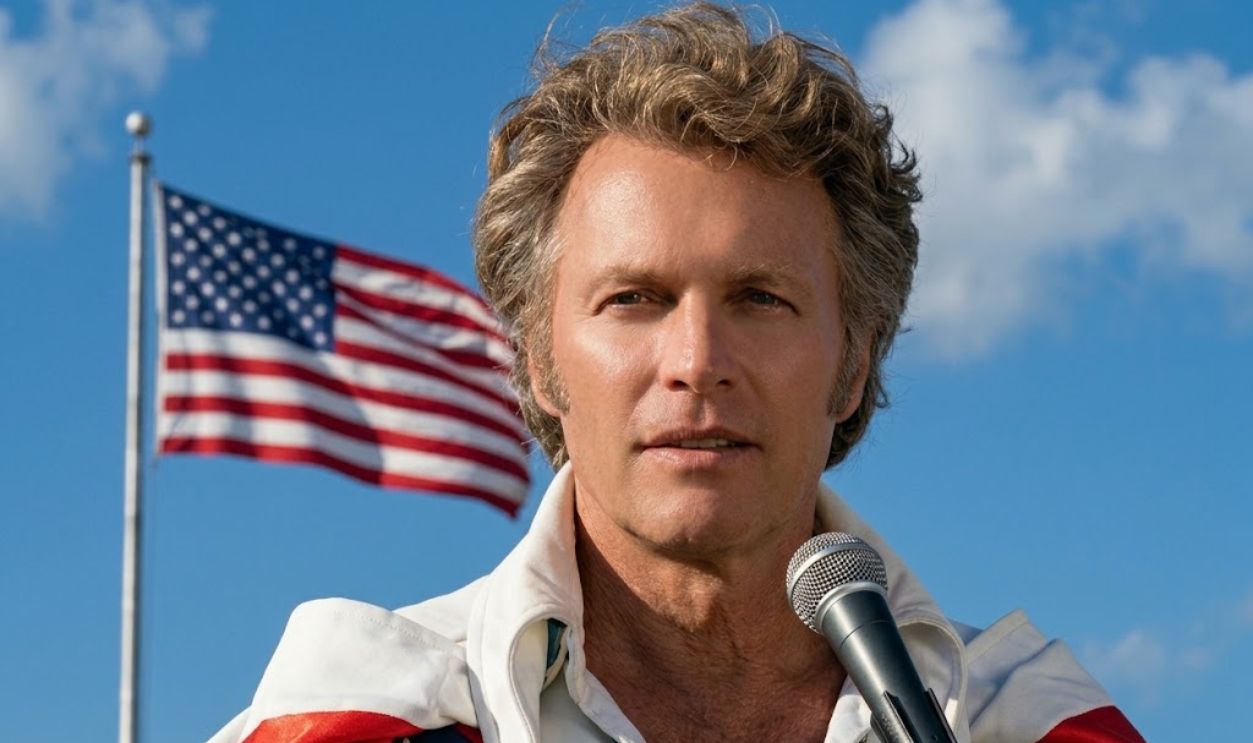 Screenshot from Viva Knievel!, Warner Bros. (1977), Enhanced
America Couldn't Get Enough
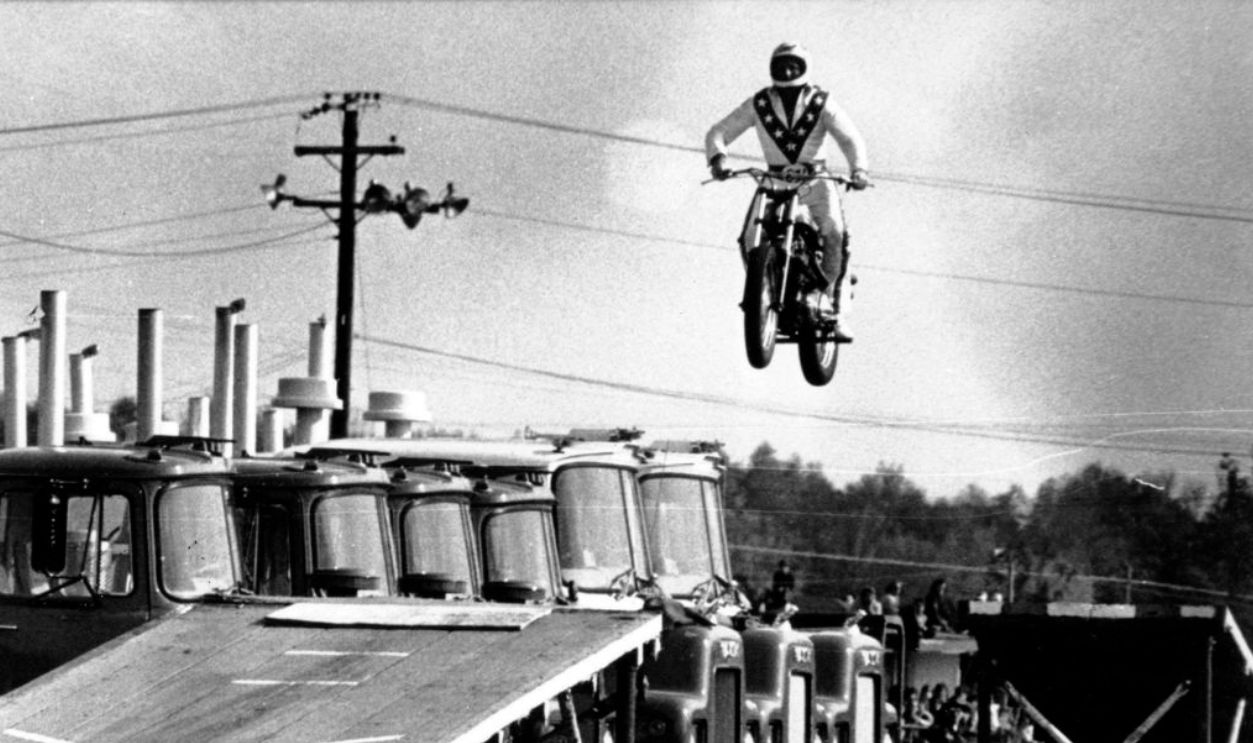
During the early 1970s, Knievel became a major attraction on ABC's Wide World of Sports. Audiences watched him leap over cars, trucks, and buses, never knowing whether he would land safely. His red, white, and blue jumpsuits made him instantly recognizable. Remarkably, the possibility of witnessing a terrible crash only seemed to make his performances more popular.
He Became A Toy Store Superstar
Knievel's fame soon spread far beyond television. Ideal Toys released action figures, toy motorcycles, and stunt sets that allowed children to recreate his dangerous performances. The products became enormous sellers, transforming Knievel into a lucrative commercial brand. With money pouring in, his lifestyle became almost as extravagant as his stunts.
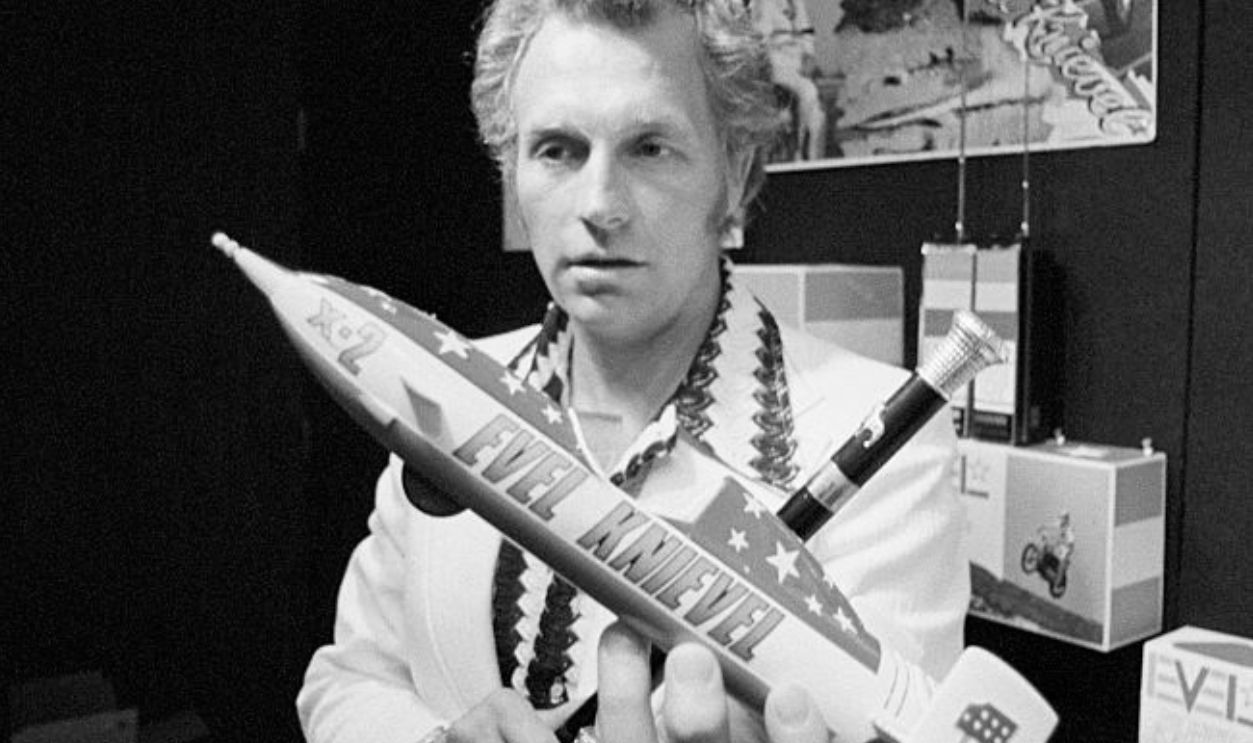
He Wanted To Jump The Grand Canyon
Knievel dreamed of performing a stunt that would dwarf everything he had already accomplished. His ultimate ambition was to launch himself across the Grand Canyon, but federal authorities refused permission. Undeterred, he selected Idaho's Snake River Canyon as an alternative. This time, however, a motorcycle simply wouldn't be powerful enough.
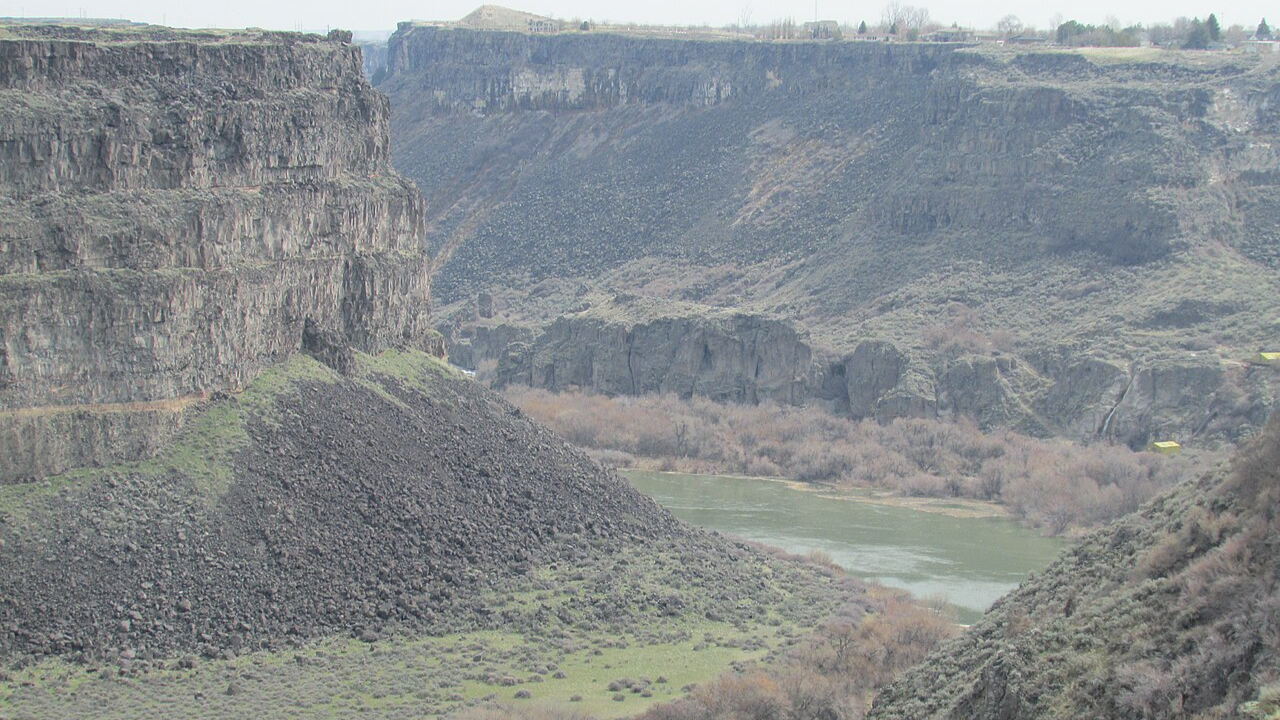 Chris Light, CC BY-SA 4.0, Wikimedia Commons
He Built Himself A Rocket
Knievel hired engineer Robert Truax to develop a specially designed vehicle called the Skycycle X-2. Although it resembled a rocket, the machine used superheated steam for propulsion. Years of preparation and publicity transformed the proposed crossing into an enormous spectacle. On September 8, 1974, Knievel prepared to launch himself over the canyon in front of a worldwide audience.
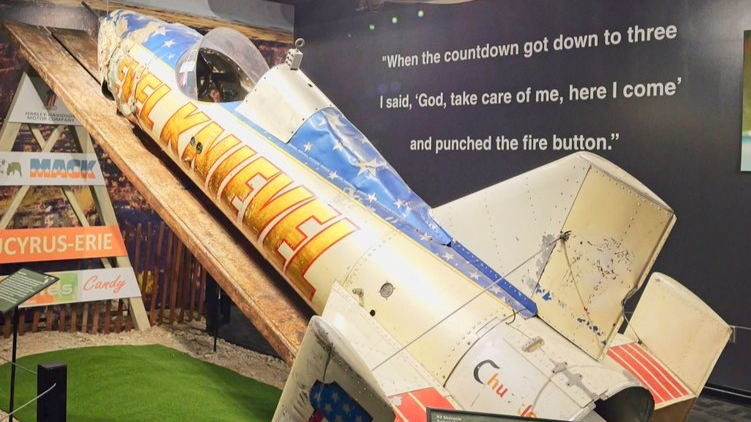
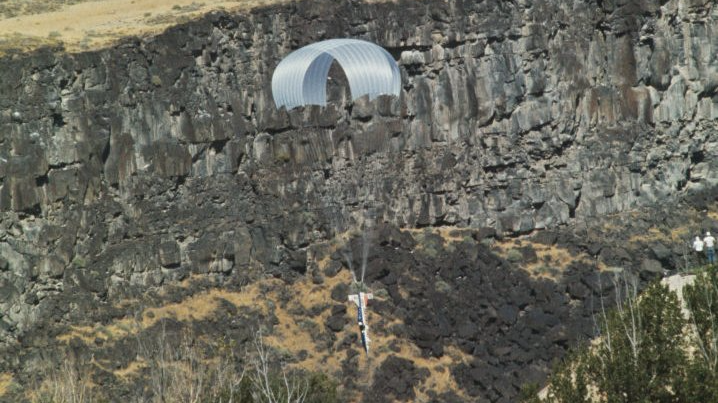
Everything Went Wrong In Seconds
The Skycycle blasted off, but its parachute deployed almost immediately, ruining the planned flight. The vehicle descended into Snake River Canyon and came dangerously close to the river below. Miraculously, Knievel escaped with relatively minor injuries. His most ambitious stunt had failed, yet once again he had survived something extraordinary.
History's most fascinating stories and darkest secrets, delivered to your inbox daily.
He Took His Show To London
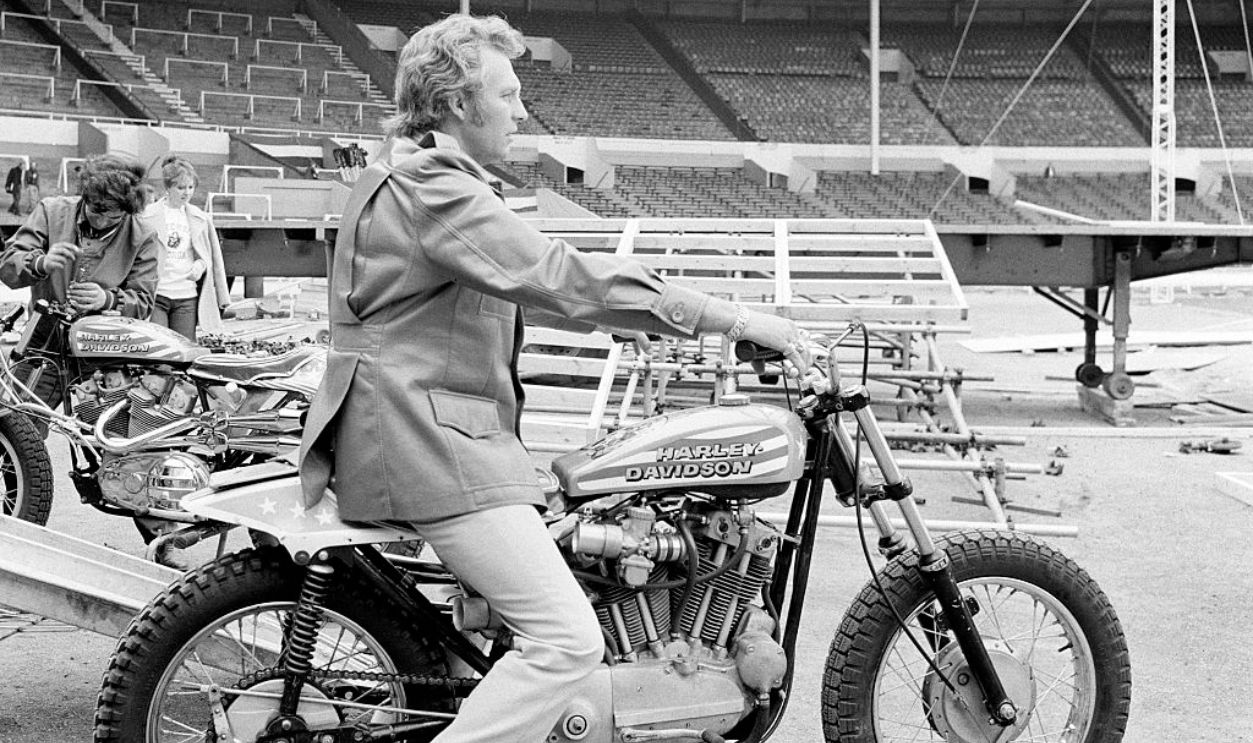
In May 1975, Knievel arrived at London's Wembley Stadium to jump over 13 buses. Thousands of spectators gathered to witness the American daredevil's attempt. By then, his reputation rested as much on his terrifying crashes as on his successful jumps. Unfortunately, the London crowd was about to witness another disaster.
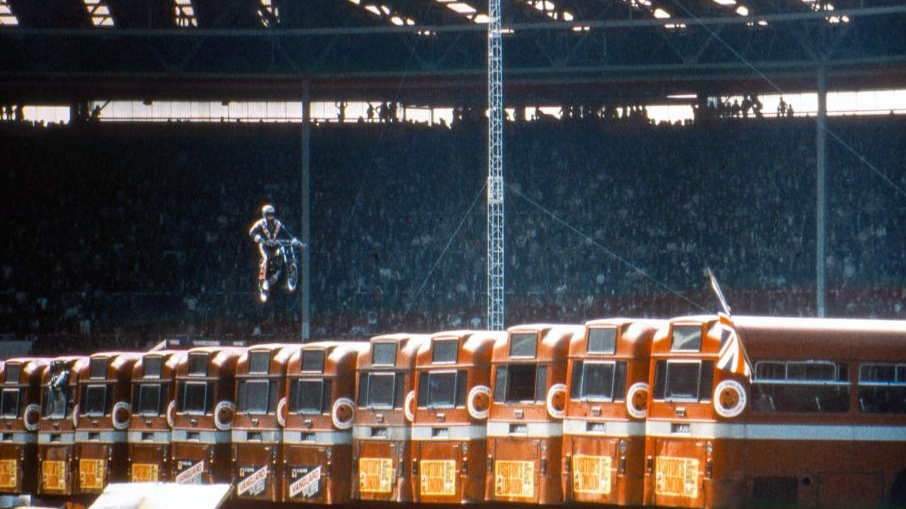
His Wembley Crash Was Terrifying
Knievel came down disastrously at the far end of the jump, crashing onto the stadium surface. He suffered severe injuries, including damage to his pelvis, and struggled to get back to his feet. Nevertheless, he addressed the crowd and announced his retirement from dangerous motorcycle jumping. It was a dramatic declaration, but Knievel couldn't resist one more chance to prove himself.
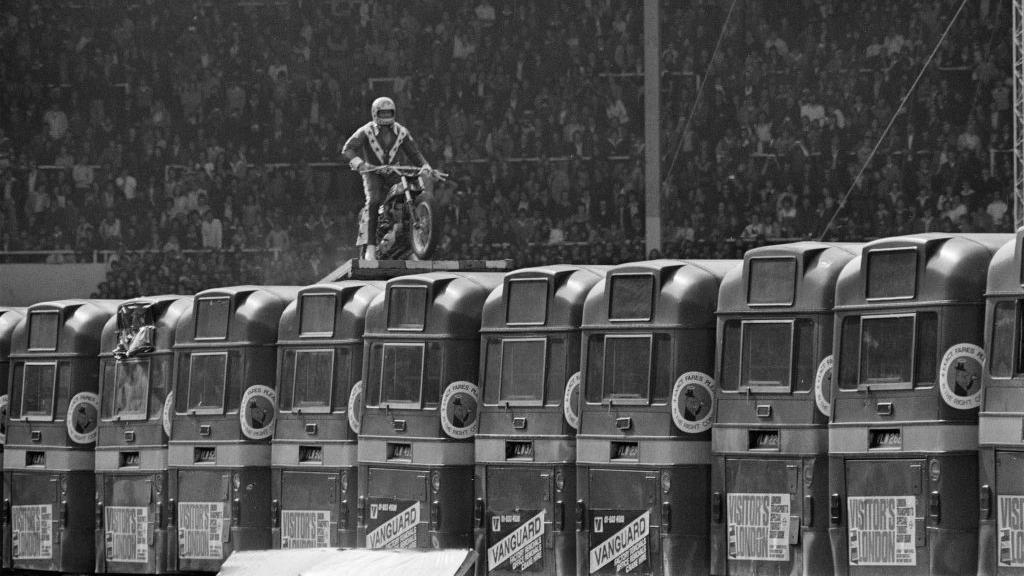
He Came Back For One More Triumph
Just five months later, Knievel returned to action at Kings Island amusement park in Ohio. On October 25, 1975, he successfully jumped over 14 Greyhound buses, surpassing the challenge that had defeated him in London. The stunt became the highest-rated broadcast in the history of Wide World of Sports. It was one of his greatest triumphs, but his career was approaching a painful turning point.
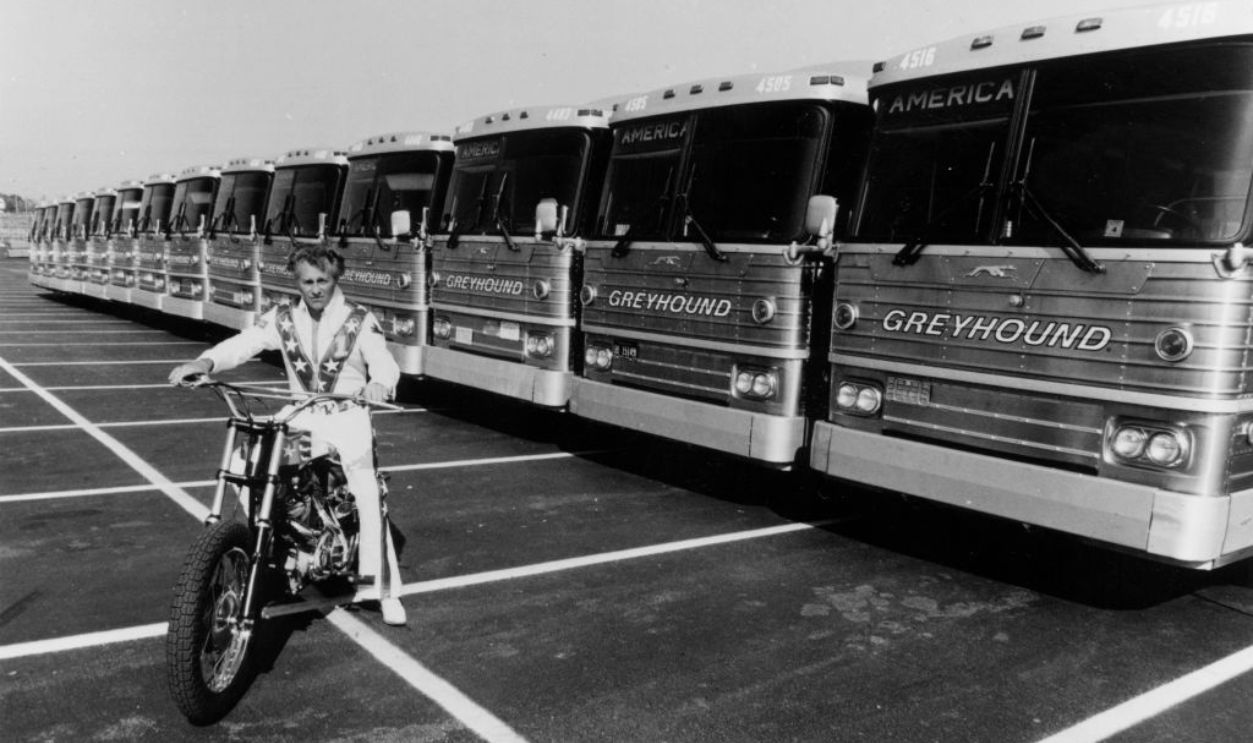
His Final Big Stunt Ended In Disaster
In January 1977, Knievel prepared for a televised jump over a tank containing live sharks in Chicago. During a rehearsal, he crashed on landing and struck a cameraman, injuring both men. Knievel suffered a fractured arm and collarbone, and the incident effectively ended his career as a major stunt performer. He had survived another frightening accident, but a far more destructive scandal was approaching.
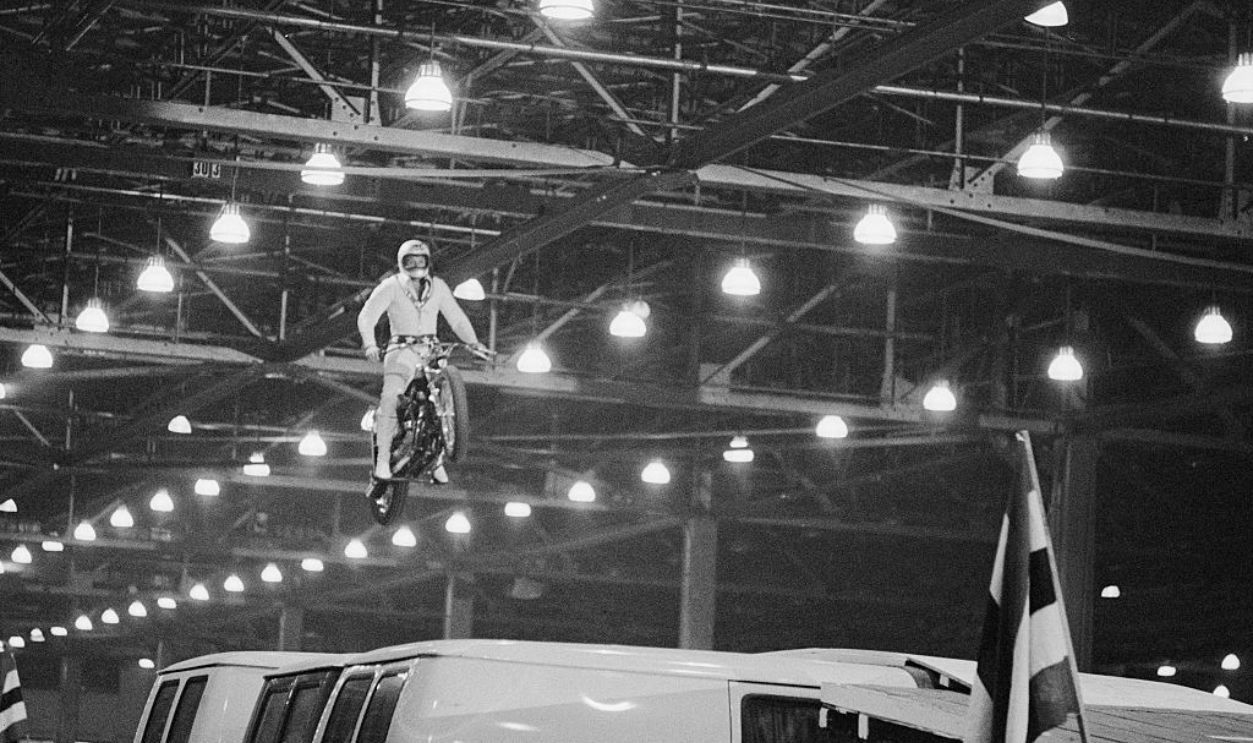
A Former Associate Exposed His Dark Side
One of Knievel's former promoters, Sheldon "Shelly" Saltman, had helped organize the spectacular Snake River Canyon stunt. In 1977, Saltman published Evel Knievel on Tour, a book containing deeply unflattering allegations about the daredevil's private behavior. Knievel was furious and accused Saltman of spreading lies. Instead of challenging the claims in court, he decided to take matters into his own hands.

He Arrived With A Baseball Bat
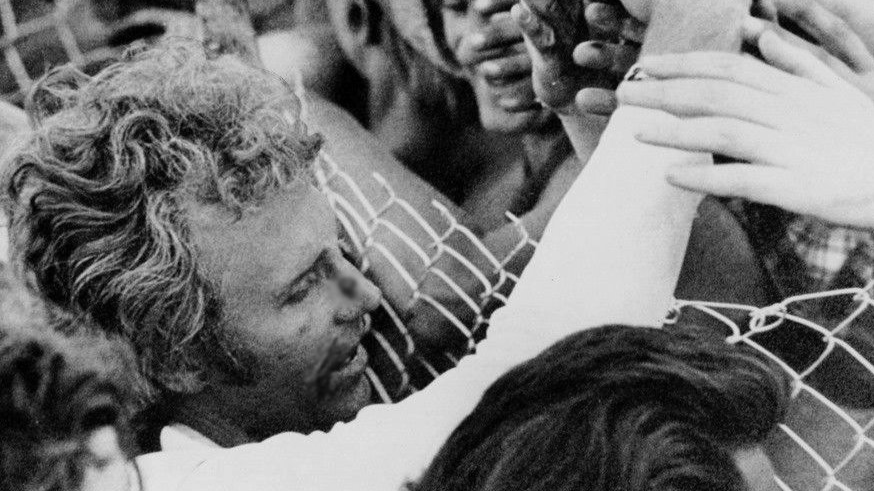
On September 21, 1977, Knievel confronted Saltman outside a commissary at the 20th Century Fox studio lot in Los Angeles. According to court reporting, an accomplice restrained Saltman while Knievel attacked him with a metal baseball bat. Saltman desperately raised his arms to protect his head from the blows. The attack left him with injuries that would affect him for the rest of his life.
 Unknown author, Wikimedia Commons
History's most fascinating stories and darkest secrets, delivered to your inbox daily.
He Shattered The Man's Arm
Saltman suffered a shattered arm and broken wrist, requiring extensive medical treatment. Doctors eventually used metal hardware to help reconstruct his severely damaged arm. Saltman later said his doctors believed that shielding his head probably saved his life. For Knievel, who had built a career surviving terrible injuries, deliberately inflicting them on another man would prove disastrous.
 PA Images Archive, Getty Images
He Ended Up Behind Bars
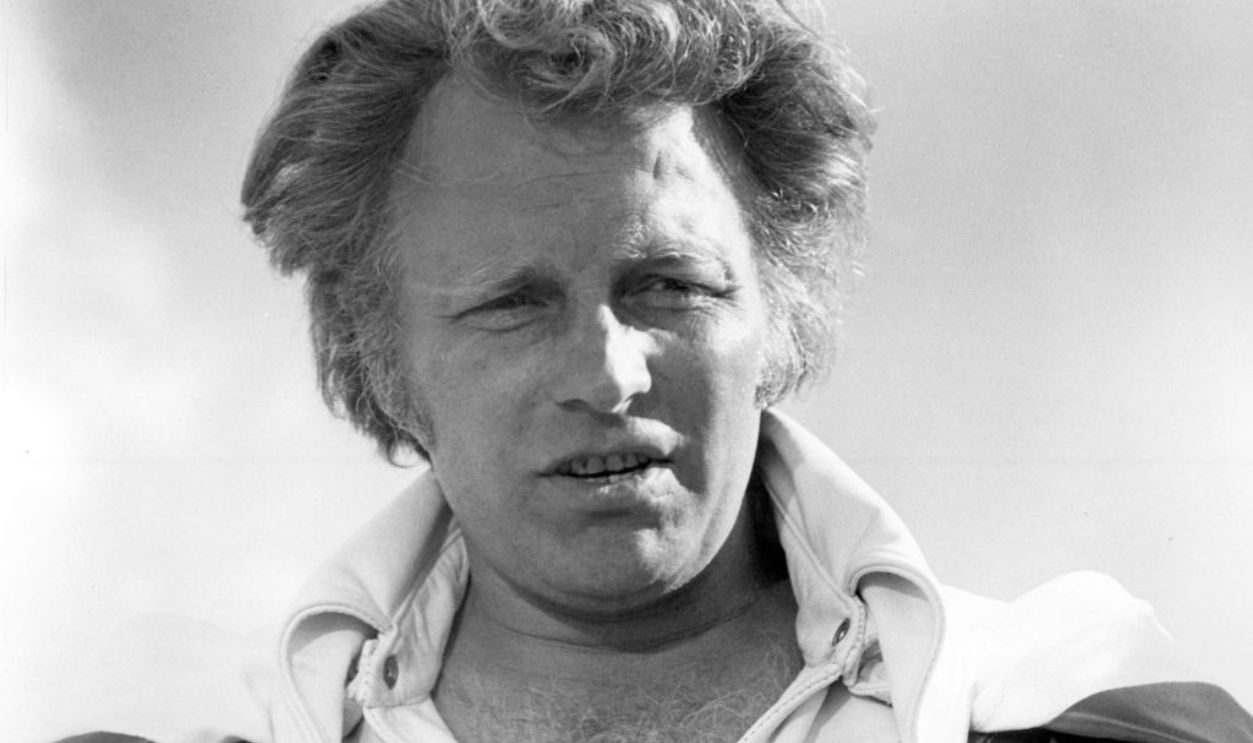
In November 1977, Knievel was sentenced to six months in jail after pleading guilty to felony assault. He entered a work-furlough program that allowed him to leave jail during the day and return at night. Remarkably, he sometimes traveled to work in a chauffeur-driven luxury convertible. His celebrity status hadn't entirely disappeared, but the assault had triggered consequences that no amount of money or fame could prevent.
His Toy Empire Collapsed
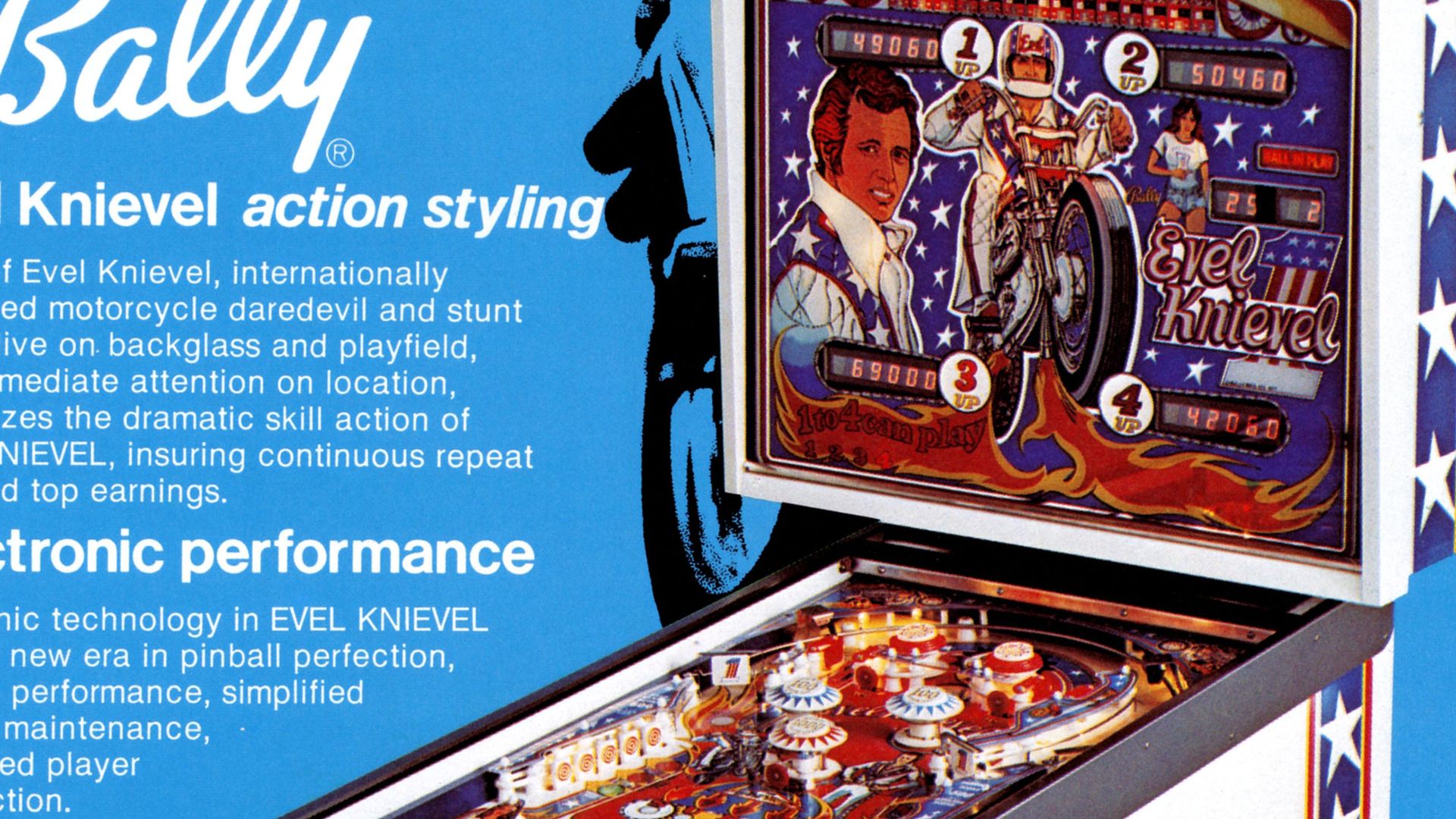
The assault conviction proved especially damaging to Knievel's relationship with Ideal Toys, the company behind his bestselling action figures. According to his son Kelly, the conviction violated a clause in Knievel's contract, cutting off one of his biggest sources of income. Other lucrative sponsorship relationships also deteriorated. The man who had made millions risking his own life had jeopardized his fortune by attacking someone else.
He Showed Little Remorse
Rather than apologize publicly for the violence, Knievel repeatedly defended his actions. He described the assault as "frontier justice" and suggested that his jail sentence would not discourage similar behavior. His attitude only deepened the controversy surrounding his once-celebrated reputation. Meanwhile, Saltman was pursuing a legal reckoning that would cost Knievel far more than six months of freedom.
 Unknown Author, Wikimedia Commons
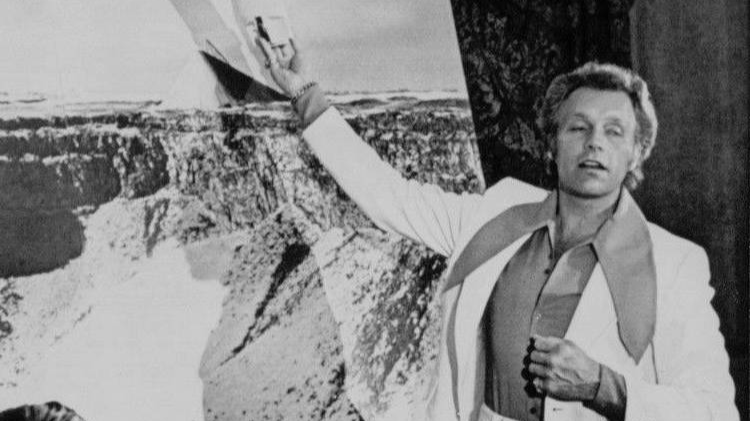
He Faced A $12.75 Million Judgment
In December 1981, a California judge awarded Saltman $12.75 million in damages. Judge Laurence Rittenband described Knievel's attack as "violent, brutal, vicious, unprovoked and cowardly." Knievel had refused to appear at the civil trial and publicly dismissed the enormous judgment. Although Saltman won his case, actually collecting the money proved to be another battle entirely.
His Fortune Disappeared
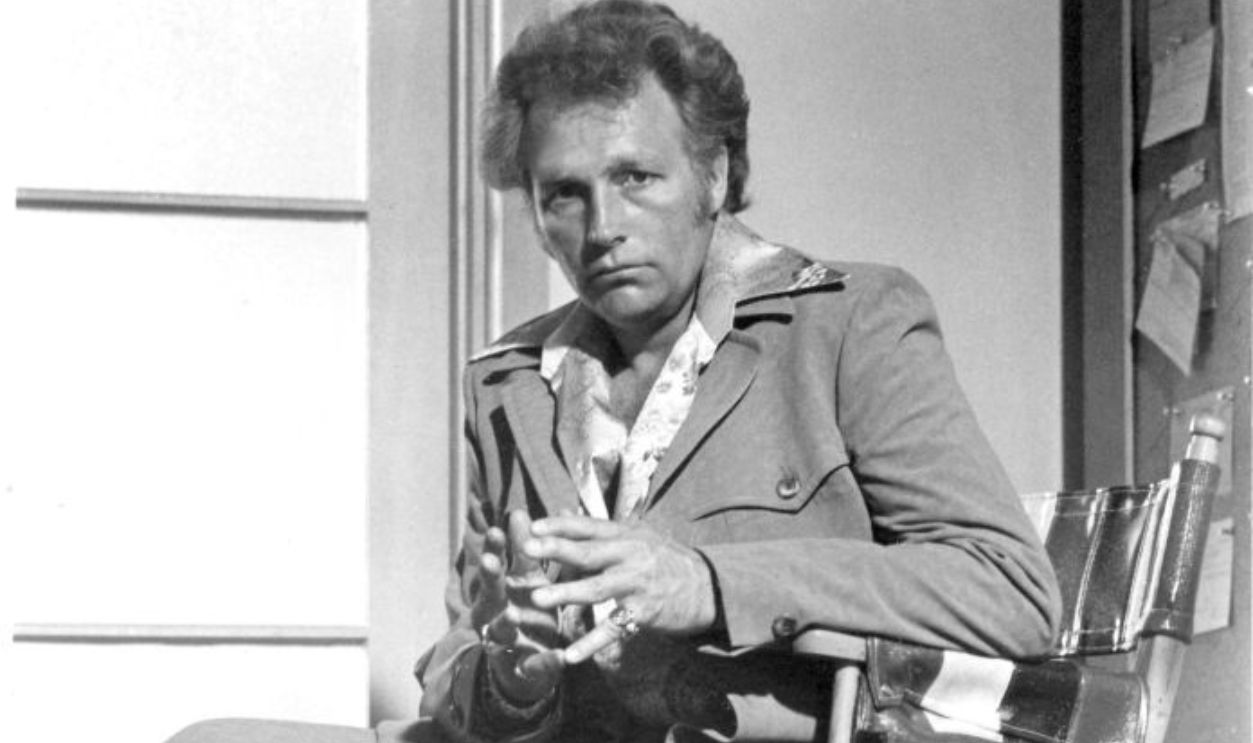
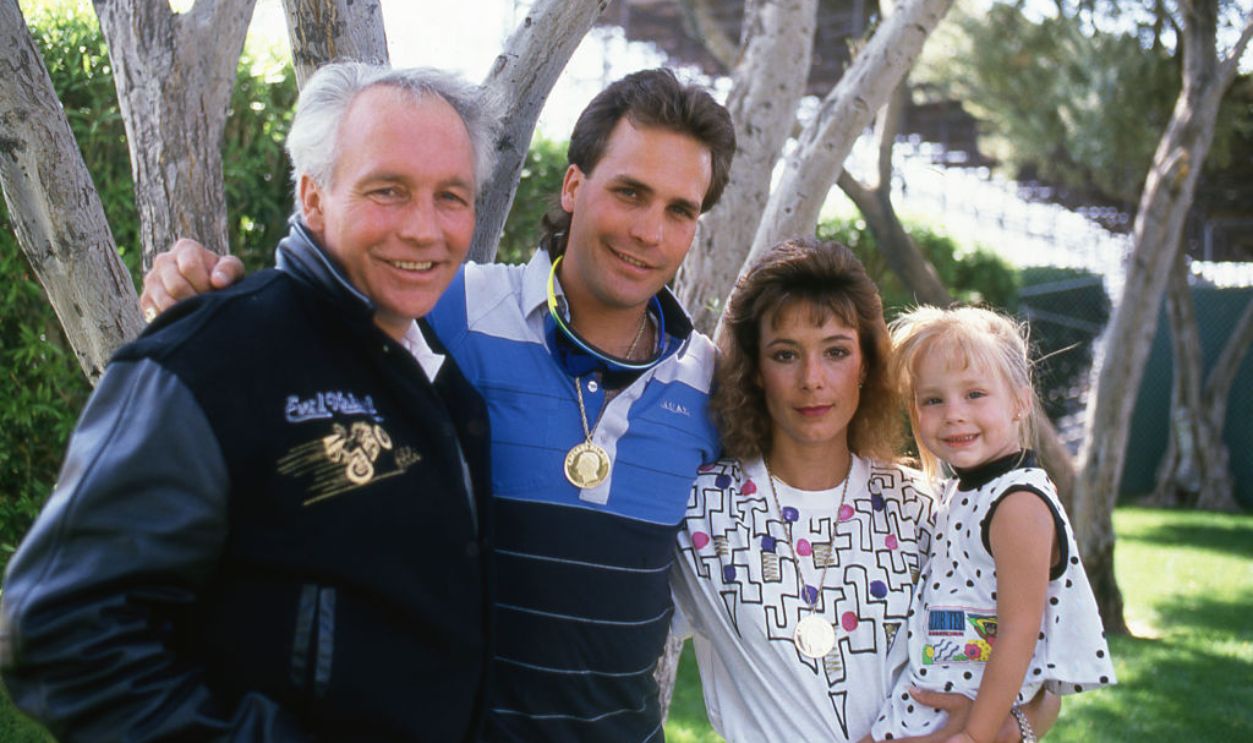
Knievel's extravagant lifestyle had once included luxury cars, expensive homes, and private aircraft. But his lost business deals and mounting financial problems took a devastating toll. According to his son Kelly, the family lost its large Montana home to the bank in 1980, while a major unpaid tax demand in 1981 compounded Knievel's financial troubles. The former superstar eventually declared bankruptcy, leaving his once-enormous fortune in ruins.
History's most fascinating stories and darkest secrets, delivered to your inbox daily.
His Body Was Falling Apart Too
Years of crashes had also left Knievel with severe physical problems and chronic pain. He developed hepatitis C, believed to have resulted from a blood transfusion, and underwent a liver transplant in 1999. Later, diabetes and pulmonary fibrosis further damaged his health. Although he continued making public appearances, his years as America's most famous daredevil were over.
His Victim Never Forgot
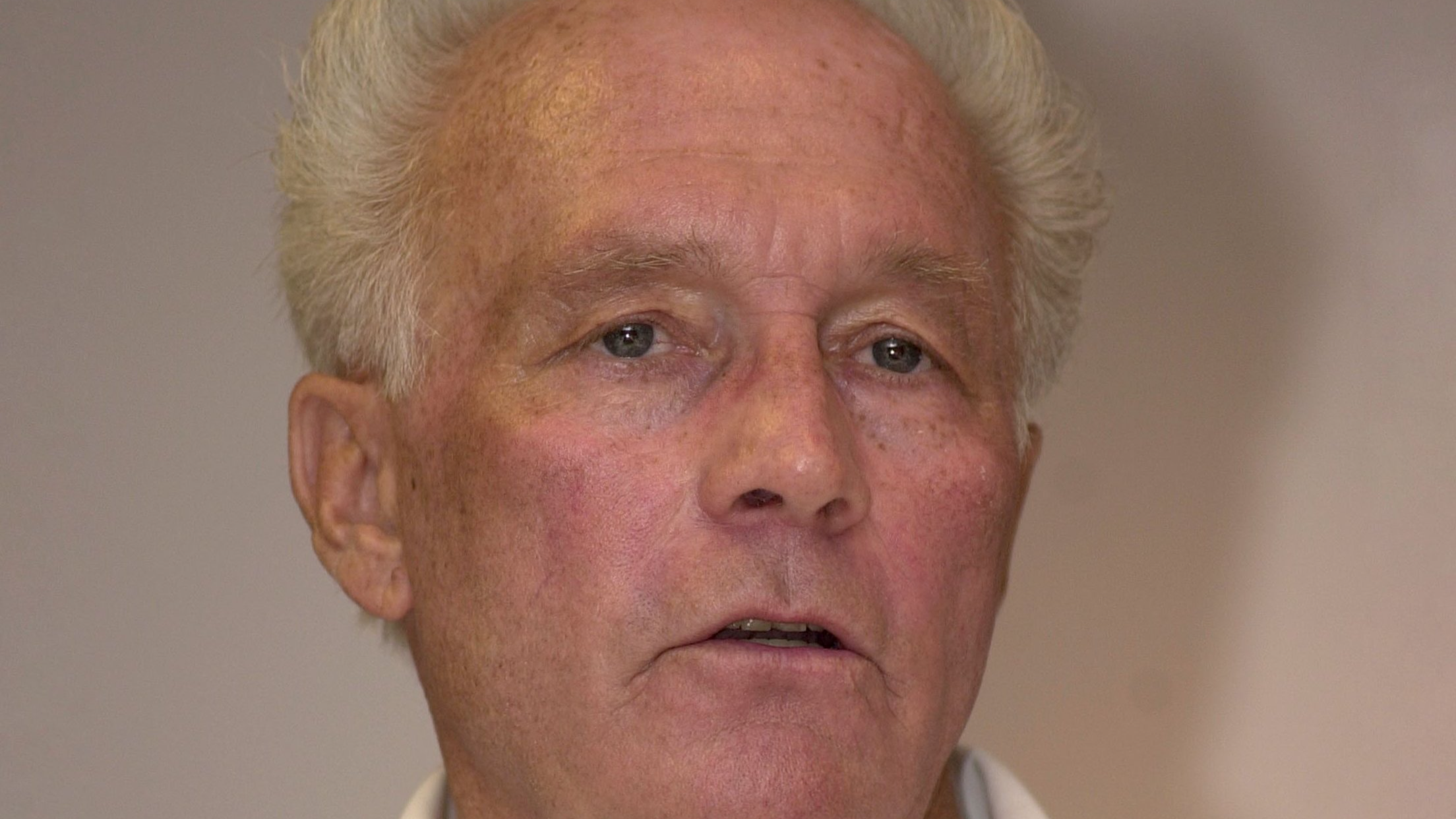
Evel Knievel died in Clearwater, Florida, on November 30, 2007, at the age of 69. Shortly afterward, Saltman announced plans to pursue his estate, estimating that the unpaid judgment had grown to more than $100 million with interest. Knievel's spectacular stunts had made him an American legend, but his assault on Saltman permanently complicated that legacy. The man who survived countless horrifying crashes ultimately suffered his greatest professional downfall because of a violent act he chose to commit.
 Tom Dulat - The FA, Getty Images
You May Also Like:
Sonora Webster Carver Lost Her Sight In A Horse-Diving Accident—But Refused To Stop Performing
Jackie Robinson Broke Baseball’s Color Barrier—But First, The Army Put Him On Trial
Historical Figures Who Successfully Built Public Images On Stories That Later Completely Fell Apart