
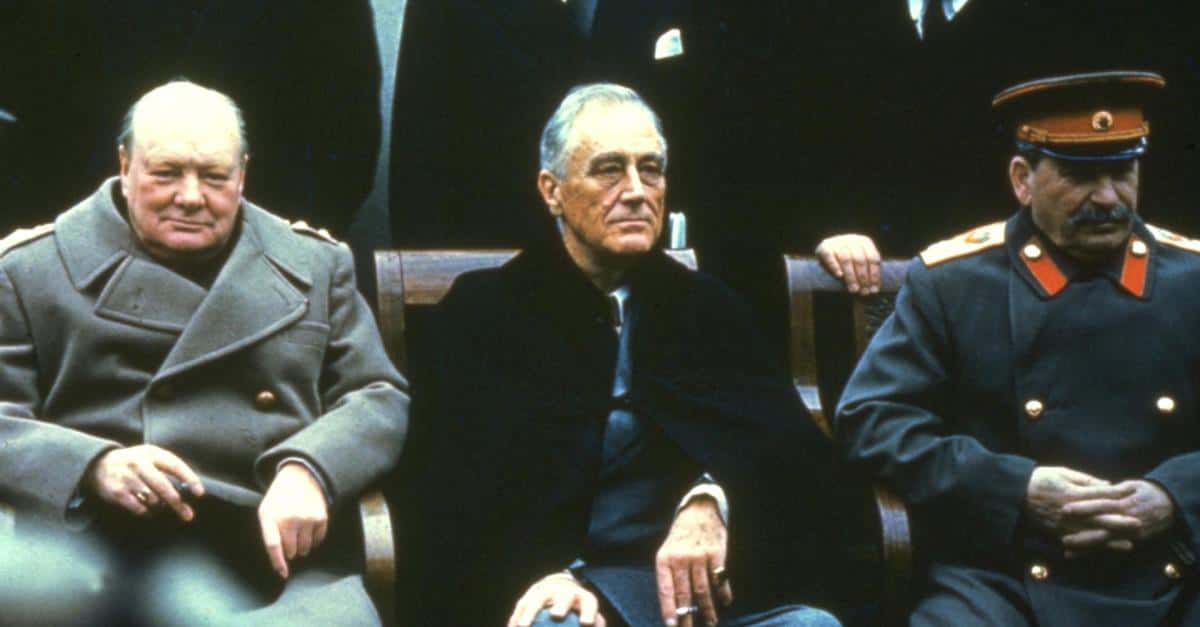
One Of The Greats
Whether large or small, beneficial or disastrous, each of the US presidents left a legacy behind, but a handful have stood out from the rest. Even among some of the most notable, many believe Franklin Delano Roosevelt to be a superior example of American leadership. In helping his country through some of the toughest times in recent history, FDR earned no small amount of praise—even if others might disagree today.
1. His Family Was Elite
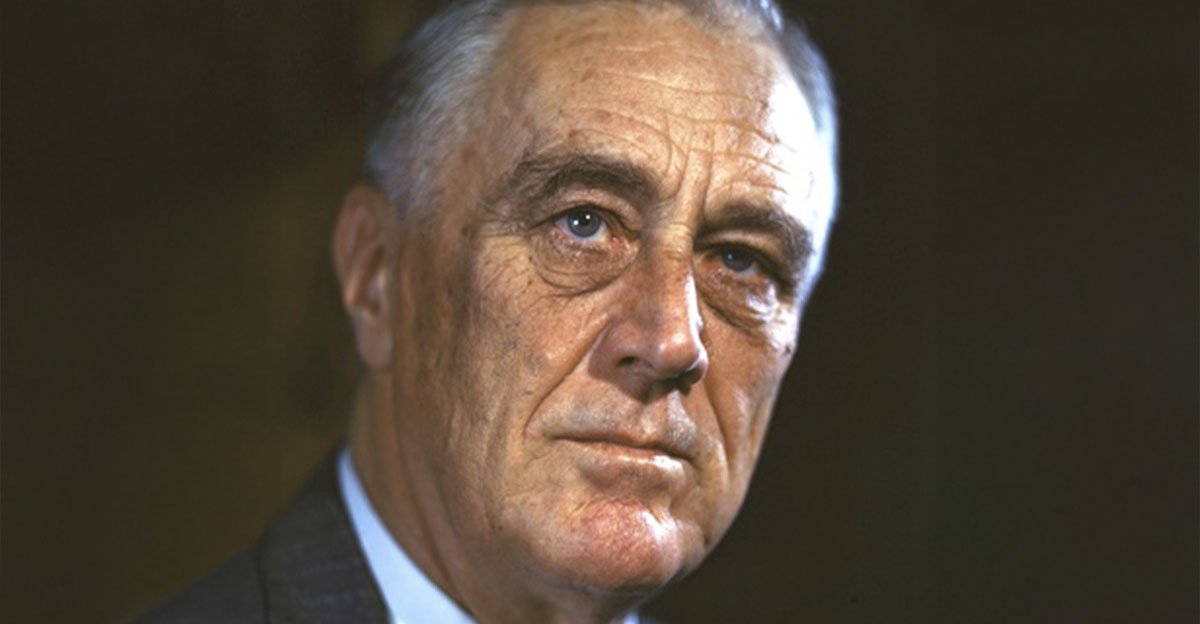
It’s good that Franklin Roosevelt became such an impactful leader, since anything less would have branded him a failure compared to his family. Coming from long lines of influential figures on both sides, his father was a descendant of the Roosevelts, who already included several prominent politicians. Meanwhile, his mother was from the Delano family, which contained other significant figures like President Ulysses S Grant.
With such a powerful lineage, it wouldn’t be long before he brushed shoulders with his future.
2. He Met An Important Man
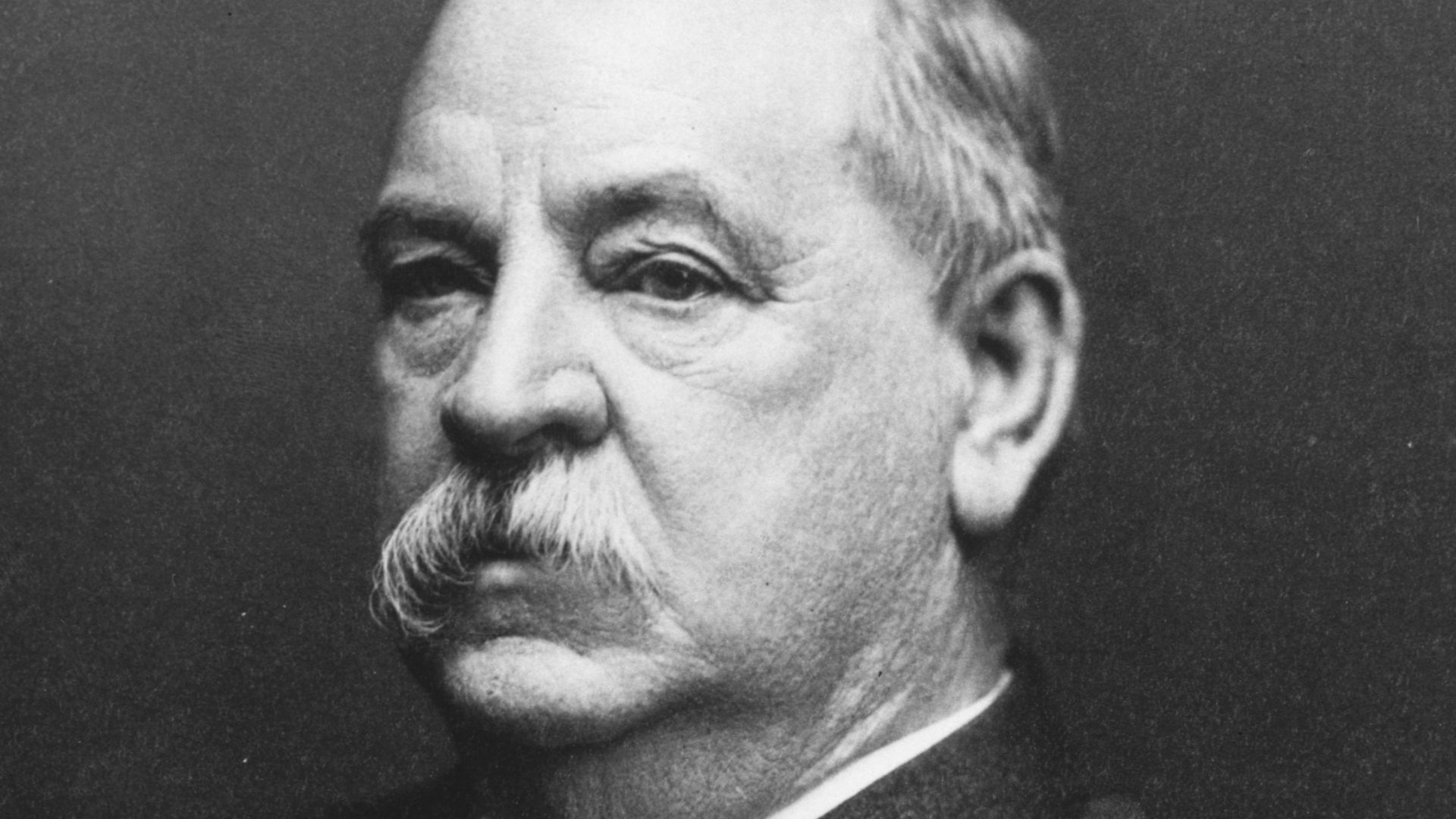
While FDR may have been destined for greatness, he received a warning against his aspirations early on—and from someone who knew what he was talking about. In Roosevelt's childhood, he accompanied his father to meet President Grover Cleveland, who kindly stated it was his wish for Roosevelt to never have to be President of the US.
Of course, someone closer to him would take that title first.
 Unknown authorUnknown author or not provided, Wikimedia Commons
3. He Had A Famous Cousin
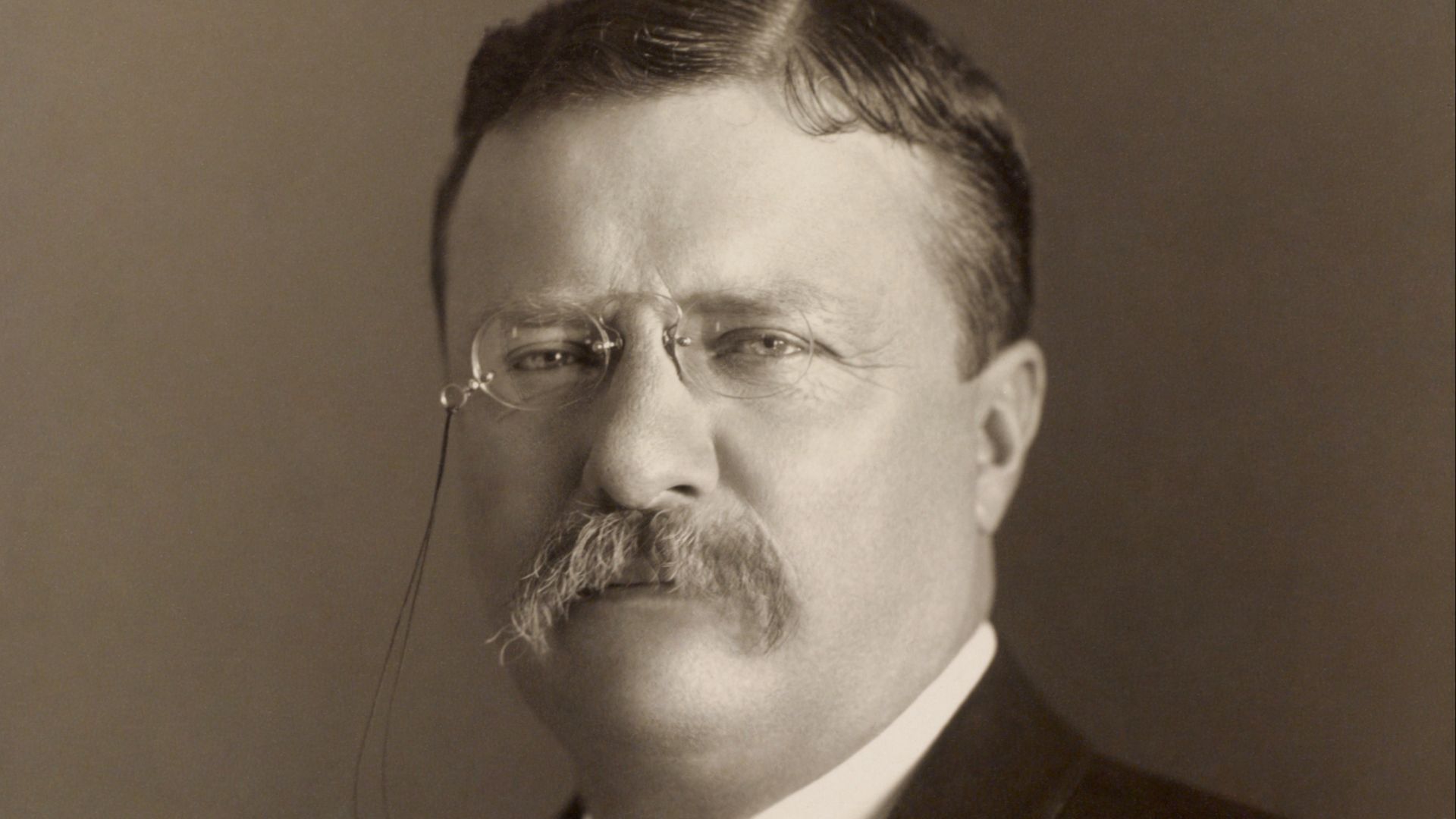
Among the influential ancestors that Roosevelt grew up learning about, one of his most famous relatives came to power in his lifetime. When FDR was about 19, his fifth cousin was elected the 26th President of America, and the world met Theodore Roosevelt. As for Roosevelt, he looked up to Theodore as an inspiration due to his passion and leadership.
Soon enough, he would start to build his own family.
 Adam Cuerden, Wikimedia Commons
4. He Met Someone
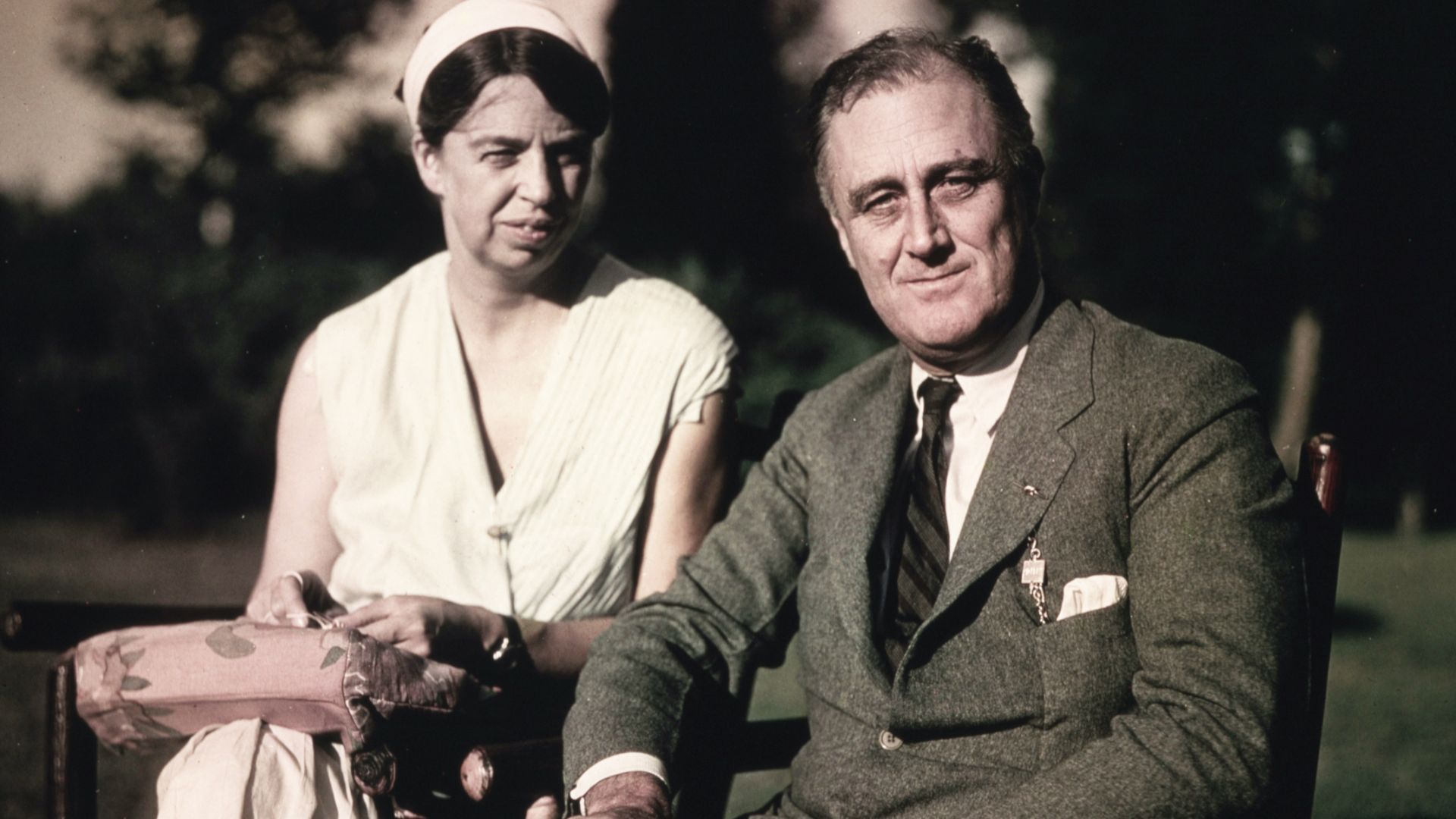
Roosevelt was clearly eager for marriage, since in his second year of college, he proposed to an heiress named Alice Sohier shortly after meeting her—only for her to decline. He wouldn’t give up on love, though, and he soon started dating Eleanor Roosevelt, who was actually his fifth cousin once removed. This time, he had found someone who wanted to go the distance, and they married in 1905, despite his mother’s objections.
However, as soon became evident, he wasn’t the most devoted husband.
 FDR Presidential Library & Museum, Wikimedia Commons
5. He Was Hands-Off
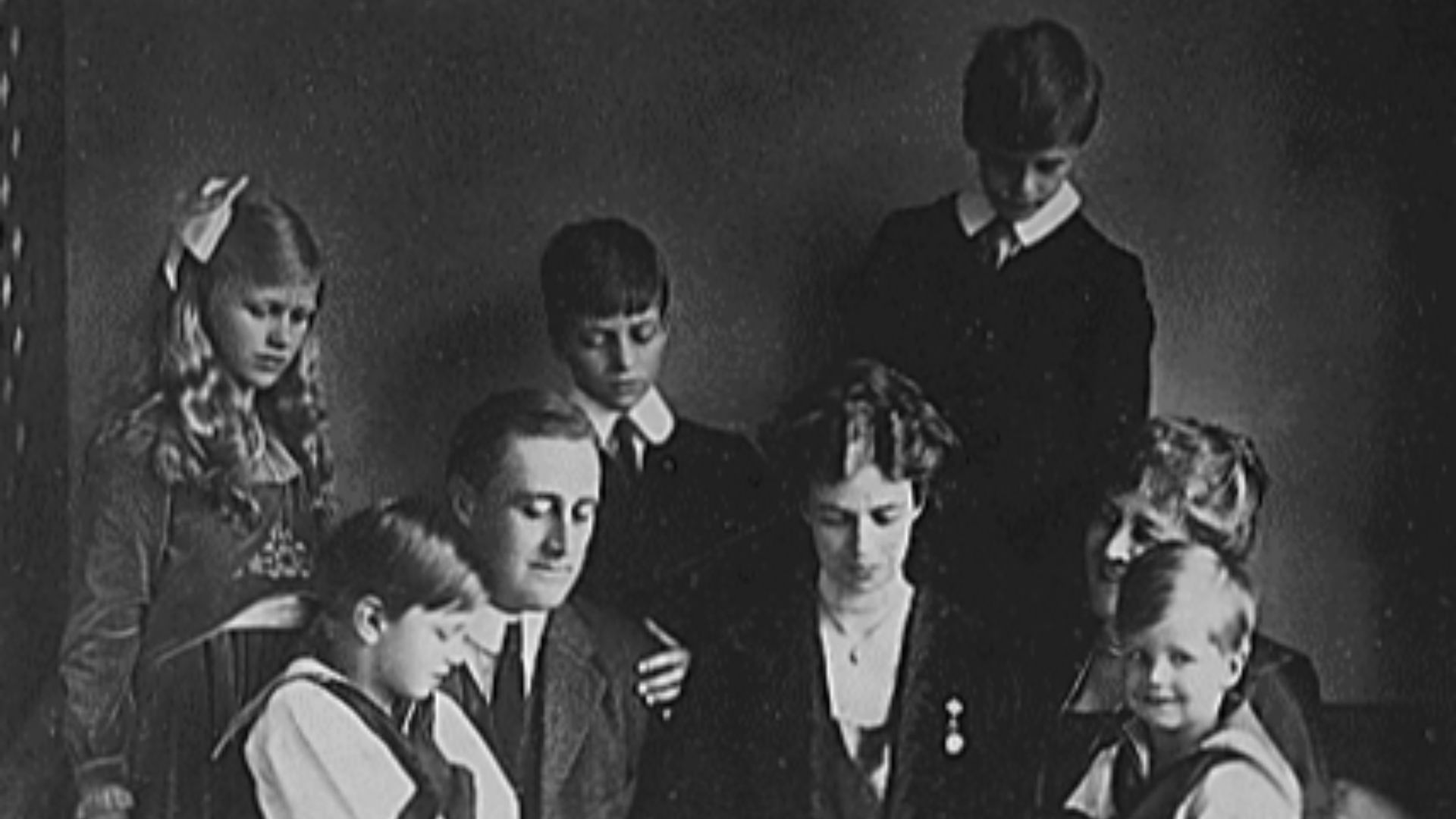
Throughout their marriage, Roosevelt and Eleanor would have six children, despite losing one of them in infancy. However, even if he hadn’t been busy with socializing and being in the public eye, Roosevelt still likely wouldn’t have been very present. His father had left his mother in charge of all the childcare, and FDR intended to do the same, but Eleanor felt too ill-equipped for motherhood and usually left her caregiver to pick up the slack.
As expected, Roosevelt had other priorities on his mind.
 Unknown authorUnknown author, Wikimedia Commons
6. He Got Into Politics
While FDR looked up to Theodore for many of his admirable qualities, he disagreed with one major detail—his cousin was a member of the Republican Party. Taking after his own father, Roosevelt aligned himself with the Democrats, who invited him to run for the New York State Assembly in 1910.
Unfortunately, it wasn’t all smooth sailing, especially in the beginning.
7. He Changed His Goal
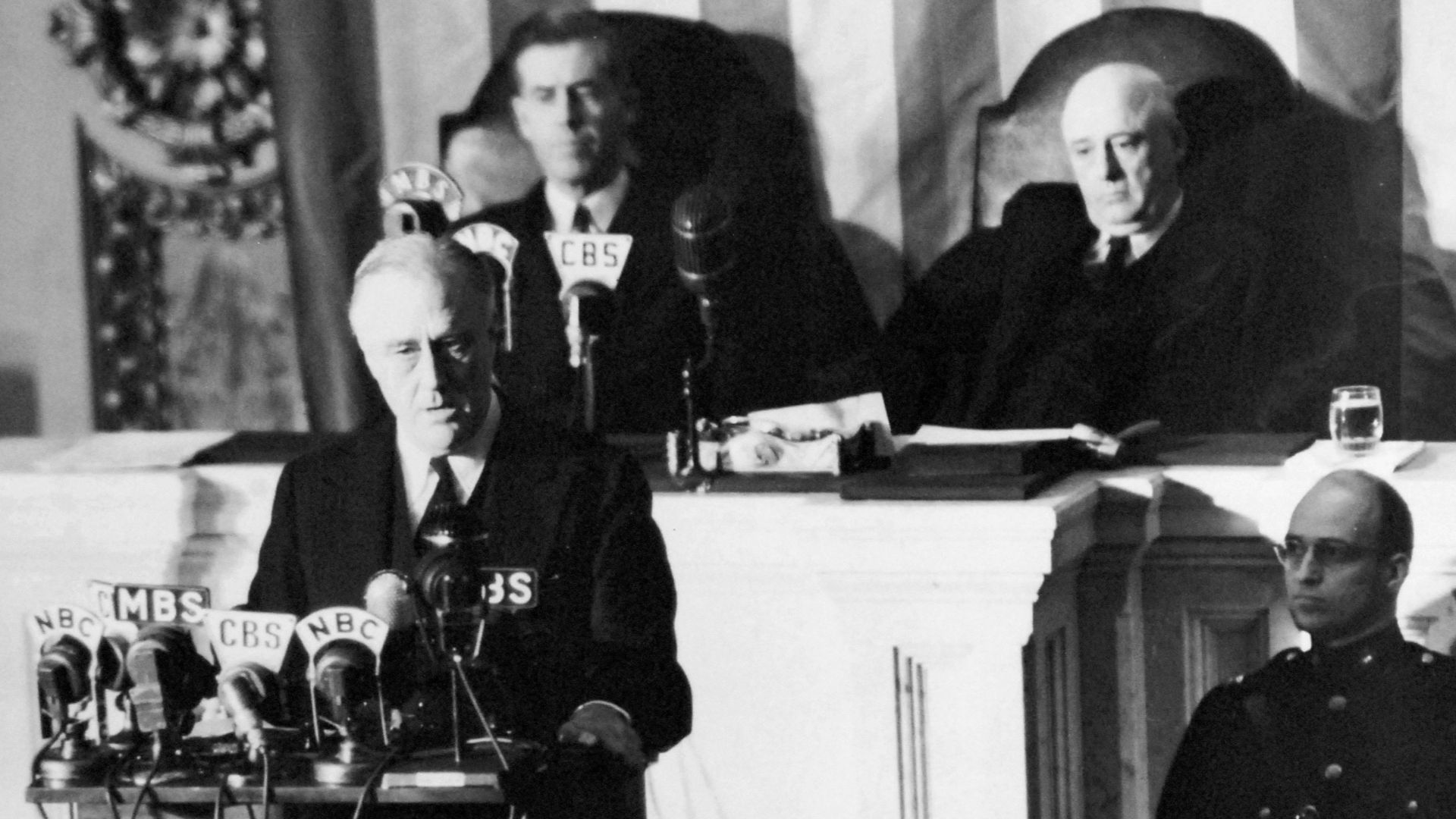
Roosevelt's first experience in politics was less than ideal, and shorter than he likely imagined, since the Democratic incumbent decided to run for re-election. This effectively took FDR out of the running, but he didn’t waste time feeling sorry for himself and immediately set his sights on something else. Choosing to run for a New York State Senate seat, he won a shocking victory that year, due to his determined and assertive campaigning.
Sadly, he didn’t show the same commitment in every part of his life.
 United States Government., Wikimedia Commons
8. His Marriage Suffered
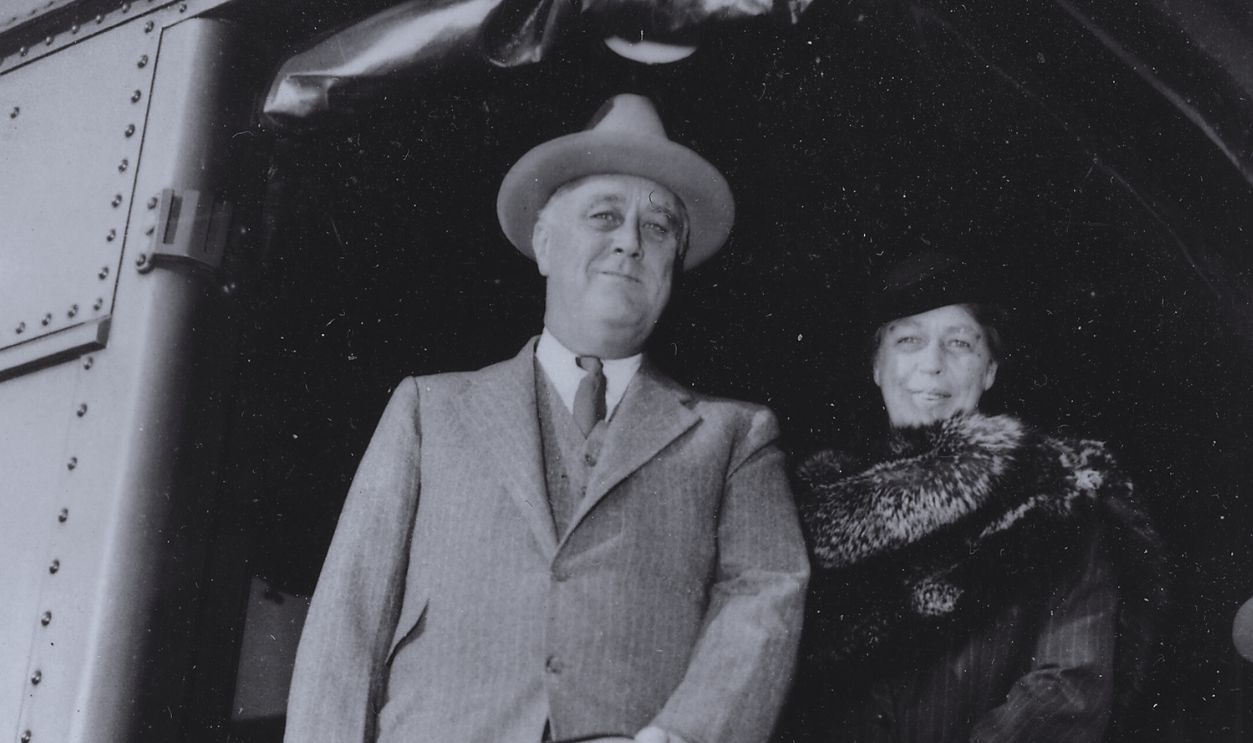
Roosevelt and Eleanor’s marriage remained relatively stable for nearly a decade, but in 1914, everything began falling apart. In fact, one incident in particular left Eleanor utterly gutted (more on that later), and changed the entire dynamic of their relationship.
To make matters worse, Roosevelt's family had something to say about it.
 National Archives and Records Administration, Wikimedia Commons

History's most fascinating stories and darkest secrets, delivered to your inbox daily.
9. His Mother Threatened Him
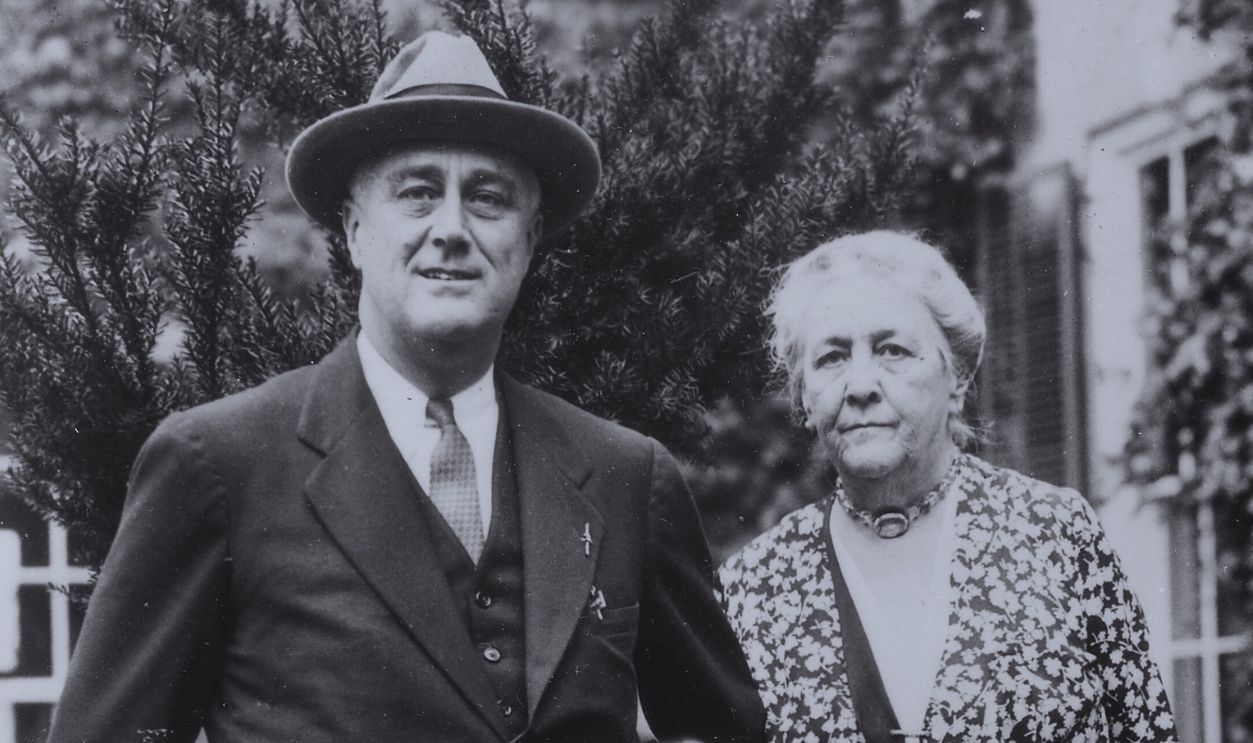
When Roosevelt's family uncovered the couple’s marital troubles, his mother threatened to disown him if he went through with a divorce. Therefore, he and Eleanor stayed together, but would never truly see each other as husband and wife again. Their relationship became solely political.
This wouldn’t be the only time he didn’t get what he wanted.
 National Archives and Records Administration, Wikimedia Commons
10. He Was Denied
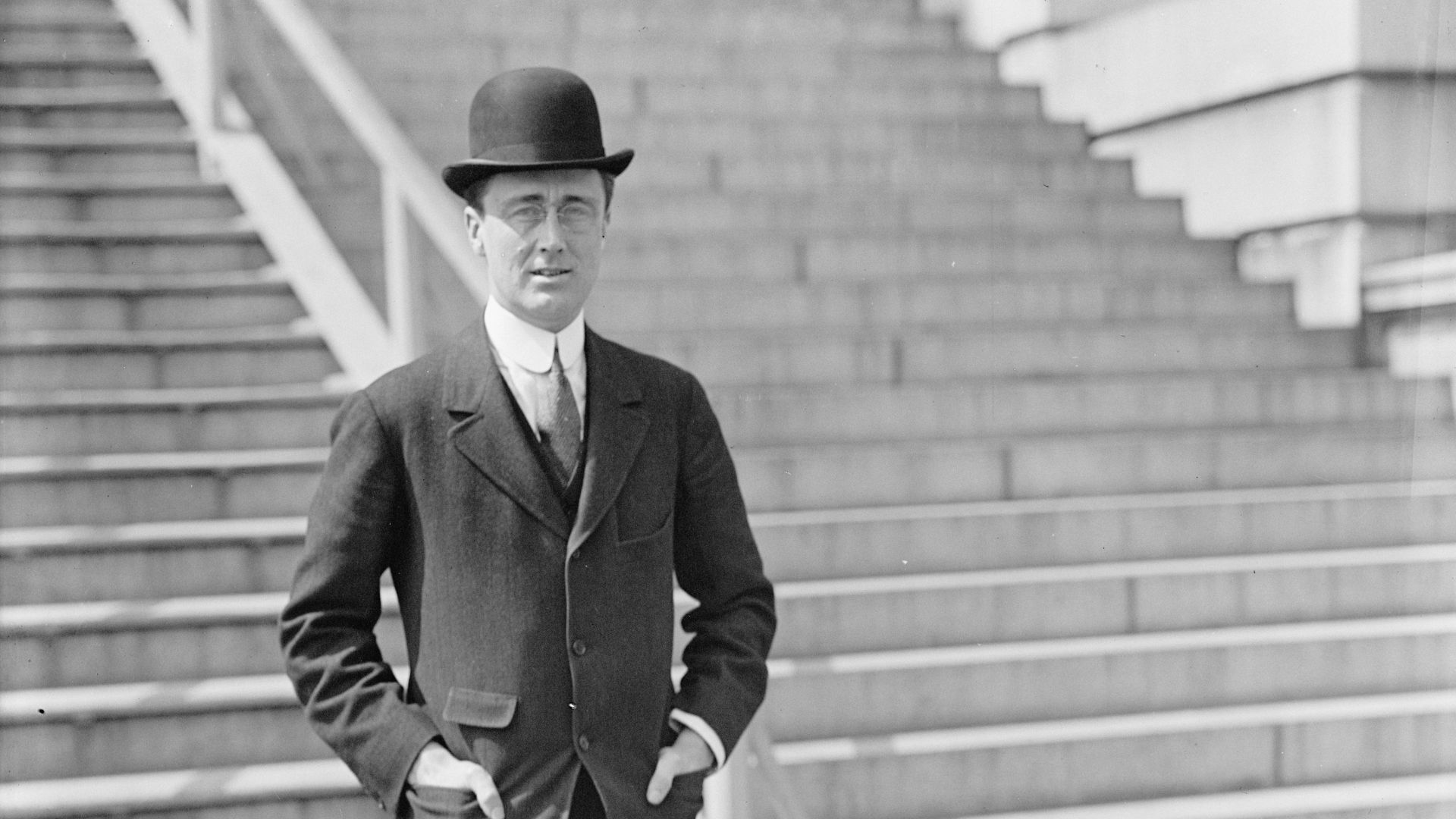
After getting in good with President Woodrow Wilson, FDR earned himself an appointment as Assistant Secretary of the Navy in 1913. This was ideal as he was quite fond of the Navy, and when the US declared hostilities against Germany in 1917, Roosevelt wanted to serve as a naval officer. However, Wilson valued him more as Assistant Secretary, so he had Roosevelt continue in that post.
Still, he had his eye set on a much loftier goal.
 Harris & Ewing, photographer, Wikimedia Commons
11. He Switched Gears
Hoping to follow up Woodrow Wilson’s administration, Roosevelt partnered with Herbert Hoover to run for the presidency in 1920. However, after Hoover announced he was joining the Republican Party, Roosevelt split from him and sought the vice presidency, joining the campaign of Democratic nominee Governor James M Cox.
Unfortunately for him, it wasn’t his time to shine yet.
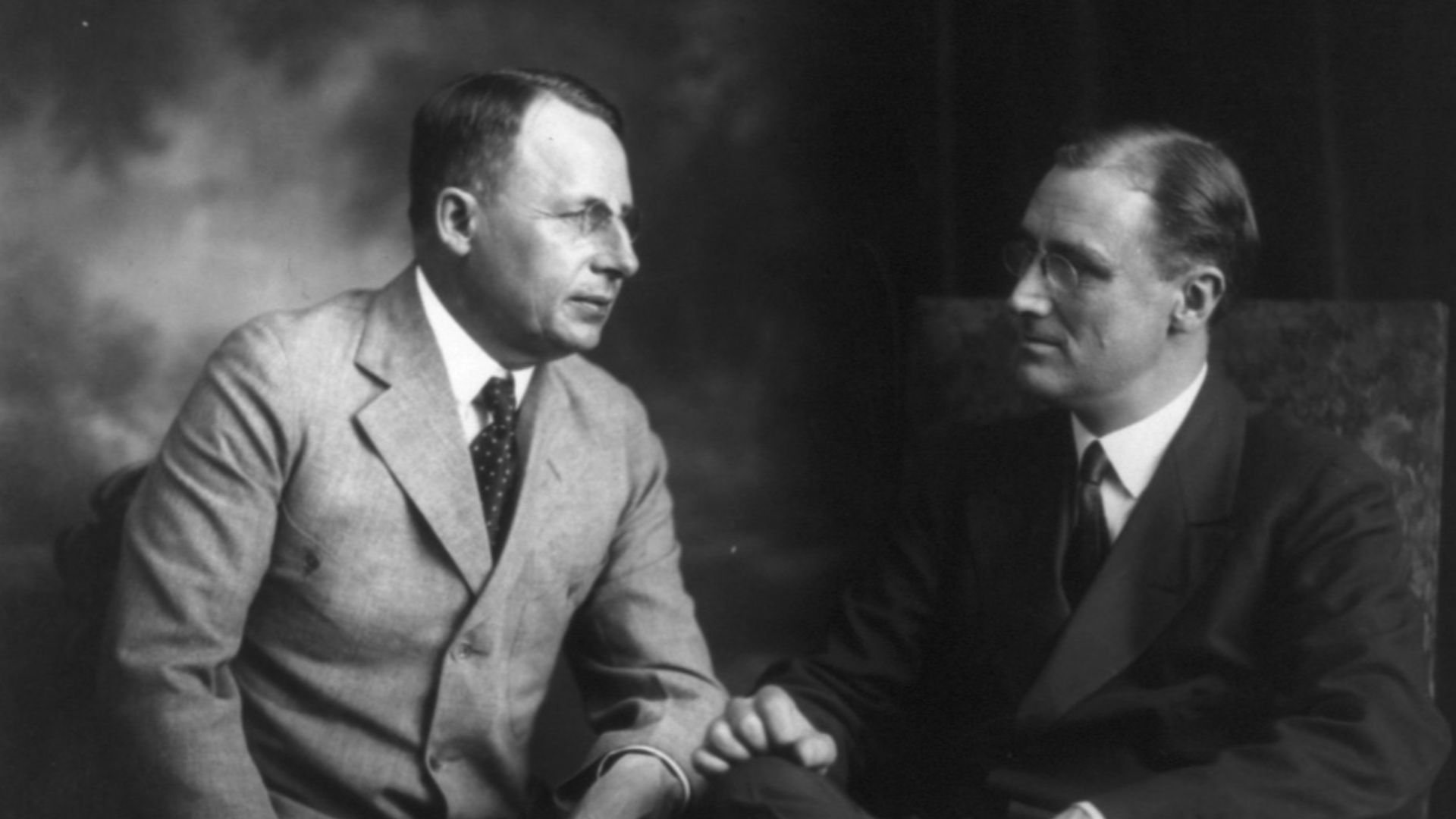 Miscellaneous Items in High Demand, PPOC, Library of Congress, Wikimedia Commons
12. He Didn’t Do So Well
Although there was no limit to his ambition, America simply wasn’t ready for FDR, as Republican nominees Warren G Harding and Calvin Coolidge proved more popular and won the 1920 election. This wasn’t a total loss for Roosevelt, as the campaign had given him many invaluable networking opportunities, and he finally got his name out to the whole country.
At the same time, he was far worse off in other aspects of his life.
13. He Became Sick
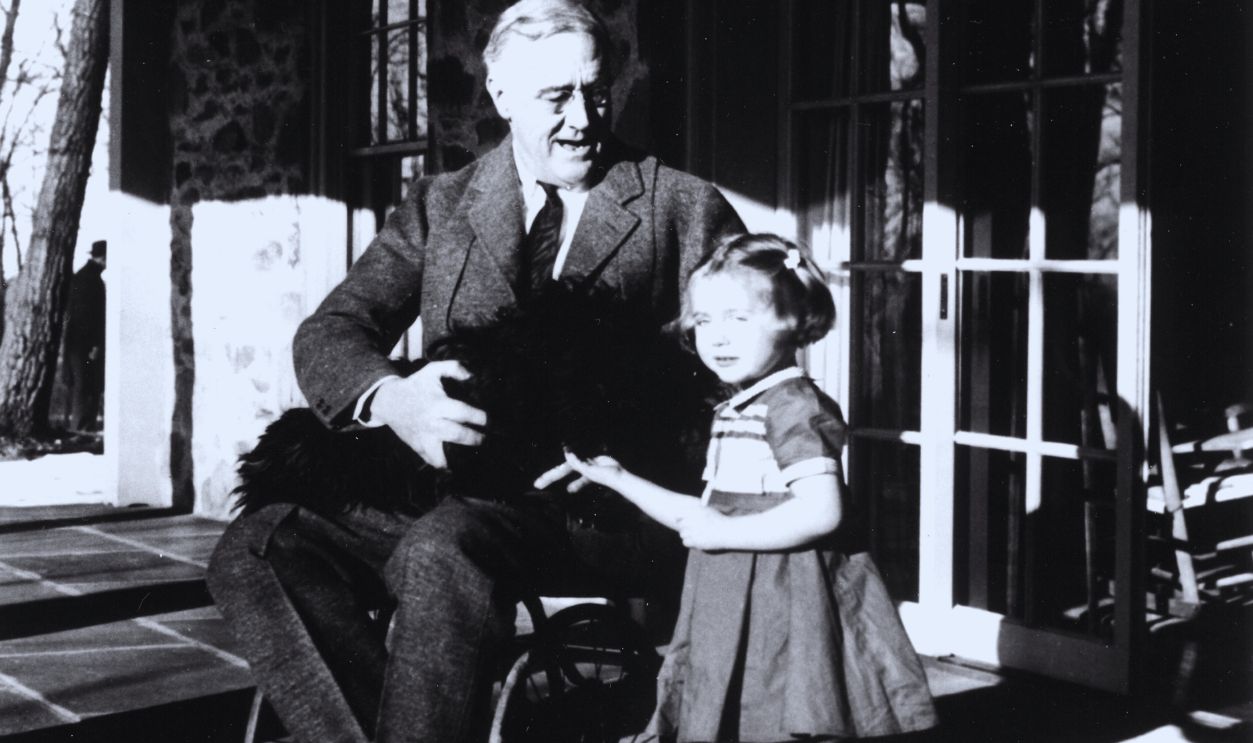
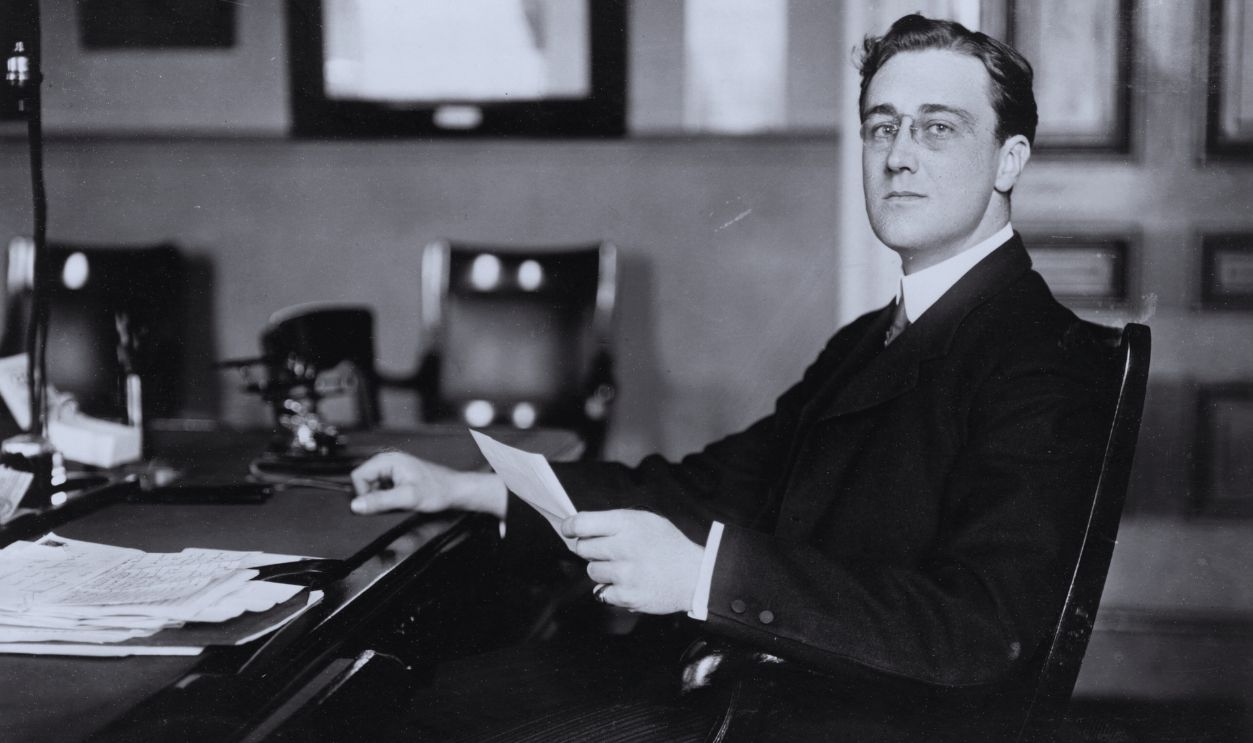
Roosevelt had many other plans following his defeat in 1920, but they would all have to wait for a bit, as his deteriorating health became a priority. First feeling the effects of a mysterious illness in 1921, Roosevelt visited his doctor and eventually received the diagnosis of polio, which paralyzed him from the waist down.
Nonetheless, he wouldn’t let this be the end of him.
 Photographer not credited, Wikimedia Commons
14. He Wanted To Keep Going
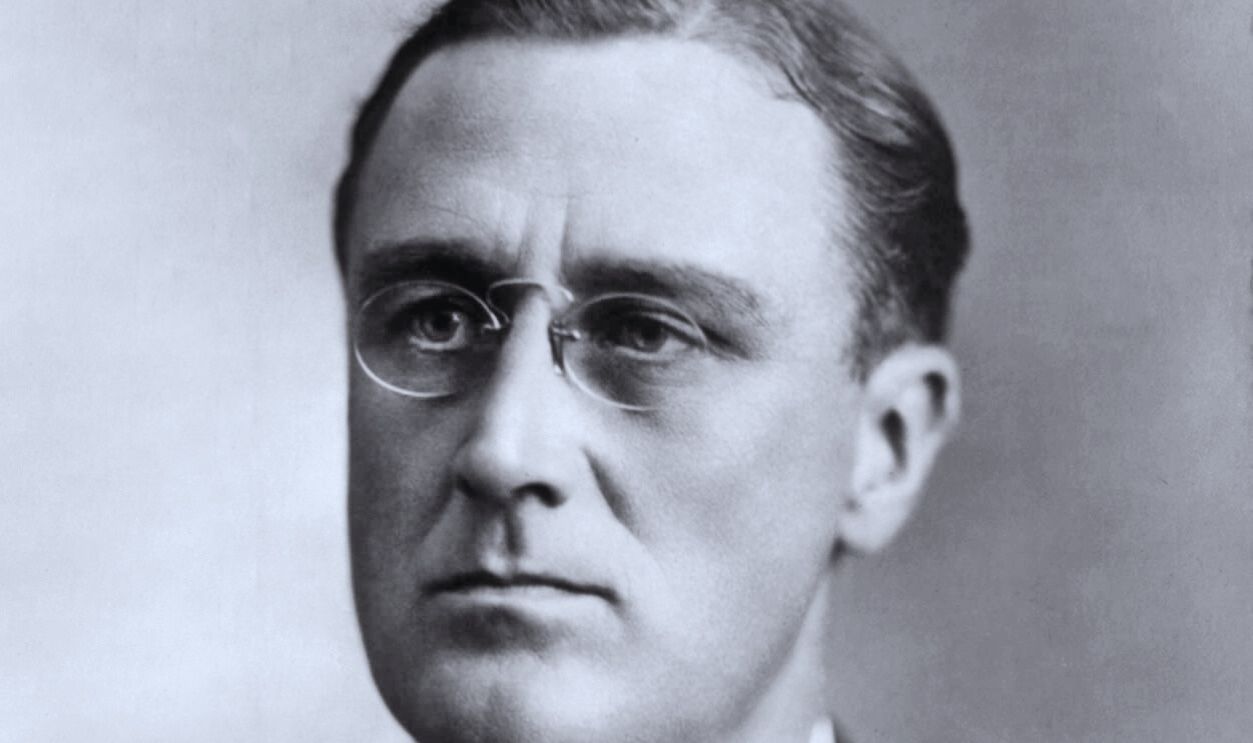
For many, such a devastating diagnosis might cause them to rethink their goals in life, but this wasn’t the case with FDR. Accepting that he would likely never walk again on his own, he still refused to give up his political dreams and even had Eleanor’s support in that decision. However, this was against his mother’s wishes, as she wanted him to retire.
To do this, though, he would have to tell a few lies.
15. He Put On A Show
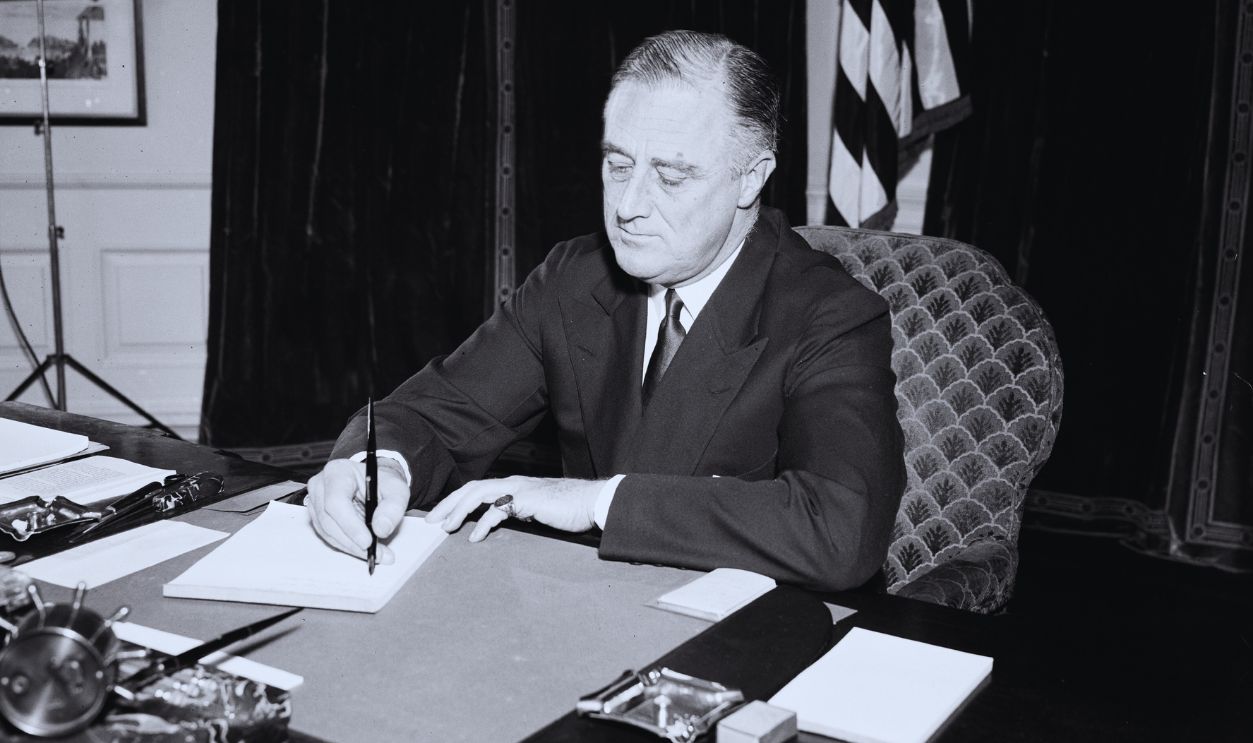
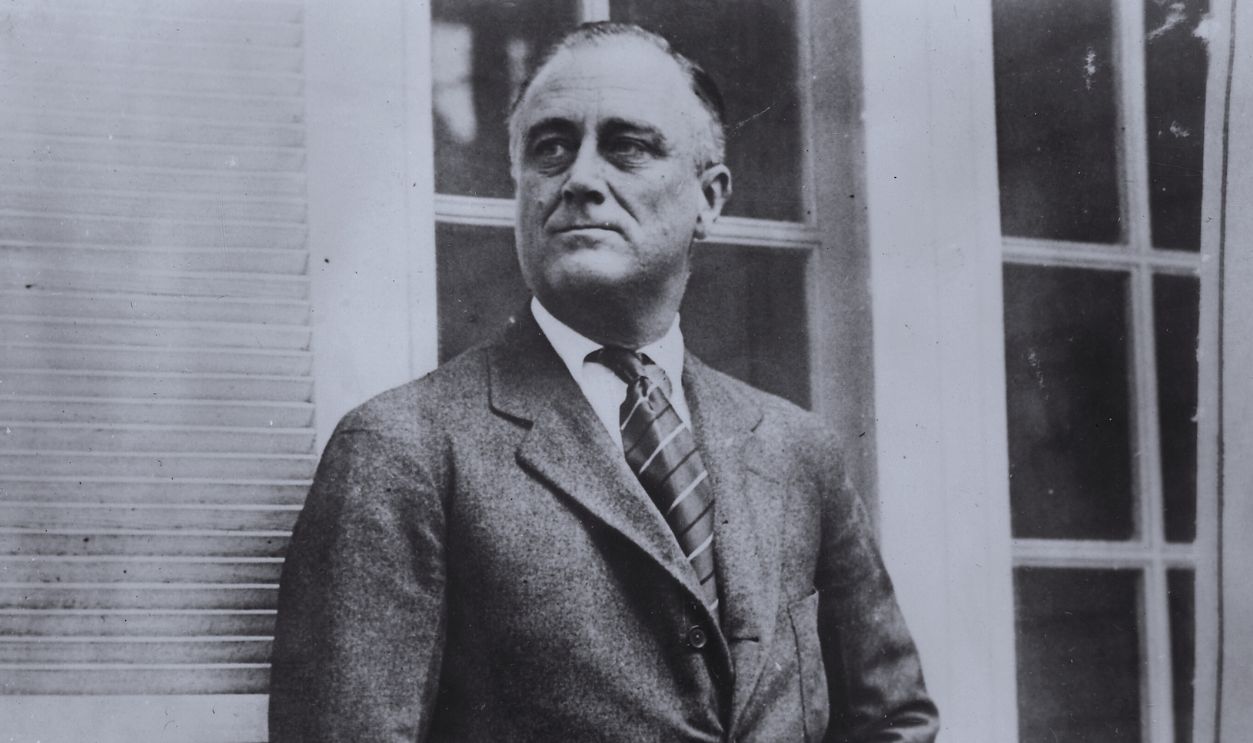
Roosevelt adjusted to his illness, but there was no cure for it, even if he made the public believe he would fully recover in time. Believing his disability would negatively affect his chances in politics, he avoided being seen in his wheelchair and practiced walking short distances by using iron braces on his legs and a cane.
Soon enough, he proved that his time in the spotlight wasn’t over.
 National Archives and Records Administration, Wikimedia Commons
16. He Found More Success
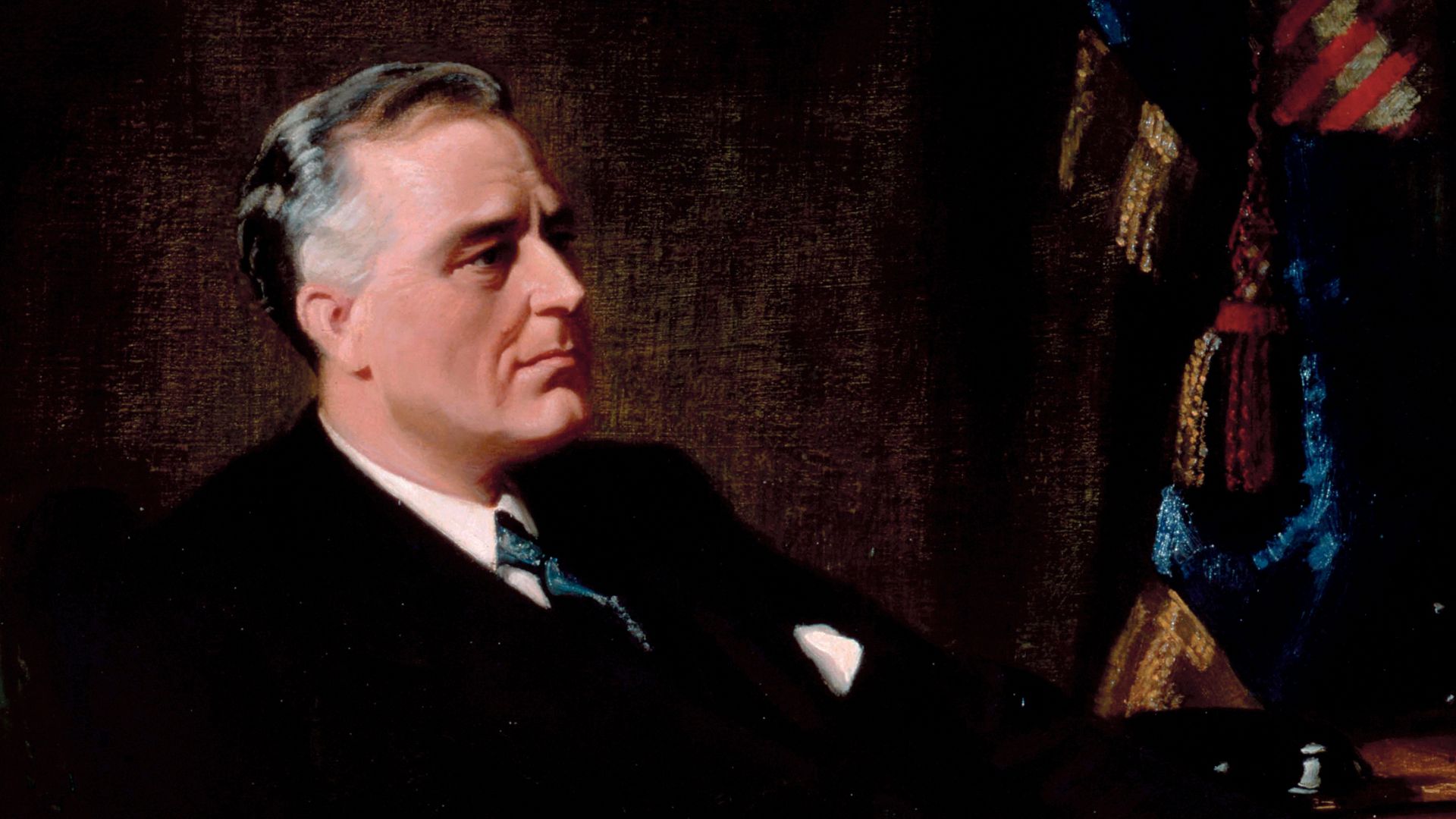
By 1928, FDR had rebuilt his reputation despite his illness, and he received an invitation from another presidential nominee—though not to run as vice president. Democratic candidate Al Smith asked Roosevelt to run for governor of New York, and although Smith would lose the presidential election, Roosevelt accepted his request and won his race.
Meanwhile, he and Eleanor had to redefine their relationship going forward.
 Frank O. Salisbury, Wikimedia Commons
17. They Set Boundaries
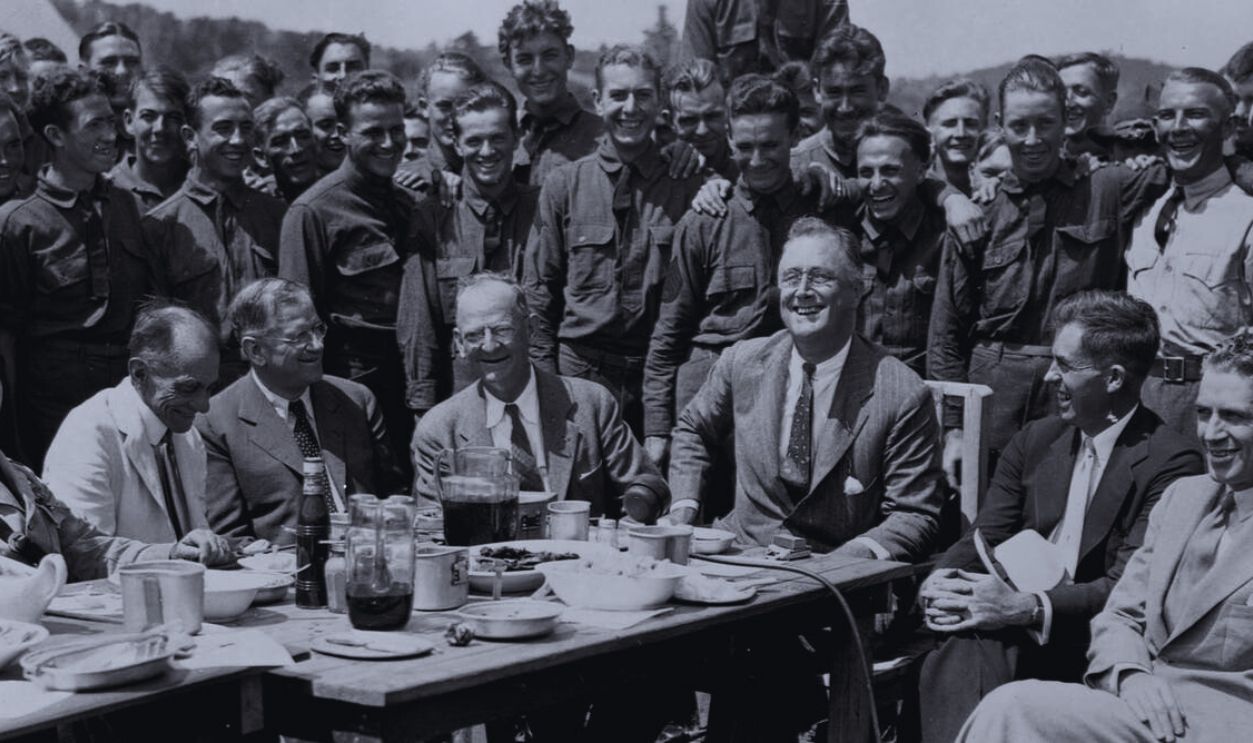
Becoming Governor of New York not only renewed Roosevelt's prospects for a future presidency but gave him his most significant position yet. As such, he and Eleanor had to figure out where they stood in their relationship. She had supported him in his recovery, but she still couldn’t see him as her husband, and agreed to play the part of the Governor’s wife as long as she could do what she wanted outside of that.
In a horrible twist, the whole country was in for a disaster.
 The US government., Wikimedia Commons
18. He Knew How Bad It Was
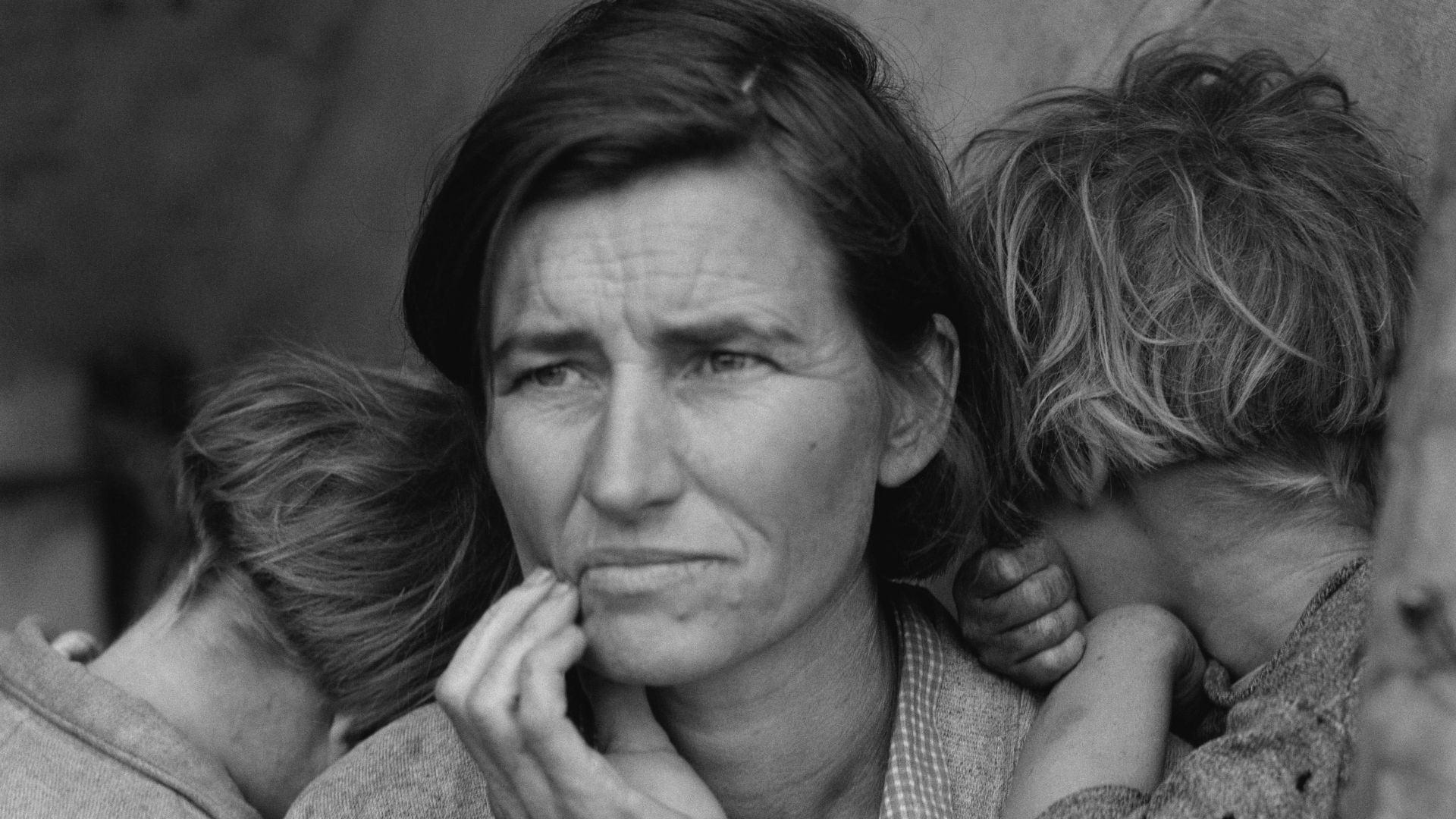
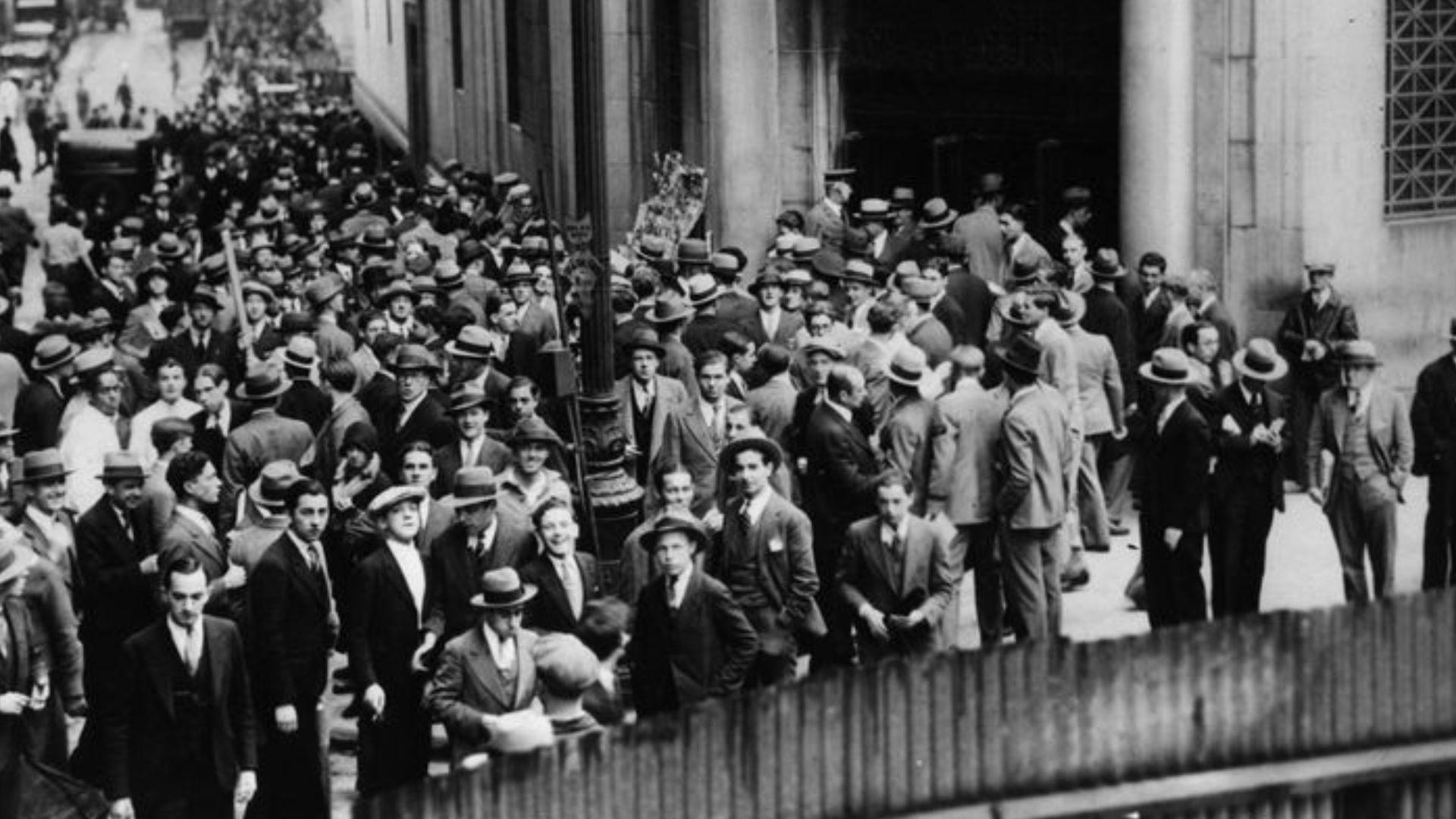
Although FDR largely came from a life of wealth and privilege, it was easy to see the deep effects of the 1929 Wall Street Crash and the ensuing Great Depression. As Governor, he immediately got to work in helping the citizens of New York survive this period. Among several initiatives, he became the first Governor to publicly support the concept of unemployment insurance.
As it happened, his leadership was integral to New York’s survival.
 Dorothea Lange, Wikimedia Commons
19. He Proved His Worth
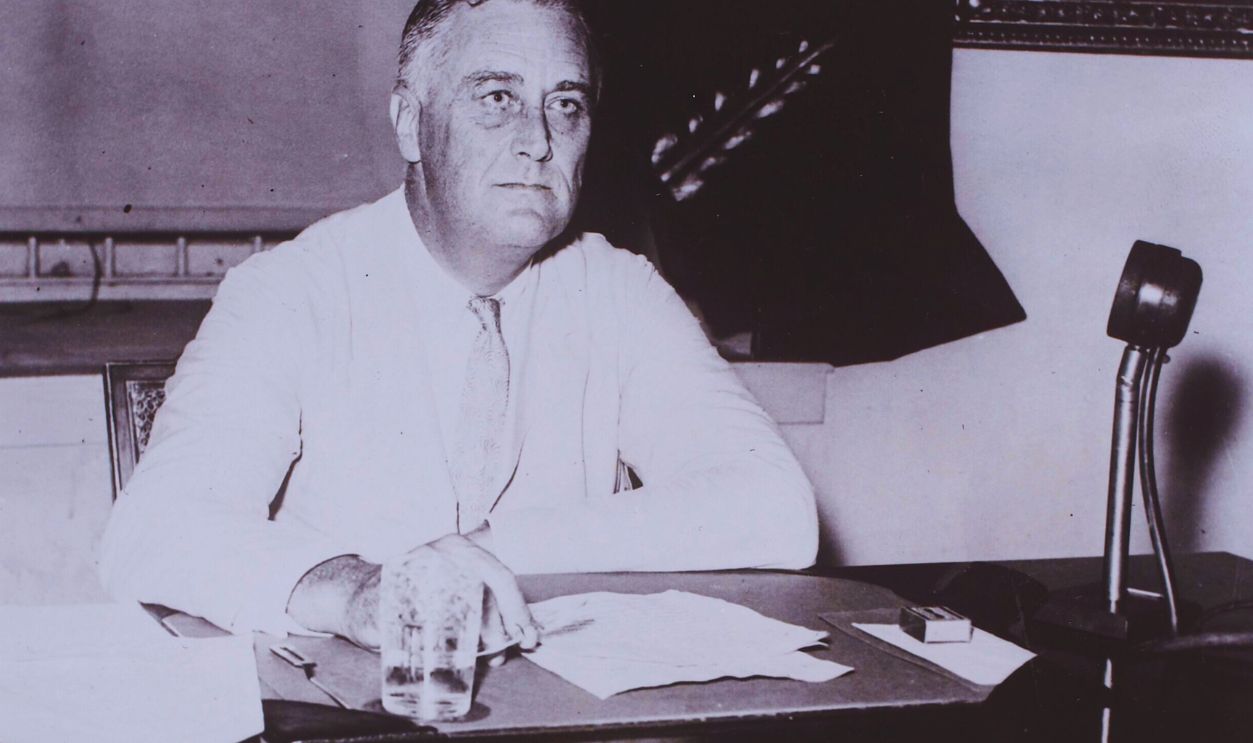
By 1932, Roosevelt was ready to get back in the presidential race, and all the work he had done since his first attempt paid off. With his progressive and effective efforts to help the people of New York as Governor, he showed his leadership qualities, earning him the Democratic presidential nomination.
Around this time, he faced another threat to his life—but not from his health.
 Bibliotheque nationale de France, Wikimedia Commons
20. He Had A Close Call
With an overwhelming majority of votes, FDR was set to be the next President, but he nearly didn’t make it that far. In February 1933, a man named Giuseppe Zangara tried to shoot Roosevelt while the new president was giving a speech. Zangara would have succeeded, too, if a woman hadn’t hit him with her purse and caused him to hit Chicago Mayor Anton Cermak instead.
Still, it would take more than this to scare off Roosevelt.
 Tennessee Valley Authority, Wikimedia Commons
21. He Took The Helm
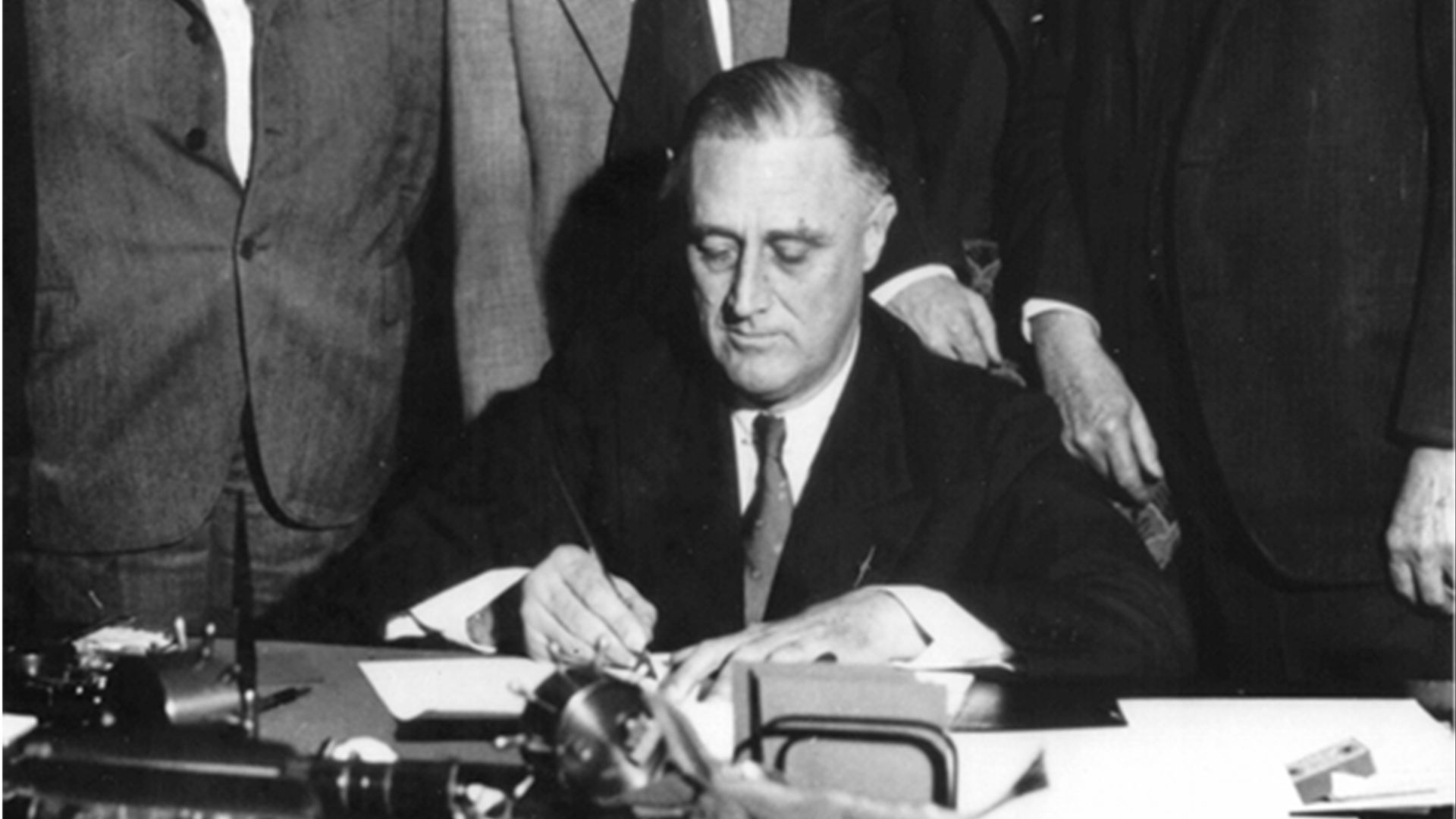
Winning the 1932 election by a landslide, Roosevelt wouldn’t take office until the following year, when he underwent his inauguration on March 4, 1933. However, there wasn’t much to celebrate at the time, as the US was still in the middle of the Great Depression, and now he had to figure out what to do about it.
Once again, he had big ideas in mind for America.
22. He Had A Plan
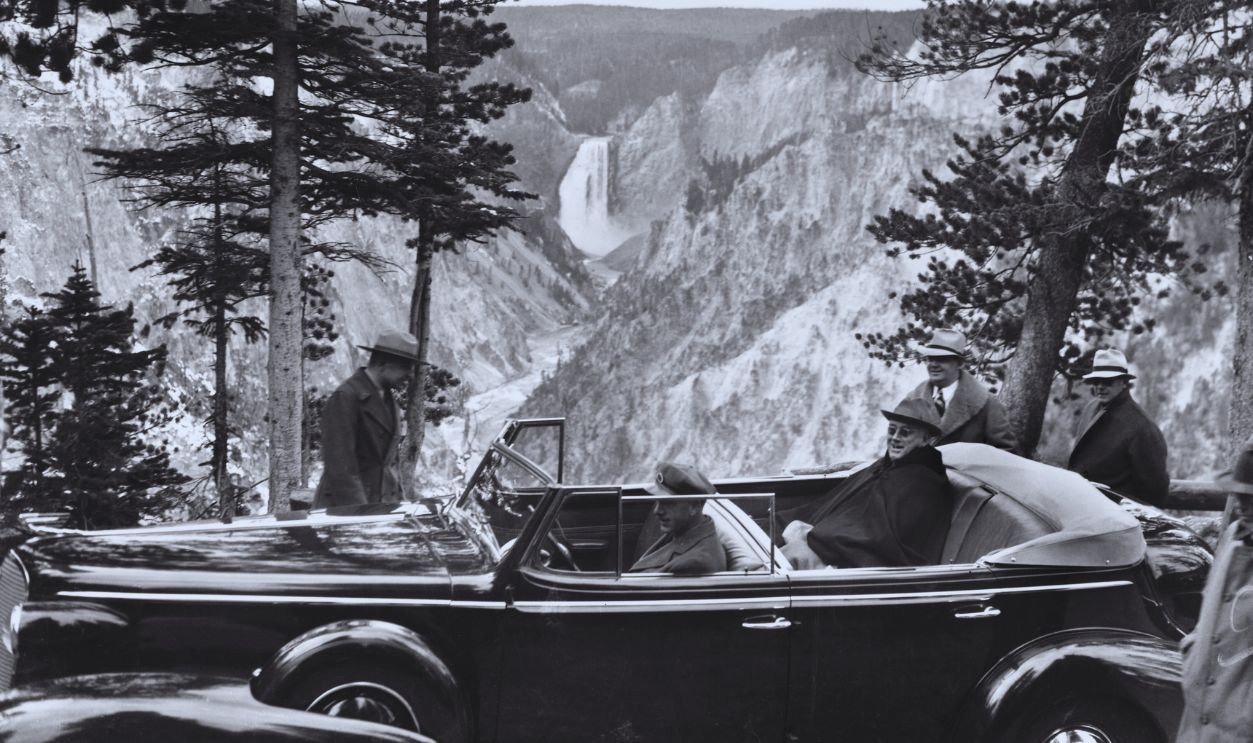
FDR had not only gained experience in dealing with the depression in America during his Governorship, but he had also earned the people’s faith that he would get them through it. Before his first 100 days as President were up, he proposed his own plan called the “New Deal,” which included several drastic reforms to combat the effects of the Great Depression.
He couldn’t do all of this on his own, however.
 Chinmaya S Padmanabha, Wikimedia Commons
23. He Made A Team
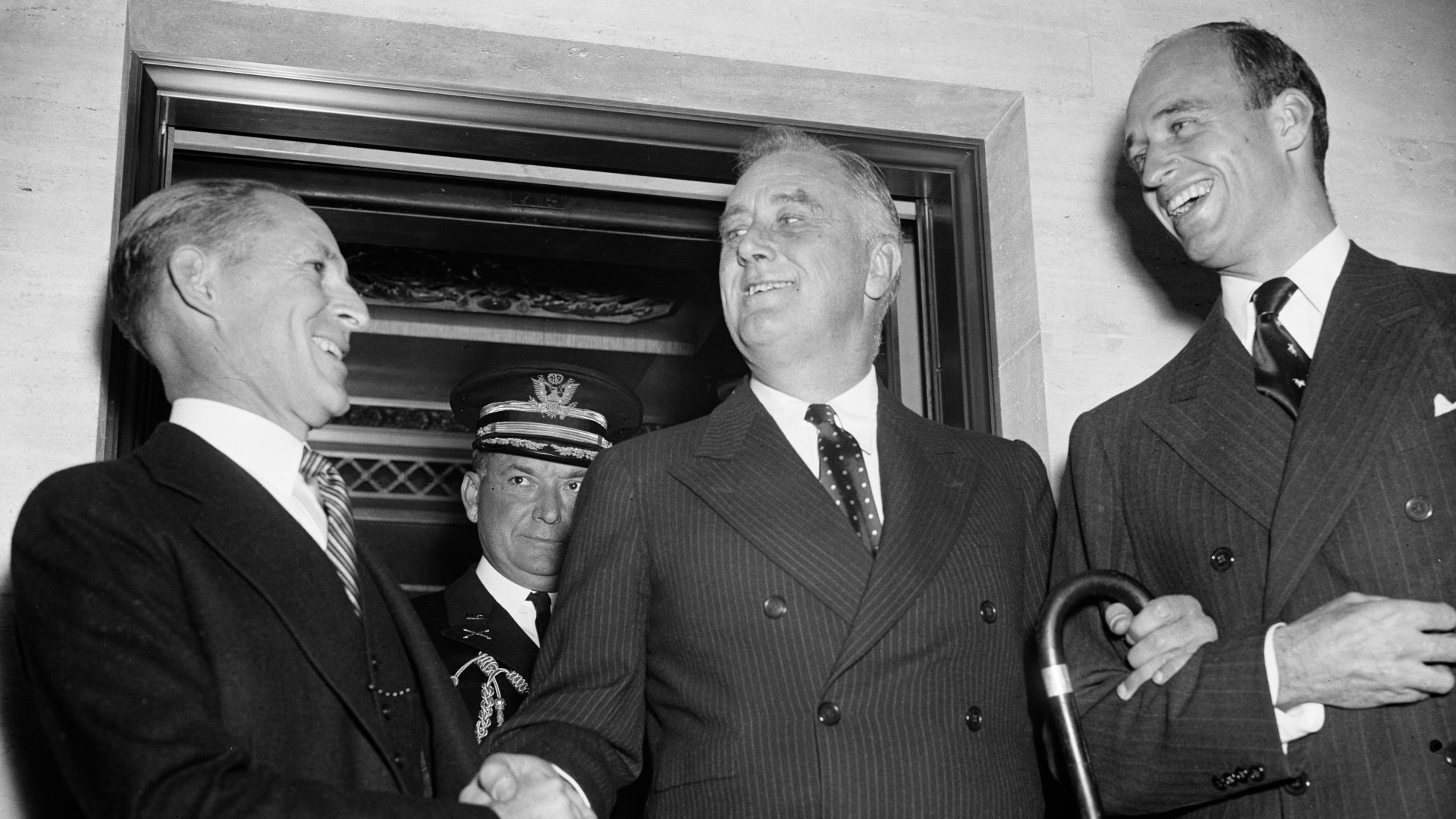
While Roosevelt certainly had a knack for dealing with impossible situations, he couldn’t solve the Great Depression single-handedly, so he put together a team of economic advisors. Together, they outlined the New Deal, creating what came to be known as the “alphabet agencies,” like the National Recovery Administration, to target specific issues.
Of course, no one is immune to criticism.
 Harris & Ewing, photographer, Wikimedia Commons
24. He Wasn’t Pleasing Everyone
After three years as President, FDR was proving to be the man for the job, as his New Deal had noticeably improved the condition of the US. Not everyone saw it this way, though, and voices emerged accusing him of being a socialist and needlessly increasing the government’s spending.
Nonetheless, he remained a favorite in the public’s eyes.
25. He Was More Popular
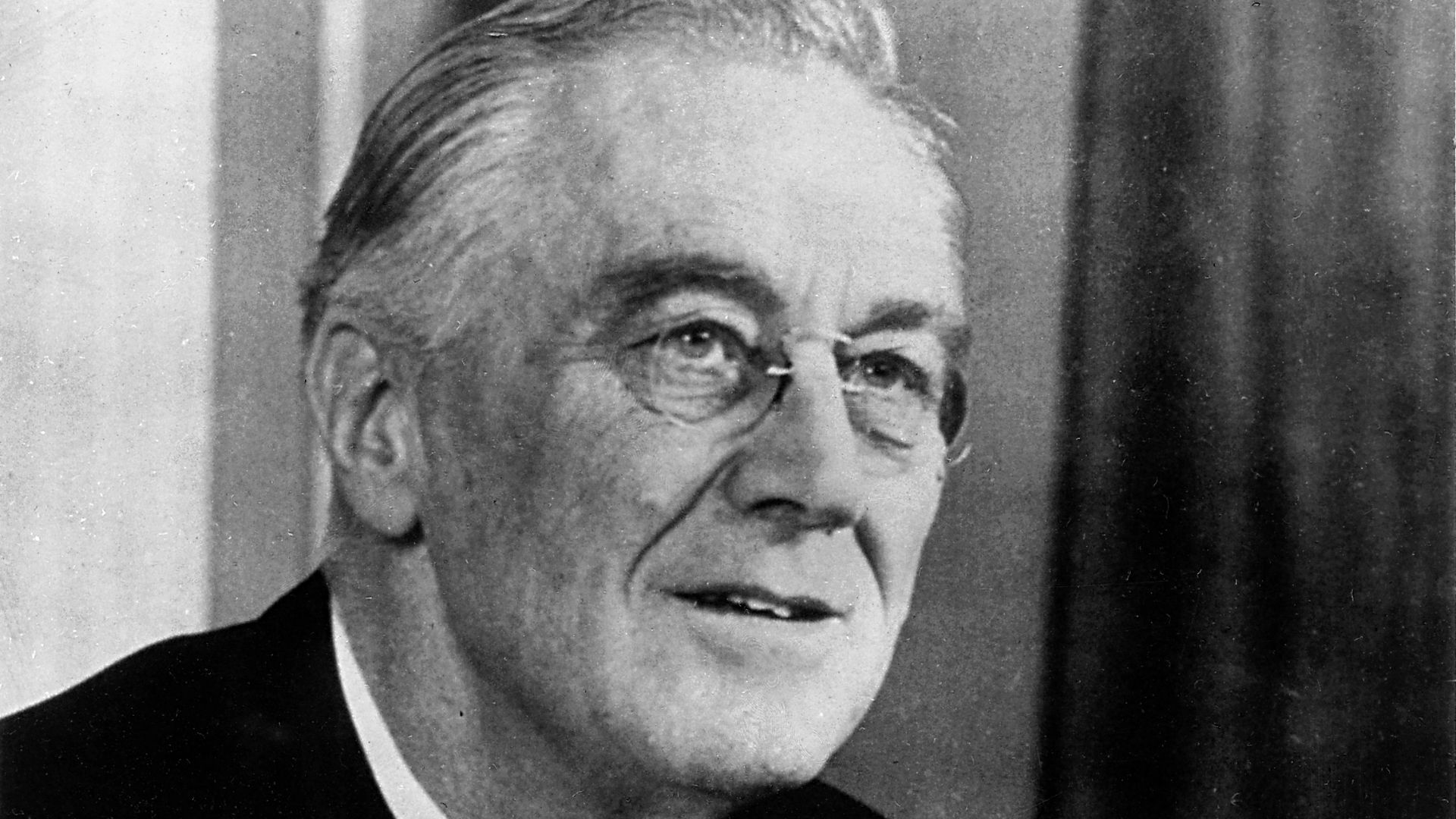
Finally, it came time for Roosevelt to run for his second term in 1936, and his opponents weren’t pulling any punches. The Republican nominee, Alf Landon, knew that some Americans disapproved of the New Deal’s execution, even if they agreed with the premise, and so he targeted those voters. This didn’t amount to anything, though, as Roosevelt won another landslide victory with 60.8% of the vote.
However, he would have his work cut out for him, as America faced its next crisis.
26. He Promised To Stay Out
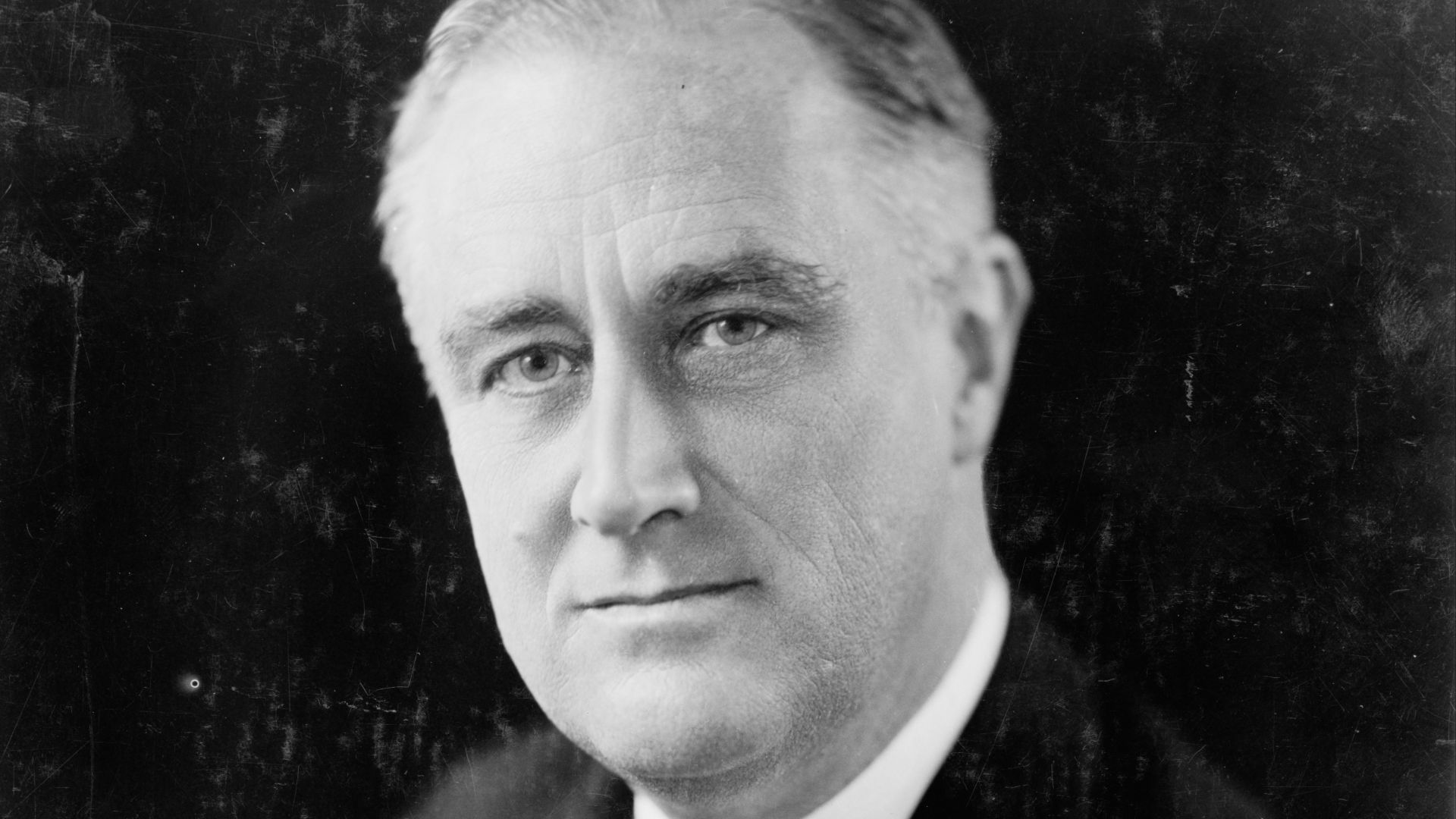
While the US certainly didn’t ignore the events happening around the world in the years leading up to WWII, many believed it wasn’t their place to interfere in the business of other countries. Germany’s annexation of Austria in 1938 didn’t change this sentiment, and FDR asserted that if Germany were to target Czechoslovakia, America would maintain its state of neutrality.
At the same time, he couldn’t sit by and do absolutely nothing.
 Unknown authorUnknown author, Wikimedia Commons
27. He Still Wanted To Help
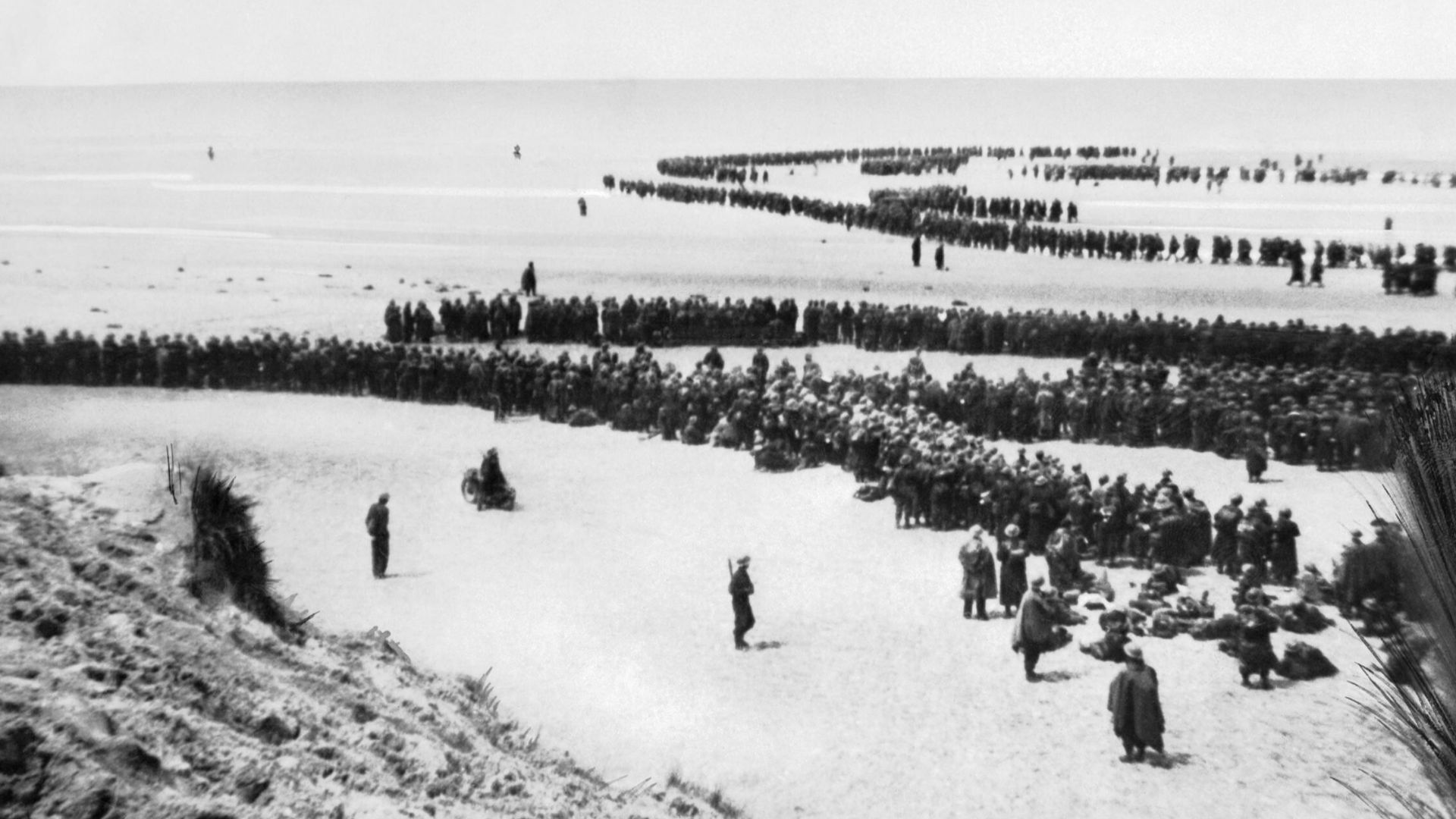
Global tensions continued to rise until they finally reached a boiling point in 1939 when Germany invaded Poland, kicking off WWII. Much of the US still maintained an isolationist stance, unlike Britain and France, which then declared hostilities against Germany. Despite this and his previous statements, Roosevelt tried to work out how to assist both the British and French armies.
Behind the scenes, he was exploring more dangerous avenues.
 Vincenzo Laviosa, Wikimedia Commons
28. He Gave The Go-Ahead
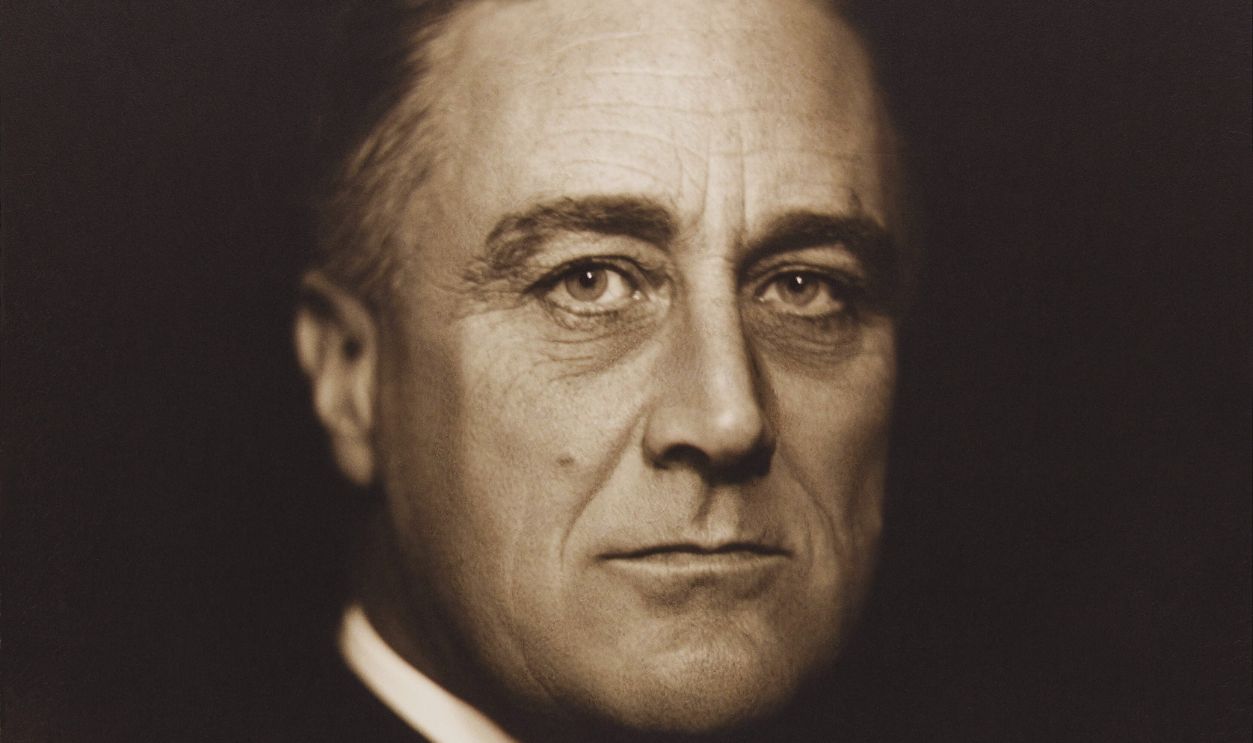
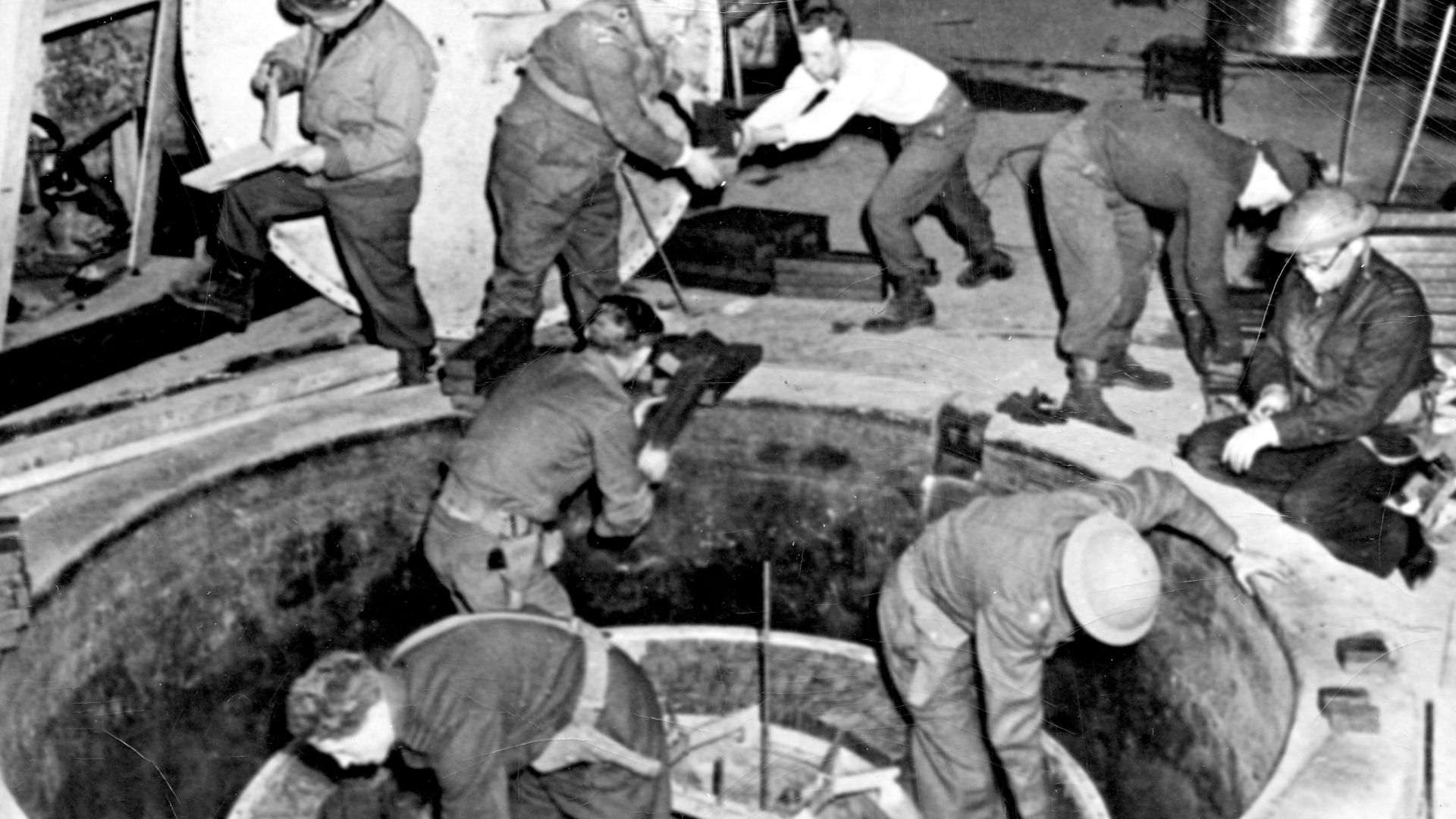
Whether or not isolationists succeeded in getting Americans on their side, FDR knew there was a good chance America would have to fight sooner or later. As a result, he was all ears when scientists Albert Einstein and Leo Szilard wrote to him with a warning that the Germans had discovered nuclear fission. Understanding that this could lead to a German weapon of mass destruction, Roosevelt greenlit America’s own research into the concept.
Meanwhile, he was getting ready to change the game in politics.
29. They Spread The Word
Since the moment George Washington refused to run for a third term as President, every successor had followed in those footsteps, but it seemed like Roosevelt was taking a different path. Although it had been tradition, the US Constitution did not limit the number of presidential terms yet, and many began to gossip that FDR would be running for a third time in 1940.
As it soon became clear, these rumors were all true.
 Douglas Chandor, Wikimedia Commons
30. He Broke The Mold
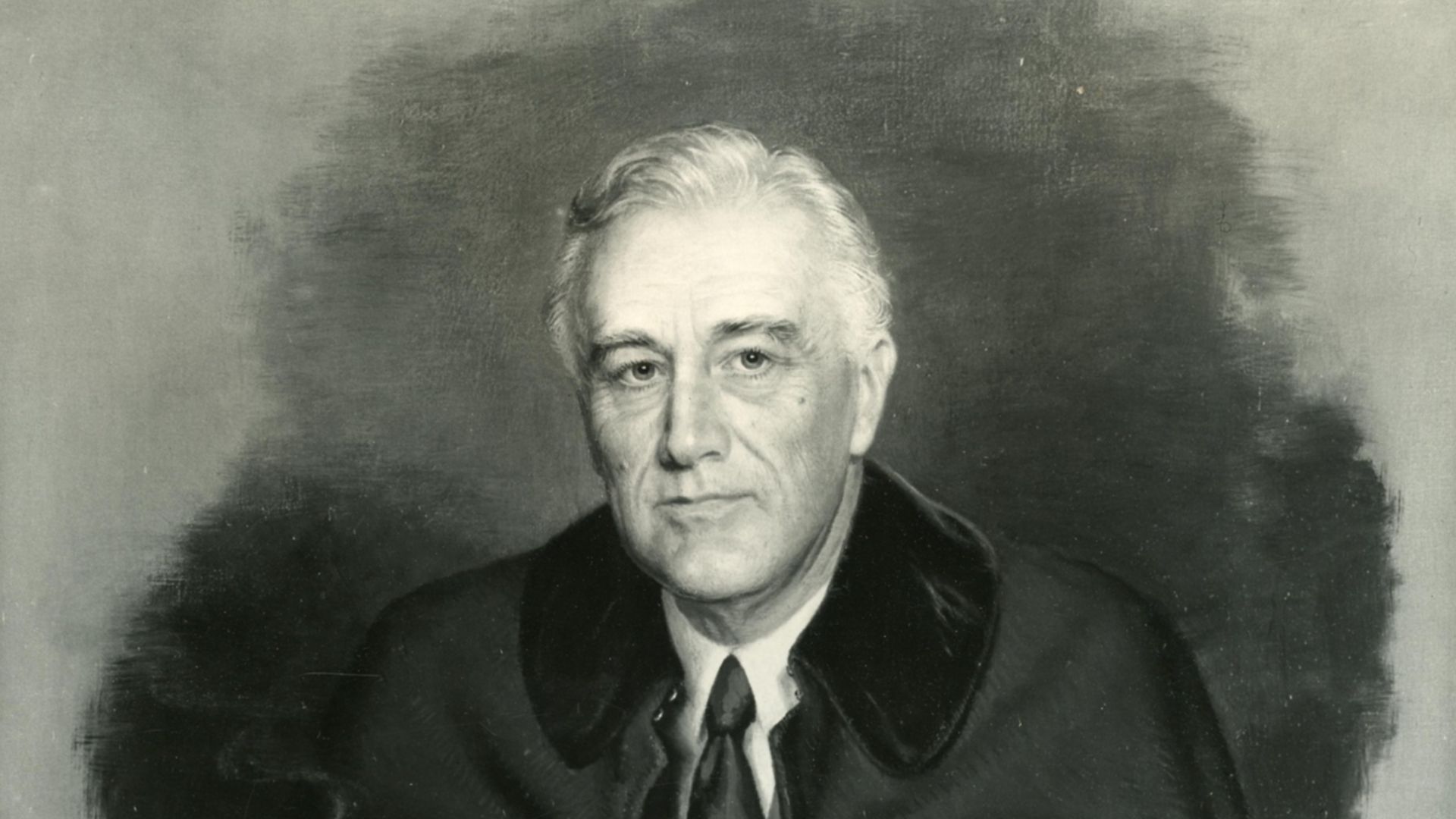
When it came to the 1940 Democratic National Convention, FDR revealed that he would be running for a third term, breaking the unwritten rule set down by Washington. He did this because he truly believed he was America’s only hope against the rising threat of Germany, even if this upset many people, especially those in his party.
Fortunately for him, this gamble turned out to be well worth the risk.
31. They Still Loved Him
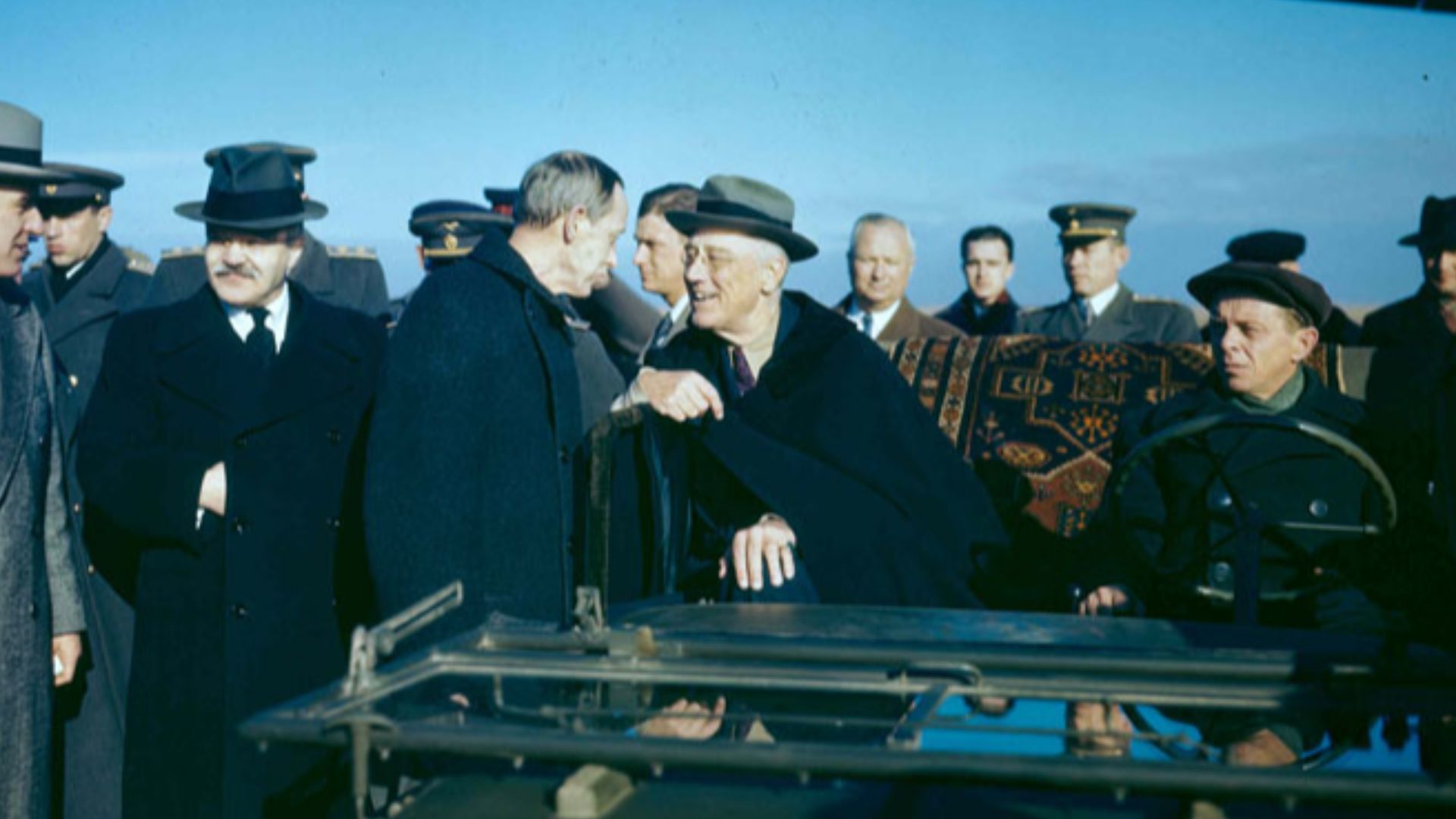
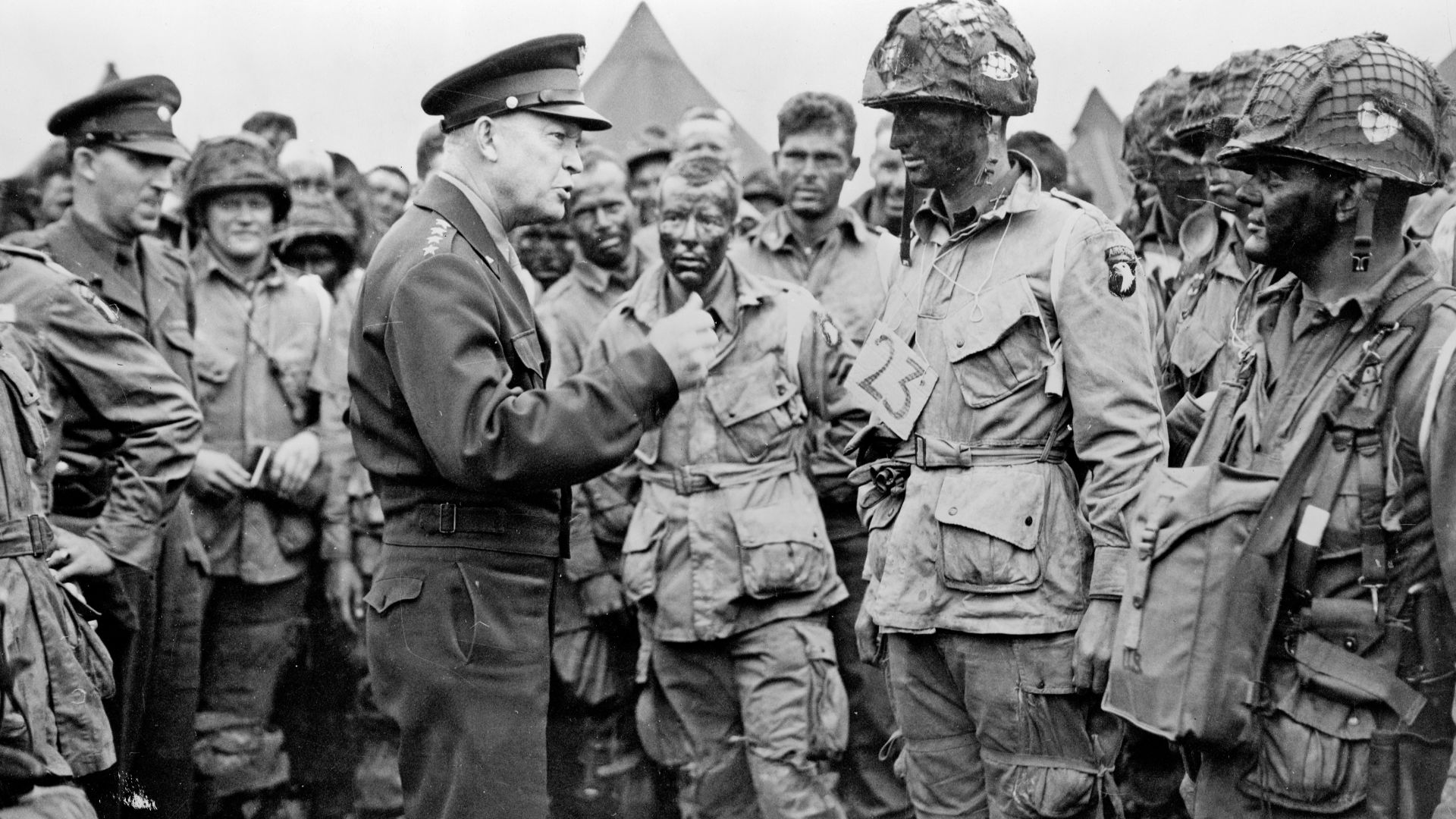
Roosevelt faced strong opposition in the 1940 election, and the race soon appeared much closer than his previous landslide victories. Although many praised his efforts to help Britain and France while remaining neutral, his opponents were quick to warn that doing so would only bring America closer to the conflict. Nevertheless, his goodwill and promise to keep the US out of WWII earned him a victory with 55% of the popular vote.
Despite this popularity, he couldn’t keep himself from getting into trouble.
 Unknown U.S. Army photographer, Wikimedia Commons
32. He Had Secret Affairs
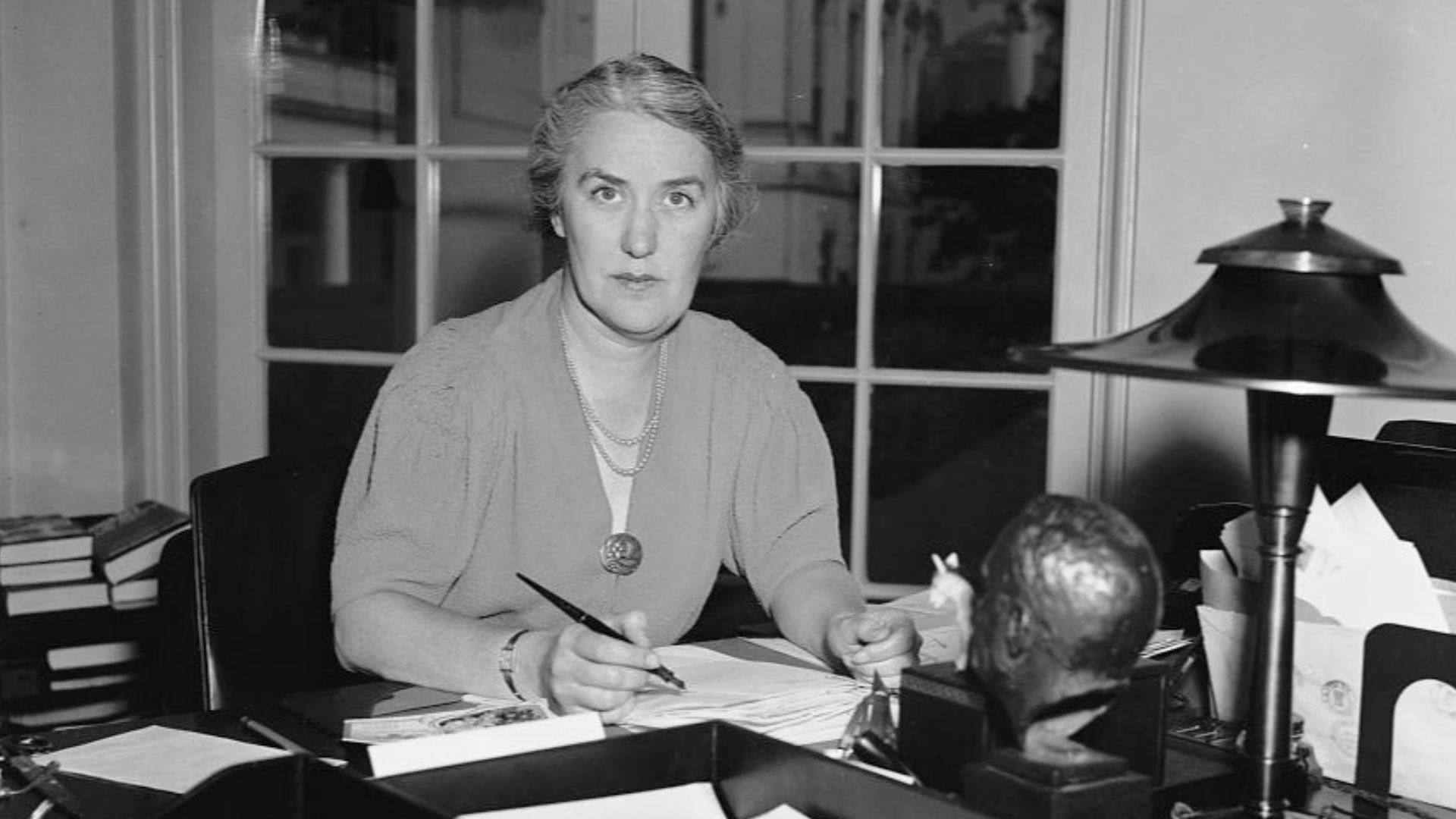
Peeking behind the curtain, there’s a good chance that FDR had more than one brush of infidelity, at least according to his sons, Elliott and James. Years later, the two would reveal that Roosevelt allegedly spent two decades in an affair with his own secretary, Marguerite LeHand, and that he may have even courted Crown Princess Märtha of Norway.
Understandably, Eleanor couldn’t deal with his messes anymore.
 Harris & Ewing, Wikimedia Commons
33. She Turned Him Away
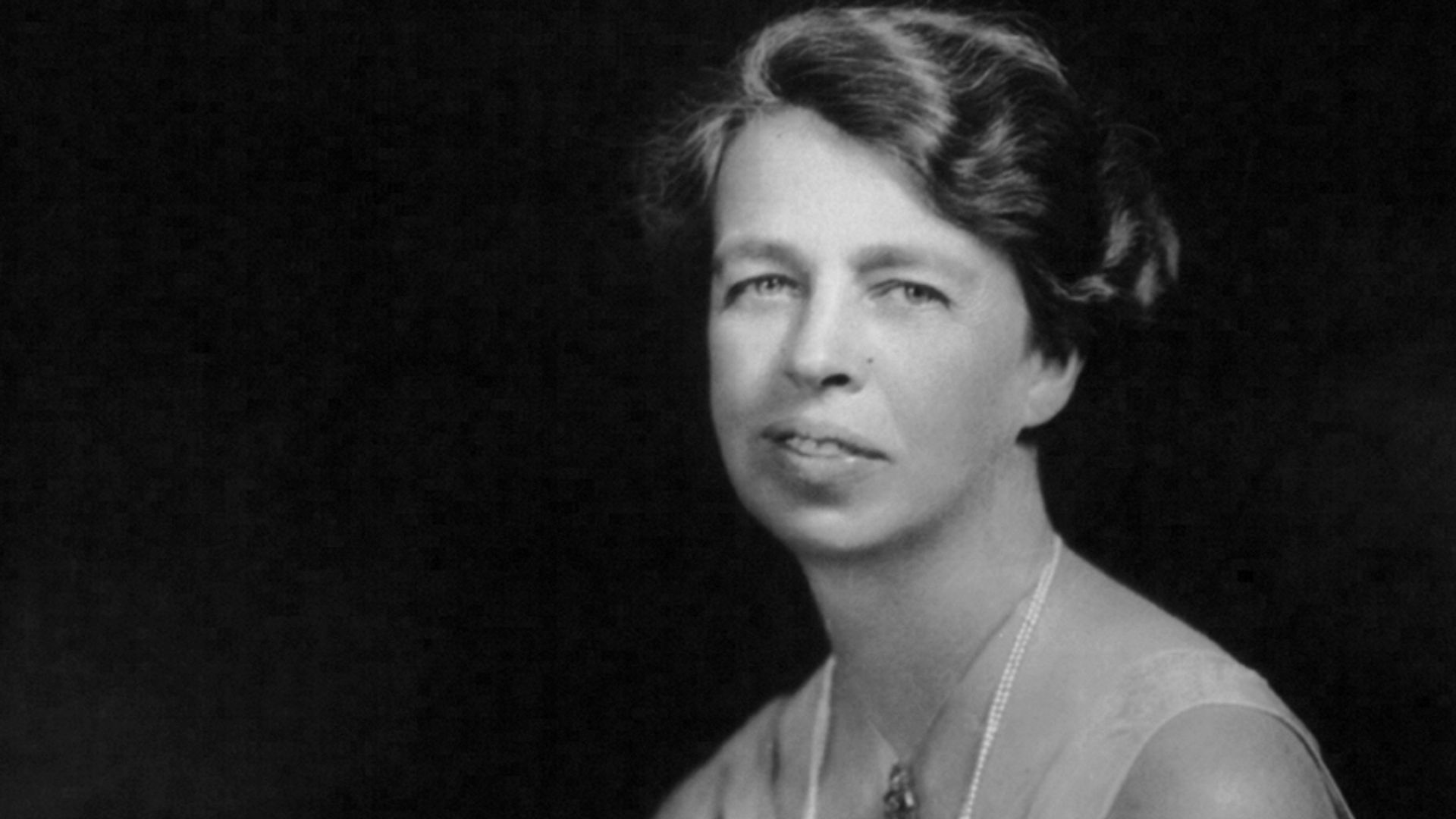
As they were only husband and wife on paper, Eleanor had long since lived by herself apart from Roosevelt, and his continued infidelity and disrespect only made the situation worse. On the other hand, his illness had worsened by the early 1940s, and he wanted Eleanor to come back and help him. However, he had hurt her too much, and she refused his invitation.
Of course, he had far more pressing issues to deal with.
 Underwood & Underwood, Wikimedia Commons
34. He Cut Them Off
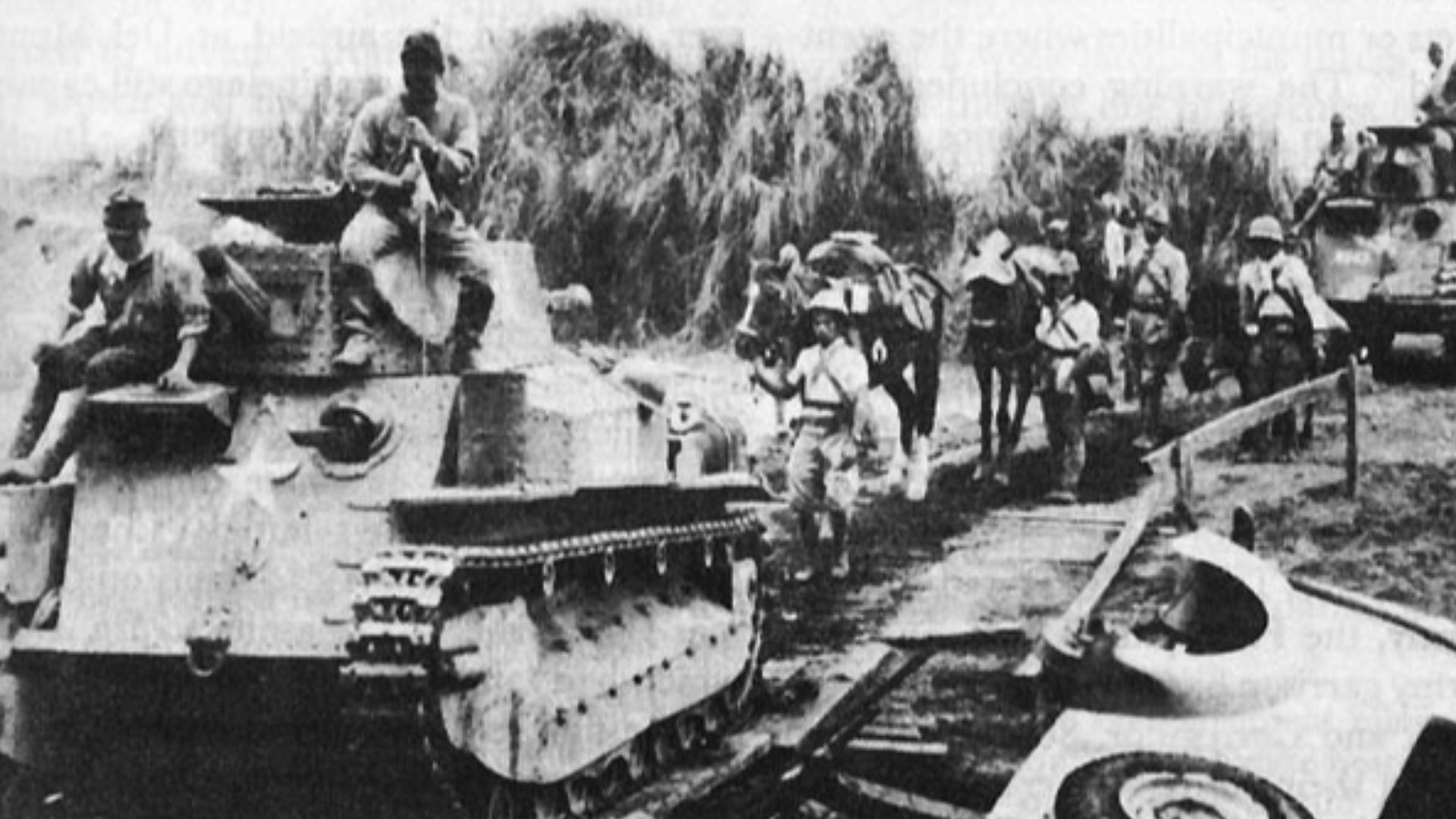
As the US monitored the progress of WWII, Roosevelt tried to help as much as possible against the Axis Powers, even when it put a bullseye on America’s back. In 1941, he put a halt to all sales of oil to Japan as a response to Japanese forces occupying what was left of French Indochina.
As expected, Japan didn’t take too kindly to this decision.
 Japanese military, Wikimedia Commons
35. They Surprised Them
While there were a few efforts to negotiate between Roosevelt and the Japanese Prime Minister, it was clear that the President wouldn’t budge on his decision. Wanting to repay the US for this, Japan took the plunge on December 7, 1941, and initiated an air raid on the United States Pacific Fleet stationed in Hawaii at Pearl Harbor. The US army didn’t see this coming, and over 2,000 servicemen and civilians lost their lives in the attack.
Suddenly, most isolationists in America became much quieter.
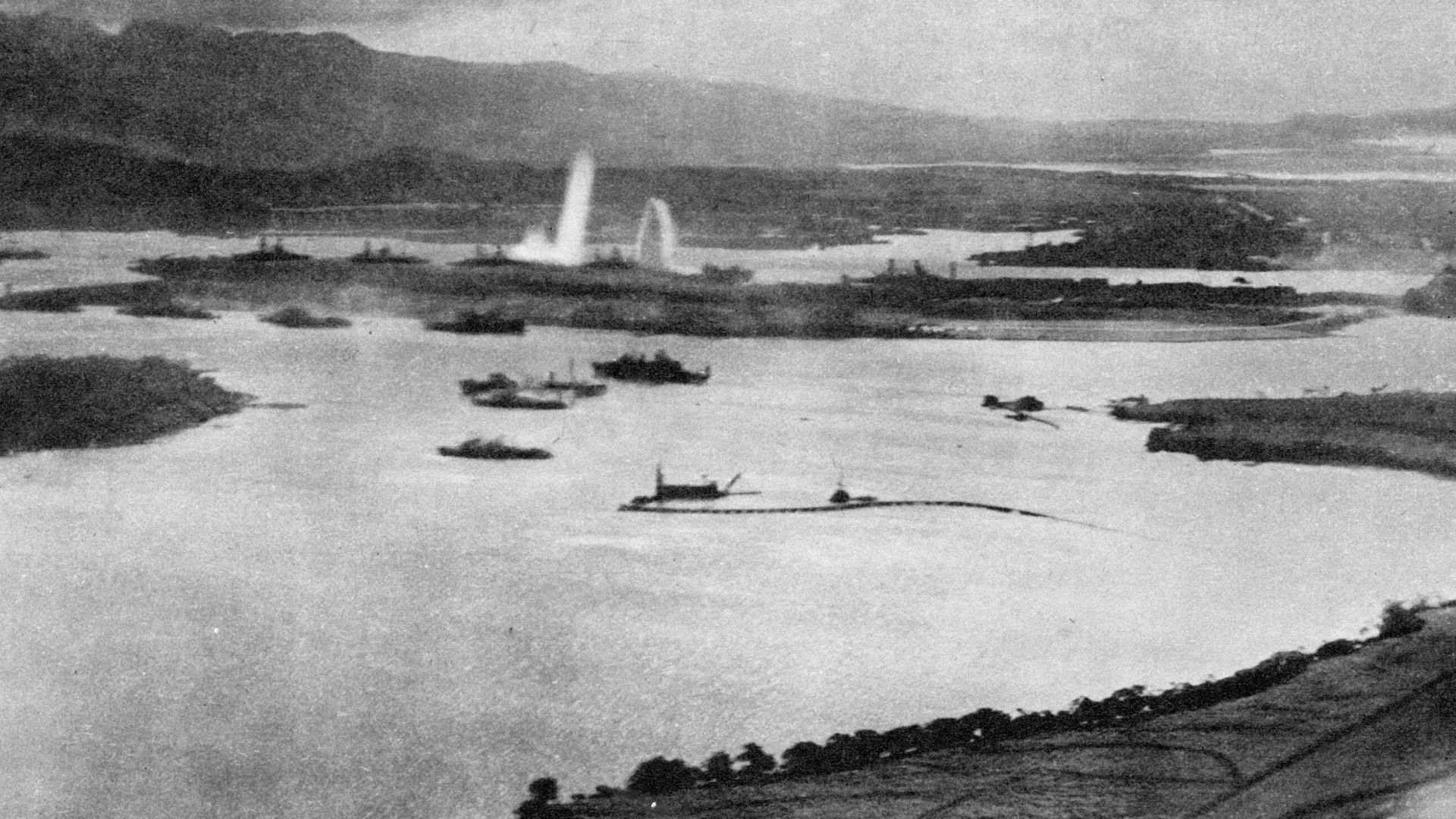 Japanese aircrew, Wikimedia Commons
36. He Changed His Tune
Going back on the sentiments and promises he made in the years prior, Roosevelt addressed Congress in his iconic “Infamy Speech,” urging them to approve a declaration of hostilities against Japan. No matter who had previously desired neutrality, Pearl Harbor changed everything, and Congress almost unanimously voted in favor of Roosevelt's request. Not long after, Congress followed up with declarations against Germany and Italy.
This also meant Roosevelt approved more secretive courses of action.
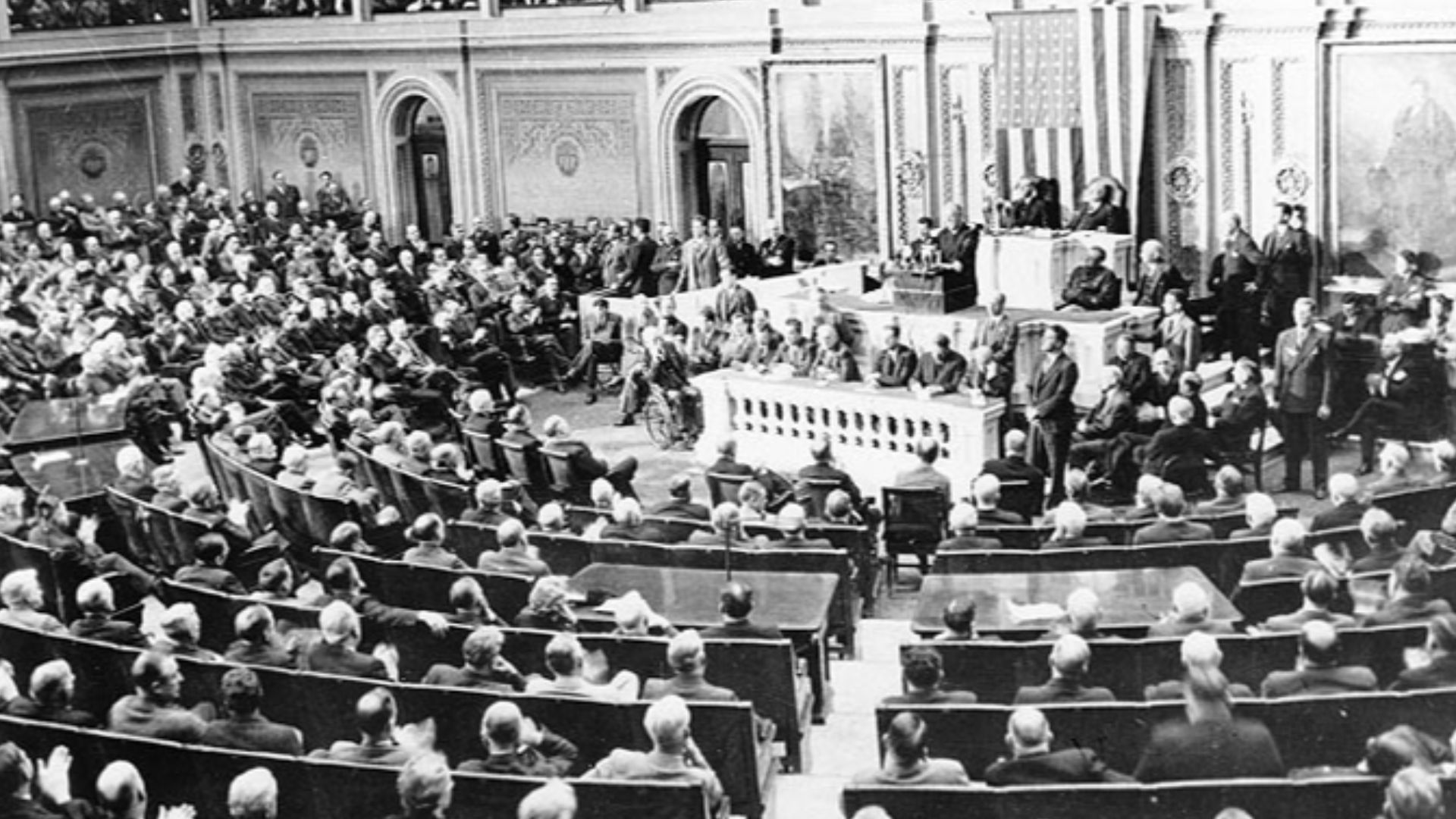 Harris & Ewing, Wikimedia Commons
37. He Began The Project
While Roosevelt had already approved the research into a nuclear weapon, it had remained on the back burner as America hadn’t involved itself in WWII yet. However, with the attack on Pearl Harbor, Roosevelt saw a more dire need for such an advantage and greenlit the Manhattan Project, which would eventually create the first nuclear explosives.
However, within the country, another serious conflict emerged.
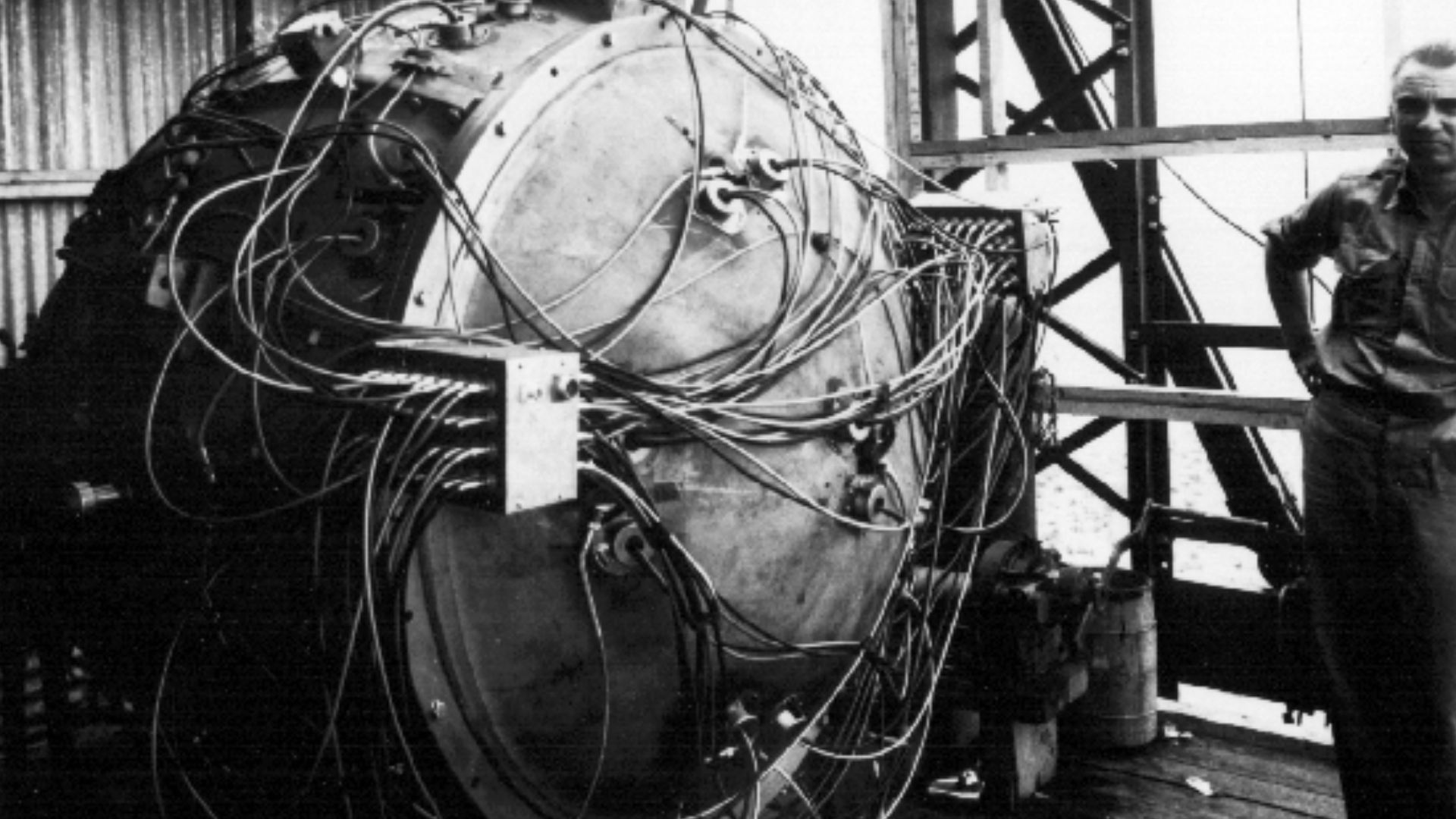 Federal government of the United States, Wikimedia Commons
38. Their Suspicions Grew
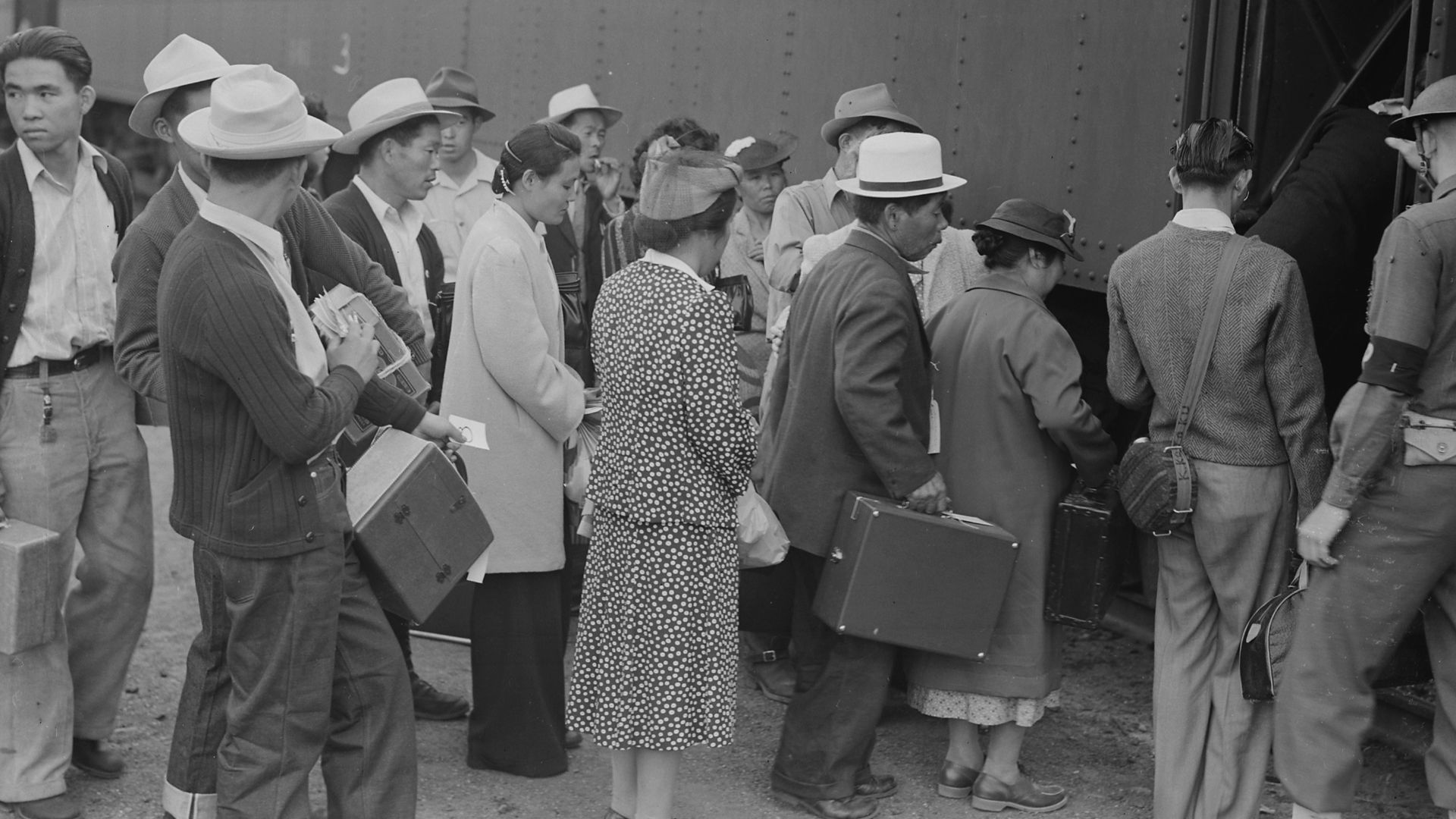
Prejudices against Japanese people living in America weren’t new during WWII, but after the attack on Pearl Harbor, this discrimination grew all the more rampant across the country. Fueled by unchecked paranoia and even allegations by the US Government, many in the US started to believe that Japanese Americans had assisted in the attack through espionage and were still helping Japan after.
Roosevelt did not respond well to these issues.
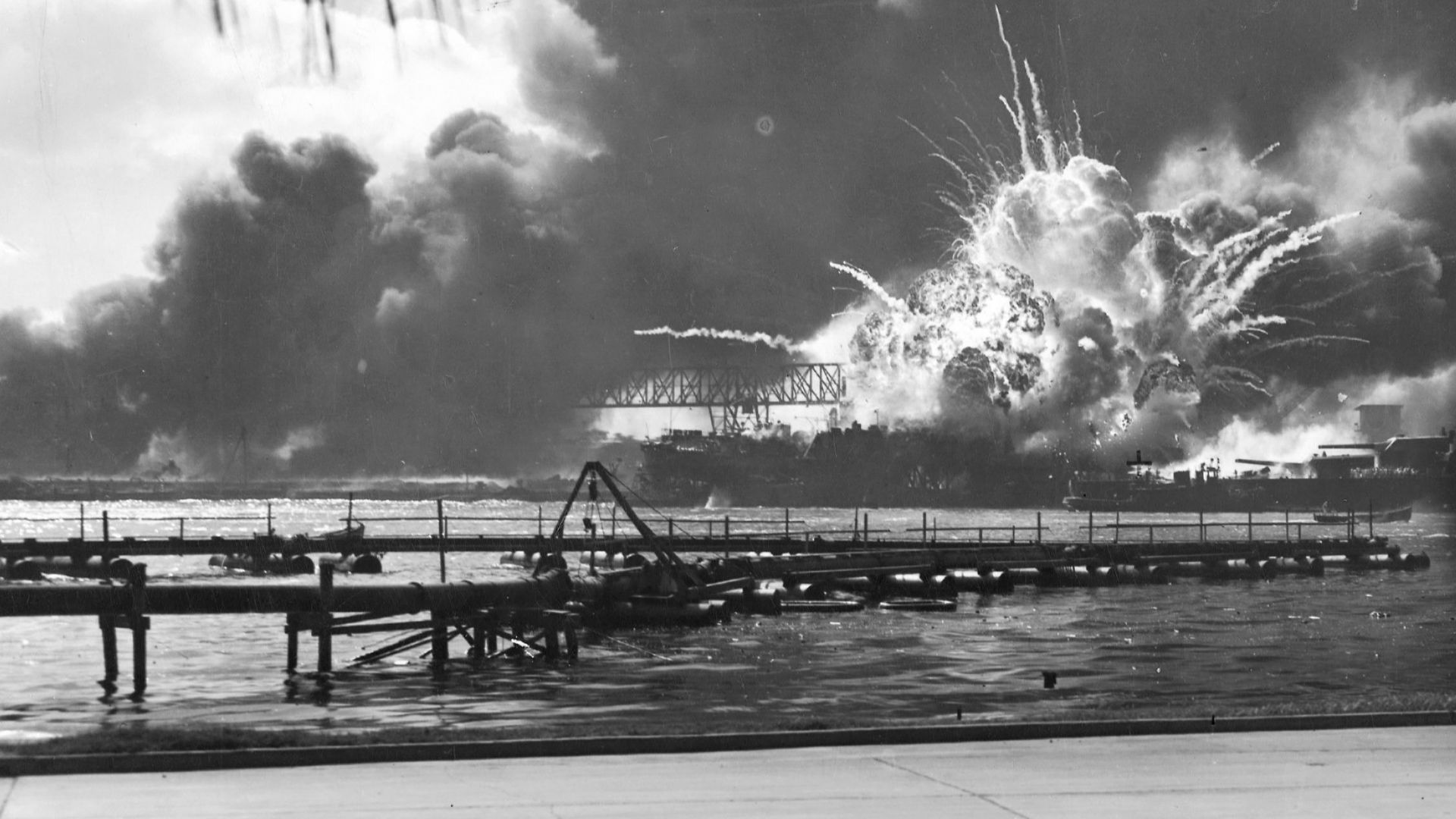 Unknown navy photographer, Wikimedia Commons
39. He Locked Them Up
In the face of paranoia and calls for action against possible Japanese American spies, Roosevelt believed the best course of action was to imprison them. Signing Executive Order 9066 on February 19, 1942, FDR had about 120,000 Japanese people taken from their homes and placed in internment camps away from the Pacific Coast.
Concerning his own well-being, Roosevelt wasn’t doing any better.
 Dorothea Lange, Wikimedia Commons
40. He Was Worse For Wear
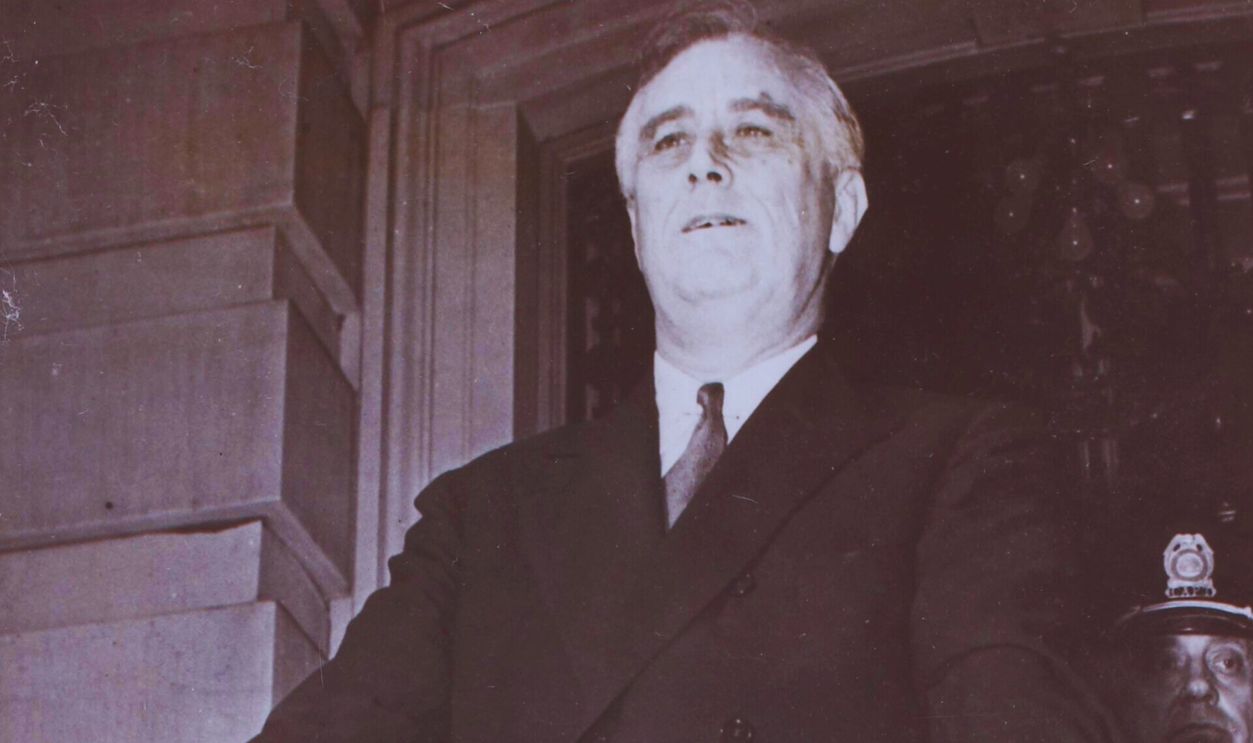
Adding to his already existing health problems, Roosevelt had been a chain-smoker for the majority of his life, plus the stress of WWII didn’t help things. Since the start of the conflict, his condition had been on a steady decline, and in 1944, his doctors diagnosed him with several major issues, including atherosclerosis and congestive heart failure.
Despite his failing health, he never let go of his larger plans for the US.
 Bibliotheque nationale de France, Wikimedia Commons
41. He Looked Out For Veterans
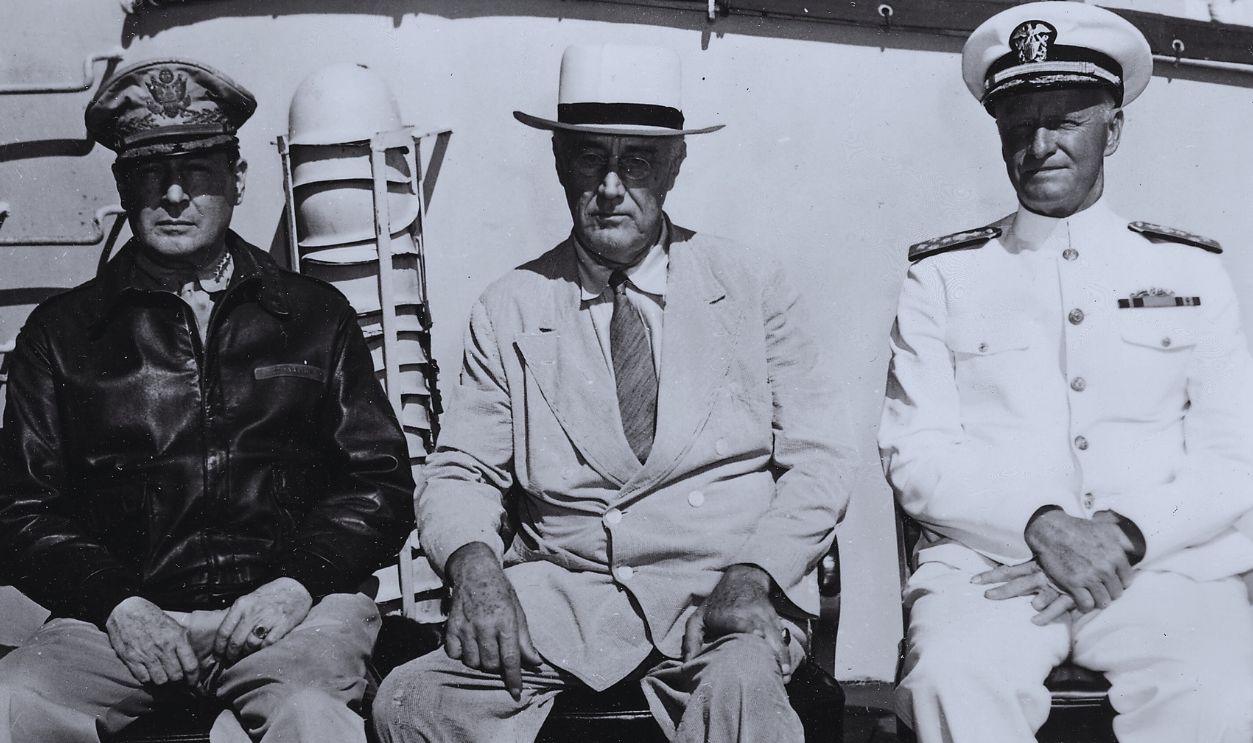
Roosevelt's health may have been declining, but he continued to fight for his progressive reforms, especially for those fighting for America. Possibly his most daring proposition during his third term was the GI Bill, which would support those in the army who returned from the conflict. This was a bold effort, but both houses of Congress saw its value and passed it unanimously in June 1944.
To all appearances, he was nowhere near done with his work.
 National Archives and Records Administration, Wikimedia Commons
42. He Was Still Ambitious
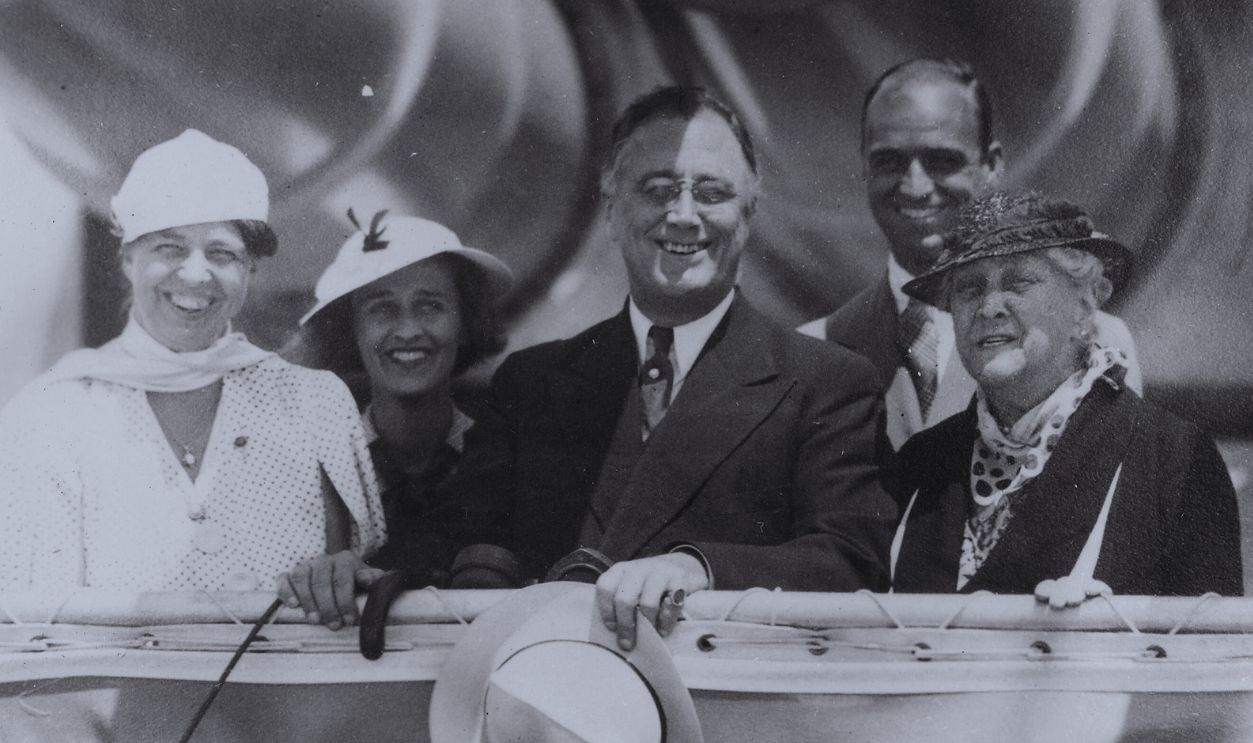
By 1944, Roosevelt had entered his 60s, and his health was suffering more and more each day, but the thought of quitting never crossed his mind. Announcing his intention to run for a fourth term, he faced resistance from a handful of Democrats, but remained popular in the overall party and became the Democratic nominee.
After all this time, he still knew how to put on a show.
 National Archives and Records Administration, Wikimedia Commons
43. He Changed Their Minds
Although Roosevelt became good at hiding the severity of his illness when he first received his diagnosis, the public could plainly see his age now. His opponents used this, referring to him as a “tired old man” who no longer had what it took to lead. However, Roosevelt seemed to prove his doubters wrong and won over the hearts of the American people through the surprising vigor and determination of his campaign.
In the end, all his showmanship and ambition paid off.
 Unknown or not provided, Wikimedia Commons
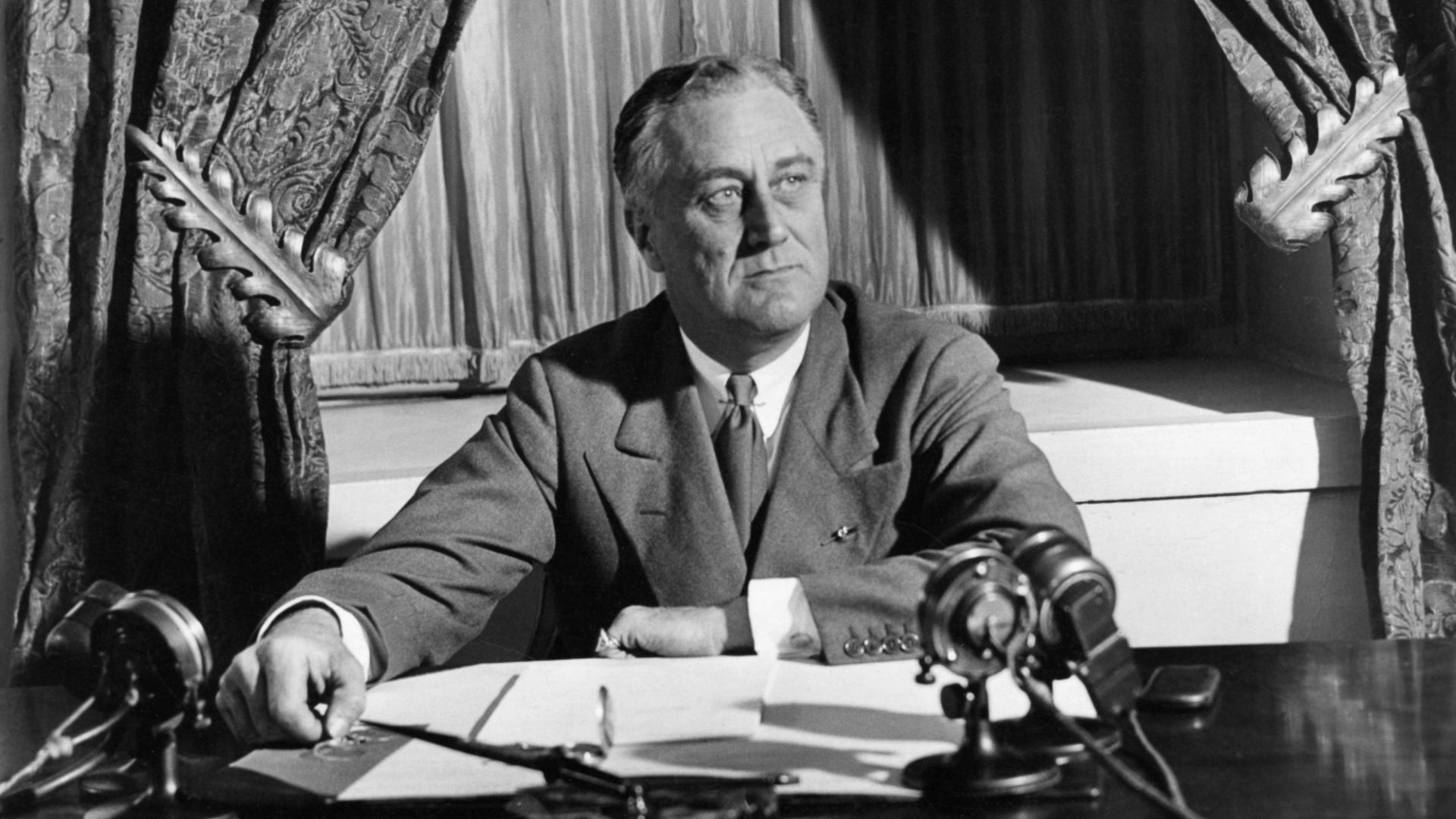
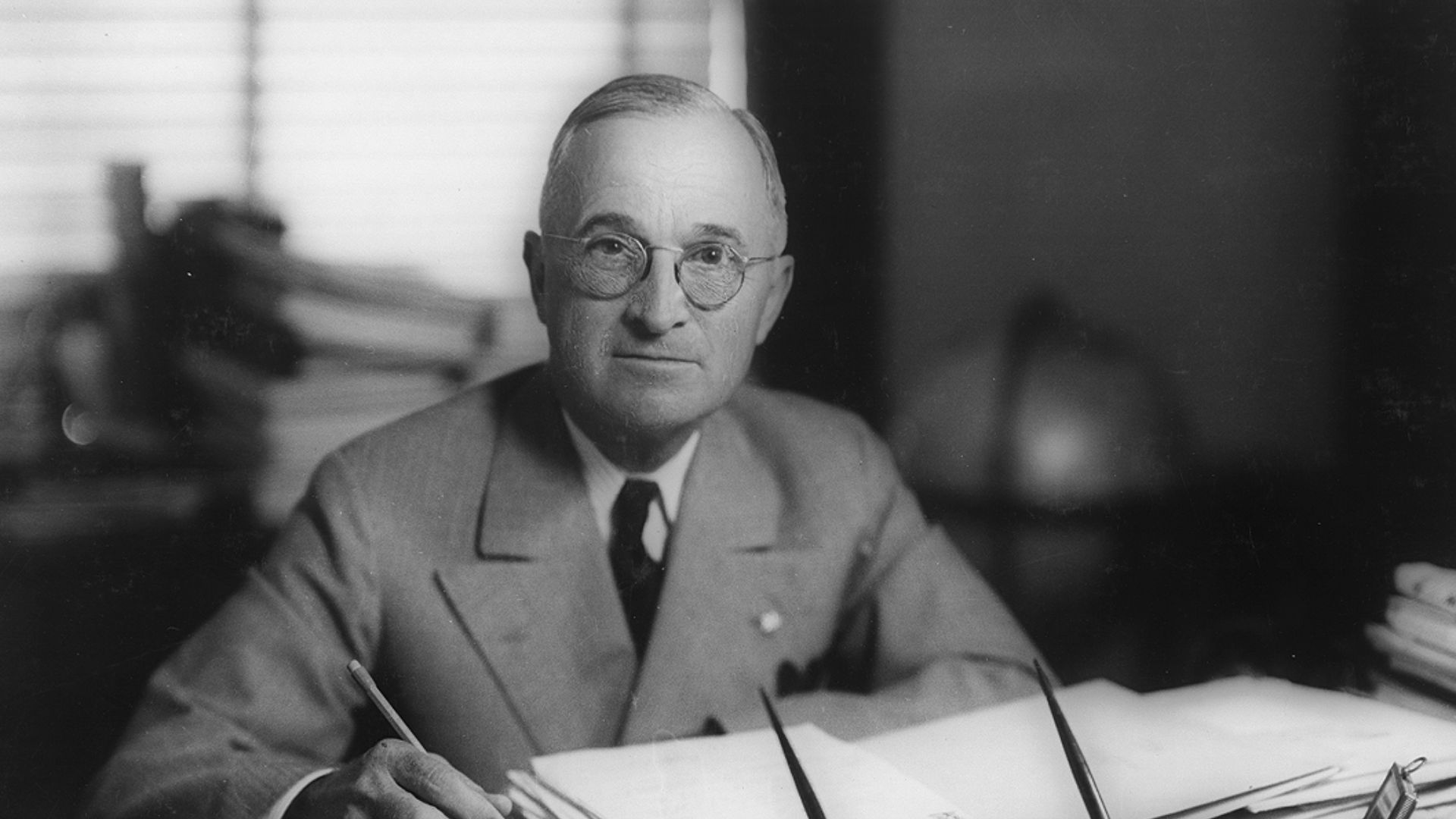
44. He Hadn’t Lost His Touch
Reminding Americans that he had been the one to carry the US through the Great Depression and the ongoing uncertainty of WWII, Roosevelt put everything into securing their votes. He also outlined some of his international plans, calling for the establishment of the United Nations. Americans liked what they heard, and when it came down to it, FDR and his running mate, Harry S Truman, won the 1944 election.
Unfortunately, this bravado was a facade to cover up his true condition.
 Chase-Statler, Washington, Wikimedia Commons
45. He Didn’t Have It In Him
In 1945, the end of WWII was in sight, and now that his greatest fight would be coming to an end, a sobering realization dawned on Roosevelt. For the first time, he saw the truth of his age and poor health, concluding that he would resign after the conflict was over, believing his illness would make that decision if he didn’t.
Before long, everyone would find out how right he was.
 Harris & Ewing, photographer, Wikimedia Commons
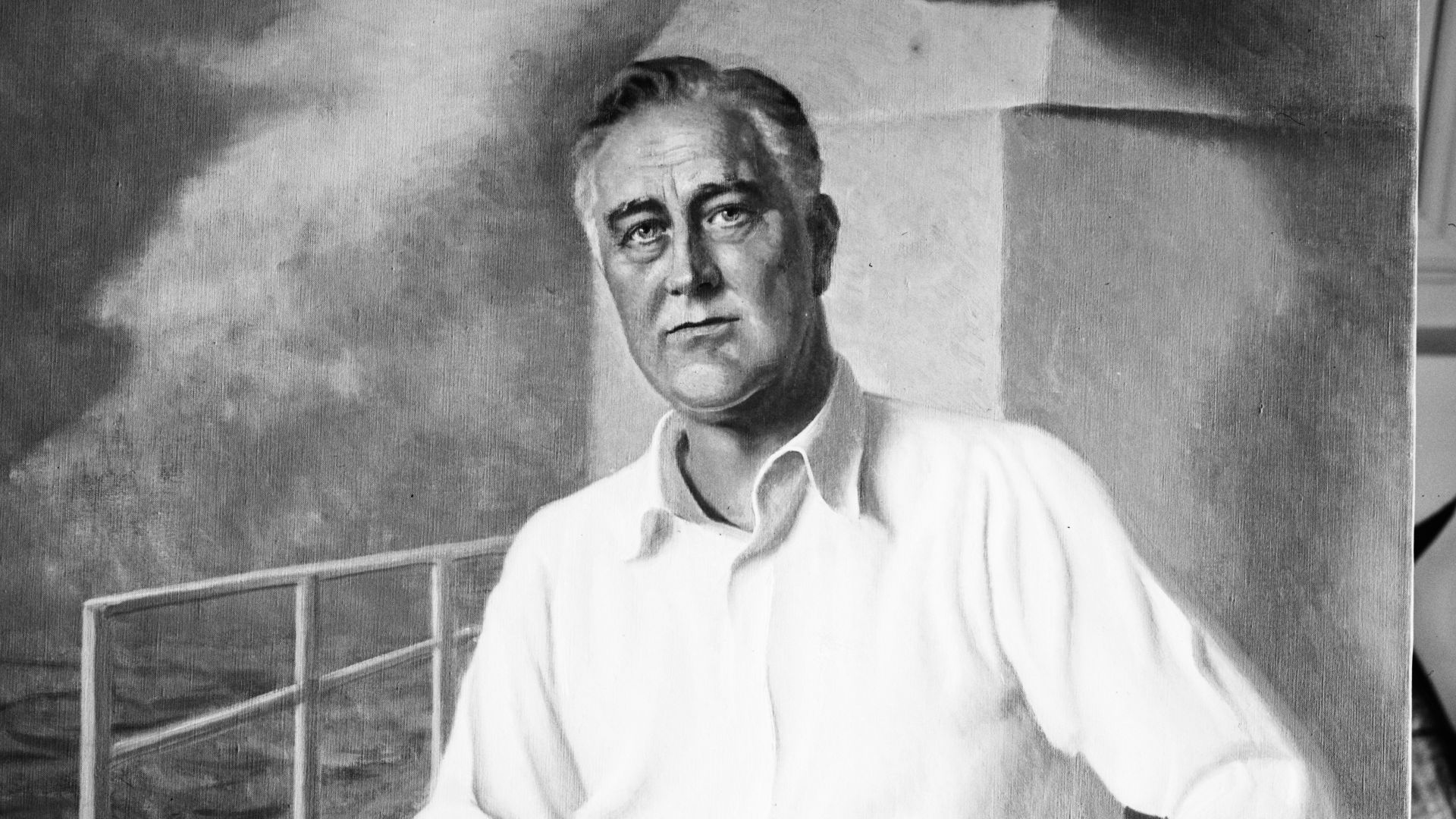
46. He Fell Unconscious
Growing weaker over the course of 1945, Roosevelt decided to take some time to rest before his next engagement at the United Nations’ founding conference. However, one day on April 12, he was posing for a portrait when he passed out, after complaining of a severe headache. Taken to his room, Roosevelt's cardiologist examined him and concluded he was suffering from a massive intracerebral hemorrhage, which then took his life after a few hours.
With such a large following, many paid their respects to Roosevelt in the days after.
 Margaret DeMott Brown, Wikimedia Commons
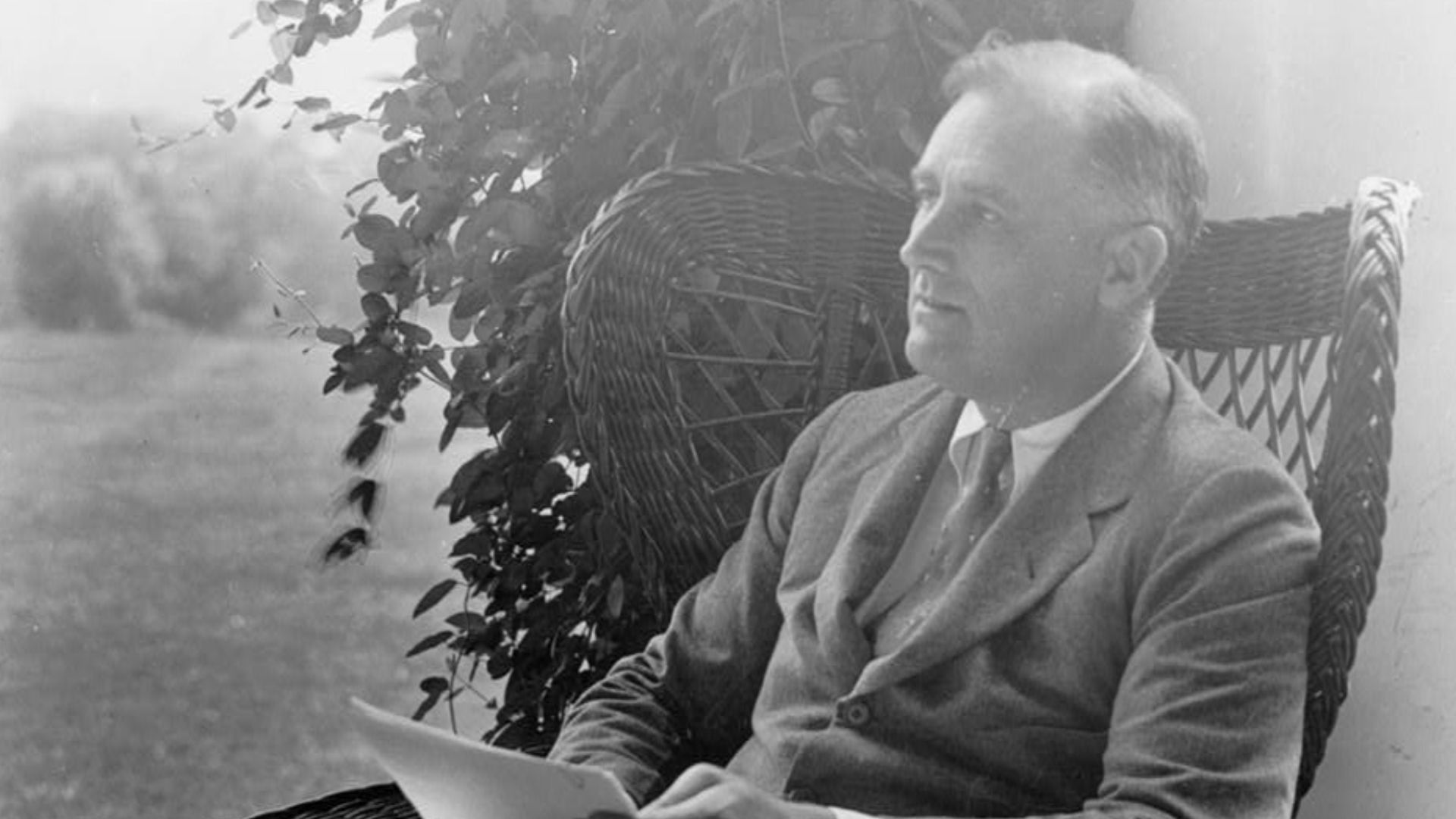
47. They All Mourned Him
Most of America had been fond of FDR as President, so when news of his passing made its way out to the public, the whole nation wept for his loss. WWII would officially conclude later that year, but even when Germany surrendered less than 30 days after Roosevelt's passing, Harry Truman refused to keep the flags from flying at half-staff in memorial.
Even today, many continue to praise Roosevelt's accomplishments.
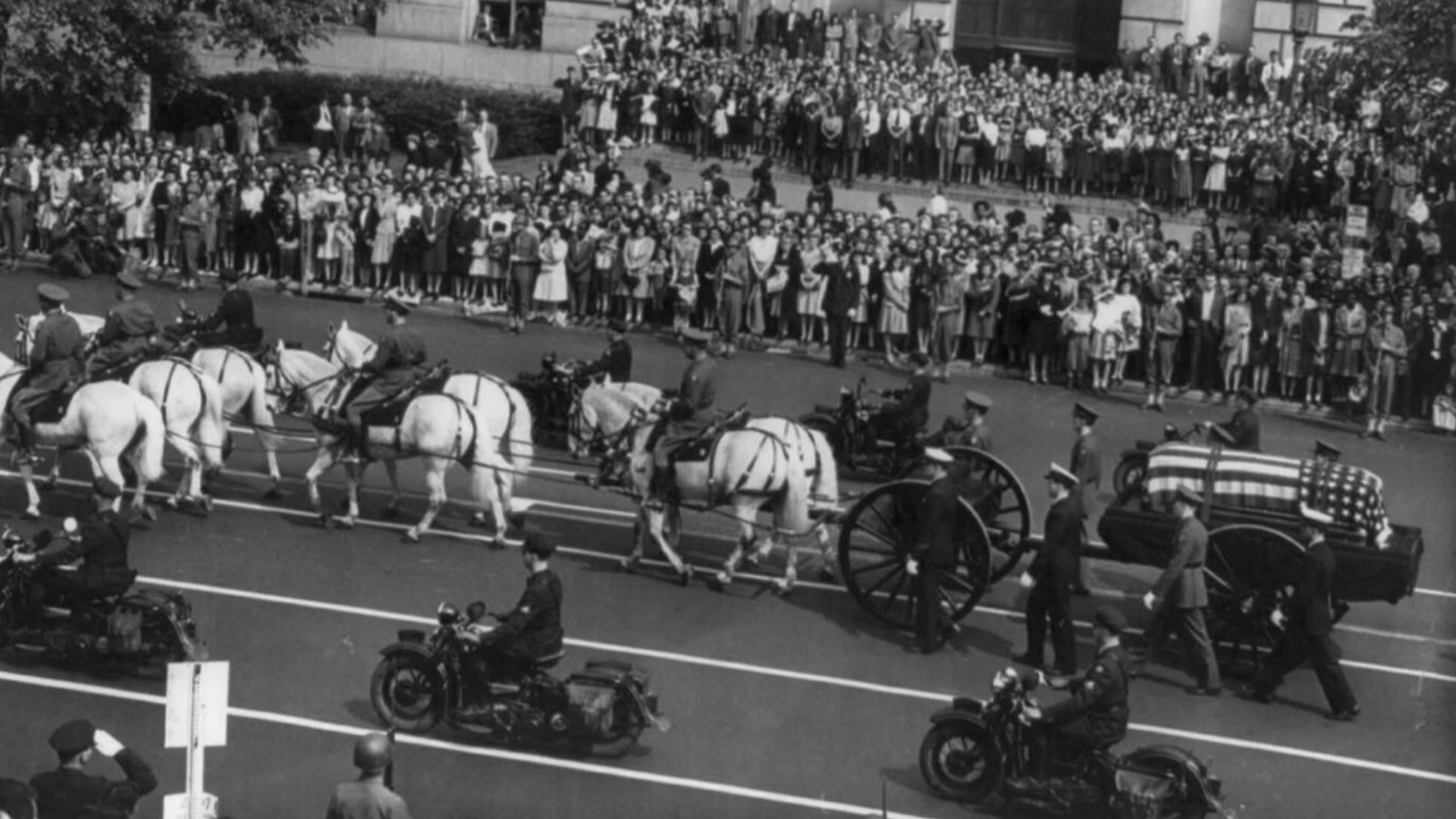 Unknown authorUnknown author, Wikimedia Commons
48. He Is One Of The Big Three
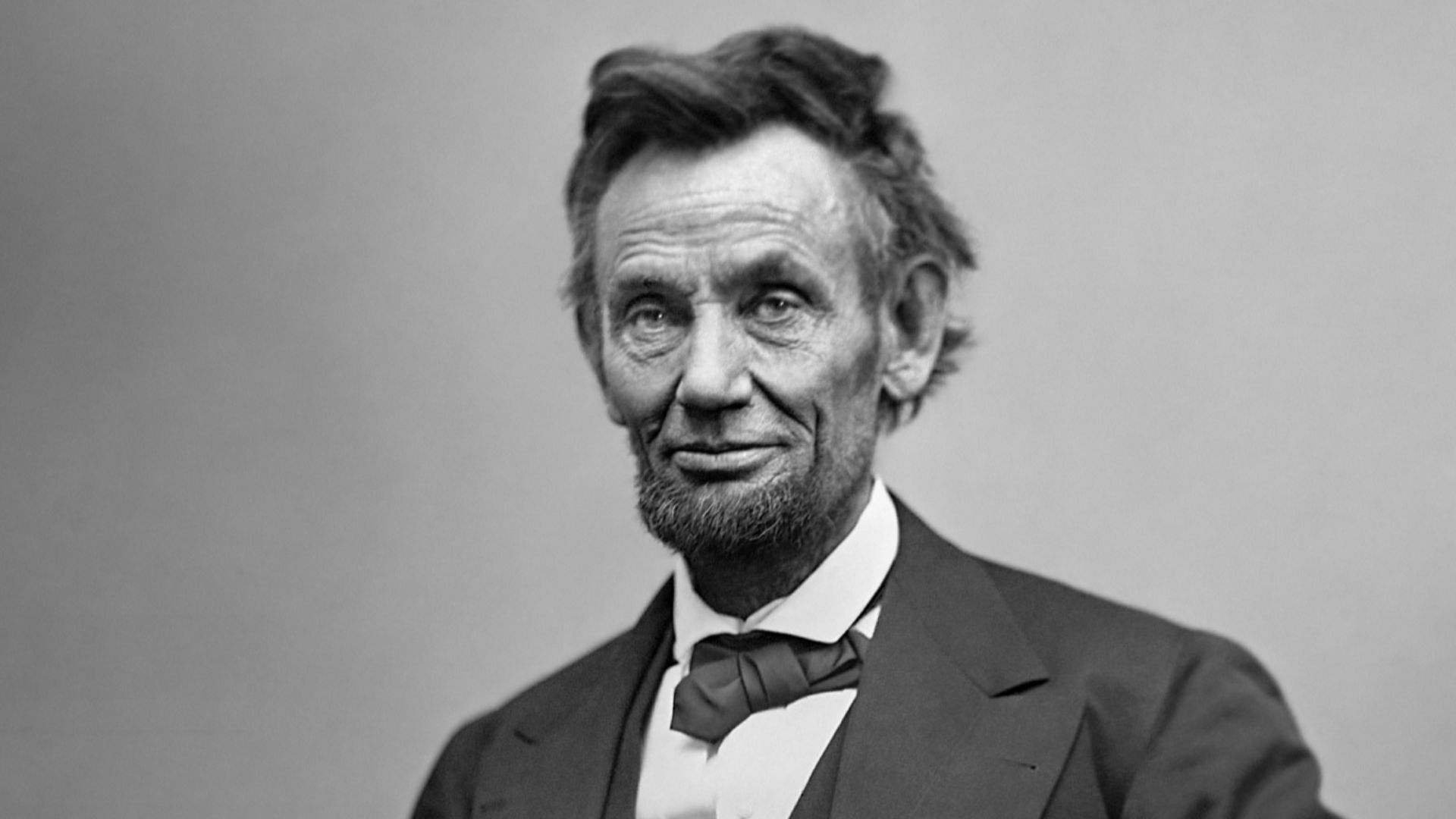
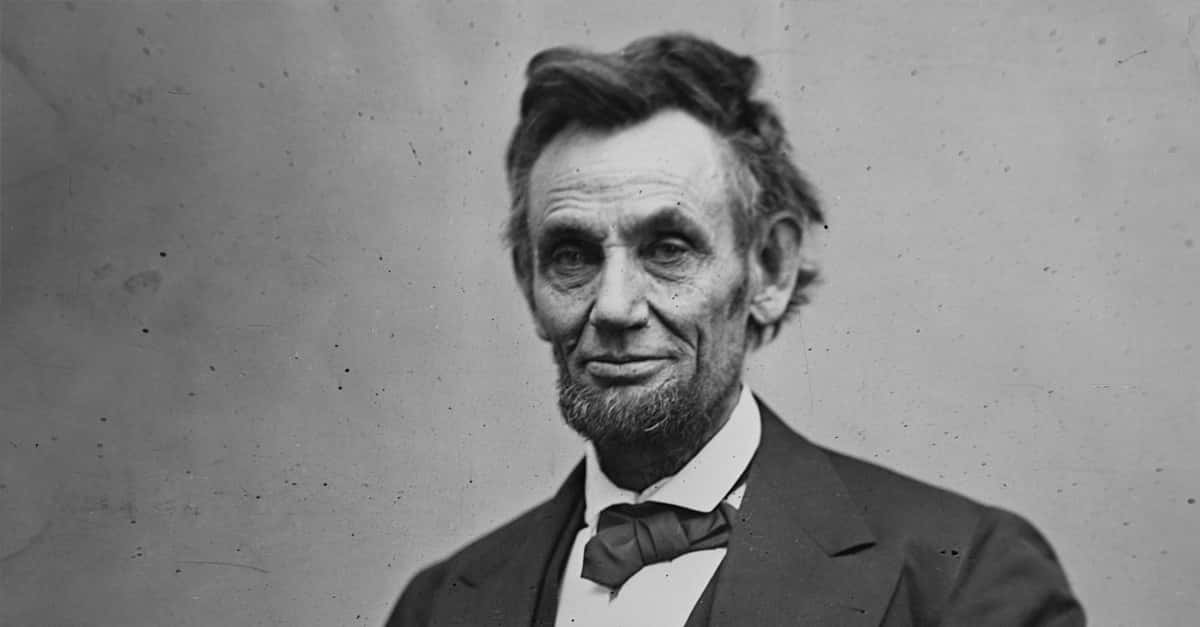
Throughout his impressive four terms as President, Franklin Delano Roosevelt enacted many reforms that not only changed the US forever, but also the state of the world. Due to his achievements, many historians applaud him as one of America’s most significant figures and place him alongside George Washington and Abraham Lincoln as the three greatest US presidents.
Still, he was never the infallible leader that some believed him to be.
 Alexander Gardner, Wikimedia Commons
49. He Was Far From Perfect
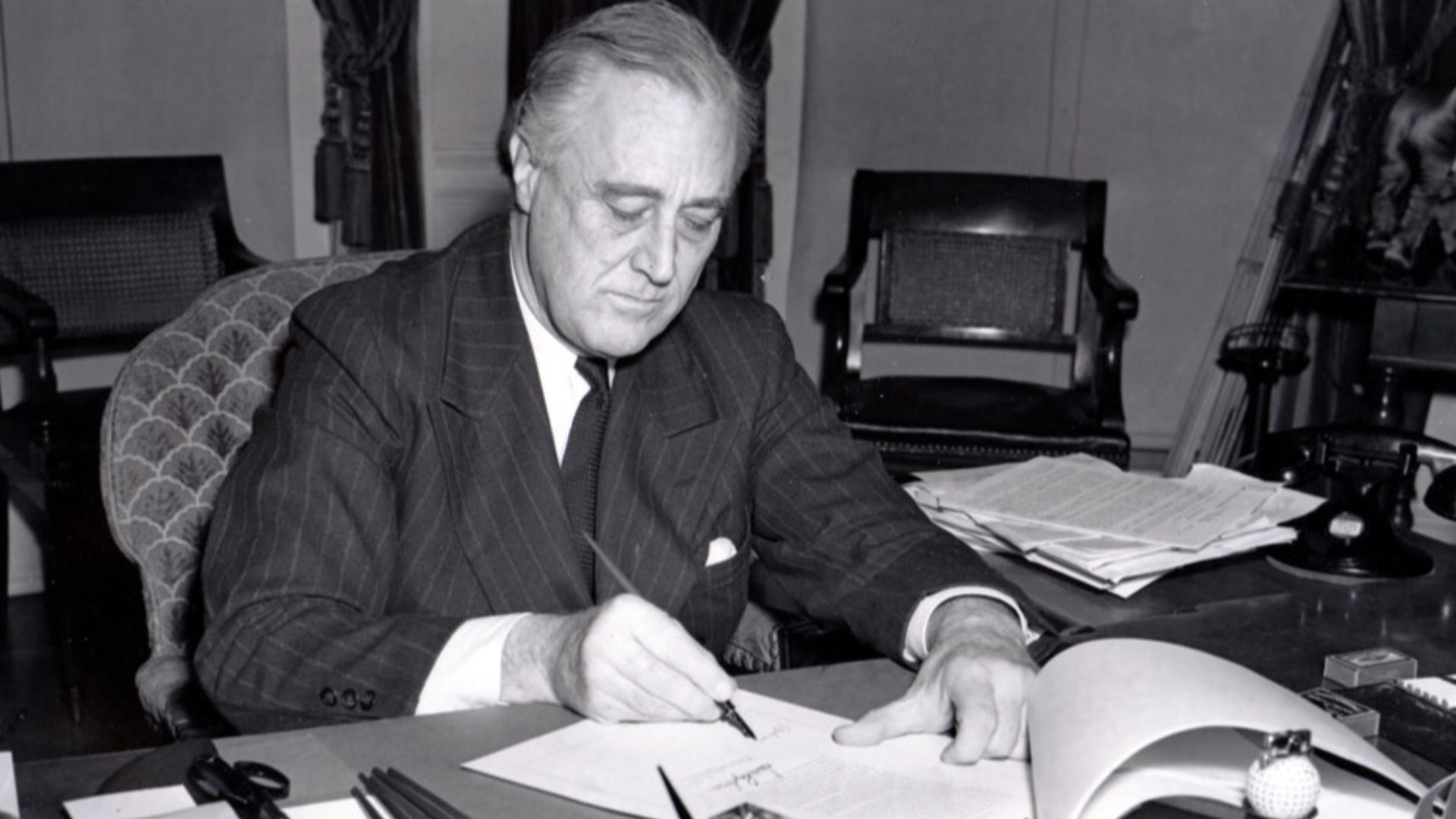
While there’s no denying that FDR made an indelible impact on the world and helped most Americans, many have since questioned some of his other actions. It’s just as important to recognize that he made the lives of many worse off, not only through the creation of Japanese internment camps, but also with his opposition to anti-lynching legislation and failure to help Jewish refugees in WWII.
His morals didn’t always sit well with others, either.
 Caddyshack01, Wikimedia Commons
50. He Was Disloyal
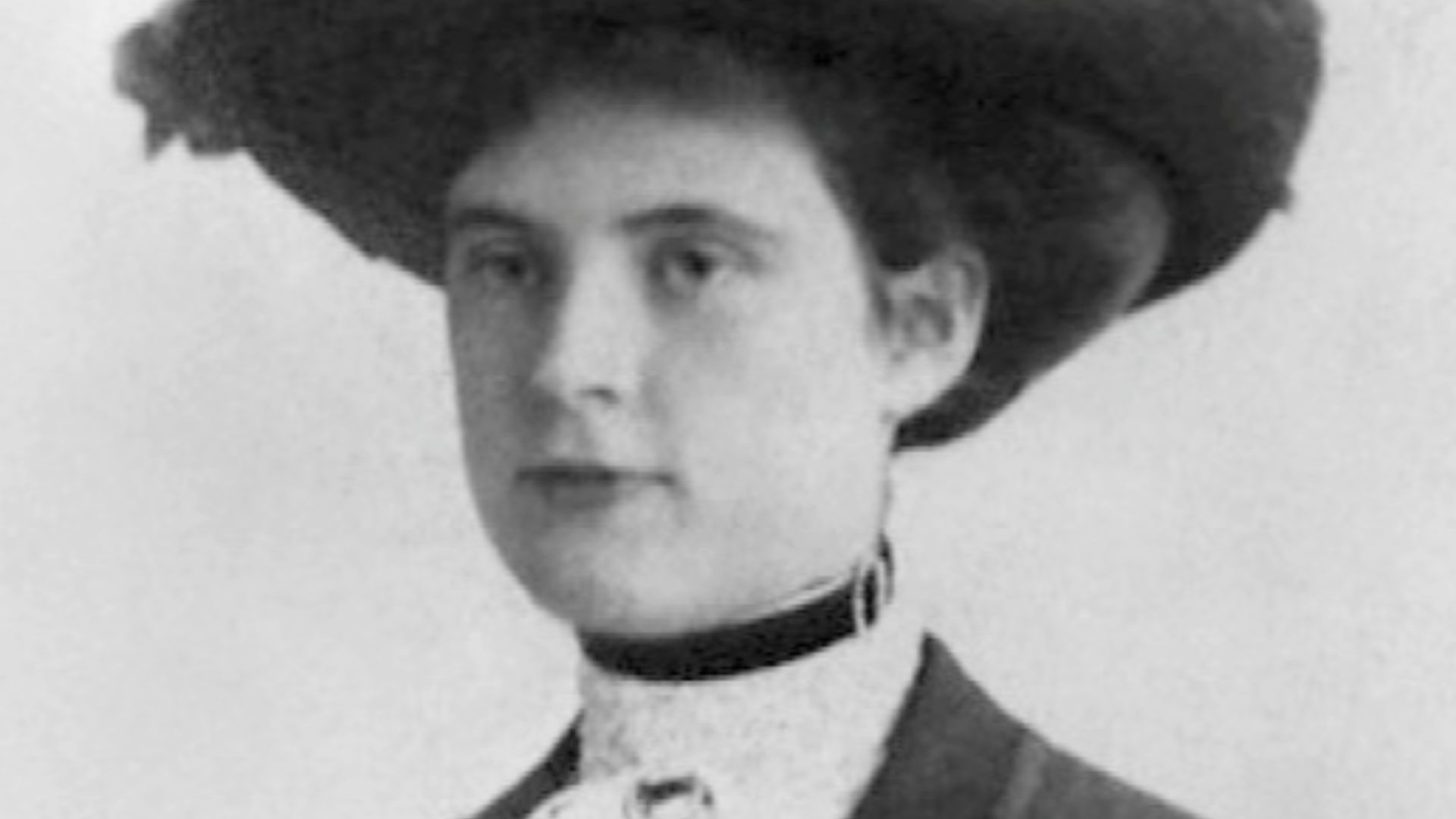
As we know, Roosevelt and Eleanor’s marriage suffered early on. One day, in 1918, Eleanor found several love letters addressed to Roosevelt—all of which were from her new social secretary, Lucy Mercer. In that instant, her relationship with Roosevelt came crashing down, as she discovered that he was planning on leaving her for Lucy.
In the end, Lucy decided she didn’t want to marry Roosevelt, and so he chose his marriage over his mistress. Or so he said.
 Unknown authorUnknown author, Wikimedia Commons
51. He Wrote To Her
Although Roosevelt and his wife had much more of a professional relationship moving forward, he still promised that he would never contact Lucy Mercer again—something he failed to uphold. While he wasn’t spending time with her initially, Roosevelt and Lucy wrote to each other over the years, escalating to another affair in 1941.
In the end, Franklin Delano Roosevelt remains a figure defined as much by his achievements as by the contradictions he never fully escaped.
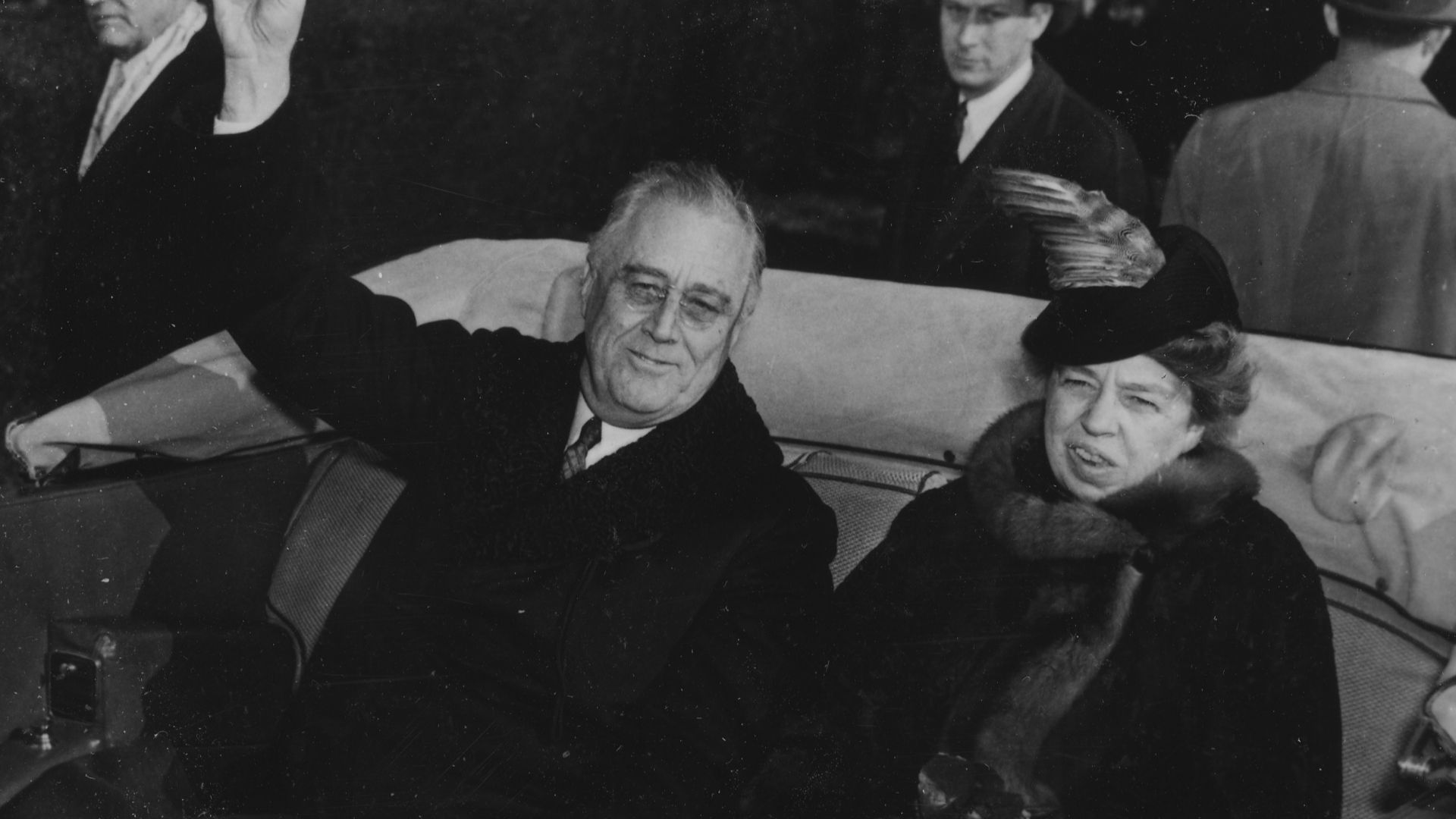 Unknown authorUnknown author or not provided, Wikimedia Commons
You May Also Like:
42 Steely Facts About Eleanor Roosevelt, The Reluctant First Lady
Rebellious Facts About Alice Roosevelt, The Ruthless First Daughter











.jpg%20)

.jpg%20)

