When Joy Became A Weapon
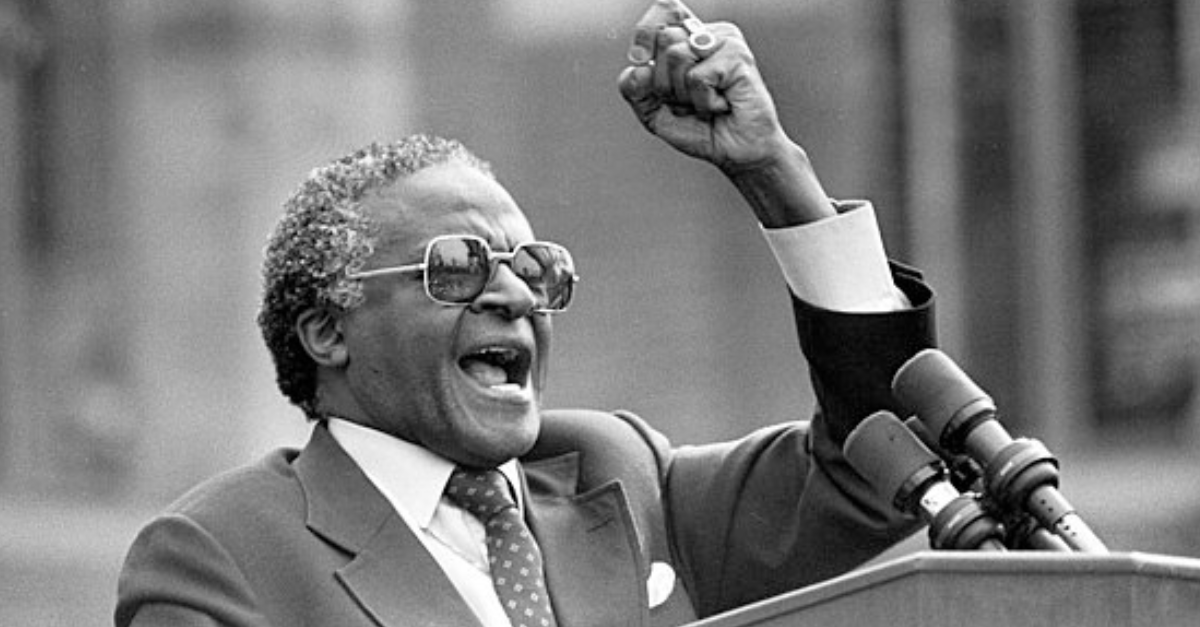
Desmond Tutu had this rare talent: he could make you laugh and feel deeply uncomfortable—in the best possible way. He was warm, funny, and openly affectionate, but he also had a spine made of steel. He fought apartheid with moral clarity, relentless optimism, and a kind of fierce love that didn’t ask permission.
He passed in 2021, but he left behind something bigger than a résumé of awards and titles. He left a blueprint for how to stand up to evil without turning evil yourself.
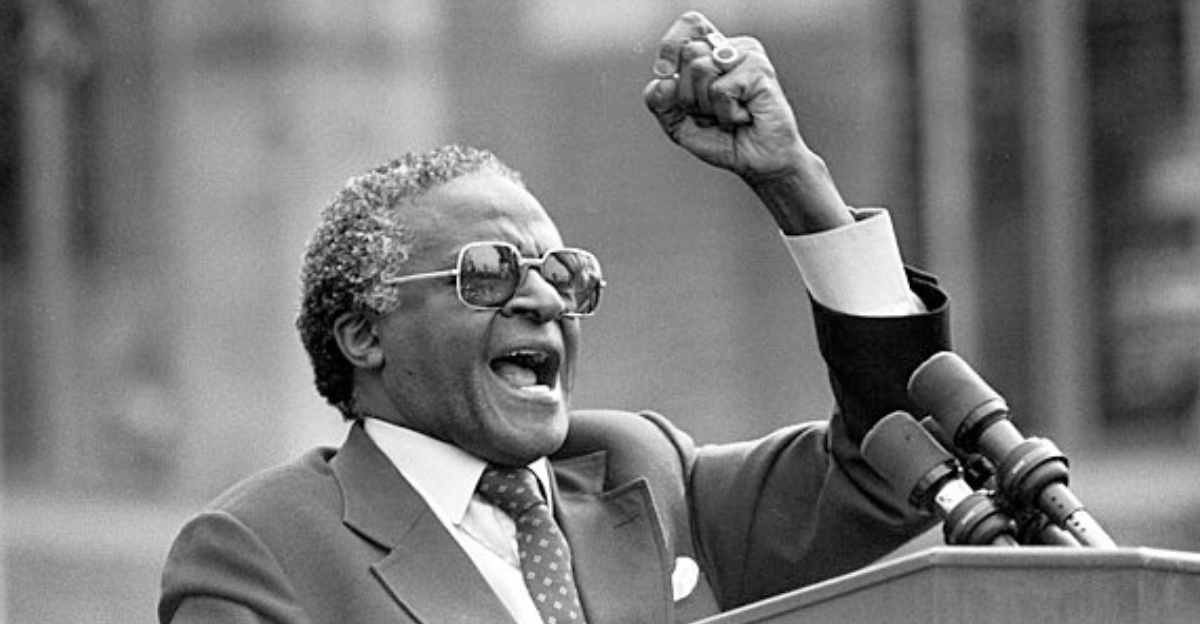 Thomas Kelsey, Los Angeles Times, Wikimedia Commons
A Kid Growing Up Under Apartheid
Tutu was born in 1931 in Klerksdorp, South Africa, and he grew up with apartheid shaping everything around him. The rules weren’t subtle. They were daily, loud, and humiliating—built to remind Black South Africans exactly where the government thought they belonged.
That kind of environment doesn’t just frustrate you. It either breaks you or sharpens you. Tutu got sharper.
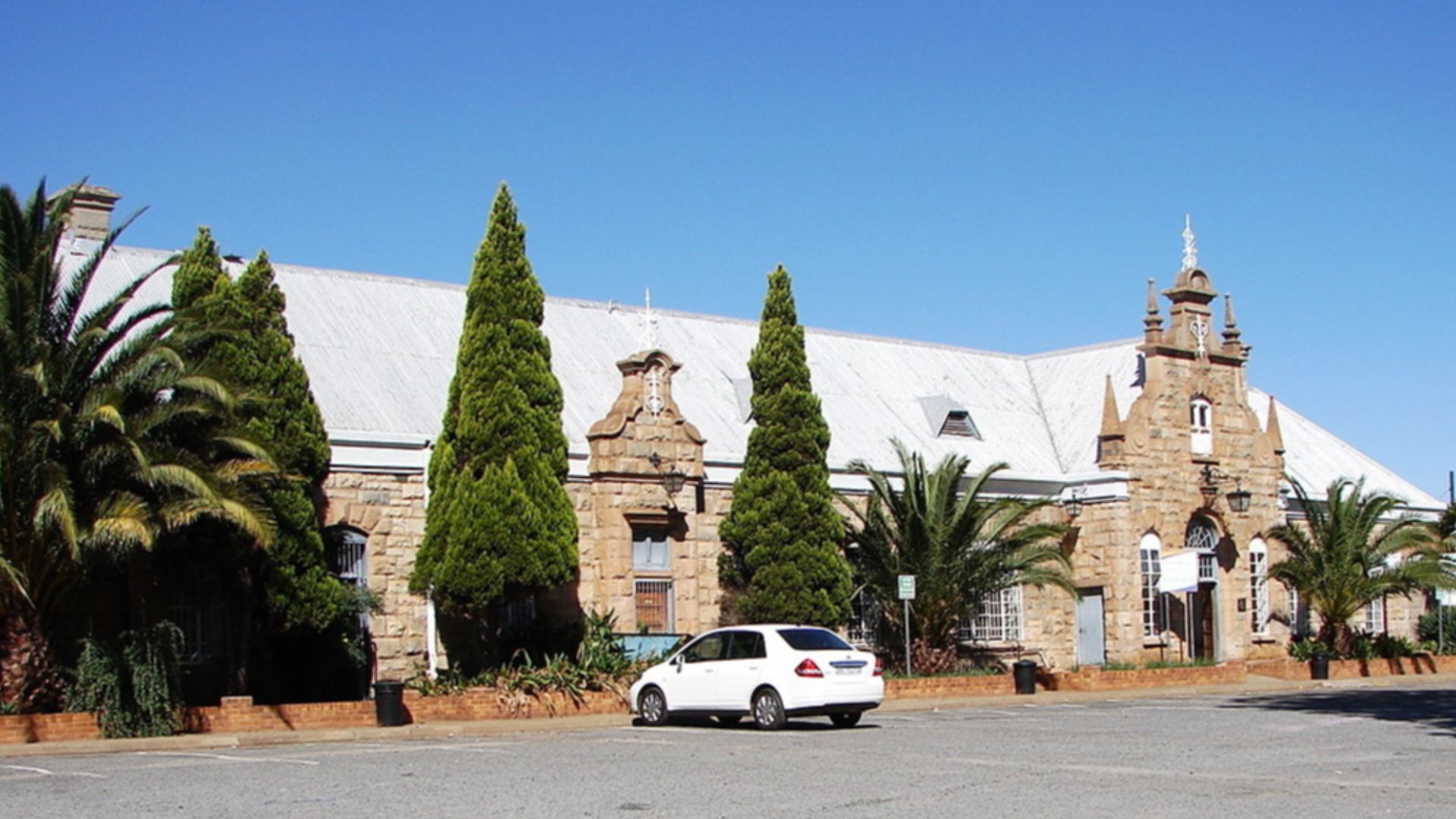 Col Andre Kritzinger (photographer) / Martinvl (editor), Wikimedia Commons
He Started Out As A Teacher
Before he became a global icon, he was a teacher. He believed education mattered and that it could open doors. Then reality hit: apartheid’s Bantu Education system wasn’t designed to help Black students thrive. It was designed to keep them in their place.
So he walked away from teaching. Not because he stopped caring, but because he couldn’t stomach being part of something built on control.
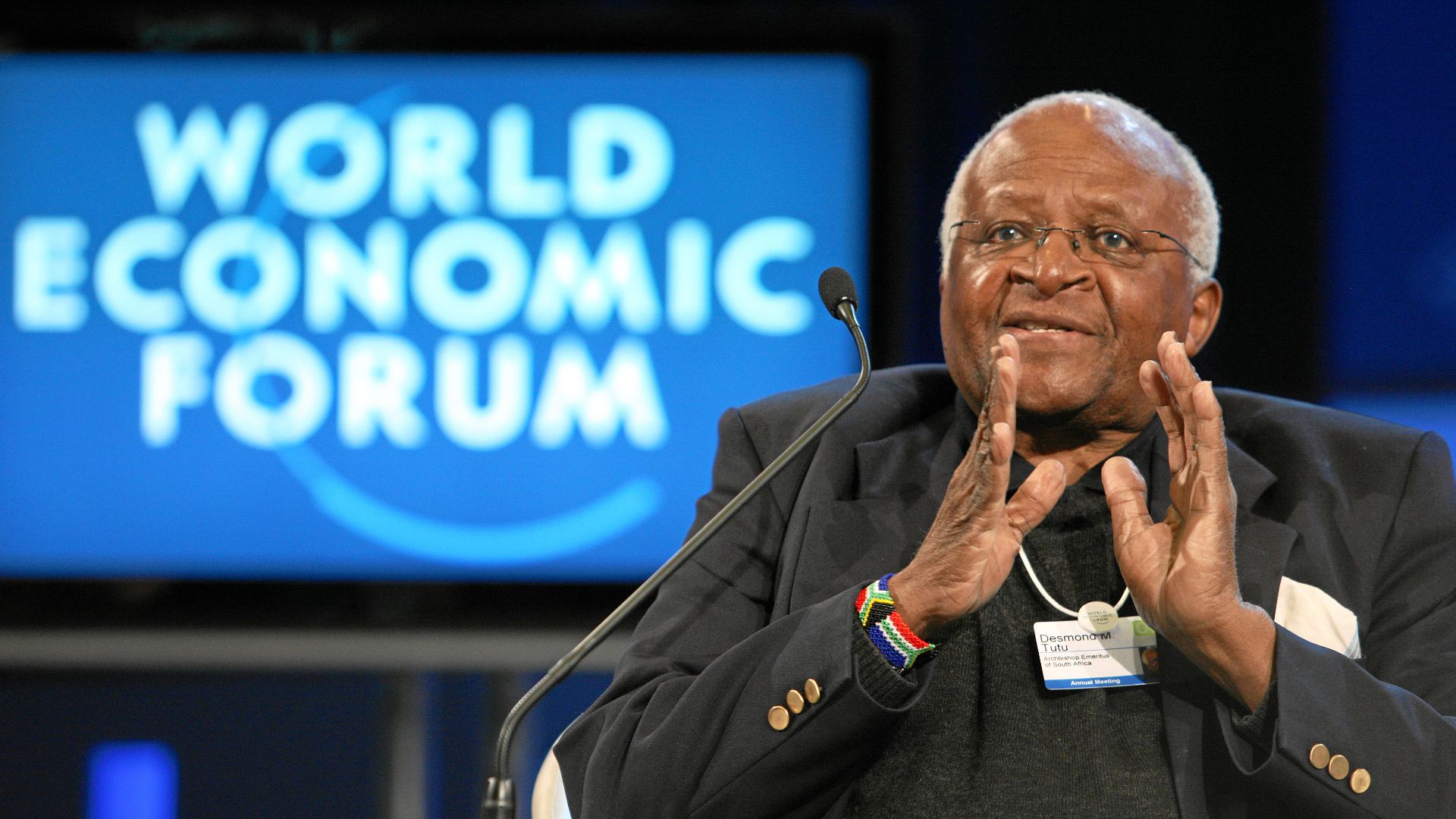 Copyright by World Economic Forum swiss-image.ch/Photo by Remy Steinegger, Wikimedia Commons
Choosing The Church For The Fight
Tutu entered the Anglican priesthood and was ordained in 1960. That choice gave him a platform—and he didn’t waste it. For him, faith wasn’t about being quiet, polite, and grateful. It was about standing with people who were being crushed by the system.
He didn’t treat injustice like a political inconvenience. He treated it like a moral emergency.
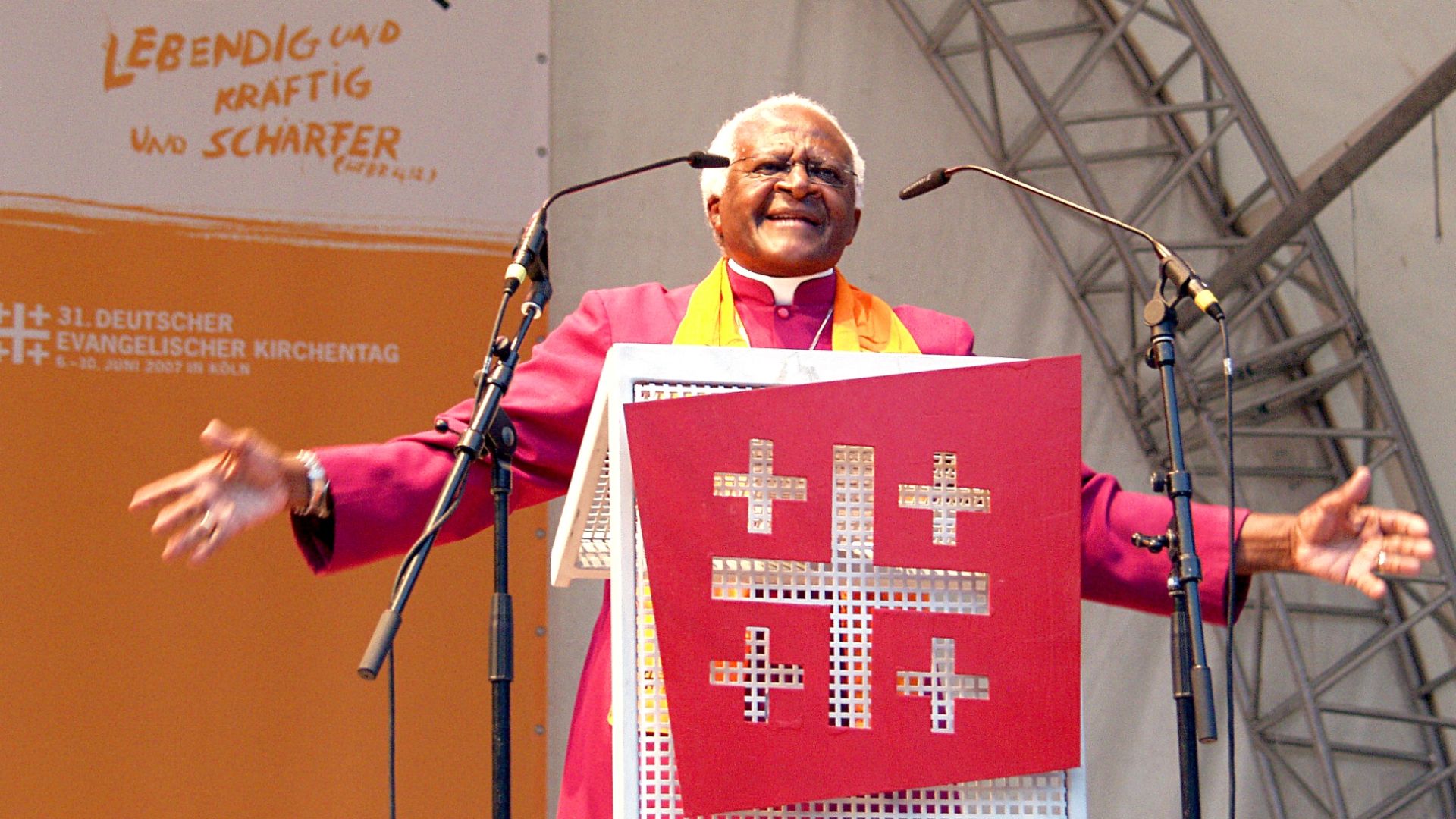 Raimond Spekking, Wikimedia Commons

History's most fascinating stories and darkest secrets, delivered to your inbox daily.
The Kind Of Faith That Shows Up
A lot of people talk about “values”. Tutu actually lived his. He believed apartheid was wrong at the deepest level—spiritually, ethically, humanly. And he wasn’t interested in “both sides” conversations that pretended it was just another opinion.
If something is evil, you say it’s evil. That was basically his whole vibe.
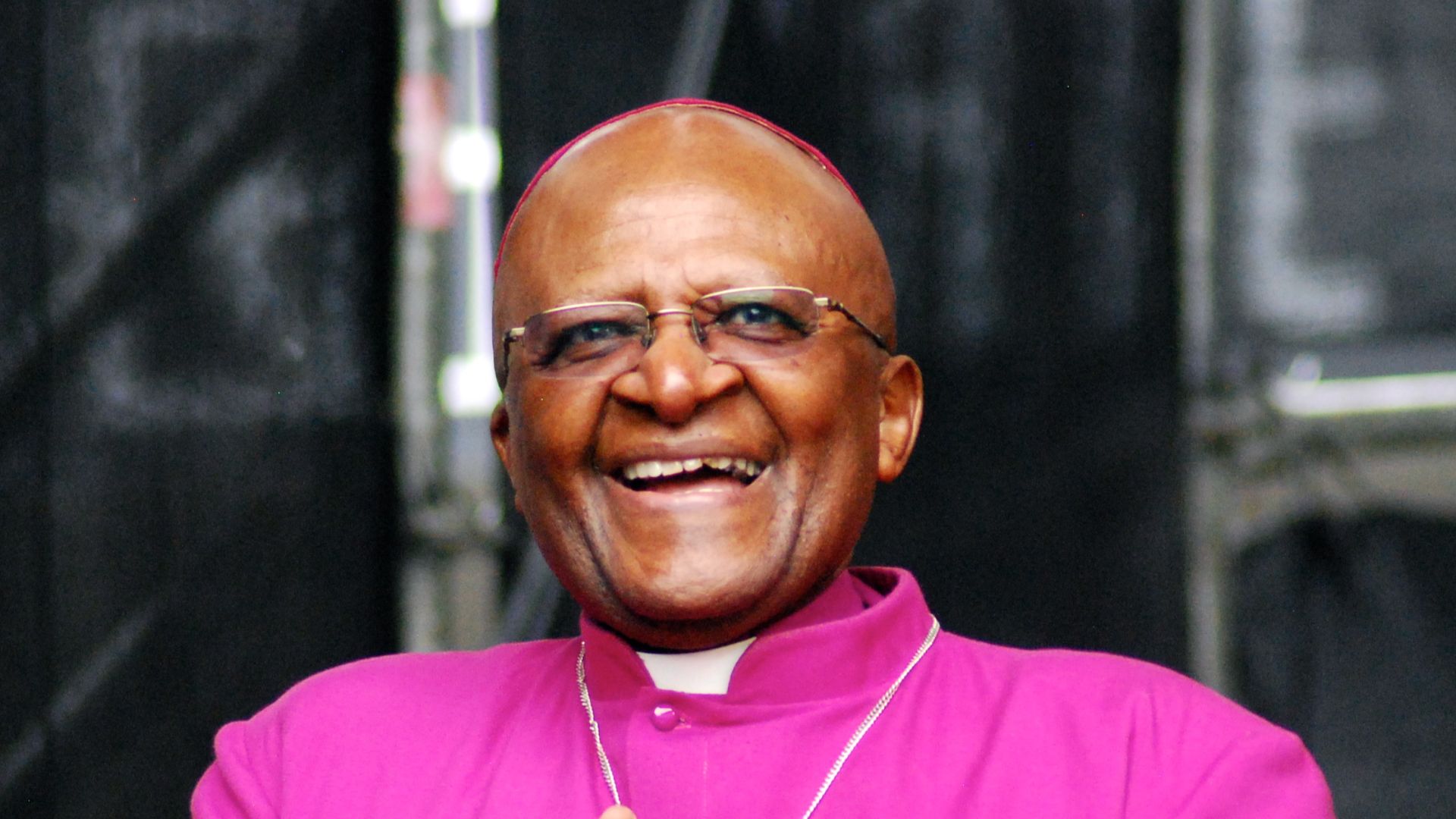 Kristen Opalinski, Wikimedia Commons
Becoming Impossible To Ignore
Tutu’s profile grew through his work with the South African Council of Churches. He wasn’t just preaching to a local congregation—he was speaking to the country, and eventually the world. He had a way of sounding gentle while saying things that hit like a hammer.
And that combination—warmth plus fearlessness—made him uniquely powerful.
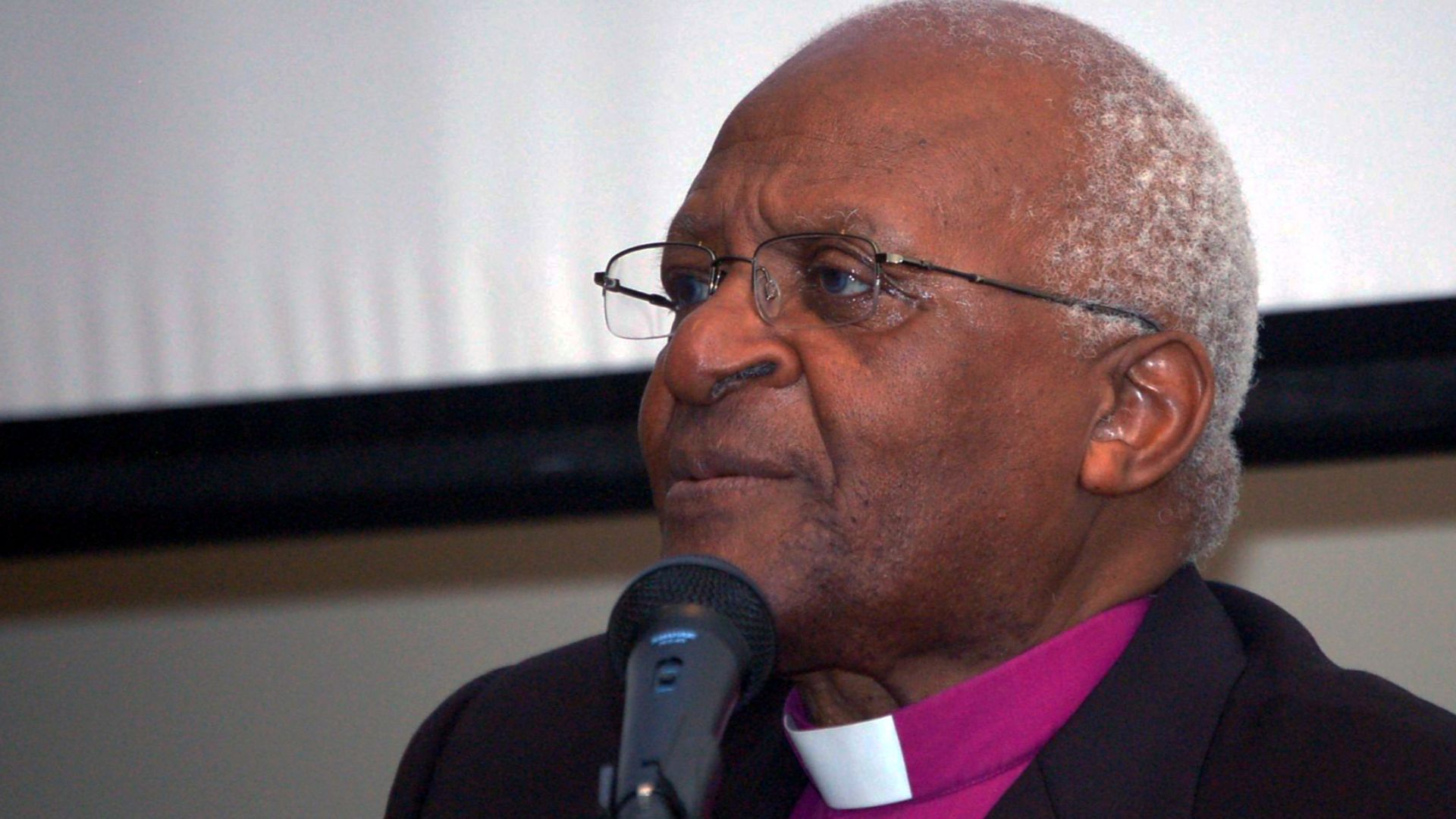 Cmdr. J.A. Surette, U.S. Navy, Wikimedia Commons
Using Humor Like A Shield
One of the most underrated parts of Tutu’s public persona was how funny he could be. He laughed easily. He teased. He smiled. It wasn’t performative. It was part of who he was.
But it was also strategic. Joy can break fear’s grip. Humor can expose how absurd oppression really is.
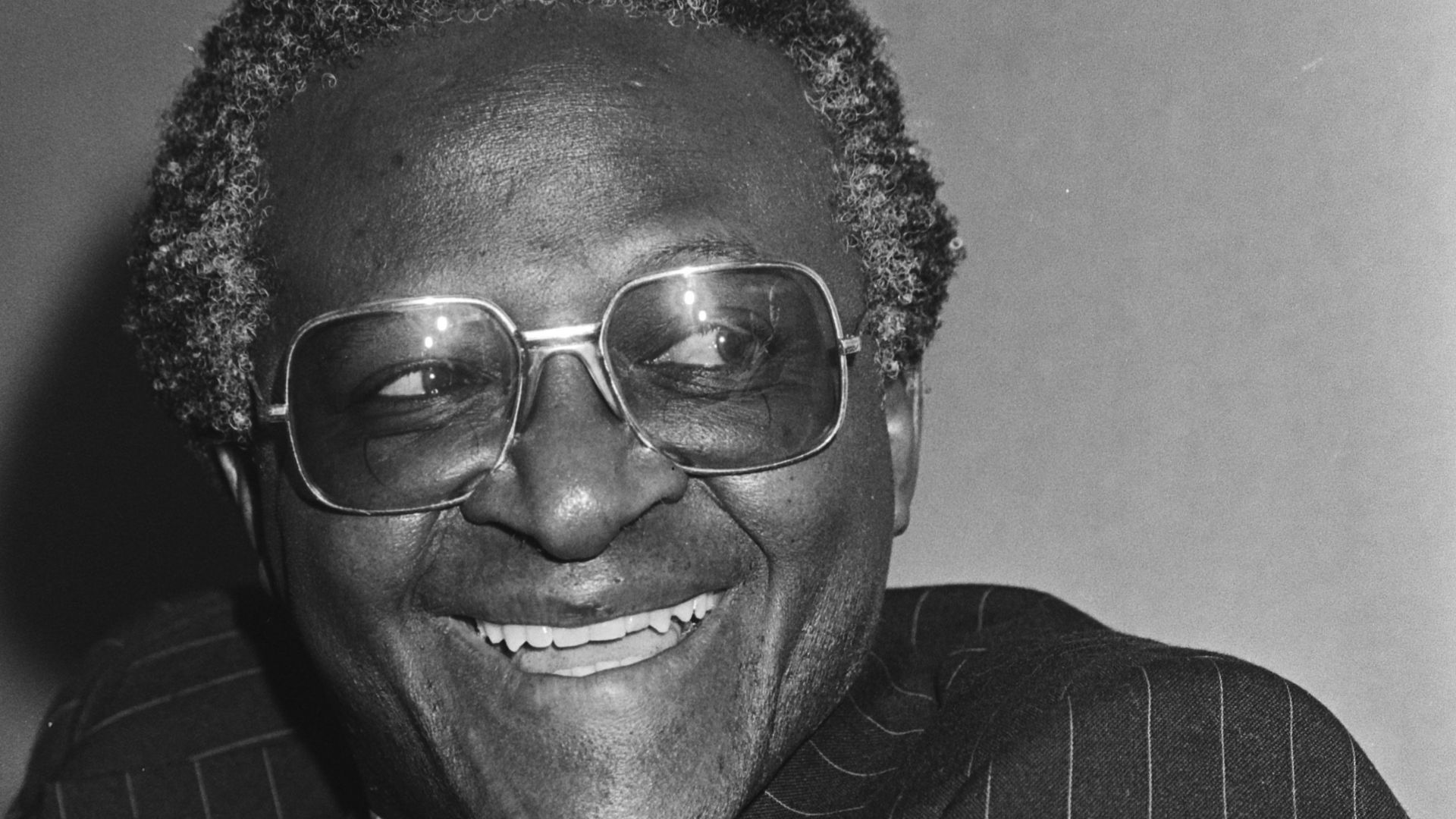 Hans van Dijk for Anefo, Wikimedia Commons
Nonviolence Was His Line In The Sand
Tutu was clear: he wanted liberation, not bloodshed. He supported nonviolent resistance and believed hatred deforms everyone involved. That stance wasn’t naive—it was demanding. It’s easy to become hard when you’ve been hurt.
Tutu’s thing was staying human anyway.
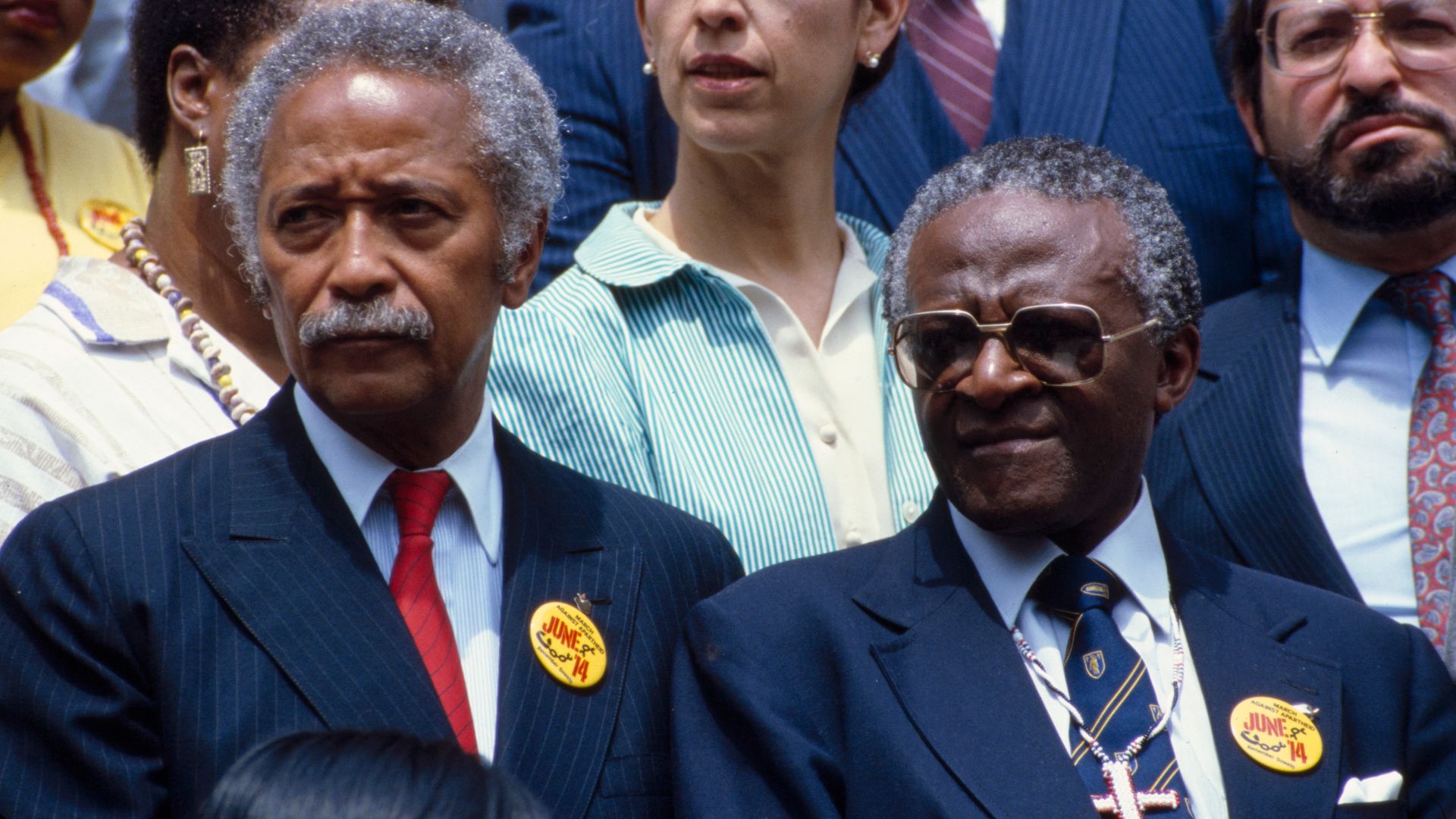 Gotfryd, Bernard, photographer, Wikimedia Commons
Calling For Sanctions Was A Big Deal
Tutu pushed for international pressure, including sanctions, to isolate the apartheid government. That made him controversial in some circles and a target for backlash at home. The government didn’t like being shamed on a global stage, and he wasn’t shy about doing exactly that.
He understood something important: prejudiced systems hate sunlight.
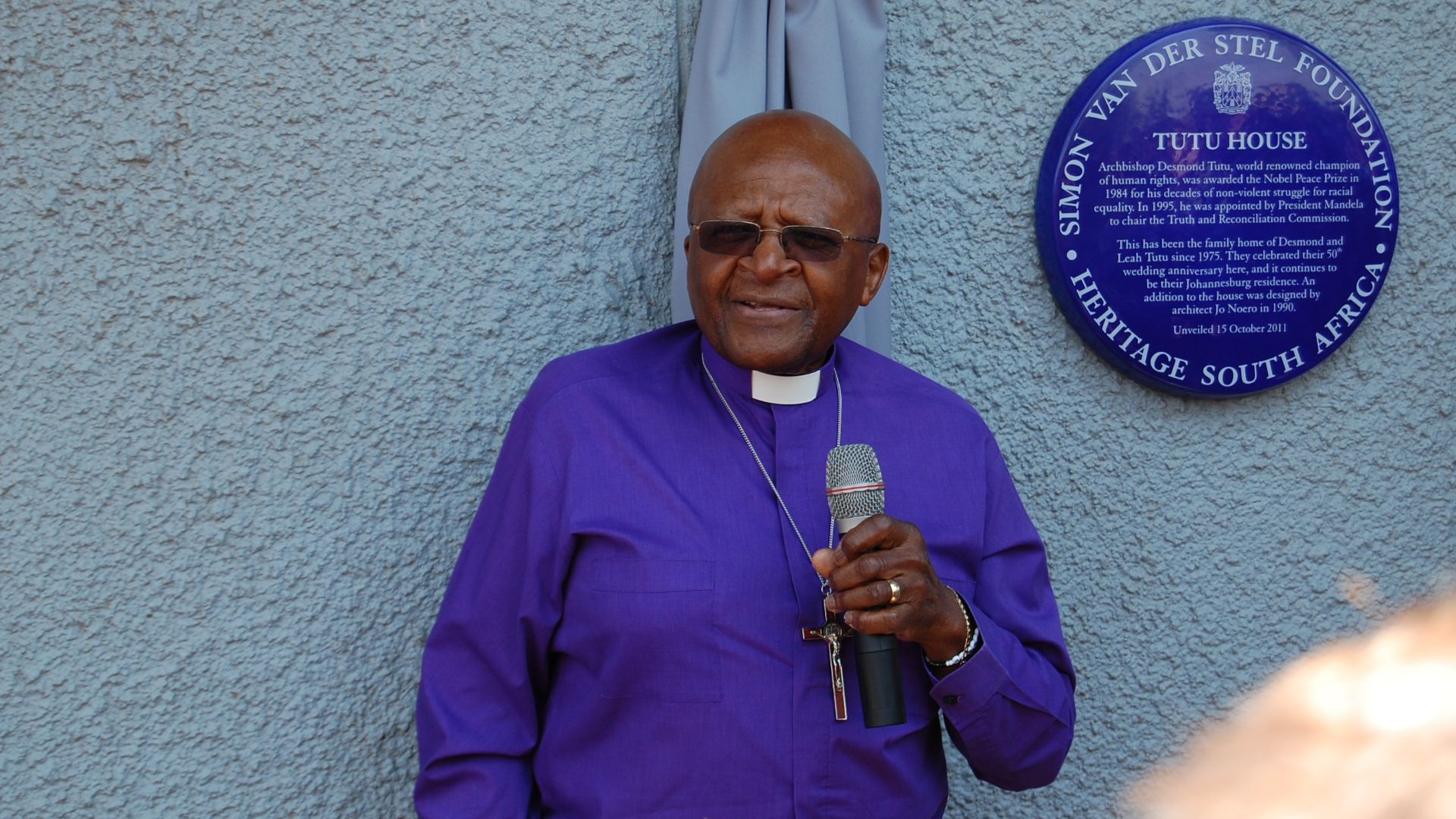 Johan Wessels, Wikimedia Commons
The Nobel Prize Put A Spotlight On Everything
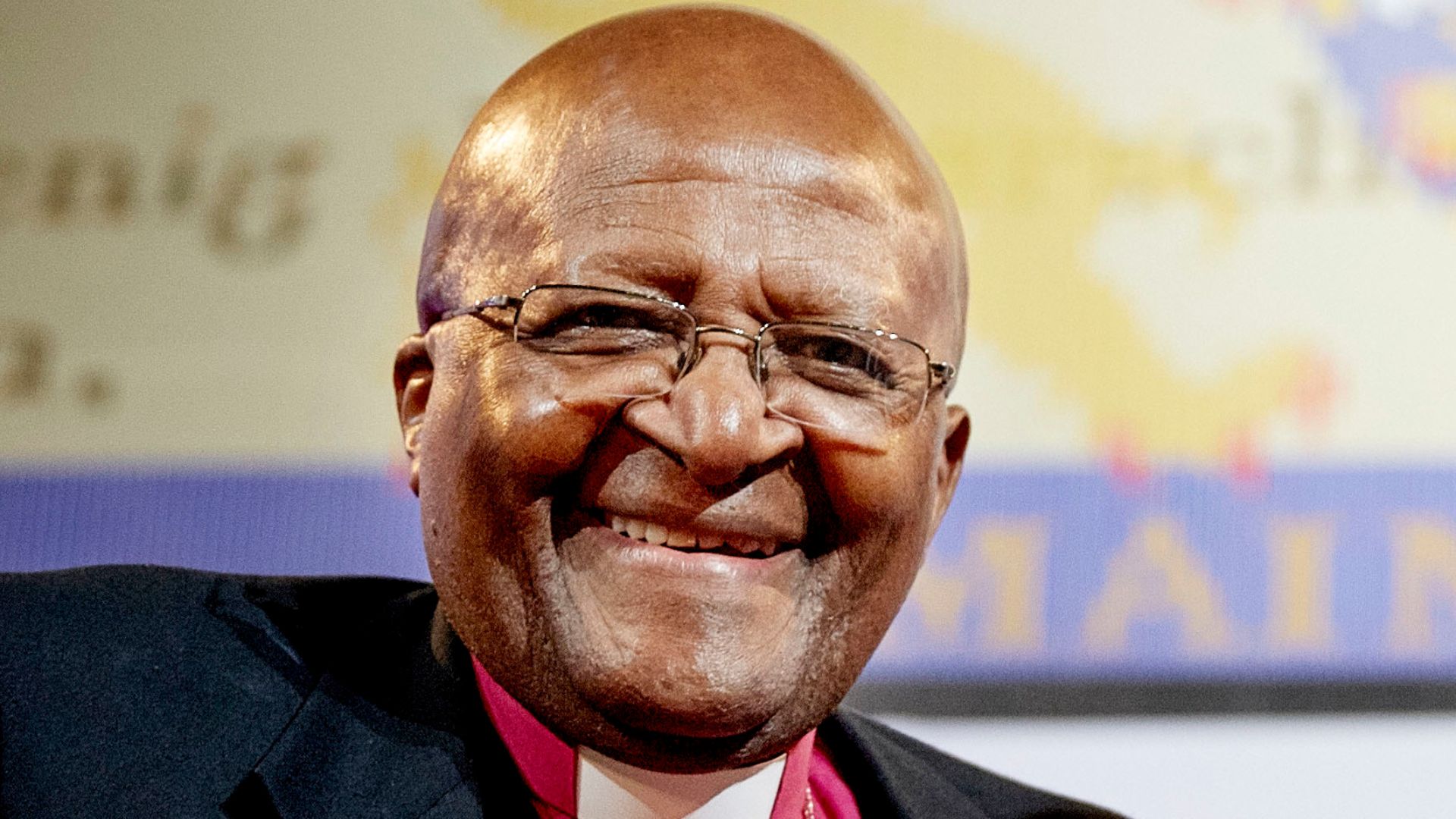
In 1984, he won the Nobel Peace Prize. That didn’t end apartheid on its own, but it helped make the struggle impossible for the world to ignore. Tutu didn’t treat the prize like a personal victory lap.
He treated it like a megaphone.
History's most fascinating stories and darkest secrets, delivered to your inbox daily.
When The System Finally Started To Crack
As apartheid began to crumble in the early 1990s, Tutu was hopeful—but not starry-eyed. He knew the real work wasn’t just changing laws. It was dealing with what those laws had done to people’s lives.
Freedom is a beginning, not a finish line.
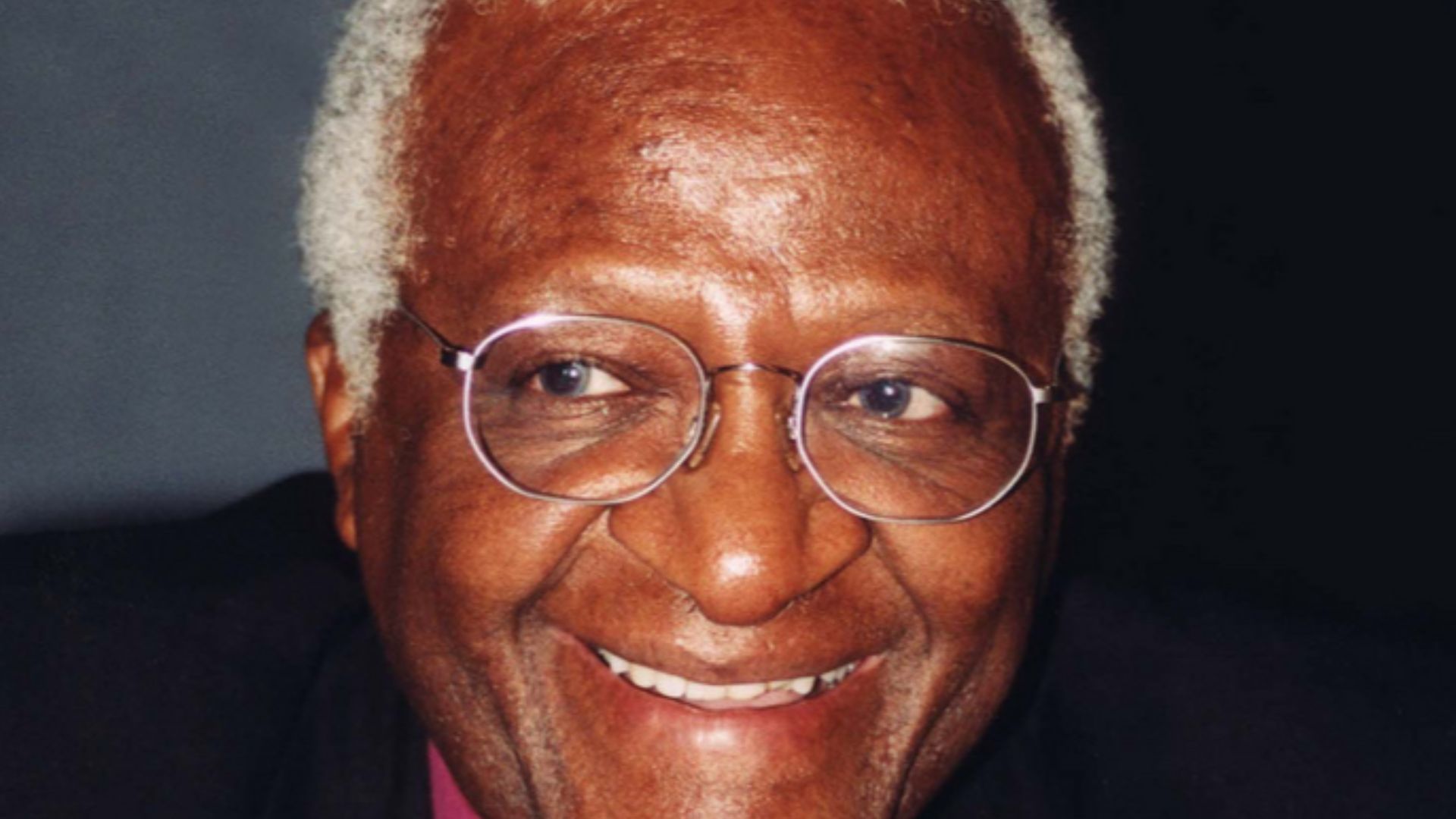 John Mathew Smith & www.celebrity-photos.com from Laurel Maryland, USA, Wikimedia Commons
The Truth And Reconciliation Commission
After South Africa’s democratic transition, Tutu became chair of the Truth and Reconciliation Commission. This meant he was right in the middle of the country trying to face its own nightmare. Victims told their stories. Perpetrators confessed what they’d done. The nation had to listen.
It was brutal, necessary, and emotionally exhausting.
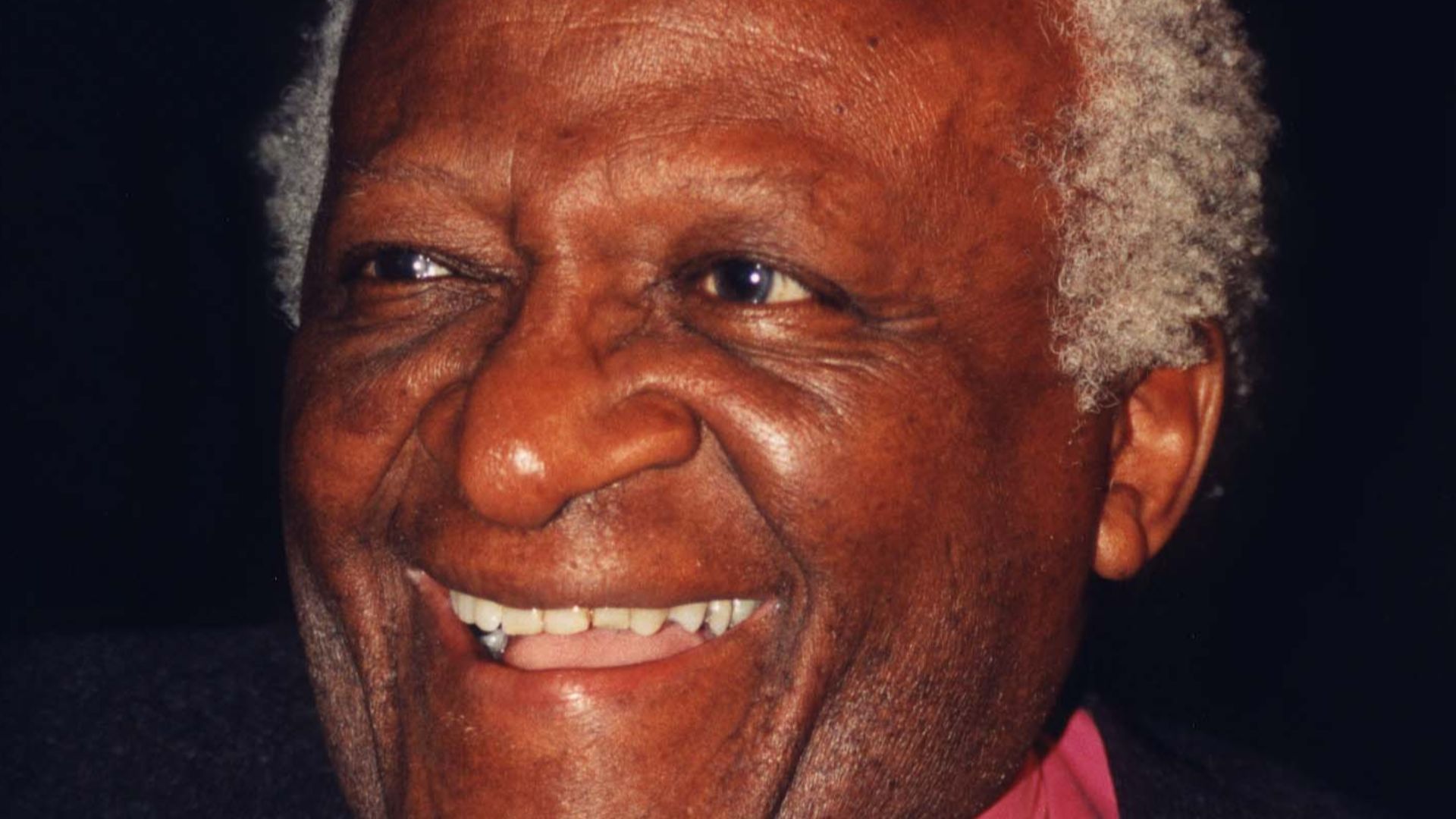 Kingkongphoto & www.celebrity-photos.com from Laurel Maryland, USA, Wikimedia Commons
He Didn’t Hide His Tears
Tutu cried during hearings. Publicly. Often. Some people expected a stoic judge-like figure. Instead they got a human being who couldn’t hear suffering without reacting to it.
That wasn’t weakness. It was proof he still had a functioning heart.
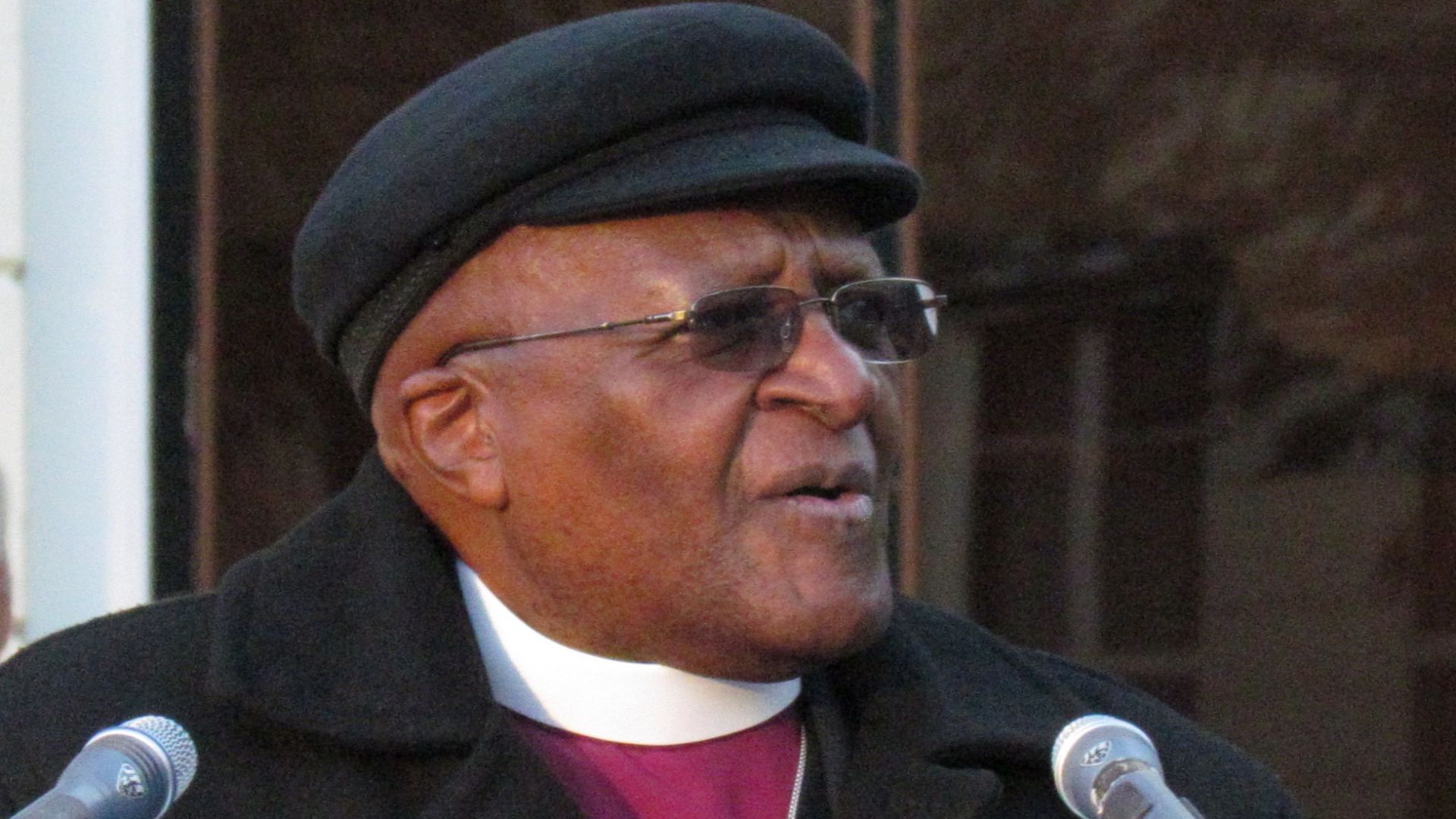
Truth First, Then Healing
Tutu believed you couldn’t heal what you wouldn’t name. The TRC wasn’t about pretending the past didn’t happen. It was about dragging the truth into the open so it couldn’t keep destroying everything in silence.
He pushed the country to look directly at what it wanted to avoid.
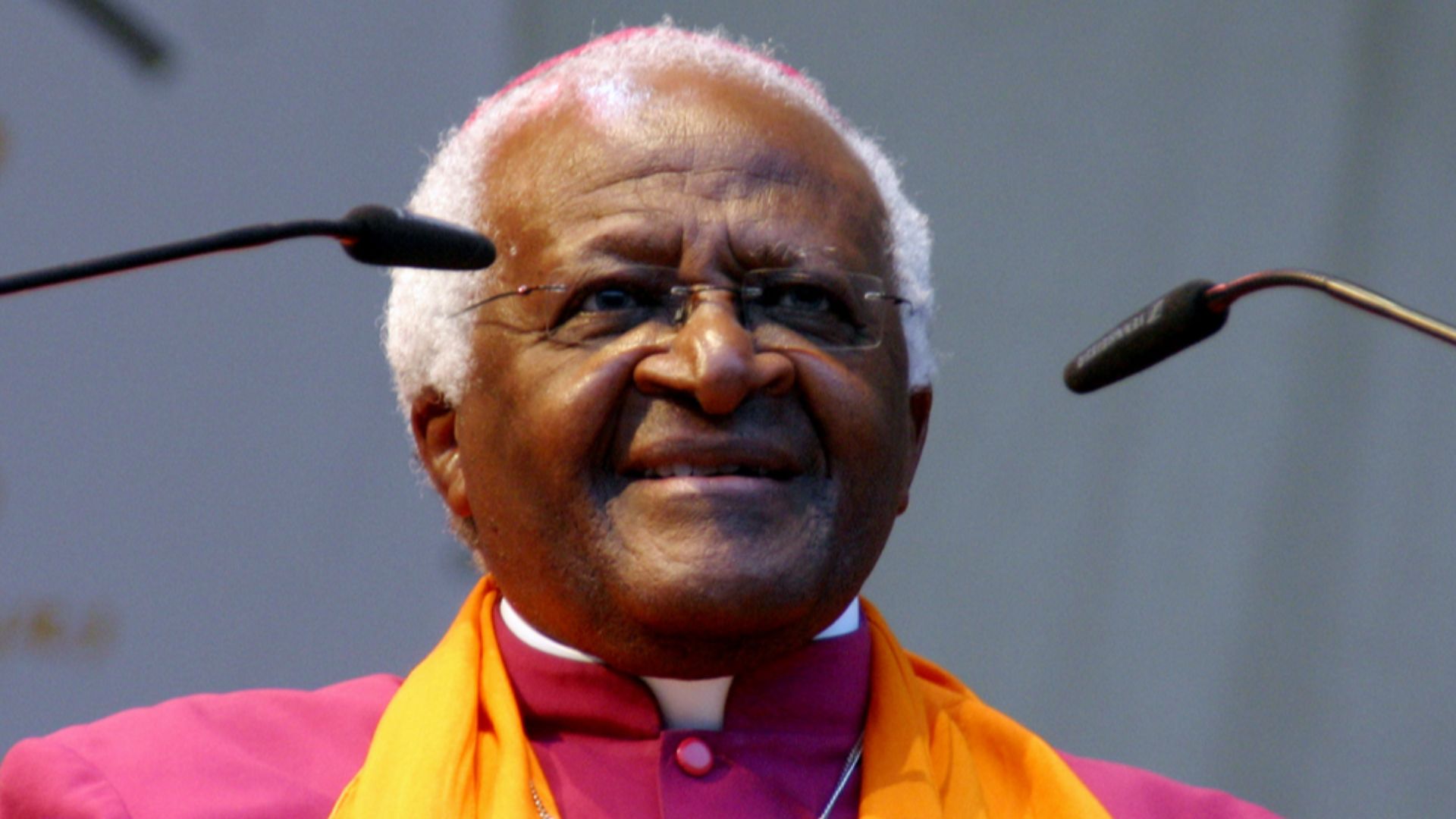 Elke Wetzig (Elya), Wikimedia Commons
Forgiveness, But Not Amnesia
Forgiveness was central to Tutu’s worldview, but he wasn’t saying people should just “get over it”. He wasn’t interested in cheap, rushed reconciliation that ignored pain.
He believed forgiveness had to be rooted in truth—and that it was ultimately a way to stop evil from owning your future.
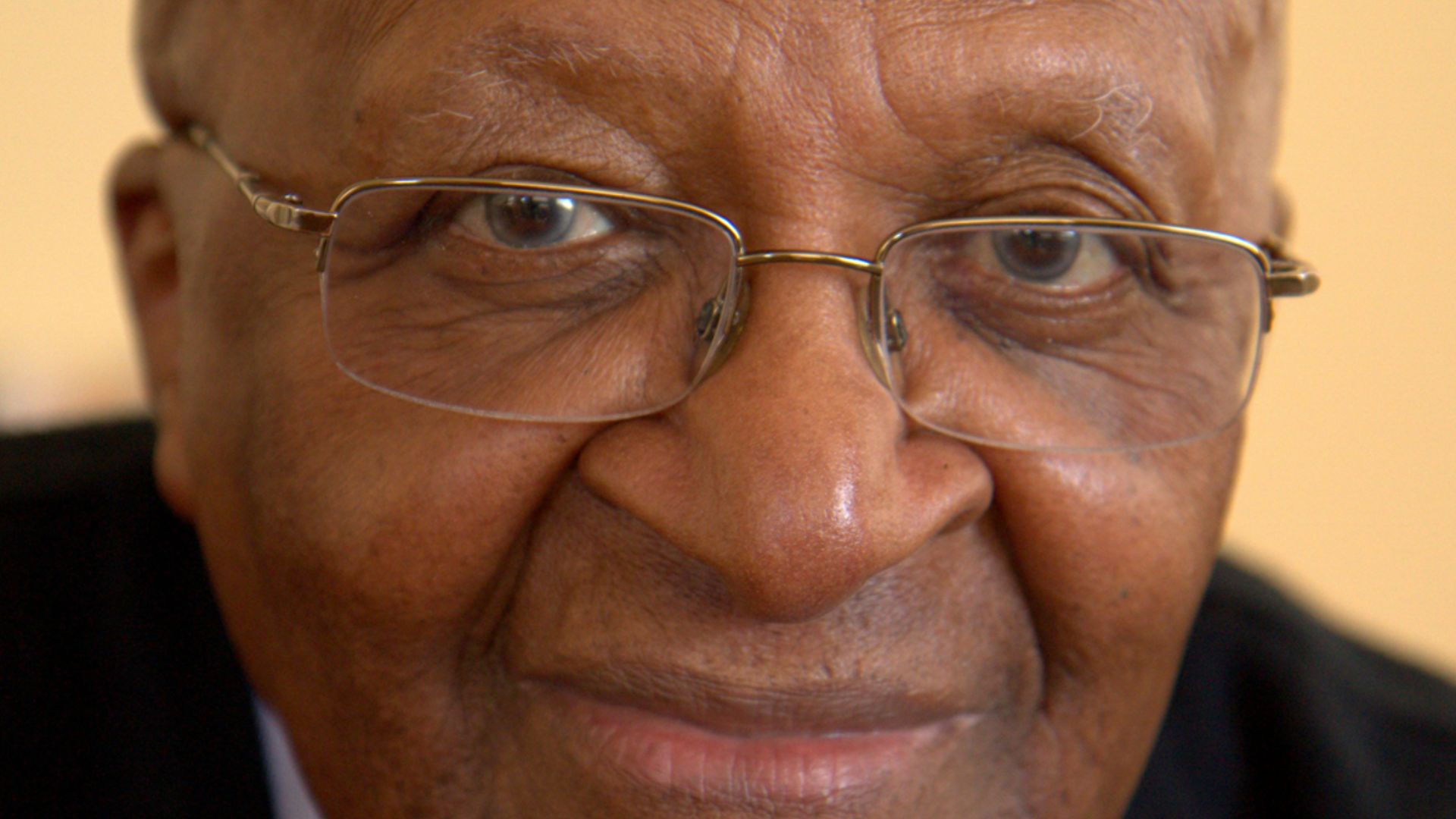 Libris Forlag, Wikimedia Commons
Not Everyone Loved The TRC
The TRC was criticized, including by people who felt it let perpetrators off too easily. That criticism is real, and Tutu knew it. His belief was that a fragile peace was better than endless cycles of revenge.
He wasn’t claiming it was perfect. He was choosing what he thought might actually hold.
History's most fascinating stories and darkest secrets, delivered to your inbox daily.
After Apartheid, He Stayed Loud
A lot of icons go quiet once “the big fight” is over. Tutu didn’t. He criticized corruption and spoke up when he felt leaders were failing the people they claimed to represent.
His loyalty wasn’t to a party. It was to justice.
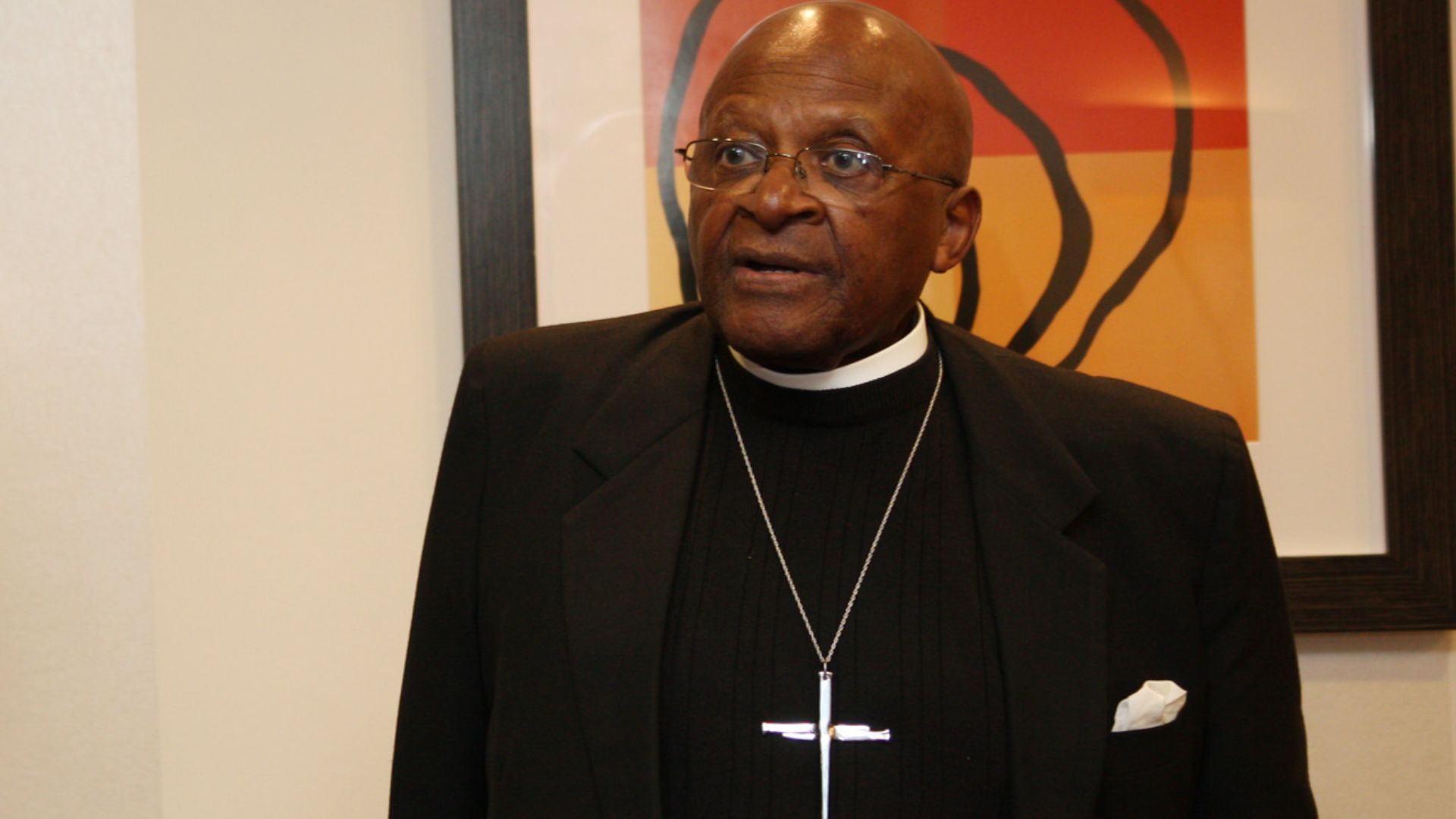 Foreign and Commonwealth Office, Wikimedia Commons
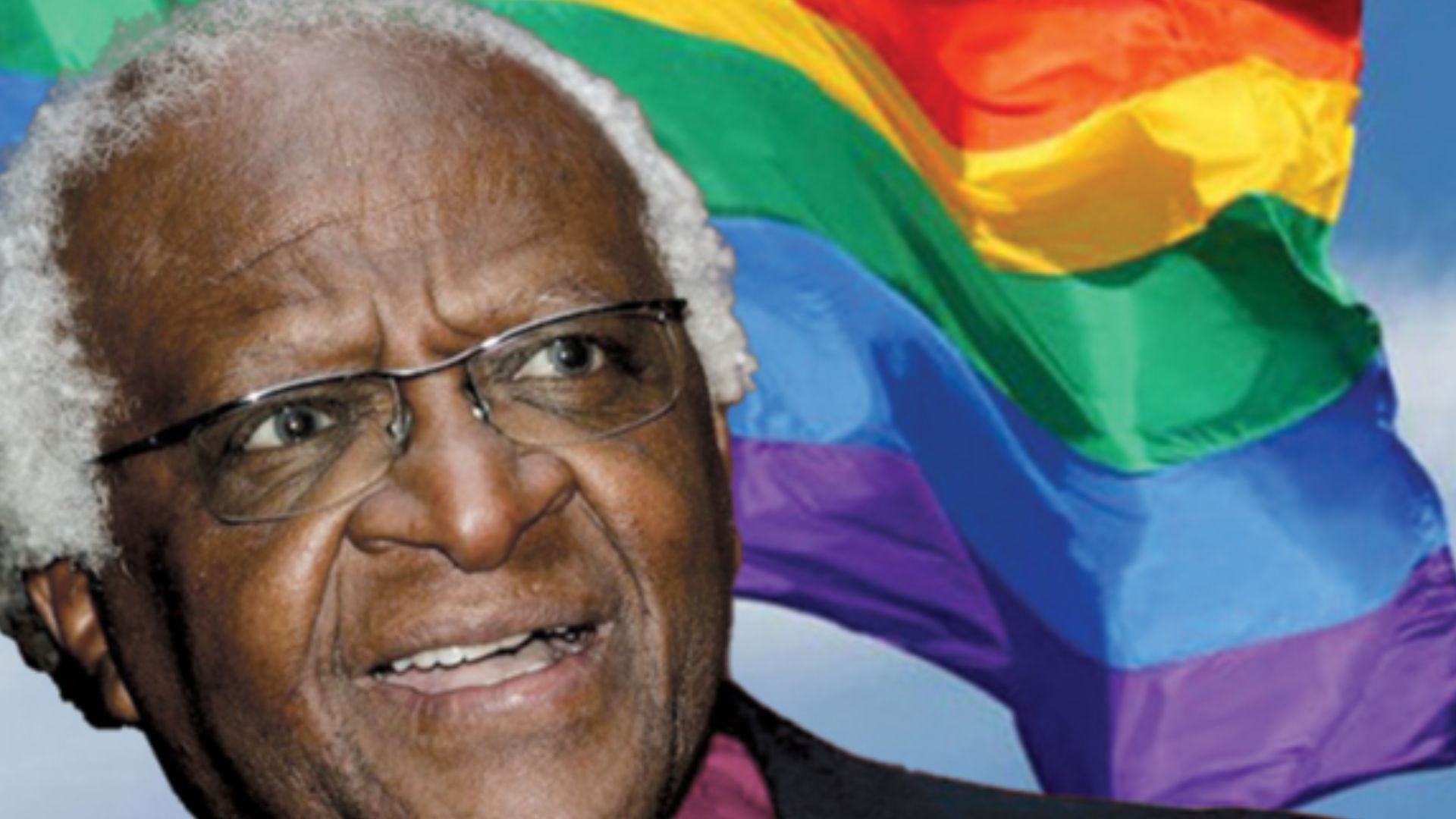
He Backed LGBTQ+ Rights, Loudly
Tutu also became known for taking a strong stand for LGBTQ+ equality, even when it made religious conservatives furious. He said he wouldn’t worship a God who didn’t love everyone, and he meant it. He saw discrimination as discrimination—full stop.
It fit his whole philosophy: dignity is not optional.
A Religious Leader Who Kept Growing
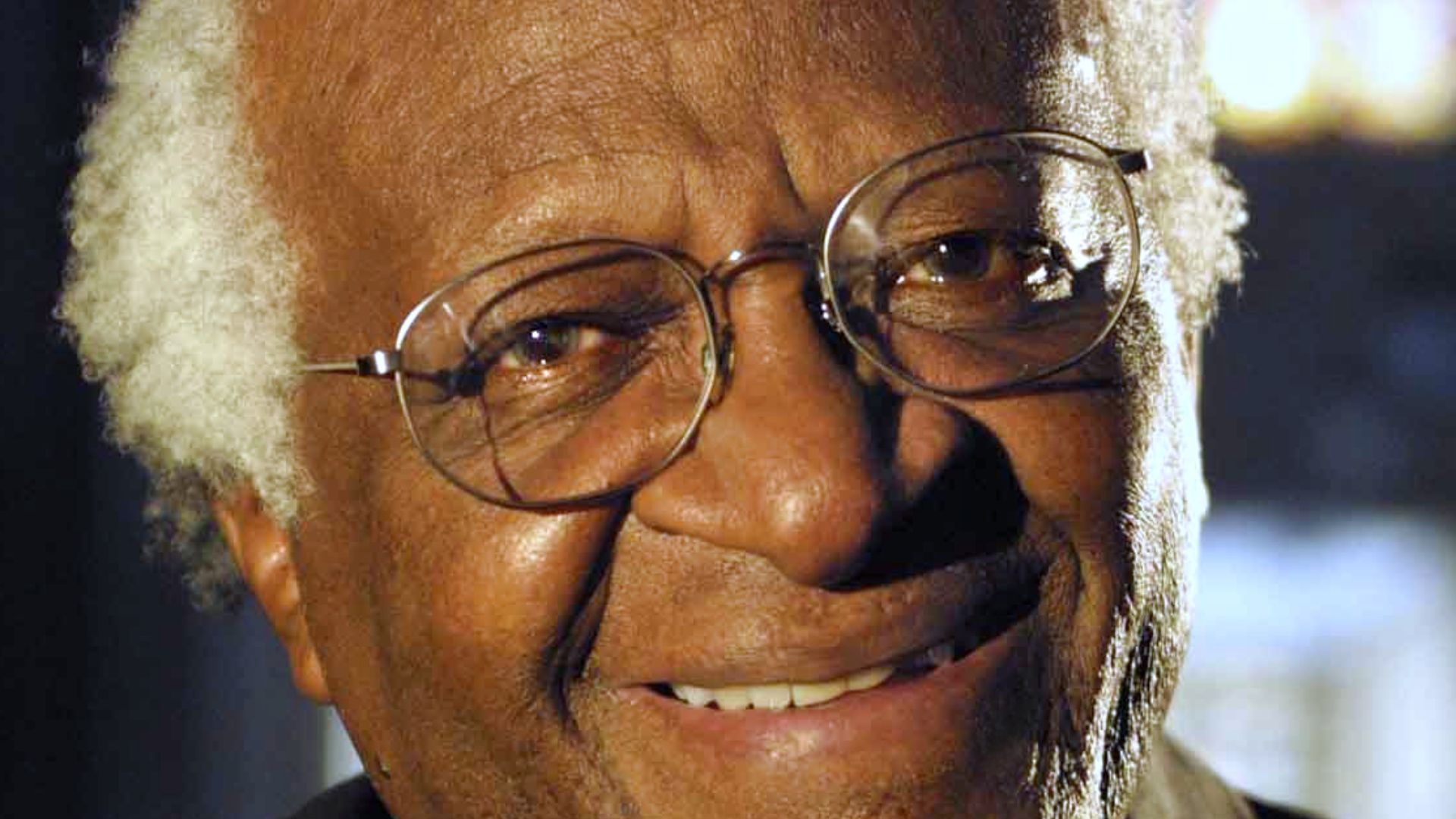
Tutu’s faith was deep, but it wasn’t rigid. He didn’t treat compassion like something with loopholes. Over time, he kept pushing the church—and the world—to live up to the values it claimed to have.
He didn’t change to be trendy. He changed because he paid attention.
The World Turned Him Into A Moral Elder
As he got older, he became a sort of global conscience. People looked to him to speak on human rights, conflict, poverty, and other injustices beyond South Africa. That’s what happens when your credibility is earned the hard way.
You don’t have to shout to be heard.
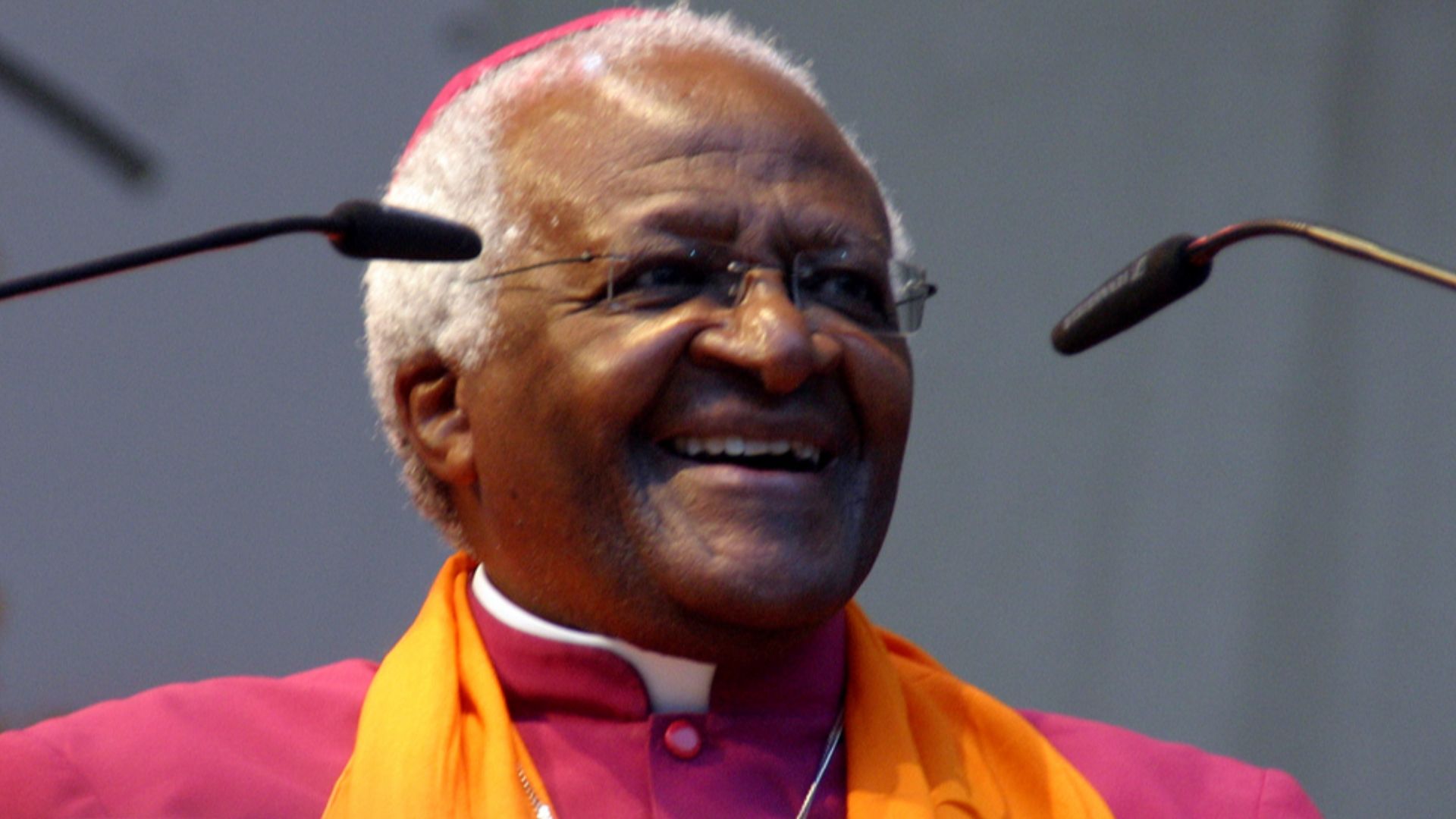 Elke Wetzig (Elya), Wikimedia Commons
Health Struggles Didn’t Take His Spirit
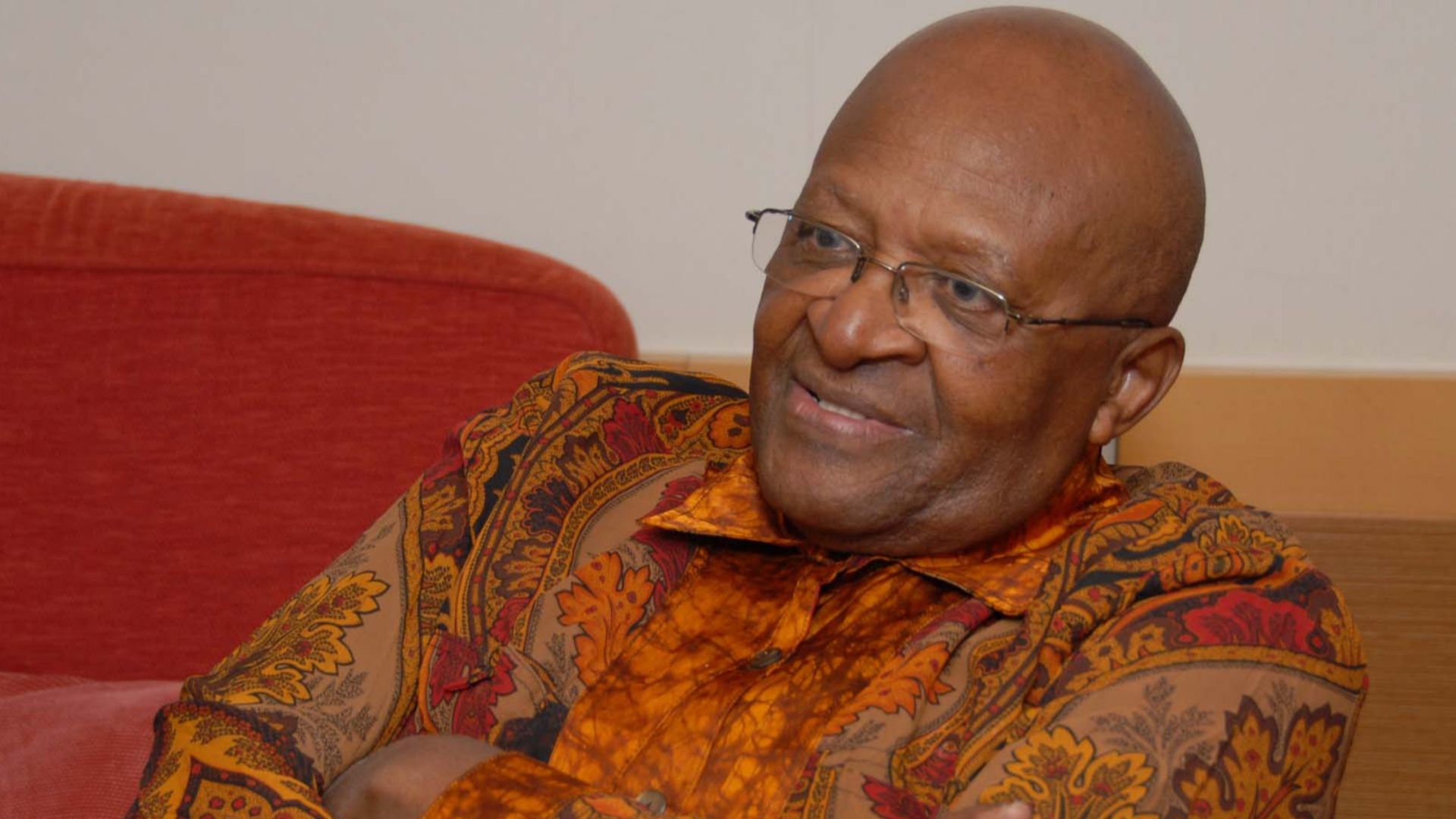
Tutu dealt with serious health problems later in life, including cancer. But even as his body weakened, that spark never fully disappeared. He kept showing up, still offering humor and hope without pretending the world was perfect.
That combination—realism plus joy—was his signature.
 Port of San Diego from San Diego, CA, Wikimedia Commons
He Passed In December 2021
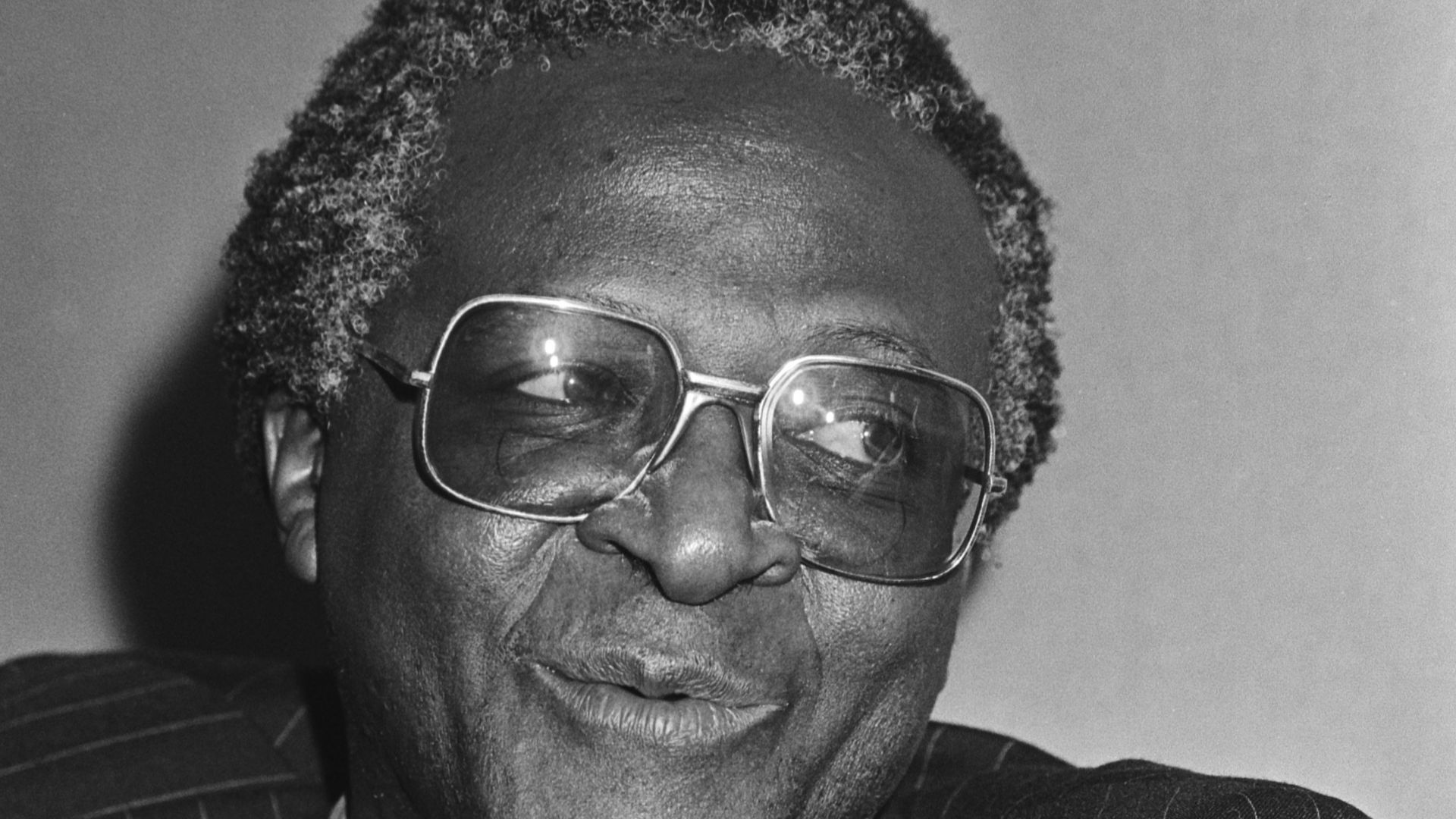
Desmond Tutu passed in December 2021 at age 90. The tributes came fast, and they came from everywhere. Not because he was famous, but because he made people believe goodness could actually win.
And because he proved you could be brave without being brutal.
 Hans van Dijk for Anefo, Wikimedia Commons
History's most fascinating stories and darkest secrets, delivered to your inbox daily.
What His Legacy Still Teaches Us
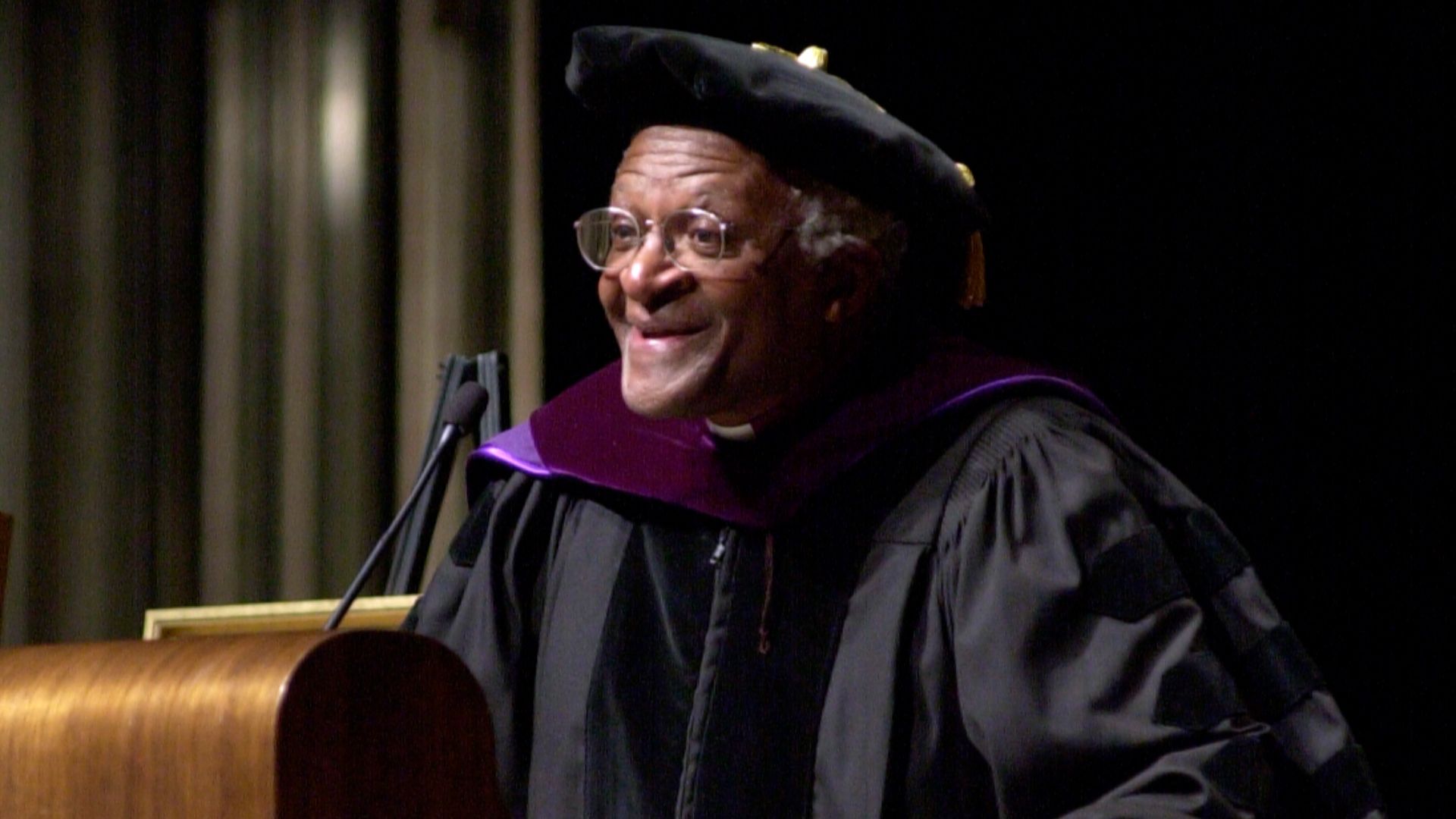
Tutu’s legacy isn’t just “apartheid ended”. It’s the way he fought. He didn’t let hatred turn him into a copy of what he opposed. He made space for laughter while confronting horror, and he kept insisting that every human being mattered—even when the system said otherwise.
In a world that’s constantly trying to make us colder, Tutu is a reminder that warmth can be its own kind of power.
 Seattle Municipal Archives from Seattle, WA, Wikimedia Commons
You May Also Like:
American Hero Or Public Enemy Number One?
When Benedict Arnold sold out America, he forever tarnished his name.
The Nightmare Lives Of Henry VIII's Wives
Source: 1