History Forgot These People
Some dangerous people become permanent historical villains. Others somehow fade away, even after commanding armies, toppling governments, selling weapons, spreading deadly technology or quietly influencing events from the shadows. These 30 figures once wielded frightening power, yet many are barely remembered outside specialist history books today.
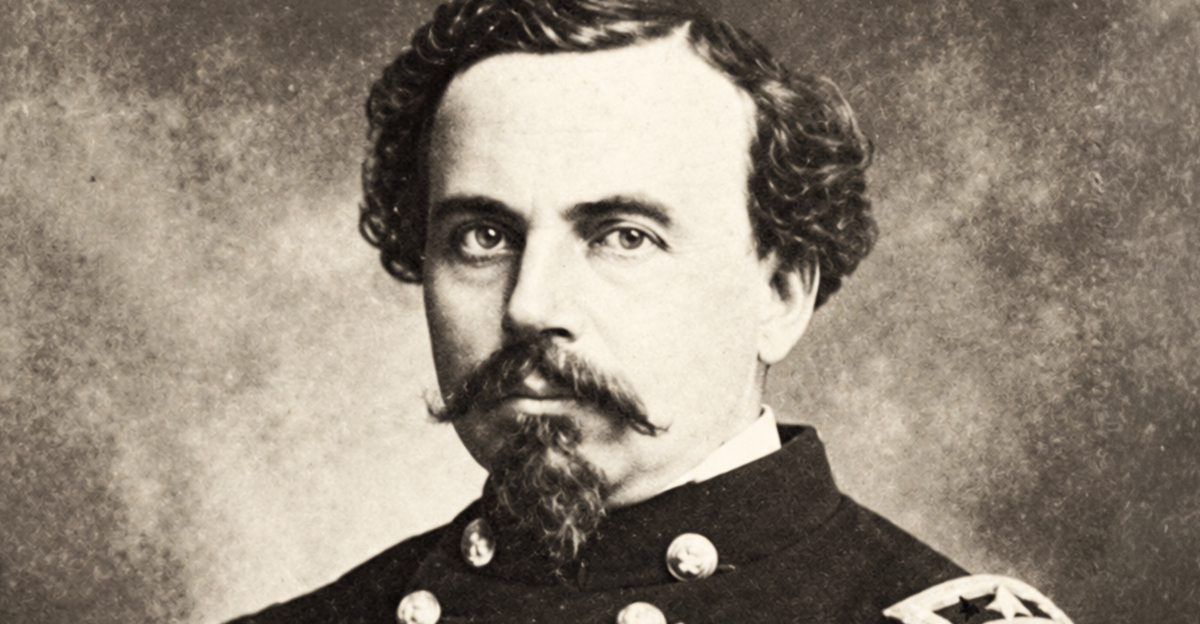 Texas State Historical Association, Public Domain, Wikimedia Commons
Locusta
Ancient Rome had its own professional poisoner. Locusta became notorious during the Julio-Claudian dynasty and was associated with poisonings at the imperial court, including the downfall of Claudius and, more securely in the ancient accounts, Nero's elimination of Britannicus. Nero reportedly rewarded her expertise rather than punishing it.
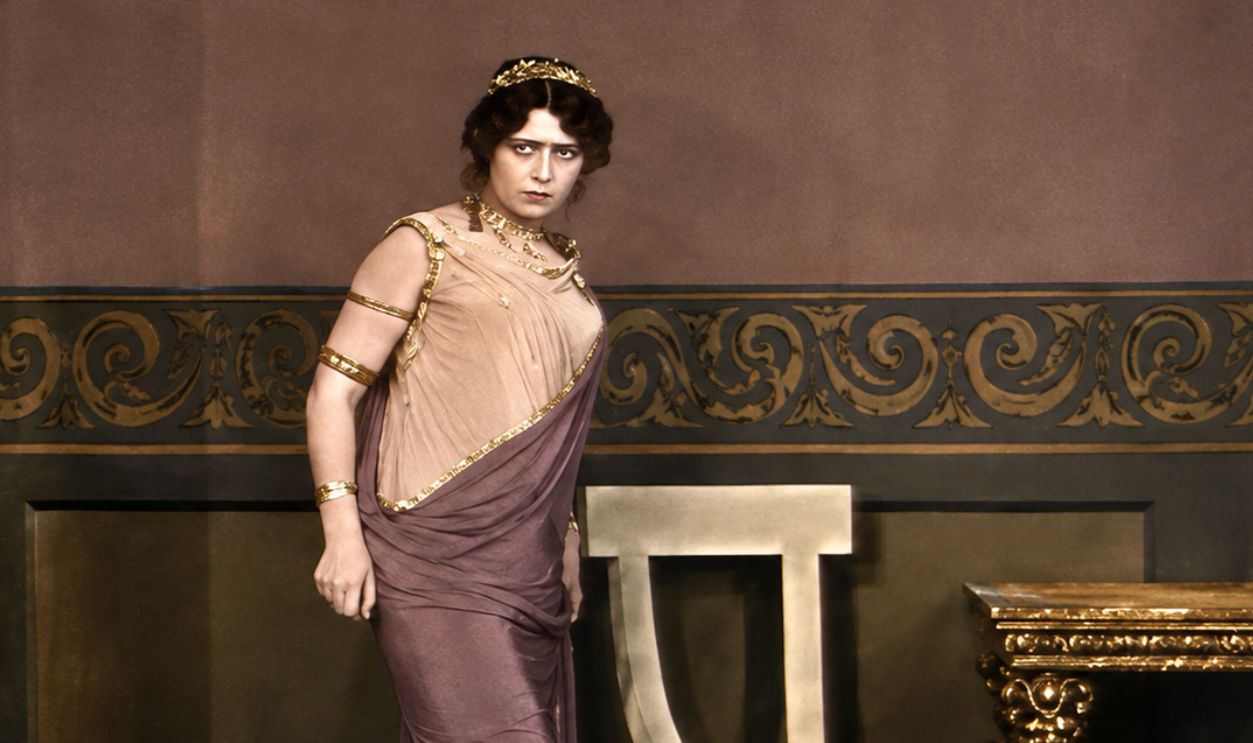 Screenshot from Le fils de Locuste, L. Gaumont Establishments Company (1911), enhanced
Lope De Aguirre
Spanish conquistador Lope de Aguirre joined a 1560 expedition searching for El Dorado, then helped slay its commander before seizing control himself. Styling himself a rebel against King Philip II, Aguirre terrorized settlements across northern South America before his own men turned against him in Venezuela in 1561.
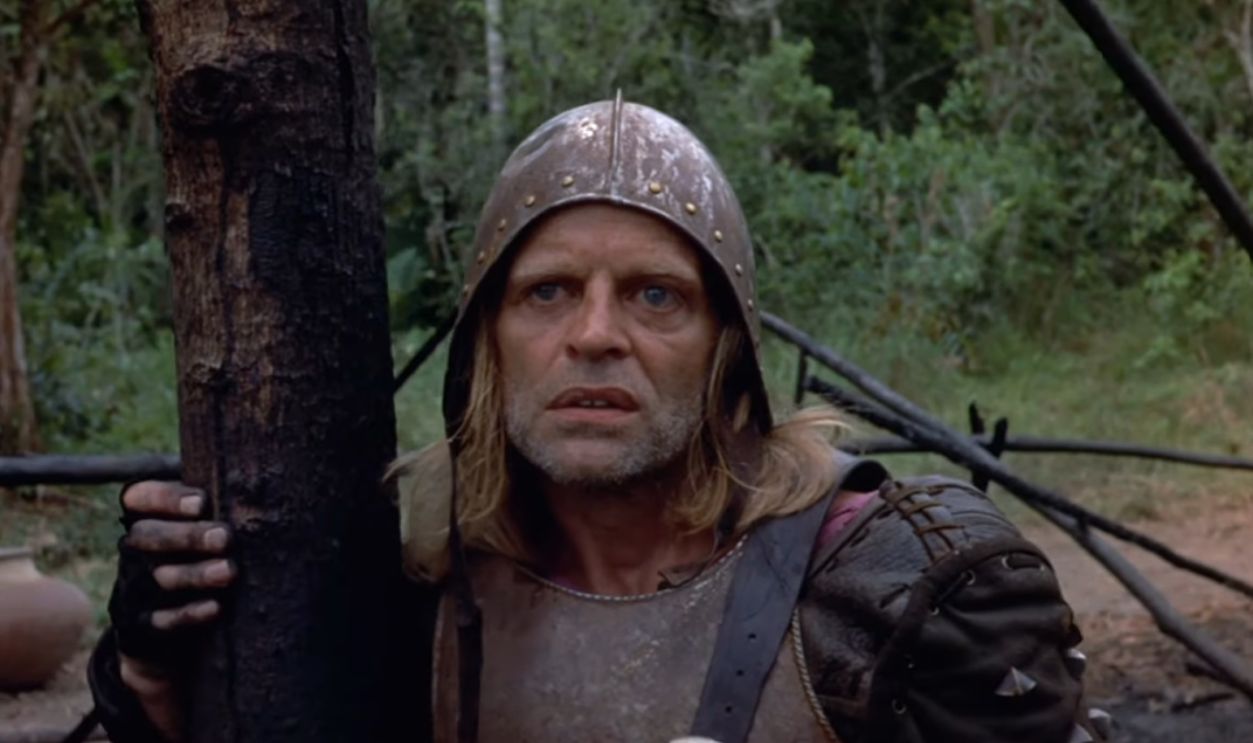 Screenshot from Aguirre, the Wrath of God, Shout! Studios (1972)
François L'Olonnais
Long before Blackbeard became piracy's favorite villain, French buccaneer François L'Olonnais earned the nickname "Flail of the Spanish." During the 1660s, he plundered ships and settlements around the Caribbean and became notorious for extraordinary mistreatment of prisoners. His violent career ended just as brutally in Central America.
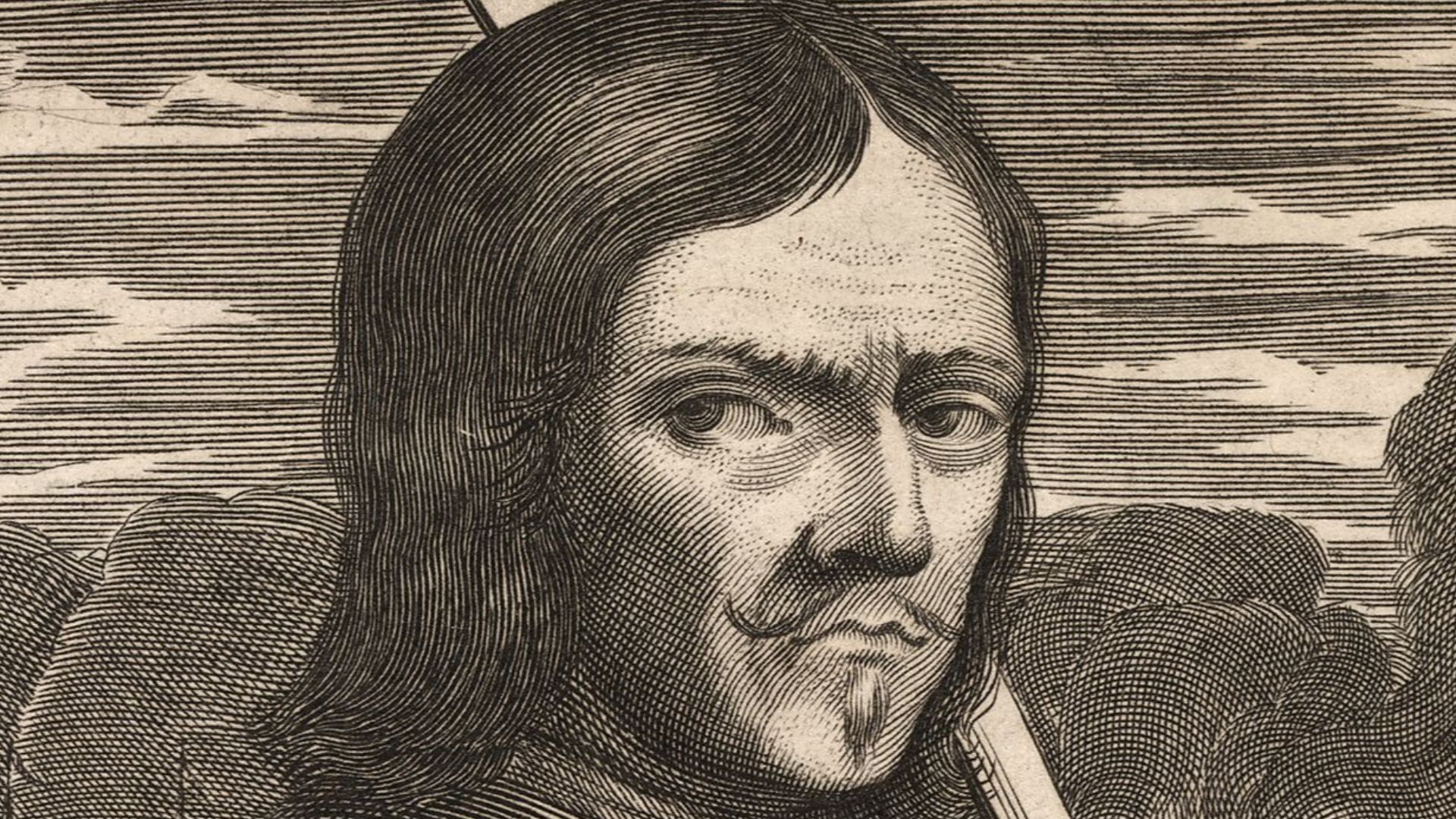 Alexander Exquemelin, Wikimedia Commons
Gironima Spana
Gironima Spana led a secret poison network in 17th-century Rome, supplying women with deadly mixtures that could be used against unwanted husbands. Her circle operated discreetly for years before papal authorities uncovered it. Spana and four associates were convicted and publicly hanged in 1659, exposing a remarkable underground trade in the dangerous substances.

Catherine La Voisin
Catherine Deshayes, better known as La Voisin, operated at the center of the scandalous Affair of the Poisons during Louis XIV's reign. The Parisian fortune teller supplied poisons and other illicit services to wealthy clients, including members of the aristocracy. Apprehended in 1679, she was convicted and burned at the stake
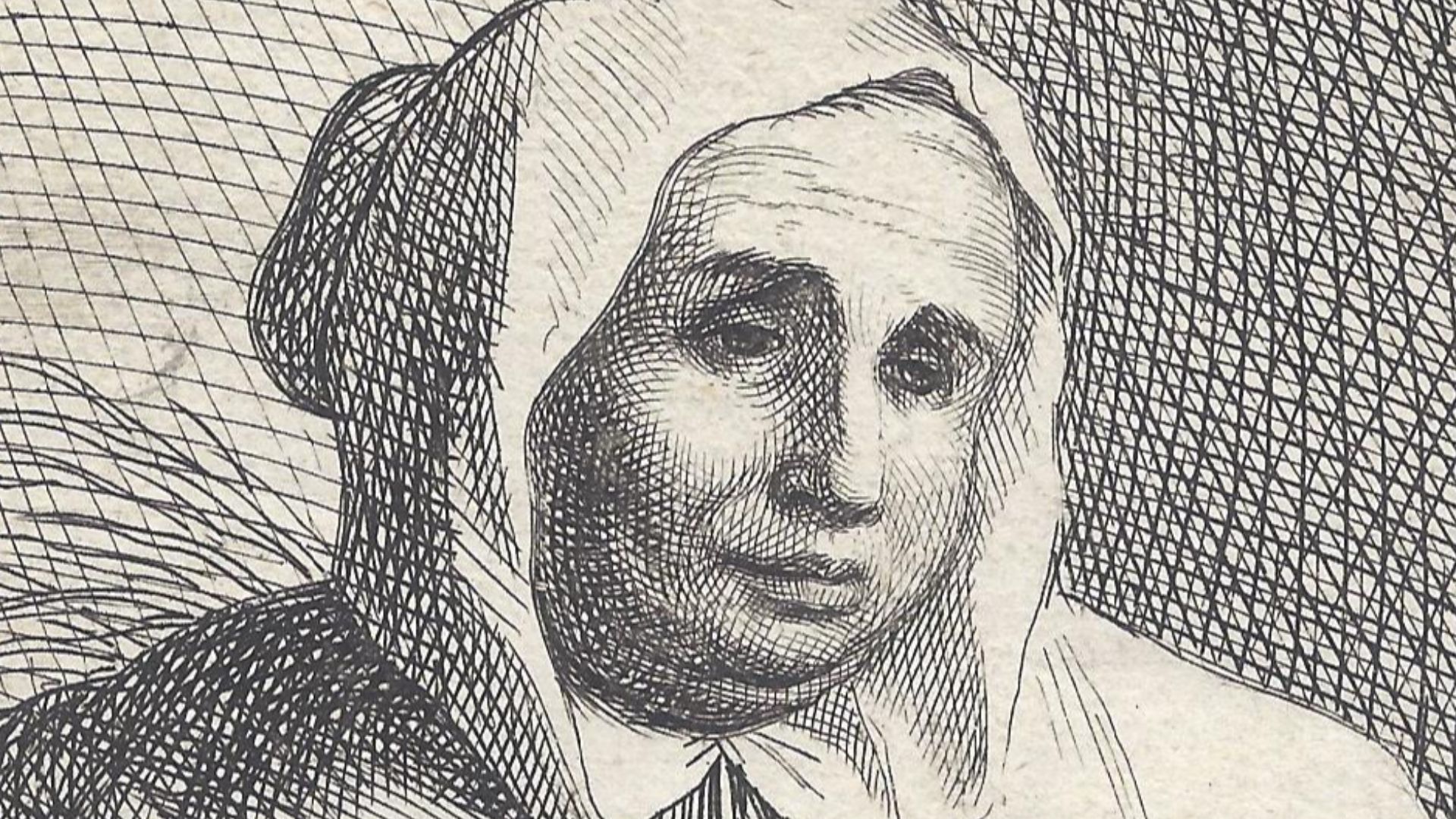 Antoine Coypel, Wikimedia Commons
Gesche Gottfried
Gesche Gottfried seemed so devoted to nursing sick relatives and friends that people called her the "Angel of Bremen." In reality, she was making many of them sick herself. Between 1813 and 1827, Gottfried claimed the lives of 15 people with arsenic, including husbands, children, parents and her twin brother, before suspicious food finally exposed her.
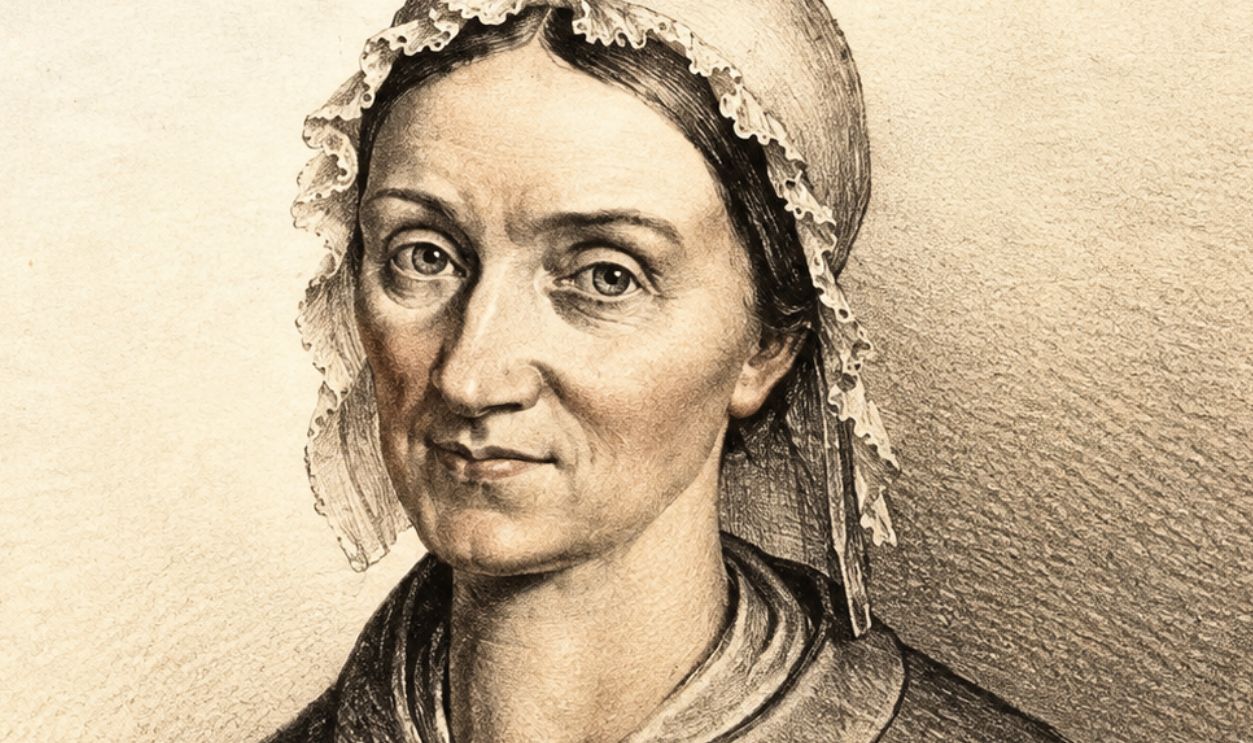 Rudolf Friedrich Suhrlandt, Wikimedia Commons, enhanced
John Joel Glanton
John Joel Glanton became one of history's most infamous bounty hunters. During the late 1840s, his gang collected Mexican government bounties for Apache scalps, then reportedly slew Mexicans in cold blood, passing off their scalps for payment as well. Glanton later seized a Colorado River ferry before Yuma fighters cut him down and collected his scalp in 1850. Glanton's grim story was drawn from obscurity by Cormac McCarthy's novel Blood Meridian.
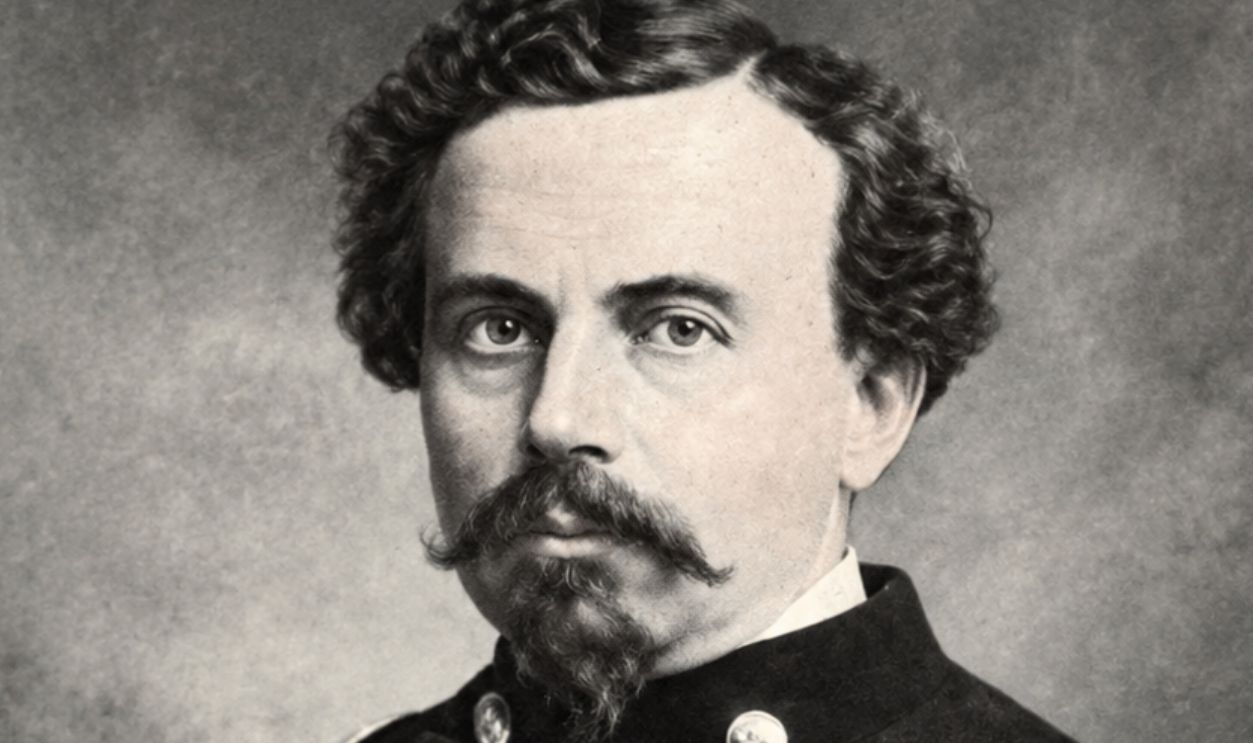 Texas State Historical Association, Wikimedia Commons, enhanced
William Walker
American adventurer William Walker didn't merely invade Nicaragua. He actually became its president. The Tennessee-born "filibuster" seized power during the 1850s, relegalized slavery and threatened neighboring countries before a Central American coalition defeated him. Undeterred, Walker launched another expedition and was executed in Honduras in 1860.
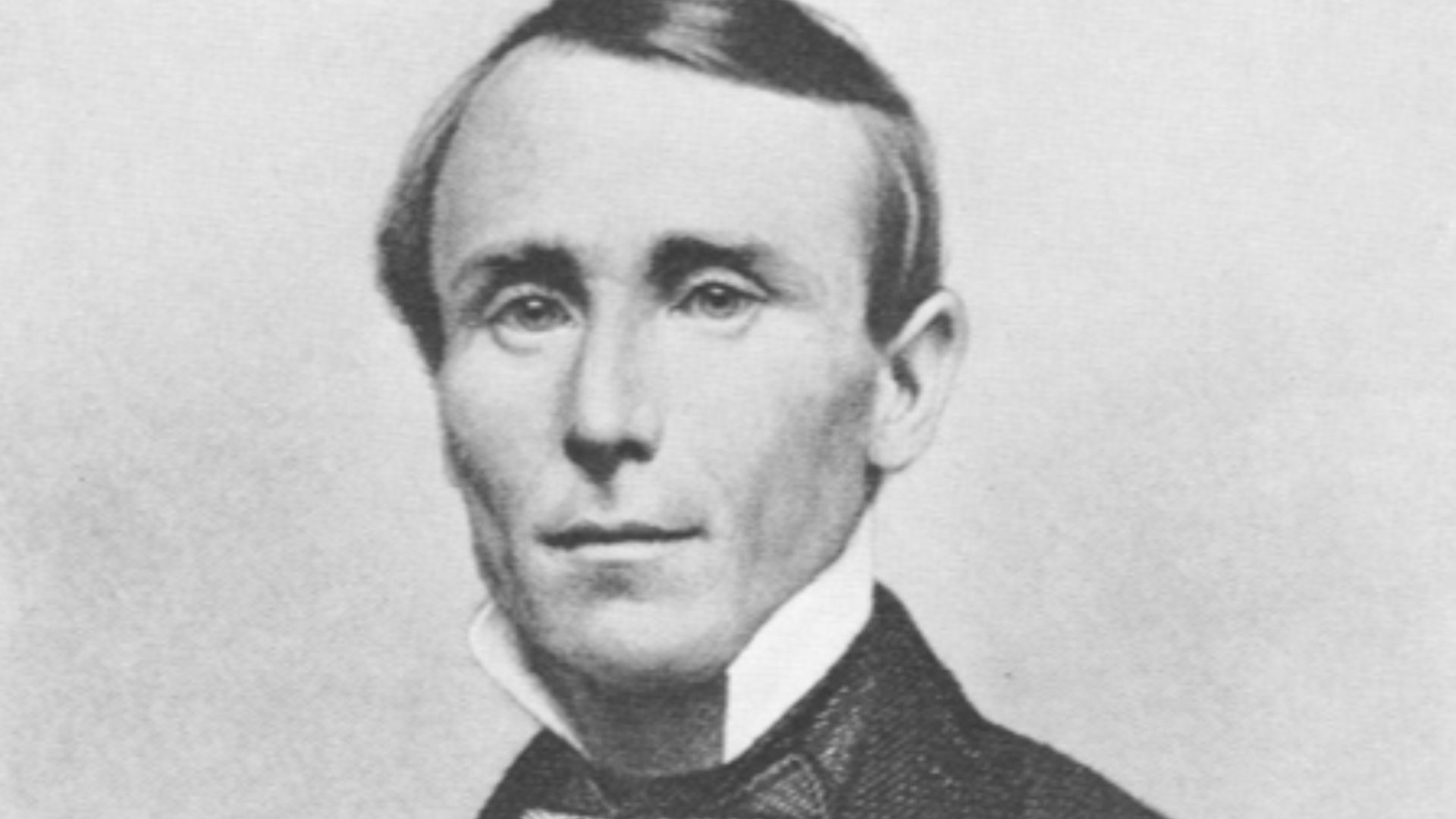

History's most fascinating stories and darkest secrets, delivered to your inbox daily.
John Chivington
John Chivington was a Methodist minister and celebrated Union officer before becoming responsible for one of America's most infamous massacres. In November 1864, he led Colorado troops against a peaceful Cheyenne and Arapaho encampment at Sand Creek. More than 230 people were slain, many of them women, children and elderly people.
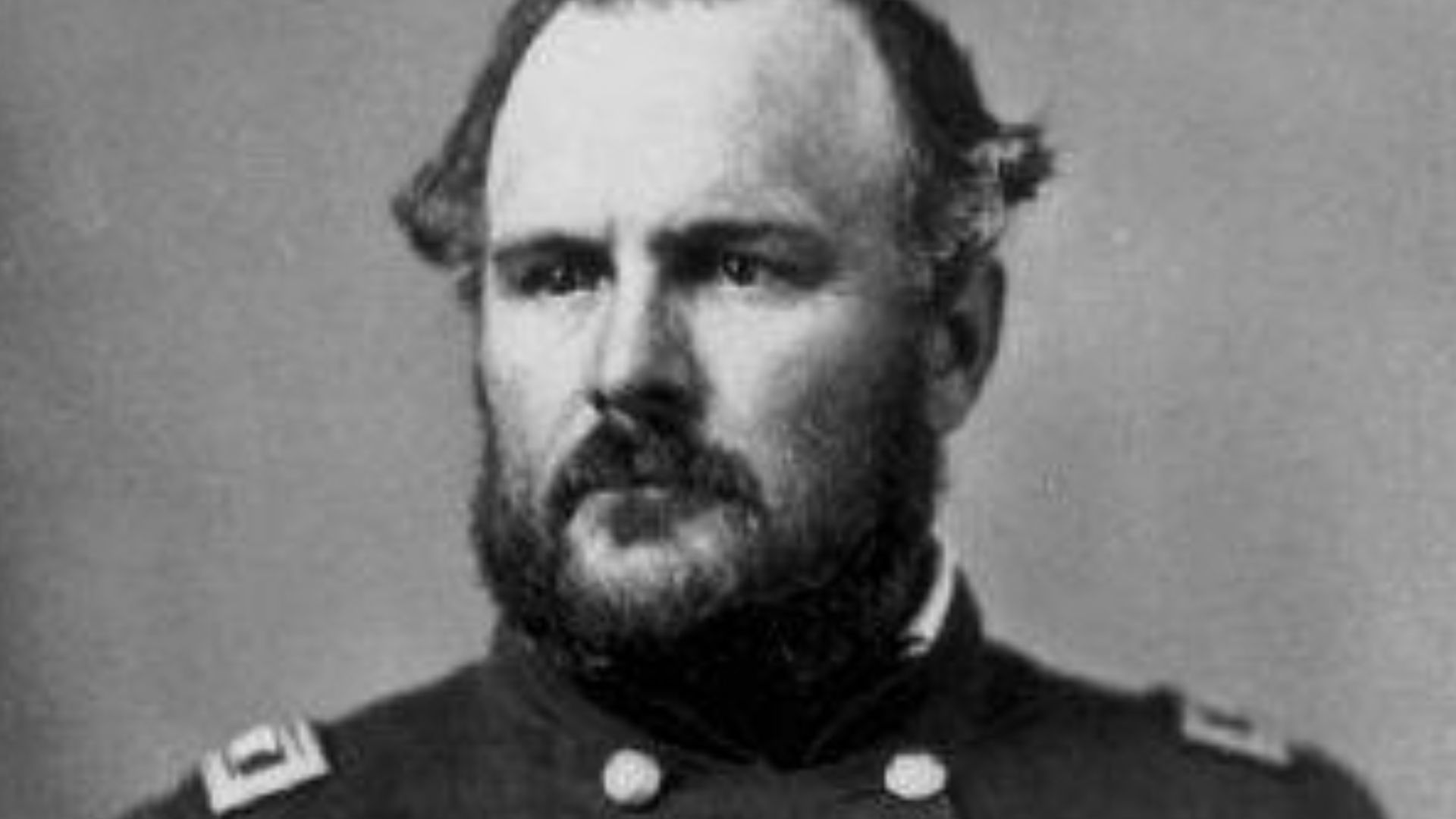 Unknown authorUnknown author, Wikimedia Commons
Basil Zaharoff
Basil Zaharoff became fantastically wealthy selling weapons during an era of international rivalry. Working closely with Vickers, the mysterious arms salesman became infamous for encouraging competing countries to buy increasingly powerful weaponry. During World War I, his extraordinary influence stretched from corporate boardrooms into the highest levels of European politics.
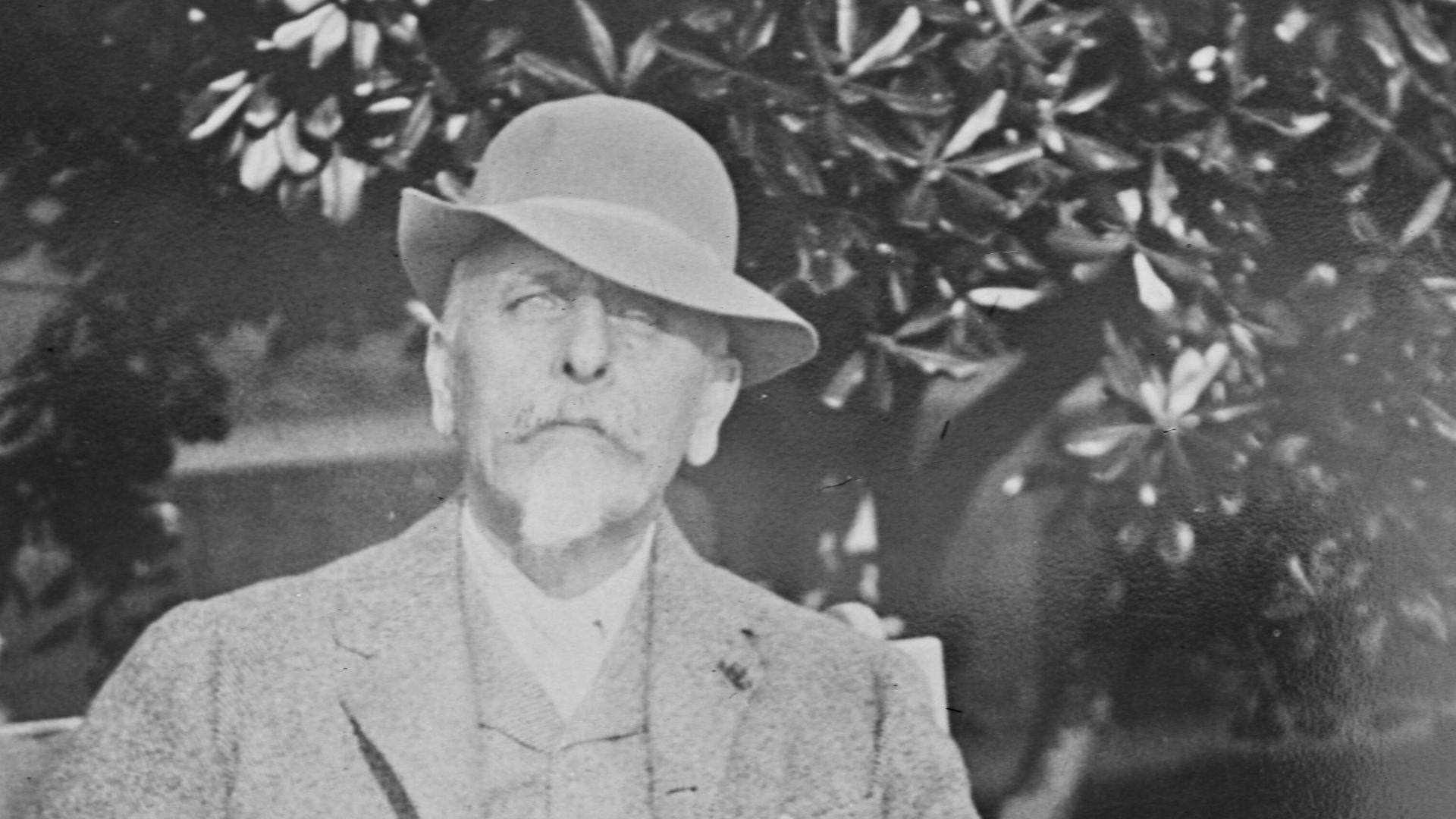 Agence Rol. Agence photographique (commanditaire), Wikimedia Commons
Alfred Redl
Colonel Alfred Redl had one of the most sensitive jobs in Austria-Hungary: counterintelligence. Unfortunately, he was also secretly selling classified information to Russia. His betrayal became an enormous scandal when discovered in 1913, shortly before Europe descended into WWI. Confronted with the evidence, Redl took his own life.
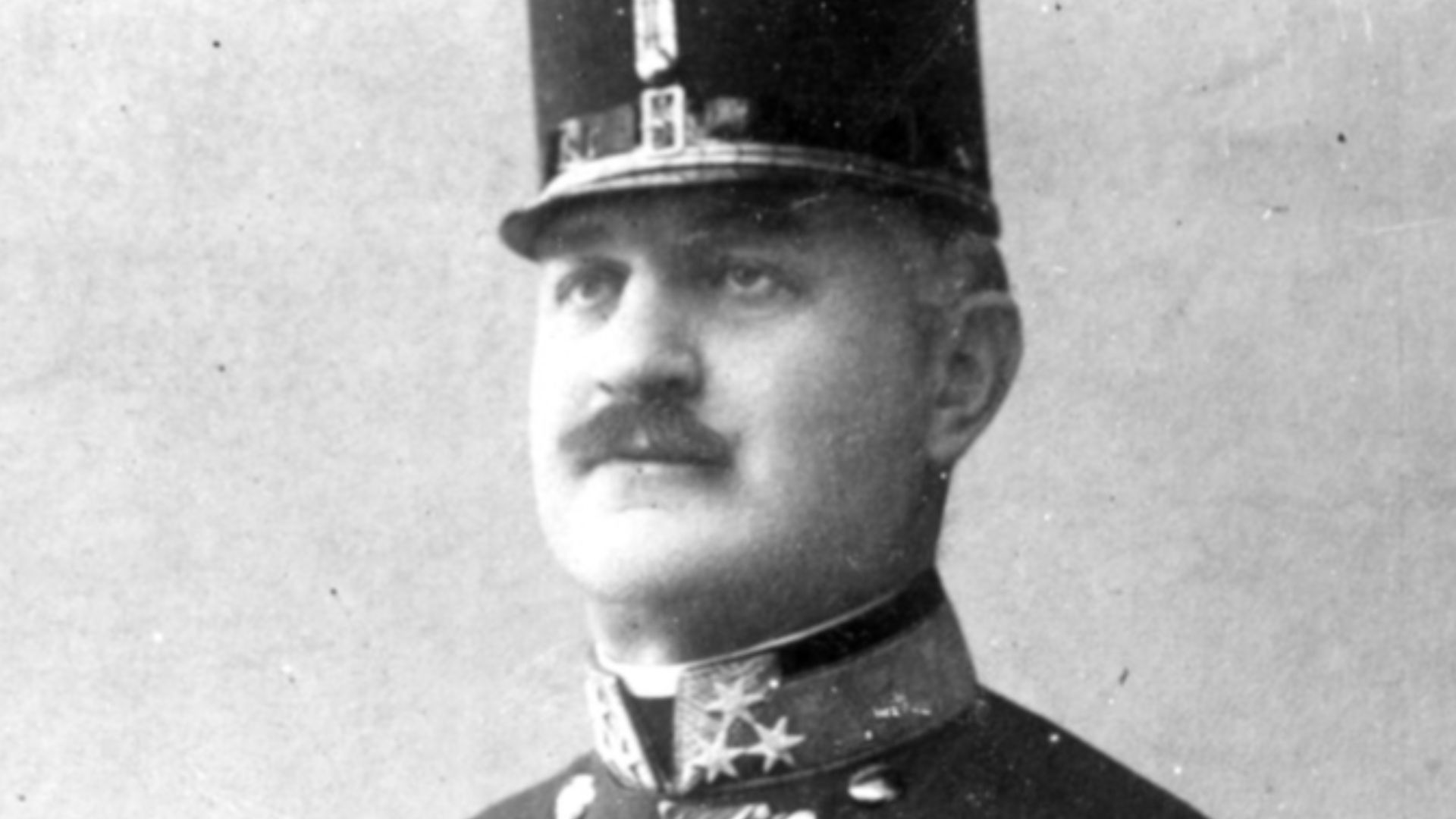 unbekannt/not known, Wikimedia Commons
Roman Von Ungern-Sternberg
The Russian Civil War produced some extraordinary characters, but few matched Baron Roman von Ungern-Sternberg. The fiercely anti-Bolshevik commander led troops into Mongolia, captured Urga and helped restore the Bogd Khan in 1921. His violent, eccentric rule was brief. Soviet-backed forces defeated him, and he was captured and executed that September.
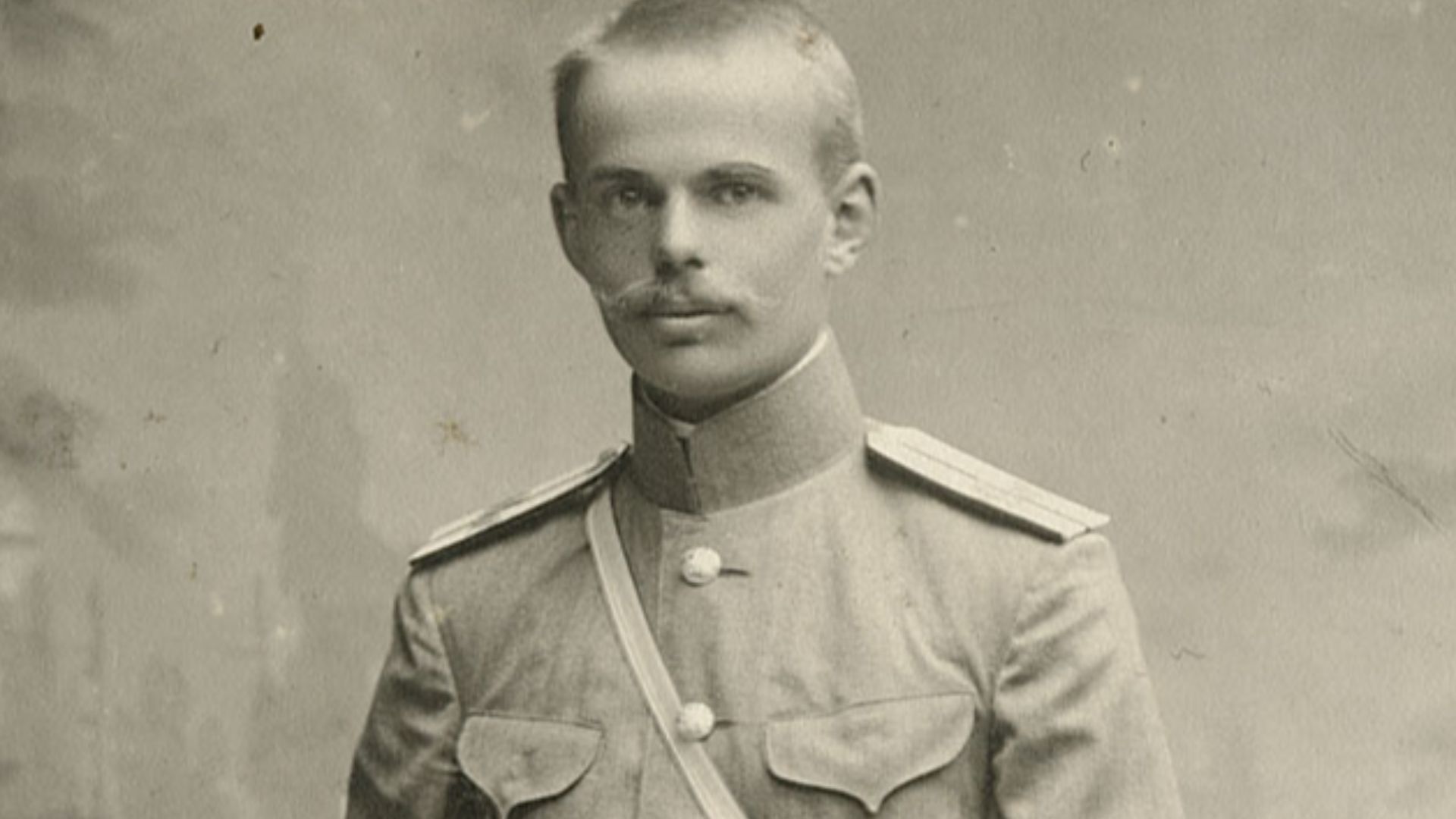 Unknown authorUnknown author, Wikimedia Commons
D.C. Stephenson
D.C. Stephenson turned the Ku Klux Klan into a terrifying political machine in 1920s Indiana. As Grand Dragon, he accumulated enormous influence while the state's Klan grew into the hundreds of thousands. His power collapsed after the brutal assault and slaying of Madge Oberholtzer led to his 1925 conviction for the crime.
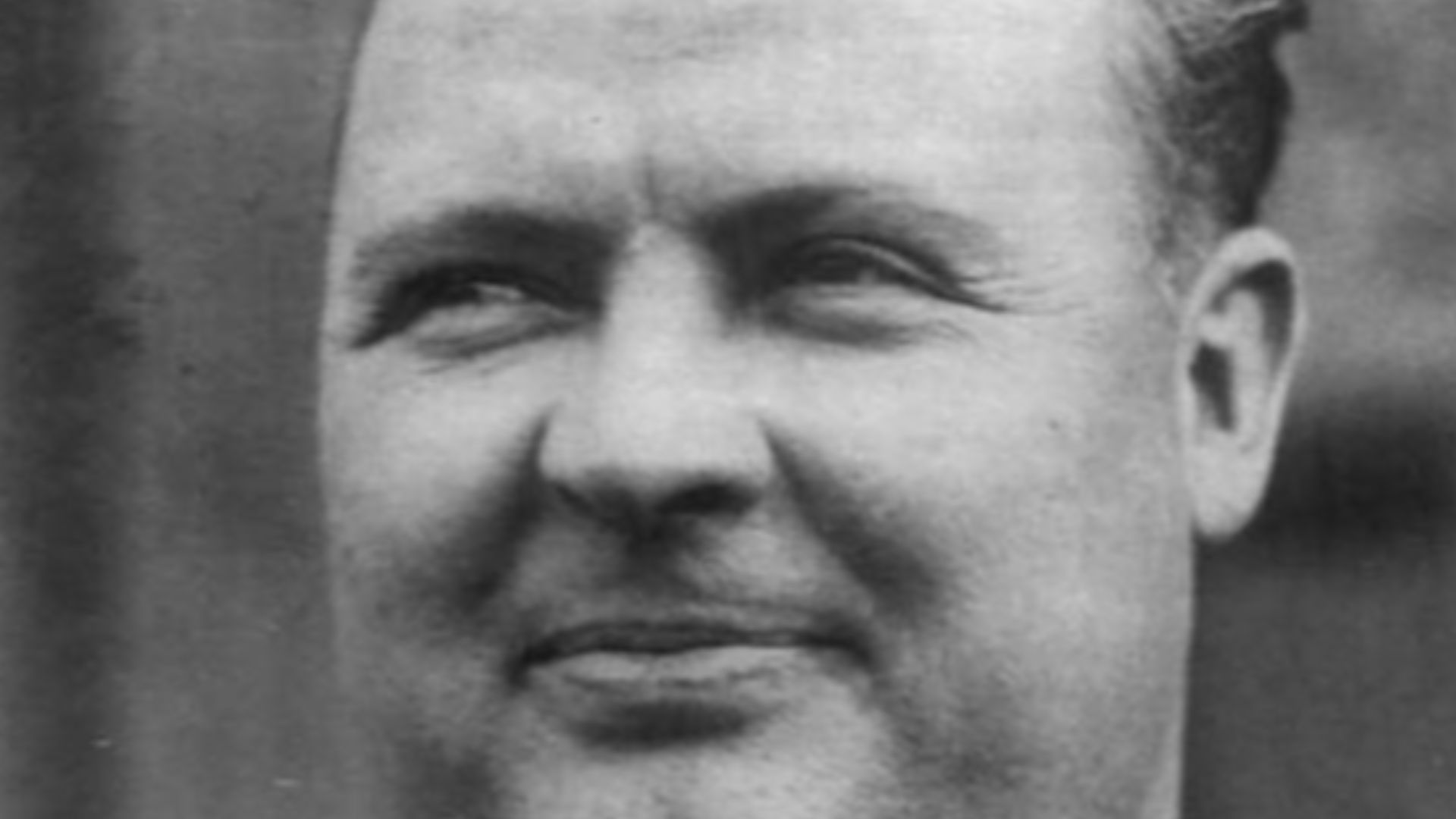 Unknown authorUnknown author, Wikimedia Commons
Thomas Midgley Jr.
Thomas Midgley Jr. wasn't a dictator or evil mastermind. His danger came from chemistry. The celebrated engineer helped develop tetraethyl lead for gasoline and later chlorofluorocarbons for refrigeration. Both seemed enormously useful at first, yet their long-term health and environmental consequences eventually made Midgley's scientific legacy astonishingly destructive.
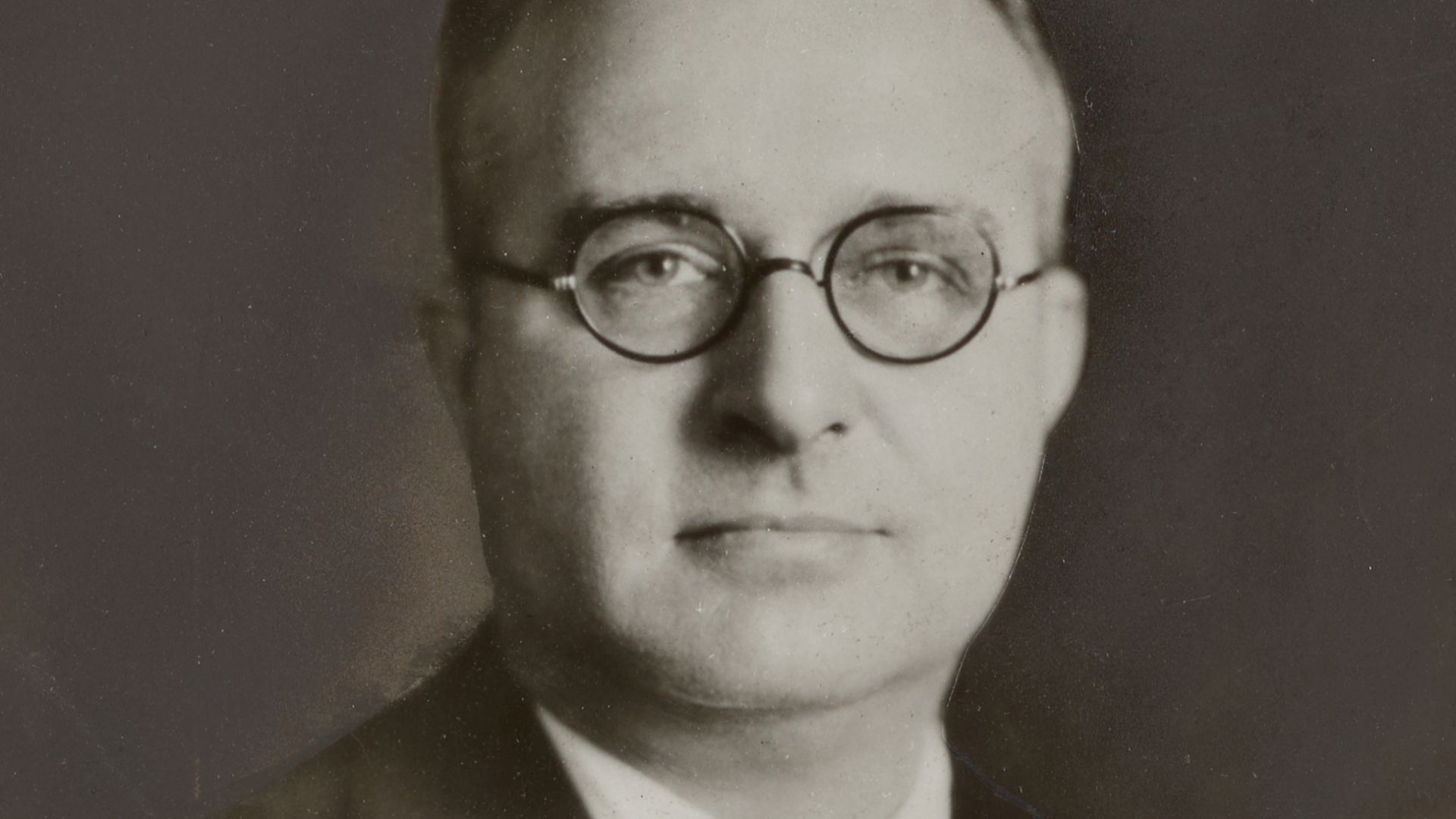 AnonymousUnknown author for Blank & Stoller N.Y., Wikimedia Commons
Torkild Rieber
Texaco chairman Torkild Rieber may be one of the most consequential Americans you've never heard of. During the Spanish Civil War, he supplied Francisco Franco's Nationalists with desperately needed oil, extended credit and provided useful intelligence about Republican shipping. Historian Adam Hochschild argues that Texaco's largely forgotten assistance was crucial to Franco.
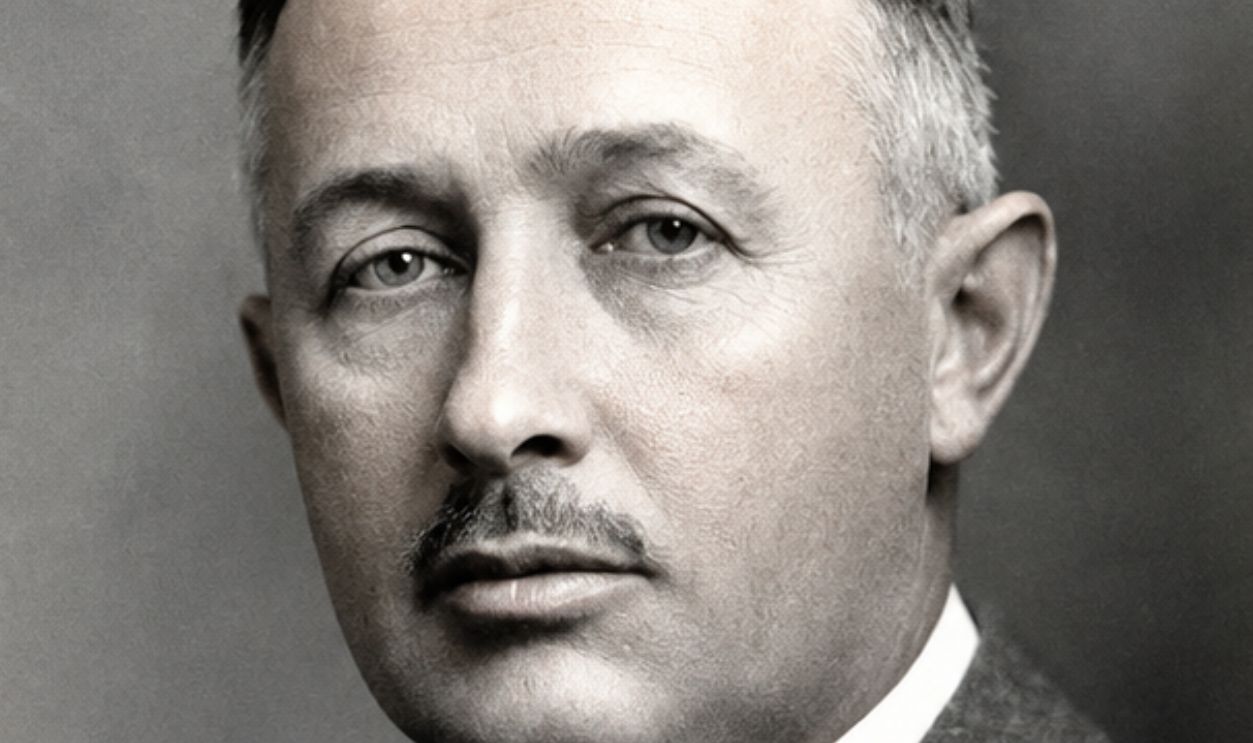 Time Magazine, Wikimedia Commons, enhanced
Charles Bedaux
Charles Bedaux was an efficiency expert, millionaire and international celebrity whose château hosted the Duke and Duchess of Windsor's wedding. Then his story took a darker turn. During World War II, Bedaux developed relationships with Vichy and Third Reich officials and became involved in an Abwehr (German military intelligence) scheme concerning strategic oil facilities in Iran.
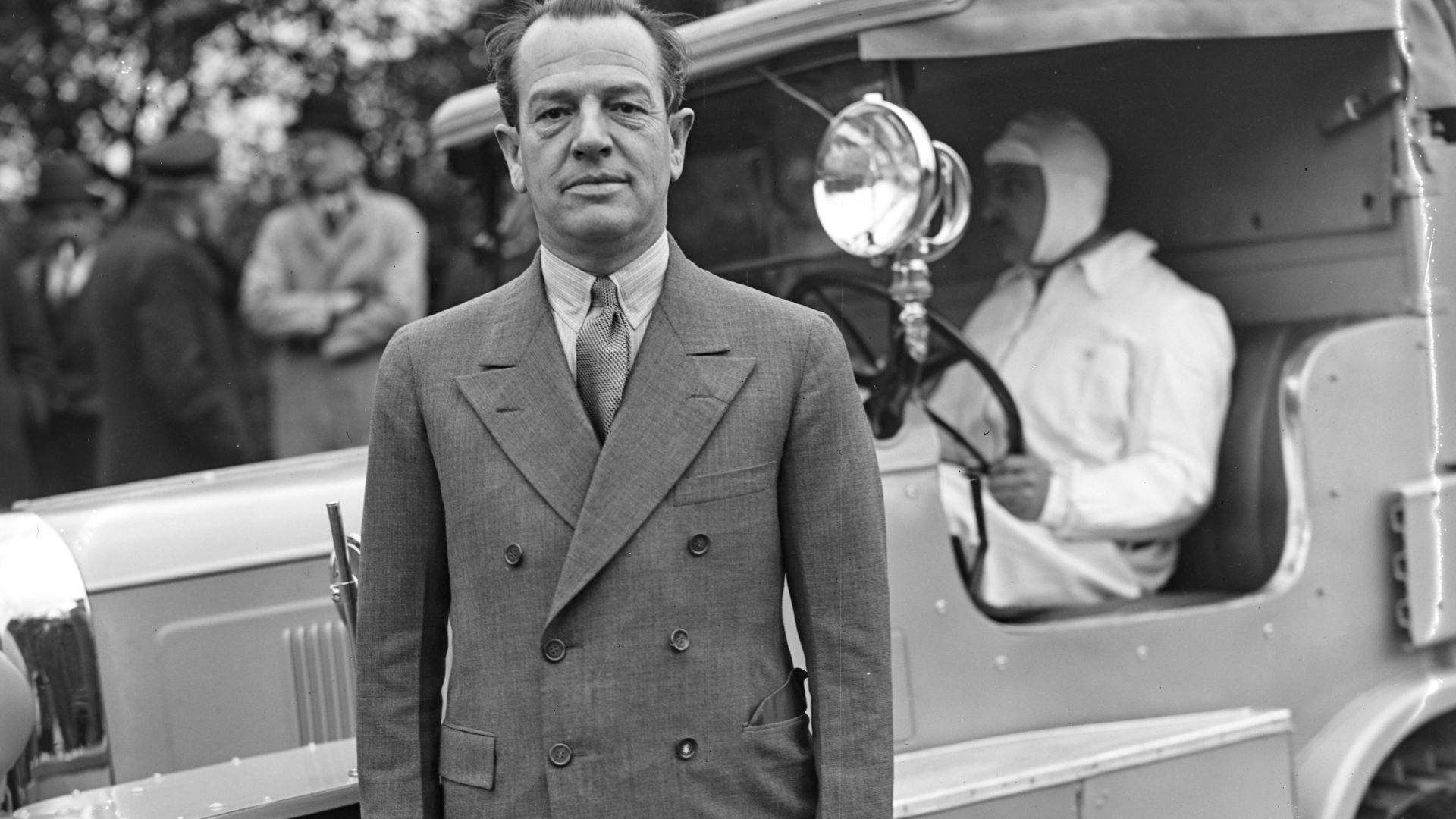 Agence Rol. Agence photographique (commanditaire), Wikimedia Commons
Shirō Ishii
Japanese army doctor Shirō Ishii directed Unit 731, the notorious biological-warfare program that conducted lethal experiments and helped deploy disease against China. Yet Ishii never faced trial for what he had done. American authorities granted him and associates immunity in exchange for information gathered through their biological experiments. He died a free man in 1959.
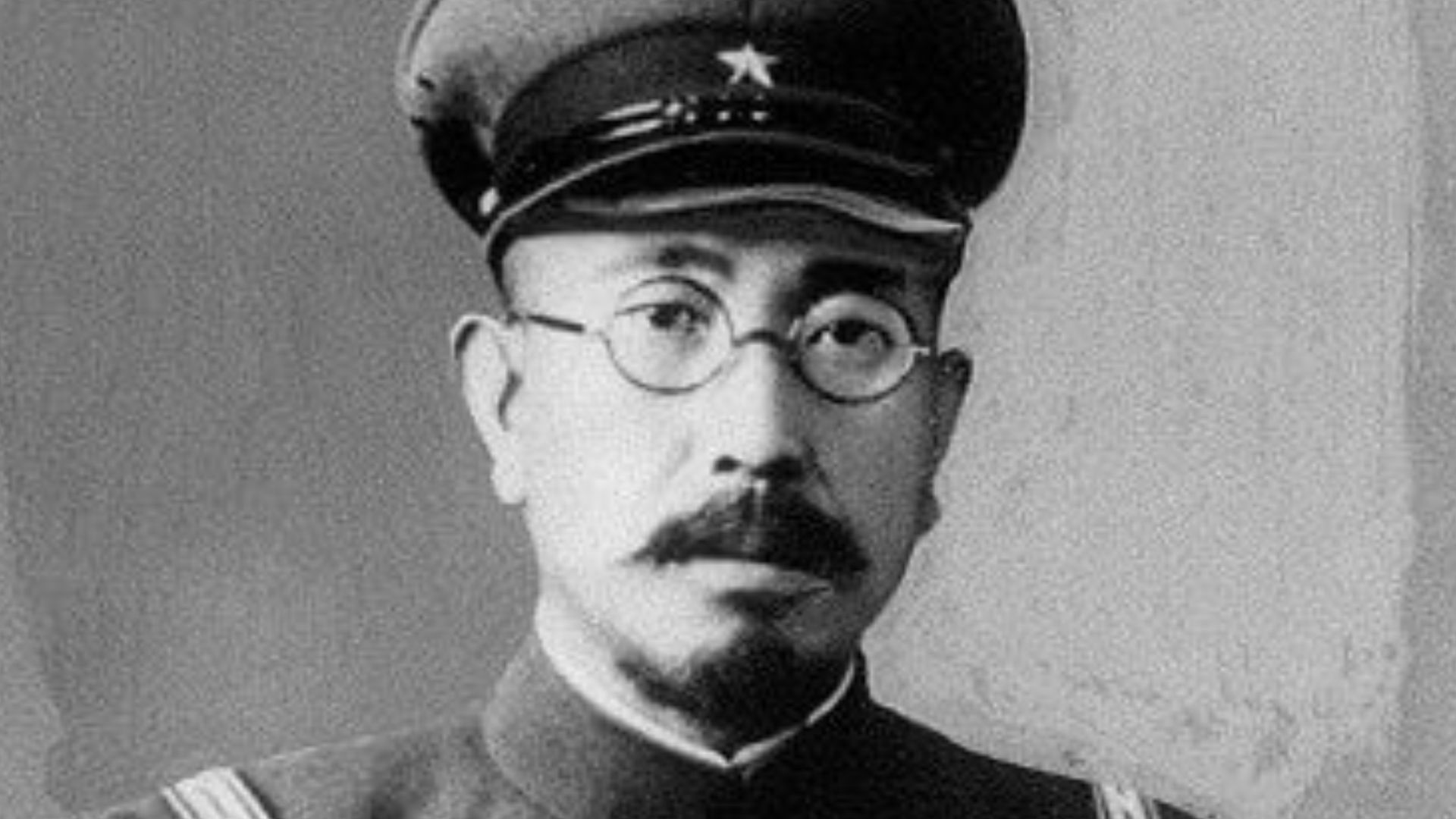 Unknown authorUnknown author, Wikimedia Commons
Pavel Sudoplatov
Pavel Sudoplatov spent decades performing the Soviet Union's dirtiest intelligence work. A senior NKVD operative, he helped organize assassinations and covert operations for Stalin's regime. Most famously, Sudoplatov played a central role in the operation that claimed the life of Leon Trotsky in 1940 in Mexico City.
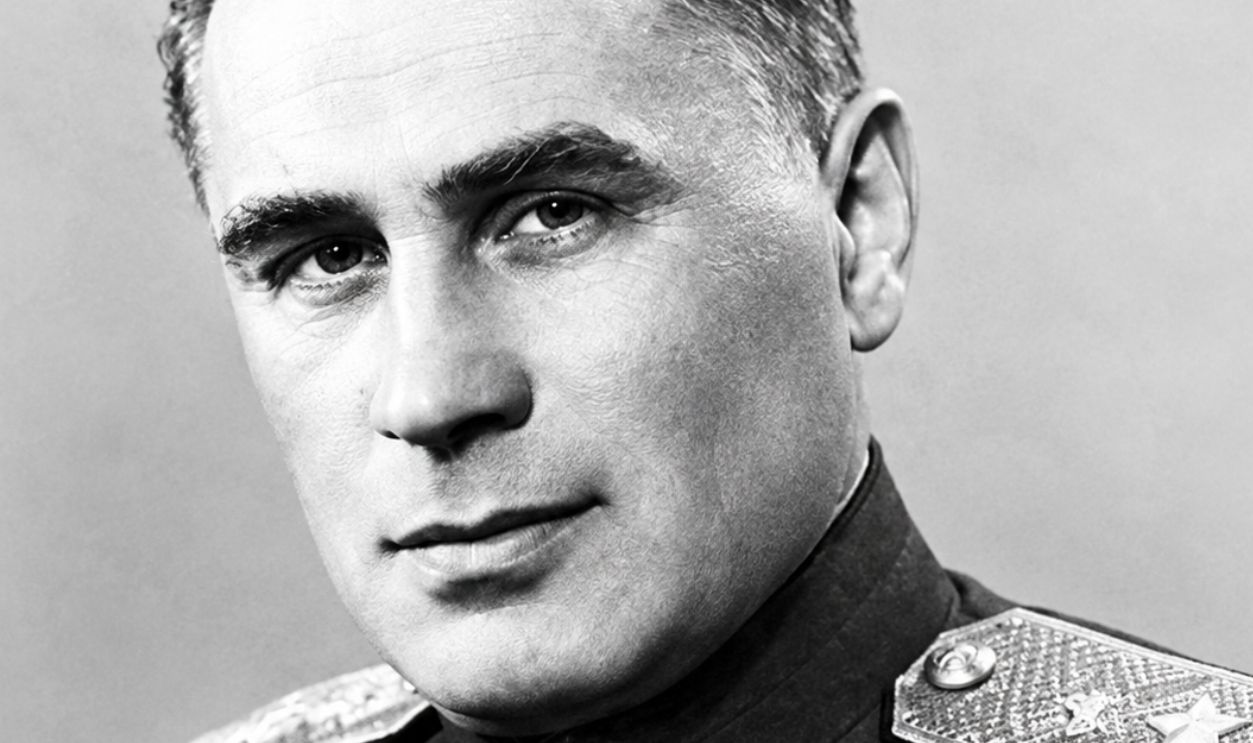 Mil.ru, Wikimedia Commons, enhanced
Reinhard Gehlen
Reinhard Gehlen ran German army intelligence on the Eastern Front, then made himself useful to Germany's former enemies. After WWII, American intelligence employed Gehlen and his extensive network, which included former Nazis and collaborators. His organization eventually became the foundation of West Germany's Federal Intelligence Service.
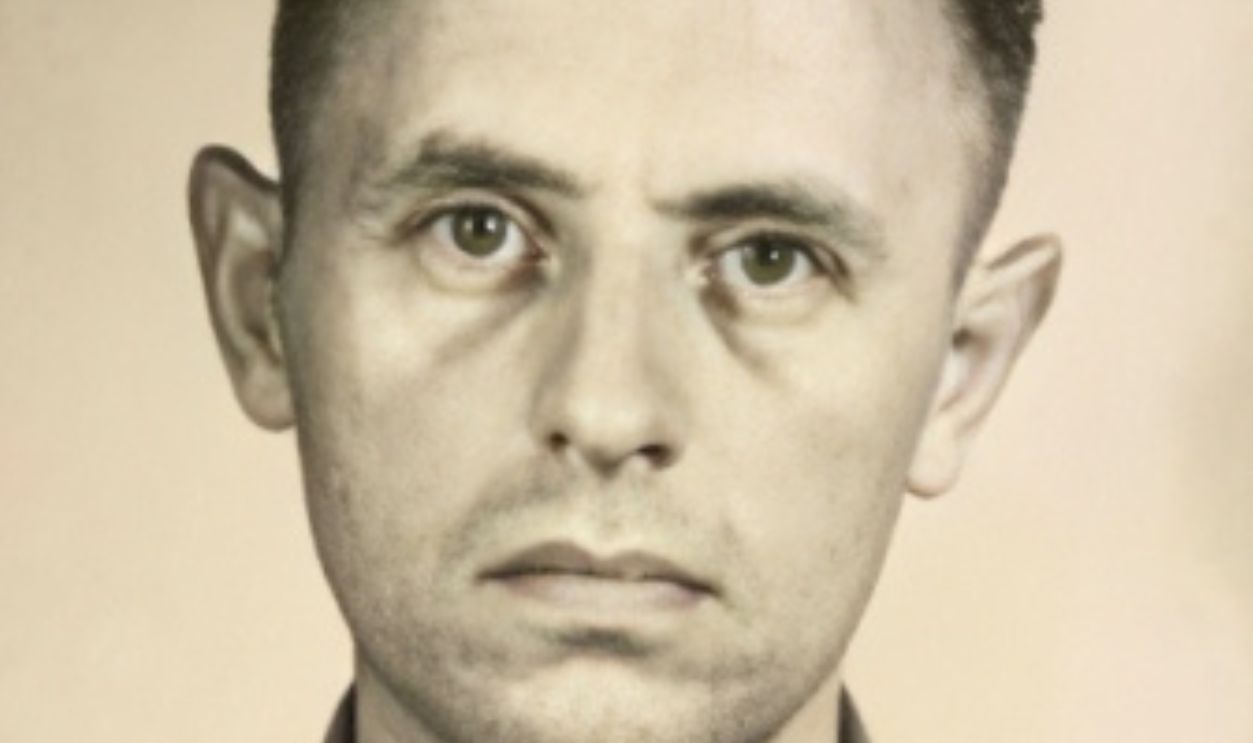 US Army, Signal Corps, Wikimedia Commons, enhanced
Klaus Fuchs
German-born physicist Klaus Fuchs escaped the Third Reich, became a British citizen and joined the Manhattan Project. There was one enormous problem: he was secretly passing atomic information to the Soviet Union. Fuchs' espionage gave Moscow valuable information about Western nuclear research before he was finally exposed and convicted in Britain in 1950.
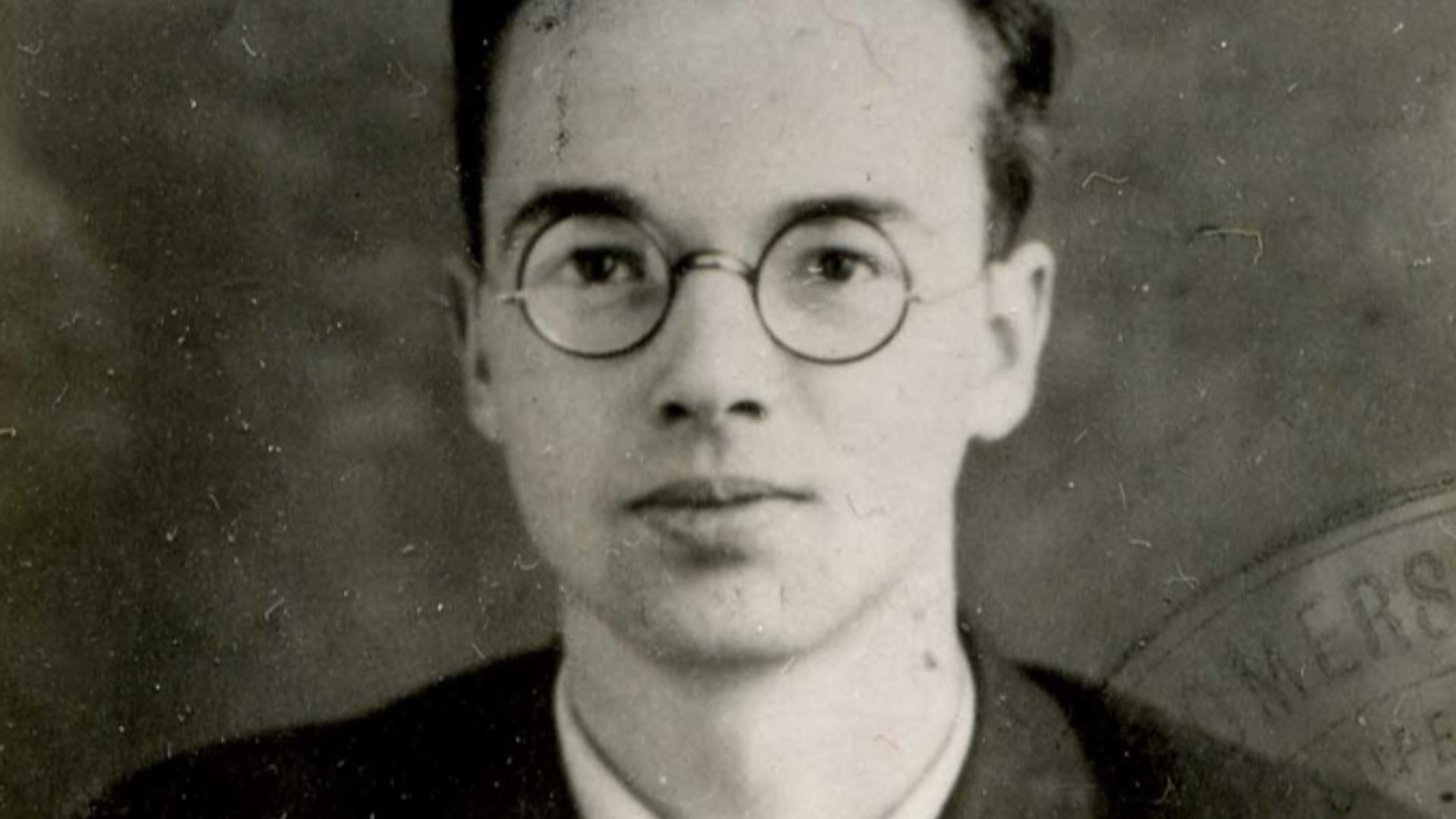 The National Archives UK, Wikimedia Commons
Otto Skorzeny
Otto Skorzeny became one of Germany's most celebrated commandos after participating in the dramatic rescue of Benito Mussolini. He later commanded German infiltrators during the Battle of the Bulge. Skorzeny survived the war, escaped internment and eventually settled comfortably in Francisco Franco's Spain.
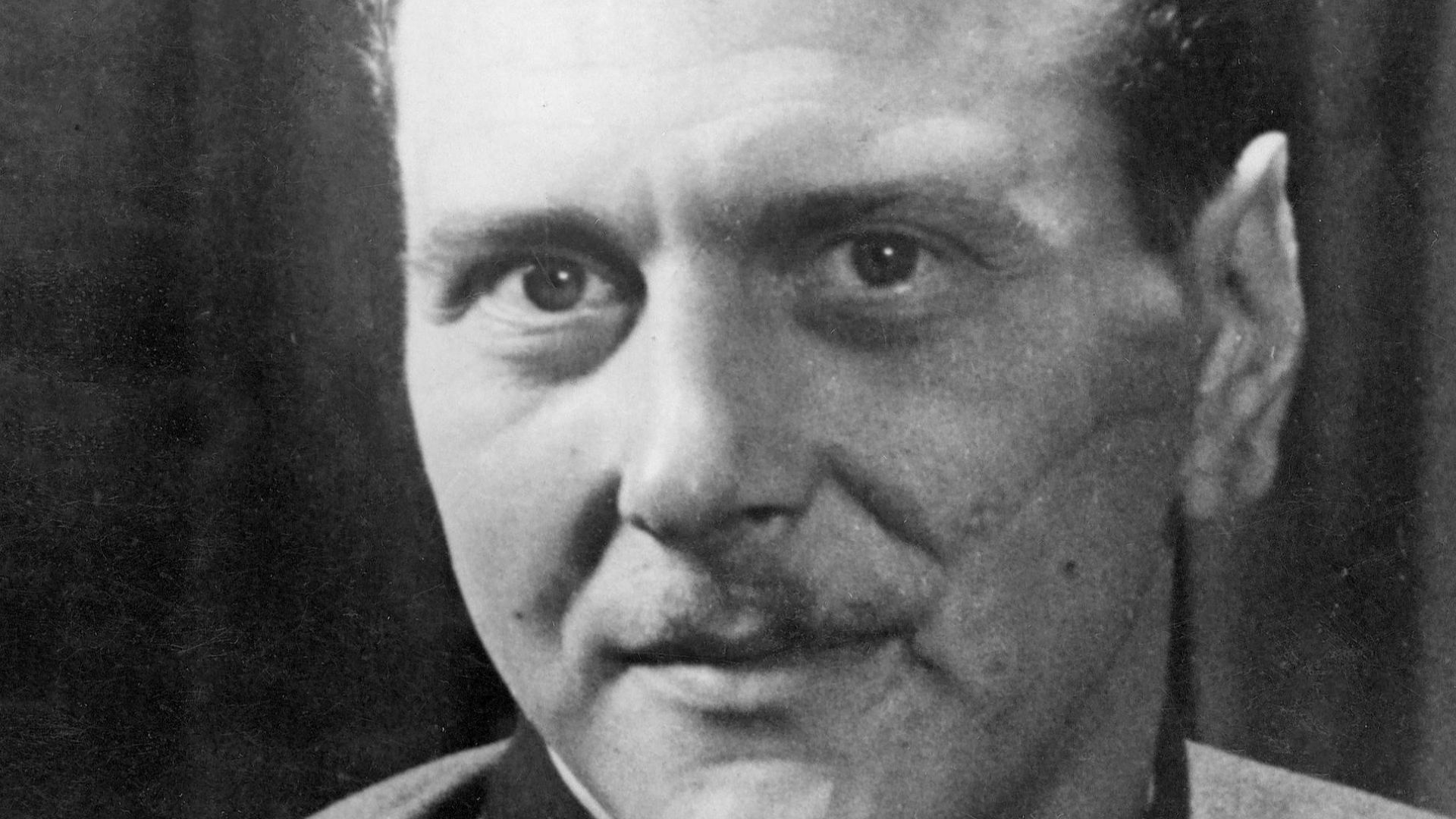 Unknown authorUnknown author, Wikimedia Commons
Sayyid Qutb
Egyptian writer Sayyid Qutb began as a literary critic and educator before becoming one of the twentieth century's most influential Islamist thinkers. His later writings advocated revolutionary transformation and profoundly influenced subsequent militant movements. Ayman al-Zawahiri, who eventually led al-Qaeda, was among those deeply affected by Qutb's legacy.
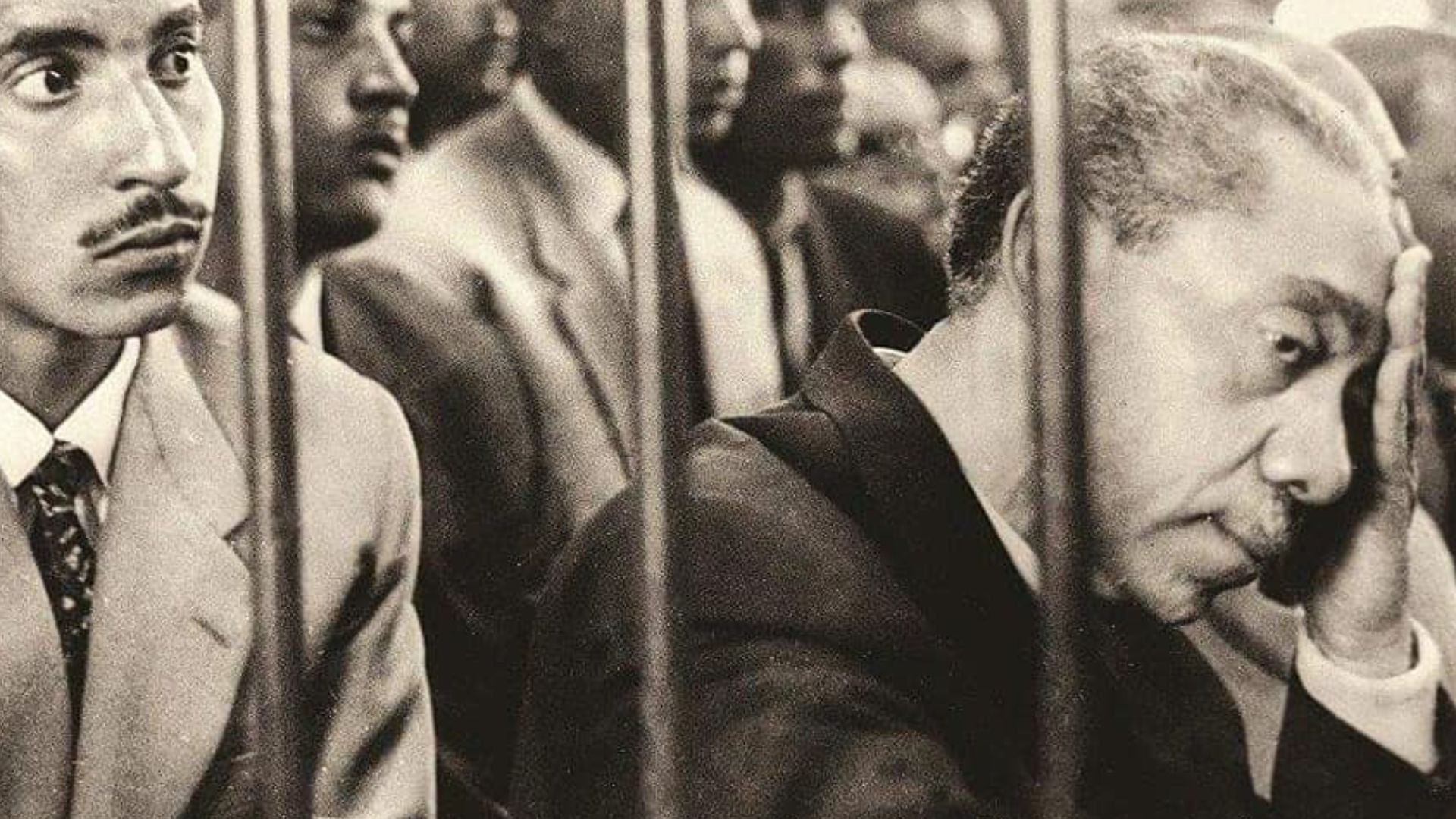 Unknown authorUnknown author, Wikimedia Commons
Mohamed Oufkir
General Mohamed Oufkir became one of Morocco's most powerful men under King Hassan II, serving as interior and defense minister and developing a fearsome reputation. In 1972, he was accused of masterminding an attempt to shoot down the king's aircraft. Oufkir died immediately afterward under circumstances that remain disputed.
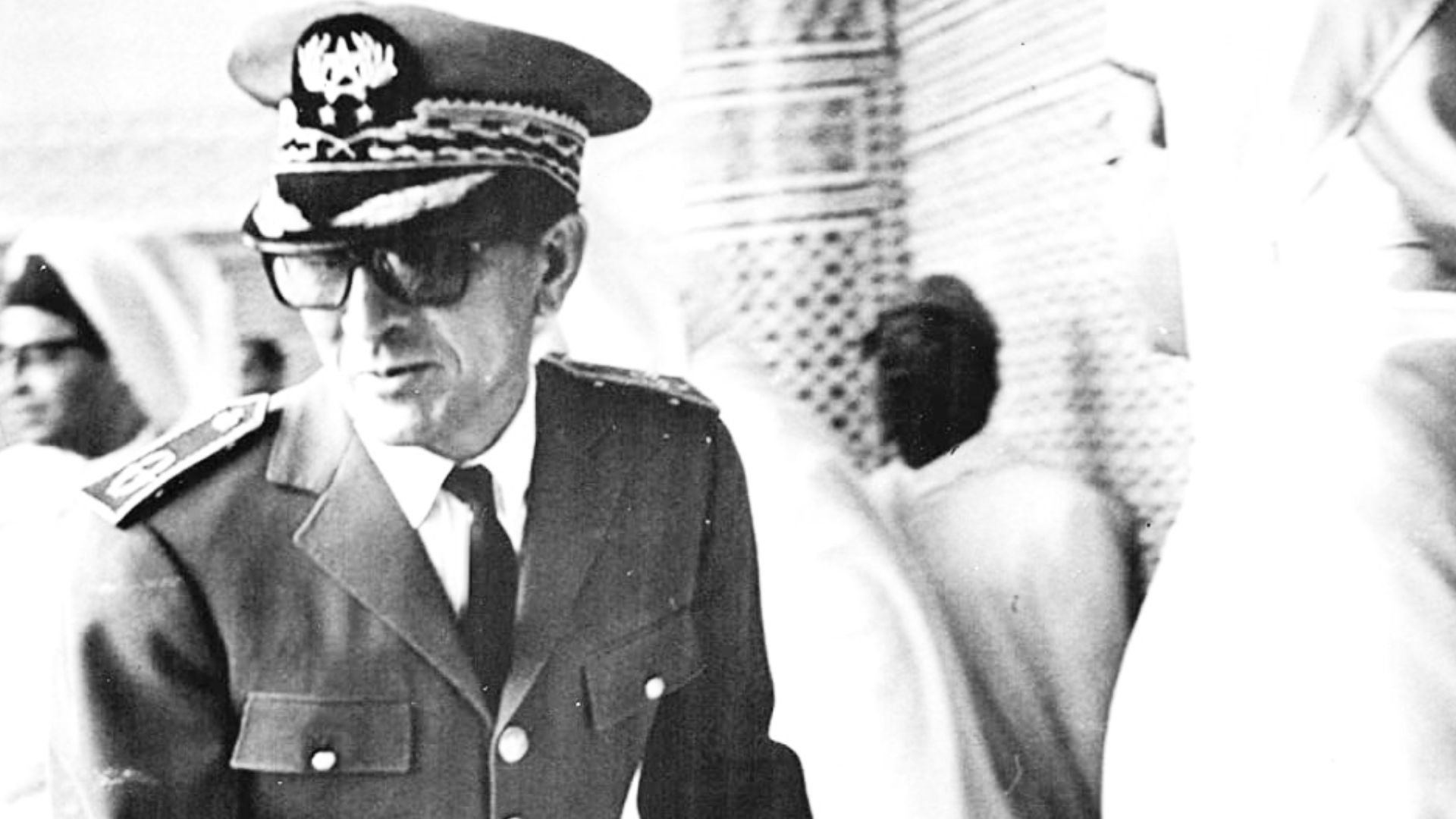 Associated Press, Wikimedia Commons
Bob Denard
Bob Denard was essentially a professional coup maker. The French mercenary fought across postcolonial Africa and became particularly influential in the Comoros, participating in repeated coups and eventually commanding the presidential guard. In 1995, an aging Denard tried one last takeover before French troops intervened.
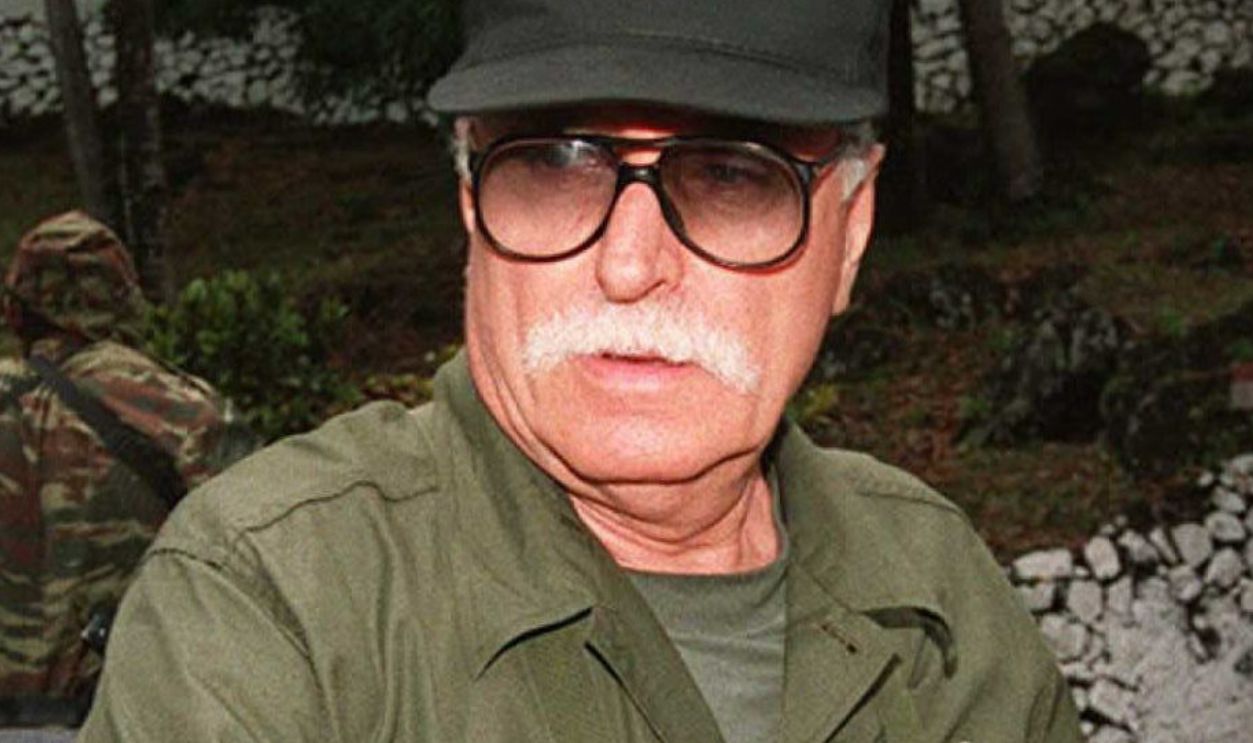
Hissène Habré
Hissène Habré ruled Chad from 1982 until 1990 with American and French support, largely because Western governments viewed him as a counterweight to Libya's Muammar Gaddafi. His regime carried out widespread political killings, torture and arbitrary imprisonment. Decades later, Habré was eventually put on trial for his actions and convicted. He lived out the rest of his days behind bars in Senegal.
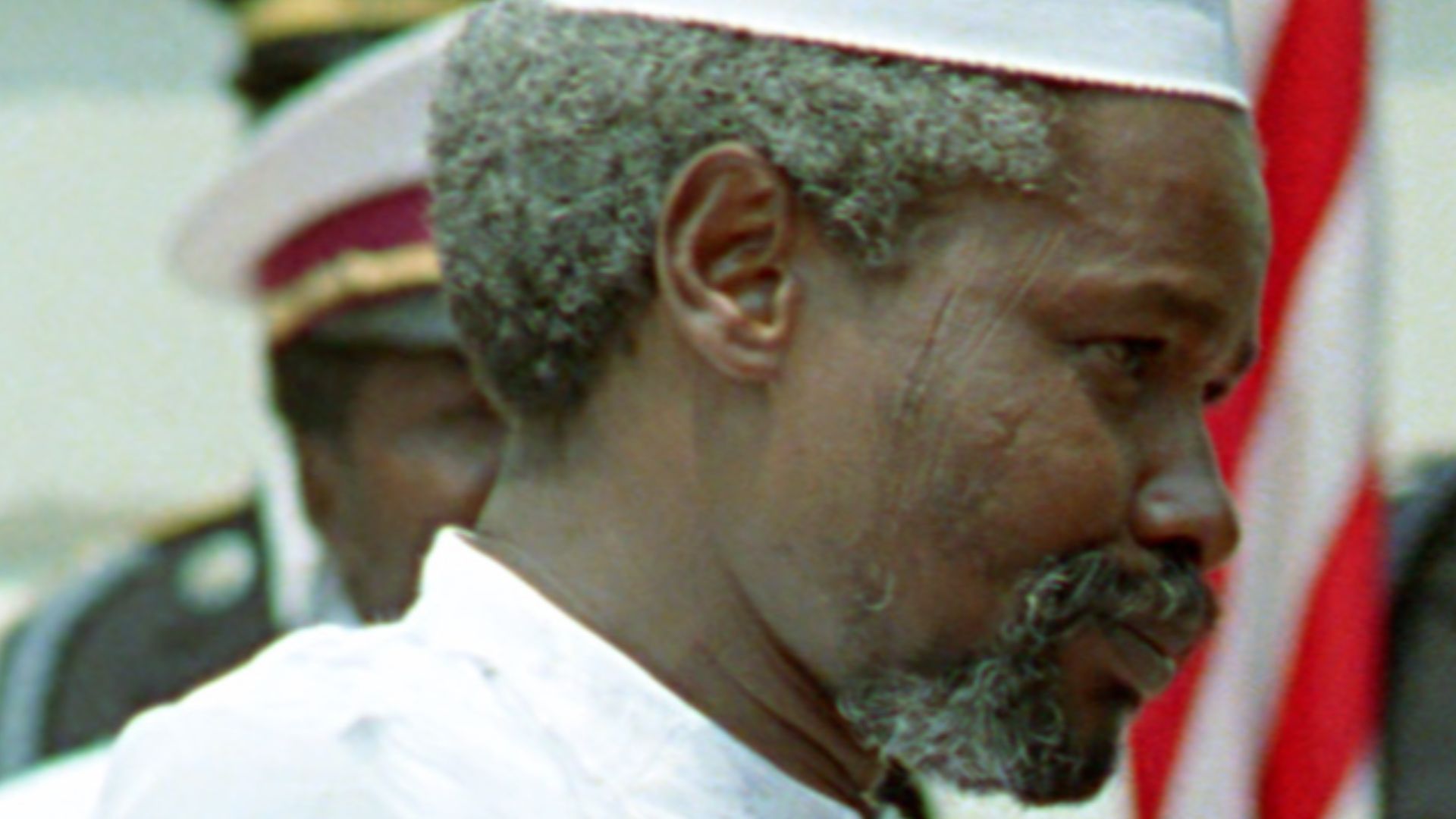
Adnan Khashoggi
Saudi businessman Adnan Khashoggi became fabulously wealthy arranging international arms deals and connecting governments, intelligence officials and weapons manufacturers. His extraordinary web of contacts eventually intersected with the Iran-Contra affair, where he helped arrange financing for the secret sale of American weapons to Iran.
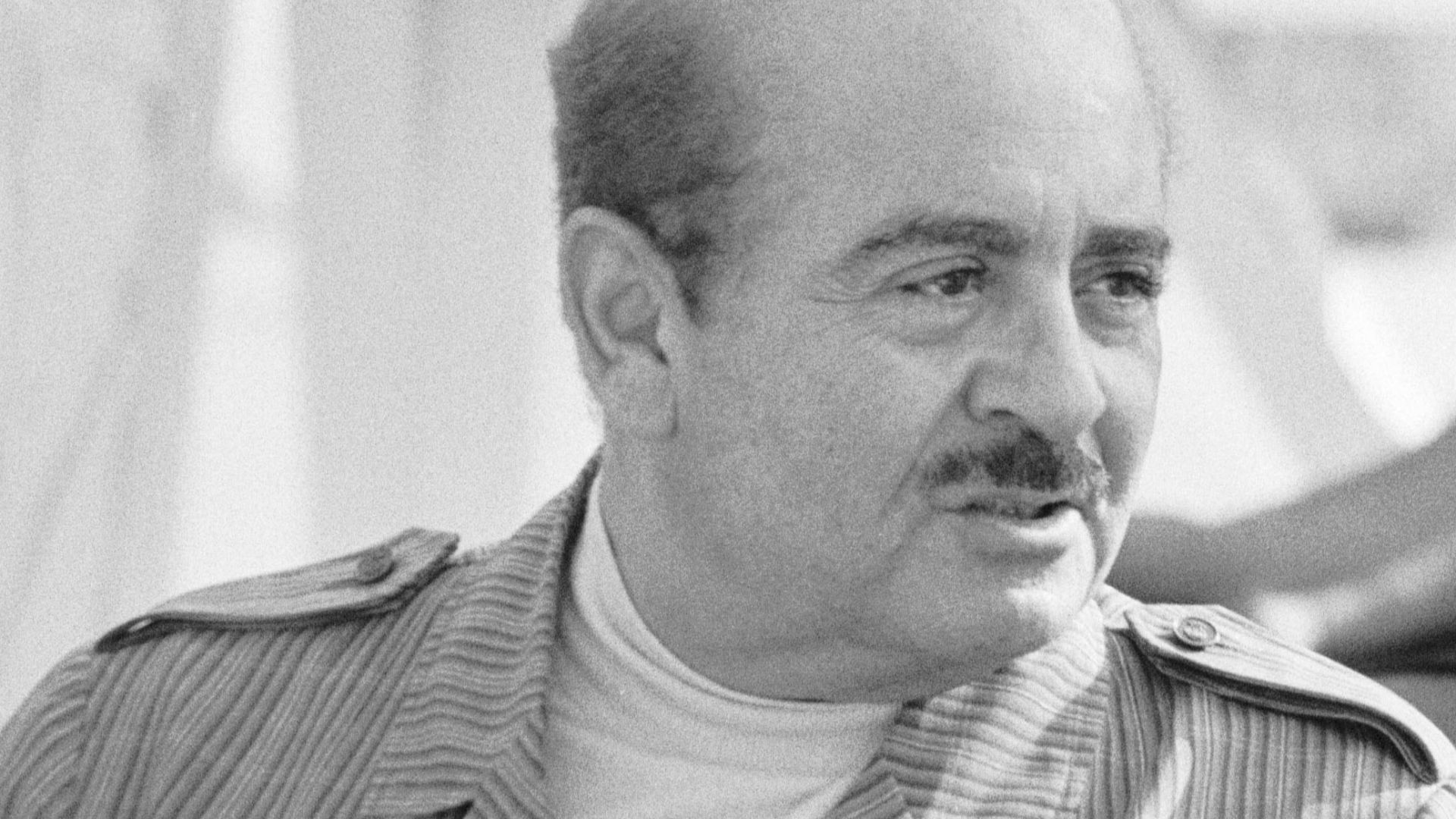 Roland Godefroy, Wikimedia Commons
Gerald Bull
Canadian engineer Gerald Bull dreamed of using enormous artillery pieces to launch objects into space. That obsession eventually brought him to Saddam Hussein's Iraq, where Bull worked on Project Babylon, an enormous "supergun." In March 1990, Bull was gunned down outside his Brussels apartment, and Project Babylon soon collapsed.
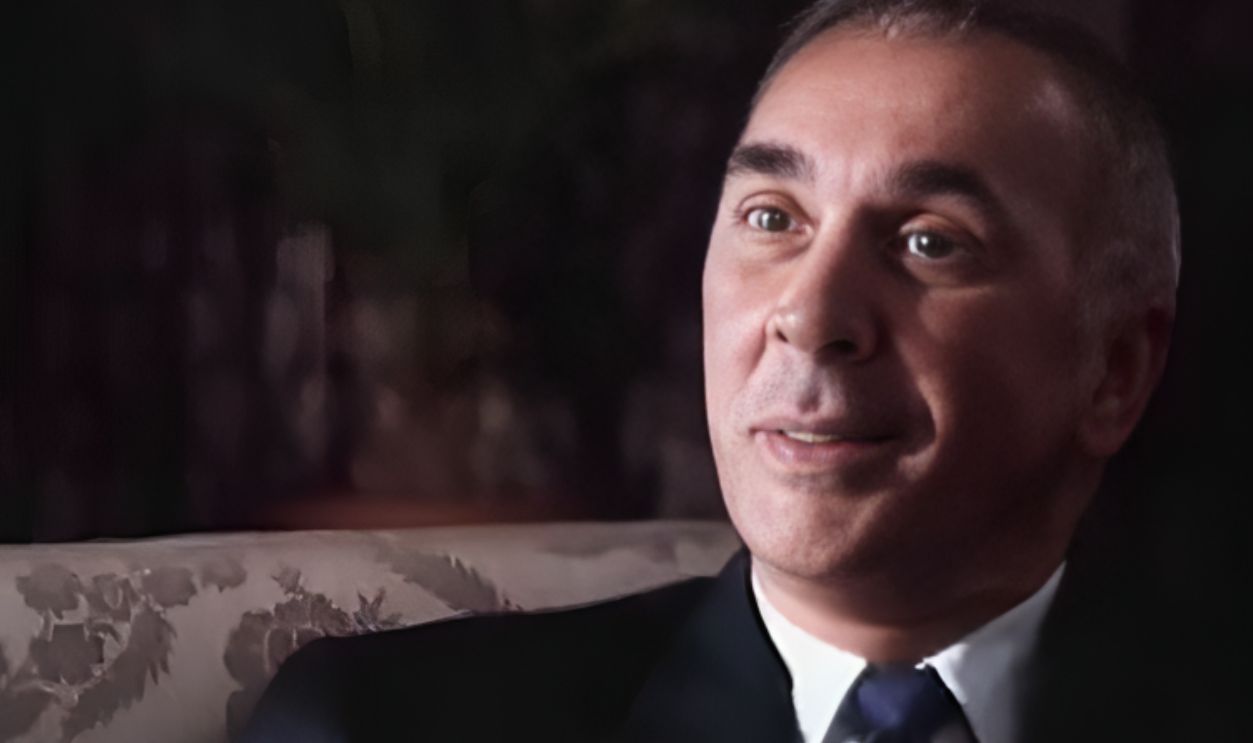 Screenshot from Doomsday Gun, Warner Bros. Discovery (1994), enhanced
A.Q. Khan
Abdul Qadeer Khan became a national hero in Pakistan for his role in developing the country's nuclear capability. Less publicly, he constructed an extraordinary international procurement network that evolved into a nuclear black market, supplying technology or expertise to Iran, Libya and North Korea before the network was exposed.
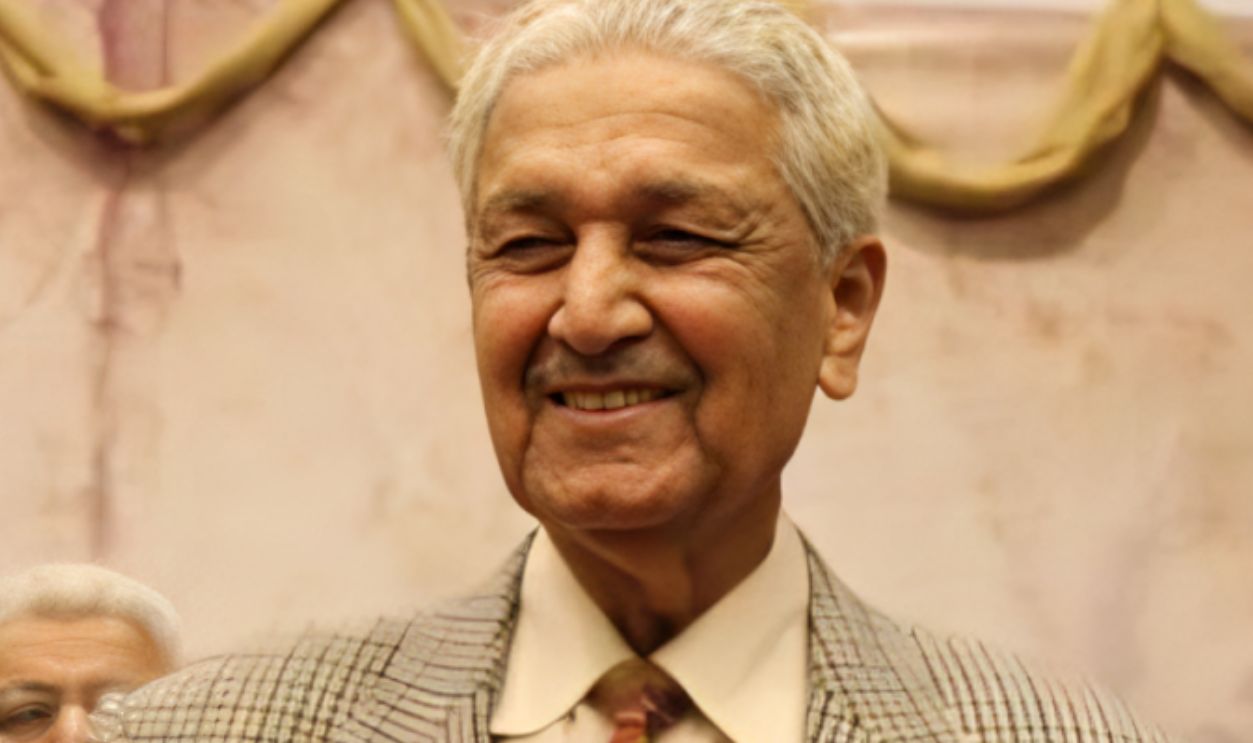 Waiza Rafique, Wikimedia Commons, enhanced
Wouter Basson
Cardiologist Wouter Basson led Project Coast, apartheid South Africa's secret chemical and biological warfare program. The country's Truth and Reconciliation Commission later examined research involving toxins, biological agents and substances intended for crowd control. Basson's combination of respectable physician and clandestine weapons scientist earned him the unsettling nickname "Dr. Death."
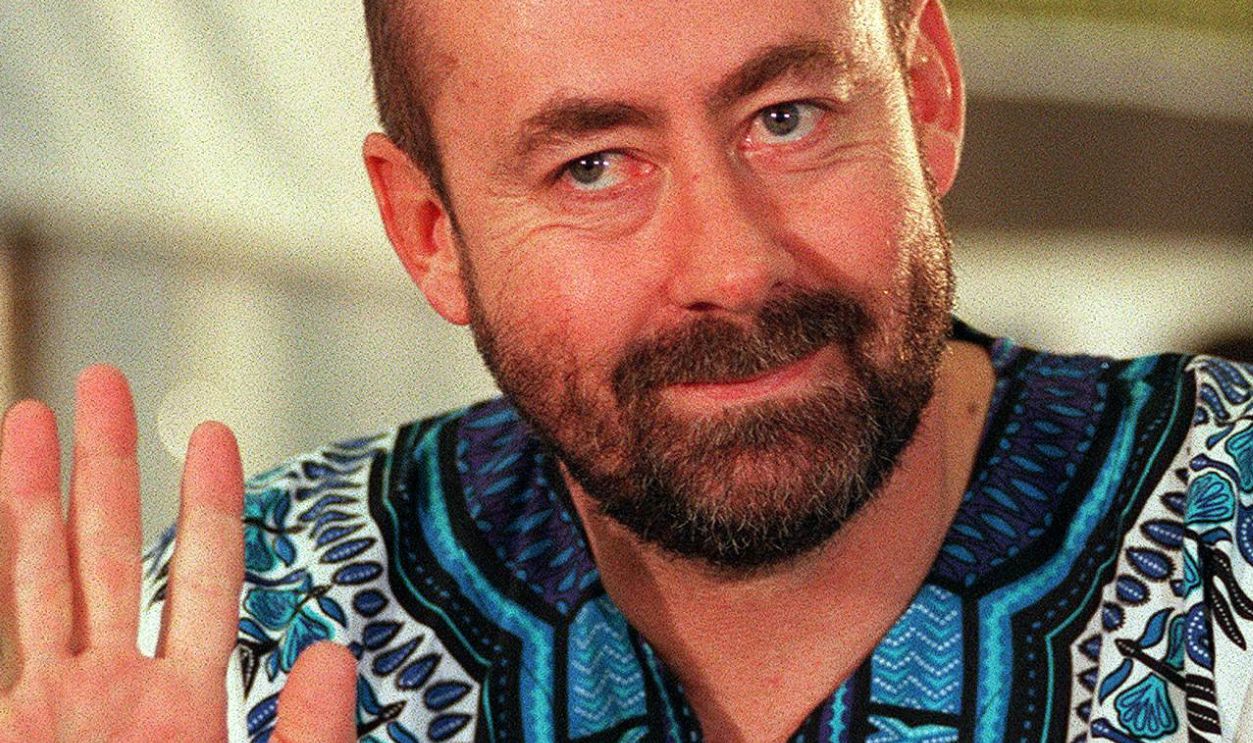
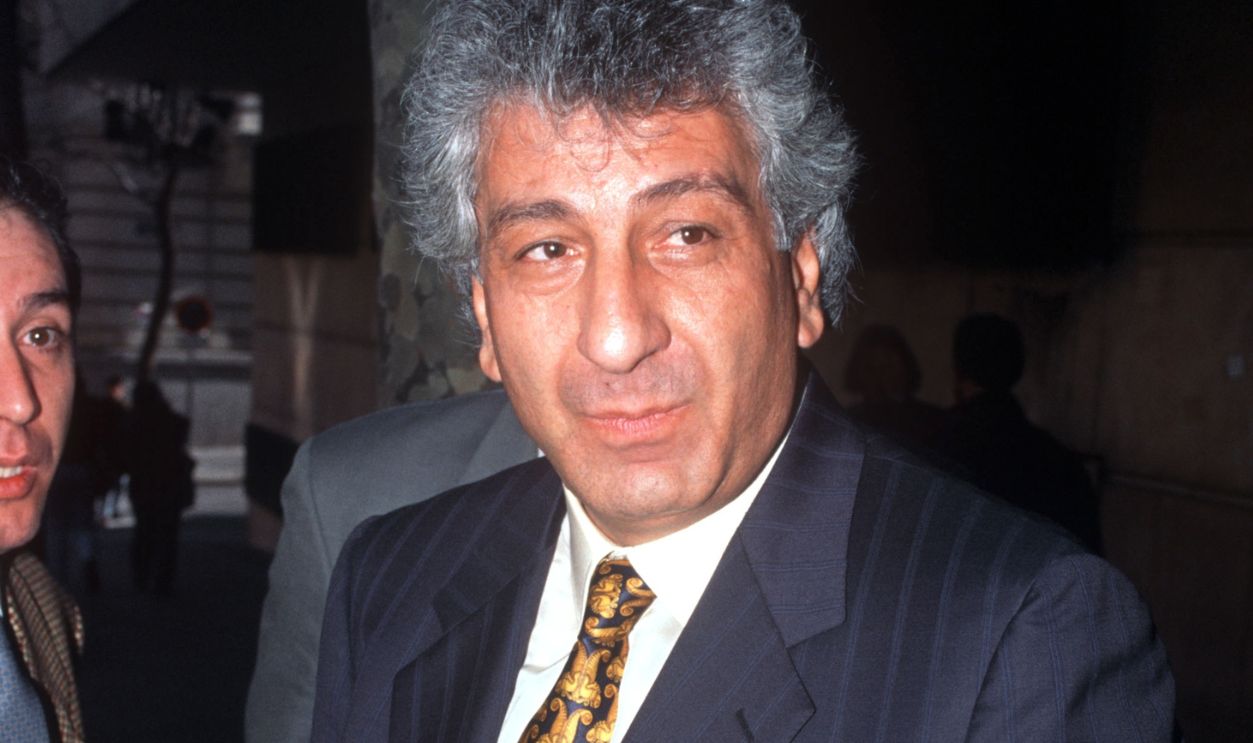
Monzer Al-Kassar
For decades, Syrian-born Monzer al-Kassar operated as an international arms dealer from Europe. His career finally unraveled when undercover American agents posed as buyers for Colombian guerrillas. Kassar agreed to supply millions of dollars in weapons, including surface-to-air missiles and explosives, and was eventually convicted in U.S. federal court.
You May Also Like:
Deranged Facts About Phil Spector, Music’s Evil Villain
Bureaucrats Who Enabled Some Of History's Worst Injustices
Nefarious Facts About Villains The World Wanted Us To Forget
Sources: 1, 2, 3, 4, 5, 6, 7, 8, 9, 10, 11, 12, 13, 14, 15, 16, 17, 18, 19, 20