The Race Across The Atlantic
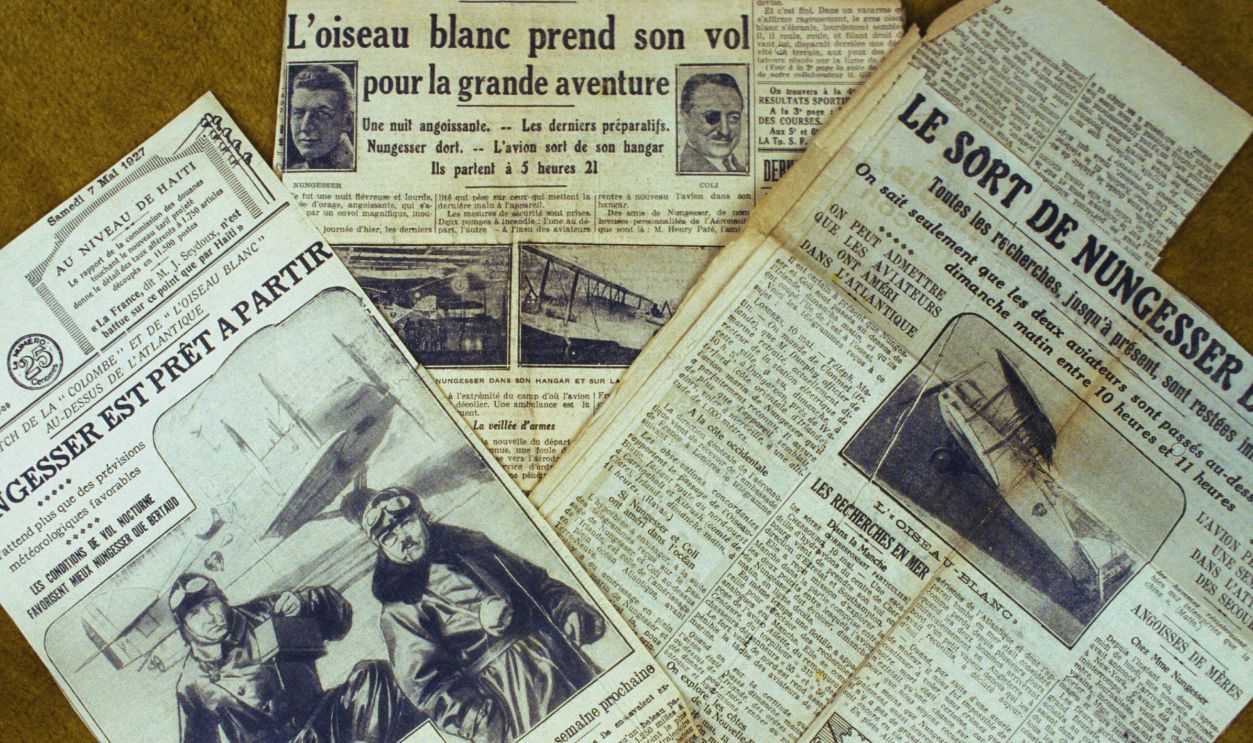
In 1927, the world was captivated by the race to achieve the first nonstop flight across the Atlantic from New York to Paris. Two weeks before Charles Lindbergh accomplished the feat, French war hero Charles Nungesser and his navigator François Coli vanished during their own attempt to fly from Paris to New York, leaving behind one of aviation’s greatest mysteries.
 Keystone/Hulton Archive/Getty Images
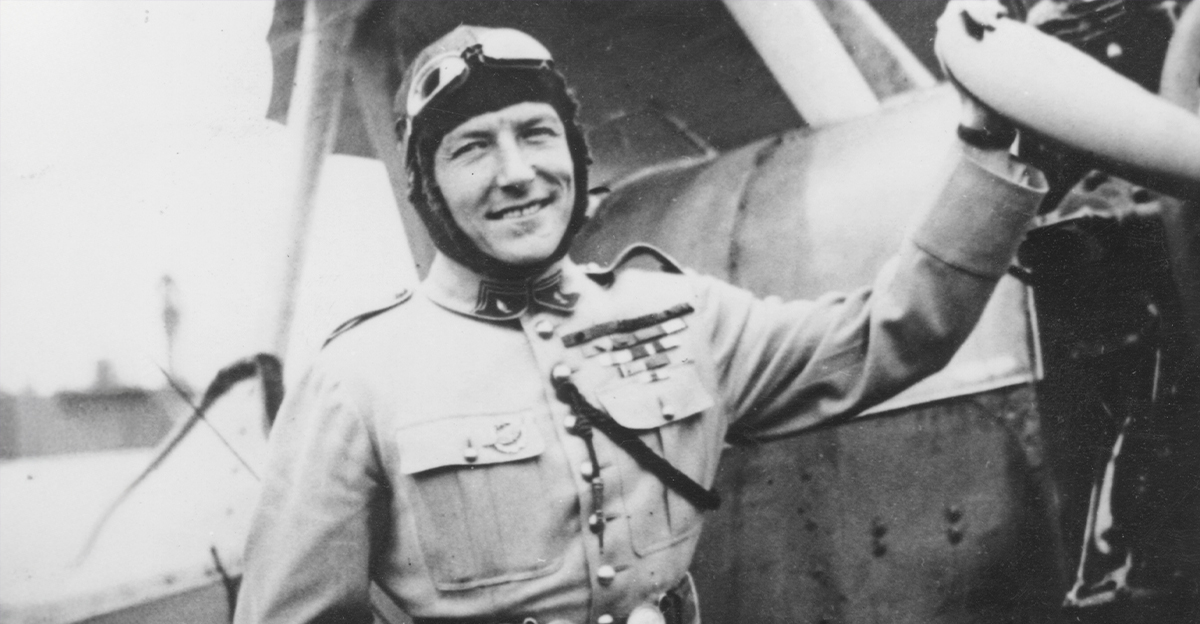
Who Was Charles Nungesser?
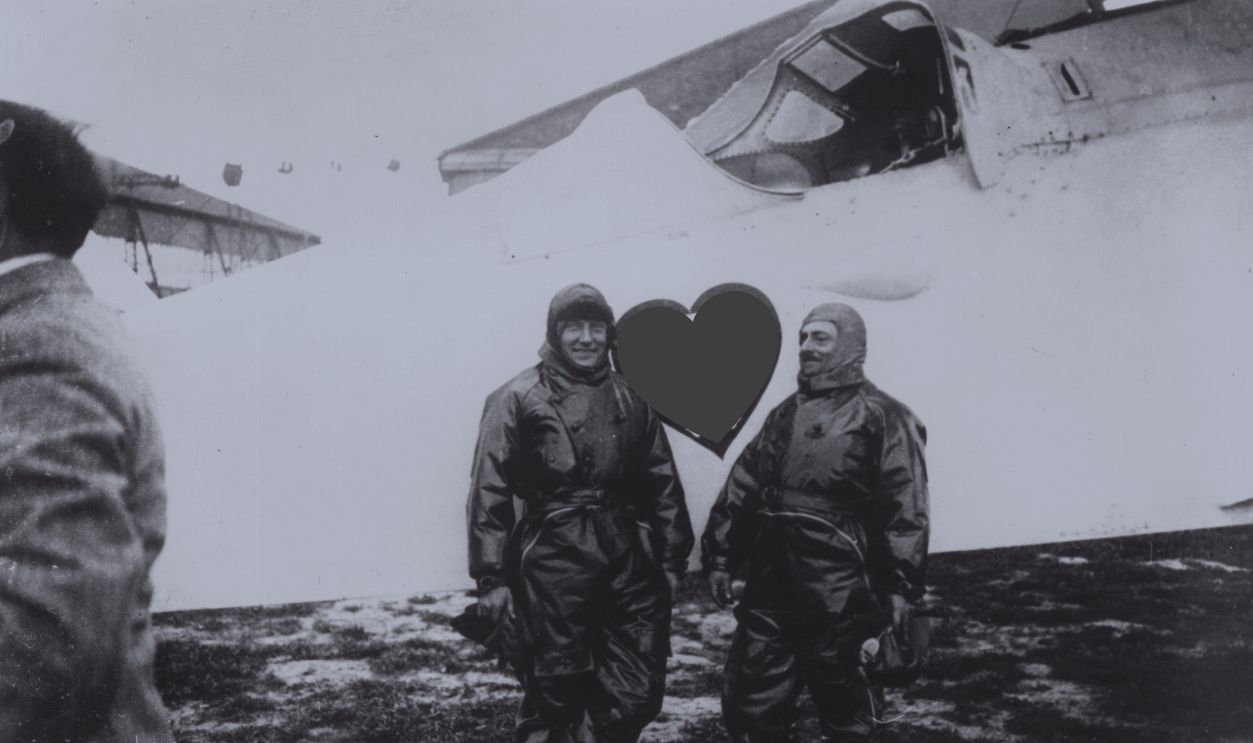
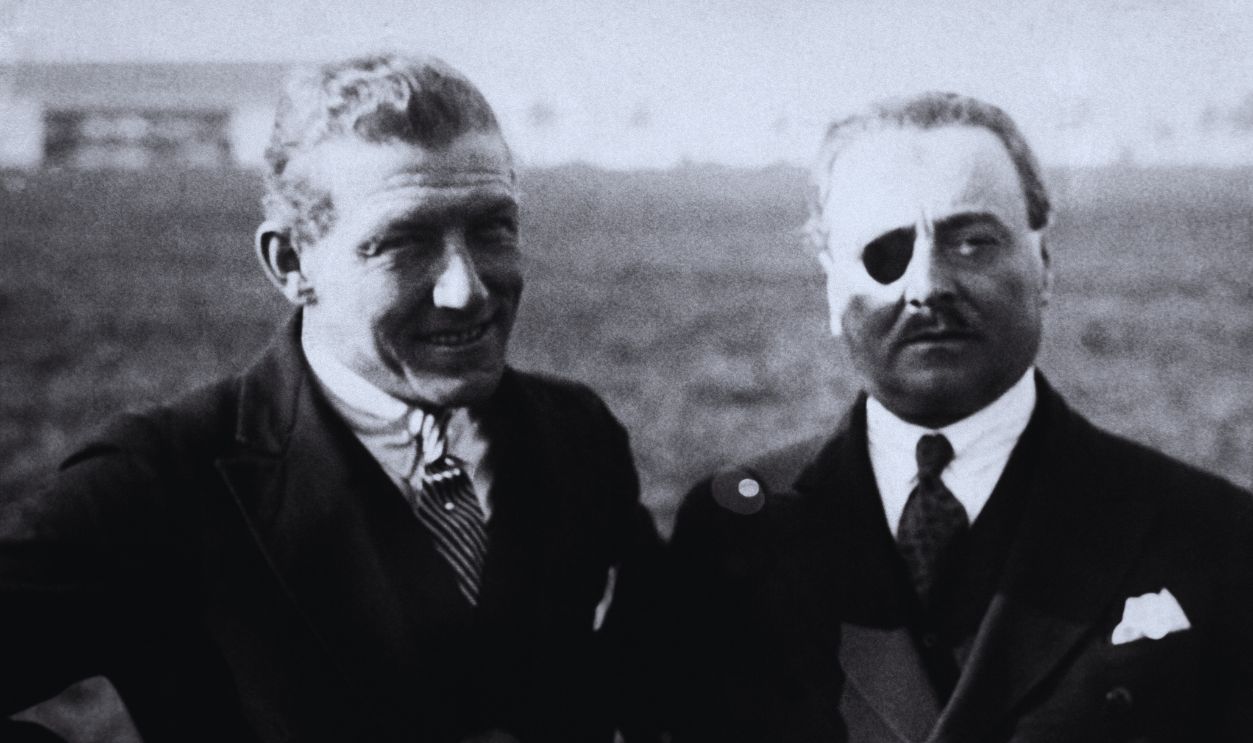
Born in Paris in 1892, Nungesser became a legendary WWI flying ace, credited with 43 victories and countless daring escapes. Known for his flamboyant personality and boundless courage, he was among France’s most decorated pilots and a symbol of the country’s postwar era.
 Agence de presse Meurisse, Wikimedia Commons
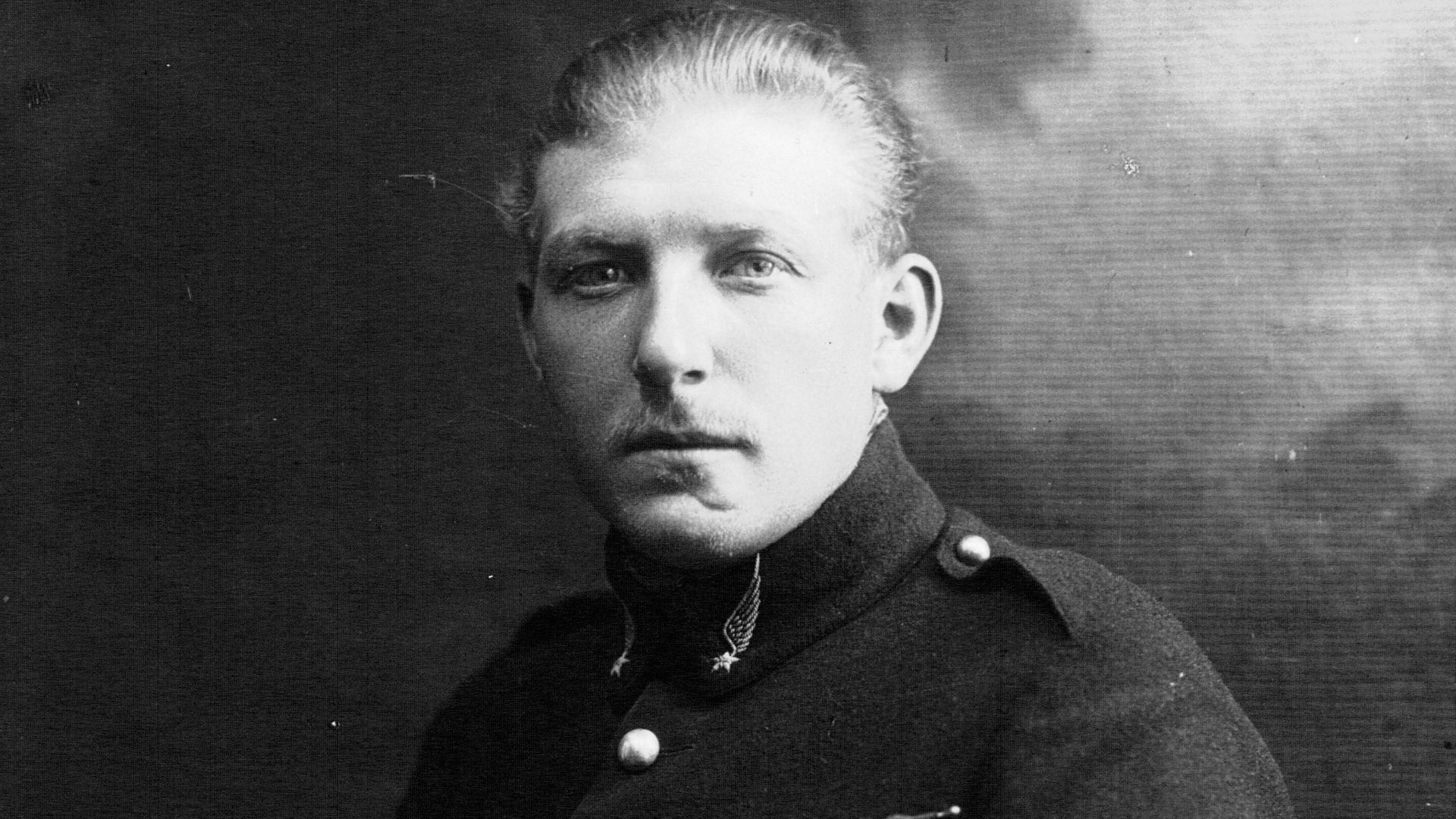
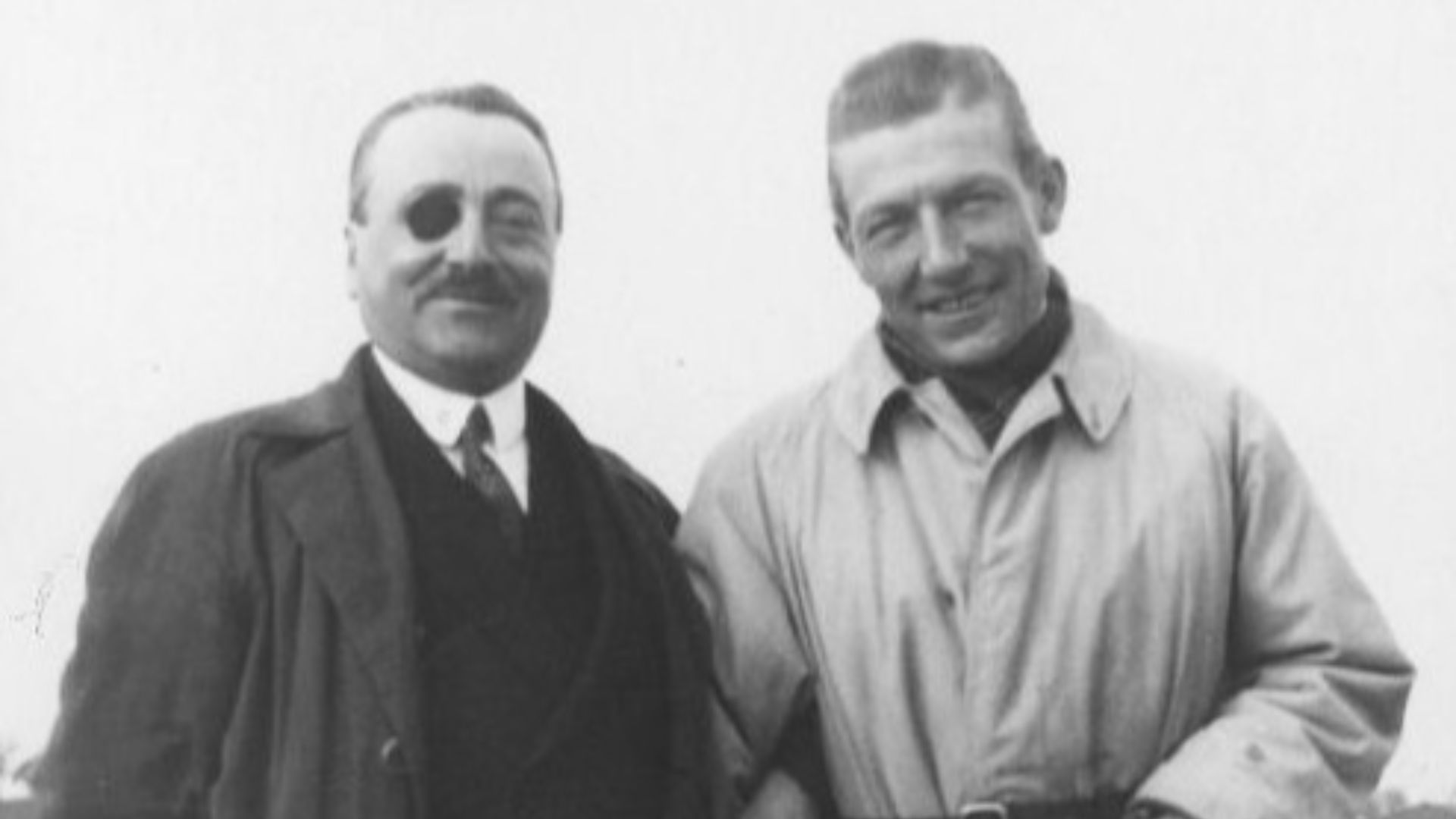
François Coli: The Navigator
Coli, a skilled aviator and navigator, had already set records flying long-distance routes over the Mediterranean. After his original partner was injured, Coli joined Nungesser for the Paris–New York attempt. His navigational expertise was a key component of their ambitious plan.
 Unknown authorUnknown author, Wikimedia Commons
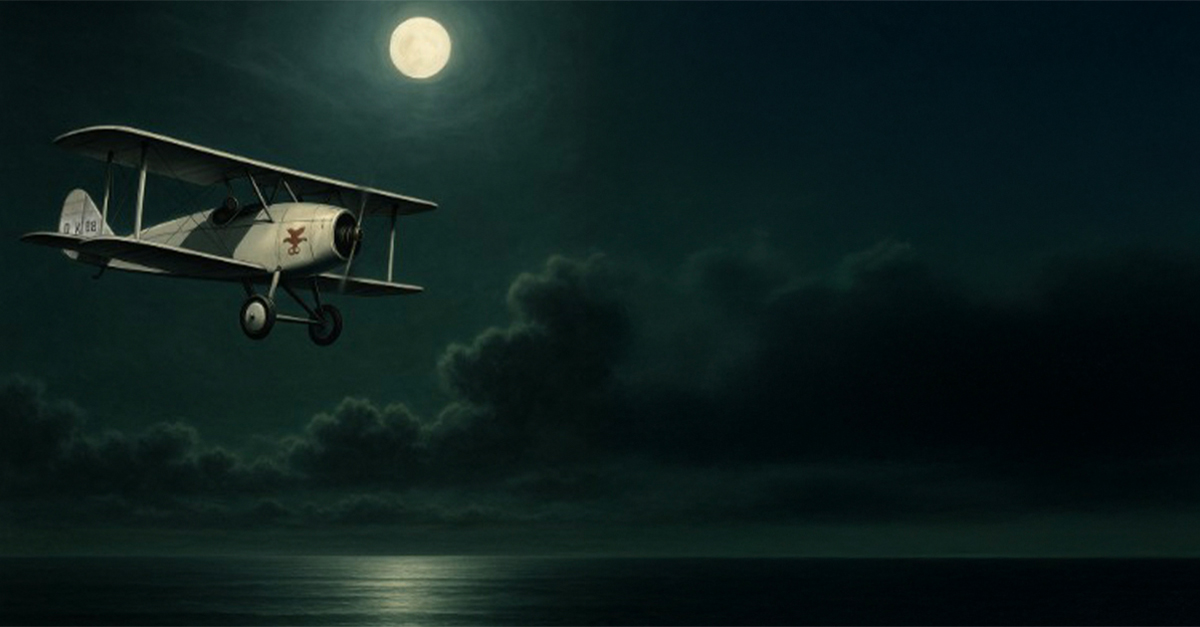
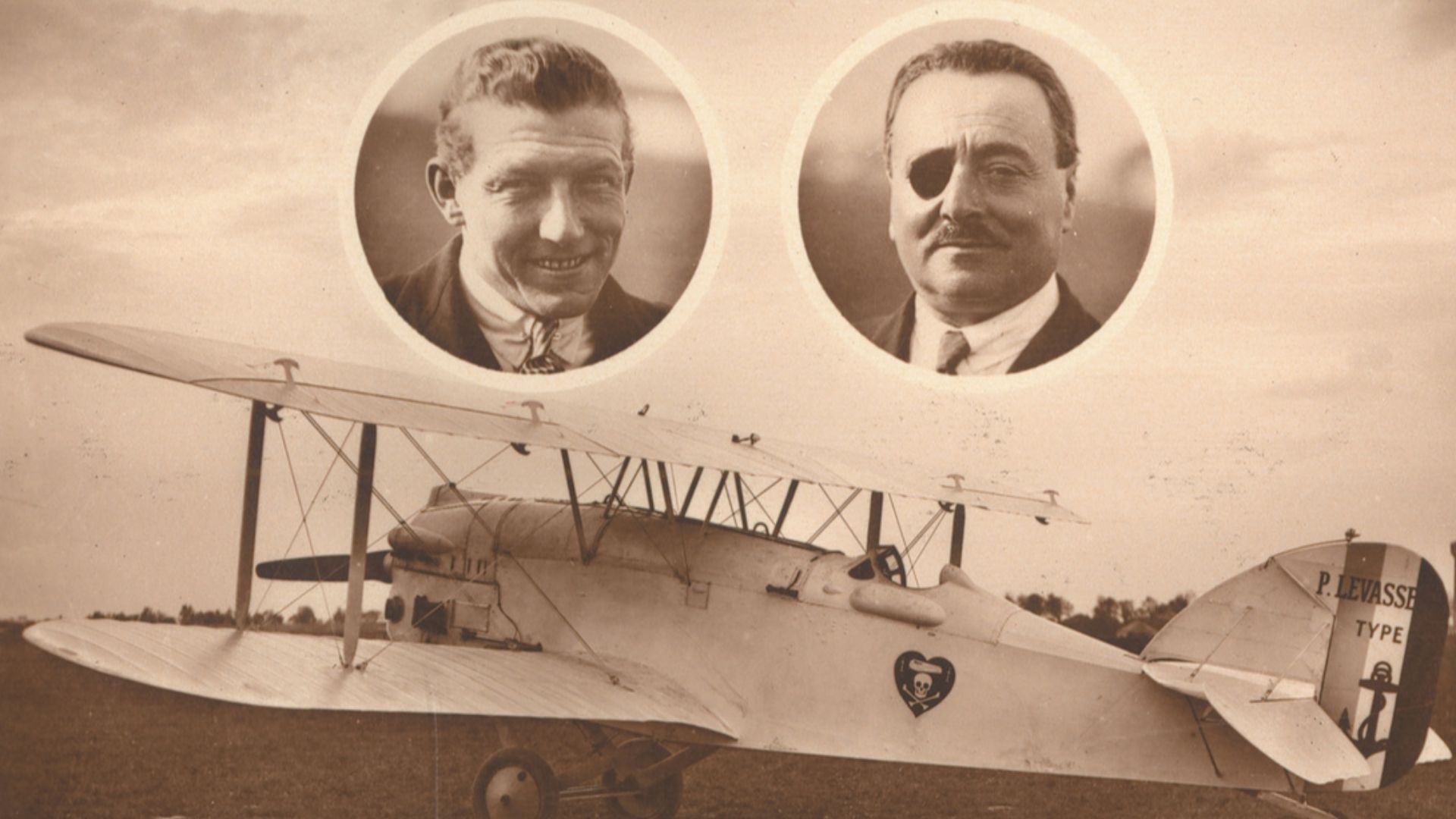
The Aircraft: L’Oiseau Blanc
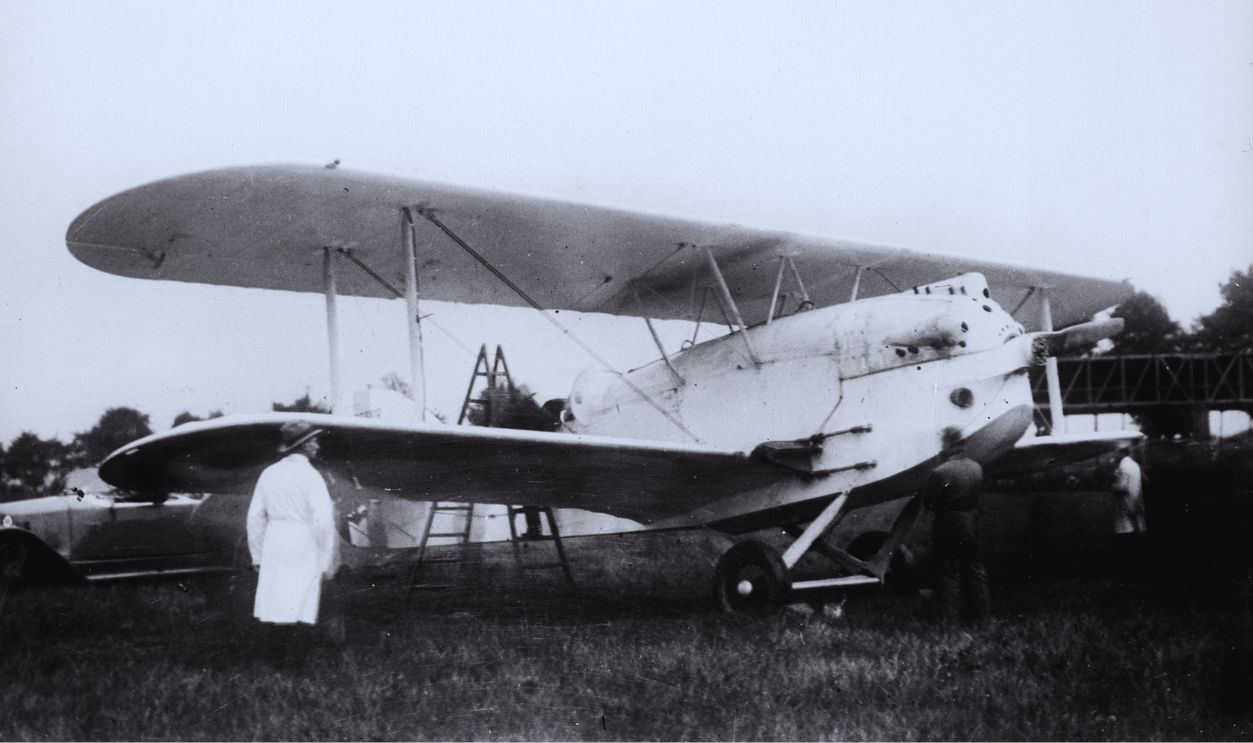
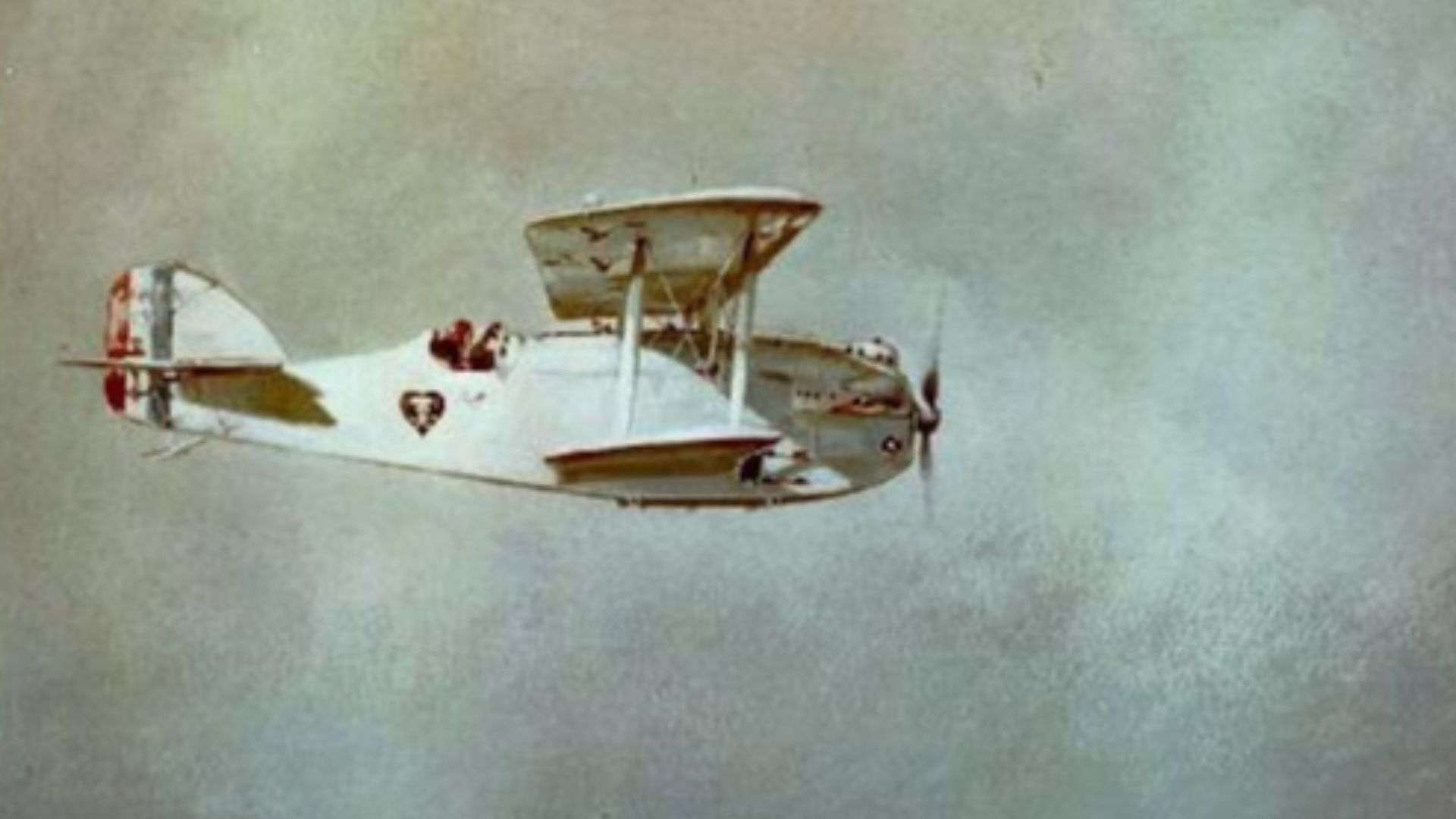
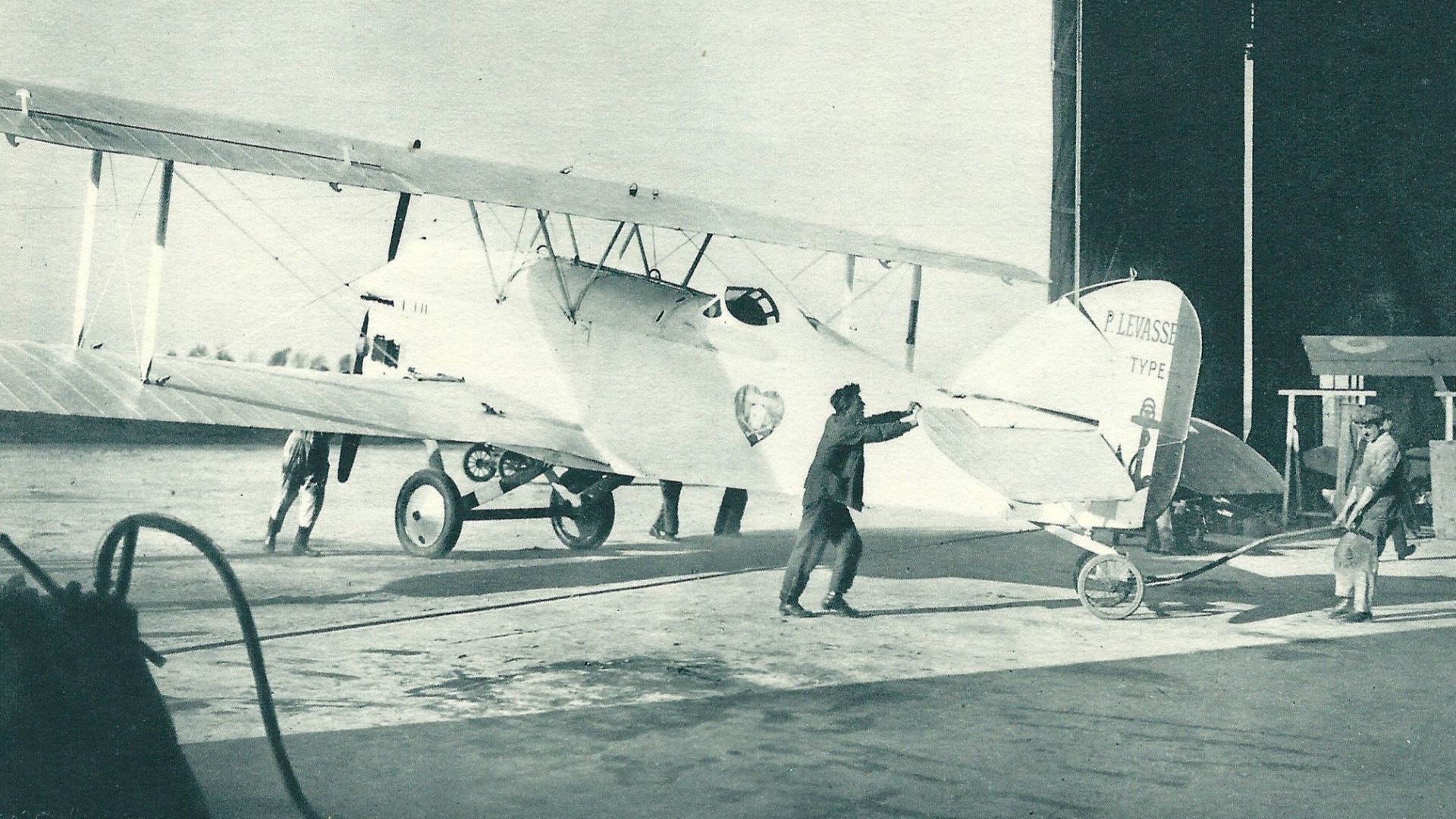
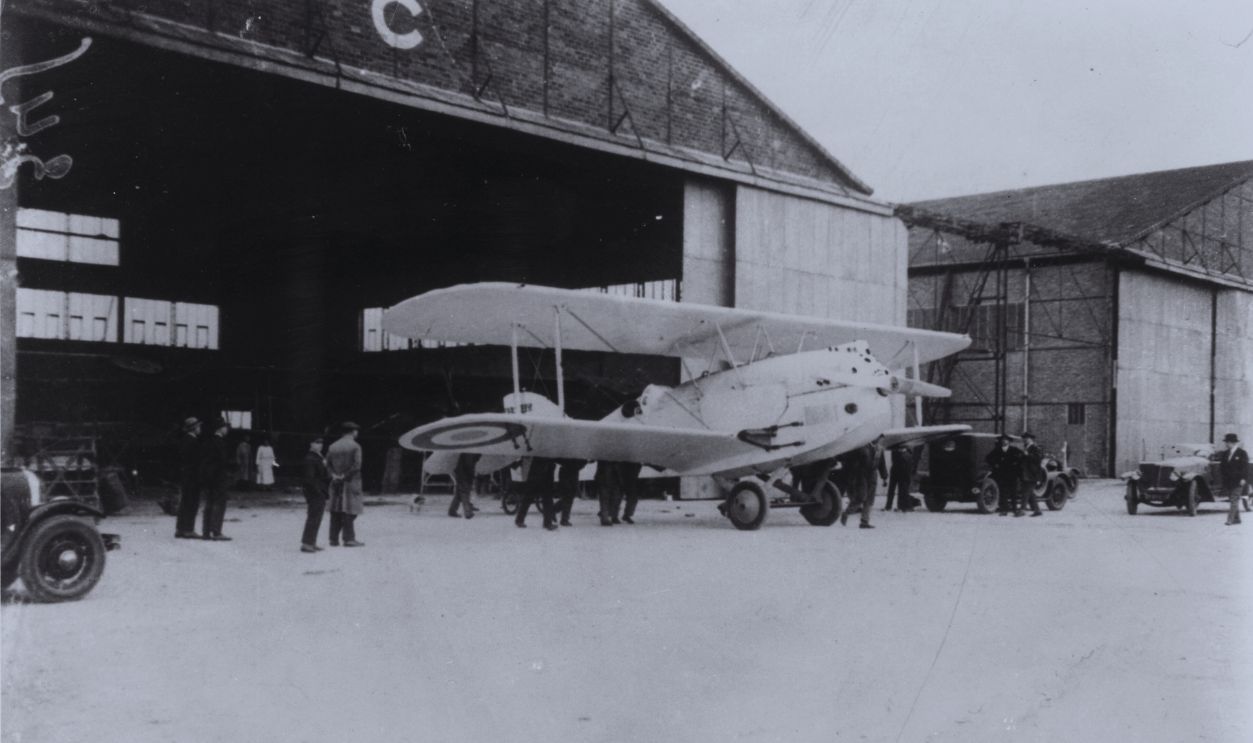
The pair flew a custom-built Levasseur PL.8 biplane named L’Oiseau Blanc (The White Bird). Designed for endurance, it featured additional fuel tanks and a boat-like fuselage to permit a possible water landing near New York. The aircraft’s streamlined design prioritized range over visibility.
 Unknown authorUnknown author, Wikimedia Commons
Departure And Disappearance
On May 8, 1927, Nungesser and Coli took off from Le Bourget, Paris, before a cheering crowd. They were sighted over Ireland heading west out toward the open Atlantic. After that, the world heard nothing more. No confirmed wreckage or remains were ever recovered.
 Albert Harlingue, Getty Images
The Magnitude Of The Challenge
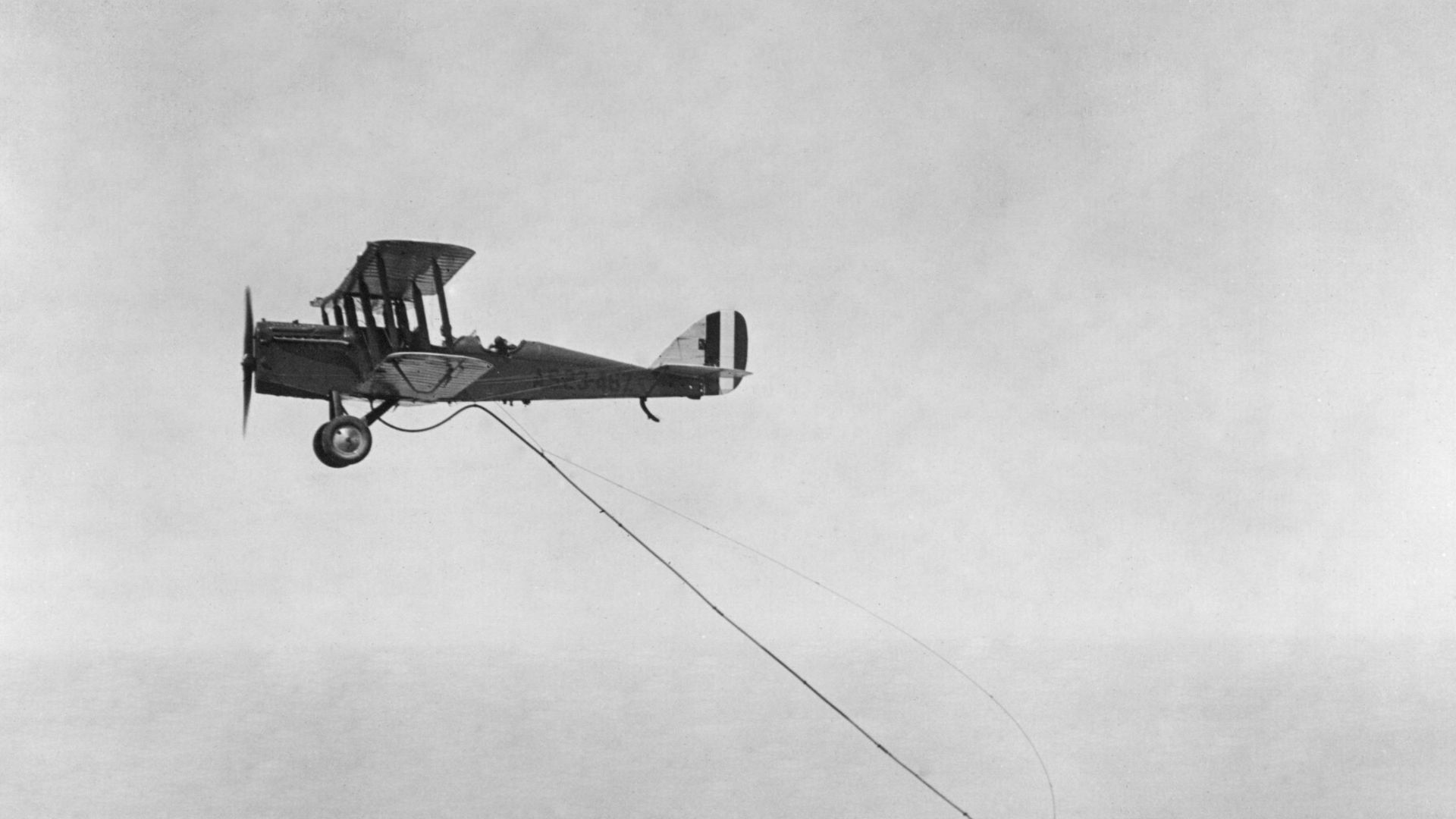
The Orteig Prize promised what was then the enormous sum of $25,000 to the first aviator to complete a nonstop flight between Paris and New York. Success would mean global fame, fortune, and a place in the history books. Nungesser and Coli’s disappearance intensified the drama surrounding the race.
 San Diego Air and Space Museum Archives Uploaded by Bzuk at en.wikipedia, Wikimedia Commons
Storms And Ocean Peril
Many historians are convinced that L’Oiseau Blanc was lost to weather or a mechanical failure somewhere over the North Atlantic. Fierce storms and headwinds that week would have tested the endurance of any aircraft attempting the oceanic crossing, especially a rickety single-engine aircraft like those prevalent in the 1920s.
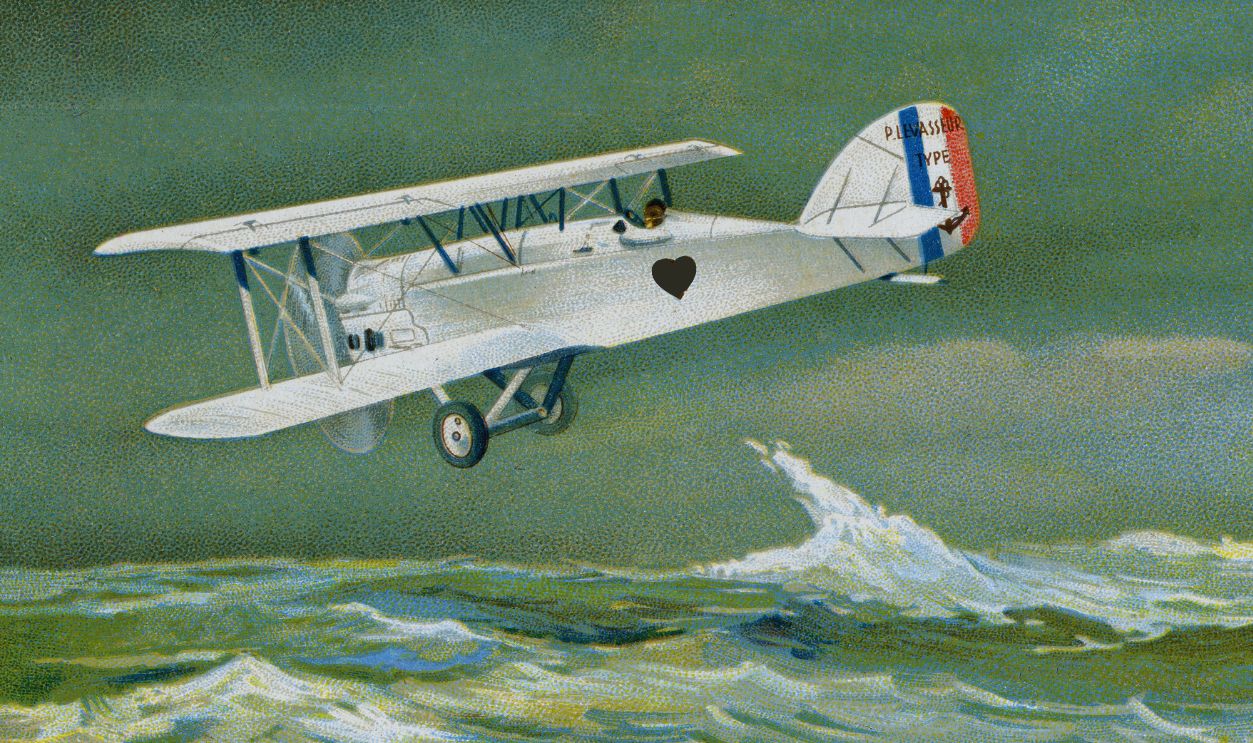
The Newfoundland Hypothesis
Eyewitnesses in Newfoundland later reported seeing a white biplane flying low and struggling before disappearing further inland. Some think L’Oiseau Blanc may have reached the coast, only to crash in a remote wilderness area or sink offshore.
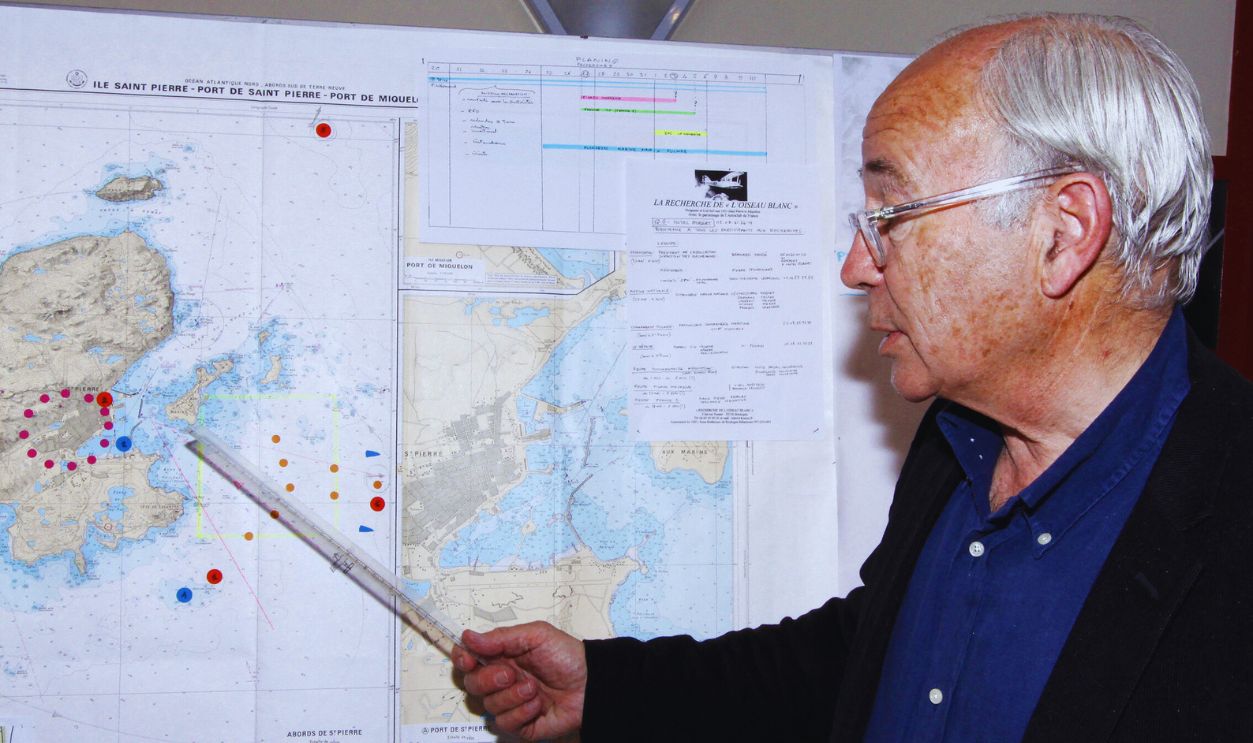
The Maine Sightings
Reports from Maine alluded to a mysterious white aircraft seen over the coast on the same day. Several residents and a lighthouse keeper on Maine’s Seguin Island later claimed to hear an engine sputter before a crash-like sound near Machias. Search efforts decades later were unable to come up with any definitive wreckage.


History's most fascinating stories and darkest secrets, delivered to your inbox daily.
The Rum-Runner Theory
One fringe theory suggests that L’Oiseau Blanc was mistaken for a smuggling plane by rum-runners or US authorities seeking to enforce Prohibition laws, and was possibly shot down. While this theory is highly original, there is no physical evidence to support the claim.
TIGHAR’s Modern Search
Since the 1980s, the aviation archaeology group TIGHAR (The International Group for Historic Aircraft Recovery) has led investigations across Newfoundland and Maine. Despite examining lakes, bogs, and archival reports, no verified remains of L’Oiseau Blanc have ever been located.
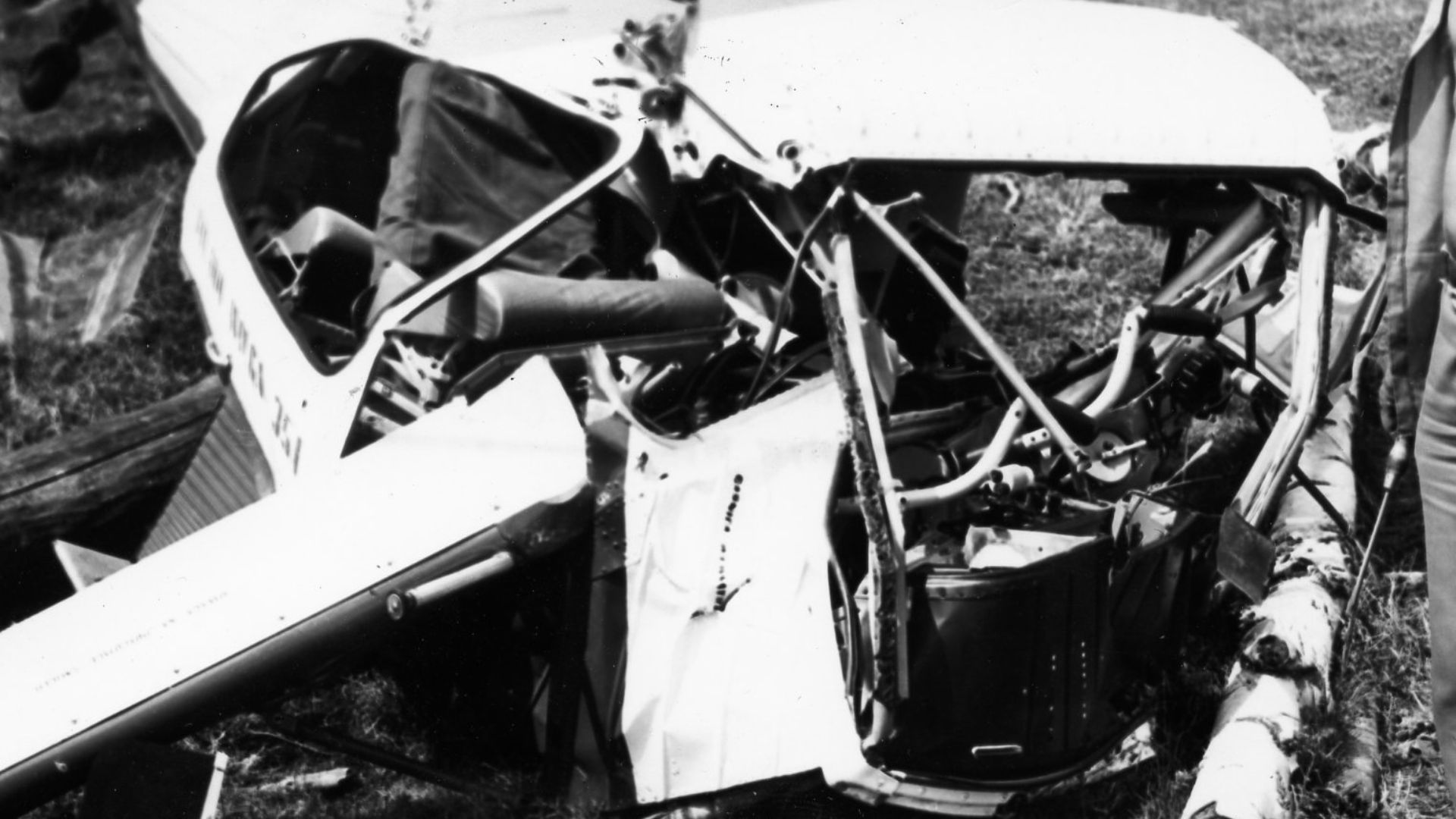 Marek Dębski, Wikimedia Commons
Local Legends And Oral Accounts
For generations, residents in remote areas of Atlantic Canada have passed down the stories of a crash and two foreign flyers. Some tales describe an aircraft descending onto a lake or the pilots dying of exposure, but such accounts have never been corroborated by any physical proof.
Impact On Lindbergh’s Flight
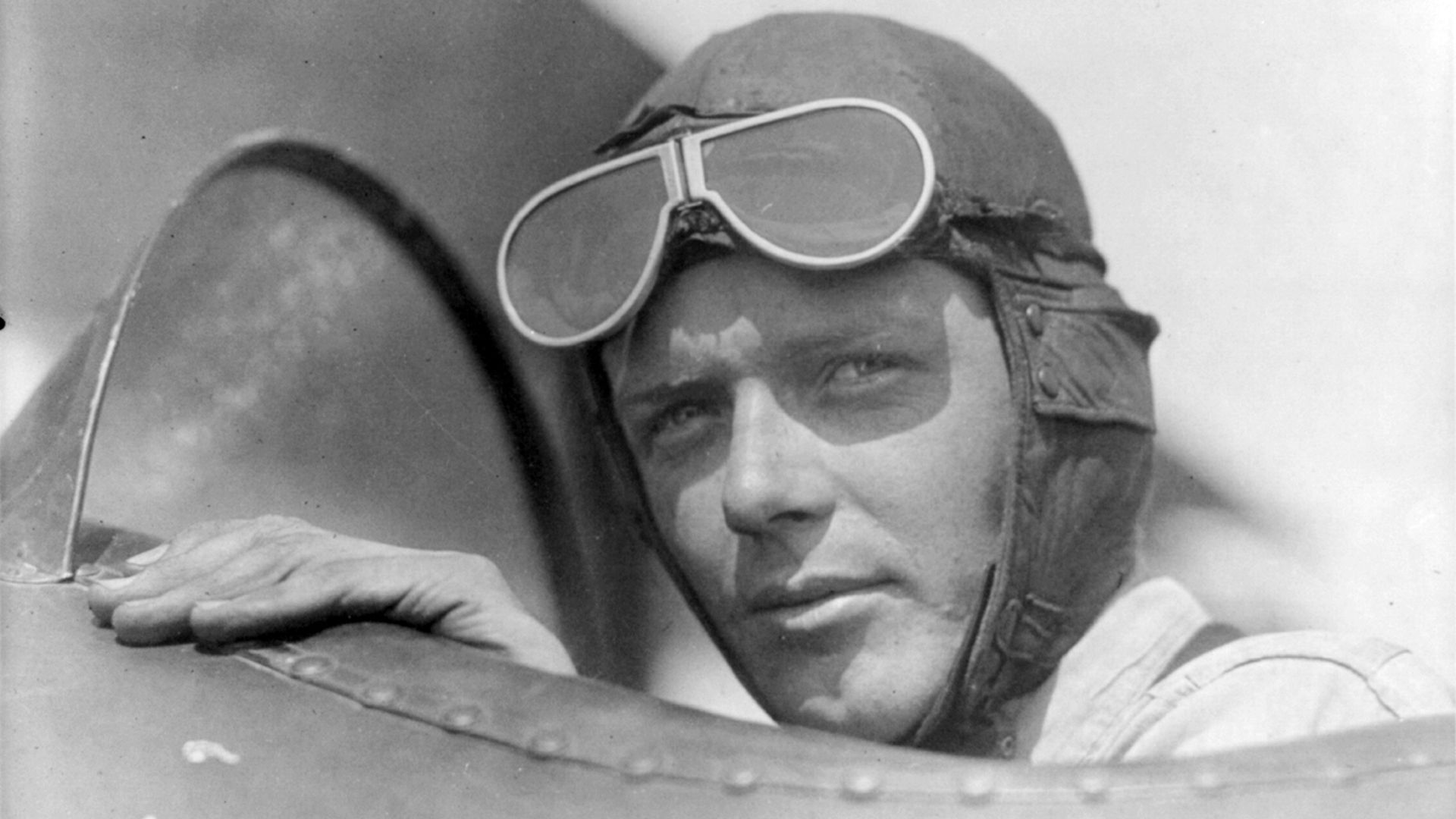
Just twelve days after Nungesser and Coli vanished, Charles Lindbergh took off from New York. The disappearance added suspense and heightened public emotion, setting the stage for Lindbergh’s celebrated success.
 John M. Noble, Wikimedia Commons
Lindbergh’s Success And Shadow
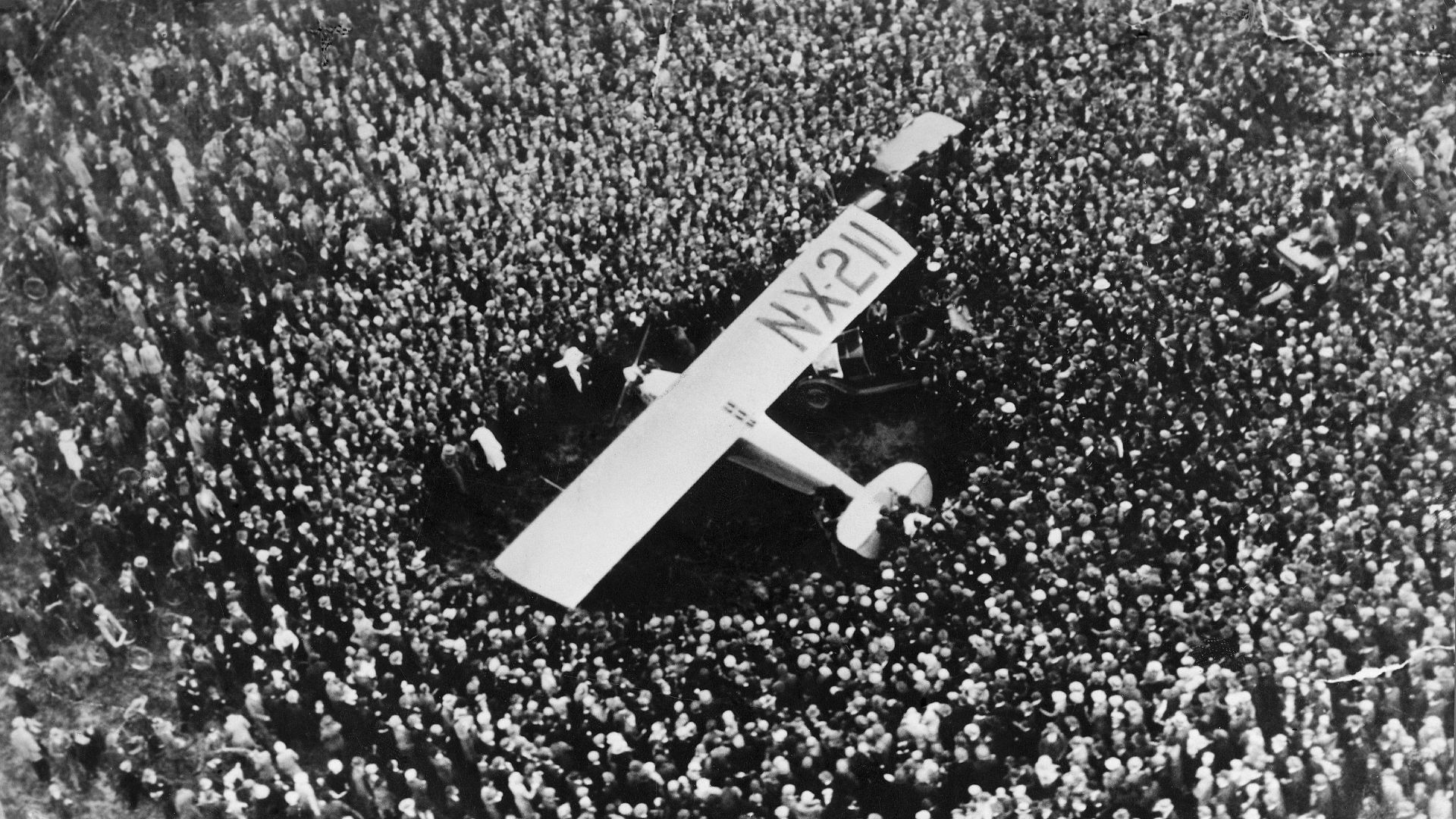
Lindbergh’s triumphant landing in Paris on May 21, 1927 overshadowed L’Oiseau Blanc. But in France, many people mourned that their heroes had certainly perished in bold pursuit of the same dream. As the years went on, Nungesser’s legend became bound up with the mythic age of early flight.
 Pacific and Atlantic photos inc., Wikimedia Commons
Global Mourning And Tribute
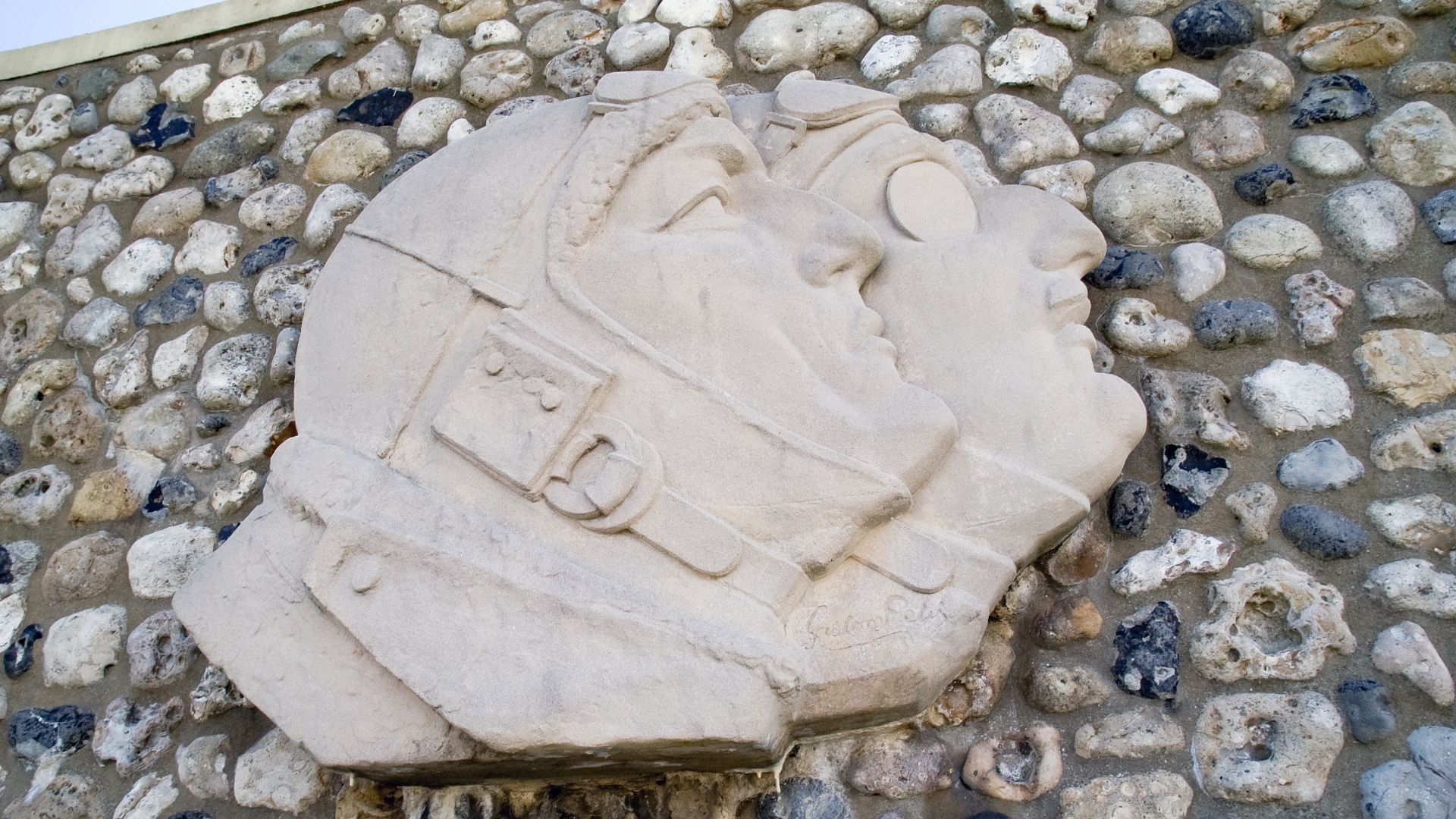
France honored the missing aviators with statues, memorials, and postage stamps. Their courage was symbolic of humanity’s unyielding drive to go farther in spite of the danger. For decades, children in France learned the names of Nungesser and Coli alongside that of Lindbergh.
 Patrick Demory, Wikimedia Commons
Theories And Controversy
From sabotage to secret landings, countless theories sprang forth about the fate of L’Oiseau Blanc. Despite all the technological advances and expeditions in the years since, not a single fragment has ever been conclusively tied to the missing plane.
Technical And Navigational Challenges
The flight relied solely on old school celestial navigation and dead reckoning. With no radio and only the most rudimentary instruments, any deviation from the expected route would be catastrophic in the skies above the featureless Atlantic expanse.
 Unknown authorUnknown author, Wikimedia Commons
The Aircraft’s Design Limitations
Although the plane was innovative, the PL.8’s single-engine design was a gamble. Overweight with fuel and lacking any redundancies, even a minor mechanical issue could have doomed the mission in midair or if they suddenly started flying through zones of turbulence.
Courage And Tragedy
Nungesser and Coli lived on a razor’s edge as the personification of the daring, risk-taking spirit of 1920s aviation. Their quest to push the boundaries of the possible, though doomed, inspired other aviators around the world; it also reminded the public of the serious hazards to be overcome in order to make flight the common everyday convenience that it is today.
The Flight That Never Landed
L’Oiseau Blanc represents one of aviation’s biggest unsolved mysteries. Whether it rests beneath the chill of Atlantic waves or in the silent embrace of deep forest soil, the soaring courage of Charles Nungesser and François Coli continues to reverberate across the history of human exploration.
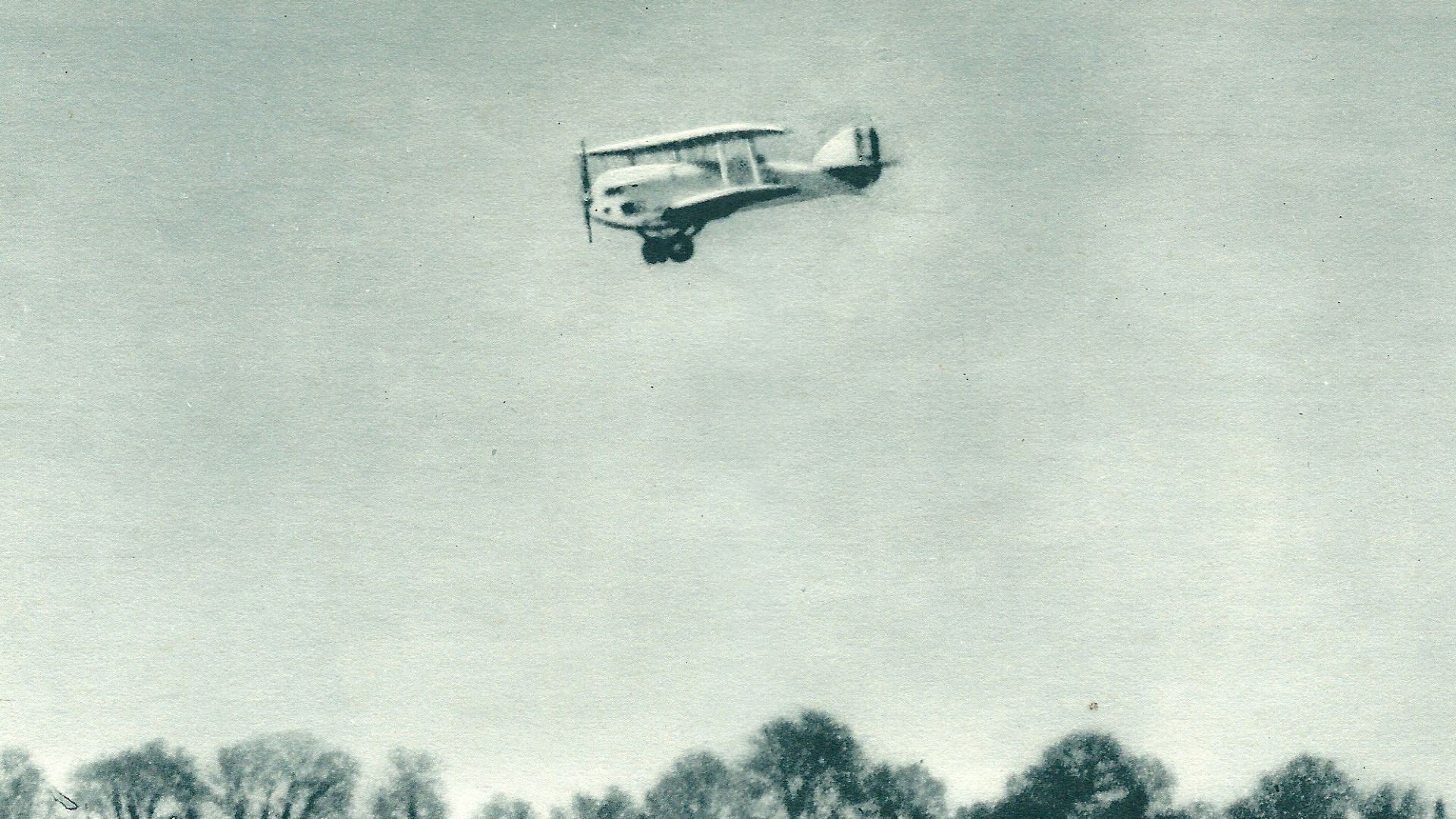 Unknown authorUnknown author, Wikimedia Commons
You May Also Like:
41 Vanishing Facts About Amelia Earhart
40 Tragic Facts About Plane Crashes
Wild Facts About Charles Lindbergh, The First Celebrity Aviator