“Women, like men, should try to do the impossible. And when they fail, their failure should be a challenge to others” —Amelia Earhart
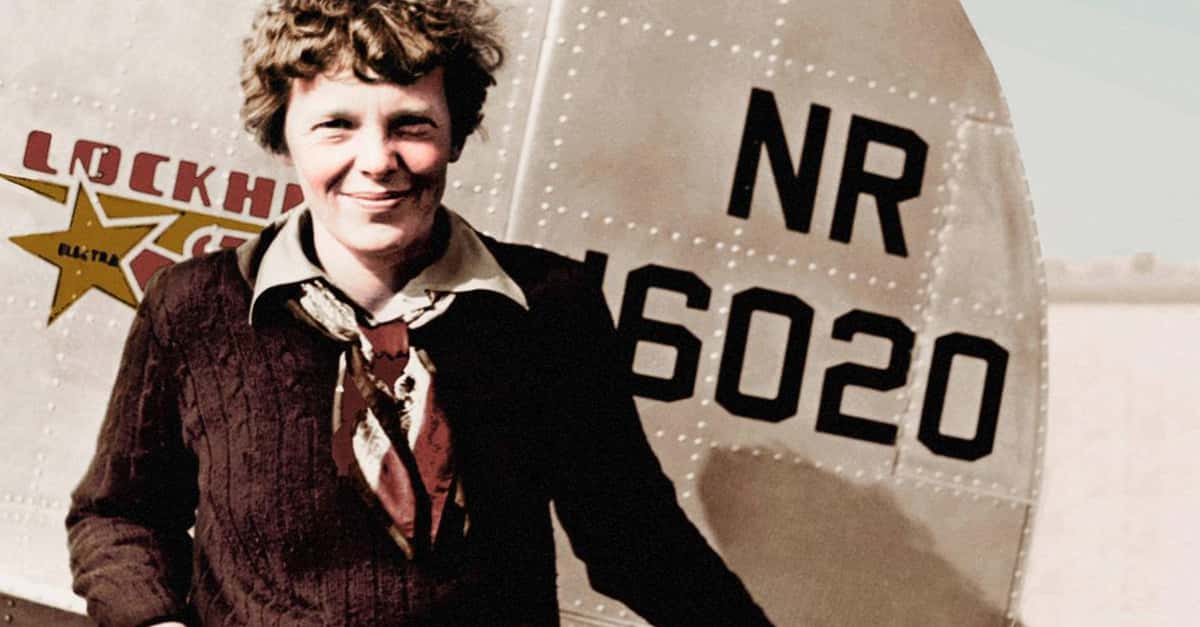
Amelia Earhart was an author and pioneer in the field of aviation who disappeared during her attempt to circumnavigate the globe in 1937. During her life she broke new ground and set several records. Earhart also wrote bestselling books about her experiences flying, and played a key role in the formation of The Ninety-Nines, an organization for female pilots. To this day, she remains a figure of great fascination and her disappearance has been a great mystery for most of the past century. Below are 42 facts about this accomplished aviatrix.
Amelia Earhart Facts
41. Lost
On July 2, 1937, Amelia Earhart and her navigator Frederick Noonan were reported missing near Howland Island in the Pacific on the most difficult part of their planned route. As they approached the island, contact with the US Coast Guard became more sporadic, but they did receive reports of being low on fuel. What happened next is still largely a mystery, but it’s believed that they may have tried to ditch the plane in the ocean.
40. Want to?
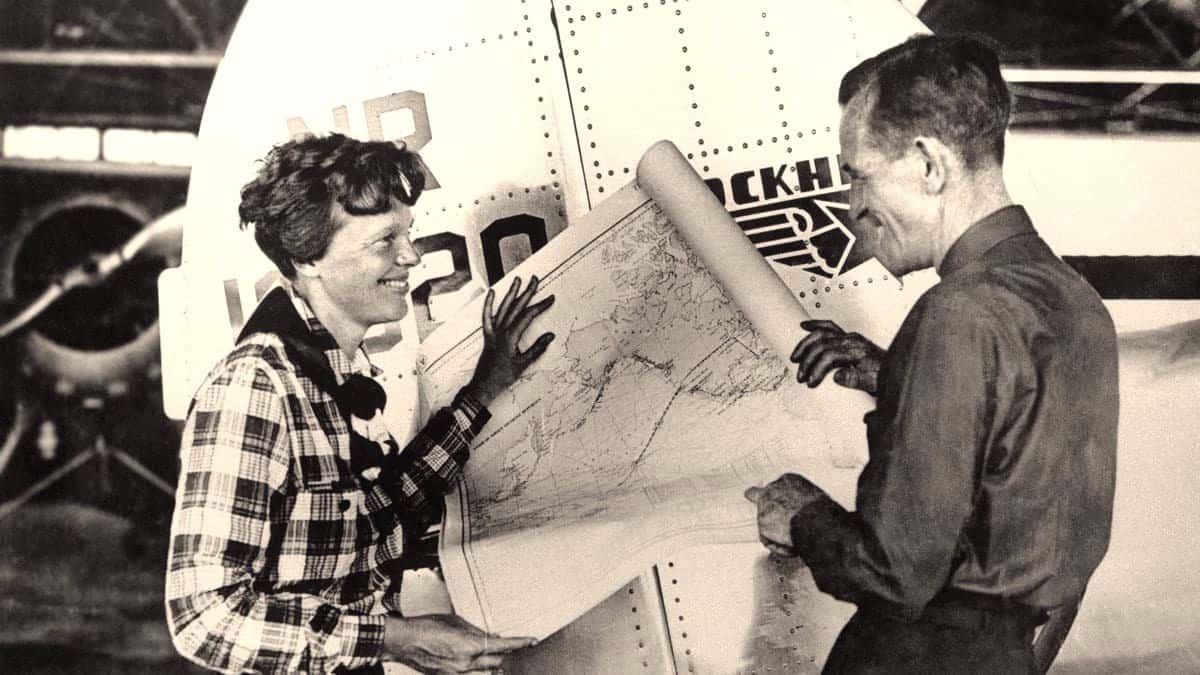
In 1928, , head of the publishing company G.P. Putnam and Sons was asked by a wealthy socialite Amy Guest to find a woman to fly across the Atlantic in an airplane. Initially, she planned to be the one to do it, but her family wouldn’t allow it. Instead, he asked Amelia Earhart, and she immediately jumped on the opportunity.
39. Lucky Lindy
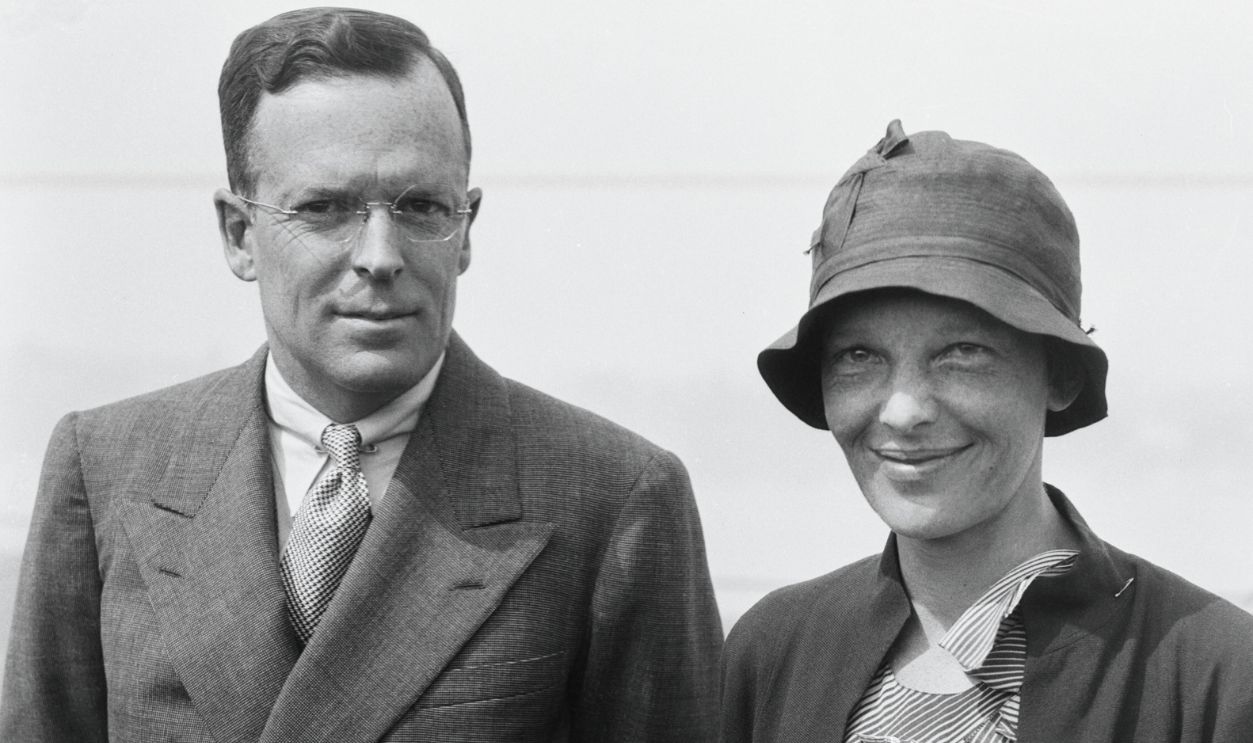
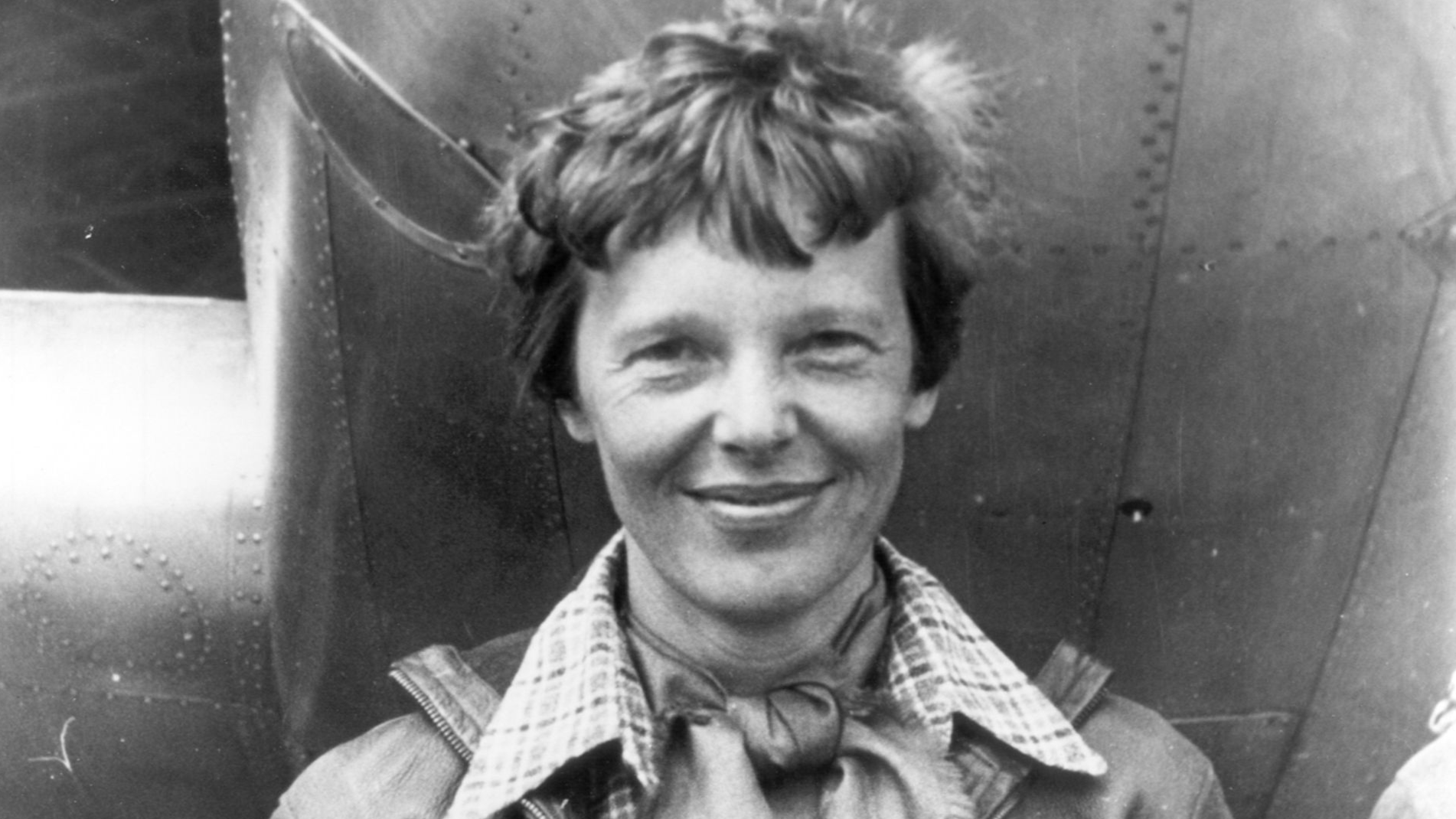
Publishing tycoon George P. Putnam gave her the nickname Lucky Lindy because of her likeness to aviator Charles B. Lindbergh. It was a nickname that she apparently despised.
 Underwood & Underwood (active 1880 – c. 1950)[1], Wikimedia Commons
38. More than Just Baggage
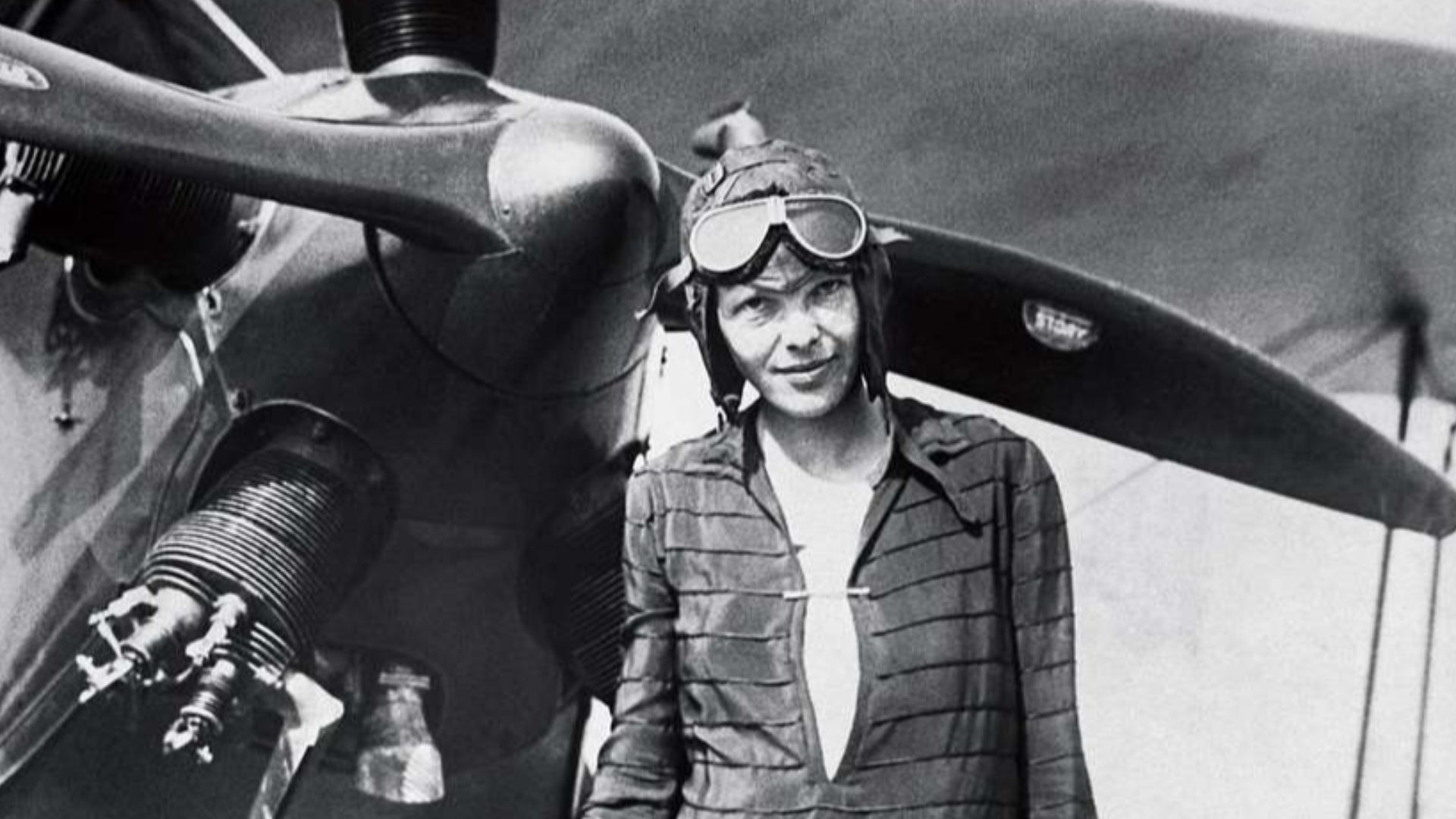
Amelia Earhart’s role on that cross-Atlantic flight was merely to keep the plane’s log. While the flight made her famous, she was not satisfied to be “mere baggage” and spent the next four years preparing to pilot across the Atlantic Ocean herself.
 Luciaroblego, Wikimedia Commons
37. Crossing the Atlantic
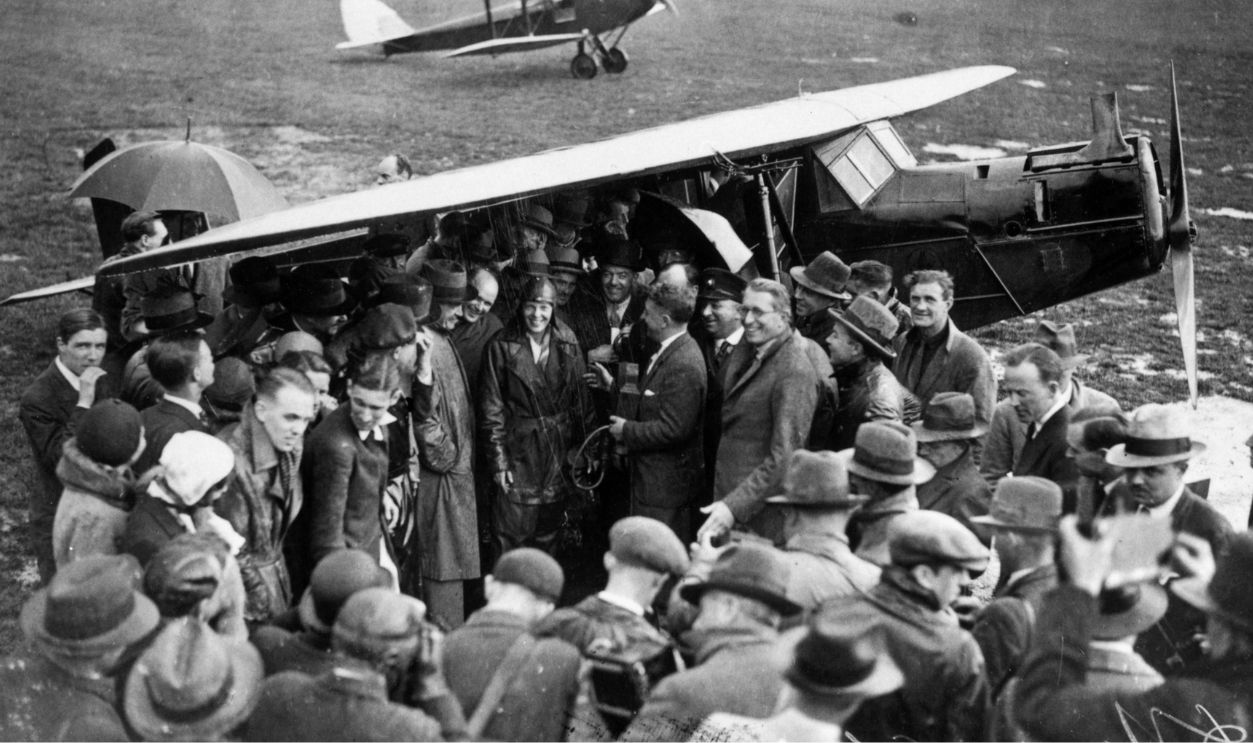
In 1932, Earhart was finally able to meet her goal and took off from Newfoundland. It took her 15 hours and 18 minutes to cross the Atlantic Ocean, and she successfully landed in Londonderry, Ireland, becoming the first woman to successfully fly across the Atlantic.
 Topical Press Agency, Getty Images
36. Unmoved
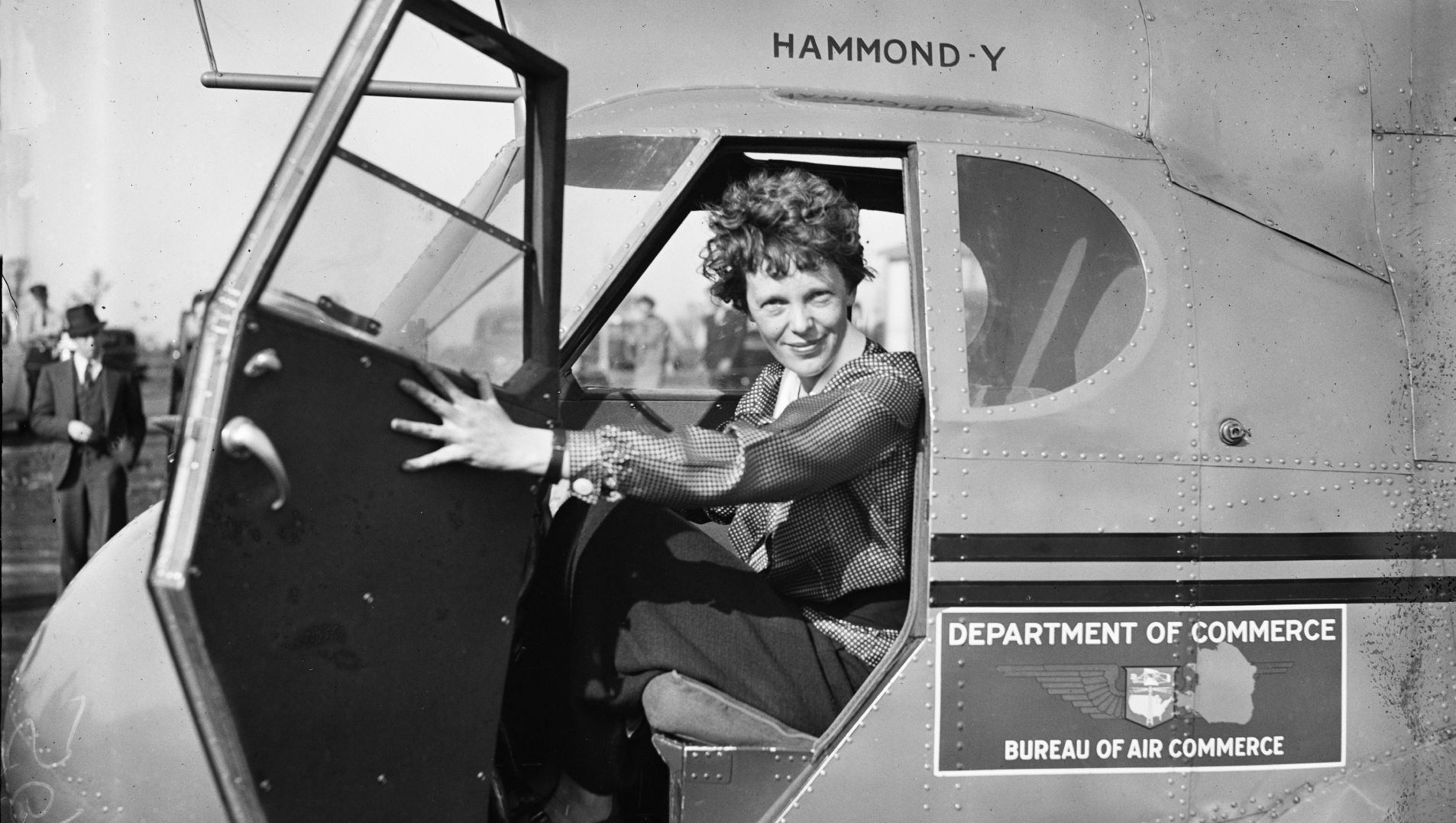
The first time Earhart saw an airplane at the Iowa State Fair in 1908, she was nine years old and had not yet discovered her passion for aviation. In her posthumously published diaries, she recalled thinking that it was a “thing of rusty wire and wood and looked not at all interesting.”
 Harris & Ewing, Wikimedia Commons
35. Defying Gender Roles
Amelia Earhart was not like the girls of her era. A biography of Earhart put together by her family describes her as a “tomboy.” She climbed trees, would leap onto her sled stomach down to get it going, and hunted rats with her .22 rifle. She also kept a scrapbook of successful women in male-dominated fields such as film directing, law, advertising, and mechanical engineering.
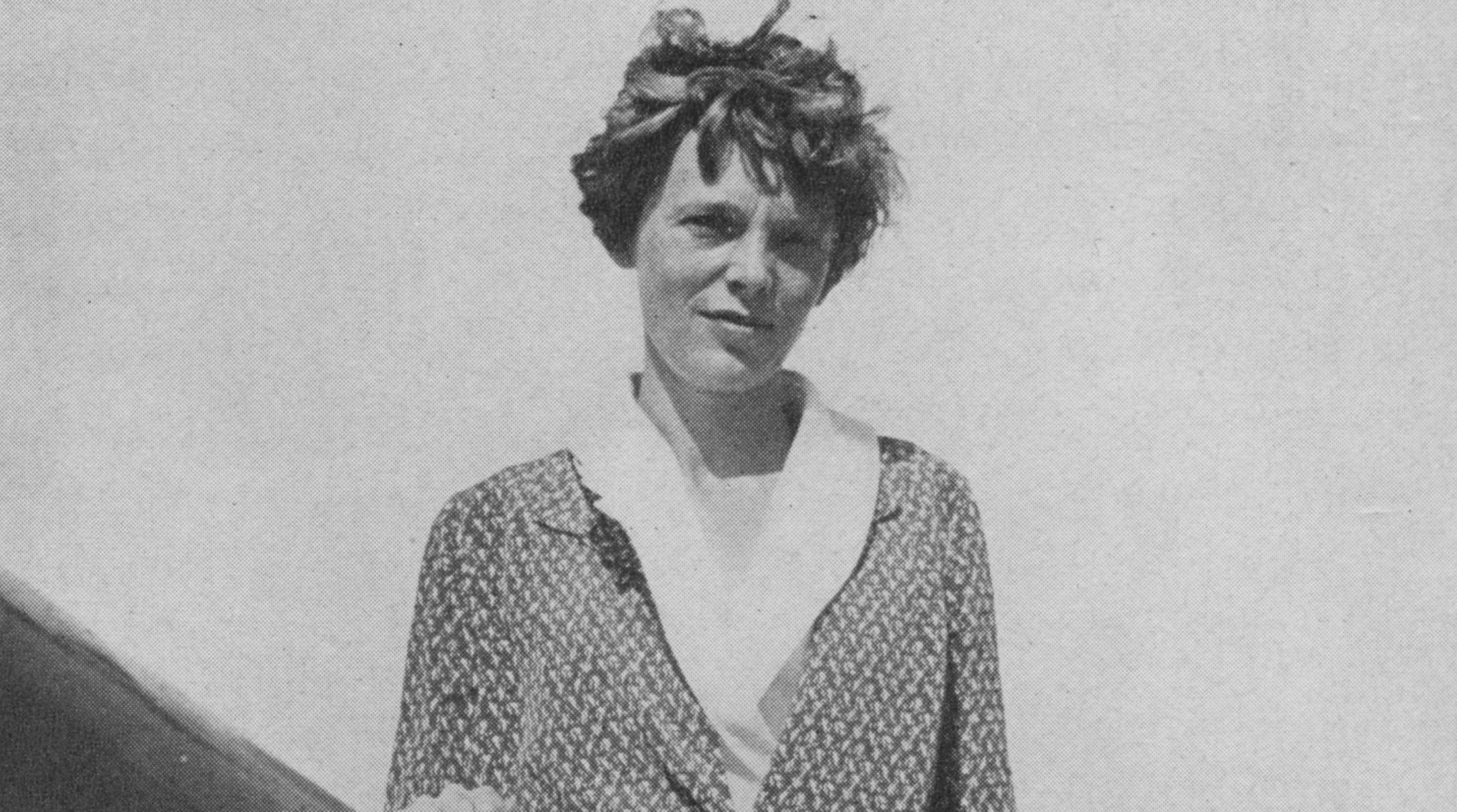 Amelia Earhart, Wikimedia Commons
34. Finding Her Spark
In 1920, when Earhart attended a stunt-flying exhibition, she developed her interest in aviation. Earhart and her friend were watching from an isolated clearing when a pilot saw them and dove at them. As the plane swept past her, she felt something inside her, saying “I did not understand it at the time, but I believe that little red airplane said something to me as it swished by.”
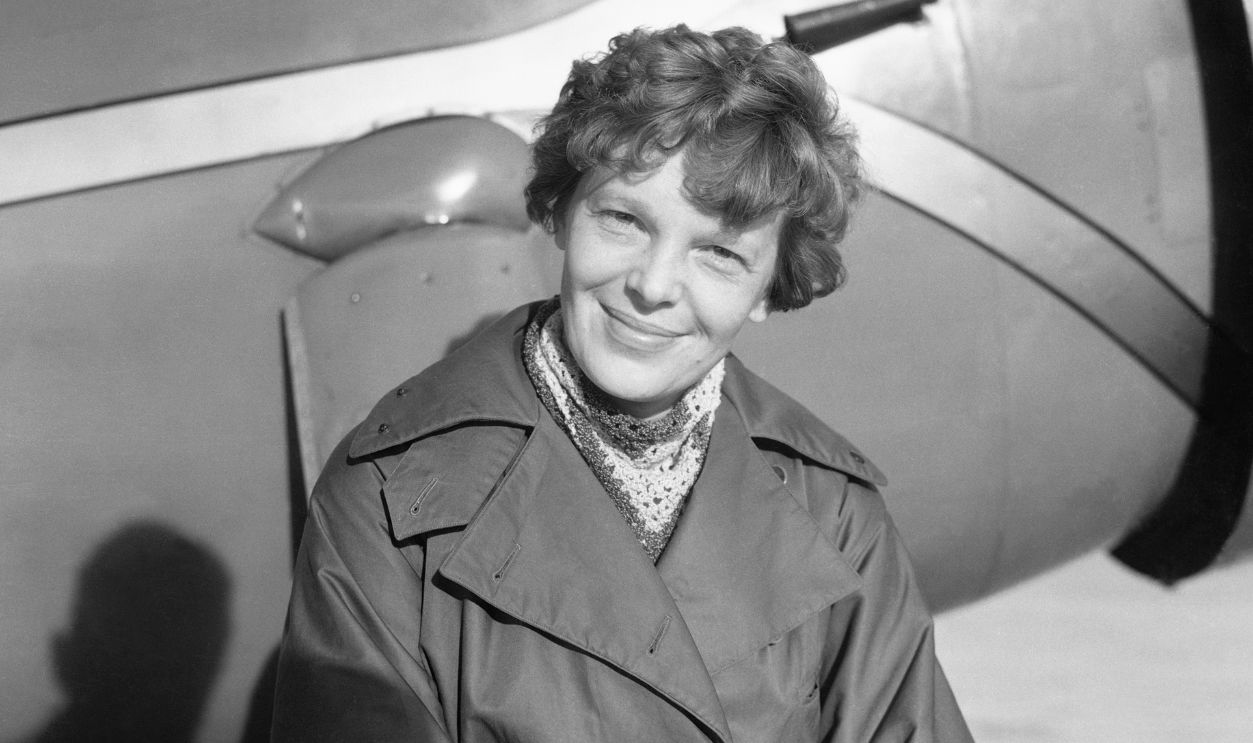
33. Life-Changing Experience
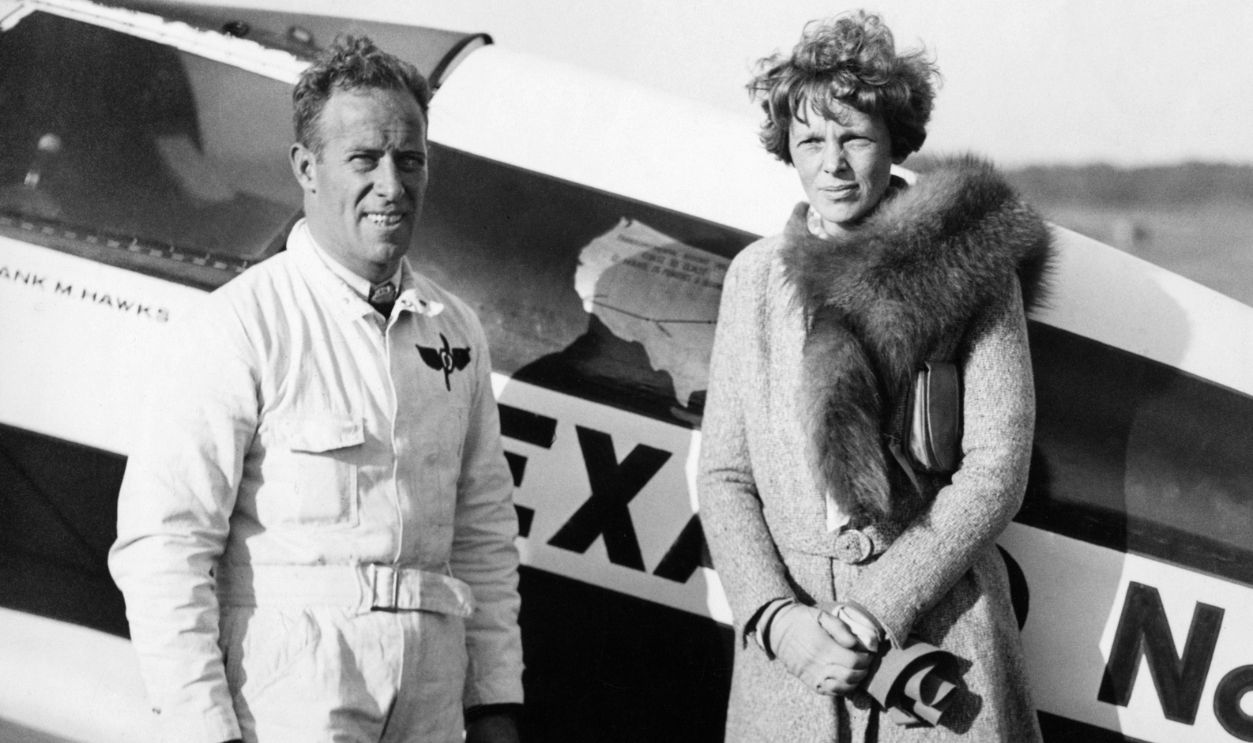
In December 1920, pilot Frank Hawks gave Earhart an experience that changed her life. She and her father visited an airfield where, for $10.00, Hawks took her up in his plane. By the time the plane got about 300 feet off the ground, she was determined to learn how to fly.

History's most fascinating stories and darkest secrets, delivered to your inbox daily.
32. Trademark
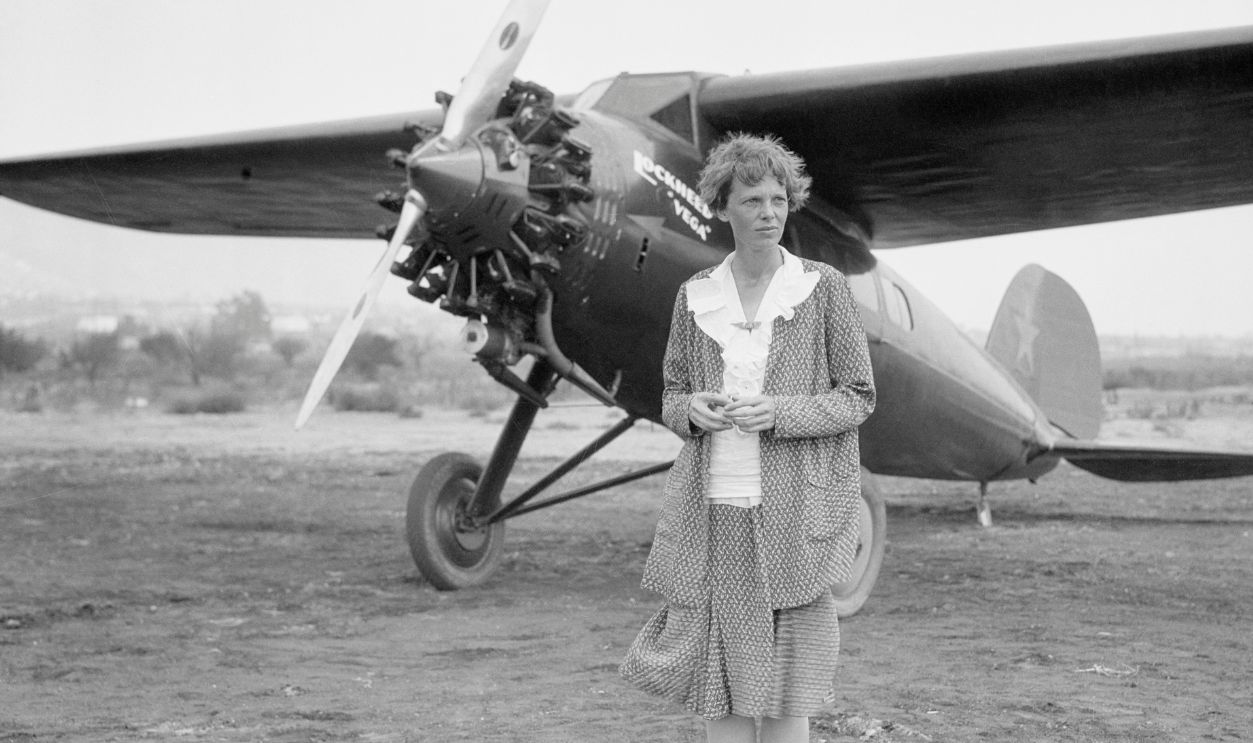
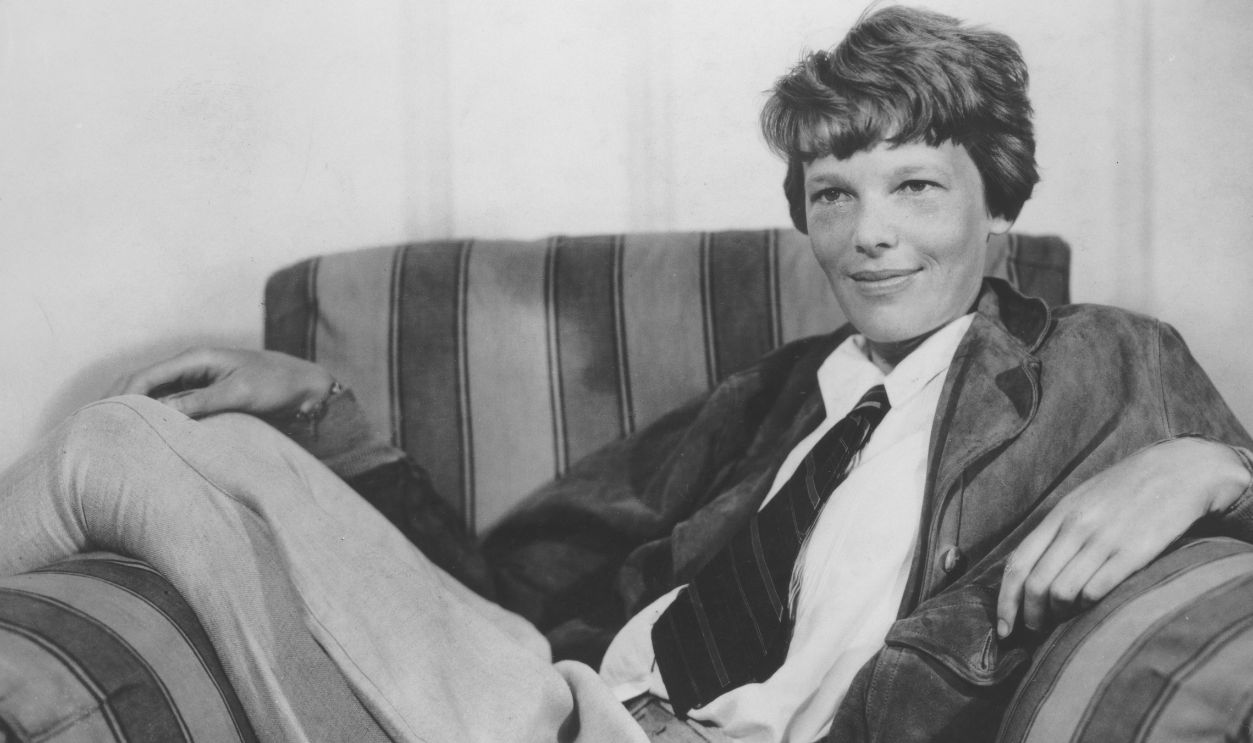
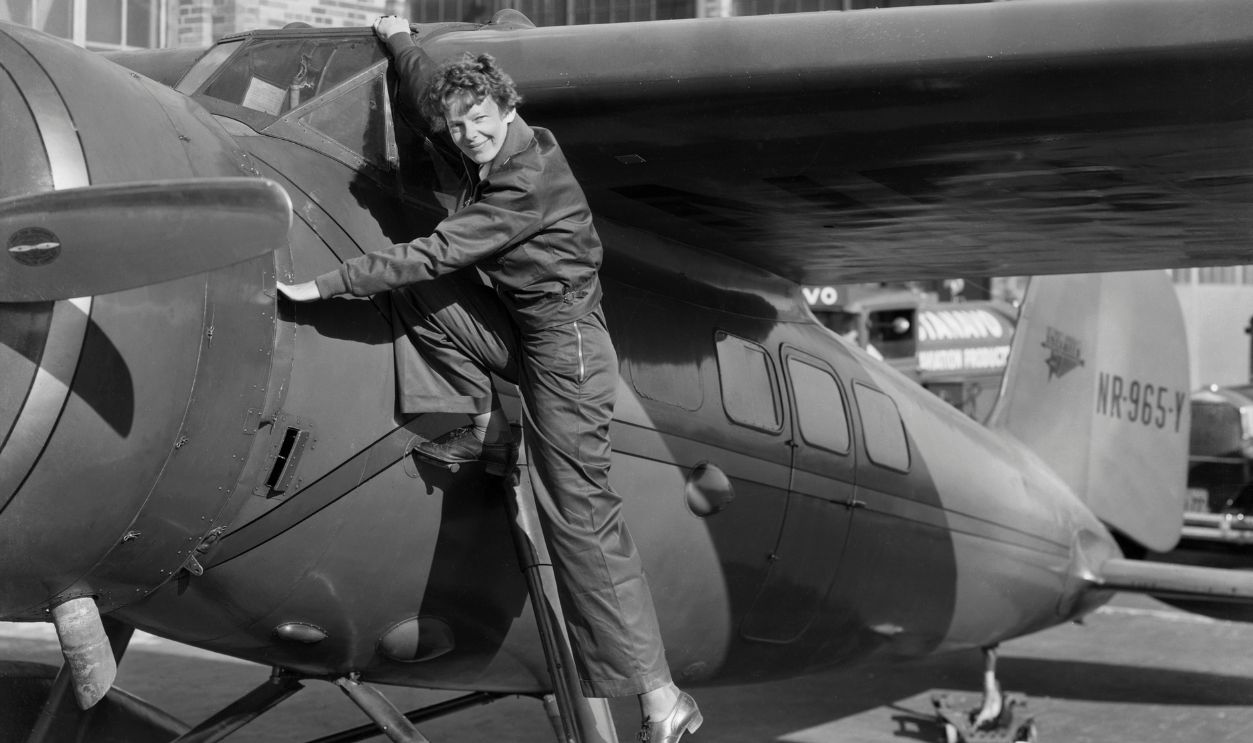
Whenever Earhart was on an airfield, she took to wearing a custom-tailored pair of gabardine pants, a man’s sport-shirt with an open throat, a knotted silk scarf around her neck, and a leather flying jacket. These items became her trademark, and by the 1930s, she was highly emulated and one of the most talked about women of the decade.
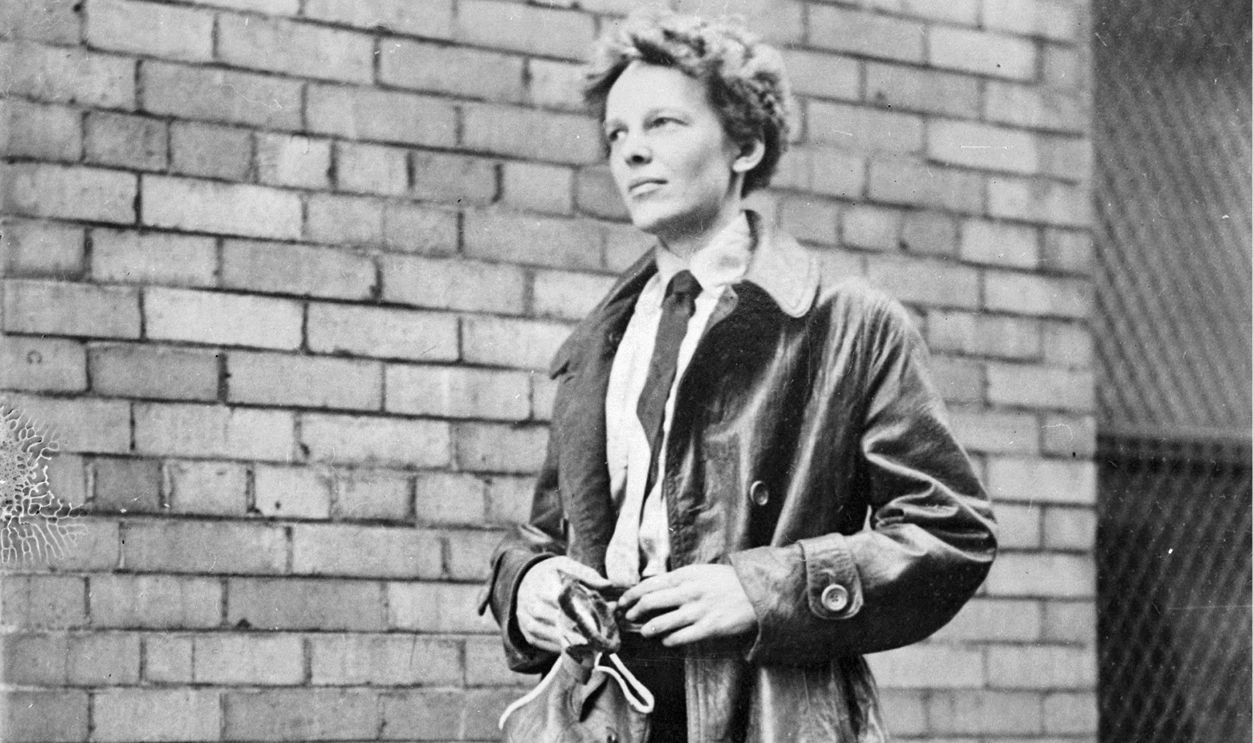 Chicago History Museum, Getty Images
31. The Canary
Even from a young age, Earhart had the conviction that girls should be able to do anything a boy could do, and she was determined to own her own plane. She helped in her father’s office, worked at a telephone company, and several other odd jobs to save enough money to buy her first plane. On her 25th birthday, she purchased a Kinner Airster for $2,000 and named it “The Canary” because of its bright yellow paint job.

30. Ya, Right.
When Earhart told her family about her desire to fly, they did not take it seriously. As a result, she arranged everything herself, including finding a female pilot to teach her. She paid Anita Snook (Snooky) $500 for the first 12 hours of lessons, and after 6 months, she had become an accomplished pilot. In an excellent example of someone being a terrible judge of character, her instructor felt she “lacked the instincts” to be a truly great pilot.
29. Extraordinary Achievement
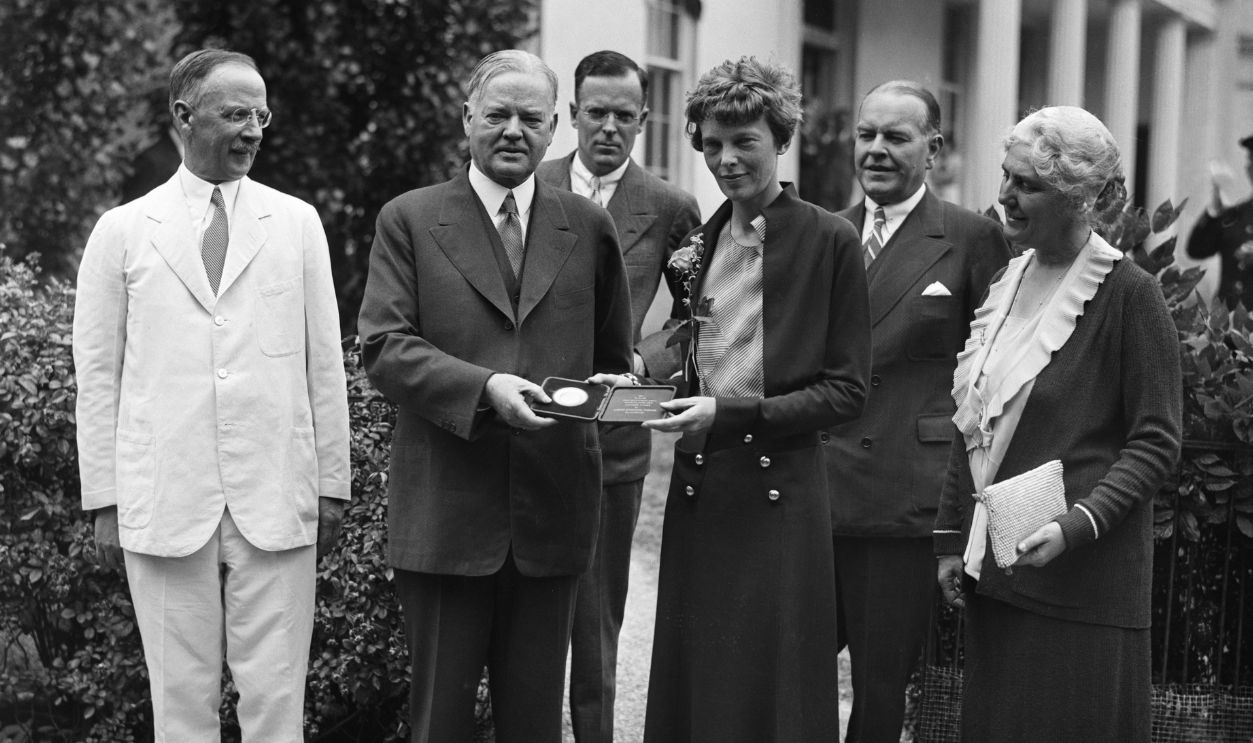
After completing her successful cross-Atlantic solo flight, Earhart returned to the United States where she was awarded the Distinguished Flying Cross by Congress. The medal was a military honor given for “heroism or extraordinary achievement while participating in an aerial flight.” Earhart was the first female to be given the decoration.
28. Promoting Opportunities
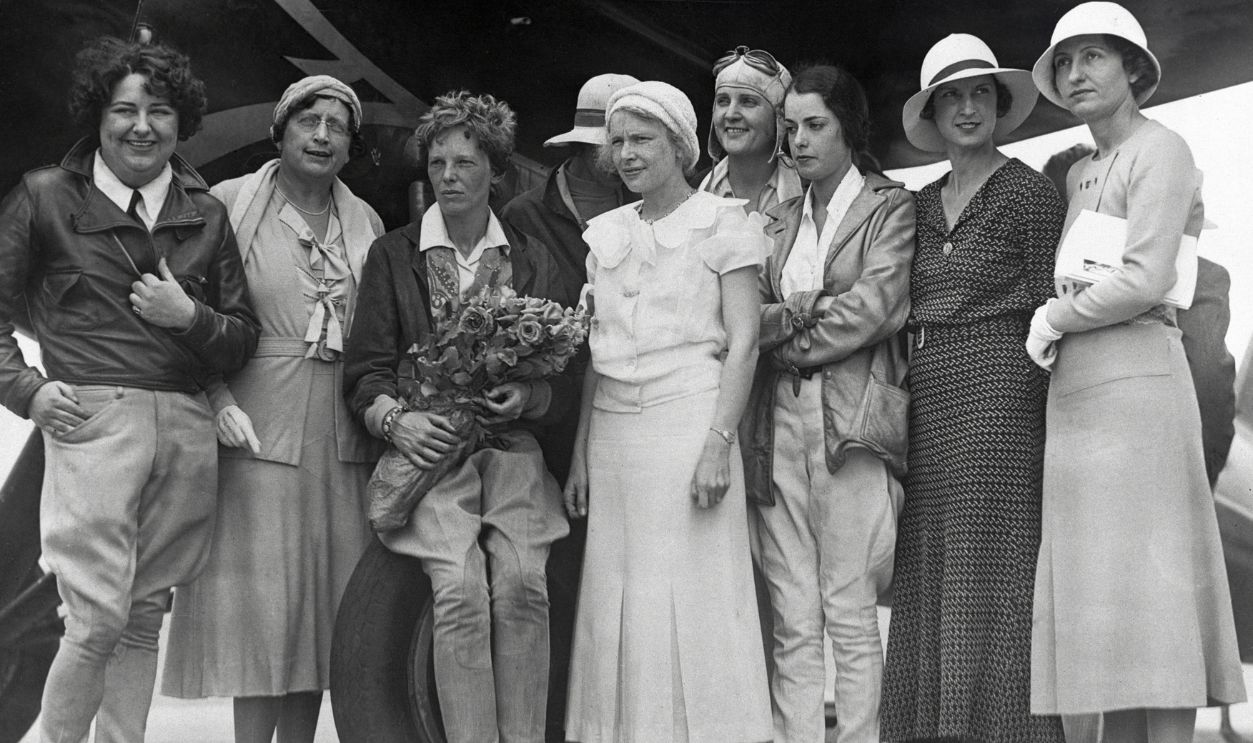
In 1929, Earhart placed third in an All Woman’s Air Derby which was the first transcontinental air race for women. After the competition, she helped found the Ninety-Nines, an organization that helped aid in the advancement of female pilots. She became the first president of the association, and today it represents female flyers from 44 countries.
27. Making Headlines
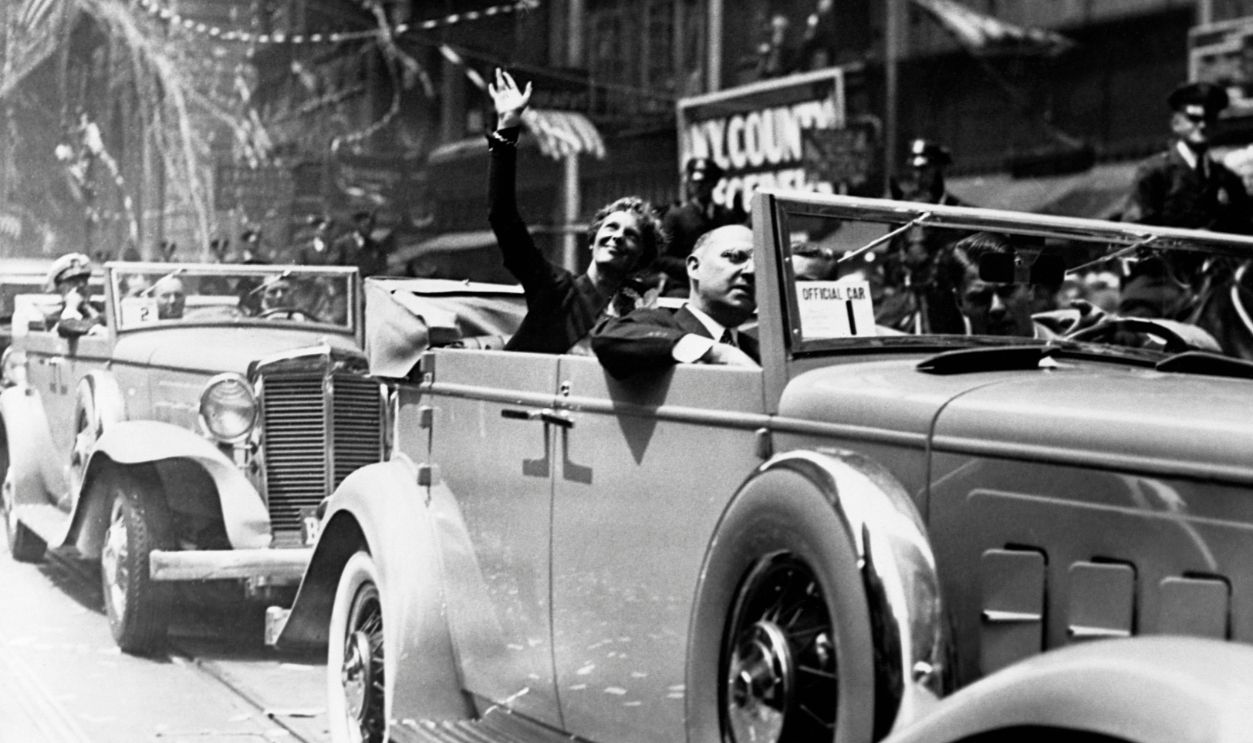
Prior to her 1928 flight across the Atlantic, three other pilots had died the same year trying to be the first woman to achieve that feat. For this reason, the flight made international headlines. Earhart and the crew’s return to the United States was greeted with a ticker-tape parade in New York City, and a reception organized by the President at the White House.
26. Finding the Bones
In 1940, bones were found on a Pacific Ocean Island where Earhart was believed to have crashed, but at the time, measurements from the skull, and arm and leg bones led scientists to believe they belonged to a man. A new study conducted in March 2018 suggests that the bones did in fact belong to Earhart. University of Tennessee anthropologist Richard Jantz used the inseam length and circumference from her trousers, as well as an estimation of the length of her arm bones to compare. The results of the new analysis point to Earhart as being the only possible match for the bones, but as the original remains have been lost, it’s still speculation.
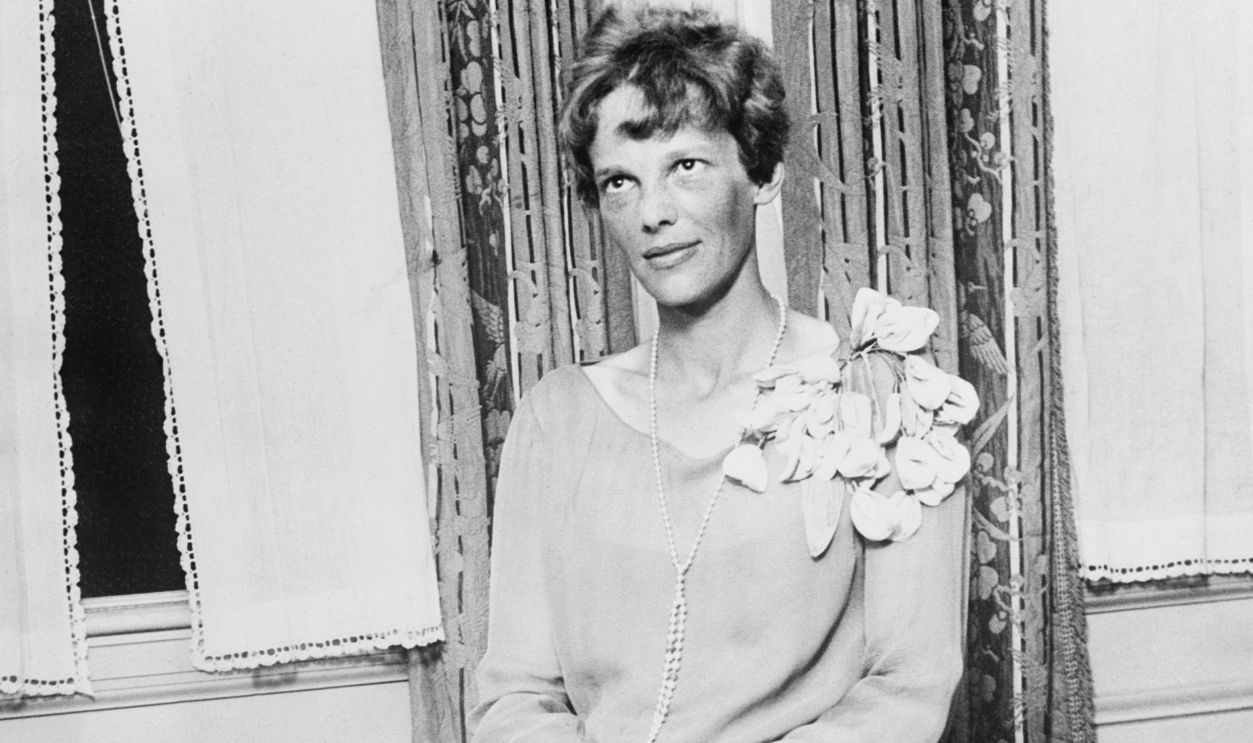
25. Flying High
In her flying career, Earhart set several records for speed and altitude. On October 22, 1922, she broke the women’s altitude record in her own Kinner Airster by rising to 14,000 feet. On April 8th, 1931, she set a woman’s altitude record in an autogiro, a rotary-wing aircraft which was the predecessor to the helicopter, by reaching an altitude of 18,415 feet. She was also the first woman to fly an autogiro.
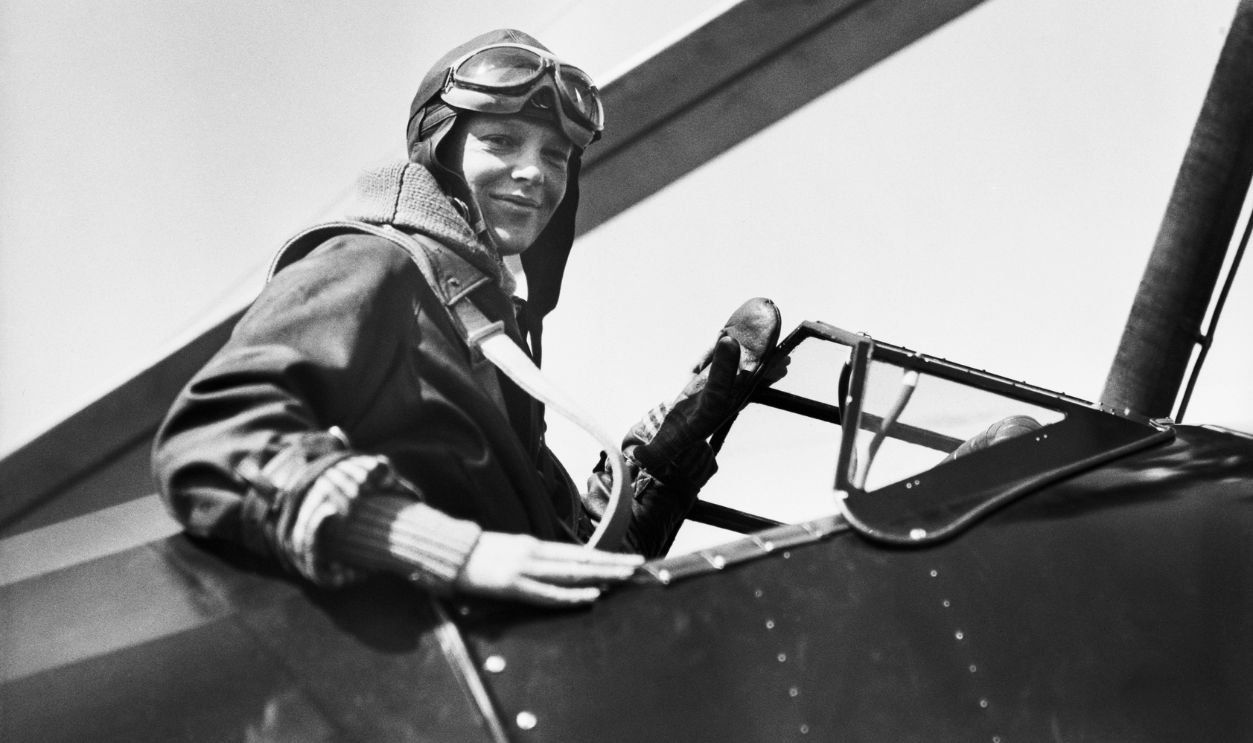
24. Equal Rights
Amelia Earhart was one of the earliest and most fervent supporters of the Equal Rights Amendment that was first proposed to Congress in 1923. Had it passed, the amendment would have guaranteed woman equal rights. She was also an active member of the National Women’s Party whose mission was securing the vote for women.
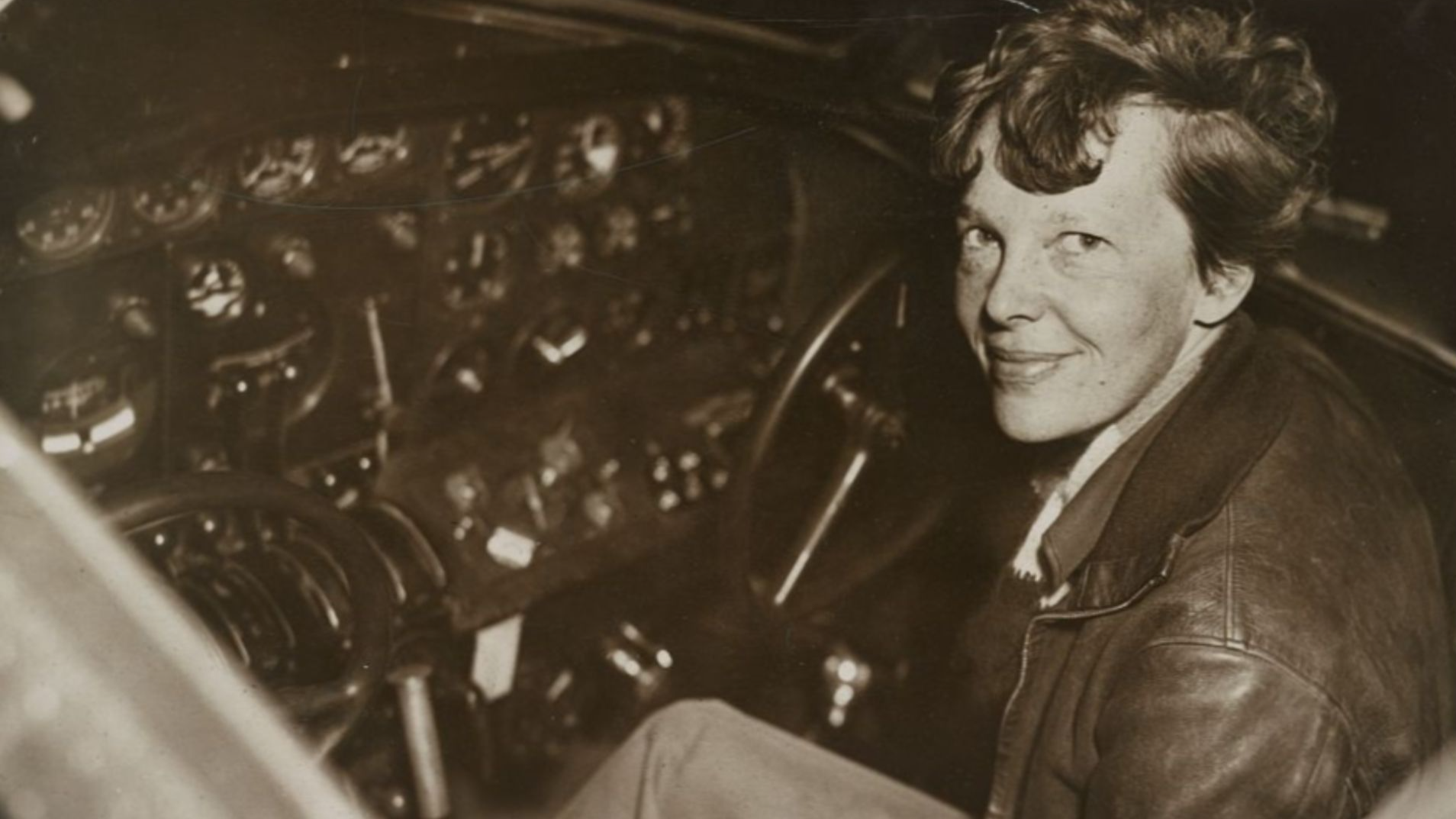 New York World-Telegram and the Sun Newspaper, Wikimedia Commons
23. Pop Culture Icon
Amelia Earhart has been the subject of numerous books, movies, TV shows, and specials since her disappearance 81 years ago. In 1976, Joni Mitchell wrote about her in her song Amelia; she has an encounter with Captain Janeway in an episode of Star Trek: Voyager; and most recently, was portrayed in an issue of the comic series Elsewhere, trying to find her way home after being stranded in an alien civilization.
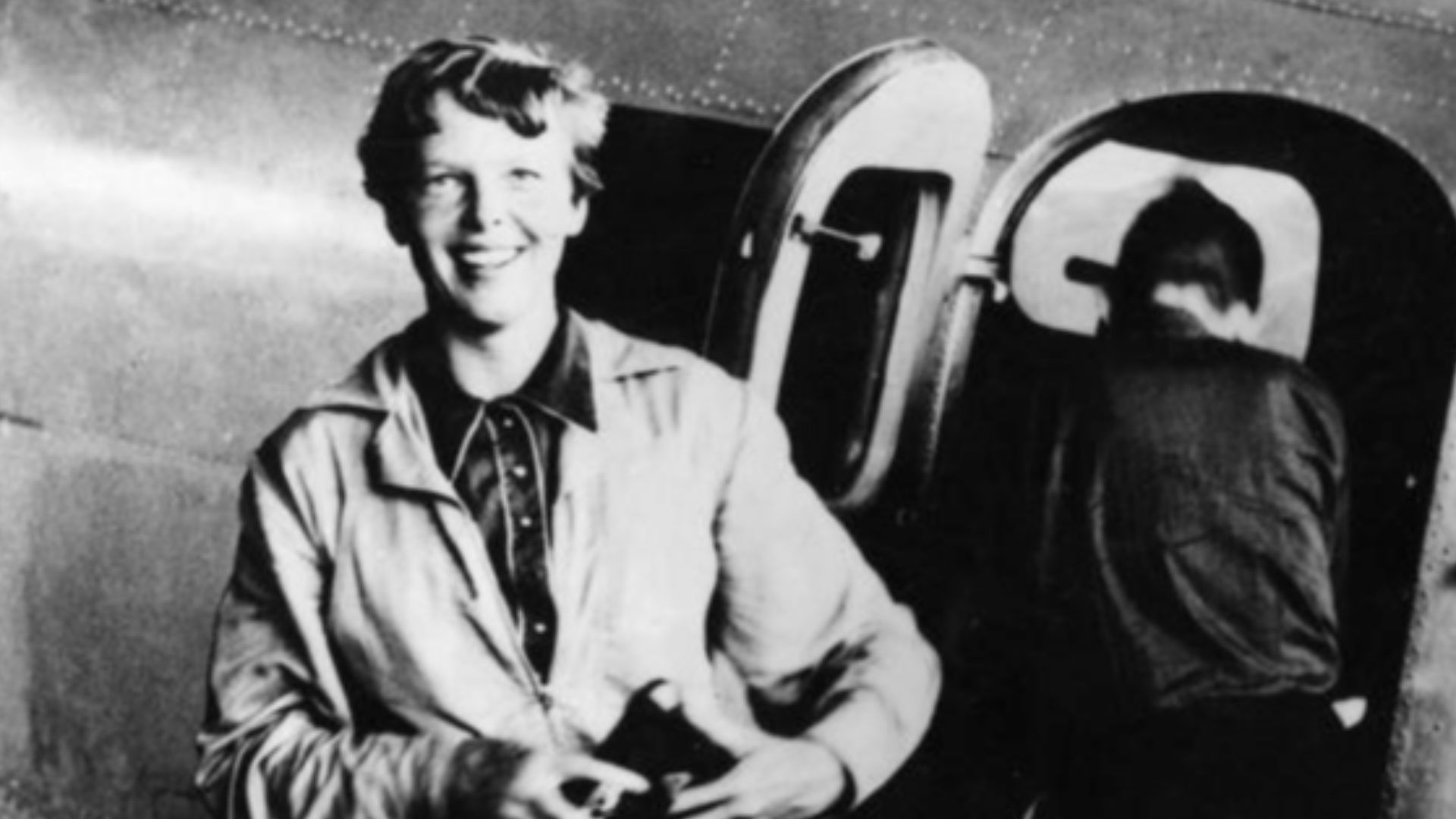 Unknown authorUnknown author, Wikimedia Commons
22. No Expenses Spared
When Earhart disappeared, an immediate search was launched for her. The search, which cost the US Government $4 million and lasted two weeks, was the most expensive air and sea search ever. When the official search ended, Putnam financed a private search, chartering boats to search all the nearby islands.
21. A Trial Period
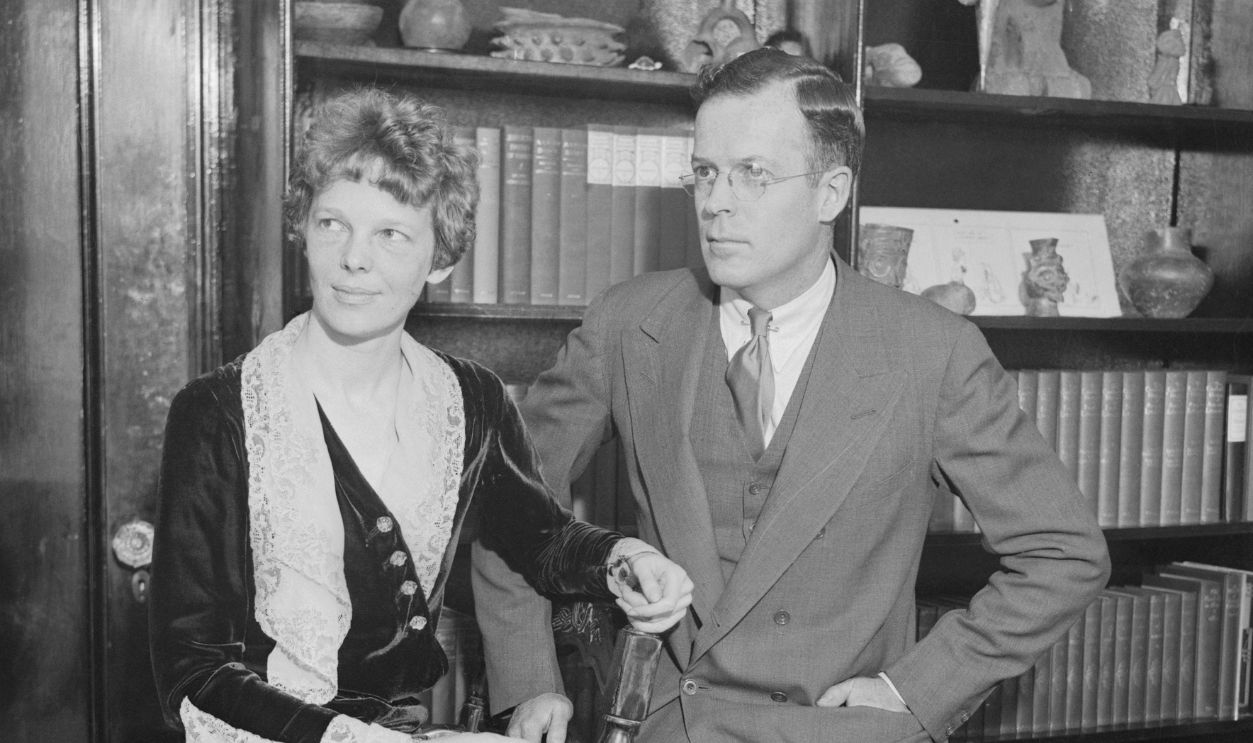
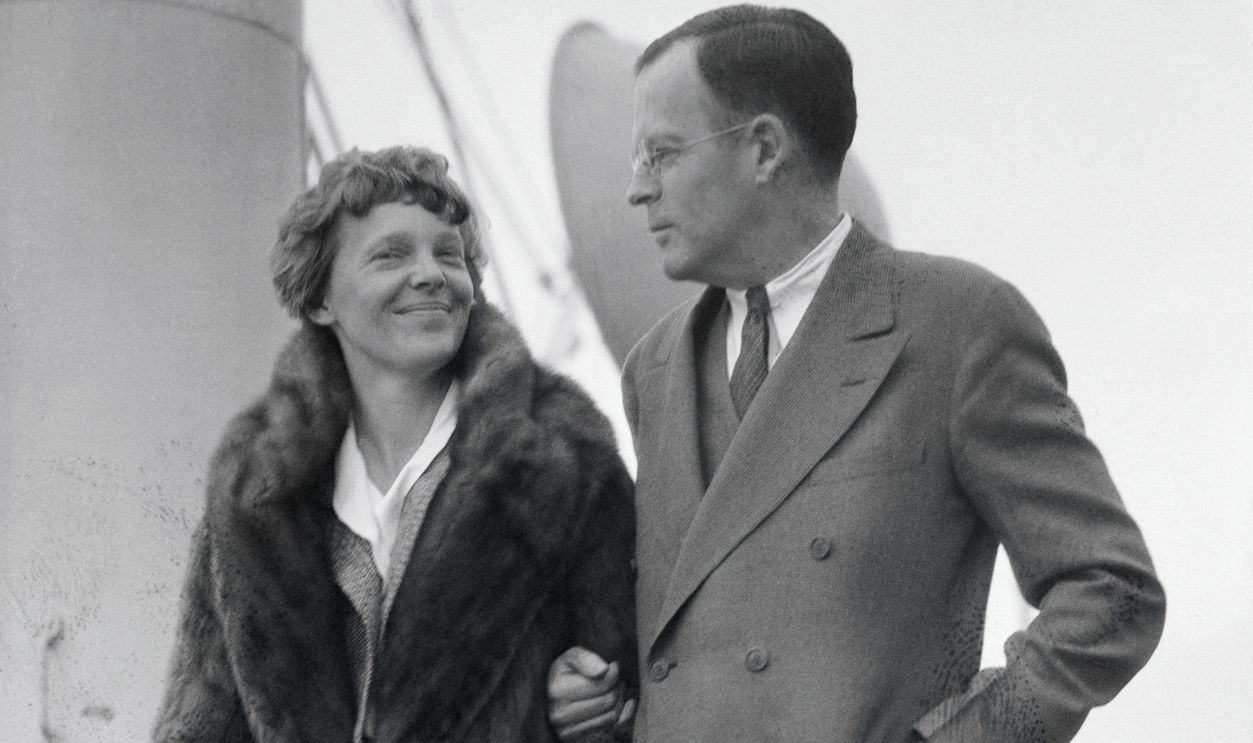
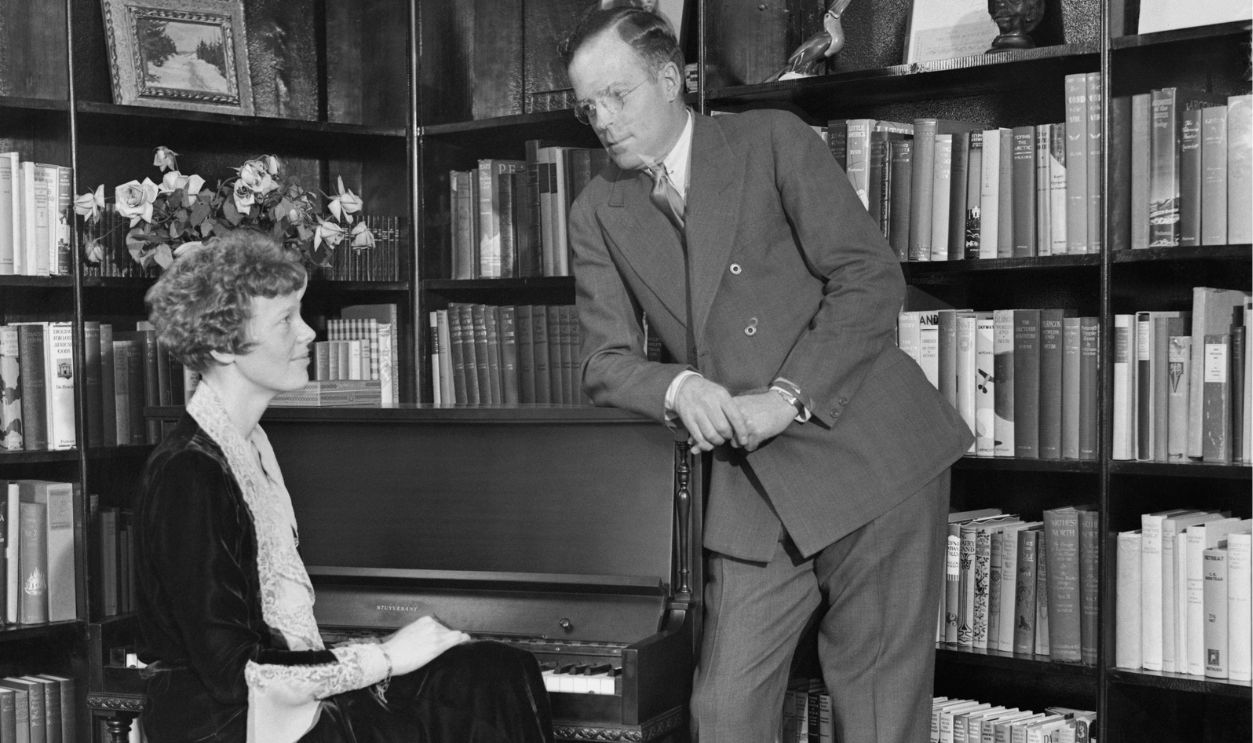
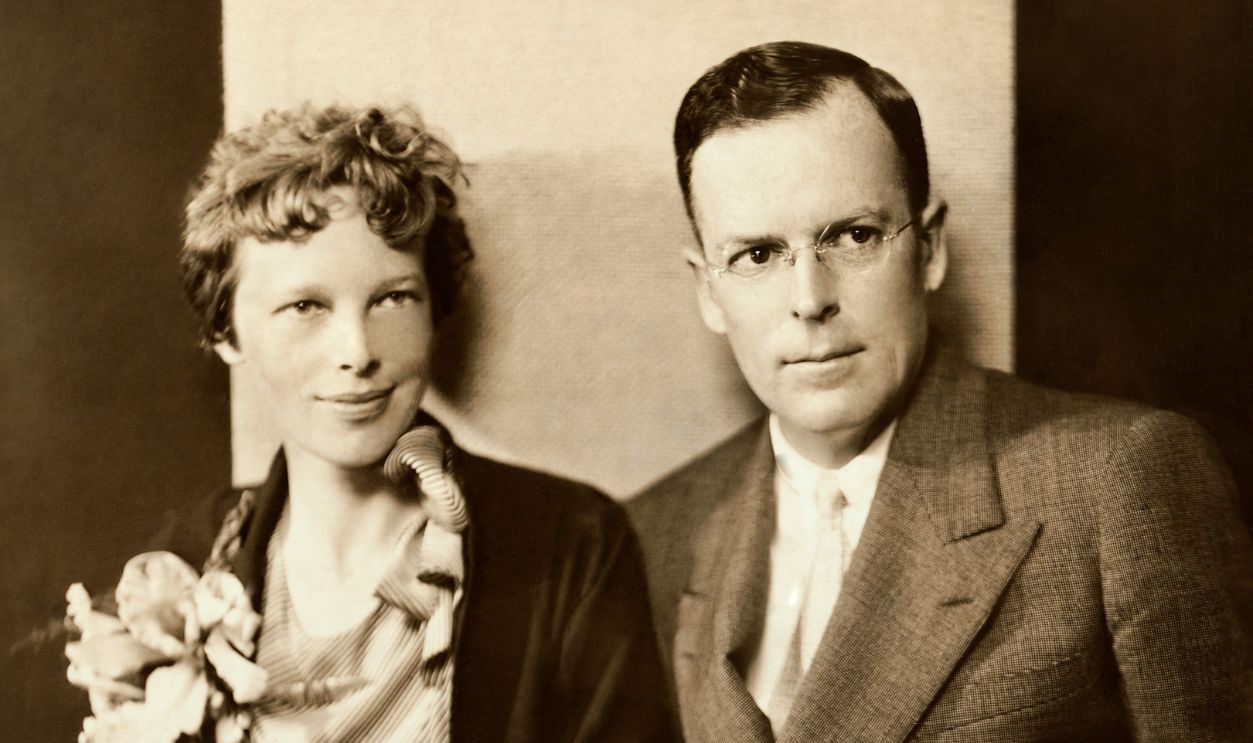
Earhart’s relationship with publisher George P. Putnam began as a professional one, but that working relationship turned to attraction, and Putnam eventually proposed. Earhart eventually said yes, but with a particular caveat. It was crucially important to her that they maintain separate identities, so she made him agree to a trial marriage. If after one year together they were unhappy together, they could go their separate ways with no hard feelings. Putnam agreed, and they stayed happily married until her disappearance.
20. Mission of Compassion
On a visit to Toronto to visit her sister Muriel during her college Christmas vacation in 1917, Earhart was extremely moved by the site of the wounded soldiers returning from WWI. She decided then to drop out of college and train as a nurse’s aide with the Red Cross. She worked in Toronto at the Spadina Military Hospital, but contracted pneumonia and maxillary sinusitis and was ill for a couple of months. Earhart recovered, but her sinus issues significantly impacted her flying later in life.
19. No Frills
When Earhart and Putman married, it was in a secret ceremony with no guests other than Putnam’s mother and their witnesses. There were also no flowers or decorations, and no exchanging of rings.
18. Previous Engagement
Prior to accepting Putnam’s proposal, Earhart had been engaged to a chemical engineer named Sam Chapman, whom she met while visiting her parents in Los Angeles. For the period of their engagement, she did not wear an engagement ring, and kept delaying the marriage for fear that he would make her give up flying once they were married.
17. Commemorative Stamps
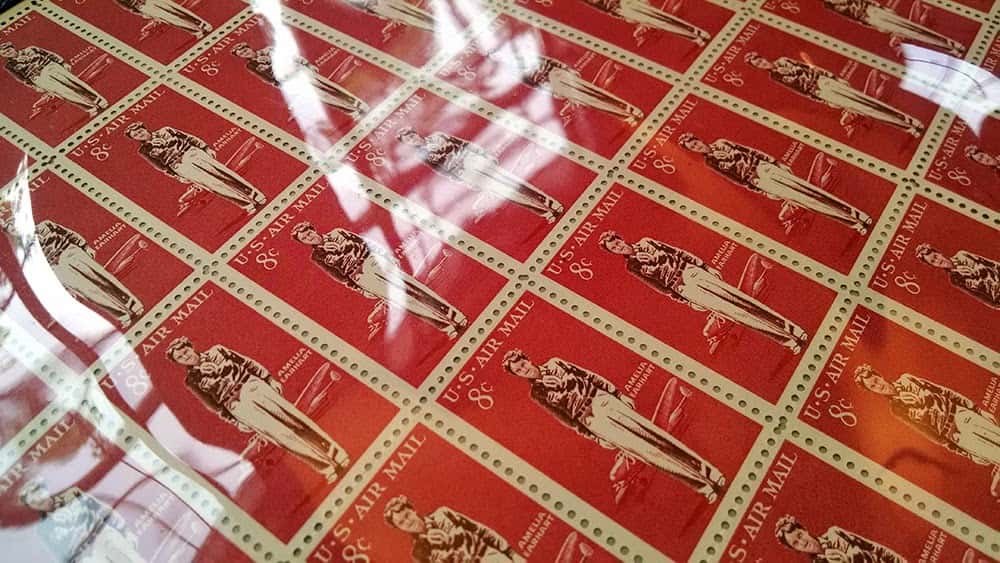
On what would have been her 66th birthday, a commemorative 8-cent air-mail stamp was issued portraying Earhart in front of her Lockheed Electra. In 1987, on the 50th anniversary of her disappearance, the Republic of the Marshall Islands issued a commemorative set of 4 stamps. The images on the stamps are largely based on Vincent V. Loomis’ book Amelia Earhart: The Final Story, but the book, and therefore the stamps, wasn’t based on real evidence and can’t be considered wholly accurate.
16. Advice to a Young Girl
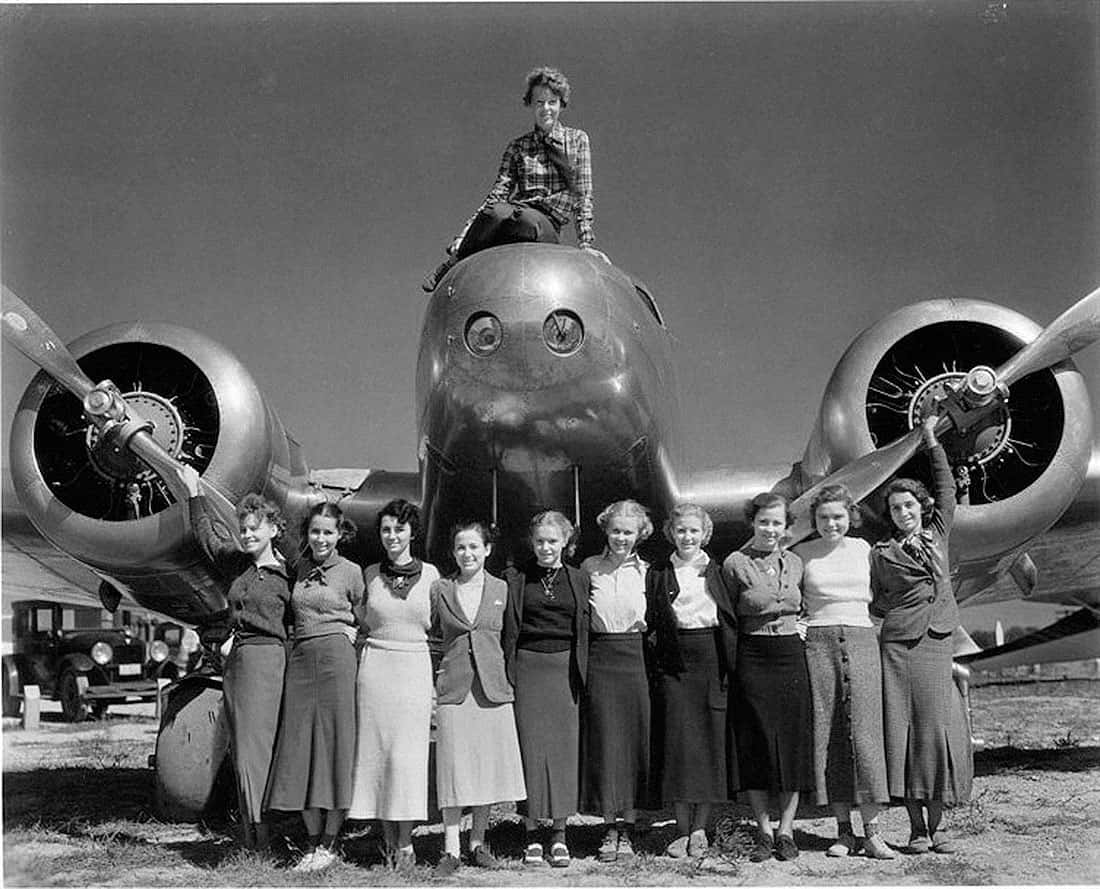
Earhart loved to encourage other women to go into aviation, and in a response to a letter sent to her by a 13-year-old girl in 1933, she gave honest but encouraging advice. She explained the steps required to become a pilot and believed that the field would soon open up to women. She said: As far as a woman's opportunities in flying go I think they will improve as they have in all industries. Just now there are no pilots on the regular scheduled airlines. Some day I suspect there will be.”
15. Cosmo Girl
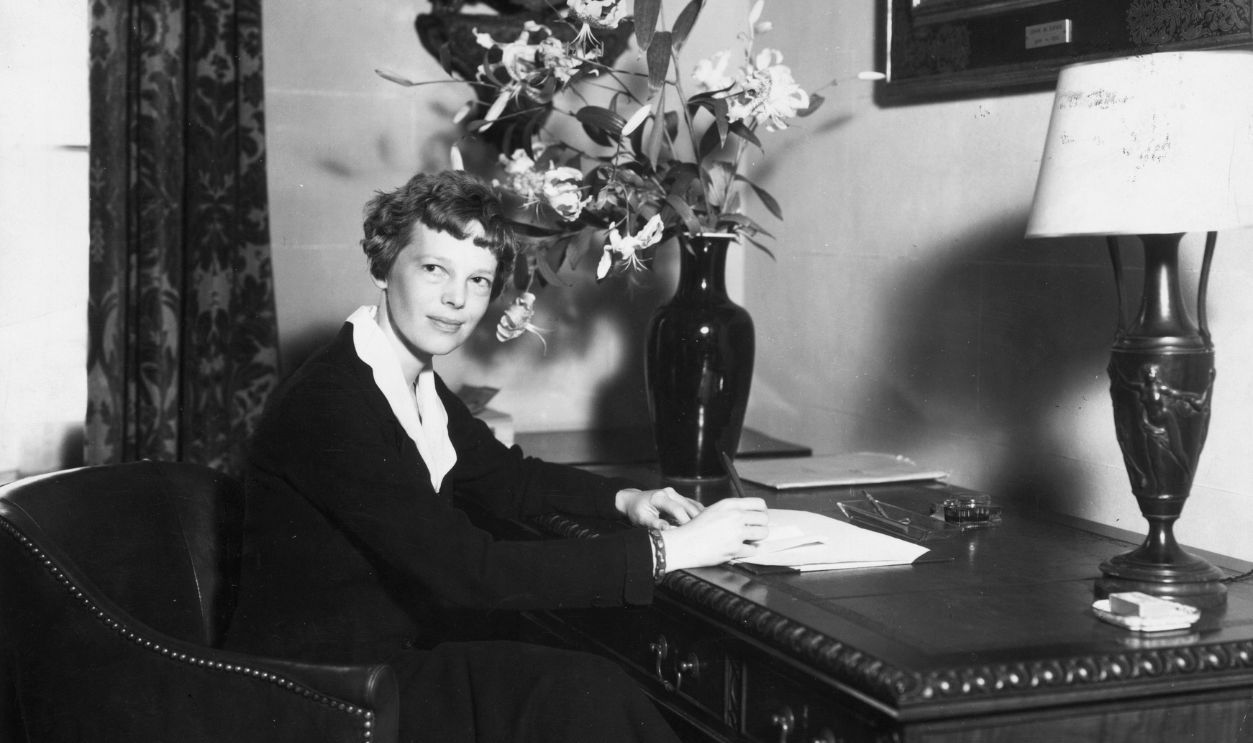
In 1928, Earhart was made Cosmopolitan’s Aviation Editor, where she published 16 different articles. Among her articles were “Shall You Let your Daughter Fly” and “Why Are Women Afraid to Fly” which recounted her own experiences learning to fly, about the planes she owned, and encouraging mothers to let their daughters to take flying lessons.
14. Comfort Food
While flying across the Pacific in January 1935, Earhart decided to unpack her thermos of hot chocolate to warm up. She called it “the most interesting cup of chocolate I have ever had, sitting up eight thousand feet over the middle of the Pacific Ocean, quite alone.

13. Simply Normal
During Earhart’s time, the widely held belief was that flying was not a ladylike activity for women to pursue. Earhart tried to fight the stereotypes by highlighting the variety of women who were involved in aviation. In her autobiography, she described female pilots as “simply thoroughly normal girls and women who happen to have taken up flying rather than golf, swimming, or steeplechasing."
12. Fashion Forward
After her first Atlantic flight, Earhart found herself in need of money. To make sure that her budding career could continue, she and her husband/manager George Putnam established a fashion line. Earhart’s line included 25 outfits including dresses, skirts, pants and outerwear for an active and practical lifestyle. She launched the line in 1933 with help from a single seamstress, and a sewing machine and mannequin in her New York Hotel suite. The separates also set a new standard for women’s clothing, and are influential to this day.
11. First Flight
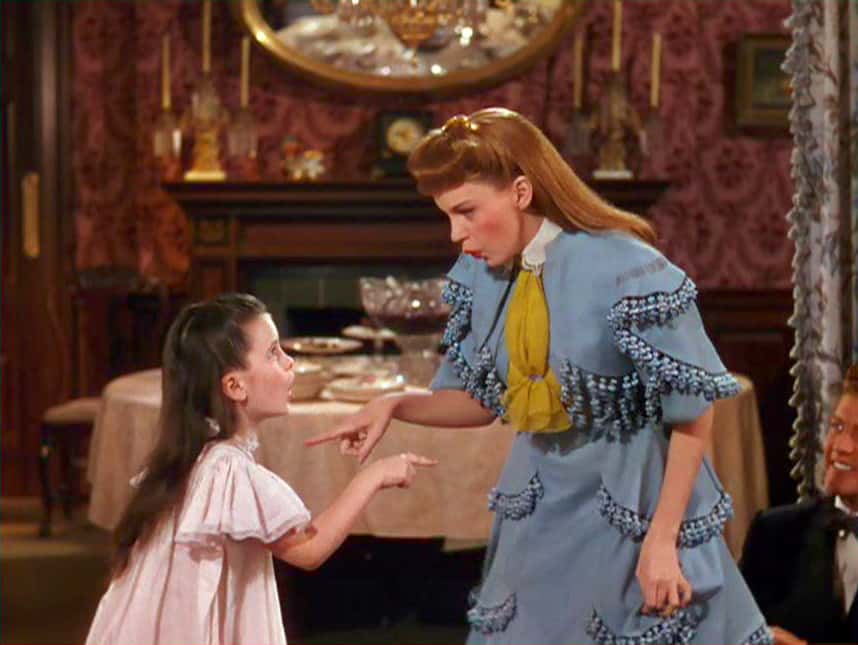
Before she even saw a plane, Earhart was destined to “fly.” In 1904, she visited the World’s Fair in St. Louis, MO, and promptly decided she wanted to build her own mini roller coaster in her grandparents’ backyard. With the help of her sister, her Uncle, and a couple of playmates, she built a roller coaster on the roof of the tool shed using planks, a wooden box, and lard. Amelia’s first ride ended with a crash and a bang, but she apparently loved it. This is way more normal and cute than anything the little kid in Meet Me in St. Louis did. Just watch it. It’s messed up.
10. Catching Some ZZZs…
Earhart’s 1928 flight across the Atlantic took 15 hours and 40 minutes, but if she did actually sleep at all during that time, she never admitted to it. On her around-the-world flight, her co-pilot Fred Noonan pre-arranged rest houses in the various places they landed, but legs would sometimes be 20 hours long and she claimed to never leave the controls while flying.
9. Airplane Rations
In an interview with Heinz Radio, Earhart outlined what she ate while in flight. Cans of tomato soup were her primary nourishment, and she usually punctured them with an ice pick and drank the soup through a straw. Sometimes, she was also able to snack on raisins, malted milk balls, chocolate squares, and occasionally, a hard-boiled egg. And you thought airplane food was bad!
8. Lonely Teen
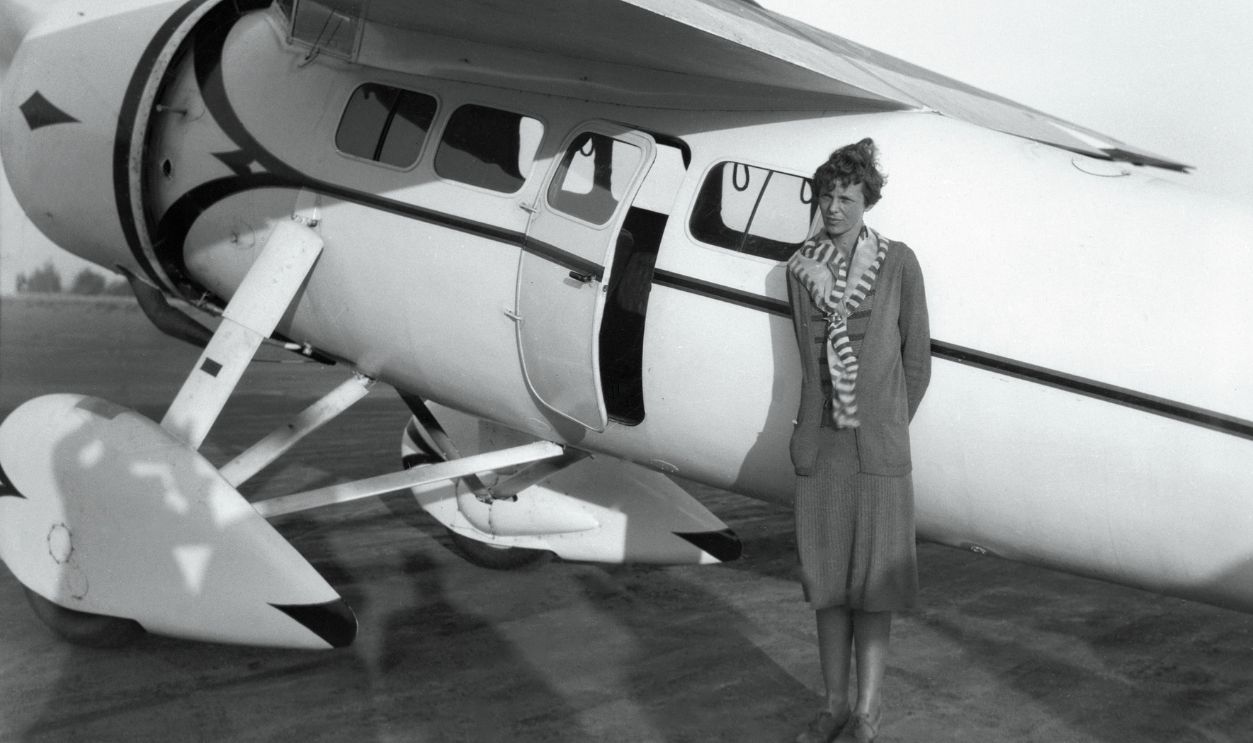
Earhart’s teenage years were lonely ones. Due to her father’s alcoholism and his difficulties finding a job, the family moved frequently. Eventually, Earhart’s mother packed up her and her sister and moved them to Chicago. With all of the moves, Earhart was forced to switch high schools six times which made keeping friends a challenge. In her high school senior yearbook, she was described as “the girl in brown who walks alone.”
7. Near Miss
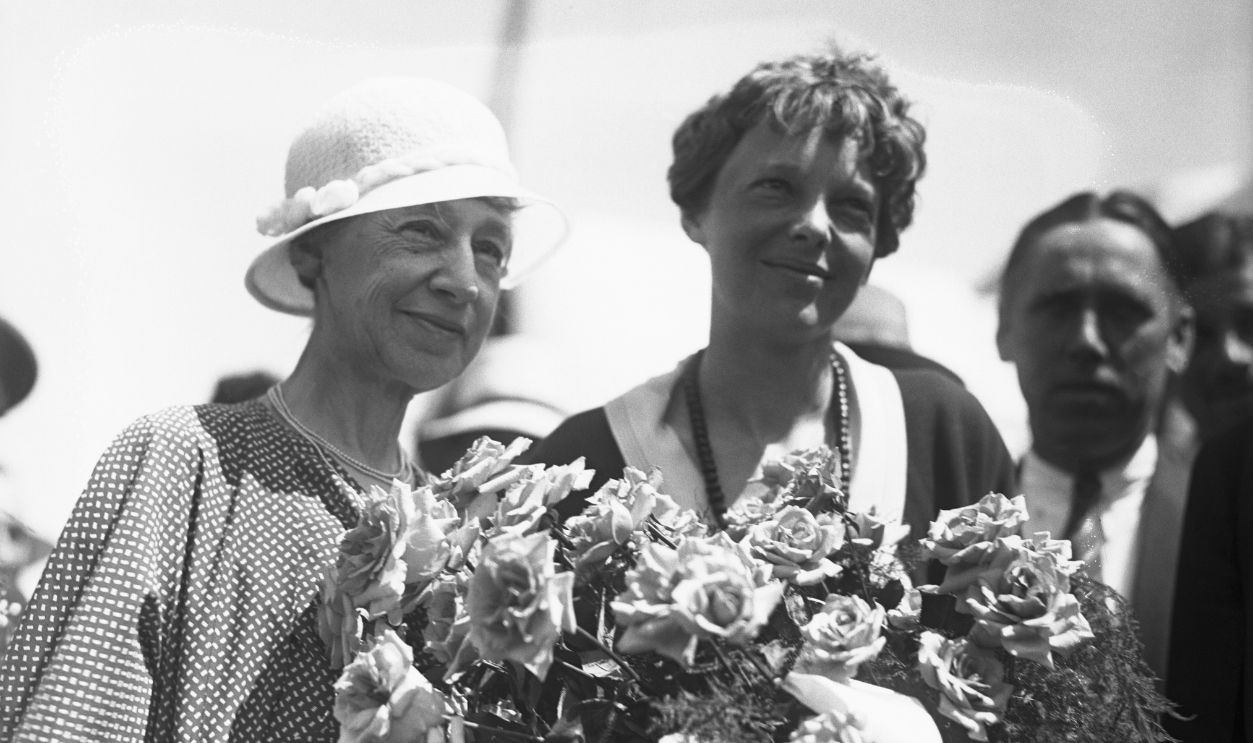
When Earhart set off on her first solo trip across the Atlantic, the trip was riddled with problems. The clouds and fog made navigation a challenge, the wings became covered in ice, and about two-thirds of the way across, the plane developed a fuel leak. When the altimeter, the device that determined altitude, stopped working, she nearly crashed into the Atlantic. She was forced to abandon her plans to land in England and touched down in a sheep pasture in Ireland instead. Despite these challenges, she accomplished something no other female pilot had done before, and also became the first person period to cross the Atlantic twice.
6. First Friend
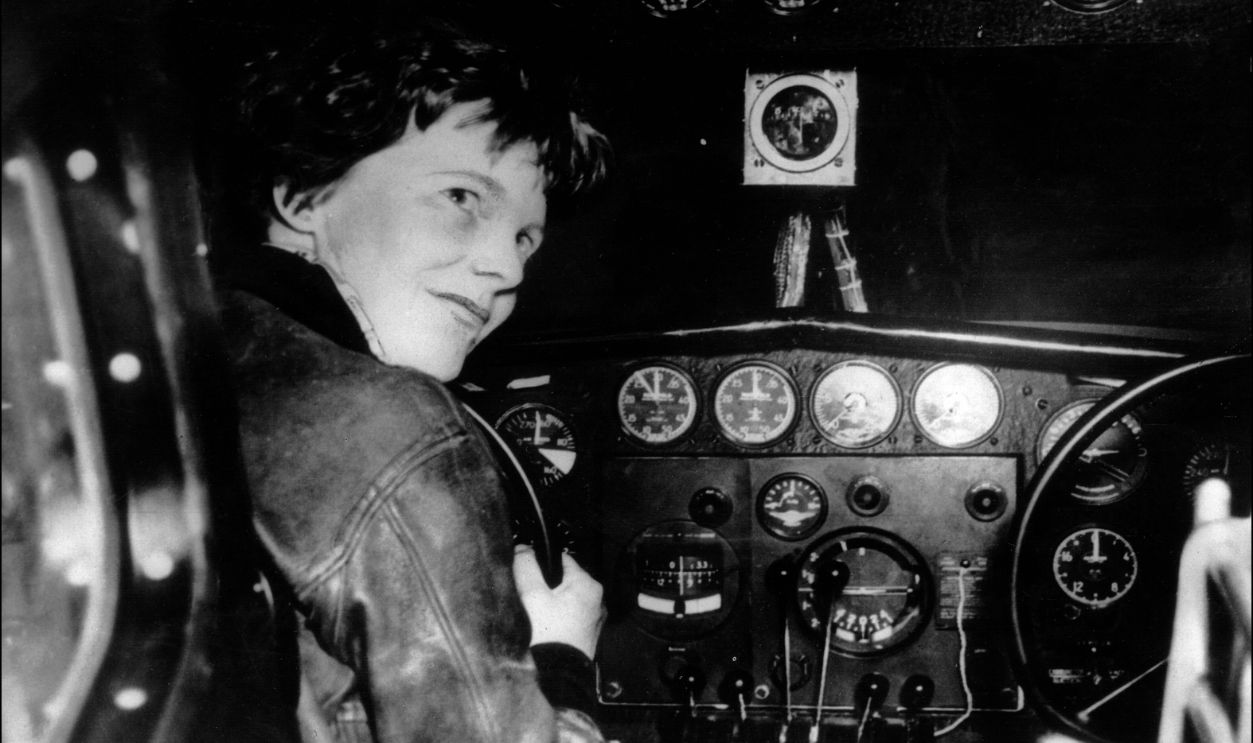
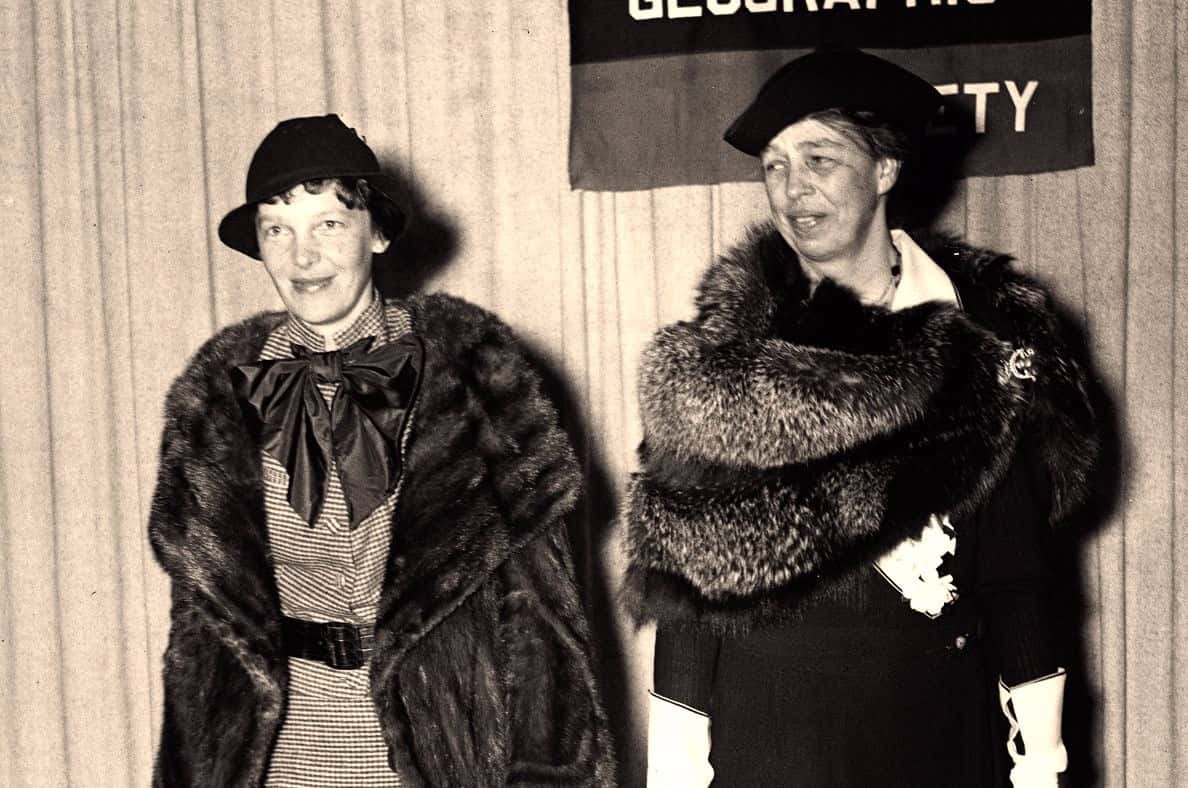
In the course of her work on projects for the advancement of women, she became friends with first lady Eleanor Roosevelt. Inspired by Earhart, Roosevelt wanted to get a pilot’s licence, but her husband refused. While she was never able to become a pilot herself, Roosevelt and Earhart had a lot in common, and believed in the same things. On April 20, 1933, she and Roosevelt stole away from a dinner party, and climbed on board an Eastern Air Transport twin-engine Curtis Condor still dressed in their evening gowns.
5. Yellow Peril
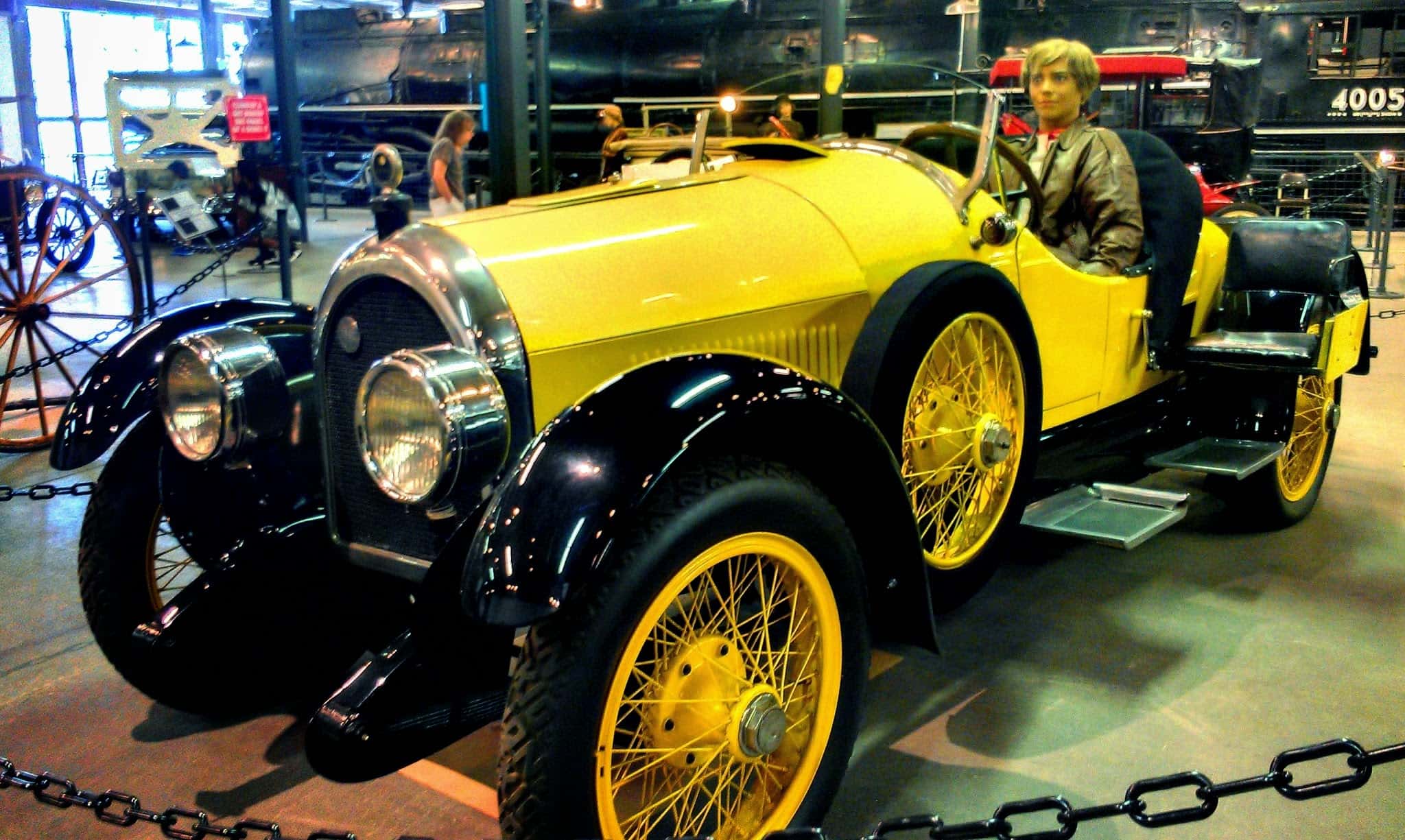
Outside of flying, Earhart had a well-known love of fast cars, and in 1924, she bought her first car- a bright yellow Kissel Speedster which she called her “Yellow Peril.” She drove the car from Los Angeles to Boston, drawing crowds at every stop along the way.
4. An Incriminating Photo?
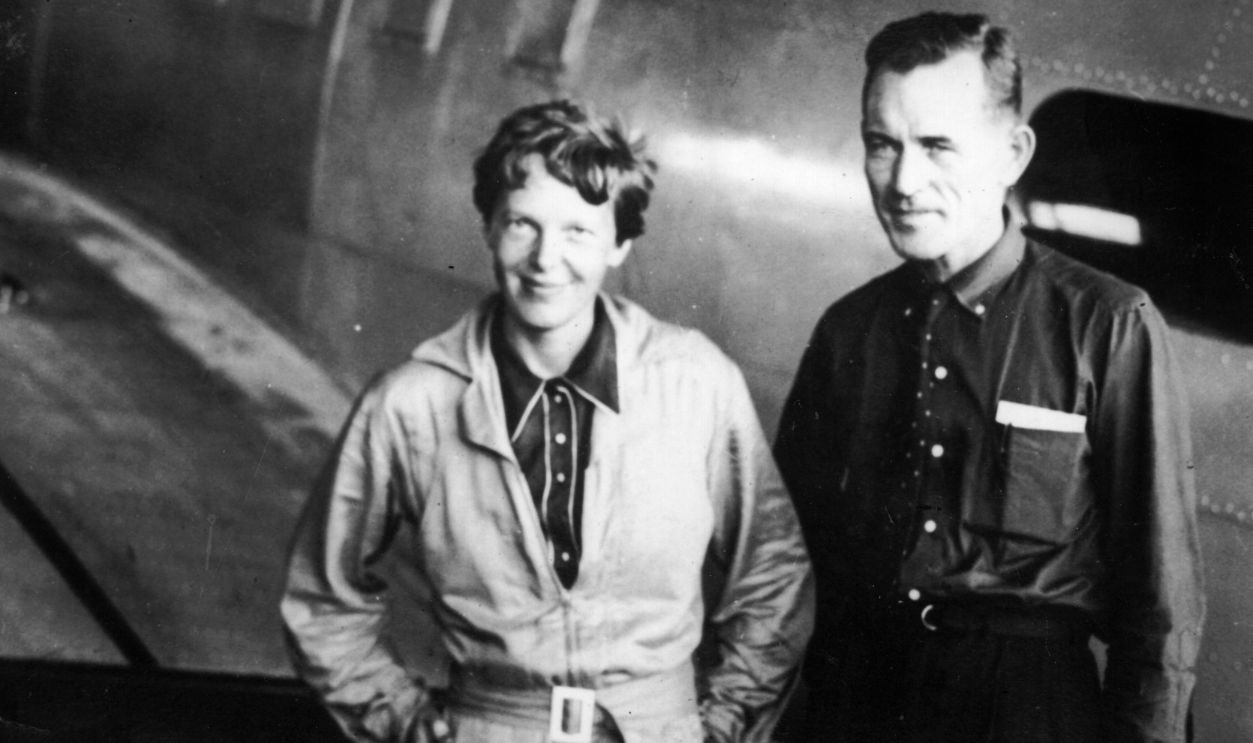
A photo pulled out of the US National Archives for a 2017 History Channel documentary on Earhart’s disappearance made conspiracy theorists speculate wildly about the circumstances surrounding her disappearance. Les Kinney, a retired federal agent, dug through the archives looking for any evidence that might have been missed in previous year. He discovered what he claims to be a photograph that shows Earhart and Noonan in the Japanese-occupied Marshall Islands in 1937, proving a popular theory that they were on a US-led spy mission when they were captured by the Japanese and executed. A representative from The International Group for Historic Aircraft Recovery who has also written a book about Earhart has discounted the photo for several reasons, not the least of which is that it’s dated three years after their disappearance.
 Topical Press Agency, Getty Images
3. Compelling Evidence
In the years since Earhart’s disappearance, the organization TIGHAR (The International Group for Historic Aircraft Recovery) has made several trips to the island in search of clues about Earhart’s disappearance. They recovered the aluminum skin from an aircraft, Plexiglas from the cockpit, the same kind of pocket knife that was listed in Earhart’s aircraft inventory, and a woman’s compact from the 1930s. All of these items, as well as partial skeletal remains that were discovered in 1938 support theories that Earhart and Noonan landed there and died either of starvation or thirst.
 DigitalGlobe/ScapeWare3d, Getty Images
2. Connecting With the Occult
Amelia Earhart’s self-proclaimed psychic connection with the occult was something she rarely discussed in public. She claimed to be able to psychically locate planes lost in crashes, and eerily enough, her visions proved to be accurate. In an interview with the Elyria Chronicle-Telegram in February 1937, she attempted to downplay her abilities, largely because being known as a psychic would have irreparably stigmatized her as a nutcase, and she wouldn’t have wanted anything to distract from her personal ambition.
1. Finding Amelia
In 2017, National Geographic sponsored an expedition of Nikumaroro, the island where Earhart is believed to have crashed. They brought with them specially trained forensic dogs who are able to uncover the scent of human bones long after they’re gone. All four dogs ‘alerted’ in the same spot independently of each other, letting the handler know that they detected something. The researchers collected soil samples to be tested for DNA, but told National Geographic Magazine that the chances of picking up DNA from a tropical island like Nikumaroro were pretty slim.
 Angela K. Kepler, Wikimedia Commons
Sources: 1, 2, 3, 4, 5, 6, 7, 8, 9, 10, 11, 12, 13, 14, 15, 16, 17, 18, 19, 20, 21, 22, 23, 24, 25, 26, 27, 28, 29