A Dark Force In The Shadow Of Versailles
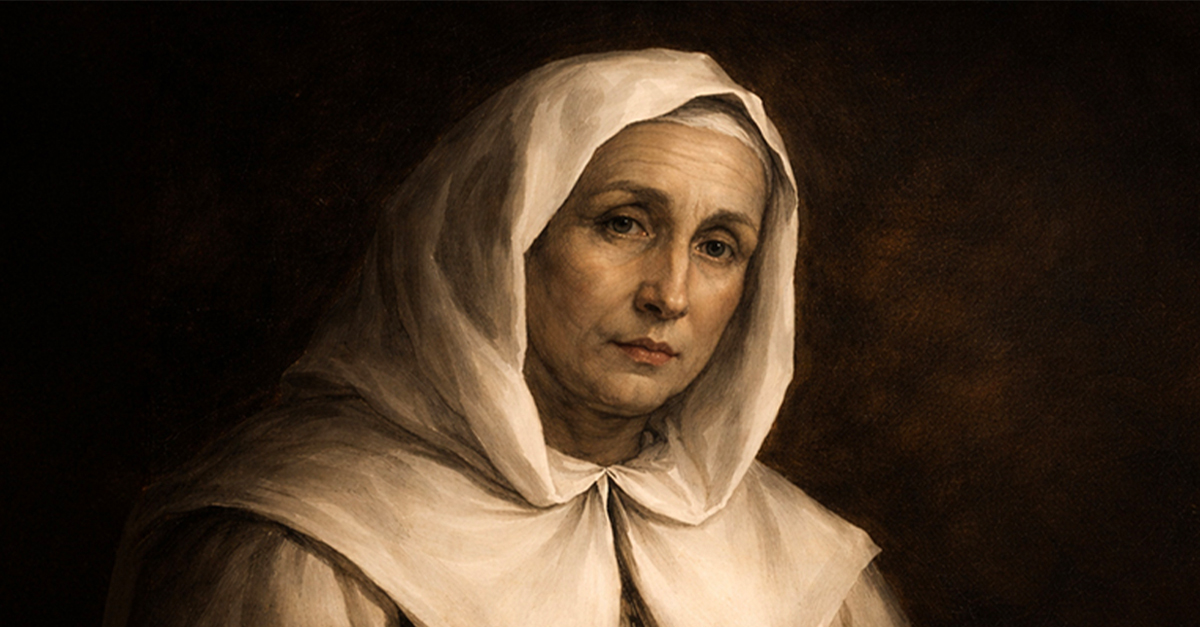
Catherine Monvoisin, better known as La Voisin, came from modest beginnings to become one of the most feared figures in 17th-century France. Working in the shadows of Louis XIV’s dazzling court, she gradually built up a secretive network of fortune tellers, poisoners, and occult practitioners. Her bizarre and deadly rise to power started quietly, long before the final scandal shocked the royal elite.
A Humble Start
Born around 1640 in Paris, Catherine Deshayes started her life in a world far removed from the one she would later command. She married a jeweler named Antoine Monvoisin, but tough financial times soon strained their household. With mounting debt and fading prospects, Catherine started looking for unconventional ways to make ends meet, setting her on an unexpected path.
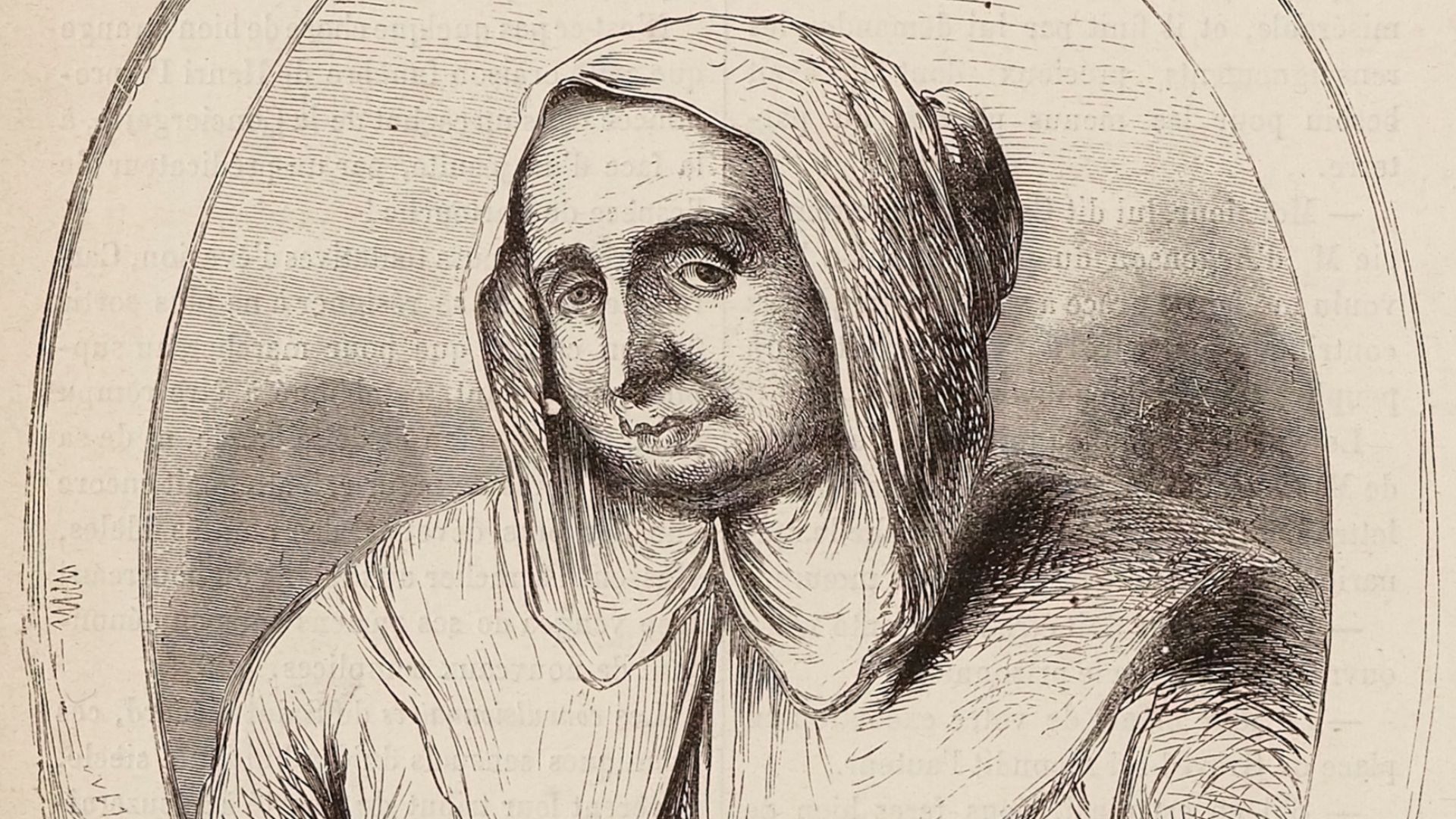 Hotelin, Laurent (Vallant-Saint-Georges - vers 1884), graveur, Wikimedia Commons
Fortune Telling For Survival
With her husband’s business failing, Catherine turned to fortune telling as a way to support her family. In a society enthralled by fate and superstition, her services soon attracted attention. Clients sought out her guidance on love, health, and wealth, and Catherine began to gain more confidence that she may be capable of much more.
 Jacques-Louis David, Wikimedia Commons
Building A Reputation In Paris
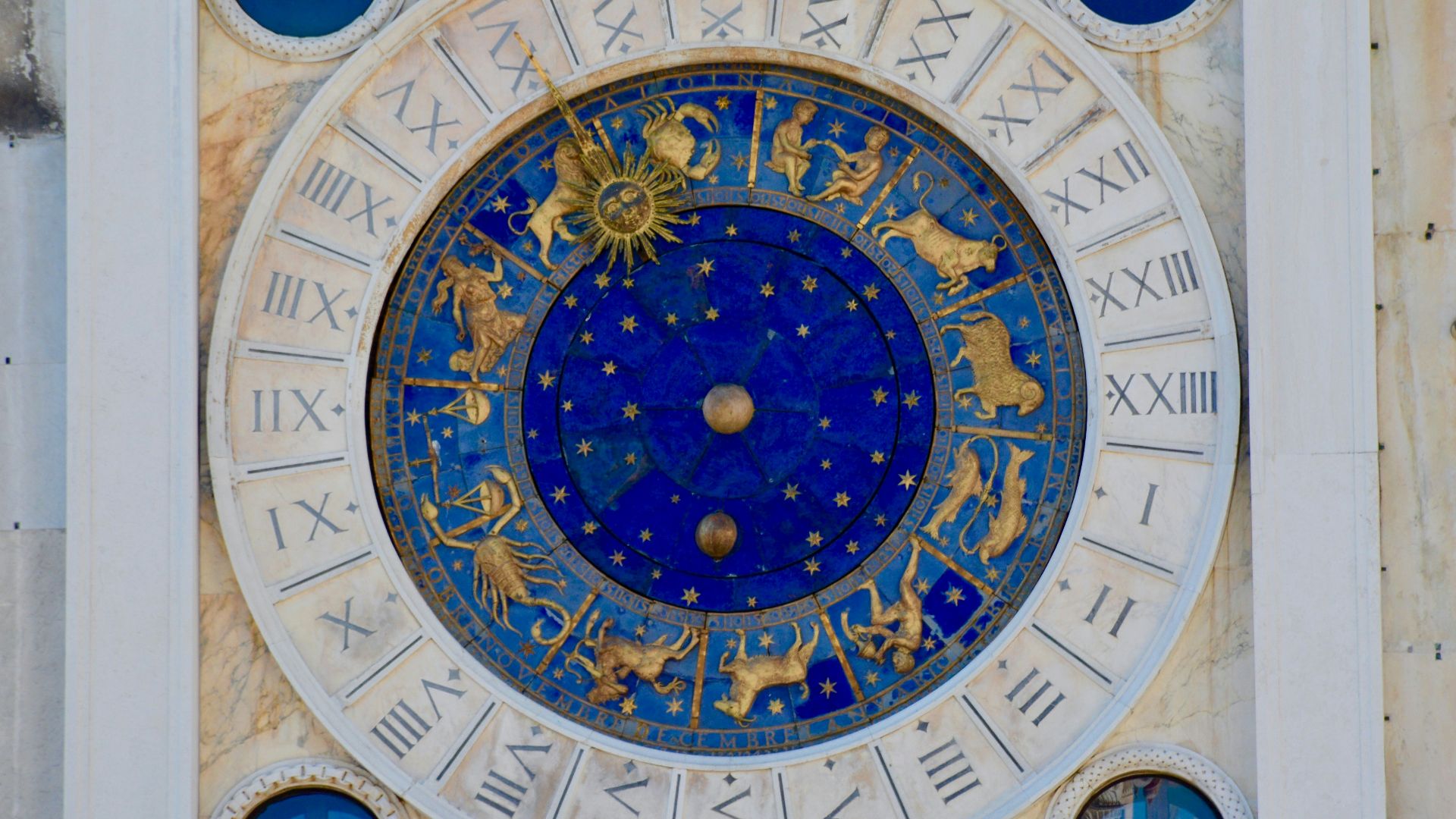
La Voisin steadily built a reputation around Paris as a skilled fortune teller and healer. She offered horoscopes, palm readings, and remedies that appealed to a wide range of clients. As word of her skills continued to spread, her clientele expanded beyond commoners, and started to draw in members of the aristocracy. This would open doors to more powerful circles.
She Expanded Into Occult Practices
As her popularity increased, La Voisin started offering services that blurred the line between spiritual guidance and darker practices. She reportedly conducted rituals, created charms, and promised supernatural solutions. These offerings attracted far more desperate and ambitious clients, pushing her deeper into the world of occult activity that would define her career.
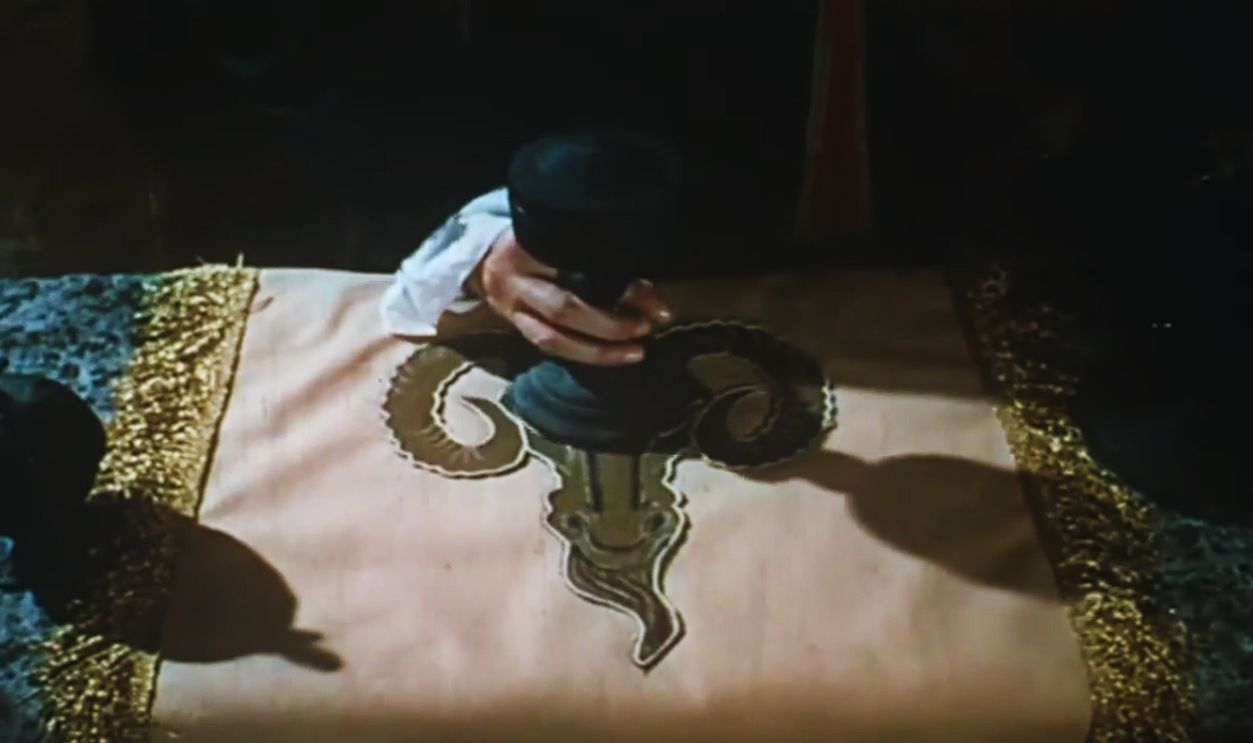 Screenshot from L'Affaire des poisons, Gaumont / Franco-London Films (1955)
Emergence Of The Poison Trade
Alongside these mystical services, La Voisin at some point allegedly began selling poisons to select clients. Known ominously as “inheritance powders,” these substances were used to get rid of inconvenient spouses or rivals. This far more dangerous side of her business proved to be highly profitable.
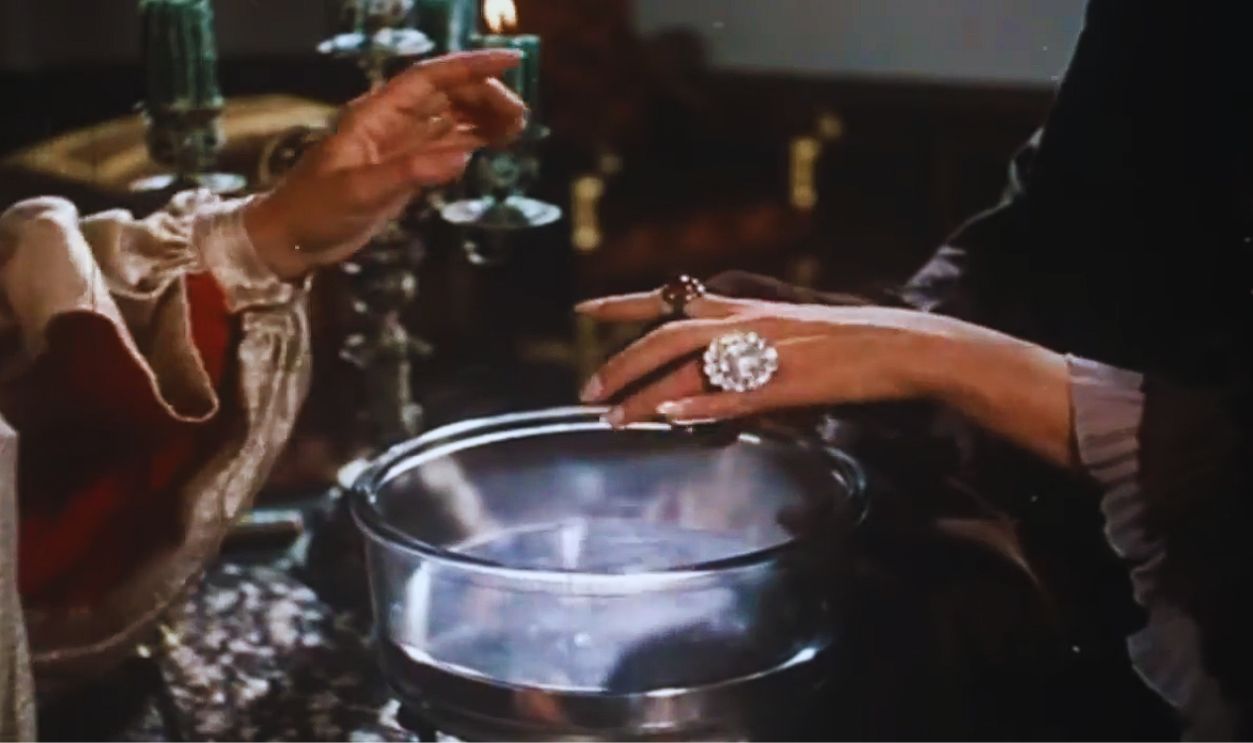 Screenshot from L'Affaire des poisons, Gaumont / Franco-London Films (1955)
A Network Begins To Form
Recognizing the demand for her services, La Voisin assembled a network of collaborators. Midwives, alchemists, and other practitioners joined her enterprise, each playing a role in fulfilling clients’ requests. This expanded organization allowed her to operate on a much larger scale, and this in turn led to an increase in both her influence and the risk that it could be discovered and all come crashing down.
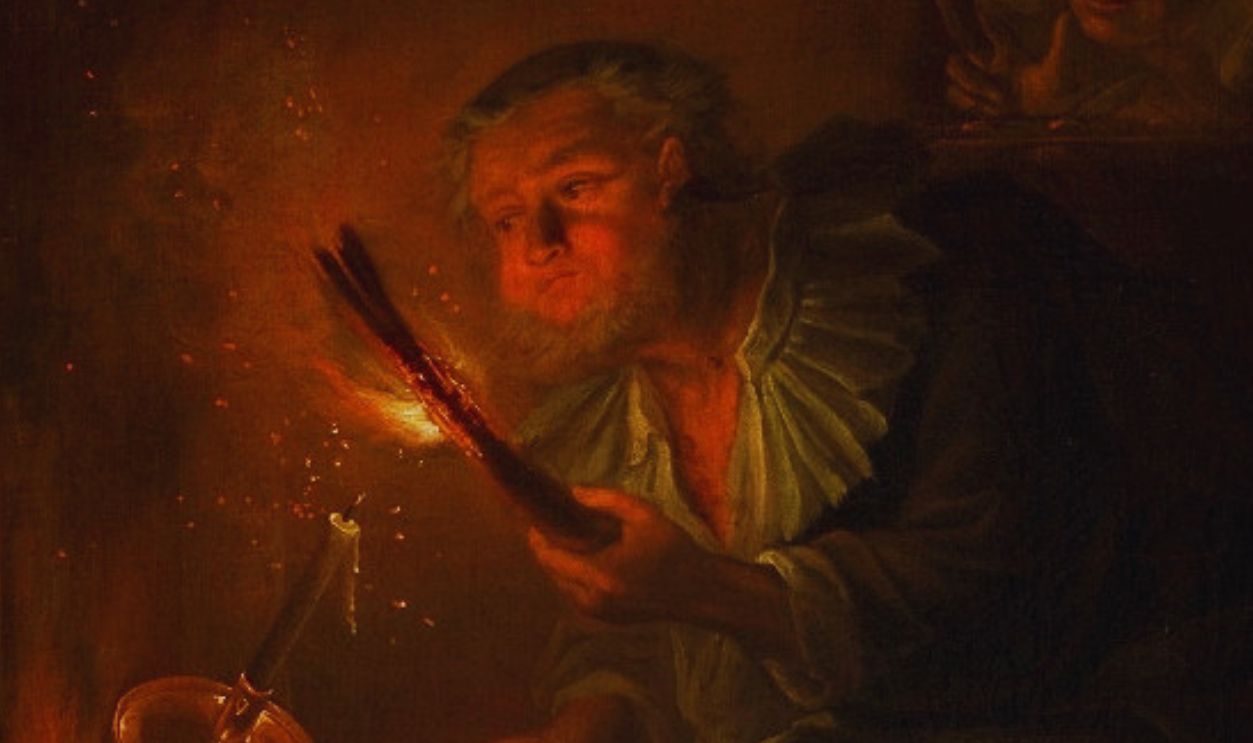 Godfried Schalcken, Wikimedia Commons
She Catered To The Elite
As her reputation grew, La Voisin began attracting wealthy and influential clients. Members of the aristocracy sought her help for matters of love, power, and revenge. These connections brought her closer to the heart of French high society, placing her in a dangerous position where secrets could no longer remain hidden forever.
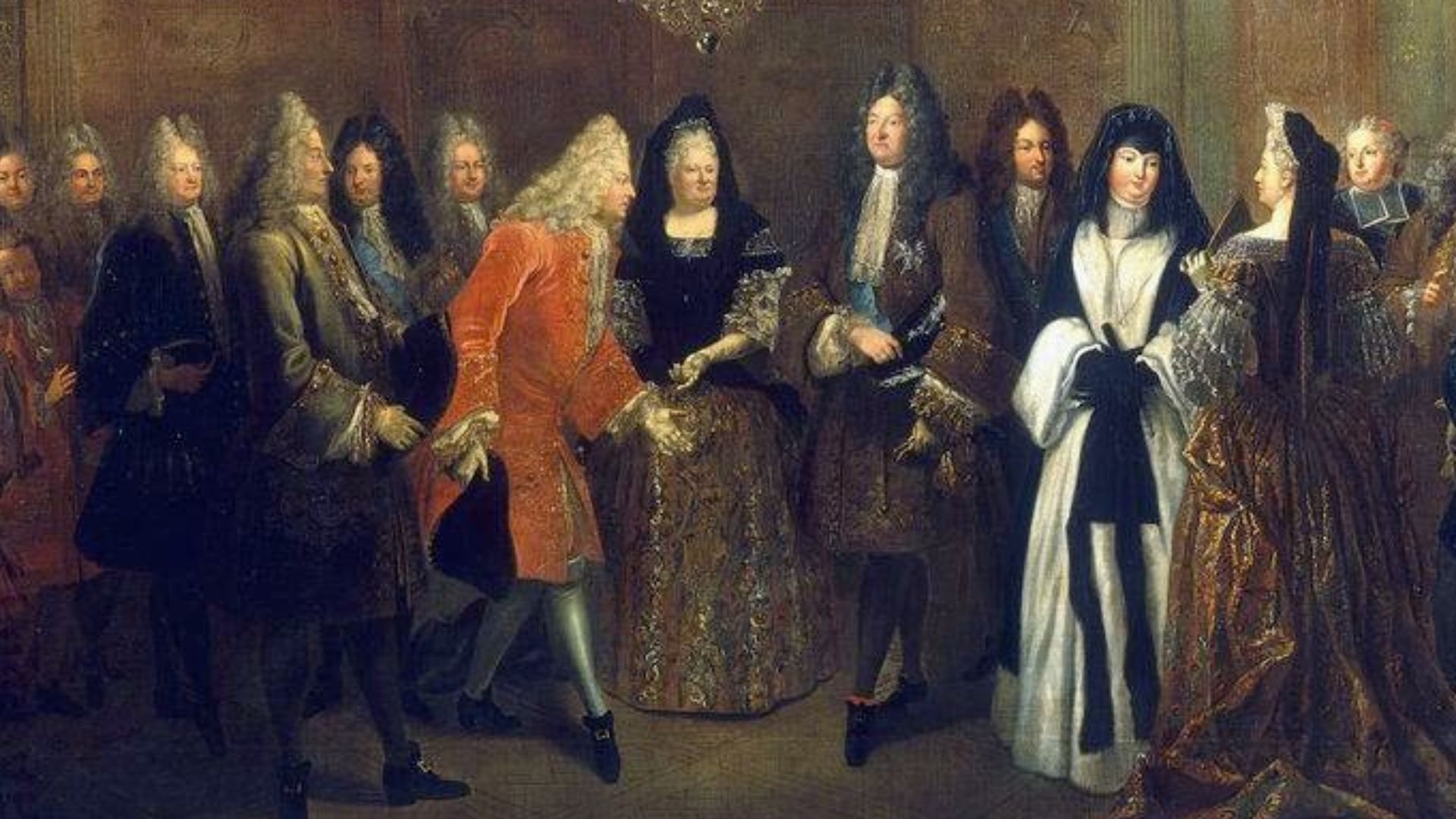 Louis de Silvestre / Formerly attributed to Hyacinthe Rigaud, Wikimedia Commons
Abortion Provider
Catherine Monvoisin was believed to provide clandestine abortion services alongside her trade in potions and remedies. In a time when abortion was illegal and highly dangerous, women sought her out for secrecy. Later testimony claimed that some of these procedures were fatal and linked her to grisly practices, though it was so long ago that not all accusations can now be fully verified.


History's most fascinating stories and darkest secrets, delivered to your inbox daily.
Allegations Of Black Masses
Among the most shocking claims to later emerge were accusations that La Voisin organized black masses for her clients. These alleged rituals were said to involve forbidden ceremonies intended to secure power or influence. Whether these were fully accurate or exaggerated amid sensationalist news reports, these stories inflamed public fears and ensured that her name would become synonymous with dark intrigue.
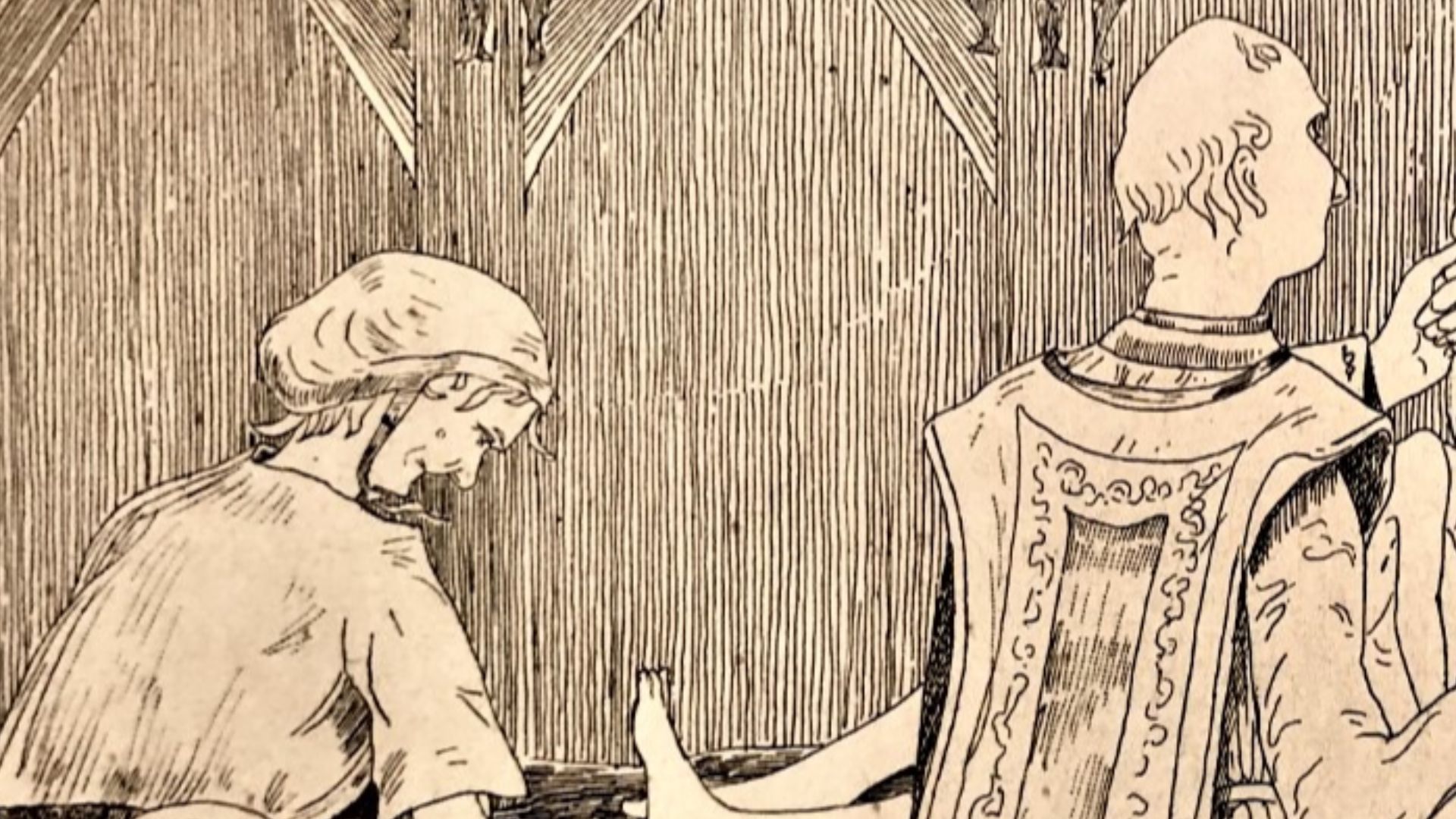 Henry de Malvost, Wikimedia Commons
Connections To Royal Circles
La Voisin’s reach reportedly extended into the highest levels of society, with rumors linking her to individuals close to King Louis XIV. Some accounts even suggest that influential courtiers sought her services. These connections raised her status but also put her under increased scrutiny as whispers of scandal spread.
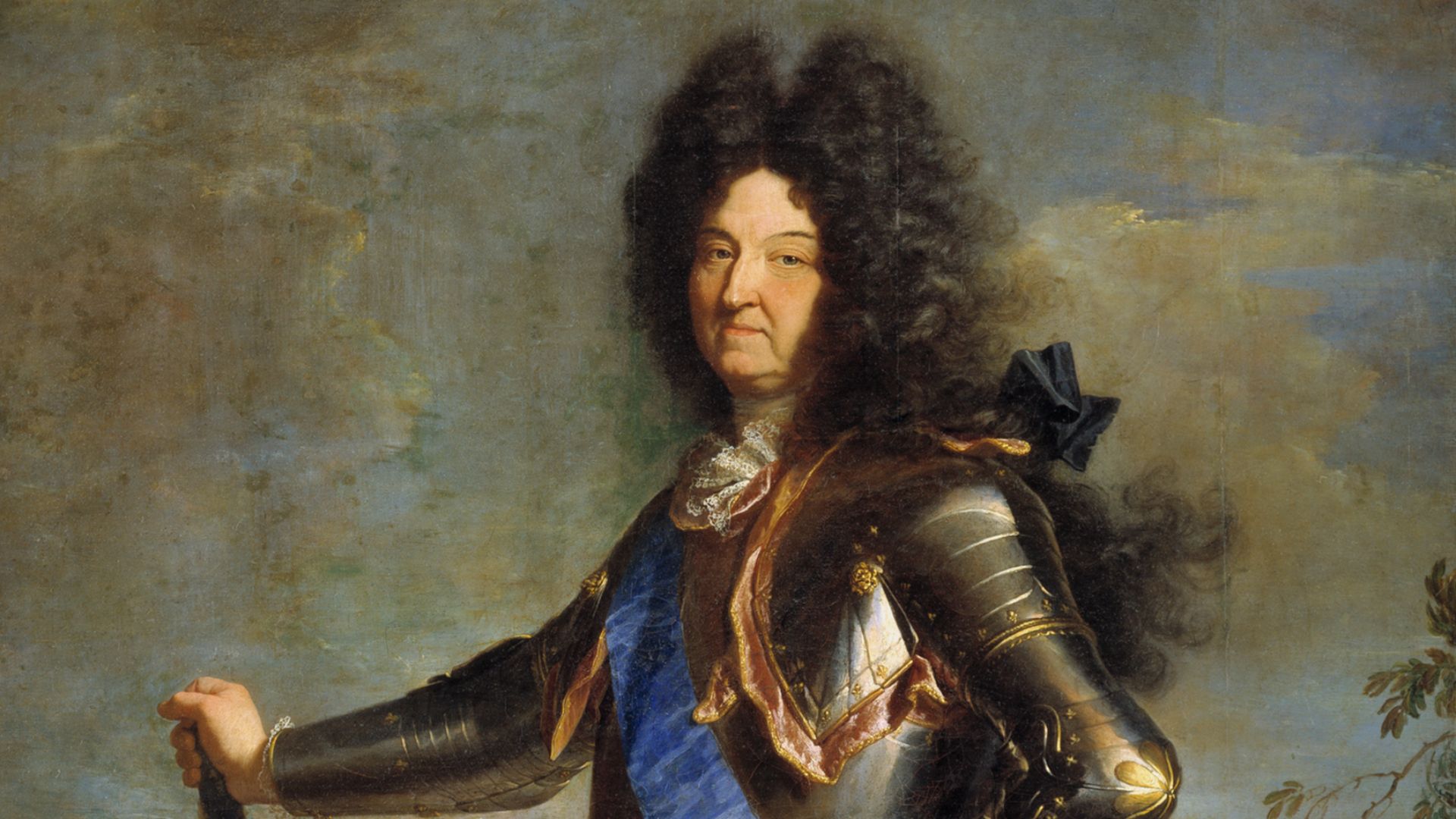 Hyacinthe Rigaud, Wikimedia Commons
The Affair Of The Poison
In 1677, authorities uncovered what would become known as “The Affair of the Poisons,” a sweeping investigation into a network of poisoners operating in Paris. As evidence surfaced, La Voisin’s name came up repeatedly, signaling that her carefully hidden empire was now under serious threat.
![Affaire des poisons : Marie Madeleine Dreux d'Aubray, marquise de Brinvilliers, versant du poison dans le verre d'une de ses victimes. Illustration de RM ornant la rubrique « Les causes célèbres » du périodique Le Petit Journal illustré, 8 février 1931. [1]](https://www.factinate.com/storage/app/media/factinate/2026/4/16/17763375881ec8d02e9e74f756d4af59666aa01dfea80de10b.jpg) AnonymousUnknown author (RM), Wikimedia Commons
AnonymousUnknown author (RM), Wikimedia Commons
The Scandal Breaks With The Brinvilliers Case
The Affair of the Poisons was sparked by Marie Madeleine d'Aubray, known as the Marquise de Brinvilliers, who poisoned her father and two brothers to secure their inheritance. Working with her accomplice Godin de Sainte Croix, she carried out these calculated murders that shocked France to its core. Her 1676 execution blew the lid off a broader criminal network, and this led the authorities toward La Voisin.
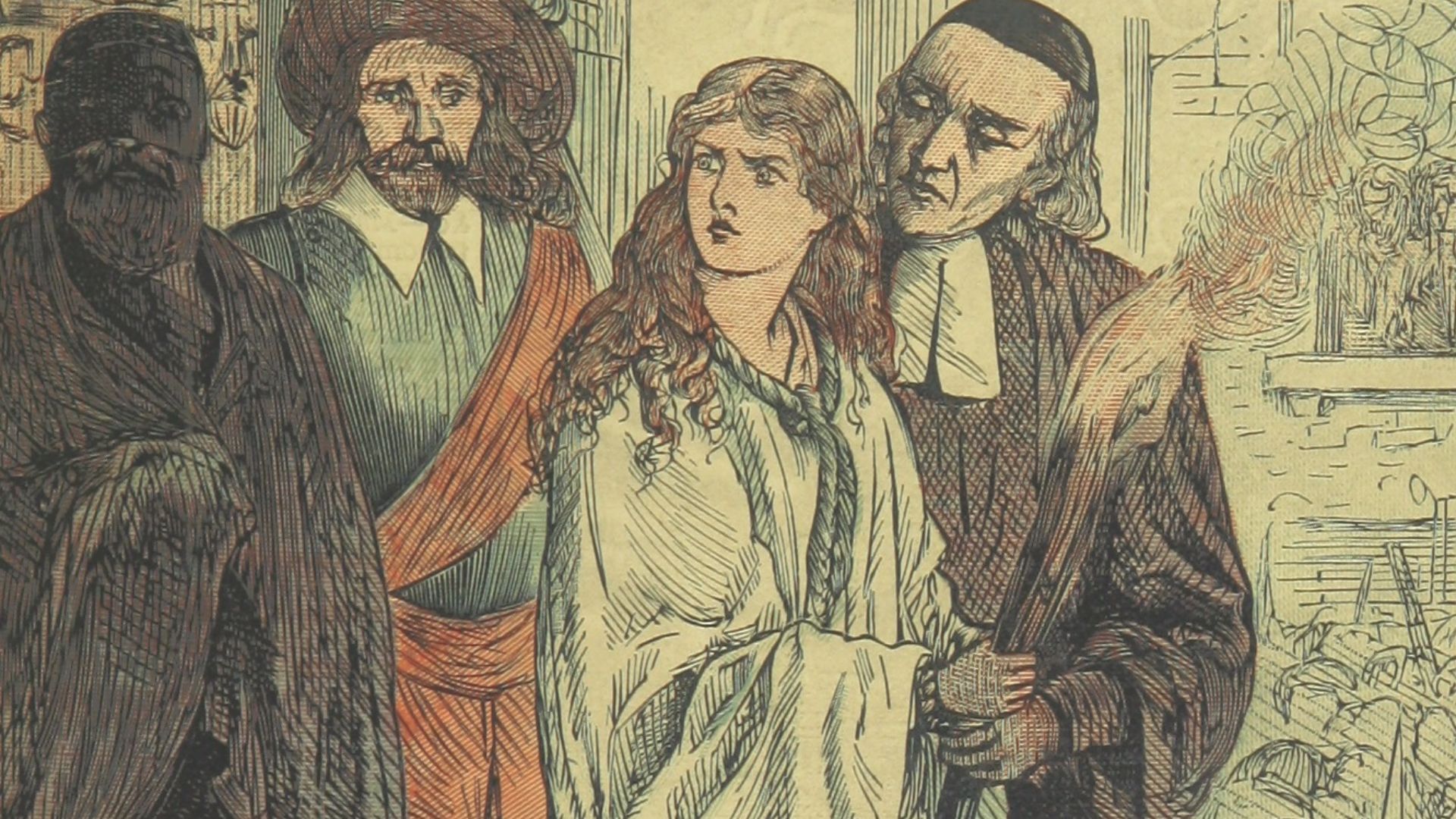 The British Library, Wikimedia Commons
A Wave Of Arrests
The investigation quickly led to a wave of arrests among the suspected participants in the rampant poison trade. Associates of La Voisin were detained and put under heavy questioning. Under the relentless interrogation techniques that likely prevailed back then, some inevitably began to reveal details about the network. These revelations brought the authorities closer to nabbing the operation’s central figure.

Relentless Investigator
The investigation was headed up by Gabriel Nicolas de la Reynie, Paris’s first lieutenant general of police and a pioneer of modern policing. Appointed by Louis XIV to bring order to the capital, he tackled the case with methodical intensity, describing the network as vast and deeply rooted within elite circles of high society.
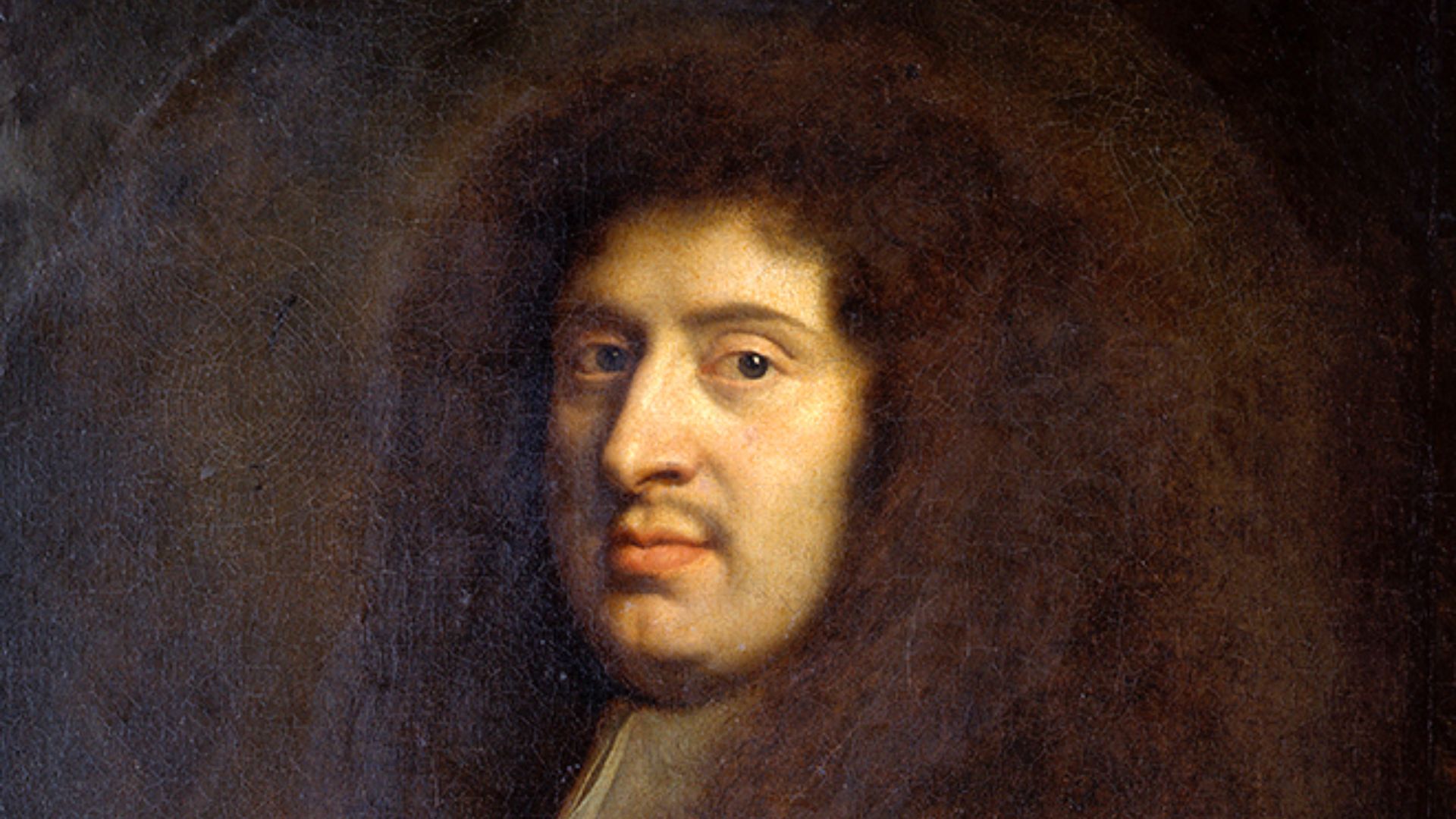 Pierre Mignard I, Wikimedia Commons
La Voisin Comes Under Suspicion
With her name appearing in multiple testimonies, La Voisin became a primary suspect. Her extensive network and high profile clientele made her impossible to ignore. Authorities began to put together a case against her, setting the stage for a confrontation that would end her years of operating in secrecy.
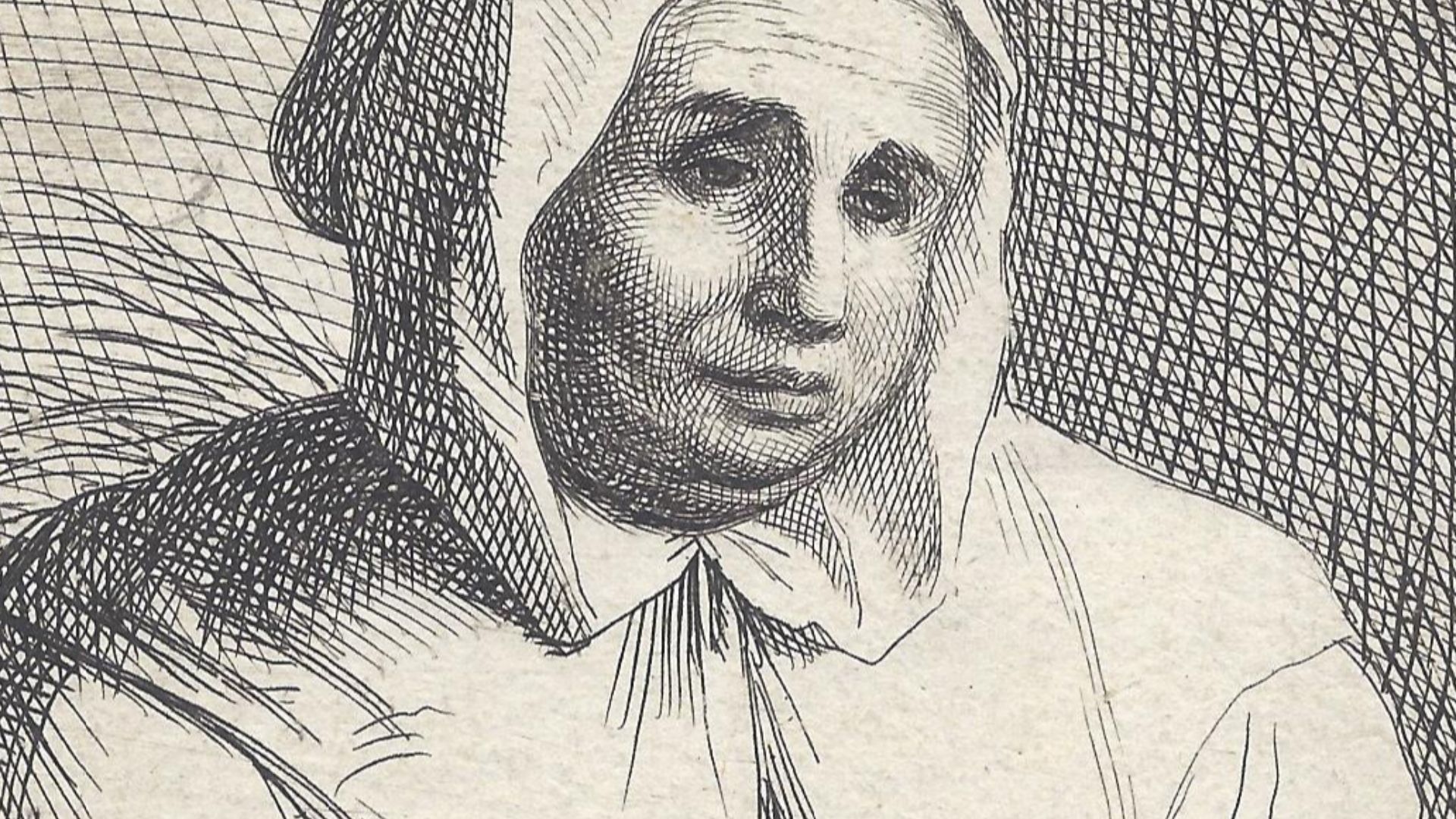 Antoine Coypel, Wikimedia Commons
Arrest Of La Voisin
In 1679, La Voisin was arrested by the French authorities and taken into custody. Her capture was a major turning point in the investigation into the extensive network, as one of the most powerful figures in the underground network was finally brought into the open. Her downfall had begun, but the full scale of her activities was still unclear.
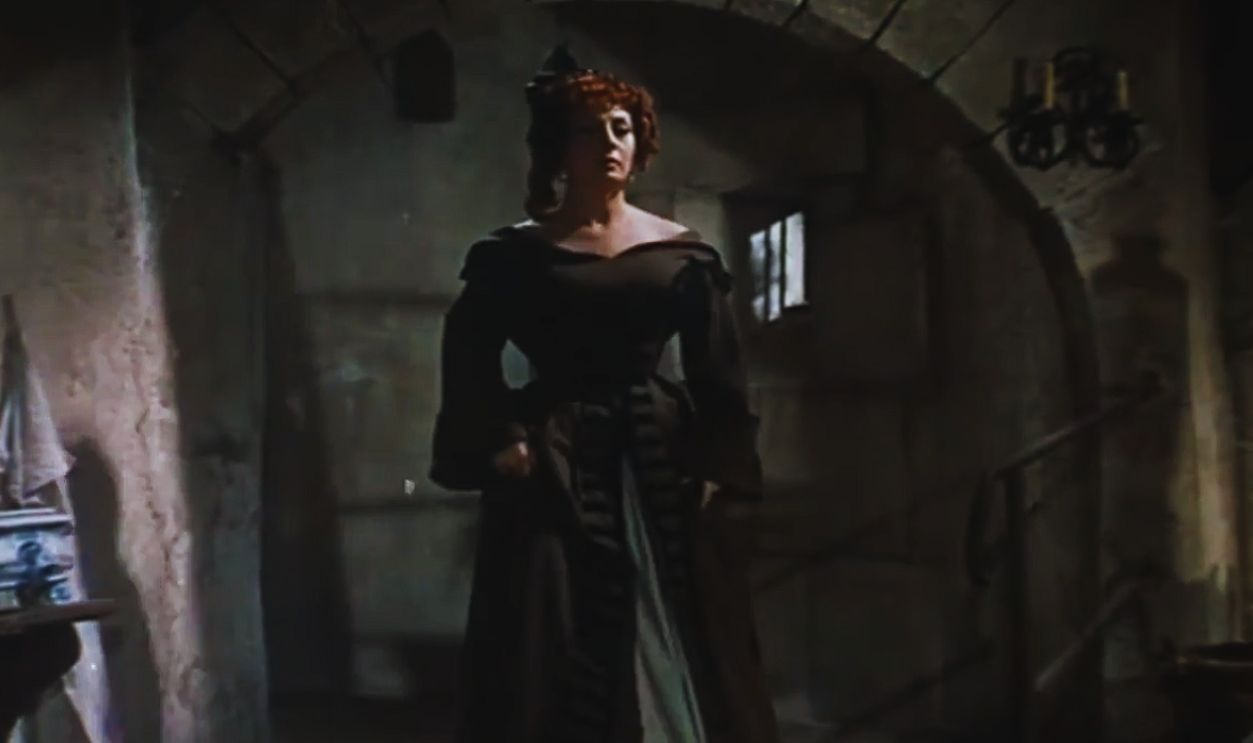 Screenshot from L'Affaire des poisons, Gaumont / Franco-London Films (1955)
Interrogation And Refusal
During her imprisonment, La Voisin was subjected to repeated interrogations about her activities and connections. Even under intense pressure, she reportedly refused to fully confess or implicate her most powerful clients. Her stubborn silence frustrated investigators and added an air of mystery to her already infamous reputation. But evidence continued to mount.
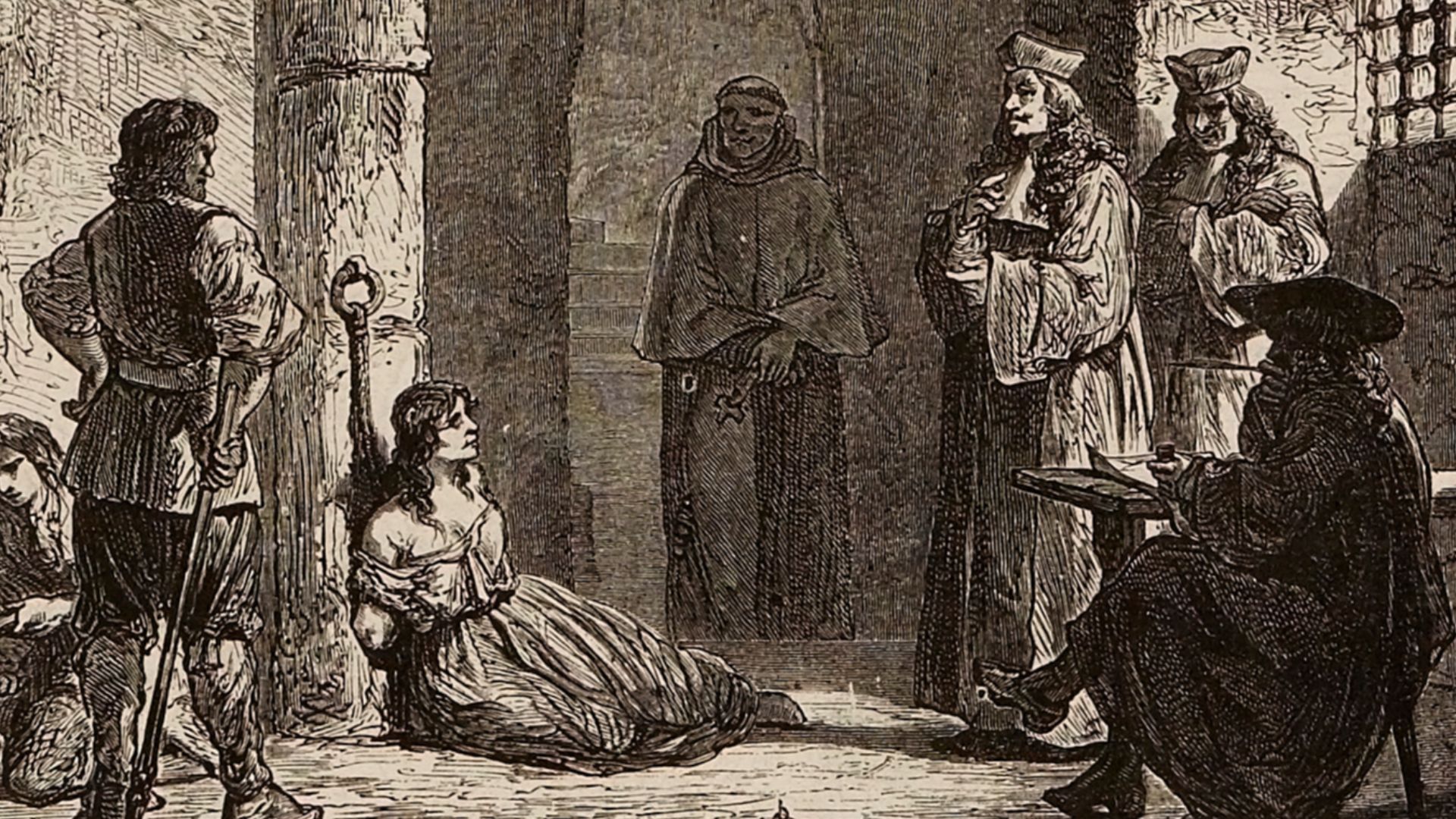 Dochy, Henri Auguste (Lille, en 1851), graveur, Wikimedia Commons
Evidence Mounts Against Her
Authorities gathered extensive testimony linking La Voisin to poisoning and illegal activities. Statements from other suspects painted a detailed and damning picture of her operations. As the story took shape, it became more and more clear that her fate would not be easily avoided.
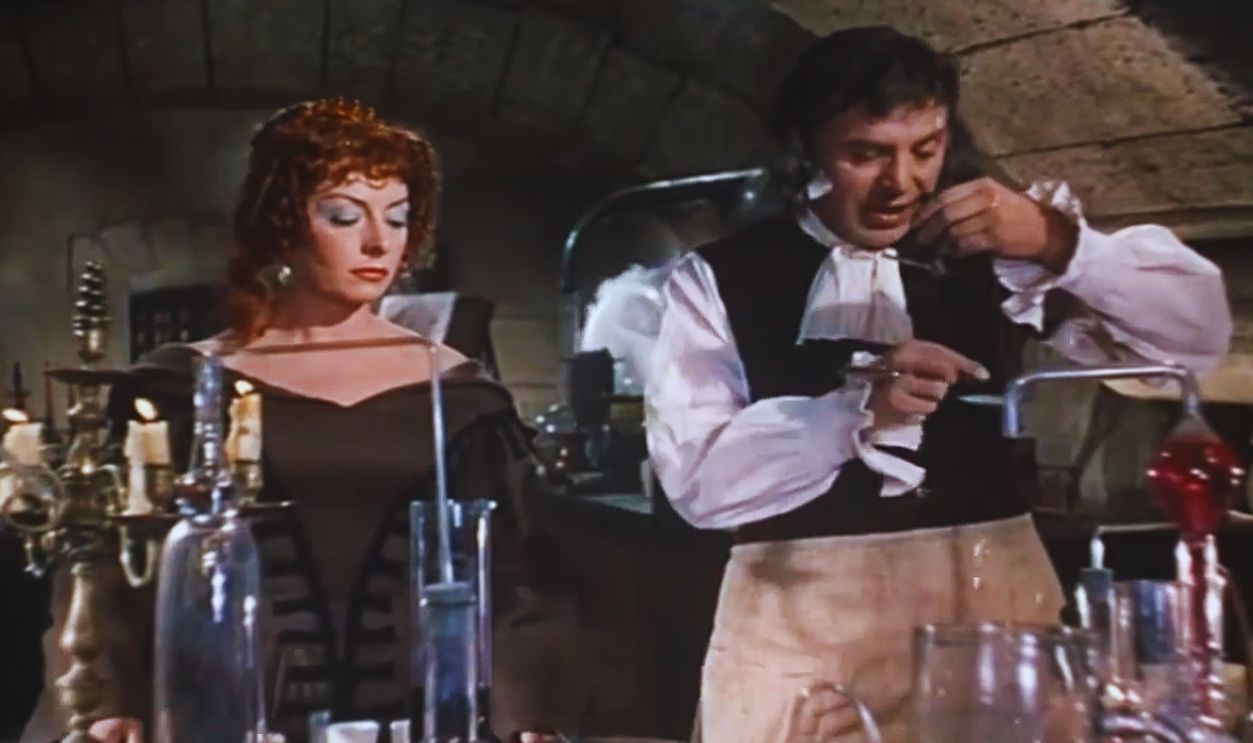 Screenshot from L'Affaire des poisons, Gaumont / Franco-London Films (1955)
The Role Of Torture And Confessions
It was a common thing during the 1600s, but interrogations often involved harsh methods designed to extract confessions. While a lot of suspects broke down and confessed under pressure, La Voisin remained notably defiant. Her resistance only heightened her notoriety and frustrated efforts to uncover the full scope of the network.
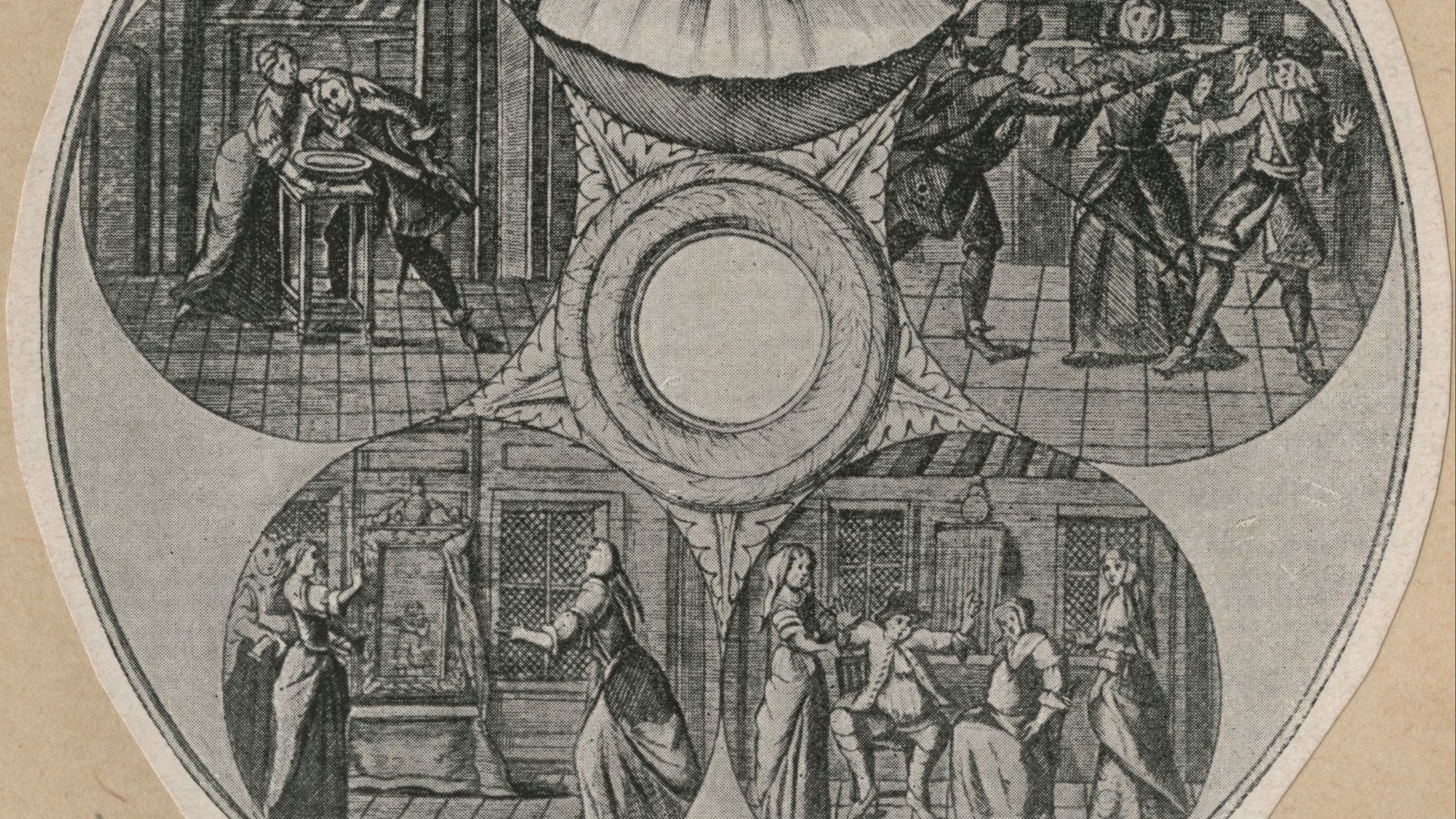 BIU Santé - David Benoist, Wikimedia Commons
The Threat To The Elite
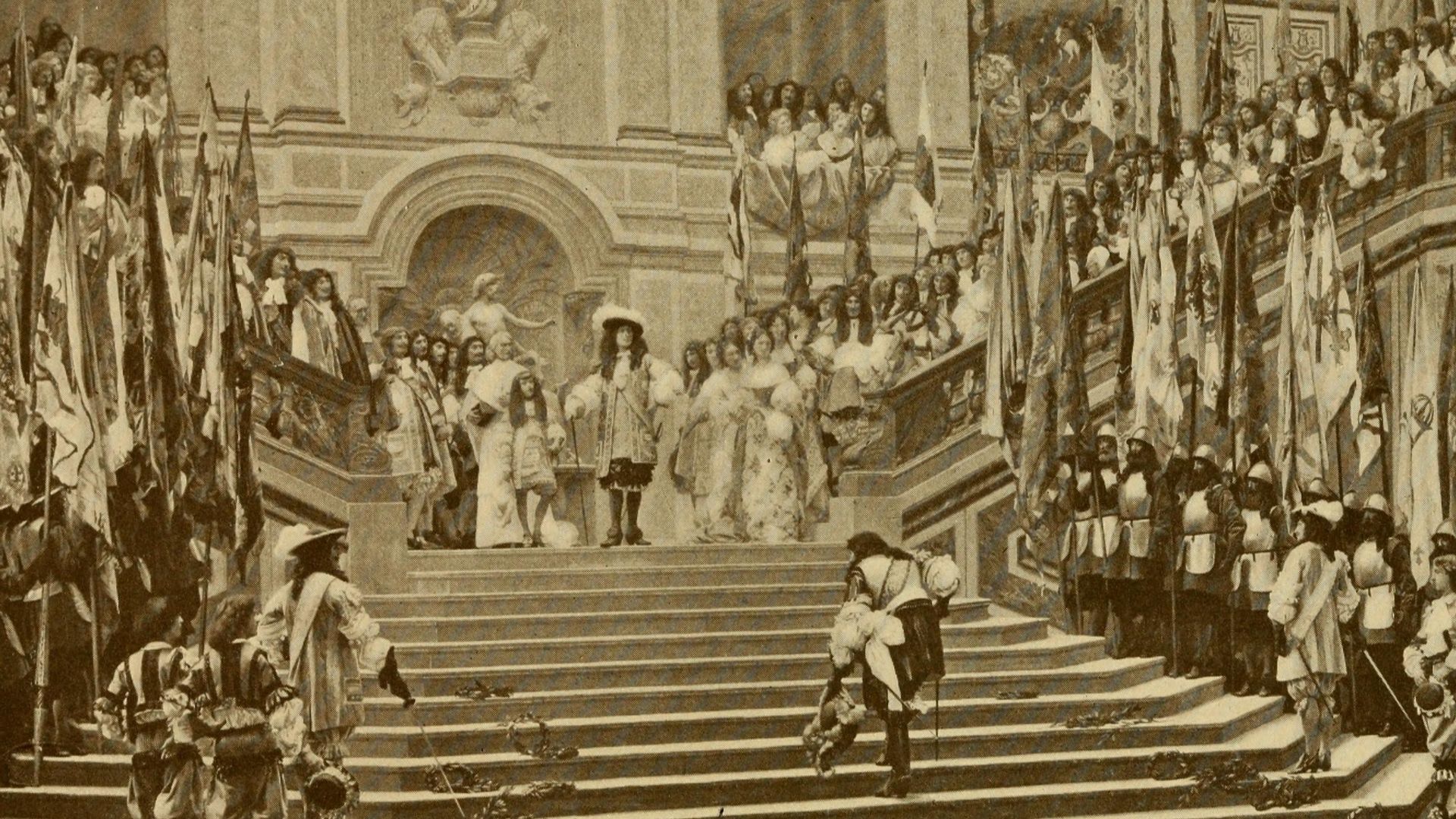
An investigation like this one posed a serious threat to members of the aristocracy who had allegedly sought out La Voisin’s services. Rumors and fear spread within the royal court as powerful individuals tried to cover their tracks, worried about exposure. The trail of clues was leading investigators to politically influential people. The quest for justice became compromised by the need to protect influential figures.
 Farmer, James Eugene, 1867-1915, Wikimedia Commons
A Controlled Crackdown
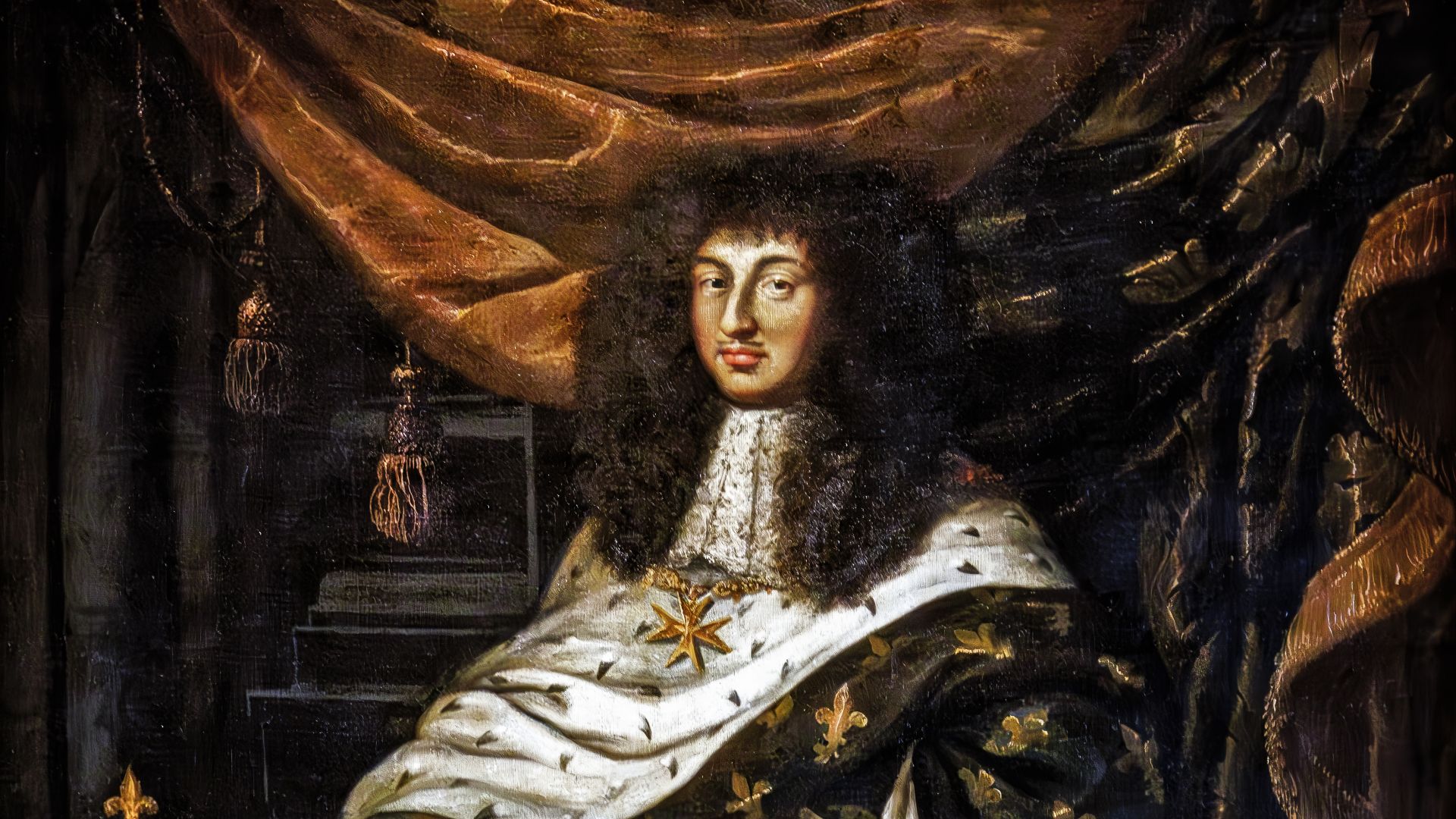
In an effort to avoid a widespread scandal, authorities carefully controlled the flow of information during the investigation. Some details were suppressed to shield high ranking individuals from public disgrace. Despite these efforts, La Voisin’s central role ensured that her case could not be quietly dismissed.
 Didier Descouens, Wikimedia Commons
Conviction And Sentencing
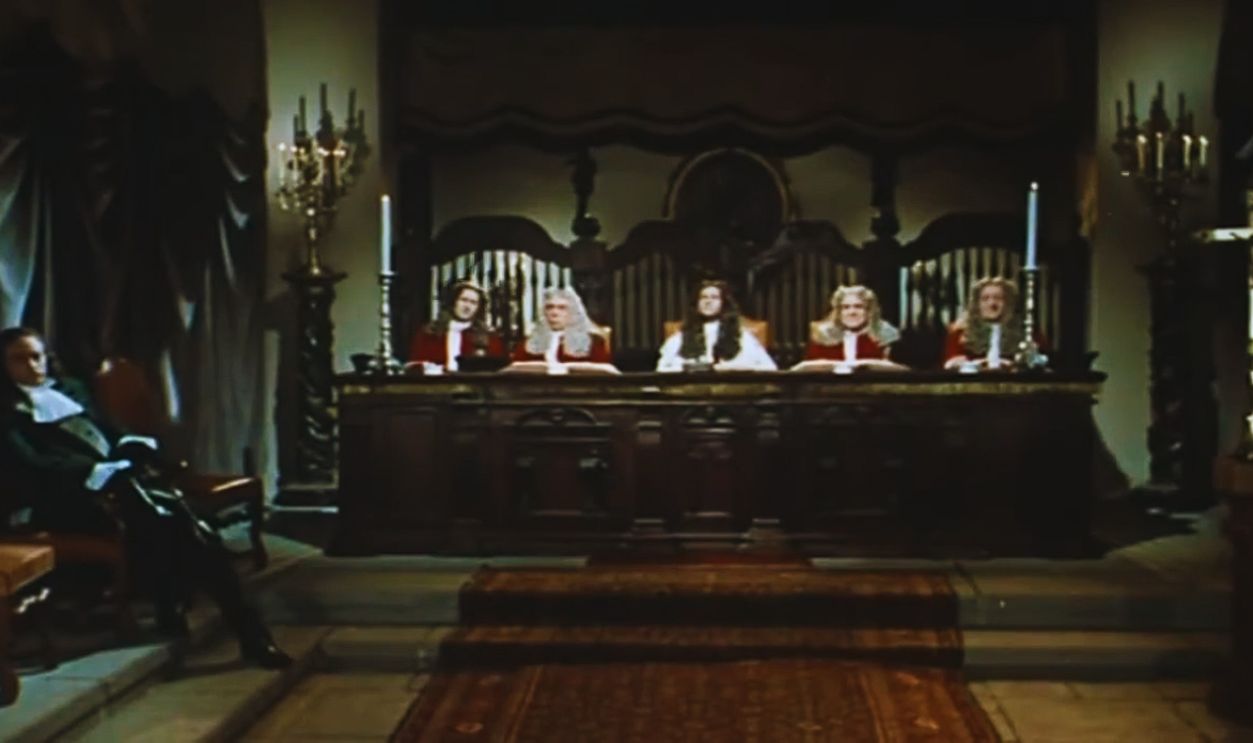
La Voisin was eventually convicted on charges of witchcraft and poisoning. The verdict was partly a result of the evidence presented against her, and partly due to the wave of fear surrounding the case and her activities. Her sentencing was the closing of a dramatic rise and fall that gripped French society.
 Screenshot from L'Affaire des poisons, Gaumont / Franco-London Films (1955)
Execution By Burning
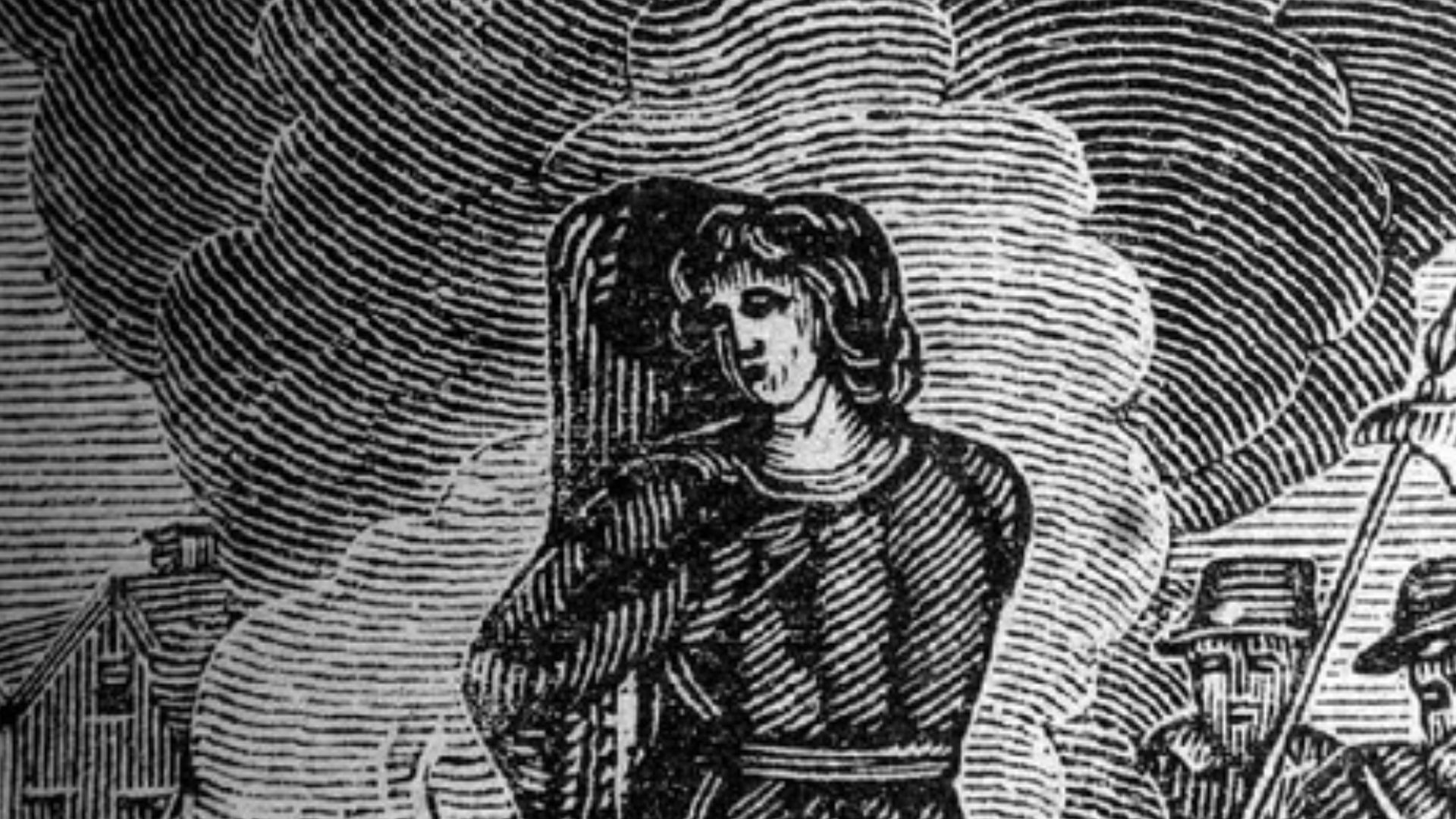
In 1680, La Voisin was executed by burning at the stake in Paris. The brutal punishment hammered home the gravity of her crimes in the eyes of the authorities. Her death was intended to make an example out of La Voisin, but it didn’t really do much to end the broader scandal.
The Scandal Goes On
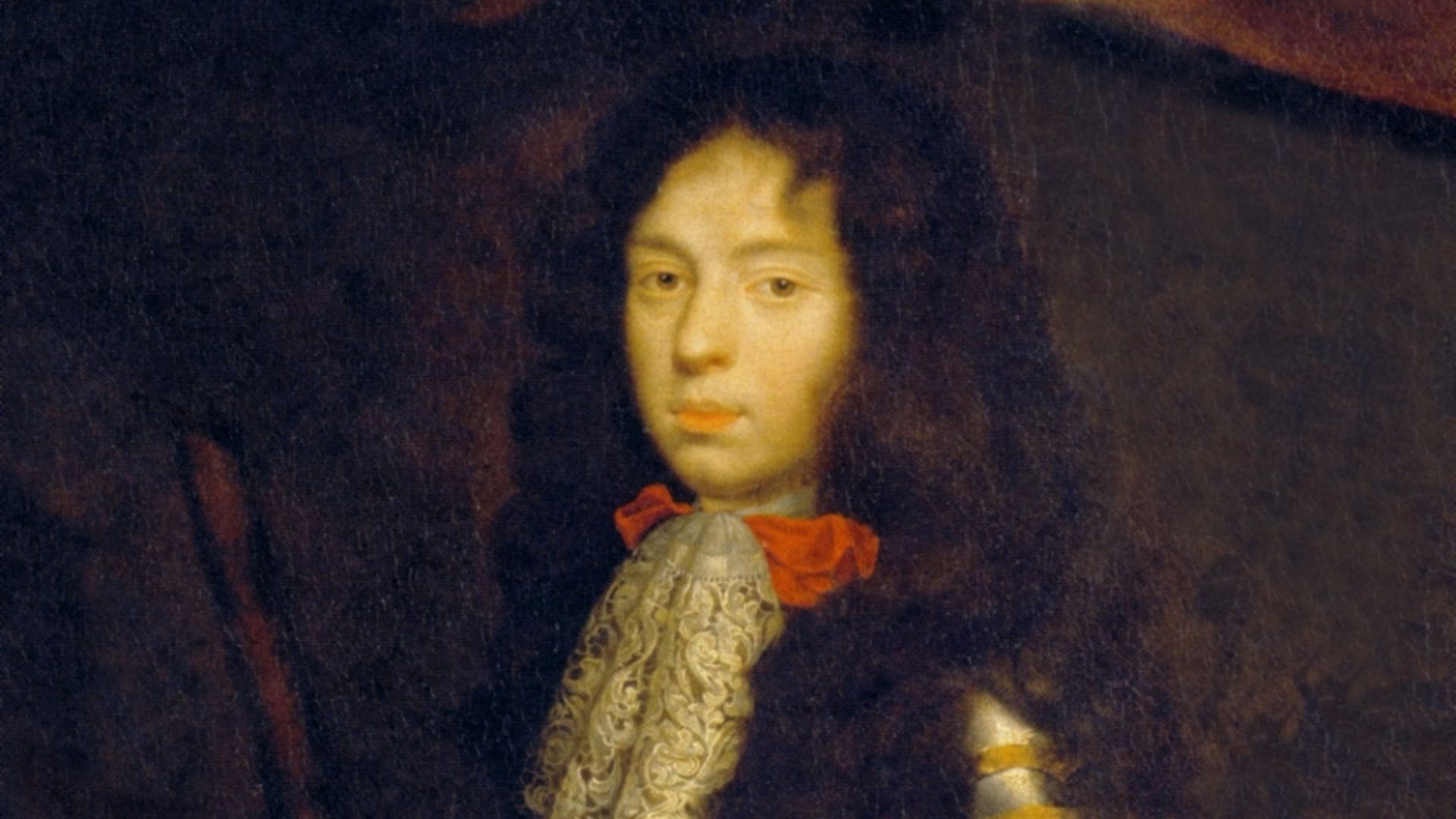
Even after Monvoisin’s execution, the Affair of the Poisons continued to unfold. Further investigations uncovered additional crimes and connections, keeping the scandal alive in public consciousness. Famous names implicated included Philippe I Duke of Orléans, Henri Jules Prince of Condé, and Olympe Mancini Countess of Soissons, who fled the country to avoid prosecution. Then there was the case of Madame de Montespan.
 Justus van Egmont / Pierre Mignard I, Wikimedia Commons
The King’s Own Mistress
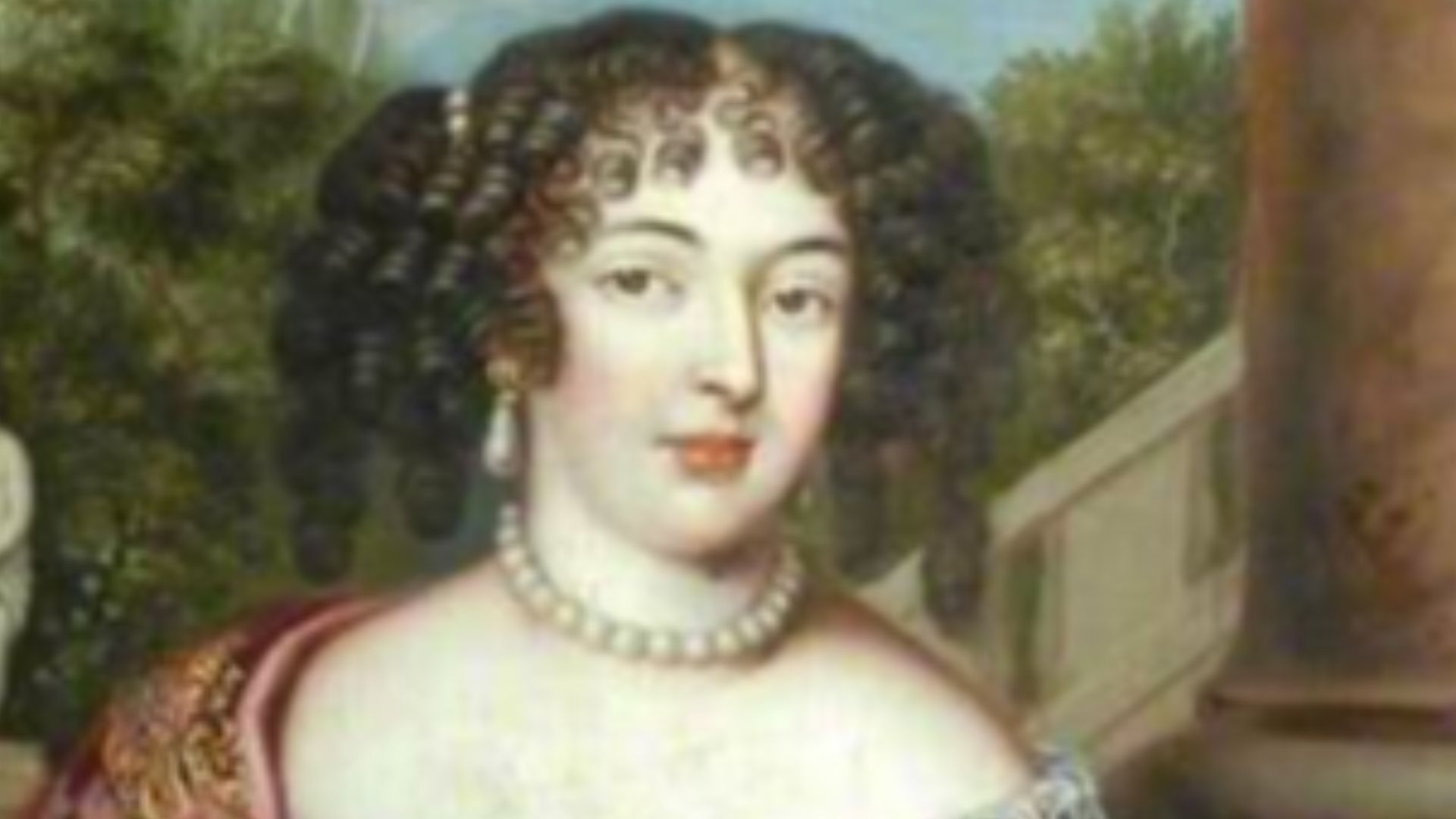
The longtime mistress to King Louis XIV, Madame de Montespan came under intense scrutiny during the Affair of the Poisons, with witnesses alleging she used love potions and attended black masses to secure Louis’ favor. Investigators examined these claims, but the king halted deeper inquiry, preventing any formal charges against her.
 Workshop of Pierre Mignard I, Wikimedia Commons
The Fate Of The Network
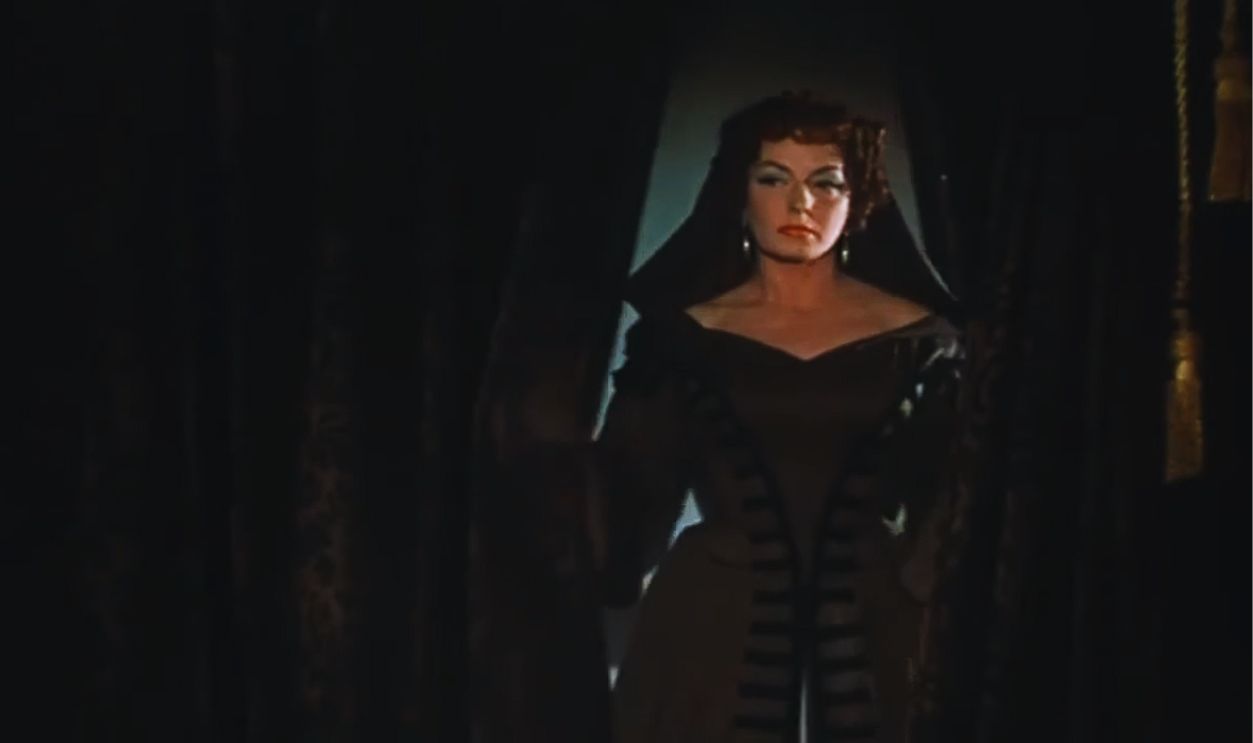
Following her downfall, many of La Voisin’s associates were arrested and punished. The network she had built over the years was systematically dismantled. What had once been a thriving underground enterprise collapsed under the weight of investigation and fear.
 Screenshot from L'Affaire des poisons, Gaumont / Franco-London Films (1955)
Impact On The Royal Court
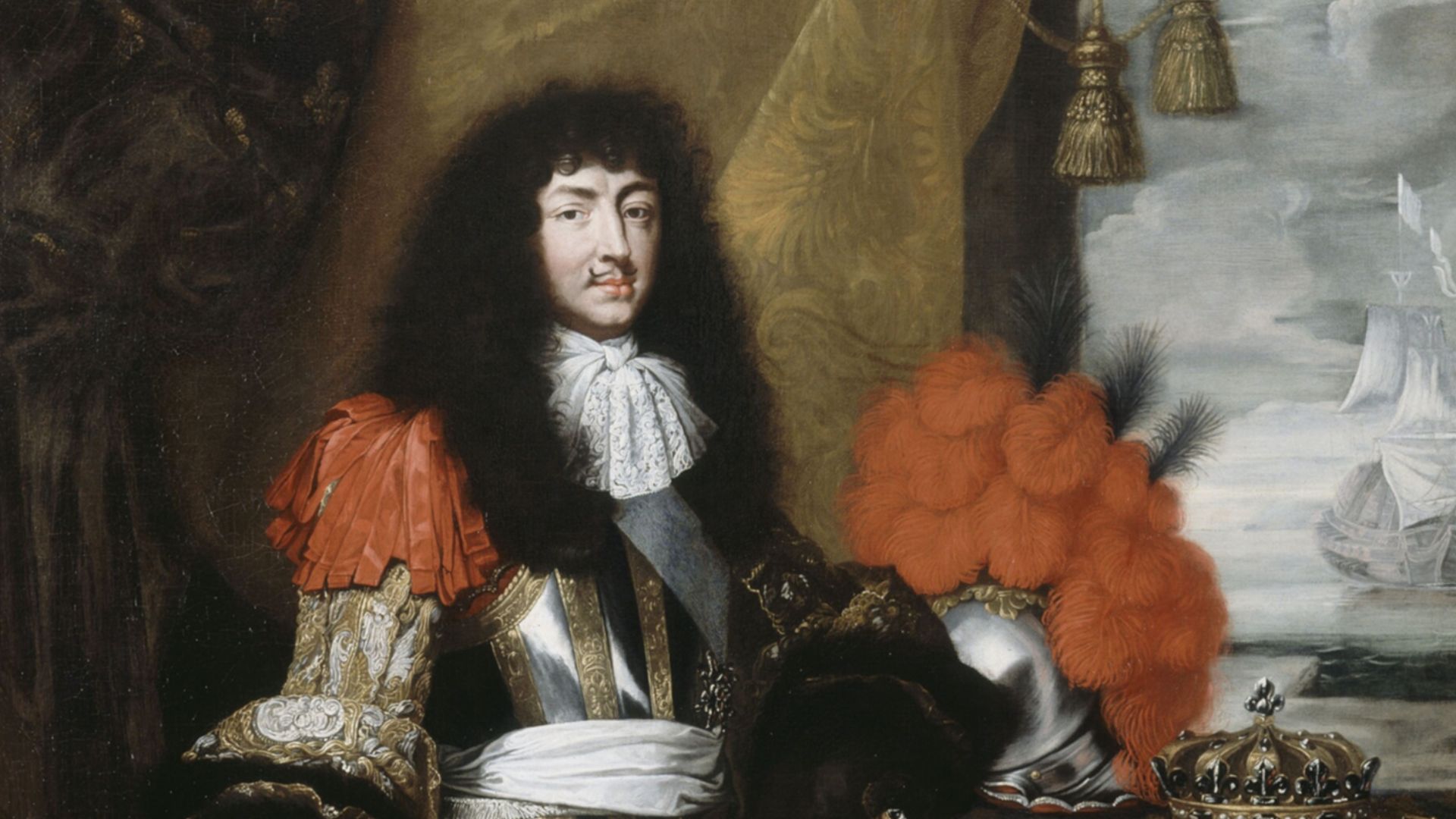
The scandal forced King Louis XIV to confront the troubling reality of the problems within his court. He undertook something of a housecleaning in an attempt to restore order and suppress further revelations. Despite these measures, the Affair of the Poisons left a lasting mark on the reputation of the French aristocracy.
Legacy Of Fear And Intrigue
Catherine Monvoisin’s story was one of the most chilling episodes in French history. From fortune teller to alleged poisoner, she built an empire in the shadows before being brought down. But she couldn’t have thrived without being enabled by ambitious people with no moral compass at the highest levels of society.
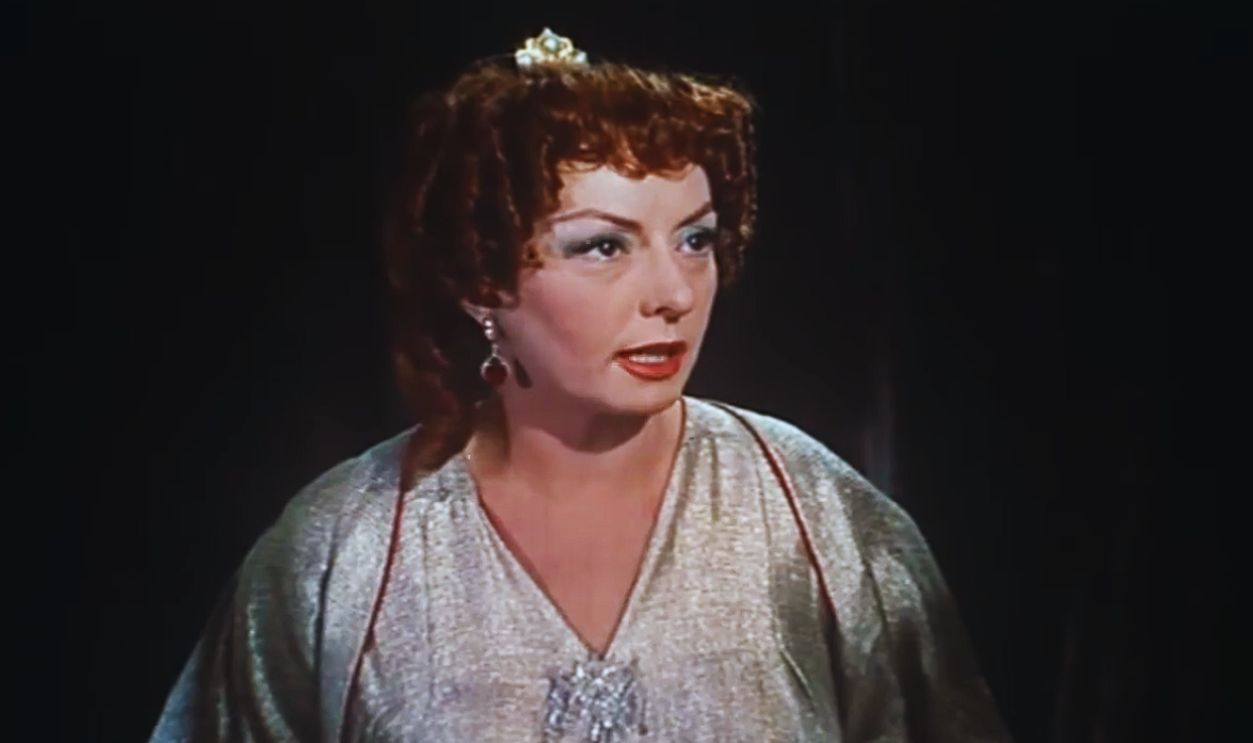 Screenshot from L'Affaire des poisons, Gaumont / Franco-London Films (1955)
You May Also Like:
Ruthless Facts About Marie De' Medici, The Poison Queen
Facts About Poisonous Plots Of History
Infamous Facts About Lucrezia Borgia, The Black Widow Of Rome