
Hatchet In The Name Of God
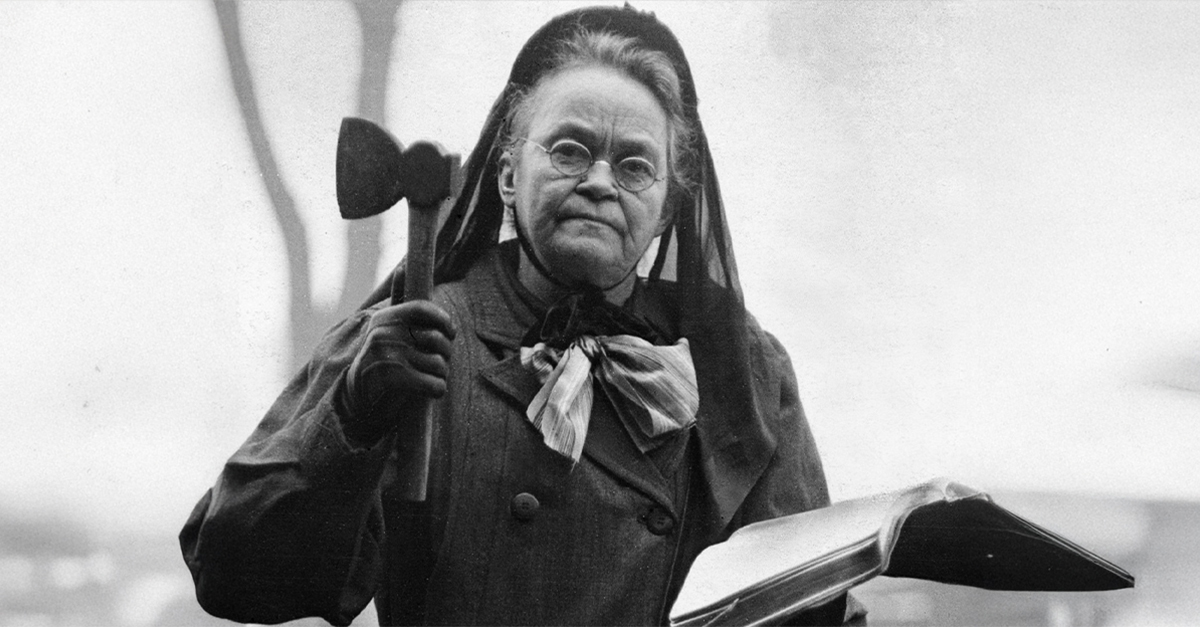
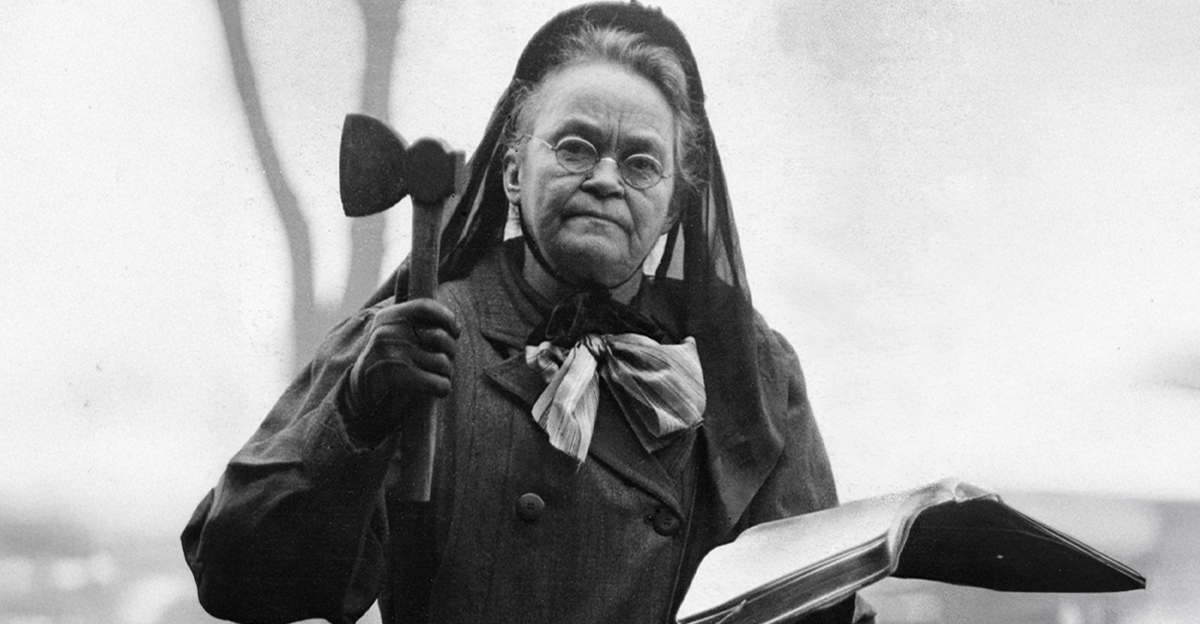
Carrie Nation was one of the most extreme and unforgettable figures of the temperance movement, a woman who believed she had been chosen by God to destroy the scourge of alcohol and all the problems it caused. Armed with a hatchet and unshakable conviction, she smashed up saloons, shocked the nation, and became an odd mix of celebrated reformer and feared public menace.
Born Into Instability
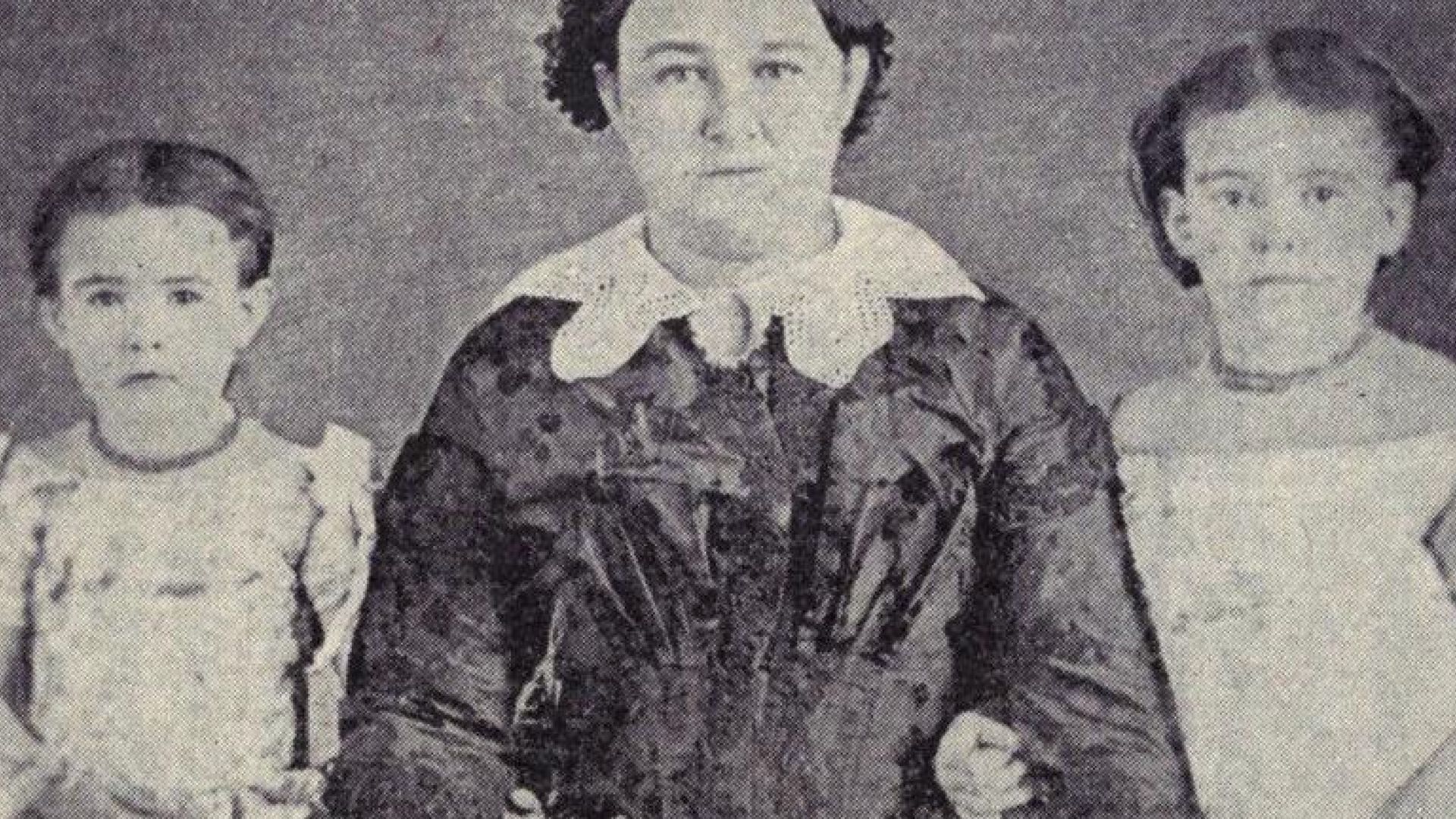
Carrie Nation was born Caroline Amelia Moore in Kentucky in 1846 into a farming family. Her early years were shaped by instability, with frequent relocations by the financially struggling family. The Moores settled in Belton, Missouri in 1854. It was an environment that exposed her to hardship from a very young age and was influential in forming her lifelong worldview.
 JERRYE & ROY KLOTZ MD, Wikimedia Commons
Troubled Childhood
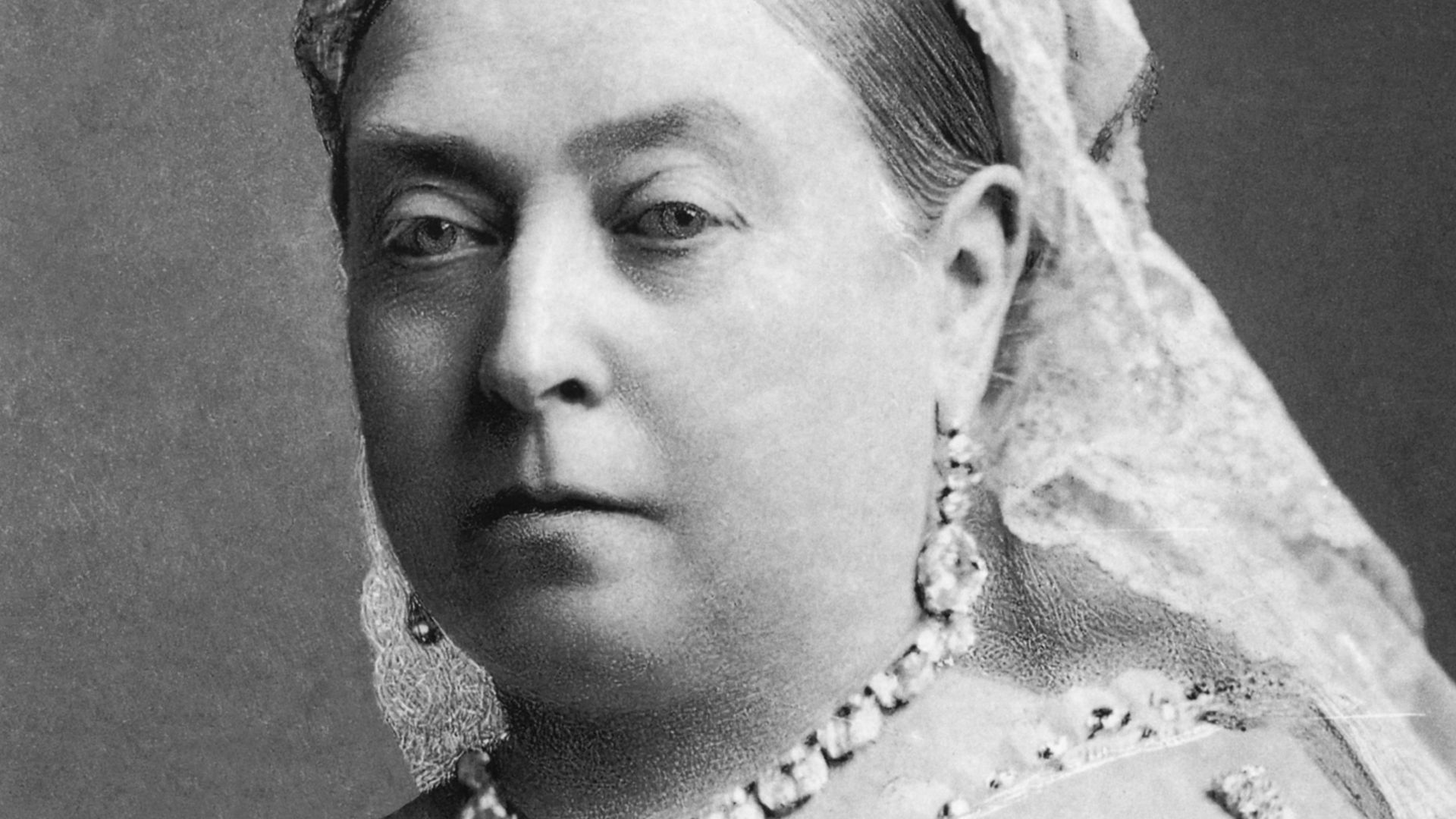
Carrie’s childhood was further complicated by her mother’s severe mental illness, which included delusions that she was Queen Victoria. These experiences were part of a chaotic home life that caused Carrie a great deal of confusion and emotional distress. It may be that this early chaos contributed to her later intensity and steadfast belief that she was uniquely called to act.
 Alexander Bassano, Wikimedia Commons
Faith Takes Root Early
From a young age, Carrie developed a deep and personal sense of religious conviction. She believed strongly in divine guidance and experienced what she described as spiritual awakenings that convinced her she had a special purpose. These early beliefs formed the foundation for her justification of increasingly radical actions.
War And Displacement
During the Civil War, Carrie’s family was forced to relocate to Texas as the raging conflict disrupted daily life in Missouri. She also assisted in caring for wounded soldiers, which exposed her to human suffering and hardship at an early age.
 Quintin Soloviev, Wikimedia Commons
A Fateful Marriage
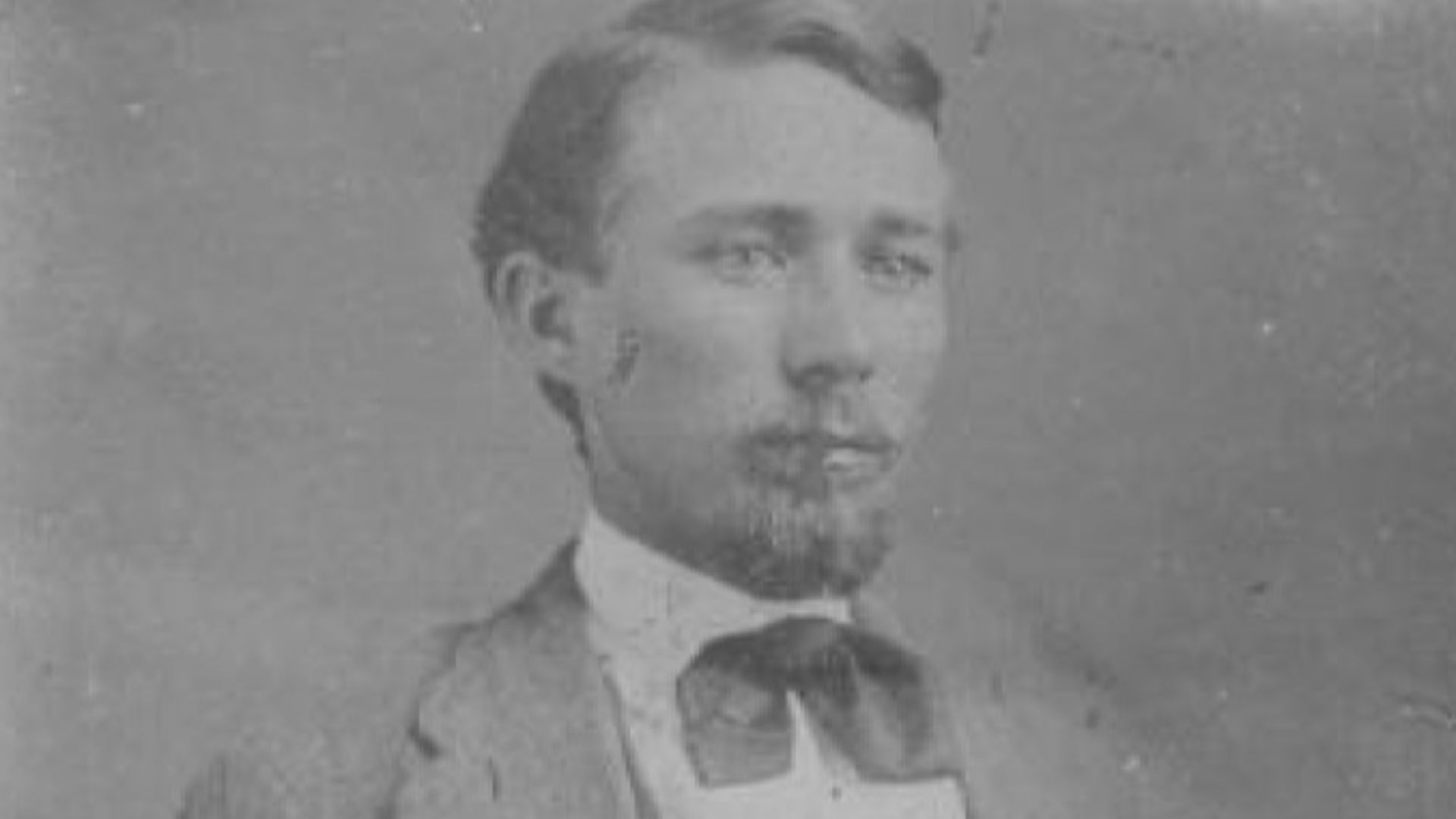
In 1867, Carrie married Charles Gloyd, a doctor whose struggles with the bottle were already well known. Despite concerns from her family, Carrie went forward with the marriage, hoping that it would succeed. Instead, the relationship quickly fell apart, setting the stage for a deeply personal confrontation with alcohol’s destructive effects.
 Unknown author, Wikimedia Commons
Alcohol’s Personal Toll
Carrie’s marriage to Gloyd collapsed under the strain of his drinking, and he died not long after their separation due to alcoholism-related complications. This traumatic experience left Carrie as a single mother and profoundly shaped her beliefs. Her opposition to alcohol turned into a personal and emotional crusade.
New Start As A Teacher
After the death of her first husband, Carrie sought out a measure of stability by starting a career as a teacher. She got her teaching credentials and worked to support herself and her daughter, showing resilience and determination as she tried to put her life back together. This period gave her a sense of independence and strengthened her commitment to purposeful work.
 Photographer not named., Wikimedia Commons
Marriage To David Nation
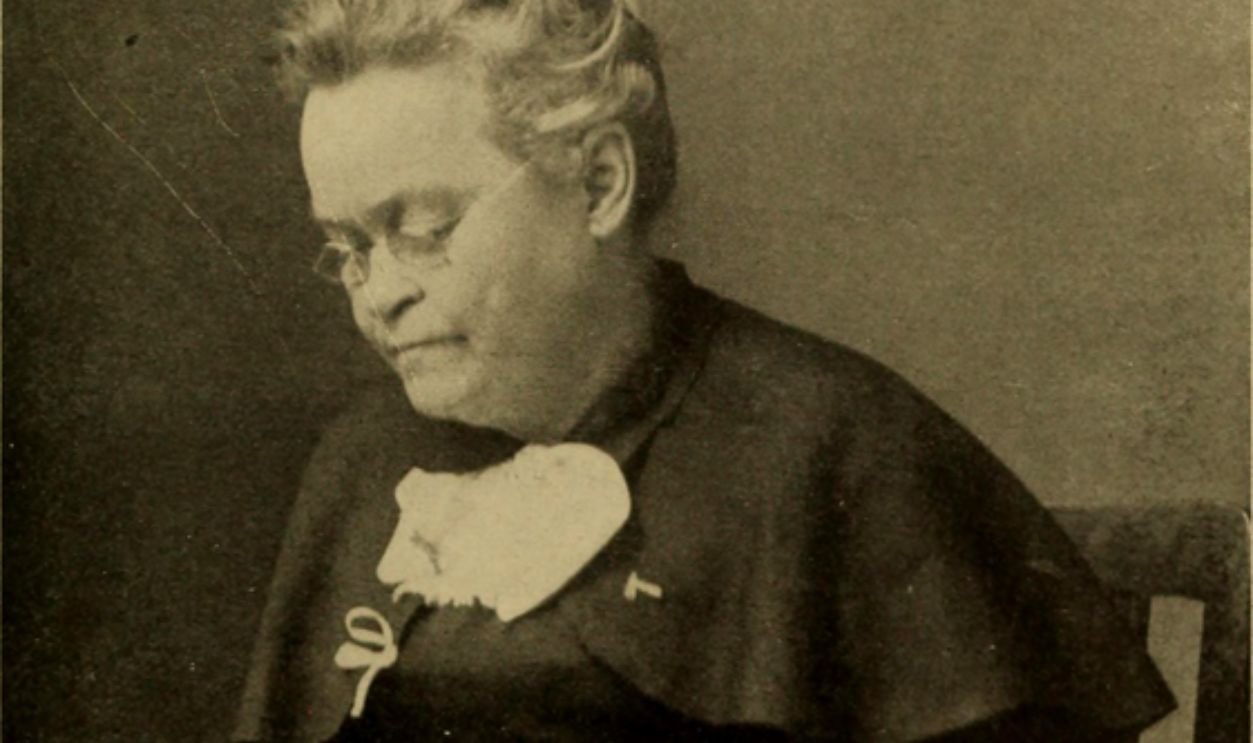
In 1874, Carrie married David Nation, a lawyer, minister, and newspaper editor. After an unsuccessful stint in Texas, the couple eventually settled around Medicine Lodge, Kansas, a state that had already enacted strict prohibition laws. After the move Carrie found herself in a region where her growing concerns about alcohol would evolve into direct and highly visible activism.

History's most fascinating stories and darkest secrets, delivered to your inbox daily.
Kansas And The Temperance Cause
Although Kansas had officially banned alcohol, enforcement of prohibition laws was another matter, with saloons continuing to operate openly. This outraged Carrie. She saw this as both a total legal failure and a moral crisis. The disorder and vice she saw confirmed her growing belief that stronger and more direct action was needed to bring about real change.
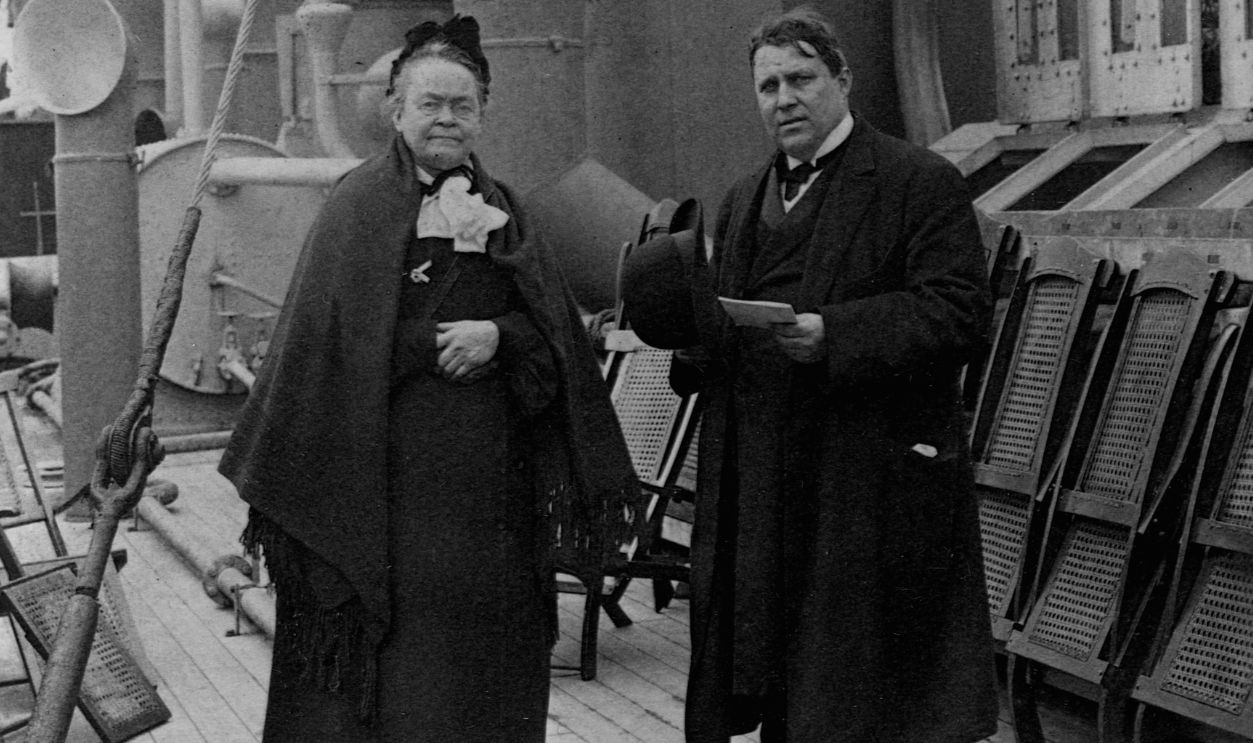 Library of Congress, Getty Images
Joining The Temperance Movement
Carrie got actively involved in the Woman’s Christian Temperance Union, one of the leading organizations pushing for the restriction of alcohol. Through her participation in this group, she started organizing, speaking, and helping community efforts aimed at reducing drinking. At this time, she still embraced traditional and socially accepted forms of activism.
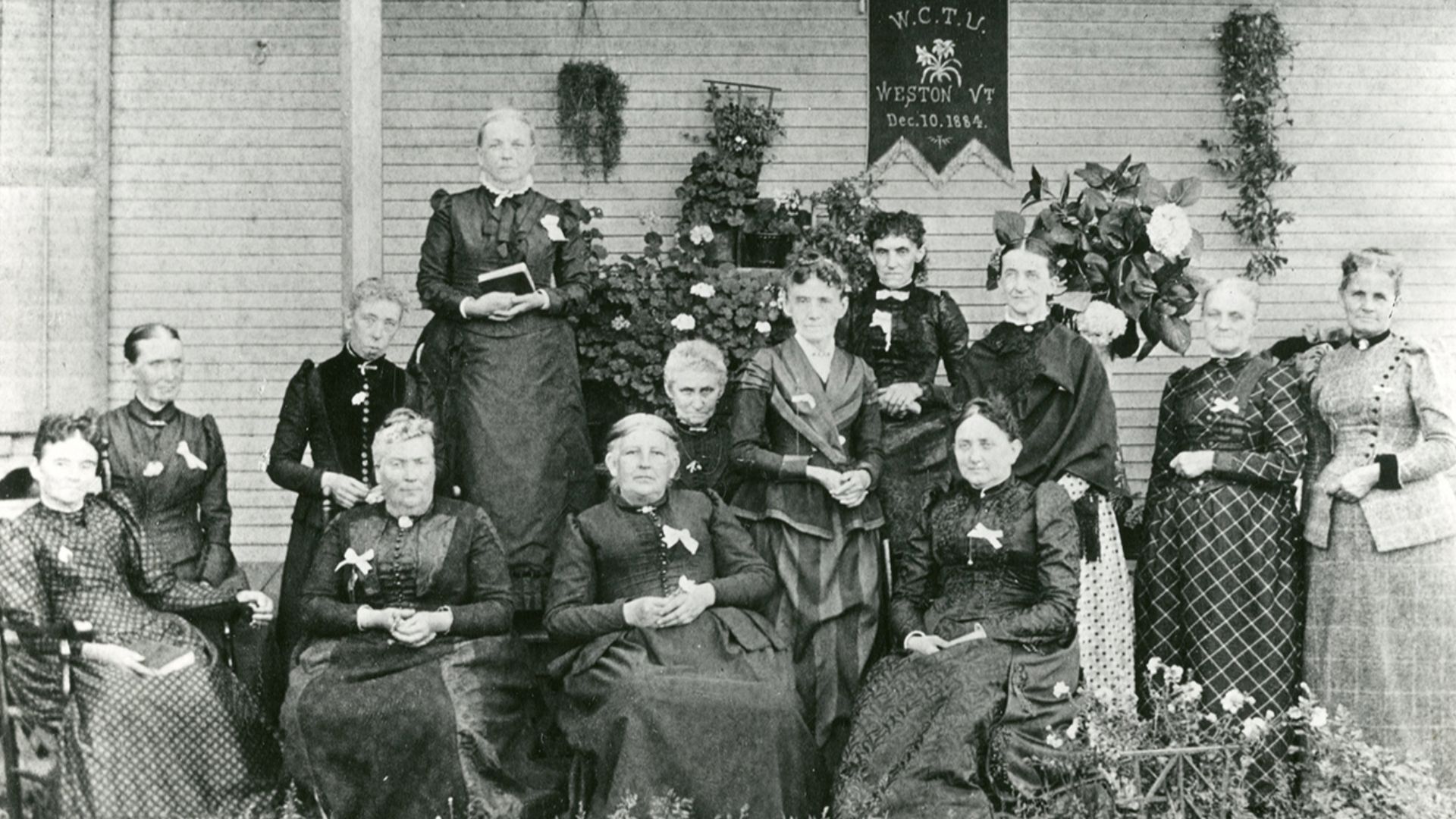 Unknown author, Wikimedia Commons
Early Protest Methods
In her early activism, Carrie stuck to using nonviolent strategies such as prayer vigils, singing hymns inside saloons, and directly confronting those who sold alcohol. She thought that moral persuasion could influence behavior, but as time went on she grew frustrated with the limited impact these methods seemed to be having on entrenched drinking culture.
A Divine Command
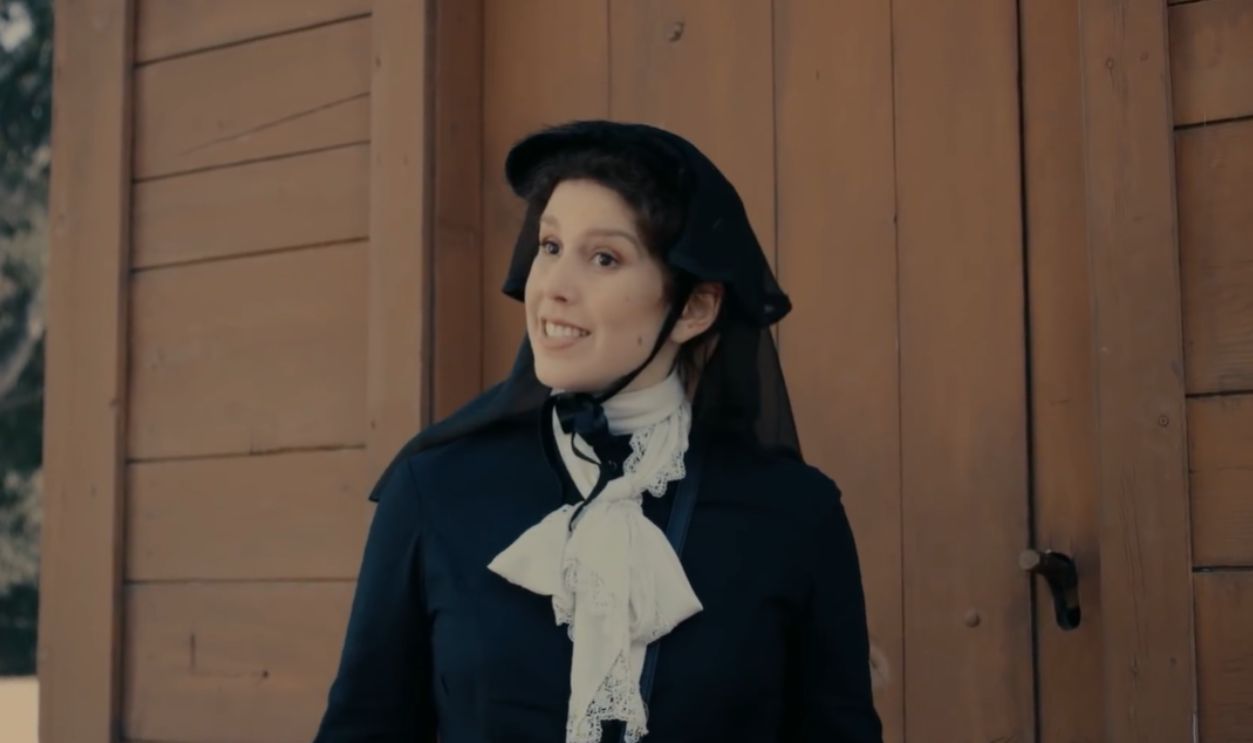
In 1900, Carrie claimed that she received a powerful vision in which she believed God instructed her to take far more aggressive action against saloons and other drinking dens. She interpreted this moment as God’s direct command to act physically against alcohol establishments. It was a stark turn that marked a decisive shift from peaceful protest to confrontational and destructive tactics.
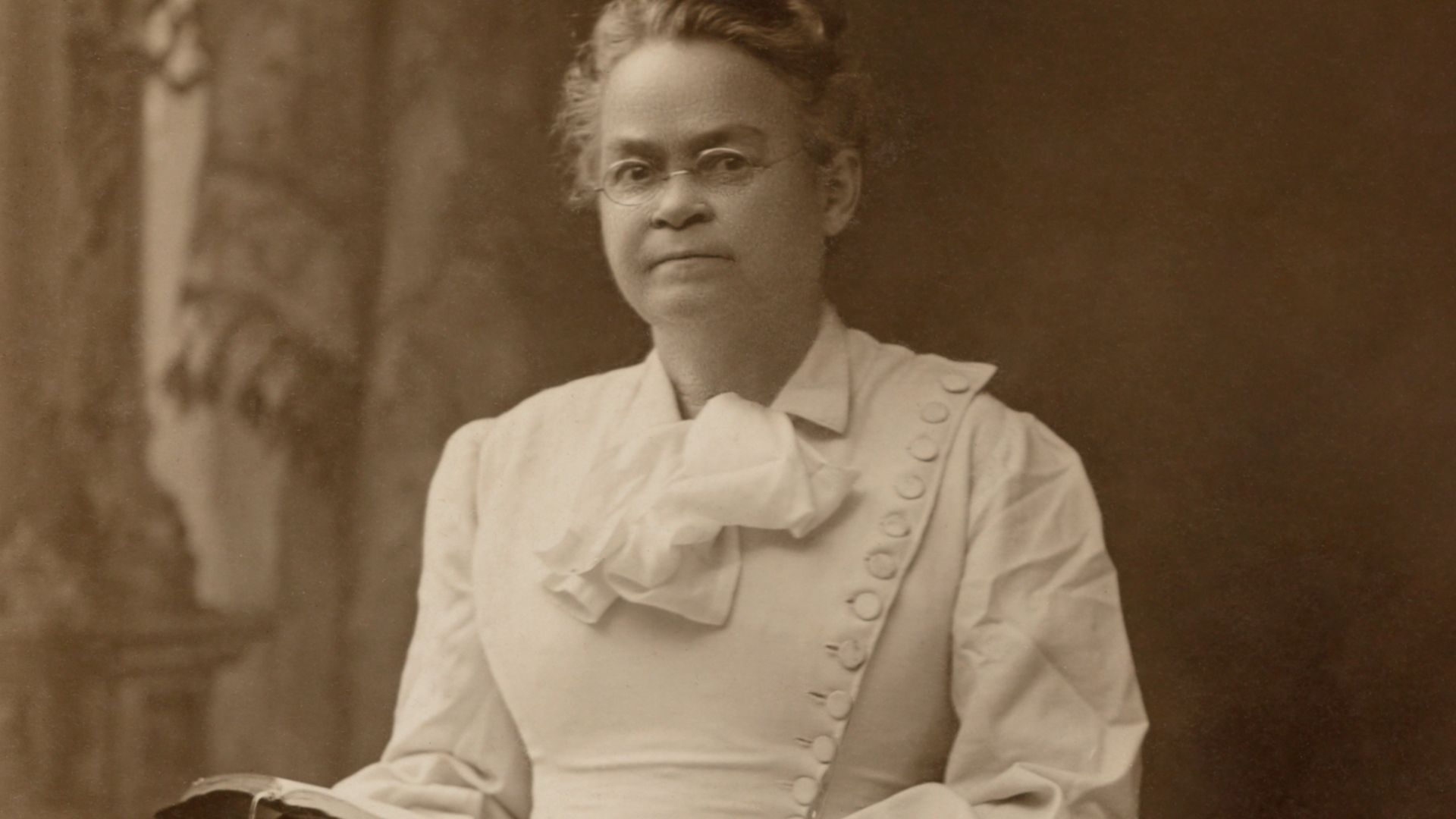 Adam Cuerden, Wikimedia Commons
The First Smash
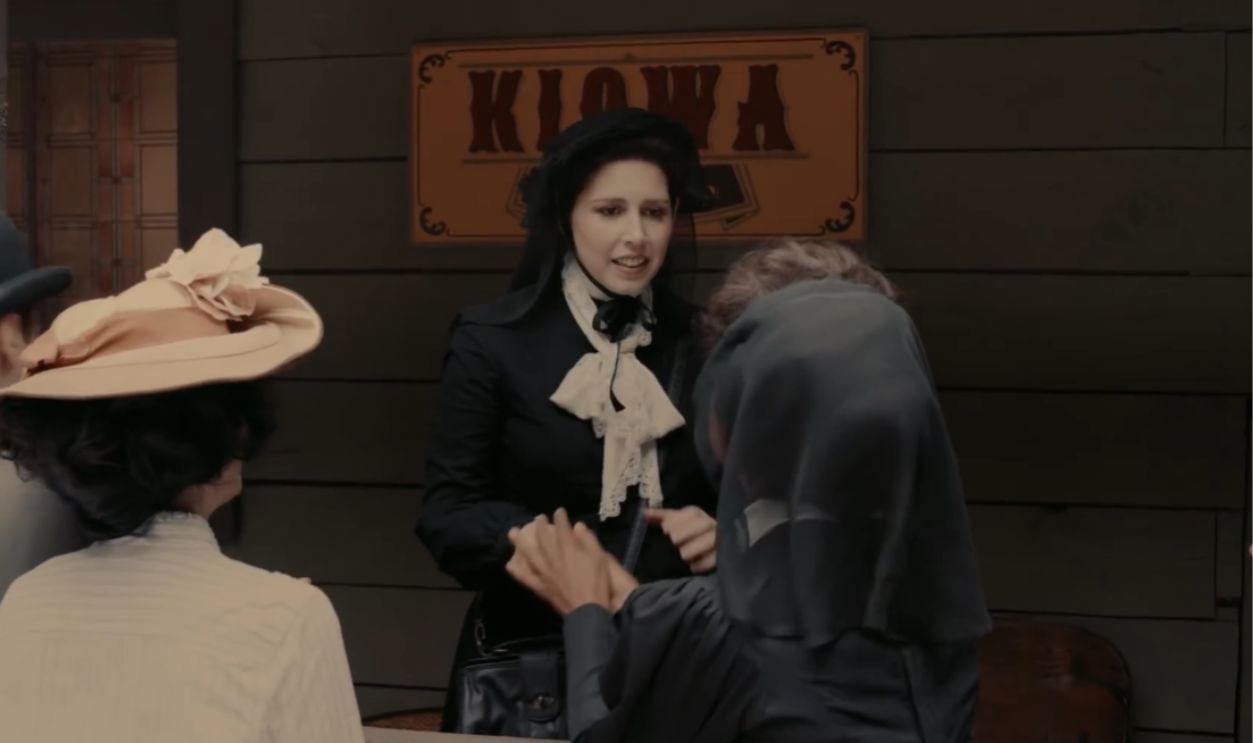
After her claimed divine instruction, Carrie went into Dobson’s Saloon in Kiowa and started physically destroying the place using rocks and other objects. She did the same to two other saloons in the area. These acts of destruction shocked the local community and quickly drew attention. But a tornado touched down in the area shortly after one of her acts of vandalism. She viewed the cyclone as a divine symbol of God’s approval of what she’d done.

Birth Of The Hatchet
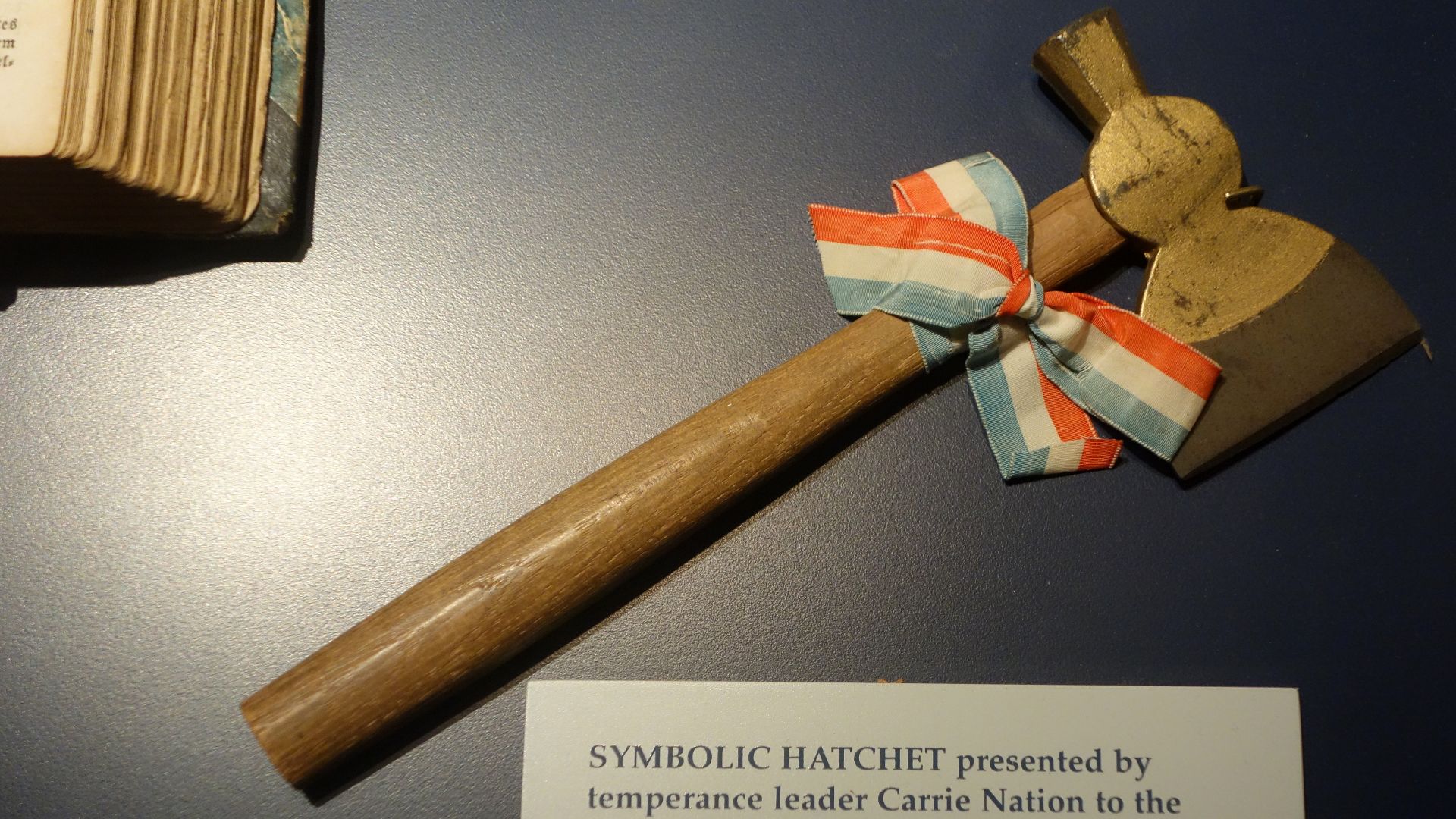
According to popular accounts, Carrie’s husband once jokingly suggested that she should use a hatchet instead of rocks. She took his idea seriously and adopted the tool as her signature weapon. The hatchet soon became both a practical instrument of destruction and a powerful symbol of her uncompromising mission. Everyone could tell she meant business.
“Hatchetations” Begin
Carrie referred to her raids on saloons as “hatchetations,” combining religious zeal with deliberate destruction. She would often start out with prayer or song before smashing bottles, mirrors, and furniture, and sending customers fleeing in terror. These actions caused significant property damage and guaranteed that her activities would receive widespread public attention and press coverage.
Arrested Again And Again
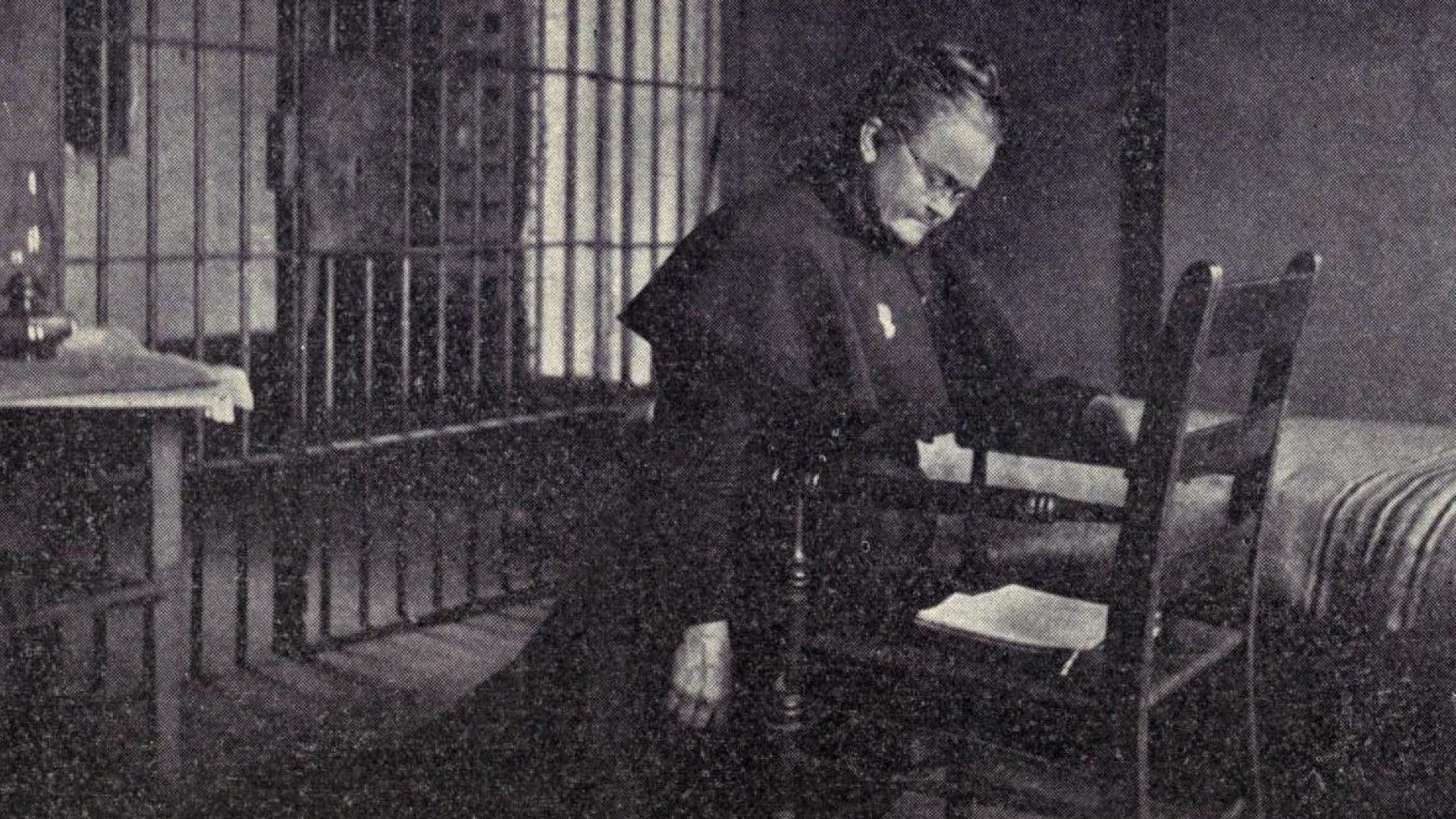
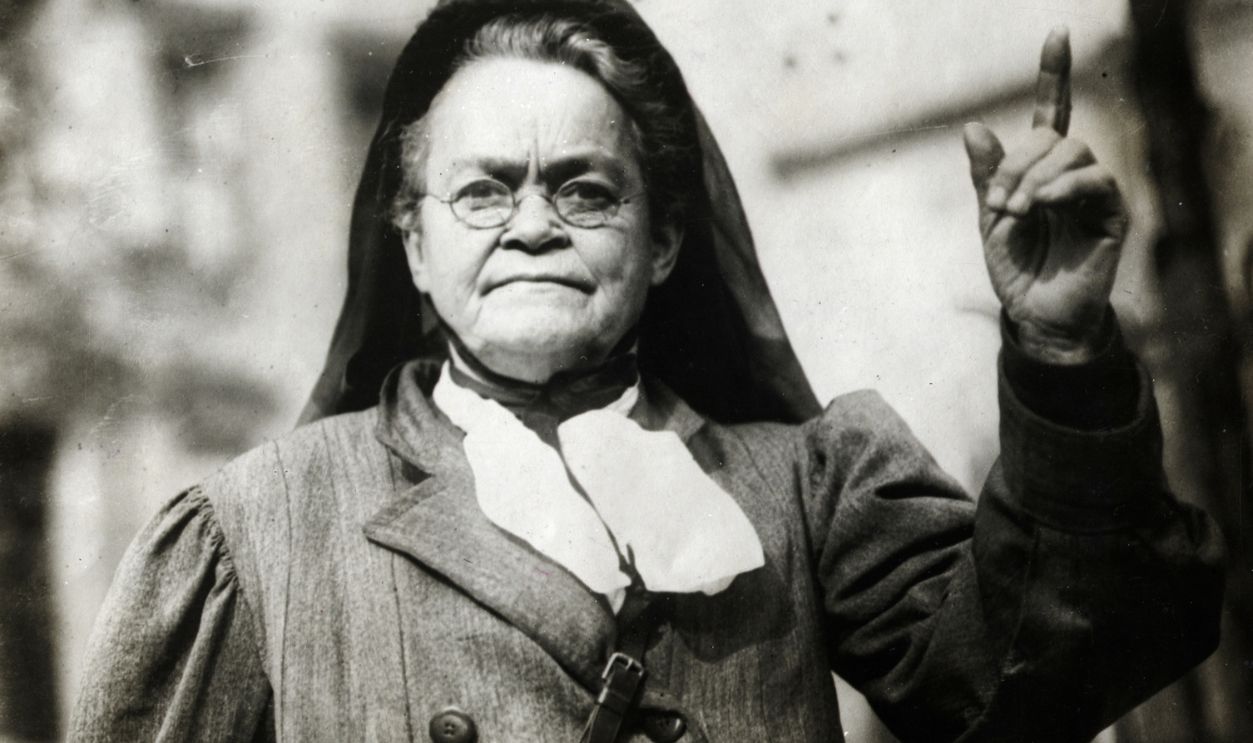
Carrie’s repeated acts of vandalism led to frequent arrests, and she landed in jail on many occasions. Despite this, she didn’t waver in her mission, often treating her arrests as badges of honor. The publicity from these incidents only increased her notoriety and helped spread her message even further.
Fame And Infamy
As her actions gained national attention, Carrie became both famous and infamous. Supporters praised her courage and conviction, while critics saw her as unstable and dangerous. Her reputation got to the point where saloons either openly mocked or feared her. She had gained a unique place in American public life.
Funding The Crusade
To sustain her activities and pay legal fines, Carrie had to come up with some creative ways to raise money. She sold miniature hatchets as souvenirs and gave lectures across the country. These efforts allowed her to keep going while also turning her controversial reputation into a source of financial support.

Helping The Vulnerable
In addition to her destructive campaigns, Carrie also worked to support those harmed by alcoholism. She set up shelters for women and children and advocated for social reform aimed at helping vulnerable populations. These efforts showed that her mission went beyond destruction and included a willingness to give direct aid and rehabilitation.
Complicated Reputation
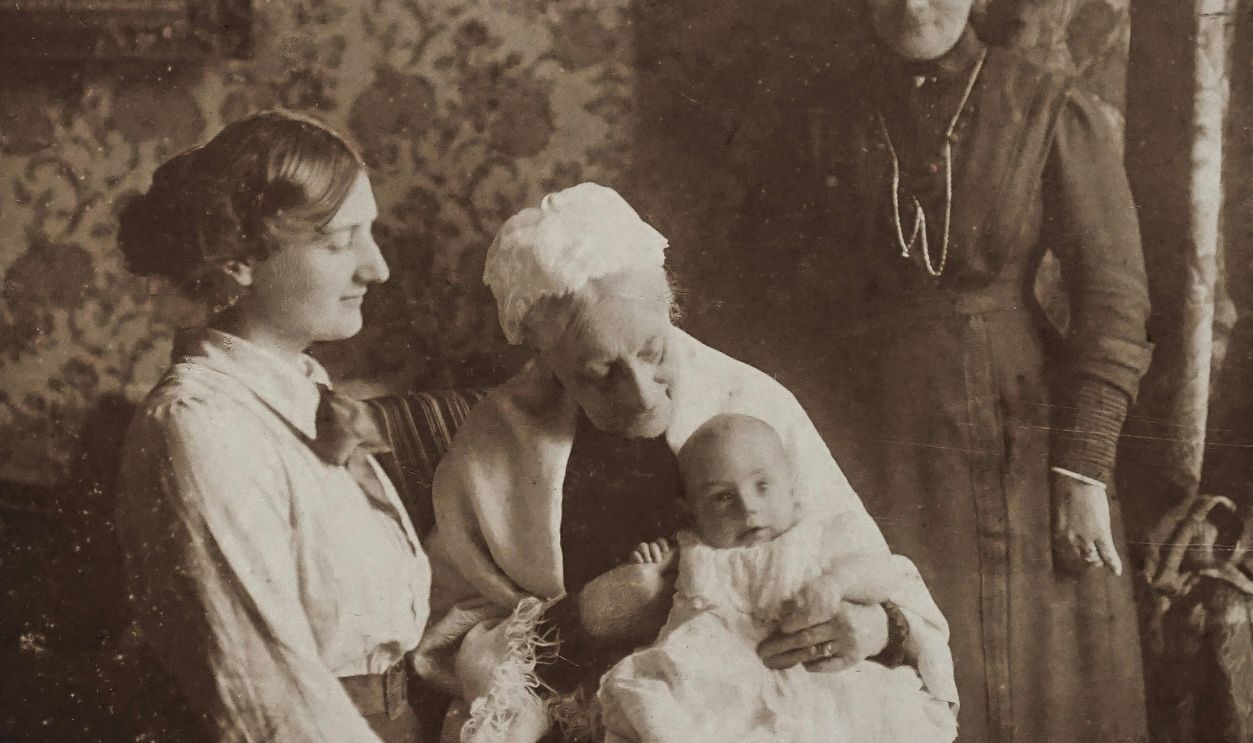
Despite her dedication, a lot of leaders within the temperance movement tried to distance themselves from Carrie’s extreme methods. They worried that her violent tactics could undermine their broader goals and turn off potential supporters. The tension highlighted the internal divisions within the movement over how best to achieve reform.
 Adam Cuerden, Wikimedia Commons
She Expanded Her Message
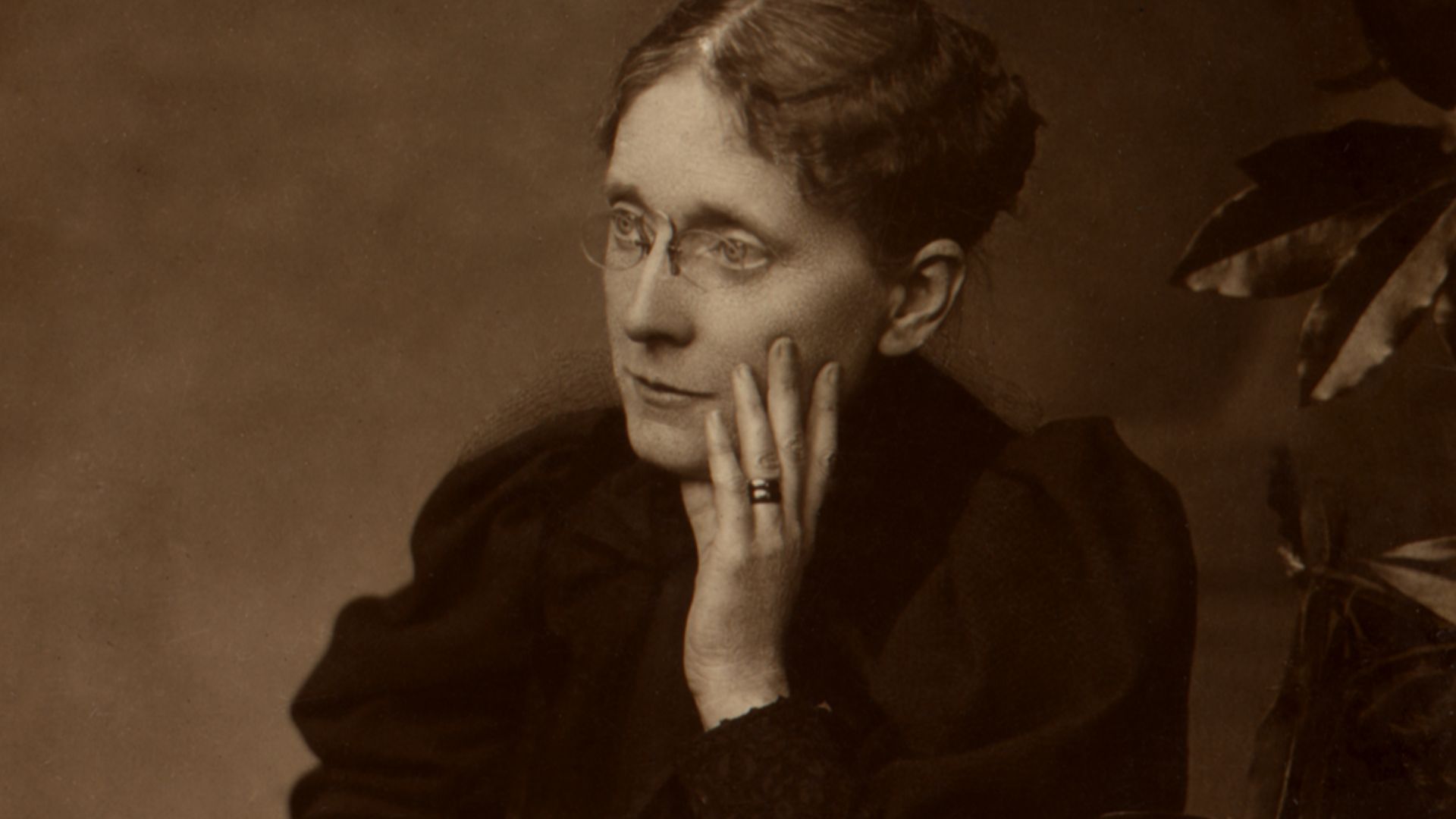
Carrie traveled extensively, giving lectures and sharing her experiences with audiences across the United States and beyond. Her dramatic storytelling style and strong personality made her a compelling public figure. She drew crowds who were curious about her actions and eager to hear her perspective firsthand.

A Turn To Performance
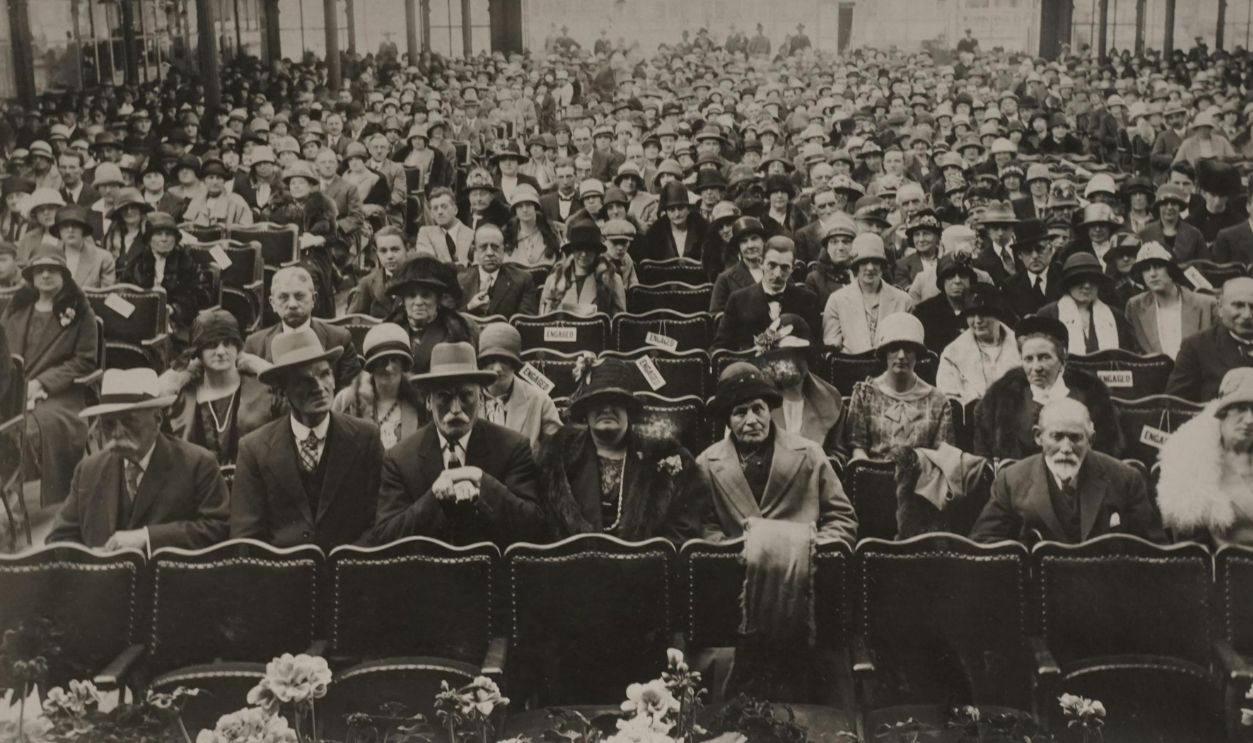
Later in life, Carrie’s public appearances took on a more theatrical tone, including participation in vaudeville-style events. While these appearances kept her in the public eye, she was more interested in using her entertainment platform as a soapbox for lecturing the audience on the evils of booze. It was hard to see how people would listen to her in that context, but she pressed on in her quest to reach a broader audiences.
Declining Health
As Carrie grew older, her physical health began to decline, limiting her ability to carry out her once relentless campaigns. The energy and stamina that had fueled her earlier actions gradually faded, and she faced increasing periods of illness that slowed her public appearances and activism.

A Final Collapse
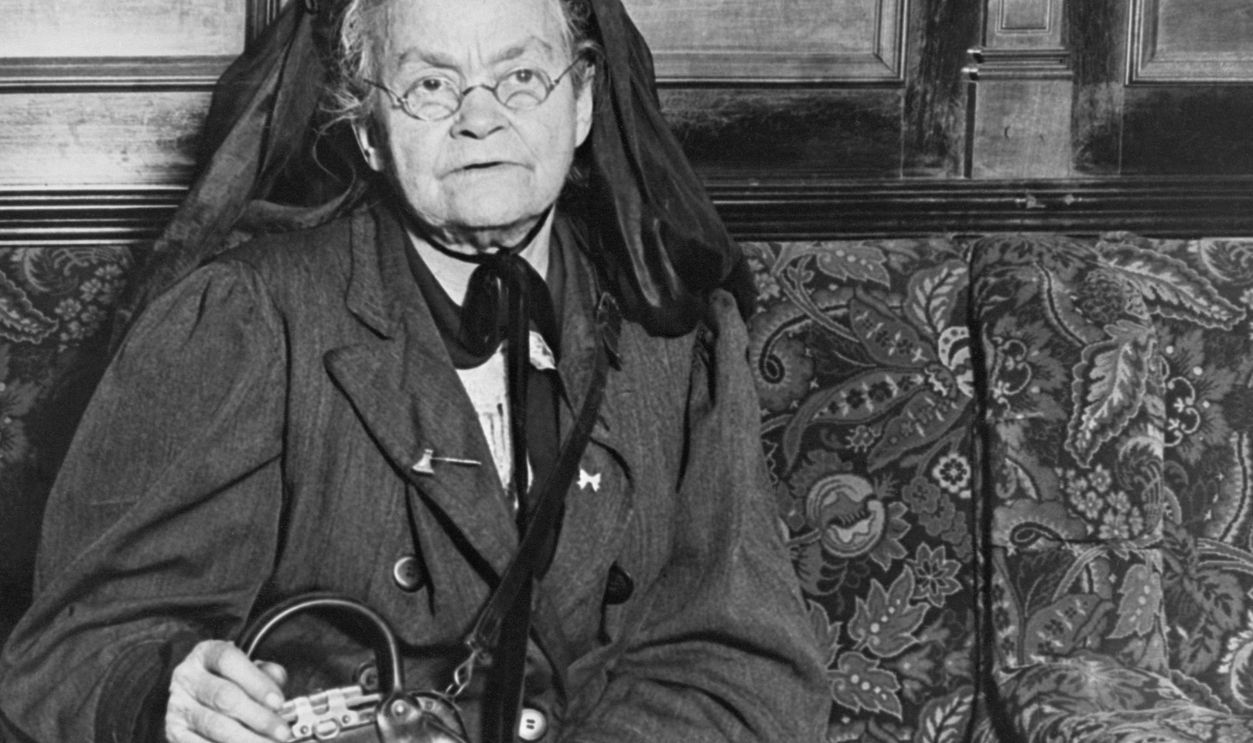
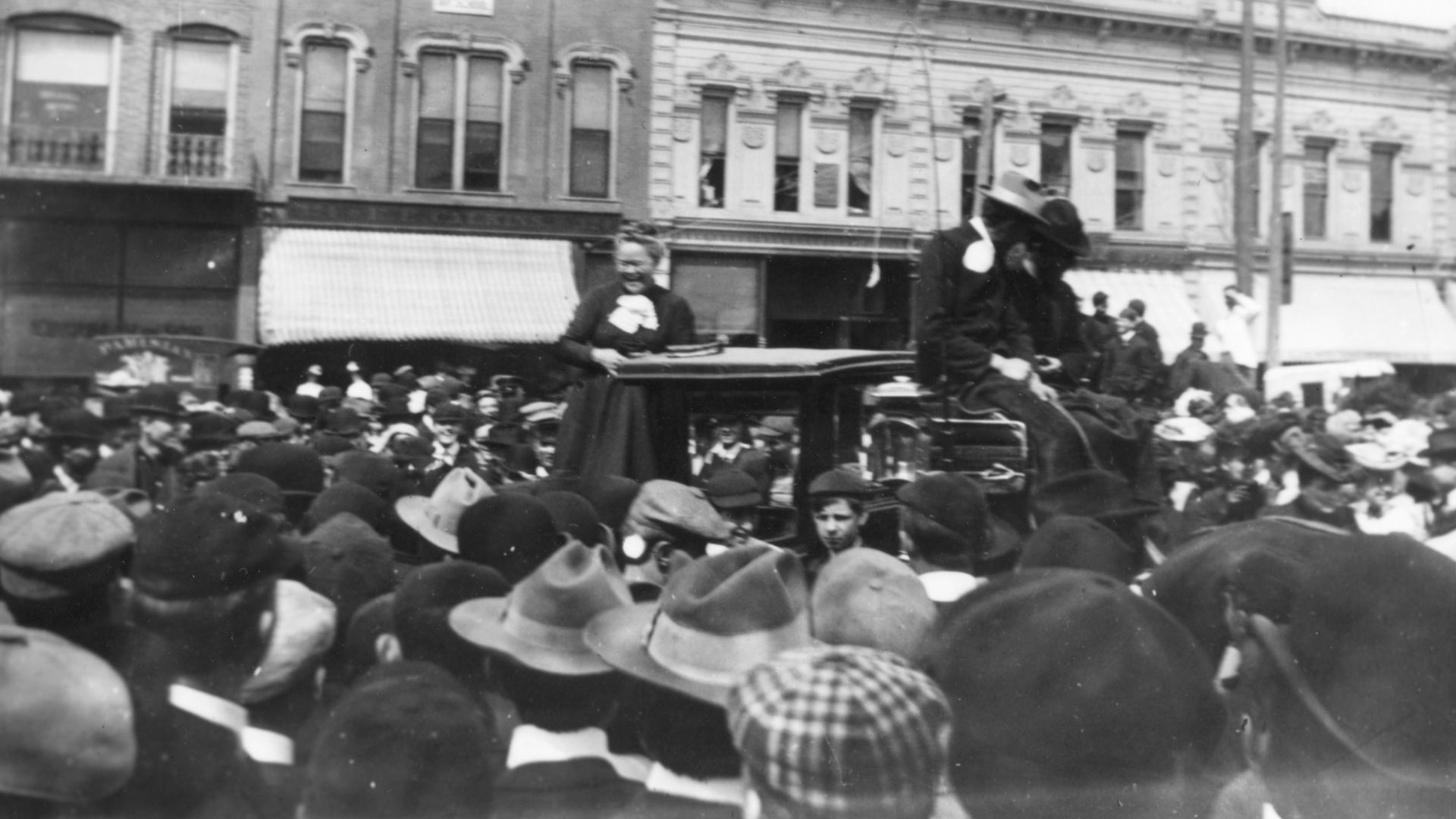
In 1911, Carrie collapsed while delivering a speech and was unable to recover fully. She died shortly afterward, bringing an end to her dramatic and highly visible campaign against alcohol. Her passing marked the close of one of the most unusual and controversial reform movements in American history—as a member of what today is the almost totally forgotten temperance movement.
 Wystan from Ann Arbor, Wikimedia Commons
Legacy Of A Radical Reformer
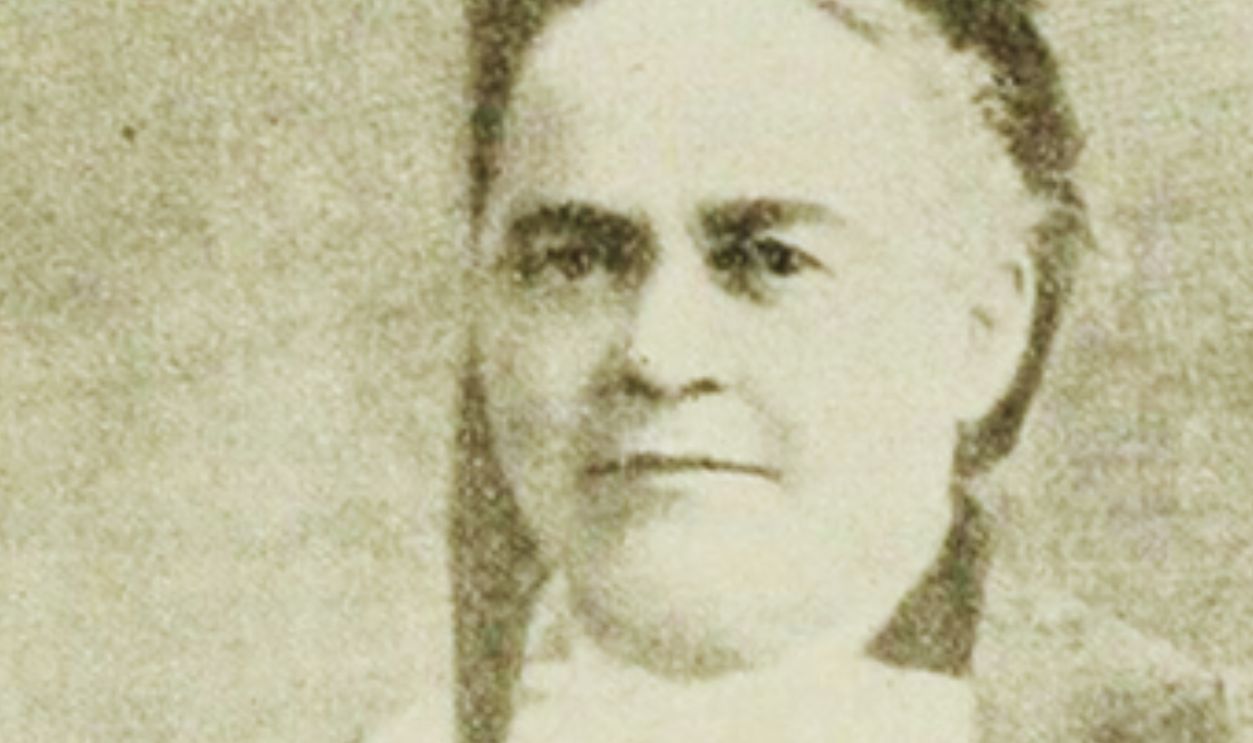
Carrie Nation remains one of the most controversial figures in the history of the temperance movement. Her fierce conviction and use of extreme methods set her apart from her peers. Whether people viewed her as a hero or a fanatic, her story is a good example of the influence of religious belief and the complexities of social reform.
 Connelley, William Elsey, Wikimedia Commons
You May Also Like:
Dred Scott’s Quest For Freedom
Divine Facts About Joan Of Arc, The Unyielding Martyr
Rough Facts About Calamity Jane, The Wildest Woman In The Old West










.png)
.png)