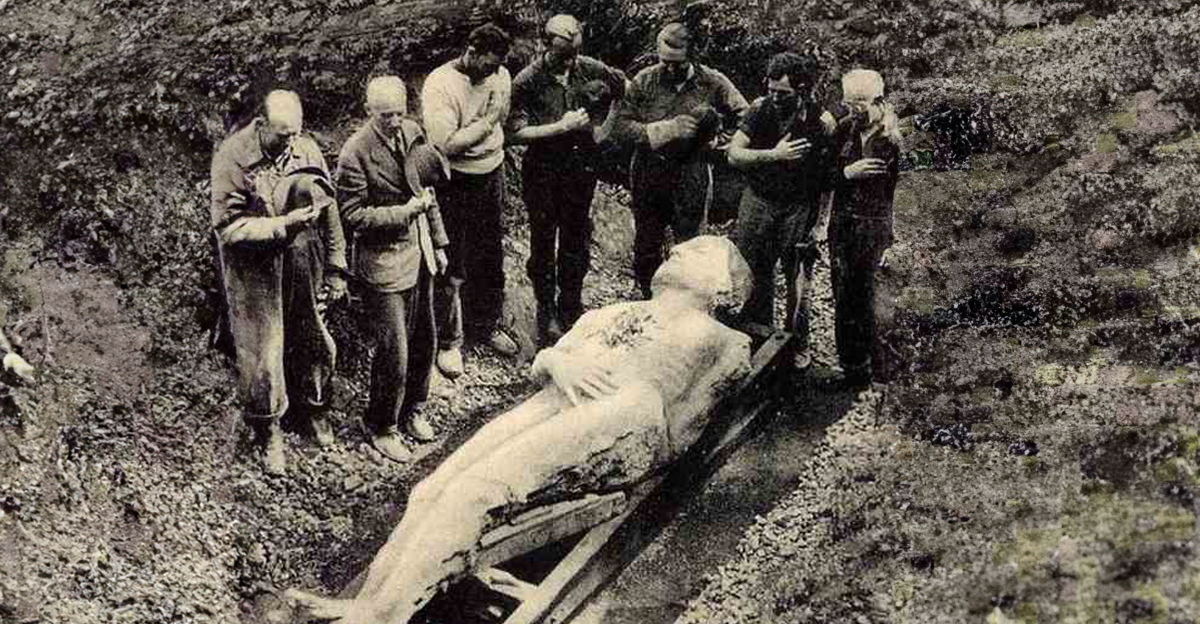
Anything Could Become An Advertisement.
During the 19th and early 20th centuries, America’s exploding newspaper business collided with circuses, daredevils, celebrity culture, and promoters who discovered that outrageous behavior could be worth more than conventional advertising. Before public-relations departments had rulebooks, people faked deaths, crossed waterfalls, staged weddings, manufactured monsters, and risked their lives simply to make sure everyone was talking about them.
 Harvard Library / Wikimedia Commons
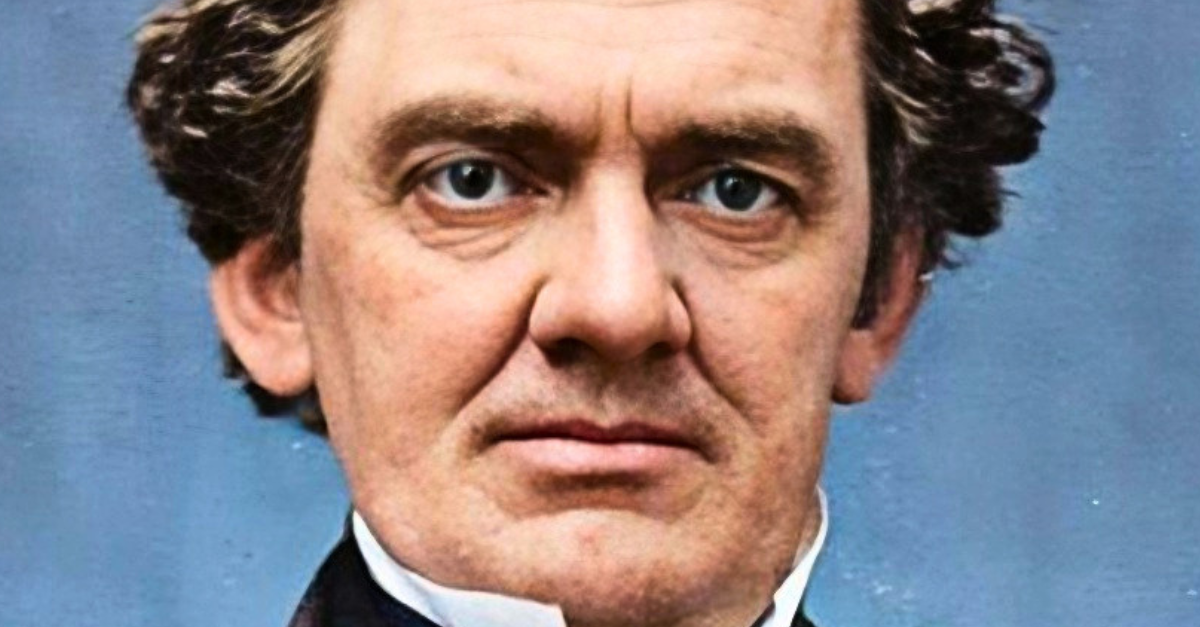
Barnum Found His First Sensation In Joice Heth
P.T. Barnum entered show business in 1835 by acquiring the right to exhibit Joice Heth, an elderly enslaved Black woman being advertised as George Washington's 161-year-old former nurse. Barnum toured her through northeastern cities while newspapers debated whether the incredible story could possibly be true. Instead of fearing skepticism, Barnum discovered that arguments about authenticity created more attention. Controversy itself had become advertising.
 Unknown authorUnknown author, Wikimedia Commons
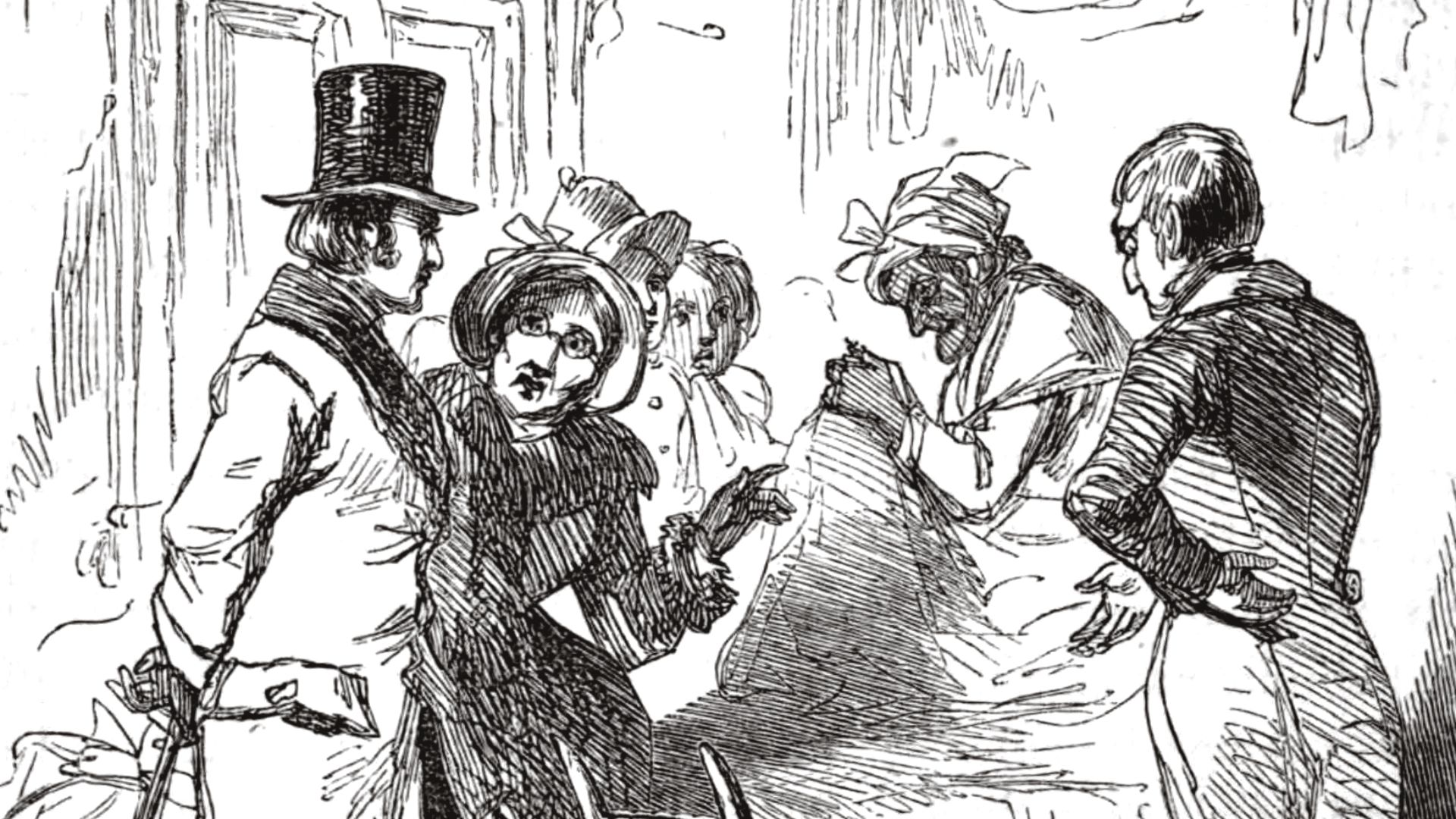
Barnum Fed Newspapers An Even Stranger Story
When interest threatened to fade, Barnum planted another claim suggesting Heth might not be a woman at all. He circulated the idea that she was an elaborate mechanical automaton controlled by a ventriloquist. The contradiction encouraged audiences to pay admission simply to determine what they believed. Barnum was learning one of publicity's enduring lessons: disbelief can sell tickets almost as effectively as belief.
 Theodore Lane, Wikimedia Commons
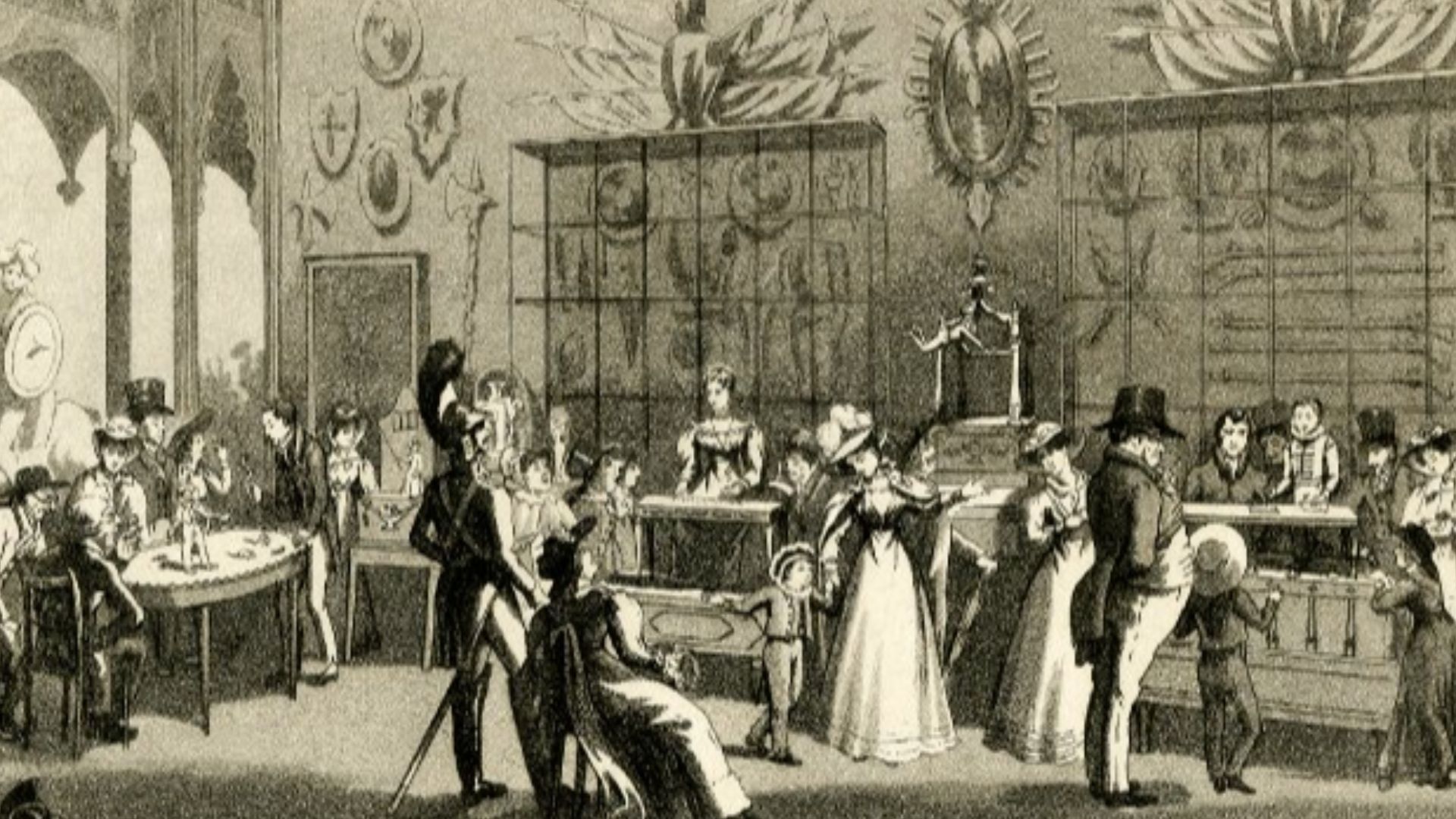
Even Heth's Death Became A Ticketed Event
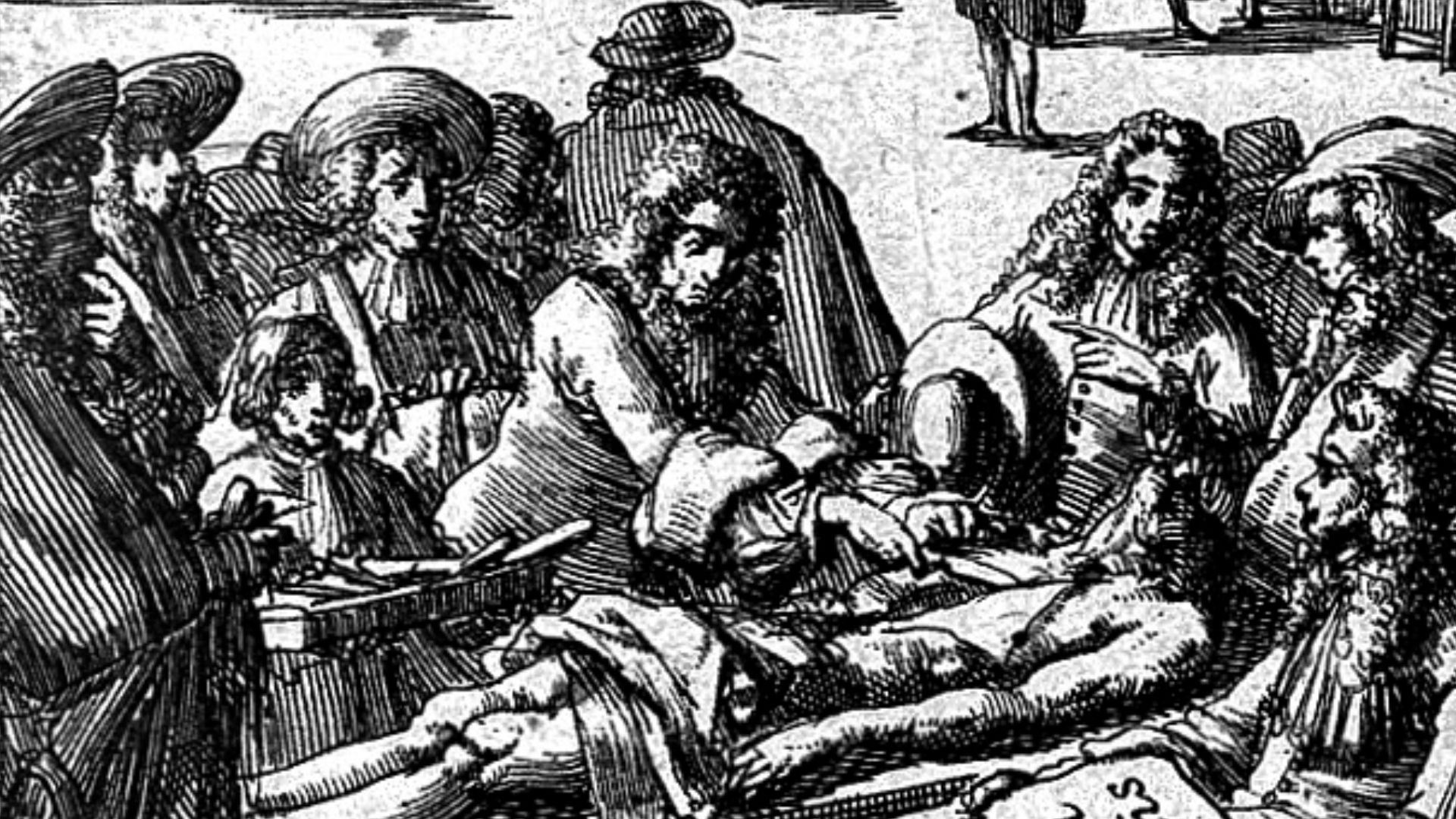
Heth died in February 1836, but Barnum still found one final spectacle to promote. He arranged a public autopsy in New York, where roughly 1,500 spectators reportedly paid 50 cents each to watch a physician examine her body. The examination indicated that Heth was probably around 80 rather than 161. It was a grotesque example of the early publicity business having almost no agreed boundary between promotion, entertainment, and exploitation.
The Mermaid Arrived Before The Mermaid Did
Barnum refined the method when he promoted the so-called Feejee Mermaid in 1842. Before exhibiting the object, he generated newspaper attention around a supposed naturalist named Dr. Griffin and a mysterious specimen newly arrived in New York. Advertisements and images encouraged audiences to imagine something resembling the beautiful mermaids of folklore. By the time the doors opened, curiosity had already done most of the selling.
 19th century artist, Wikimedia Commons
The Real Mermaid Was Spectacularly Ugly
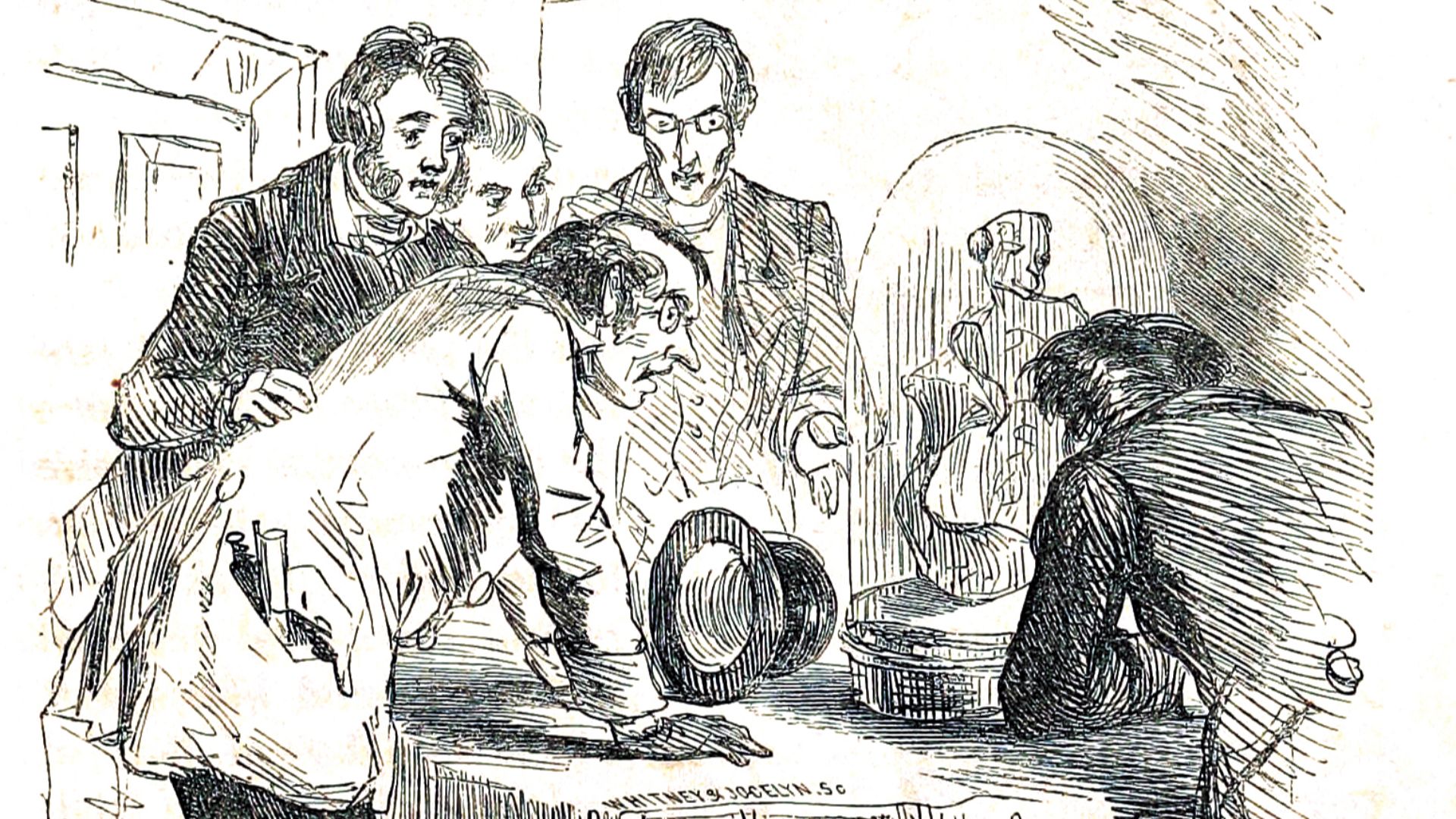
Visitors expecting a glamorous sea creature instead encountered a shriveled construction combining parts of a monkey and fish. Barnum's own expert had warned him that the specimen was manufactured, but that did not stop the exhibition. The grotesque difference between the advertising and the actual object became part of the joke. Customers could complain that they had been fooled while simultaneously telling everyone they knew to go see the thing.
 Unknown authorUnknown author, Wikimedia Commons
Being Exposed Could Actually Help Business
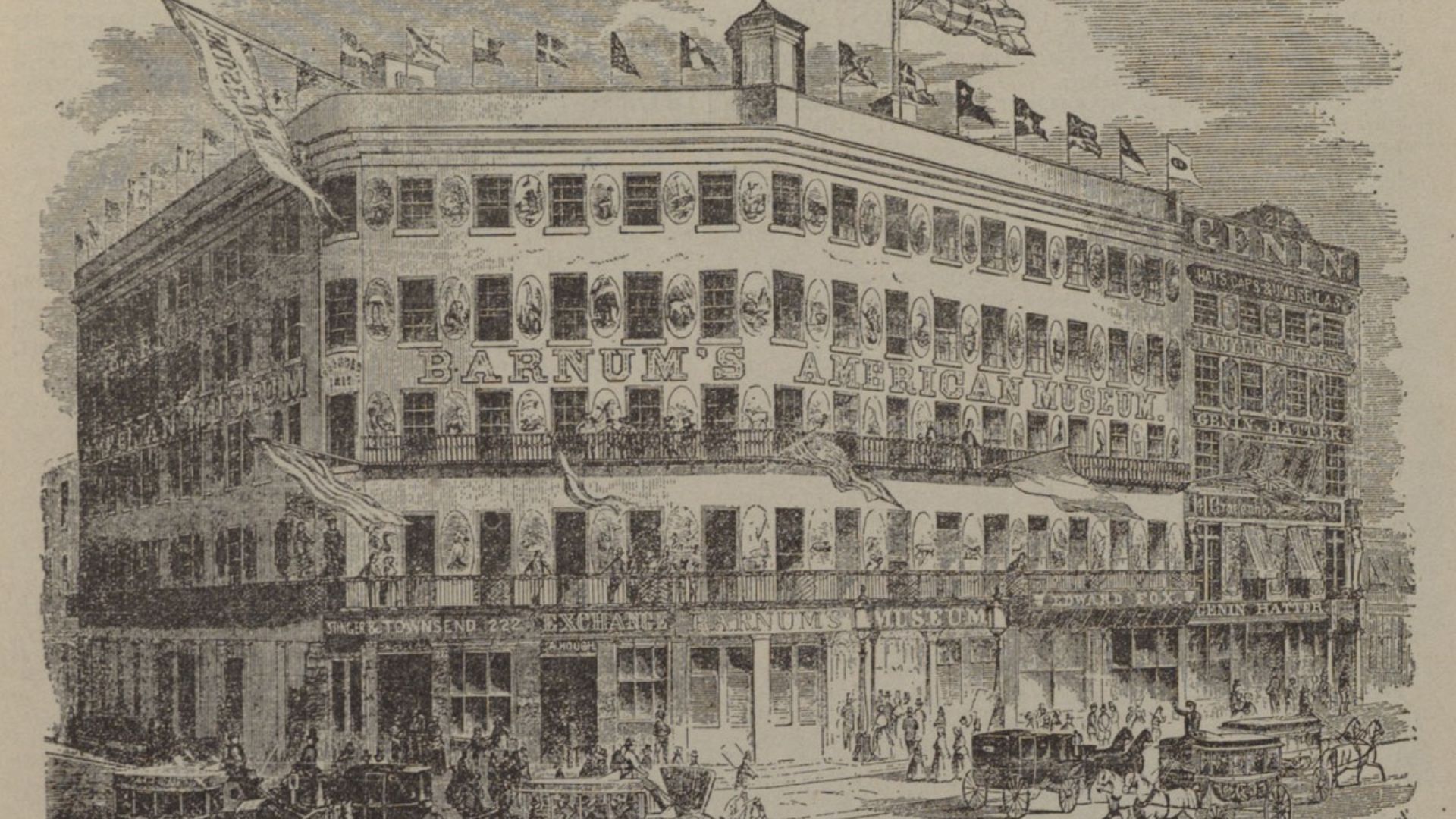
The Feejee Mermaid demonstrated how remarkably forgiving the early publicity economy could be. Barnum encouraged debate rather than providing a clean answer, allowing newspapers and visitors to keep discussing whether the attraction deserved to be believed. His American Museum mixed genuine specimens with calculated humbugs, making uncertainty part of the entertainment. By modern standards it looked chaotic, but commercially it was brilliant.
 Drawn by: Chapin. Engraved by: Avery., Wikimedia Commons
Jenny Lind Was Famous Before Americans Heard Her
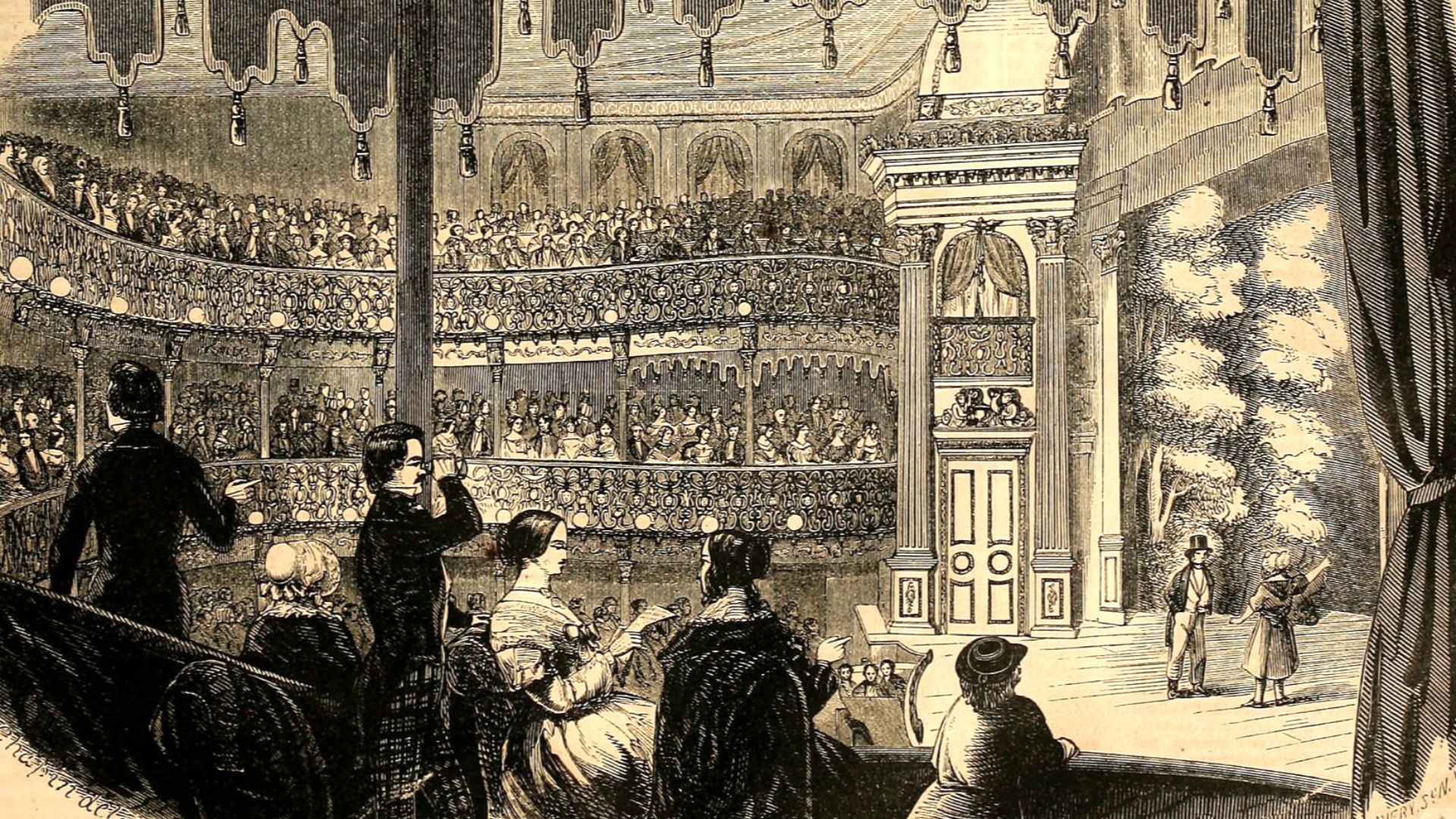
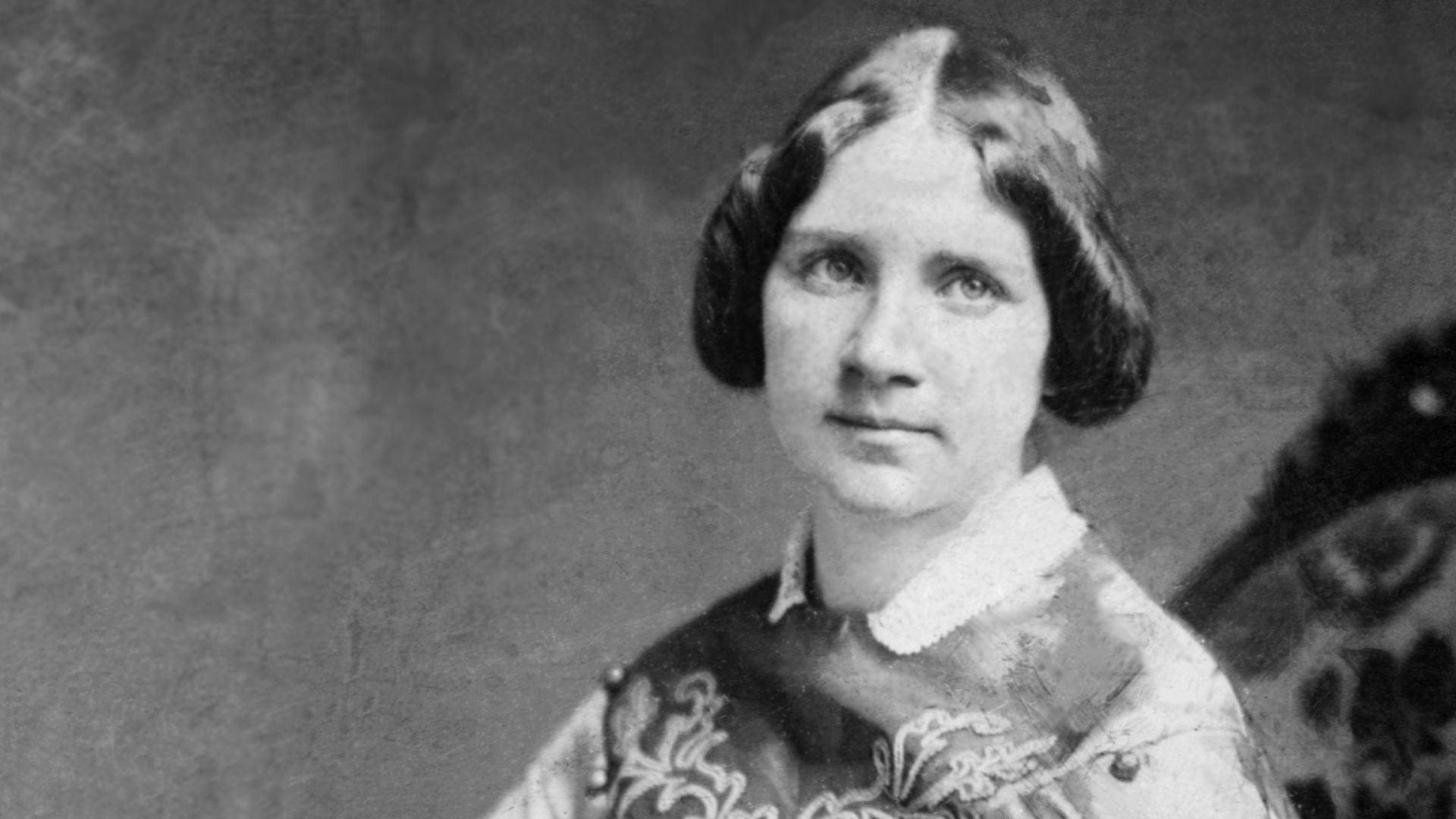
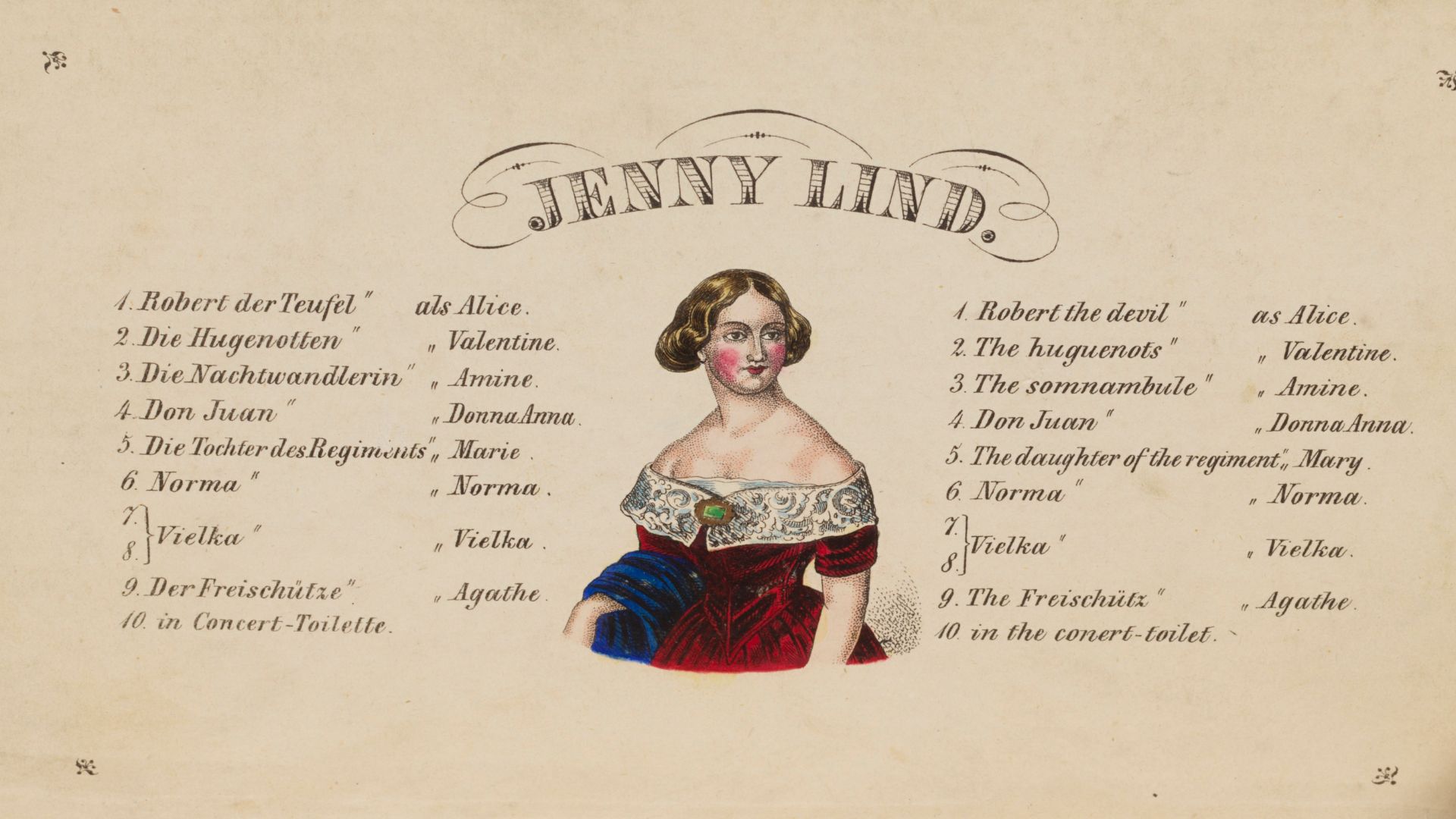
Barnum's greatest publicity triumph involved someone who genuinely possessed extraordinary talent. Swedish singer Jenny Lind was celebrated in Europe but remained largely unknown in the United States when Barnum began promoting her American tour. By the time she reached New York in September 1850, an estimated 30,000 people greeted her at the waterfront. Most had never heard her sing because recorded music did not yet exist.
Barnum Auctioned The Hottest Ticket In Town
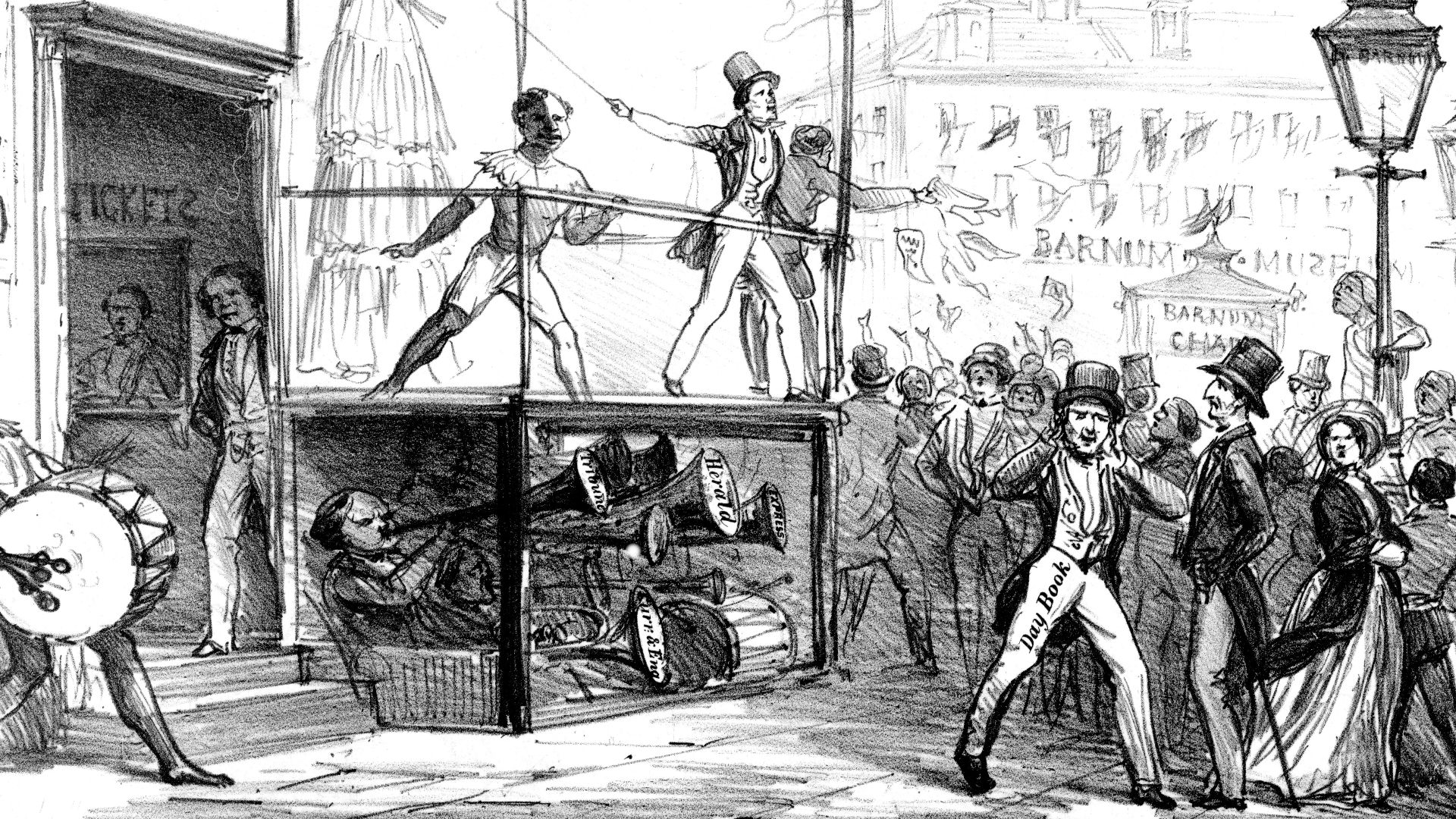
Barnum made obtaining a Jenny Lind ticket part of the spectacle. He publicized the tour relentlessly and auctioned desirable tickets rather than simply selling every seat at a standard price. He also sponsored a competition to produce lyrics for a song Lind could perform. The campaign transformed a concert series into a running news story before the first New York performance even began.
 Popular Graphic Arts, Wikimedia Commons

History's most fascinating stories and darkest secrets, delivered to your inbox daily.
Lind Mania Became An Entire Marketplace
The publicity spilled far beyond the concert hall. Americans bought Jenny Lind bonnets, dolls, pianos, chairs, programs, and other merchandise bearing her name. Her tour ultimately earned enormous sums, while Lind herself donated substantial amounts to charitable causes. Barnum had demonstrated that promoters did not merely have to advertise a celebrity because, with enough hype, the celebrity could become an entire consumer brand.
 Unknown artistUnknown artist, Wikimedia Commons
Barnum Turned A Child Into General Tom Thumb
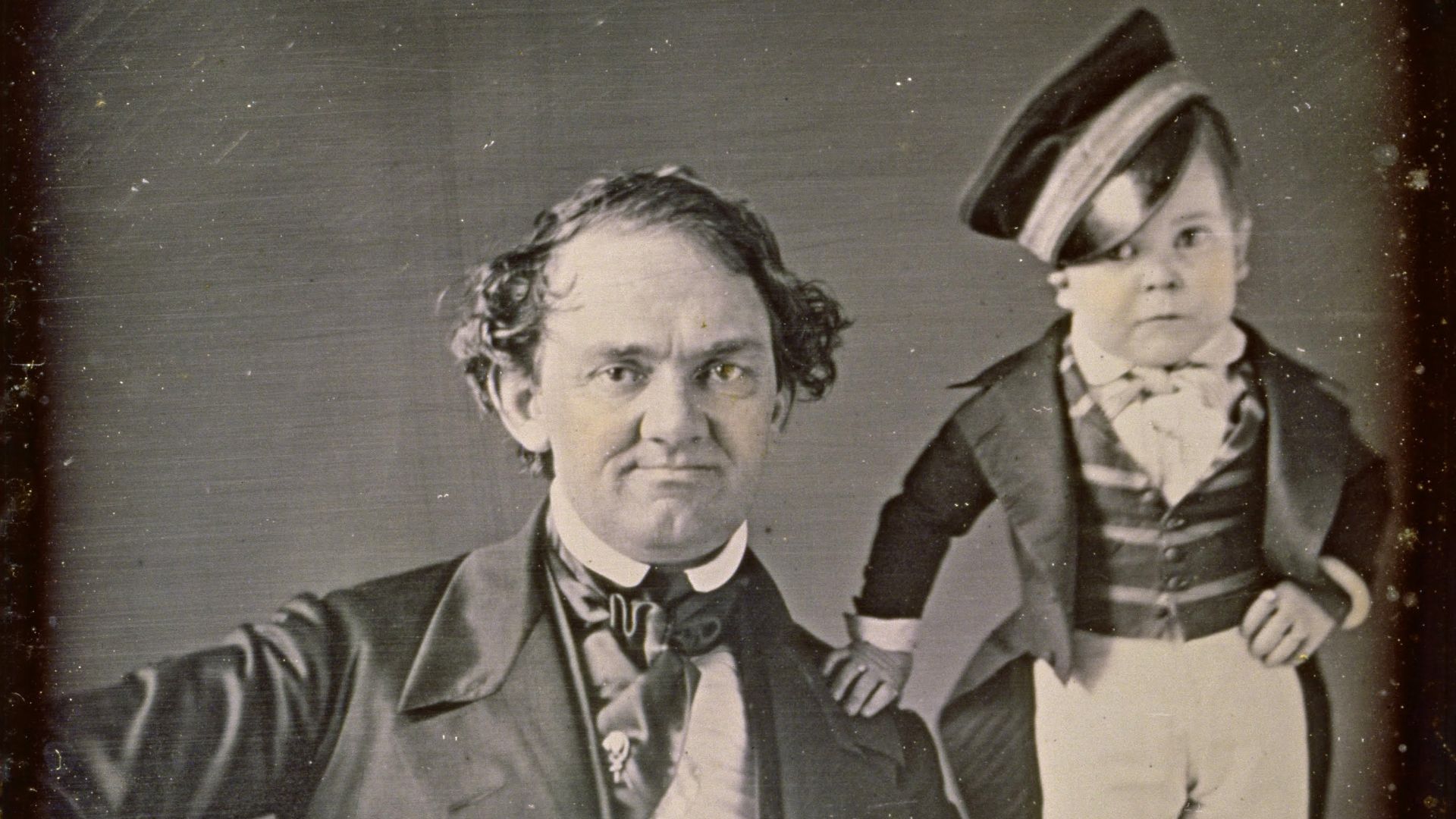
Charles Stratton was only a small child when Barnum began exhibiting him under the stage name General Tom Thumb. Barnum increased his advertised age and taught him songs, dances, comic routines, and impersonations, creating an elaborate public character around his unusual height. Stratton became a remarkably skilled entertainer and eventually performed before royalty in Europe. Barnum then publicized those elite encounters back home, making royal approval another ingredient in the act.
 Samuel Root or Marcus Aurelius Root Details on Google Art Project, Wikimedia Commons
Then Tom Thumb Had The Wedding Of The Century
When Stratton married fellow performer Lavinia Warren in New York on February 10, 1863, the marriage became an enormous media event. Barnum promoted the ceremony as the "Fairy Wedding," while newspapers obsessed over the clothing, wedding party, guests, and reception. The Barnum Museum notes that coverage pushed Civil War news off the front page of The New York Times for three days. Even in wartime, celebrity spectacle could seize the news cycle.
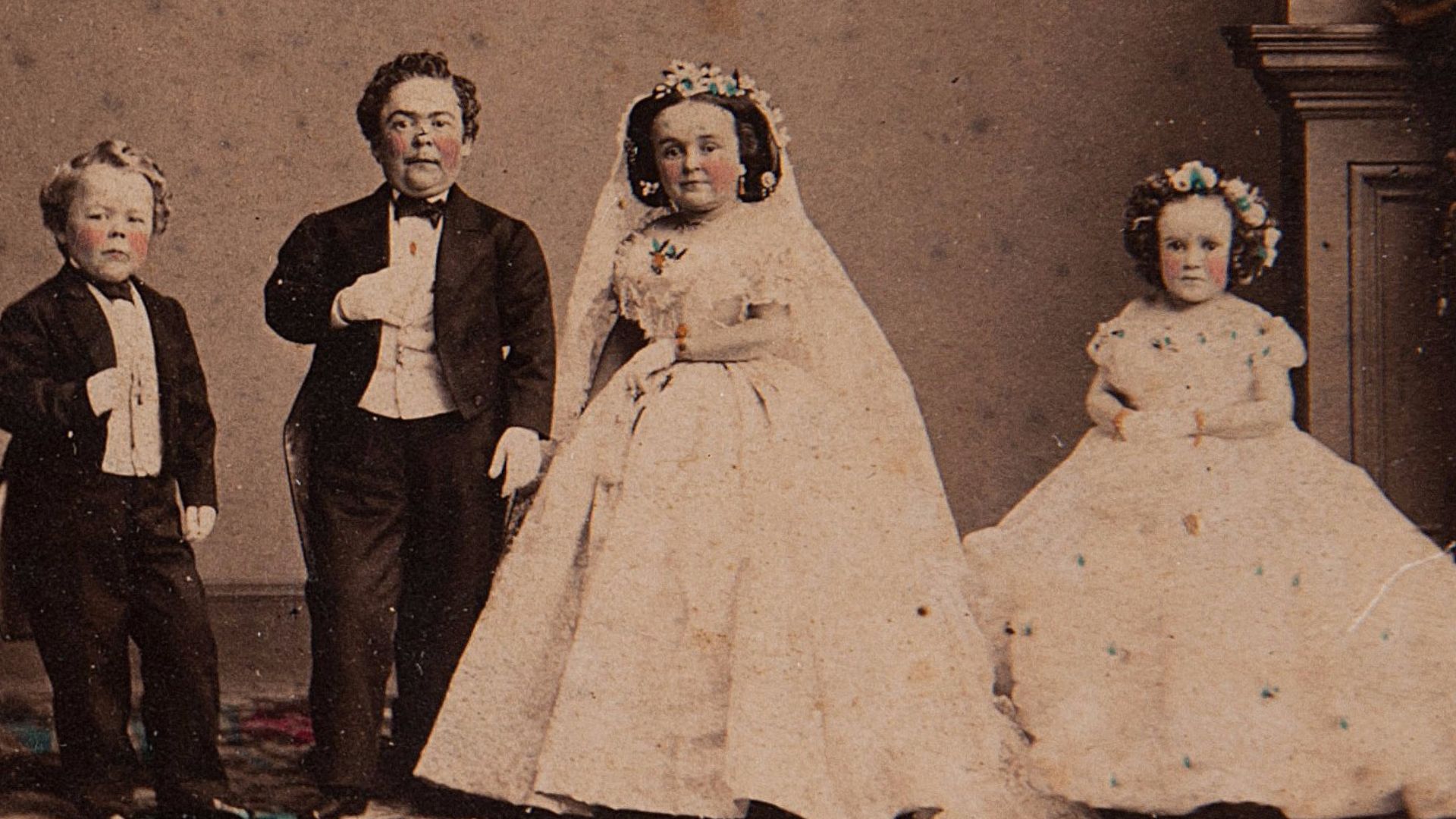 Negative by Brady, copyright 1863, published by E. & H.T. Anthony, Wikimedia Commons
The Honeymoon Included The White House
The publicity did not stop when the ceremony ended. Abraham and Mary Lincoln received Stratton and Warren at the White House shortly afterward, providing yet another prestigious event newspapers could report. Photographs of the tiny wedding party circulated as cartes de visite, a hugely popular photographic format of the period. Barnum had effectively turned a private life event into a multimedia celebrity campaign.
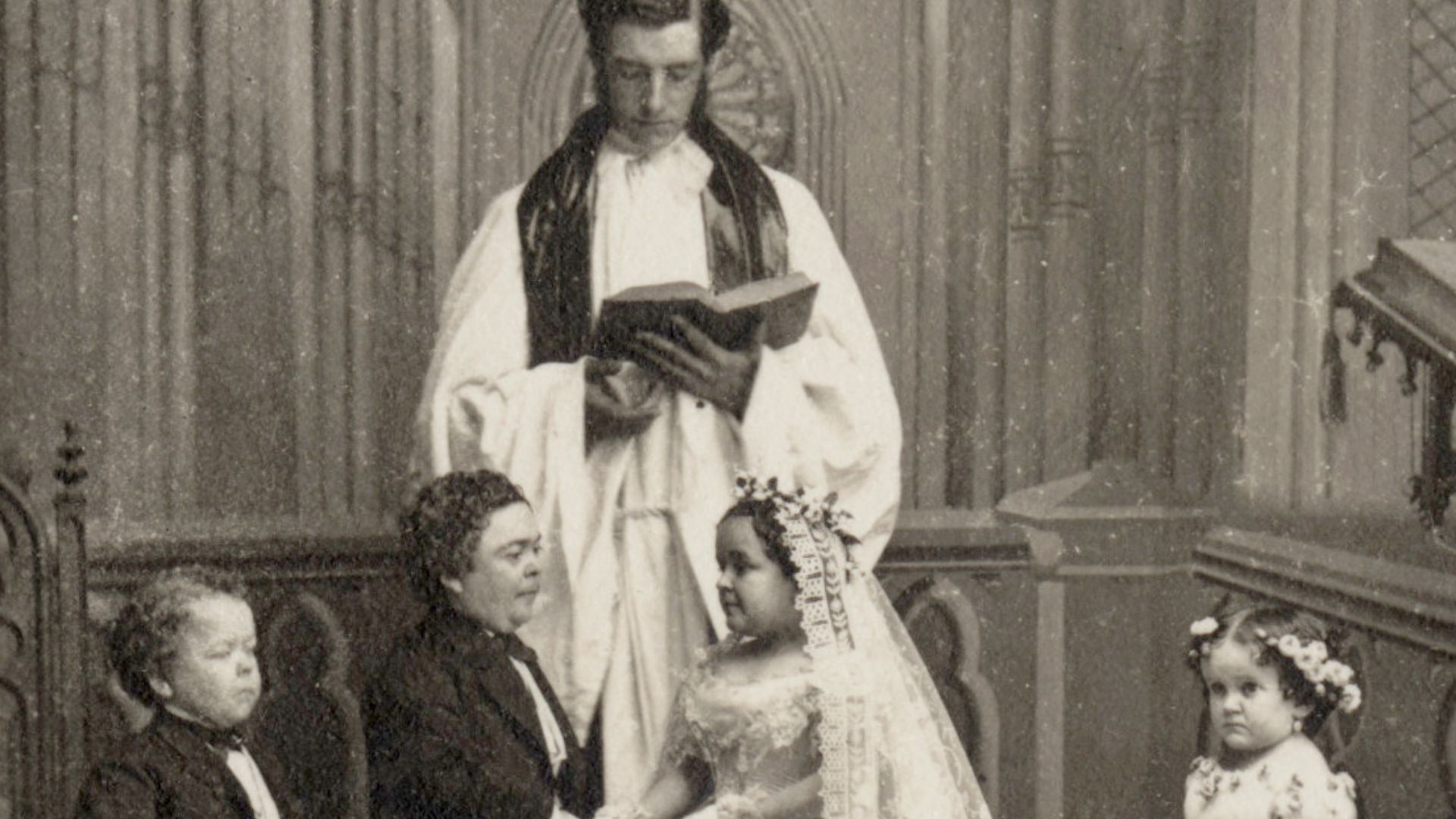 Mathew Brady Studio (active 1844–1883), Wikimedia Commons
Jumbo Was Bought With Headlines In Mind
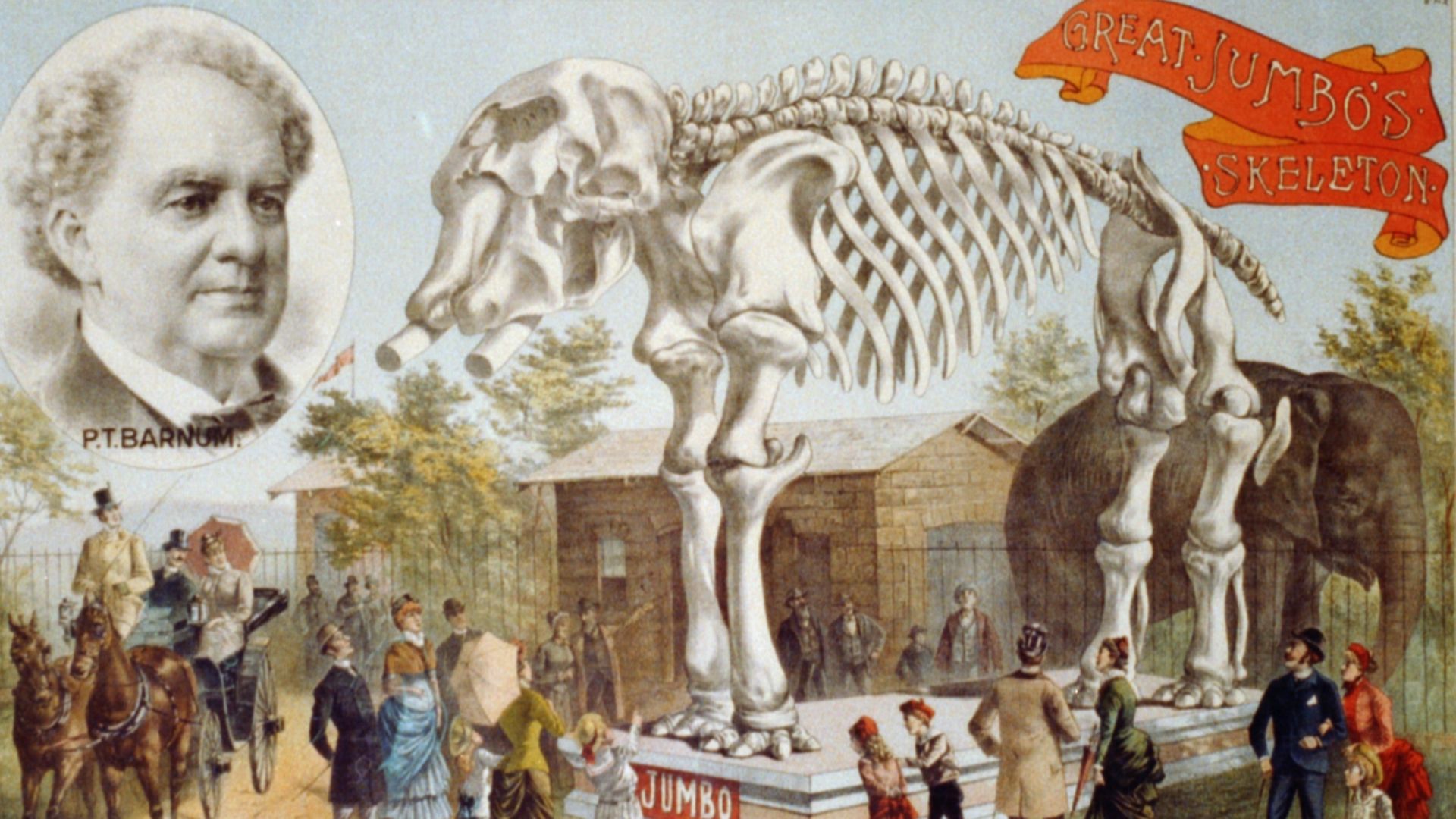
Barnum created another national sensation when he purchased Jumbo from the London Zoo in 1882. The enormous African elephant was already popular in Britain, and controversy surrounding his sale generated publicity before he even reached America. Once Jumbo arrived, Barnum surrounded him with merchandise, stories, advertising, and circus promotion. The Barnum Museum reports that Jumbo's appearances grossed $336,000 in his first six weeks in the United States.
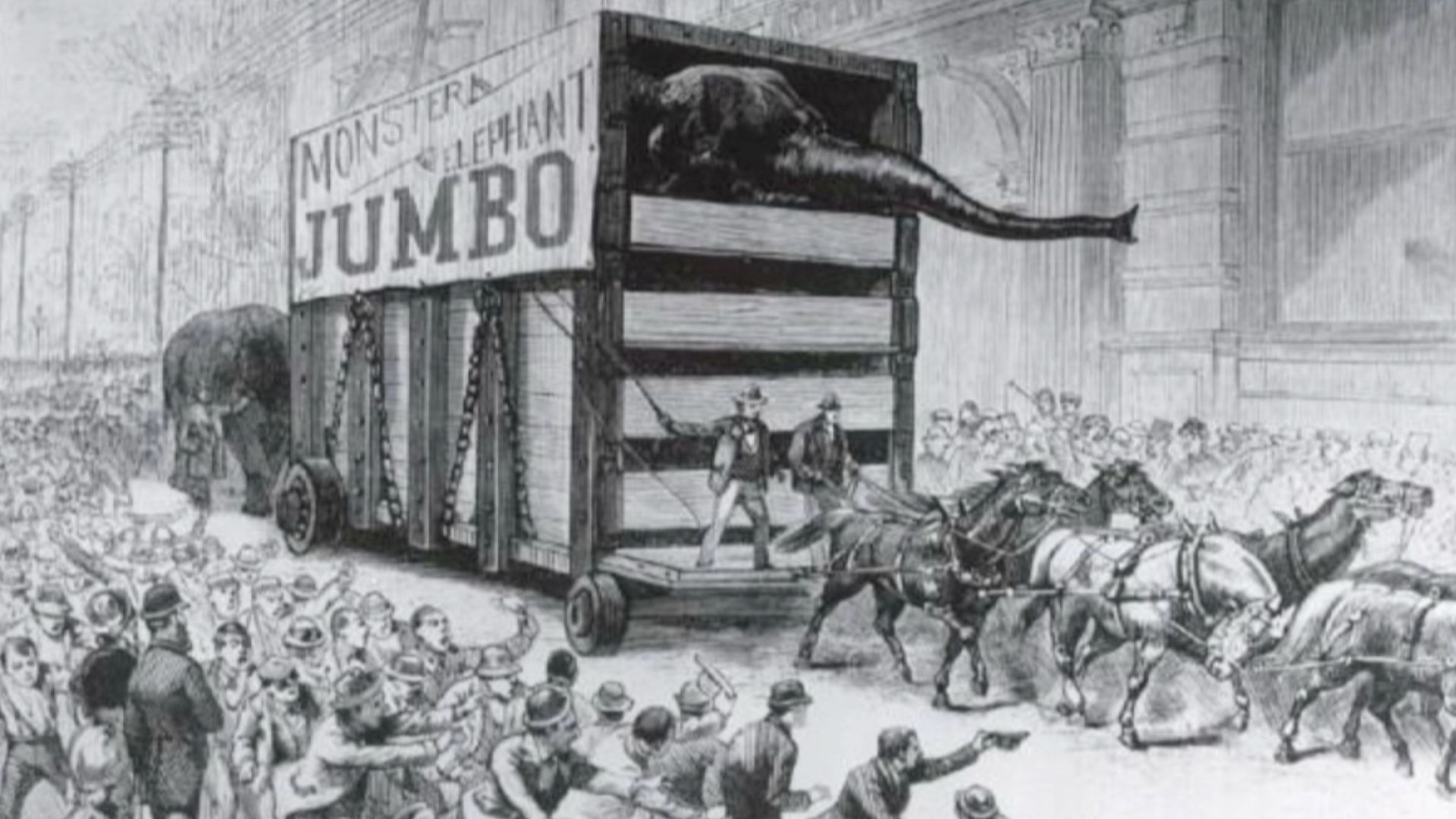 Unknown authorUnknown author, Wikimedia Commons
Then The Brooklyn Bridge Had A Publicity Problem
The Brooklyn Bridge opened in May 1883, but a deadly pedestrian panic six days later badly shook public confidence. Twelve people died after congestion and rumors of danger contributed to a stampede on the bridge. Barnum had already proposed bringing his elephants across as a spectacle, an idea bridge officials originally rejected. After the disaster, demonstrating the structure's strength suddenly seemed much more useful.
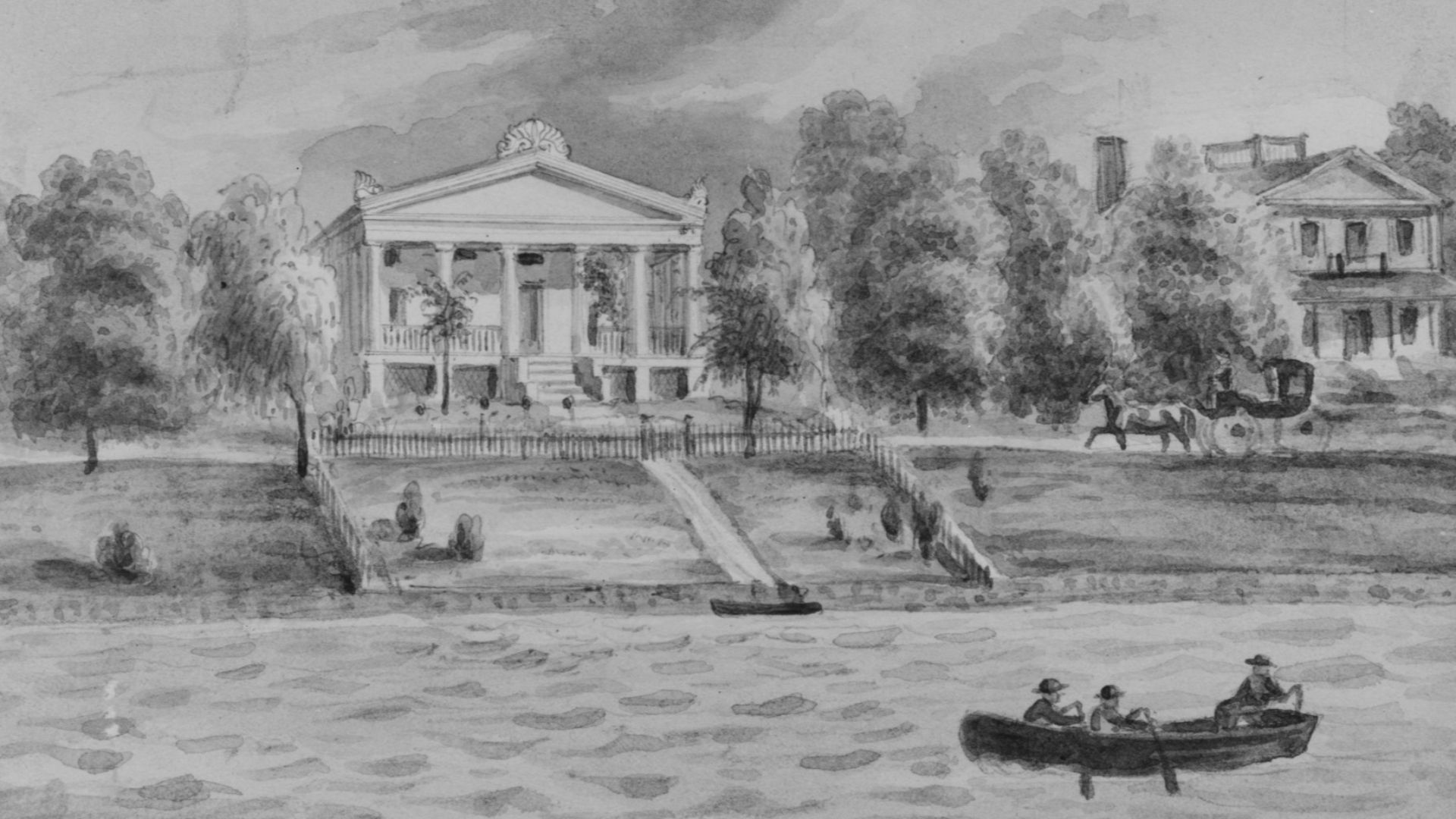 Currier and Ives, Wikimedia Commons
Barnum Sent In Twenty-One Elephants
On May 17, 1884, Barnum marched 21 elephants and 17 camels across the Brooklyn Bridge. Jumbo brought up the rear while thousands watched and newspapers eagerly reported the bizarre procession. The animals provided an unforgettable visual argument that the bridge could handle enormous weight, while Barnum received spectacular publicity for his circus. Infrastructure demonstration and circus advertisement had become the same event.
 P. T. Barnum & Co., Wikimedia Commons
Blondin Realized Death Was Great Advertising
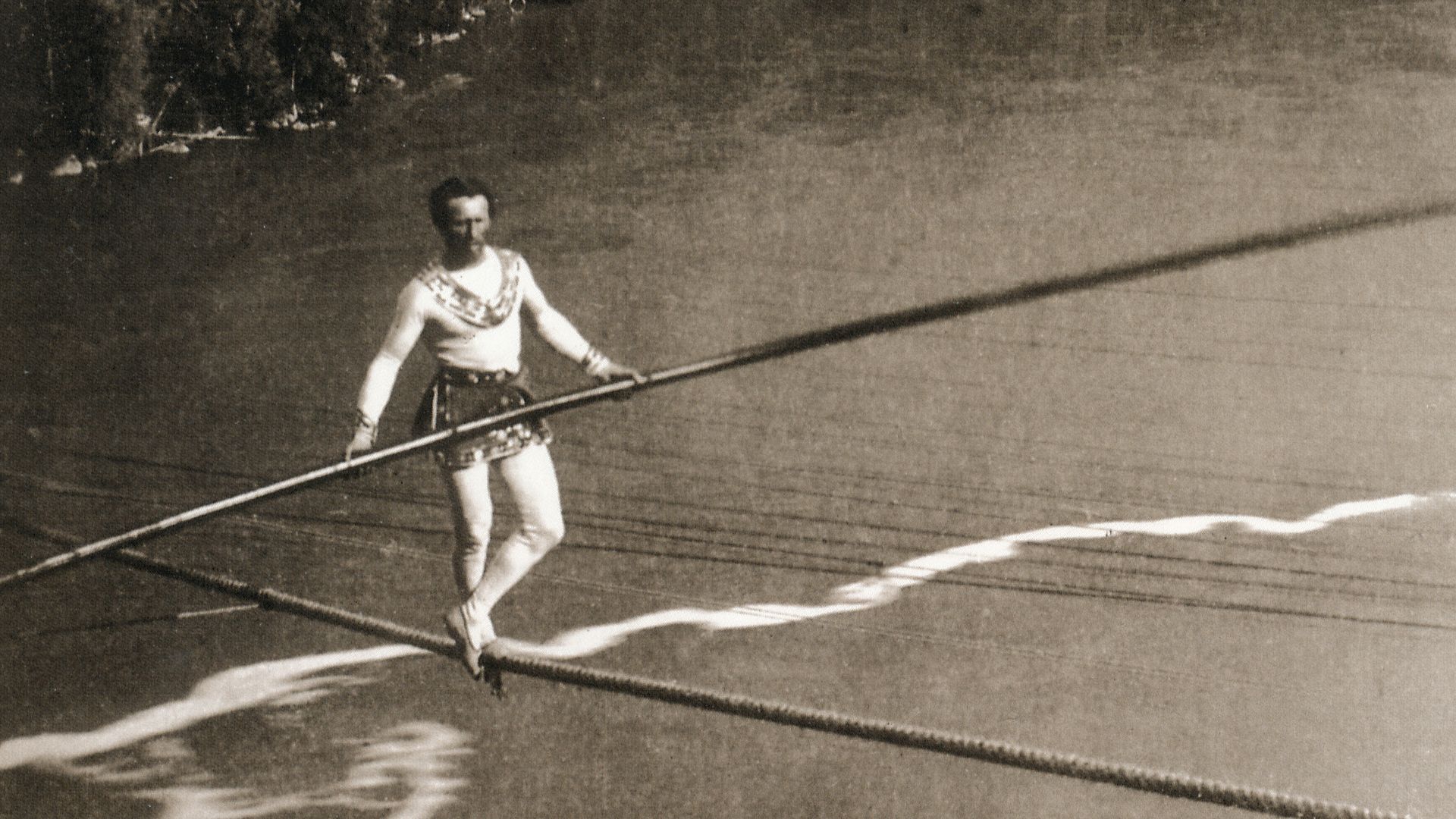
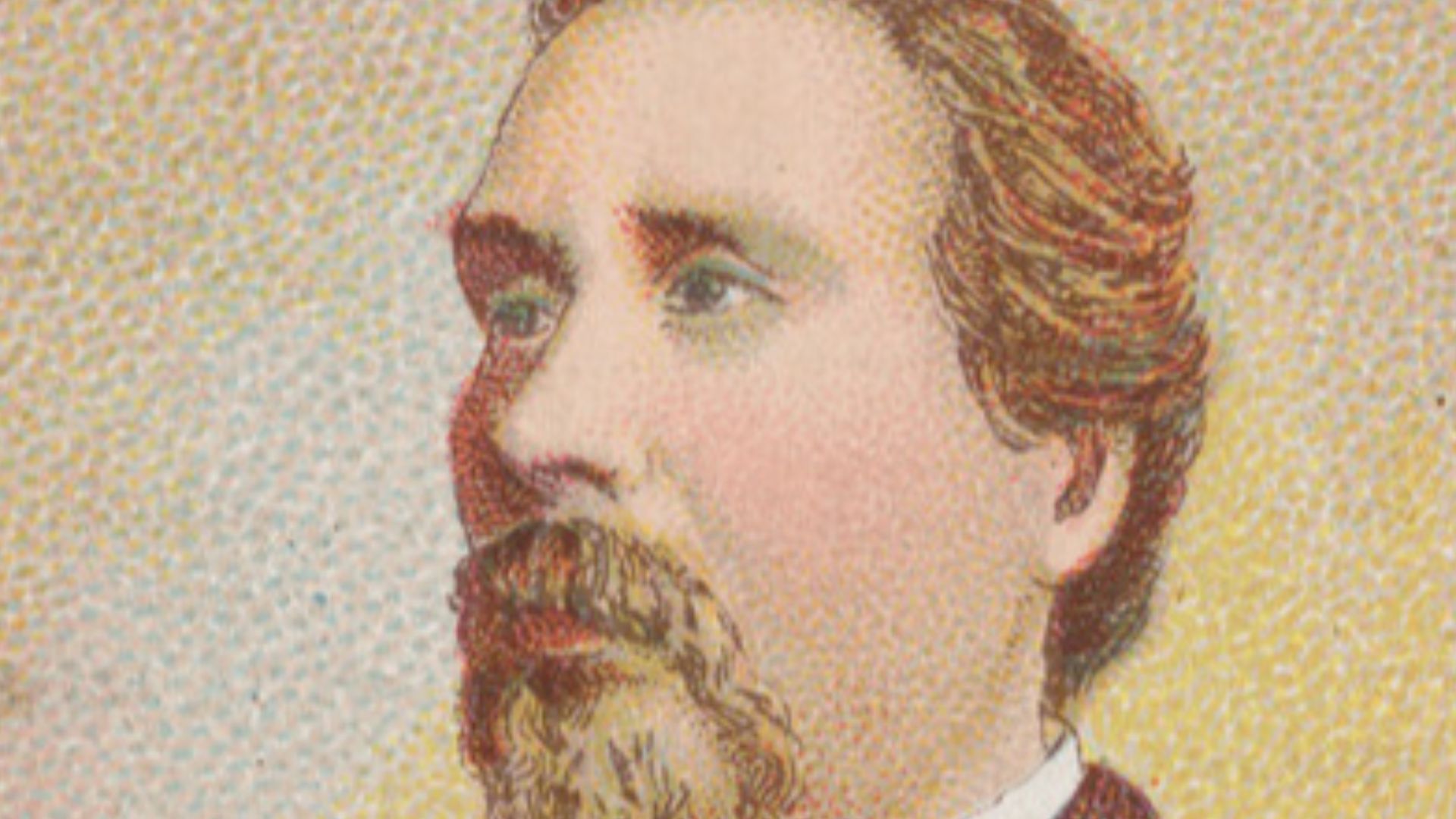
French tightrope performer Charles Blondin arrived at Niagara determined to become the first person to cross the gorge on a rope. On June 30, 1859, approximately 25,000 spectators gathered to see whether he would succeed or fall to his death. Gambling reportedly flourished around the outcome, and Blondin understood that the possibility of catastrophe was part of his attraction. The publicity worked because failure would have been horrifying, but success was almost unbelievable.
 William England, Wikimedia Commons
Even The Newspapers Called Him Reckless
Blondin's first crossing succeeded, but not everyone admired him. The New York Times condemned the deliberate exposure of a human life to mortal danger and criticized spectators for enjoying it. The criticism did nothing to end the fascination. If anything, outrage supplied exactly the controversy that a showman needed to remain in the newspapers.
 Creator:Issued by W.S. Kimball & Co., Wikimedia Commons
Blondin Kept Making The Stunt More Ridiculous
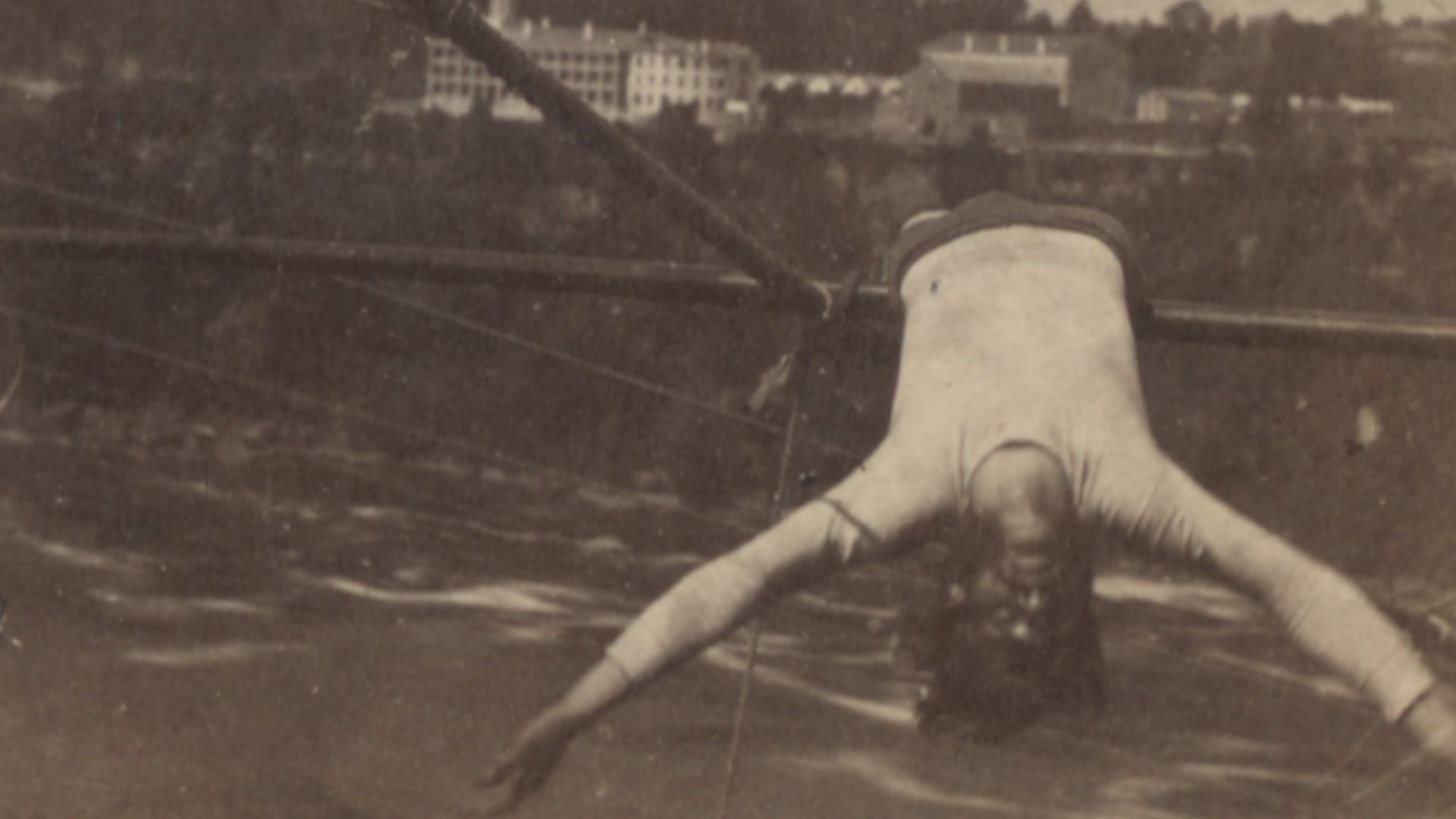
Simply repeating the crossing would eventually have become boring, so Blondin continually added new complications. He crossed at night, performed while shackled, sat on the rope, carried objects, and staged other increasingly theatrical variations. He even incorporated eating and drinking into some crossings while suspended over the gorge. The stunt therefore behaved like a modern media franchise, with every sequel requiring something crazier than the installment before it.
 Unknown artistUnknown artist, Wikimedia Commons
Annie Taylor Needed A Retirement Plan
By 1901, widowed schoolteacher Annie Edson Taylor was struggling financially and searching for a way to secure her future. At 62, she devised an astonishing solution: become famous by surviving a trip over Niagara Falls in a barrel. She hired a manager specifically to publicize the stunt. This was not merely thrill-seeking because Taylor hoped notoriety would translate into paid appearances and financial security.
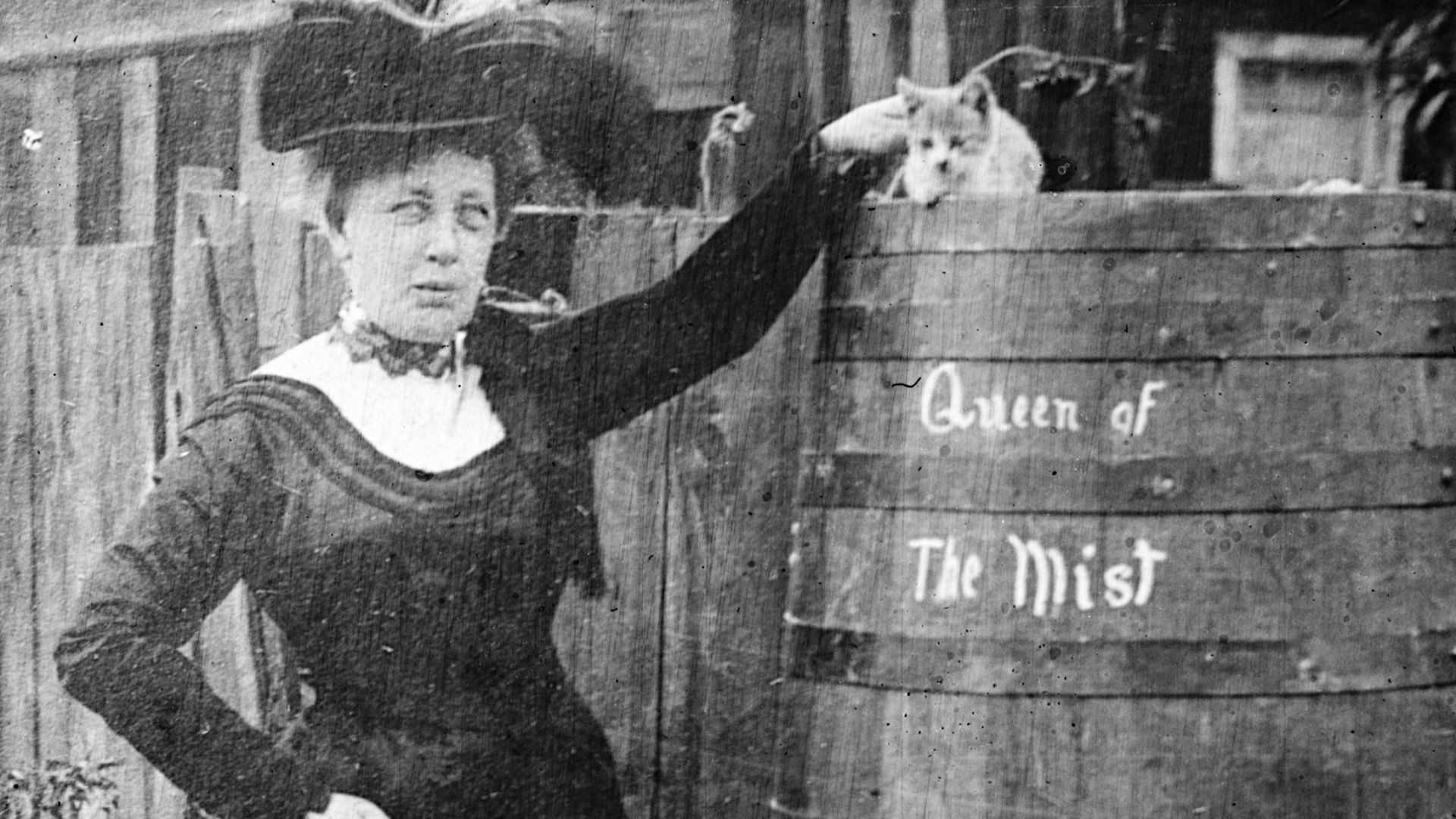 GG Bain News Service, Wikimedia Commons
Taylor Designed Her Own Survival Capsule
Taylor commissioned a heavy oak barrel strengthened with iron hoops and padded inside to protect her from the impact. On October 24, 1901, her 63rd birthday, she entered it above Horseshoe Falls and was sent toward the drop. She emerged alive, becoming the first documented person to survive going over Niagara Falls in a barrel. The planned publicity stunt had worked in the most important sense because its star was still alive to tell reporters about it.
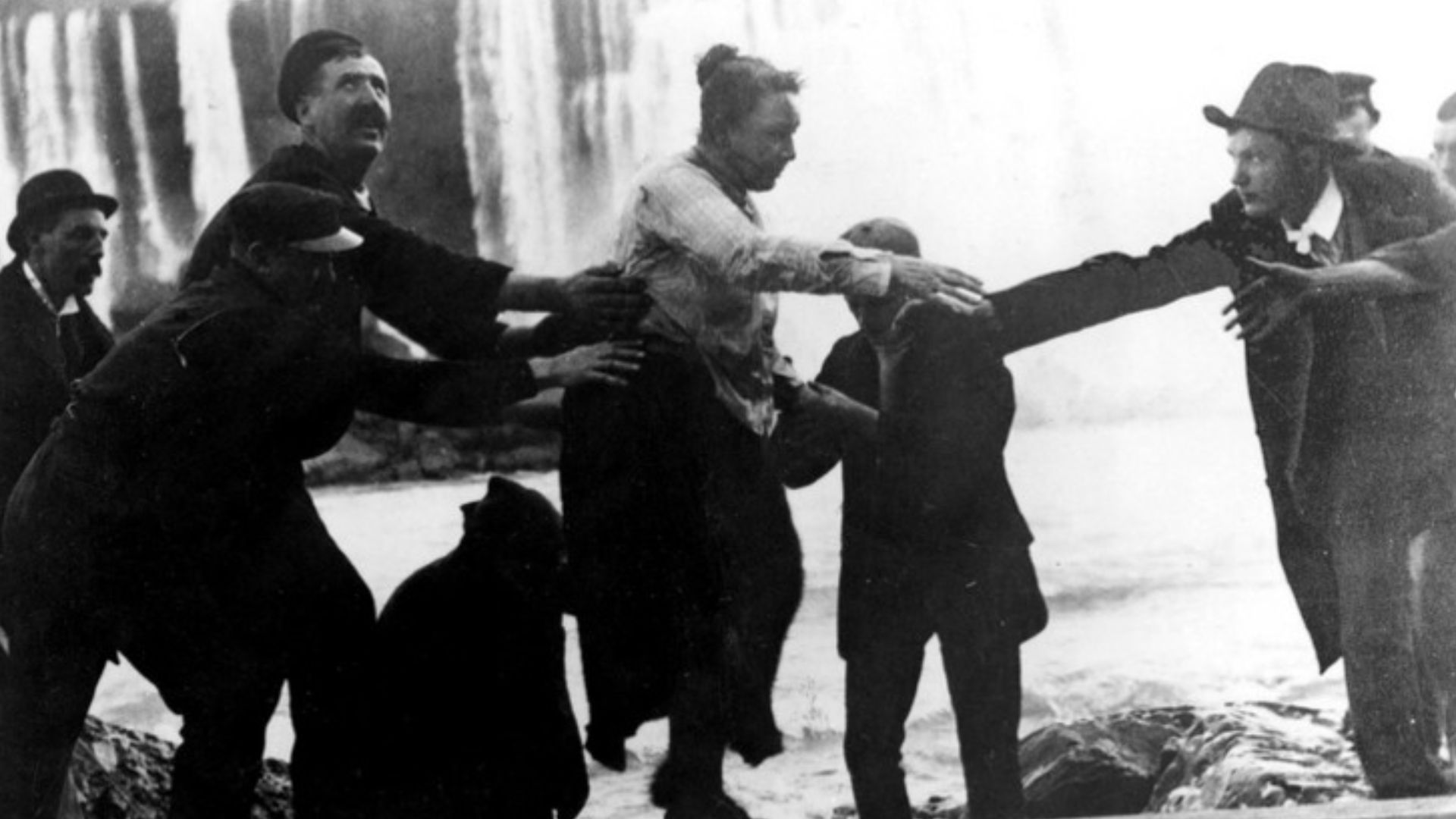 M. H. Zahner, Wikimedia Commons
Fame Arrived But The Fortune Did Not
Taylor briefly received publicity, photographs, and speaking opportunities after her survival. Unfortunately, the long-term fortune she expected never materialized. HISTORY notes that public interest quickly cooled, leaving Taylor without the financial security that had motivated the stunt. Early celebrity culture had already developed one of its cruelest rules: going viral was easier than turning attention into a career.
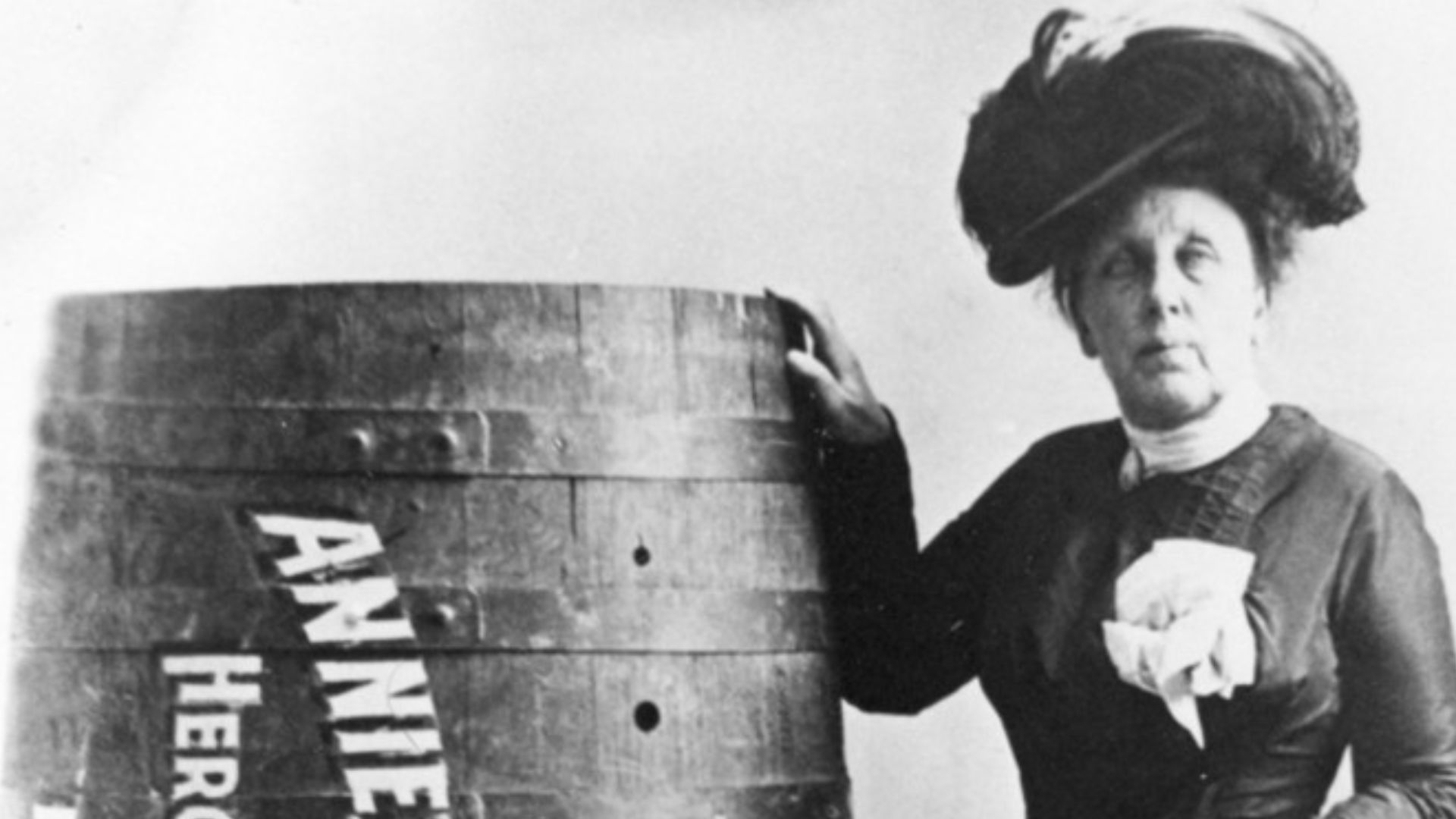 Unknown authorUnknown author, Wikimedia Commons
Nellie Bly Turned Reporting Into Performance
When Nellie Bly joined Joseph Pulitzer's New York World, she proposed going undercover inside the women's asylum on Blackwell's Island. She feigned mental illness, successfully had herself committed, and remained inside for ten days before the newspaper arranged her release. Her resulting 1887 investigation exposed brutal and degrading conditions. The reporting served a serious public purpose, but its daring first-person setup also made it irresistible newspaper entertainment.
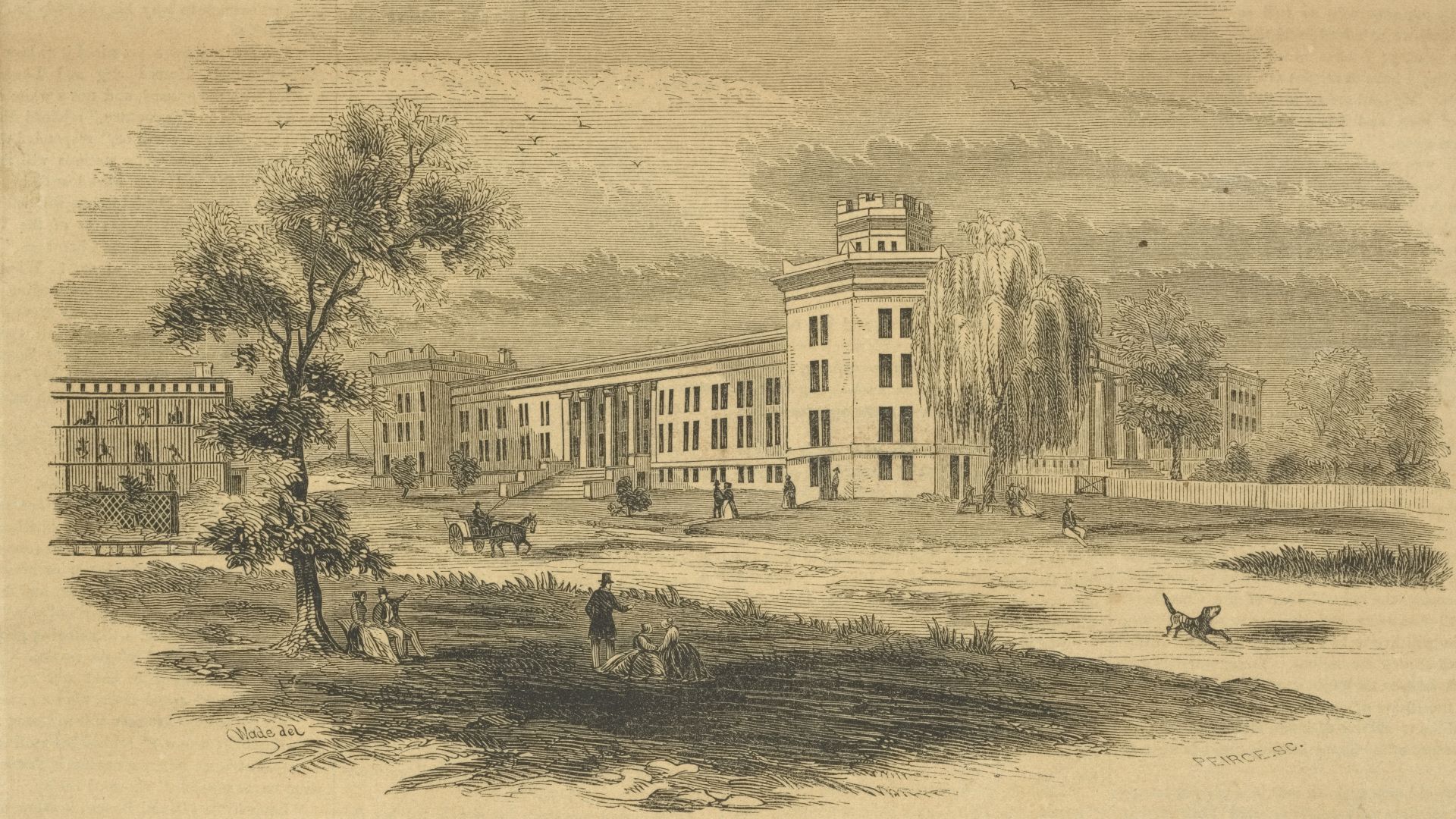 Scan by NYPL, Wikimedia Commons
Suddenly Every Newspaper Wanted A Stunt Girl
Bly's asylum series became a major success for the World. Smithsonian reports that rival newspapers soon began employing women to undertake similarly risky undercover assignments involving hospitals, factories, prisons, scams, and dangerous working conditions. These journalists became known as "girl stunt reporters." The same competitive media culture that encouraged sensationalism also opened opportunities for women to report stories male editors had previously kept them from pursuing.
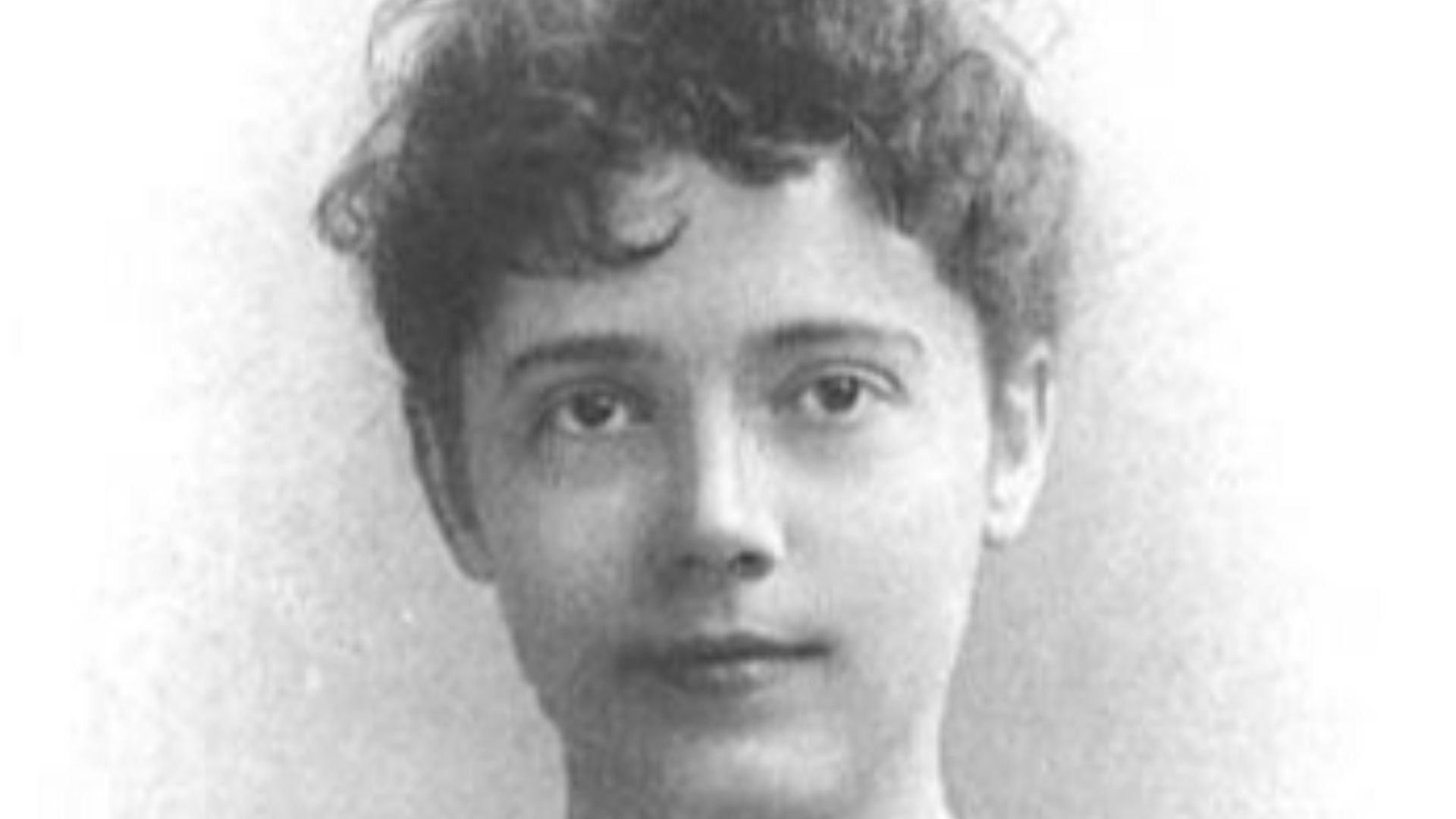 Elizabeth Bisland, Wikimedia Commons
Bly Turned The Entire Planet Into A Promotion
In 1889, the World sent Bly around the globe in an attempt to beat Phileas Fogg's fictional 80-day journey. The newspaper published continuous updates and offered a European trip to the reader who came closest to predicting her final travel time. The Library of Congress says the contest attracted nearly one million entries and newspaper circulation boomed. Bly returned after 72 days, 6 hours, 11 minutes and 14 seconds, proving that a publicity stunt could literally become worldwide news.
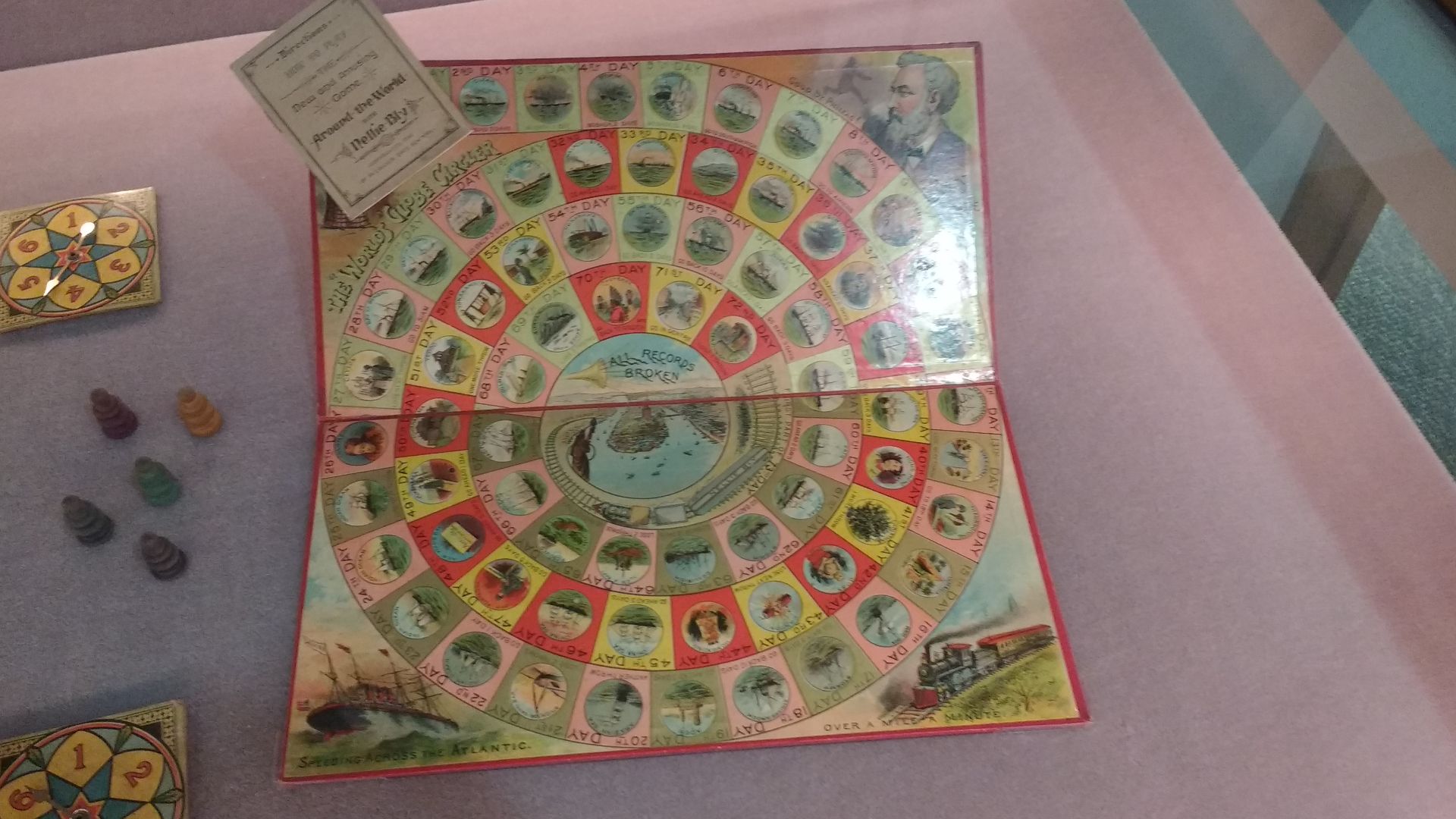 Mary Mark Ockerbloom, Wikimedia Commons
Houdini Never Waited For Audiences To Enter The Theater
Harry Houdini understood that the best advertisement for an escape show was a free escape performed somewhere the press could not ignore. He staged handcuffed jumps from bridges and arranged highly visible outdoor performances while touring American cities. A 1908 jump from Boston's Harvard Bridge drew enormous attention while Houdini was appearing at a local vaudeville theater. The Library of Congress explicitly notes that these public escapes generated crowds and promoted his paid stage appearances.
![Title: Houdini jumps from Harvard Bridge, Boston, Massachusetts] / John H. Thurston, stereopticons
Abstract/medium: 1 photograph : glass lantern slide ; 82 x 102 mm.](https://www.factinate.com/storage/app/media/factinate/2026/8/20/1787245679d169c768b9de80c23e6a60e4c904780a7023fdb7.jpg) Thurston, John H. (John Henry), 1852-, photographer, Wikimedia Commons
Thurston, John H. (John Henry), 1852-, photographer, Wikimedia Commons
Police Cells Became Free Billboards
Houdini also challenged police departments and jailers to secure him using their own cells, locks, and handcuffs. Escaping under official supervision gave the resulting newspaper coverage a credibility a theater advertisement could never provide. After building his reputation through such challenges in Europe, he returned to the United States as an international star. Houdini had figured out how to make local authorities unwilling participants in his marketing campaign.
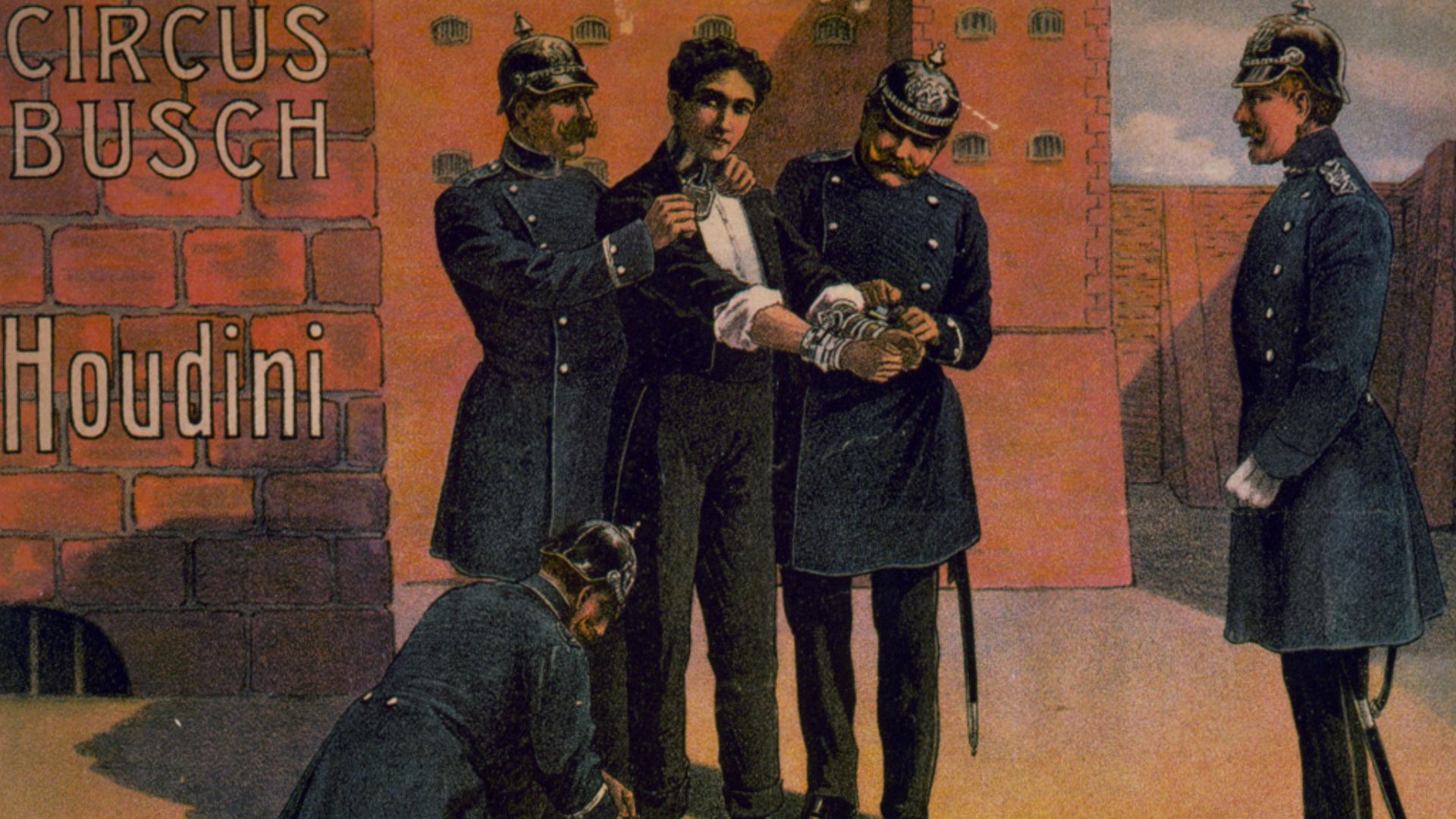 Unknown authorUnknown author, Wikimedia Commons
Houdini Challenged The Public To Beat Him
By 1908, Houdini was even inviting people to design restraints capable of holding him, with a $1,000 reward attached to the challenge. Every strange device supplied a fresh story and a reason for spectators to wonder whether this might finally be the escape he could not complete. His stunts continually renewed the central mystery of his act rather than merely advertising a fixed performance. Houdini's relentless self-promotion made publicity inseparable from the entertainment itself.
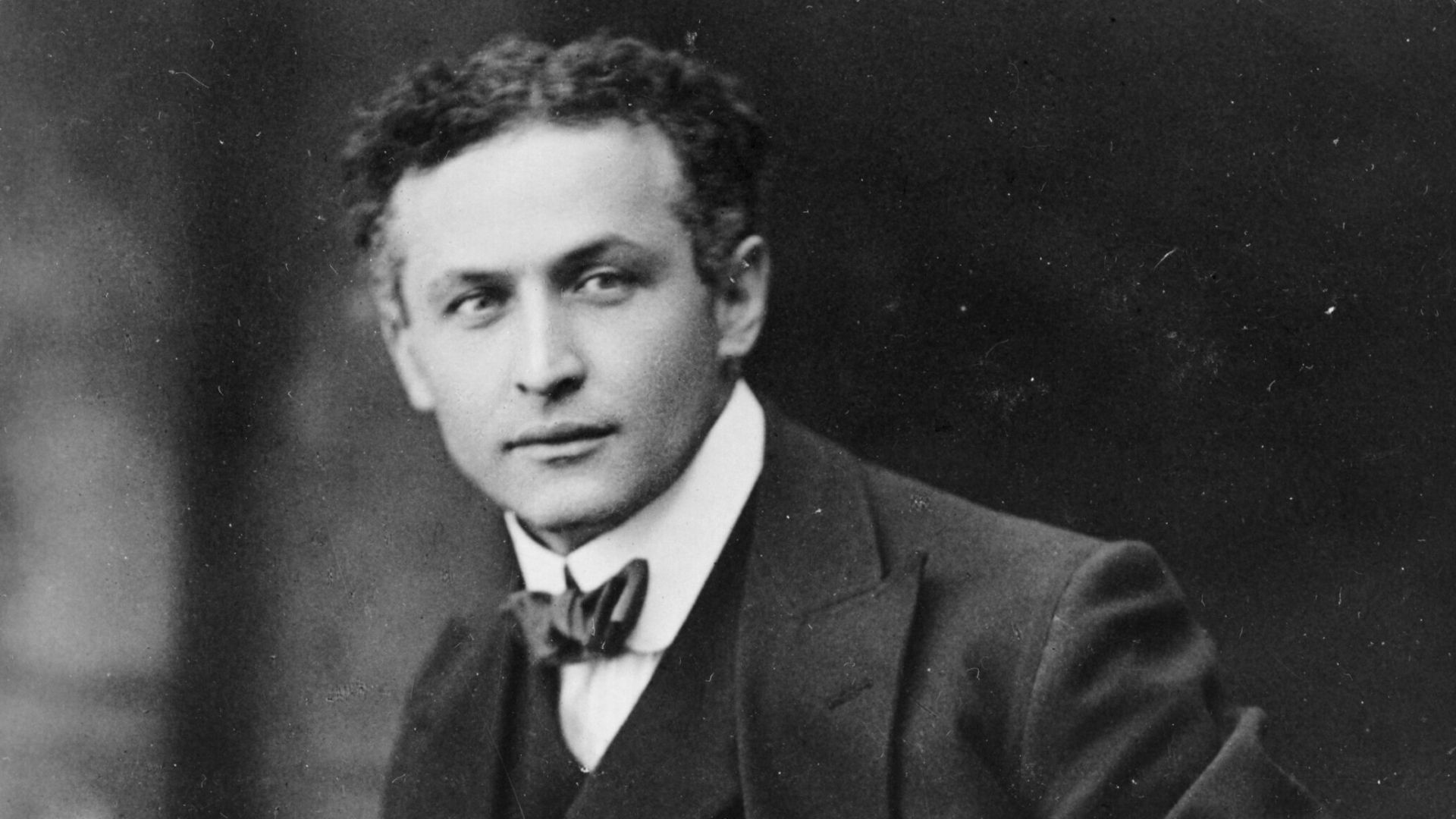 Campbell-Gray, Ltd., Wikimedia Commons
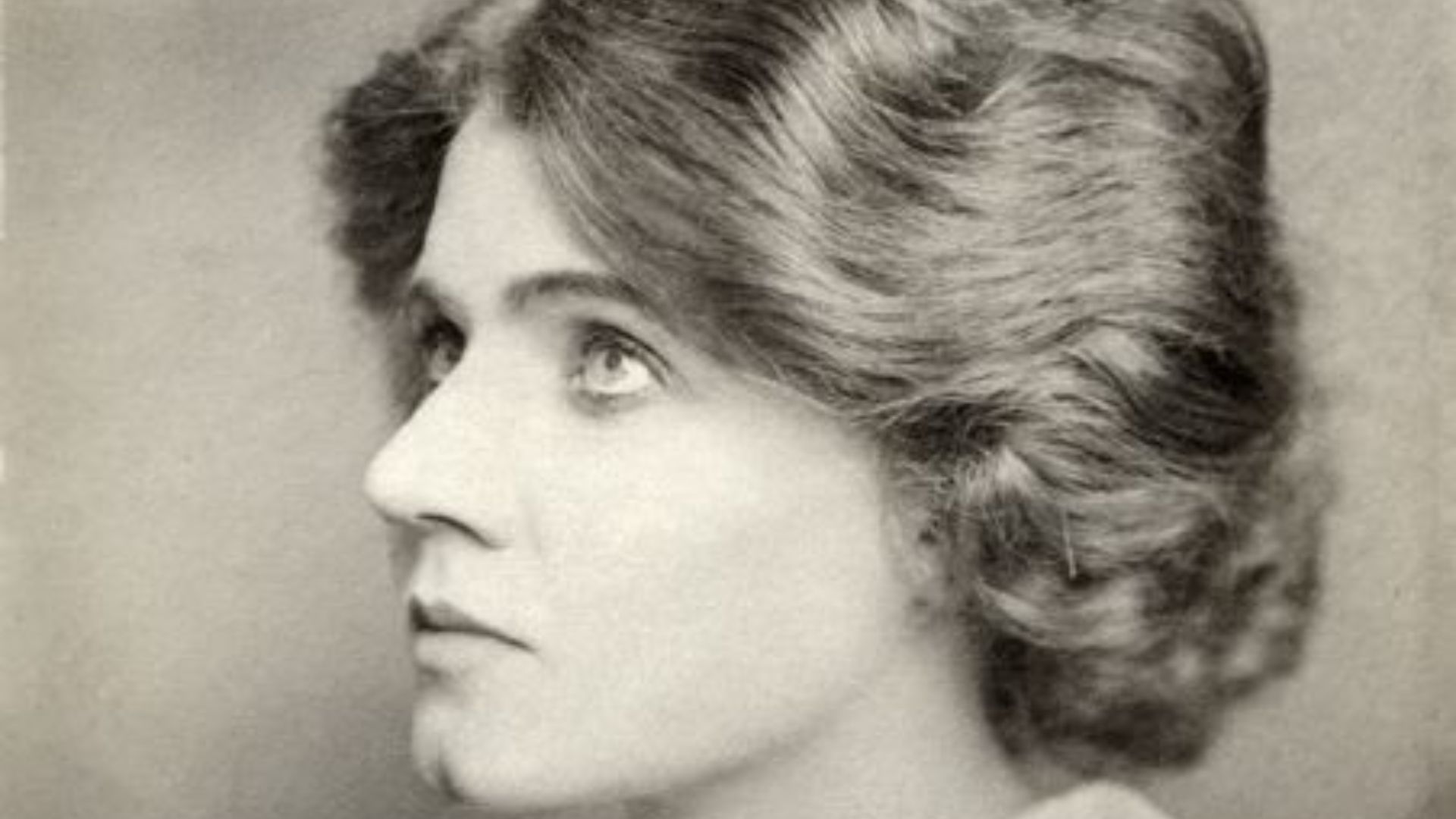
Florence Lawrence Was Famous Without A Name
Early film studios often refused to identify actors because executives feared named performers would gain bargaining power and demand higher salaries. Florence Lawrence nevertheless became recognizable enough that audiences called her the "Biograph Girl." Carl Laemmle hired her for his Independent Moving Pictures company and saw an opportunity in revealing the identity studios had worked to conceal. He decided that a named movie star could be an advertising asset rather than a financial nuisance.
 Wisconsin Center for Film and Theater Research, Wikimedia Commons
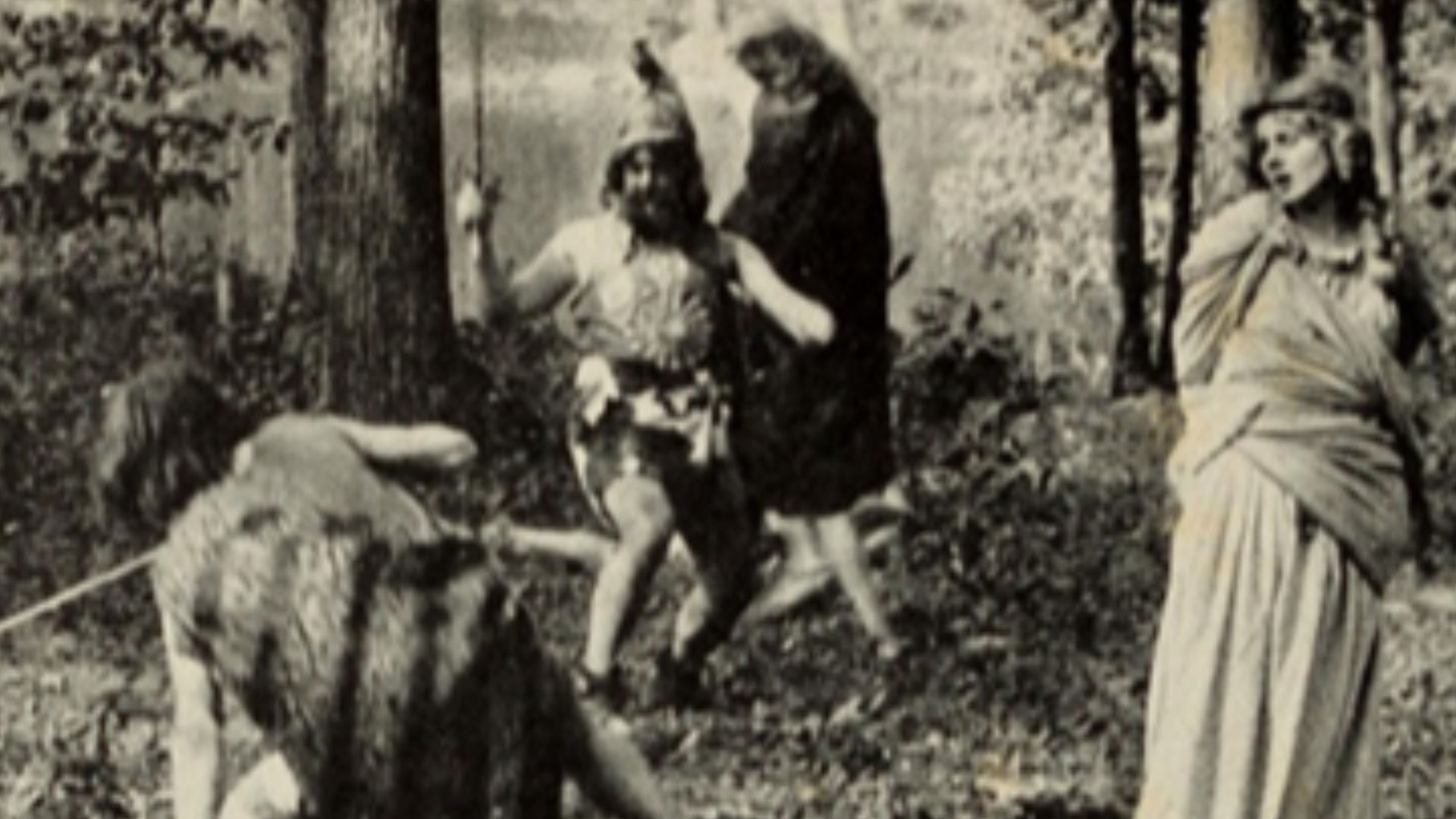
Laemmle Killed His Star In The Newspapers
In 1910, Laemmle staged one of early cinema's most audacious publicity maneuvers around reports that Lawrence had died in a streetcar accident. He then published an advertisement headlined "We Nail a Lie," blaming rivals for the false story while announcing that Lawrence was very much alive and working for IMP. The Library of Congress describes the supposed denial as publicity surrounding rumors Laemmle himself had planted. Fake news had become movie marketing before Hollywood even existed in its familiar form.
 D. W. Griffith, Wikimedia Commons
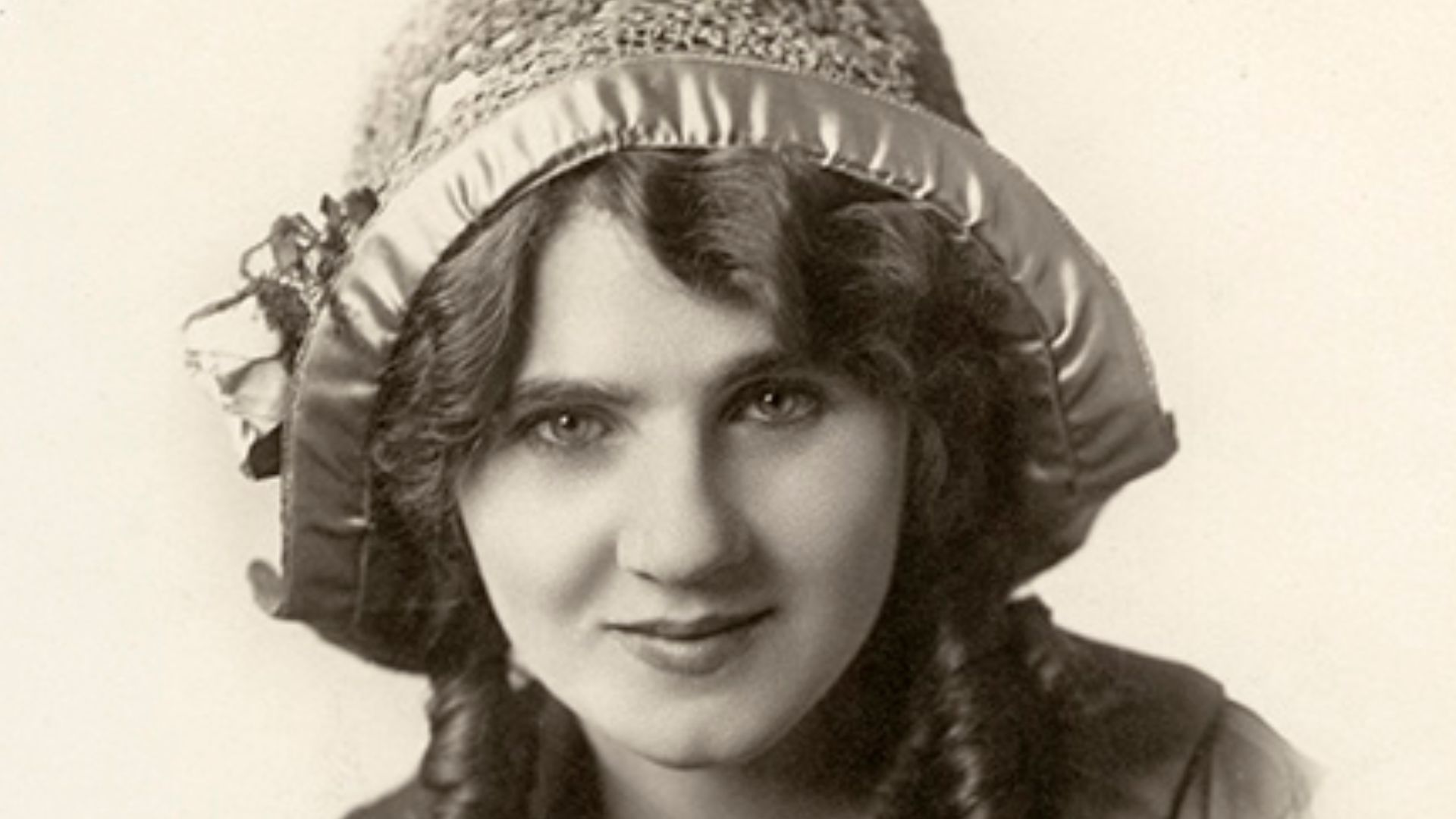
The Fake Funeral Helped Invent The Movie Star
Laemmle sent Lawrence to St. Louis for a personal appearance so audiences could see that she was alive. Hundreds of fans crowded the train platform, and Lawrence reportedly nearly fainted in the crush. Her actual name was now attached to the face moviegoers already knew, helping establish the star system that became central to Hollywood marketing. By 1910, America's freewheeling publicity culture had reached its logical conclusion: a promoter could manufacture a death, resurrect an actress, and create a new kind of celebrity in the process.
 Wisconsin Center for Film and Theater Research, Wikimedia Commons
You May Also Like:
These Socialites Hid Sordid Secrets
Page-Turning Facts About The Literary World's Wildest Scandals
Little-Known Celebrity Scandals
Sources: 1, 2, 3, 4, 5, 6, 7, 8, 9, 10, 11, 12, 13, 14, 15, 16, 17, 18, 19, 20, 21, 22, 23, 24, 25, 26, 27, 28, 29, 30