Modern Enlightenment
Easily one of the most fascinating individuals in recent history, Steve Jobs not only revolutionized the tech industry but also challenged the stereotypical view of the modern businessman. With a demeanor somewhere between a hippie and a professor, he brought the Apple Computer Company from humble beginnings to the titan it is today—even if he burned a few bridges along the way.
1. He Was Adopted
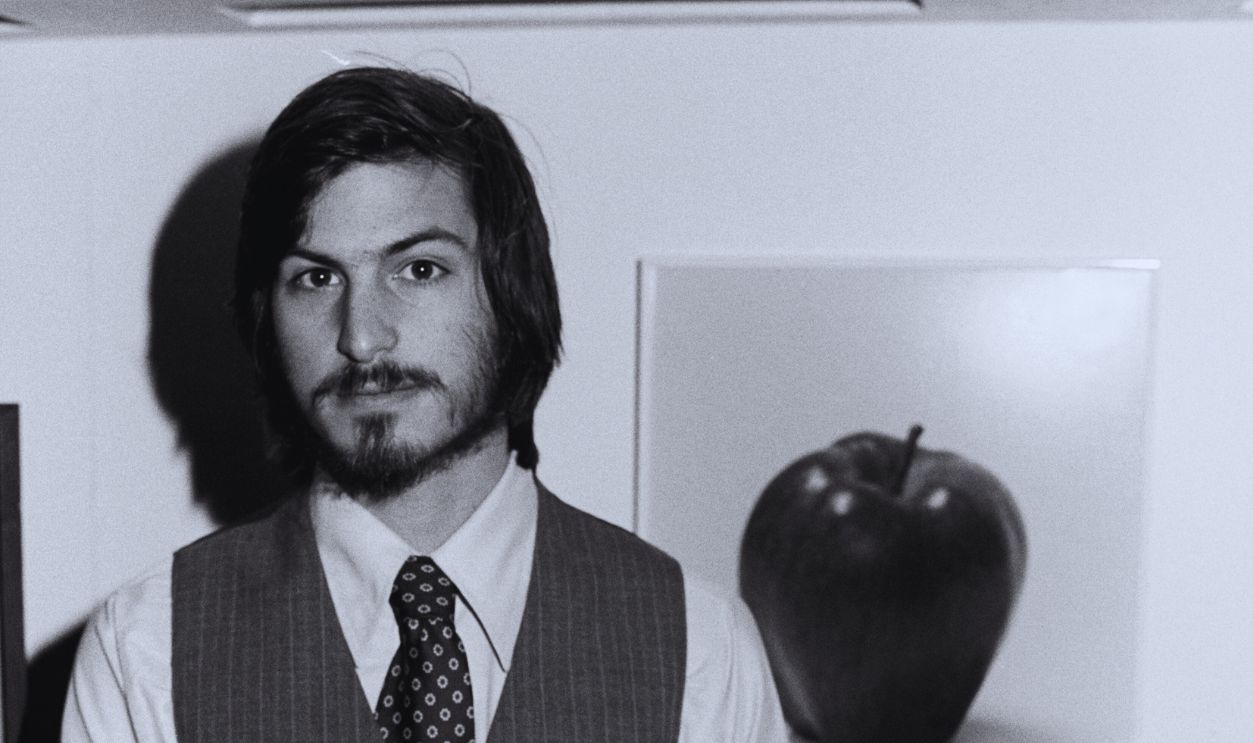
Throughout his life, those who met Steve Jobs noticed a distinct quality that set him apart from everyone else. While this feeling of standing out came from his eccentric approach to life later on, he experienced something similar before he could even recognize it. Born on February 24, 1955, shocking circumstances forced his biological parents to arrange a closed adoption.
2. His Biological Parents Had A Tragic Love Story
You see, Jobs' biological parents had a tragic love story. His father Abdulfattah Jandali came from a Muslim background, while his mother Joanne Schieble came from a Catholic one. Unfortunately, Schieble's father did not embrace Jandali with open arms. Therefore, when Schieble found herself pregnant, she ultimately felt pressured to give her baby up for adoption.
This is where Steve Jobs' adoptive parents came into the picture, Clara and Paul Jobs—and they changed the course of his life forever. However, it would not be until later in his life that Jobs learned the entire truth about his biological parents. And as we'll later see, it did not end with his adoption.
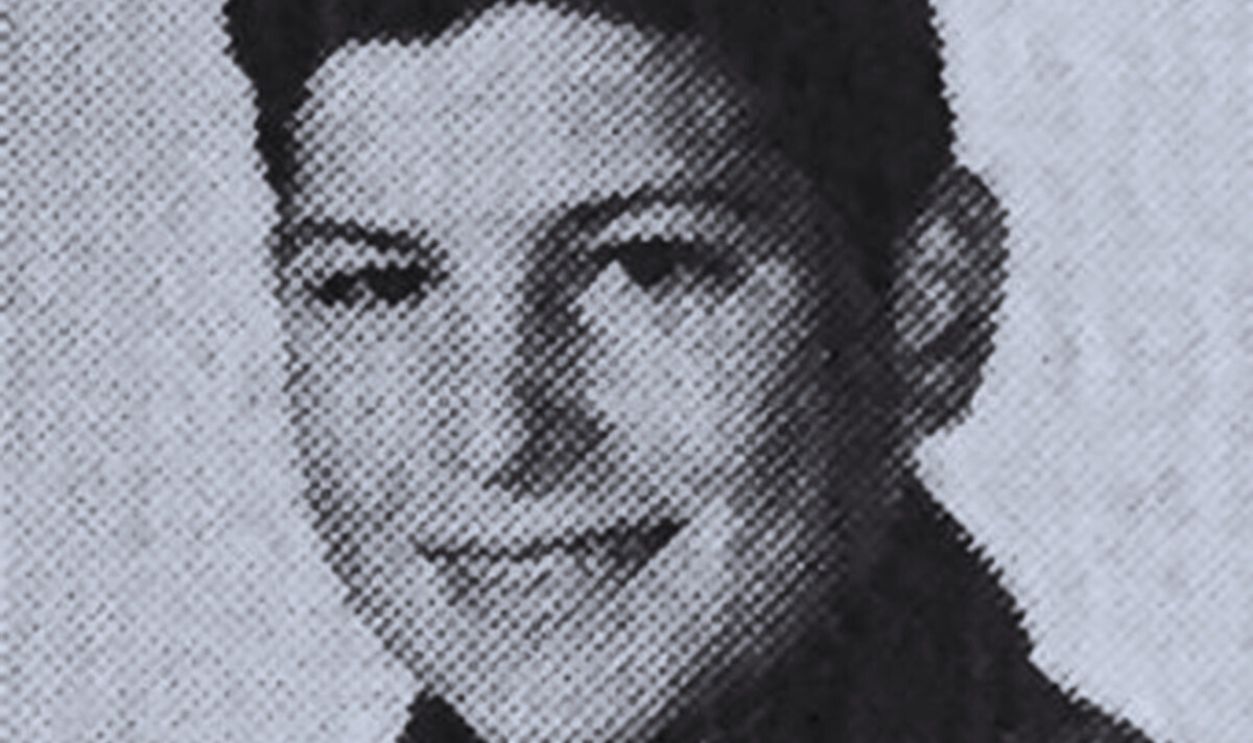 Homestead High School, Wikimedia Commons
3. He Thought Highly Of His Adoptive Parents
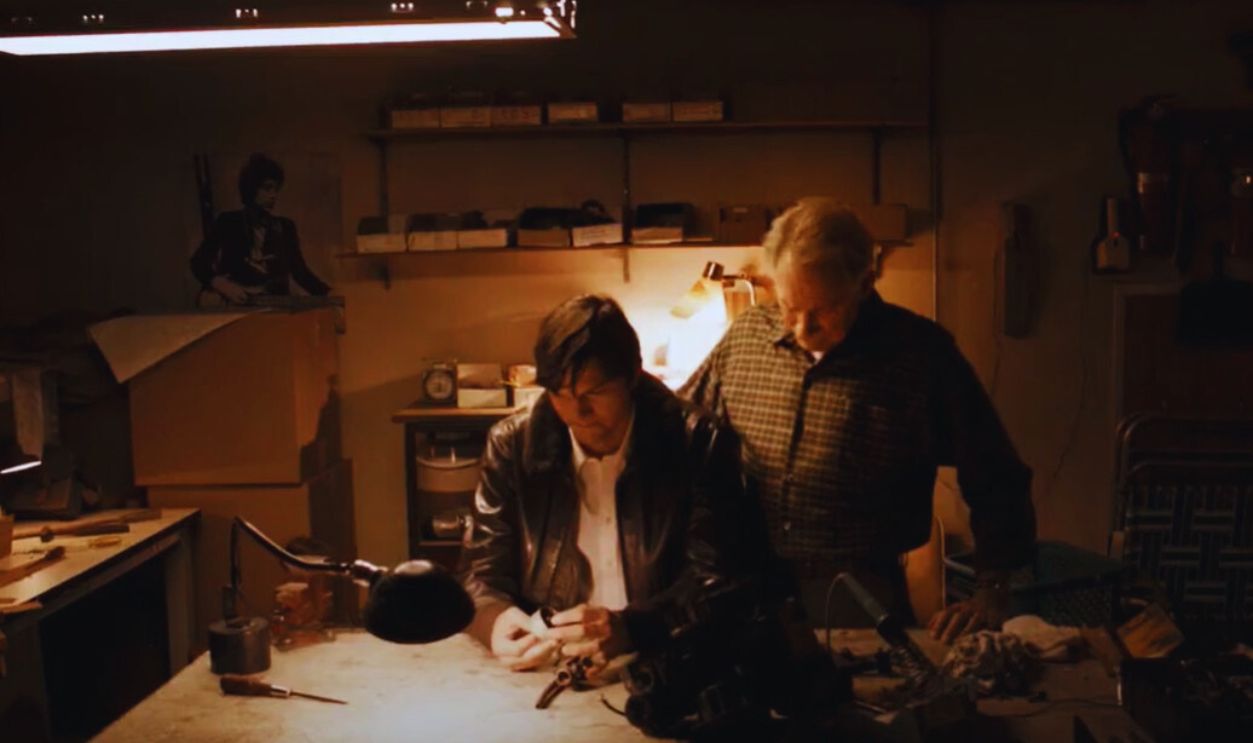
Jobs learned of his adoption at an early age, but still never regarded Paul and Clara as anything but his parents. On their part, they loved him as their own, and Paul especially bonded with Jobs over a shared interest. Being a skilled machinist, Paul built his son a workbench in the garage, feeding the boy’s love for mechanics.
Unfortunately, there was also a heartbreaking side to his childhood.
4. He Gave His Parents An Ultimatum
Jobs undoubtedly exhibited a high intelligence, but also fell victim to cruel mockery by his classmates. The intense bullying got so bad that it drove him to present his parents with a shocking ultimatum. If they didn't remove him from his middle school, he'd drop out on his own. Paul and Clara wanted to help Jobs as best they could—but in doing so, they had to make a major sacrifice.
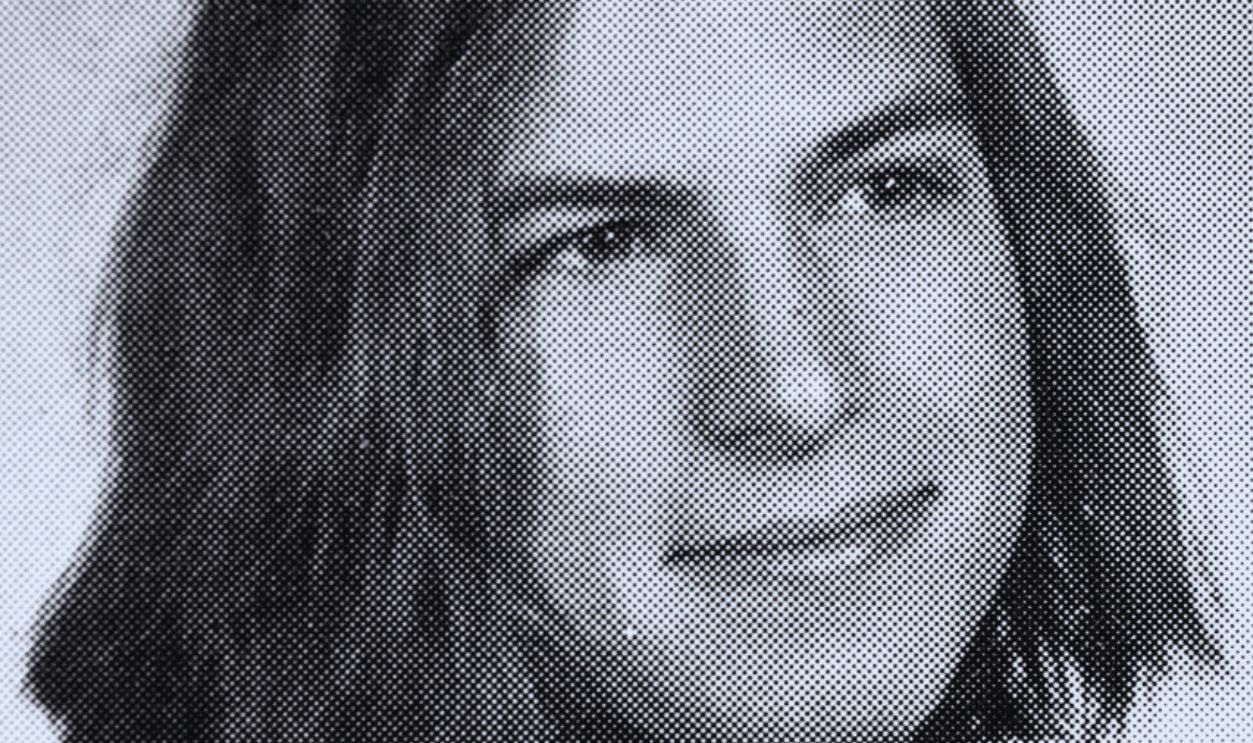 Homestead High School, Wikimedia Commons
5. His Family Made A Major Move For Him
In order to purchase a new house in Los Altos, California—which was a more desirable school district—the Jobs family had to burn through all of their savings. However, this did allow a struggling Steve Jobs to start fresh at a brand new school. Now at Homestead High School, he was even more fortunate as the school had connections to the tech-forward Silicon Valley.
It was here that he made some of his most impactful relationships as well.
 Mathieu Thouvenin, Wikimedia Commons
6. He Made Friends
Unlike the isolation he experienced at his previous school, Jobs was pleasantly surprised to find that many of his new classmates were more like him. Through a newfound friendship with future computer engineer Bill Fernandez, he would later be introduced to the man who would change his life forever—Steve Wozniak.
This was also a time for him to figure out his identity.
7. He Found His Passions
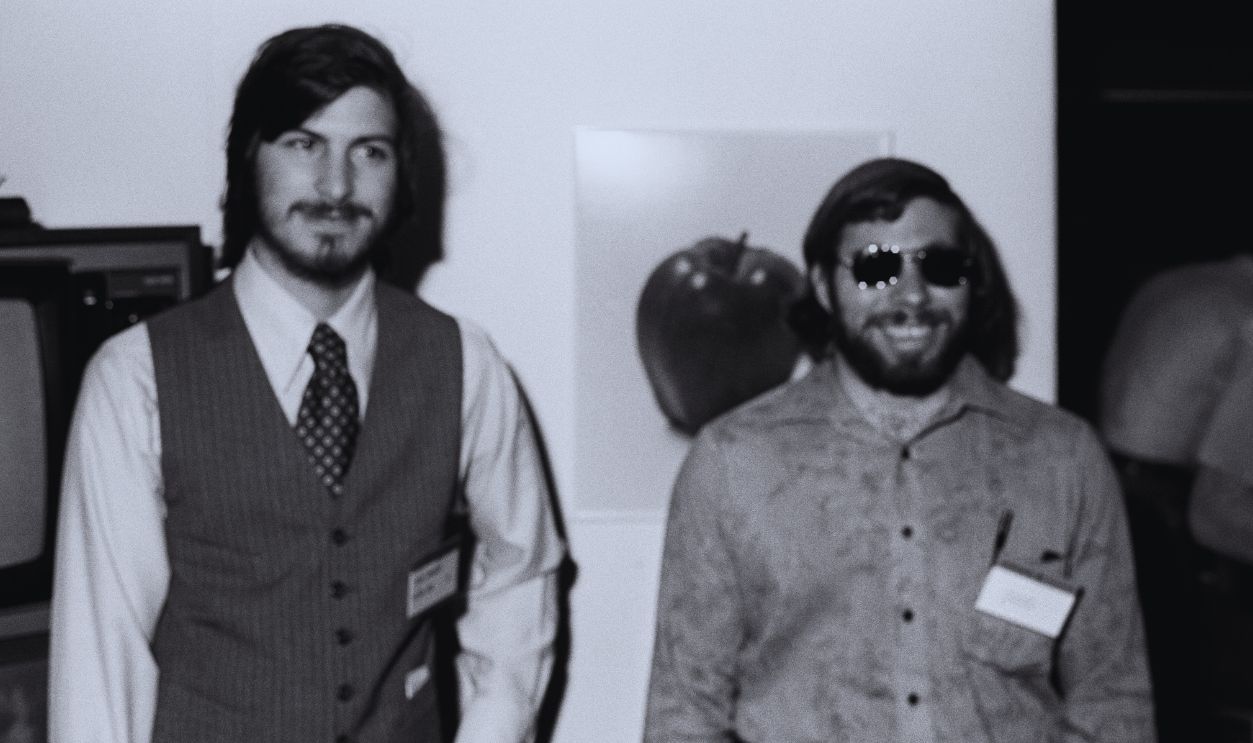
Throughout his high school years, Jobs nurtured his growing interests, as well as the strong connections he made with his fellow students. By the end, not only did he gain a best friend in Steve Wozniak—also known as Woz—who influenced his love of electronics, but he also began dating Chrisann Brennan, who shared his enthusiasm for art.
However, it quickly became clear that formal schooling wasn’t for him.
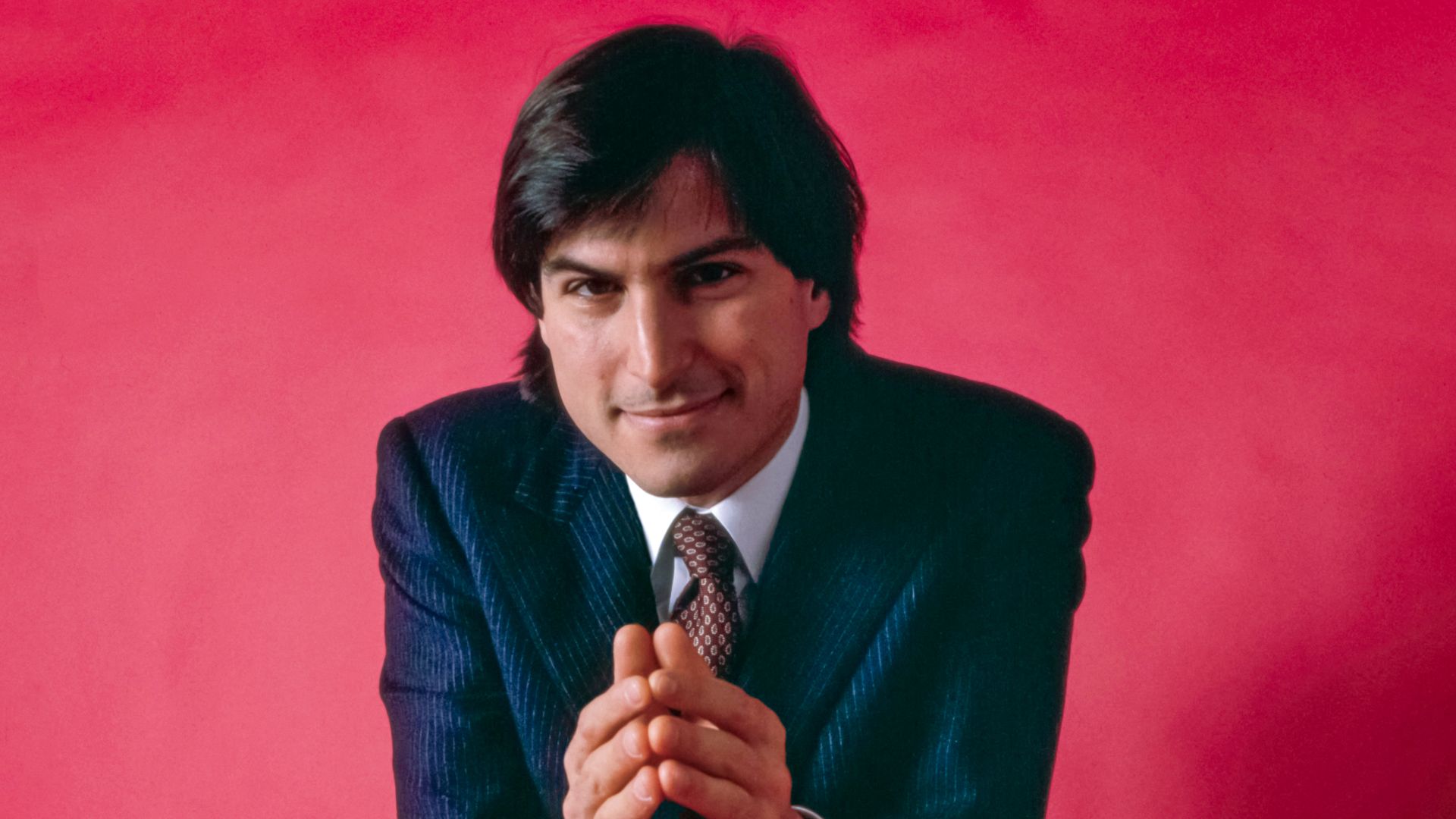 Photo: Bernard Gotfryd - Edited from tif by Cart, Wikimedia Commons
8. He Dropped Out
Following graduation, Jobs immediately knew the college he wanted to attend, and it didn’t matter how expensive it was. Refusing to apply anywhere else, he was soon accepted to Reed College in Oregon, but his determination faded after just one semester. When Jobs realized he couldn’t get anything further out of this education, he did something rather drastic—and quit without his parents knowing.
Little did Jobs know, by the end of the decade, he would find the one thing that would become the center of his unforgettable legacy.

History's most fascinating stories and darkest secrets, delivered to your inbox daily.
9. They Became Enlightened
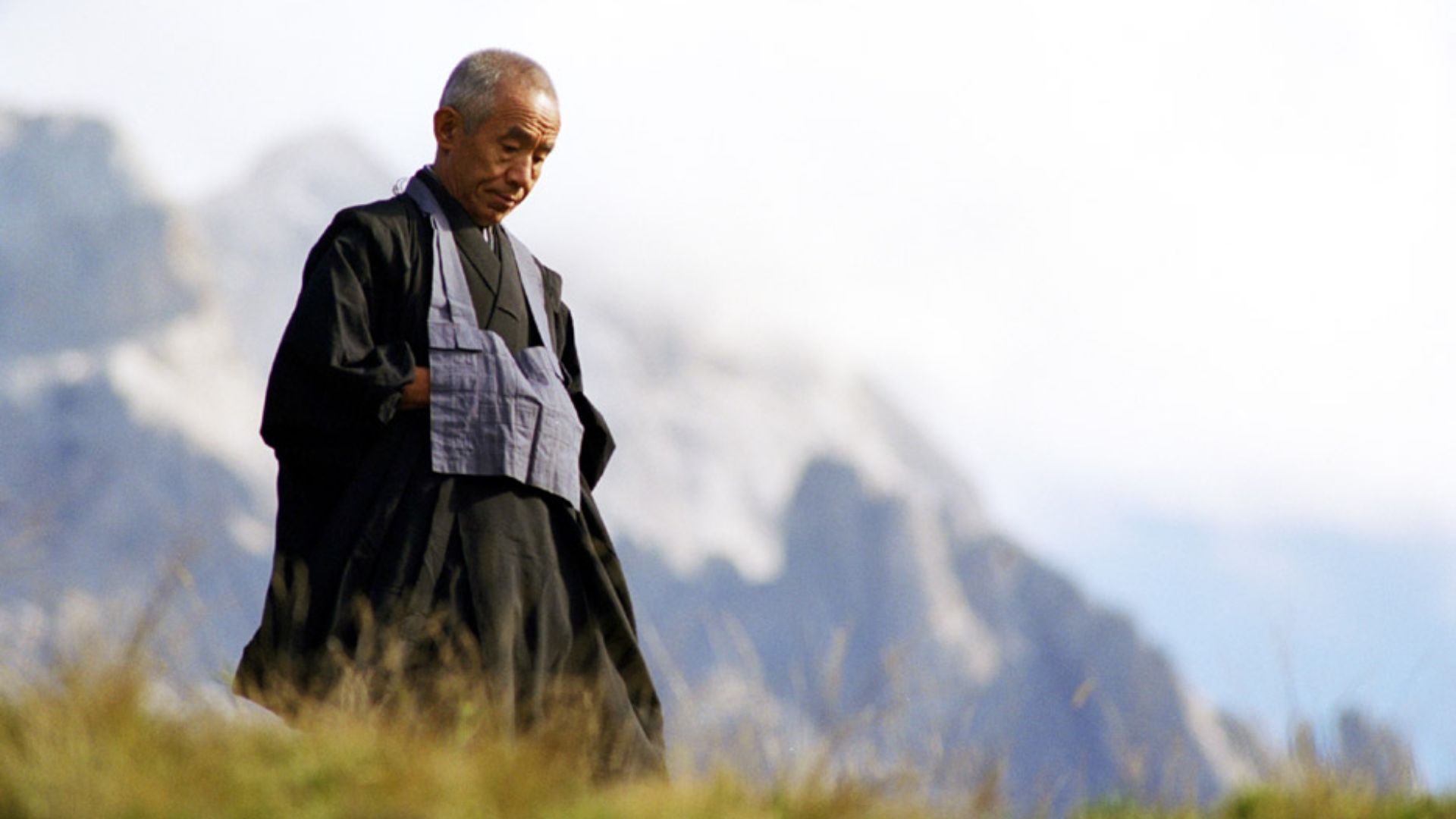
Beyond an interest in literature, another aspect that Jobs and his girlfriend Chrisann shared was their desire to broaden their minds by exploring world religions. This is what led them to Zen master Kōbun Chino Otogawa, under whom they learned about and started practicing Zen Buddhism.
This spiritual experience was bookended by Jobs's work with Atari—but the alleged story about how he initially got hired by Atari is quite shady.
 Nicolas Schossleitner, Wikimedia Commons
10. He Took Credit For Another Man's Work
According to Steve Wozniak, Steve Jobs landed his position as a computer technician at Atari thanks to Wozniak himself. Apparently, Jobs presented Atari with Wozniak's electronic board for a game design. Because the company believed the board was Jobs' work, they hired him on.
Still, behind the scenes, Jobs and Wozniak continued to collaborate—and what they eventually came up with would one day make history.
11. He Had A Brilliant Idea
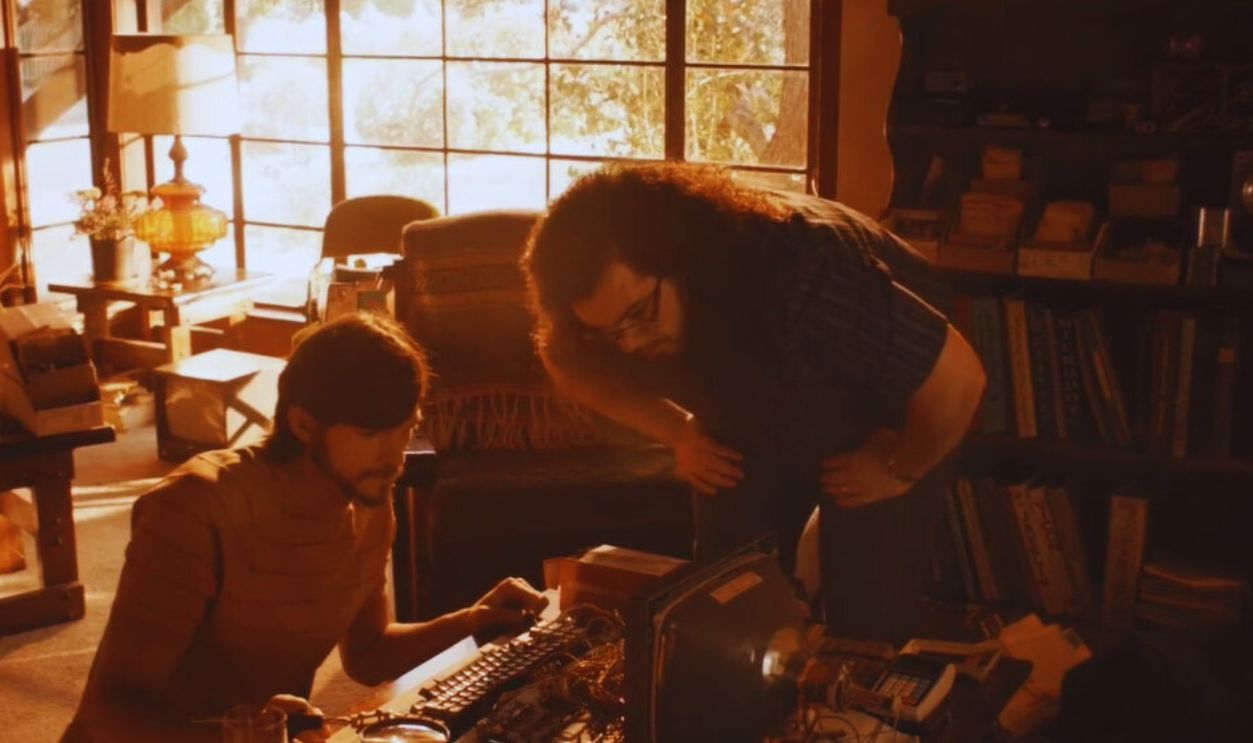
Up to this point, Woz had developed several ingenious projects while continuing his post-secondary education. Finally, in 1976, he came to Jobs with his newest innovation—a computer called the Apple I. Among his various skills, Jobs had developed a strong entrepreneurial sense and insisted that the two of them sell Woz’s product.
Thus began his life’s work.
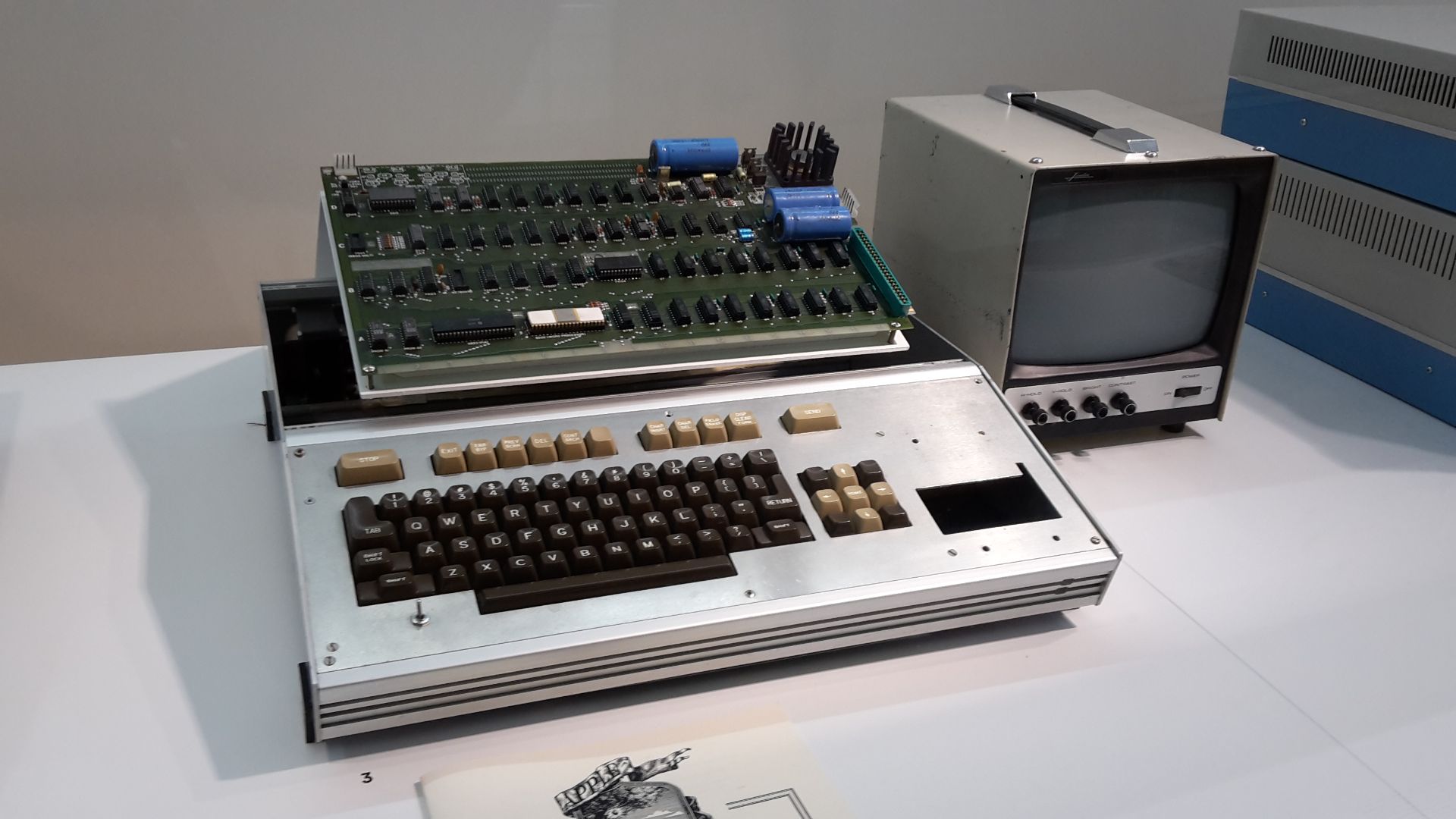 Urs Vonhuben (ich selbst), Wikimedia Commons
12. They Kicked It Off
A month after agreeing to sell the Apple I, Jobs and Woz officially formed their new company with the help of administrative overseer Ronald Wayne. Dubbed the Apple Computer Company, this enterprise started as little more than a home project in Jobs' childhood bedroom. Fortunately, they soon upgraded to working out of his parents’ garage.
This was likely a welcome distraction from Jobs' personal life.
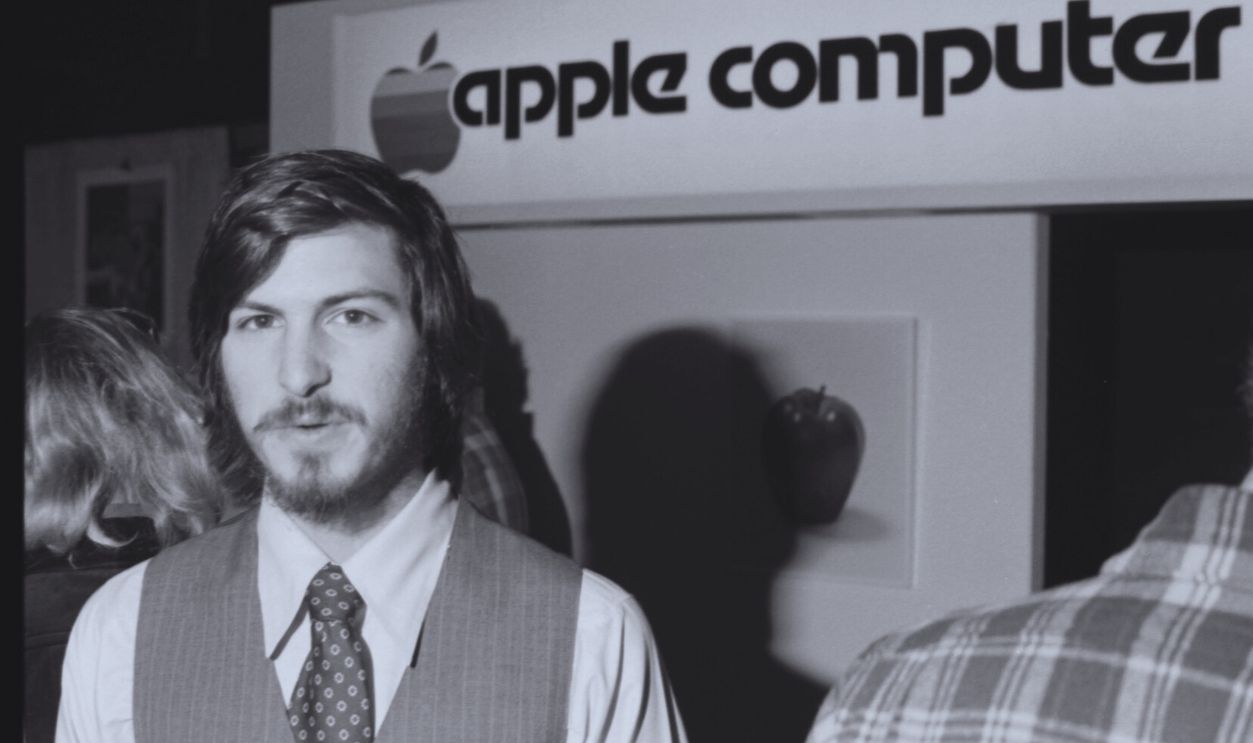
13. His Ex-Girlfriend Came Back
Jobs and Chrisann’s relationship had been in a nebulous state, as they had started to see other people, with her dating a former classmate of his. However, this relationship didn’t last, and Chrisann soon returned from her own travels. Reconnecting with Jobs, the two were platonic at first, but their friendship quickly blossomed into romance once again.
However, this wasn’t his only tumultuous relationship.
 Carol Rukomii Holladay, Wikimedia Commons
14. Their Friendship Was Tense
After the moderate success of the Apple I, Woz worked hard to follow up the product with the company’s next great invention. However, while developing what would become the Apple II, he and Jobs disagreed about a hardware decision—and the argument devolved into a screaming match, with Woz telling Jobs to "go get himself another computer".
Still, they managed to work their issues out.
 San Francisco Chronicle, Getty Images
15. They Presented Their Product
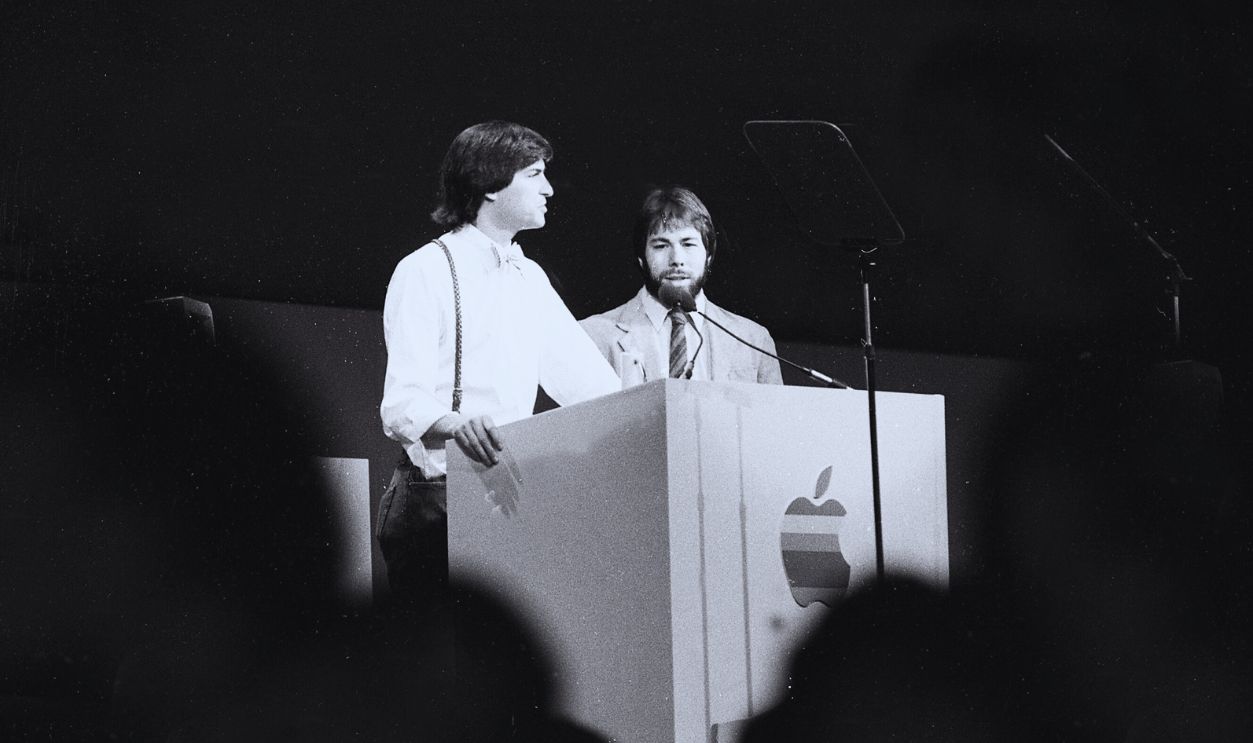
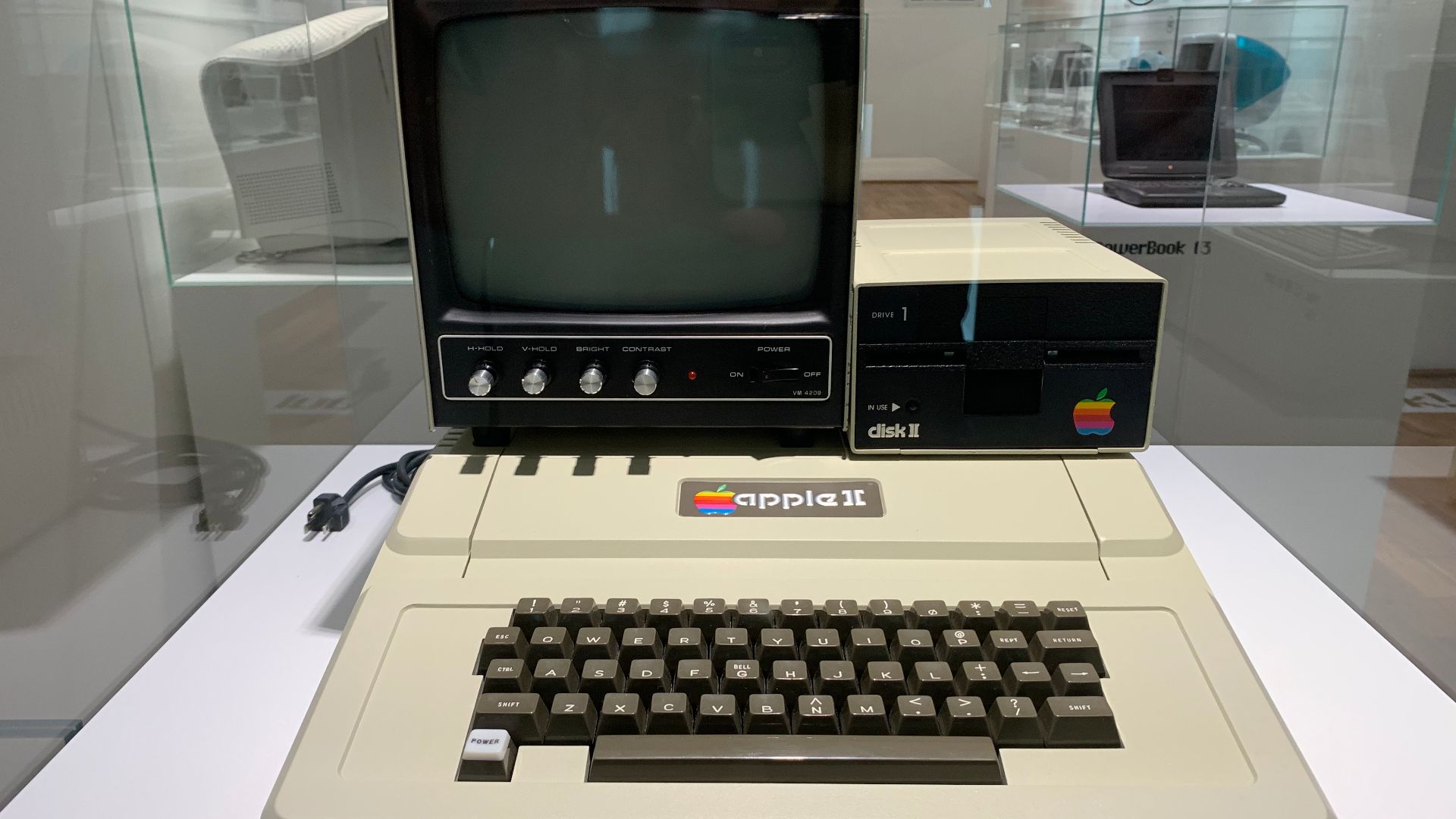
With the Apple II ready by 1977, Woz and Jobs had completed the company’s first consumer product, presenting it at the West Coast Computer Faire. What likely felt like a bit of a gamble at first was quick to pay off, as the Apple II skyrocketed to being one of the first of its kind to reach mass production.
This success allowed for a significant upgrade.
 Benoit Prieur, Wikimedia Commons
16. They Lived Together
Steve Jobs threw nearly all of himself into his company, and since he and Chrisann were still together, she shared in the struggle just as much. Thankfully, due to Apple’s business boom, they were able to get an actual office in the city of Cupertino. Devoted as always, Jobs and Chrisann moved together into a house as close to the office as they could get.
But this was no "happily ever after". There was trouble on the horizon.
 Steve Jobs Argument Scene with Chrisann Brennan, The Actors Forge
17. Her Feelings Changed
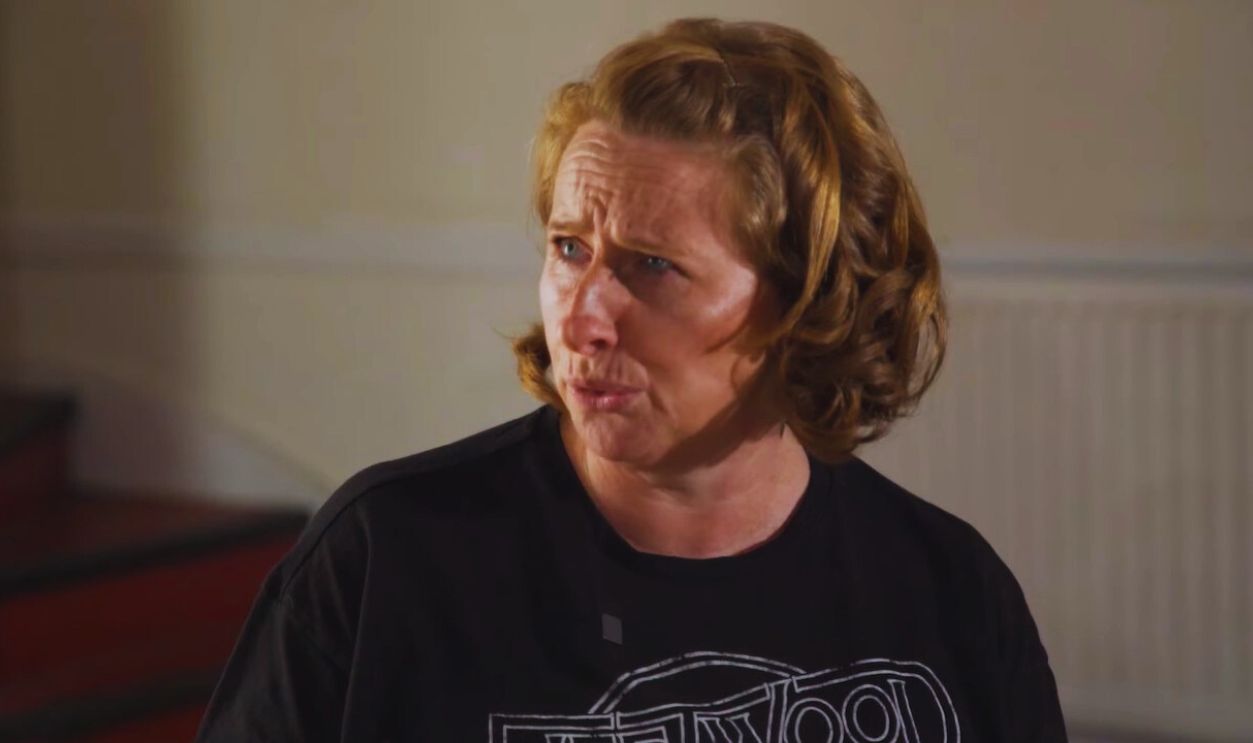
During this period, Chrisann wasn’t just a supporter of Apple from the sidelines, having since become an employee working in the shipping department. However, with the growing success of the company came more issues as Jobs had to choose where to place his priorities. Sadly, their relationship suffered, and Chrisann wanted out.
This soon became even more complicated.
 A Memoir of My Life with Steve Jobs | Chrisann Brennan | Talks at Google, Talks at Google
18. She Had Big News
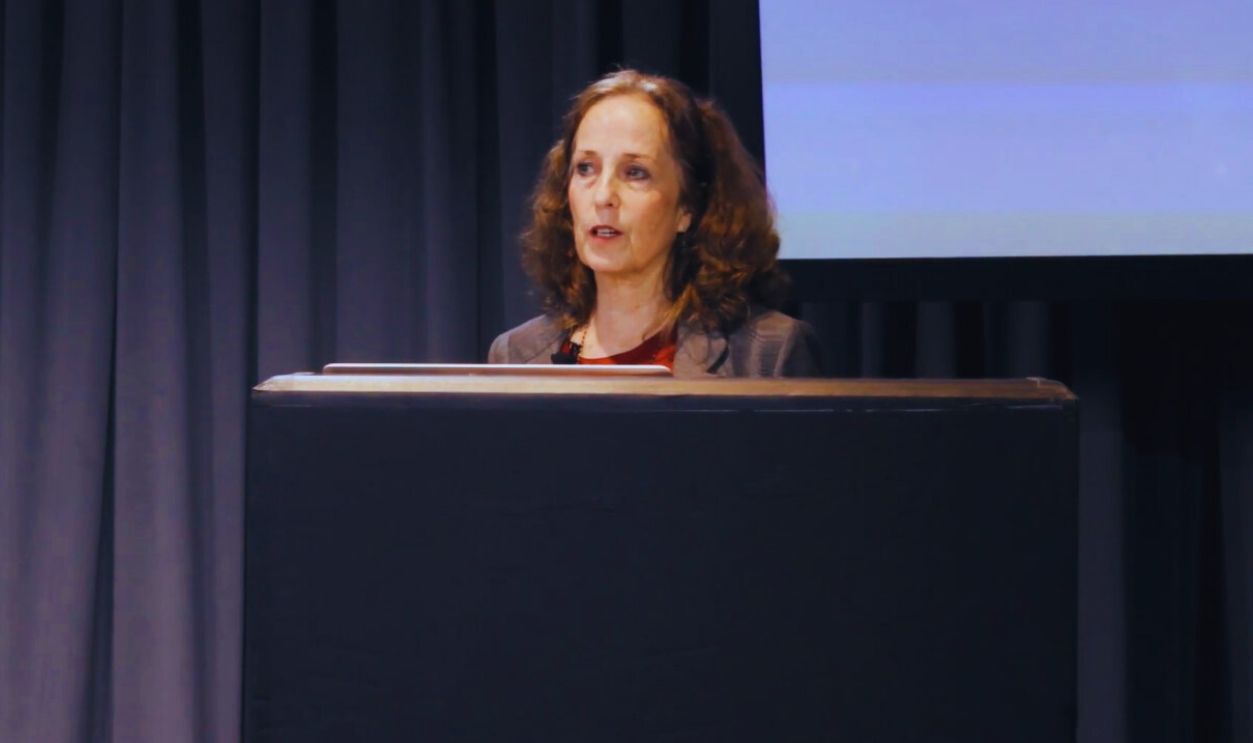
Eventually, Chrisann got a chance to move out of the shipping department and start designing blueprints for Apple under a paid apprenticeship. While this may have been a wonderful opportunity to use her artistic skills for the company, something held her back. She was pregnant—with Steve Jobs' child.
Before long, she broke the news.
19. She Told Him
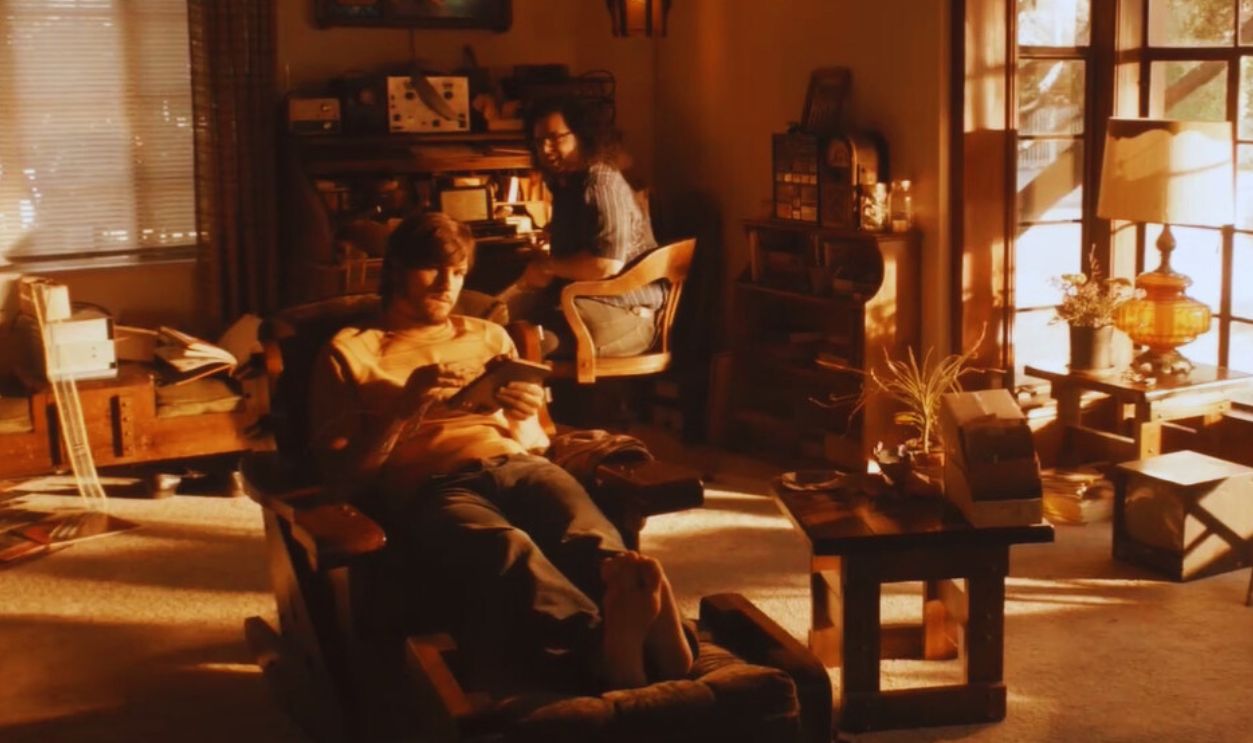
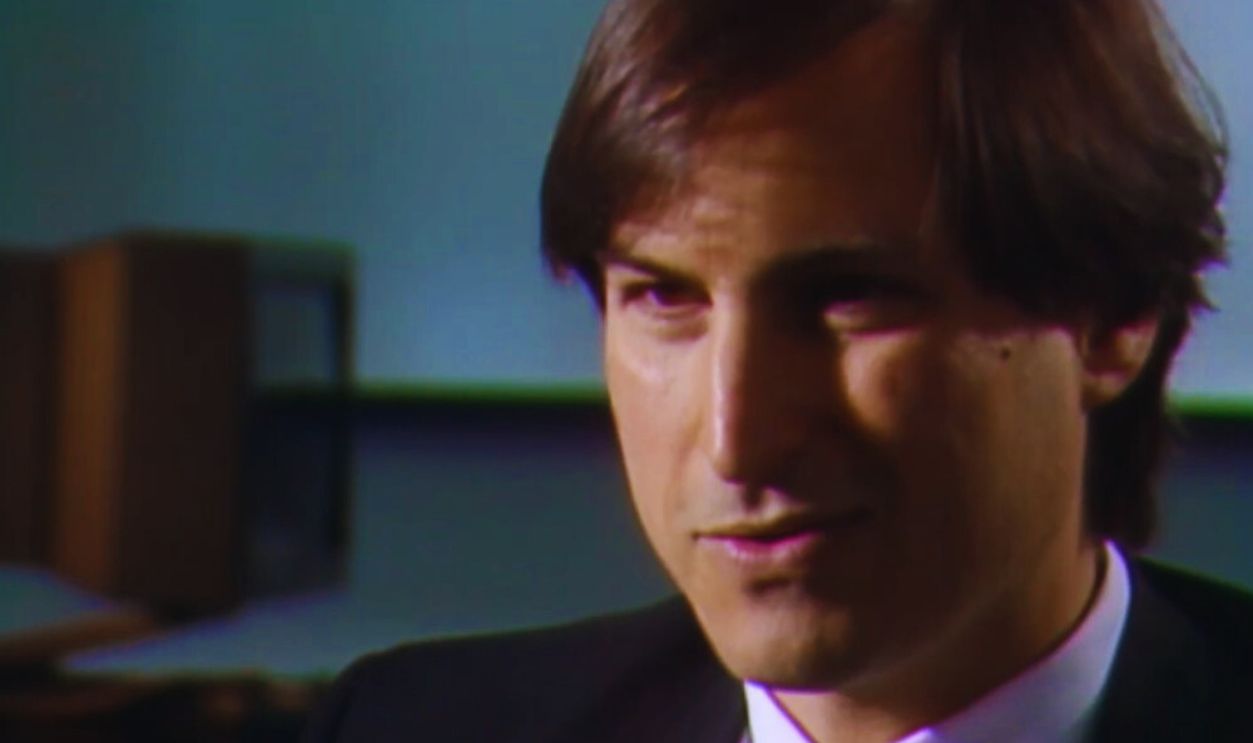
Having become increasingly estranged from her boyfriend and seeing his neglect of most things outside of the company, Chrisann was anxious about telling him of the pregnancy. She deliberated for a few days before finally working up the courage to tell Jobs, who, regrettably, was less than excited. In fact, his reaction was downright chilling.
 Magnolia Pictures, Steve Jobs: The Man in the Machine (2015)
20. He Was In Denial
According to Chrisann’s account, upon hearing of her pregnancy, Jobs did not attempt to hide his displeasure as his face “turned ugly,” and he didn’t do any better after. He began claiming to anyone who would listen that Chrisann’s child couldn’t be his, since he was allegedly infertile, and she supposedly “slept around”.
However, his betrayals went even further.
21. She Decided On A Name
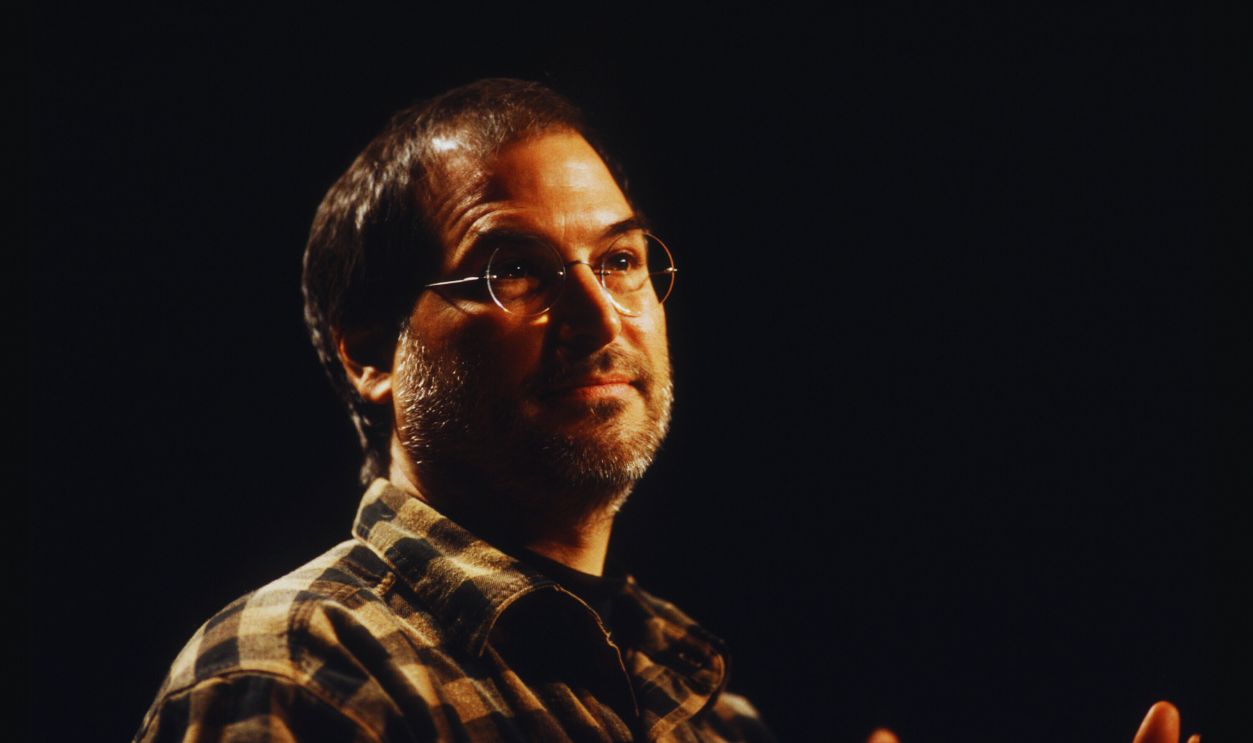
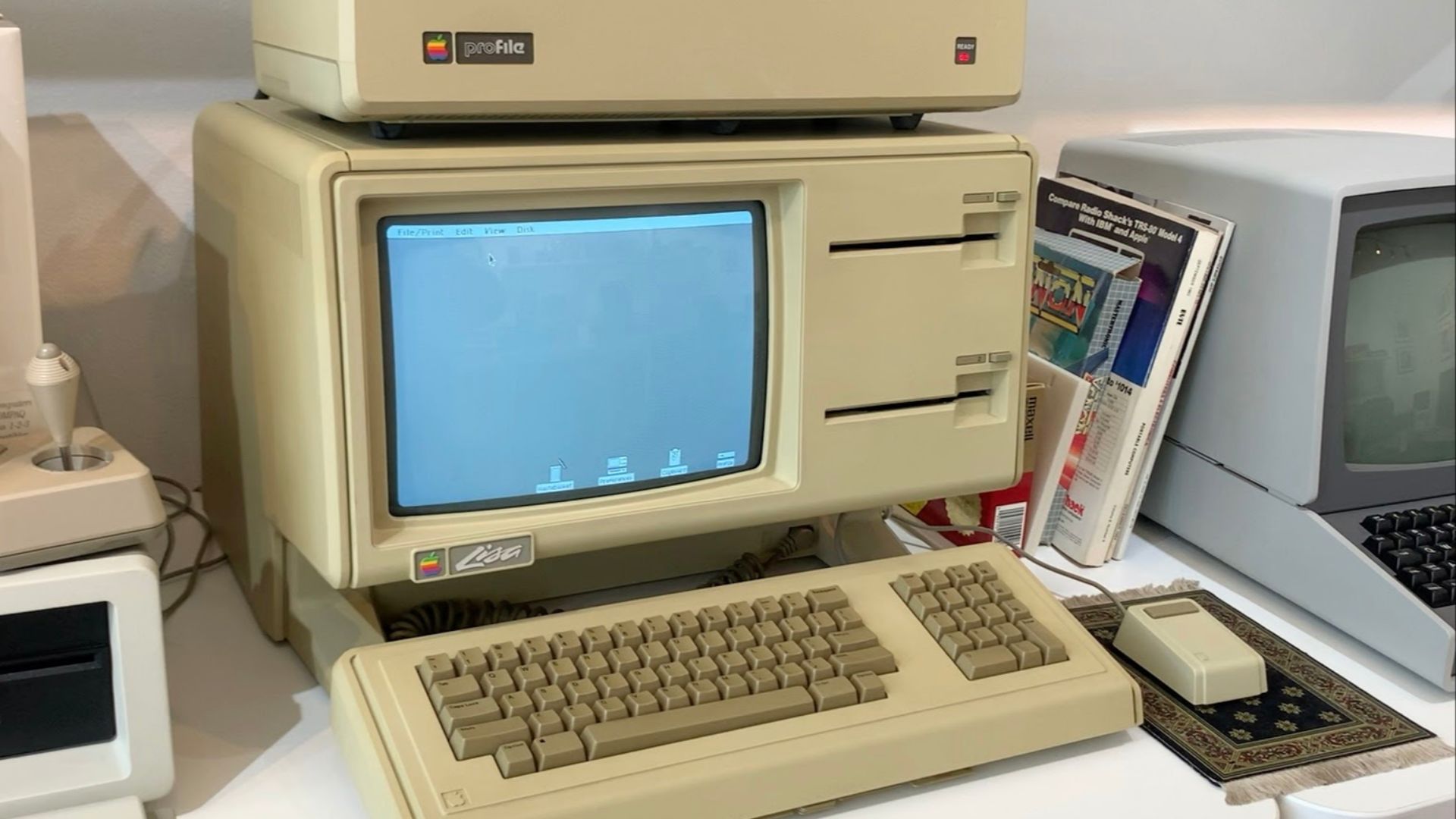
No longer on the fence due to Jobs' reaction, Chrisann rejected Apple’s apprenticeship offer and focused on the birth of her child. Despite his insisting he wasn’t the father, she allowed Jobs to weigh in on their future daughter’s name. Chrisann put forward the option of “Lisa,” which Steve liked so much that he eventually used it for one of the company's computers, the Apple Lisa.
Not everyone was privy to this information.
 Timothy Colegrove, Wikimedia Commons
22. She Was Unaware
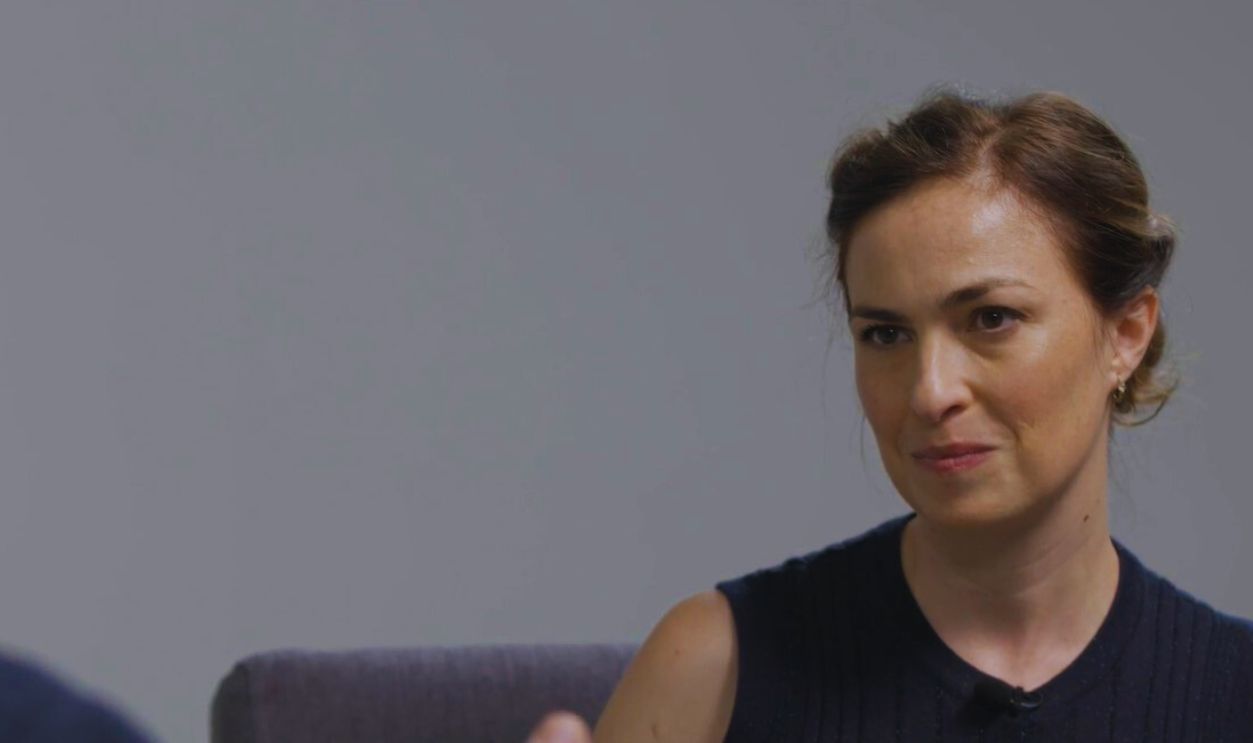
Steve Jobs released the Apple Lisa in 1983, about five years after the birth of his daughter, whom Chrisann named Lisa as planned. However, Chrisann later revealed she never permitted Jobs to take the name, since he never told her he was going to. He also created the acronym "Local Integrated Software Architecture" to make it seem like it was his idea.
Of course, she wouldn’t let him get away with denying the truth.
 Lisa Brennan-Jobs on Growing Up in the Shadow of Steve Jobs | The New Yorker, The New Yorker
23. They Tested It
Chrisann likely hoped Jobs would accept responsibility for Lisa once she was born, but when he still denied being the father, she decided to settle the matter once and for all. Submitting Jobs to a DNA test, she was happy with the results, which revealed that Lisa was, in fact, his daughter, which forced him to start paying child support.
On the professional side, Jobs was making more intelligent business decisions.
 Universal Pictures, Steve Jobs (2015)
24. He Won Him Over
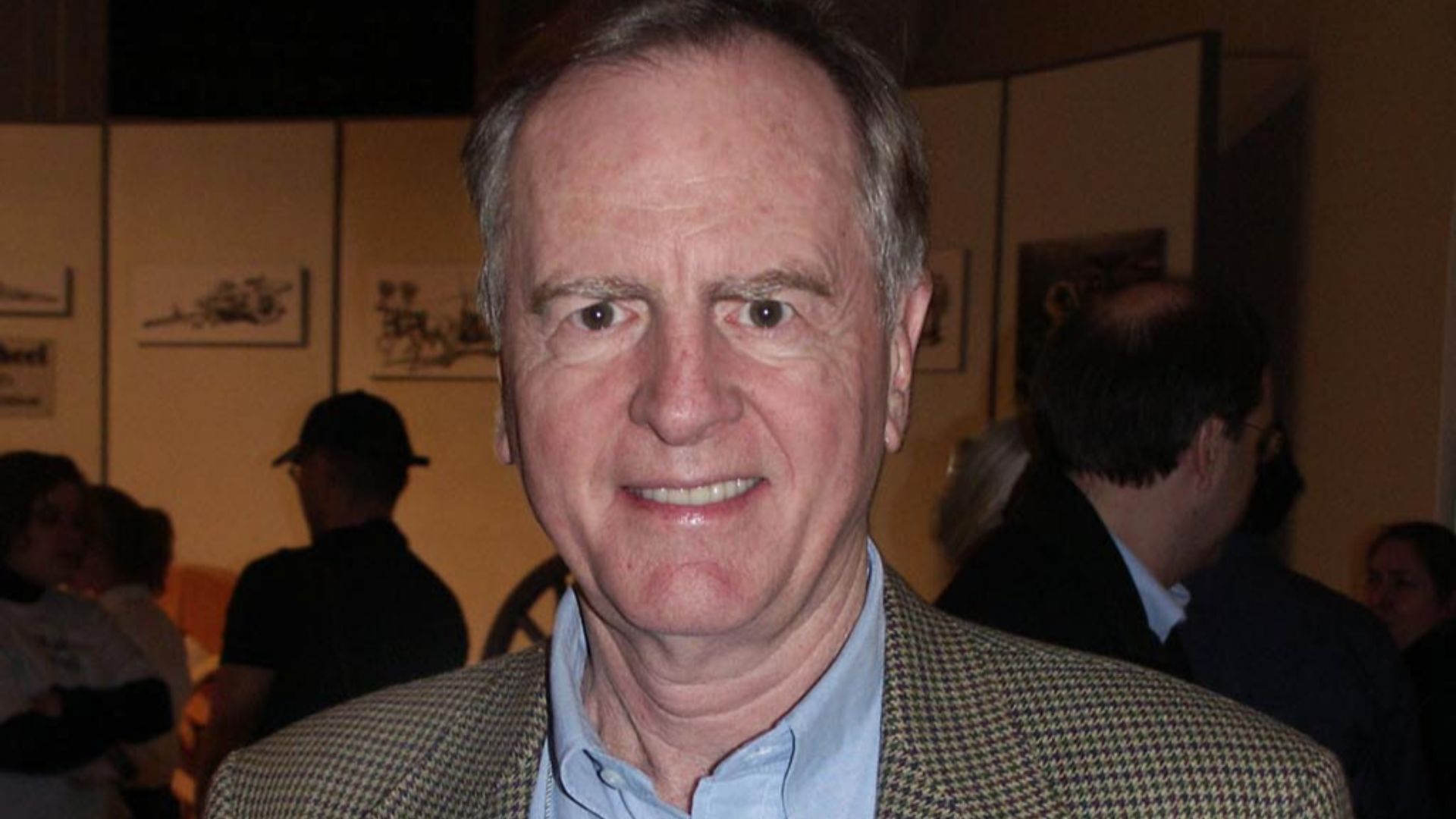
By the 1980s, Jobs had become one of America’s wealthiest individuals at a young age, but he was still seeking a CEO to take the company even higher. In his search, he found John Sculley, the President of PepsiCo at the time. All Jobs needed to do was promise him a “chance to change the world,” and Sculley abandoned his company for Apple.
Following this, Apple introduced its next major product.
 Ben Stanfield, Wikimedia Commons
25. He Brought Out Something New
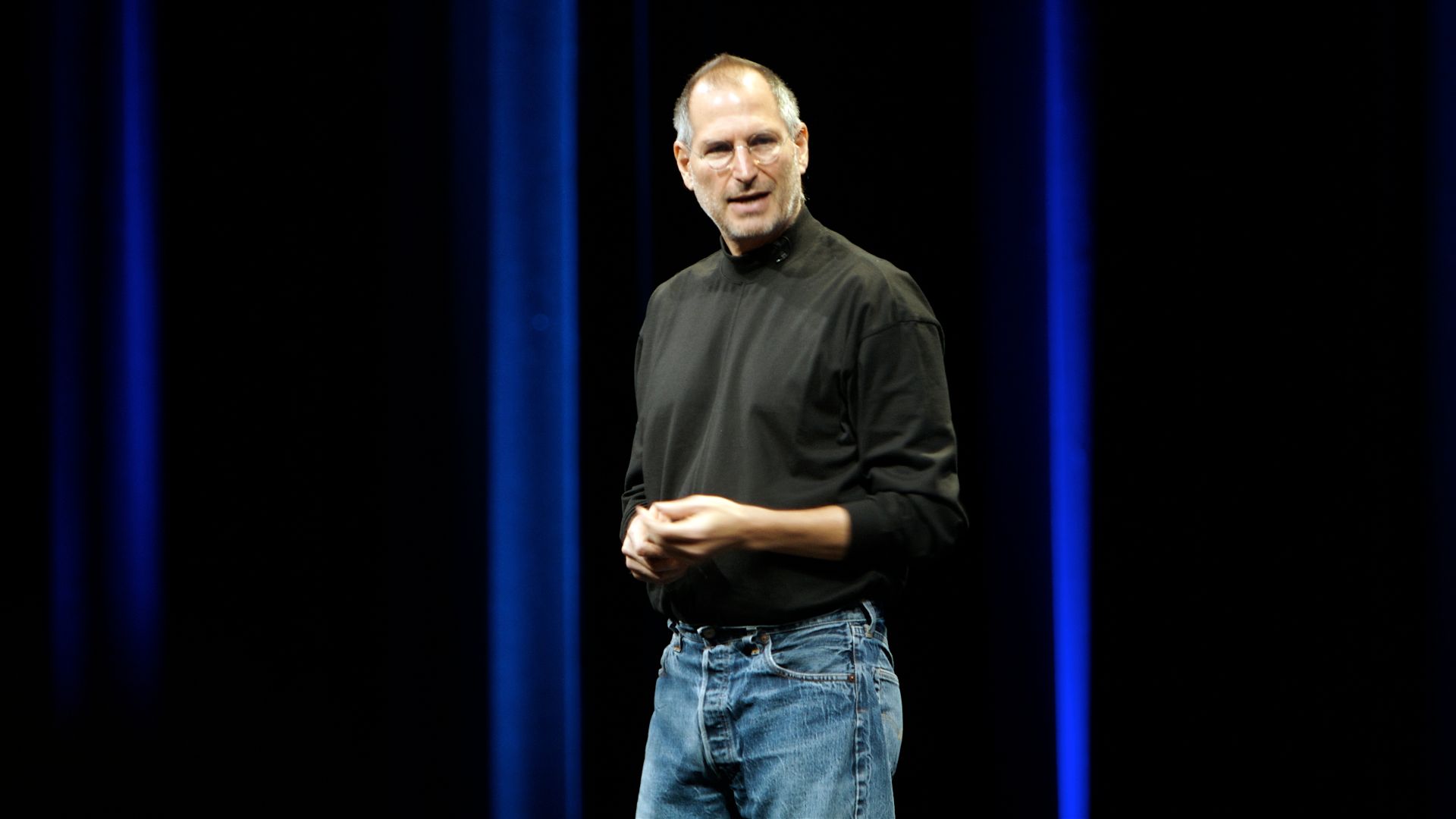
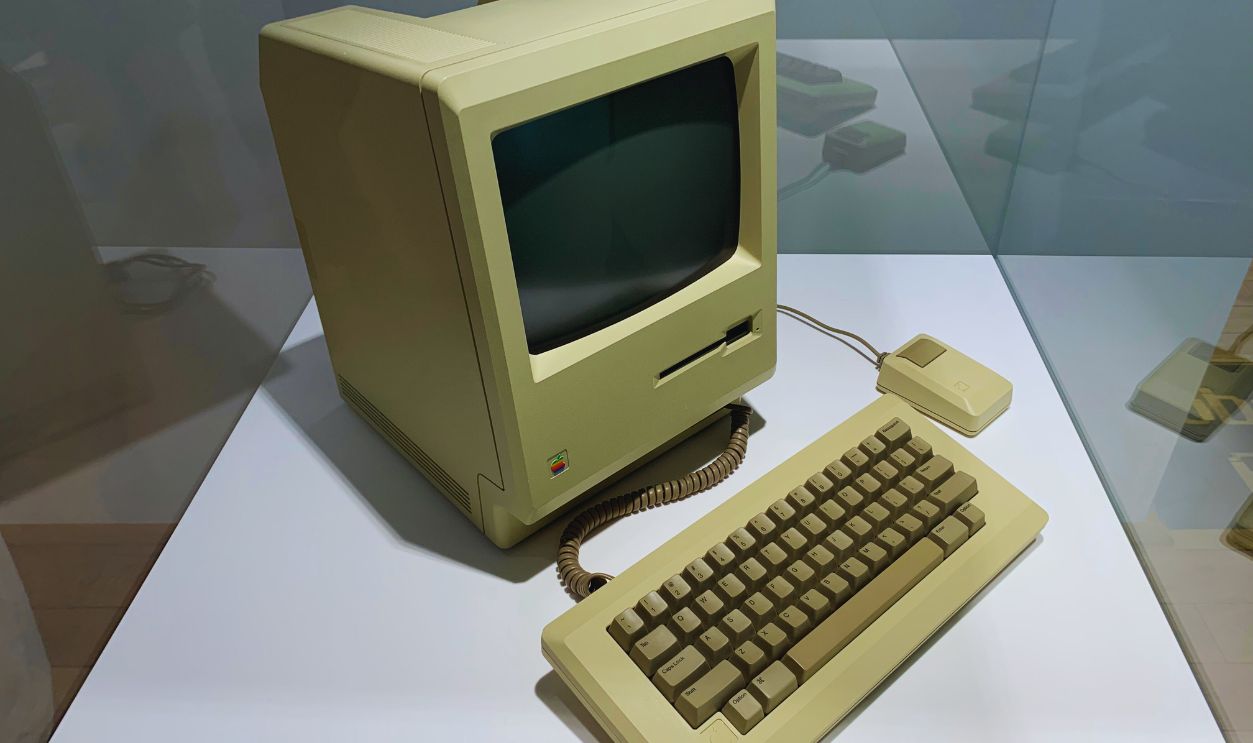
In 1984, Apple had finished development on the Macintosh computer, and Jobs was eager to present it at the annual shareholders meeting. His excitement was contagious among the audience, and this translated to immediate success for the product. Unfortunately, several key drawbacks led to the Macintosh’s sales falling quickly before the end of the year.
Once again, Jobs was proving to be disagreeable.
 Benoit Prieur, Wikimedia Commons
26. They Were At Odds
By the mid-1980s, a rift formed within Apple as the minds of Jobs and Sculley frequently clashed over their respective visions. On one hand, Jobs wanted to challenge rival IBM products by releasing more closed architecture computers, such as the Macintosh. Alternatively, Sculley believed they should focus on open architecture products like the Apple II.
But when it came to clashing amongst co-workers, this was only the tip of the iceberg.
27. He Felt Neglected
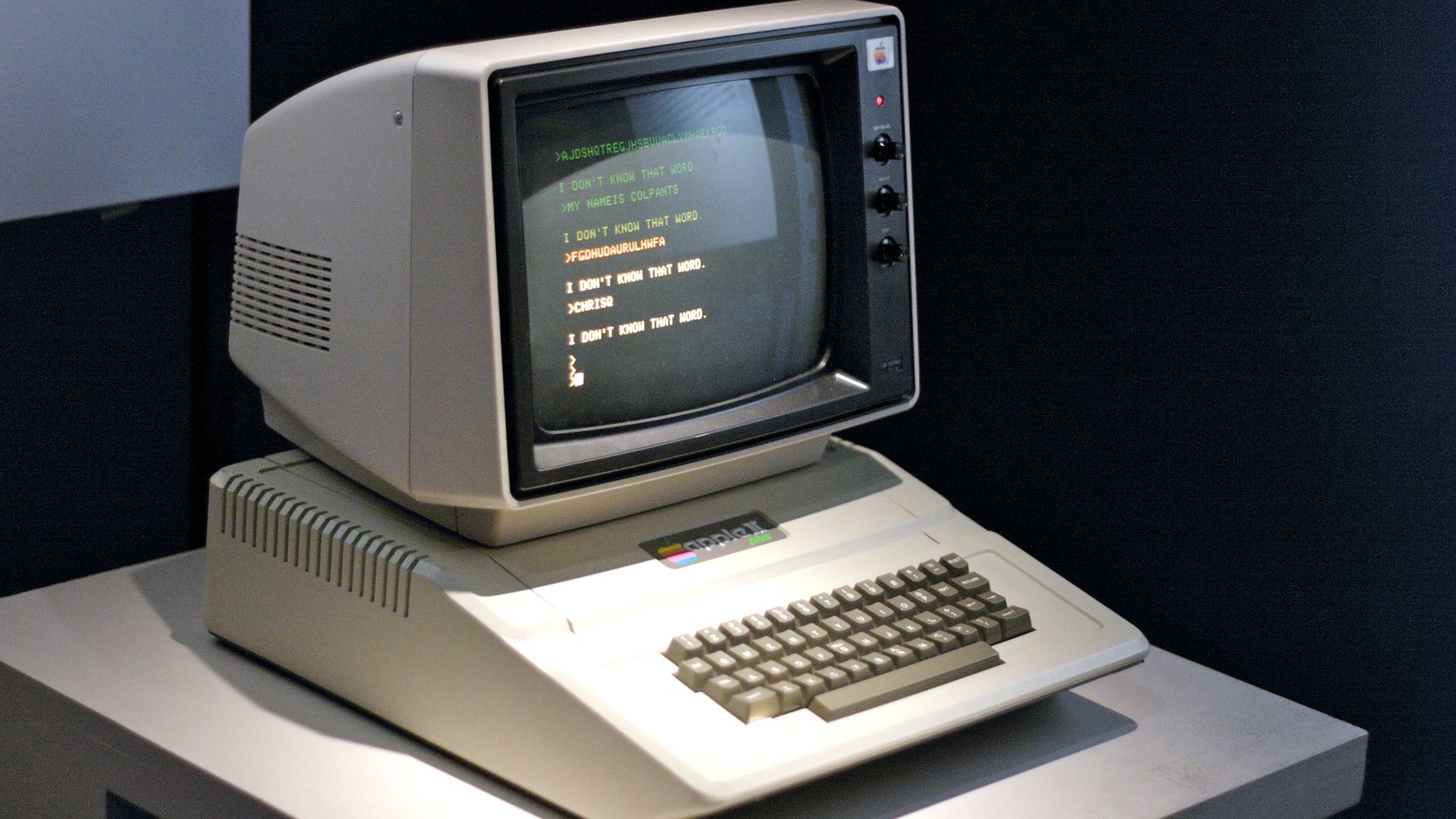
Although the Apple II remained the company’s most successful model, Jobs had come to frequently overlook it as a product, along with those who had brought it to life. Specifically, Woz soon recognized the many times that Jobs chose to exclude or neglect the Apple II division in company milestones, which only reinforced a rising resentment.
Finally, he reached a tipping point.
 Marcin Wichary, Wikimedia Commons
28. He Was Fed Up
Whether Jobs was unaware of his wrongdoings or was simply unapologetic, Woz soon realized that he deserved better. Believing Apple was quickly going downhill, he packed up, sold his company stocks, and quit with several others who agreed with him. Still, he wasn’t one to hold grudges, and he and Jobs remained friends for years.
Of course, this didn’t mean Jobs was in the clear.
29. They Wanted Him Out
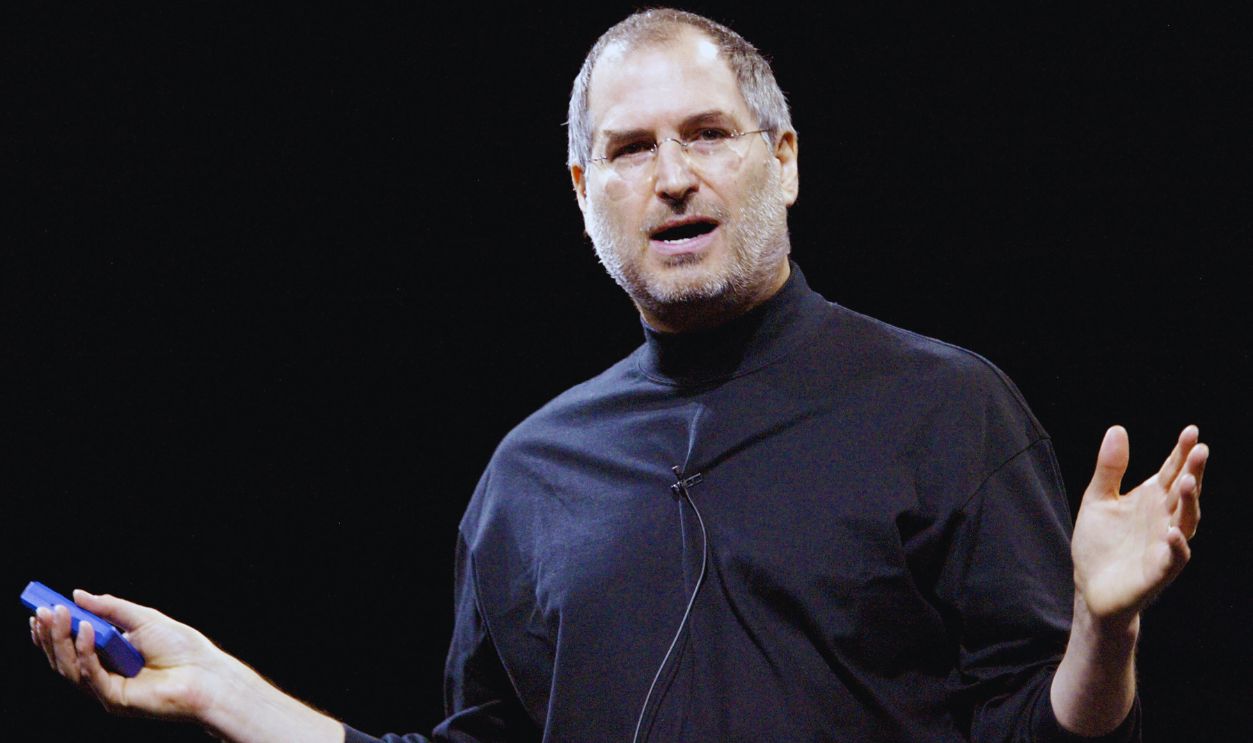
With the relative failure of the Macintosh, which Steve Jobs had so fervently championed, those at Apple who opposed his leadership gained even more fuel against him. Sculley then went to the board and outlined a reorganization plan that would make Jobs the head of “New Product Development," where he would have no control over the company.
Jobs wouldn’t go down without a fight, though.

30. He Tried To Get The Upper Hand
Despite co-founding Apple and being so ingrained in the company’s development, Steve Jobs didn’t have a specific job title, which potentially made it easier to eliminate him. Jobs knew this, so upon discovering Sculley’s plan, he began plotting to take charge of Apple officially and kick the CEO out.
However, his schemes wouldn’t stay a secret for long.
31. He Left Them
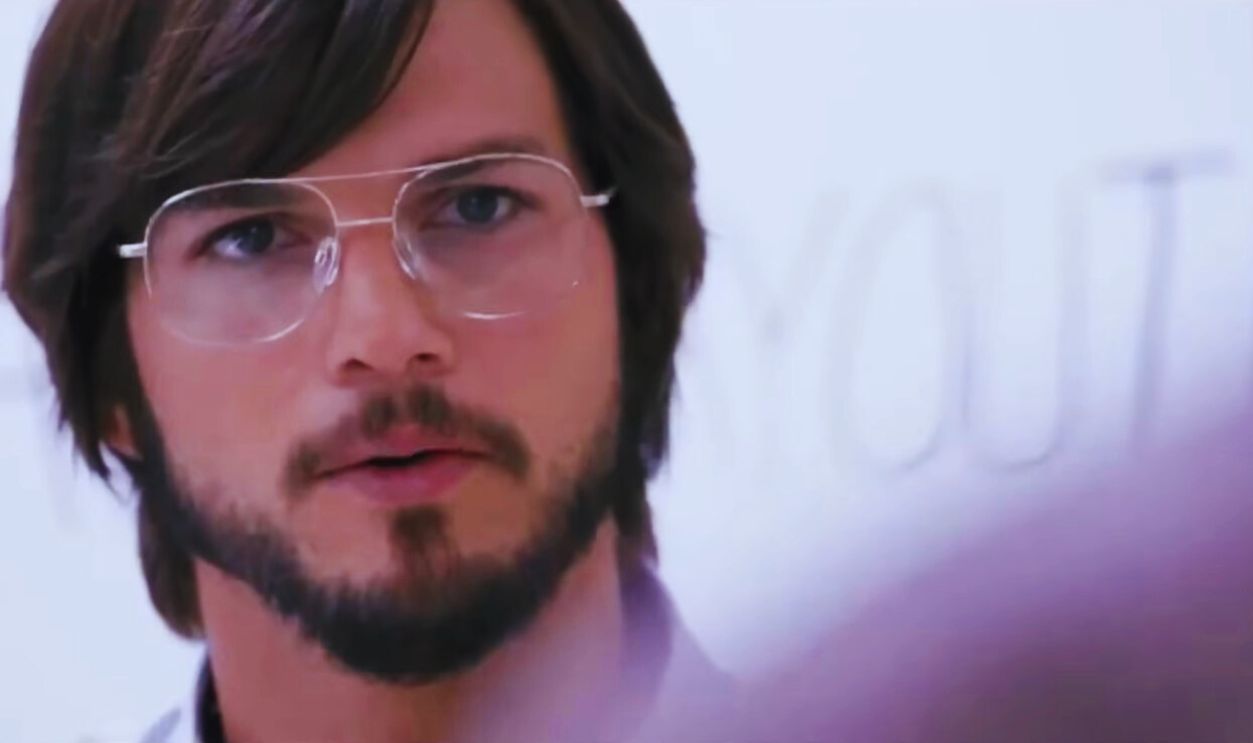
Jobs' plans to push out Sculley were foiled as others soon caught on, by which point he knew it was time to say goodbye. The board still wanted him around in some capacity, so when he gave his resignation, they initially declined. Jobs didn’t see a future, though, so after a few more months, he gave his final letter of resignation and left in 1985.
But this didn’t mean he had finished with the tech industry entirely.

32. He Started Again
Jobs wasn’t the only one who felt like Apple wasn’t the right fit anymore, and five other employees joined him in quitting, but their loyalty didn’t stop there. Jobs was already moving on to his next endeavor and founded the tech company NeXT Inc, with the help of those five employees.
Luckily, this was the comeback people were waiting for.
33. He Was Back
Although NeXT Inc hit a hiccup the following year when the millions that Steve Jobs had invested from his own pocket ran out, they got a little help from billionaire Ross Perot. This allowed them to focus on developing their first product, and in 1988, Steve debuted the NeXT Computer at an extravagant gala intended to show everyone that he wasn’t going anywhere.
He also did what he could for other start-ups.
 Rama & Musee Bolo, Wikimedia Commons
34. He Helped Them Out
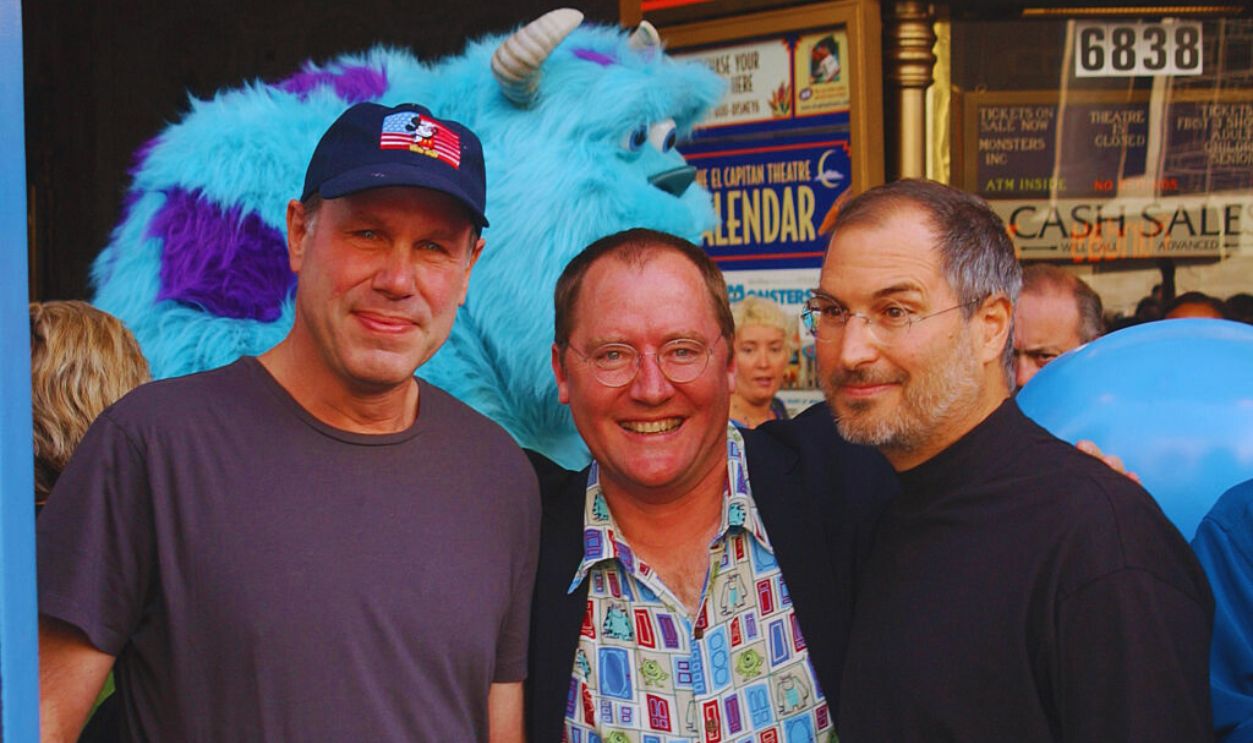
While trying to get his new company off the ground, Jobs wasn’t blind to those going through the same struggles, and he tried his best to help. Specifically, he provided financial aid to employees from the computer graphics division at Lucasfilm to help them form their own company, The Graphics Group—although they later changed their name to Pixar.
By this point, Jobs' situation had forced him to rethink his priorities.
35. He Became More Fatherly
Since his initial unpleasant reactions to Chrisann’s pregnancy, Jobs had gained a lot of perspective and personal growth, undoubtedly due in part to losing the company he'd founded. Still, he really made an effort for his family, sincerely apologizing to Chrisann for his behavior and becoming much more involved in the life of his daughter, Lisa.
At the same time, his thoughts turned to his own parentage.
 Universal Pictures, Steve Jobs (2015)
36. He Wanted To Know More
Losing his company was a wake-up call for Jobs, and along with his daughter, he chose to focus more on the rest of his family. Sadly, his adoptive mother Clara developed lung cancer in 1986, so he took more time to be with her. While the two spoke, she told him more about the circumstances of his adoption, which sparked his curiosity about his biological parents.
Thankfully, he had a lead.

37. He Left Him A Note
Jobs didn’t want his adoptive parents to think they were ever not enough, so he never asked about his biological parents. Instead, he tracked down a doctor who had helped his birth mother once, but who also refused to divulge anything—at least, at first. The doctor perished not long after, leaving behind a note which revealed Jobs' mother’s name as Joanne Schieble.
Finally, he knew who to look for.
38. He Found Her
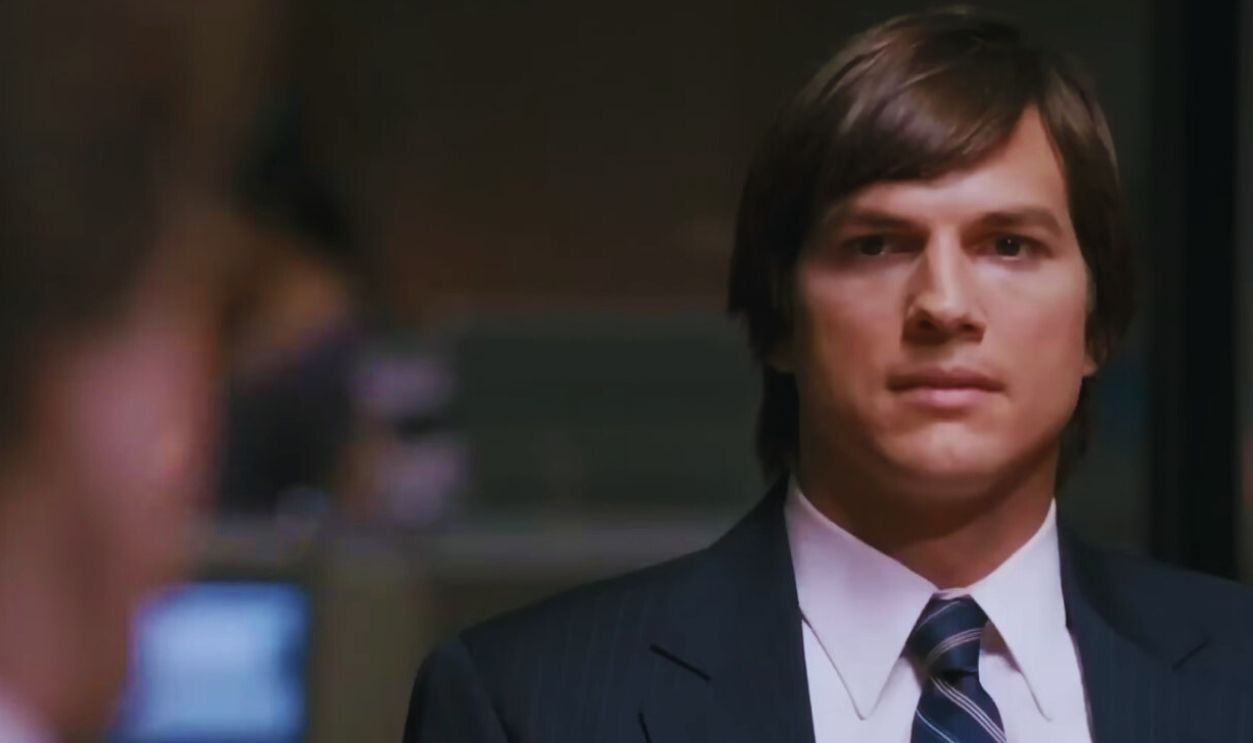
Tragically, Clara also passed in 1986, and only at that point—and after asking his father for permission—was Jobs comfortable with seeking out his birth mother, Joanne Schieble. It didn’t take long for him to find and contact her, at which point they met in a tearful reunion. Joanne told Jobs that although she felt pressured to give him up, she had regretted it ever since.
Suddenly, he had answers to all of his questions.
39. She Told Him The Truth
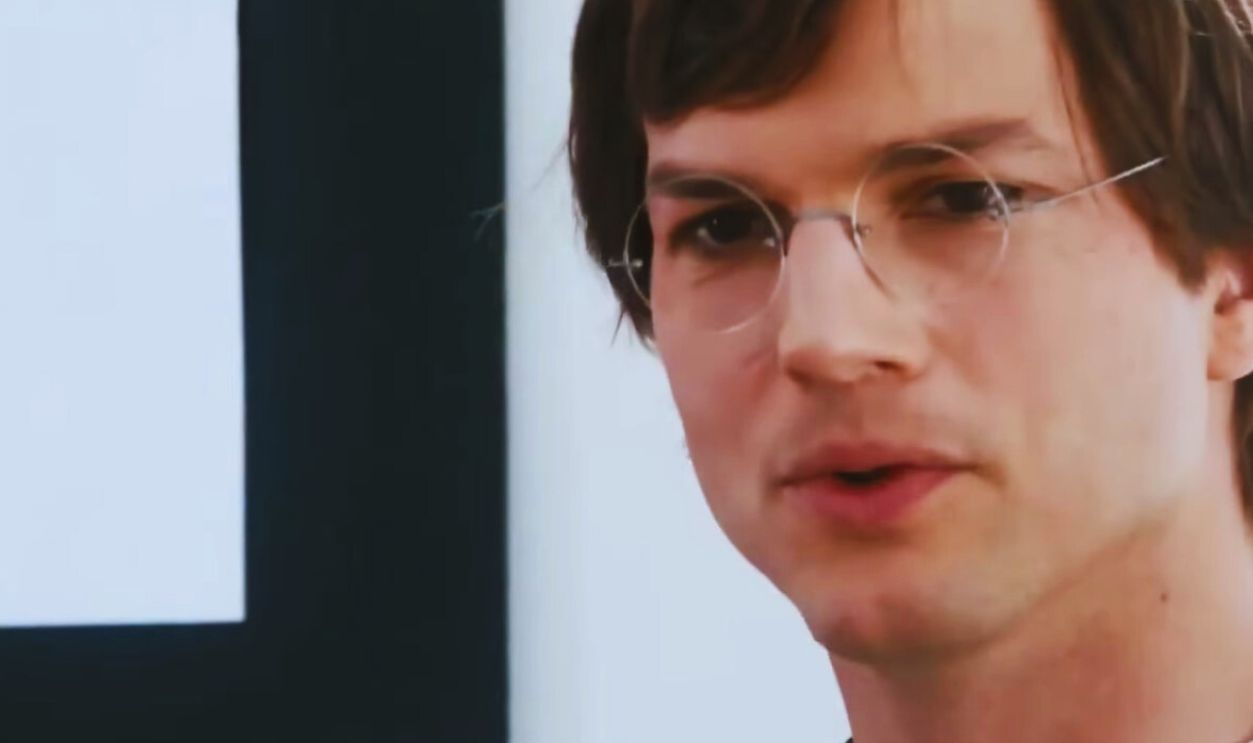
Jobs had nothing but gratitude for Schieble, and as they spoke more, he learned more about her history. As it happened, both Schieble and his birth father had married following the death of her disapproving father, and had even had another child before divorcing—a girl named Mona. This meant that Jobs also had a sister.
Jobs met her as well, and while Mona was unpleasantly surprised at first, the two soon grew closer as brother and sister. Concerning his father, however, he was not as enthusiastic.

40. He Wasn’t Interested
Like Jobs, Mona seemed to have a growing curiosity about their family and started searching for their biological father, a venture that Jobs was less invested in. Even after Mona found their father, Abdulfattah Jandali, in Sacramento, Jobs had no desire to meet him, as everything he had heard about him resulted in a strong distrust.
Bizarrely, Jobs didn’t have to worry about meeting his father for the first time. Turns out, he already had.
 File:ProjectRED Grouppicture.jpg: Steve Jurvetson from Menlo Park, USA, Wikimedia Commons
41. They Had Met Before
Although Jobs had reservations, Mona went to Sacramento and visited the restaurant where Abdulfattah Jandali worked. They had a friendly conversation, and although Jobs had asked her not to mention him, he still came up. It seemed that their father knew about Apple and bragged that Steve Jobs had once eaten at his restaurant, even sharing that he was “a sweet guy and a big tipper".
Out of respect for Jobs' desire for anonymity, Mona never told her father that Jobs was actually his son. Though Jandali would later discover the truth himself via an online blog, he never attempted to reach out to Jobs.
42. He Was Distracted
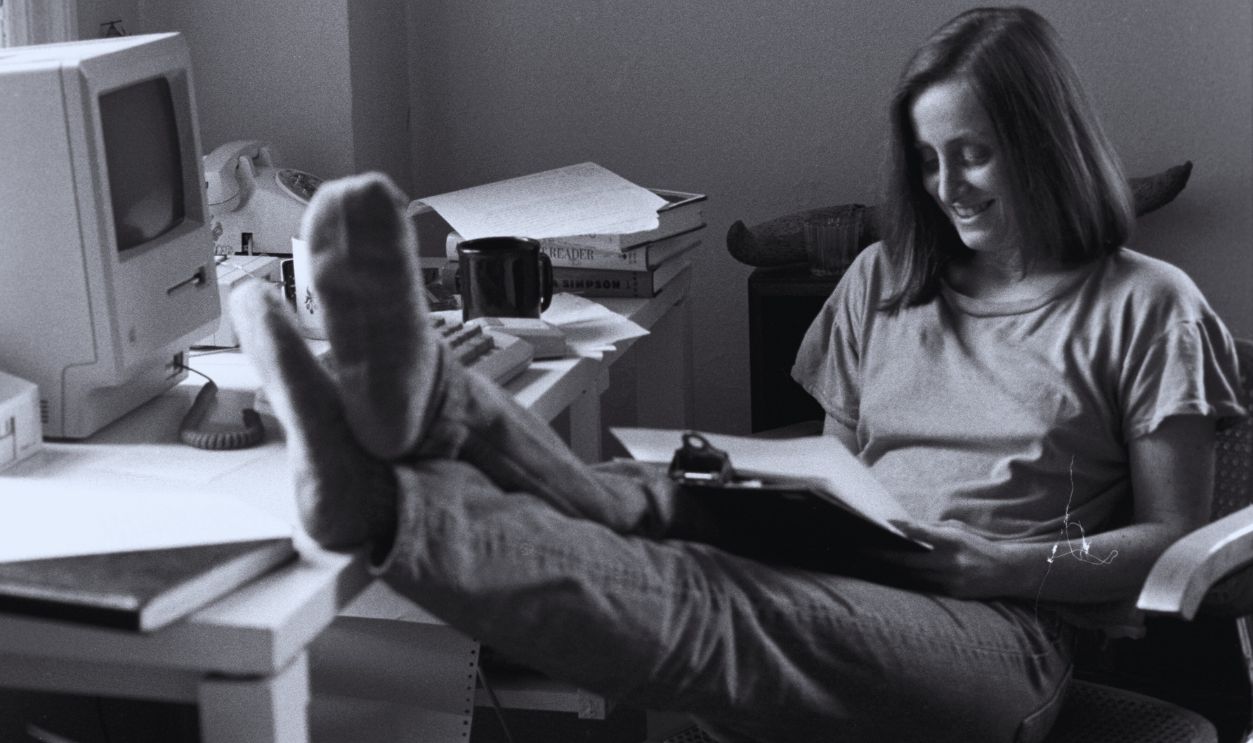
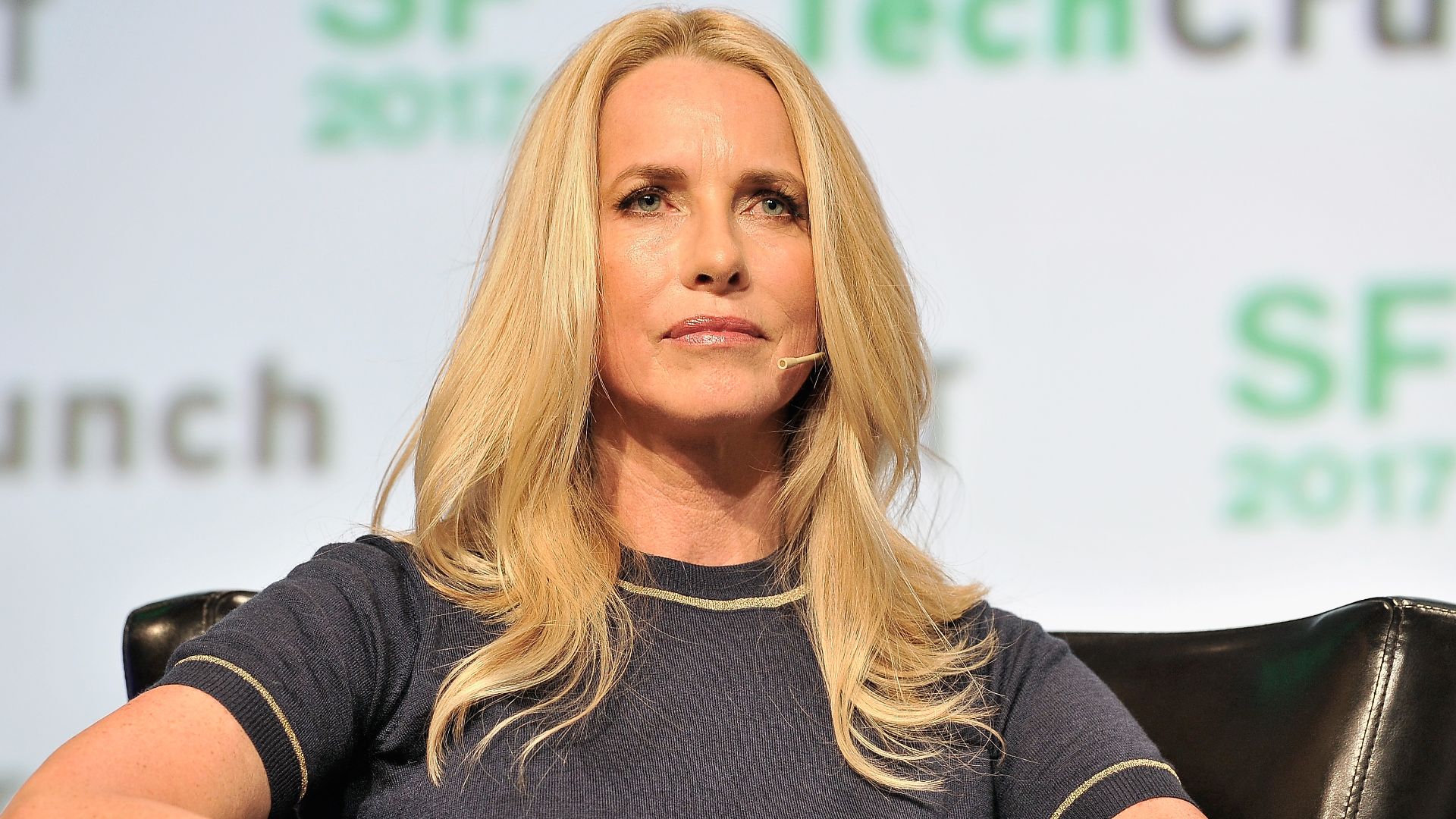
Jobs wasn’t a stranger to giving lectures, and during one of these, he met someone who would change his life. While speaking at the Stanford Graduate School of Business, he saw MBA student Laurene Powell in the front row, and was so captivated by her that he lost his train of thought. That day, they struck up a conversation, and he asked her to dinner.
It wasn’t long before Jobs knew she was the one.
43. They Made A Commitment
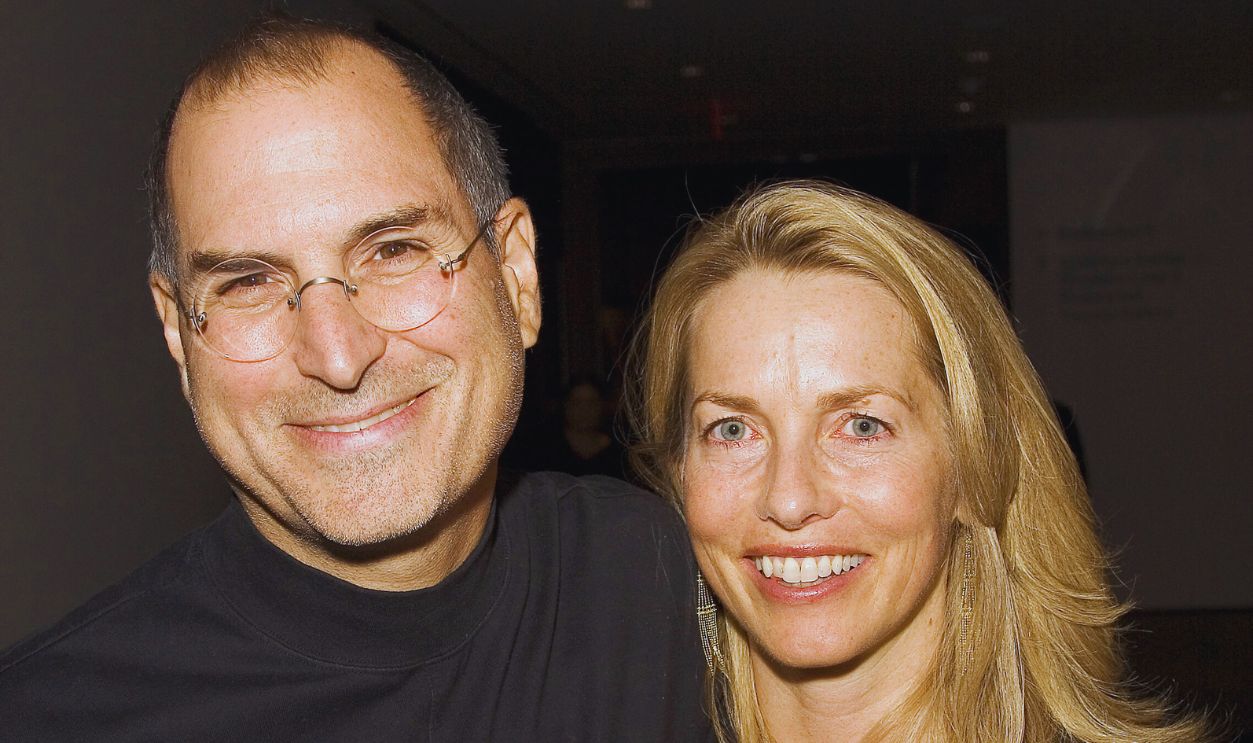
Jobs proved a more attentive partner since his younger years, and his relationship wth Laurene continued the rest of the year until he proposed to her on New Year’s Day 1990. Laurene said yes, and their marriage took place the following year, with both of their families coming together for an unconventional ceremony that ended in a snowball fight.
However, fate had even more curveballs to throw Jobs' way.
44. Their Family Grew And Shrank
Steve Jobs was fortunate enough to have his adoptive father present at his and Laurene’s wedding, especially since Paul sadly passed almost two years after. This made the decade a bit of a rollercoaster as Jobs and Laurene also had their first child in 1991 and would welcome two more daughters between then and 1998.
Professionally, he found himself in a familiar position.
 MediaNews Group, The Mercury News, Getty Images
45. He Returned
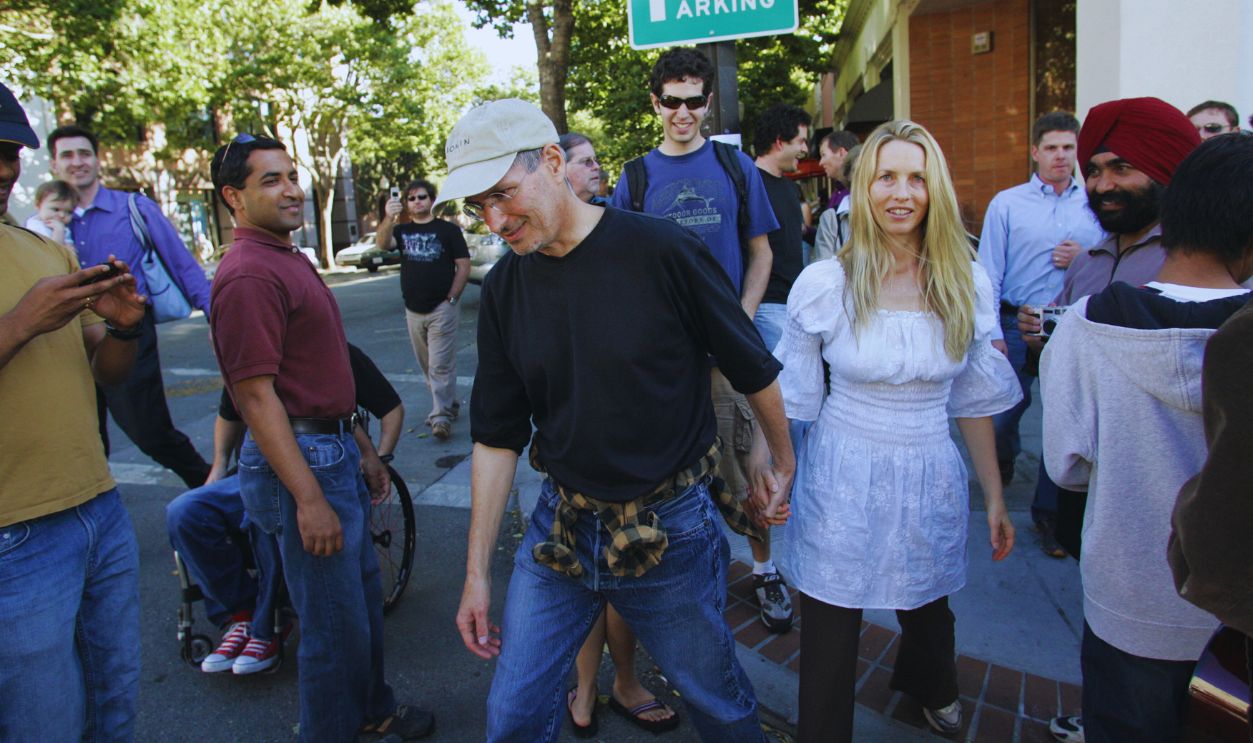
Just as many had predicted, Apple continued its decline, exacerbated by Jobs' departure. So, in 1996, his former company came crawling back and offered to buy NeXT Inc, as they needed help developing their next operating system. Enough time had passed that he graciously accepted, and after Apple pushed out CEO Gil Amelio, everyone looked to Steve Jobs as the new boss.
Unfortunately, he was about to receive some horrible news.
 Acaben, cropped by Kyro, Wikimedia Commons
46. He Refused
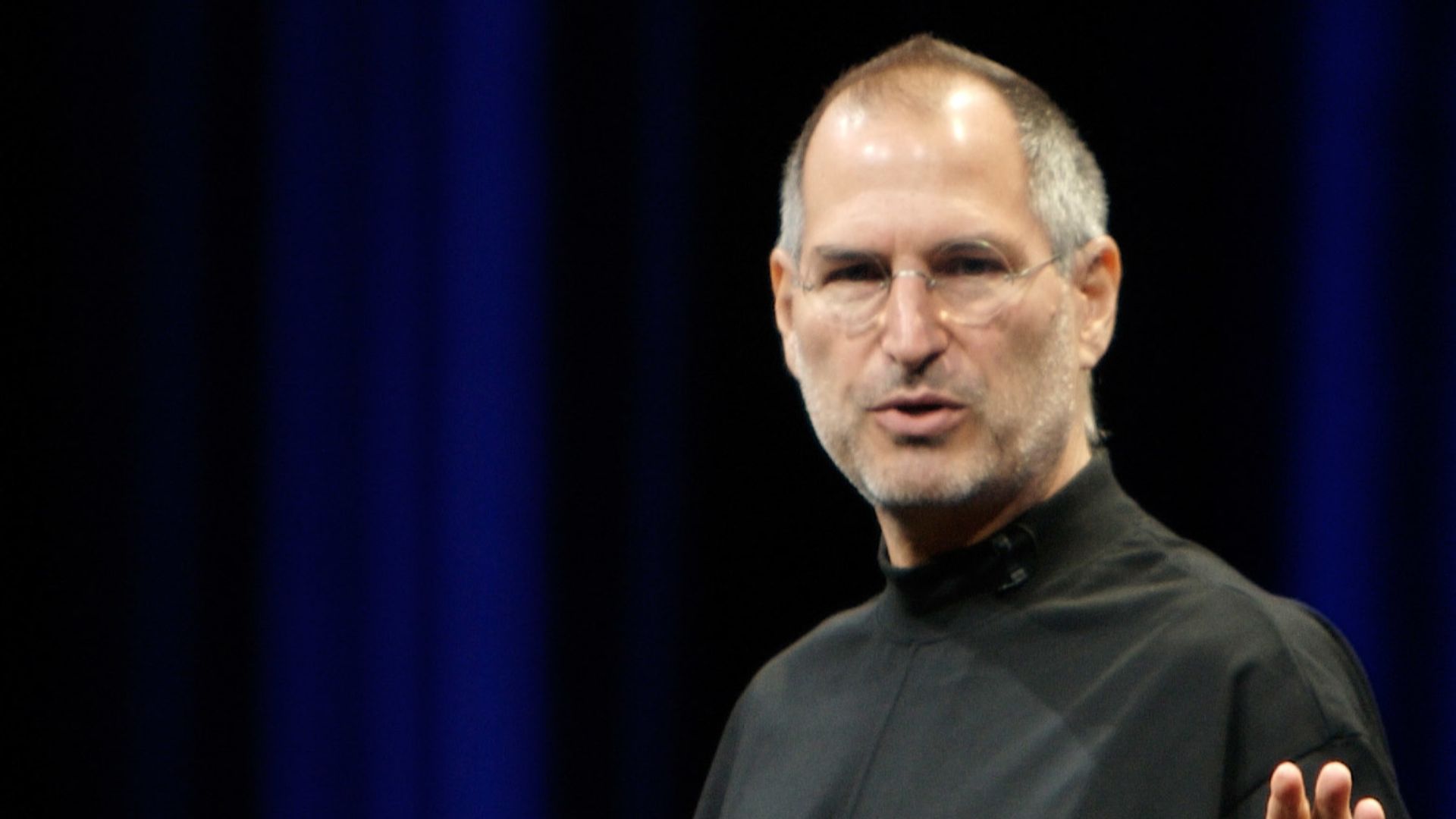
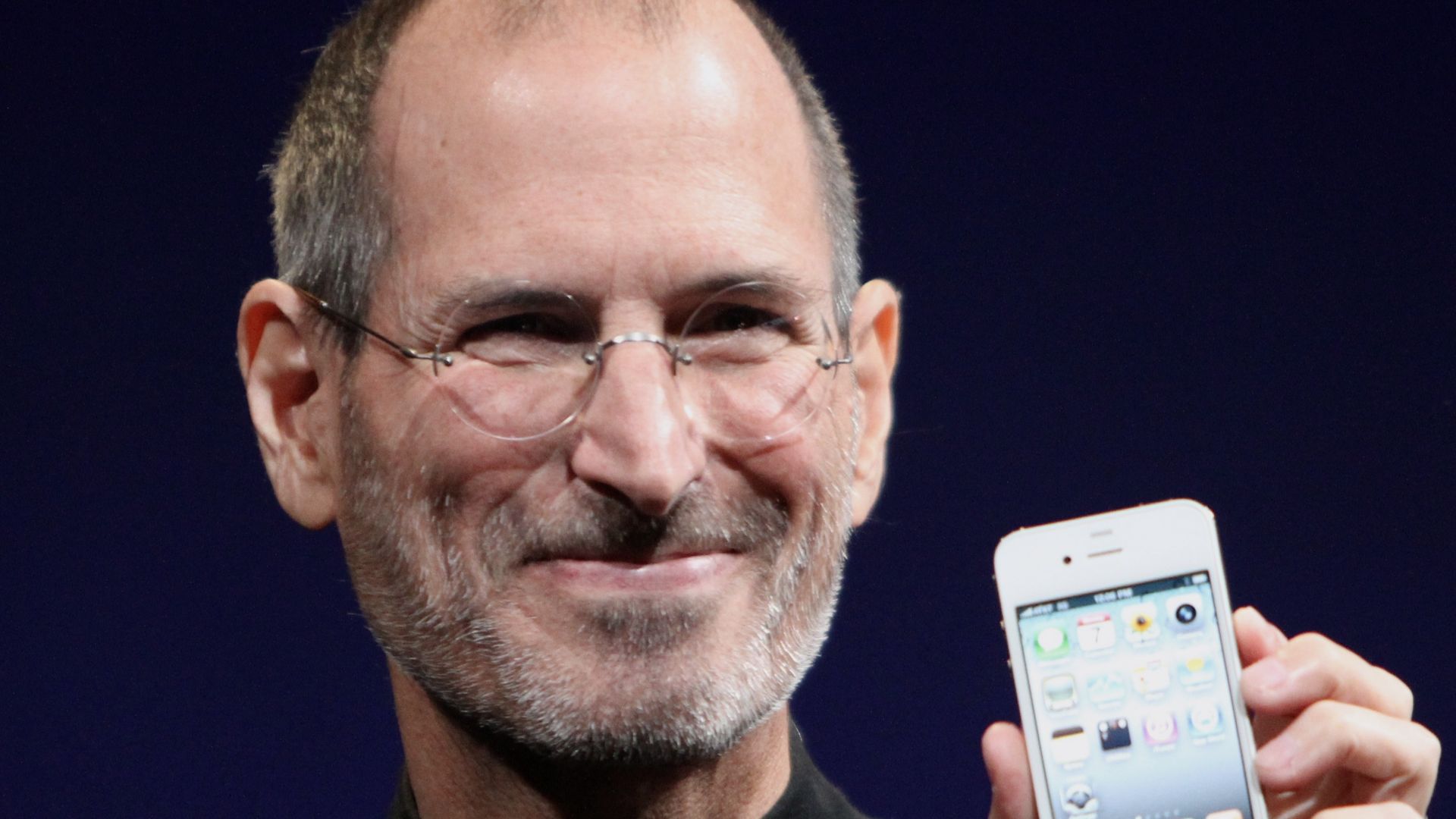
With Jobs as the new CEO, Apple was finally going in the right direction, but while the new millennium brought further success, his personal problems multiplied. Visiting his doctor in 2003, he received the horrifying diagnosis of pancreatic cancer. In typical Steve Jobs fashion, instead of accepting the recommended treatments, he turned to alternative medicine.
Unfortunately, this line of thinking didn’t pan out.
 Matthew Yohe (talk), Wikimedia Commons
47. They Treated Him
For nine months, Jobs tried everything except following the advice of his doctors, but he eventually had to do what was necessary. Undergoing a Whipple procedure in 2004, the doctors removed his tumor and initially believed they had fixed the problem. Unfortunately, the cancer returned two years later, at which point he only told a handful of people. Some experts have since claimed that Jobs' decision to delay proper treatment may have sealed his tragic fate.
48. He Worried Everyone
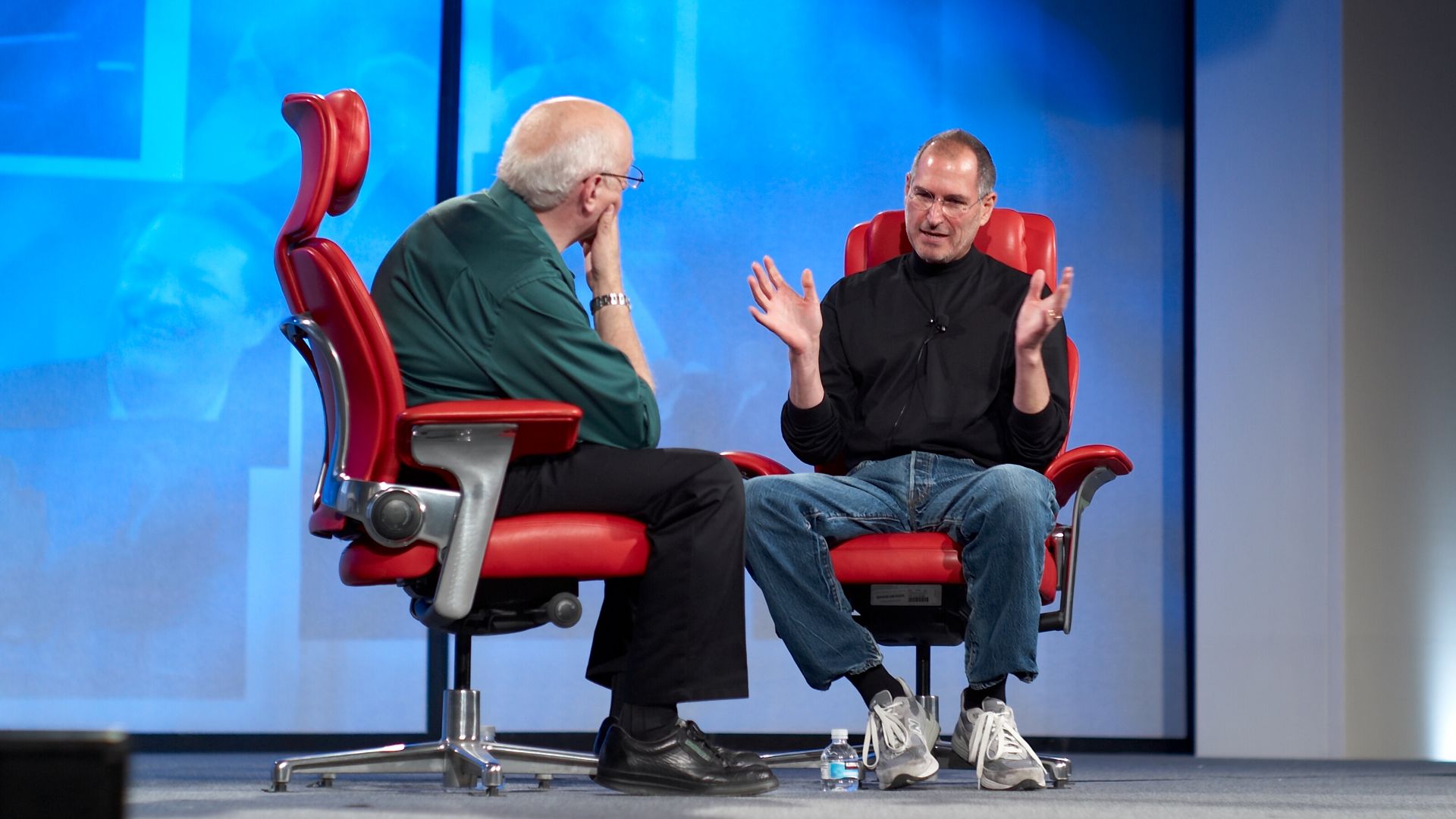
Jobs and Apple insisted on keeping the details of his illness private, which just became more difficult as time went on. Months after learning his cancer had returned, he spoke at the Worldwide Developers Conference, where the audience witnessed his more diminished appearance and speech. Naturally, this caused many to theorize he was ill.
Like always, he hadn’t finished fighting.
 Tom Coates from San Francisco, United States, Wikimedia Commons
49. His Condition Improved
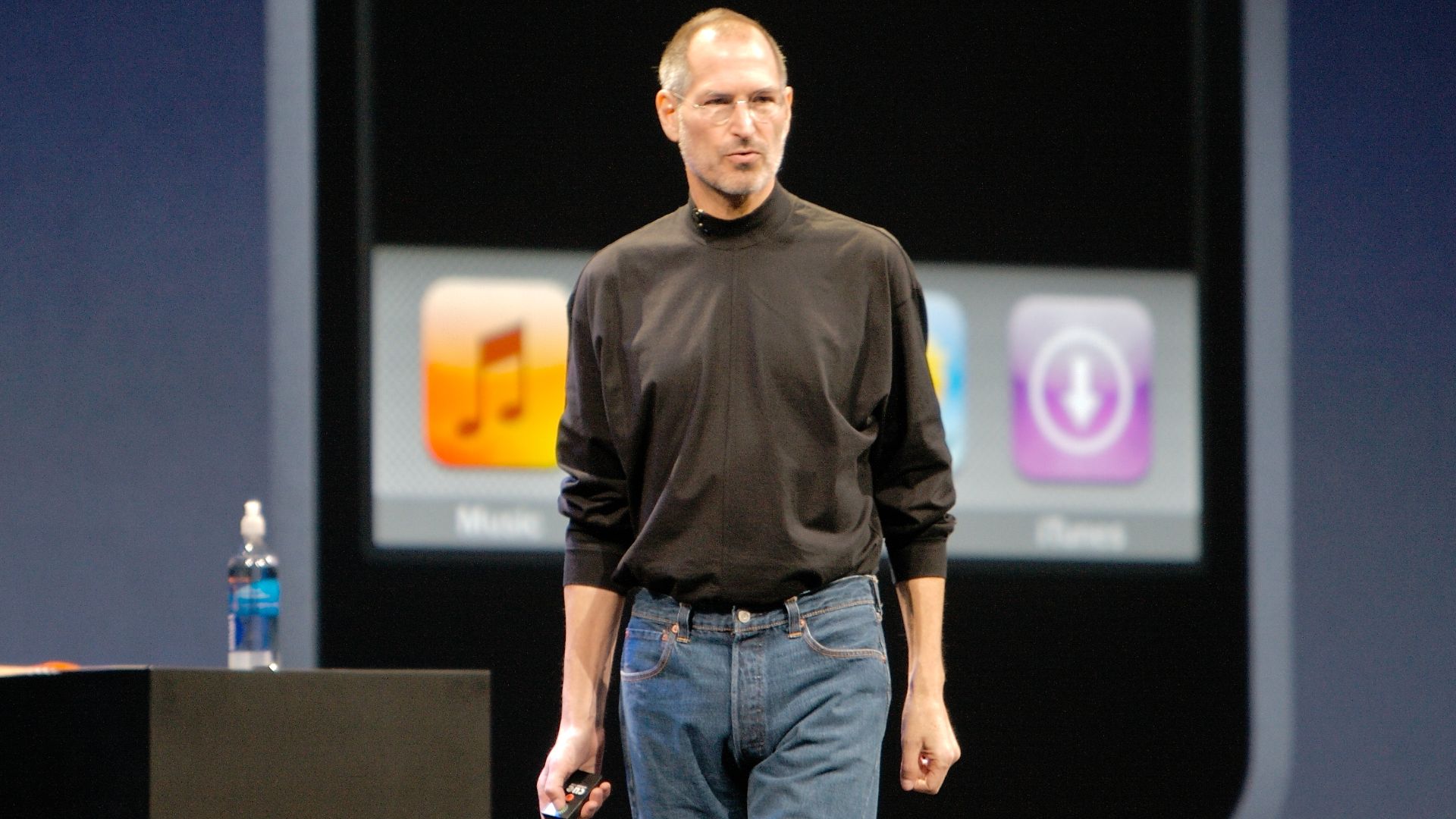
Now that Jobs had given in to using modern medicine, he continued to seek treatment for as long as he could, which included a liver transplantation in 2009. Once again, following the procedure, things started to look up, and the doctors told him that his prognosis was “excellent”. Still, he knew he couldn’t continue.
 Tom Coates from San Francisco, United States, Wikimedia Commons
50. He Stepped Down
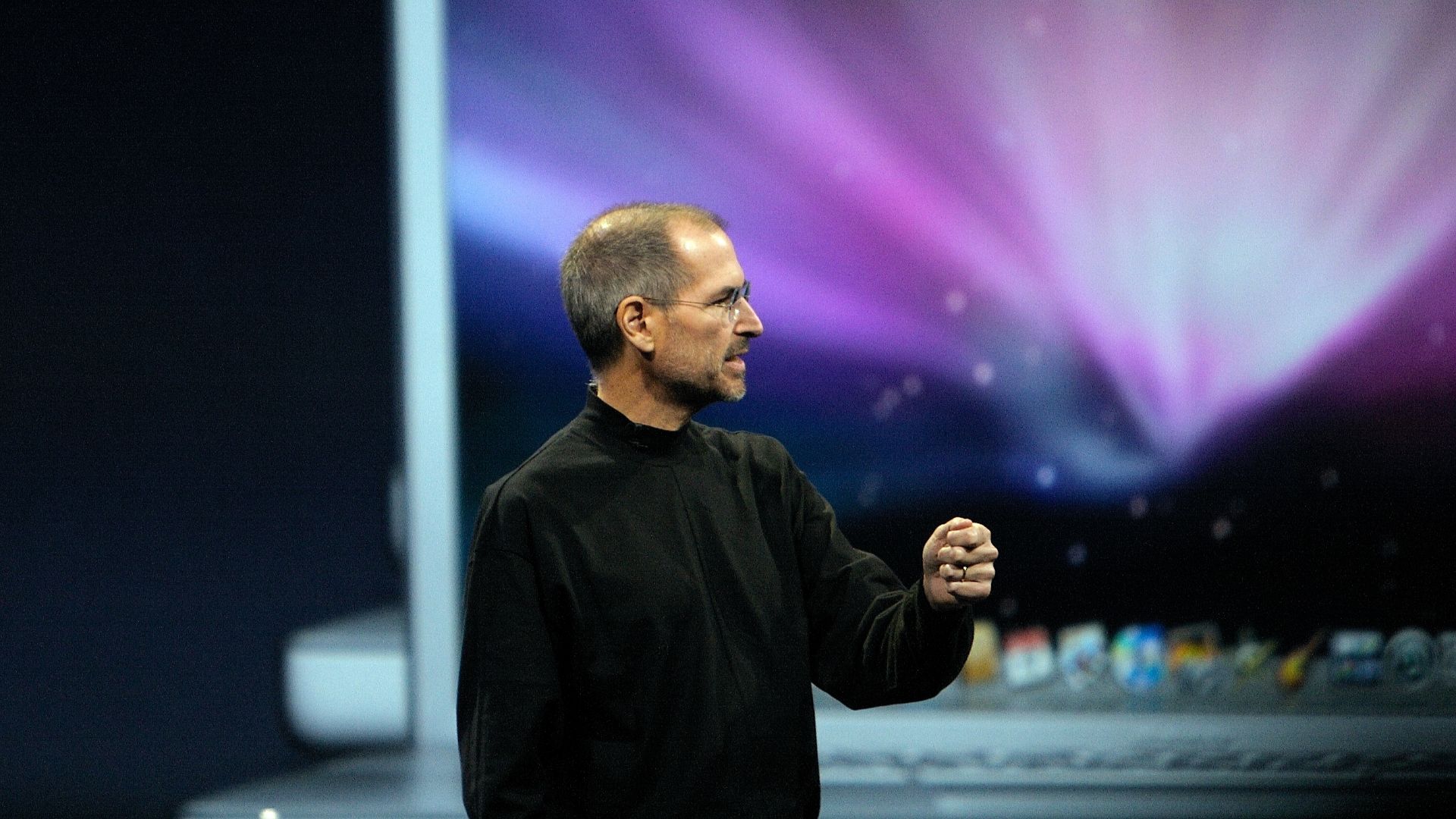
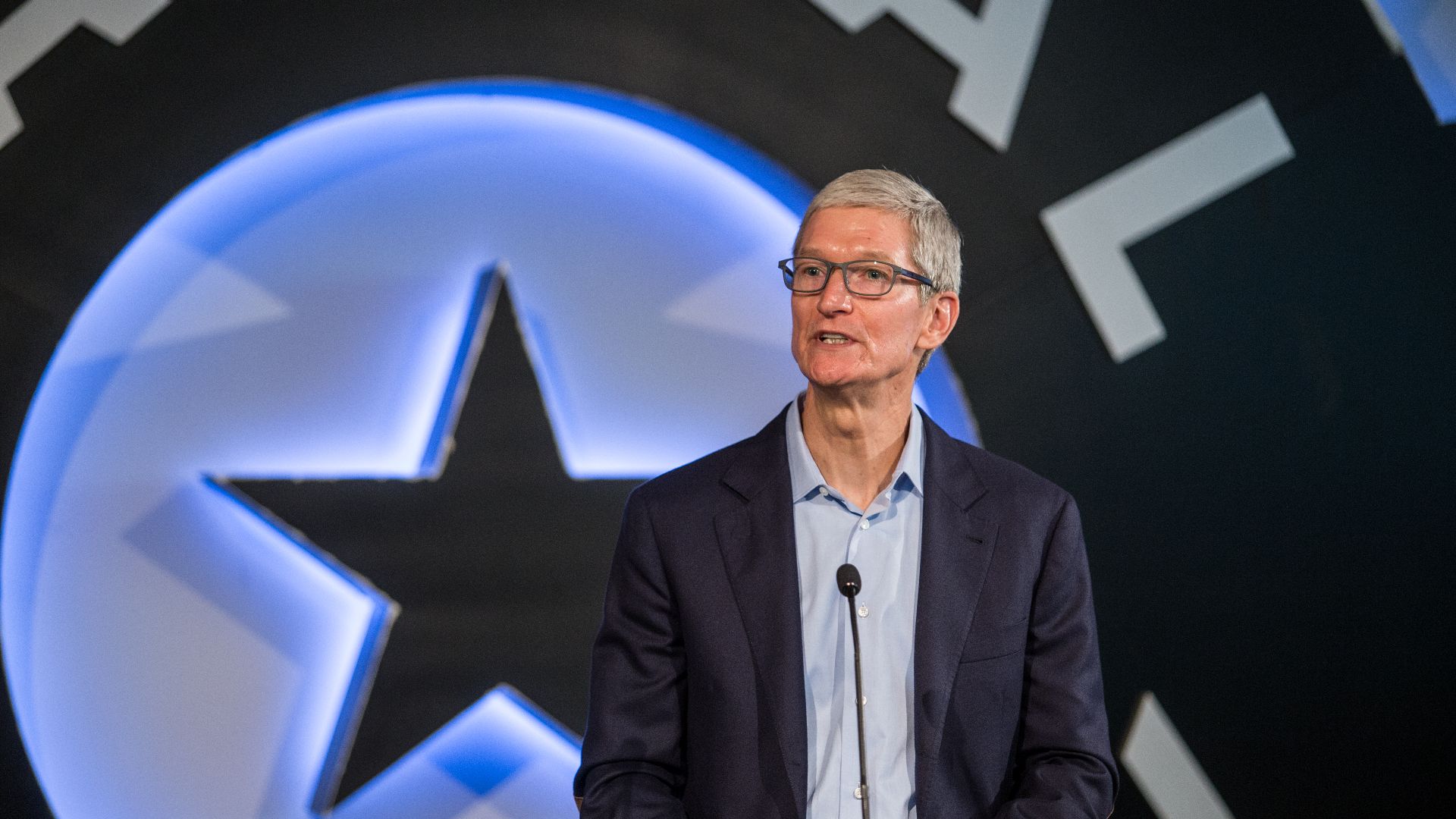
After recovering from his procedure, Jobs returned to work and remained CEO for two more years, after which his health didn’t allow him to continue in the same capacity. At last, in August 2011, he announced that he would be resigning from his position, leaving Tim Cook as his replacement. Even so, he stayed on as chairman of the board.
Given what happened next, this was the right choice.
 Austin Community College, Wikimedia Commons
51. It Came Back
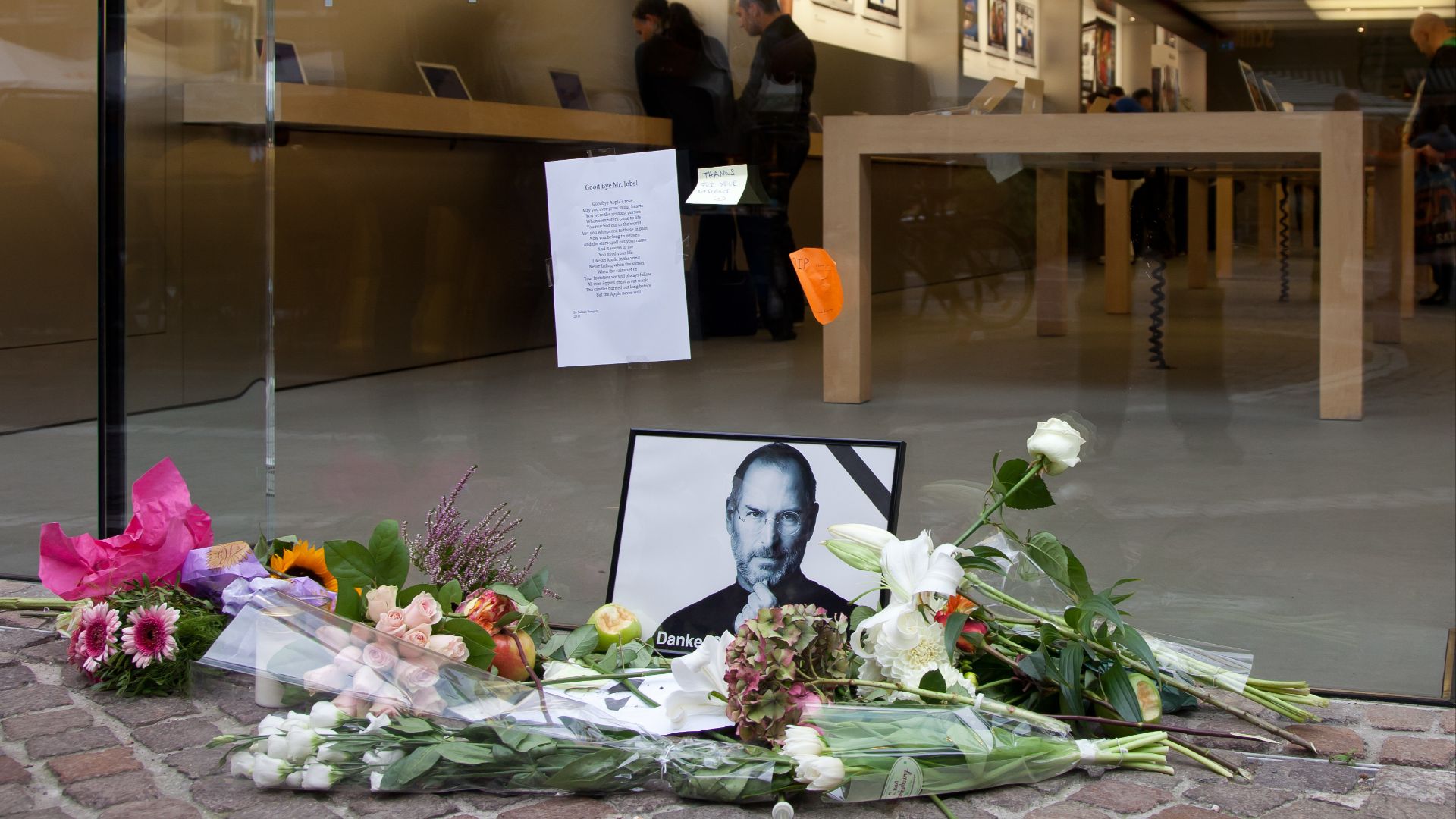
Jobs maintained his work at Apple as much as he could for six weeks following his resignation as CEO, but a relapse of his pancreatic cancer made it increasingly difficult. Tragically, on October 5, he succumbed to his illness while in Palo Alto, California, at his home. He was surrounded by his loved ones, and his last words were, "Oh wow. Oh wow. Oh wow".
 Thomas Wolf (Der Wolf im Wald), Wikimedia Commons
52. They All Honored Him
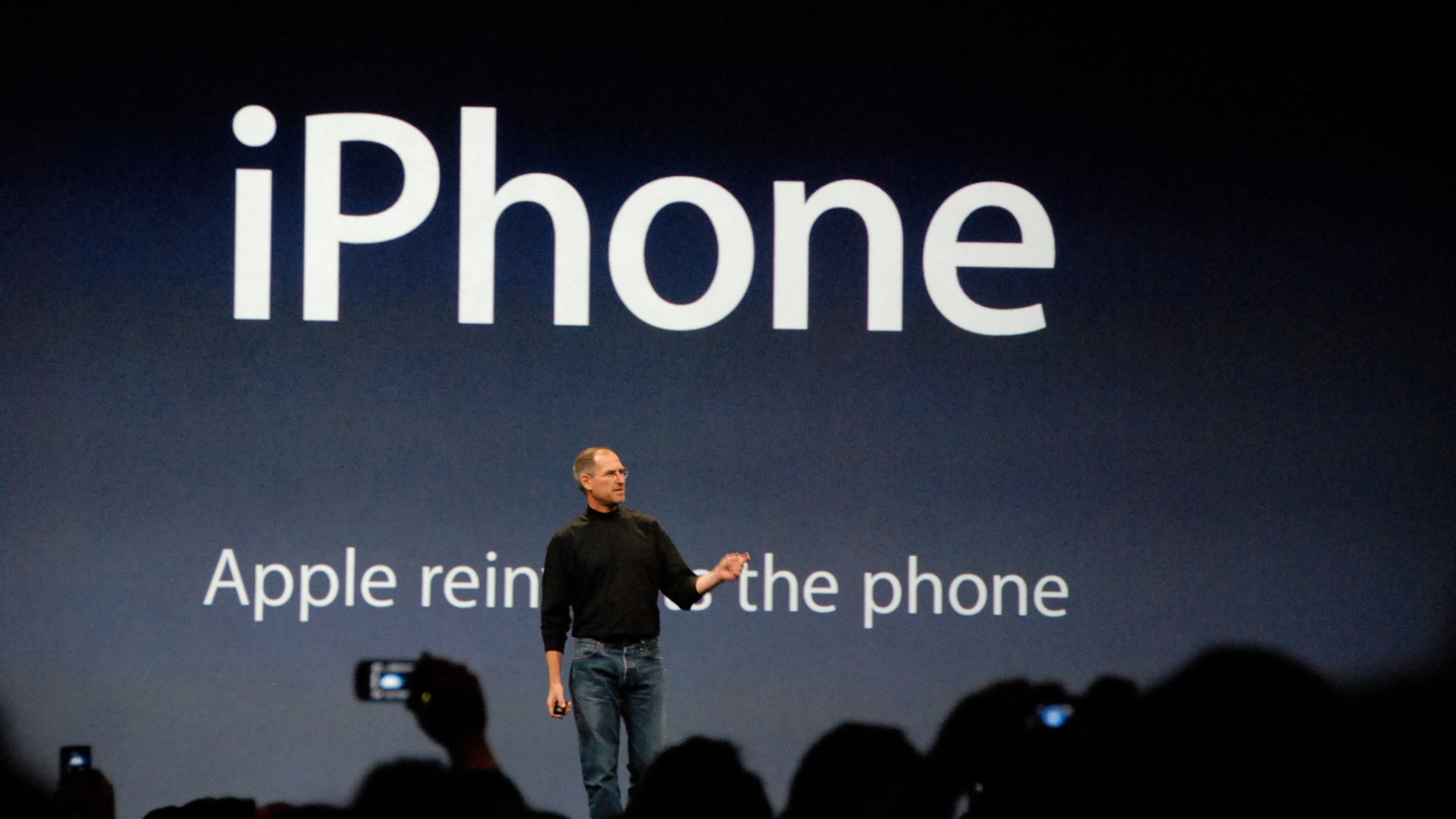
From tech and business to philosophy, Steve Jobs had many sides to him and often had his hand in multiple projects at any given time. Likewise, all the work he did had a profound effect on countless people, whether they knew him or not. This was evident a few days after his passing, when Apple hosted a memorial service for him, attended by not only higher-ups like Tim Cook but also big names from all walks of life, including Al Gore, and even Coldplay.
 Blake Patterson, Wikimedia Commons
You May Also Like:
John F. Kennedy’s Secret Double Life