Winston Churchill: Old Warrior, Real Man
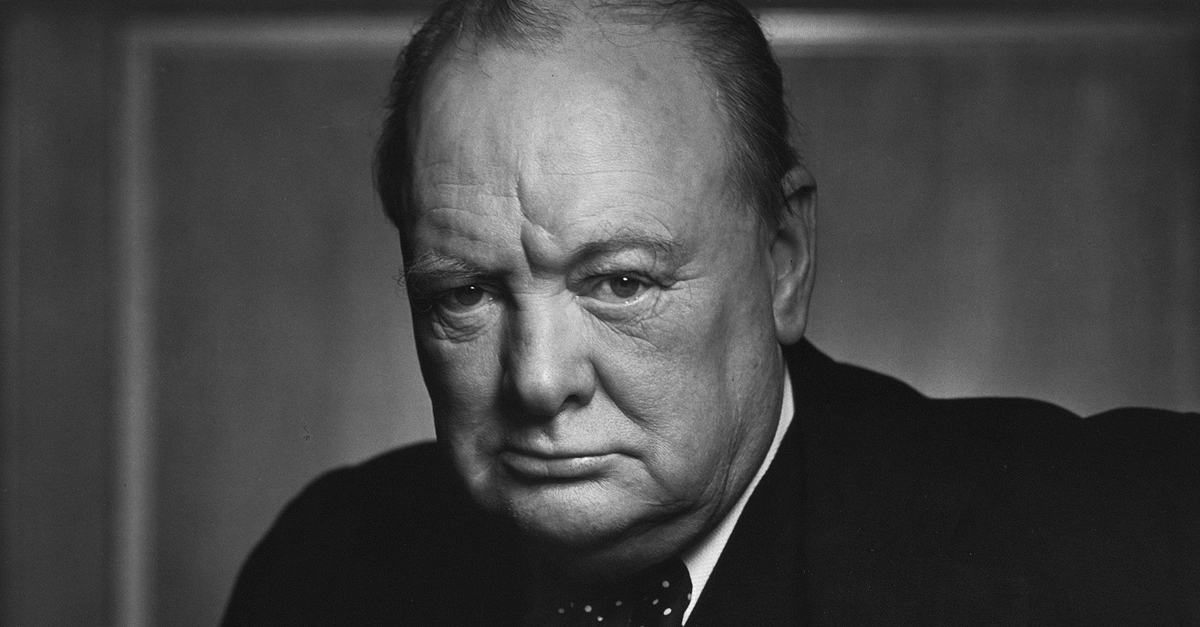
After leading Great Britain through WWII, Winston Churchill became one of history’s most towering figures—yet despite this, so few know the truth about his life. Behind the notorious bluster and the legendary speeches, Churchill hid secrets, vulnerabilities, and mistakes that might have toppled a nation.
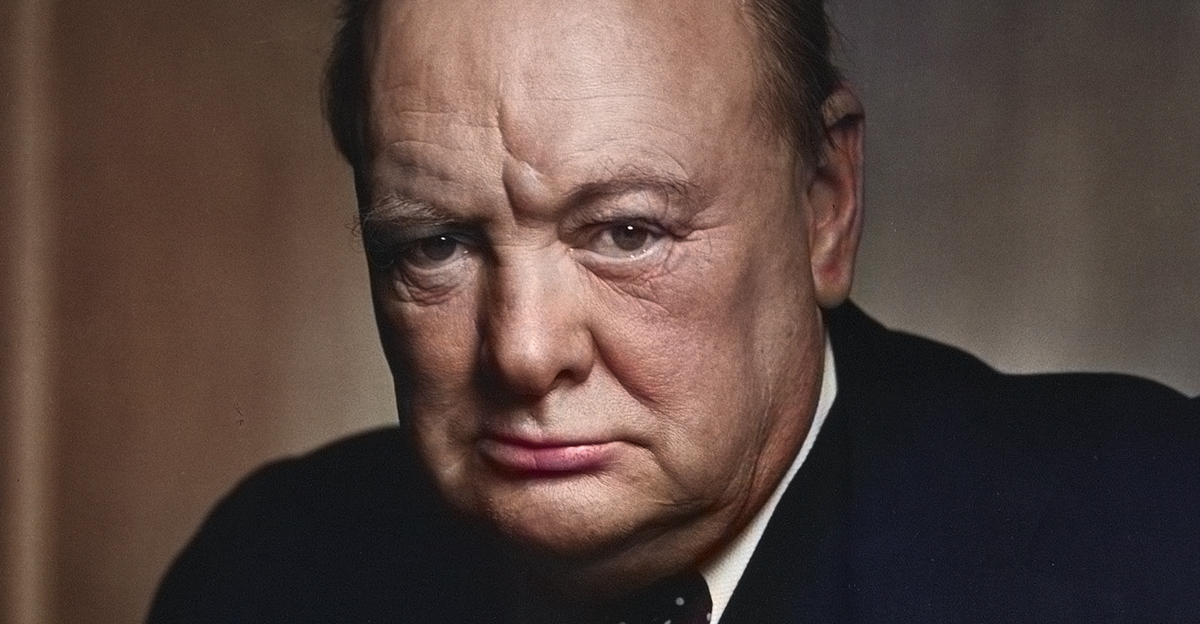 Library and Archives Canada, Wikimedia Commons
1. He Came From A Powerful Family
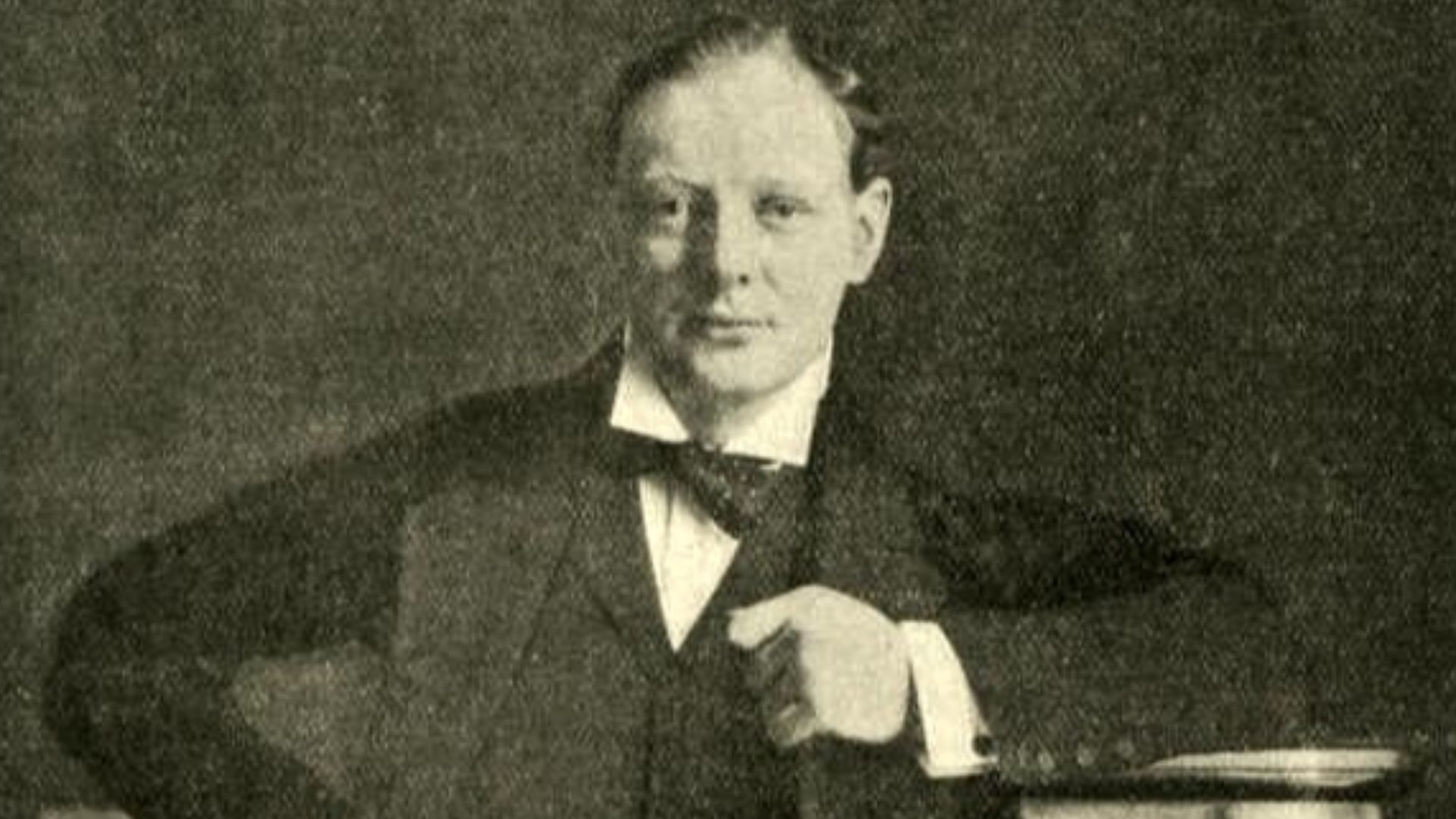
Although most people get Winston Churchill’s life in Parliament wrong, it was certainly no surprise he went into politics: His father, Lord Randolph Churchill, was an MP for the Conservative Party, while his mother, Jennie, Lady Randolph Churchill was a vivacious American socialite.
Still, this is where the predictable part of Churchill’s life ends.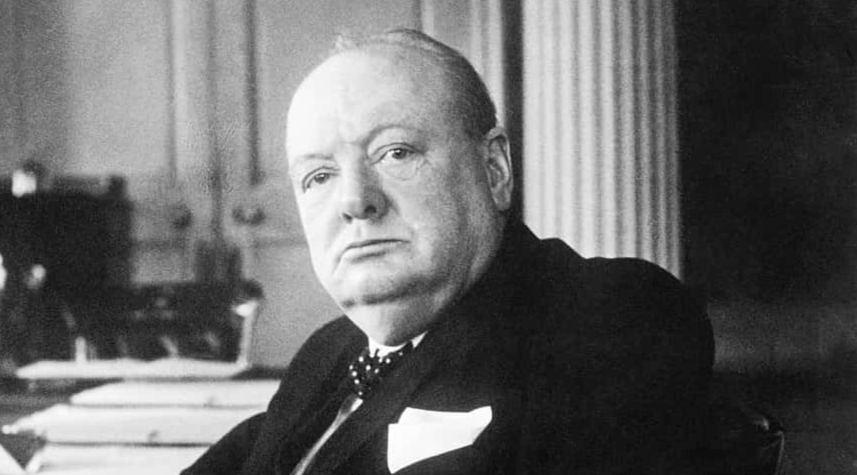 United Kingdom Government via Wikimedia Commons
2. His Nanny Raised Him
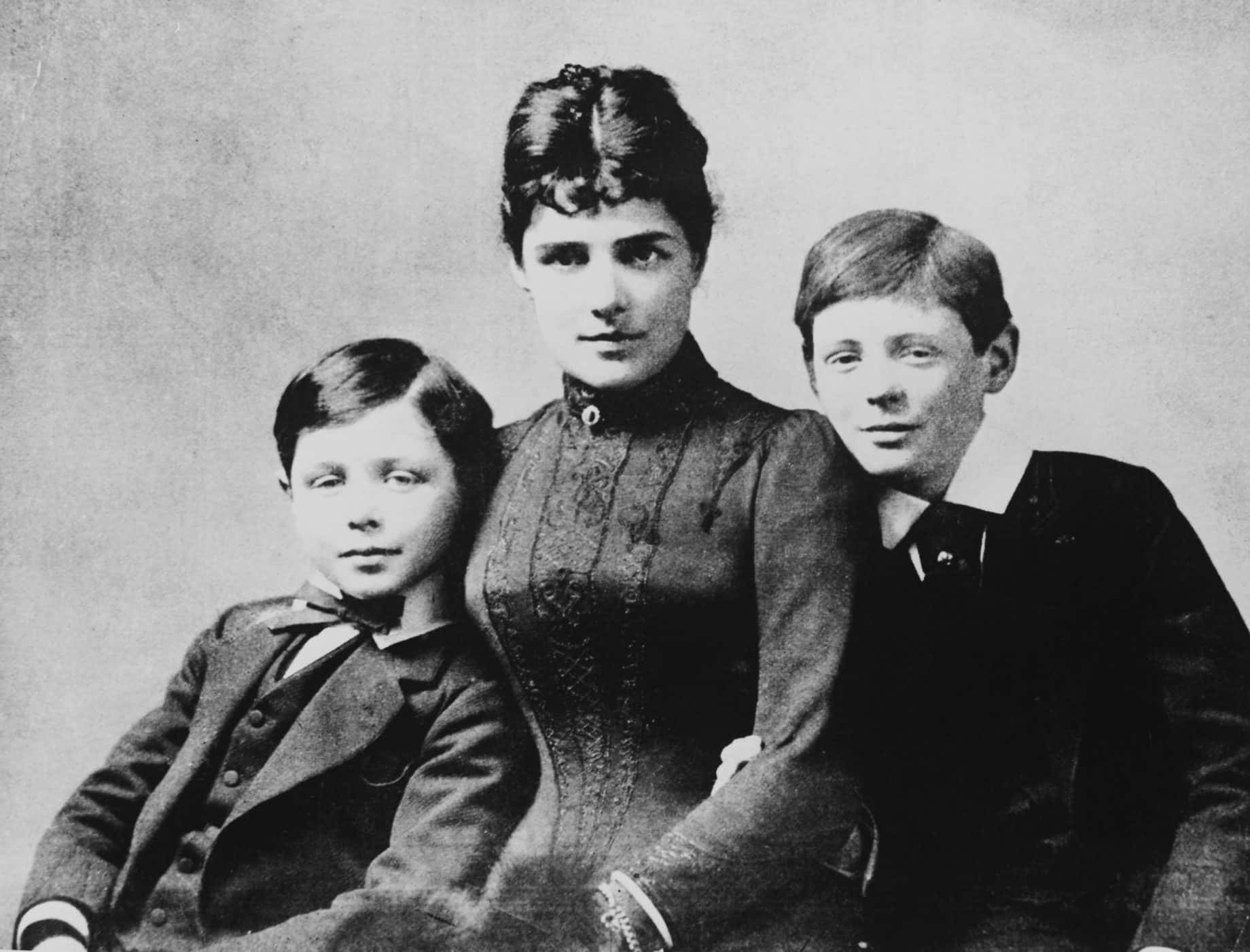
Though Churchill’s early life looked idyllic, it wasn’t. His father and his mother had a chilly relationship and spent most of their time away from each other—and their son—during his childhood. Instead, Churchill’s nanny Elizabeth Everest raised Winston and his brother Jack, and when she passed in 1895, Churchill called her “my dearest and most intimate friend”.
Maybe it was the parental neglect, but Churchill’s next moves were anything but promising.
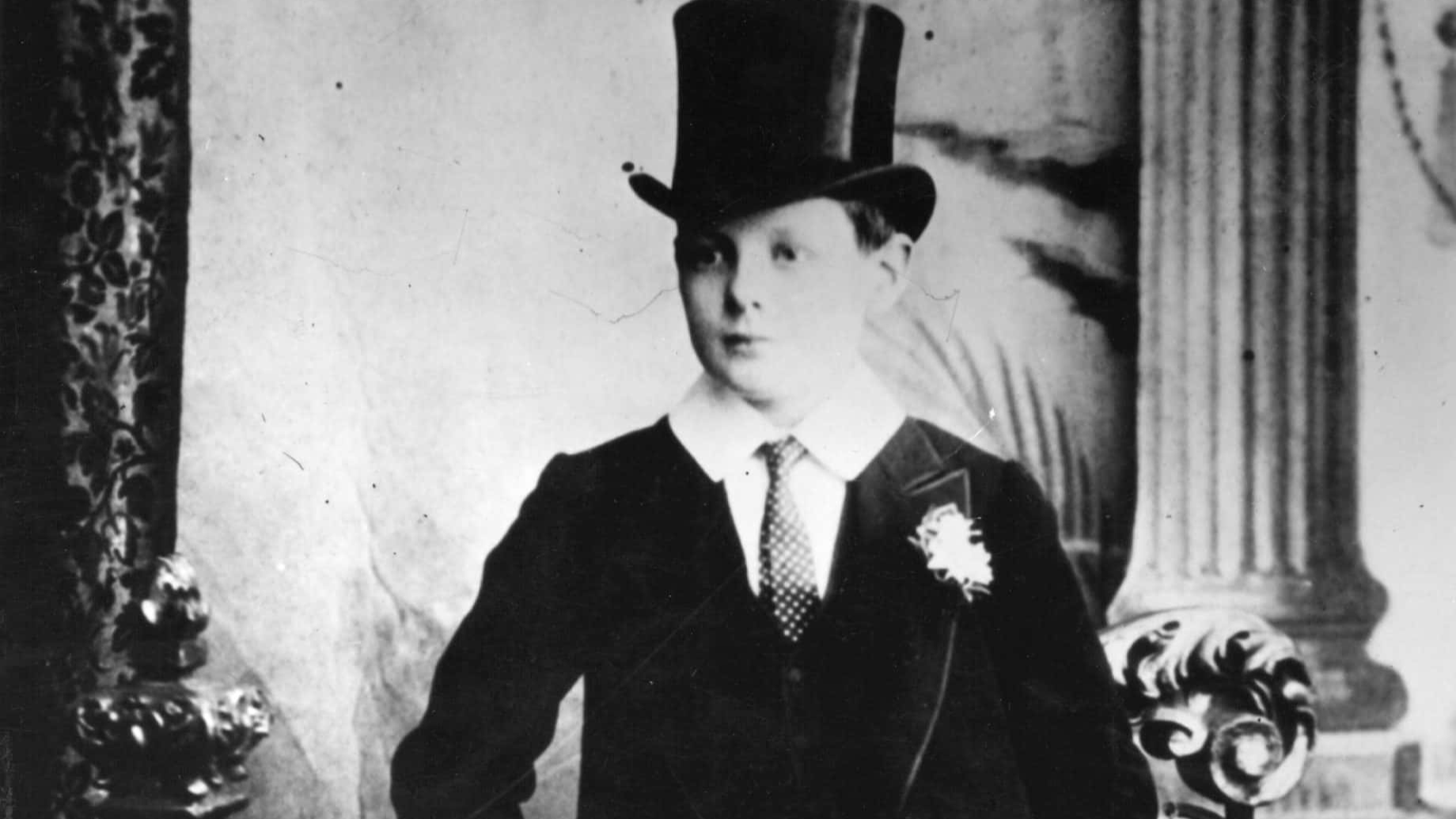
3. He Didn’t Do Well In School
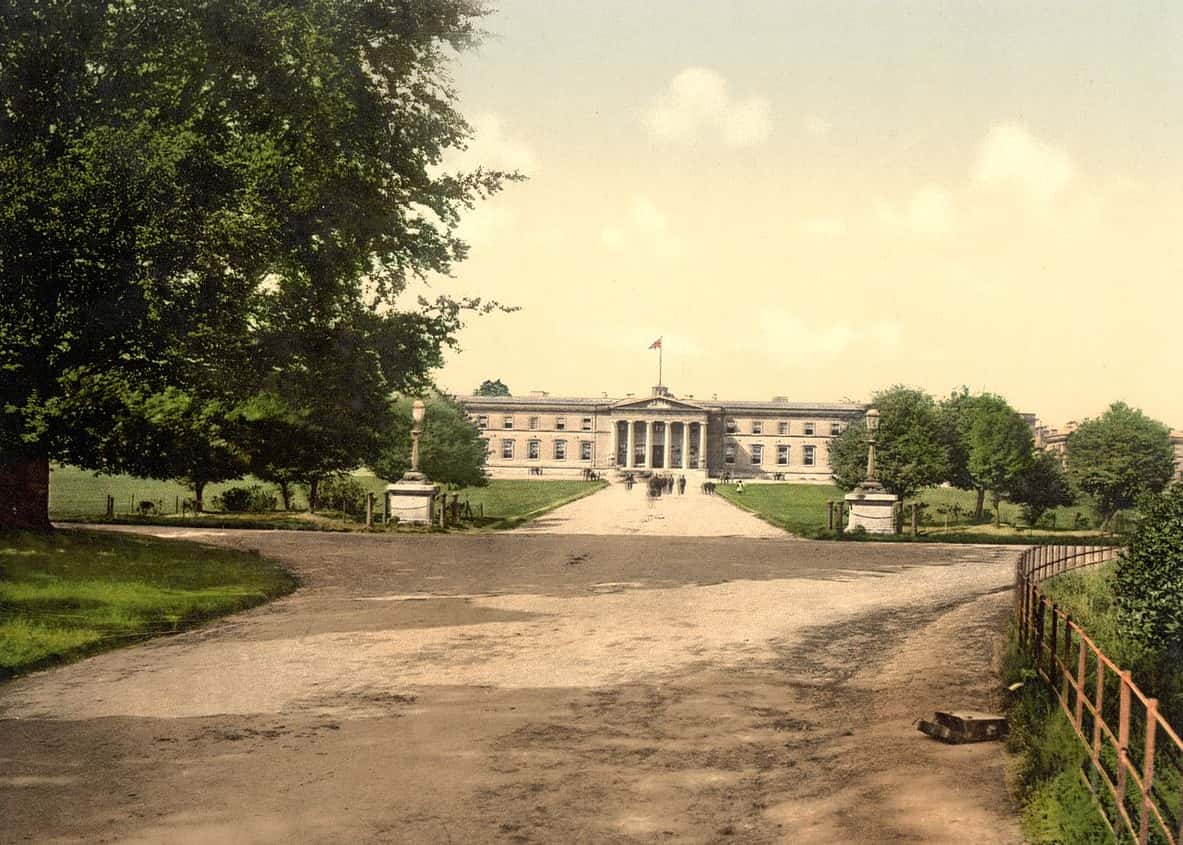
It might surprise you to know that Winston Churchill was a famously poor student. Sent to boarding school in Berkshire, Churchill was shoddy both academically and behaviorally, and though his father desperately wanted him to go to the illustrious Royal Military College, Sandhurst, it took him three tries to finally get in.
When Churchill emerged from Sandhurst, it was into a violent rite of adulthood.

History's most fascinating stories and darkest secrets, delivered to your inbox daily.
4. He Joined The Forces
In January 1895, Churchill’s father passed, and less than a month later the young, ambitious man went into the British Army as a second lieutenant, still following the path his late father wanted for him.
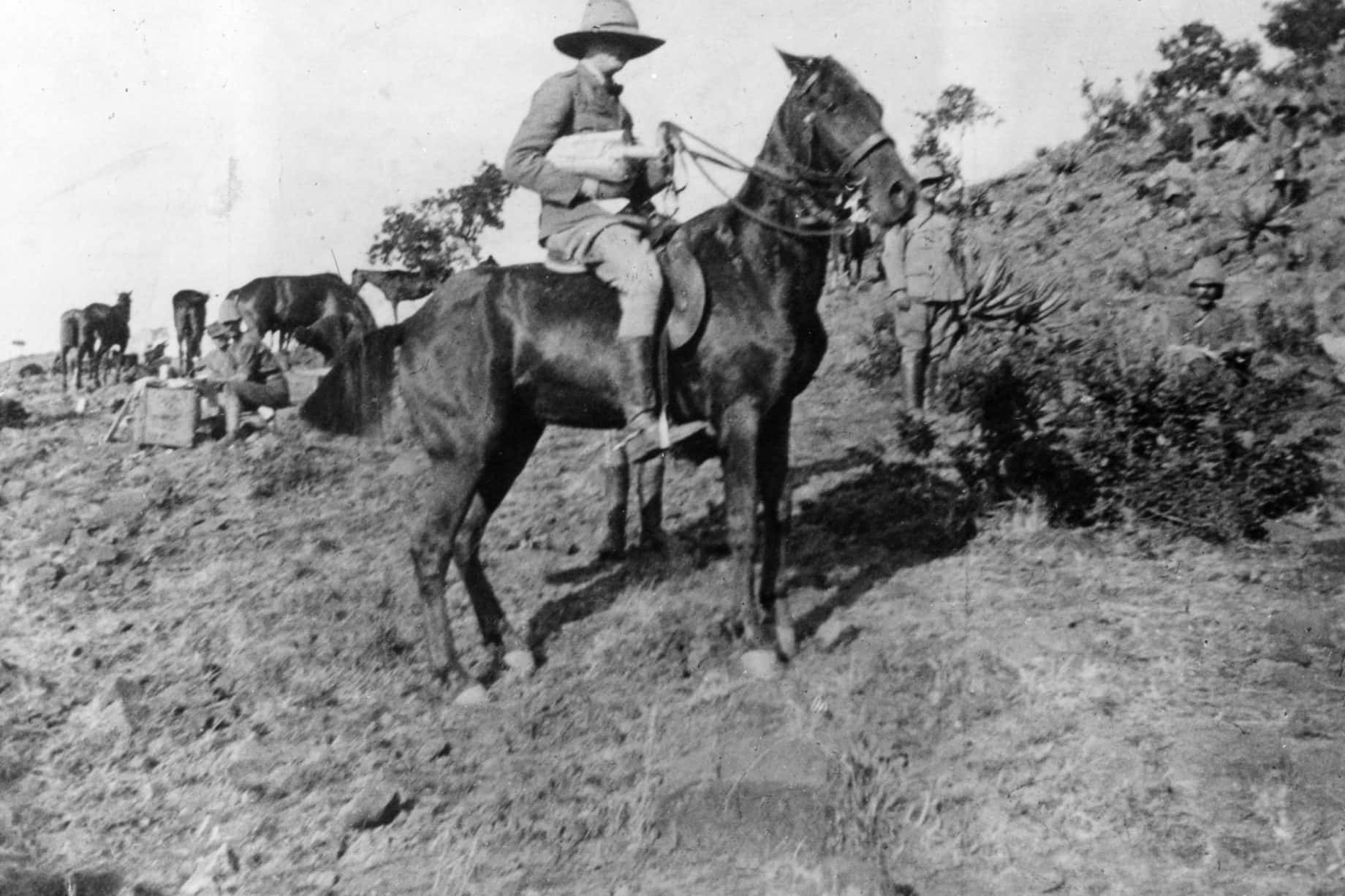
Hungry for combat, he used his mother’s connections to get posted to an active zone, and was soon sending reports to the Daily Graphic in London. It awoke something in him.
5. He Had A Hidden Talent
Winston Churchill spent the next years of his life traveling the world and serving on various frontiers—and the experiences transformed him. Churchill read widely and also began writing, publishing his first book, The Story of the Malakand Field Force, based on his time in the trenches, followed up by, of all things, the romance Savrola.
Yet Churchill’s writing was as much a cry for help as a vocation.
6. It Was A Defense Mechanism
Even at this young age, Churchill experienced periods of deep depression, what he called “the black dog,” and writing was one of the only activities that staved it off. His mood got so dark at times that he would avoid standing on the edge of platforms or ships, saying “A second’s action would end everything. A few drops of desperation”.
It wasn’t the only way depression affected him.
7. He Was Self-Destructive
In Churchill’s lowest moments, despair gripped him so tightly that he would spend most of his time in bed, fatigued and unmoving, not getting up even to eat. Most agonizingly, these spells would sometimes last months at a time before he could come out of it and see “all the colors come back into the picture”.
His family worried for him, and the next event didn’t allay their fears.
 Library and Archives Canada, Wikimedia Commons
8. He Was Captured
While working as a journalist for the Morning Post, Winston Churchill predicted the outbreak of the Second Boer conflict, and traveled to South Africa in 1899 to cover it. He ended up with much more than he bargained for: When the Battle of Chieveley occurred, his train got derailed by shelling, and the Boers captured him as a POW.
It was here, though, that Churchill showed the beginnings of the mettle that would guide Britain through WWII.
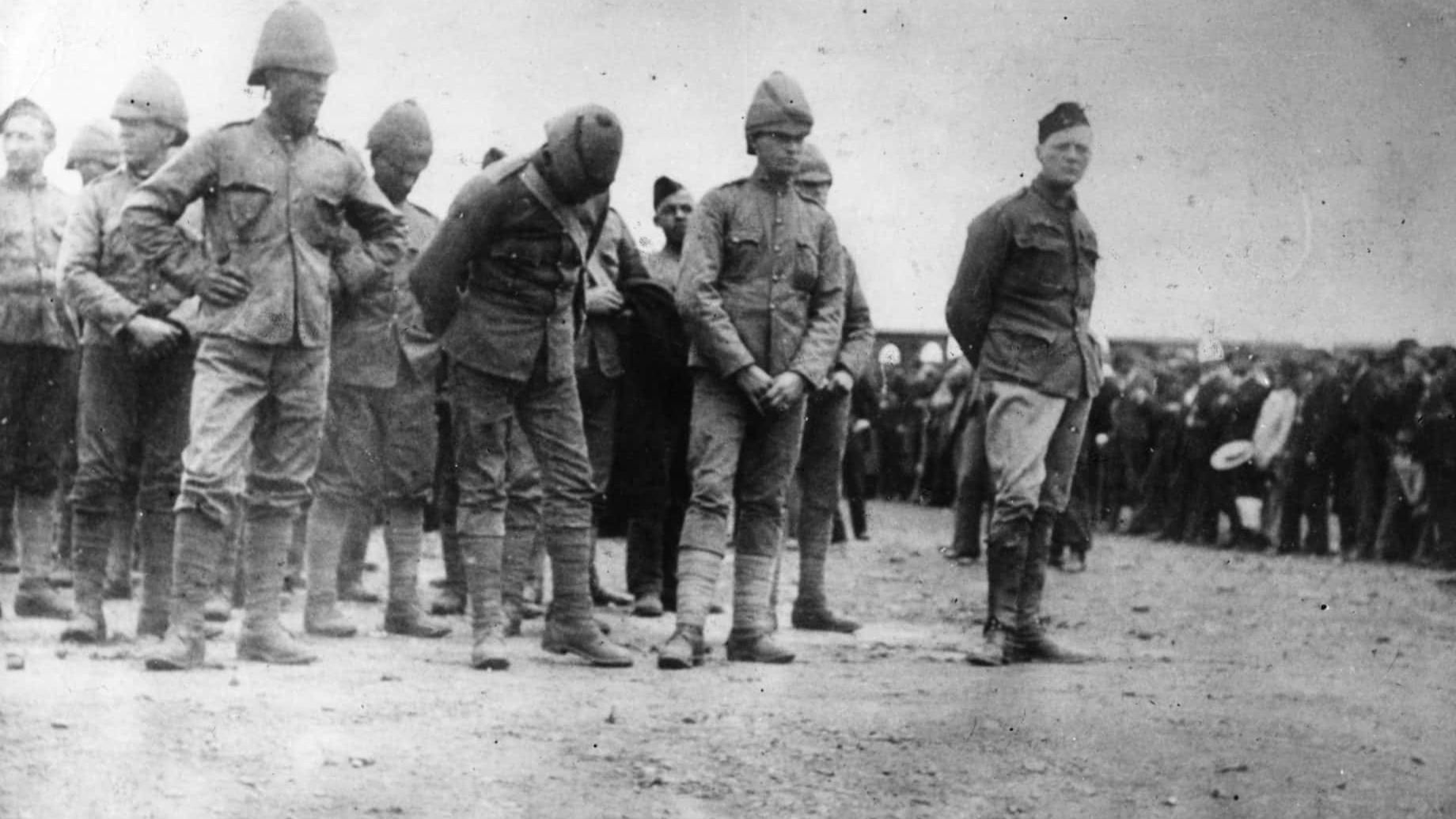
9. He Made A Great Escape
After spending months in the POW camp, Churchill ended up escaping in the middle of the night after climbing over a wall. But this was when the hard part began. Having no clear plan about where he wanted to go, Churchill spent his next days traveling around, stowing himself in freight trains and mines to hide from the Boers.
Eventually, and with much publicity, he made it to safety in the Portuguese-held East Africa. Before long, he tried to capitalize on this press.
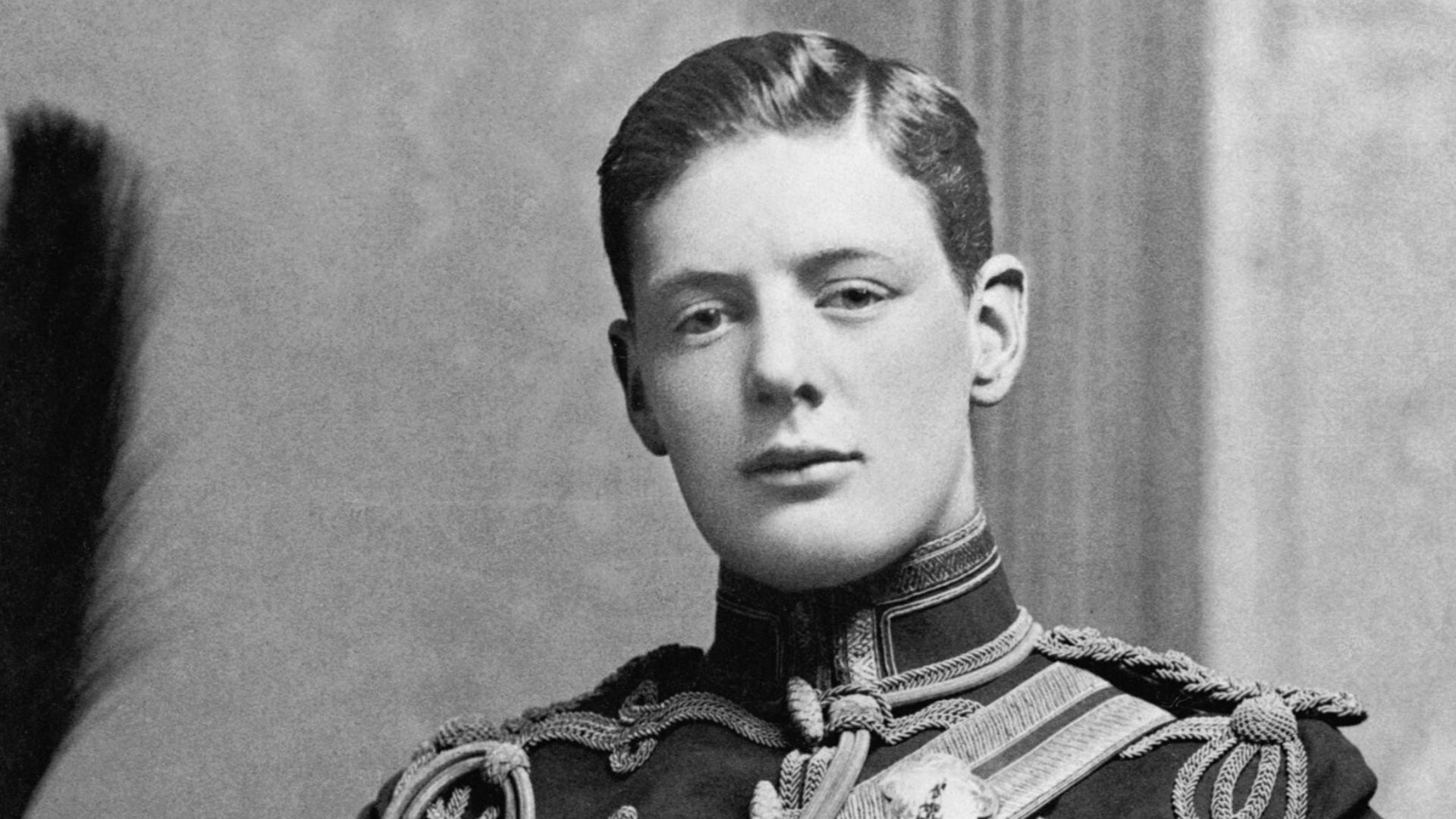 Unknown authorUnknown author, Wikimedia Commons
History's most fascinating stories and darkest secrets, delivered to your inbox daily.
10. He Was A Loser
For some time, Winston Churchill had been determined to be a Member of Parliament like his father. However, he only saw limited success at the beginning, possibly because he called himself “a Liberal in all but name” who nonetheless supported the Conservative Party. But, after escaping from the POW camp, Churchill tried again at the age of 25—and narrowly won Oldham’s 1900 election.
It was the beginning of his path, and the beginning of his infamy.
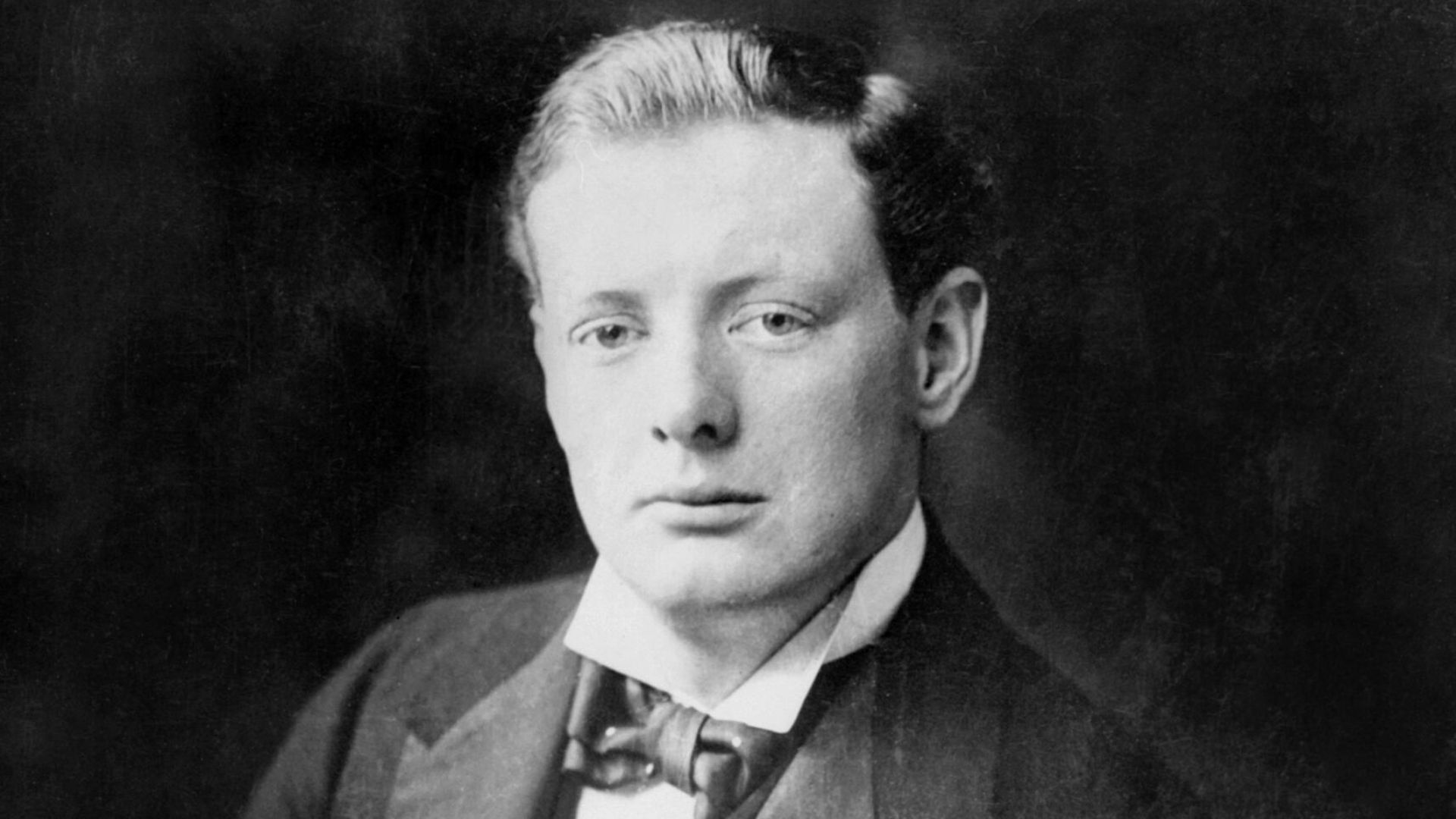 Unknown authorUnknown author, Wikimedia Commons
11. He Got Famous
During this time, Churchill traded on his writing as well as his stature as a POW escapee and MP, touring Britain, America, and Canada with his new book Ian Hamilton’s March, about his South African adventures. While in America, his burgeoning fame gave him access to luminaries like Mark Twain and Theodore Roosevelt, at the time the Vice President.
Unfortunately, this last meeting did not go well.
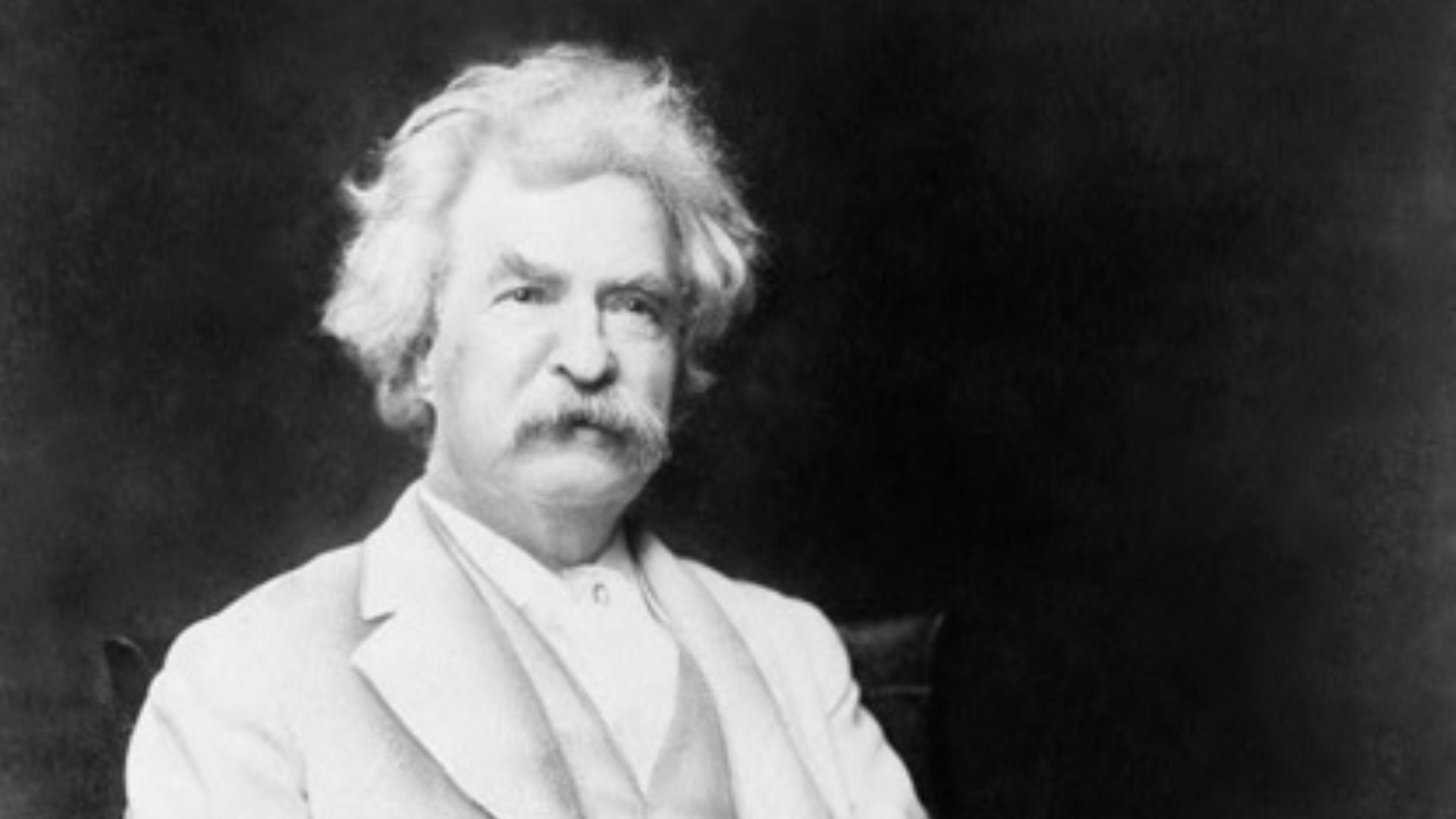 A.F. Bradley, New York, Wikimedia Commons
12. He Made A Frenemy
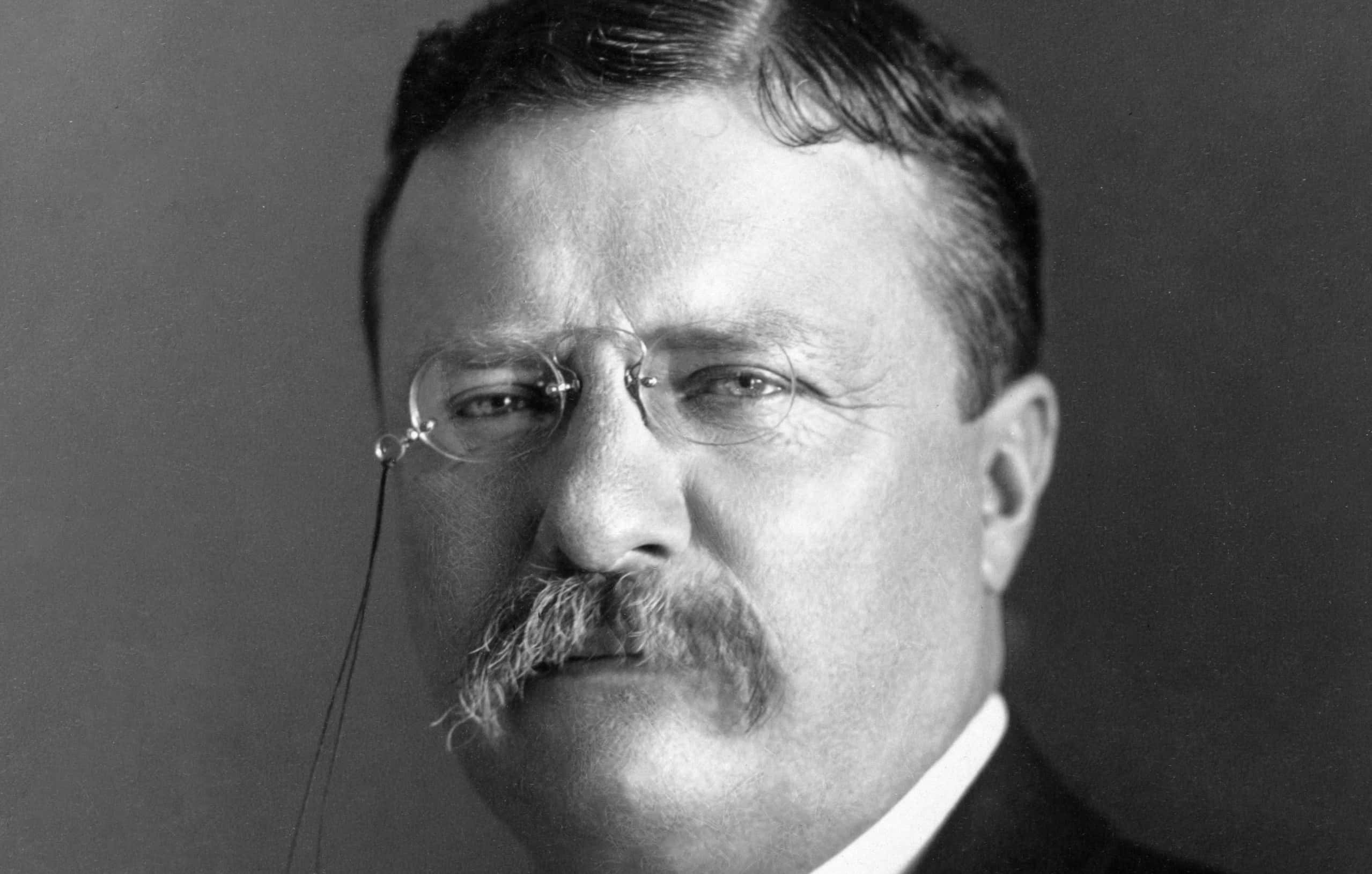
Churchill and Roosevelt would only meet once, at a governor’s dinner in New York…but once was enough for both men. Although Roosevelt had been a fan of Churchill’s writing, the pair took an instant dislike to one another, partly because—at least according to Roosevelt’s daughter Alice—they were too alike and, said Churchill biographer Robert Pilpel, “It was a case of likes repelling”. Roosevelt just couldn’t let it go.
13. A President Despised Him
Roosevelt’s personal animosity was so strong that he continually brought up Churchill in his letters, calling him “not an attractive fellow” and saying that he had a “lack of sobriety, lack of permanent principle, and inordinate thirst for that cheap form of admiration”.
Given the upcoming events, it didn’t look like Roosevelt was actually wrong.
14. His Own Allies Turned Against Him
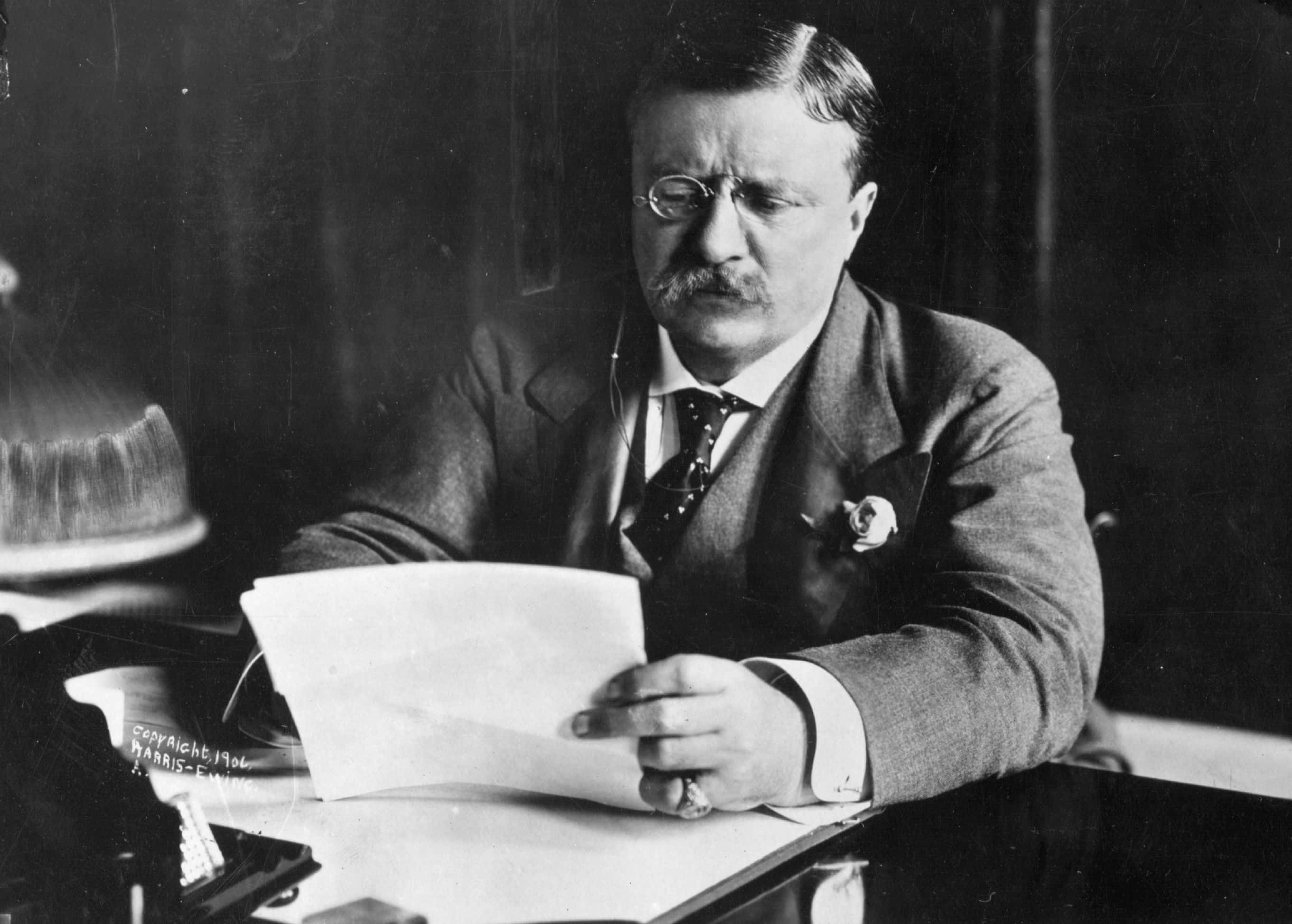
For the next years in Parliament, Winston Churchill nominally represented the Conservatives but increasingly clashed with their ideas and members as he drifted even closer to the Liberals. Eventually, the tension between Churchill and his party members was so pronounced, the ambitious Churchill doubted he’d ever get a Cabinet seat.
So he jumped ship in spectacular fashion.
15. He Betrayed His Party
In May 1904, Churchill infamously “crossed the floor” and officially went over to the Liberals, sending tongues wagging about his integrity. After all, the Liberals were doing better than the Conservatives in the polls, and when they won the 1906 election in a landslide Churchill was right on their coattails.
 Ernest Herbert Mills, Wikimedia Commons
History's most fascinating stories and darkest secrets, delivered to your inbox daily.
16. He Made The Right Choice
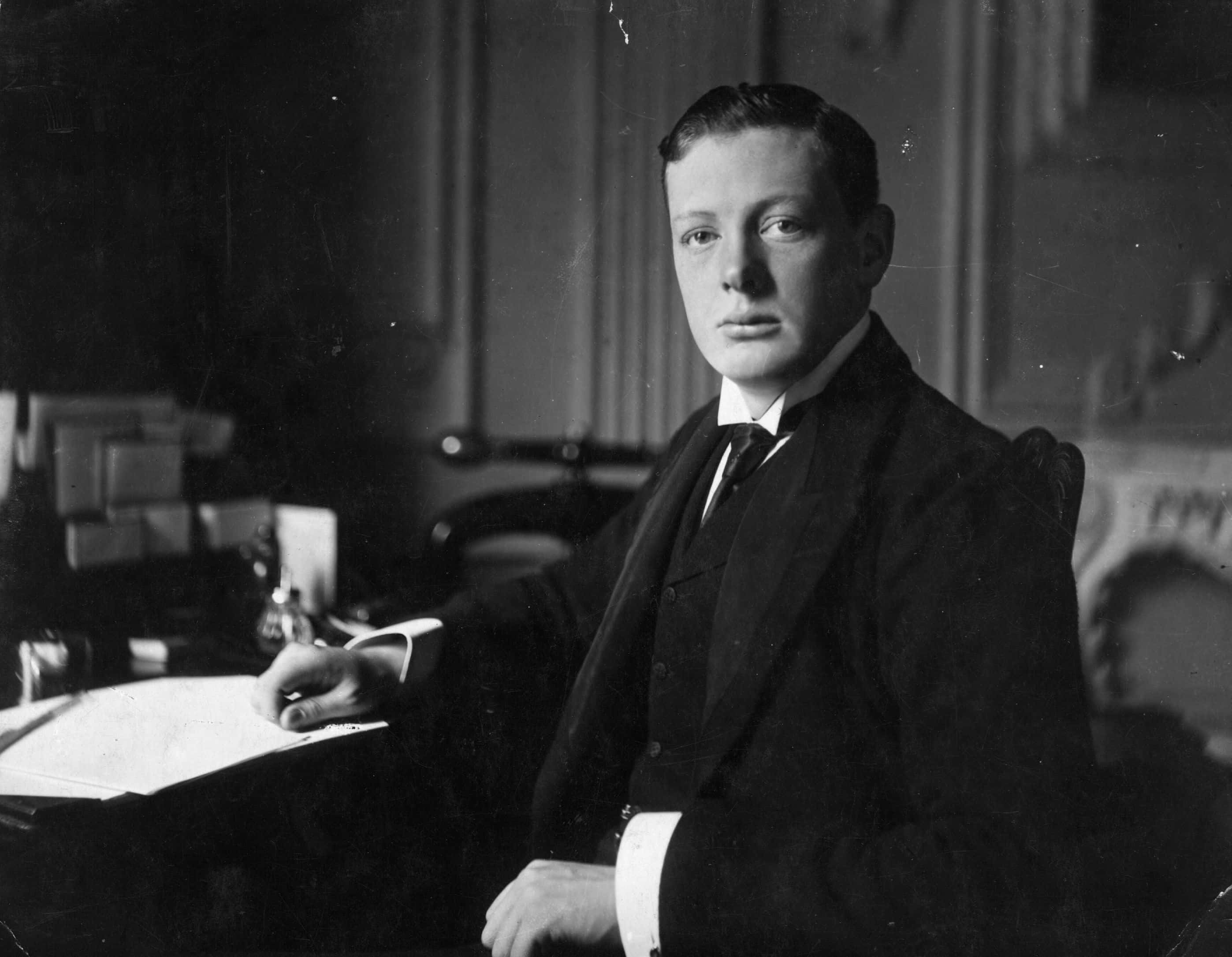
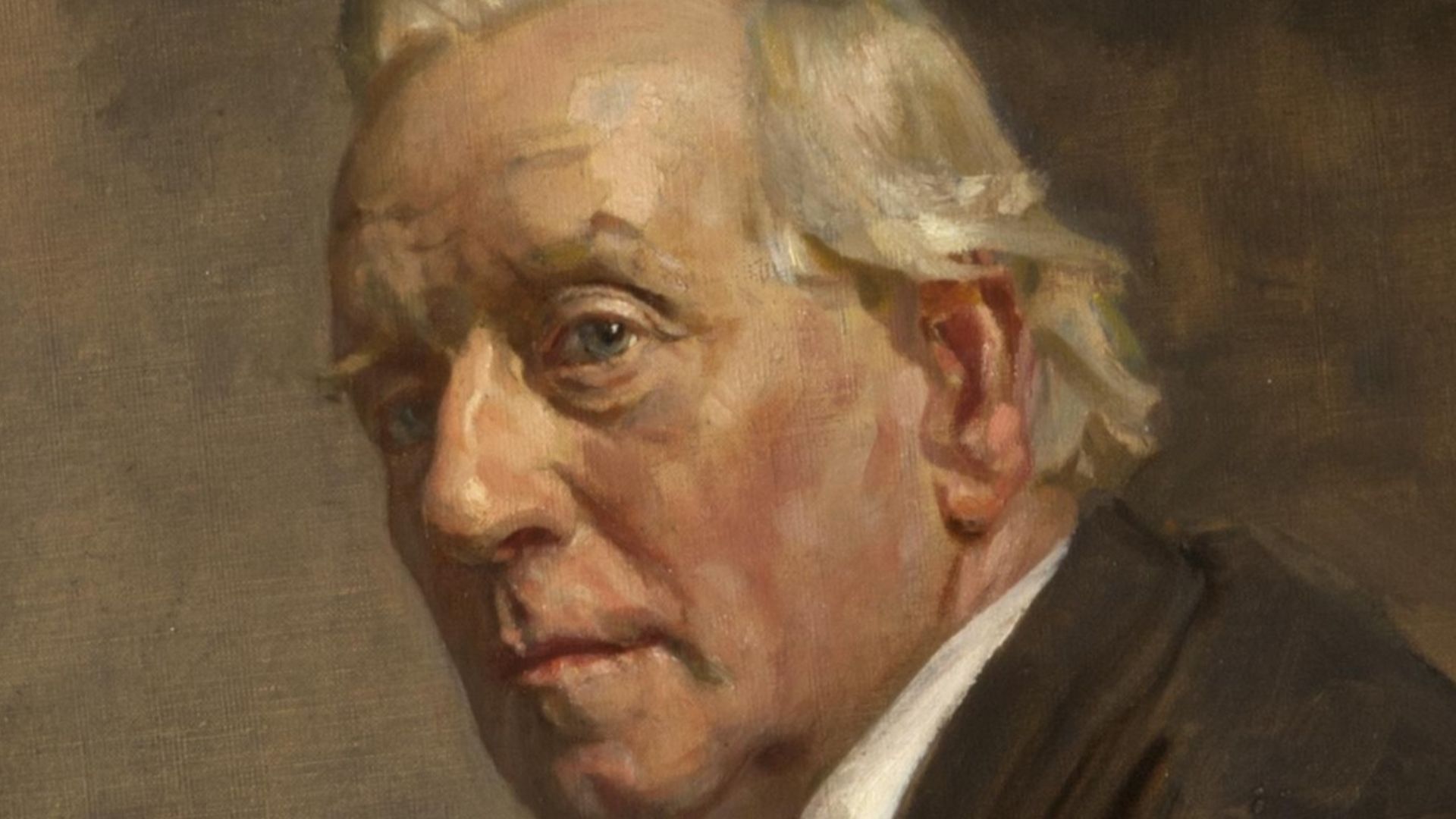
Churchill’s rise with the Liberals was meteoric. After the election, he became Under Secretary of State for the Colonial Office, and then in 1908 the new Prime Minister Herbert Asquith gave him the Cabinet appointment he had given up everything for, making him the youngest member—at the age of 33–in almost half a century.
But 1908 was a banner year for other reasons, too.
 James Guthrie, Wikimedia Commons
17. He Met His Great Love
Winston Churchill first met Clementine Hozier in 1904 at a ball hosted by the Earl and Countess of Crewe. Clementine, the daughter of Lady Blanche Ogilvy, was strikingly beautiful, a fact Churchill couldn’t help but notice even on this first meeting. However, she also had more in common with him than he knew.
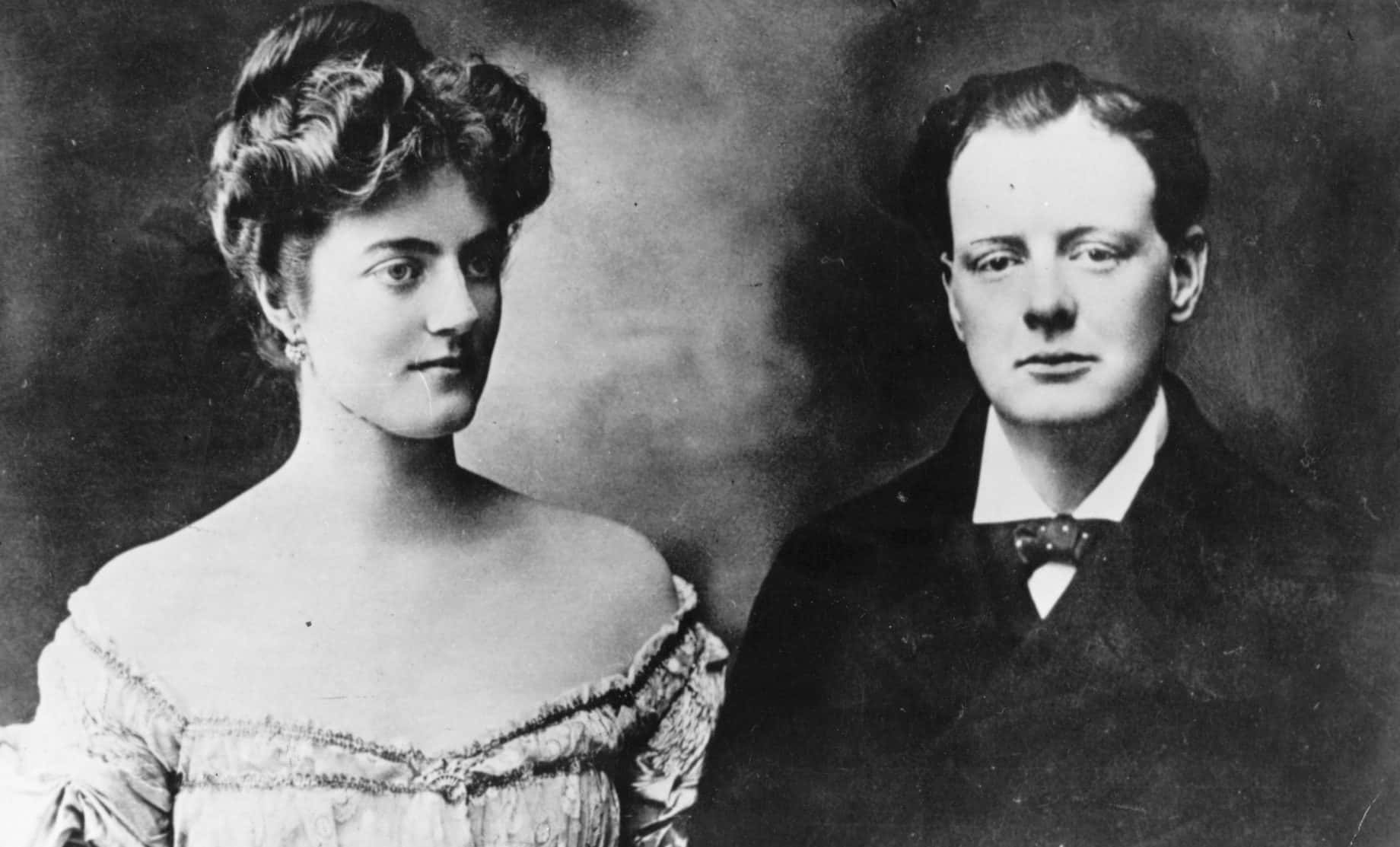
18. She Was Just As Tragic As Him
Where Churchill had grown up with estranged parents, Clementine’s parents were a whole new circle of agony. Although she was the legal daughter of Sir Henry Hozier, Henry and her mother Lady Blanche constantly had affairs, and most believed Clementine was really the daughter of Blanche’s own brother-in-law, Bertram Freeman-Mitford.
Maybe because of this upbringing, Clementine wasn’t your average socialite.
 Initial photograph : unattributed, AI image processing : Madelgarius, Wikimedia Commons
19. He Had A Society Wedding
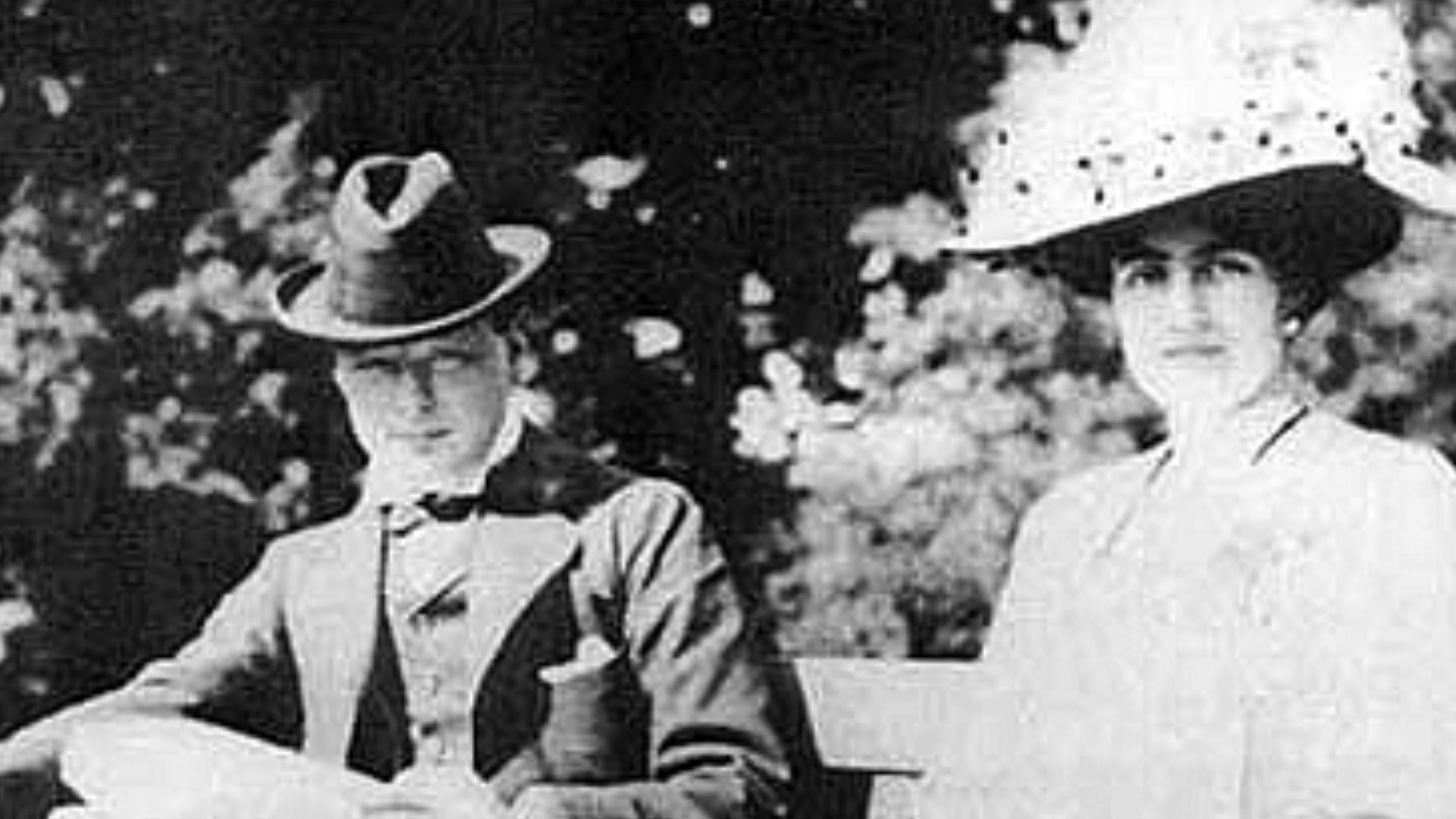
At first, nothing much happened between Winston and Clementine. But when they met again in March of 1908, after being seated together at a dinner party, Winston got the opportunity not just to witness Clementine’s beauty, but also her wit and character. Smitten, Churchill proposed after a courtship of five months, and they married later that year. But it was no fairy tale.
20. He Had An Infamous Failure
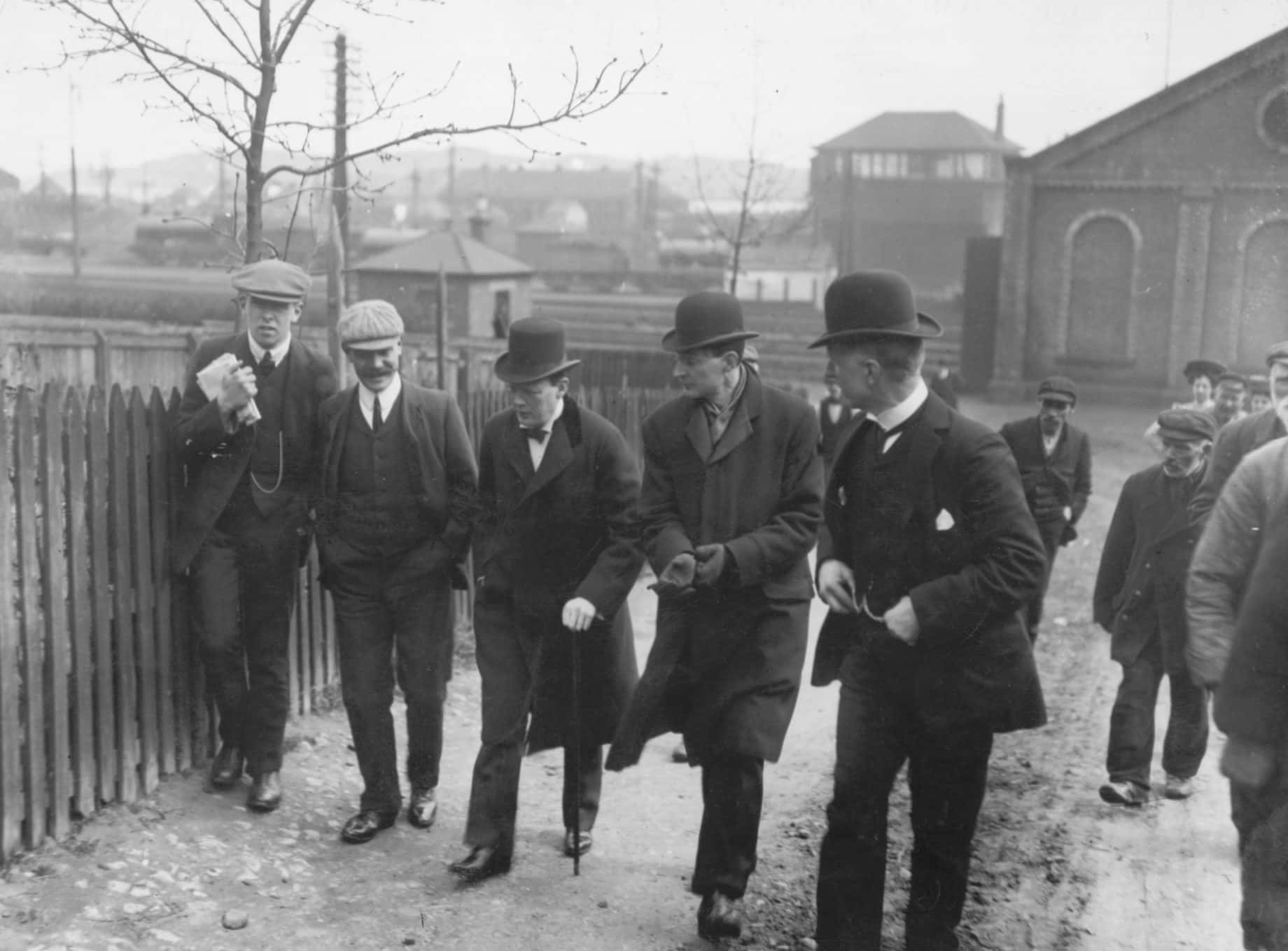
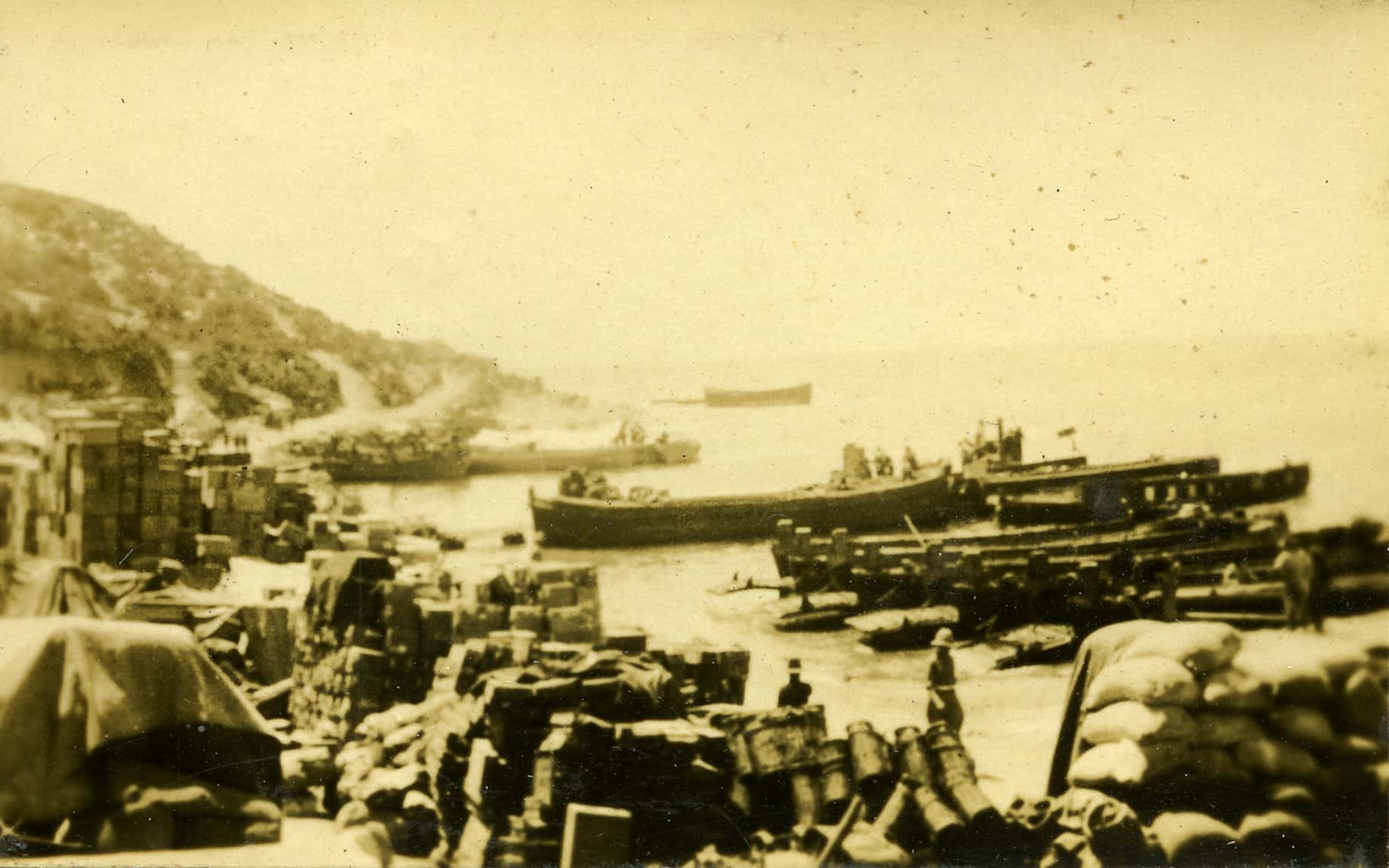
As WWI ramped up, Winston Churchill was drawn more and more into Britain’s politics, and not always with stellar results. In 1911, he became First Lord of the Admiralty—but the promotion was accompanied by utter embarrassment. When Churchill tried and disastrously failed to beat Turkey in the 1915 Gallipoli campaign, he took most of the blame from both sides of the aisle.
The consequences were his worst nightmare.
21. He Was Demoted
Under pressure from the rest of the government, Asquith removed Churchill from his post, and in November Churchill resigned from the government. For months, a frustrated Churchill tried desperately to get back into some kind of office and keep himself busy, even briefly returning to active service on the Western Front, where he faced down shelling and shrapnel nearly daily.
But Churchill wanted to direct the war, not carry it out—and once he got an idea in his head, the “British Bulldog” wouldn’t let it go.
History's most fascinating stories and darkest secrets, delivered to your inbox daily.
22. He Bounced Back
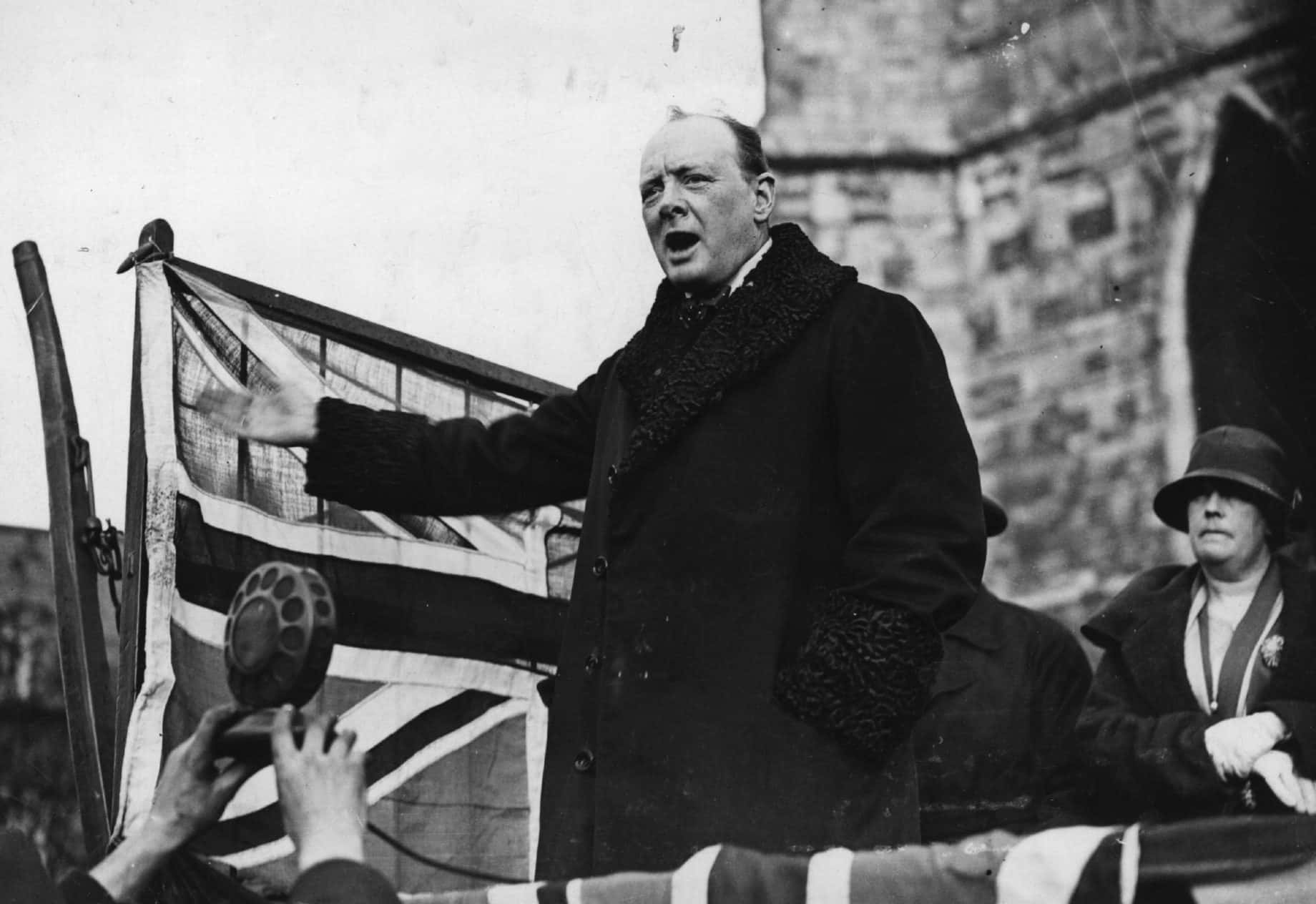
In 1916, Britain got a new Prime Minister in Lloyd George, and Winston Churchill immediately began convincing Asquith’s successor to take a chance on him. George complied, appointing him as Minister of Munitions in 1917, and then as Secretary of State for both War and Air in 1919 as the conflict wrapped up.
After stumbling at the start, Churchill emerged from WWI more powerful than ever. Except now he had everything to lose.
23. His Family Grew
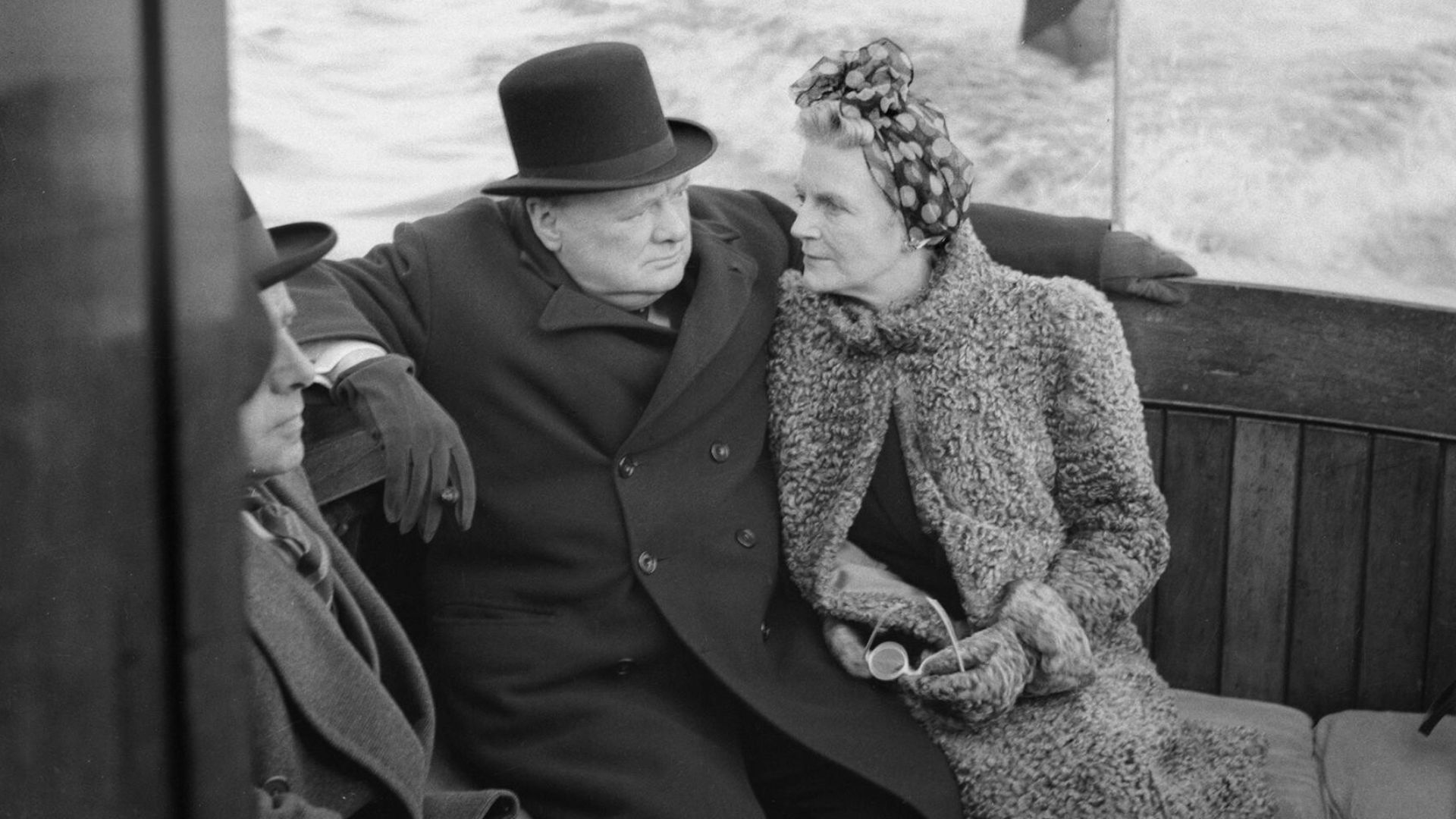
Churchill’s endless devotion to his country often put a strain on his marriage to Clementine, even as the pair remained devoted. Nonetheless, they went on to have five children—Diana, Randolph, Sarah, Marigold, and Mary—with most of them born just before, during, or just after WWI.
The children were beacons of hope in the ruined world, but they weren’t immune from tragedy themselves.
 William George Horton, Wikimedia Commons
24. He Lost His Little Girl
By 1921, Churchill was Secretary of State for the Colonies, and continued to draw power into his orbit. But that year, he had a brutal reckoning: That May, his mother passed, and then just months later his daughter Marigold suffered from sepsis and perished, leaving Churchill and his wife utterly bereft. Reportedly, Marigold’s end haunted him for the rest of his days.
But for Churchill, it was ever forward, no matter the cost.
25. He Was A Turncoat Again
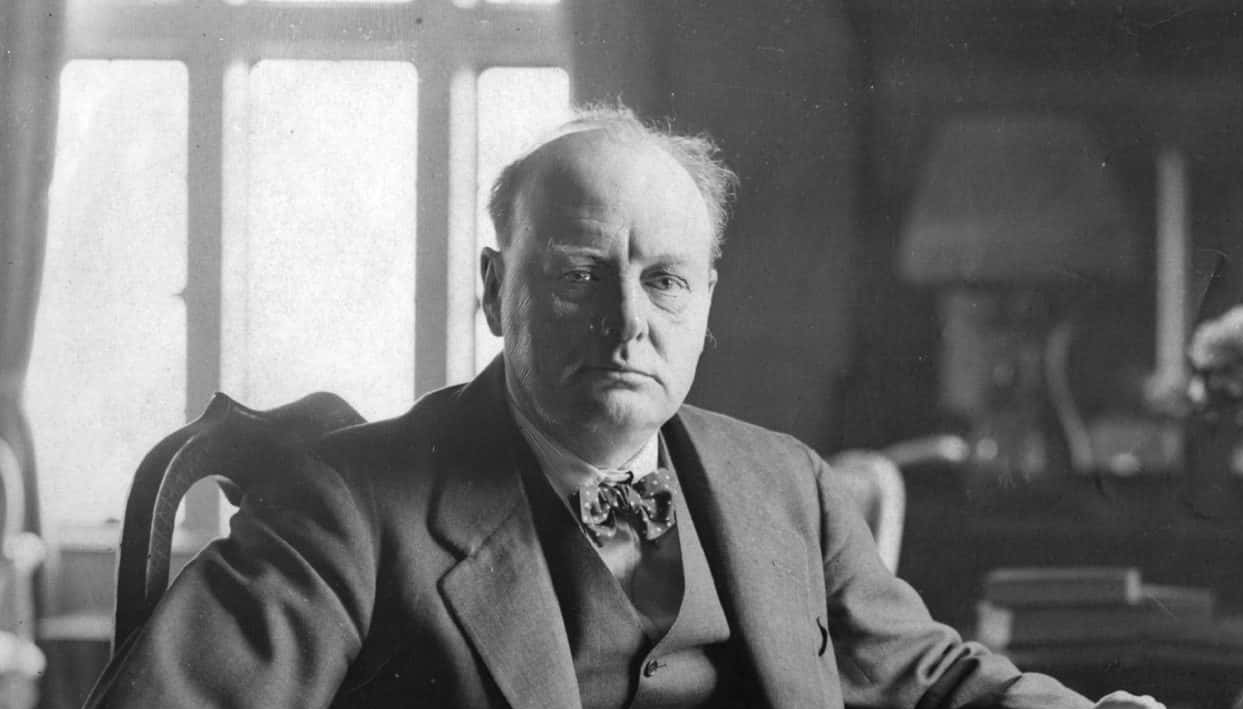
In the early 1920s, the Liberals and Churchill lost multiple elections as the political tide turned back against them. So Churchill did what he’d always done: In 1924, he switched back to a Conservative ticket under Stanley Baldwin. Once more, Churchill had backed the right horse, and when Baldwin became Prime Minister, Churchill became Chancellor, despite zero experience in economics.
Still, with Churchill’s way of living, there were as many downs as ups.
26. He Took A Hit
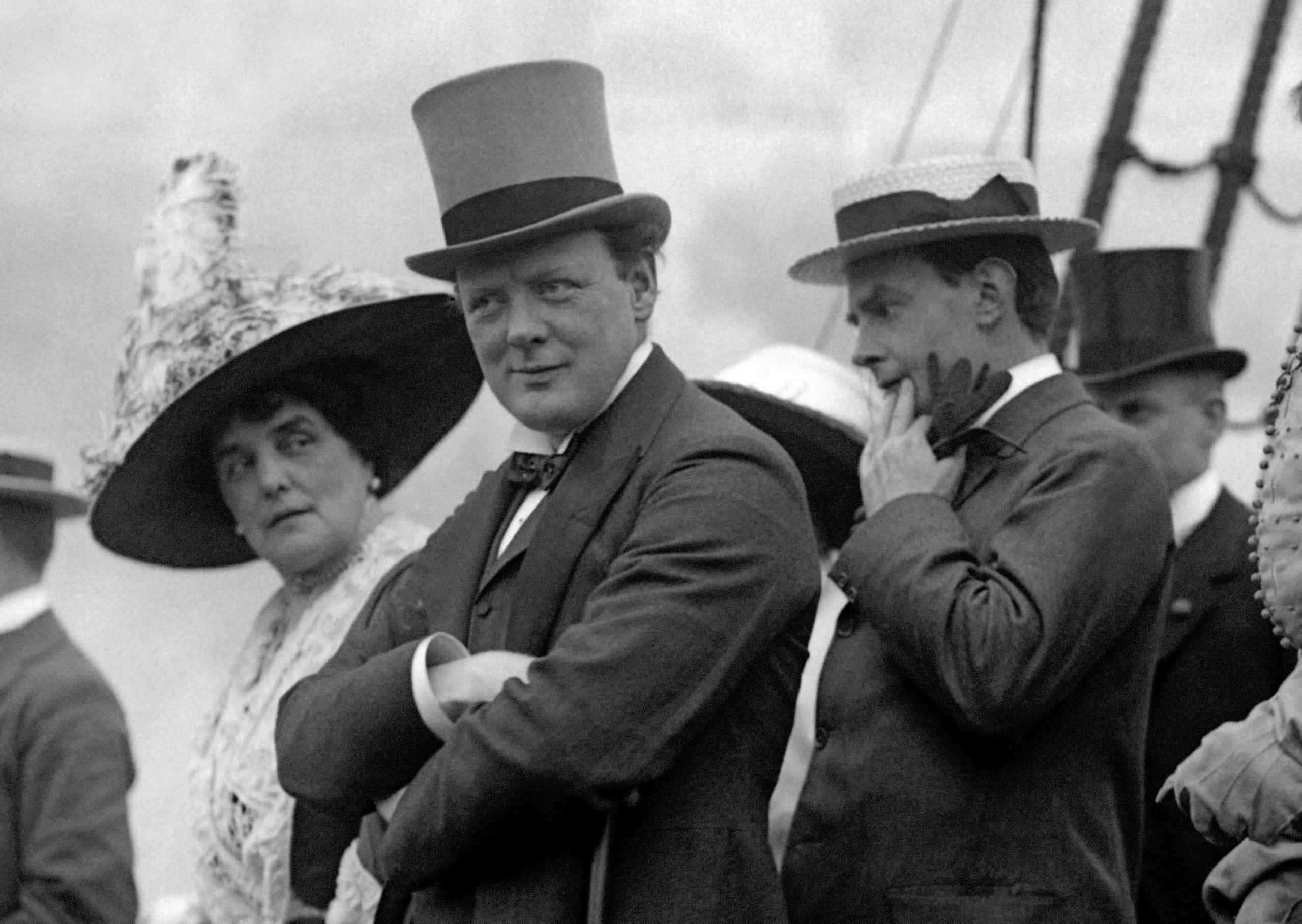
If Churchill thought his defection to the Conservatives would win him some stability, he was wrong. Not only were the Conservatives and Liberals damaged by burgeoning Labour support in these years, but Churchill also often argued with Baldwin over Indian Home Rule, and was eventually ousted from a ministerial position. To make matters worse, he had suffered big losses in the Wall Street Crash of 1929.
Once again desperate for both money and occupation, Churchill went on a lecture tour of North America. It only made matters that much worse.
27. He Got Into A Brutal Accident
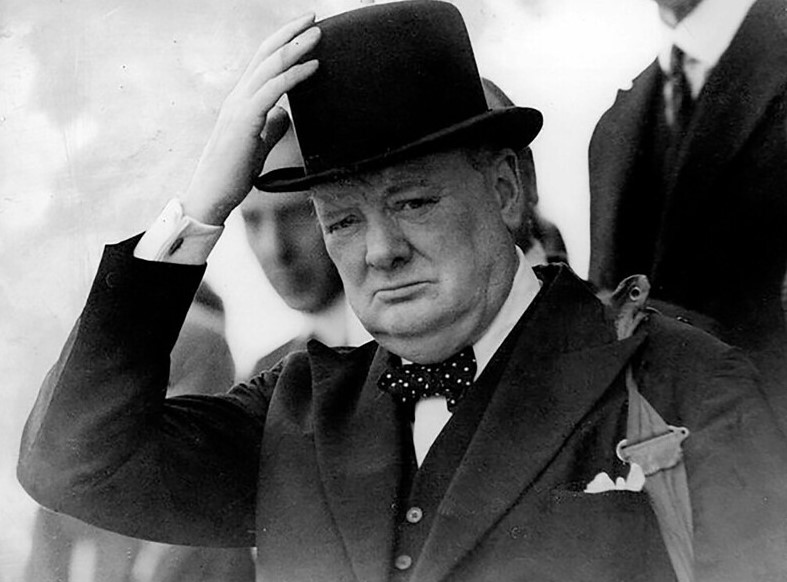
In December of 1931, a 57-year-old Churchill was crossing Fifth Avenue in New York City when a car ran into him, knocking him to the ground and giving him a head wound that would trouble him with vicious nerve pain.
He spent the next months, despite a trip to Nassau with his wife, despondent about his life and legacy. Depression, that “black dog,” seemed to have him in its claws again.
History's most fascinating stories and darkest secrets, delivered to your inbox daily.
28. He Had A Drinking Problem
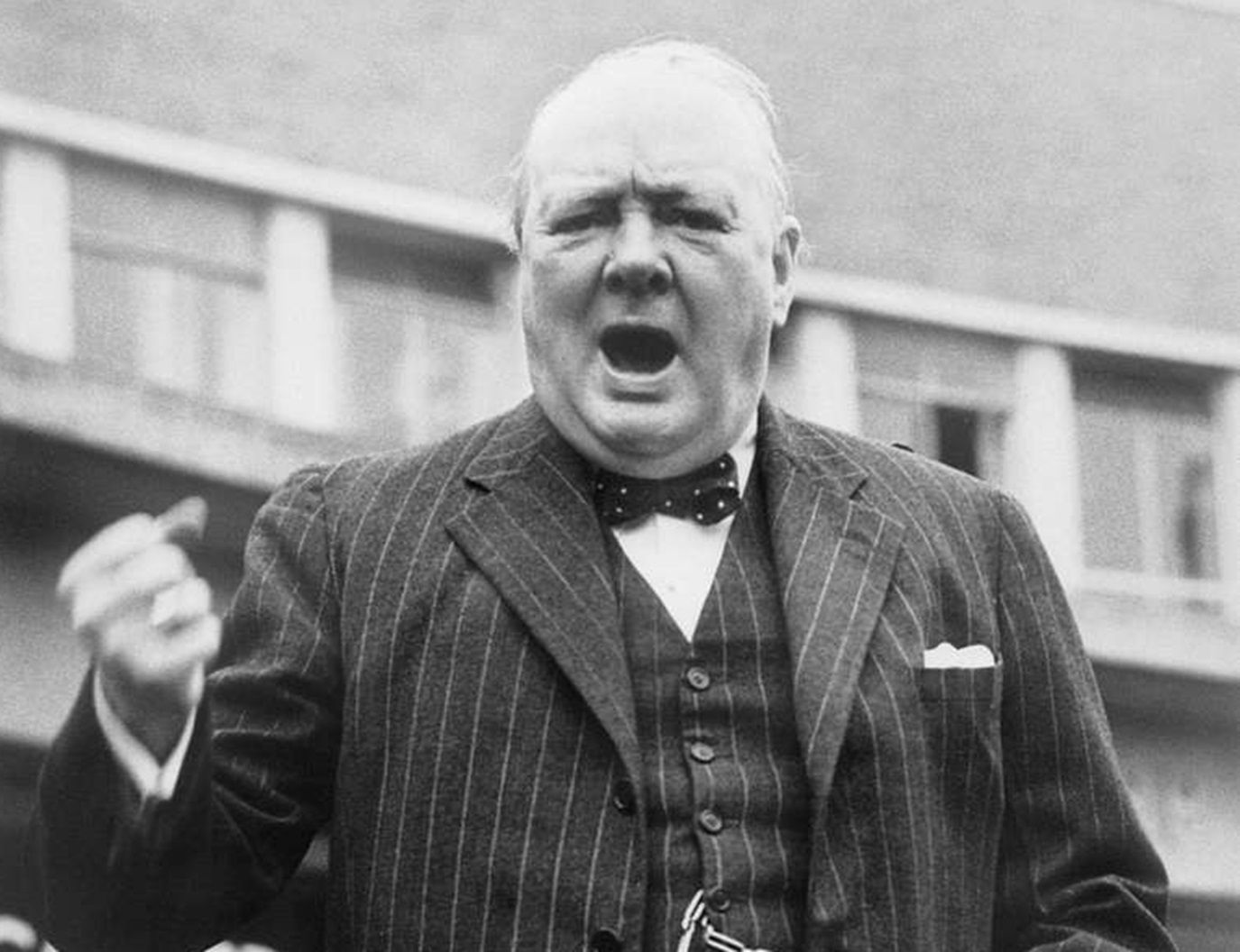
Although Churchill continued to write to bat away depression—publishing his autobiography, My Early Life, in 1930—he also coped with alcohol, and soon had a reputation, which Theodore Roosevelt had clocked early on, of being a lush. Churchill once admitted that, “I have taken more out of alcohol than it has taken out of me”. It began to wear on him.
29. His Health Plummeted
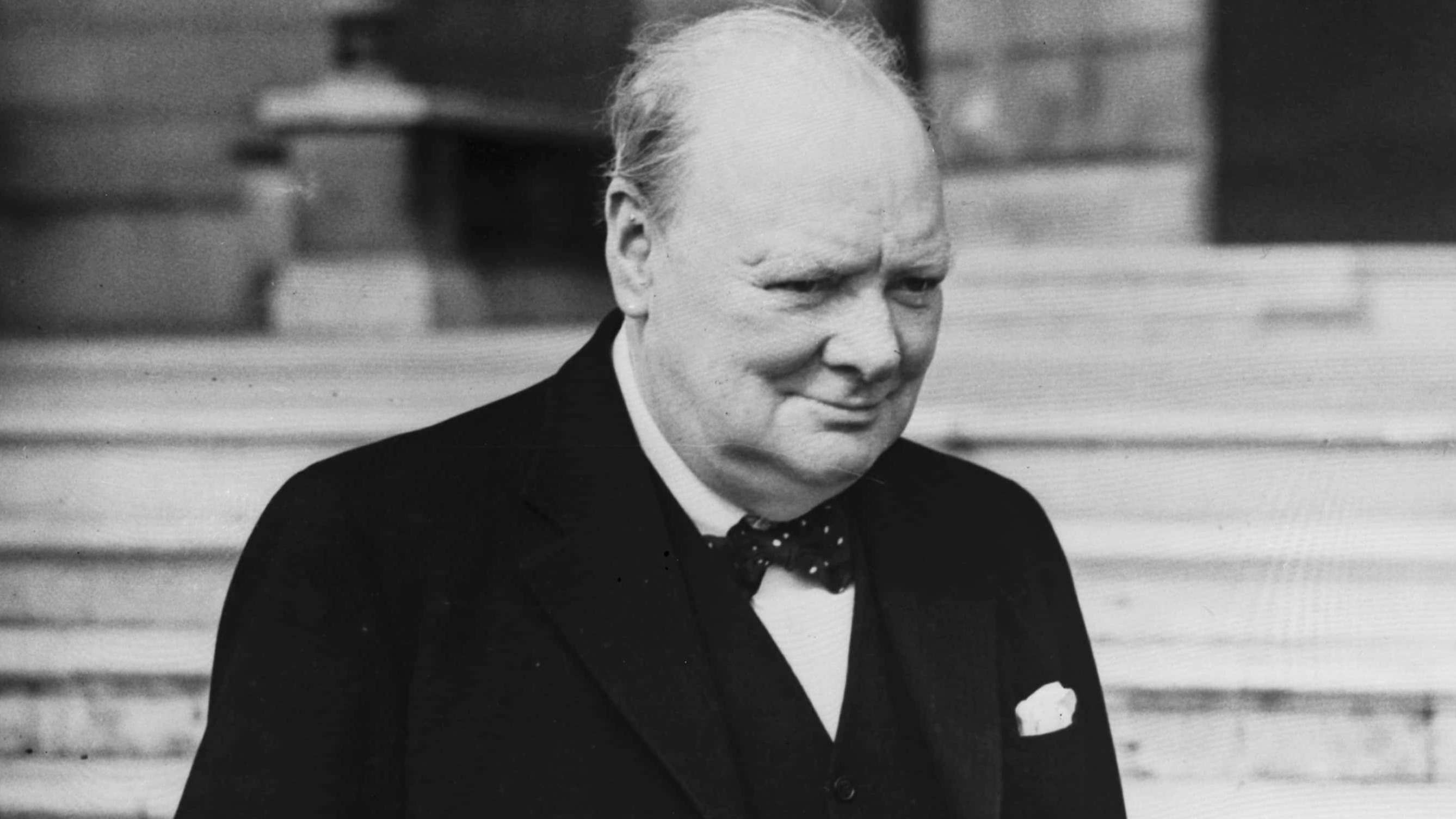
In the early 1930s, Winston Churchill went over to Germany to visit some of the battlefields of his ancestor the Duke of Marlborough. Unfortunately, his health couldn’t stand the journey: In Blenheim, he contracted paratyphoid fever and had to spend two weeks in a sanatorium, only to have the fever recur weeks later and cause a hemorrhaging ulcer.
But while his health was failing, Churchill was about to meet the greatest enemy of his life.
 Bettmann Archive, Wikimedia Commons
30. He Almost Had A Fateful Meeting
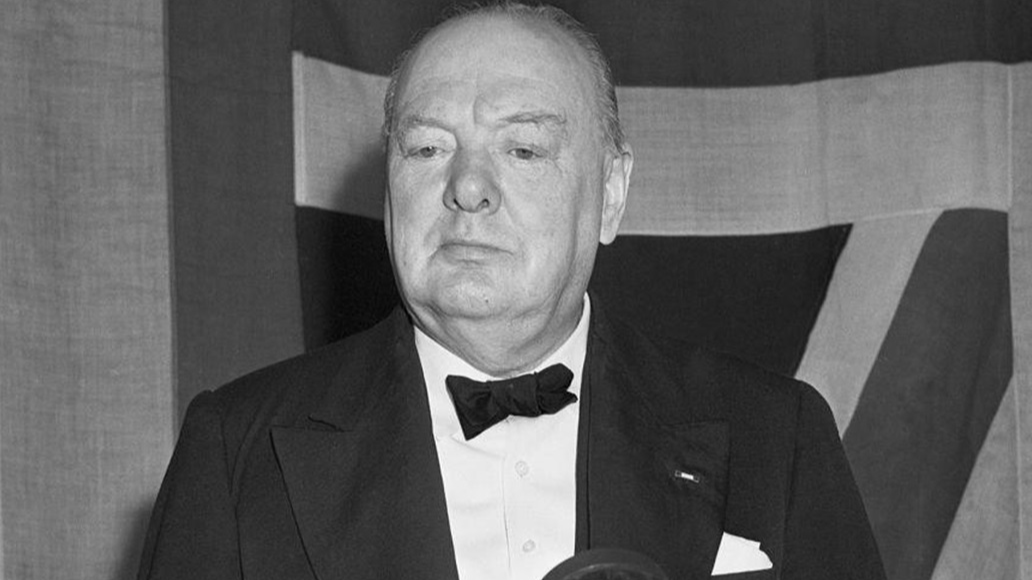
During his trip around Germany, Churchill went to Munich and met Ernst Hanfstaengl, who just so happened to be a friend of the rising political star Adolf Hitler. Indeed, knowing Churchill’s political prowess, Hanfstaengl tried to arrange a meeting with the two men, only for Adolf to dismiss the idea, saying, “What on earth would I talk to him about?”
Nonetheless, the two men would become very well acquainted.
 UnknownUnknown , Wikimedia Commons
31. He Came To Life
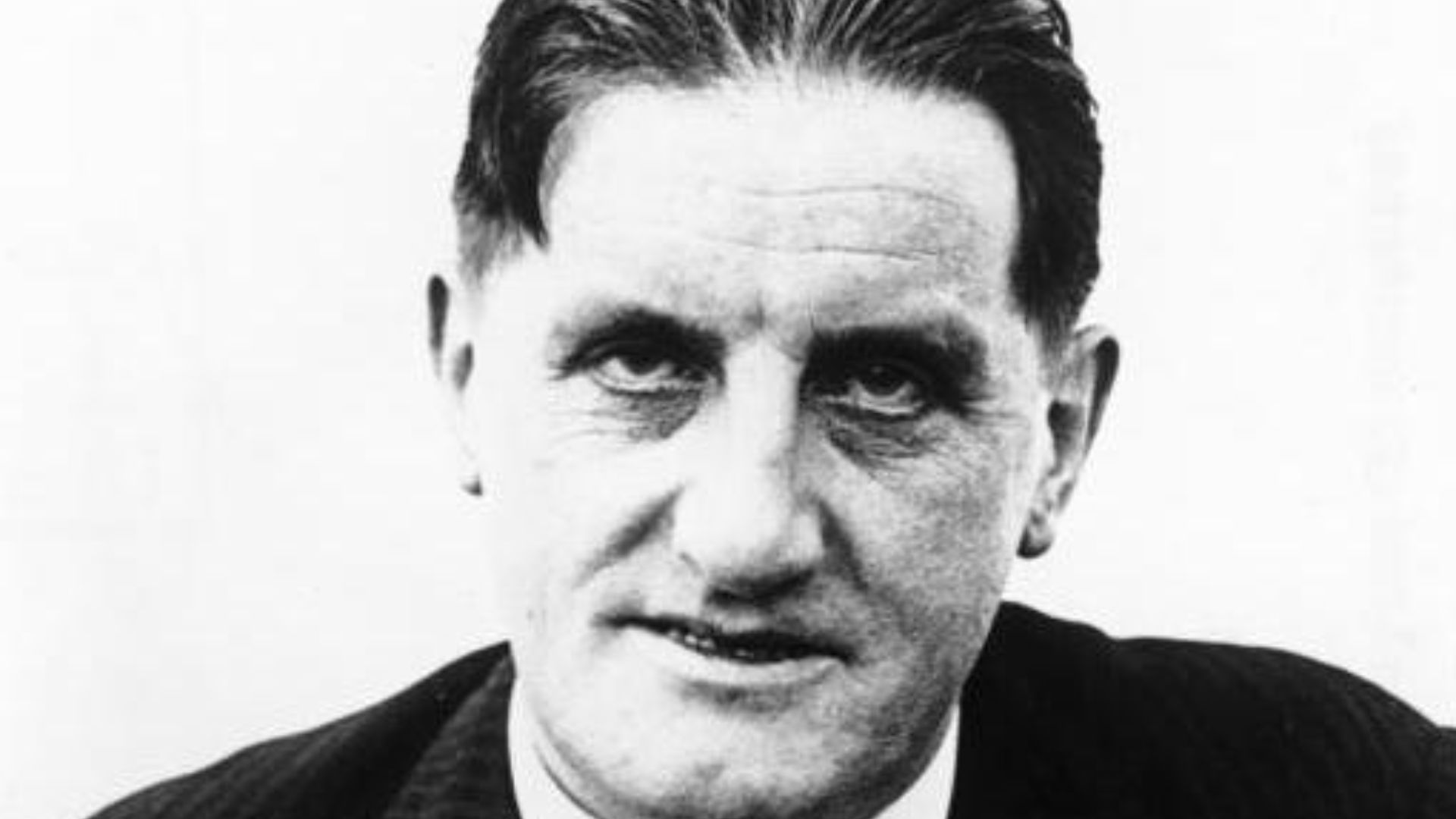
In January of 1933, Adolf officially came into power in Germany, and Churchill’s life went from circling the drain to taking on a new, powerful current. In particular, Churchill immediately recognized the danger Germany posed, soon urging the government to ramp up air force spending and other military budgets to keep pace with them.
Churchill would have to get a whole lot louder before anyone listened.
 Unknown author, Wikimedia Commons
32. He Got Booed Off The Floor
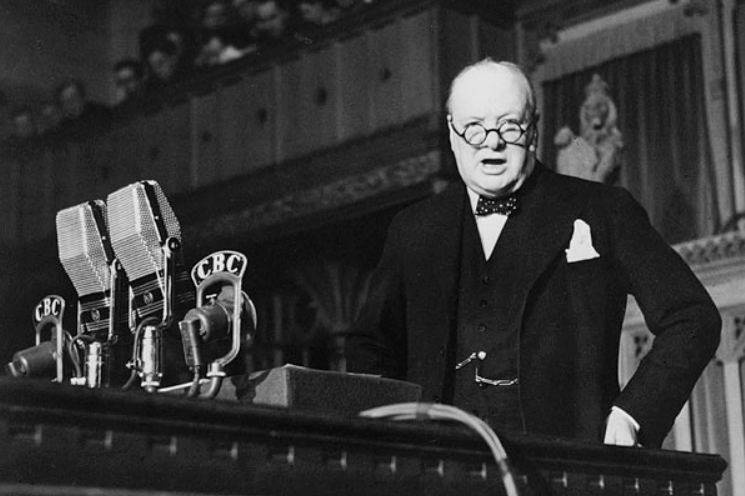
Although Winston Churchill could read the writing on the wall, almost no one else in power was willing to even try. In 1938, Churchill was appalled when Prime Minister Neville Chamberlain earned popularity for drawing up the Munich Pact with Germany, appeasing the Reich’s constant expansion. As Churchill said—to boos—in the House of Commons, the pact was “a total and unmitigated defeat” and “You were given the choice between war and dishonour; you chose dishonour and will have war”.
They would all find out how right he was.
 Unknown (Bain News Service, publisher), Wikimedia Commons
33. He Made Them Eat Their Words
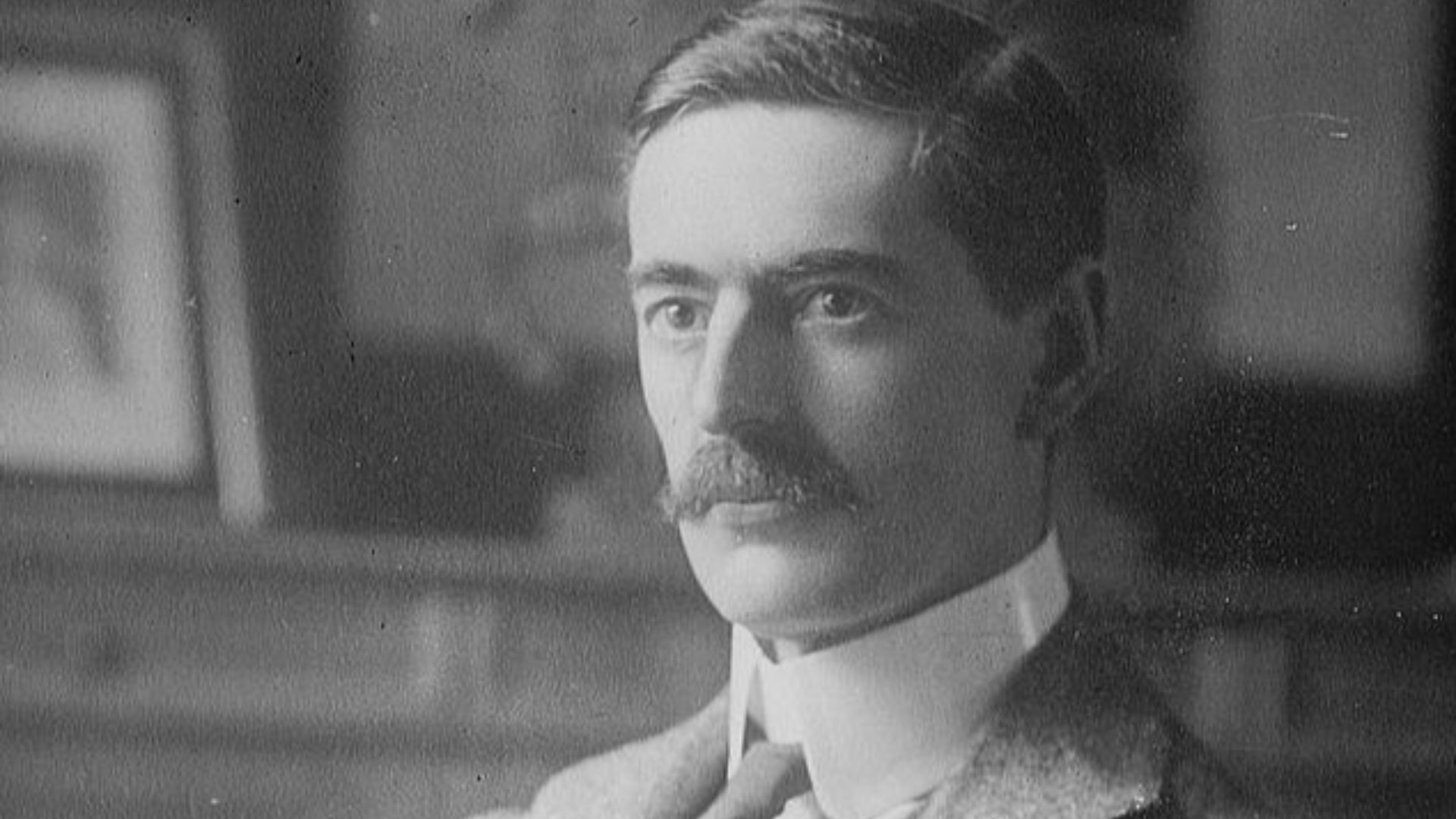
With Germany’s subsequent invasion of Poland, Britain realized its massive error and finally declared war on the aggressor country in September, 1939. Accordingly, Churchill took back up the position of First Lord of the Admiralty and joined Neville Chamberlain’s war cabinet, since he was clearly one of the few who had a handle on the situation.
But it wouldn’t be enough. Not yet.
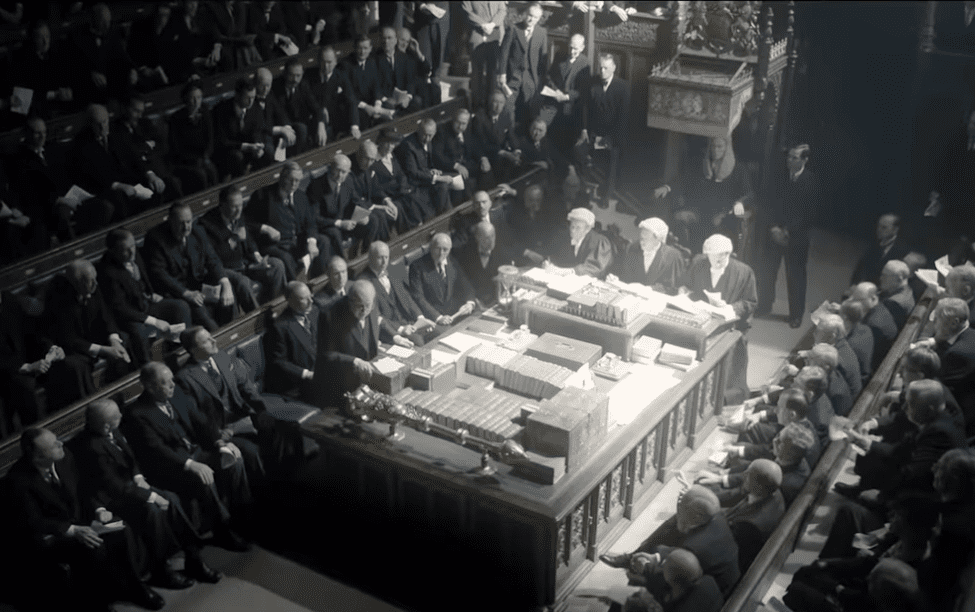 Screenshot from Darkest Hour, Perfect World Pictures (2017)
History's most fascinating stories and darkest secrets, delivered to your inbox daily.
34. He Suddenly Became Prime Minister
Britain’s delayed reaction to Germany was costly, and when the Germans took Norway and then invaded Belgium, Luxembourg, and the Netherlands soon after Poland, the House of Commons tore itself apart. The opposition refused to work with Chamberlain anymore and, in a panic, the Conservatives and King George VI put forward Winston Churchill as the new Prime Minister.
Churchill’s reaction was exactly what it needed to be.
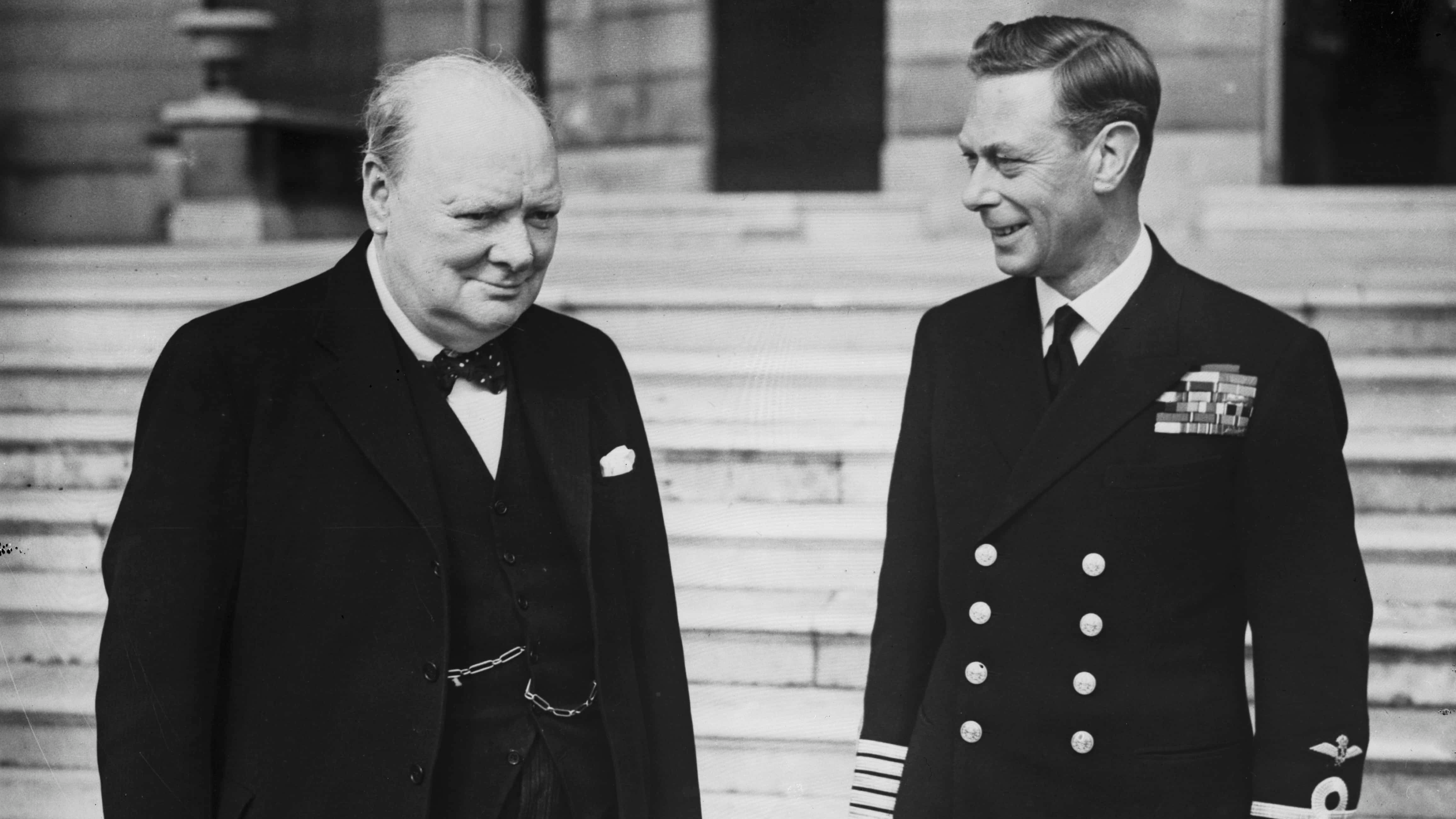
35. He Was Ready For Anything
Where other people might shy away from this enormous responsibility, even in peace, Winston Churchill was only relieved. He had been predicting the conflict for nearly a decade, and believed his entire life, all its experiences, had been “a preparation for this hour and this trial”.
The issue was, despite this self-belief, Churchill still needed to convince some people in the government. He won them over in a surprising way.
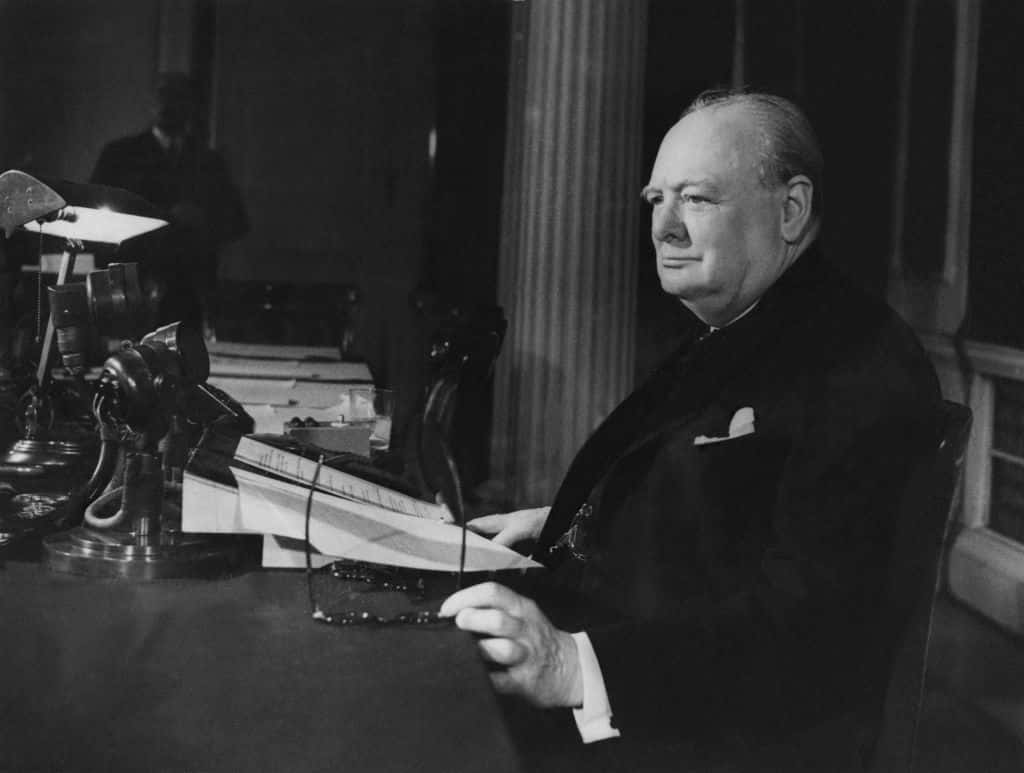
36. He Was Quotable
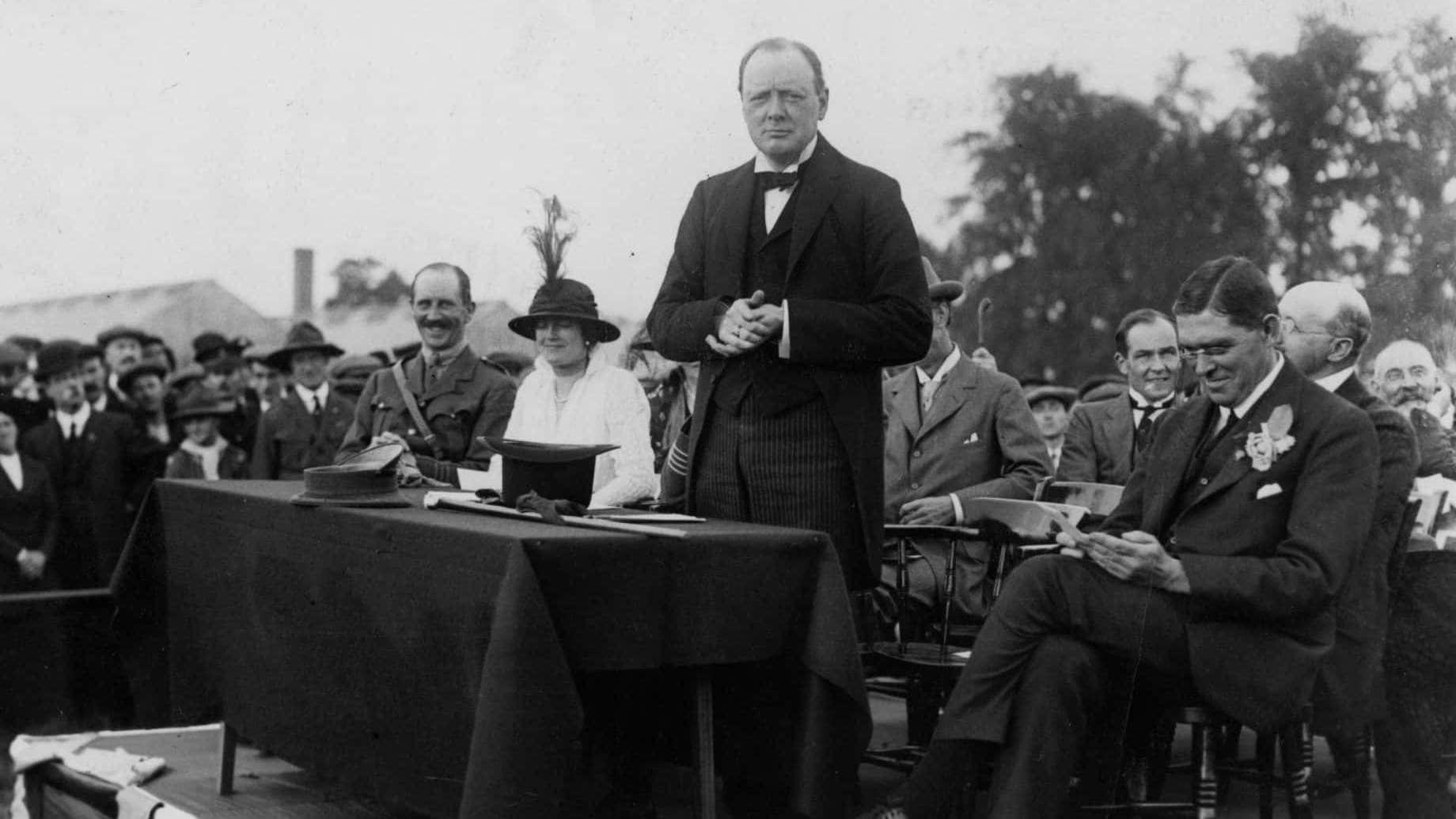
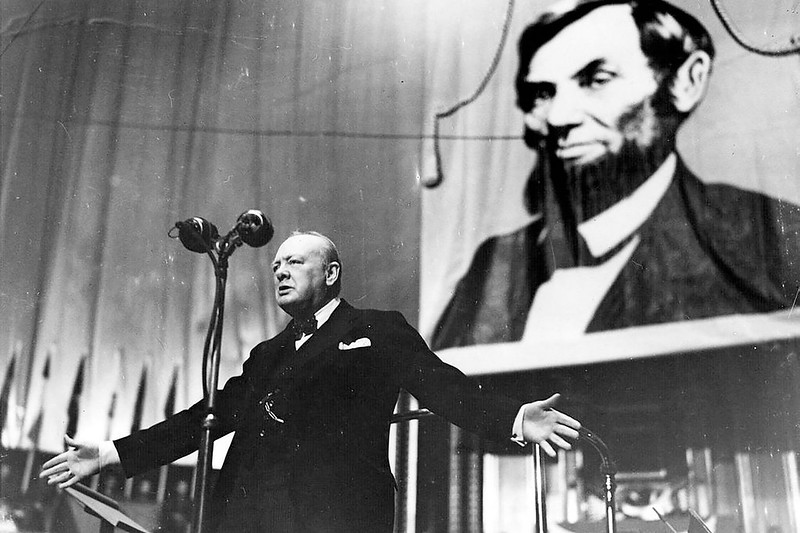
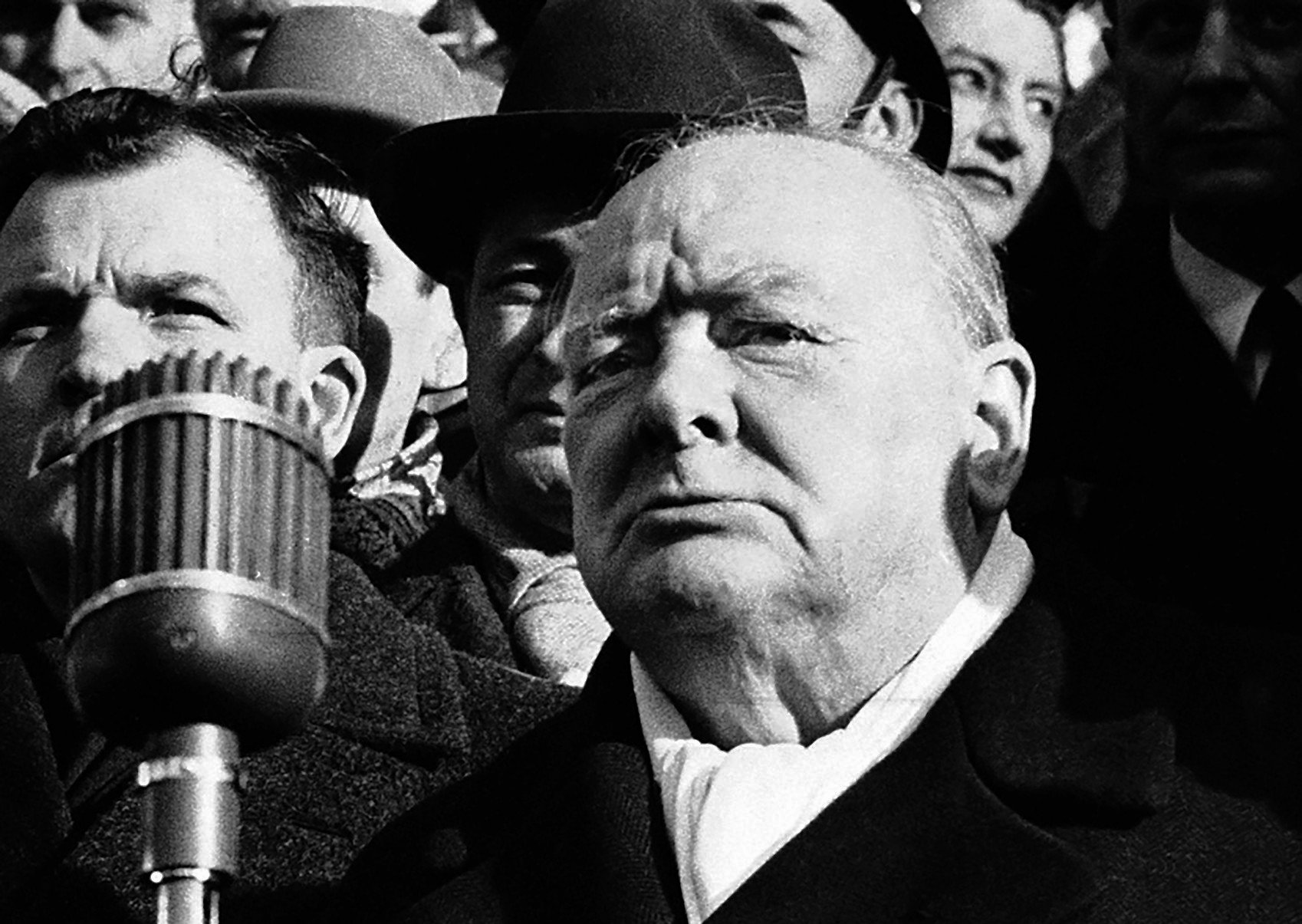
Churchill is now famous as one of the greatest orators in history, and his speeches from this time onward ignited the government and the nation, drawing them to his side. This included the first speech he ever delivered as Prime Minister, where he boomed, “l would say to the House...that I have nothing to offer but blood, toil, tears and sweat”.
But as always, Churchill was an unlikely candidate for the fame he earned.
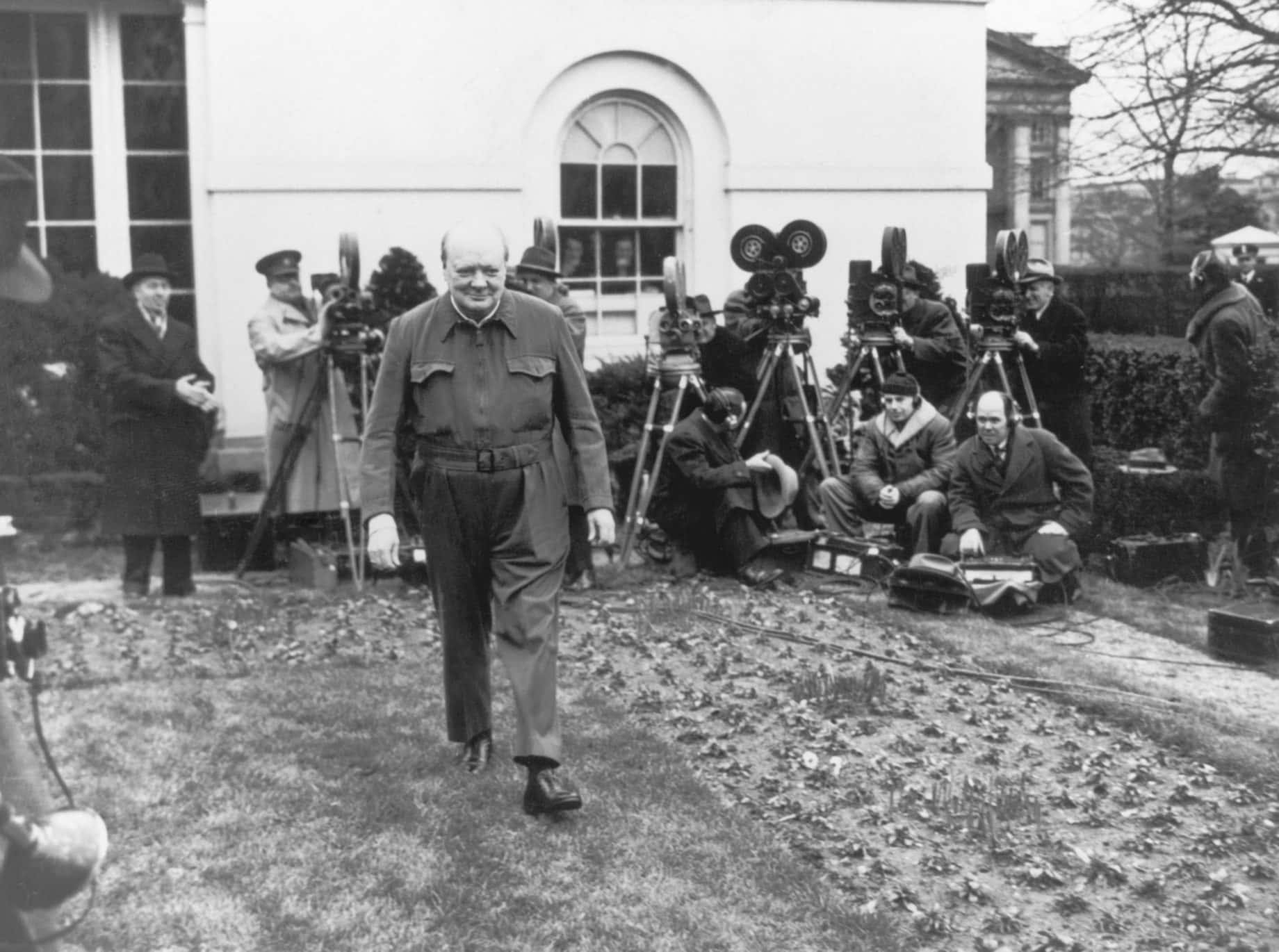
37. He Had A Speech Impediment
As it happened, Churchill had suffered from a speech impediment since childhood, speaking with a lateral lisp that made him elide the letter “s”. Yet he used this impediment to his advantage, pronouncing “Na-tsi” and “Nar-zee” in a dismissive way that drove the people around him wild.
Through his fiery words, Churchill would go on to introduce phrases like “we shall fight on the beaches,” “the Battle of Britain,” and “never in the field of human conflict was so much owed by so many to so few”. But his commitment would take a harrowing toll.

38. He Made Friends With The American President
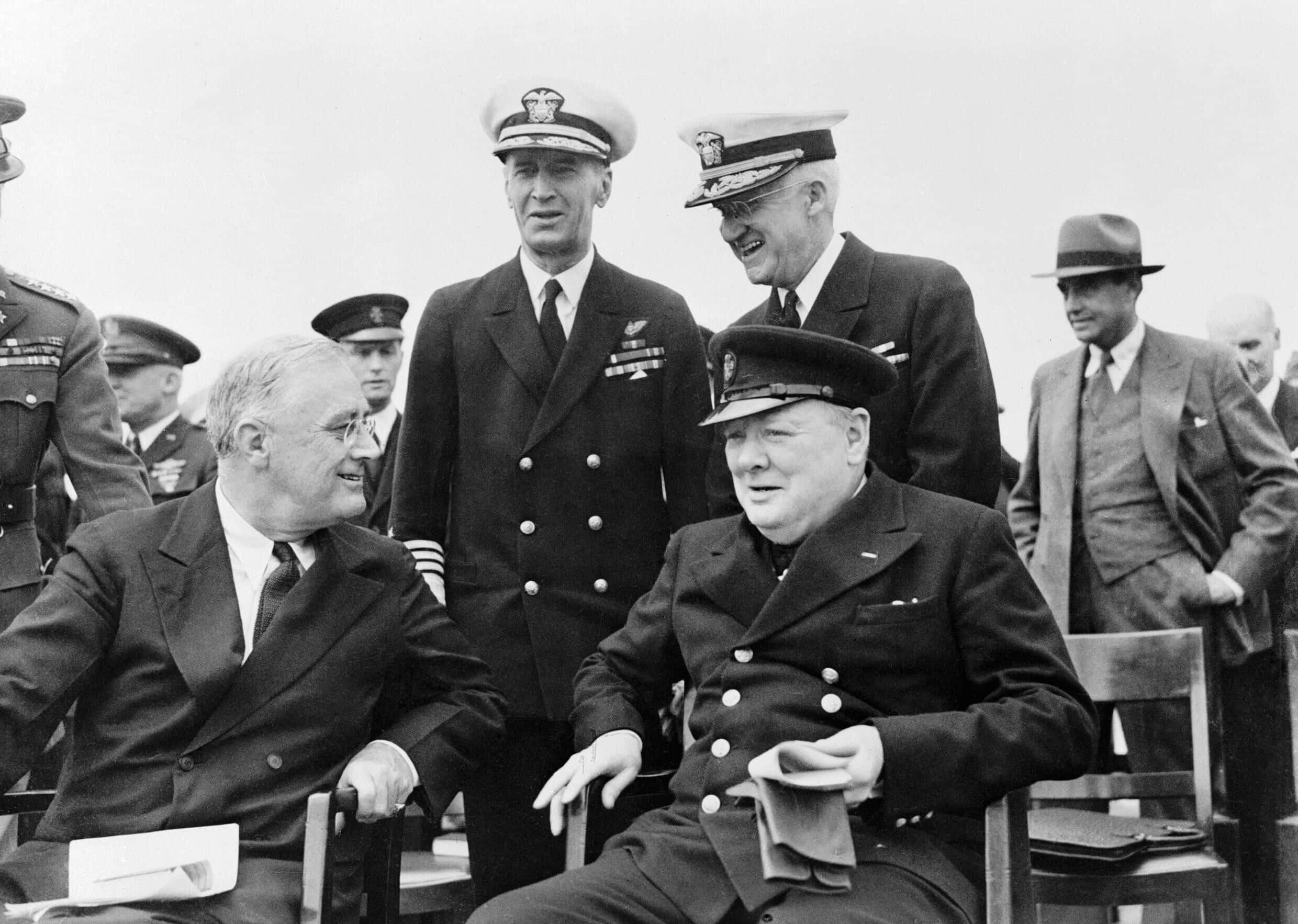
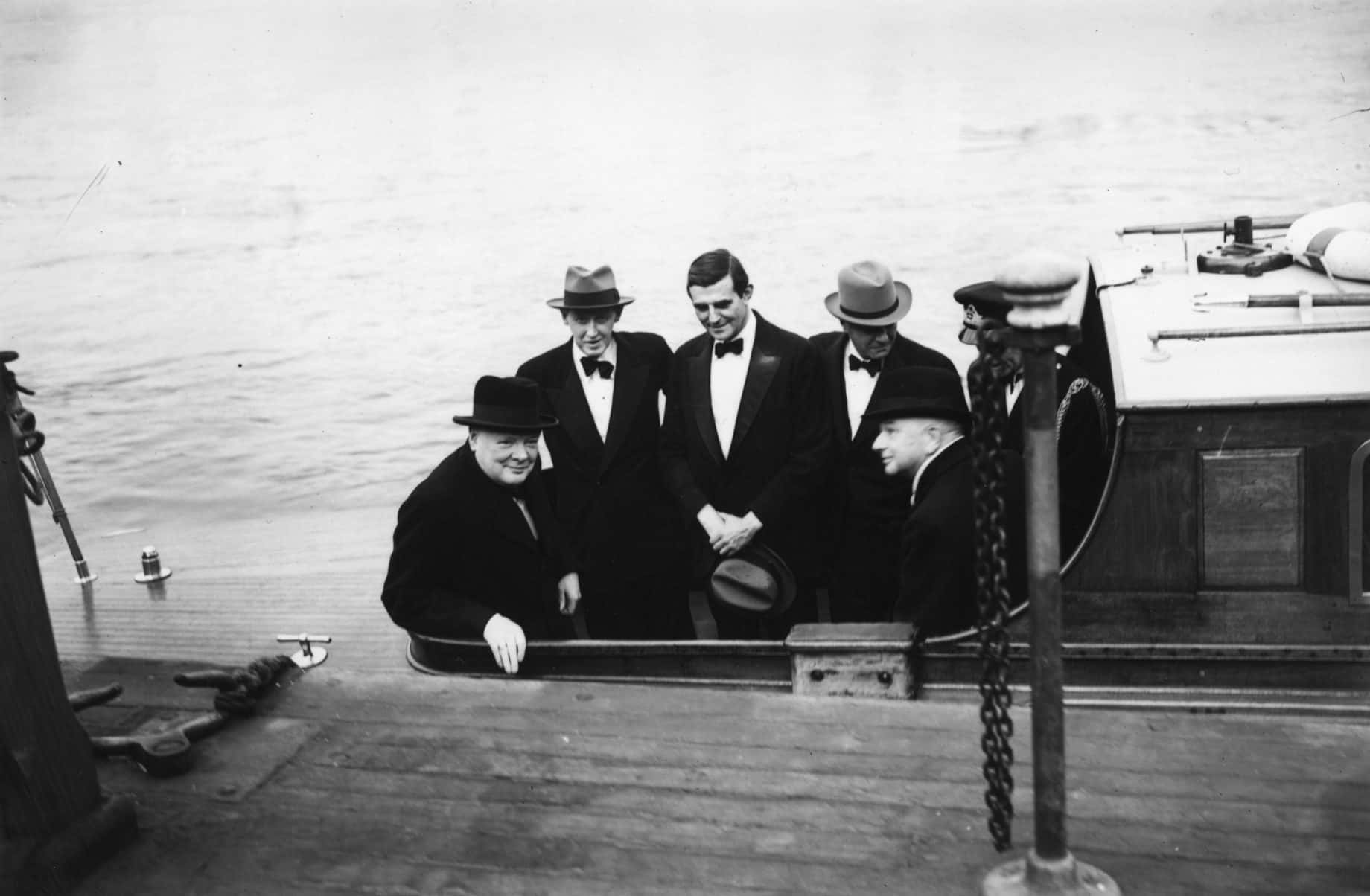
In the coming months, Winston Churchill endured the capture of France, and then the Blitz on his home soil. Though he believed in his country, he felt little hope that the Allies could fully succeed without America entering the conflict, and he kept close ties with US President Franklin D Roosevelt.
So when America finally did join the fight after Pearl Harbor, Churchill hastily traveled to North America to plan organized attacks. But this is where it all caught up with him.
 Leslie Cornish Priest, Wikimedia Commons
39. His Body Gave Out
On December 26, 1942, all the stress Churchill had been pushing through finally pushed back. After attending a meeting of the US Congress, he suffered a heart attack, and his concerned doctor insisted on several weeks of bedrest.
Instead, however, he took a train to Ottawa, Canada, and gave a speech to the Parliament there. He should have listened.
History's most fascinating stories and darkest secrets, delivered to your inbox daily.
40. He Went On Bed Rest
Even as the conflict turned in the Allies’ favor, Churchill’s health kept declining. By early 1943, with the war machine humming along and the Prime Minister constantly on the move, he became so deathly ill with pneumonia that he was finally forced into a month of bedrest.
Even so, when D-Day rolled around, he came up with a ridiculous idea.
41. He Wanted To Be At Normandy
Despite his health troubles, when it was clear the Allies could seal the deal with the Normandy invasion, Winston Churchill was determined not to miss out on one second of the action. He was set on crossing the channel on the day itself or, if need be, the day after. Eventually, the King had to step in and veto his Prime Minister, much to Churchill’s dismay.
But as the war wound down, Churchill made an error that would dog him forever.
42. He Attacked Innocents
In order to wrap up the conflict as quickly as possible, Winston Churchill helped initiate the bombings over Dresden from February 13 to 15, 1945, a city that was at the time full of civilian refugees from the Eastern Front. After reports of excessive civilian casualties, Churchill came to regret the move, and rallied against “mere acts of terror and wanton destruction”.
Still, it did lead to the desired effect.
43. The People Cheered For Him
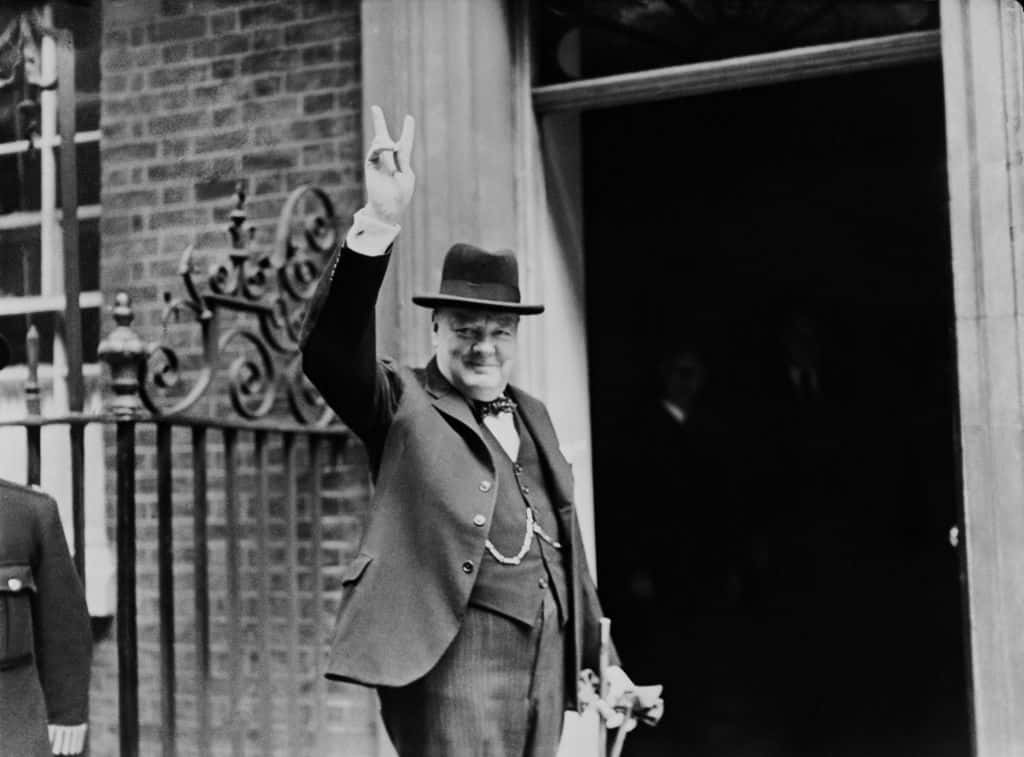
In May of 1945, Germany officially surrendered for Victory in Europe day, and Churchill appeared on the balcony at Buckingham Palace with the Royal Family before an enormous crowd. Later at Whitehall, he told another crowd, “God bless you all. This is your victory,” and they responded with a rousing rendition of “For He’s a Jolly Good Fellow”.
But the end of WWII also spelled the end of Churchill’s apex.
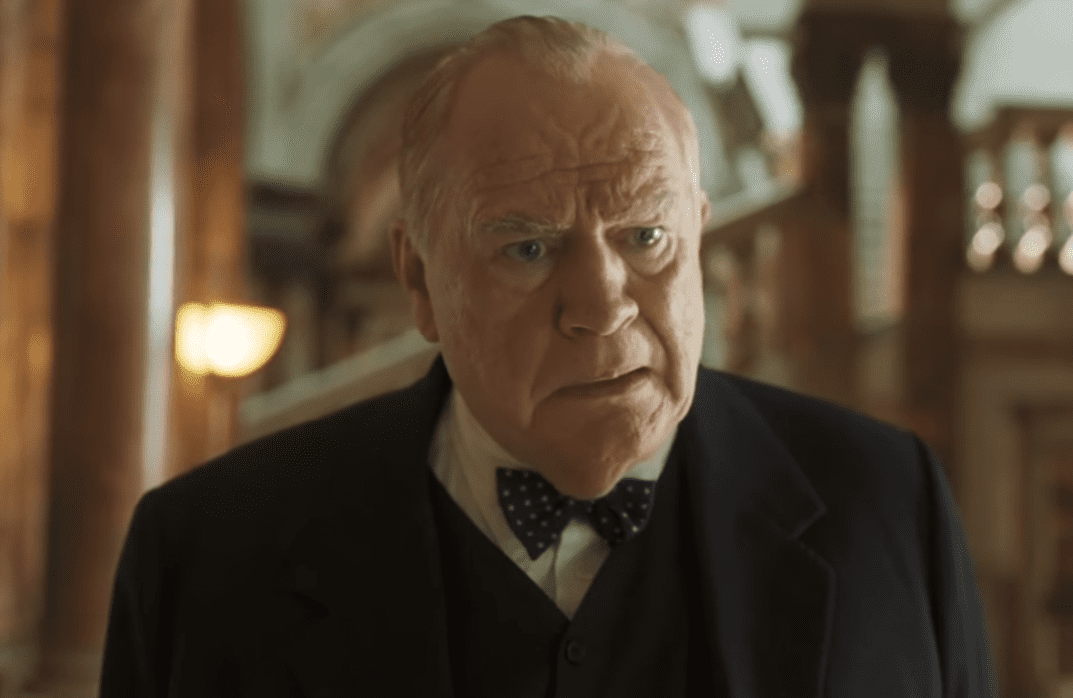 Screenshot from Churchill, Salon Pictures (2017)
44. He Lost The Top Spot
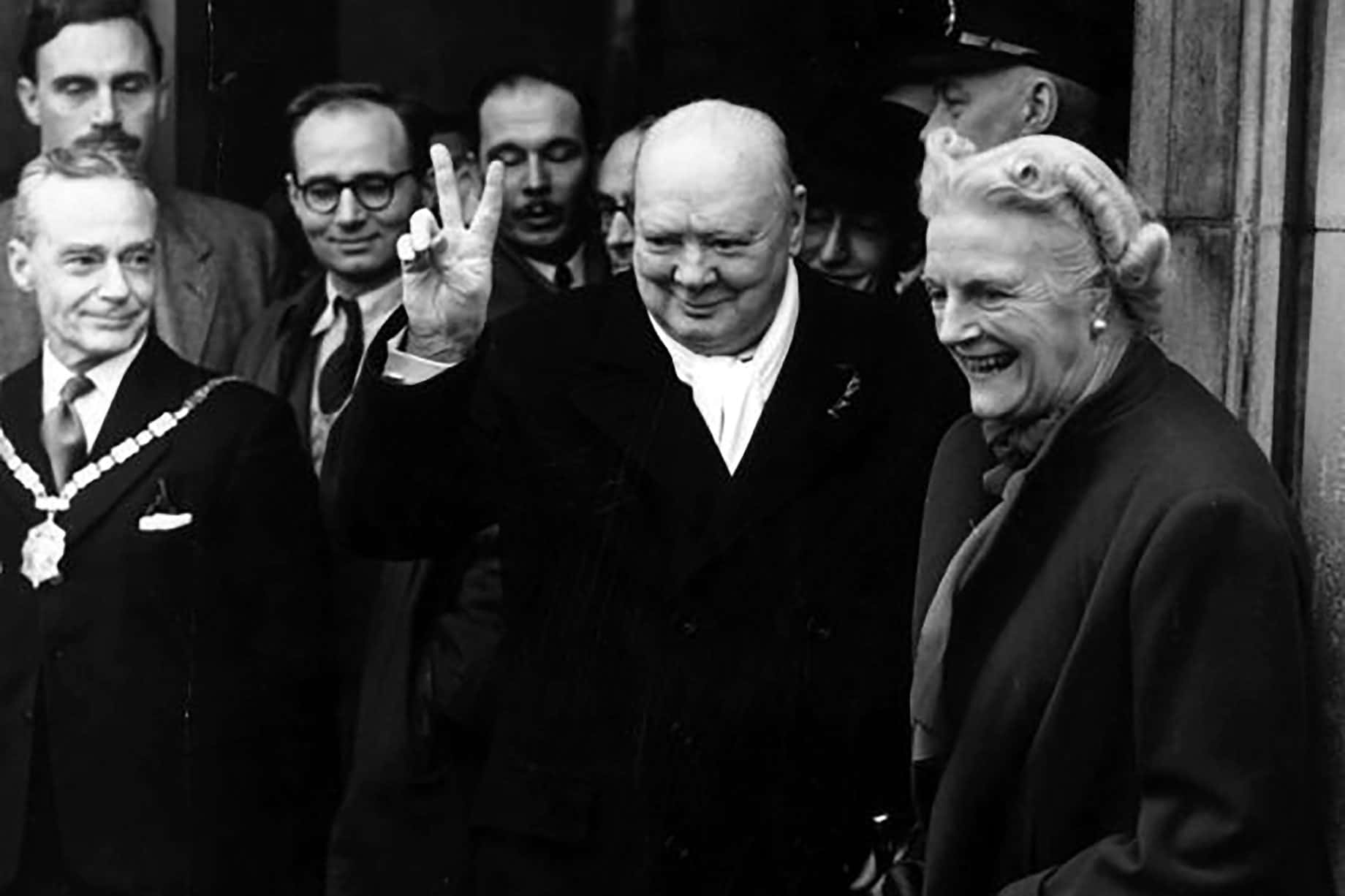
In the summer of 1945, the ever-determined Churchill sought re-election again…and failed. The public saw him as a politician for war, not peace, and voted in the Labour Party instead. He didn’t go gently. According to his daughter, the lunch where he realized he was beaten was “an occasion of Stygian gloom”.
While his wife Clementine tried to cheer him up by saying it might be “a blessing in disguise,” Churchill snapped back with characteristic wit, “At the moment it seems very effectively disguised”. Yet he had one last victory in him.
45. He Couldn’t Let Go
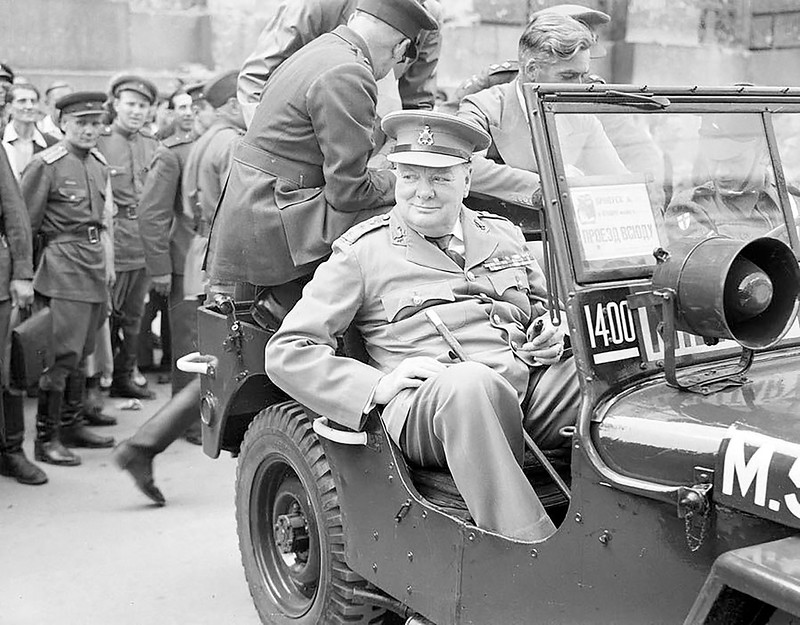
After living through the beginnings of the USSR—he popularized the term “iron curtain”—Winston Churchill got back into power with the Conservatives in 1951, becoming Prime Minister again at nearly 77 years old. Having devoted his life to public service, Churchill just couldn’t let his influence go. Until, that is, he was forced to.
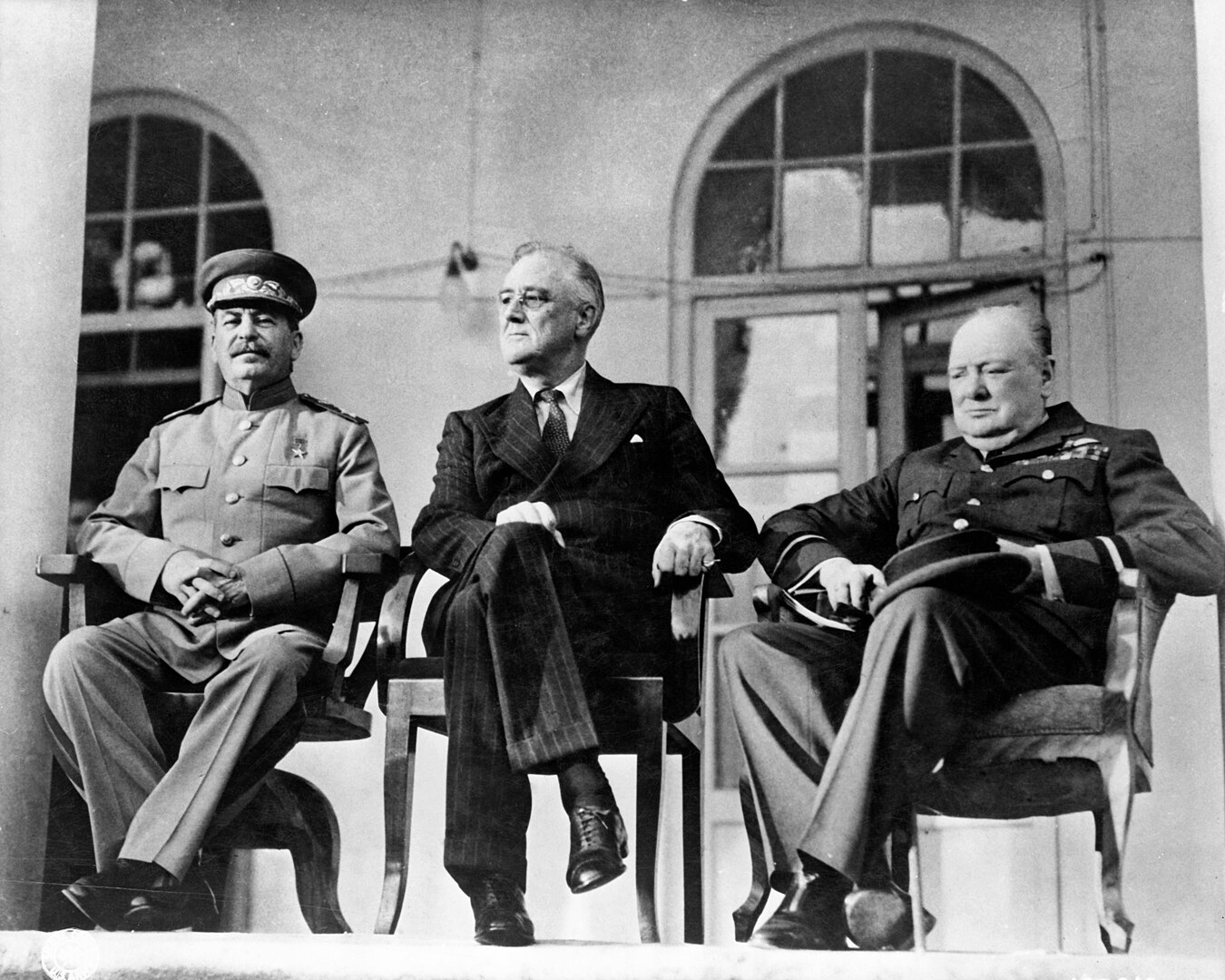 U.S. Signal Corps photo., Wikimedia Commons
History's most fascinating stories and darkest secrets, delivered to your inbox daily.
46. He Shouldn’t Have Been In Power
By the time he took office for the second time, the still-ailing Churchill had suffered several minor strokes, and King George VI likely would have asked him to step down if the ruler hadn’t perished in 1952. It nearly spelled disaster: In June of 1953, Churchill experienced another stroke, a serious one this time, and the government had to hush it up as he recuperated for months.
When the end came, it wasn’t even really the end.
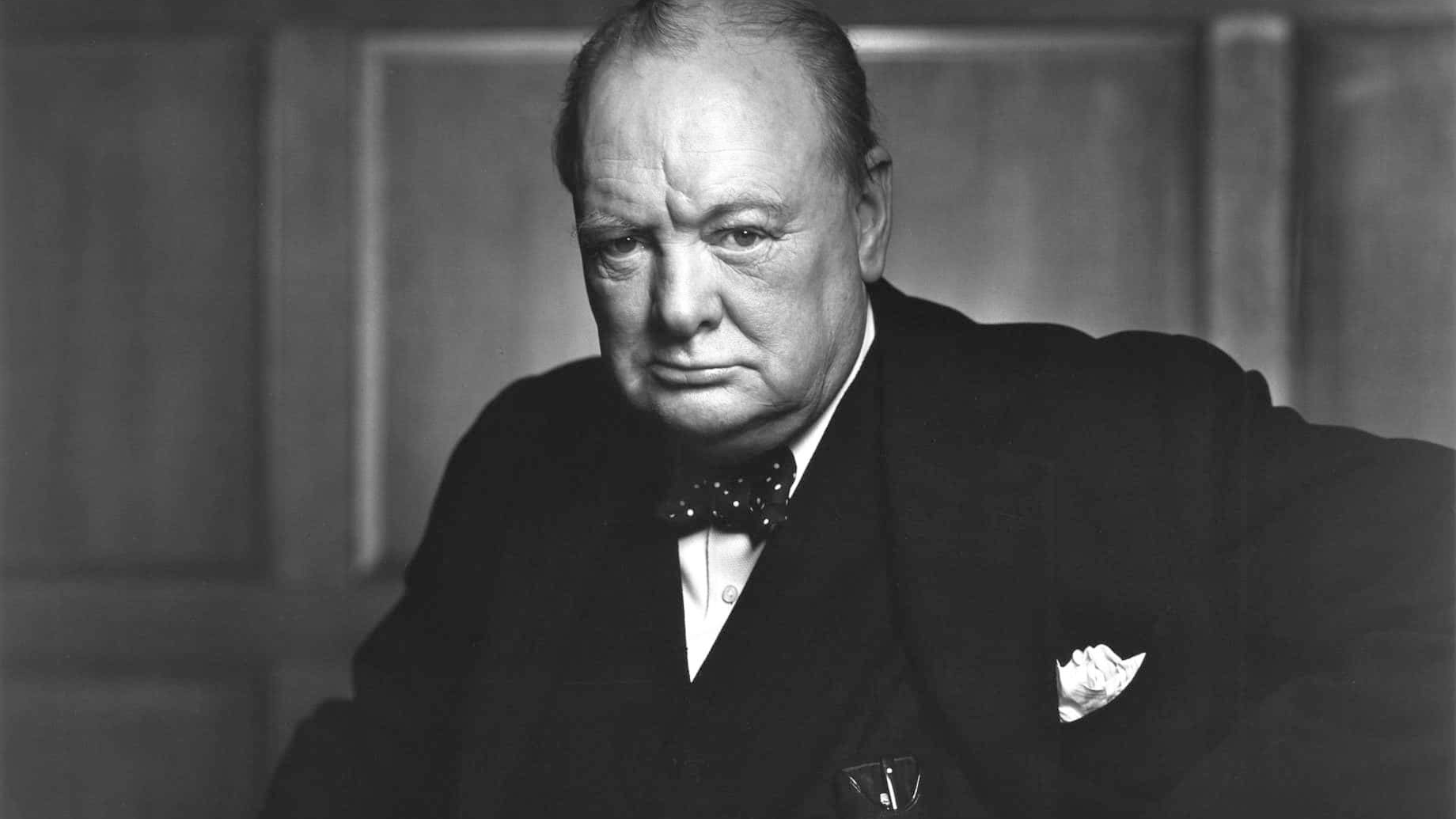 Wikimedia Commons, Yousuf Karsh
47. He Clung On Until The Bitter End
In April 1955, Churchill finally retired as Prime Minister—but, incredibly, he still remained an MP for almost a decade longer. This, even though his health continued to decline, especially after a brutal fall in Monte Carlo at the age of 87 that broke his hip, and he rarely attended the House of Commons. In fact, he held on until the bitter end.
48. He Had A State Funeral
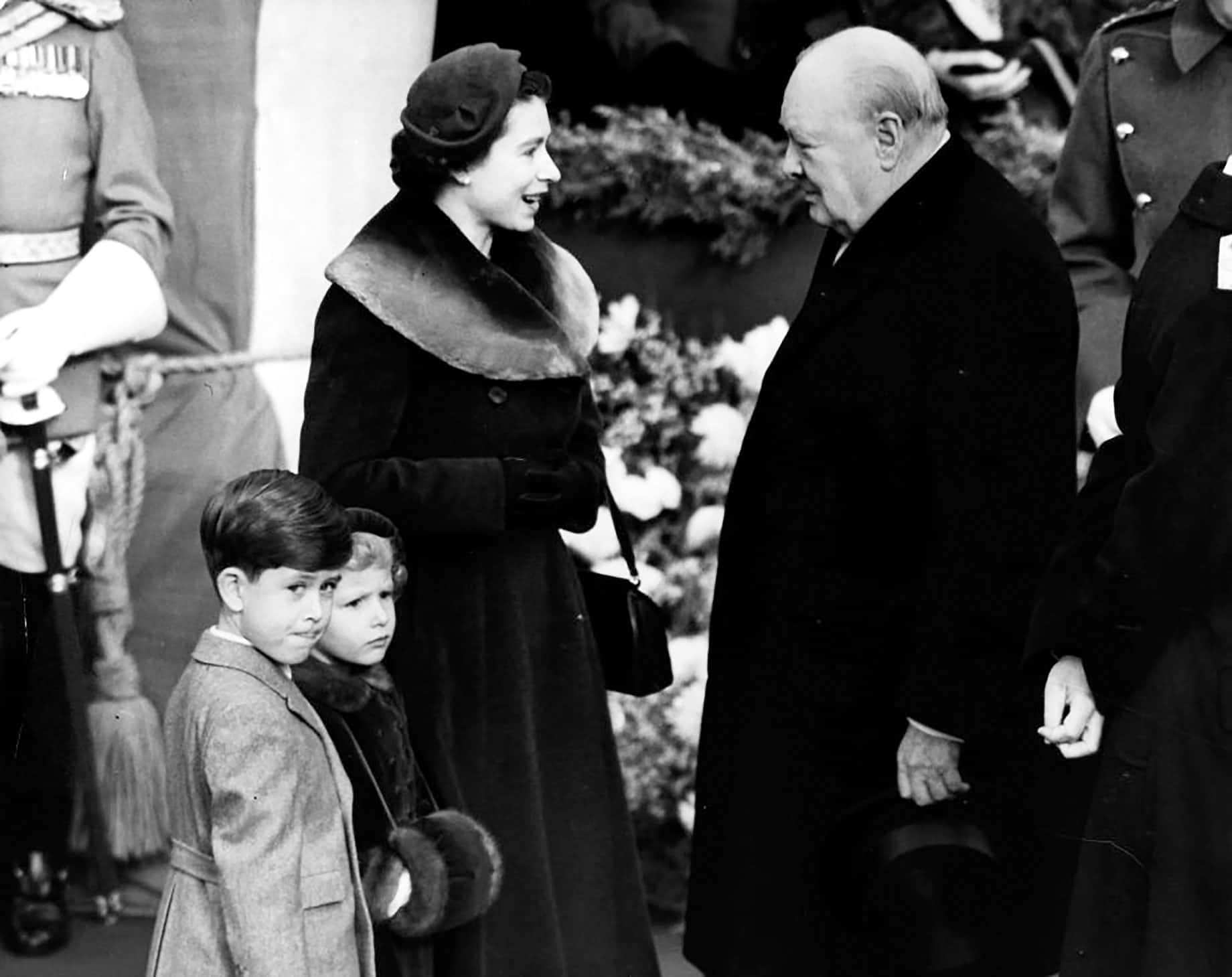
On January 10, 1965, just months after stepping down as an MP, Churchill suffered yet another stroke, what would be his last. He passed on January 24 at his home, and the country responded with all the honors they could heap on him, including a full state funeral and a funeral ceremony at St Paul’s Cathedral.
Churchill left this world a hero—but we have since realized he was all too human.
 National Archives and Records Administration, Wikimedia Commons
49. He May Have Been Unfaithful
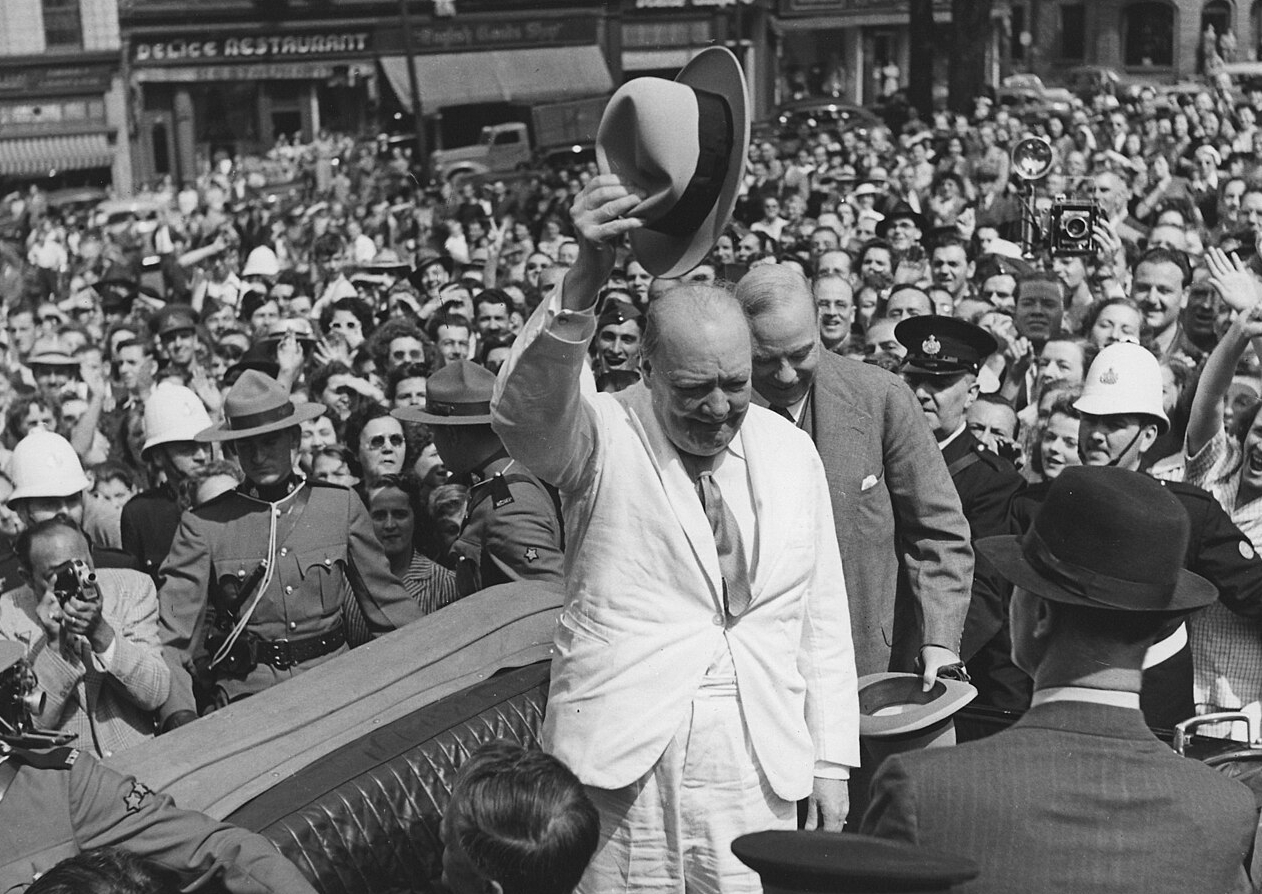
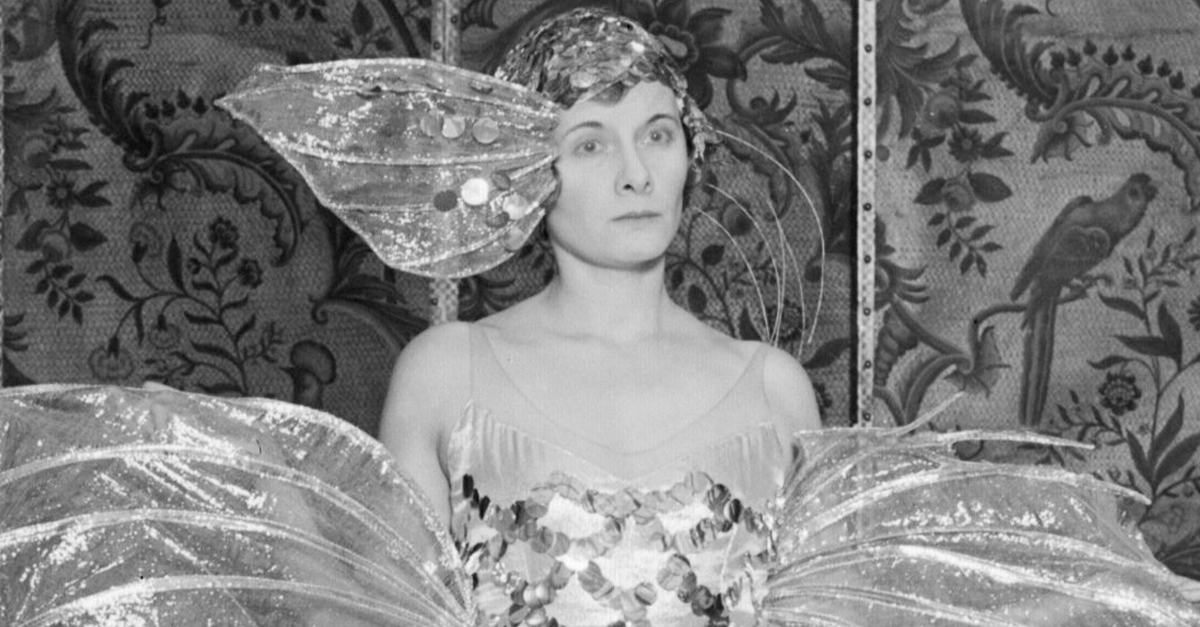
Churchill’s marriage to Clementine lasted through two world wars, but the stresses of his position, not to mention the tragedy of their daughter Marigold, put them through violent ups and downs. According to some, they were both unfaithful to the other at points in their lives, with Churchill allegedly having an affair with socialite Doris Castlerosse in the 1930s, and Clementine engaging in a romantic yacht trip with her supposed lover Lord Moyne around the same time.
50. He Hated One Portrait
Winston Churchill, especially in his later years, exhibited more and more insecurity and vulnerability. Most infamously, when the modernist painter Graham Sutherland made a less-than-flattering portrait of him in 1954, Churchill called it "filthy" and “malignant”. When Parliament gave it to Churchill to display in his home, he kept it hidden, and his wife or his personal secretary soon destroyed it.
He was keeping other secrets behind closed doors, too.
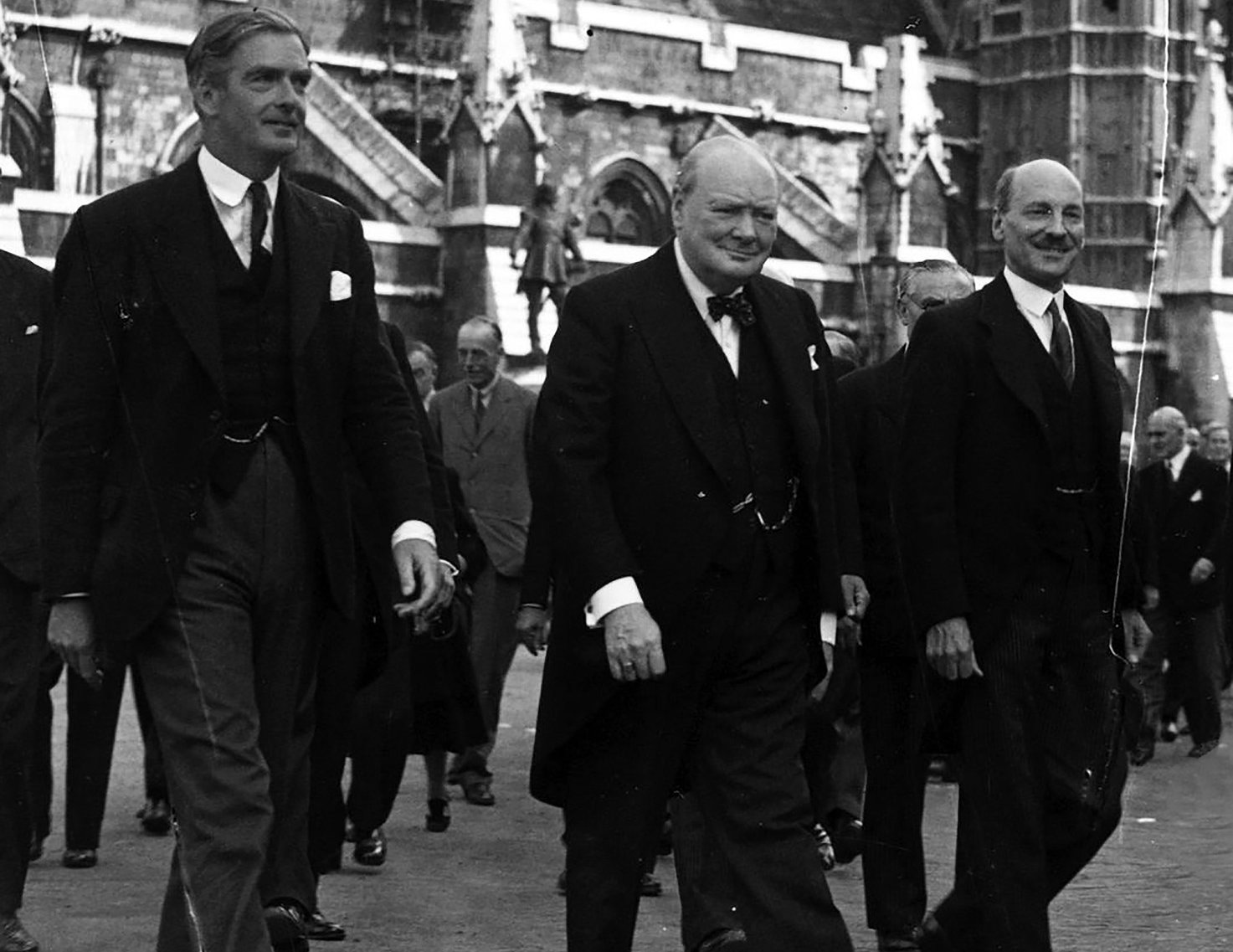
51. He Was On Uppers
To keep his depression in check during his most crucial years, Churchill depended on amphetamines. In the 1940s, with WWII raging, his doctor would often give him prescriptions to keep the Prime Minister from slipping into lethargy, then switch to a barbiturate when it was time for Churchill to go to bed.
That said, there were other reasons Churchill might have needed a downer.
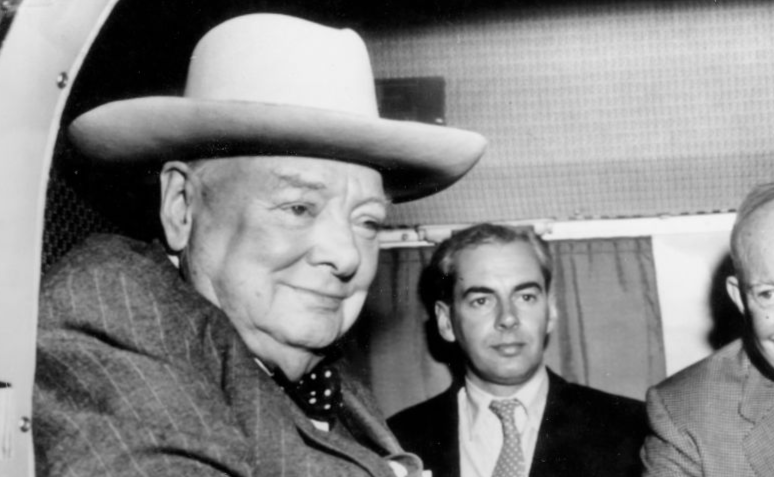 Universal History Archive, Getty Images
History's most fascinating stories and darkest secrets, delivered to your inbox daily.
52. He May Have Suffered From Bipolar Disorder
While Churchill’s depression has been well documented, less well known are his periods of manic activity: He would often stay up until three in the morning, talk incessantly—Franklin Roosevelt once said “He has a thousand ideas a day, four of which are good”—and suffered from mood swings. To this end, some commentators believe Churchill was more properly manic-depressive, or bipolar.
His personal struggles, however, are just the beginning.
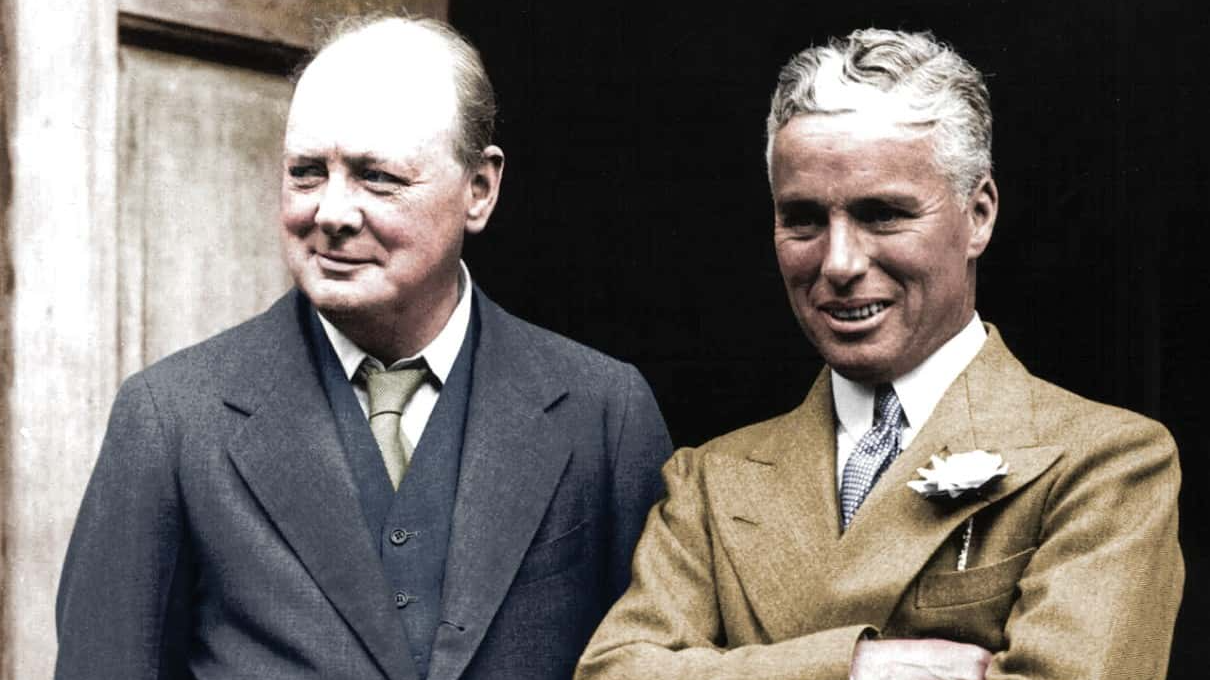 Cassowary Colorizations, Flickr
53. He Hated Gandhi
Although he often opposed violence against the people in Britain’s colonies, Churchill’s stance toward colonialism was complacently paternalistic. As noted, he deeply disliked the idea of Indian Home Rule, believing that Britain knew best when it came to “their” colonies, and he sneered at figures like Gandhi.
Famously, Churchill called Gandhi a “seditious Middle Temple lawyer now posing as a fakir of a type well known in the East” and suggested he’d let him perish in a hunger strike. Unfortunately, it gets worse.
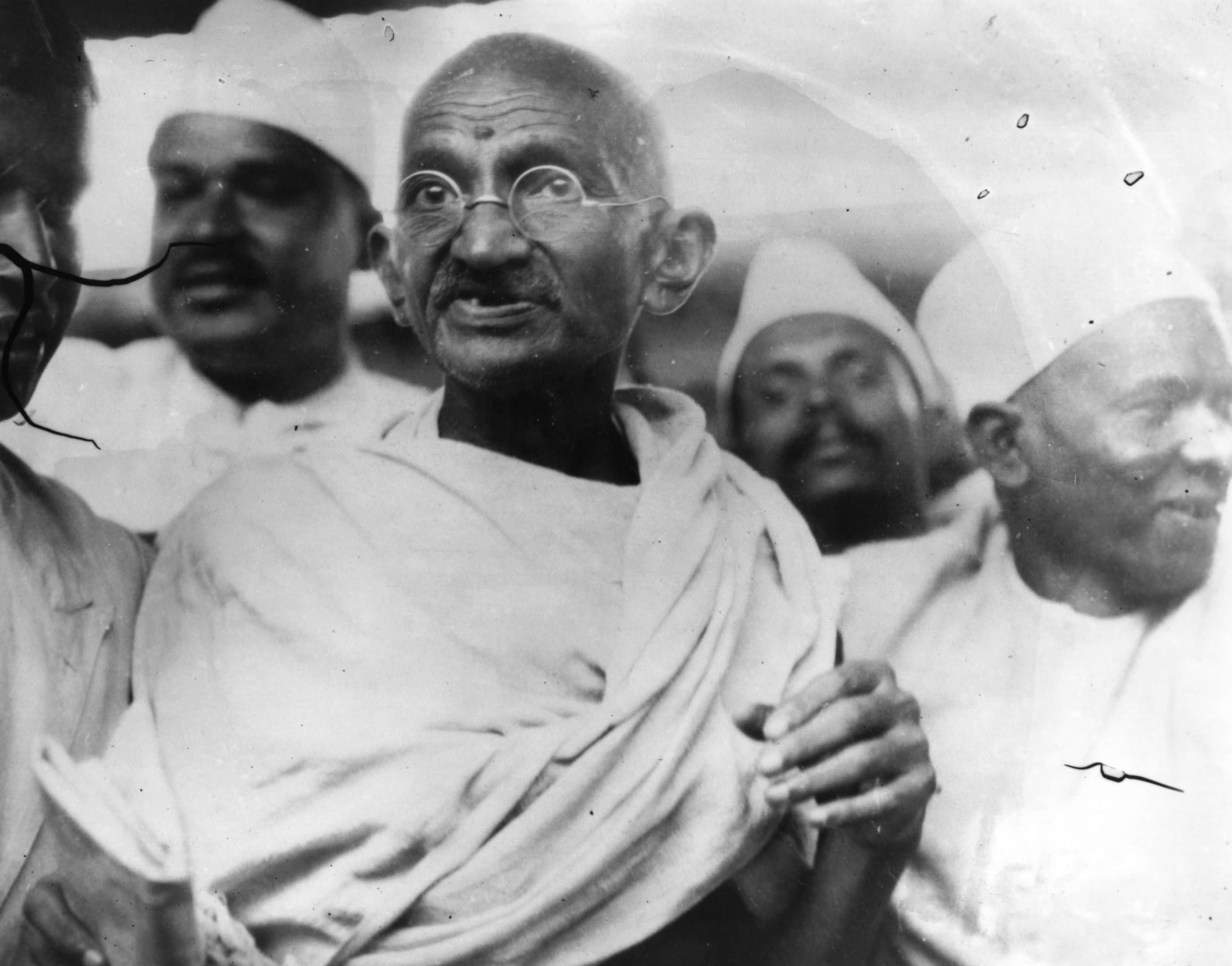
54. He Has A Black Mark On His Legacy
Churchill's handling of the Bengal Famine of 1943 went beyond complacency and into horror. While food shortages ravaged Bengal in 1942, Churchill’s government failed to realize the seriousness of the issue and neglected to send food over. By 1943, the famine had taken out an estimated 3.8 million people, a black mark that more than rivals Churchill’s actions in Dresden.
55. He’s Misunderstood
Winston Churchill is such a looming figure of the 20th century that we often feel his reputation begins and ends at “British hero”—when in fact, his history is far more complicated than that. Emotionally volatile, academically underwhelming, and caught in a constant struggle for power, in the end Churchill’s life is one of human pain, cruel failure, and rare, beautiful triumph.
You May Also Like
Legendary Comebacks: These Are The 50 Sickest Burns In History
Scathing Facts About Margot Asquith, The Witch Of Downing Street
Lifeline Withdrawn: When The British Royal Family Left The Romanovs To Their Fate