Who Wants To Rule The World?
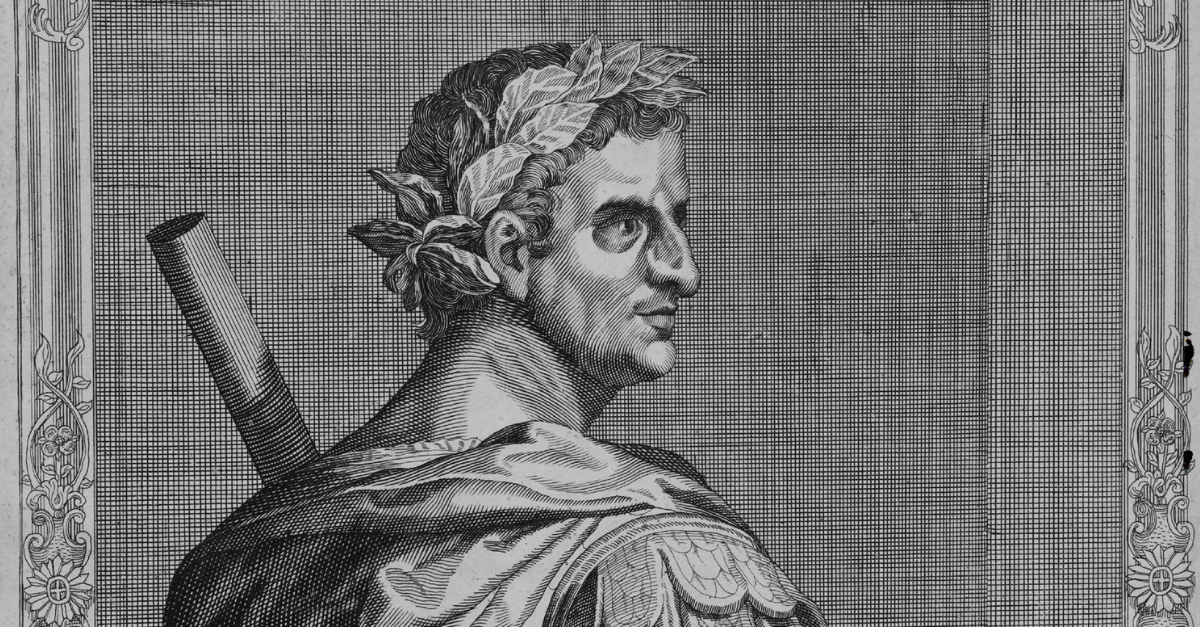
The history of the Roman Empire is overflowing with rulers whose very existence hinged on maintaining power, so they did everything to protect their authority. However, there was a black sheep in this long list of Emperors, and although Tiberius did his duty and improved Rome in many ways, his heart just wasn’t in it. Preferring to spend most of his time away, his way of ruling created no shortage of enemies—and possibly led to his end.
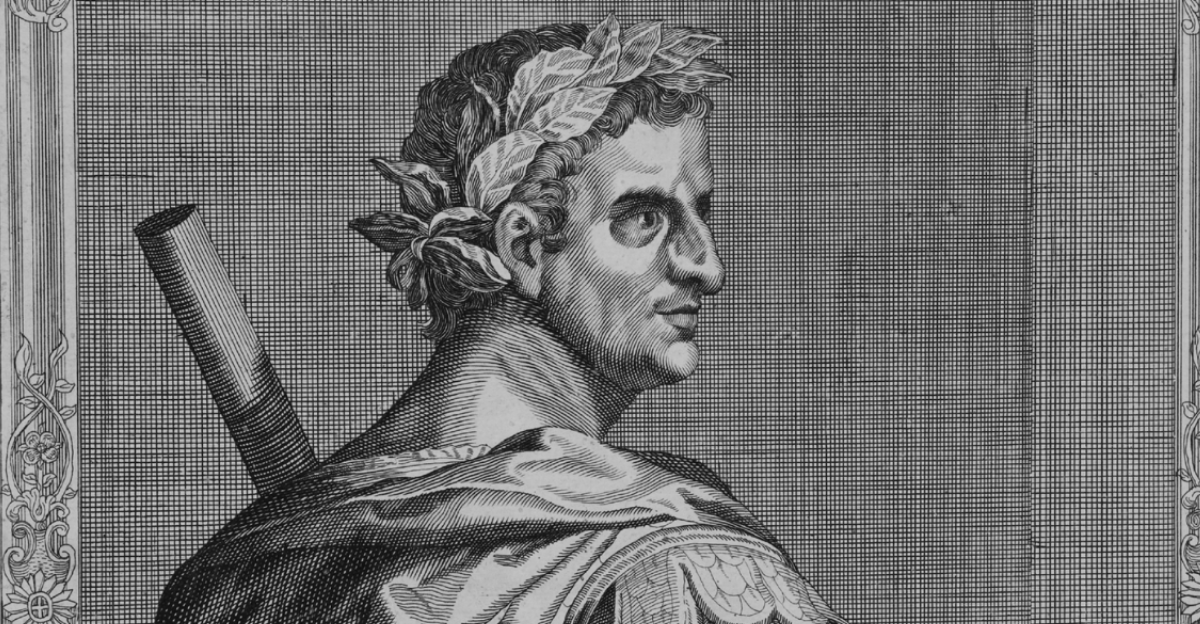 Pictures from History, Getty Images
1. His Family Was Important
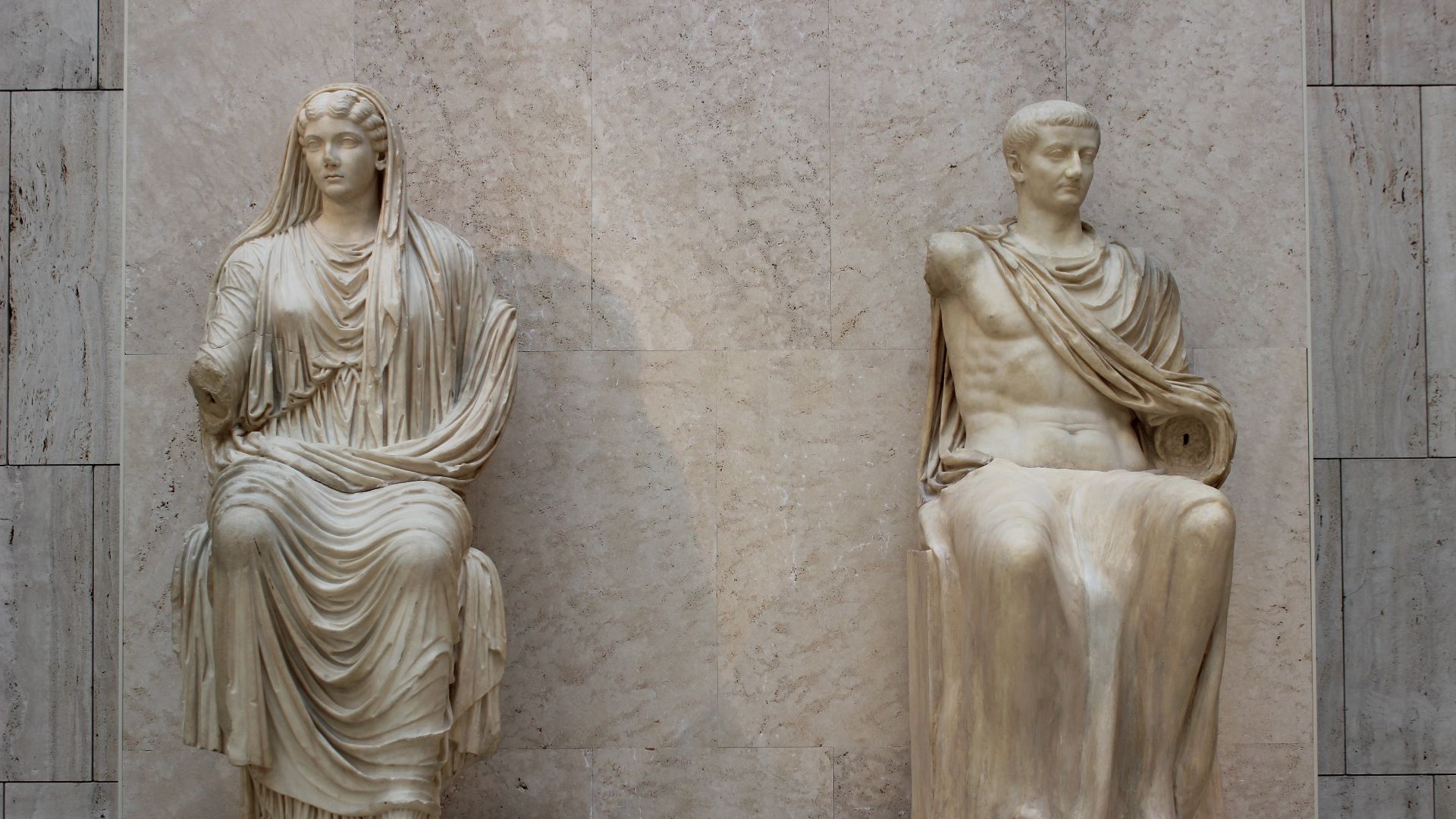
While Tiberius may have shown an interest in becoming Emperor at some point, it’s more likely that he felt pressured into his political career by those around him, especially since he came from such a prominent family. Born in 42 BC, his father and mother, Tiberius Claudius Nero and Livia Drusilla, already held positions of honor, as they were both descended from one of the most influential patrician houses—the gens Claudia.
However, they were about to gain even more of a leg up—at a terrible cost.
 Miguel Hermoso Cuesta, Wikimedia Commons
2. She Married Someone Else
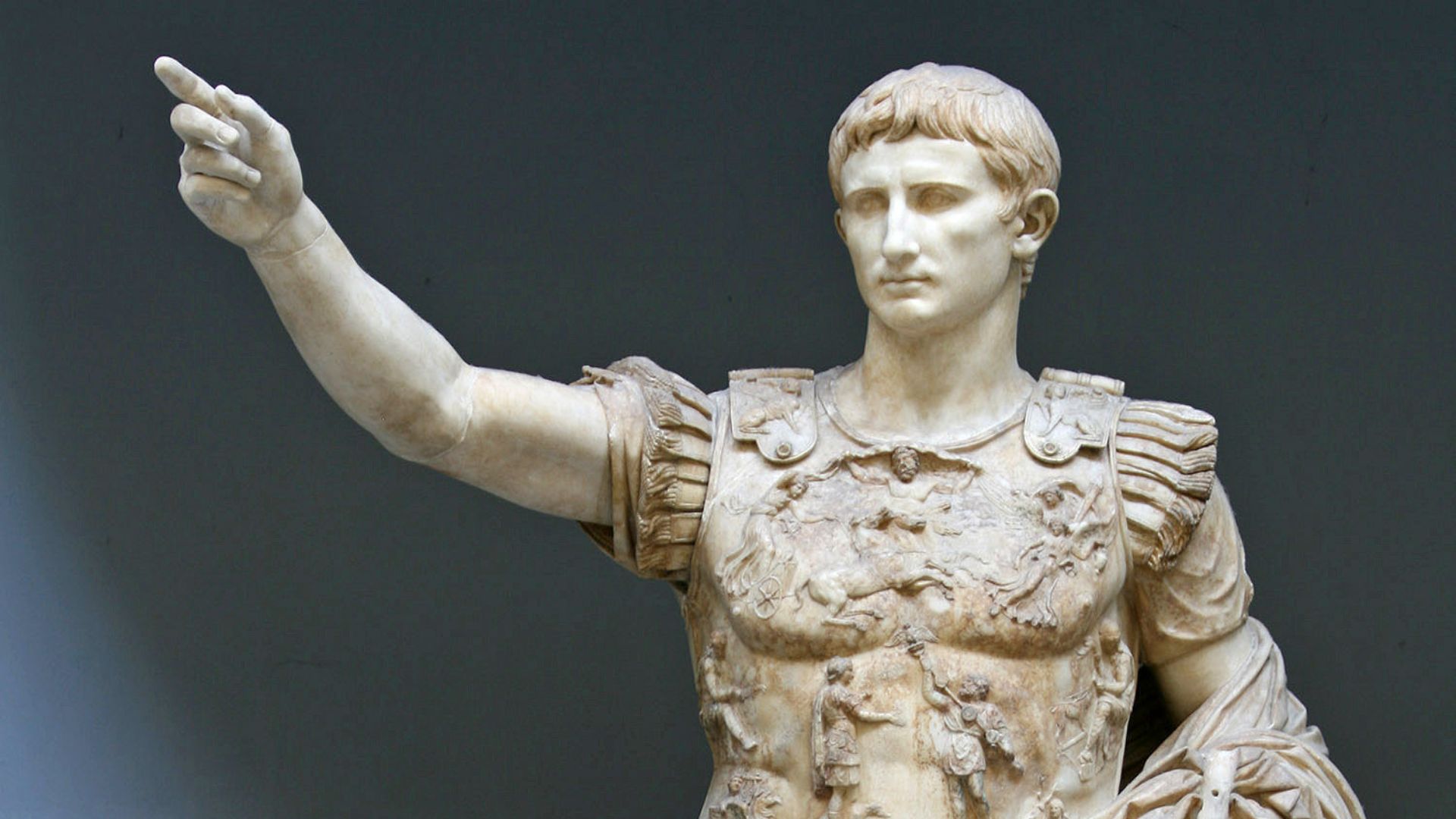
While Tiberius became a well-known figure in Roman history in his later years, few accounts exist of big moments that occurred during his youth. The most significant event, however, shattered his family. His parents divorced when he was only three years old, after which his mother married the future founder of the Roman Empire, Octavian.
Having such a powerful stepfather as Octavian meant one thing: Tiberius' life would never be the same again.
 Till Niermann, Wikimedia Commons
3. He Was In Trouble
By 23 BCE, Octavian—now renamed Augustus—had become the sole ruler of the newly formed Roman Empire, but this posed its own devastating problem. He soon developed a severe illness, and the Senate realized that if he were to perish, the consequences could be catastrophic: the power vacuum left behind would ruin everything he worked to build. While many assumed his most loyal lieutenant, Agrippa, and his nephew, Marcellus, would step up as rulers, he had no official heirs in place.
Fortunately, there was one solution—and it had the power to change the course of history forever.
 https://commons.wikimedia.org/wiki/User:Siren-Com, Wikimedia Commons
4. They Were Great Candidates
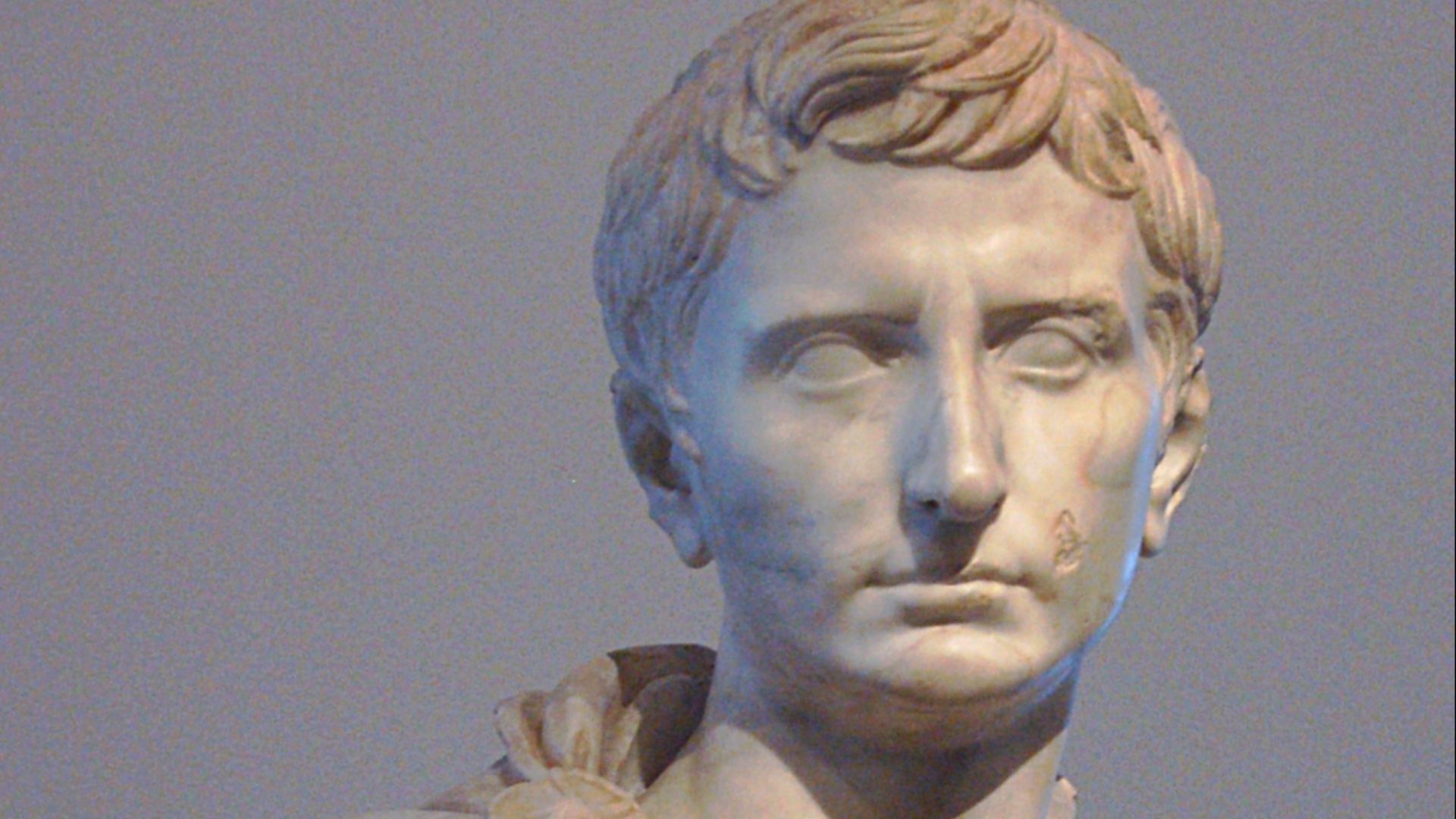
Although Augustus’s life wouldn’t end for another few years, he couldn’t help the anxiety gnawing at him, so he put together a list of people he believed could take over as Emperor. As his step-son, Tiberius’ name was on this list, along with his brother, Drusus. Augustus took such an interest in Tiberius that he appointed him as a quaestor and brought him under his wing to train in the world of politics.
As Augustus soon discovered, Tiberius was the right man for the job.
 Gautier Poupeau from Paris, France, Wikimedia Commons
5. He Proved Himself
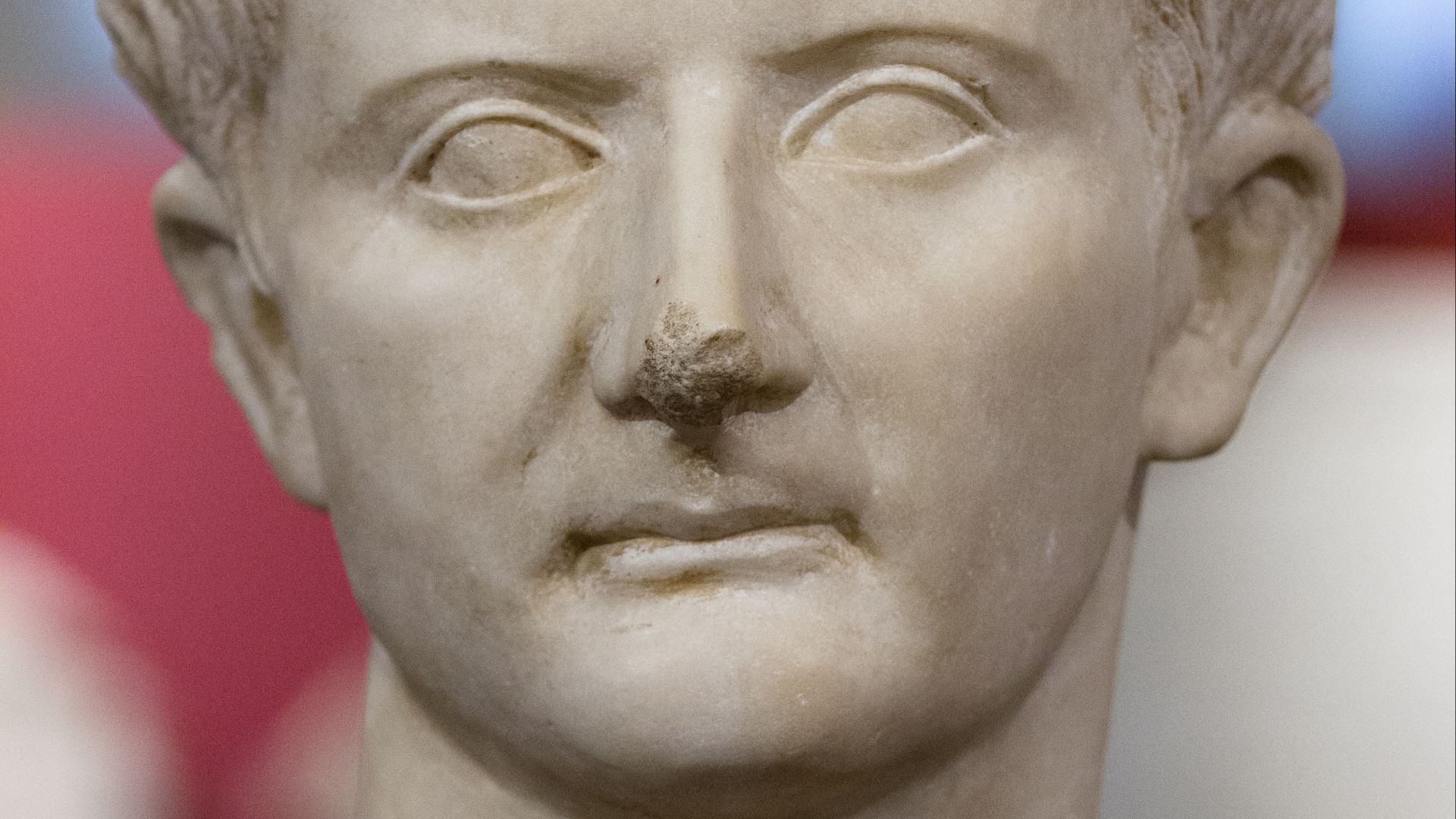
Tiberius continued to serve and learn from Augustus, which meant assisting the Emperor in both battle and diplomacy. In 20 BCE, the Parthian Empire had stolen the Roman Legion’s standards in a previous battle, so the young Tiberius reportedly joined up with Augustus to reclaim them, along with Rome’s honor. It’s unclear how exactly they succeeded, but rather than through a bloody conflict, either Tiberius or Augustus negotiated for the standards’ return.
Meanwhile, Augustus wasn’t the only one Tiberius was trying to impress.
 Pierre-Selim Huard, Wikimedia Commons
6. He Fell In Love
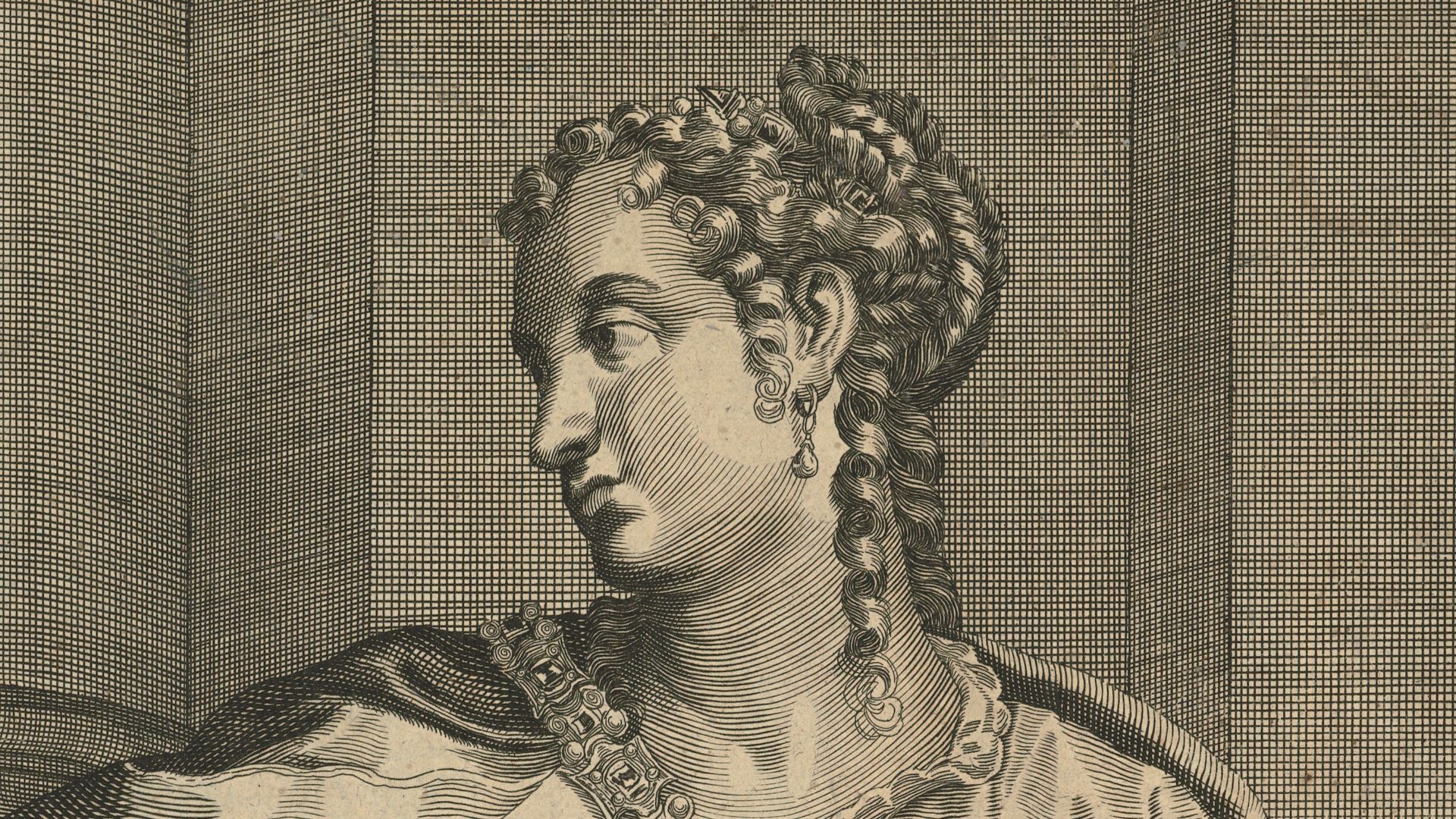
When it came to marriages among the elites, everyone understood that they were almost always a political exchange, with no attachment involved. Every so often, though, both parties were lucky enough to have genuine feelings for each other, as was the case for Tiberius’ first marriage. Tying the knot with Vipsania Agrippina around 19 BCE, the two of them couldn’t be more ecstatic about their union, as they seemed hopelessly in love.
Still, he wouldn’t let his devotion to his wife distract him from his duties to Rome.
7. He Helped Him Out
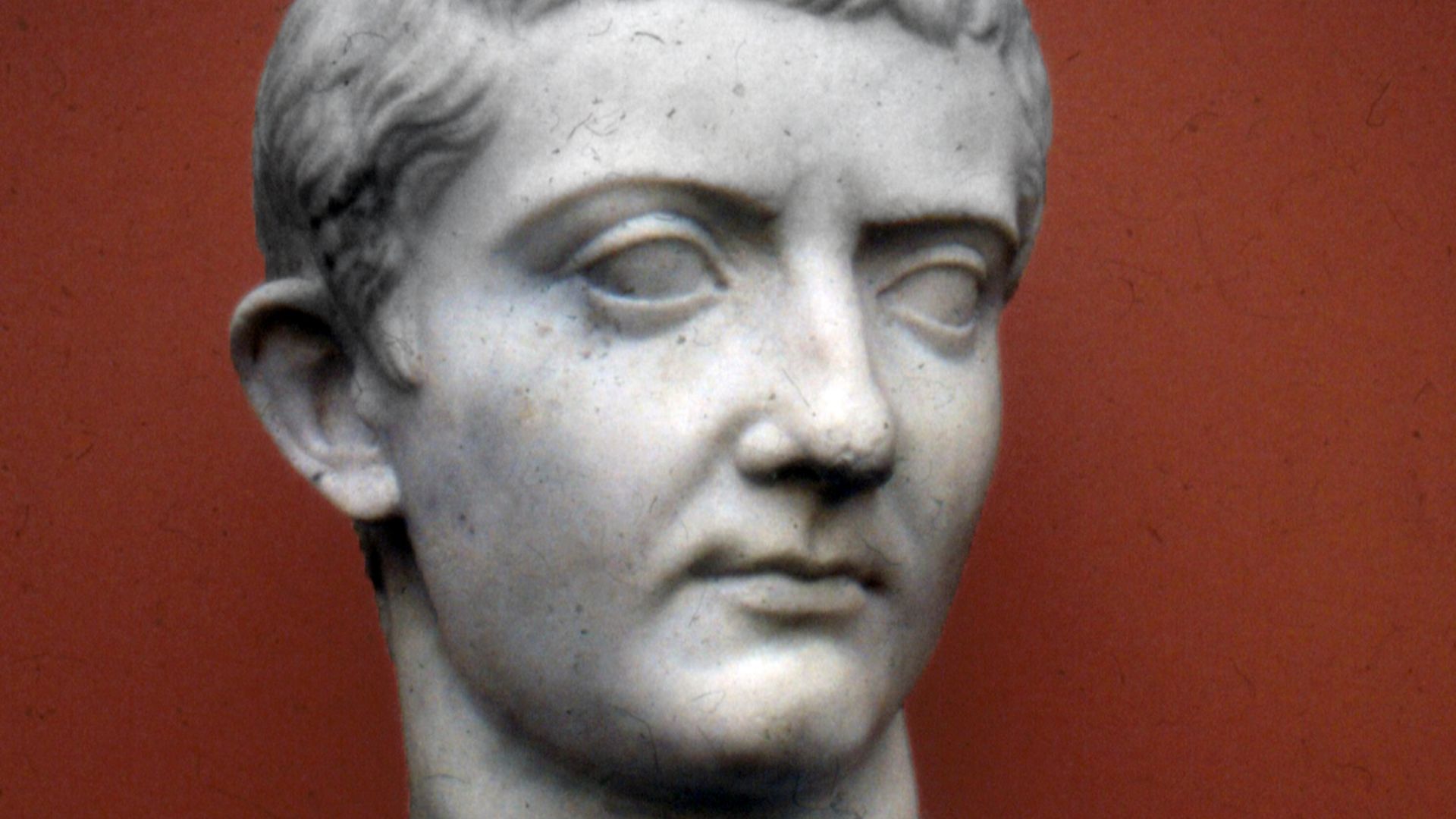
Around the same time, Tiberius’s accomplishments impressed Augustus and earned him his next promotion, the position of praetor. One of his first tasks was to assist in the Roman campaigns to the west, a conflict that hit him particularly close to home, as his brother was already leading the charge against their enemies.
With the way everything was going, Tiberius felt like he was on top of the world.
 No machine-readable author provided. Cnyborg assumed (based on copyright claims)., Wikimedia Commons
8. His Life Was Looking Up
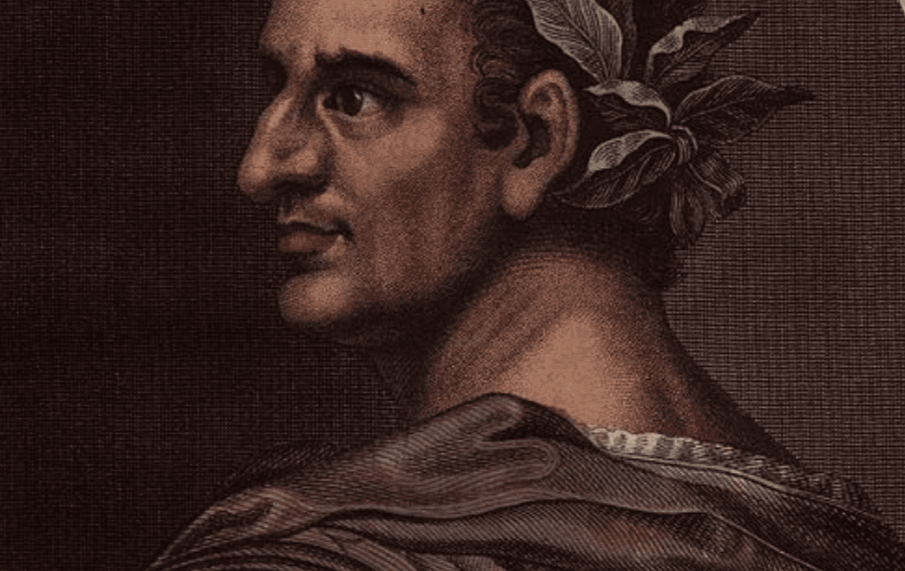
Tiberius continued to be the golden boy in Augustus’s eyes, but it wasn’t strictly because of their familial connection. The young praetor proved capable of greatness, such as when he conquered the region of Raetia or when he found the source of the Danube River. This all resulted in his appointment to the office of Consul in 13 BCE, while behind the scenes, he had already celebrated the birth of his son, Drusus Julius Caesar.
Unfortunately, everything good in his life was about to come crashing down.

History's most fascinating stories and darkest secrets, delivered to your inbox daily.
9. They Split Up
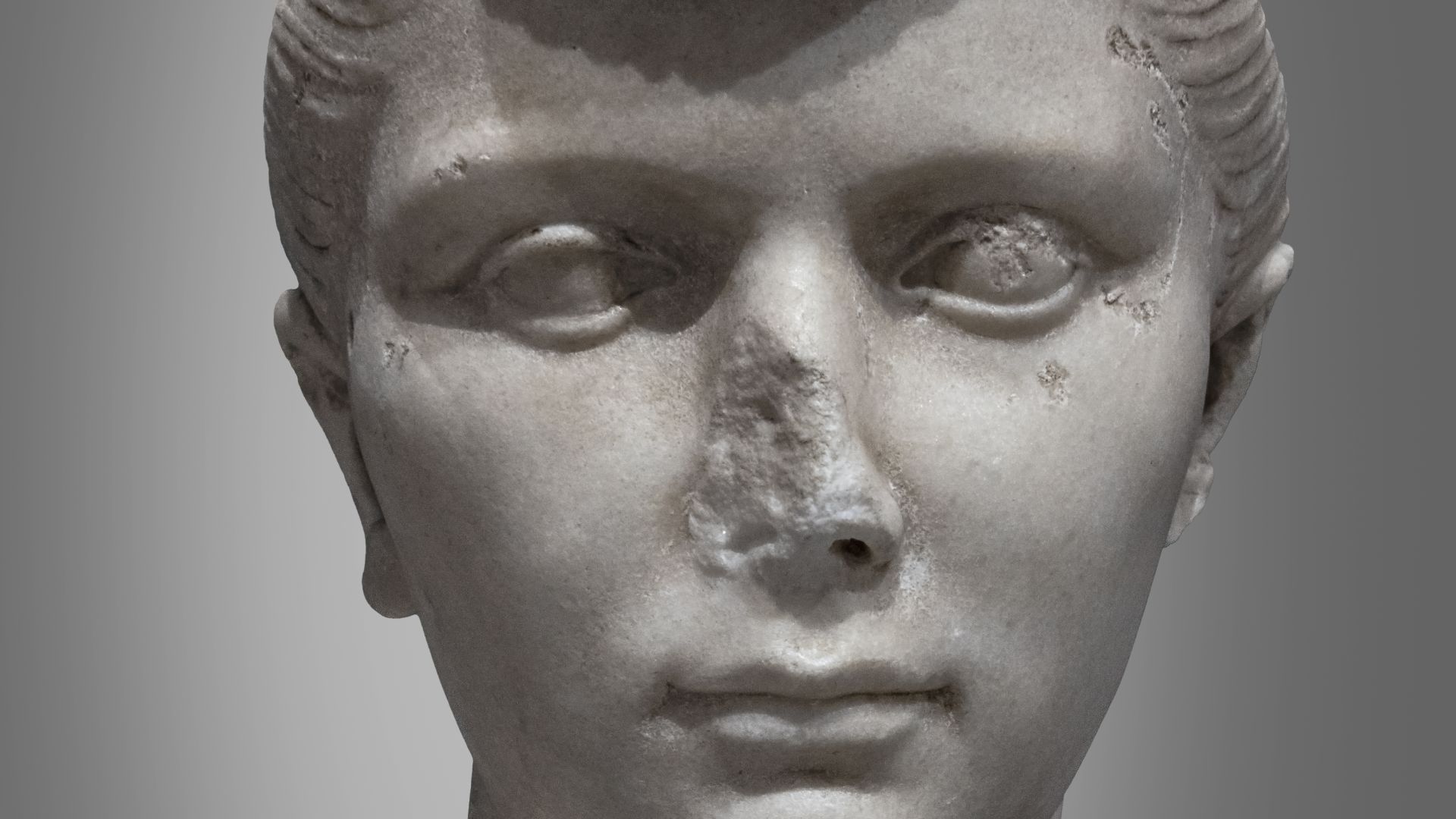
Back when he was a child, Augustus ordered Tiberius’ parents to divorce for his own personal gain—and now the same horrible thing was happening to him. To boost Tiberius’ political status, Augustus ordered him to join with the Julian family by leaving his beloved Vipsania and marrying Julia the Elder. Tiberius’ heart broke, and after trying and failing to get Augustus to see his side of things, he had no choice but to divorce his wife.
Now at his lowest, Tiberius couldn’t even take comfort in his new marriage.
 Didier Descouens, Wikimedia Commons
10. He Didn’t Want To Do It
Having married someone he was head over heels for was rare enough in Tiberius’s time, so to leave Vipsania for someone he had no desire to be around was even worse than a simple divorce. Julia the Elder had a reputation for being unfaithful, so while they remained cordial for the first few months, she likely began seeing other men behind Tiberius’s back.
If he wasn’t having a hard enough time, he fell victim to one of life’s most awkward situations—even by today’s standards.
 Marcello Clodio, Wikimedia Commons
11. They Ran Into Each Other
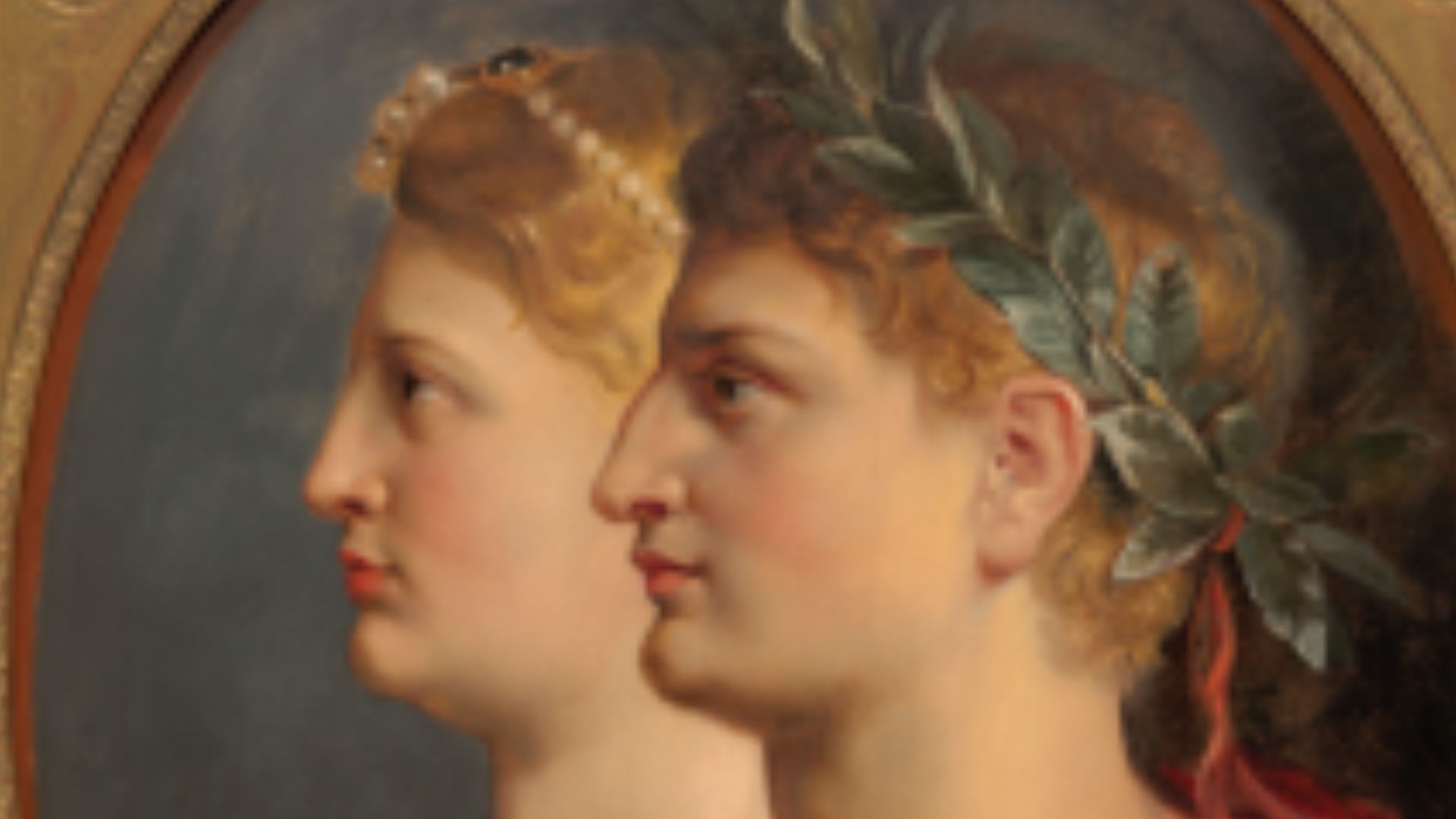
Tiberius never got over these events, but it became an even bigger problem when he accidentally crossed paths with the worst person he could have in his miserable state—his ex. Immediately breaking down in tears, he followed Vipsania home, pleading with her to forgive him. Augustus wasn’t pleased with this incident, and from then on, he made sure that the two former lovers wouldn’t see each other again.
Although cold and unfeeling, Augustus wouldn’t let anything interfere with his plans for Tiberius.
 Peter Paul Rubens, Wikimedia Commons
12. He Was The Best Choice
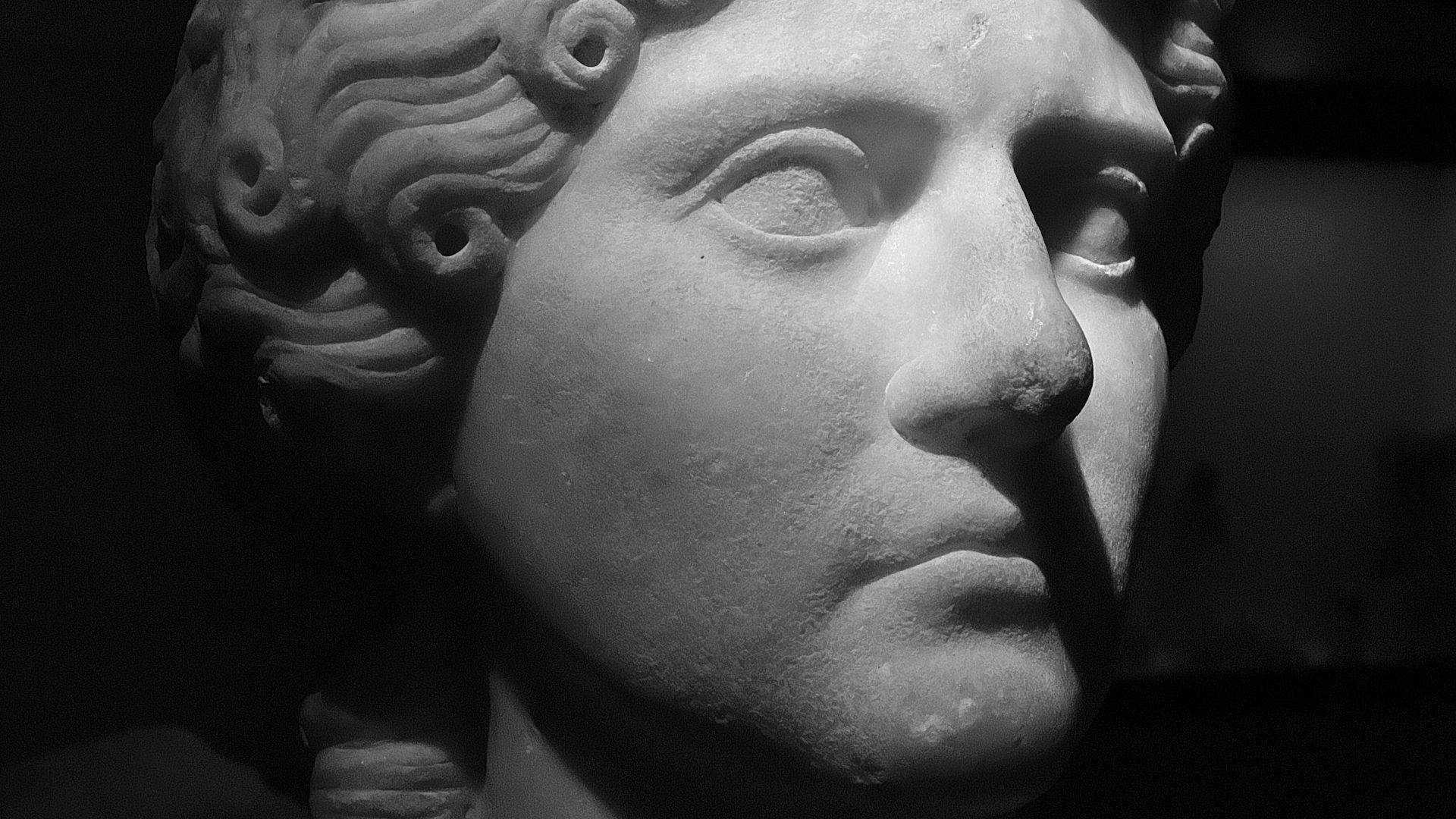
Through his great deeds in battle and diplomacy, not to mention the personal sacrifices he made, Tiberius was one of Augustus’ top candidates to succeed him. This list had shortened even further since Agrippa had already perished, and Tiberius had tragically lost his brother in 9 BCE, which made him the most sensible option.
With nothing left, what else could Tiberius do but continue to serve Augustus?
 José Luis Filpo Cabana, Wikimedia Commons
13. He Took Home Another Win
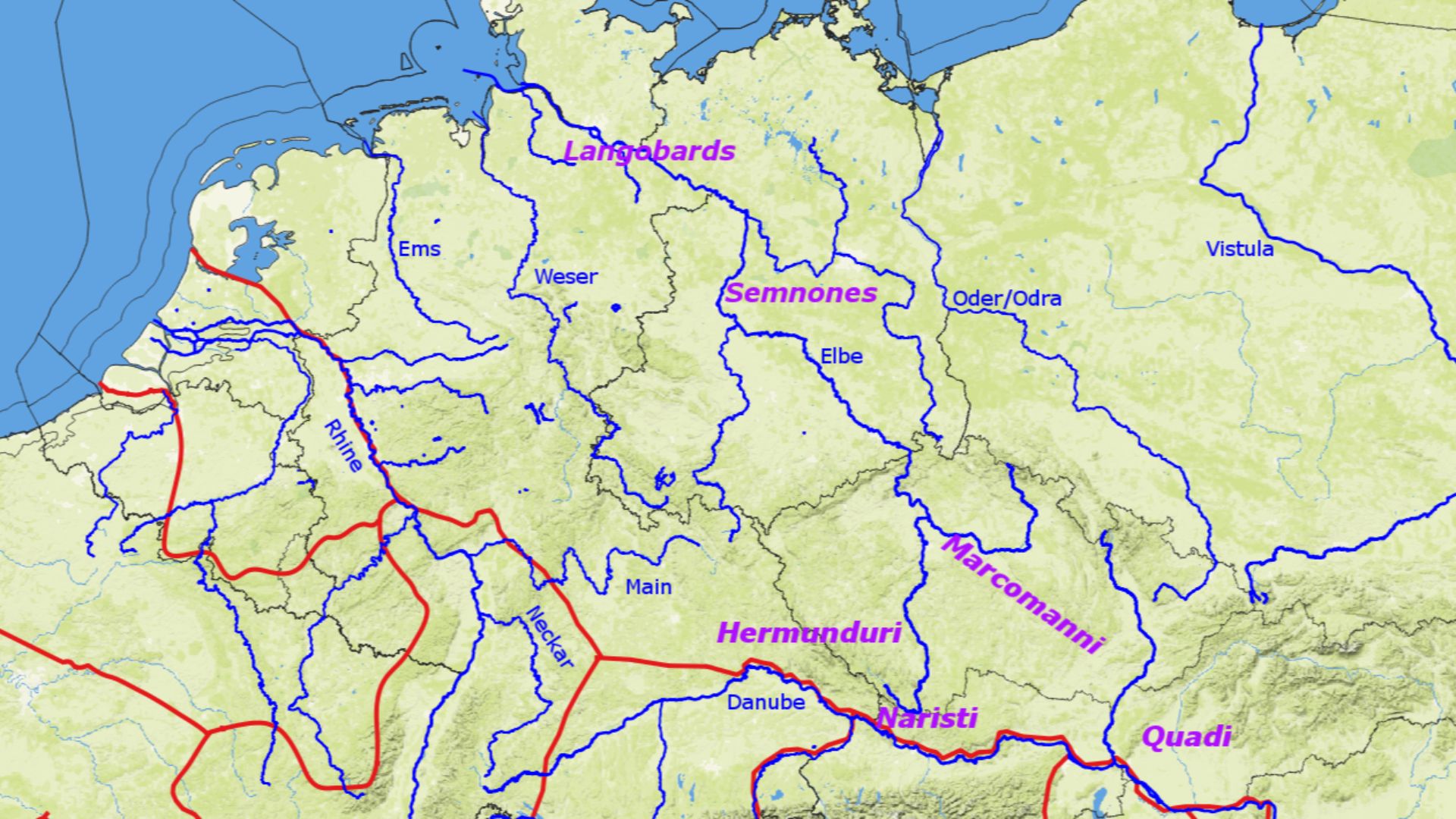
Despite the exhausting personal issues Tiberius was experiencing, he remained a strong commander as he led a campaign against the Marcomanni people in 6 BCE. Like his previous endeavors, this ended with an impressive Roman victory, but he had little time before he had to move on to his next operation in Germania.
However, in one shocking move, he brought everything to a halt.
 Andrew Lancaster, Wikimedia Commons
14. He Took A Step Back
By this point, Tiberius’ blood, sweat, and tears had earned him a high position in Rome, with the potential to go even higher, but something stopped him. Although he was about to become second only to Augustus himself, Tiberius decided to leave those ambitions behind and exile himself to Rhodes. Given all the trouble he had to deal with, this decision isn’t completely unexpected in retrospect, even if his true reasons remain unknown.
One reason is that he may have come to a staggering realization.
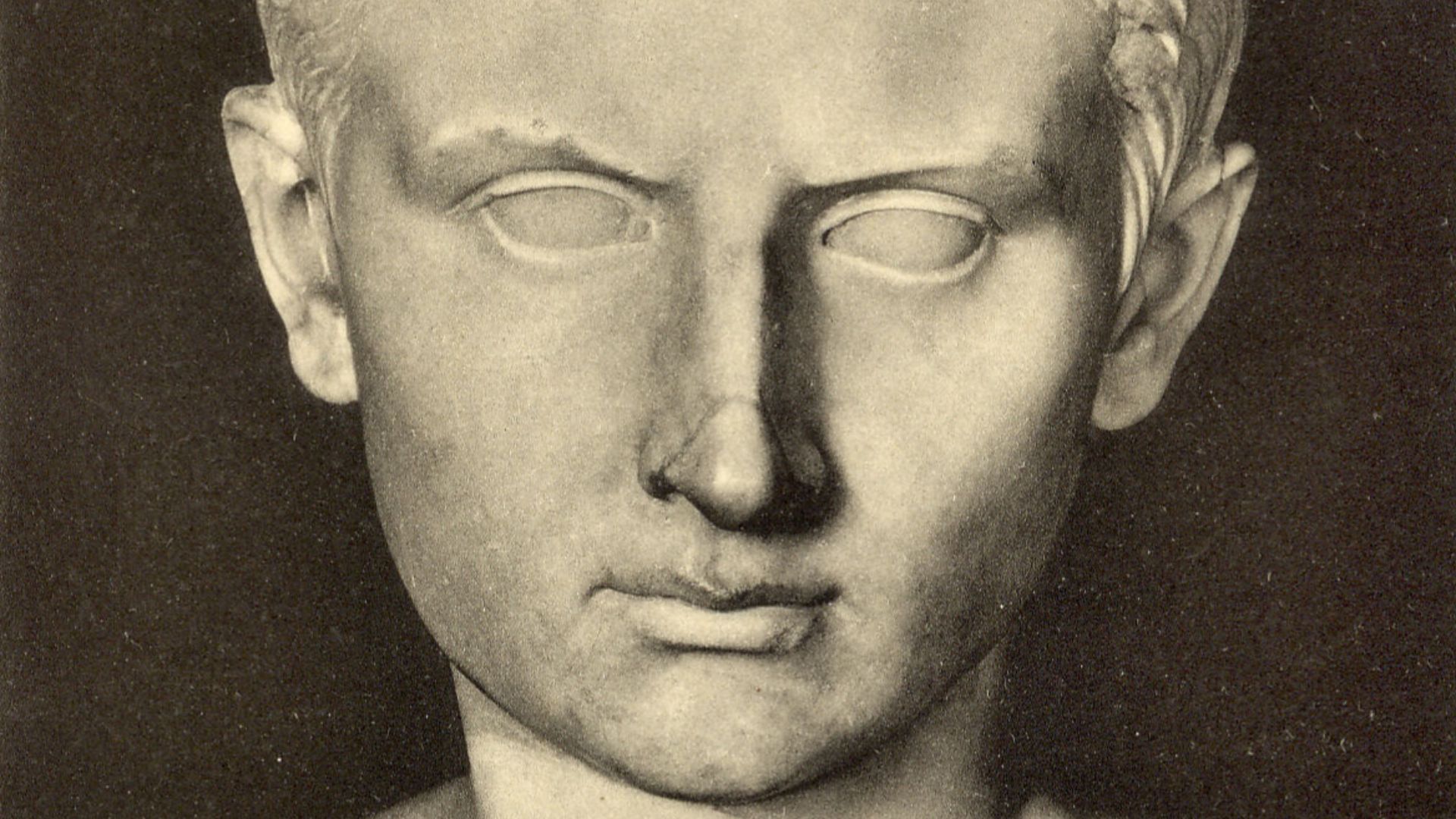
15. They Were Placeholders
To this day, the reality of why Tiberius left for Rhodes is unclear, but scholars have their suspicions based on how exactly he came to power. One theory suggests that initially, neither Tiberius nor his brother was ever meant to become Emperor, and were only chosen to occupy the positions of heirs until better candidates came along.
Other historians think it all boiled down to how depressing his love life was.
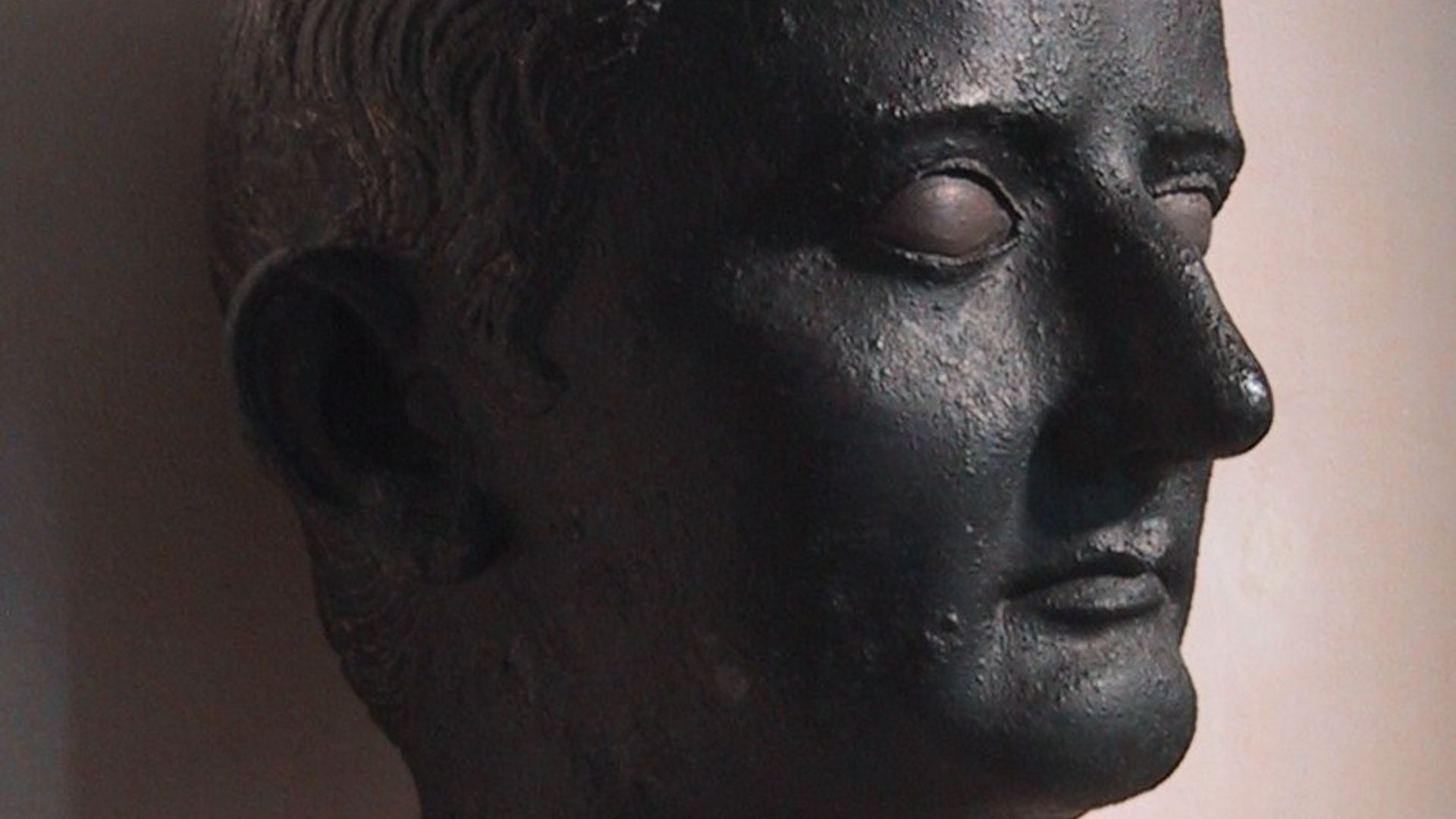 (c) 2005 Zubro, Wikimedia Commons
16. He Couldn’t Be Around Her
While some believe Tiberius’ reasons for withdrawing were strategic or born out of resentment towards Augustus, the truth may have been much more heartbreaking. According to the Roman historian Tacitus, the simplest explanation is that Tiberius felt trapped between the woman he hated but had to face every day and the one whom he loved but could never see again.
Regardless of his motives, Tiberius’ decision had catastrophic ramifications.
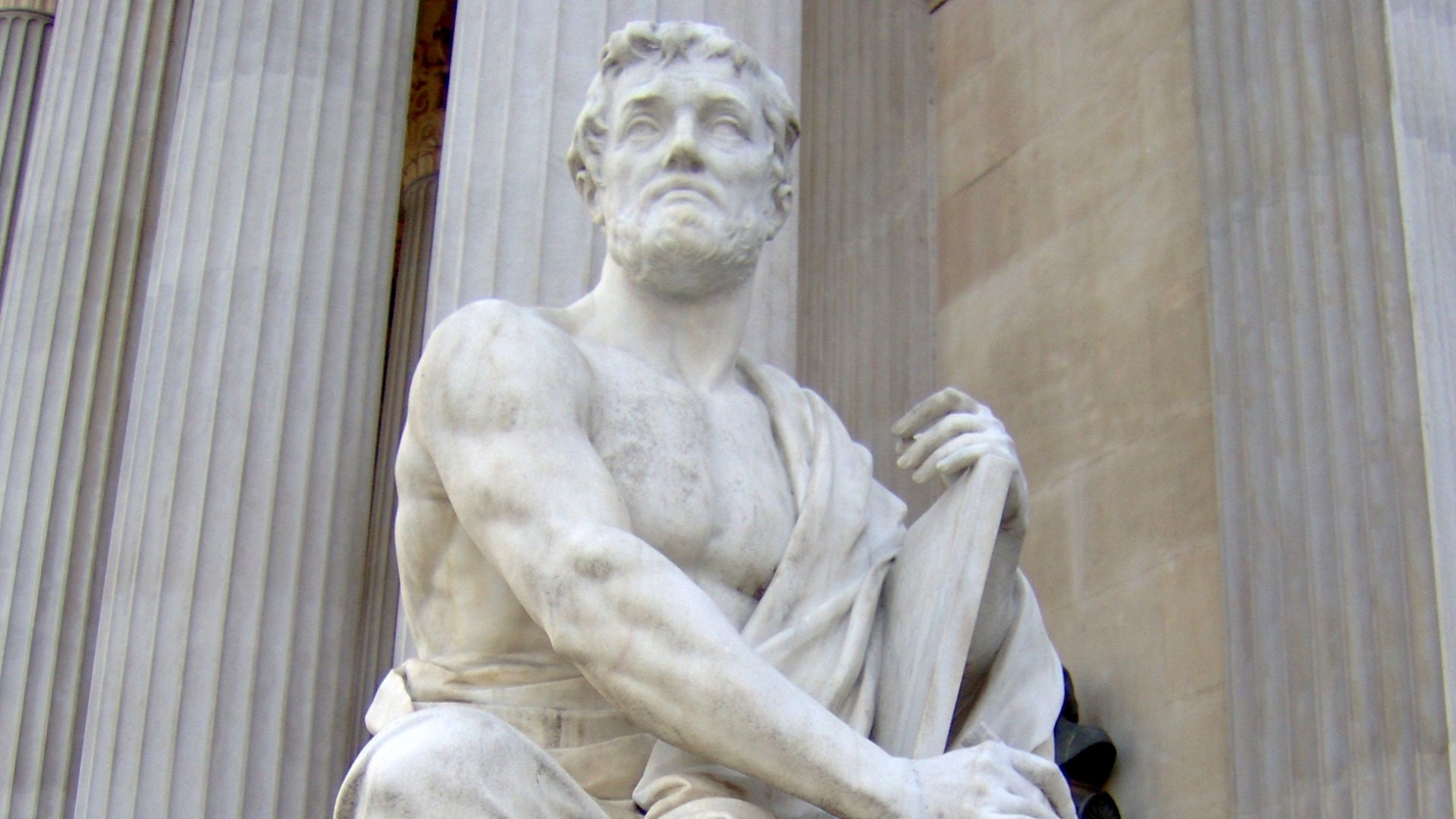
17. He Messed Everything Up
Even if Augustus had intended Tiberius to be just a placeholder in the line of succession, his exile to Rhodes wasn’t part of the plan, and it threatened everything he had devoted his life to. Although Augustus still had his two grandsons as potential heirs, neither of them was old enough to rule yet, putting his legacy at risk once again.
Naturally, Augustus wasn’t going to let Tiberius go without a fight.
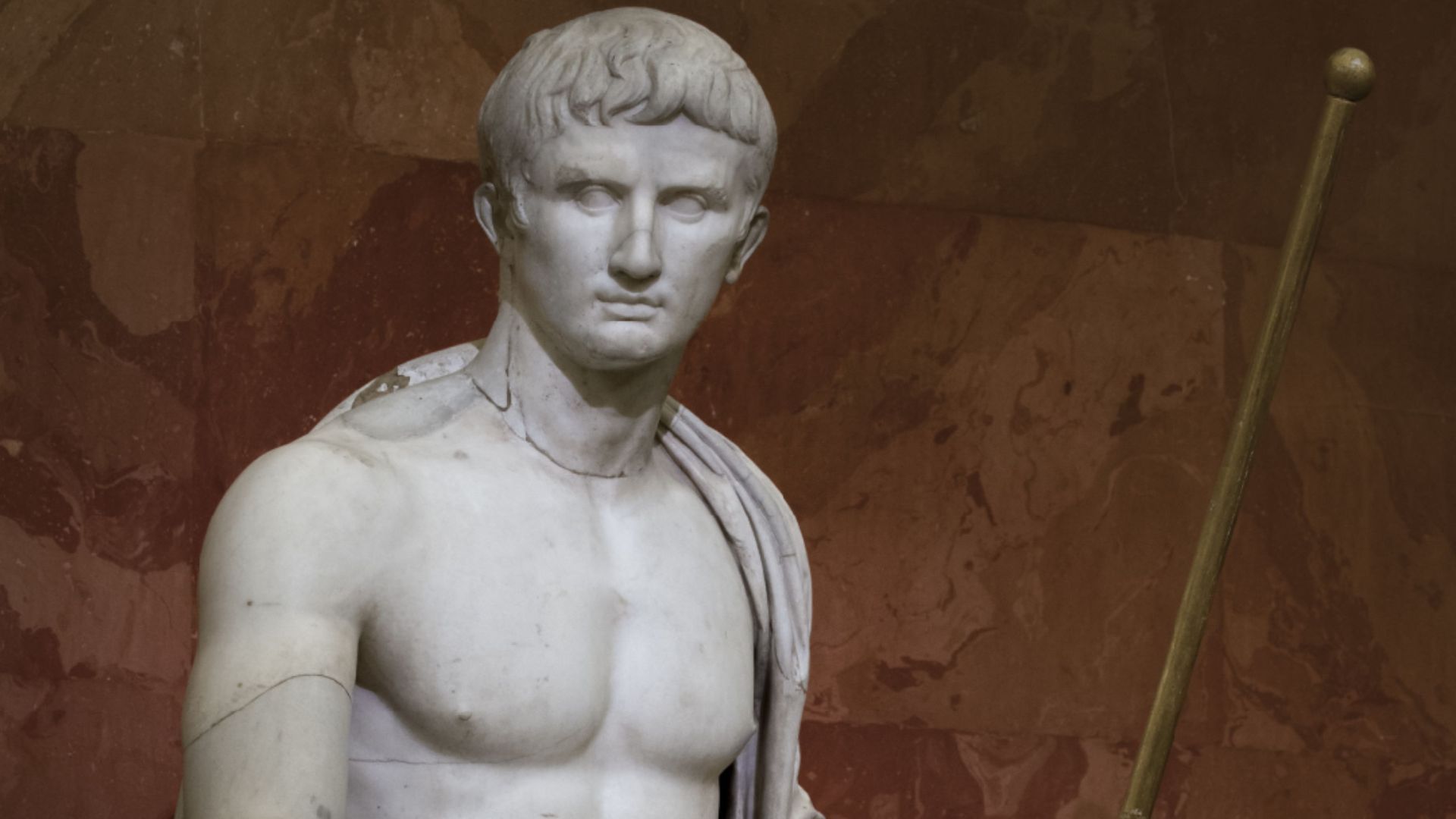 С. И. Сосновский, Wikimedia Commons
18. He Begged Him To Stay
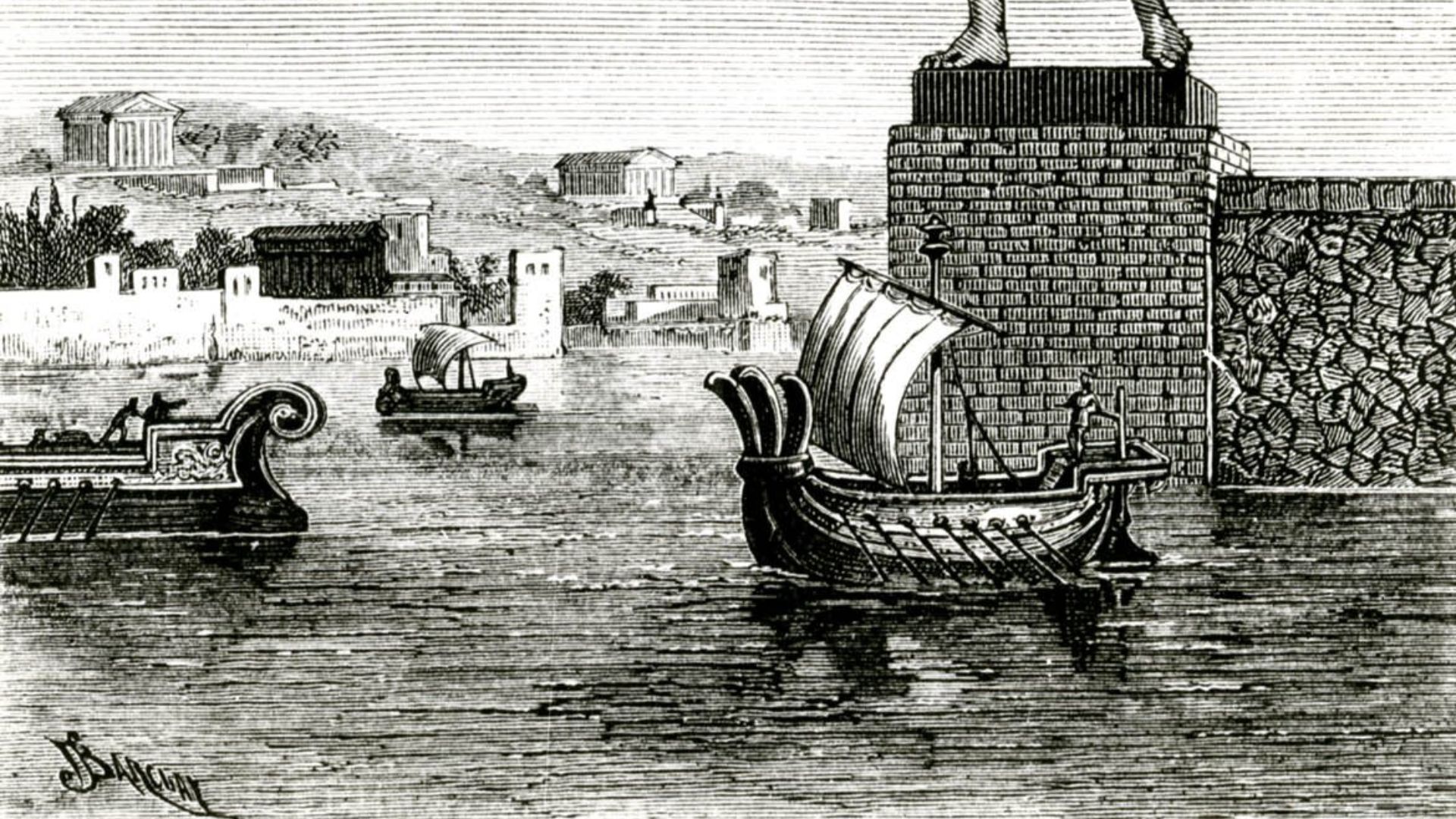
Tiberius probably had moments where he wanted to disobey Augustus before, but when he actually worked up the courage to do so, the Emperor didn’t take it well. According to some stories, after learning that his step-son was going into a self-imposed exile, the Emperor faked an illness to get him to stay. Determined, Tiberius called his bluff, and after anchoring his ship off the coast for a while to make sure Augustus was lying, he left for Rhodes.
However, something happened that even Tiberius never expected.
 gravure sur bois de Sidney Barclay numérisée Google, Wikimedia Commons
19. He Made A Quick Turn
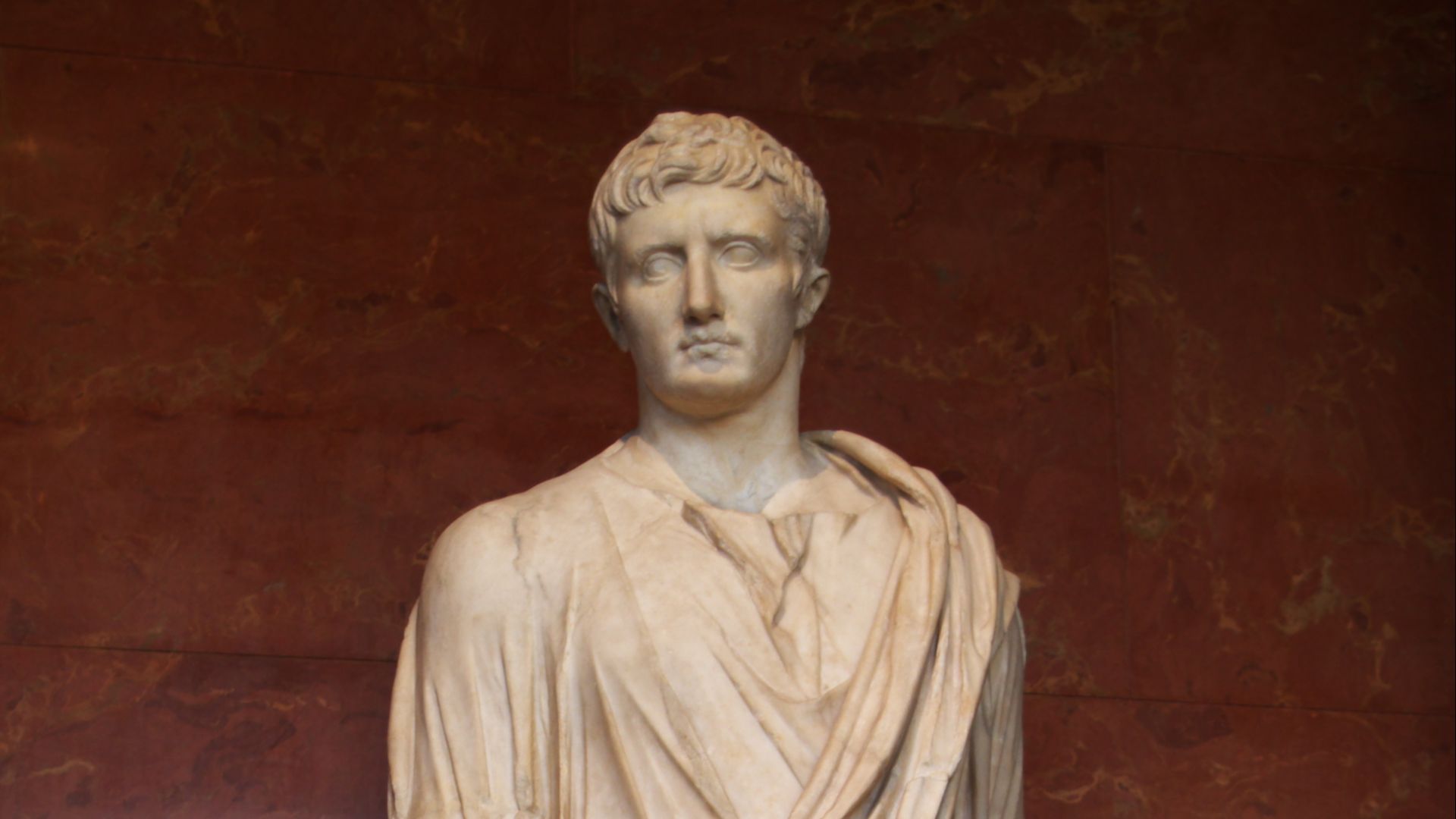
Although Augustus pleaded with him to stay and take up the command offered to him, Tiberius wouldn’t budge—at first. As it turned out, not long after exiling himself, Tiberius regretted his decision and completely backpedaled. Unfortunately for him, Augustus’s pride had taken over, so no matter how much Tiberius asked, the Emperor wouldn’t allow him to return.
Luckily, before long, he discovered he wasn’t out of second chances.
 Unknown artistUnknown artist, Wikimedia Commons
20. He Brought Him Back
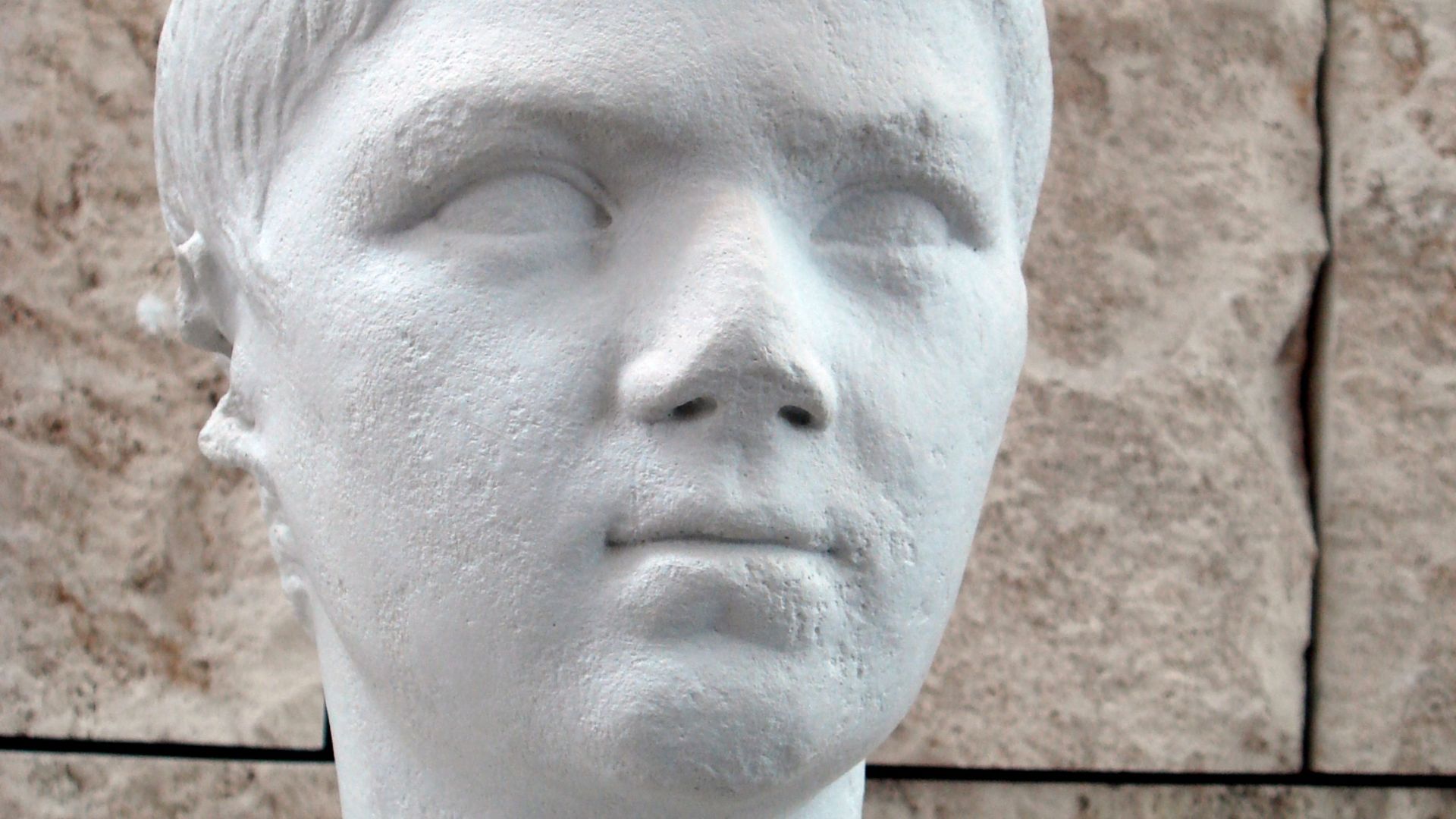
Augustus likely took great pleasure in refusing Tiberius’ entry to Rome after trying so hard to get him to stay, but he soon wouldn’t be able to enjoy this luxury. Losing his grandson, Lucius, in 2 CE, a grieving and begrudging Augustus finally granted Tiberius’ request to come back, but only gave him the status of a private citizen.
Even then, Augustus’s situation would only get more dire.
 Giovanni Dall'Orto, Wikimedia Commons
21. He Took Him In
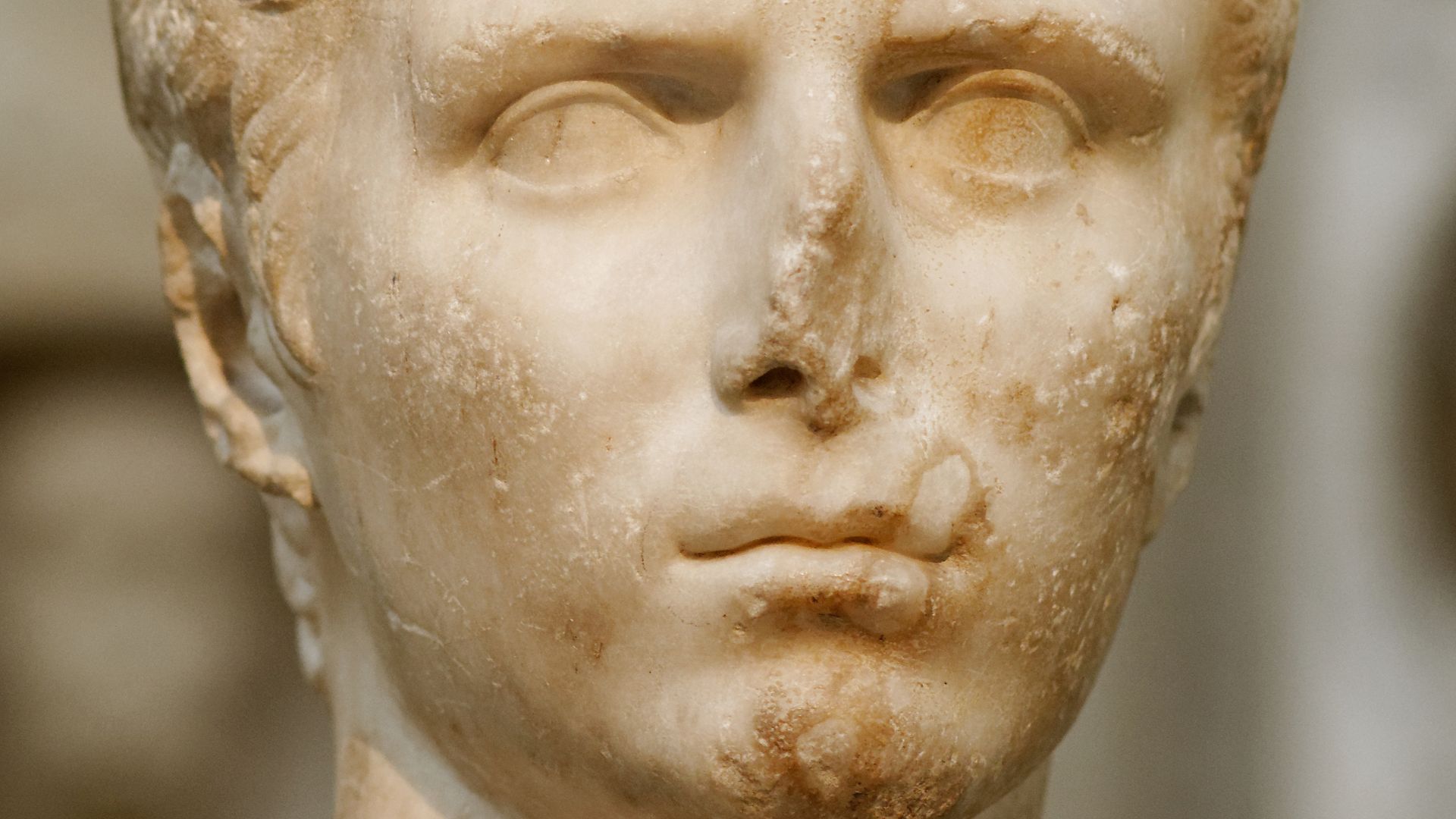
Augustus certainly would have liked nothing more than for his remaining grandson, Gaius, to become the next Emperor and prove they didn’t need Tiberius—but this wasn’t the case. In 4 CE, Gaius also perished, so Augustus had to put aside his pride and bring Tiberius back into the fold, going so far as to adopt him as his son on paper and make him his sole heir.
Suddenly, Tiberius once again had more power than he could ever hope for.
 Unknown artistUnknown artist, Wikimedia Commons
22. They Were Partners
Over the next several years, Tiberius and Augustus rebuilt some of the trust they had lost, and Tiberius immediately proved to be a worthy heir—not just the only one still alive. Despite being second-in-command, Tiberius held the same authority as Augustus, making them essentially “co-emperors”.
Still, he had one more rung to climb, and it was already getting closer.
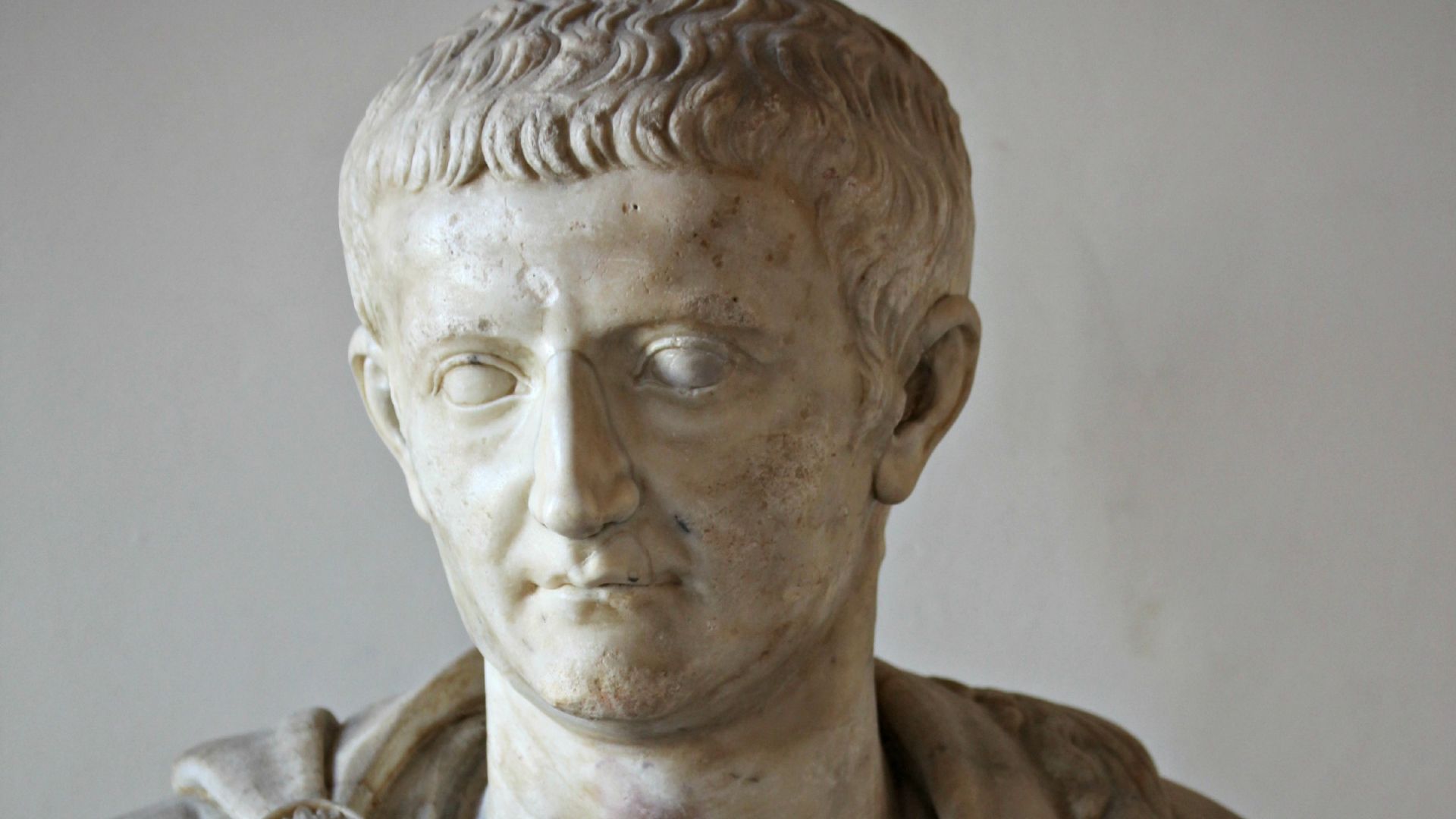 Mongolo1984, Wikimedia Commons
23. He Was On The Decline
While Augustus had ruled over Rome for longer than he probably expected, his poor health never stopped being an issue, and it became even worse in 14 CE. Tiberius was away on official business, but upon hearing that the Emperor was on his deathbed, he rushed home to Augustus’s side.
Tiberius knew he was about to become the most powerful man in Rome.
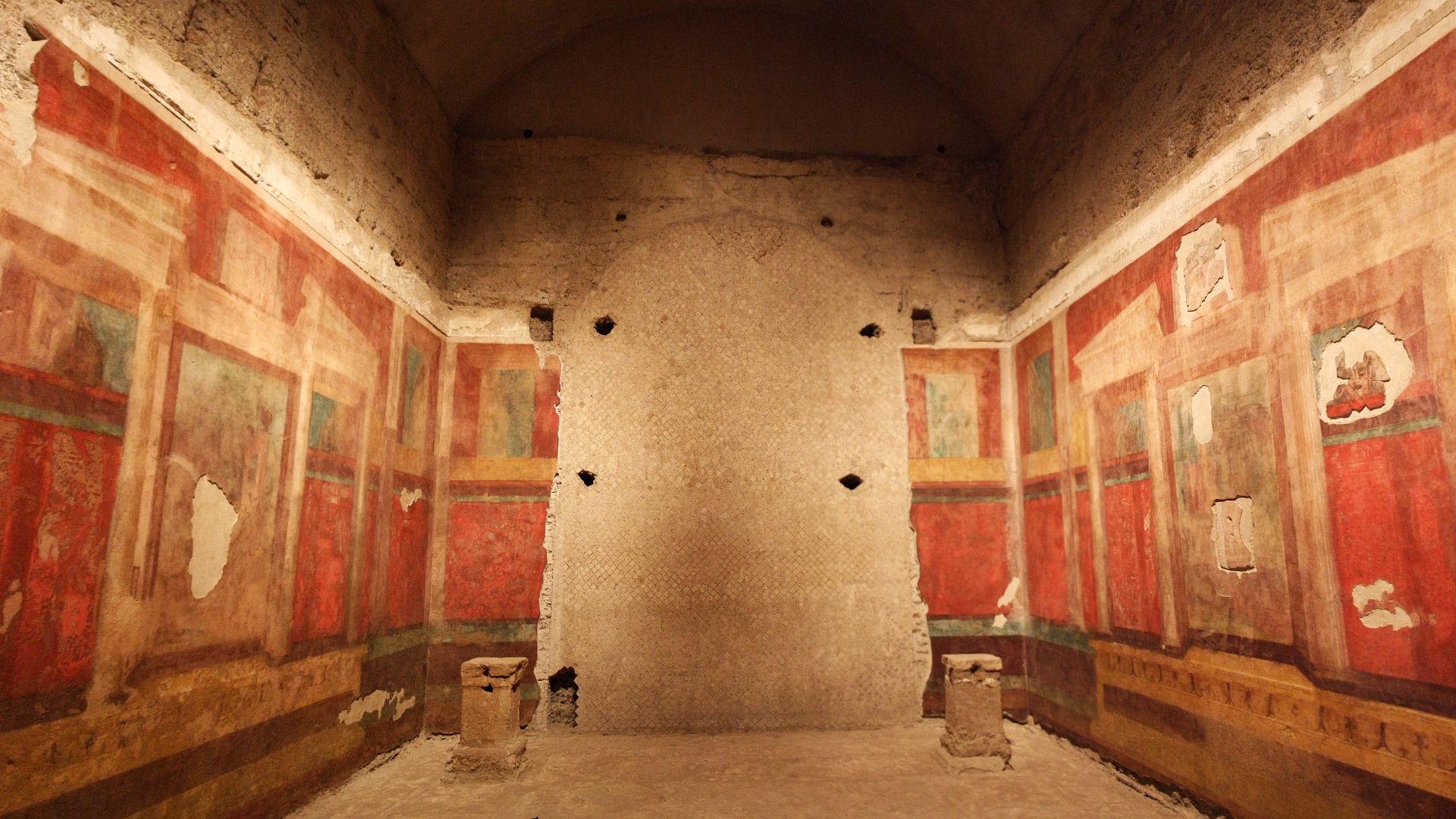 Cassius Ahenobarbus, Wikimedia Commons
24. He Took His Place
While there was likely some animosity remaining between the two, Tiberius and Augustus spent a whole day together in private before the Emperor finally passed on August 19. As both Augustus and the Senate had recognized Tiberius as the only legitimate heir, he was able to take the mantle of Emperor without anyone kicking up a fuss.
Still, he was no longer the same man who had served Augustus in his youth.
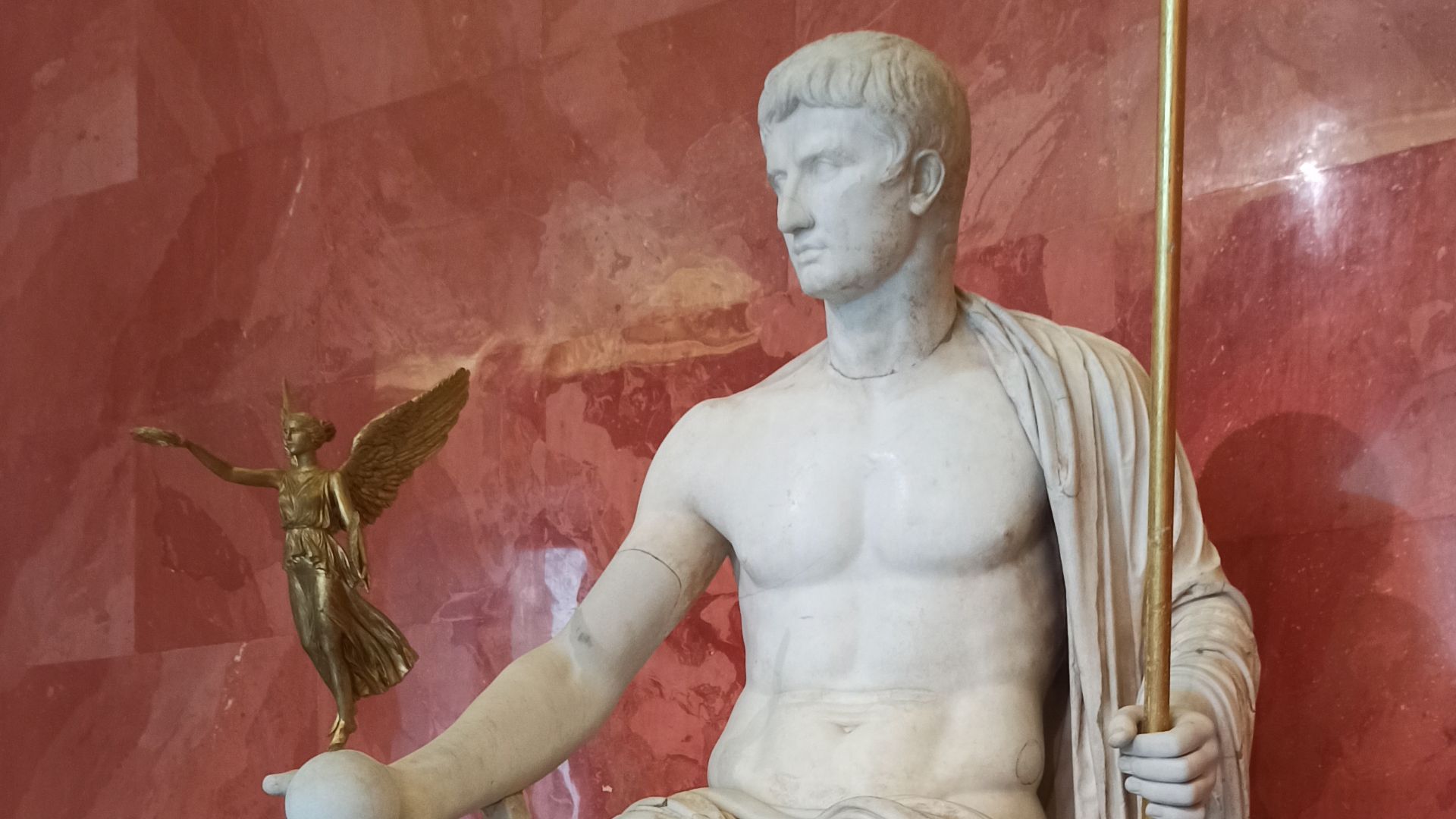
25. His Leadership Changed Him
Tiberius may have begun his political career with great ambitions for a high-ranking office, but his priorities had clearly evolved since then. Beyond that, he barely resembled the man he was even a few years before, as sources state that he lost an unusual amount of body fat and most of his hair.
Even worse, he began to suffer from a more dangerous issue.
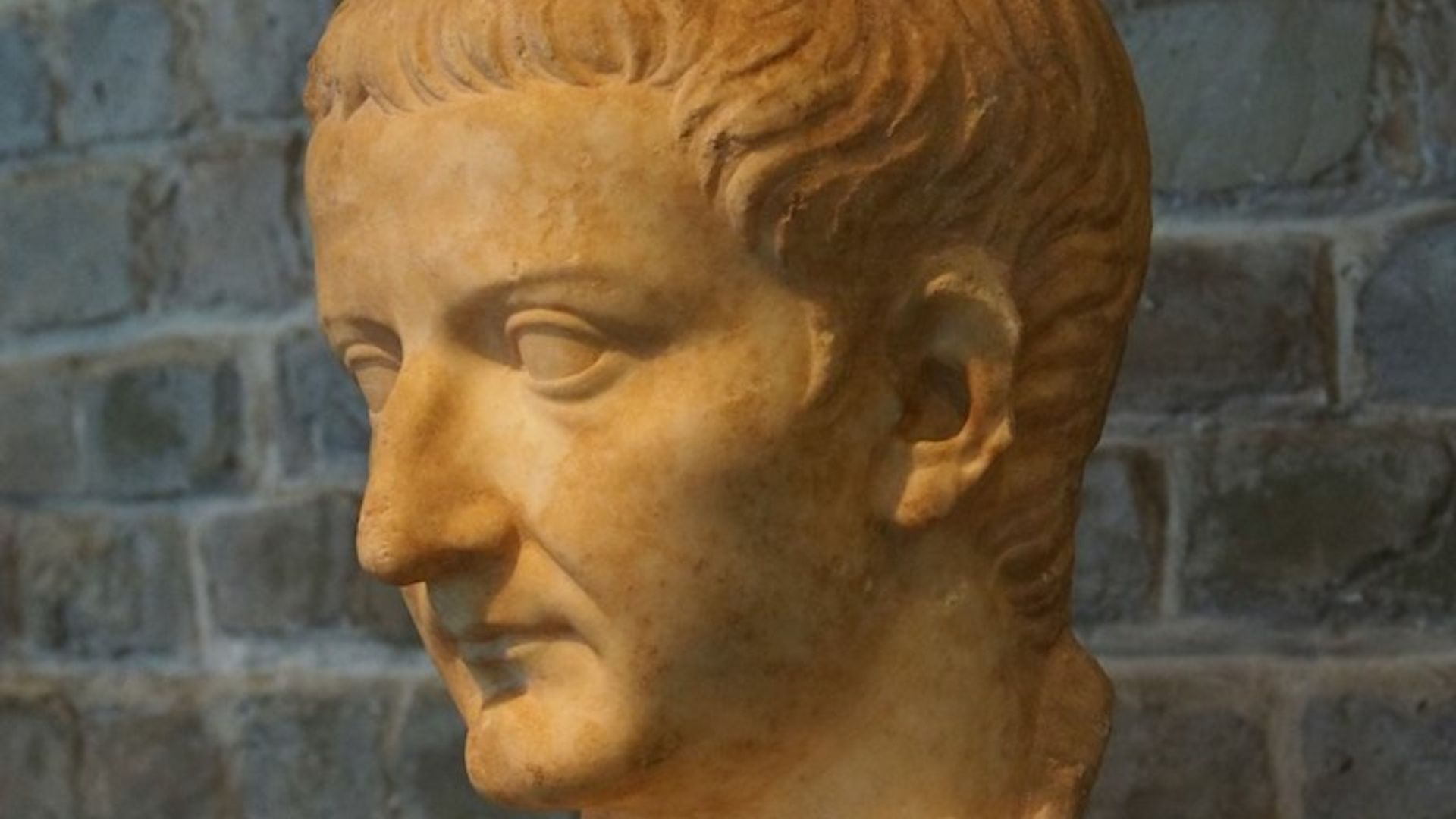 Clay Gilliland, Wikimedia Commons
26. He Was The Victim Of An Outbreak
Tiberius was allegedly as strong as ever, even while his thin appearance caused some to believe he was suffering from some illness. In truth, he had developed a grotesque infection on his face, believed to be the result of a herpes epidemic at the time. This became such an issue during his rule that Tiberius outlawed kissing at public events.
Even though he was the Emperor, he still couldn’t help but swim against the current.
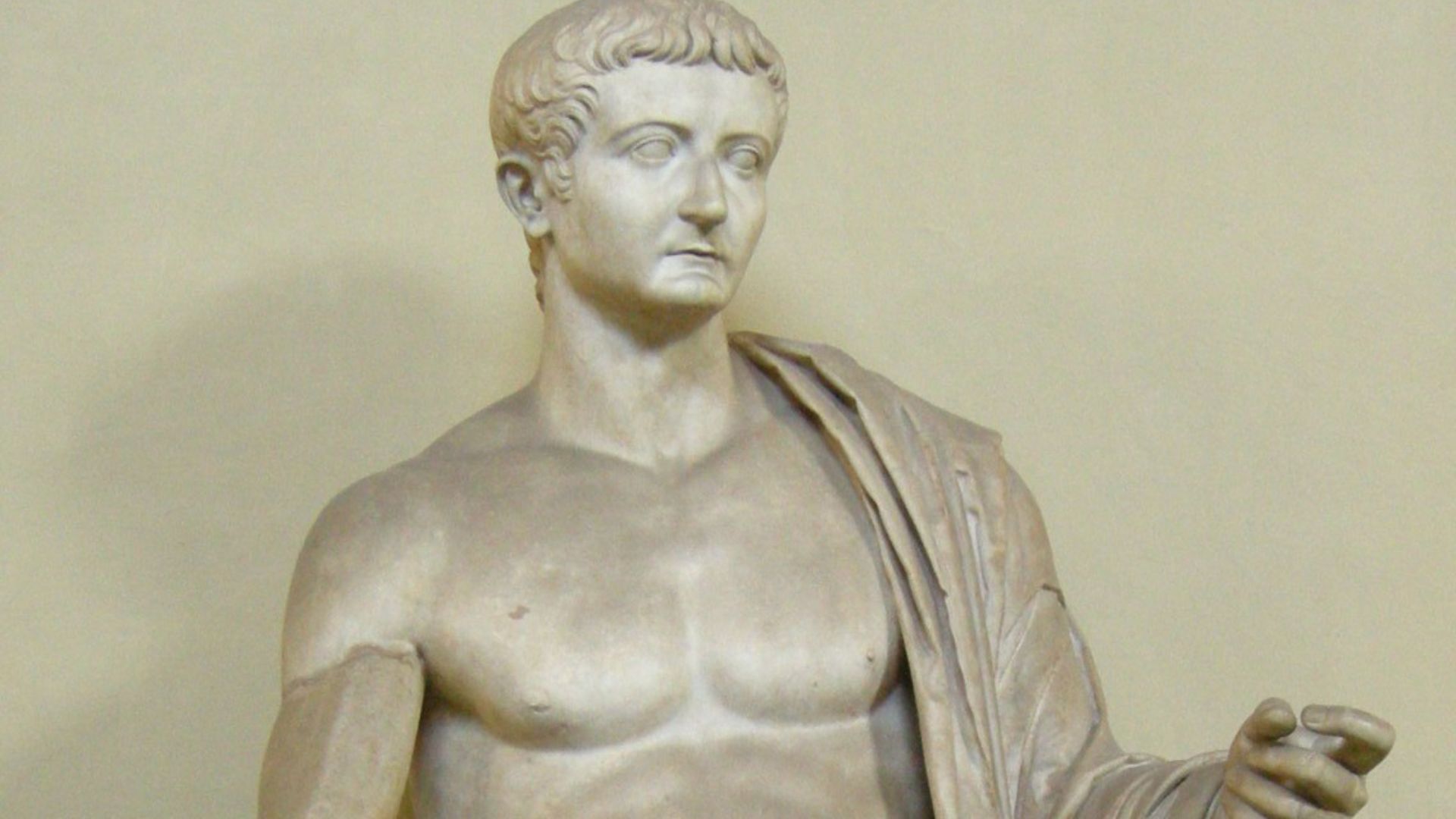
27. He Refused His Titles
With his previous exile, Tiberius had already proved he would not be the typical Roman Emperor—even if he was only the second one in history. He continued to rebel against the norms by declining certain honors, such as the Civic Crown, and titles that Augustus had carried before him, like “Pater Patriae,” meaning “Father of the country”.
To some, this was one of the worst transgressions he could commit.
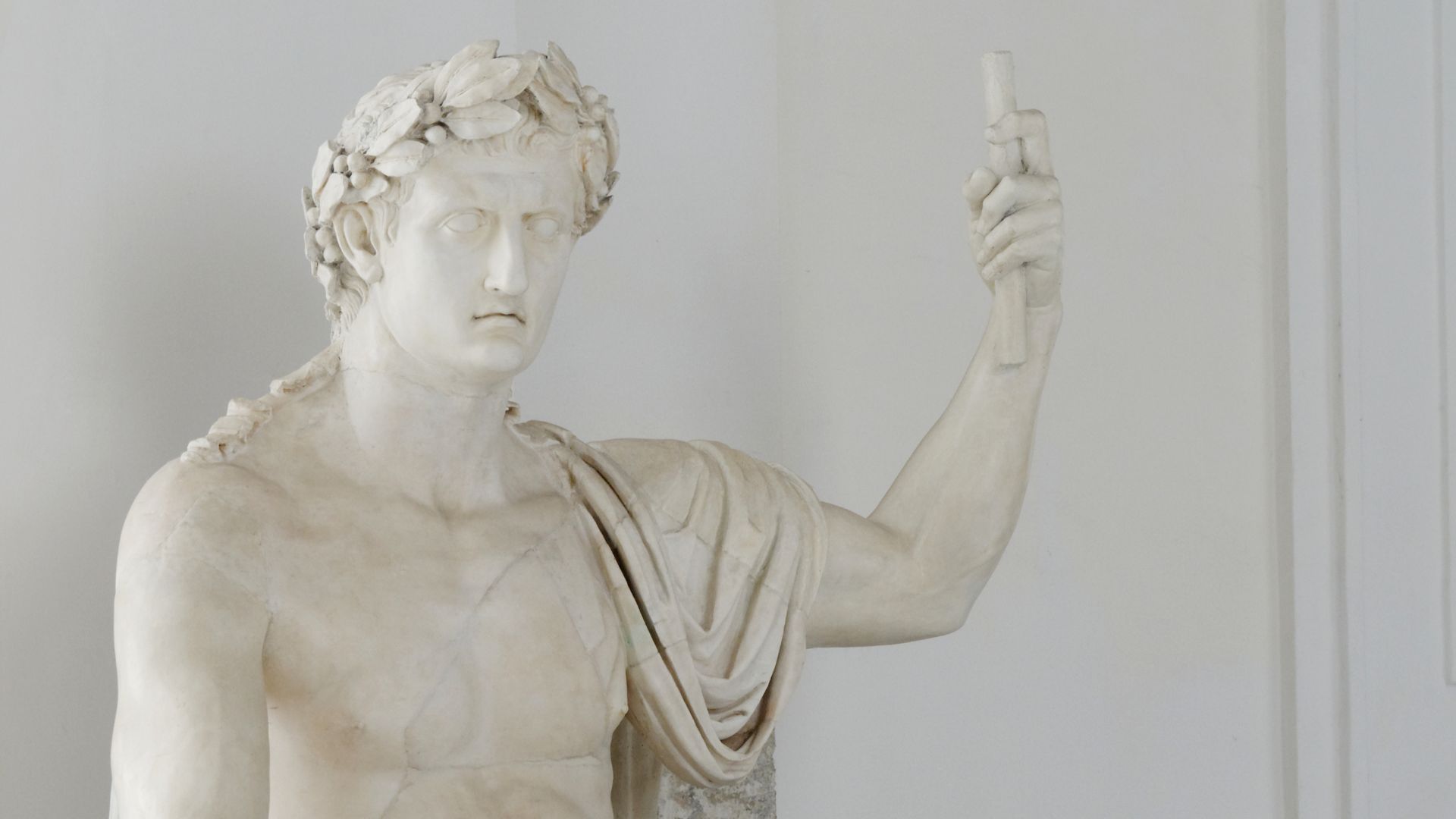
28. He Offended Them
In keeping with the circumstances surrounding his rise to power, Tiberius demonstrated that while he may not have wanted to become Emperor, he still had every intention of serving Rome with honor. This reputation motivated him to refuse many of the typical titles, which might have impressed the public, but most of the aristocracy berated him as a fake and a hypocrite.
Understandably, there were a select few who were constantly at odds with him.
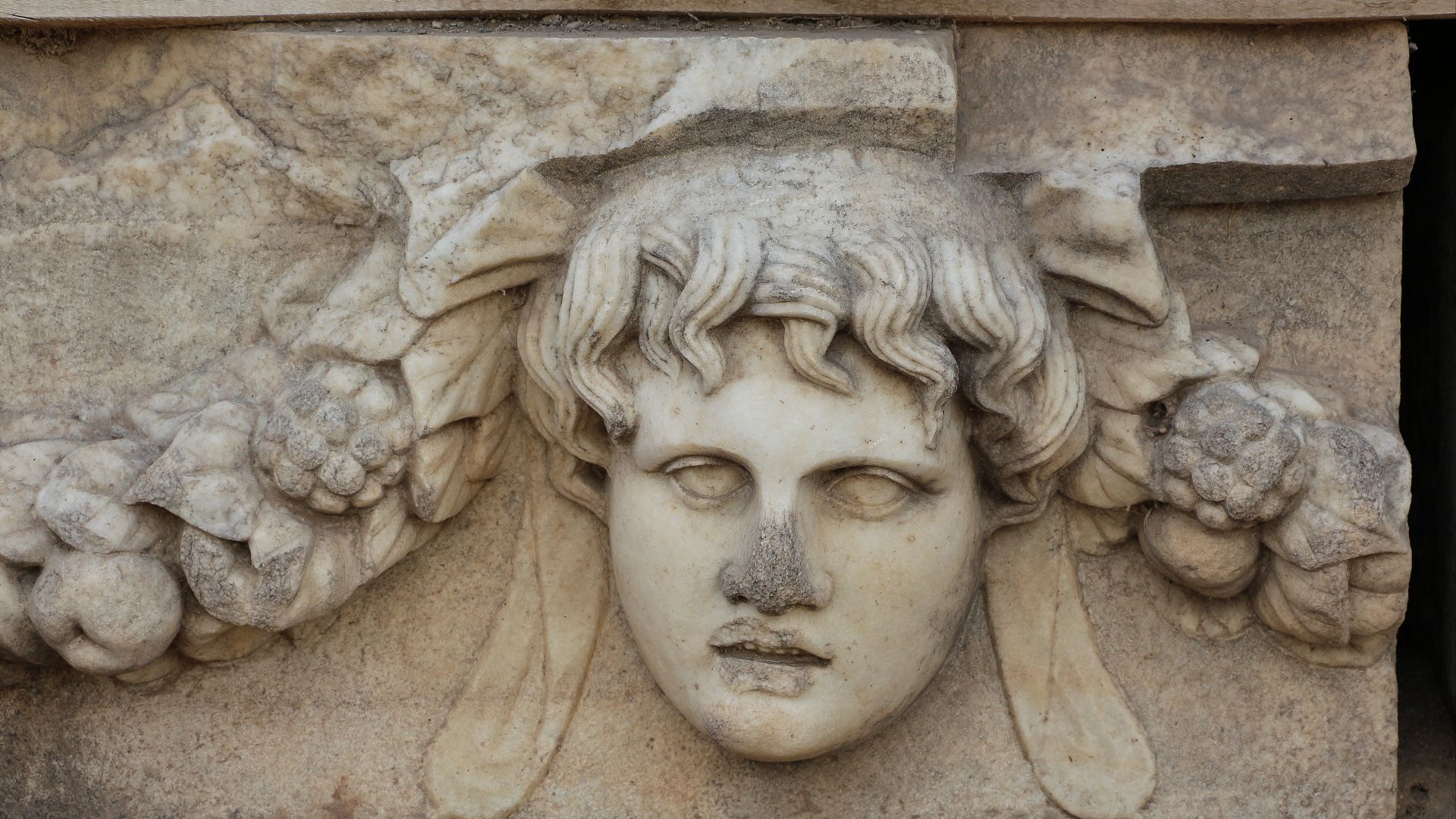 Bernard Gagnon, Wikimedia Commons
29. They Didn’t Like Each Other
Despite rejecting many of the usual honors, Tiberius still held the power that came with the title of Princeps, which the Senate validated at his request. This didn’t mean they were on his side, though, especially since he made it clear how much he despised them. Referring to the Senators as “men fit to be slaves,” Tiberius worked with them as little as possible, and they responded with similar hostility.
Luckily, they knew he wouldn’t be the Emperor forever.
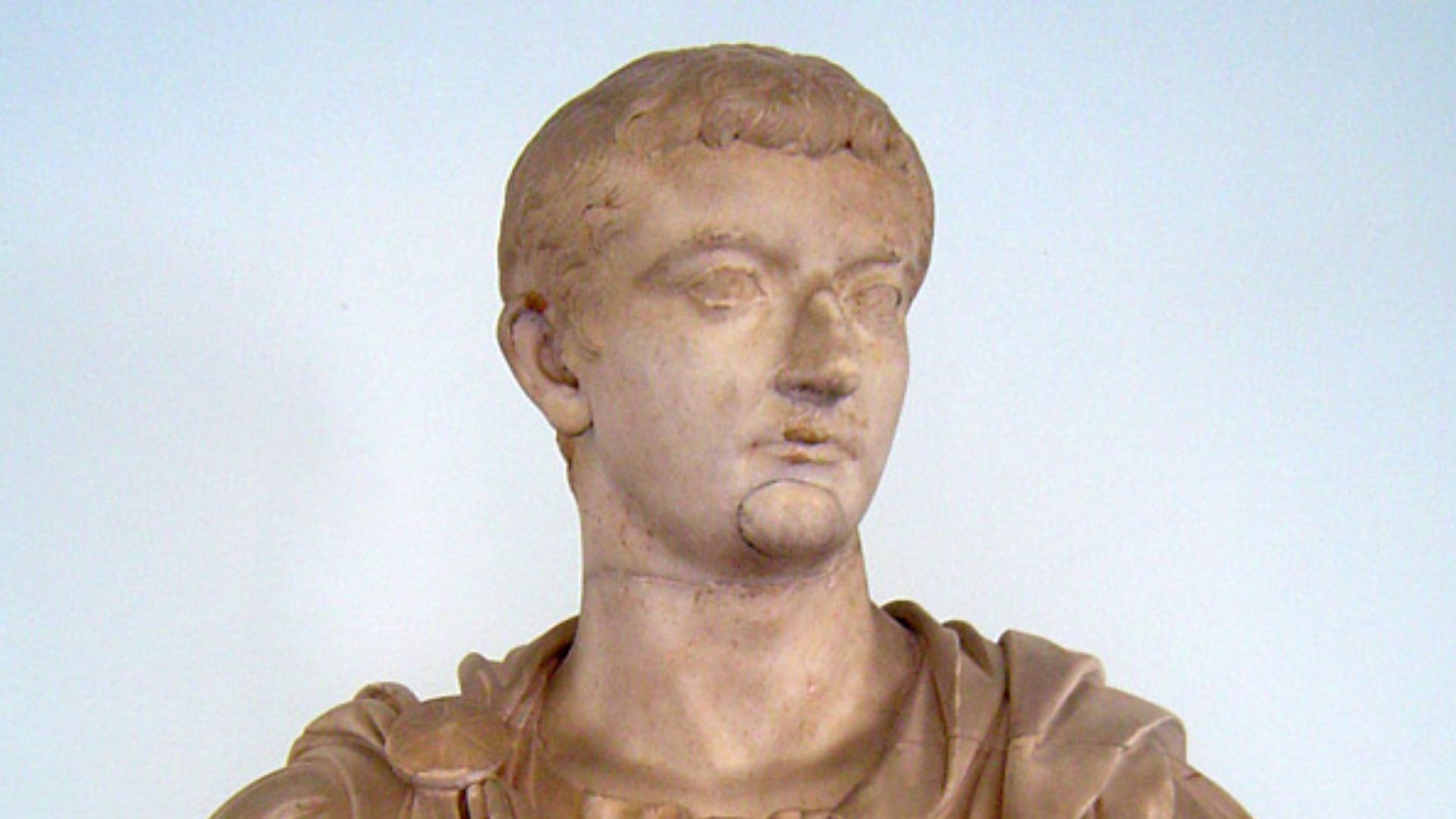 User:ChrisO, Wikimedia Commons
30. He Found An Heir
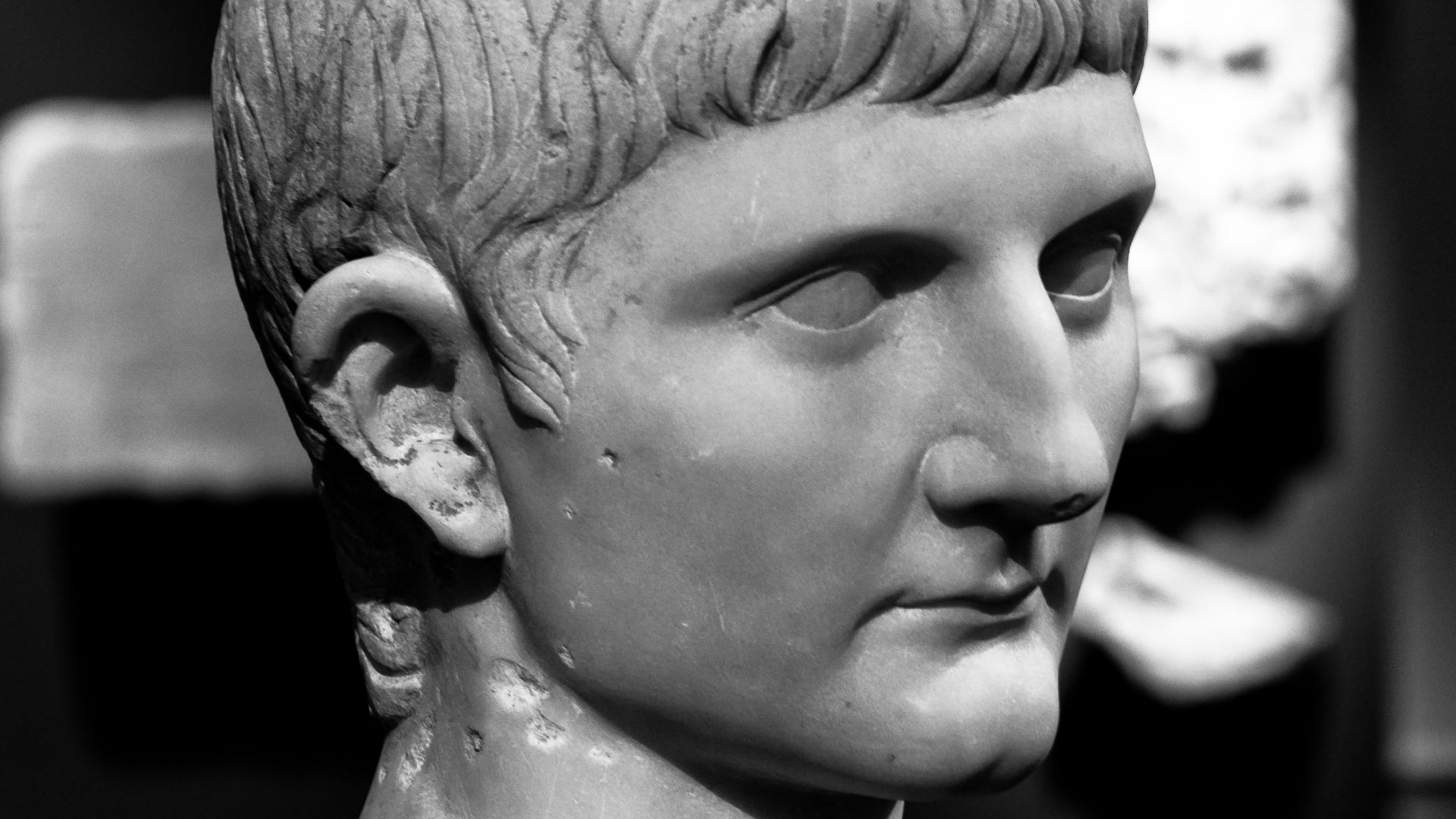
When Augustus adopted Tiberius as his official son and heir, their deal wasn’t without any catches, and it required Tiberius to adopt his nephew, Germanicus, as his heir. This started out well, with Germanicus proving to be just as worthy of the throne as Tiberius. However, it all fell apart the following year, when Germanicus perished under bizarre circumstances—possibly due to poisoning.
All of a sudden, history was repeating itself—in the worst way possible.
 PierreSelim, Wikimedia Commons
31. He Lost Another Successor
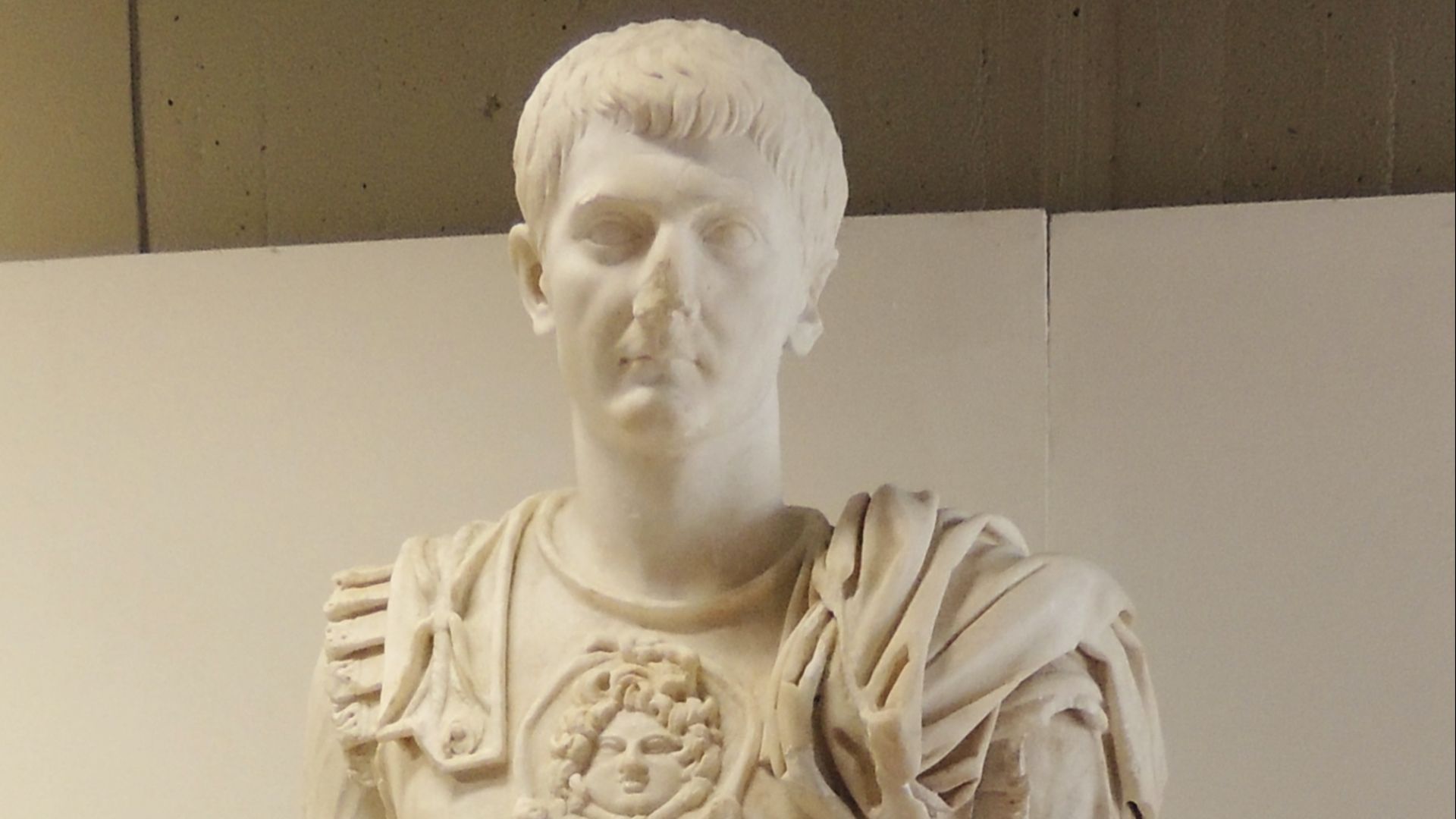
Germanicus had only been next in line at Augustus’s demand, but after his sudden passing, Tiberius was free to appoint who he wanted as his heir. Elevating his son, Drusus, to the office of tribune, Tiberius was finally able to decide something of his own—but not for long. Unfortunately, he seemed doomed to experience the same struggles as Augustus, as Drusus perished mysteriously in 23 CE.
If there was any kind of silver lining, though, he still had someone he could count on.
32. He Was His Right-Hand Man
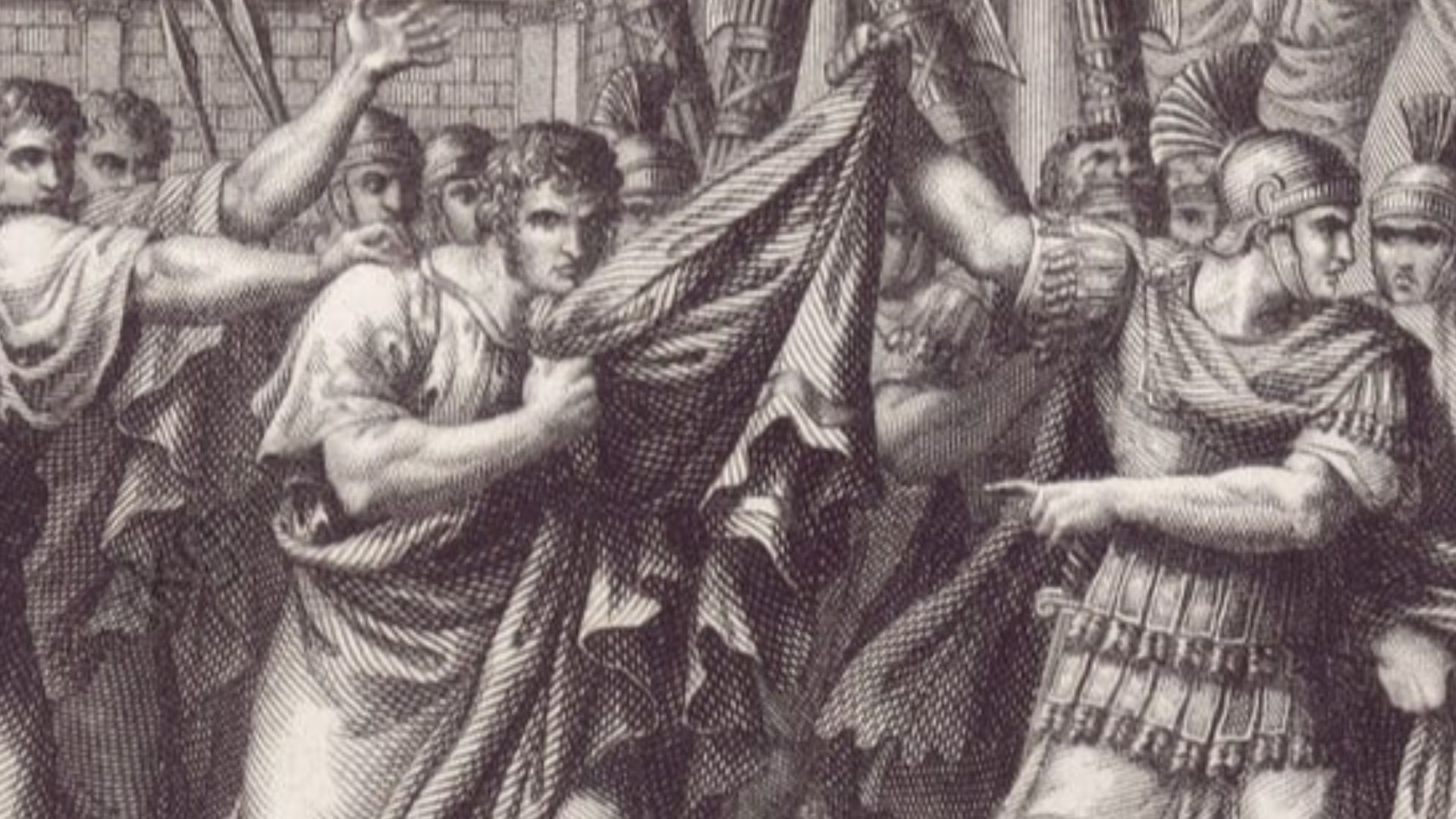
Tiberius had already been growing more and more disillusioned with the power and responsibilities of being Emperor, and the loss of his son only made it more unbearable. As a result, he relied increasingly on his staff, and no one more than the Praetorian Prefect, Lucius Aelius Sejanus. In many ways, Sejanus filled the void that Tiberius’ son had left, as the Emperor treated him much like a partner.
In fact, Sejanus was exactly who Tiberius needed for what he was planning.
 Etching by G. Mochetti after drawing by Bartolomeo Pinelli, Wikimedia Commons
33. He Placed Him Front And Center
It was clear to most of the Roman elite that Tiberius had wanted little to do with being Emperor for a long time, and now that he had Sejanus, his greatest wish was coming true. Promoting his command and even building statues to celebrate him, Tiberius gave Sejanus nearly all of his authority, all while he slowly crept away from the spotlight.
Suddenly, the question arose as to who really ruled over Rome.
 User:Mharrsch, Wikimedia Commons
34. He Had All The Power
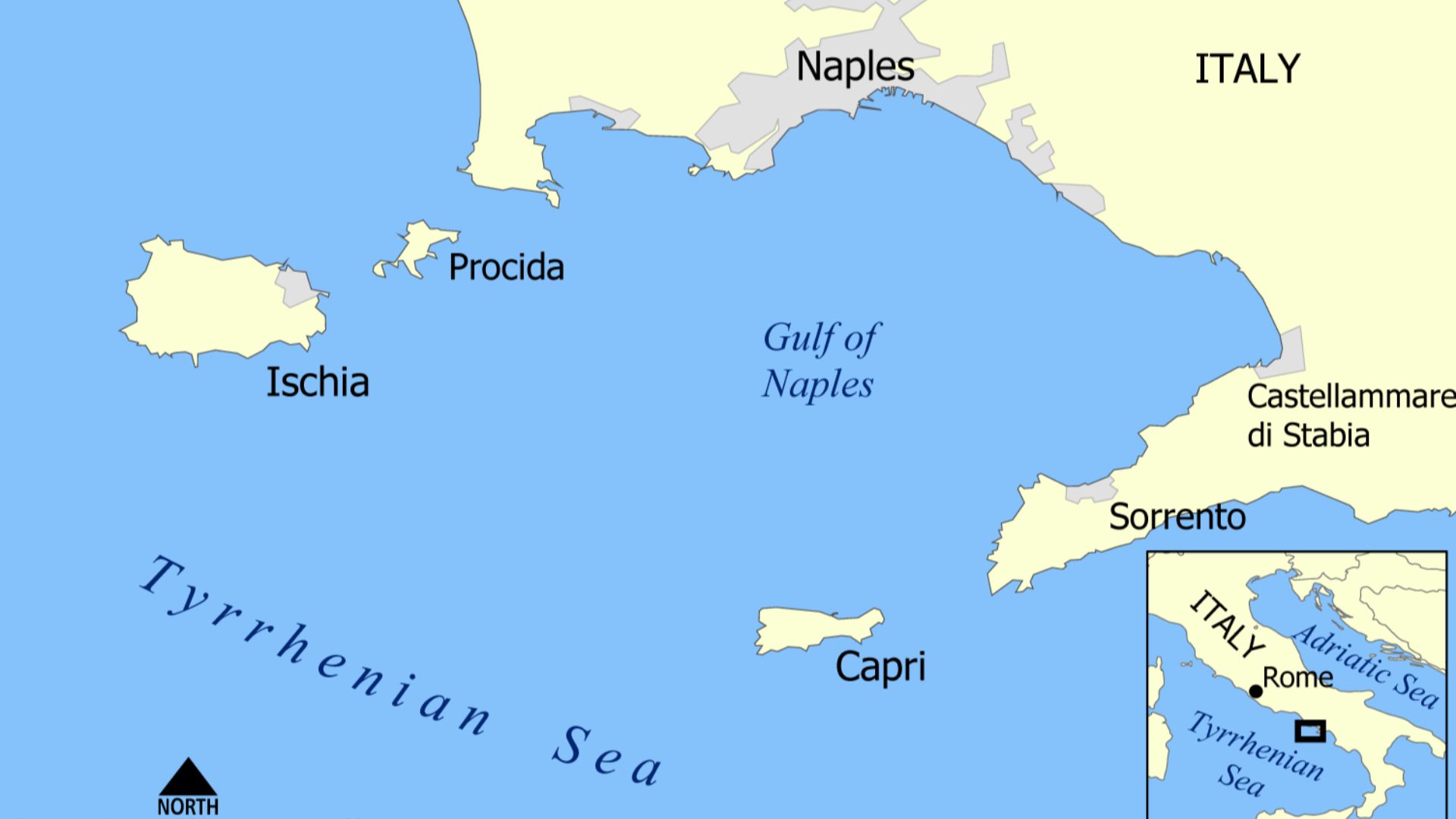
With a 20-year career of serving Rome, no one could deny Sejanus’ dedication to the Imperial family, but he was also no stranger to ambition. Fortunately for him, the throne was all but handed to him as Tiberius got some much-needed distance from it, withdrawing to the island of Capri in 26 CE. At that point, all that was missing for Sejanus to be the Emperor was the title itself.
Naturally, this was the perfect opportunity for Tiberius’s enemies to strike.
35. They Wanted Him Out
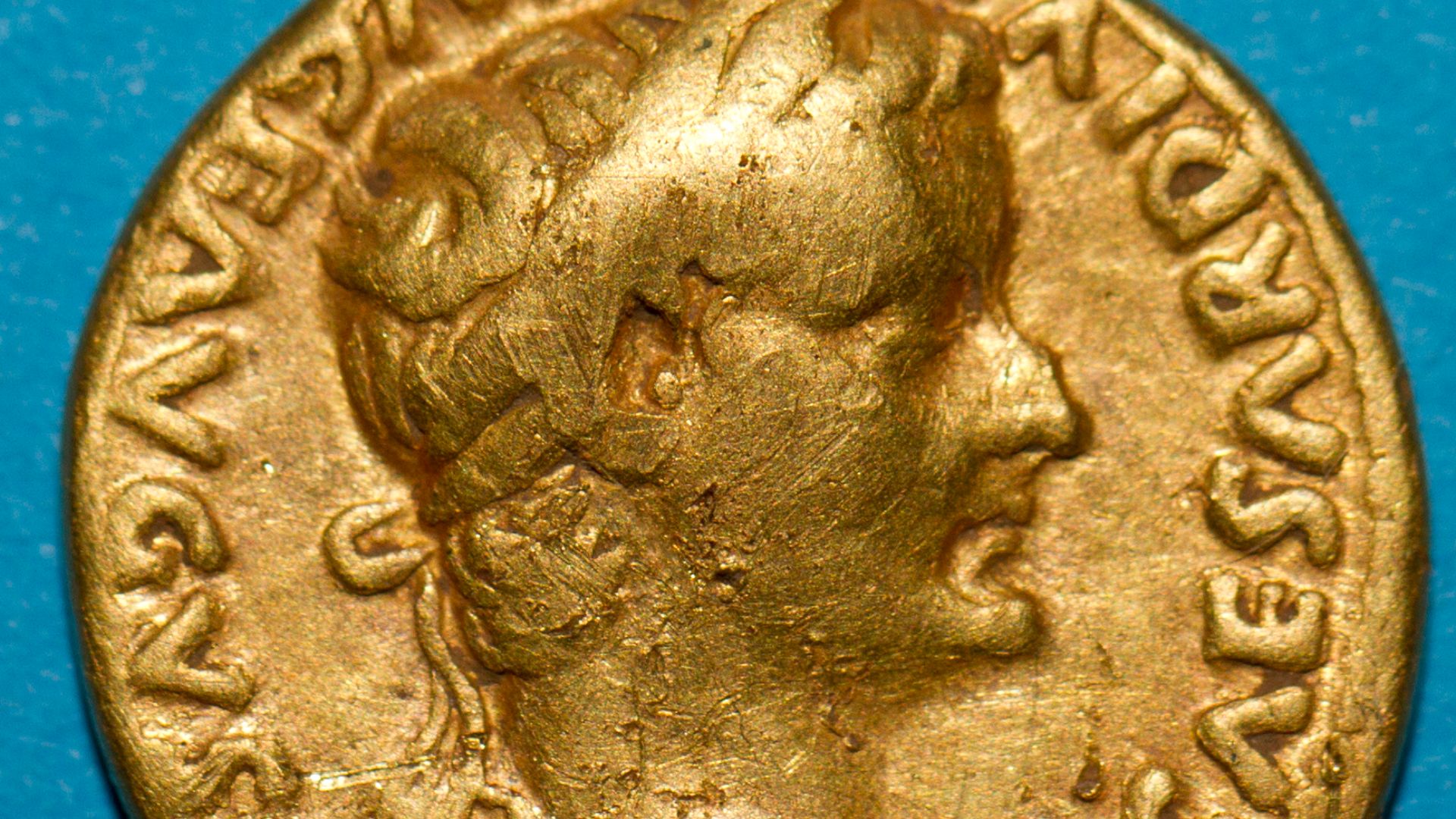
Despite wielding all the power of the Emperor, Sejanus wasn’t going to stop until he took the Imperial throne officially, so he began to scheme. Over the following years, he tried to get in the good graces of the Julian family, hoping they would adopt him into it. From that position, he would be in a much stronger place to overthrow Tiberius once and for all.
However, no matter how careful he was, Sejanus couldn’t keep this a secret forever.
 Bristol City Council, Kurt Adams, 2017-08-01 15:11:57, Wikimedia Commons
36. He Held Him Responsible
Tiberius may have been a reluctant Emperor who delegated much of his power to his second-in-command, but he still couldn’t stand by as others plotted his downfall. In 31 CE, Sejanus discovered that the jig was up when, during a Senate meeting, they read out a letter from Tiberius—who had caught on. Suddenly, the usually passive Emperor was furious and merciless, demanding the immediate execution of his former right-hand man.
Enraged and pushed into action, Tiberius didn’t stop at Sejanus’s punishment.
37. He Had No Restraint
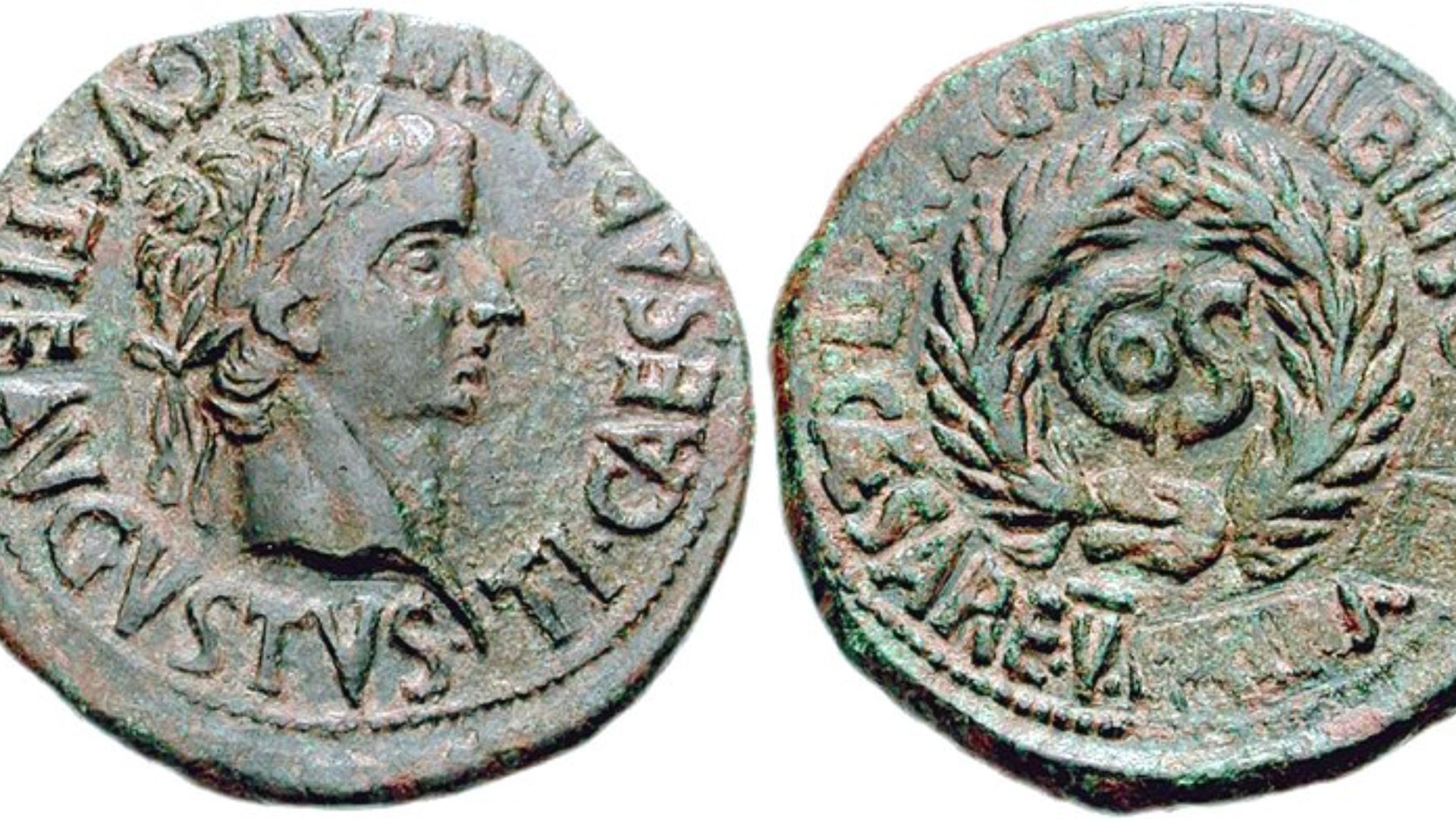
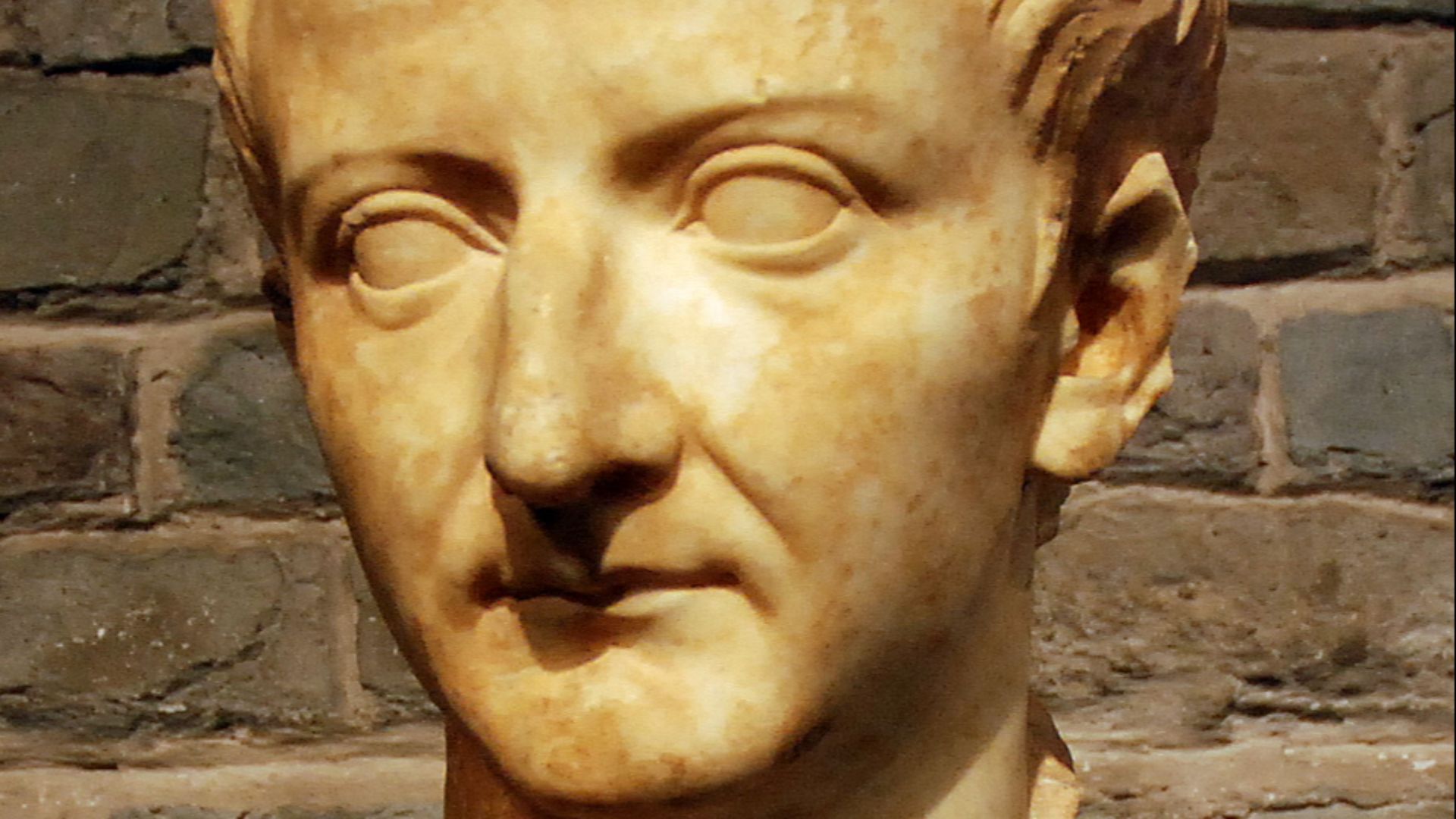
Now in his early 70s, Tiberius had changed much over his long career, and he was far from the young praetor who had served the Empire so honorably. The Senate had Sejanus executed, but he wasn’t alone, and several of his associates joined him at Tiberius’s orders to demonstrate his distinct lack of mercy.
This resulting hunt caused a tidal wave through all of Rome’s elites.
 Paul Hermans, Wikimedia Commons
38. He Was Thorough
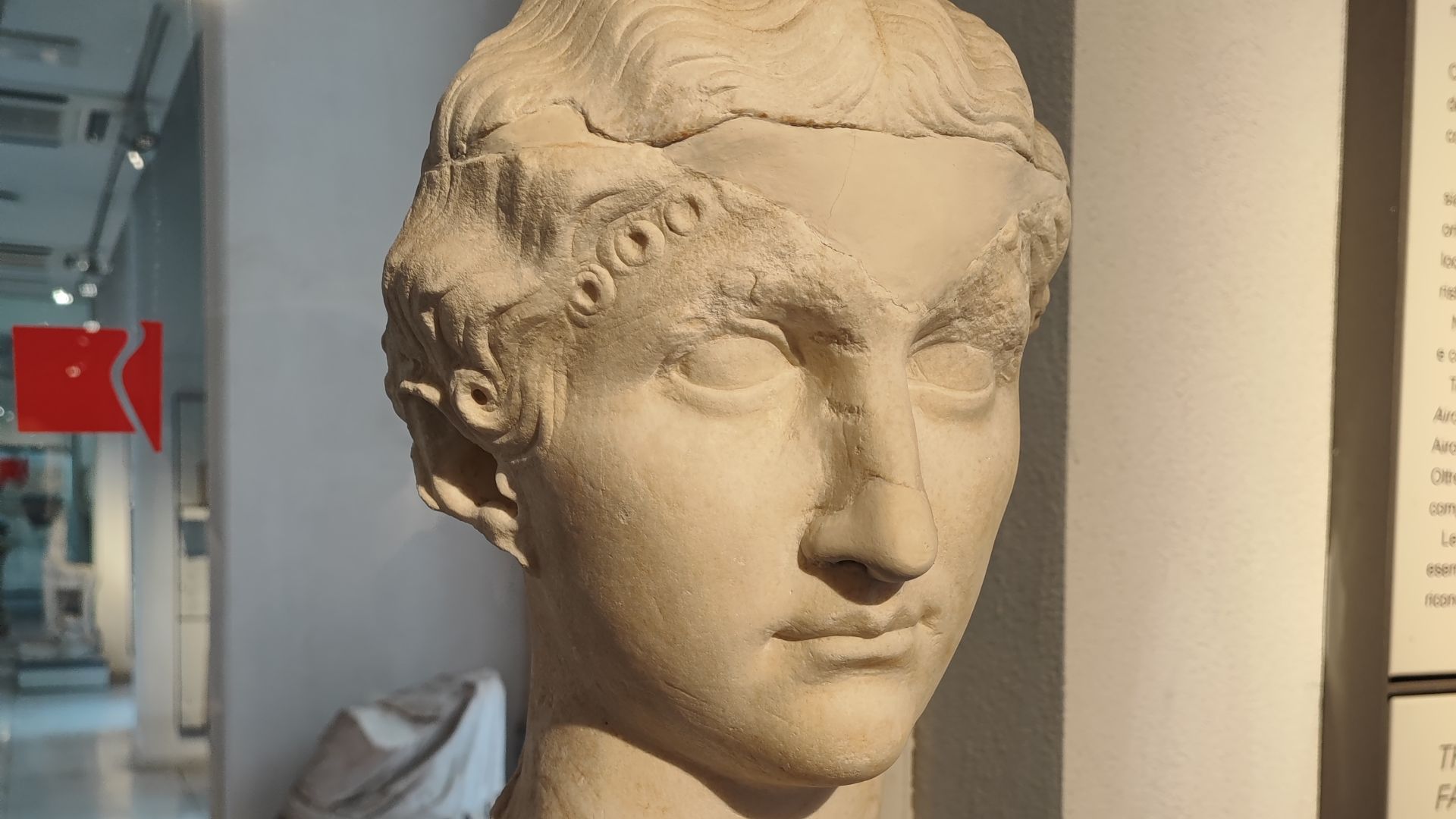
In the wake of Sejanus’ execution, Tiberius went into a frenzy as he tried to weed out any remnants of treason that may have been present in his government. According to some sources, this led to countless executions, targeting anyone even suspected of helping Sejanus, even including his lover and Tiberius’ niece, Livilla.
In response, many other, more despicable rumors about him popped up.
 StarTrekker, Wikimedia Commons
39. They Gossiped About Him
While Tiberius’ treason trials had become a looming shadow over the Roman nobility, he wasn’t actually present to instill this terror himself, since he was still living in Capri. Being so cut off from the rest of his Empire, everyone began to spread horrific rumors about what he was getting up to, often citing perverse or sadistic activities.
Clearly, he hardly had anyone left who wasn’t rooting for his demise.
 Hans Reincke (tätig im 1. Viertel des 17. Jahrhunderts), Wikimedia Commons
40. They All Hated Him
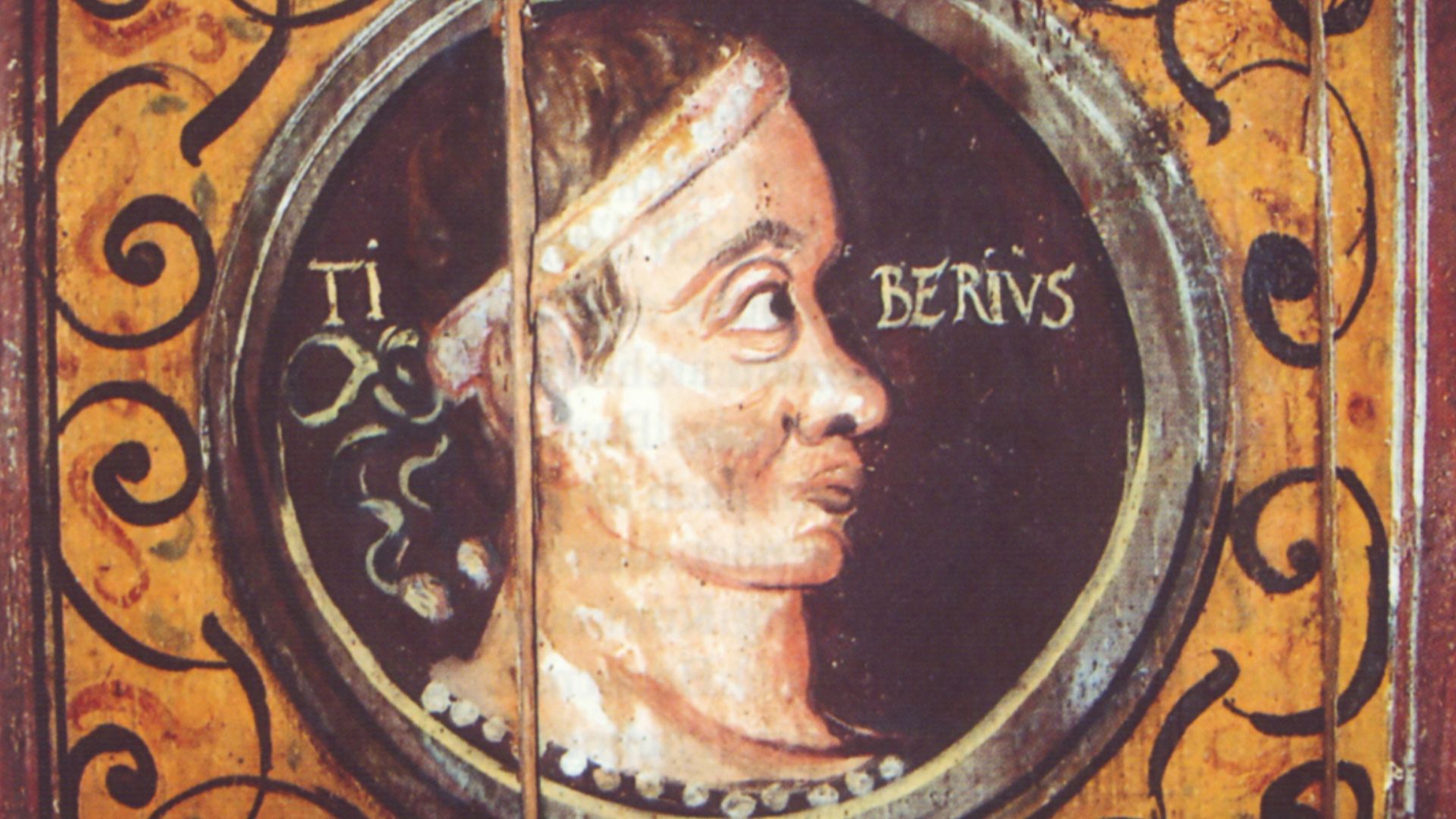
The stories of Tiberius’ activities while in Capri weren’t the extent of the rumors about him, as many said his appearance had started to mirror his deplorable acts, with a body deformed by blotches and pockmarks. Most saw him as a monster in every sense, and while it’s unclear how embellished these stories were, their existence is a good indicator of how much the Romans loathed him.
Finally, he realized it was time to wash his hands of all of it.
 Paolo Costa Baldi, Wikimedia Commons
41. He Left Everything Behind
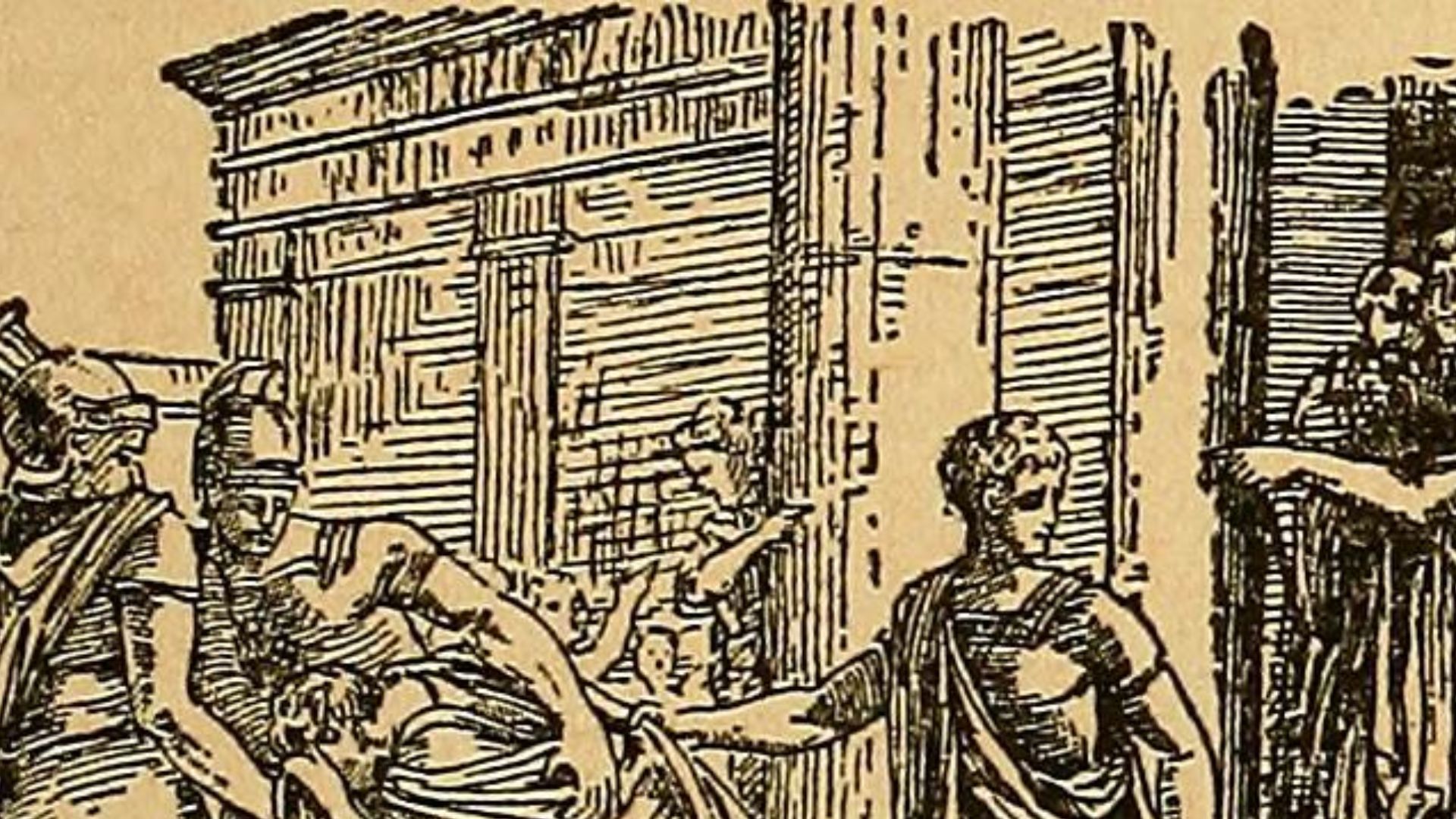
Tiberius’s ruthlessness against Sejanus and his supporters was clearly more about revenge than trying to stay in power, especially since he completely stepped away afterwards. Although Rome was effectively leaderless, it continued to survive due to the system of government that Augustus had established when he first became Emperor.
On the other hand, Tiberius had fallen from grace in every sense.
 https://www.flickr.com/photos/internetarchivebookimages/, Wikimedia Commons
42. He Was In A Bad Place
No matter how true the stories were about his descent into madness or his deteriorating appearance, there’s no denying that Tiberius was unhappy during the last years of his life. Having already lost his son, he suspected that Sejanus’ treachery had started even further back, and that he had been the one behind Drusus’ demise. This suspicion only worsened the paranoia that had crept into his mind.
Paranoid or not, though, he was right to think his days were numbered.
 Sergey Sosnovskiy from Saint-Petersburg, Russia, Wikimedia Commons
43. His Story Came To An End
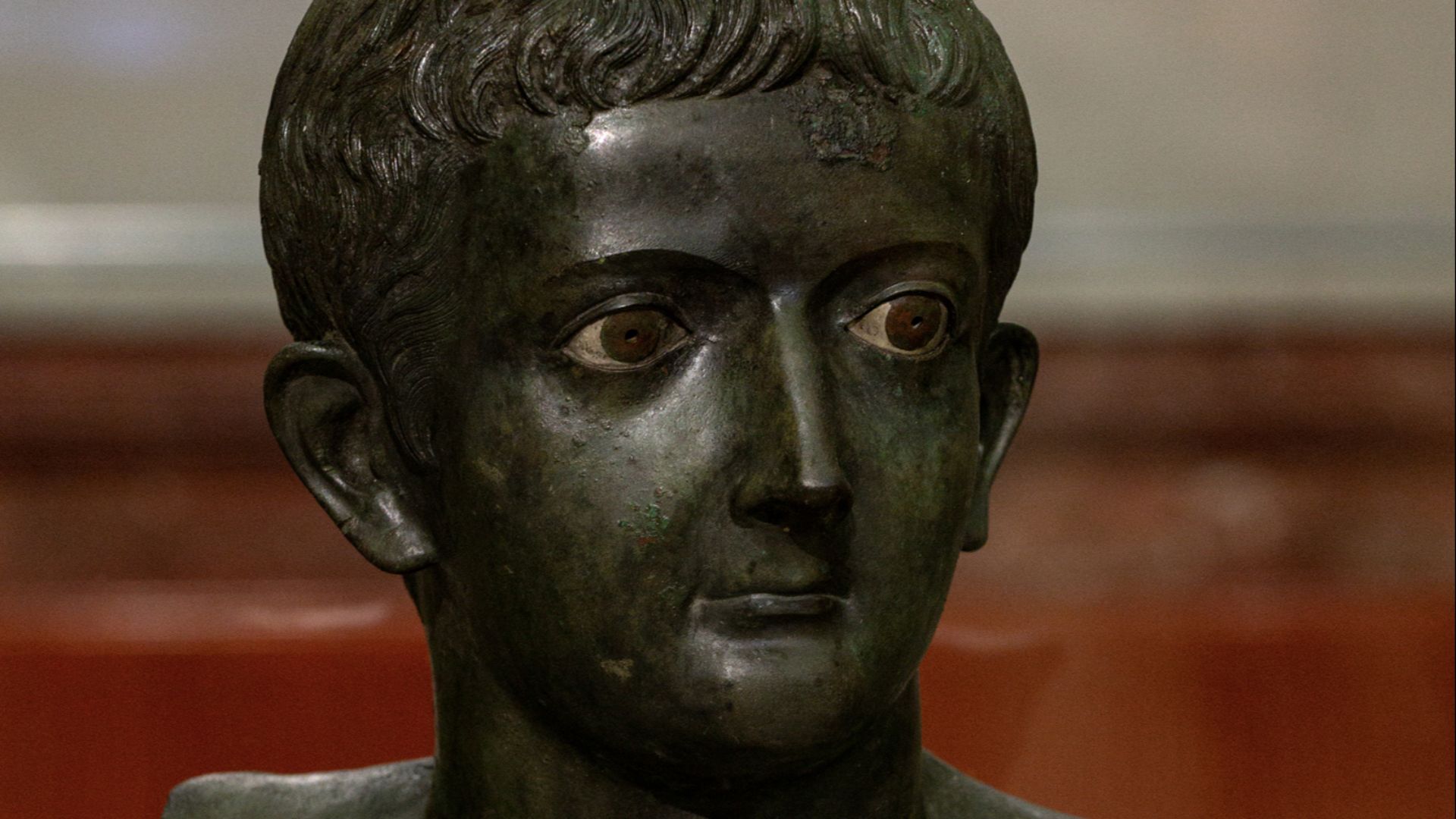
By his late 70s, Tiberius had run out of any immediate heirs, leaving the Senate in a mad dash to find the best person to succeed him. While they likely felt anyone would have been better than Tiberius, they eventually settled on Germanicus’s son, Caligula. This decision happened not a moment too soon, as Tiberius perished on March 16, 37 CE, but the exact details of his passing remain a mystery to this day.
In one version, Caligula may have celebrated a bit too early.
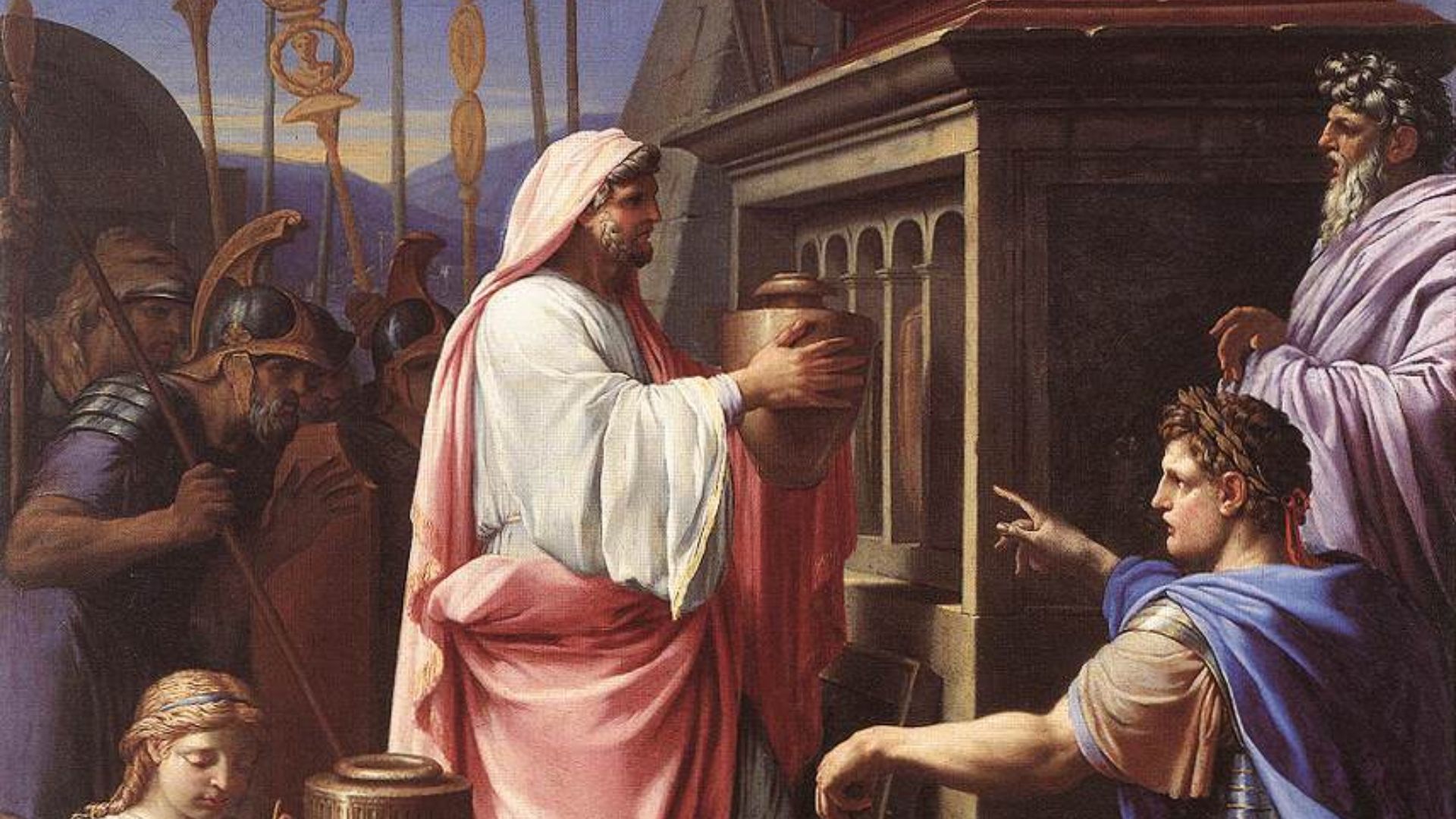 Eustache Le Sueur, Wikimedia Commons
44. They Thought He Was Gone
One account of his demise states that Tiberius was unfortunate enough to injure himself while participating in a ceremonial game and fell into a coma, becoming bedridden in his final days. According to Tacitus, Caligula received news that Tiberius had finally passed and immediately threw a party to celebrate his accession, only to learn that Tiberius was, in fact, still breathing.
With few options and even less time, he and his supporters needed to act quickly.
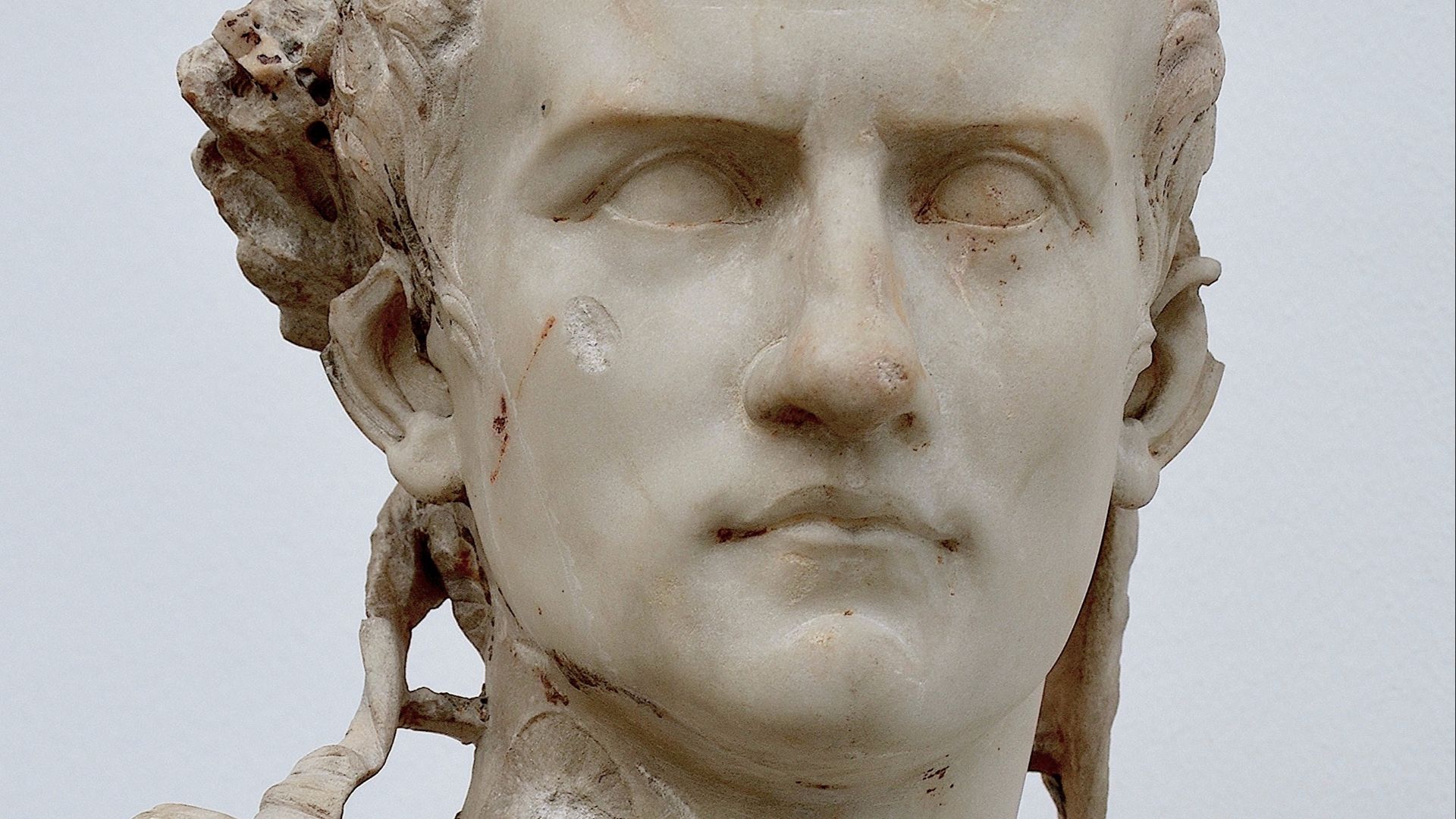 Carole Raddato from FRANKFURT, Germany, Wikimedia Commons
45. They Finished Him Off
At once, when Caligula and everyone celebrating with him heard that Tiberius was still kicking, the party fell into complete disorder. Most feared what Tiberius would do if he learned they were cheering for his demise, but Caligula’s right-hand man, Naevius Sutorius Macro, jumped into action. Ordering his men to smother Tiberius in his bed, Macro ensured Caligula’s succession right then and there.
At the same time, this isn’t the only version of events.
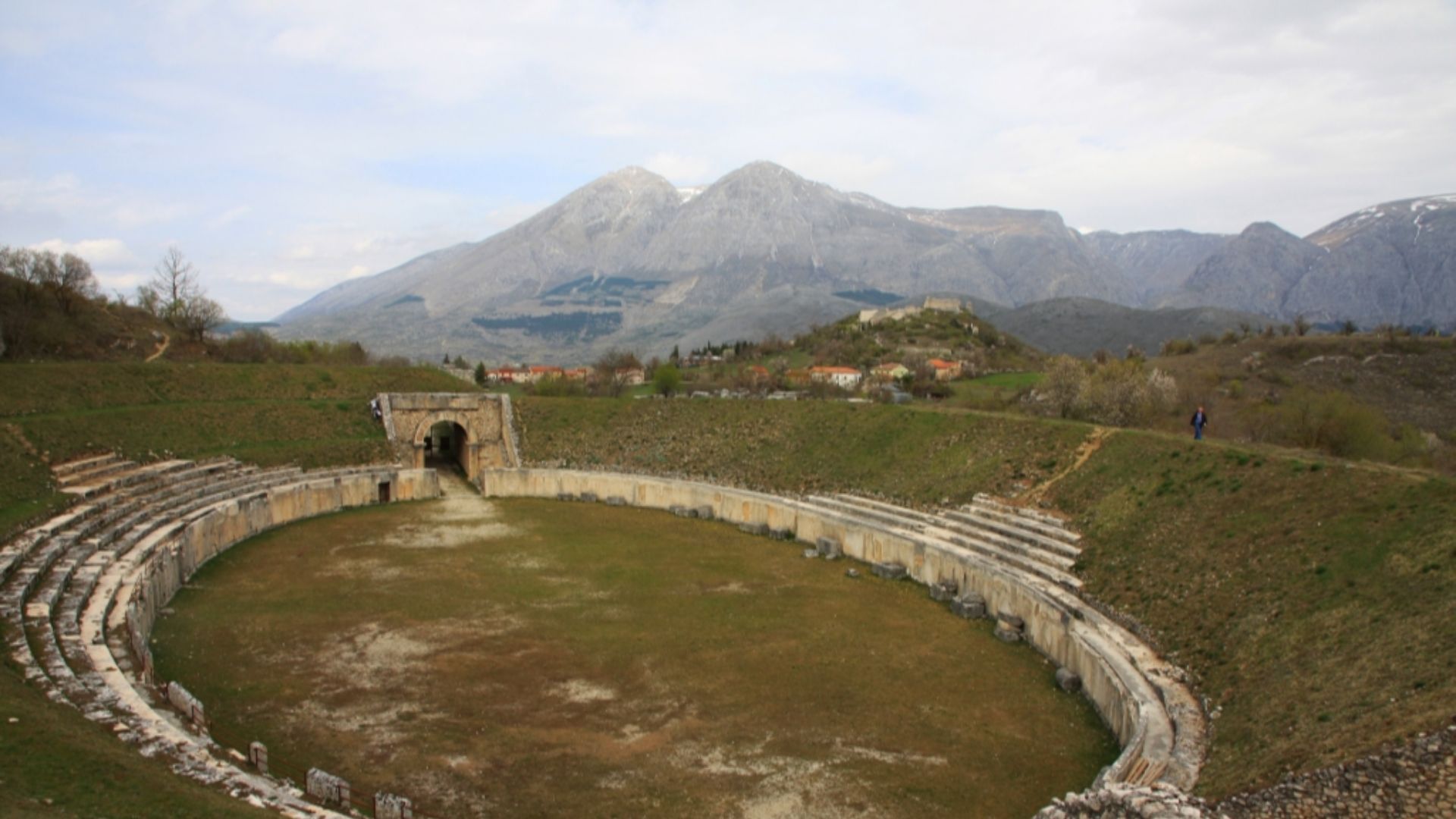
46. He Thought He Was Okay
In another story of how Tiberius’ life came to an end, he passed in a much more natural way than at the hands of those serving his successor. According to Roman historian Suetonius, the Emperor still became bedridden after suffering an illness. However, after feeling like he had finally come out the other side and trying to get up one day, he immediately collapsed and perished.
Even then, people were happy to spread other theories about his demise.
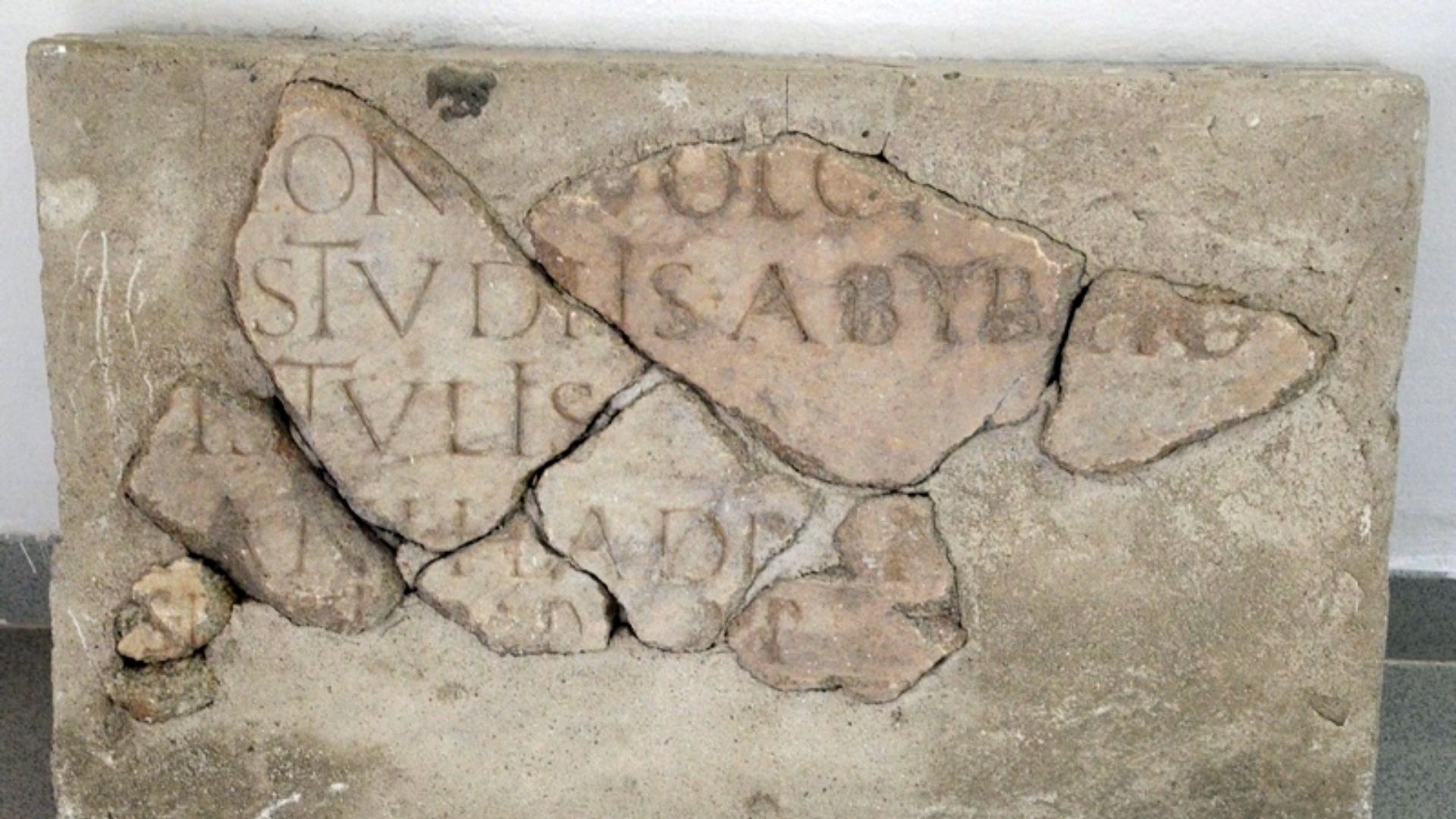 Jona Lendering, Wikimedia Commons
47. He Had Other Theories
While scholars like Seneca the Elder supported the idea that Tiberius passed from natural causes, Suetonius also mentioned several rumors of far more insidious endings the Emperor could have met. Most of these still implicated Caligula in orchestrating Tiberius’ demise, and ranged from poisoning his predecessor to starving him.
Nonetheless, now that he was actually gone, all of Rome took to the streets in celebration.
 Achille Réveil, Wikimedia Commons
48. They Celebrated His Loss
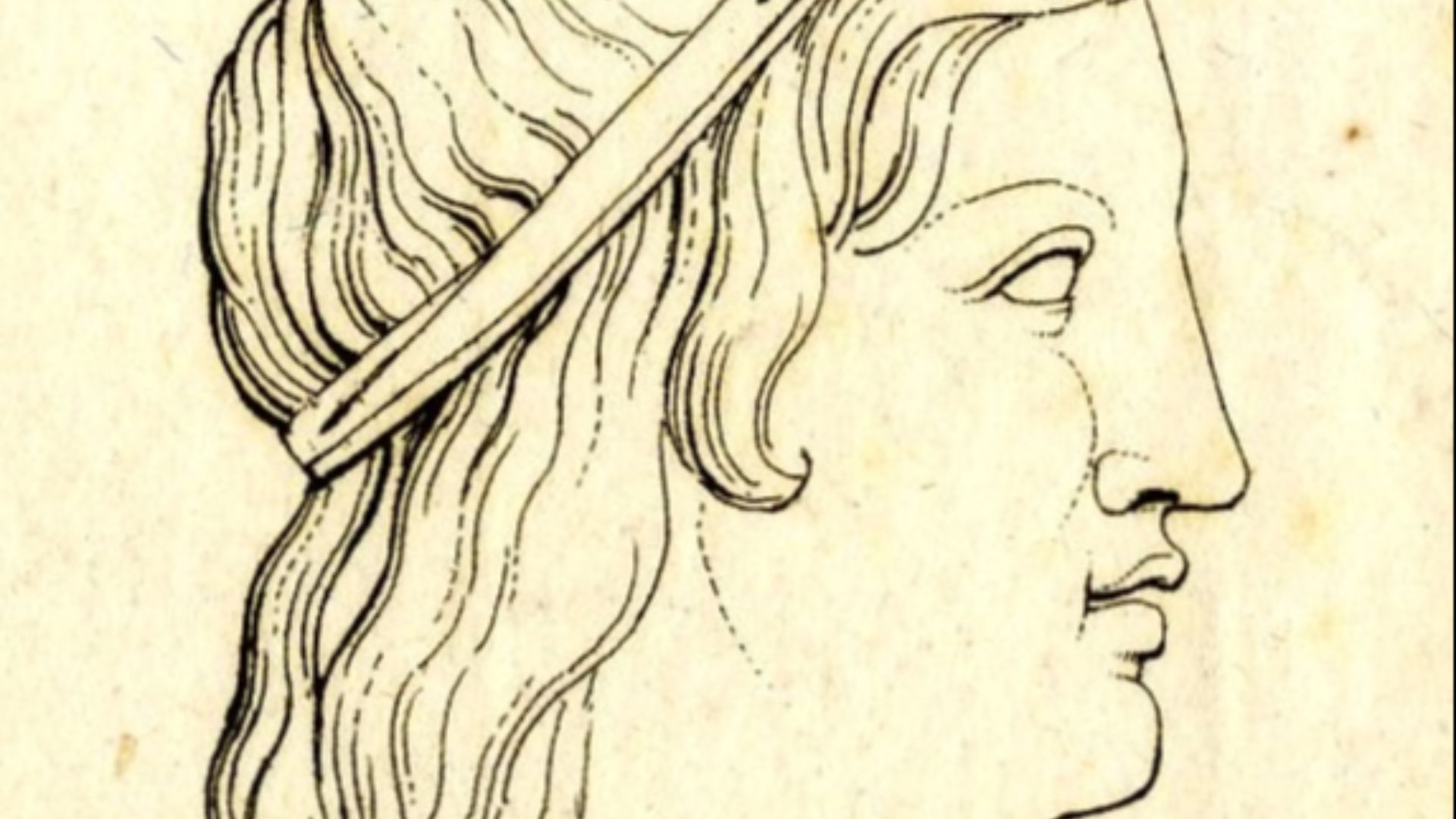
Even after his life had ended, Tiberius couldn’t get away from the whims of his enemies, especially since many of them were members of the Senate. When Augustus had passed, the Senate accorded him certain divine honors, but they refused to grant these to Tiberius as the ultimate disrespect. Still, they decided to cremate him, despite calls from the Roman public to simply throw him in the river with chants like “To the Tiber with Tiberius!”
Little did they realize that, without him, Rome wouldn’t have survived as long as it did.
 George E. Koronaios, Wikimedia Commons
49. He Served His Empire
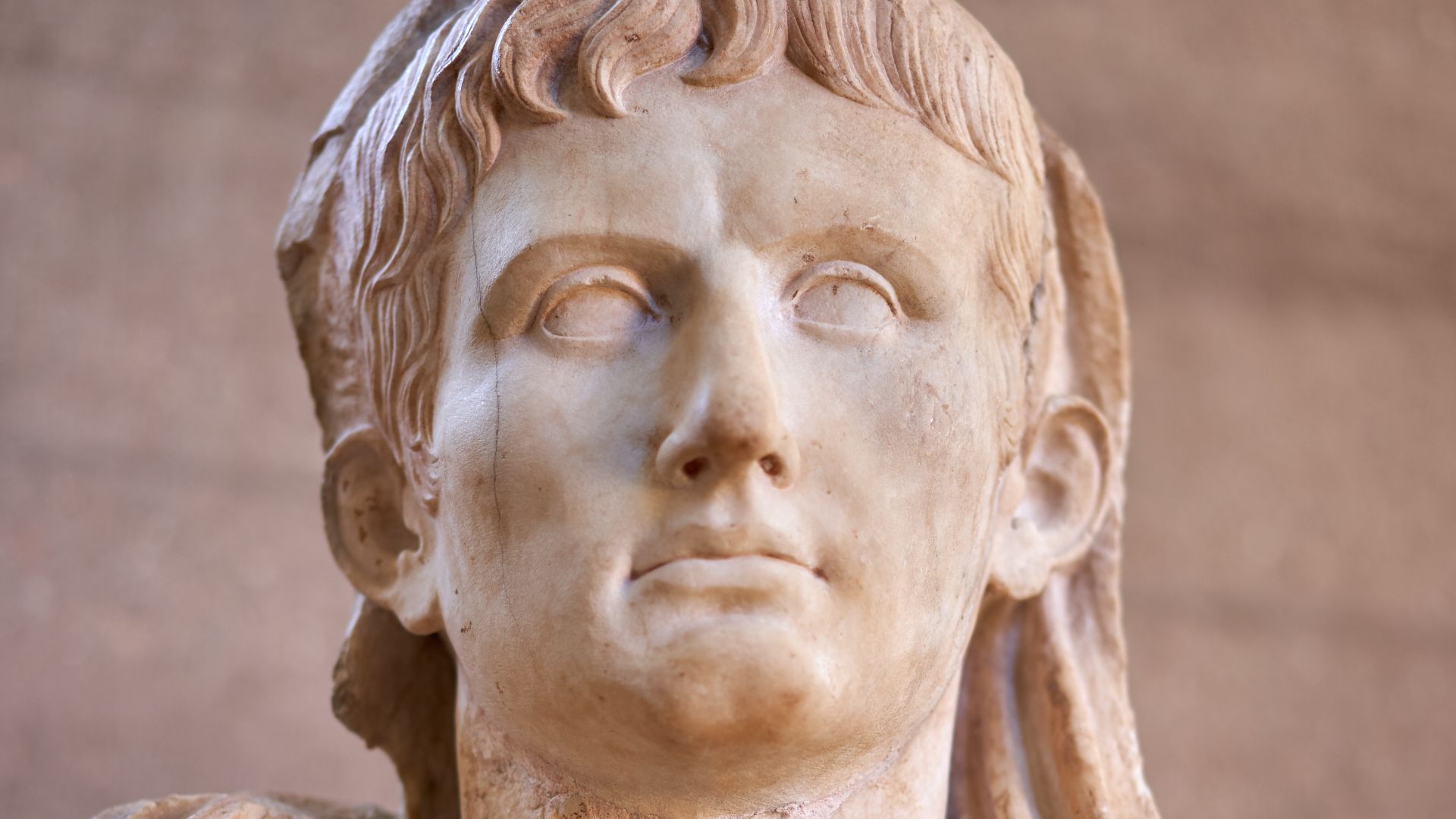
Despite being only the second ruler of the newly established Roman Empire, Tiberius’s people generally regarded him as one of the worst. In reality, though, he left Rome in a better state than he found it, largely due to his avoidance of unnecessary armed conflicts. Although history focused on the disturbing stories about him, behind the scenes, he unified the empire and left behind an astonishing 3 billion sesterces in the imperial treasury.
Regardless, it was clear that the only thing being Emperor gave him was pain.
 J. Paul Getty Museum, Wikimedia Commons
50. He Never Wanted It
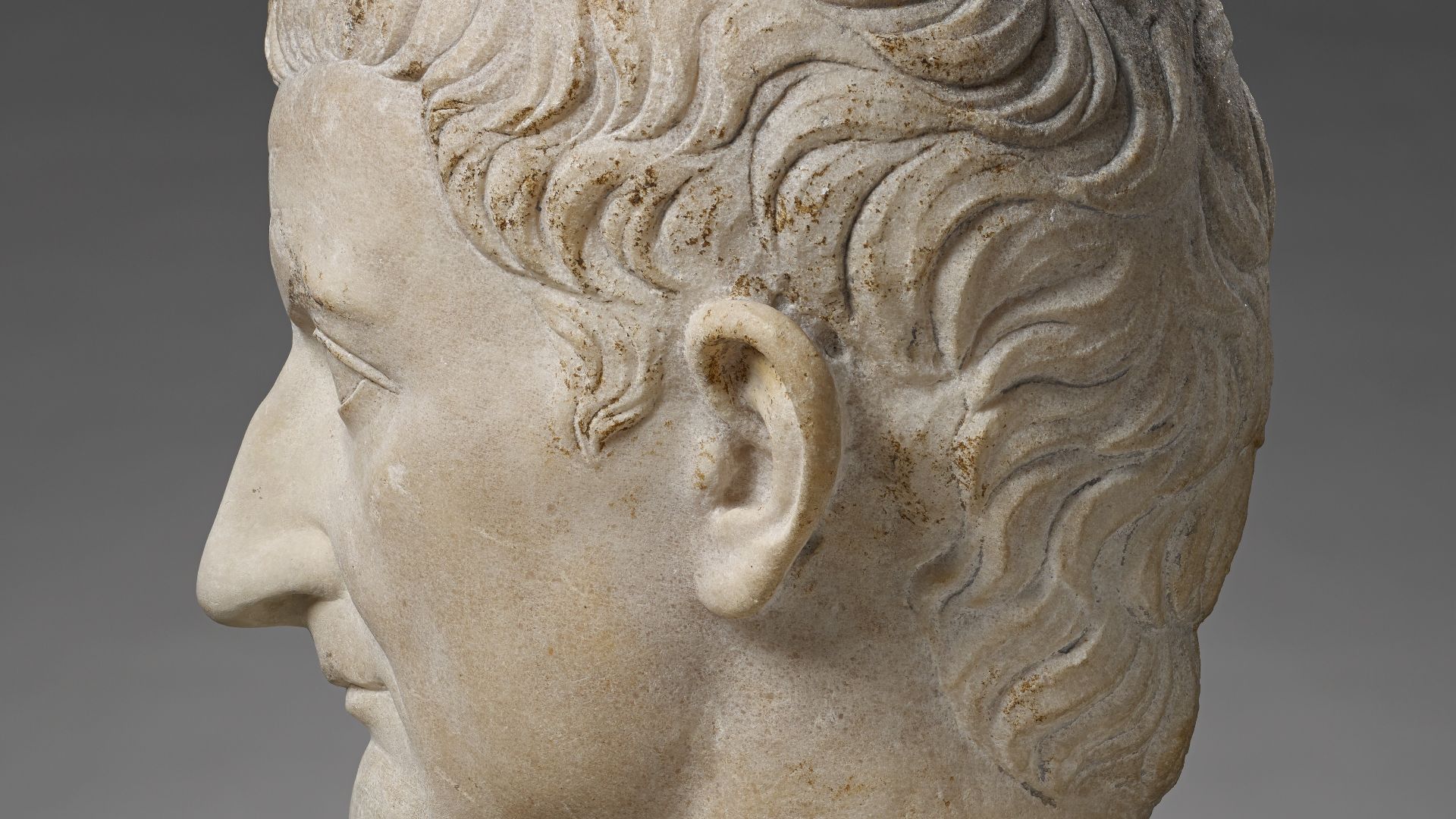
Tiberius largely wanted to do everything he could to serve the Roman Empire, even after the powers that be pushed him into a position far beyond what he wanted. Ordered to give up the woman he loved and being named the sole heir to the throne, Tiberius was never truly happy again. Many hated him, but even some of the kinder accounts describe him as mostly grim and detached, with Pliny the Elder stating he was “the gloomiest of men”.
You May Also Like:
Agrippina the Younger, The Mother Of Rome