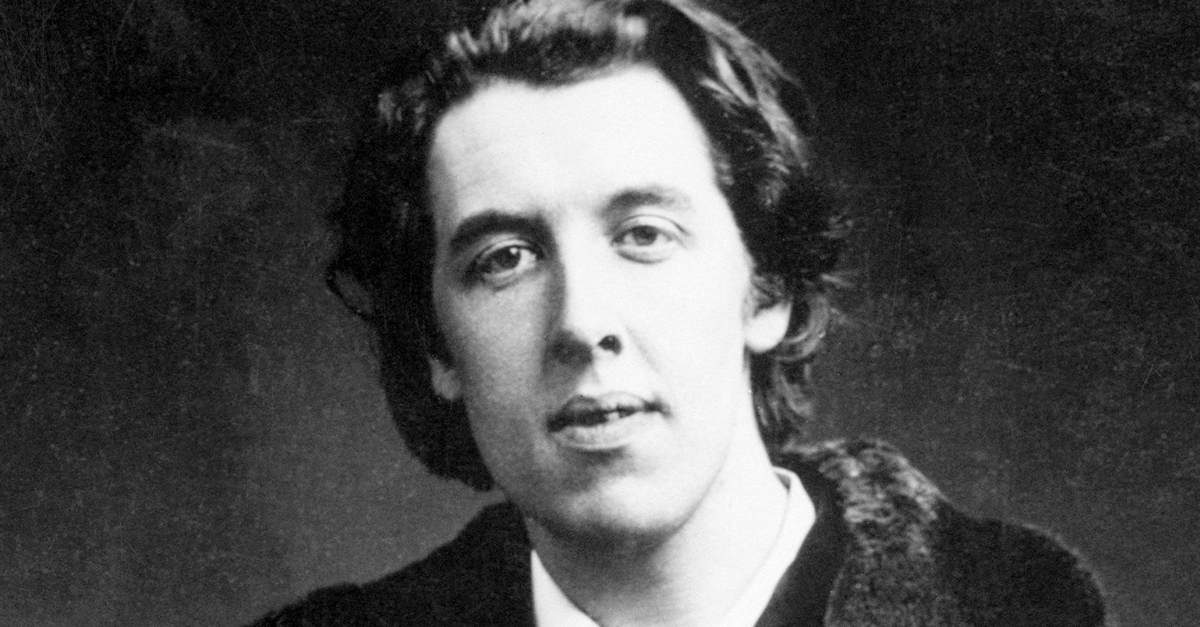
Oscar Wilde Went Against The Grain
Known as one of the most iconic authors of the Victorian era, Oscar Wilde poured every inch of his heart and soul into each of his works, though not everyone appreciated it. Promoting the themes of aestheticism, he was adamant that art and by extension, he himself, were not subject to the moral standards of the time—something that would cost him much more than he expected.
1. His Mother Inspired Him
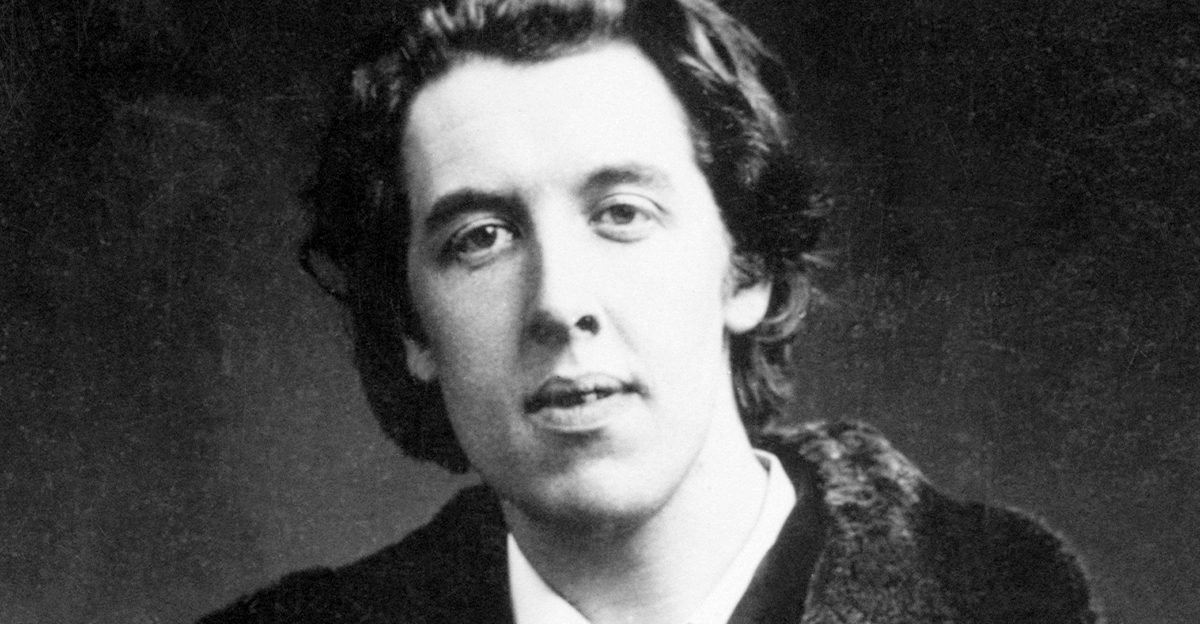
Judging from the breadth of his works in life, it’s easy to see that Oscar Wilde was truly a poet at heart from the very beginning, though not all of it was from him alone. Born in 1854, Oscar’s father was a well-respected surgeon, while his mother was an Irish poet who often read her own works to him and his brother, William, instilling a love for the art form early on.
Unfortunately, many artists also get inspiration from the tragedy in their lives—and Oscar would have no problem with that.
2. He Lost Someone He Loved
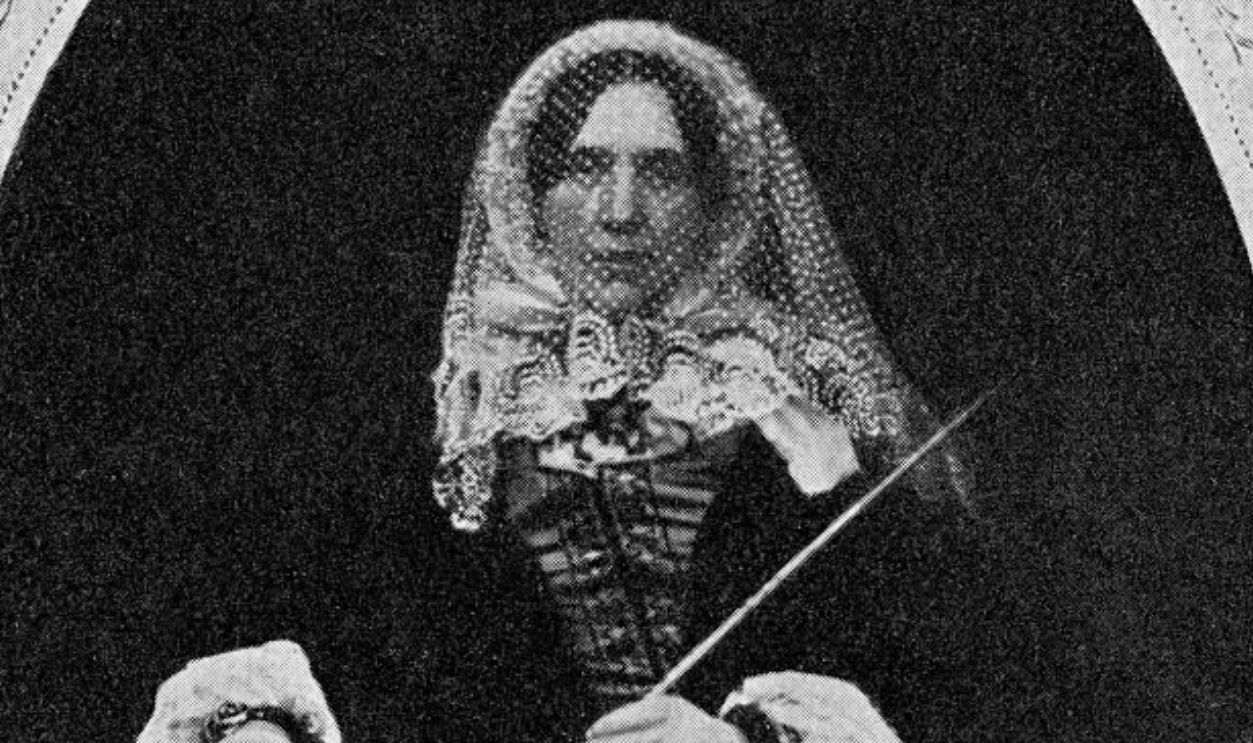
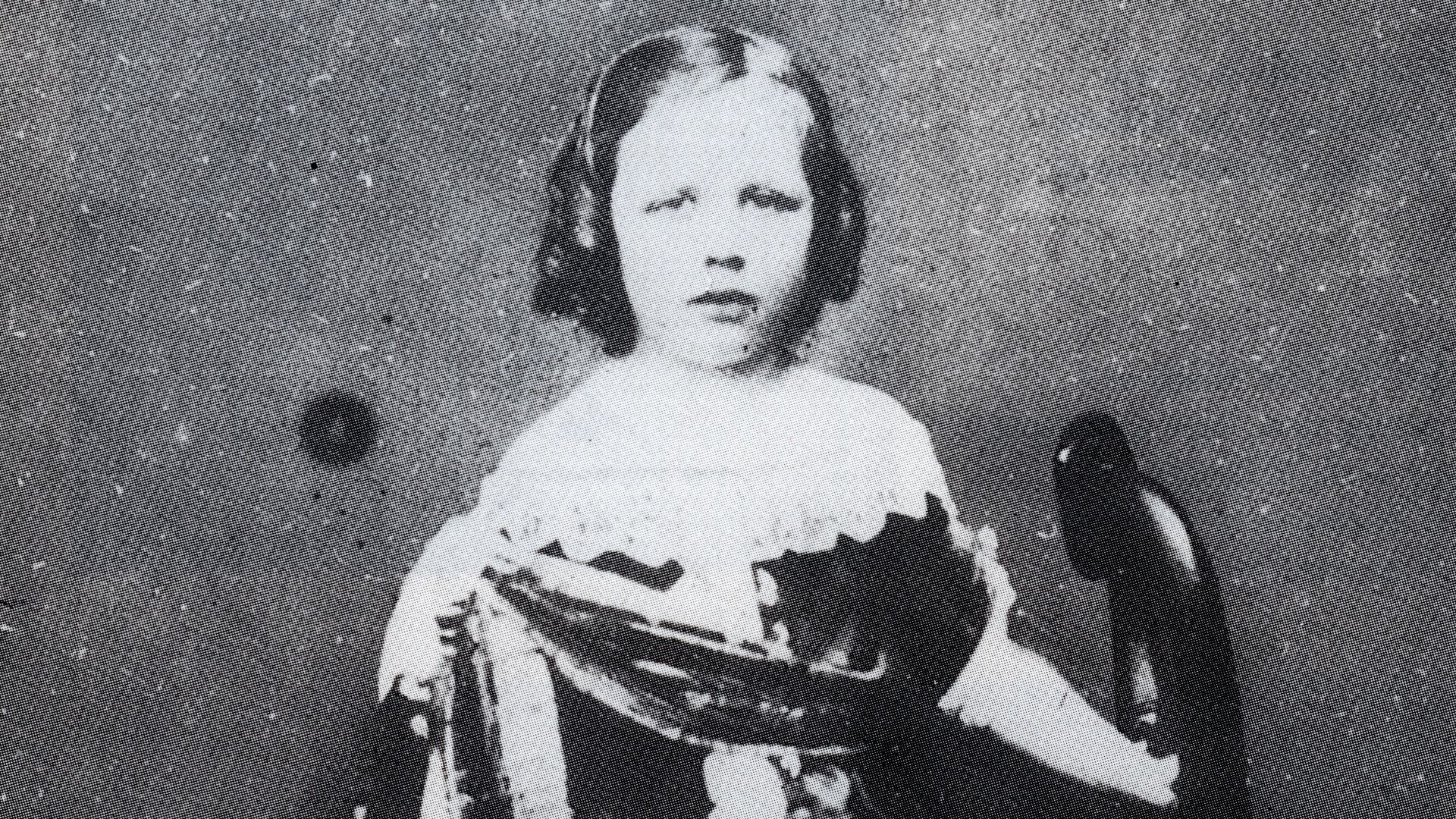
It’s said that good art demands suffering, and if that’s true, then Oscar had the makings of one of the greats from the start. Growing up, he absolutely adored his younger sister, Isola, and even once described her as “a golden ray of sunshine”. However, the light of that sunshine would soon fade as she developed a febrile illness, which took her life at the age of nine. Being only about 12 years old, Oscar was inconsolable.
Although he would develop a complicated reputation later in life, things were very different when he was at school.
 Unknown authorUnknown author, Wikimedia Commons
3. He Was Impressive
After several years of homeschooling, Oscar finally enrolled at Portora Royal School when he was about nine years old. Excited to attend the same school as his brother, Oscar quickly discovered how well liked William had become among his classmates. Oscar wasn’t too far behind, though, and he quickly developed a reputation for his shocking ability to speed read and the hilarious stories he could come up with.
Still, tragedy wasn’t anywhere near finished with him—and something truly horrific was on its way.
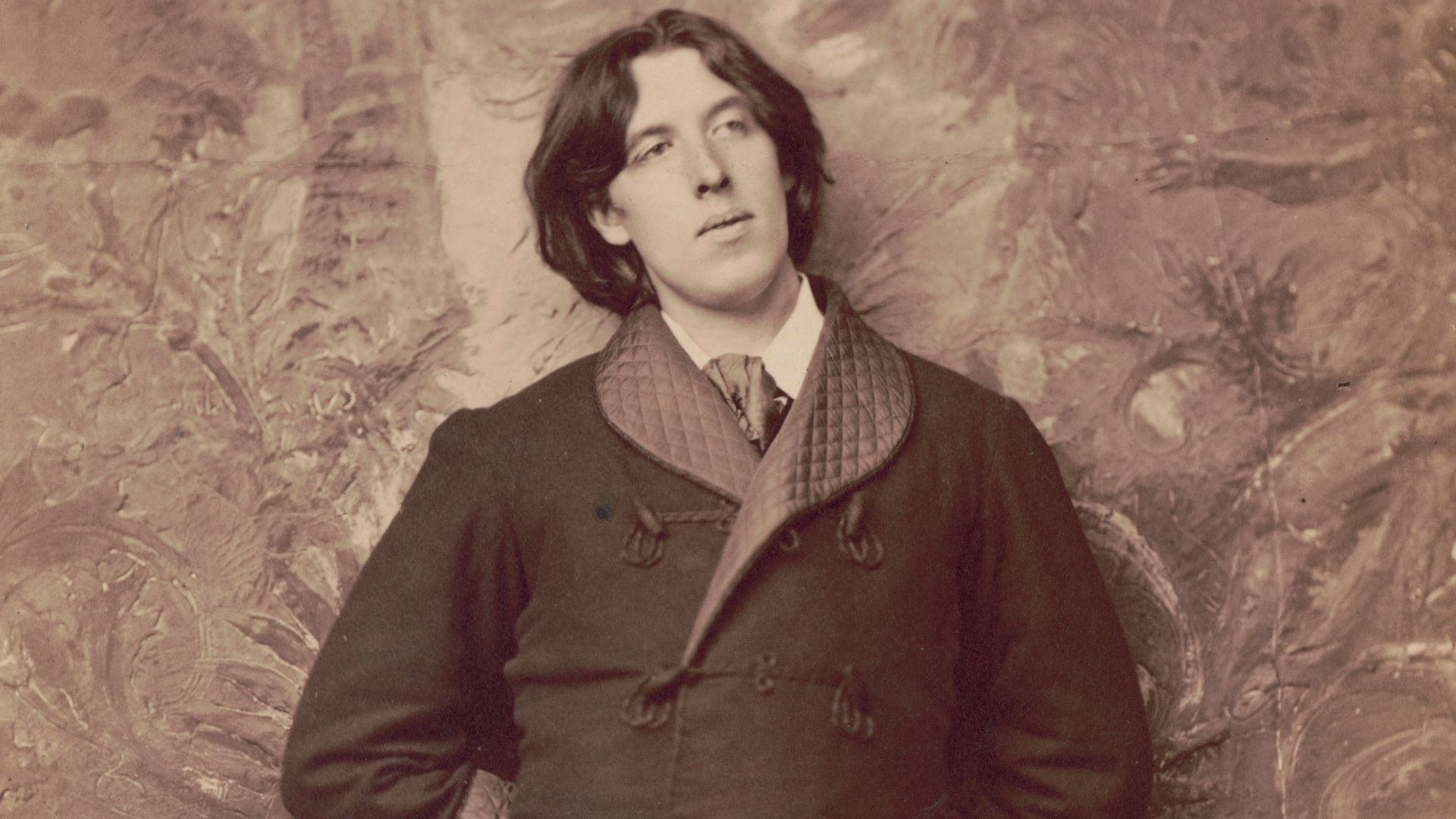 Napoleon Sarony, Wikimedia Commons

History's most fascinating stories and darkest secrets, delivered to your inbox daily.
4. He Faced Another Terrible Tragedy
Losing one sibling was terrible enough, but when Oscar was about 17 years old, he had to go through the same trauma once again—but this time, two-fold. While the circumstances remain somewhat vague, his two older half-sisters sadly perished in a frightening incident at a local dance. One of their dresses seemingly came into contact with a candle, igniting the material in an instant and causing the two women to catch on fire, taking the lives of both.
Over the coming years, Oscar threw himself into his studies, and it was easy to see his dedication.
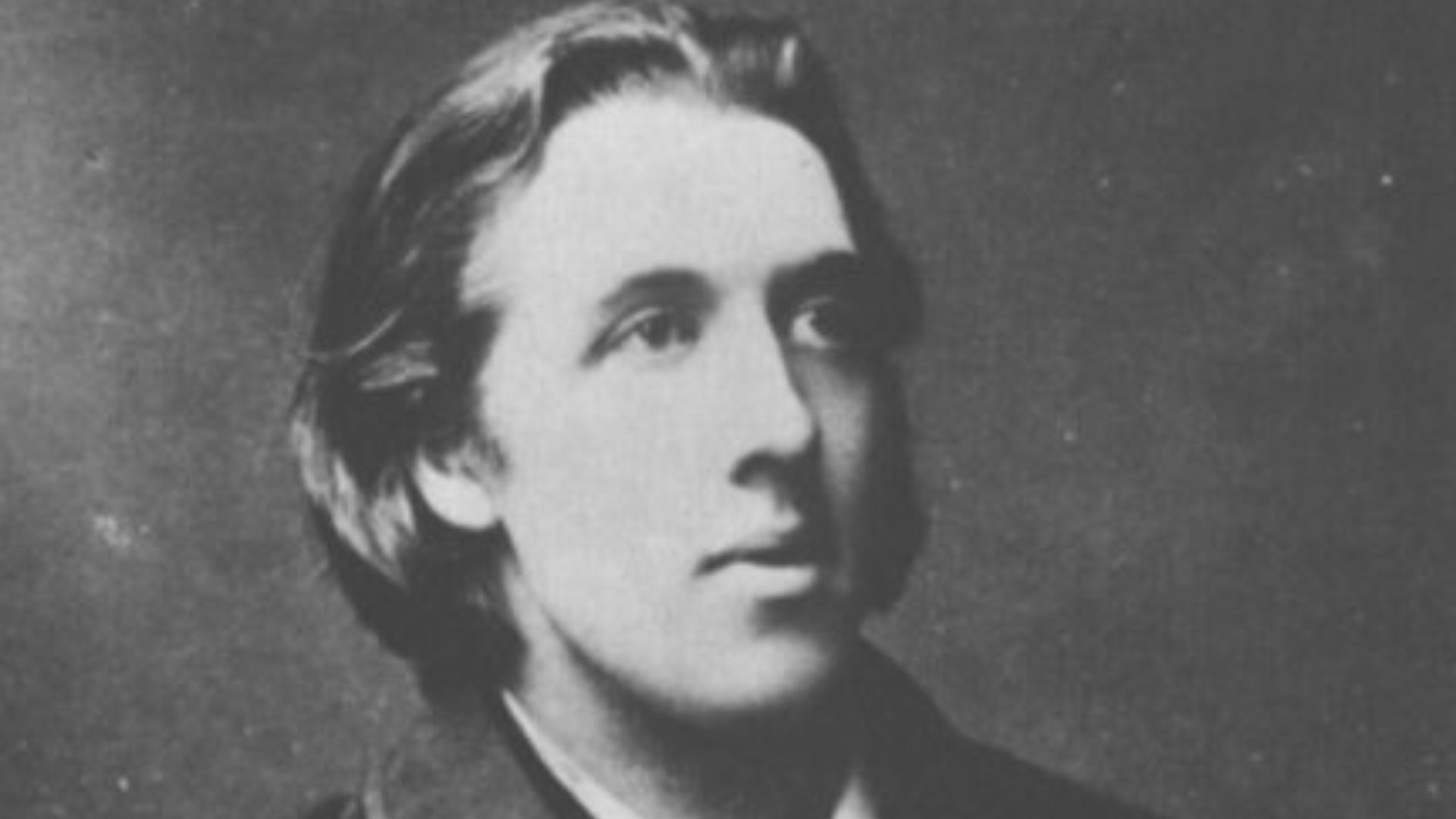
5. He Had A Brilliant Mind
Oscar may have demonstrated a decidedly rebellious attitude later in life, but despite this desire to swim against the current, he was the farthest thing from a slacker in school. Enrolling at Trinity College Dublin on a scholarship in 1871, he instantly rose to the top of the class, receiving the Berkeley Gold Medal in Greek and winning a second scholarship for the following year.
It was during this period that he developed his own aesthetic, and it completely consumed him.
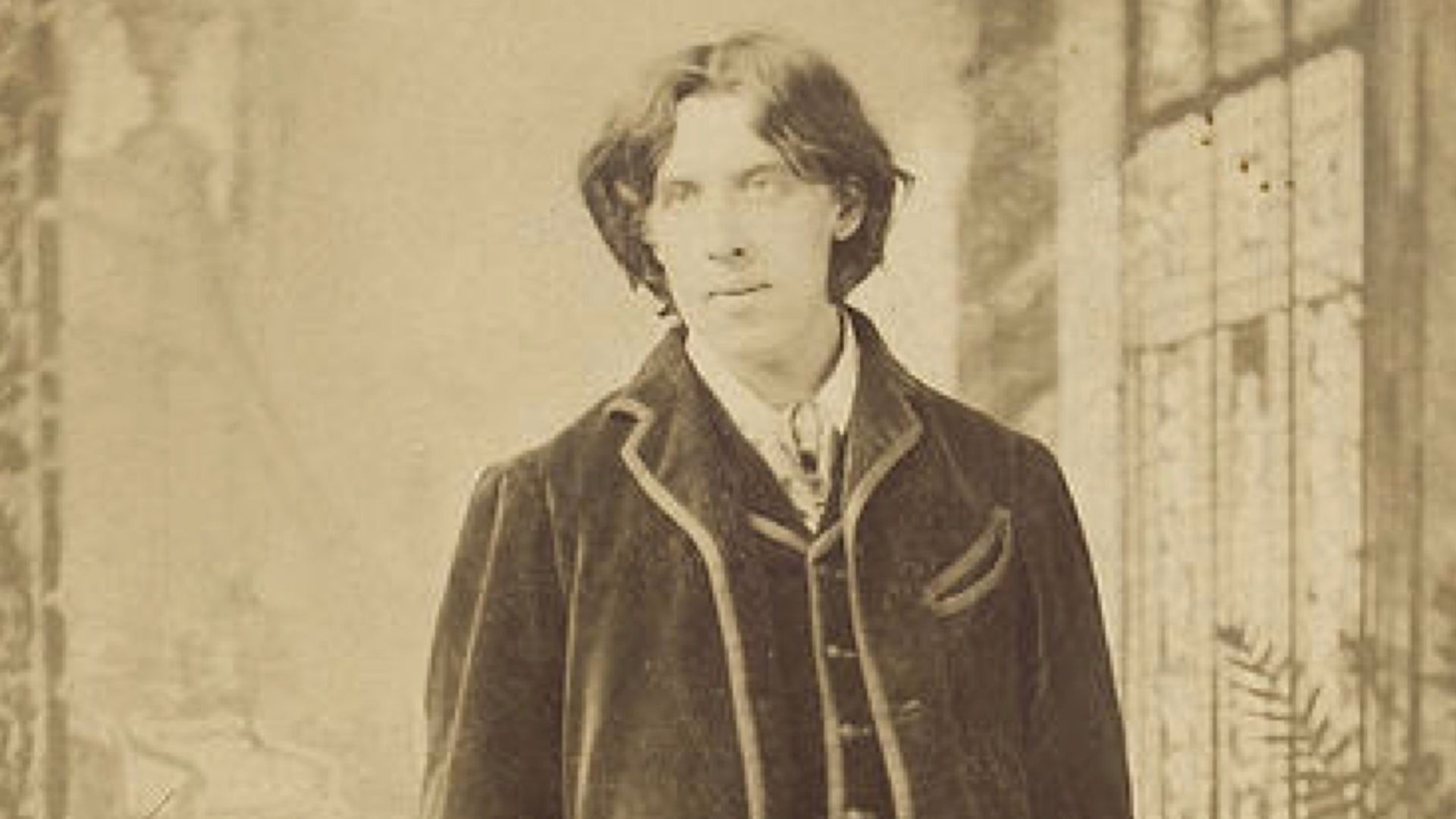 Napoleon Sarony, Wikimedia Commons
6. He Had His Own Aesthetic
Oscar continued to excel and even won a half-scholarship to Magdalen College, Oxford, in 1874, where he truly began to develop his own style. Falling in love with the concepts of decadence and aestheticism, his whole personality became about appearing lavish and elegant on the surface.
To this end, he would feature extravagant decorations throughout his room, keep his hair luxuriously long, and would often badmouth typically manly activities. Sadly, more heartache was on the horizon—and with it, a bizarre connection.
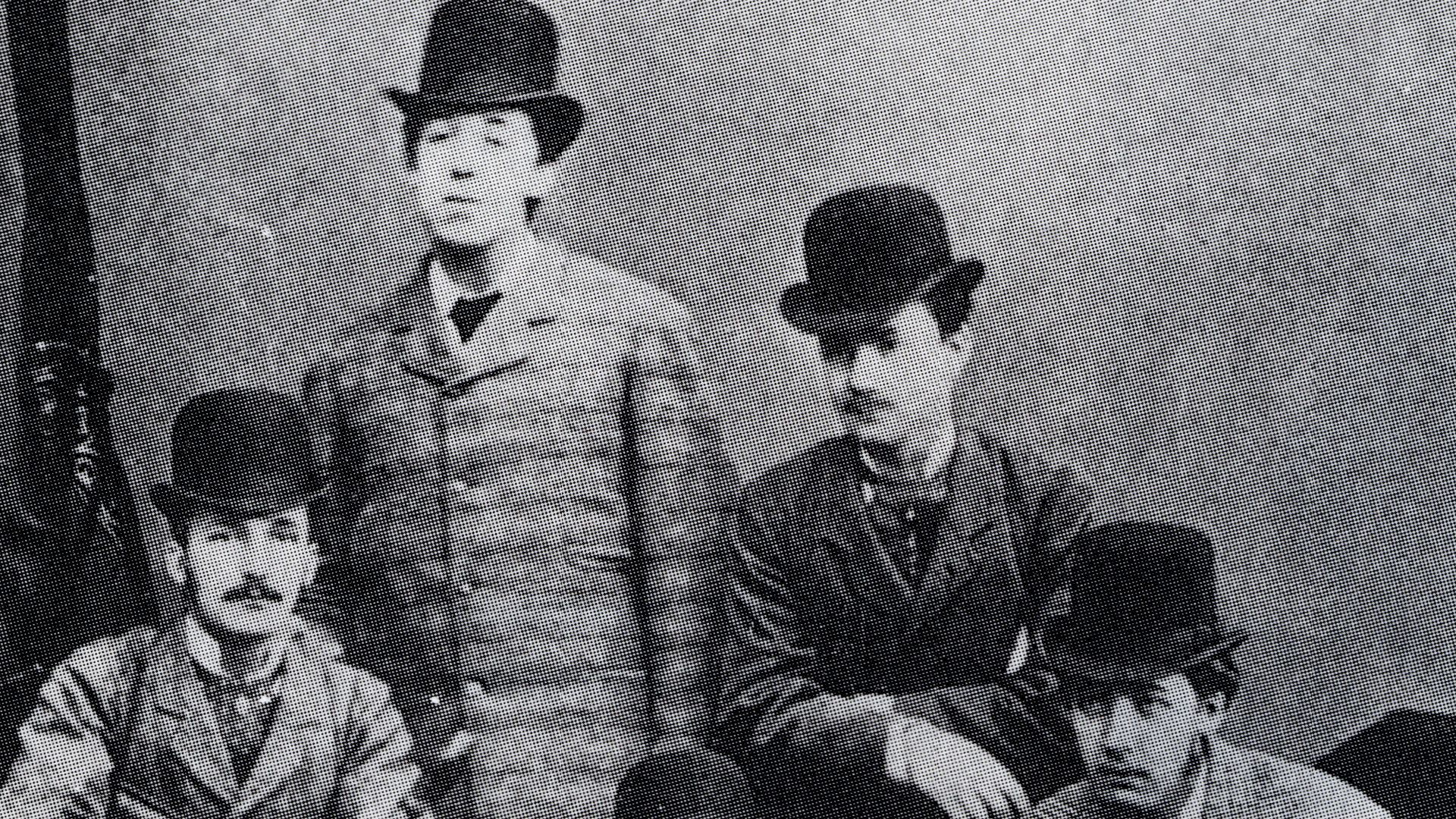 Unknown authorUnknown author, Wikimedia Commons
7. His Sweetheart Married Another Man
When Oscar was growing up, he had become close to a young woman named Florence Balcombe, experiencing what many would call puppy love. However, this spark between them hadn’t turned into anything more, and by the time he graduated from college, it was too late. Returning to Dublin, he was happy to reconnect with her, only to learn the discouraging truth that she had become engaged to someone else: legendary author Bram Stoker.
With that, he was ready to make it on his own—and he thankfully had the means to do so.
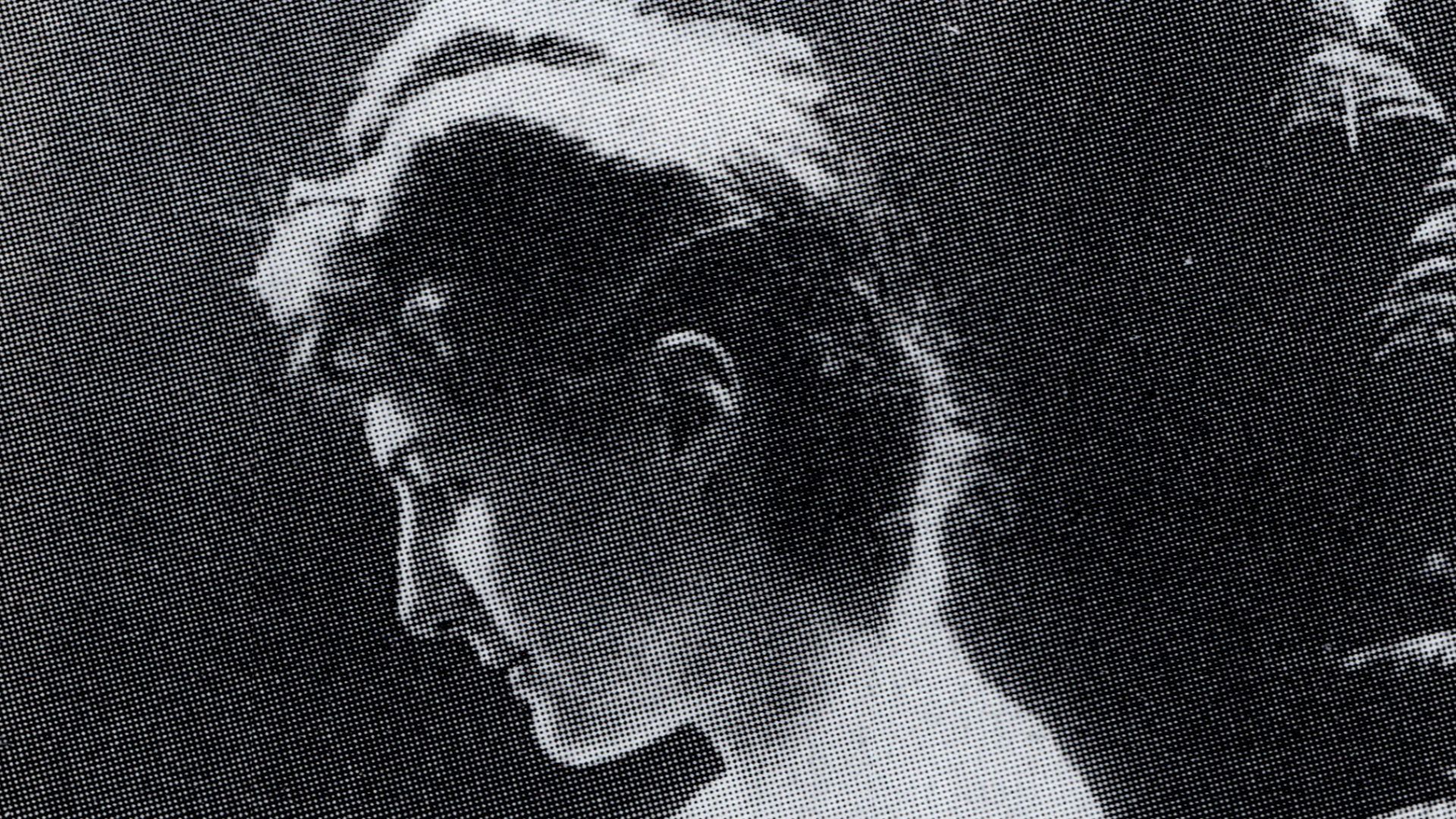 Unknown authorUnknown author, Wikimedia Commons
8. He Used His Inheritance
Oscar sadly continued to lose family members as he got older, including his father, who passed in 1876, but thankfully set up his children for life. After selling the houses his father had left behind, Oscar used the money to carve out his own life in London, becoming part of the city’s art scene and making invaluable connections.
Now he had the freedom to pursue whatever he liked, which meant stepping into a whole new world.
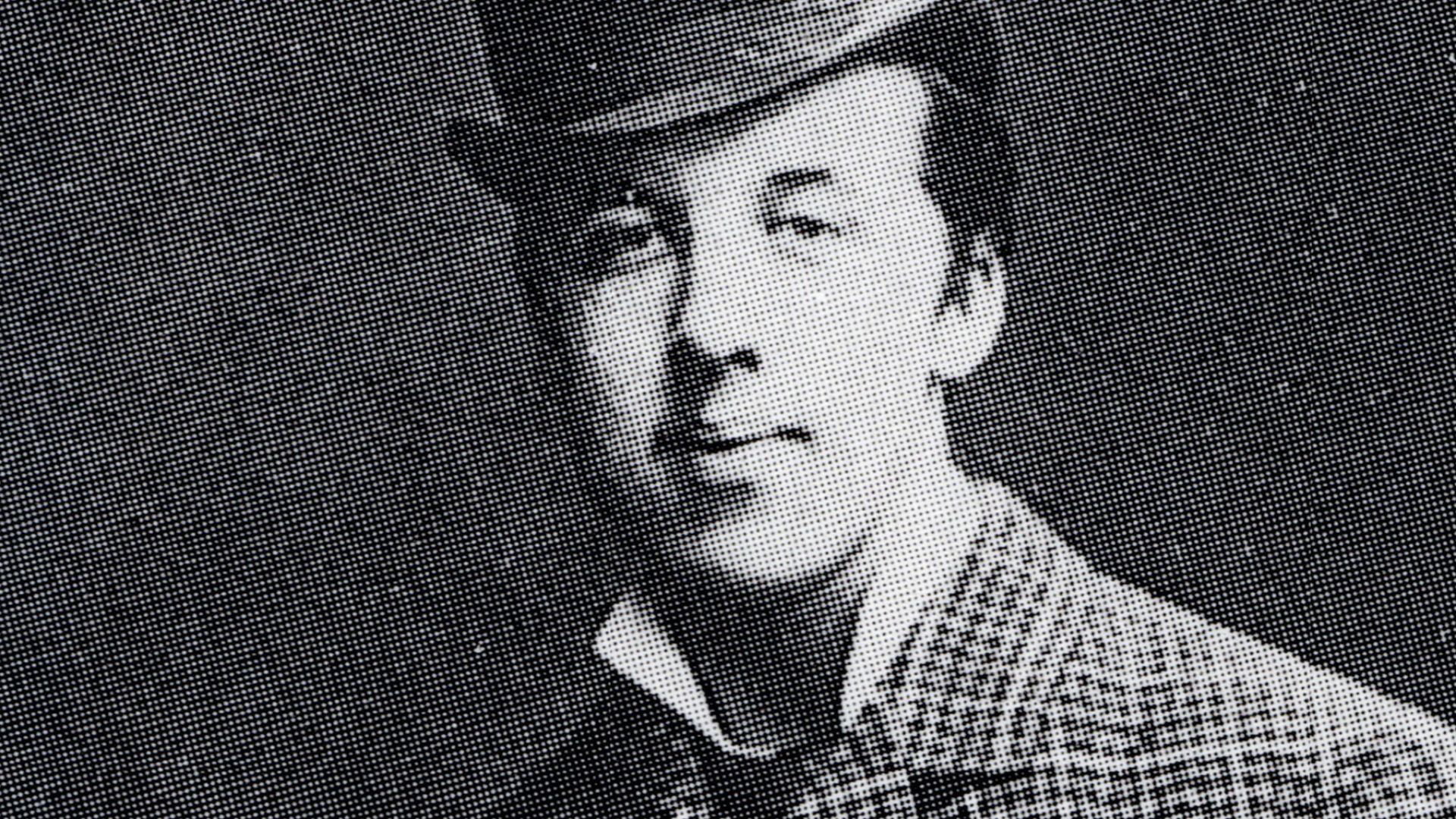 Unknown authorUnknown author, Wikimedia Commons
9. He Loved The Theatre
Oscar could have gone into any branch of the literary arts, but as he soon discovered while living in London, he was passionate about the theatre. As he became such a frequent attendee, it wasn’t long before he tried to write a play himself, creating a melodrama titled Vera; or, The Nihilists.
Excited to get this production made, he even printed his own copies to give to several actresses, hoping they might agree to play the one female role in the story. For his next great work, he took a page out of his mother’s book—but not everyone was ready for it.
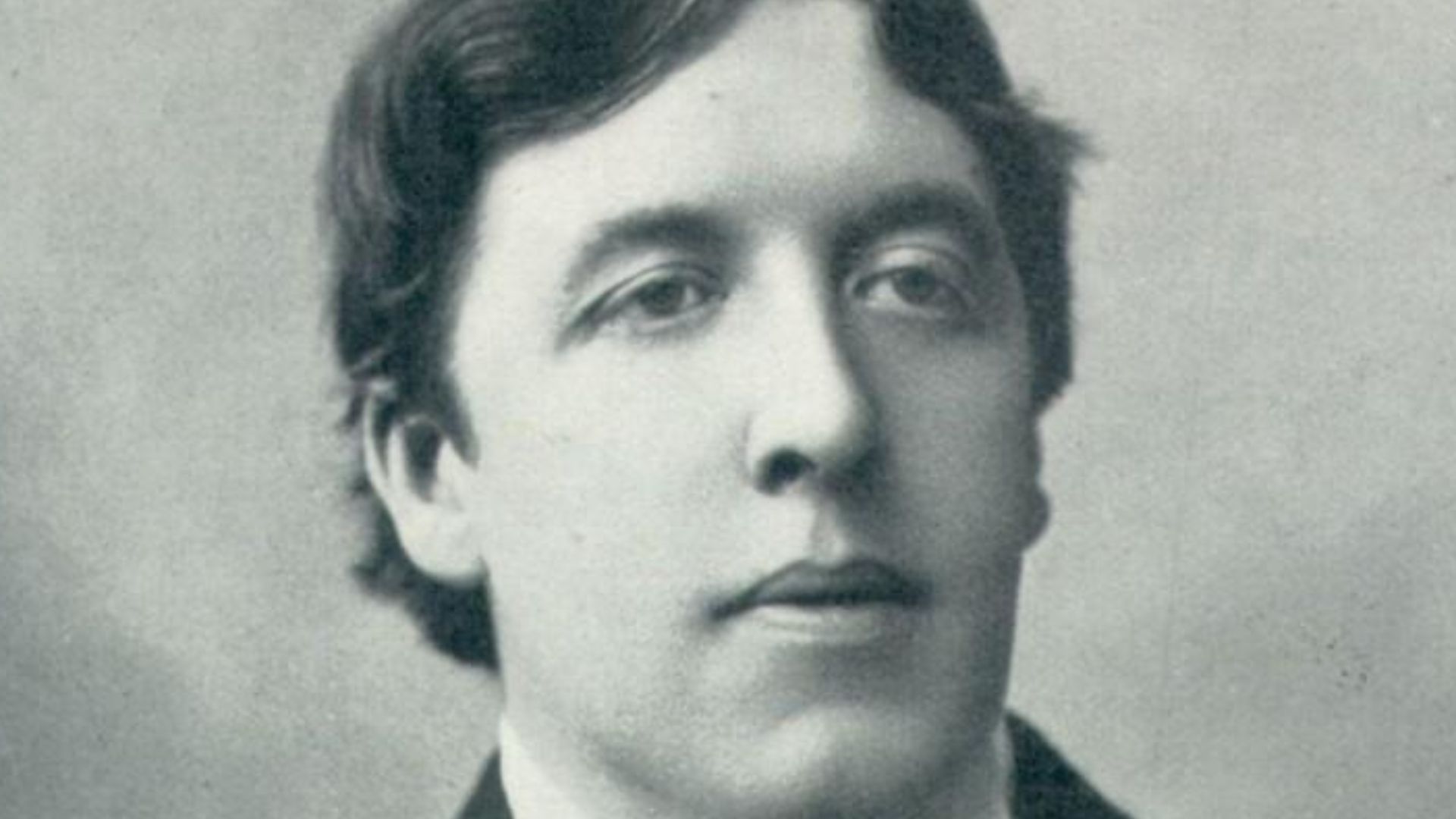 Alfred Ellis & Walery, Wikimedia Commons
History's most fascinating stories and darkest secrets, delivered to your inbox daily.
10. They Didn’t Like His Poetry
While he tried to break into the world of theatre, Oscar had never stopped writing his own poetry, just as his mother had always done. Publishing most of these works as a single volume, he compiled them into a book aptly titled Poems—and was pleasantly surprised that it completely sold out during its first run.
Even so, it had a difficult time among theatre critics, with one adding the quote, “The poet is Wilde, but his poetry's tame”. However, this wasn’t the worst they had to say.
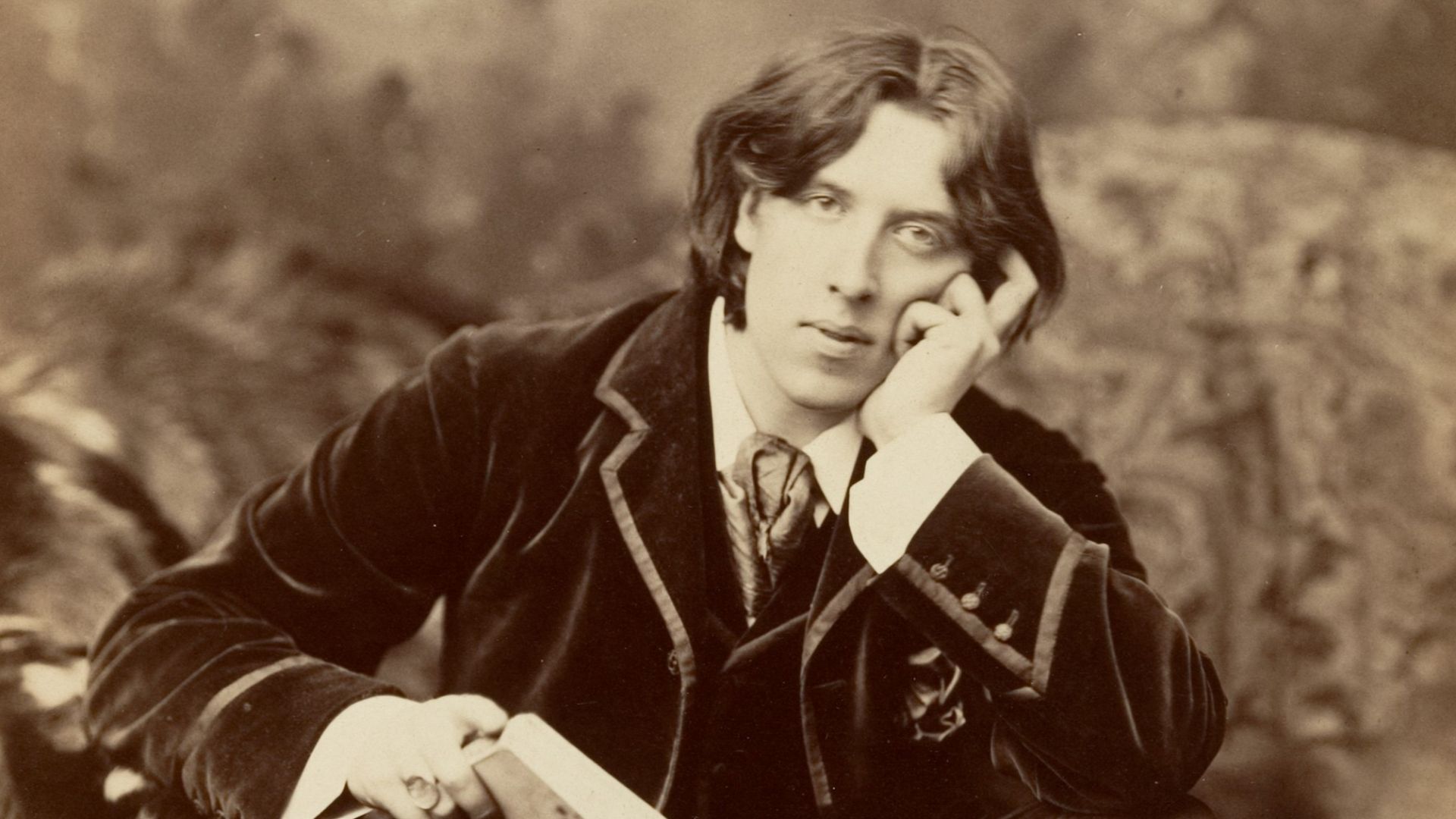 Napoleon Sarony, Wikimedia Commons
11. They Raked Him Over The Coals
Having championed aestheticism for a few years now, Oscar often traveled to give lectures on the movement, but this didn’t exactly help his case. Aside from his most recent publication, the press unfortunately had plenty to say about him, usually either accusing him of seeking fame alone or lambasting his use of aestheticism entirely.
On the other hand, he had no shortage of friends—no matter where he went.
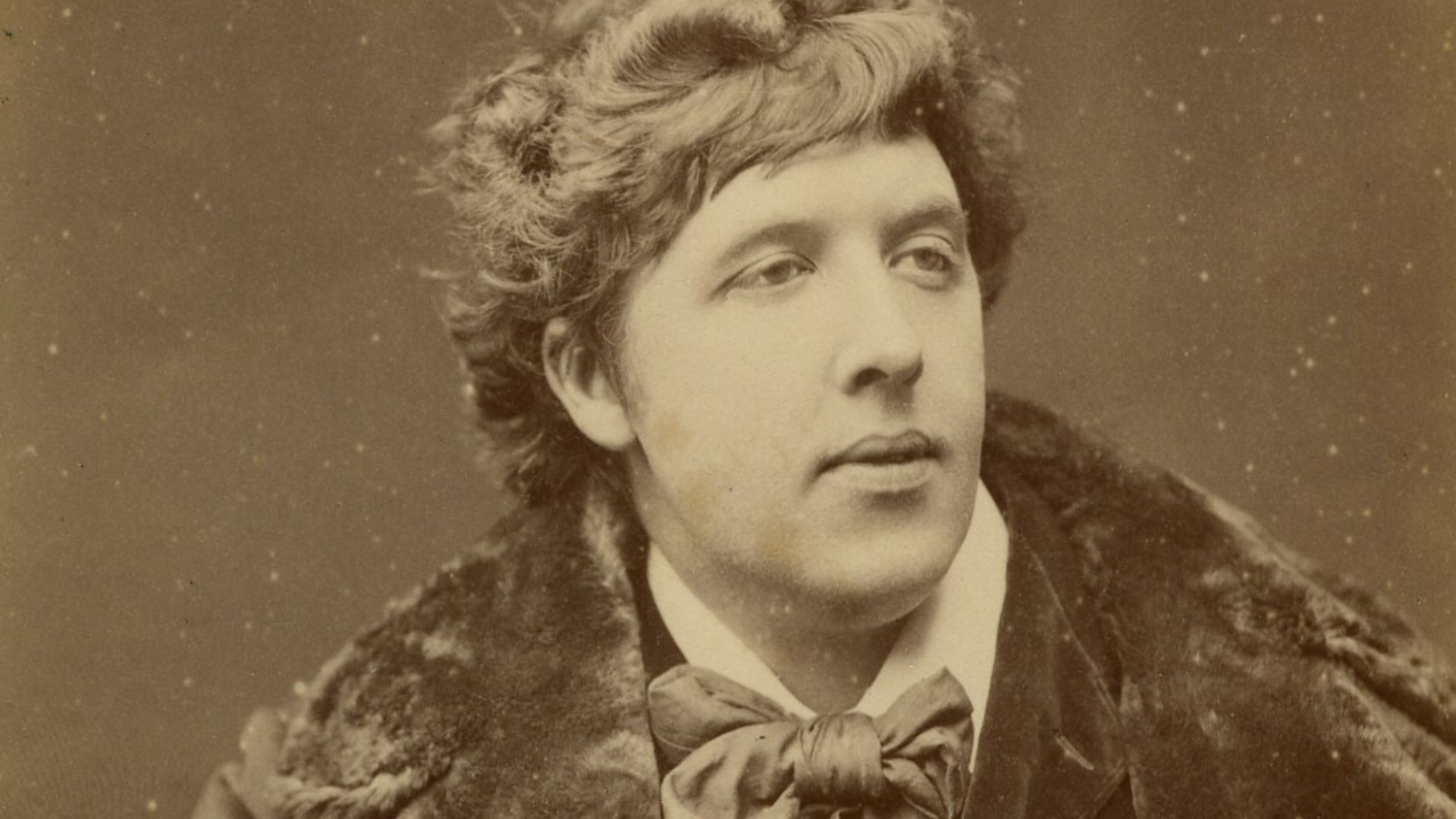 Robert W. Thrupp, Wikimedia Commons
12. He Was Loved By Many
Although Oscar may have found nothing but contempt coming from the critics in the paper, he was happy to discover how many fans he truly had—and from all walks of life. Traveling to the US around this time, he later mentioned how welcome he was at many high-end salons he visited, but also described the hospitality he received from working-class men.
Still, at a certain point, he thought he could do with a change of scenery, but he didn’t just move out of the city.
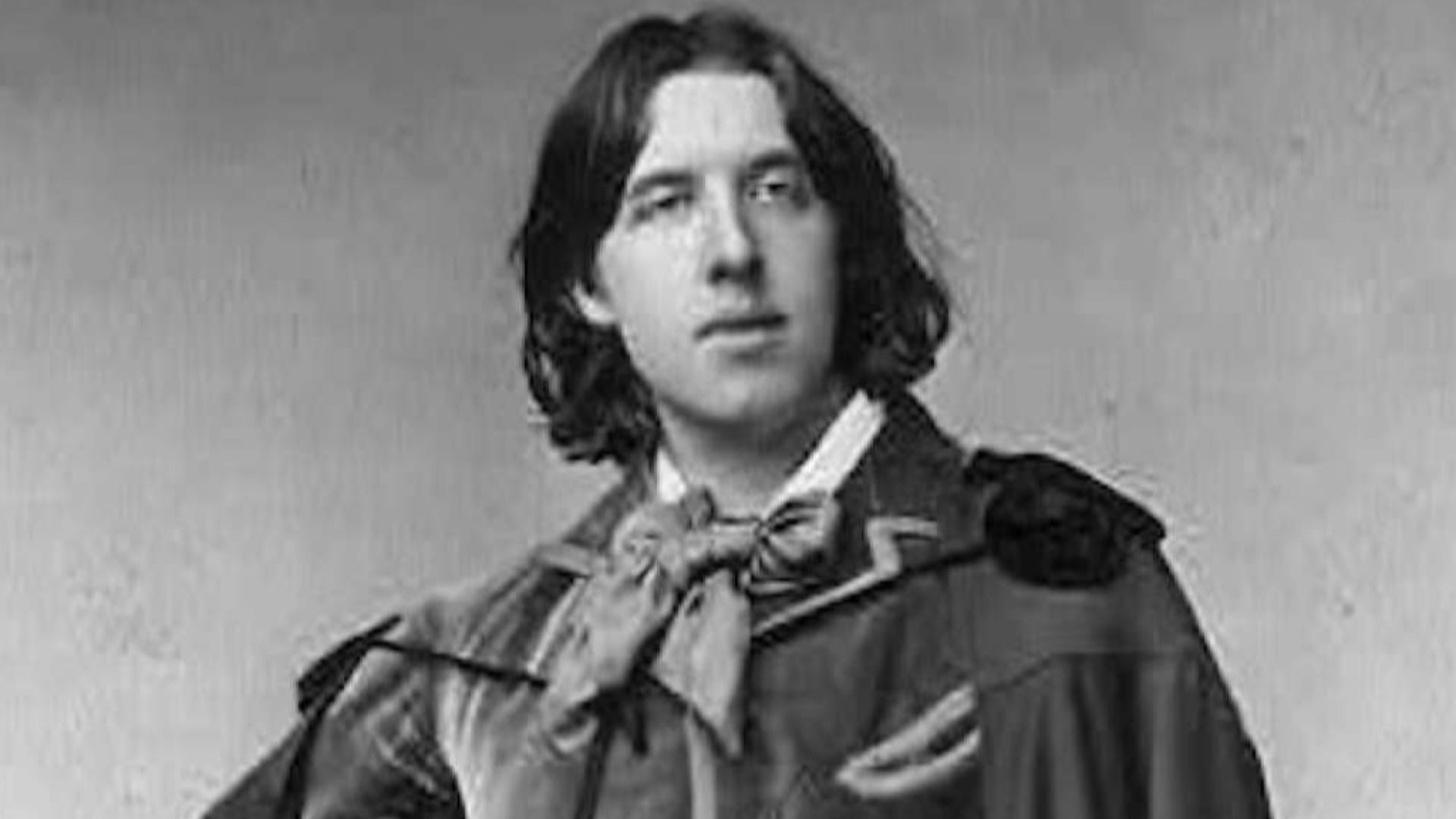 Napoleon Sarony, Wikimedia Commons
13. He Moved Away
Even with the large influx of poor reviews, Oscar had already built up enough money from his works to put some distance between himself and London, and he decided that France would be far enough. Packing everything up, he traveled to Paris and found a home there in 1883, pleased to have new surroundings and inspirations.
However, it wouldn’t just be him for long—especially since he had already met the woman of his future.
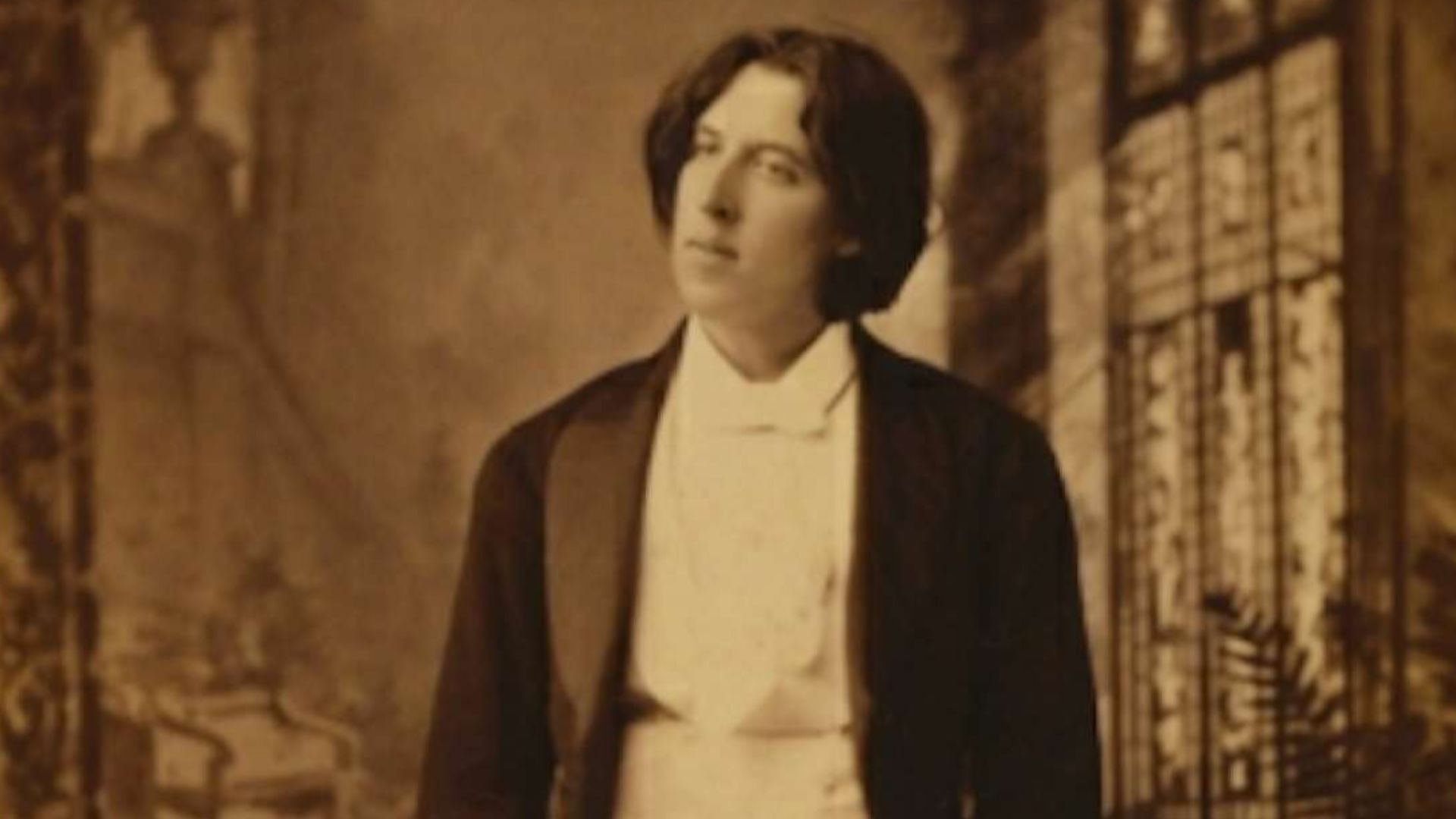 Napoleon Sarony, Wikimedia Commons
14. He Found Someone Special
Oscar was still young and relatively inexperienced in romance, so it was a good thing that by the time he lived in Paris, he had already met the woman who would be his wife. Back when he was in London, he was lucky enough to become acquainted with Constance Lloyd, who was the charming daughter of an esteemed lawyer and quite the writer herself.
Clearly, unlike the woman he had loved before, this relationship seemed to be built to last.
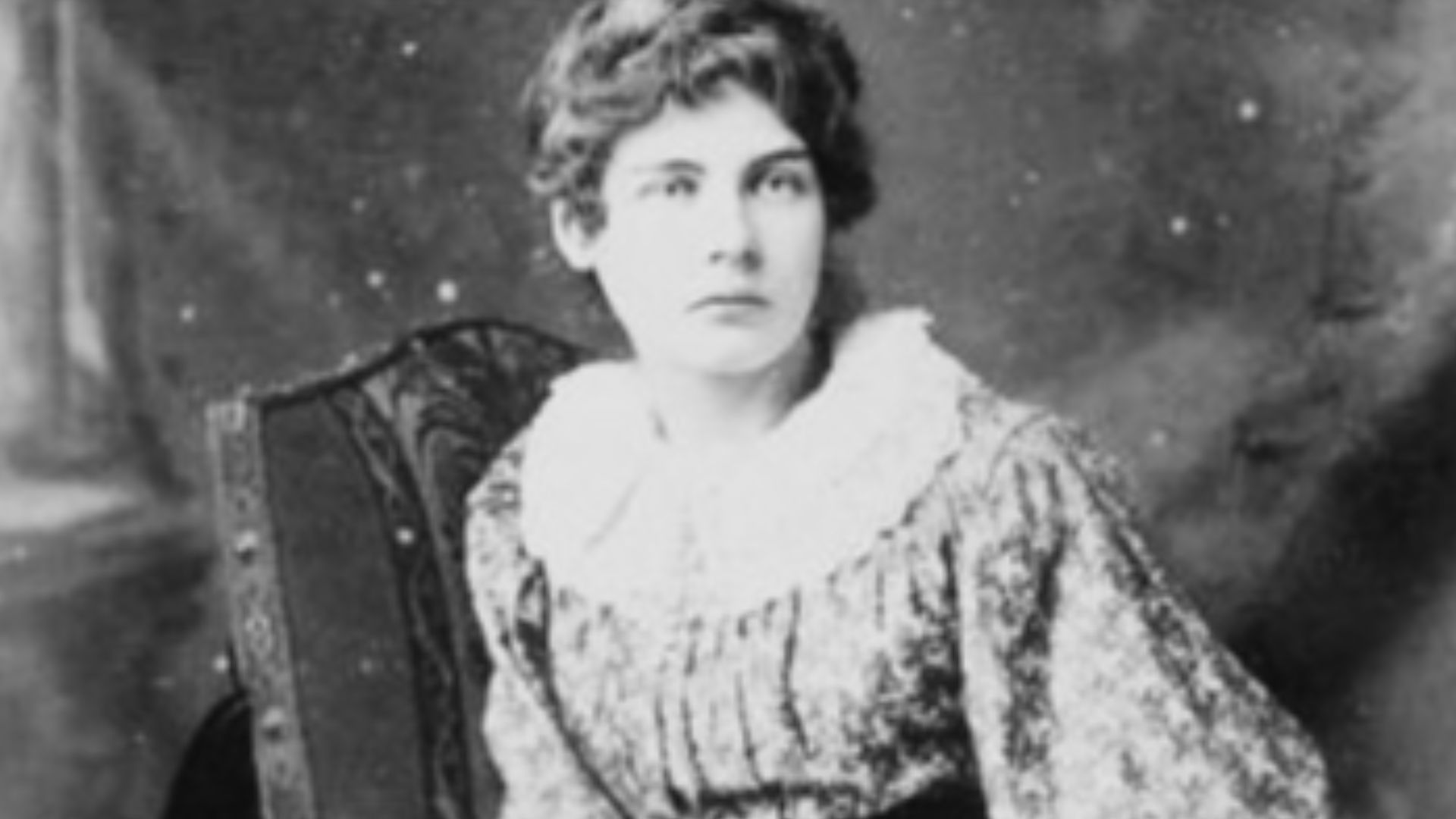
15. They Created A Life Together
Knowing that Constance would be the person he married, Oscar wasted no time proposing to her, and since he had already proven to be a capable writer, her parents didn’t seem to have any issues. Tying the knot on May 29, 1884, they spent the next couple of years building a family, welcoming their two sons, Cyril and Vyvyan.
Meanwhile, Oscar was struggling to accept a part of himself—especially since he saw how easy it came to others.
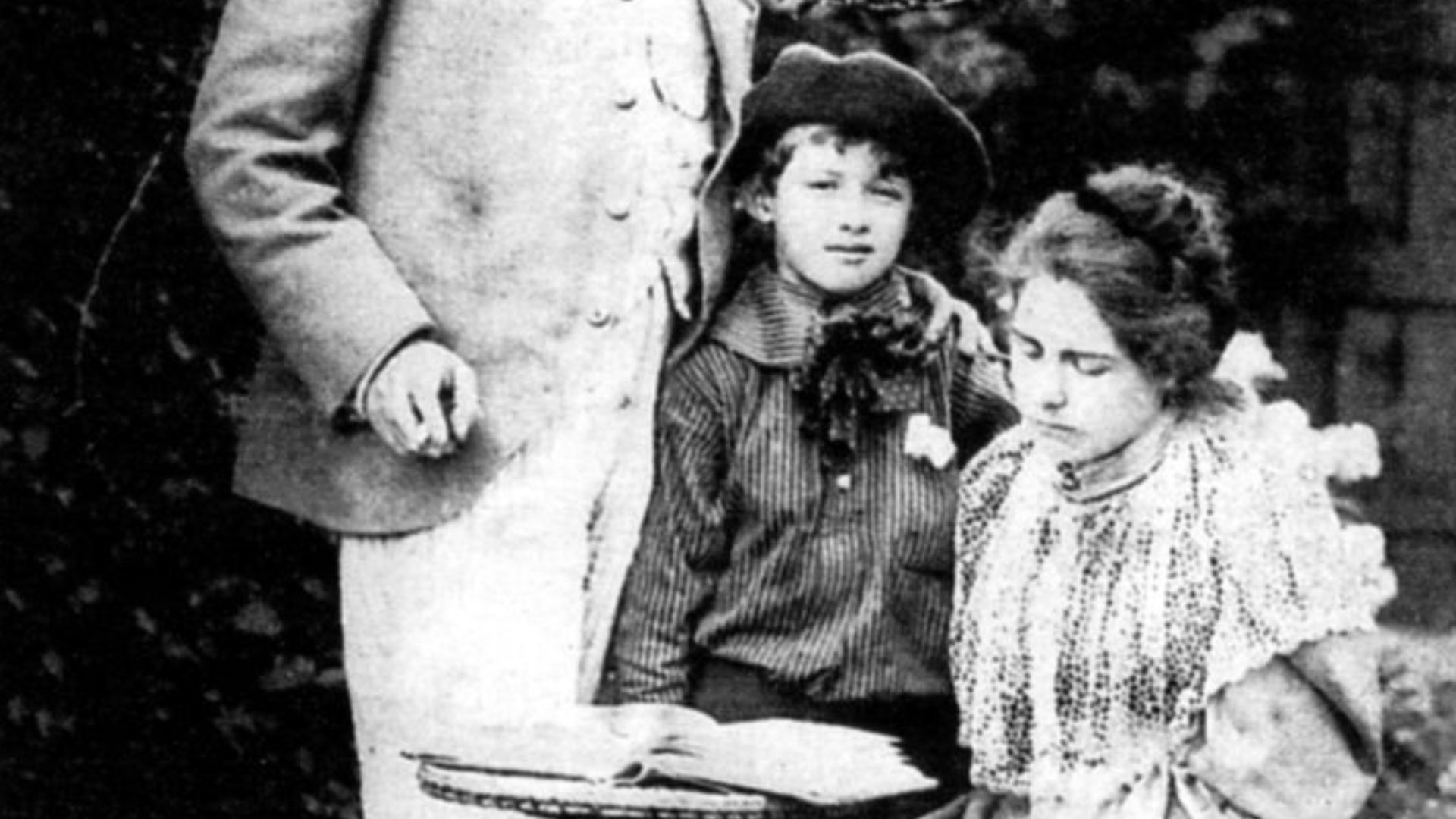 Unknown authorUnknown author, Wikimedia Commons
History's most fascinating stories and darkest secrets, delivered to your inbox daily.
16. He Met Someone Different
Oscar wouldn’t spend the rest of his life in Paris, and specifically on one visit back to Oxford, he had an encounter with someone who seemed to shake the very foundations of his sense of self. Becoming friends with journalist Robert Ross, Oscar was shocked to see how Ross appeared to flout the laws concerning homosexuality—something that Oscar wished he could do.
Back in his regular life, though, it was finally time for him to grow up.
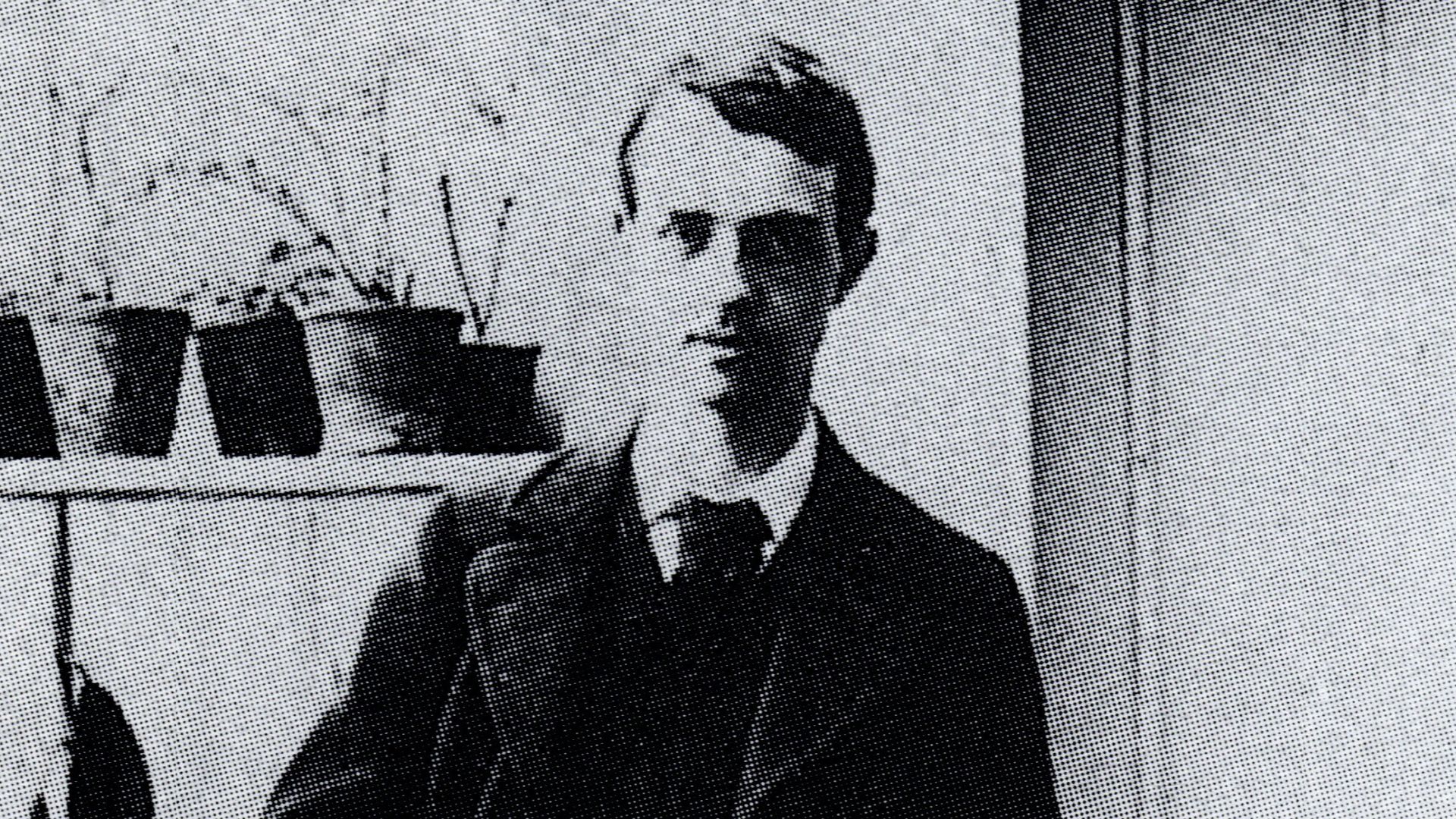 Unknown authorUnknown author, Wikimedia Commons
17. He Made Bold Choices
Oscar was no longer a young bachelor with the freedom to do whatever he wanted, having since become responsible for both his wife and family, but there was no use crying about it. Taking the position as editor of The Lady's World magazine, he soon began making waves, changing the name to The Woman's World and trying to turn it into a more serious publication.
Still, this was never going to be his career forever, but it was helpful in other ways.
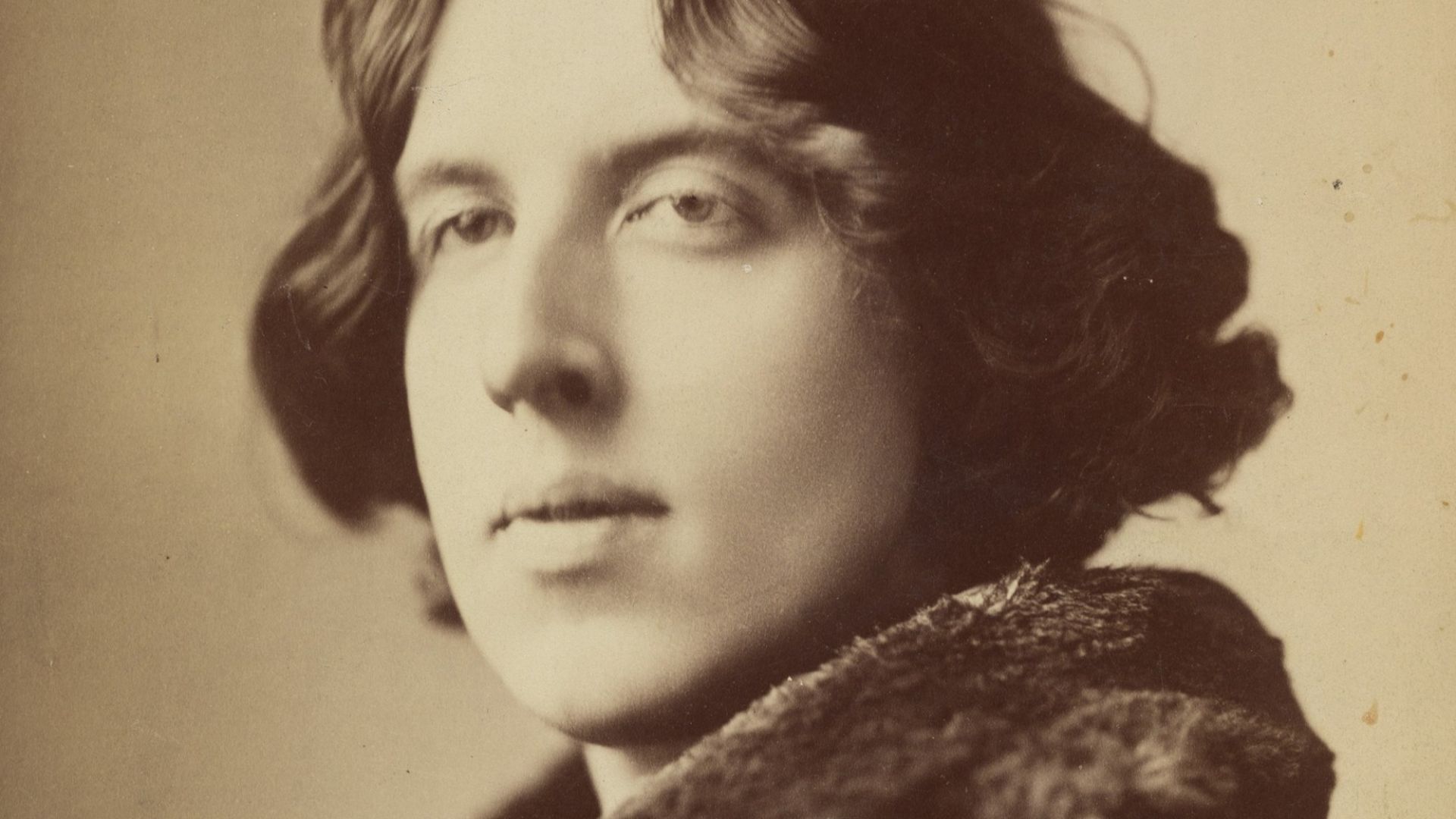 Napoleon Sarony, Wikimedia Commons
18. He Turned Toward Prose
Oscar served as the magazine’s editor for about two years, all the while honing his craft so it could support him in the same way, until he finally succeeded. Believing that his newfound talent for prose would be enough, he resigned from his post, but would always be grateful for this period as an integral factor in his journey to fame.
At the same time, some would have nothing but disdain for his work—and it came out in vicious rumors.
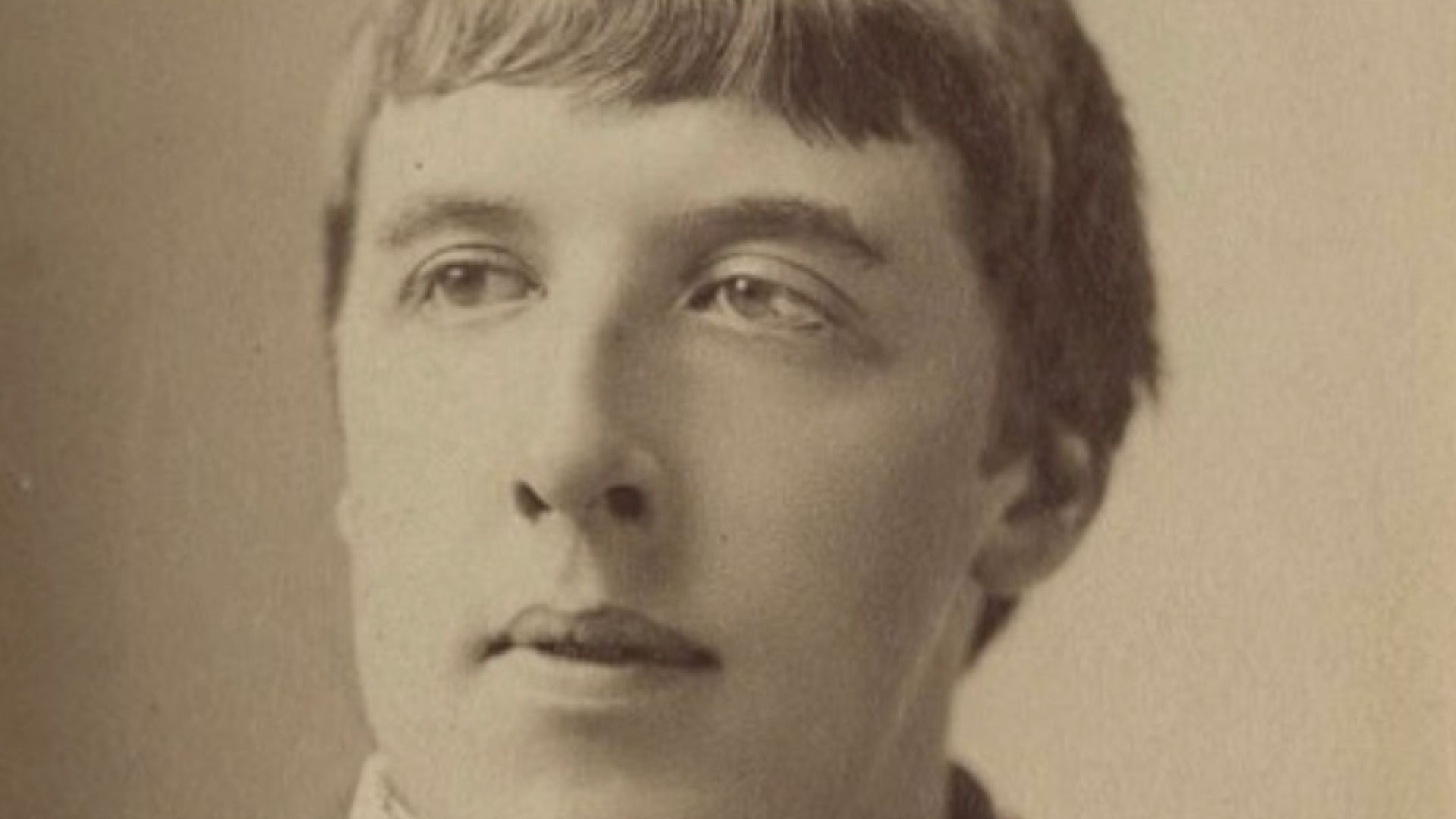 Napoleon Sarony, Wikimedia Commons
19. He Was Accused
By this point, Oscar was becoming more familiar with criticisms of himself and his work, but he didn’t expect it at a dinner party, of all places. Attending a get-together hosted by his friend James Whistler, Oscar spent the night as his usual charming and witty self. However, his fellow guest, journalist Herbert Vivian, had a different impression and soon wrote that Oscar essentially was only funny because he was stealing jokes from other people.
Regardless, Oscar continued to publish what he wanted to, including what would become his first true classic.
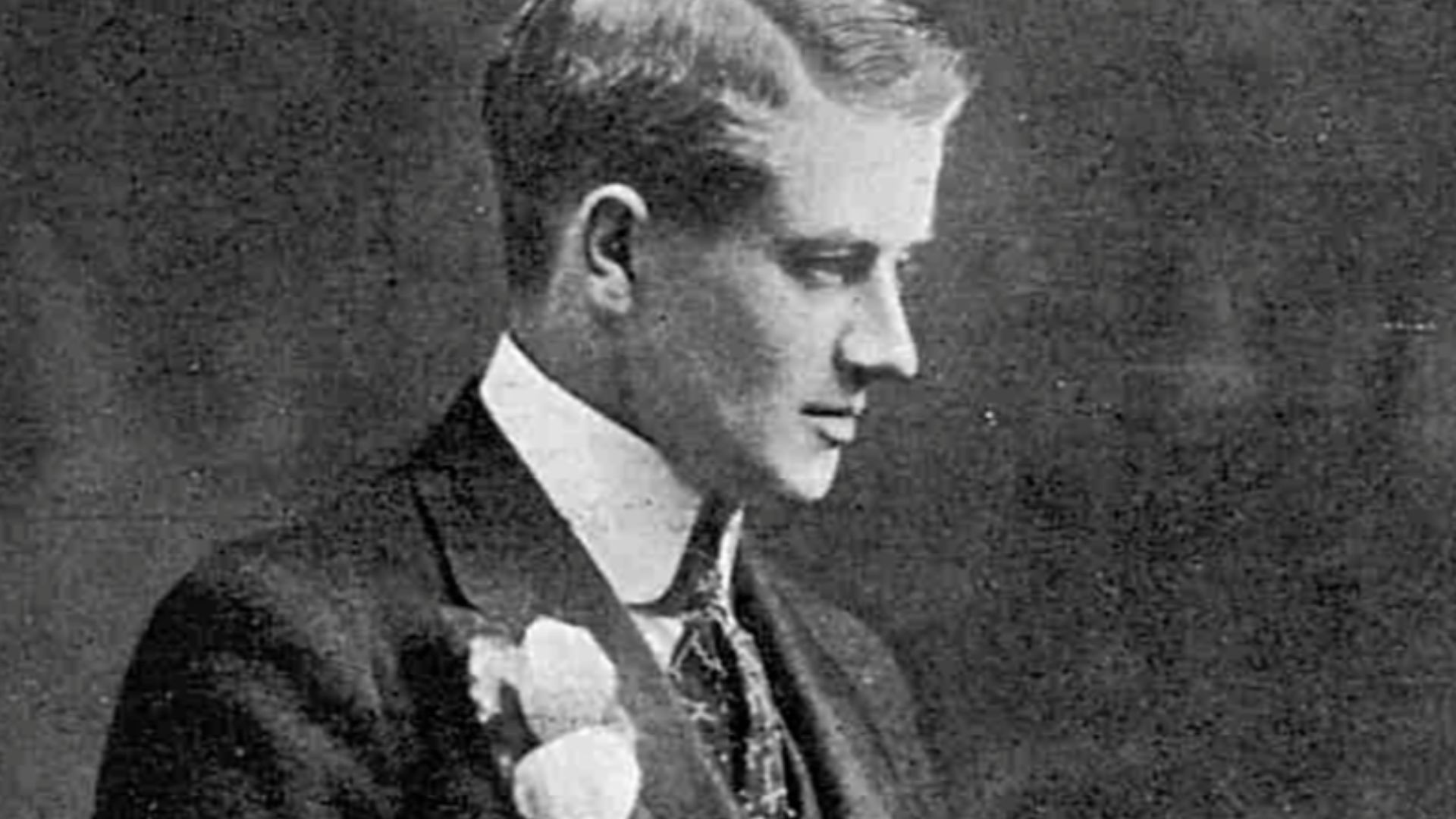 Kate Pragnell, Wikimedia Commons
20. He Wrote His Only Novel
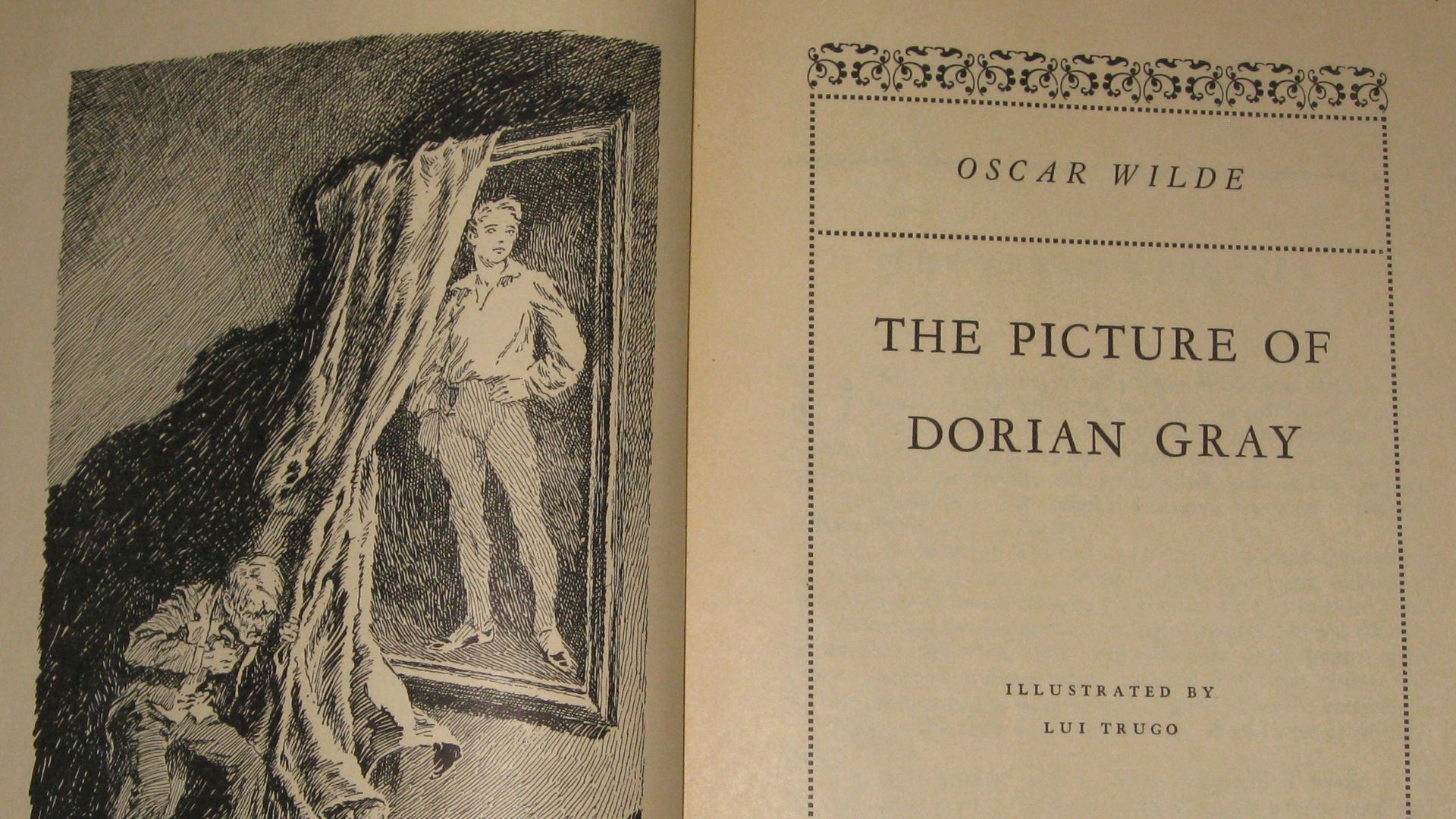
Approaching the 1890s, Oscar began working on what became the only novel he would write in his lifetime, and arguably his most famous work. Publishing the story initially in Lippincott's Monthly Magazine, Oscar introduced the world to his gothic horror, The Picture of Dorian Gray, and the magazine featured it as its lead story.
Once again, it seemed the world simply wasn’t ready for his work—although this time they went even farther.
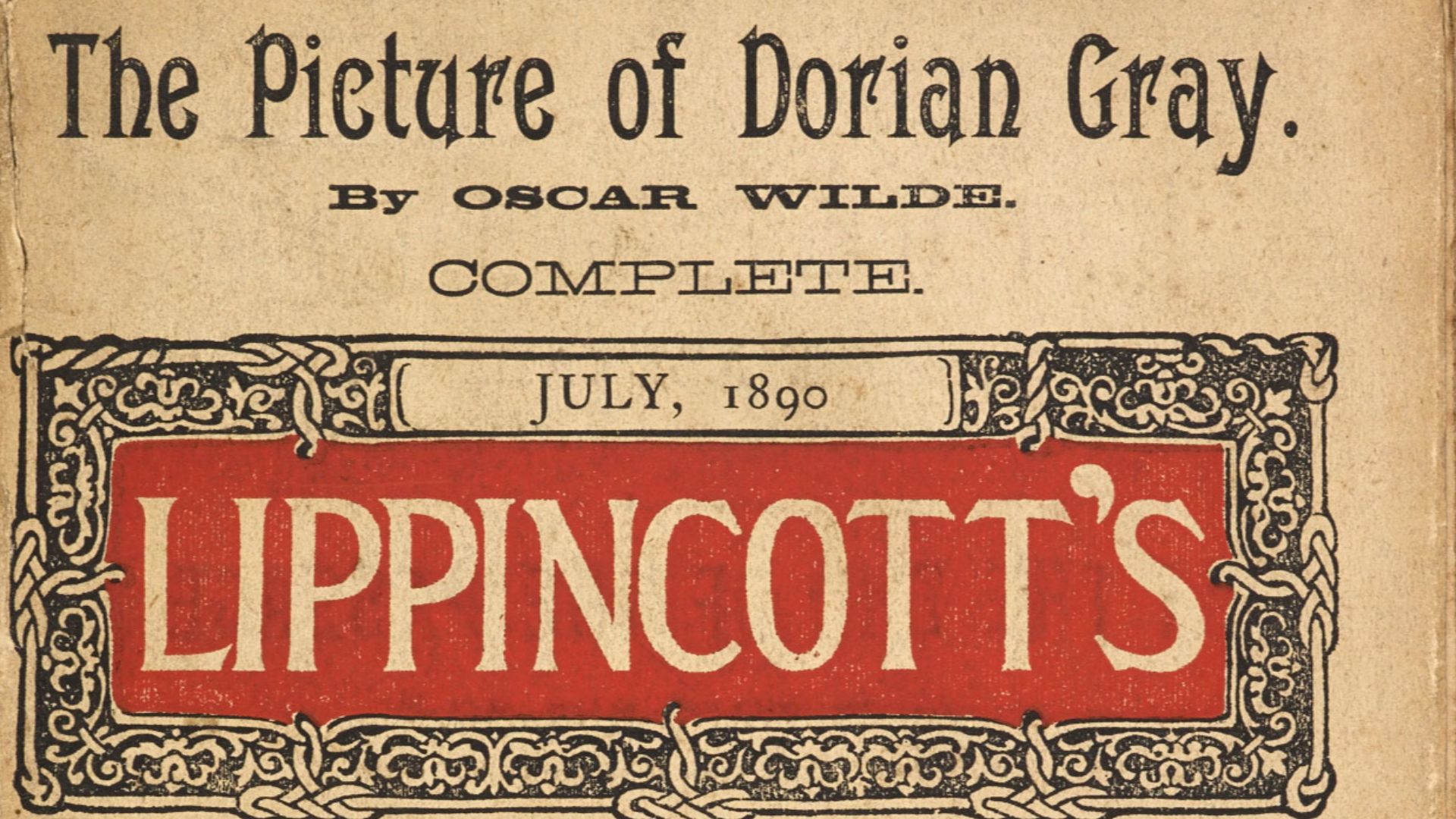 Unknown authorUnknown author, Wikimedia Commons
21. They Tore It Apart
While Oscar had seen how ruthless critics could be to a piece of art they didn’t like, those who reviewed The Picture of Dorian Gray took it to a whole other level. As Oscar was still facing his own gay identity behind closed doors, that theming came through in his writing, and the press was furious about it.
Ultimately, he was still determined to publish this story—even if he needed to make some adjustments.
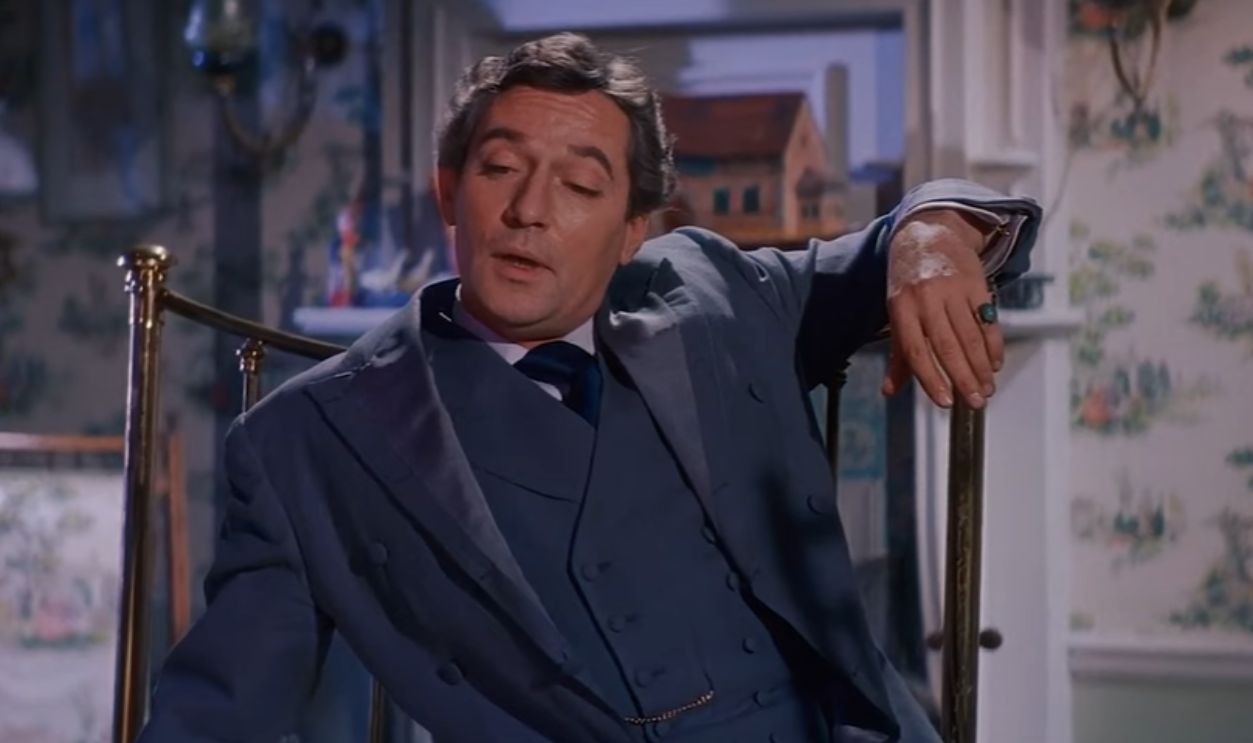 Screenshot from The Trials of Oscar Wilde, Columbia Pictures (1960)
History's most fascinating stories and darkest secrets, delivered to your inbox daily.
22. He Made Some Changes
While he resented the calls for change coming from the majority of critics, Oscar believed in his novel and would do anything to get it out there. With bitter compliance, he removed most of the passages that caused the issue—practically revising the whole book as he added a preface and six completely new chapters.
Fortunately, Oscar’s one novel would eventually find its audience...even if he wasn’t around to see it.
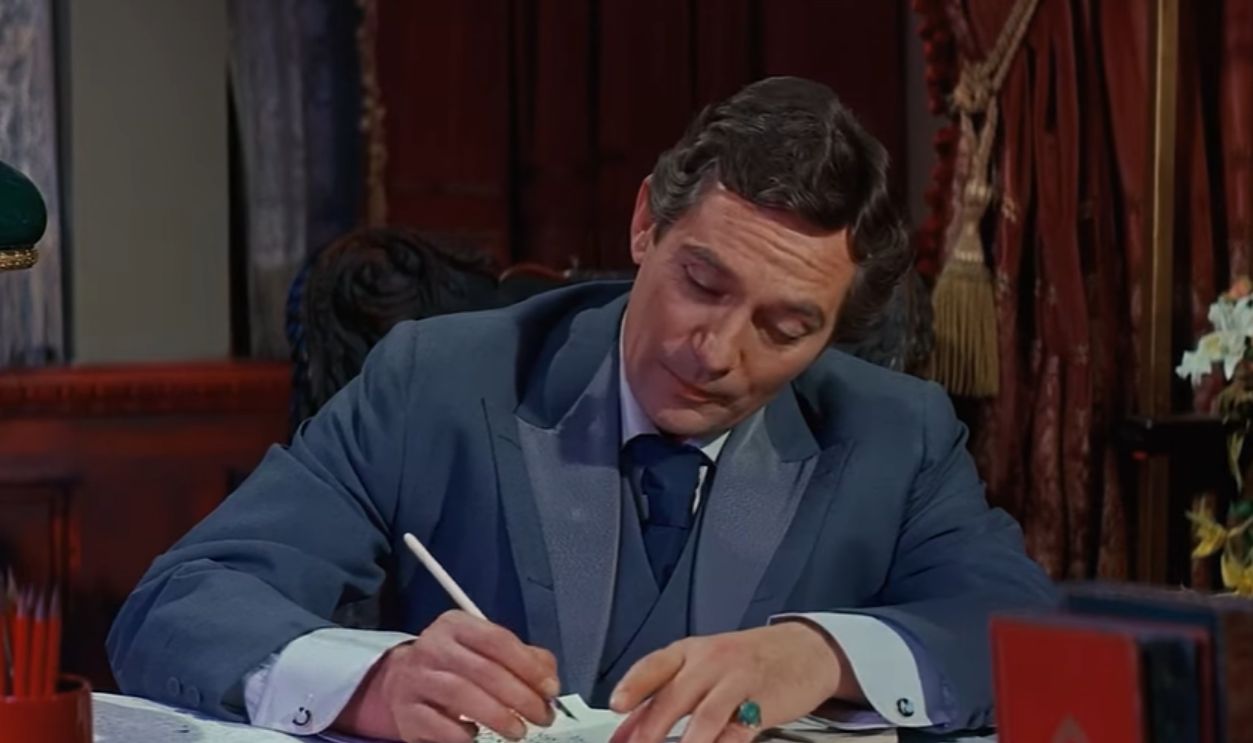 Screenshot from The Trials of Oscar Wilde, Columbia Pictures (1960)
23. He Wrote A Classic
While Oscar had done what he believed he had to for the general public to accept his novel, the damage had already been done, and most dismissed The Picture of Dorian Gray as nothing more than an offensive text. However, the coming decades would treat the novel far more kindly until it eventually became one of the most iconic books in classic literature, with The Guardian naming it one of the 100 best novels ever written in English.
Of course, he hadn’t abandoned working in the theatre as a whole.
24. He Had A New Idea
Oscar had now dipped his toes in poetry, prose, and writing one novel, but his heart always truly lay with the theatre, and he fortunately found some new inspiration. One night, while discussing the historical figure Salome and any adaptations of her that had popped up over the years, Oscar had a brilliant idea.
Hoping to get it down on paper before it left his mind, he frantically wrote out what would become his new melodrama, Salome. But that wasn't the only new development in his life. Behind the scenes, Oscar would have the pleasure of meeting someone he could truly relate to.
 Charles Mellin, Wikimedia Commons
25. He Made A New Friend
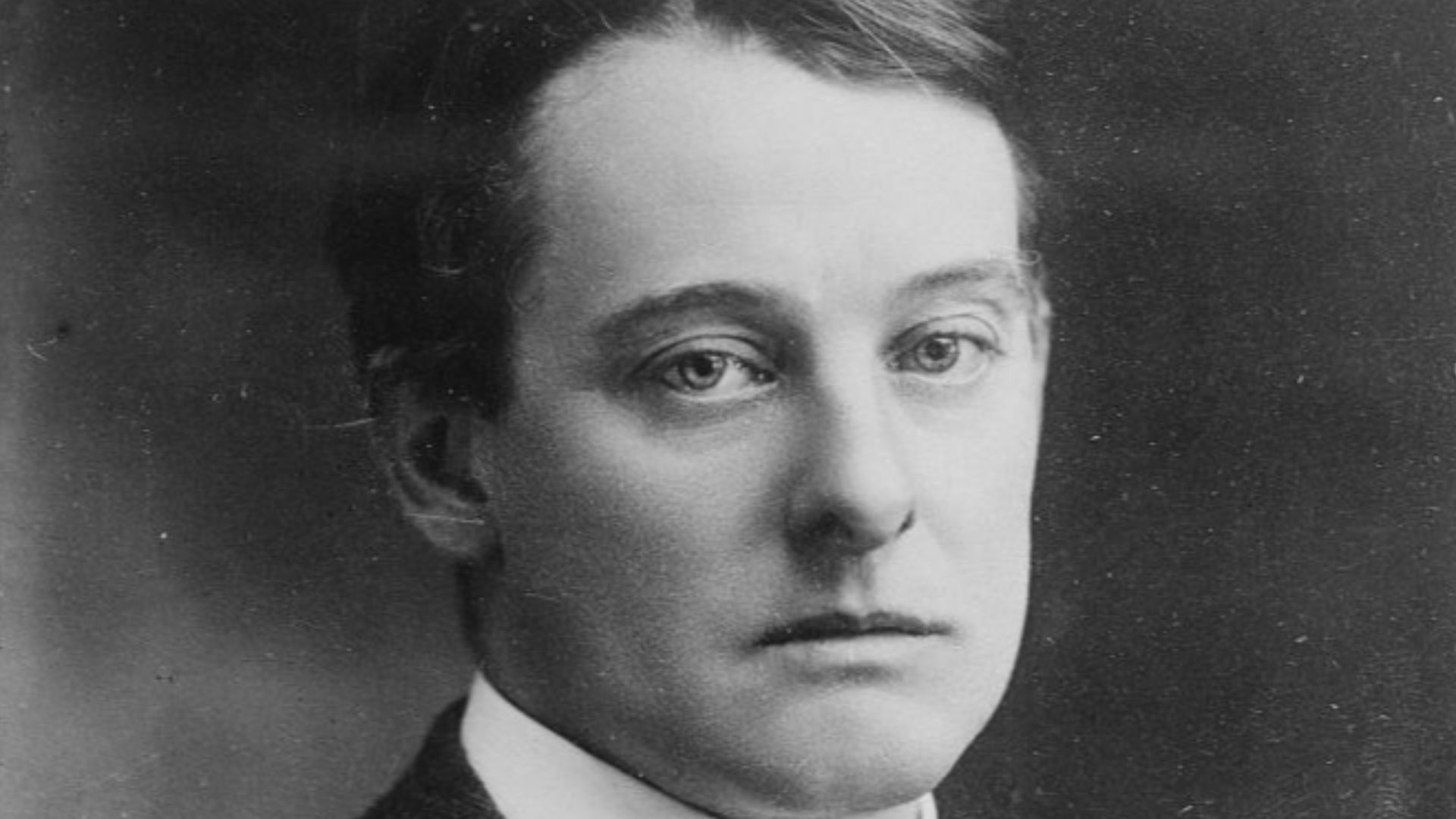
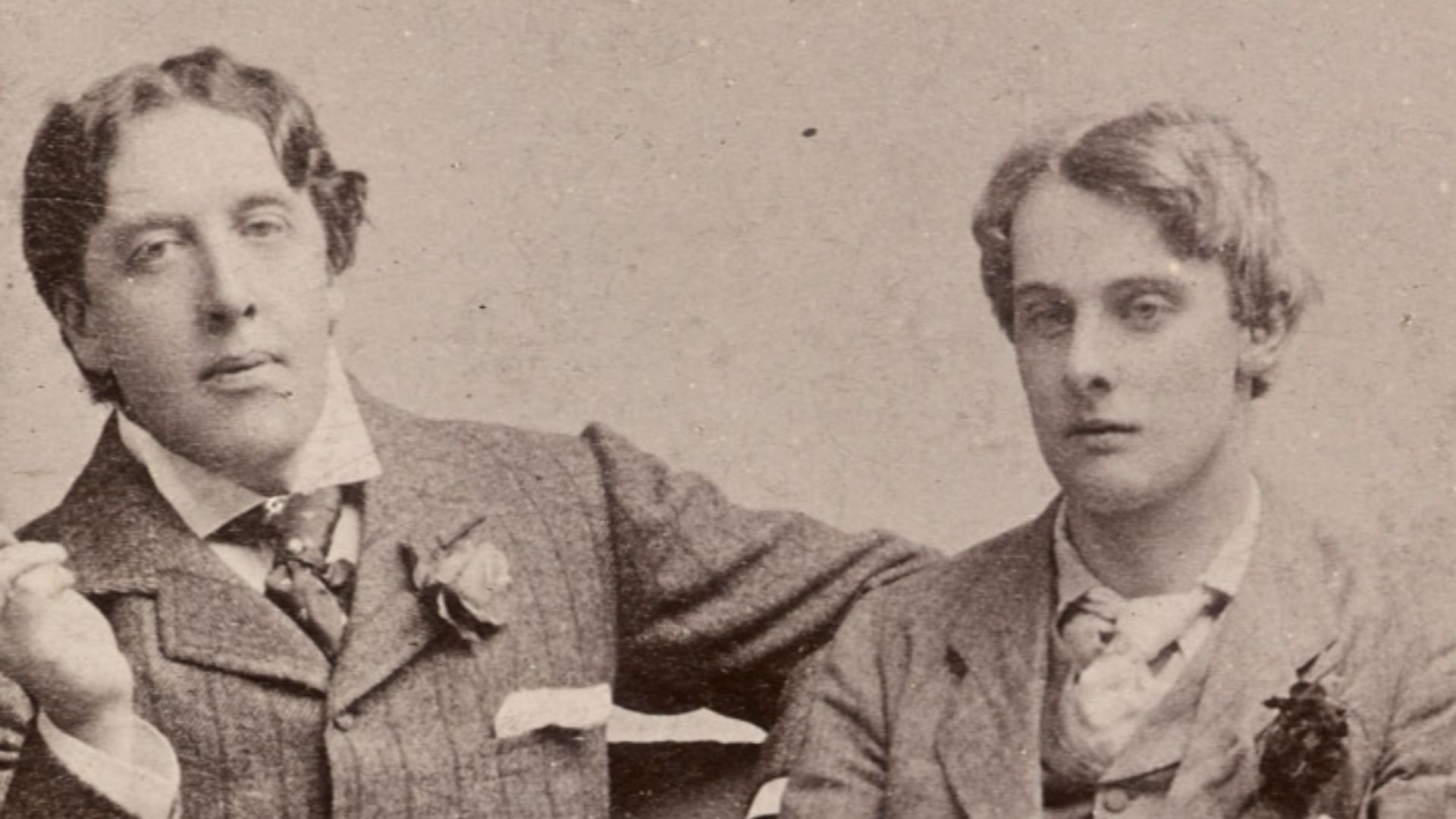
Oscar continued to make connections among society’s elite, but only one would change his life forever—for better or worse. Meeting Lord Alfred Douglas in 1891, Oscar had no trouble growing closer to him, and before he knew it, he was obsessed with his new friend. It appears that Lord Douglas had similar feelings toward Oscar, too, as they soon began a long-term affair away from the public eye.
Seeing how uncomfortable Oscar was in his own skin, Douglas wanted to help him—and he knew exactly where to do that.
 Bain News Service, Wikimedia Commons
26. He Showed Him Another World
While the Victorian Era had outlawed homosexuality, all this did was force those who identified as gay to be more secretive, effectively creating a whole underground queer community. With the help of Alfred, Oscar explored this side of London that was completely new to him, soon involving himself further in the world of gay prostitution as well.
Naturally, it was only a matter of time before he and Douglas upset the wrong person.
 Gillman & Co, Wikimedia Commons
27. He Called Them Out
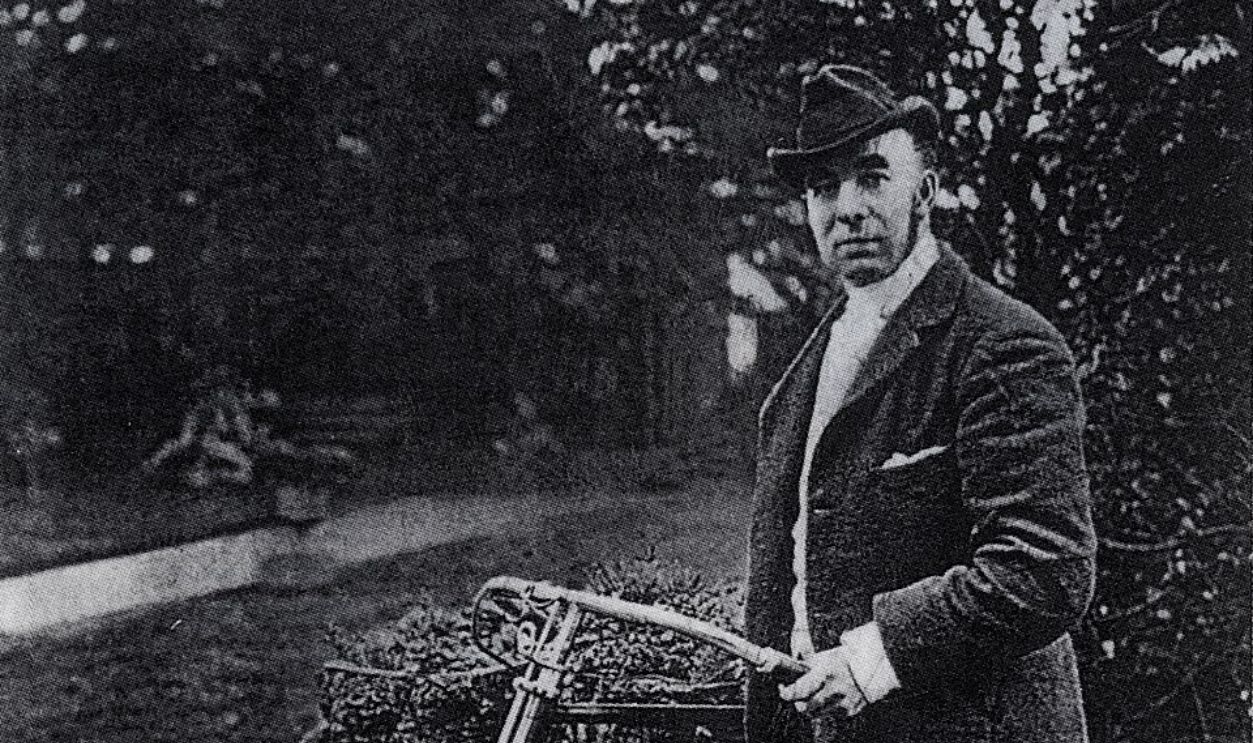
Although Oscar and Alfred tried their best to keep their affair a secret, there was one man who caught on fairly quickly—and it was probably the worst person to do so. By all accounts, Alfred’s father, the Marquess of Queensbury, was not a pleasant person and seemed to enjoy antagonizing his son, so as soon as he caught wind of the affair between the two, he demanded they own up to the truth.
Luckily, Oscar managed to use his charm to talk him down—but this wasn’t the end of the story.
 'Oscar Wilde', Wikimedia Commons
History's most fascinating stories and darkest secrets, delivered to your inbox daily.
28. He Stood His Ground
Having created the foundations for modern boxing, which he called the Queensbury Rules, the Marquess was not known for his calm demeanor. While he backed down initially, he never let go of his suspicion, eventually confronting Oscar again and threatening him with physical aggression if he ever saw him with Alfred. In response, Oscar retorted, “I don't know what the Queensberry rules are, but the Oscar Wilde rule is to shoot on sight”.
Meanwhile, Oscar wouldn’t let this ugliness distract him from his work—especially since he was about to do some of his best.
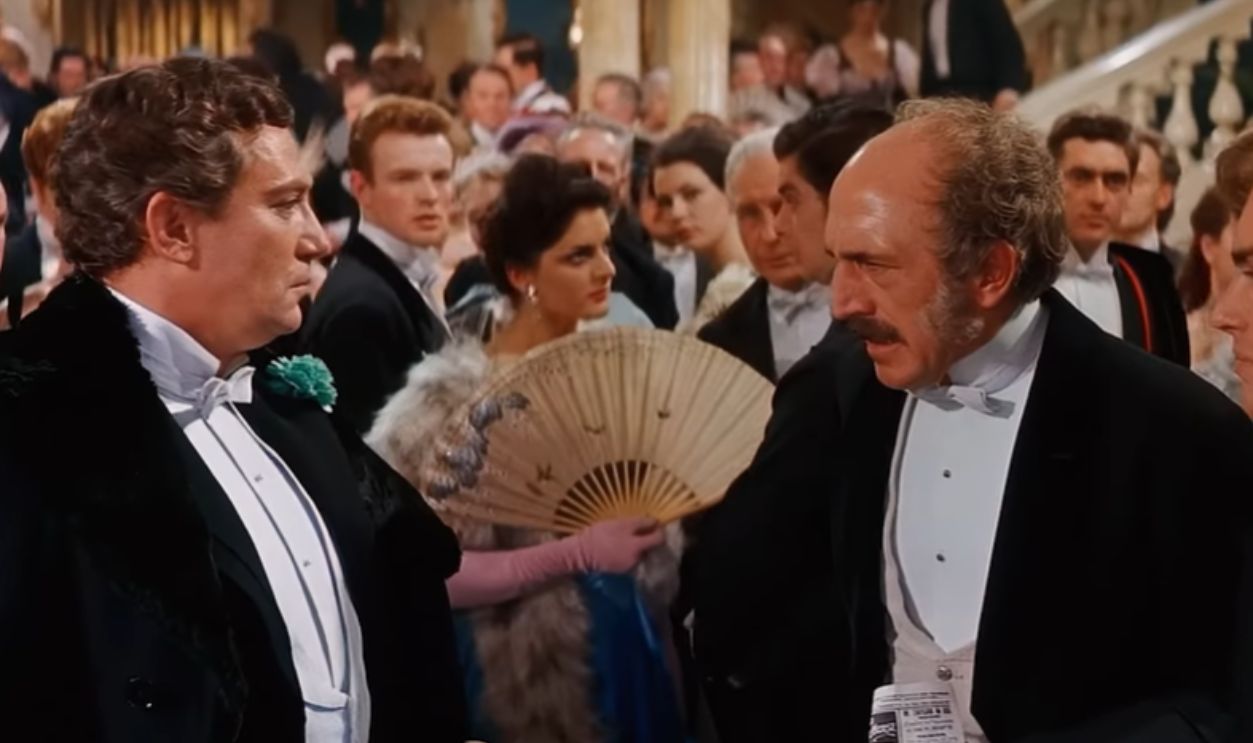 Screenshot from The Trials of Oscar Wilde, Columbia Pictures (1960)
29. He Created A Masterpiece
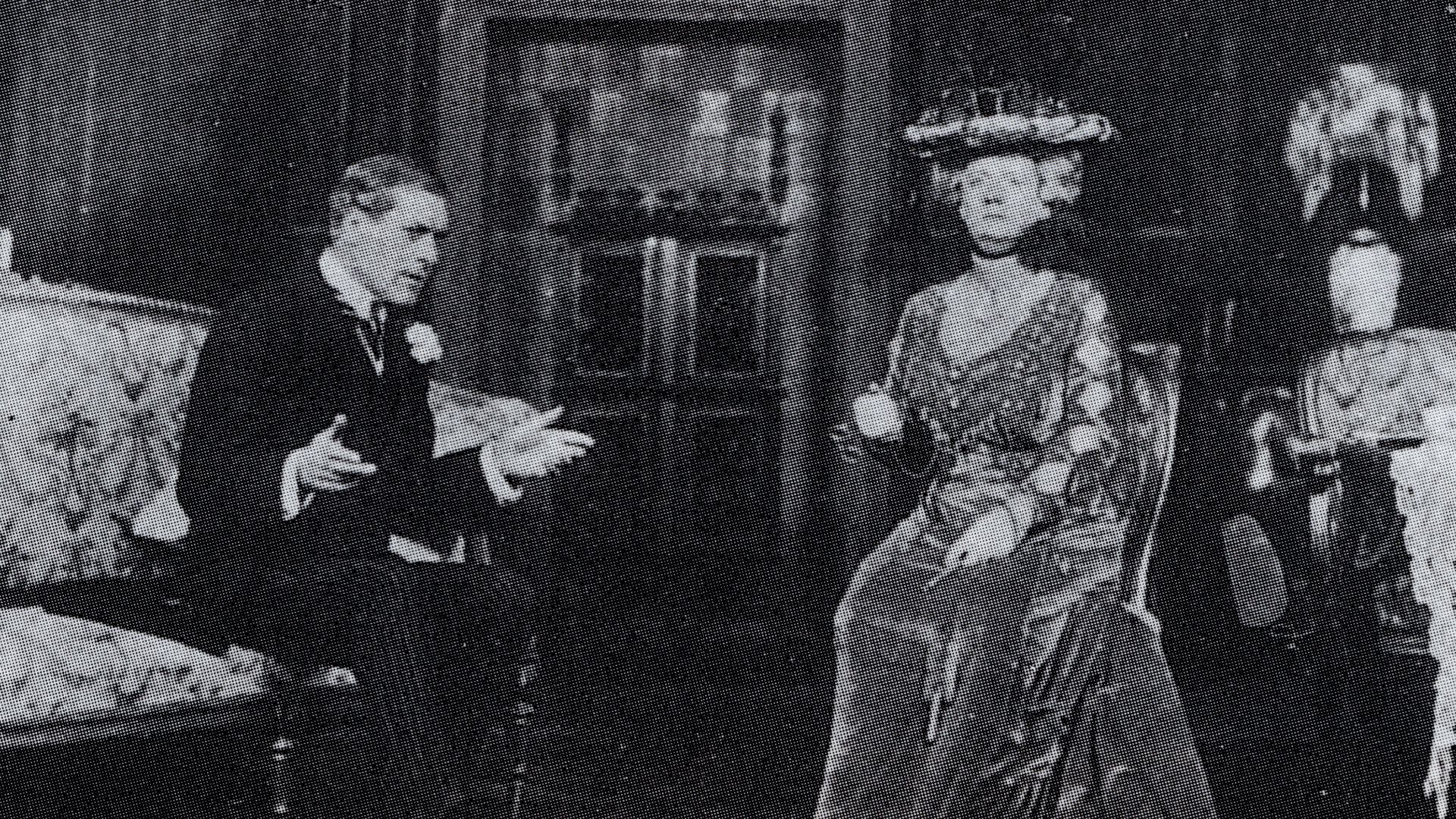
Oscar would create nine plays across his career, and while several of them were more drama-heavy, like much of his other work, he enjoyed writing comedies just as much. Even then, one comedy of his has always stood out as his funniest and most lighthearted: The Importance of Being Earnest. Not only would history view this play as his magnum opus, but even at the time, critics praised it as his masterpiece.
However, this wouldn’t protect him from the hatred coming his way—and it was only getting worse.
 Unknown authorUnknown author, Wikimedia Commons
30. They Grew More Hostile
The Marquess seemed hellbent on ruining the writer’s life, so even though Oscar’s career was thriving, he couldn’t rest easy as he constantly worried about what stunt Alfred’s father might pull. For instance, during the run of one of his plays, Oscar learned that the Marquess wanted to show up and toss a bouquet of spoiled vegetables on stage. Fortunately, though, Oscar managed to ban him from the theater before this could happen.
There was no telling what else the Marquess might do, and eventually, Oscar couldn’t take it anymore.
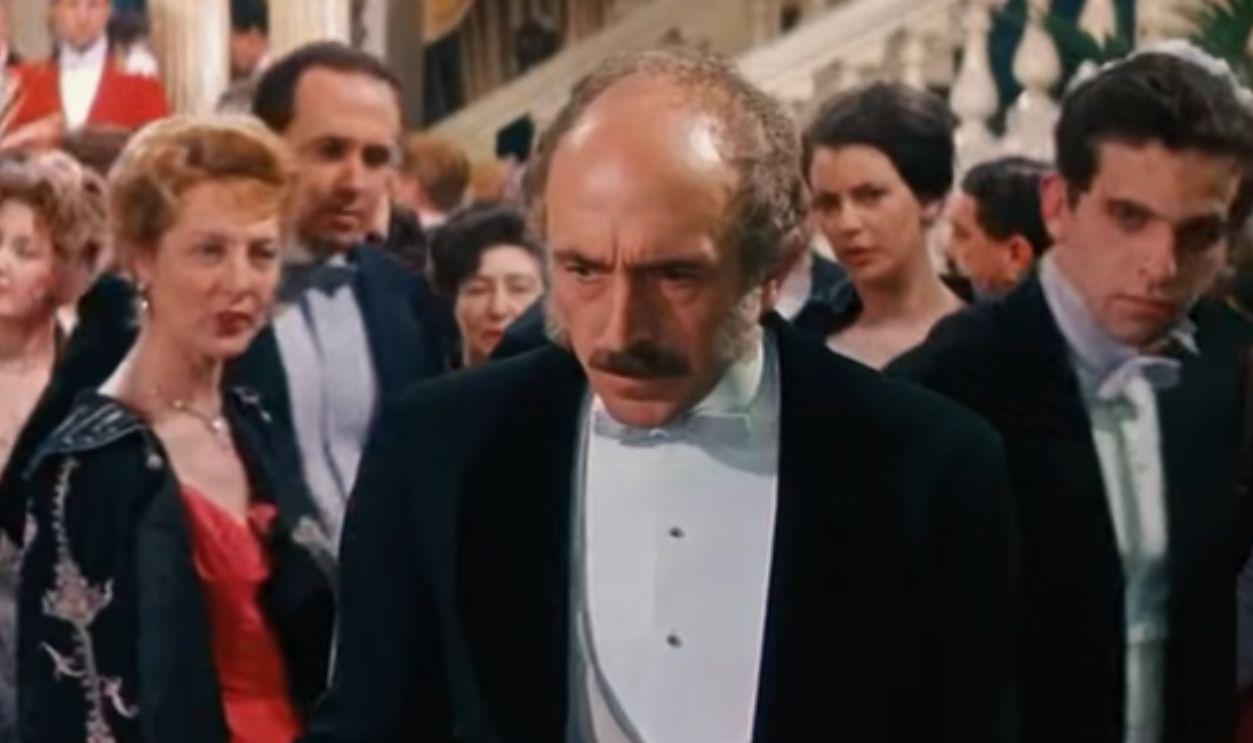 Screenshot from The Trials of Oscar Wilde, Columbia Pictures (1960)
31. He Went After Him
Since the Marquess had failed in humiliating Oscar in such a large way, he chose a more subtle route, leaving his business card, which sources say carried a message calling him a “posing sodomite”. Oscar had reached the end of his rope and wanted to retaliate against the Marquess, a decision that most of his friends disagreed with, except for Alfred. In the end, Oscar refused the high road and took his aggressor to court.
Suddenly, the wheels of “justice” were in motion, whether Oscar would end up regretting it or not.
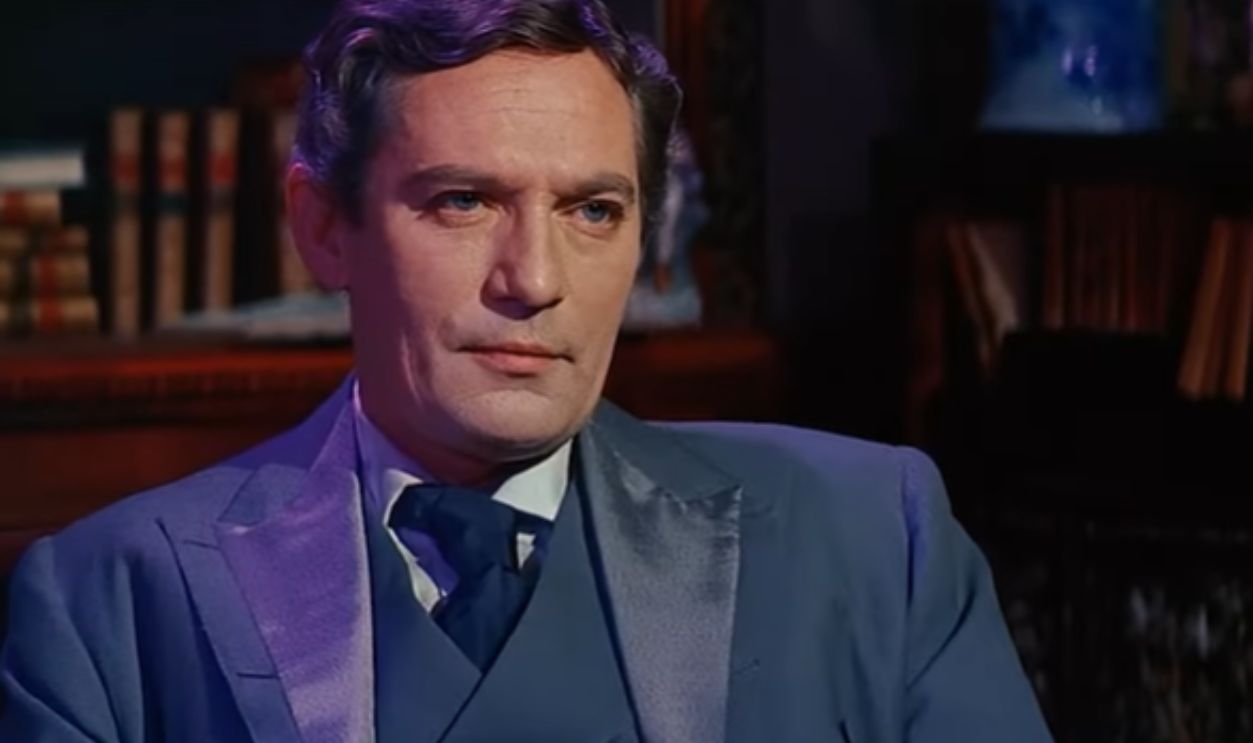 Screenshot from The Trials of Oscar Wilde, Columbia Pictures (1960)
32. They Took Him In
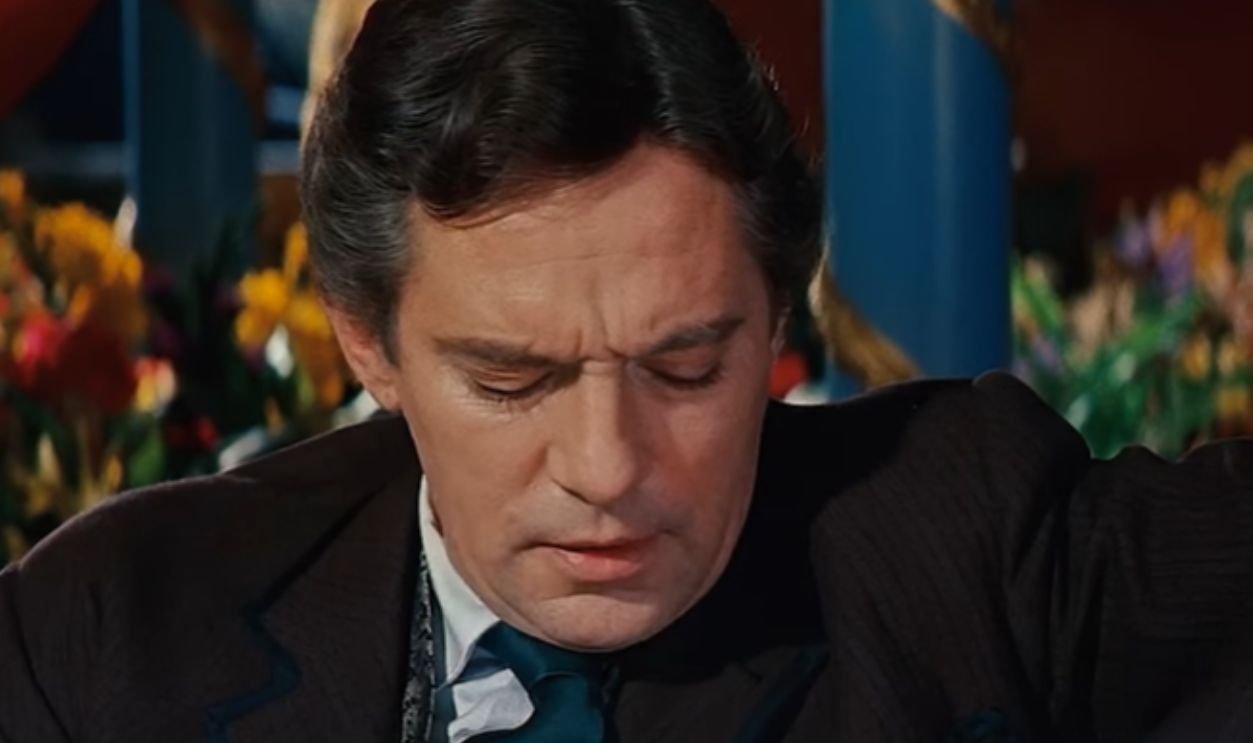
Oscar believed that, with the insulting calling card, he had a solid case against the Marquess for public defamation—but it wouldn’t be that simple. While the authorities did take Alfred’s father into custody on a libel charge, the law stated that the Marquess would be able to get off scot-free as long as he could prove that what he was accusing Oscar of was true.
Oscar only wanted to get back at the Marquess after months of harassment—but his plan backfired in a horrifying way.
 Screenshot from The Trials of Oscar Wilde, Columbia Pictures (1960)
33. He Couldn’t Stay Hidden
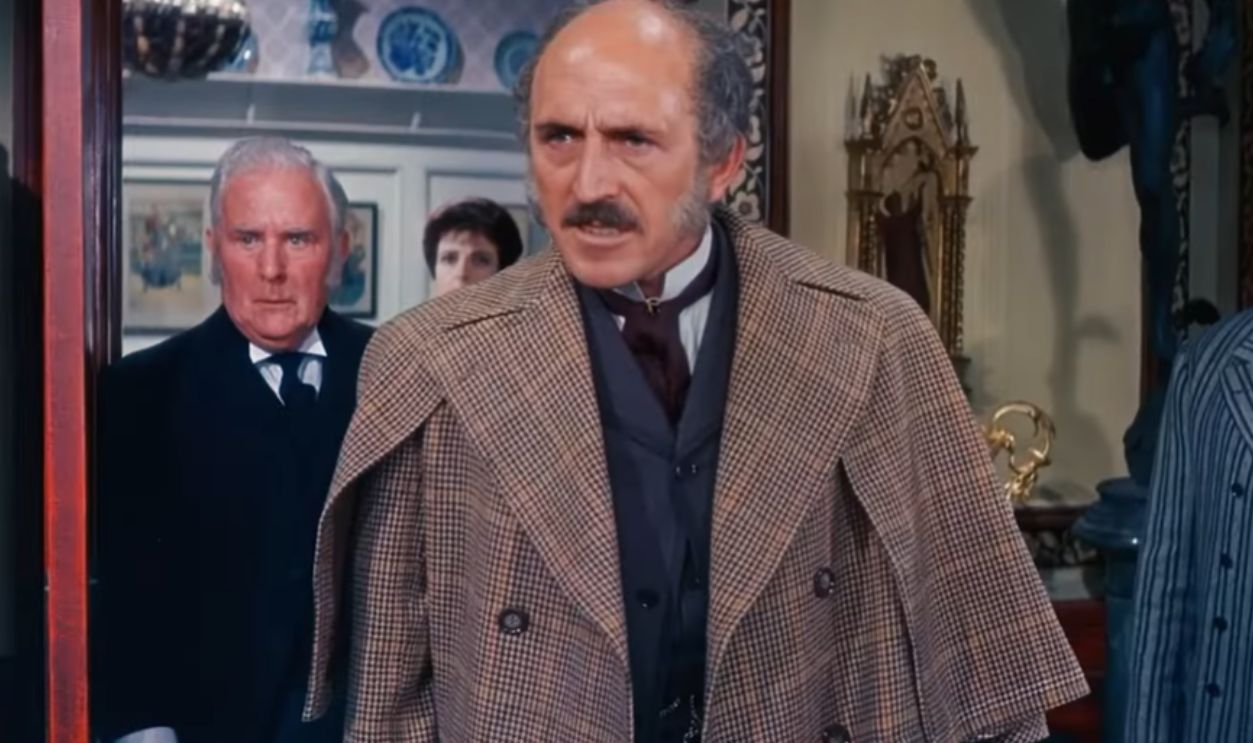
With his reputation and innocence on the line, the Marquess pulled out all the stops to prove his case, hiring several private investigators to find anything they could on Oscar. They went above and beyond, and before he knew it, Oscar had to sit and hear all his dirty laundry aired out for the court.
Faced with his worst-case scenario, Oscar had only one option.
 Screenshot from The Trials of Oscar Wilde, Columbia Pictures (1960)
History's most fascinating stories and darkest secrets, delivered to your inbox daily.
34. He Gave It Up
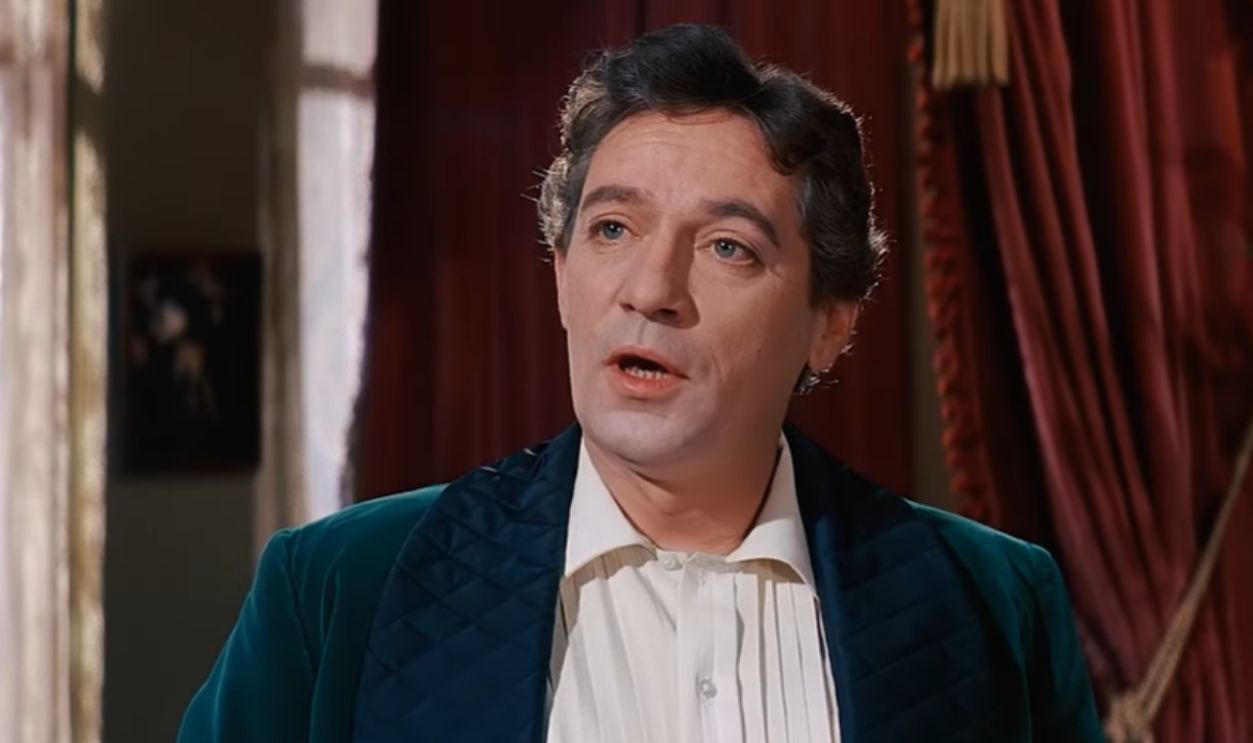
Picking apart his relationship with Alfred, his involvement in the underground queer community, and even the gay themes in his works, the Marquess’s defense presented an unfortunately concrete case. Since the court had little choice but to declare the accusation true, Oscar’s lawyers urged him to drop the case, which he begrudgingly agreed to.
In the end, Oscar lost much more than just a court case.
 Screenshot from The Trials of Oscar Wilde, Columbia Pictures (1960)
35. He Had Nothing Left
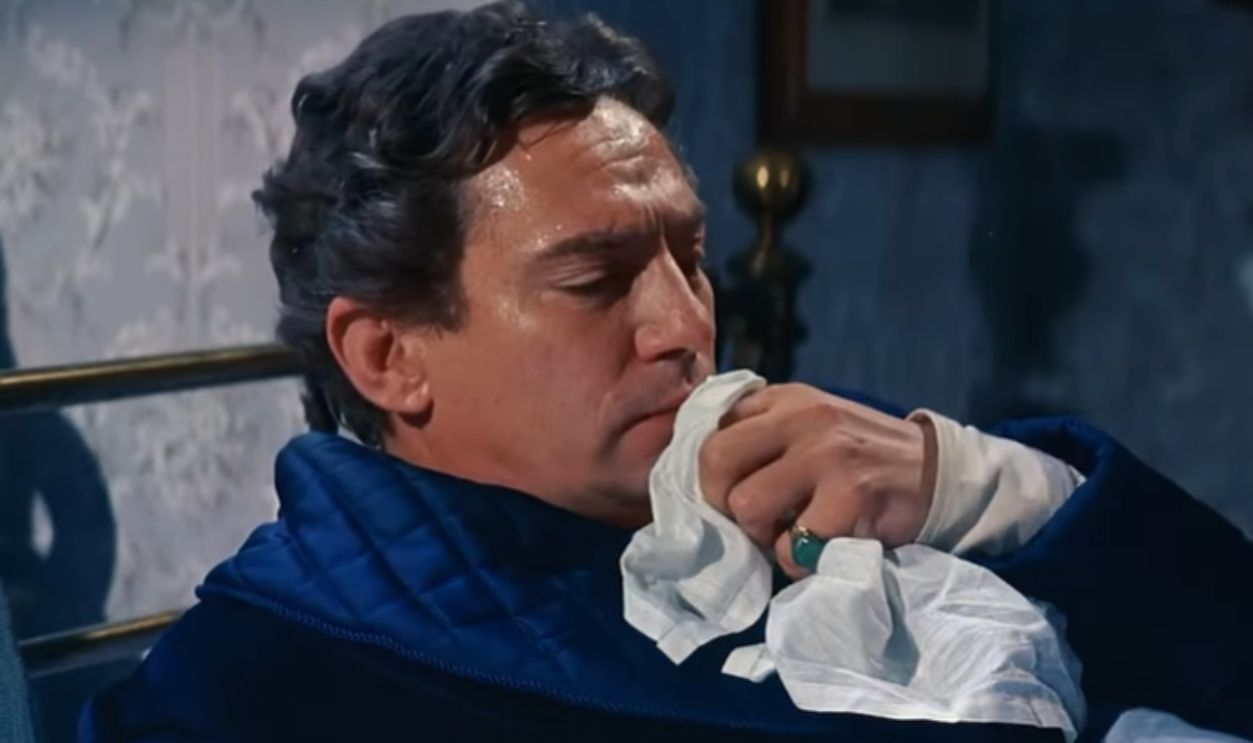
Oscar endured the humiliation of his gay identity being exposed and losing his court case, but according to the law, he was now also on the hook for the whole thing. Beyond getting the best lawyers he could, the Marquess had spared no expense on his team of private investigators. As Oscar had lost, he had to cover all of these expenses, which utterly bankrupted him by the end.
Adding insult to injury, Oscar was now the one on the law’s bad side.
 Screenshot from The Trials of Oscar Wilde, Columbia Pictures (1960)
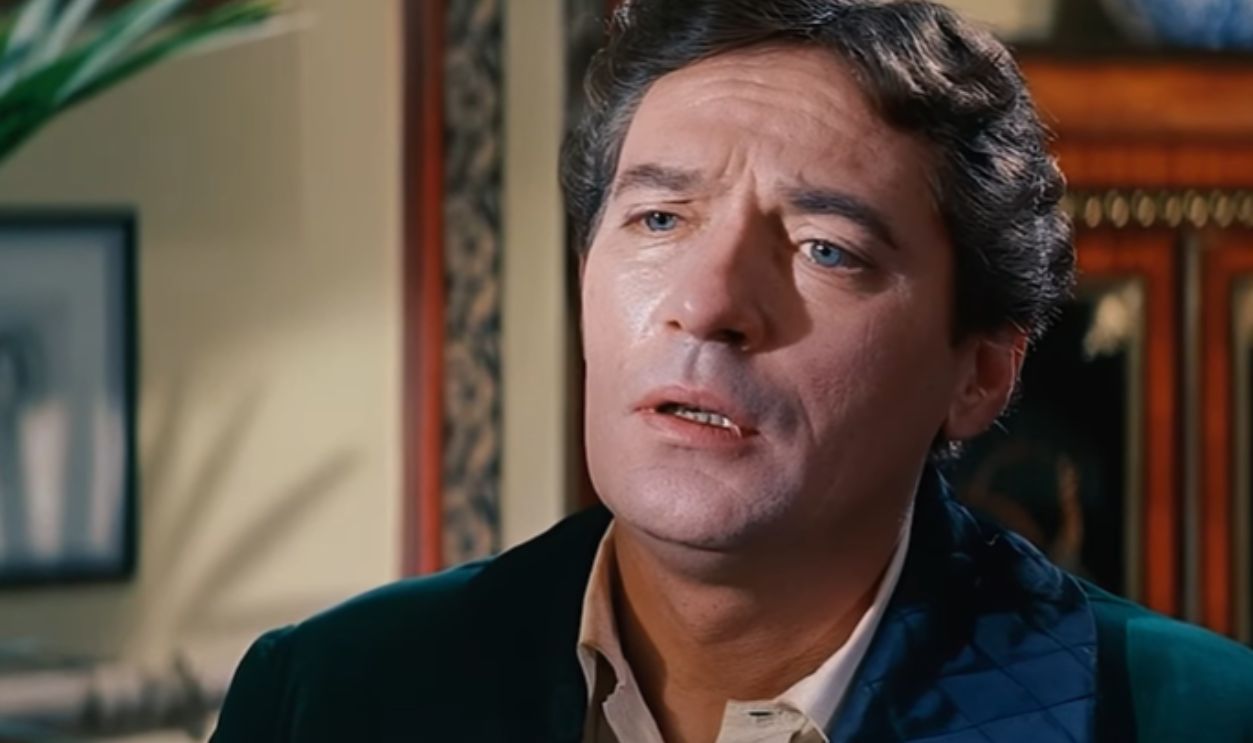
36. They Charged Him
Even though the trial had finished, Oscar wasn’t out of the woods, as the evidence brought forward against him opened a whole new can of worms and caused the authorities to take him into custody in April 1895. Surprisingly, among all his exposed secrets, no one could confirm that he had actually slept with any man, so all they could charge him with was “gross indecency”.
While the future was looking bleak, Oscar managed to find at least one shred of hope.
 Screenshot from The Trials of Oscar Wilde, Columbia Pictures (1960)
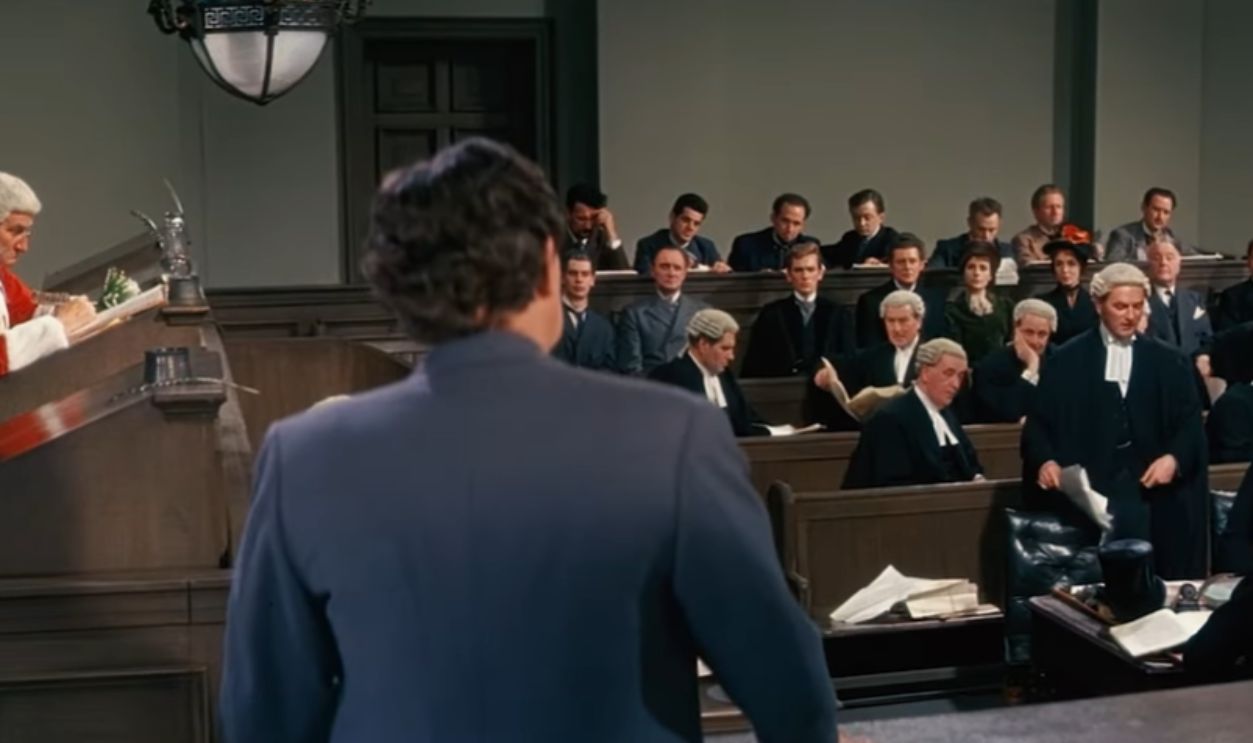
37. They Couldn’t Decide
Although he felt the whole world was against him, Oscar wouldn’t give up his case so easily, so he went into the trial with the same confidence and wit he always had—pleading not guilty to the charges. While the prosecution seemed to present only more evidence and arguments, Oscar spoke with such charm and eloquence that the jury couldn’t make up their minds, and eventually ended the trial without a verdict.
This was where his luck would end, unfortunately—and he would never recover.
 Screenshot from The Trials of Oscar Wilde, Columbia Pictures (1960)
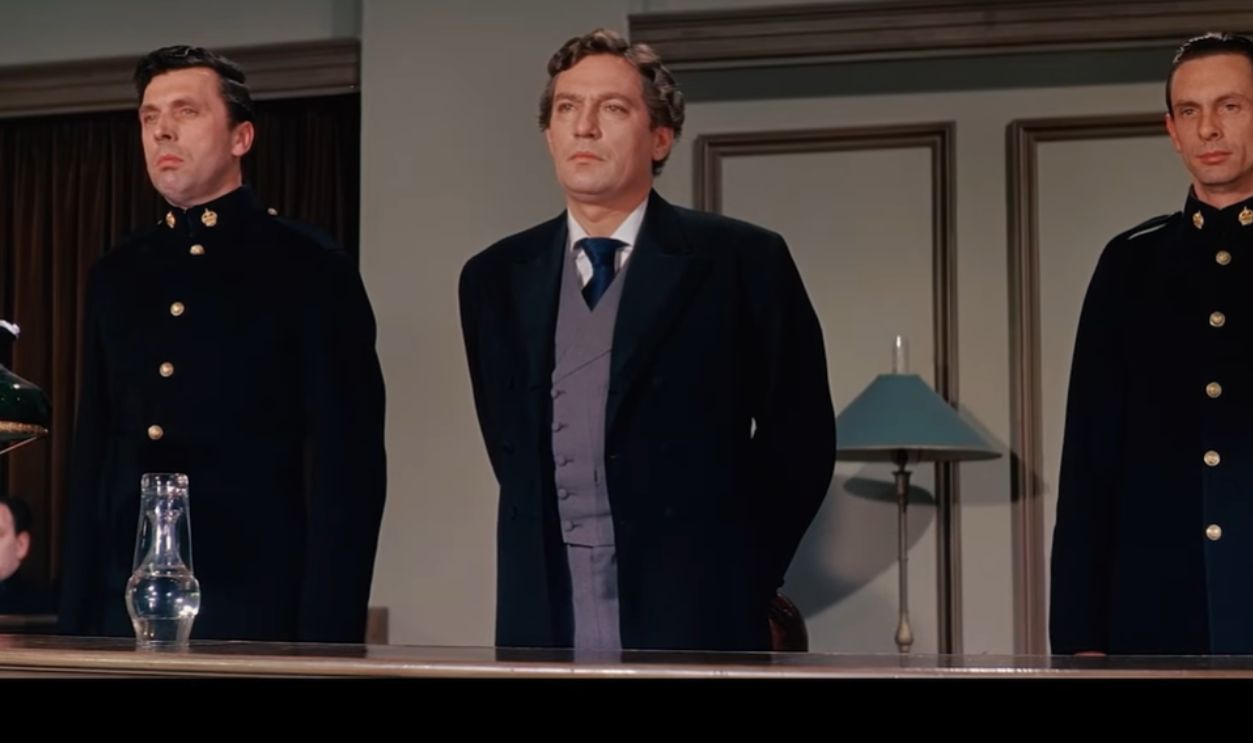
38. He Was Sentenced
As Oscar stood for his final trial, he quickly understood that he would find no justice in that courtroom, since nearly everyone present was so clearly against him. Spectators shamed him from the gallery while he could hardly voice his own defense, and the judge stated outright that he had never tried a worse case. In the end, the judge sentenced him to two years of imprisonment and hard labor.
Of course, the charges he faced may not have been the extent of his actions—and it may have been far worse.
 Screenshot from The Trials of Oscar Wilde, Columbia Pictures (1960)
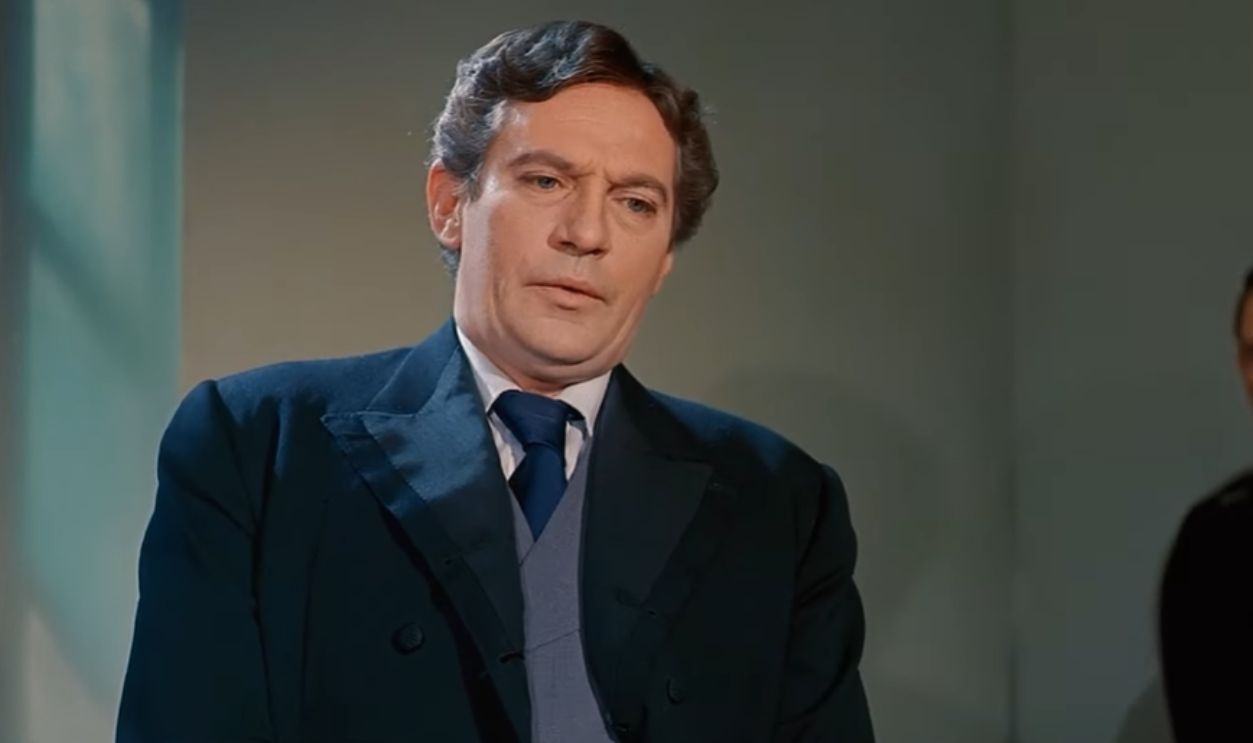
39. He Had Worse Accusations
Whether it was during Oscar’s trial against the Marquess or his own trial defending himself, the evidence largely concerned his relationship with Alfred and a couple of other lovers. However, several sections of the transcript from his first trial have led historians to believe he had also committed truly reprehensible acts, specifically insinuating that several of those he slept with were younger than 18 years old.
There was no getting out of his situation, and he knew he had a long stay ahead of him.
 Screenshot from The Trials of Oscar Wilde, Columbia Pictures (1960)
History's most fascinating stories and darkest secrets, delivered to your inbox daily.
40. He Served His Time
Oscar was not a man who was used to strenuous activity, even in a recreational sense, let alone what they had in store for his “hard labor”. Taken to his incarceration in the Pentonville lockup, he spent his days either in mind-numbingly tedious tasks like picking oakum or physically exhausting activities like walking on a treadmill.
However, this was a picnic compared to what was coming for him.
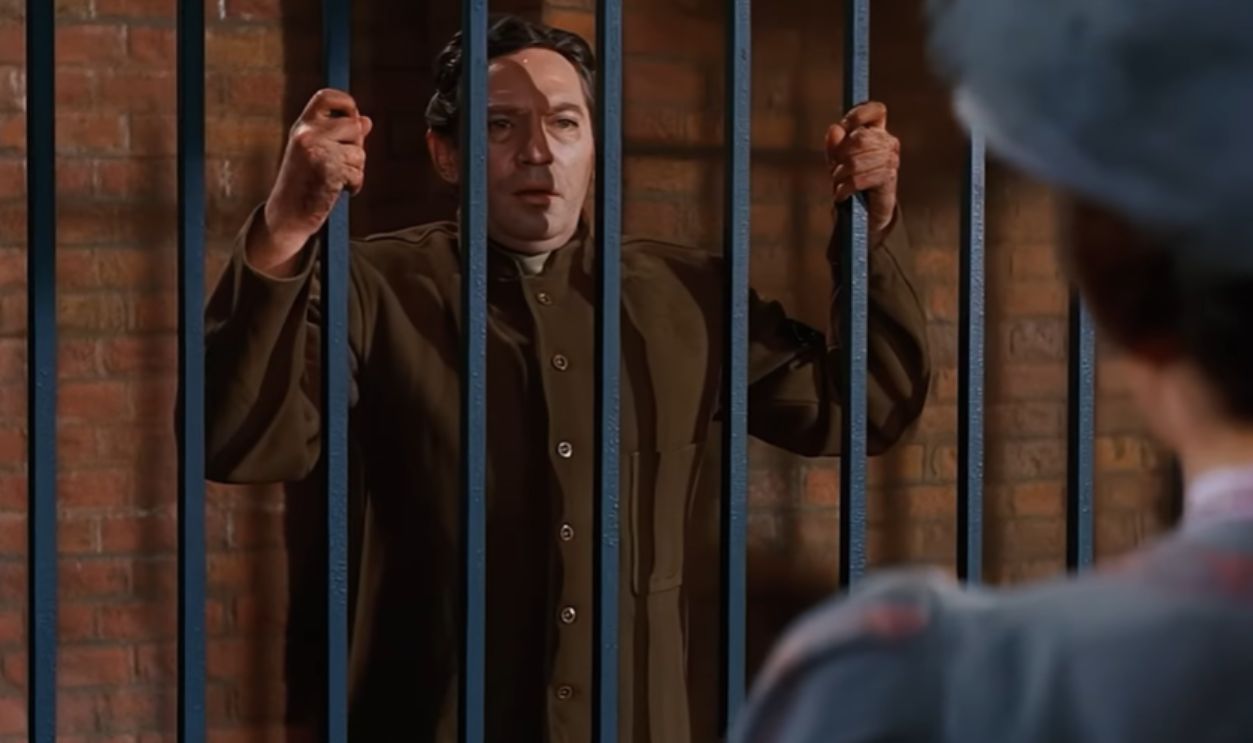 Screenshot from The Trials of Oscar Wilde, Columbia Pictures (1960)
41. He Was Injured
Oscar wouldn’t serve the entirety of his time in Pentonville, and after transferring to another jailhouse called Wandsworth, he would understand the true extent of his sentence. Held under much harsher conditions, his health started to decline rapidly until he could barely stand at times, even passing out during a church service and hitting his head on the ground, rupturing his eardrum in the process.
Even after all this misery, however, his suffering was far from over.
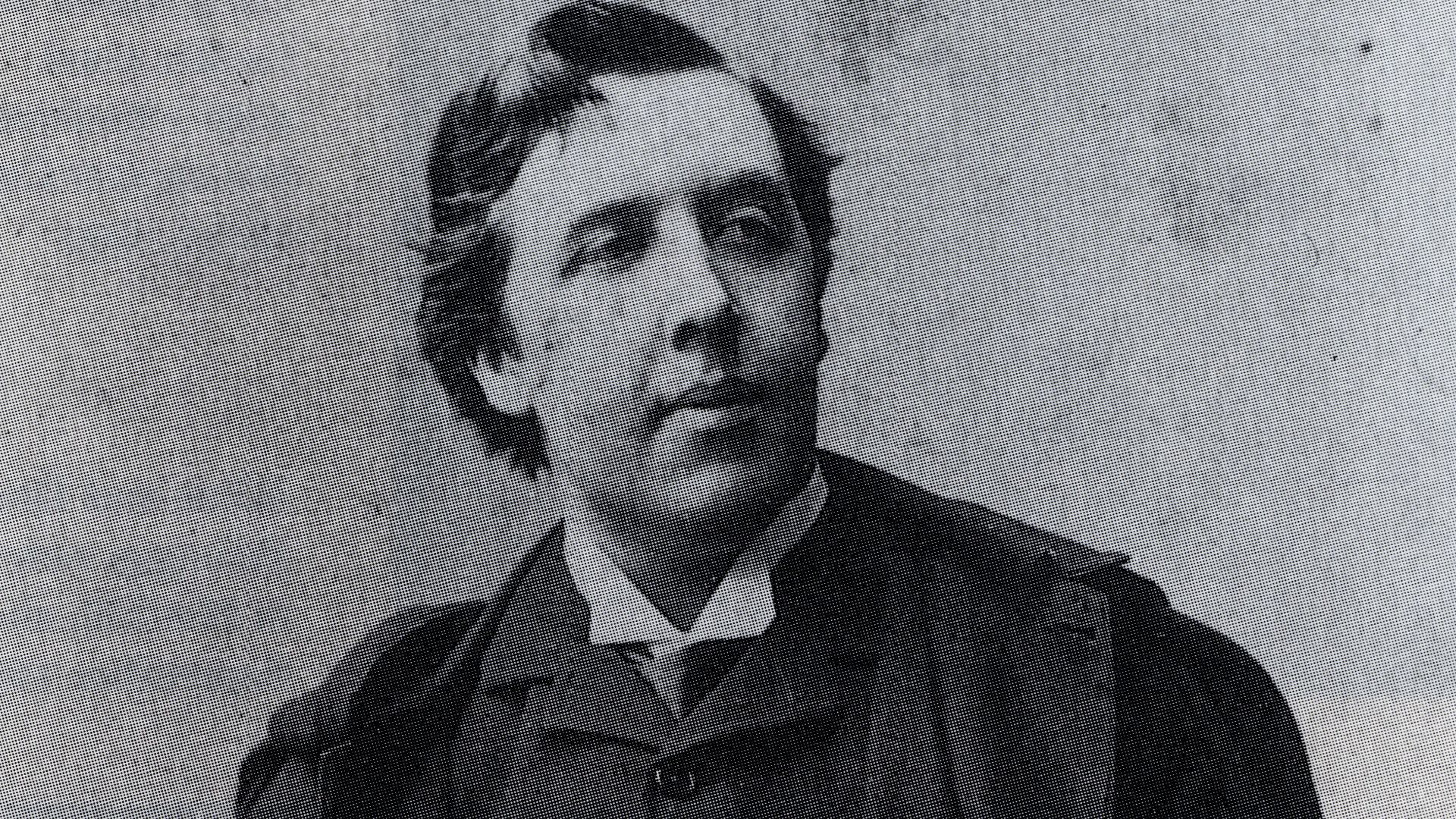 Unknown authorUnknown author, Wikimedia Commons
42. They All Hated Him
Oscar would have one more transfer in store for him, and while it got him away from the horrific conditions of Wandsworth, his fortunes didn’t improve much. While relocating to Reading Gaol, he had to pass a crowd of spectators at the train station, who hurled insults and spat at him as he walked by. If he hadn’t already, he would have the rest of his sentence to stew on the thought that he was the most despised person in London.
Still, he held on to one bright light in his life—and even managed to contact him.
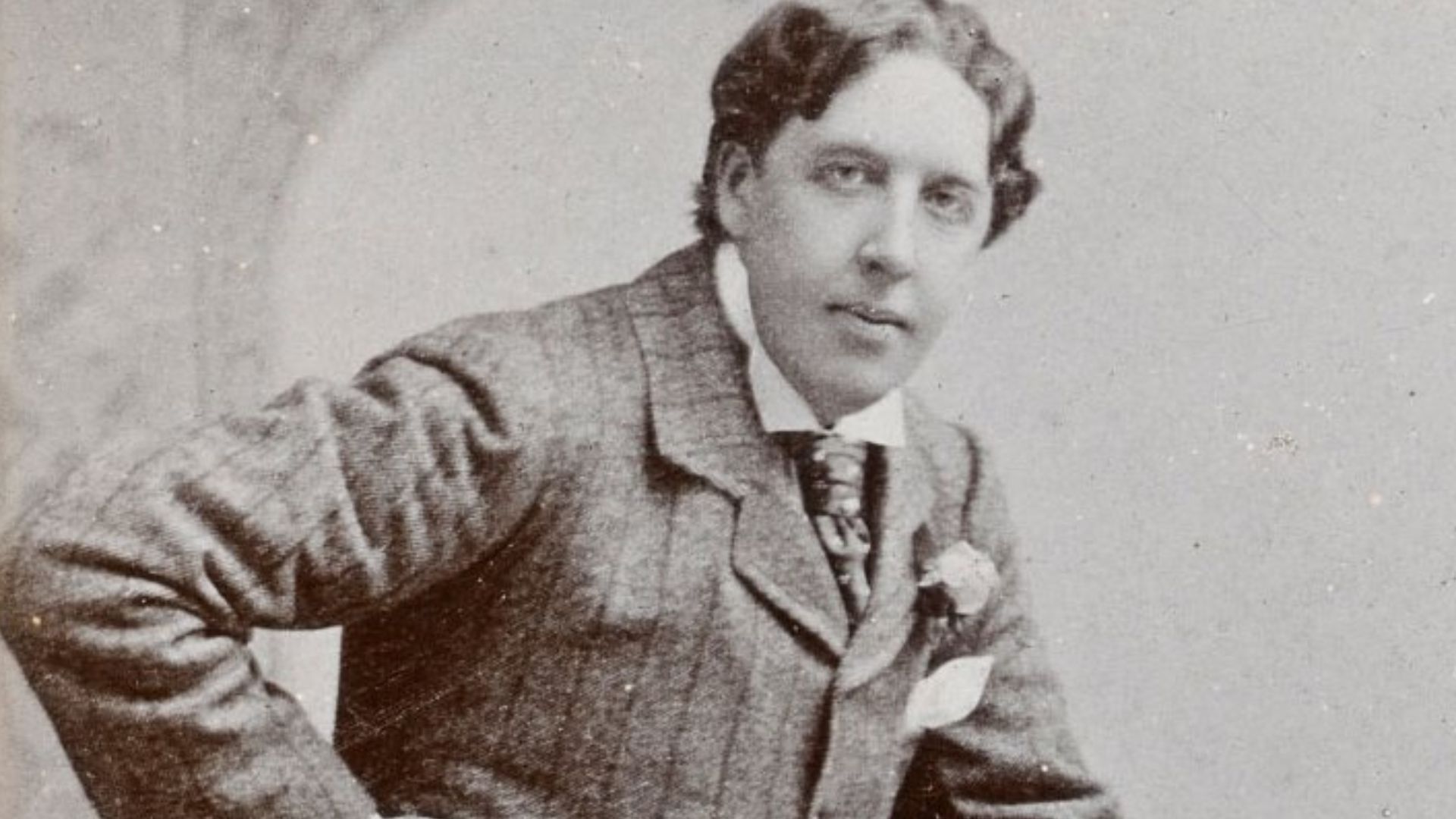 Gillman & Co, Wikimedia Commons
43. He Wrote To Him
When he wasn’t completing his court-mandated hard labor, Oscar occupied his time as most would expect an acclaimed author like him—reading and writing. Specifically, for a few months in 1897, he devoted his time and energy to penning a 50,000-word letter to Alfred. In this message, he not only detailed the spiritual growth he had experienced during his sentence, but he also forgave Alfred for convincing him to sue the Marquess.
Finally, Oscar managed to secure his freedom—but nothing would ever be the same again.
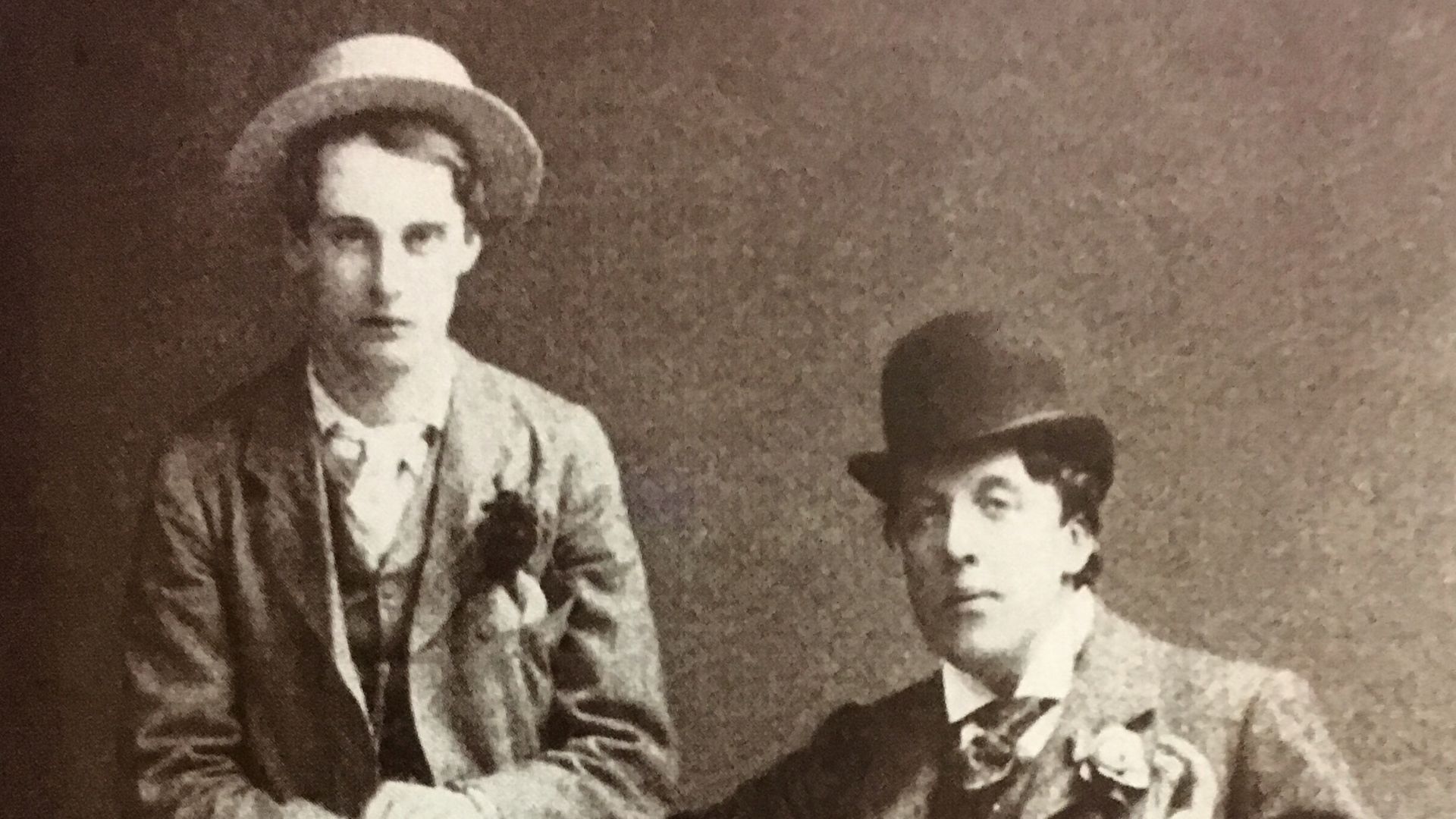 Unknown authorUnknown author, Wikimedia Commons
44. He Left Forever
After two grueling years, Oscar walked away from his incarceration a changed man, now downtrodden and haunted. With the hatred and humiliation he had received, he knew that London could no longer be his home, so after entrusting his letter to his old friend Robbie Ross, he packed up all his things and boarded a boat for Dieppe, France.
With all the drama involving him and Alfred, it was easy to forget that Oscar had a family—but now it was too late.
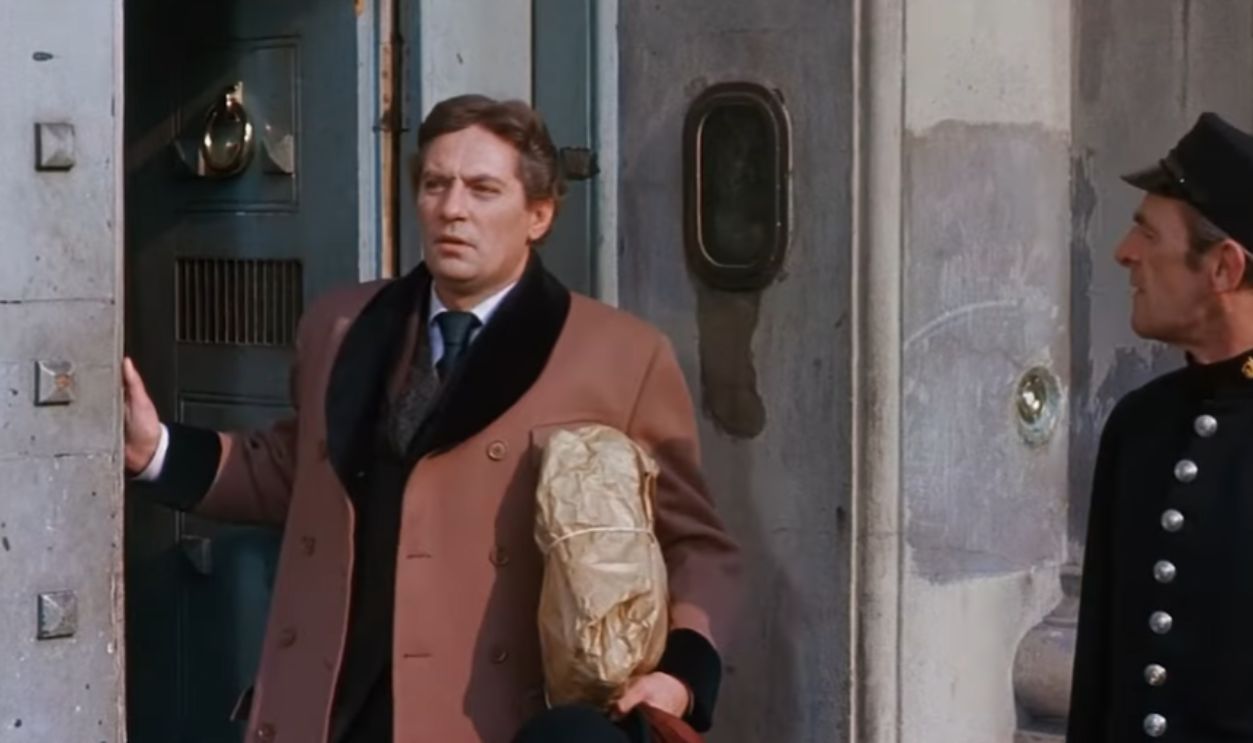 Screenshot from The Trials of Oscar Wilde, Columbia Pictures (1960)
45. She Wouldn’t See Him
Not only had Oscar dragged his name into public scrutiny, but he directed the same ire towards his family, not to mention that his bankruptcy had left them almost wholly impoverished. Cutting him out of her life almost entirely, his wife, Constance, told him that he would never see her or their children again. She wasn’t completely ruthless, however, as she continued to send him three pounds every week.
As one silver lining, he would be able to see his one true love again—if only for a little bit.
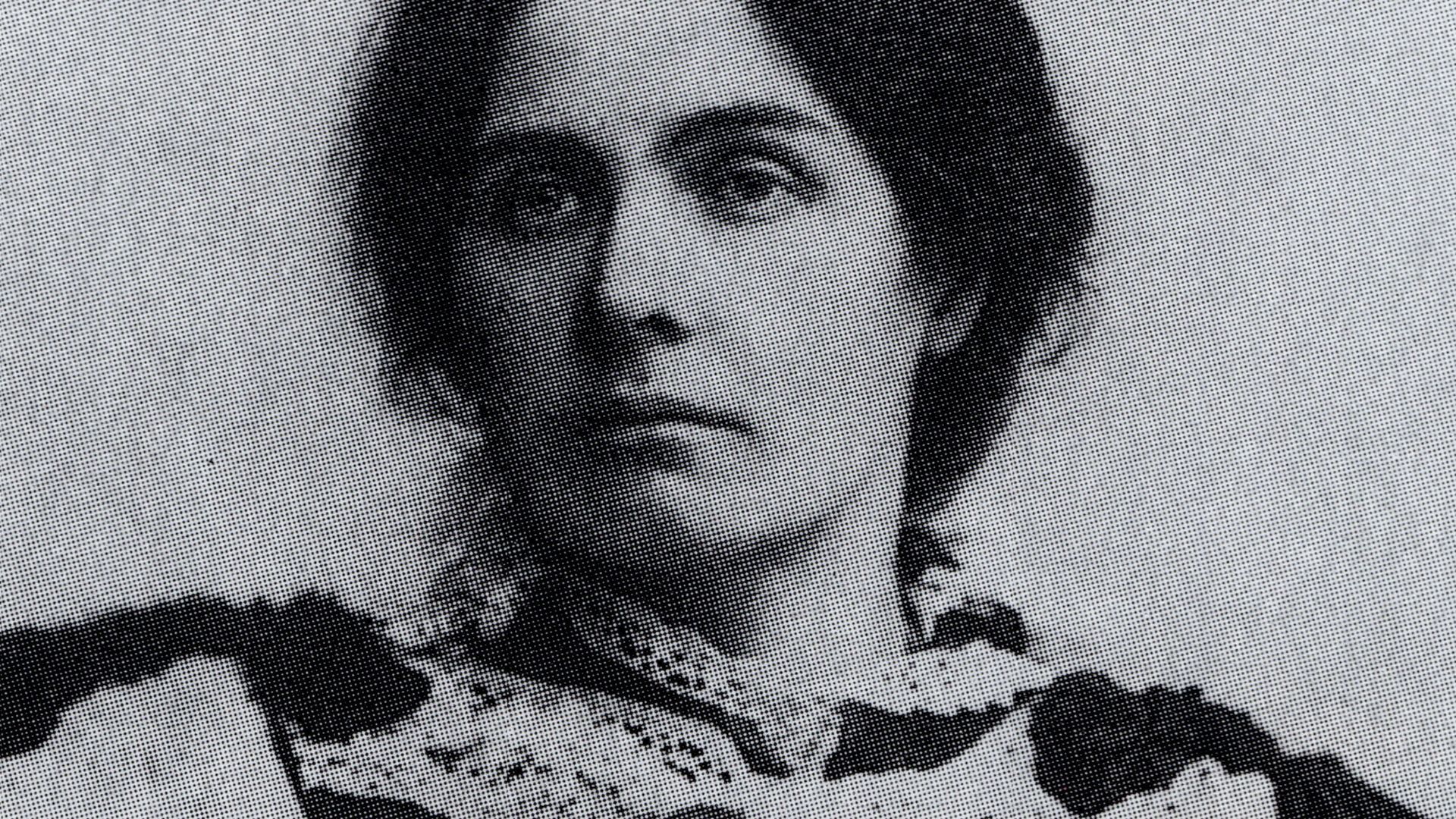 Unknown authorUnknown author, Wikimedia Commons
History's most fascinating stories and darkest secrets, delivered to your inbox daily.
46. They Saw Each Other Again
Although Alfred would always deny receiving Oscar’s letter, it’s clear that neither of them had let go of their feelings for each other, and they would get one more chance at happiness. Reuniting in 1897, the two decided to leave everything behind and settle down in Naples. However, this would only last for a few months, at which point both of their families threatened to cut them off completely, so Alfred had to bid his final farewell.
Oscar could never go back to the way he used to be, even when it came to his own passion.
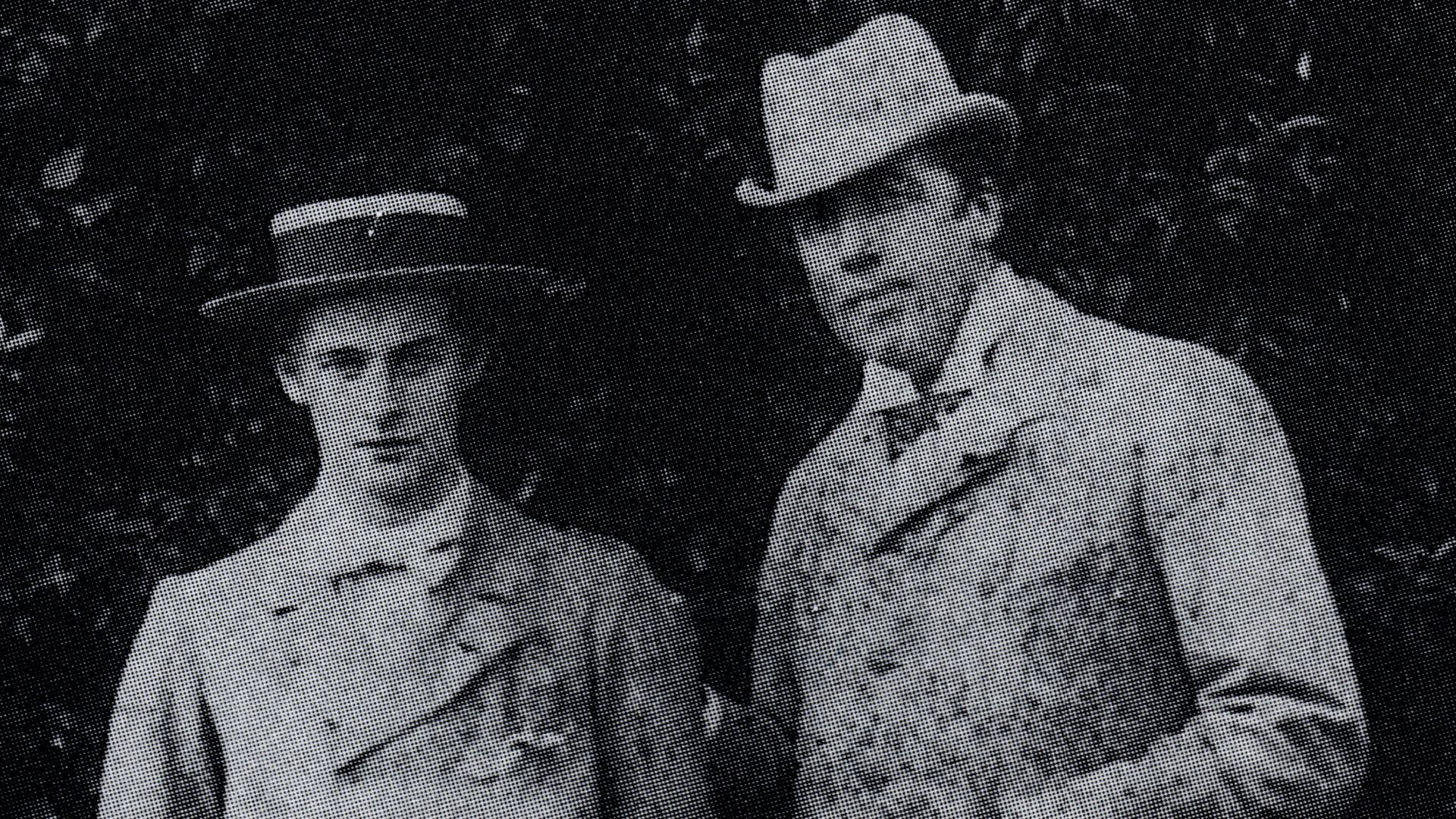 Unknown authorUnknown author, Wikimedia Commons
47. He Lost His Spark
Oscar’s imprisonment had taken more than just time and health away from him, and even after he had gotten his much-needed distance from the source of his misery, he couldn’t let go of it. Aside from revising and publishing a couple of his previous works, he could hardly find it in himself to create anything original, stating that he had “lost the joy of writing”.
After losing practically everything else in his life, there was only one more thing to go.
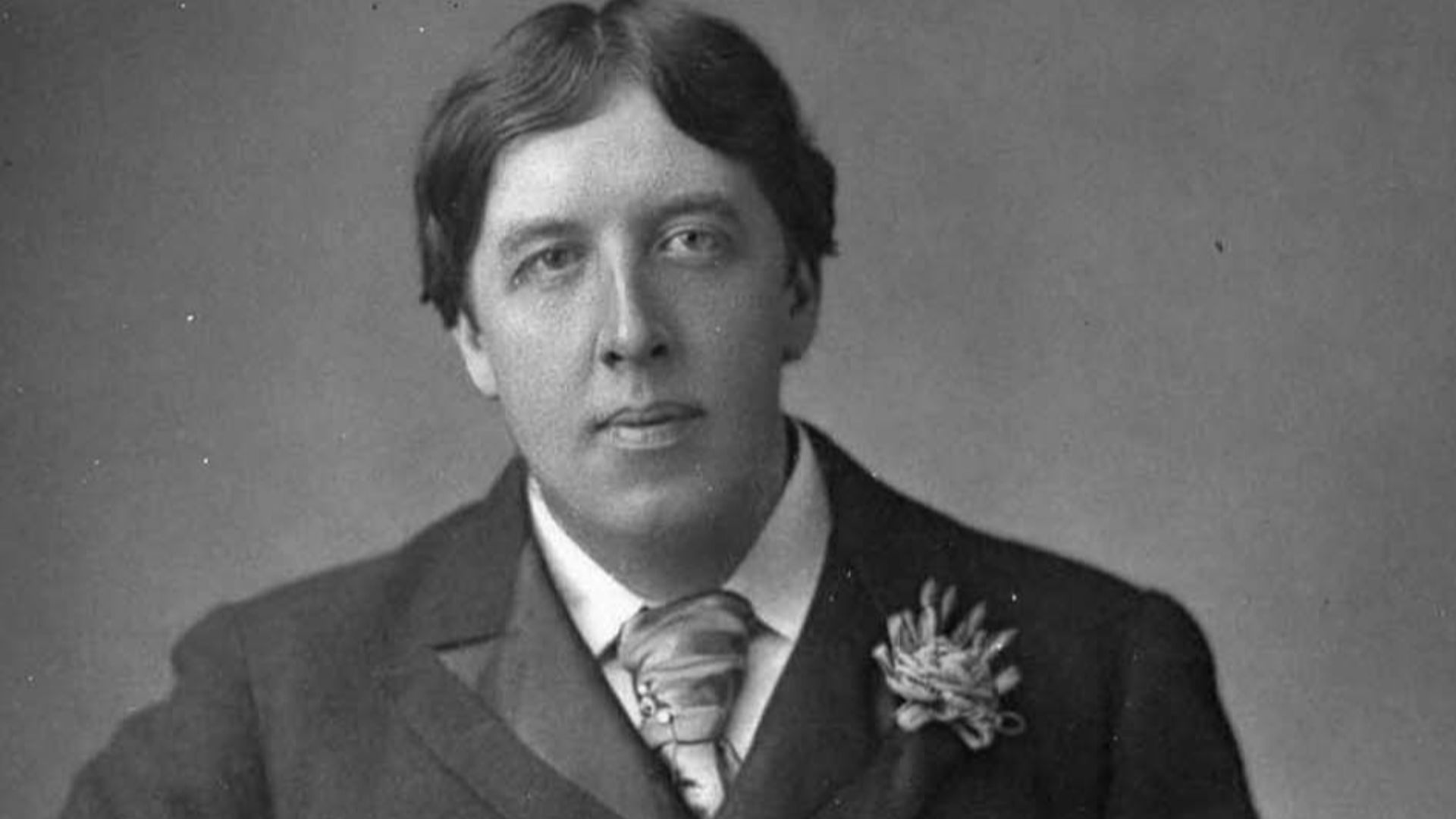 W. & D. Downey, Wikimedia Commons
48. His Health Declined
Making it into the 20th century, Oscar lived as a shell of his former self until his poor health ultimately caught up to him, and he could see that the end was coming. Diagnosed with what they called “cerebral meningitis” at the time, his condition quickly deteriorated, so much so that when Robbie Ross came to visit, he called for a priest to prepare for the inevitable.
Eventually, this illness would get the best of him—and all because of one poor decision.
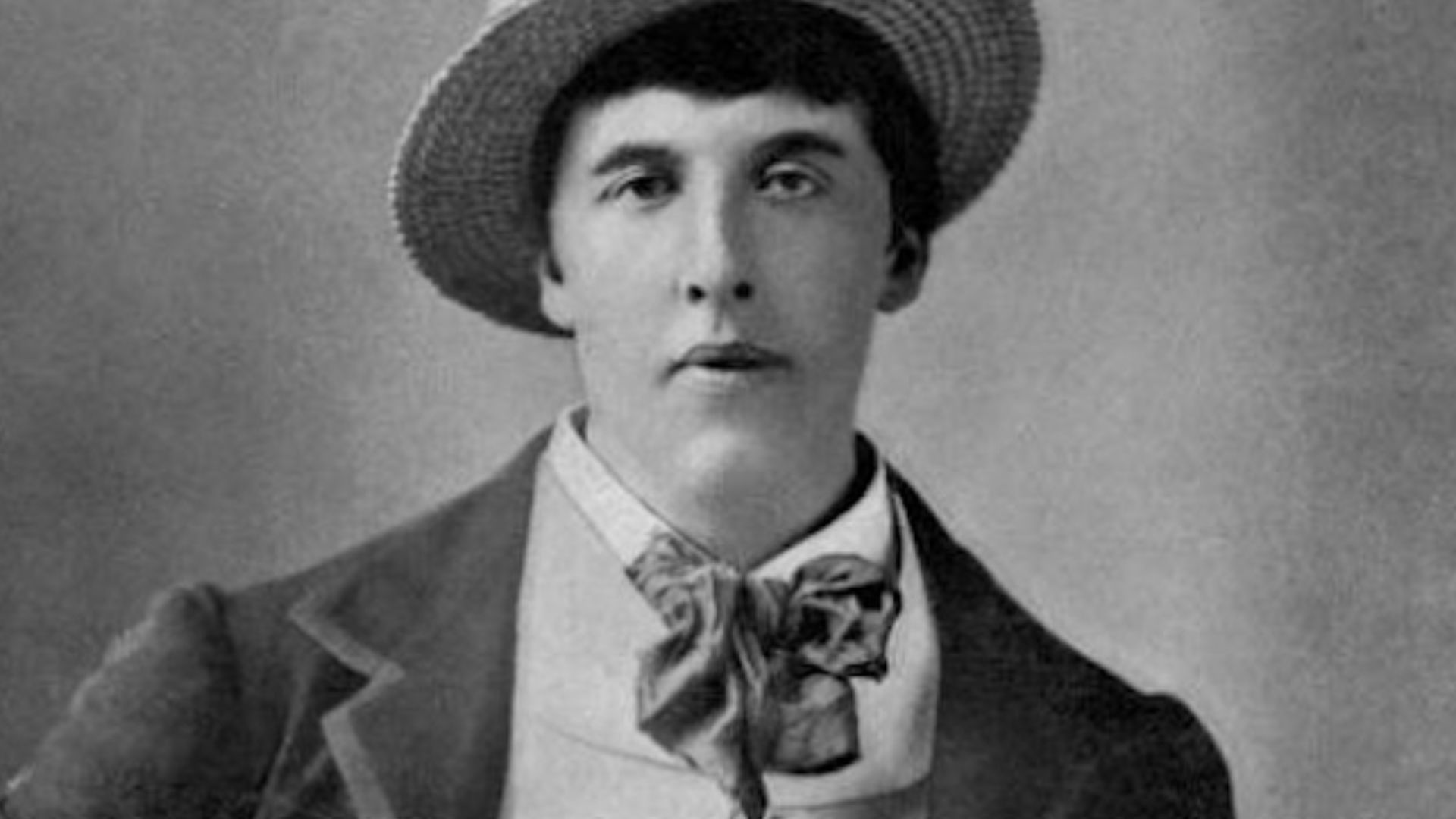 Napoleon Sarony, Wikimedia Commons
49. His Story Ended
Several people who knew Oscar spoke up with theories about what caused his meningitis, whether it stemmed from an infection after surgery, or—as his doctors believed—it was a result of the ear injury he suffered. Either way, this illness would be the one that claimed his life, and as he lay bedridden at the Hôtel d’Alsace in Paris, he passed on November 30, 1900.
Beyond having his reputation improve in the following century, Oscar achieved something he could have never had in life—absolution.
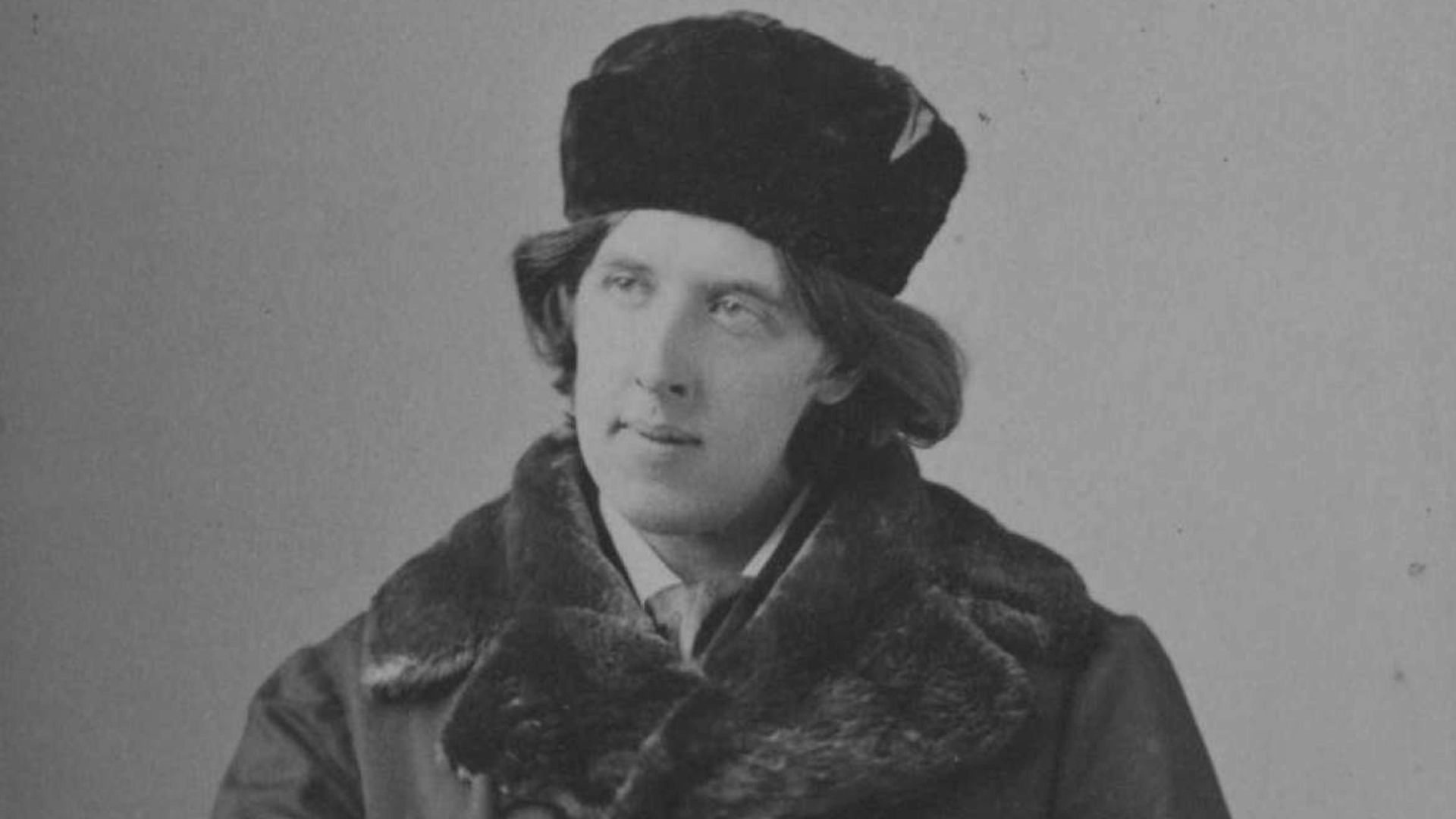 Napoleon Sarony, Wikimedia Commons
50. He Was Exonerated
Although Oscar Wilde wrote some of the most scandalous and enduring literature of his time, he was almost completely overshadowed by his own controversy. Still, history would eventually see his legacy renewed, and more than that, his name cleared. Naturally, the laws in the UK changed drastically by 2017, but this meant that—along with 50,000 other men—he received a pardon for his conviction of homosexuality.
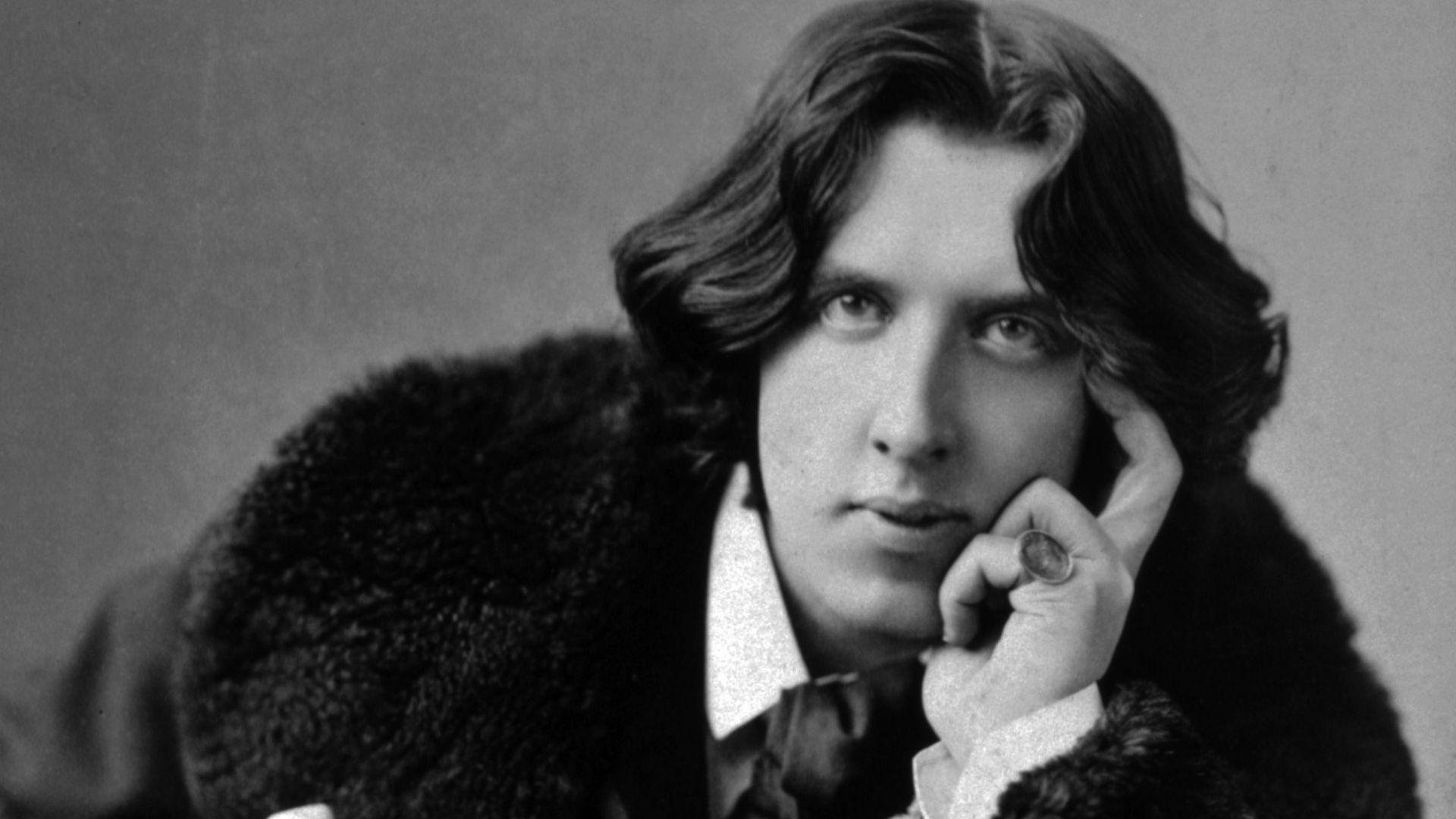 Napoleon Sarony, Wikimedia Commons
You May Also Like:
The Most Deranged Socialite In History
The Mysterious History Of The Rothschild Family