A Genius Or A Mad Man?
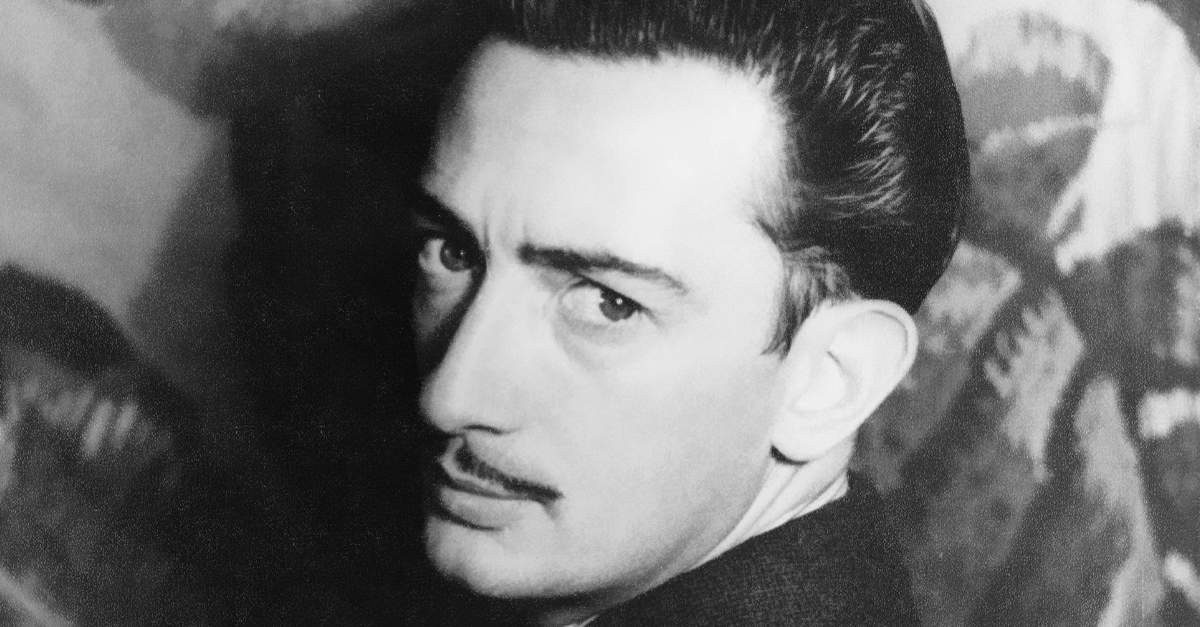
A Salvador Dalí painting is instantly recognizable, whether the viewer realizes that’s what they’re looking at or not. Smashing into the art scene in the mid-1900s, Dalí ensured that artistic expression never looked the same. However, his outlandish and occasionally obscene behaviour proved a detriment to his image.
So, who was Salvador Dalí: A madman or a genius?
1. He Was Haunted
Ghosts followed Salvador Dalí from the moment that he entered the world. Born on May 11, 1904, Dalí grew up within a close-knit middle-class family. He spent his childhood bouncing between extremes. While his father, a lawyer and a notary, approached his household with a strong fist, his mother, Felipa, provided a sense of playfulness for her children.
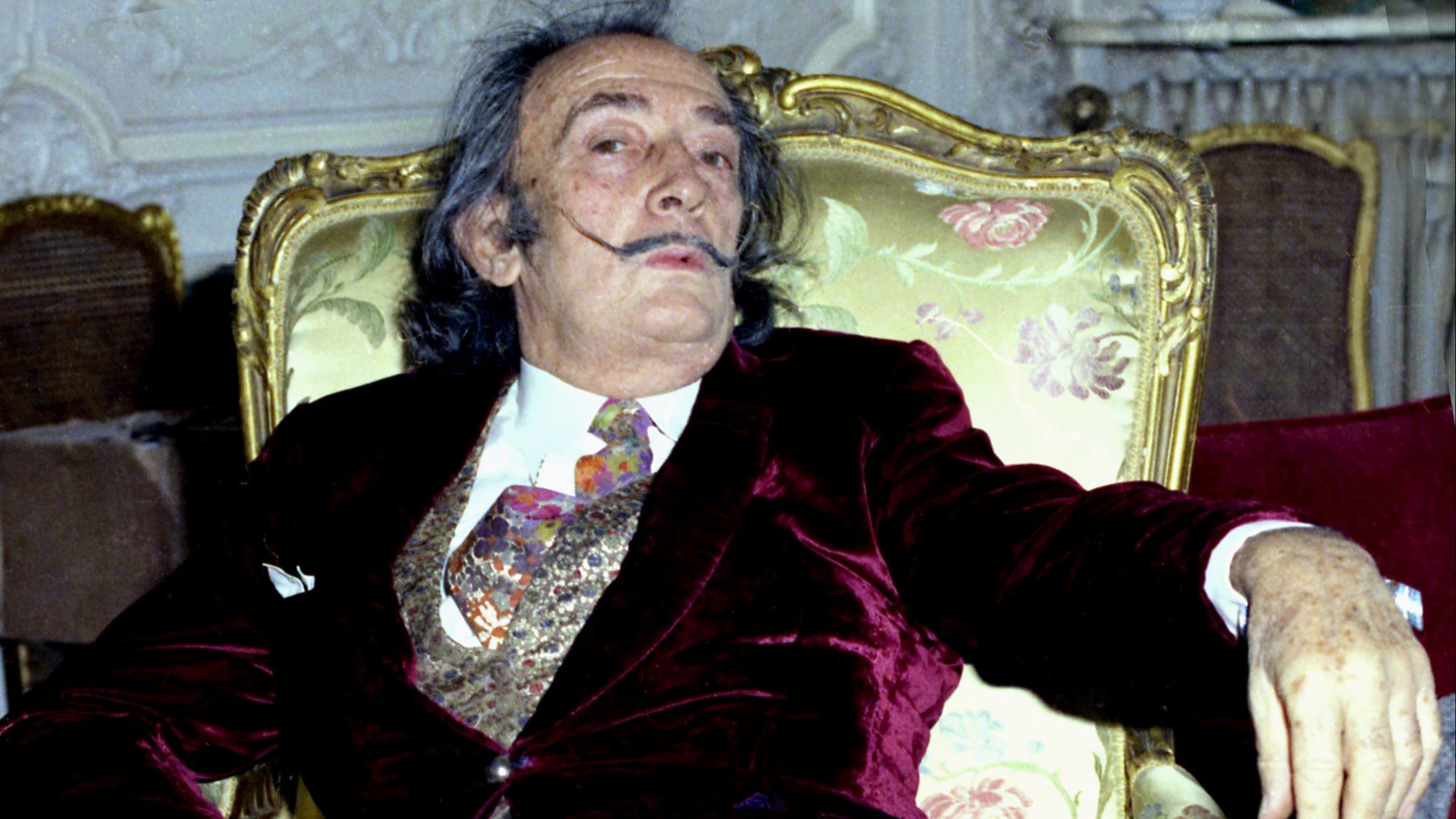
Felipa encouraged her son’s artistic endeavours from a young age. However, Dalí could never fully escape the specter that loomed over his shoulder, particularly as a child.
 Allan warren, Wikimedia Commons
2. His Brother Loomed Over Him
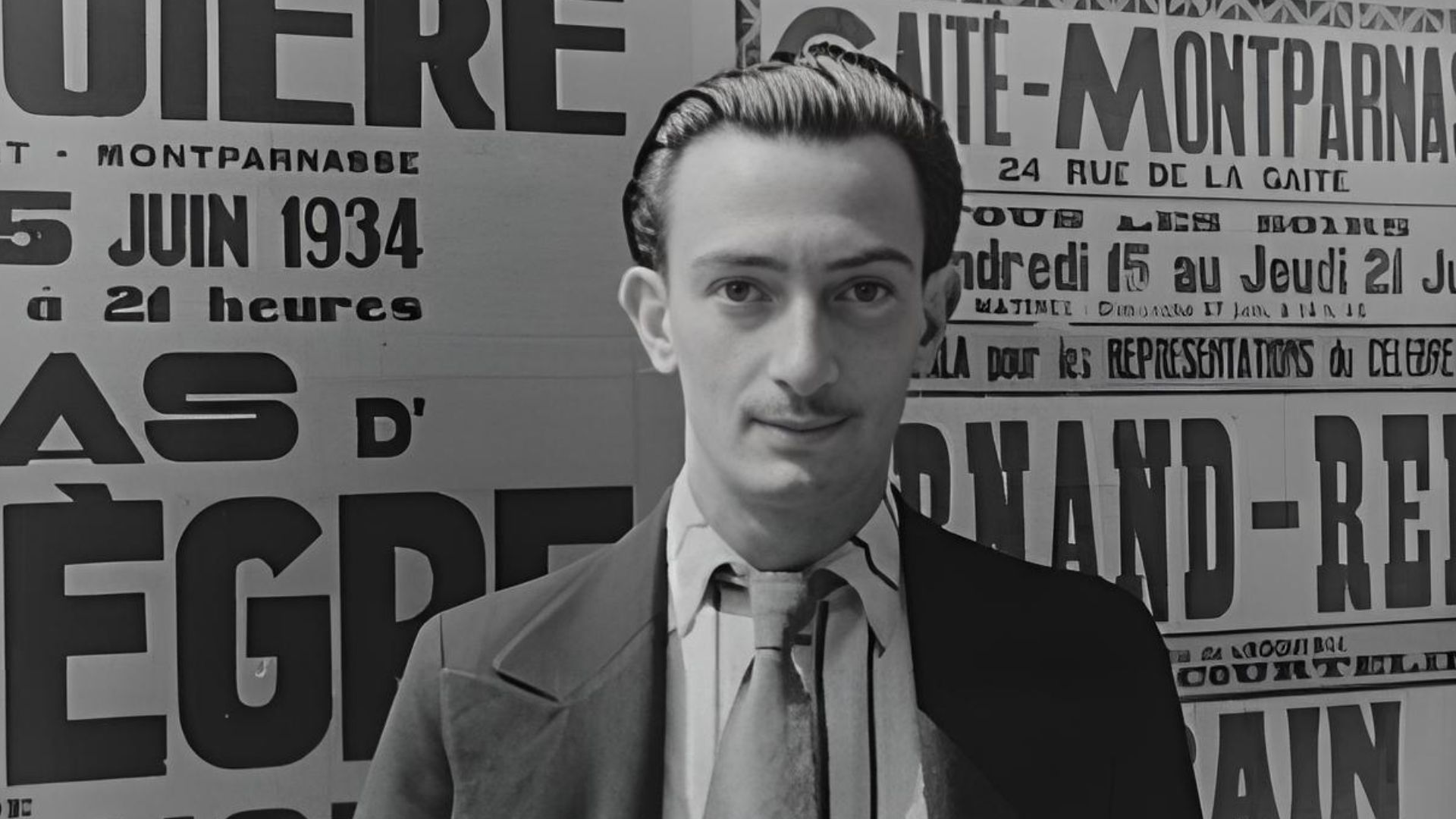
Dalí’s parents named him after his father, Salvador Dalí Cusí. However, he was not the first child of Salvador and Felipa to bear that name. Dalí was their second son. Three years earlier, their first son, also named Salvador, entered the world. However, nine months before Dalí's birth, a horrible tragedy rocked the family.
 Carl Van Vechten, Wikimedia Commons
3. He Carried The Loss Forever
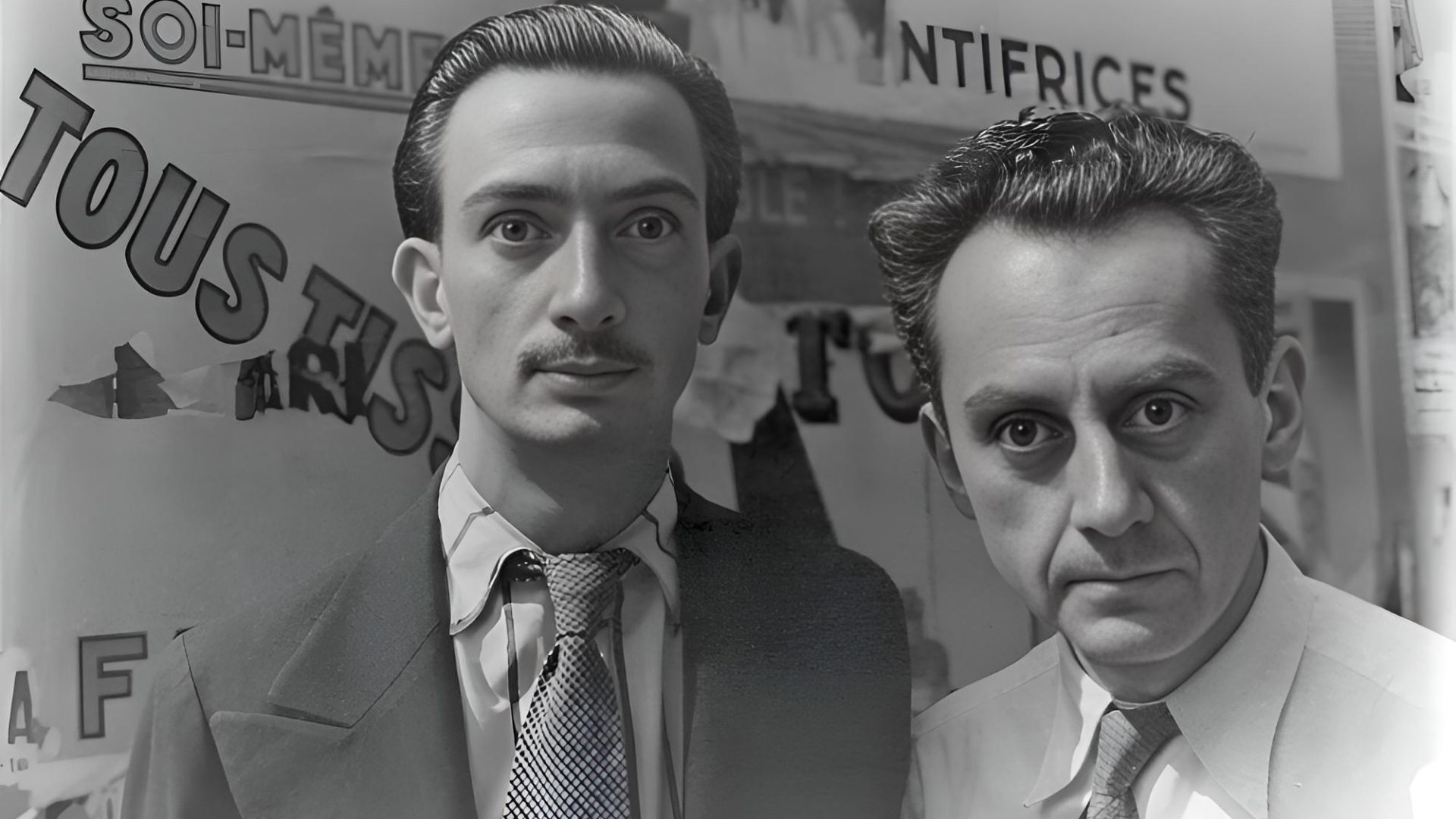
Dalí's older brother Salvador contracted gastroenteritis and failed to fight it off. The timing of Dalí's birth, his name "Salvador," as well as the striking resemblance he bore to his brother, haunted him for the rest of his life. He later said, "[we] resembled each other like two drops of water, but we had different reflections".
Dalí could never shake the duology that his parents created—and he mythologized his brother in his later work.
 Carl Van Vechten, Wikimedia Commons
4. He Started Young
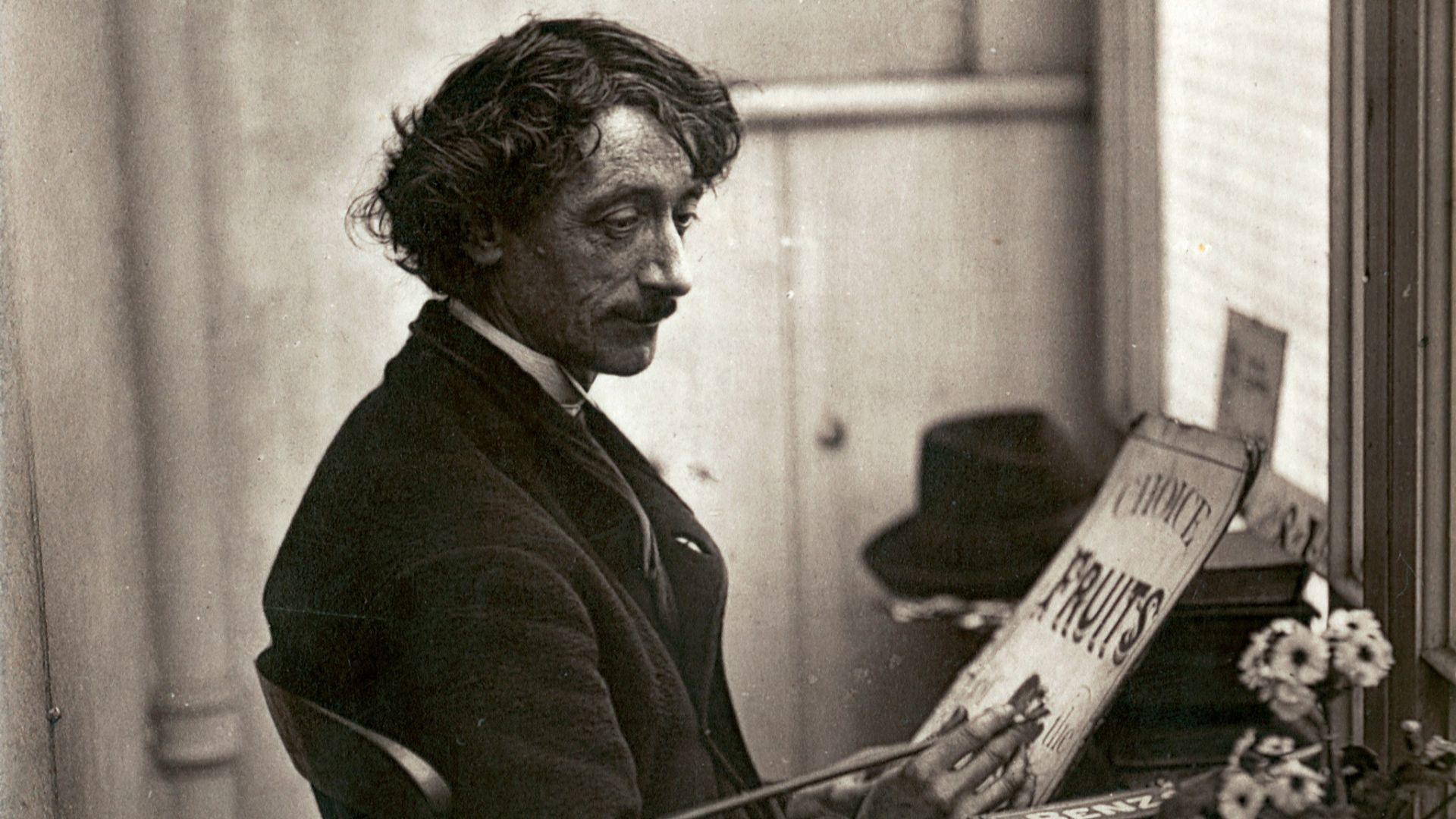
Dalí’s connection to art started at a very young age. Through his family, he gained access to courses and fellow artists, such as Ramon Pichot, who helped develop his interest in creative pursuits. His father held his first art exhibition in their home when Dalí was only 13 or 14.
However, few people supported his passion the same way that his mother did. As often is the case with the young, Dalí adored her so completely that it blinded him to the storm clouds that lurked on the horizon.
5. His Mother Was Everything
Dalí adored his mother. She proved to be one of his biggest champions, supporting him regardless of any faults he may or may not have had. Unfortunately, Felipa contracted uterine cancer and succumbed to the illness when Dalí was only 16. Despite being tainted by the afterlife since birth, this proved to be a loss that Dalí hadn’t prepared for, having not lived enough years to comprehend it.
6. He Experienced Pain Early
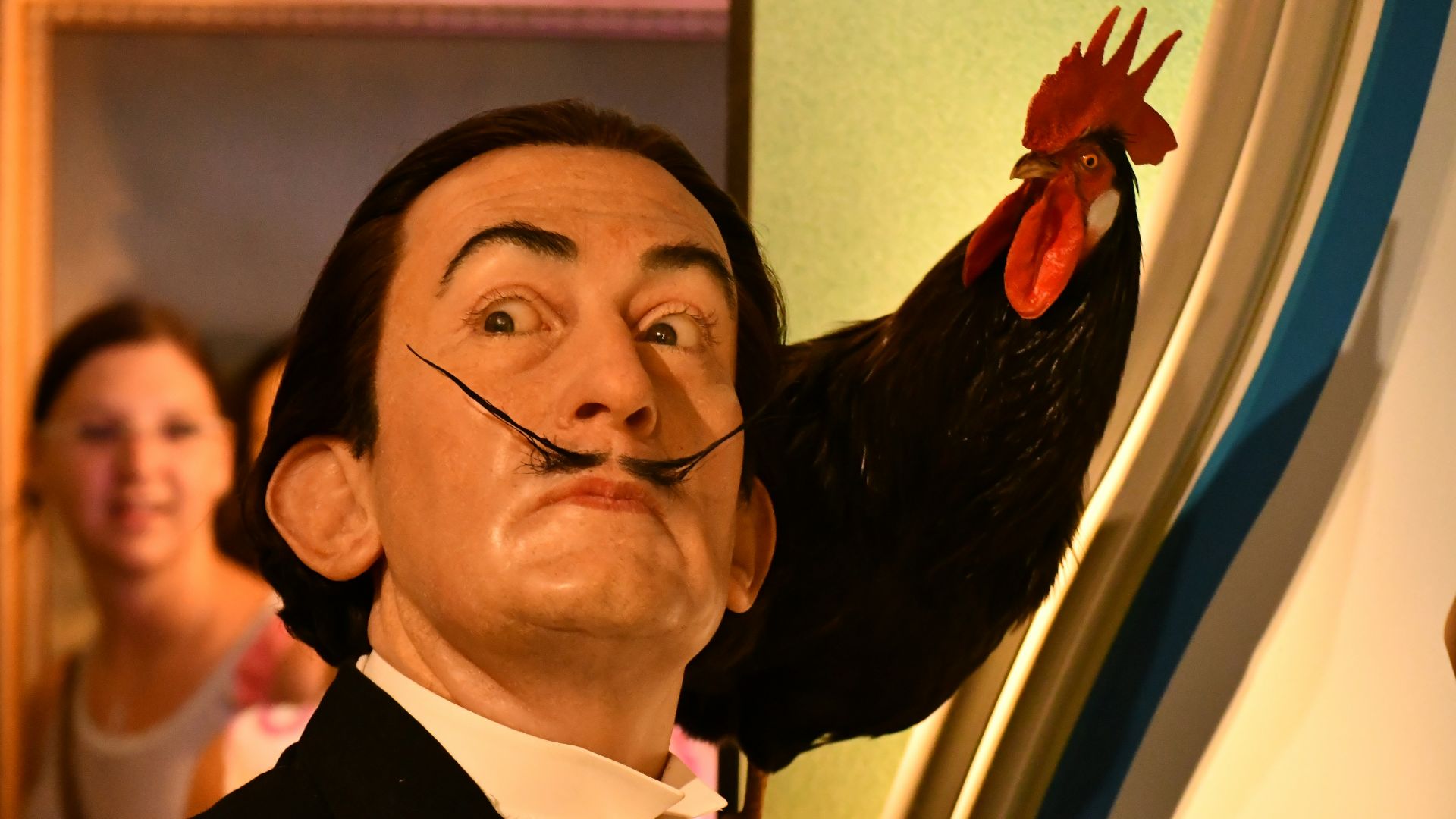
Years later, Dalí described the loss of his mother as “the greatest blow I had experienced in my life. I worshipped her…I could not resign myself to the loss of a being whom I counted to make invisible the unavoidable blemishes of my soul”. It seemed, perhaps, his father felt a similar sort of loss, for he looked shockingly close to home when choosing his second wife—within their own family!
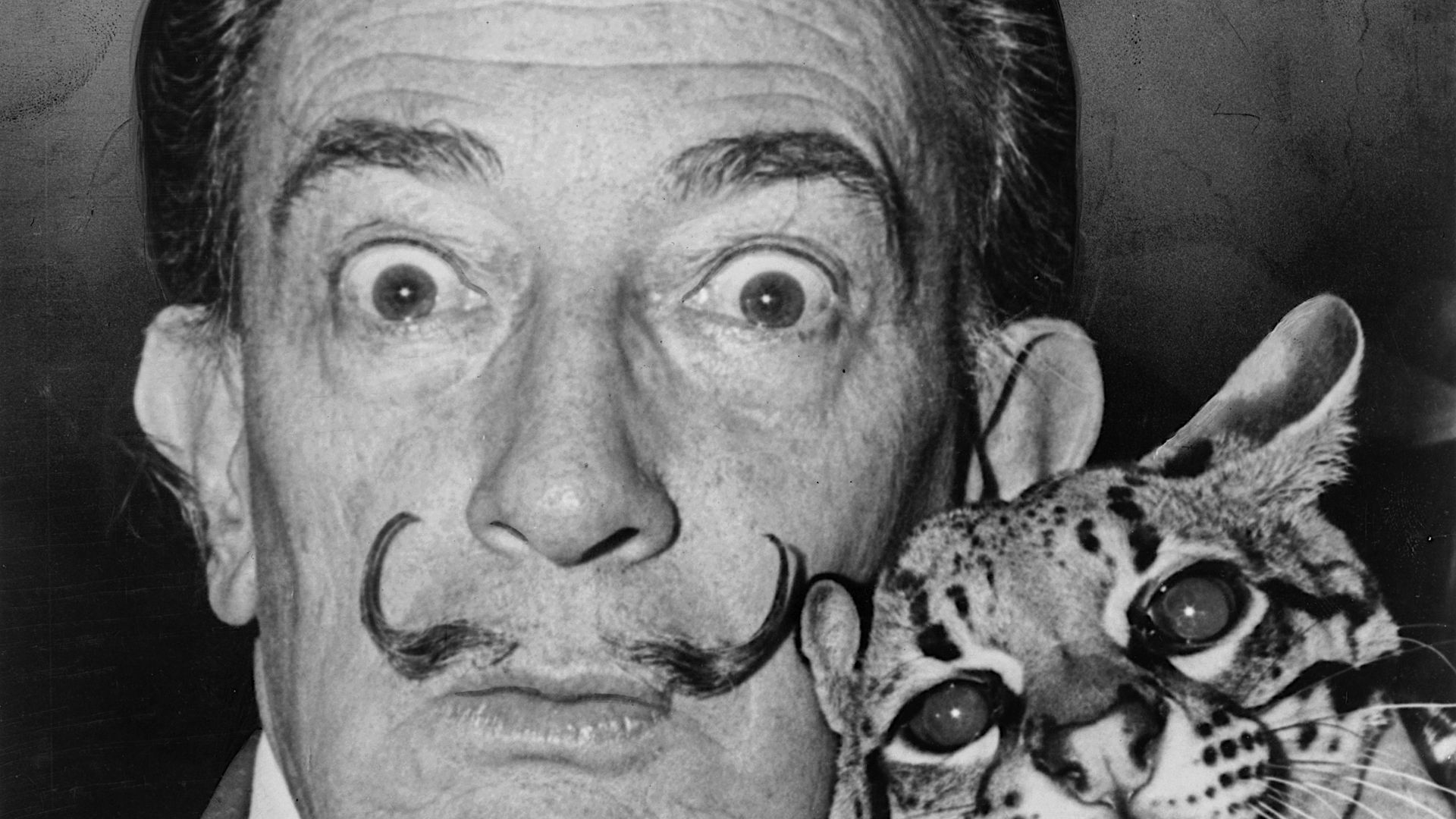 Roger Higgins, World Telegram staff photographer, Wikimedia Commons
7. He Got A New Mother
Dalí’s father eventually remarried: to his wife’s sister. Fortunately, Dalí appeared to hold no ill will towards the marriage itself. He and his aunt had their own relationship, and he deeply adored her. Welcoming her to the family proved easy; besides, by this point, Dalí began his studies, and a whole new world opened itself up to him, both artistically and emotionally.
8. He Began His Life
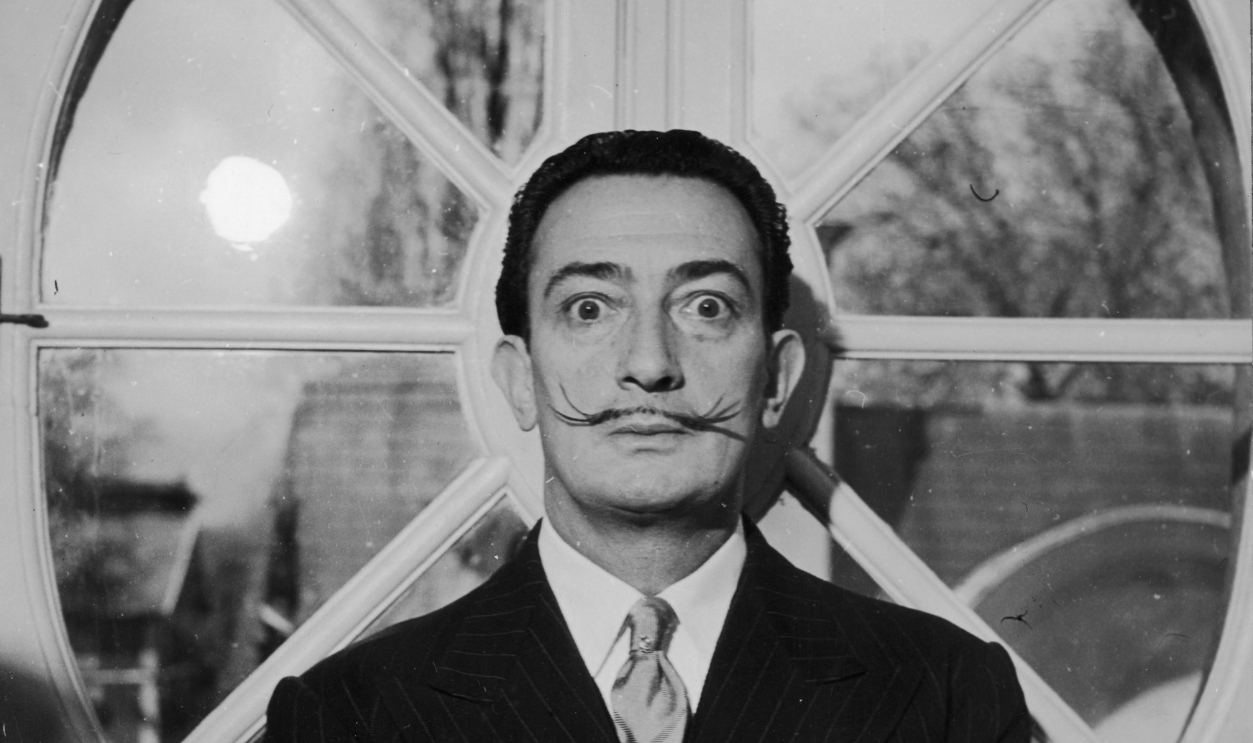
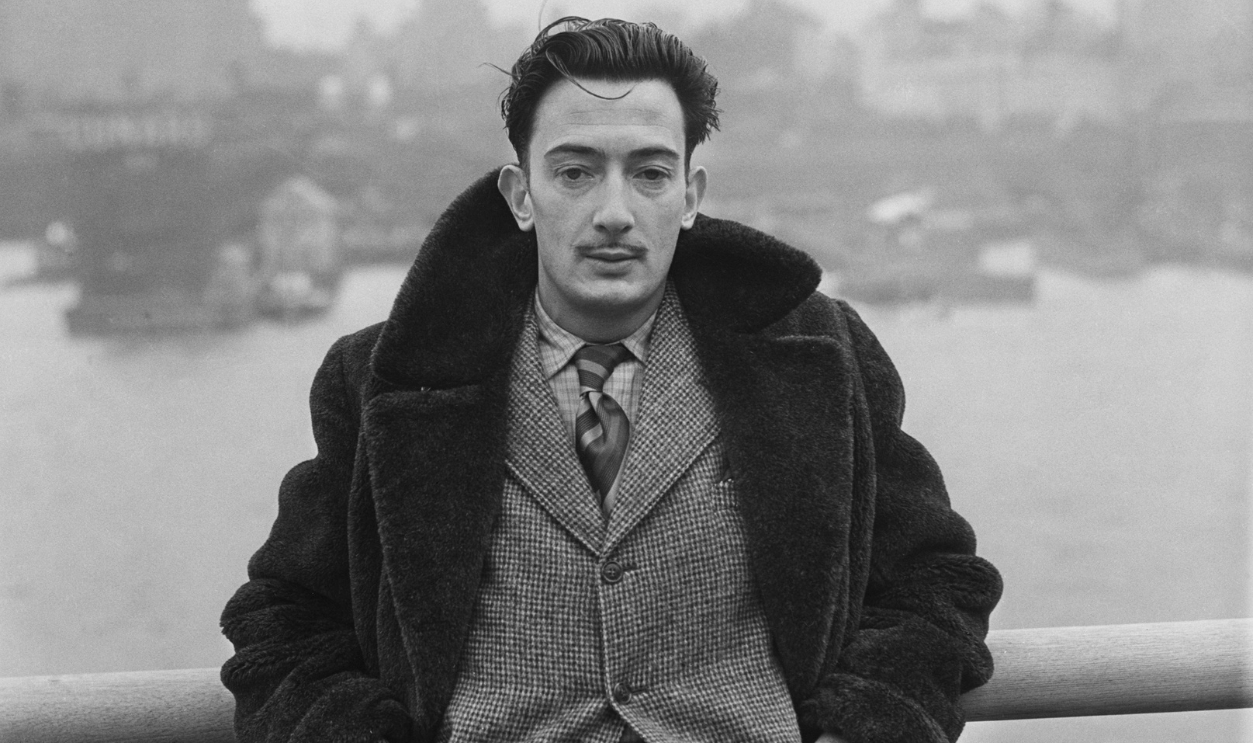
In 1922, approximately a year after the loss of his mother, Dalí moved from Catalonia to Madrid, taking up student lodgings and studying at the San Fernando Royal Academy of Fine Arts. Lean and tall, his eccentric fashion choices only made him stand out more. Keeping his hair long and favoring an artistic style of dressing popular in England, he was seen as a dandy.
However, far from being a loner, he quickly developed a deep relationship defined by its passion and intensity.

History's most fascinating stories and darkest secrets, delivered to your inbox daily.
9. He Joined A Group
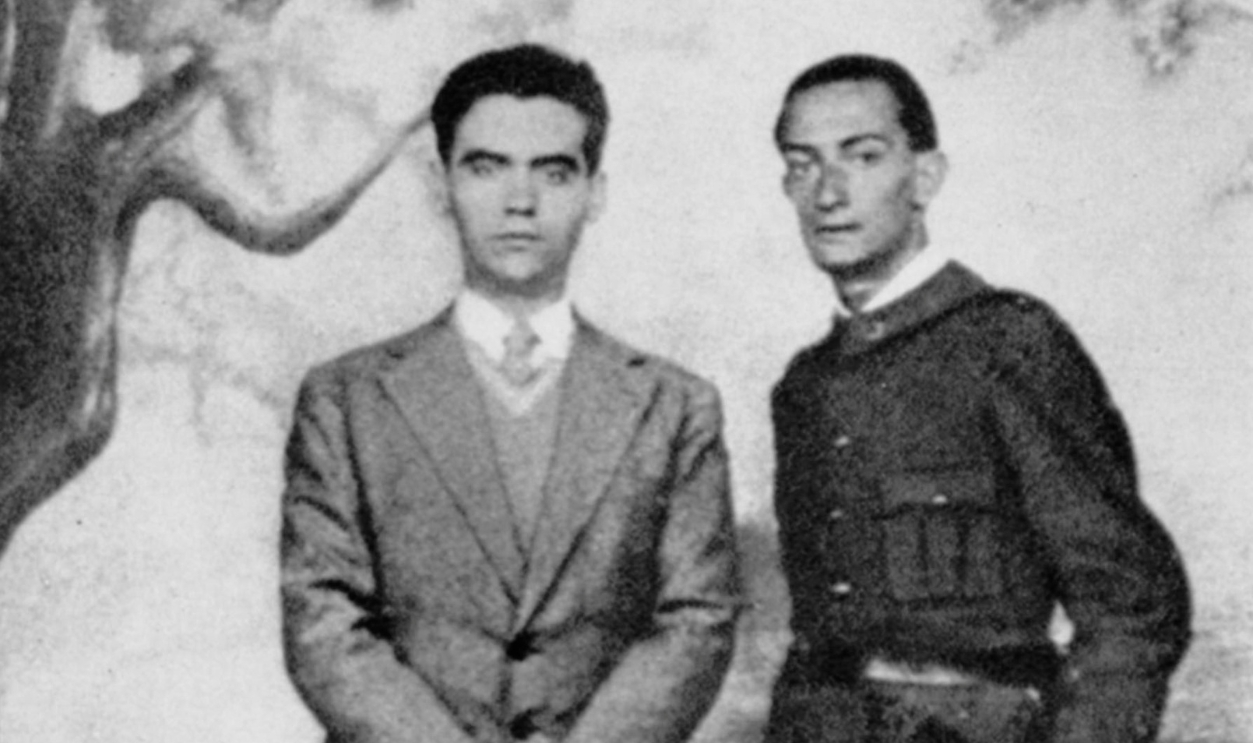
During this period, the avant-garde group known as “Ultra” developed within the Madrid artistic community. Dalí fell headfirst into this community, forming strong connections with fellow artists such as Pepin Bello and Luis Buñuel. However, none of his fellow avant-garde creators had as significant an impact on Dalí as Federico García Lorca.
The details of Dalí’s relationship with Lorca are vague, and yet it is clear that they had a magnetic connection, even if Dalí wouldn’t let it go further.
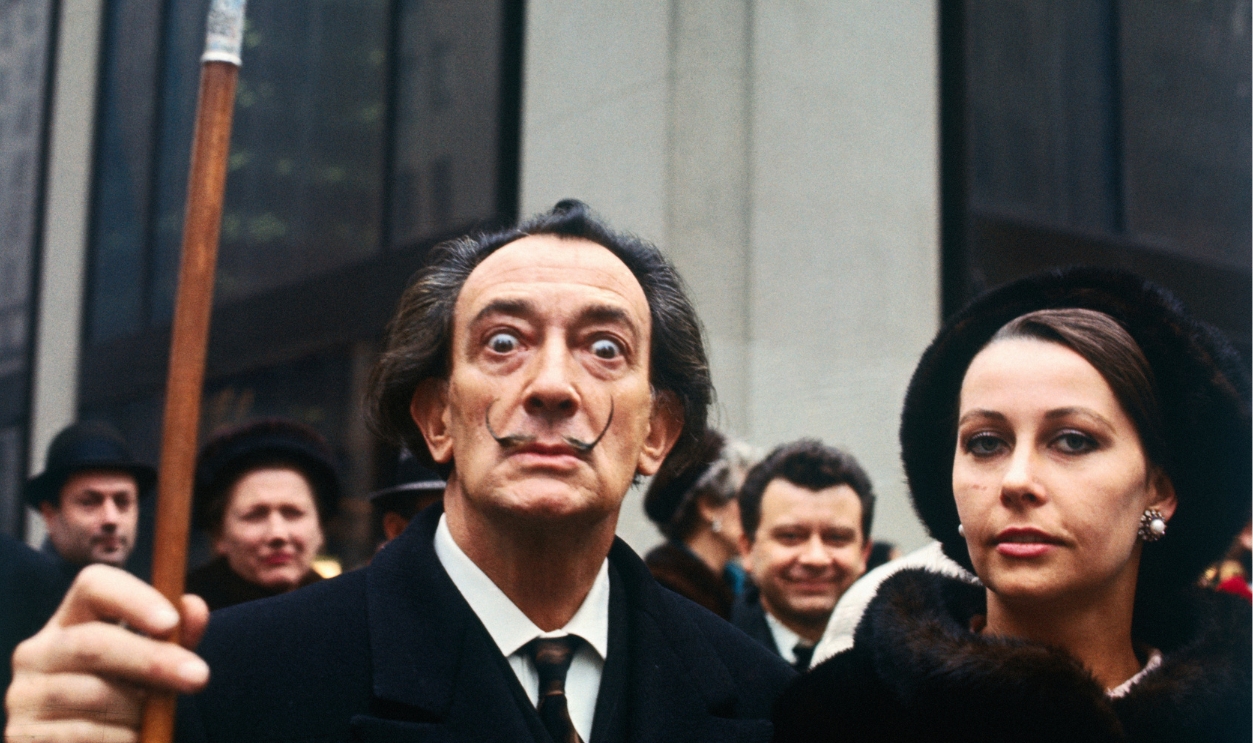
10. He Developed A Unique Relationship
Federico García Lorca was a Spanish playwright, poet, and theatre director. He was also gay. In 1925, Lorca and Dalí fell into a complex yet passionate friendship that may have blurred certain lines emotionally. Yet, regardless of Lorca’s leanings, Dalí insists that he never allowed their friendship to cross into the physical realm.
Perhaps for the best, as even without the added element of desire, Dalí and Lorca’s relationship remained intense for both of them—the force of their feelings proved impossible to sustain.
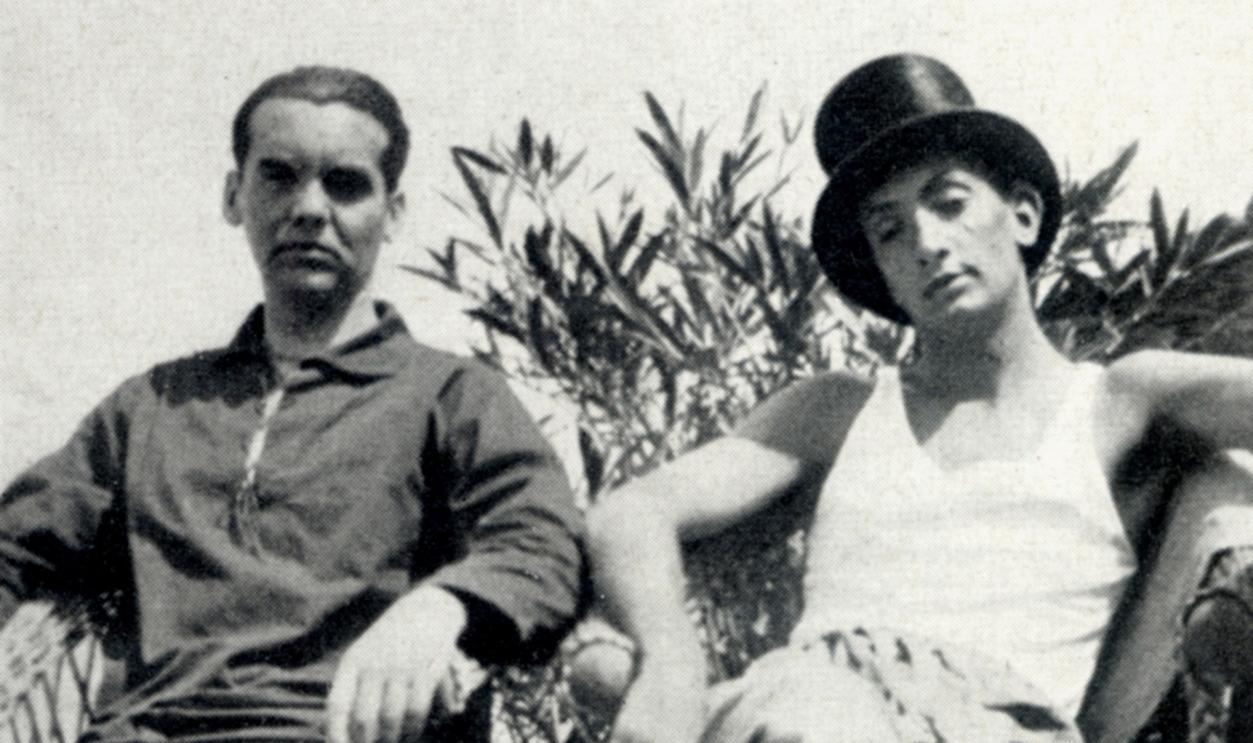
11. He Explored Through His Work
Both young men during this period, Lorca and Dalí, experimented with their preferred art forms, which inevitably caused the two men to drift further apart. Lorca, in particular, saw great success with the work Gypsy Ballads, and this growing success drove a wedge between him and Dalí.
However, Dalí’s work suggested that he may have continued to dwell on certain elements of his relationship with Lorca and his own conflicted feelings.
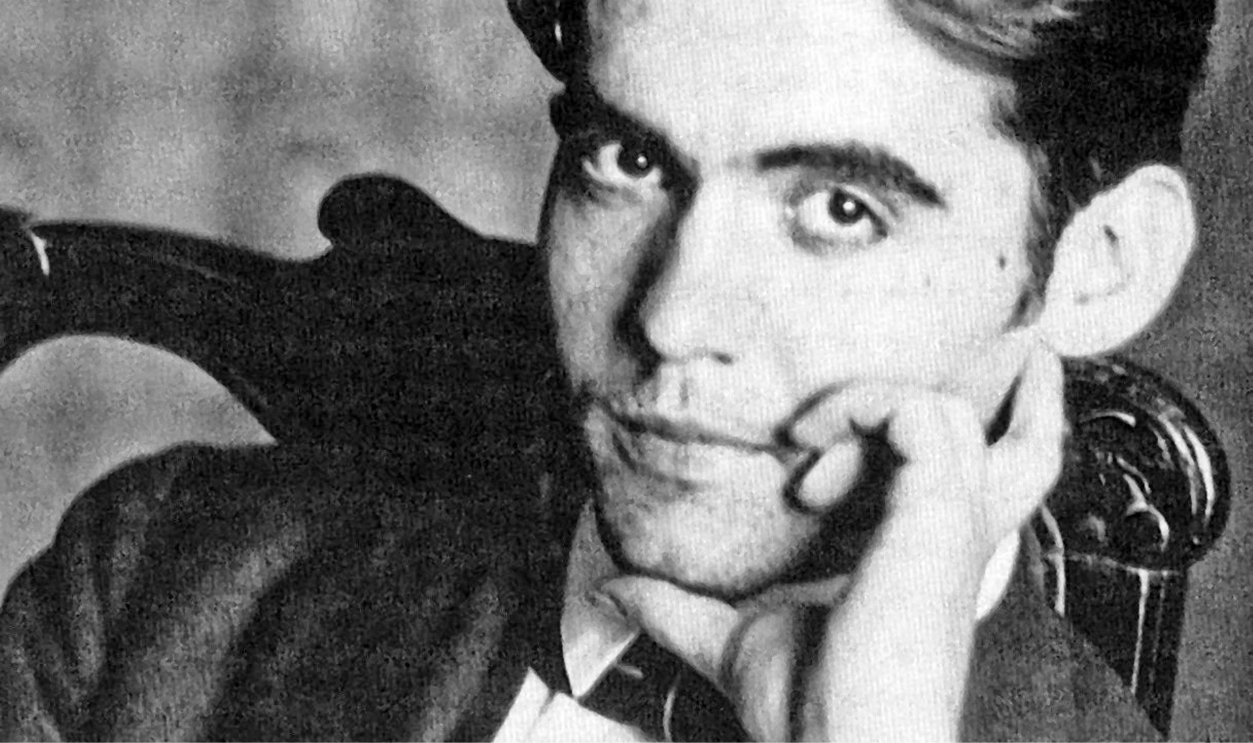
12. He Created A Style
As the 1920s wore on, Dalí’s distinctive style began to emerge. He studied everything from the classics to the avant-garde, as well as readings that had little to do with art. The writing of Freud, in particular, had a unique hold on Dalí. Soon, these influences and themes about desire began to appear in his work, much to the horror of the far more moderate artistic community at the time.
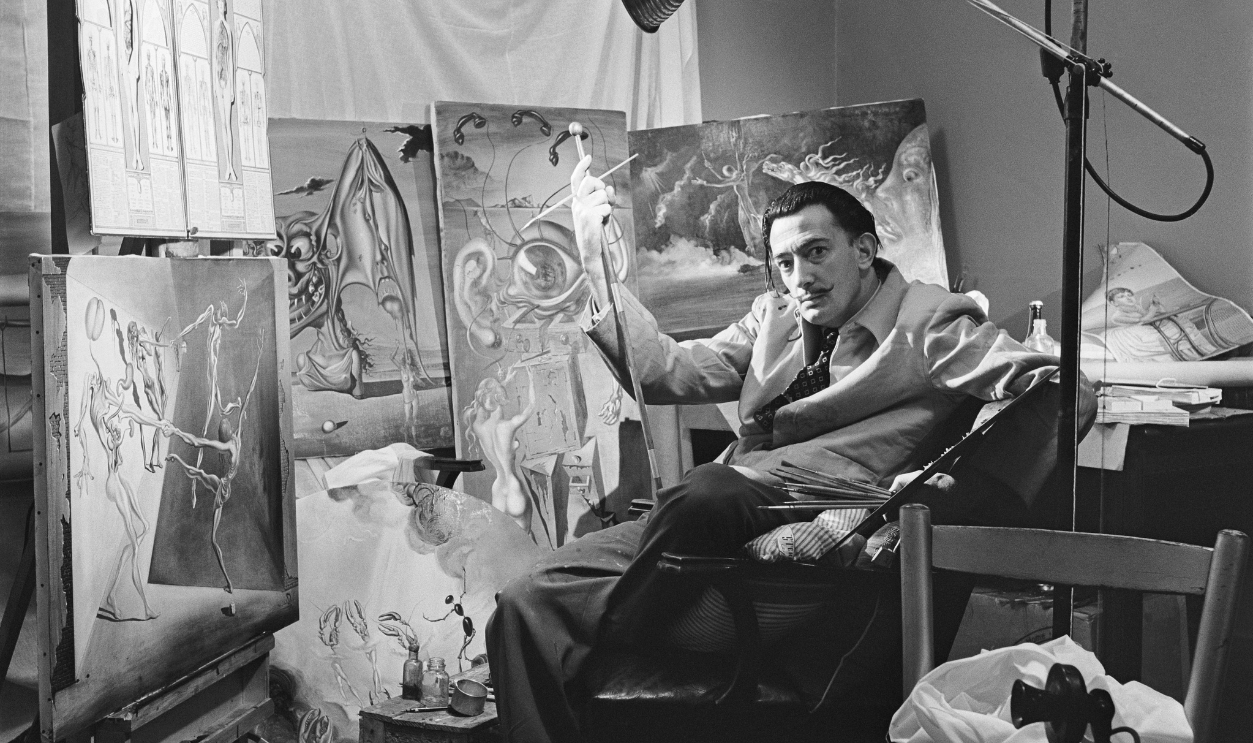 Michael Ochs Archives, Getty Images
13. His Star Began To Rise
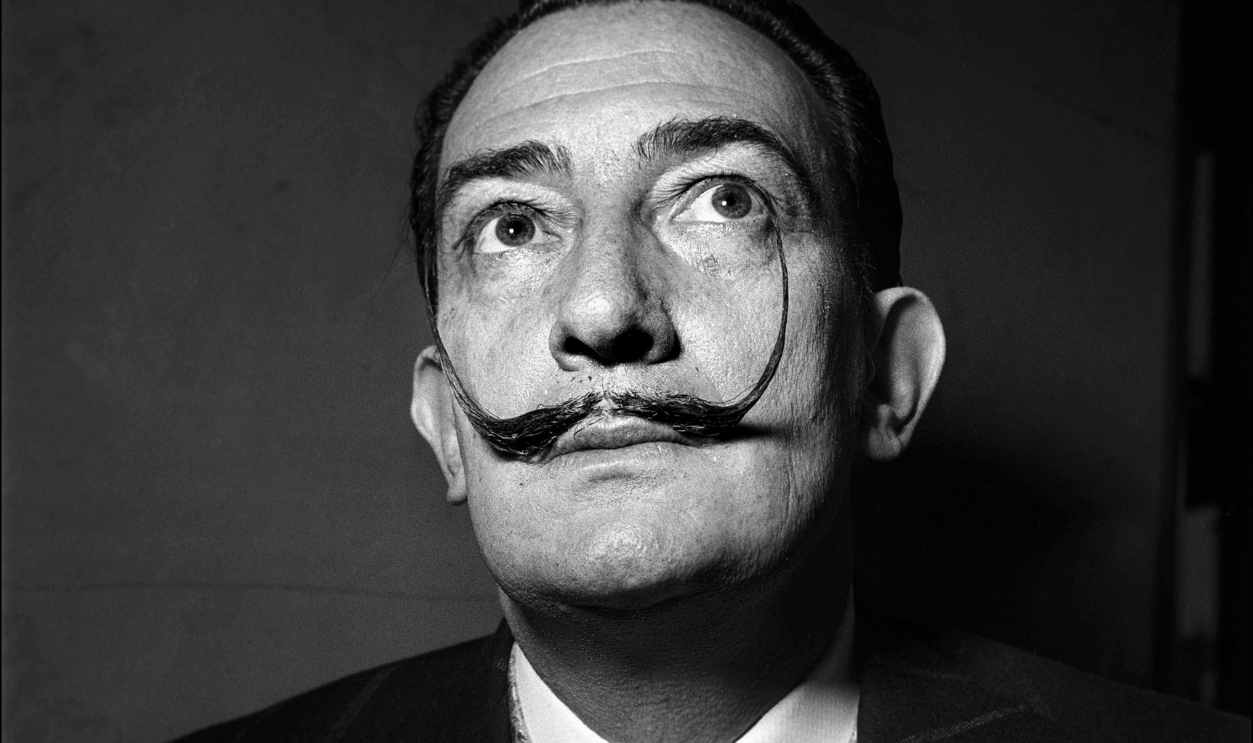
No one could take their eyes off of Dalí during the mid-1920s. From his initial critical recognition in 1925 through to his early experimentations with surrealism by 1927, the art world began whispering the name Salvador Dalí; however, as much as he fascinated the art world, they weren’t ready for the depth of creativity that Dalí exhibited, nor the salacious themes that spoke to him.
 REPORTERS ASSOCIES, Getty Images
14. He Pushed Boundaries
Despite experiencing repeated critical success with his early work, Dalí continued to push the boundaries of what those around him considered acceptable. This first came to a head with Dalí’s 1928 work: Dialogue on the Beach (Unsatisfied Desires). In this work, he explored a theme that proved extremely interesting to him—and unbelievably shocking to everyone else.
15. His Work Caused A Scandal
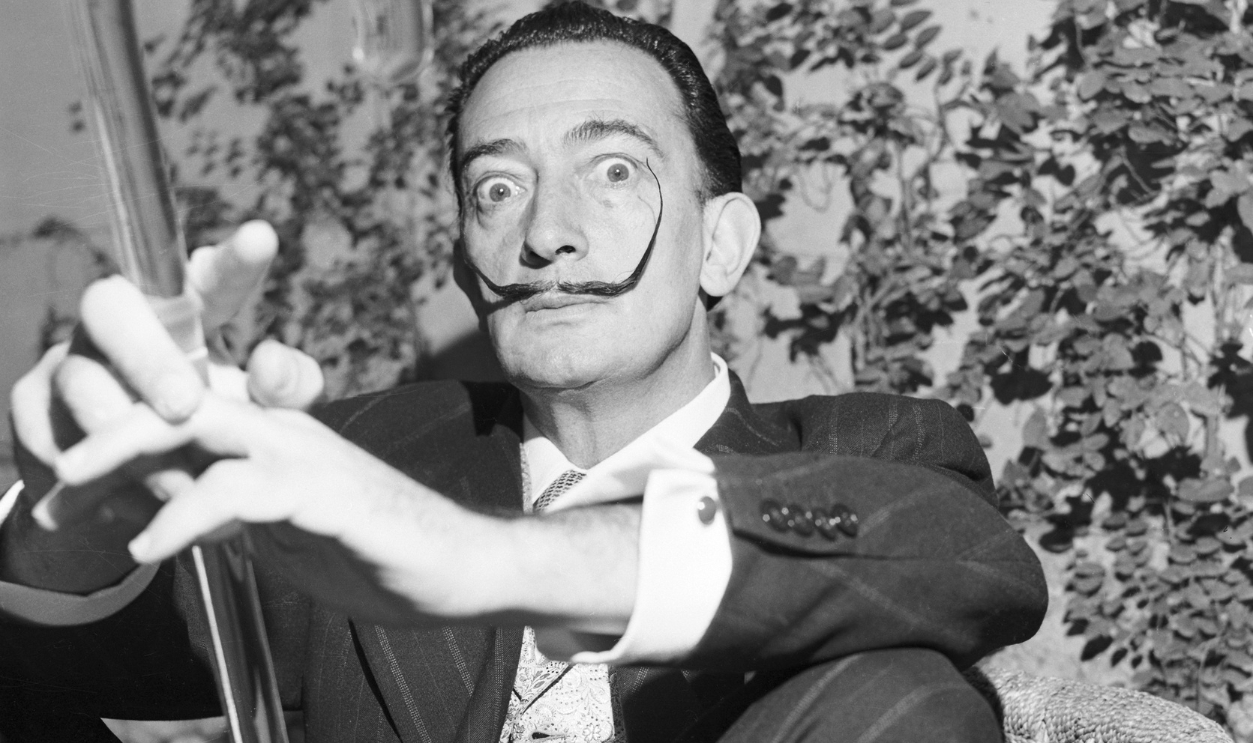
Salvador Dalí lived a life that proved difficult to define. Many themes that others considered improper plagued him, and he expressed his conflicting emotions through his work. This became apparent with Dialogue on the Beach (Unsatisfied Desires), which expressed suggestive imagery and lewd themes. This resulted in Dalí’s first artistic scandal.
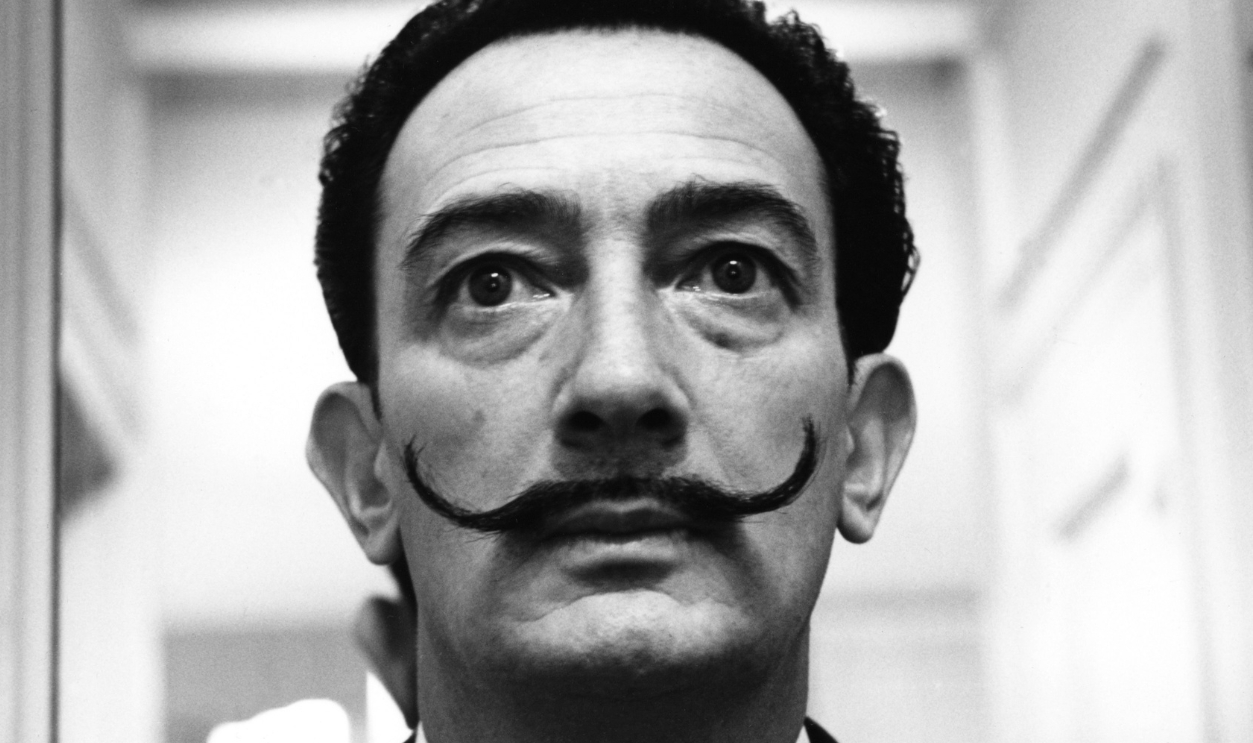 Photo Researchers, Getty Images
16. He Was Rejected
Having experienced modest success with his work up to this point, Dalí submitted Dialogue on the Beach (Unsatisfied Desires) to the 1928 Barcelona Autumn Salon. They rejected it with a biting response, stating that “it was not fit to be exhibited in any gallery habitually visited by the numerous public, little prepared for certain surprise”.
Rather than stop Dalí's career in its tracks, this scandal only resulted in his fame rising—or should we say infamy.
17. He Pushed The Envelope
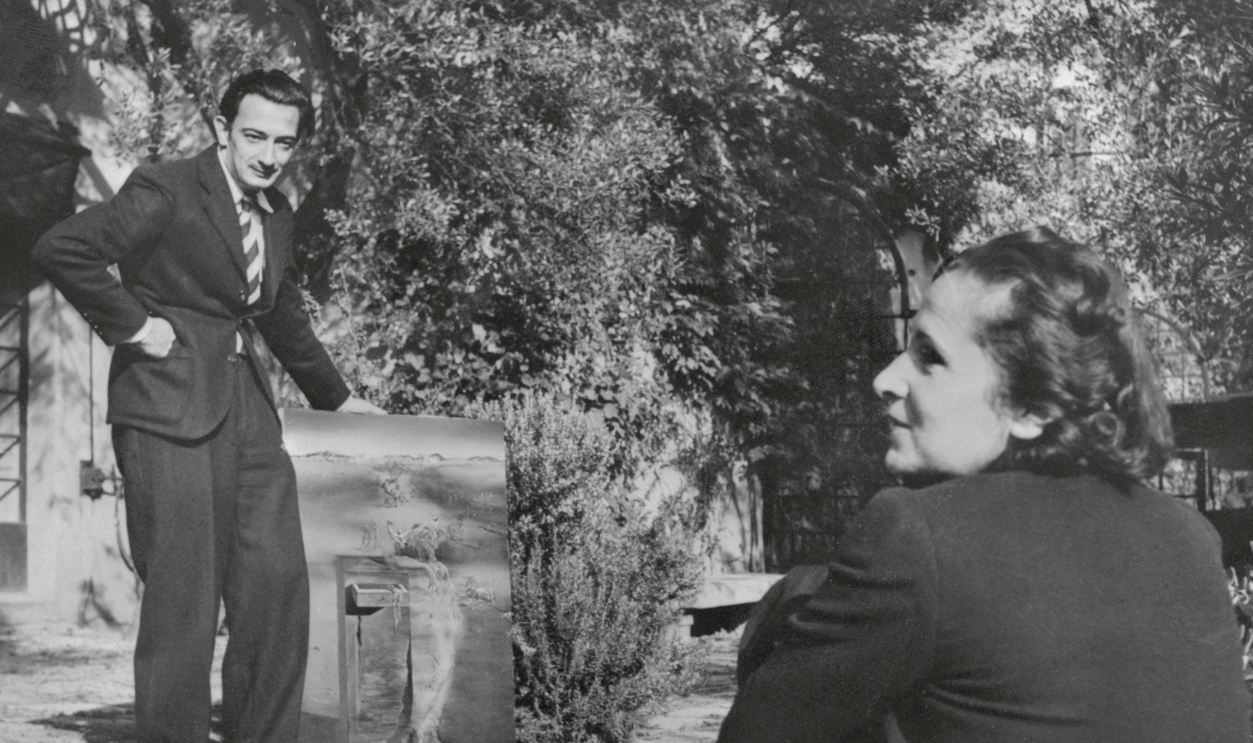
The Barcelona Autumn Salon may have rejected Dalí’s piece. However, in doing so, it seems that they only made the “numerous public” all the more interested in the subject. In deeming the image taboo, it became a point of interest with the Barcelona press diving deep into the scandal, promoting Dalí further.
Dalí refused to allow the concerns of others to deter him from creating projects that spoke to him—he continued to push the envelope, whether the public liked it or not.
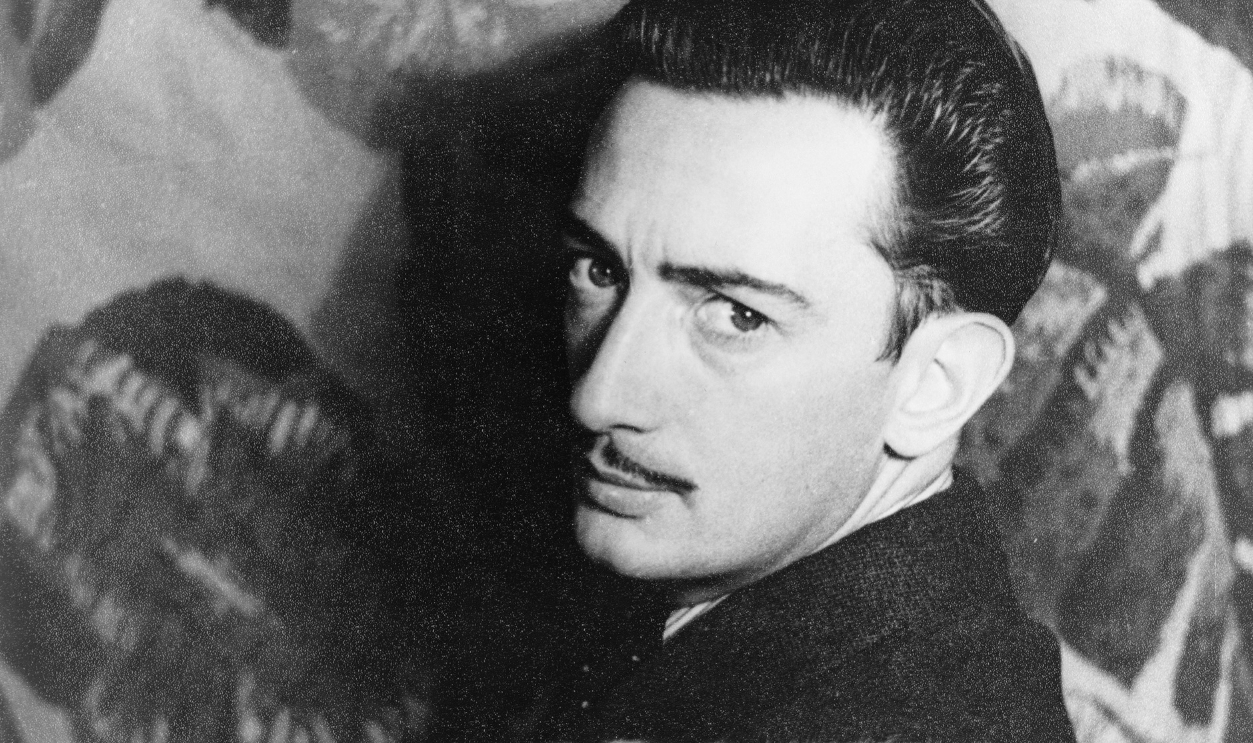 Donaldson Collection, Getty Images
18. He Was Fascinated With Desire
The question of sexuality continued to be a theme throughout Dalí’s career—and he created such pieces as The First Days of Spring and The Lugubrious Game in the late '20s, among others. His conflicted feelings around the relationships in his life, perhaps, motivated this.
While his most significant emotional relationship up to that point crumbled, Dalí found himself falling headfirst into another.
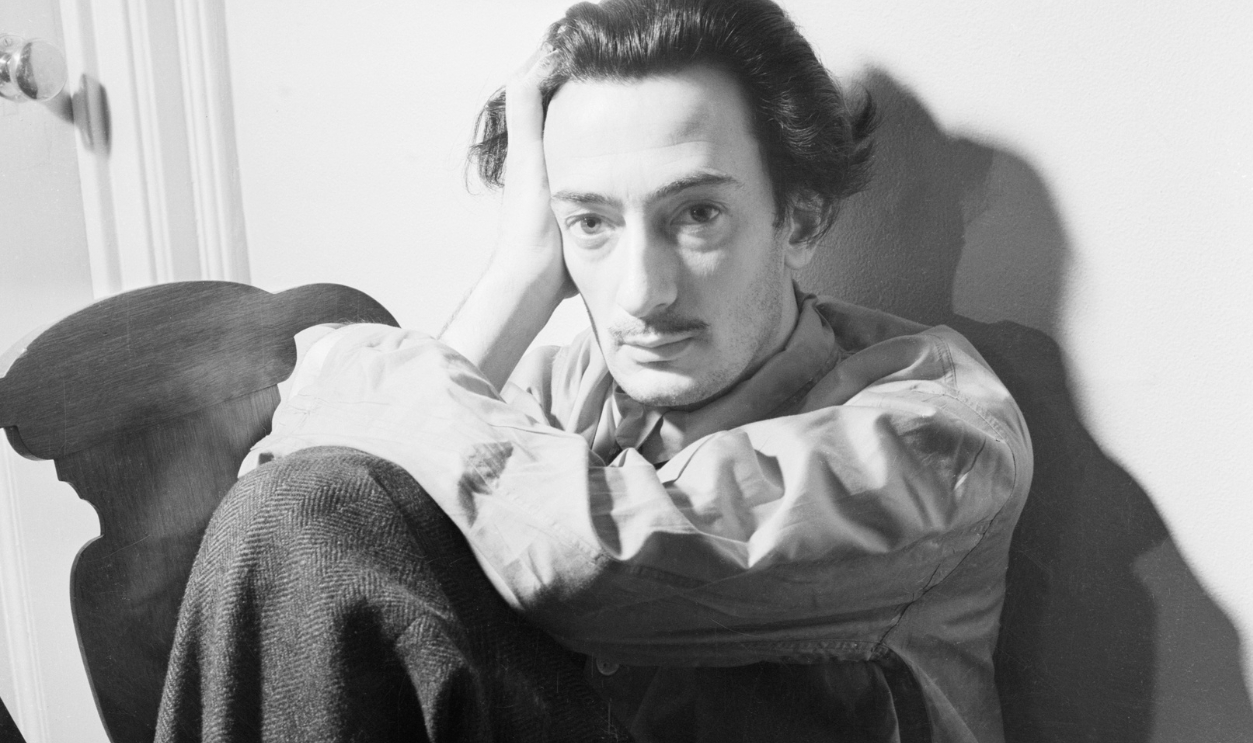
19. He Ruined A Relationship
As already stated, Dalí had a complex relationship with the artist Federico Garcia Lorca, publicly making a clear distinction between his emotional passions and his lustful desires. However, as the 1920s faded into the 1930s, his relationship with Lorca began to fracture. He left the Royal Academy in 1926 and began to drift away from Lorca.
Then he committed an offense that Lorca couldn’t forgive.
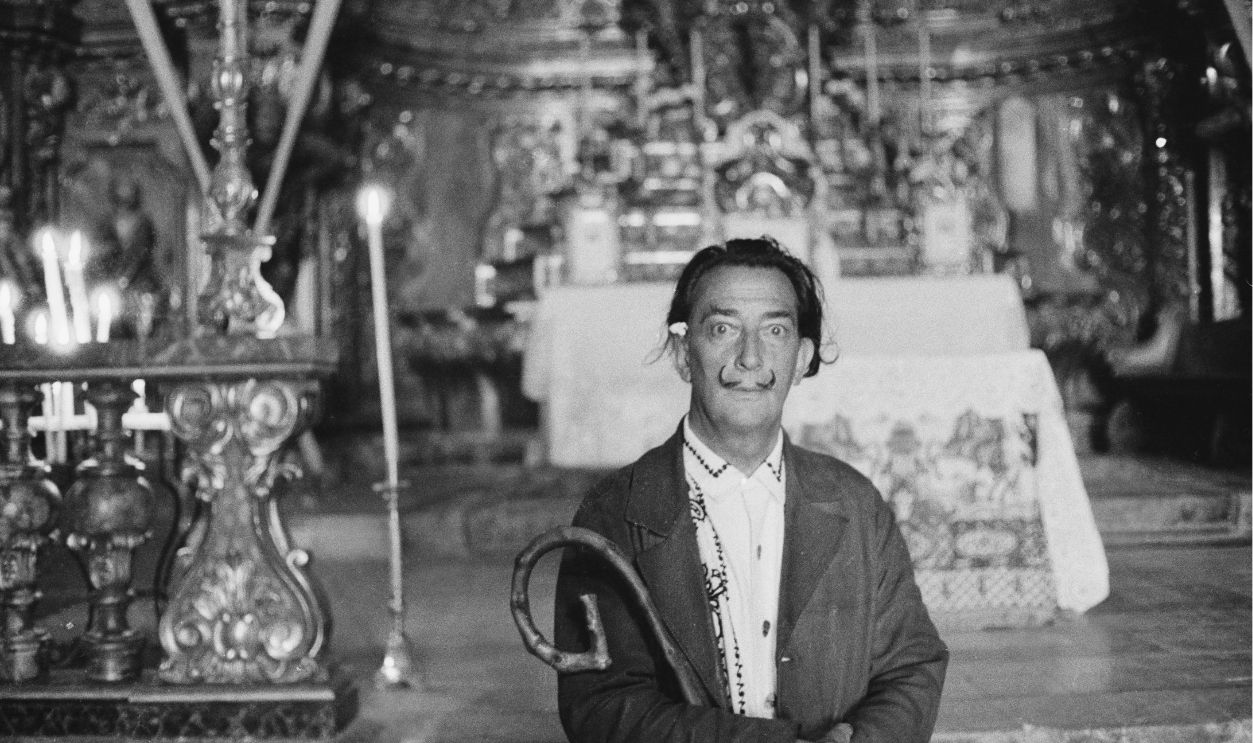
20. He Created A Film
It seems possible that Dalí thought nothing of his actions when he partnered with another of his former Academy companions, Luis Buñuel, to create the short film Un Chien Andalou (An Andalusian Dog) in 1929. Dalí helped Buñuel with the script and claimed to play a role in the filming, though sources do not support that claim.
However, this film proved to be the thing that pushed Dalí and Lorca the furthest apart that they’d ever been.
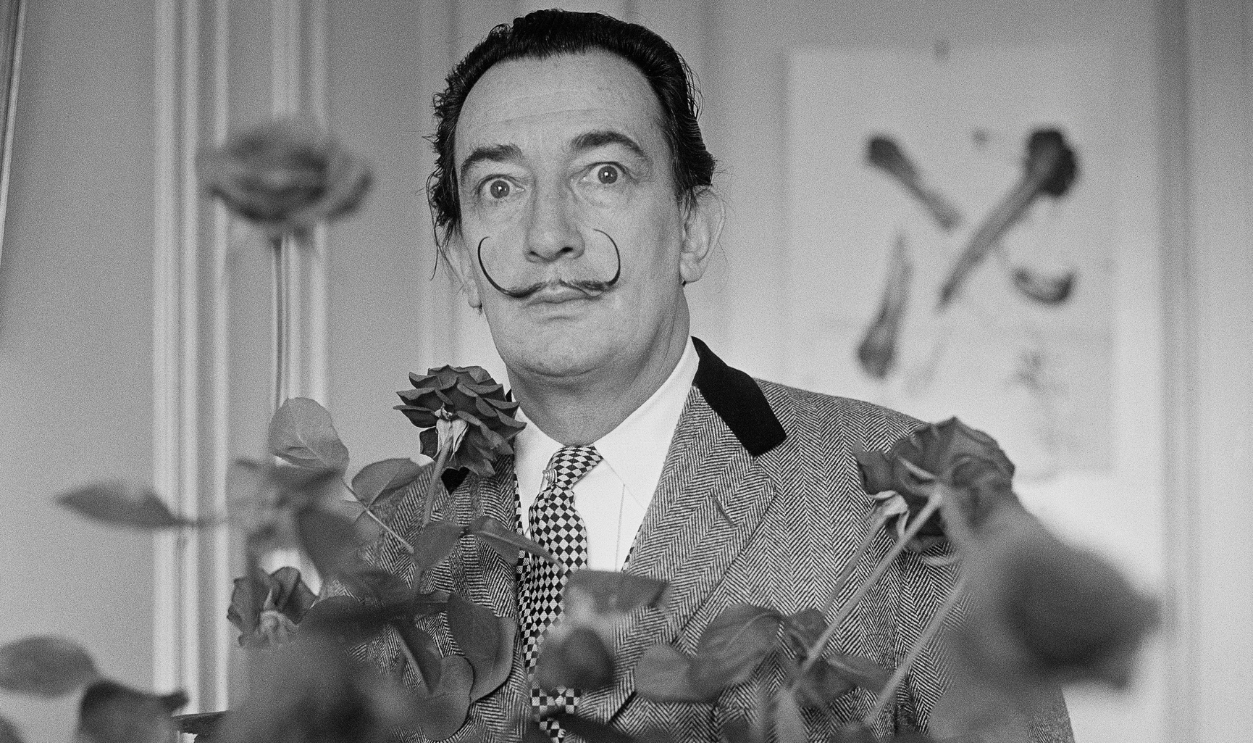
21. He Offended Lorca
Dalí’s intentions in creating Un Chien Andalou have faded into history along with many other things. However, Lorca’s reaction to the film remains larger than life. Lorca, who identified as and spoke Andalusian and created work in his native language, took the play to be a personal attack against himself.
It created a rift in their relationship; while sources suggest that Lorca felt this pain vividly, Dalí appeared to have already moved on.
22. He Met A Woman
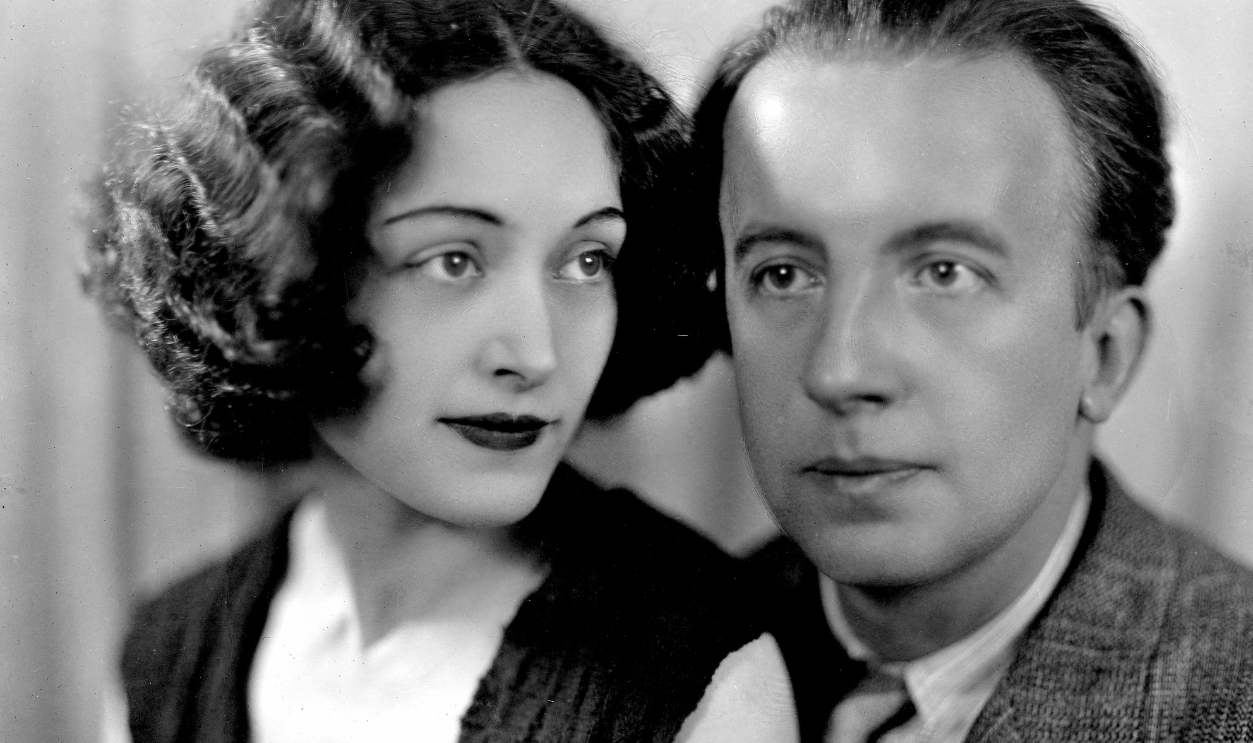
August 1929 changed Dalí’s life forever. By this point, Dalí had become entrenched in Surrealism. Paul Eluard, a French poet and artist, proved to be a foundational pillar to the creation of the Surrealist movement. Meeting Eluard in 1929 should have been a boon to Dalí’s artistic journey. However, he found himself far more interested in someone else: Eluard’s wife.
23. His Future Wife Was Married
When they arrived in Spain, Eduard was married to Elena Ivanovna Diakonova, or Gala as he’d nicknamed her (a name that she carried throughout the remainder of her life). All sources suggest that Dalí felt an instant connection and fascination with Gala. Despite her being 10 years his senior and married to another man, he quickly began an affair with Gala—leading to the destruction of many other aspects of Dalí’s life.
24. He Changed His Life For Her
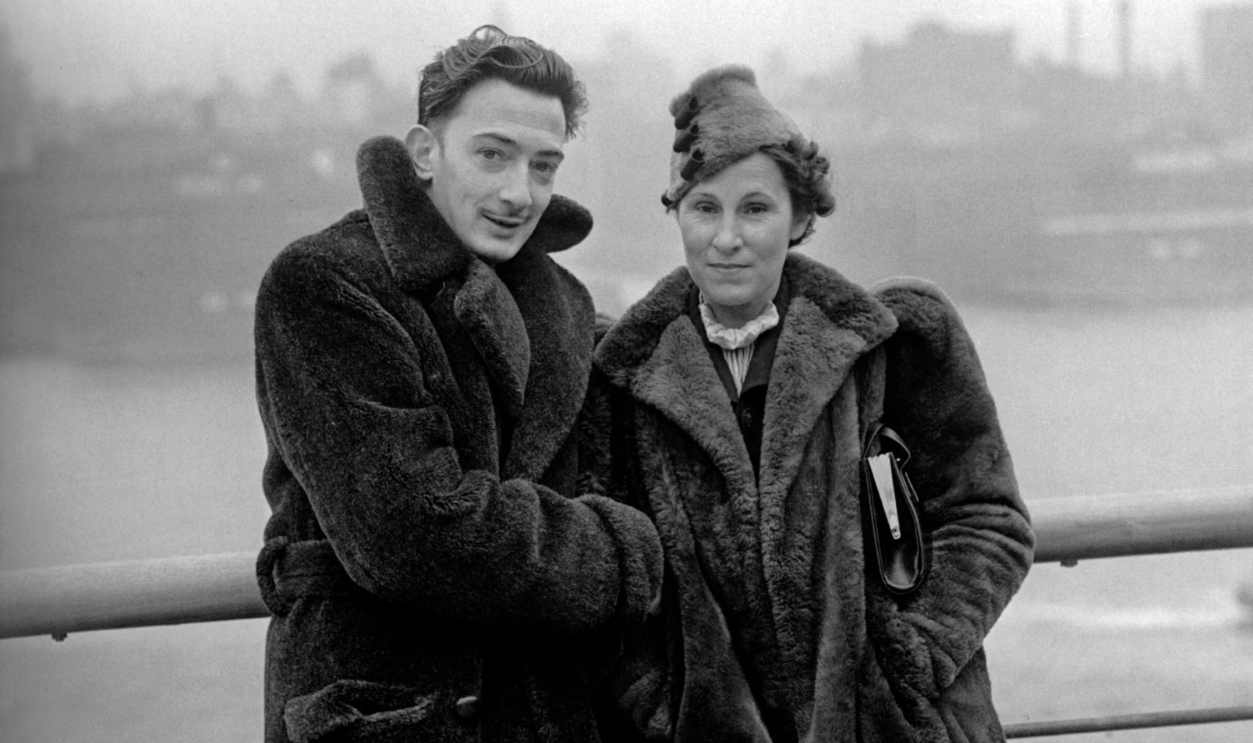
From the moment that he met her, Gala defined many aspects of Dalí’s life. She proved to be his muse, and whether Gala caused it or not, Dalí found himself drawn deeper into the world of Surrealism. He opened his first Paris exhibition in November 1929, and by the end of the year, he’d officially joined the Montparnasse (Paris) Surrealist group.
In creating this new life, Dalí destroyed the life that he’d held previously.
25. He Struggled With His Father
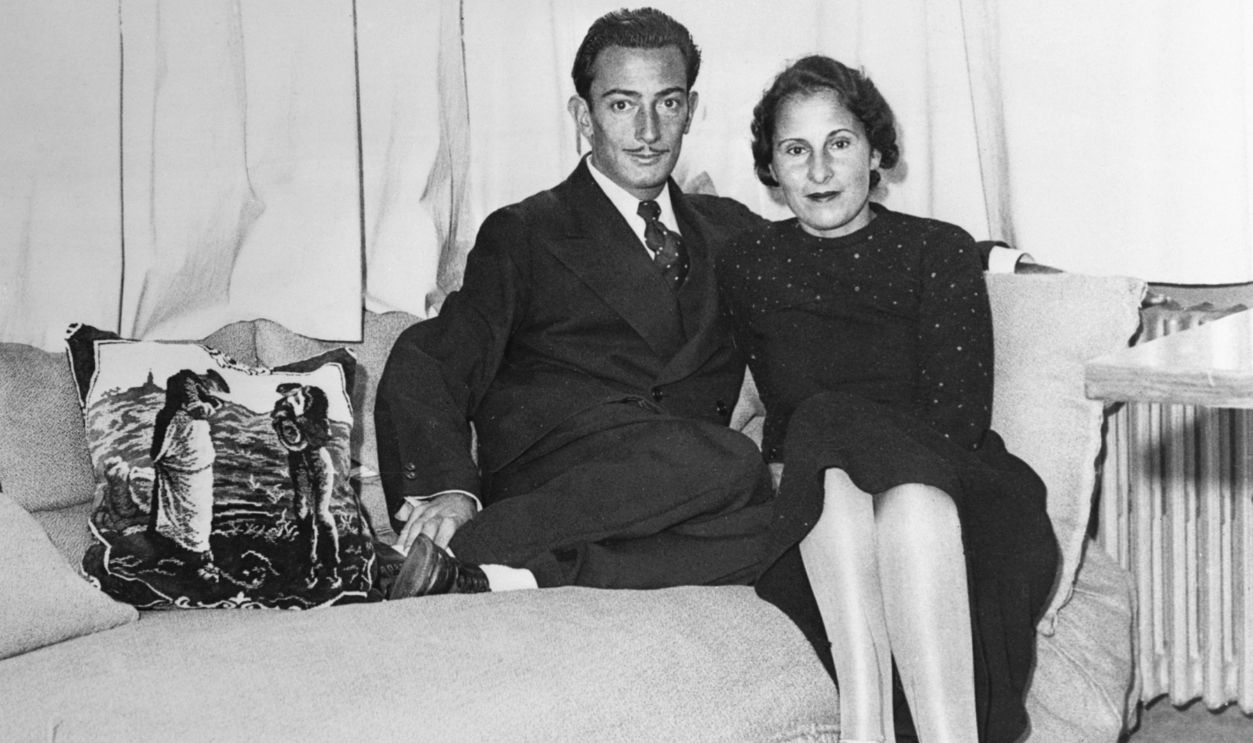
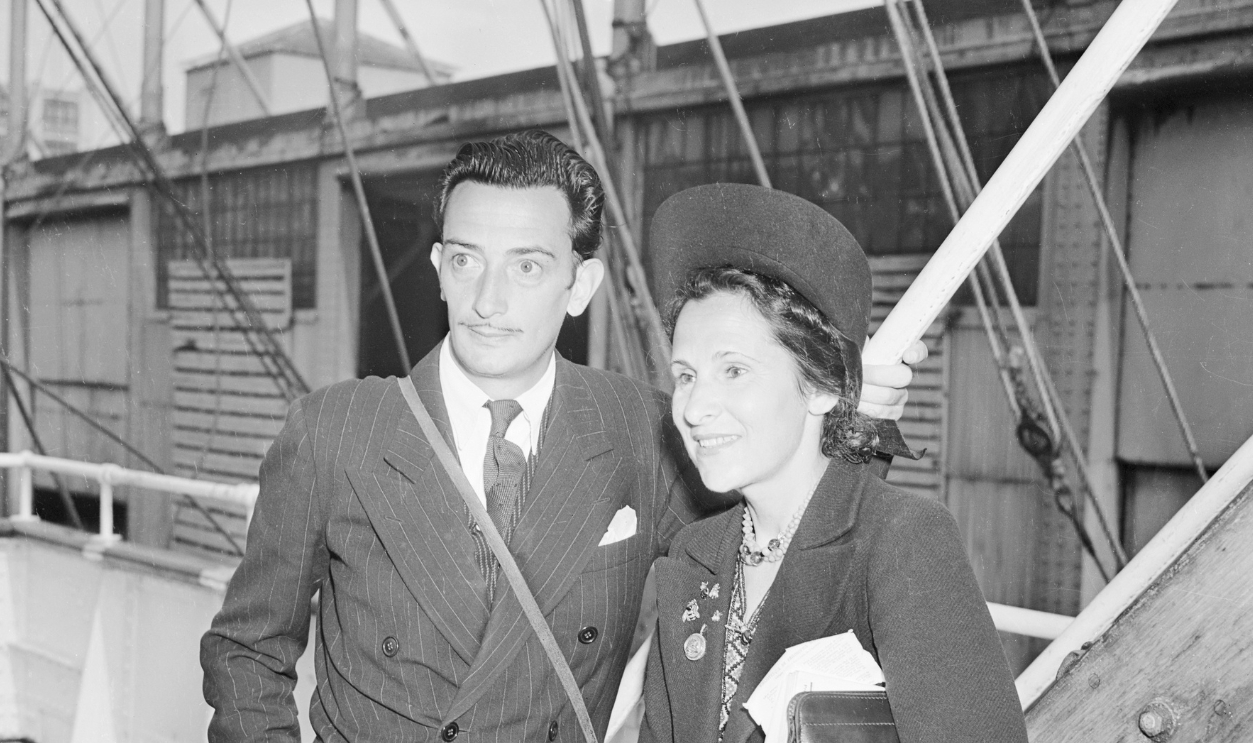
It’s unclear what Dalí’s relationship with his father was like growing up. His father proved to be strict, while Dalí preferred a more carefree lifestyle. However, it can be assumed that the two men got on well enough—that is, until Gala came into the picture. The moment that Dalí picked his life partner, he threw his relationship with his father into the fire.
26. His Father Disapproved
Dalí’s father, Don Salvador, couldn’t approve of his son’s life choices. He did not understand Dalí's relationship with Gala, and he believed that the surrealists his son had befriended were corrupting his morals. The tension between the two men only continued to grow until Dalí did something that his father couldn’t forgive.
27. He Crossed A Line
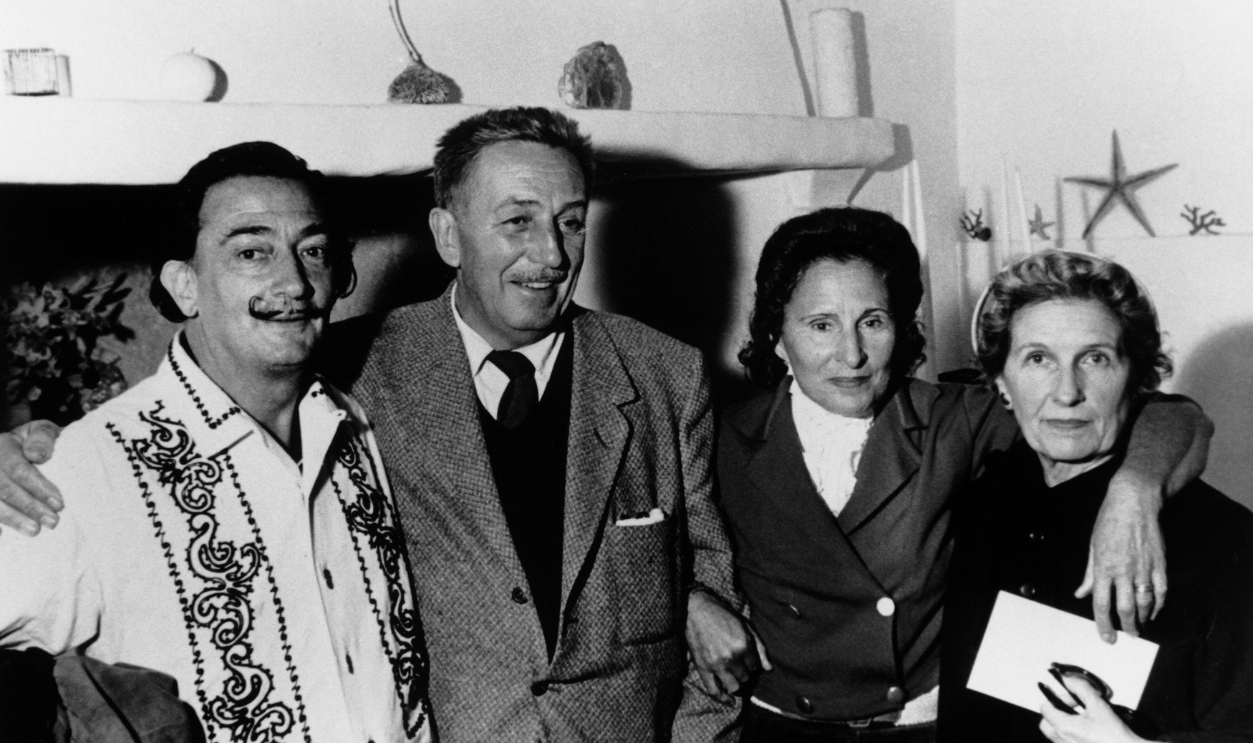
It’s possible that Dalí believed himself to be safe in Paris—that word of his actions wouldn’t get back to his father. It’s also possible that Dalí simply did not care for the consequences. Regardless, a Barcelona newspaper reported to Don Salvador that his son had recently exhibited a work titled Sacred Heart of Jesus Christ.
This may seem like an odd thing to feud over; however, it’s what Dalí wrote with it that sent his father into a frenzy.
28. He Spoke Bold Words
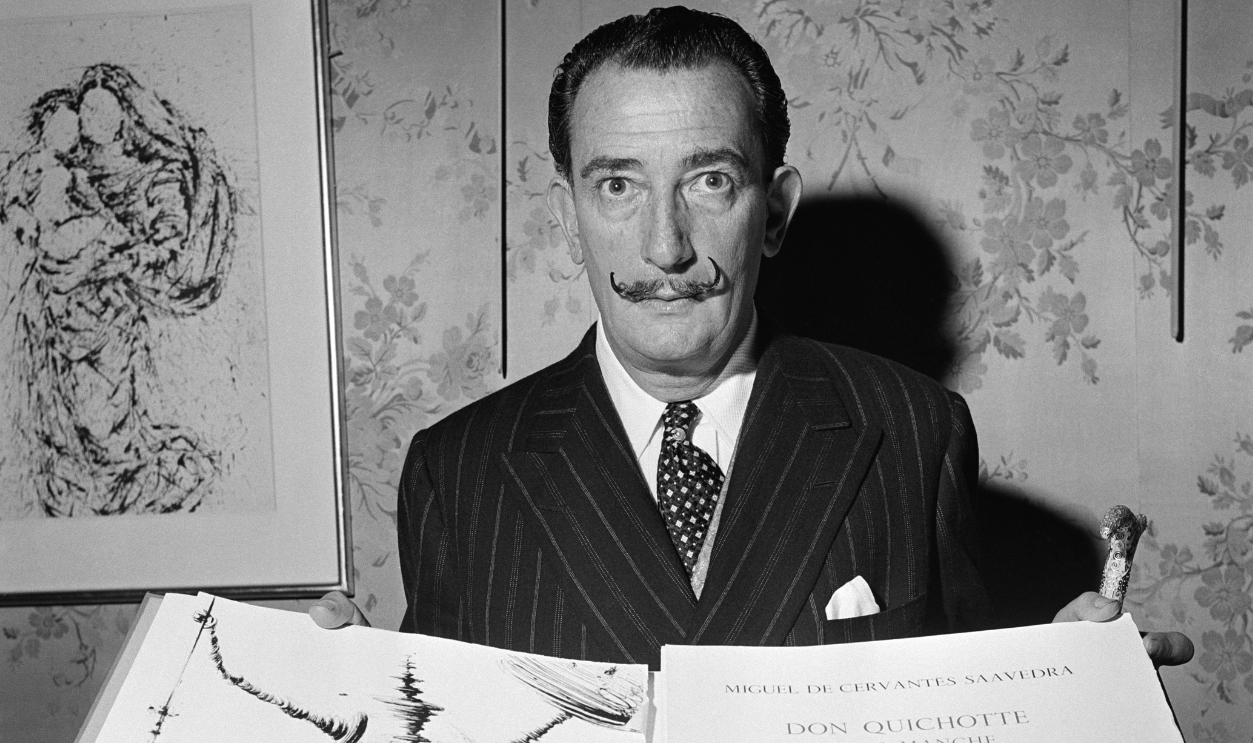
The Sacred Heart of Jesus Christ is a fairly realistic drawing for those who are used to Dalí’s more extreme surrealist work. However, in this instance, Dalí used the inscription of the piece to truly subvert the norms. He inscribed the portrait with, “Sometimes, I spit for fun on my mother's portrait”.
Upon reading about this, Don Salvador flew into a rage—this was not the son he’d raised.
29. He Refused To Back Down
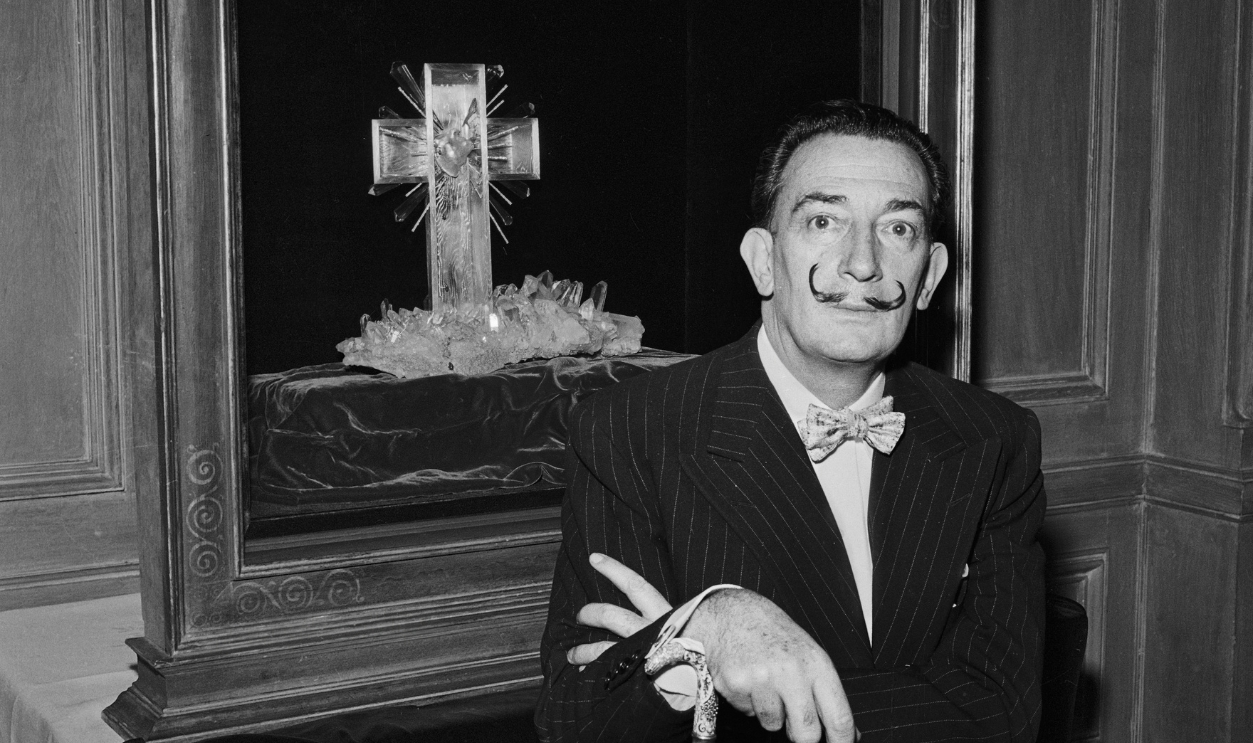
Despite Dalí’s behavior during this period, Don Salvador was not unreasonable. He gave his son a choice. If he recanted his actions publicly, then Don Salvador wouldn’t take drastic actions. Unfortunately, Dalí refused. Some suggest that Dalí feared being barred from the surrealists more than he feared his father.
If Dalí refused because he thought his father would never forsake him, then he couldn’t have been more wrong.
30. He Chose Art Over Family
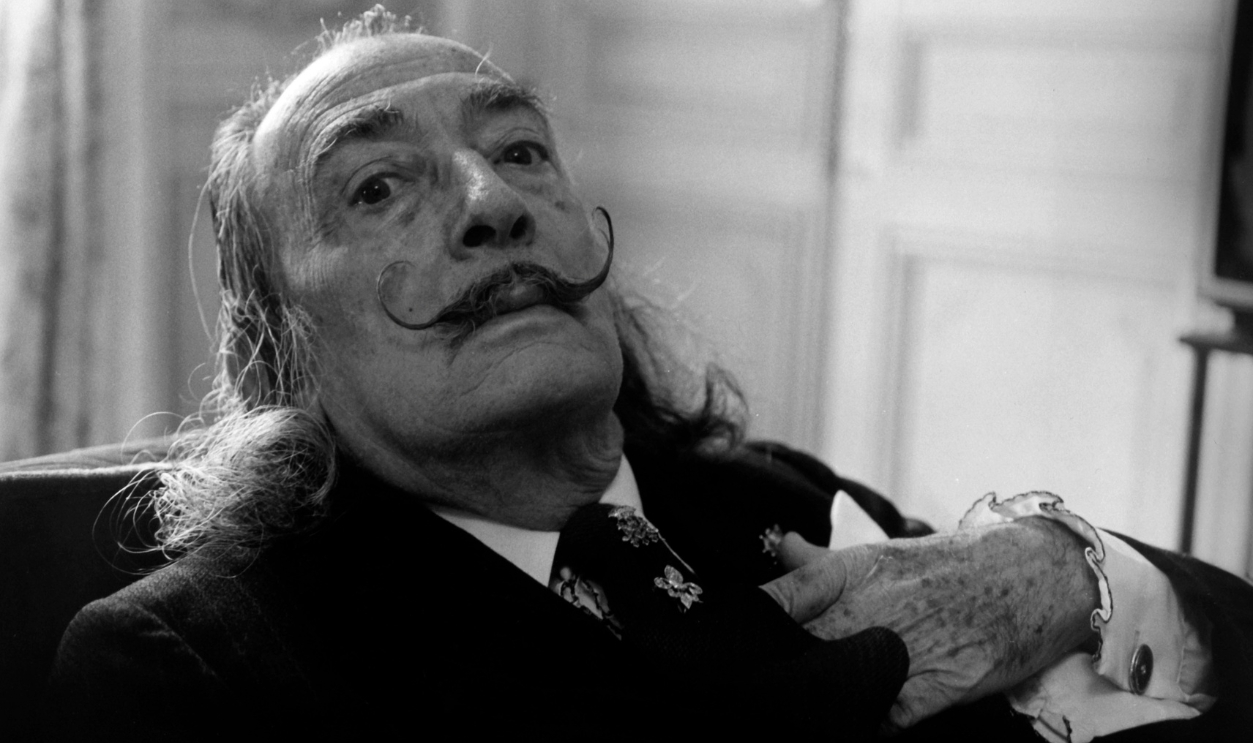
Whether Dalí realized it or not, his actions forced him to choose: Surrealism or his family. In the end, he refused to placate his father—and paid a terrible price.
In response, Don Salvador cast Dalí out. Not only did Don Salvador throw his son out of the family home, but he pushed him out of the city as well. Along with disinheriting him, Dalí’s father ordered him never to return to Cadaqués again.
31. He Carried On With Life
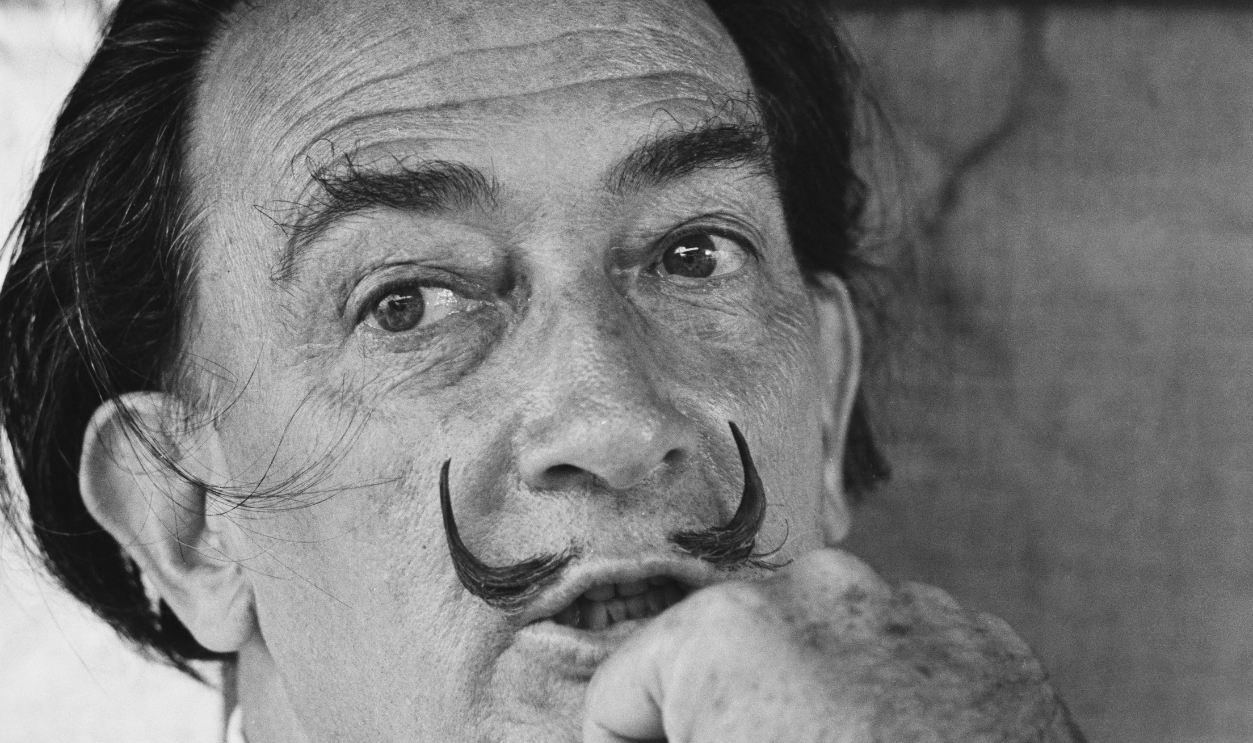
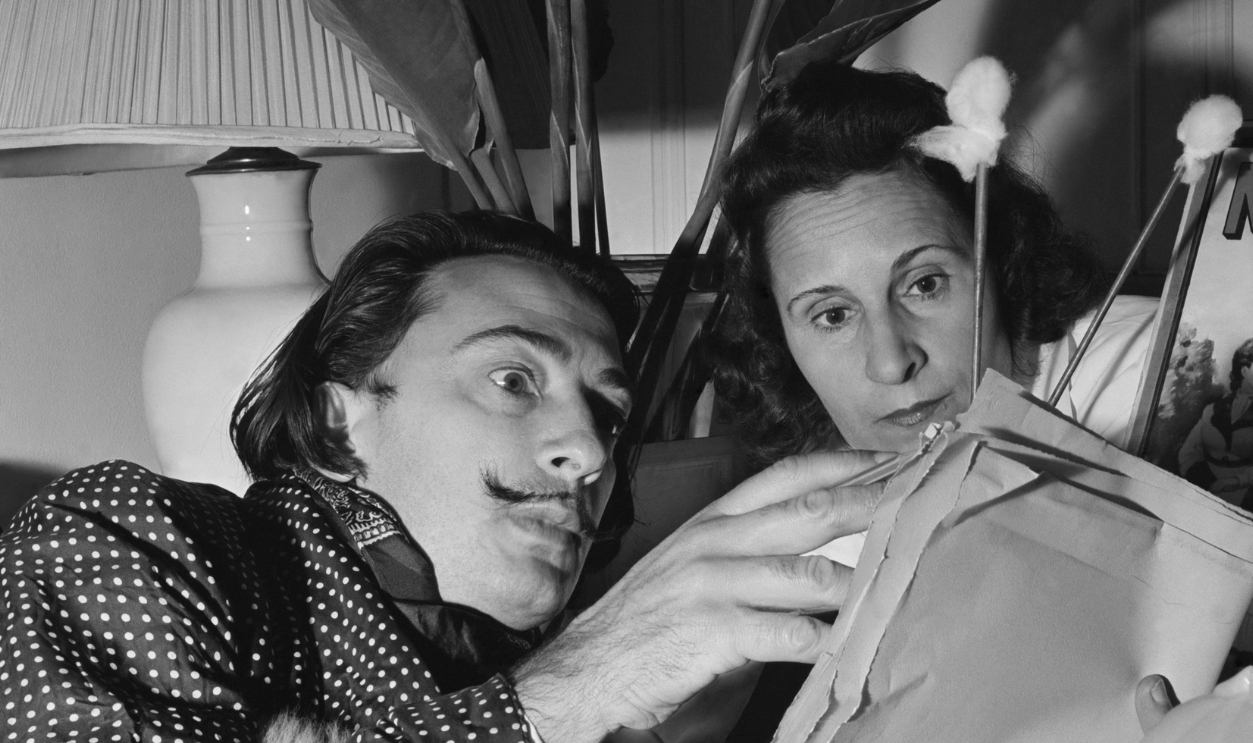
It’s difficult to tell how this truly affected Dalí. Records of the emotional toll, if there was one, do not exist. However, Dalí’s actions suggest that he refused to allow his disinheritance to slow him down. Instead, he carried on with his life. At this point, Gala and Eluard had divorced, leaving Gala free to be with whom she pleased.
The couple settled in Port Lligat. But while they started their new chapter in a small cabin, their home would not stay modest for long. Dalí’s stardom continued to rise.
32. He Created History
Dalí’s unique talent proved difficult to contain. A couple of years after his relationship with his father fractured, he cemented his place in history, even if he did not realize it at the time. In 1931, Dalí painted The Persistence of Memory. Even those with little to no knowledge of art likely recognize the surreal painting featuring melting pocket watches.
The Persistence of Memory was part of two exhibitions that drew critical attention and expanded Dalí's fame. Meanwhile, the surreal nature of his paintings continued to bleed into his personal life.
33. He Had Unorthodox Desires
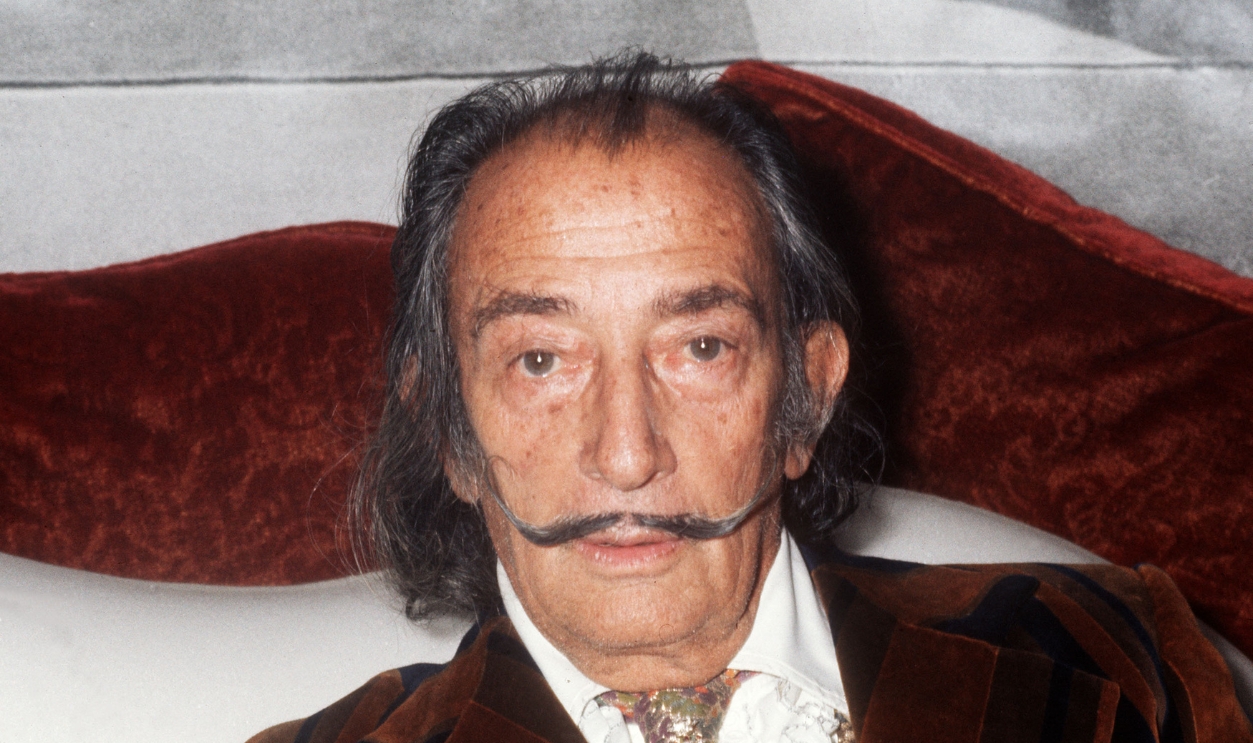
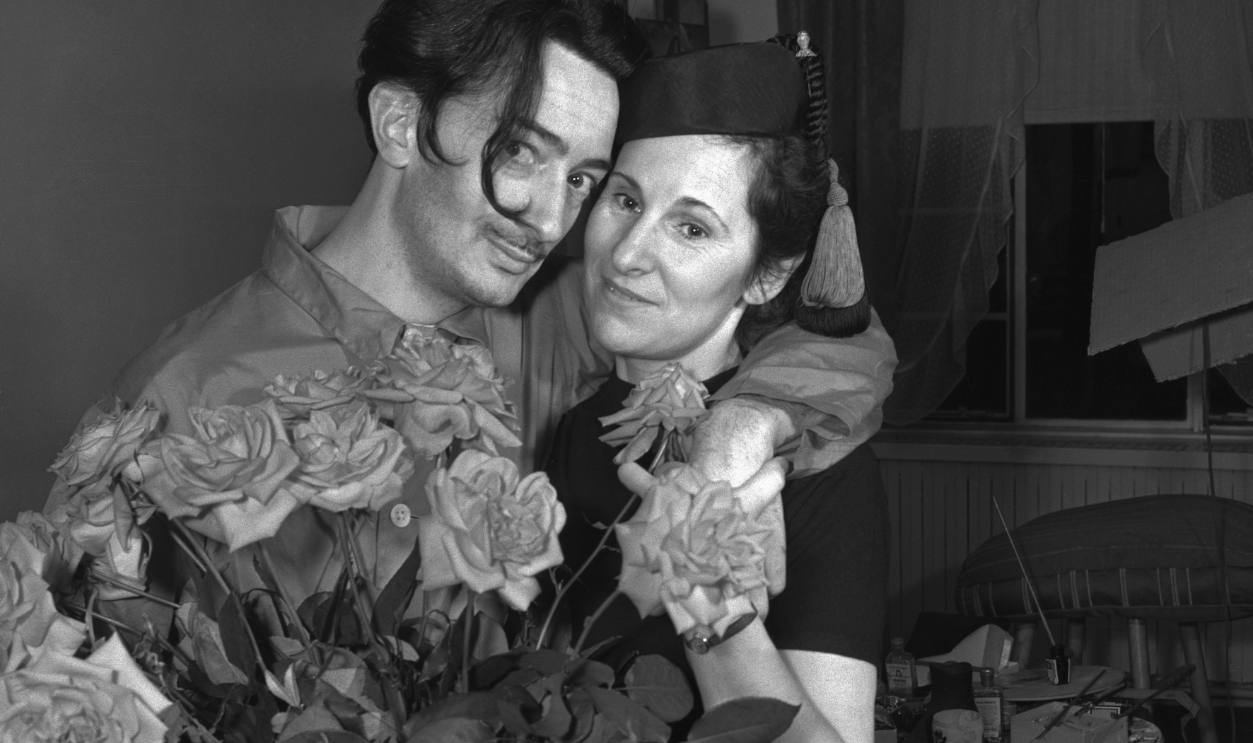
Although Gala moved in with Dalí in 1929, they did not marry until January 1934 in a civil ceremony. Despite this, Gala and Dalí had an unorthodox partnership, complicated by both of their appetites, or in Dalí’s case, a lack of one. You see, he suffered from a lifelong fear of certain female body parts.
As a result, Gala spent their marriage frequently taking different partners. This excited Dalí, who expressed pleasure through voyeurism. It should surprise little that his personal life was as shocking as his public life.
34. He Wasn’t Mad
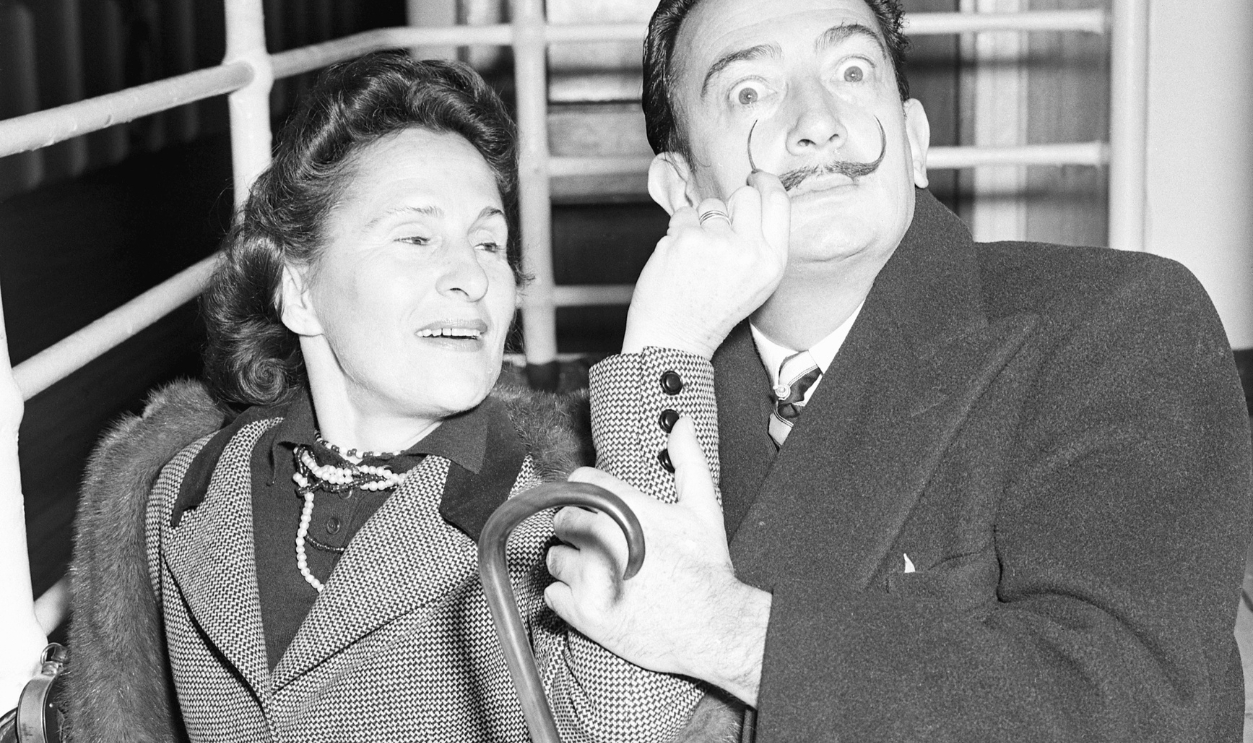
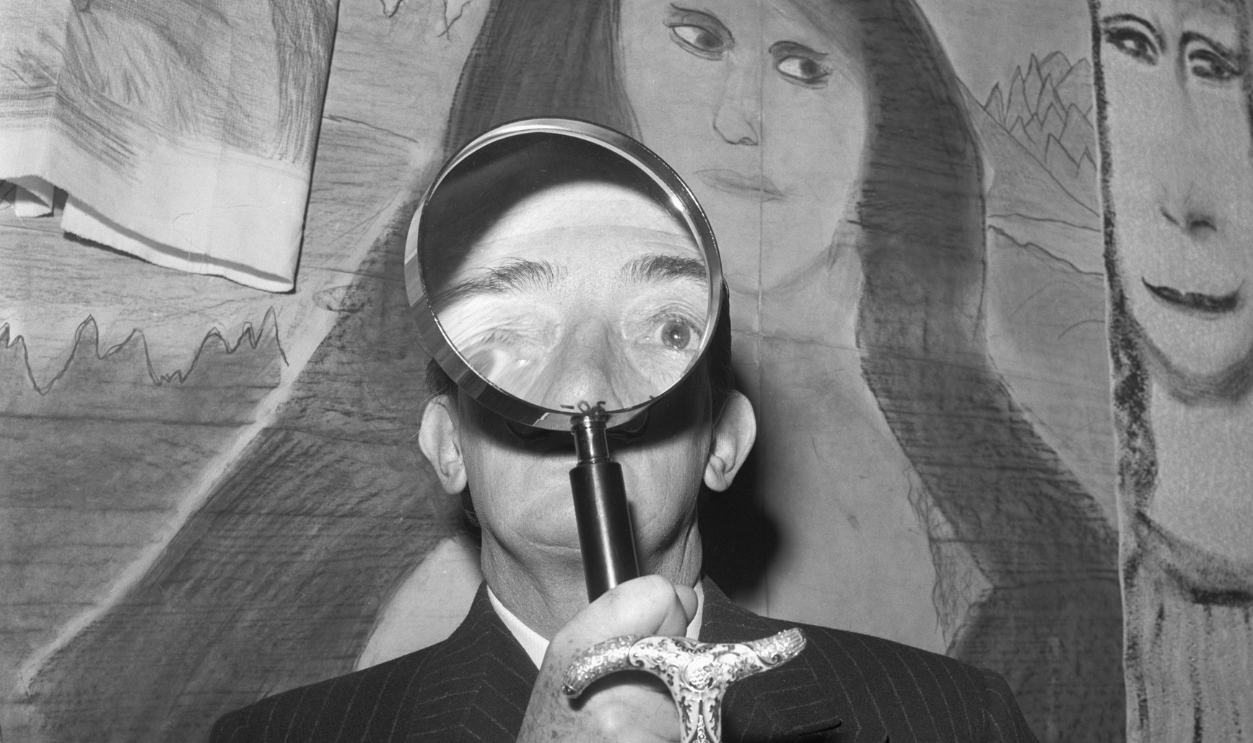
As Dalí’s fame continued to rise, he began to attract more and more global attention. In 1934, he arrived in the United States to begin a New York exhibit as well as a series of lectures at the Museum of Modern Art (MoMA). During one of these lectures, he addressed the elephant in the room, telling the audience, “[t]he only difference between me and a madman is that I am not mad”.
35. They Had Wild Costumes
Doubling down on this, Dalí and Gala attended a costume party during their stay in America. Dalí wore a brassiere in a glass case around his chest—but Gala's costume was even crazier. She went as a woman experiencing childbirth through her head. Was it possible that Dalí had become too surreal even for his fellow surrealists?
36. He Was Surrounded By Politics
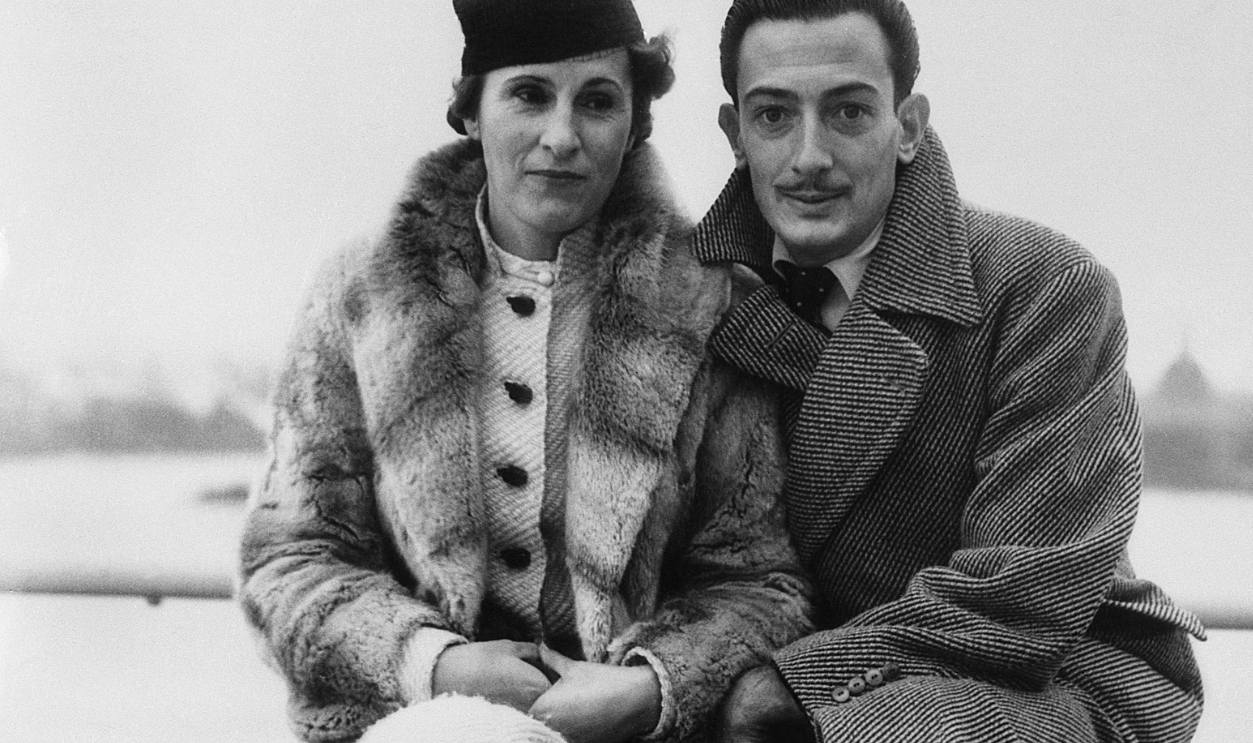
As the 1930s wore on and the promise of another conflict loomed within Europe, there became increasingly more and more demands within the Surrealist community to take a strong political stance in the opposite direction. Dalí, however, continued to exist in a gray area, neither supporting nor scorning the far-right politics that were continuing to rise in Germany. It almost cost him everything that he’d worked so hard for.
37. He Wouldn’t Take A Stand
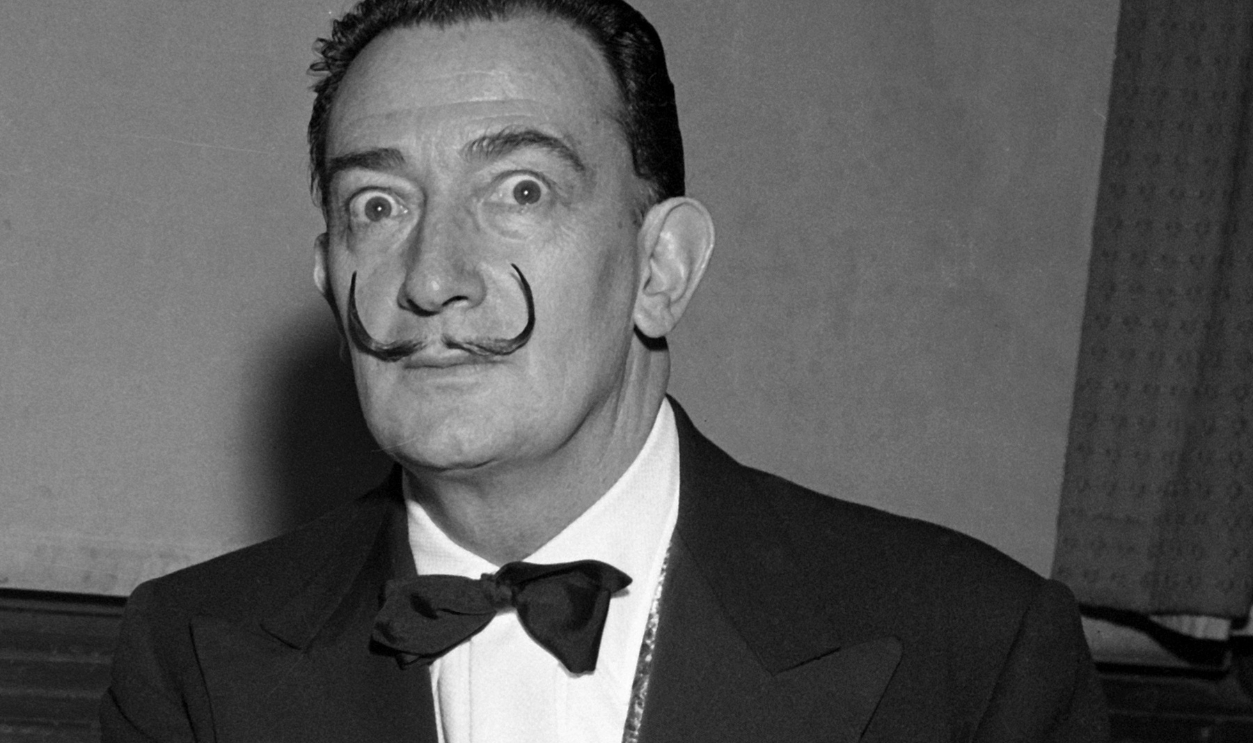
In response to Dalí’s ambiguous political stance, fellow surrealist André Breton accused him of supporting the political views of 1930s Germany. Dalí vehemently rejected such claims, but it did not save him from facing the consequences of his stances—his fellow surrealists attempted to remove him from his group.
Dalí barely managed to hold onto his position through a trial. But though his relationship with his fellow surrealists suffered, his global success continued to rise.
 Donaldson Collection, Getty Images
38. He Made An Impression
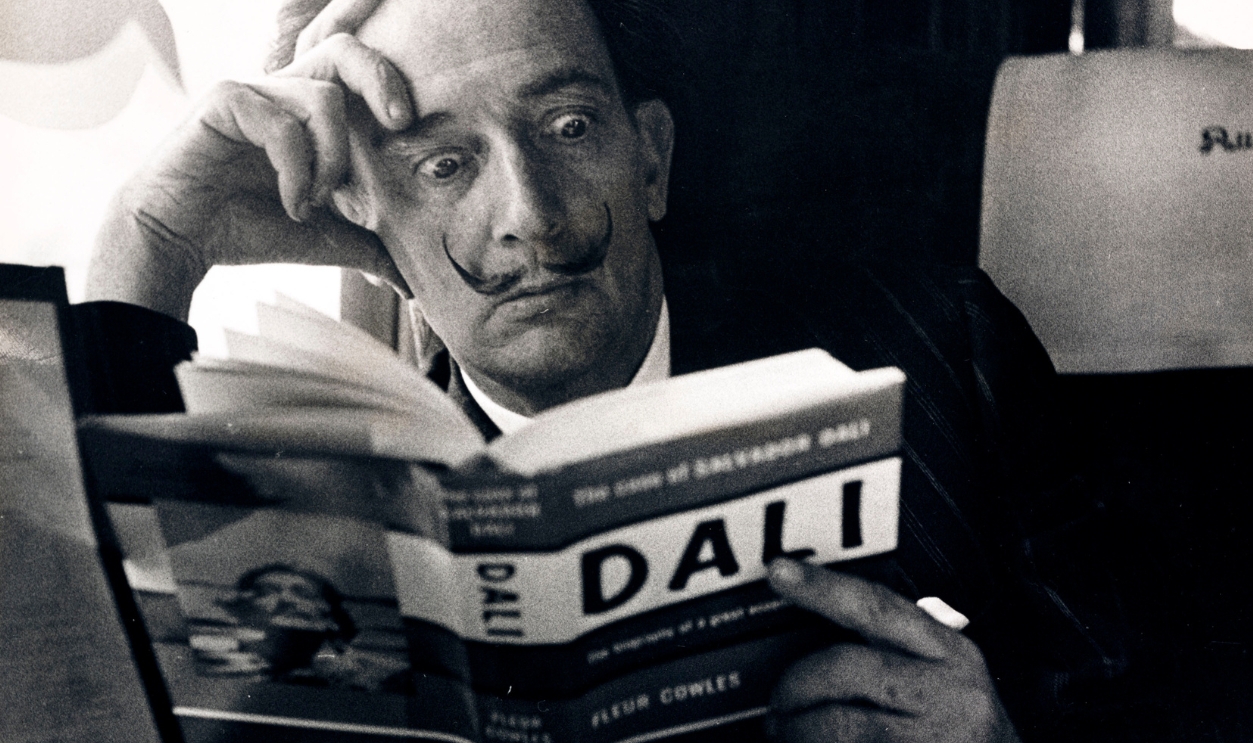
Despite Dalí’s eccentricities—including delivering a lecture while wearing a deep-sea diving suit, carrying a billiard cue, and bringing two Russian wolfhounds to “show that I was ‘plunging deeply into the human mind"—his work continued to gain critical success. However, while he continued to see success abroad, those who he left behind in Spain were struggling under a rising conflict.
Dalí could not save those that he’d left behind him, even if he wanted to.
 Daily Herald Archive, Getty Images
39. His Home Broke Into Conflict
In July 1936, the rising tension in Spain between two political parties, the Republicans and the Nationalists, broke into civil conflict. By this point, it appears as if it had been years since Dalí spent any significant time with his old friend Federico Garcia Lorca. While Dalí galavanted around the world, expressing himself through art and bizarre behavior, Lorca returned to Spain, where his lifestyle and political views put him in a dire position.
Despite Lorca’s best efforts, it was only a matter of time before the inevitable occurred.
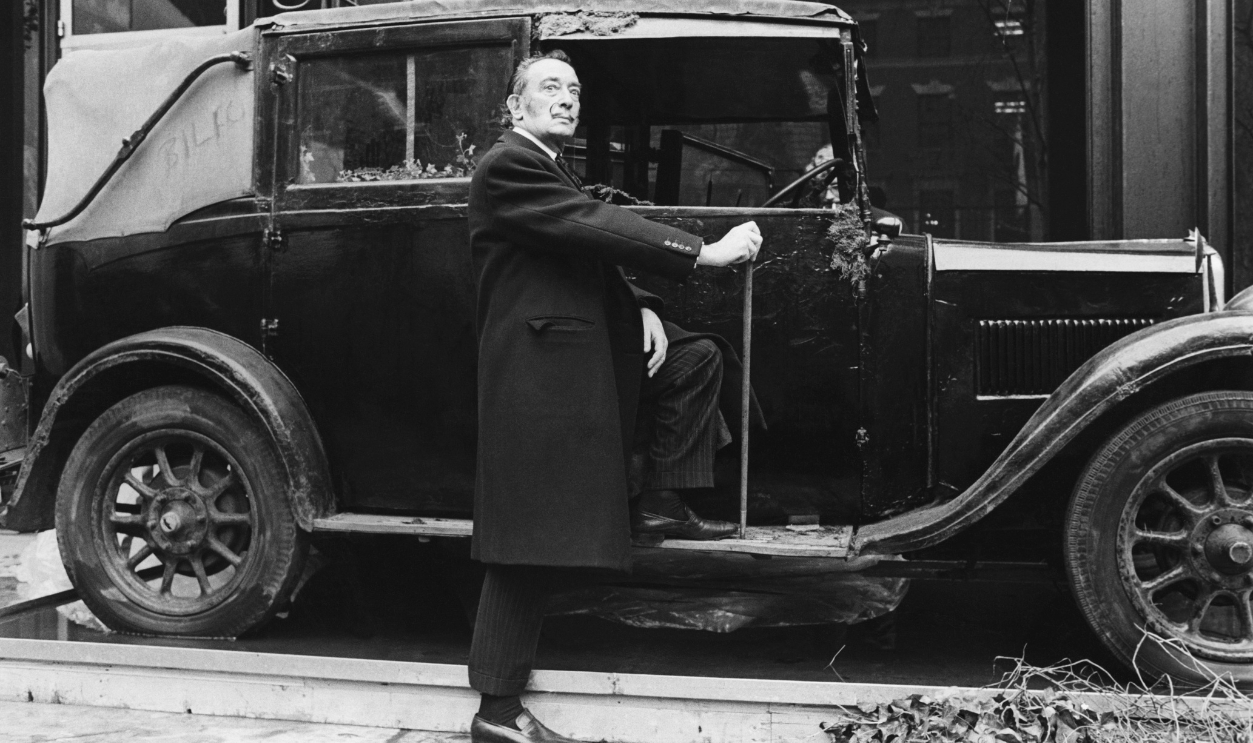 Photo Researchers, Getty Images
40. He Lost Lorca
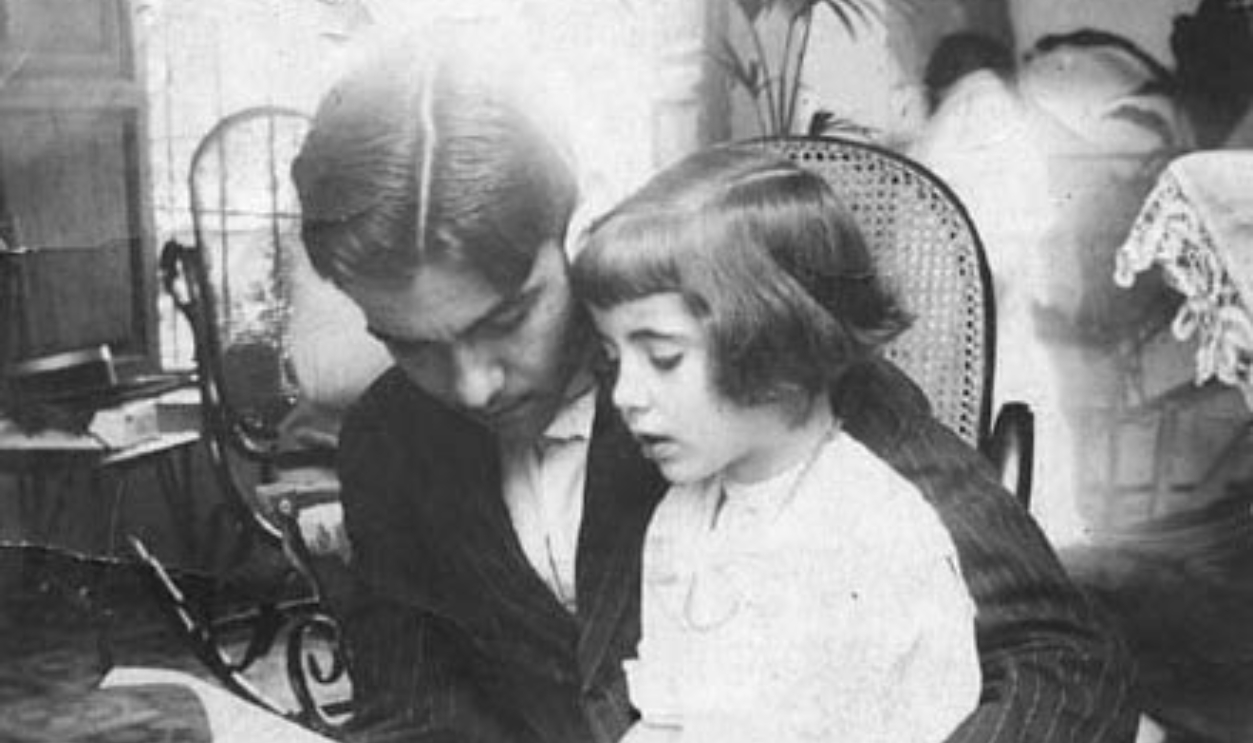
Federico Garcia Lorca, Dalí’s once most passionate relationship in his life, was captured on August 19, 1936. Although his remains continue to be missing, it is thought that Nationalist forces executed him on the same day. Miles and miles away, Dalí knew nothing of his friends' suffering until the news traveled to him—and then he responded in the way that only Salvador Dali could.
 Collection of the Federico García Lorca Foundation, Wikimedia Commons
41. He Never Forgot His Friend
Dalí wouldn’t be Dalí if he responded to anything the way that one expects. Reportedly, upon hearing of Lorca’s passing, he yelled a single word: “Olé”. This expression is typically seen as a moment of celebration or excitement. However, according to one source, Dalì explained that to Lorca, “Olé!” marked the most tragic part of flamenco singing.
Dalí's grieving did not end with this sudden emotional tribute. Lorca remained a figure within his art throughout the rest of his life—just another ghost haunting the man already haunted from birth.
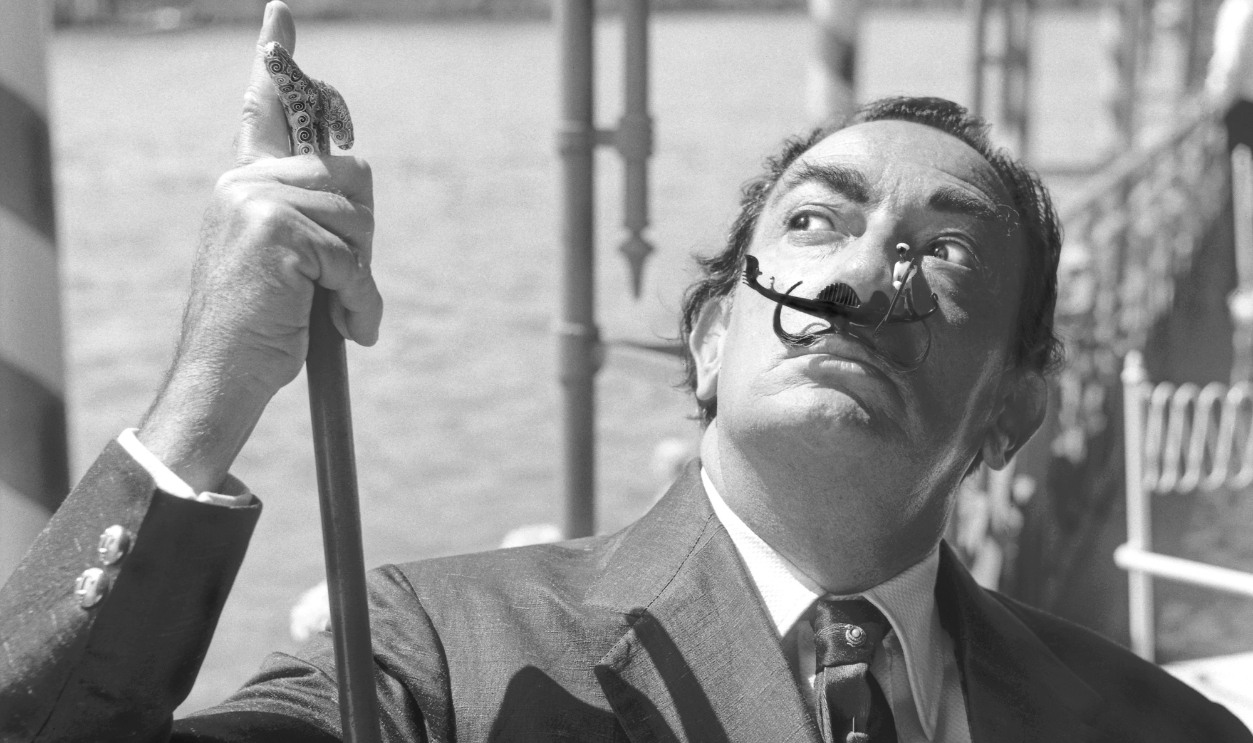 Archivio Cameraphoto Epoche, Getty Images
42. His Politics Brought Him Down
Throughout his life and career, Dalí’s image struggled thanks to his ambiguous political views. During the Spanish Civil War, he refused to speak out on the matter. Following the conflict’s conclusion, he wrote to his old friend, Luis Buñuel, denouncing socialism and Marxism and instead praising Catholicism and a far-right political group in Spain at the time.
This not only ruined Dalí’s relationship with Buñuel, but also his relationships with the surrealists as a whole. With one letter, he shattered his entire life.
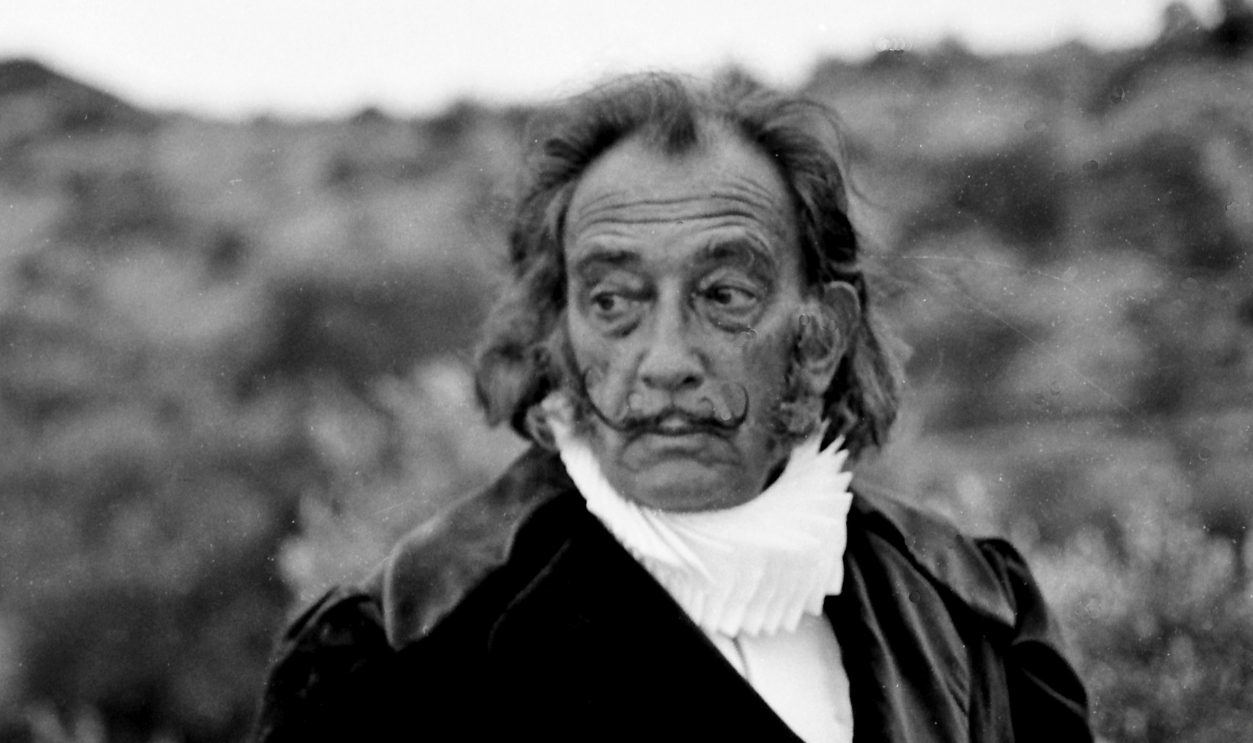
43. His Surrealists Abandoned Him
Up to this point, Dalí had become the epitome of Surrealism. Today, his best-known works are from his Surrealist period. However, in May 1939, shortly after his remarks to Buñuel, the group expelled Dalí for reportedly supporting a race conflict and essentially becoming too commercial.
From this point on, Dalí publicly feuded with the surrealists, scorning their principles while he continued to garner more fame and wealth. However, the higher that he built himself up, the further he had to fall.
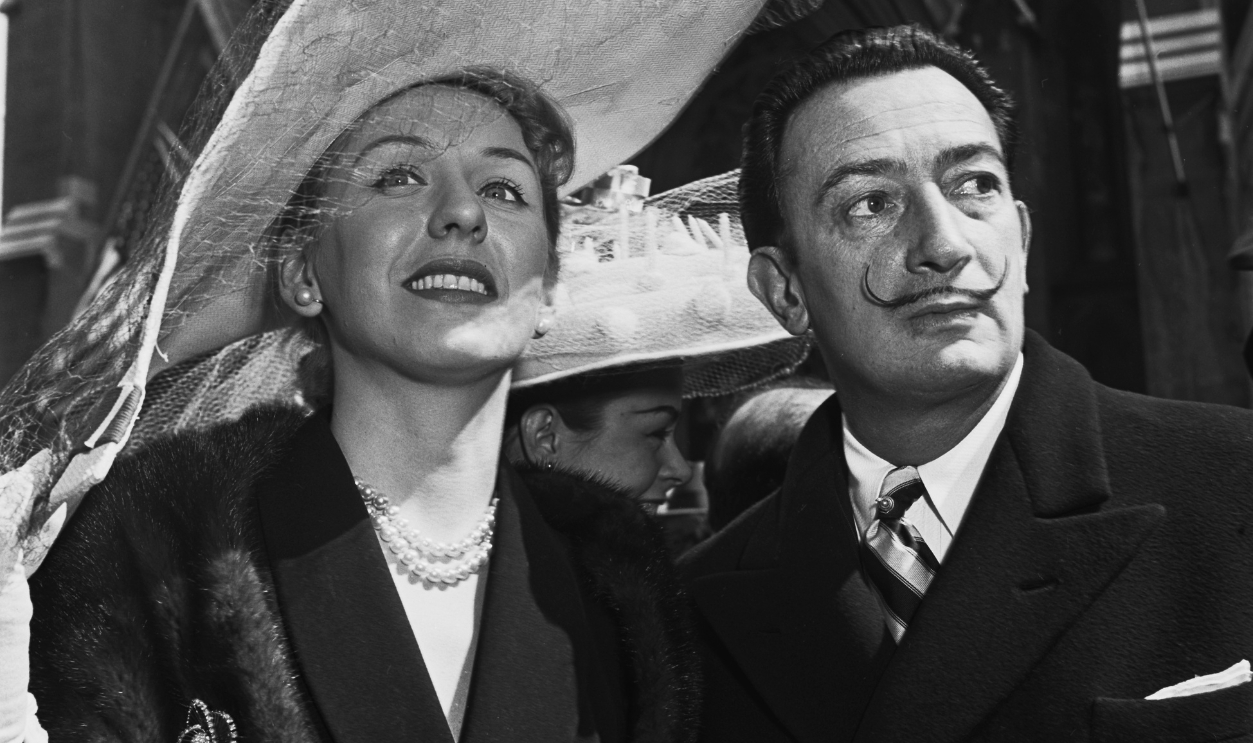
44. He Went Home
During WWII, Dalí and Gala lived and worked in the United States. However, in 1948, the couple moved back to their home in Port Lligat, which only served to enrage more of his fellow artists, further alienating him within the community. Dali’s decision to move to Spain while Franco continued to rule with an iron fist, openly supporting the regime, fueled more conflict.
Pablo Picasso, a former idol of Dalí’s, refused to say Dalí's name for the rest of his life. At least he still had what remained of his family—right?
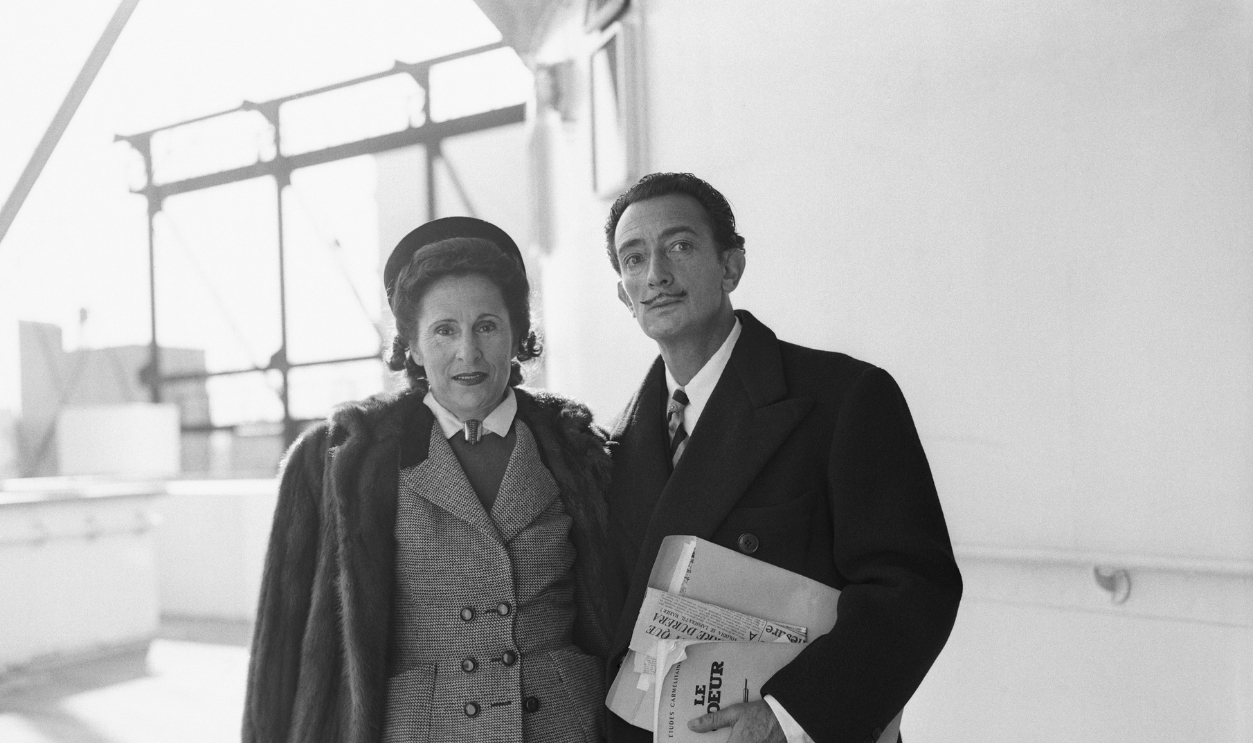
45. He Was Volatile
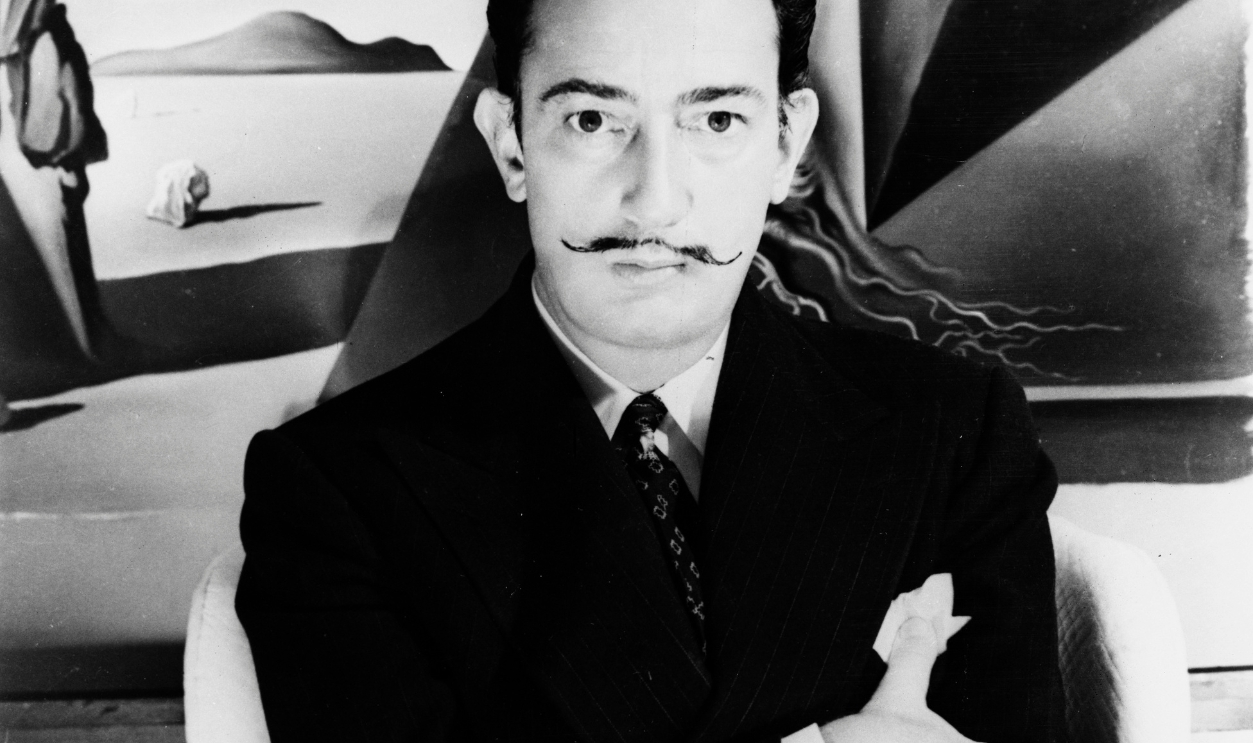
Whether you enjoy his style or not, it is clear that Dalí’s artistic talent knew no bounds. However, his ability to hold onto relationships appeared to be atrocious. First, he ruined his relationship with his father for Gala and, possibly, the surrealists. Then, his political comments destroyed his relationship with most of his fellow artists.
When his sister, Anna Maria, published a book in December 1949 about her brother, she was playing with fire. Especially when she decided to say anything less than perfect about the one person Dalí held above all others: Gala.
 John Kobal Foundation, Getty Images
46. His Sister Spoke Out Of Turn
In Anna Maria’s book, Salvador Dali Seen by his Sister, she reportedly wrote several passages that Dalí considered to put down his dear wife, Gala. As a result, Dalí yet again cut ties with his family. A year later, their feud only grew upon the passing of his father. This is when he realized that he’d been disinherited.
The Dalís entered a two-year battle over various artworks Dalí had kept at his family home. In the end, Gala became all that Dalí had left, and had he ever had Gala at all?
47. He Began To Deteriorate
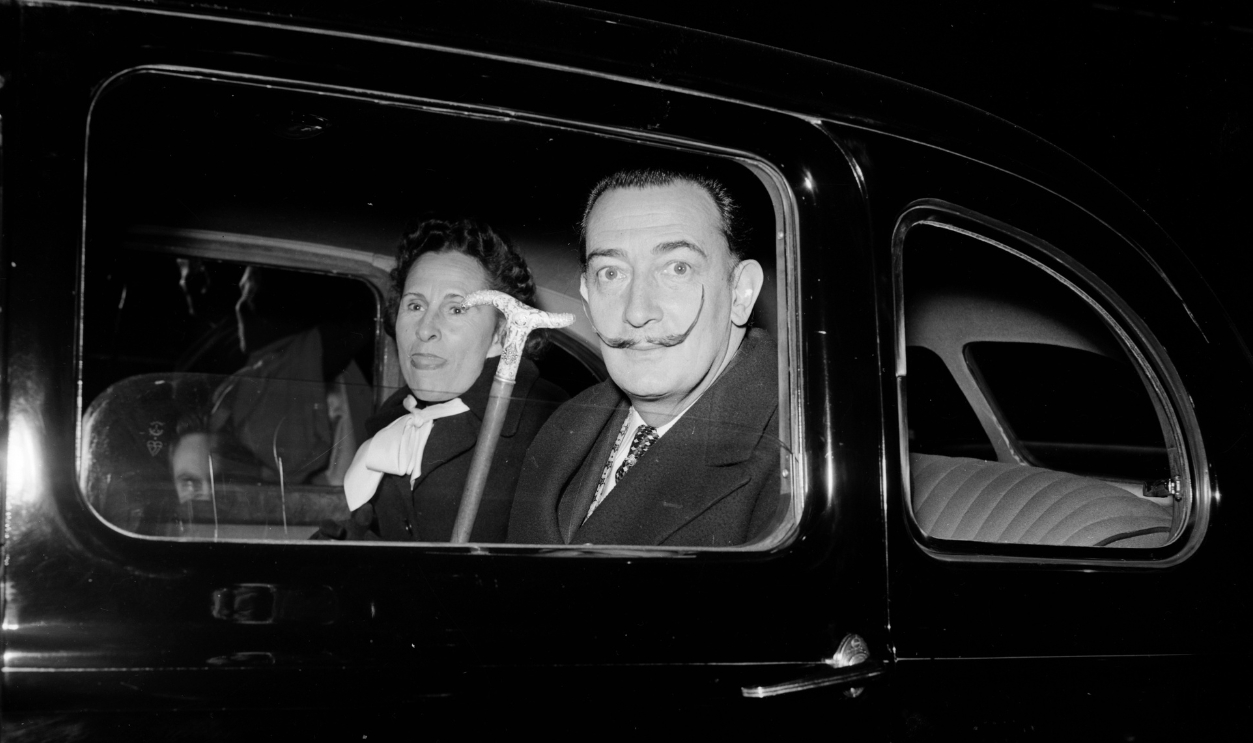
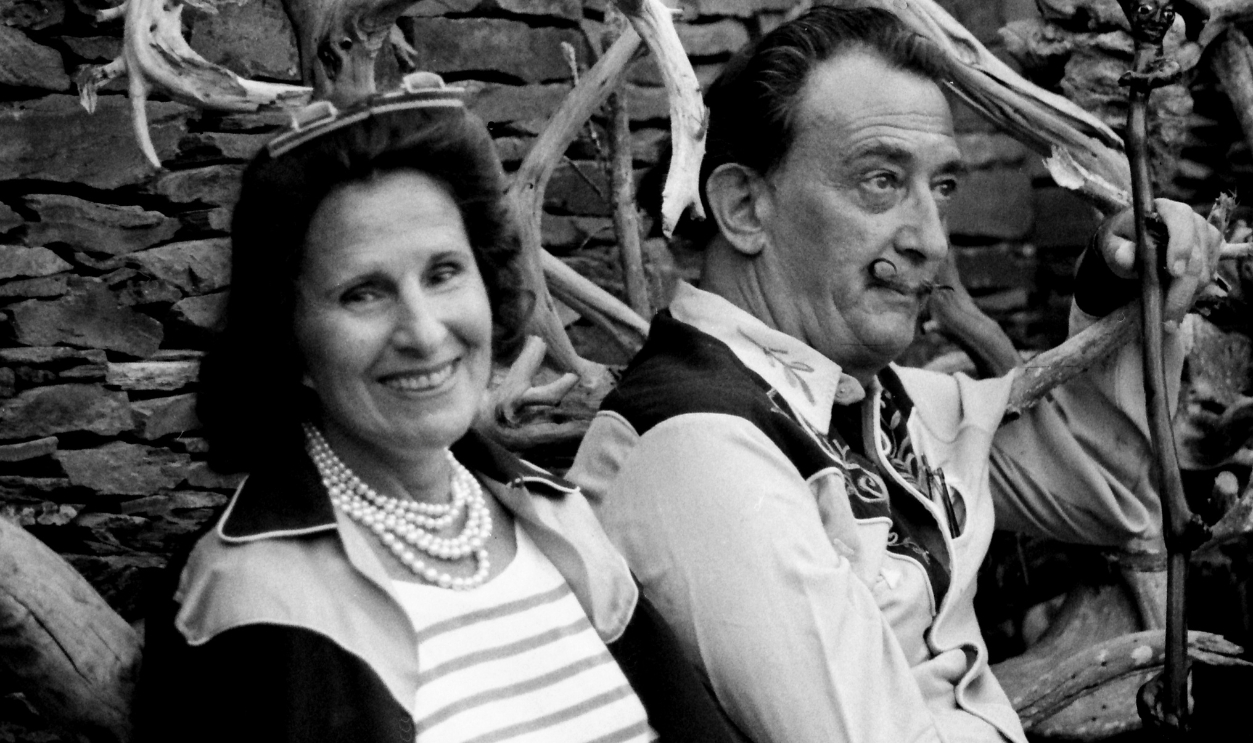
The sources make it clear that Dalí adored Gala. However, their relationship was far from conventional. In 1968, he translated his adoration into a jaw-dropping gift, purchasing Gala a castle. However, this act backfired on Dalí as Gala escaped to her castle for long periods. Even worse? He couldn’t visit without her express permission.
Now nearing 70, this proved to be too much for him. His health, both mental and physical, began to decline.
48. His Health Spiraled In A Devastating Way
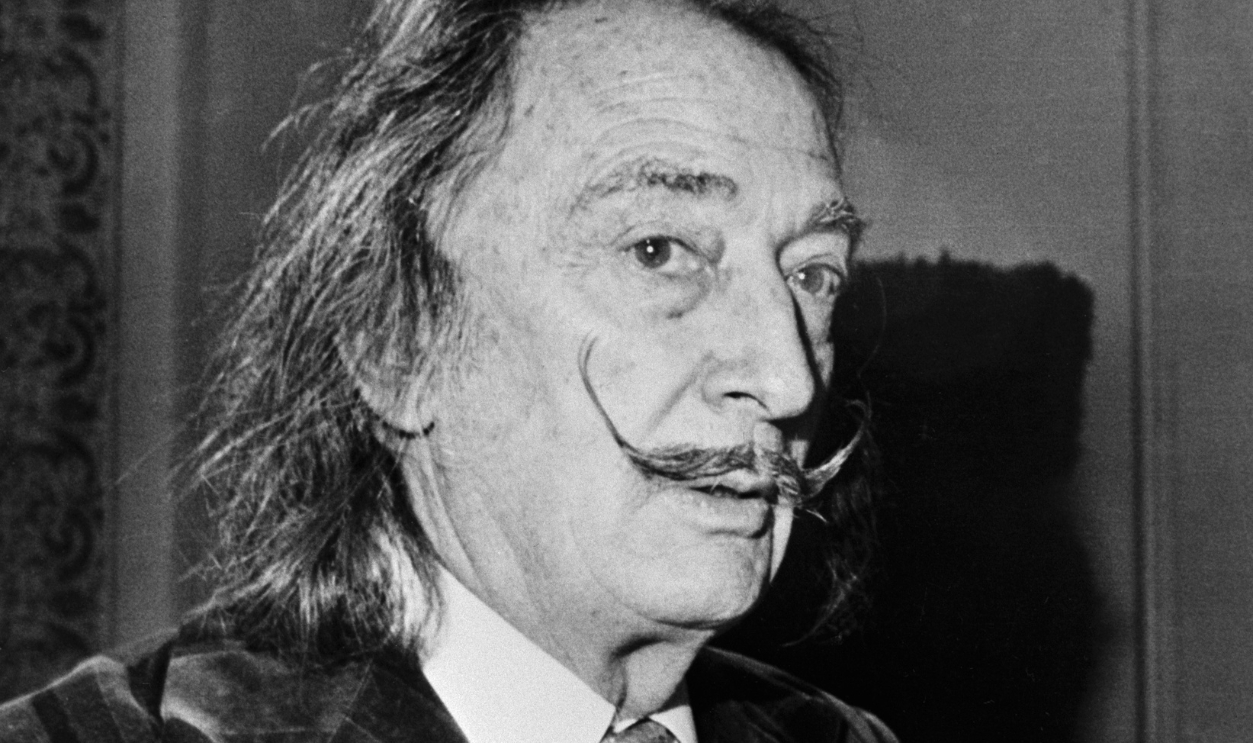
By 1980, 76-year-old Dalí was a shadow of the man he used to be. His health issues included his penchant for substance misuse, depression, and a concerning tremor in his right arm. But there were also disturbing allegations about his wife Gala. Some believed that she'd provided Dalí with medicine via her own prescriptions.
Unfortunately, this was only the beginning of the nightmare.
49. He Was Alone
Gala passed in June 1982, and Dalí’s health only continued to go downhill. Although he released one last painting in 1983, many critics questioned how he could have produced such clean work with an increasing tremor. Moreover, many allegations of Dalí being forced to sign blank canvases for forgeries make most in the art world question any of his later work.
50. He Stopped Eating
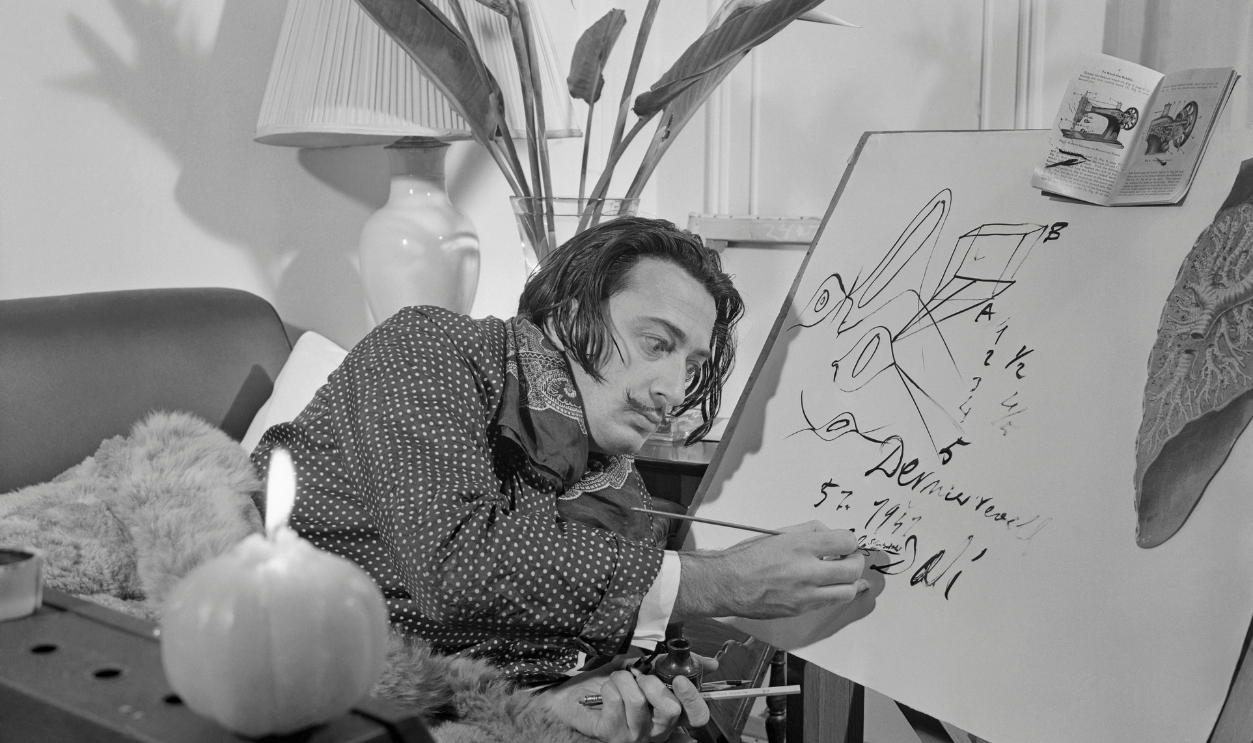
In the years following Gala's demise, Dalí's mental health unraveled in a terrible way, to the point where he stopped eating enough. Consequently, he became intensely malnourished. In 1984, fate threw him another curveball when his bedroom caught fire, causing him to suffer some nasty burns. But that wasn't all.
51. He Had A Bad Heart
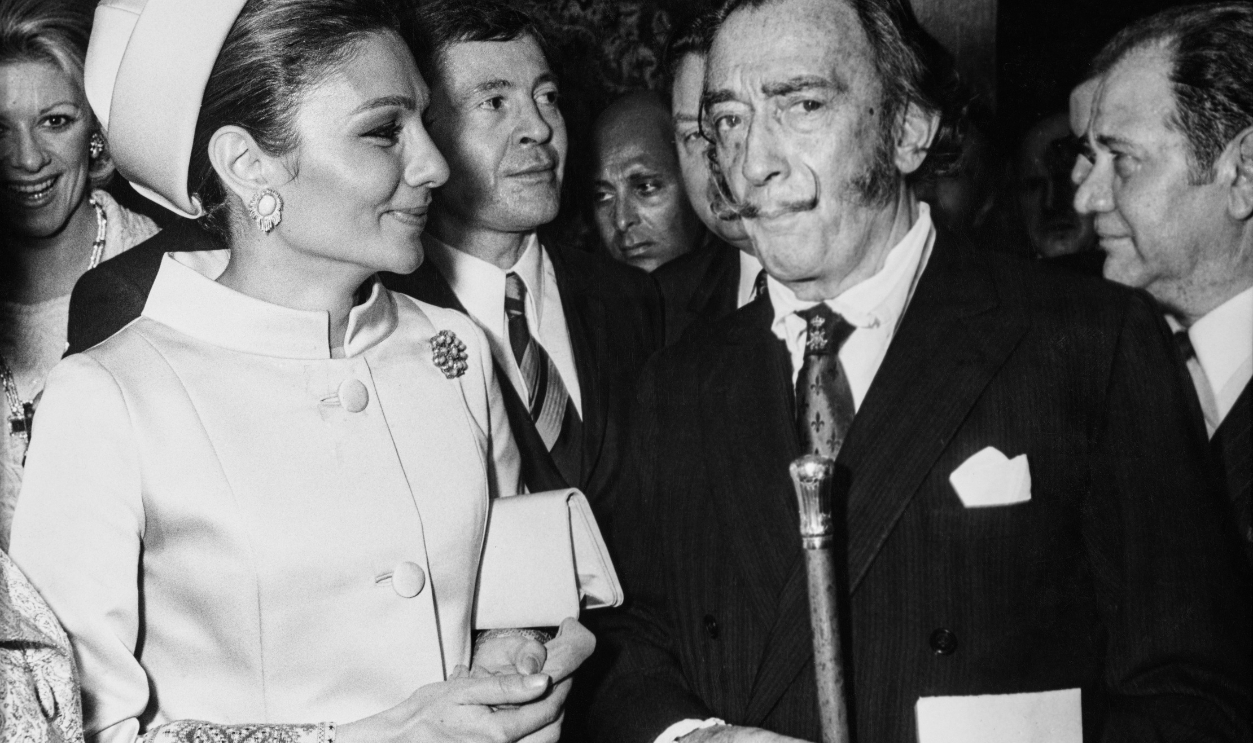
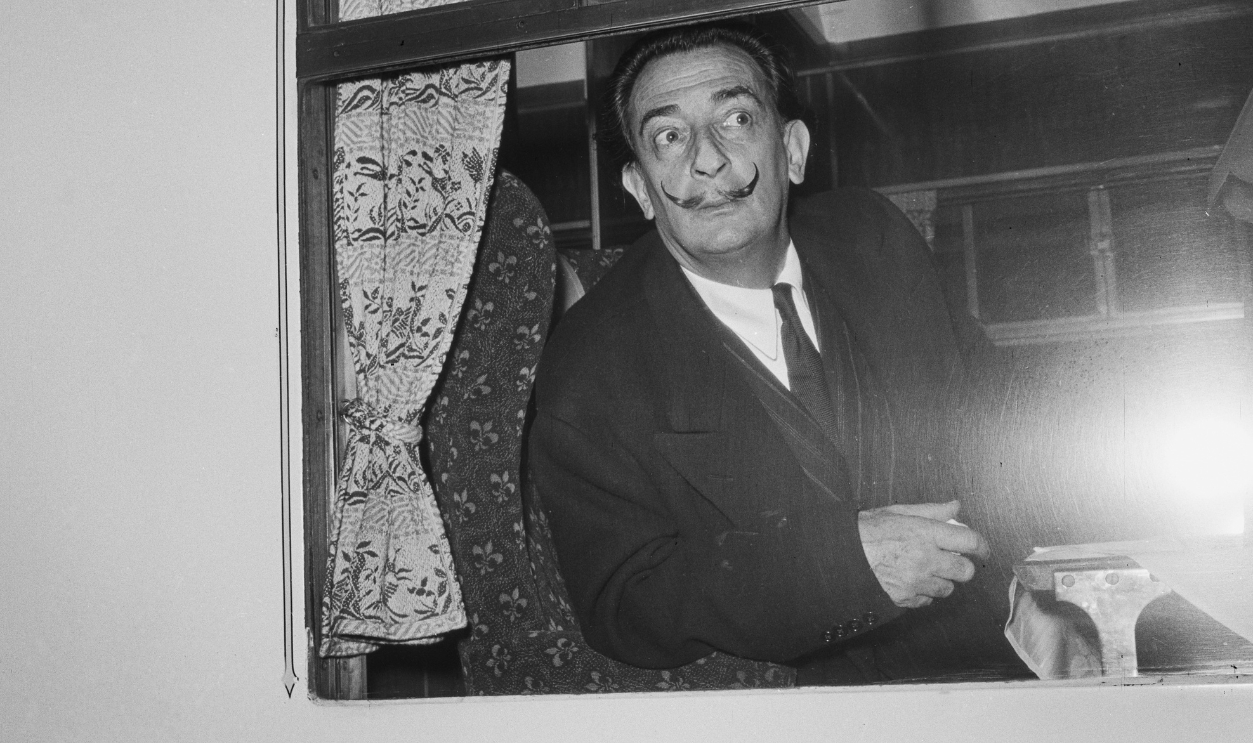
On top of all of his woes, Dalí also had a bad heart, and in 1986, he needed to get a pacemaker. Little did he know, it would indeed be his heart troubles that spelled his doom. Two years later, his heart began failing in earnest, which landed him in the the hospital. This time, he would never fully recover. Though he persisted for a few months, he eventually passed on January 23, 1989. He was 84 years old.
However, even then, Dalí could not rest.
 Evening Standard, Getty Images
52. He Was The Father?
Dalí’s remains remained untouched for nearly 30 years. However, in June 2017, a judge in Madrid ordered that they exhume his body, much to the horror of fans across the globe. Someone had come forward claiming that Salvador Dalí was their father; they exhumed the body to collect DNA, only for the results to turn out negative.
However, there was one shocking fact about Dalí's remains.

53. His Mustache Didn't Move
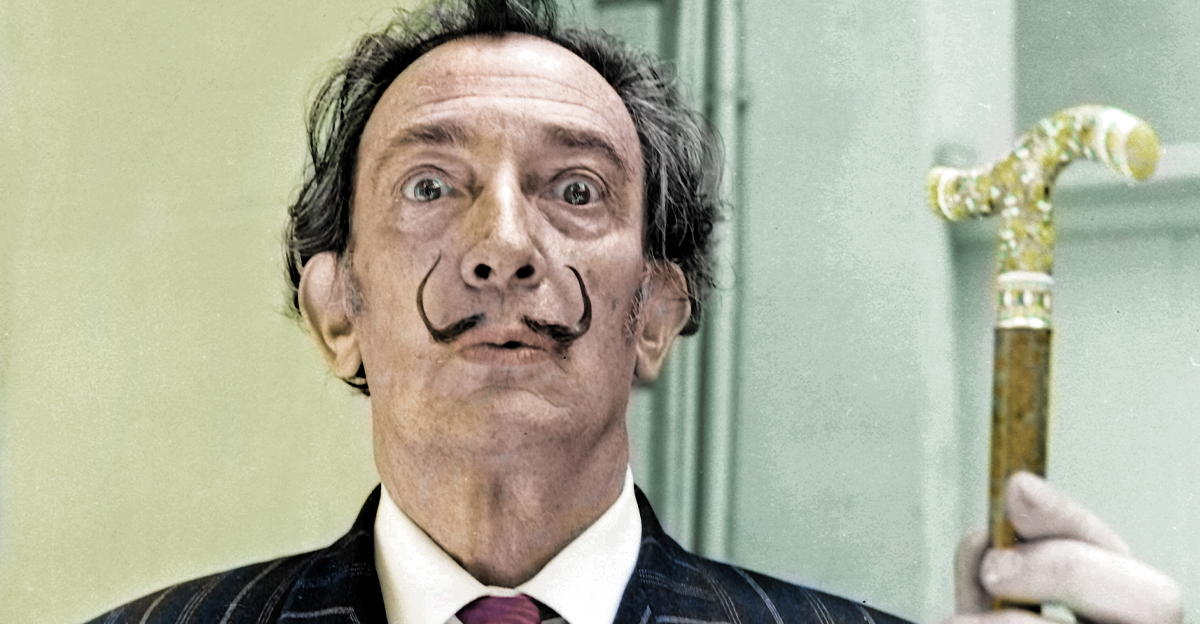
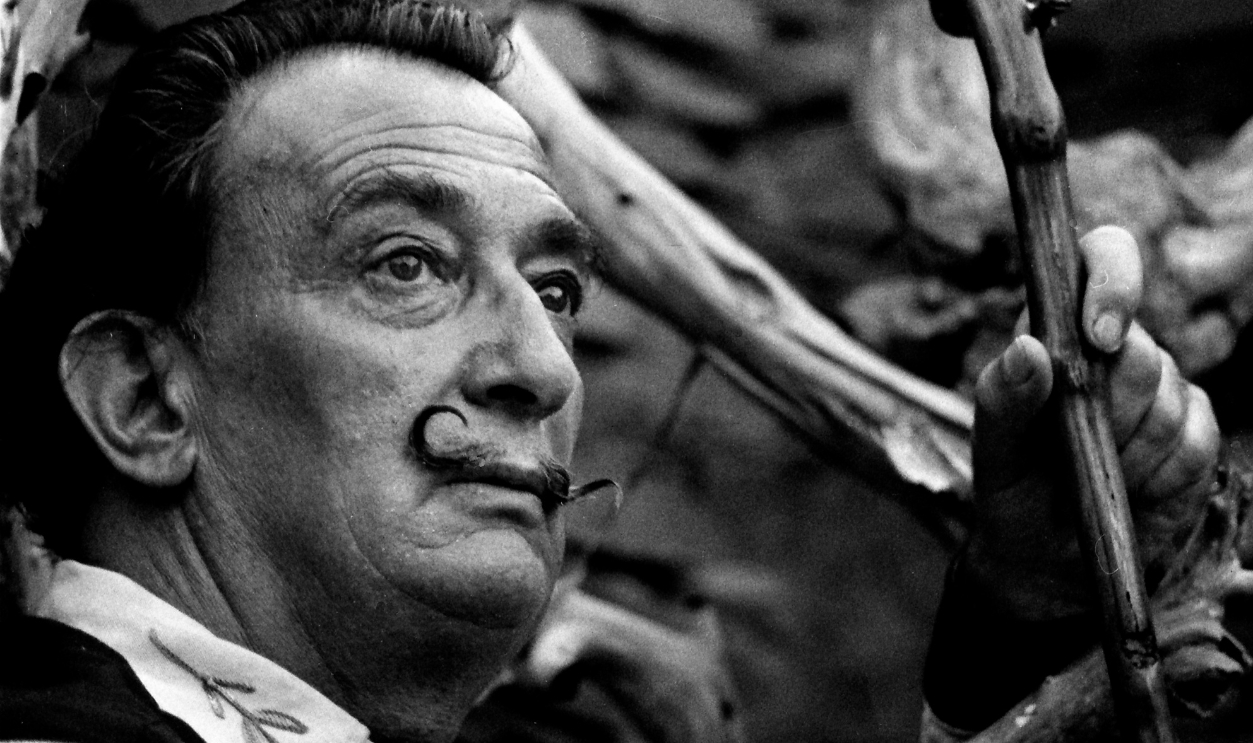
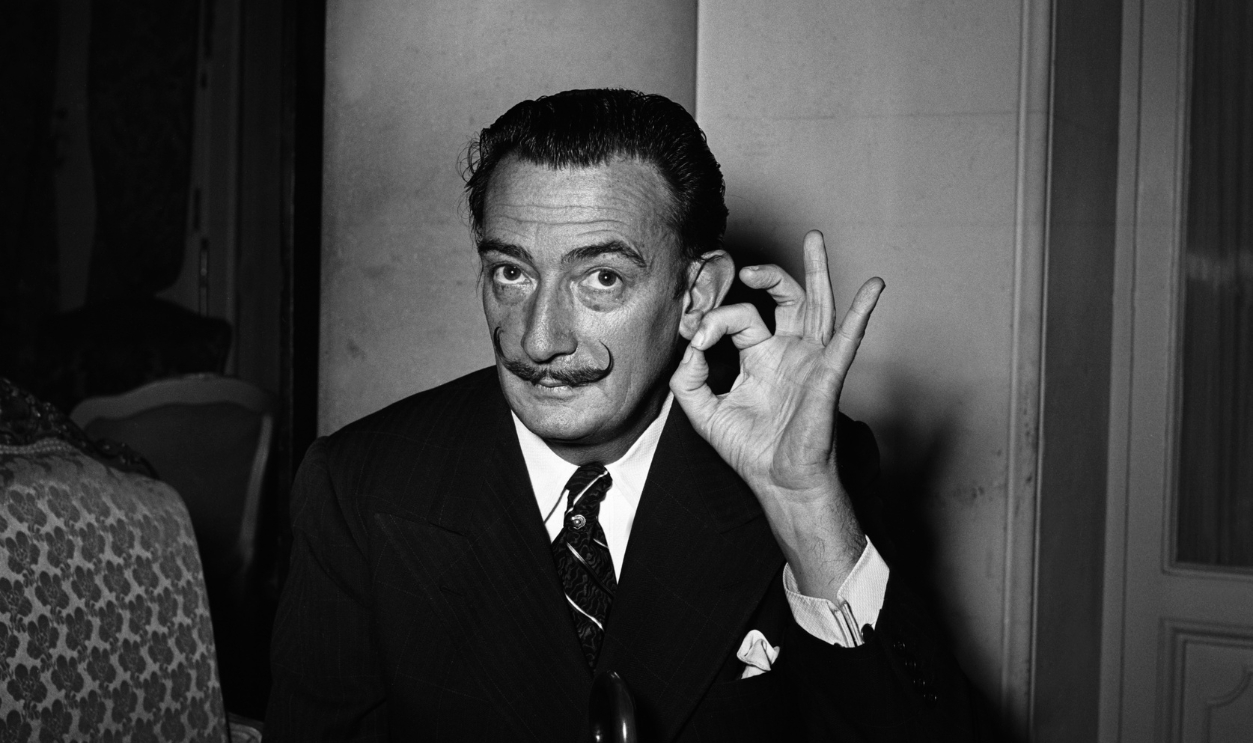
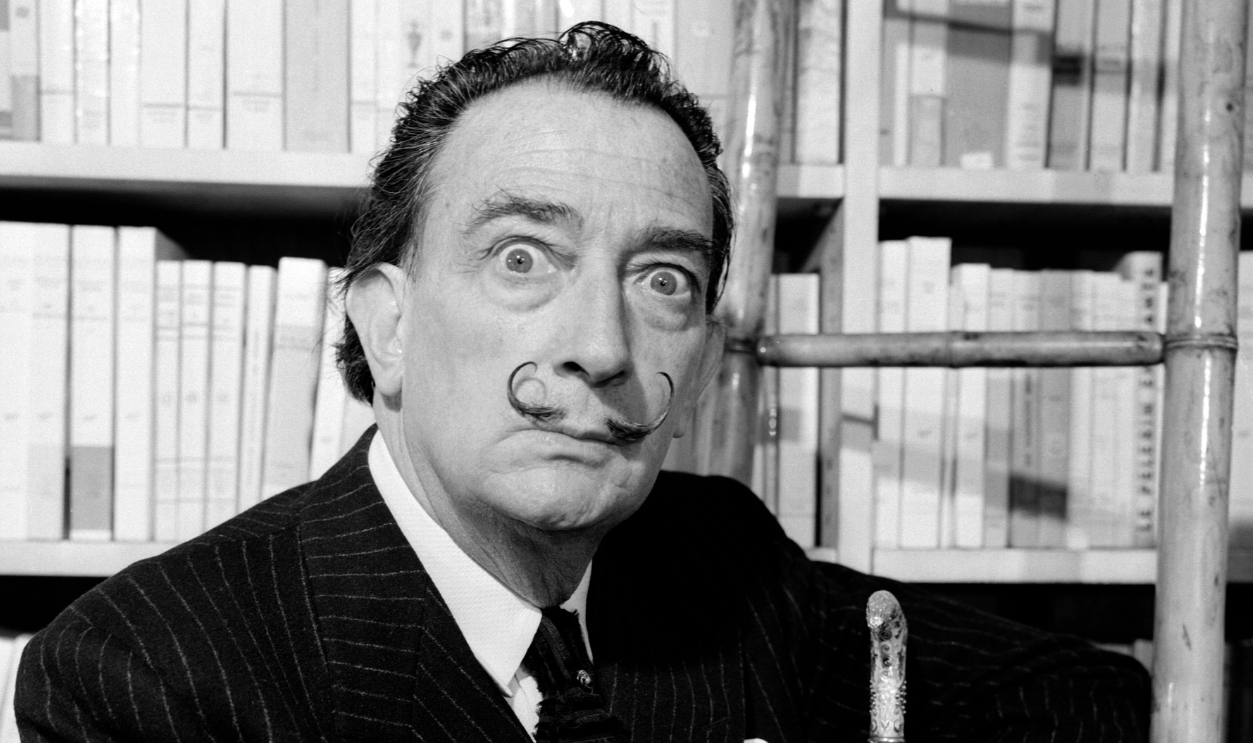
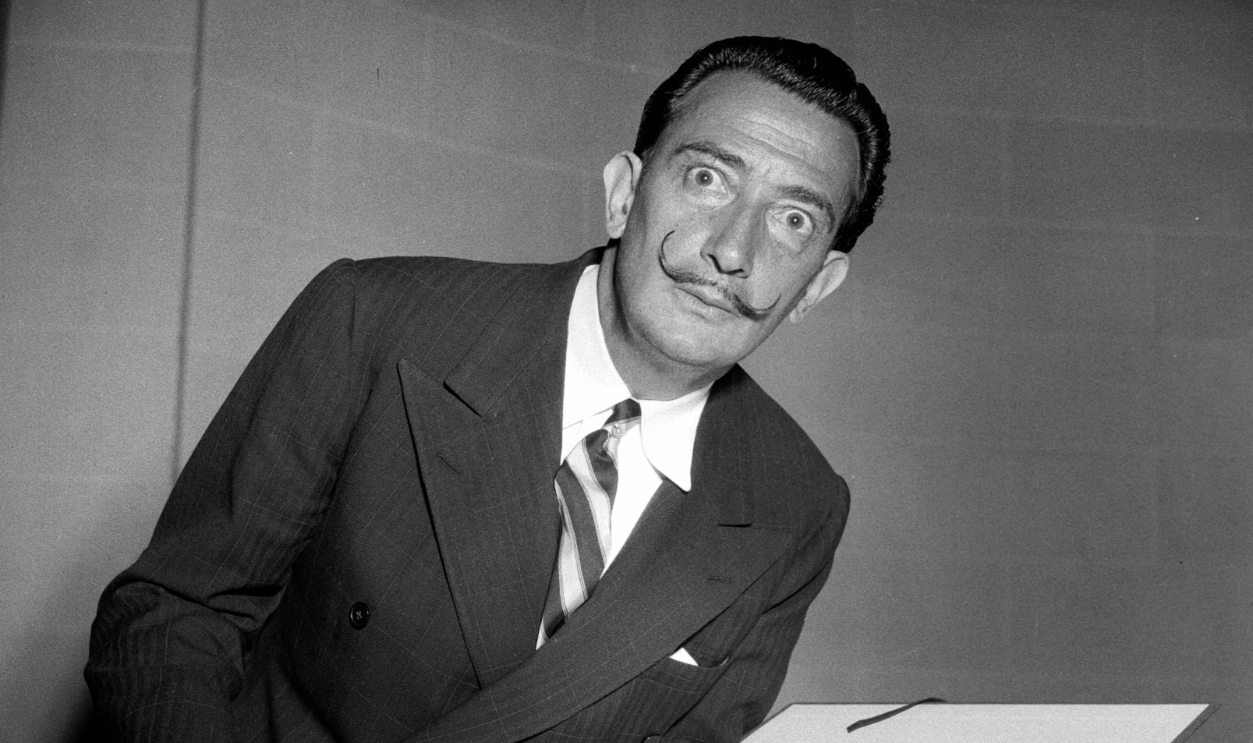
When forensic experts laid eyes on Dalí's body, they were utterly surprised that one of his most iconic features—his mustache—was still perfect. According to the secretary-general of the Dalí foundation, Lluís Peñuelas, "The mustache preserved its classic 10-past-10 position. Checking it was a very exciting moment".
There's no doubt that Dalí continues to persist—his mustache, his art, and the many stories about him. One such story has everything to do with one of America's most famous socialites, Mona von Bismarck.
54. He Took On A Surprising Commission
In the early 1940s, Mona von Bismarck made a surprising request from Salvador Dalí: She wanted him to paint her portrait. But Dalí wasn't about to go easy on her just because of her reputation. As the story goes, he produced a scandalous image of her. In a move that was pure satire, he painted the "Best Dressed Woman in the World"...in her birthday suit. Her reaction was unforgettable.
 REPORTERS ASSOCIES, Getty Images
55. He Mocked Her
When Mona set eyes on the painting, she was enraged—and demanded that he paint her with clothes on if he expected to get paid. Of course, Dalí delivered, but not in the way she imagined. Still with a dark sense of humor, he dressed Mona in rags. The rotten cherry on top? He also painted one of her most devastating truths in plain sight.
56. He Hid Her Dark Truth
You see, during her first marriage, Mona von Bismarck bore a son named Robert. However, when she and her husband divorced, she gave him custody of Robert—for a price. She walked away with $500,000. Many art critics have since studied The Kentucky Countess and suggest that Dalí made a reference to the son that she "sold".
In the portrait, Mona's hands can be seen strangely positioned by her chest, almost as though they're curling around an invisible infant.
57. He Made History
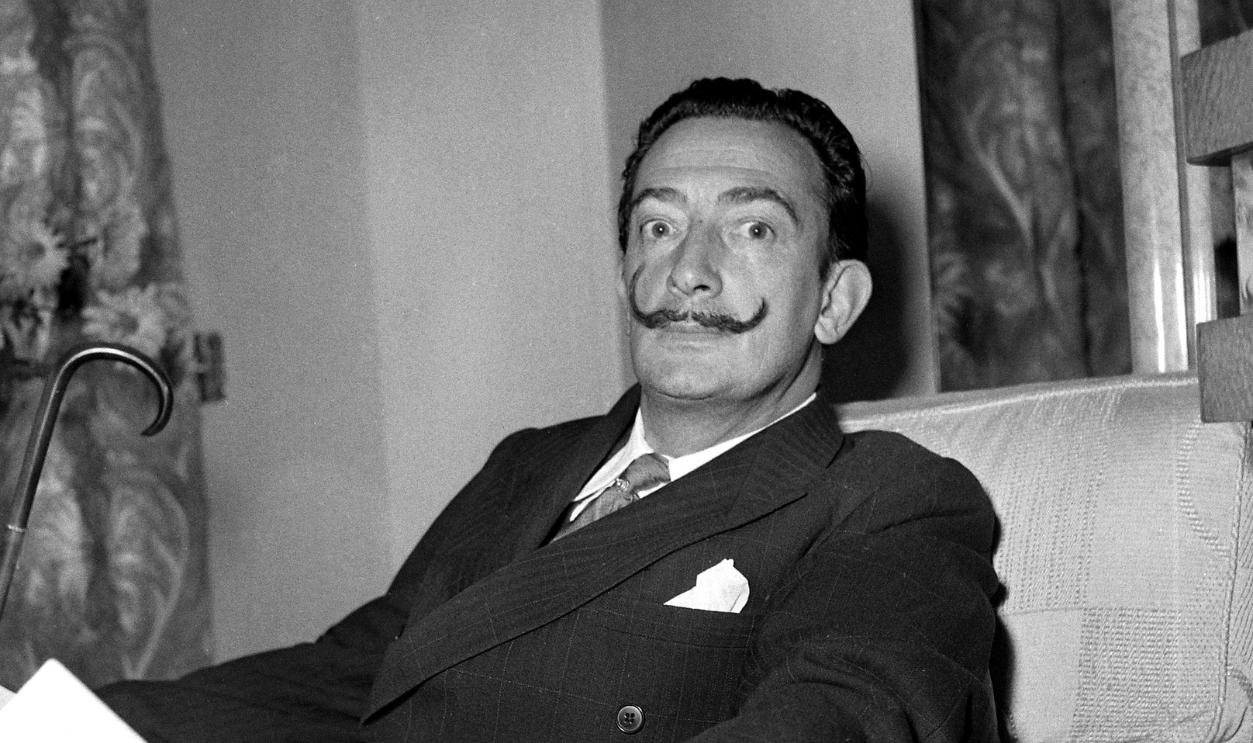
No one can deny Salvador Dalí’s artistic genius. Critics across the globe, both in his lifetime and long after his passing, have raved about the technical skill required to create his works. However, others have lamented the fact that Dali’s personal life took away from his success, leading many to refuse to take him seriously.
Regardless of which camp you find yourself in, the fact remains that Salvador Dalí continues to live on, haunting the world with his surreal images.
You May Also Like:
Stuart Sutcliffe: The Forgotten Beatle
Elizabeth Taylor Had The Most Dramatic Life In Hollywood