
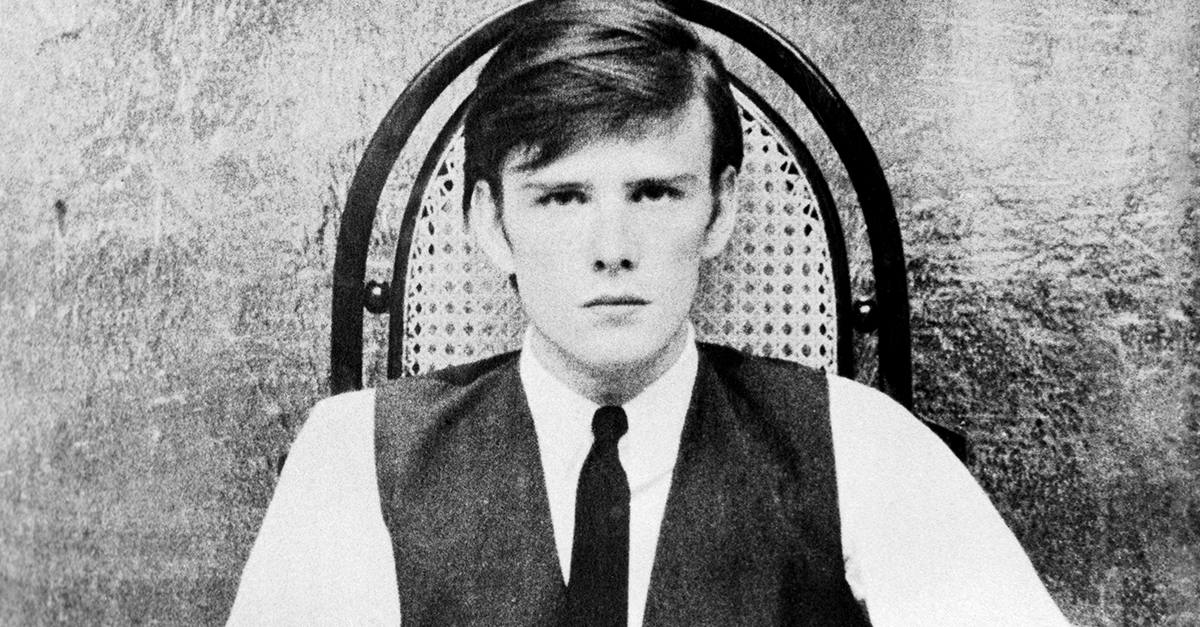
He Haunts Beatles History
Before you dismiss Stuart Sutcliffe as just a footnote in Beatles history—stop. There’s a lot more to the band’s original bassist than his James Dean looks and magnetic charm. He helped shape the band’s early image, and his intense bond with John Lennon was… complicated, to say the least.
Then, when his life was cut short under shadowy circumstances, Sutcliffe’s story became far bigger: a haunting tale of genius, glamor, jealousy—and betrayal.
1. He Was A Wounded Bird
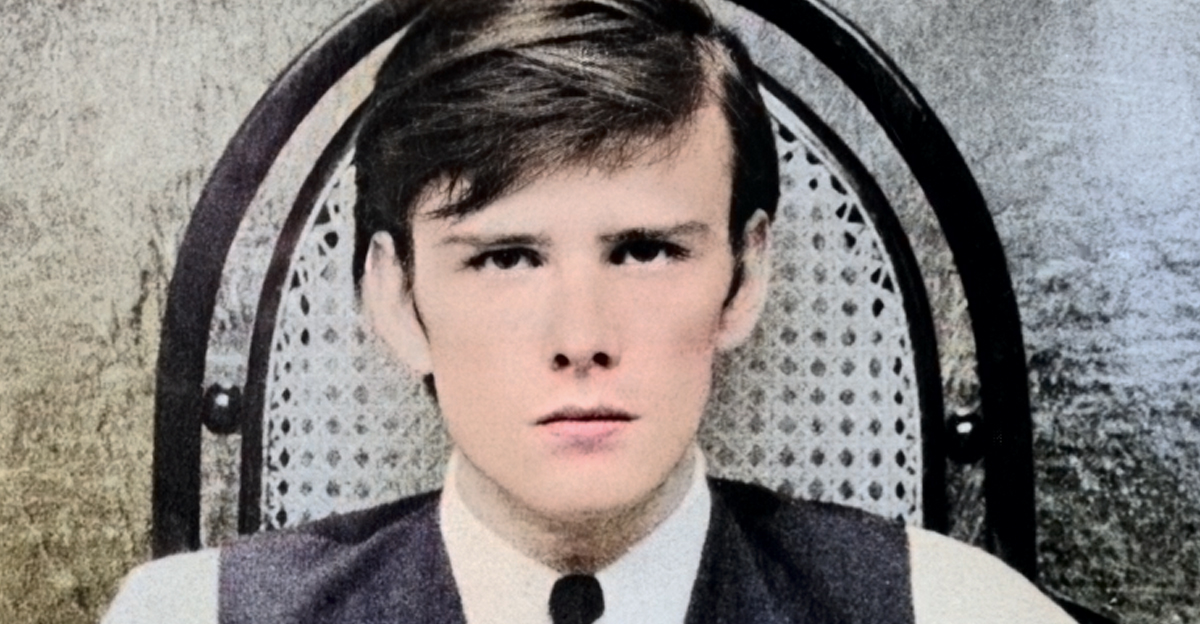
Right from the start, Stuart Sutcliffe was a beautiful misfit—the kind of rare talent and fragile soul that people wanted to nurture. Born on June 23, 1940, in Edinburgh, Scotland, he quickly became the center of his mother’s world. According to his sister Pauline, their mother Millie “would have walked over oceans, fire, and king-sized beds of nails for him,” while she treated his sisters like “second-class citizens”.
Sutcliffe’s doomed destiny was put into motion just a few years later when the family moved to Liverpool, England.
2. His Family Belonged In A Wes Anderson Movie
Stuart Sutcliffe didn’t grow up in some rough-and-tumble post-WWII Liverpool household. His parents were intellectually sharp, musical, and loved nothing more than a heated debate—especially about politics. Their home overflowed with books, art, and music. A classmate later said that Sutcliffe “seemed a little older in the head than most people in the school, more intellectual and better read”.
But the one passion that truly set him on fire was art—and it would soon drag him straight into the path of John Lennon.
3. He Found His Freedom—And His Idol
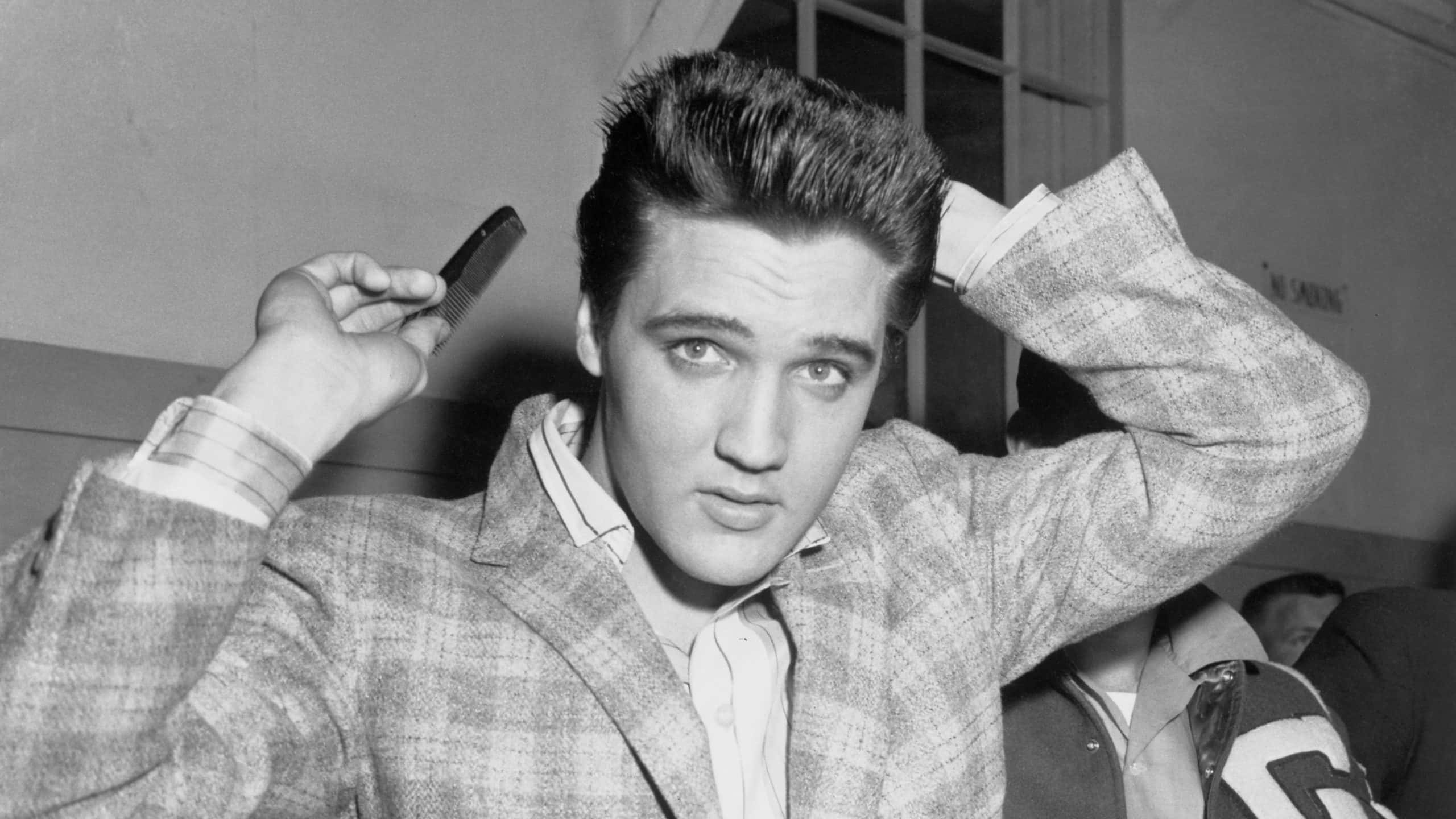
In 1956, the winds of change blew into Sutcliffe’s life, and they sounded a lot like Elvis Presley. The moment he heard Elvis’s first UK release, he was hooked. He’d often belt out “Heartbreak Hotel” in front of the mirror. Elvis wasn’t the only big news that year, though. At just 16, Sutcliffe had scored a spot at the Liverpool School of Art, and by his second year, he was living on his own in a small attic flat.
His mother may have hated watching him leave the nest, but independence suited him just fine—especially with a brand new BFF about to enter the picture.
4. He Was A Star Student
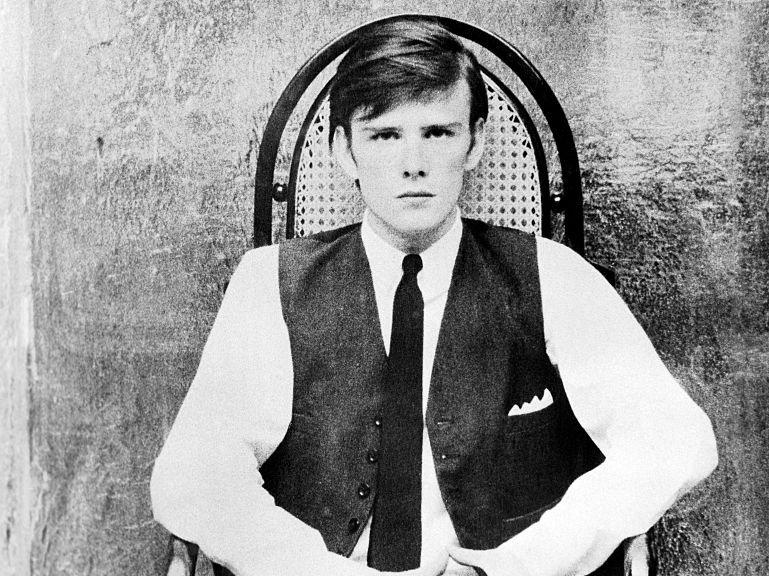
At art school, Stuart Sutcliffe wasn’t just another face in the crowd. He made waves in the student union and quickly built a reputation as a standout talent. One tutor even hung out at his flat, sipping drinks and watching him paint for hours. Even John Lennon, who had recently met Sutcliffe, called him one of the school’s stars. He often helped Lennon with his art, and Lennon taught him about music.
However, Lennon, as usual, had plenty of other distractions.
5. His Friend Had A Dark Side
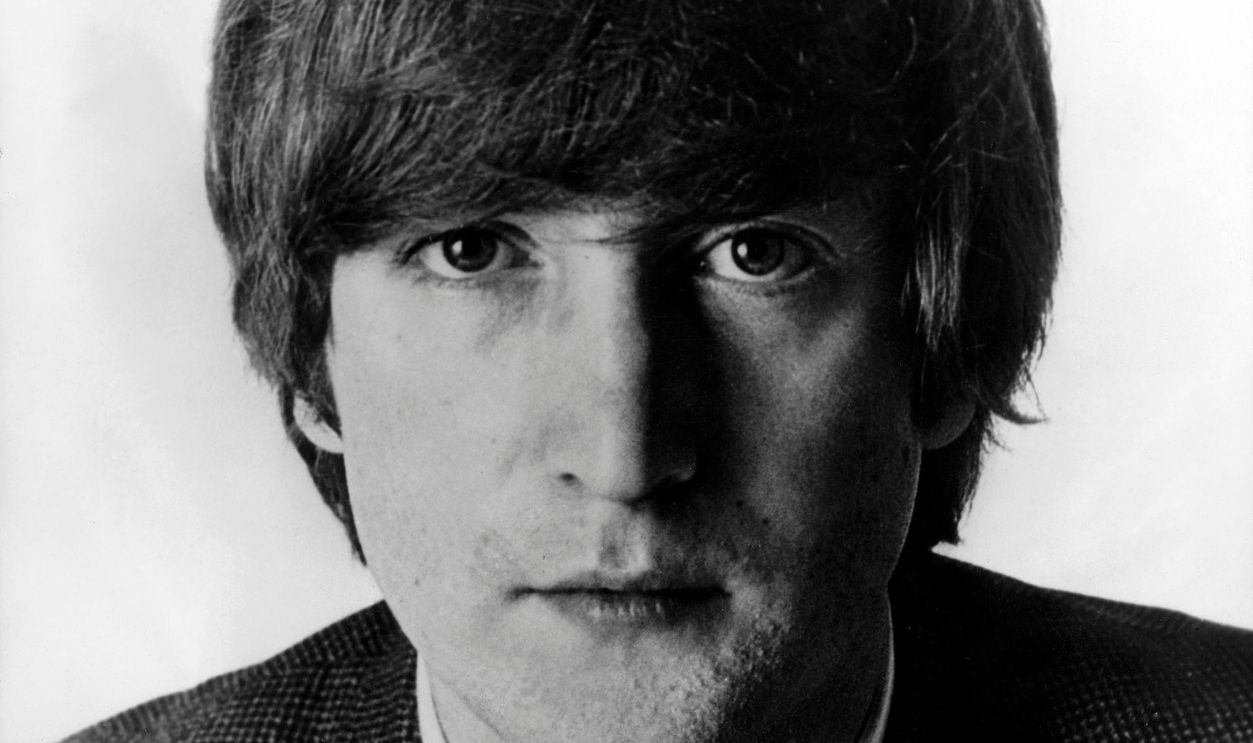
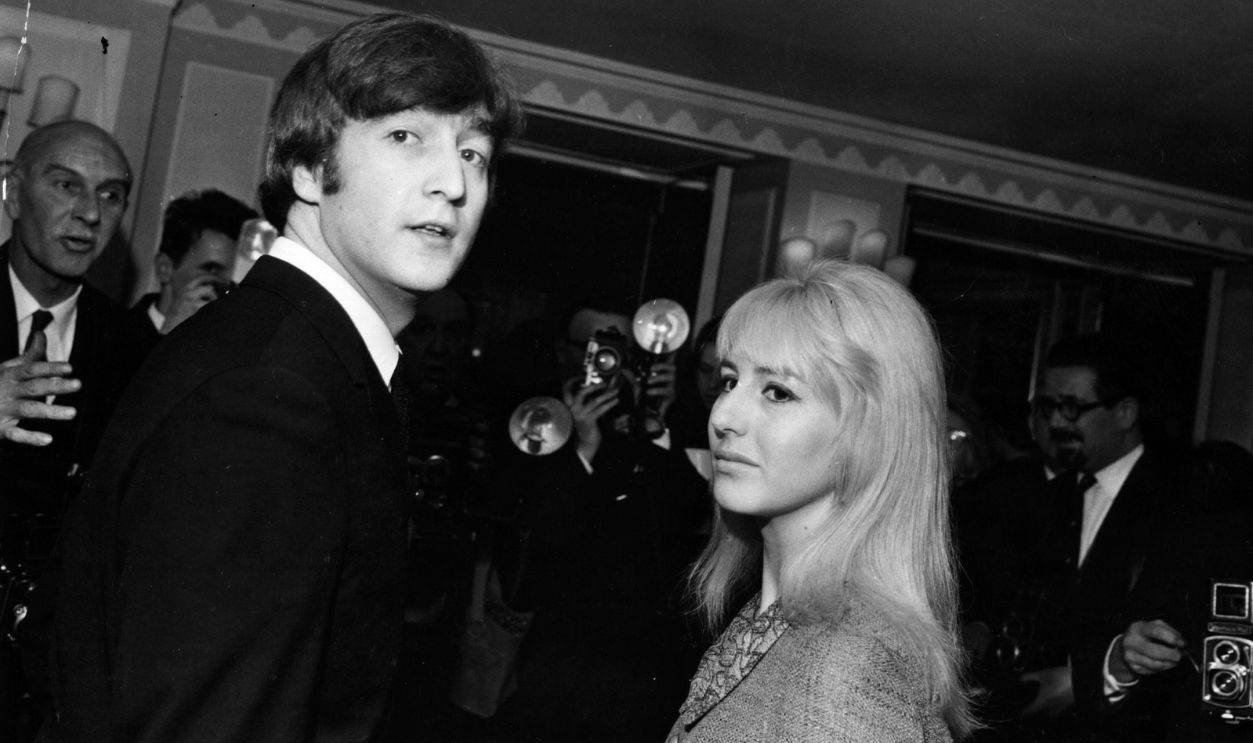
John Lennon was living the college dream: a new best friend in Stuart Sutcliffe, a girlfriend in Cynthia Powell, and plenty of action with his band, The Quarrymen. But in 1958, everything changed. Lennon lost his mother suddenly when she was hit by a car. The loss ignited a slow-burning rage that simmered for years—and as his closest friend, Sutcliffe often ended up in the firing line.
 Evening Standard, Getty Images
6. He Was Lennon’s Favorite Friend—And Target
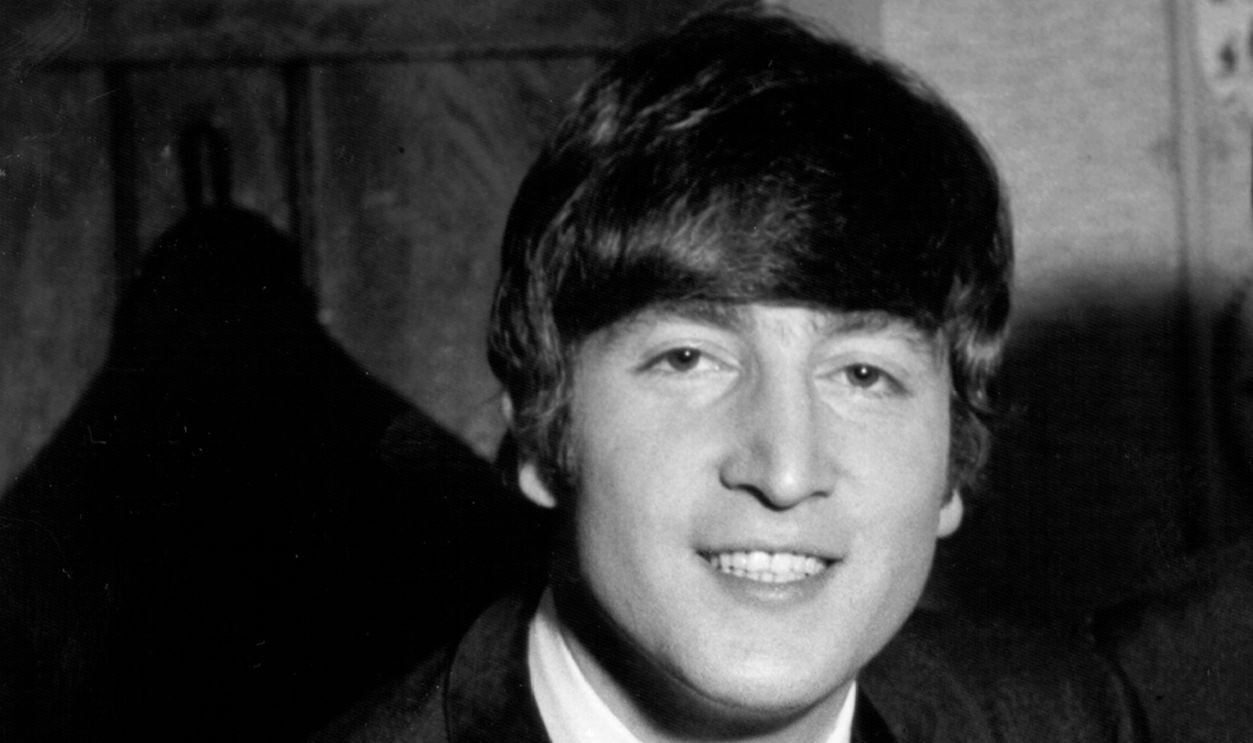
Stuart Sutcliffe wasn’t just another buddy in Lennon’s orbit—he was one of the few people Lennon actually admired. The two shared razor-sharp banter, always trying to one-up each other. Too bad Lennon’s charm would suddenly give way to unpredictable flashes of brutality. Somehow Sutcliffe could handle it, though. He gave Lennon the rare mix of friendship, challenge, and safety—something Lennon seriously needed.
When a friendship burns that hot, it’s only a matter of time before jealousy sparks.
7. His Friend Was A Jealous Guy
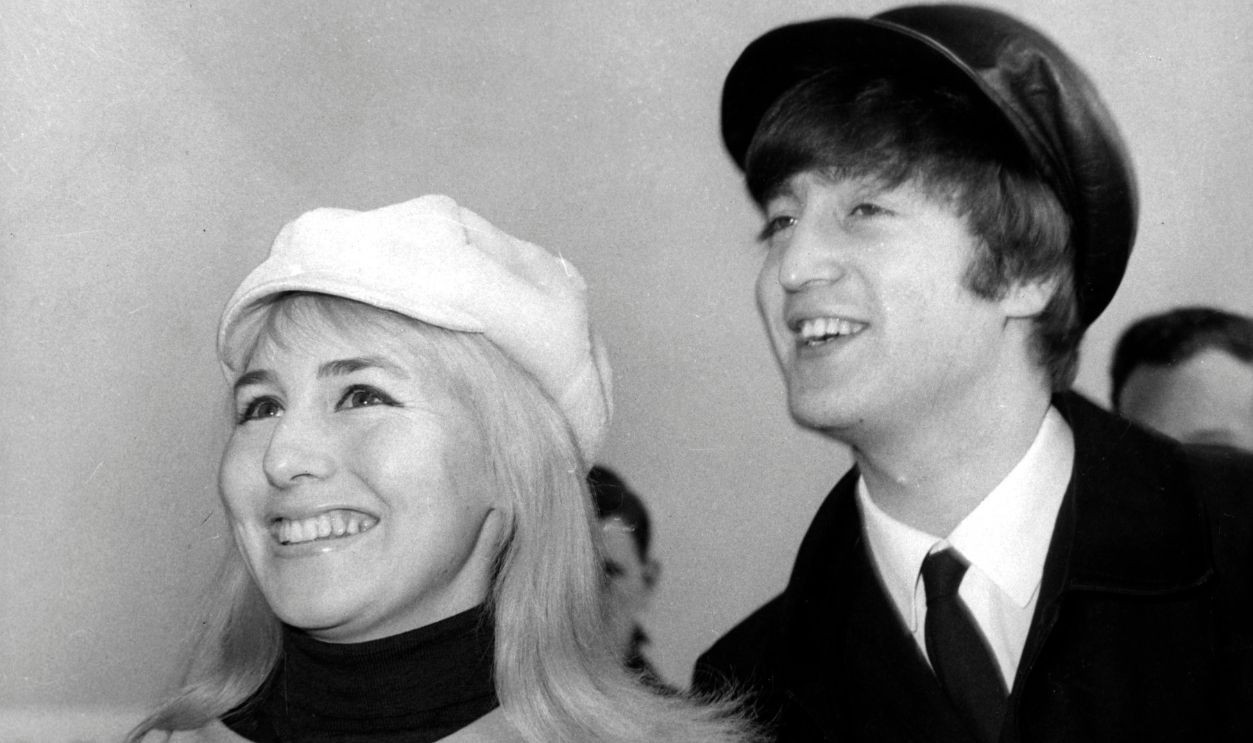
Lennon wasn’t the only one pulled into Sutcliffe’s charismatic orbit—Lennon’s girlfriend, Cynthia, felt it too. When his dark moods hit, Sutcliffe and Cynthia often turned to each other for comfort. One of Sutcliffe’s tutors described Lennon as a “car without brakes”—and it showed.
One time, after Lennon caught Sutcliffe and Cynthia dancing together, his jealousy exploded. In a fit of rage, he struck Cynthia so hard her head slammed against the wall.
 Cummings Archives, Getty Images
8. He Was In For A Wild Ride
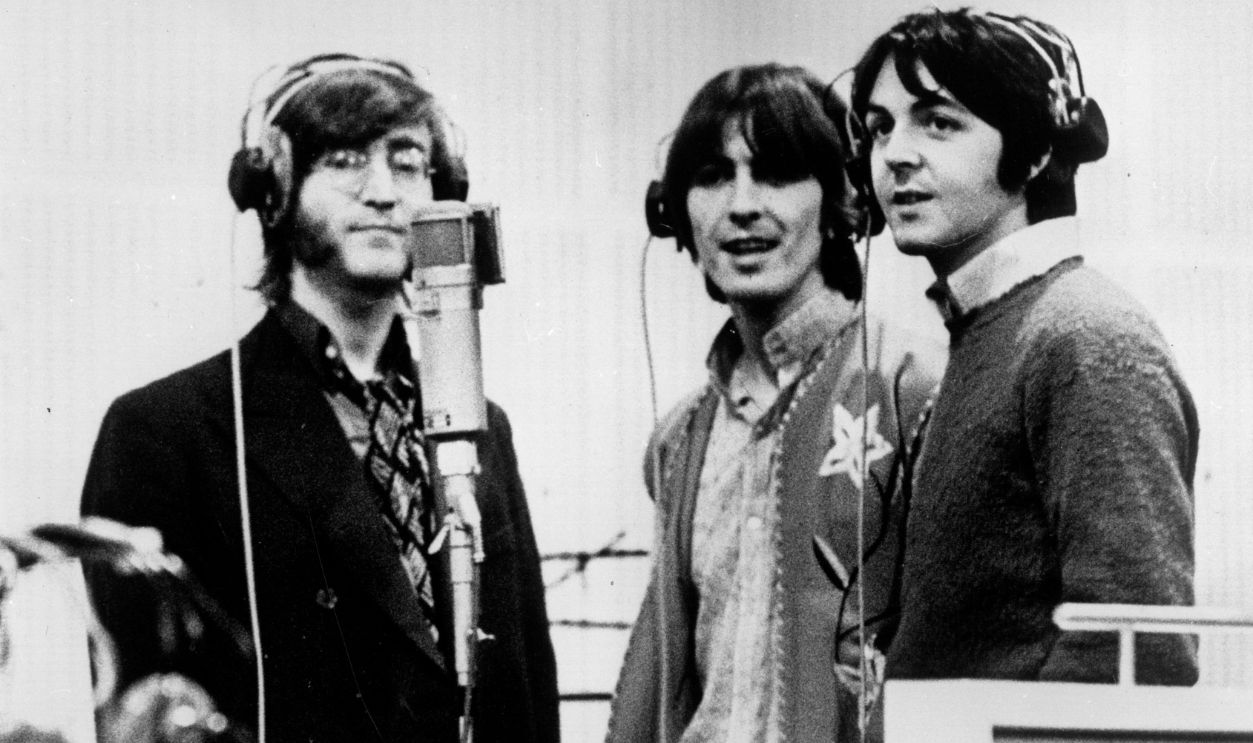
What love triangle? Lennon’s attachment to Sutcliffe ran so deep, not even the Cynthia incident could break their bond. Instead, Lennon pulled Sutcliffe even closer by talking him into joining his latest group, Johnny and the Moondogs, alongside Paul McCartney and George Harrison. The others weren’t exactly thrilled with Lennon’s pet project, though…
 Keystone Features, Getty Images

History's most fascinating stories and darkest secrets, delivered to your inbox daily.
9. He Was In Over His Head
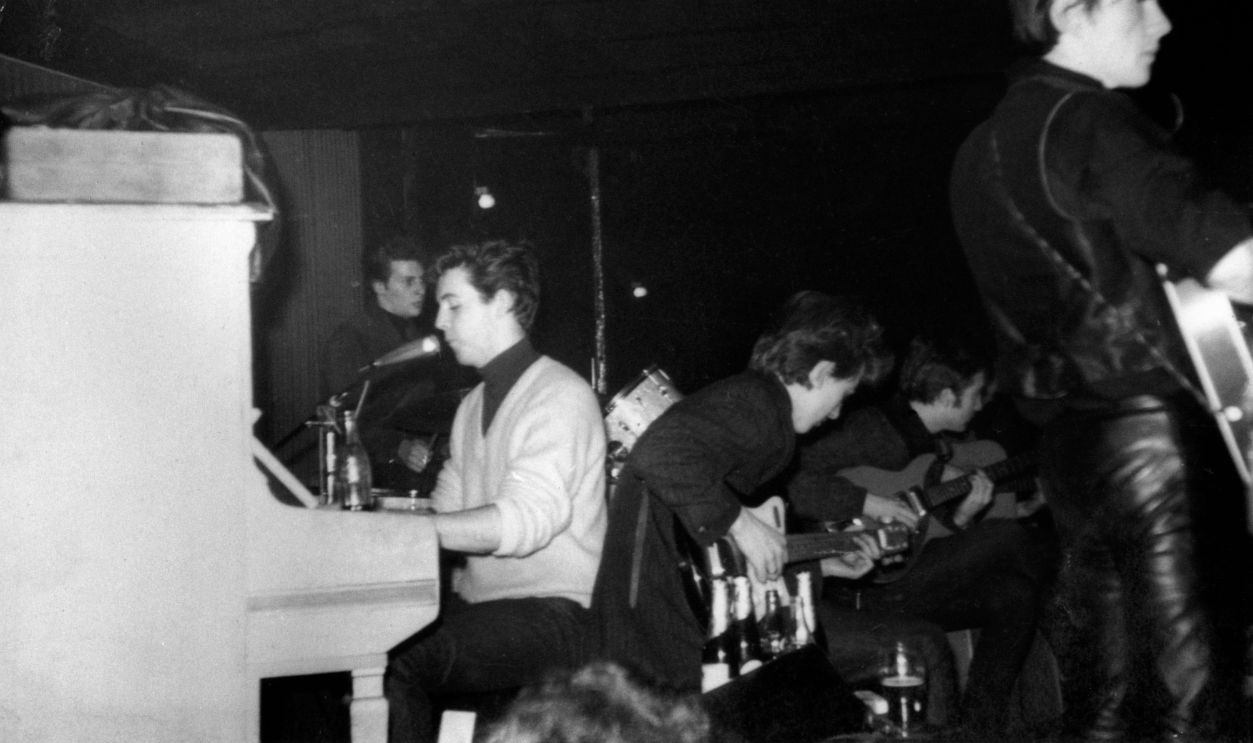
Oh, just one small problem: Stuart Sutcliffe wasn’t a musician. Sure, he’d goofed around singing Elvis in front of the mirror, but this was different—and it didn’t sit well with the rest of the band. Lennon even pushed Sutcliffe to buy a flashy bass guitar with the money he’d earned from selling a painting in a major exhibition (Yes, he was that good…at painting).
Not one to rest on his laurels, Sutcliffe practiced until his fingers bled, and then played with his back to the crowd. It wasn’t pretty yet, but something was starting to happen.
 Ellen Piel - K & K, Getty Images
10. He Was A Driving Force
When it comes to Beatles lore, Stuart Sutcliffe barely gets a footnote, but behind the scenes, he was a force of nature. His charisma had a way of setting things in motion for the whole band. Thanks to his student council connections, he scored a second amplifier, which gave their sound a much-needed boost. One night in April, Sutcliffe and Lennon pulled off something even bigger—they cooked up the perfect name for their band.
But that was only the beginning of the mark he’d leave.
 Gramercy Pictures, Backbeat (1994)
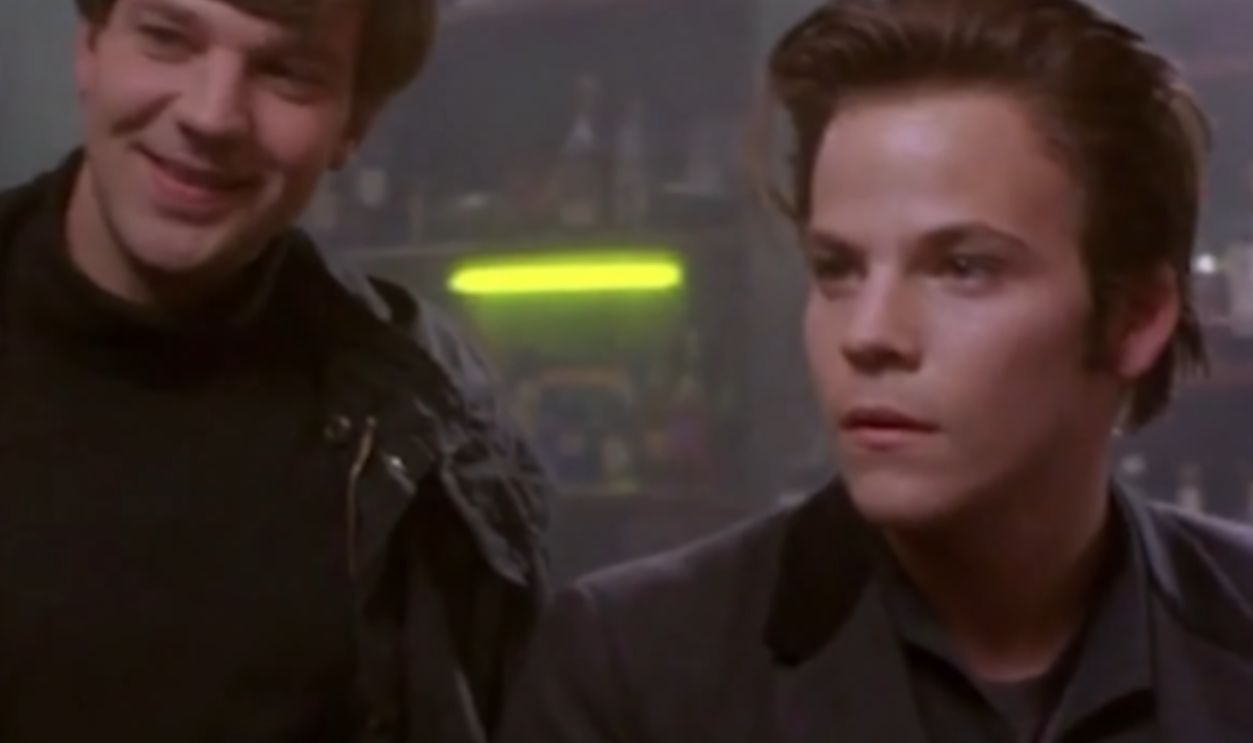
11. He Had The Pad
Unlike the rest of the band, Sutcliffe actually had his own place—and that attic flat quickly became ground zero for late-night jam sessions, endless records, and dangerous ideas. By 1960, Lennon had officially moved in. Paul McCartney later remembered it as a magical place where they could stay up all night and listen to American music.
It was also where Sutcliffe and Lennon came up with a new name for the band—the fuse had been lit.
 Gramercy Pictures, Backbeat (1994)
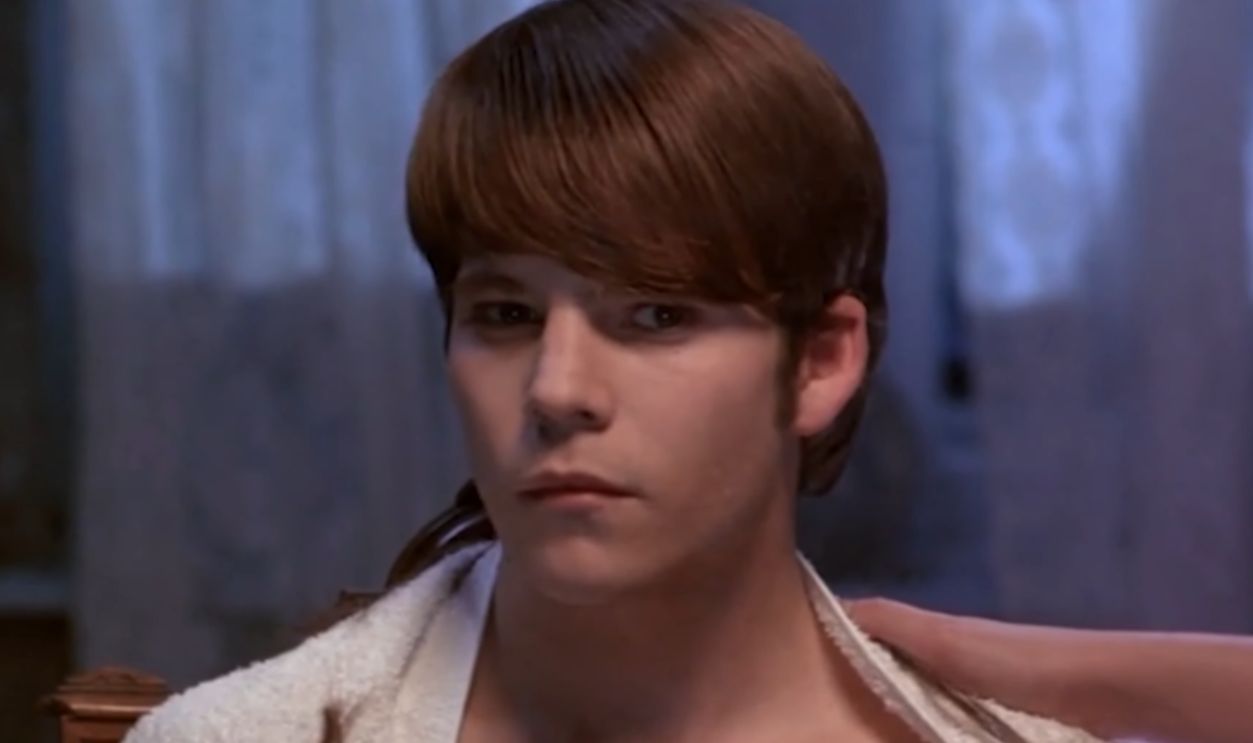
12. He Was A Word Nerd
Stuart Sutcliffe wasn’t just the host—he was the spark. One late night, the guy who literally kept lists of vocabulary words for fun teamed up with Lennon to cook up a new name for the band. Goodbye Johnny and the Moondogs… hello “Beatals” (a clever nod to the Beat Generation and Buddy Holly’s Crickets).
But Sutcliffe didn’t stop there. His talents and charm helped land the band their biggest break yet.
 Gramercy Pictures, Backbeat (1994)
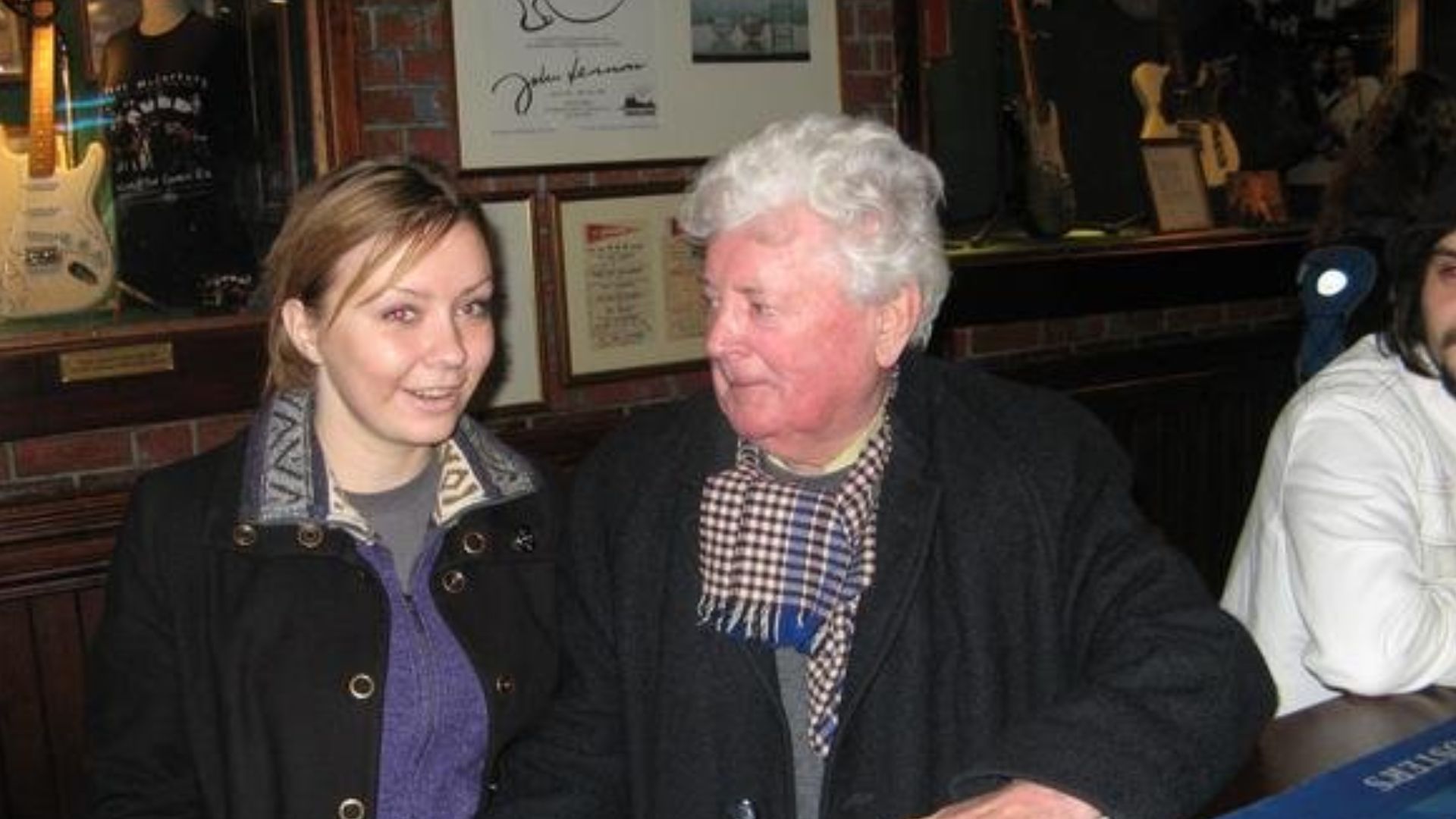
13. He Painted The Way To Success
There was just one thing standing between the band and their shot at stardom: a place to rehearse. So they struck a deal with Allan Williams, owner of the Jacaranda—a Liverpool music hotspot. In exchange for rehearsal space, Sutcliffe and Lennon rolled up their sleeves and painted murals over the club’s graffiti-covered walls.
Williams loved the results, and before long, he became their unofficial manager. Soon, the whole crew crammed into his green minibus and headed toward Hamburg—and total chaos.
 Maxgreen123, Wikimedia Commons
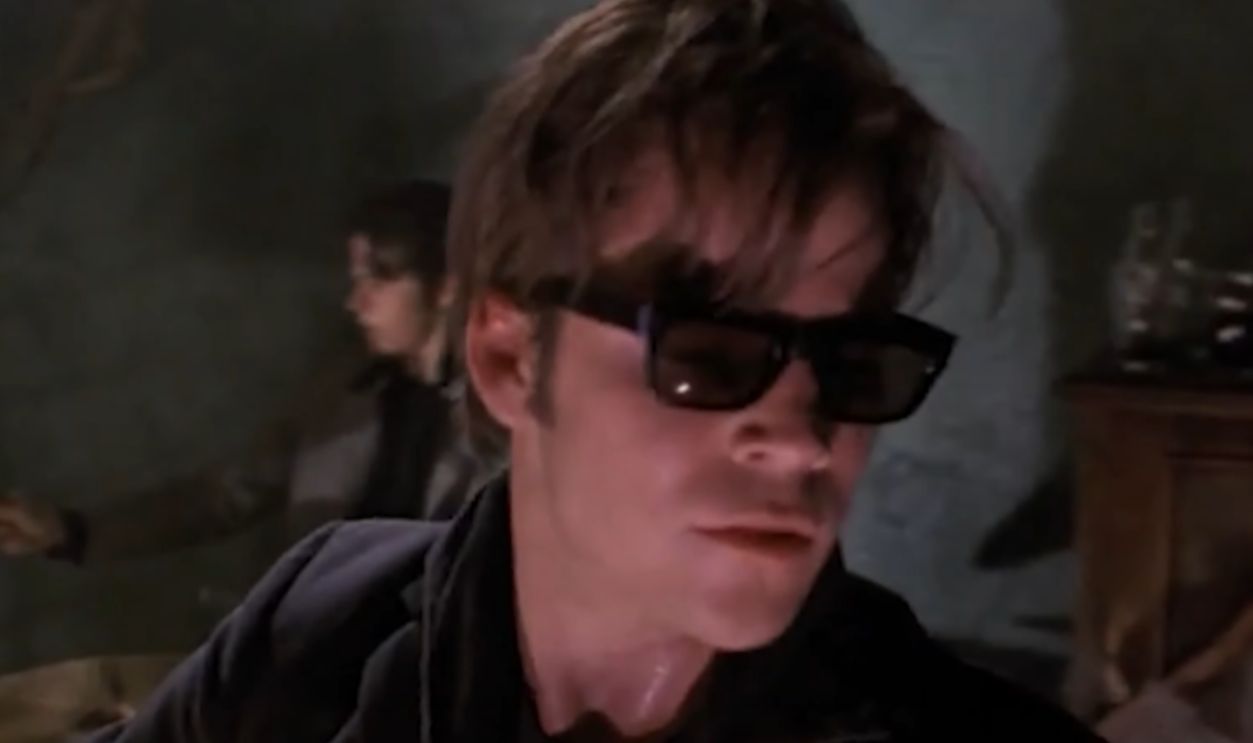
14. He Had A Lot To Lose
As the minibus barreled toward Hamburg, the lads probably felt like they were chasing their dreams—except for Stuart Sutcliffe. By signing on, he was leaving his dream behind. He was a rising star in the art world, and he’d just put his career on ice for a grueling 48-night residency at a rough-and-tumble Hamburg club.
Oh, and each set? Six to eight hours long. This wasn’t a gig, it was a brutal boot camp—and it would change their lives forever, in ways none of them saw coming.
 Gramercy Pictures, Backbeat (1994)
15. He Arrived In Vice City
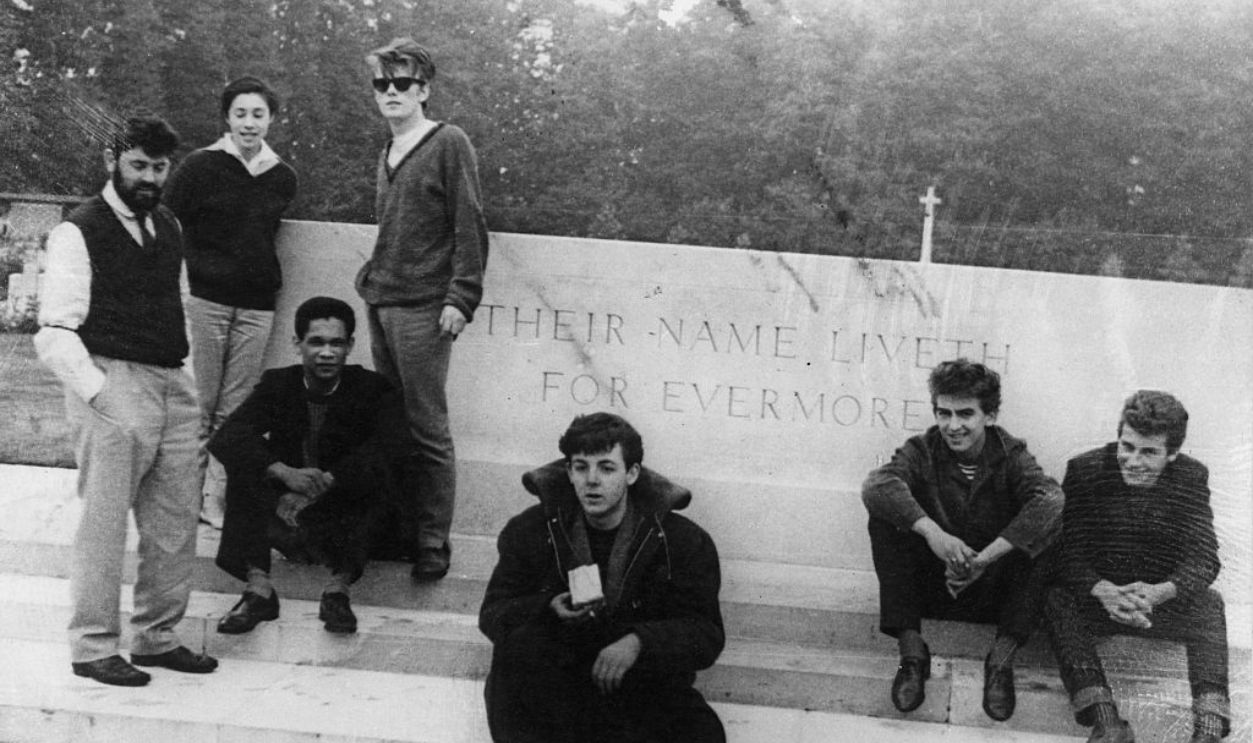
Sutcliffe and the band had no idea what they were getting into. Hamburg’s Reeperbahn district wasn’t just rough—it made Liverpool look like a sleepy village. Bright lights, outlaws, pounding music, and women on every corner turned the streets into a neon-lit madhouse. Harrison called it the “naughtiest city in the world” and McCartney called it “an eye-opener”.
Sutcliffe? He thought it was madness. What was he even doing there—especially stuck with a bunch of dudes that, aside from Lennon, he didn’t really click with?
 Keystone Features, Getty Images
16. His Letters Were Wild
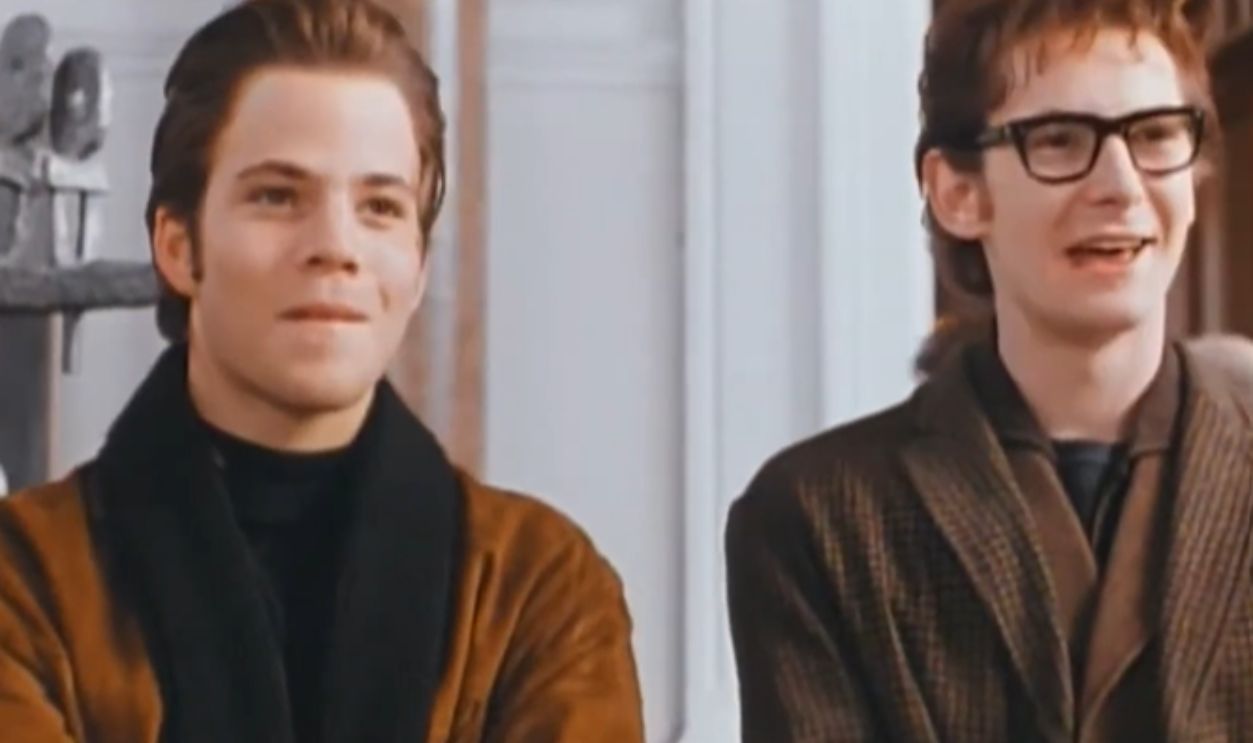
With his penchant for compiling unusual words, it’s no shocker that Sutcliffe was a top-tier pen pal. The stories he sent home? Next level. In one letter, he wrote, “Hamburg has little quality except the kind you would find in an analysis of a test tube of sewer water. It’s nothing but a vast amoral jungle”.
And in that jungle, there were plenty of predators on the hunt for fresh meat.
 Gramercy Pictures, Backbeat (1994)
17. He Was Dubbed “The James Dean Of Hamburg”
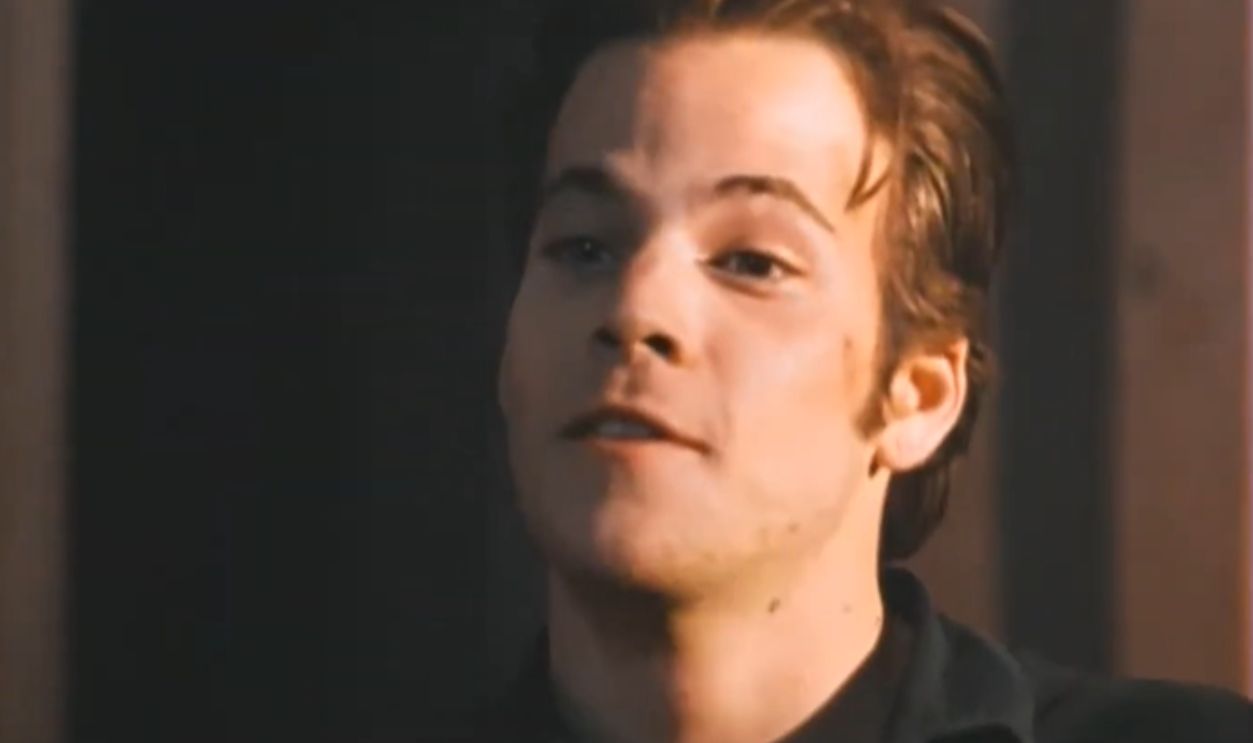
The Beatles weren’t collecting fans in Hamburg—they were collecting groupies. Women, young and old, innocent and…uh, not-so-innocent. The ladies of Hamburg saw something exotic in the fresh-faced Liverpool lads, and Stuart Sutcliffe in particular had people falling at his feet. Reportedly, one woman climaxed just from watching Sutcliffe stand on stage. Oof.
In a letter to his sister, Sutcliffe admitted that even the guys were telling him he was “the sweetest, most beautiful boy”. Whatever it was, he clearly had it—and everyone wanted a piece.
 Gramercy Pictures, Backbeat (1994)
18. He Drowned His Sorrows
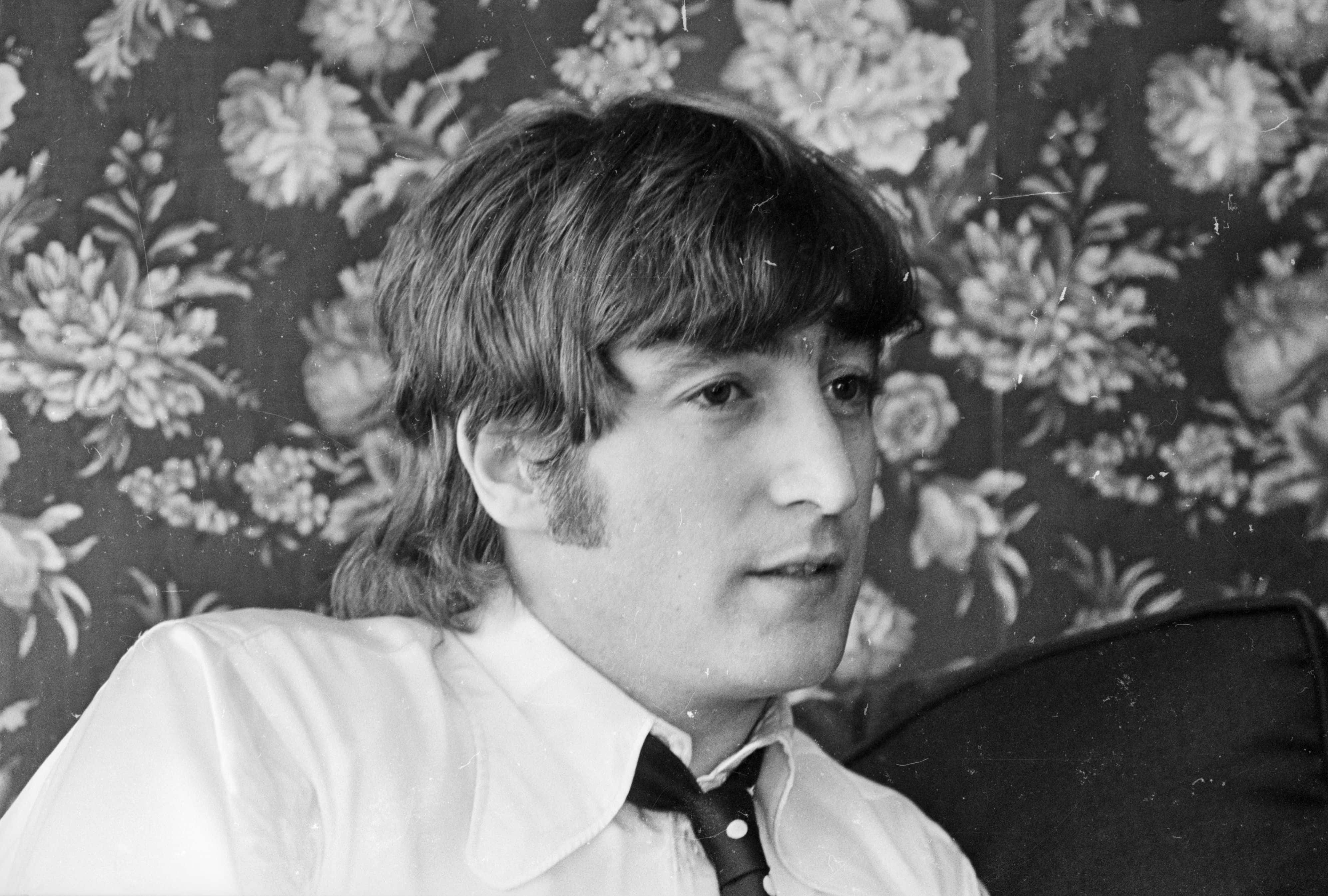
In those early Hamburg days, Lennon and Sutcliffe only grew closer. While Paul, George, and Pete Best spent the day boating with local girls, Lennon and Sutcliffe hit the bars instead. Drink after drink, they started questioning everything. They were artists…what were they even doing in this grimy, lawless place?
Well, by the time they stumbled back to their cramped lodgings, one thing was clear: misery loves company, but sometimes that bond crosses a line.
19. He Crossed A Line
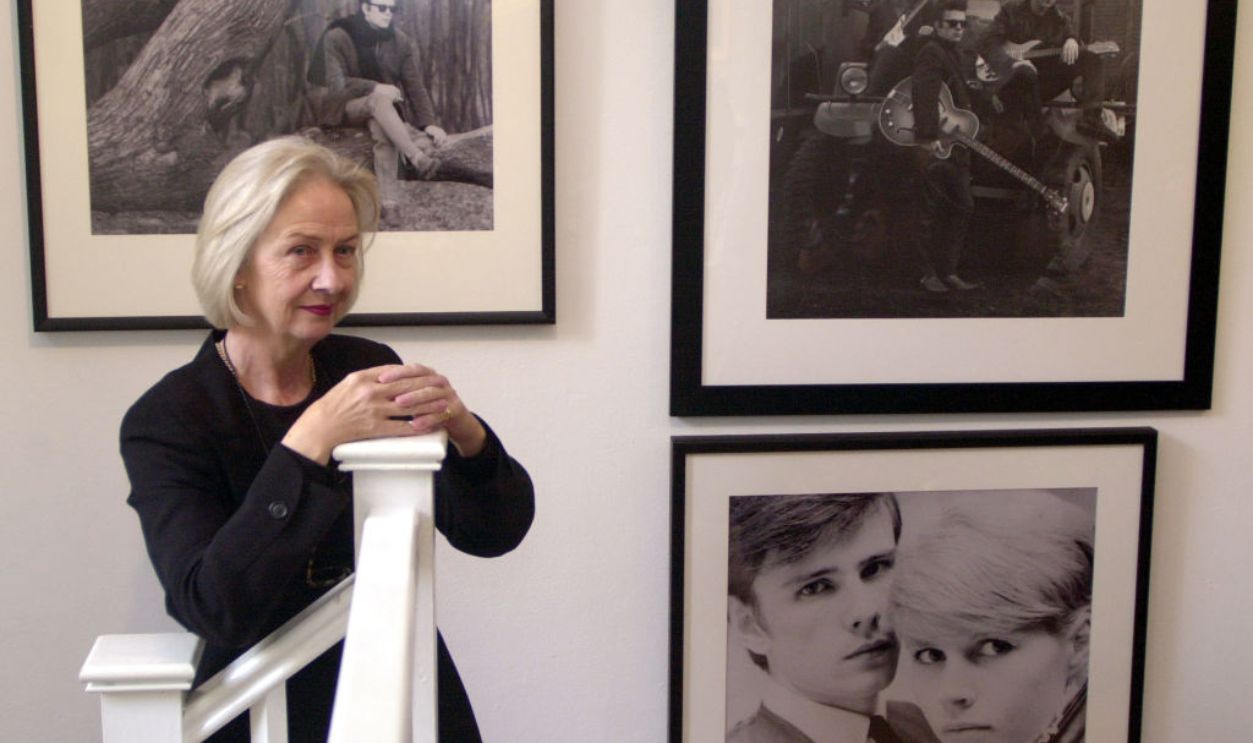
When the pair got back to the band’s shared room, it was empty—no mates, no distractions. Just a bunk bed under a single bare bulb. Sutcliffe climbed onto the top bunk, and after a few minutes, Lennon joined him. What started as quiet consolation took a shocking turn when Sutcliffe initiated an intimate moment. When Sutcliffe’s sister Pauline later heard about it, her reaction said it all: “I would have thought it would be the other way round”.
How on earth does a story like this ever see the light of day? Funny you should ask…
 Johnny Green - PA Images, Getty Images
20. He Had A Big Secret
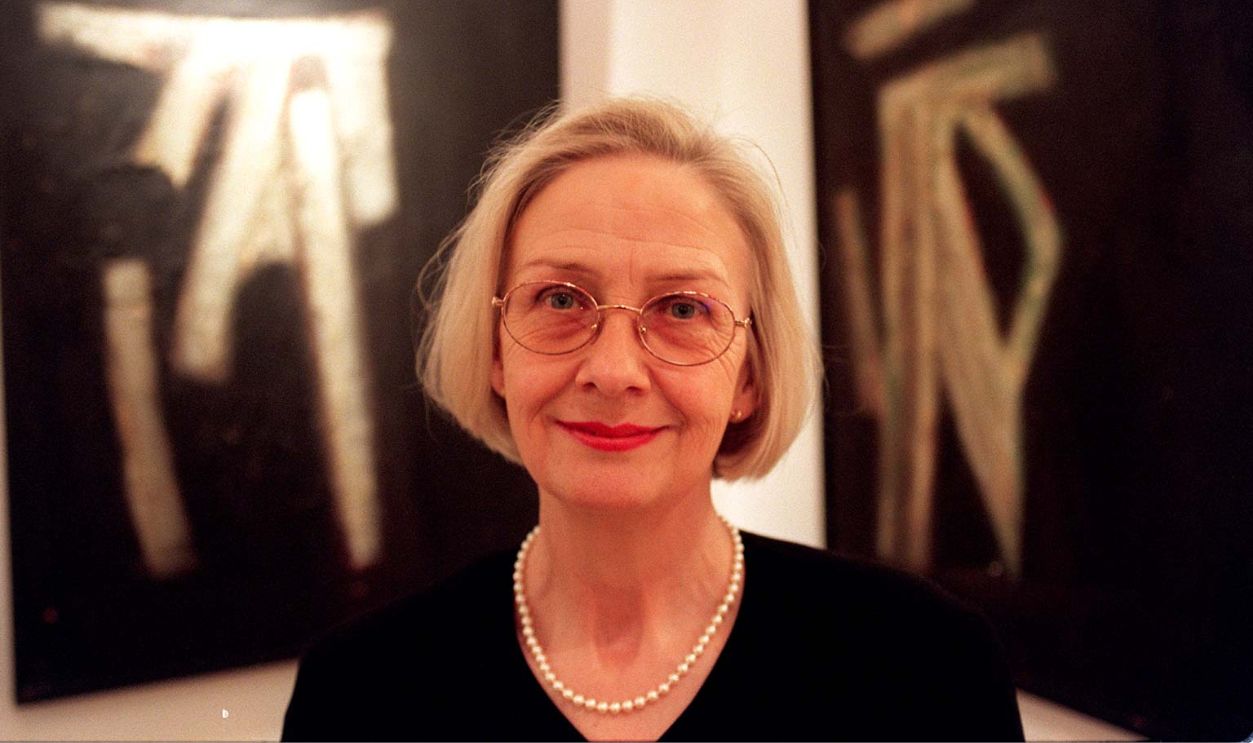
Sutcliffe’s sister Pauline, who ended up becoming a psychotherapist, always sensed there was something deeper between her brother and Lennon. They’d been inseparable in Liverpool, but Hamburg was different. New city, new vices, new rules. She later called them “two lost boys who needed and found each other”. Their bond? Deep, messy, and emotionally intense.
 Sean Dempsey - PA Images, Getty Images
21. His Secret Didn’t Stay Under Wraps
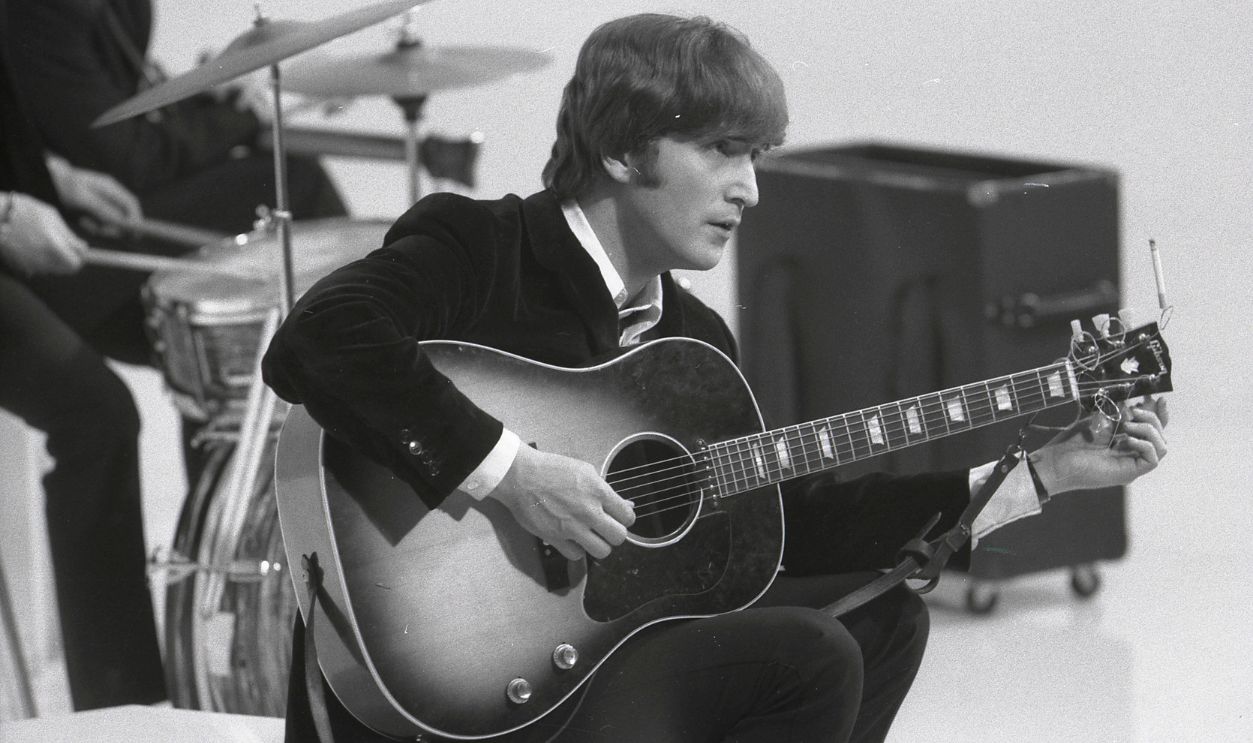
So how did the infamous bunk bed story make it into Geoffrey Giuliano’s Lennon in America book? Simple: Lennon himself spilled it. In 1983, Beatles PR man Derek Taylor revealed that Lennon had confessed the story to him while on an intense trip back in 1968.
By then, Lennon had a reputation for blurring truth and myth, but this wasn’t some throwaway story. It was a rare raw glimpse into the complicated bond he shared with Sutcliffe—and proof that their connection haunted Lennon long after Hamburg.
 Max Scheler - K & K, Getty Images
22. He Was Impossible To Ignore
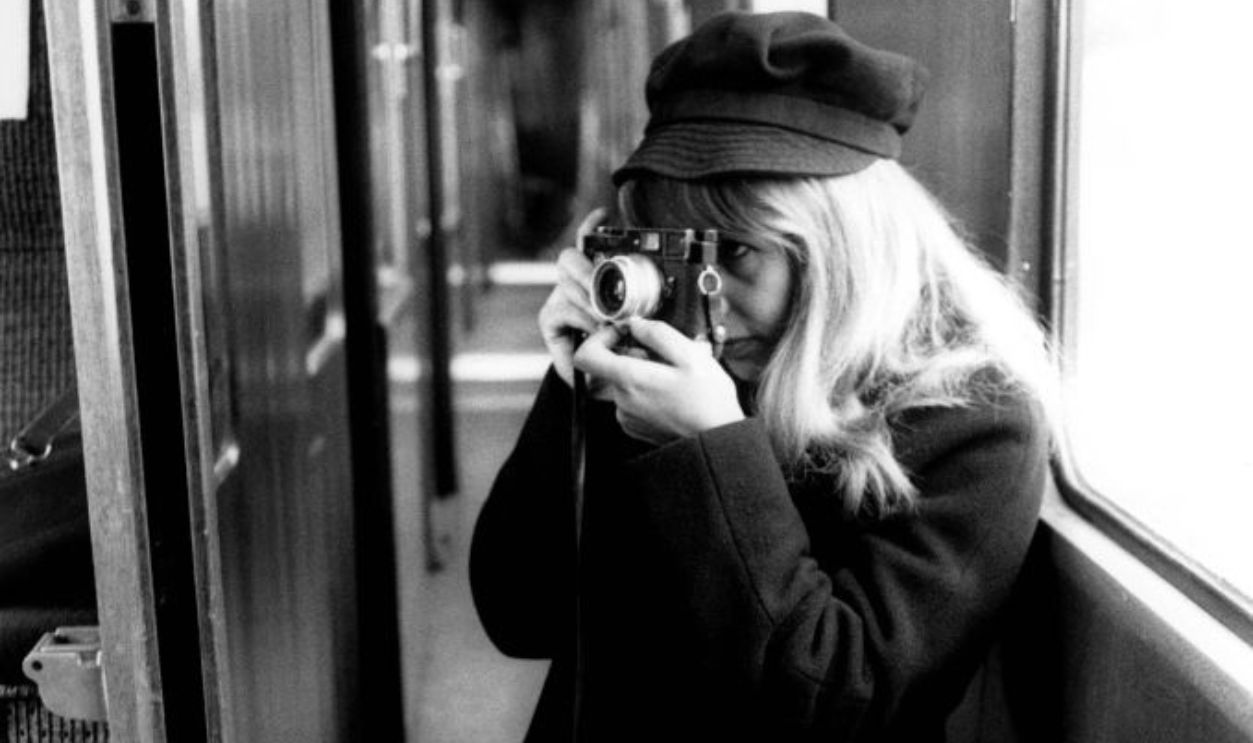
If it seems like Stuart Sutcliffe had an unusual magnetic pull, that’s because he did. But out of all of the folks throwing themselves at him in Hamburg, one woman stood out—big time. Her name was Astrid Kirchherr. Maybe it was her haunting beauty, maybe it was her existentialist vibe—dark clothes, moody stare, art-school cool.
Ironically, it was Astrid’s boyfriend who stumbled upon the Beatles one night and brought her back for her first taste of rock and roll—and of Sutcliffe.
 Max Scheler - K & K, Getty Images
23. He Had A New Fan
The second Astrid saw and heard the Beatles, she was hooked. “It was like a merry-go-round in my head,” she said later. “They looked absolutely astonishing… My whole life changed in a couple of minutes. All I wanted was to be with them and know them”. Creepy? Maybe, but that didn’t stop Astrid—and her boyfriend—from haunting the club every night just to watch the Beatles play.
 Kai-Uwe Franz, Wikimedia Commons
24. He Didn’t Stand A Chance
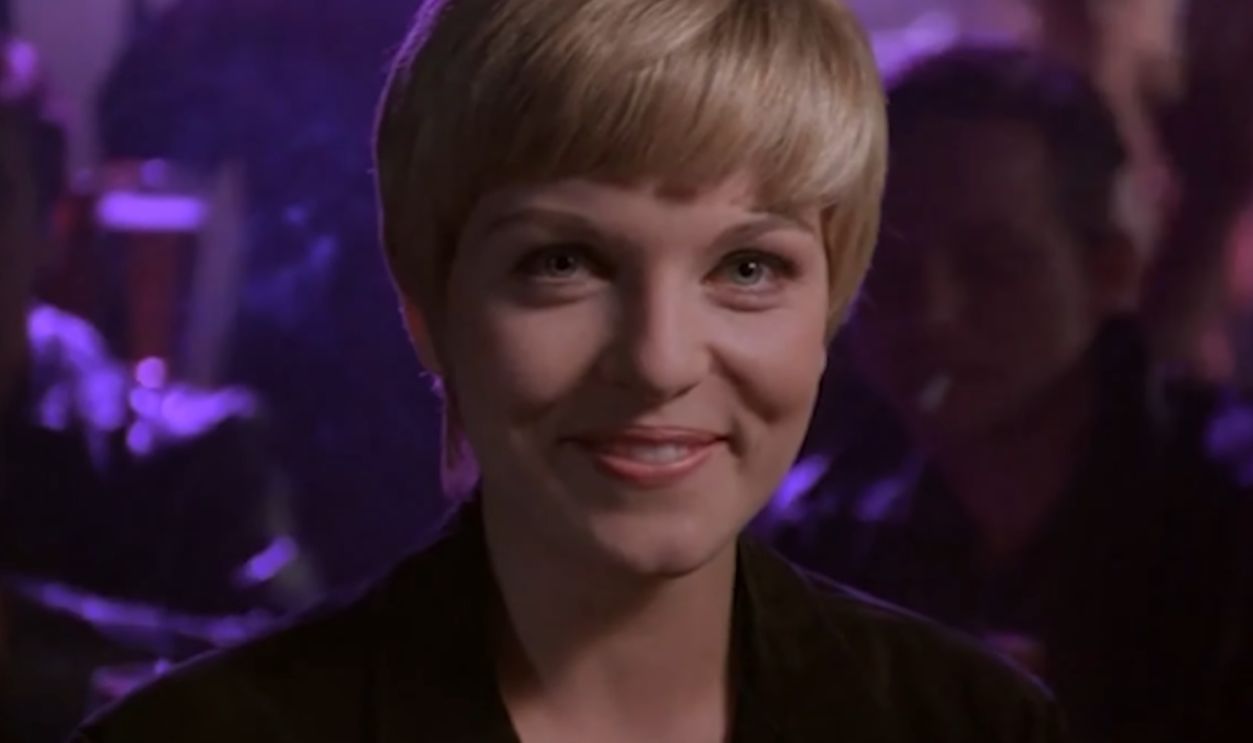
Stuart Sutcliffe wasn’t just intrigued by Astrid—he found her fascinating. Whenever she entered a room, heads turned. Sutcliffe couldn’t get enough of her sharp style and bohemian aura—no surprise, considering she had an eye for fashion. In one letter, he even admitted he could barely take his eyes off her. It was a two-way street. She later said, “It was fantastic to look at him and see all that beauty”.
And when the two of them locked into each other, things got complicated fast.
 Gramercy Pictures, Backbeat (1994)
25. He Was Caught On Camera
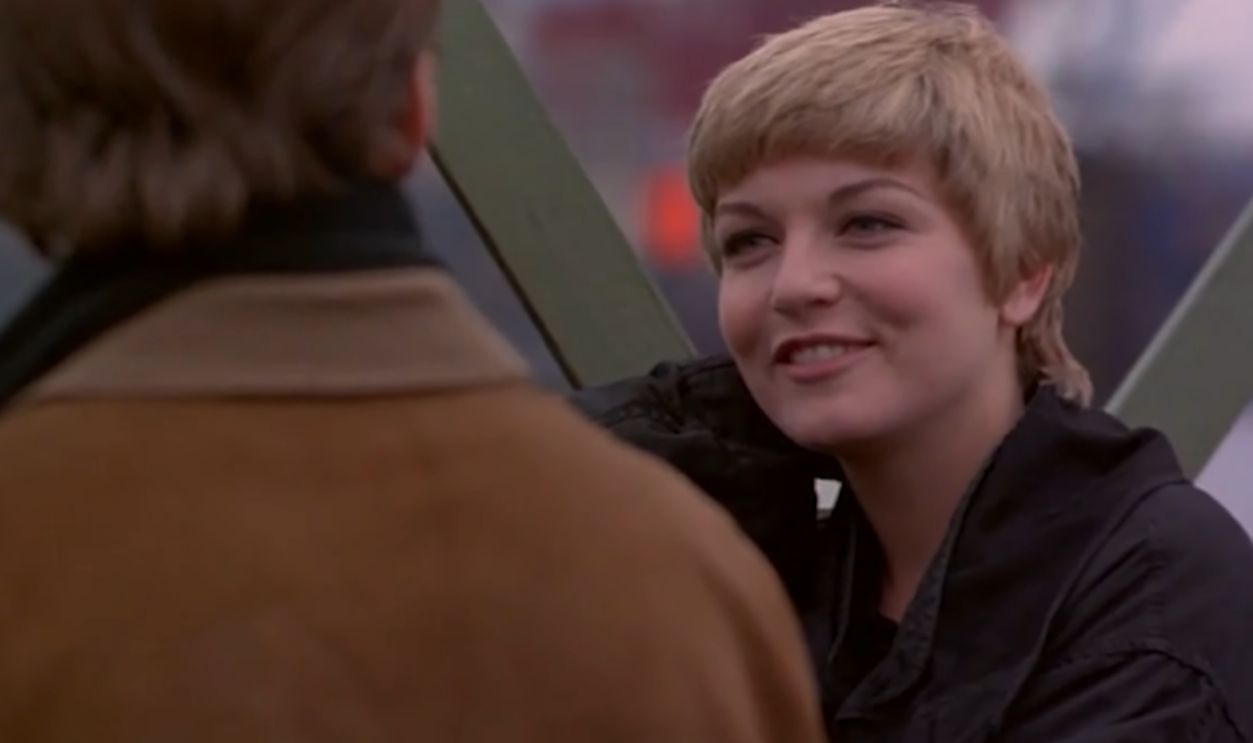
Astrid wasn’t content to be a face in the crowd—so she made her move. She offered to take real, professional photos of the Beatles, which was a huge deal at a time when most bands relied on blurry snapshots from cheap cameras. After the session in a Hamburg park, the group headed back to Astrid’s mother’s house.
That’s when Sutcliffe stepped into her bedroom and really fell head over heels.
 Gramercy Pictures, Backbeat (1994)
26. He Stepped Into Her Strange World
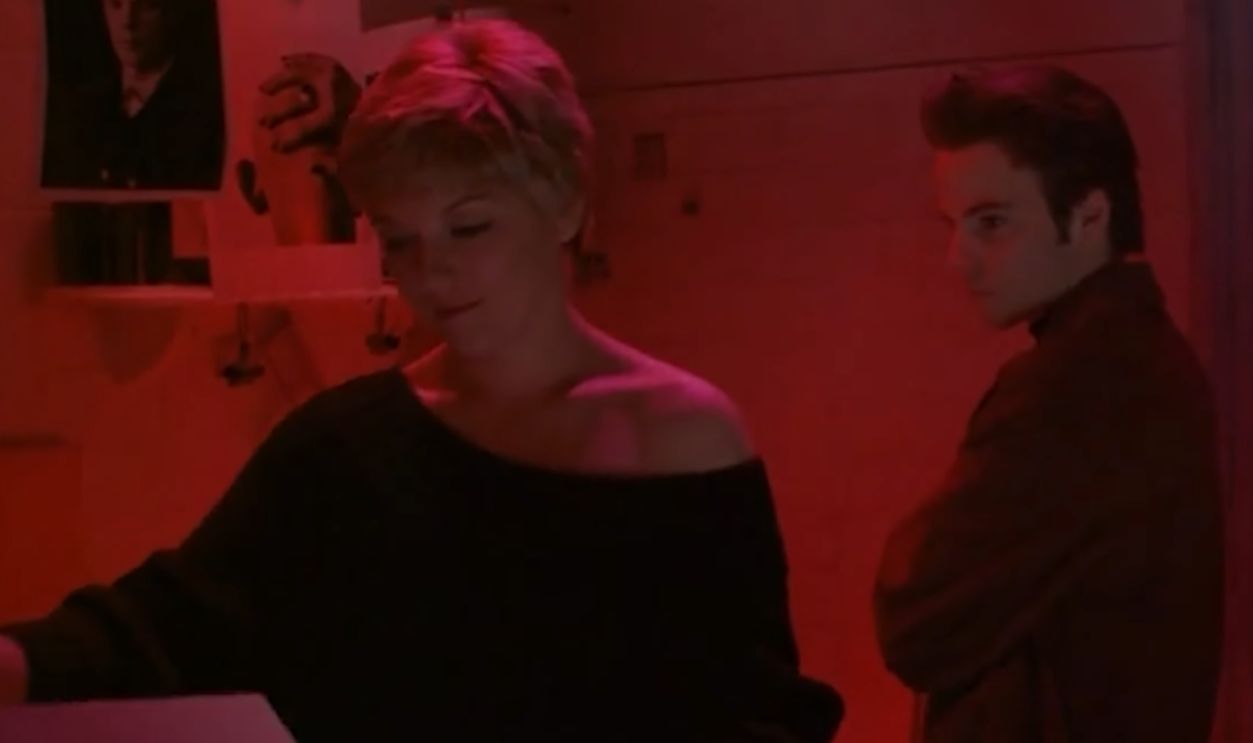
If you’re picturing pink ruffles and a frilly canopy bed, think again. Astrid’s bedroom was entirely black—even the furniture—and decked out with silver foil walls and a tree branch hanging from the ceiling. It wasn’t just bold, it was bizarre… and Sutcliffe was all in.
Bandmate Pete Best said the beginning of their relationship was “like one of those fairy stories”—too bad the ending would be more like Romeo and Juliet.
 Gramercy Pictures, Backbeat (1994)
27. He Pushed Boundaries
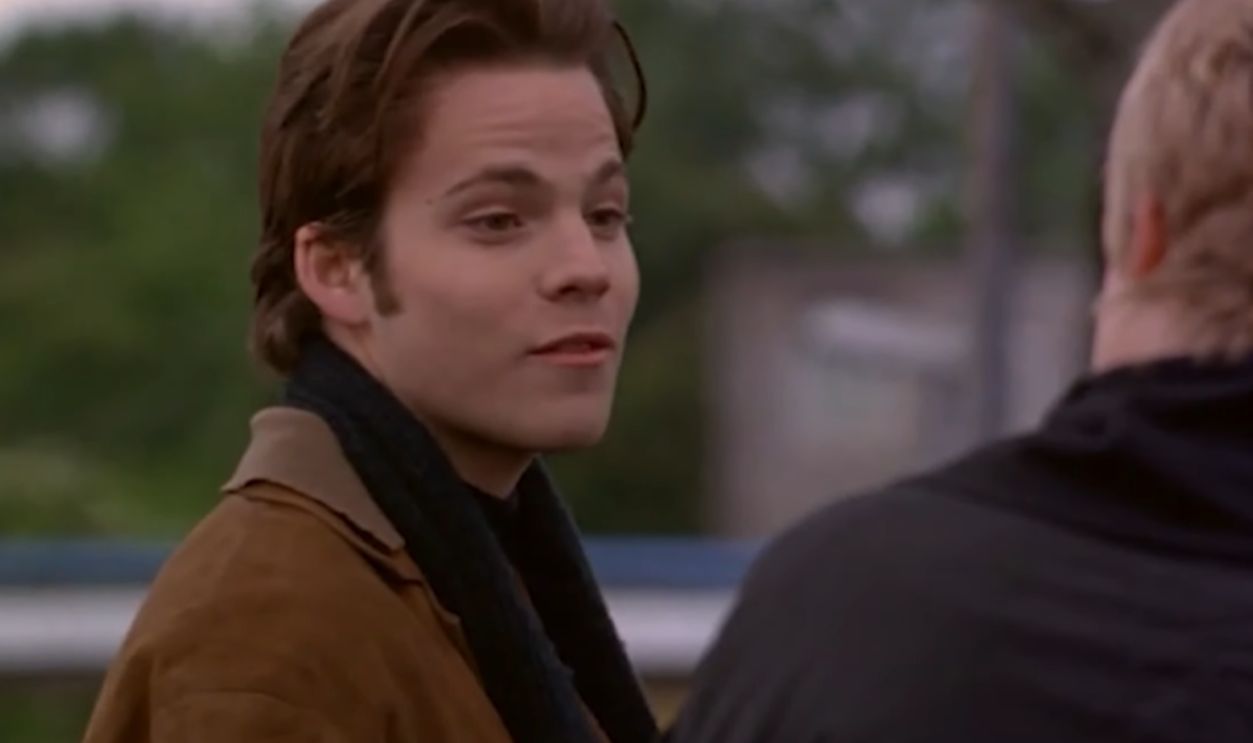
As the saying goes, image is everything, and this is where Sutcliffe’s artistic eye strikes again. Long before the Beatles had stylists or suits, he was thinking like an art director—which is how Harrison later referred to him. He didn’t want to blend in. He wanted to make a statement.
While the rest of the group still channeled Elvis with slicked-back hair, Sutcliffe was about to break the mold entirely.
 Gramercy Pictures, Backbeat (1994)
28. He Was An Influencer
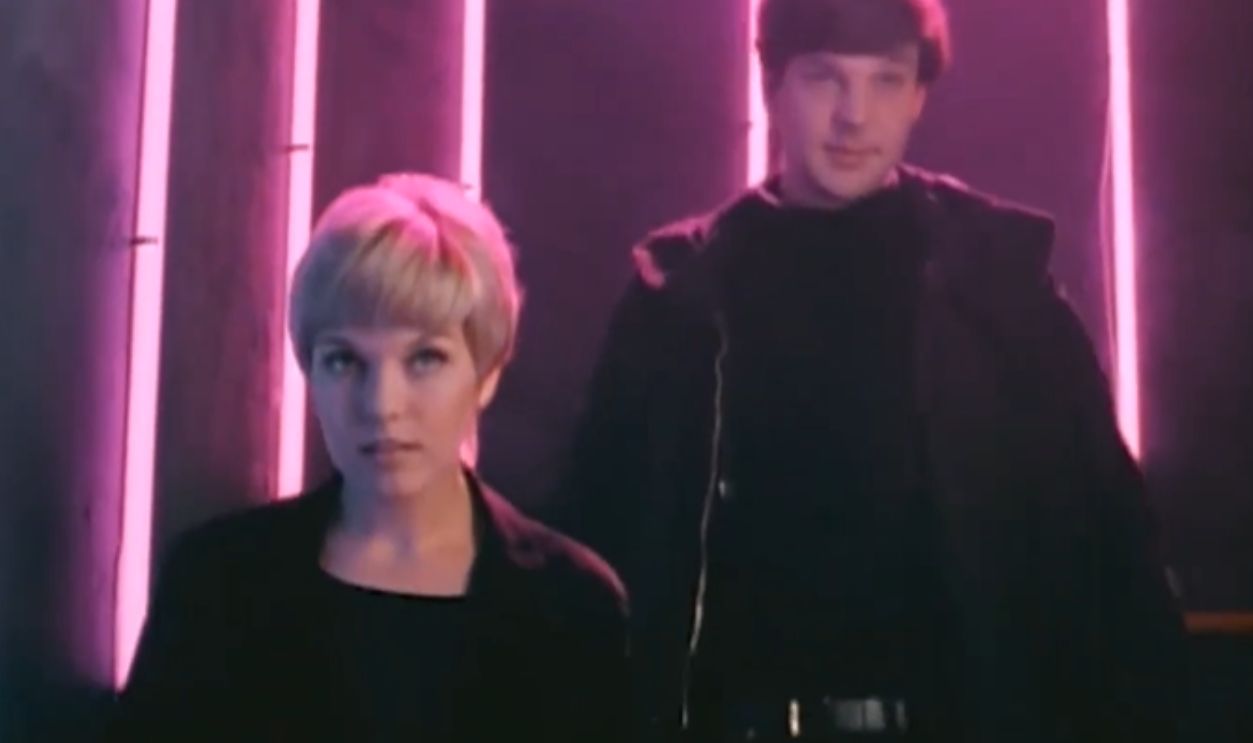
Inspired by the artsy, bowl-shaped fringe of Astrid’s ex-boyfriend (talk about confidence), Stuart Sutcliffe asked Astrid to give him the same cut. It was a radical shift from the greaser vibe, and the other Beatles mocked him at first. They weren’t laughing for long, though. One by one, they followed suit, and Sutcliffe’s bold style move helped create one of the most iconic looks in rock and roll history.
 Gramercy Pictures, Backbeat (1994)
29. He Wasn’t Everyone’s Favorite Beatle
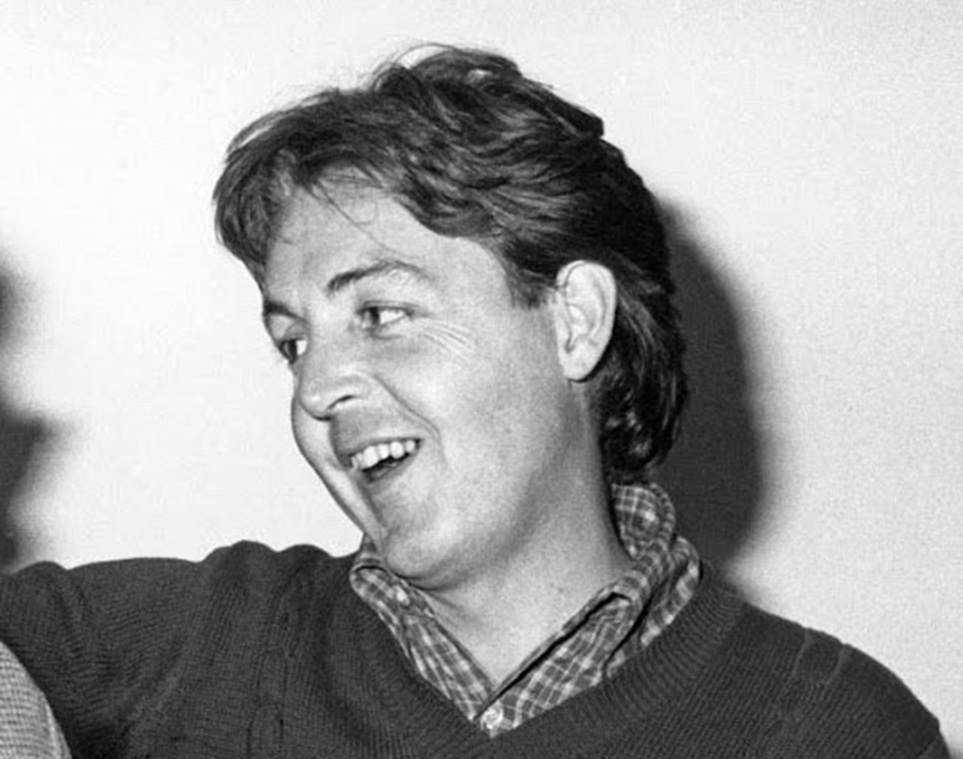
Sutcliffe and Astrid’s intense connection didn’t sit well with everyone. According to Sutcliffe’s sister Pauline, Paul McCartney later admitted they were all jealous, grumbling that it “peeved the rest of us like mad that she hadn’t fallen in love with any of us”. And it wasn’t just about romance.
The deeper Sutcliffe fell for Astrid, the more the band felt he was dragging them down—especially when it came to his bass playing.
 NickTruger, CC BY-SA 3.0, Wikimedia Commons
30. He Was Outshining His Mates
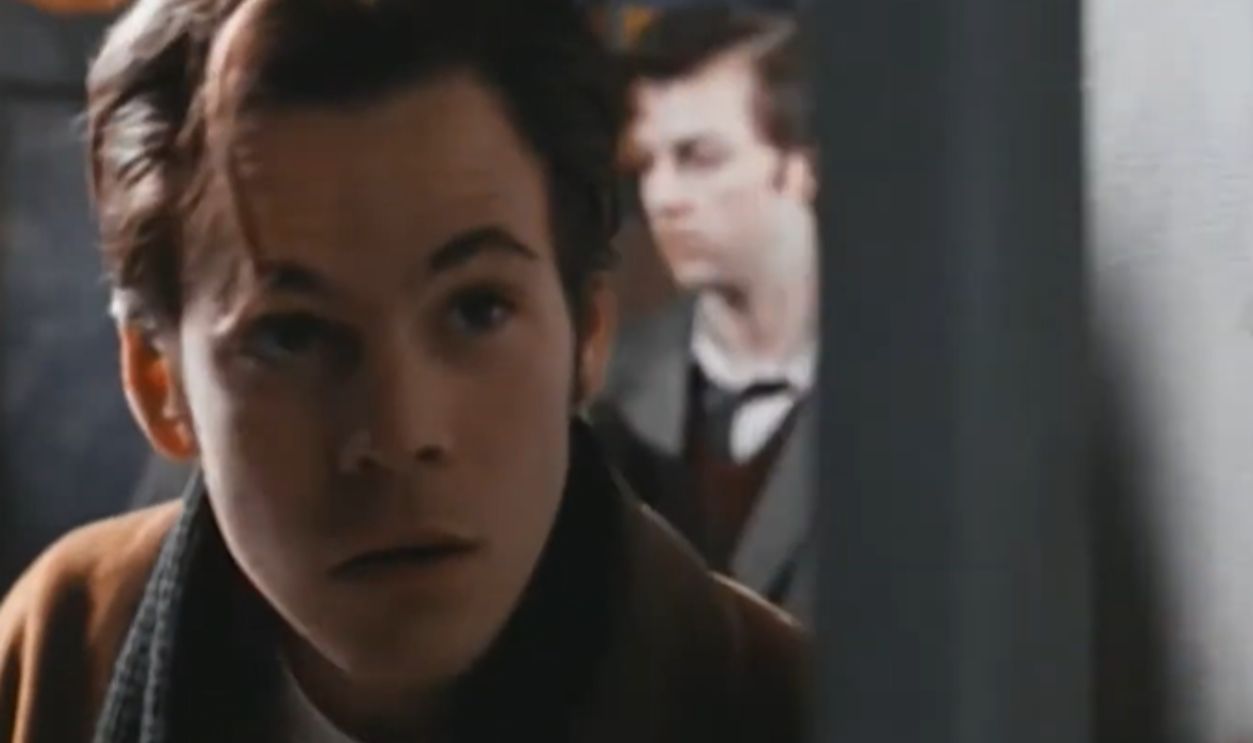
Looking back, it’s no wonder the band started resenting Stuart Sutcliffe, and it wasn’t just about his shaky bass skills. Even Sutcliffe admitted in a letter home, “We have improved a thousand-fold since our arrival”. But this version of the Beatles fell prey to a bad stereotype—the breakout star who outshines his bandmates, leading to seething jealousy.
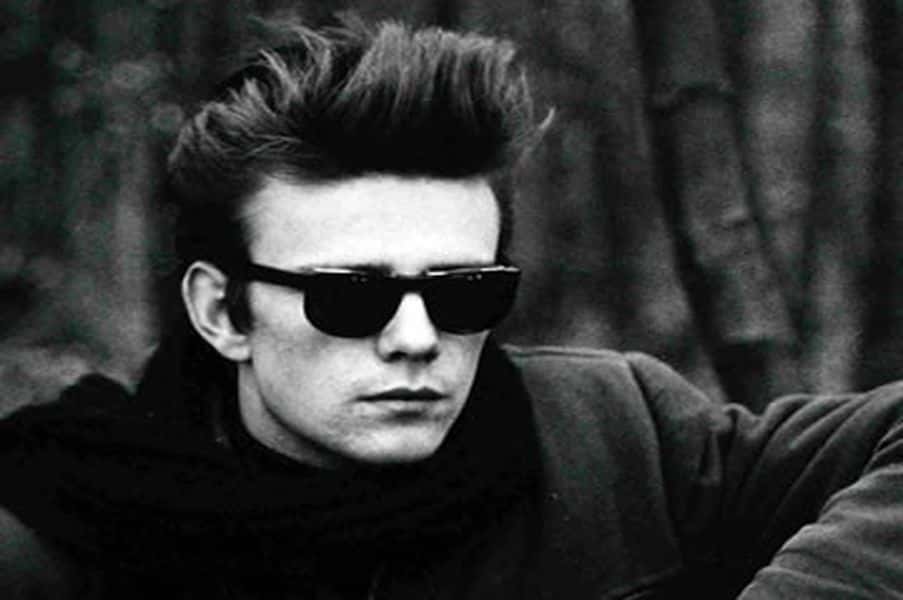
Maybe it was his slick Ray-Bans and tight pants that made him stand out. Maybe it was the moment in their set when he sang Elvis’s “Love Me Tender”—and got bigger applause than the rest of the Beatles combined. Or maybe it was when a sharp-eyed club owner temporarily yanked Sutcliffe from the band and booked him to play with a bigger, better-known group at his top venue. Either way… ouch.
 Gramercy Pictures, Backbeat (1994)
31. His Band Ran On Pills
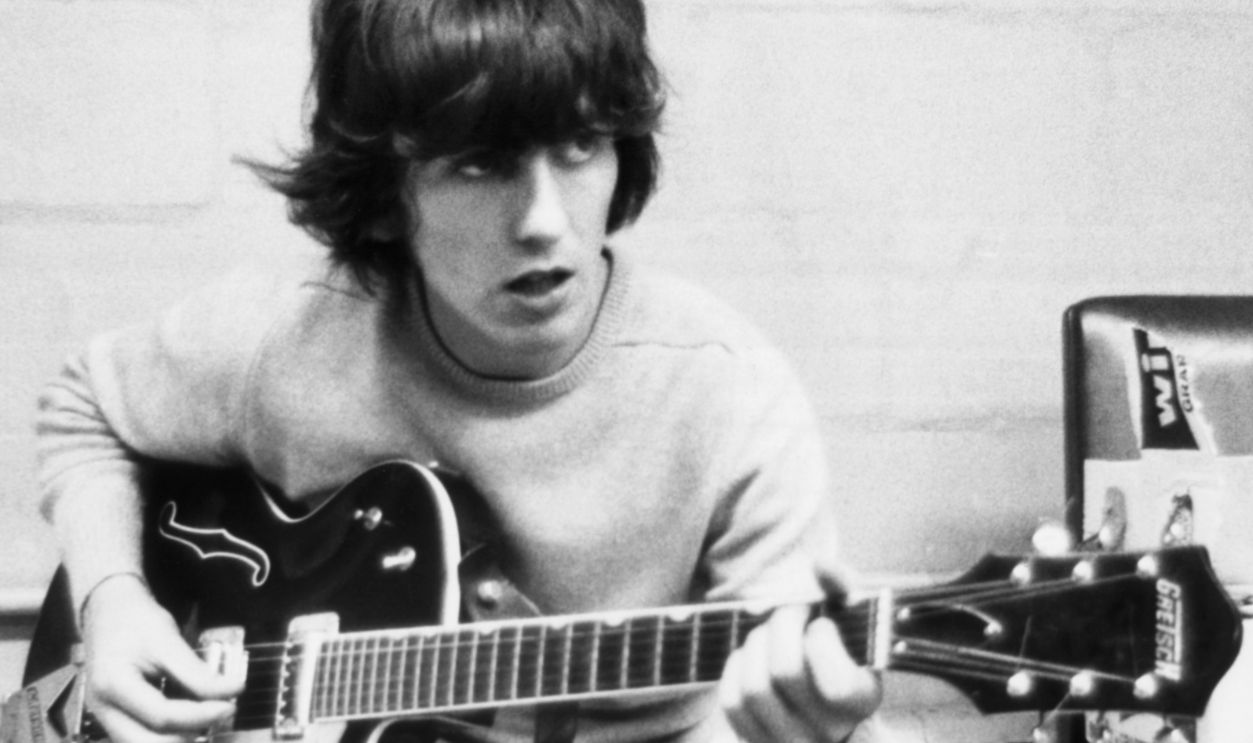
Hamburg club owners had, er, unique ways of keeping their bands in top form. Enter “Prellies”—stimulants dished out by club waiters like candy. If a musician started nodding off from exhaustion (or a few too many drinks), a waiter would slip them a pill on the spot.
According to George Harrison, the whole group would end up “frothing at the mouth” and wired for days. Sure, it helped them survive those brutal marathon sets… but it also sent their personal demons into overdrive.
32. He Was Taking Bad Medicine
The dangerous mix of booze, pills, and obsession was about to explode. Stuart Sutcliffe was already rail-thin, hardly built for a steady diet of amphetamines. Lennon, meanwhile, was downing handfuls of pills, drinking himself senseless, and spiraling deeper into jealousy. He didn’t want to share Sutcliffe with Astrid, but he wanted her for himself, too.
This twisted tug-of-war was just getting started—and Lennon’s list of grievances was growing by the day.
33. He Was Getting Serious
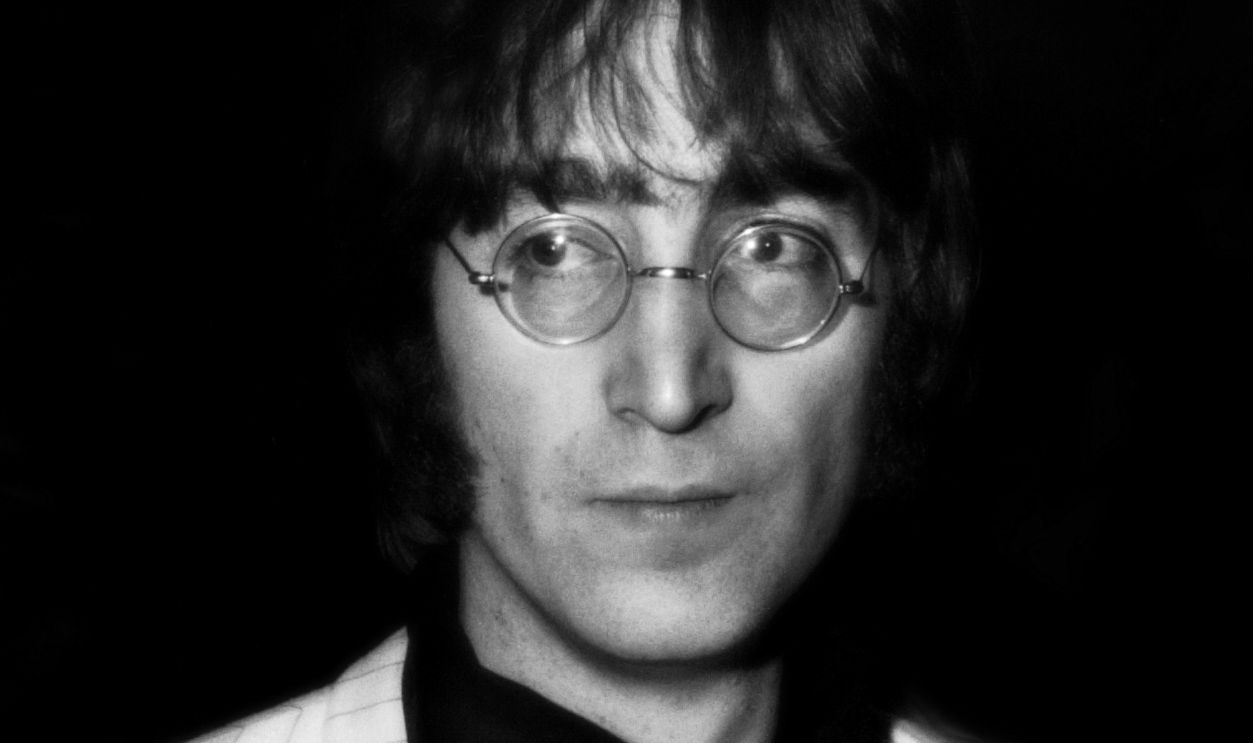
As life for the Beatles kept getting more chaotic, Sutcliffe was starting to move into the slow lane. In November 1960, he and Astrid were engaged, and he moved into the Kirchherr family home. He now had full access to Astrid’s closet and started borrowing her clothes—a move Lennon mocked mercilessly.
Did Lennon’s anger come from the creeping sense that he was losing Sutcliffe?
34. He Found His Yoko Ono (Kind Of)
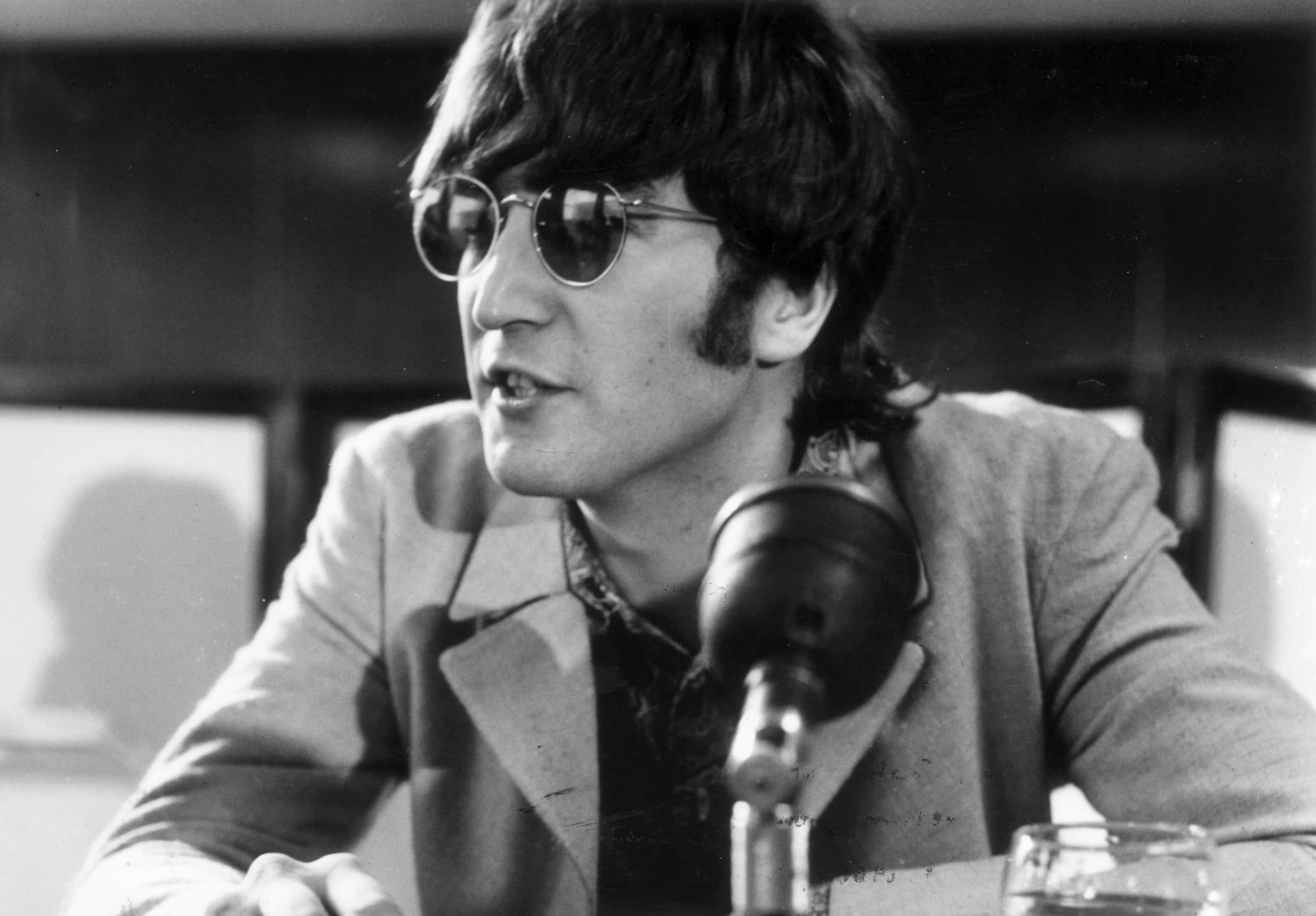
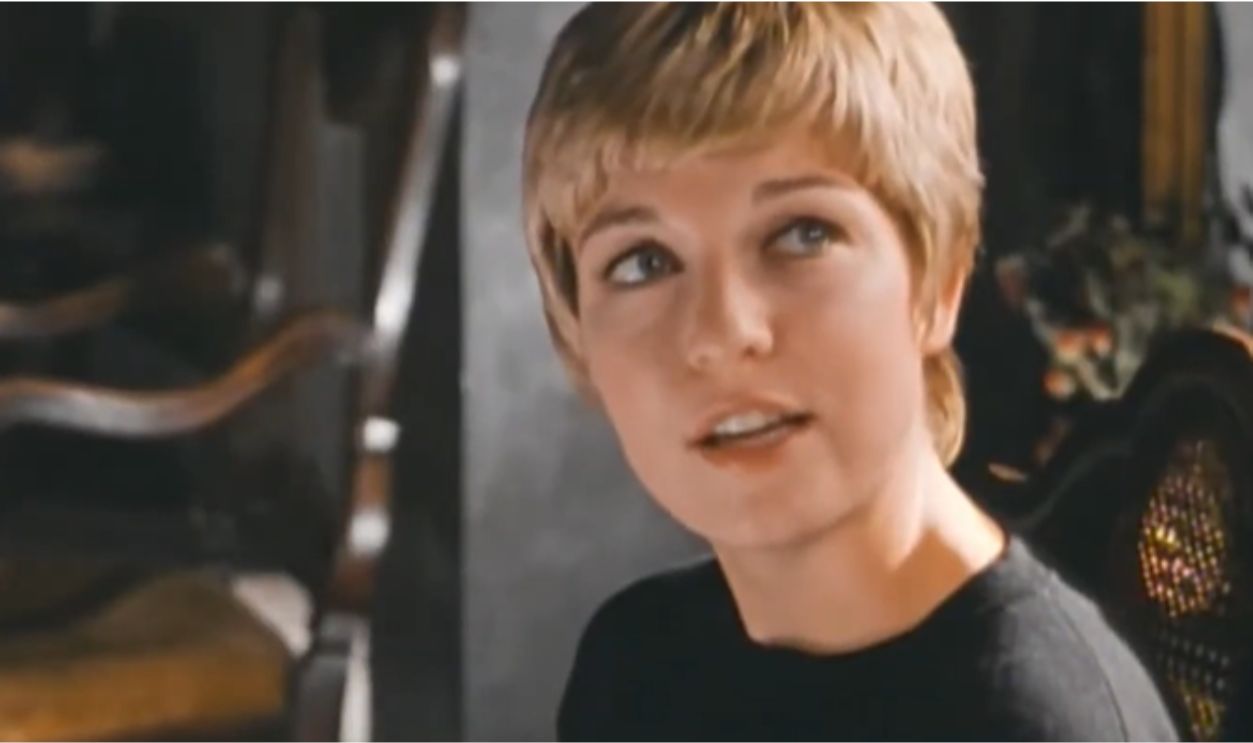
It could be a scene from Gilmore Girls: Sutcliffe and Astrid lying on her bed, looking up at the hanging branch in her room, and talking softly about the future. Sutcliffe mused about becoming an art teacher in Germany or maybe London. He was clearly drifting away from the Beatles. What he didn’t think about was how Lennon would take it.
Spoiler: Not well.
 Gramercy Pictures, Backbeat (1994)
35. He Was Fresh Out Of F’s
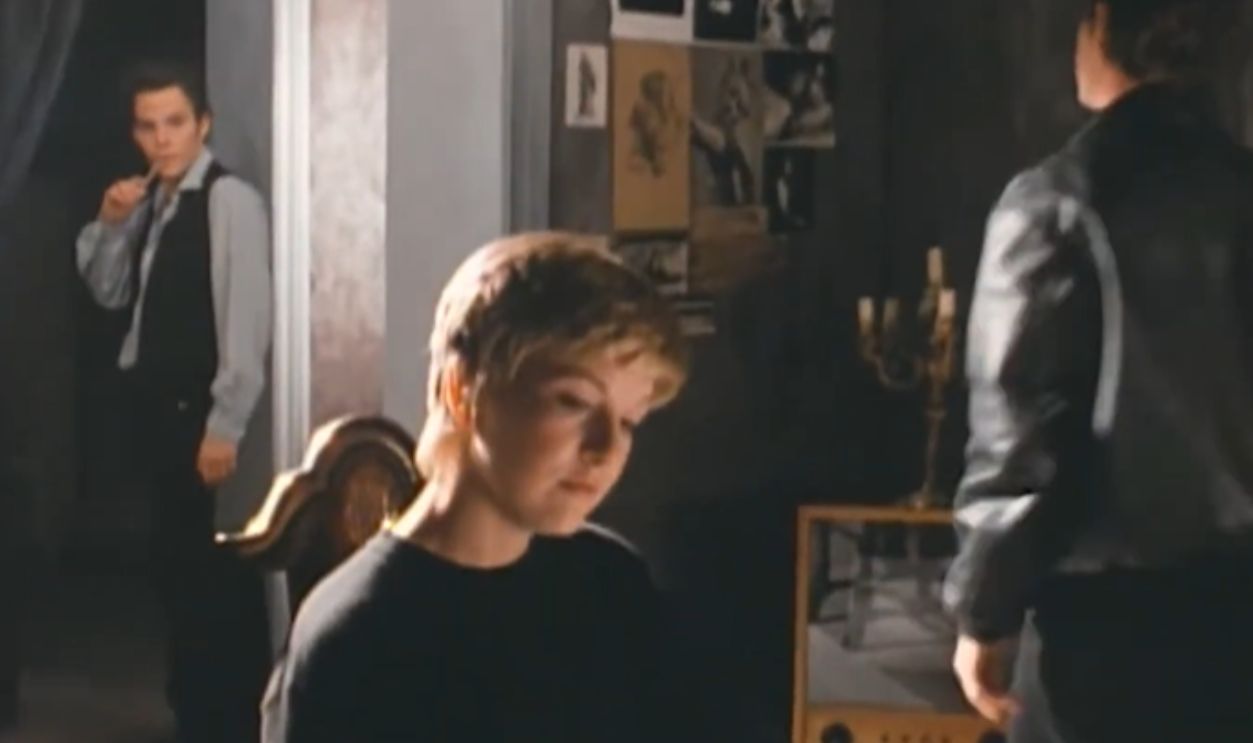
By now, Sutcliffe was checked out—and it was driving Lennon insane. Sometimes he’d even walk off mid-set just to talk to Astrid. His playing wasn’t improving either… mostly because he didn’t care. Lennon was losing it. The band was supposed to top priority, but Sutcliffe wasn’t taking it seriously. The worst part? Lennon had a sinking feeling his friend was slipping away.
 Gramercy Pictures, Backbeat (1994)
36. He Had To Follow His Dream
For Sutcliffe, the choice was clear. By May of 1961, he’d had enough of the Beatles’ aggravation. He wanted Astrid. He wanted his art. He wanted out. For Lennon, it felt like the ultimate betrayal. He envied Sutcliffe’s freedom, his talent, and his ability to walk away. But the idea of losing his closest friend was twisting Lennon up inside.
If Lennon was a car without brakes… he was heading downhill, straight for Sutcliffe.
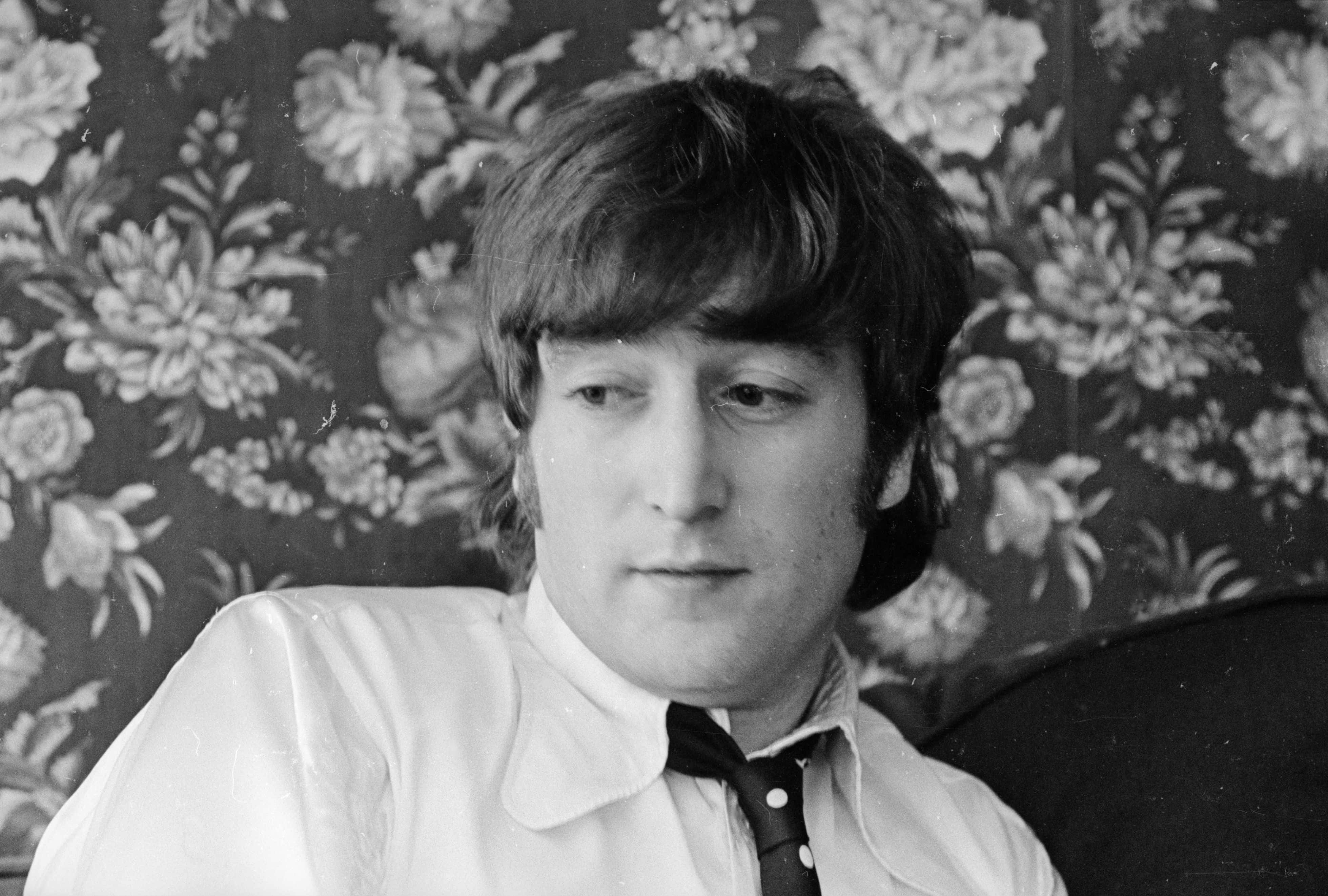
37. He Didn’t See It Coming
John Lennon’s temper was legendary—but that night, it crossed a line. Fueled by amphetamines, sleepless nights, and simmering jealousy, Lennon finally boiled over. Sutcliffe’s sister later said Sutcliffe told her how it had all happened in a flash: One minute the two were talking, the next, Sutcliffe was on the pavement with blood running down his face. Lennon had punched him—hard.
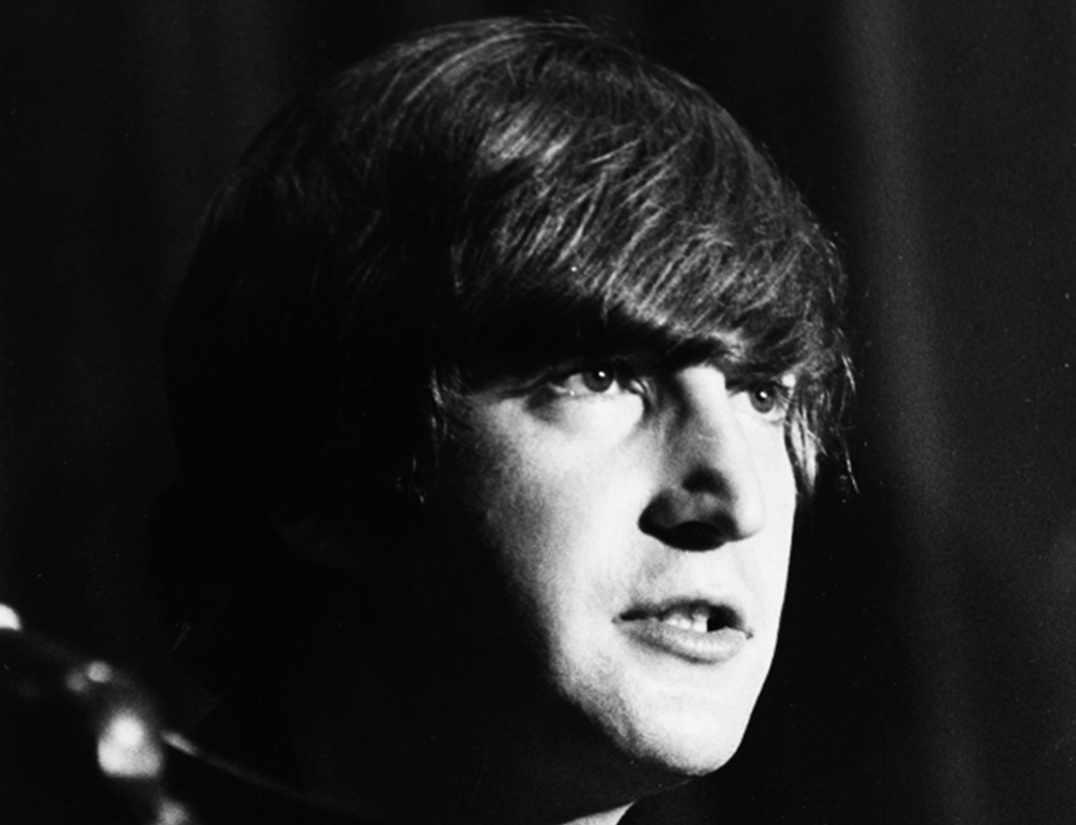 Vern Barchard, Wikimedia Commons
38. His Friend Was Out Of Control
The punch wasn’t the end of it. Lennon, in a fit of rage, kept attacking. He kicked Sutcliffe again and again—even in the head. Whatever snapped in Lennon that night didn’t stop until it was too late. According to Sutcliffe, Paul McCartney was there, and what he saw would have been horrifying.
When Lennon finally backed off, McCartney rushed to Sutcliffe’s side. He was bleeding from his face and ear.
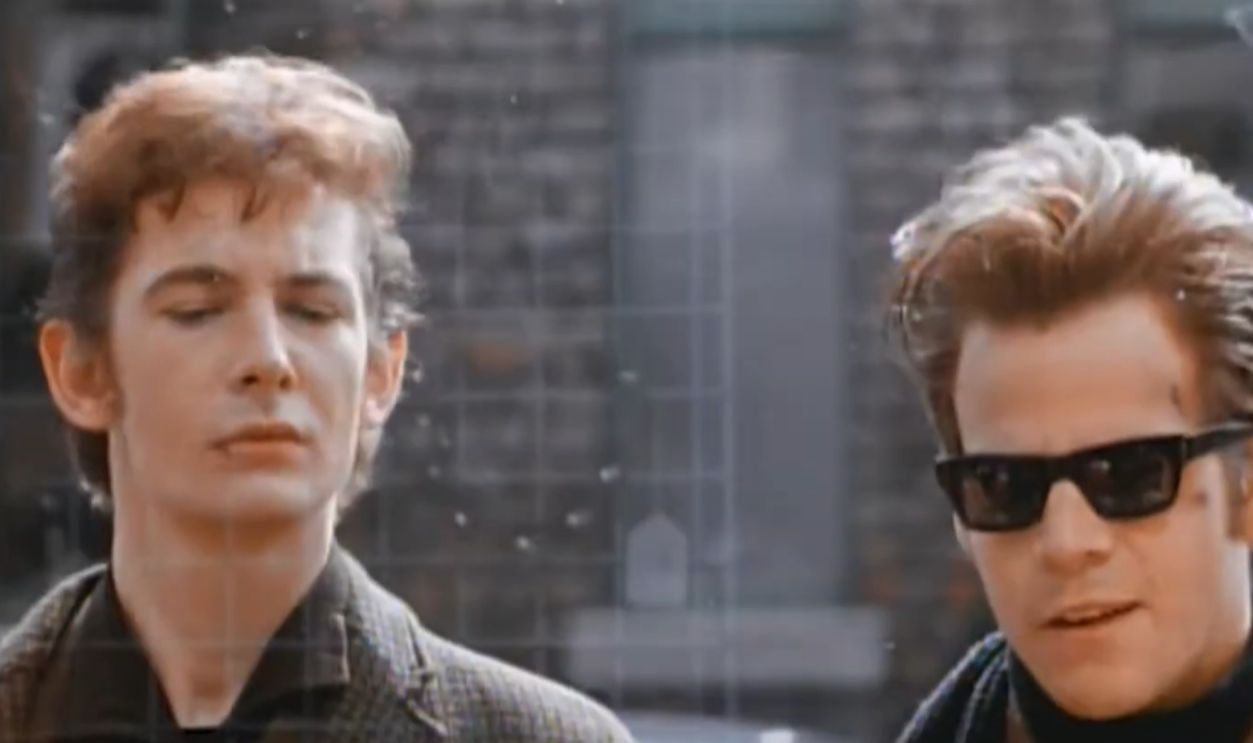 Gramercy Pictures, Backbeat (1994)
39. His Fate Had Been Sealed
After the outburst, reality hit Lennon like a freight train. He looked at what he’d done—at his friend, broken and bleeding—and panicked. Without a word, he turned and ran into the night. It was the most brutal moment yet in a friendship that had gone from brotherly to volatile… and it left scars that would never fully heal.
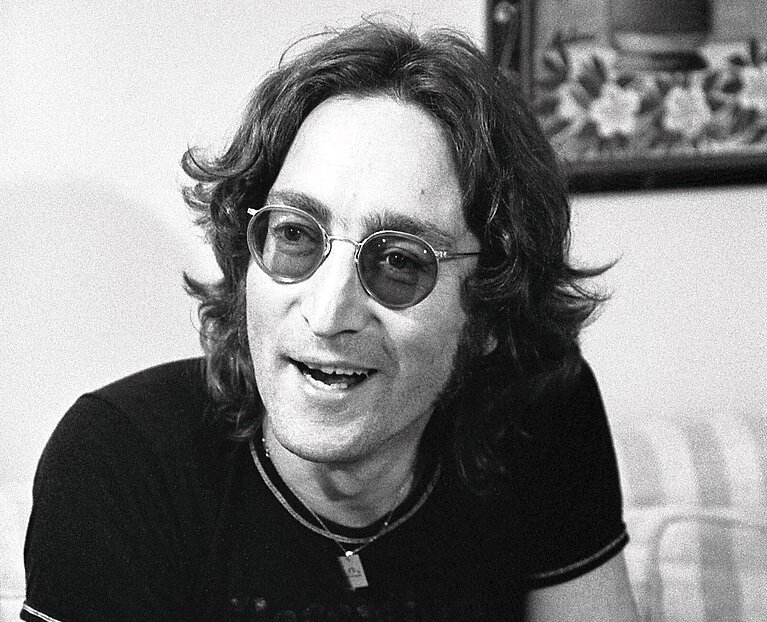 Tony Barnard, CC BY 4.0, Wikimedia Commons
40. He Reached For The Stars
The street fight wasn’t just a breaking point. It was a turning point. Just two months later, in July 1961, Sutcliffe officially quit the Beatles. He walked away from the chaos, the spotlight, the fame-to-be—and walked straight into the life he truly wanted. He enrolled at the Hamburg College of Art, where famed sculptor Eduardo Paolozzi instantly saw his spark, saying, “The feeling of potential splashed out of him”.
Sutcliffe was finally chasing the future he’d always dreamed of. But as he leapt toward a life of love, art, and meaning, he fell headlong into tragedy.
 User:Wmeinhart - Wolfgang Meinhart, Hamburg, Wikimedia Commons
41. He Faced The Unexpected
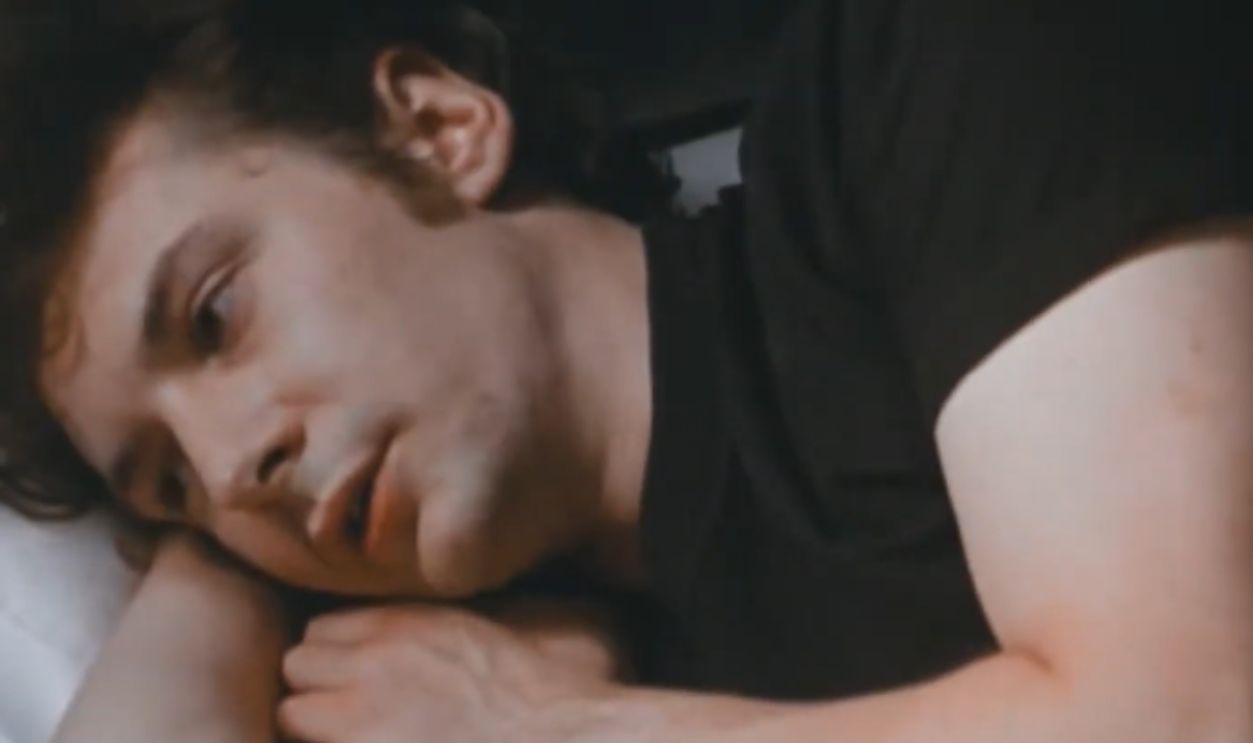
To paraphrase A Christmas Story, when our joy is at its zenith, sometimes the most unthinkable disasters strike. And for Stuart Sutcliffe, disaster struck with a vengeance. In late 1961, as he basked in his new life, the unimaginable happened: He suddenly collapsed while at art college.
What followed was a nightmare.
 Gramercy Pictures, Backbeat (1994)
42. He Wasn’t Doing Well
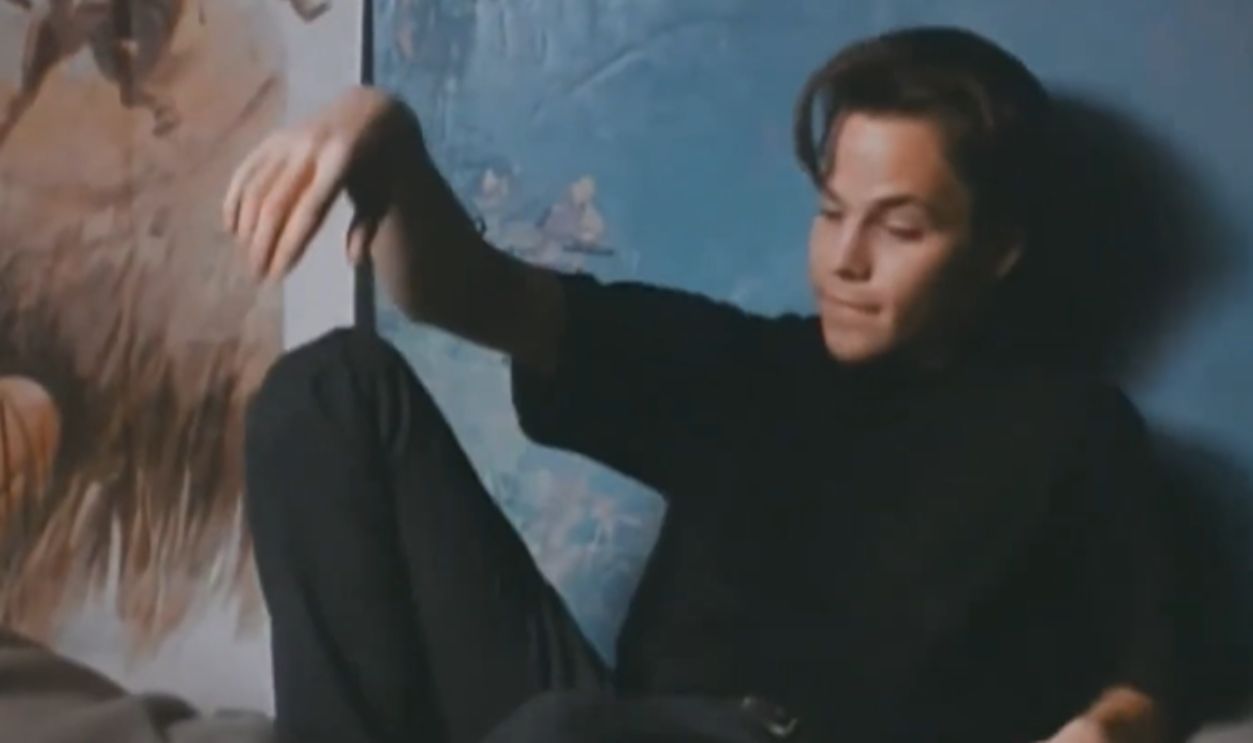
Sutcliffe began suffering from excruciating, blinding headaches—waves of pain that knocked him off his feet. Astrid’s mother sprang into action, rushing him to doctor after doctor, but no one could explain what was wrong. Every test came back inconclusive. Sutcliffe kept deteriorating, and no one had answers.
Then one day, after returning from yet another appointment, Sutcliffe turned to Astrid and said something chilling.
 Gramercy Pictures, Backbeat (1994)
43. He Made A Heartbreaking Request
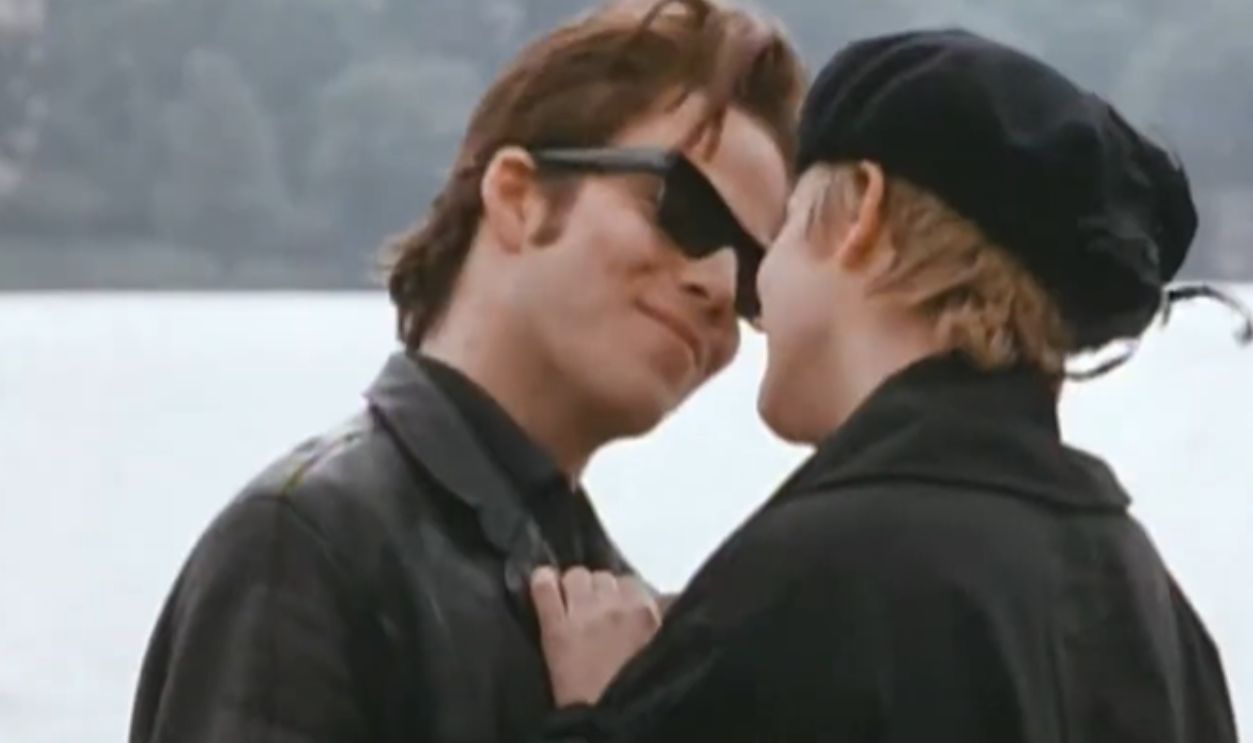
The only thing worse than being sick is not knowing why. When Stuart Sutcliffe got home from visiting a specialist, he turned to Astrid and said something that stopped her cold: He didn’t want a black coffin like everyone else. He’d just seen a white coffin in a store window and wanted that instead. Oh, Stuart. Even in a dire state, he was still art directing his life.
It would almost be funny… if it weren’t so utterly tragic.
 Gramercy Pictures, Backbeat (1994)
44. He Was Leaving Terrifying Clues
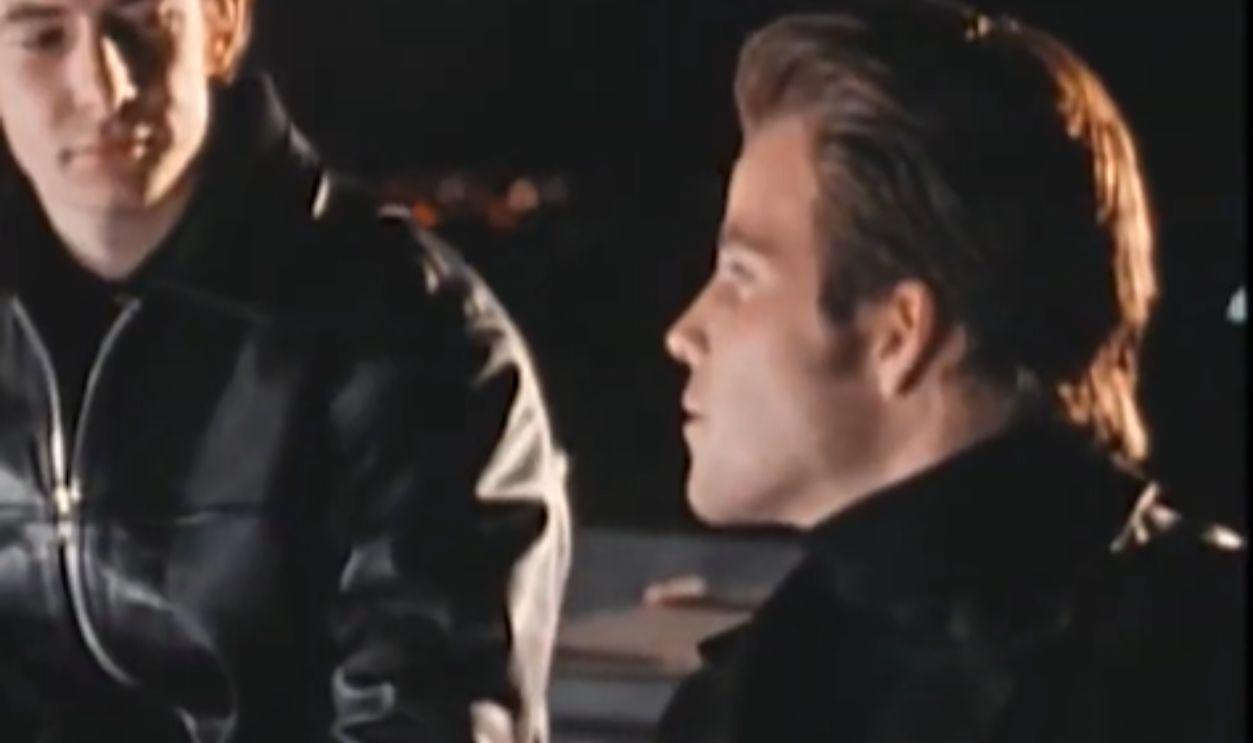
Back in England, Sutcliffe’s devoted mother was spiraling into a panic. Her once vibrant son was slipping away, and no one could tell her why. Sutcliffe, ever the faithful letter writer, kept her updated with plenty of notes about his condition, but the most chilling detail wasn’t in his words. It was in the handwriting itself. Each letter looked more unhinged than the last, the ink practically unravelling on the page.
Sutcliffe’s mother wasn’t the only one getting these ominous dispatches. He was writing to Lennon, too. Astrid later returned these 30-page letters to Lennon, never to be seen by anyone again.
 Gramercy Pictures, Backbeat (1994)
45. He Was Going Downhill Fast
Stuart Sutcliffe was getting worse and worse. On April 2, he collapsed in a violent seizure. Doctors considered epilepsy, but something wasn’t adding up. They brought in more neurologists, and during one exam, a chilling question came up: Had he ever taken a serious hit to the head? Dr. Hommelhoff didn’t mince words. A punch or kick to the skull, he said, could explain everything.

46. His Body Betrayed Him Again
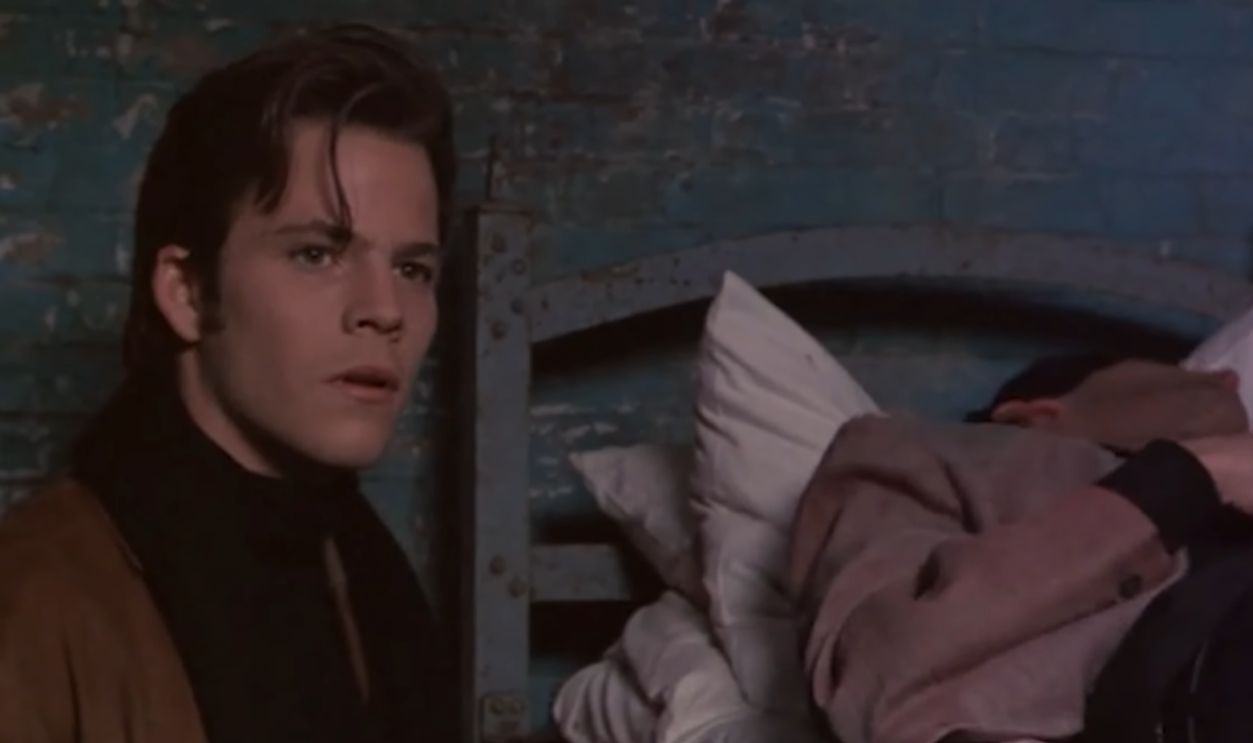
Around noon on April 10, something went horribly wrong. Sutcliffe was alone in the attic studio at Astrid’s house when a sudden scream shattered the quiet. Astrid’s mother rushed upstairs to find him convulsing on the floor, in the throes of a seizure. She tried to give him his emergency meds, but it was no use. Sutcliffe was slipping fast. By the time paramedics arrived, he was unconscious.
Astrid came home to find her world collapsing—Sutcliffe was already in a coma.
 Gramercy Pictures, Backbeat (1994)
47. His Brain Held The Secrets
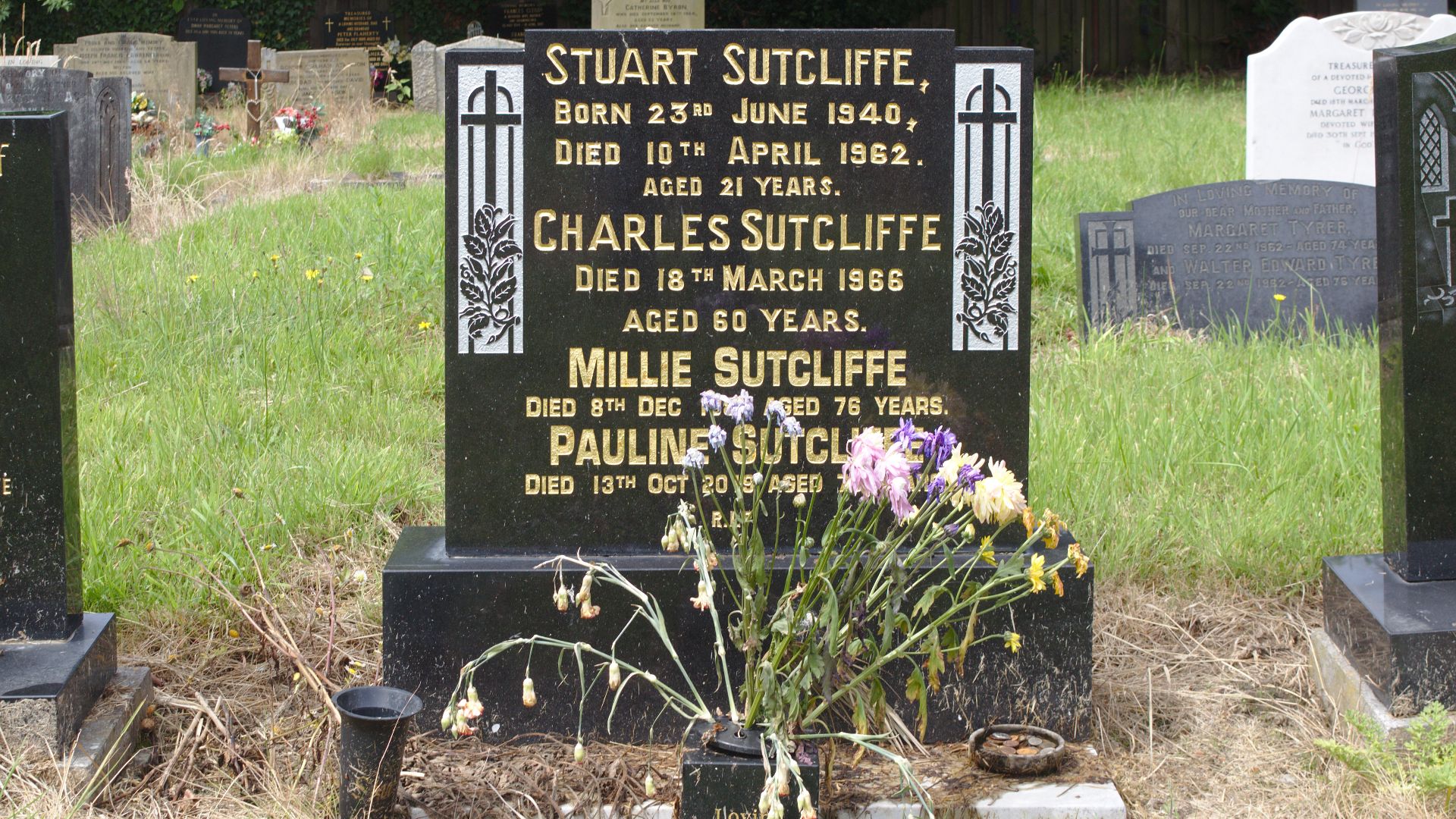
Sutcliffe’s body had been warning him about this for months. The paramedics carried him down from the attic and loaded him into the ambulance. Astrid cradled his head in her hands. At 4:45 pm on the way to the hospital, Stuart Sutcliffe—artist, musician, and original Beatle—was gone. He was just 21. Astrid later swore he had a smile on his face when he passed.
Sutcliffe’s mother and sister, Pauline, had questions.
 Rodhullandemu, Wikimedia Commons
48. His Family Couldn’t Let Go
The questions never stopped gnawing at Sutcliffe’s mother and sister: How could a healthy young man suddenly fall apart? Pauline kept circling back to Sutcliffe’s story of Lennon’s violent attack. The more she thought about it, the more she wondered… Why did Lennon stay silent?
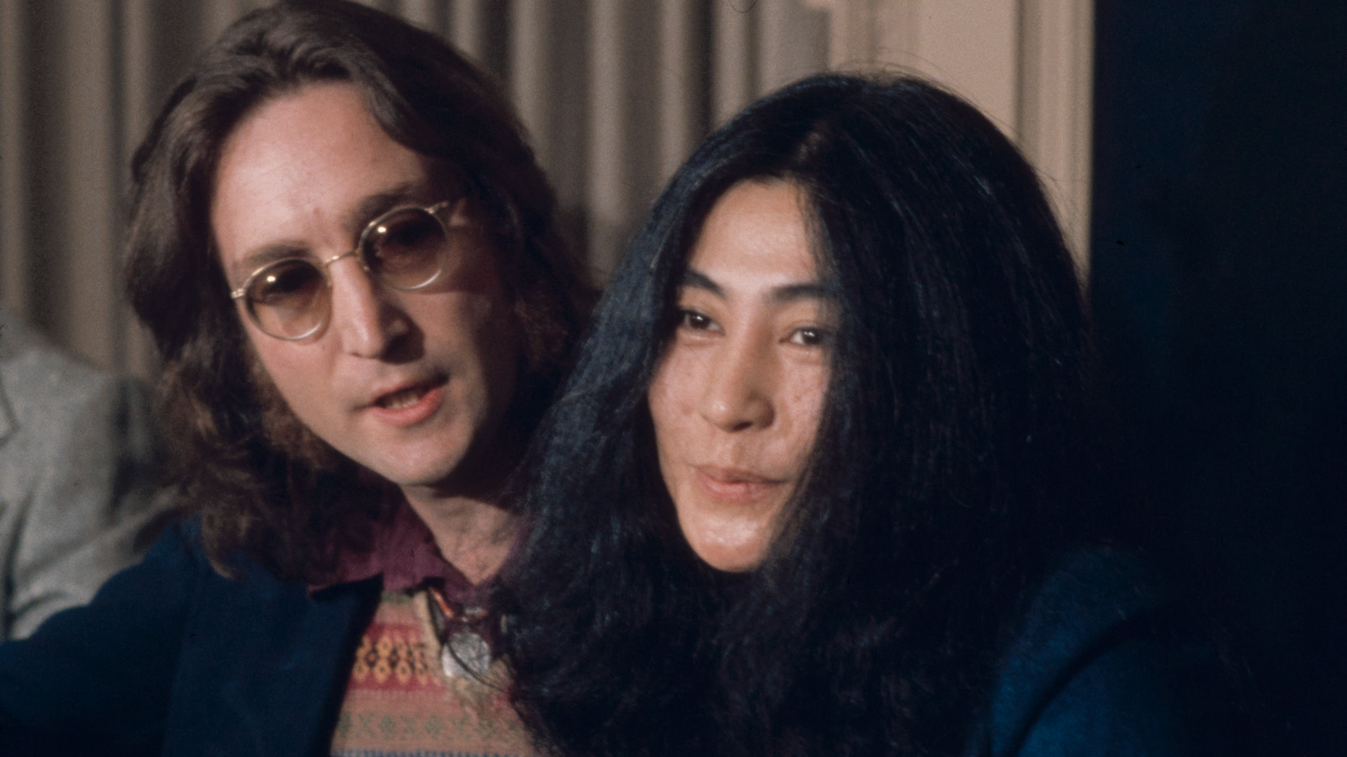
Years later, Pauline discovered a surprising confession. Lennon had privately told Yoko he felt wracked with guilt because he’d lost control during the fight. He’d admitted to punching and kicking Sutcliffe while wearing cowboy boots with hard, pointed toes. And he never told anyone.
 Bernard Gotfryd, Wikimedia Commons
49. He Took The Truth To His Grave
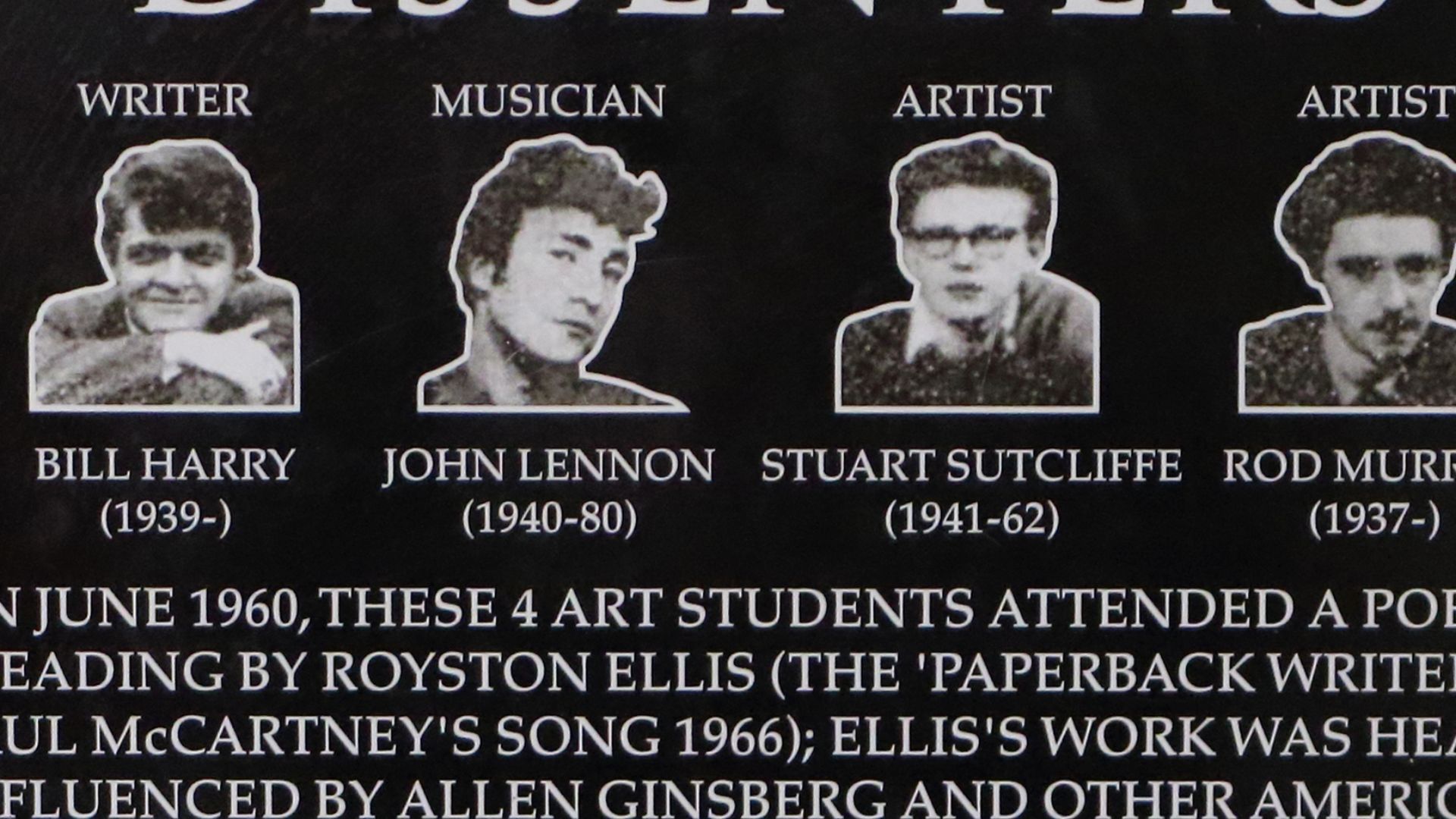
Perhaps some stories are just too uncomfortable for those in power. Over the years, Pauline’s theory about what had really caused her brother’s demise has been dismissed by everyone from Paul McCartney to Beatles biographers Philip Norman and Alan Clayson. Even Astrid insisted Sutcliffe would have told her if something like that had happened. But would he?
Some bonds are deeper than confession—and stronger than silence.
 Rodhullandemu, Wikimedia Commons
50. His Sister Went To War With Astrid
Years after Sutcliffe’s death, his sister Pauline made a shocking discovery: Some of his unsent letters and personal items were up for auction. The seller? None other than Astrid Kirchherr, his old flame. Furious, Pauline launched a bitter court case while managing her brother’s estate. Sutcliffe’s bass ended up with the Hard Rock Cafe, who later loaned it to rock’s most hallowed ground, the Rock and Roll Hall of Fame, for a special exhibit honoring Sutcliffe.
Sutcliffe was finally getting the recognition he deserved, but fate had a twist in store. Due to overwhelming demand, the museum extended a temporary John Lennon exhibit. For a little while at least, fate had reunited the two friends in the cathedral of rock and roll.
 Johnny Green - PA Images, Getty Images
You May Also Like
Flamboyant Facts About Brian Jones, The First Rolling Stone
Iconic Facts About The Beatles, The Legends Of Rock
Gutsy Facts About Brian Epstein, The Mastermind Behind The Beatles










.jpg)
