
American Psycho
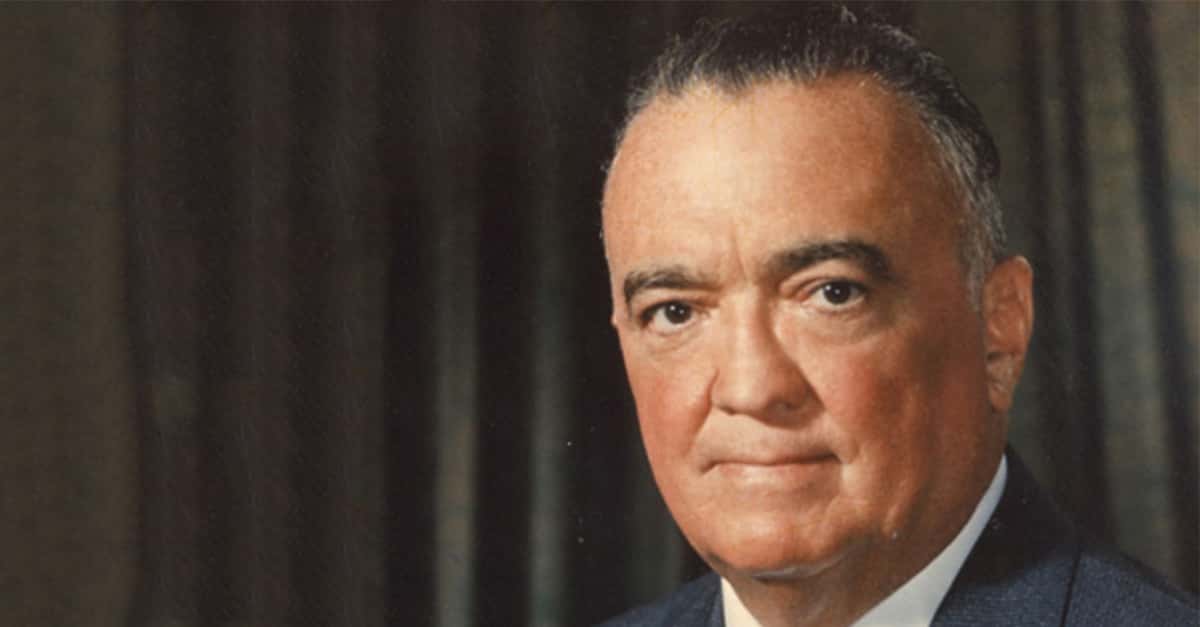
J Edgar Hoover is one of the most odious figures in American history. Anointed as the first FBI Director, he is among the longest serving law enforcement leaders the country has known. But behind his thin veneer of public service lay a laundry list of concealed secrets, both professional and personal.
1. He Stayed Put
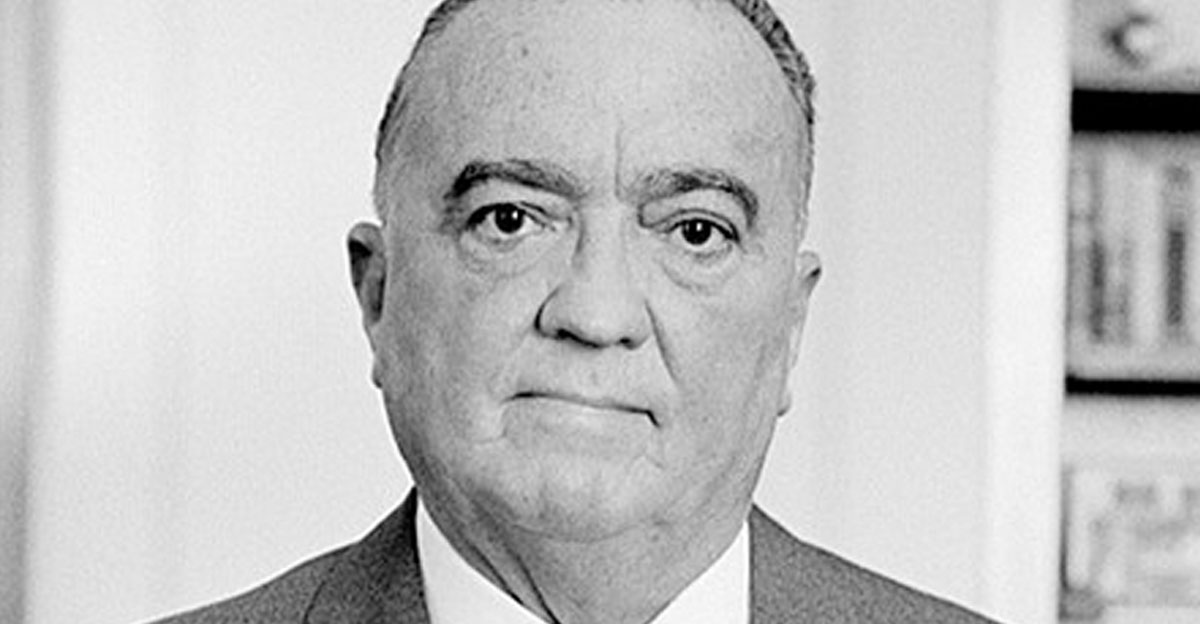
John Edgar Hoover was born in Washington DC, on New Year’s Day 1895. If ever a kid was born exactly where they needed to be, it was young J Edgar. He would remain living in the nation’s capital for his entire life. But despite living in the heart of bureaucracy, Hoover’s parents shunned it.
 Underwood & Underwood, Wikimedia Commons
2. He Was Off The Books
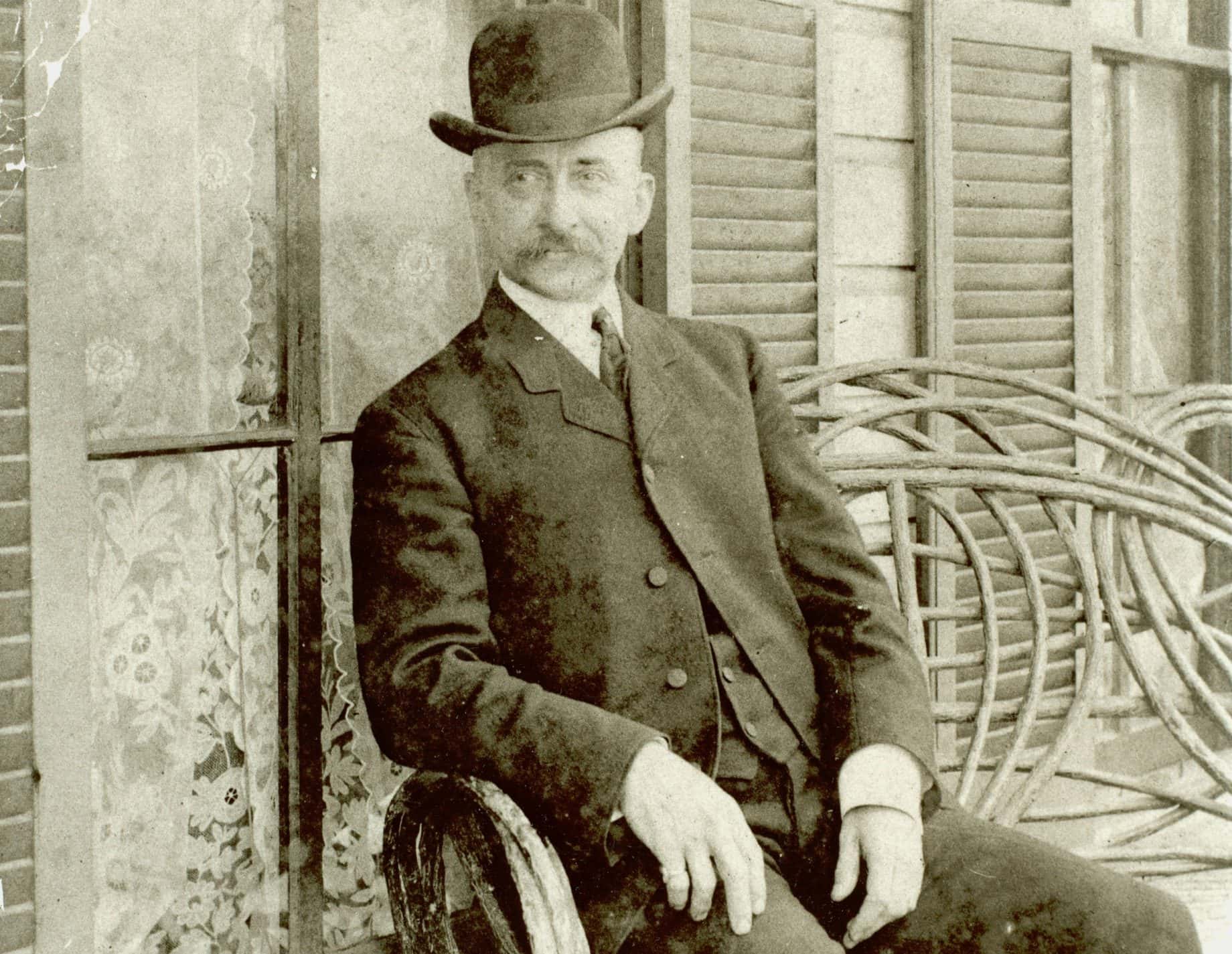
Interestingly, Hoover had no birth certificate filed upon entering the world, despite the fact that his siblings did and that it was a requirement in Washington DC at the time. In fact, he would not file a birth certificate at all until he was 43 years old. This has given rise to some conspiracy theories around Hoover’s actual origins, and there may be something to them, considering his mother’s nature.
 Richard Cavalleri, Shutterstock
3. He Was A Mama’s Boy
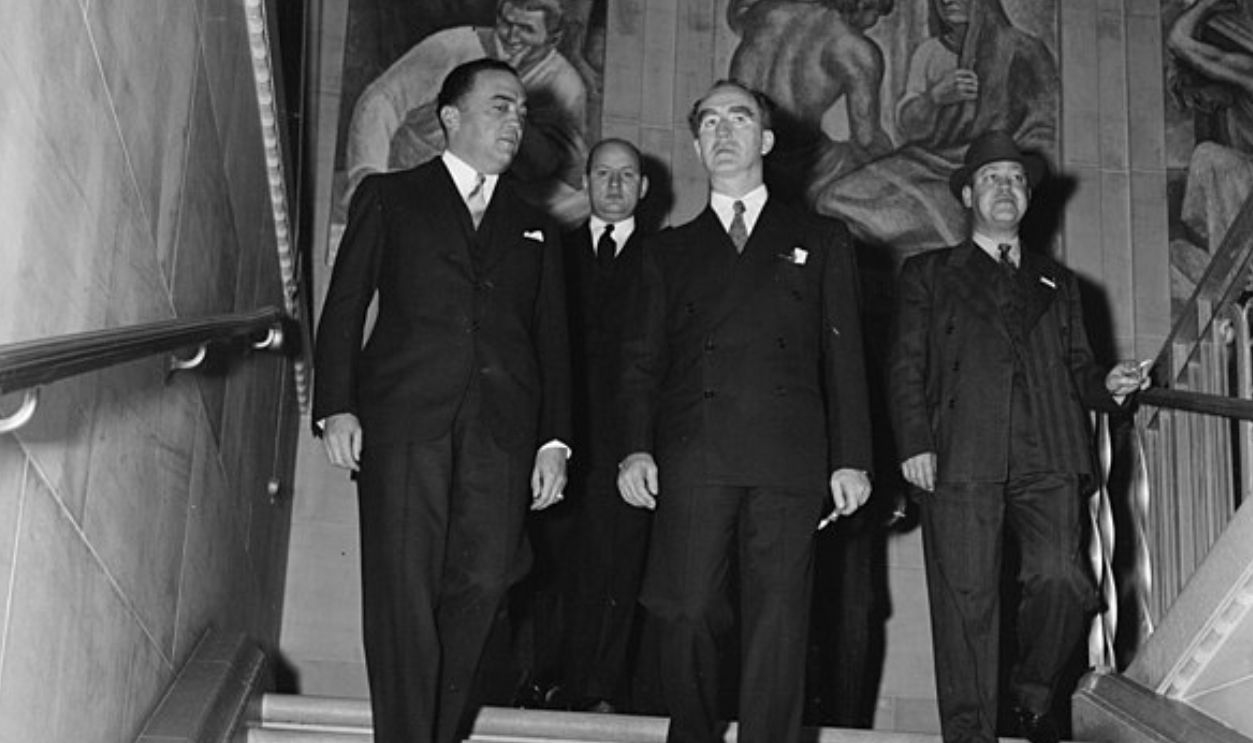
Growing up, J Edgar Hoover was very close to his mother, though she was not always easy to deal with. Hoover would later diplomatically describe her as “inclined to instruction”, implying she was quite strict. She also reportedly showed great affection towards her son, however. The result was a model young pupil.
 Harris & Ewing, photographer, Wikimedia Commons

History's most fascinating stories and darkest secrets, delivered to your inbox daily.
4. He Was Active
Hoover attended DC’s Central High School, where he performed well and was active in many extracurricular activities. These included singing in the school choir and taking part in the Reserve Officers’ Training Corps program. But where Hoover succeeded the most was on the debate team.
 Yoichi Okamoto, Wikimedia Commons
5. He Made His Views Clear
Hoover’s favorite topics to debate signaled early what would become his lifelong conservative values. He passionately argued against women’s suffrage and in favor of capital punishment. His unrelenting personality was on display for all to see.
6. He Was Effective
Regardless of how people felt about Hoover’s views, no one could deny his skill at debating. Indeed, his school newspaper applauded the young man’s performance, praising his “cool, relentless logic”. It was an accomplishment for Hoover on another level too.
 Los Angeles Daily News, CC BY 4.0, Wikimedia Commons
7. He Struggled With Speech
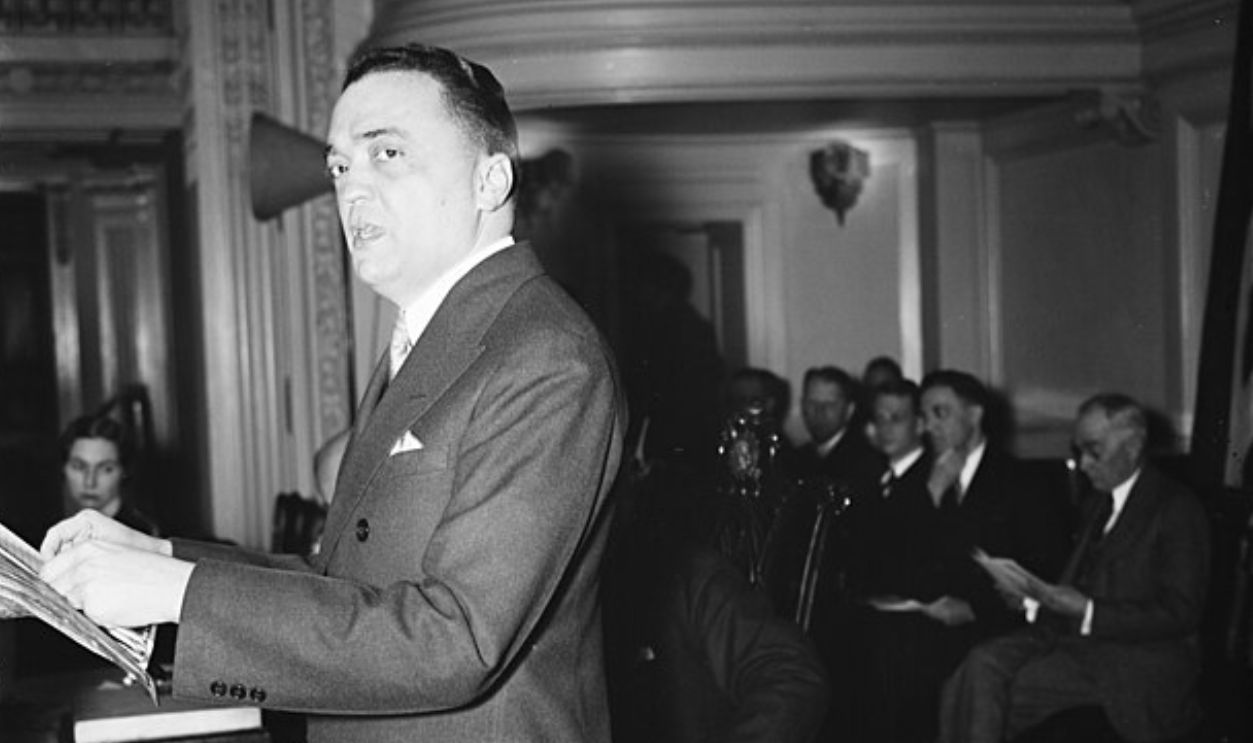
As a boy, Hoover had struggled with a stutter, something he felt deep shame about. He was determined not to let it limit him, however, and paradoxically, overcame the impediment by teaching himself to talk rapidly. He may have overcorrected.
 Harris & Ewing, photographer, Wikimedia Commons
8. He Spoke A Mile A Minute
In later life, most knew J Edgar Hoover for his signature fast talking style. Indeed, as an adult, he spoke with such rapid ferocity and speed that even stenographers had a hard time recording what he said. And considering the career path he undertook, stenographers would not be a rare necessity.
9. He Got Early Experience
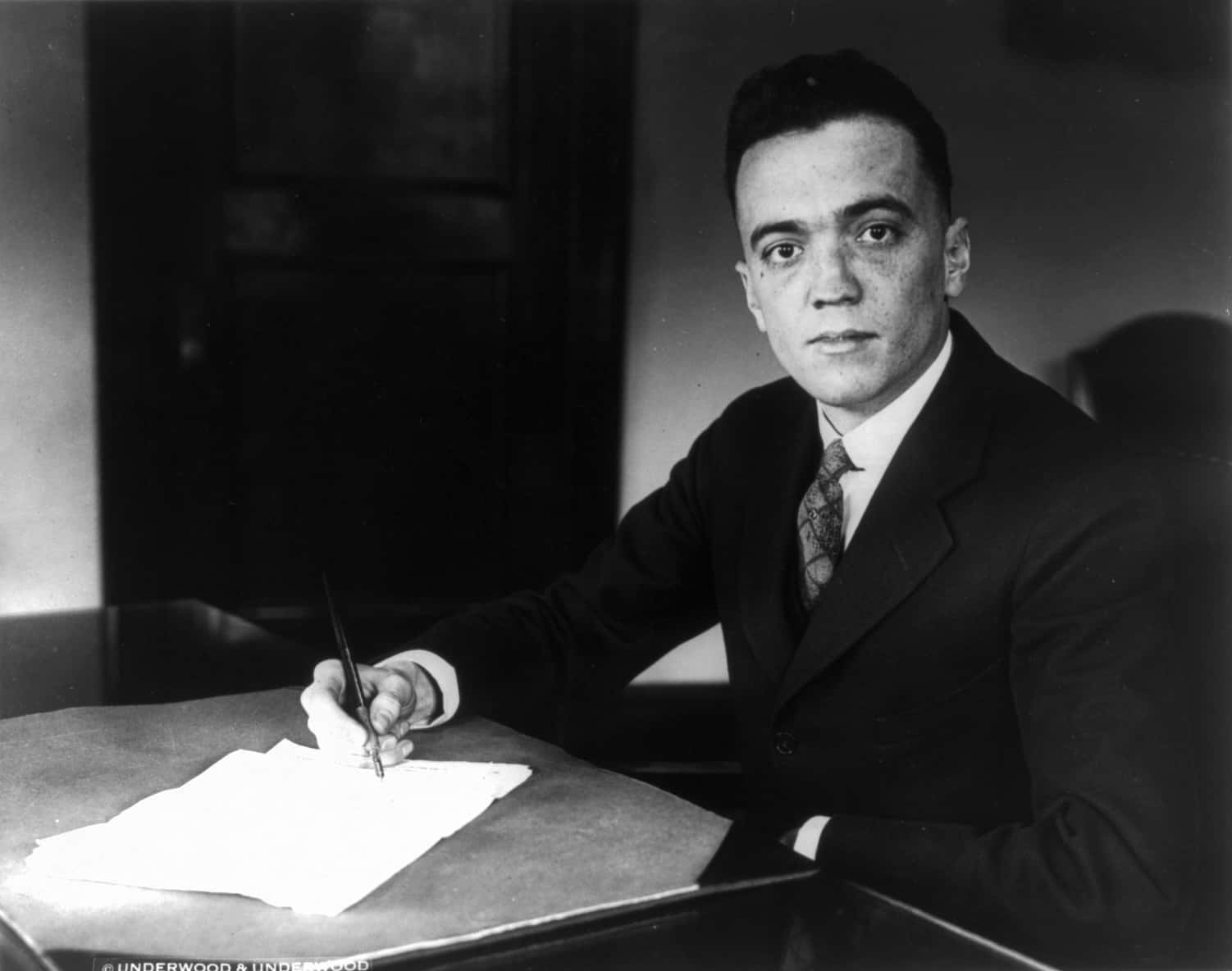
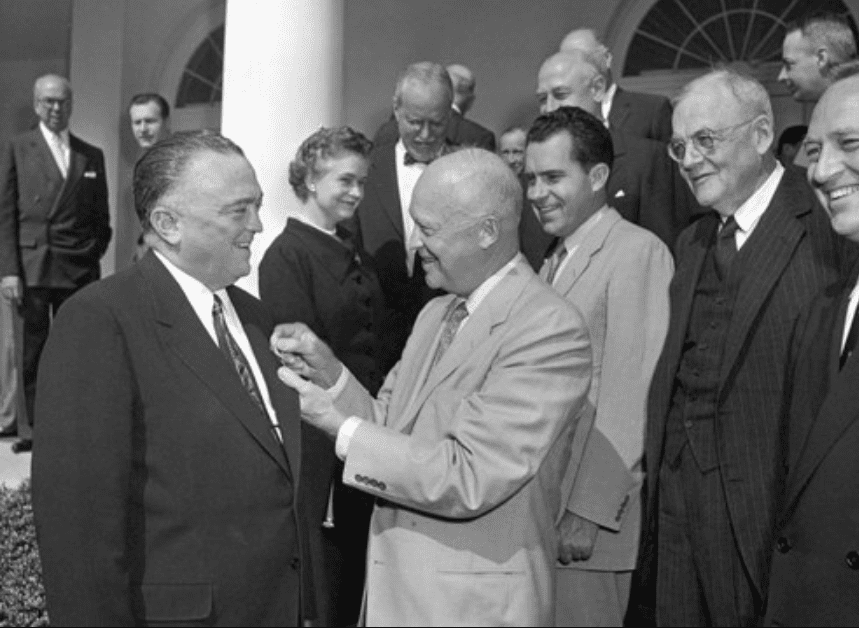
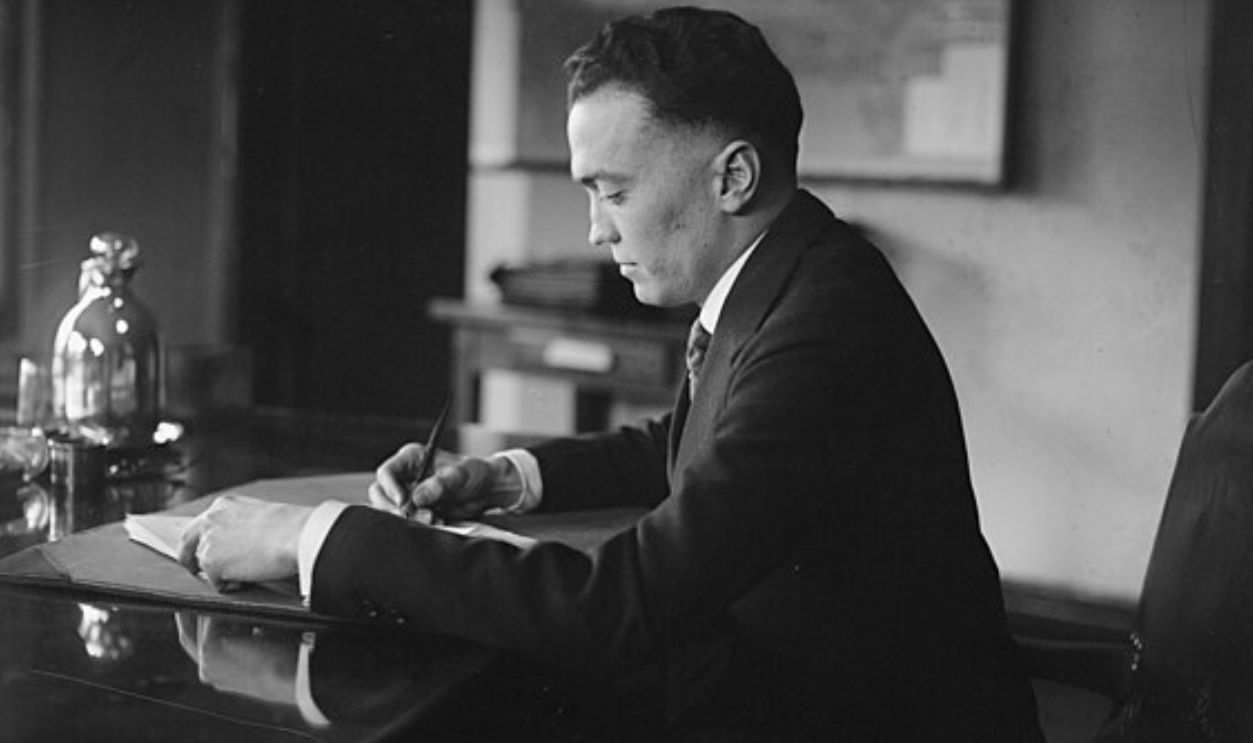
Hoover got his first job at the age of 18, working as a messenger in the orders department of the Library of Congress. It would be a formative experience for the man and his profession: he later spoke about how the experience of gathering information and evidence would help to create FBI profiles. But before all that, he had to get a degree.
 National Photo Company Collection, Wikimedia Commons
History's most fascinating stories and darkest secrets, delivered to your inbox daily.
10. He Joined A Problematic Frat
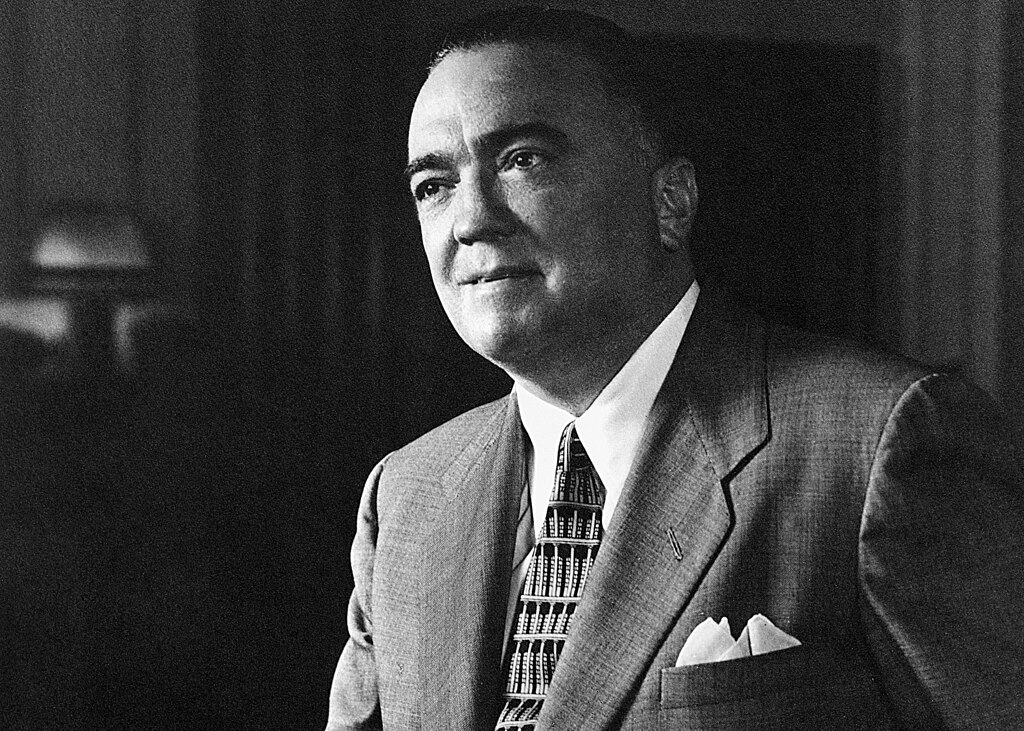
J Edgar Hoover attended George Washington University Law School, graduating in 1916. While a student, he joined a chapter of the Kappa Alpha Order fraternity, an infamous Southern fraternity that was known for its passionate association and nostalgia for the Confederacy. Hoover’s passion for a bigoted campaign was somewhat ironic, considering he avoided battle himself.
 Unknown Artist, Wikimedia Commons
11. He Dodged The Draft
The Justice Department hired Hoover right out of law school, accepting a clerkship position in the War Emergency Division. Hoover was 22 at the time and started the job the day before the outbreak of WWI. Conveniently, his position made him exempt from the draft. He quickly climbed the ranks.
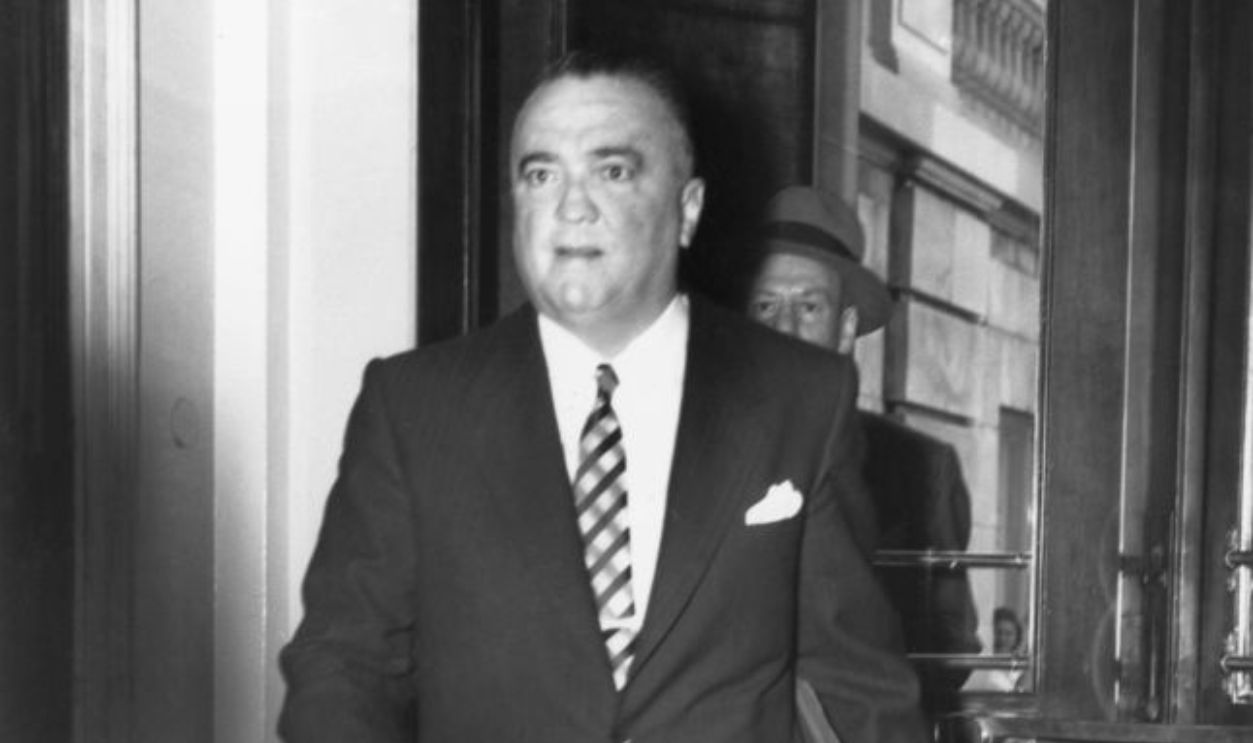
12. He Shunned Due Process
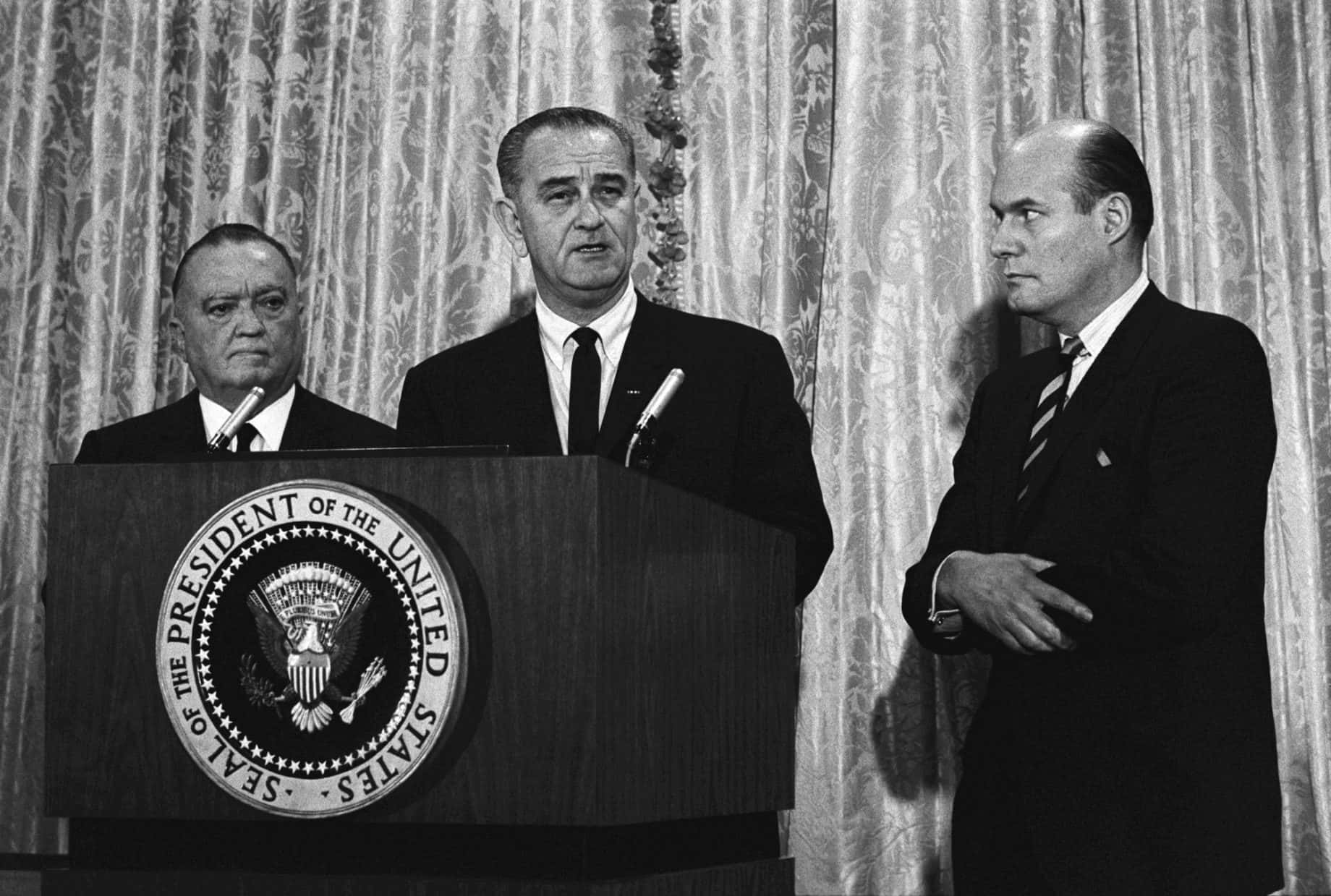
J Edgar Hoover soon got promoted to the head of the Division’s Alien Enemy Bureau, where he received authorization to arrest and imprison, without trial, any allegedly disloyal foreigners during the national emergency. It would be the first of many of Hoover’s deeply unconstitutional acts.
 Yoichi Okamoto, Wikimedia Commons
13. He Quashed Dissent
In 1919, at the age of just 24, Hoover got assigned head of the Bureau of Investigation’s new General Intelligence Division, though it was more commonly known by its nickname: the Radical Division.
The Bureau tasked Hoover and his team with disrupting the work of what the government deemed domestic radicals, and his undemocratic tactics against supposed communists ushered in America’s First Red Scare. Ironically, Hoover had associations with shady organizations himself.
14. He Joined A Club
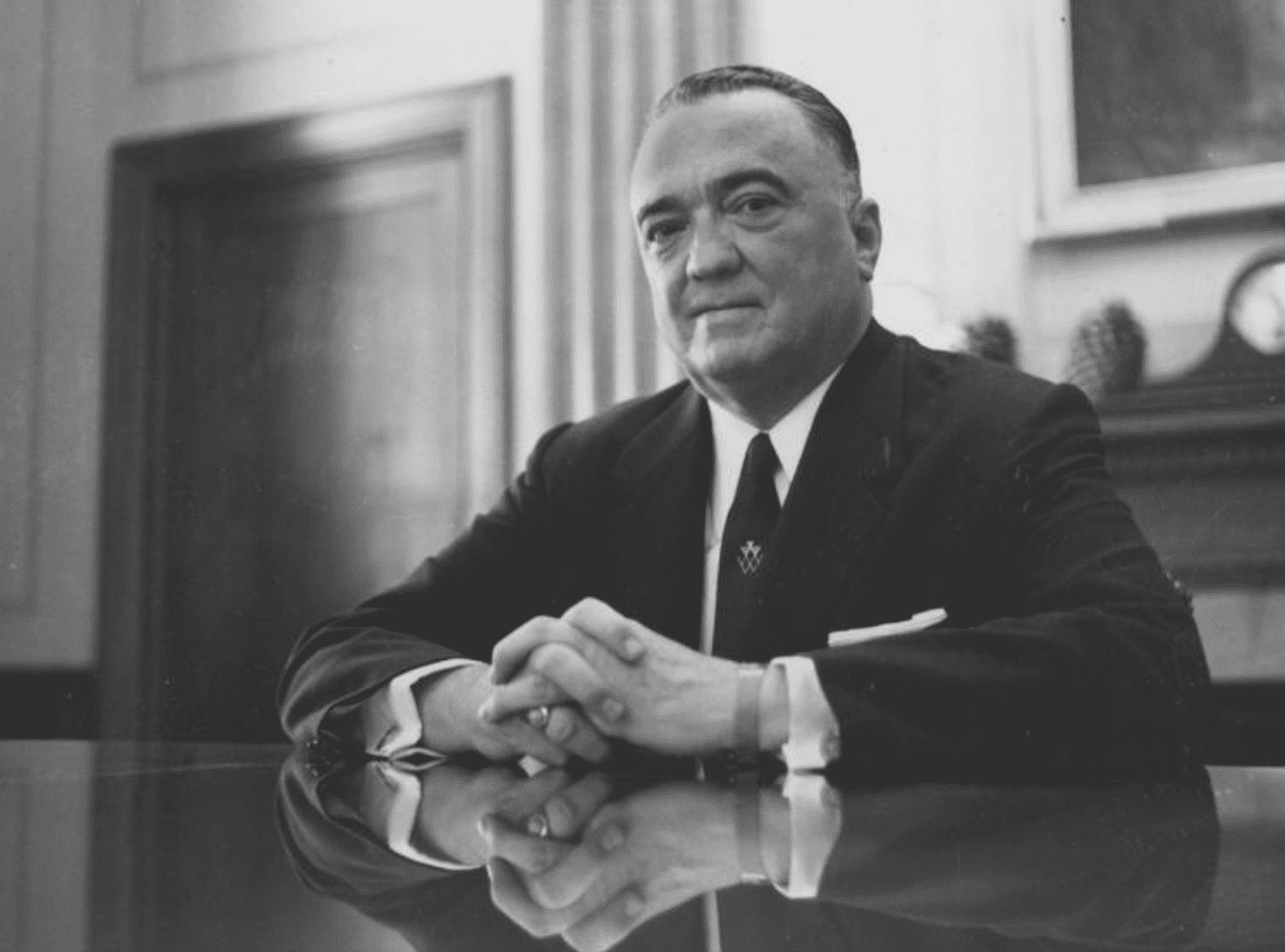
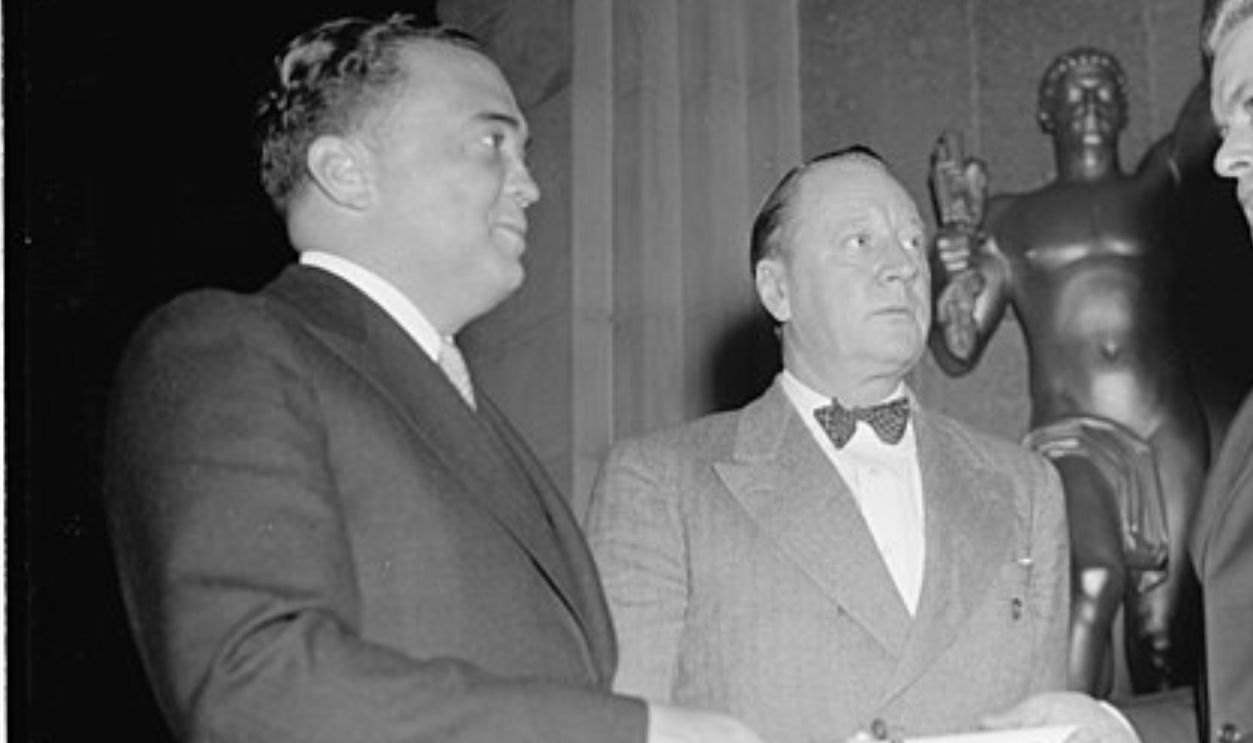
At 25 years old, J Edgar Hoover got initiated into the Freemasons at the Washington DC lodge. The Freemasons have been the subject of conspiracy theories over the years, but one thing that is undeniable is that its membership comprises powerful, elite figures. The contacts he inevitably made there may have contributed to Hoover’s next leg-up.
 Harris & Ewing, photographer, Wikimedia Commons
15. He Became The Head Honcho
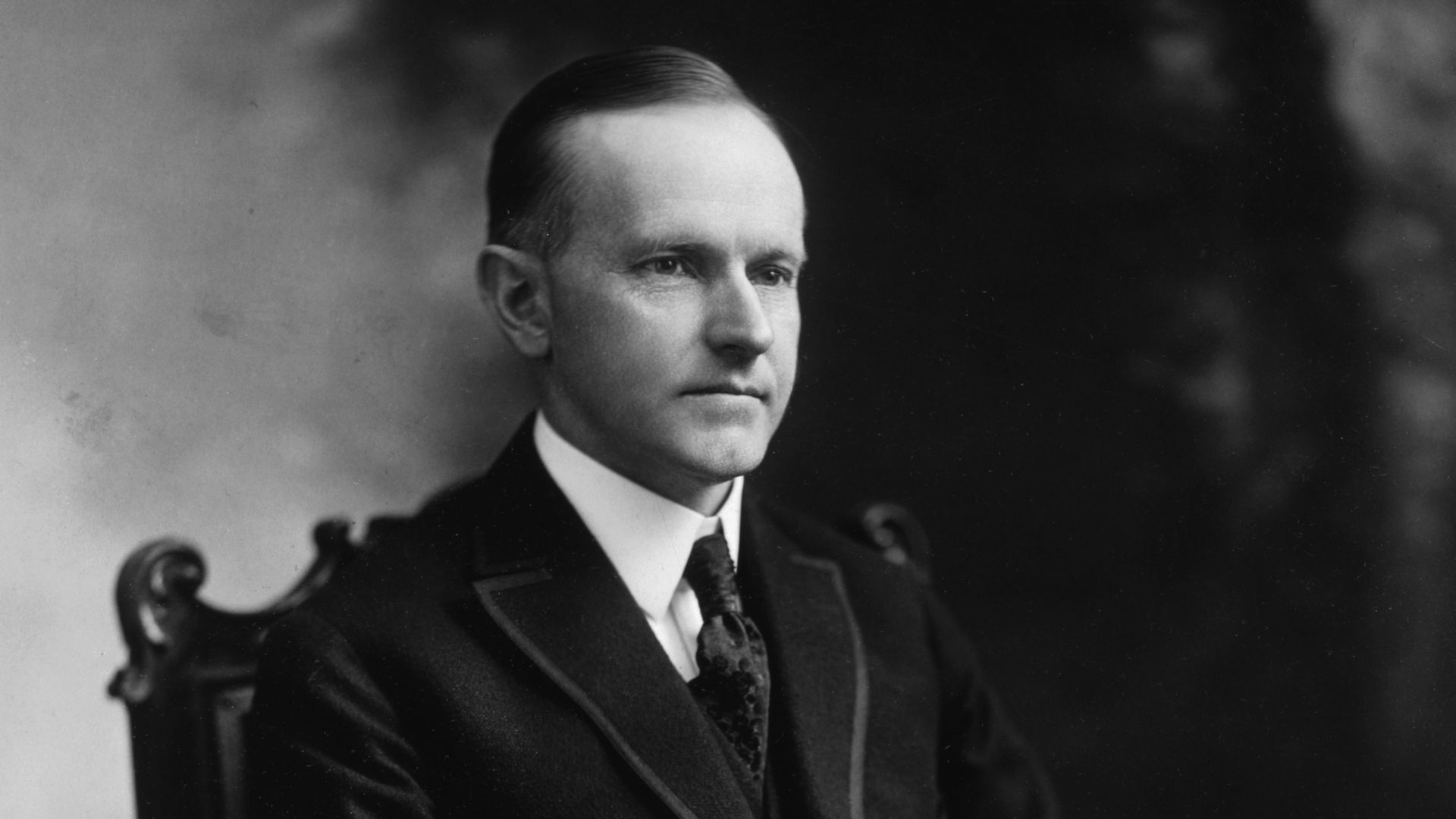
Hoover rose to deputy head of the Bureau of Investigation in 1921, and just three short years later, President Calvin Coolidge appointed him head of the Bureau following his predecessor’s involvement in the Teapot Dome scandal. Hoover set to work remolding the organization to fit his reactionary vision.
 Notman Studio, Boston. Restoration by User:Adam Cuerden, Wikimedia Commons
History's most fascinating stories and darkest secrets, delivered to your inbox daily.
16. He Reversed Progress
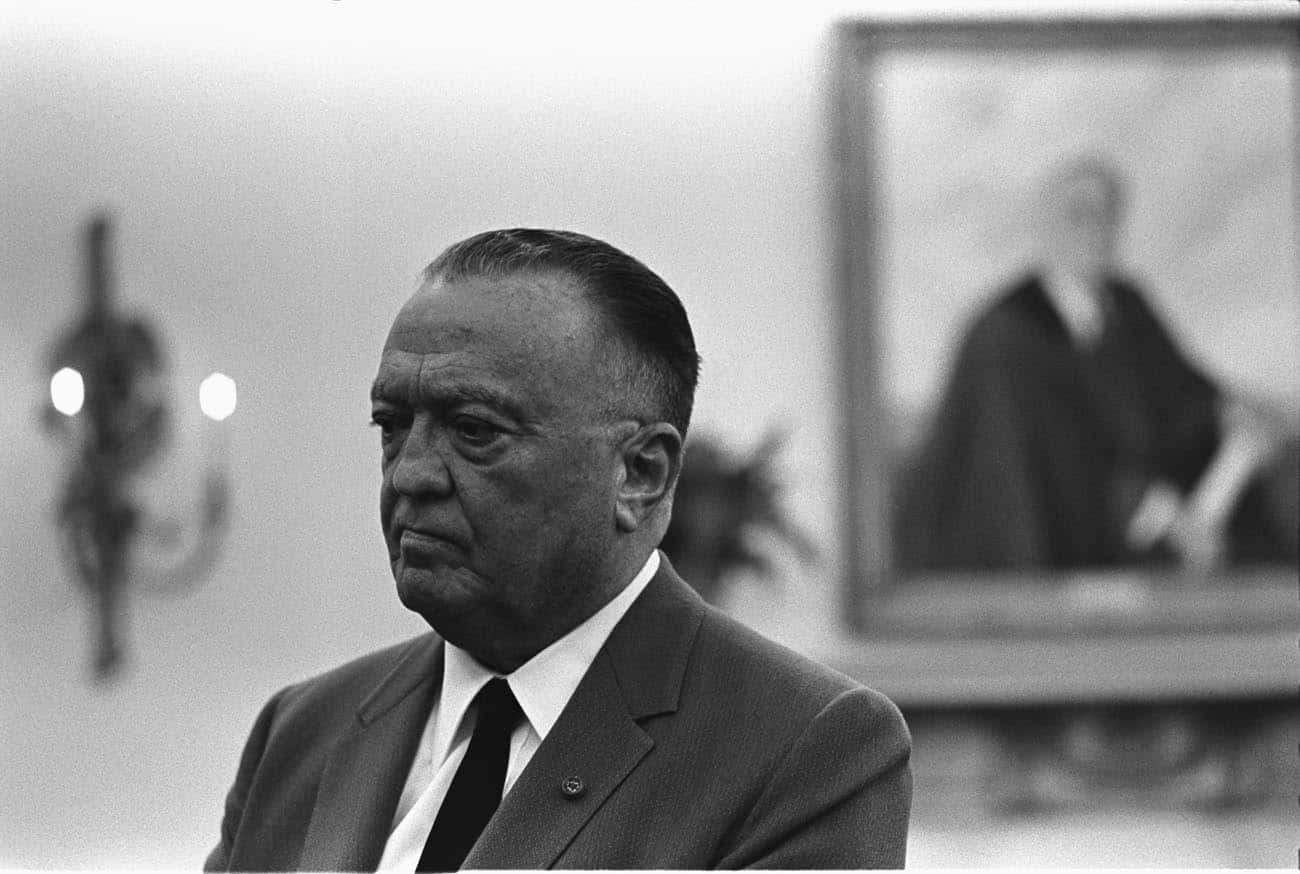
With the Bureau of Investigation, J Edgar Hoover took over an agency with approximately 650 employees. But his first major act was to cut that number significantly, and in a detestable way: he fired all female agents and banned them from being hired in the future. That wasn’t the end of his tyranny, however.
 Yoichi R. Okamoto, Wikimedia Commons
17. He Was Petty
Hoover was a chaotic and unpredictable leader, and he would often fire agents for the most ridiculous of supposed offenses, including “looking stupid”. He was also punitive towards incredibly effective agents whom he felt threatened by or envious of. He managed to get some work done, however.
18. He Pursued Outlaws
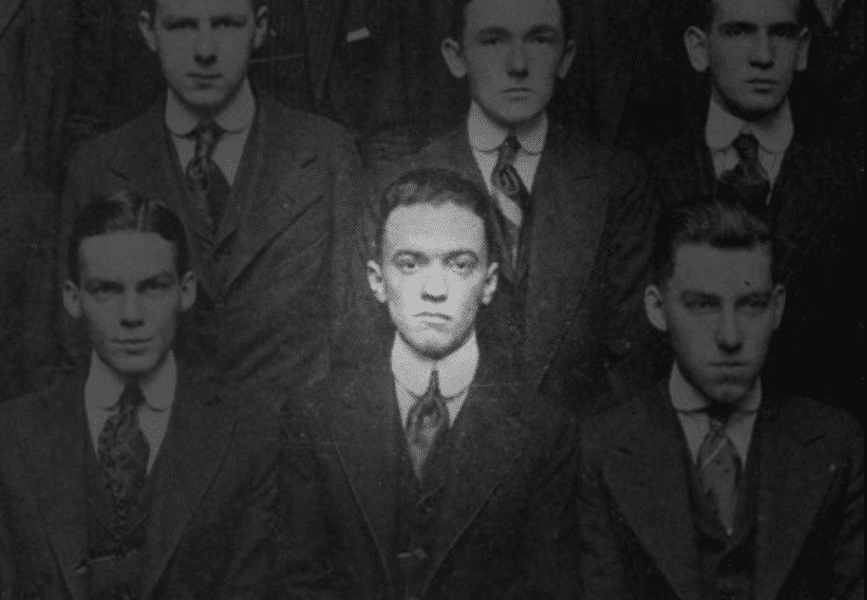
Throughout the 1930s, J Edgar Hoover was engaged in a public cat-and-mouse game with many of the Depression era’s most famous bank robbers, including John Dillinger and Machine Gun Kelly. The Bureau floundered at first, but realizing his job was on the line, Hoover doubled his efforts, which resulted in highly publicized captures of the outlaws. It bought him some sway.
19. He Shaped His Organization
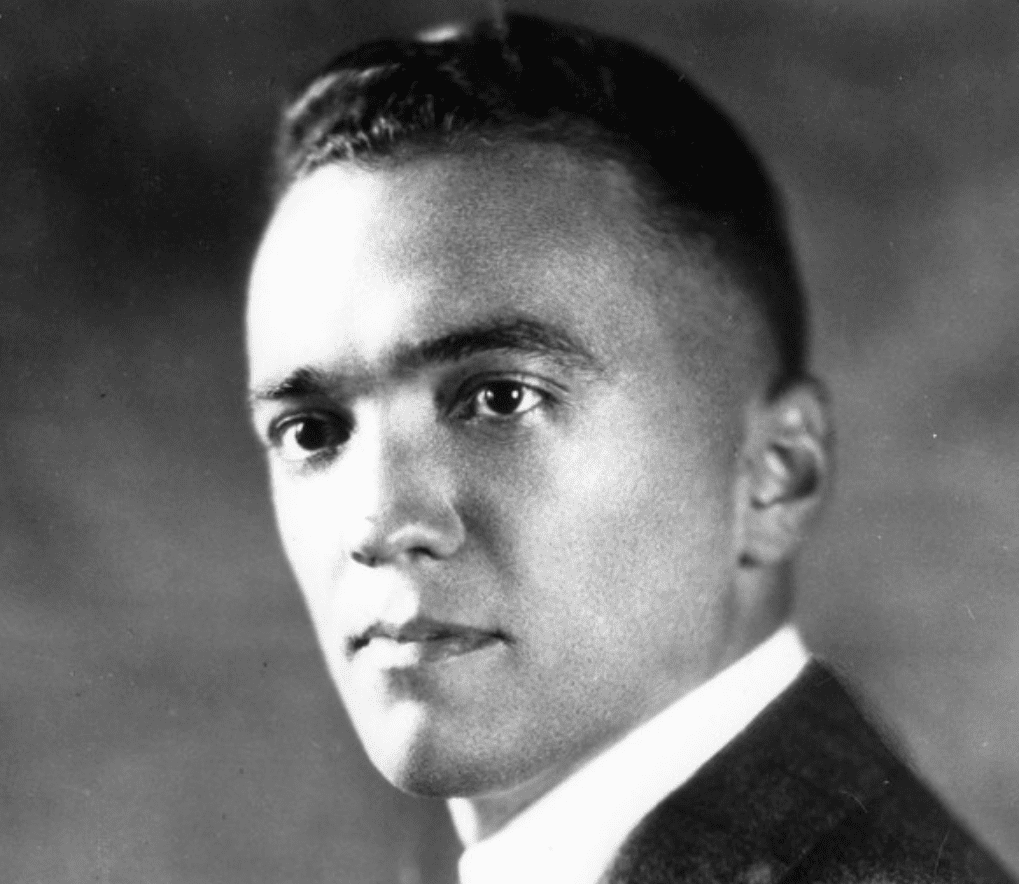
The Bureau of Investigation was renamed in 1935, becoming the Federal Bureau of Investigation. The agency did not just get a name change, however; it was a complete restructuring, an undertaking that Hoover helped to shape. It therefore became near-synonymous with his name.
20. He Was The First
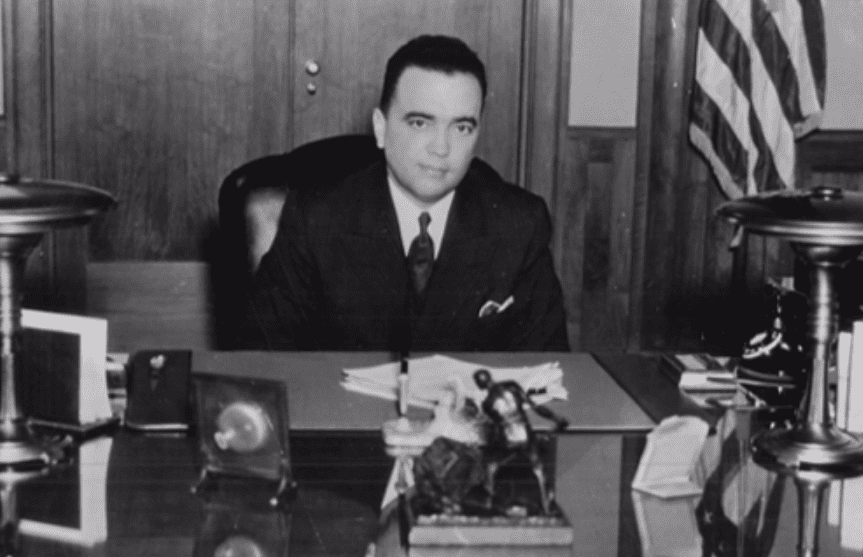
J Edgar Hoover became the first Director of the FBI, the pre-eminent organization in US domestic intelligence. The changes he made would become signature qualities of the FBI for decades to come. He started by modernizing.
 Unknown Artist, Wikimedia Commons
21. He Made Sweeping Changes
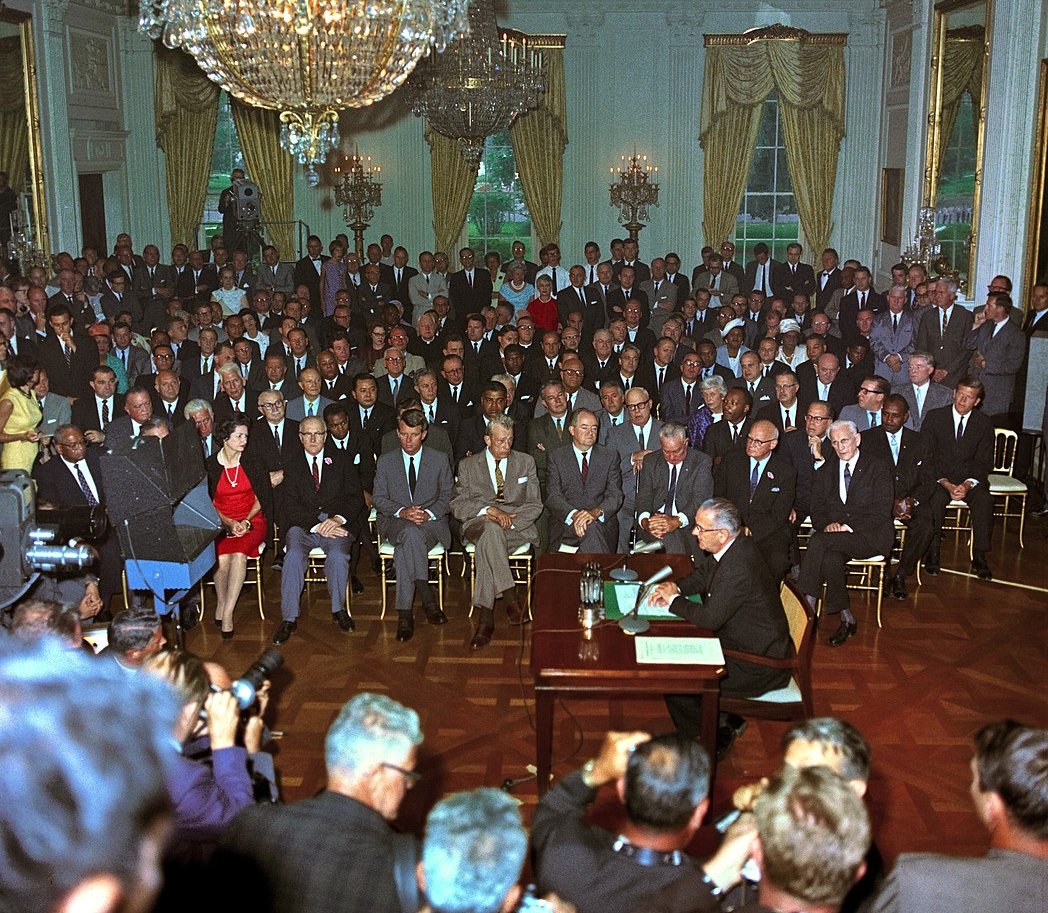
Hoover greatly expanded the FBI’s scope and capabilities. This included founding the agency’s massive forensics lab, expanding and centralizing fingerprint files, and significantly upping recruitment. And with this modern overhaul, the surveillance state expanded alongside.
History's most fascinating stories and darkest secrets, delivered to your inbox daily.
22. He Kept Tabs
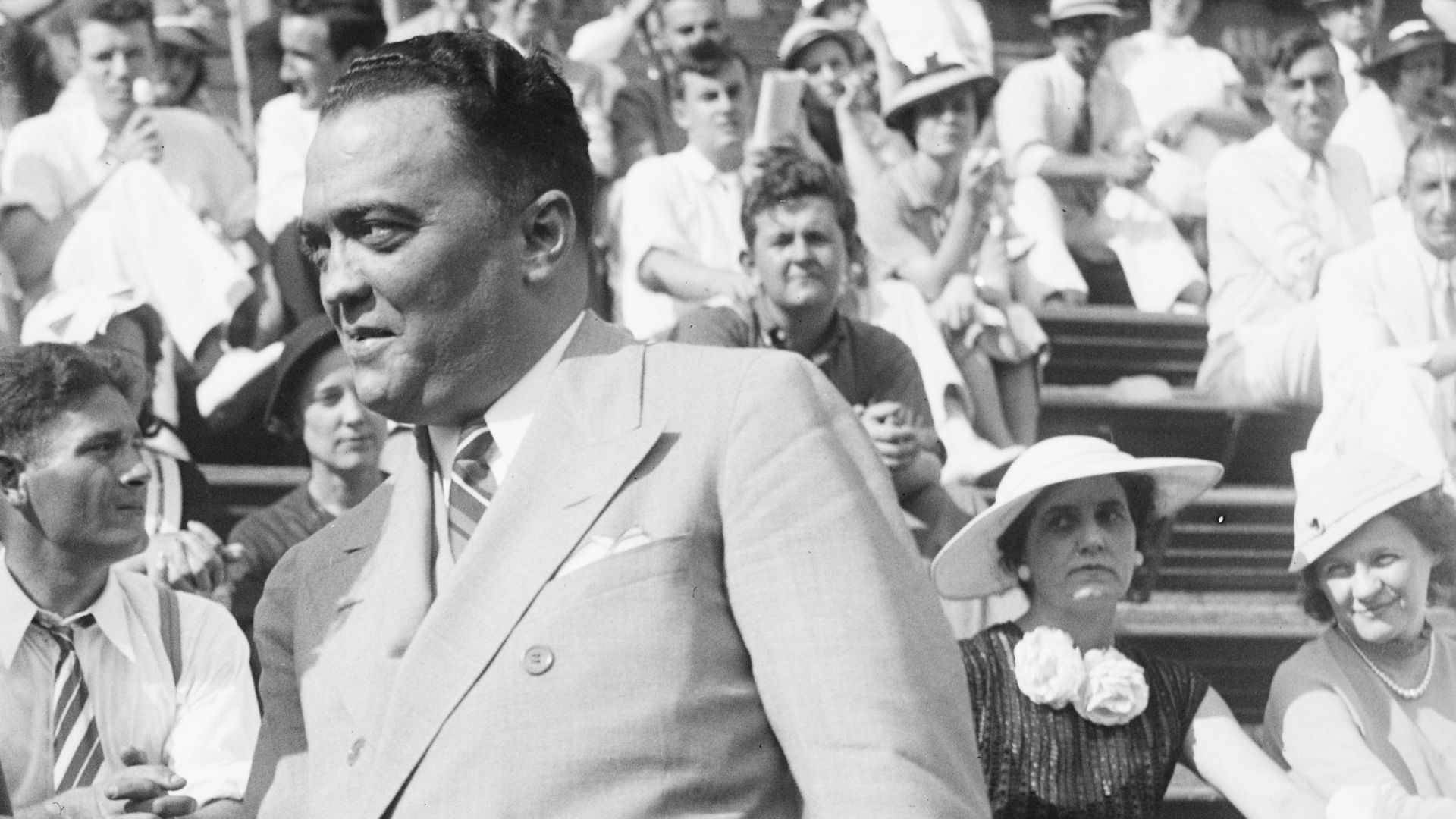
Hoover also established and expanded the FBI Index, which was essentially a national blacklist. This helped him keep better track of dissidents and, indeed, his personal enemies. There were some significant omissions from his target list, however.
 Harris & Ewing, photographer, Wikimedia Commons
23. He Looked The Other Way
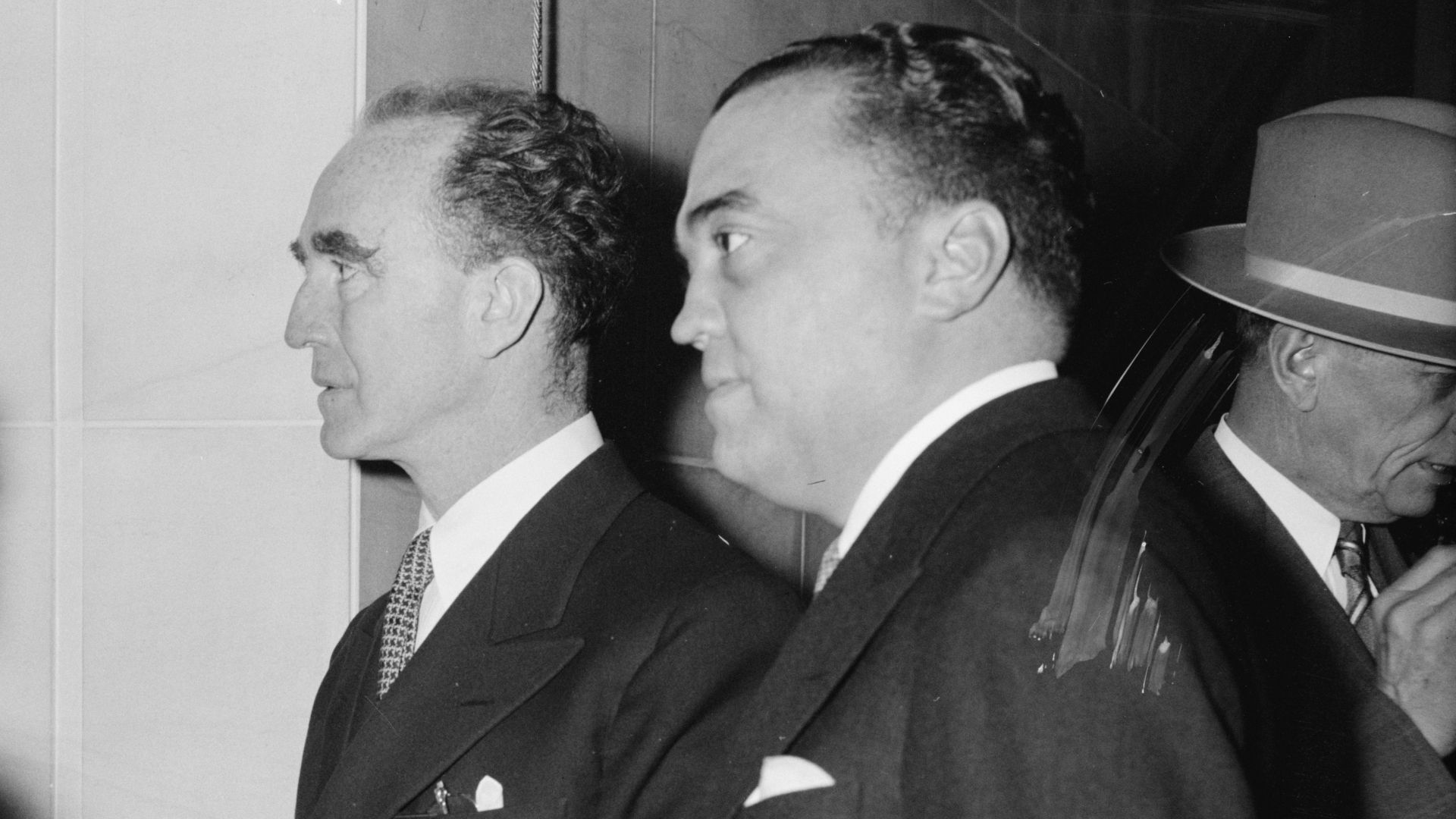
With their rise during Prohibition, the Mafia were an established force in the American underworld by the 1930s. And though they would have been the perfect target for the FBI’s purported goals, J Edgar Hoover refused to pursue them, or even acknowledge their existence. His reasons for this were, ostensibly, because pursual involved excessive man hours for little actual arrests. But there may have been other reasons behind the scenes…
 Harris & Ewing, photographer, Wikimedia Commons
24. He Had Skeletons
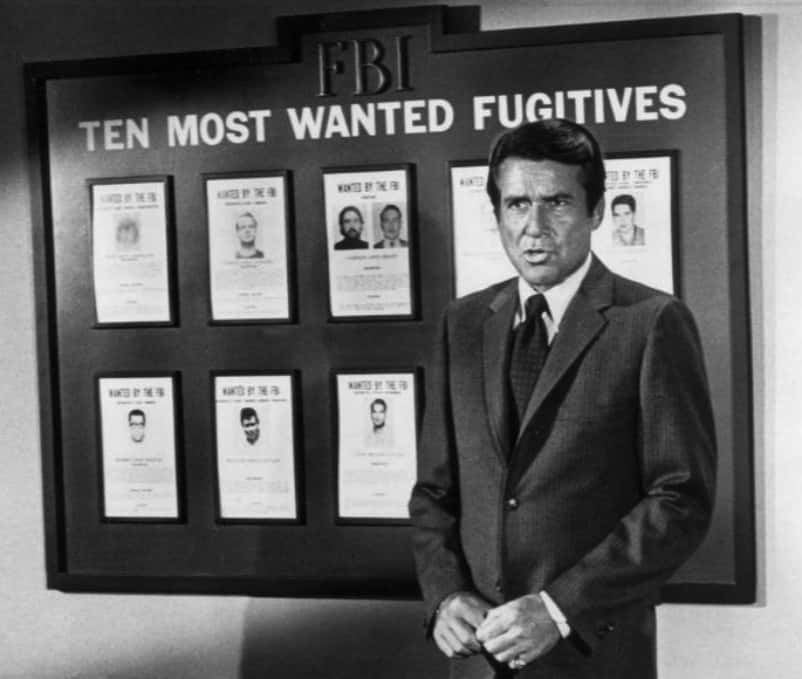
Some believe that Hoover’s refusal to pursue the Mafia was because he was being blackmailed by the mob. Specifically, some suspected that top mafiosos Meyer Lansky and Frank Costello possessed incriminating photos of the FBI Director that called his sexuality (more on that below) into question. It was not the only theory, however.
 ABC Television, Wikimedia Commons
25. He May Have Been In The Hole
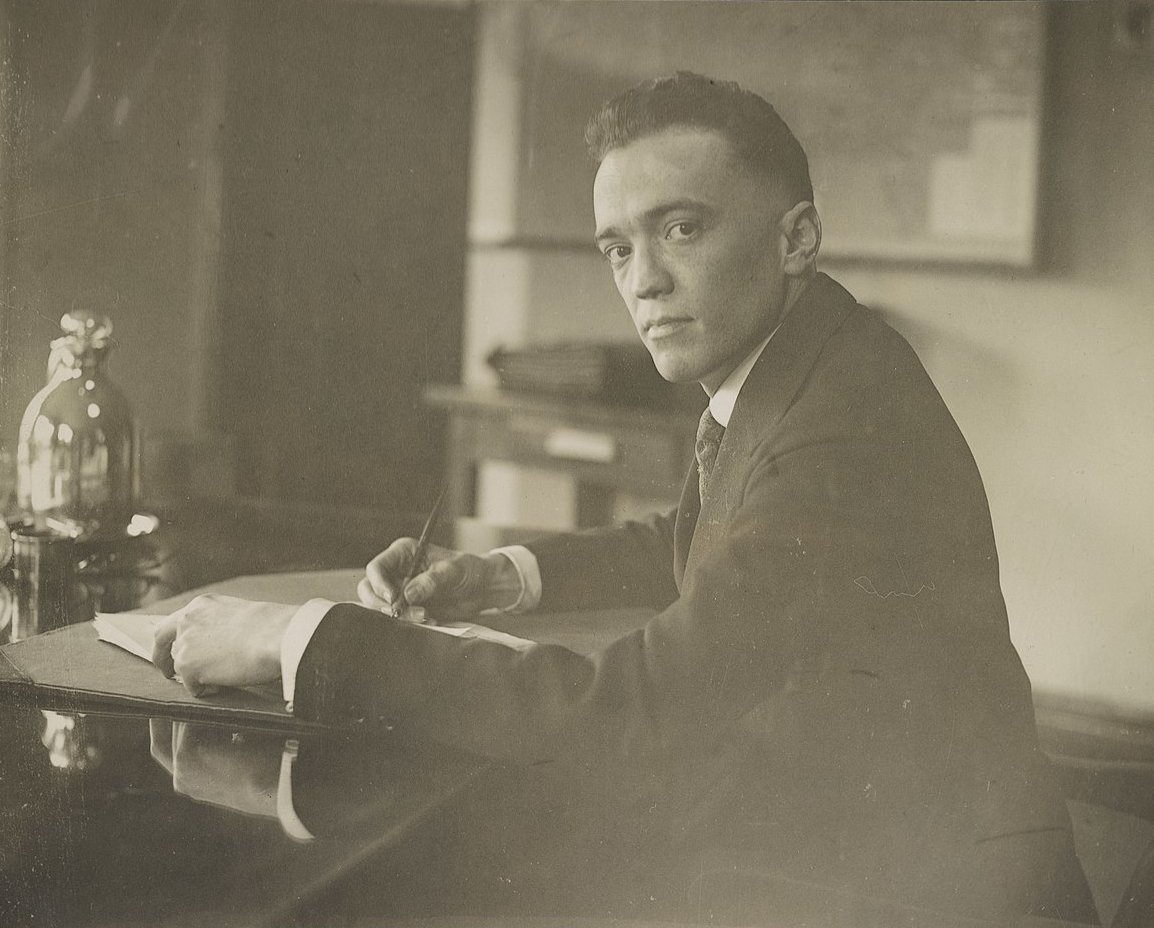
J Edgar Hoover had a reputation as a horse racing enthusiast and enjoyed gambling on races. Because of this, some theorize that he let the Mafia’s nefarious activities slide in return for horseracing tips. So, why would such a corrupt officer of the law pursue corrupt criminals when there was another scapegoat so easily available?
 National Photo Company Collection, Wikimedia Commons
26. He Had A Vendetta
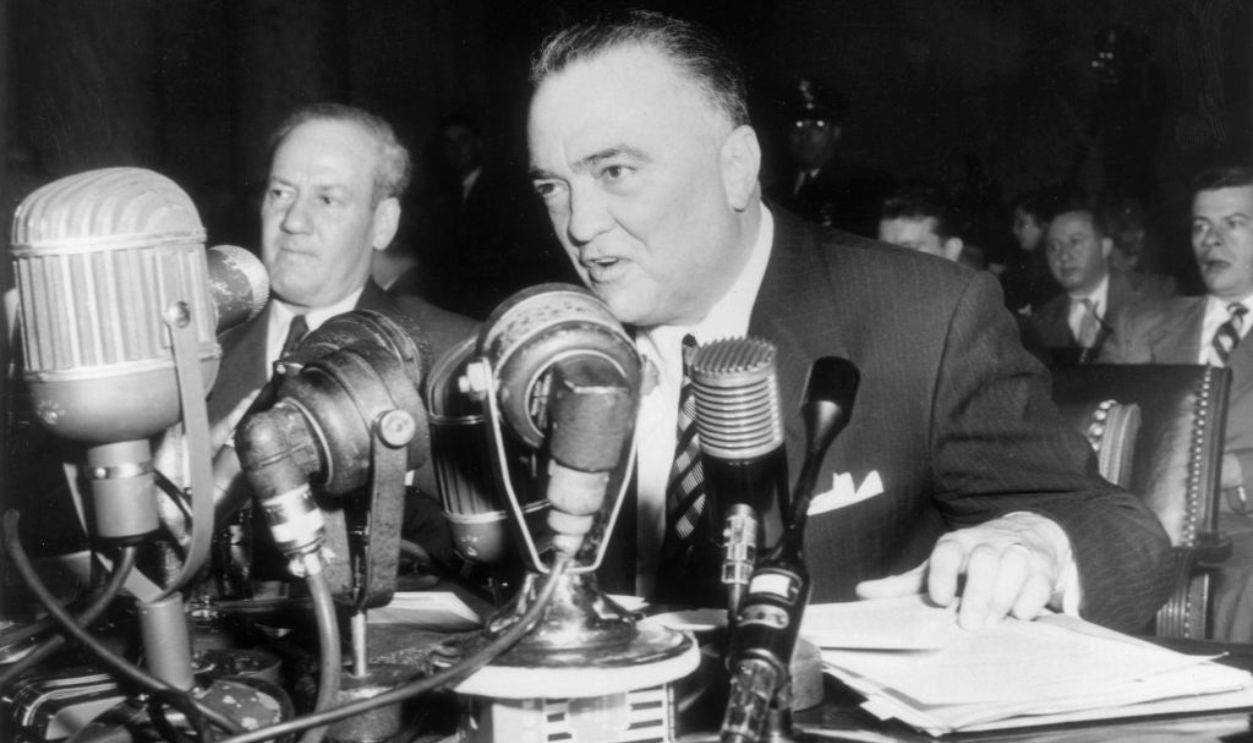
Reflecting once again how he was driven by political ideology more than a sense of justice, Hoover was more interested in stopping alleged Communist subversion than anything else. With the dawn of the Cold War, he redirected most of the FBI’s resources away from law enforcement and toward this needless task. It paid off.
27. He Got Funding
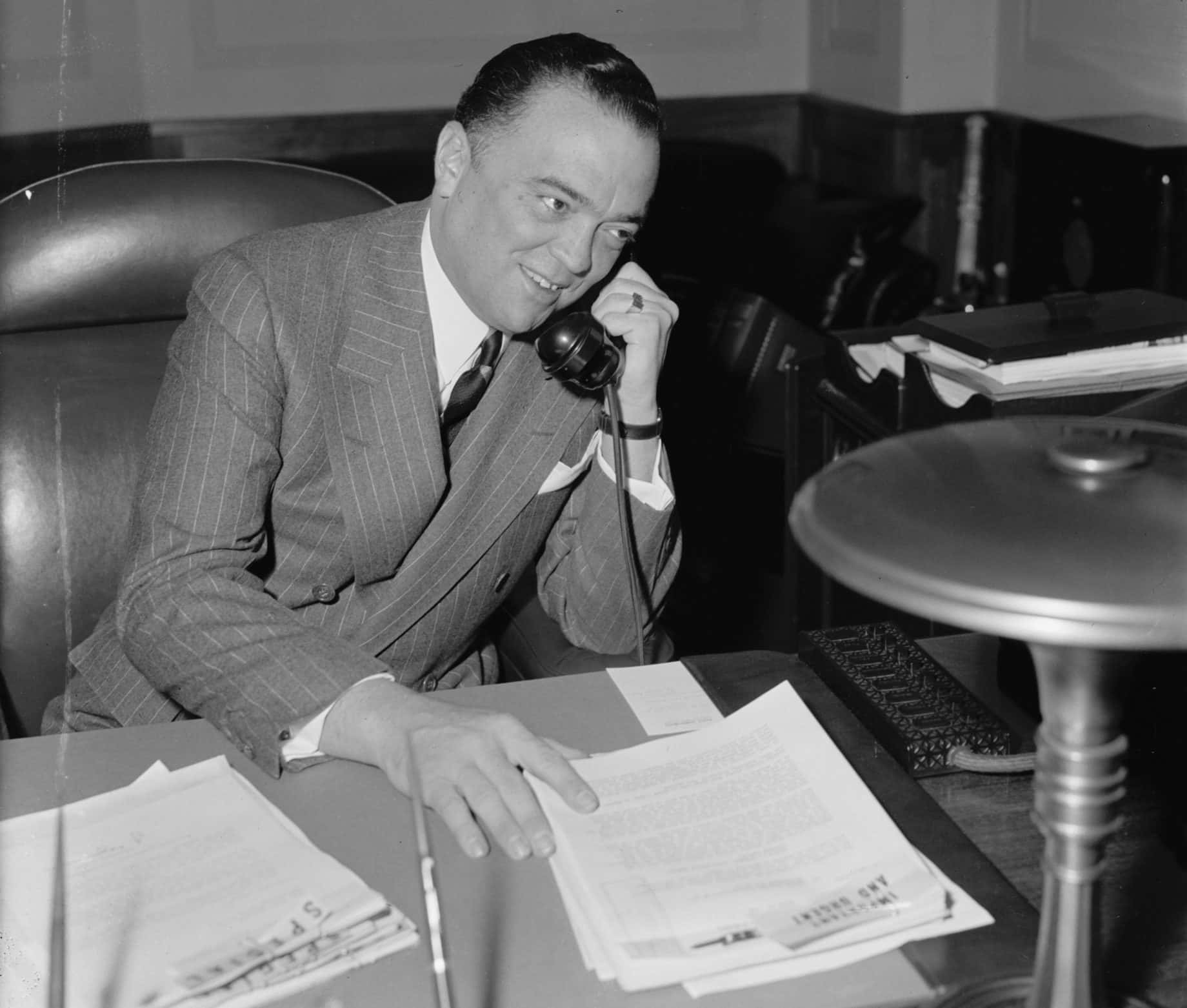
J Edgar Hoover greatly exaggerated the danger of supposed subversives in the USA in an attempt to increase funding for the FBI, which was largely successful. He relentlessly pursued his political enemies, flagrantly violating the civil rights of anyone he considered sympathetic to left-wing causes. It reflected a larger issue of deep corruption.
History's most fascinating stories and darkest secrets, delivered to your inbox daily.
28. He Was Corrupt
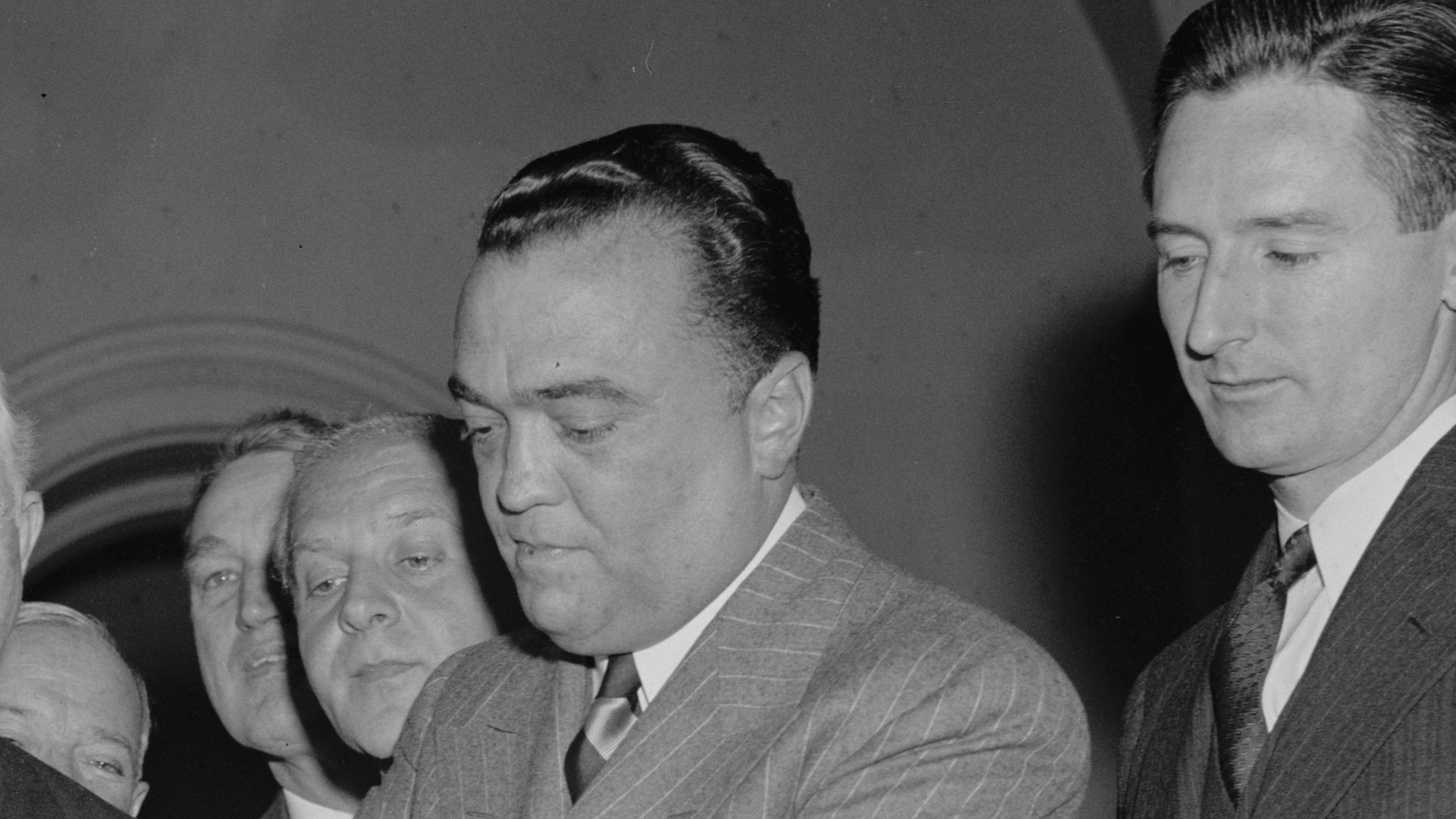
Though most of the info would not come out until later in Hoover’s life and after his passing, during his time with the FBI, the Director engaged in endless abuses of power. The scope of these abuses was vast, but could be summed up with one series of projects.
 Harris & Ewing, photographer, Wikimedia Commons
29. He Legitimized His Corruption
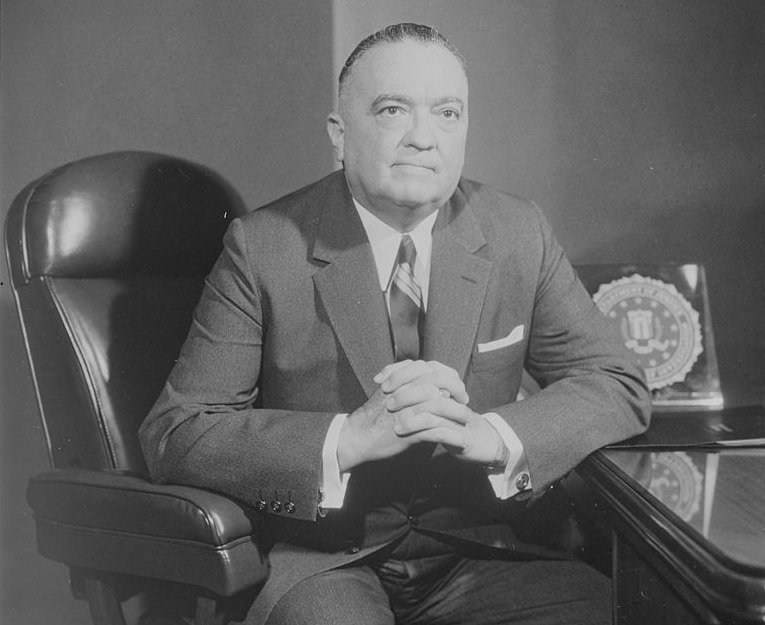
By the 1950s, Hoover was growing increasingly frustrated at the checks being put on the Justice Department’s ability to prosecute people for their political opinions. He formalized his unlawful covert methods under a program named COINTELPRO. The results were scandalous.
 National Archives at College Park, Wikimedia Commons
30. He Cracked Down
COINTELPRO’s prime target was initially the Communist Party of the USA, but its scope would greatly expand over the next decade. The methods used to harass and sabotage political dissidents included burglary, infiltration, unlawful wiretaps, planting forgeries, and spreading false rumors. Other rumored methods included inciting riots and political assassinations. Rights were being violated left and right.
 Smallbones, CC0, Wikimedia Commons
31. He Spied On Everyone
Hoover’s harassment of political dissidents knew no bounds. He amassed an extensive collection of information on private citizens through the use of unlawful surveillance and wiretaps, a precursor to the later NSA scandal exposed by Edward Snowden. Hoover’s hit list included some notable figures.
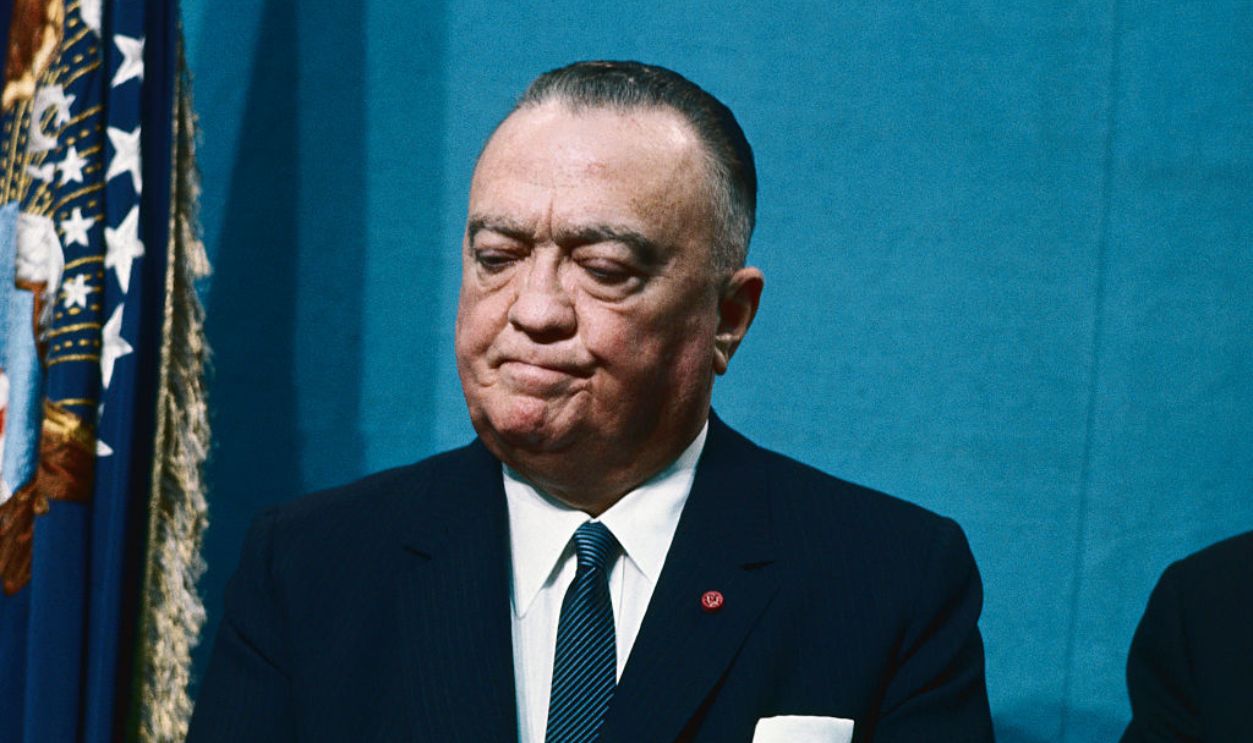
32. He Surveilled Some Big Names
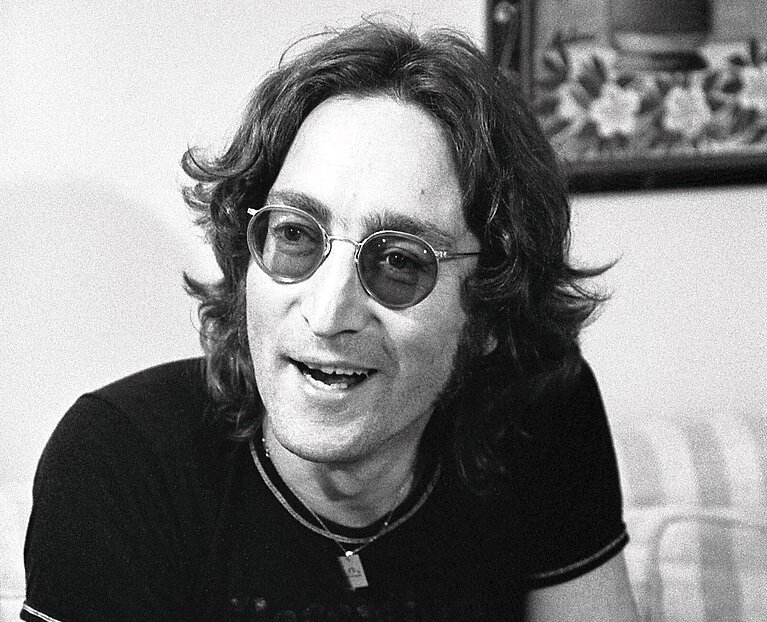
No one was safe from Hoover’s spying, regardless of status. In fact, he grew especially worried about prominent public figures who questioned American hegemony and anti-communist values. Among those surveilled by Hoover and the FBI were John Lennon, Malcolm X, Martin Luther King Jr, and Muhammad Ali. Hoover cared not one jot about the law.
 Tony Barnard, CC BY 4.0, Wikimedia Commons
33. He Broke The Law
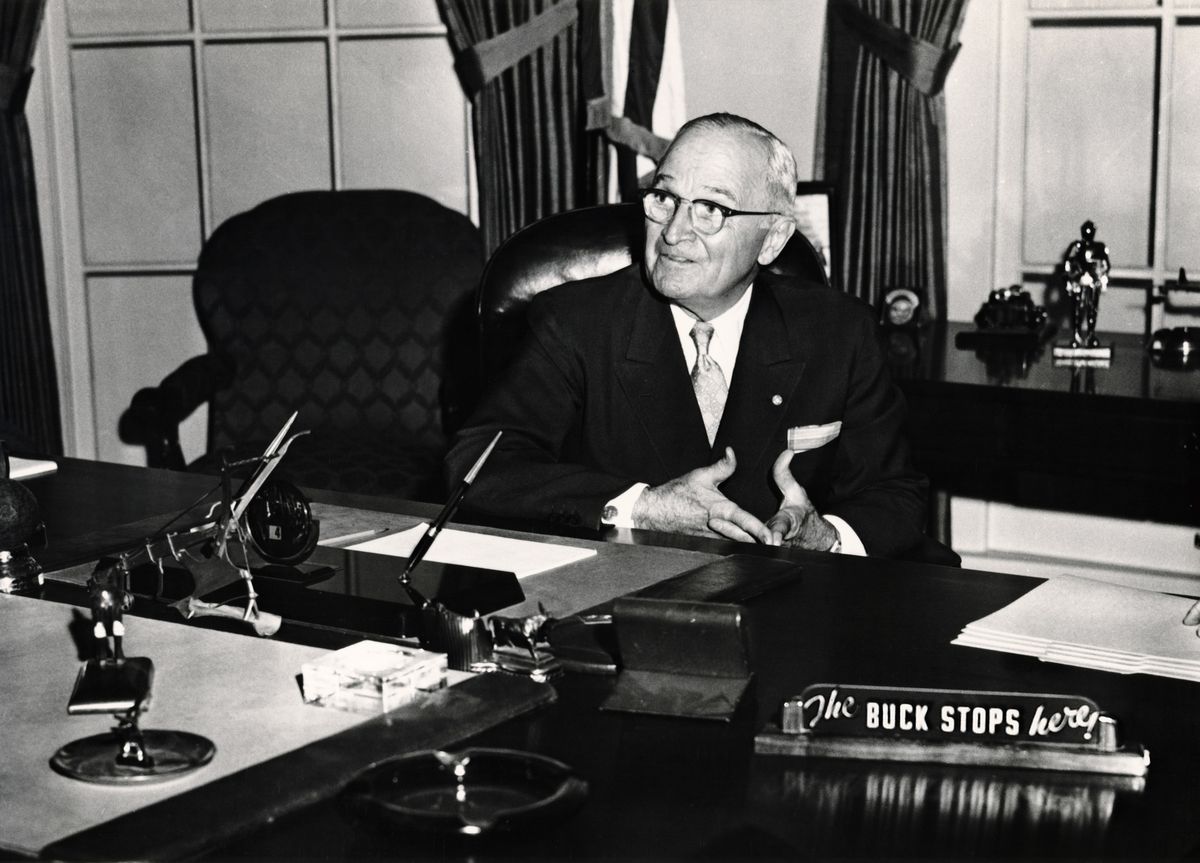
If it wasn’t abundantly clear by now, Hoover’s actions as FBI Director were shockingly unlawful, violating the agency’s own policies and the very laws the FBI was charged with enforcing. Indeed, President Truman opined Hoover had transformed the FBI into his own private secret force. How did he get away with such blatant violations?
 Unknown Author, Wikimedia Commons
History's most fascinating stories and darkest secrets, delivered to your inbox daily.
34. He Had Sway
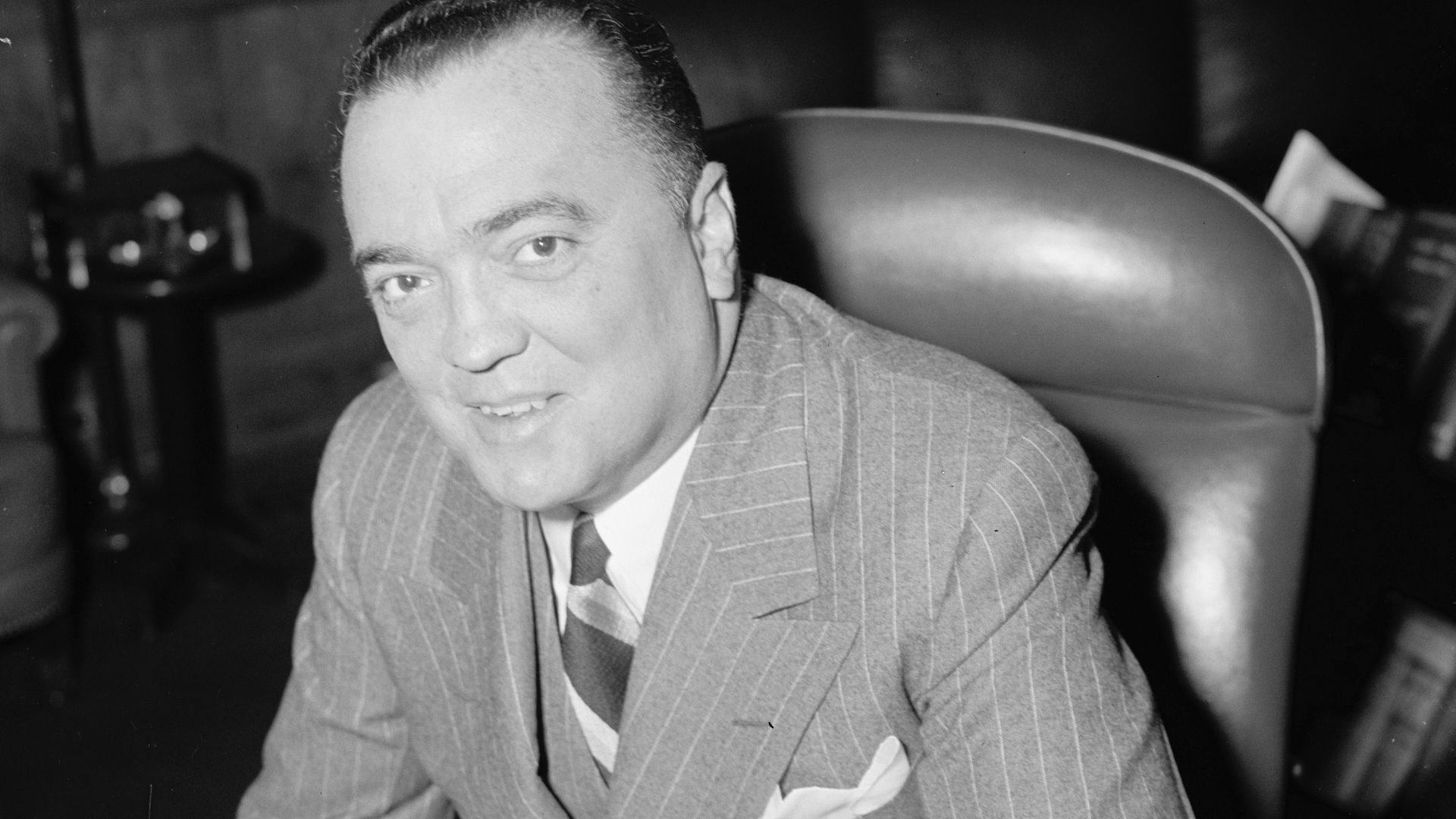
Hoover’s unlawful actions were self-reinforcing, ironically solidifying his position. He amassed an unmatched level of power in Washington, to the point where he could intimidate and menace high-ranking political officials if they did not comply with his vision for America. His influence went all the way to the top.
 Harris & Ewing, Wikimedia Commons
35. He Threatened Power
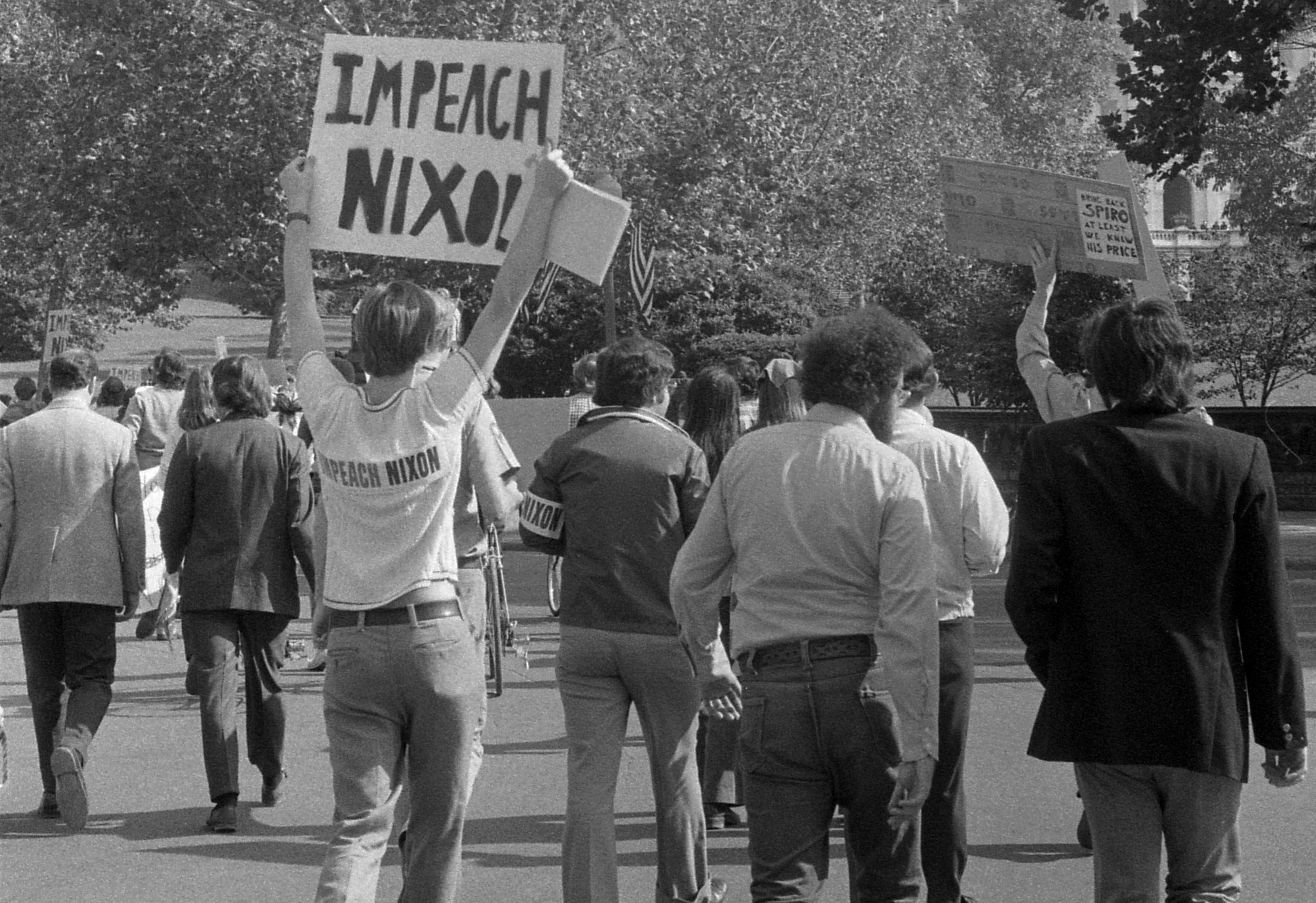
No one was off limits for Hoover’s wiretaps. He even approved the surveillance of President Richard Nixon, damning recordings of whom forced him to resign the Presidency during the Watergate Scandal. In a recording, Nixon even stated that he would not fire Hoover for fear of reprisal. And while all we know for certain about the FBI Director is scandalous enough, there are some unconfirmed conspiracies that suggest even shadier dealings…
 Marion S. Trikosko/Thomas J. O'Halloran, Wikimedia Commons
36. He May Have Covered Up
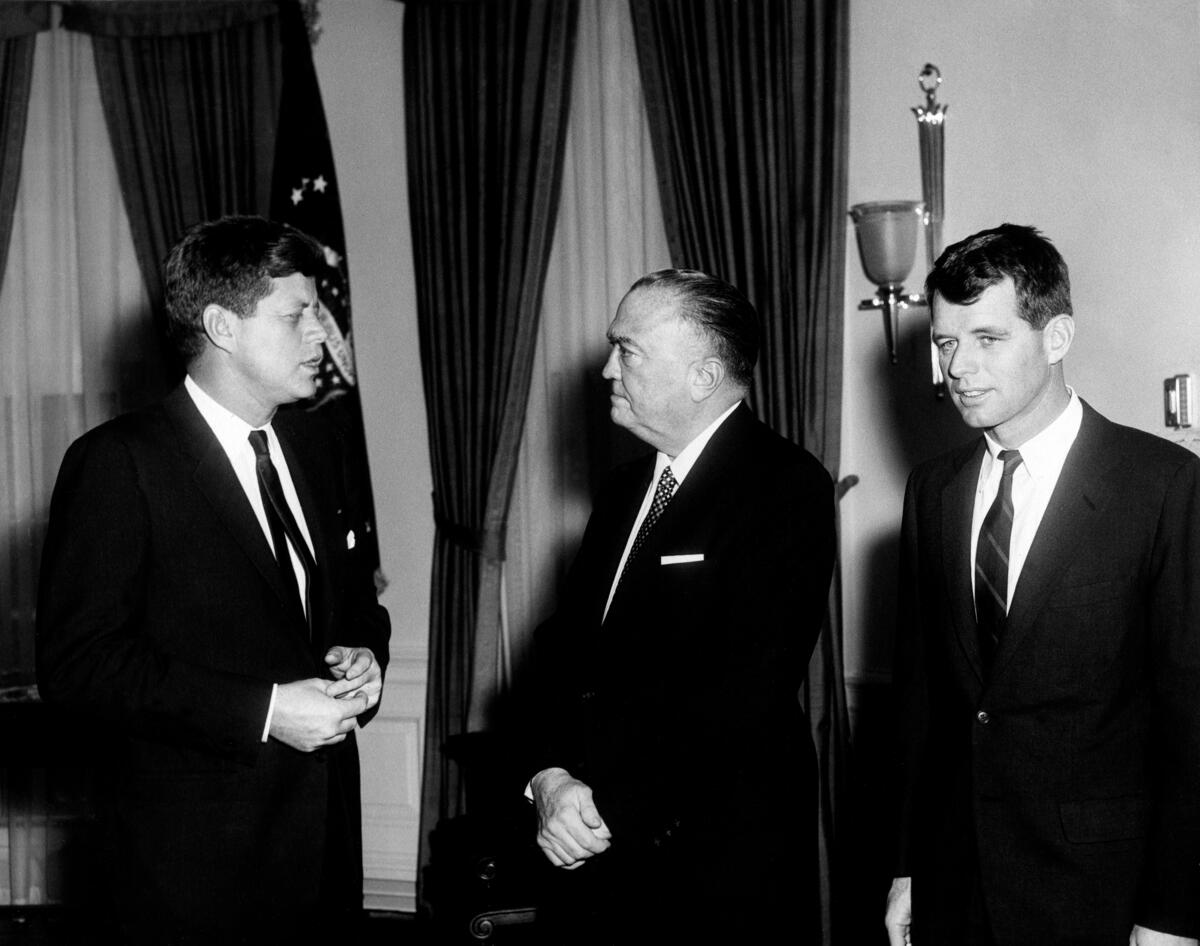
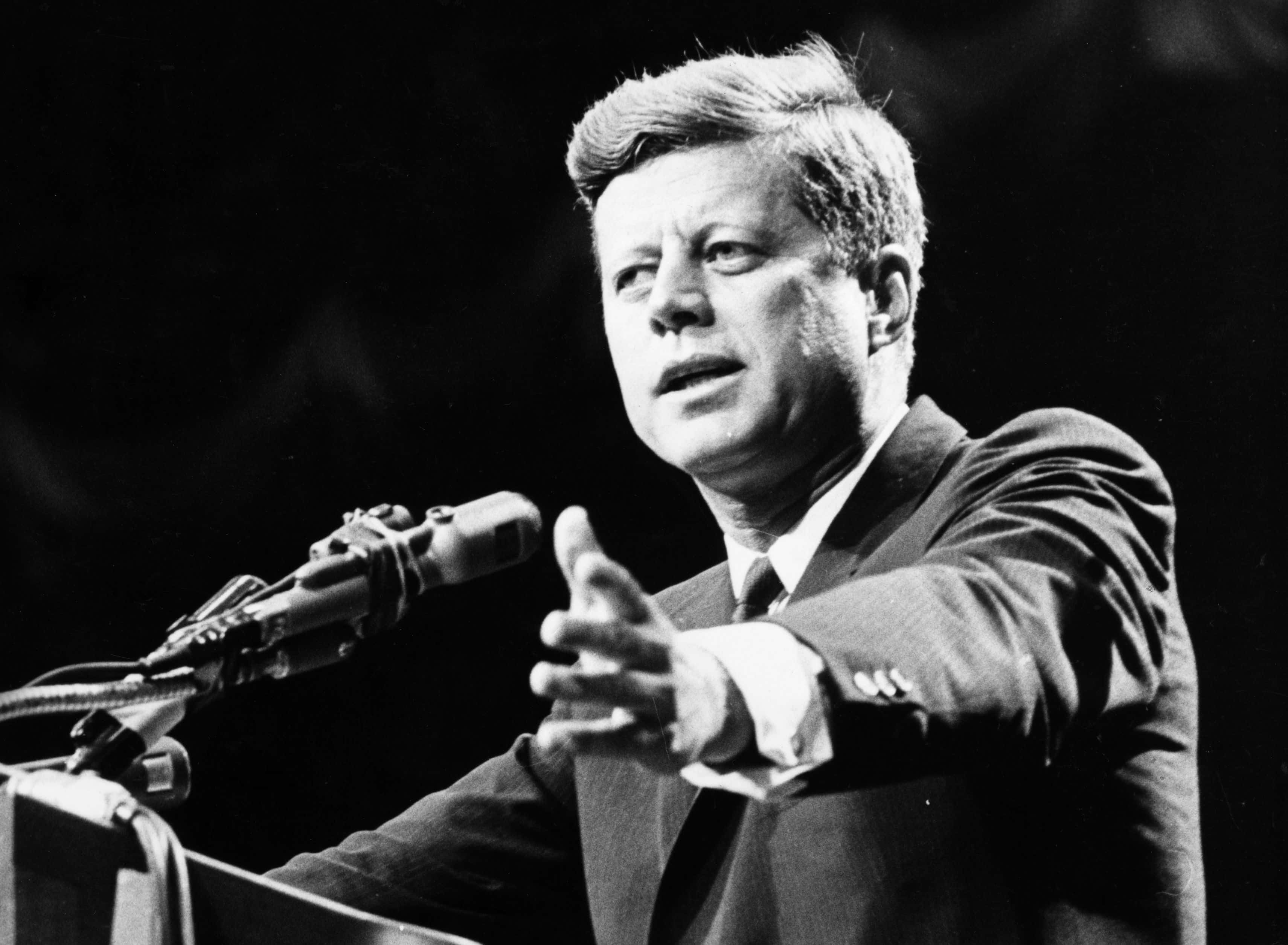
J Edgar Hoover was personally responsible for the FBI’s investigation into President John F Kennedy’s shooting in 1963. The Warren Commission, a separate investigation, later criticized Hoover’s investigation, claiming reluctance on the Director’s part to consider the possibility of a conspiracy against JFK. This has led many to conclude that Hoover was involved in some kind of cover-up. If that were the case, Hoover took the secret to his grave.
37. He Worked Until The End
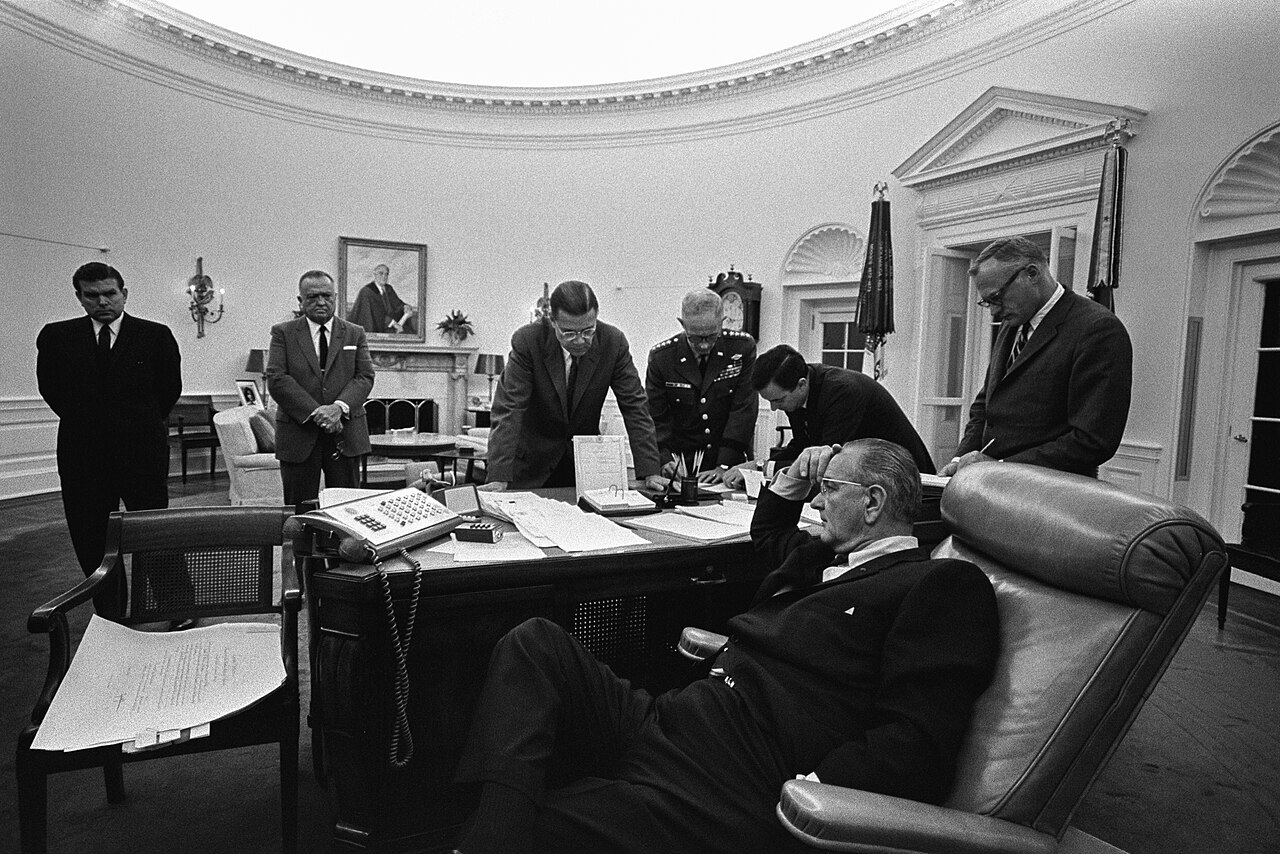
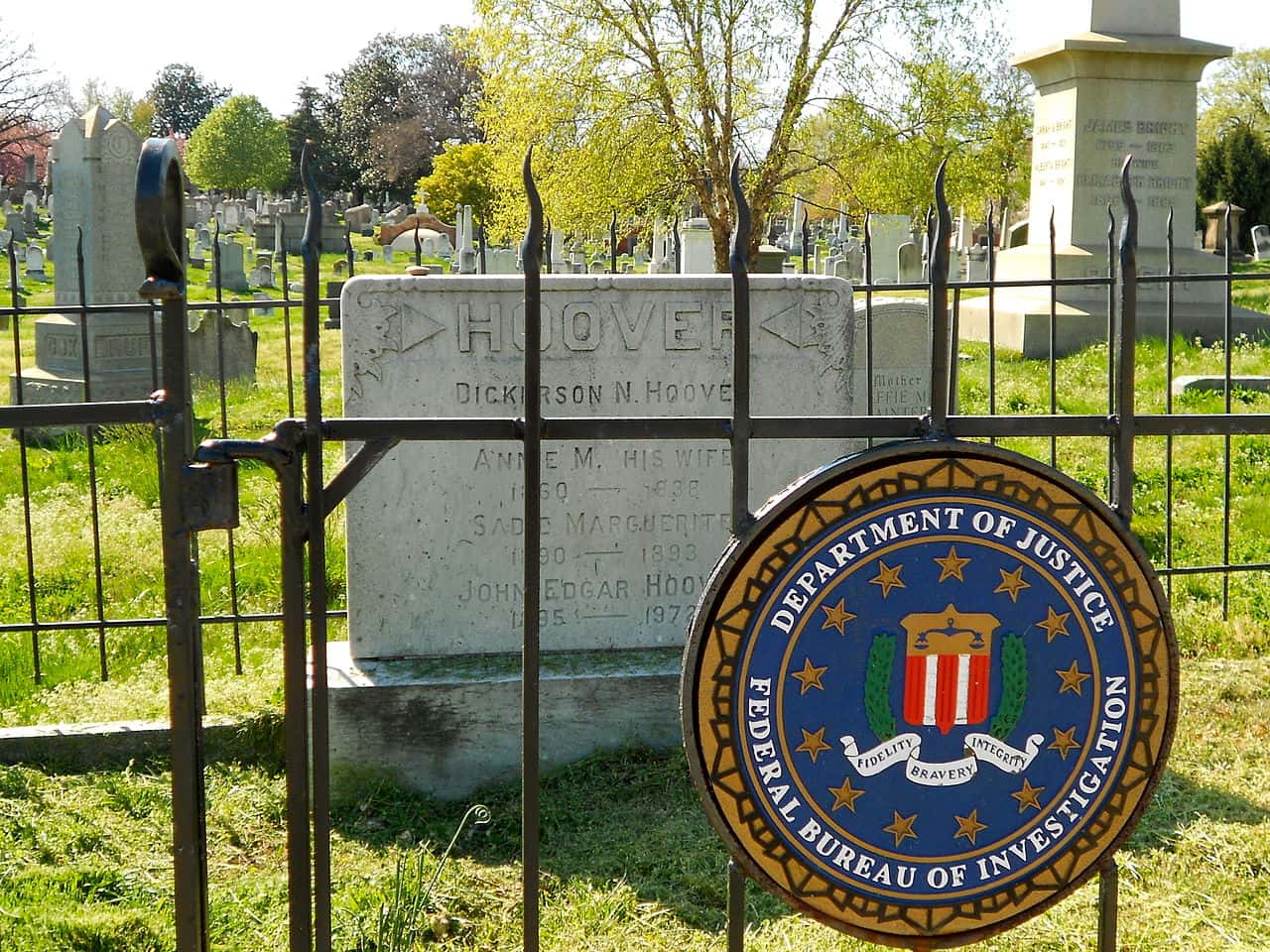
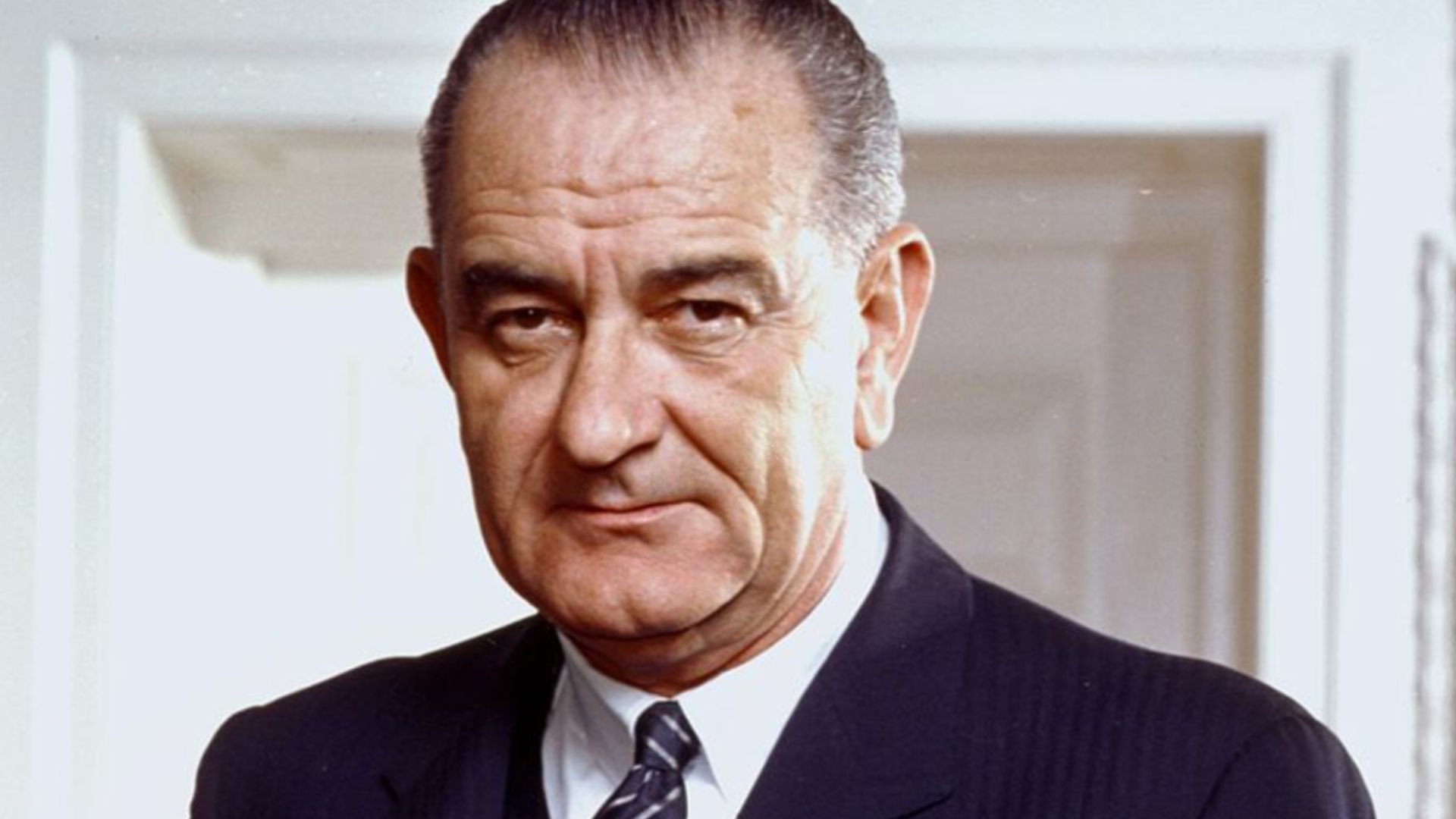
After President Lyndon Johnson removed the mandatory government service retirement age of 70, J Edgar Hoover remained FBI Director right up until the end of his life. On May 2, 1972, Hoover suffered a fatal heart attack at the age of 77. His influential position in American politics was immediately recognized.
 Arnold Newman, White House Press Office (WHPO), Wikimedia Commons
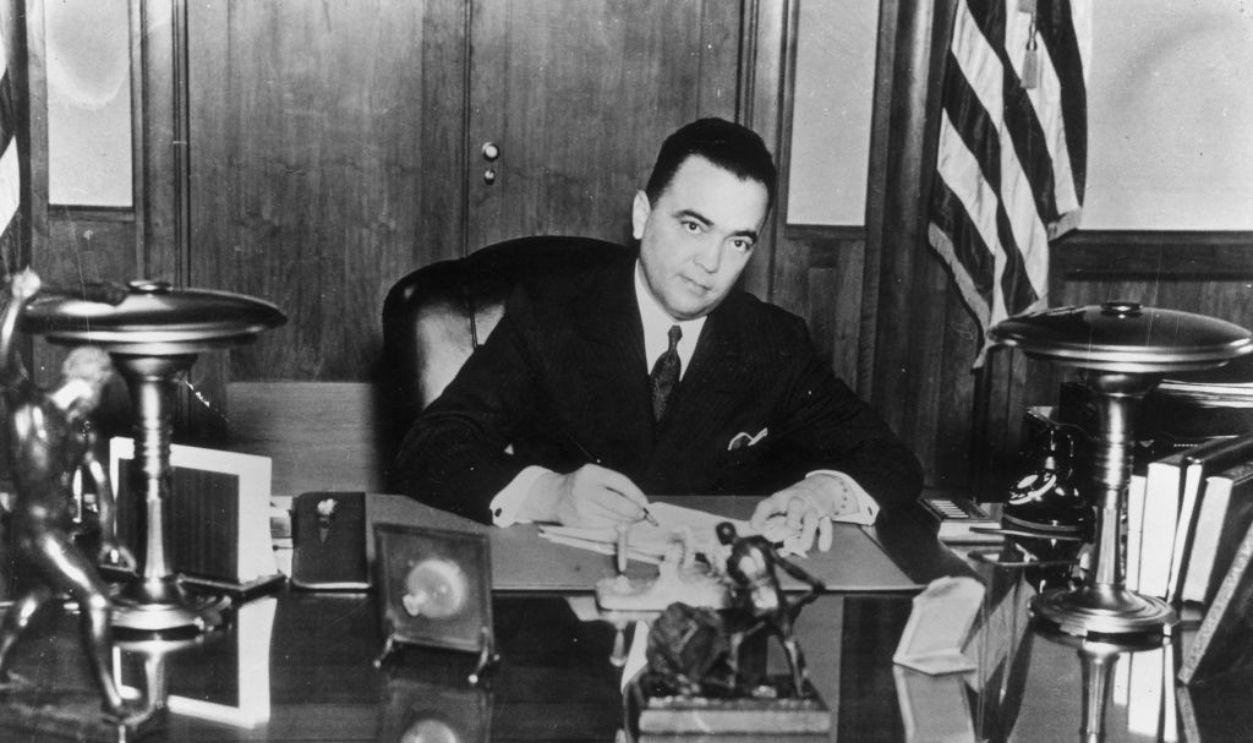
38. He Received A High Honor
Congress opted to allow Hoover’s body to lie in state in the US Capitol rotunda. This was an honor previously only reserved for Presidents and former Presidents, confirming Hoover’s larger-than-life presence in American history. It was no wonder, considering the length of his tenure.
 American Stock Archive, Getty Images
39. He Served For A Long Time
Between his time as Director of the Bureau of Investigation and then the FBI, Hoover served a whopping 48 years in that leadership position. Serving under a total of eight Presidents, his powerful presence in American politics for nearly half a century means he was arguably more influential than all those Presidents put together. And his influence was far from positive.
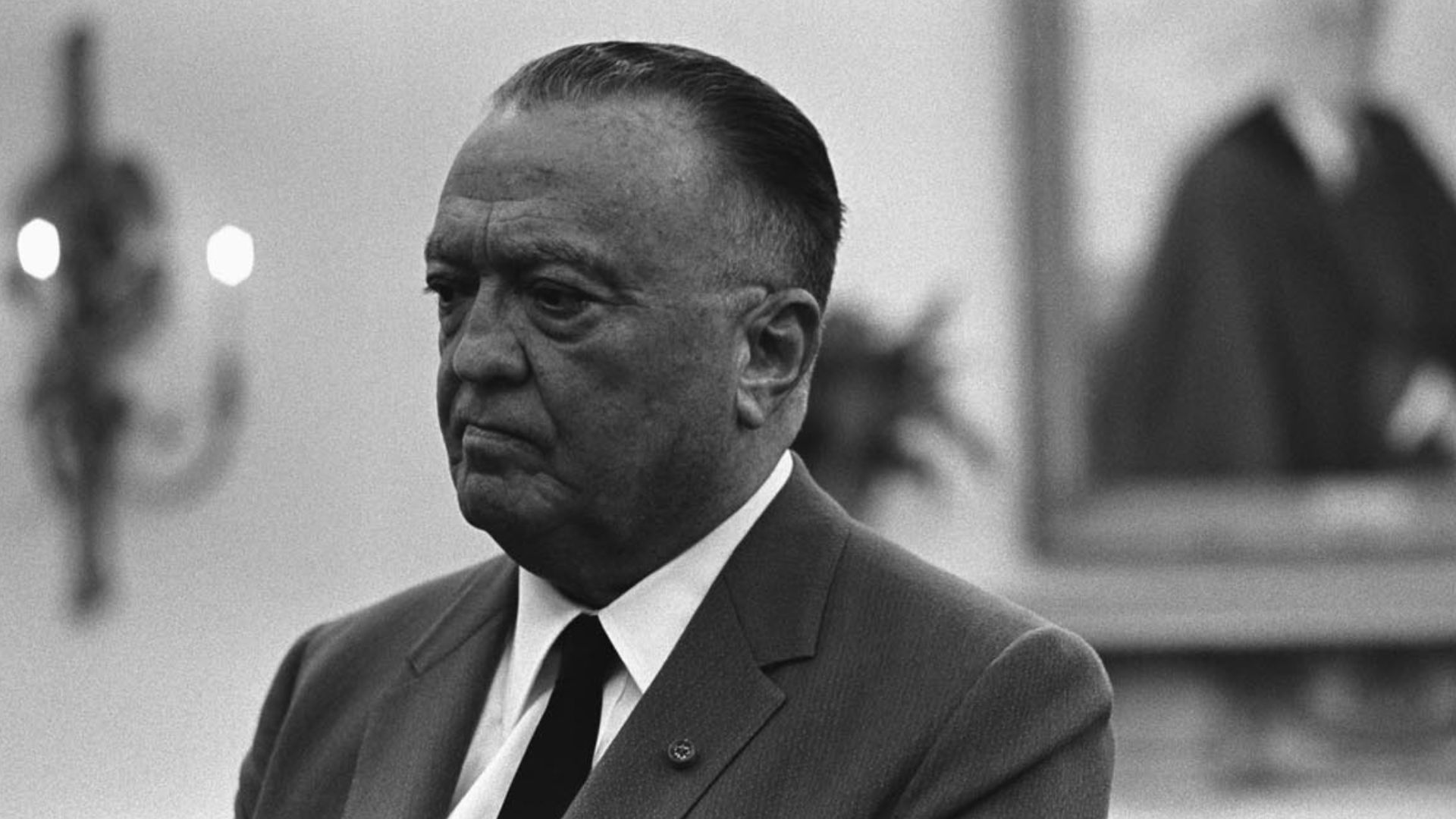 Yoichi R. Okamoto, Wikimedia Commons
History's most fascinating stories and darkest secrets, delivered to your inbox daily.
40. His Infractions Forced Change
Of course, after his demise, secrets emerged around Hoover’s unlawful conduct during his tenure as FBI Director. Having passed, the odious man had escaped true justice. However, the revelation of his abuses of power during his unchecked tenure led to the FBI implementing ten-year term limits on directors of the agency. Still, Hoover has not been completely erased from their history.
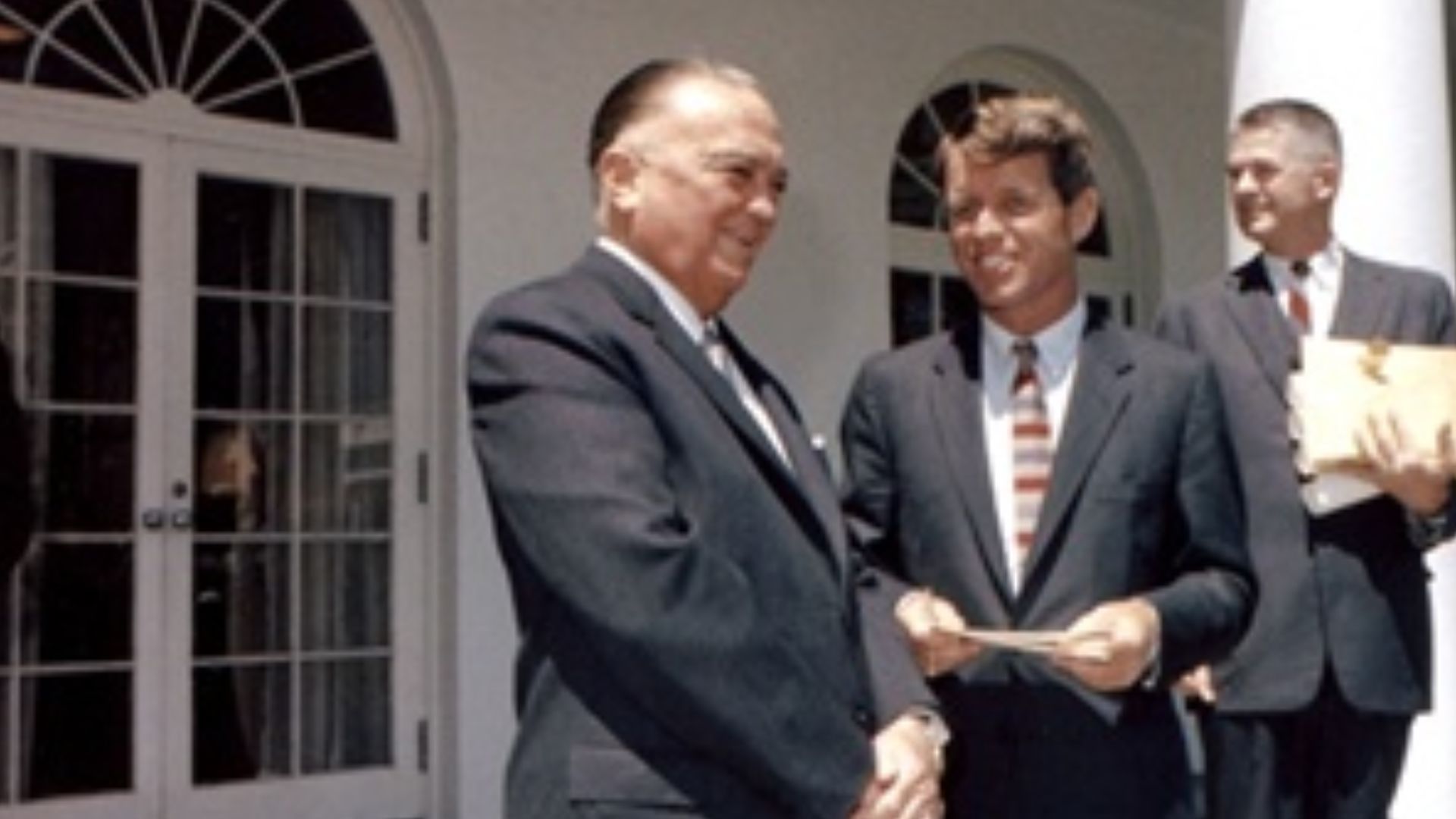 US Government (by Cecil Stoughton}, Wikimedia Commons
41. His Name Is Etched
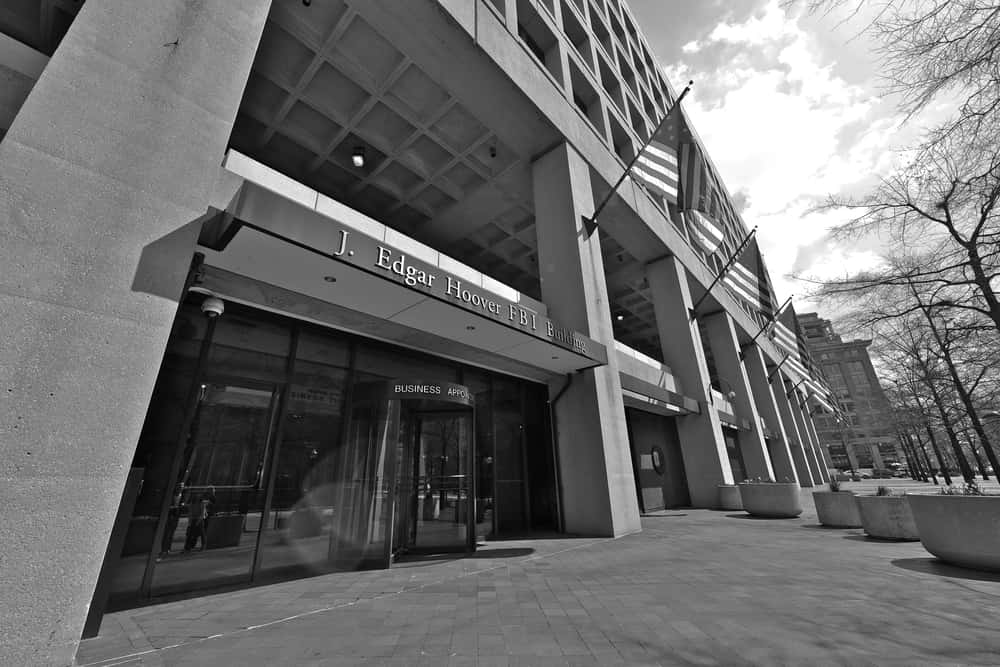
To this day, the official name of the FBI’s headquarters in Washington DC is the J Edgar Hoover Building. Since the revelations about his controversial legacy, there have been numerous attempts to change the name, but to no avail. Very few agents refer to the building by its real name, reportedly, instead opting for simply “the FBI Building”. But it was not just professional secrets that came out after Hoover’s demise…
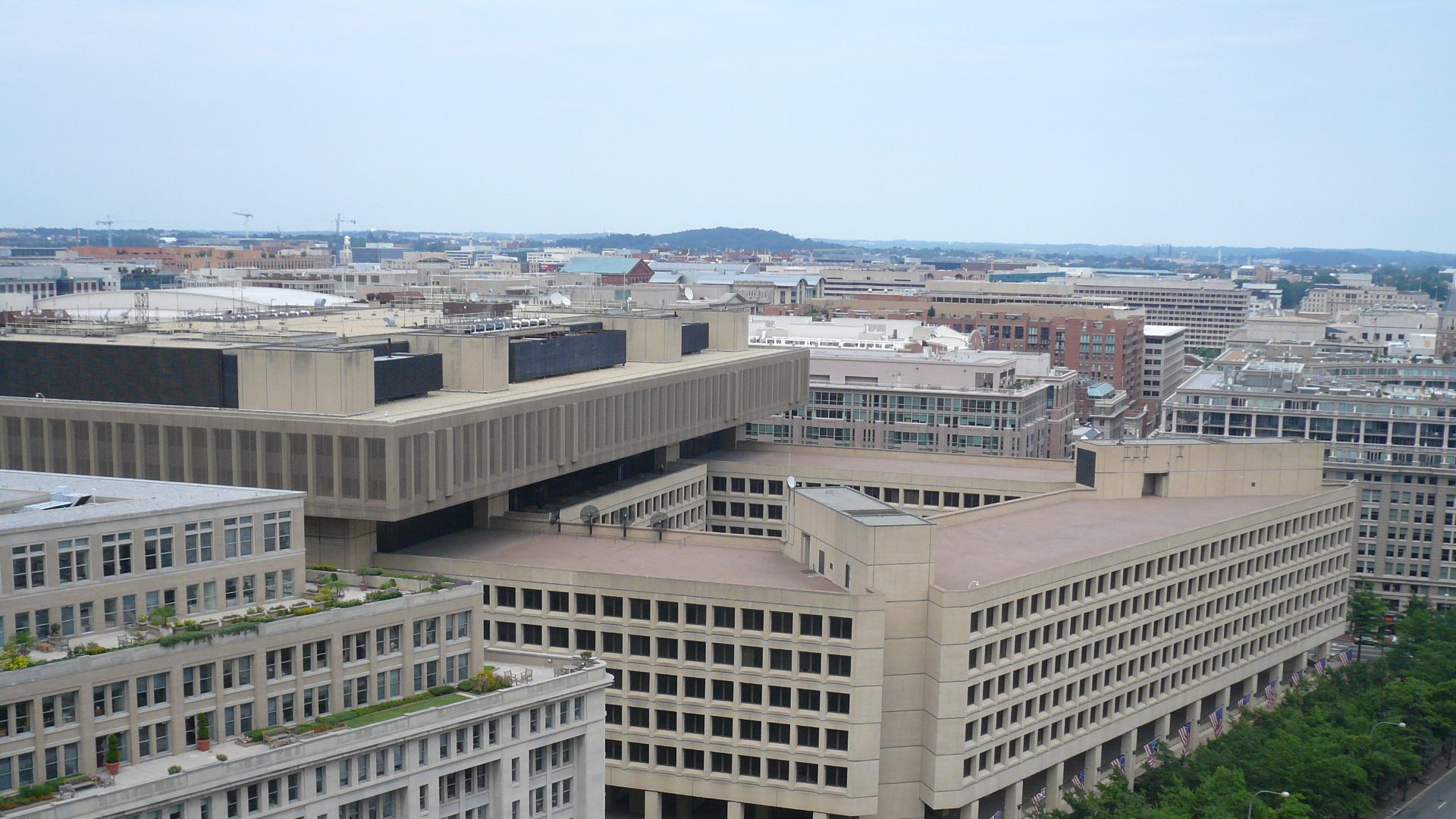 Stanislav Kozlovskiy, Wikimedia Commons
42. He Hid His Private Life
As early as the 1940s, rumors circulated Washington that J Edgar Hoover was gay. Hoover denied the allegations until the end, of course, and allegedly hunted down and threatened anyone who alluded to his homosexuality. But there were certainly signs.
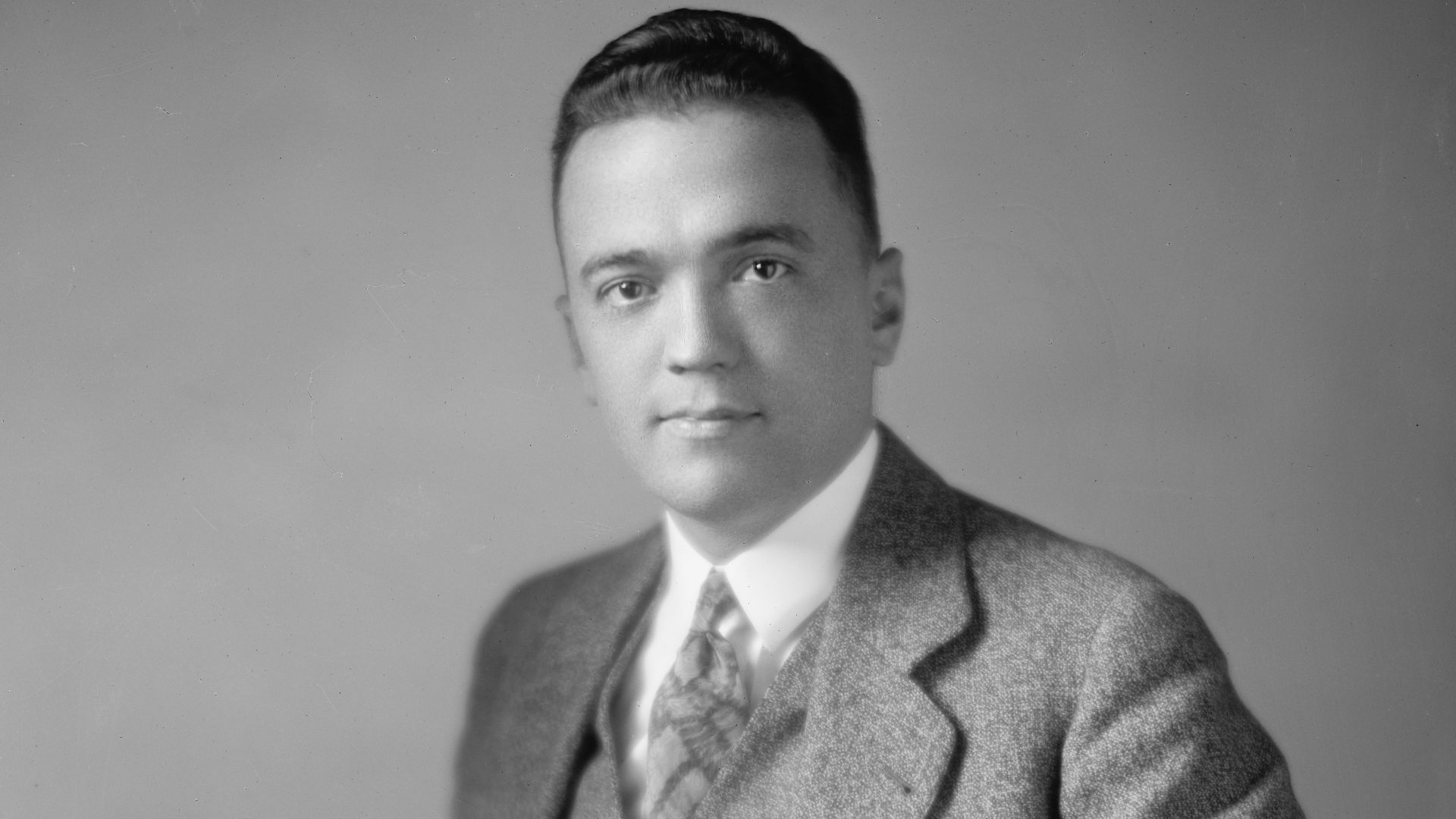 Harris & Ewing, photographer, Wikimedia Commons
43. He Had A Partner
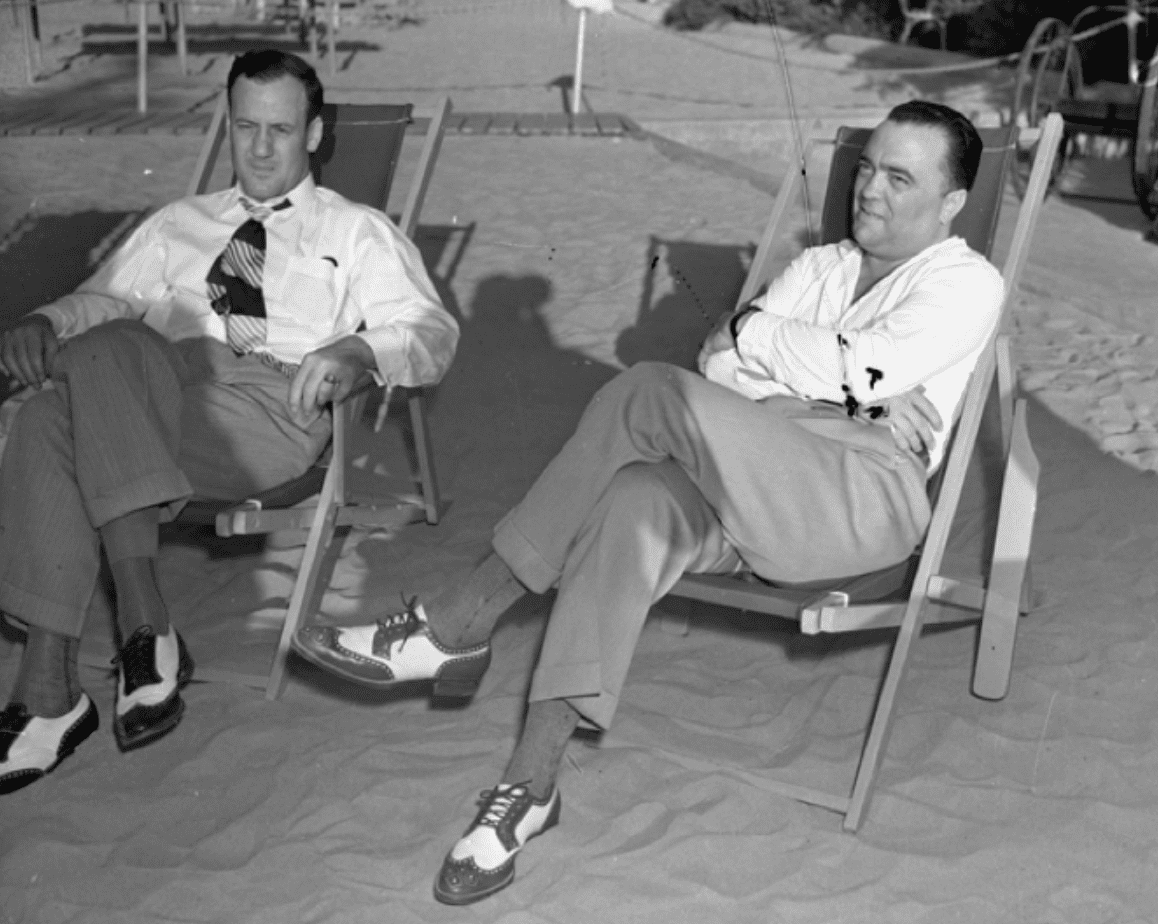
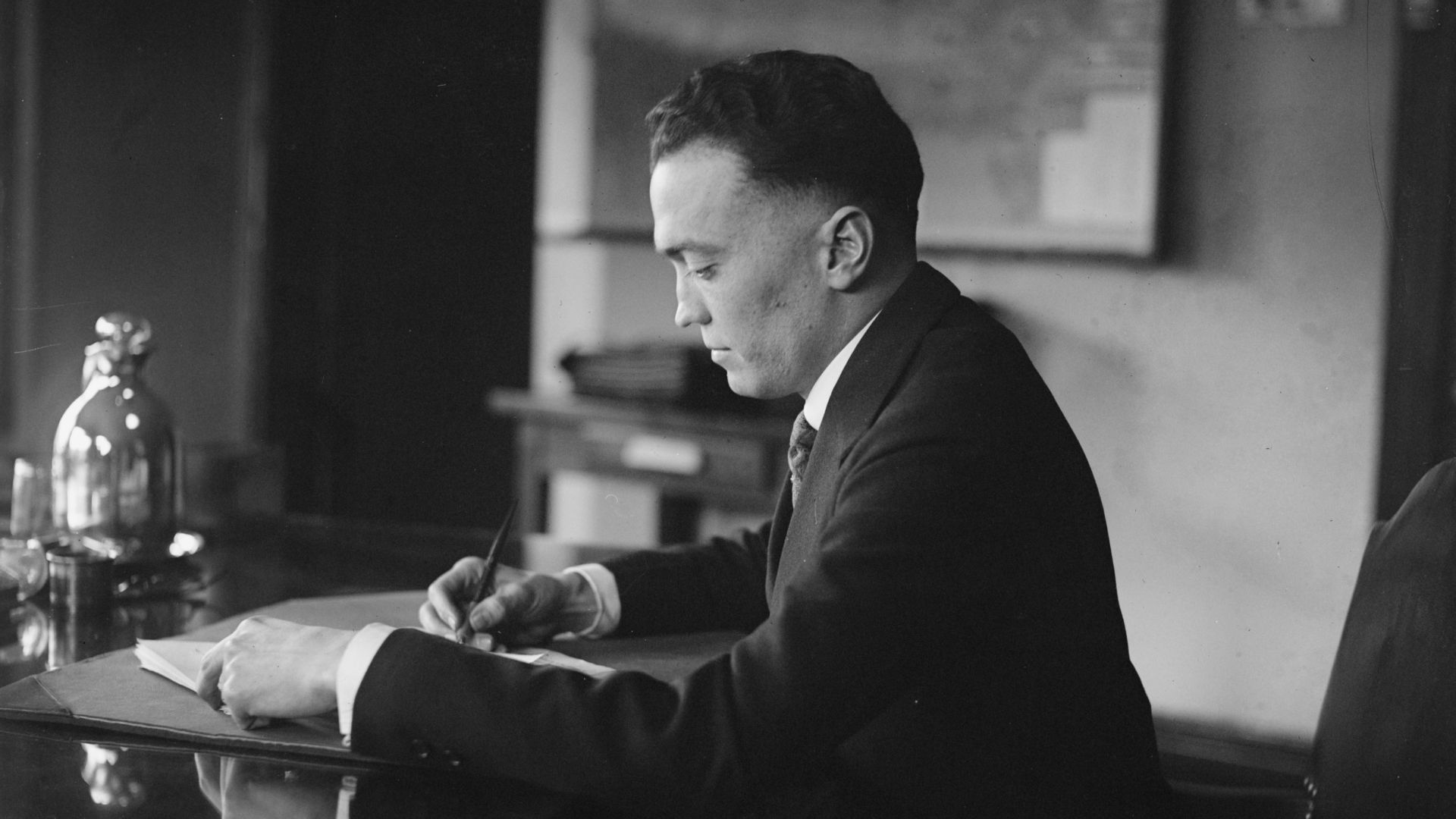
Over most of his life, J Edgar Hoover had a close personal relationship with FBI agent Clyde Tolson, whom the Director referred to as his “alter ego”. The men spent endless hours in one another’s company, for work and pleasure, even going on vacations together. Many suspect they were lovers, though others attest they were merely incredibly close friends. Either way, Tolson benefitted.
 National Photo Company Collection, Wikimedia Commons
44. He Bequeathed His Boyfriend
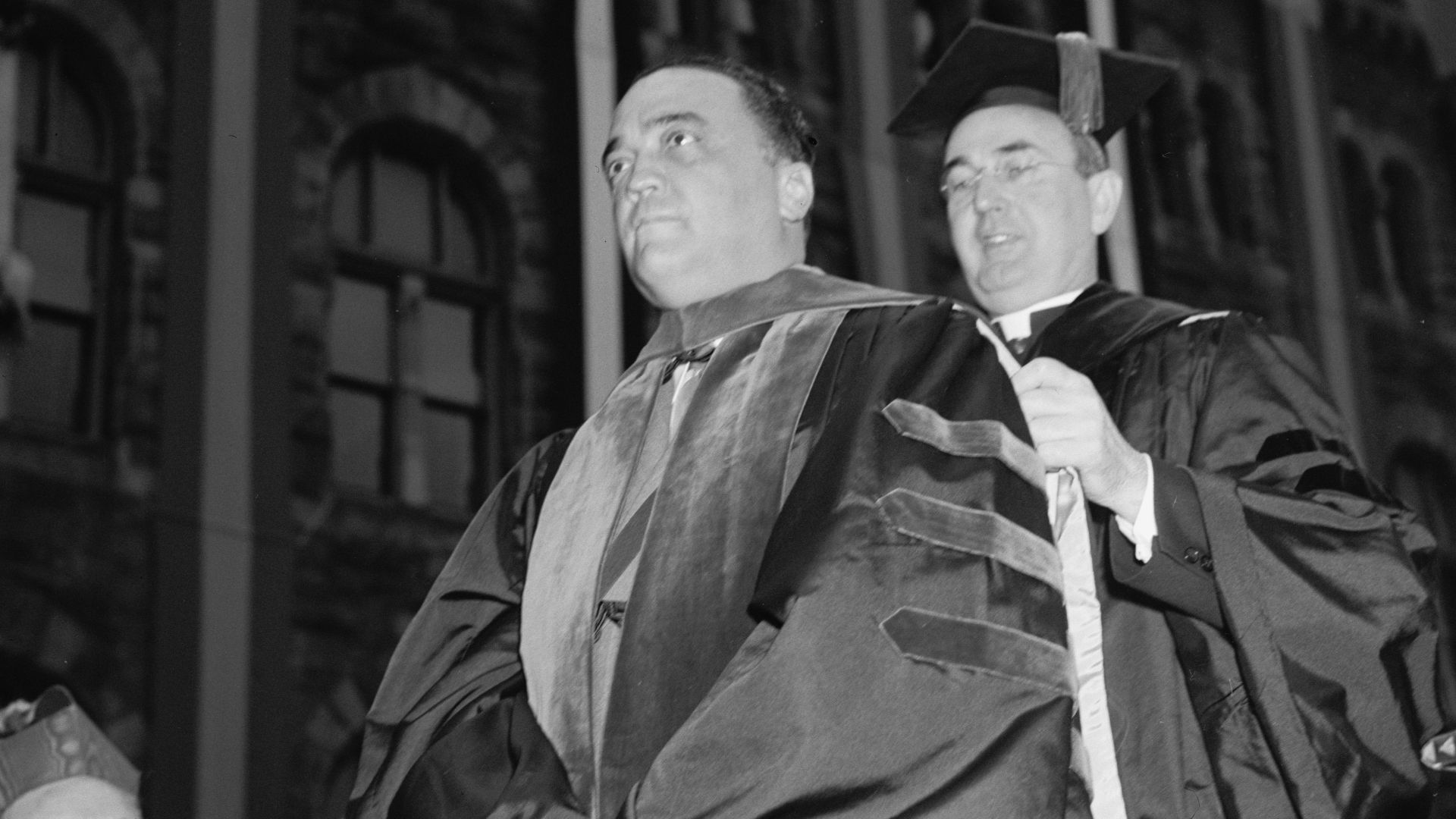
After Hoover’s passing, he left his entire estate to Tolson, further suggesting their relationship was more than just colleagues. Tolson even moved into Hoover’s now-vacant house after the Director’s funeral, and after Tolson’s own passing, he was buried mere yards away from his companion. The debate around Hoover’s sexuality doesn’t end there, however.
 Harris & Ewing, photographer, Wikimedia Commons
45. He May Have Been Ace
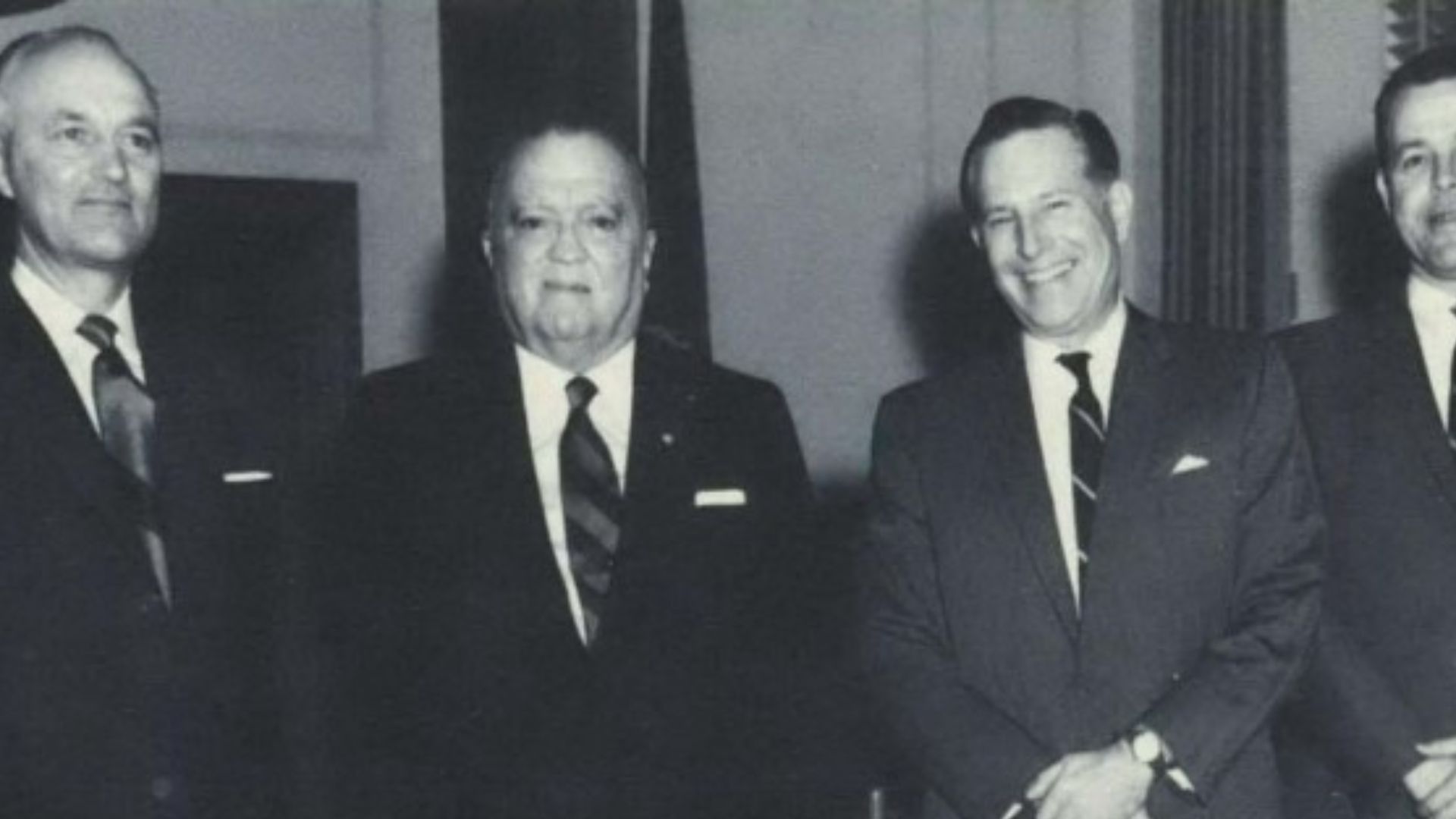
What is undeniable is that Hoover never married, and certain historians have taken this as an indication of another orientation. John Stuart Cox and Athan G Theoharris, in their book on the Director, concluded that “the strange likelihood is that Hoover never knew sexual desire at all”, implying he was asexual. But a certain collection of Hoover’s may call this into question too.
 Trapper George, Wikimedia Commons
History's most fascinating stories and darkest secrets, delivered to your inbox daily.
46. He Had A Stash
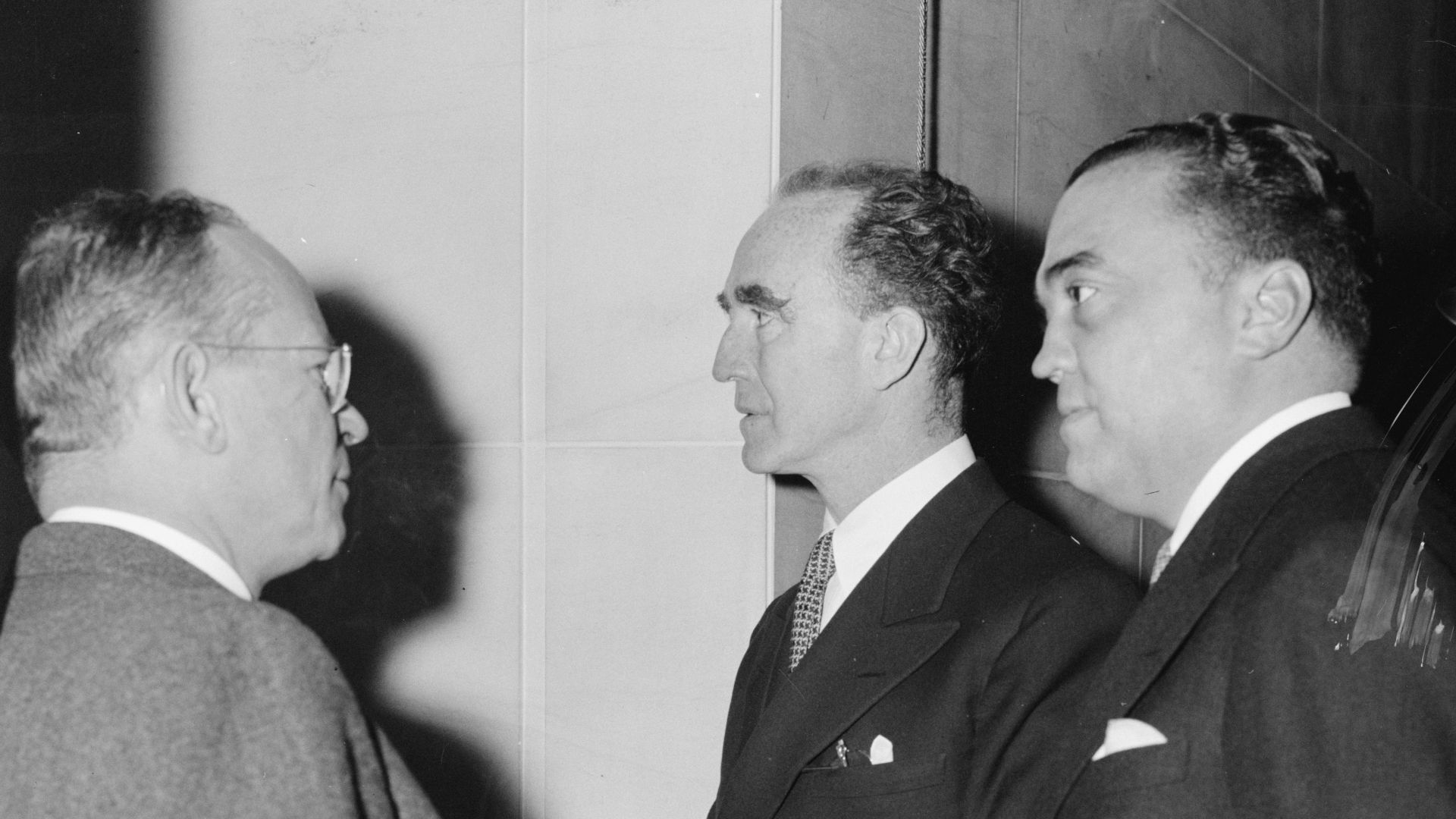
Hoover allegedly kept a large collection of lurid photos, films, and written materials. Many of the photos were of celebrities and other notable figures. Some claim that Hoover used these for his own titillation; others suspect he held them for blackmail purposes. Hoover had other interesting habits too.
 Harris & Ewing, photographer, Wikimedia Commons
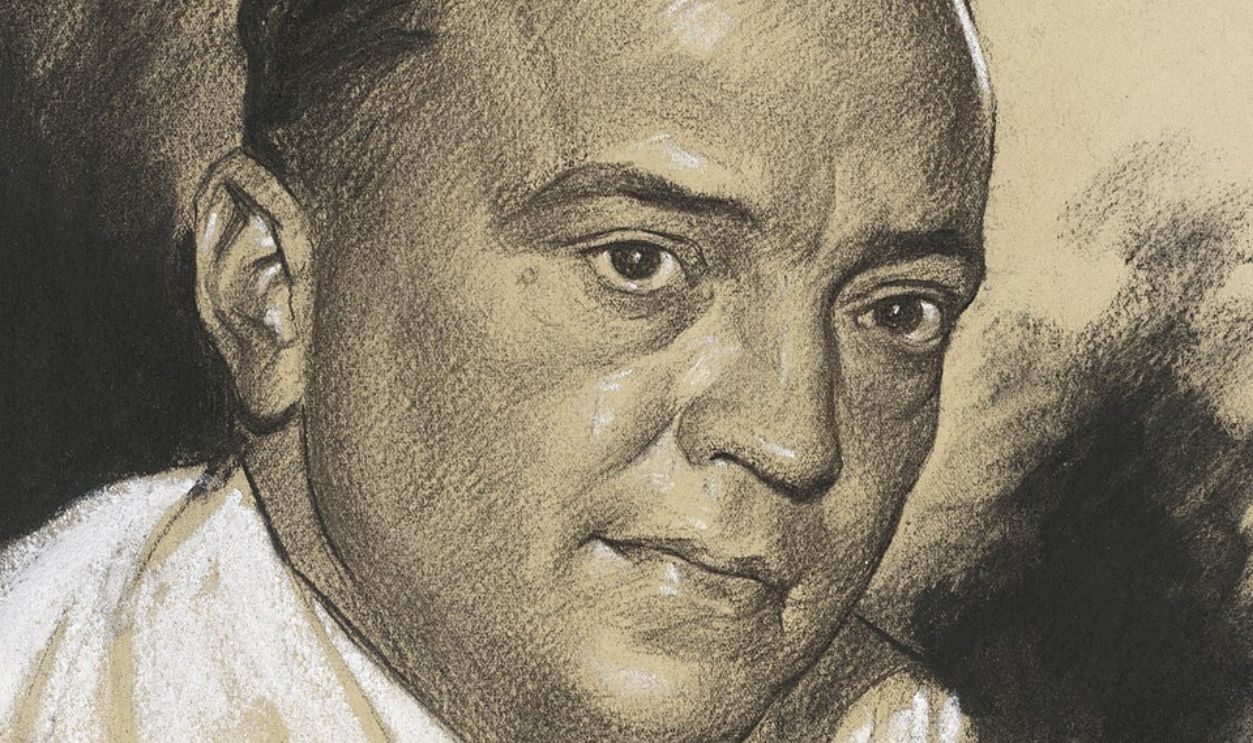
47. He Cross-Dressed
According to numerous sources, Hoover had a private affinity for dressing in drag. He would allegedly do so at private, all-male parties in the 1950s, attended by the likes of Roy Cohn, and by several male workers. These rumors have even called Hoover’s gender identity into question.
His ethnicity has been debated too.
 Samuel Johnson Woolf, CC0, Wikimedia Commons
48. He May Have Had A Genealogical Secret
Despite his staunch opposition to civil rights in the mid-20th century, 21st century claims have been made about Hoover’s ancestry, with some alleging that he may have been part-Black. The possibility was the subject of the 2000 book, Secrets Uncovered: J. Edgar Hoover — Passing for White? The claim remains unproven, however. What is undeniable is that Hoover was a deeply flawed and hateful person, but did he have any redeeming qualities?
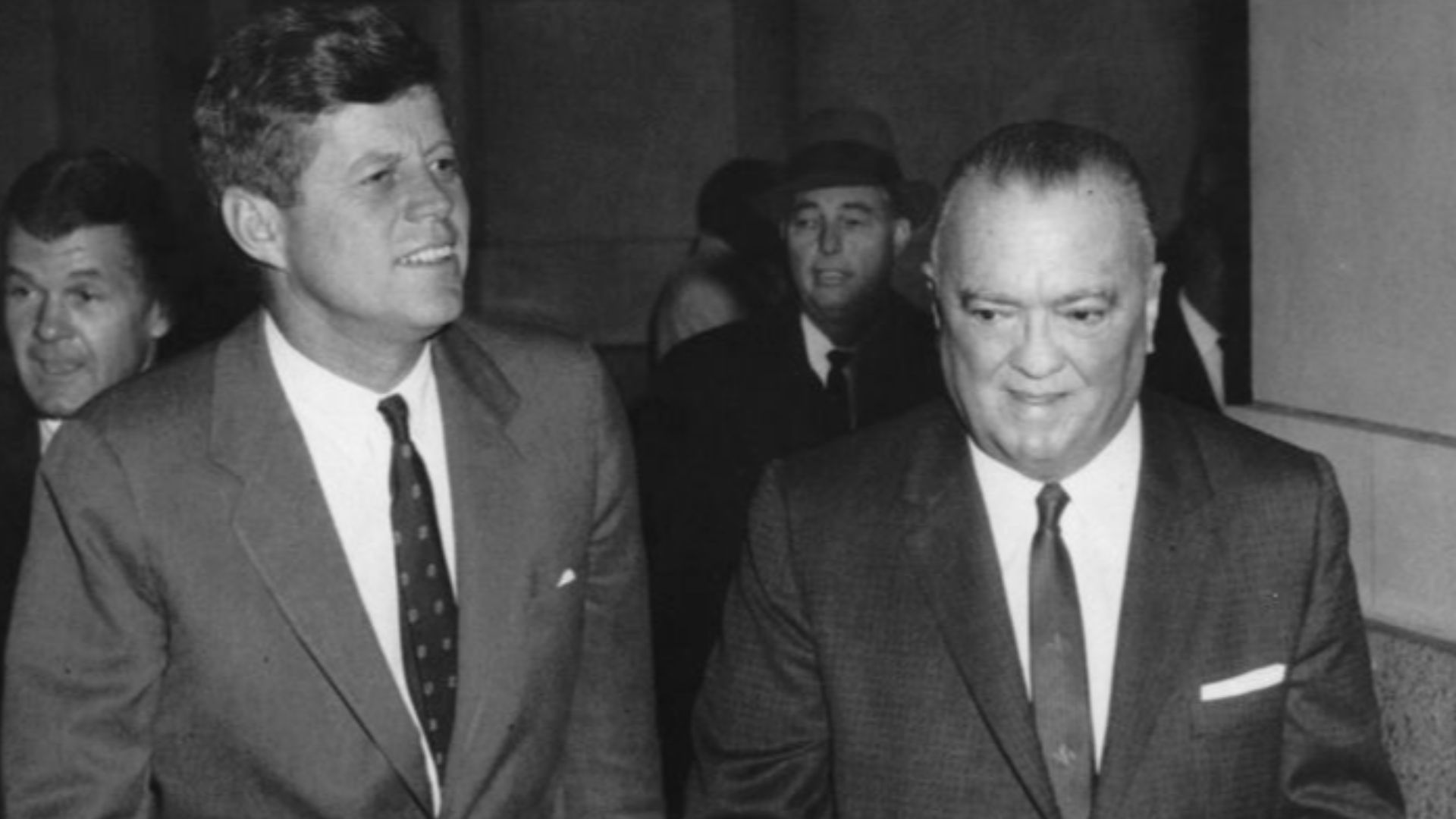
49. He Loved Dogs
Hoover had a lifelong adoration for Man’s Best Friend. After receiving a dog from his parents as a young child, he was never again without one for the remainder of his days. He even had a great knowledge of dog breeding, and would gift dogs to notable figures, including at least two Presidents. Perhaps it was this one soft spot that a Hollywood actor attempted to draw on.
 Ken Billington, CC BY-SA 3.0, Wikimedia Commons
50. He Got The Hollywood Treatment
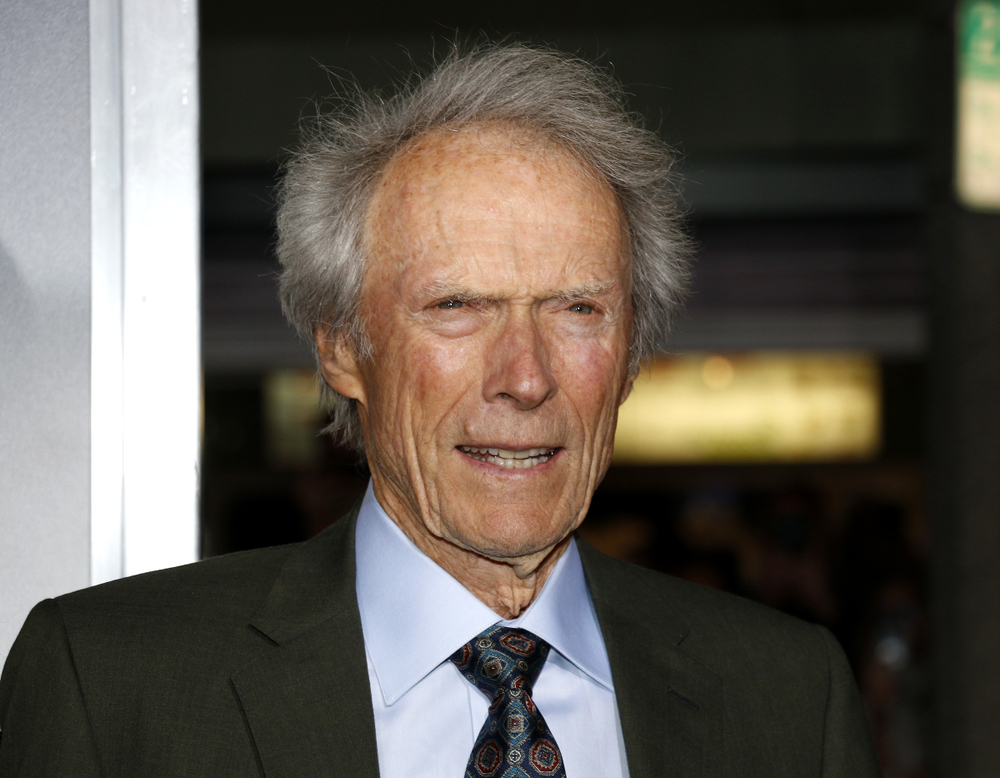
Hoover was the subject of the 2011 biopic, J Edgar, which was directed by Clint Eastwood and starred Leonardo DiCaprio in the eponymous role. Though DiCaprio’s portrayal was praised, critics and audiences largely panned the film. For a figure as larger-than-life as J Edgar Hoover, perhaps the big screen was simply not big enough.
You May Also Like:
Scathing Facts About Gore Vidal, The Most Feared Man in America
Elusive Facts About John Stonehouse, The Vanishing British Member Of Parliament
Sharp Facts About George Jessel, The "Toastmaster General"









_-_NARA_-_518187.jpg)

.jpg)


_(1).jpg)