57. He Got Aiello In The End
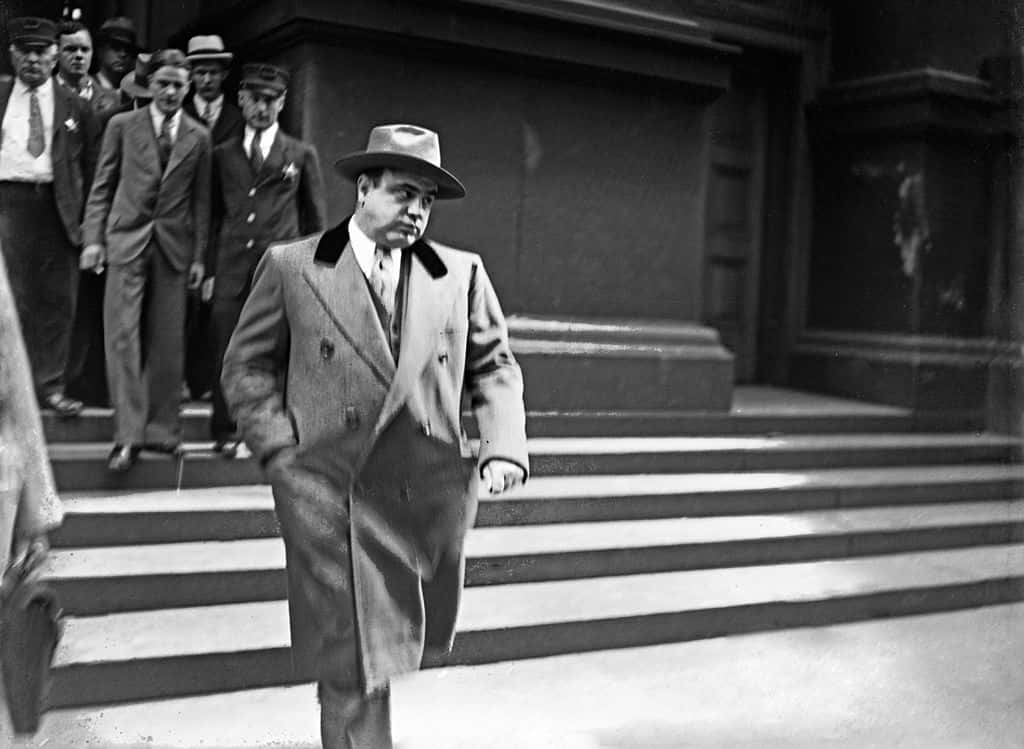
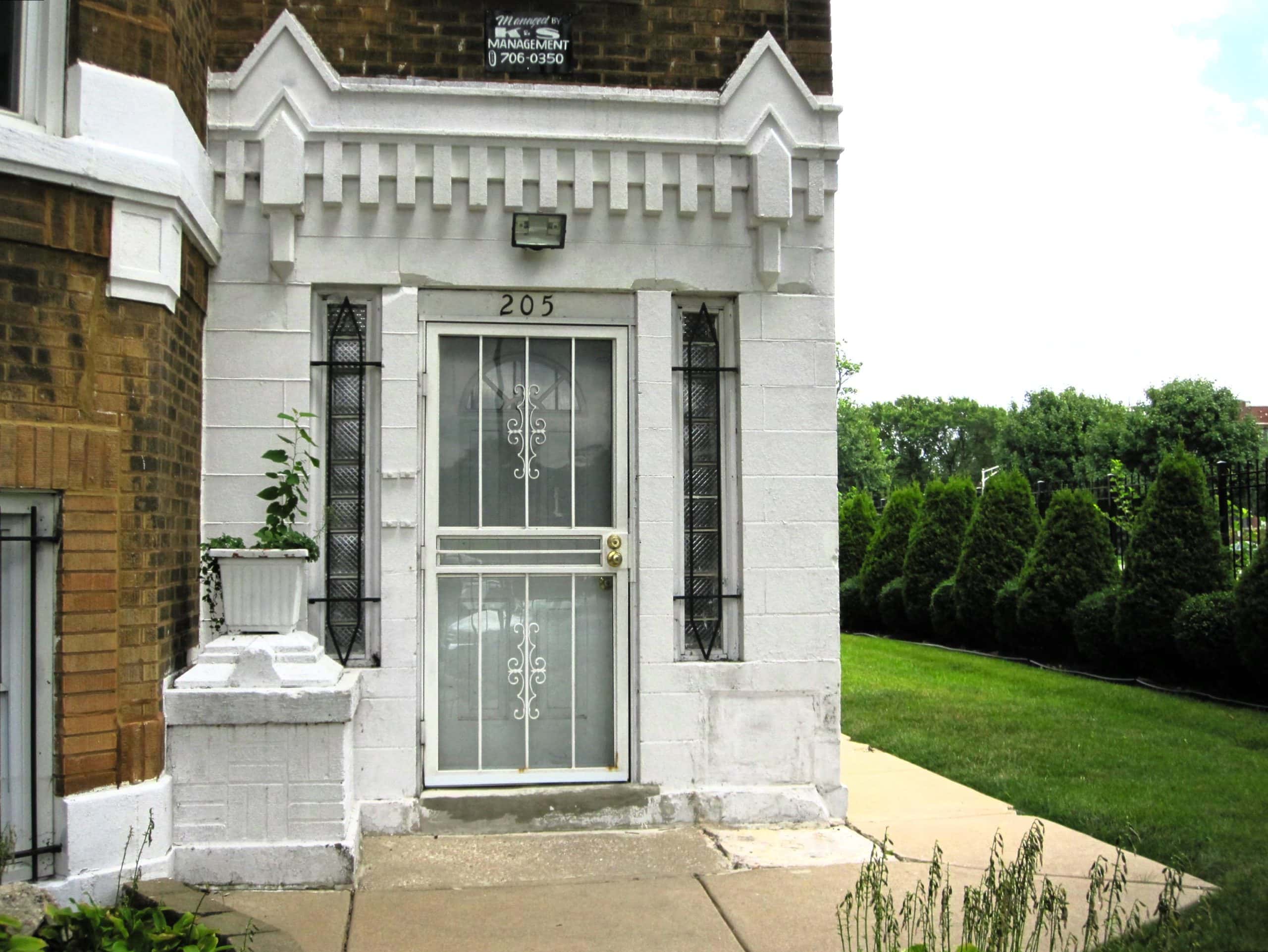
Years of plotting against one of the most dangerous men in the country had left Joe Aiello a paranoid wreck. He jumped from city to city before ending up back where it all started: Chicago. He holed up at a friend's apartment, where Capone's men tracked him down. On October 23, 1930, he left the building and made a bee-line for the nearest taxi cab—but he wasn't fast enough.
Capone's men shot Aiello at least 13 times before he managed to flee around the corner. However, that only brought him directly in front of the second car of Capone's men. Joe Aiello would trouble Al Capone no more—but soon, small-time gangsters would be the least of his problems.
58. A Lawyer Realized How To Take Him Down
Most of the people who were following Al Capone's exploits expected someone like the dashing Eliot Ness to take him down in a dramatic shootout or something of the like. But that's now how it went down. The person who finally cracked how to take down Capone was no FBI agent or maverick officer. It was Assistant Attorney General Mabel Walker Willebrandt.
After the authorities had struggled for so many years with how to actually pin anything on Capone, Walker Willebrandt suddenly had an epiphany. The answer had been right in front of them the entire time.

59. He Didn't Pay His Taxes
Mabel Walker Willebrandt realized something so hilariously simple, it seemed almost too good to be true. Everyone knew mobsters like Al Capone lived these extravagant lifestyles, so they had to have money. But where were their income tax returns? Everyone had to pay income tax, no matter how they earned their money.
Al Capone had committed any number of brutal felonies—and the one that brought him down in the end was tax evasion.

60. They Finally Got Him
Federal courts ended up convicting Capone on five counts of income tax evasion, amounting to $215,000 plus interest. That was the smoking gun they used to sentence him to 11 years behind bars. Capone hired the best tax attorneys money could buy to try and weasel out of the sentence, but the courts weren't going to be fooled. They denied Capone's appeal and upheld both his conviction and his sentence.
If you think that 11 years seems a little light for the things Al Capone had done, don't you worry. He ended up suffering a fate worse than any prison sentence.
61. His Body Started Wasting Away
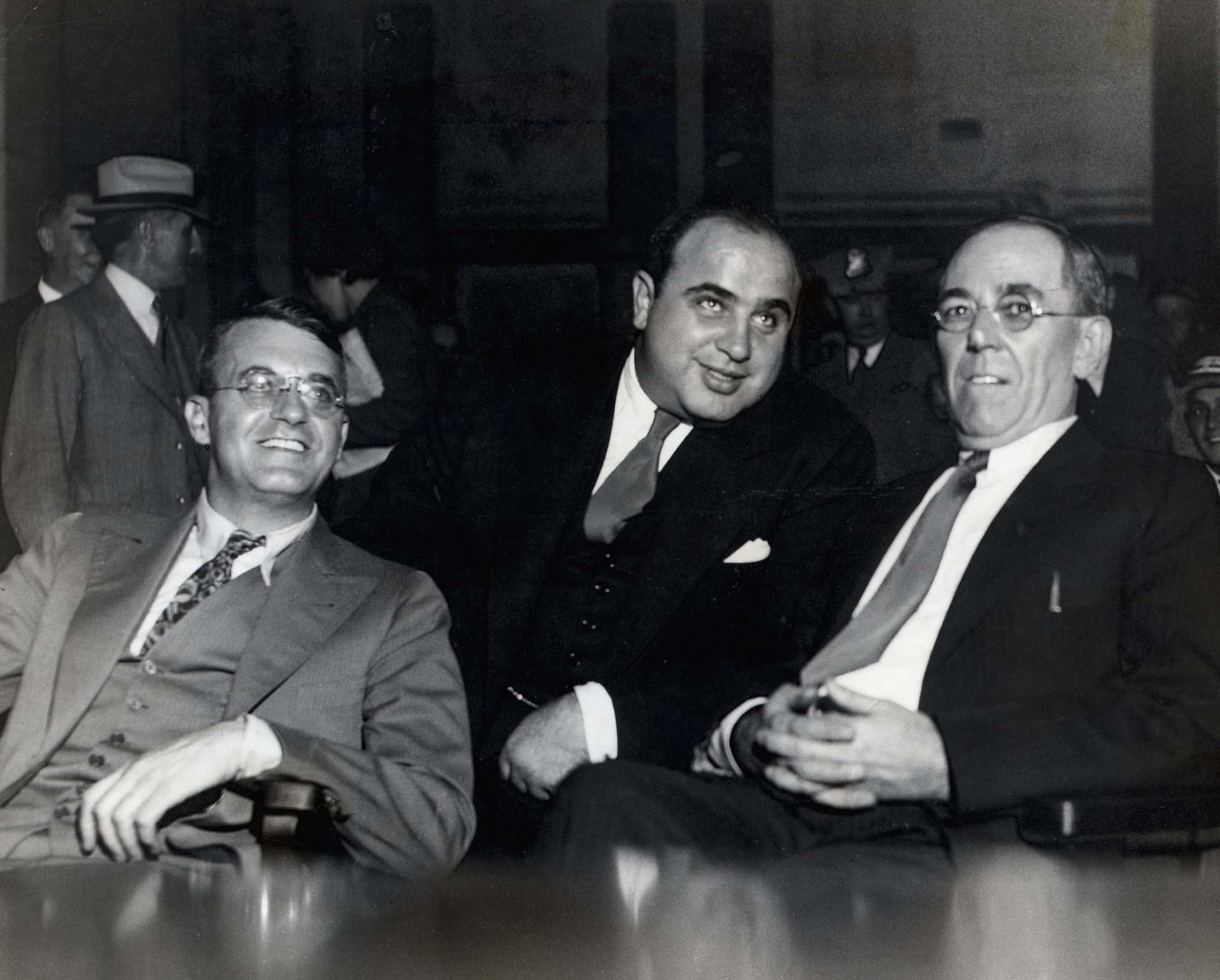
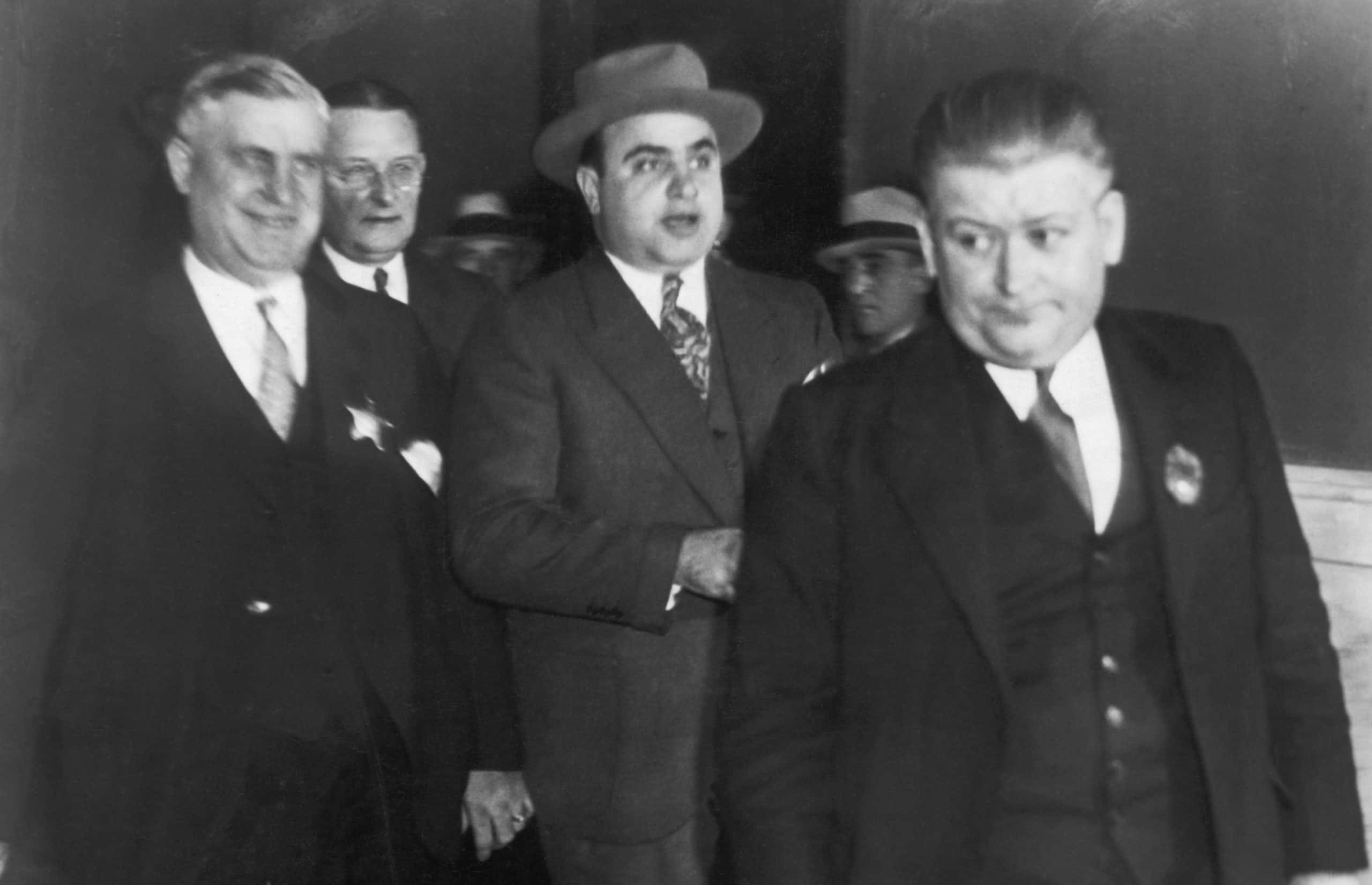
Capone was only 33 years old when they finally did him in. Upon arrival at Atlanta U.S. Penitentiary, doctors found him in terrible shape. He suffered from both syphilis and gonorrhea, as well as withdrawal from a nasty coke addiction that left him with a perforated nasal septum. He'd lived about as hard and as fast as any man ever could, and at 33, his body and mind already began to crumble.
62. He Couldn't Defend Himself
If Capone's fellow prisoners expected the same larger-than-life gangster they'd read about in the newspapers, Capone sorely disappointed them. He grew frail and weak from his various ailments and proved completely unable to defend himself from the other prisoners' torment. Several other inmates who respected his reputation became his protectors, but that didn't last long either.
After just a few years in Atlanta, authorities transferred Capone to the infamous Alcatraz. There, he entered a whole new nightmare.
63. He Went To The Rock
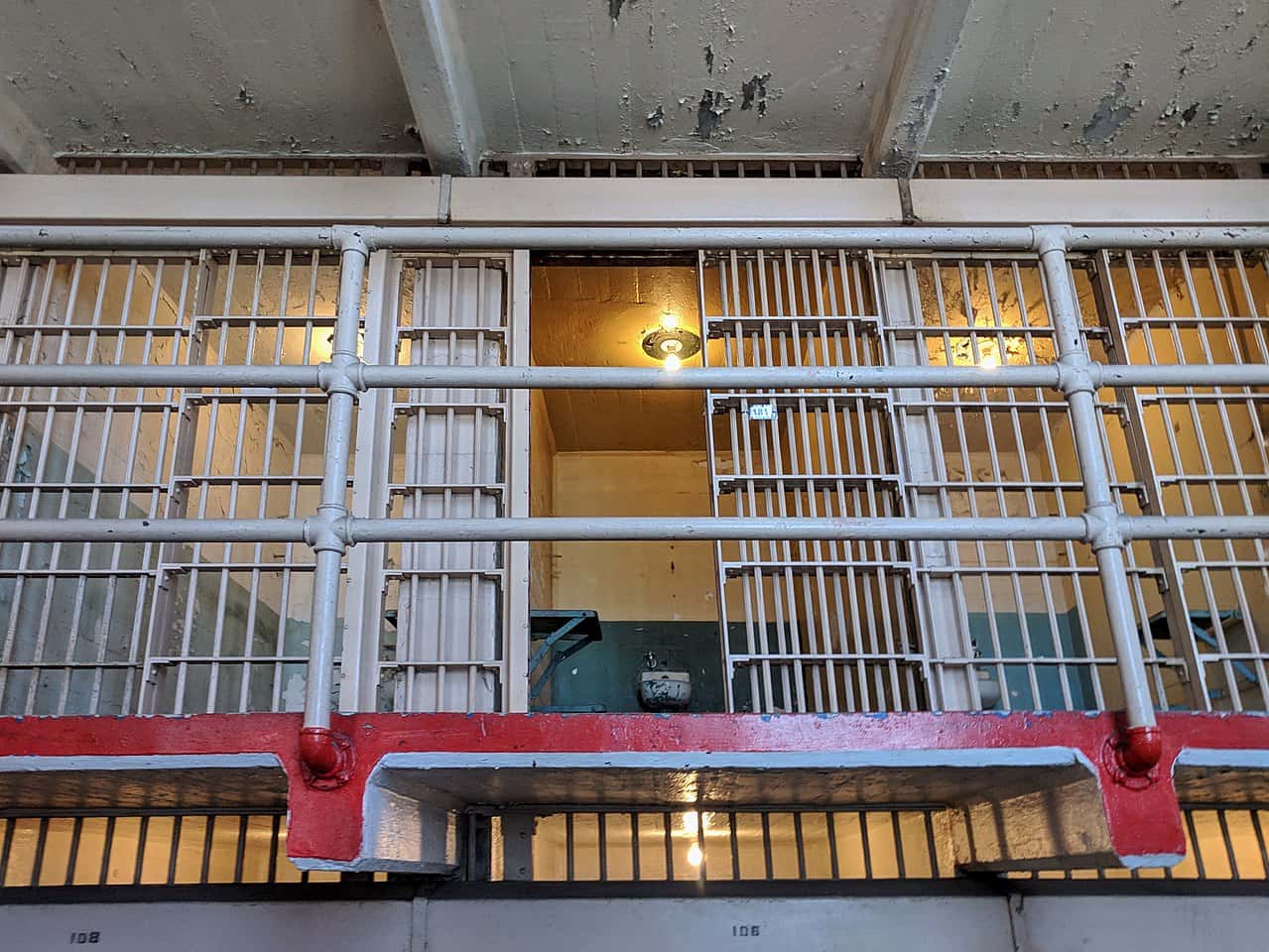
The protectors Capone had gathered around him in Atlanta didn't follow him to Alcatraz. There, the other inmates tormented him relentlessly, the infamous Scarface reduced to a sniveling kitten. One inmate attacked him with a homemade shiv, adding to his collection of scars. But while the other inmates were cruel, Capone's biggest battle was with himself.
Capone had first contracted syphilis as a teenager, and the disease had ravaged his body. By the time he arrived at Alcatraz, the effects were absolutely chilling.
64. He Grew So Sick They Released Him
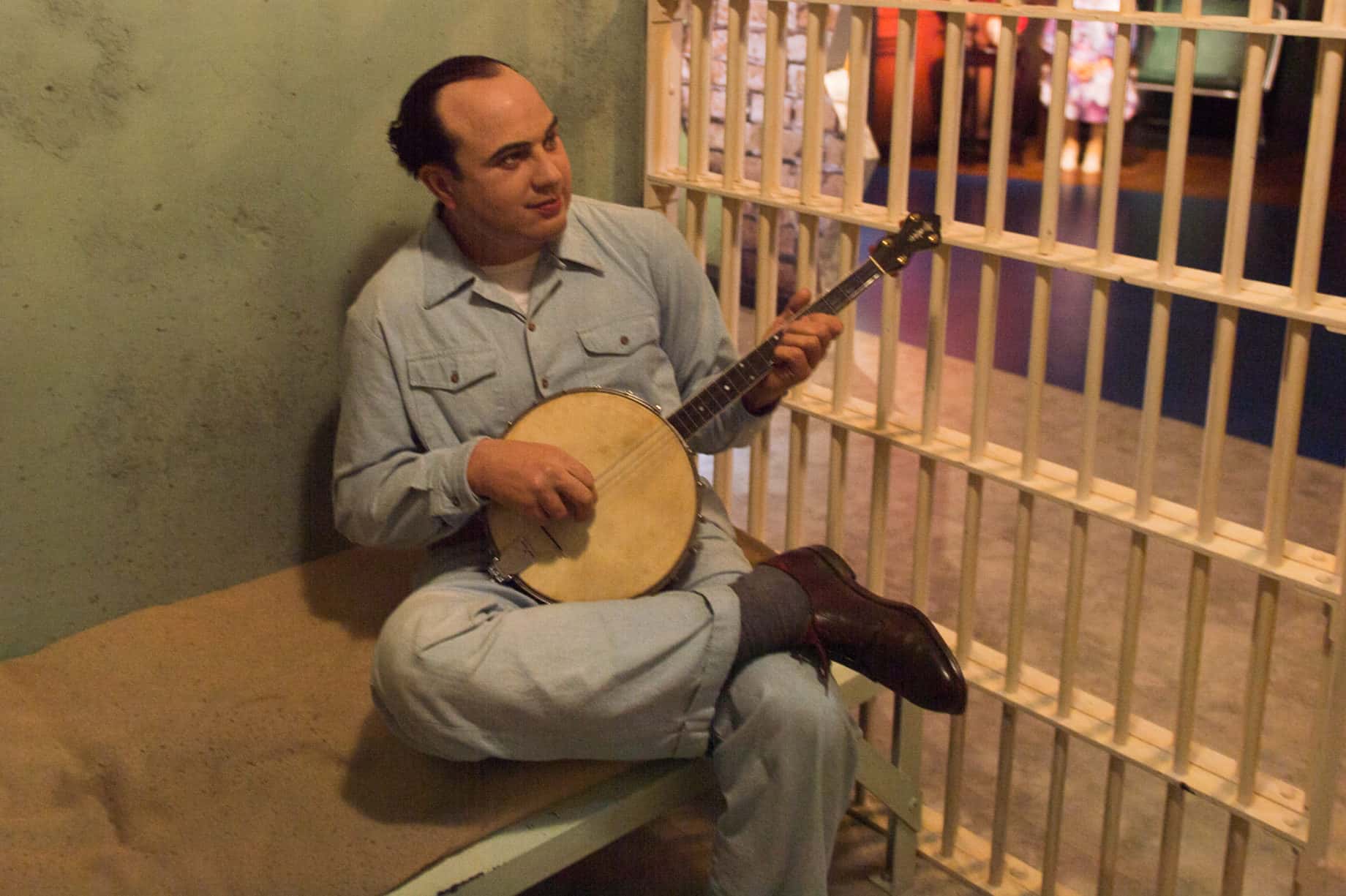
Syphilis slowly wore away at Capone's mental facilities, leaving him weaker and weaker with each passing day. He spent his final year at Alcatraz in the hospital wing, completely confused and disoriented. By 1939, he was transferred to a less secure facility, and later that year, his long-suffering wife organized his release based on his reduced mental state.
Capone became a free man again on November 16, 1939, but he didn't get to enjoy it. When Mae Coughlin came to pick her husband up, it was clear that the boisterous man she'd met as a teenager was gone forever.
65. His Brain Slipped Away
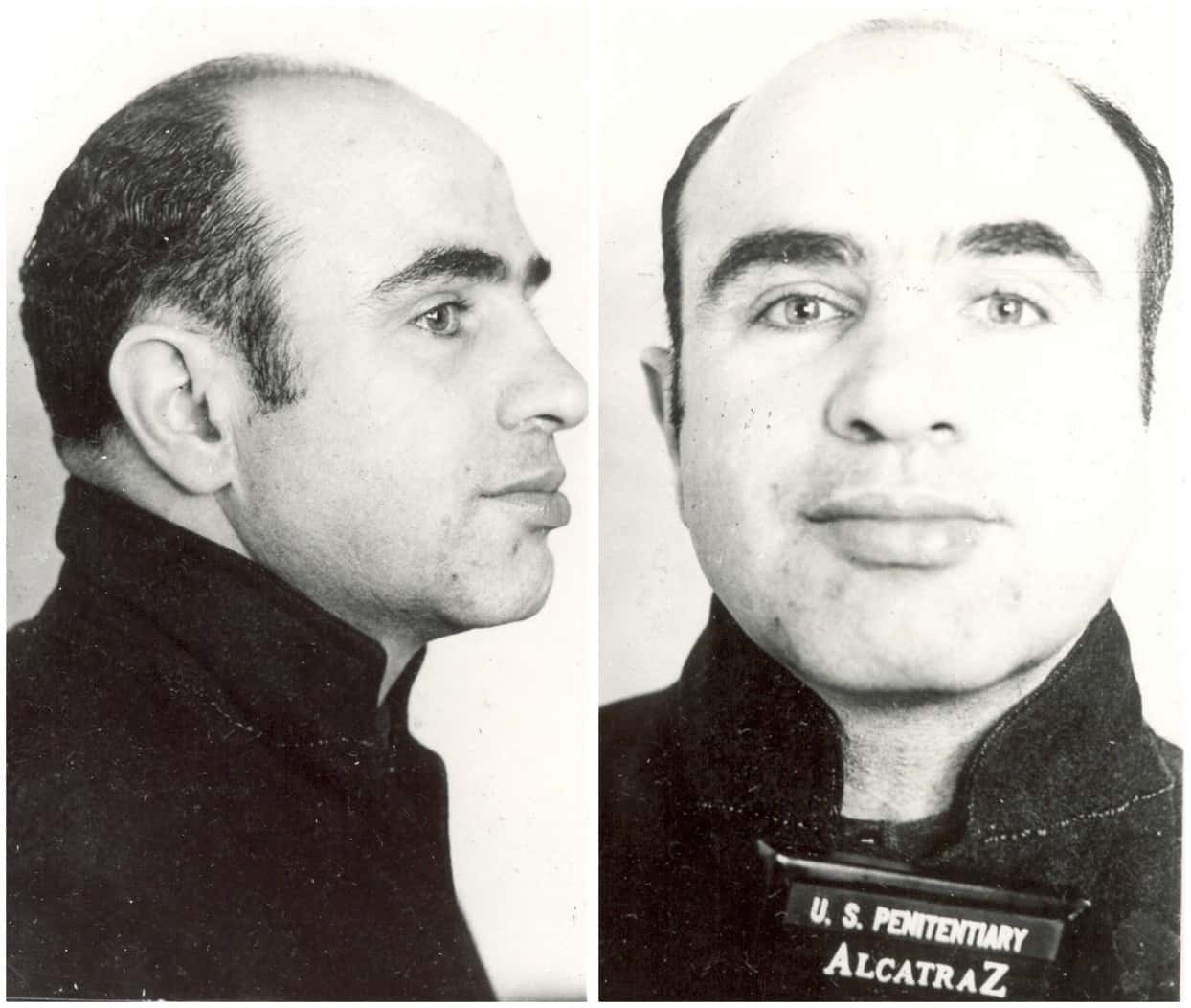
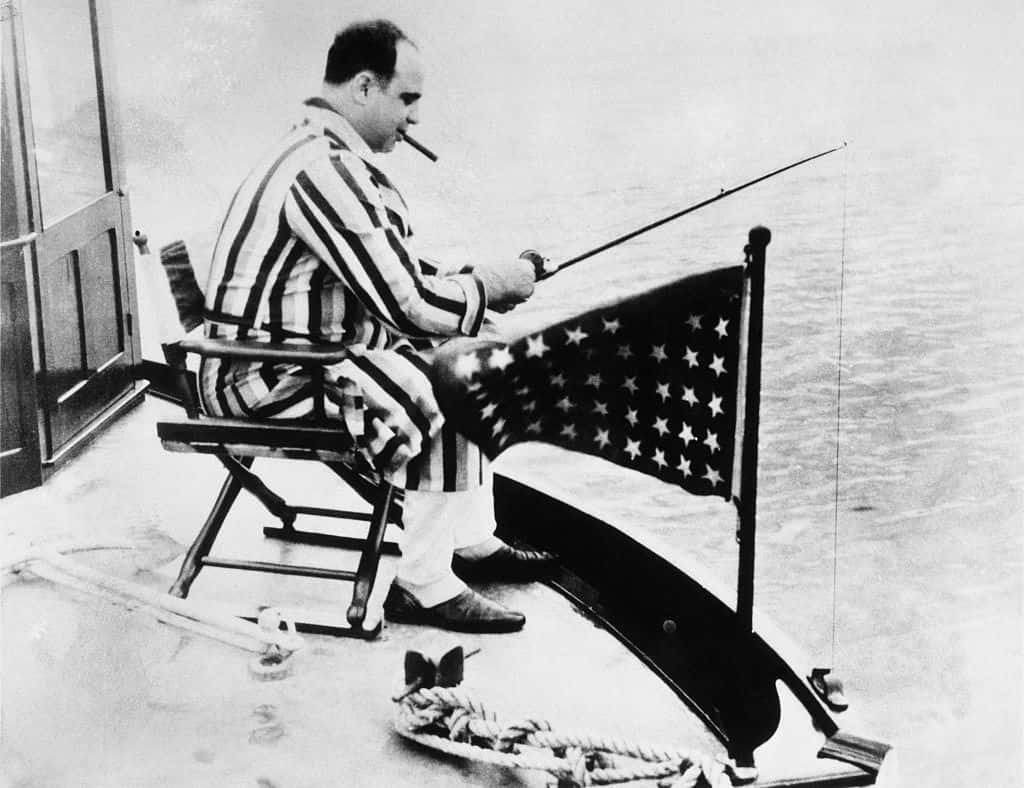
Al Capone spent the final years of his life at his mansion in Palm Island, Florida, surrounded by his wife and grandchildren. However, this was no pleasant walk into the sunset. Syphilis continued to eat away at his brain. By 1946, his doctor determined that he had the mental capacity of a 12-year-old. Anyone who saw him would struggle to recognize the most feared gangster in the history of the United States.

History's most fascinating stories and darkest secrets, delivered to your inbox daily.
66. His End Was Peaceful
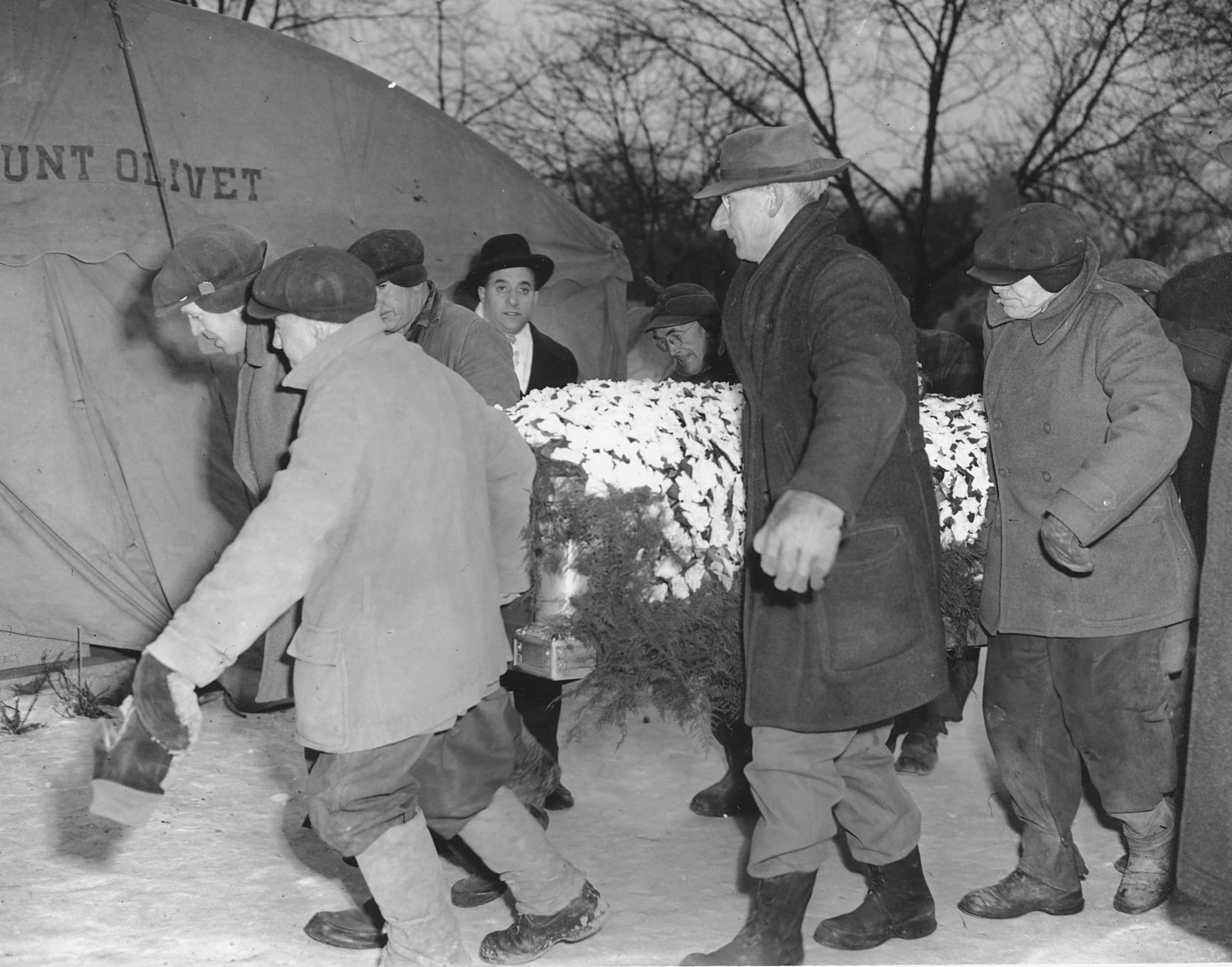
Most people would have guessed that Al Capone would go out in a blaze of glory on the streets of Chicago, but that's not how it happened. In January 1947, he suffered a stroke. Though he initially seemed to recover, he had a heart attack the next day. He passed peacefully on January 25, 1947, surrounded by his loved ones at his home.
Al Capone was no more—but his family wasn't quite finished paying for his sins.
67. His Family Suffered For His Infamy
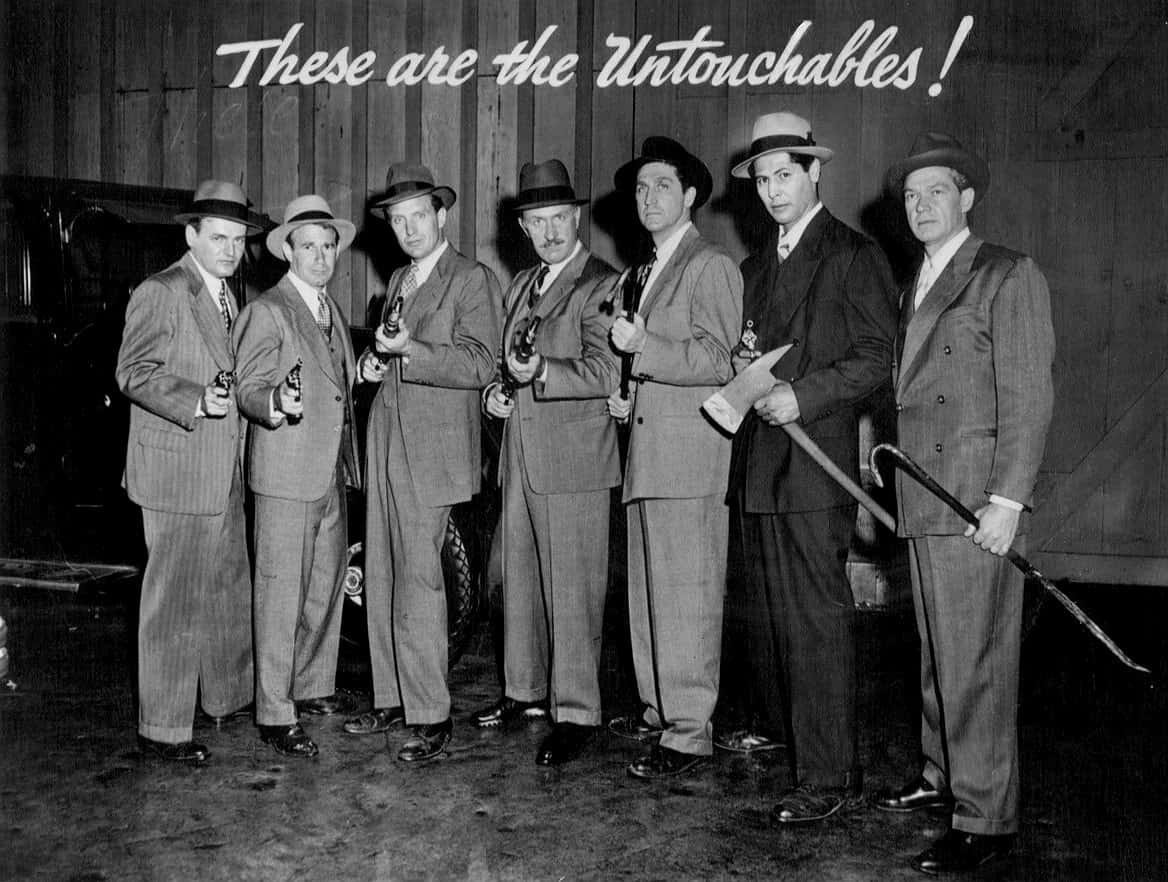
Al Capone captured America's attention once again in 1959, when a two-part TV series called The Untouchables hit the airwaves. The series brought Capone's story to a whole new generation—but the problem was, his family was trying to go about their lives. Sonny Capone said that the children at school teased his kids so relentlessly about their grandfather that he had to move cities.
Mae Capone, Sonny, and Al's sister Mafalda sued the production company, seeking $6 million in damages for infringing on their privacy and causing them humiliation and shame. They ended up taking their case all the way to the Supreme Court, where judges rejected it once and for all.
68. He Ran A Family Business
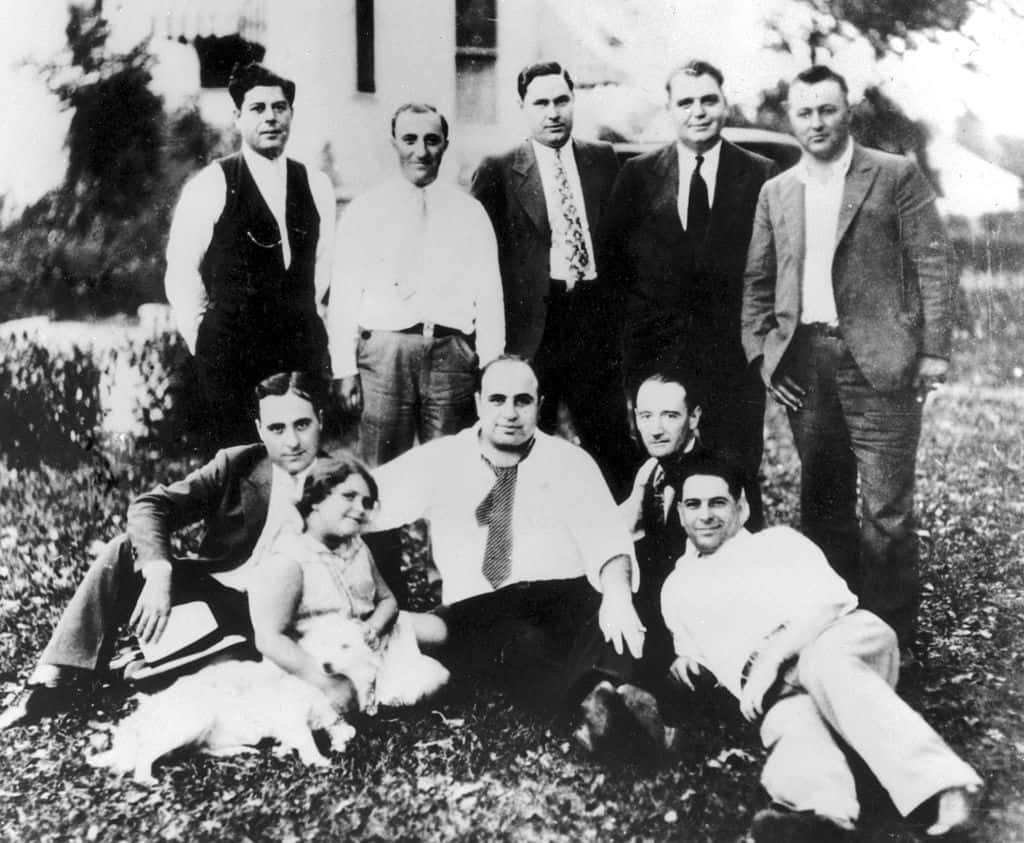
Even as Al Capone worked his way up through America's underworld, he never forgot about his family. Two of his brothers, Frank and Ralph "Bottles" Capone, even went on to work for him. And how would that work out? Frank ended up dead in a shootout with law enforcement in 1924, and Ralph served three years behind bars for tax evasion. But the strangest brother of all had to be the eldest, James Vincenzo Capone.
James moved out west, changed his name to Richard Hart, and became, of all things, a prohibition agent! I bet that made for some awkward family dinners.
69. There Was A Price On His Head
At the peak of Capone's feud with Joe Aiello, Aiello declared open season on him. He offered $50,000 to anyone who could get rid of Scarface once and for all. Money like that brought all kinds of figures out of the woodwork. At least 10 different men took up the cause, and each of them ended up in the ground because of it, while Capone still walked free.
Shady figures from all walks of life tried to take Aiello up on the offer—but one betrayal hit Capone closer to home than any of the others.

70. His Ally Betrayed Him
Capone instilled loyalty in those who worked with him, but $50,000 was a lot of money. One of Capone's close allies, a man by the name of Ralph Sheldon, decided it was worth betraying him over. But Capone didn't survive this long by being sloppy. He had an extensive intelligence network throughout Chicago's underbelly, and one of his spies uncovered Sheldon's plot.
Sheldon didn't even get the chance to try and claim Aiello's bounty—Capone's men shot him in front of the West Side Hotel before it came to that. He survived, but learned the hard way the risk you were taking by crossing Al Capone.