
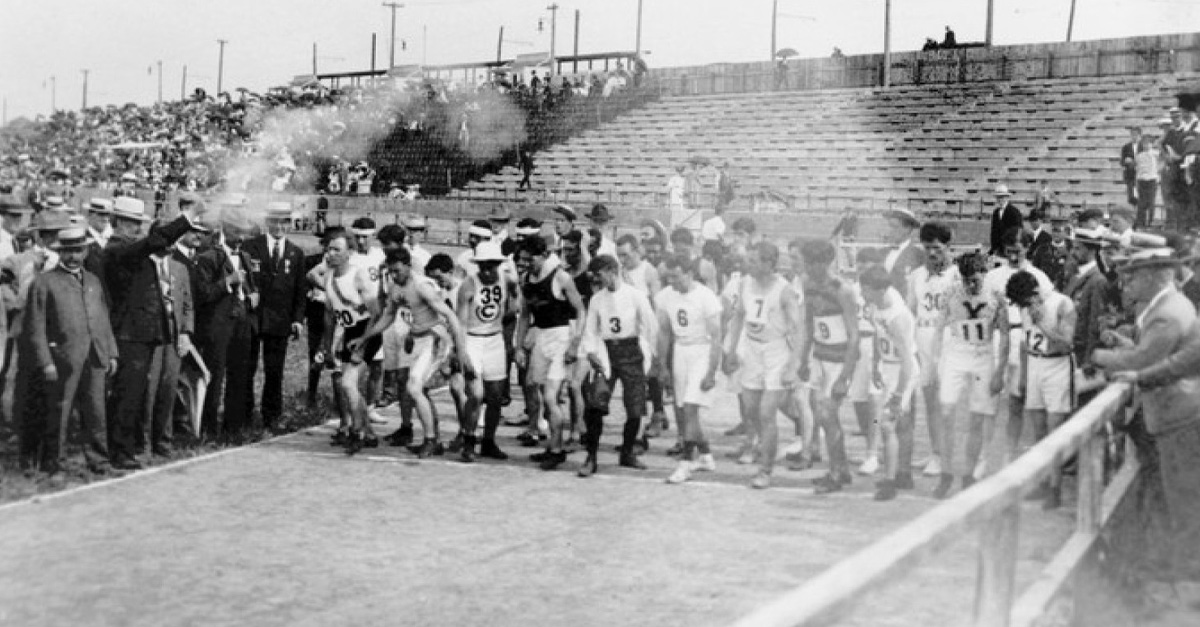
The Strangest Marathon Ever Run
Imagine an Olympic marathon featuring a cheating runner in an automobile, another competitor stopping for a nap, wild dogs chasing athletes, and a champion fueled by poison and brandy. Somehow, all of this happened during one sweltering afternoon in St. Louis—and that is only the beginning.
An Olympics Lost Inside A Fair
The 1904 Games were held alongside the enormous St. Louis World’s Fair. Rather than commanding everyone’s attention, the young Olympic movement became tangled in months of exhibitions, sideshows, and loosely organized sporting contests. Even contemporary observers struggled to separate official Olympic events from the fair’s general entertainment.
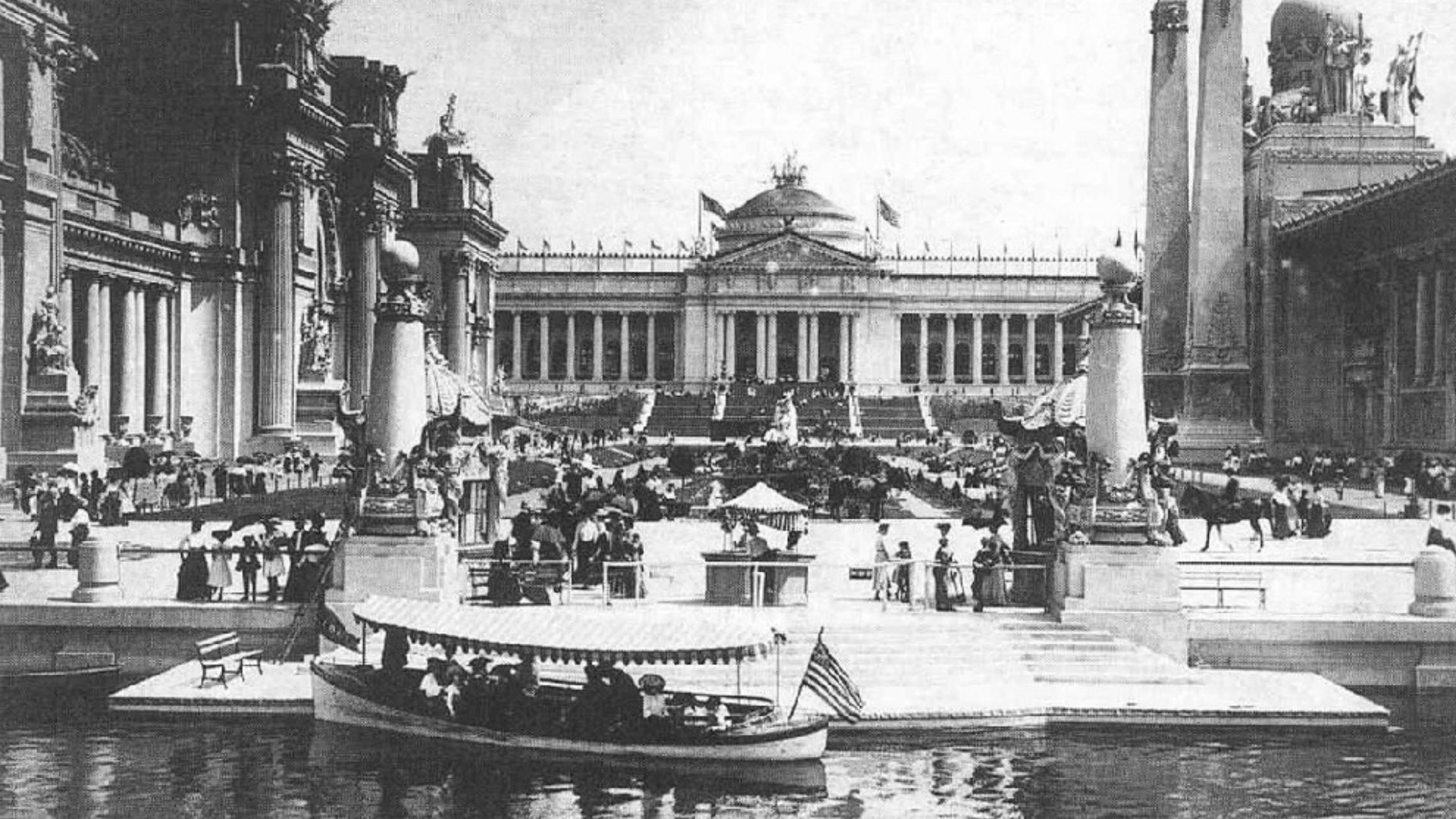 David R. Francis (book author), Wikimedia Commons
The Marathon Was Still Experimental
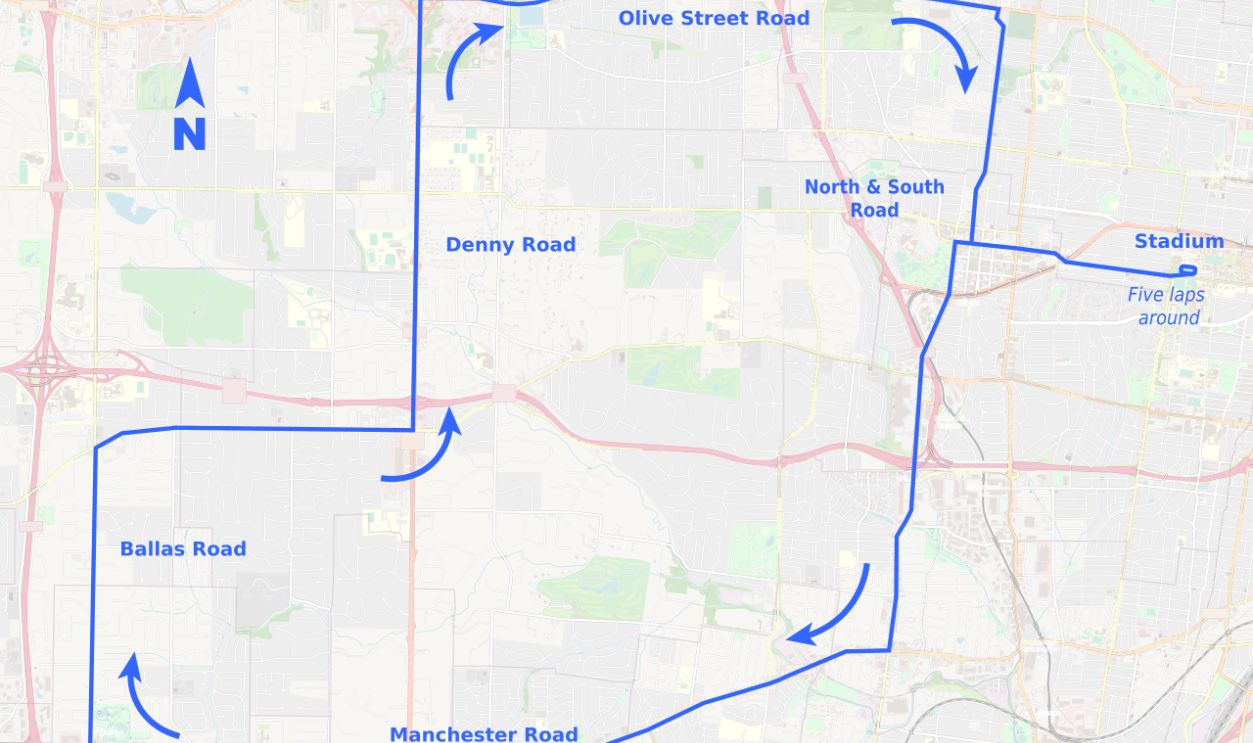
Today’s marathon is precisely 26.2 miles, but that distance had not yet been standardized. The St. Louis course measured 40 kilometers, or roughly 24.85 miles. Organizers seemed less concerned with accuracy than with finding a route that looked challenging—which they certainly managed to do.
Starting In The Afternoon Heat
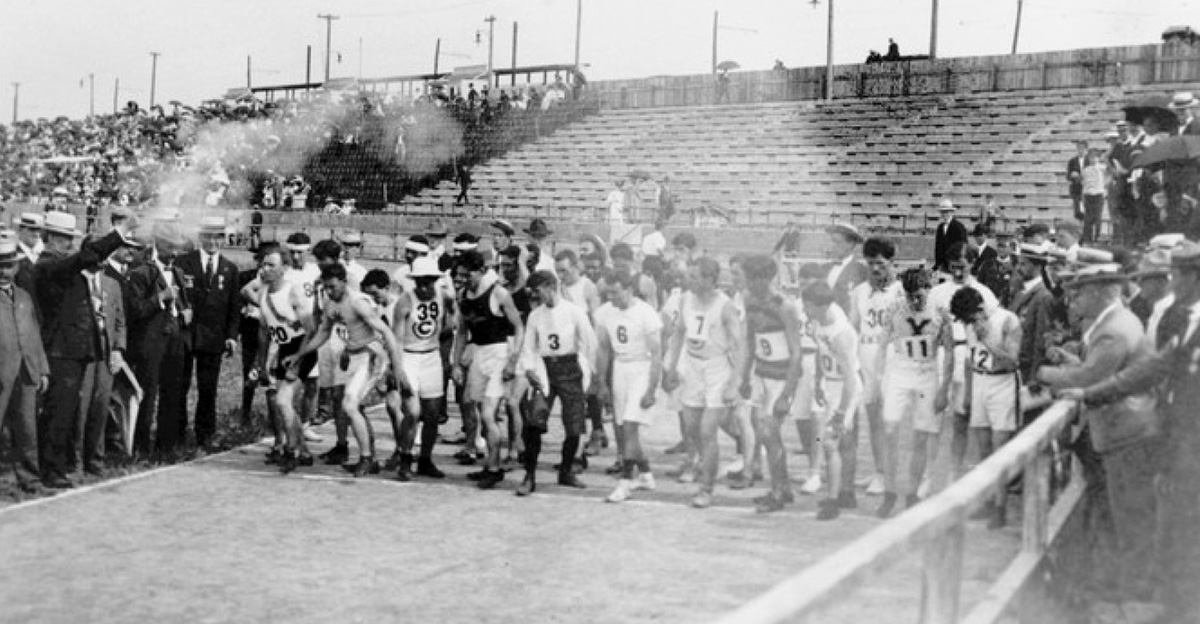
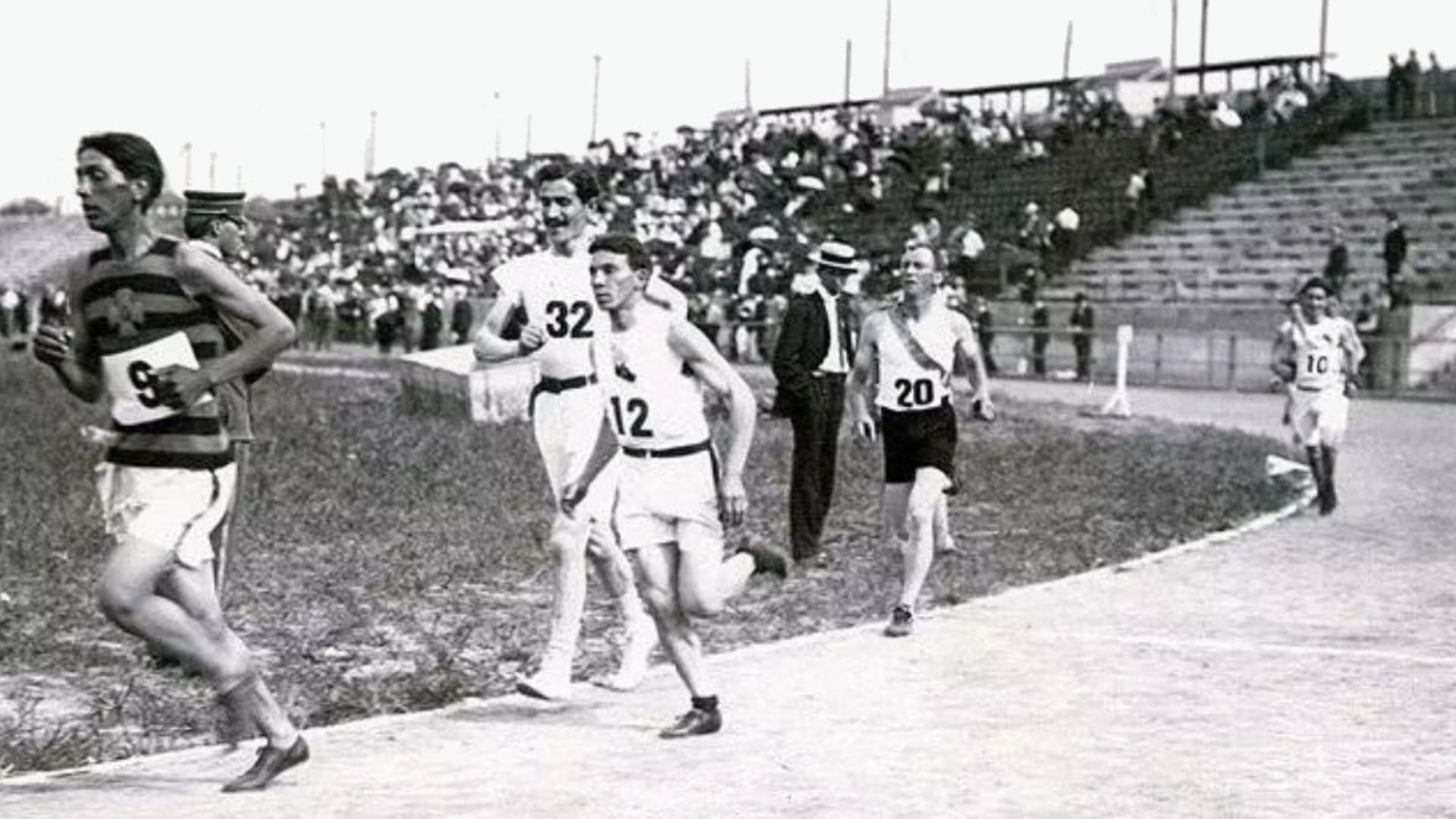
The race began shortly after 3 p.m. on August 30, 1904, when temperatures were around 90°F. Instead of avoiding the hottest part of the day, officials sent 32 runners directly into it. The heat and humidity immediately transformed an endurance race into a survival contest.
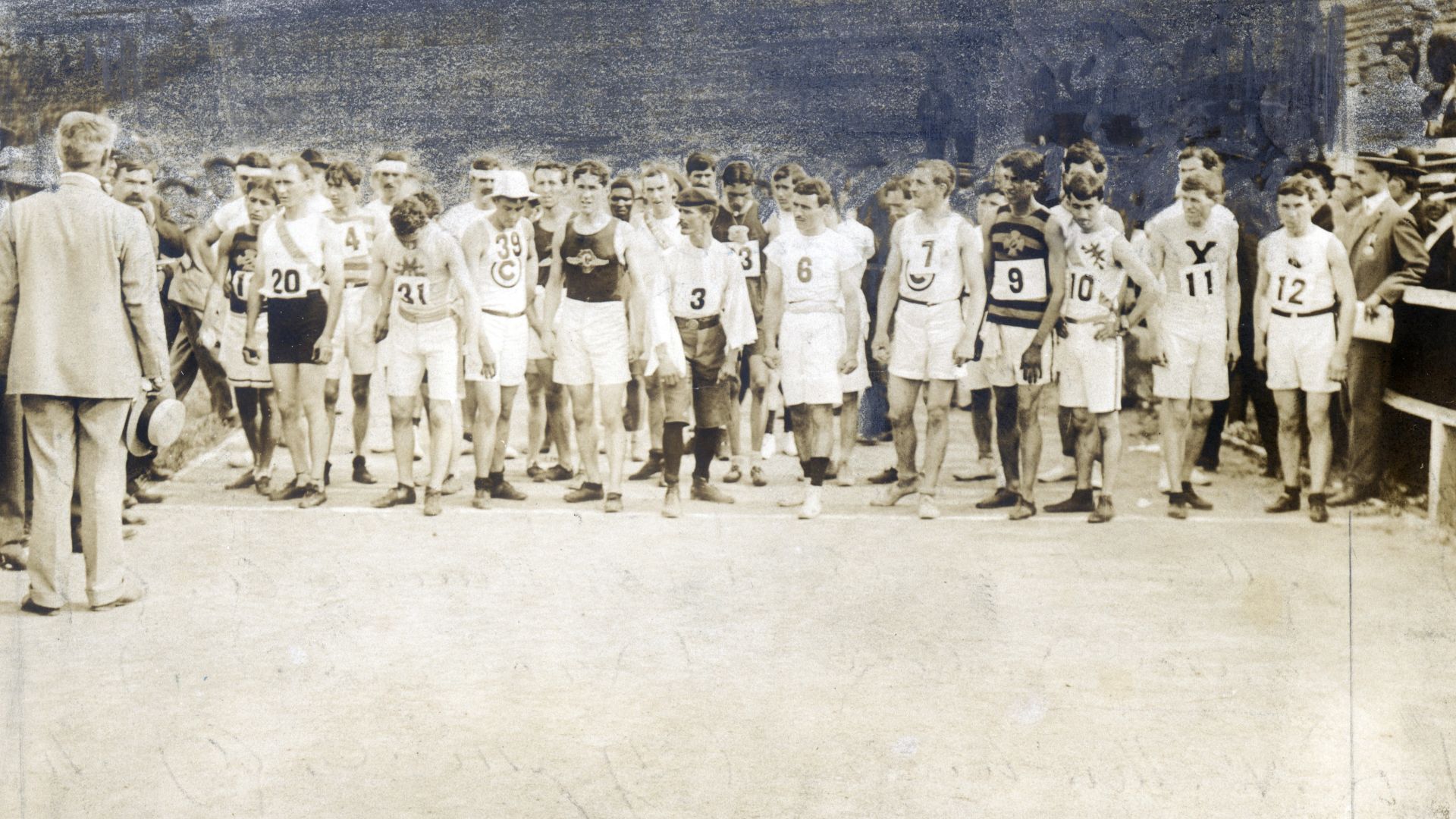 Nathan Lazarnick, New York, Wikimedia Commons

History's most fascinating stories and darkest secrets, delivered to your inbox daily.
Hills, Rocks, And Dust
The course included seven major hills, with climbs reaching hundreds of feet. Runners also encountered loose stones and roads covered with deep dust. One fair official described it as an extraordinarily difficult course, although that description may have been the only piece of planning anyone got right.
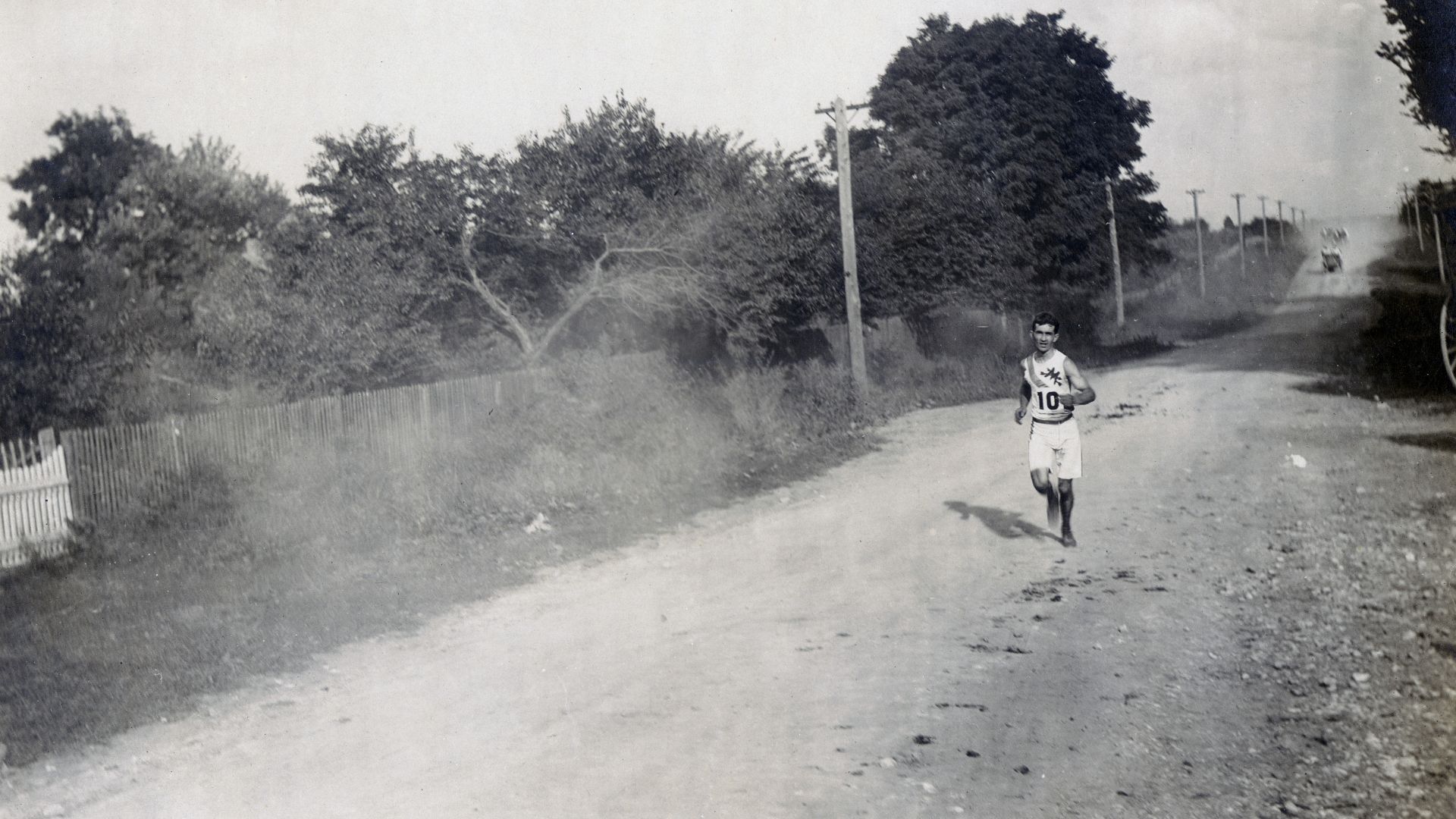 Jessie Tarbox Beals (attributed), Wikimedia Commons
The Roads Stayed Open
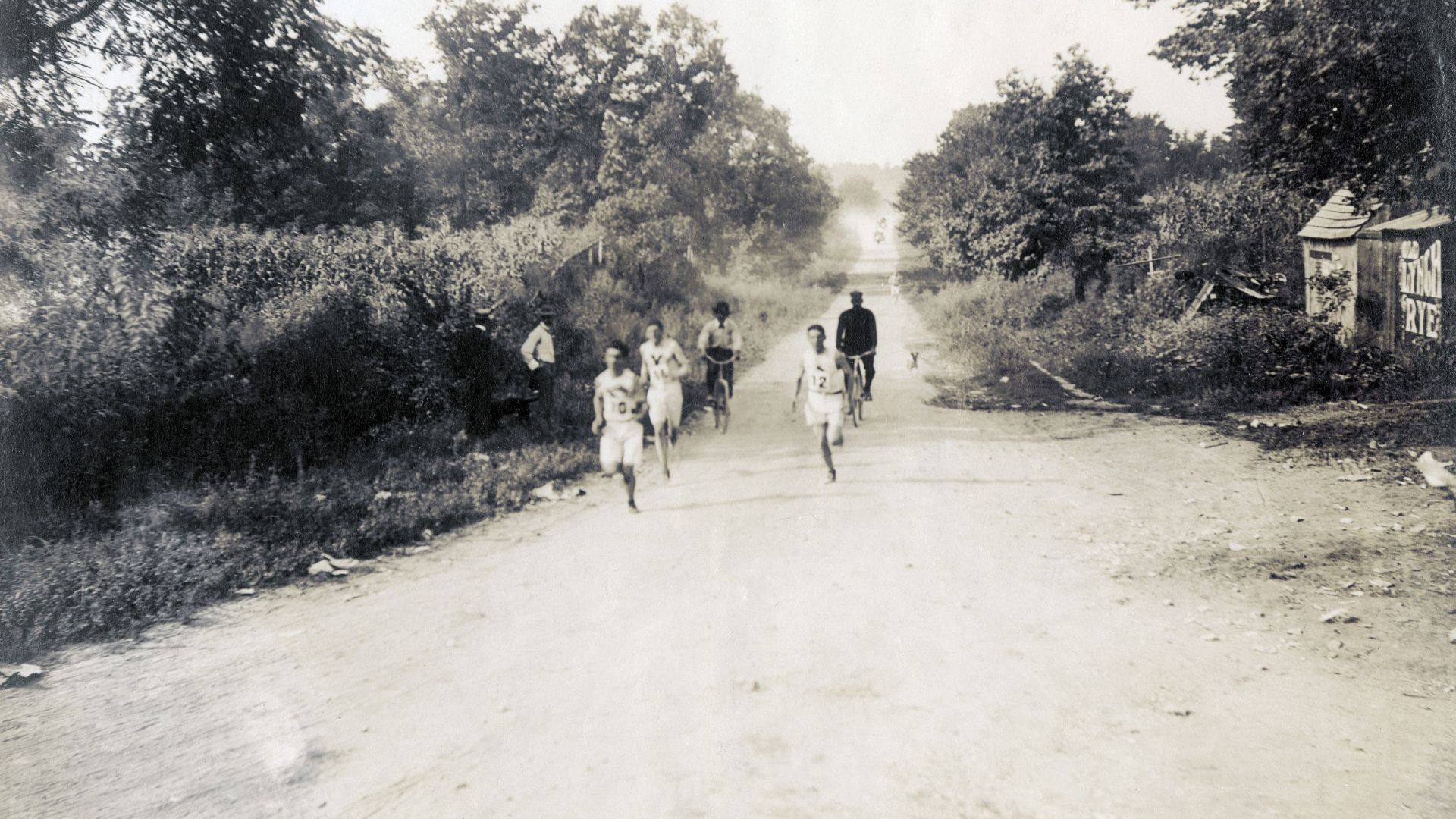
Organizers apparently saw no reason to close the route to everyday traffic. Competitors dodged wagons, automobiles, trolley cars, pedestrians, railroad trains, and people walking dogs. A modern race director would have nightmares about one of those hazards. In St. Louis, runners faced the entire collection.
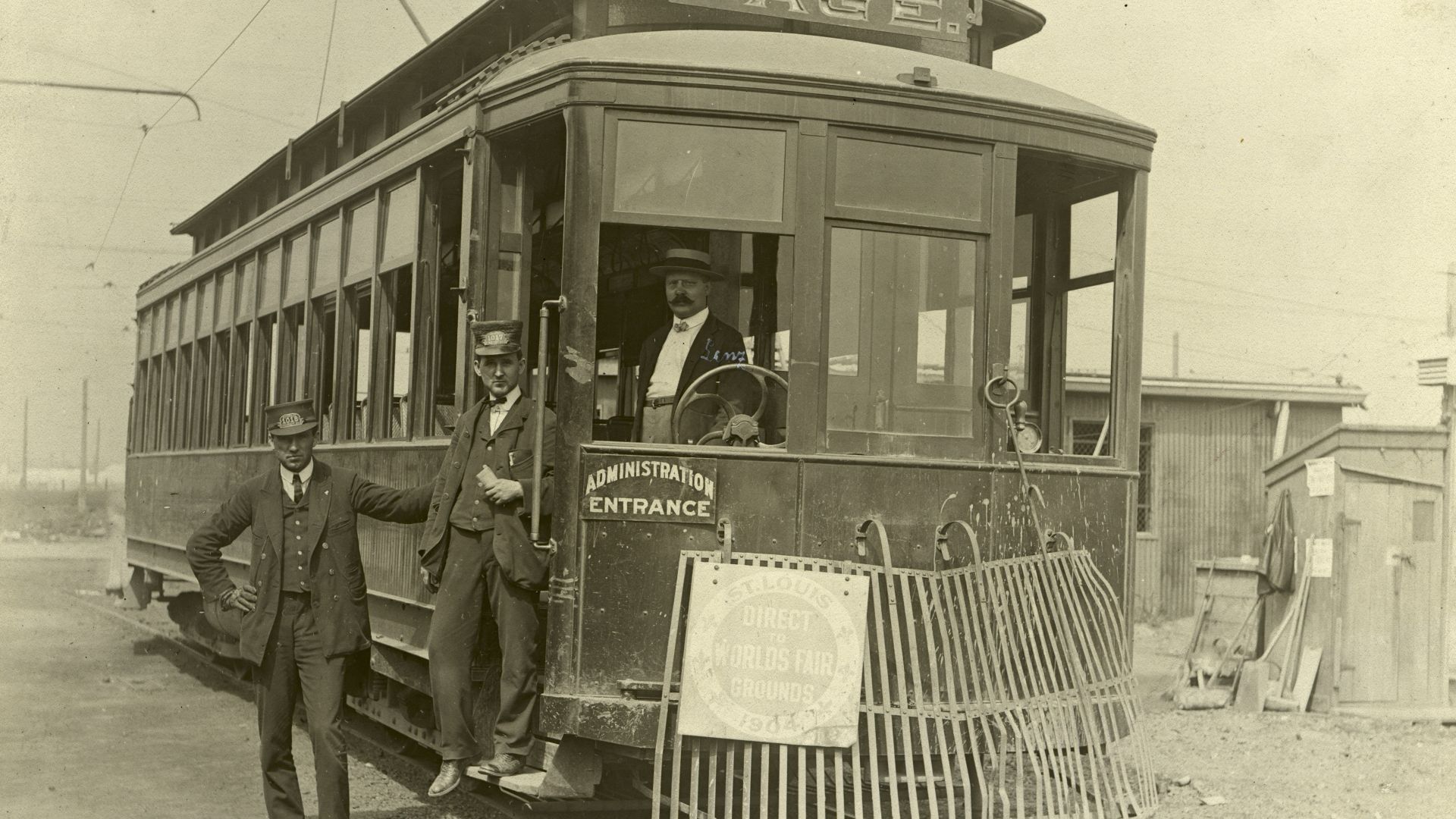 Unknown authorUnknown author, Wikimedia Commons
The Cars Made Everything Worse
Officials, doctors, coaches, and journalists followed the runners in automobiles. Those vehicles churned the dry roads into thick clouds of dust that coated the athletes’ mouths and throats. A contemporary account said the automobile dust was practically “choking the life” out of the competitors.
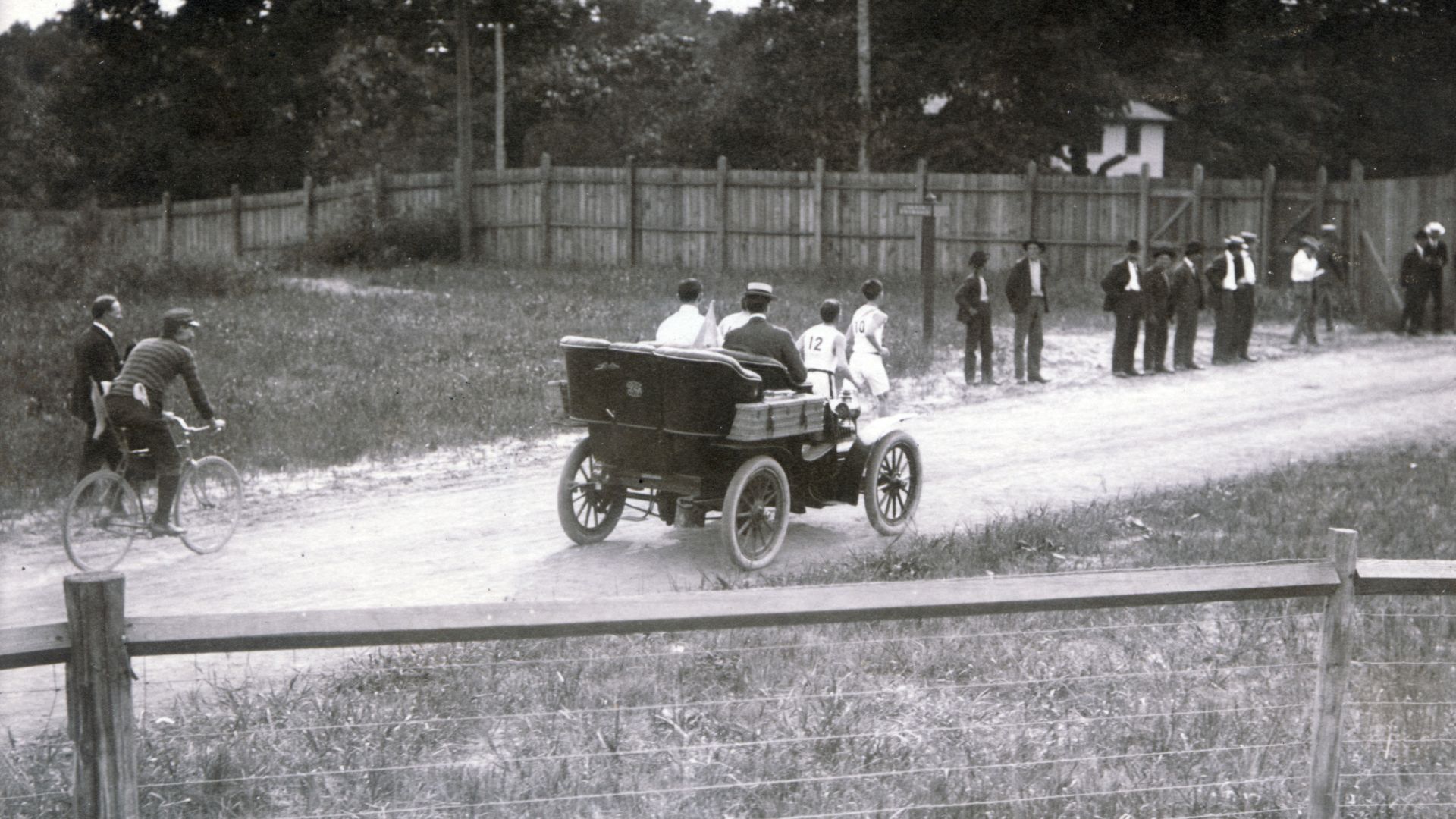 Unknown authorUnknown author, Wikimedia Commons
Water Was Practically Forbidden
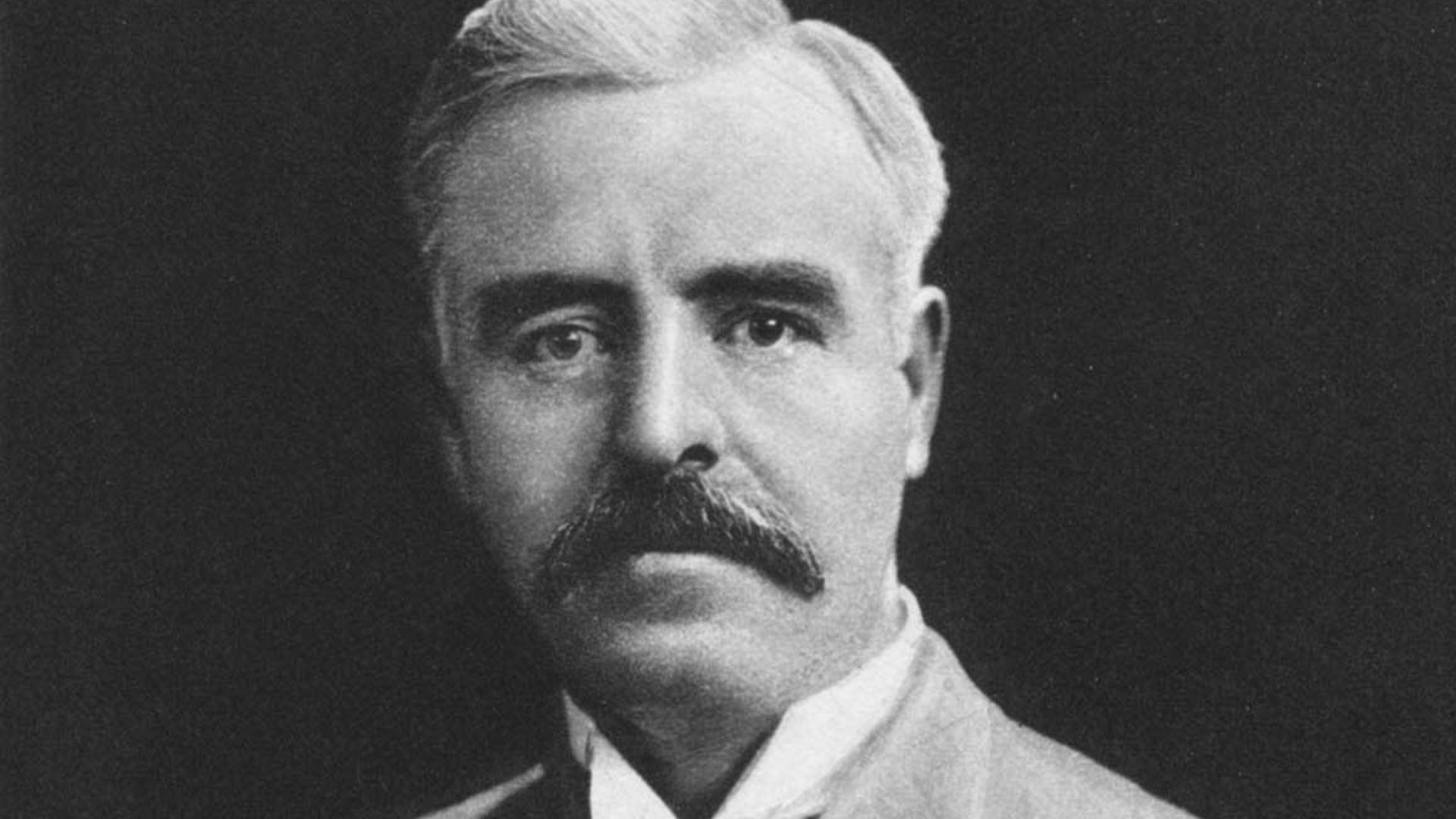
Only one official water station was available, at a well around 12 miles into the course. Chief organizer James Sullivan reportedly wanted to study the effects of purposeful dehydration. In other words, the shortage was not simply poor planning. It was treated as a bizarre human experiment.
 Unknown authorUnknown author, Wikimedia Commons
The Starting Field Was Colorful
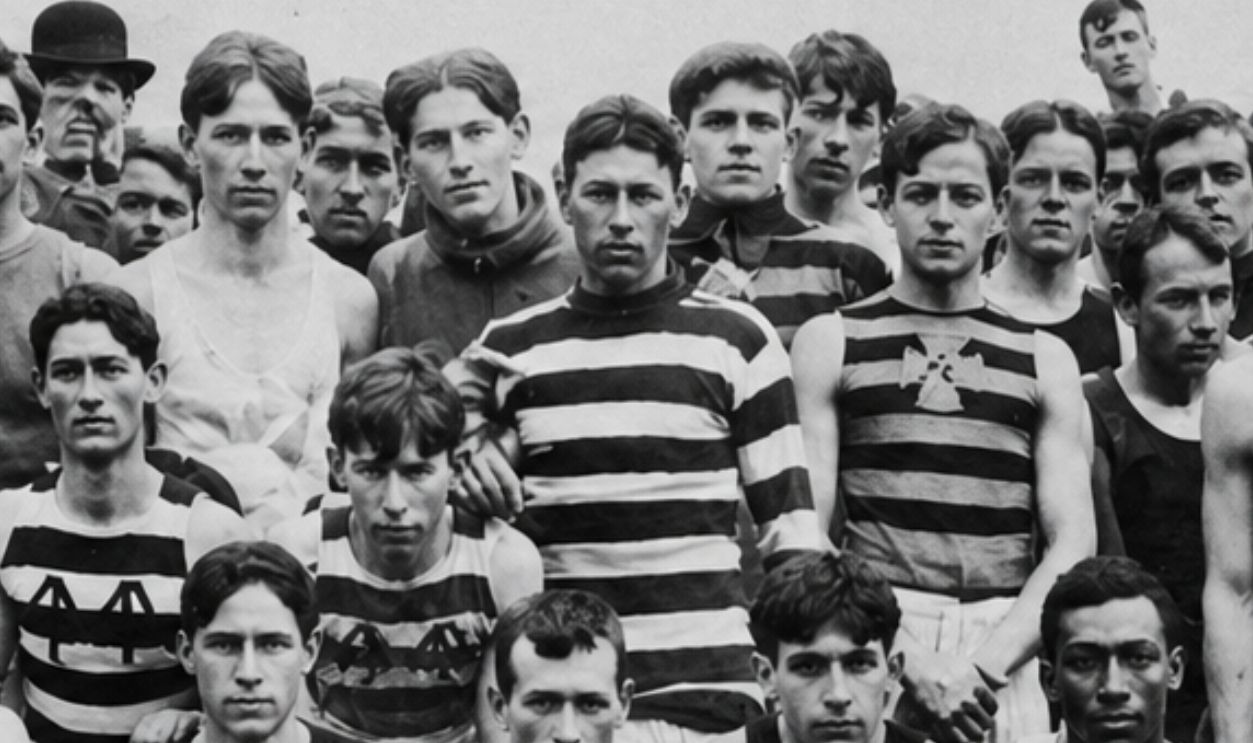
Some competitors were experienced marathoners, including winners and top finishers from Boston. Others were middle-distance runners, workers, travelers, and fair participants who had never faced anything quite like this. By the end, professional experience offered only limited protection against the course’s complete madness.
![Group of Greek Athletics and Felix Carbejal de Soto [#3] of Cuba posing on track: #3 Felix Carvajal, Cuba; #25 Georgios Vamkaitis, Greece; #30 John/Ioannis Furla, Greece; #38 Ioannis Loungitsas, Greece; #34 Georgios Drosos, Greece; #37 Georgios Louridas,](https://www.factinate.com/storage/app/media/factinate/2026/7/27/1785159138bd541d94897875acc975b6bcb27b76a3c1f4a641.jpg) Jessie Tarbox Beals, Wikimedia Commons
Jessie Tarbox Beals, Wikimedia Commons
Even The Medalists Had Curious Careers
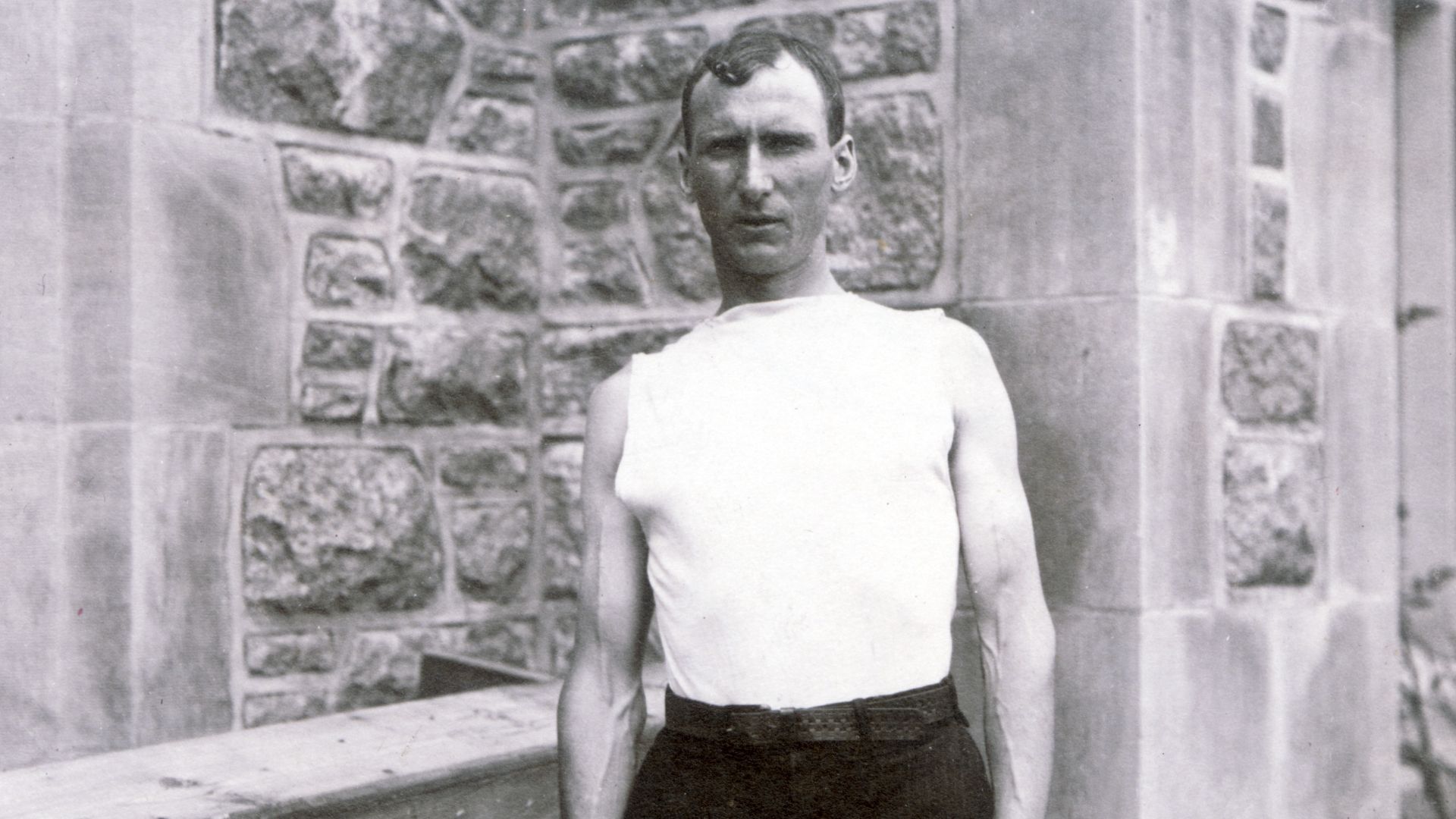
Thomas Hicks, who eventually received the gold medal, was English-born and represented the United States. Silver medalist Albert Corey had been born in France. According to Olympedia, Hicks worked as a clown, while Corey made his living as a professional strikebreaker—hardly the usual background for Olympic heroes.
 Unknown authorUnknown author, Wikimedia Commons
History's most fascinating stories and darkest secrets, delivered to your inbox daily.
Félix Carvajal’s Incredible Journey
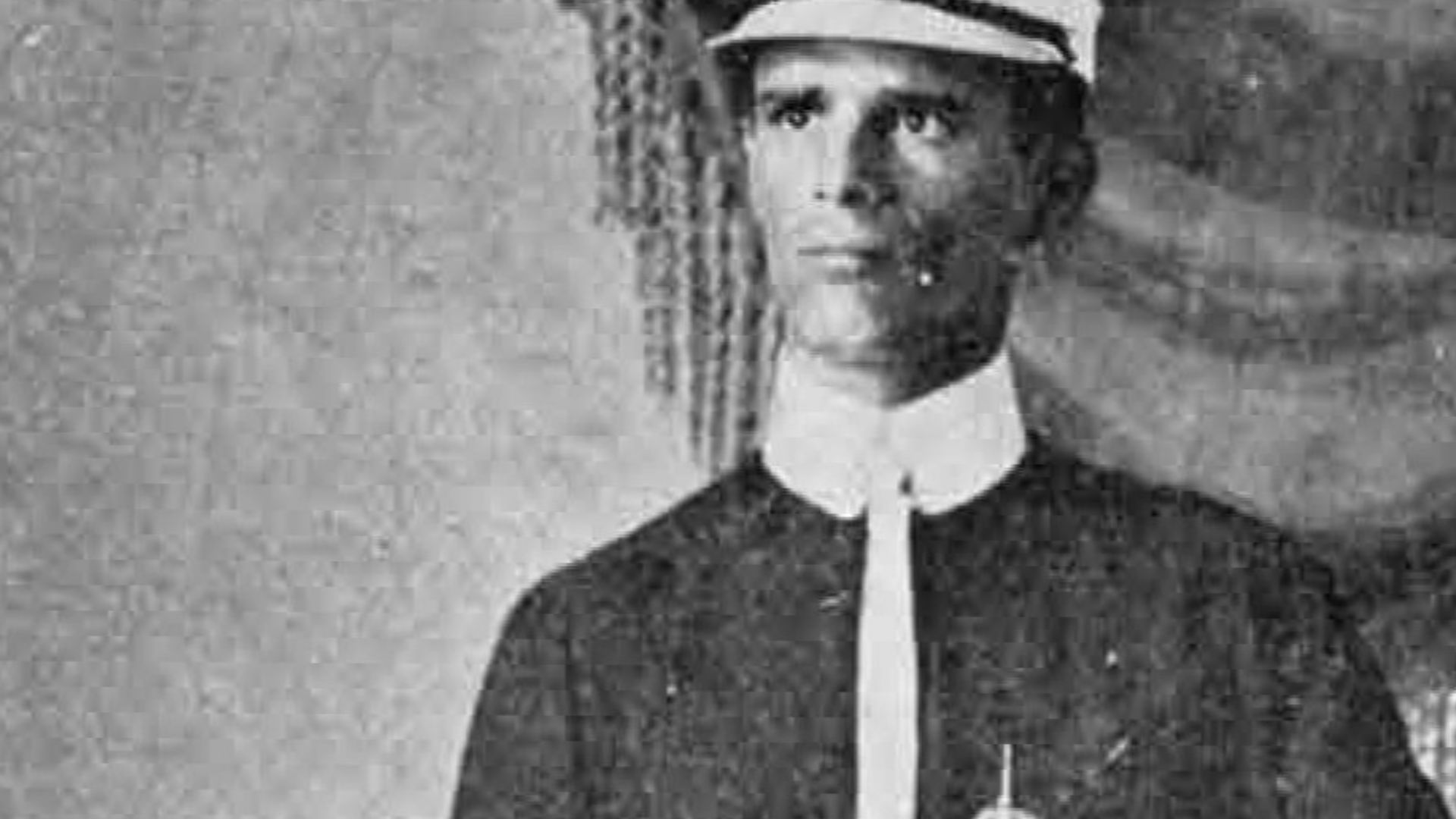
Cuban runner Félix Carvajal reportedly raised travel money by staging running exhibitions. After reaching New Orleans, he lost his funds in a dice game and had to walk and hitchhike toward St. Louis. Most athletes worry about jet lag. Carvajal barely managed to reach the starting line.
 Rafael Blanco Santa Coloma (1867-1929), Wikimedia Commons
He Arrived In Street Clothes
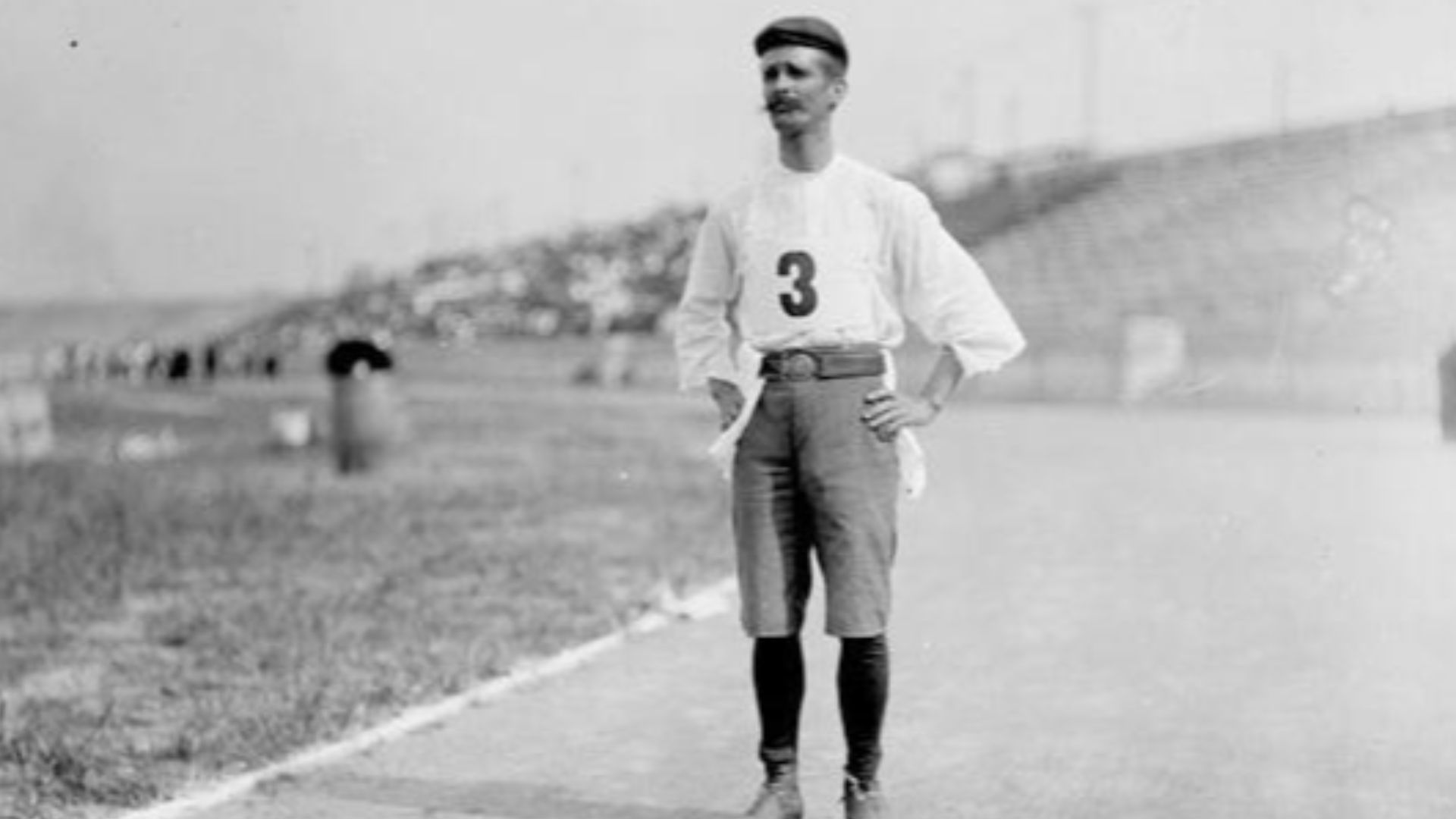
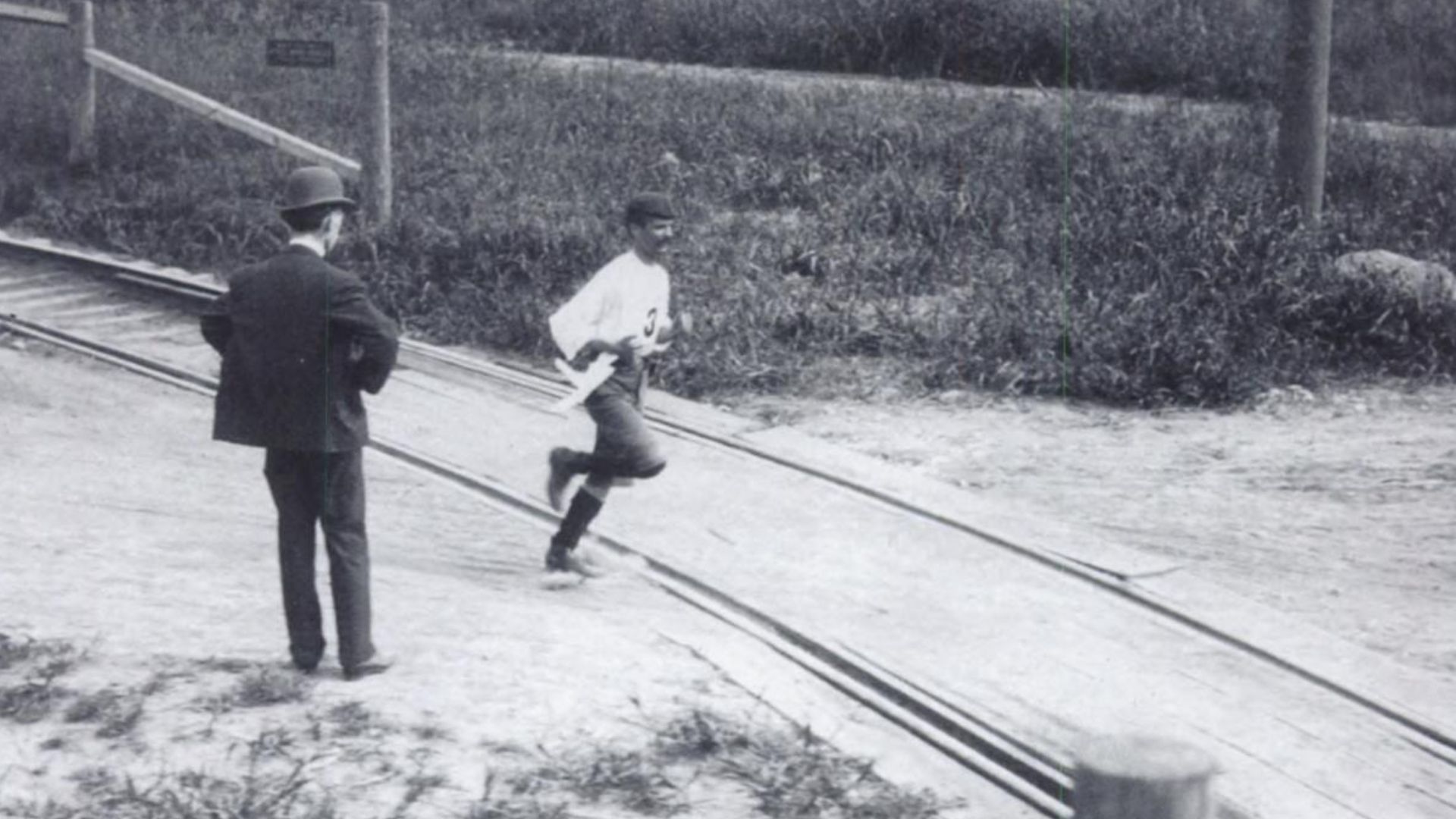
Carvajal appeared wearing heavy shoes, long trousers, a long-sleeved shirt, and a beret. Another athlete helped by cutting his pants around the knees. The resulting outfit looked improvised because it was. Yet the cheerful Cuban would outperform nearly everyone dressed in proper racing gear.
He Treated It Like A Social Event
Carvajal chatted with spectators as he ran, waved his cap, and maintained a surprisingly steady pace. At one point, he reportedly approached people eating peaches. When they refused to share, he playfully grabbed a couple and continued down the road, turning the Olympic marathon into an unusual picnic.
 CzarJobKhaya, Wikimedia Commons
Then Came The Rotten Apples
Farther along, Carvajal stopped at an orchard and ate apples that turned out to be rotten. Stomach cramps followed, so he lay down and took a nap. After waking, he returned to the race and still finished fourth. Without the snack break, he might have won a medal.

Two Historic South African Runners
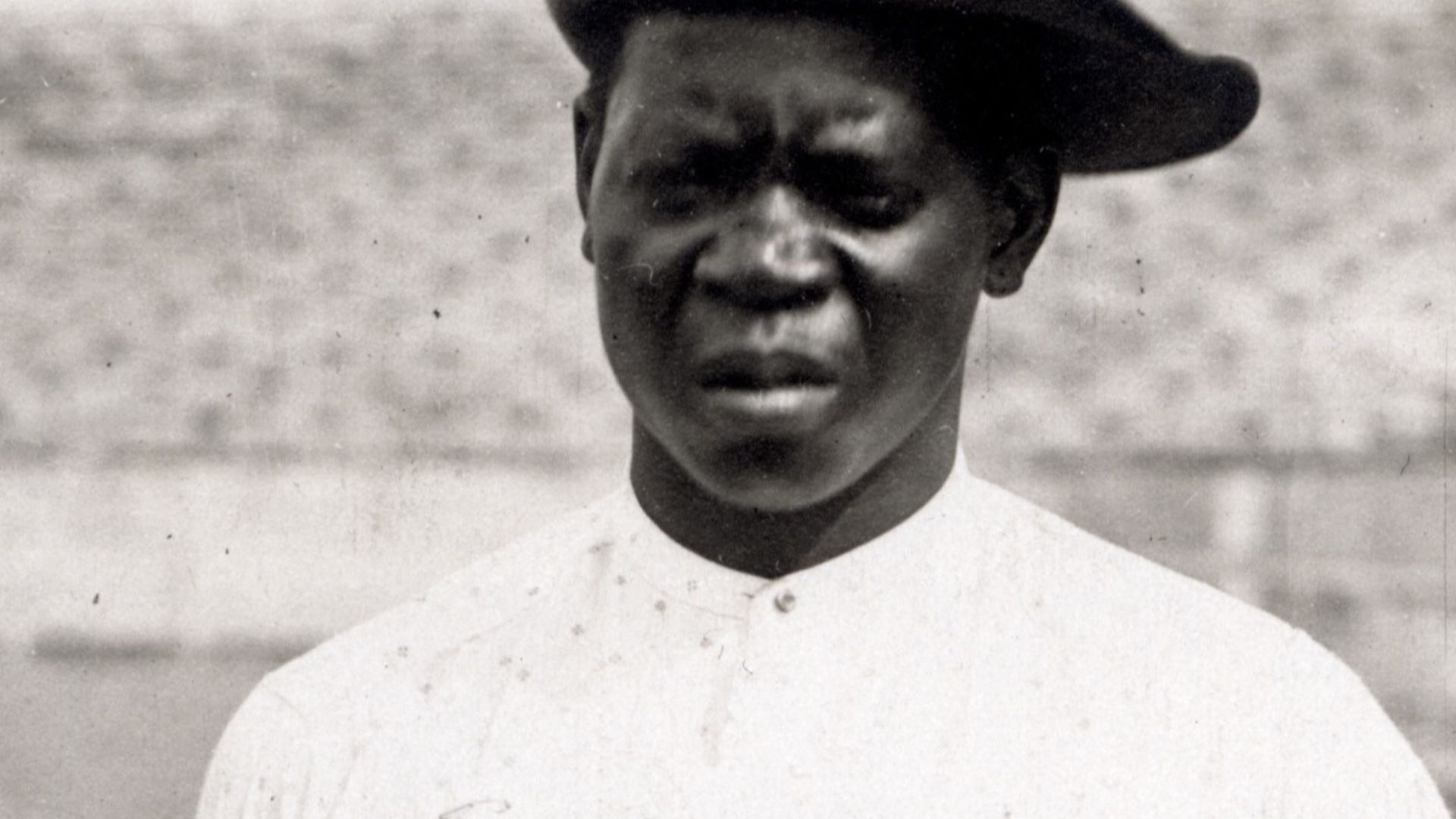
Len Taunyane and Jan Mashiani were Tswana men associated with the South African exhibit at the World’s Fair. They became the first Black Africans to compete in the modern Olympics. Both had reportedly served as dispatch runners during the recently ended South African War.
![Jan Mashiani (#36, left) and Len Taunyane (#35, right) of the Tswana tribe (though billed as Zulus)[1] of South Africa facing camera standing on the track. Taunyane finished the marathon in ninth place, while Mashiani came in twelfth. Legend has it that o](https://www.factinate.com/storage/app/media/factinate/2026/7/27/1785155853327ba6ce8abb73dc30013e76e6c8f6fa7f140b21.jpg) Jessie Tarbox Beals, Wikimedia Commons
Jessie Tarbox Beals, Wikimedia Commons
A Dog Changed The Standings
Taunyane might have finished considerably higher, but a dog chased him roughly a mile off course. He eventually recovered and placed ninth, while Mashiani finished twelfth. Completing the race under those conditions was remarkable. Doing it after being pursued through the countryside was something else entirely.
 Unknown authorUnknown author, Wikimedia Commons
History's most fascinating stories and darkest secrets, delivered to your inbox daily.
William Garcia Nearly Died
American runner William Garcia collapsed beside the road after inhaling enormous amounts of dust. Reports said the dust damaged his throat and digestive system, causing dangerous bleeding. He spent days in the hospital and reportedly might have died had assistance reached him much later.
 La vie au grand air., Wikimedia Commons
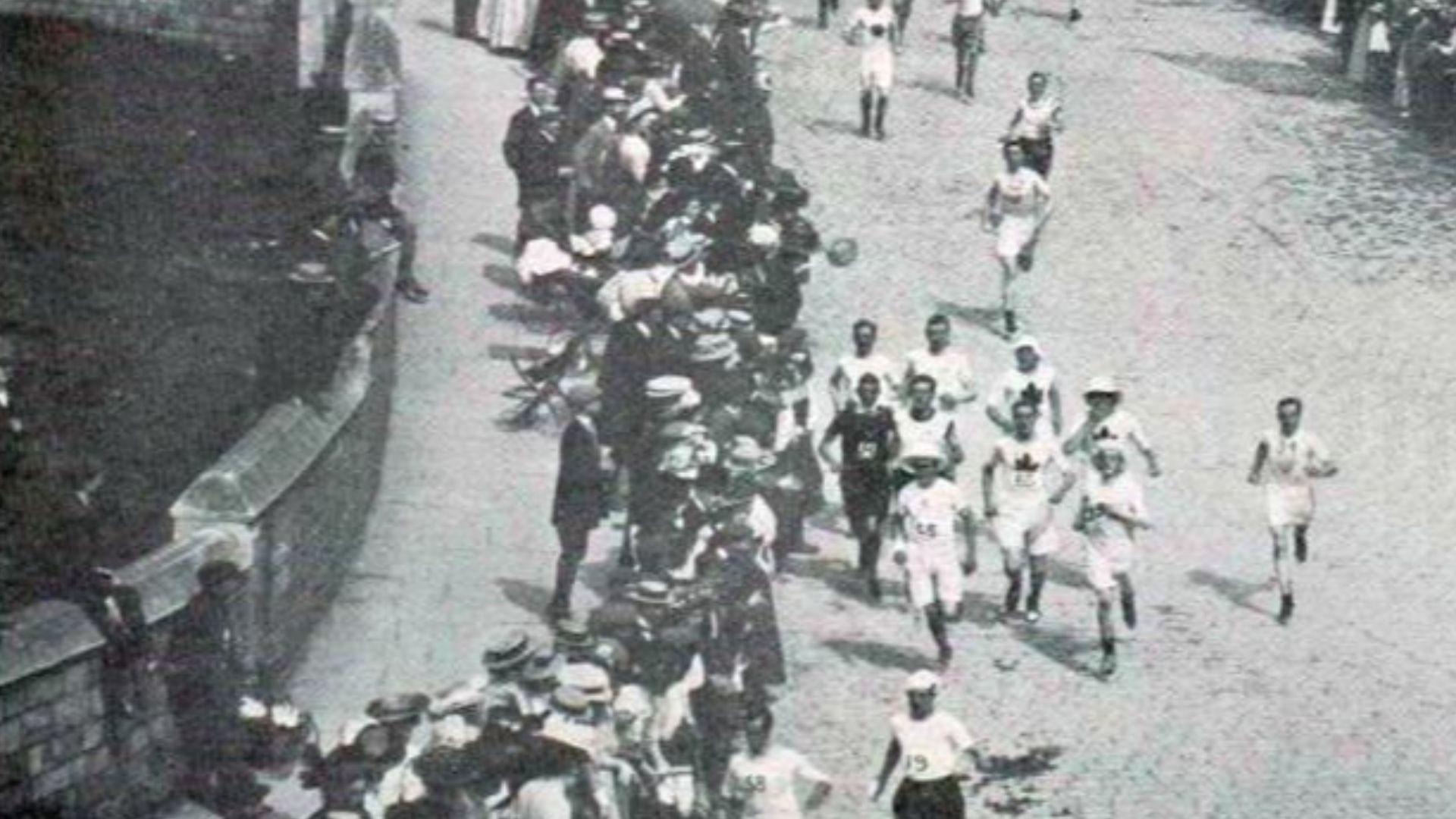
Competitors Fell Apart Quickly
John Lordan, winner of the 1903 Boston Marathon, began vomiting and withdrew shortly after leaving the stadium. Other favorites developed cramps, slowed to a walk, or collapsed. Of the 32 starters, only 14 officially completed the course, demonstrating just how punishing the conditions became.
 Jessie Tarbox Beals (attributed), Wikimedia Commons
Fred Lorz Takes A Ride
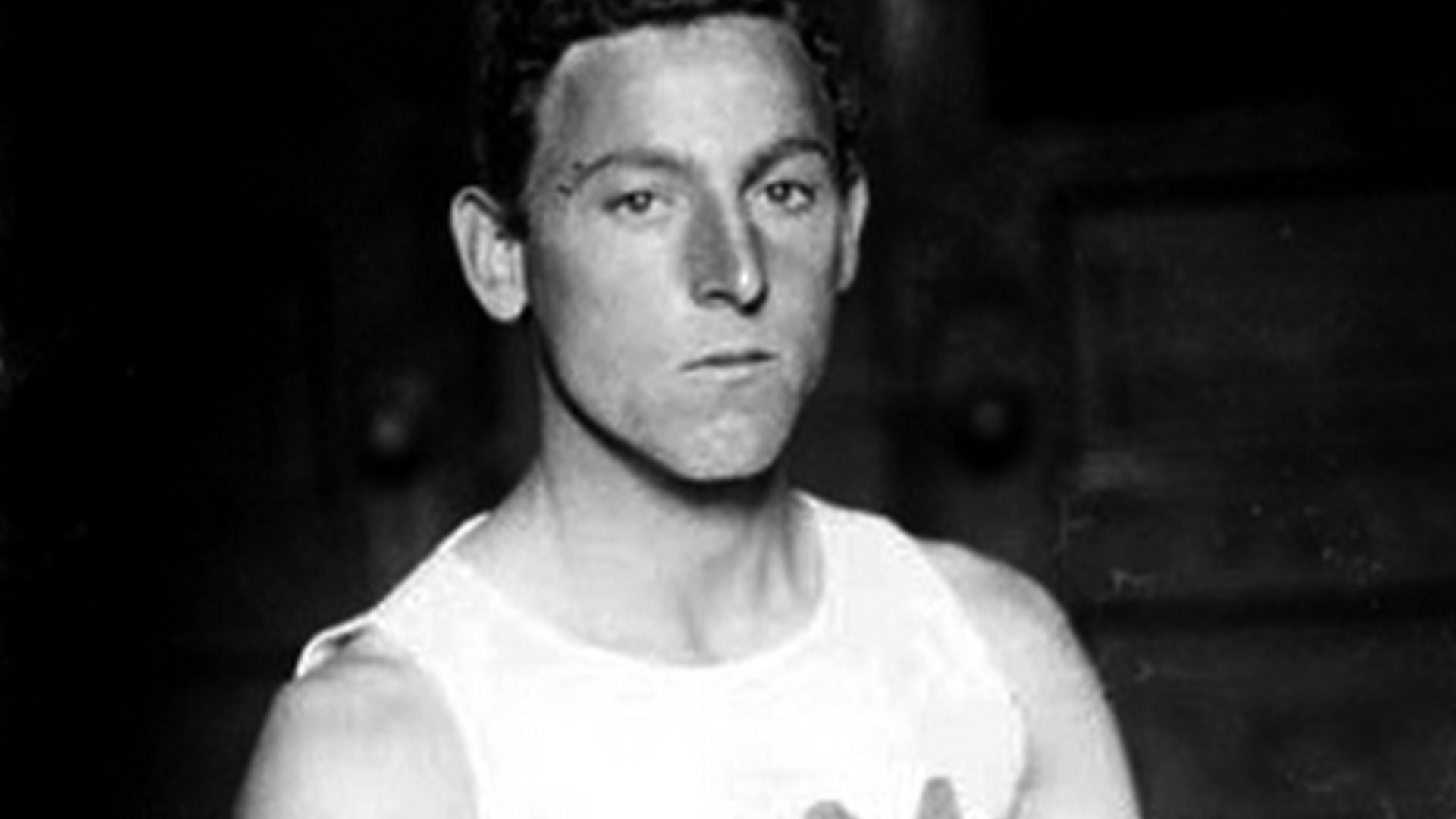
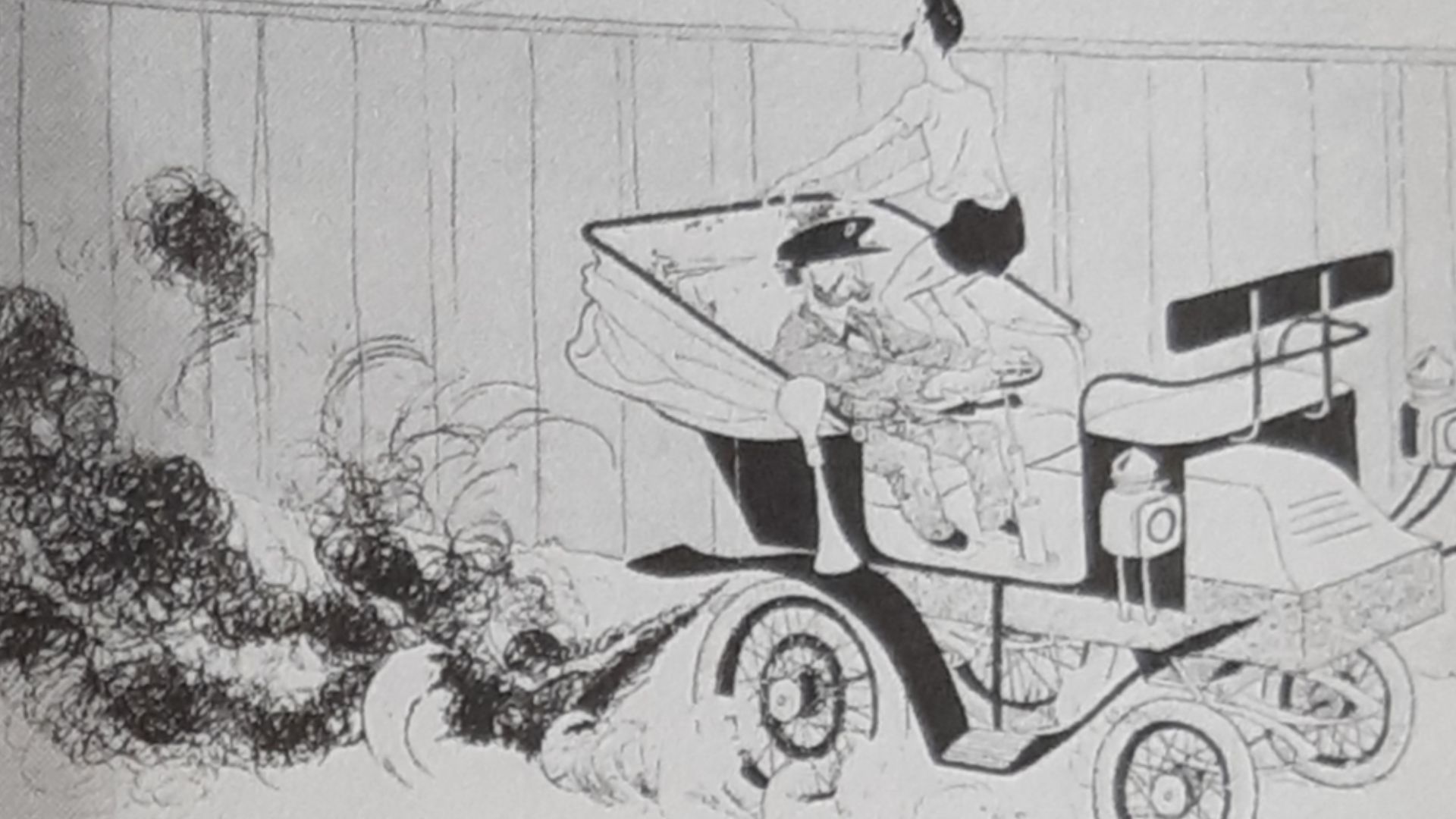
Fred Lorz, a bricklayer who trained at night after work, suffered cramps around the nine-mile mark. He stopped competing and climbed into an automobile. That would have been perfectly understandable—had he remained in the car or returned to the stadium as a retired runner. He did neither.
 Unknown authorUnknown author, Wikimedia Commons
The Car Suddenly Broke Down
After riding approximately 11 miles, Lorz’s automobile broke down. Feeling refreshed, he got out and began running again. He passed exhausted competitors while looking suspiciously energetic. Officials who knew about the ride ordered him away, but Lorz continued toward the stadium anyway.
 Unknown - Private Archive Lennartz, Wikimedia Commons
A Very Awkward Victory Celebration
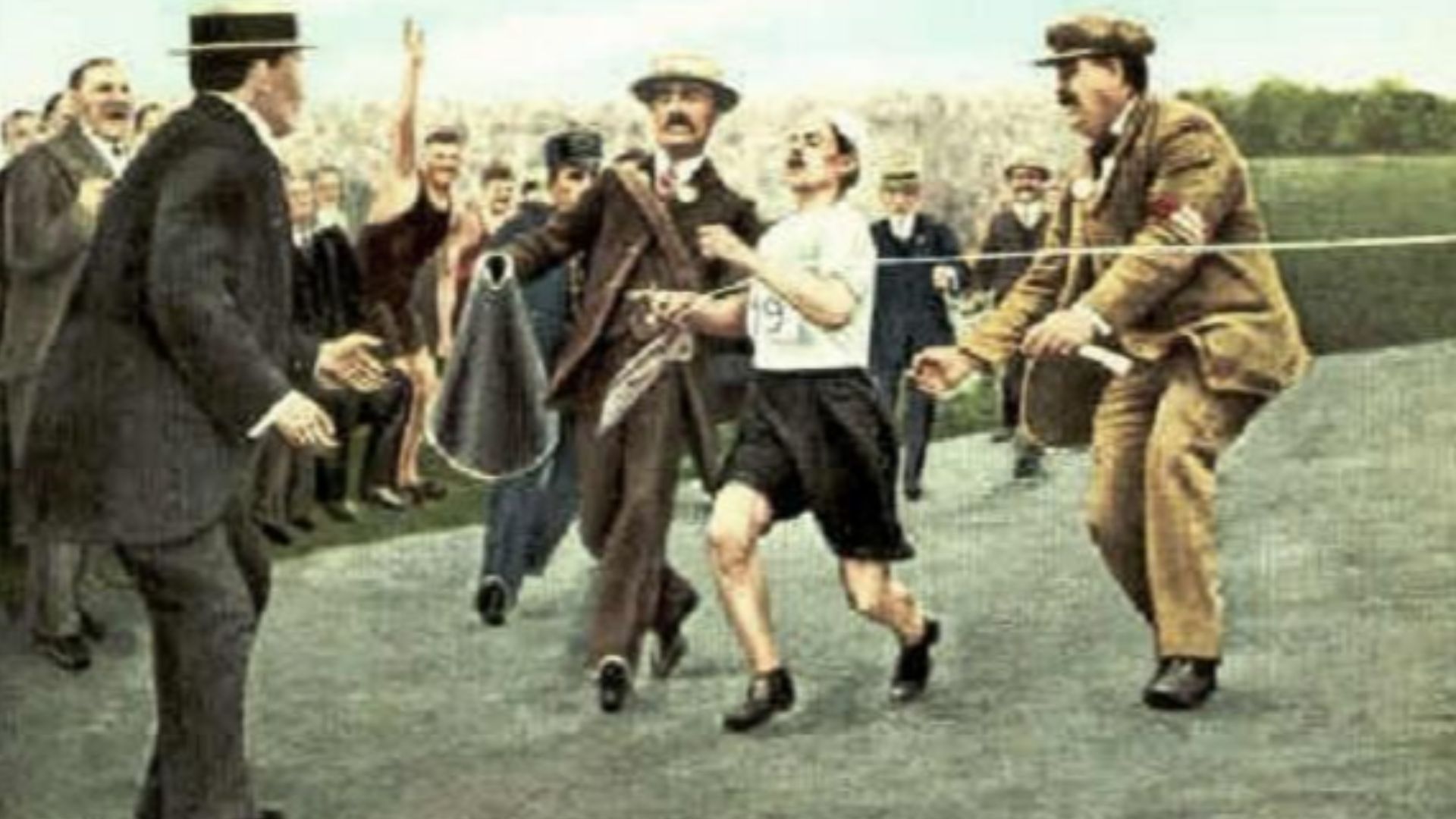
Lorz entered the stadium first and was greeted as the Olympic champion. Spectators cheered, and he reportedly posed for photographs before the truth emerged. Lorz claimed his finish had been a joke, but officials were not amused. He was disqualified, and the celebration quickly became a scandal.
Meanwhile, Hicks Begged For Water
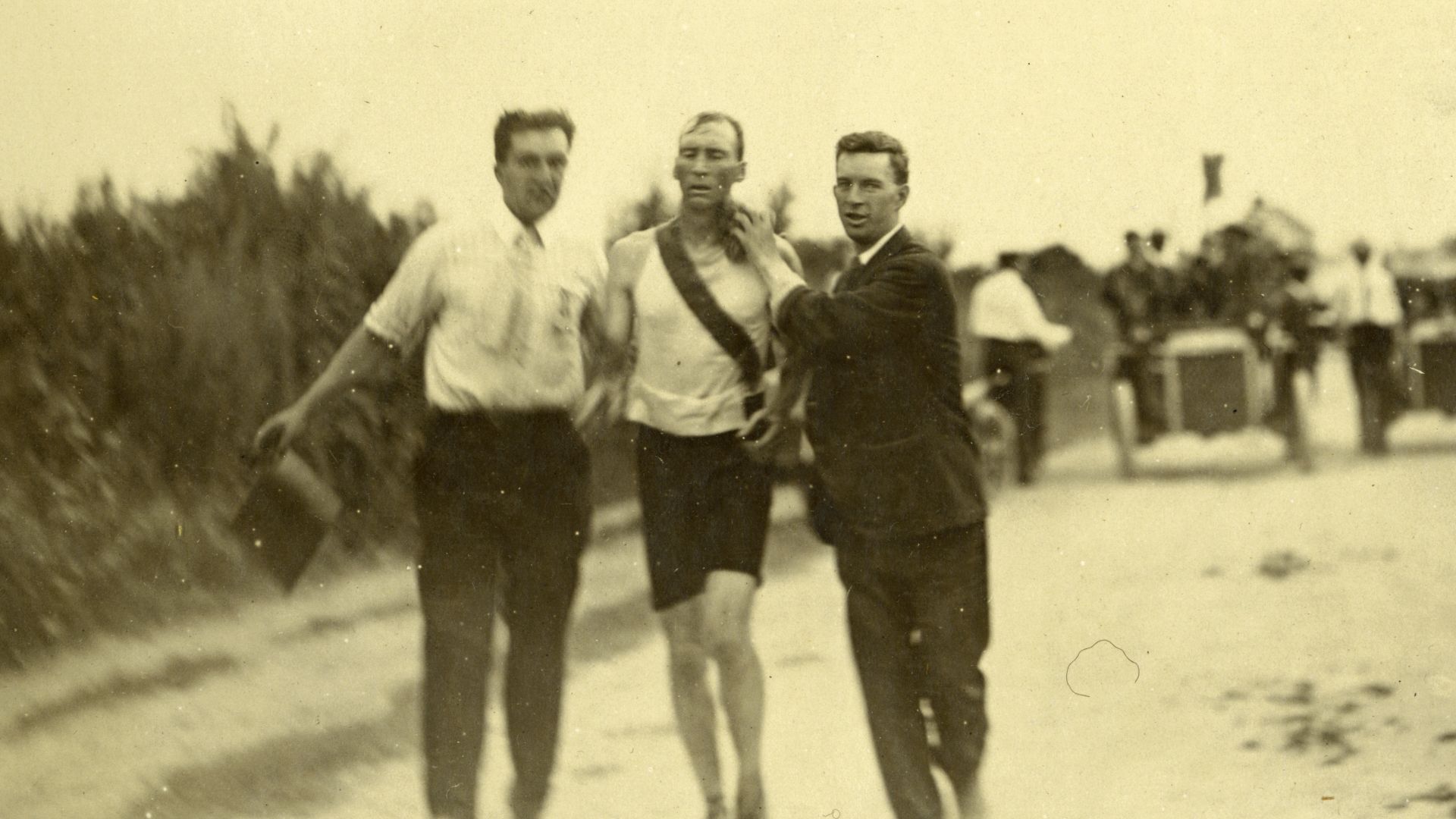
Thomas Hicks was struggling badly by the later stages. When he asked his support team for water, they refused to let him drink. Instead, they sponged his mouth with warm distilled water. The strategy sounds cruel today, but his handlers believed drinking could hurt his performance.
 Jessie Tarbox Beals, Wikimedia Commons
History's most fascinating stories and darkest secrets, delivered to your inbox daily.
His Trainers Brought Out Poison
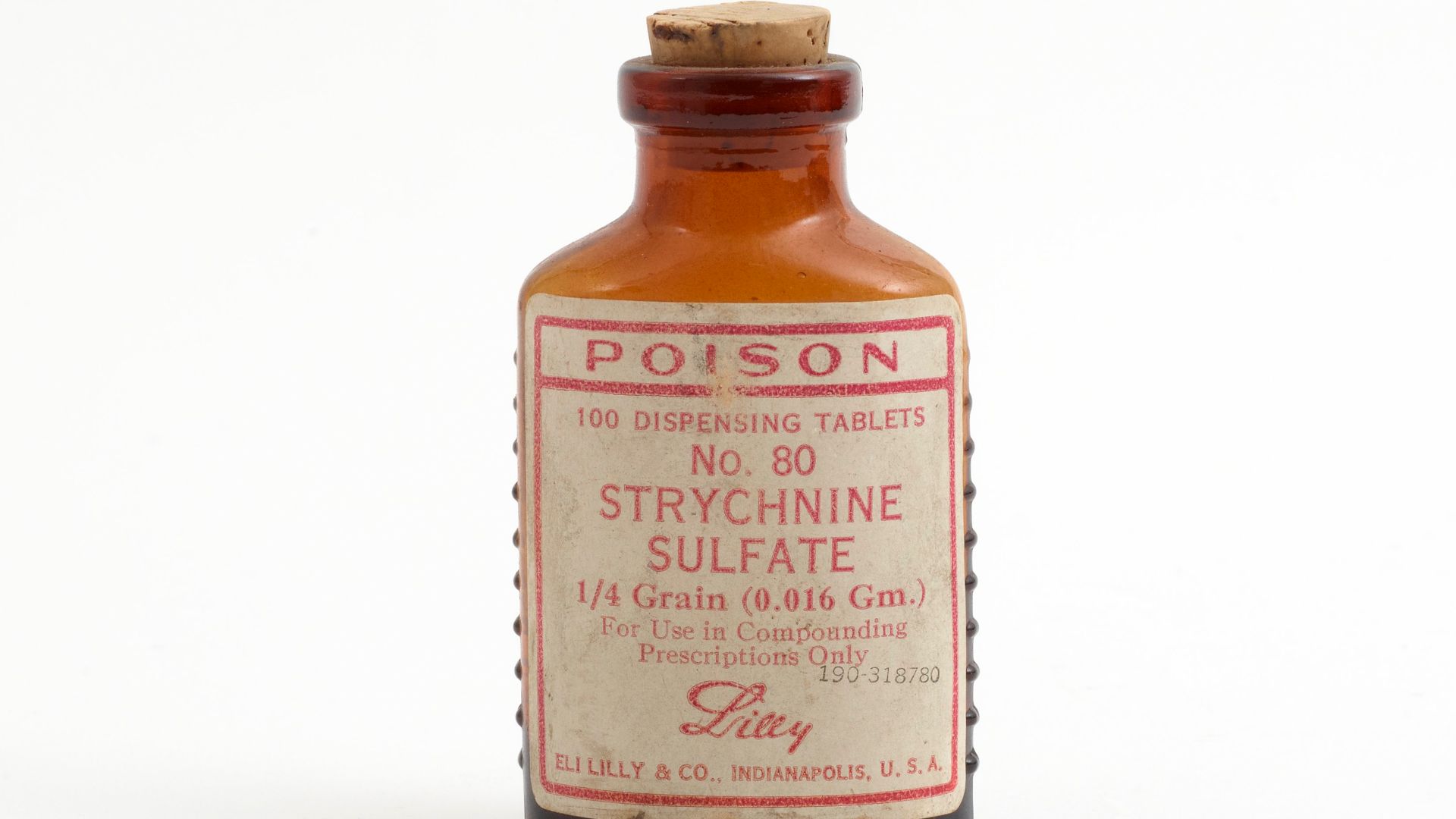
Seven miles from the finish, Hicks received egg white mixed with a small dose of strychnine sulfate. The poisonous substance was then used in tiny quantities as a stimulant, and the Olympics had no anti-doping rules. It is considered an early recorded example of Olympic drug use.
 Eli Lilly and Company, Wikimedia Commons
Then They Gave Him More
When Hicks weakened again near the 20-mile point, his trainers administered another dose of strychnine, more egg whites, and brandy. They also bathed him with warm water carried on a steam automobile. Somehow, this alarming combination encouraged him to keep moving.
 Douglas P Perkins, Wikimedia Commons
He Began Hallucinating
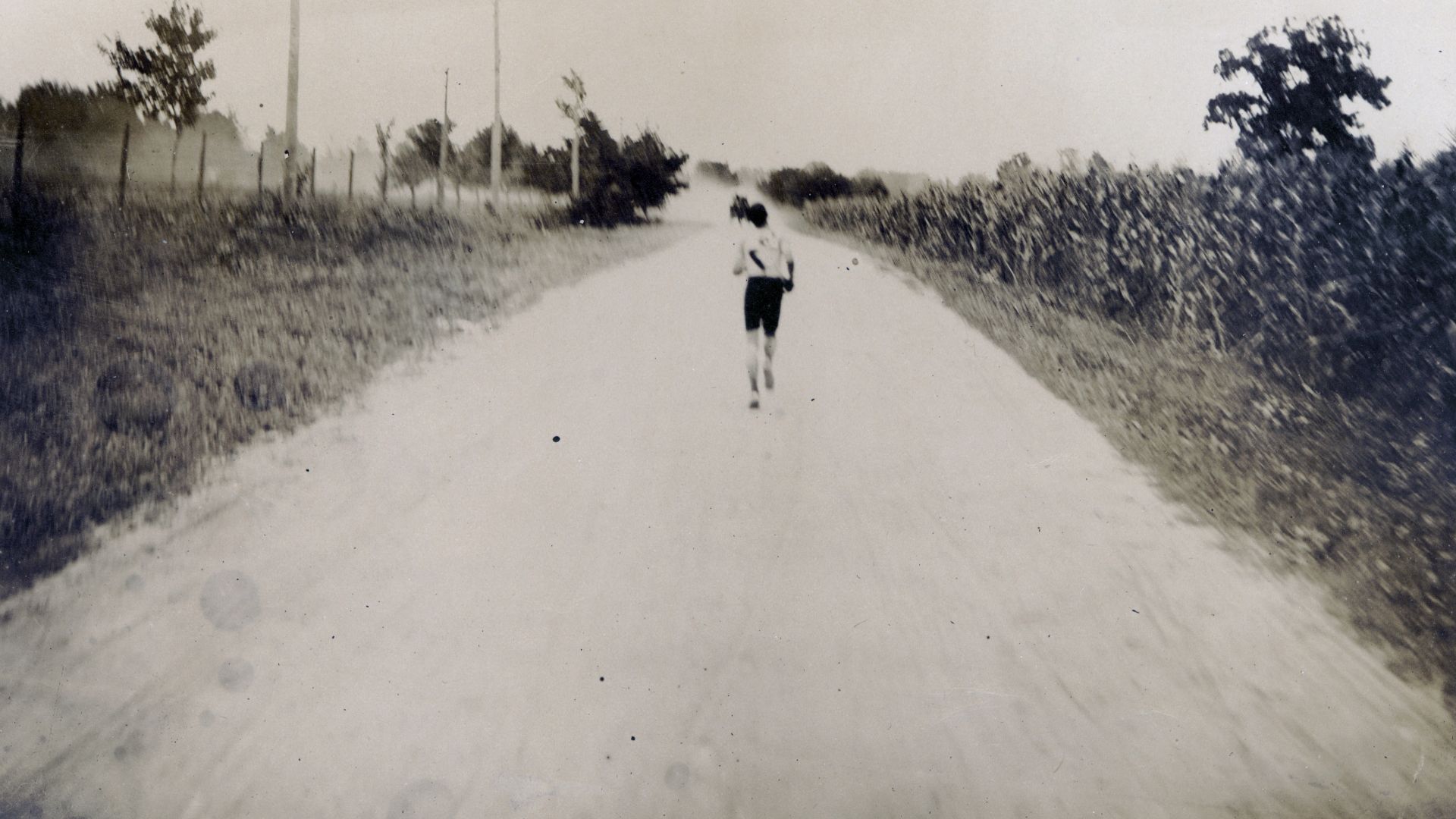
Hicks became pale, stiff, and barely responsive. He reportedly imagined that the finish remained 20 miles away and repeatedly asked for food or permission to lie down. His trainers kept him upright, walking the hills and attempting a slow jog whenever the road sloped downward.
 Jessie Tarbox Beals (attributed), Wikimedia Commons
The Winner Could Barely Finish
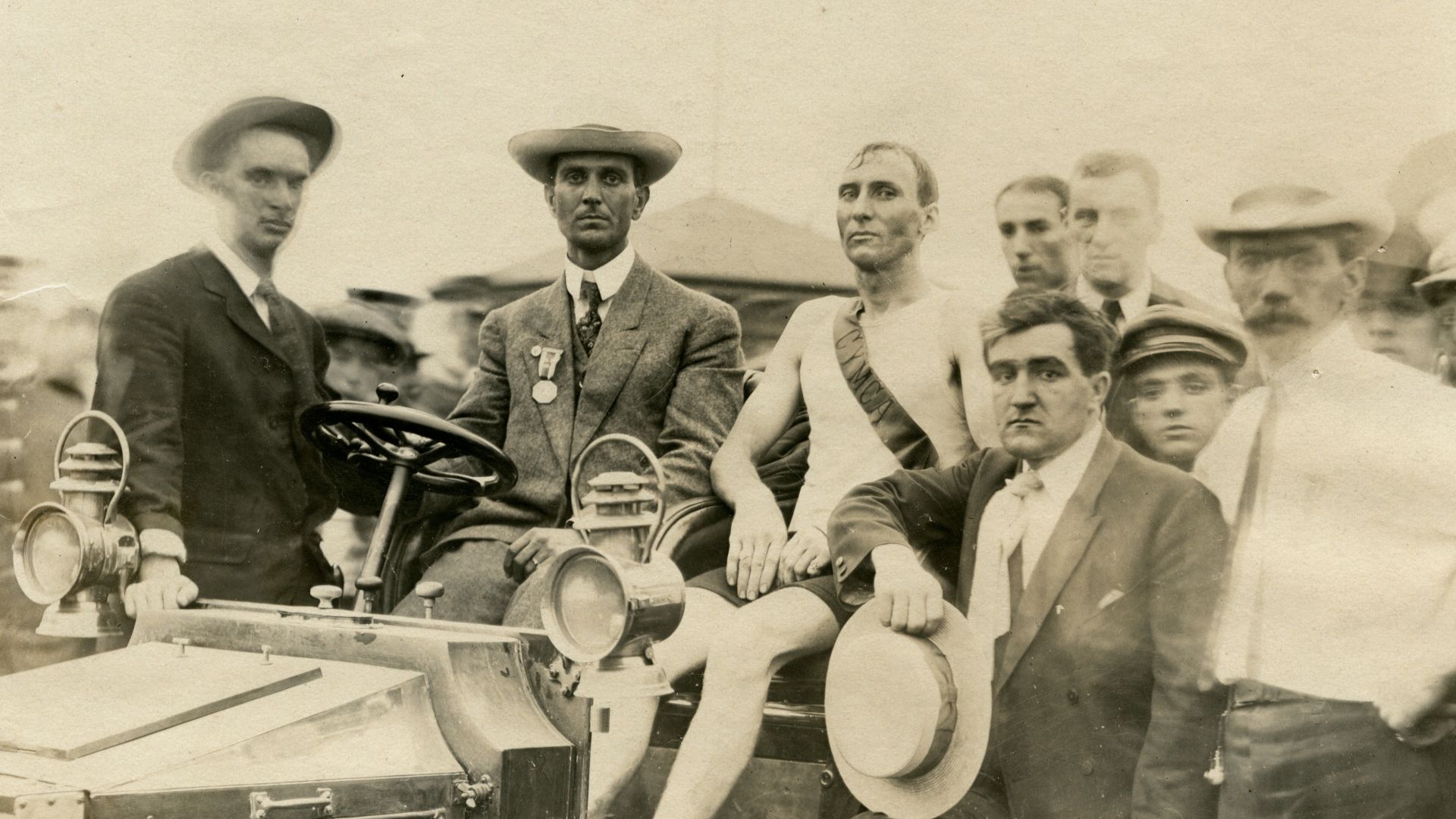
Hicks entered the stadium in a daze and completed the race in 3 hours, 28 minutes, and 53 seconds. Officials caught him as he crossed, and several doctors treated him afterward. Albert Corey received silver, while Arthur Newton took bronze. Carvajal followed in fourth.
 Jessie Tarbox Beals, Wikimedia Commons
The Cheater Returned To Win
Lorz was initially banned for life, though the punishment was later reduced. The following year, he legitimately won the Boston Marathon. The St. Louis disaster also raised serious questions about whether the marathon belonged in the Olympics at all, but the event survived and became a centerpiece of the Games.
 Unknown author, Wikimedia Commons, Modified
A Race That Still Sounds Impossible
The 1904 marathon combined dangerous heat, intentional dehydration, poisonous stimulants, collapsing runners, rotten fruit, wild dogs, open traffic, and an athlete traveling part of the course by car. Modern marathons are safer and better organized, but none can compete with St. Louis for sheer, unbelievable chaos.
 Unknown authorUnknown author, Wikimedia Commons
You May Also Like:
Ordinary Jobs From The 20th Century That Vanished Faster Than Anyone Expected
Thomas Ince Met A Mysterious End
Twisted Facts About the Muse Brothers, The Heartbreaking Circus Act









.jpg)