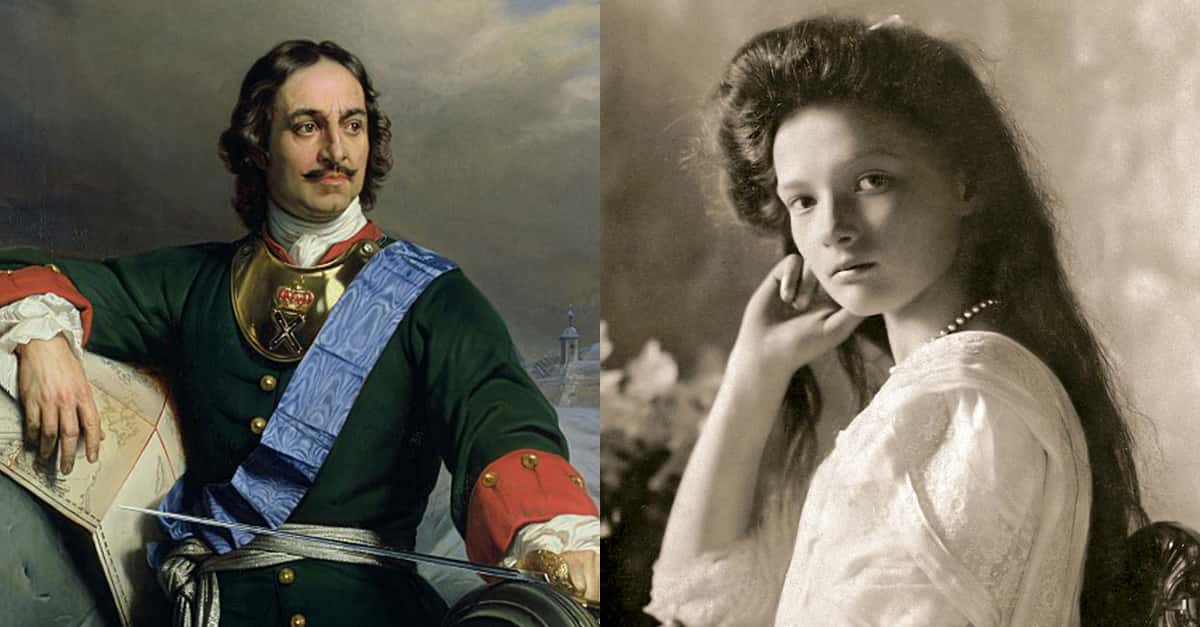
CZ Guest was one of the most recognizable socialites of the twentieth century, yet her remarkable life was filled with surprising contradictions.
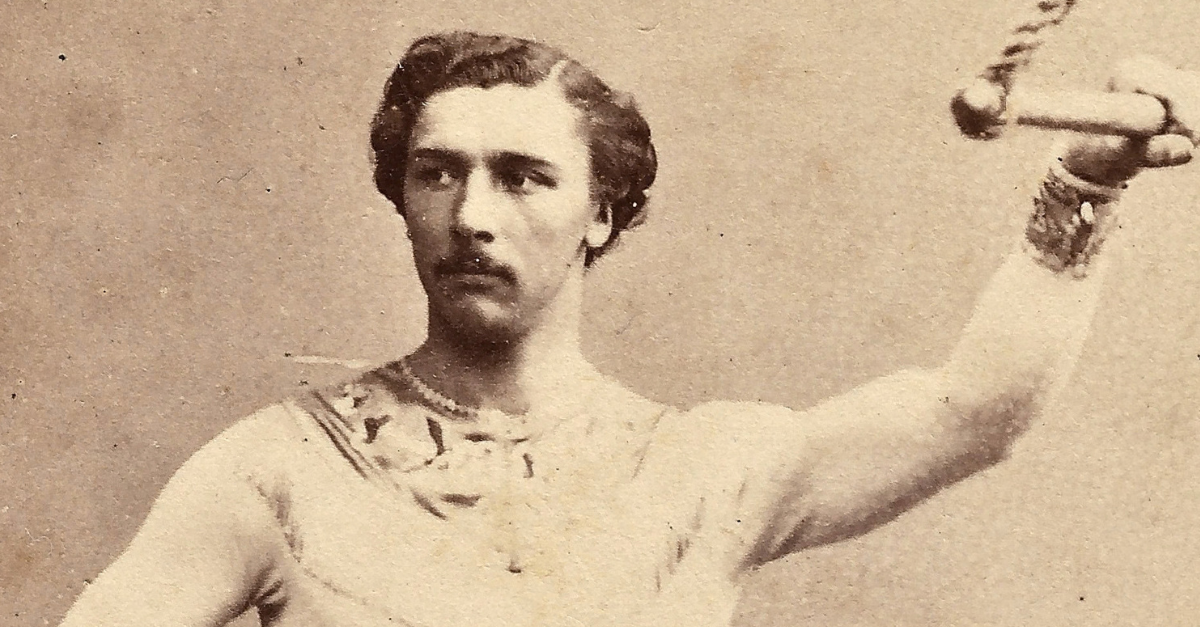
Fashion has a long memory for names, even when it forgets the people behind them. Many familiar garments and styles were named after soldiers, aristocrats, performers, and political figures whose personal stories have almost completely disappeared behind the clothes they inspired.
Long before radio, television, or social media, newspapers learned that deaths, scandals, and bizarre crimes could be stretched across weeks of headlines. Many of these sensations have faded from popular memory, even though their coverage helped create the template for the modern media frenzy.

From shag carpet rakes and telephone cord detanglers to VHS rewinders and electric carving knives, revisit household products from the 1970s and 1980s that solved everyday problems we've almost completely forgotten.

Walk into a 1960s American pharmacy and you would be able to buy a lot of things that would be unthinkable to see there today.
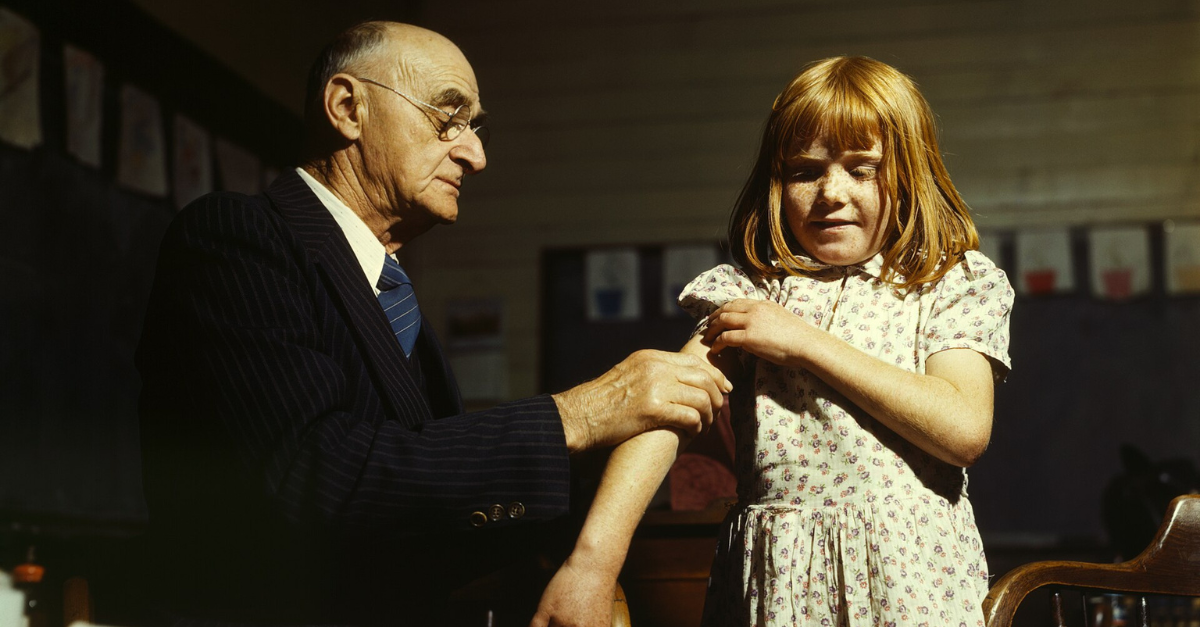
For much of history, medicine had a basic problem: doctors could see symptoms long before they understood what caused them. That gap produced treatments based on humors, purging00 , counter-irritation, sedation, and the belief that a dramatic physical reaction meant something useful was happening. Some remedies occasionally relieved symptoms, but others added dehydration, infection, dependency, or physical injury to illnesses patients already had. Here are some of history’s clearest examples of medicine moving decisively in the wrong direction.
 Get Nerd Certified
Get Genius Certified
Get Nerd Certified
Get Genius Certified

If you like humaverse you may also consider subscribing to these newsletters: