The Message
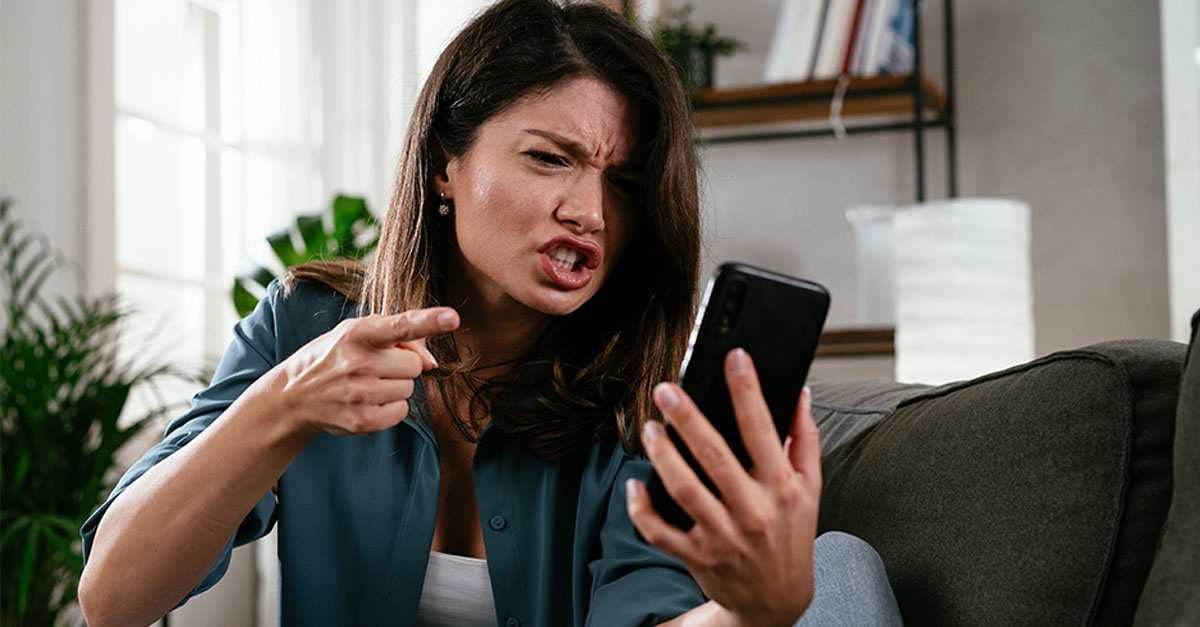
I'd been staring at those two coffee mugs for maybe twenty minutes. Daniel had made them Tuesday morning before leaving for work—his usual routine, the one small gesture of normalcy we were clinging to. Mine sat untouched on the kitchen counter, gone cold. His was on the side table next to me, also cold. I couldn't remember the last time either of us had actually finished a cup of coffee. My phone was face-down on the couch cushion, and I'd been avoiding it most of the morning because every notification felt like an intrusion into the quiet cocoon of grief we'd wrapped ourselves in. But then it buzzed. Once, then twice. I almost didn't pick it up. When I finally flipped it over, I saw a message notification from a number I hadn't seen in three years—a number I'd never actually deleted, just muted and tried to forget. Richard. My father-in-law. The man we'd cut completely out of our lives. My hands started shaking before I even opened it. And then I read what he had written about our loss.
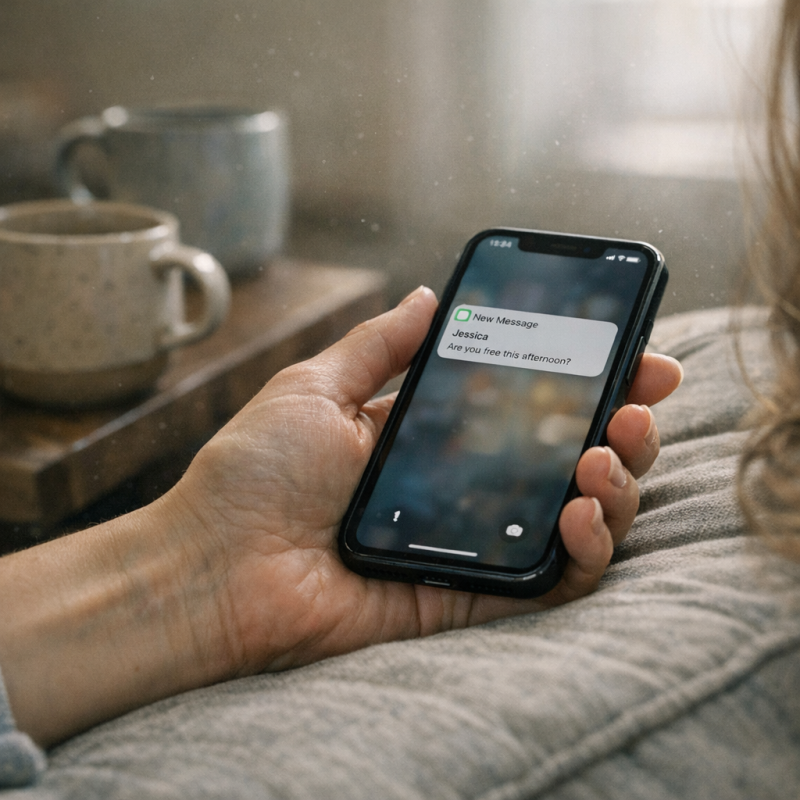 Image by FCT AI
Before Everything Changed
It's strange how quickly your brain tries to escape into better memories when confronted with something awful. Sitting there with Richard's message burning on my screen, I found myself thinking about four months ago—back when everything felt manageable, even hopeful. Daniel and I had just finished painting the nursery this soft yellow color, arguing good-naturedly about whether we needed one crib or two right away. I was nineteen weeks along with twins, and my best friend Sarah had already started knitting these impossibly tiny hats that made us both cry-laugh at how small they were. We'd go for walks in the evening, Daniel's hand on my growing belly, making plans about preschools and family vacations. Life felt stable in a way it hadn't in years. We had jobs we liked, a little house we were making our own, and for the first time since I'd known him, Daniel seemed genuinely at peace. We'd talk about the future without that shadow hanging over us. The only shadow had always been his father, and we had made sure he was gone from our lives.
 Image by FCT AI
First Impressions
I met Richard about six months after Daniel and I started dating. We drove three hours to have dinner at this Italian place Richard had chosen, and I remember being nervous, wanting to make a good impression. He seemed charming at first—asked about my work, my family, smiled at all the right moments. But there were these little comments that landed wrong. When I mentioned my job in graphic design, he said something like, 'Oh, how nice, a creative hobby.' When Daniel talked about a promotion he'd just gotten, Richard pivoted immediately to a story about someone else's bigger success. He had this way of complimenting you while simultaneously positioning it as lesser than something or someone else. At the time, I laughed it off. I actually defended him to Daniel on the drive home, said he was probably just awkward or old-fashioned. Daniel had gone quiet, gripping the steering wheel tighter than usual. I didn't understand then that he wasn't being judgmental—he was recognizing a pattern. The backhanded comments, the subtle digs—I had dismissed them as quirks, but Daniel had known better.
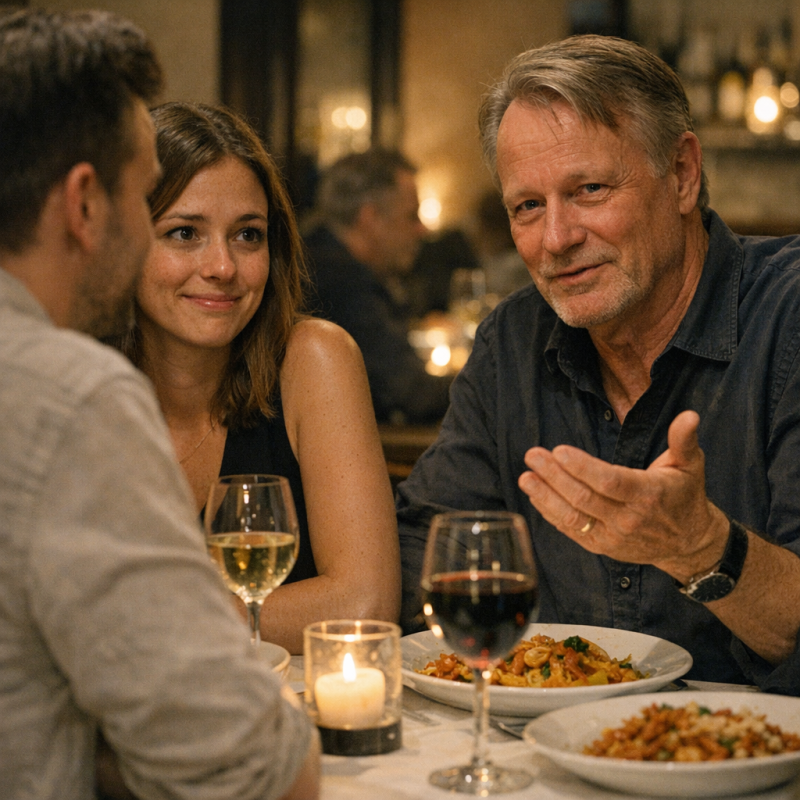 Image by FCT AI
The Escalation
Something shifted after our wedding. It was like Richard had been holding back, waiting to see if we were serious, and once we'd made it official, the gloves came off. The comments became sharper, less disguised. But worse than that, things started happening that we couldn't quite pin on him directly. Daniel's aunt stopped responding to our messages. His cousin made a weird comment at a family barbecue about 'hearing what really happened' with some decision we'd made about the wedding venue—except whatever she'd heard wasn't remotely true. We'd get frozen out of family events or invited last-minute, like an afterthought. When we'd ask what was going on, people would get vague or change the subject. It took us months to realize that Richard was having separate conversations with family members, telling them things—twisting stories, planting seeds of doubt about us. We couldn't prove it directly, but the pattern was unmistakable once we started comparing notes. He started spreading lies to family members, turning people against us in ways we couldn't immediately trace.
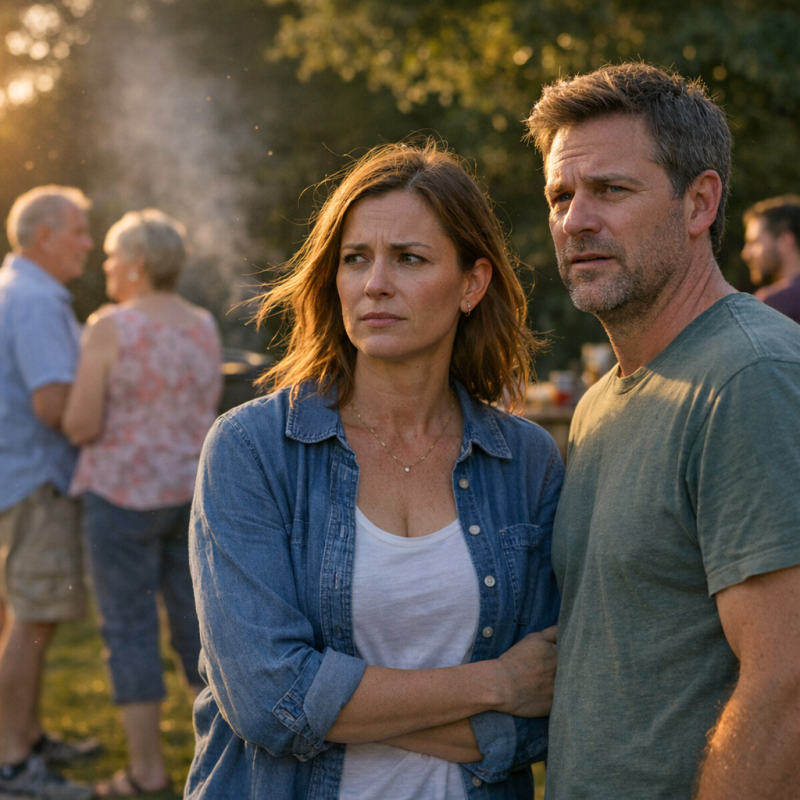 Image by FCT AI
The Final Incident
There was one Sunday afternoon that changed everything. We'd gone to a family gathering—against my better judgment, honestly—and Richard had been drinking. Not fall-down drunk, just enough to lose whatever filter he usually maintained in public. Daniel and I were standing near the kitchen when Richard cornered us, and he said something so cruel, so deliberately targeted at the most vulnerable parts of Daniel's childhood, that I actually felt the air leave the room. I don't want to repeat it here. I don't think I could type it out even now without feeling sick. Daniel's face went completely blank—that horrible shutdown response I'd only seen a handful of times. We left without saying goodbye to anyone. In the car, we didn't even discuss it. We both just knew. Within a week, we'd blocked Richard's number, told family members we were done, and made it clear there would be no reconciliation. Some people understood. Others thought we were overreacting. We didn't care. Even now, three years later, I couldn't fully bring myself to revisit what he had said that day.
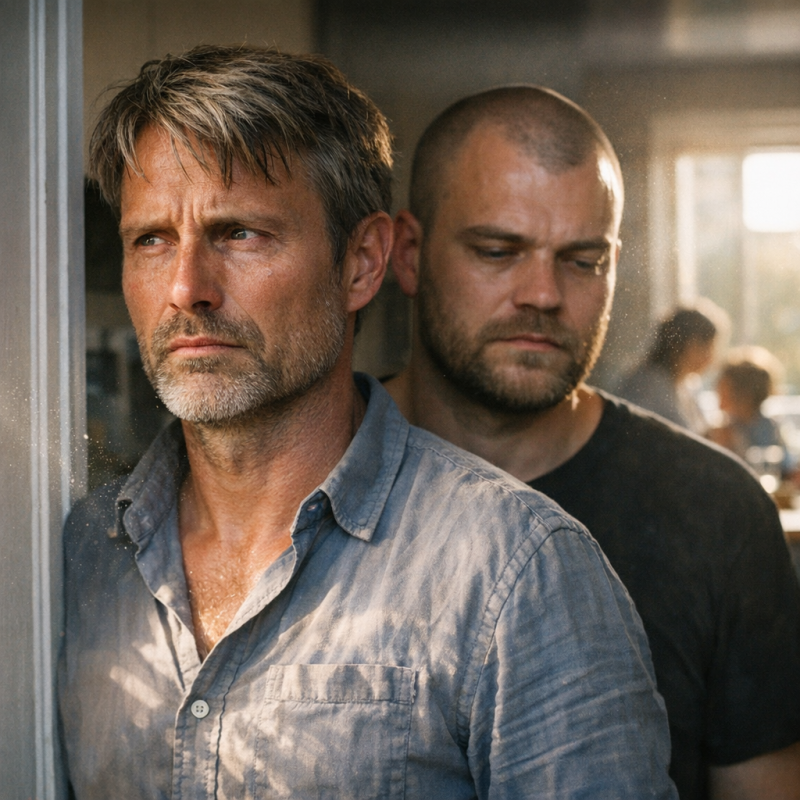 Image by FCT AI
Freedom
The relief that came after cutting Richard off was almost physical. You don't realize how much tension you're carrying until it's gone. Suddenly, family events didn't fill me with dread. Daniel stopped getting that tight expression around his jaw whenever his phone rang. We could make decisions—about where to live, how to spend holidays, what jobs to take—without this background radiation of judgment and manipulation. Our friends noticed the change. Sarah told me once that I seemed lighter, that she hadn't realized how much weight I'd been carrying. We started therapy, both of us individually and together, working through the years of damage. Daniel reconnected with parts of himself he'd shut down. I learned what a relationship looked like without constantly bracing for the next small cruelty. We built something real in that space—something that felt like it was actually ours. For three years, we built something positive, and I had almost convinced myself we were free.
 Image by FCT AI
The Loss
I was twenty-three weeks pregnant when we lost them. Both of them, in the span of one terrible weekend that started with spotting and ended in a hospital room with two silent heartbeats on a monitor. The doctor was kind. The nurses were professional. Everyone had clearly done this before, which somehow made it worse—the realization that this happened often enough that there were protocols, specific phrases they used, pamphlets about grief resources. Daniel held my hand through all of it, and I remember thinking that his hand felt like the only solid thing in a world that had turned completely liquid and unstable. The future we'd been building just collapsed. The nursery, the tiny hats, the plans—all of it became unbearable to even think about. We told our parents, Sarah, two of Daniel's closest friends, my sister. Maybe ten people total. We were very deliberate about it. The pain felt too raw, too private to broadcast. We told only a small circle of people we trusted, keeping the pain private and protected.
 Image by FCT AI
Surviving Grief
The weeks after were a blur of numbness punctuated by moments of crushing clarity. We started seeing Marcus, a grief therapist that the hospital recommended. He had this calm, measured way of talking that didn't try to fix anything, just made space for whatever we were feeling. Daniel and I went together twice a week, then I started going alone on Thursdays too. We'd sit in his small office with the too-comfortable chairs and the box of tissues always within reach, and he'd ask gentle questions that sometimes I could answer and sometimes I couldn't. He never pushed. We tried to function—going through the motions of work, eating when we remembered, attempting to sleep. Friends brought meals we mostly didn't eat. Sarah came over and just sat with us, not trying to fill the silence with platitudes. Marcus kept saying that healing wasn't linear, that grief came in waves, that we needed to be patient with ourselves and each other. Marcus, our therapist, kept saying that healing was not linear—but I wasn't sure I believed in healing at all.
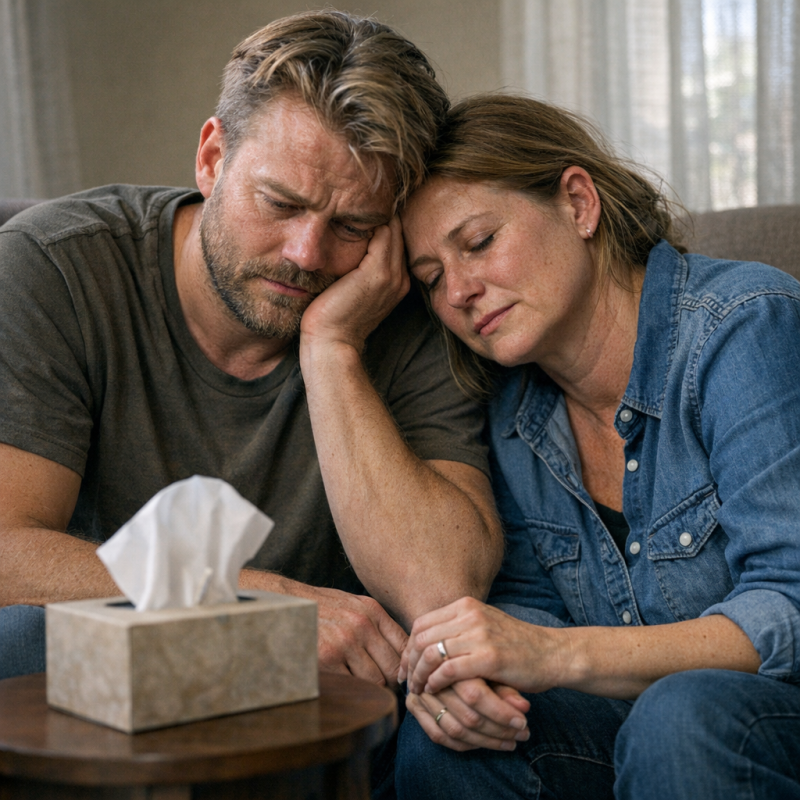 Image by FCT AI
The Words
I sat alone in the bedroom one evening, the one I'd been avoiding for weeks, and finally opened Richard's message fully. I mean actually read it, word for word, instead of just glimpsing it in preview. 'Sorry to hear about the miscarriage'—like he was commenting on bad weather. Then the actual words that made bile rise in my throat: 'But honestly, maybe it's for the best? You two aren't exactly parent material lol.' That 'lol' sat there like a slap. The smiley face emoji at the end made it worse somehow, this casual punctuation on our devastation. I read it three times, four times, hoping I'd misunderstood. But no. He'd actually typed those words, looked at them on his screen, and pressed send. My phone felt heavy in my hands. The room seemed too small suddenly. I kept staring at that smiley face, that deliberate choice he'd made. My hands started shaking, and I realized this wasn't thoughtless—it was deliberate.
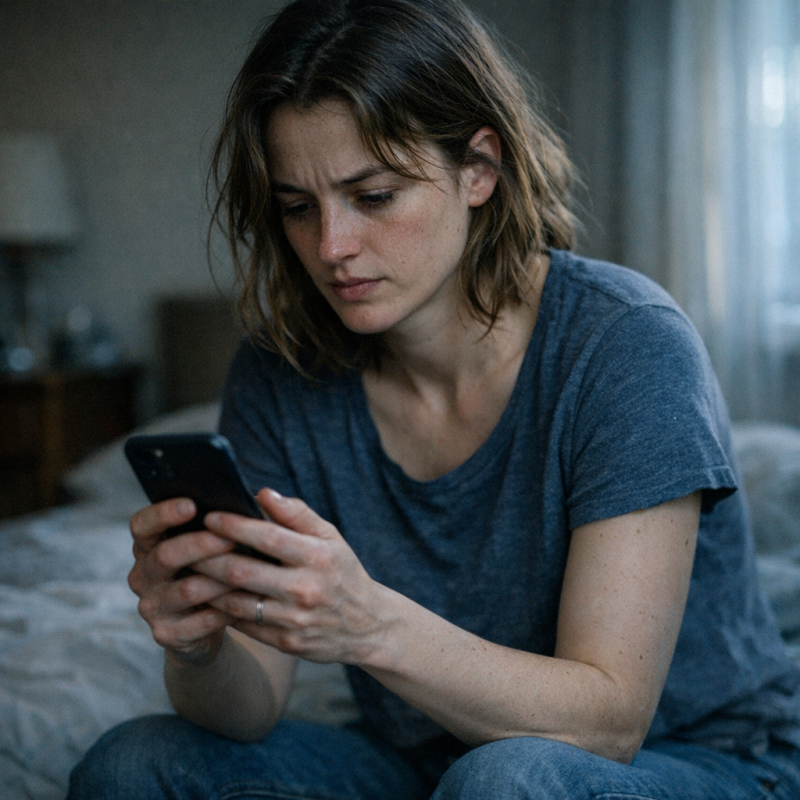 Image by FCT AI
Daniel's Reaction
Daniel came home to find me still sitting there, phone in hand. I didn't say anything, just turned the screen toward him. Watched his eyes move across the words. His face did something I'd never seen before—not anger exactly, but something colder. Emptier. He read it twice, his jaw working like he was physically chewing on the words. Then he took his own phone out of his pocket, navigated to his contacts with mechanical precision, found Richard's name, and blocked him. No discussion. No 'should we.' Just done. He handed my phone back to me and walked to the window, staring out at nothing. I waited for him to say something, anything. He just stood there, shoulders rigid. When he finally spoke, his voice was flat: 'I'm done.' Two words. That was it. I nodded, but I could see something had changed in him, something fundamental. He blocked Richard's number without a word, but I could see something had shattered in him.
 Image by FCT AI
The Question
Daniel seemed content to let it end there—cut off, move on, don't look back. That's how he processes things, neat compartments, closed doors. But I couldn't stop thinking about it. The question kept circling in my mind, especially at night when sleep wouldn't come: how did Richard even know? We'd been so careful about who we told. My parents. Daniel's mom Linda, though that had been brief and uncomfortable. Sarah, obviously. A couple of close friends. Daniel's cousin Jessica, because she'd asked directly after seeing Daniel looked upset at a family thing. That was it. We weren't posting about it, weren't telling acquaintances or coworkers. The pregnancy had been early enough that most people didn't even know we were expecting. So how had Richard, who we'd cut off completely, who had no access to our lives, found out? And not just found out—known enough details to comment on it? The math didn't work. We had been so careful about who we told—which meant someone had betrayed our trust.
 Image by FCT AI
The Cousin
I was lying in bed when the memory surfaced. Jessica. She'd sent a message maybe three, four days after we'd told her. I grabbed my phone and scrolled back through our conversation thread until I found it. 'Hey, just wanted to check in on you guys. Thinking of you.' Sweet enough on the surface. Normal cousin stuff. But the timing felt weird now, looking back. We'd told her on a Wednesday evening, and this message came Saturday morning. Why then specifically? And there was something else—she'd asked if we were 'doing okay' without referencing what had happened. Vague. Deniable. I screenshot the message, not sure why exactly. Just a feeling in my gut that something was off. Had she been fishing? Testing to see if we'd confide more? Or had she already told someone and was checking to see if we knew? It had felt odd at the time, but now I wondered if it was more than coincidence.
 Image by FCT AI
Retracing Steps
I became obsessive about it. I went through every conversation, every text exchange, every phone call from those weeks. Made a mental timeline of who knew what and when. My parents—they wouldn't. We'd explicitly told them not to share, and they'd been devastated too. Sarah—absolutely not. She'd been there through everything, solid as stone. The other friends we'd told were people we'd known for years, people who had no connection to Richard whatsoever. Linda—Daniel's mom—seemed unlikely. She hated Richard, talked about the divorce with such bitterness. Why would she give him information? That left Jessica. But Jessica was family. Jessica had always been kind to us. Jessica had no reason to maintain contact with her uncle by marriage who wasn't even technically family anymore after the divorce. Right? I kept circling back, checking my logic, looking for holes. But every path led to the same uncomfortable conclusion. Everyone we told was someone we trusted—or so I had thought.
 Image by FCT AI
Sarah's Insight
Sarah came over on a Thursday. I hadn't told Daniel I was spiraling about this—he'd made peace with cutting Richard off and I didn't want to pull him back into it. But I needed to talk to someone. I showed Sarah the screenshots, explained my timeline, laid out my suspicions about Jessica. She listened without interrupting, that focused way she has. When I finished, she was quiet for a moment. Then she said, 'Have you checked Jessica's Facebook?' I hadn't. I barely used Facebook anymore. But Sarah pulled out her laptop right there, logged into her account. 'If she's in contact with Richard, she might have been careless about it. Comments, tags, mutual friends. People forget that stuff is visible.' She handed me the laptop. 'Start with her friend list. See if Richard's on it.' My stomach felt heavy as I navigated to Jessica's profile. What I found there made my stomach drop.
 Image by FCT AI
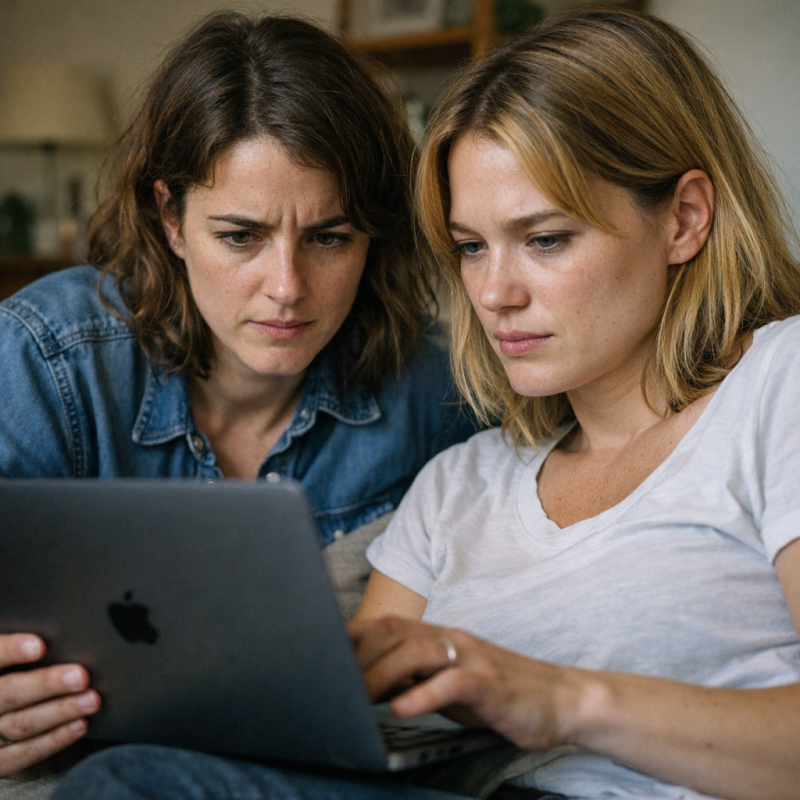 Image by FCT AI
 Image by FCT AI
The Connection
Richard was right there on Jessica's friend list. Not just friends—active friends. I clicked through to see their interactions, and my chest tightened. Comments on his posts going back months. Him commenting on hers. Little jokes, family updates, casual conversation like they talked all the time. After the divorce. After we'd cut him off and she knew we'd cut him off. I remembered the conversation we'd had with Jessica about why we weren't in contact with Richard anymore—she'd nodded sympathetically, said she understood. But here was the evidence: she'd been talking to him the entire time. Liking his vacation photos. Commenting on his restaurant recommendations. Him wishing her happy birthday just six weeks ago. I felt sick. Sarah leaned over my shoulder, reading. 'Jesus,' she whispered. I kept scrolling, taking screenshots, documenting it. But what I found next suggested this went deeper than I had imagined.
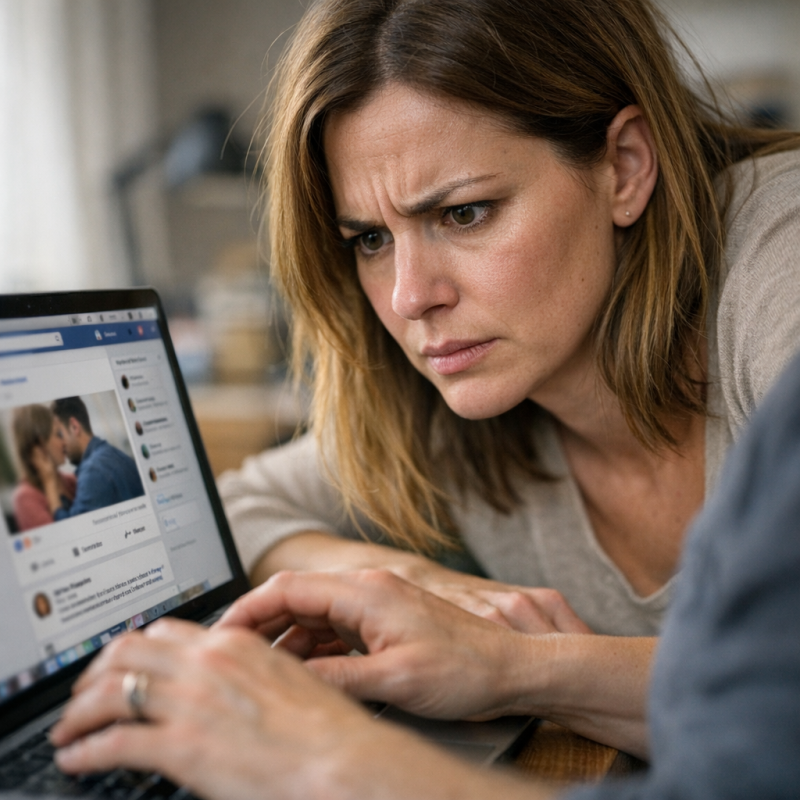 Image by FCT AI
The Scroll
I started going backwards chronologically. Months and months of comments and interactions. And that's when I noticed the pattern. It was subtle—you'd miss it if you weren't looking. But Jessica would post vague things about family gatherings, celebrations, hard times. And Richard would comment with questions. Casual ones. 'How's everyone doing?' 'What's new with the cousins?' 'Anything exciting happening?' Never pushy. Just friendly uncle stuff. And Jessica would respond. Not always publicly—I could see where conversations had moved to private messages, threads I couldn't access. But the timestamps told a story. She'd post about seeing us. He'd ask a question. Days later, he'd have information he shouldn't have had. I found a comment from eight months ago where he mentioned Daniel's new job—something we definitely hadn't told him. Another where he referenced our vacation plans. Small details. Pieces of our lives he was collecting. Richard had been collecting information about us for years—long after we had cut him off.
 Image by FCT AI
Telling Daniel
I waited until Daniel got home from work. He could tell something was wrong the second he walked in—I was sitting at the kitchen table with my laptop, and I hadn't moved in hours. 'You need to see this,' I said, turning the screen toward him. I showed him everything. The pattern of Jessica's posts, Richard's questions, the timestamps that lined up too perfectly. The comment about Daniel's job from eight months ago. The vacation plans. All those little pieces of our lives Richard had been collecting. Daniel pulled out a chair and sat down slowly. He scrolled through the evidence himself, his face completely still. I watched his jaw tighten. His hands gripped the edge of the table. The silence stretched out between us, heavy and awful. Finally, he looked up at me, and I saw something in his eyes I'd never seen before—not just anger, but this deep, exhausted horror. 'He never let us go,' Daniel whispered, his voice barely audible, and I realized with a sickening clarity that we had never been free at all.
 Image by FCT AI
The Anger
The anger I felt was different this time—not the messy, overwhelming grief-rage from before, but something focused and sharp. It burned clean. I couldn't eat. Couldn't think about anything else. Every time I closed my eyes, I saw those comments, those timestamps, that careful collection of information about our lives. Richard had turned us into a project. A surveillance operation. And we'd had no idea. Daniel tried to talk me down a few times, suggesting we just block everyone and walk away for good. But walking away hadn't worked the first time. He'd found ways around it. He'd built pathways through other people to keep watching us. I found myself pacing the apartment at odd hours, my mind racing through possibilities. What could we do? What should we do? Exposing him felt pointless—who would care? His family already knew what he was like. Going back to no-contact was a joke now. I wanted to do something that would actually matter, something that would make him feel even a fraction of what we'd felt. But I wasn't sure what that was—or how far I was willing to go.
 Image by FCT AI
Daniel's Hesitation
Daniel and I started having the same conversation on repeat. He'd had enough. 'I just want to be done with this,' he said one night, rubbing his face with both hands. 'I want to block everyone, delete everything, and pretend none of them exist.' I understood that. God, I understood wanting to just make it all disappear. But I couldn't do it. Not this time. 'He's been watching us for years, Daniel. He doesn't get to just keep doing that.' 'So what do you want to do? Burn down his life? Ruin him?' The way he said it made me feel defensive, even though I didn't actually have an answer. 'I don't know yet,' I admitted. 'But doing nothing feels wrong.' We went in circles like that. Daniel wanted peace. I wanted... something. Justice, maybe. Accountability. The problem was, the more we talked, the more I could feel this tension growing between us. It wasn't a fight, exactly. But it was a wedge. He thought I was obsessing. I thought he was giving up. And that difference between us started to create a distance I didn't know how to close.
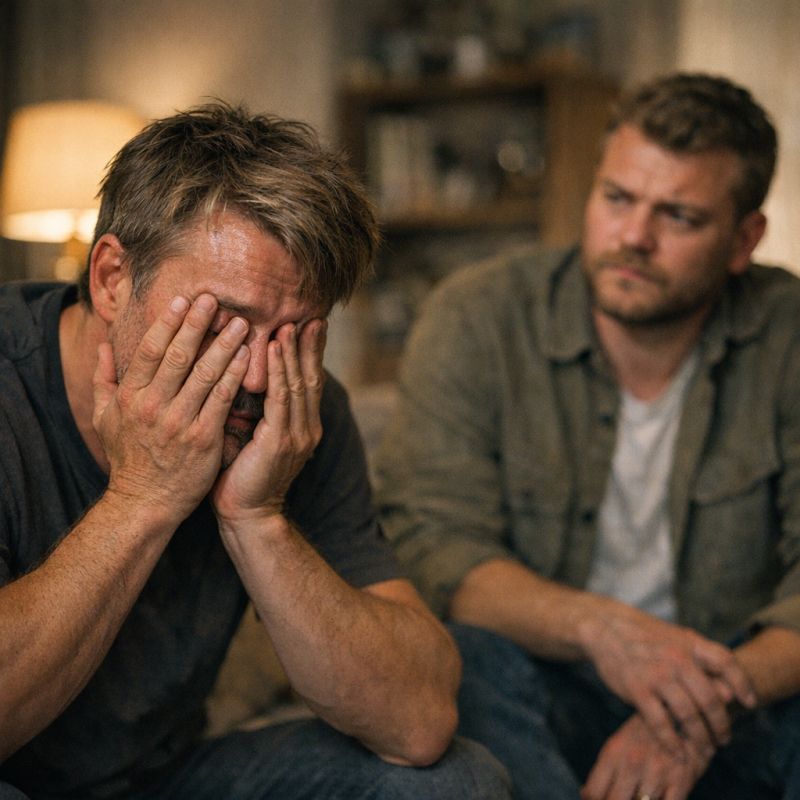 Image by FCT AI
More Evidence
I couldn't stop digging. I went through everyone in Daniel's extended family who was on social media. His aunt Karen. His cousin Michelle. Even some second cousins I'd only met once or twice. And the pattern kept appearing. They'd post something—a celebration, a family update, a casual mention of seeing us. And within days, Richard would comment or message. Sometimes publicly, usually not. But the timestamps were always there, the breadcrumbs leading back to him. I found a message thread between Michelle and Richard where she mentioned we'd been 'going through a hard time lately.' This was from six months ago, right after we'd had the miscarriage. Michelle didn't know the details—we hadn't told her anything specific. But she knew enough to mention we seemed stressed. And Richard had thanked her for 'keeping him in the loop.' Keeping him in the loop. Like it was normal. Like he had a right to monitor us. I sat back from the laptop, feeling sick. This wasn't just Jessica being careless. He had built an entire network of people feeding him information. And we had been walking through it blind.
 Image by FCT AI
Marcus Weighs In
I brought everything to my next session with Marcus. Printed screenshots, highlighted patterns, the whole obsessive presentation. I laid it all out on the table between us. 'He's been doing this for years,' I said. 'He's been collecting information about us through other people. Deliberately.' Marcus looked through the evidence carefully, his expression neutral. Then he asked the question I'd been avoiding. 'What do you want to do with this information?' I opened my mouth to answer and realized I didn't actually know. 'I want him to stop,' I said finally. 'I want consequences.' 'For him, or for you?' Marcus asked. 'What do you mean?' 'Are you seeking justice, or are you seeking revenge? Because those are different things, and they'll lead you to different places.' I sat with that for a long moment. Was I trying to protect myself, or hurt him? Did I want him to change, or did I just want him to suffer the way we had? The honest answer was I didn't know. Maybe both. Maybe neither. And that uncertainty gnawed at me for days afterward.
 Image by FCT AI
The Screenshots
I started taking screenshots of everything. Systematically, methodically. I created folders on my laptop—one for Jessica, one for Michelle, one for Karen. I documented dates, times, context. I saved Richard's comments and questions. I tracked when information appeared to travel from one person to another. It became almost ritualistic. Every evening after work, I'd spend an hour combing through profiles, adding to my collection. Daniel would watch me sometimes with this worried expression, but he stopped trying to talk me out of it. I think he could see there was no point. I needed to do this. I wasn't even entirely sure why. Part of me thought maybe I'd find something truly damning—proof of something illegal or genuinely dangerous. Part of me just wanted a complete picture of what had been done to us. And part of me, the part I didn't want to examine too closely, was simply building ammunition. For what, I didn't know yet. But I was building a case, documenting everything with obsessive precision, even though I still wasn't entirely sure what I would do with it.
 Image by FCT AI
A Sleepless Night
That night, I couldn't sleep. I lay in bed staring at the ceiling while Daniel breathed softly beside me, and my mind just kept replaying everything. Every family gathering we'd attended. Every holiday dinner. Every casual conversation with his cousins. I was seeing all of it differently now, reframing every interaction through this new lens. Had Jessica been fishing for information that time she asked about our weekend plans? When Karen mentioned she'd talked to Richard recently, had that been a warning or just small talk? That comment Michelle made about us seeming distant—had she reported that back to him? I felt paranoid and justified at the same time. Maybe I was seeing conspiracies where there were none. Or maybe I'd been naive this whole time, missing obvious signs. How long had this been going on? Since the wedding? Since we first started dating? Had Richard been doing this with Daniel's whole life, or just since he'd lost access to us directly? The questions spiraled endlessly. How many times had Richard been pulling strings without us knowing, moving pieces on a board we couldn't even see?
 Image by FCT AI
Confronting Jessica
I decided to reach out to Jessica directly. I didn't want to be aggressive or accusatory—not at first. I sent her a simple message. 'Hey, I noticed you've stayed in contact with Richard. I'm just curious why, given everything that happened.' It took her two days to respond. When she finally did, her message was short and defensive. 'He's still family. I don't get involved in drama between you guys. I just try to be nice to everyone.' I read it three times. She hadn't asked what I meant by 'everything that happened.' She hadn't expressed concern or confusion. She'd just deflected. I wrote back asking if she'd been sharing information about us with him. Her response came faster this time. 'I don't know what you're talking about. I barely talk to Richard. If you're upset about something, maybe you should talk to him directly instead of dragging me into it.' Then she went offline. I stared at the screen, feeling this cold clarity settle over me. She wasn't denying it, not really. She was just deflecting, making it my problem instead of hers. And that evasiveness, that refusal to even acknowledge what she'd done—it told me more than any honest answer could have.
 Image by FCT AI
Jessica's Excuse
I decided to give Jessica the benefit of the doubt. Maybe she genuinely hadn't known we'd cut Richard off completely. Maybe she thought we'd just needed space and that things had blown over. I asked her directly in my next message: 'When did you start talking to Richard again?' Her response came quickly. 'I never stopped. I didn't realize you wanted me to. He's family, and I was just being polite when he reached out.' It sounded reasonable enough on the surface. But then I looked at the screenshots Daniel had found. The dates didn't lie. Jessica had sent Richard a message two weeks after we'd sent the family email explaining exactly why we were going no contact. She'd commented on his posts. She'd liked his photos. She hadn't been ignorant—she'd made a choice. I scrolled through the evidence again, feeling something harden inside me. She'd known. She'd read our email. She'd understood what he'd done to us. And she'd chosen his side anyway.
 Image by FCT AI
The Mother
Then I found something I wasn't expecting. Daniel's mother, Linda, had also been messaging Richard. This caught me completely off guard. Linda and Richard had divorced nearly thirty years ago. She'd spent decades telling anyone who would listen how much she hated him, how cruel he'd been, how she'd never forgive him for what he'd put her through. Daniel barely remembered them together—the divorce had happened when he was six. So why were there recent messages between them in Richard's public comment threads? I clicked through, my stomach turning. The messages weren't hostile. They were almost... cordial. 'Hope you're doing well,' she'd written under a photo he'd posted last month. He'd responded with a thumbs-up emoji. It was such a small thing, but it felt massive. She'd always positioned herself as our ally, as someone who understood Richard's toxicity better than anyone. But here she was, staying connected to him, engaging with him. I stared at the screen, trying to make sense of it. What exactly was their relationship now?
 Image by FCT AI
Daniel's Breaking Point
I waited until evening to tell Daniel. I showed him the screenshots without saying anything first, just let him see for himself. His face went pale, then red. He scrolled through the messages twice, his jaw tightening. 'My mother,' he said quietly. 'My mother, who told me she'd support us no matter what. Who said she knew exactly what kind of man he was.' He put the phone down on the table, harder than necessary. I'd never seen him this angry—not at his father, not at anyone. 'I'm done,' he said. 'I'm done pretending this is normal. I'm done letting him get away with it.' He looked at me, and I saw something I hadn't seen before: pure resolve. 'Let's show everyone who he really is,' he said, and I felt a chill at the resolve in his voice.
 Image by FCT AI
The Plan
We stayed up late that night, talking through our options. Daniel suggested we confront Richard directly, force him to answer for what he'd done. But I knew that wouldn't work. Richard was too skilled at deflection, too good at making himself the victim. He'd twist anything we said, make us look irrational or vindictive. No, we needed a different approach. 'What if we showed the family everything?' I said. 'Not through him. Not in a private message he could dismiss. What if we just... laid it all out?' Daniel considered this. 'Like a group message?' 'Maybe,' I said. 'Or a letter. Something they can't ignore or delete before reading.' We both knew this was risky. Going public meant exposing ourselves, opening ourselves up to judgment. But staying silent hadn't protected us—it had only isolated us further. 'First, we need to gather everything,' Daniel said. 'Every message, every screenshot, every piece of evidence. Make it undeniable.'
 Image by FCT AI
The Document
I spent the next three days building the document. I organized everything chronologically, starting with Richard's comment about our miscarriage and working backward through years of smaller incidents. Screenshots of messages. Timestamps showing when family members had been in contact with him despite knowing we'd gone no contact. Copies of the emails we'd sent explaining our boundaries. I color-coded sections, added annotations, made it as clear and factual as possible. No emotion, no interpretation—just evidence. By the time I finished, it was eighteen pages long. I printed it out and read through it start to finish, my coffee going cold beside me. Looking at it all laid out like this, the scope of what he had done was even more disturbing than I had realized.
 Image by FCT AI
Sarah's Warning
Sarah came over on Thursday. I'd asked her to look through the document before we sent it to anyone. I trusted her judgment, needed her perspective. She sat at my kitchen table, reading in silence for nearly forty minutes. When she finally looked up, her expression was serious. 'This is comprehensive,' she said carefully. 'But you need to prepare yourself for the possibility that people won't believe you. Or worse—they'll think you're being vindictive.' I'd thought about that. I'd worried about it. 'Some of them might see this as you attacking an old man,' she continued. 'They might think you're making a big deal out of nothing, or that you're twisting things to make him look bad.' She wasn't trying to discourage me, I knew. She was being honest. 'I know,' I said. 'But I have to believe the truth will speak for itself. I have to.' I'd come too far to turn back now.
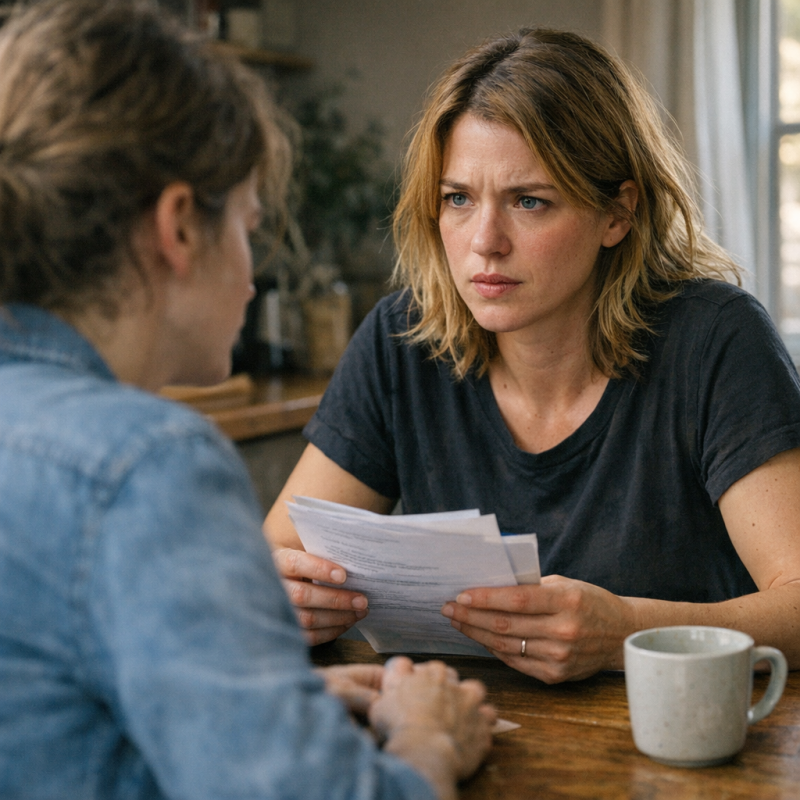 Image by FCT AI
The Old Wounds
As I reviewed the document one final time, something caught my attention that I'd overlooked before. Buried in some of Richard's older messages were references to family conflicts from years ago—arguments between Daniel's cousins, a falling-out between his aunt and uncle, tension between siblings that had never fully healed. At the time, these had seemed like normal family drama. But now, reading Richard's messages more carefully, I saw a pattern. He'd been there for each conflict, offering 'support' to both sides. Relaying information. Expressing concern. Always positioning himself as the peacemaker while somehow the fights escalated. I couldn't prove it definitively, not yet. But the timing was too consistent to ignore. Arguments we'd thought were just family drama might have been manufactured. He might have been pulling strings all along.
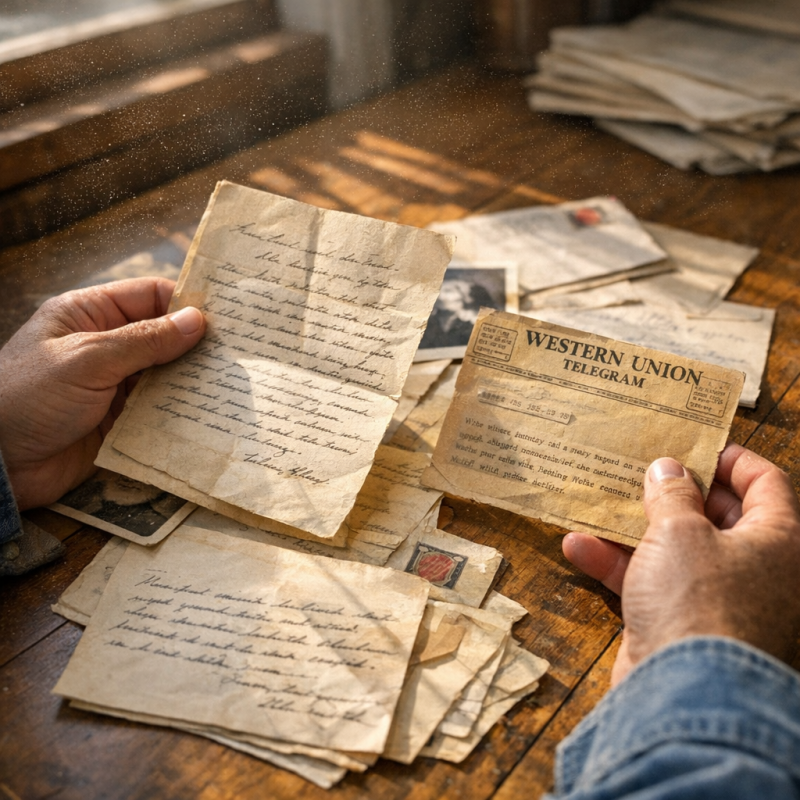 Image by FCT AI
Daniel's Memories
Daniel started talking more about his childhood. Things he'd buried or dismissed as normal started surfacing. He remembered his father sitting at the dinner table, asking leading questions. 'Did your mother say anything about me today?' 'What did your aunt tell you?' Always gathering information, always creating little divisions. He remembered family gatherings where Richard would pull people aside for private conversations, then watch as tensions erupted later. Daniel had thought that was just how families were—messy, complicated, full of unspoken resentments. He'd normalized the chaos because he'd grown up in it. 'He always did this,' Daniel said, his voice distant. 'He'd set people against each other, then act confused about why everyone was fighting. And we all just... accepted it.' He looked at me, and I saw the weight of recognition in his eyes. His father had always divided people, always created chaos—and Daniel had normalized it as just how families were.
 Image by FCT AI
The Choice
We sat at the kitchen table with printouts spread everywhere, debating our options. Daniel wanted to send everything privately to family members first—give them a chance to understand before things went nuclear. I could see the appeal. It felt more dignified, more controlled. But I kept thinking about how easily Richard could spin a private conversation, how he'd already proven he could twist anything we said. 'If we go private,' I said, 'he gets to control the narrative before anyone else sees the truth.' Daniel rubbed his face. 'But if we post it publicly, we look vindictive. Like we're just trying to hurt him.' We went in circles for hours. Send it to the family group chat? Too easy for him to dismiss. Post it on Facebook where everyone could see? Too aggressive, too much like an attack. Email individual family members? They might not even read it. Every option had drawbacks. Every path forward felt like it could backfire. Each option carried risks, but doing nothing felt like letting him win.
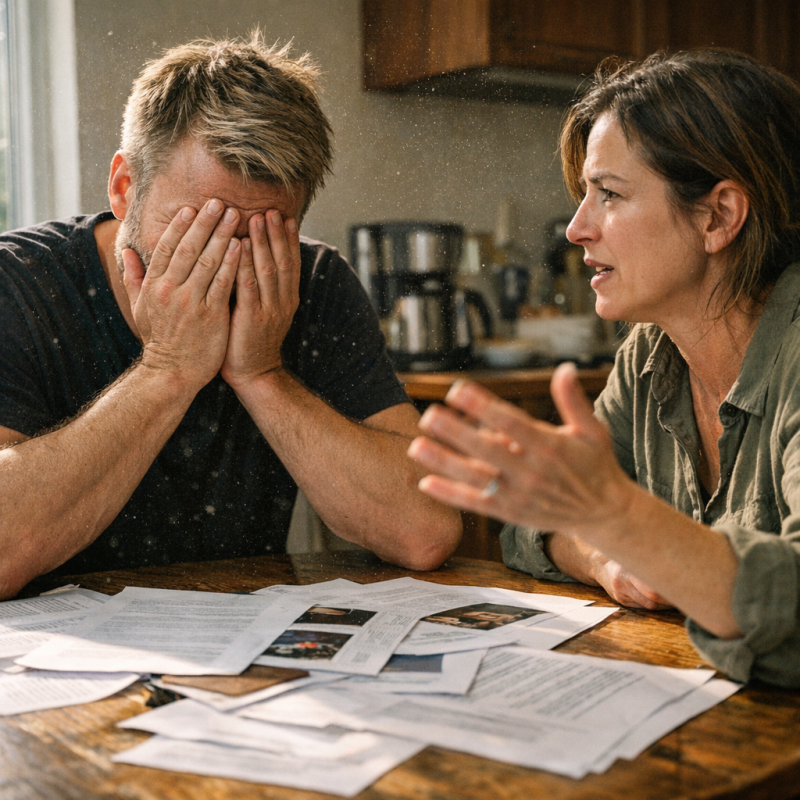 Image by FCT AI
Testing the Waters
I decided to test the waters with Daniel's cousin Marcus. We'd always gotten along at family gatherings, and he seemed like someone who valued honesty. I crafted the message carefully—not accusing Richard directly, just mentioning that we'd discovered some concerning patterns and asking if he'd noticed anything similar. I reread it probably twenty times before hitting send. His response came two days later. 'Hey, sorry you're going through something. Family stuff is always complicated, you know? I'm sure whatever happened, there are two sides to it. Richard's always been good to me, so I don't really want to get involved. Hope you guys work it out though!' I stared at my phone, feeling something heavy settle in my chest. He hadn't even asked what the patterns were. Hadn't been curious about the evidence. Just... dismissed it. Their response was lukewarm at best, and I realized this would be harder than we thought.
 Image by FCT AI
An Unexpected Ally
Then Amy called. Daniel's sister, the one who lived across the country and rarely came to family events. 'Daniel told me what happened,' she said, her voice tight. 'With the miscarriage, with your dad.' There was a long pause. 'I cut him off three years ago. I should have warned you.' My heart started pounding. She explained that Richard had spread lies about her divorce, told family members she was unstable, convinced people she was keeping the grandchildren from him out of spite. None of it was true. She had her own documentation—emails where he contradicted himself, messages to other family members that she'd obtained through her brother. Screenshots of things he'd said about her that were provably false. 'I have dates, times, exact quotes,' she said. 'I've been sitting on all of it because I thought no one would believe me.' Daniel was listening on speaker, and I watched his face transform. She had her own evidence, and together, our case became twice as strong.
 Image by FCT AI
Amy's Story
Amy video-called us that evening and walked us through everything. Richard had told the extended family that she'd had an affair, that she'd abandoned her kids, that she was mentally ill and needed intervention. None of it was true. Her ex-husband had been abusive—Richard knew this—but he'd taken the ex's side, publicly, at family gatherings. 'He told my aunt that I was making it all up for attention,' Amy said, her voice shaking. 'He showed people text messages I'd sent, but he'd screenshot them out of context so they looked like I was the crazy one.' She showed us the full conversations alongside what Richard had shared. The difference was staggering. He'd taken her moments of vulnerability and weaponized them. 'I lost my relationship with most of the family,' she said. 'They stopped inviting me to things. Stopped calling. And he just... watched it happen.' Hearing her story, I realized we were not isolated victims—he had done this to multiple people.
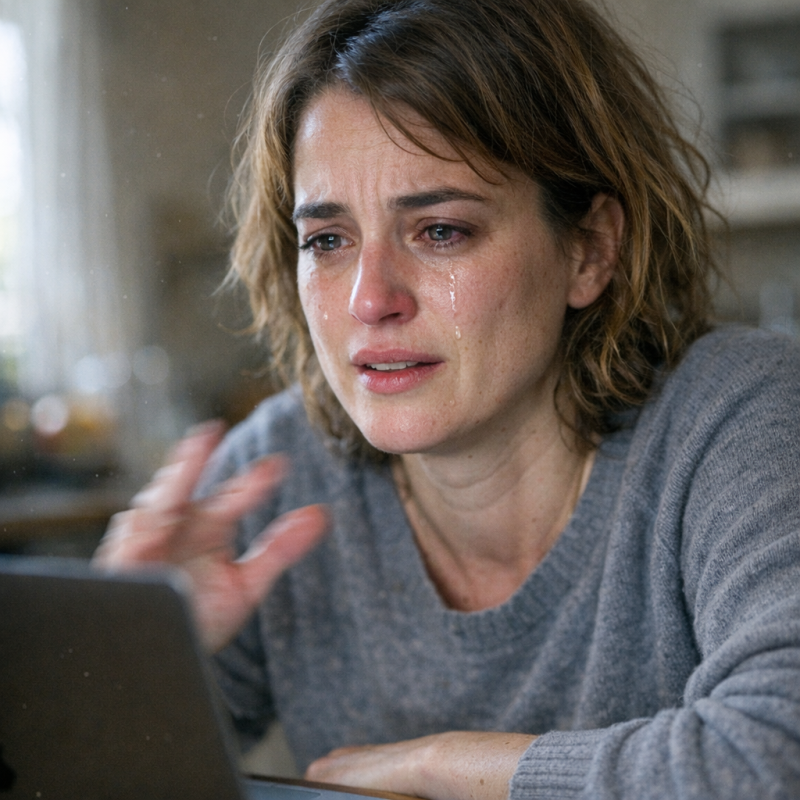 Image by FCT AI
The Combined Evidence
We spent an entire weekend merging everything into one document. Amy's evidence from three years ago. Our documentation from the past six months. We organized it chronologically, showing how the patterns repeated across different targets, different situations. The document grew to forty pages. Emails where Richard told different people contradictory stories about the same event. Screenshots of him befriending Amy's ex while telling her he supported her. Messages where he described our miscarriage as 'convenient' to one person while sending condolences to another. The manipulation of Linda with the fake home repair emergency that aligned exactly with how he'd created a financial crisis for Amy years earlier. It was all there, spanning decades, showing the same techniques over and over. Different victims, same playbook. Looking at it all together, I wondered how he had gotten away with it for so long.
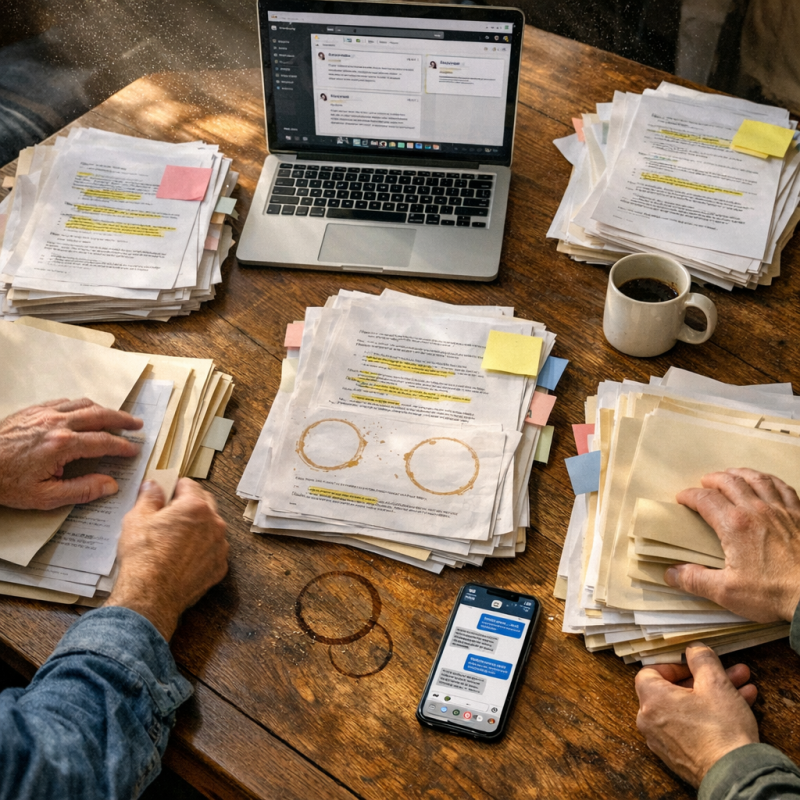 Image by FCT AI
The Rehearsal
We needed to present this right. Amy had learned from her own failed attempt—when she'd first confronted the family, she'd been emotional, angry, and people had dismissed her as vindictive. 'We have to be factual,' she coached us. 'No adjectives. No accusations. Just: here's what he said to Person A, here's what he said to Person B, here are the dates.' We practiced reading sections aloud, removing anything that sounded like interpretation. Just facts, just evidence, just questions for people to consider. Daniel read through the timeline of the miscarriage documentation—Richard's cruel comment, then his text to Linda expressing 'concern' for us the same day. His voice stayed level, neutral. But when I practiced my section, describing how he'd told family members I was 'difficult' and 'controlling' while we were still grieving, my voice started shaking. Every time I read through it, the rage threatened to break through the careful neutrality.
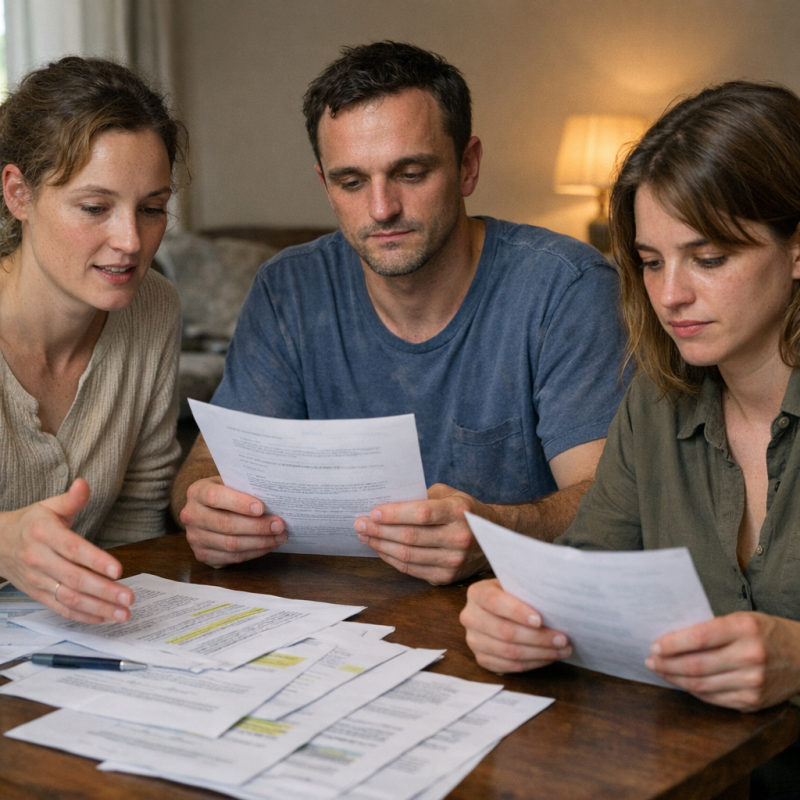 Image by FCT AI
The Night Before
The night before we planned to send everything, I lay awake beside Daniel, watching shadows move across the ceiling. We'd decided on a targeted approach—send the full document to key family members who'd been present for multiple incidents, people who could verify timelines and remember conversations. In my head, I ran through every possible reaction. Some people might believe us. They might finally see the pattern, understand what he'd been doing all these years. Others would think we were bitter, vindictive, trying to destroy an old man's reputation. Richard would absolutely have a counter-narrative ready. He always did. And once we sent this, there was no taking it back. No pretending everything was fine, no possibility of reconciliation. The family would split, probably permanently. Some would take his side. Some wouldn't respond at all. Part of me wanted to believe people would see the truth—but another part expected them to defend him anyway.
 Image by FCT AI
Second Thoughts
Daniel woke up that morning and said, 'Maybe we shouldn't do this.' I was already dressed, coffee made, laptop open with the email draft ready. I turned to look at him. 'What?' His face was pale. 'What if it makes everything worse? What if we send this and the family turns on us completely? What if it damages us—our relationship, our life—more than it damages him?' I could see the fear in his eyes. Fear of the fallout, of the permanent fracture, of what it might cost us. He was right to be scared. This would change everything. But I thought about Richard at that dinner table, smiling while he destroyed us. I thought about Amy, isolated and dismissed. I thought about whoever might be next. I sat beside Daniel and took his hand. 'Silence is what let him do this for decades,' I said quietly. I held his hand and reminded him that silence was what had allowed Richard to thrive—and we couldn't stay silent anymore.
 Image by FCT AI
The Message Goes Out
I clicked send at 9:47 AM. Fifteen family members. All at once. The email went out with the subject line 'Important Family Matter—Please Read.' I had attached the full document—dates, screenshots, witness statements, everything. Daniel sat beside me on the couch, and I could hear his breathing, quick and shallow. Amy had texted earlier that morning: 'I'm with you. Whatever happens.' I set the phone face-down on the coffee table. Daniel did the same. For about ninety seconds, there was nothing. Just silence. The apartment felt weirdly quiet, like the moment before a storm breaks. Then my phone started vibrating. Once. Twice. Three times in quick succession. Daniel's phone lit up too, buzzing against the wood. I stared at the devices like they might explode. My hands were shaking. Daniel reached for his phone, then pulled back. 'Should we—?' 'Not yet,' I said. But the buzzing didn't stop. Message after message, notification after notification, the phones rattling against the table like they were angry. Within minutes, my phone started buzzing—but I couldn't bring myself to look at the messages yet.
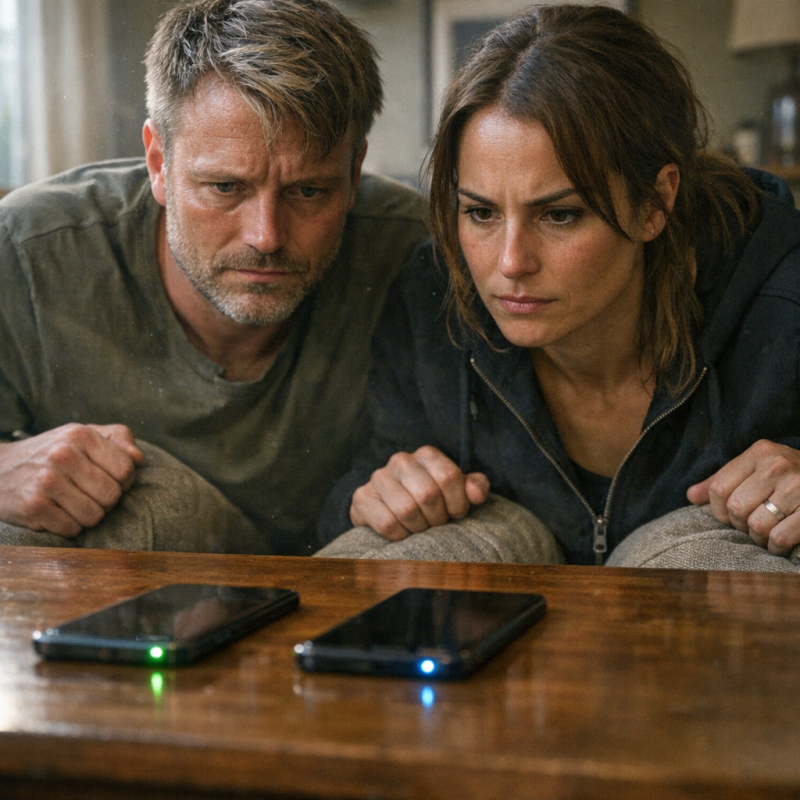 Image by FCT AI
The First Responses
When I finally flipped my phone over, there were seventeen messages waiting. Daniel had thirteen. We opened them together, reading in silence. Some were exactly what we'd hoped for. Daniel's cousin Rachel: 'I believe you. I'm so sorry this happened.' His aunt Susan: 'This is horrifying. Thank you for speaking up.' But others were confused, cautious. 'I don't understand what's going on.' 'Can we talk before this goes further?' And then there were the hostile ones. Richard's brother: 'This is a private matter and you've made it public. Shame on you both.' Someone else: 'You're tearing this family apart over a misunderstanding.' I felt relief and disappointment cycling through me in waves. We'd known it wouldn't be unanimous, but seeing the division spelled out in text messages made it brutally real. Daniel was scrolling through his messages when he stopped. 'Wait,' he said. 'Look at this.' He held up his phone. Three different people had mentioned something strange in their messages. But then I noticed something strange: several people mentioned receiving messages from Richard at almost the exact same time.
 Image by FCT AI
Richard's Counter-Offensive
Daniel's cousin forwarded us Richard's email. I read it twice, feeling sick. The subject line was 'A Grandfather's Heartbreak.' Richard had written about his profound grief over the twins, how he'd tried to reach out to us, how we'd shut him out completely. He described the message he'd sent as a 'clumsy attempt to offer comfort' that had been 'tragically misunderstood.' He wrote about feeling vilified, about how painful it was to lose his grandchildren and then be accused of cruelty. He even included a line about praying for our healing and forgiveness. It was polished. Sympathetic. Devastatingly effective. There were no screenshots, no evidence—just his word, his hurt, his version of grief. And for people who didn't know the full story, who hadn't seen the actual message he'd sent, it probably sounded completely reasonable. 'He sent this at 9:52,' Daniel said quietly. 'Five minutes after ours went out.' I stared at the timestamp. Five minutes. Like he'd been waiting. Like he'd had it ready. His message was polished, sympathetic, and devastatingly effective with people who didn't know the full story.
 Image by FCT AI
The Split
Over the next forty-eight hours, we watched the family split into three distinct groups. There were the people who believed us—mostly the ones who'd had their own difficult experiences with Richard, who'd seen glimpses of what he was capable of. There were the people who believed him—the ones who'd only ever seen his charming side, who couldn't reconcile the grandfather they knew with the cruelty we'd described. And then there were the people who refused to take sides, who wanted to stay out of it, who kept saying things like 'there are two sides to every story' and 'I love you both.' Group chats fractured. People stopped responding to certain threads and started new ones. Allegiances shifted by the hour. Daniel's phone kept buzzing with messages from relatives asking us to 'work this out privately' or demanding we 'stop causing drama.' It was chaos. Messy, painful, exhausting chaos. And as I watched it unfold, something occurred to me that made my stomach drop. Richard thrived on chaos. He always had. It was exactly the kind of chaos Richard thrived on, and I started to wonder if we had played right into his hands.
 Image by FCT AI
Linda Speaks
Linda called on the third day. Daniel put her on speaker. 'I need to tell you something,' she said, her voice tight. 'I've been watching what Richard's doing, and I can't stay quiet anymore.' She took a breath. 'He's done this before. Not exactly this, but the same pattern. He gathers information about people—family members, friends, anyone close. Then he uses it. He creates divisions. He plays victim. He makes people choose sides.' I felt Daniel tense beside me. 'Mom, what are you talking about?' Linda explained how she'd watched Richard do this for thirty years. How he'd turned her own siblings against her during their divorce. How he'd isolated Daniel's brother for years over a perceived slight. How he documented conversations, kept notes, tracked who said what. 'I have emails,' Linda said quietly. 'Messages he sent. Things he wrote down. I saved them because I knew—someday, someone would need proof.' My heart was racing. 'What kind of proof?' I asked. She had watched him manipulate people for decades, and she had documentation we didn't know existed.
 Image by FCT AI
The Pattern Becomes Clear
Linda came over that evening with a accordion folder full of printed emails and handwritten notes. She spread them across our dining table like evidence at a trial. 'Look at this one,' she said, pointing to an email from 2015. Richard had written to his brother about a cousin's financial troubles—information the cousin had shared in confidence—and used it to suggest the cousin shouldn't be trusted with family decisions. Another email showed him telling two different relatives conflicting versions of the same event, clearly trying to create confusion. There were notes in Richard's handwriting: names, dates, observations about people's vulnerabilities. 'He gathers information first,' Linda explained. 'Anything personal, anything sensitive. Then he waits. When he needs leverage or wants to shift attention, he uses it. He creates conflict between other people so they're too busy fighting each other to focus on him. And when anyone confronts him, he plays the victim so convincingly that people feel guilty for even questioning him.' I stared at the documents. This wasn't random cruelty. It wasn't impulsive anger. It was a system he had refined over decades.
 Image by FCT AI
The Missing Piece
Linda logged into an old email account she'd kept from the marriage. 'I never deleted anything,' she said. 'I had a feeling I might need it someday.' She showed us folder after folder of saved correspondence. Richard had categories: 'Family Intel,' 'Leverage,' 'Responses.' There were draft emails he'd written but never sent—different versions of the same message, testing different emotional angles. There were lists of relatives with notes beside their names: 'Susan—sensitive about money,' 'Tom—loyal to brother,' 'Rachel—conflict-averse.' He had tracked conversations, noting who said what and when. He had even rehearsed responses to potential confrontations, writing out scripts for himself. 'Jesus Christ,' Daniel whispered. I felt cold. This wasn't a man lashing out in grief or anger. This was someone who had built an entire system of control. Someone who treated family relationships like a chess game, always thinking three moves ahead. 'How long has he been doing this?' I asked. Linda looked at me with tired eyes. 'As long as I've known him. Probably longer.' He had kept lists, tracked conversations, even rehearsed responses—this had never been about family, it had always been about control.
 Image by FCT AI
The Truth Revealed
I sat at the table for a long time after Linda left, looking at everything she'd given us. The emails. The lists. The notes. And suddenly, it all clicked into place. The message about the twins wasn't a moment of cruelty. It was a calculated move in a game Richard had been playing for years. He'd known about the pregnancy because he'd been gathering information. He'd known how to hurt us most because he'd been watching, tracking, cataloging our vulnerabilities. He'd had his counter-narrative ready within five minutes because he'd anticipated our response. This wasn't about grief or family conflict. Richard had been running a deliberate surveillance and manipulation network for years, feeding relatives misinformation and weaponizing every piece of information to maintain power—the message about the twins was not impulsive cruelty but the calculated culmination of a multi-year operation. Every division he'd created, every relationship he'd damaged, every piece of gossip he'd spread—it had all been intentional. Systematic. 'We weren't fighting a vindictive ex-family member,' I said to Daniel, my voice hollow. And now that I knew the truth, I realized we hadn't been fighting a vindictive ex-family member—we had been fighting a man who had turned manipulation into a systematic art.
 Image by FCT AI
Reframing Everything
Daniel and I spent the next two days going back through everything. Every family dinner where someone had suddenly been cold to us. Every 'misunderstanding' that had appeared out of nowhere. Every time someone had repeated something we'd never actually said. It all looked different now. The argument at Thanksgiving three years ago when Daniel's cousin had accused us of being 'elitist'—Richard had been working on her for weeks before that, feeding her stories about how we looked down on the family. The time Jessica stopped speaking to us for six months over something she claimed we'd said about her parenting—we found that in Linda's emails, word for word, a message Richard had sent her. Even small things. The way certain relatives would bring up sensitive topics at exactly the wrong moments. The way information we'd shared privately would somehow become public knowledge. It had all been him. Every single piece. We had spreadsheets now. Timelines. Patterns so clear they were impossible to deny. But as I looked at it all laid out, I felt a knot forming in my stomach. The question now wasn't whether we could prove it—it was whether anyone would believe something so calculated could come from a family member.
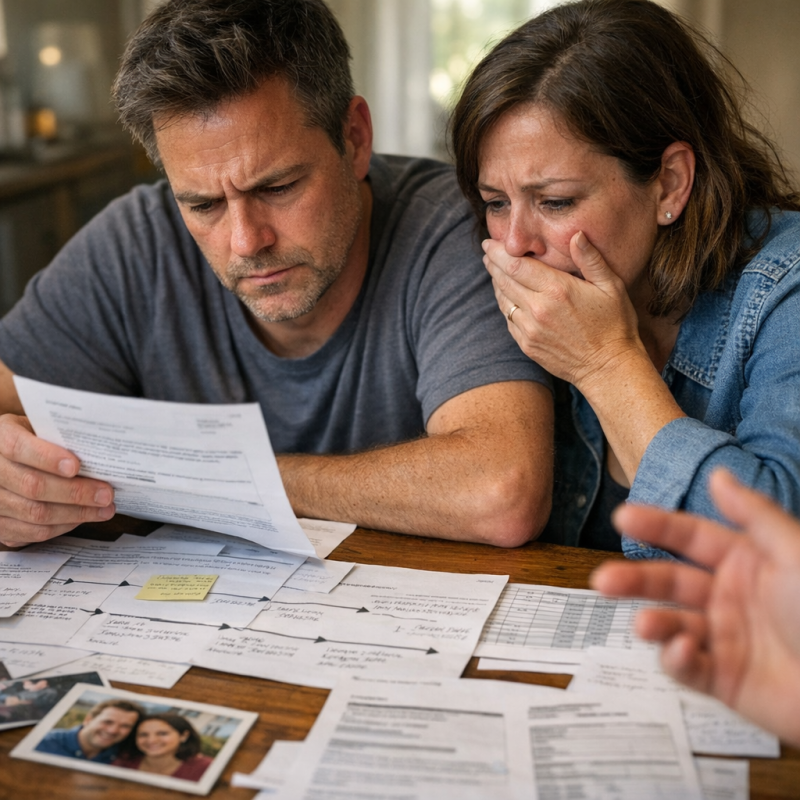 Image by FCT AI
The Revised Document
Amy came over to help us revise the document. She's a technical writer, and she knew how to make complex information clear and digestible. We restructured everything. First, a simple explanation of what Richard had been doing—not emotional accusations, just facts. Then Linda's evidence: the spreadsheets, the email threads, the notes about who to target and when. Then our own timeline, showing how each piece of family drama connected to his documented actions. Amy helped us add visual elements—highlighted sections, date stamps, direct quotes. 'You need people to see it instantly,' she said. 'No room for confusion.' We included screenshots of the message about the twins, placed right next to Richard's notes about using 'maximum impact emotional triggers.' The contrast was devastating. We added a section explaining how manipulation works, how it's designed to be invisible, how victims often defend their abusers without realizing it. Daniel wrote a personal statement at the end. Just a few paragraphs about what this had cost us. Our grief. Our isolation. Our trust. When we finished, the document was forty-three pages long. This time, there would be no ambiguity—we were going to show exactly what he had been doing and how long he had been doing it.
 Image by FCT AI
 Image by FCT AI
Image by FCT AI
Going Public
We made the post on a Saturday morning. Not just to the family group or a private message—we posted it publicly on Facebook, Twitter, everywhere. Daniel's hand shook as he hit 'post.' I watched the screen, my heart pounding. For the first few minutes, nothing happened. Then the first share. Then another. Then comments started appearing. 'Oh my god.' 'This explains so much.' 'I knew something was wrong but couldn't put my finger on it.' People we barely knew were reading it, sharing it, adding their own observations. Daniel's college roommate commented that Richard had tried to turn him against Daniel years ago with similar tactics. A former coworker of Richard's shared it with a comment about his 'pattern of workplace manipulation.' Within two hours, the post had been shared over three hundred times. By evening, it was over a thousand. I kept refreshing, watching the numbers climb, watching Richard's carefully curated public image—the devoted family man, the successful professional, the pillar of the community—disintegrate in real time. Within hours, the post had been shared hundreds of times—and Richard's carefully maintained public image began to crumble.
 Image by FCT AI
The Avalanche
Then something we hadn't expected started happening. Strangers began commenting with their own stories. A woman from Richard's church described how he'd orchestrated a campaign to remove a pastor he didn't like. A former neighbor detailed years of subtle manipulation that had destroyed her marriage. Someone from his professional network shared documents showing he'd done the same thing at work, systematically isolating colleagues he viewed as threats. The messages came privately too. Daniel's inbox filled with people saying, 'Thank you for posting this. I thought I was crazy.' Some of them were family members we'd never met—distant cousins, relatives by marriage—who said Richard had done the same thing to them years ago. One woman sent a twenty-year-old letter that could have been written yesterday, the same tactics, the same language. I sat there reading message after message, and I felt sick. Not vindicated. Sick. Because it meant that what he'd done to us wasn't special. We weren't his only victims. We weren't even close. The pattern was even bigger than we had known, spanning decades and multiple communities.
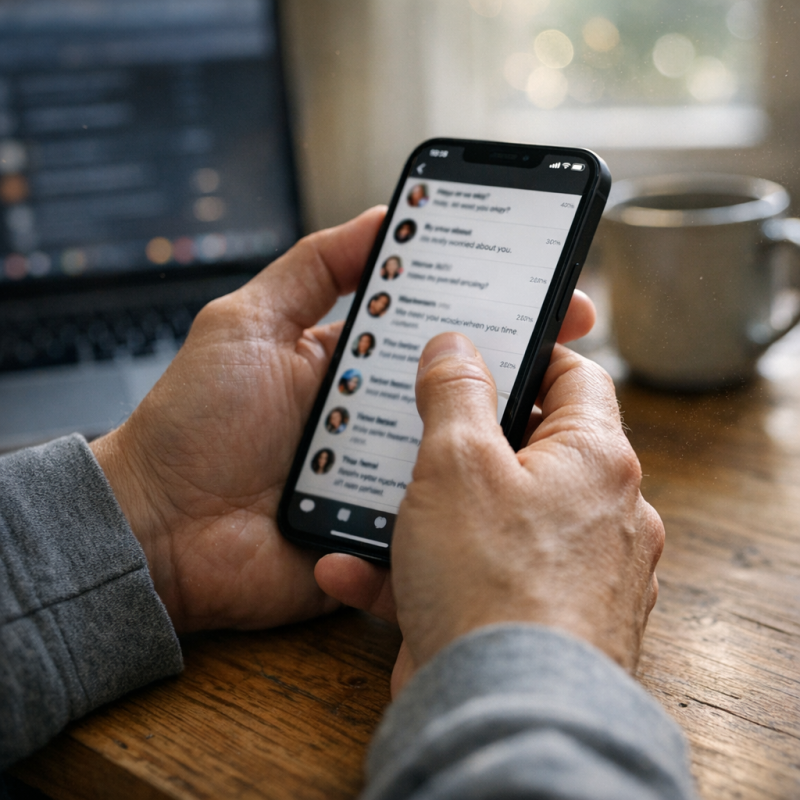 Image by FCT AI
Richard's Silence
And Richard? He went silent. Completely, totally silent. No Facebook post defending himself. No mass email with his counter-narrative. No calls to family members to spin the story. Nothing. I kept checking his social media, expecting the usual performance, the carefully crafted victim statement, the strategic leak of 'his side' of the story. But his last post was from three days before we went public, some generic quote about family loyalty. The comments underneath it had become a graveyard of people asking questions he couldn't answer. His silence felt surreal. For years, he'd had a response to everything, always ready with an explanation, an alternative version, a reason why we were wrong and he was right. He'd controlled every narrative, managed every crisis, turned every accusation back on the accuser. And now, when he needed that skill most, when his entire reputation was collapsing around him, he had nothing to say. Maybe he'd finally realized that the evidence was too solid. Maybe he knew that anything he said would only make it worse. His silence was louder than any defense could have been, and people noticed.
 Image by FCT AI
Jessica's Apology
Jessica called me on Tuesday. I almost didn't answer. But something made me pick up. 'I need to apologize,' she said immediately. Her voice was shaking. 'I read everything. I mean, I really read it. And I went back through my own messages with Richard, and I can see it now. How he did it. How he made me believe things about you that weren't true.' She cried as she explained how Richard had spent months feeding her information, always framed as concern, always with just enough truth mixed in to make the lies believable. She'd cut him off completely, she said. Blocked him everywhere. She wasn't the only one. Over the next few days, we heard from Daniel's aunt, from two of his cousins, from family friends who'd been part of Richard's inner circle. Each conversation followed the same pattern: shock, recognition, apology, and a new story about how they'd been manipulated too. People were comparing notes, seeing the patterns, realizing they'd all been played against each other for years. She wasn't the only one—several family members who had defended him were now apologizing and sharing their own realizations.
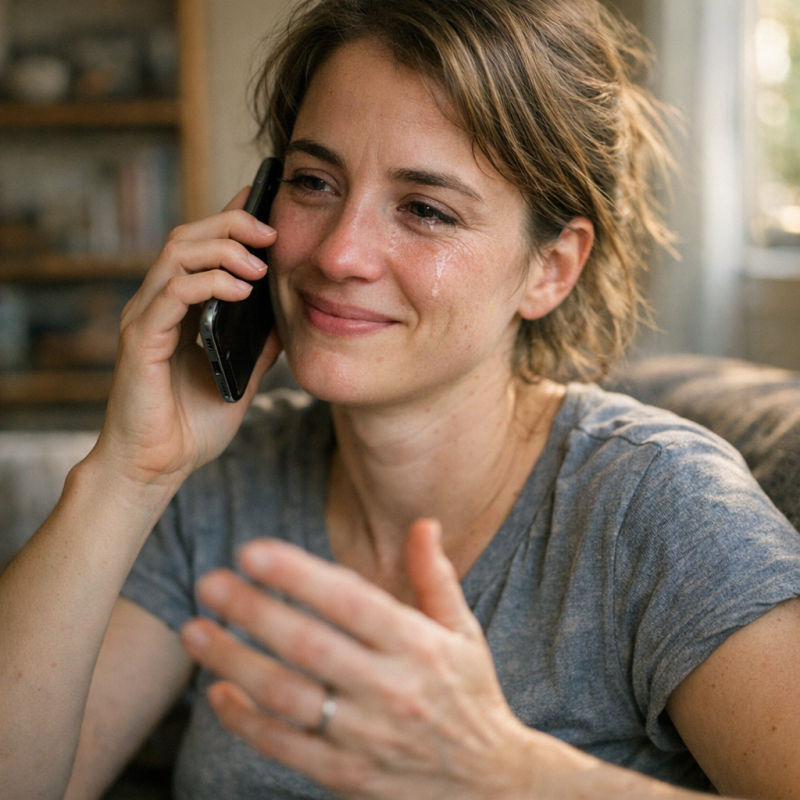 Image by FCT AI
The Cost
But I didn't feel triumphant. I felt exhausted. Bone-deep, soul-tired exhausted. We'd won, I guess. Richard was exposed, isolated, defeated. The family was starting to heal. People believed us. But I couldn't stop thinking about what it had cost. The months of stress. The nights I'd spent crying or unable to sleep. The way my body still tensed every time my phone buzzed. The twins we'd lost, and how Richard had weaponized that grief. The relationships that were damaged beyond repair. The innocence we'd lost about family, about trust, about how cruel people could be to each other. Was it worth it? I honestly didn't know. I sat on our couch that night, staring at nothing, and Daniel came and sat beside me. He didn't say anything at first, just held my hand. 'I don't know if I'm okay,' I said finally. 'I know,' he said. 'But at least we're free now. Really free, for the first time.' Daniel held me and said that at least now we were free—really free—for the first time.
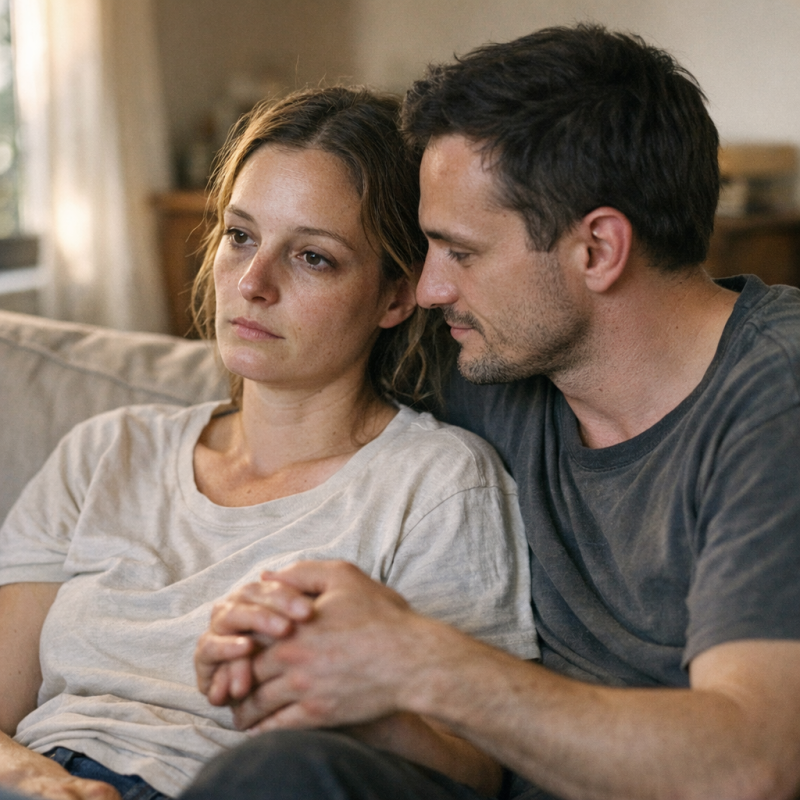 Image by FCT AI
The Last Message
The next morning, Richard finally broke his silence. But he didn't send the message to us. He sent it to the family group chat that we'd been removed from months ago—except someone immediately forwarded it to us. It was long. Rambling. Incoherent in places. He claimed we'd 'orchestrated a campaign of lies' and that he was the 'real victim' of family persecution. He accused Linda of betrayal, Daniel's mother of 'always favoring' him, and various family members of being 'sheep' who couldn't think for themselves. He brought up decades-old grievances. He contradicted himself multiple times. He made wild accusations that made no sense. And then, bizarrely, he included a bulleted list of 'evidence' that was just... screenshots of his own past messages, presented as if they proved something other than exactly what we'd said they proved. It was unhinged. Desperate. Self-defeating. People started replying in the chat, and the tone was no longer defensive of him—it was concerned, uncomfortable, even frightened. Even those who had wanted to give him the benefit of the doubt couldn't ignore how unhinged he sounded.
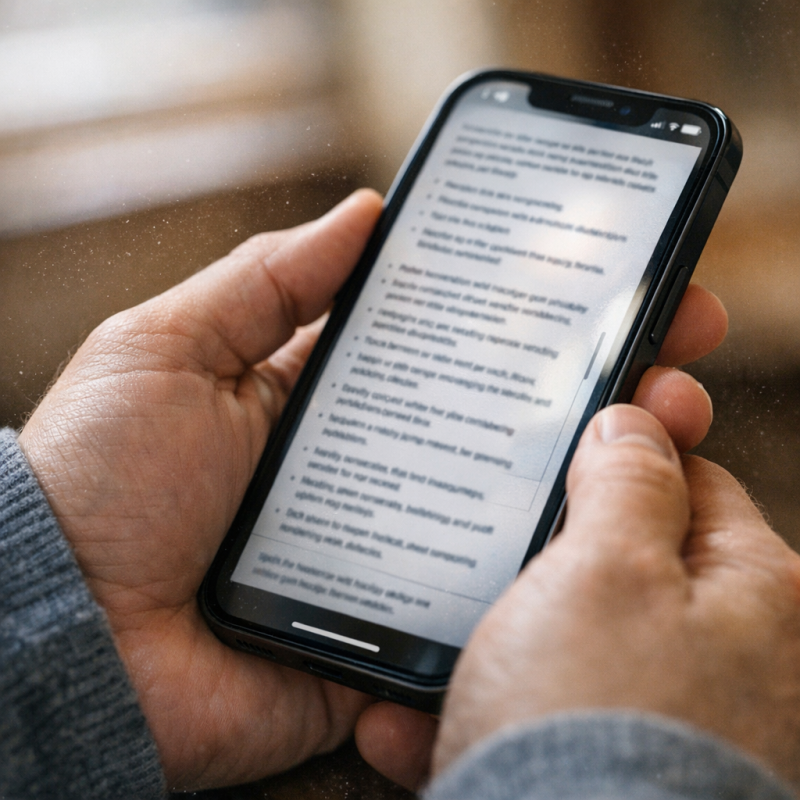 Image by FCT AI
Isolation
Within days, Richard was completely isolated. No one in the family would speak to him. His phone went unanswered. His messages sat unread. The people who'd defended him, who'd made excuses for him, who'd tried to smooth things over—they all went silent. Some blocked him outright. Others just... stopped responding. His social circle evaporated like it had never existed. The neighbors who used to chat with him at the mailbox suddenly had places to be. The guys from his poker group stopped inviting him. Even the people at his church—his church, where he'd positioned himself as this pillar of morality—started giving him the cold shoulder. We heard through Daniel's mother that he'd tried showing up to a family birthday party uninvited, and the host literally asked him to leave. He stood there for a moment, apparently expecting someone to defend him, to say he was being treated unfairly. No one said a word. He left. And honestly? I felt this weird mix of satisfaction and sadness watching it happen. The man who had spent years manipulating everyone around him was finally alone with the consequences of his actions.
 Image by FCT AI
Moving Forward
In the weeks that followed, Daniel and I focused on healing. From the loss of the twins. From years of manipulation we hadn't fully recognized until it was over. From the exhausting battle that had consumed our lives for months. We started therapy together—real therapy, not just venting to each other at midnight. We talked about everything. The grief that still hit us in waves. The anger at how Richard had weaponized our most painful moment. The guilt we both felt for not standing up to him sooner. Our therapist was this kind, sharp-eyed woman who didn't let us get away with minimizing anything. She made us sit with the hard stuff. And slowly, painfully, we started to untangle ourselves from the damage. We took walks without talking about Richard. We had dinners where we actually laughed. We started making plans that weren't about strategy or defense. It wasn't easy. Some days I still found myself bracing for the next attack, the next cruel comment. But gradually, the tension started to ease. For the first time in what felt like forever, we weren't carrying the weight of Richard's shadow.
 Image by FCT AI
Rebuilding
We started rebuilding relationships with family members who had been caught in Richard's web. Daniel's cousins reached out, apologizing for staying silent. His aunt called to say she'd always known something was off but hadn't known how to address it. Even distant relatives began opening up about their own experiences with Richard—the subtle putdowns, the manipulation, the way he'd isolated people from each other over the years. It was like everyone had been holding their breath, and now they could finally exhale. We had coffee with Daniel's mother and actually enjoyed it. We went to a family barbecue and didn't spend the whole time on edge. Sarah came by one afternoon with Amy, and we all ended up sharing stories about the toxic people we'd had to cut out of our lives. 'You know what this is?' Sarah said, gesturing around the room with her wine glass. 'This is like a support group for Richard's victims.' We all laughed, but she wasn't entirely wrong. There was something healing about realizing we weren't alone in this, that other people understood exactly what we'd been through. Sarah joked that we had accidentally created a support group for Richard's victims, and she wasn't entirely wrong.
 Image by FCT AI
The Untouched Mugs
One morning, I finally put away those two coffee mugs. The ones I'd bought when we found out we were having twins. The ones that had been sitting in the back of the cabinet for months, untouched, too painful to look at but too meaningful to get rid of. I held them for a moment, running my thumb over the smooth ceramic. The grief was still there—it would always be there. But it didn't crush me the way it used to. Daniel came into the kitchen and stopped when he saw what I was doing. He didn't say anything, just put his hand on my shoulder. I wrapped the mugs carefully and put them in a memory box with the ultrasound photos and the tiny hospital bracelets. Not throwing them away. Not forgetting. Just... making space to move forward. The twins would always be part of our story. They'd always matter. But they didn't have to be the end of our story anymore. And Richard? Richard would never have power over us again. That chapter was closed. Permanently. The twins would always be part of our story, but they didn't have to be the end of it—and Richard would never have power over us again.
 Image by FCT AI