The Smile That Warned Me
I've been doing this job for fifteen years, and you develop a sixth sense about certain customers. The moment I approached Table 12, I felt it—that slight shift in the air when someone's already decided they know more than you. Victoria was studying the wine list like it was a legal document, her finger tracing down the Burgundy section. I introduced myself, offered my assistance, and she looked up with this perfectly composed smile. 'I'm looking for something elegant,' she said. 'Perhaps the 2015 Gevrey-Chambertin?' I suggested. Her smile didn't waver. 'Are you sure that's what you'd recommend? I was just in Napa last month, and they told me French wines are overrated at this price point.' Her voice wasn't loud, but it carried. The entire table—maybe six women total—went quiet. Jennifer, sitting to her right, set down her water glass. I remember thinking this was just another confident amateur, the kind who'd taken one winery tour and thought they'd unlocked some secret knowledge. I kept my voice steady and explained the difference between California and Burgundy terroir. But her friends leaned in, waiting—and I realized this wasn't just about wine anymore.
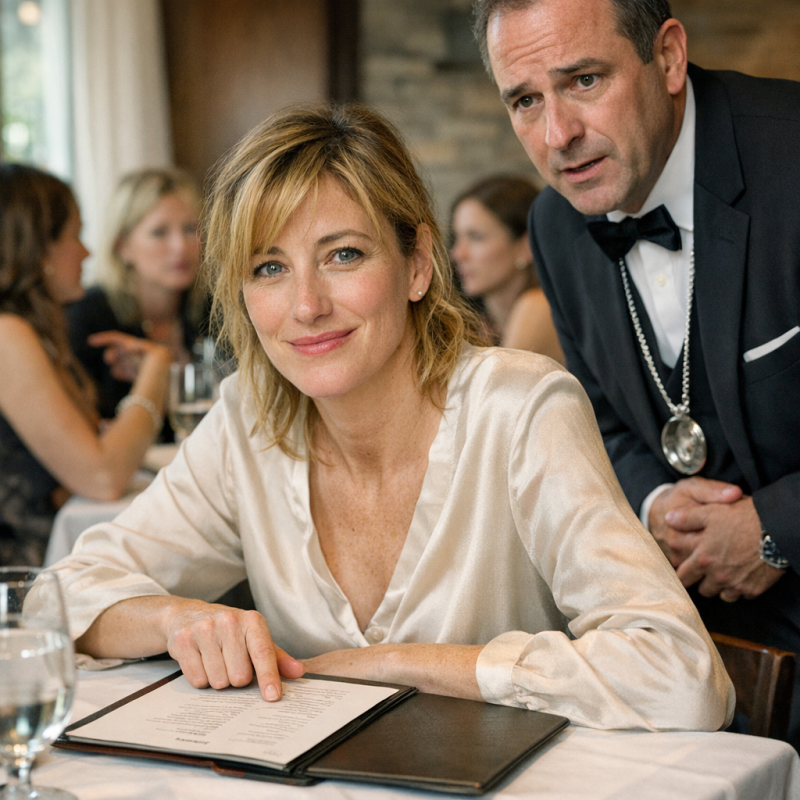 Image by FCT AI
A Decade of Difficult Guests
Look, I get it. Wine intimidates people, and the internet's made everyone an expert on everything. In my decade at Marchand & Stone, I've dealt with countless guests who confused confidence with knowledge. They'd read some blog post about 'buttery Chardonnays' or watched a documentary about natural wines and suddenly they're ready to debate appellations they can't pronounce. Most of the time, I don't mind. It's actually part of the job I enjoy—gently guiding someone toward understanding without making them feel stupid. Marcus, our senior server, calls it 'the dance.' He's seen it all, been in this business longer than I have. That night, during pre-service, he'd actually warned me about a 'vibe' he was getting from the dining room. 'Someone's gonna be a problem tonight,' he'd said, adjusting his tie. I'd laughed it off. We work in a decent place—upscale but not stuffy, the kind of restaurant where people celebrate promotions and anniversaries. Our guests usually trust us. They come here because they want guidance, not confrontation. But something about her tone told me she wasn't like the others.
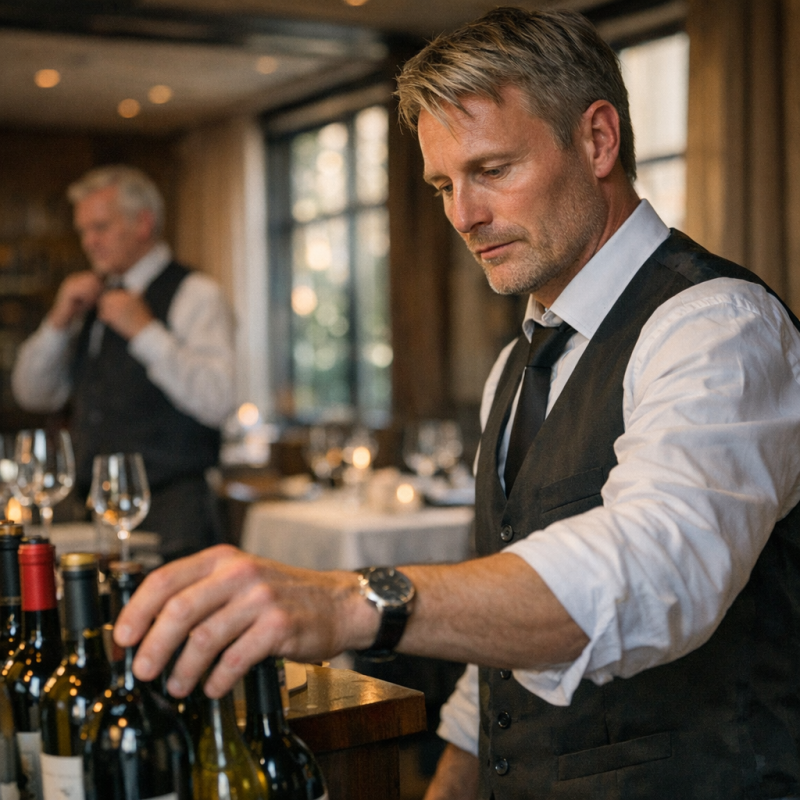 Image by FCT AI
The Warning Look
Elena caught me at the service station right before I headed back to Table 12 with bread service. She's only been with us about eight months, still learning wine beyond the basics, but she's sharp about reading people. 'Hey,' she said quietly, glancing toward the dining room. 'Just so you know, that table—twelve? The woman in the navy blazer was asking me about you before you came over.' I paused, setting down the basket. 'Asking what?' Elena shrugged, but there was something in her expression. 'Your background, how long you've worked here, if you had any formal certification. I told her you're our head sommelier, but she just... I don't know. She had this look.' I felt a small flutter of unease, though I couldn't say why. People occasionally asked about credentials—it's not that unusual. Maybe she was impressed, wanted to know more. Or maybe she was laying groundwork for something else. Elena touched my arm briefly. 'Good luck,' she whispered—and I wondered what she'd already heard.
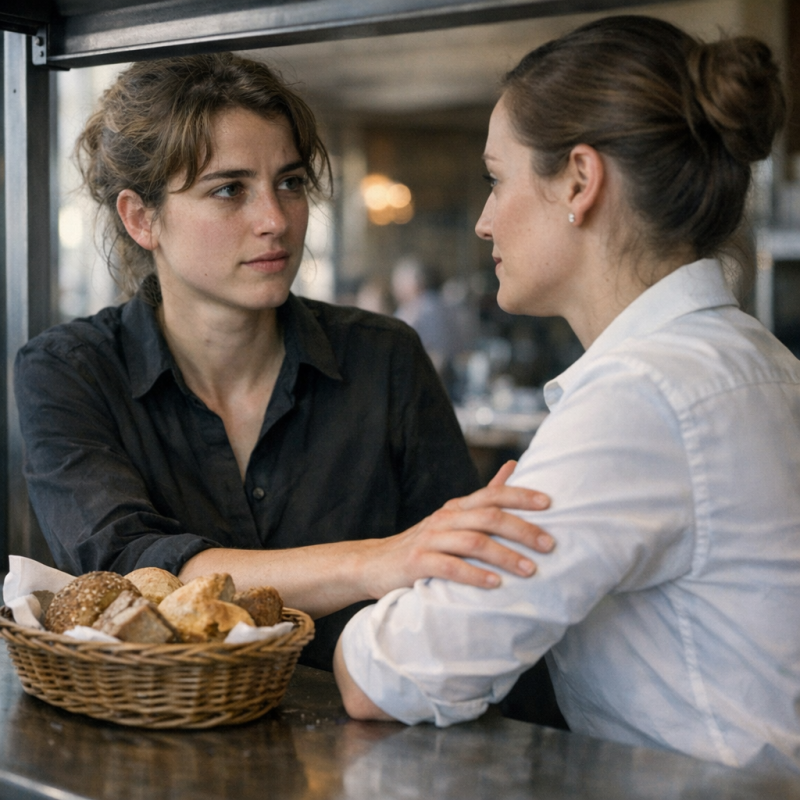 Image by FCT AI
The Napa Badge
I returned to Table 12 with what I thought was a safe recommendation: a beautiful Crozes-Hermitage, well-priced, food-friendly, classic. Victoria listened to my description—the syrah grape, the northern Rhône terroir, the peppery notes—and then she smiled again. That same smile. 'I appreciate the suggestion, Daniel,' she said, using my name like we were colleagues. 'But I have to be honest. When I was touring Napa Valley last month, the sommeliers there told me that French wines in this price range are really just banking on reputation. They said California offers much better value.' She said it so smoothly, so matter-of-factly. Jennifer nodded along, and two other women at the table murmured agreement. I felt my jaw tighten. This wasn't a question or a preference—it was a dismissal dressed up as sophistication. 'I respect that perspective,' I managed, keeping my voice level. 'Though I'd argue terroir and winemaking tradition—' 'Oh, I'm sure you would,' she interrupted gently. Her friends chuckled—not cruelly, but enough to sting.
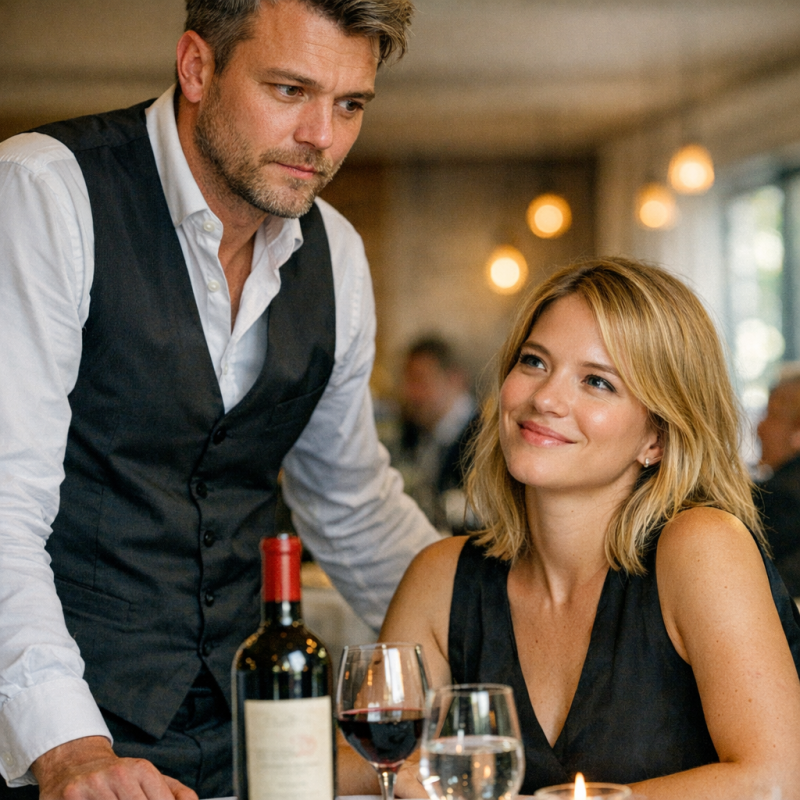 Image by FCT AI
The Manager's Eyes
From across the dining room, I saw Simon watching. Our restaurant manager doesn't usually hover during service—he trusts his staff, stays in the background unless there's a problem. But he was standing near the host stand, arms crossed, his attention fixed on Table 12. I couldn't read his expression from that distance. Was he concerned about the interaction? Annoyed that I was spending too much time at one table? Preparing to back me up if things escalated? Simon and I have a good working relationship, but management always has different priorities. They think about reviews, about repeat business, about not making waves. A sommelier can be replaced easier than recovering from a bad Yelp review. I felt suddenly, acutely aware of how this must look to him: me, engaged in what probably appeared to be an argument with a guest, taking up valuable time during a busy Friday service. He caught my eye and gave a small nod—but I couldn't tell if it meant support or warning.
 Image by FCT AI
Every Suggestion Challenged
I tried three different approaches after that. First, I suggested a Spanish Rioja—different country, different style, excellent value. Victoria tilted her head. 'Too rustic for what we're having, don't you think?' Then I offered a local Virginia wine, thinking maybe she'd appreciate supporting regional producers. 'I prefer European quality standards,' she said simply. Finally, almost desperately, I recommended a Pinot Noir from Oregon, splitting the difference between Old and New World. She actually laughed—not meanly, but dismissively. 'Daniel, I think maybe you're overthinking this. We'll just have the house Chardonnay.' Each time, Jennifer and the others watched her, watched me, this little performance playing out in real time. Each rejection felt more deliberate than the last. I'm trained to read guests, to understand preferences and guide choices. But this wasn't about preferences. She wasn't disagreeing because she knew what she wanted—she was disagreeing because that was the point. It wasn't just disagreement—it felt like a performance, and I was the prop.
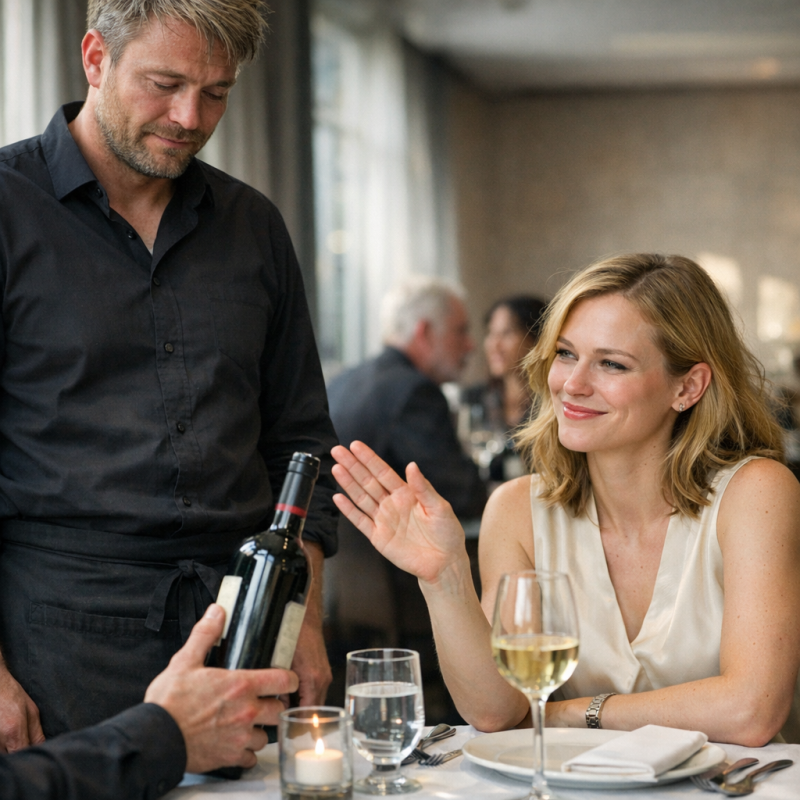 Image by FCT AI
The Question of Credentials
Then came the question I'll never forget. Victoria set down her menu, looked directly at me, and asked: 'Daniel, are you actually trained in wine? Formally, I mean?' The table went completely silent. Even the ambient noise of the dining room seemed to recede. I felt heat rising to my face. 'Yes,' I said, keeping my voice steady though my heart was pounding. 'I'm a certified sommelier through the Court of Master Sommeliers. I've been—' 'Oh, I'm sure you're very knowledgeable,' she interrupted, waving her hand. 'I just mean, you know, actually trained. Like, did you study in France? Or work harvests? I only ask because your recommendations seem a bit... textbook.' Jennifer smirked into her napkin. Another woman actually giggled. It was the kind of question designed to undermine, to plant doubt not just in my mind but in everyone else's. My credentials were hanging on the wall by the host stand—literally framed and displayed. But that didn't matter now. The laughter that followed wasn't loud—but it echoed.
 Image by FCT AI
The Service Station Retreat
I excused myself—professionally, gracefully—and walked to the service station. My hands were shaking slightly. Rachel was there polishing wine glasses, and she looked up when I arrived. She didn't ask what happened. She'd probably watched the whole thing from her section. Instead, she just gave me this sympathetic look and kept polishing, standing beside me in silent solidarity. 'You okay?' she finally asked. I nodded, not trusting my voice yet. The thing is, I had options. I could let it go, chalk it up to an impossible customer, let her order the house Chardonnay and move on with my night. That would be the professional thing, the smart thing. Or I could do something else. I could go back to that table and prove, definitively, that I knew exactly what I was talking about. That her Napa credentials meant nothing compared to my years of study and experience. But how? I took a deep breath, my mind already turning. I had a choice: let it go, or find another way.
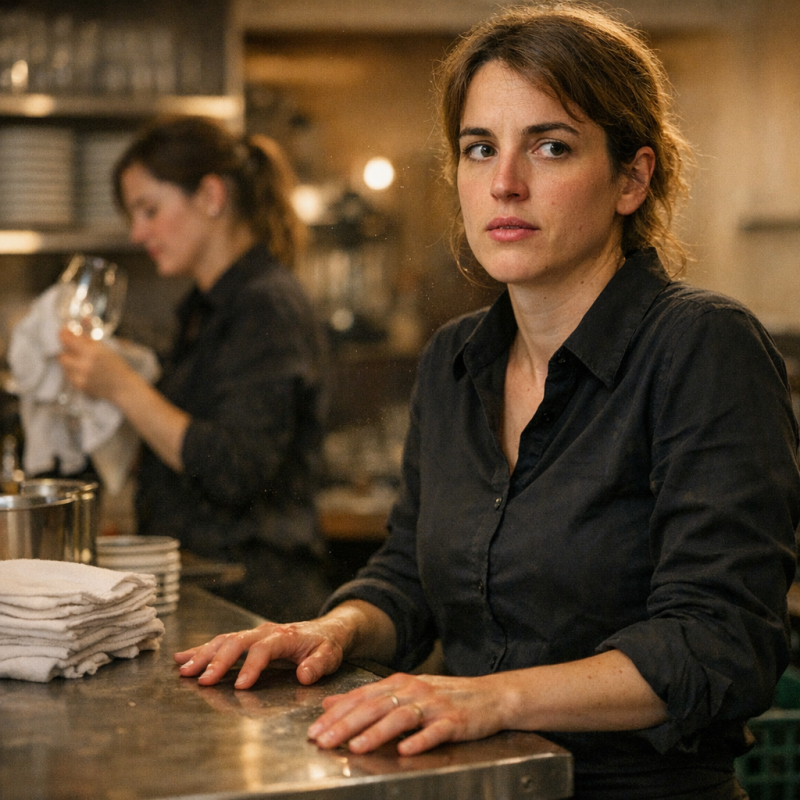 Image by FCT AI
The Ticket History
I walked to the bar terminal where we tracked all drink orders. Rachel had moved to help another table, so I was alone when I pulled up Table 12's ticket history. I needed to see exactly what Victoria had ordered, when she'd ordered it, and from whom. The screen loaded slowly—our system was ancient, constantly freezing at the worst moments. When it finally came up, I scrolled through the evening's transactions. There it was: one glass of cabernet, ordered at 7:43 PM, before I'd even approached the table. The bartender had rung it in under the bar's standard wine-by-the-glass program. Nothing unusual so far. But then I noticed the modifier note in the order—bartenders used these to track specific requests or clarifications. This one read: 'Guest requested Stags Leap Reserve by name.' My pulse quickened. She'd specifically asked for the reserve before I arrived. I kept reading, checking the pour cost, the inventory code. And that's when I saw the discrepancy.
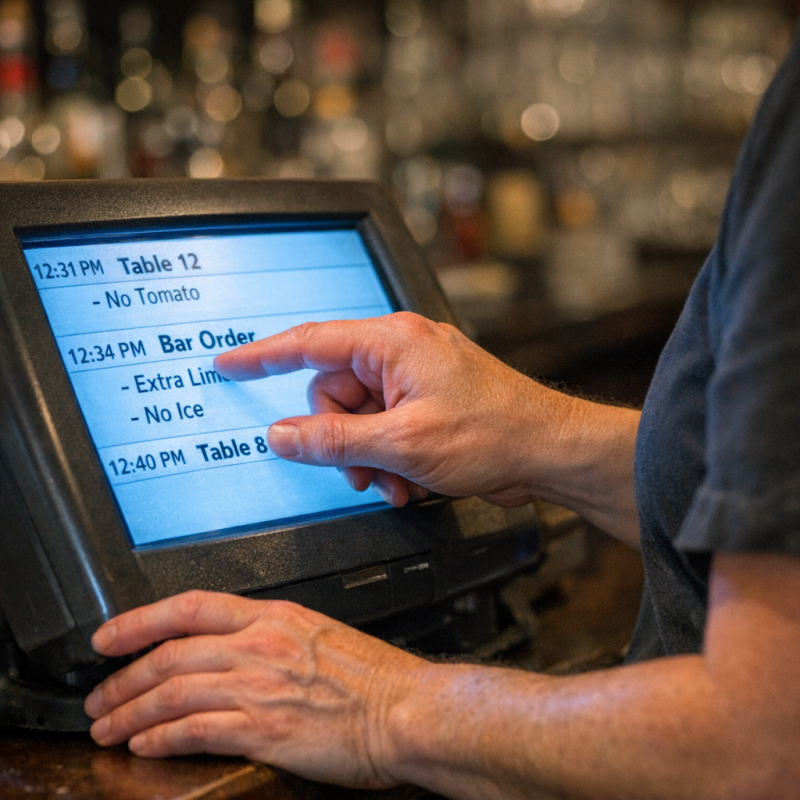 Image by FCT AI
Standard vs. Reserve
The inventory code didn't match. The bar had poured from bottle number SL-CAB-STD, not SL-CAB-RES. Standard, not reserve. I stood there staring at the screen, my mind racing through the implications. This wasn't malicious—it was just a mistake. Our bar team was good, but we had over two hundred wines in inventory. Similar labels, similar names. Someone had grabbed the wrong bottle in the rush of dinner service. It happens. But Victoria had been drinking the standard cabernet this entire time while insisting she could taste the reserve's characteristics. Every confident declaration she'd made, every condescending correction, every dismissive wave of her hand—all of it based on a wine she'd completely misidentified. I felt something shift in my chest, a kind of cold clarity settling over my earlier frustration. This wasn't about revenge or proving a point anymore. This was about a simple correction, a professional obligation to ensure guests received what they ordered and paid for. She'd been wrong the entire time—and didn't even know it.
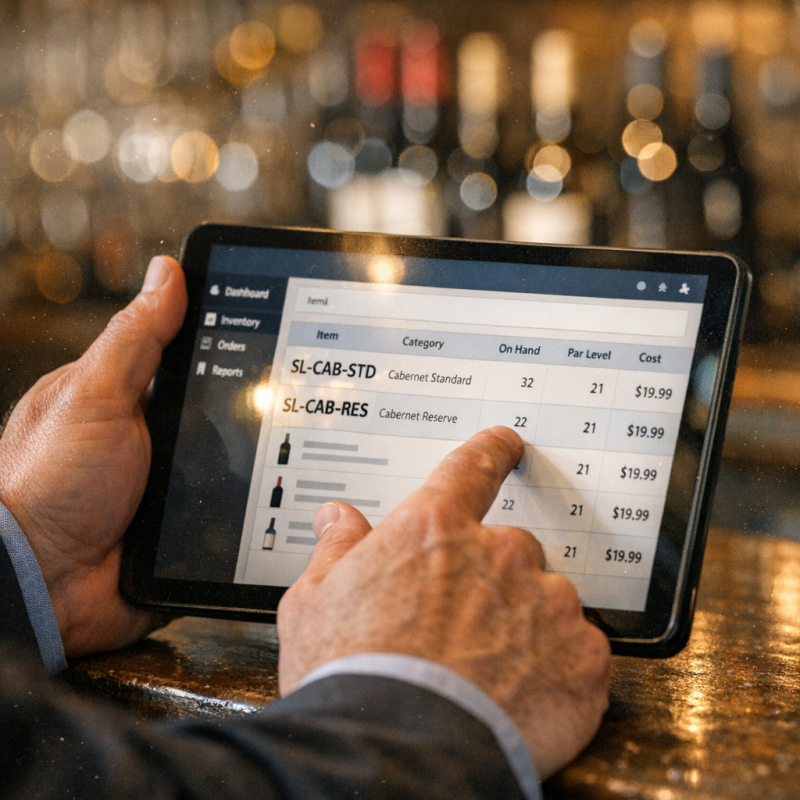 Image by FCT AI
The Return with Confidence
I went to our reserve wine storage—the locked cabinet where we kept our premium bottles—and retrieved the actual Stag's Leap Reserve. The label gleamed under the service lights, the 'Reserve' designation clearly visible in elegant script. I checked the vintage, the seal, everything. This was the real thing. I took a clean glass from the polishing station and carried both items back through the dining room. My heart was beating faster now, but my hands were steady. Professional. Helpful. Just a sommelier correcting an honest mistake and ensuring guest satisfaction. That's all anyone watching would see. I approached Table 12 with the bottle held properly, label facing outward so Victoria could read it from her seat. Her conversation with Jennifer faltered when she noticed me returning. The other women at the table glanced up with varying degrees of curiosity and wariness. I maintained a pleasant, neutral expression—the kind I'd perfected over years of dealing with difficult situations. I set the bottle down gently in front of Victoria, and her eyes followed it like prey.
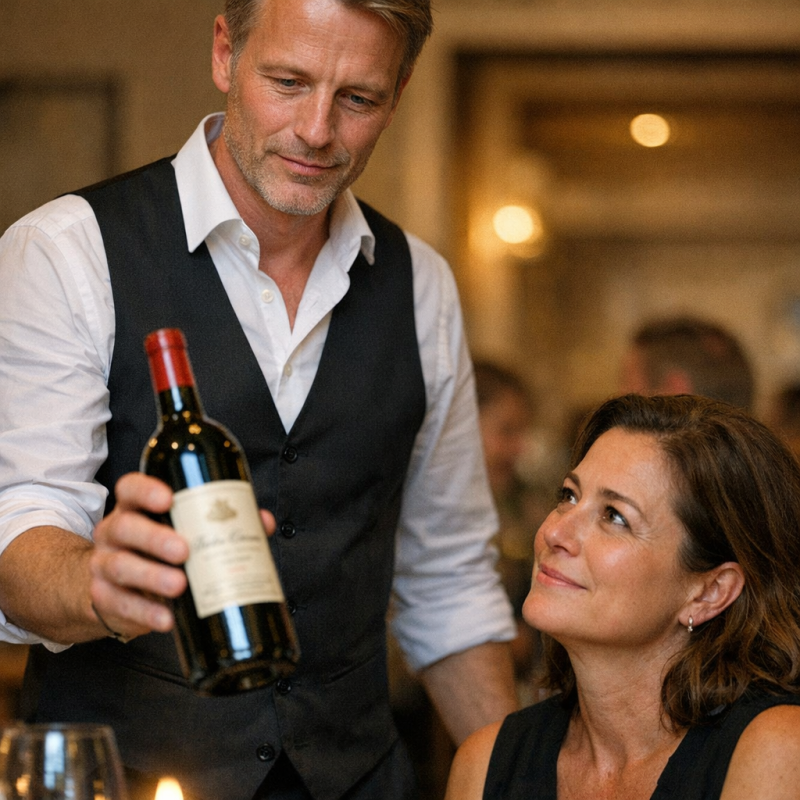 Image by FCT AI
The First Taste
I poured a small taste into the clean glass, the proper amount for evaluation. 'I wanted to ensure you had the correct wine,' I said simply, gesturing to the bottle. 'This is the reserve you originally requested.' Victoria's eyes narrowed slightly, but she picked up the glass. She swirled it, performing the same ritual she'd done earlier with exaggerated precision. Her friends watched her, waiting for another pronouncement of expertise. She brought the glass to her nose, inhaled. I saw it then—the微小 flicker of confusion that crossed her face before she controlled it. She tasted, held the wine in her mouth, swallowed. The silence at the table stretched for three, maybe four seconds. That's an eternity in a conversation. 'This is much better,' she finally said, setting down the glass with a decisive nod. Her tone was still authoritative, still confident, but I caught the slight edge of uncertainty underneath. She didn't understand why it was different, only that it was. And I knew I had her.
 Image by FCT AI
The Gentle Correction
I maintained my professional smile. 'I'm glad you can taste the difference,' I said, keeping my voice measured and courteous. 'The glass you had earlier was actually our standard Stag's Leap cabernet. The bar made an understandable mistake during the dinner rush—similar labels, easy to confuse in low light.' I gestured to the reserve bottle. 'This is the reserve you requested by name when you first arrived. As you noted, there's quite a difference in complexity and finish.' I let the words hang there, simple and factual. No accusation, no sarcasm, no edge. Just information. Just a sommelier doing his job. But everyone at that table understood exactly what I was saying. Victoria had spent the last twenty minutes critiquing a wine she'd completely misidentified, lecturing me about characteristics that didn't exist in what she'd been drinking, insisting with absolute certainty that she was tasting the reserve when she wasn't. The table went silent, and all eyes turned to her.
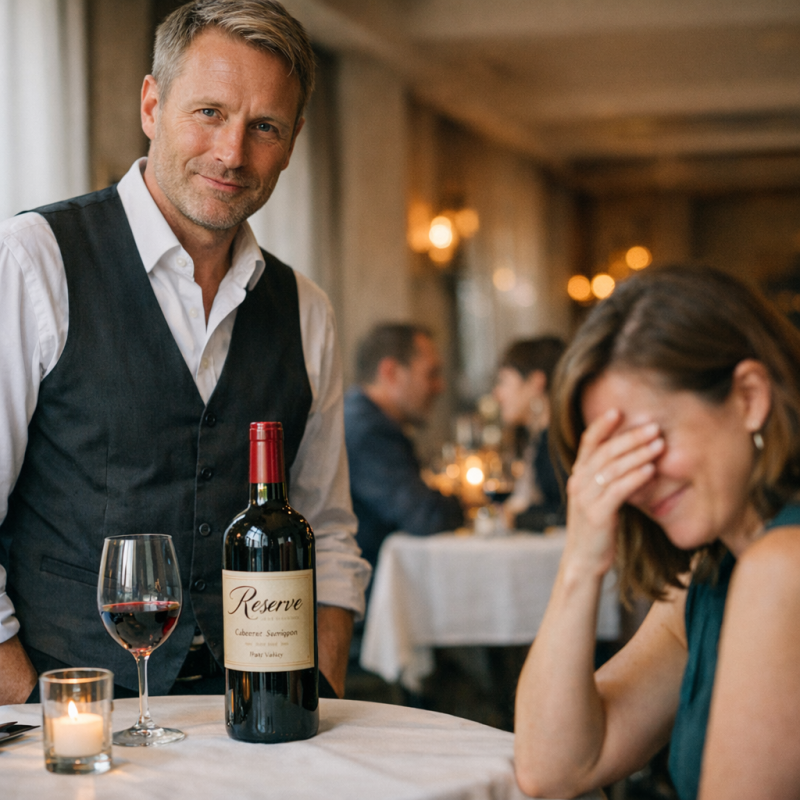 Image by FCT AI
The Table Turns
Jennifer reached for the reserve bottle, examining the label. Another woman—I think her name was Susan—picked up Victoria's glass and tasted it herself, then reached for her own glass of the standard pour that was still on the table from earlier. The comparison was happening right there in front of me. 'Oh wow, these are really different,' Susan said, looking between the two glasses with genuine surprise. 'The reserve is much more structured.' Jennifer nodded slowly, still studying the bottle. 'The tannins are completely different.' I stood there, hands clasped professionally in front of me, saying nothing. I didn't need to. Victoria's face had gone carefully neutral, but I could see the calculations happening behind her eyes. She was trapped between doubling down and admitting error, neither option particularly appealing. Then Jennifer asked the question I'd been waiting for, the one that landed like a stone in still water: 'Didn't you say they were the same earlier?'
 Image by FCT AI
The Professional Exit
Victoria opened her mouth, closed it, then managed something about the first glass being 'off' somehow, possibly oxidized or served at the wrong temperature. The explanation came out rushed, defensive, completely lacking her earlier confidence. I nodded politely, as if that made perfect sense. 'Of course. Wine service can be quite variable,' I said, all professional courtesy. 'I'll make sure the reserve is noted on your bill—no charge for the confusion earlier.' I didn't wait for a response. I'd done what I came to do: corrected an error, ensured guest satisfaction, maintained absolute professionalism throughout. That's the story anyone watching would tell. I gave a small nod to the table and turned away, my movements unhurried, my posture relaxed. Behind me, I could hear Victoria starting some explanation to her friends, her voice slightly too loud, too emphatic. Someone made a noncommittal sound. As I walked away, I heard someone whisper, 'Wow.'
 Image by FCT AI
The Quiet Victory
Back at the service station, Elena caught my eye from across the floor and gave me a subtle thumbs-up. She'd been watching. Marcus appeared from the kitchen with a knowing grin, the kind veteran servers share when they've witnessed a legendary customer interaction. 'Clean,' he said simply, patting my shoulder as he passed. Rachel returned to polishing glasses beside me, and I could feel the satisfied energy radiating from our little corner of the restaurant. I'd handled it perfectly—professionally corrected an error, educated a difficult guest, maintained absolute composure throughout. This was the kind of thing we'd laugh about in shift drinks for weeks. Elena came over during a lull and squeezed my arm. 'That was masterful,' she whispered. I felt good, vindicated, proud of how I'd managed the situation. But when I glanced back across the dining room toward Table 12, Victoria was looking directly at me. Her expression was unreadable, controlled, nothing like the flustered woman I'd just left. Something about the way she looked at me as I left made my skin prickle.
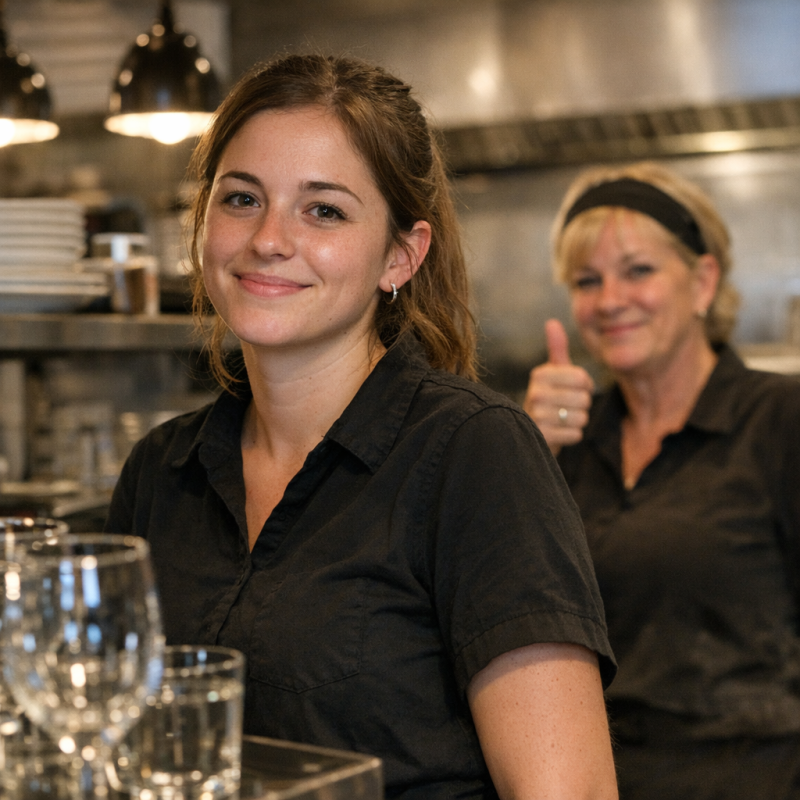 Image by FCT AI
The End of Service
Service wrapped around eleven. The dining room gradually emptied, tables turning over in the usual choreographed chaos of a busy night. I was in the wine cellar organizing inventory when I realized Table 12 must have settled up and left. I hadn't seen them go. When I came back upstairs, their table was already reset, fresh linens and everything. Rachel was counting her tips at the service station. 'Your difficult table left about twenty minutes ago,' she said without looking up. I felt this weird mix of relief and anticlimax. No dramatic exit, no final confrontation, no manager summons. They'd just... paid and left. I checked the receipt later out of curiosity. The bill was settled in full, wine included. No tip, which honestly didn't surprise me. No comment card either, nothing written on the credit card slip. Just a signature. But Marcus mentioned something that stuck with me. He'd been clearing their water glasses when they stood to leave, and he said Victoria had looked back toward the sommelier station before walking out. Not angry, not embarrassed. Just this long, measuring look, like she was calculating something. I shrugged it off at the time, figured she was just one of those people who needed the last word, even if it was silent. But something about the way she looked at me as I left made my skin prickle.
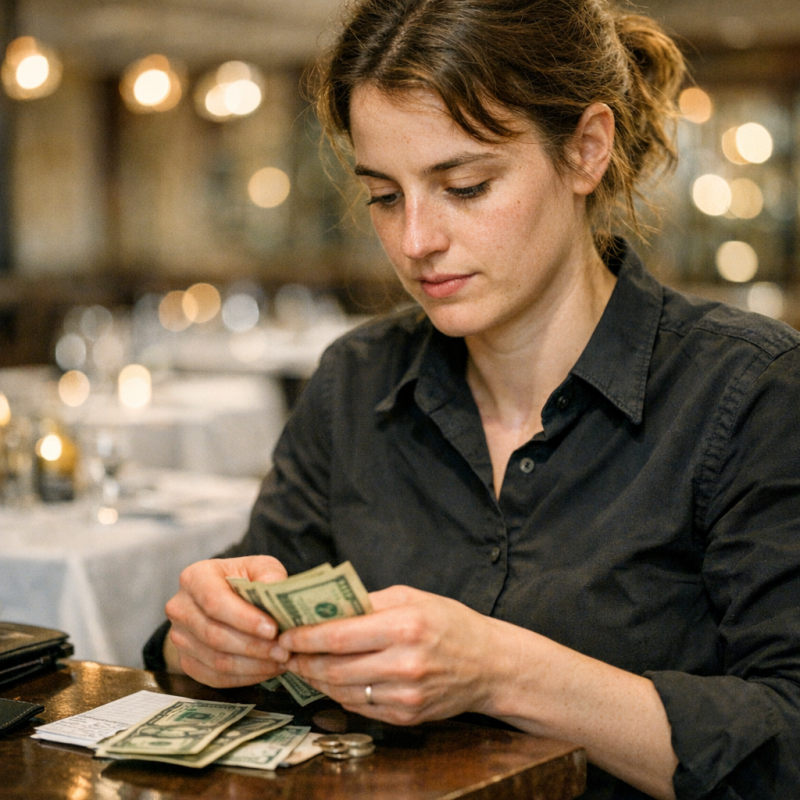 Image by FCT AI
The Morning After
I came in the next day expecting the usual pre-shift routine. You know how it is—check the reservation book, review the evening's wine pairings, maybe grab an espresso before the dinner rush. It was a Tuesday, typically quiet. I was actually in a good mood, still riding the high from handling Victoria so professionally. Elena had texted me that morning with a wine meme about difficult customers, and I'd laughed. The dining room was peaceful in that way restaurants are before service, all clean tables and afternoon light. I was pulling bottles for the evening when I heard Simon's voice behind me. 'Daniel, can I see you in my office?' His tone made me turn around. No smile, no casual greeting. He looked tired, maybe a little stressed, but that wasn't unusual for a restaurant manager. I figured maybe we had a VIP reservation tonight, or corporate was asking about wine inventory costs again. I followed him through the kitchen, nodding at the prep cooks. His office door was already open. He gestured for me to sit, then closed it behind us. The click of that door latch felt louder than it should have. Simon called me into his office before my shift even started.
 Image by FCT AI
The Complaint
Simon sat down heavily and opened his laptop, turning it so I could see the screen. 'We received a formal complaint yesterday evening,' he said. 'From your Table 12 on Saturday night.' I felt my stomach drop. A complaint? About what? I'd corrected a wine error, educated a guest, handled everything by the book. 'She claims you humiliated her in front of her companions,' Simon continued, scrolling through what looked like a detailed email. 'Says you were condescending, made her feel stupid, and created a hostile environment during what was supposed to be a celebration.' I actually laughed—couldn't help it. It sounded absurd. But Simon wasn't laughing. He looked uncomfortable, caught between professional duty and personal loyalty. 'Daniel, she's saying you embarrassed her deliberately, that you corrected her in a way that was designed to make her look foolish.' I started to protest, to explain what actually happened, but he held up his hand. 'I believe you handled it professionally. I know you. But this is detailed, and she's not asking for something small.' He scrolled down further. 'She's asking for a full refund, a written apology, and compensation,' Simon said flatly.
 Image by FCT AI
The Detailed Account
Simon let me read the complaint myself. I had to see it with my own eyes because I couldn't quite believe what he was describing. And there it was—three full paragraphs detailing Saturday night's interaction, timestamp accurate, wine names spelled correctly, even the sequence of events perfectly documented. She described how I'd approached the table 'unprompted' after overhearing her conversation. How I'd 'publicly challenged' her knowledge in front of her guests. How I'd made her feel 'small and foolish' by explaining the difference between Pouilly-Fumé and Pouilly-Fuissé 'as though addressing a child.' She claimed I'd lingered at the table 'to ensure maximum embarrassment,' that I'd spoken loudly enough for neighboring tables to hear, that her companions had been 'visibly uncomfortable' witnessing my 'unprofessional display of superiority.' Every single fact was accurate. I did approach the table. I did correct her. I did explain the difference between the wines. But reading it through her lens, I sounded like an arrogant sommelier who got off on embarrassing guests. The tone was measured, almost sad—like she was reluctantly reporting misconduct rather than attacking me. It was expertly written. Every detail was accurate—except the interpretation.
 Image by FCT AI
The Witness List
I kept reading. Toward the end of the complaint, there was a section I'd initially skimmed past: witness corroboration. Victoria had listed all three of her dining companions by name—Jennifer, Catherine, and Robert. She noted that they were 'willing to provide statements' confirming her account of the incident. My chest tightened. Of course they'd back her up—they were her friends, there to celebrate with her. But then I saw the attachment. Simon clicked it open. It was a scanned document, a formal witness statement on what looked like legal letterhead. Jennifer Something-or-other, the woman who'd laughed the loudest during my wine lesson, the one I'd thought was enjoying the whole interaction. Her statement described my behavior as 'condescending and inappropriate,' said I'd 'clearly enjoyed embarrassing Ms. Victoria,' and that the table had been 'upset and uncomfortable' after I left. She'd signed and dated it. This wasn't just friends backing up a story at dinner. This was coordinated. This was documentation. I looked up at Simon. 'They prepared witness statements?' He nodded grimly. My mind was racing. Who does that? Who gets formal witness statements after a restaurant interaction? Jennifer, the woman who'd laughed the loudest, had signed a supporting statement.
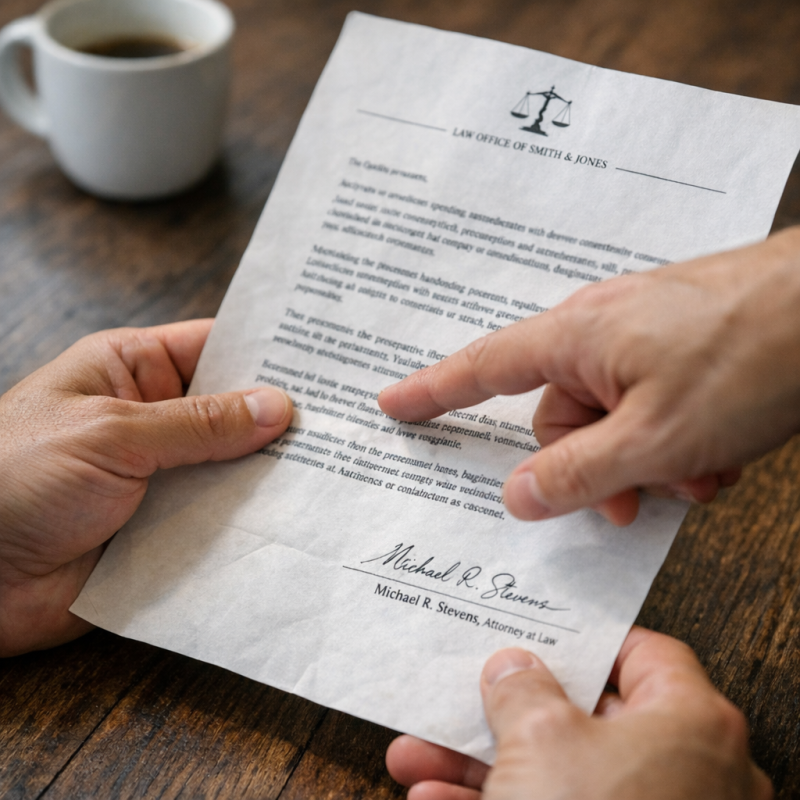 Image by FCT AI
Corporate Gets Involved
Two days later, Simon called me in again. This time he looked worse—actually stressed in a way I'd rarely seen. Restaurant managers deal with complaints constantly, but this was different. 'Corporate received the complaint directly,' he told me. 'Victoria didn't just email us. She sent it to the regional director and copied our legal department.' I felt cold. Legal department? For a wine conversation? 'They're concerned about liability,' Simon continued. 'The witness statements make it look coordinated, like she's building a case. Corporate thinks she might be setting up for legal action.' I couldn't speak. A lawsuit? Over correcting a wine order? Simon ran his hand through his hair. 'Look, I told them you're professional, that I trust your judgment. But they're risk-averse. They see documented complaints, multiple witnesses, and a guest requesting compensation. They're worried about wrongful treatment claims, hostile environment, all that corporate nightmare stuff.' His voice was tight with frustration—not at me, but at the situation. 'They want a full investigation. They're sending someone from HR to interview staff, review camera footage if we have it, document everything.' 'They're saying she might sue,' Simon told me, his voice tight.
 Image by FCT AI
The Defense
That night I sat down and wrote my own account of what happened. I documented everything: the overheard conversation, the misidentification of the wine, my professional approach to the table, the exact words I used during the correction. I explained my reasoning—that leaving a guest to drink the wrong wine would have been worse service than a gentle correction. I noted that Victoria had seemed receptive during our conversation, that there had been laughter at the table, that I'd maintained a friendly, educational tone throughout. I described my years of experience, my training, my track record with difficult guests. I made sure every fact was verifiable, every claim measured and professional. When I finished, I read it back. And that's when I felt the first real flutter of panic. It sounded defensive. It sounded like exactly what someone who'd screwed up would write—technically accurate but missing the emotional reality. Victoria's complaint had narrative flow, emotional weight. Mine read like a wine textbook. Hers painted a picture of a woman humiliated at her own celebration. Mine painted a picture of a sommelier who thought he was right. But as I read it back, I realized how easily it could sound defensive—even petty.
 Image by FCT AI
The Colleague Interviews
Corporate sent someone three days later. A woman from HR named Patricia, professional and unsmiling, set up in Simon's office with a laptop and a legal pad. She interviewed the entire front-of-house staff one by one. Marcus went in first, came out fifteen minutes later looking annoyed but unconcerned. 'Just asked what I saw, what I heard,' he said. 'Told her you handled it perfectly.' Rachel went next, then the other servers. Routine stuff, I told myself. Just corporate covering their asses. Then Elena went in. She was in there for almost thirty minutes. When she came out, her face was pale. She walked right past me toward the staff bathroom, wouldn't make eye contact. I tried to catch her afterward. 'Elena, what happened? What did they ask?' She looked at me, and I could see something in her expression I'd never seen before—worry, maybe fear. 'They asked if you have a pattern of correcting guests publicly,' she said quietly. 'If I'd ever seen you embarrass someone before. They asked if I thought you enjoyed it.' She squeezed my arm quickly, then pulled away. 'I told them the truth, Daniel. I told them you're professional. But they kept asking...' Elena came out of the meeting room looking shaken, and she wouldn't meet my eyes.
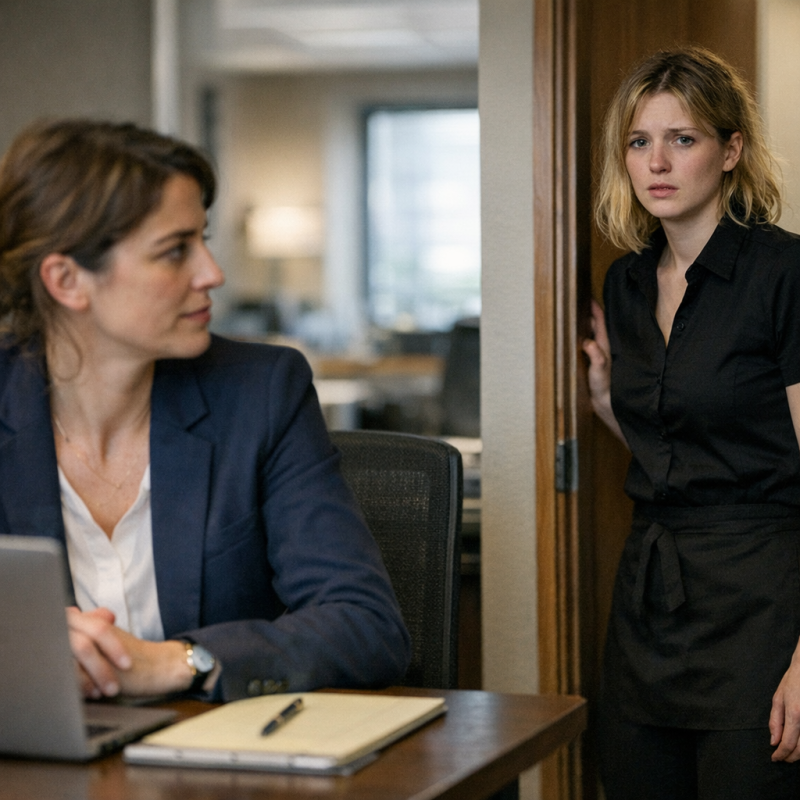 Image by FCT AI
The Settlement Offer
Simon called me into his office two days after Patricia left. He looked like he'd aged five years in seventy-two hours. There were papers spread across his desk, corporate letterhead, legal disclaimers. 'They want to settle,' he said, not meeting my eyes. I felt something cold settle in my chest. 'Settle what? I didn't do anything wrong.' He rubbed his face. 'I know that. You know that. But corporate doesn't want the risk. They've seen the online reviews, the comments. They think this could spiral.' I stared at him. 'So they're just going to pay her off? Admit I did something wrong when I didn't?' Simon looked miserable. 'They're calling it a goodwill gesture. No admission of guilt. Just... making it go away.' The words felt like sandpaper in my throat. 'How much?' He hesitated, then slid a document across the desk. I could see the number highlighted in yellow. 'Five thousand dollars,' Simon said. 'They think it's cheaper than a lawsuit.'
 Image by FCT AI
The Refusal
I pushed the paper back across the desk. 'No.' Simon blinked. 'Daniel—' 'No,' I said again, firmer this time. 'I'm not agreeing to this. I did my job correctly. I was professional. I will not let them pay someone to lie about me.' He leaned back in his chair, exhaling slowly. 'I understand how you feel. I do. But you need to think about this carefully. If we don't settle, and she does sue, this could drag on for months. Corporate might decide it's easier to just... make changes.' I knew what he meant. Replace the problem. Replace me. 'Then they can replace me,' I said, surprised by how steady my voice sounded. 'But I'm not signing anything that suggests I did something wrong. I'm not doing it.' Simon looked at me for a long moment, and I could see the conflict in his face. He wanted to support me. He also wanted to keep his restaurant running. 'Then we might both lose our jobs,' Simon said quietly.
 Image by FCT AI
The Late-Night Search
I couldn't sleep that night. Kept replaying the conversation with Simon, the look on his face, the corporate paperwork with its sanitized language. Around two in the morning, I gave up and grabbed my laptop. I don't know what I was looking for exactly. Validation, maybe. Proof that I wasn't crazy for refusing to settle. I typed Victoria's name into Google—just her first name and 'sommelier complaint' and 'restaurant.' Nothing came up. I tried different combinations. 'Victoria wine expert Houston.' 'Victoria sommelier dispute.' Still nothing. I switched to social media. Searched Facebook, LinkedIn, Instagram. There were hundreds of Victorias, but none that matched. No profile with her face, no posts about fine dining or wine snobbery or sommeliers who didn't know their Bordeaux. I tried image search with descriptions. I went back through my memory, tried to remember if she'd mentioned where she worked, what she did. Nothing. The internet is supposed to contain everyone these days, right? Everyone has some kind of digital footprint. But Victoria didn't. It was like she didn't exist outside that one dinner.
 Image by FCT AI
The Restaurant Forum
I went deeper. Started looking at restaurant industry forums, the ones service workers use to vent and share horror stories. There's this whole network of hospitality people online, swapping tales about difficult guests, corporate nonsense, kitchen disasters. I'd lurked on these sites before but never posted. Now I was searching through years of threads, looking for... I wasn't even sure what. Patterns. Something. Most of it was the usual stuff—bridezillas, people who send back perfectly cooked steaks, folks who don't understand why a nice bottle of wine costs money. But then I found a smaller forum, more private, where sommeliers specifically gathered. You had to verify your credentials to join. I sent in my certification, waited. Got approved within an hour. Started searching through their complaint threads, their 'worst guest' stories. There were dozens of nightmare scenarios. People who claimed allergies they didn't have, guests who accused servers of theft, customers who threatened reviews unless they got free meals. One thread mentioned a woman who sounded familiar—but the details were vague.
 Image by FCT AI
The Anonymous Tip
The message came through the forum's private system the next morning. No profile picture, username was just a string of numbers. The subject line read: 'About your Houston situation.' My heart rate kicked up. The message was short. 'I saw your post asking about difficult wine customers. I think I know who you dealt with. Or someone very similar. Same playbook—questions, corrections, public humiliation, complaint to management. She's done this before.' I read it three times. My hands were shaking slightly. I typed back: 'Who is this? How do you know?' The response came fast. 'Can't say. Still employed, can't risk it. But I recognized the pattern from your description. The deliberate setup, the witnesses, the whole performance.' I felt something shift in my chest, like a door opening. 'What should I look for?' I wrote. The cursor blinked. Nothing. Then, finally, three lines appeared. 'Check Boston, 2019,' the message said. 'Same game.'
 Image by FCT AI
The Boston Connection
I spent the entire next day off searching Boston restaurant news from 2019. Local food blogs, industry newsletters, legal notices. Nothing obvious at first. Then I found it buried in a small hospitality trade publication—a brief mention of a settlement between a Back Bay restaurant group and a customer who'd complained about service. The details were sparse, but they mentioned a wine steward. The complaint: unprofessional correction regarding wine regions in front of other guests. My stomach dropped. I dug further, found the restaurant's name, cross-referenced it with the sommelier forum. Found a deleted thread that had been archived by someone. A guy named Marcus—different Marcus—describing almost exactly what had happened to me. The questioning, the confident corrections, the public embarrassment. Even the witnesses who backed her up. He'd been suspended, eventually settled, signed an NDA. The thread ended with him saying he was leaving the industry entirely. I sat back from my laptop, feeling sick. The complaint was nearly identical—different city, different sommelier, same script.
 Image by FCT AI
The Sommelier Network
I found Marcus Chen on LinkedIn. Wine director at a tech company now, corporate events. I sent him a message, kept it vague but clear enough that he'd understand. 'I think we had a similar experience. Houston, recently. Would appreciate any insight you could share.' He responded within an hour. Just one line: 'Can't help you. Sorry.' I wrote back, more detailed this time, explained what happened, how similar it sounded. Asked if there was anything he could tell me, even off the record. His second response came the next day. Longer. More conflicted. 'Look, I sympathize. I really do. What happened to me nearly destroyed my career. But I can't discuss it. Legally, professionally, I just can't.' I tried one more time. 'Was it a woman? Late thirties, blonde, three other people with her?' The pause before his response felt like hours. When it came, it was final. 'I can't talk about it,' he wrote. 'I signed an NDA.'
 Image by FCT AI
The Second City
I couldn't stop. Boston wasn't an isolated incident—it was proof of a pattern. If it happened twice, it happened more. I expanded my search. West Coast restaurants, different years, sommelier complaints, settlements. Seattle came up three days later. Different publication, different restaurant group, but there it was: 2020, a formal complaint against a sommelier at a waterfront restaurant. Guest claimed she was publicly embarrassed when corrected about Willamette Valley pinot noir. The sommelier—a woman this time, maybe mid-forties based on her profile—had been let go. I found her on Instagram. She'd left the industry too, opened a small wine shop in Tacoma. I sent a message. Never got a response. But the article mentioned the complaint had been settled quietly. I made a spreadsheet. Boston, Seattle, Houston. Three confirmed incidents across three years. Three different sommeliers, three different restaurants, but the same core story. Same setup, same execution, same result. Three cities, three sommeliers—and probably more I hadn't found yet.
 Image by FCT AI
The Consultation
I sat across from Oliver, an old friend from culinary school who'd gone into hospitality law instead of restaurants. Smart move, apparently. His office overlooked the harbor, all glass and leather and diplomas that meant he knew what he was talking about. I laid out everything—the complaint, Victoria's behavior, the settlements I'd found. He listened without interrupting, making notes on a yellow legal pad. When I finished, he set down his pen and looked at me with something like pity. 'Daniel, you understand what you're describing, right?' I nodded. 'A pattern. Evidence.' He shook his head slowly. 'You're describing a lawsuit you can't win. Even if everything you're saying is true—and I believe you—you still corrected a guest publicly. You still created the situation she's complaining about.' My stomach dropped. 'But if she planned it—' 'Doesn't matter,' he cut me off. 'You can't prove intent, and her lawyers will say you humiliated a paying customer regardless of motive. Fighting this could cost you everything. Your job, your reputation, your career.' He tapped his pen against the pad. 'She's a professional,' he said. 'And you gave her exactly what she wanted.'
 Image by FCT AI
The Corporate Ultimatum
The call came two days later. Simon's voice was strained, formal in a way that told me he wasn't alone. Corporate was on the line. Regional management, legal department, someone from HR whose name I didn't catch. They'd reviewed the complaint, consulted with their attorneys, assessed the risk. The settlement offer was still on the table. Forty-eight hours to accept. If I refused, they'd have no choice but to terminate my employment. 'We value everything you've brought to the restaurant,' the regional director said, her tone practiced and empty. 'But we have to consider the broader implications.' Simon tried to interject, mentioned my tenure, my awards, but they talked over him. Liability, exposure, precedent. Legal words that meant they'd already made their decision. I was a problem to be solved. I asked what would happen if I could prove a pattern, if I could show this wasn't legitimate. Silence. Then the legal director spoke carefully. 'We're not investigators, Mr. Laurent. We're a restaurant group. This is a business decision.' Forty-eight hours. Accept the settlement, sign the NDA, move on. Or lose everything. 'We can't afford the risk,' they said. 'It's you or the company.'
 Image by FCT AI
The Team Rally
Elena caught me in the wine cellar the next morning. She didn't say anything at first, just handed me a coffee and leaned against the rack of Burgundies. Then Rachel appeared in the doorway, followed by Marcus. They knew. Of course they knew—restaurants are small worlds, and bad news travels faster than good. 'We heard about the ultimatum,' Marcus said quietly. I started to deflect, say it was fine, but Elena stopped me. 'Don't. We're not here for platitudes.' She pulled out her phone, showed me a group chat I hadn't known existed. Sommeliers from restaurants across the city, all discussing the complaint, sharing stories. Some had heard rumors. Others remembered similar situations from their own careers. 'You're not fighting this alone,' Rachel said. 'We've been asking around, quietly. And we're finding things.' Marcus nodded. 'Names, dates, details that match what you told us. There are people who want to help.' I felt something crack in my chest—not breaking, but opening. I'd been carrying this weight by myself, convinced I had to. 'We're sommeliers,' Elena said. 'We have our own network.'
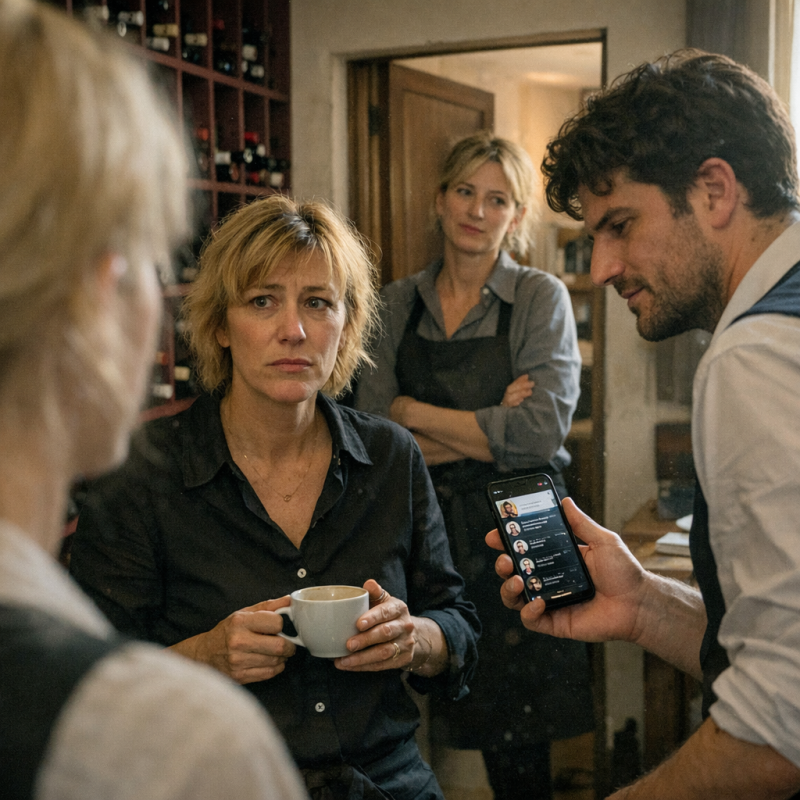 Image by FCT AI
The Deep Dive
We worked through the night, the four of us crowded around my kitchen table with laptops and legal pads and too much coffee. Elena had contacts in Seattle, Portland, San Diego. Marcus knew people in Chicago and New York. Rachel reached out to former colleagues scattered across the country. Slowly, methodically, the pattern emerged from fragments into a complete picture. A complaint in Philadelphia, 2019. Another in Nashville, 2021. Denver, Austin, Charlotte. Each one following the same script—guest makes incorrect statement about wine, sommelier corrects them, complaint follows claiming public humiliation. Each one settled quietly. Elena found court records Marcus tracked down restaurant industry message boards where terminated sommeliers had vented anonymously. Rachel discovered settlement amounts through her connection at a hospitality insurance company. By three in the morning, we had a spreadsheet that made my blood run cold. Seven cities. Nine sommeliers. All within the past five years. Every single one had been either fired or forced to resign. Every settlement included an NDA. The amounts varied, but the outcome was always the same. Victoria walked away with money. The sommelier walked away with nothing. Seven cities. Nine sommeliers. All settled quietly.
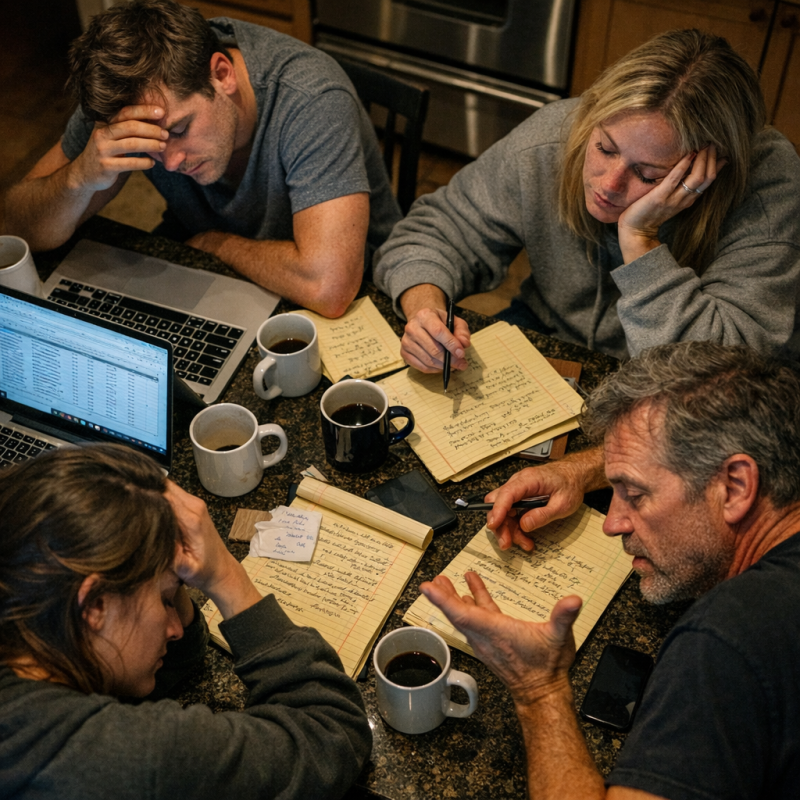 Image by FCT AI
The Witness Profiles
Marcus found it two days before my deadline. He'd been cross-referencing names from the complaints, looking for connections I'd missed. I was in the cellar doing inventory when he called, his voice tight with something between excitement and anger. 'Daniel, you need to see this.' He sent me screenshots. Philadelphia, 2019—complaint filed by Victoria, witnessed by 'friends' Diane Chen and Robert Morrison. Seattle, 2020—Victoria again, with witnesses Diane Chen and Patricia Walsh. Houston, 2021—Victoria, Diane Chen, Robert Morrison. The same names, appearing in complaint after complaint across different cities, different years. I felt sick. These weren't random friends joining her for dinner. These were people who traveled with her, who participated in whatever this was. Marcus kept sending files. Boston—Morrison and Walsh. Charlotte—Chen and Walsh. Denver—all three. 'I ran background checks,' Marcus said. 'Chen works in insurance fraud investigation. Morrison's a paralegal. Walsh has a marketing degree and no visible employment history.' My hands were shaking. They weren't just witnesses. They were part of it, planned and coordinated. They weren't friends—they were accomplices.
 Image by FCT AI
The Legal Strategy
The new lawyer's office was nothing like Oliver's. No harbor views, no leather furniture. Just a small practice in a converted brownstone, files stacked everywhere, and a woman who looked like she'd fought every battle personally. Catherine Reeves specialized in fraud cases, particularly employment-related schemes. Elena had found her through the sommelier network. I spread out everything we'd compiled—the complaints, the witness patterns, the settlements. Catherine read through it methodically, occasionally making notes, her expression growing sharper with each page. When she finished, she looked up at me. 'This is systematic fraud,' she said flatly. 'Orchestrated, repeated, profitable. If you can prove intent, this isn't just a harassment complaint—it's racketeering.' My heart jumped. 'Can we prove it?' She hesitated. 'The pattern is incriminating. Repeat witnesses, identical methodology, multiple cities. But direct proof of intent? That's harder. We'd need communications, financial records, something that shows planning and coordination.' She leaned back. 'The others settled because they were alone and scared. You have evidence and a team. That changes things.' She paused. 'You'd be the first to fight back,' she said. 'But it won't be easy.'
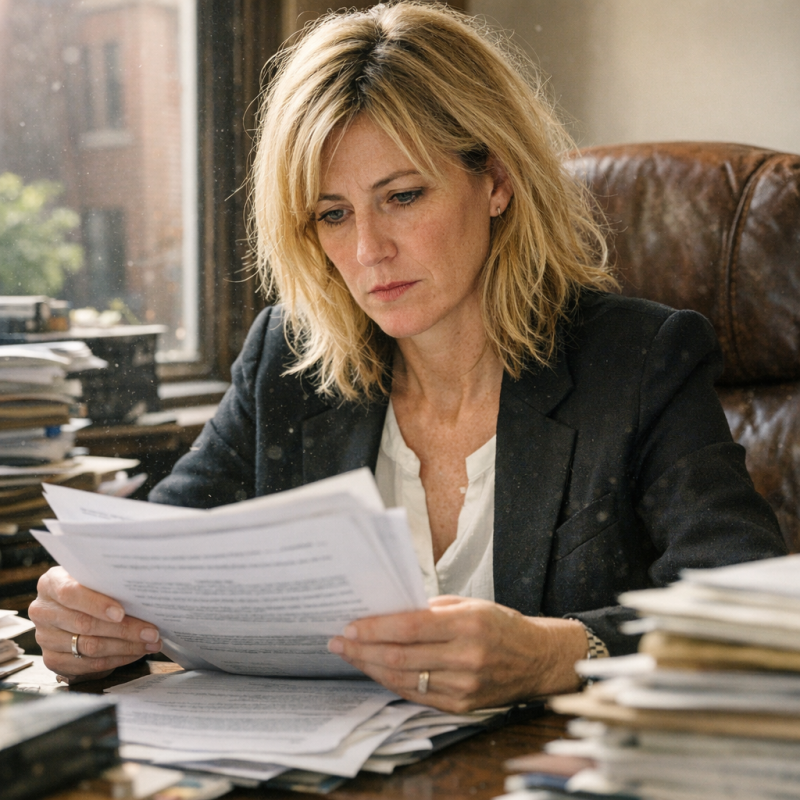 Image by FCT AI
The Media Angle
Rachel made the introduction. She knew a journalist named Michael Torres who'd written extensively about labor issues in the restaurant industry—wage theft, harassment, discrimination. He'd built his career on exposing systems that exploited hospitality workers. We met him at a coffee shop in the North End, somewhere neutral. I was nervous about going public, about what it might mean for the case, but Catherine had agreed it could apply pressure. Torres listened to the whole story, occasionally asking questions, taking notes by hand in a battered notebook. When I showed him the spreadsheet, the witness connections, the settlement patterns, his expression shifted. He stopped being politely interested and became intensely focused. 'How many sommeliers are we talking about?' he asked. 'Nine that we've confirmed,' I said. 'Probably more.' He flipped through his notes. 'And corporate is forcing you to settle?' I nodded. He was quiet for a moment, thinking. Then he looked up at me. 'This isn't just about you. This is about a systematic exploitation of power dynamics in fine dining. People need to know this is happening.' He closed his notebook. 'This is a story,' the journalist said. 'And I want to tell it.'
 Image by FCT AI
The Documentation
Catherine wanted everything documented, organized, irrefutable. We spent the week building the dossier like a legal brief—timeline, evidence, witness statements, financial records where we could find them. Marcus compiled the complaint history with dates and locations cross-referenced. Elena gathered statements from former sommeliers willing to talk off the record. Rachel documented the settlement amounts and corporate responses. I wrote a detailed account of my interaction with Victoria, every moment from the moment she sat down to when she walked out. We included photographs of the wine in question, copies of our wine list with my handwritten notes, text exchanges with Simon from that night. Catherine's paralegal helped us organize it into sections—Background, Pattern Recognition, Witness Analysis, Financial Impact, Corporate Response. The final document was forty-seven pages. It looked official, compelling, incriminating. But when Catherine reviewed it, she tapped one section with her pen. 'This proves pattern. It proves coordination. It strongly suggests fraud.' She looked up at me. 'But pattern isn't the same as proof. Suggestion isn't evidence of criminal intent.' I felt the hope deflate slightly. We had evidence—but still no proof of intent.
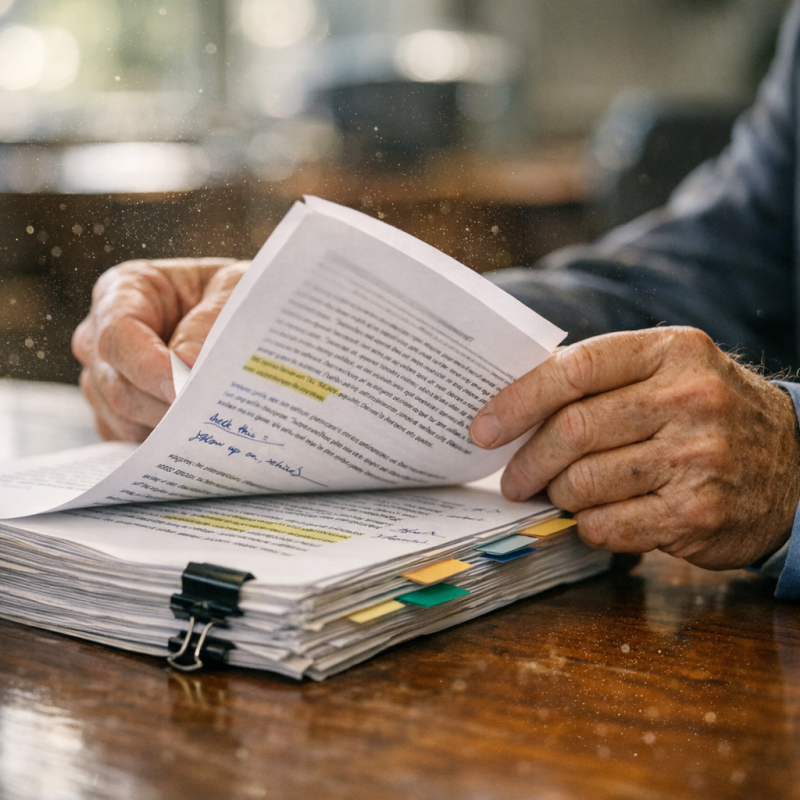 Image by FCT AI
The Deadline Arrives
The corporate deadline arrived on a Tuesday morning at eleven. Simon stood in my office doorway while I stared at the email—one last reminder, one final offer. Fifty thousand, full release, mutual non-disparagement. The subject line read 'Final Opportunity.' I'd spent the night turning it over in my mind, imagining what acceptance would look like. The money would clear my legal bills. The NDA would protect my reputation. I could move on, find another position, pretend this never happened. But Catherine's forty-seven-page dossier sat on my desk—all those other names, all those identical patterns, all those settlements that bought silence instead of justice. Simon didn't say anything. He just waited, hands in his pockets, looking older than I'd ever seen him. I clicked reply, typed three sentences declining the offer and requesting they preserve all documentation for pending legal review. My finger hovered over send for maybe ten seconds. Then I clicked it. Simon exhaled slowly. 'They're going to come after you now,' he said quietly. I told them no—and waited for the consequences.
 Image by FCT AI
The Industry Whispers
Word travels fast in the sommelier world. By that afternoon, three people had texted asking if the rumor was true—that I'd refused a settlement from 'that guest.' By evening, the private Facebook groups were buzzing. Someone posted a vague reference to 'finally seeing someone stand up to the pattern.' I didn't respond to any of it, but the messages kept coming. Former colleagues reaching out with careful language, testing whether I was actually doing what they'd heard. A few shared their own stories—always framed as happening to 'a friend' or 'someone I knew.' The details were eerily familiar. Expensive wines. Accusations of tampering or fraud. Threats of legal action. Quiet settlements. One message came from a sommelier I'd never met, working in Boston. 'I signed an NDA three years ago,' he wrote. 'Different woman, same playbook. I've been carrying this alone.' Another from Seattle. Another from Chicago. All afraid to speak. All watching to see what would happen to me. I'd become something I hadn't intended—a test case for whether fighting back was possible. By morning, I had messages from strangers—other victims, all afraid to speak.
 Image by FCT AI
The Termination
Corporate called me in on Thursday. I knew what was coming before I walked into the office. The regional VP was there with HR and a lawyer I'd never seen before. They used words like 'ongoing legal liability' and 'failure to act in the company's best interests' and 'termination for cause.' The actual firing took maybe four minutes. They'd already boxed up my office. Simon wasn't in the building—they'd scheduled him for an off-site meeting, probably deliberately. I had fifteen minutes to collect my personal items and surrender my keys. The sommelier pin I'd worn for eight years went into a cardboard box alongside my certification frames and a coffee mug Elena had given me. Security walked me out through the kitchen. A few line cooks looked up but nobody said anything. My locker in the staff room was already emptied, my spare clothes folded on the bench. I'd worked there for nearly a decade. Now I was being escorted out like I'd stolen from the register. I sat in my car for twenty minutes just staring at the building. I cleaned out my locker wondering if I'd just destroyed my career for nothing.
 Image by FCT AI
The First Article
The article dropped on Monday morning. The journalist had been working it for weeks—talking to sources, reviewing court records, connecting patterns across multiple cities. The headline read 'The Sommelier Shakedown: How One Guest's Complaints Triggered Dozens of Settlements.' It laid out everything. The identical accusations. The律師's demand letters. The restaurants that paid rather than fight. My case was featured prominently, but I wasn't alone—she'd documented seven other incidents across four states, all following the same script. The article stopped short of calling it fraud outright, but the implication was clear. Social media exploded within an hour. Restaurant industry groups shared it. Sommelier associations posted it. The wine world lit up with people saying they'd suspected something like this for years. By noon, major news outlets were picking it up—Eater, Grub Street, the Times. Victoria's full name was in every version, along with her lawyer's. My phone wouldn't stop buzzing. Text messages. Emails. Reporters requesting interviews. Within hours, it was everywhere—and Victoria's name was in every headline.
 Image by FCT AI
The Backlash
Victoria's response came that evening. Her lawyer issued a statement to the same outlets that had run the article, and it was a masterpiece of counternarrative. She claimed she was being targeted by a coordinated campaign of sommeliers trying to discredit legitimate consumer complaints. She positioned herself as a passionate wine enthusiast being attacked for refusing to accept poor service and fraudulent products. The statement included references to 'online harassment' and 'professional retaliation' and suggested the article itself was part of an industry conspiracy to silence customers who dared to speak up. She even hinted at gender bias—suggesting that male sommeliers were targeting a knowledgeable woman for having standards they found threatening. It was brilliant, infuriating, and effective. Within hours, some commenters were rallying to her defense. Opinion pieces started appearing about the 'dark side of sommelier culture' and 'elitism in fine dining.' Food bloggers questioned whether the real story was about powerful industry insiders crushing dissent. She'd taken the exact narrative we'd built and flipped it. She was turning it around—making herself the victim again.
 Image by FCT AI
The Other Victims
Then three former victims broke ranks. The first was the sommelier from Boston who'd messaged me—he published his full story on Medium, disregarding NDA. The second worked in Philadelphia and gave an interview to a local paper. The third recorded a video statement and posted it to Twitter. Their accounts were devastating in their similarity. Each described the same experience: a knowledgeable guest, an expensive wine, a claim of tampering or fraud, an aggressive lawyer, a settlement offer contingent on silence. But it was the details that made it undeniable. They'd all been accused using nearly identical language. The lawyer's demand letters followed the same template. The settlement amounts varied, but the structure was always the same. One sommelier even had notes from the interaction—she'd written down Victoria's exact words about 'detecting oxidation immediately upon opening.' I'd heard those same words. We all had. The pattern wasn't just similar—it was scripted. By Thursday, five more victims had come forward, each one adding another data point to the exact same constellation. Their stories were identical—down to the words she used.
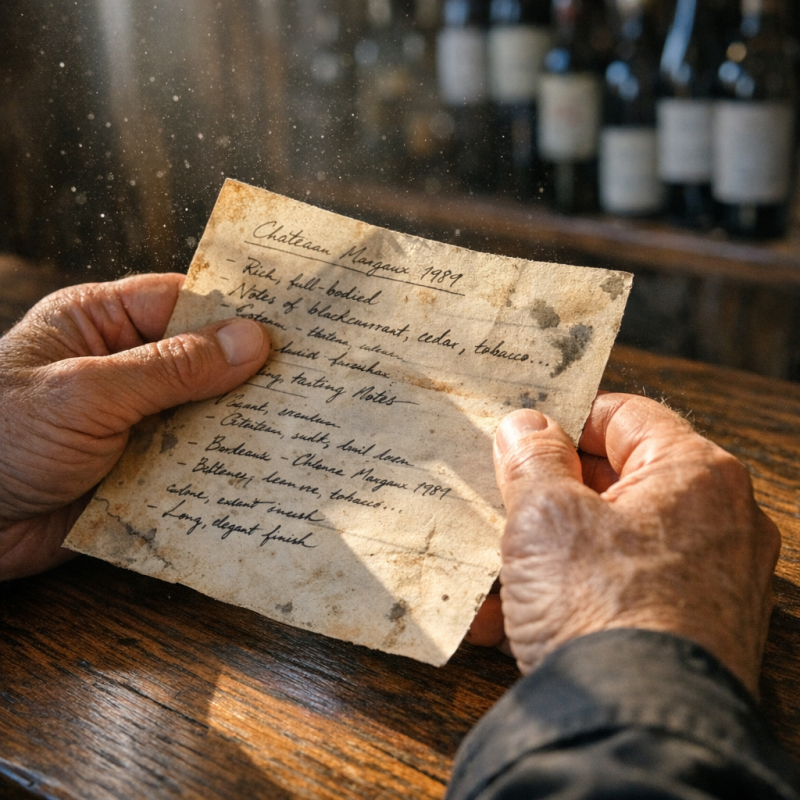 Image by FCT AI
The Investigation
The state consumer protection agency announced their investigation on Friday afternoon. The press release was carefully worded—they were examining 'potential patterns of fraudulent consumer complaints designed to extract payments from businesses'—but everyone knew who they meant. Victoria's lawyer immediately issued another statement calling the investigation 'politically motivated harassment,' but the tone had shifted. They were defensive now, reactive. Other agencies started asking questions. The attorney general's office in Massachusetts requested documentation. A restaurant association in Illinois filed a formal complaint. The journalist who'd broken the story published a follow-up revealing that Victoria had made similar complaints at over twenty establishments in the past four years, with at least twelve confirmed settlements. She'd netted somewhere north of three hundred thousand dollars. The math was staggering. My fifty-thousand-dollar offer suddenly looked like just another line item in a much larger operation. I watched it unfold from my apartment, unemployed and uncertain whether any of this mattered. And that's when her lawyer called me—asking to negotiate.
 Image by FCT AI
The System Revealed
The investigation findings came out two weeks later, and they were worse than any of us had imagined. Victoria had been running a systematic operation for nearly five years. She had a script—literally a written script—for her restaurant interactions, rehearsed responses for every sommelier reaction, predetermined escalation points designed to maximize settlement value. The 'witnesses' who'd backed her complaints? Paid participants, recruited through Craigslist, coached on what to say. She'd even kept spreadsheets tracking which restaurants had settled, which had fought, how much each venue had paid. The methodology was pure calculated fraud: target upscale establishments with reputational vulnerability, order expensive wines that allowed for subjective quality complaints, create a scene that servers would remember, follow up with legal threats that made settling cheaper than fighting. I'd thought I was defending my expertise that night. I'd thought my professionalism had somehow failed. But I'd just been an actor she needed for her performance—the defensive sommelier, the establishment protecting itself, the perfect villain for her victim narrative. She wasn't just a difficult guest—she was running a con, and I'd given her the performance she needed.
 Image by FCT AI
The Trap I Walked Into
The realization hit me at three in the morning, staring at the ceiling of my apartment. I'd been replaying that night for weeks—the wine switch, the public humiliation, the way she'd stormed out looking devastated. I'd thought I was defending my expertise. I'd thought my clever solution had exposed her ignorance. But she hadn't needed me to admit fault. She'd needed me to look defensive, arrogant, dismissive. She'd needed a room full of witnesses to see an establishment sommelier publicly humiliating a concerned customer. The switch wasn't my victory—it was her evidence. Every detail I'd been proud of became incriminating when I saw it through her lens: the condescending explanation, the public demonstration, the smug satisfaction on my face when she couldn't tell the difference. I'd given her exactly what she needed for a discrimination claim, a harassment complaint, a lawsuit narrative. The performance she'd rehearsed required a villain, and I'd played the part perfectly. She'd baited me with arrogance, and I'd responded with professional pride that looked like cruelty to anyone who didn't know the context. I'd thought I was outsmarting her—but I was following her script perfectly.
 Image by FCT AI
The Witness Testimony
The investigator's report on the 'witnesses' came through the following week, and it was devastating in its thoroughness. Jennifer and the other friends at Victoria's table had all been subpoenaed to give depositions. Under oath, facing potential perjury charges, they'd crumbled immediately. Jennifer had been paid three hundred dollars to attend dinner and corroborate whatever story Victoria told afterward. The others received similar amounts. They'd met Victoria through online ads seeking 'dinner companions' for 'social research.' Some had worked multiple dinners for her across different cities. The investigator had bank records, email communications, even a Google Doc where Victoria had outlined their talking points for potential interviews. 'Sommelier seemed aggressive.' 'Customer appeared genuinely distressed.' 'Staff treated her dismissively.' They'd rehearsed these lines like actors preparing for auditions. None of them actually knew anything about wine. Most couldn't even remember what they'd ordered that night. They'd been props in her production, paid extras hired to make her solo performance look credible. They weren't witnesses—they were employees.
 Image by FCT AI
The Confrontation
The deposition took place in a conference room downtown, all glass walls and aggressive air conditioning. I'd been called to provide testimony for the fraud investigation. When I walked in, Victoria was already seated across the table with her lawyers flanking her like guards. She wore a cream-colored suit, perfectly pressed, her expression calm and composed. No sign of the devastated woman who'd fled our restaurant in tears. Our eyes met as I sat down, and she smiled—a small, controlled expression that didn't reach her eyes. It was the same smile she'd given me that first night, when she'd ordered the Bordeaux with such confident ignorance. Back then, I'd read it as arrogance masking insecurity. Now I saw it clearly: it was the smile of someone who knew exactly what they were doing, who'd done it dozens of times before, who believed they were smarter than everyone in the room. She'd smiled like that while calculating how much she could extract. She'd smiled like that while recruiting her fake witnesses. She looked at me with the same smile from that first night—and I finally understood it.
 Image by FCT AI
The Testimony
The investigator walked me through that evening step by step, and for the first time since it happened, I told the story without defensiveness or doubt. I explained the Bordeaux she'd ordered, the specific flaws she'd claimed to detect, the technical impossibility of her complaints. I detailed the wine switch, yes—but now I could articulate what I hadn't fully understood then: that her reaction wasn't about being wrong, it was about needing to be wronged. I described her friends' coordinated responses, how they'd supported her claims without offering any specific details of their own. I explained the follow-up emails, the escalating demands, the lawyer's letter that had cost me my job. Victoria sat perfectly still throughout, her lawyers occasionally whispering to her, but she never interrupted. She couldn't. This wasn't her restaurant, her stage, her carefully controlled performance. The investigator asked questions, I answered them, and the court reporter typed every word into the official record. My voice was steady. My facts were clear. For the first time, I was telling the story—and she couldn't interrupt.
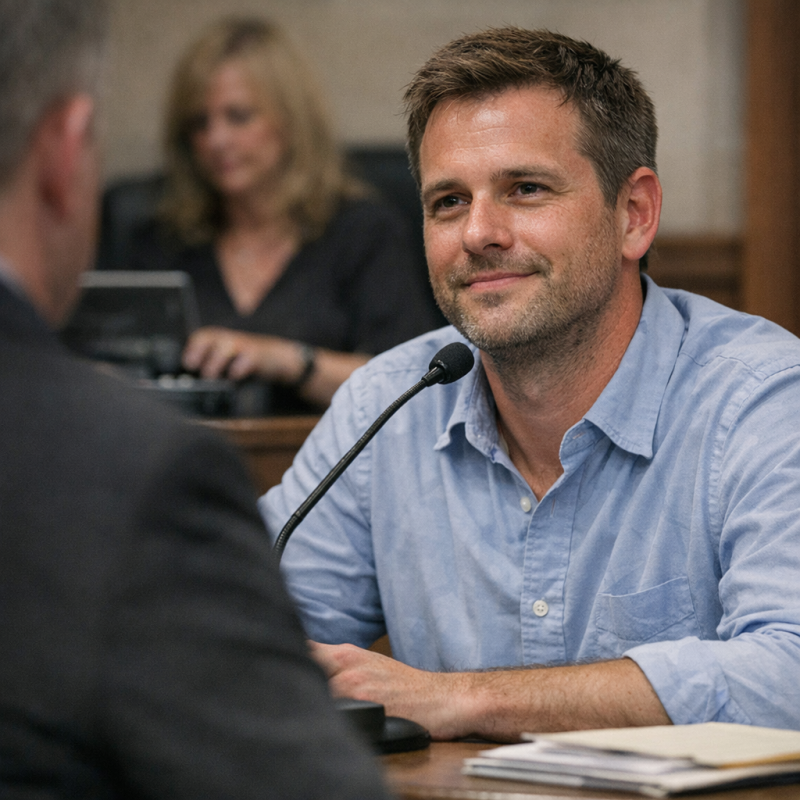 Image by FCT AI
The Evidence Presentation
Then they brought out the compiled evidence, and the scope of what Victoria had done became impossible to ignore. Forty-three restaurants across seven cities over five years. She'd targeted the same type of establishment every time: upscale, reputation-conscious, with sommeliers who took their craft seriously. The pattern was identical—expensive wine order, subjective quality complaint, public scene, legal threat, settlement demand. The investigators had tracked down sixteen restaurants that had paid her off, amounts ranging from five thousand to thirty-five thousand dollars. Most had signed NDAs as part of the settlement, which was why none of us had known about the others. She'd made over two hundred thousand dollars from this scheme. They showed us her spreadsheets, her scripts, her recruitment emails for fake witnesses. They showed us the Yelp reviews she'd posted after restaurants refused to settle, strategic one-star attacks designed to damage their businesses. One investigator called it 'a sophisticated fraud operation utilizing social engineering and reputational leverage.' Another described it as 'systematic exploitation of the hospitality industry's customer service culture.' The investigators called it 'sophisticated fraud'—I called it evil.
 Image by FCT AI
The Settlement Demand
Victoria's lawyers requested a private meeting with me three days later. They came to my apartment—two men in expensive suits carrying leather portfolios that probably cost more than my monthly rent. They were very polite, very professional, very clear about what they were offering. Their client was willing to compensate me for the 'unfortunate misunderstanding' that had led to my termination. Fifty thousand dollars, paid immediately, in exchange for a statement declining to cooperate further with the criminal investigation. They framed it as a gesture of goodwill, a way to help me move forward with my career, a recognition that I'd been 'caught in an unfortunate situation.' They had papers ready for me to sign. They made it sound reasonable, practical, like the smart move that anyone would make. I thought about my empty bank account, my termination on record, the job applications I'd sent out that went nowhere because I couldn't explain what had happened without sounding bitter or defensive. I thought about all those other restaurants that had taken the money and signed the NDAs, making the calculation that fighting wasn't worth it. They wanted me to make this go away—for money.
 Image by FCT AI
The Refusal
I told them to get out of my apartment. No hesitation, no negotiation, just a flat refusal that seemed to genuinely surprise them. They tried to explain the practical benefits again, the financial security, the ability to 'move past this unfortunate chapter.' I cut them off. I'd lost my job because I wouldn't lie about wine to protect a con artist's scam. I'd spent weeks questioning my own professional judgment, wondering if I'd somehow failed in my duty to hospitality. I'd been made to feel like the problem, like my expertise was arrogance, like my integrity was inflexibility. And now they wanted me to take money to make Victoria's consequences disappear? To validate the same calculation that had let her operate for five years? Every restaurant that had settled had made it easier for her to target the next one. Every NDA had isolated another victim. I wasn't going to be part of that pattern. The investigators needed my testimony for the criminal case, and they were going to get it. I'd lost my job for principle—I wasn't selling it now.
 Image by FCT AI
The Charges
The state filed charges two weeks later: fifteen counts of fraud, conspiracy, and extortion. I wasn't there when they arrested Victoria, but the investigator called me right after. She'd been taken into custody at her home in the morning, along with Jennifer and two other frequent 'witnesses' who were charged as accomplices. The bail hearing was set for the following day. I showed up to watch, sitting in the back of the courtroom as the prosecutor outlined the case. Victoria stood before the judge in an orange jumpsuit, her perfect composure finally cracked. No expensive suit, no confident smile, no script to follow. The judge set bail at one hundred thousand dollars and imposed travel restrictions. As they led her out, she looked around the courtroom, and for just a moment, her eyes found mine. I didn't smile. I didn't gloat. I just looked back at her with the same steady expression I'd worn through my deposition. She'd made a career out of making people doubt themselves, out of turning their professionalism into weapons against them. Watching her get arrested felt like breathing for the first time in weeks.
 Image by FCT AI
The Public Reckoning
The story hit the national news three days after Victoria's arrest. Not just local coverage—actual primetime segments on major networks. They interviewed lawyers, restaurant workers, even a former target of Victoria's who'd settled quietly years ago. The headlines were everywhere: 'Wine Scam Exposed,' 'Restaurant Workers Fight Back,' 'The Price of Standing Up.' What shocked me most wasn't the attention on Victoria—it was how many people came forward with similar stories. Different scammers, different cities, same playbook. Within a week, the National Restaurant Association announced new training protocols. Two states introduced legislation requiring video documentation of customer complaints. Industry forums exploded with discussions about protecting staff from fraudulent claims. Trade publications ran think pieces about the systemic vulnerability of service workers. I got calls from advocacy groups asking me to speak at conferences, to help draft guidelines, to share what I'd learned. I'd walked into Château Bleu that night just wanting to do my job well. I'd poured that Bordeaux thinking only about flavor profiles and proper service. I'd never imagined my decision to stand up would ripple out like this, touching people I'd never meet in restaurants I'd never visit. I'd wanted to humiliate one person—instead, I'd changed an industry.
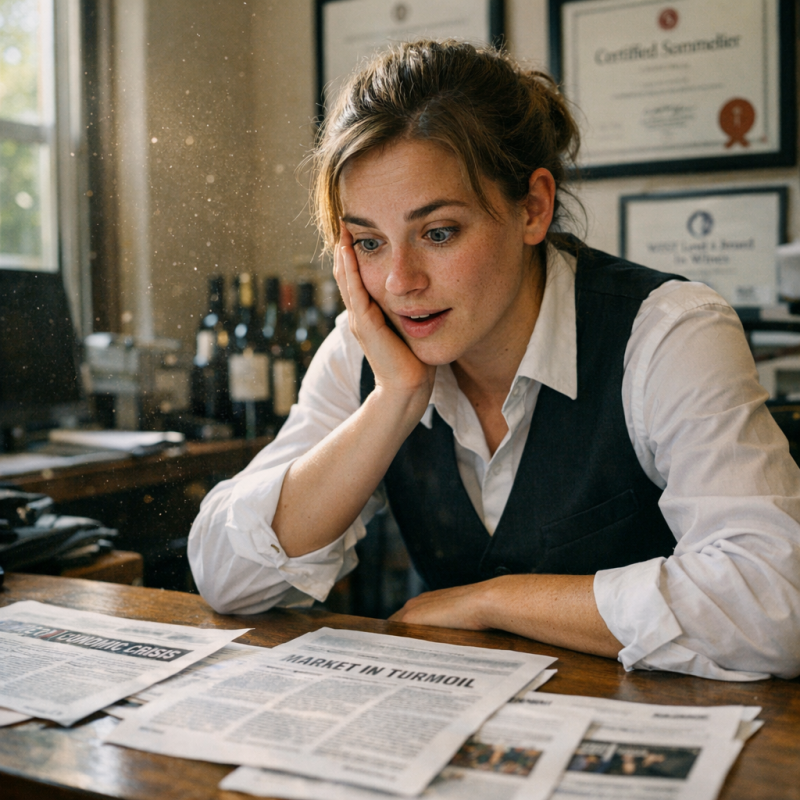 Image by FCT AI
The Job Offers
The first offer came from a Michelin-starred restaurant in Boston. The general manager called personally, said they'd followed my case and respected how I'd handled it. They needed someone with 'integrity and backbone'—his exact words. Then came offers from Chicago, Seattle, even one from a prestigious hotel group in Manhattan. Each conversation felt surreal. I'd spent months thinking my career was over, that I'd be blacklisted forever, that standing up to Victoria meant I was done. Instead, I was suddenly in demand. One recruiter told me flat-out that my story had made me 'exactly the kind of sommelier modern restaurants need.' Another said customers were specifically asking about me, wanting to dine where I worked. The owner of a wine bar in Portland offered me equity, not just a position. 'People trust you,' she said. 'That's worth more than any certification.' I sat in my apartment going through emails, reading offers that would've seemed impossible six months ago. The irony wasn't lost on me—Victoria had tried to destroy my credibility to profit from settlements. Instead, she'd given me something far more valuable: a reputation for refusing to be silenced. I'd been fired for standing up—and it made me more valuable.
 Image by FCT AI
The New Beginning
I accepted a position at Verdant, a two-Michelin-star restaurant in San Francisco that specialized in natural wines and seasonal cuisine. The executive chef had reached out personally, told me she'd dealt with similar scammers years ago and wished she'd had my courage. The whole team knew my story before I arrived—it wasn't a secret, wasn't something to hide. They saw it as proof I could be trusted. My first week was orientation, tastings, getting to know the kitchen and front-of-house staff. Everyone treated me with this quiet respect that felt both earned and humbling. Then came my first service, my first table, my first real test. A guest questioned my pairing suggestion, said she'd read online that our Grüner Veltliner wouldn't work with the dish. Her tone wasn't hostile, just skeptical—the kind of challenge sommeliers face every night. Six months ago, that skepticism would've sent my stomach churning, would've made me second-guess everything. But I'd faced down Victoria in front of witnesses. I'd defended my expertise against fraud charges. I'd lost my job and rebuilt my career from nothing. So when this guest looked at me with doubt in her eyes, I didn't panic or overexplain. On my first night, a guest challenged my recommendation—and I just smiled.
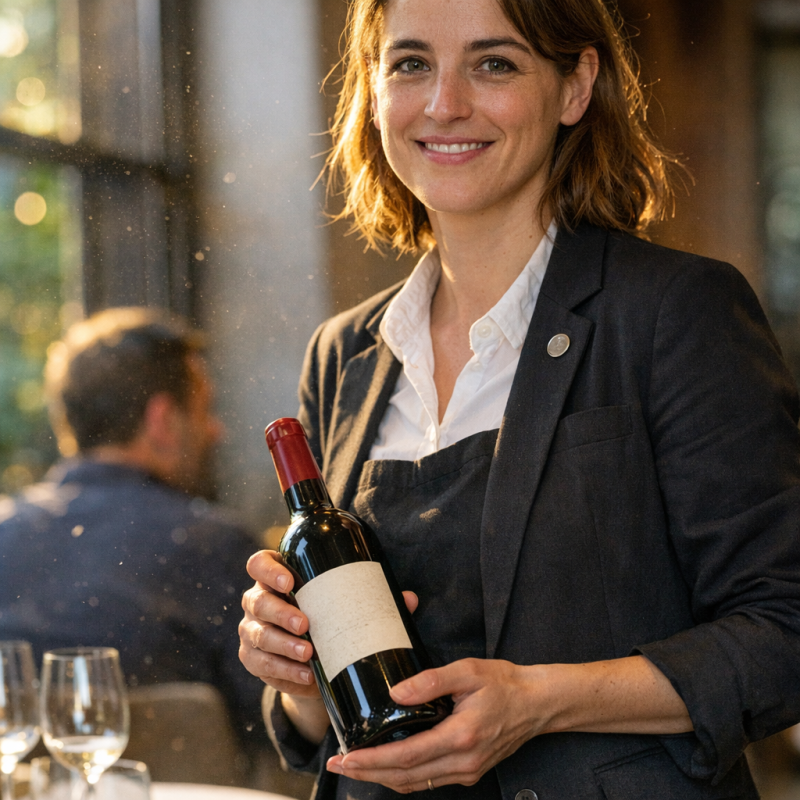 Image by FCT AI
The Right Glass
Looking back now, I understand what that whole nightmare taught me. It wasn't about wine knowledge or professional protocols or even about exposing a scammer. It was about something simpler and harder: the cost of speaking truth when silence would be easier. I could've comped that Bordeaux. I could've apologized for something I didn't do wrong. I could've protected my job, avoided months of anxiety, skipped the depositions and legal battles entirely. And Victoria would still be out there, targeting the next sommelier, the next server, the next person who couldn't afford to fight back. The hardest part wasn't standing up to her—it was living with the uncertainty afterward, not knowing if doing the right thing would destroy me. But that uncertainty, that risk, that willingness to lose everything for something that mattered? That's what integrity actually costs. It's not dramatic or cinematic. It's just choosing truth over comfort, again and again, even when the outcome isn't guaranteed. She called me a liar with that perfect smile, performed outrage like an art form, wielded her fraud like a weapon designed to make good people doubt themselves. She called me a liar with a smile—but in the end, the truth was the only thing that mattered.
 Image by FCT AI