
 MART PRODUCTION, Pexels, Modified
That knot in the stomach before a big presentation isn't just anxiety—it's a sophisticated neural network firing signals independent of conscious thought. The enteric nervous system, a mesh of 200–600 million neurons lining the gastrointestinal tract from top to bottom, operates with startling autonomy. This hidden command center produces approximately 90% of the body's serotonin, manufactures more neurotransmitters than the spinal cord, and communicates bidirectionally with the brain through the vagus nerve superhighway. Butterflies during first dates and that inexplicable feeling when something seems "off" all originate from this abdominal intelligence that scientists now recognize as profoundly influential in mood regulation, immune function, and decision-making processes.
The Vagus Nerve Highway Runs Both Ways
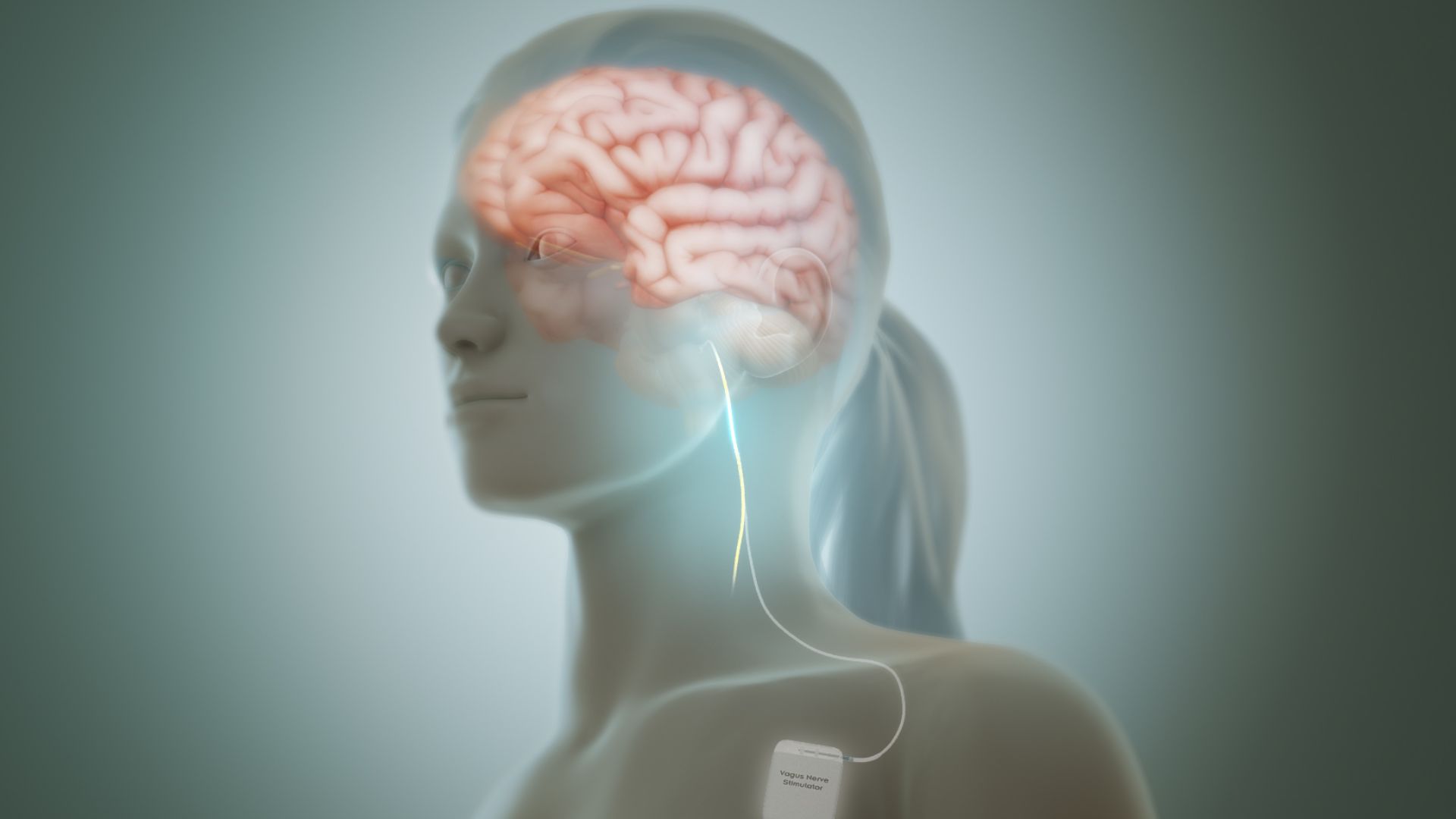
Communication between the cranial brain and gut brain travels along the vagus nerve, a biological fiber-optic cable stretching from the brainstem through the chest and into the abdomen. Recent research confirms that the majority of vagus nerve fibers (approximately 80%) are afferent, transmitting information upward from the gut to the brain. This finding challenges earlier assumptions that the vagus primarily carried signals in the opposite direction. This means the gut sends far more messages to the brain than it receives, fundamentally challenging traditional views of top-down neural control.
The vagus nerve transmits signals at varying speeds, typically up to 70 meters per second for faster fibers, delivering real-time updates about digestive status, microbial activity, and inflammatory responses directly to brain regions governing emotion and cognition. Dr Emeran Mayer's research at UCLA demonstrated that altering gut bacterial composition altered brain activity patterns in emotion- and sensation-processing regions within just four weeks. Participants consuming probiotic-rich yogurt showed measurably different responses to emotional face recognition tasks compared to control groups, to prove that gut microbiome shifts register in neural circuitry almost immediately.
Microbes Manufacture Your Mood Chemistry
The approximately 38 trillion microorganisms inhabiting the digestive tract—collectively weighing about 0.4–4 pounds—function as a pharmaceutical factory producing compounds that directly influence mental states. These bacterial colonies synthesize neurotransmitters, including serotonin, dopamine, and gamma-aminobutyric acid (GABA), the same chemicals targeted by antidepressant and anti-anxiety medications. Studies from University College Cork in Ireland found that mice lacking normal gut bacteria exhibited heightened stress responses and impaired memory formation, deficits reversed by reintroducing specific bacterial strains. The species Lactobacillus rhamnosus reduced stress-induced corticosterone levels by 50% and altered GABA receptor expression throughout the brain; these effects were abolished when researchers severed the vagus nerve.
Human trials showed similar patterns—adults with major depression consuming Bifidobacterium and Lactobacillus supplements for eight weeks reported significantly reduced depression scores compared to placebo groups. Short-chain fatty acids produced when gut bacteria ferment dietary fiber cross the blood-brain barrier and influence gene expression in neurons, affecting everything from inflammation levels to the formation of myelin sheaths insulating nerve fibers. This biochemical influence explains why antibiotic treatments often trigger mood disturbances and why probiotic interventions show promise for managing anxiety disorders.
Trusting Your Gut Means Something Scientific
That intuitive sense of knowing something without conscious reasoning may stem from the gut's sophisticated information processing. The enteric nervous system contains the same types of neurons and neurotransmitters found in the cranial brain, along with glial support cells that facilitate neural communication. This "mini-brain" can operate entirely independently—intestines removed during surgery continue coordinated contractions in laboratory dishes without any brain input. Research from Columbia University Medical Center identified specific gut neurons that detect nutrients, pathogens, and mechanical pressure, then relay this data to the brain within milliseconds. These signals influence decision-making through emotional coloring before rational analysis occurs.
Emerging studies suggest that gut microbiome diversity may influence risk assessment and judgment in uncertain scenarios, indicating that gut-brain communication shapes these processes. The phenomenon extends to social interactions—gut inflammation correlates with increased social anxiety and reduced willingness to engage with new people. Chronic digestive conditions like irritable bowel syndrome show comorbidity rates with depression and anxiety ranging from 40–90%, far higher than random chance would predict. Understanding this biological connection transforms "gut feelings" from folk wisdom into measurable neurological reality, where abdominal sensations genuinely inform cognitive processing through dedicated neural pathways that evolved alongside conscious thought itself.