
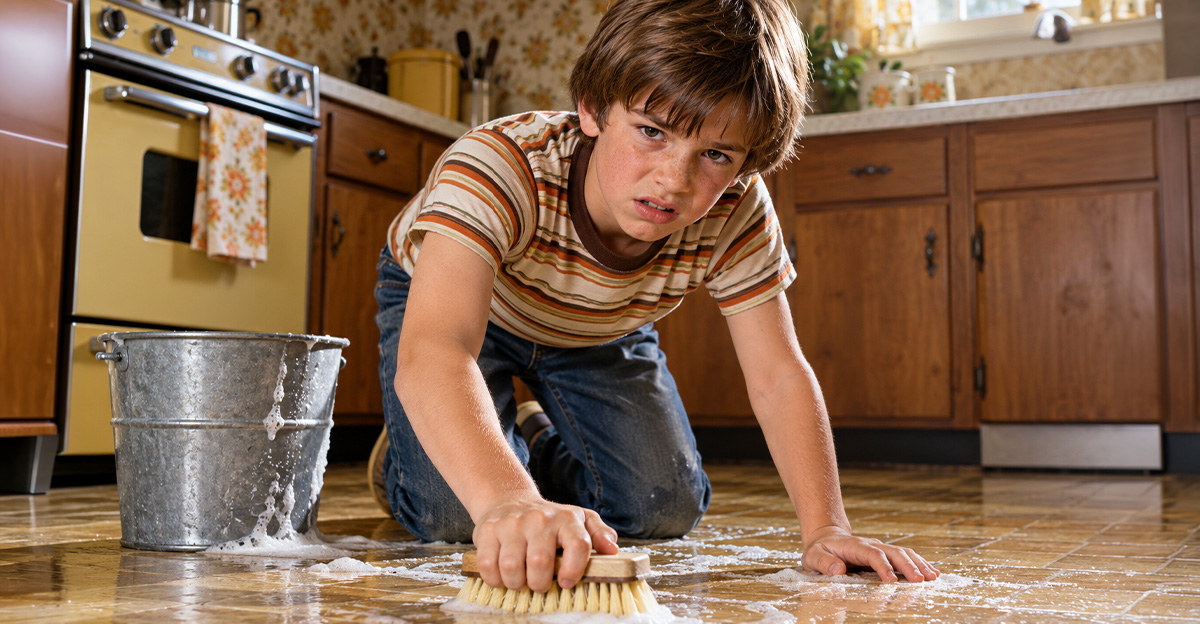
When Saturdays Meant Work, Not Relaxation
Remember when Saturday mornings meant getting handed a bucket and a list of chores instead of watching cartoons? Growing up in the 1970s, many Baby Boomers knew that weekends weren't just for fun. Before today's high-tech appliances became common, household chores required plenty of elbow grease. How many of these dreaded jobs did you have to do?
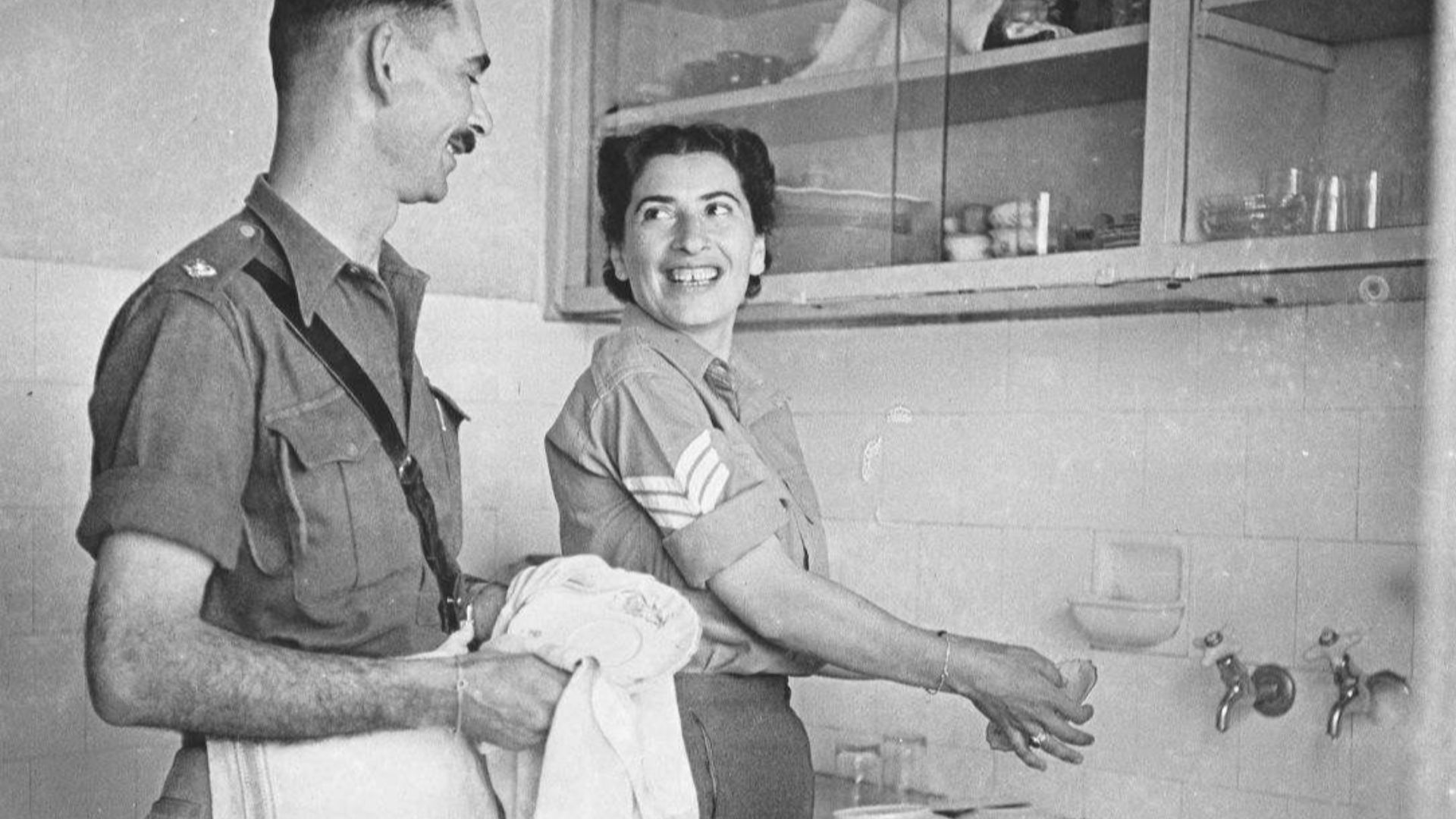
Washing Every Dish By Hand
Forget loading the dishwasher and pressing start. In many 1970s households, washing dishes meant standing at the kitchen sink with a sponge and a mountain of dirty plates. One person washed, another rinsed, and an unlucky sibling dried everything with a dish towel. It was practically a family assembly line.
 Zoltan Kluger, Wikimedia Commons
Hanging Laundry On The Clothesline
Before clothes dryers became common in every neighborhood, Saturday laundry often meant carrying heavy baskets into the backyard. Wet sheets, towels, and clothes were pinned to long lines and left to dry. Then came the fun part: collecting everything before the rain started, while trying not to drop anything.

Scrubbing The Bathtub By Hand
Bathroom cleaning was nobody's favorite Saturday assignment. Armed with a sponge, a scrub brush, and powdered cleanser, kids were expected to tackle stubborn soap scum and bathtub rings. There were no convenient electric scrubbers doing the hard work. Your reward for finishing? Being told you'd missed a spot behind the faucet.
 Kenneth Paik, Wikimedia Commons
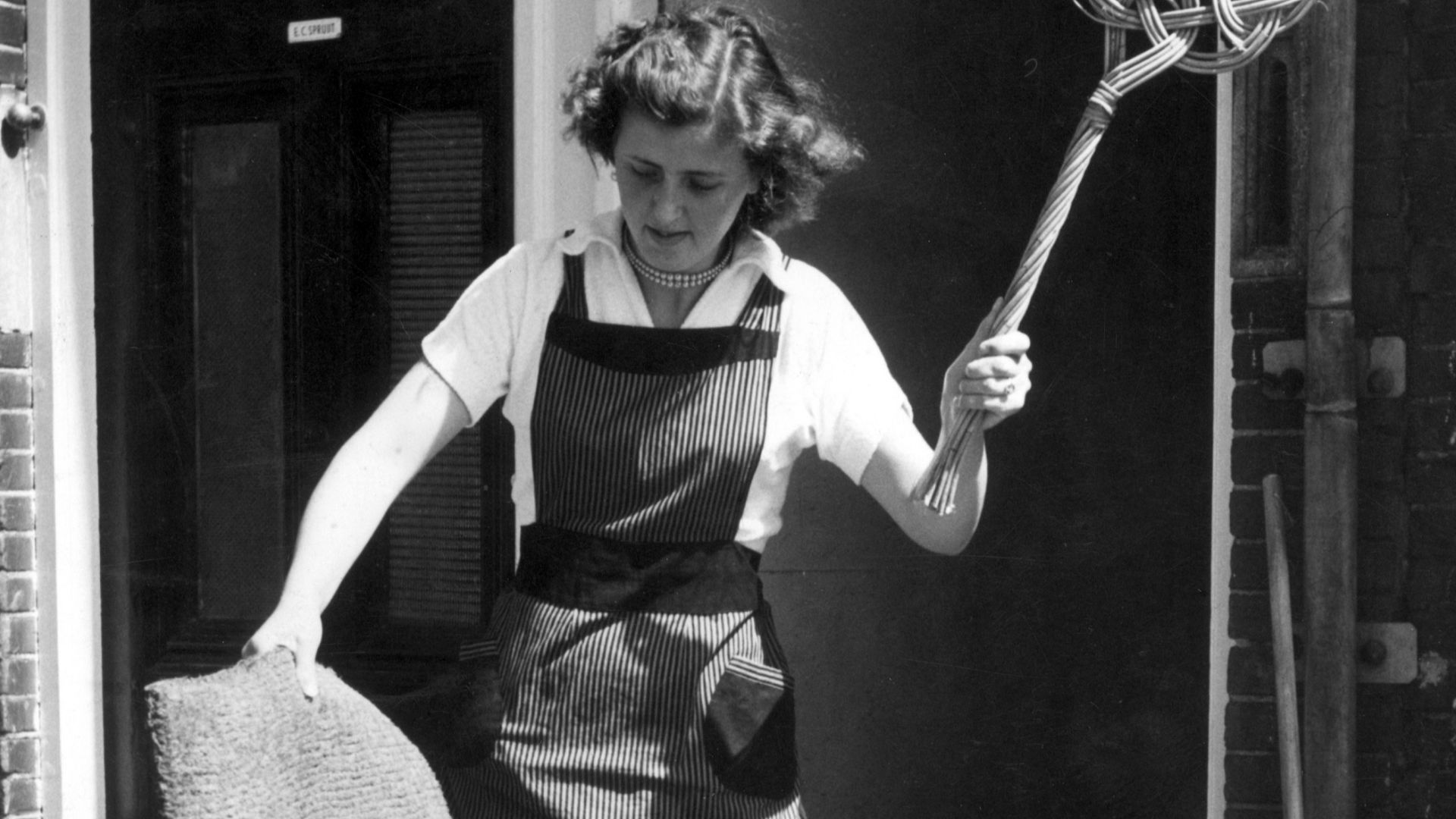
Beating Dust Out Of Rugs
If your family had smaller area rugs, you might remember the dreaded trip outside with a rug beater. Rugs were draped over a railing or clothesline and given a thorough beating to shake out dirt. Clouds of dust flew everywhere, and somehow the person swinging the beater ended up needing a bath afterward.
 Nationaal Archief, Wikimedia Commons
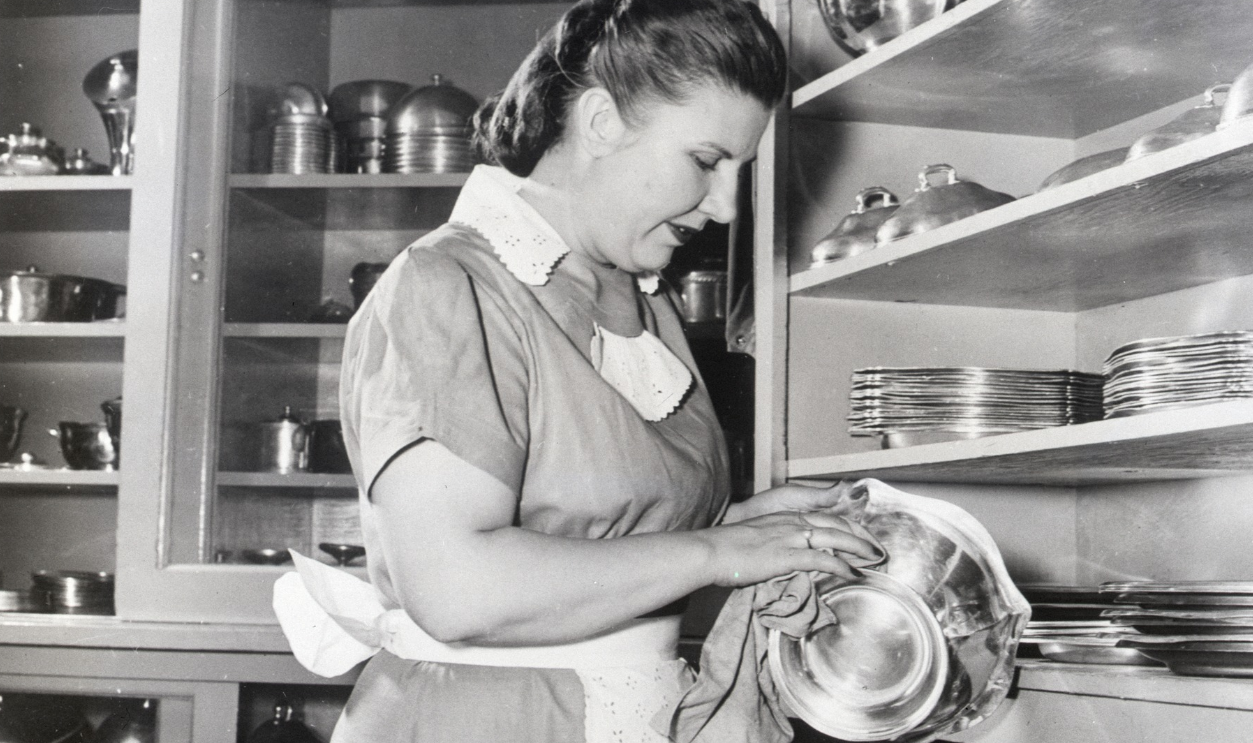
Polishing The Family Silverware
Special occasions meant getting out the good silverware, but first somebody had to polish it. Tarnished silver required careful rubbing with polishing products until it shone again. The job seemed to take forever, especially when there were dozens of pieces. Modern stainless steel utensils have spared many families this particular weekend headache.
Waxing The Kitchen Floor
Some 1970s kitchen floors needed more than a quick mop. Depending on the flooring, families applied floor wax or polish to keep everything looking shiny. First came sweeping and cleaning, followed by careful application and sometimes buffing. Walking across the floor before it dried was practically a household crime.
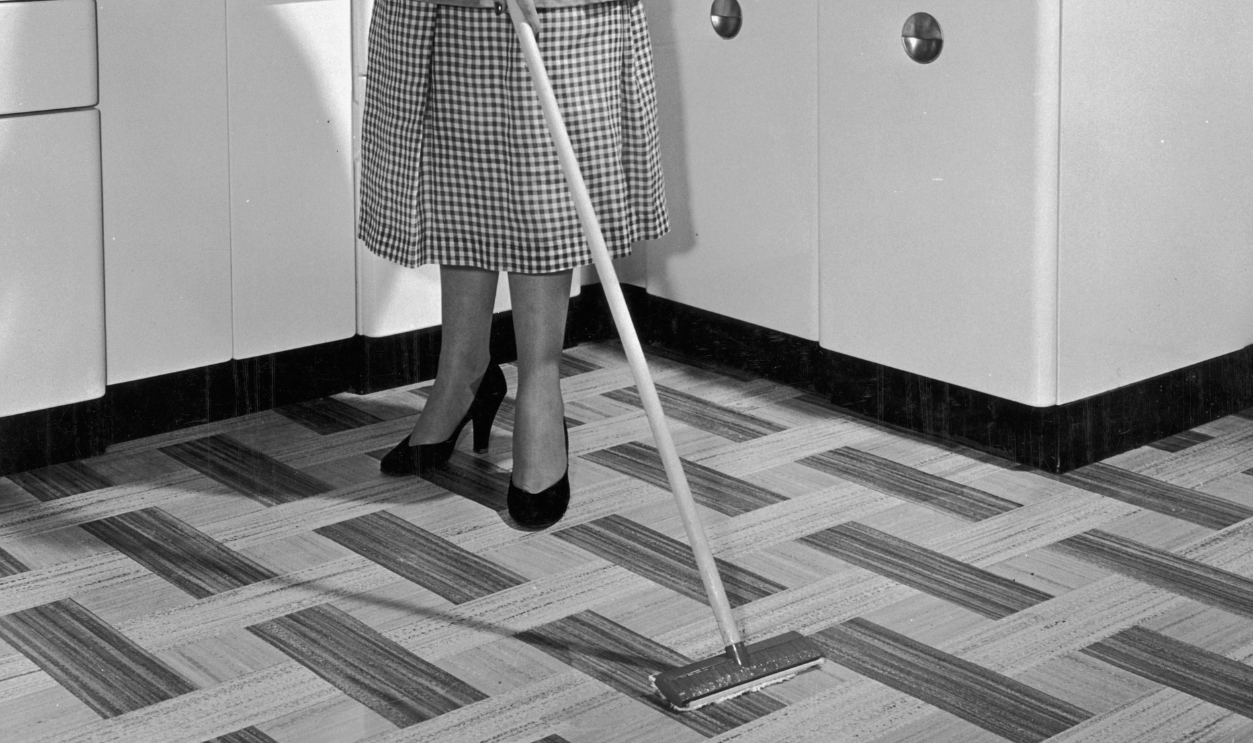 Harold M. Lambert, Getty Images
Washing Windows With Newspaper
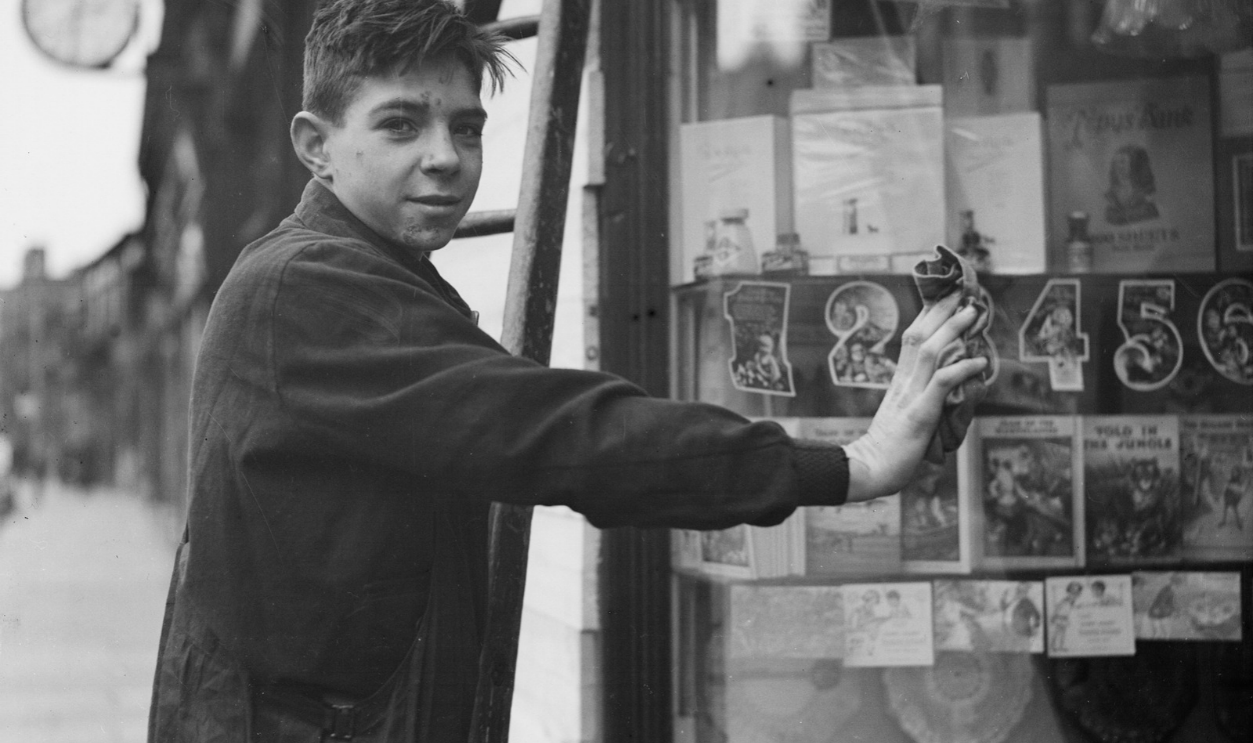
Before microfiber cloths became popular, many families used old newspapers to polish their windows. Armed with cleaning solution, vinegar mixtures, or glass cleaner, kids rubbed away fingerprints and streaks until the glass sparkled. Unfortunately, reaching the outside windows meant even more work. And there was always one stubborn streak that wouldn't disappear.
Ironing Mountains Of Clothes
Wrinkle-resistant fabrics and modern steam features have made ironing less demanding for many households. Back in the 1970s, however, the weekend ironing pile could be enormous. Shirts, trousers, dresses, and even pillowcases sometimes needed pressing. Getting crisp creases required patience, and accidentally creating two creases meant starting over.
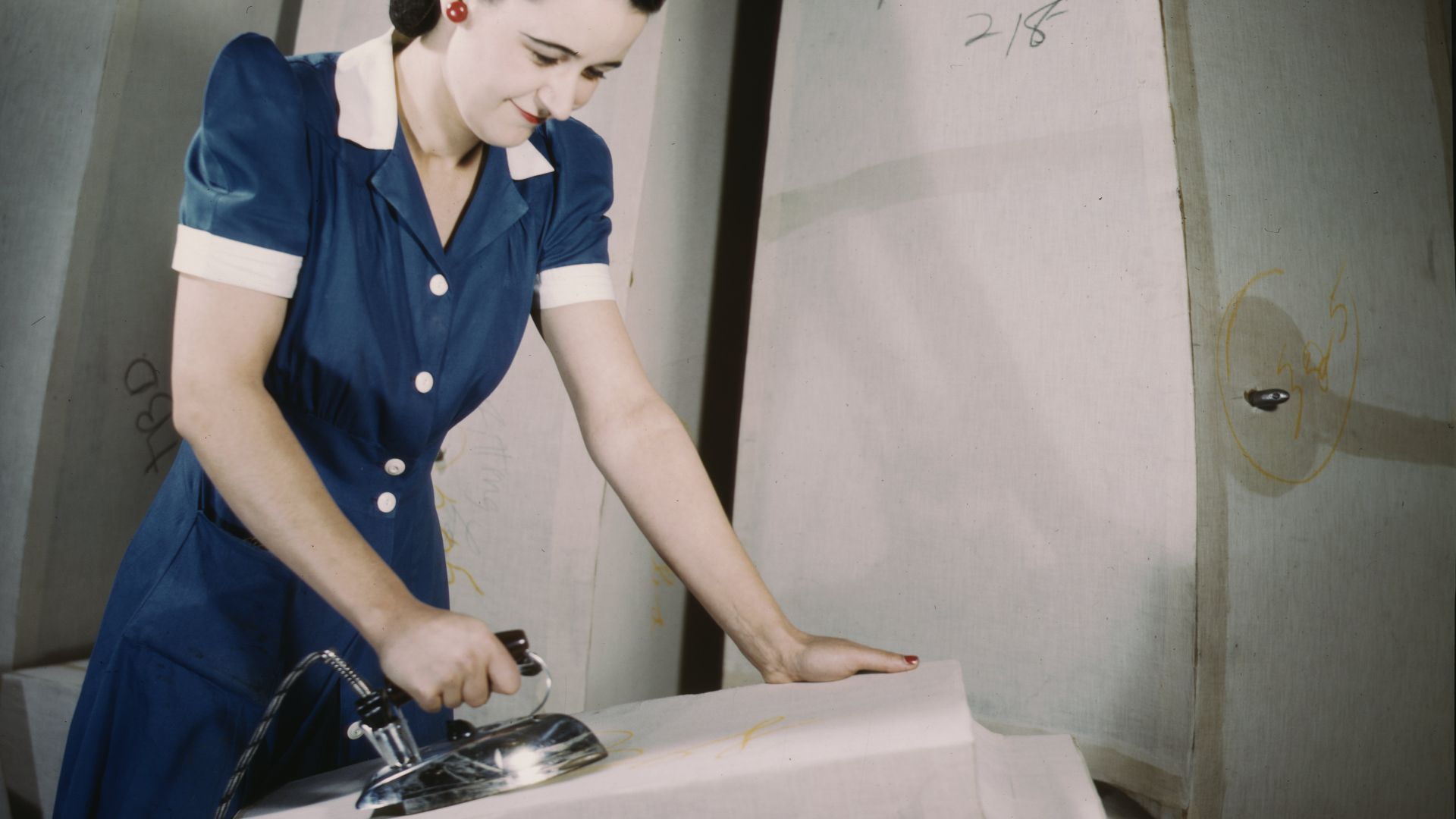 Palmer, Alfred T., photographer., Wikimedia Commons
Cleaning The Oven With Elbow Grease
Before self-cleaning ovens became widespread, removing baked-on grease was a miserable job. Families used oven cleaners, scrapers, and plenty of careful scrubbing to tackle stubborn messes. Cleaning products could be harsh, so adults needed to handle them safely. Nobody enjoyed discovering last Sunday's dinner still stuck to the oven floor.
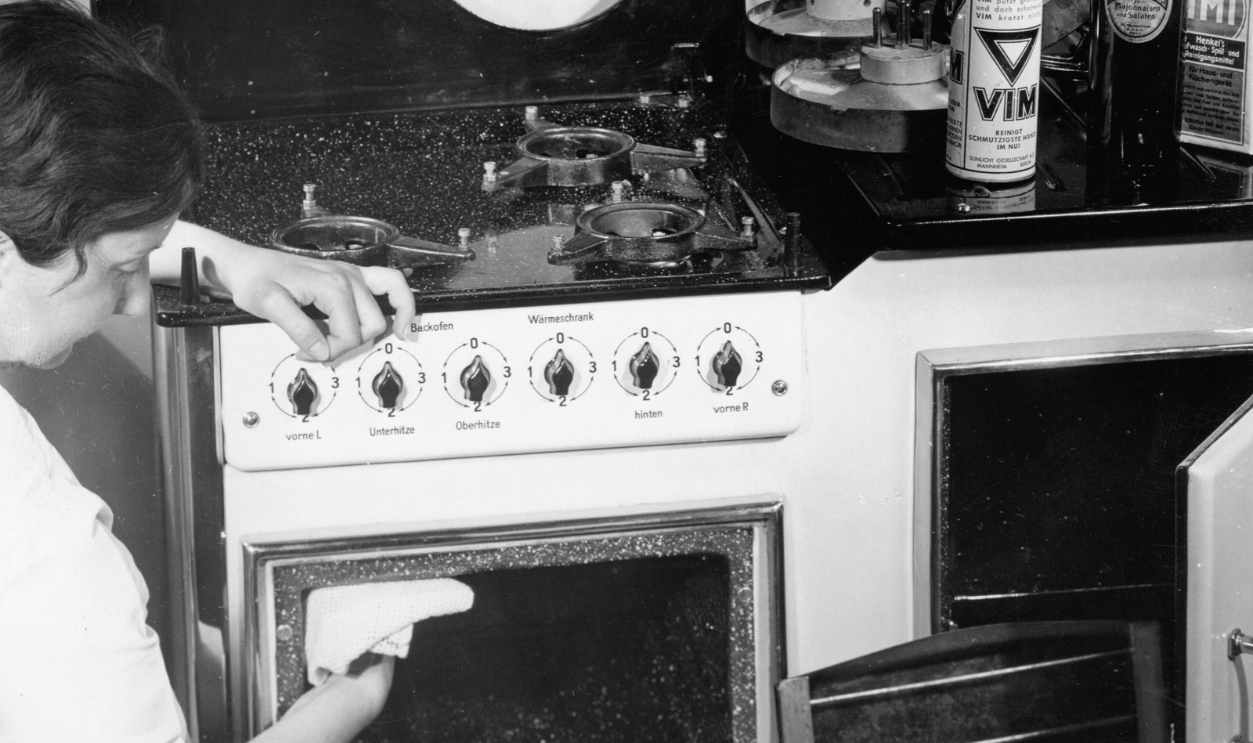 brandstaetter images, Getty Images
Defrosting The Freezer
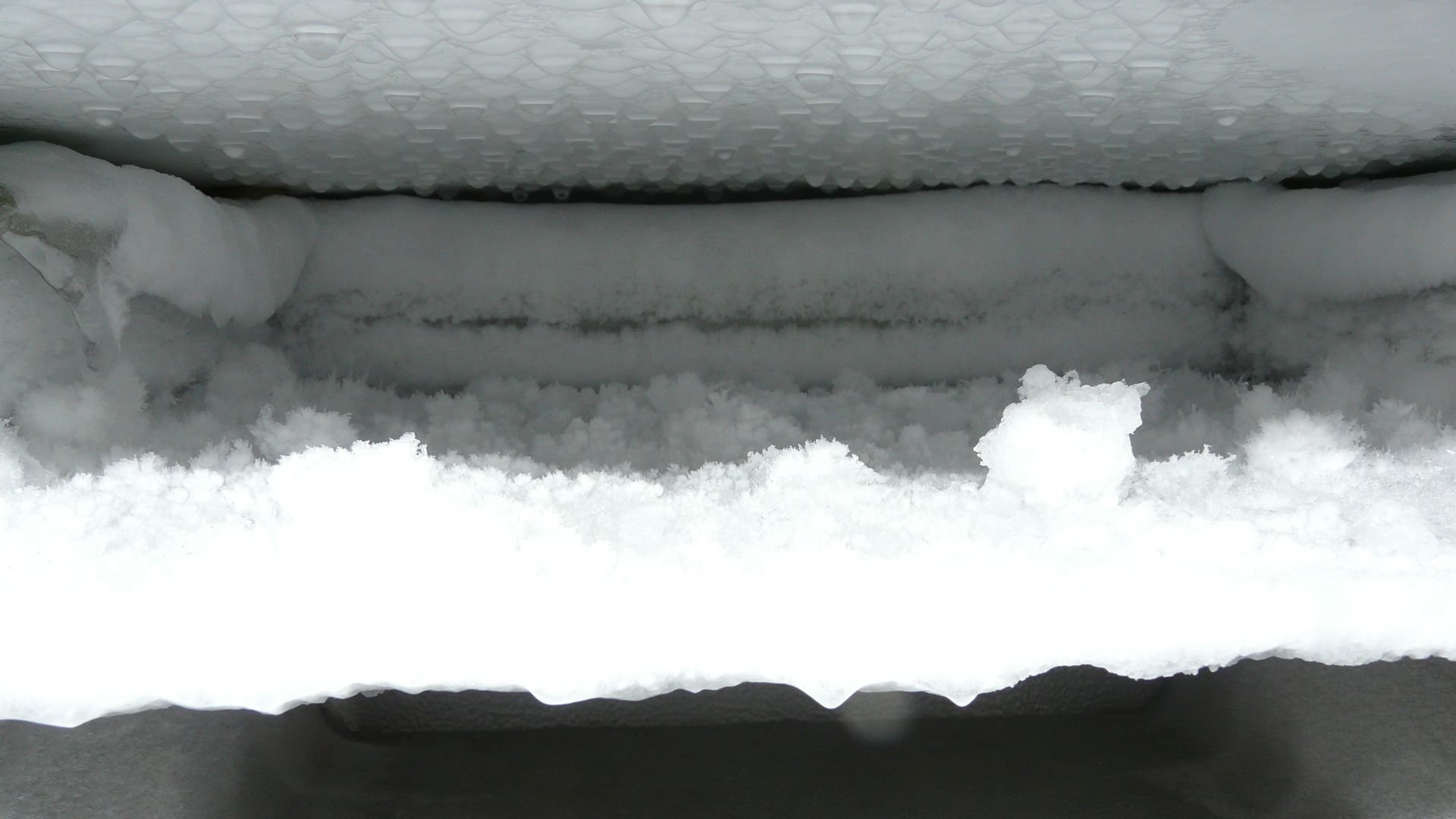
Anyone who grew up with an older refrigerator might remember the dreaded freezer defrost. Thick ice could build up around freezer compartments, leaving less room for food. Somebody had to empty everything, let the ice melt, and mop up the water. Modern frost-free models have made this messy chore largely unnecessary.
 User:Piotrus, Wikimedia Commons
Scrubbing Clothes With A Washboard
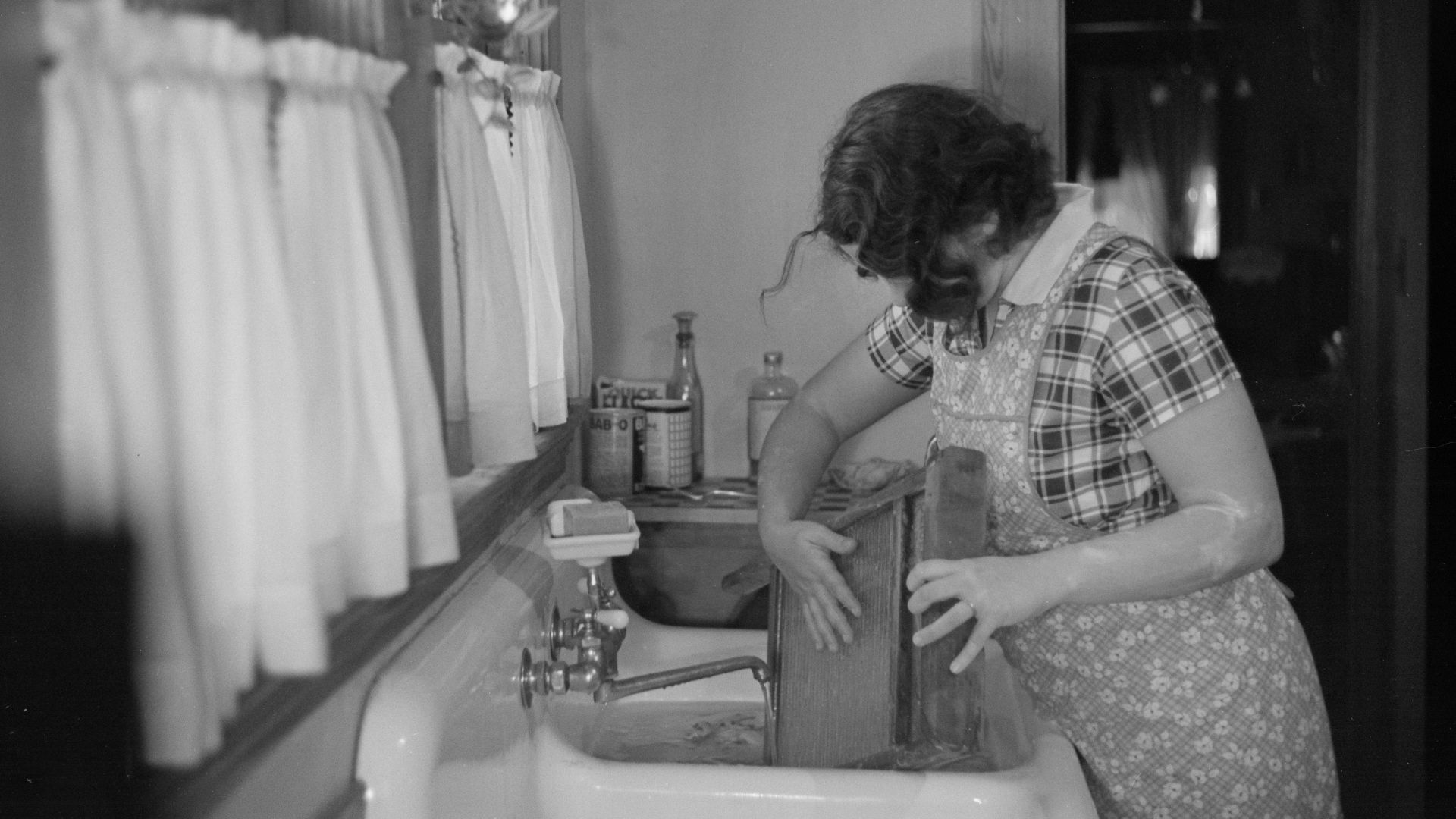
Automatic washing machines were already common in the 1970s, but some families still relied on older equipment or hand-washing for certain garments. Stubborn stains could mean rubbing fabric against a washboard or scrubbing it in a laundry sink. Children who complained about laundry quickly learned that washing clothes could be surprisingly tiring.
 Sanromá, John B., 1900-1997, Wikimedia Commons
Cleaning The Carpets With A Rented Machine
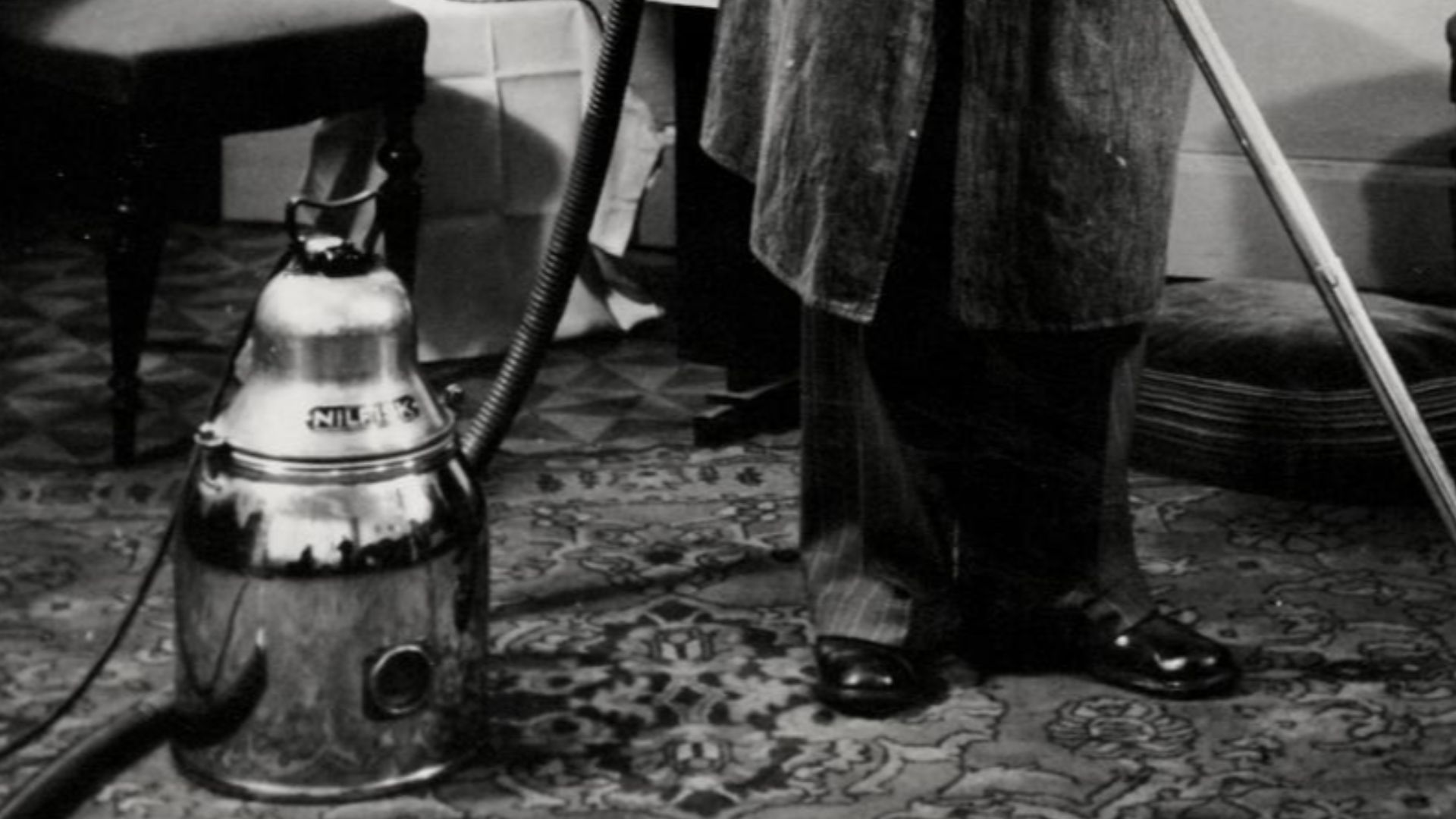
Deep-cleaning carpets wasn't as simple as pressing a button on a modern robotic cleaner. Some families rented bulky carpet-cleaning machines or used shampooing equipment that left carpets damp for hours. Furniture had to be moved, carpets cleaned, and everything allowed to dry. It could easily swallow an entire Saturday afternoon.
 Nationaal Archief, Wikimedia Commons
Raking Leaves Into Enormous Piles
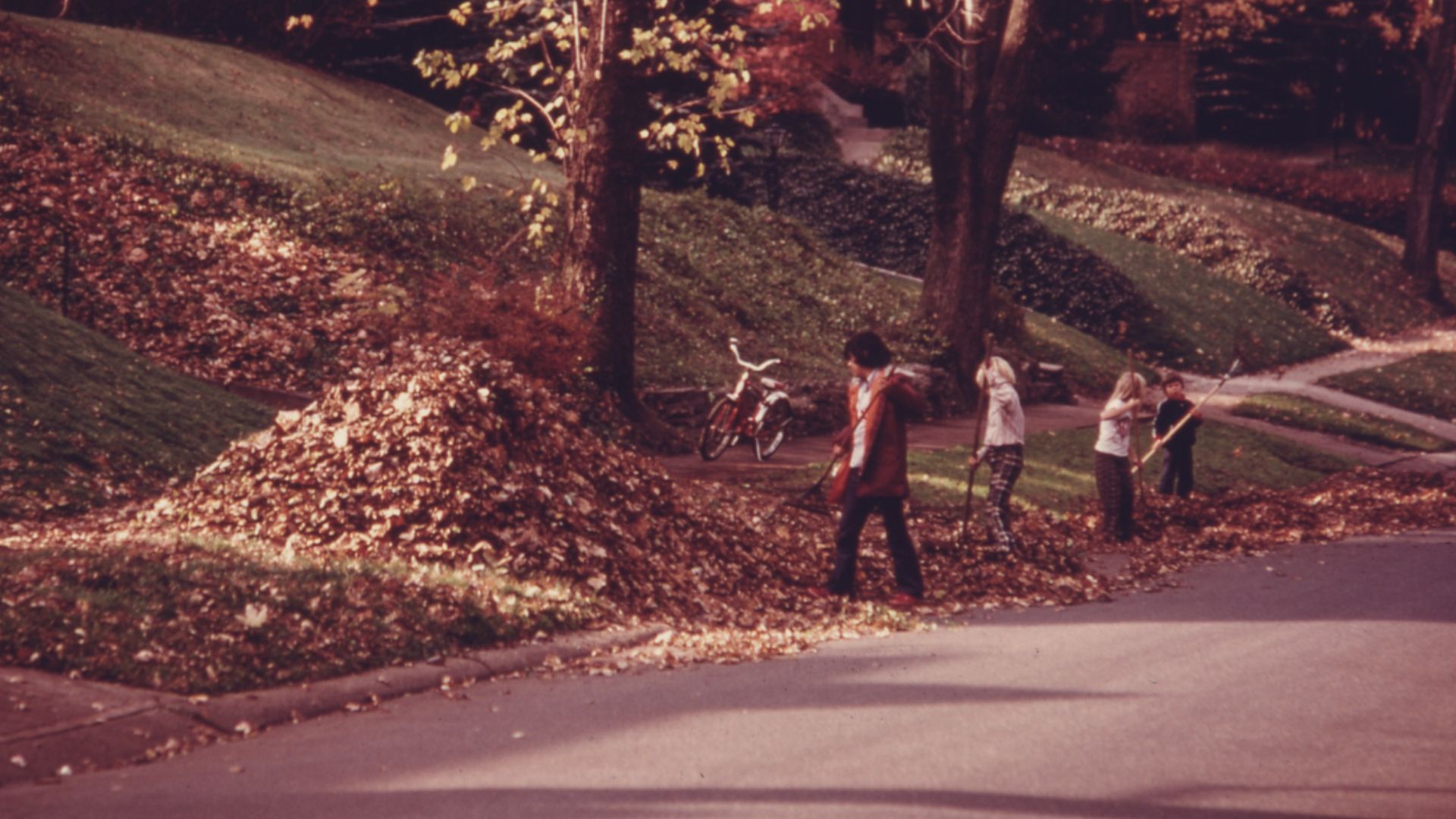
Long before battery-powered yard equipment became popular, autumn weekends meant endless raking. Kids dragged leaves across the lawn, packed them into bags, and watched fresh leaves fall from the trees. The only enjoyable part was jumping into the finished pile, assuming your parents didn't catch you undoing an hour's work.
 John L. Alexandrowicz, Wikimedia Commons
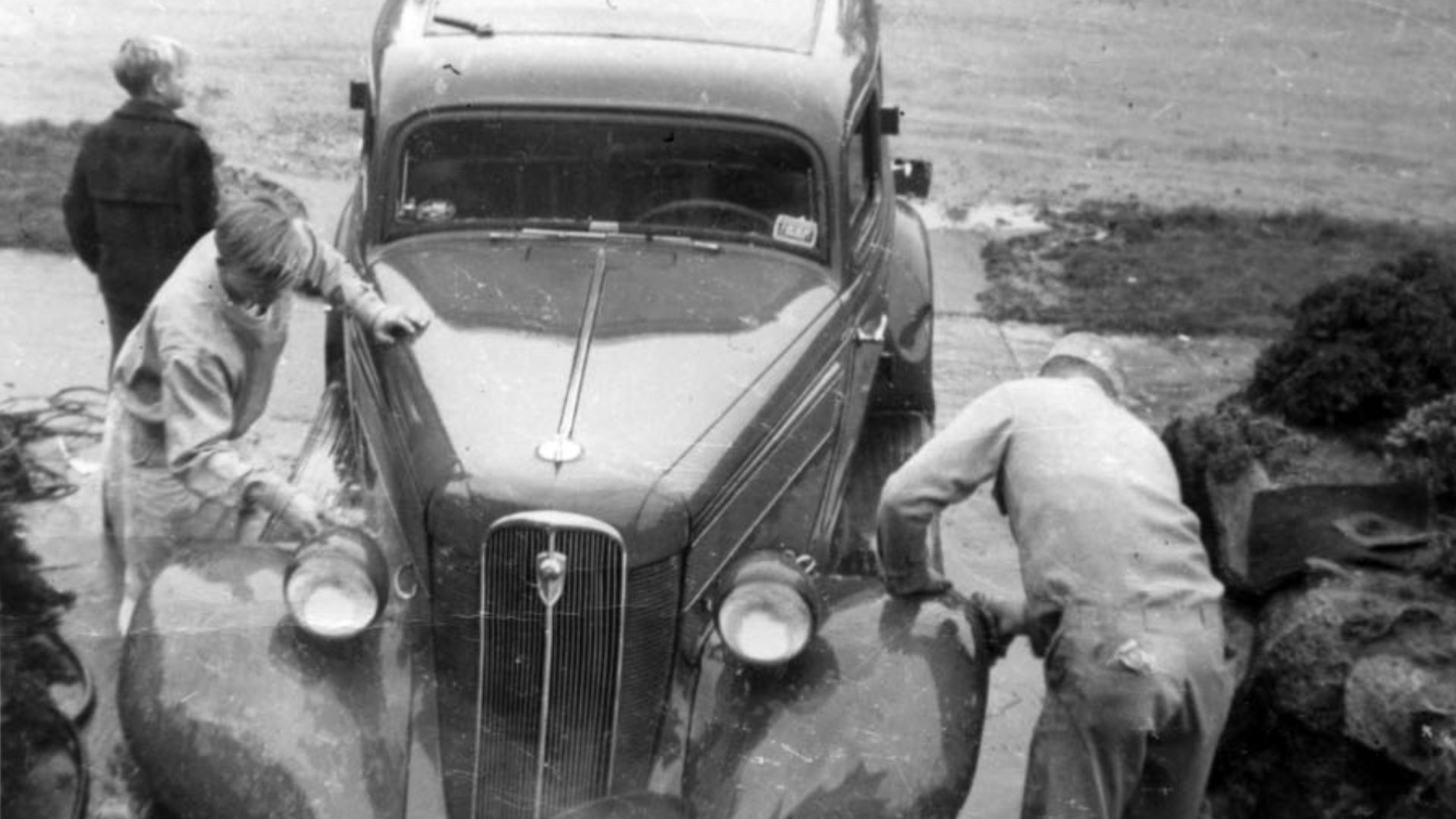
Washing The Family Car With A Bucket
A trip through an automatic car wash wasn't always part of the family budget. Instead, many children were handed a sponge, bucket, and garden hose. Washing the car involved scrubbing every panel, rinsing away soap, and drying the paint to avoid water spots. Naturally, Dad always noticed the dirt you missed.
 Seattle Municipal Archives, Wikimedia Commons
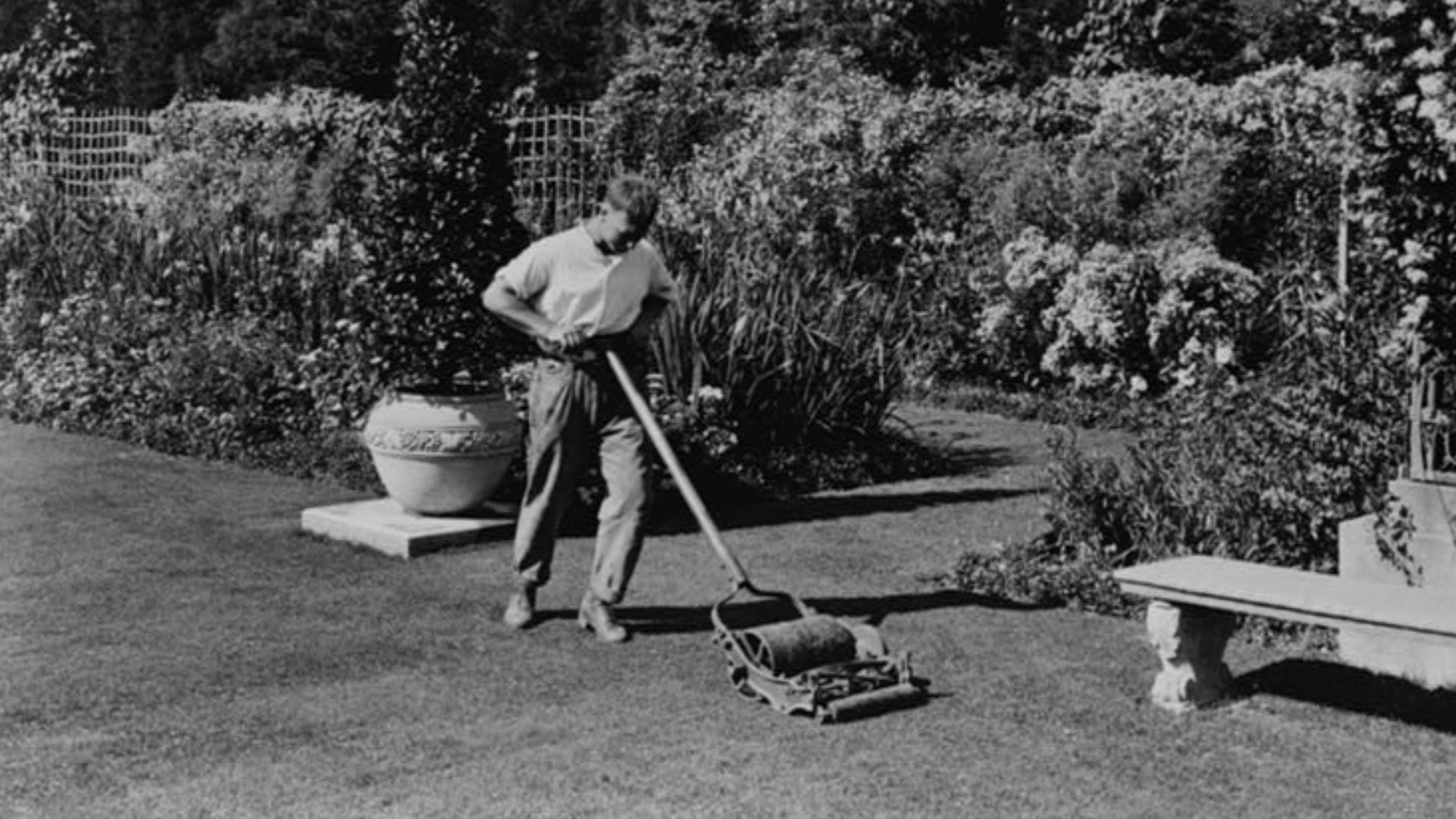
Mowing The Lawn With A Push Mower
Gas-powered lawn mowers certainly existed in the 1970s, but some households still used old-fashioned manual reel mowers. These machines depended entirely on the person pushing them. Thick grass made the job especially frustrating, and uneven lawns could be challenging. Compared with today's robotic mowers, it was a serious weekend workout.
 Johnston, Frances Benjamin, 1864-1952, photographer, Wikimedia Commons
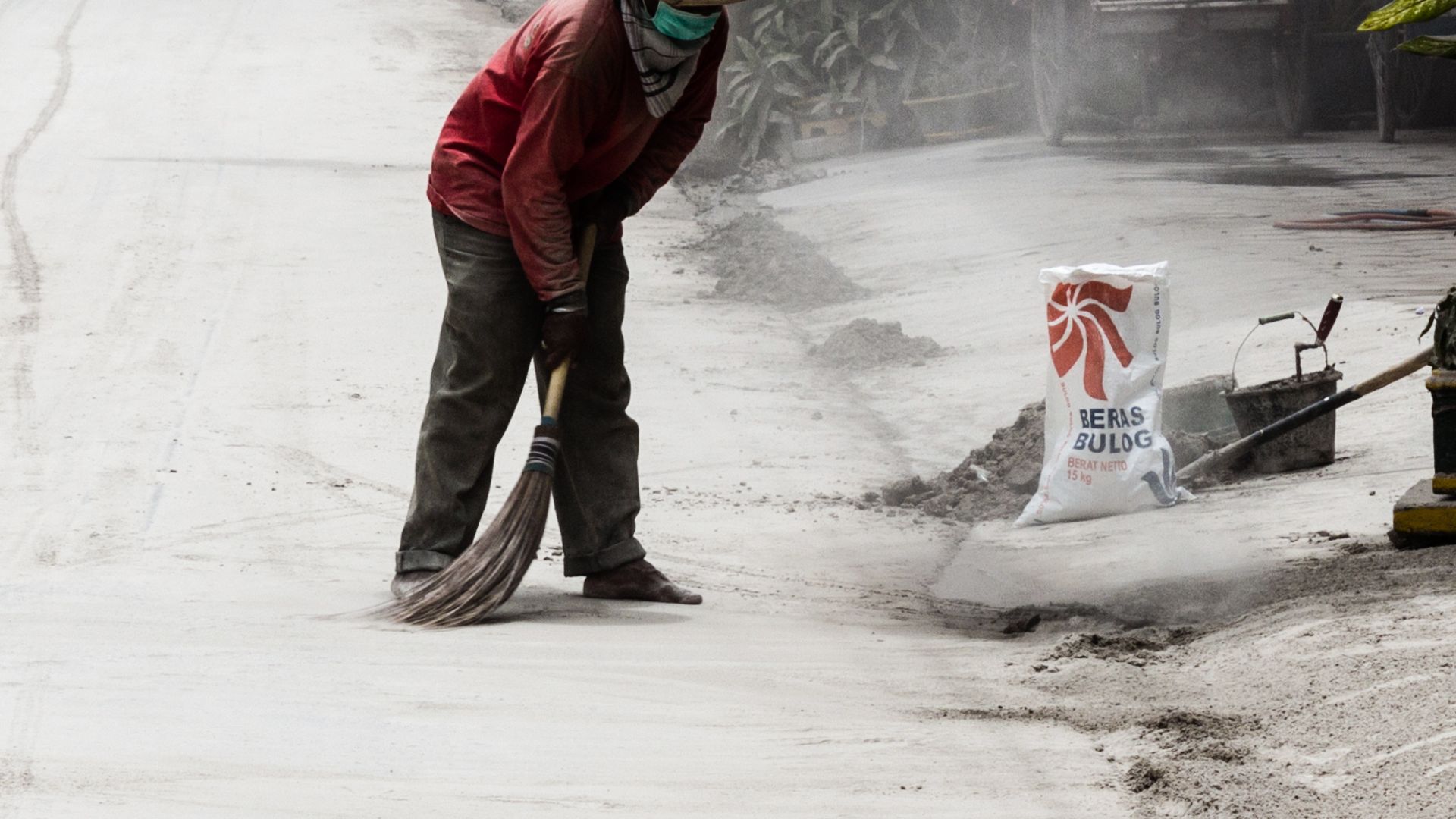
Sweeping The Driveway And Sidewalk
Leaf blowers weren't standard equipment in every suburban garage. Instead, families grabbed stiff brooms and swept driveways, sidewalks, patios, and garage floors themselves. Dirt collected in corners, leaves blew back across the pavement, and the task seemed endless. Just when everything looked perfect, the wind usually picked up again.
 Crisco 1492, Wikimedia Commons
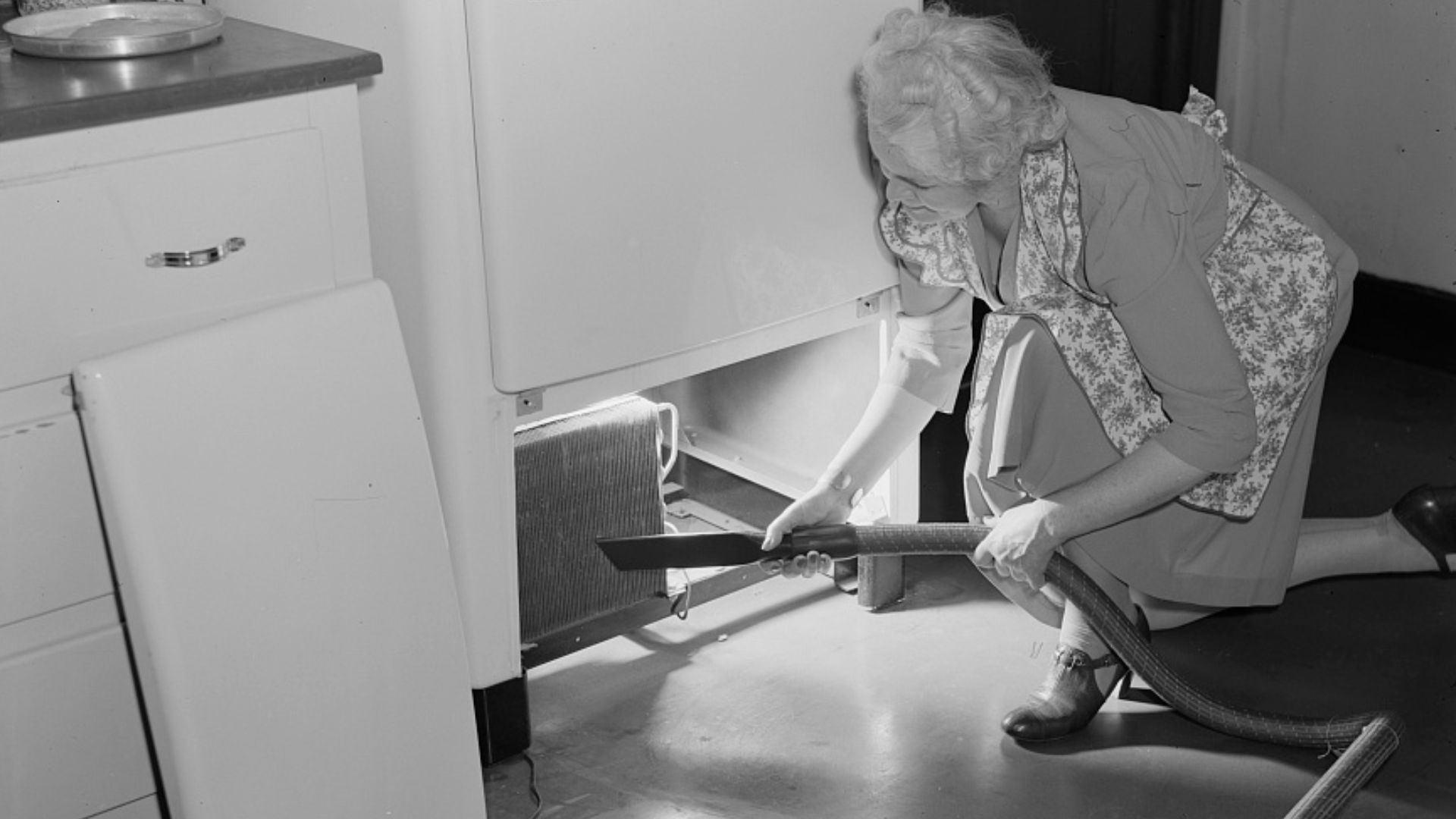
Cleaning The Refrigerator From Top To Bottom
Cleaning the refrigerator meant more than throwing out expired milk. Families removed glass shelves, scrubbed sticky drawers, wiped down walls, and washed containers by hand. There were fewer convenient removable parts in some older models, and mystery spills could hide for weeks. The worst discovery was usually something forgotten behind the leftovers.
 Ann Rosener, Wikimedia Commons
Polishing Wooden Furniture
Remember furniture polish and the distinctive smell it left behind? Saturday cleaning often meant carefully dusting wooden tables, dressers, and cabinets, then polishing appropriate surfaces to make them shine. Every decorative groove seemed to collect dust. The problem was that freshly polished furniture practically invited somebody to leave fingerprints on it.
 Daily Herald Archive, Getty Images
Cleaning Venetian Blinds One Slat At A Time
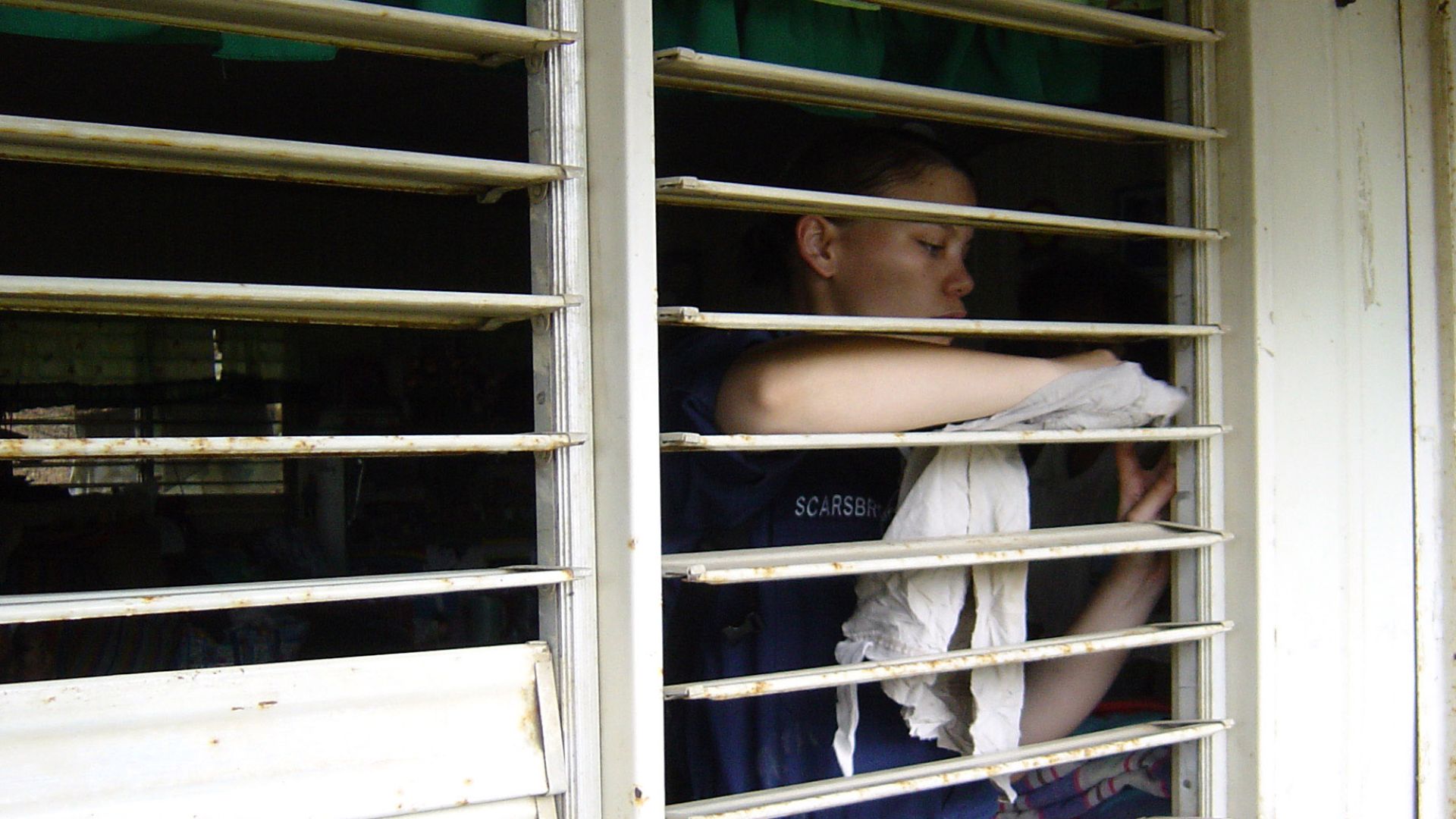
Few household chores tested patience quite like cleaning Venetian blinds. Dust settled on every horizontal slat, and removing it meant wiping each one individually. Some families took the blinds down for a thorough wash. Either way, the job was tedious, especially when every bedroom and living room window seemed to have them.
 U.S. Navy Photo by Lt. Ed Sisk, Wikimedia Commons
Scrubbing The Kitchen Trash Can
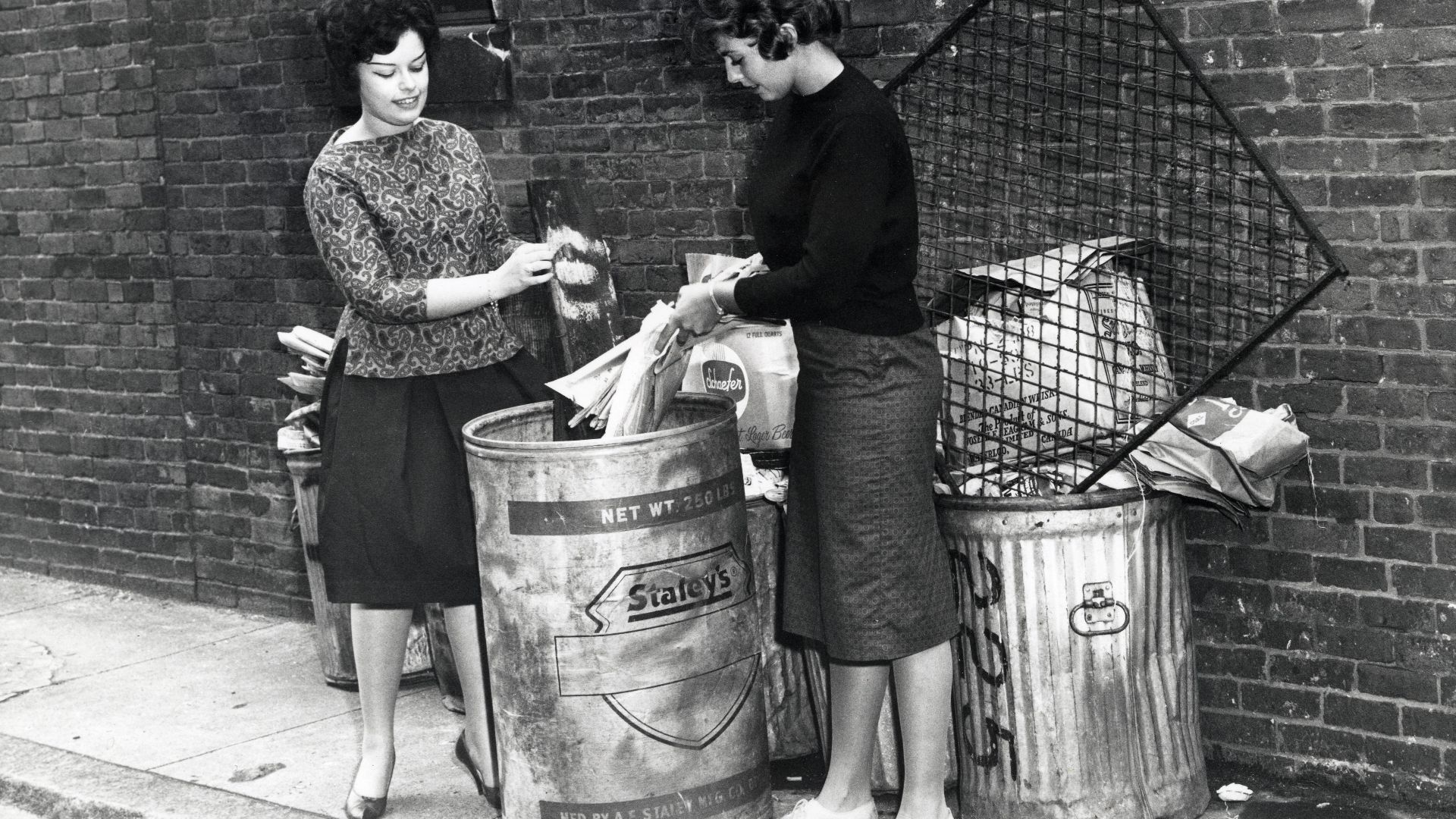
Before today's convenient disposable liners became so widely used, cleaning the household garbage can could be an especially unpleasant assignment. Leaky bags and loose trash left behind sticky messes and lingering smells. The solution was usually hot, soapy water and a scrub brush. It was certainly not a chore worth fighting over.
 City of Boston Archives from West Roxbury, United States, Wikimedia Commons
Washing Bed Sheets In Multiple Loads
Modern high-capacity washers can handle impressive amounts of bedding. In the 1970s, smaller machines meant washing sheets and blankets in separate loads, especially for larger families. Then came hanging everything outside or waiting for dryer space. By the time the beds were remade, half the weekend sometimes seemed to have disappeared.
Sharpening The Lawn Mower Blades
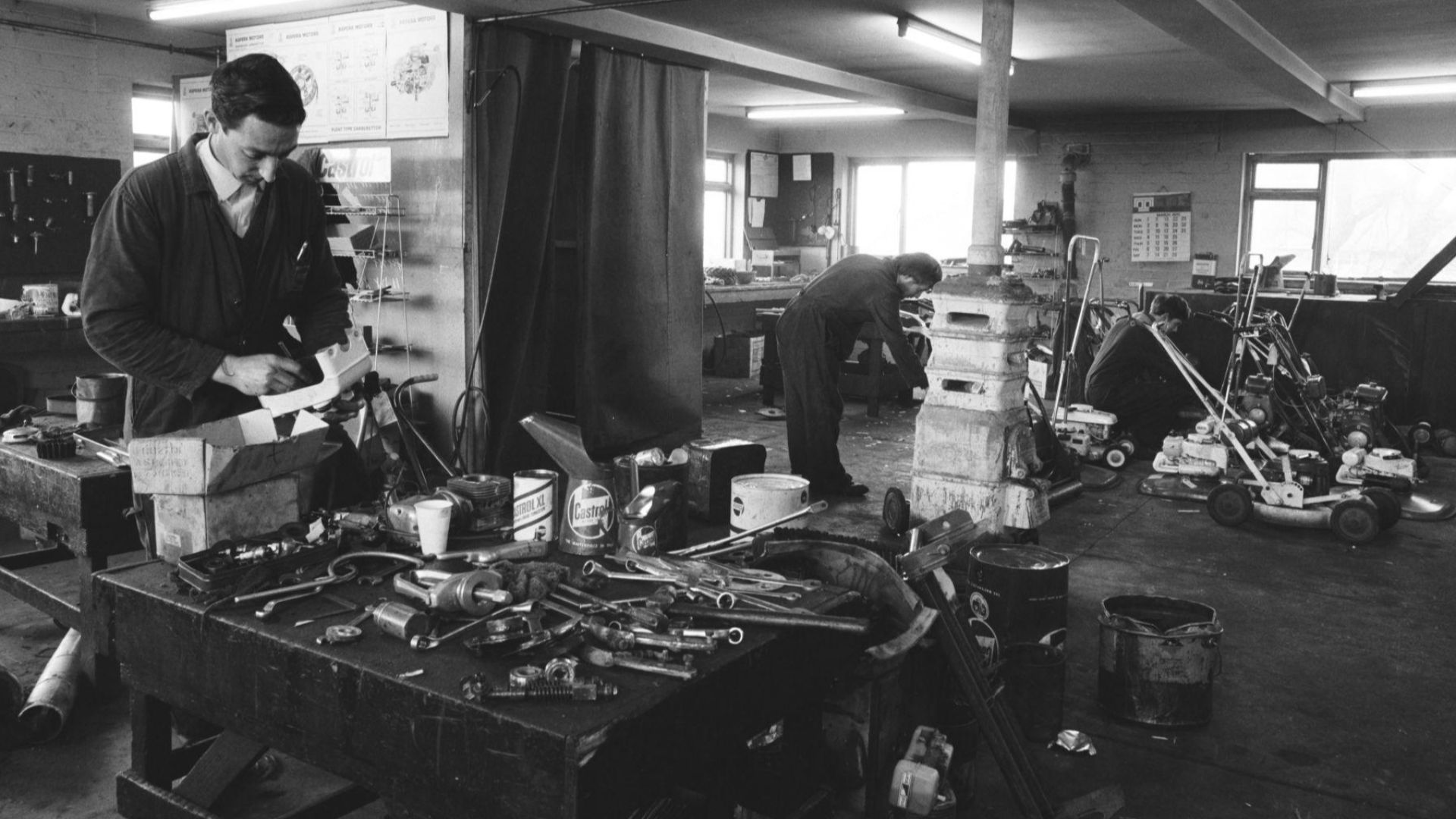
Keeping older lawn equipment in working condition sometimes became another weekend responsibility. Manual reel mowers needed blade maintenance, while powered mowers also required attention. Adults typically handled dangerous sharpening work, but children might be recruited to clean grass from equipment or fetch tools. Yard work wasn't finished when the mowing stopped.
 Geoff Charles, Wikimedia Commons
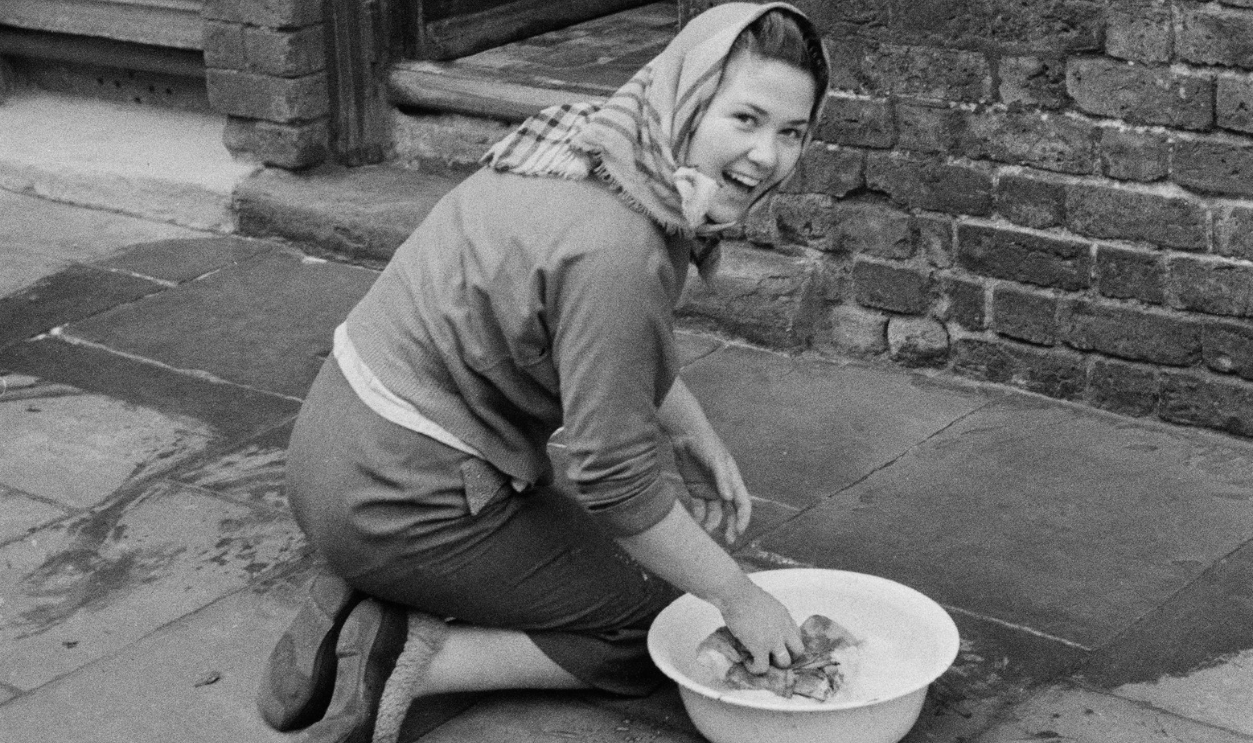
Scrubbing The Front Steps And Porch
A clean house wasn't enough if the front porch looked dirty. Families swept away leaves, washed outdoor surfaces, and scrubbed stubborn stains with brushes. Some porches needed regular attention because dirt collected in cracks and corners. Kids hoping to escape outside often discovered that being outdoors didn't necessarily mean they were free.
 Thurston Hopkins, Getty Images
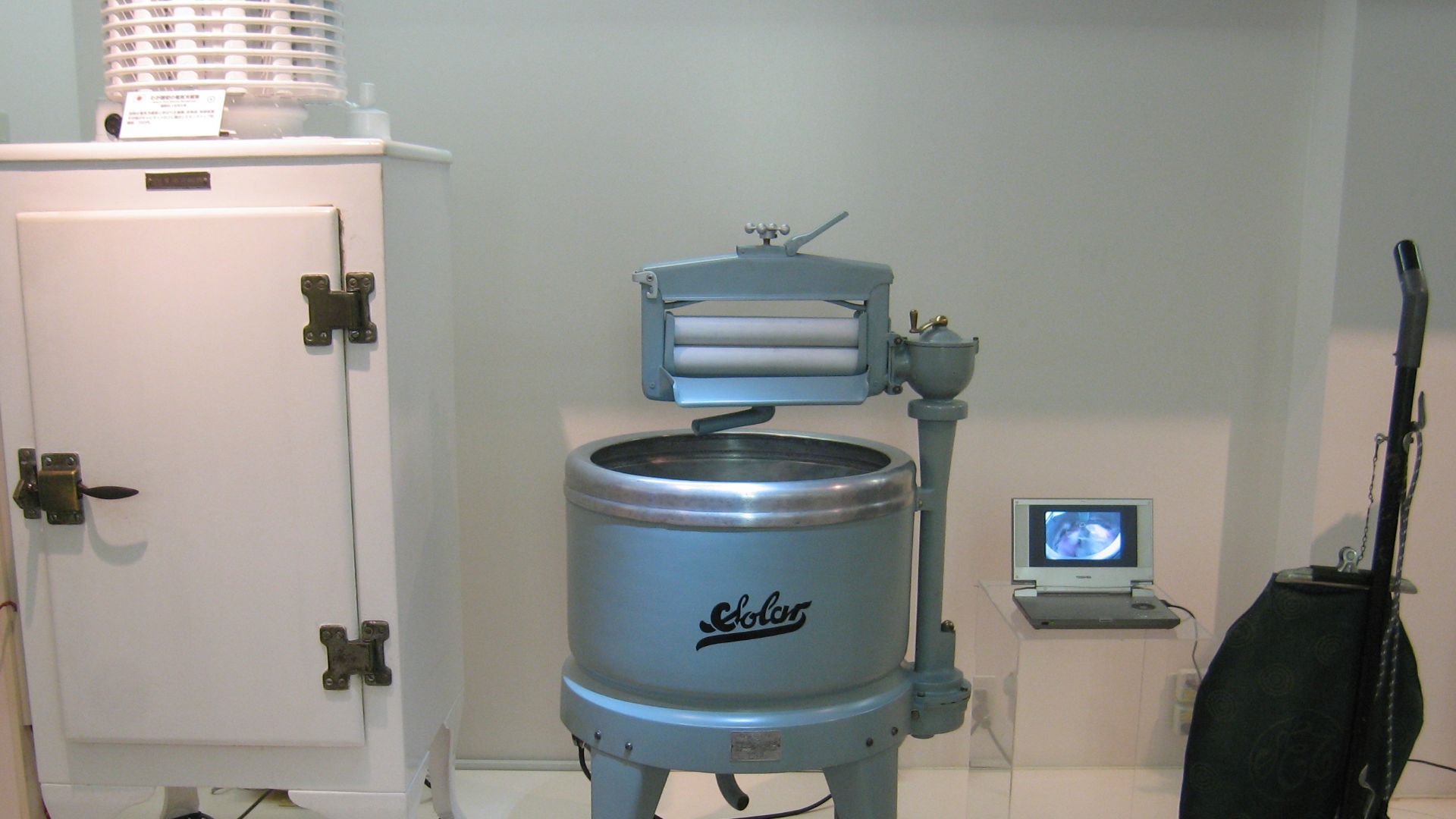
Cleaning The Washing Machine's Lint Trap
Some older washing machines had removable lint filters or traps that needed regular cleaning. Forgetting them could leave lint clinging to freshly washed clothes. This little maintenance job was just one more thing to remember on laundry day. Today's machines may still need cleaning, but the designs and maintenance routines have changed.
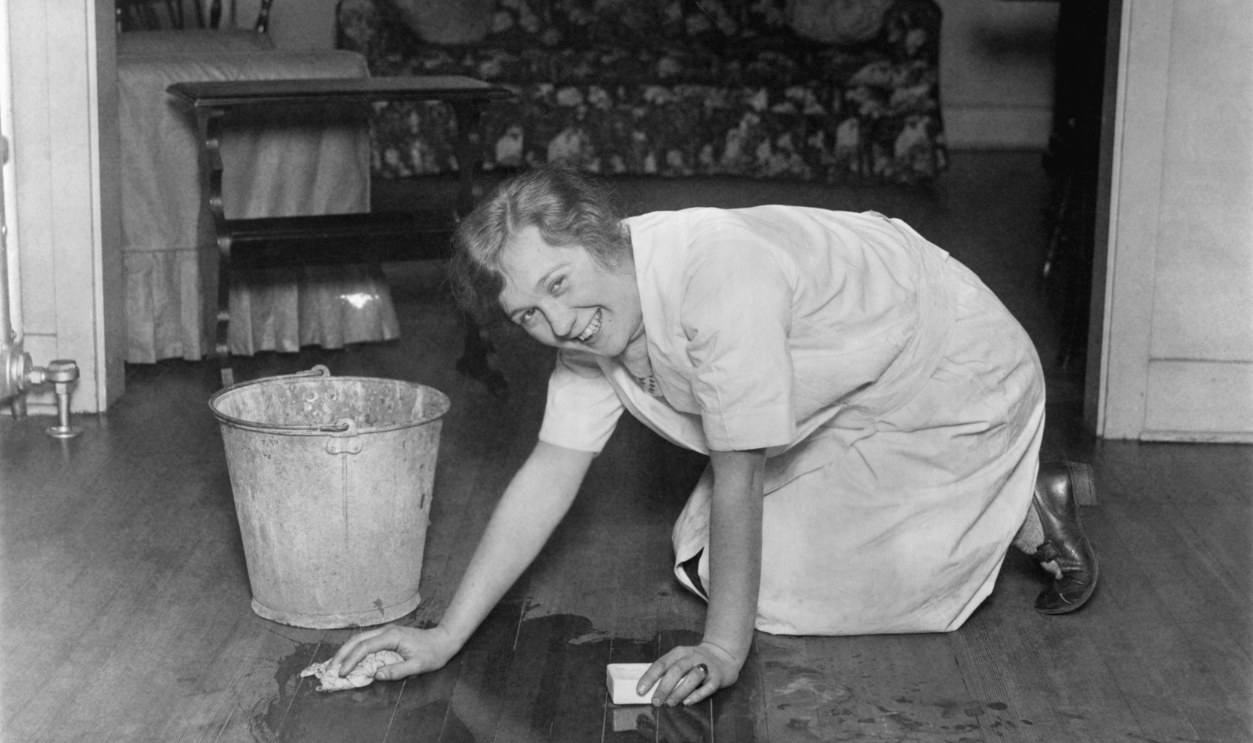
Washing Walls And Baseboards
Spring cleaning wasn't necessarily reserved for spring. Some families spent Saturdays wiping fingerprints off painted walls, cleaning doors, and scrubbing dusty baseboards. The worst part was getting down on your hands and knees to reach everything. With no robotic helper capable of handling the job, it was sponge, bucket, and patience.
The Saturday Chores Nobody Really Misses
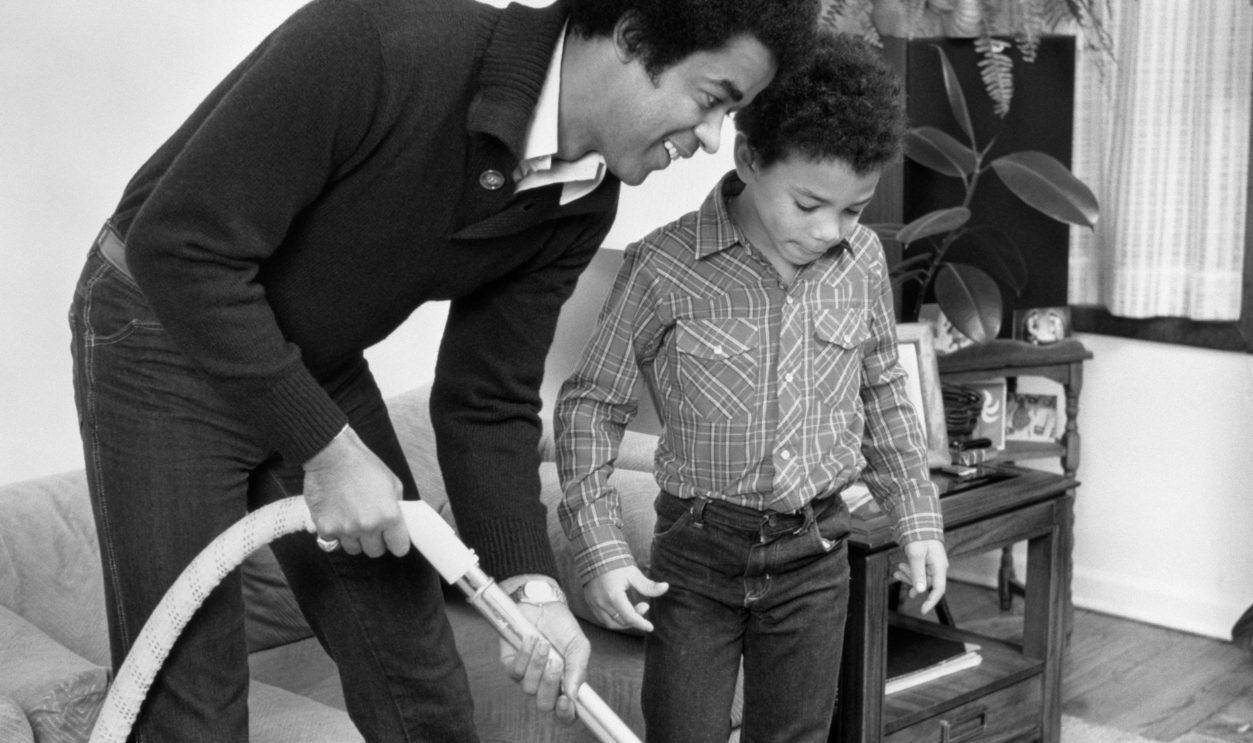
Looking back, those exhausting weekend chores helped define growing up in the 1970s. Today's smart appliances, improved cleaning products, and convenient household gadgets have made many jobs easier, although plenty of work still remains. Baby Boomers might miss the music, cars, and television of their childhoods, but scrubbing floors by hand? Probably not.
You May Also Like: