He Found His Father's Terrifying Secret
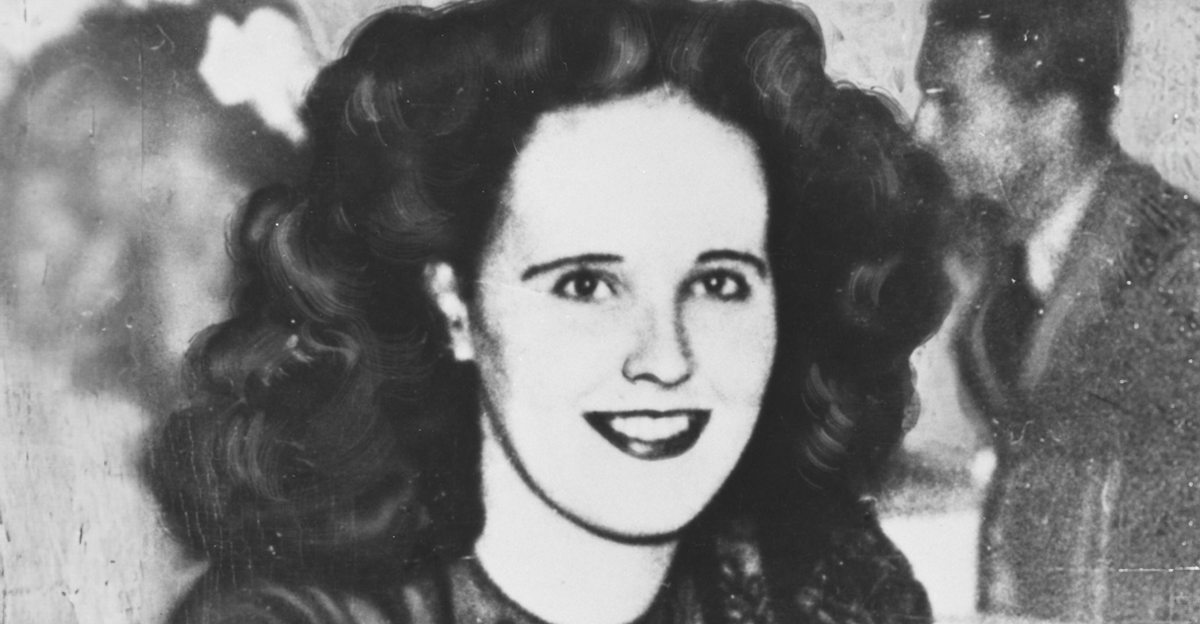
In 1999, retired LAPD detective Steve Hodel was sorting through his late father's belongings when he stumbled upon a small photo album. Inside were pictures of a mysterious young woman whose face seemed disturbingly familiar. Steve suddenly wondered whether he was looking at Elizabeth Short, the victim of America's infamous Black Dahlia case. But the photographs were only the beginning, and what Steve uncovered next would make him question everything he thought he knew about his own father.
 University of Southern California / Getty Images
The Case That Haunted Hollywood
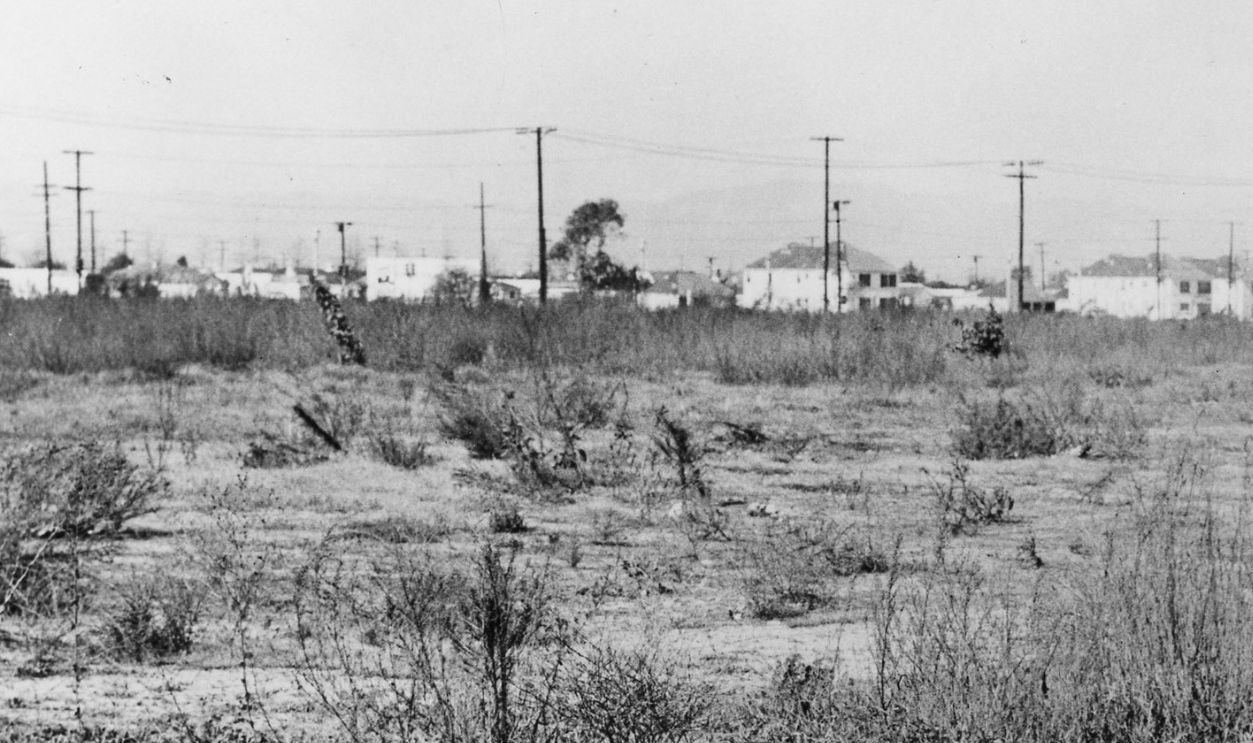
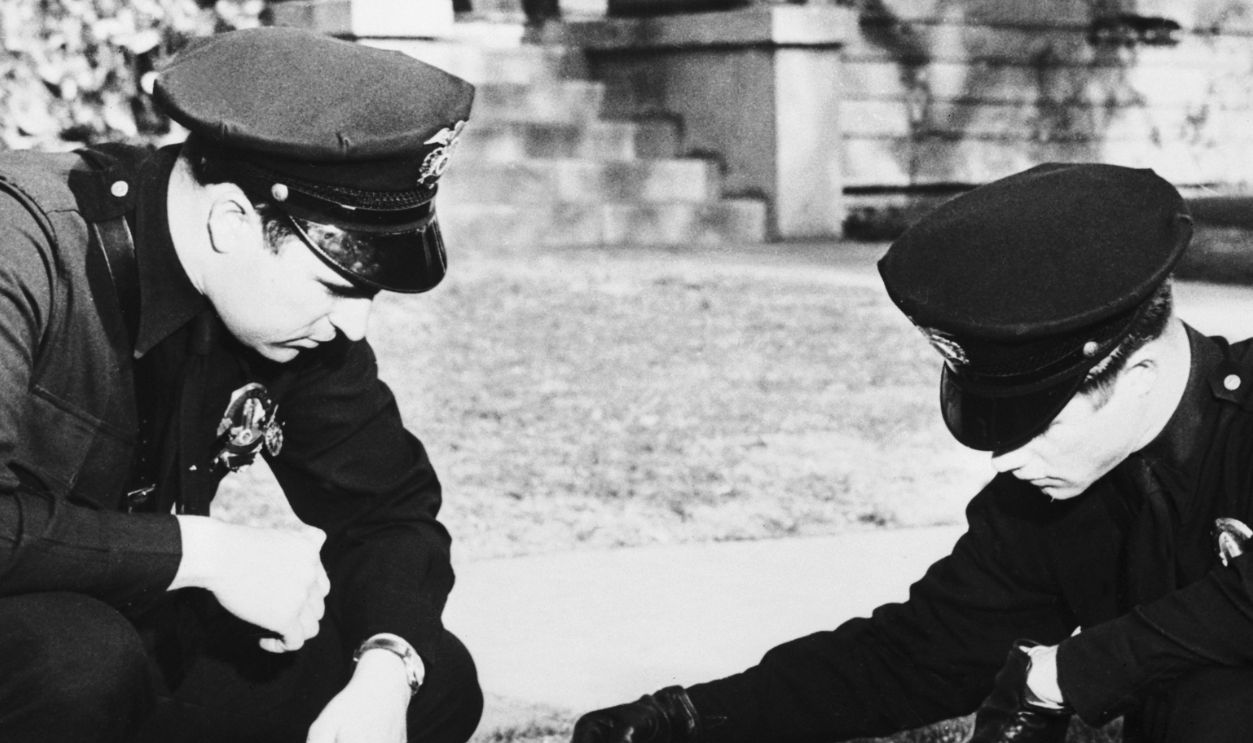
On January 15, 1947, a mother walking with her young daughter through Los Angeles made a horrifying discovery in a vacant lot. The woman initially thought she had spotted a discarded mannequin, but she soon realized something terrible had happened. The authorities identified the victim as 22-year-old Elizabeth Short, whose tragic fate quickly became national news. The circumstances were so mysterious that investigators would spend years searching for answers, and the case would eventually become one of America's most notorious unsolved mysteries.
 Los Angeles Times, Getty Images
She Had Dreams Of Stardom
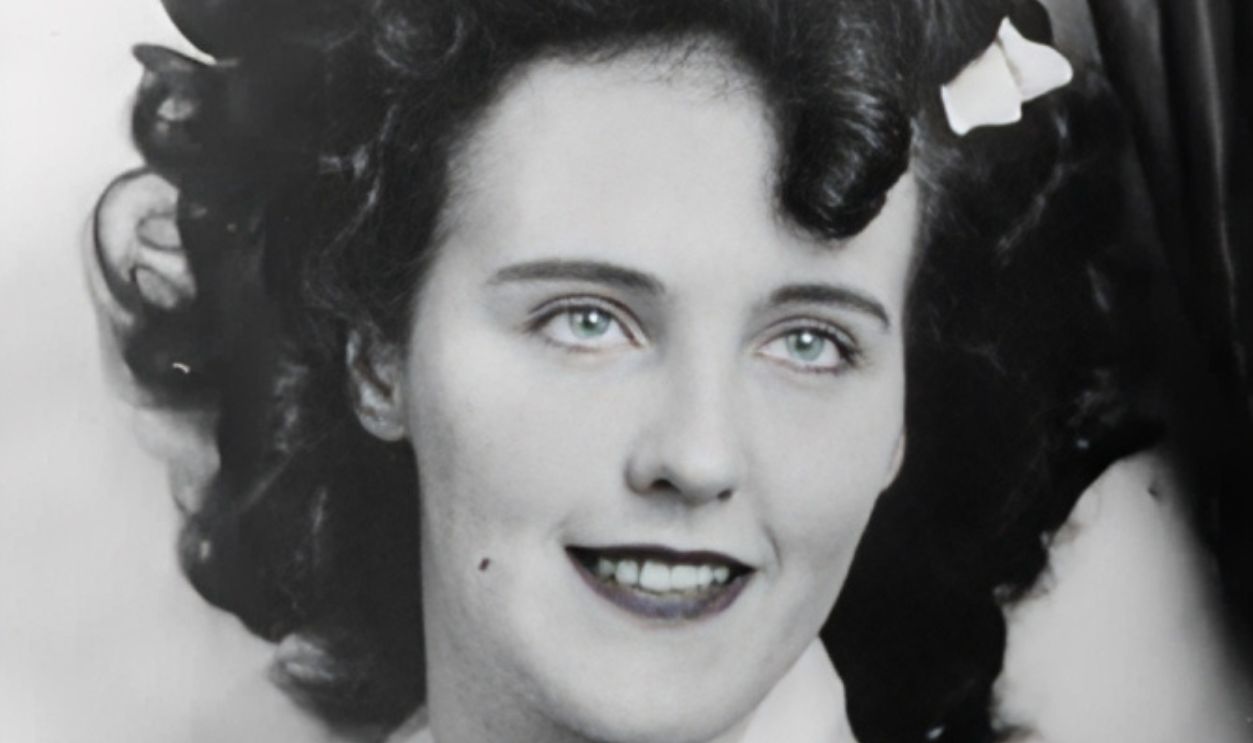
Elizabeth Short was born in Massachusetts in 1924 and spent parts of her young adulthood moving between the East Coast and California. Like many young women arriving in Los Angeles, she was drawn to the possibilities of Hollywood and hoped to find opportunities in entertainment. But she struggled to establish herself, moving between temporary accommodations and relying on friends and acquaintances. Tragically, the life she hoped to build would be overshadowed by a mystery that still fascinates Americans nearly 80 years later.
 Los Angeles Police Department, Wikimedia Commons, Enhanced
They Gave Her An Unforgettable Name
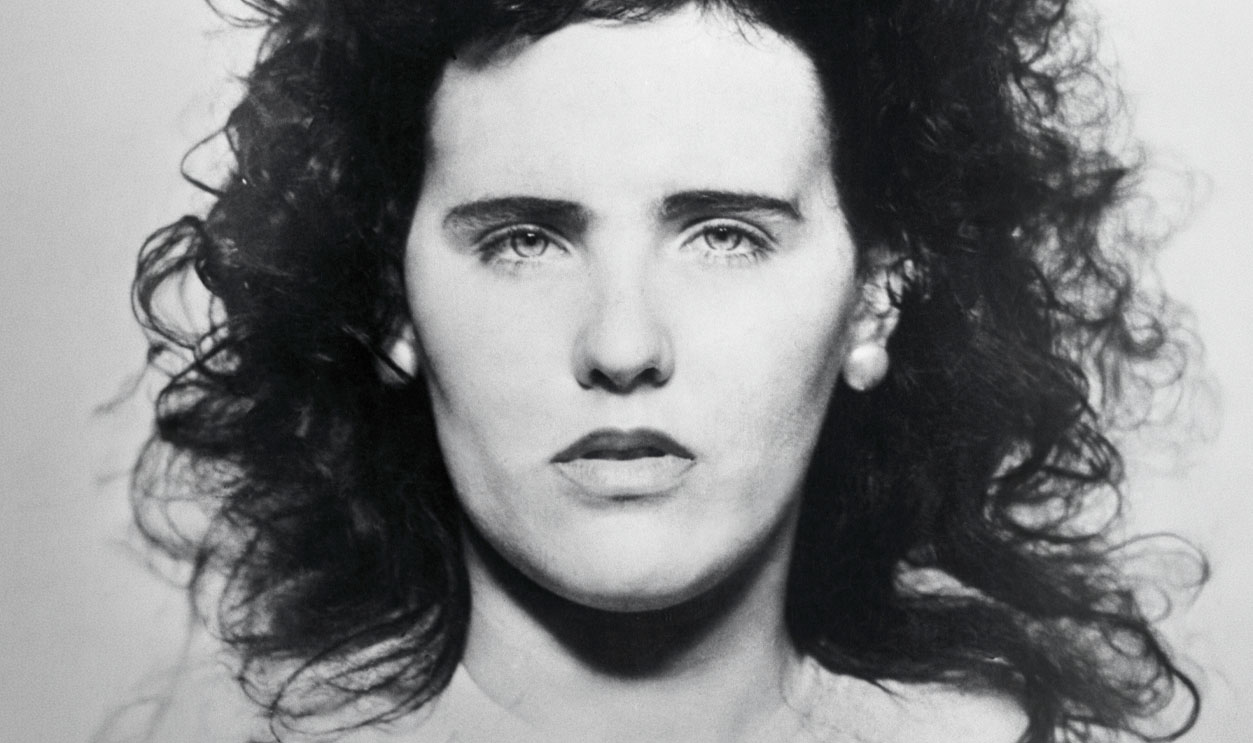
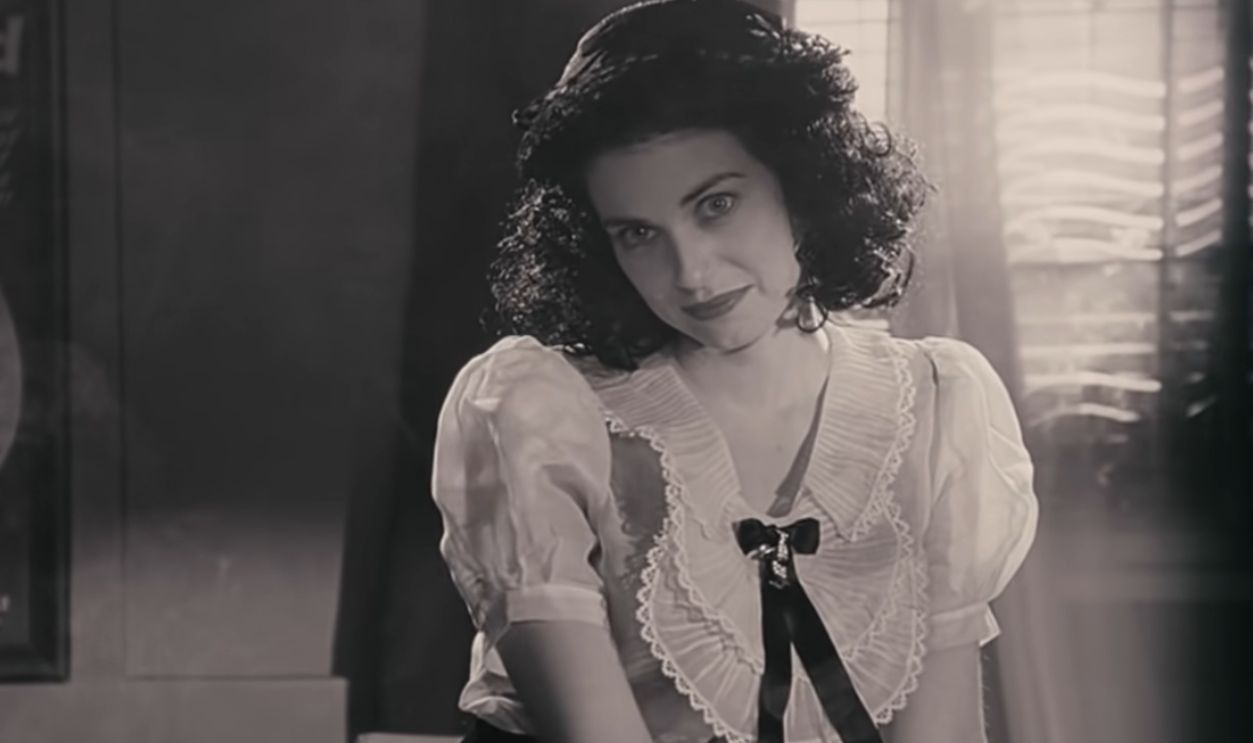
Following Short's death, newspapers popularized the nickname "Black Dahlia," a reference often linked to her preference for dark clothing and the 1946 film The Blue Dahlia. The name sounded like something from a Hollywood mystery, and it helped transform the case into a nationwide sensation. Reporters competed to uncover new details, sometimes publishing sensational claims about Short's personal life that had little supporting evidence. But while the headlines captured America's imagination, investigators were struggling to answer one crucial question: Who was responsible?
The Clues Pointed In A Strange Direction
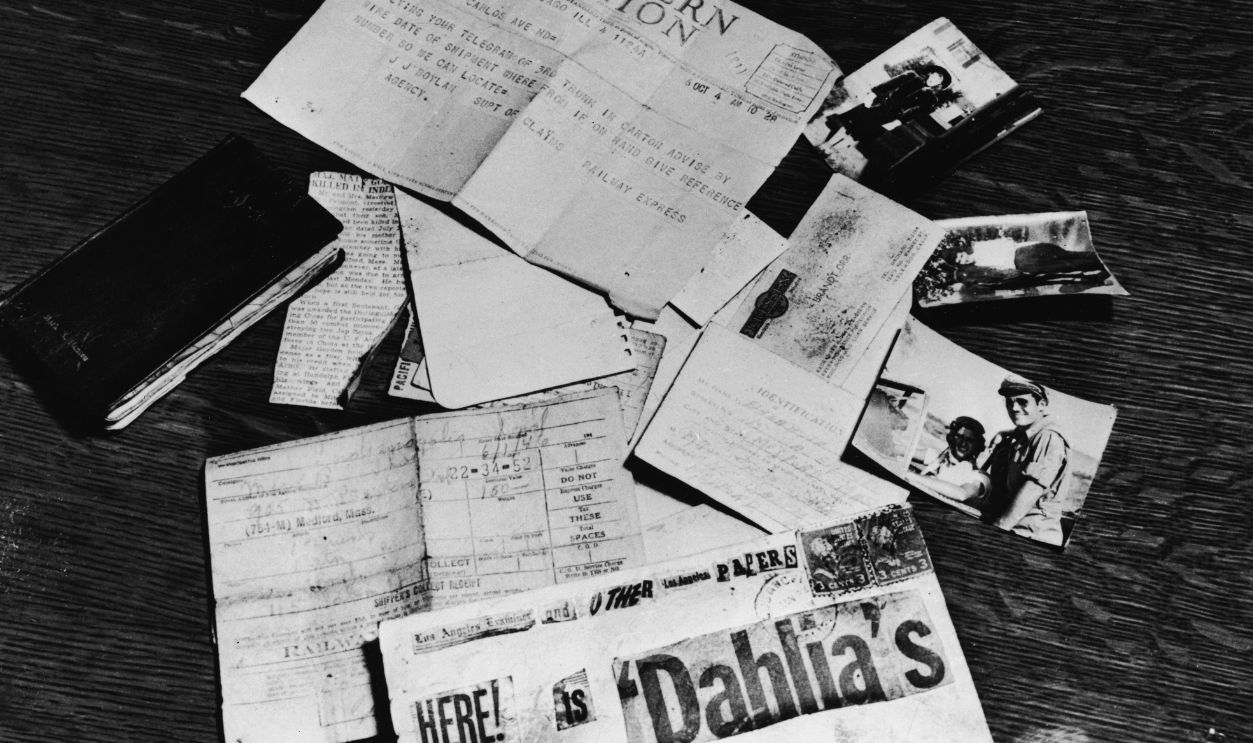
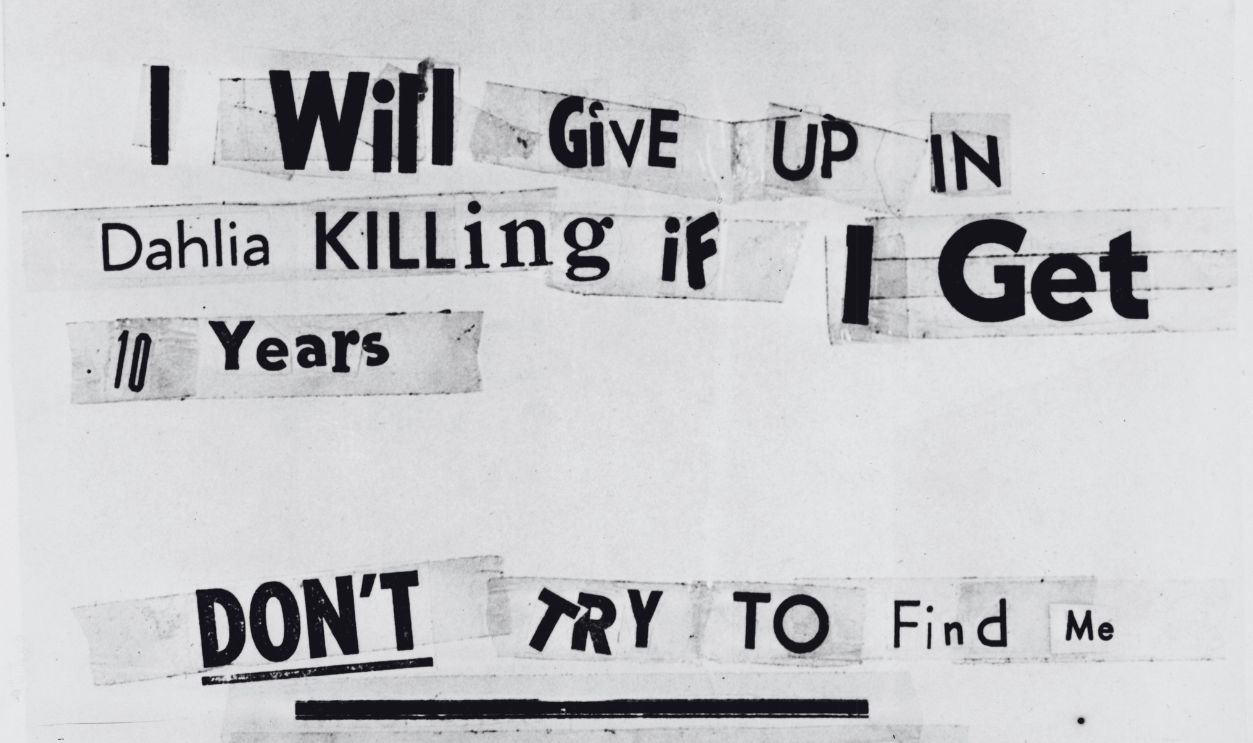
The circumstances surrounding Short's death led investigators to consider whether the person responsible might have possessed specialized medical knowledge. Detectives began looking into people with medical training, and the FBI assisted with background checks and other investigative work. Meanwhile, anonymous communications sent to newspapers complicated the investigation and attracted even more public attention. The authorities pursued numerous leads without finding a definitive answer, but one particular line of inquiry would eventually lead toward a prominent Los Angeles doctor.
He Was No Ordinary Doctor
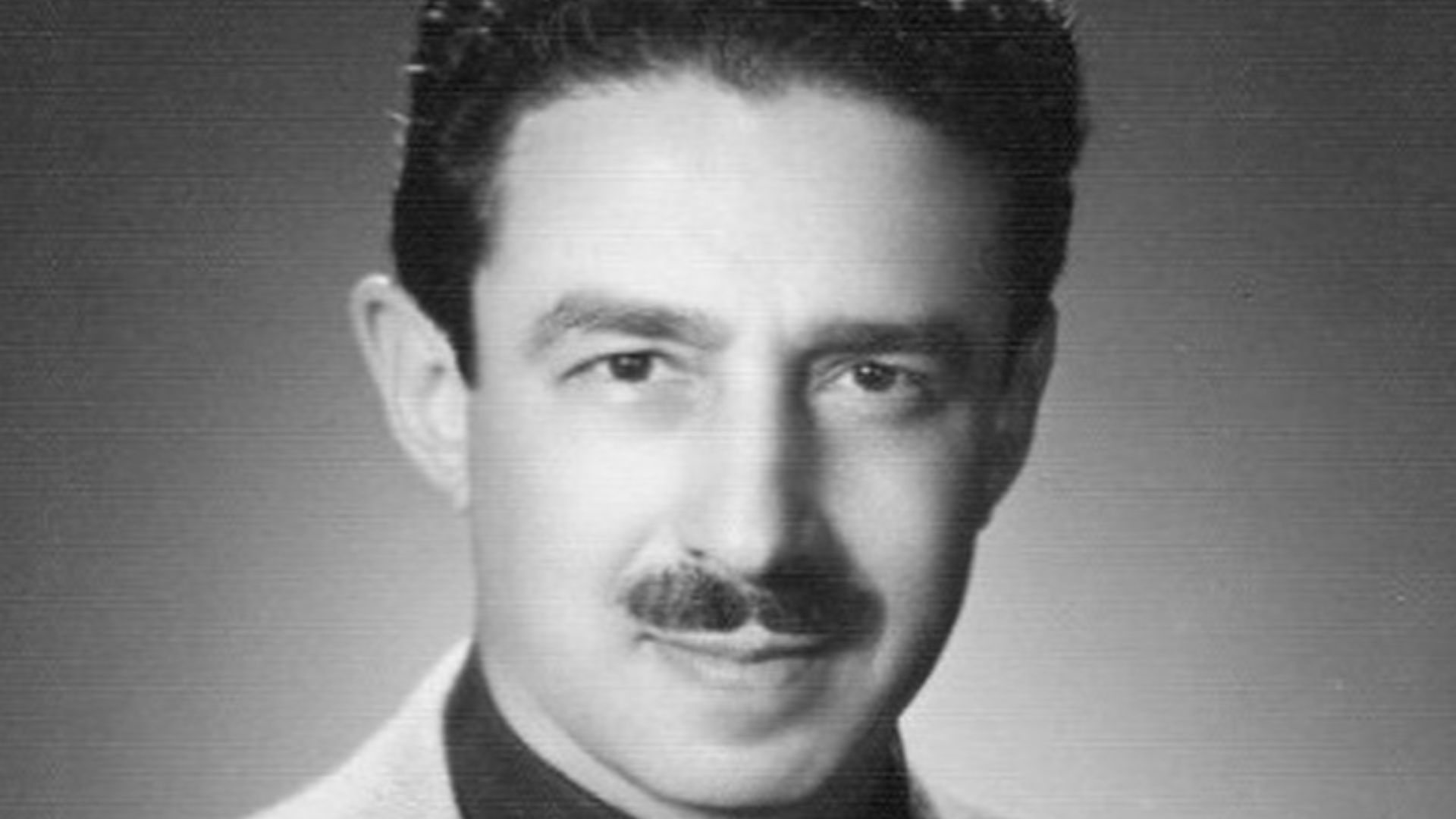
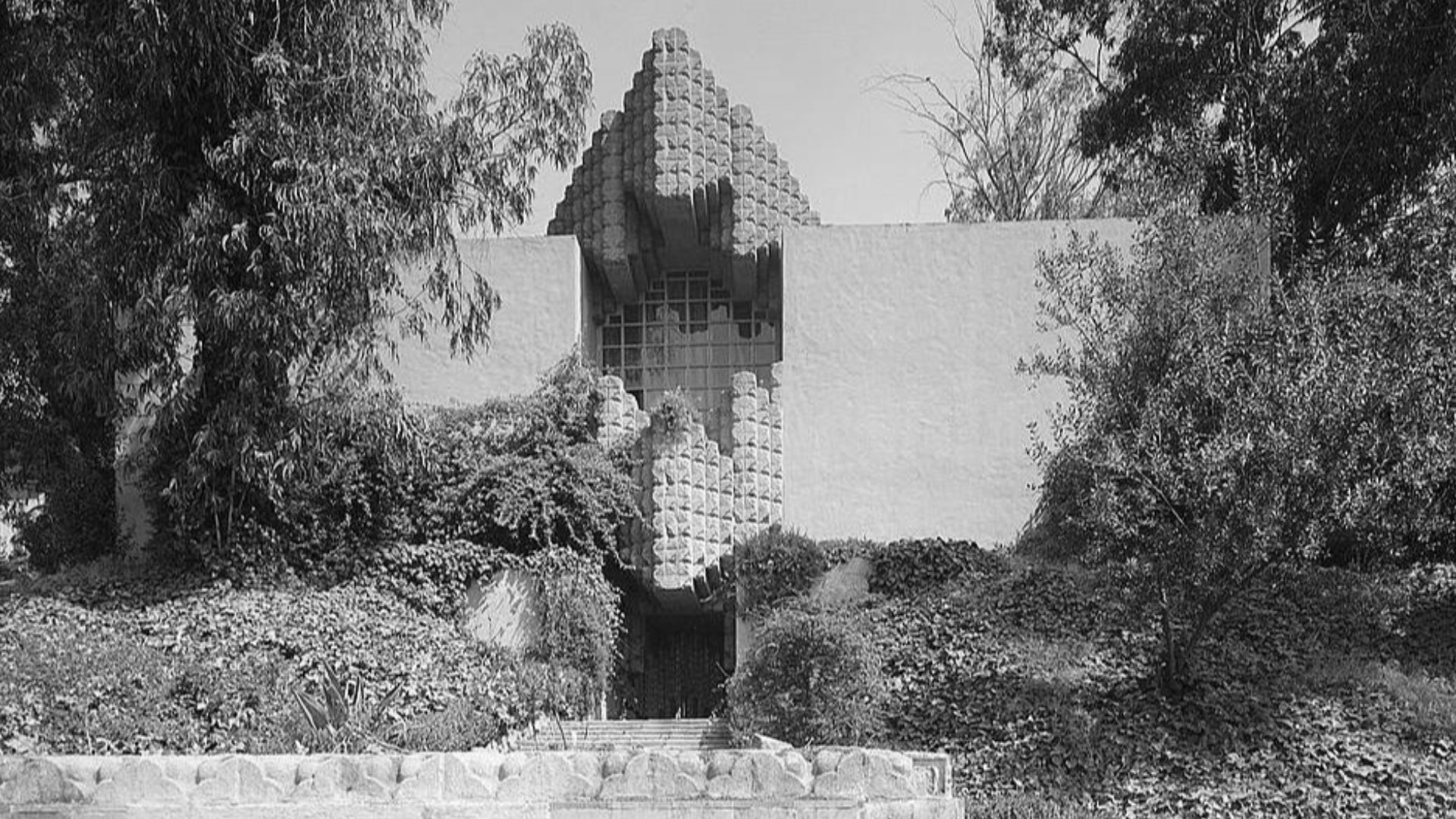
Dr. George Hill Hodel was an intelligent, well-connected physician who moved comfortably through Los Angeles society during the 1940s. He associated with artists, entertainers, and influential figures, including renowned surrealist photographer Man Ray. His family lived in an extraordinary Hollywood residence designed by Lloyd Wright, son of the legendary architect Frank Lloyd Wright. George appeared to enjoy an enviable lifestyle, but behind the impressive house and fascinating social circle, his family was dealing with serious troubles.
 Steve Hodel, Wikimedia Commons
His Family Had A Troubled History
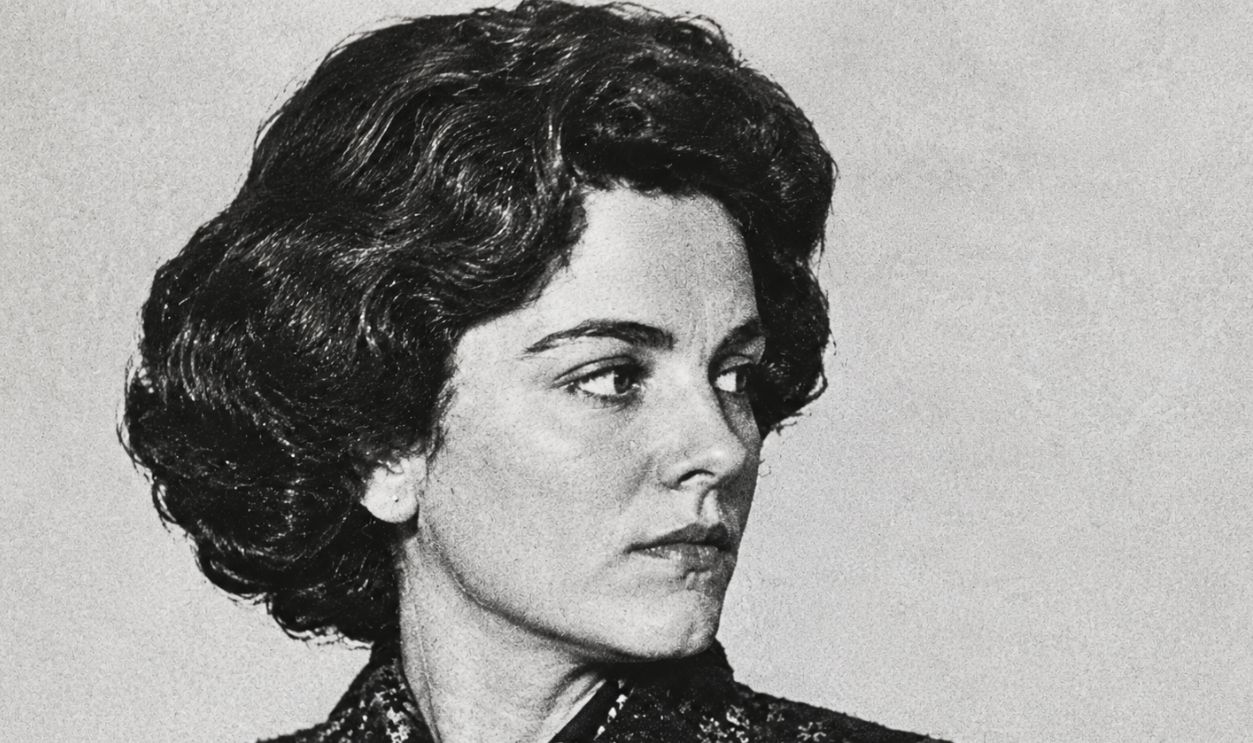
George Hodel's personal life was complicated, and his relationships with his children were often strained. In 1949, his teenage daughter Tamar accused him of serious abuse, allegations that resulted in a highly publicized criminal trial. George was ultimately acquitted, and the accusations were not proven in court. However, the proceedings attracted the attention of investigators, who had begun examining George's possible connection to another troubling case.
 Court, Wikimedia Commons, Enhanced
His Name Was On A Secret List
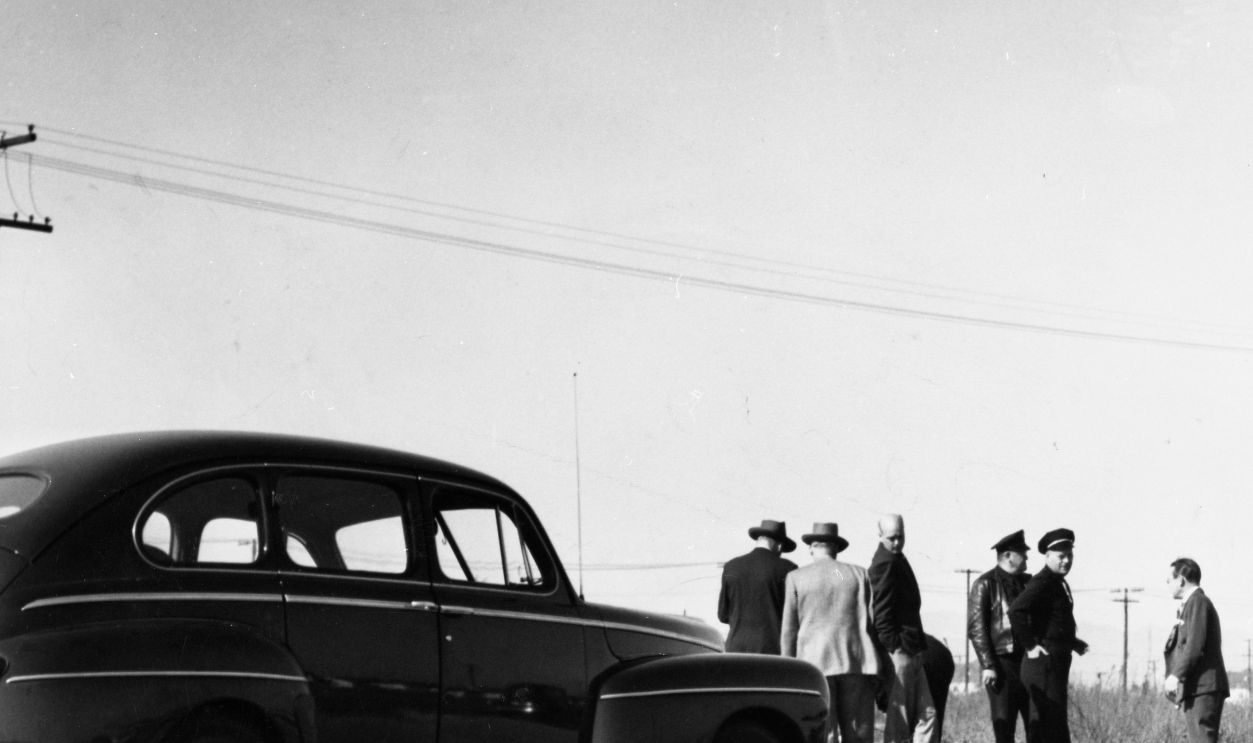
Years after Elizabeth Short's death, Los Angeles investigators continued examining potential suspects, including George Hodel. Records later revealed that his name appeared among a small group of men receiving particular attention from authorities. Investigators had questions about his background, his acquaintances, and whether he might have known Short personally. George was never charged in connection with her death, but the authorities took their suspicions seriously enough to begin an extraordinary surveillance operation.
 Los Angeles Times, Getty Images
They Were Listening To Everything
In February 1950, investigators secretly installed listening devices inside George Hodel's Hollywood home. For several weeks, they monitored conversations, hoping to discover whether the physician knew something important about the Black Dahlia case. Their recordings were later transcribed and preserved in investigative files, although the original audio recordings are no longer available. Decades later, those forgotten transcripts would provide George's own son with one of the most unsettling discoveries of his life.
 Marvin Rand, Wikimedia Commons
His Son Became A Detective
Steve Hodel was just five years old when Elizabeth Short's death made headlines across America. As he grew older, he followed a very different career path from his father, eventually joining the Los Angeles Police Department. Steve spent more than two decades working as an officer and detective, gaining extensive experience investigating serious criminal cases. Yet despite his professional background, he had no idea that his most personal investigation would begin with something hidden among his father's possessions.
 Ken Kistler, Wikimedia Commons
Their Relationship Was Far From Perfect
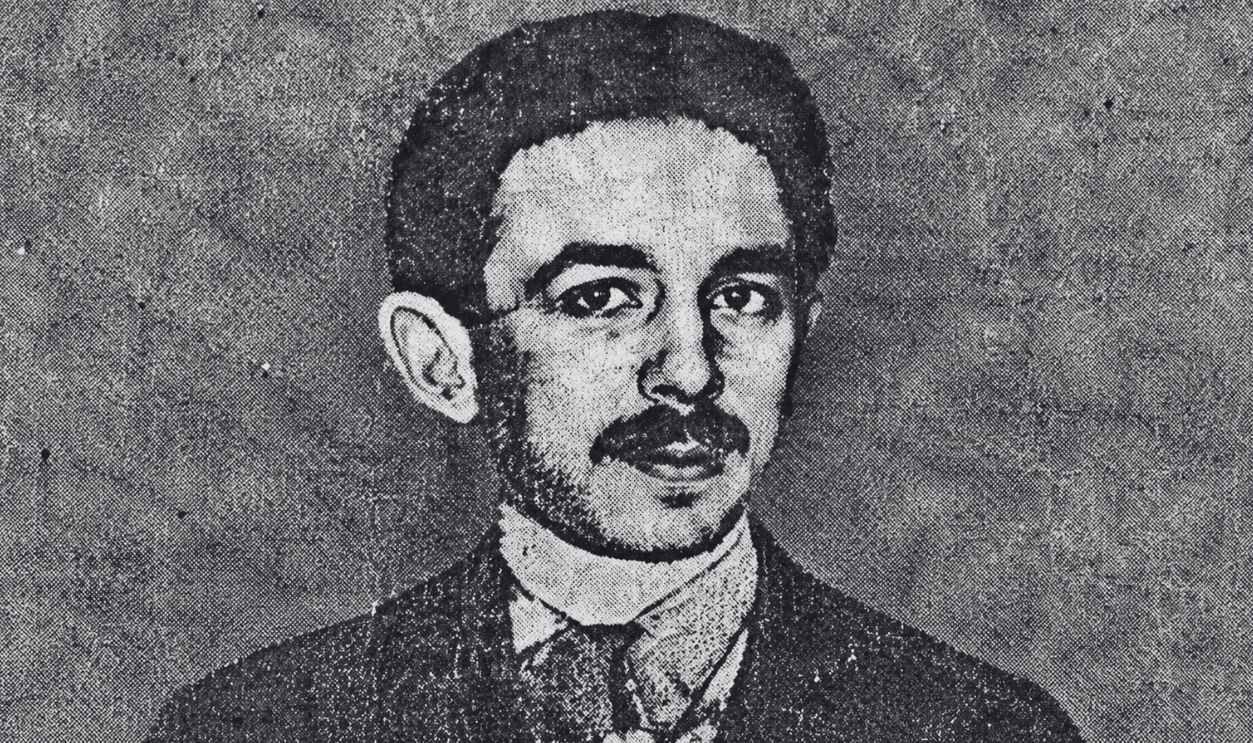
Steve's relationship with George had been difficult for much of his childhood, especially after his father left the family. George eventually moved to the Philippines, creating considerable distance between himself and his children. Although Steve admired aspects of his father's intelligence and accomplishments, their relationship remained complicated, and they spent many years apart. They eventually reconnected later in George's life, but Steve was still unaware of the extraordinary questions waiting to surface after his father's death.
 Court, CC BY-SA 4.0, Wikimedia Commons, Enhanced
A Death Brought Him Back
George Hodel passed away in San Francisco in May 1999 at the age of 91. After receiving the news, Steve traveled to sort through his father's belongings and revisit pieces of a family history he had never fully understood. George's widow, June, gave Steve a small wooden photo album containing pictures collected over many years. Most appeared perfectly ordinary, but as Steve turned toward the back, he spotted something that immediately caught his attention.
Two Photographs Changed Everything
Near the back of the album were photographs of an unidentified young woman with dark, curly hair. Steve studied her face and felt a strange sense of recognition, although he initially couldn't explain why she looked familiar. When he asked June who the woman was, she said only that she was someone George had known long ago. That answer seemed innocent enough, but Steve couldn't shake the feeling that he had seen the woman's face somewhere before.
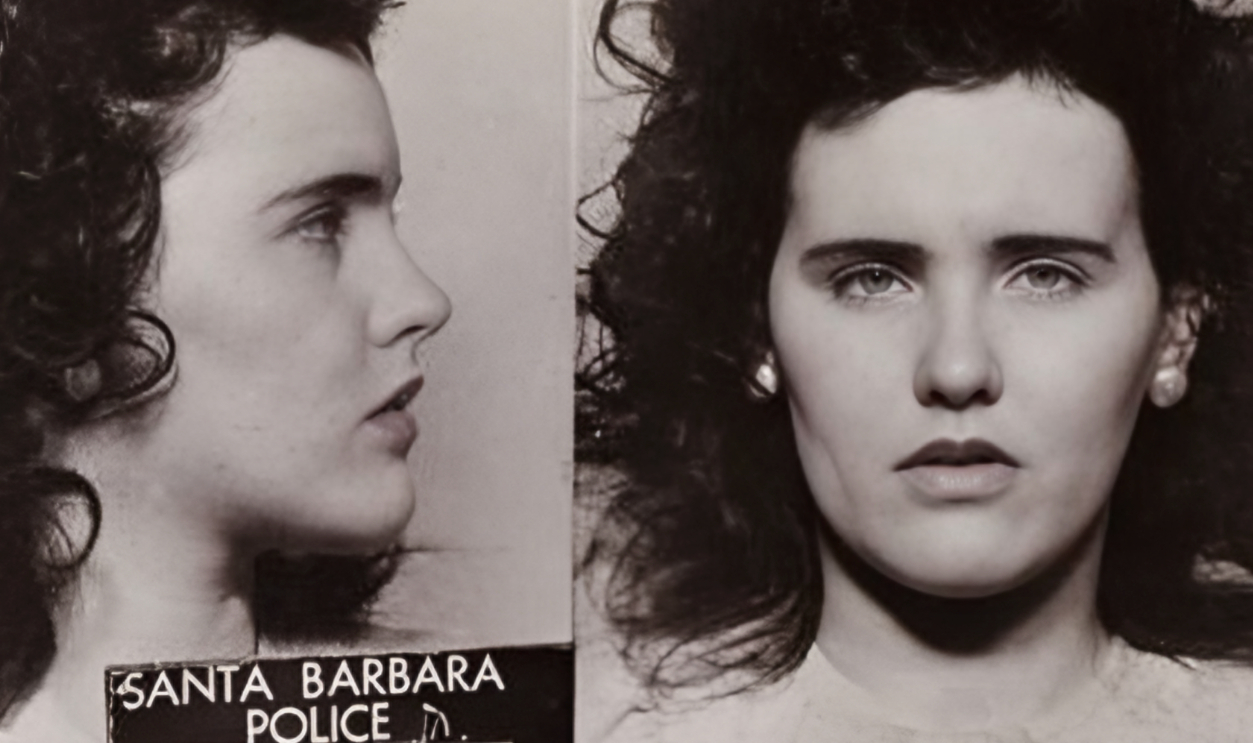 Santa Barbara police, Wikimedia Commons
Then The Name Came To Him
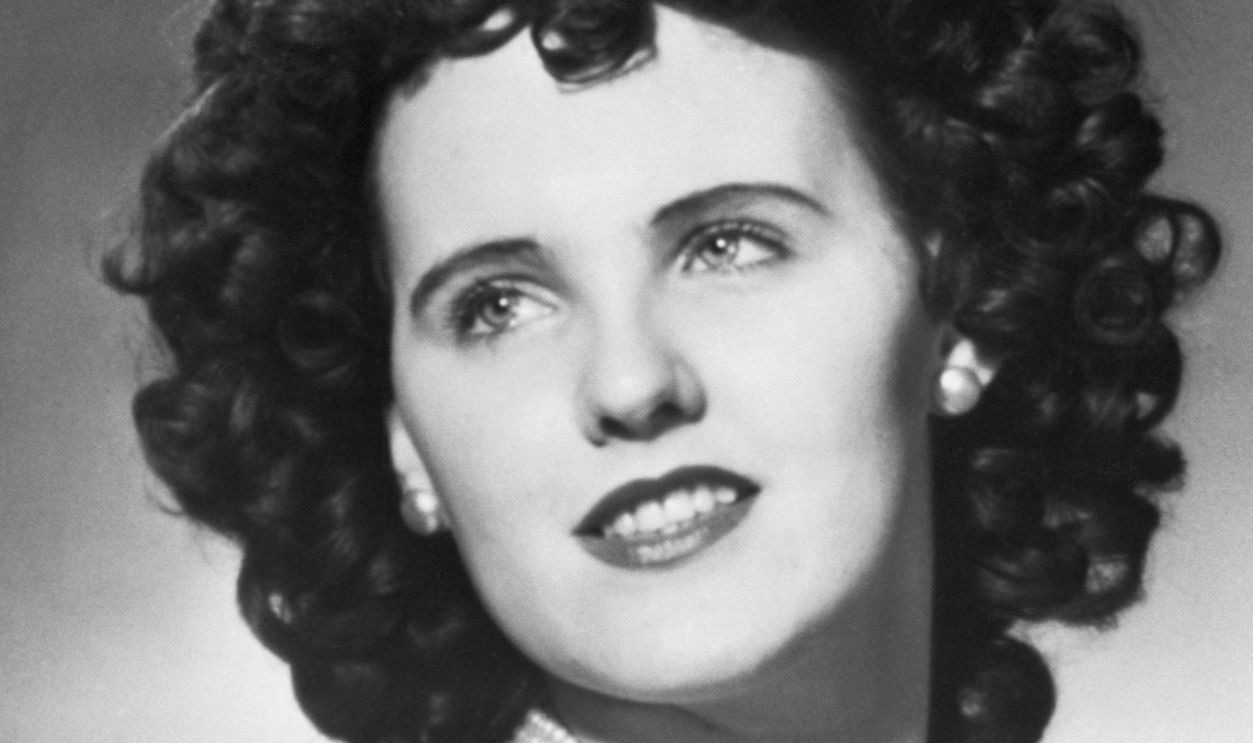
After spending more time thinking about the photographs, Steve suddenly remembered the Black Dahlia case. He had previously seen images of Elizabeth Short, including depictions of her in television programs about the famous mystery. The resemblance seemed remarkable, and Steve began wondering whether his father had personally known one of America's most famous victims. There was nothing inherently suspicious about an old photograph, but the possibility was intriguing enough to send the retired detective searching for answers.
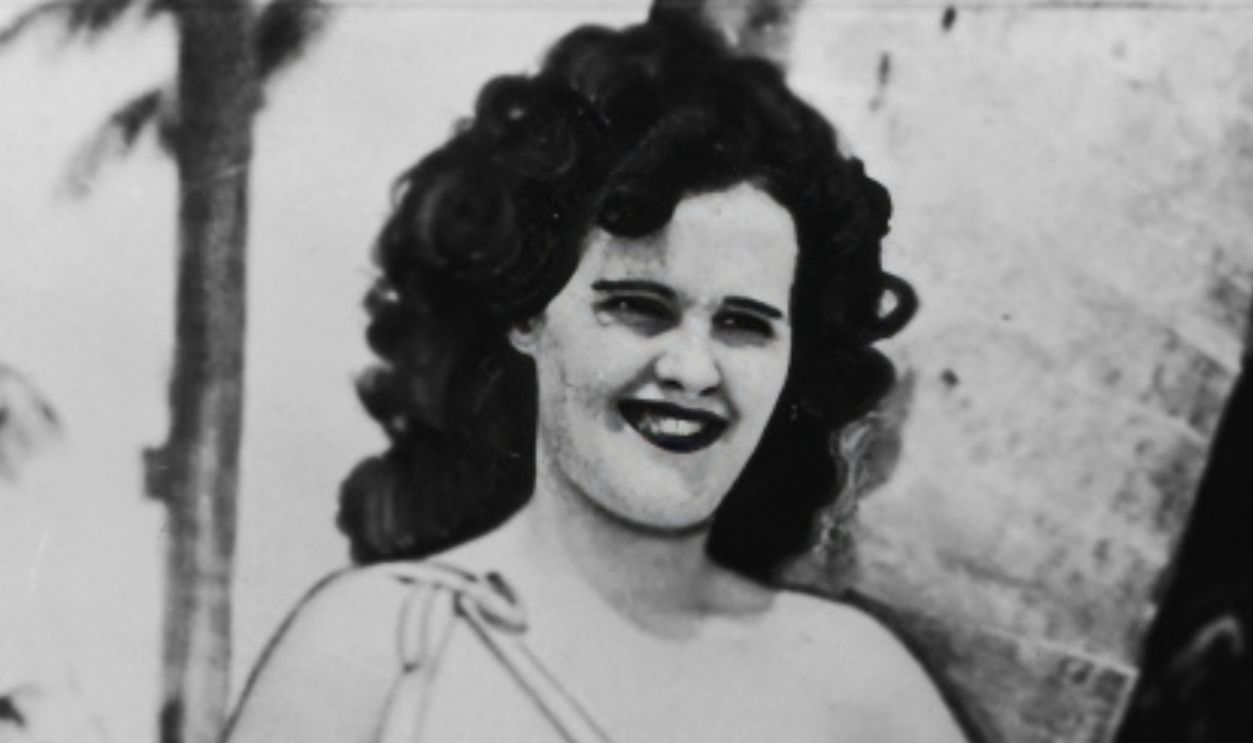 Archive Photos, Getty Images, Enhanced
He Wanted To Prove His Father Innocent
Steve did not immediately assume that his father had been responsible for Elizabeth Short's death. In fact, he later explained that he initially expected to find a perfectly innocent explanation for the photographs. George had known many women and moved in fashionable Hollywood circles, so a possible acquaintance with Short would not necessarily have been extraordinary. But Steve approached the mystery as he would any other investigation, and the more he researched, the more troubling the questions became.
His Sister Dropped A Bombshell
As Steve investigated, he learned something startling from his half-sister Tamar. She told him that authorities had suspected their father in the Black Dahlia case and that investigators had mentioned those suspicions during the inquiry into her own allegations against George. Steve had never known that his father had attracted this kind of official attention. Suddenly, the photographs seemed less like an unusual coincidence and more like the beginning of something much larger.
The Records Confirmed His Fears
Steve continued researching the case, and the story eventually led to long-forgotten investigative records held by the Los Angeles County district attorney's office. These files confirmed that George Hodel had genuinely been considered a suspect decades earlier. They also contained interview notes and information about the surveillance operation at his Hollywood home. Steve had started with a possible resemblance in an old photograph, but now he had documentary evidence that authorities had once been deeply interested in his father.
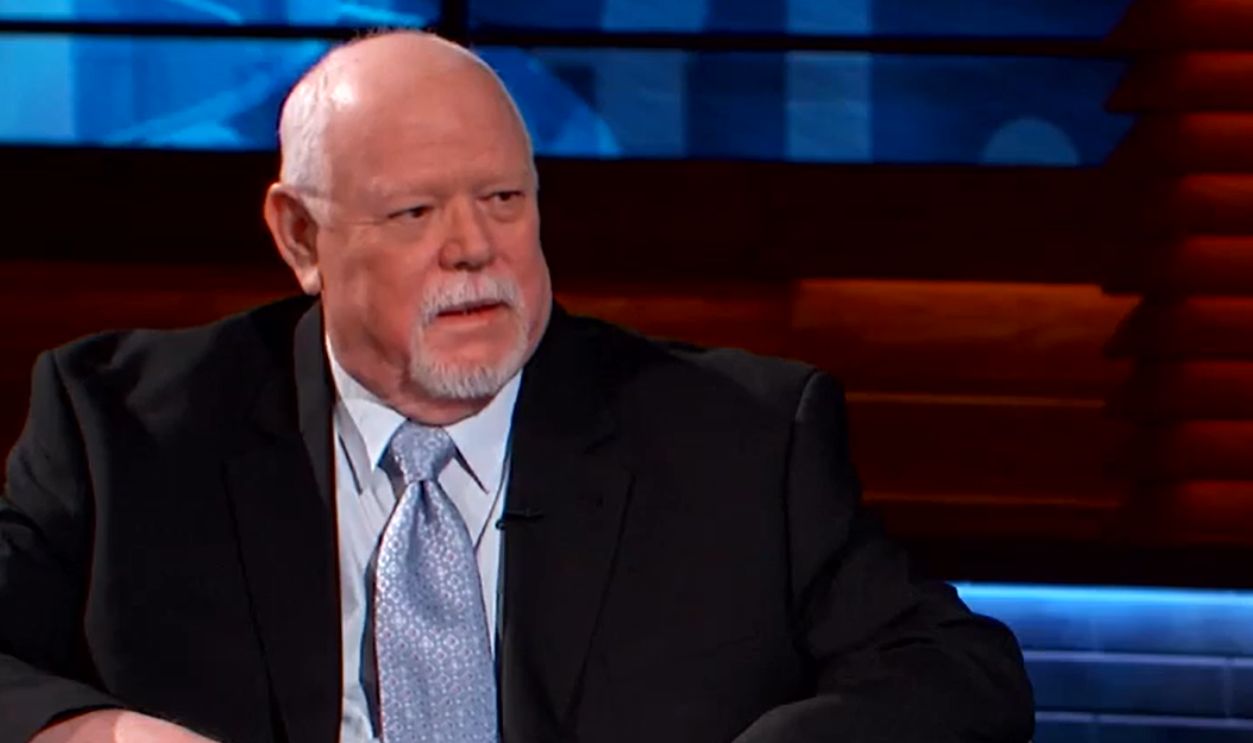 Screenshot from Dr. Phil, CBS (2002–2023)
His Father's Words Were Unsettling
Among the surveillance transcripts was a particularly disturbing remark in which George discussed the Black Dahlia case and questioned whether investigators could prove anything against him. Steve considered the statement an extraordinary clue, especially because his father had been speaking inside his own home. However, the remark was not a confession, and George was already aware that investigators suspected him, which offered another possible explanation for his words. Still, for Steve, reading his father's recorded conversations was a deeply unsettling experience.
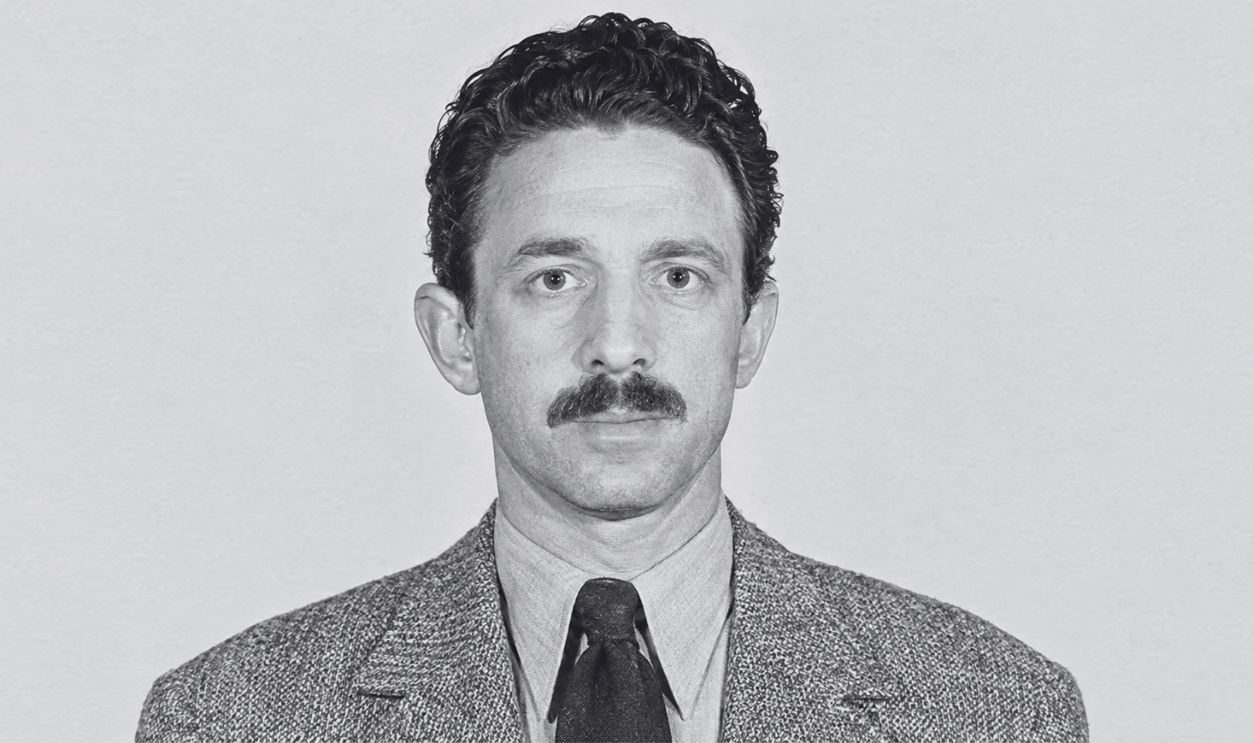 Steve Hodel, CC BY-SA 4.0, Wikimedia Commons, Enhanced
The Medical Connection Returned
Steve began reconsidering one of the earliest theories in the Black Dahlia investigation: that the person responsible might have possessed medical expertise. His father had trained as a physician and studied surgery, giving him knowledge of human anatomy. Steve believed this background was consistent with the specialized skills investigators had considered relevant to the case. Medical training alone proved nothing, but it was another detail that made Steve increasingly uncomfortable with what he was discovering.
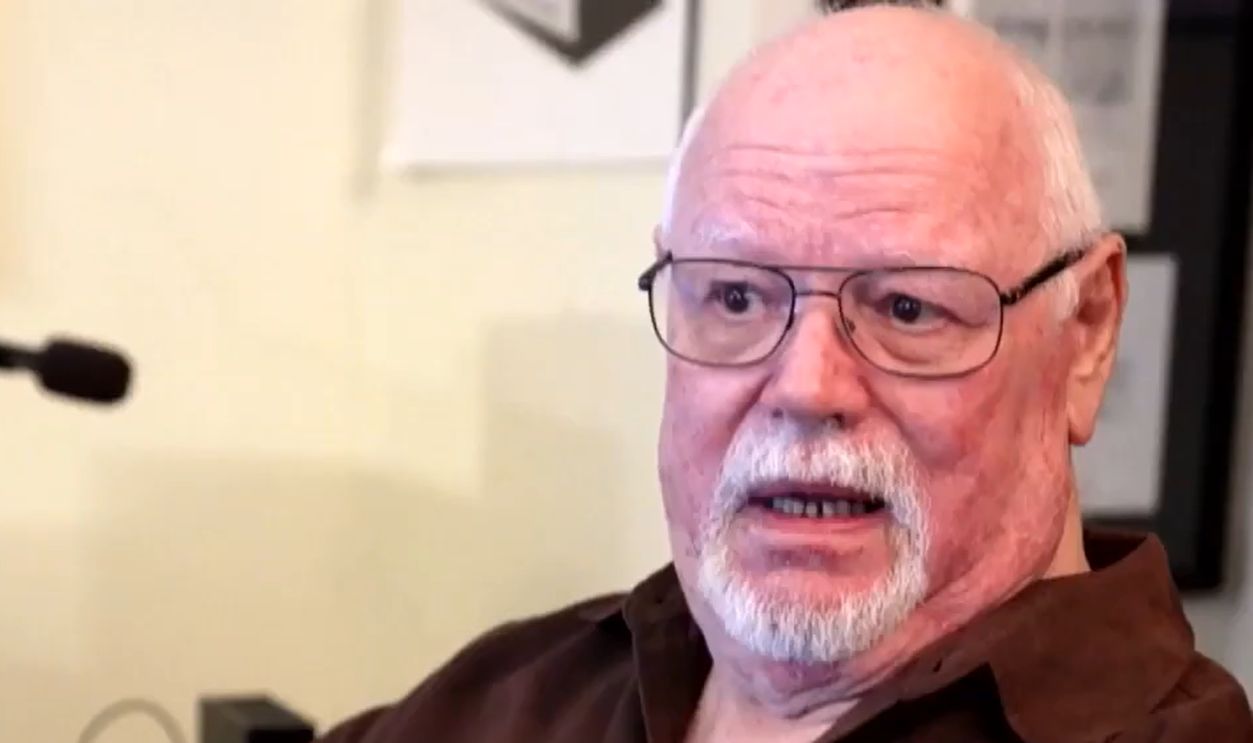 Screenshot from Dr. Phil, CBS (2002–2023)
Another Case Raised More Questions
Steve's investigation eventually expanded beyond Elizabeth Short to another Los Angeles woman named Jeanne French, who died under suspicious circumstances in February 1947. Her case had attracted considerable attention at the time, and investigators had explored whether it might be connected to other incidents. Steve began examining similarities between the two cases and considering whether his father could have been involved in both. The theory was alarming, but the supposed connection remained unproven, and Steve still needed stronger evidence.
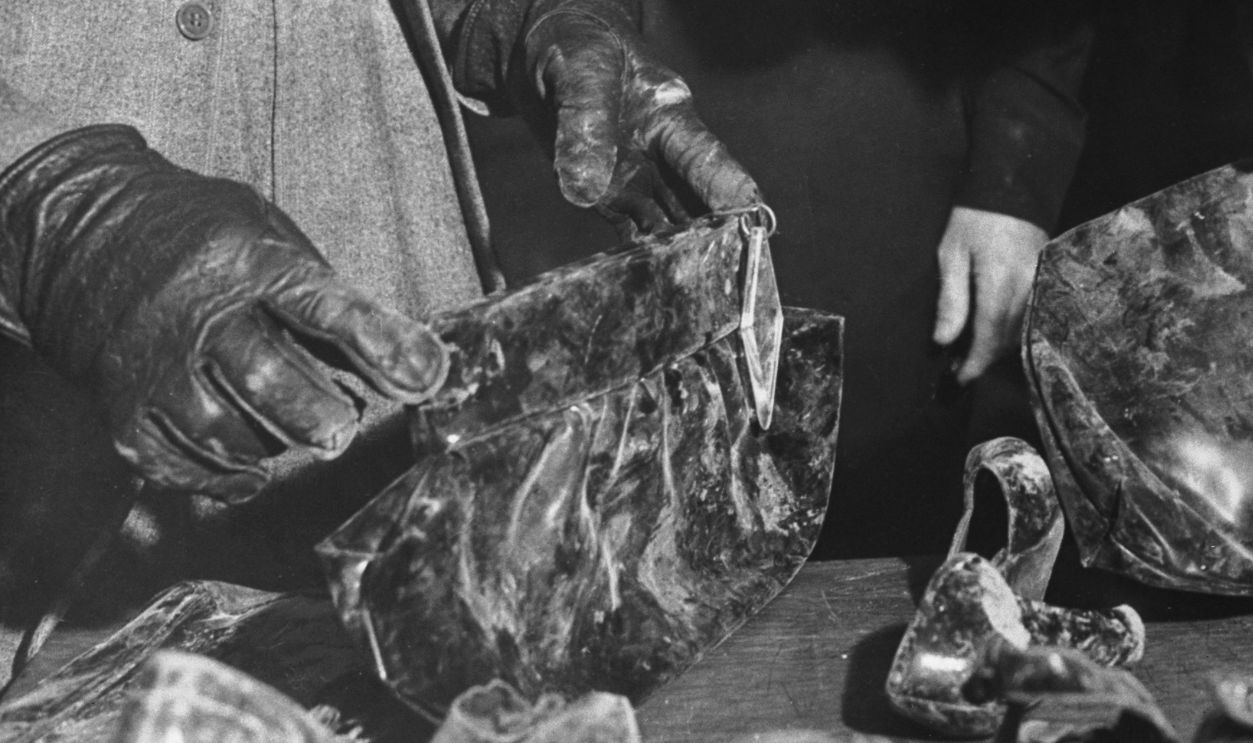
The Messages Seemed Familiar
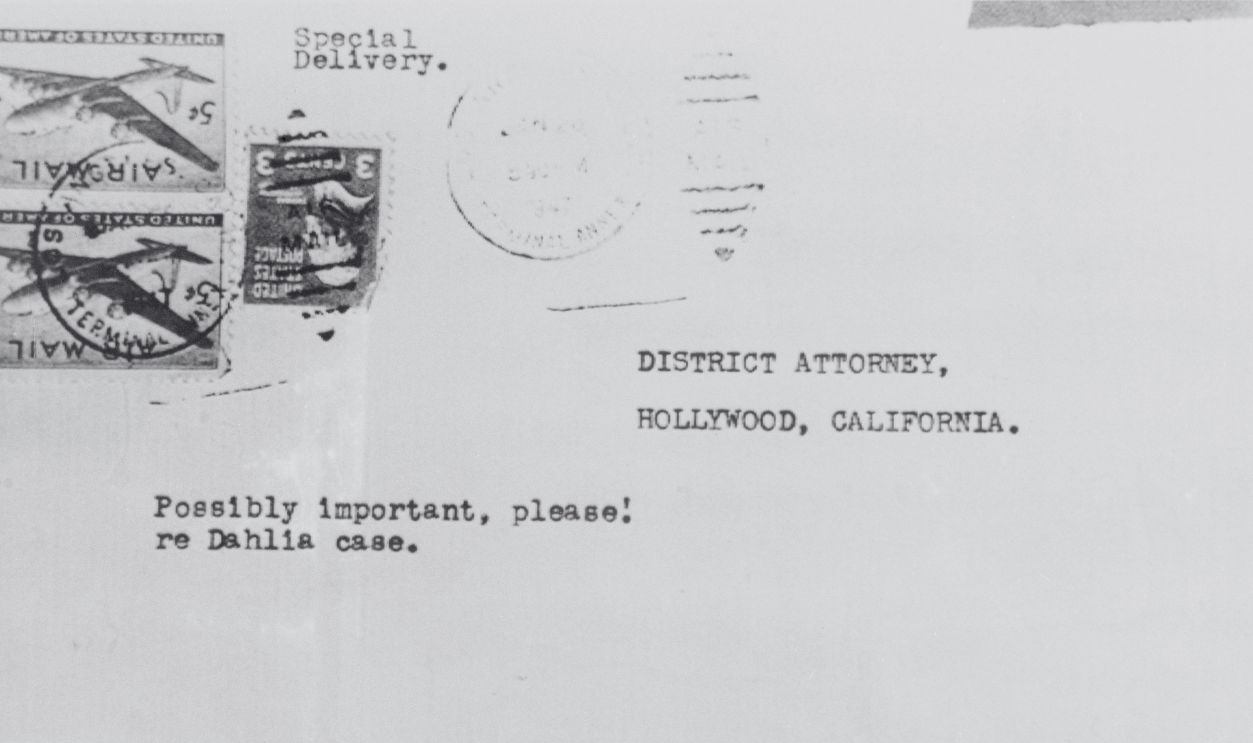
During the original Black Dahlia investigation, newspapers received mysterious messages from someone claiming to have information about Short's death. Steve examined those communications and compared their handwriting with examples of his father's writing. He believed he could see similarities and sought opinions from handwriting specialists, although their findings did not conclusively establish a match. Even without a definitive answer, Steve was becoming convinced that the clues pointed toward someone he had known all his life.
The Family Home Held More Mysteries
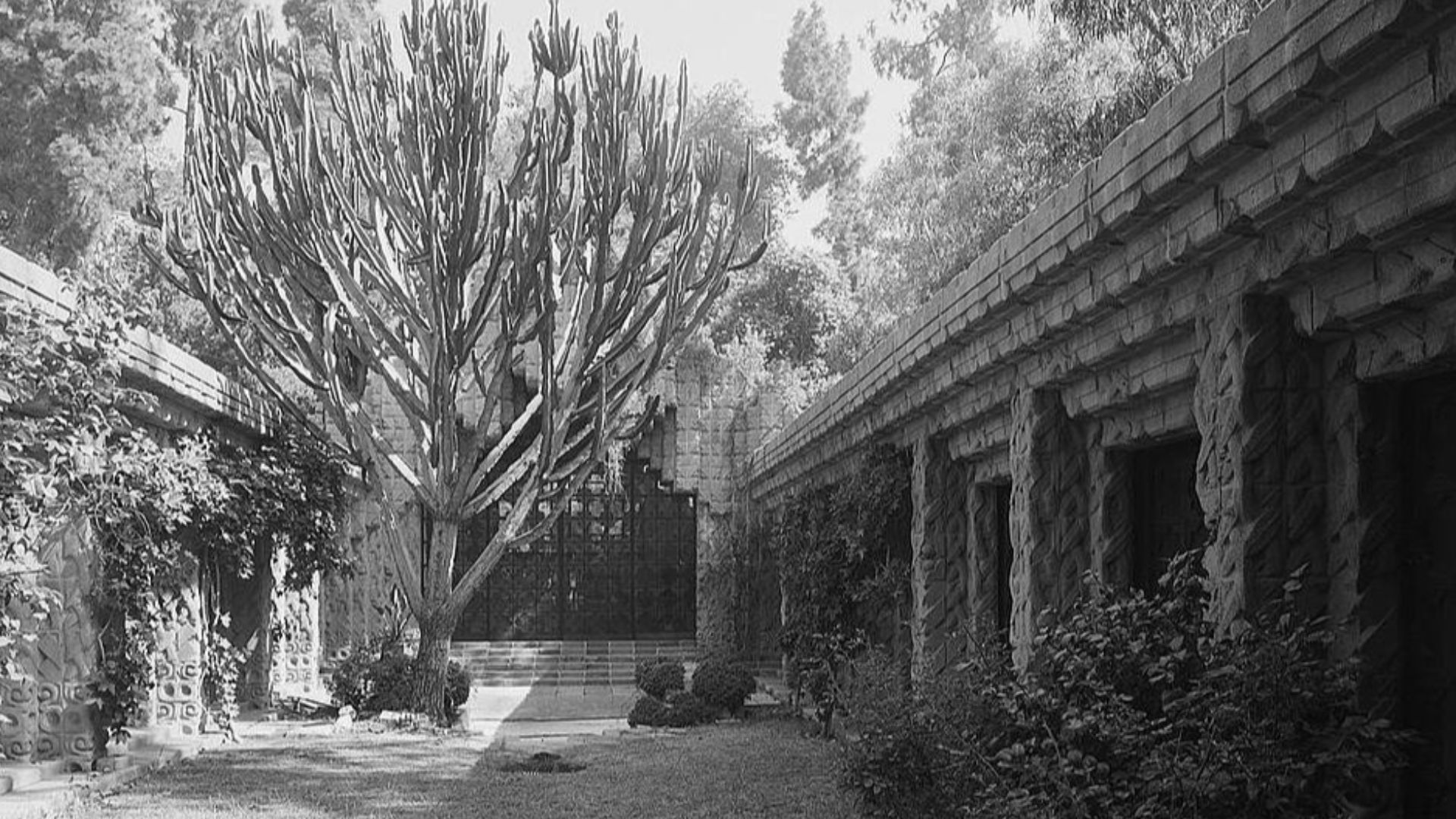
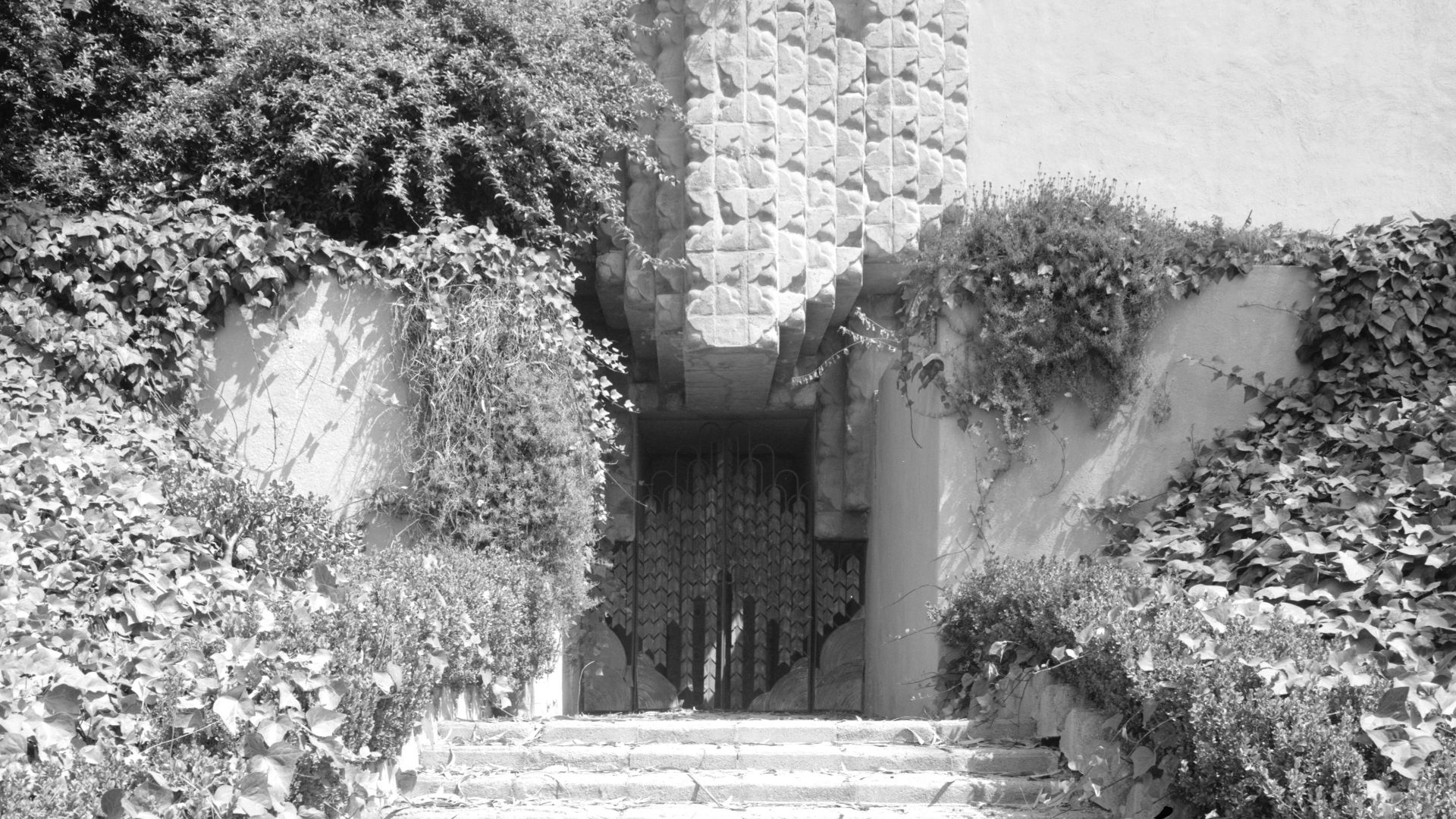
Steve also turned his attention to the remarkable Hollywood residence where his family had lived during the 1940s. Known as Sowden House, the building featured an unusual architectural design, secluded spaces, and a distinctive atmosphere that had fascinated visitors for decades. Steve remembered parts of the property that had been off-limits to the children and began wondering whether the house concealed secrets from his father's past. He came to believe the residence might have played an important role in the Black Dahlia case, although no conclusive evidence has established that connection.
 Marvin Rand, Wikimedia Commons
A Strange Purchase Caught His Attention
While examining historical records, Steve uncovered receipts documenting construction materials purchased for work at the Hodel residence around the time of Elizabeth Short's death. One purchase involved ten bags of cement, which interested Steve because he believed similar materials had been associated with the original investigation. He wondered whether the receipt represented another connection between his father's home and the case. However, the purchase itself was ordinary construction activity, and no definitive evidence established that the materials had anything to do with Short's fate.
 Marvin Rand, Wikimedia Commons
The Photographs Held An Unexpected Twist
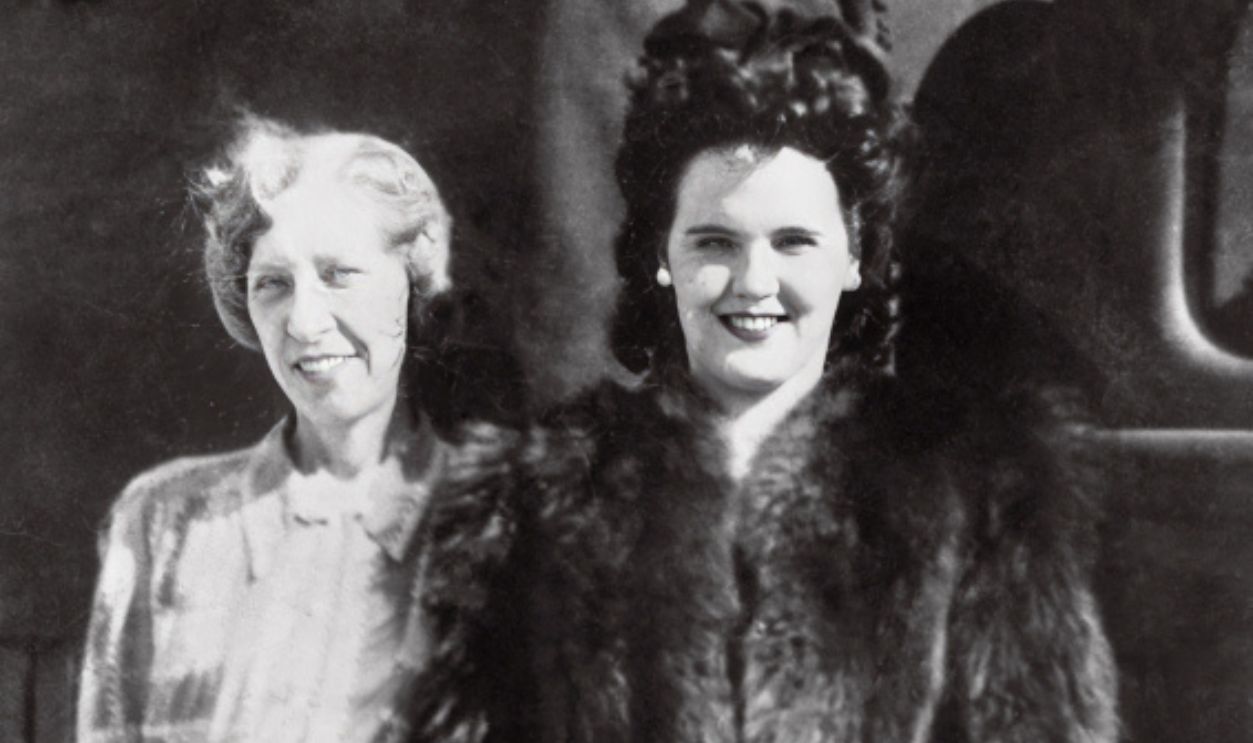
As Steve continued investigating, an important complication emerged concerning the very photographs that had started everything. In 2006, he identified a woman appearing in one of the images and established that she was not Elizabeth Short. She was a Filipina acquaintance of his father who had posed for photographs at the family residence. Steve still believed another photograph might depict Short, but the discovery showed just how easily a striking resemblance could lead investigators in the wrong direction.
 Bettmann, Getty Images, Enhanced
A Prosecutor Took Him Seriously
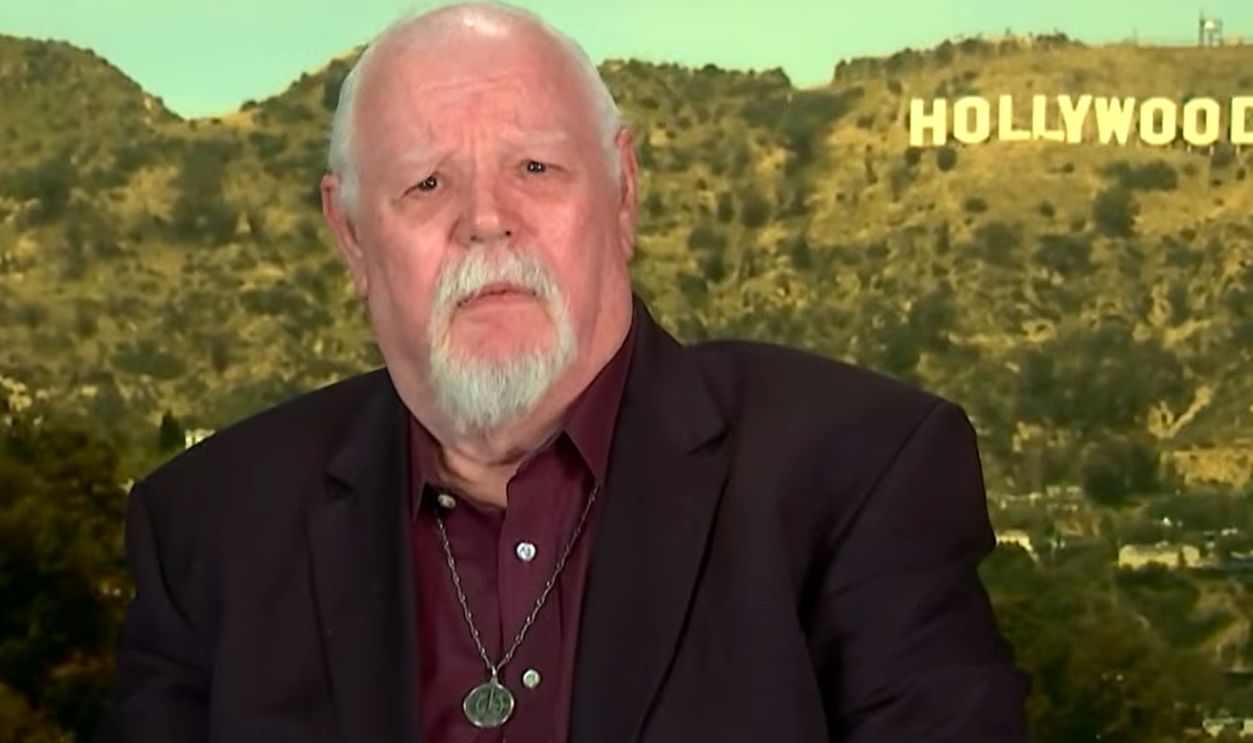
After roughly two years of research, Steve presented his findings to Los Angeles prosecutor Stephen Kay, who reviewed the evidence and reached a remarkable conclusion. Kay believed Steve had assembled a sufficiently compelling case that he would have supported charges against George Hodel had the doctor still been alive. Importantly, Kay was expressing his own professional assessment rather than announcing an official finding by the district attorney's office. Nevertheless, his support gave Steve confidence that his investigation deserved a much wider audience.
 Screenshot from TODAY, Nine Network (1982–)
He Made An Extraordinary Accusation
In 2003, Steve published Black Dahlia Avenger, presenting his argument that George Hodel had been responsible for Elizabeth Short's death. He also suggested that his father might have been connected to other unsolved cases, although those accusations were likewise unproven. The book attracted national attention because Steve was not simply an amateur researcher pursuing a famous mystery. He was an experienced former homicide detective publicly accusing his own father, a man he had once admired, of hiding an extraordinary secret.
 Screenshot from The Black Dahlia, Universal Pictures (2006)
Not Everyone Was Convinced
Steve's conclusions generated considerable debate among journalists, investigators, and researchers familiar with the Black Dahlia case. Critics argued that much of his evidence depended on circumstantial connections, disputed interpretations, and memories collected decades after the events. The photographs remained especially controversial, while the handwriting comparisons and other clues had never conclusively established George's involvement. Steve remained convinced of his theory, but others questioned whether his personal connection to the case had influenced the way he interpreted the evidence.
The Photographs Made Headlines Again
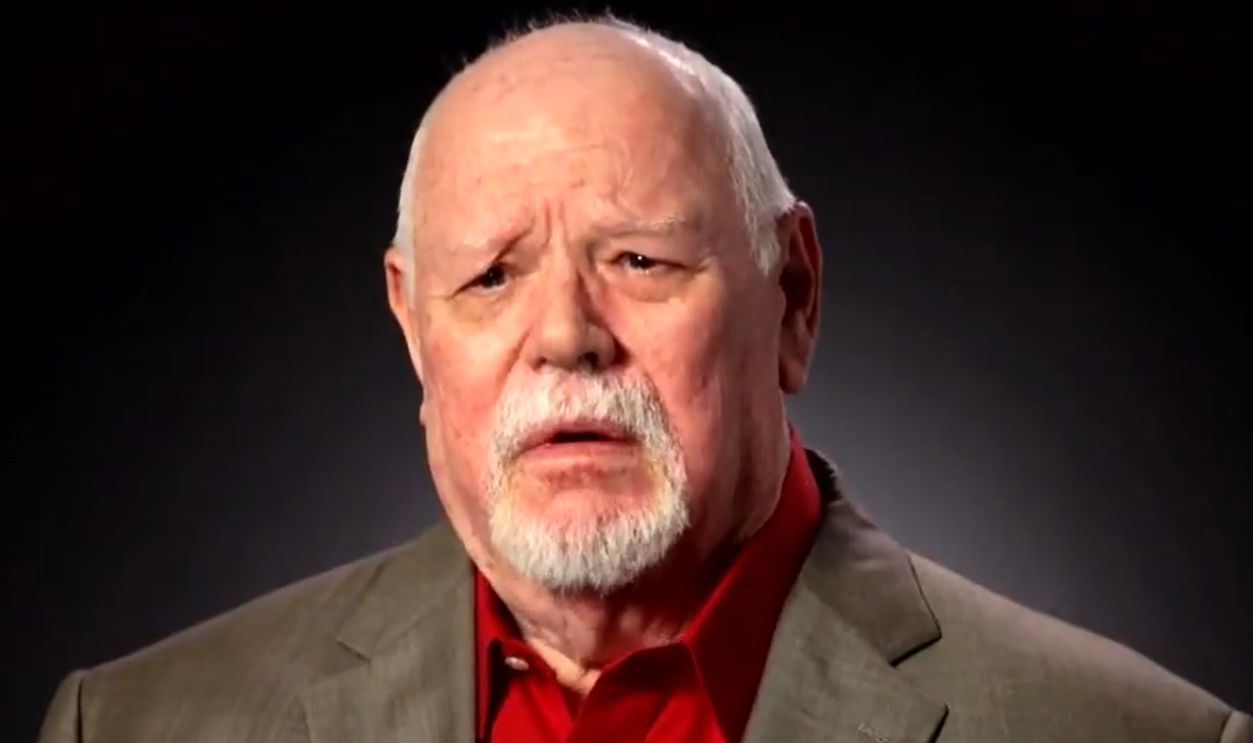
In February 2026, Steve announced another development involving the mysterious photographs from his father's album. He reported that modern facial analysis had produced a 97% to 99% probability that one disputed image depicted Elizabeth Short. It was an intriguing claim, particularly because the photographs had launched his investigation more than 25 years earlier. However, the analysis was presented by Steve himself, and without independent verification it cannot be treated as definitive proof that the woman in the photograph was Short.
 Screenshot from Dr. Phil, CBS (2002–2023)
The Mystery Remains Unsolved
Despite Steve's extensive research and the attention surrounding his books, the Black Dahlia case remains officially unsolved. George Hodel was never charged in connection with Elizabeth Short's death, and no court ever established his responsibility. Other researchers have proposed different suspects and explanations, showing just how much uncertainty still surrounds the events of January 1947. Yet Steve has continued defending his conclusions, convinced that the answers were hidden in his own family's history all along.
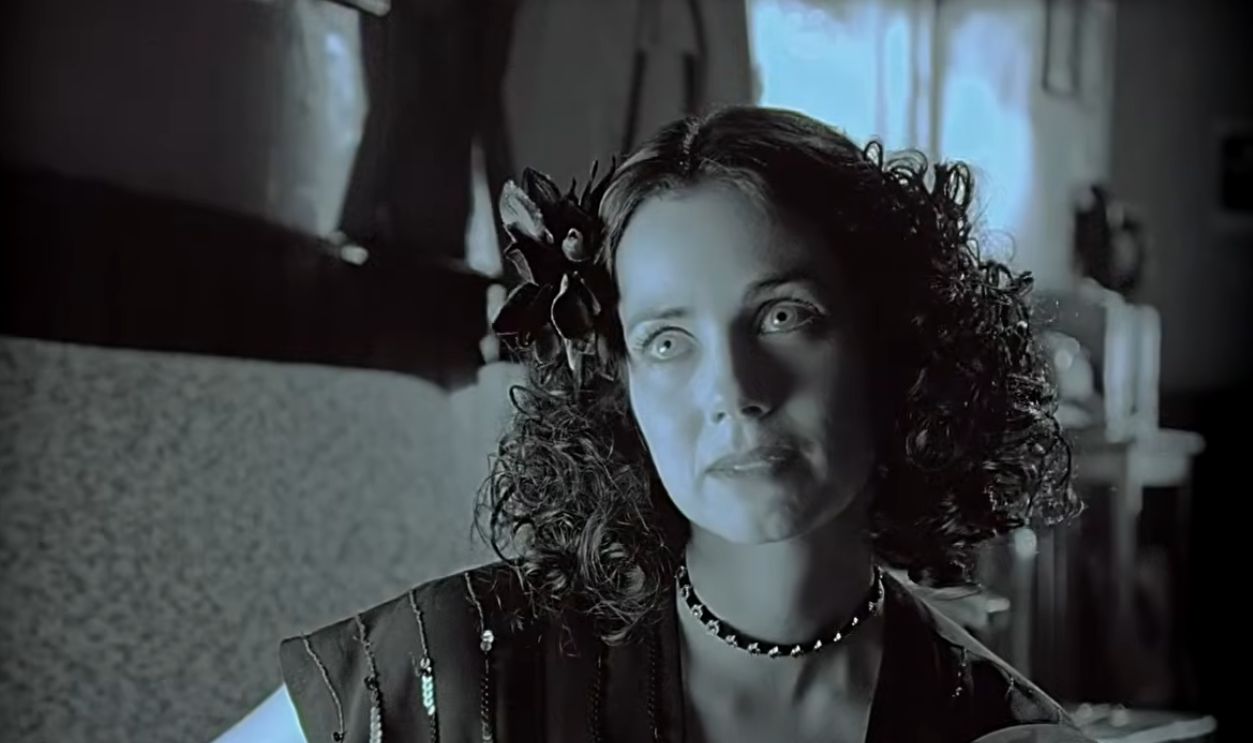 Screenshot from The Black Dahlia, Universal Pictures (2006)
His Father's Legacy Was Never The Same
When Steve Hodel opened that little wooden album in 1999, he expected to find memories of a complicated father he had spent much of his life trying to understand. Instead, the photographs launched an investigation that uncovered secret surveillance, forgotten police suspicions, and revelations that permanently changed his view of George. Steve believes he finally discovered the truth about his father's past, but the evidence has never produced a universally accepted answer. Nearly 80 years after Elizabeth Short's death, the most haunting question remains: Did Steve uncover his father's terrible secret, or did a mysterious photograph lead him toward a conclusion that could never be proven?
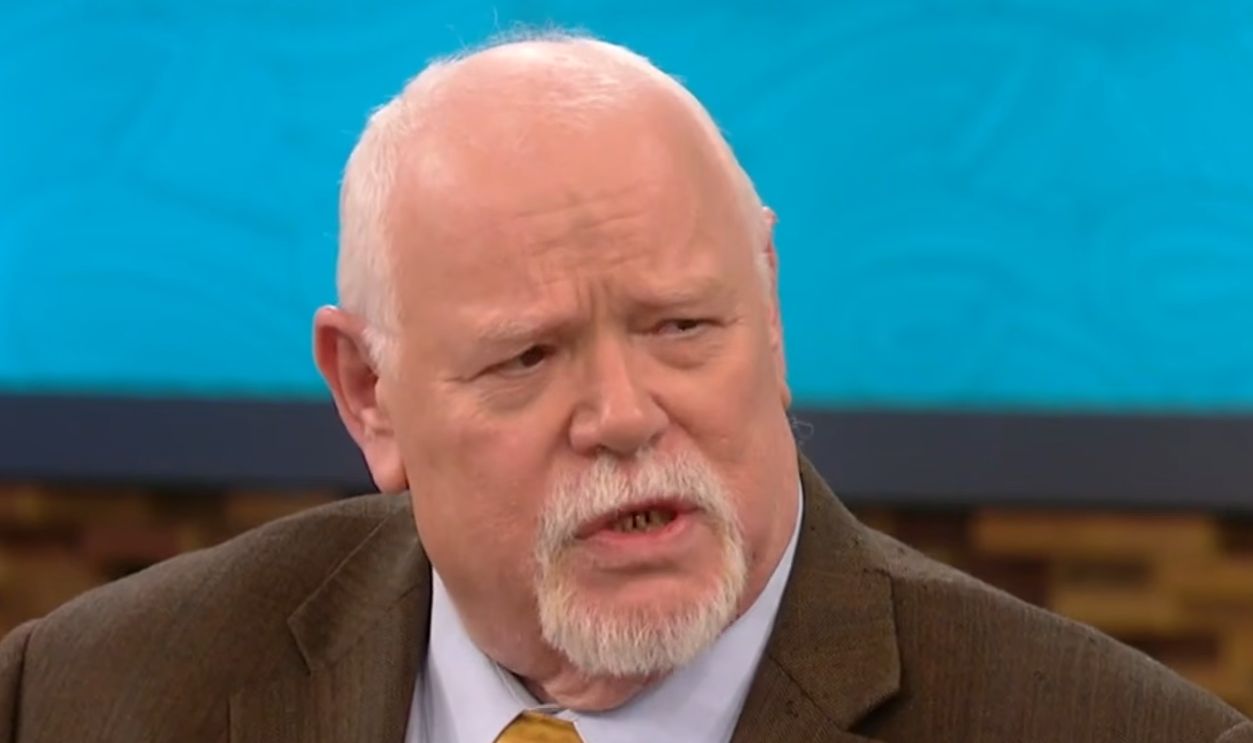 Screenshot from The Dr. Oz Show, Syndication (2009–2022)
You May Also Like: