The Children Of A Doomed Dynasty
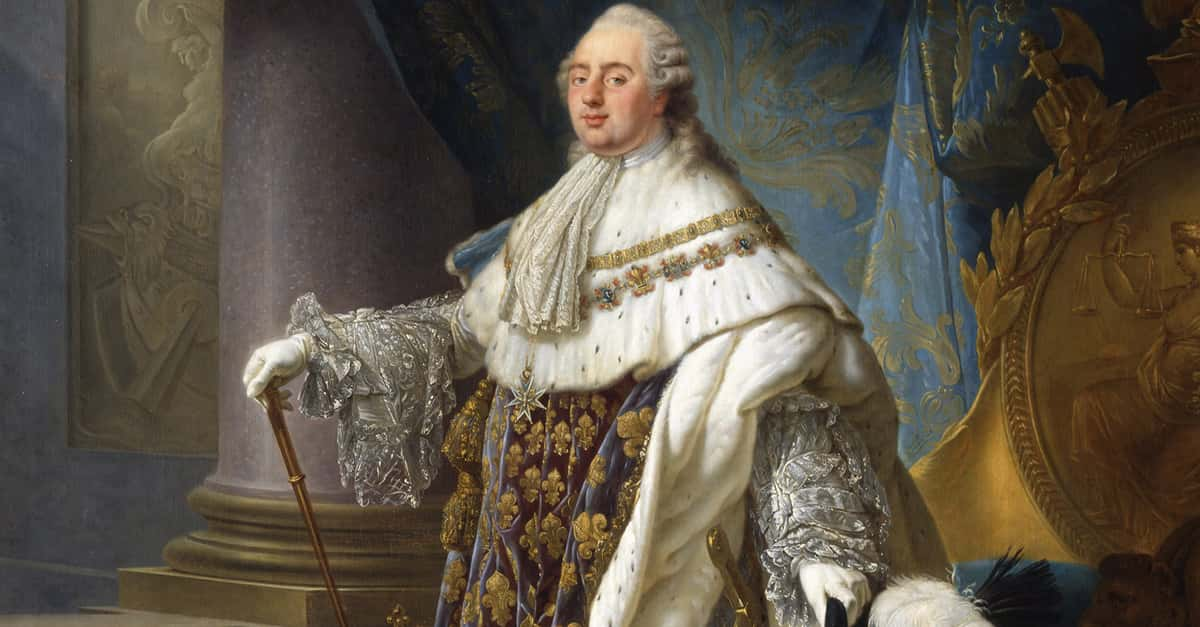
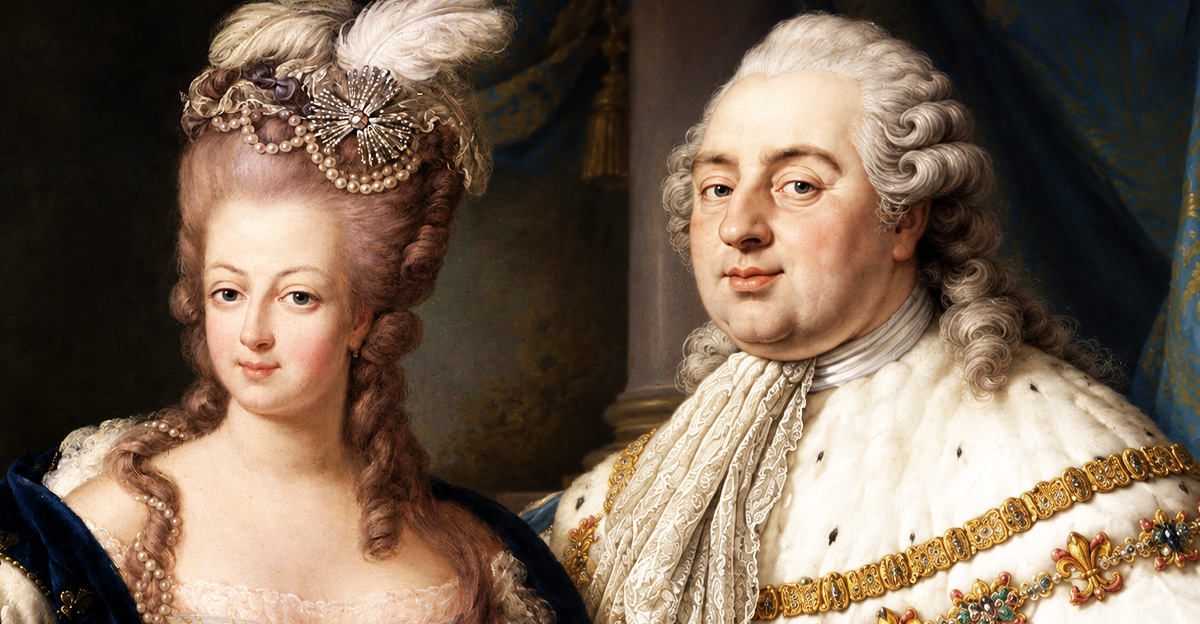
King Louis XVI and Marie Antoinette lost their crowns and eventually their lives to the French Revolution. But their four children paid a terrible price, too. Two lost their lives before their parents met their own grim fate at the guillotine, another perished in captivity, and the only survivor spent decades haunted by the destruction of her family.
A Marriage Without Children
When Marie Antoinette married the future Louis XVI in 1770, the French monarchy expected an heir. But years passed without a pregnancy, creating embarrassing rumors about the royal couple's marriage. Their difficulties became a matter of public gossip, adding to the pressure already surrounding the young Austrian-born princess.
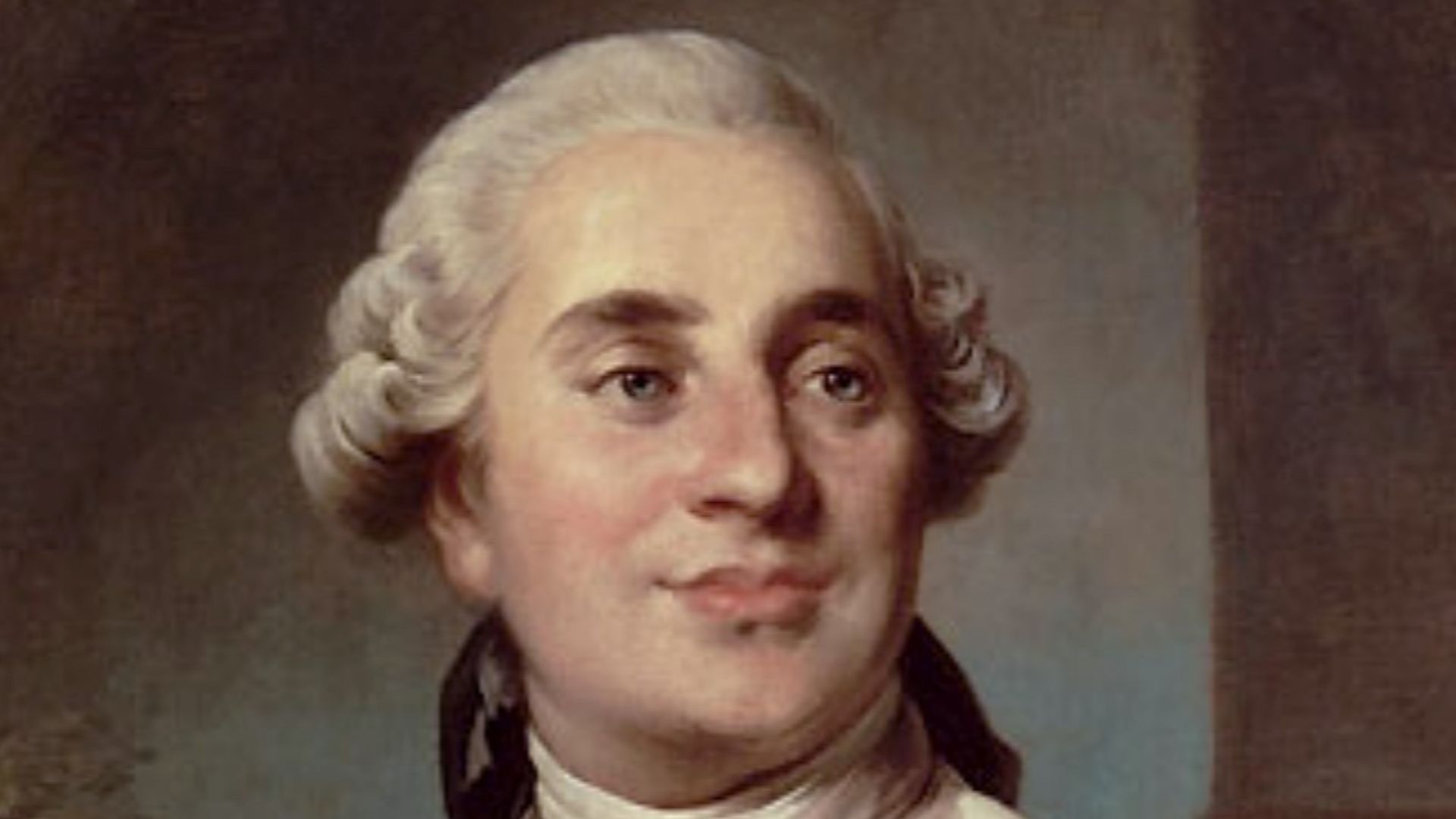 Joseph-Siffred Duplessis / Formerly attributed to Antoine-François Callet, Wikimedia Commons
Eight Years Of Waiting
The couple finally welcomed their first child on December 19, 1778. Marie Antoinette was 23, and the birth brought enormous relief to the royal household. But the baby was a girl, meaning the long-awaited male heir had still not arrived. Nevertheless, the queen was delighted with her daughter.
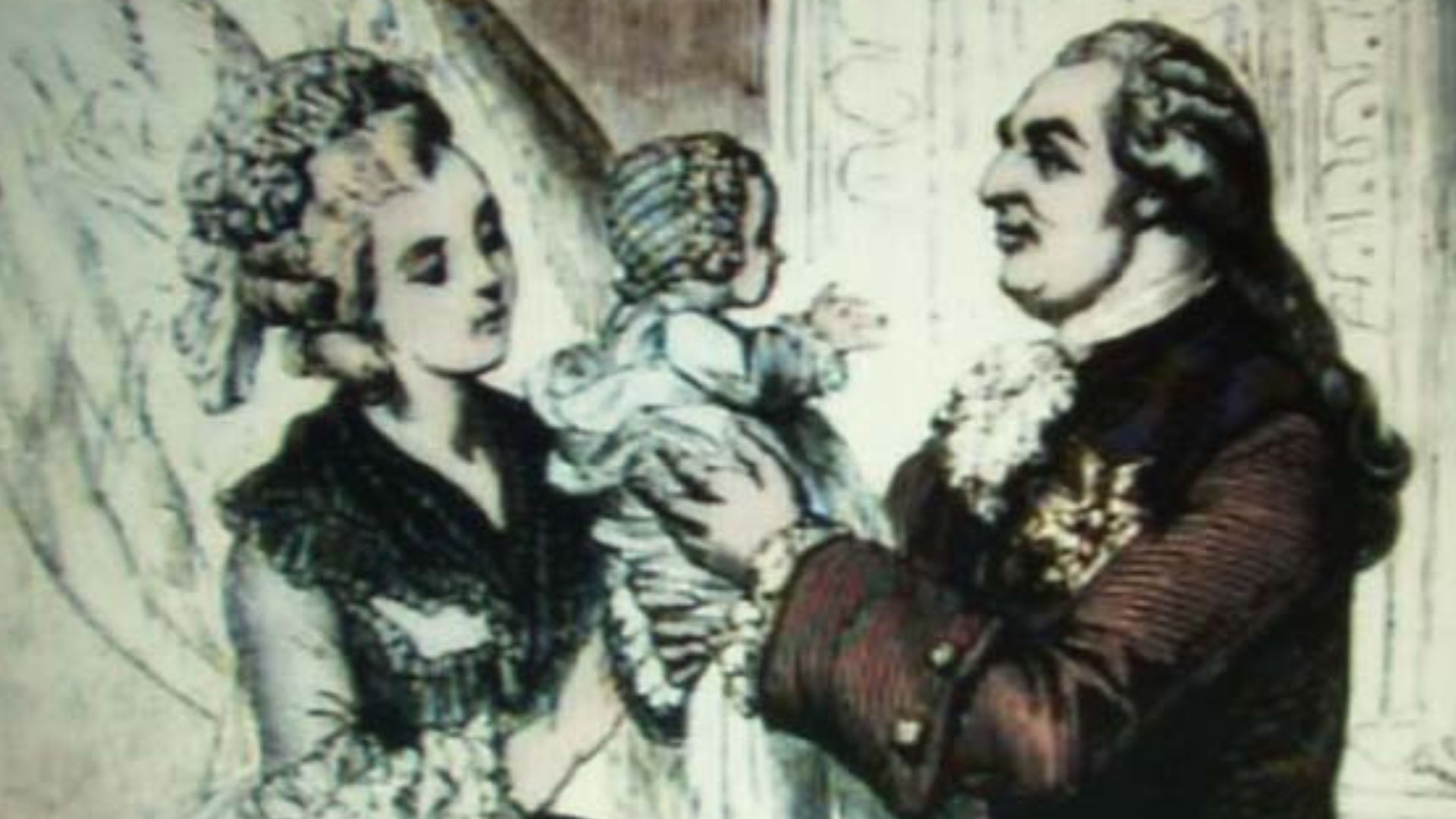 Unknown authorUnknown author, Wikimedia Commons
The First Royal Daughter
The princess was named Marie-Thérèse Charlotte and received the title Madame Royale. She grew up surrounded by the extraordinary luxury of Versailles, where her mother took a close interest in her upbringing. Unlike many royal mothers of earlier generations, Marie Antoinette wanted an affectionate relationship with her children.
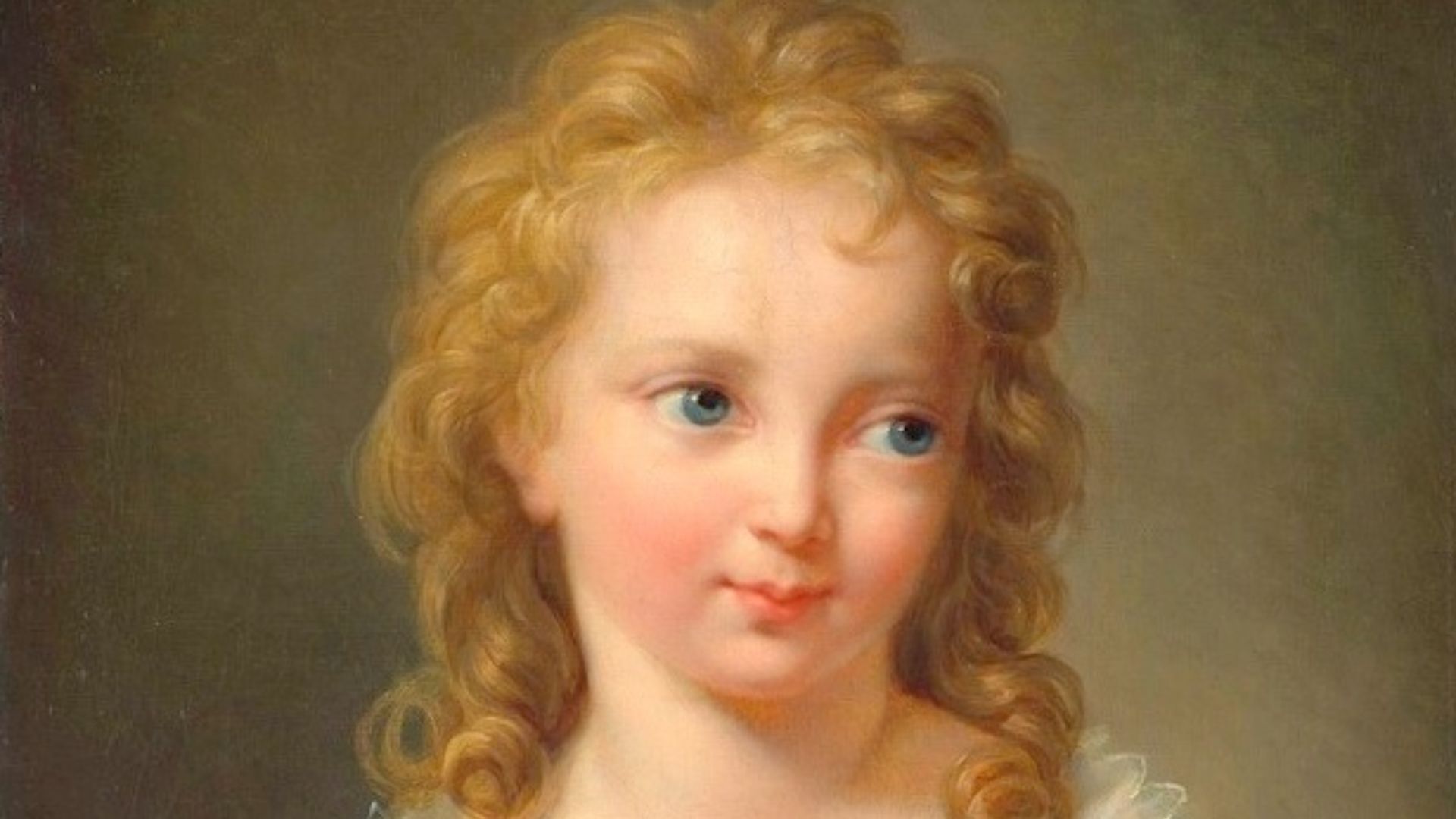 Alexander Kucharsky, Wikimedia Commons
The Long-Awaited Dauphin
On October 22, 1781, Marie Antoinette gave birth to Louis-Joseph-Xavier-François. As the king's eldest son, he became Dauphin of France, the heir to the throne. His arrival was celebrated throughout the kingdom. After years of anxiety over the succession, the Bourbon dynasty finally appeared to have a secure future.
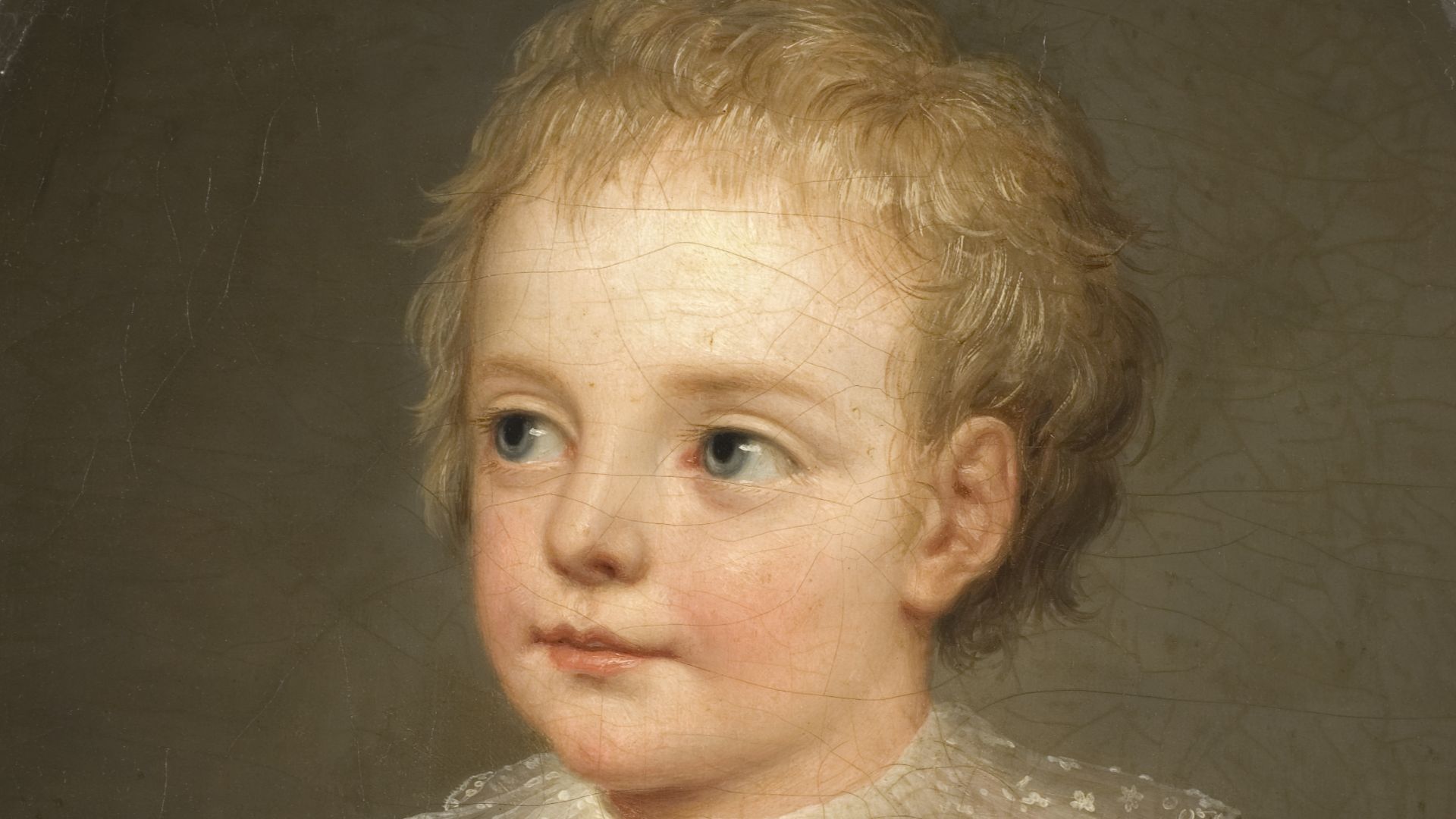 Adolf Ulrik Wertmüller, Wikimedia Commons
A Second Son Arrives
On March 27, 1785, the royal couple welcomed another boy, Louis-Charles. He received the title Duke of Normandy, while his older brother remained heir to the throne. Marie Antoinette reportedly adored the lively youngster, whose affectionate personality provided welcome relief from the increasingly hostile atmosphere surrounding the monarchy.
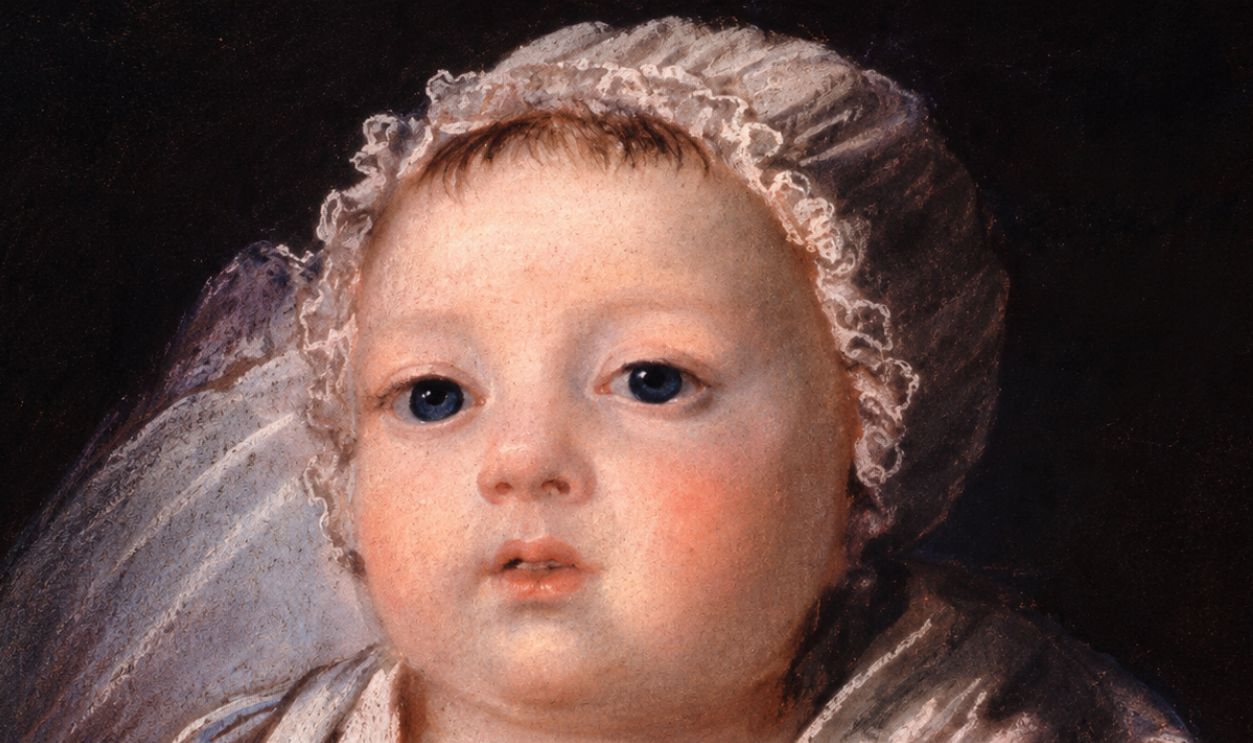 Elisabeth Louise Vigee Le Brun, Wikimedia Commons, Modified
The Youngest Princess
Marie Antoinette's fourth and final child, Sophie-Hélène-Béatrix, was born on July 9, 1786. Her arrival completed the royal family, but the happiness would be painfully brief. Sophie was born prematurely and suffered from poor health. Before her first birthday, the little princess would become the family's first devastating loss.
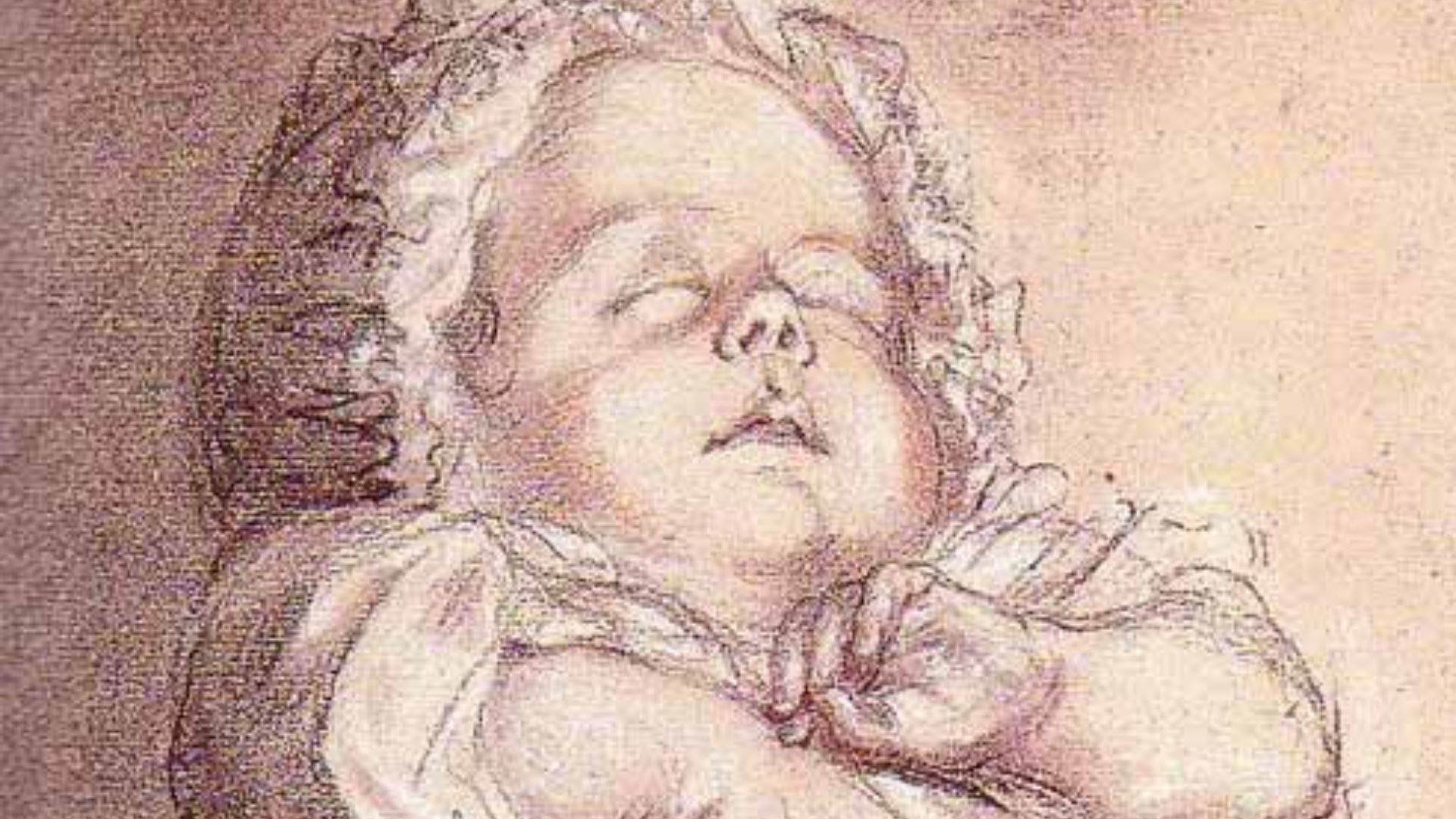 Élisabeth Louise Vigée Le Brun, Wikimedia Commons
The Baby Was Gone
On June 19, 1787, Sophie died at just 11 months old. Marie Antoinette was devastated by the loss of her youngest daughter. Despite her enormous wealth and access to royal physicians, the queen could do nothing to save her child. It was a heartbreaking reminder that even Europe's most privileged families were vulnerable to childhood illness.
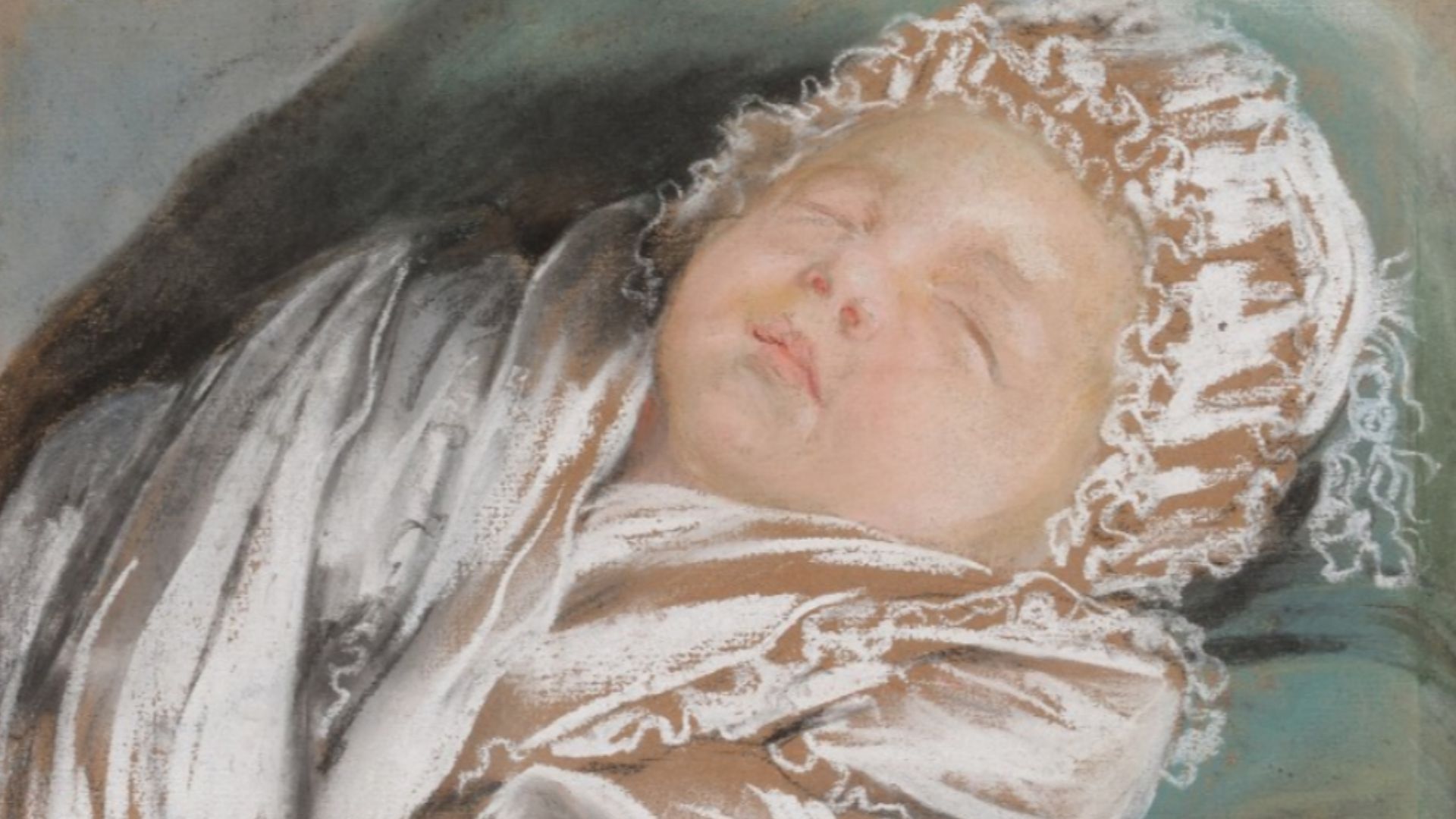 Élisabeth Louise Vigée Le Brun, Wikimedia Commons
An Empty Cradle
In 1787, artist Élisabeth Vigée Le Brun painted a famous portrait of Marie Antoinette with her children. The queen appears beside her three surviving children, while an empty cradle commemorates Sophie. Intended partly to soften the queen's increasingly unpopular public image, the painting instead became a poignant reminder of the family's approaching tragedy.
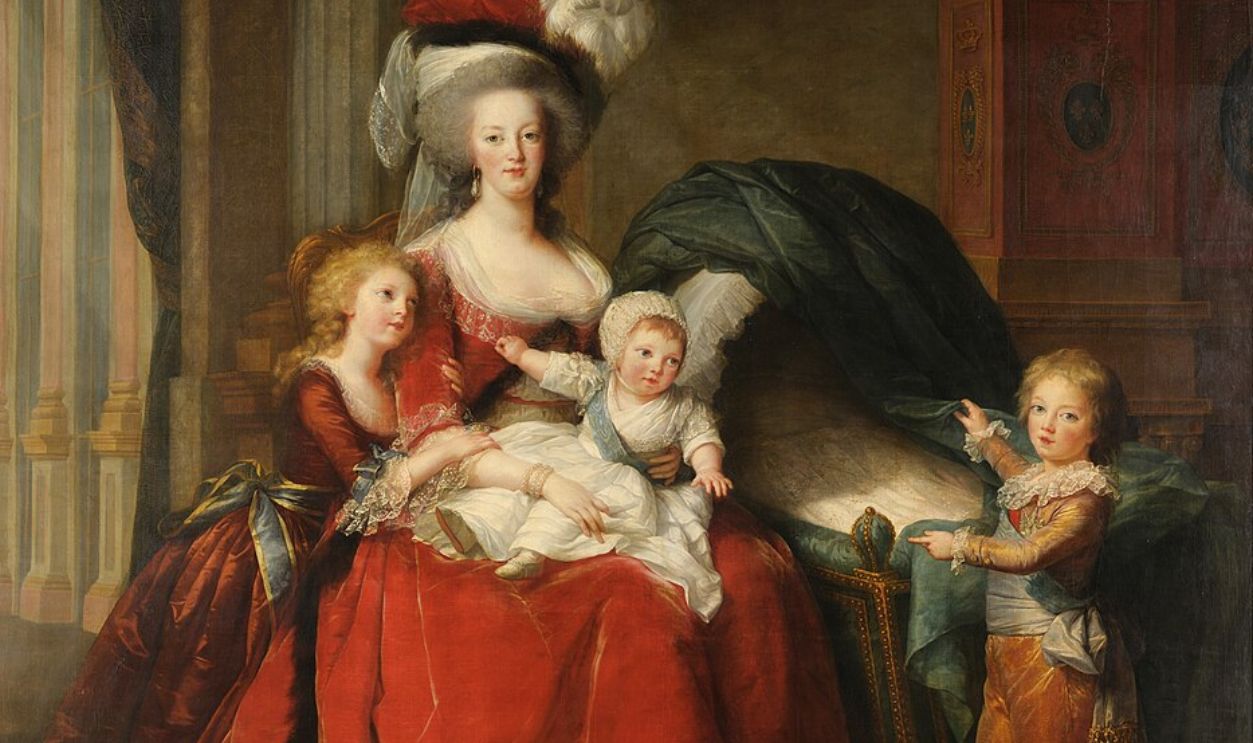 Elisabeth Louise Vigee Le Brun, Wikimedia Commons
The Heir Becomes Ill
Meanwhile, the young Dauphin, Louis-Joseph, was suffering from a serious illness. By 1786, symptoms of tuberculosis had begun to appear. His condition progressively worsened, eventually affecting his spine and leaving him increasingly debilitated. The boy who was supposed to inherit France's throne was getting weaker while the monarchy itself faced mounting political danger.
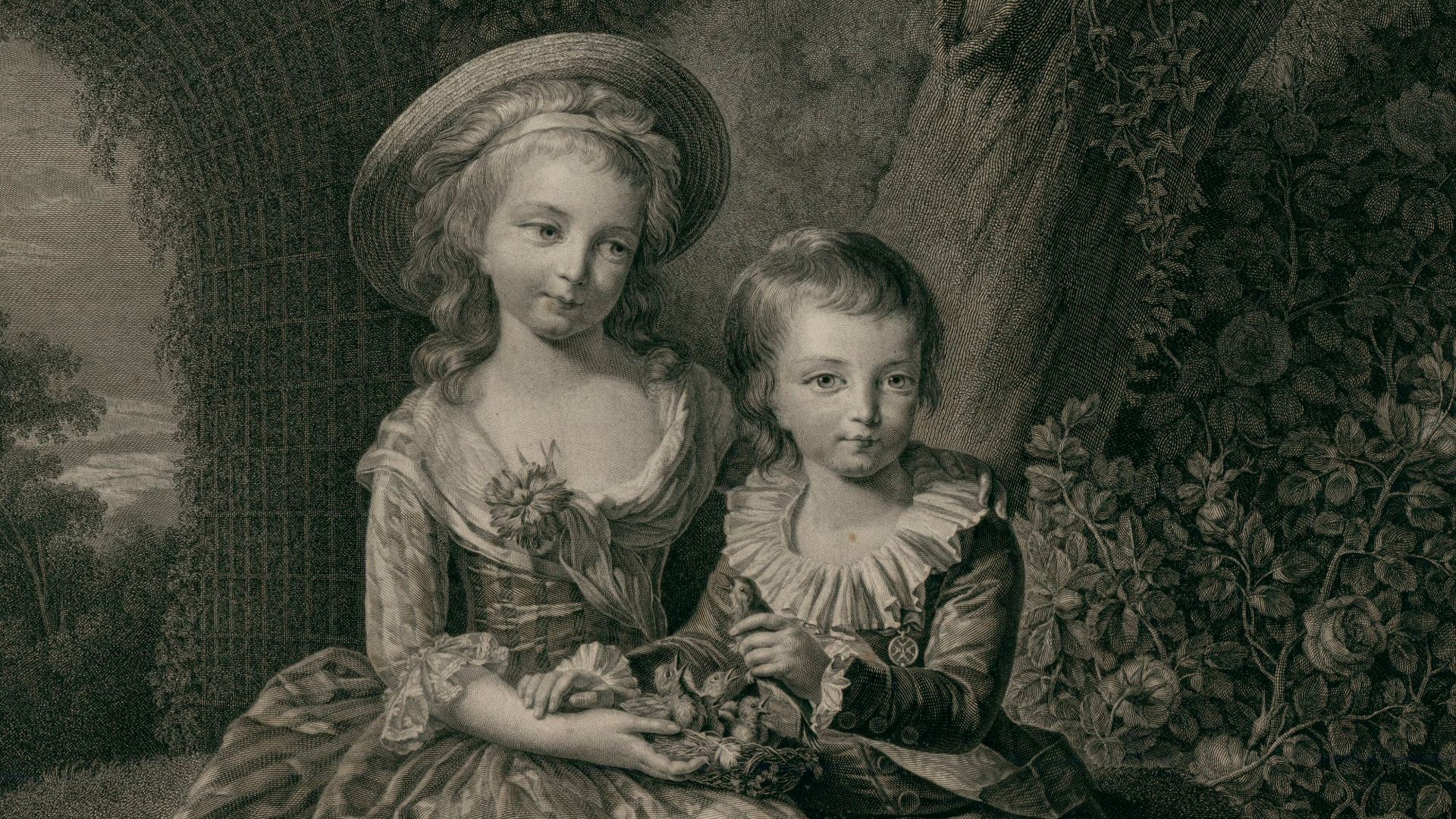
Another Child Is Lost
Louis-Joseph succumbed to his ailment on June 4, 1789, at the age of seven. His parents were overwhelmed by grief, but the kingdom was already descending into political crisis. The Estates-General had assembled, and revolutionary tensions were escalating. Just six weeks later, the storming of the Bastille would transform French history.
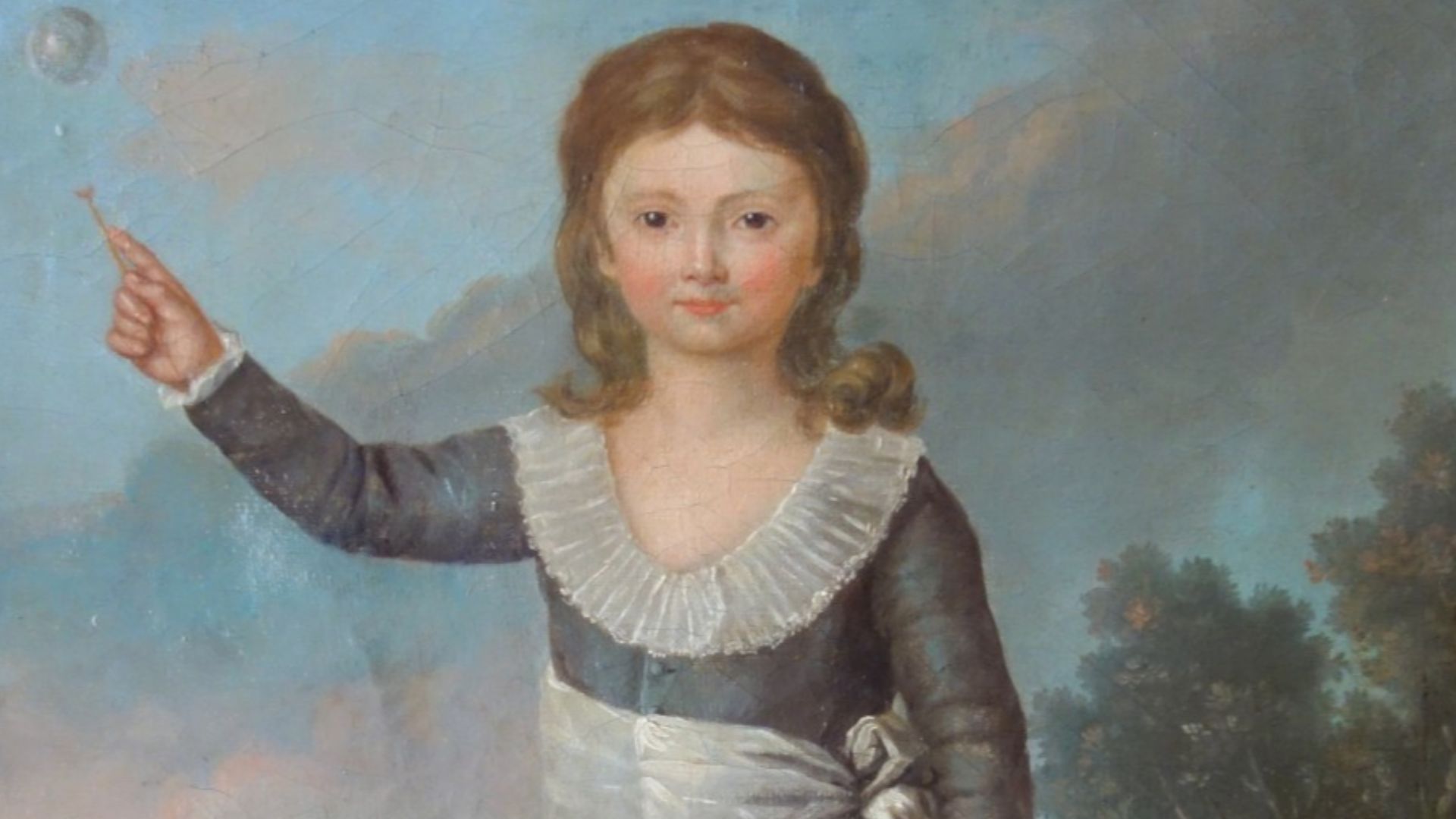 École Française du XVIIIe siècle, Wikimedia Commons
A New Heir Emerges
With his older brother gone, four-year-old Louis-Charles became the new Dauphin of France. He was now the future of the Bourbon dynasty, although his prospects were increasingly uncertain. His parents still occupied the throne, but revolutionary unrest was threatening the royal family's security, privileges, and eventually their freedom.
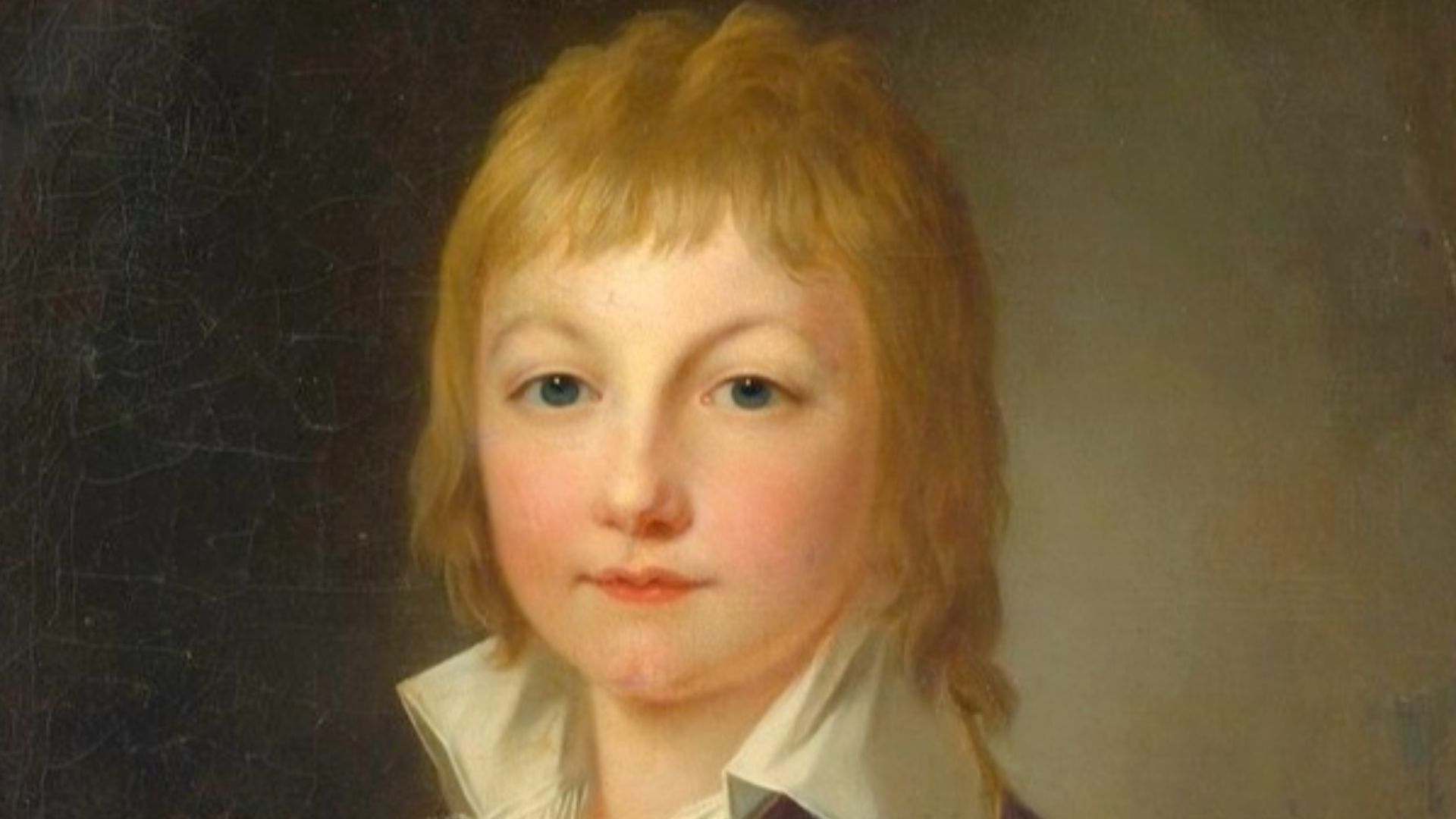 Alexander Kucharsky, Wikimedia Commons
Versailles Is No Longer Safe
In October 1789, thousands of demonstrators marched to Versailles, demanding bread and political change. The royal family was forced to leave the palace and relocate to the Tuileries in Paris. For Marie-Thérèse and Louis-Charles, it marked the end of their sheltered childhood at Versailles. Their new residence offered considerably less freedom.
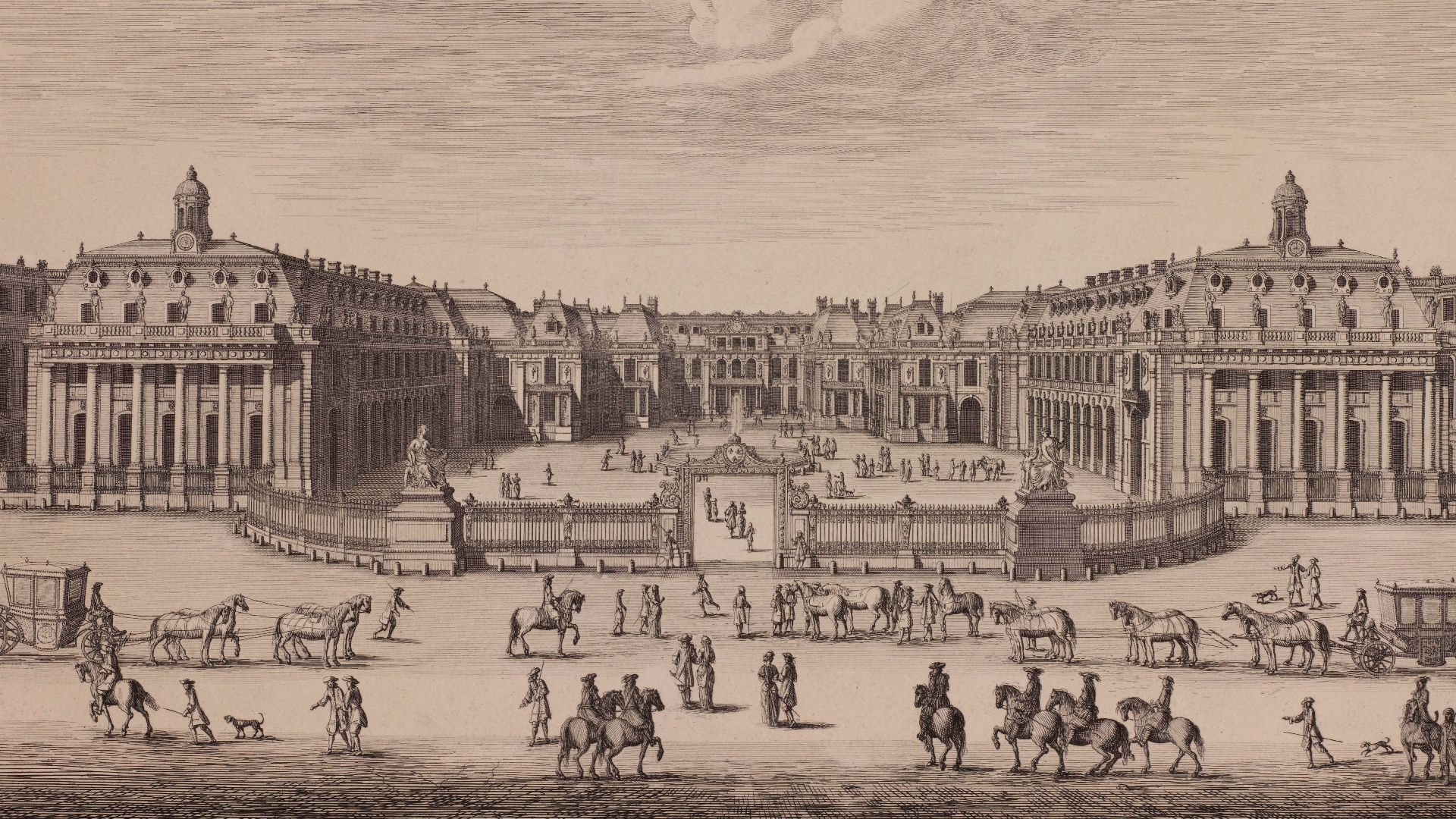 Israel Silvestre, Wikimedia Commons
The Failed Escape
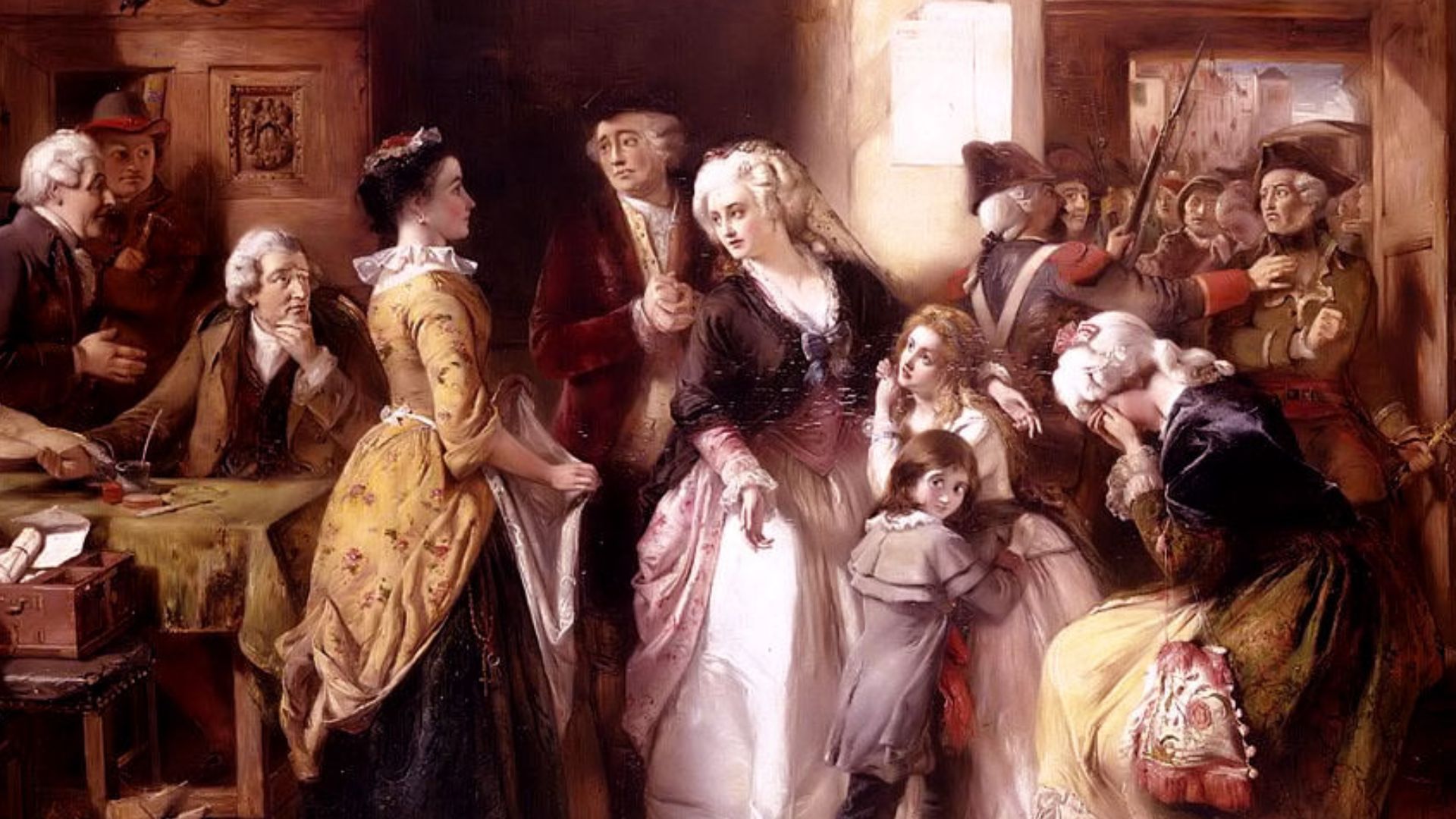
In June 1791, Louis XVI and Marie Antoinette attempted to escape Paris with their two surviving children. Disguised and traveling by carriage, they hoped to reach safety near France's eastern frontier. But the family was recognized and stopped at Varennes. Their humiliating return to Paris further undermined confidence in the monarchy.
 Thomas Falcon Marshall, Wikimedia Commons
The Monarchy Collapses
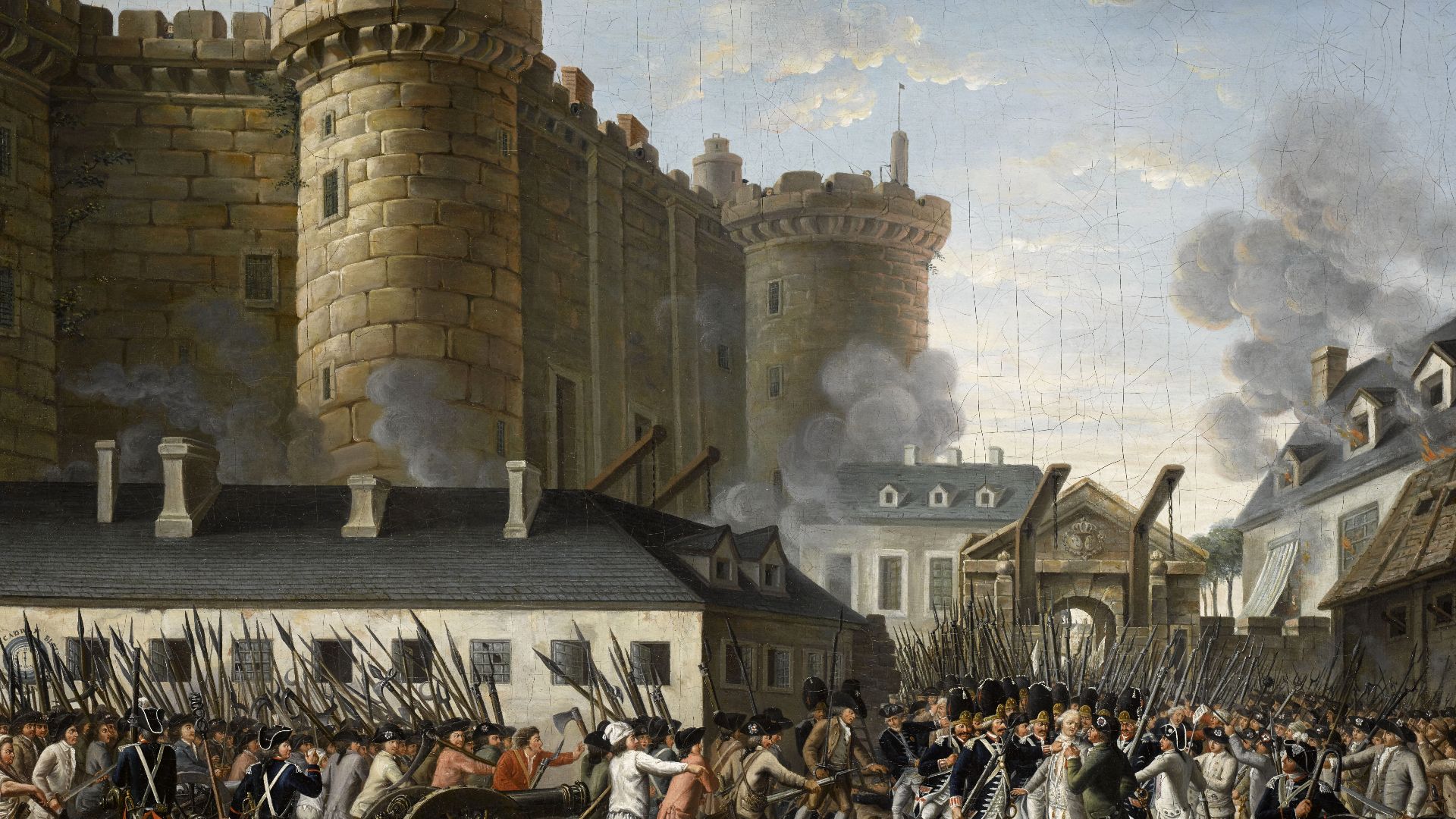
On August 10, 1792, revolutionaries stormed the Tuileries Palace. The royal family sought protection from the Legislative Assembly, but their remaining political authority was effectively destroyed. Louis XVI, Marie Antoinette, Marie-Thérèse, and Louis-Charles were subsequently imprisoned in the Temple, a medieval fortress complex in Paris.
 Unidentified painter, Wikimedia Commons
Children Behind Prison Walls
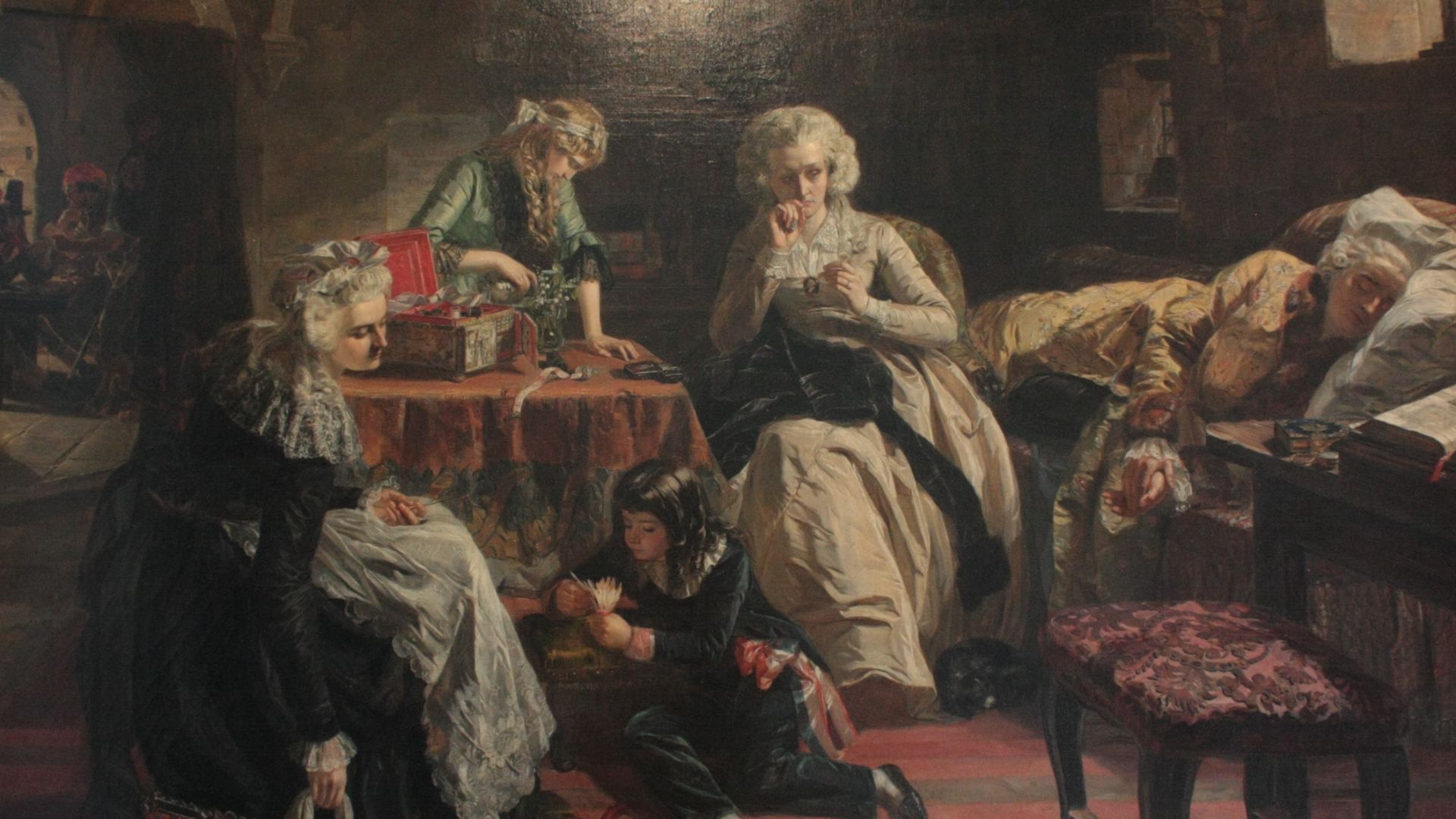
The two surviving royal children were now prisoners alongside their parents and their aunt, Madame Élisabeth. Their world had shrunk from the vast gardens of Versailles to guarded rooms inside the Temple. Although the family initially remained together, their confinement grew more and more restrictive as revolutionary leaders debated the king's fate.
 Tylwyth Eldar, Wikimedia Commons
Their Father's Final Goodbye
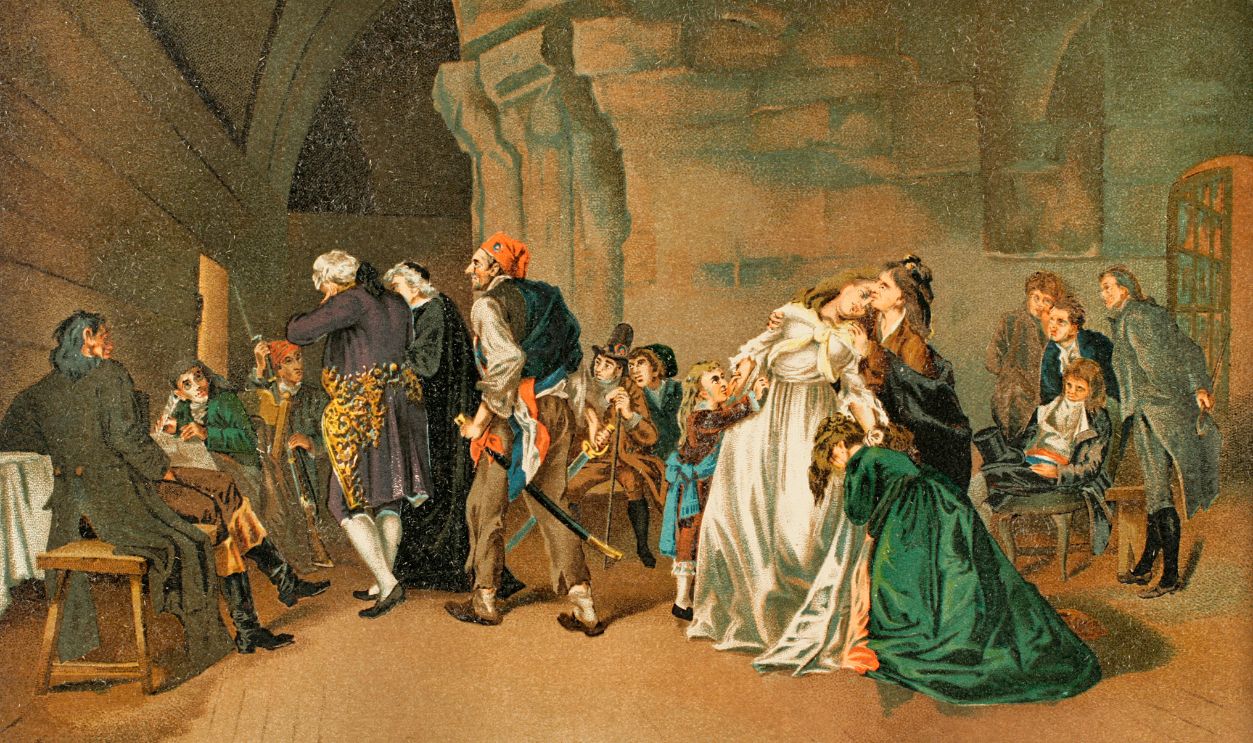
In January 1793, Louis XVI was condemned, and his fate sealed. On the evening before his execution, he was permitted a final meeting with his wife, sister, and children. The farewell was agonizing. On January 21, the former king was guillotined, leaving 14-year-old Marie-Thérèse and seven-year-old Louis-Charles without their father.
A King Without A Kingdom
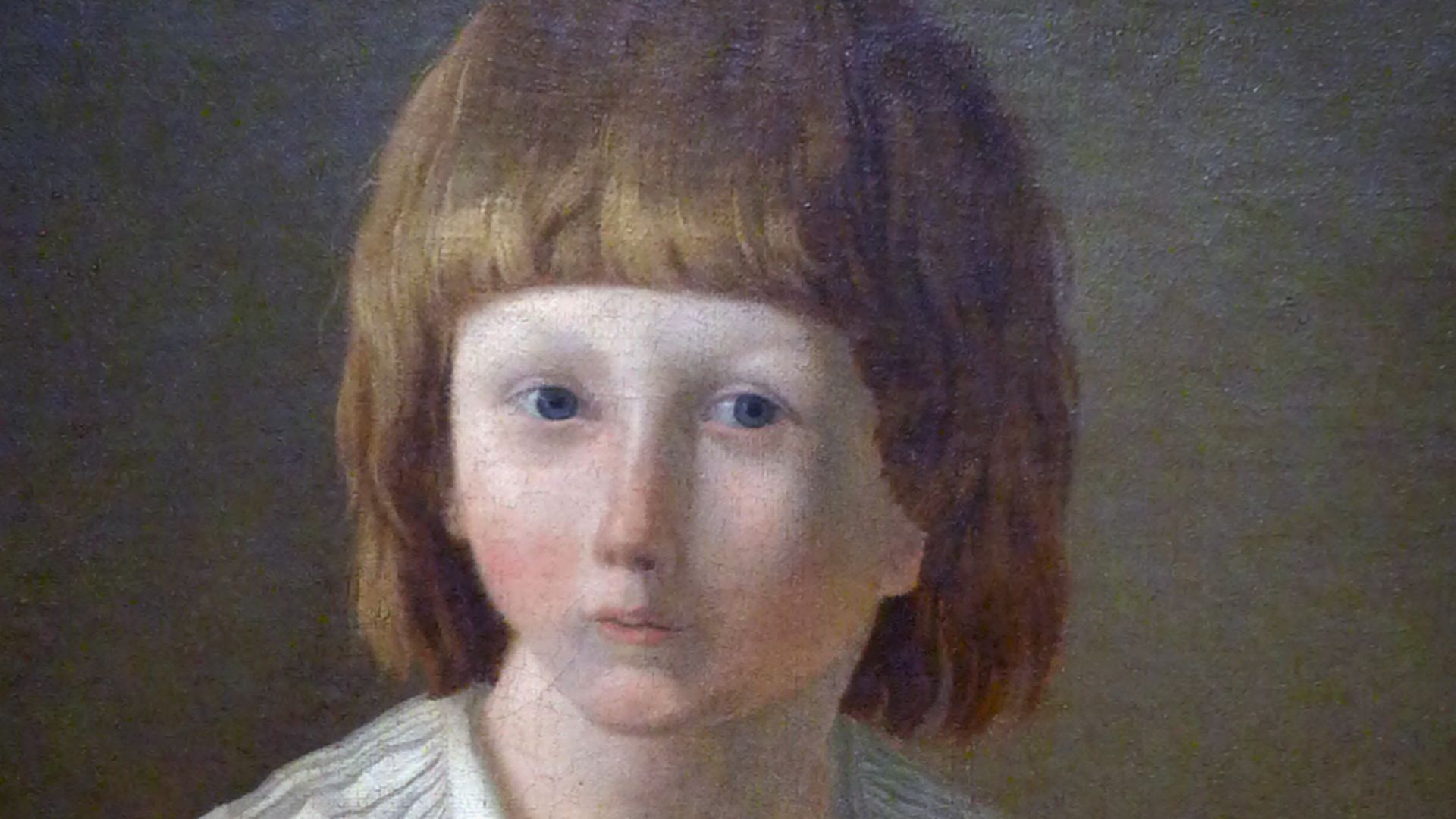
Following Louis XVI's execution, royalists recognized his young son as King Louis XVII. But the boy never ruled France. To the revolutionary authorities, he remained a dangerous symbol of the old monarchy, someone whose existence might inspire attempts to restore the Bourbon dynasty. His royal title would offer him no protection.
 Joseph-Marie Vien the younger, Wikimedia Commons
Torn From His Mother
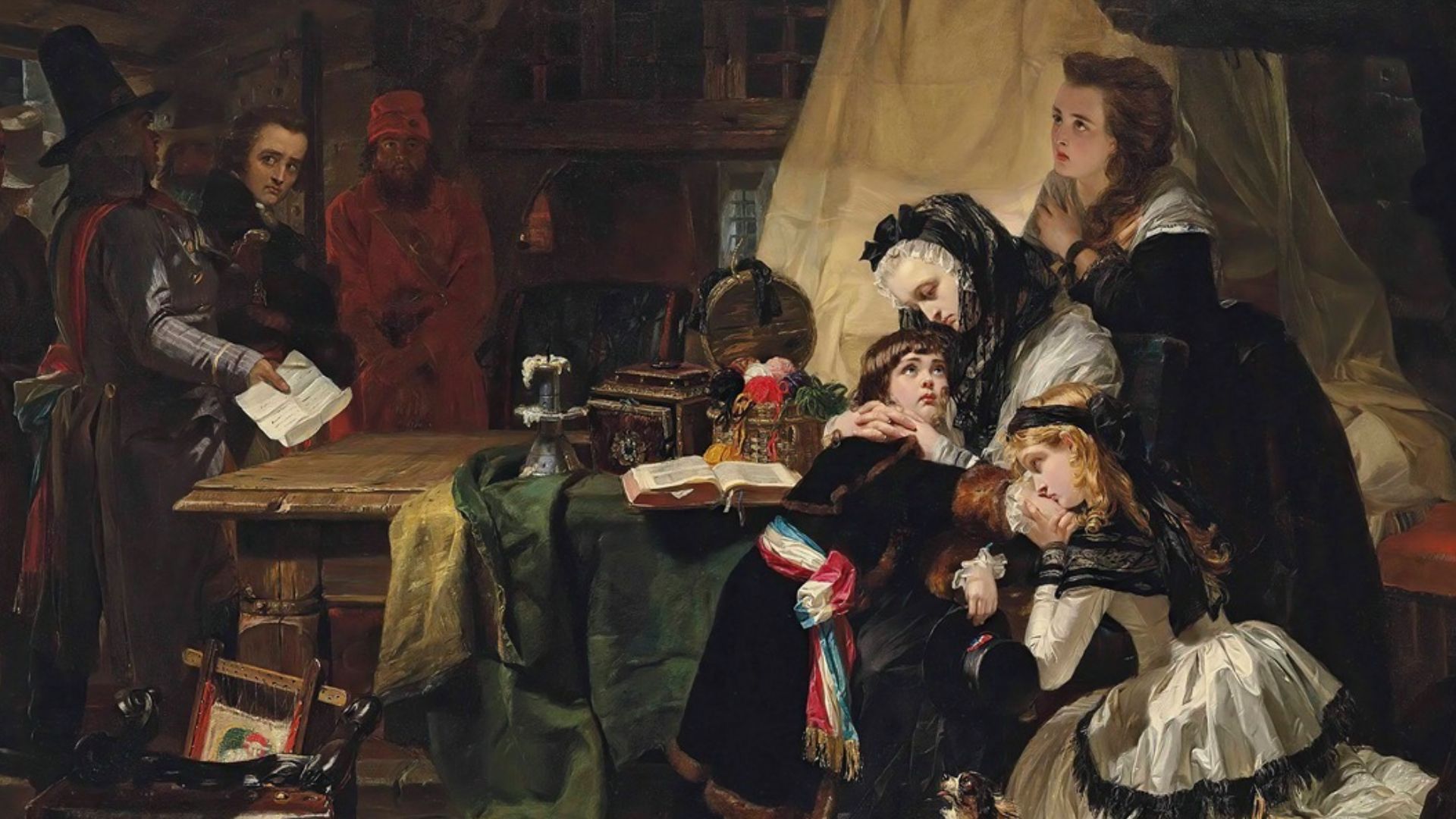
In July 1793, eight-year-old Louis-Charles was forcibly separated from Marie Antoinette and placed in the care of Antoine Simon, a shoemaker entrusted with supervising him. The separation was devastating for the queen. Revolutionary authorities intended to strip the child of his royal identity and upbringing, leaving him isolated from his family.
 Edward Matthew Ward, Wikimedia Commons
A Cruel Accusation
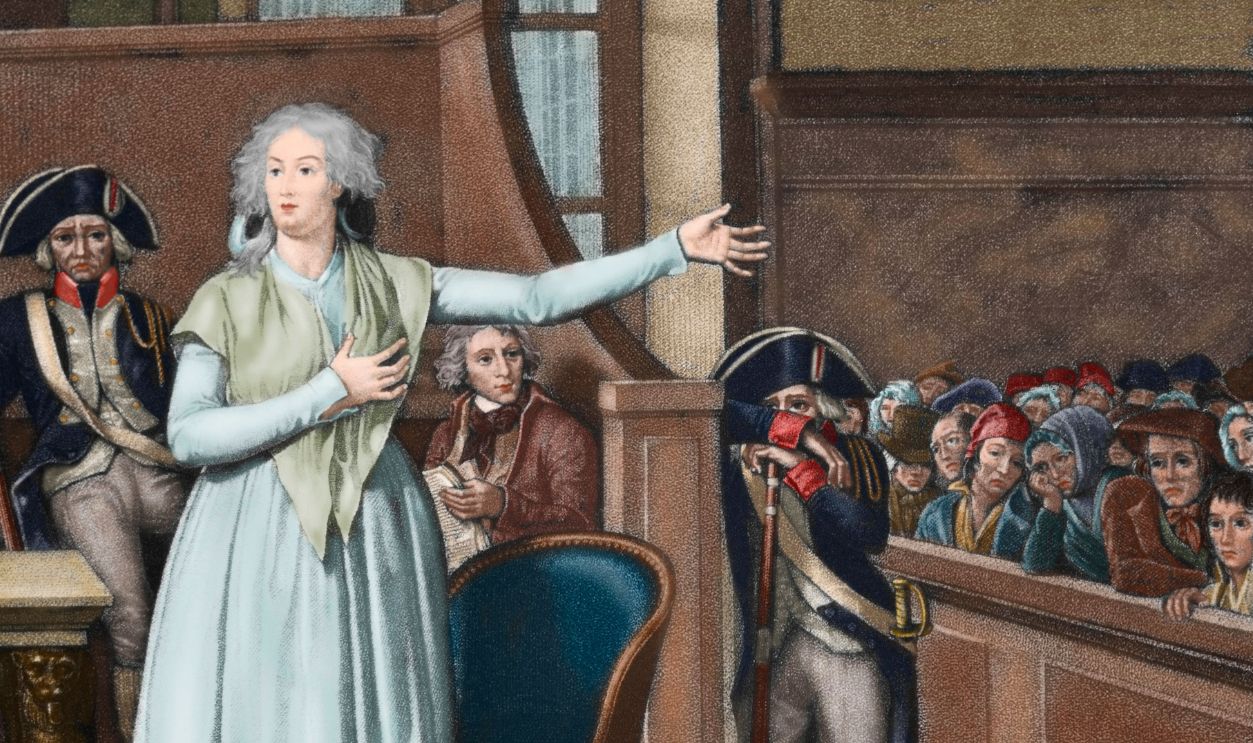
During Marie Antoinette's trial in October 1793, prosecutors introduced shocking accusations of misconduct involving her young son. Louis-Charles had been pressured into making statements against his mother. The queen vehemently rejected the allegations, appealing to the mothers present in the courtroom. Historians regard the accusations as baseless, but they added another horrifying dimension to her ordeal.
Marie Antoinette Breathed Her Last
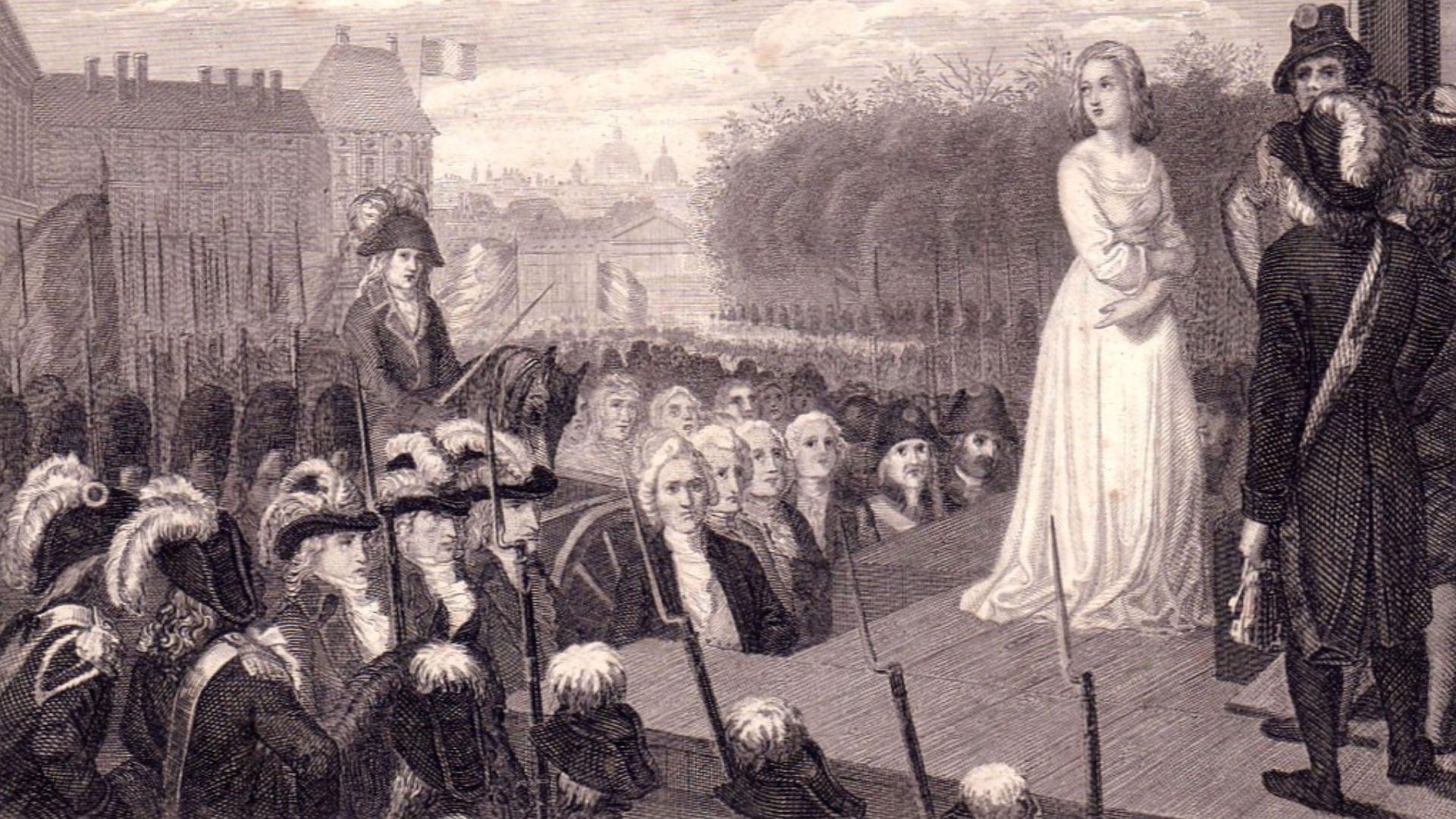
On October 16, 1793, Marie Antoinette went to the guillotine in Paris. Her two surviving children were still imprisoned in the Temple. Louis-Charles had already been separated from her, while Marie-Thérèse, approaching her fifteenth birthday, faced an uncertain future. Neither child had any control over the political struggle that had destroyed their family.
 Unknown authorUnknown author, Wikimedia Commons
The Boy King's Decline
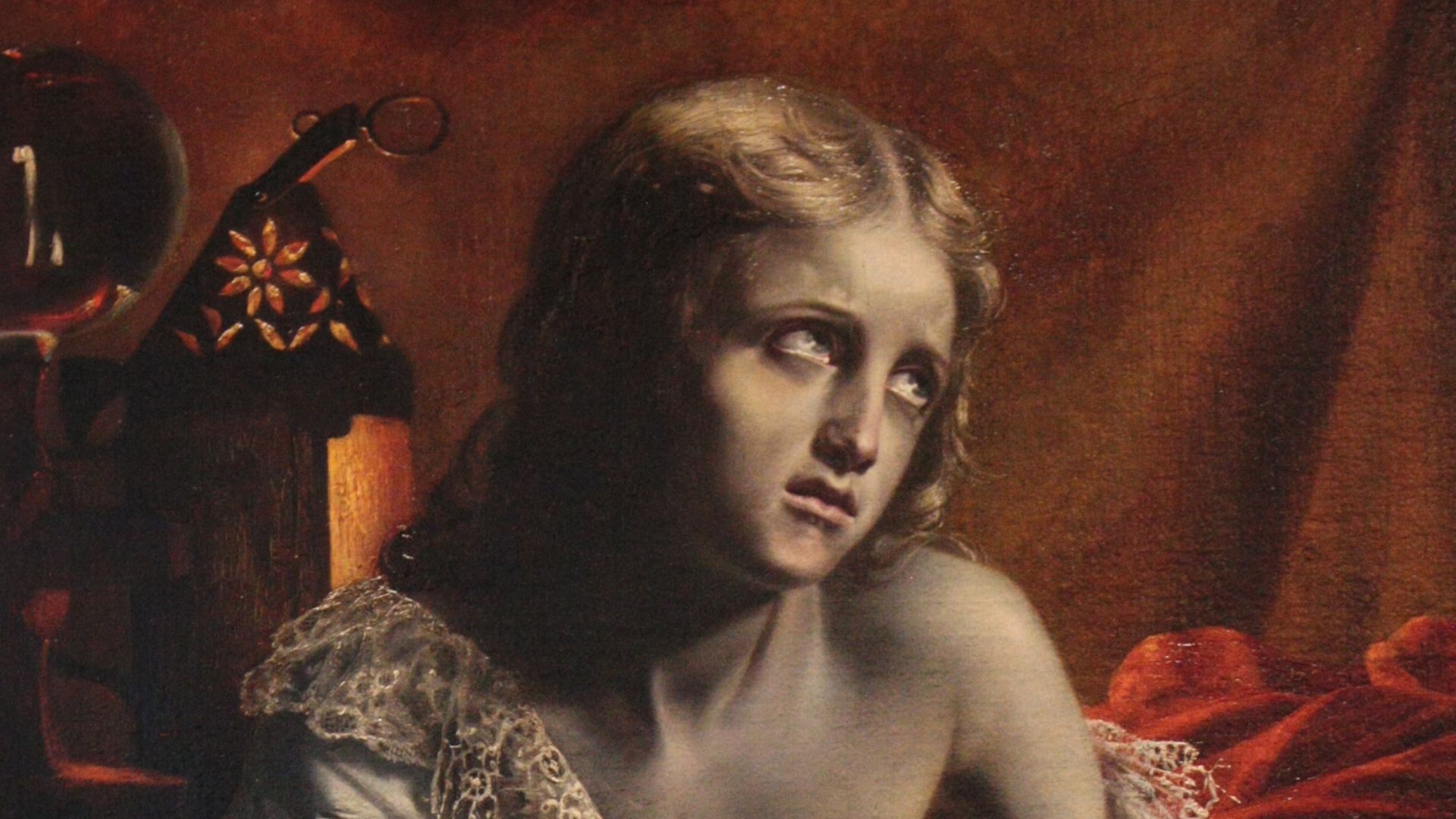
Louis-Charles's imprisonment got increasingly grim. After Simon left his position in early 1794, the child endured prolonged isolation and inadequate care. His health deteriorated severely, and he developed tuberculosis. On June 8, 1795, the boy recognized by royalists as Louis XVII died inside the Temple. He was just 10 years old.
 Émile Mascré, Wikimedia Commons
The Sister Left Behind
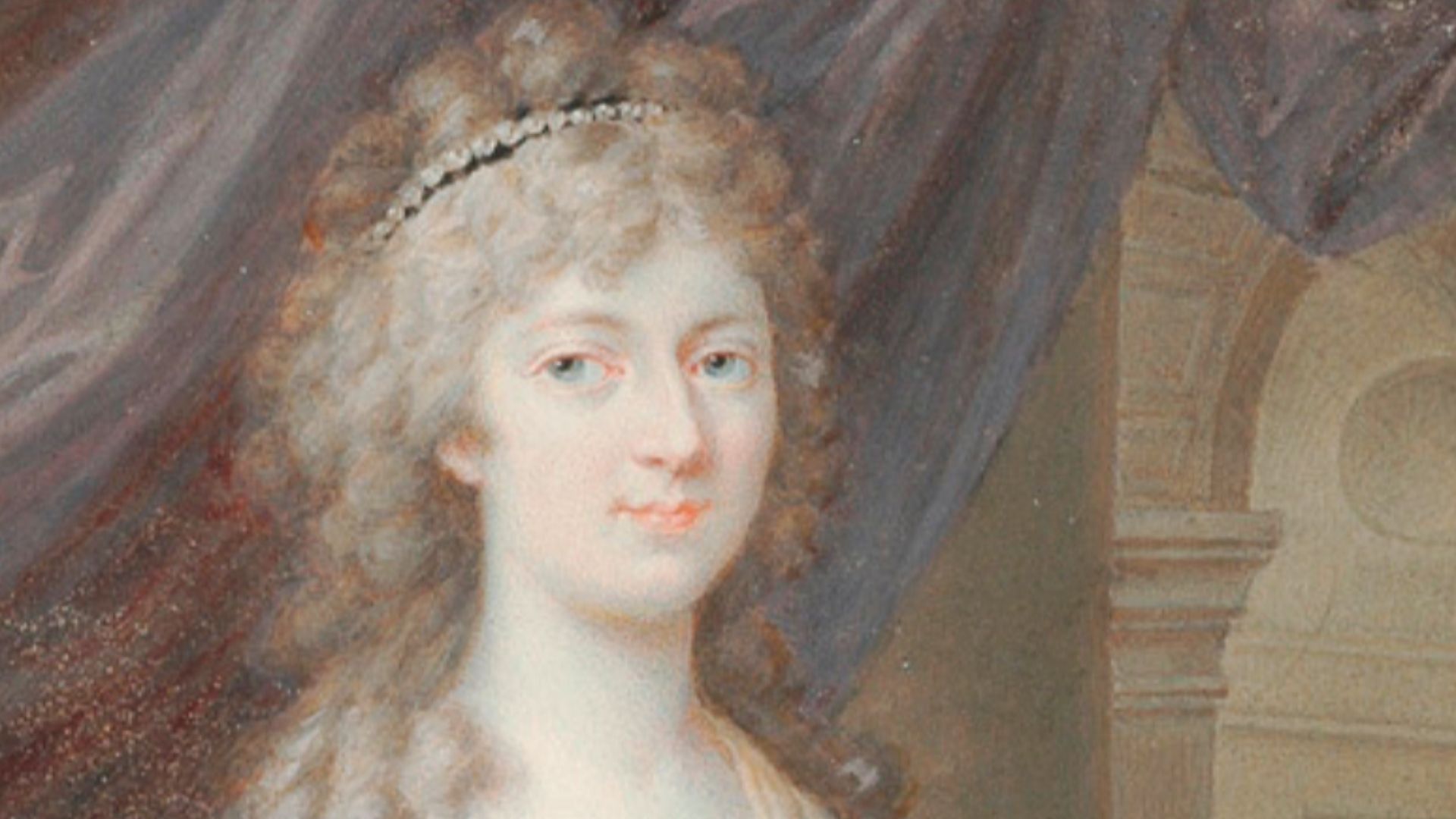
Marie-Thérèse was now the only surviving child of Louis XVI and Marie Antoinette. She had lost both parents, her three siblings, and her aunt Élisabeth, who also was executed in 1794. During her imprisonment, information about her family's fate had been withheld from her. The gradual discovery of these losses made her captivity especially traumatic.
 Heinrich Füger, Wikimedia Commons
Freedom Comes At Last
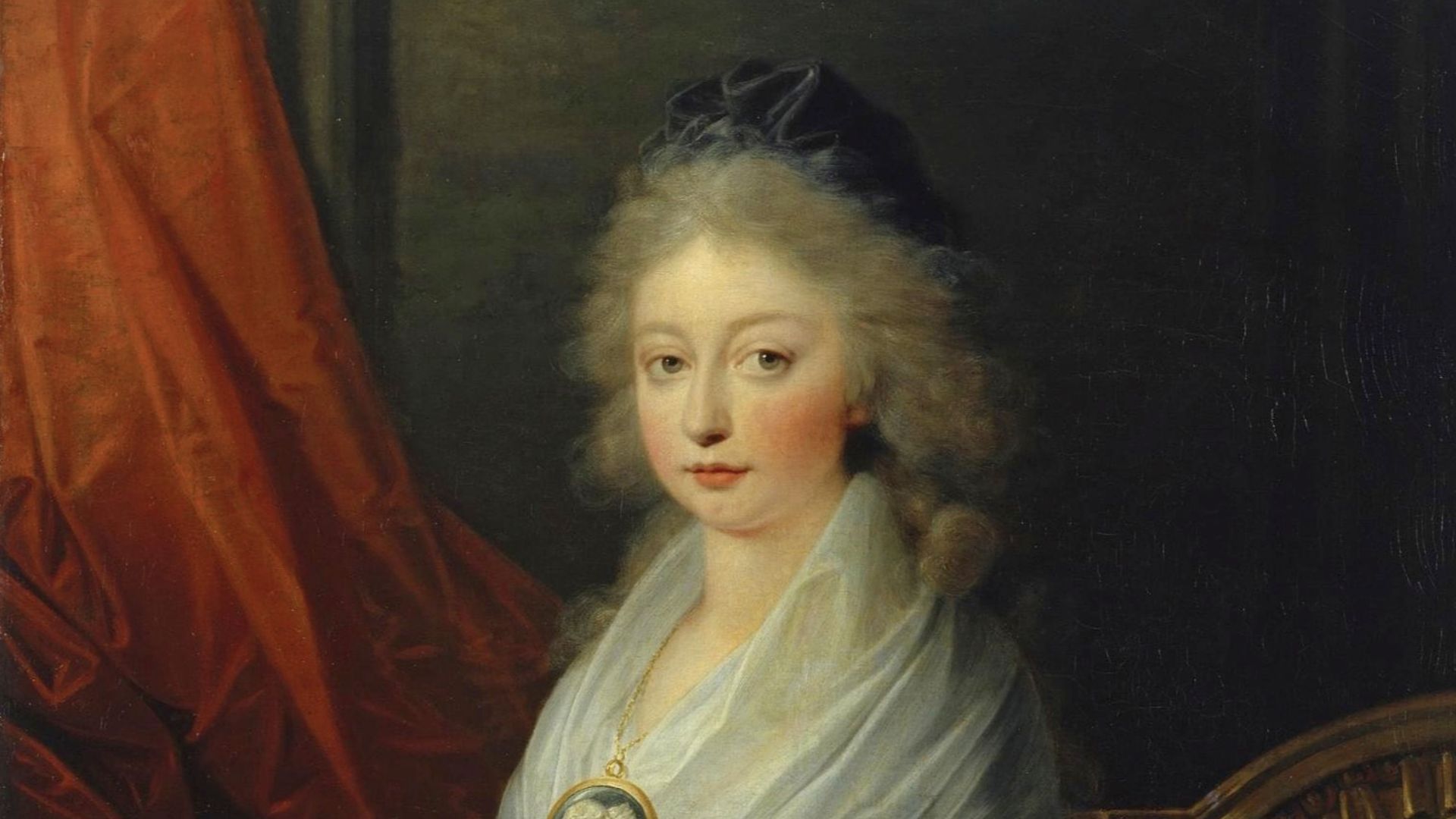
On December 19, 1795, her seventeenth birthday, Marie-Thérèse finally left the Temple after more than three years of imprisonment. Her release was arranged through negotiations involving Austria. She traveled to Vienna, where relatives welcomed her. Although she was free, the princess was entering a world without the family she had known.
 Heinrich Füger, Wikimedia Commons
A Marriage In Exile
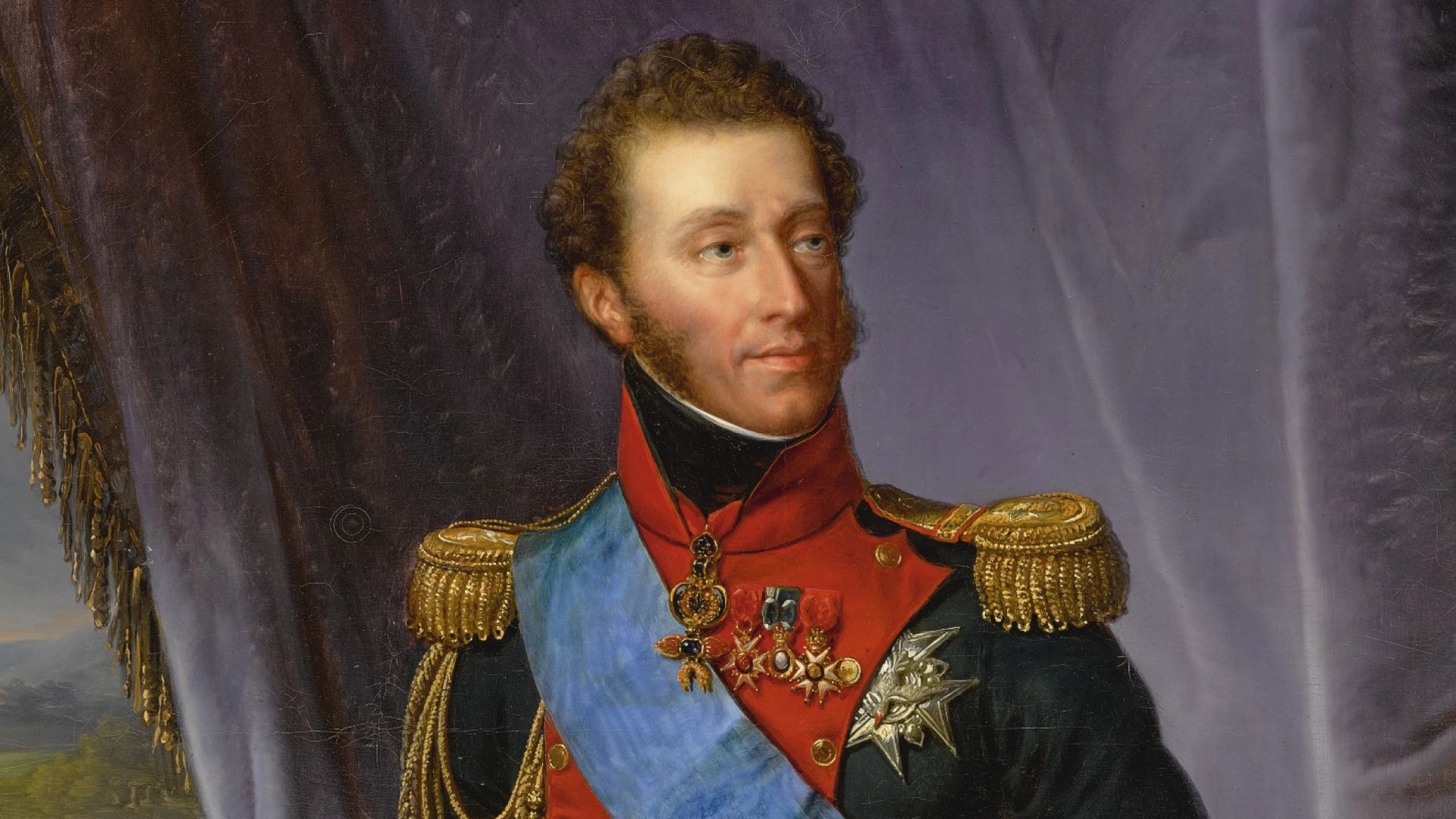
In 1799, Marie-Thérèse married her first cousin Louis Antoine, Duke of Angoulême, the son of the future King Charles X. Their marriage strengthened the Bourbon family's dynastic hopes, but the couple had no children. She spent years moving among European royal courts, remaining deeply attached to the monarchy that had cost her family so much.
 François Kinson, Wikimedia Commons
A Brief Royal Return
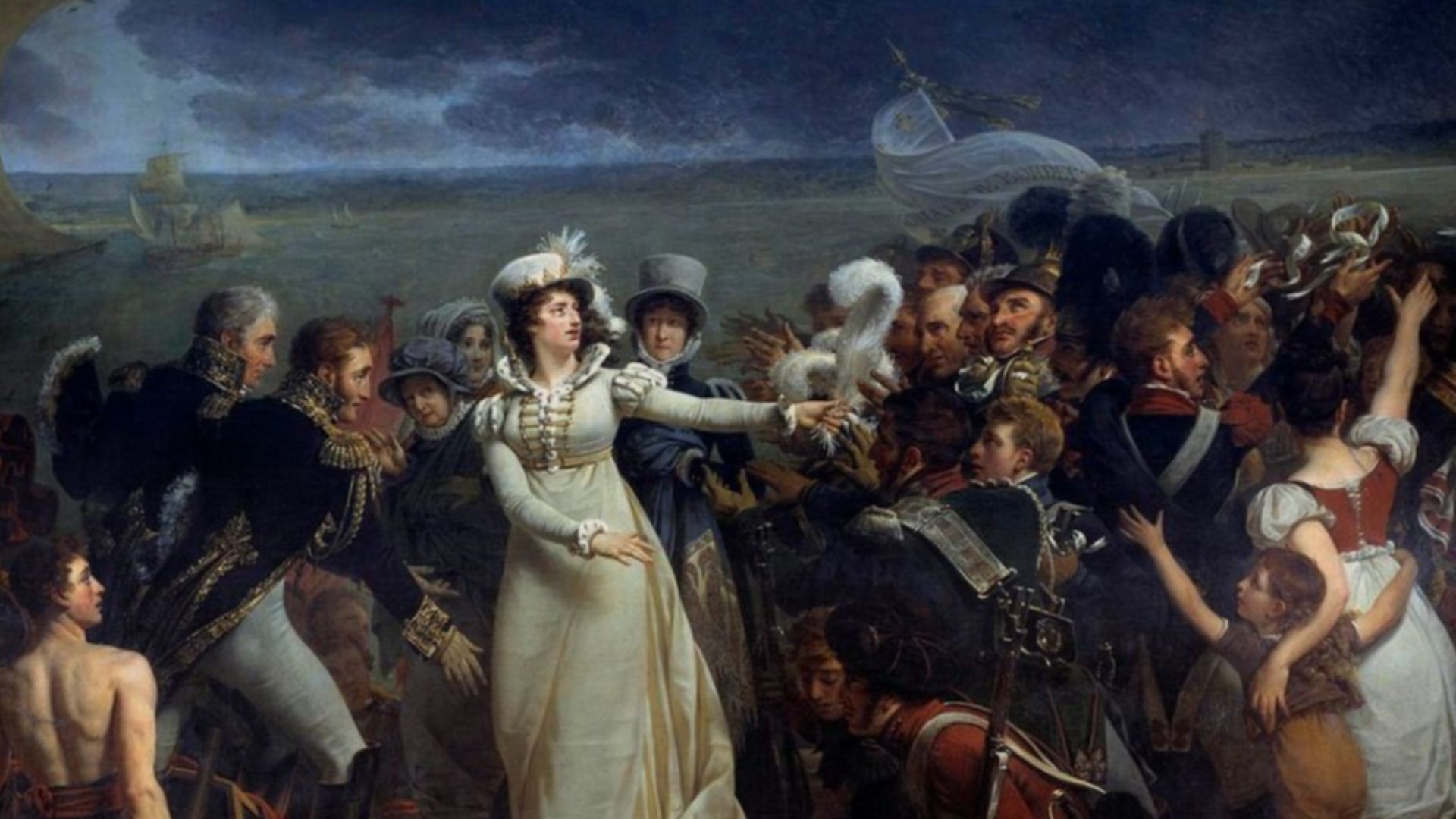
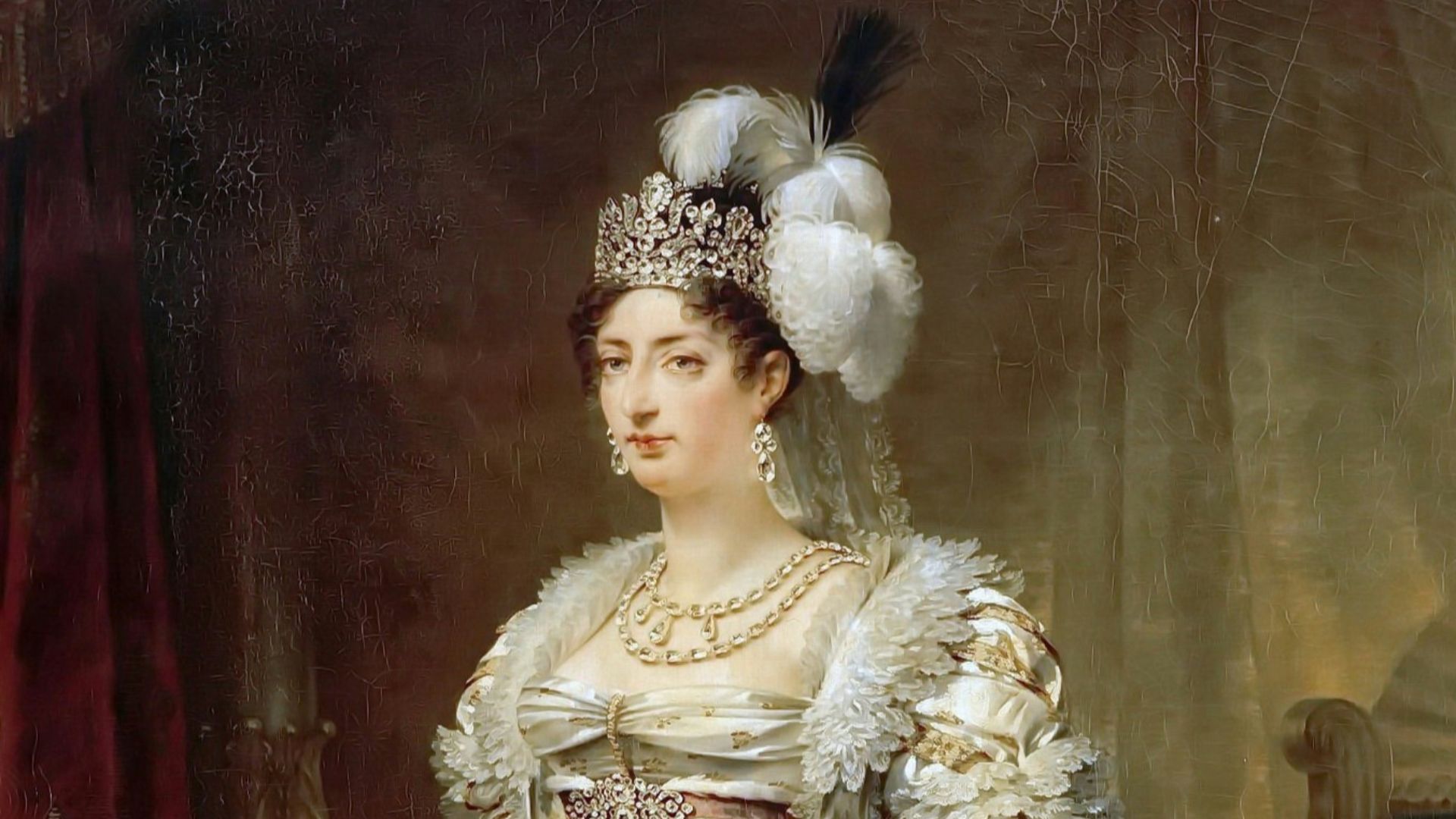
The Bourbon restoration of 1814 finally allowed Marie-Thérèse to return to France. When Charles X became king in 1824, her husband became Dauphin, making her Dauphine of France. But the revolution of 1830 forced the family into exile again. She spent her remaining years abroad, and passed away on October 19, 1851, at the age of 72.
 Lord Cornwallis, Wikimedia Commons
The Mystery Finally Ends
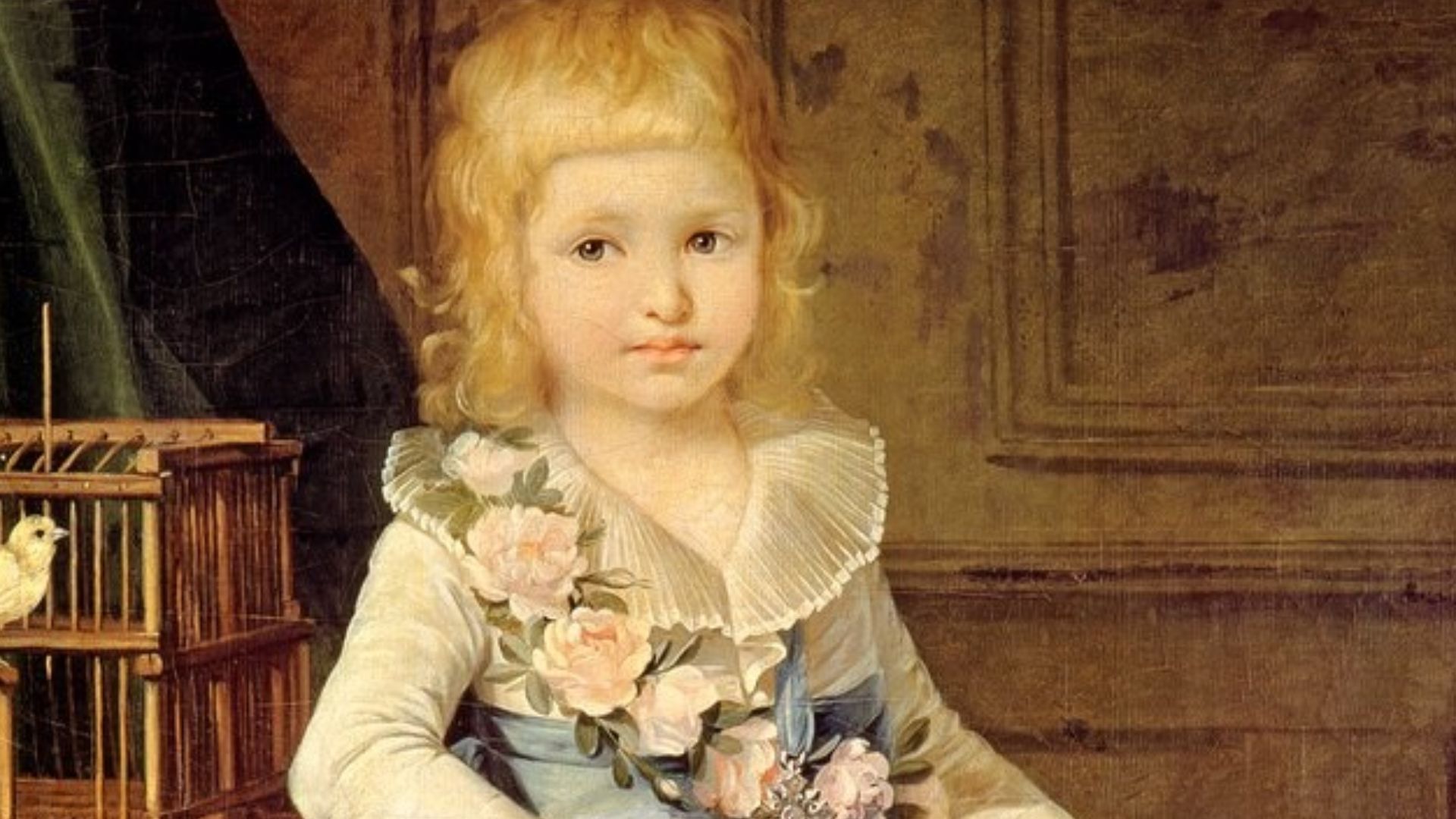
For generations, rumors persisted that Louis-Charles had escaped the Temple and that another child had perished in his place. In 2000, DNA testing of a heart preserved after the boy's death provided compelling evidence that it belonged to Marie Antoinette's son. The findings were published in 2001, helping resolve one of the French Revolution's most enduring mysteries.
 Attributed to Élisabeth Louise Vigée Le Brun, Wikimedia Commons
Four Children, One Survivor
Of the four children born to Louis XVI and Marie Antoinette, Sophie died in infancy, Louis-Joseph died at seven, and Louis-Charles died at 10 after enduring imprisonment. Only Marie-Thérèse survived into adulthood, spending much of her life in exile. Their parents' downfall became a famous symbol of the Revolution, but the children's suffering remains one of its most heartbreaking human stories.
 Antoine-Jean Gros, Wikimedia Commons
You May Also Like:
Doomed Facts About Louis XVI, The Last King Of France
Disturbing Facts About The French Monarchy
Revolutionary Facts About Marie Antoinette, The Last Queen Of France