The Warrior Who Defied Caesar
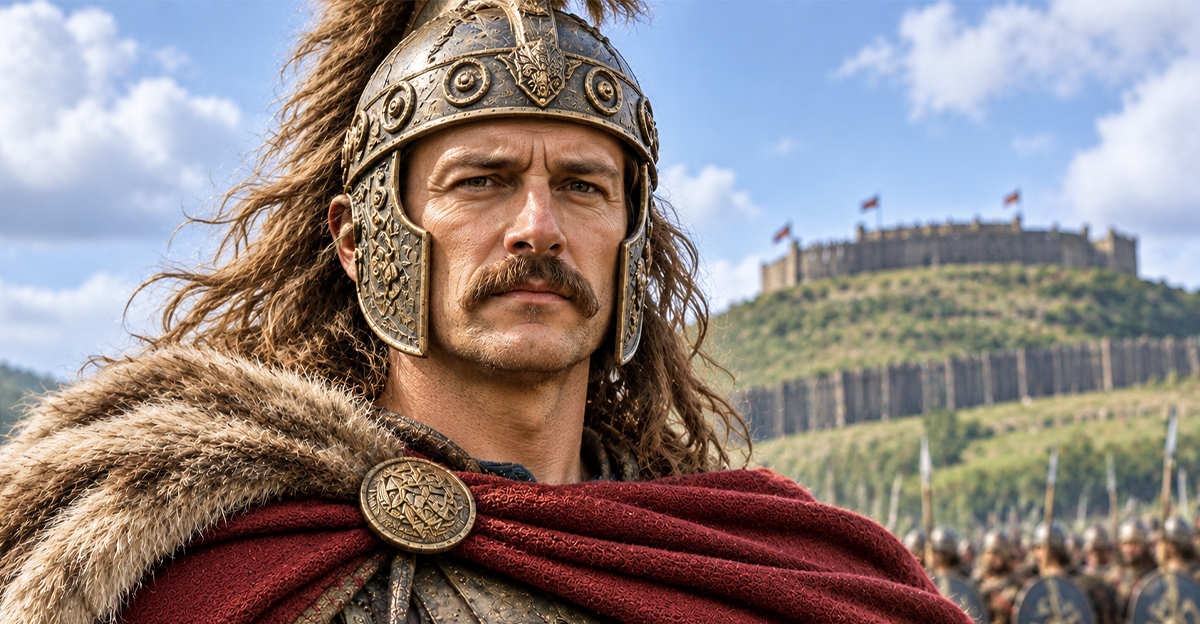
Julius Caesar had conquered much of Gaul when a young warrior named Vercingetorix dared to challenge his bid for supremacy. Against seemingly impossible odds, he united rival tribes, defeated Roman legions, and threatened Caesar's ambitions. But when his rebellion finally collapsed, his fate was devastating. The Romans would keep their greatest Gallic enemy alive for years, only to subject him to one final humiliation.
Born Into A Divided Land
Vercingetorix was born into the Arverni, one of the most powerful peoples of ancient Gaul, in what is now central France. His birth date is unknown, although he is often described as having been born around 82 BC. His name is commonly interpreted as something resembling "supreme king of warriors." Little is known about his childhood, but his noble birth placed him among the influential families of Gallic society.
His Father Had Royal Ambitions
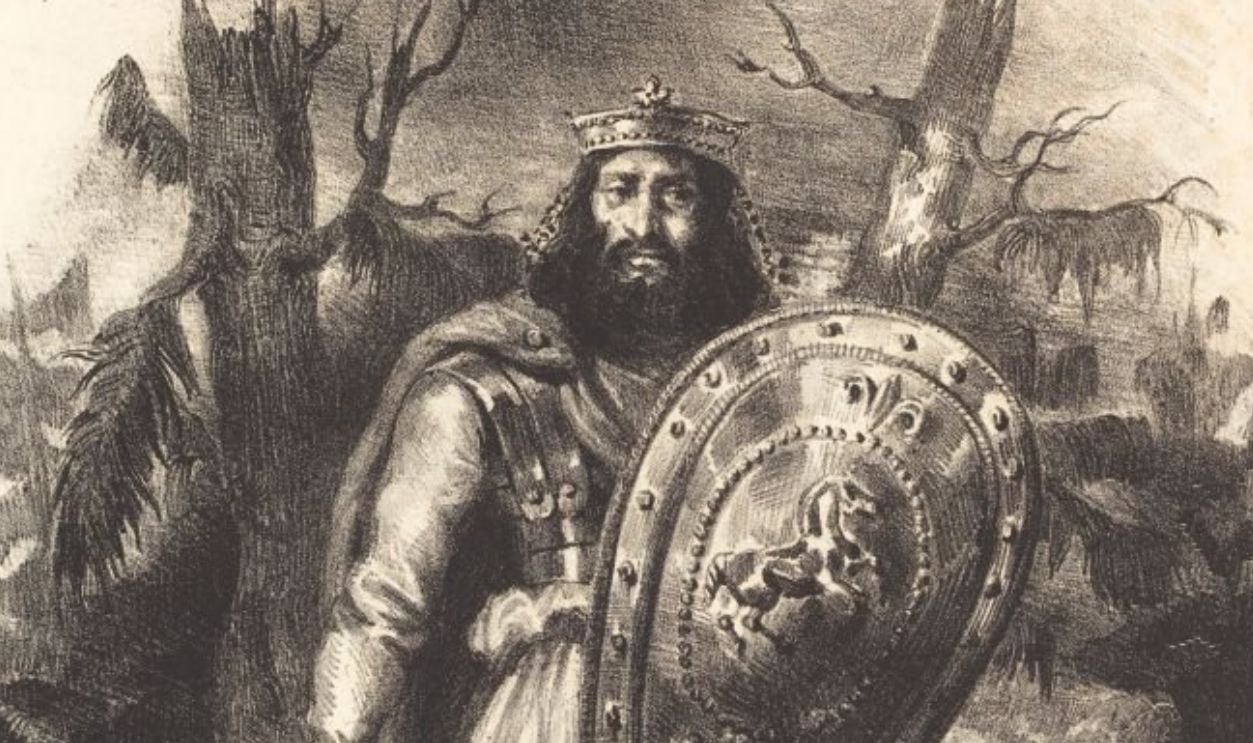
His father, Celtillus, was a powerful Arvernian nobleman who reportedly sought supremacy over the Gallic peoples. According to Julius Caesar, Celtillus was executed by his own people for aspiring to kingship. The circumstances remain obscure, but the story suggests that Vercingetorix grew up in a world where political ambition could be deadly.
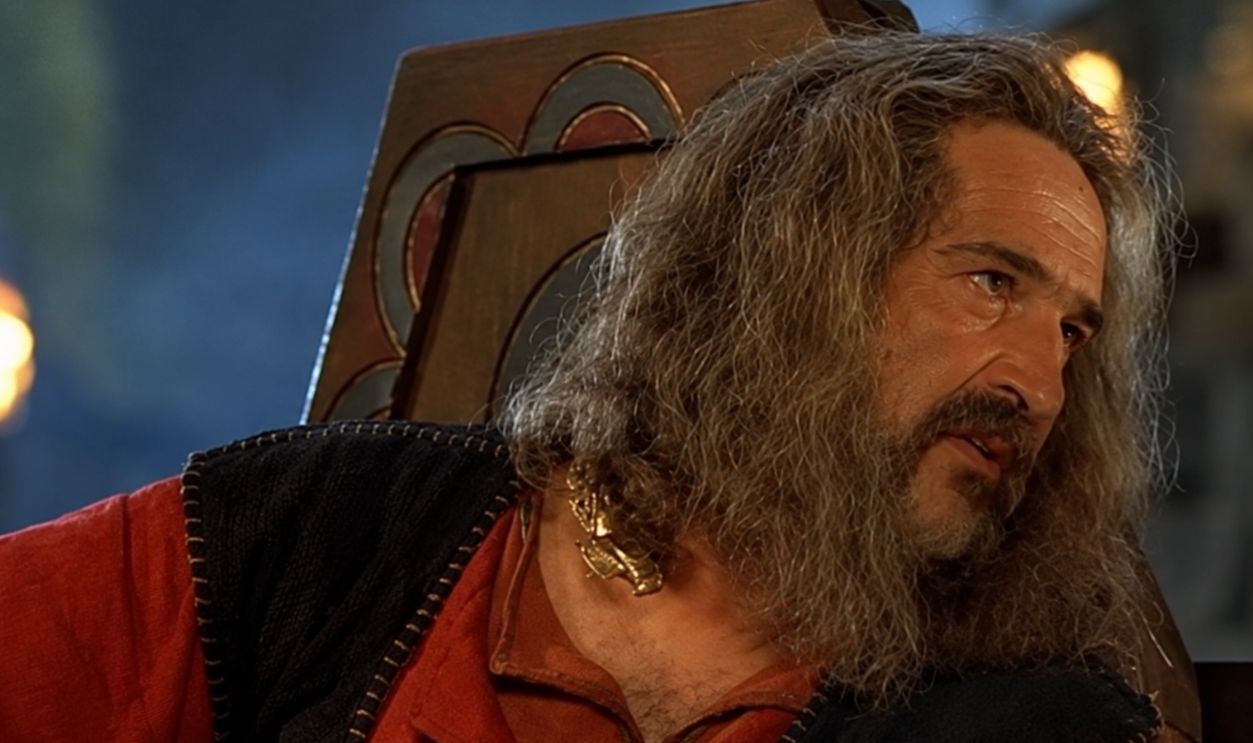 Screenshot from Druids, Lolistar (2001), Enhanced
Gaul Was Bitterly Divided
Gaul wasn't a single nation. It consisted of numerous peoples, including the Arverni, Aedui, Sequani, and Carnutes, whose alliances and rivalries frequently shifted. Some cooperated with Rome, while others resisted its influence. These divisions made Roman expansion easier and presented Vercingetorix with an enormous challenge: persuading traditional enemies to fight together.
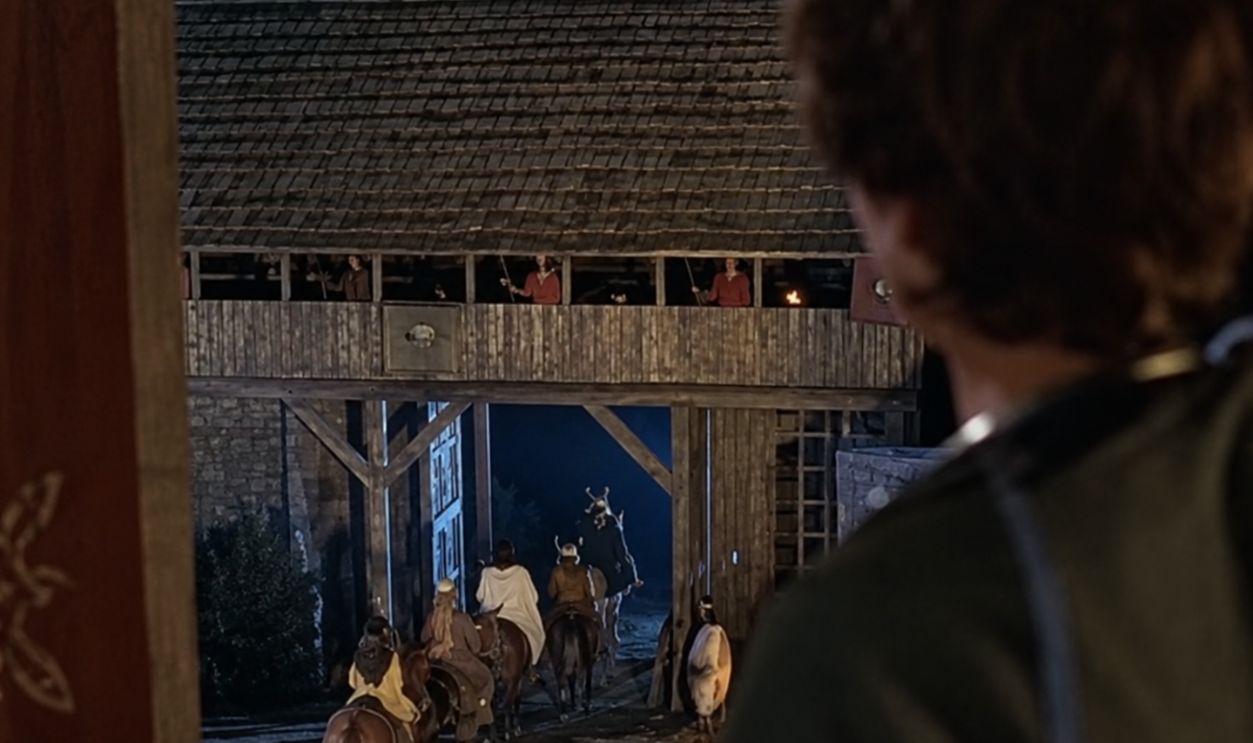 Screenshot from Druids, Lolistar (2001), Enhanced
Caesar Invaded Their Homeland
In 58 BC, Julius Caesar began the military campaigns that would eventually bring most of Gaul under Roman domination. His legions defeated numerous Gallic armies and established Roman authority across vast territories. Caesar presented his campaigns as necessary for Roman security, but they also brought him wealth, prestige, and political power.
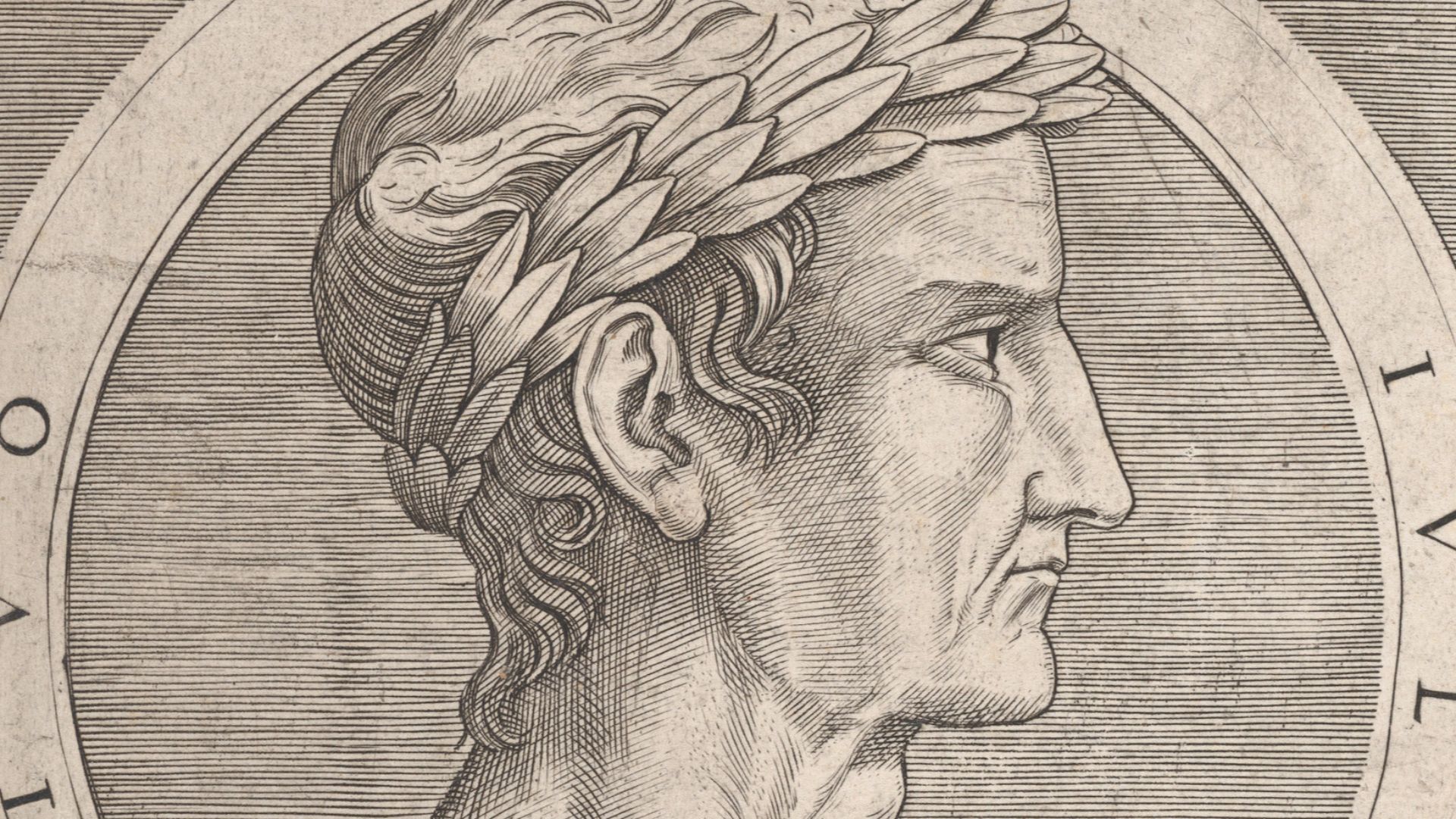 Marcantonio Raimondi / Antonio Salamanca, Wikimedia Commons
A Young Man Takes Notice
The surviving evidence tells us remarkably little about Vercingetorix before 52 BC. Some later accounts have suggested that he gained experience serving alongside Roman forces, but this remains uncertain. What is clear is that he emerged as a formidable opponent of Caesar after years of Roman campaigning had transformed the political landscape of Gaul.
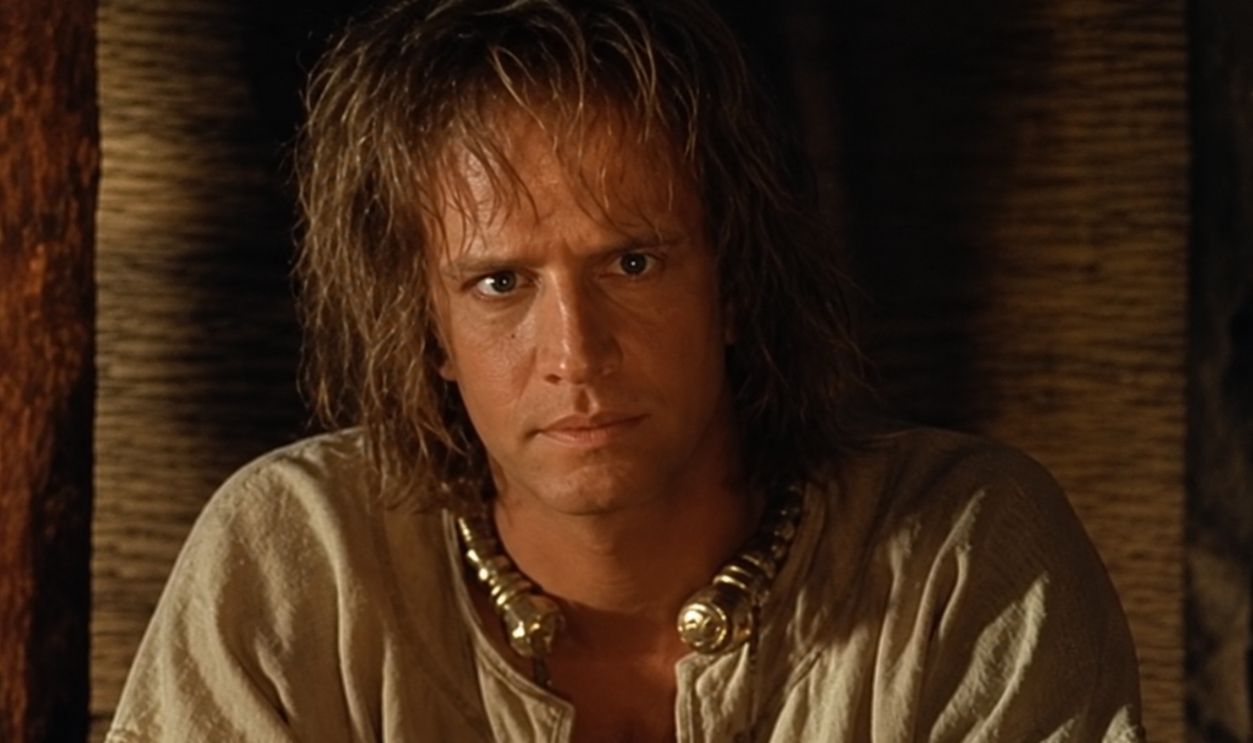 Screenshot from Druids, Lolistar (2001), Enhanced
The Rebellion Begins
In early 52 BC, the Carnutes launched a violent uprising at Cenabum, near modern Orléans, slaying Roman merchants and other residents. News of the revolt spread rapidly. Vercingetorix saw an opportunity to organize broader resistance, but his own people were initially reluctant to support a confrontation with Rome's powerful legions.
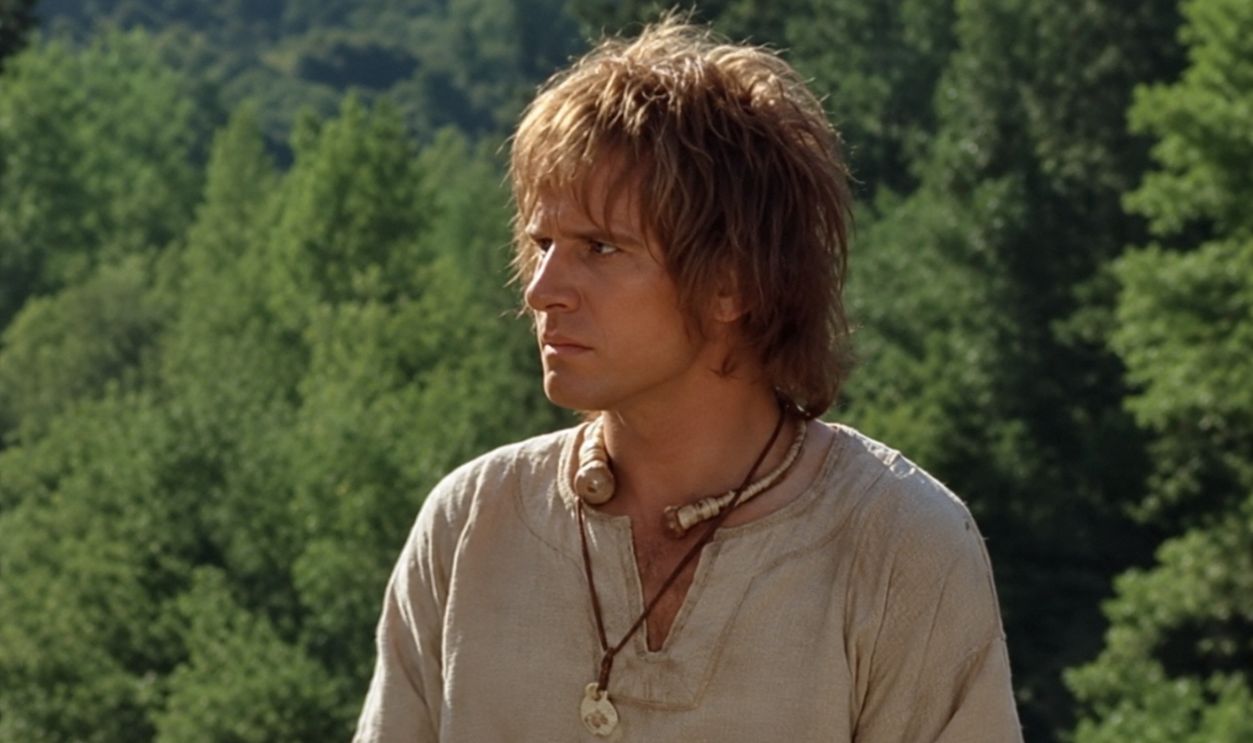 Screenshot from Druids, Lolistar (2001), Enhanced
His Own People Rejected Him
When Vercingetorix urged the Arverni to rebel, his uncle Gobannitio and other leading nobles opposed him. They expelled him from the town of Gergovia, apparently fearing the consequences of challenging Caesar. But Vercingetorix refused to abandon his ambitions. Instead, he gathered supporters from the countryside and prepared to return.
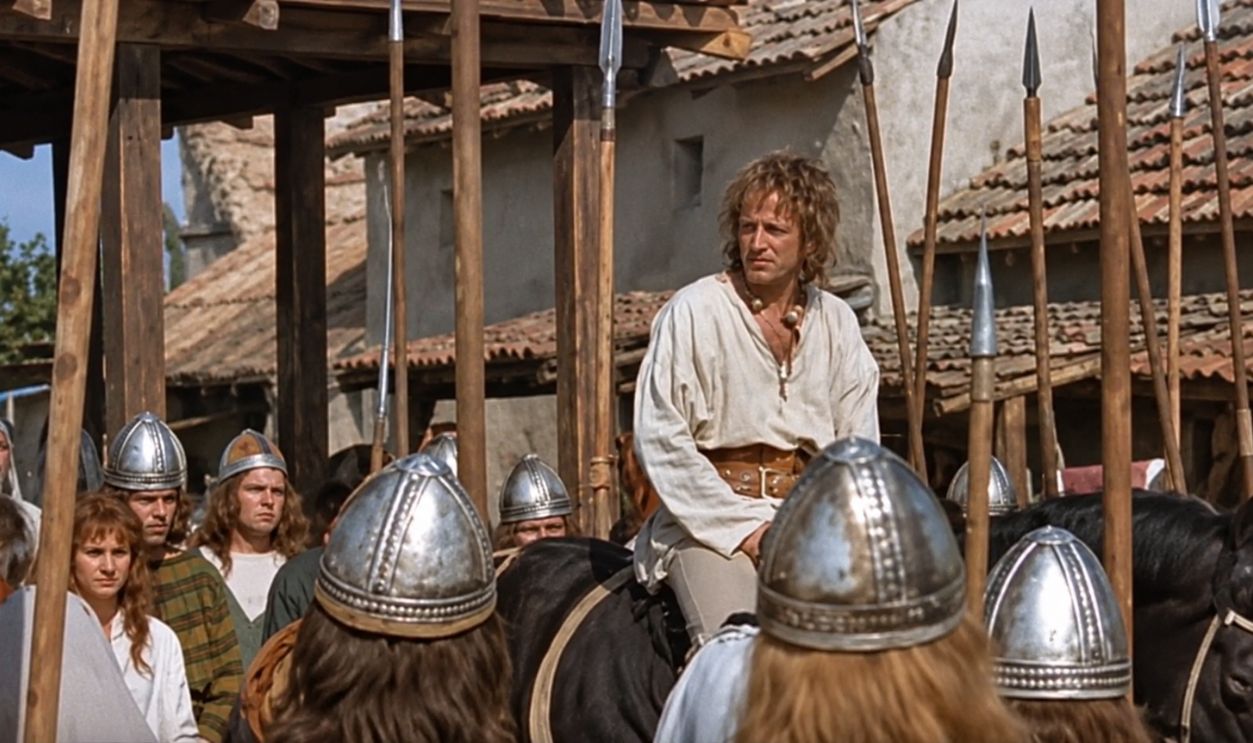 Screenshot from Druids, Lolistar (2001), Enhanced
He Seized Control
Vercingetorix assembled a force of followers, expelled his political opponents, and secured leadership among the Arverni. He then sent representatives to neighboring peoples, urging them to join the rebellion. His message was powerful: only a united resistance could stop Rome from completing its conquest of Gaul.
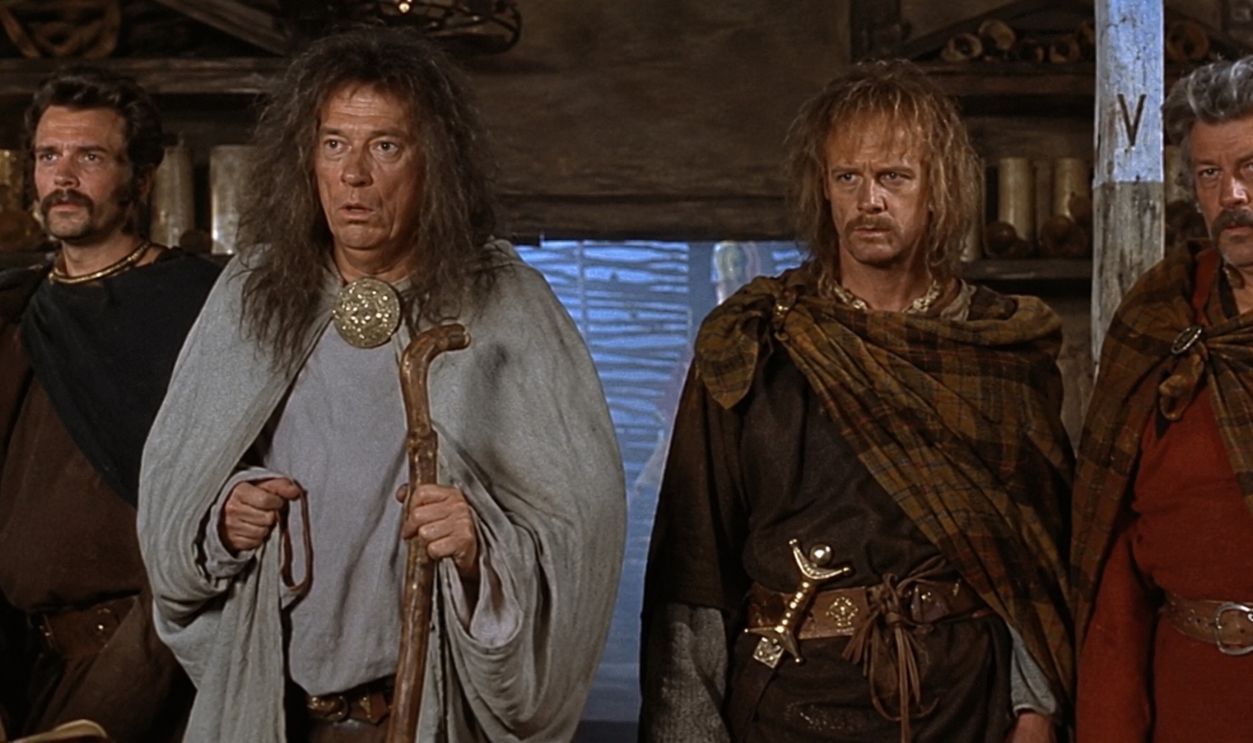 Screenshot from Druids, Lolistar (2001), Enhanced
He Became A Ruthless Commander
Once his authority was established, Vercingetorix imposed strict discipline. Caesar described punishments that included execution for serious offenses and mutilation for lesser ones. Such brutality reflected the desperate circumstances of the uprising, but it also showed that the Gallic commander was willing to use fear to maintain obedience.
 Screenshot from Druids, Lolistar (2001), Enhanced
His Army Grew Rapidly
The Senones, Parisii, Pictones, and several other Gallic peoples joined his cause. Vercingetorix demanded soldiers, cavalry, and supplies from his allies, transforming a regional rebellion into a major armed challenge. Although not every Gallic community supported him, he had accomplished something extraordinary: assembling a coalition capable of threatening Roman dominance.
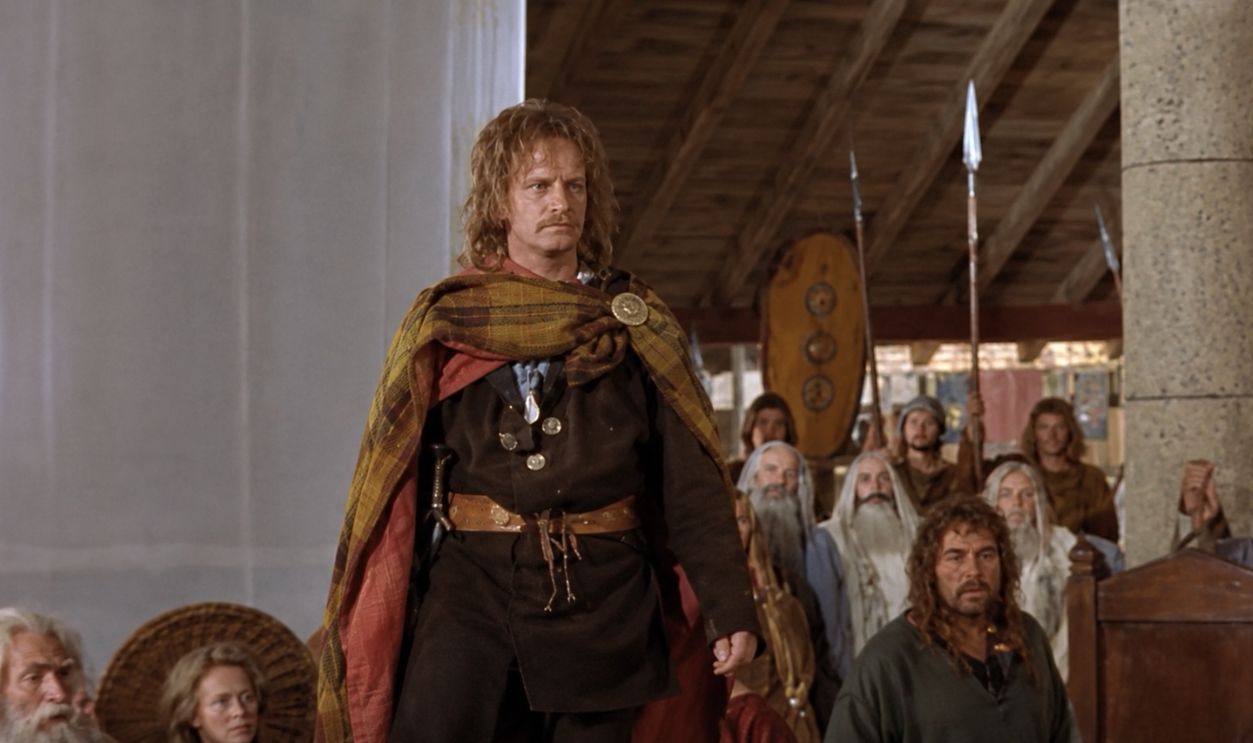 Screenshot from Druids, Lolistar (2001), Enhanced
He Adopted A Devastating Strategy
Rather than repeatedly confronting Caesar's experienced legions in open battle, Vercingetorix sought to deprive them of supplies. He ordered settlements and food stores destroyed before the Romans could capture them. The scorched-earth campaign inflicted suffering on Gallic civilians, but it threatened Caesar's ability to feed his army.
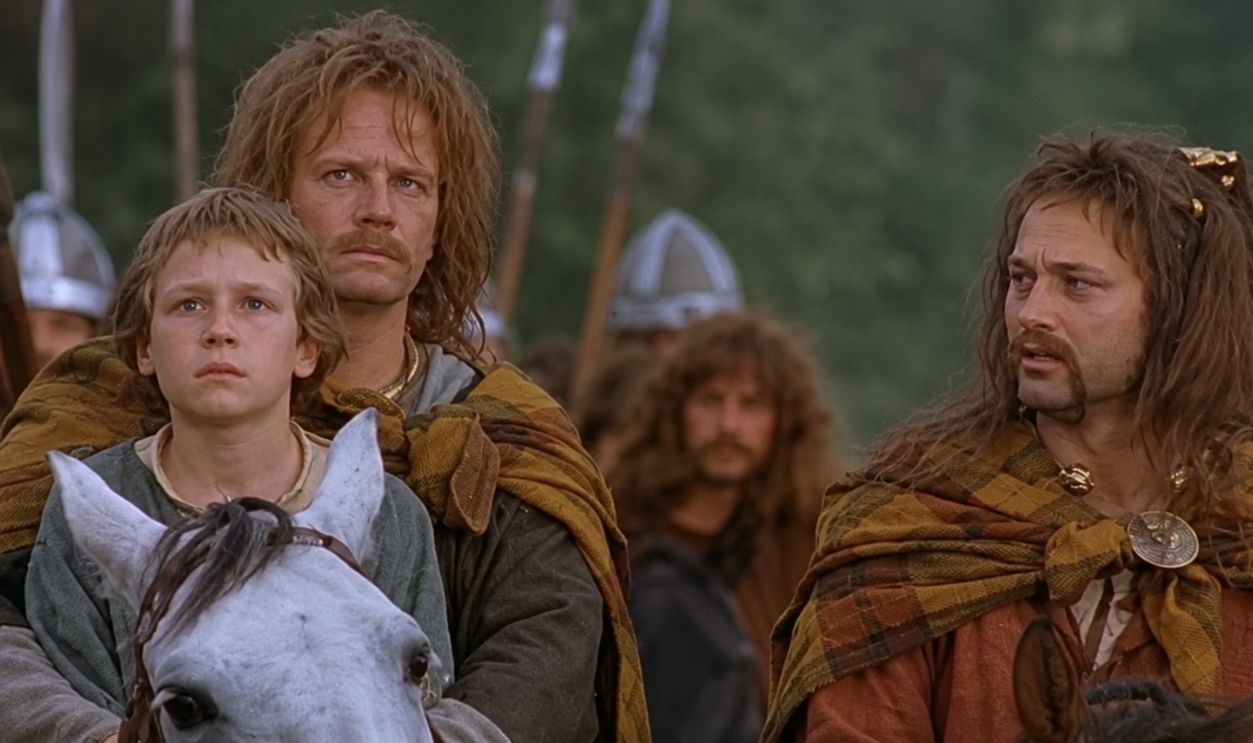 Screenshot from Druids, Lolistar (2001), Enhanced
His Allies Defied His Orders
The strategy required terrible sacrifices, and not everyone was prepared to make them. The Bituriges insisted that their magnificent town of Avaricum, modern Bourges, should be spared. Vercingetorix reluctantly agreed. It was a costly concession, because Caesar recognized the town's importance and prepared to attack it.
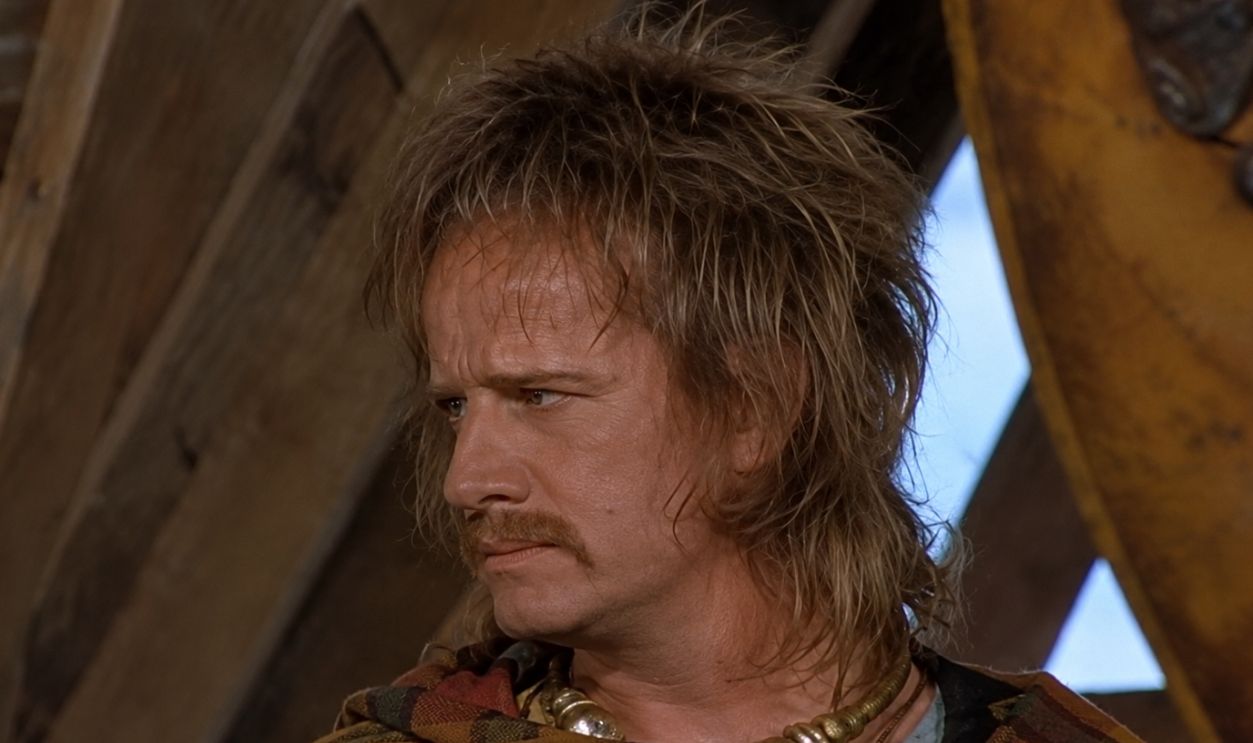 Screenshot from Druids, Lolistar (2001), Enhanced
Caesar Unleashed Mayhem
In 52 BC, Roman forces captured Avaricum after a difficult siege. Caesar reported that his soldiers executed almost the entire population, including women and children, with only about 800 escaping from a population he estimated at 40,000. The figures cannot be independently verified, but the destruction represented a devastating setback for Vercingetorix.
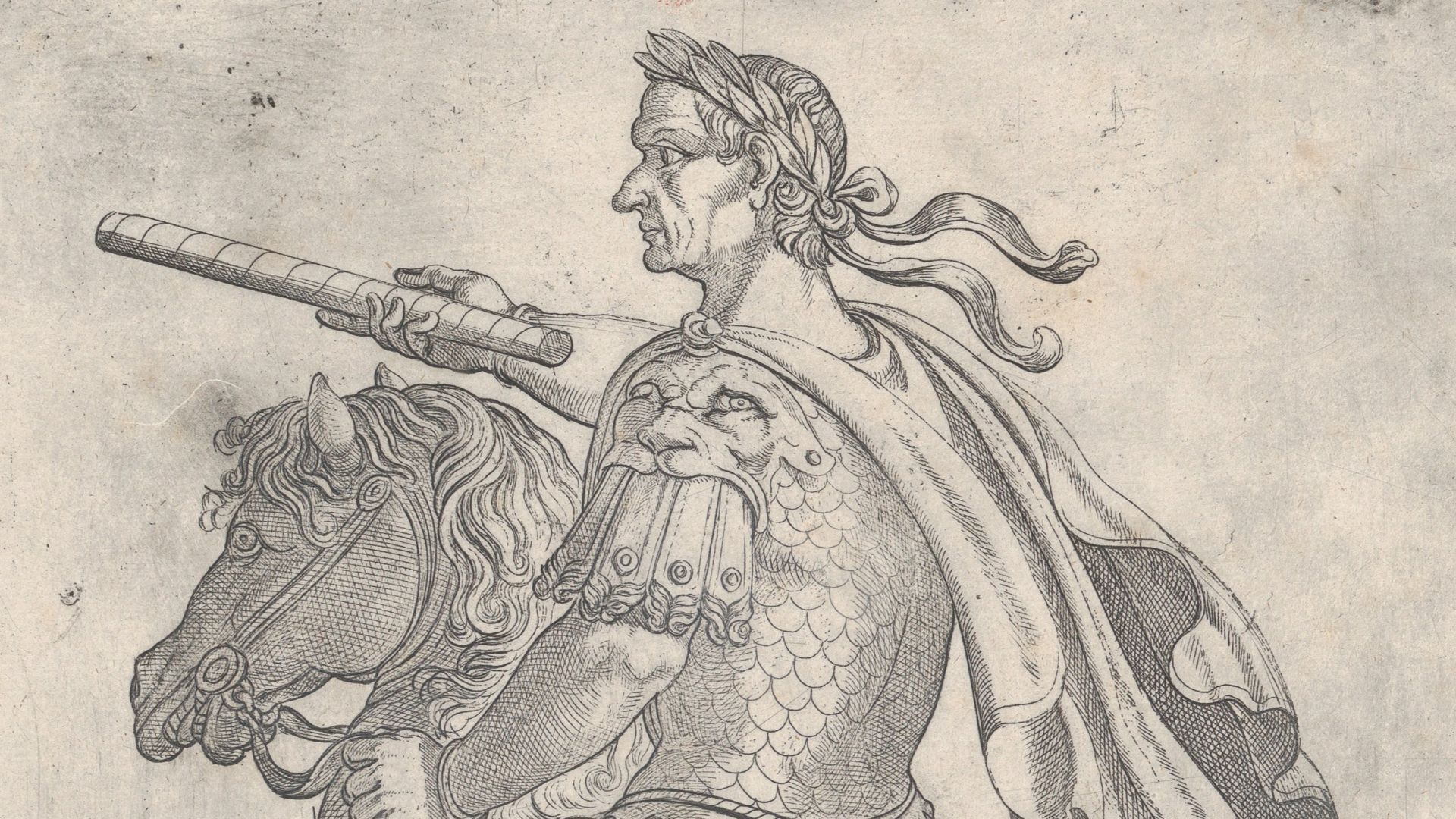 Antonio Tempesta, Wikimedia Commons
He Refused To Surrender
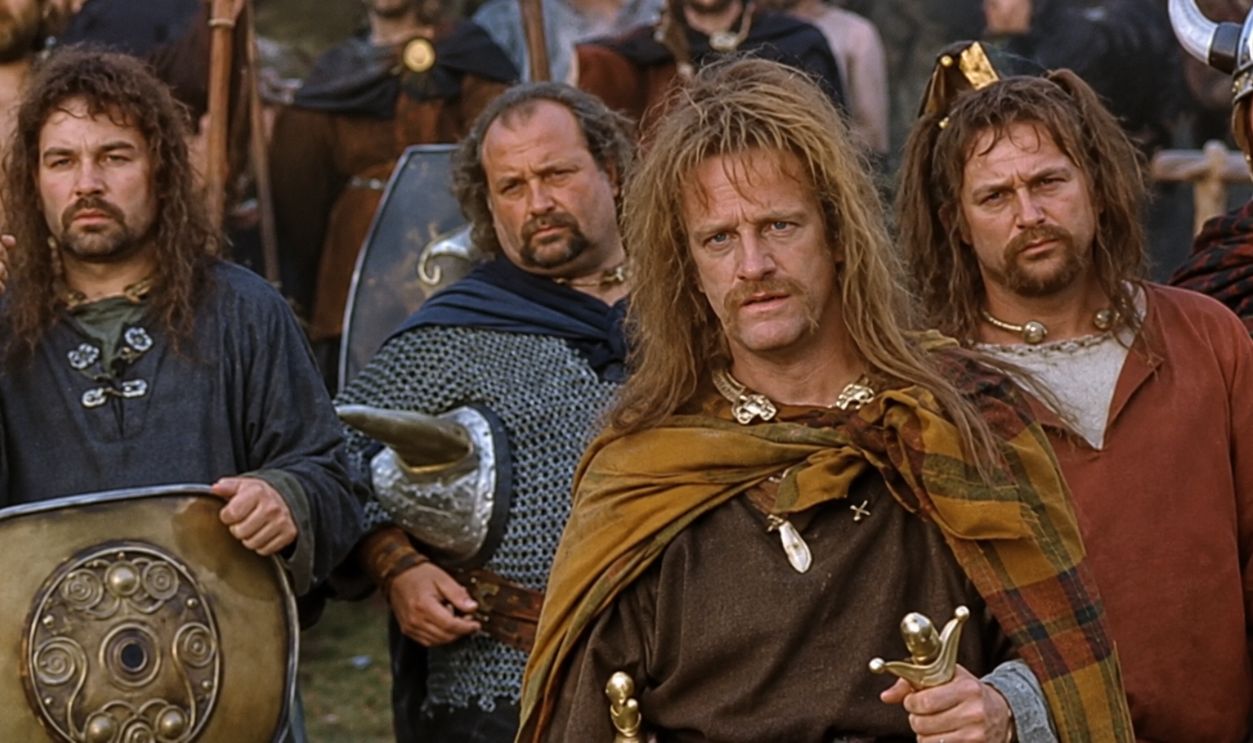
Despite the catastrophe at Avaricum, Vercingetorix maintained his authority. He argued that the Romans had prevailed through siege engineering rather than superior courage, and insisted that his original strategy remained sound. Remarkably, the defeat strengthened his reputation among some followers, who believed he had correctly warned against defending the town.
 Screenshot from Druids, Lolistar (2001), Enhanced
He Humiliated Caesar At Gergovia
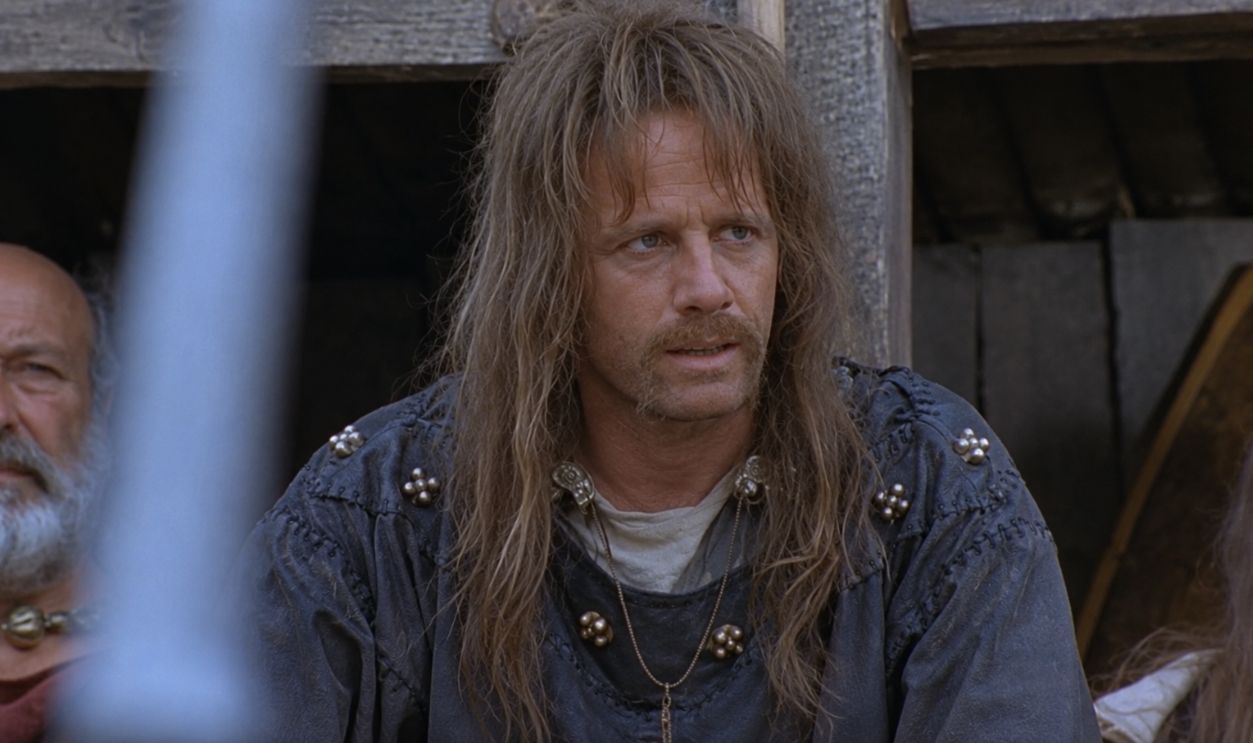
Vercingetorix achieved his greatest battlefield success at Gergovia in 52 BC. Caesar attacked the heavily defended hilltop position but suffered a serious reverse when his troops advanced too far and encountered determined Gallic resistance. Caesar acknowledged losing 46 centurions and nearly 700 soldiers. The Romans withdrew, giving Vercingetorix a remarkable victory.
 Screenshot from Druids, Lolistar (2001), Enhanced
Gaul Rallied Behind Him
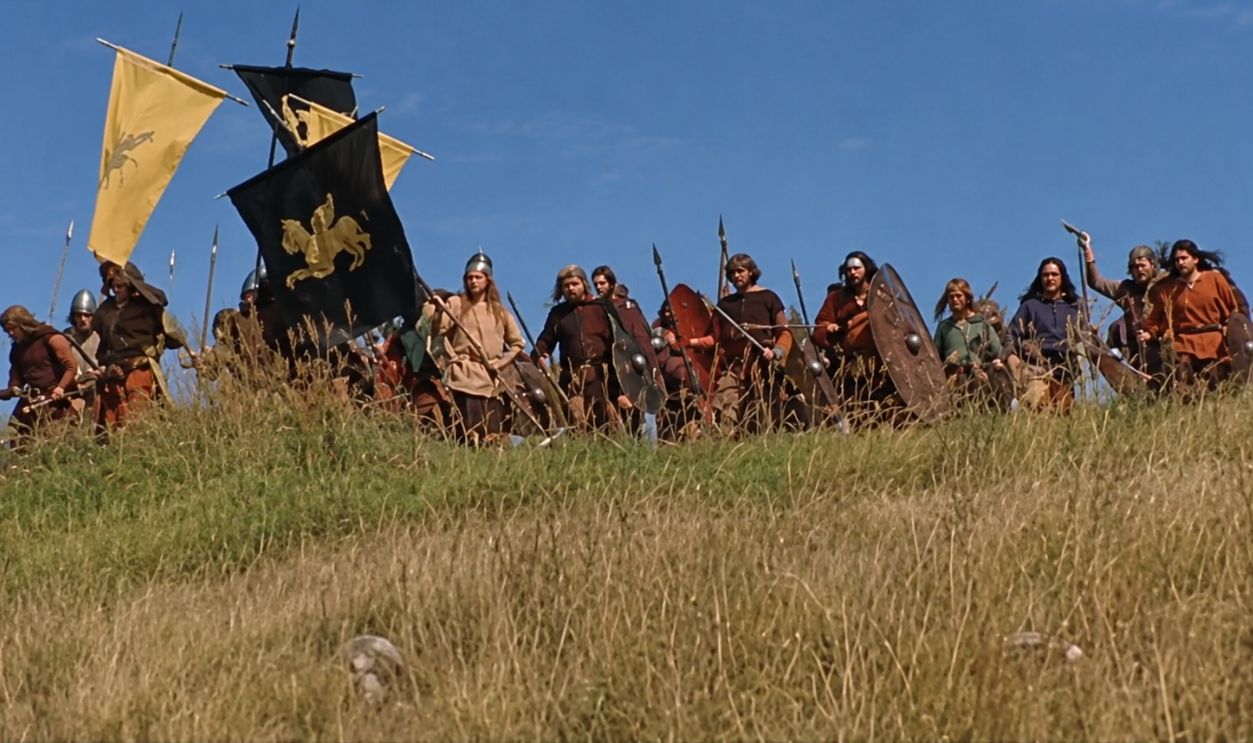
The victory at Gergovia encouraged further rebellion, including the defection of the powerful Aedui, who had previously supported Rome. At a great council held at Bibracte, representatives of the rebellious Gallic peoples confirmed Vercingetorix as their supreme commander. For a moment, Caesar faced the possibility that his years of conquest might unravel.
 Screenshot from Druids, Lolistar (2001), Enhanced
A Dangerous Decision
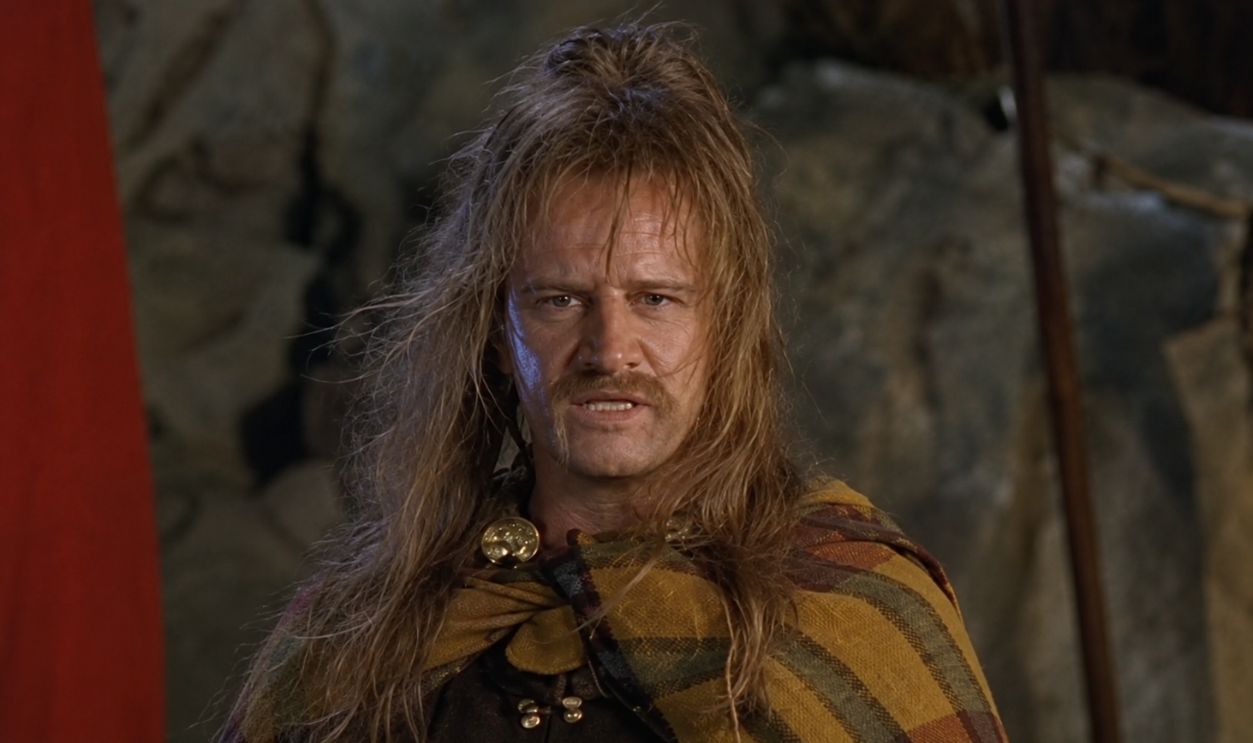
Emboldened by his growing support, Vercingetorix attempted to challenge Caesar's forces more directly. But a major cavalry engagement ended badly for the Gauls, particularly after Caesar deployed German horsemen. Vercingetorix withdrew toward the fortified settlement of Alesia, unaware that the decision would lead to the most consequential siege of his life.
 Screenshot from Druids, Lolistar (2001), Enhanced
Caesar Surrounded Alesia
At Alesia, Vercingetorix occupied a heavily defended hilltop settlement with a substantial army. Caesar recognized that a direct approach would be costly, so he ordered his soldiers to construct an enormous ring of fortifications around the town. The Roman commander intended to starve his enemies into submission.
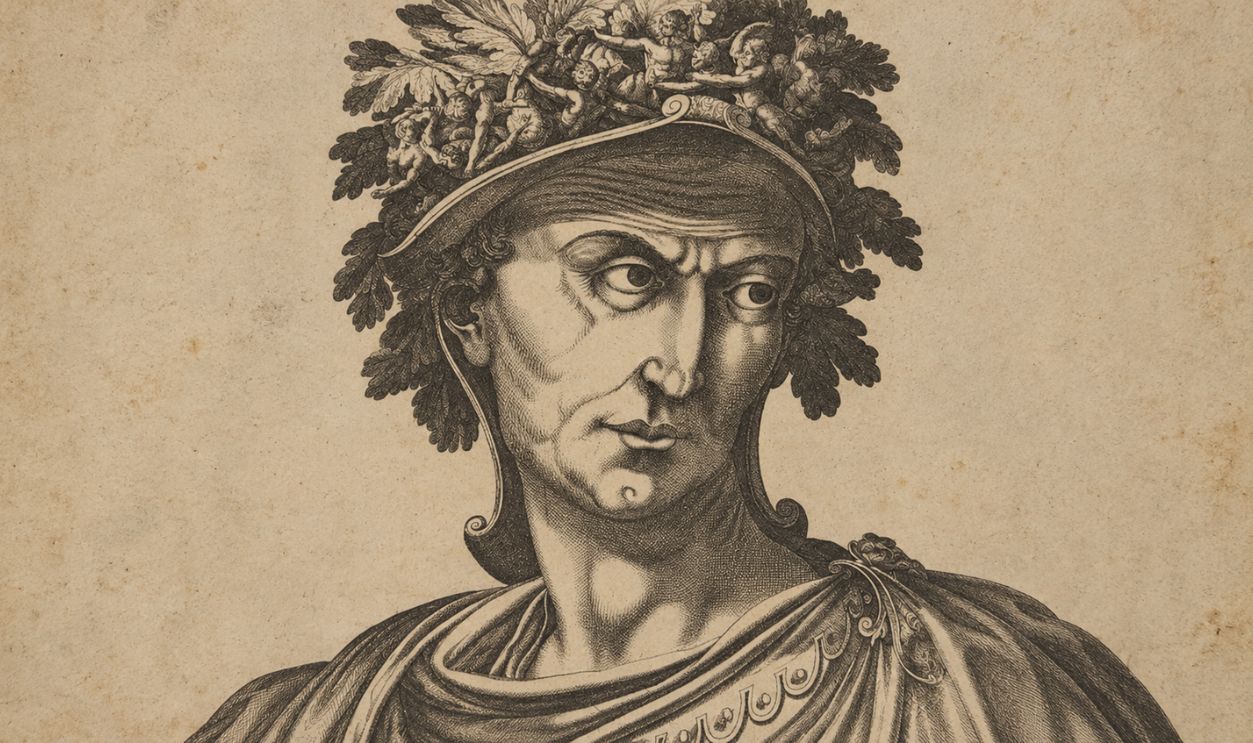 Raffaello Schiaminossi, Wikimedia Commons, Enhanced
He Built Two Walls
Caesar's engineers created one of antiquity's most extraordinary siege systems. An inner line of defenses trapped Vercingetorix inside Alesia, while an outer line protected the Romans against an approaching relief army. Ditches, ramparts, towers, and concealed obstacles transformed the surrounding countryside into a formidable armed barrier.
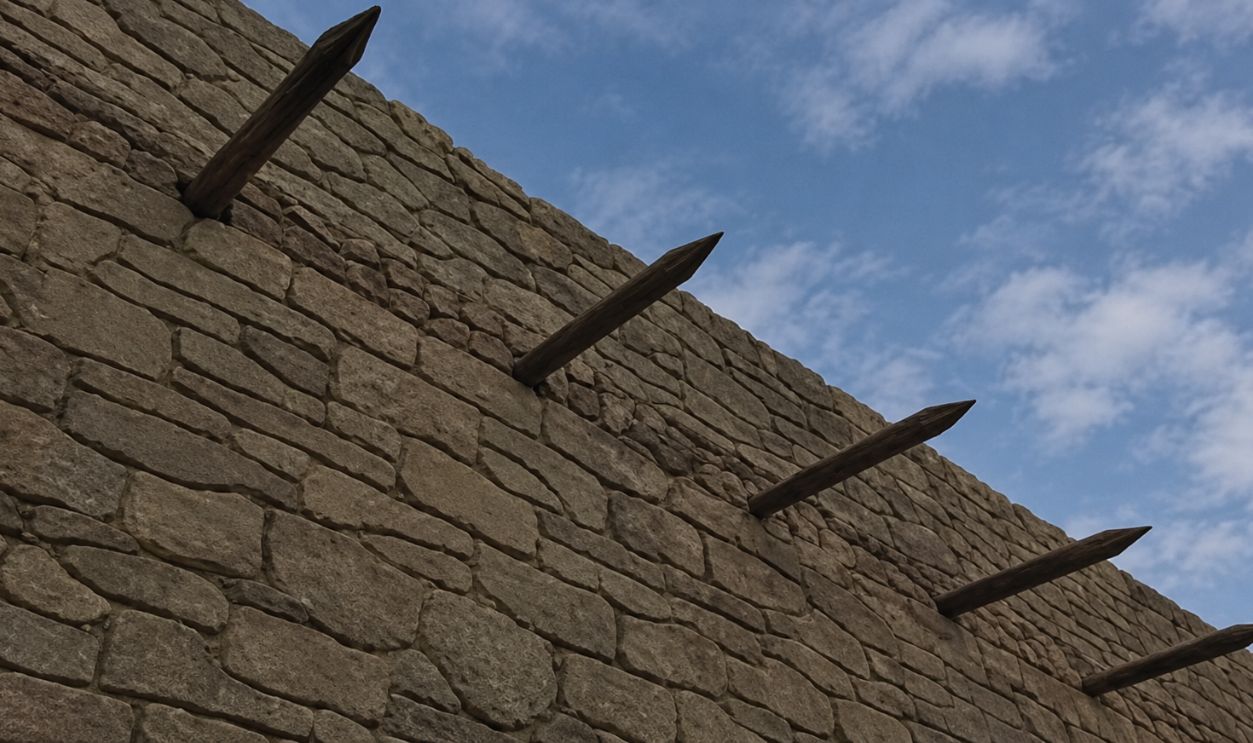 Screenshot from Druids, Lolistar (2001), Enhanced
Starvation Became His Enemy
As food supplies dwindled, conditions inside Alesia became increasingly desperate. The Mandubii, the local inhabitants of the settlement, were expelled because the besieged forces could no longer feed them. Caesar refused to allow these civilians through the Roman lines or provide them with food. According to his account, they were left stranded between the opposing armies, facing starvation and exposure.
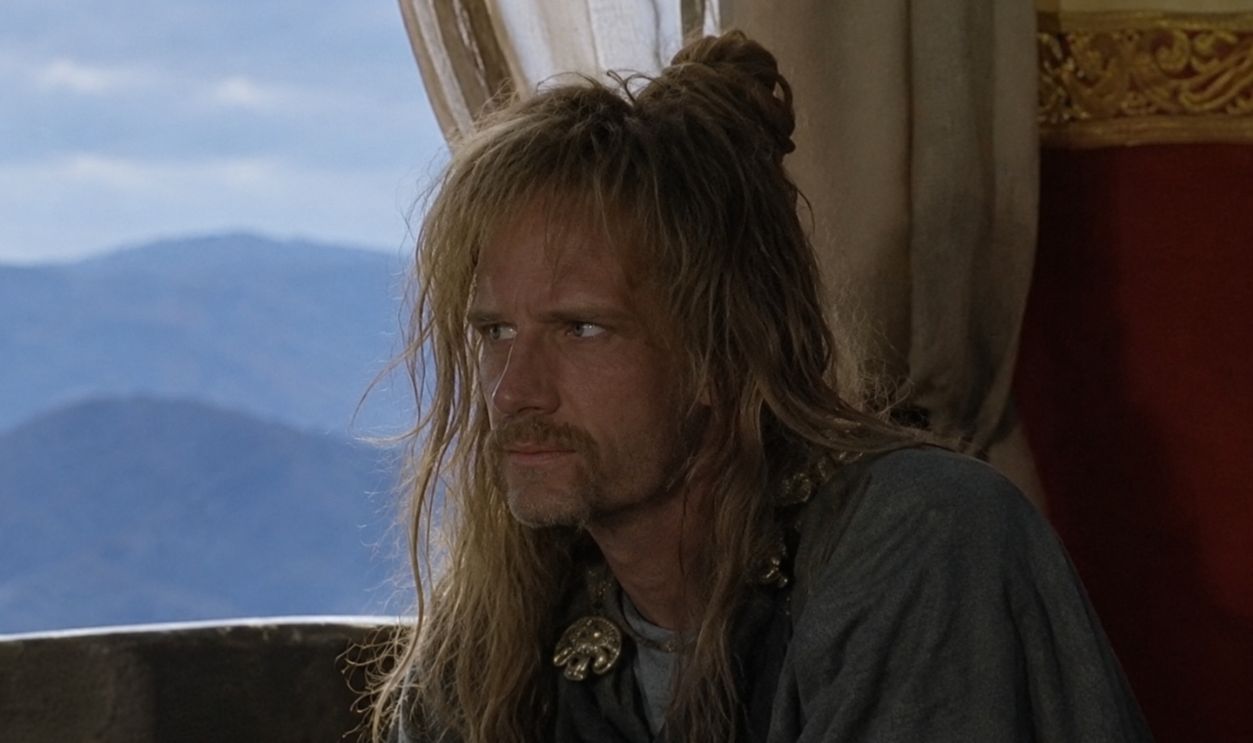 Screenshot from Druids, Lolistar (2001), Enhanced
His Allies Came To Rescue Him
A massive Gallic relief force eventually arrived, hoping to break Caesar's siege and rescue Vercingetorix. The defenders attacked from inside Alesia while their allies assaulted the Roman fortifications from outside. For a moment, Caesar's legions faced enemies on both sides, and the outcome of the entire campaign appeared uncertain.
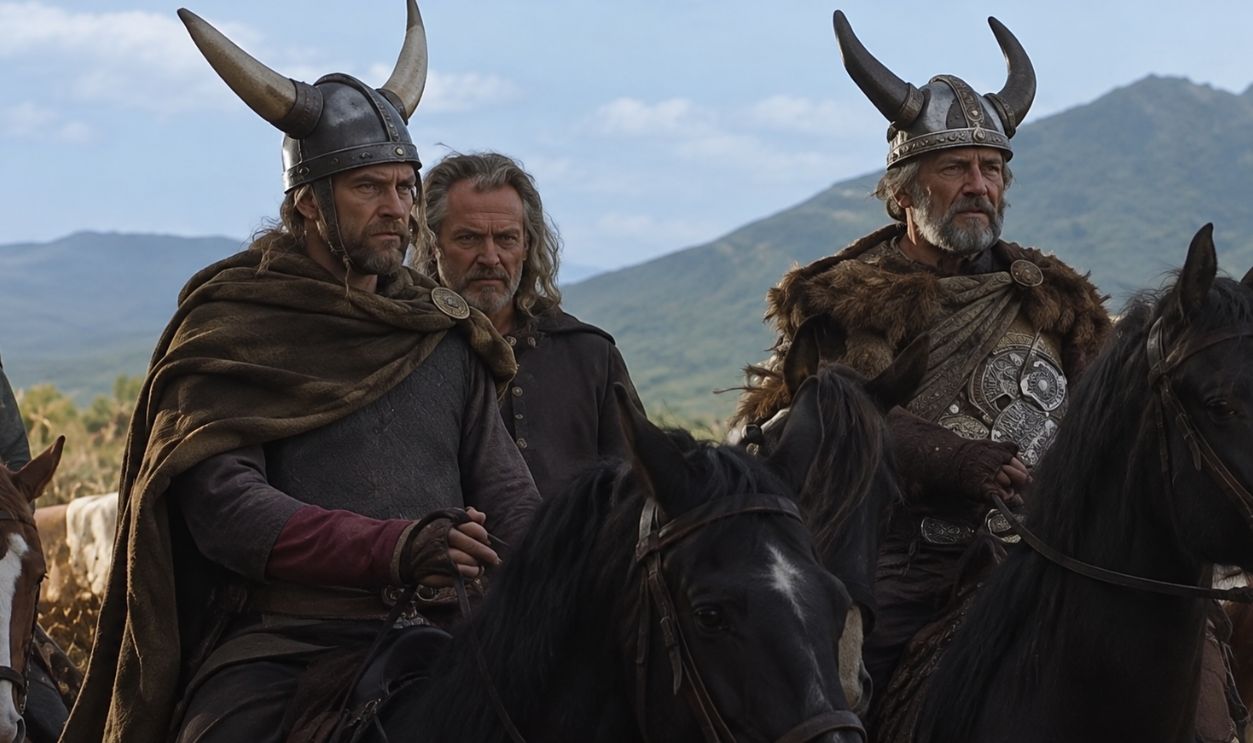 Screenshot from Druids, Lolistar (2001), Enhanced
The Final Strike Failed
The decisive fighting came when Gallic forces attacked vulnerable sections of Caesar's defenses. Roman troops struggled to hold their positions, but Caesar committed reserves and personally intervened in the battle. The relief army was eventually routed, leaving Vercingetorix trapped inside Alesia without any realistic prospect of victory.
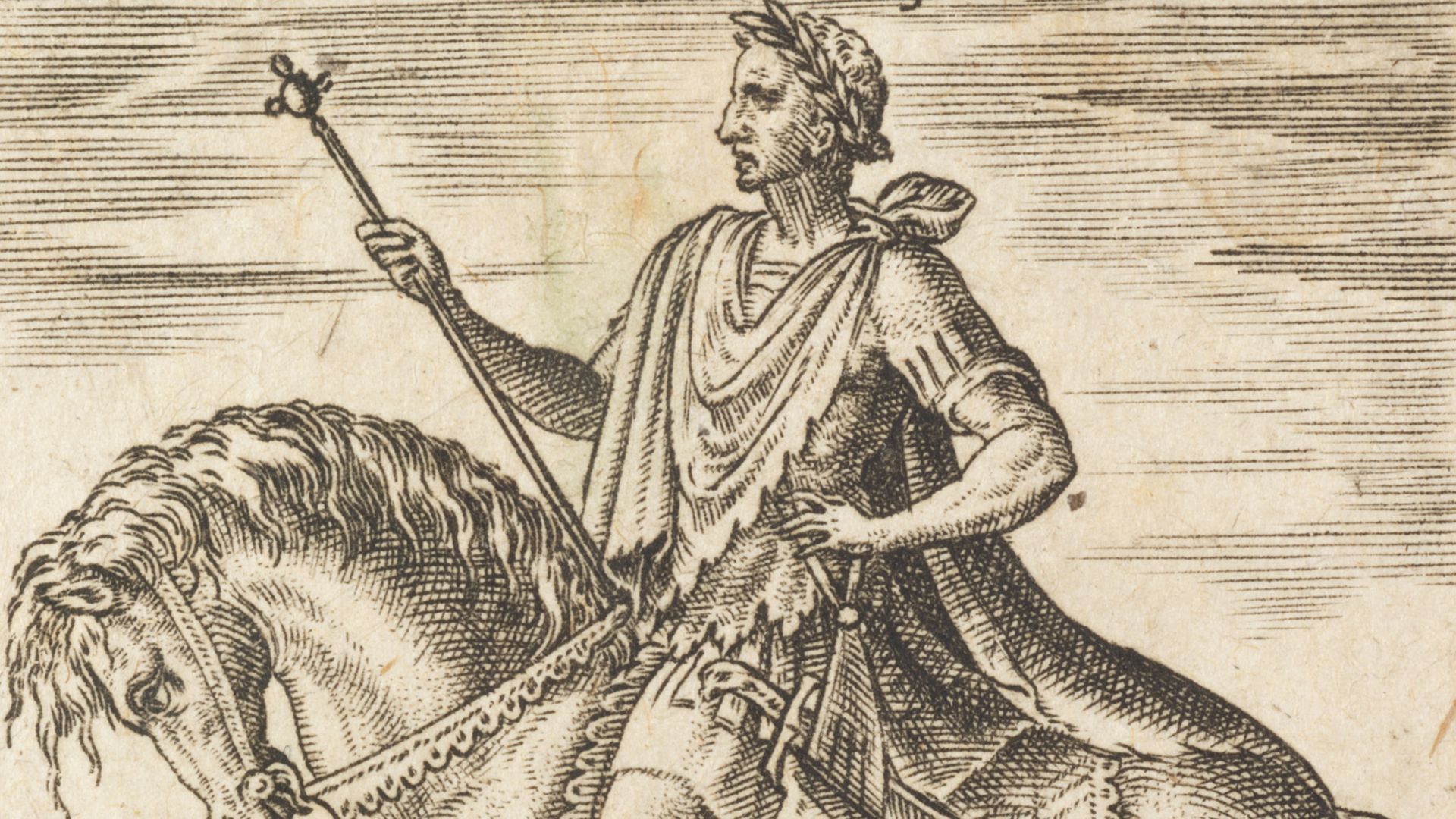 Abraham de Bruyn, Wikimedia Commons
He Offered Himself Up
With the rebellion collapsing, Vercingetorix gathered his commanders and offered himself for surrender. According to Caesar, the Gallic leader declared that he had fought for the freedom of his people rather than personal advantage. His followers subsequently handed him over to the Romans. Later writers embellished the episode with dramatic descriptions of his personal surrender, although the precise circumstances are uncertain to this day.
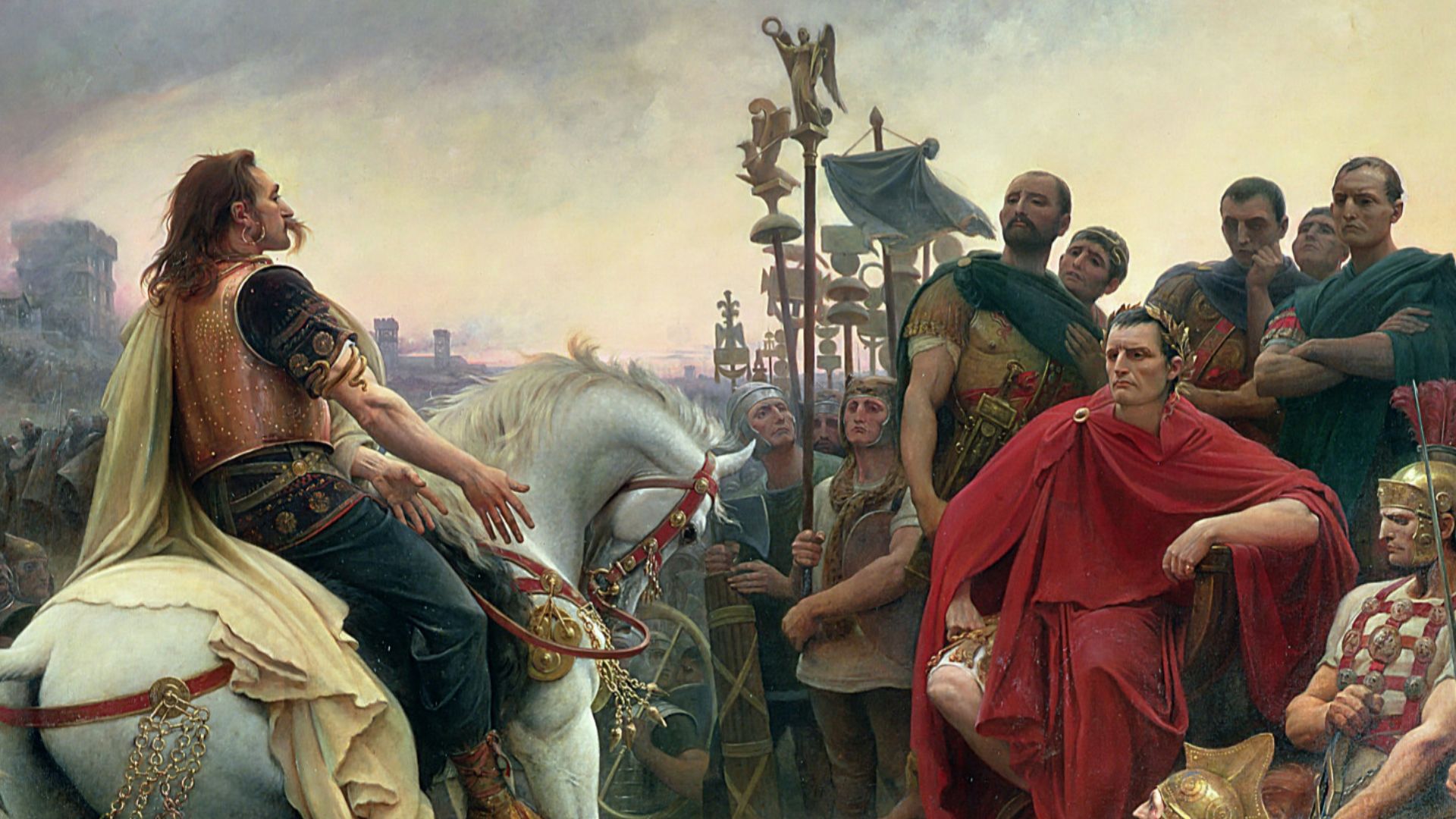 Lionel Royer, Wikimedia Commons
Caesar Took Him Prisoner
Vercingetorix's surrender in 52 BC ended his career as a rebel leader. But rather than executing him immediately, Caesar kept the defeated commander alive as a valuable captive. He was eventually transported to Rome, where he remained imprisoned for years. His fate was now tied to Caesar's political ambitions and the Roman tradition of celebrating its conquests.
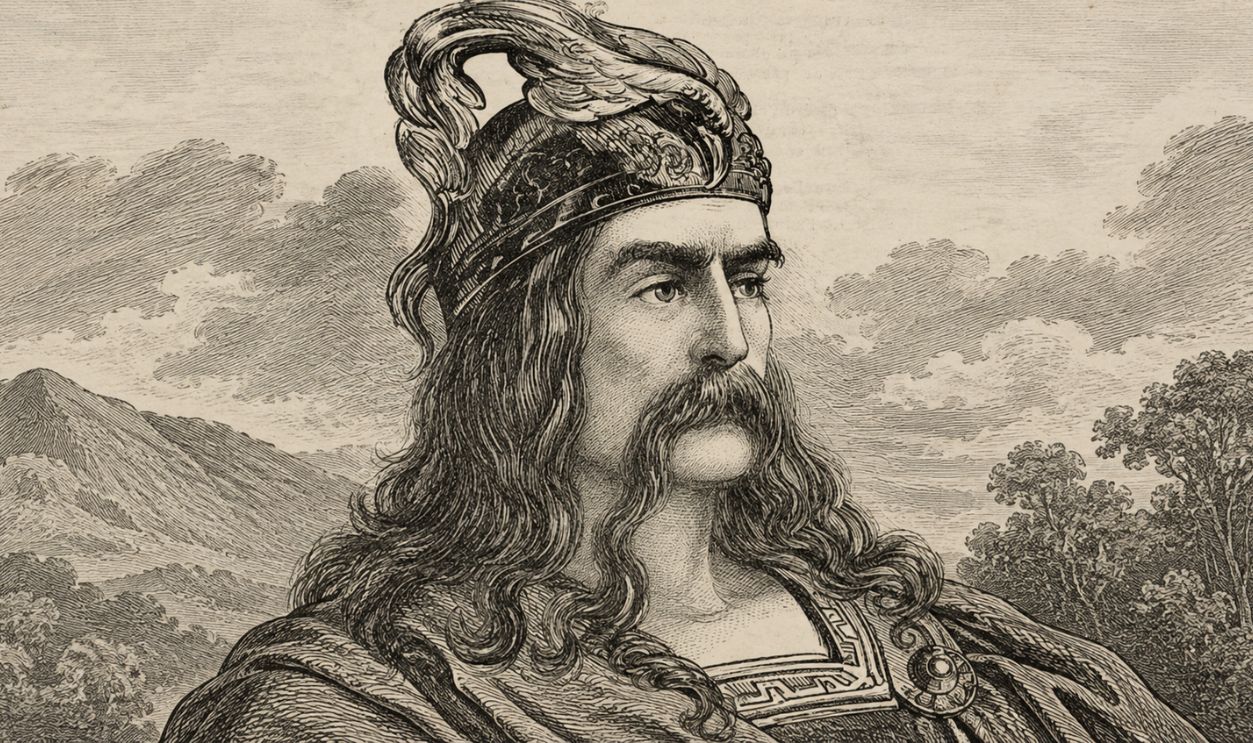 MARQUE FRANCAISE, Wikimedia Commons, Enhanced
Six Years Of Captivity
Vercingetorix remained a Roman prisoner for approximately six years, although the details of his captivity are poorly documented. Tradition associates his imprisonment with the Tullianum, Rome's notorious state prison, but his exact whereabouts throughout those years remain uncertain. Meanwhile, Caesar crossed the Rubicon, fought a civil war, and emerged as Rome's dominant political figure. His defeated Gallic enemy remained a captive throughout all these historic events.
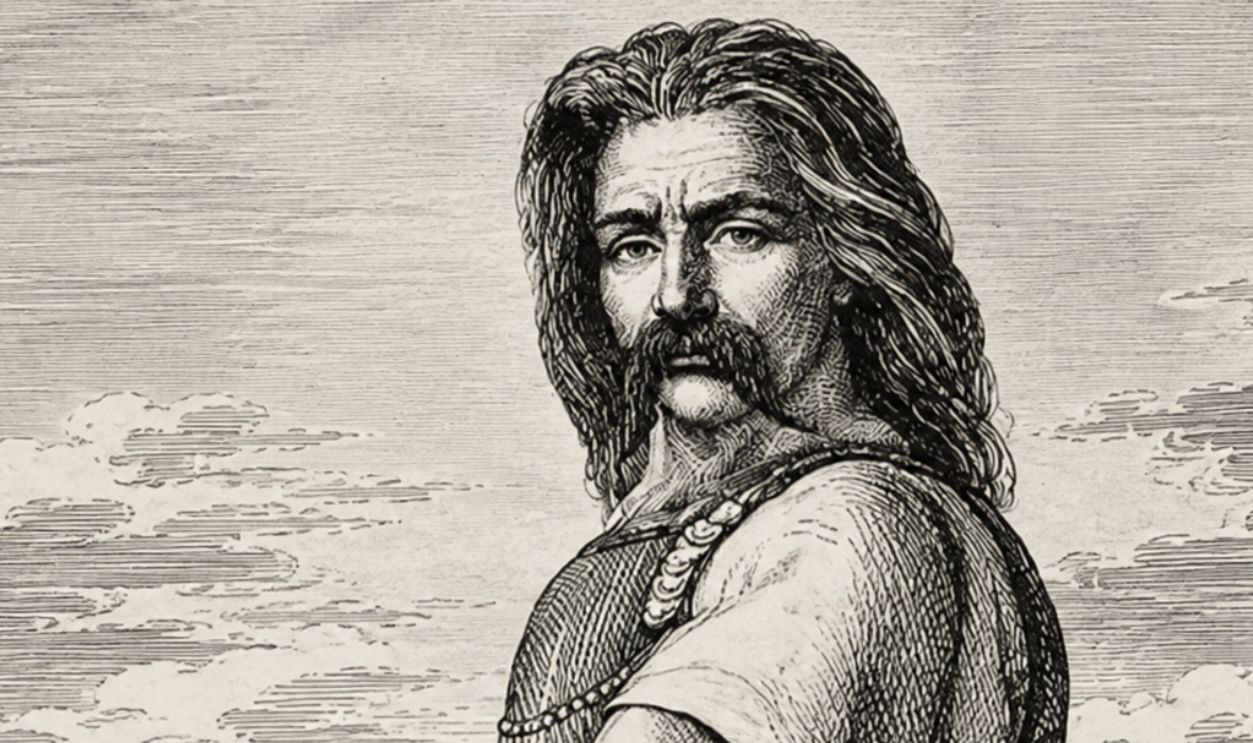 Louis BERTRAND, Getty Images, Enhanced
His Final Humiliation
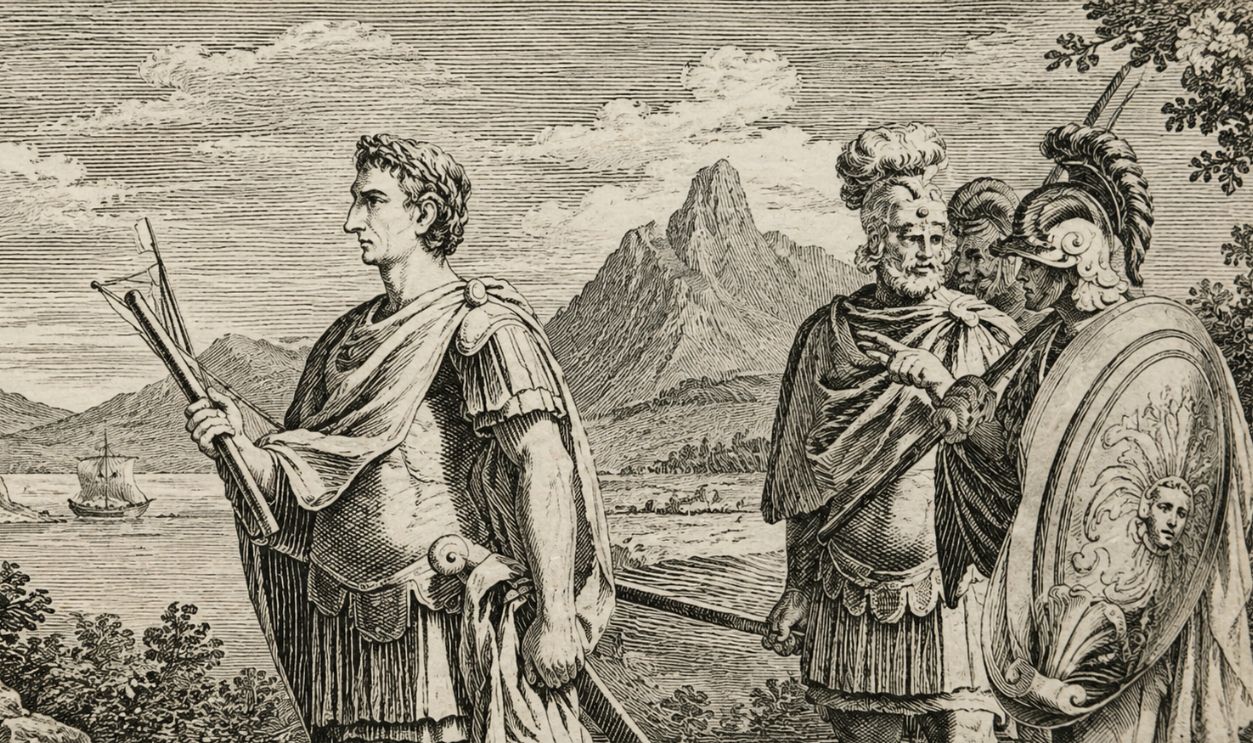
In 46 BC, Caesar celebrated his victories with magnificent triumphal processions through Rome. Vercingetorix was displayed as a captive, a living symbol of Roman supremacy over Gaul. After years of imprisonment, the man who had once commanded a vast rebellion was reduced to a spectacle for the crowds celebrating his conqueror.
 Burghers, Michael (c1640-na1699), Wikimedia Commons, Enhanced
Rome Showed Him No Mercy
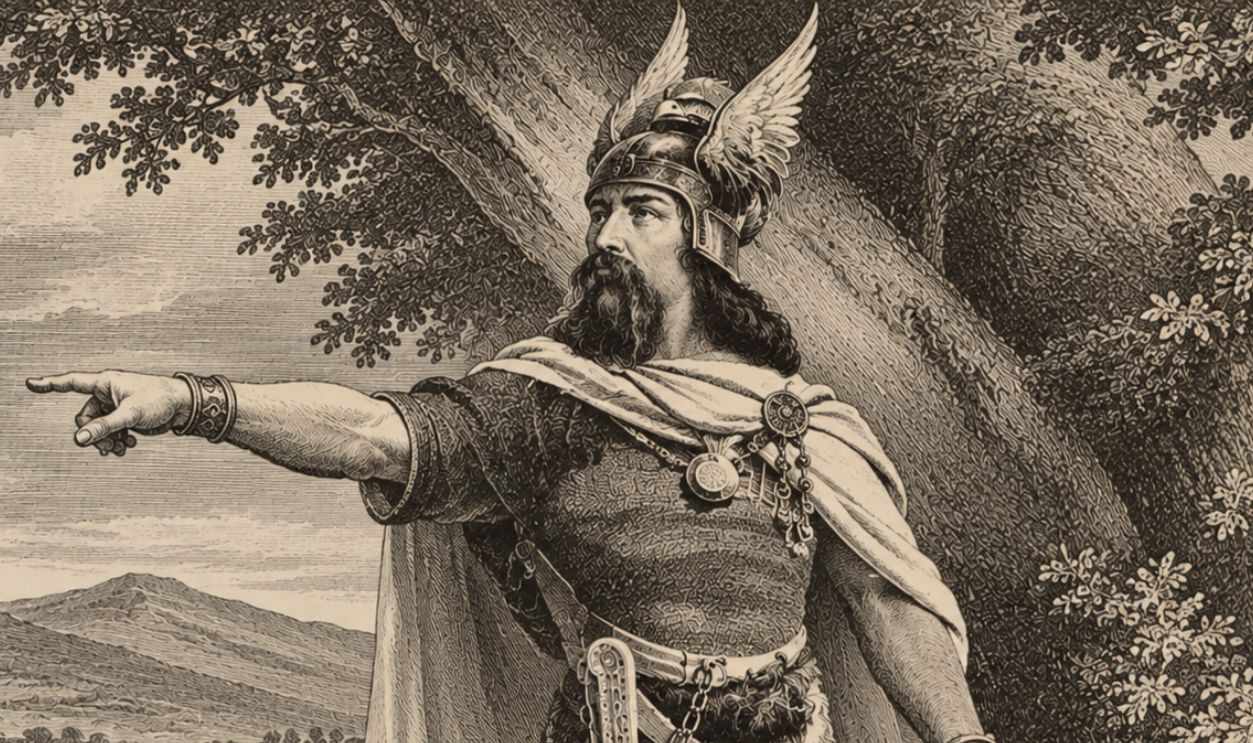
Following Caesar's Gallic triumph in 46 BC, Vercingetorix was executed, although the precise circumstances remain uncertain. He may have been in his thirties, but his birth date is unknown. No reliable evidence establishes that Caesar had promised to spare him. After approximately six years as a Roman captive, his death marked a grim conclusion to his resistance.
 MARQUE FRANCAISE, Wikimedia Commons, Enhanced
His Defeat Became Immortal
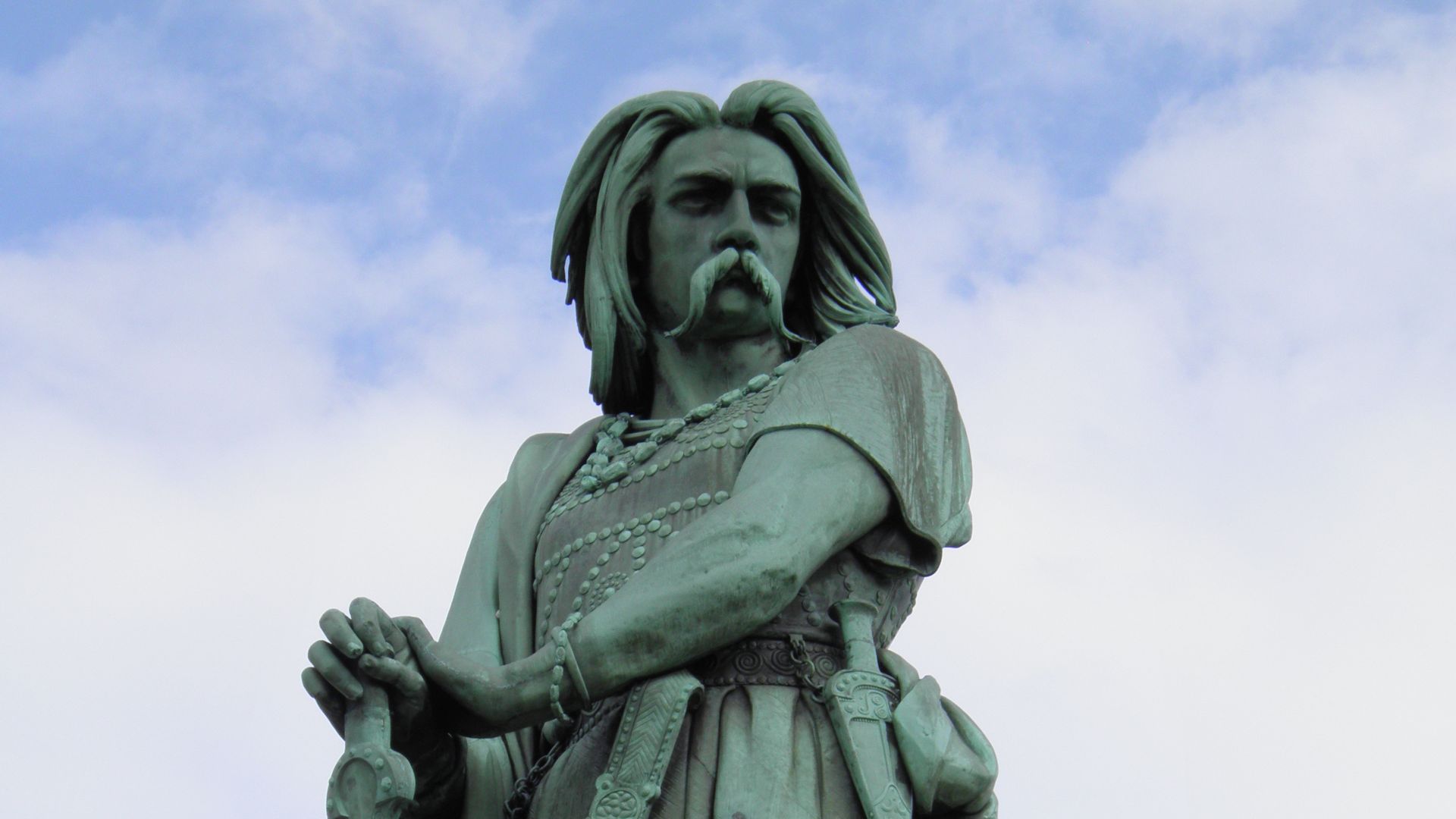
Vercingetorix failed to prevent Roman domination, but his reputation survived for centuries. During the 19th century, French historians and political leaders transformed him into a symbol of national resistance. Napoleon III commissioned a monumental statue at Alesia in 1865. Today, Vercingetorix remains one of ancient Gaul's most recognizable figures, remembered for uniting divided peoples against overwhelming odds.
 Carole Raddato from FRANKFURT, Germany, Wikimedia Commons
You May Also Like:
Tyrannical Facts About Julius Caesar, Rome's Greatest Dictator
Unstoppable Facts About Attila The Hun, The Scourge Of God