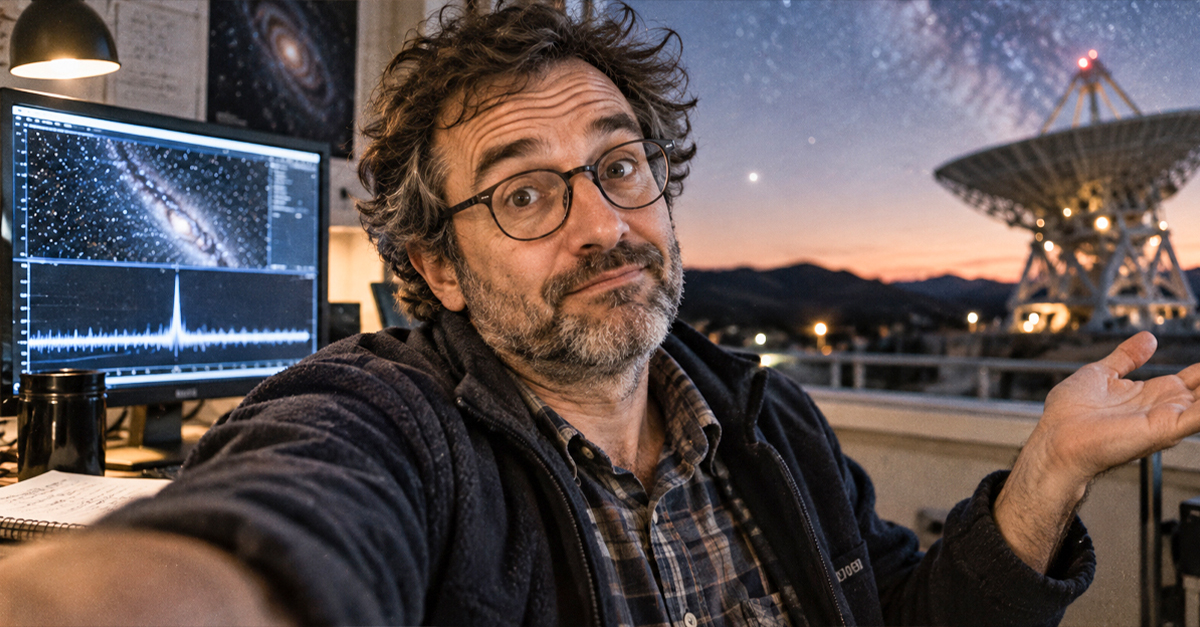
The Silence Is Starting To Feel Like A Question
The universe is enormous, ancient, and full of planets. Yet astronomers have found no confirmed alien message, extraterrestrial technology, or unmistakable sign of another civilization. That tension sits at the heart of the Fermi Paradox: if intelligent life has had so many chances to arise, where is everybody?
Enrico Fermi Asked A Question That Never Went Away
During a conversation in 1950, physicist Enrico Fermi famously wondered, “Where is everybody?” If technological civilizations were common, some could have emerged millions or billions of years before us. Even relatively slow expansion across the Milky Way could take far less time than the galaxy has existed.
 Department of Energy-Office of Public Affairs, restored by Yann, Wikimedia Commons
Finding Planets Is No Longer The Problem
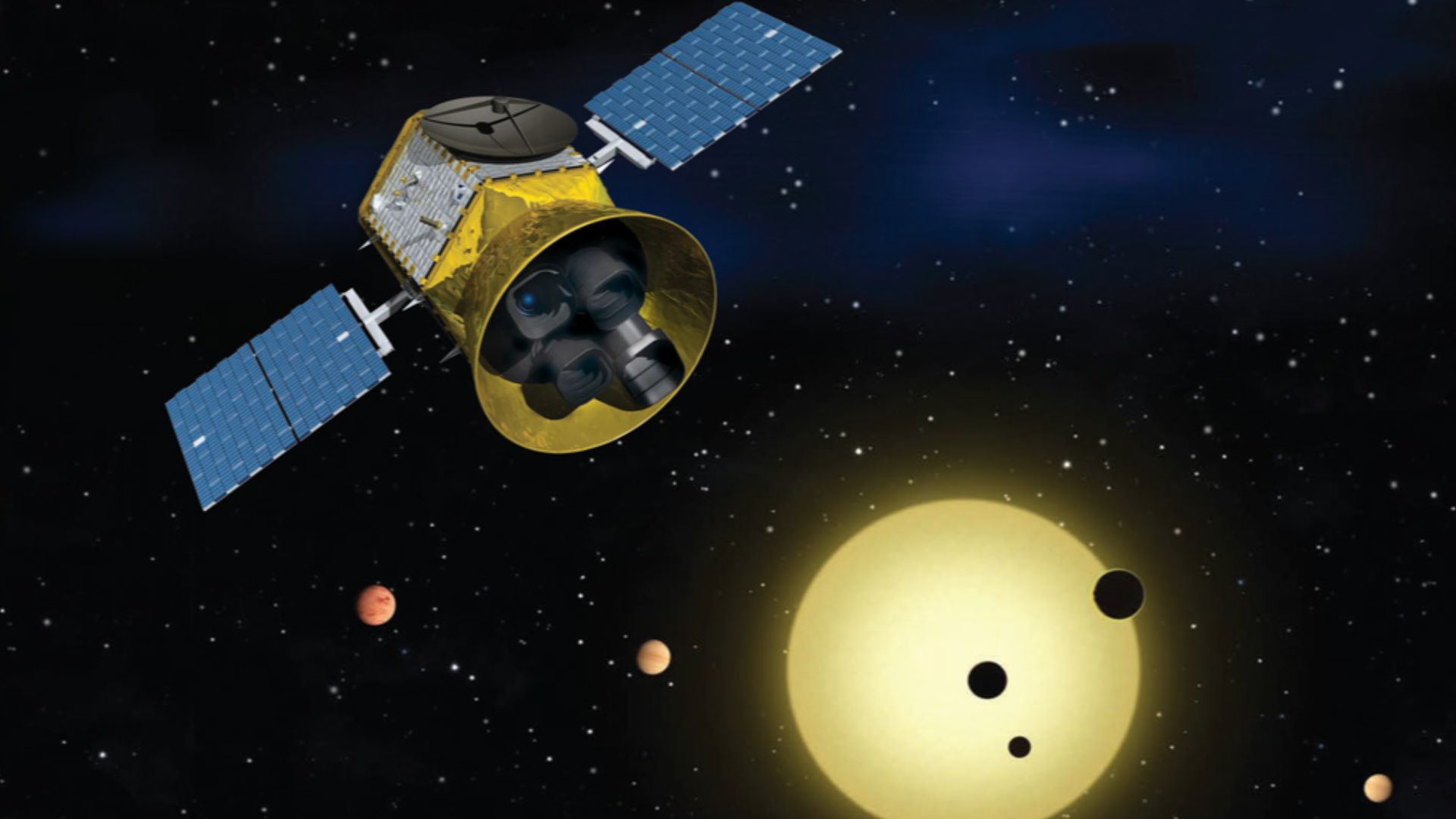
When Fermi asked his question, nobody had confirmed a planet orbiting a Sun-like star. By October 2026, NASA’s Exoplanet Archive listed more than 6,400 confirmed exoplanets. Some are rocky, and some orbit within their stars’ habitable zones. None is known to harbor life, but planets themselves are clearly not rare.
The Drake Equation Shows Where The Mystery Begins
Frank Drake developed his famous equation in 1961 to organize the factors that might determine how many detectable civilizations exist. Astronomy now knows far more about stars and planets. The biggest uncertainties remain biological and technological: how often life begins, becomes intelligent, develops technology, and remains detectable.
 Raphael Perrino, Wikimedia Commons
Civilization Lifetime May Be One Of The Most Important Unknowns
The final Drake Equation term asks how long a civilization remains detectable. If technological societies exist only briefly, a galaxy could produce many of them without having many alive at the same time. Two civilizations separated by a few million years might never have any realistic chance of detecting each other.

Maybe Life Begins Easily But Rarely Becomes Complex
Evidence suggests microbial life existed on Earth by roughly 3.5 billion years ago, while complex animals appeared much later. That gap raises one possible explanation for the silence: simple biology may arise relatively often, while the evolutionary steps leading to complex organisms and technological intelligence could be far more difficult.

Intelligence Might Be The Rare Part
Evolution does not appear to have been aiming toward humans. Earth has hosted an extraordinary diversity of organisms, yet only one known species has built radio transmitters, spacecraft, and observatories. Technological intelligence may not be an inevitable destination for life at all. It could be an unusual evolutionary outcome.
The Great Filter Makes The Question More Uncomfortable
Economist Robin Hanson’s Great Filter argument imagines one or more exceptionally difficult steps between a lifeless world and a civilization capable of expanding or becoming widely detectable. Somewhere along that chain, nearly everyone may fail. The unsettling question is whether humanity has already passed the hardest step.
 Nikita Sokolsky, Wikimedia Commons
If The Filter Is Behind Us, We May Be Incredibly Rare
This is the more reassuring interpretation. Perhaps the origin of life is extraordinarily unlikely. Maybe complex cells are rare, multicellular organisms rarer still, or technological intelligence almost never evolves. If the hardest barriers lie behind us, then humanity may already have survived the least probable parts of the journey.
 Viktor Vasnetsov, Wikimedia Commons
If The Filter Is Ahead Of Us, The Story Gets Darker
The disturbing alternative is that the hardest step may still lie ahead of technological civilizations like ours. Self-destruction, environmental collapse, warfare, dangerous technologies, or completely unknown obstacles are sometimes proposed as possibilities. The Great Filter does not prove any of them. It simply leaves the door open.
 Suburbanbloke, Wikimedia Commons
Humanity Has Barely Entered Its Detectable Era
Earth has produced widespread radio technosignatures for less than a century. Much of our ordinary radio leakage would be difficult for a civilization with technology similar to ours to detect across interstellar distances. Our strongest directed radar transmissions are much more conspicuous, but they represent only a fraction of what Earth emits.
We May Be Listening For The Wrong Thing
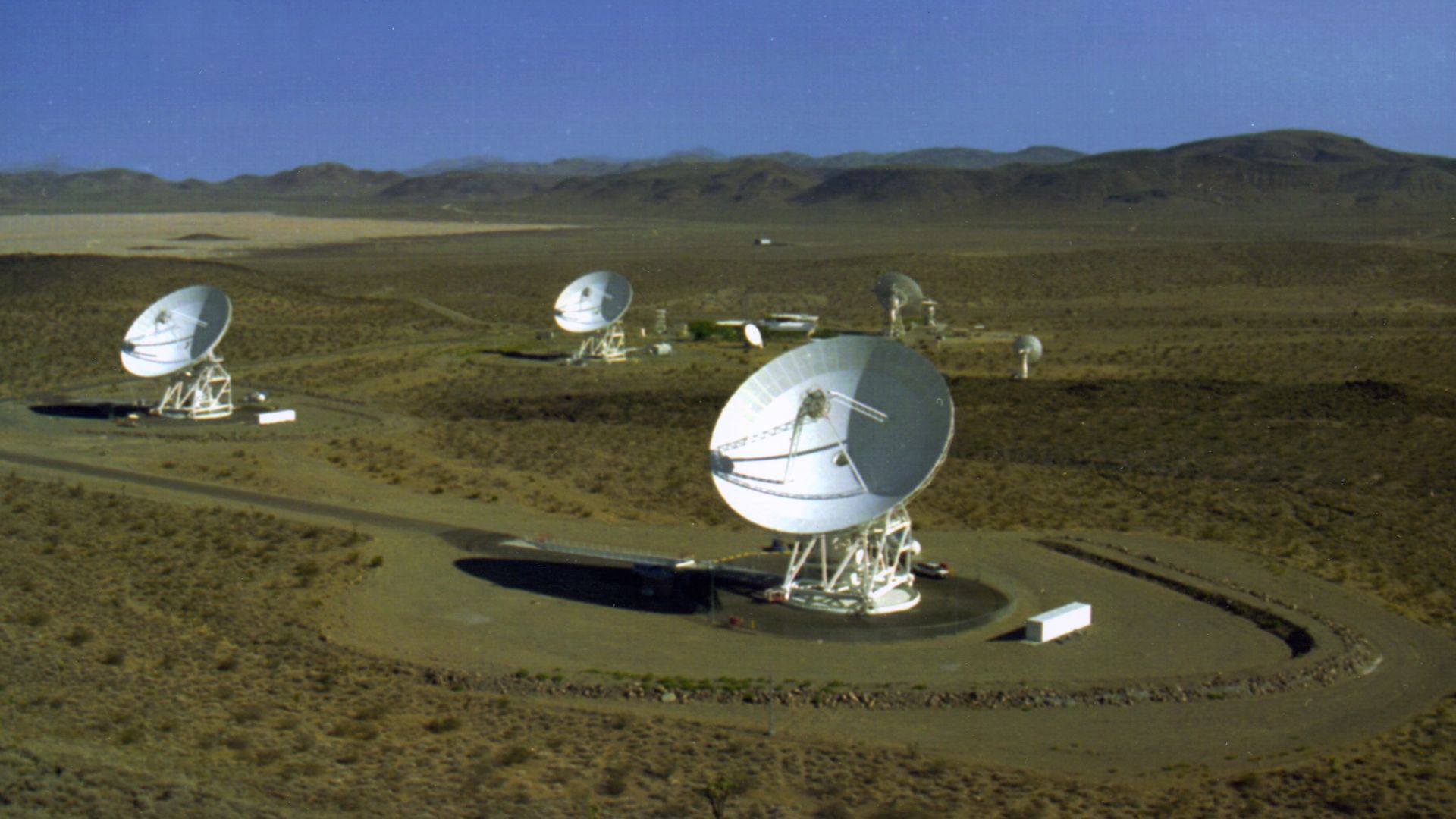
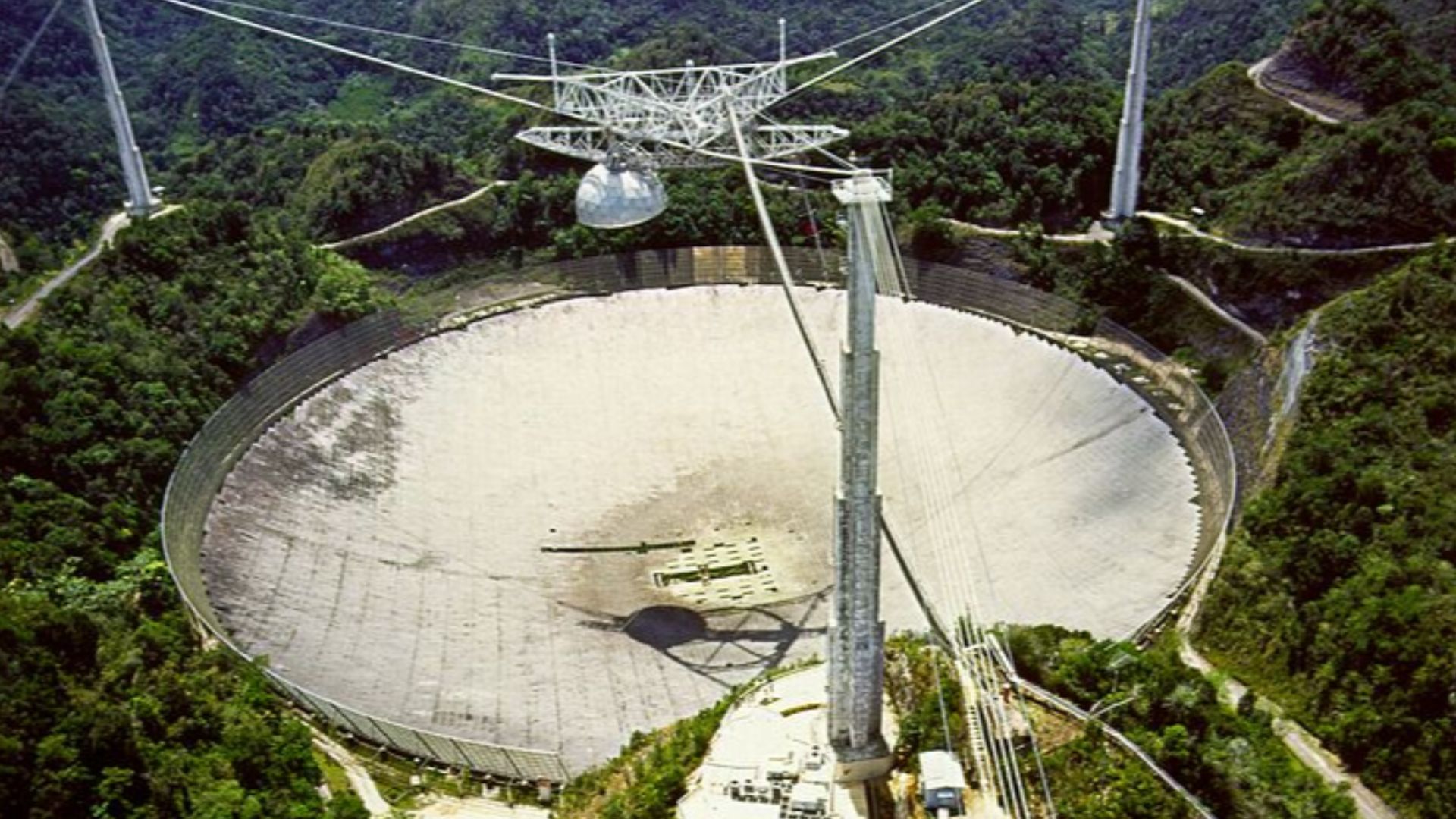
Traditional SETI searches (the Search for Extraterrestrial Intelligence) concentrated heavily on radio because radio waves can travel immense distances and carry information. Modern researchers also look for laser pulses, unusual atmospheric chemicals, artificial illumination, large energy-harvesting structures, and other technosignatures that advanced technology might produce.
 H. Schweiker/WIYN and NOAO/AURA/NSF, Wikimedia Commons
Our Search Has Barely Sampled The Galaxy
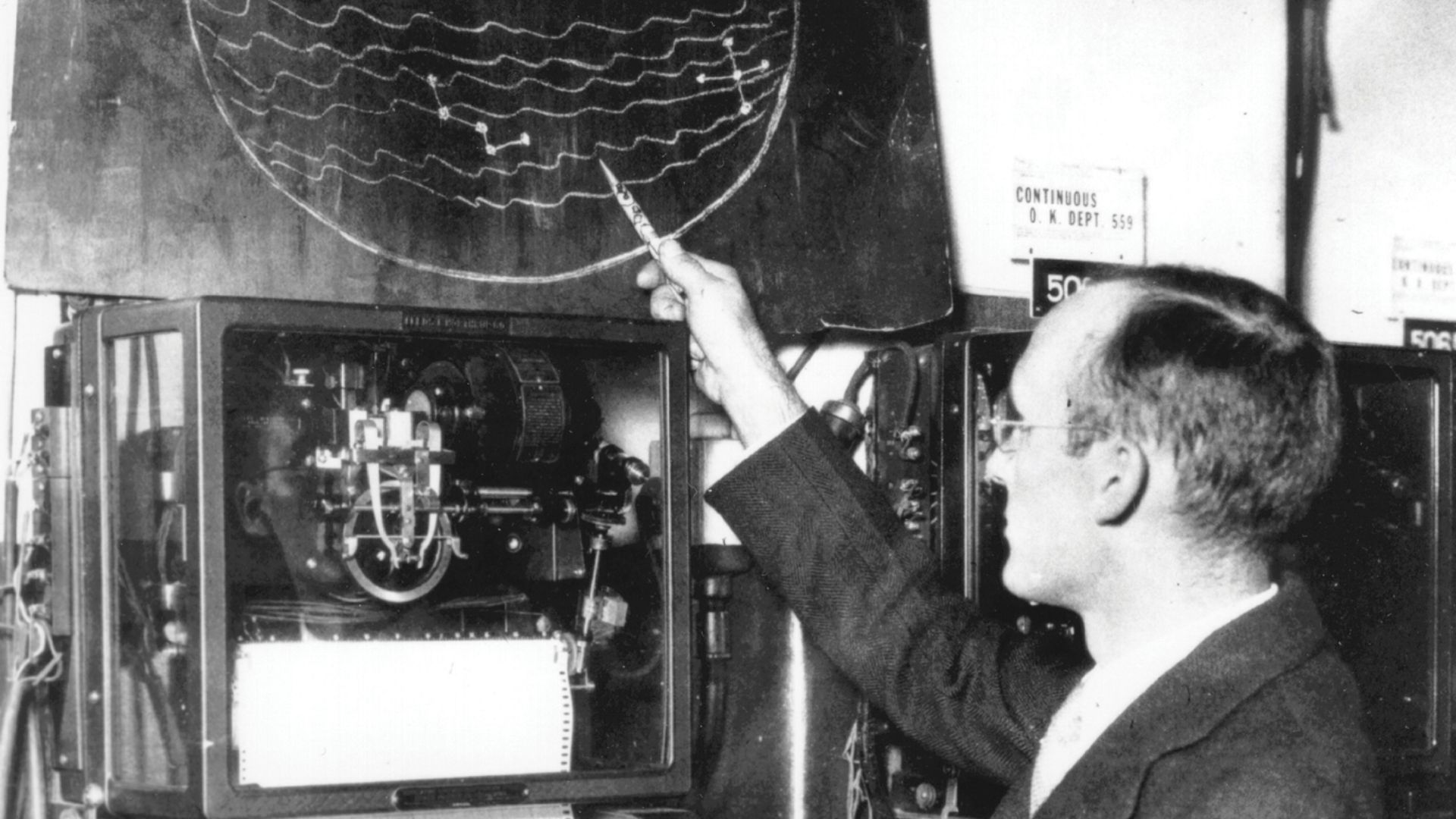
“Decades of SETI” sounds much more comprehensive than it really is. The SETI Institute notes that only a few thousand stars have been examined with high sensitivity, despite the Milky Way containing hundreds of billions. Even those searches covered limited frequencies, locations, times, and types of possible signals.
 NRAO/AUI/NSF, Wikimedia Commons
A Civilization Could Exist And Still Evade Our Methods
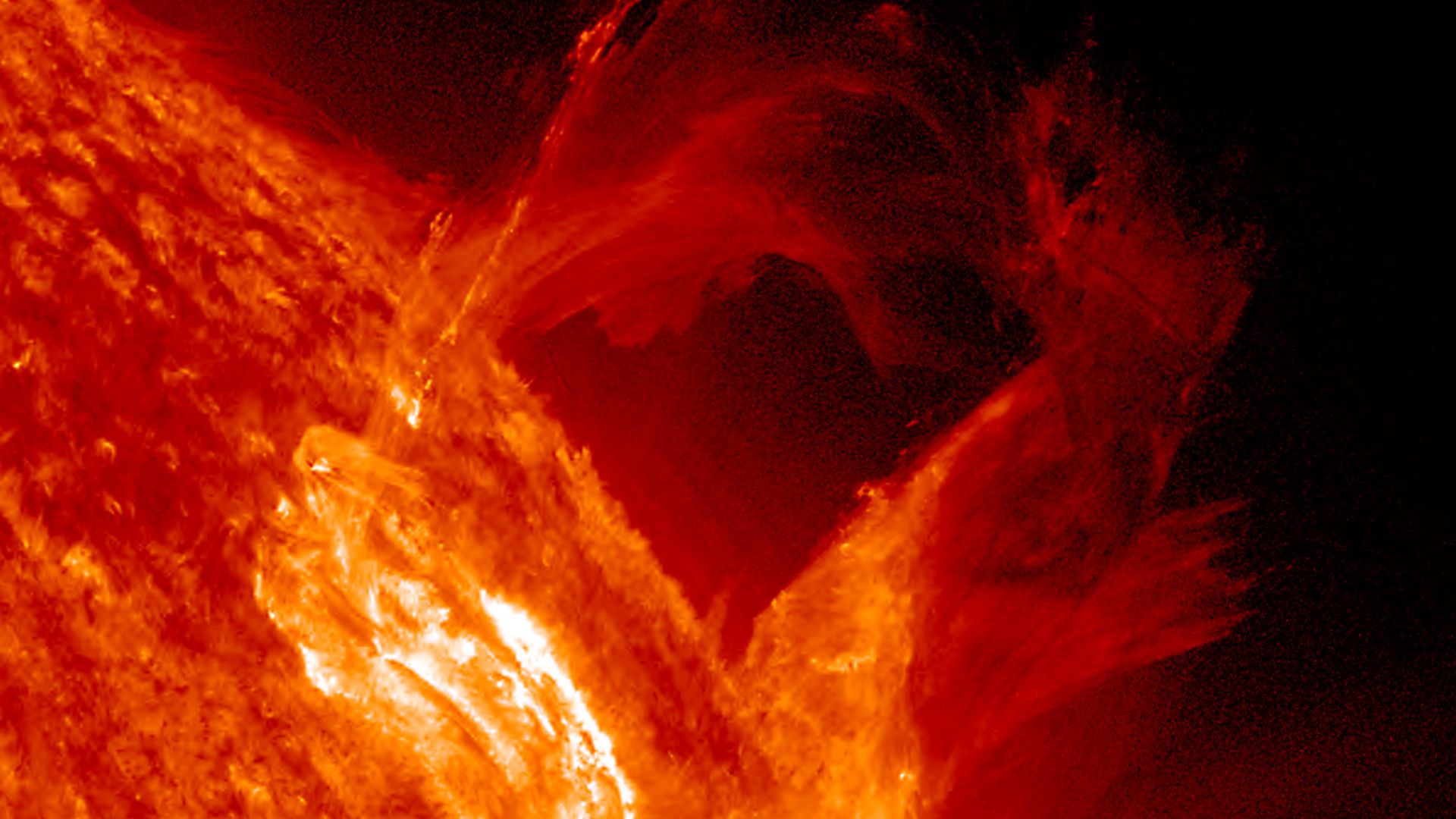
Recent SETI research suggests stellar plasma could broaden a narrow radio transmission before it reaches us, making it harder for algorithms tuned to clean signals to recognize. More speculatively, advanced societies might use tightly directed or highly efficient communications that leak little energy into space. Technology could make them quieter, not louder.
 Solar Dynamics Observatory/NASA, Wikimedia Commons
Colonizing The Galaxy May Not Be Everyone’s Goal
Many versions of the Fermi Paradox assume that some advanced civilization would eventually expand from star to star. But that behavior is not guaranteed. Interstellar travel might remain slow, expensive, unnecessary, or undesirable. A society could prefer local resources, virtual environments, or robotic exploration without ever building a visible empire.
 NASA HQ PHOTO, Wikimedia Commons
The Zoo Hypothesis Makes The Silence Intentional
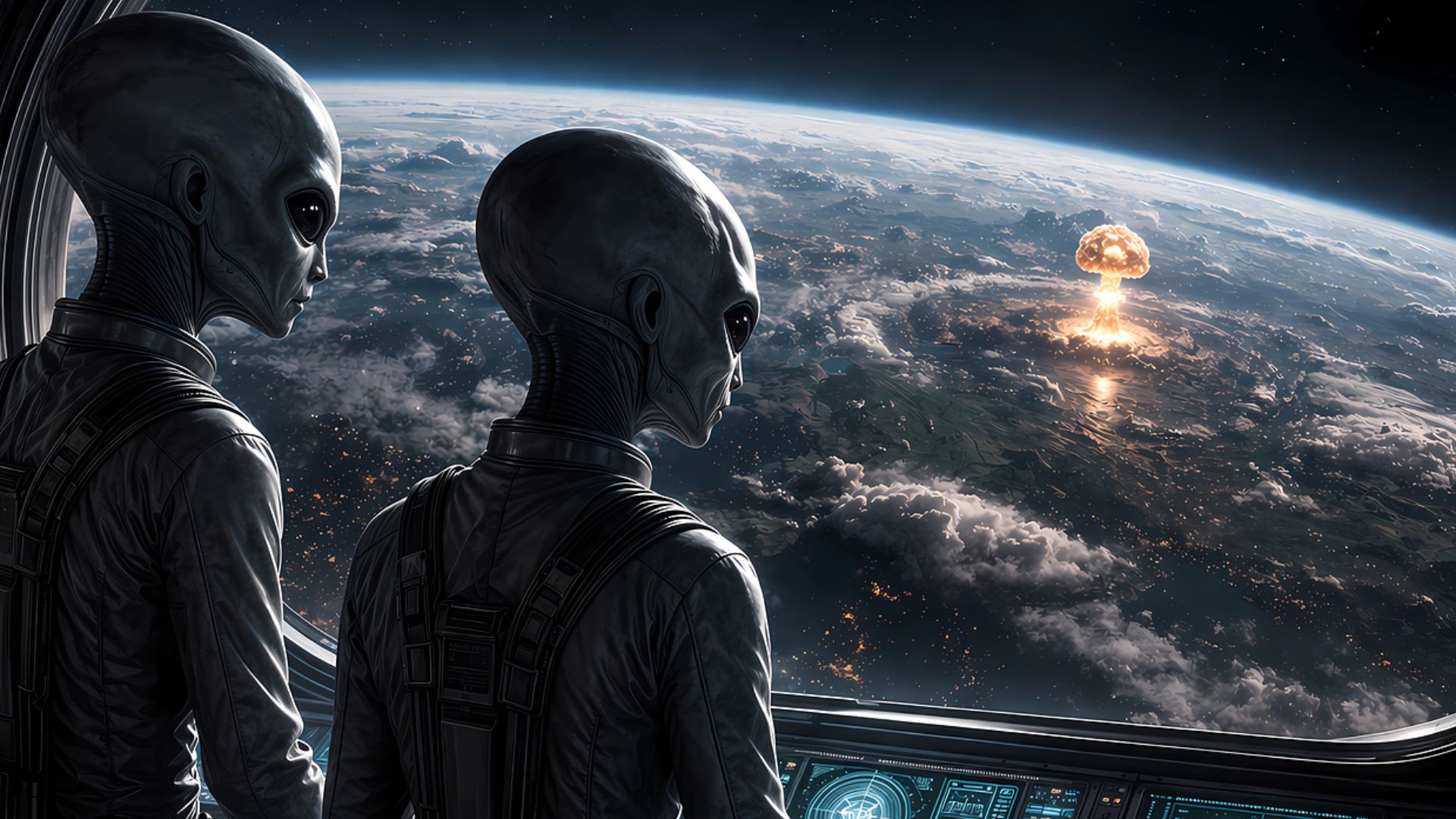
One speculative solution suggests advanced civilizations already know Earth exists but deliberately avoid interfering with developing societies. Humanity would effectively be living inside a cosmic wildlife preserve. The idea, known as the zoo hypothesis, neatly explains silence, but there is currently no evidence that such observers or agreements exist.
The “Dark Forest” Is Even More Disturbing
Another idea proposes that civilizations remain silent because revealing their location might be dangerous. With no reliable way to know another species’ intentions, hiding could appear safer than broadcasting. The idea became famous through Liu Cixin’s The Dark Forest. It is provocative science fiction, not an established scientific conclusion.
 Henry Soderlunddecoupage : Simon Villeneuve, Wikimedia Commons
Dead Civilizations Could Still Leave Detectable Traces
Technology can sometimes outlast its creators. Researchers have proposed searching for artificial chemicals, abandoned probes, large structures, or other durable technosignatures. A 2026 preprint even suggested examining lunar soil for microscopic engineered particles that might have crossed interstellar space. No such extraterrestrial technology has been found.
 Eugene A. Cernan, Wikimedia Commons
Deep Time Could Hide The Evidence Again
The opposite problem is that technology does not necessarily remain obvious forever. The Silurian hypothesis asks what traces an industrial civilization millions of years in Earth’s past would leave in geology. It does not claim such a civilization existed. The thought experiment shows how surprisingly difficult very ancient technology might be to recognize.
 travelwayoflife, Wikimedia Commons
Nature Can End A Civilization Too
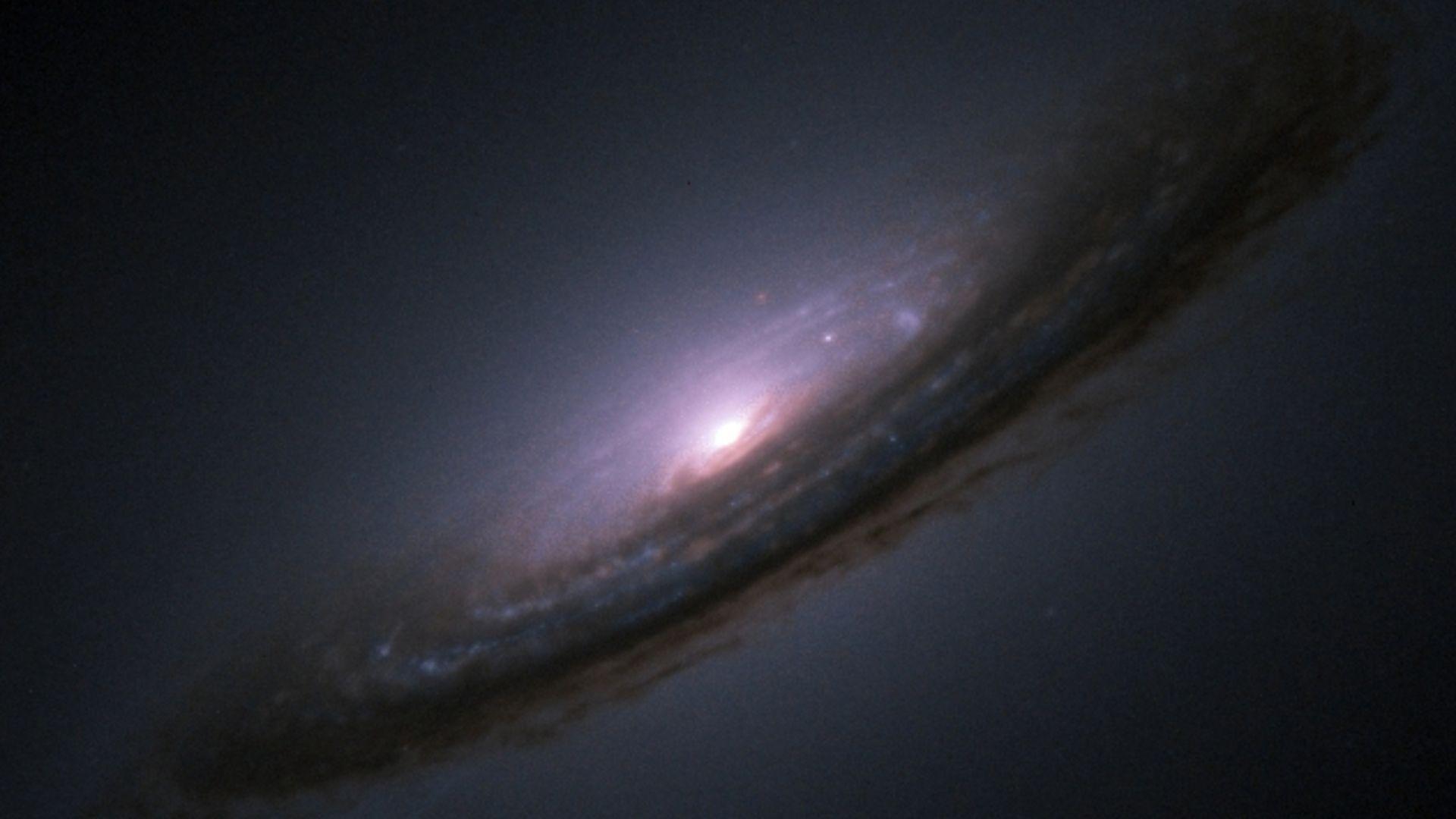
Not every possible barrier requires intelligent beings to destroy themselves. Supernovae, gamma-ray bursts, intense radiation events, and other astrophysical hazards can damage habitable worlds. Researchers have modeled how such events could affect where technological civilizations arise, although they do not provide a complete explanation for the Fermi Paradox.
 NASA/ESA, The Hubble Key Project Team and The High-Z Supernova Search Team, Wikimedia Commons
Perhaps We Arrived Unusually Early
Another possibility is that life itself may become more common in the universe’s distant future. Research on the cosmic timing of habitable environments suggests the opportunity for life could persist for trillions of years, especially around long-lived low-mass stars. Humanity may simply exist much earlier than the universe’s most populated era.
 Charles Robert Knight, Wikimedia Commons
Discovering Microbes Could Make The Puzzle Stranger
Finding independently evolved life on Mars, Europa, Enceladus, or an exoplanet would be one of history’s greatest discoveries. It could also reshape the Great Filter debate. If biology begins independently in several places, then the origin of life may not be the rare step, pushing attention toward later evolutionary or technological barriers.
 National Institute of Allergy and Infectious Diseases, Unsplash
Finding Nothing Can Still Narrow The Possibilities
A failed SETI search does not mean aliens do not exist. It rules out only certain signals, strengths, frequencies, locations, and time windows. But as searches become more sensitive and broader, repeated null results can constrain particular kinds of detectable civilizations. The silence becomes scientifically useful only when we define exactly what we failed to find.
 James Blair, Wikimedia Commons
The Most Frightening Answer Is Not Necessarily Aliens
Popular culture usually imagines the frightening discovery as hostile extraterrestrials arriving at Earth. The Fermi Paradox suggests something subtler. If intelligent civilizations are common but rarely remain detectable for long, then the important question would not simply be where everyone went. It would be what prevents technological societies from lasting.
 Don Davis (work commissioned by NASA), Wikimedia Commons
Silence Is Still Not Evidence Of Doom
Scientists do not know that a Great Filter lies ahead of humanity. They do not know that technological civilizations inevitably destroy themselves, or even that extraterrestrial intelligence exists. Our searches remain extraordinarily incomplete. The most responsible answer to the Fermi Paradox is still frustratingly simple: we do not know yet.

You May Also Like:
Bizarre Facts About Science You Never Knew You Needed
Surprising Facts About Famous Scientists
42 Cosmic Facts About The Moon Landings
Sources: 1, 2, 3, 4, 5, 6, 7, 8, 9, 10, 11, 12, 13, 14, 15, 16, 17