When Every Town Had Its Own Time
Imagine traveling from one town to another, only to discover that the clock in the town square shows a completely different time from your pocket watch. Before standardized time zones, this wasn't unusual. For centuries, communities had their own ways of keeping time, and some were surprisingly strange.
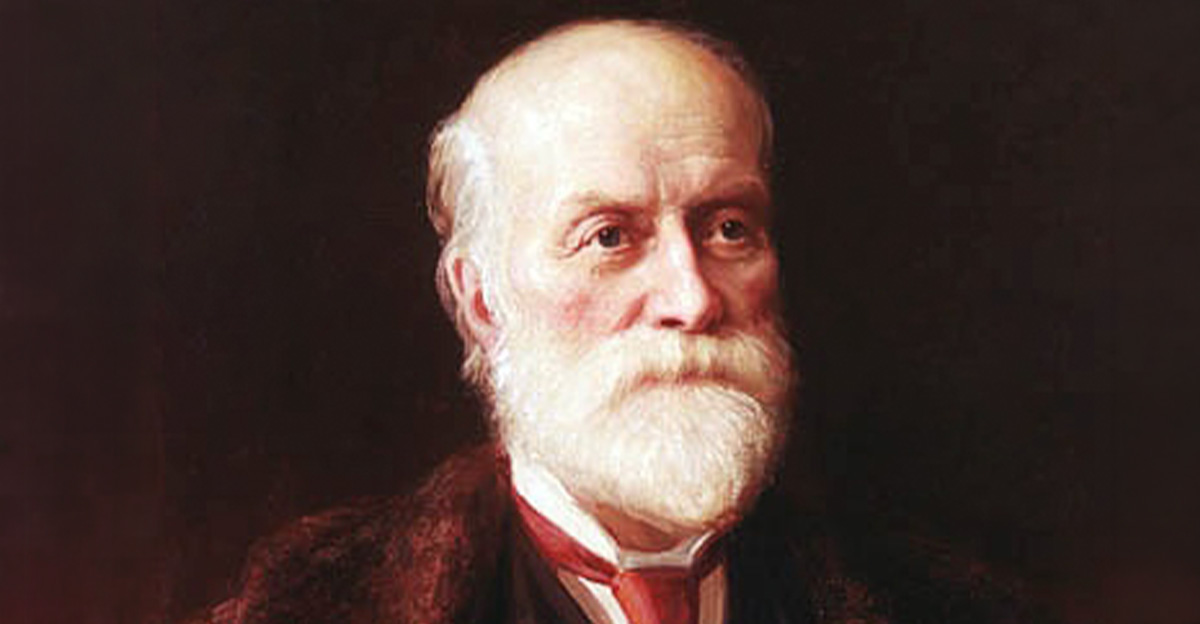 John Wycliffe Lowes Forster, Public Domain, via Wikimedia Commons
The Sun Was The Original Clock
Long before mechanical clocks appeared, people looked to the sun to organize their days. Sunrise meant morning, sunset meant evening, and the sun's highest point marked noon. It was a simple system that worked well enough, provided nobody needed to know the exact minute.

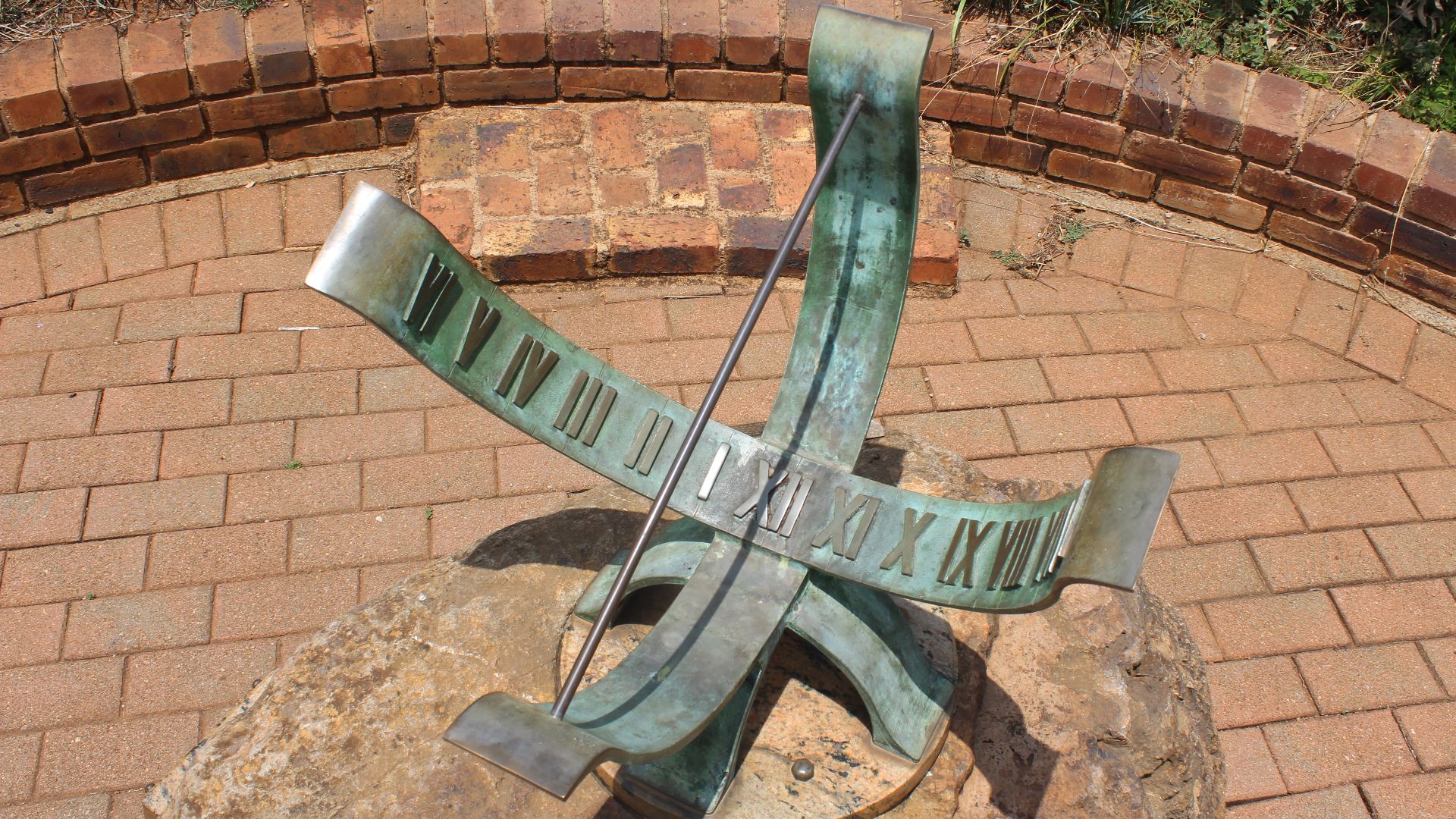
Sundials Were Everywhere
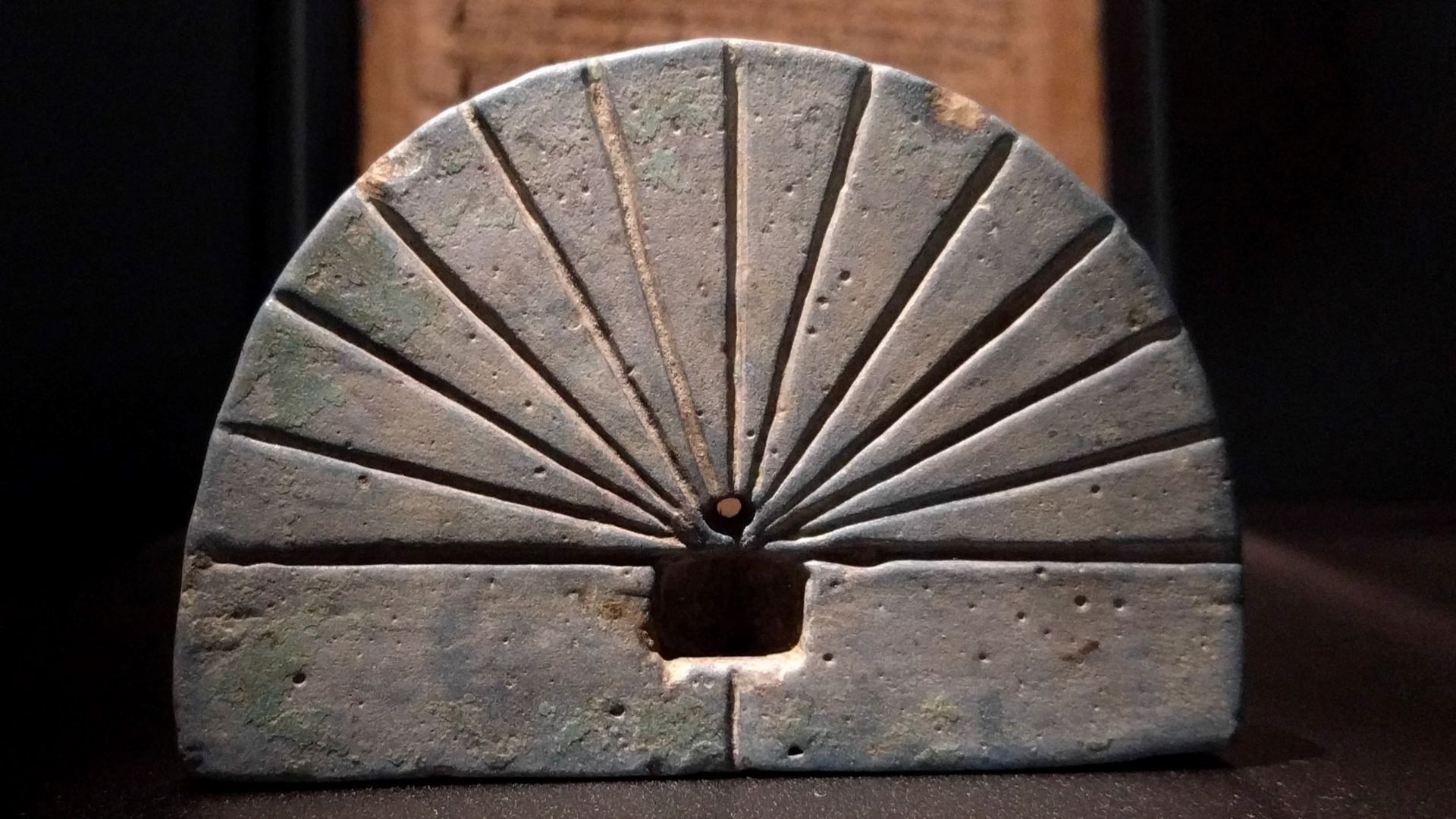
Sundials were among the earliest public timekeepers. Ancient Egyptians used them thousands of years ago, and they remained useful well into the modern era. A shadow falling across marked lines told people roughly what time it was. Unfortunately, cloudy weather could leave everyone guessing.
An Hour Wasn't Always 60 Minutes
Here's something strange: ancient timekeeping systems sometimes divided daylight into twelve equal parts, regardless of the season. That meant a daytime hour lasted longer in summer than winter. These were called temporary hours, and they made perfect sense when daily life revolved around sunlight rather than watches.
Church Bells Told Everyone The Time
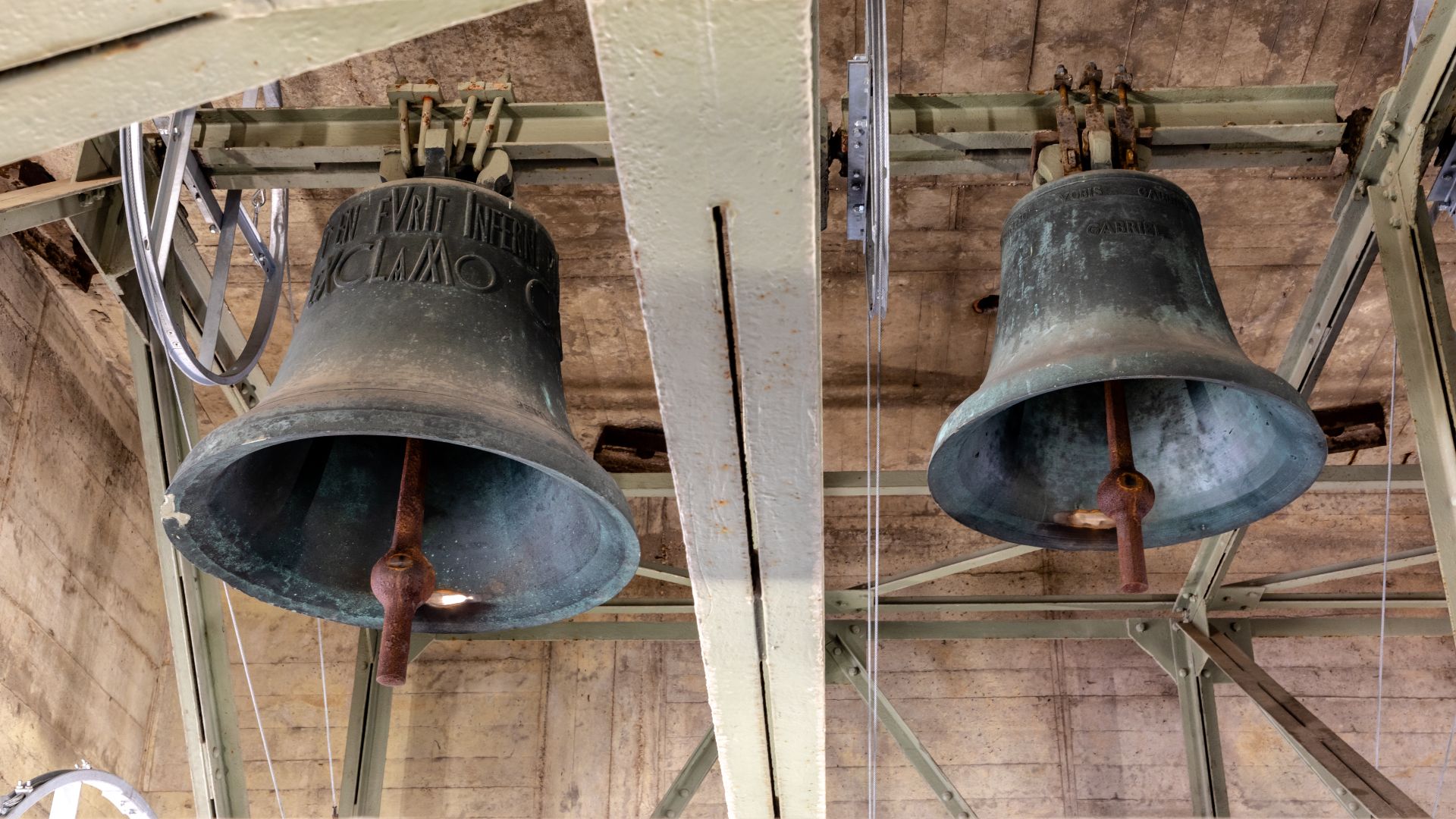
In medieval Europe, church bells became an important way of announcing time. They called people to prayer and helped organize everyday activities. Unlike a modern clock, a bell didn't require anyone to look at a dial. You just needed to be close enough to hear it.
 Dietmar Rabich, Wikimedia Commons
The First Mechanical Clocks Had No Hands
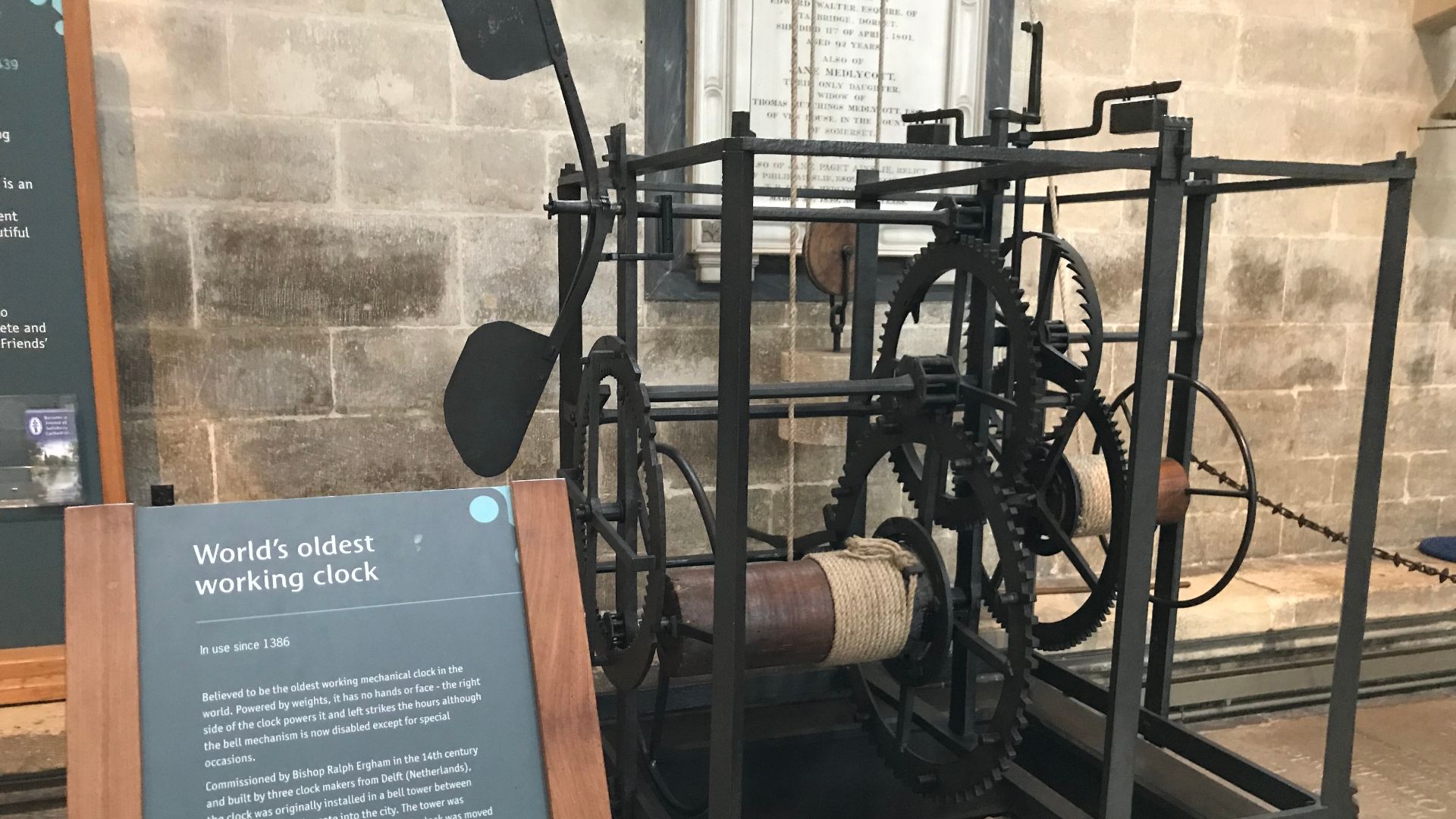
Some of Europe's earliest mechanical clocks, developed around the late 1200s, didn't have familiar clock faces. Instead, their machinery operated bells that announced the hours. People could hear the time without seeing it. These remarkable machines were often installed in churches, monasteries, and eventually civic buildings.
 Seth Whales, Wikimedia Commons
Giant Weights Kept The Clocks Running
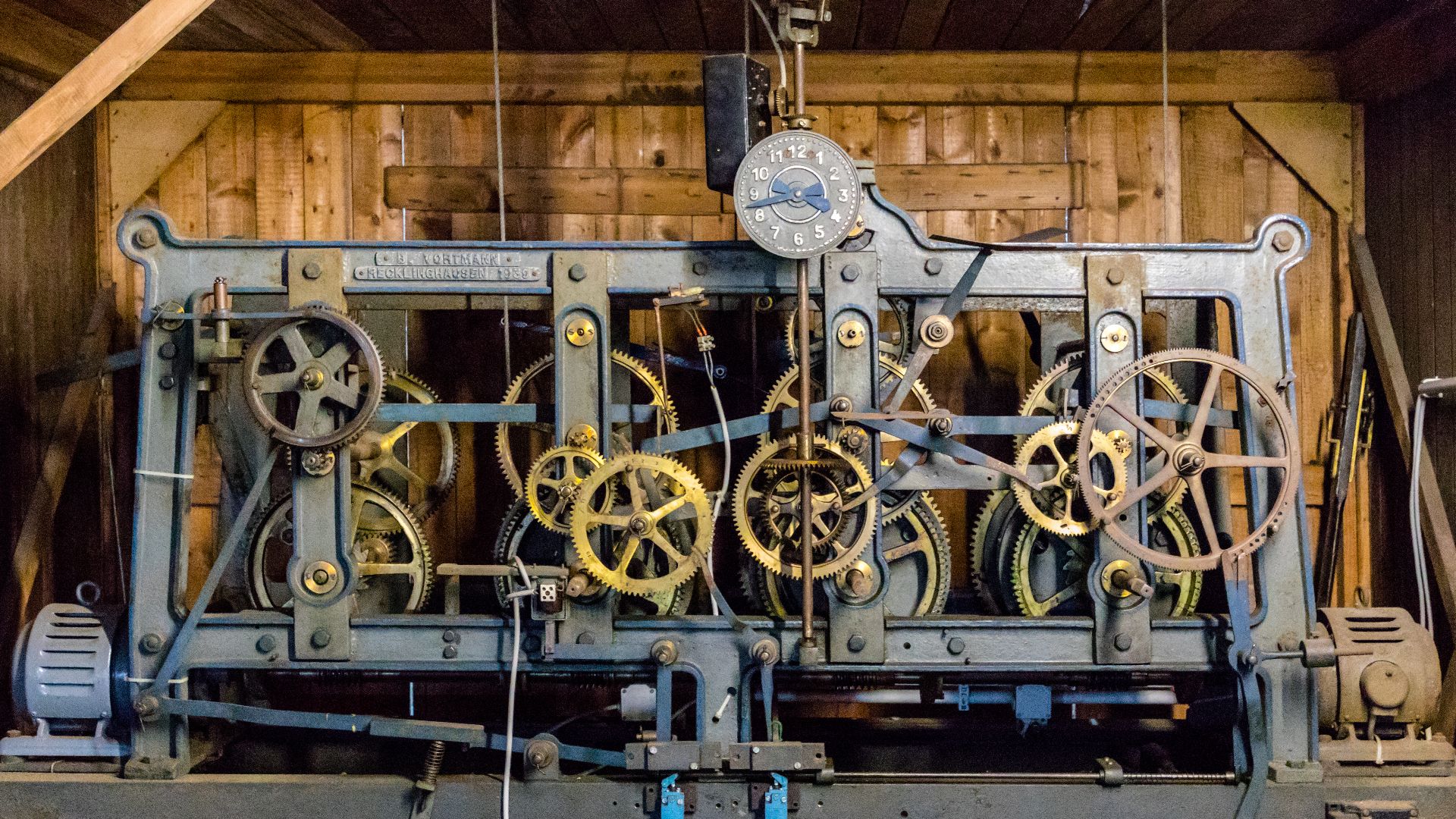
Early tower clocks were powered by heavy weights hanging from ropes. As the weights slowly descended, they turned gears inside the mechanism. Someone had to wind the weights back up regularly. Without that attention, the town's impressive clock would eventually fall silent.
 Dietmar Rabich, Wikimedia Commons
Every Town Had Its Own Noon
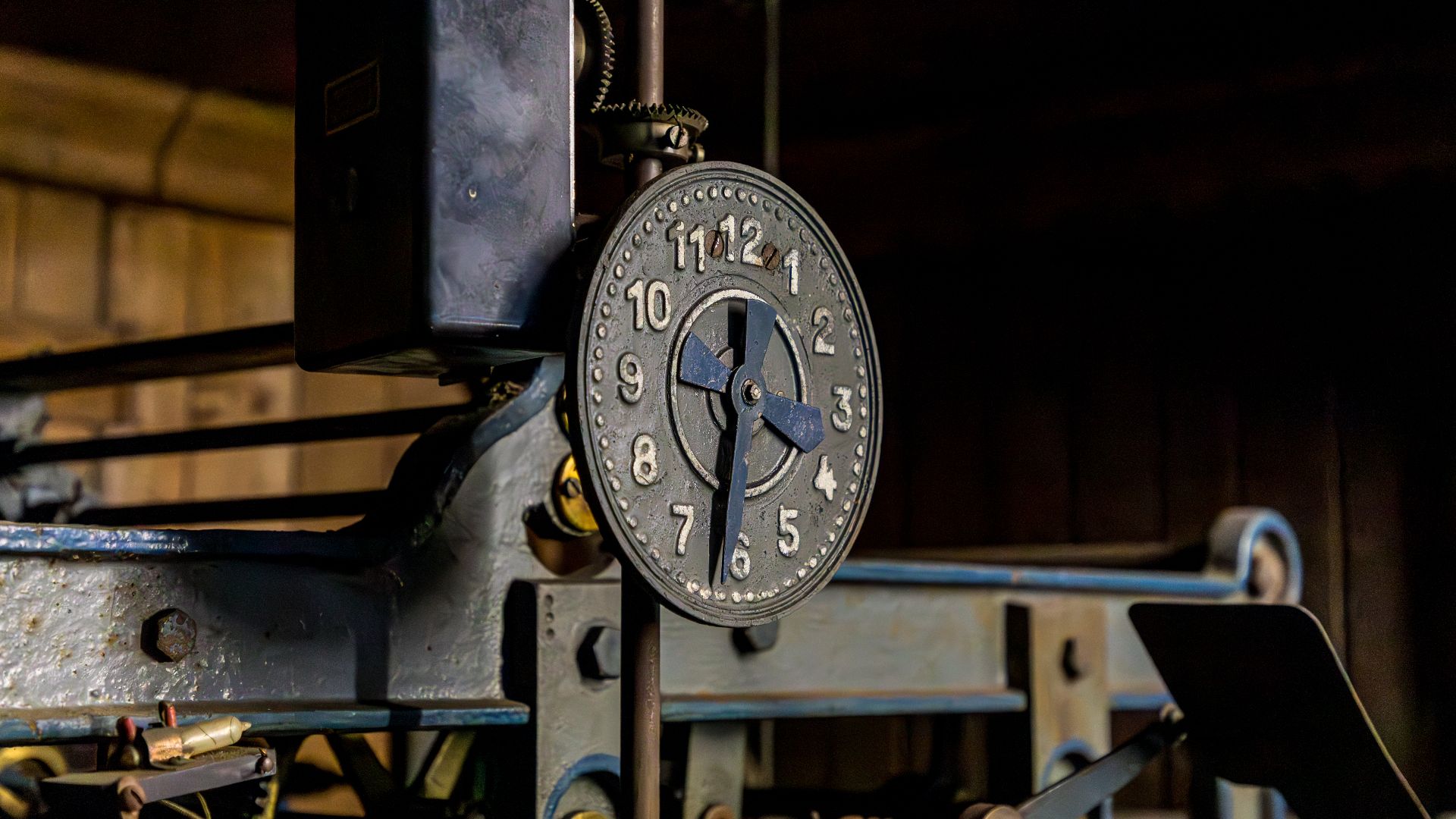
Once mechanical clocks became more common, towns generally adjusted them according to local solar time. Noon was based on the sun crossing the local meridian. Because the Earth rotates, that happened at different moments in different places. Two perfectly functioning clocks could therefore show different times.
 Dietmar Rabich, Wikimedia Commons
Traveling East Meant Moving Ahead
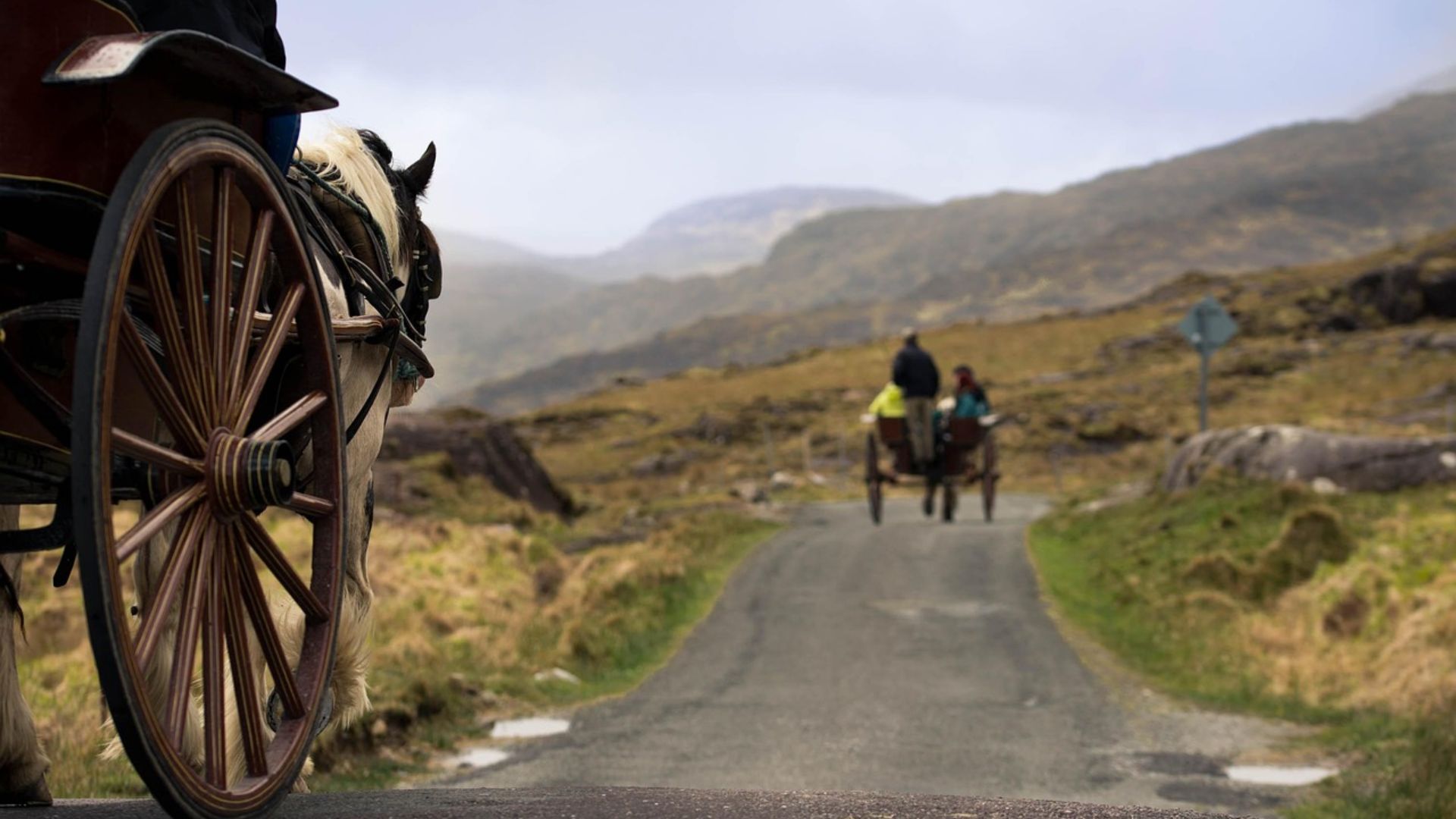
The farther east you traveled, the earlier local solar noon occurred. Every degree of longitude represented approximately four minutes of time difference. Travel fifteen degrees east, and local time would be about an hour ahead. Before railroads, these differences rarely caused much trouble because journeys were relatively slow.
Even The Sun Needed Correcting
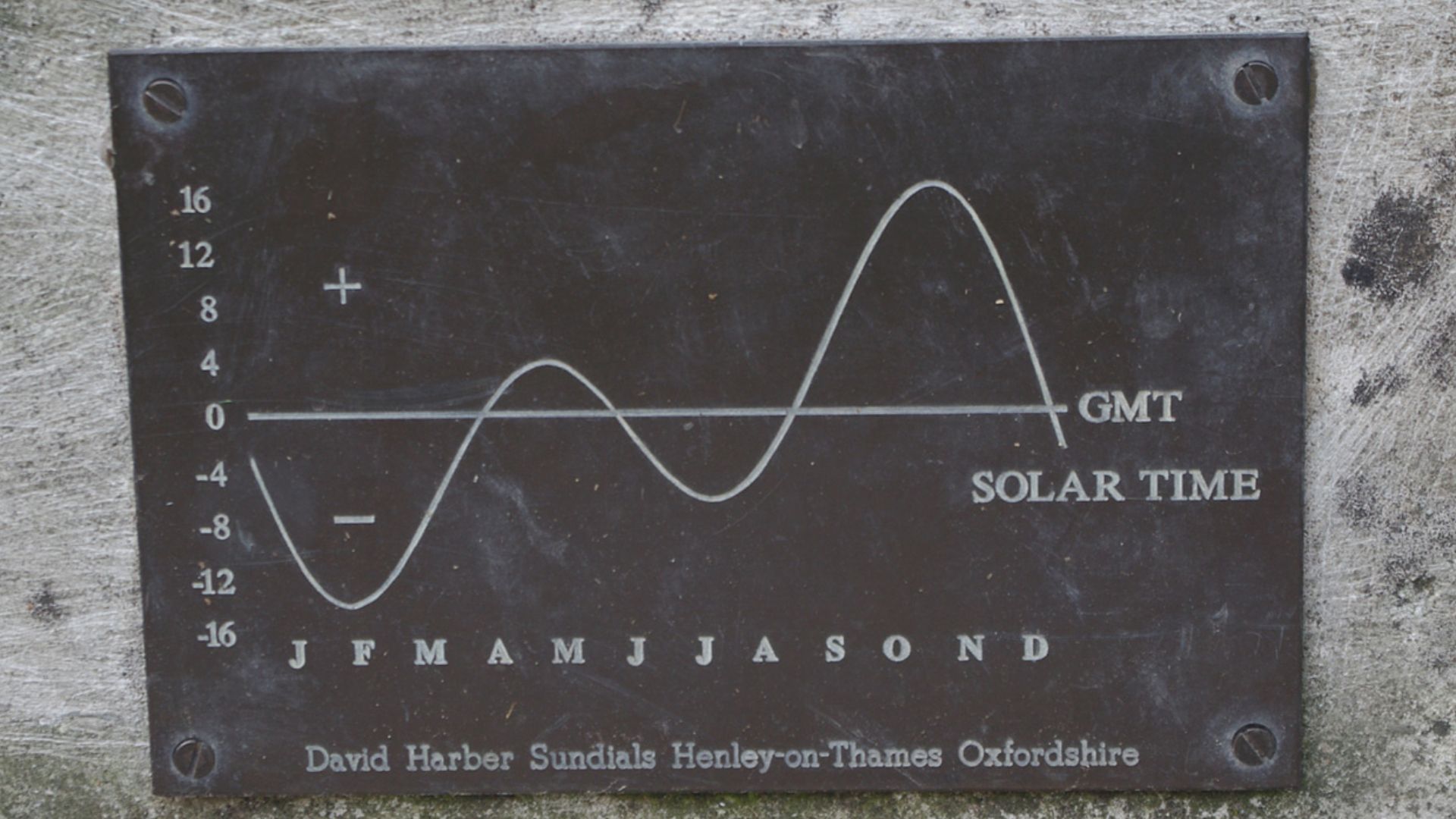
There was another complication. The apparent movement of the sun doesn't produce perfectly uniform twenty-four-hour days throughout the year. Its position can differ from mean solar time by roughly sixteen minutes. Clockmakers and astronomers used mathematical corrections to reconcile sundials with steadily running mechanical clocks.
 Ian Taylor , Wikimedia Commons
Clockkeepers Had An Important Job
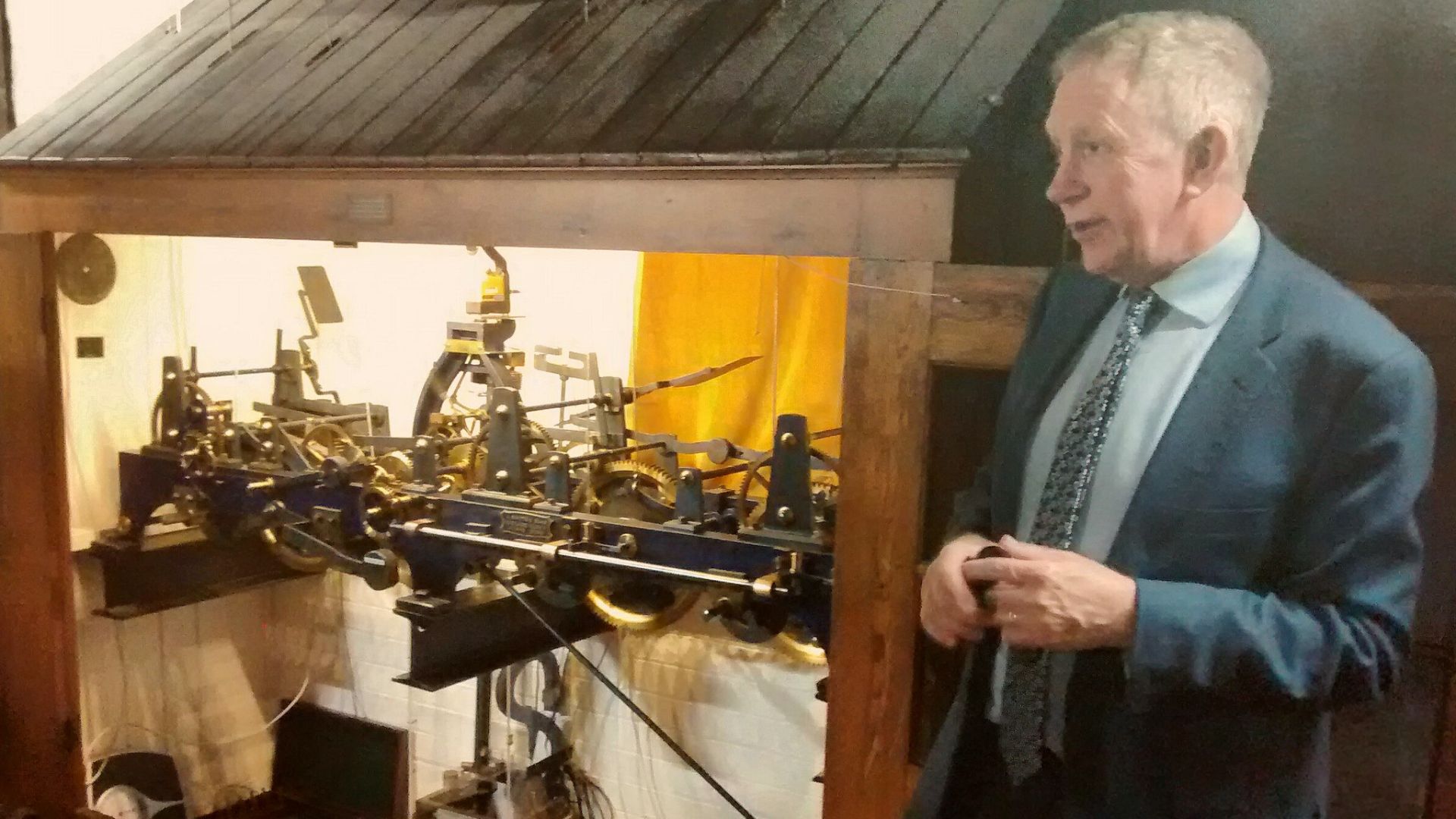
Public clocks required regular winding, maintenance, and adjustments. Depending on the period and location, their keepers could compare them with sundials or astronomical observations. An accurate clock was valuable, but somebody still had to make sure it showed the right local time rather than merely running consistently.
Pendulums Made Timekeeping Better
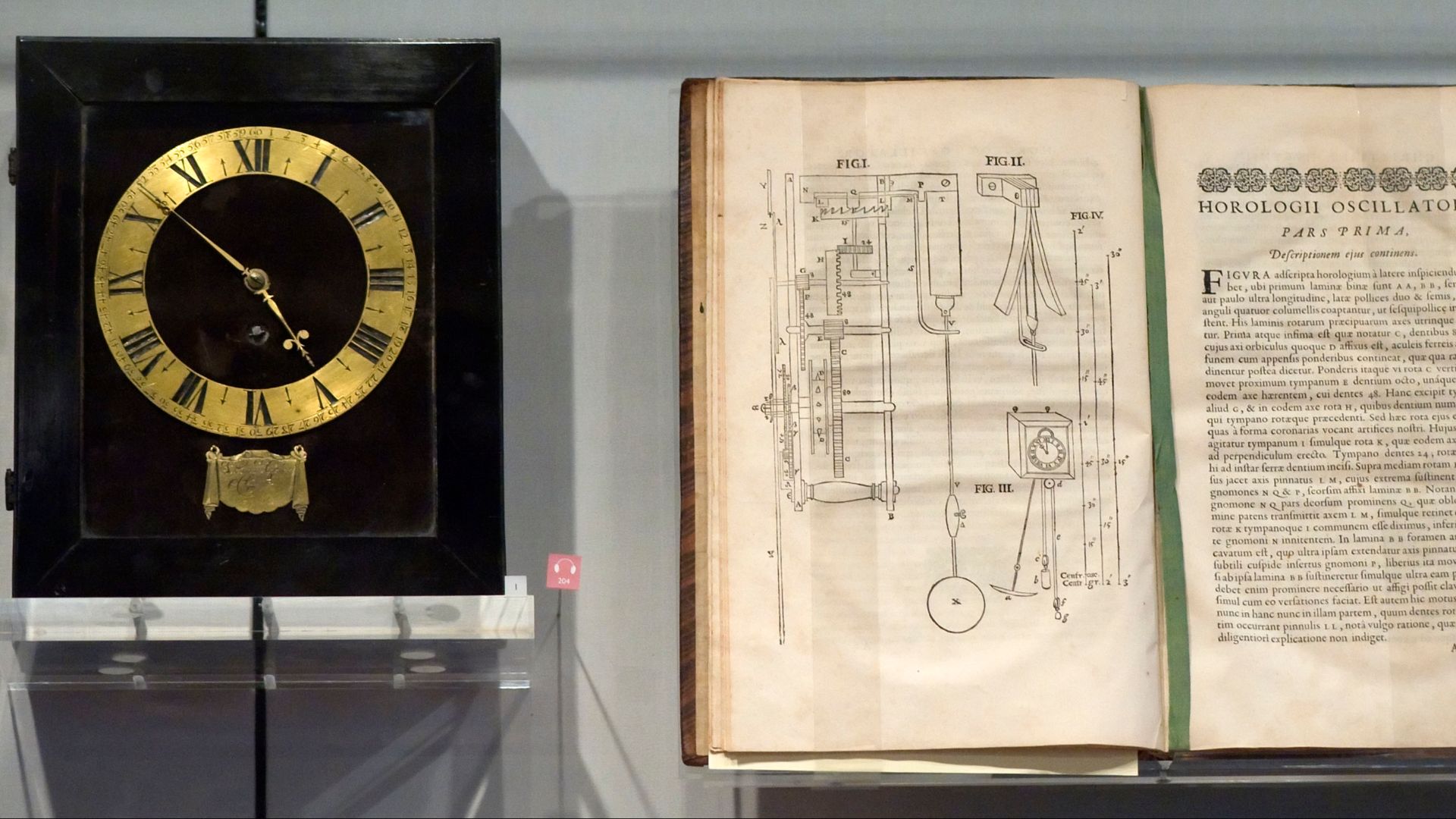
The seventeenth century brought an enormous improvement: the pendulum clock. Christiaan Huygens developed his pendulum clock in 1656, and improved designs eventually transformed public timekeeping. Tower clocks could now maintain much steadier rates, although they still followed local time rather than a universal standard.
 Rob Koopman (Flickr profile), Wikimedia Commons
Your Neighboring Town Could Disagree
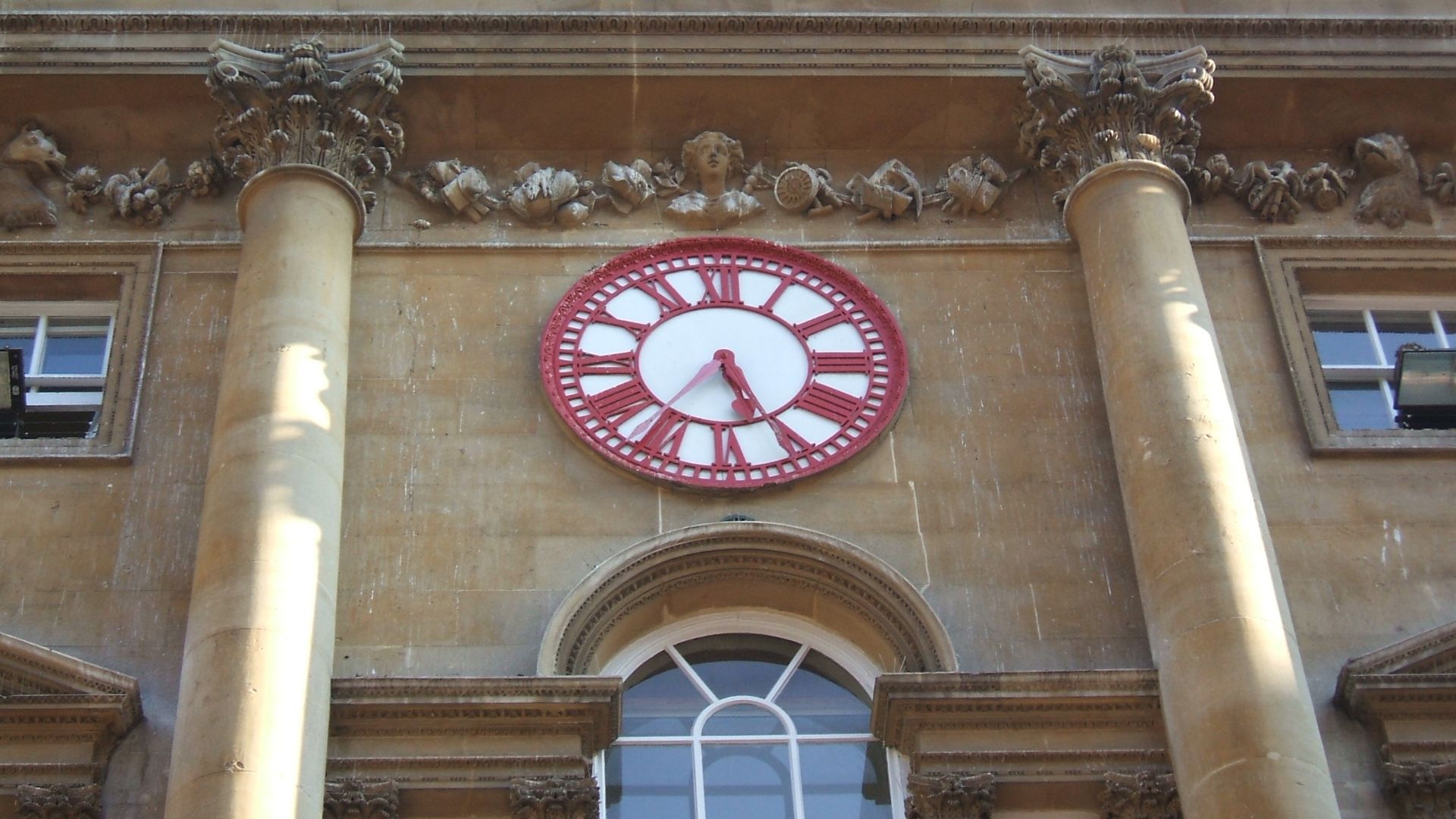
In nineteenth-century Britain, Bristol's local mean time was approximately ten minutes behind Greenwich. Cardiff was around thirteen minutes behind. These weren't necessarily mistakes or poorly maintained clocks. They reflected the towns' different positions on Earth. For generations, people simply accepted that time varied between communities.
 Chris Mitchell, Wikimedia Commons
One Clock Needed Two Minute Hands
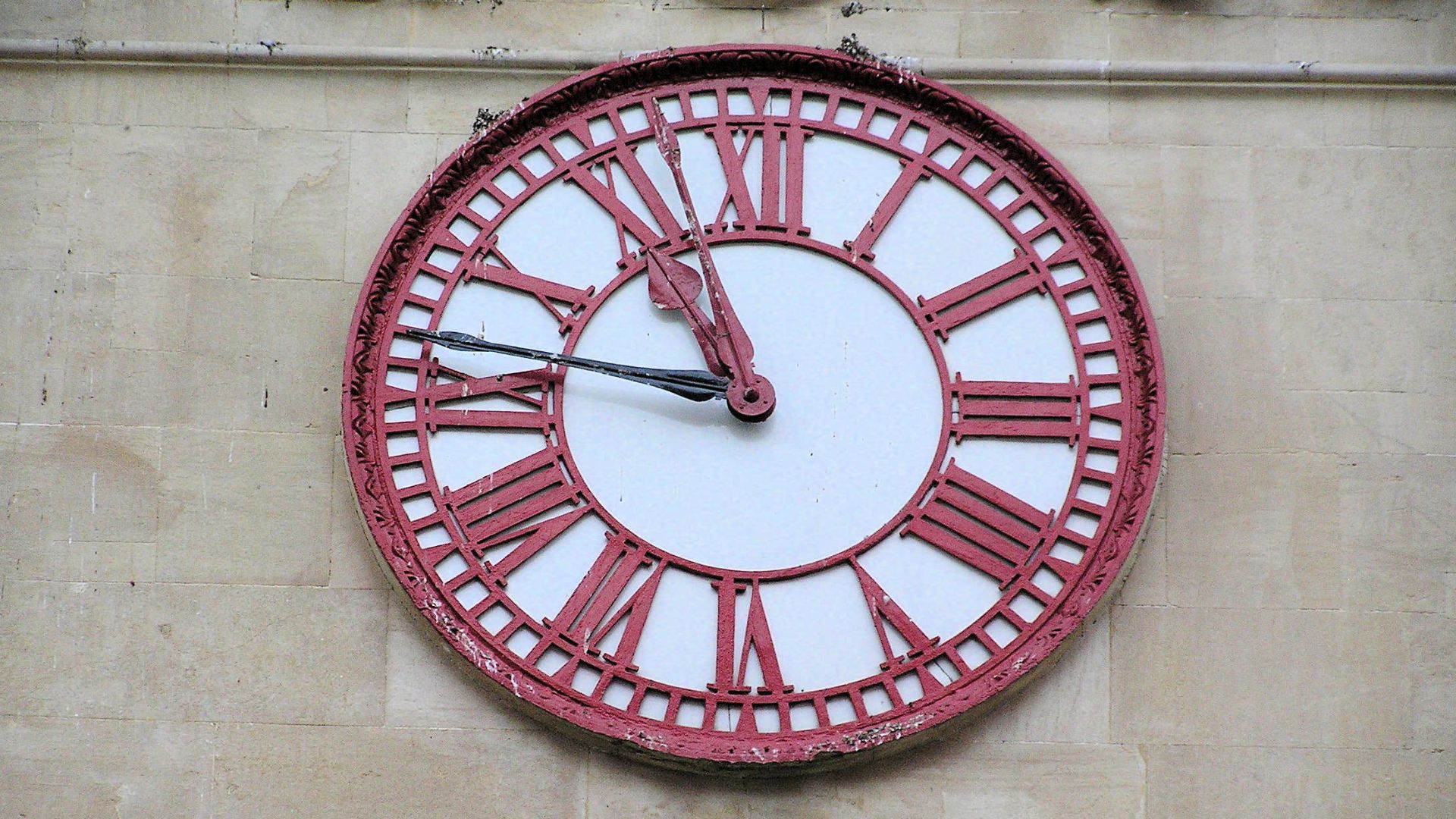
Bristol's Corn Exchange still has a fascinating reminder of this confusion. Its clock, installed in 1822, later received an additional minute hand. One showed Bristol time while the other showed London time. Instead of choosing which was correct, the clock displayed both. Now that's an unusual solution!
 Rick Crowley , Wikimedia Commons
Sailors Needed Better Timekeeping
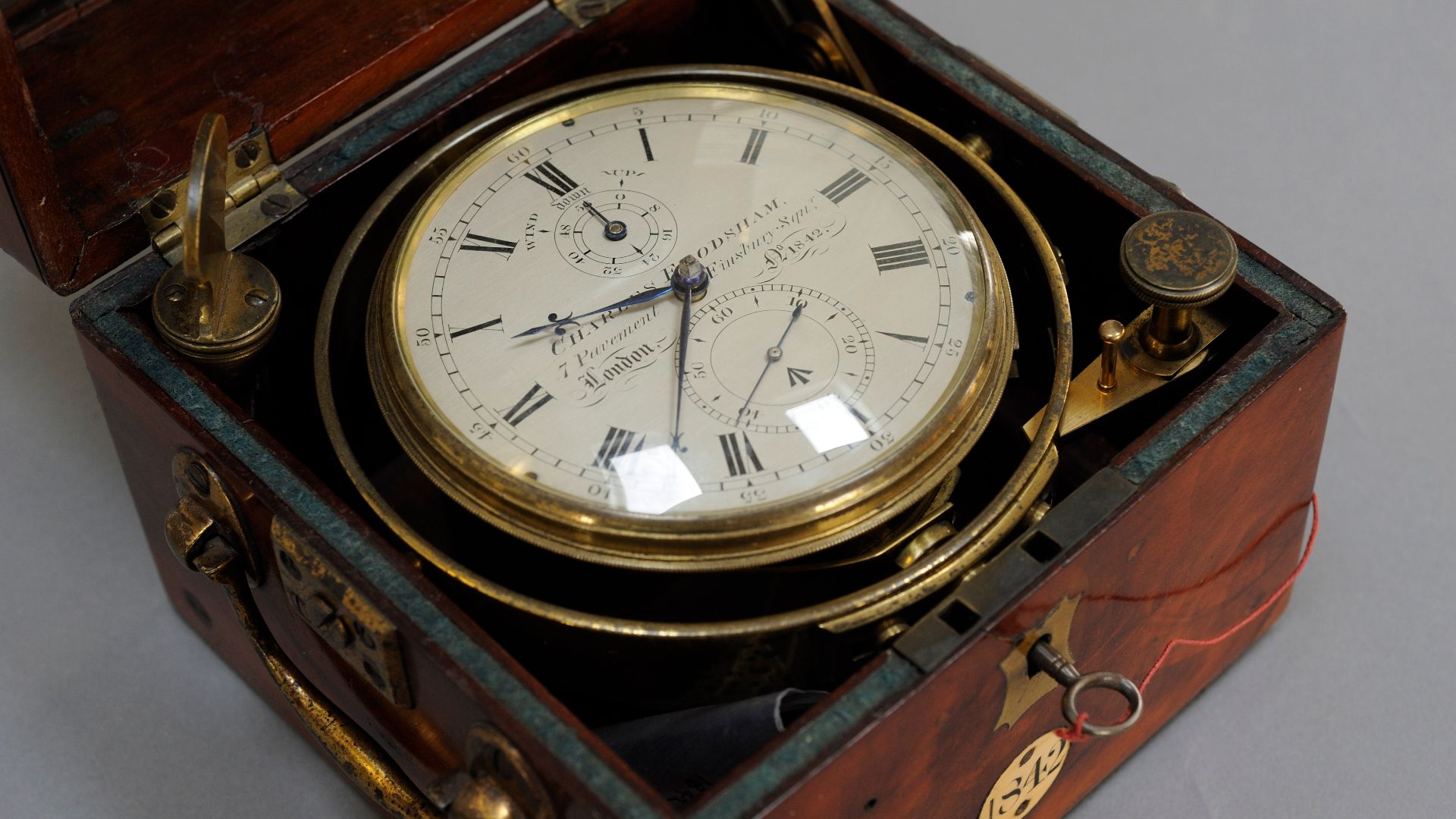
For sailors, knowing precise time was especially important. Navigators could compare local astronomical observations with the time kept by a marine chronometer to calculate longitude. An inaccurate clock could mean an inaccurate position. Ports and observatories therefore developed ways for ships to check their chronometers before departure.
 Charles Frodsham, Wikimedia Commons
A Giant Ball Became A Clock
In 1833, London's Royal Observatory at Greenwich introduced a remarkable public time signal. A large ball mounted on its roof would drop at exactly 1 pm. Sailors watching from ships on the Thames could use that moment to check their chronometers. No clock face was necessary.
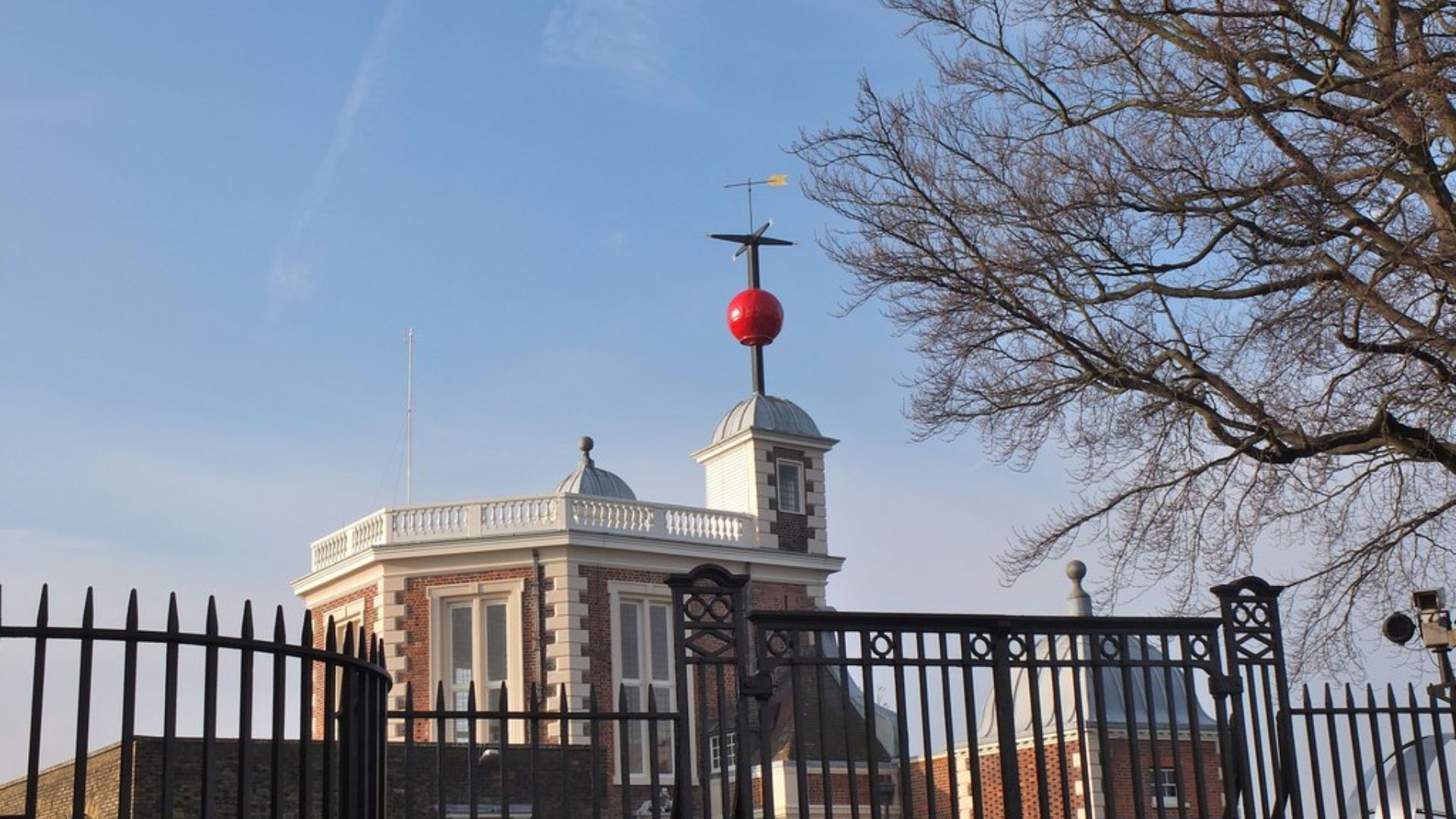 Jim Barton , Wikimedia Commons
You Had To Watch Carefully
The Greenwich time ball was raised before its scheduled drop, giving observers time to prepare. At precisely 1 pm, it fell, marking the correct moment. Anyone who looked away at the wrong time missed the signal. Remarkably, the famous ball remains a working attraction at Greenwich today.
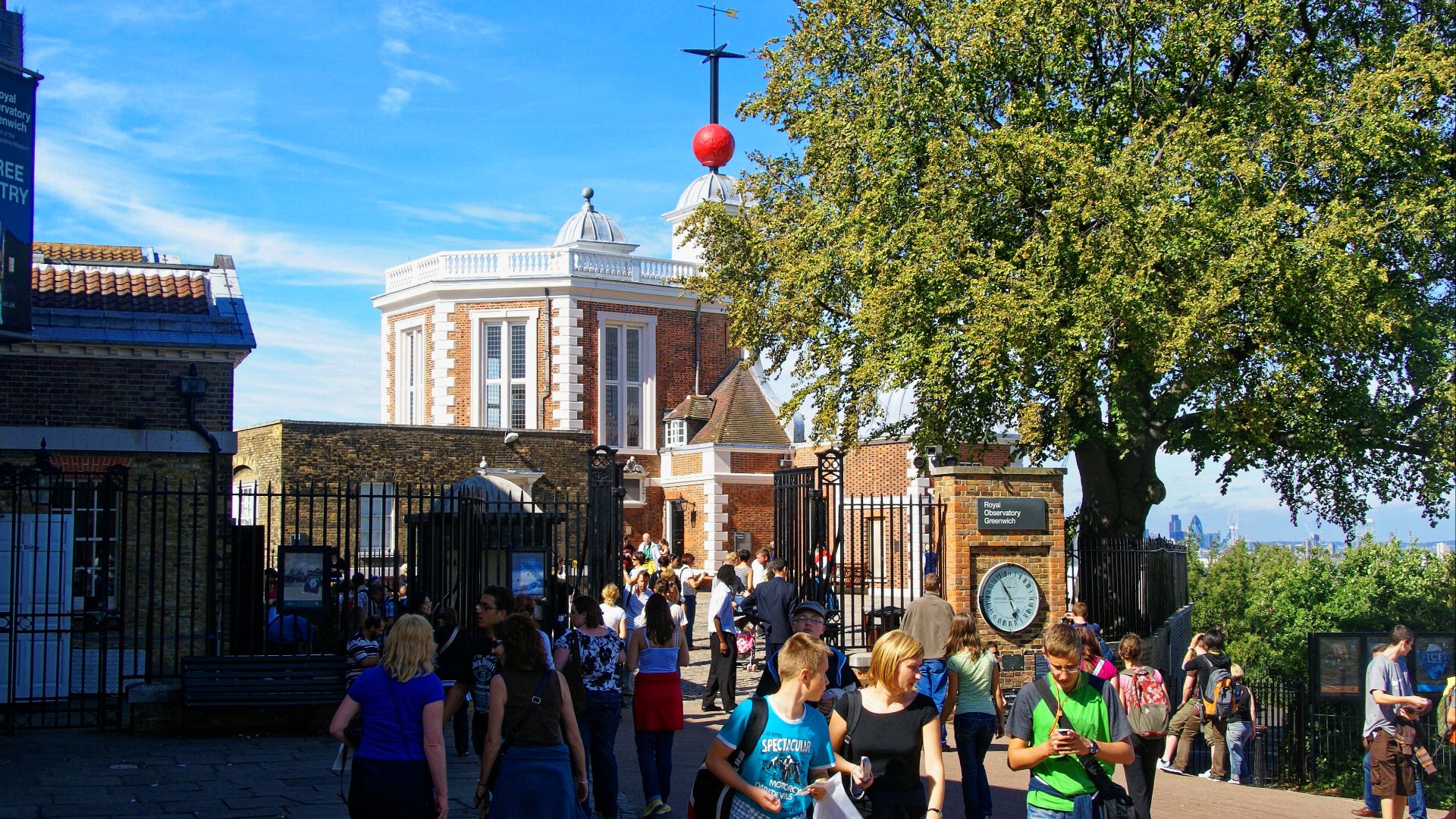 Txllxt TxllxT, Wikimedia Commons
Some Cities Used Cannon Fire
Time balls weren't the only dramatic solution. During the nineteenth century, ports also used time guns to announce a precise hour. The firing provided a signal that people could hear across considerable distances. It was an inventive way to distribute accurate time long before radio broadcasts became available.
 Graham Richter, Wikimedia Commons
Greenwich Offered A Public Master Clock
In 1852, the Royal Observatory installed a Shepherd master clock connected electrically to another clock at its gates. The public could check Greenwich Mean Time directly. People brought watches to compare against it, then carried that time elsewhere. One accurate clock could help synchronize many others.
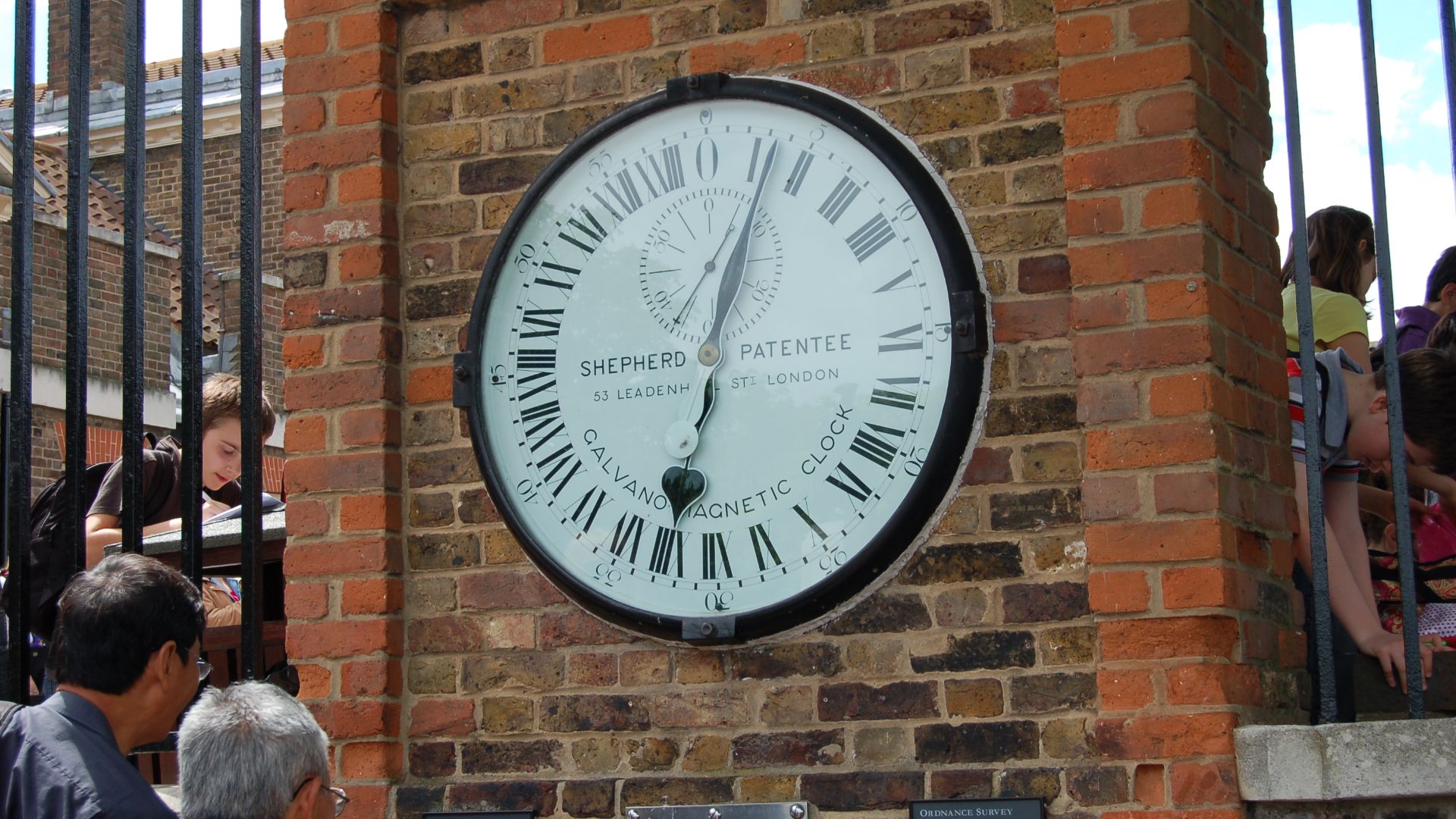 Jcfrye at English Wikipedia, Wikimedia Commons
The Railroads Changed Everything
For centuries, local time differences had been manageable. Then came the railways. Suddenly, passengers could travel between cities in hours rather than days. A timetable showing departure at one town's time and arrival at another's could create confusion. Railway companies needed something more practical than hundreds of local clocks.
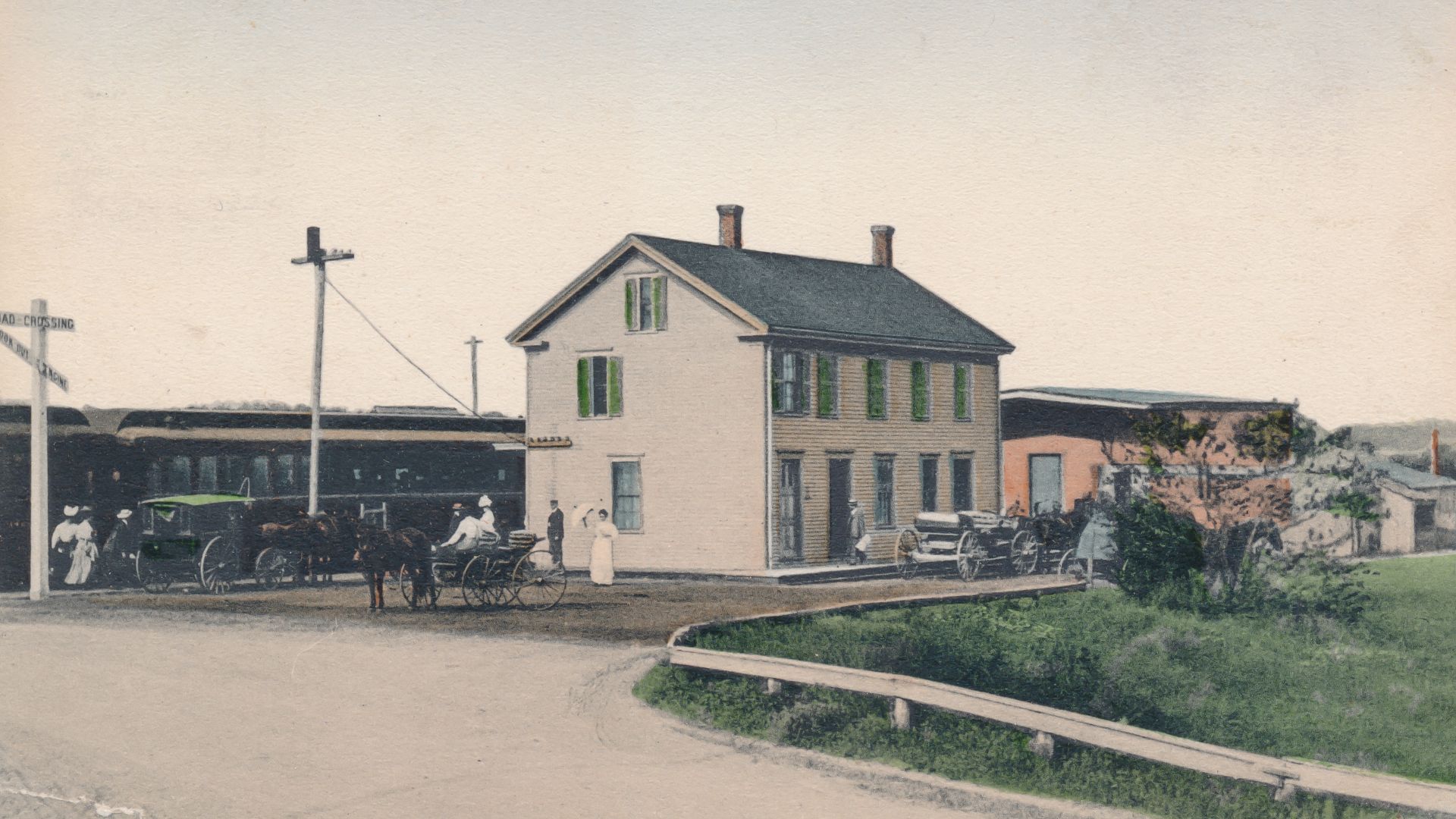 Unknown authorUnknown author, Wikimedia Commons
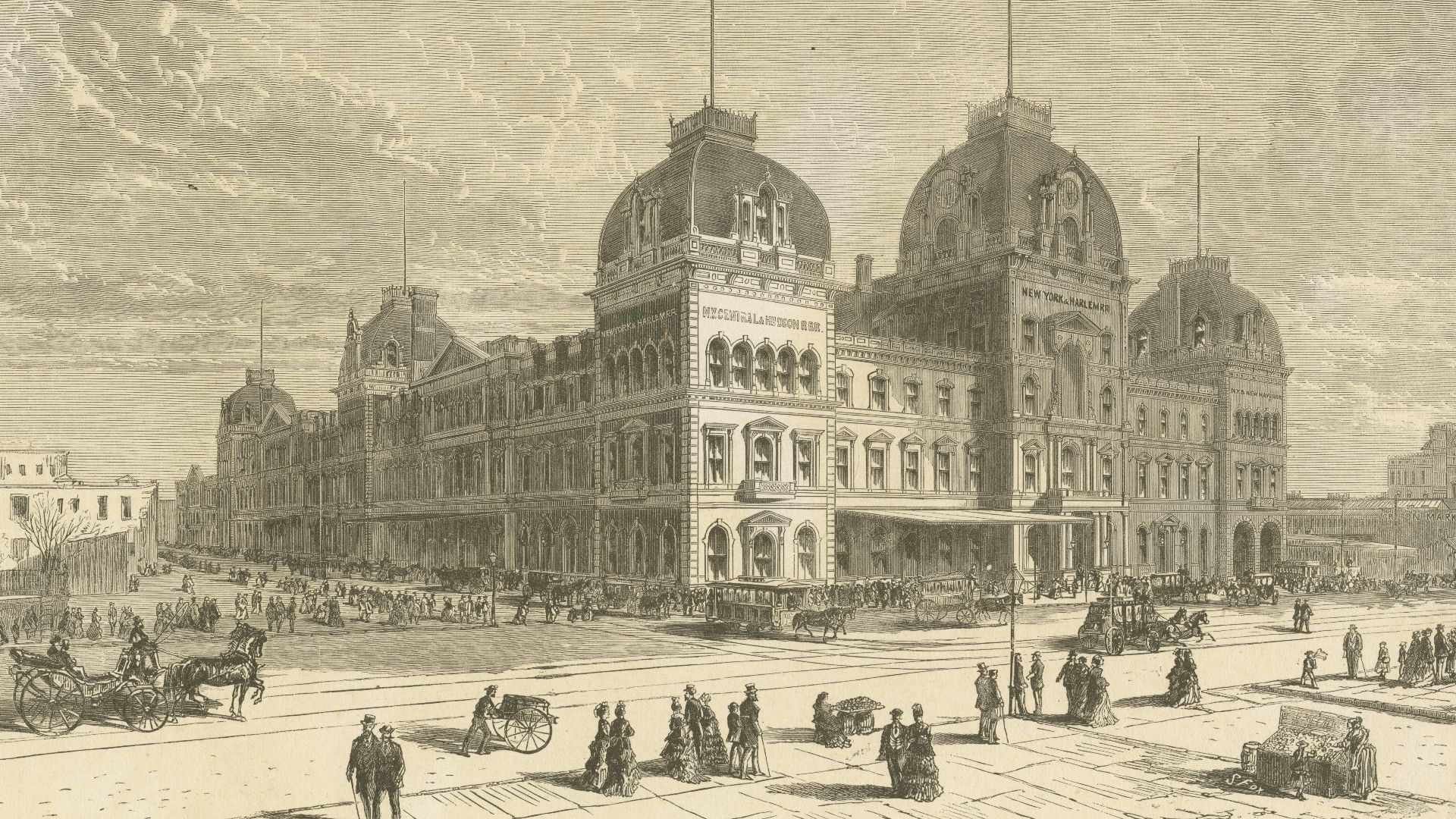
Train Stations Had Competing Clocks
In nineteenth-century America, different railroad companies sometimes followed different regional times. Major stations could have multiple clocks displaying the time standards used by various railroads. Imagine trying to catch a connecting train while deciding which clock applied to your ticket. No wonder passengers found the system frustrating.
 Scan by NYPL, Wikimedia Commons
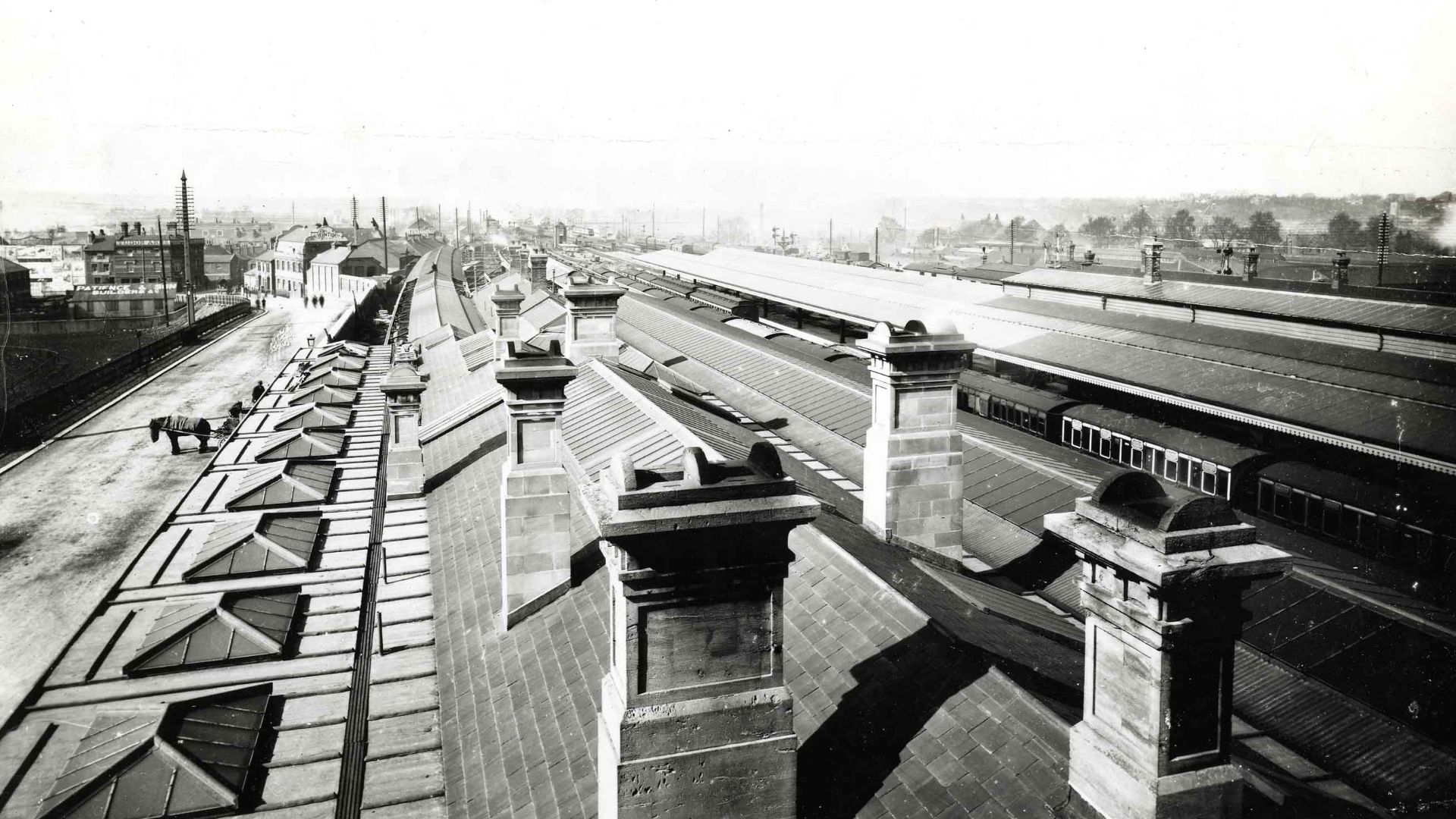
Britain Introduced Railway Time
Britain's Great Western Railway began adopting London time in 1840. Other companies followed, and Greenwich Mean Time became the main railway standard by the late 1840s. Some communities continued using local time alongside it. In 1880, Greenwich Mean Time finally received legal recognition as Britain's standard time.
 Walton Adams, Wikimedia Commons
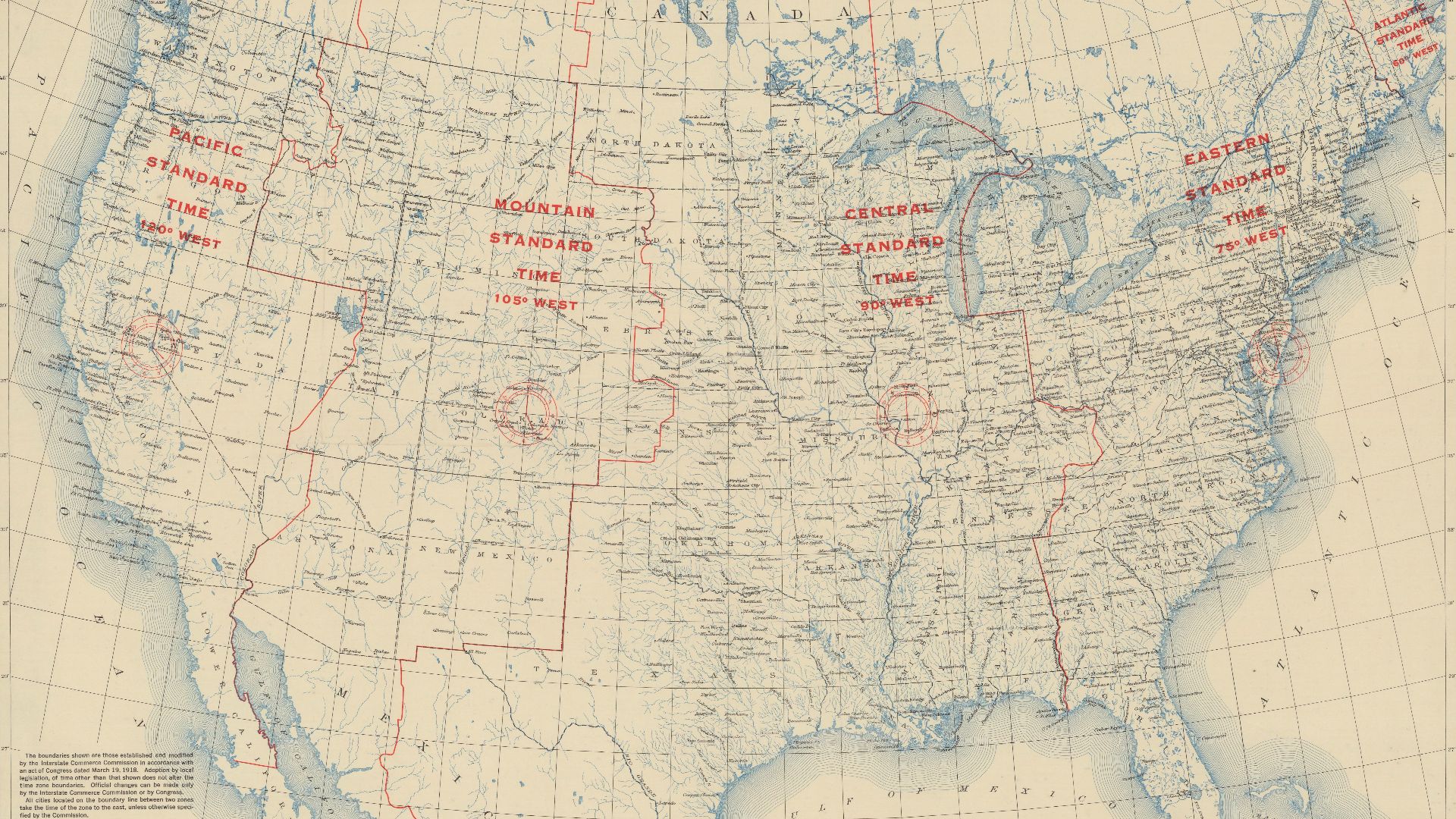
America Had Hundreds Of Local Times
Before standardization, American towns maintained hundreds of different local times. By the 1880s, railroads themselves were operating with roughly fifty regional time standards. Coordinating schedules was increasingly difficult. Railway officials realized that accurate clocks alone couldn't solve the problem if everyone disagreed about what time those clocks should show.
 États-Unis. National bureau of standard. Auteur du texte, Wikimedia Commons
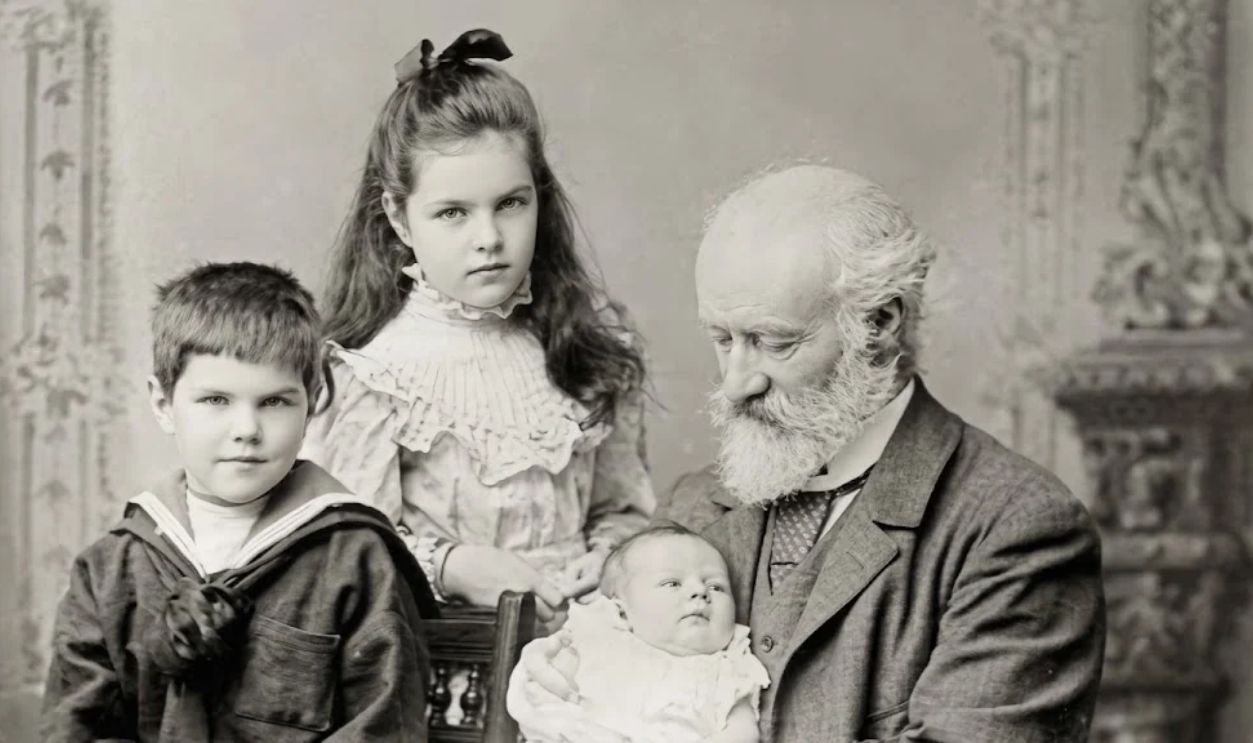
One Engineer Wanted To Change The World
Canadian railway engineer Sandford Fleming became a leading advocate for international time reform after missing a train in Ireland in 1876. He had misunderstood whether its scheduled departure was in the morning or afternoon. His ideas grew into proposals for a worldwide system with twenty-four time zones.
 William James Topley, Wikimedia Commons
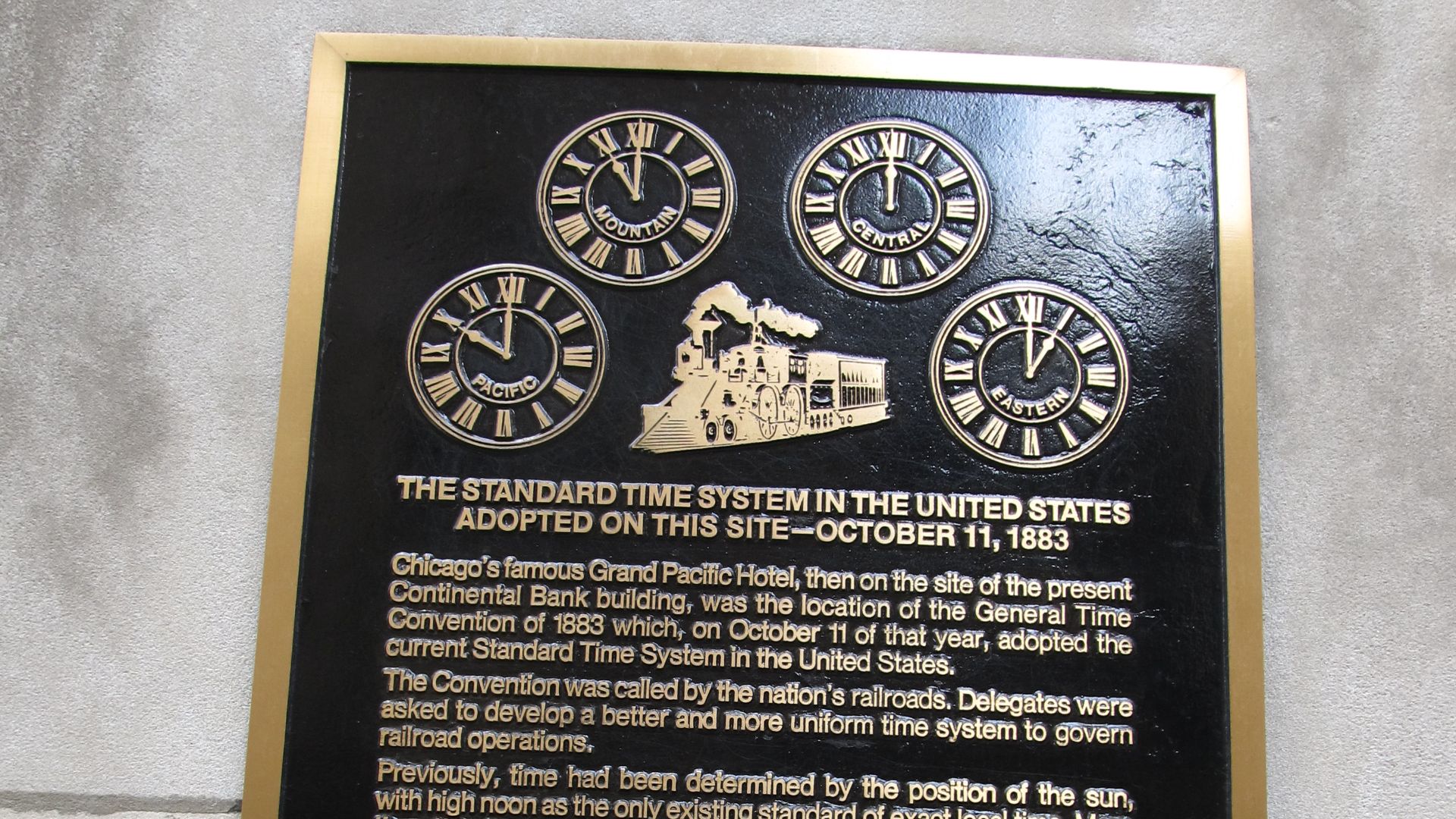
The Day America Had Two Noons
On November 18, 1883, North American railroads introduced standardized railway time zones. In some communities, clocks effectively experienced two noons: one under the old local system and another under the new standard. Most railroads and many cities made the switch, although not everyone welcomed the change.
 Ken Lund from Reno, Nevada, USA, Wikimedia Commons
Time Zones Finally Became Official
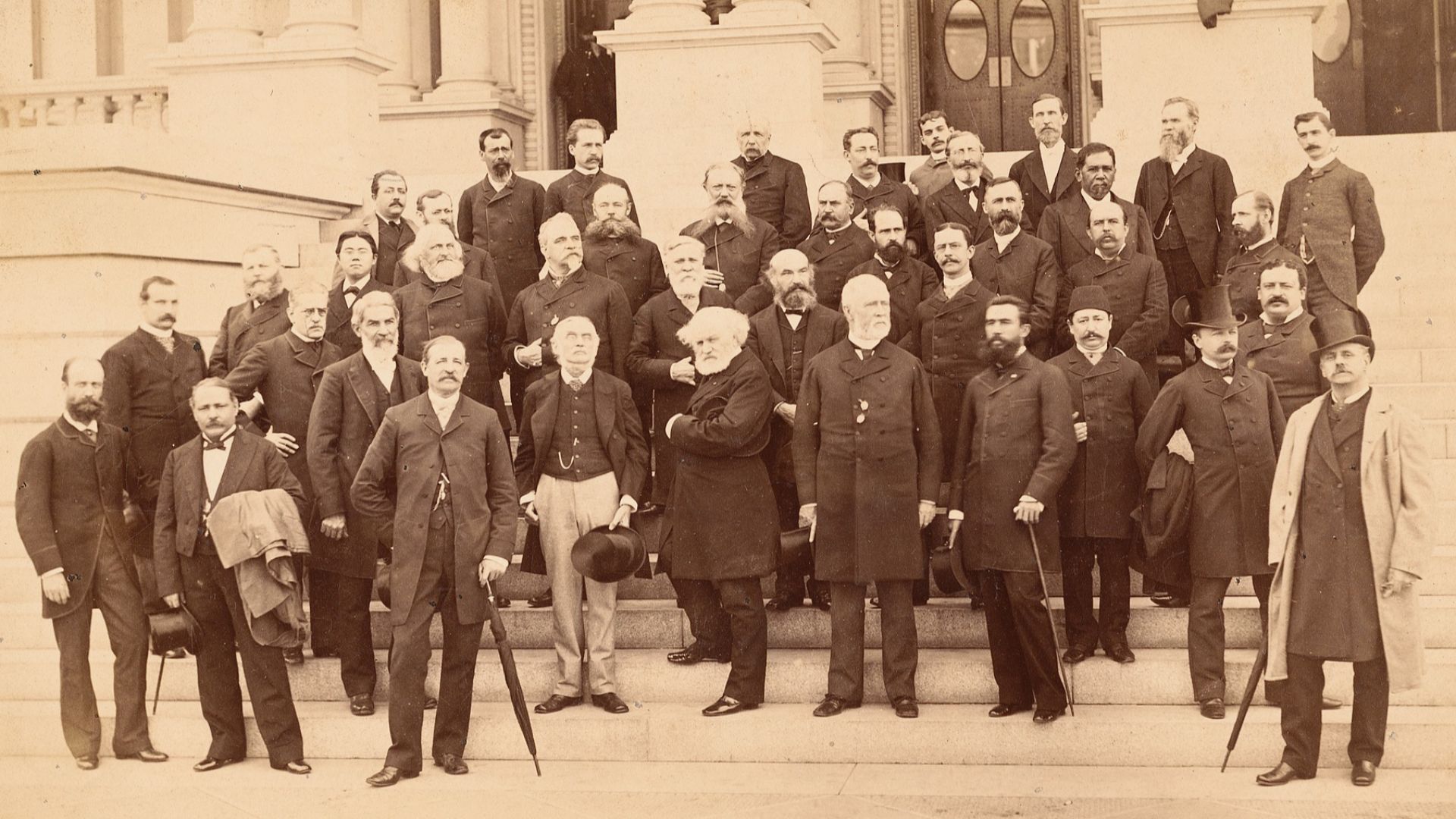
The 1884 International Meridian Conference recommended Greenwich as the world's prime meridian, helping establish a common geographical reference for international timekeeping. Countries gradually adopted standardized arrangements. In the United States, federal legislation formally established standard time in 1918, decades after the railroads had introduced their system.
 Unknown authorUnknown author, Wikimedia Commons
The Clocks That Changed Our Lives
Today, we rarely question why clocks across an entire region show the same time. Yet it took centuries of sundials, church bells, giant pendulums, falling balls, and even cannon fire to reach that point. Next time you check your watch, remember when the neighboring town might have disagreed.
You May Also Like:
The Women Who Took Charge Of A Kingdom During A Crisis And Changed Its Future