The Heiress Who Had Everything Except Happiness
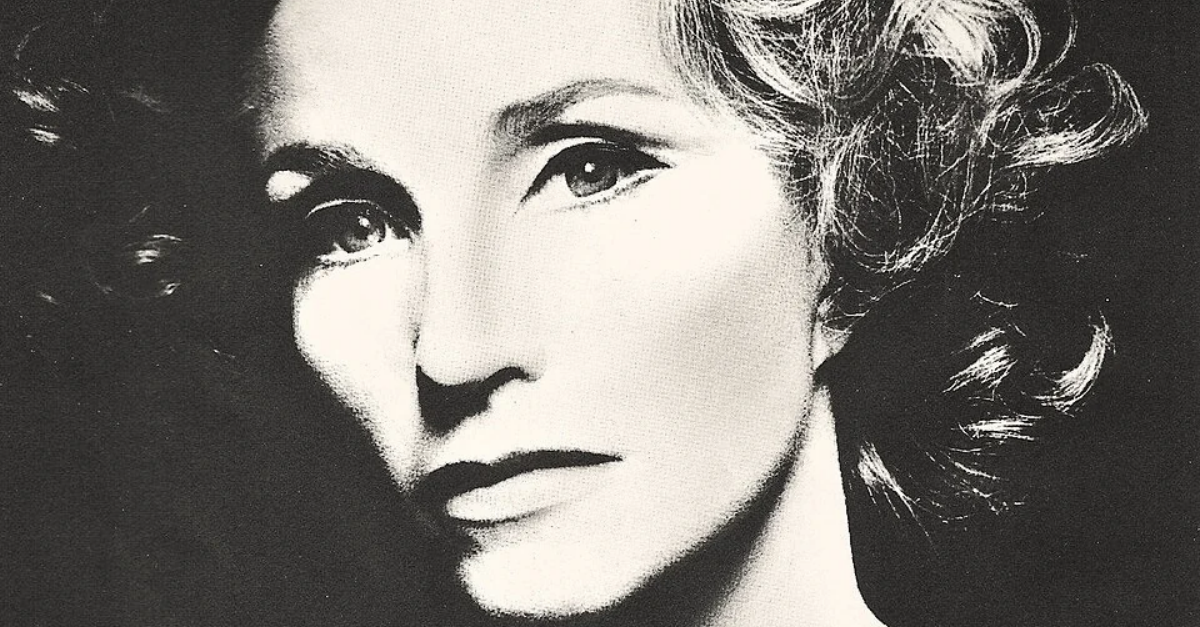
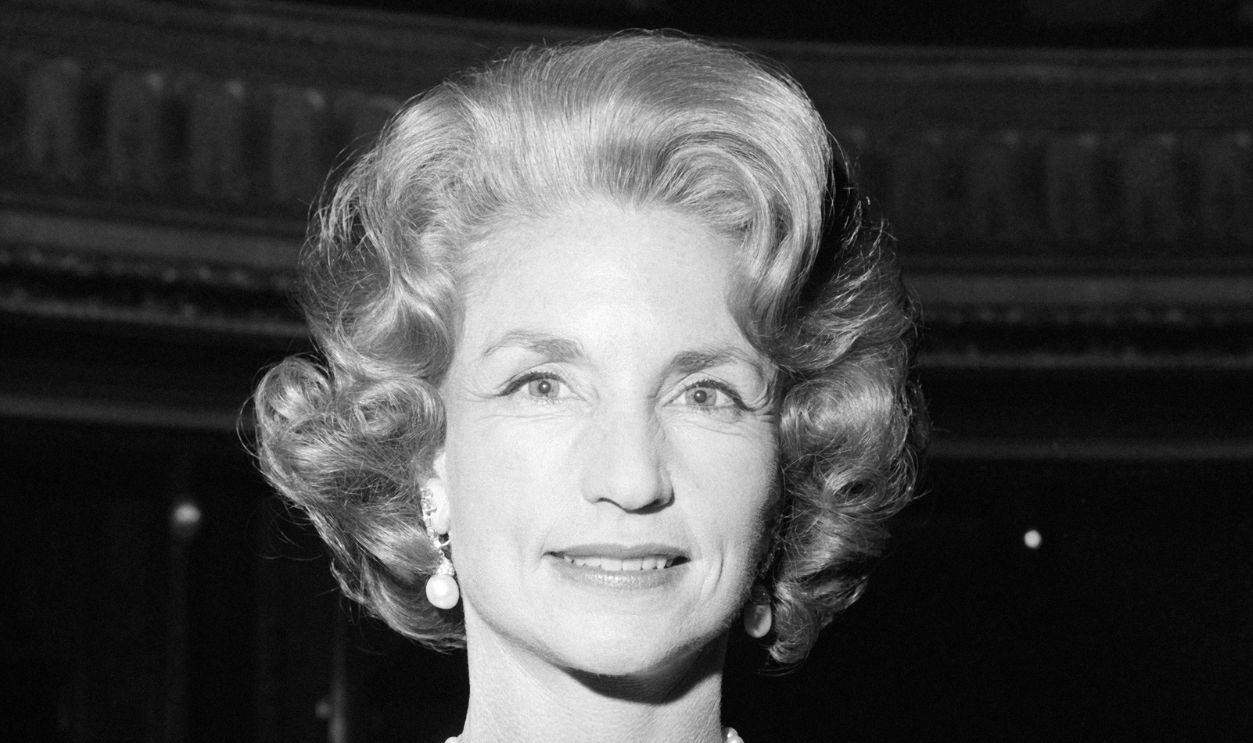
Rebekah Harkness inherited a staggering fortune, became notorious for her outrageous behavior, and spent millions trying to conquer the world of ballet. But behind her extravagant lifestyle was a family haunted by tragedy, and when Harkness died of cancer in 1982, her final wishes produced one last bizarre twist worthy of the scandals that had followed her throughout her life.
 Harkness Ballet / Wikimedia Commons
She Was Born Into A Fortune
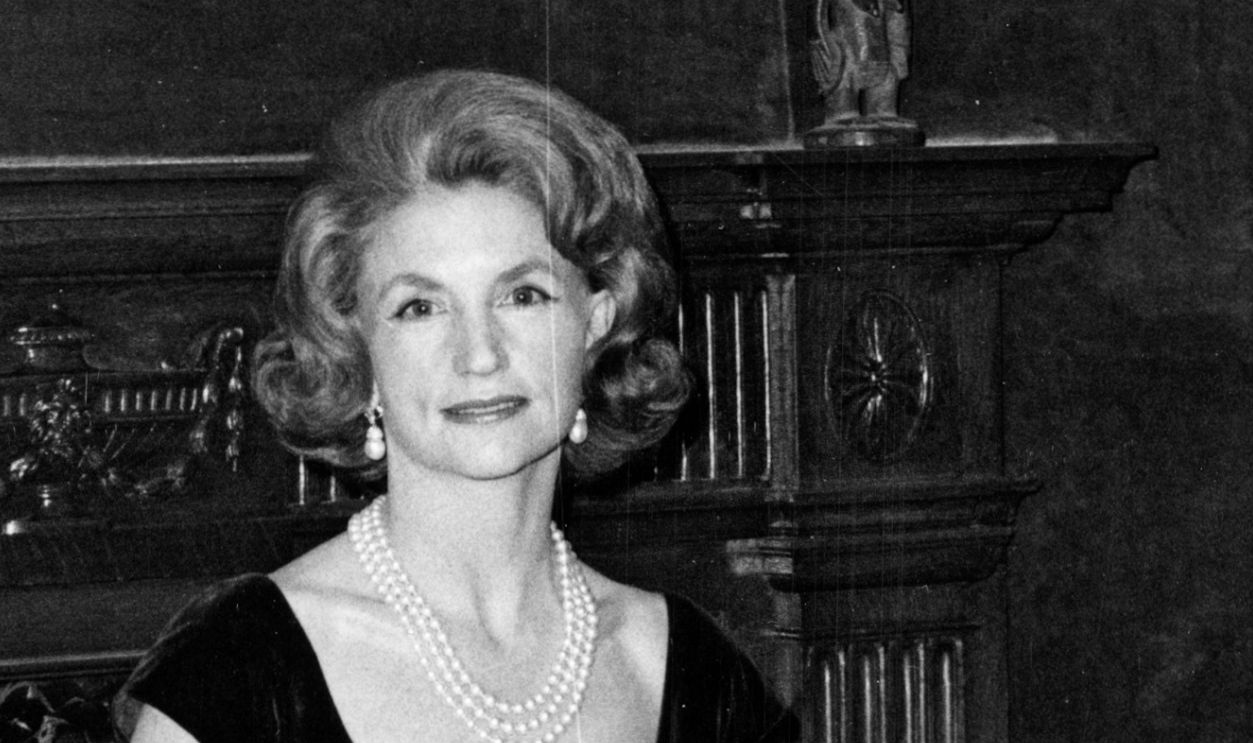
Rebekah Semple West was born on April 17, 1915, in St. Louis, Missouri, to a prosperous and socially prominent family. Her father, Allen Tarwater West, was a stockbroker, while her grandfather had founded the St. Louis Union Trust Company. Rebekah grew up surrounded by privileges that most Americans could scarcely imagine, although money would prove incapable of solving her deepest problems.
Her Childhood Was Surprisingly Lonely
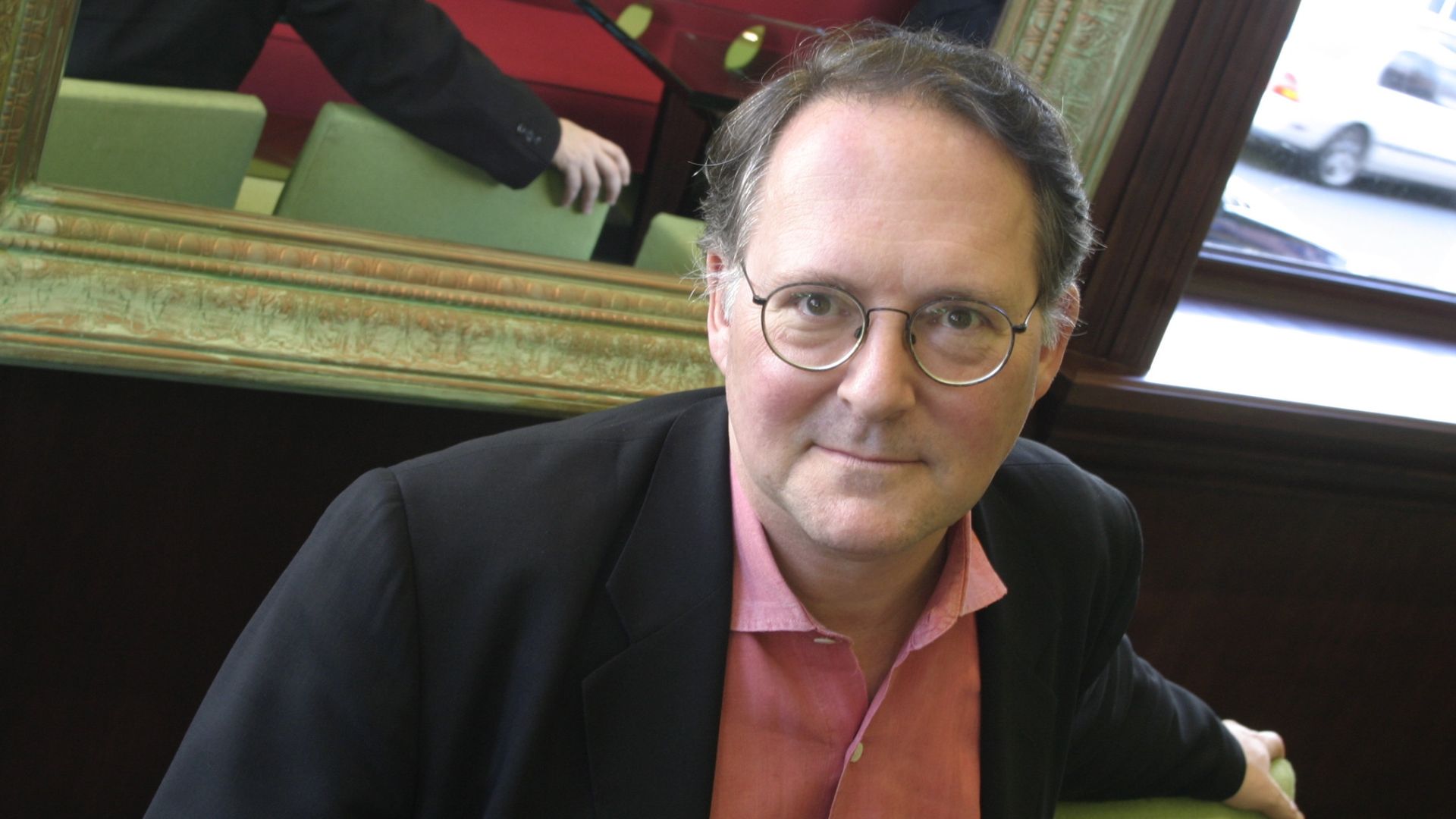
Despite her family's wealth, Rebekah's early life was not particularly affectionate. According to Craig Unger's biography Blue Blood, she was raised primarily by nannies while her parents remained emotionally distant. The young heiress had access to extraordinary comforts, but her biographer portrayed her home as a place where warmth and understanding were often missing.
 Craig Unger, Wikimedia Commons
She Learned To Break The Rules
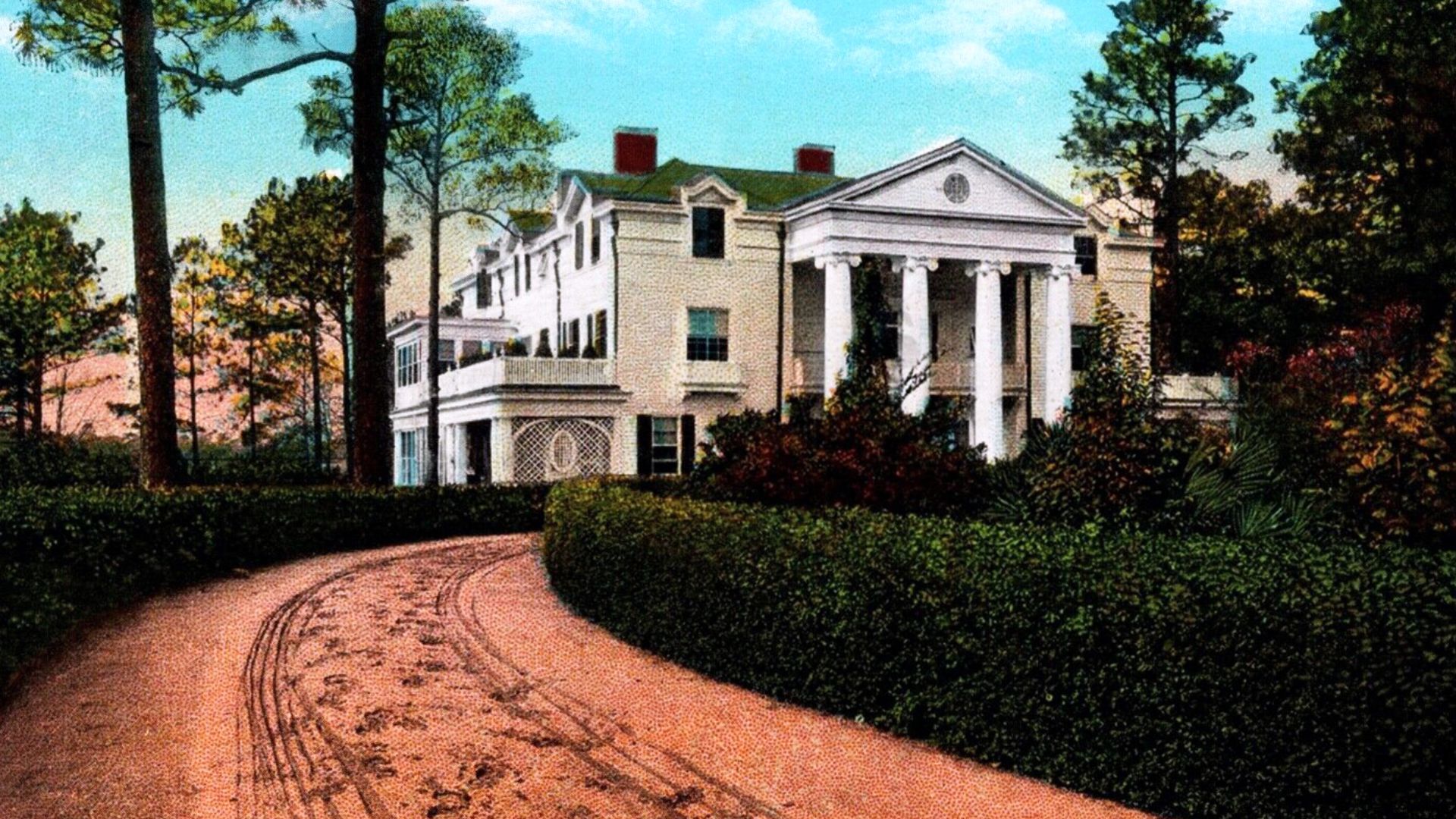
Rebekah attended prestigious schools, including the Fermata School for Girls in Aiken, South Carolina. Rather than becoming the obedient society debutante her background seemed to demand, she developed a reputation for mischievous behavior. She reportedly joined a rebellious group of young women who delighted in disrupting the formal gatherings of their wealthy social circle.
 Augusta News Co., Augusta (publisher), Wikimedia Commons
She Ruined A Family Celebration
One particularly notorious story involved Rebekah secretly adding mineral oil to the punch served at her sister's debutante celebration. The incident became part of the collection of extravagant pranks later recounted by her biographer. Although such stories depend heavily on retrospective accounts, they helped establish the image of an heiress who enjoyed provoking the very people whose approval society expected her to seek.

Her First Escape Went Wrong
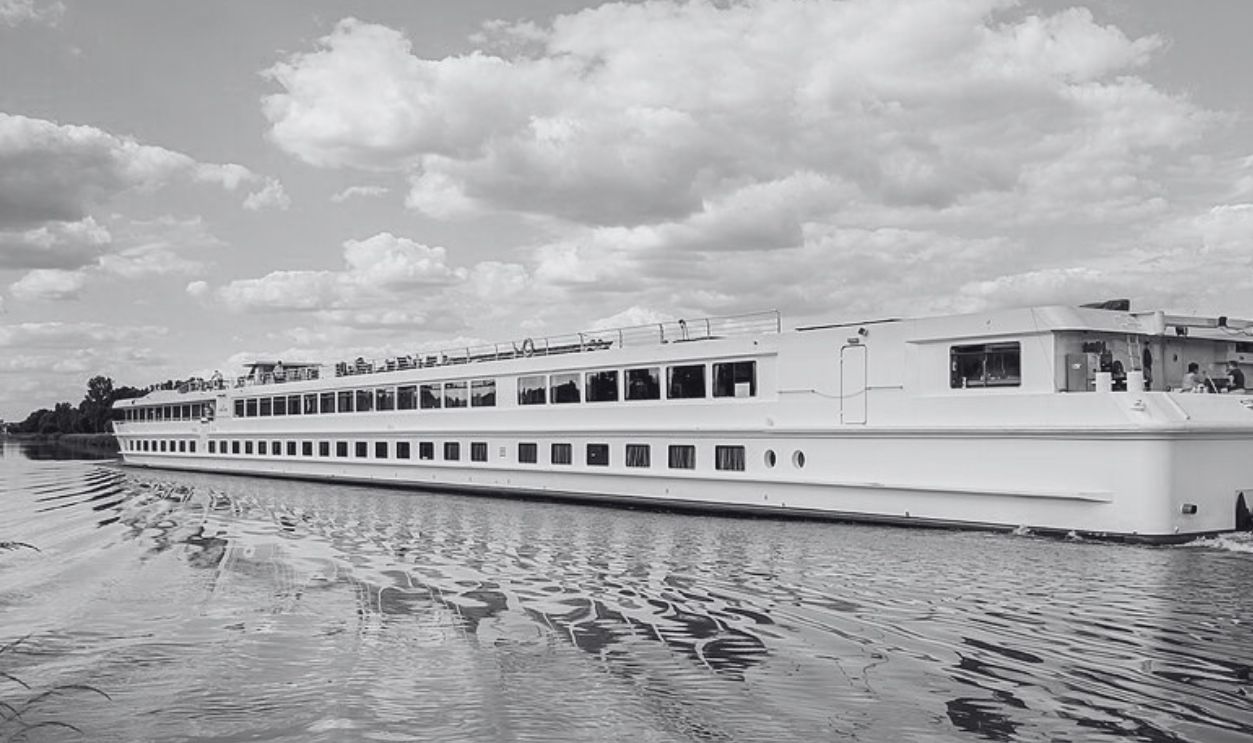
In 1937, Rebekah embarked on an around-the-world cruise with her brother Allen. According to later biographical accounts, her unconventional shipboard behavior became so troublesome that she was asked to leave the vessel. For an ordinary traveler, the embarrassment might have been unforgettable, but Rebekah's fortune gave her considerable freedom to pursue another adventure.
She Married The Wrong Man
In June 1939, Rebekah married Charles Dickson Pierce, a Yale graduate working in advertising. The couple had two children, Allen and Anne Terry, but their relationship eventually deteriorated. Rebekah later recalled realizing almost immediately that the marriage had been a mistake, and the couple divorced in the mid-1940s.

Her Second Husband Changed Everything
In October 1947, Rebekah married William Hale Harkness, an heir to the enormous Standard Oil fortune. The marriage elevated her from a wealthy Midwestern socialite into one of America's richest women. Her new husband belonged to a family associated with the oil empire created by John D. Rockefeller and his business partners, placing Rebekah among the country's most privileged social figures.
She Acquired A Spectacular Mansion
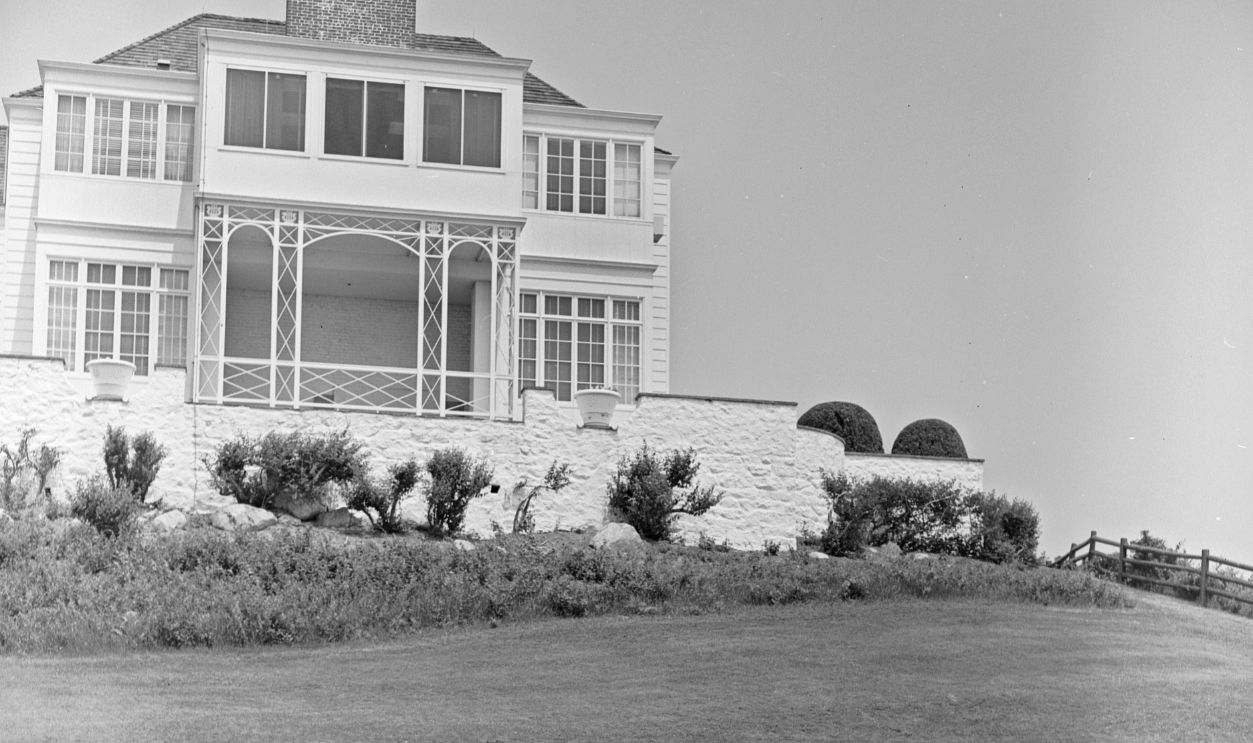
Rebekah and William owned a magnificent waterfront estate in Watch Hill, Rhode Island, known as Holiday House. The property overlooked the Atlantic Ocean and became one of the most recognizable symbols of their extraordinary wealth. Its impressive surroundings provided Rebekah with the perfect setting for the extravagant gatherings that would eventually make her infamous.
Her Parties Became Legendary
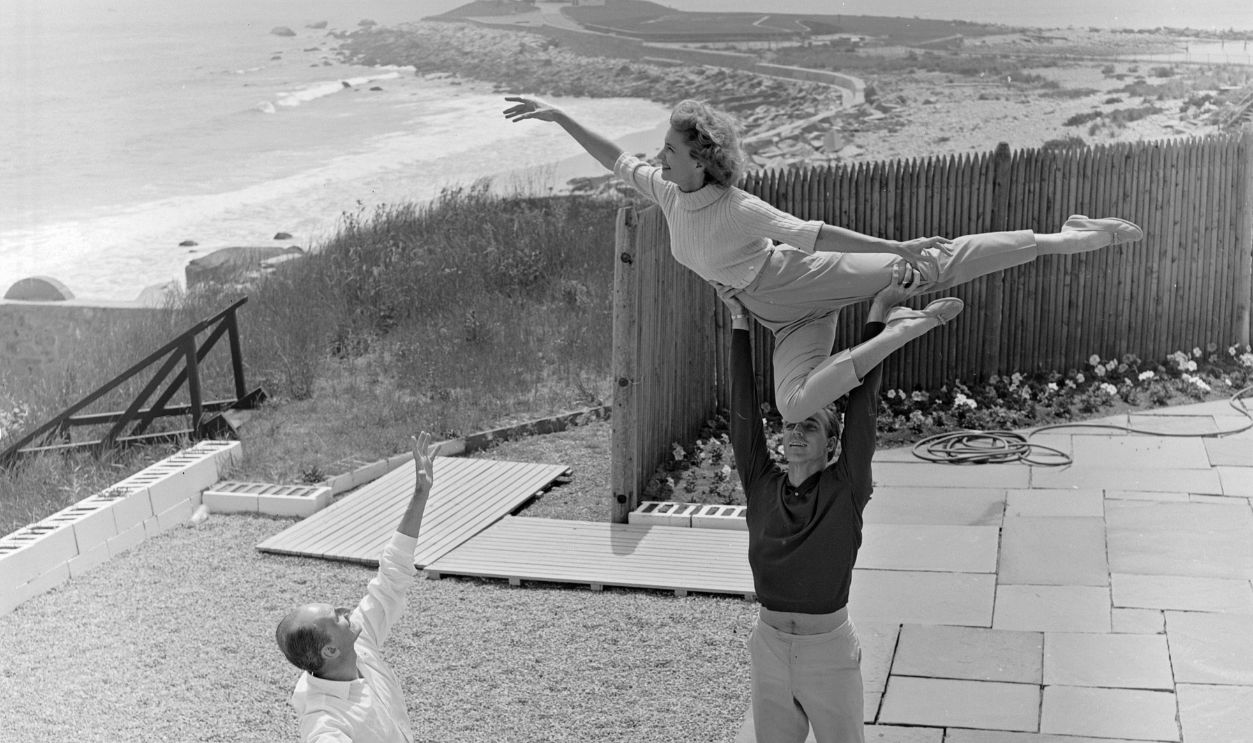
Rebekah was reportedly fond of elaborate parties that challenged the expectations of her affluent neighbors. Biographical accounts describe lavish entertainment, unusual decorations, and extravagant spending that attracted considerable attention. Her household became associated with the sort of theatrical excess that seemed better suited to a Hollywood production than a quiet Rhode Island community.
She Had A Strange Relationship With Champagne
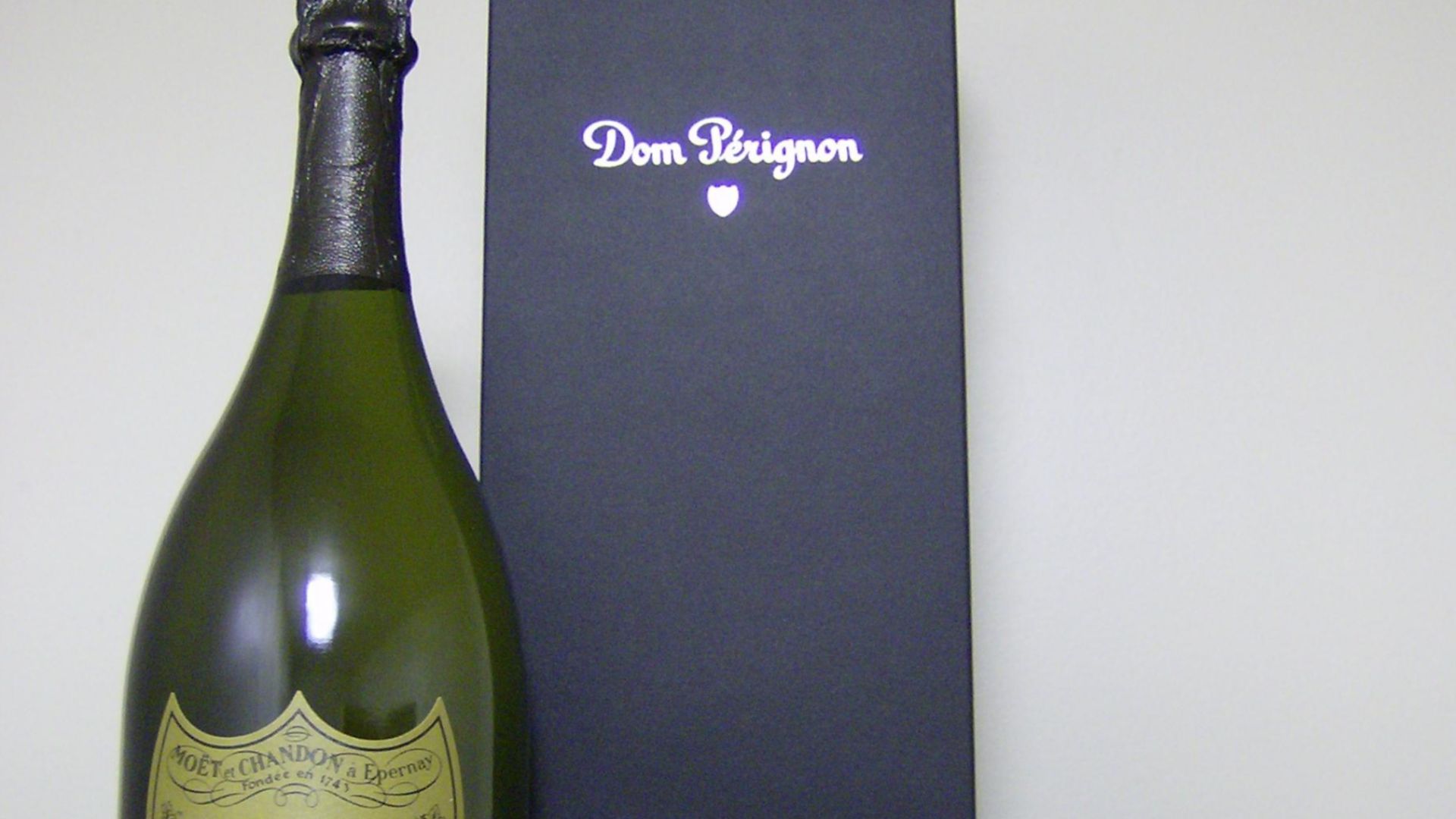
One of the most frequently repeated stories about Rebekah involves her swimming pool at Holiday House. According to Craig Unger's biography, she once used expensive Dom Pérignon champagne to clean the pool, an extravagant gesture that later became part of her legend. Although the anecdote is difficult to independently confirm, it illustrates the extraordinary reputation she developed among people fascinated by her wealth.
 PlatinumSunlight at English Wikipedia, Wikimedia Commons
Her Marriage Ended In Tragedy
Rebekah's life changed dramatically when William Harkness died of a heart attack in August 1954. Their marriage had lasted less than seven years, leaving her a widow with an enormous fortune and a young daughter, Edith. Rather than withdrawing completely from society, Rebekah began pursuing an increasingly ambitious collection of artistic projects.
She Made Her Mansion Even Bigger
Following her husband's death, Rebekah spent heavily expanding and transforming her Rhode Island property. Accounts of the renovation describe a vast household that eventually included eight kitchens and 21 bathrooms. Holiday House became more than a luxurious summer residence, serving as an extravagant personal retreat and later as a gathering place for the performing artists she supported.
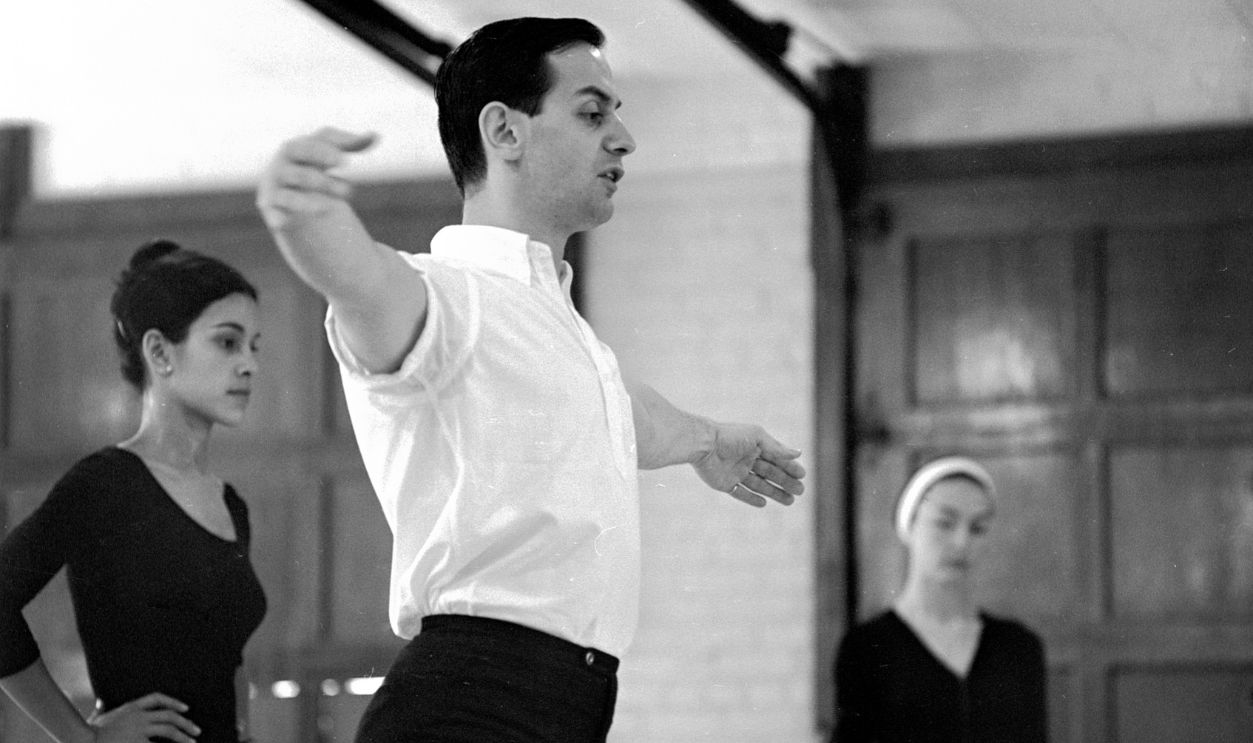
She Wanted To Become An Artist
Rebekah had studied dancing and piano from an early age, and her ambitions eventually extended into composing and sculpture. She wrote musical works and sought opportunities for professional recognition rather than remaining simply a wealthy patron. Her compositions included Safari in Africa, Mediterranean Moods, and Journey to Love, works documented in the New York Public Library's performing arts collections.

She Found An Expensive New Obsession
By the late 1950s and early 1960s, ballet had become one of Rebekah's greatest interests. She began supporting dance productions and helping finance the activities of Robert Joffrey's emerging ballet company. Her considerable resources offered opportunities that would otherwise have been extremely difficult for young performers and choreographers to obtain.
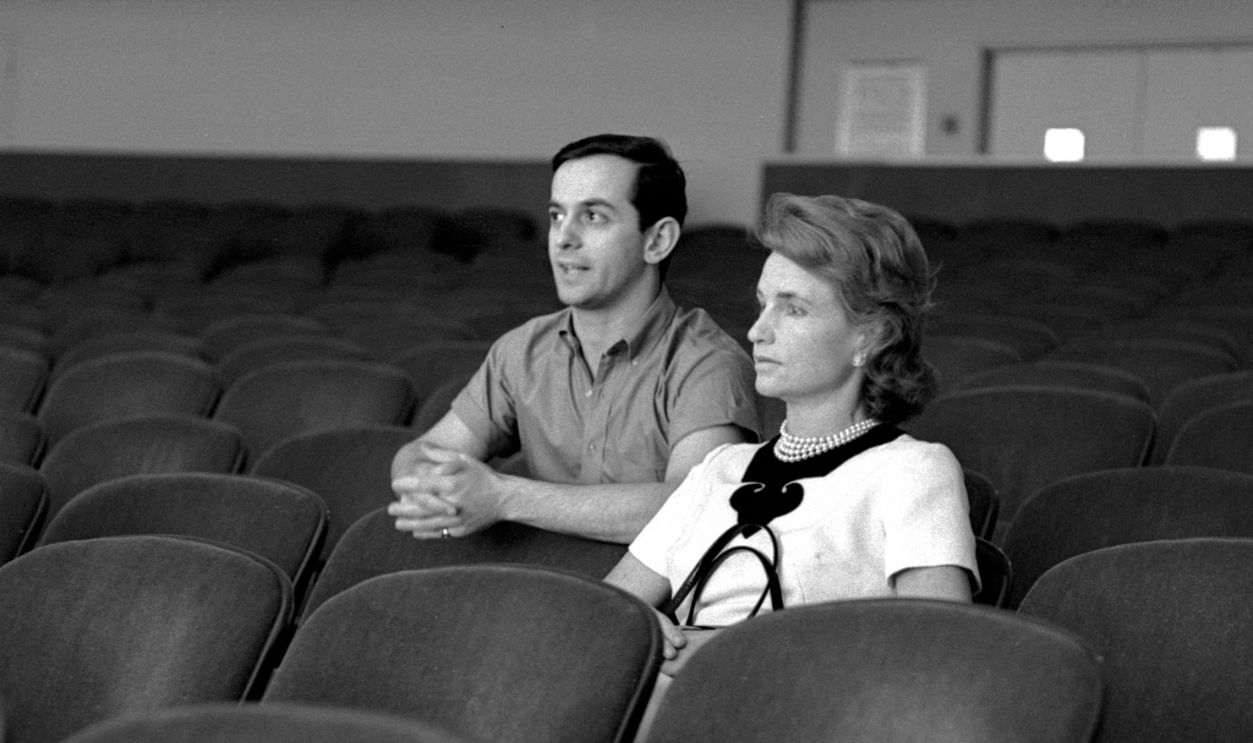
She Turned Her Estate Into A Dance Retreat
In the early 1960s, Rebekah invited dancers and choreographers associated with the Joffrey Ballet to work at her Rhode Island property. She provided accommodation, rehearsal opportunities, and financial support while the company developed new productions. For performers accustomed to the financial uncertainty of professional dance, her extraordinary generosity could seem almost unbelievable.
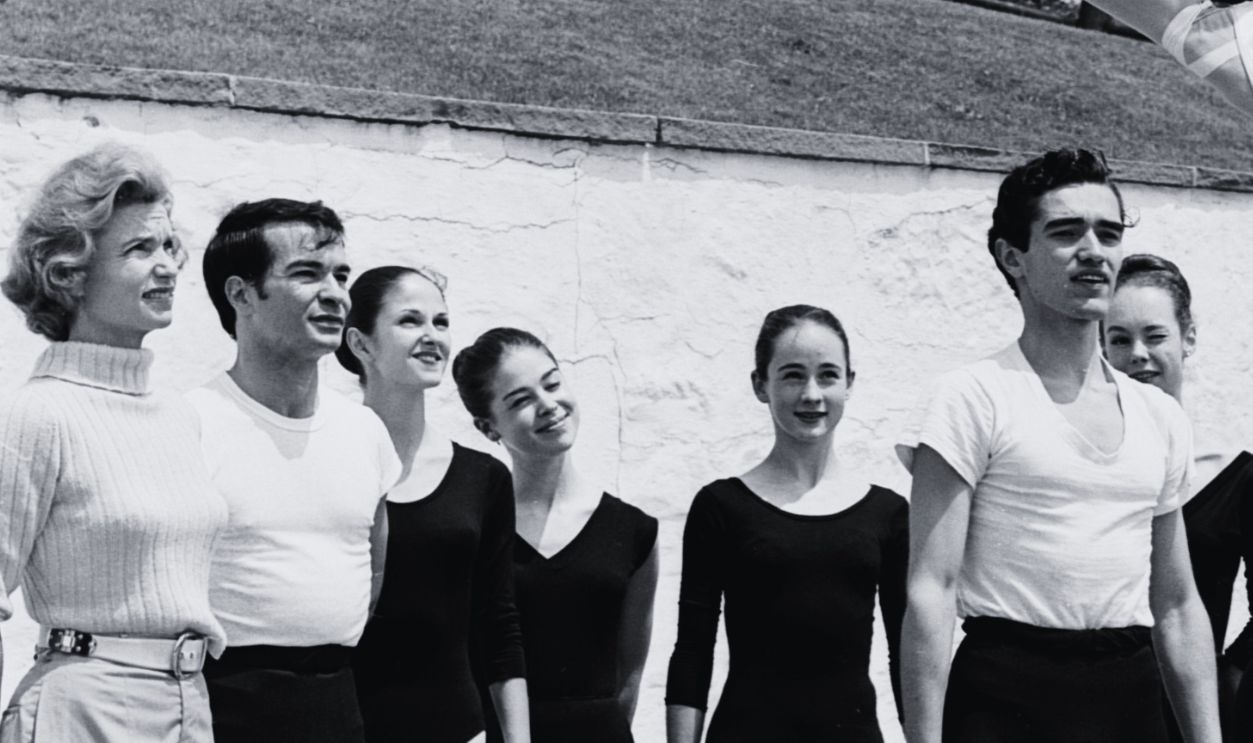
She Treated Dancers Like Royalty
Rebekah reportedly purchased expensive clothing, arranged first-class accommodations, and paid for personal expenses that went far beyond ordinary artistic sponsorship. According to accounts collected by biographer Craig Unger, she even covered certain medical and dental bills for dancers. Such generosity earned her considerable affection among some performers, although it also strengthened her influence over the company.
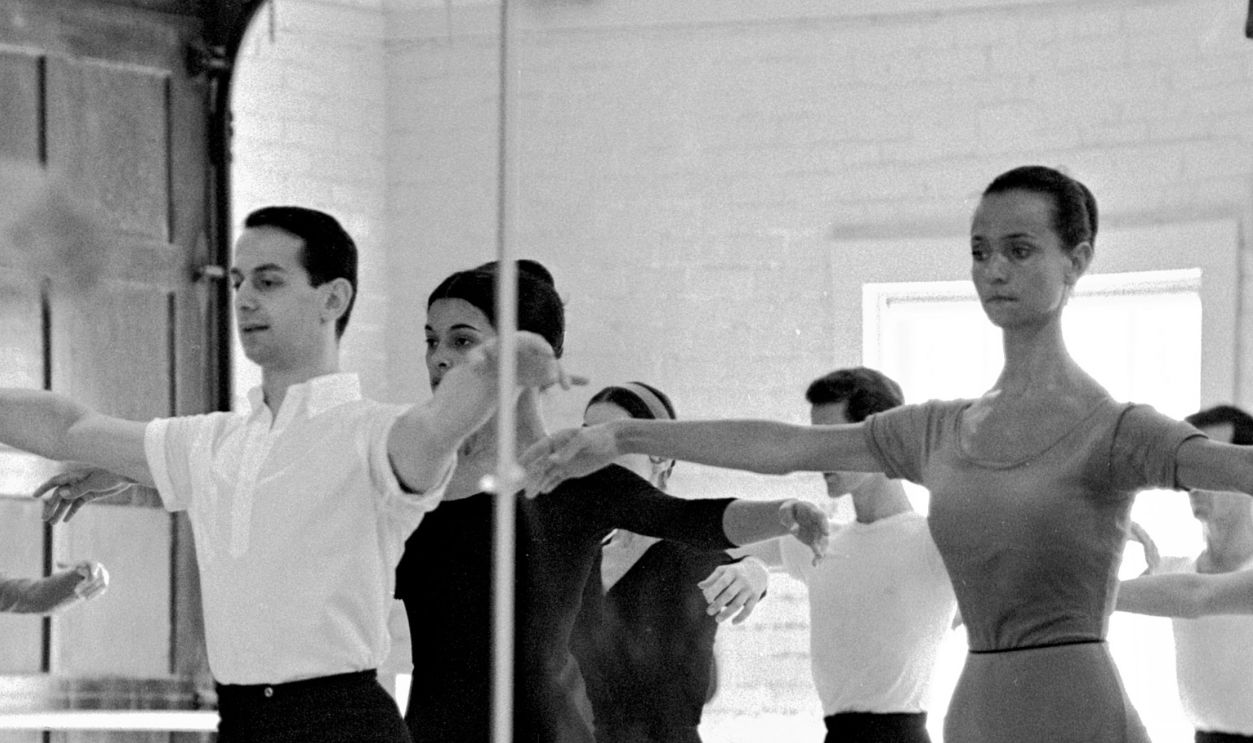
She Wanted Something In Return
Despite her generous support, Rebekah's relationship with Robert Joffrey became increasingly contentious. She wanted greater recognition and influence over the ballet company that her foundation was helping finance. The disagreement eventually centered on artistic independence and whether the company should adopt the Harkness name, creating a serious rift between its patron and artistic leadership.
She Started A Ballet War
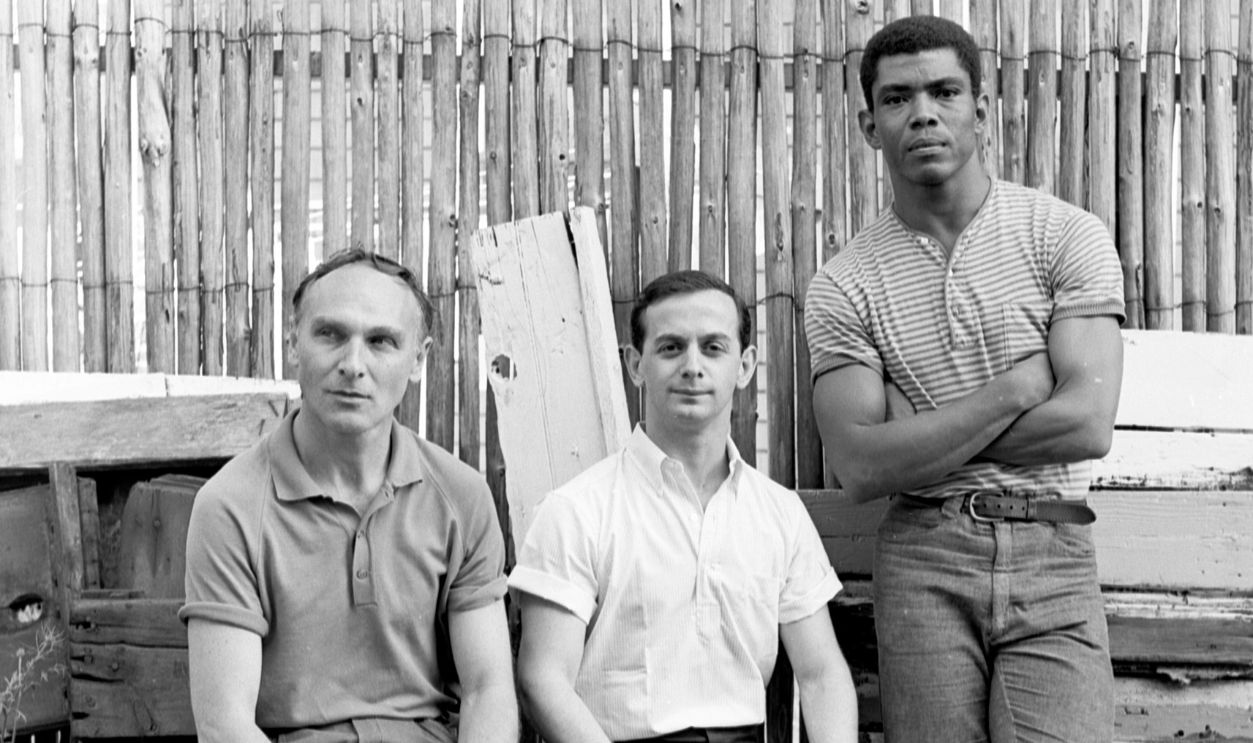
In 1964, Rebekah's relationship with Joffrey deteriorated into a highly publicized professional dispute. Rather than abandoning her ambitions, she established her own ballet company, recruiting dancers and using resources associated with her foundation. Joffrey was forced to rebuild his organization while Rebekah pressed forward with a company that would bear her name.
She Built Her Own Dance Empire
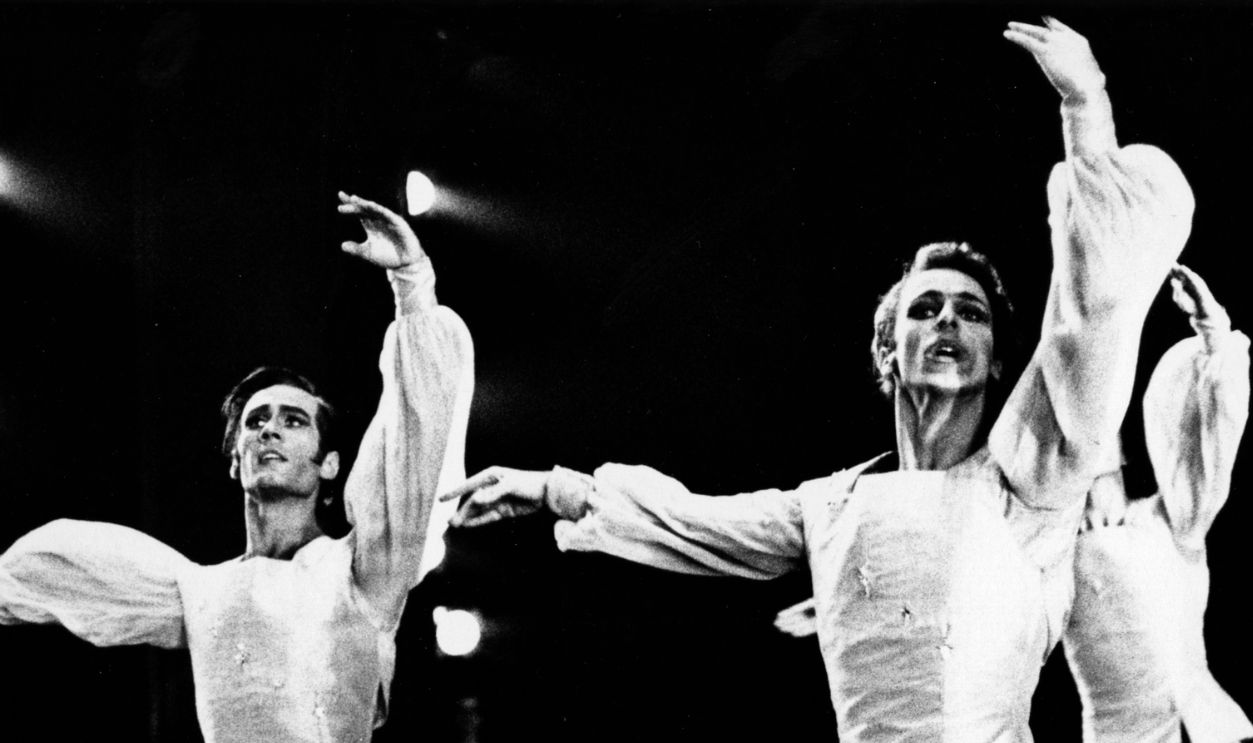
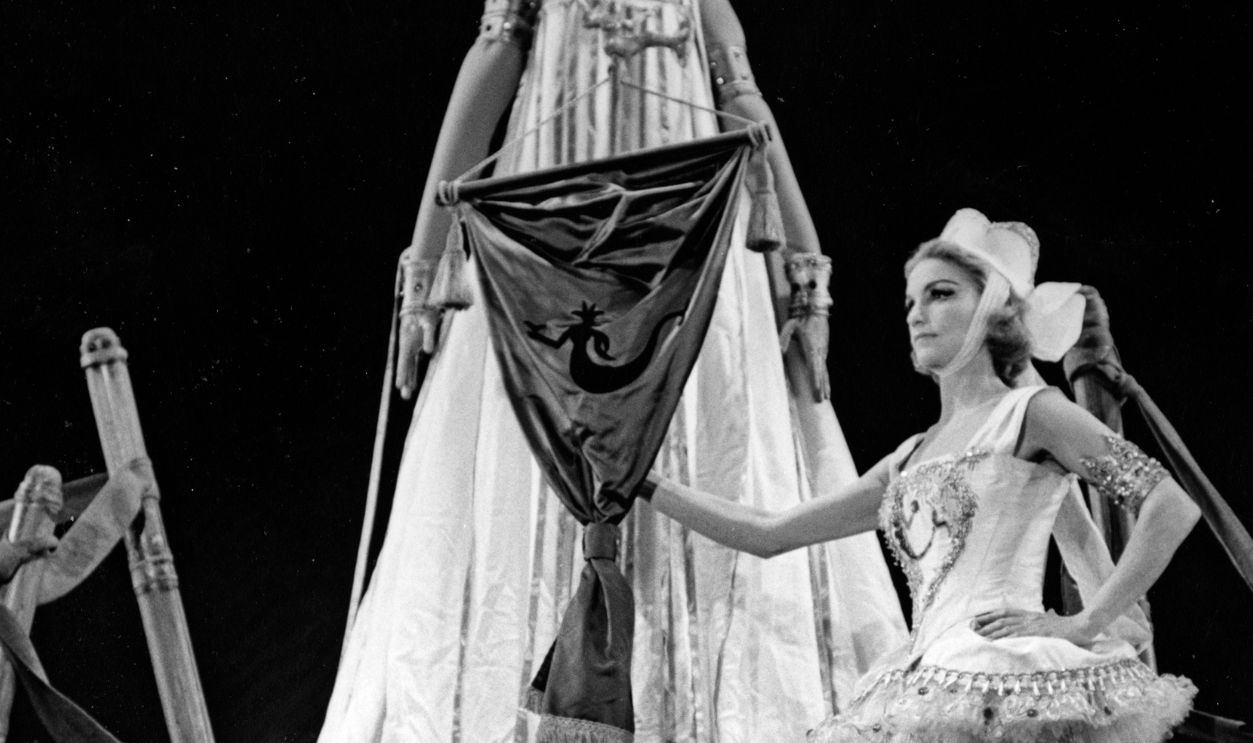
The Harkness Ballet officially launched in 1964 with approximately 40 dancers, beginning an ambitious period of performances and international touring. Its first major appearances included a 1965 debut in Cannes, France, followed by performances across Europe. The company eventually featured notable artists including Lawrence Rhodes, Brunilda Ruiz, Finis Jhung, and Helgi Tomasson.
She Created A Palace For Dancers
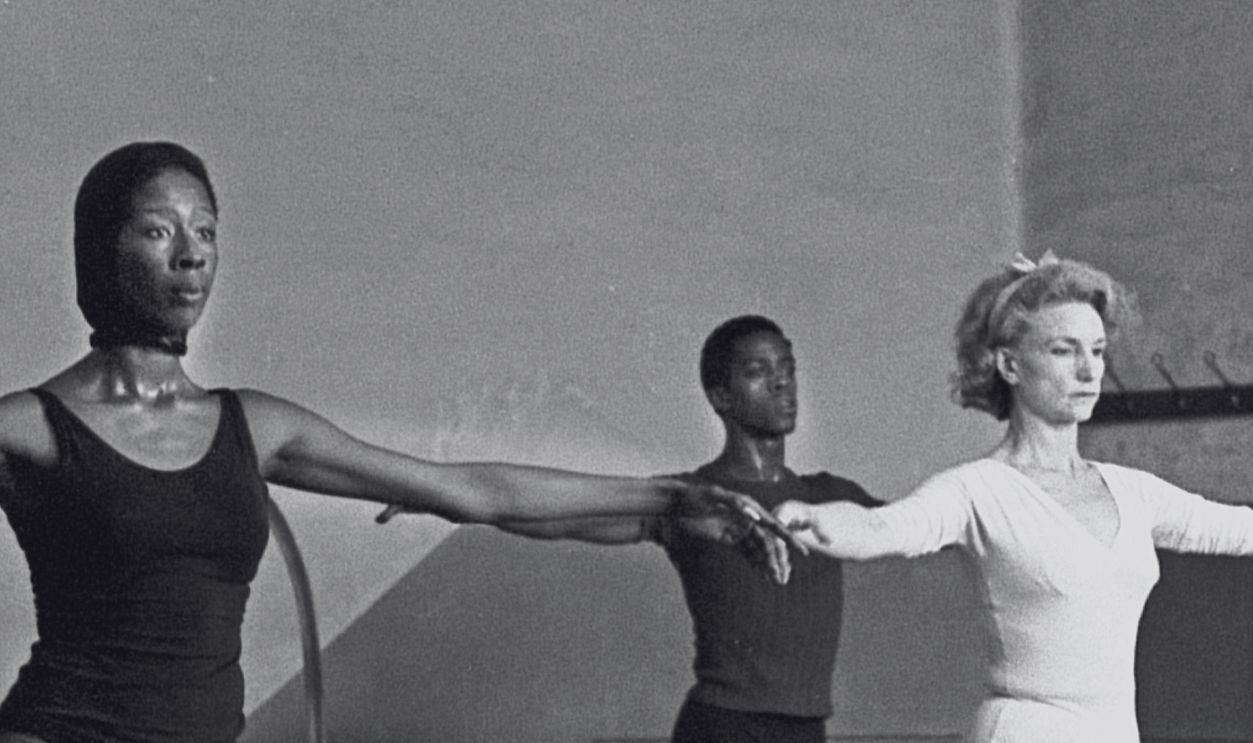
In 1965, Rebekah acquired a mansion on East 75th Street in Manhattan and transformed it into Harkness House for Ballet Arts. The building contained rehearsal studios, teaching facilities, dressing rooms, and specialized spaces for professional dancers. With its elegant surroundings and extensive facilities, the institution reflected her belief that ballet deserved an environment as impressive as the art itself.
Her Ambitions Became Even Bigger
Rebekah also purchased the former Colonial Theatre near Lincoln Center with plans to create a venue specifically designed for ballet. The renovated Harkness Theatre opened in April 1974 with an advanced stage, extensive backstage facilities, and elaborate decorative features. It was an extraordinary personal undertaking, but the cost of maintaining such an ambitious institution soon became a serious problem.
Her Dream Began To Collapse
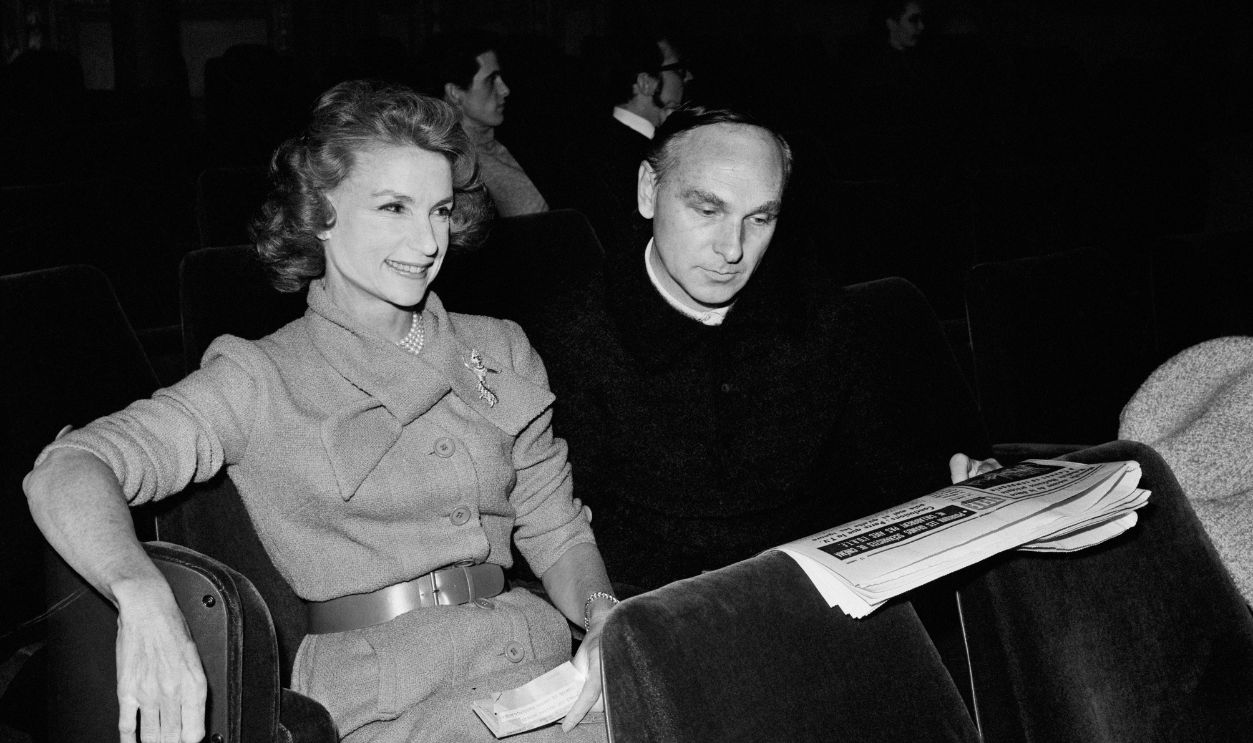
Despite Rebekah's enormous investment, the Harkness Ballet struggled with the practical challenges of sustaining a major dance company. Its financial demands were considerable, while the Harkness Theatre faced difficulties attracting enough paying audiences to cover its expenses. The ballet company ceased operating in 1975, and the theater closed after the 1975–1976 season, leaving behind the remains of a once-spectacular artistic venture.
Her Family Was Falling Apart
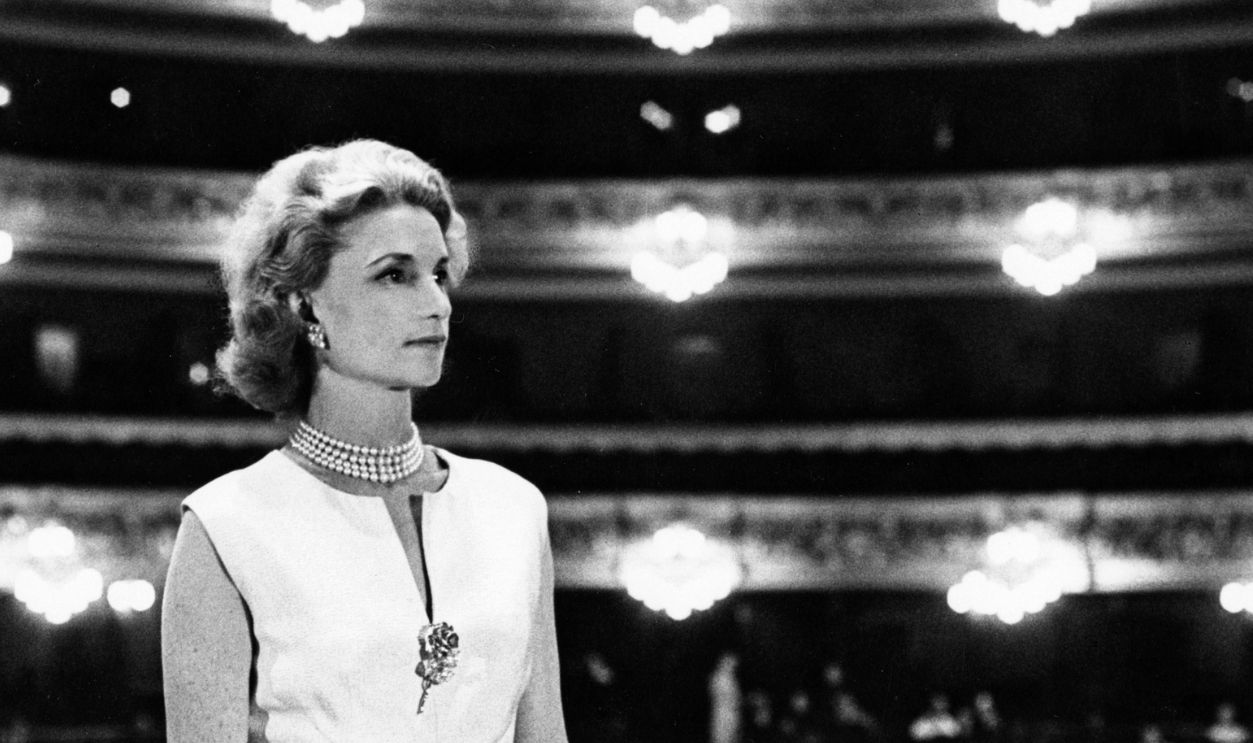
While Rebekah devoted enormous resources to ballet, her family experienced increasingly painful difficulties. Biographical accounts describe a strained relationship with her children, who reportedly felt that her artistic pursuits sometimes took priority over their needs. Although the family's private experiences are difficult to reconstruct completely, their later troubles became some of the darkest chapters in the Harkness story.
Her Son Became A Convicted Killer
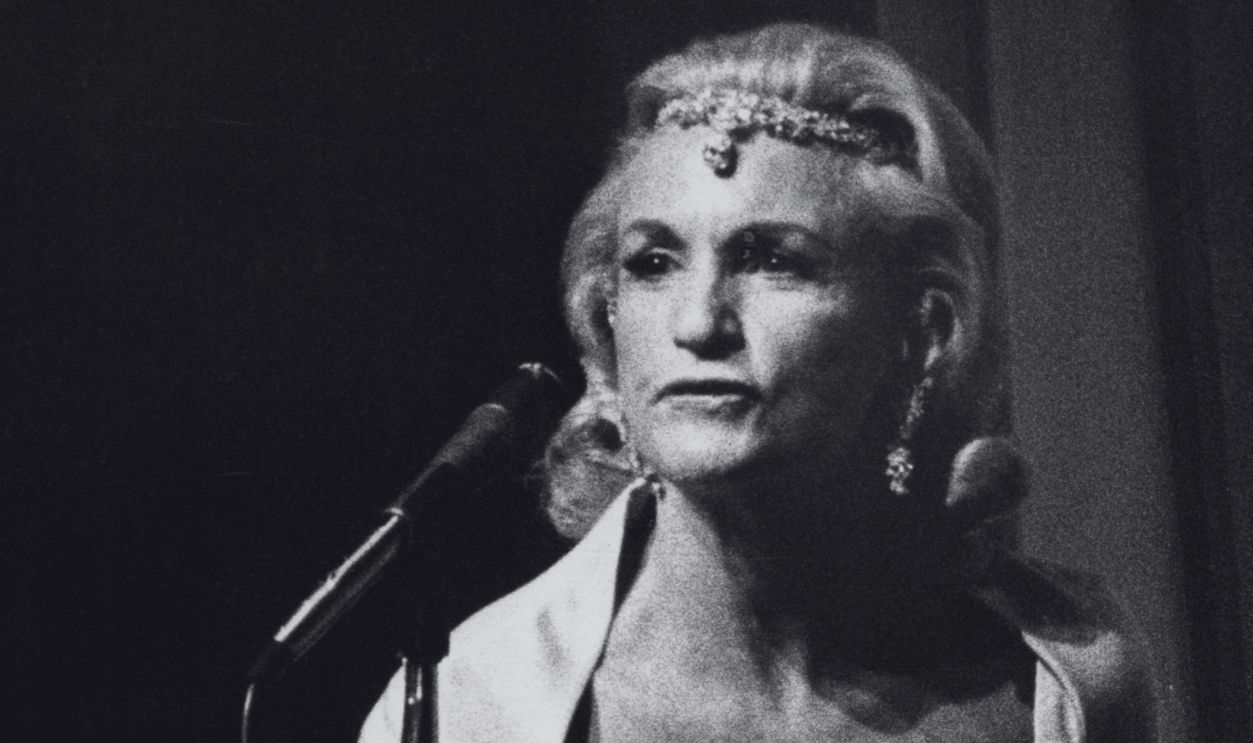
Rebekah's son, Allen Pierce, became involved in a fatal confrontation and was convicted of murder. According to her biography, his conviction was eventually reduced to manslaughter, and he served approximately eight years in prison. The case brought an entirely different kind of public attention to a family already known for its extraordinary wealth and unconventional behavior.

Her Daughters Faced Heartbreaking Struggles
Rebekah's daughter Anne Terry experienced a devastating family tragedy when her child, who had serious disabilities, died at the age of ten. Her younger daughter, Edith Harkness, struggled with severe emotional difficulties and spent time receiving psychiatric treatment. The family's experiences stood in painful contrast to the seemingly limitless privileges that had surrounded the children from birth.
Her Fortune Was No Longer Enough
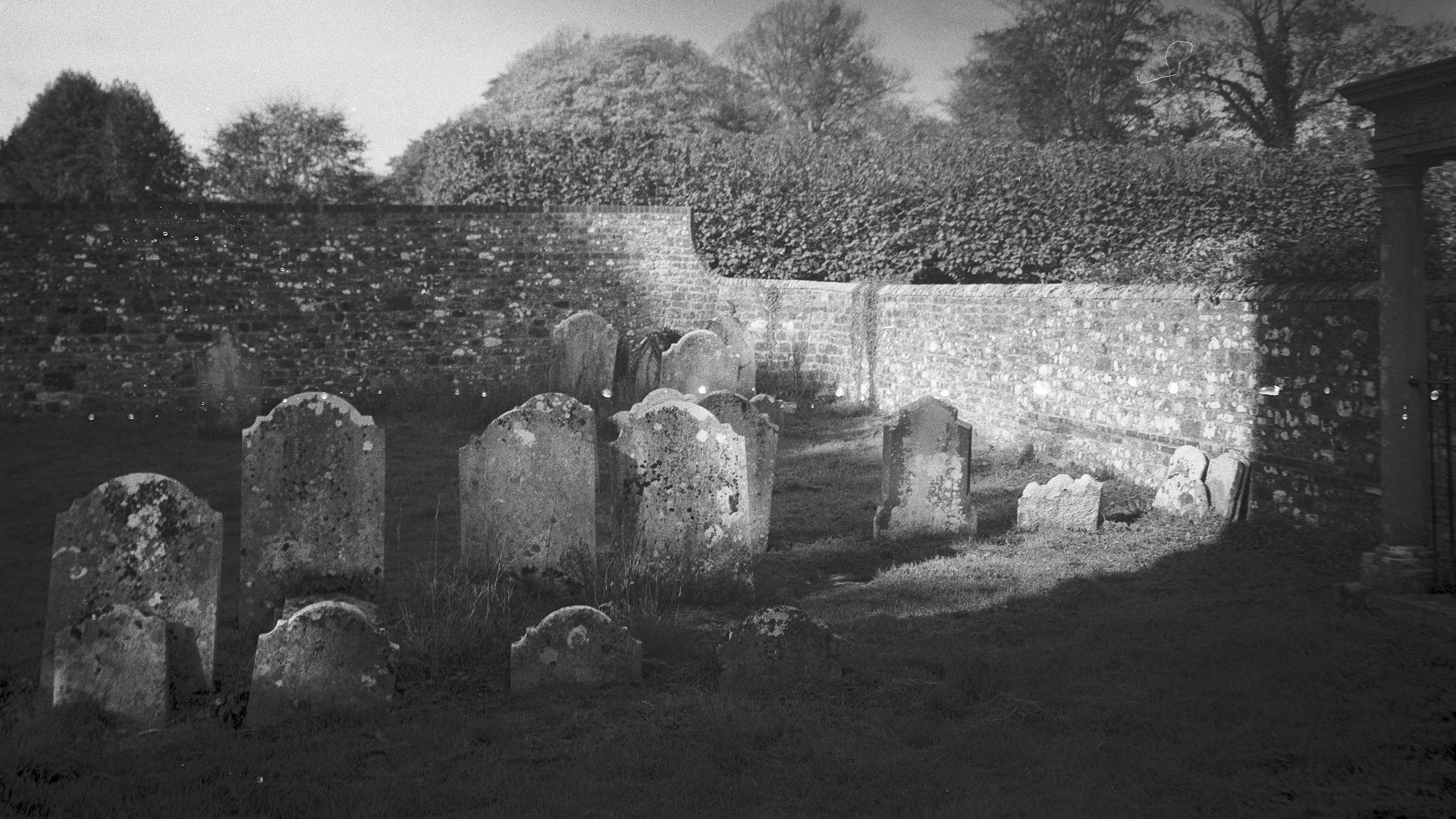
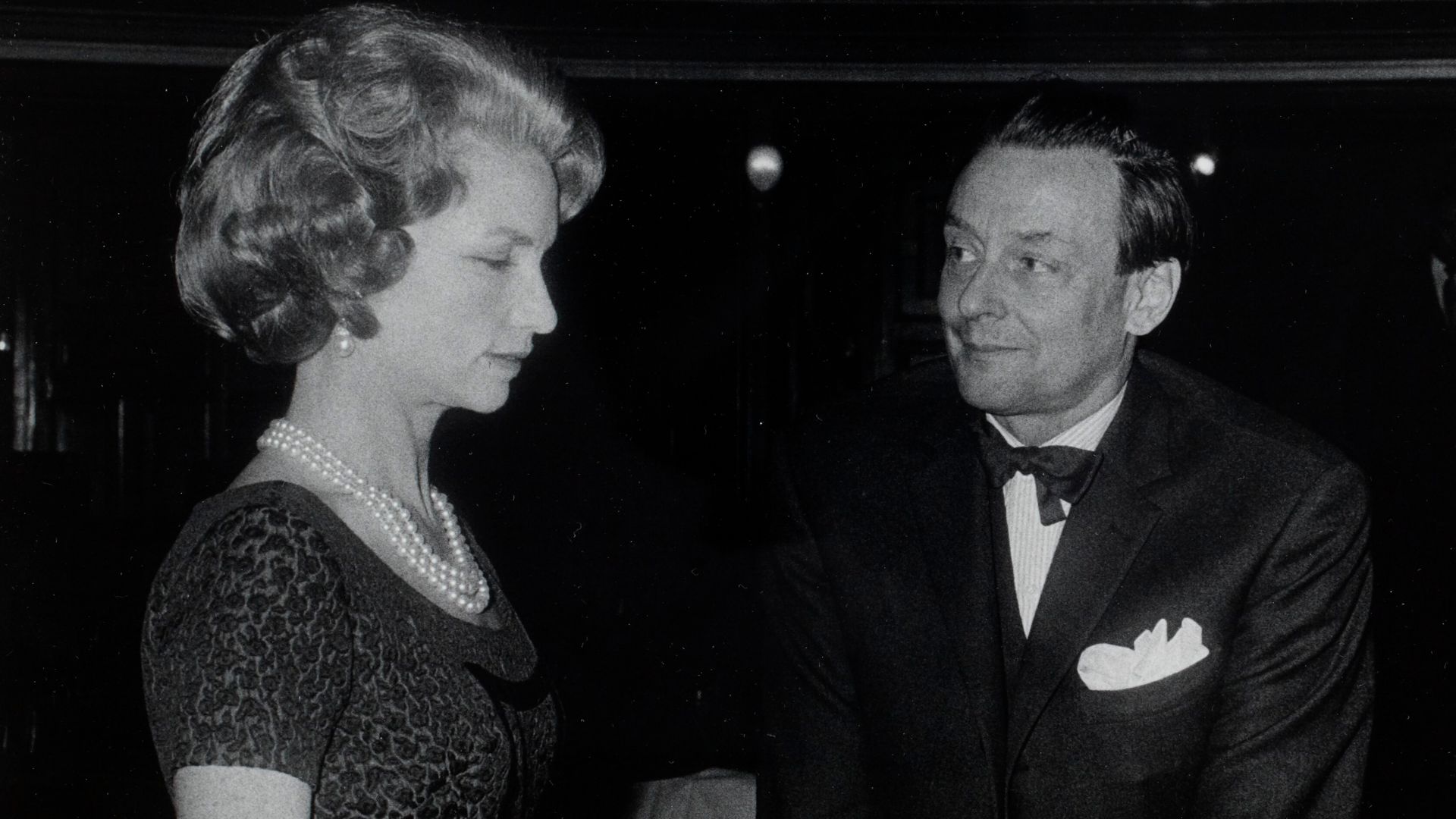
By the late 1970s, Rebekah's expensive artistic projects and complicated personal circumstances had significantly diminished her wealth. Her ballet company was gone, her theater had closed, and her increasingly troubled family relationships remained unresolved. She had spent decades trying to build a lasting artistic empire, but much of what she had created was disappearing during her lifetime.
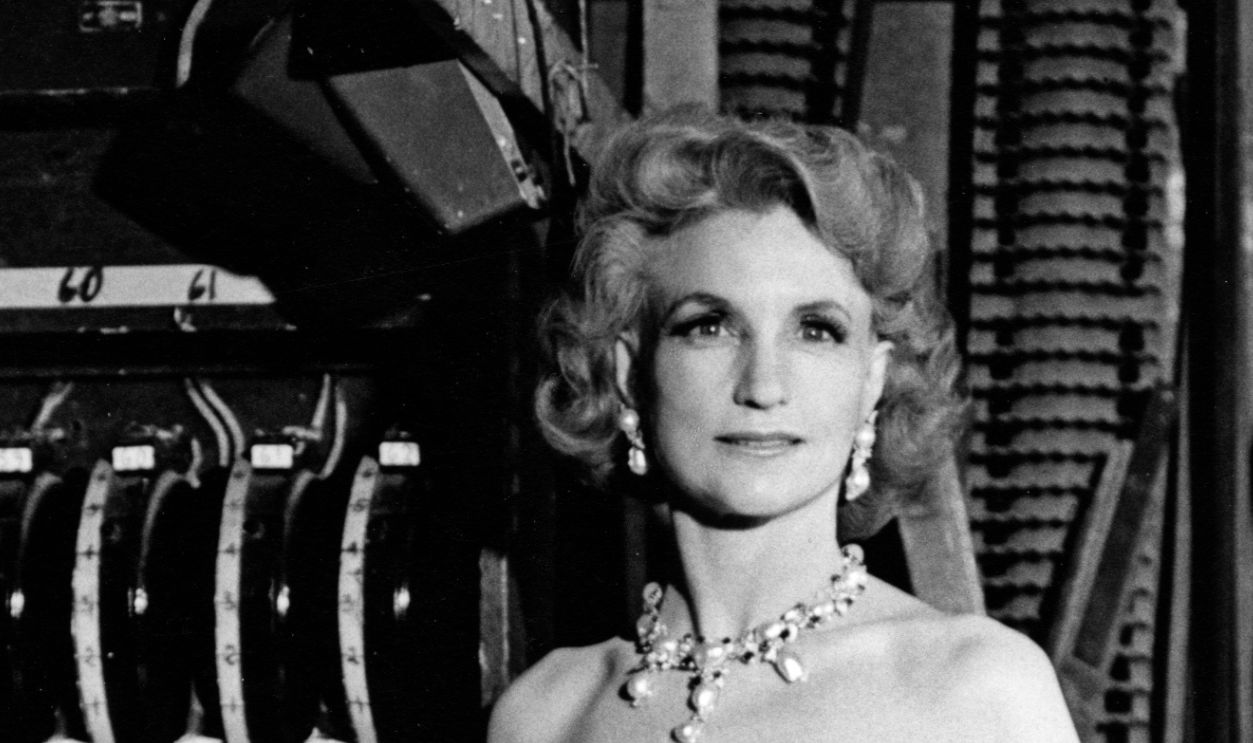
 Pic, Roger (1920-2001). Photographe, Wikimedia Commons
She Faced A Devastating Diagnosis
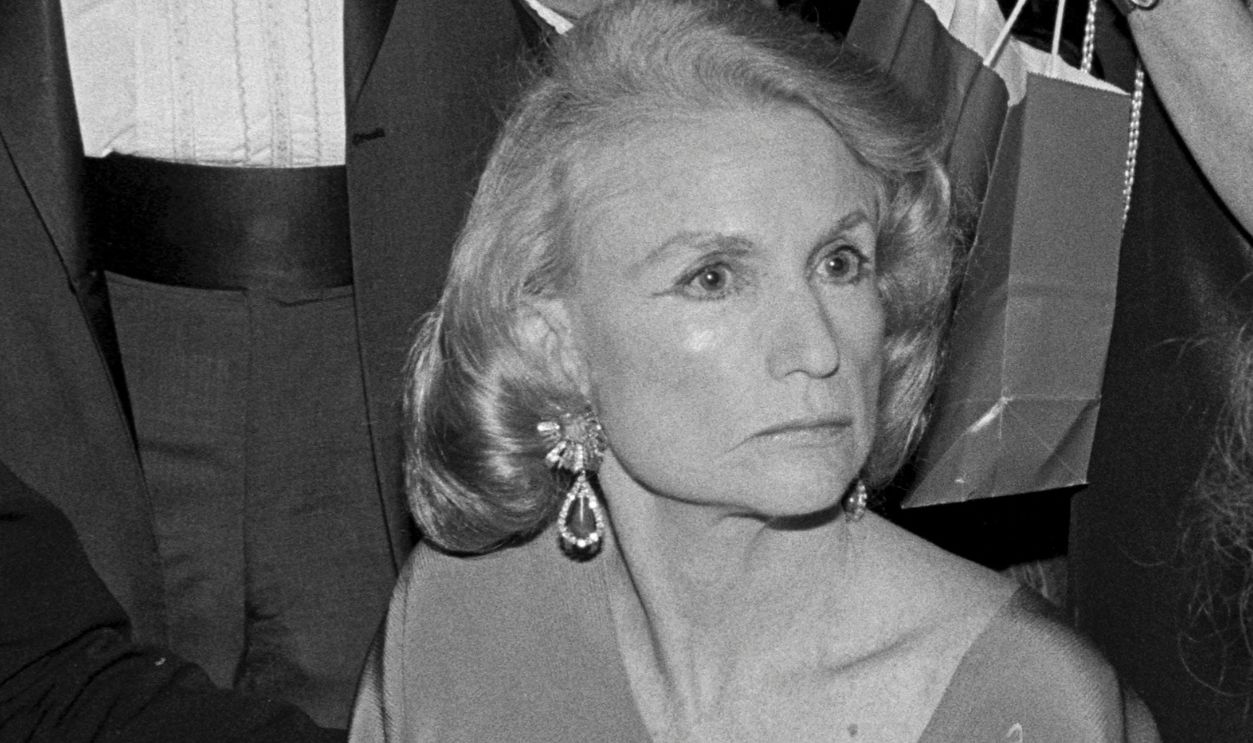
During her final years, Rebekah developed stomach cancer, an illness that would eventually take her life. Biographical accounts suggest that her deteriorating condition prompted her to reconsider some of her family relationships. As her health declined, the once-commanding heiress reportedly made efforts to reconnect with the children from whom she had become increasingly distant.
Her Final Wish Was Extraordinary
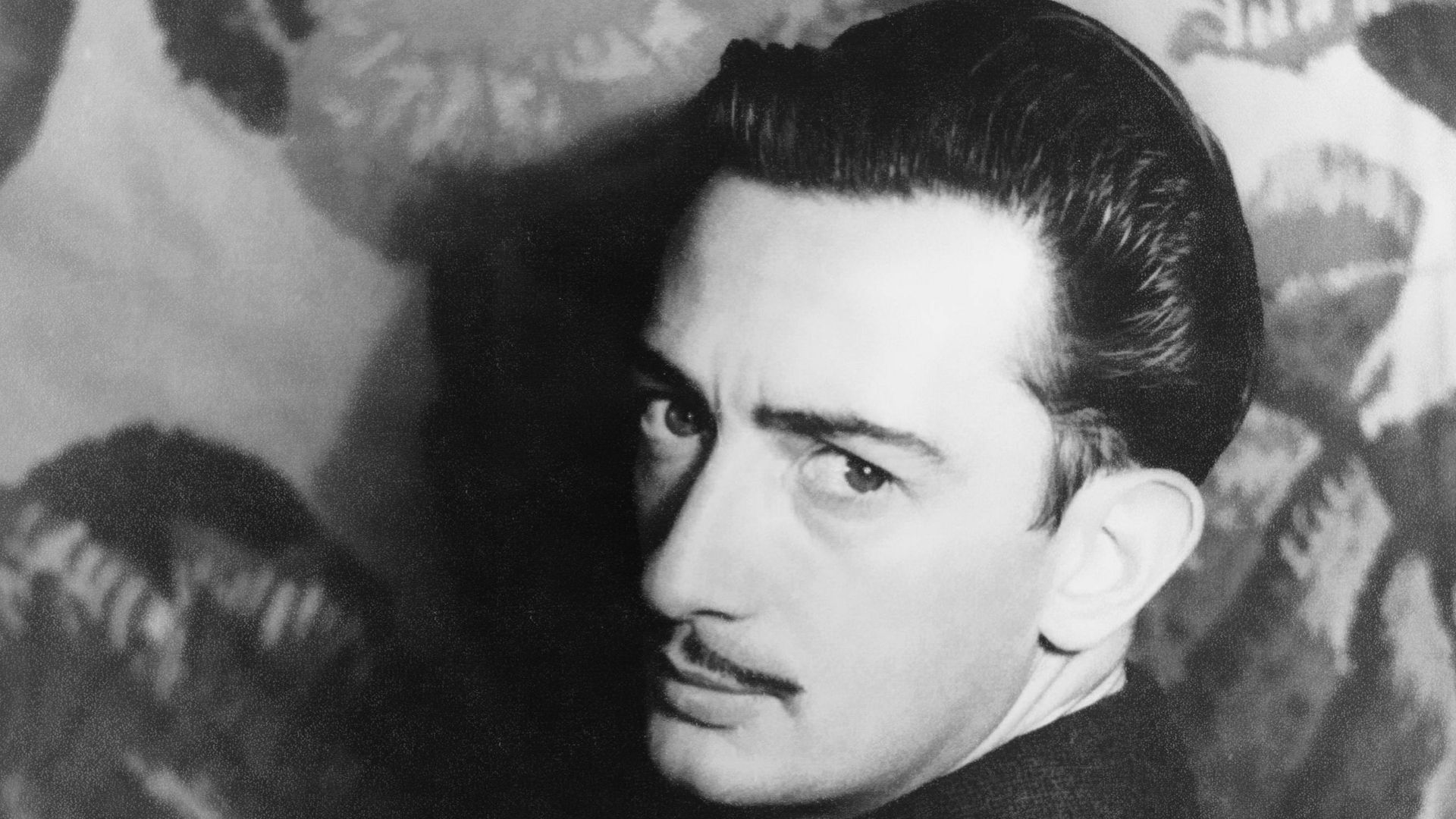
Rebekah Harkness died in New York City on June 17, 1982, at the age of 67. She had reportedly arranged for her ashes to be placed inside a lavish, jeweled urn designed by surrealist artist Salvador Dalí. The vessel was said to have cost approximately $250,000, an astonishing final extravagance from a woman whose spending had fascinated society for decades.
 Van Vechten, Carl, 1880-1964., Wikimedia Commons
Even Her Final Resting Place Became Bizarre
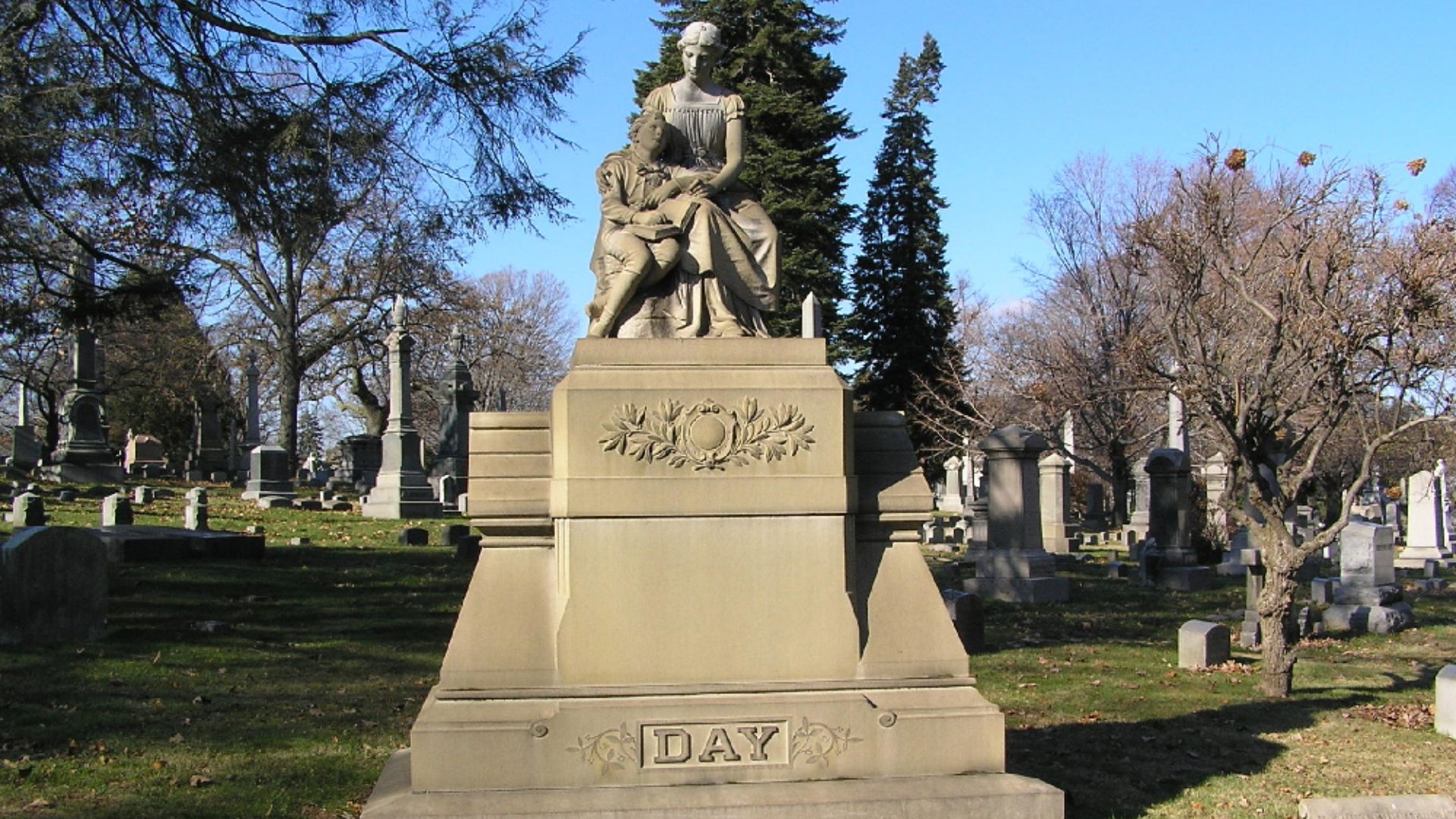
According to later accounts, the expensive urn proved too small to contain all of Rebekah's ashes. The remaining ashes were reportedly placed in an ordinary grocery bag, creating a startling contrast with the ornate vessel she had commissioned. Her remains were ultimately placed in the Harkness family mausoleum at Woodlawn Cemetery, but the absurd detail became one of the most enduring stories surrounding her death.
Her Darkest Family Tragedy Came After Her Death
Only about two months after Rebekah died, her daughter Edith died by suicide, bringing another devastating loss to the family. Her estate also became the subject of a legal dispute when her surviving children challenged her will, which had reportedly undergone numerous revisions. The heiress who had once commanded a vast fortune left behind a complicated legacy marked by extraordinary generosity, bitter conflict, and profound personal sadness.
You May Also Like:
Photos Of Old Hollywood Actresses Who Aged Beautifully
Handsome 1960s Leading Men Who Never Quite Became The Superstars Hollywood Expected
Movie Masterpieces That Show Why So Many Critics Think Film Peaked In The 50s