
Tiny Mistakes, Terrible Consequences
A misplaced decimal, a poorly chosen bolt, or a tiny measurement error can have devastating consequences. Some of history's worst engineering disasters began with seemingly insignificant mistakes that went unnoticed until it was too late. From collapsing bridges to doomed spacecraft, these small errors have cost millions of dollars and hundreds of lives.
How did such small mistakes trigger catastrophes that could have been avoided?
 NASA, Public domain, via Wikimedia Commons
A Simple Change Brought Down Two Walkways
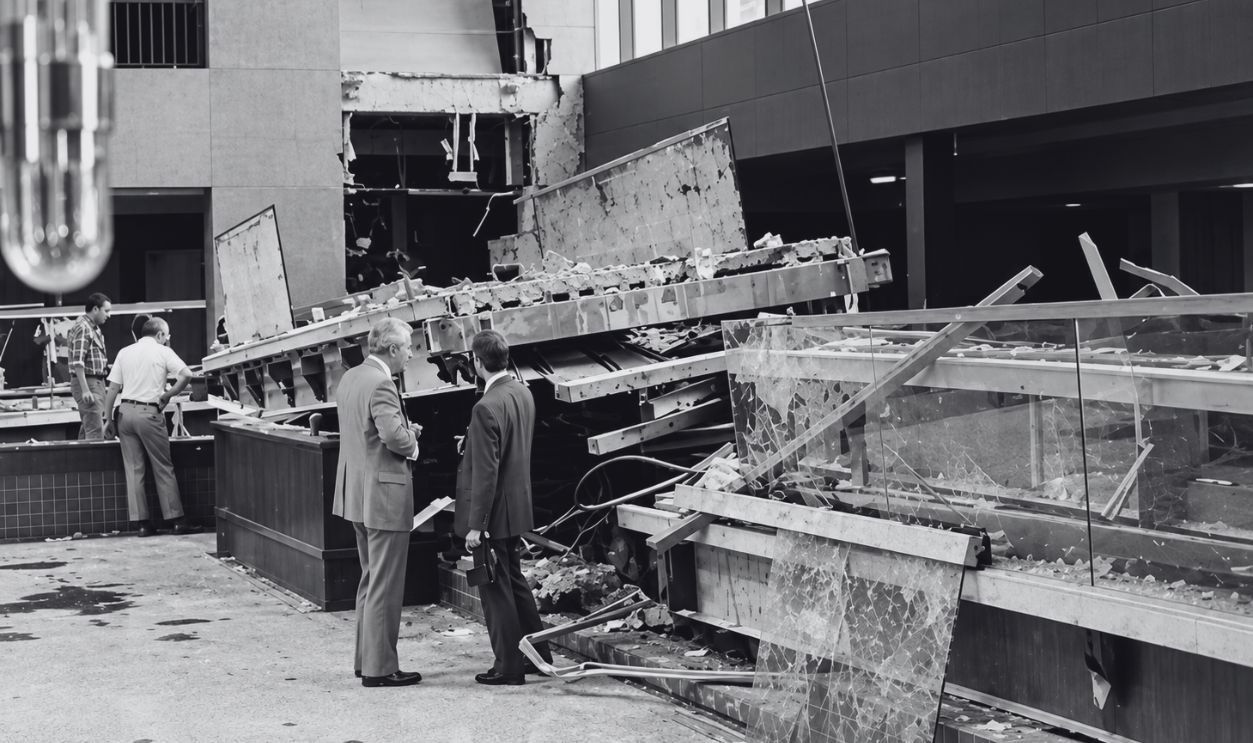
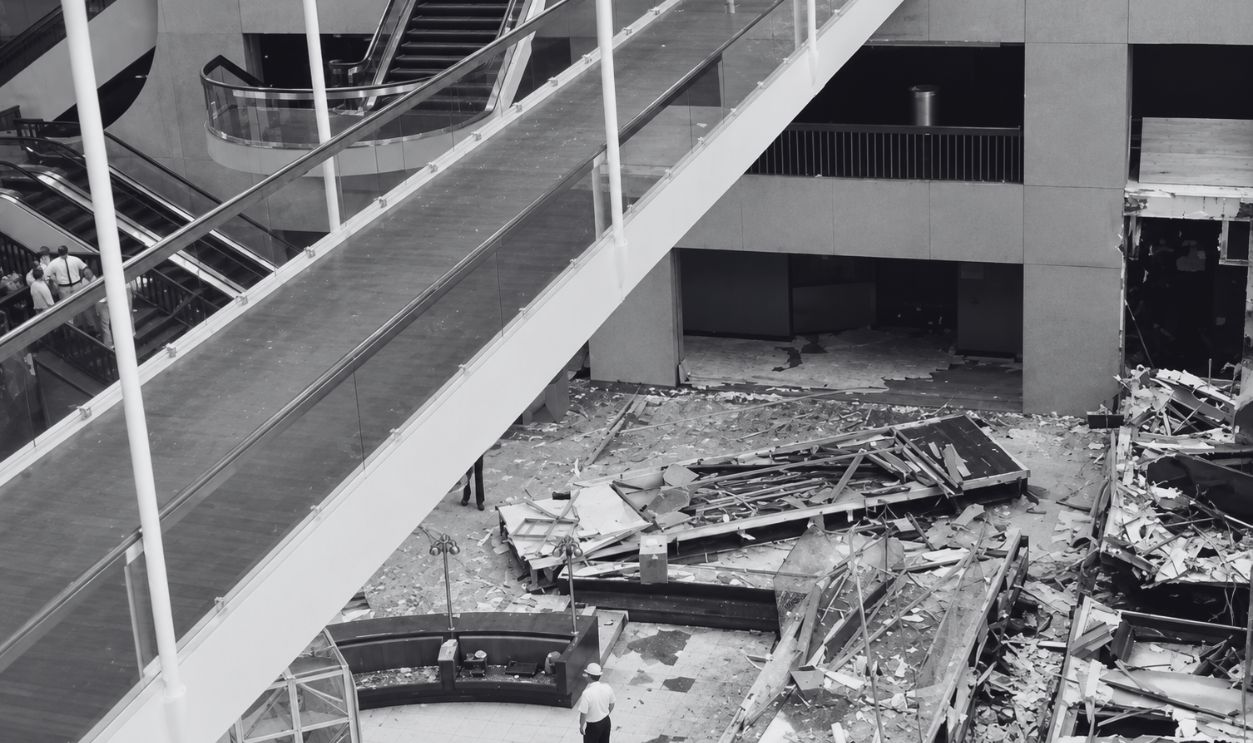
On July 17, 1981, hundreds of people gathered for a dance at the Hyatt Regency hotel in Kansas City, Missouri. Suddenly, two suspended walkways collapsed into the crowded atrium, eventually claiming 114 lives. Investigators discovered that a seemingly minor change to the walkways' support system had played a devastating role.
 Dr. Lee Lowery, Jr., P.E., Wikimedia Commons, Enhanced
One Connection Had To Carry Twice The Weight
The original design called for continuous steel rods supporting both walkways, but the arrangement was changed to simplify construction. That modification doubled the load on critical connections, which were already too weak under the original design. The original connections had only about 53% of the required capacity, meaning the disaster exposed a flaw that should have been caught long before construction finished.
 Dr. Lee Lowery, Jr., P.E., Wikimedia Commons, Enhanced
A Bridge Collapsed During Rush Hour
On December 15, 1967, the Silver Bridge connecting West Virginia and Ohio suddenly collapsed into the Ohio River. The bridge was packed with rush-hour traffic, and 46 people lost their lives. Investigators eventually traced the catastrophic failure to a tiny defect in one of the steel bars supporting the bridge.
 Columbus Metropolitan Library, Wikimedia Commons
A Crack Just 2.5 Millimeters Deep
Investigators discovered that a small defect, just 2.5 millimeters deep, had contributed to the failure of a critical steel eyebar. When that component fractured, the bridge's design lacked the redundancy needed to prevent a chain reaction. The entire structure collapsed, demonstrating how a nearly invisible flaw could bring down an enormous bridge.

A Tiny Rubber Seal Doomed A Space Shuttle
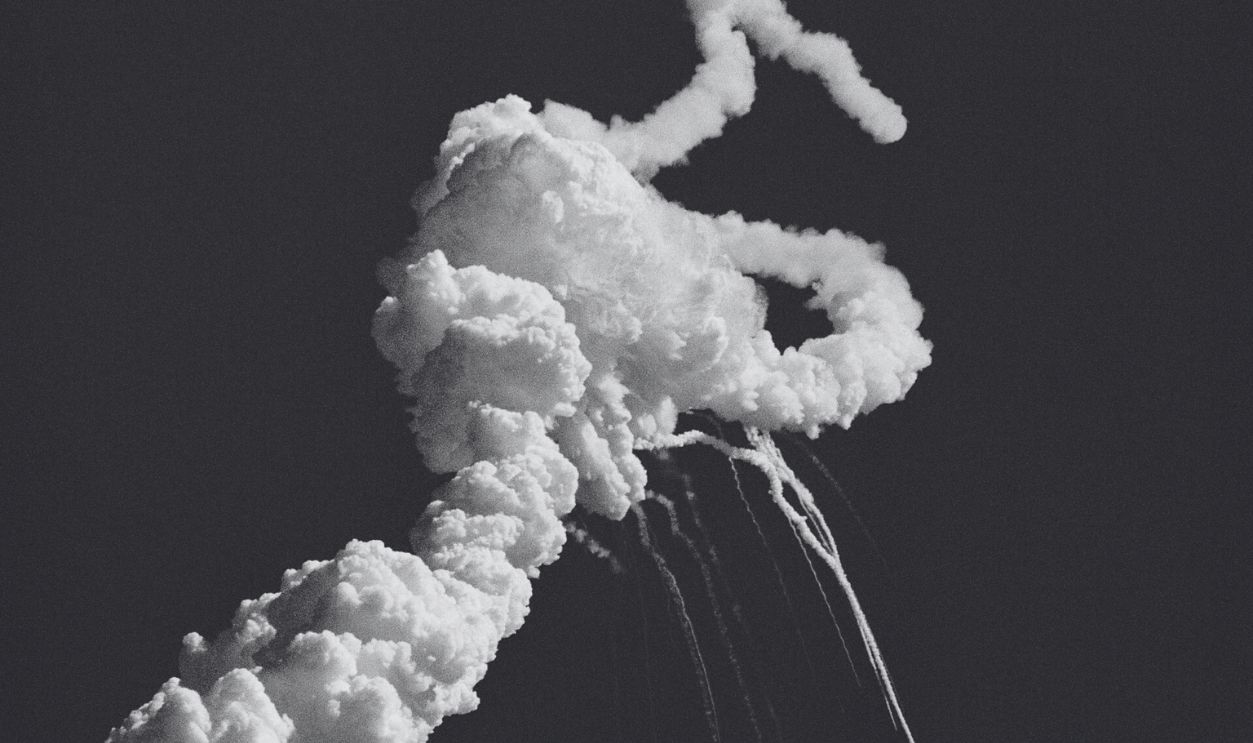
On January 28, 1986, the space shuttle Challenger broke apart just 73 seconds after launch, claiming the lives of all seven crew members. Investigators traced the catastrophe to failed seals in a joint of the right solid rocket booster. The seals relied on rubber O-rings to prevent scorching gases from escaping, but their performance was dangerously sensitive to temperature.

Cold Weather Made The Failure Worse
Temperatures were unusually low that morning, reducing the O-rings' ability to seal properly. Engineers at Morton Thiokol had warned against launching in such cold conditions, but management ultimately reversed its initial recommendation. The Rogers Commission concluded that a flawed joint design and failures in the launch decision-making process contributed to the tragedy.
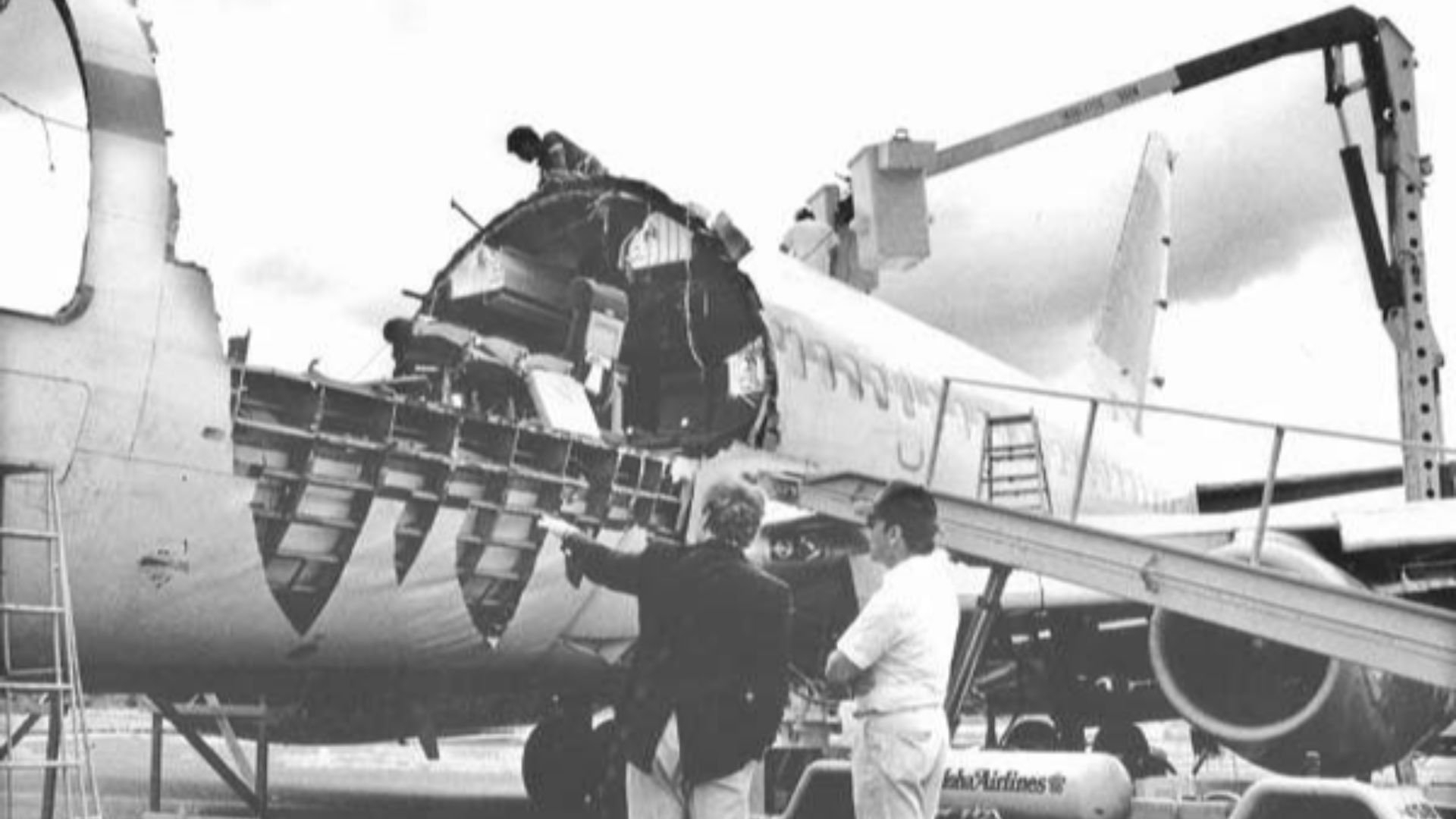
A Small Weakness Tore Open An Airplane
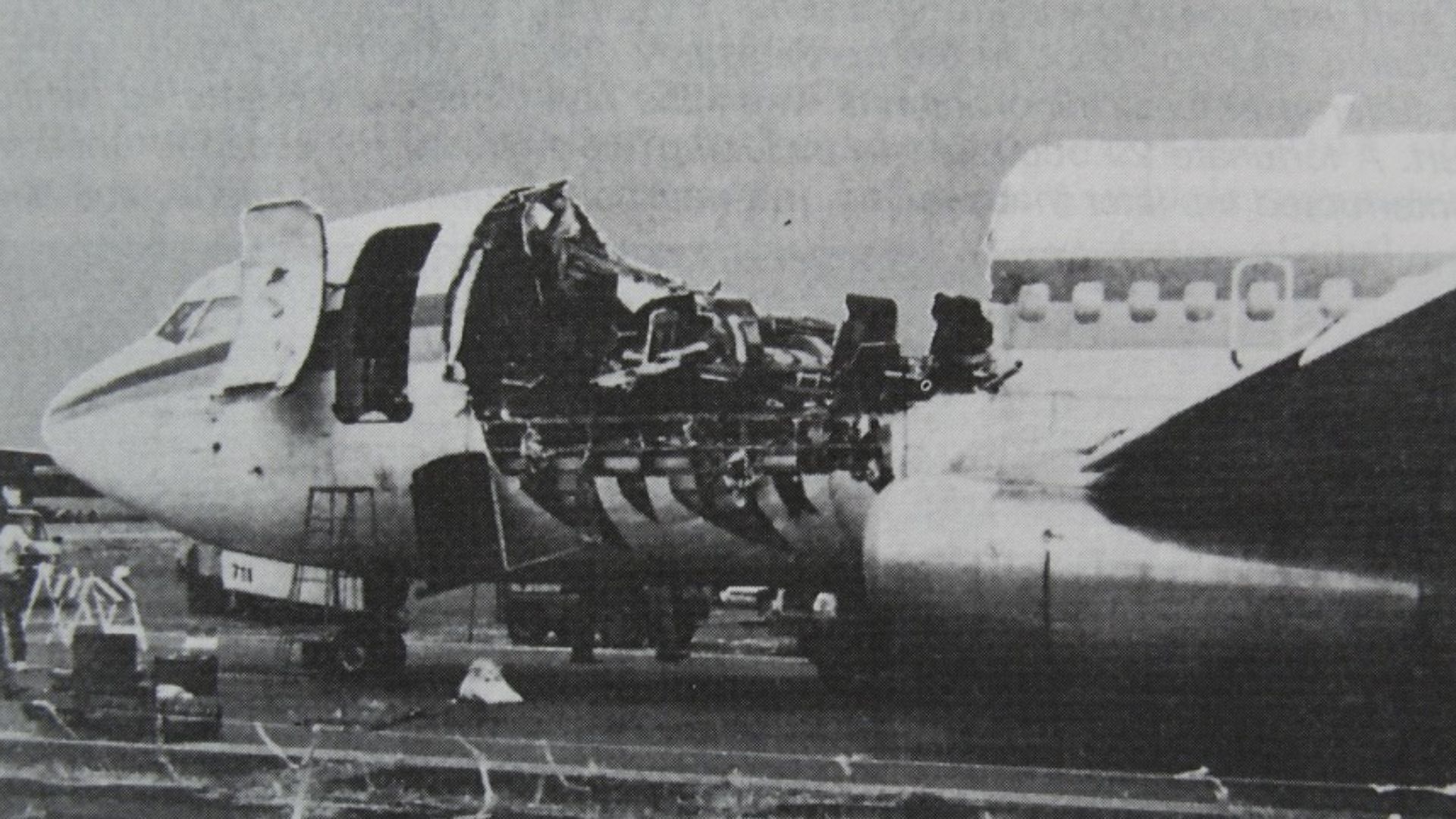
On April 28, 1988, Aloha Airlines Flight 243 suffered a terrifying structural failure over Hawaii. A large section of the Boeing 737's upper fuselage tore away at approximately 24,000 feet, exposing passengers to the open sky. The pilots managed an emergency landing on Maui, but one flight attendant was lost.
The Warning Signs Were Hidden In The Seams
The aircraft's overlapping fuselage joints had developed extensive fatigue damage and deterioration. Repeated pressurization cycles and corrosion contributed to the problem, while inadequate inspections allowed the damage to go undetected. The investigation demonstrated how serious structural weaknesses could develop inside seemingly ordinary aircraft joints.
Soundproofing Foam Turned A Concert Into A Disaster
On February 20, 2003, pyrotechnics used during a performance at The Station nightclub in Rhode Island ignited foam insulation around the stage. Flames raced across the walls and ceiling as smoke filled the building, and a crowd bottleneck at the main entrance complicated evacuation. The fire claimed 100 lives and exposed deadly weaknesses in the club's fire protection.
 Rhododendrites, Wikimedia Commons
The Wrong Foam Made The Fire Spread Faster
Polyurethane foam had been installed to reduce sound, but the material was highly flammable and allowed the fire to spread rapidly. The nightclub also lacked a sprinkler system, which investigators found could have controlled a comparable fire. Tests by the National Institute of Standards and Technology demonstrated how quickly ordinary-looking interior materials could turn a small ignition into a catastrophe.

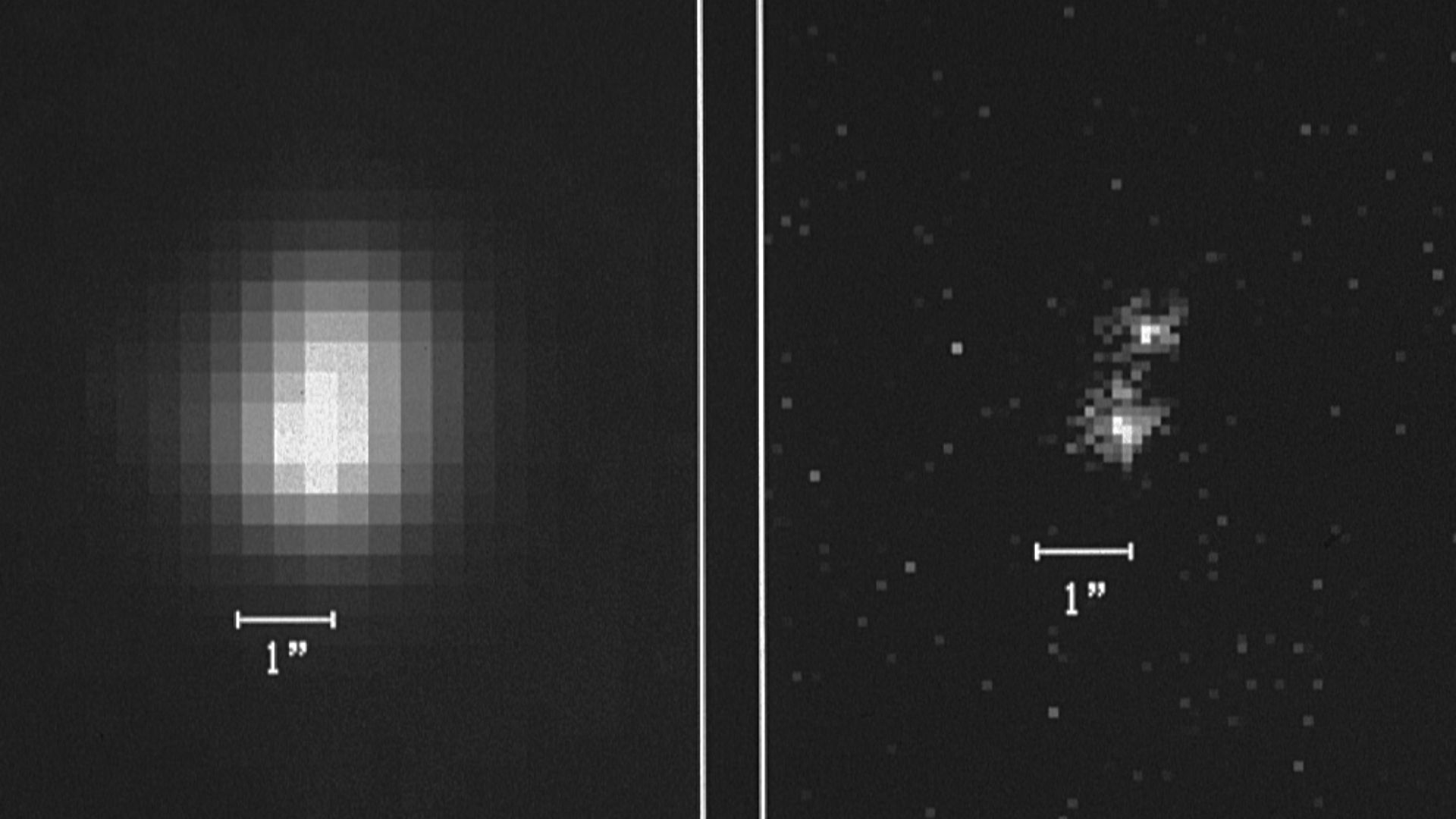
A Tiny Measurement Error Blurred A Space Telescope
When NASA launched the Hubble Space Telescope in April 1990, astronomers expected unprecedented views of the universe. Instead, its first images were disappointingly blurry because the primary mirror had been polished into the wrong shape. Investigators eventually traced the embarrassing problem to equipment used during the mirror's manufacturing process.
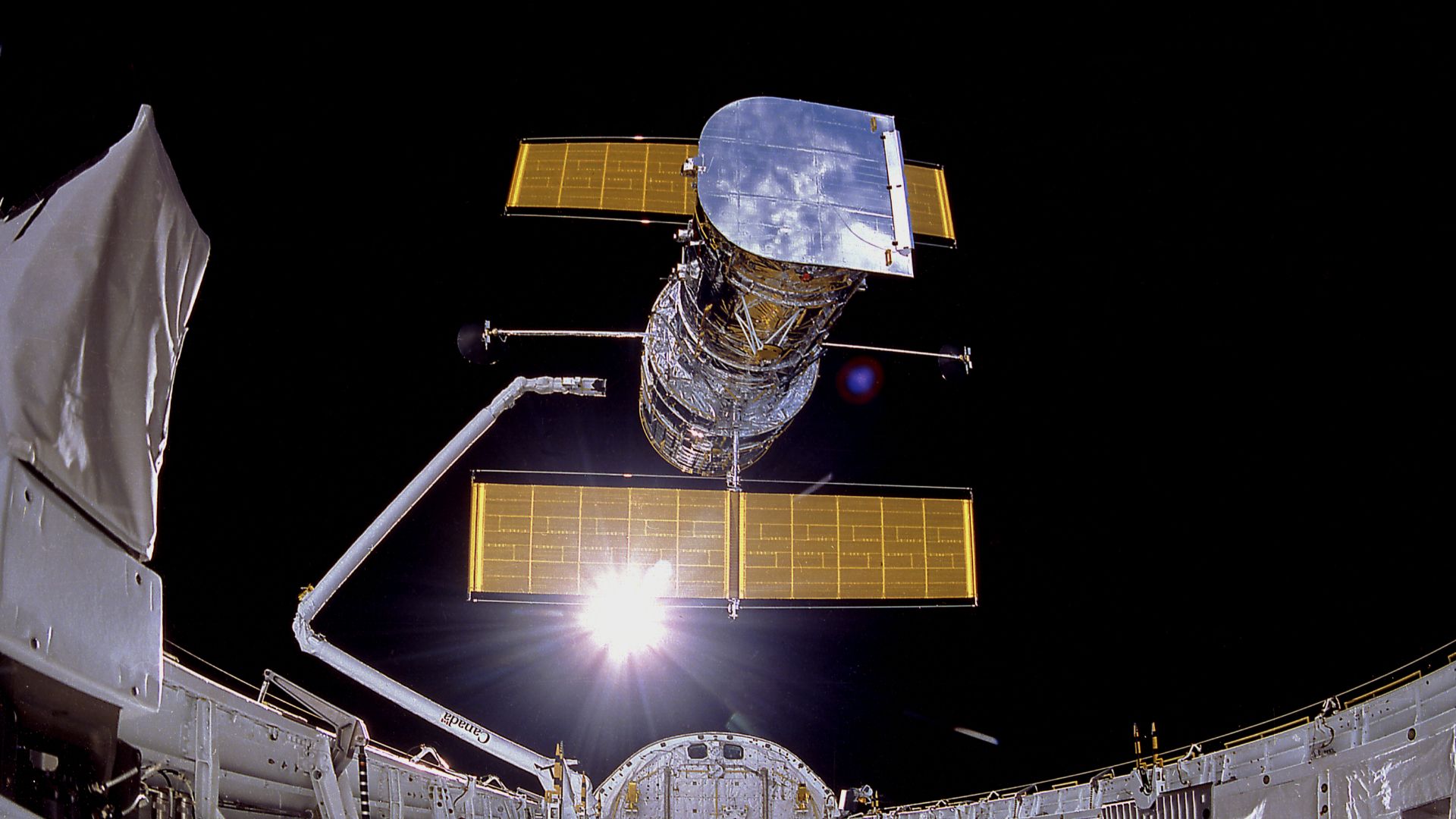 NASA Hubble Space Telescope , Wikimedia Commons
The Mistake Was Just 1.3 Millimeters
A testing device called a null corrector had been assembled incorrectly, with a critical lens spacing off by just 1.3 millimeters. That tiny discrepancy caused technicians to shape Hubble's mirror incorrectly, a mistake that survived testing and wasn't discovered until the telescope reached orbit. Astronauts finally corrected the optical problem during a servicing mission in December 1993.
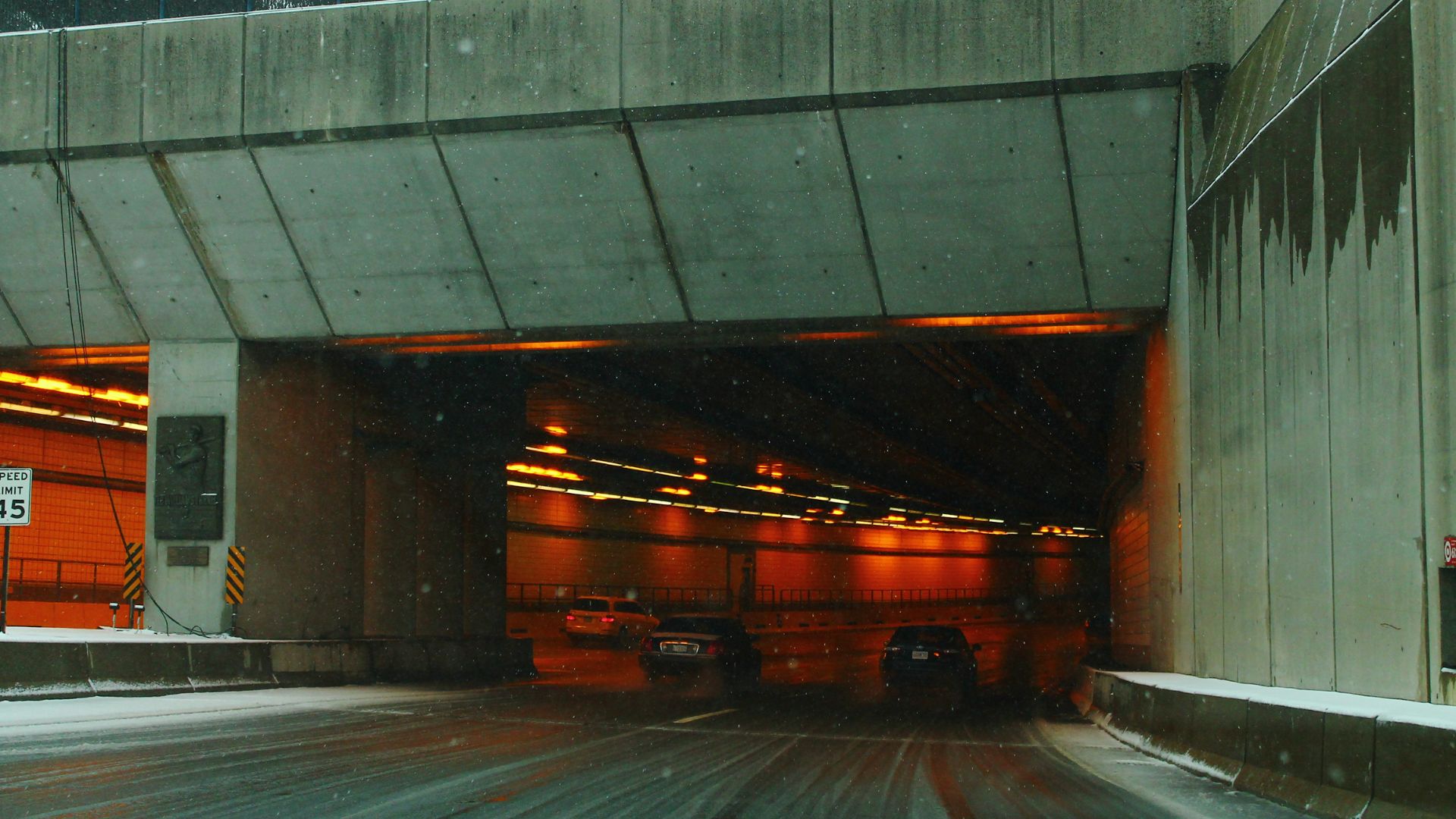
A Tunnel Ceiling Fell Onto A Passing Car
On July 10, 2006, heavy concrete ceiling panels collapsed inside Boston's Interstate 90 connector tunnel, part of the massive Big Dig highway project. The debris struck a passing car, fatally injuring a woman while her husband escaped with minor injuries. Investigators discovered that the problem wasn't the concrete itself, but the adhesive holding critical support anchors in place.
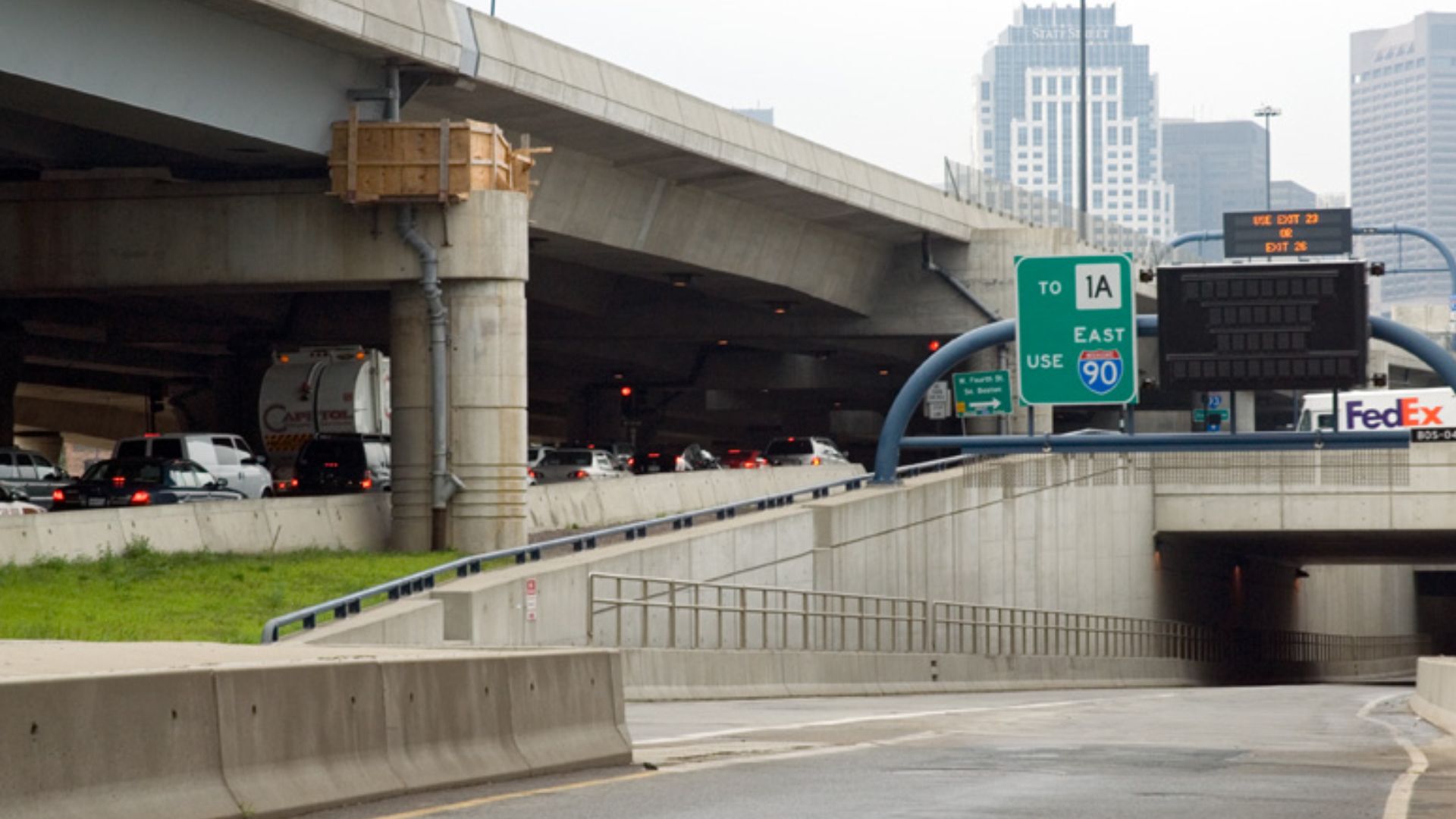 Anthony Citrano, Wikimedia Commons
The Glue Couldn't Hold Up Over Time
The tunnel's ceiling supports used steel anchors secured with epoxy adhesive, but the selected formulation couldn't reliably withstand sustained loads. Under constant stress, the material slowly deformed through a process called creep, allowing several anchors to pull free. Investigators also uncovered earlier anchor problems, meaning warning signs had appeared years before the fatal collapse.
 formulanone from Huntsville, United States, Wikimedia Commons
A Computer Error Destroyed A European Rocket
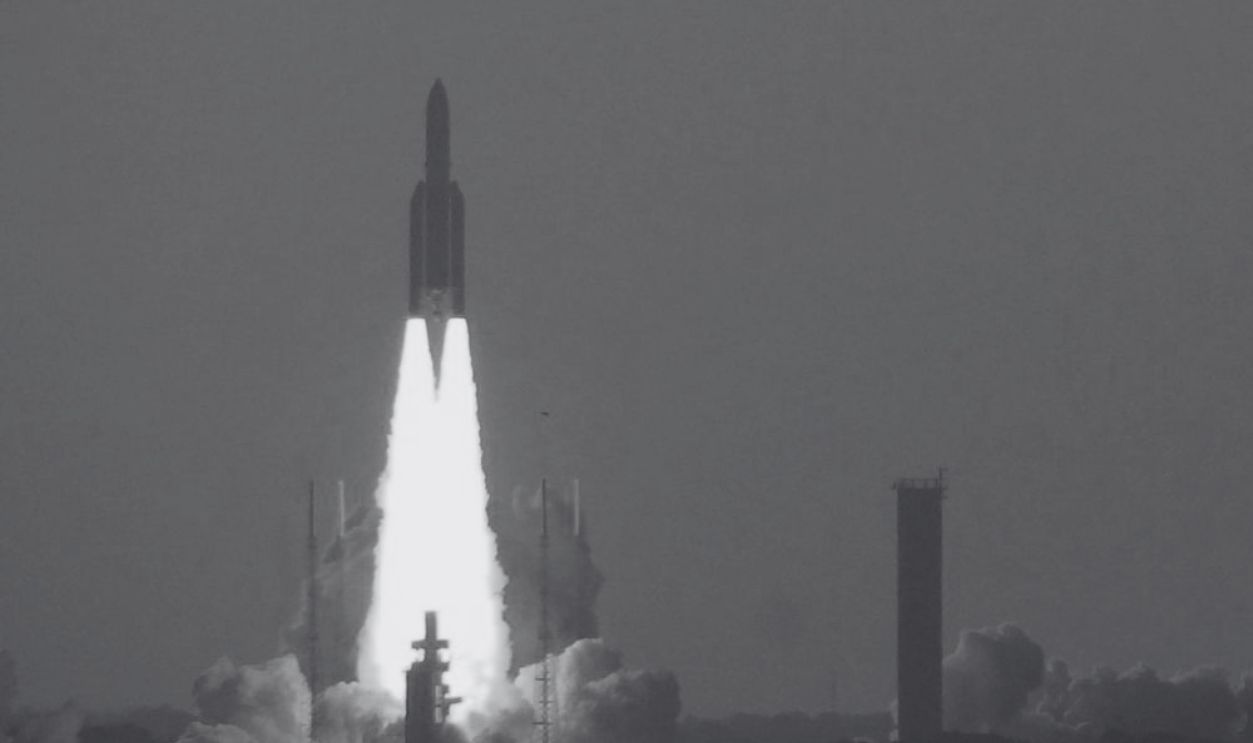
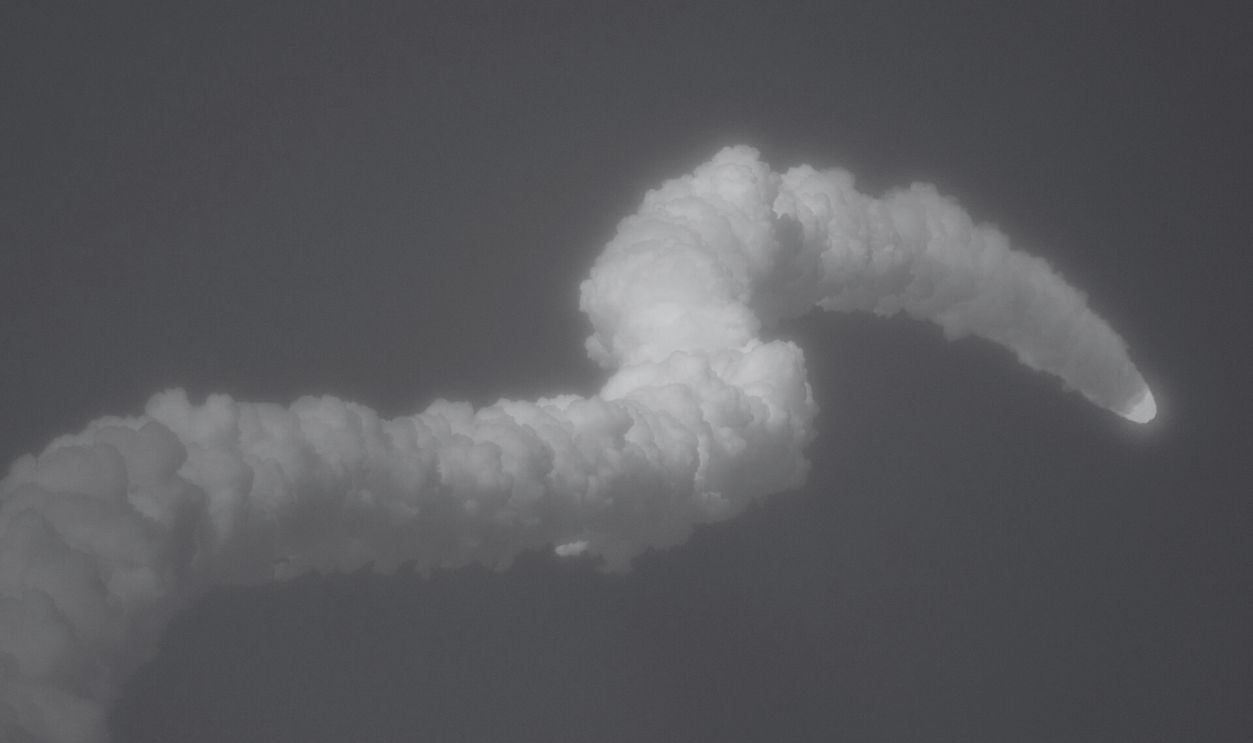
On June 4, 1996, Europe's new Ariane 5 rocket launched on its maiden flight carrying four scientific satellites. About 40 seconds after the flight sequence began, the rocket veered off course, broke apart, and was destroyed. Investigators traced the failure to guidance software inherited from the earlier Ariane 4 rocket.
 Spotting973, Wikimedia Commons
One Number Was Too Big For The Software
The guidance software attempted to convert a 64-bit floating-point value into a 16-bit integer, but the number was too large. The resulting error disabled both the primary and backup inertial reference systems, which used the same vulnerable software. Inadequate testing of the reused code had allowed a single numerical overflow to destroy an entire mission.
 Spotting973, Wikimedia Commons
NASA Lost A Spacecraft Over A Unit Conversion
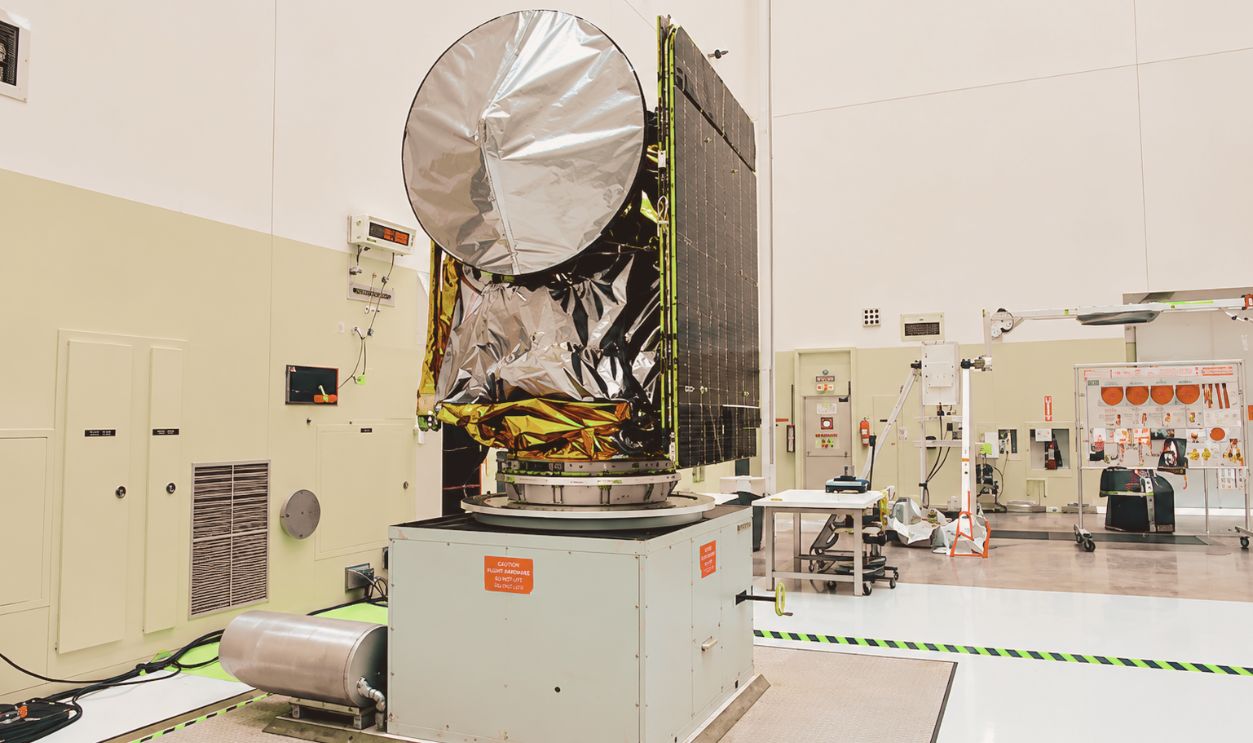
In September 1999, NASA lost contact with its Mars Climate Orbiter as it approached the Red Planet. The spacecraft was supposed to study Mars and help relay communications for future missions, but navigation errors sent it dangerously close to the planet. Investigators discovered that different engineering teams had been using incompatible measurement units.

One Team Used Imperial, The Other Used Metric
Software supplied by one team provided force data in English units, while the navigation system expected metric measurements. Because the discrepancy wasn't properly detected, errors accumulated in the spacecraft's calculated trajectory. NASA acknowledged that better engineering checks should have caught the mistake before the mission was lost.
A New Bridge Collapsed Before It Even Opened
On March 15, 2018, a newly installed pedestrian bridge at Florida International University collapsed onto traffic in Miami. The bridge was still under construction, and workers had been adjusting tensioning rods when the structure failed. Six people lost their lives, and investigators uncovered serious errors in the engineering calculations used to design the bridge.
 OSHA, FIU Parking garage, Wikimedia Commons, Enhanced
The Calculations Missed A Fatal Weakness
The bridge's design underestimated the forces acting on a critical connection while overestimating its strength. Significant cracks had appeared before the collapse, but engineers failed to recognize the danger they represented. Investigators also identified inadequate independent review and failures to respond appropriately to warning signs that could have prevented the disaster.
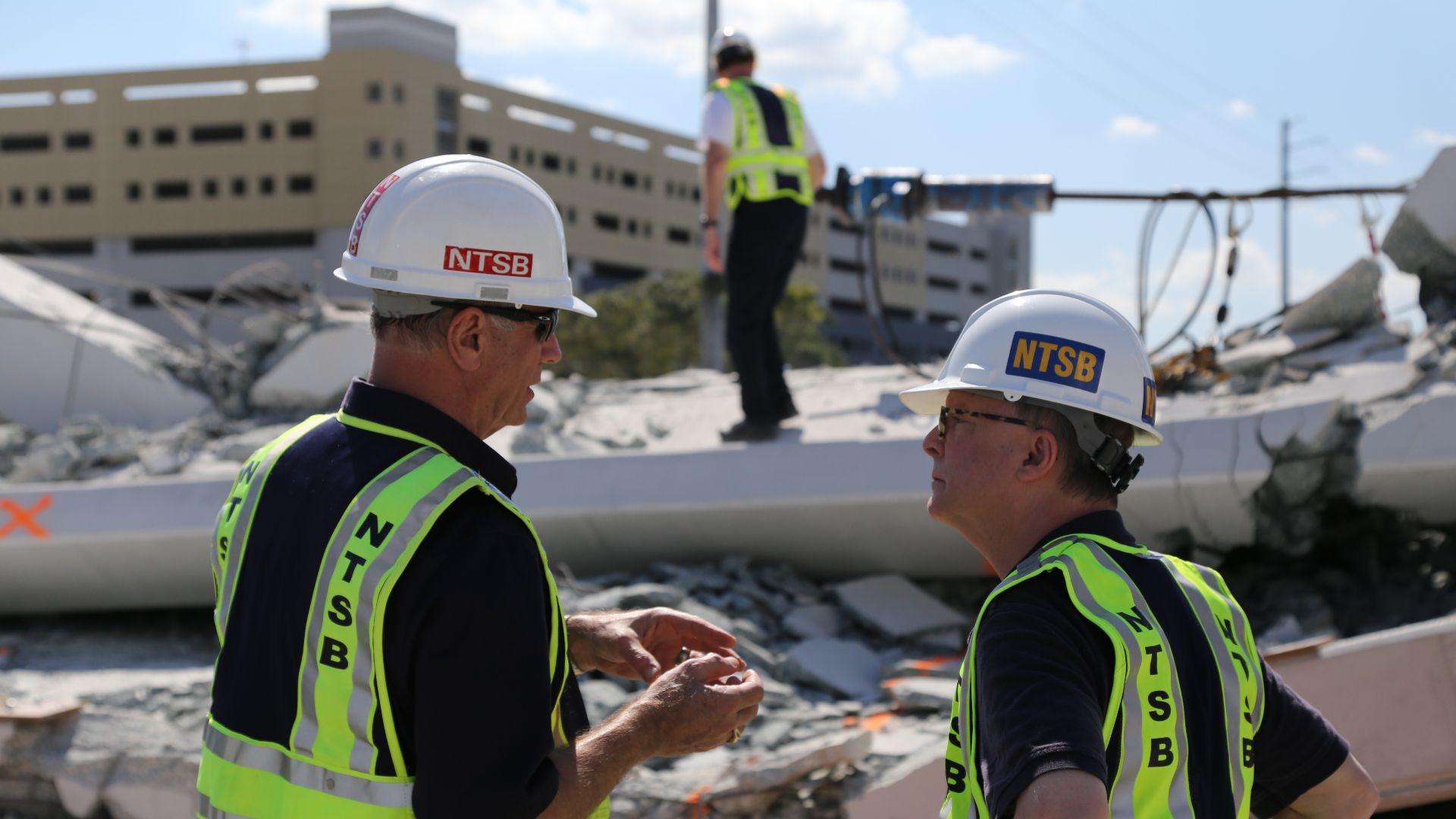 National Transportation Safety Board, Wikimedia Commons
A Fuel Tank Became A Deadly Weak Point
On July 17, 1996, TWA Flight 800 exploded shortly after departing New York's John F. Kennedy International Airport, claiming all 230 lives aboard. Investigators determined that an explosion inside the Boeing 747's center wing fuel tank destroyed the aircraft. The likely ignition source was an electrical failure involving wiring connected to the fuel quantity indication system.
 AlainDurand, Wikimedia Commons
The Electrical System Had A Hidden Danger
Investigators couldn't establish the exact ignition mechanism, but they identified vulnerabilities that could allow dangerous electrical energy to reach the fuel tank. Heat beneath the tank also contributed to conditions in which fuel vapors could ignite. The findings exposed weaknesses in aircraft fuel-system design and eventually helped drive improvements in fuel-tank safety.
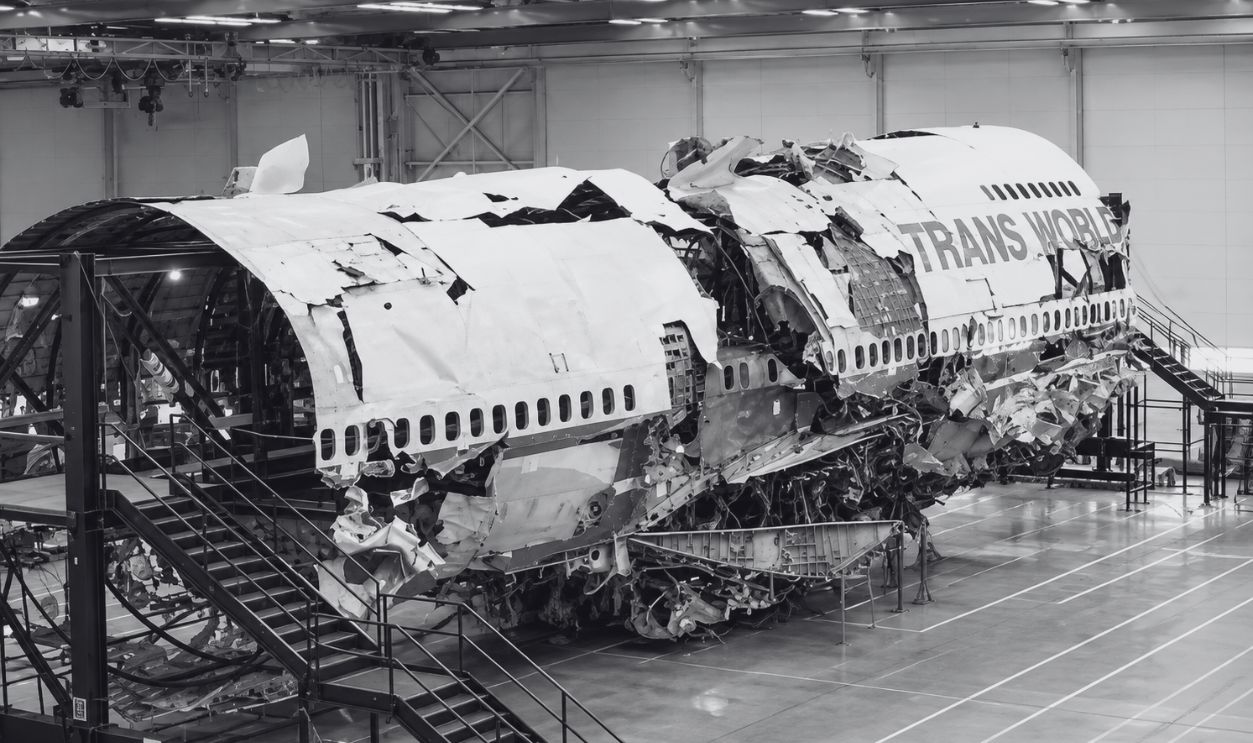 User Skybunny on en.wikipedia, Wikimedia Commons, Enhanced
A Medical Machine Turned Deadly
Between 1985 and 1987, a computerized radiation therapy machine called the Therac-25 was involved in six serious radiation overdose accidents in the United States and Canada. The machines were supposed to treat cancer patients, but instead delivered dangerously excessive doses, causing severe injuries and several deaths. Investigators eventually discovered that flaws in the software controlling the machines were largely responsible.
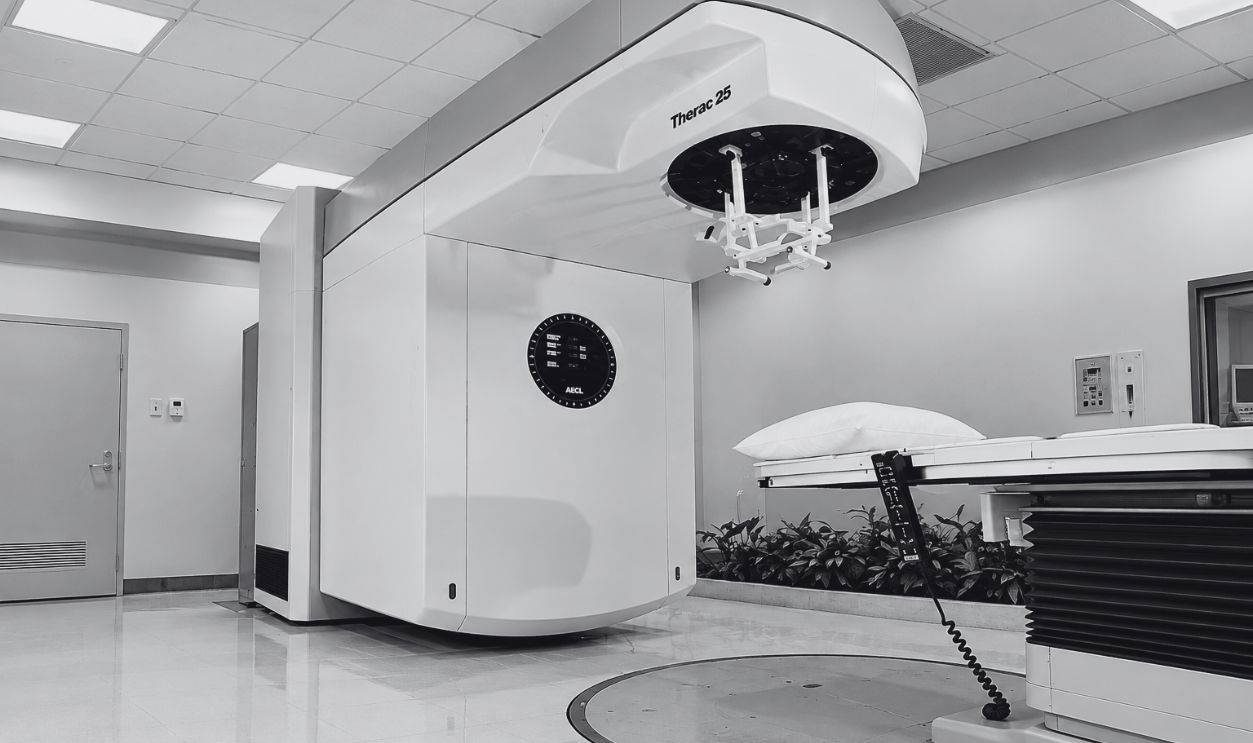 Newspaper, Wikimedia Commons, Enhanced
A Few Keystrokes Exposed A Deadly Software Flaw
A software flaw could be triggered when an operator quickly corrected treatment settings, causing the machine to deliver dangerous radiation doses. Without independent hardware safeguards, the system couldn't reliably prevent these errors. A seemingly minor programming mistake had turned a life-saving medical device into a deadly threat.
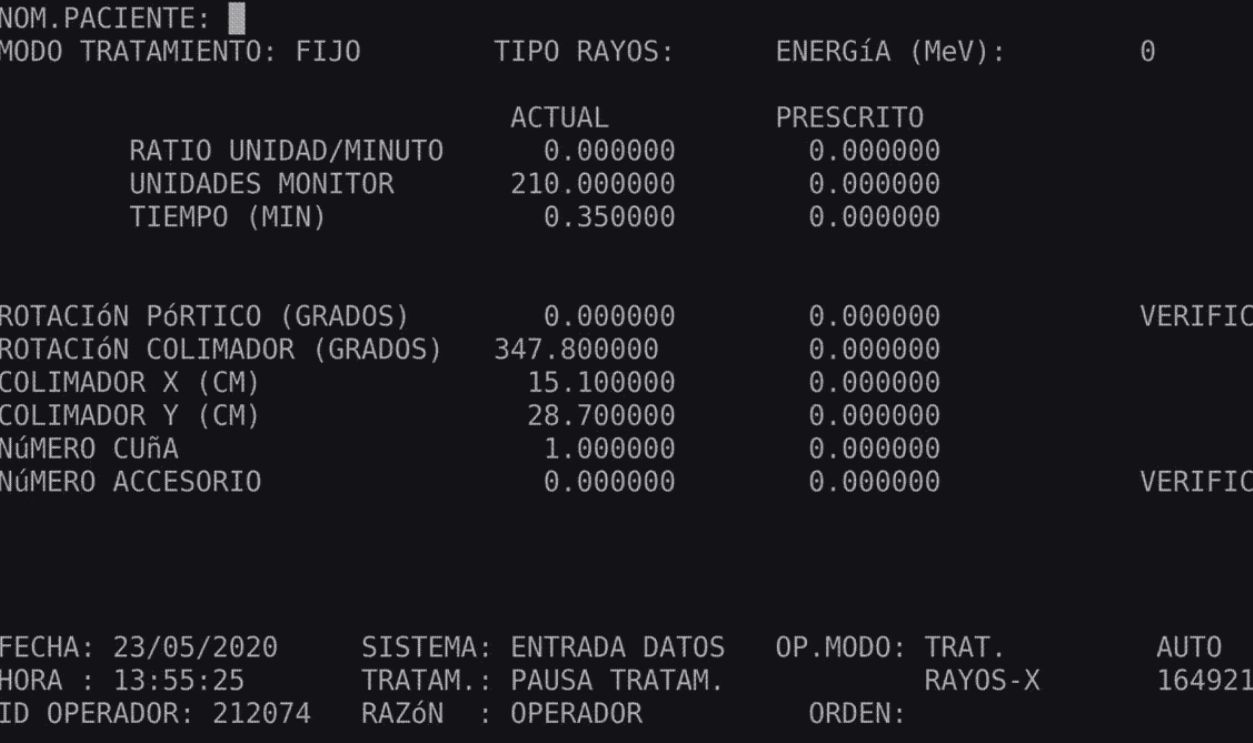 Newspaper, Wikimedia Commons, Enhanced
A Building Collapsed During Construction
On April 23, 1987, workers were constructing the L'Ambiance Plaza apartment complex in Bridgeport, Connecticut, using a method called lift-slab construction. Large concrete floor slabs were formed at ground level and raised into position using hydraulic jacks. During the lifting operation, the unfinished structure collapsed, claiming the lives of 28 construction workers.

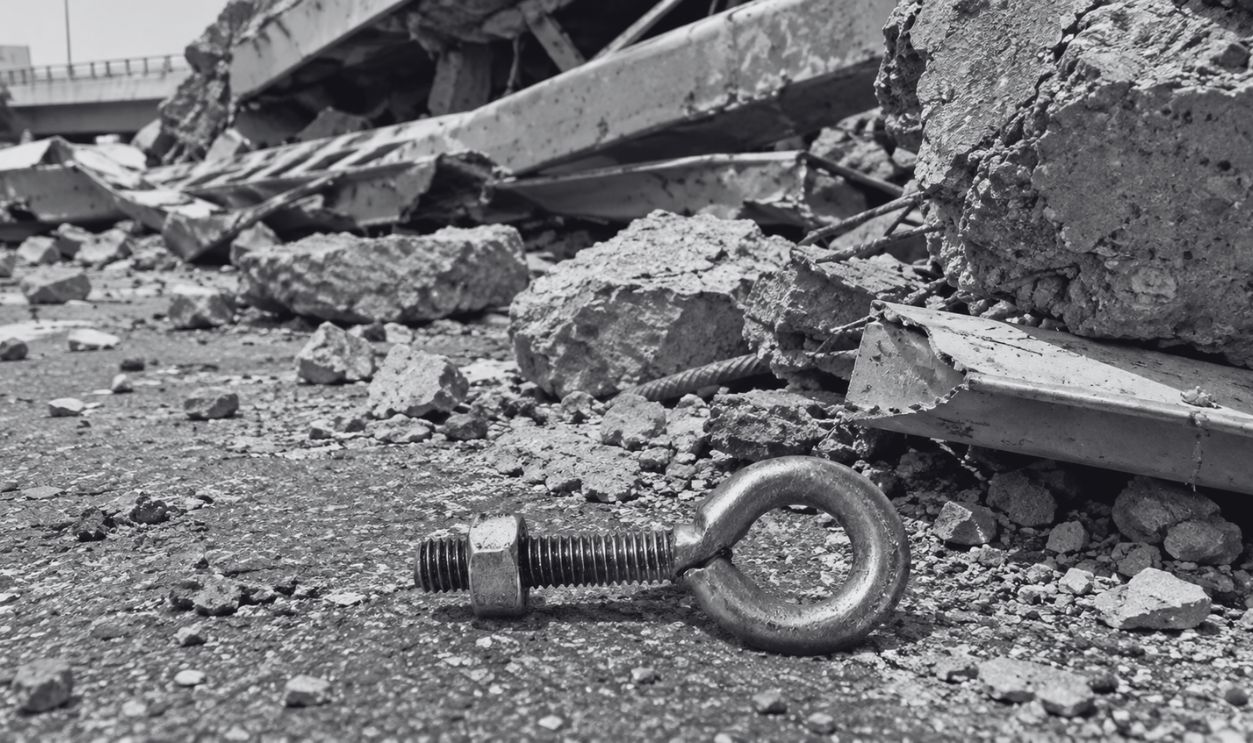
A Lifting Nut Slipped Out Of Position
Investigators concluded that a steel lifting angle likely deformed while workers were positioning three floor slabs. That deformation may have allowed a lifting nut to slip off its support, triggering a chain reaction that brought down the structure. Laboratory experiments reproduced the proposed failure mechanism, highlighting the dangers of inadequately designed temporary construction connections.
 Cornischong at lb.wikipedia, Wikimedia Commons, Modified
A Routine Repair Ended In Catastrophe
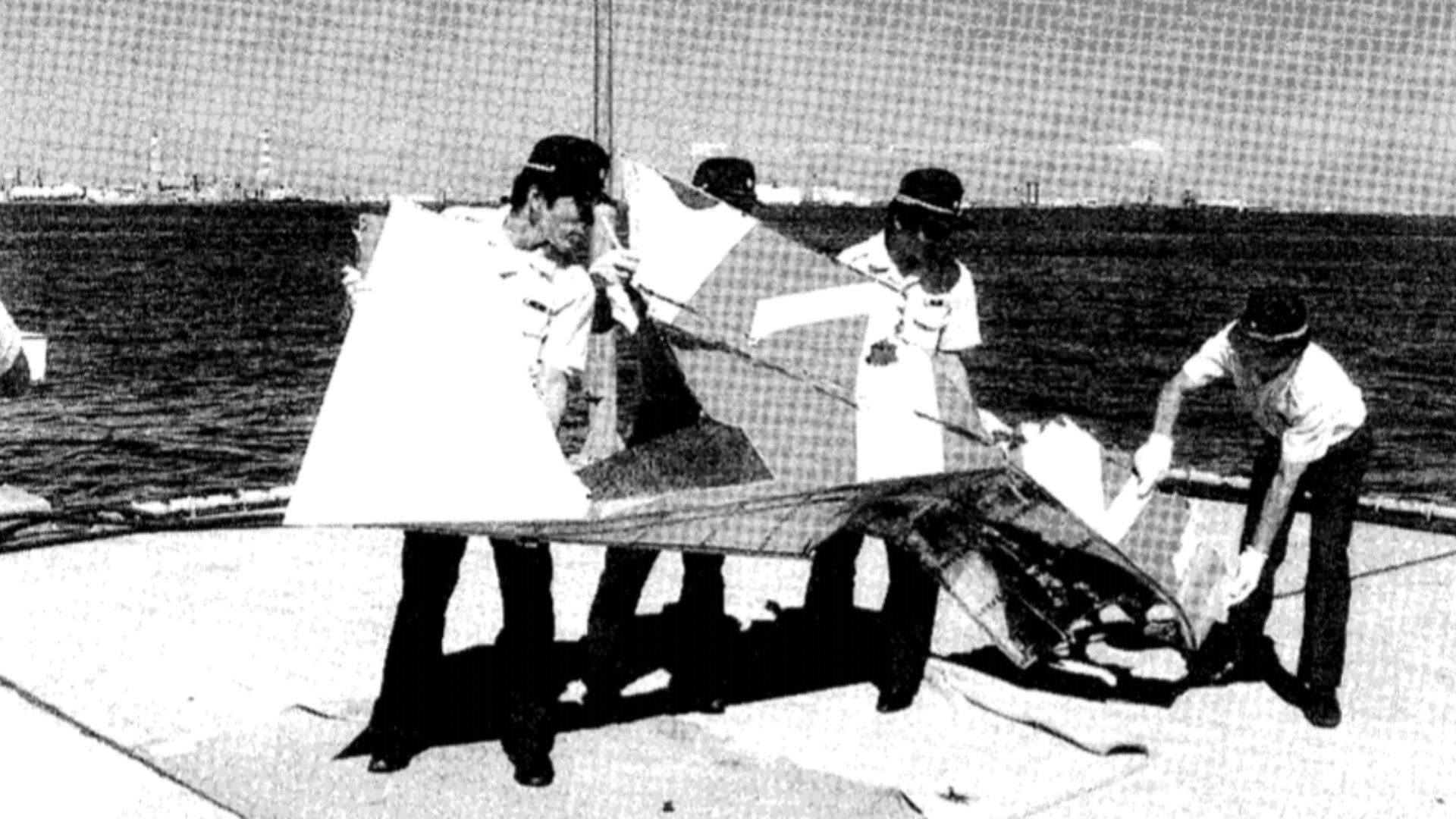
On August 12, 1985, Japan Airlines Flight 123 crashed into a mountain in Japan, claiming 520 lives. Investigators discovered that the Boeing 747 had suffered a catastrophic failure of its rear pressure bulkhead, a structural wall separating the pressurized cabin from the tail. The cause traced back to a repair performed seven years earlier, following an incident in which the aircraft's tail struck a runway.
One Row Of Rivets Instead Of Two
During the 1978 repair, workers incorrectly installed a reinforcing plate, leaving just one row of rivets carrying loads that should have been distributed across two. Over thousands of flights, the weakened connection developed fatigue cracks until the bulkhead ruptured, severely damaging the tail and disabling all four hydraulic systems. The tiny repair error had remained undetected for seven years before contributing to a disaster that left only four survivors.
 Japan Transport Safety Board (Japan Transport Safety Board), Wikimedia Commons, Enhanced
The Small Details That Engineers Cannot Ignore
A 1.3-millimeter measurement error ruined Hubble's first images, while a unit-conversion mistake sent a NASA spacecraft to its doom. Other failures involving undersized steel plates, unsuitable adhesives, and overlooked cracks proved far deadlier. In many cases, the initial error was compounded by missed inspections, inadequate testing, or warnings that went unheeded. These disasters are reminders that the smallest engineering details sometimes carry the greatest consequences.

You May Also Like:
The Most Chilling Answers Scientists Have Given To The Fermi Paradox
Historical Geniuses Who Were Complete Disasters Outside Their Field