Back When School Supplies Had Personality
Before tablets, smartboards, and online assignments, classrooms were filled with clunky machines, colorful folders, and supplies that required a little elbow grease. Some made strange noises, others had unmistakable smells, and a few were practically status symbols. If you attended school during the 1970s, these forgotten essentials might bring back some wonderful memories.
Pee-Chee Folders
Introduced in 1943, Pee-Chee folders became especially recognizable during the 1960s and 1970s. Their goldenrod covers featured athletes in action, while the inside pockets displayed helpful reference charts. Students frequently personalized them with doodles, turning ordinary folders into miniature works of art.
Metal Character Lunch Boxes
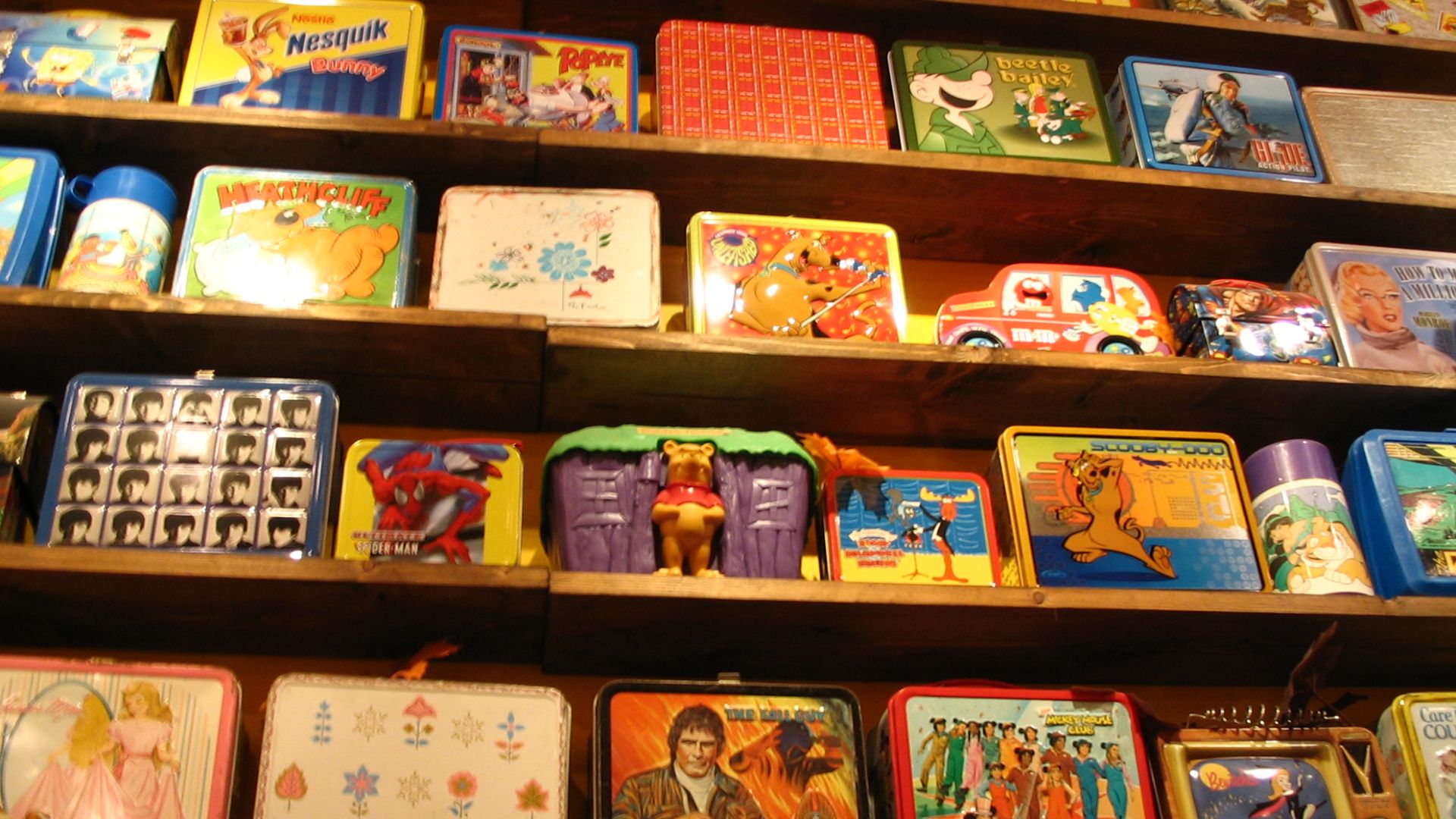
Carrying a metal lunch box decorated with your favorite television character was practically a fashion statement. During the 1970s, designs featured everything from The Partridge Family to Kung Fu. These sturdy containers eventually lost ground to lighter, molded-plastic alternatives.
 nickd from Chicago, IL, United States, Wikimedia Commons
Matching Thermos Bottles
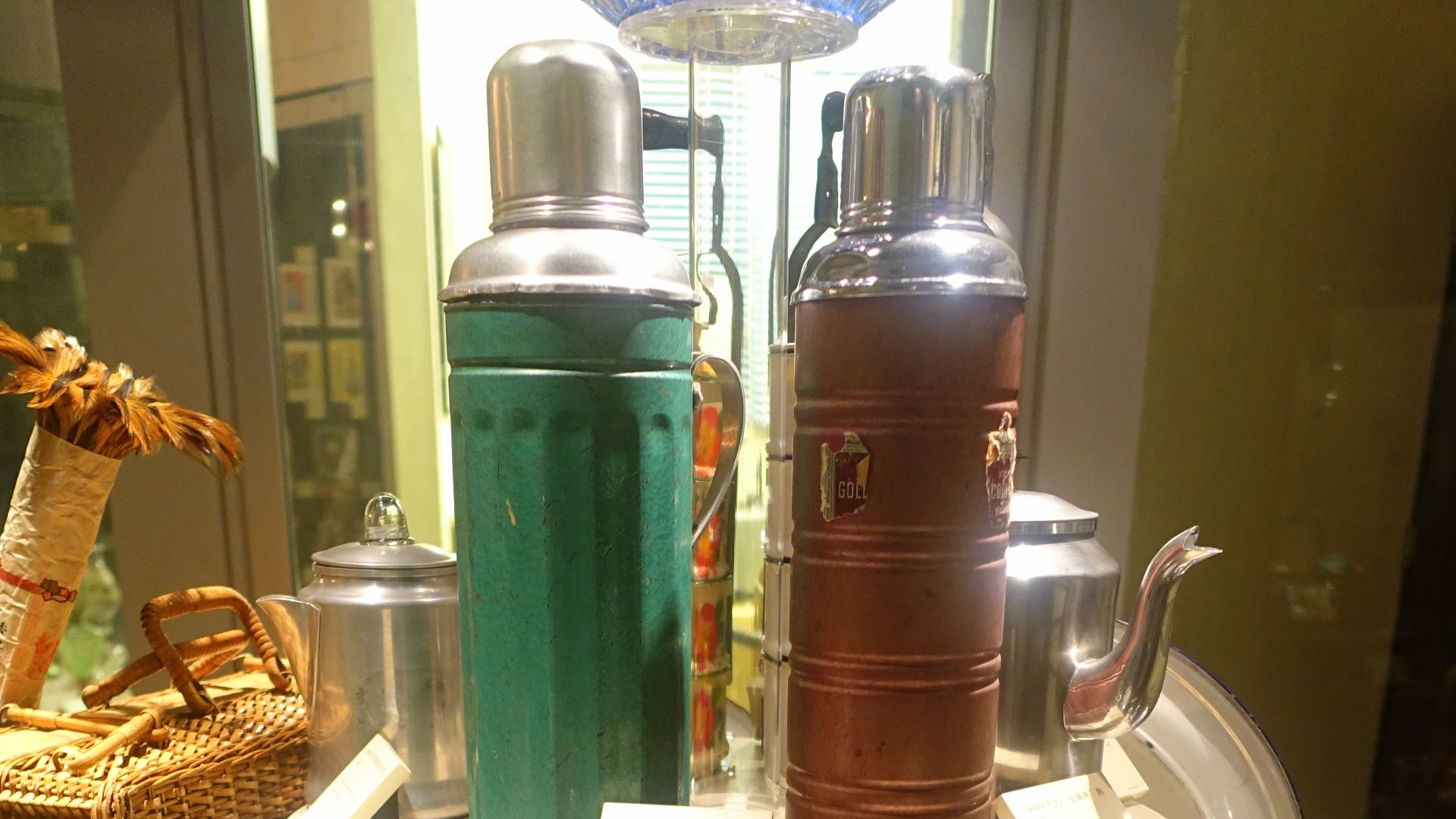
A proper lunch box often came with a coordinating Thermos tucked inside. Some older versions featured glass-lined interiors, making them considerably more delicate than today's reusable bottles. Matching your lunch container to your favorite television show was part of the fun.
Brown Paper Textbook Covers
Before decorative book sleeves became readily available, students frequently wrapped textbooks in brown grocery bags. The folded paper protected school-owned books while providing plenty of space for doodles. Making the covers was practically a back-to-school ritual in some households.
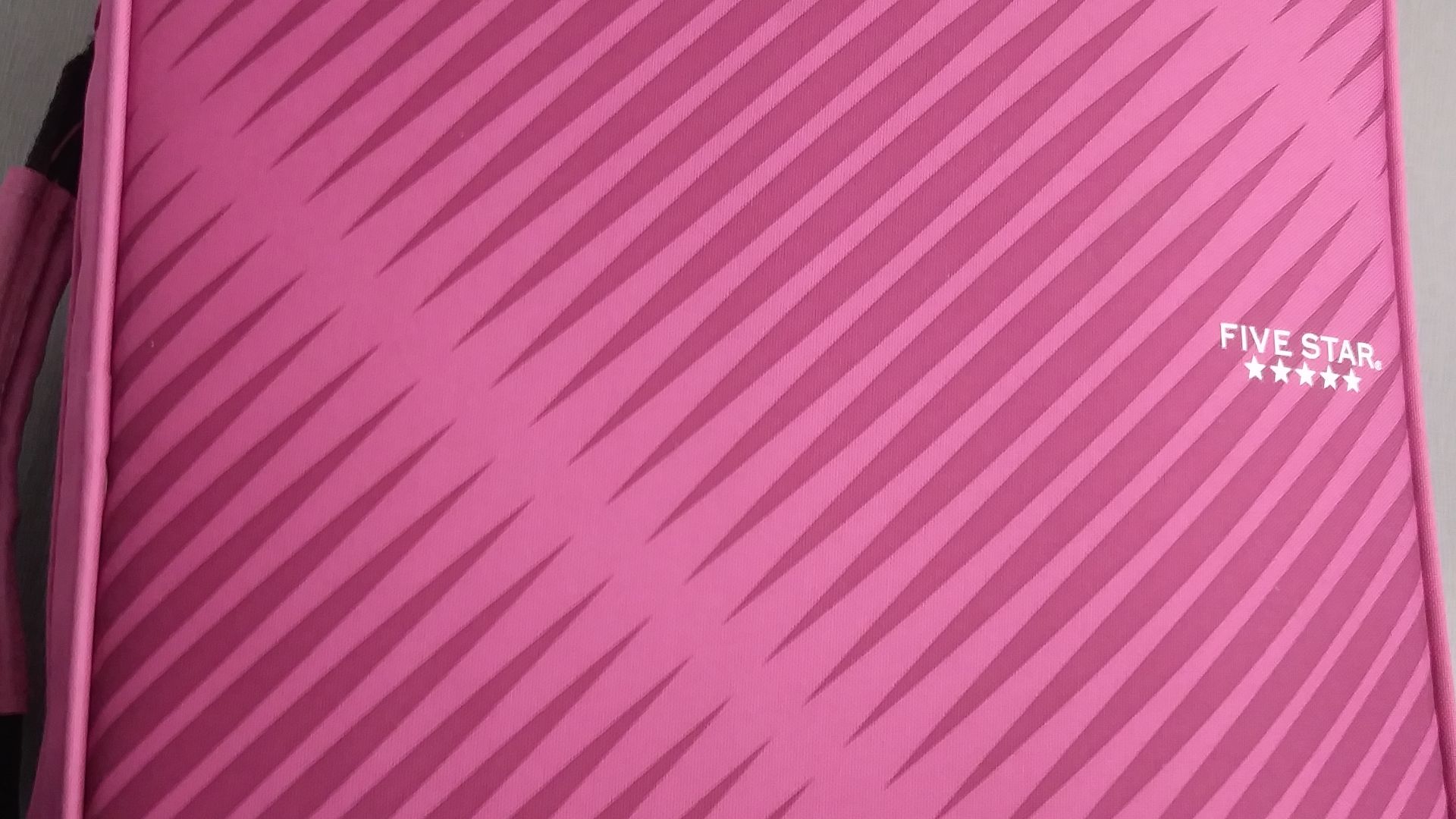
The Original Trapper Keeper
Mead test-marketed the Trapper Keeper in Wichita, Kansas, in 1978, before introducing it nationally in 1981. Its folders, binder rings, and closing flap offered an appealing organizational system. What began as a late-1970s experiment became an unmistakable symbol of 1980s school life.
 Yortizsoto16, Wikimedia Commons
Purple Ditto Worksheets
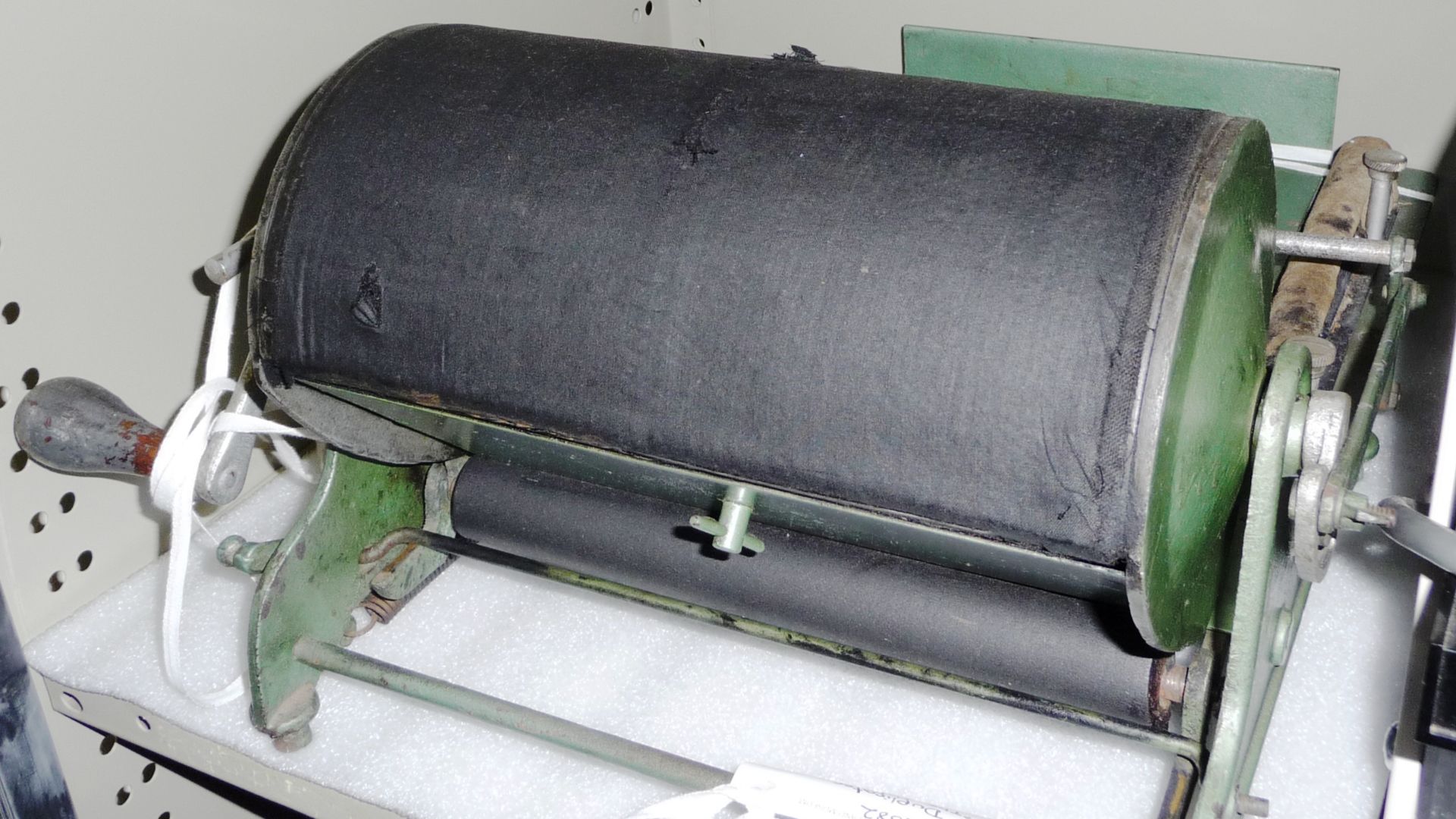
Remember those freshly duplicated worksheets with purple lettering? They came from spirit duplicators, commonly called ditto machines, which transferred dye onto paper using duplicating fluid. The distinctive smell was memorable, although the copying process involved chemicals that eventually raised workplace health concerns.
Mimeograph Masters
Mimeograph machines weren't quite the same as ditto machines, despite the names often being confused. They pushed ink through prepared stencils to reproduce documents. Teachers used these masters to generate multiple copies of quizzes, assignments, and classroom announcements before photocopiers became routine.
 Queensland Museum, Wikimedia Commons
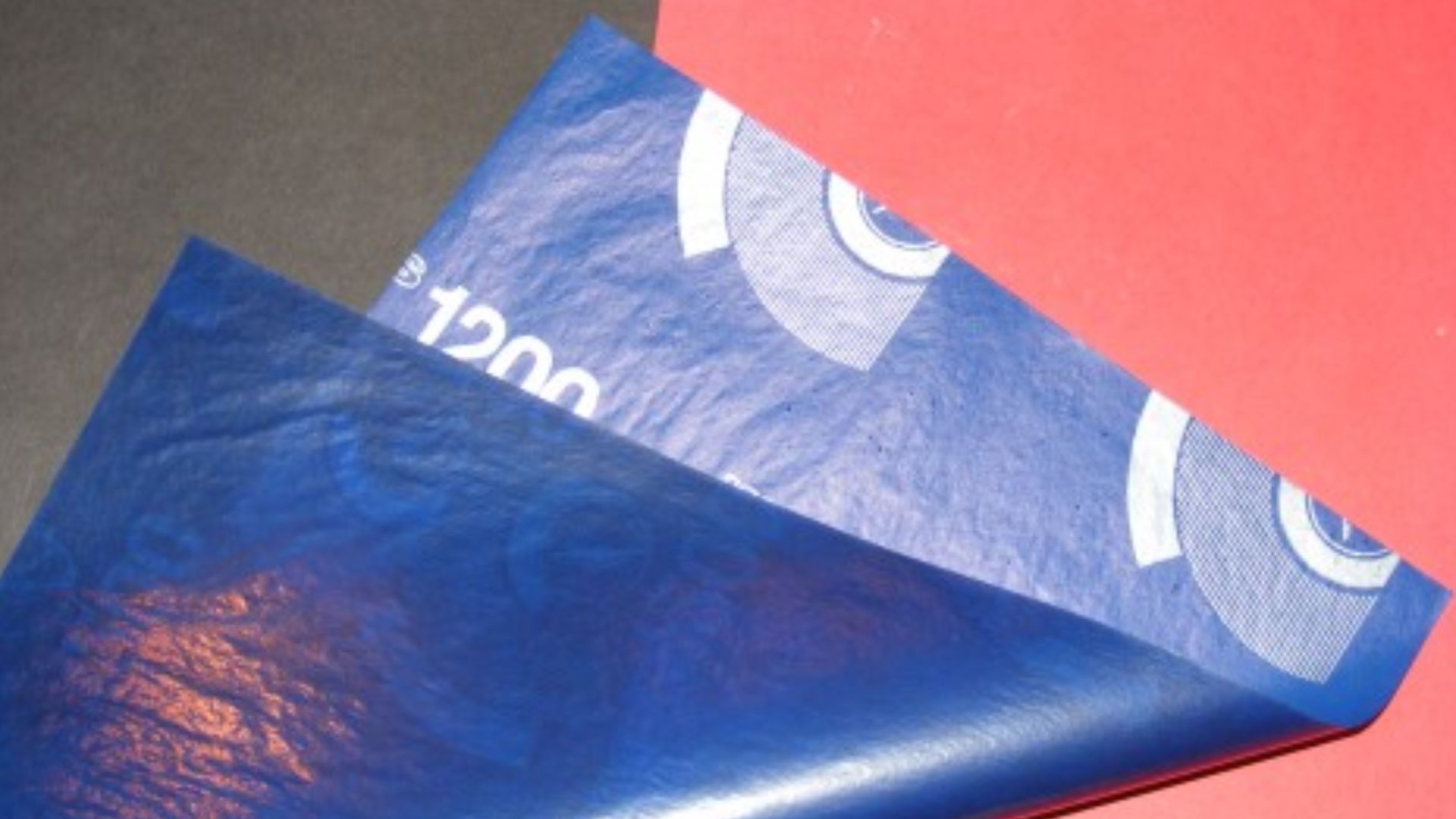
Carbon Paper Sheets
Carbon paper provided a simple way to produce additional copies while typing or writing. A dark, coated sheet transferred pressure marks onto the paper underneath. The method was useful, but correcting mistakes across several copies could become a frustrating exercise.
 Emilian Robert Vicol from Com. Balanesti, Romania, Wikimedia Commons
Manual Classroom Typewriters
Typing lessons once meant sitting behind a mechanical keyboard instead of a computer. Students learned to manipulate paper, operate the carriage, and strike keys with consistent force. Historical school photographs preserve these machines as reminders of an earlier approach to keyboard training.
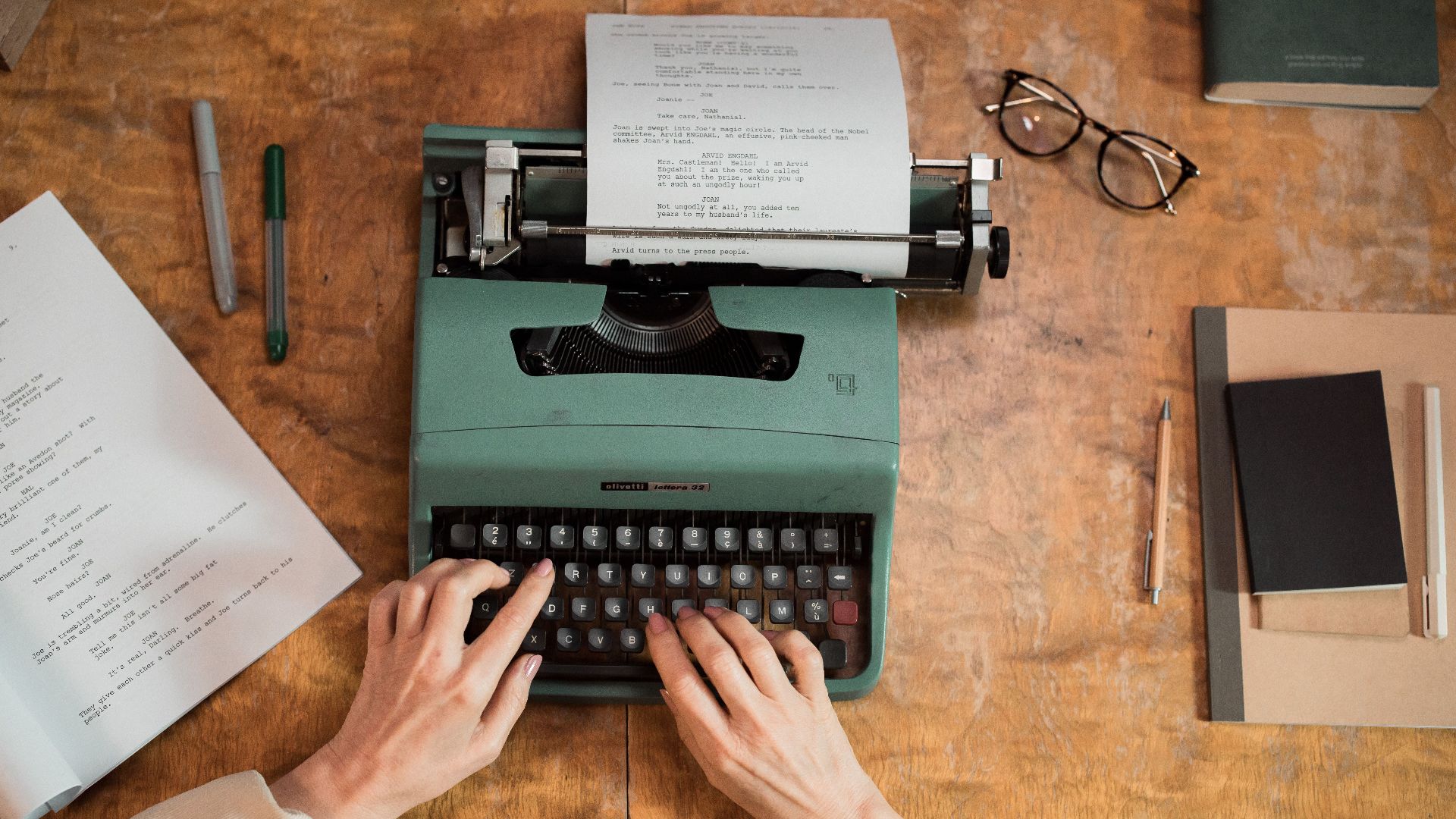
Bottles Of Liquid Paper
Before electronic editing, typing mistakes often required physical correction. Bette Nesmith Graham developed the correction fluid that became Liquid Paper, allowing typists to cover errors and type over them. Its tiny applicator brush offered a surprisingly practical solution to an everyday problem.
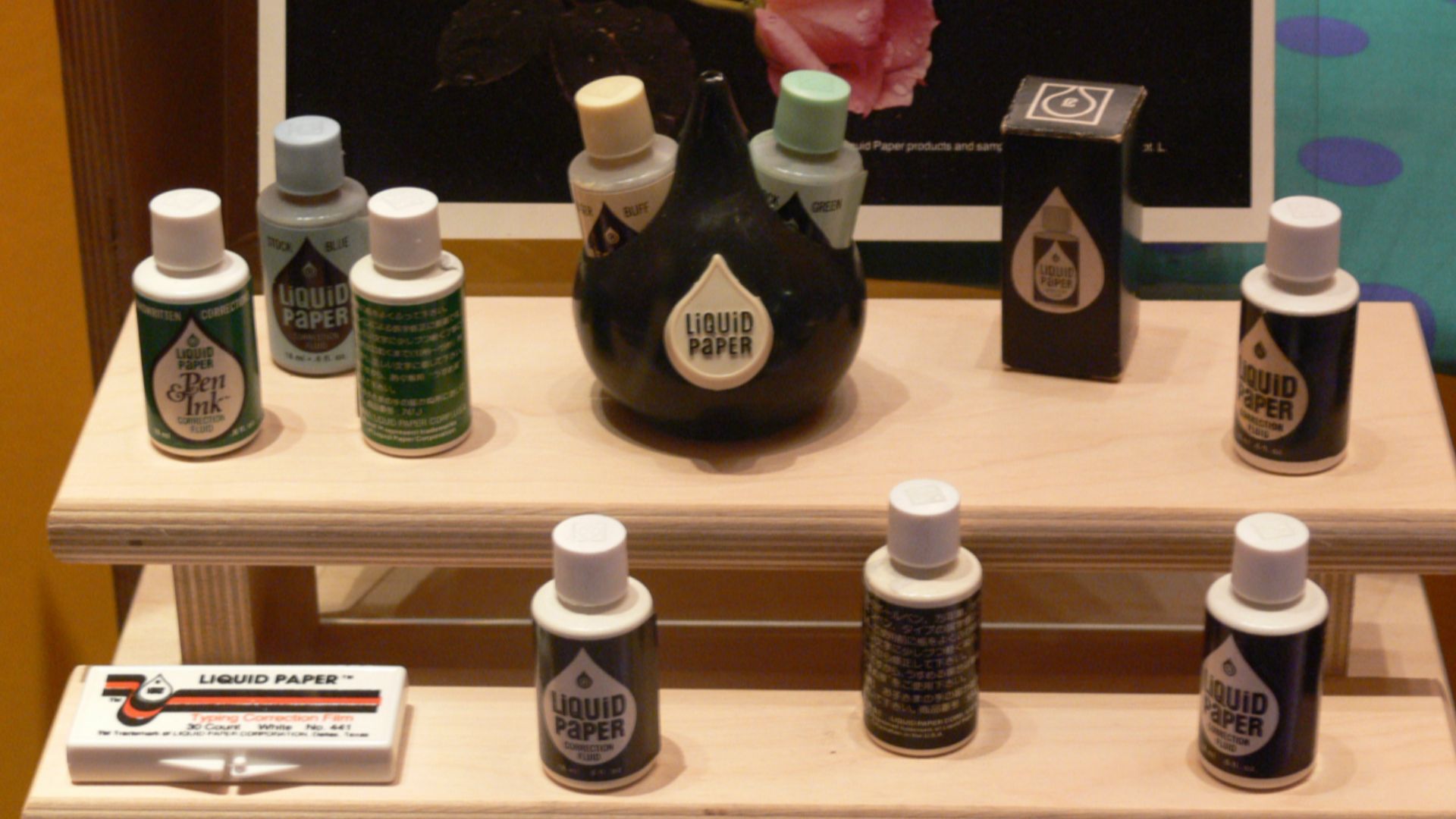 Photo: User:FA2010, Wikimedia Commons
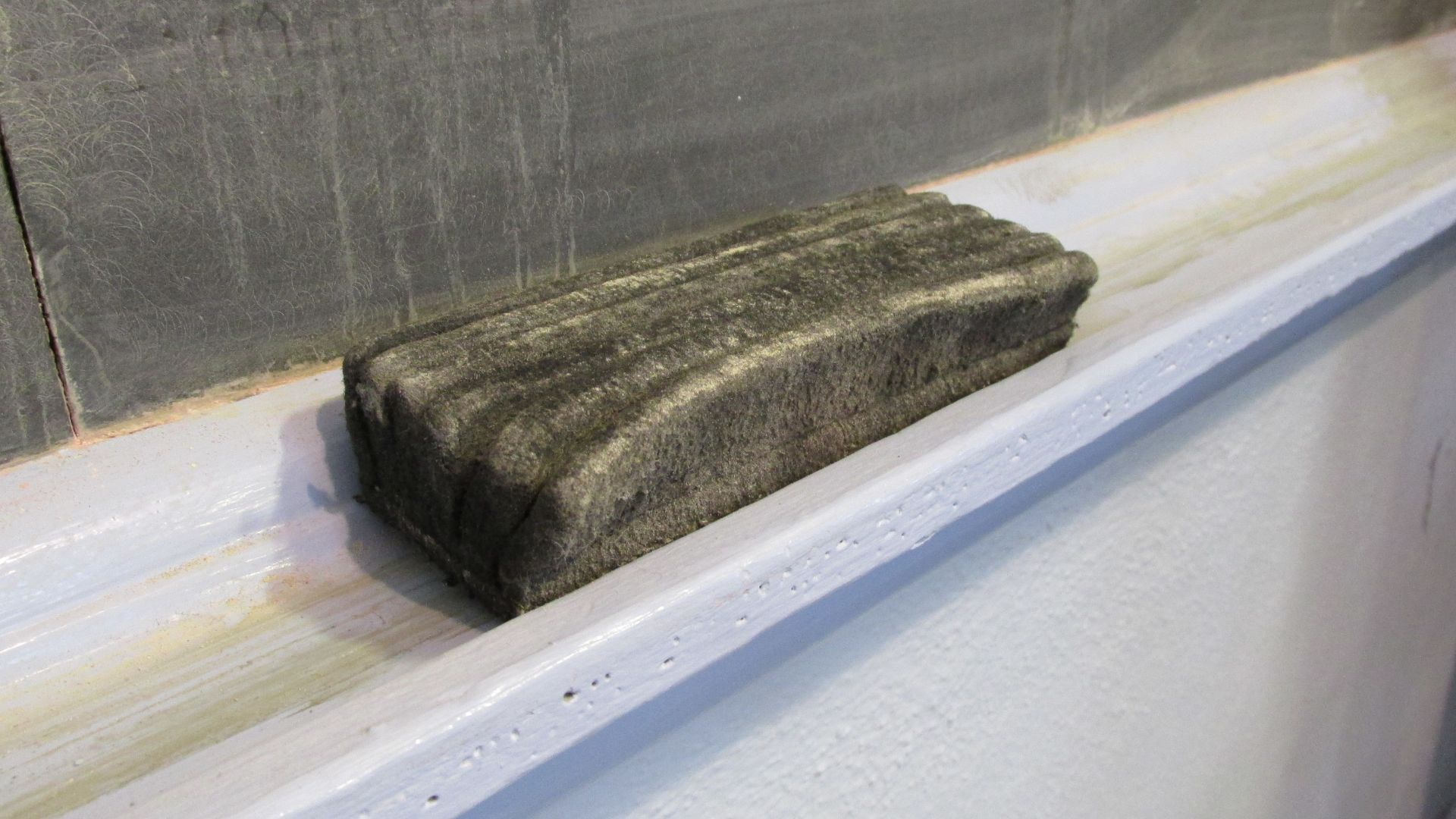
Felt Chalkboard Erasers
Thick felt erasers were indispensable companions to classroom chalkboards. After enough equations and spelling lessons, they became packed with white dust. Cleaning them often meant brushing or tapping away the accumulated chalk, sometimes producing a considerable cloud in the process.
 John Phelan, Wikimedia Commons
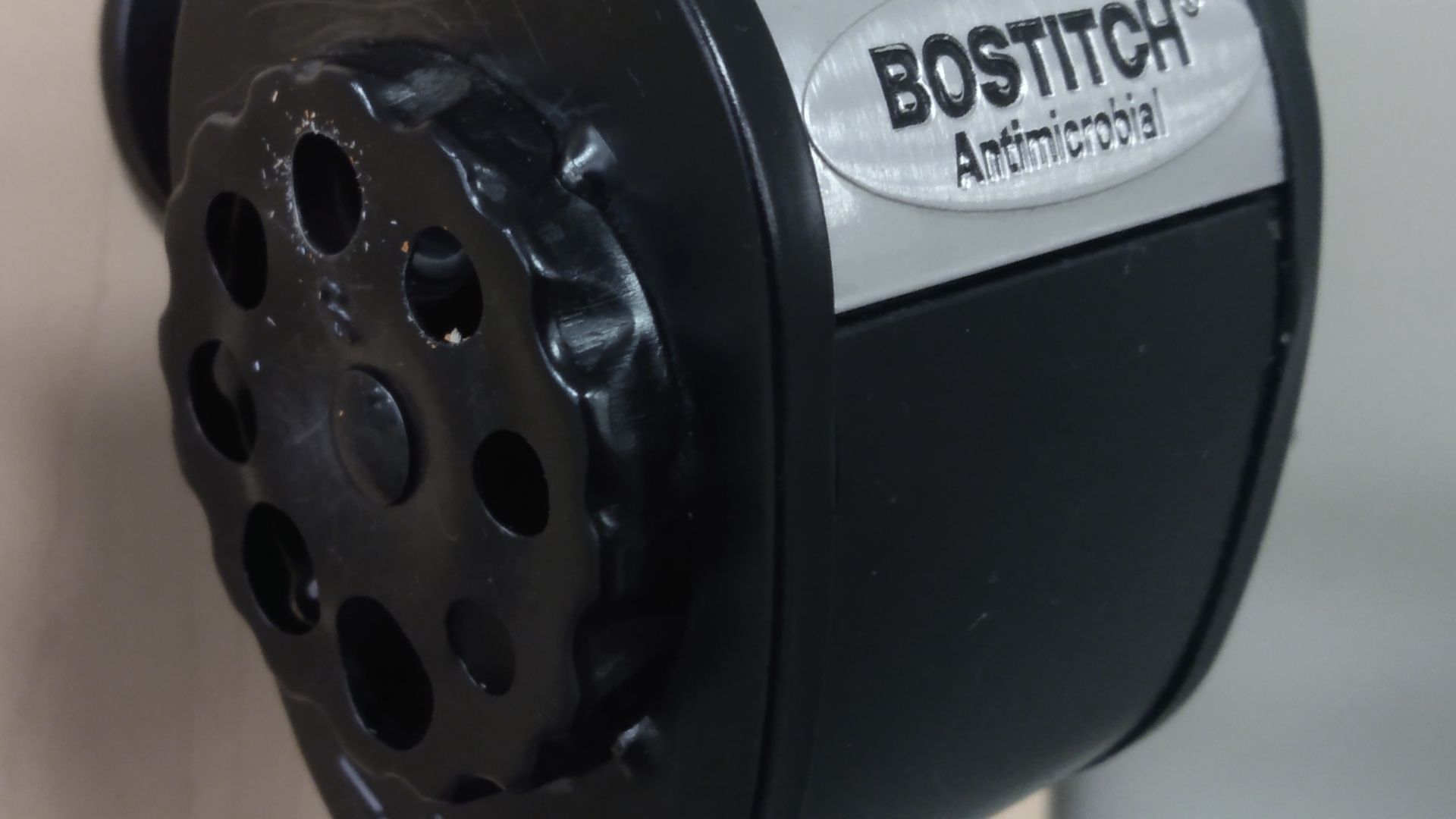
Wall-Mounted Pencil Sharpeners
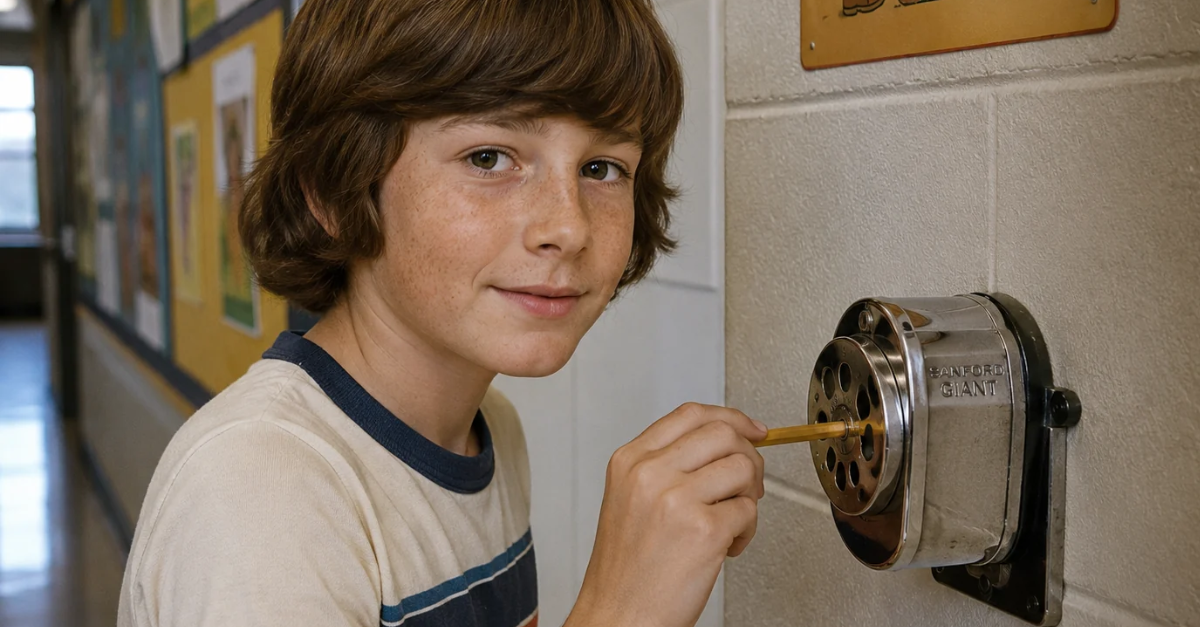
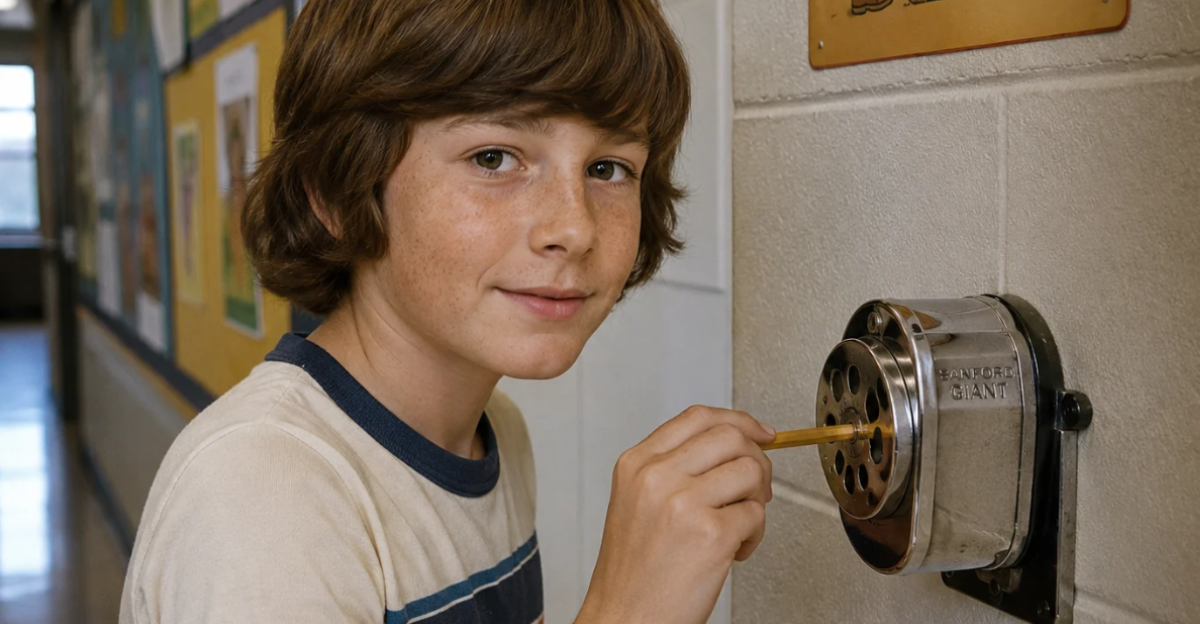
The familiar hand-cranked sharpener was often attached directly to a classroom wall. Students inserted their pencils, turned the handle, and collected freshly sharpened points. A photograph from the University of North Texas documents one of these classroom fixtures during the 1970s.
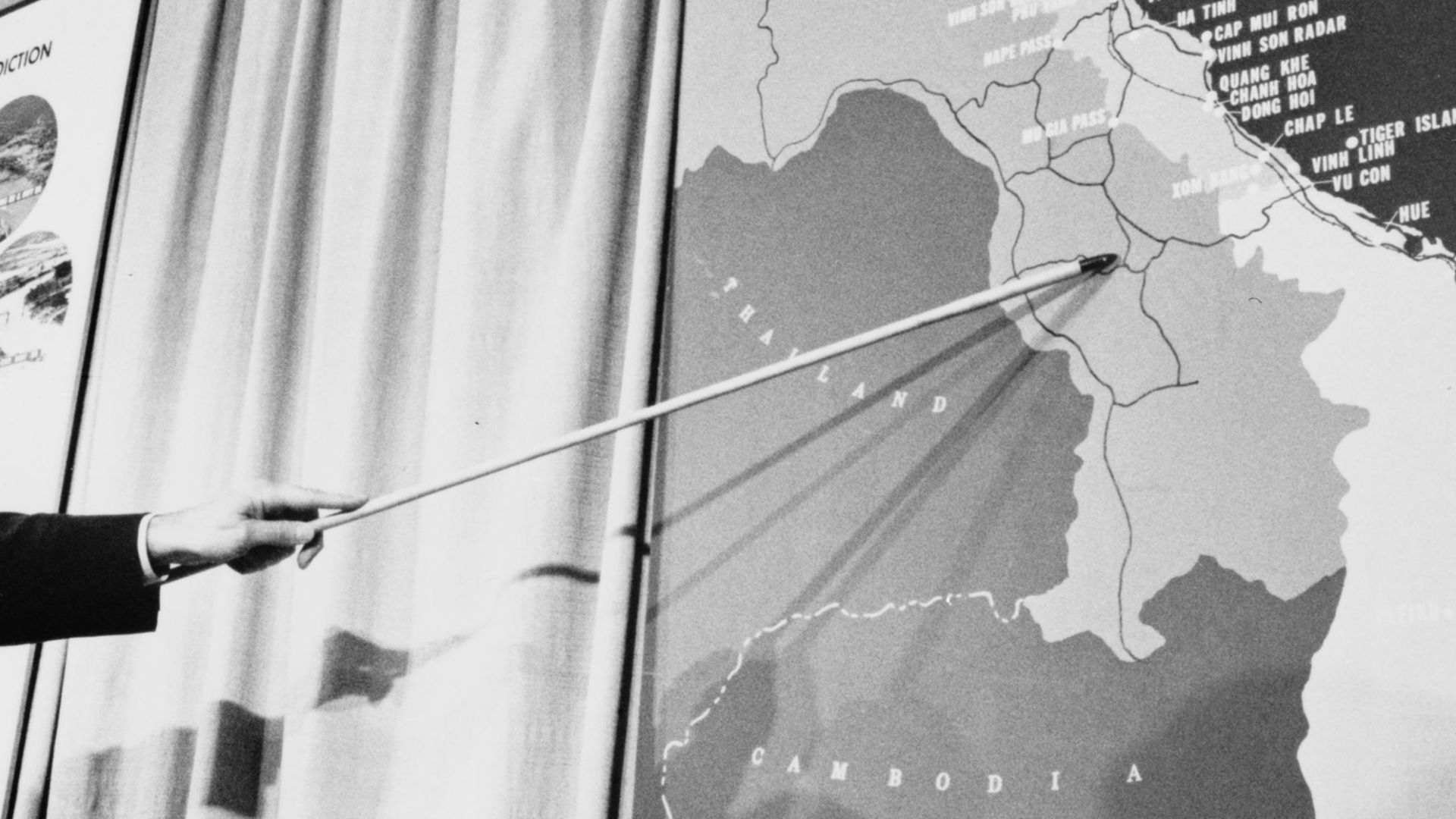
Wooden Classroom Pointers
Long wooden pointers helped teachers direct attention toward maps, diagrams, and important information. They required no batteries or complicated setup. A simple tap against a wall chart could identify exactly where students needed to look during geography or history lessons.
 Marion S. Trikosko, Wikimedia Commons
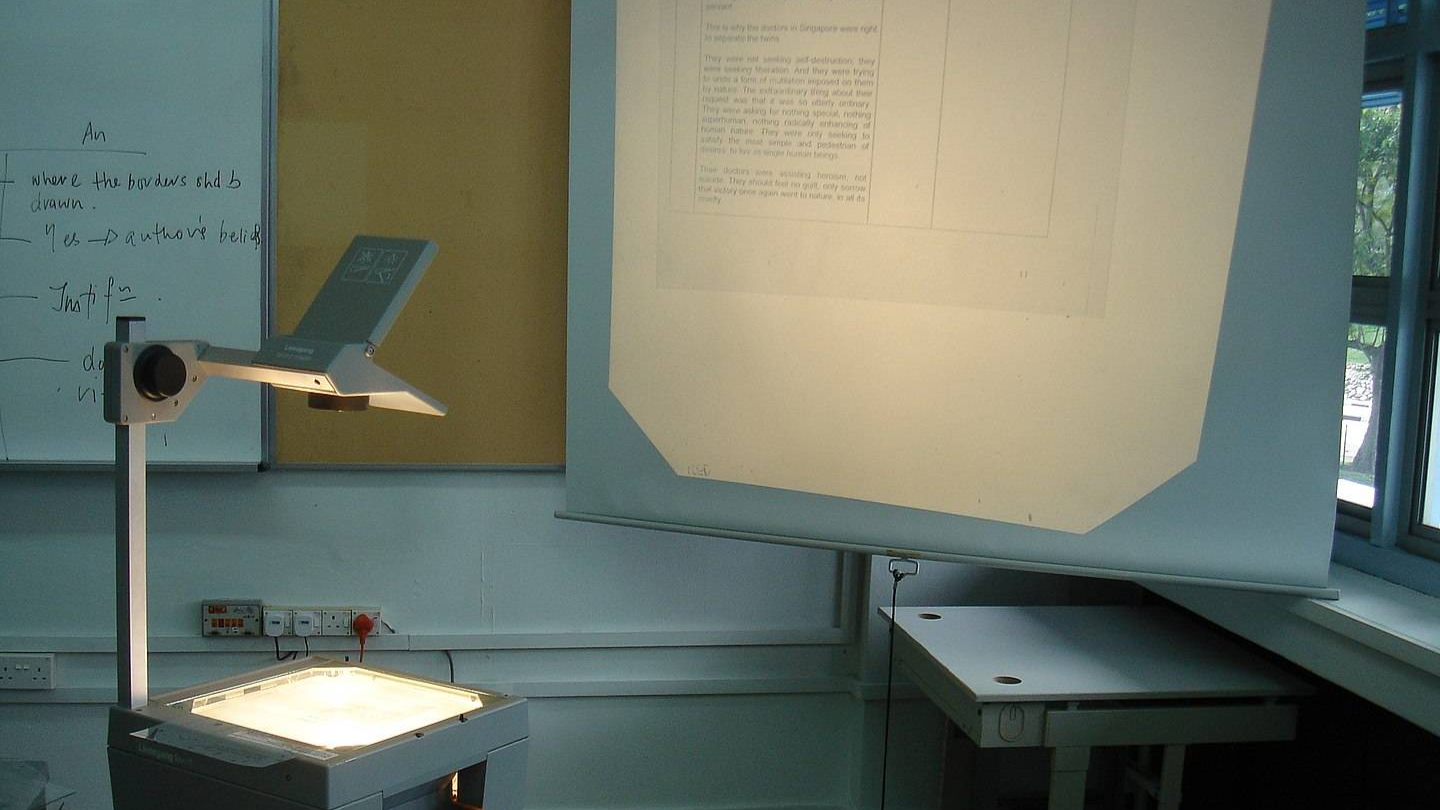
Overhead Projectors
Before digital presentation screens, overhead projectors helped teachers enlarge written material for an entire classroom. Their bright lamps projected images through transparent sheets. Teachers could write directly on the material while facing students instead of constantly turning toward the chalkboard.
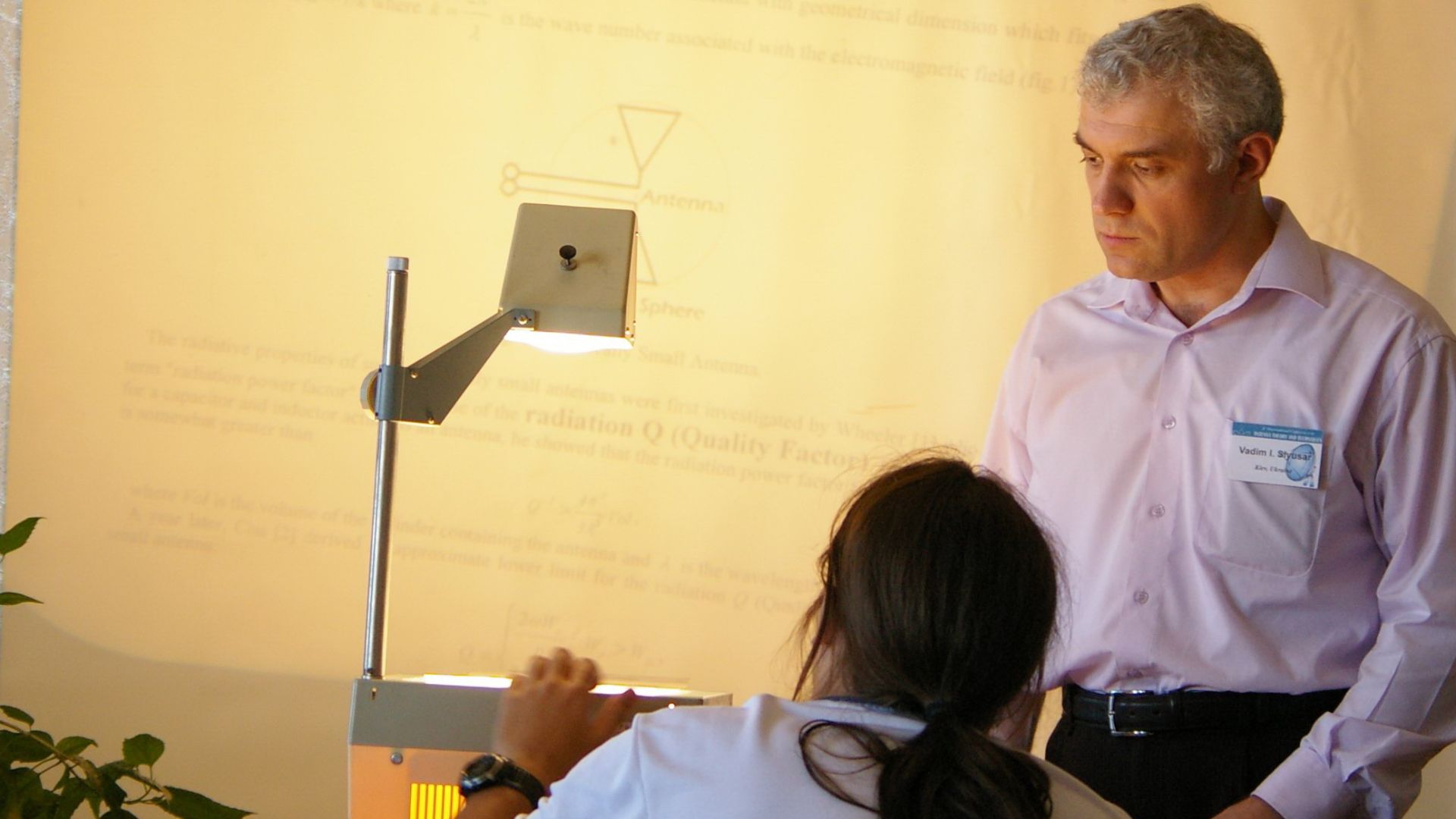
Plastic Transparency Sheets
Transparent plastic sheets were essential companions to overhead projectors. Teachers could prepare diagrams, equations, and illustrations before class, then display them on a screen. Acetate and polyester versions existed, and reusable sheets could accommodate handwritten notes or temporary markings.
 mailer_diablo, CC BY-SA 3.0, Wikimedia Commons
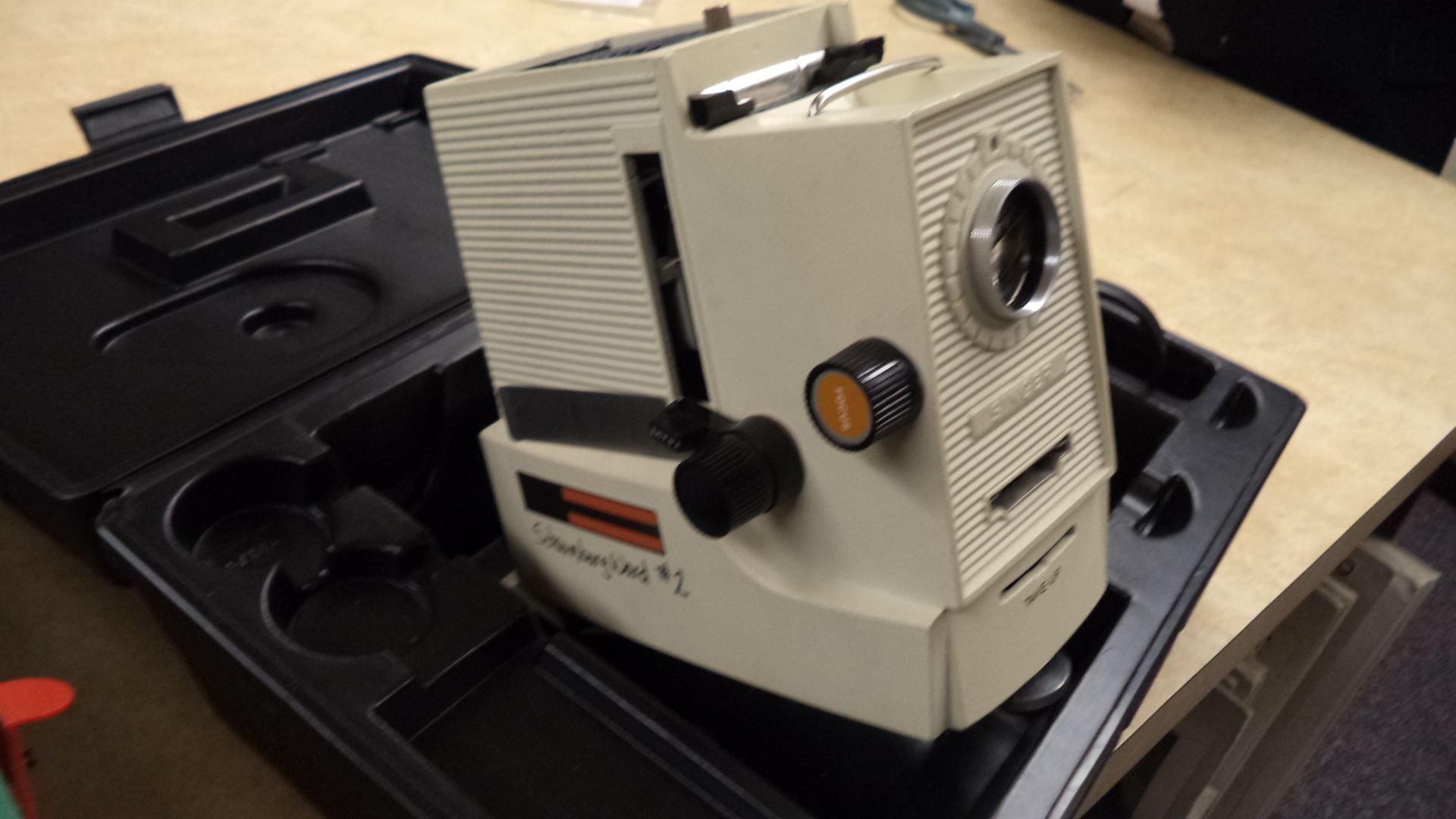
Filmstrip Projectors
Filmstrip projectors displayed sequences of still pictures from strips of photographic film. Teachers advanced the images individually, sometimes coordinating them with recorded narration. These compact educational presentations were especially useful before videotapes and digital classroom media became widespread.
 Rockclaw1030, Wikimedia Commons
Sixteen-Millimeter Film Projectors
Educational movies often arrived on reels that needed to be threaded through a projector. Schools maintained inventories of 16-millimeter machines for showing instructional films. A scheduled movie could transform an ordinary classroom into a temporary screening room, complete with projection equipment.
 PODZO DI BORGO, Wikimedia Commons
Carousel Slide Projectors
Kodak Carousel projectors used rotating trays to organize and display photographic slides. Teachers could present collections of images without handling each slide individually. They were useful for subjects where photographs mattered, including geography, art, science, and history.
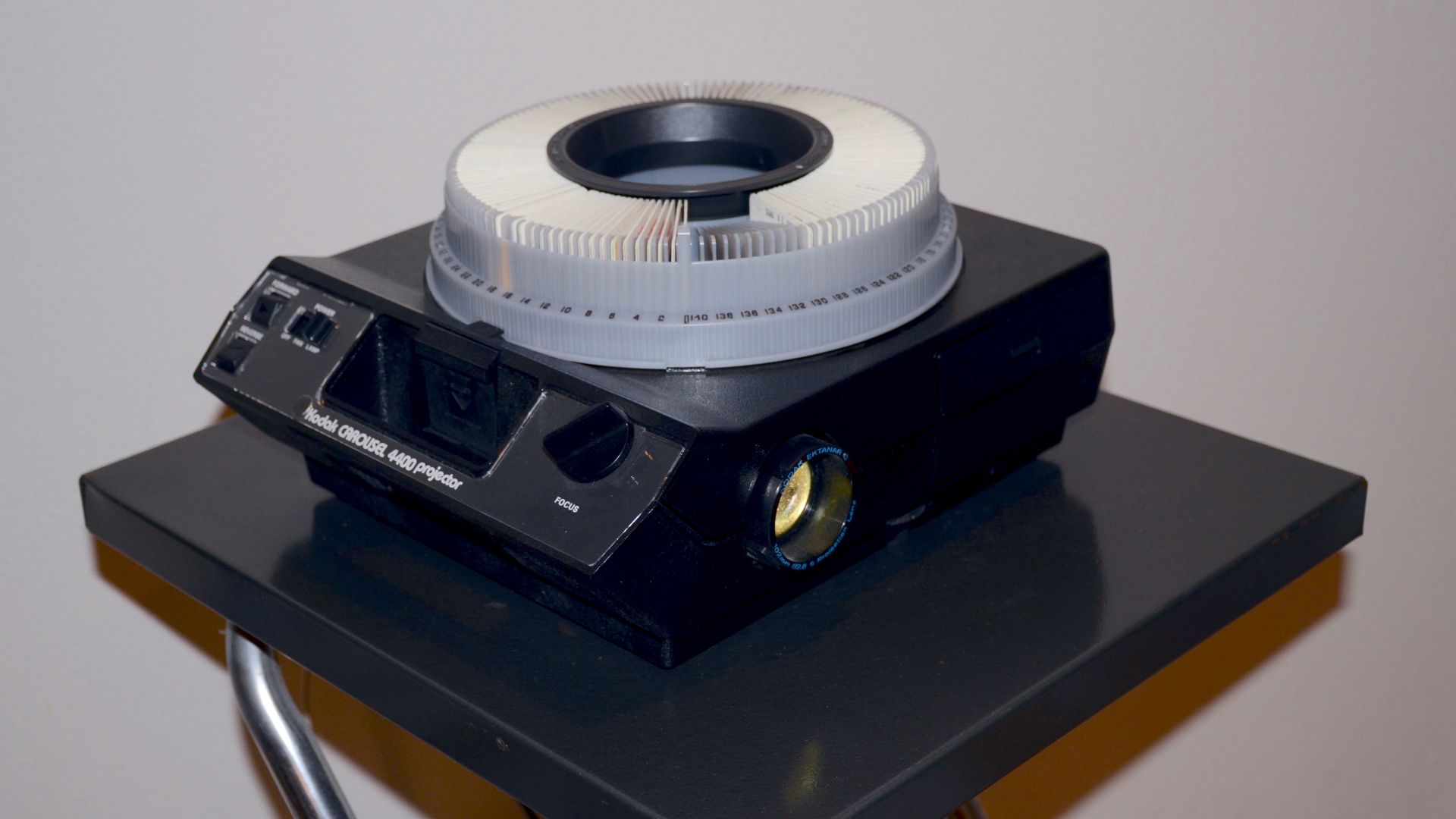 Steve Morgan, Wikimedia Commons
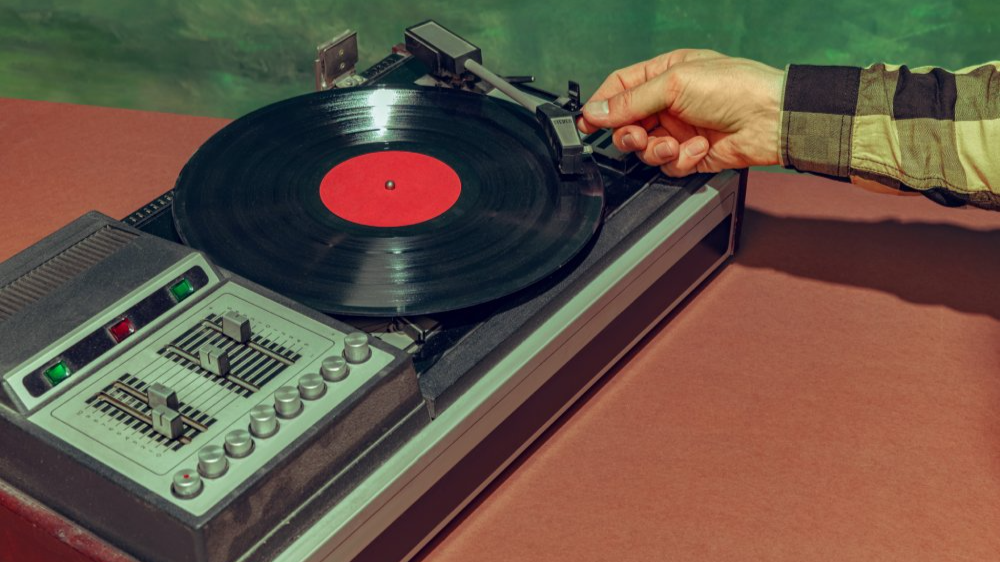
Classroom Record Players
Long before streaming services, schools relied on record players for music and recorded educational material. Records could accompany language lessons, performances, or listening activities. Educational equipment inventories from the period confirm that turntables remained an established part of classroom technology.
Reel-To-Reel Tape Recorders
Large tape reels once stored recordings used in schools and language laboratories. Operating the equipment required threading magnetic tape through the machine. By the 1970s, these recorders shared educational duties with smaller cassette machines that were easier to transport.
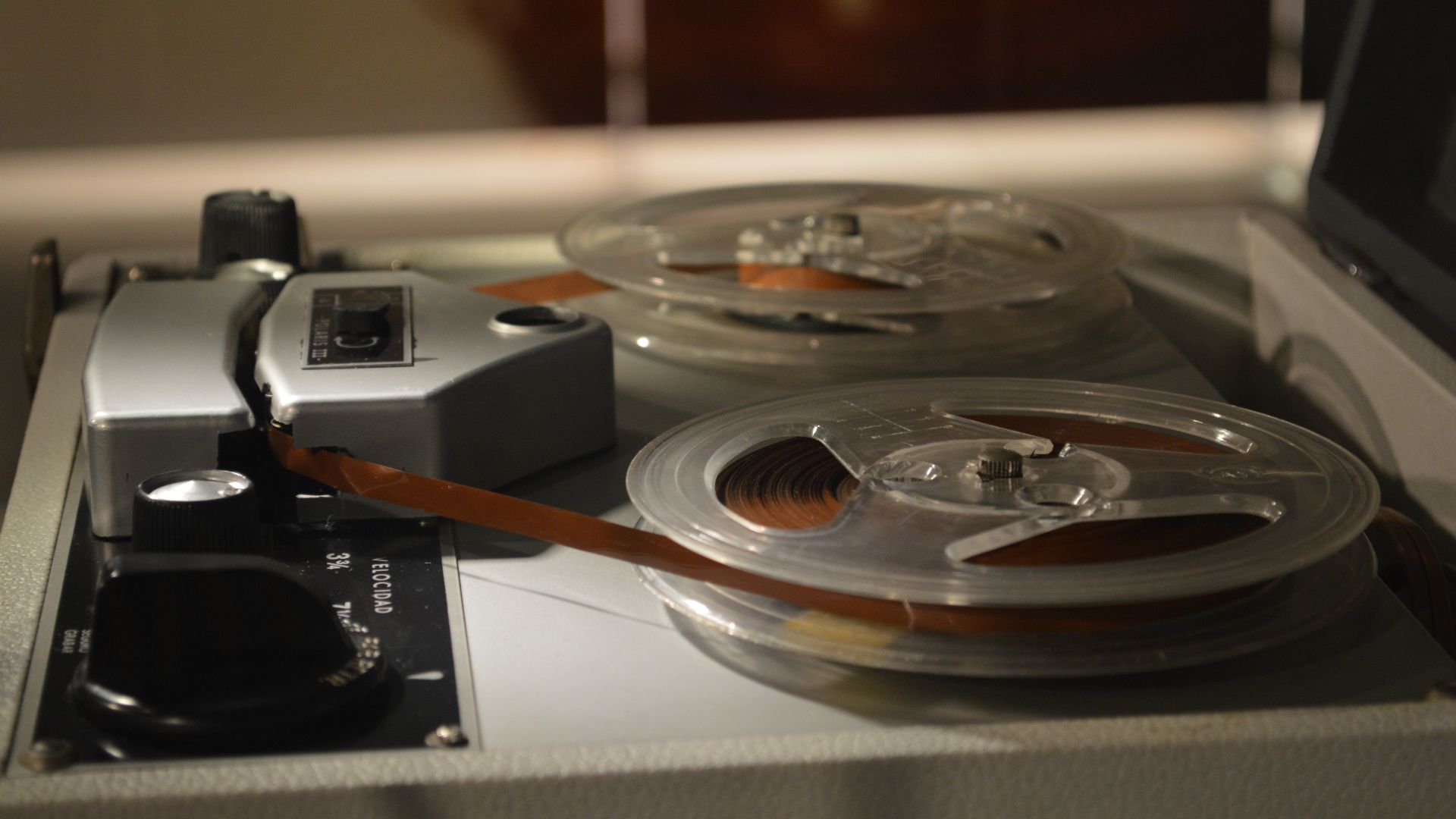 AlejandroLinaresGarcia, Wikimedia Commons
Portable Cassette Recorders
Cassette recorders became standard educational audio equipment in many schools by the early 1970s. Teachers could play recordings without handling bulky reels. Portable machines made recorded lessons, music, and listening exercises considerably more convenient than earlier playback systems.
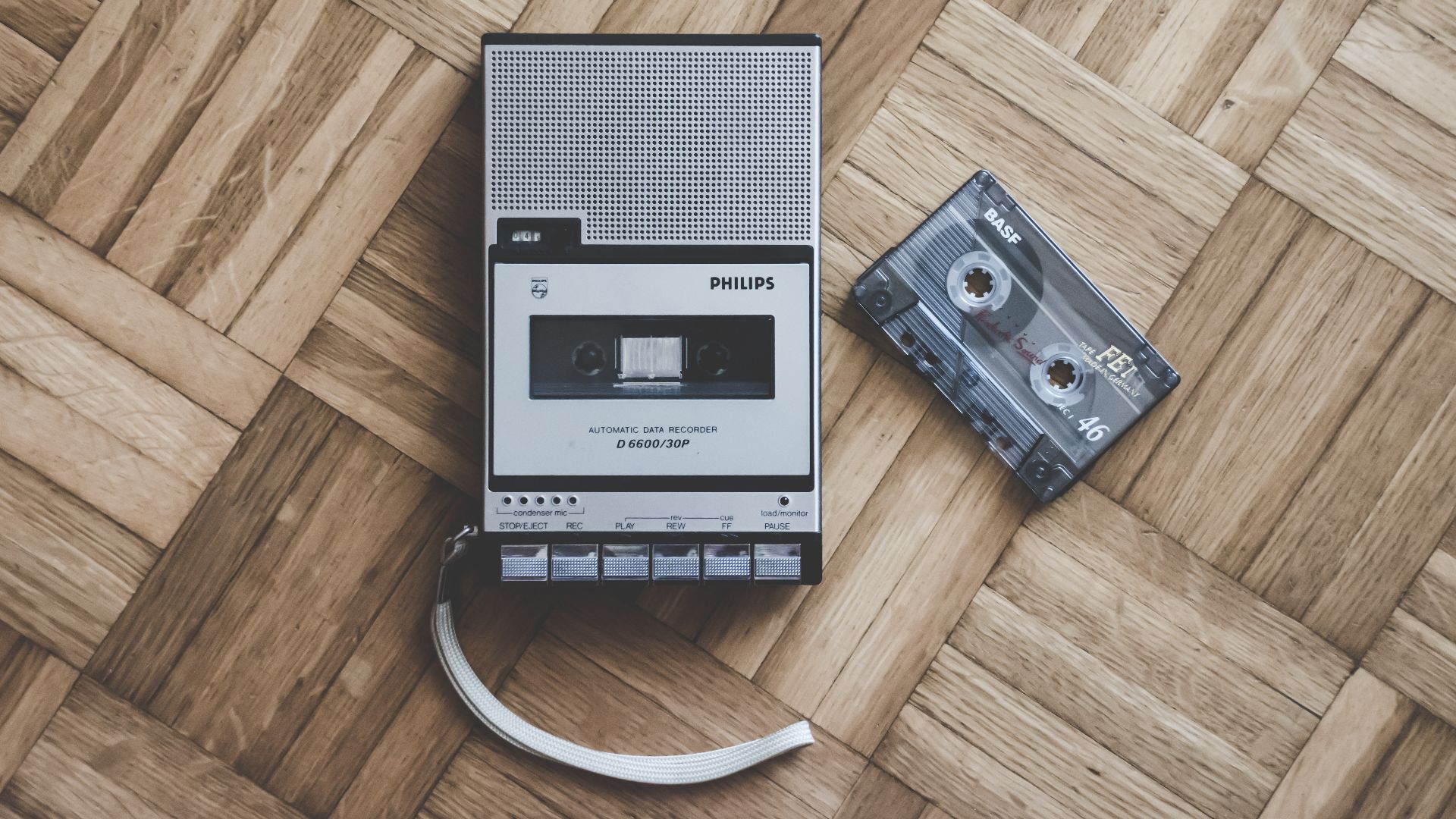 Simone Acquaroli simoacqua, Wikimedia Commons
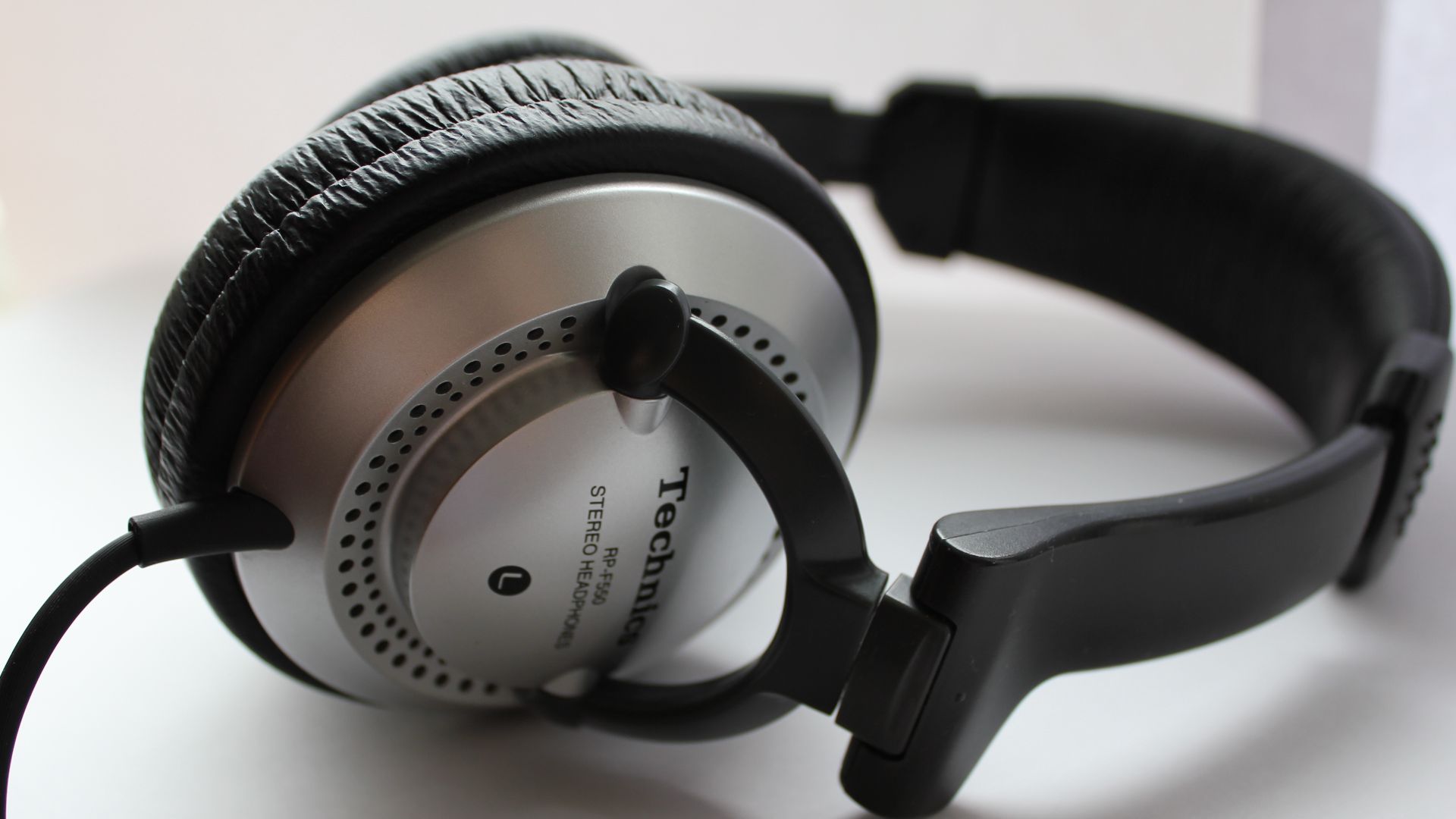
Language Laboratory Headsets
Some language courses sent students into individual booths equipped with headphones and recording equipment. Students listened to pronunciations, repeated phrases, and sometimes recorded themselves for comparison. These laboratories represented an ambitious attempt to bring audio technology into language instruction.
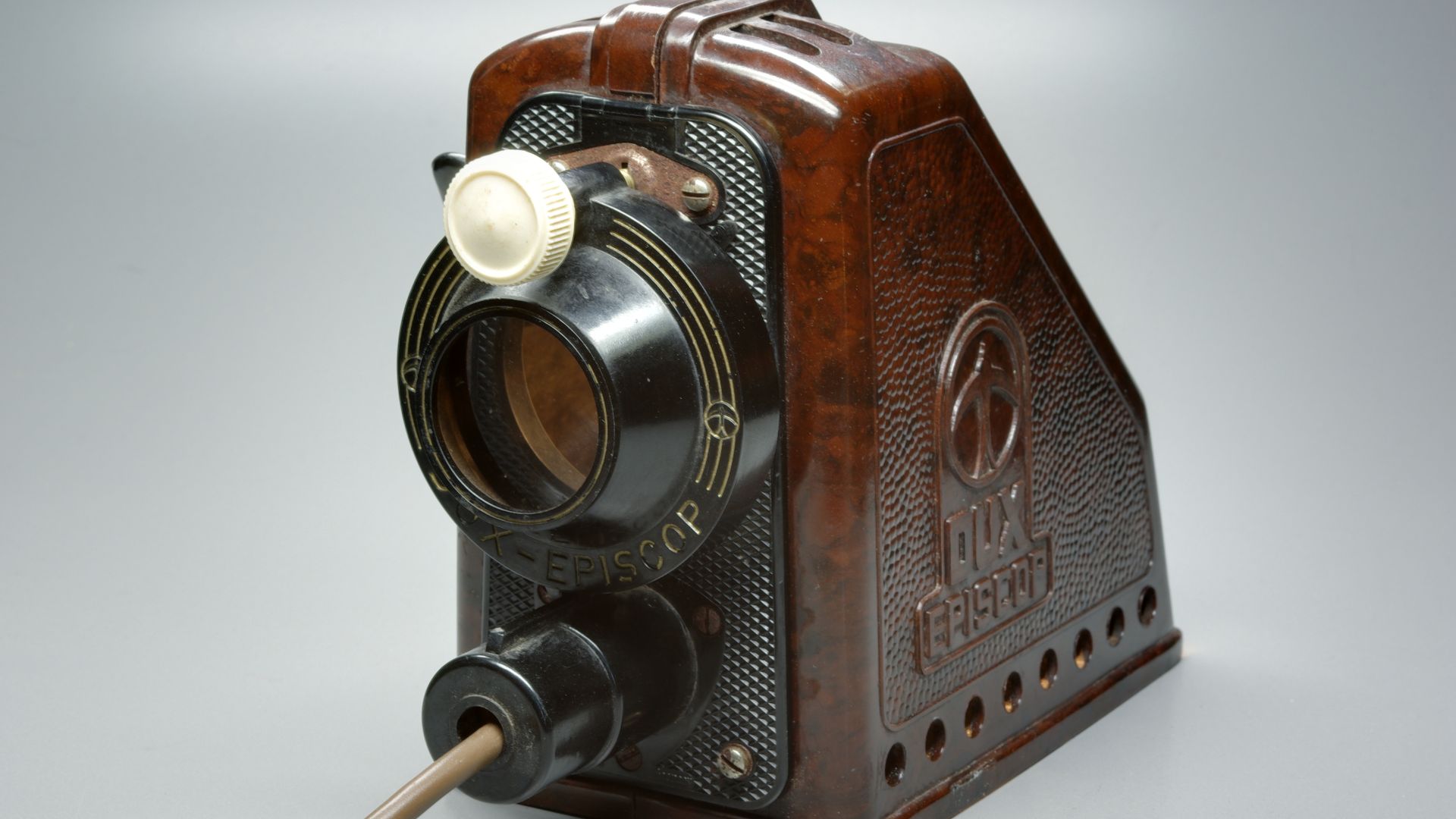
Opaque Projectors
Unlike overhead projectors, opaque projectors could display images from ordinary printed materials and even certain physical objects. Teachers used them to enlarge pictures and illustrations without creating transparencies. Their powerful lamps worked best in suitably darkened rooms.
 Berthold Werner, Wikimedia Commons
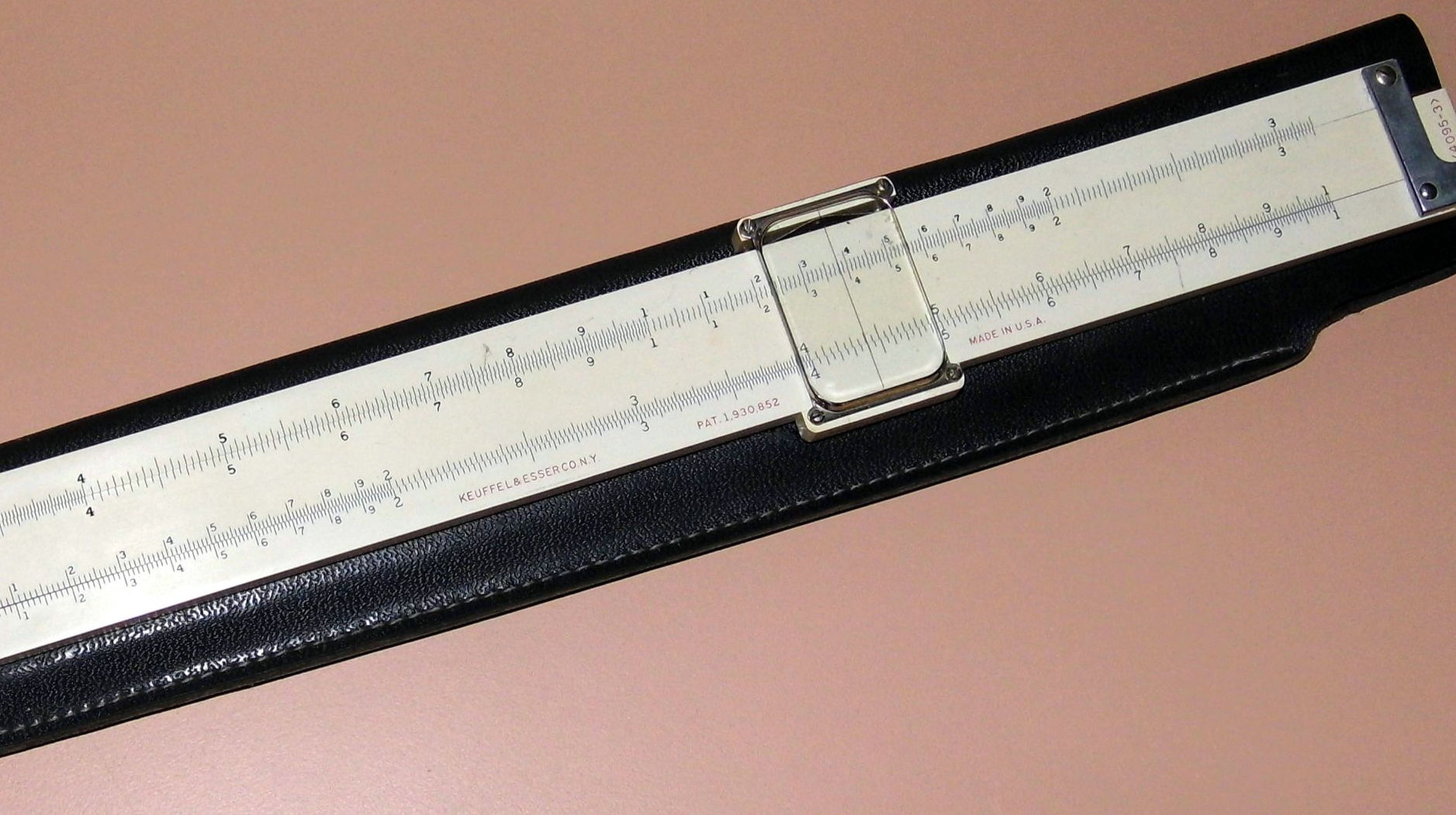
Slide Rules
Before inexpensive electronic calculators transformed mathematics classes, slide rules helped students multiply, divide, and perform more advanced calculations. Their sliding logarithmic scales required practice and understanding. By the late 1970s, handheld calculators had largely displaced these once-important mathematical instruments.
 Joe Haupt from USA, Wikimedia Commons
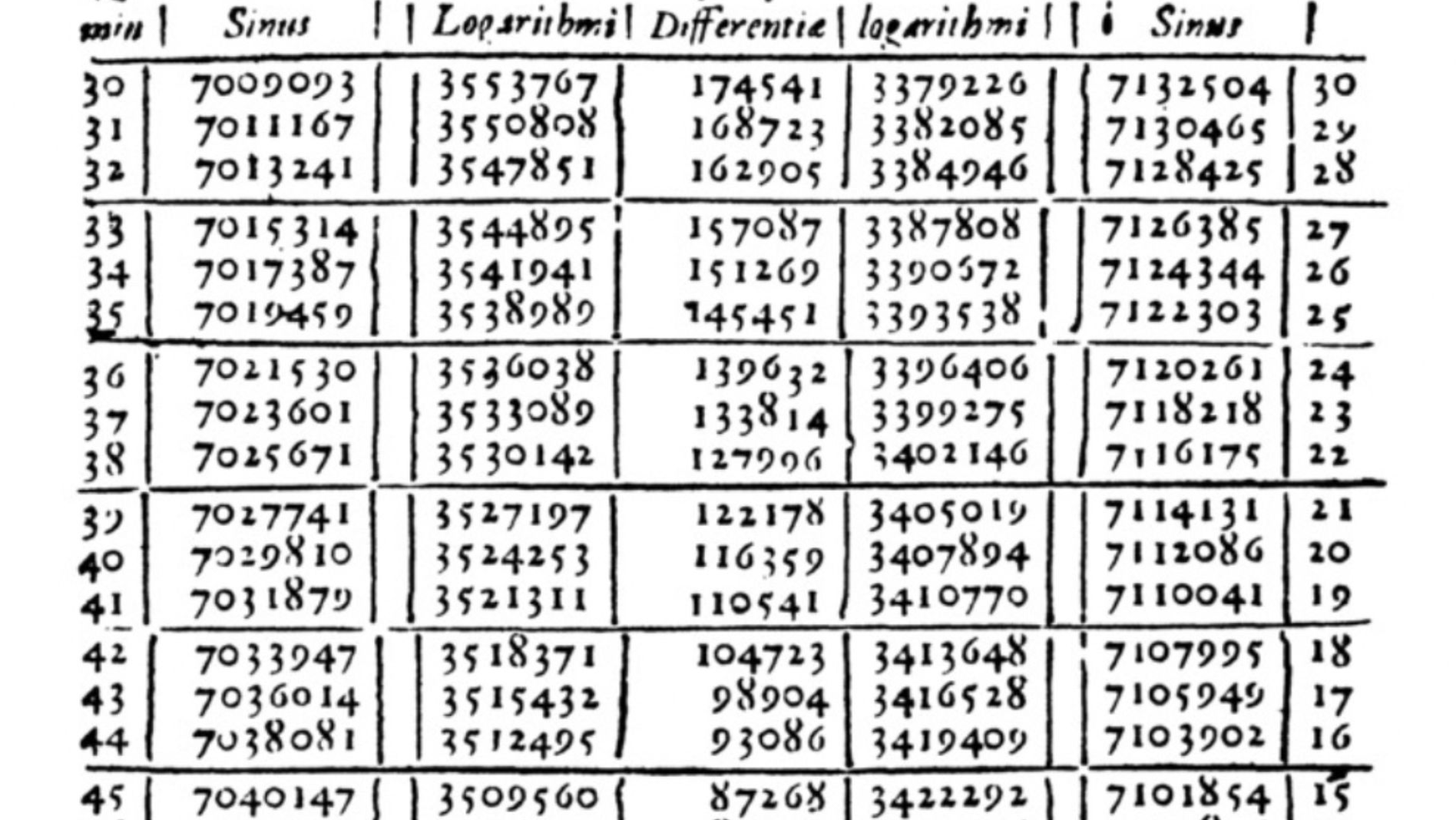
Printed Logarithm Tables
Advanced mathematics students once consulted printed logarithm tables to simplify complicated calculations. Instead of pressing calculator buttons, they searched numerical columns and performed additional arithmetic. Learning to use these tables was part of mathematical education before electronic calculators became affordable.
 John Napier, Wikimedia Commons
SRA Reading Laboratory Cards
Science Research Associates introduced its Reading Laboratory program in 1950. Students worked through color-coded reading materials designed for different skill levels, gradually progressing toward more challenging exercises. The familiar classroom boxes made individualized reading practice possible without requiring a separate textbook for everyone.
My Weekly Reader
My Weekly Reader brought current events directly into elementary classrooms. First published in 1928, it offered grade-specific editions by the early 1970s. Students encountered news stories, illustrations, photographs, and puzzles in a small newspaper designed specifically for young readers.

Wooden Library Card Catalogs
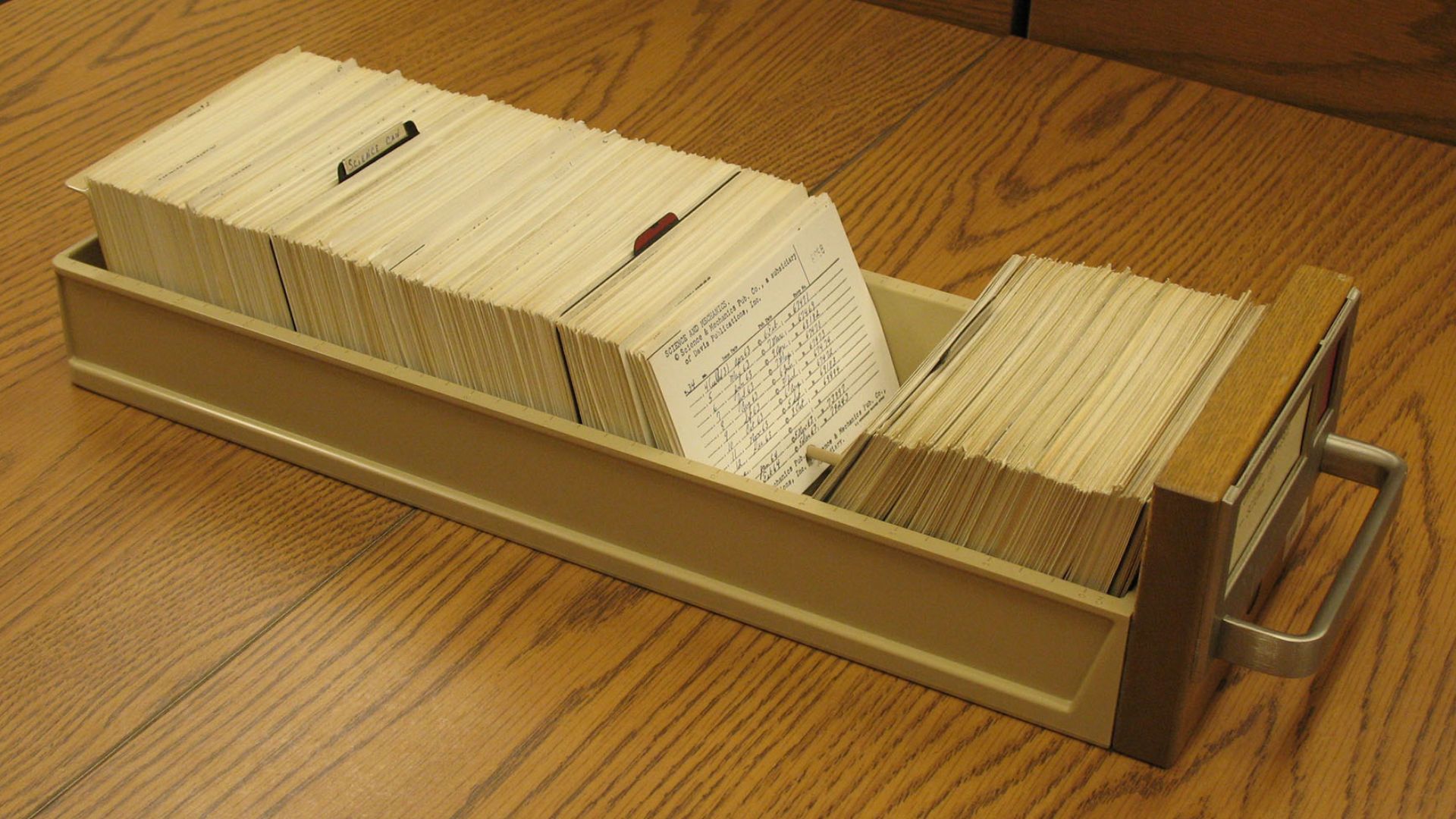
Finding a library book once meant searching through drawers filled with alphabetical index cards. Entries identified authors, titles, and subjects, helping readers locate materials on shelves. The system required patience, but it taught generations of students how to navigate library collections.
 Michael Holley Swtpc6800, Wikimedia Commons
You May Also Like:
Forgotten Moral Panics That Took Over Newspapers, Schools, And Living Rooms
Bizarre Historical Facts They Never Taught Us In School