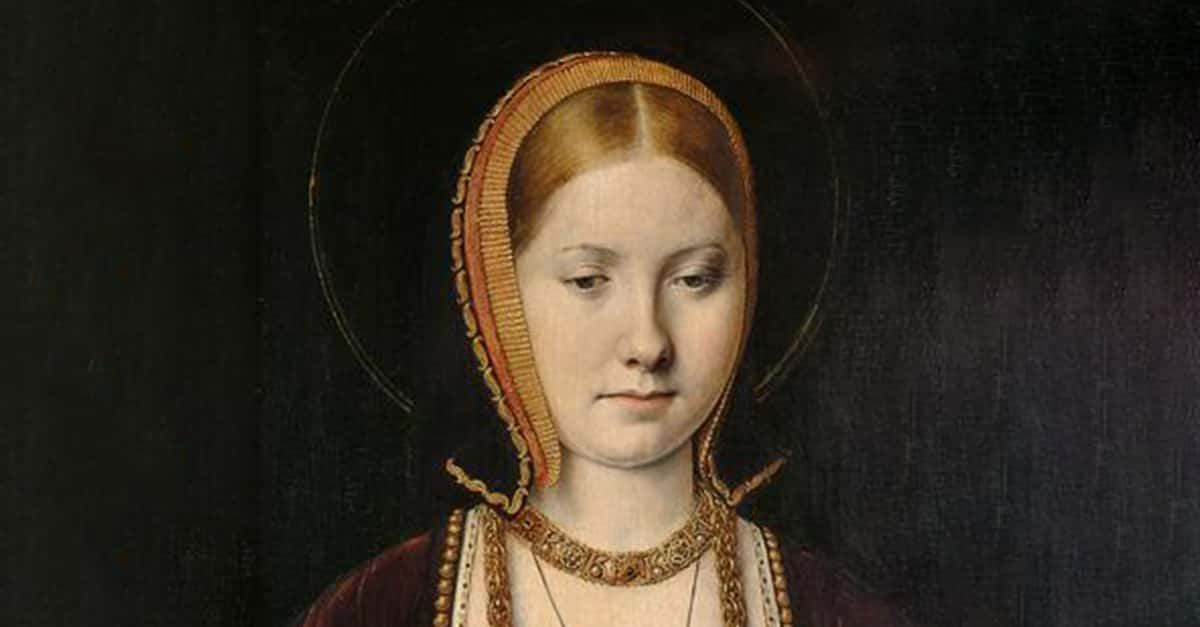
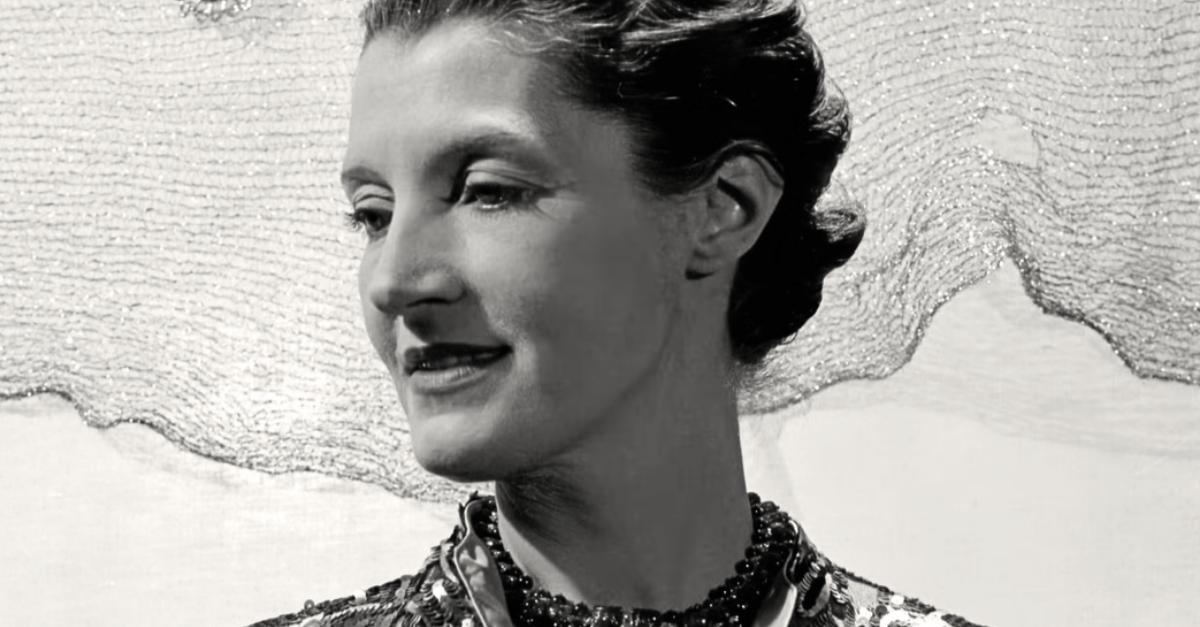
The Heiress Who Had Everything To Hide
Daisy Fellowes was high society's most glamorous troublemaker. But behind her extraordinary fortune, ruthless reputation, and priceless jewels were devastating family tragedies and a surprisingly precarious financial legacy that complicated everything the world thought it knew about her.
She Was Born Into An Enormous Fortune
Born in Paris on April 29, 1890, Daisy Fellowes entered the world as Marguerite Séverine Philippine Decazes de Glücksberg. Her father was the third Duke of Decazes, while her mother, Isabelle-Blanche Singer, belonged to the immensely wealthy Singer sewing machine family. Daisy inherited a remarkable combination of American money and European aristocratic connections, but those privileges couldn't protect her from tragedy.
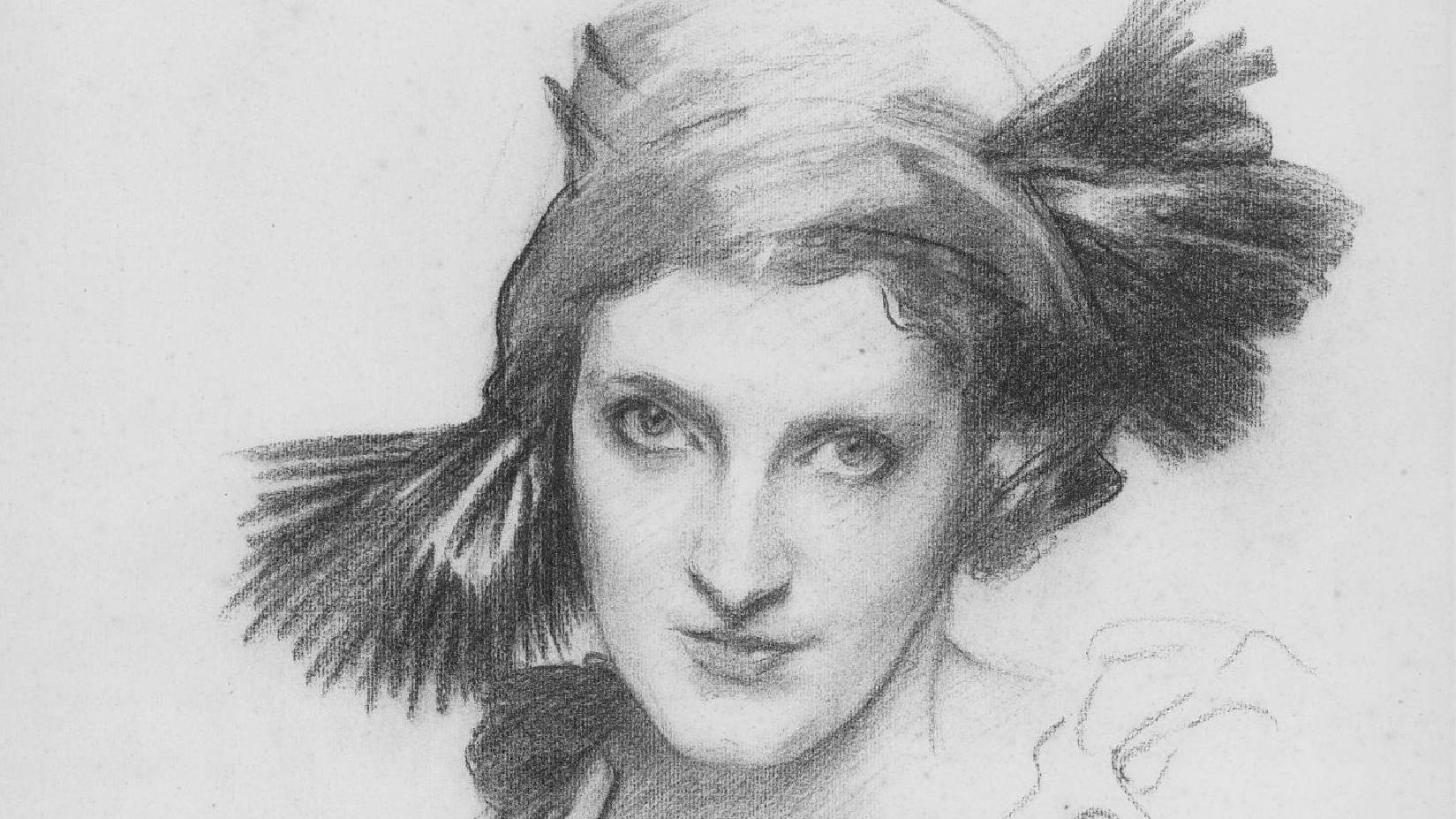 John Singer Sargent, Wikimedia Commons
Her Mother Met A Devastating End
When Daisy was just six years old, her mother took her own life in 1896. The loss shattered the young heiress's childhood, leaving her and her two brothers without their mother. Although Daisy would eventually become famous for her apparent emotional detachment, her early years were marked by an extraordinary amount of grief.

Her Father Was Barely Around
Daisy's father was frequently absent, leaving much of the responsibility for raising his children to their mother's relatives. Daisy and her brothers were largely brought up by their aunt, Winnaretta Singer, better known as Princess Edmond de Polignac. This unusual upbringing introduced Daisy to a world of extraordinary privilege, but it also meant that her childhood was far removed from the ordinary family life she had already lost.
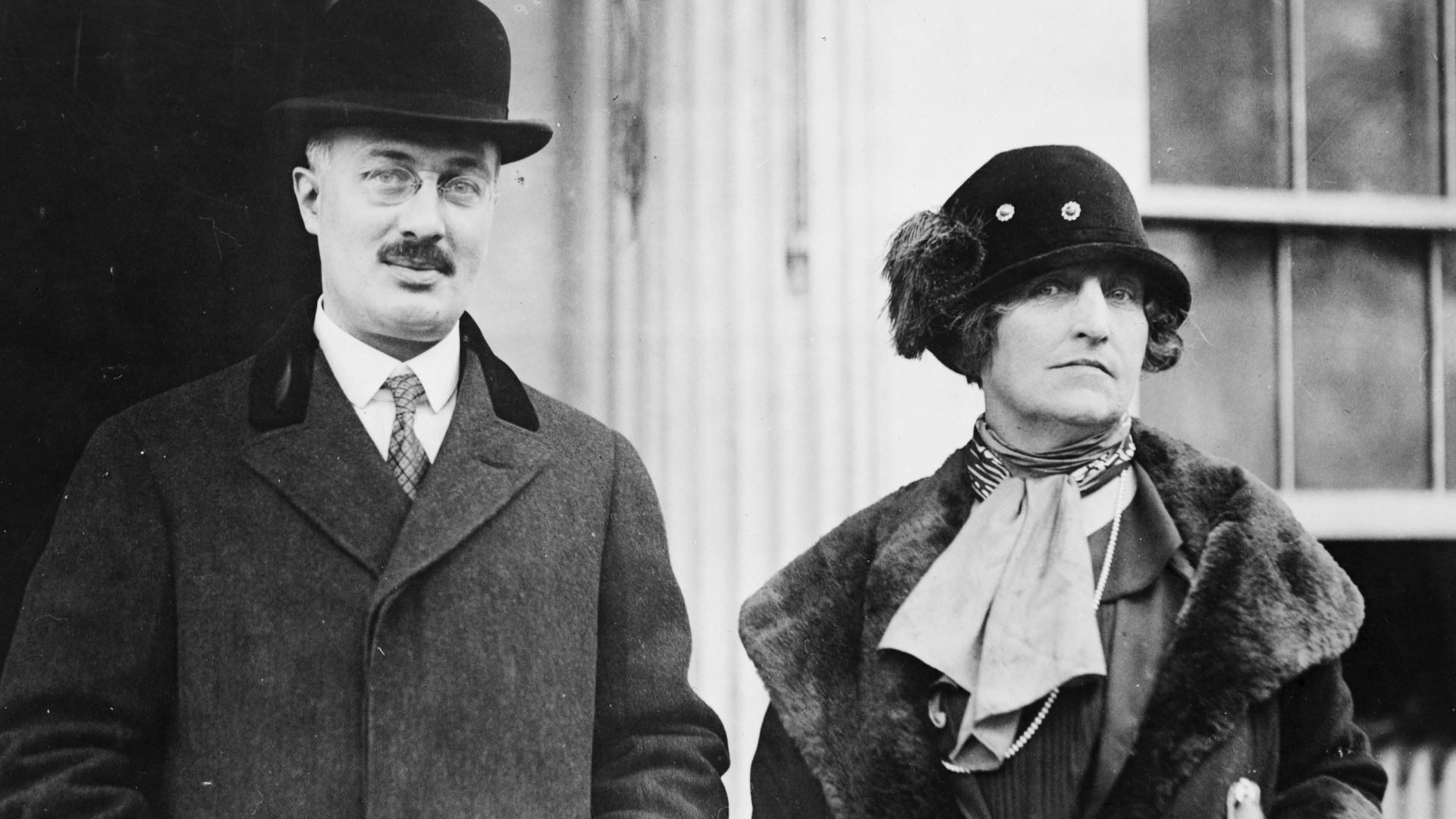 National Photo Company Collection, Wikimedia Commons
Her Aunt Opened A Different World
Winnaretta Singer wasn't simply a wealthy relative who provided Daisy with a comfortable home. She was an influential patron of music and the arts whose Parisian gatherings attracted some of Europe's most celebrated creative figures. Growing up around this remarkable circle gave Daisy an introduction to artists, intellectuals, and aristocrats that helped shape the woman she would become.
 Winnaretta Singer (1865-1943), Wikimedia Commons
She Learned To Command Attention
By the time Daisy reached adulthood, she had developed a striking sense of personal style and a talent for navigating fashionable society. Her aristocratic connections gave her access to exclusive gatherings, while her Singer inheritance provided the means to participate. She quickly discovered that attracting attention could be just as valuable as possessing an impressive family name.
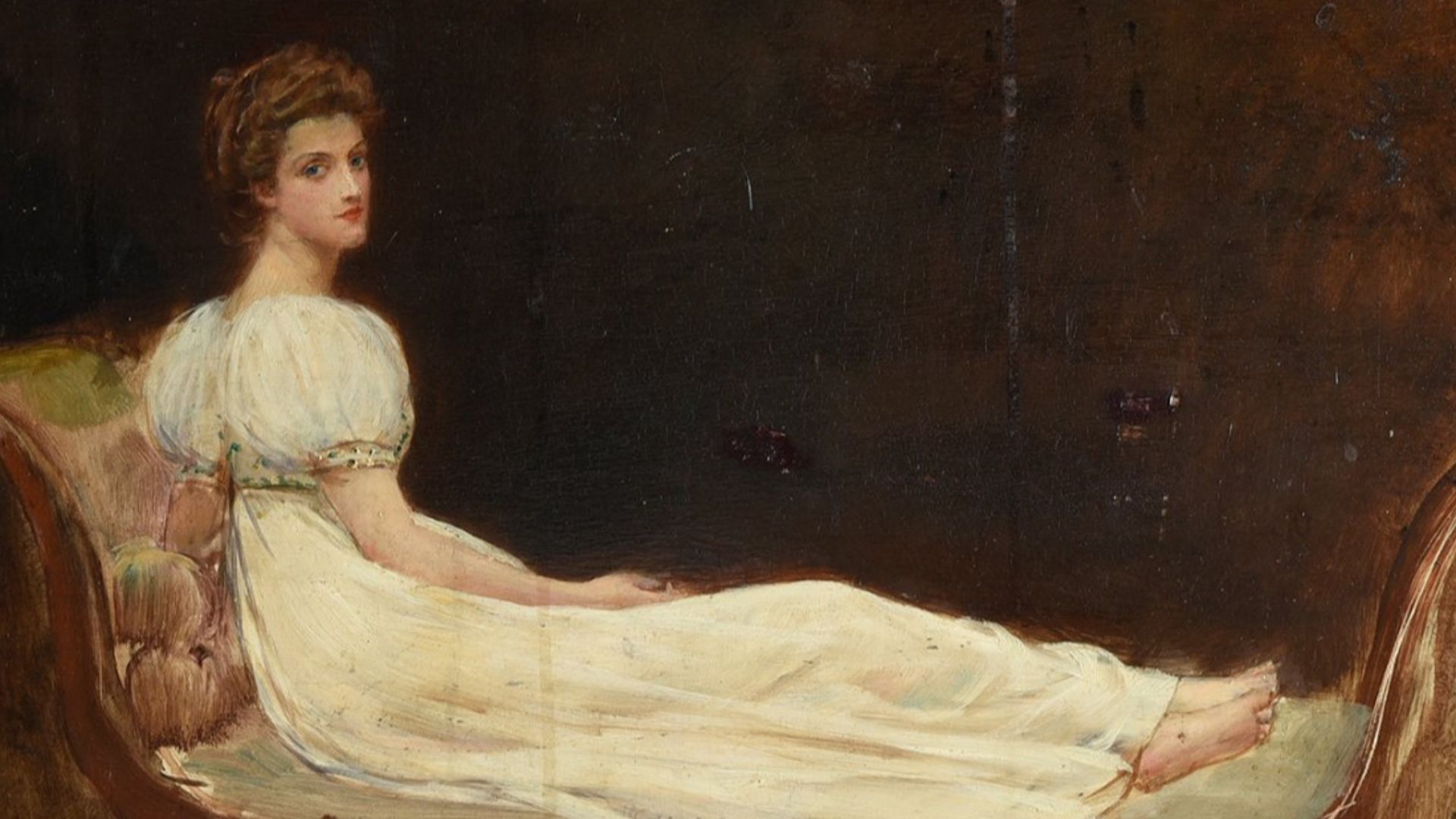 Jean Béraud, Wikimedia Commons
She Married A Real Prince
In 1910, Daisy married Prince Jean de Broglie, establishing herself even more firmly among Europe's titled elite. Their marriage produced three daughters, Emmeline, Isabelle, and Jacqueline. On paper, the arrangement looked like a perfect match between a wealthy heiress and a member of the French aristocracy, but the story would take a darker turn.
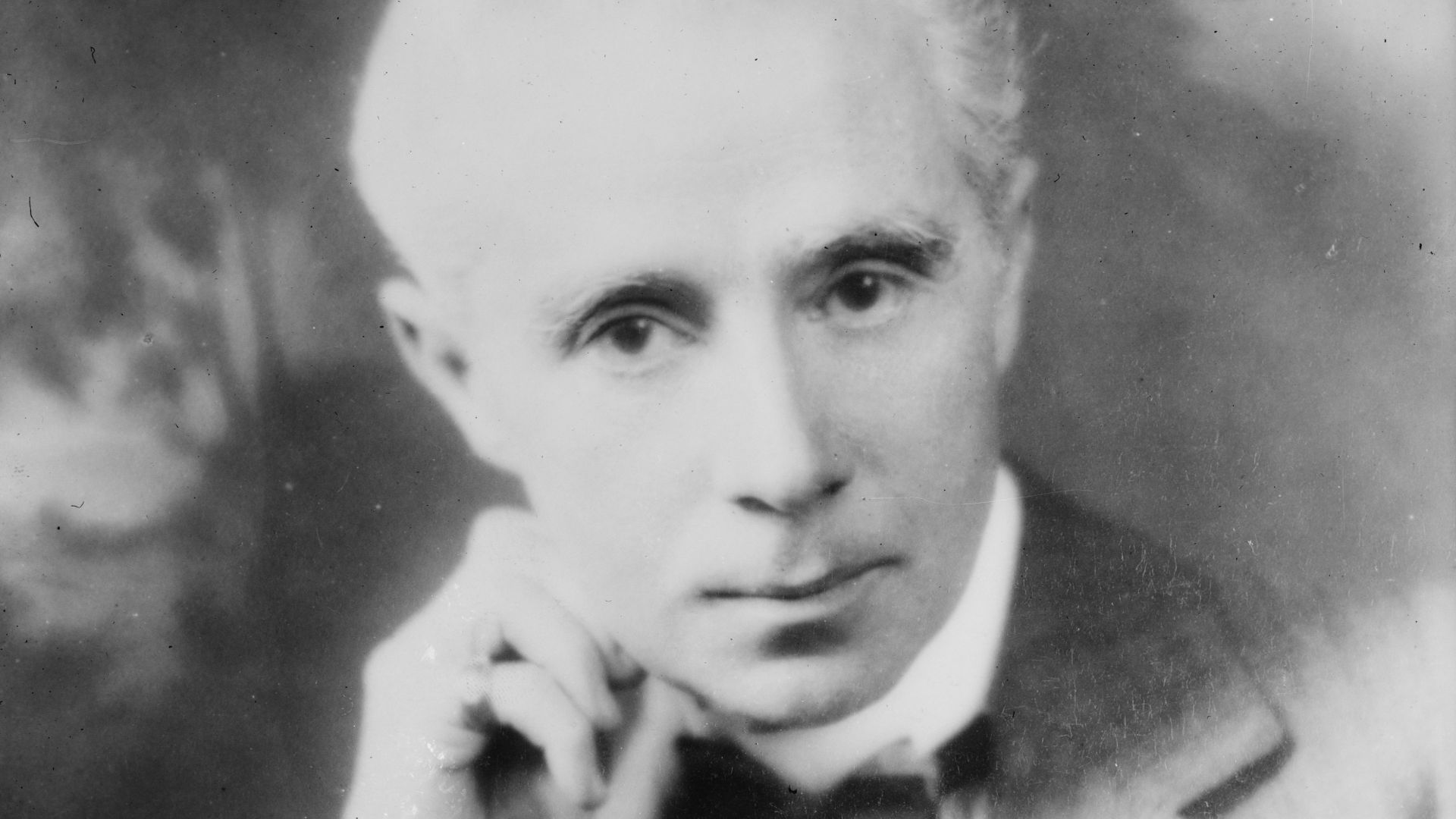 Bain News Service, publisher, Wikimedia Commons
Her First Marriage Ended In Tragedy
Daisy's first husband died in 1918, leaving her widowed while still in her twenties. Some accounts attribute his death to influenza during his military service, while later retellings offer conflicting explanations. The circumstances became the subject of gossip, but the more sensational versions have not been established through reliable contemporary evidence.
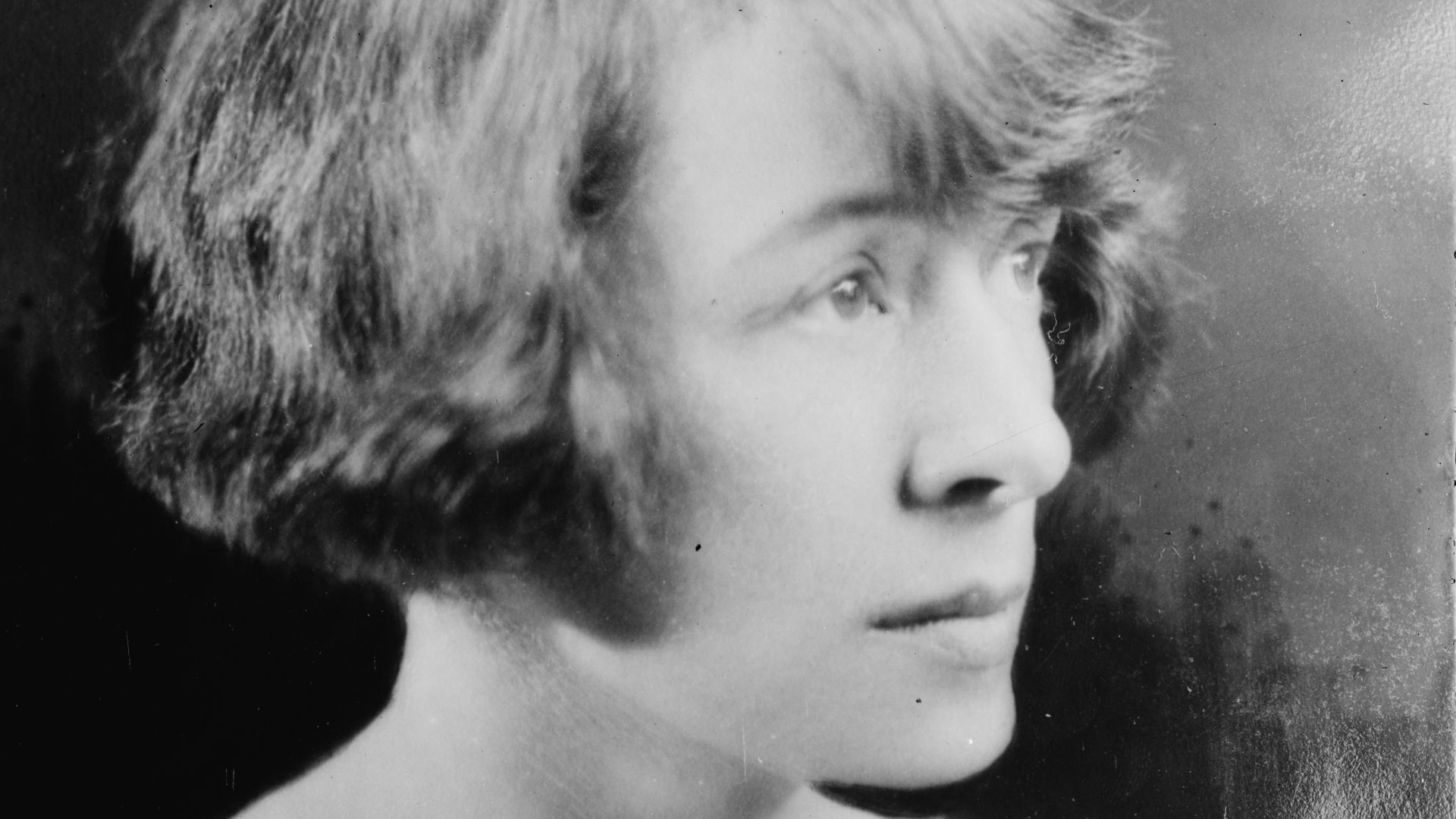 Bain News Service, publisher, Wikimedia Commons
She Found Another Powerful Husband
Daisy married Reginald Fellowes in 1919, only a year after losing her first husband. Reginald was a banker from a prominent British family and a cousin of Winston Churchill. Their marriage gave Daisy stronger connections to British high society, and the couple would eventually have a daughter named Rosamond.
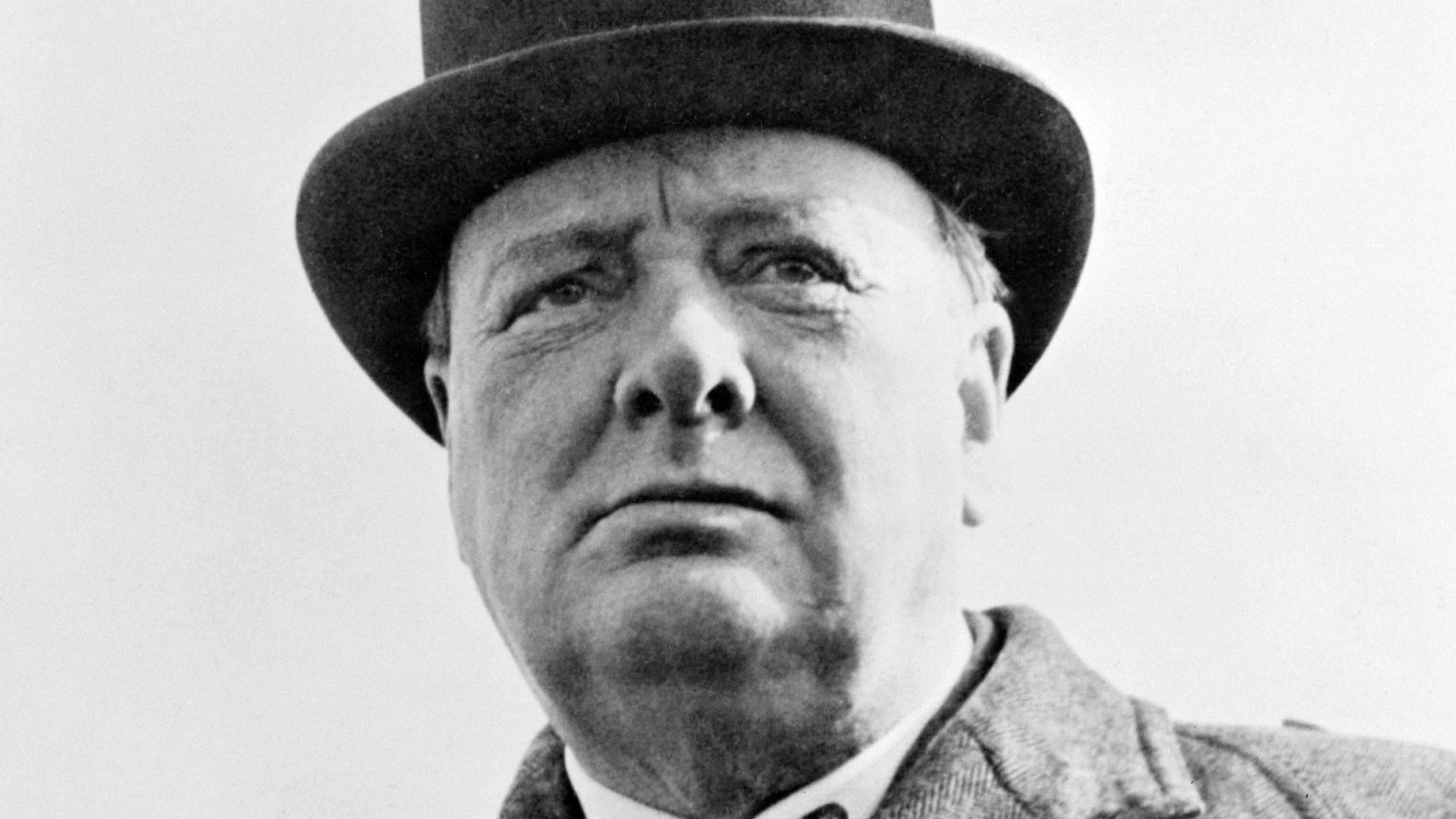 United Nations Information Office, New York, Wikimedia Commons
She Entered A Glittering Social Circle
With enormous wealth, fashionable friends, and connections to prominent European families, Daisy became a fixture of elite society during the interwar years. Her circle included writers, artists, and some of the period's most influential tastemakers. Yet the quality that distinguished Daisy from other wealthy socialites wasn't simply her money, but her willingness to challenge the social rules that surrounded her.
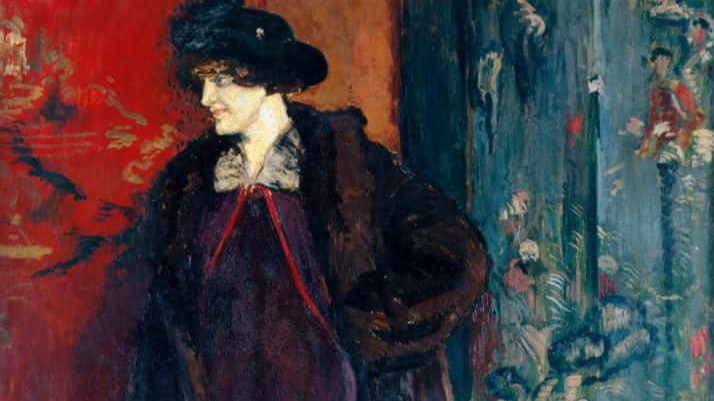
Her Sharp Tongue Became Legendary
Daisy developed a reputation for delivering cutting observations that could leave even hardened socialites uncomfortable. Her wit wasn't always playful, and descriptions of her personality frequently emphasized how intimidating she could be. The combination of impeccable elegance and a willingness to offend helped earn her a lasting reputation as one of high society's most formidable women.
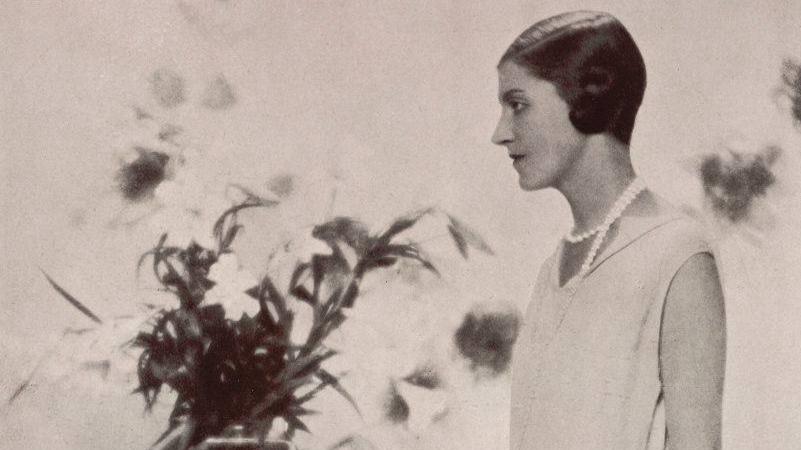
Her Own Children Weren't Spared
One particularly unflattering story concerns Daisy's attitude toward her daughters. In an anecdote recounted in later accounts of her life, Daisy reportedly described each of her three older daughters in distinctly unkind terms, even making a startling claim about Jacqueline's father. The story captures her reputation for casual cruelty, although the circumstances of the remark and its implications about Jacqueline's parentage cannot be independently confirmed.
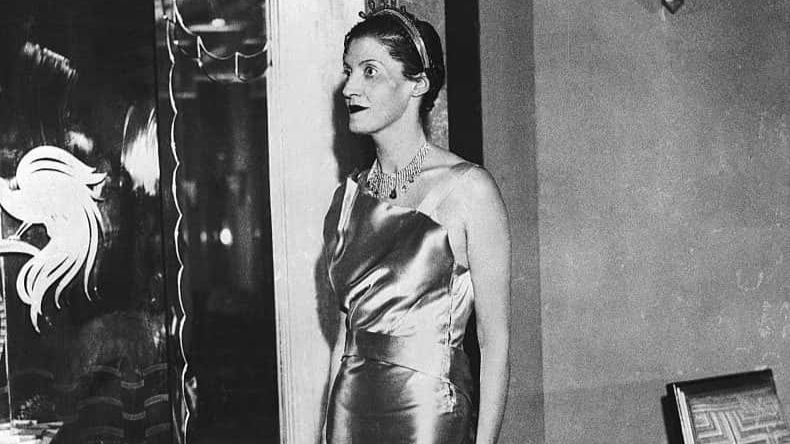
Her Reputation Concealed An Extraordinary Talent
For all the attention paid to her difficult personality, Daisy possessed a genuinely influential eye for fashion. She had an instinct for combining understated clothing with outrageous accessories, creating looks that other wealthy women would eventually imitate. Her ability to influence fashionable society made her more than another extravagantly dressed heiress, and the fashion industry soon took notice.
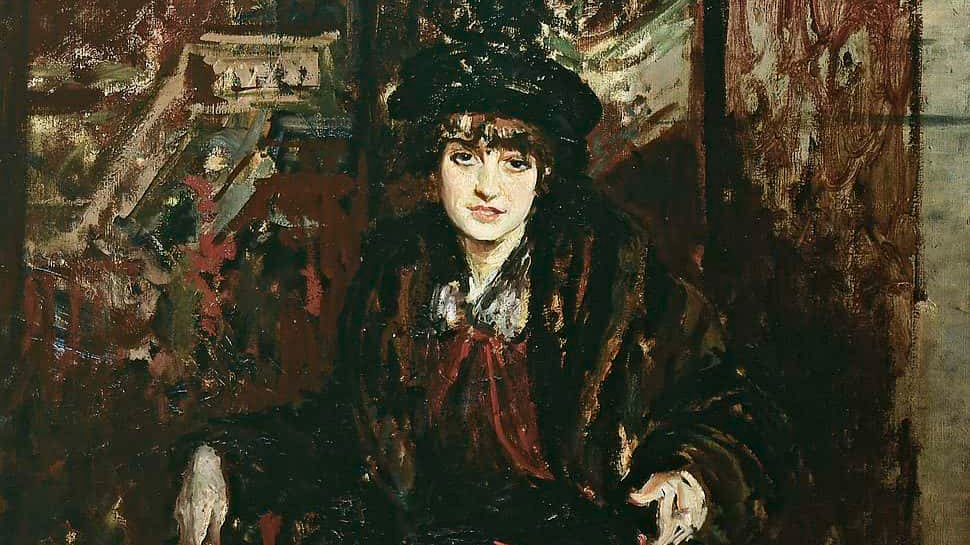
She Landed An Influential Magazine Job
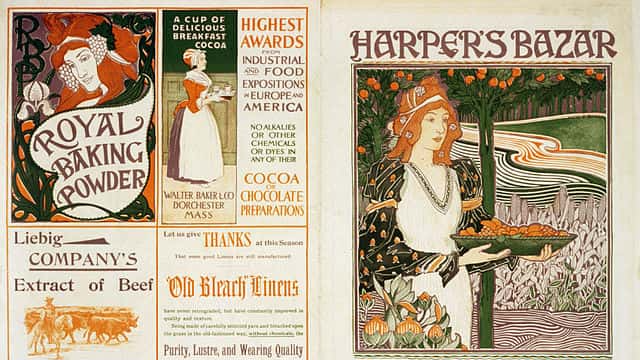
In 1933, Daisy became the Paris editor of the American edition of Harper's Bazaar. Her appointment reflected her standing as a fashion authority and gave her a professional role within an increasingly influential industry. She remained associated with the magazine until 1935, during a period when Parisian fashion was attracting extraordinary international attention.
 Harper's Bazaar. Illustrations by Louis J. Rhead., Wikimedia Commons
She Had An Unexpected Generous Side
Despite her reputation for cruelty, Daisy reportedly gave her magazine salary to orphanages. The gesture is particularly striking considering her own childhood, when she lost her mother and was largely raised by relatives. It complicates the familiar portrait of Daisy as an entirely self-centered figure, suggesting that her private experiences may have influenced some surprisingly charitable decisions.
 Parrot of Doom, Wikimedia Commons
She Became A Fashion Designer's Dream
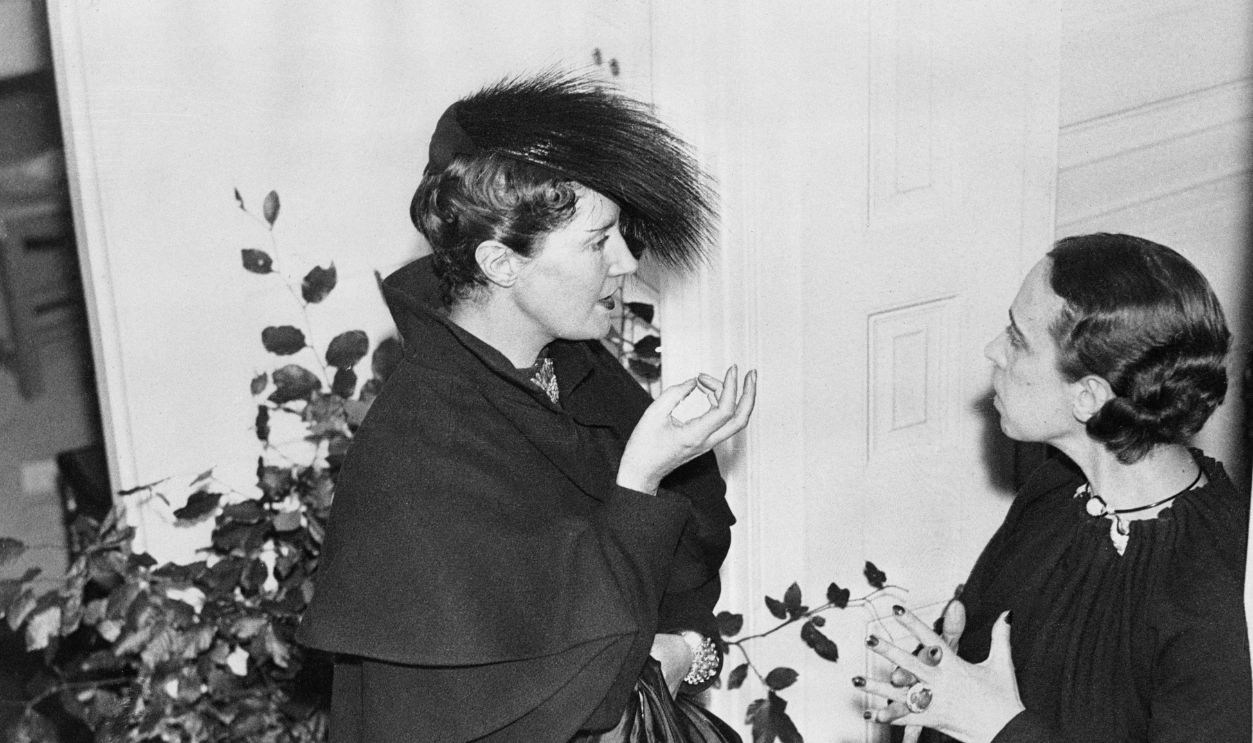
One of Daisy's most important creative relationships was with Elsa Schiaparelli, the Italian designer whose Parisian fashion house embraced unconventional ideas. Daisy became a devoted patron, wearing clothes that many fashionable women would have considered far too daring. Their shared appetite for originality helped turn some of the era's strangest designs into enduring fashion history.
She Wore A Shoe On Her Head
In 1937, Schiaparelli collaborated with artist Salvador Dalí to create an extraordinary hat shaped like an upside-down shoe. The design was inspired by a photograph of Dalí wearing a woman's shoe on his head, and it became one of fashion's most memorable experiments. Daisy was among the few prominent women willing to wear the bizarre creation, earning praise from Schiaparelli herself.
 Charles Eshelman, Getty Images
She Owned Another Outrageous Creation
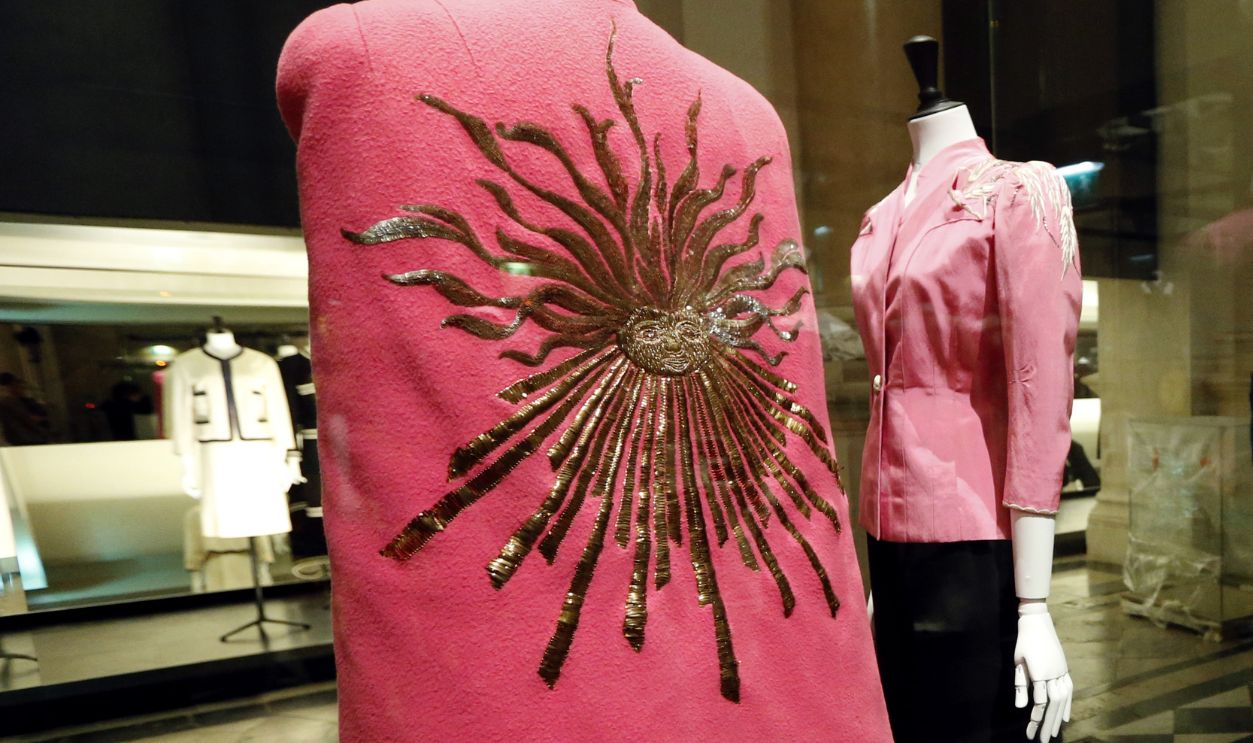
Daisy's wardrobe also included Schiaparelli's extraordinary Phoebus cape, created for the winter 1938–1939 collection. Designed with contributions from artist Christian Bérard, the garment featured a dramatic embroidered sun motif across its back. The piece eventually entered the collection of Paris's Palais Galliera fashion museum, preserving a striking example of Daisy's unmistakable taste.
Her Jewelry Was Even More Daring
Daisy didn't restrict her experiments to clothing, and her extraordinary jewelry collection became just as famous as her wardrobe. She favored oversized gemstones, unusual combinations of colors, and unconventional shapes that challenged traditional expectations of elegant accessories. Her collaborations with renowned jewelers would produce some of the most remarkable pieces of the twentieth century.
 Tim Evanson from Cleveland Heights, Ohio, USA, Wikimedia Commons
She Commissioned A Legendary Necklace
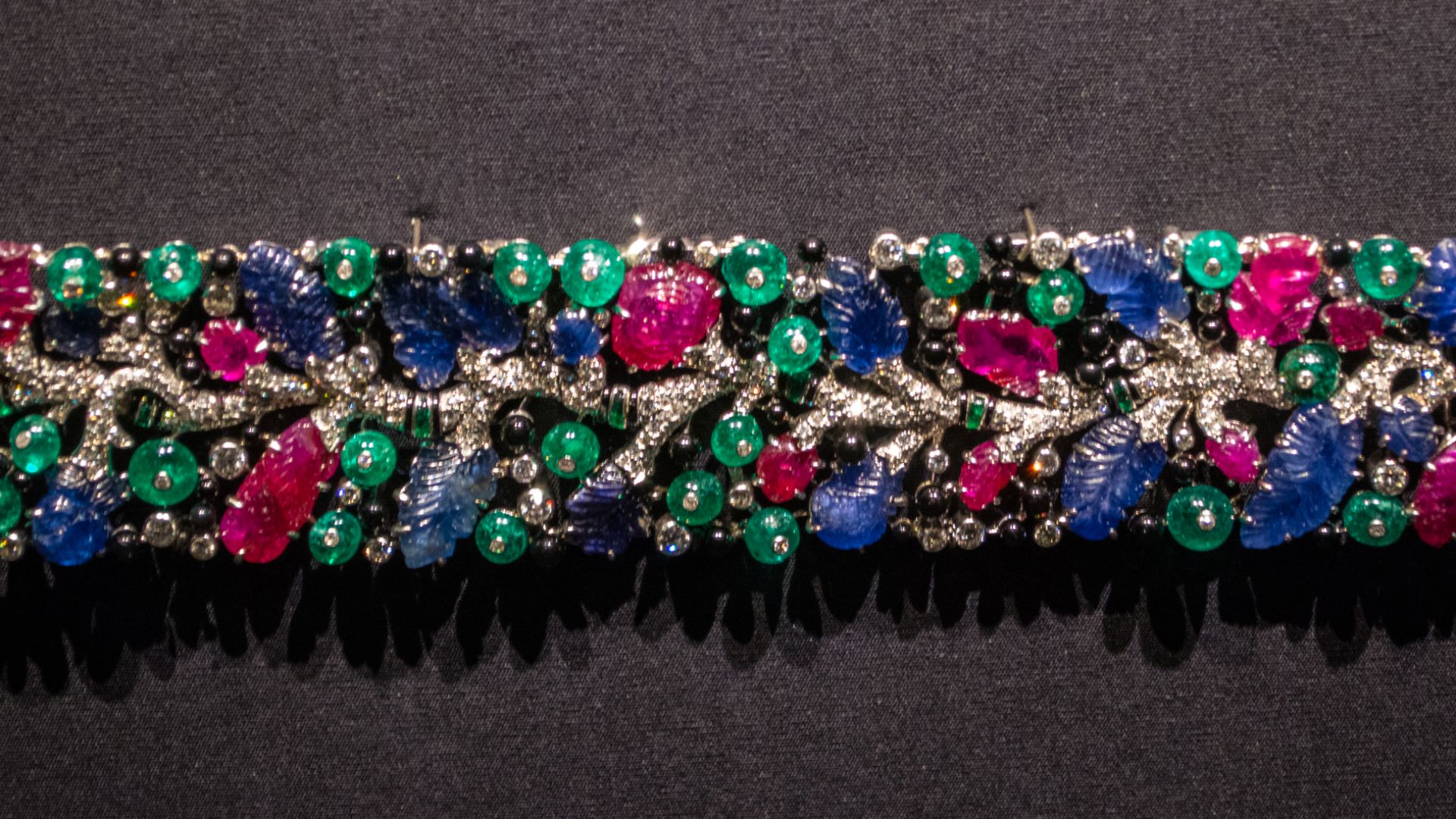
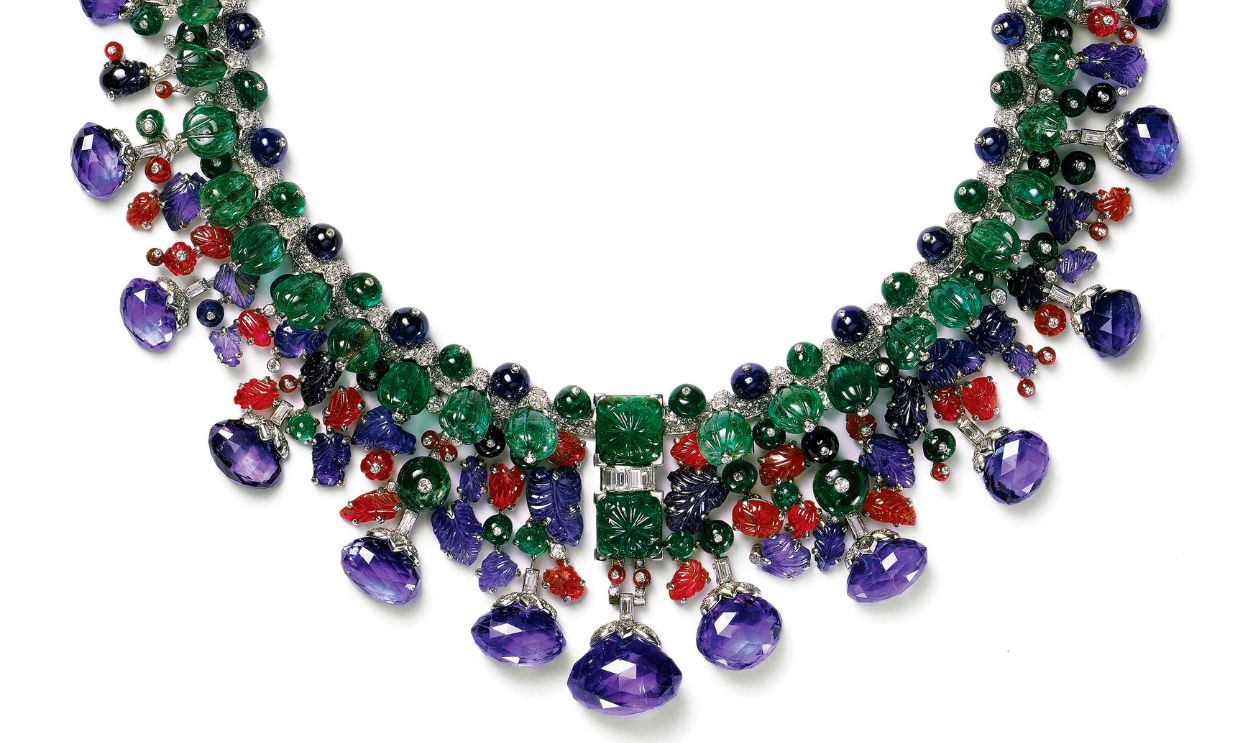
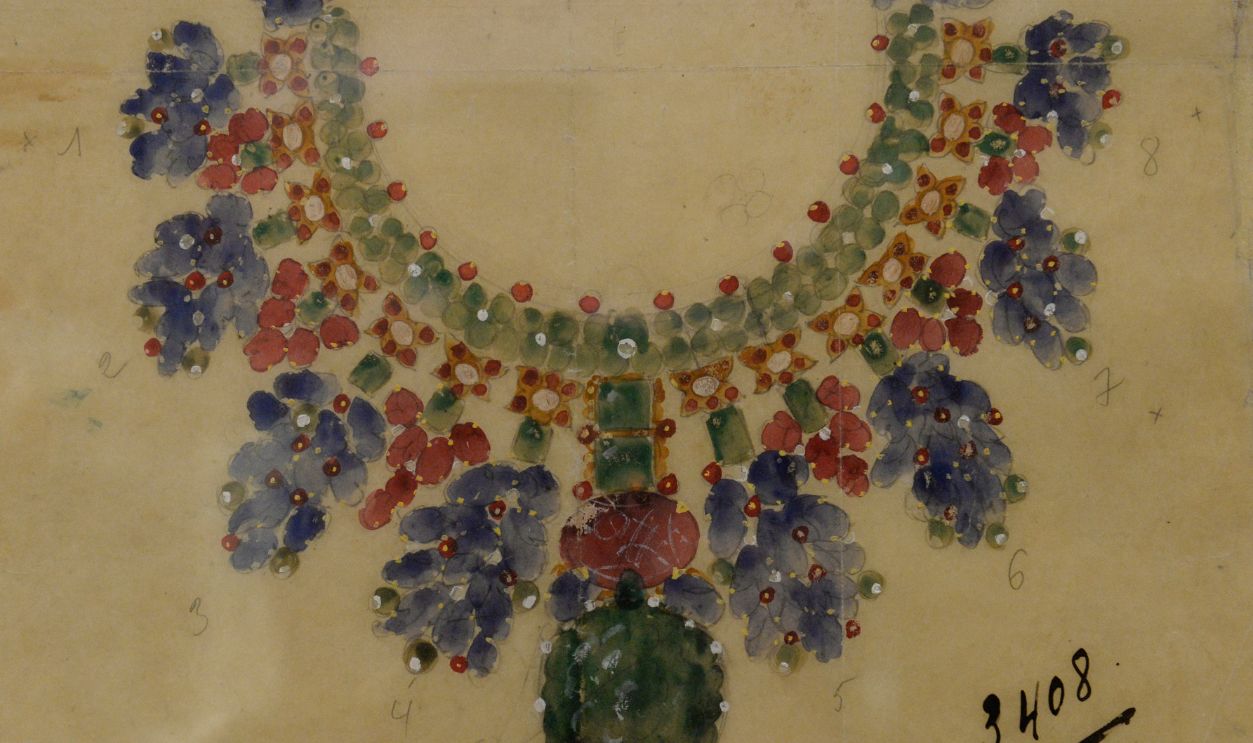
In 1936, Daisy commissioned Cartier to create a spectacular necklace incorporating carved emeralds, rubies, sapphires, and diamonds. Known as the Collier Hindou, it drew inspiration from Indian jewelry traditions and became a landmark example of what would later be called Cartier's Tutti Frutti style. The necklace was so elaborate that it helped establish Daisy's reputation as one of the world's most adventurous jewelry collectors.
She Turned Old Jewels Into Something Incredible
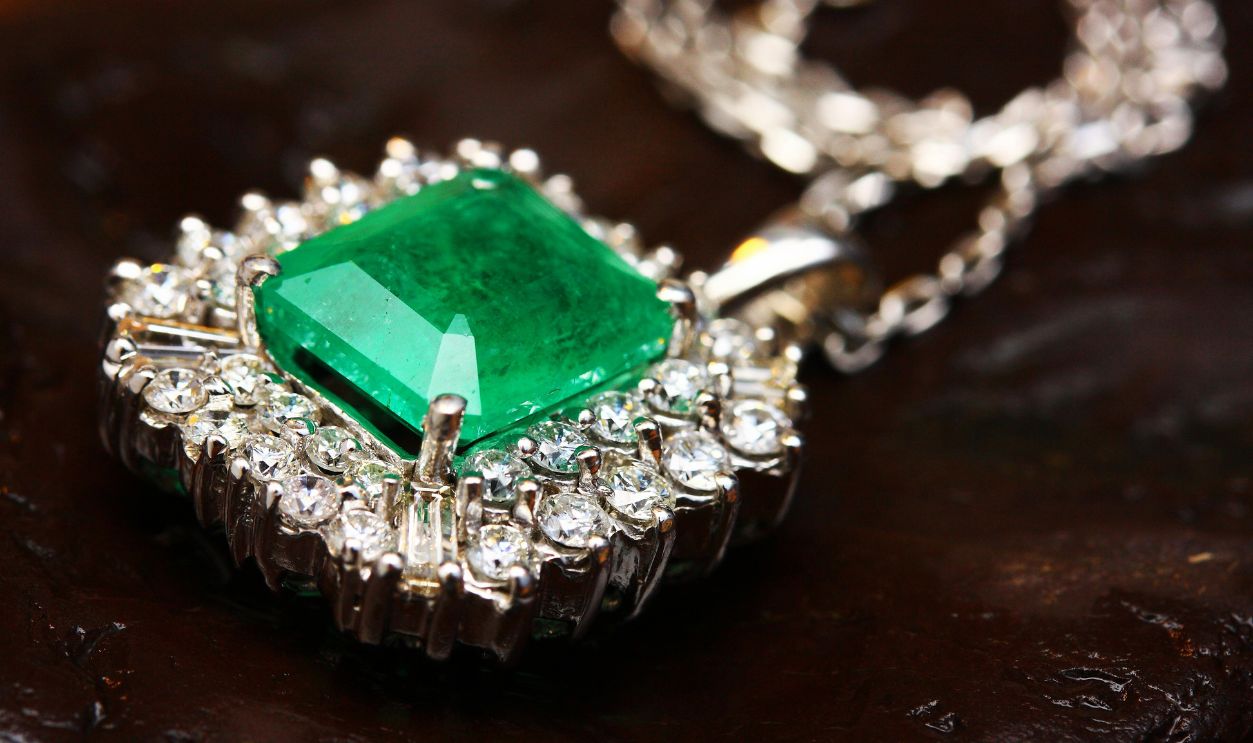
Rather than simply purchasing an entirely new necklace, Daisy supplied Cartier with gemstones and pieces from her existing collection. The resulting creation included carved floral designs, brightly colored stones, and a flexible arrangement that allowed part of the necklace to be worn separately. It demonstrated Daisy's willingness to reimagine valuable possessions instead of treating them as untouchable treasures.
Her Precious Stones Inspired A Fashion Revolution
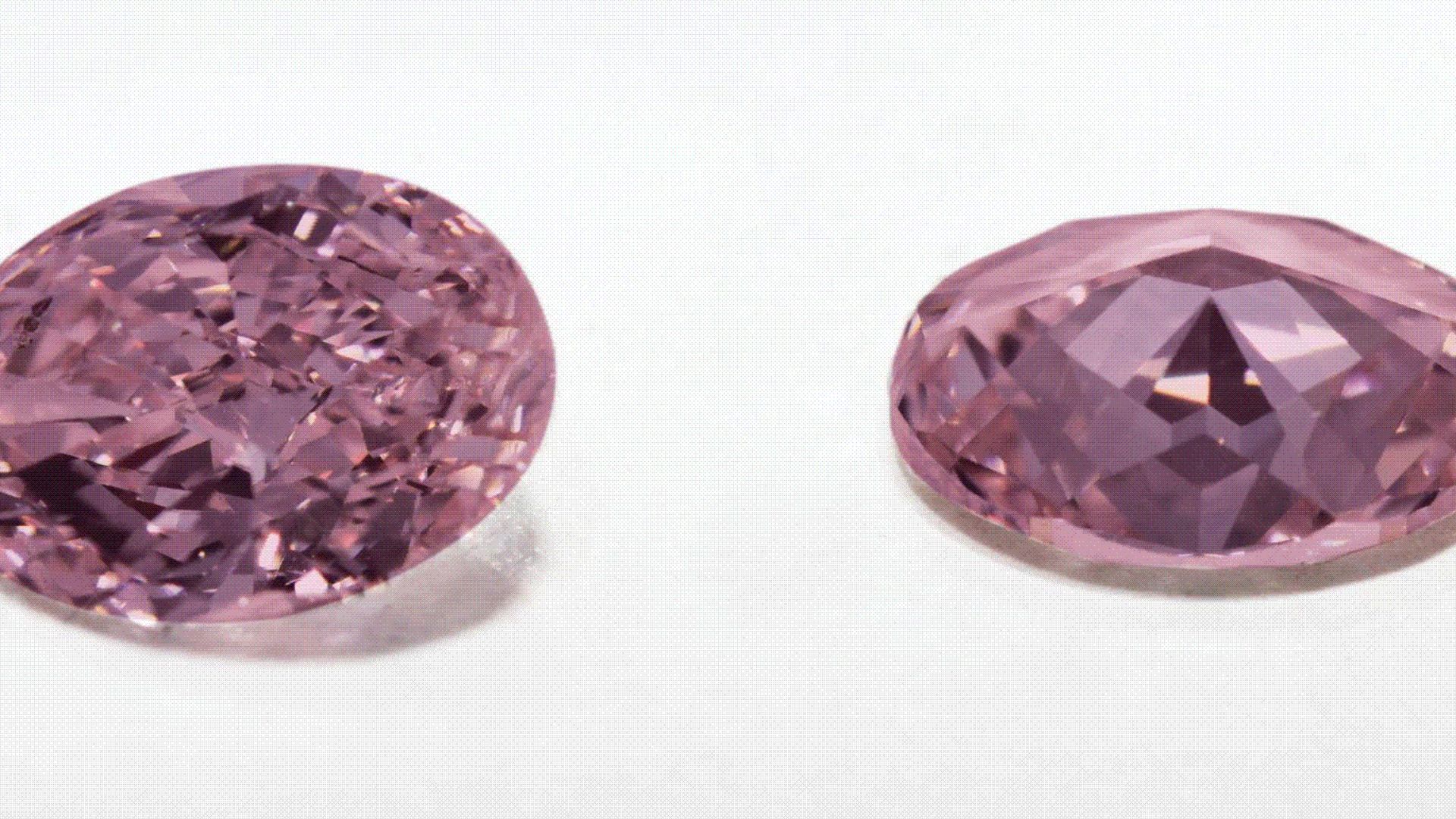
Daisy's interest in unusual gems extended beyond Cartier, and her collection included a particularly striking pink diamond known as the Ram's Head. According to Sotheby's jewelry research, this jewel helped inspire Schiaparelli's famous shocking pink color. The diamond itself reportedly disappeared in a theft in 1939, adding an unhappy chapter to the story of one of Daisy's most remarkable possessions.
She Had A Passion For Extraordinary Brooches
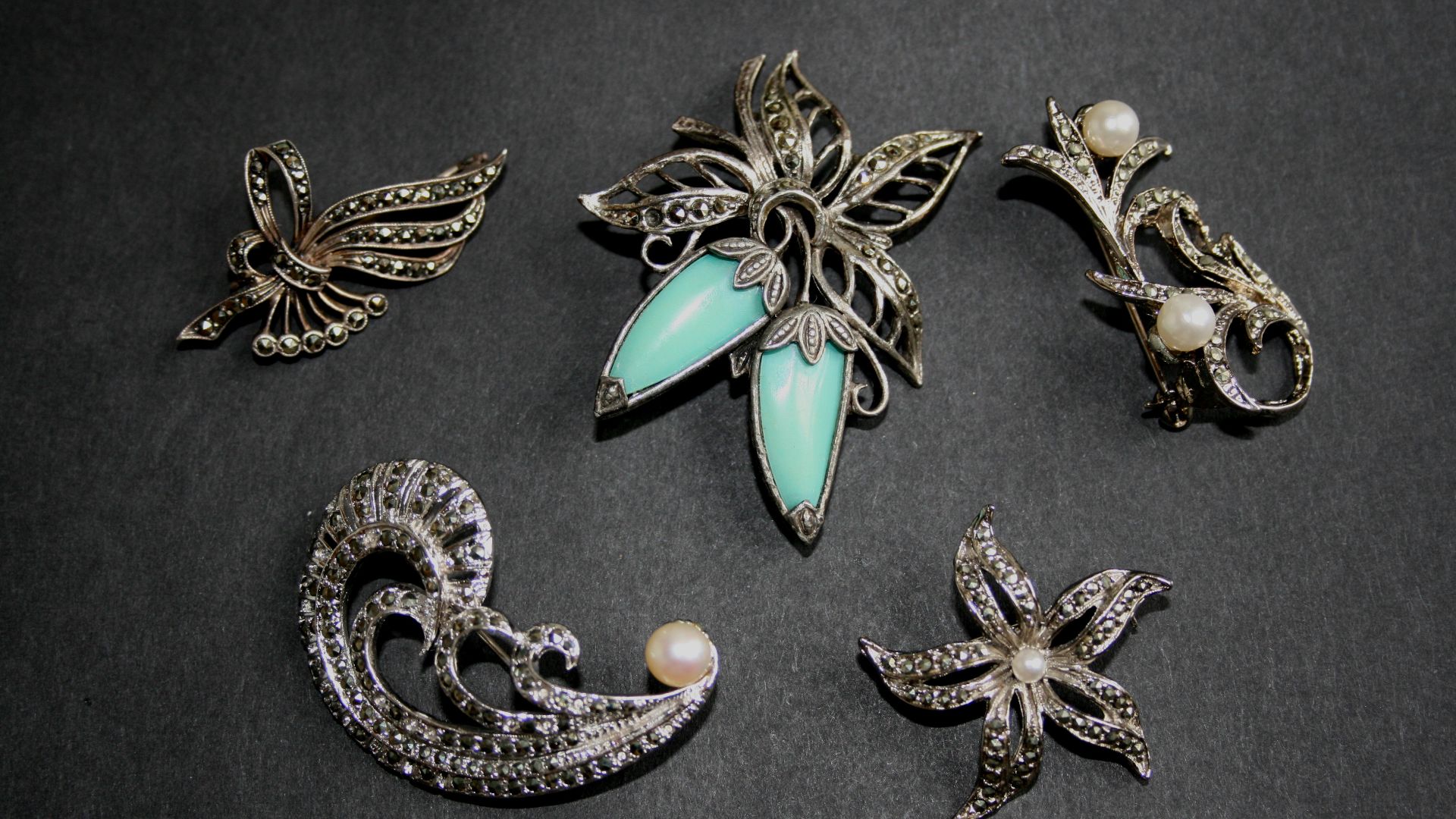
Daisy also became an important client of the French jewelry house René Boivin. Among the remarkable designs associated with her collection were an elaborate sapphire-studded pigeon's wing and a striking . These unconventional pieces showed how Daisy treated jewelry as wearable art rather than simply orchid brooch a display of wealth.
Her Wardrobe Wasn't Her Only Creative Outlet
Daisy also pursued a literary career, writing fiction and poetry during her lifetime. One of her best-known works was Les Dimanches de la Comtesse de Narbonne, published in 1931 and later available in English as Sundays. Although her books never eclipsed her social reputation, they reveal that she wanted to be recognized for more than her fortune and appearance.
 Thought Catalog thoughtcatalog, Wikimedia Commons
She Loved Being Ahead Of Everyone
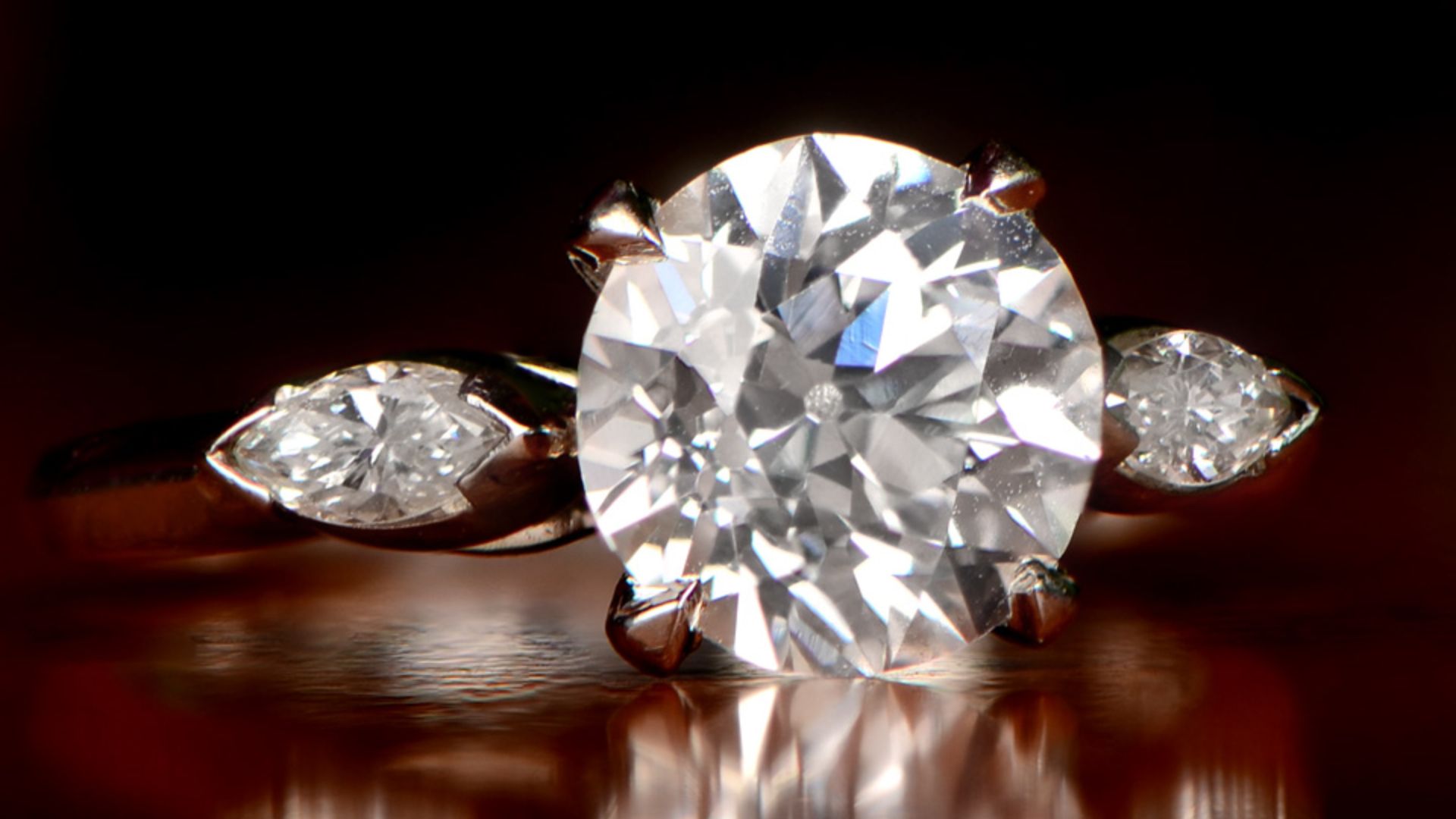
Daisy's most memorable achievements in fashion came from her ability to embrace styles before they became widely accepted. She wore bold jewelry with surprisingly simple clothes and enthusiastically supported designers who were experimenting with unusual forms. Her confidence helped establish the idea that a fashionable woman could make her own rules rather than merely follow the expectations of society.
 CatherineLewis1976, Wikimedia Commons
Her Glittering World Began To Change
The Second World War interrupted the glamorous European world in which Daisy had established her reputation. The cultural atmosphere that shaped her greatest years of influence was transformed, and the carefree society of the 1920s and 1930s could not simply return unchanged. Even so, Daisy's distinctive style remained visible long after her original social circle had begun to fade.

She Lost Her Second Husband
Reginald Fellowes died in 1953, leaving Daisy a widow for the second time. By then, she had spent decades moving among wealthy aristocrats, celebrated artists, and influential members of fashionable society. Her life had been defined by extraordinary connections, but age and bereavement were gradually replacing the excitement of her earlier years.
 Ministry of Information Photo Division Photographer, Wikimedia Commons
She Refused To Give Up Her Glamour
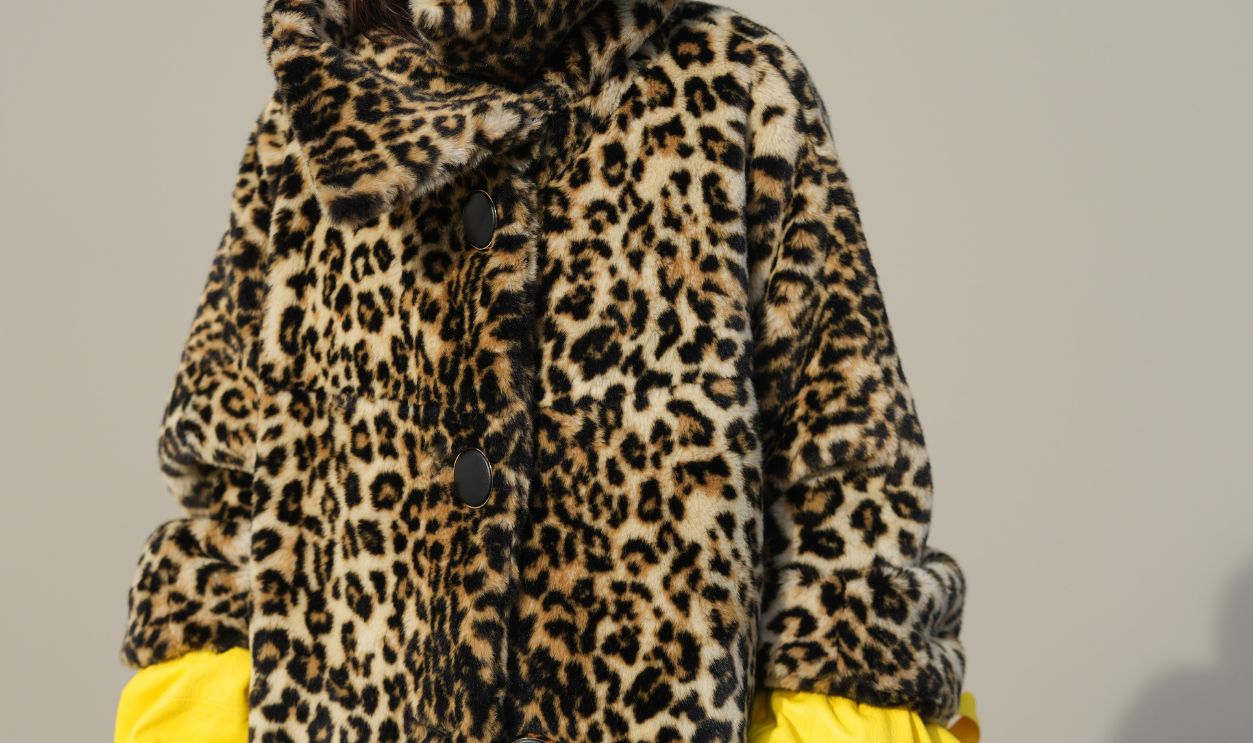
Even as she grew older, Daisy continued to maintain her reputation for eccentric luxury. Fashion histories record that she commissioned a remarkable panther coat from Givenchy during her later years, demonstrating that she had no intention of embracing a conventional wardrobe. The heiress who had once shocked fashionable Paris was still determined to dress on her own terms.
 Edward Berthelot, Getty Images
Her Extraordinary Life Finally Ended
Daisy Fellowes died in Paris on December 13, 1962, at the age of 72. She had survived two husbands, witnessed enormous changes in European society, and spent decades establishing herself as one of fashion's most recognizable personalities. Her passing also created an opportunity for the world to reconsider the private tragedies, family tensions, and extraordinary possessions she left behind.

Her Fortune Had A Surprising Final Chapter
Despite inheriting the enormous Singer family fortune, Daisy's final financial circumstances have become a subject of particular interest. A later biographical account claims that her remaining estate was worth less than £80,000, a startling contrast with her reputation for apparently limitless wealth. However, that precise figure has not been independently verified against a probate record, so it should be treated as a reported claim rather than an established fact.
 Vincent de Groot - http://www.videgro.net, Wikimedia Commons
Her Famous Necklace Had Another Life
Following Daisy's death, her extraordinary Cartier necklace passed to her eldest daughter, Emmeline de Castéja. Cartier subsequently remodeled the piece in 1963, changing the original flexible arrangement into a more structured necklace. When it appeared at Sotheby's in Geneva in 1991, it achieved a price exceeding $2.6 million, demonstrating just how enduring Daisy's influence on fine jewelry had become.
Her Greatest Legacy Wasn't Her Scandals
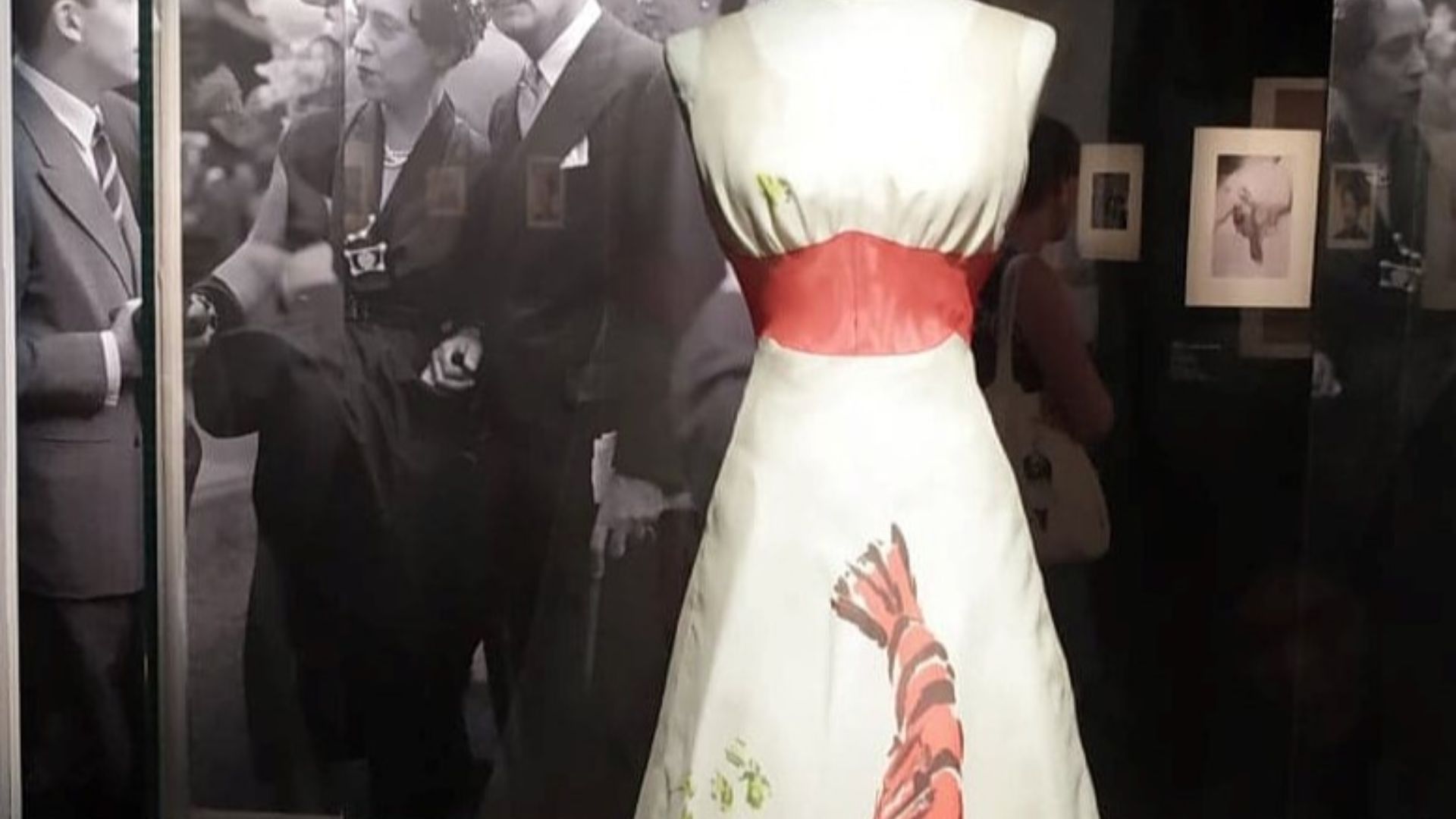
Daisy's reputation for sharp remarks and difficult relationships remains part of her story, but her fashion legacy has proved more durable. Her Schiaparelli clothing entered museum collections, while her jewelry continues to attract the attention of leading auction houses and historians. The woman once dismissed as a wicked socialite is also remembered as a fearless patron whose taste helped shape modern fashion.
You May Also Like:
Luxurious Facts About History's Doomed Heiresses
Golden Facts About CZ Guest, An American Icon